
A bridal choti carries more than hair. It holds flowers, gold, sometimes a full jada of jewelry, and it’s what guests see for the whole ceremony while you sit facing the fire or the mandap. So it has to be built to carry weight and stay put for hours. From a plain single plait to fishtails and floral-laden poola jadas, these 25 chotis cover North and South Indian traditions and a few modern takes. I’ve added notes on hair length, weight and flowers for each, because those decide whether a choti looks as good at the vidaai as it did at the first photo.
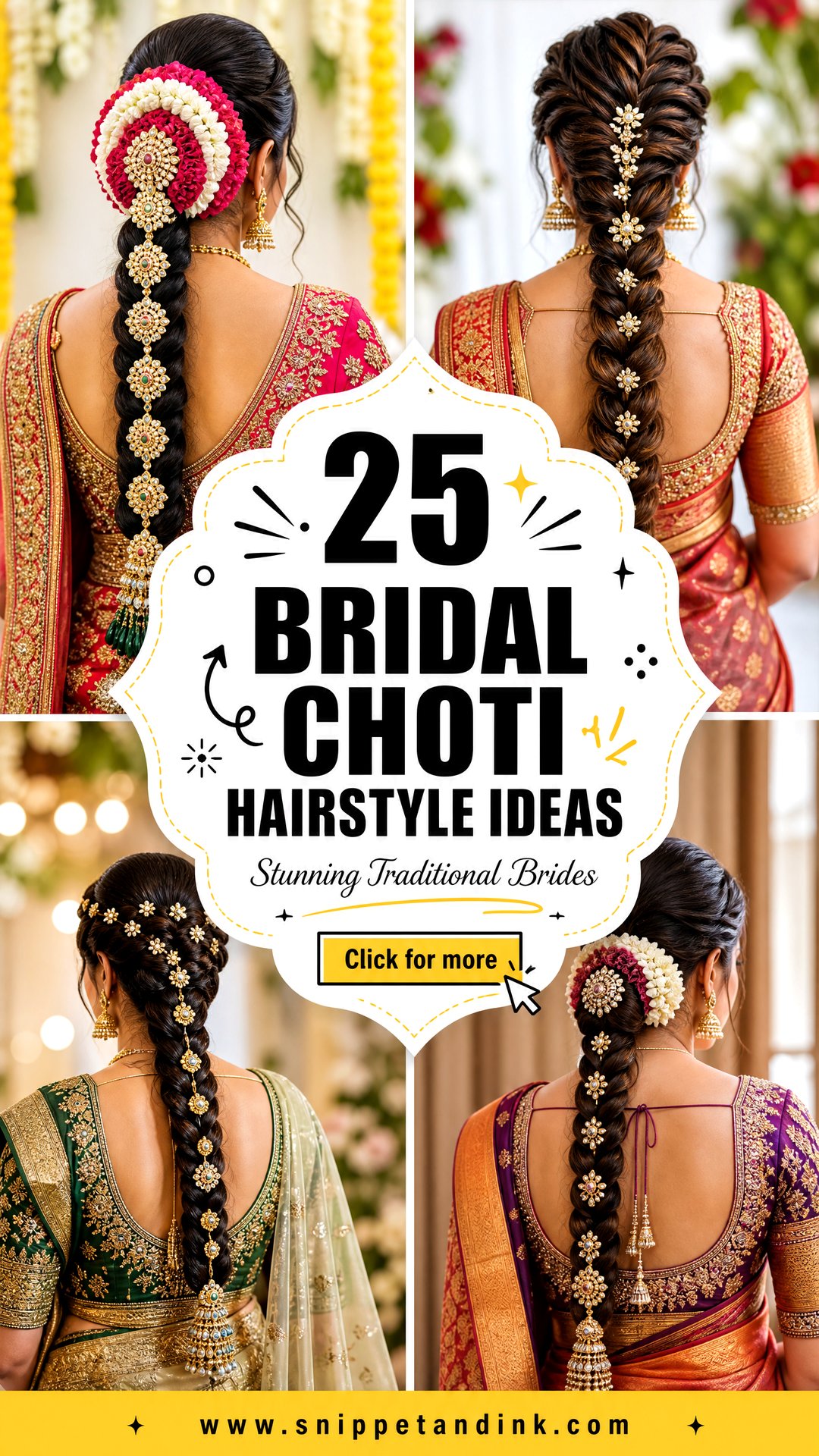
Jasmine, Roses and Marigold: Getting Flowers to Last Until the Pheras
Fresh flowers are what most brides want on a choti, and they’re also what fails first. A few things I’ve learned from attaching them before long ceremonies:
- Order from a florist who stitches jadas and gajras, and agree on the length of your braid. A jada made too long trails on the floor when you sit.
- Collect jasmine as tight buds on the morning. Buds open through the day, so the fragrance peaks during the ceremony instead of before it.
- Keep strings wrapped in a damp muslin cloth in a cool spot. A cold fridge can bruise and brown them.
- Attach flowers last, after all pins and spray are in. Hairspray spots white petals.
- Ask a cousin to carry a spare gajra and a few U-pins for touch-ups before the reception.
Weight is the other concern. A full poola jada or a heavy floral choti pulls on the scalp for hours. I build a firm base braid and anchor flowers to it at several points so the weight spreads along the length rather than hanging from the crown.
1. Classic Single Plait Bridal Choti
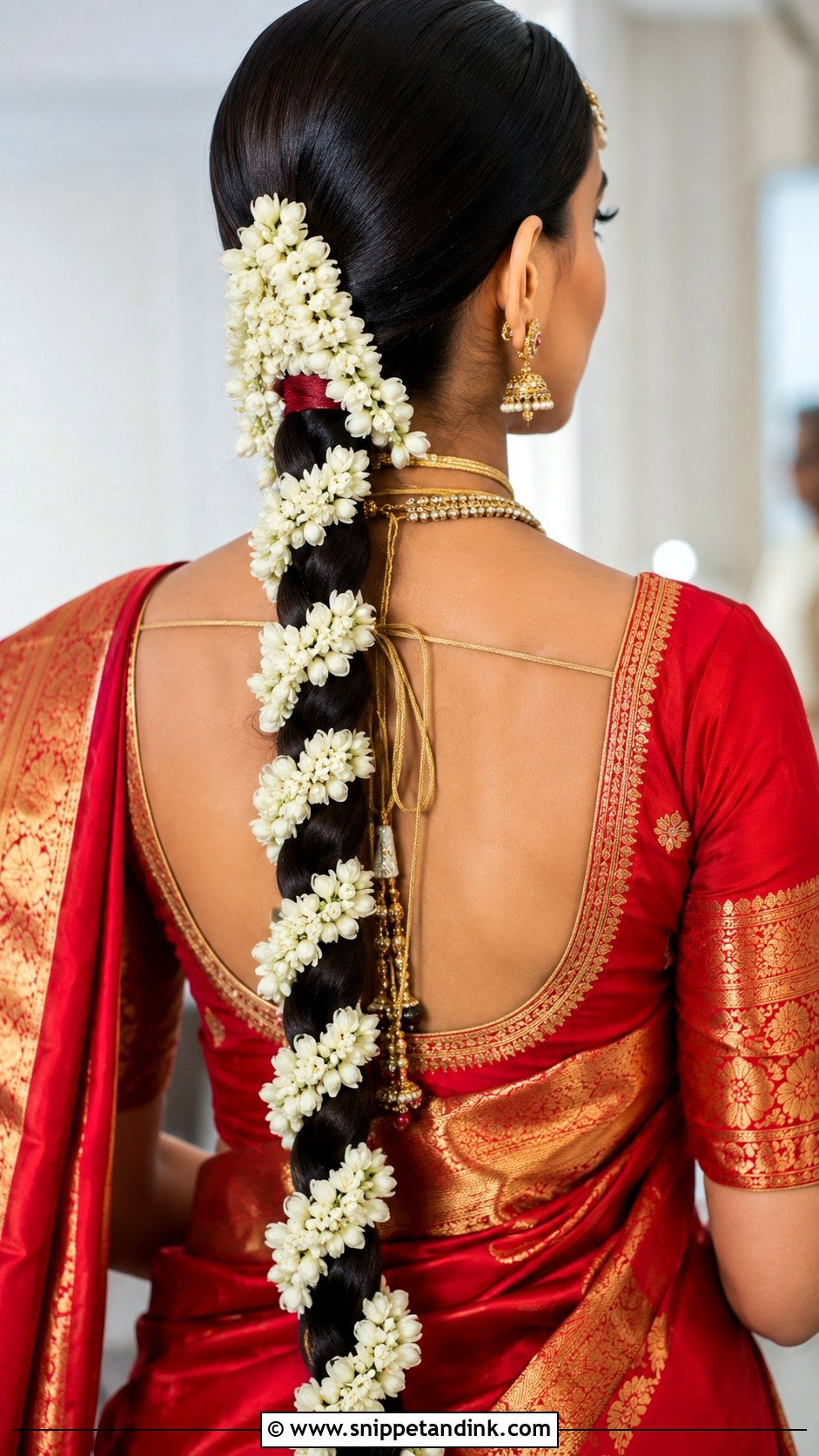
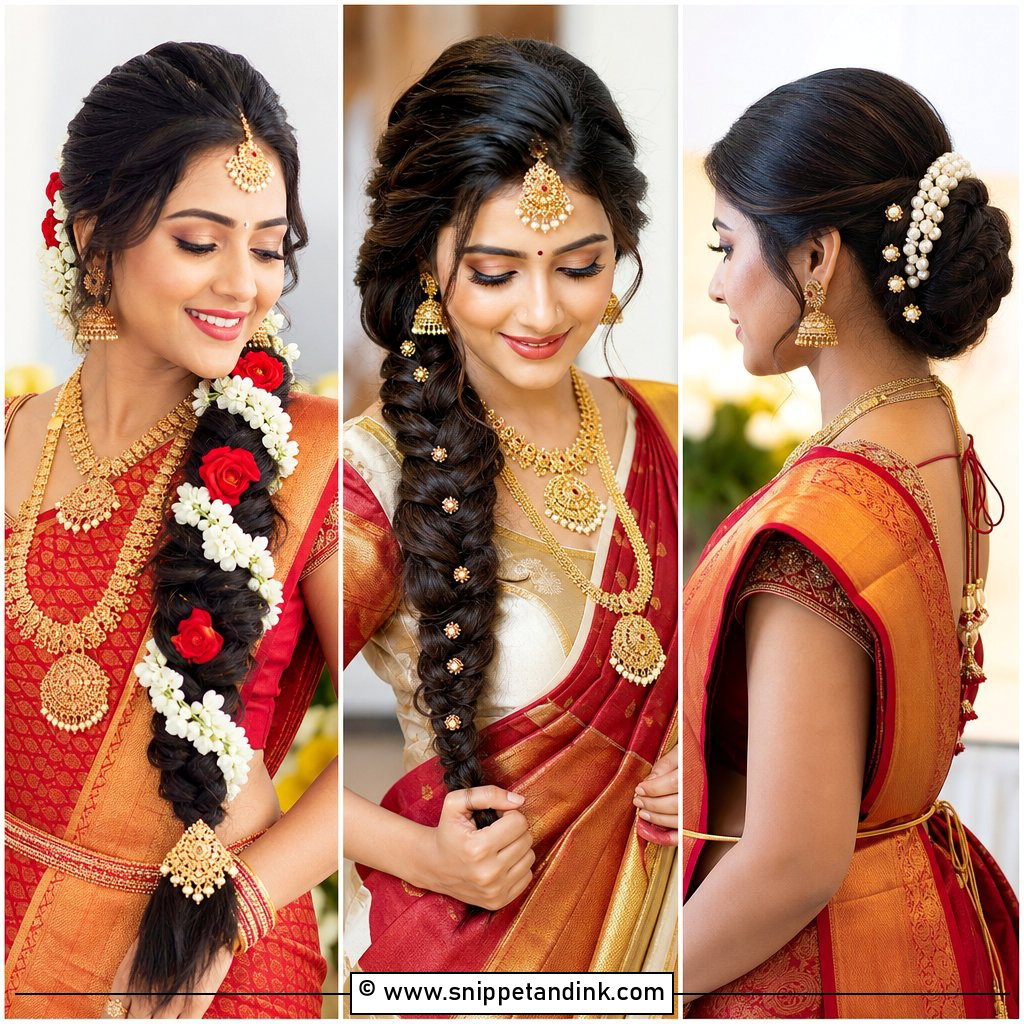
The single plait is where every choti starts, and for many brides it’s still the right answer. It begins high at the crown and runs in one smooth braid down the back, which lets the hair’s own length and shine show. I keep the first few crossings tight so the top doesn’t loosen under the dupatta, then relax the tension lower down. A gold maang tikka balances it at the front. For the finishing touch, attach a string of fresh flowers or a jada billa along the length. It goes with almost any outfit.
2. Fishtail Braid Choti for Brides
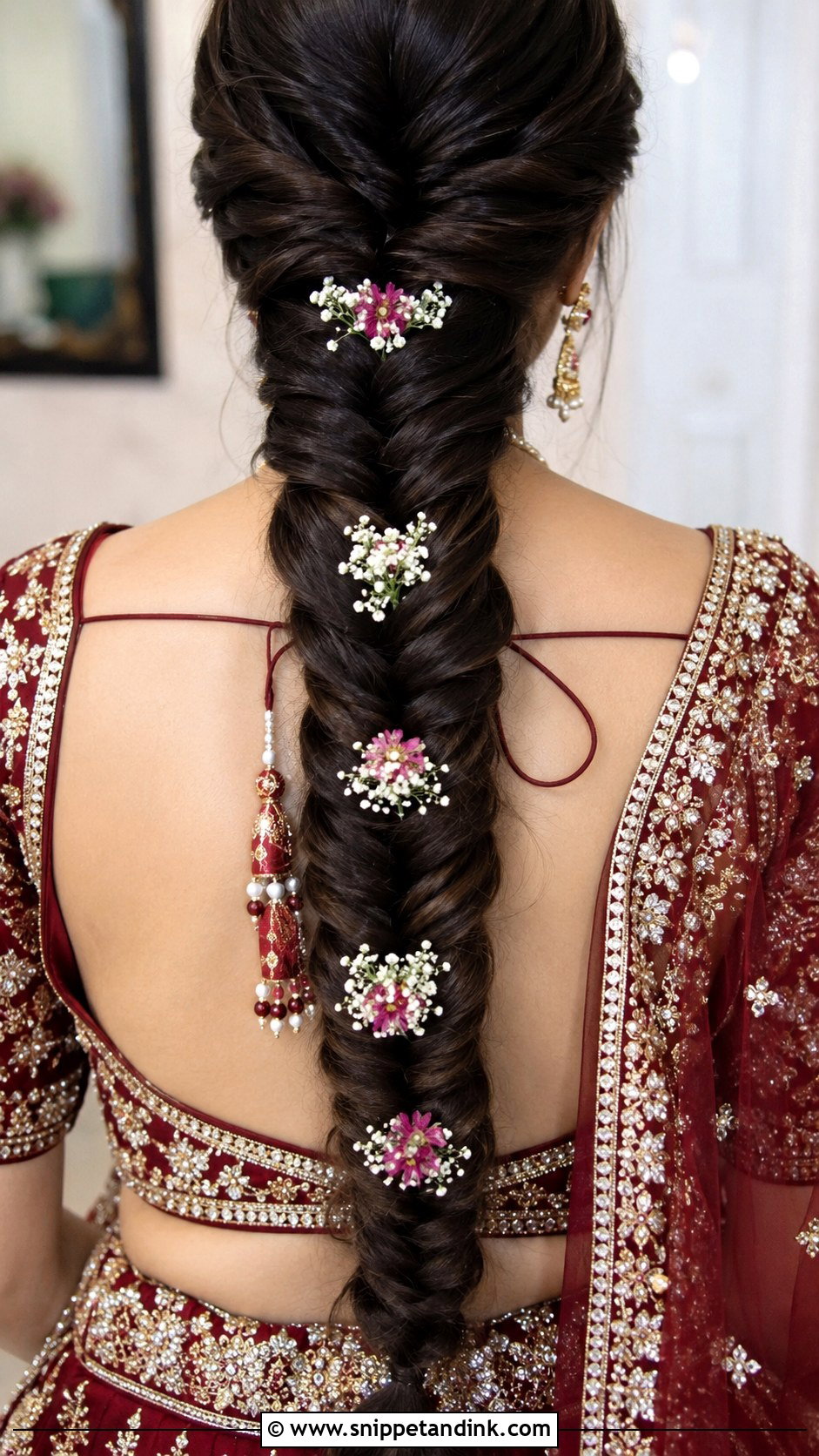
Small sections crossed over each other give a herringbone pattern, which reads as intricate from across a hall. Kept tight, it looks modern; pancaked, it gets wider and softer. Fresh blooms tuck neatly between the crossings because the weave holds stems well. With a backless blouse it draws the eye down the back. On fine hair a fishtail gets thin quickly, so I braid it looser and pull it out more, or add a matched extension underneath before I start.
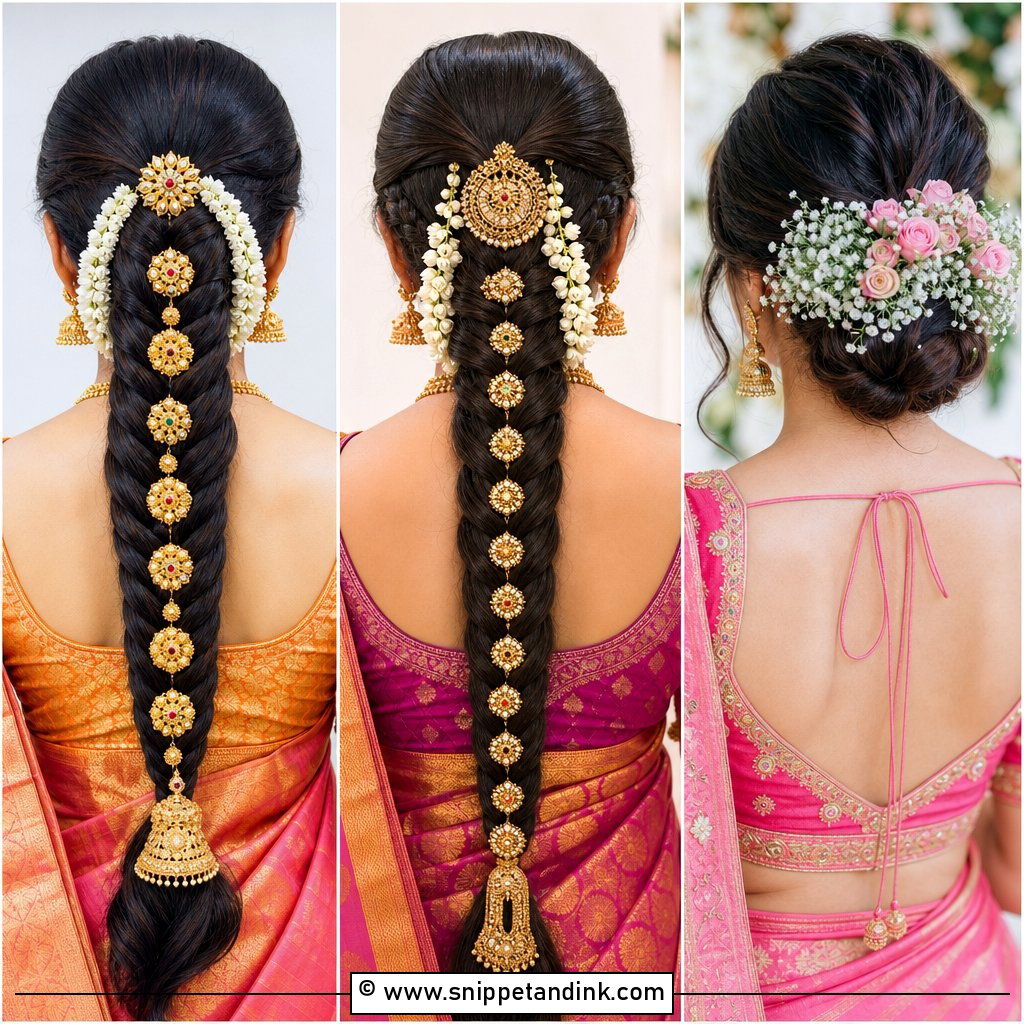
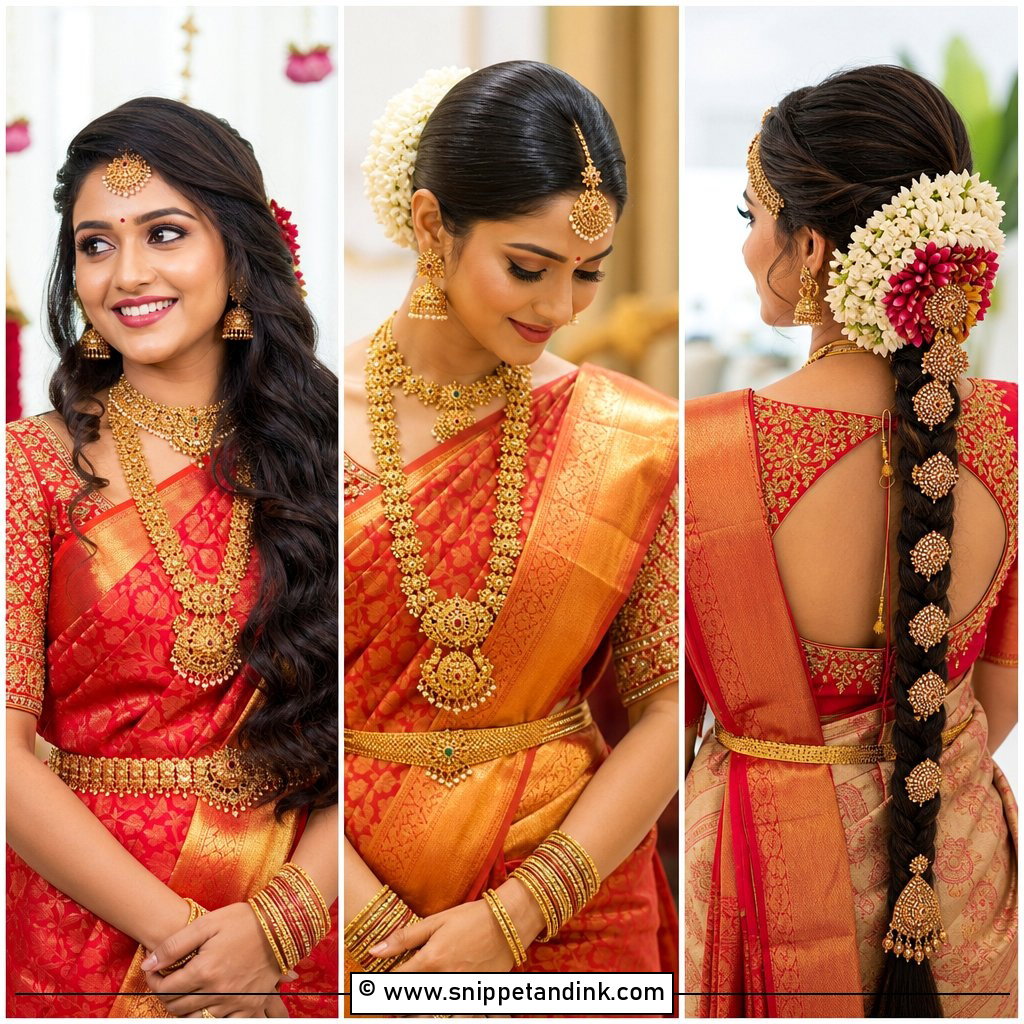
3. Floral Poola Jada Bridal Choti
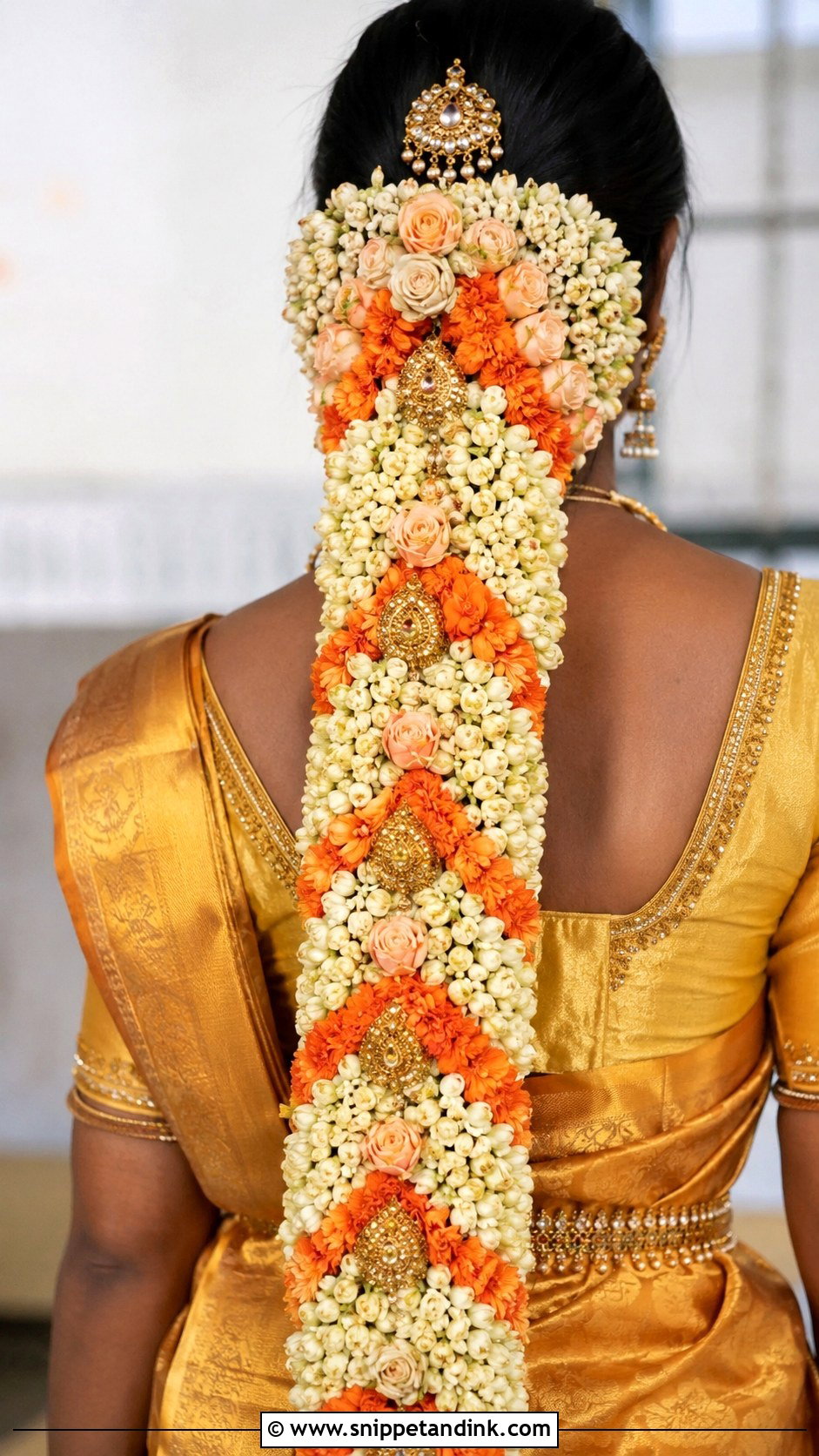
In South Indian bridal tradition the poola jada covers the whole braid with rows of fresh flowers, usually jasmine, roses and marigold, in a tapering pattern. It’s fragrant and full and suits a Kanjeevaram saree perfectly. Temple-jewelry tikkas and gold accessories complete it. The flowers can be pre-stitched on a base by a florist or attached by hand. A full jada is heavy, so I anchor it to a firm base braid with U-pins every few inches instead of relying on the flower base alone.
4. Dutch Braid Bridal Choti
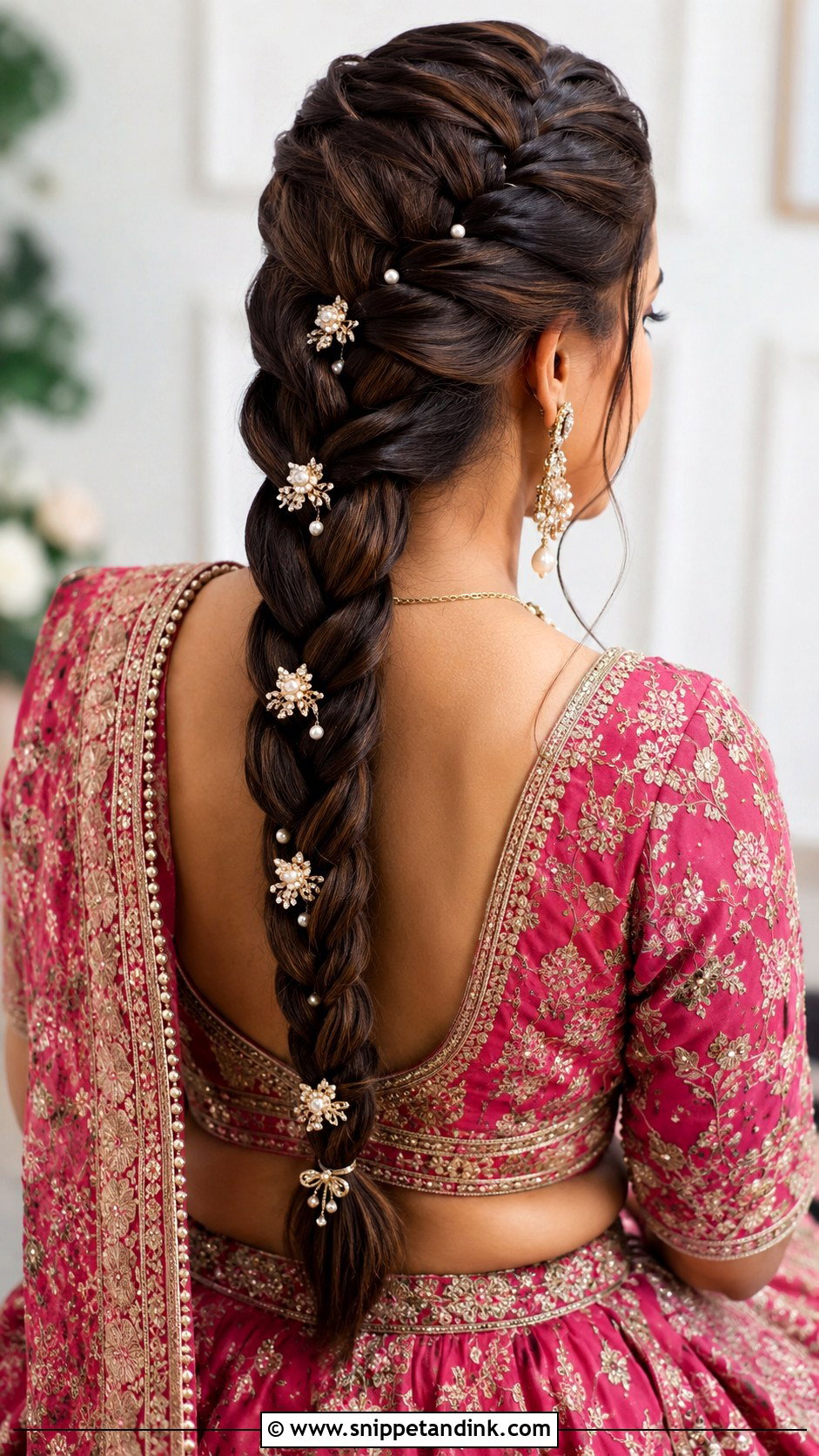
Strands are crossed under instead of over, so the plait sits raised on top of the hair like a rope. That gives the choti real dimension, and it shows best on sleek, glossy hair. A single Dutch braid is clean and structured; two woven together make it fuller. Small floral clips or pearl pins along the length add detail. I find it holds jewelry better than a flat braid, since pins can grip the raised edges.
5. Mogra Jasmine Bridal Choti
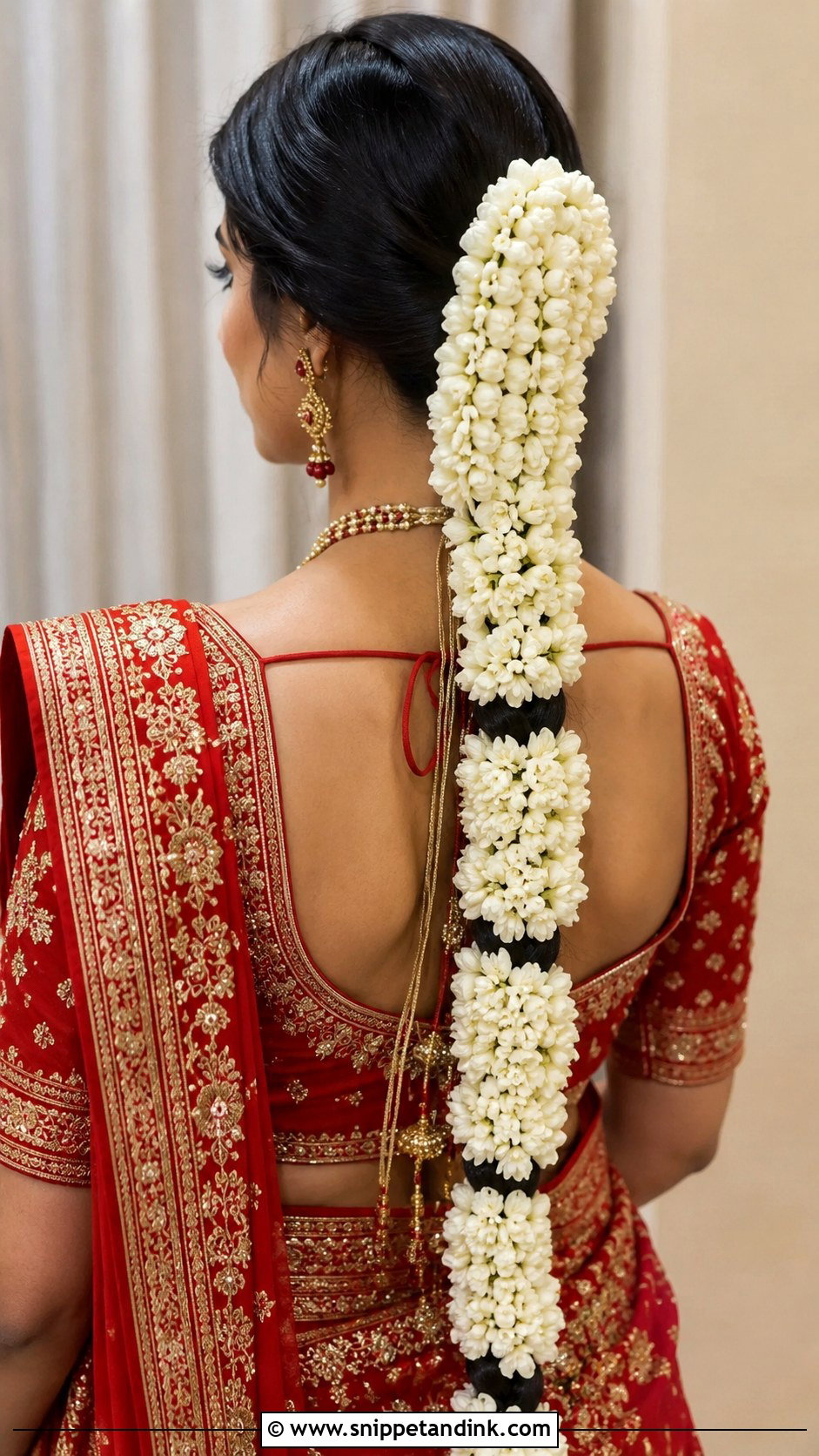
Mogra strung like a garland and wound around or layered along the braid is the most classic of choti flowers. The white blossoms contrast sharply against dark hair, and with a red or maroon lehenga the pairing is traditional for a reason. The fragrance carries for hours. Jasmine buds open and brown faster in heat, so I ask for strings of tight buds and keep them wrapped in a damp cloth in a cool place until I attach them. Pinning gajras at both ends stops them from sliding down the plait.
6. Side-Swept Bridal Choti Braid
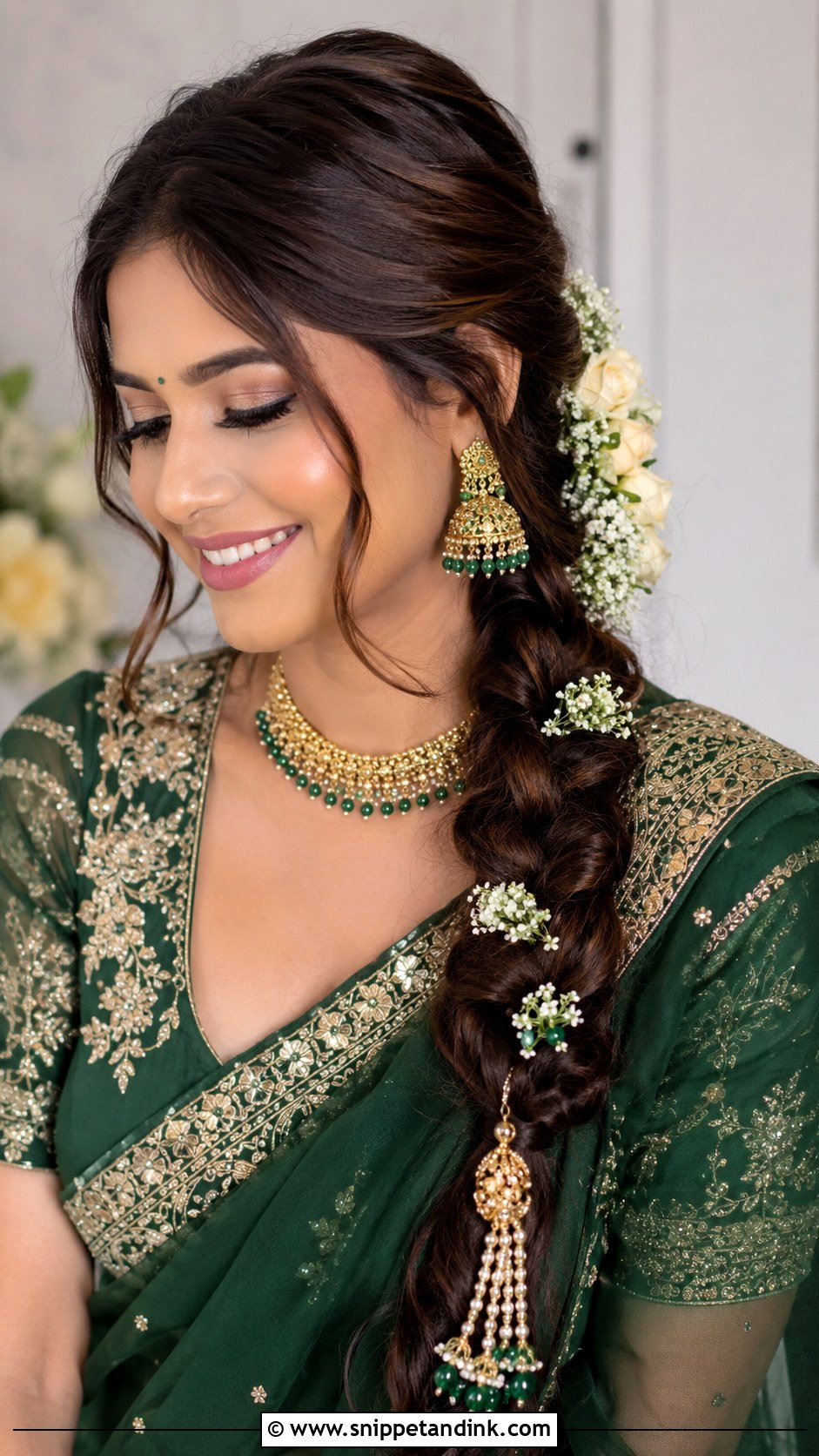
Draping the choti over one shoulder shows off the neckline, earrings and blouse. It’s the best layout for statement jhumkas or a heavy maang tikka, since nothing hides them. A loose plait or a fishtail both work. A few flowers or a latkan at the end add charm. The braid has to be pinned behind the ear on the side it leaves, or it slips back while you move. If your dupatta is draped over the head, check that the braid and dupatta don’t fight for the same shoulder.
7. Gota Latkan Ribbon Bridal Choti
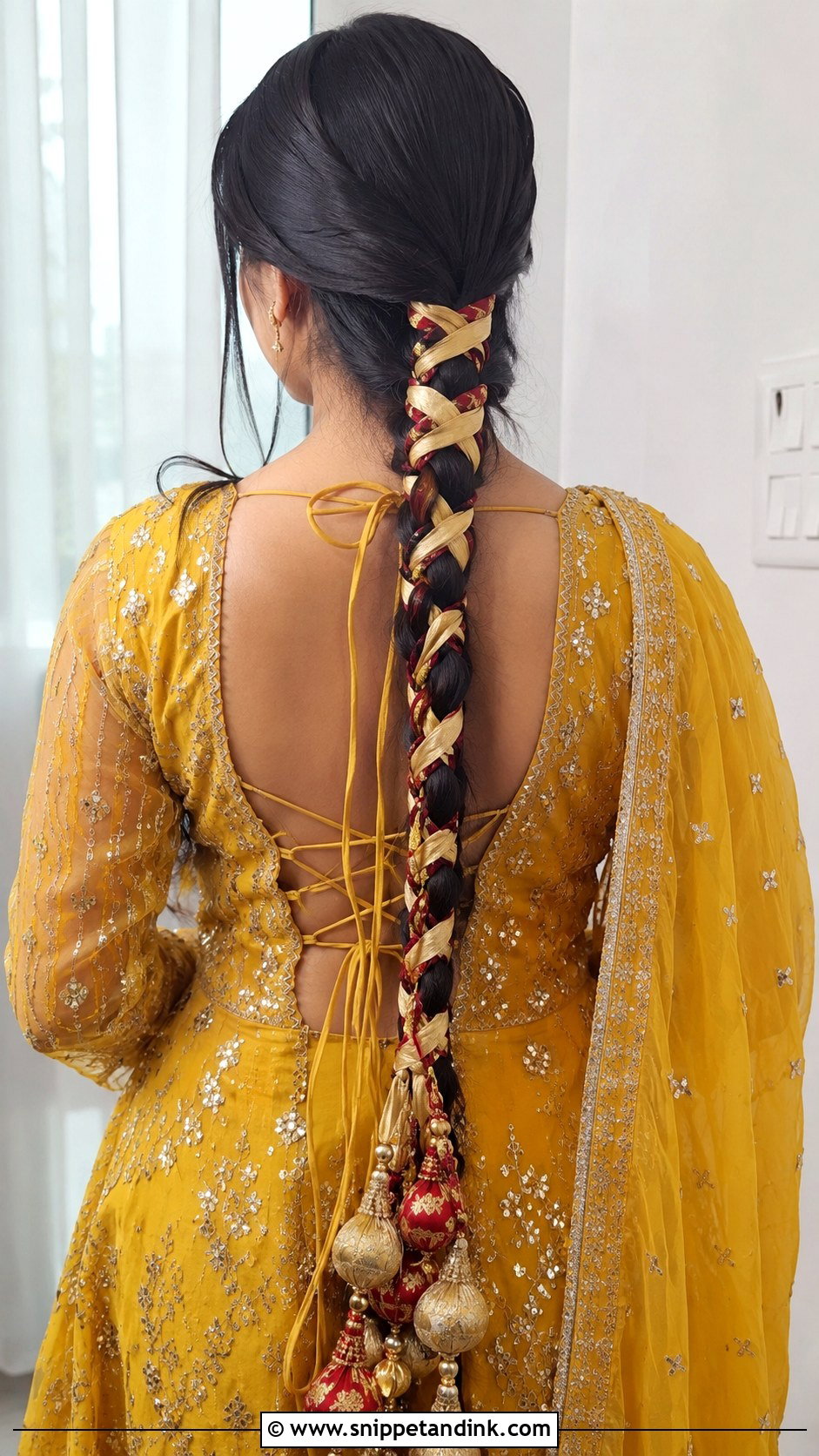
A decorative ribbon or latkan tassels are woven into and along the braid. They usually come in gold, red or pink and contrast nicely against dark hair. The tassels at the end sway as you move. It’s a natural choice for mehndi and haldi ceremonies, and it can carry over to the wedding itself. You can add fresh flowers for fullness. For haldi, I’d pick a ribbon you don’t mind getting stained, since turmeric marks silk and gota permanently.
8. Messy Romantic Bridal Choti
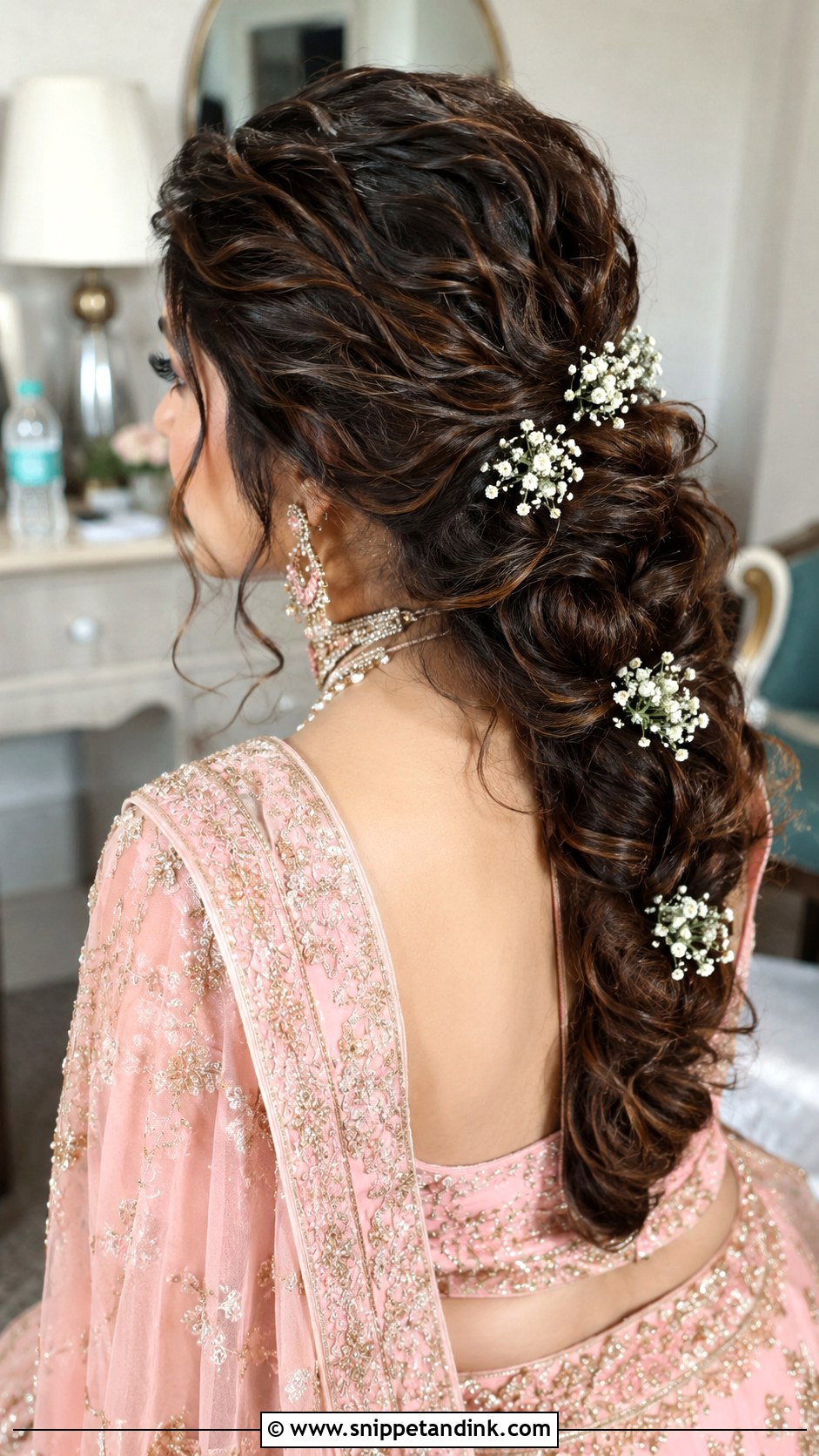
Not every bride wants a tight braid, and a looser, pancaked choti gives soft volume and texture. A few face-framing tendrils make it relaxed. It looks especially good on wavy or curly hair. Delicate flowers or baby’s breath suit it. Outdoor and daytime weddings are its best setting. A messy choti still needs structure underneath, so I braid it firmly first, pin the base, then loosen only the outer edges. Otherwise it unravels by the pheras.
9. Gold Jada Billa Bridal Choti
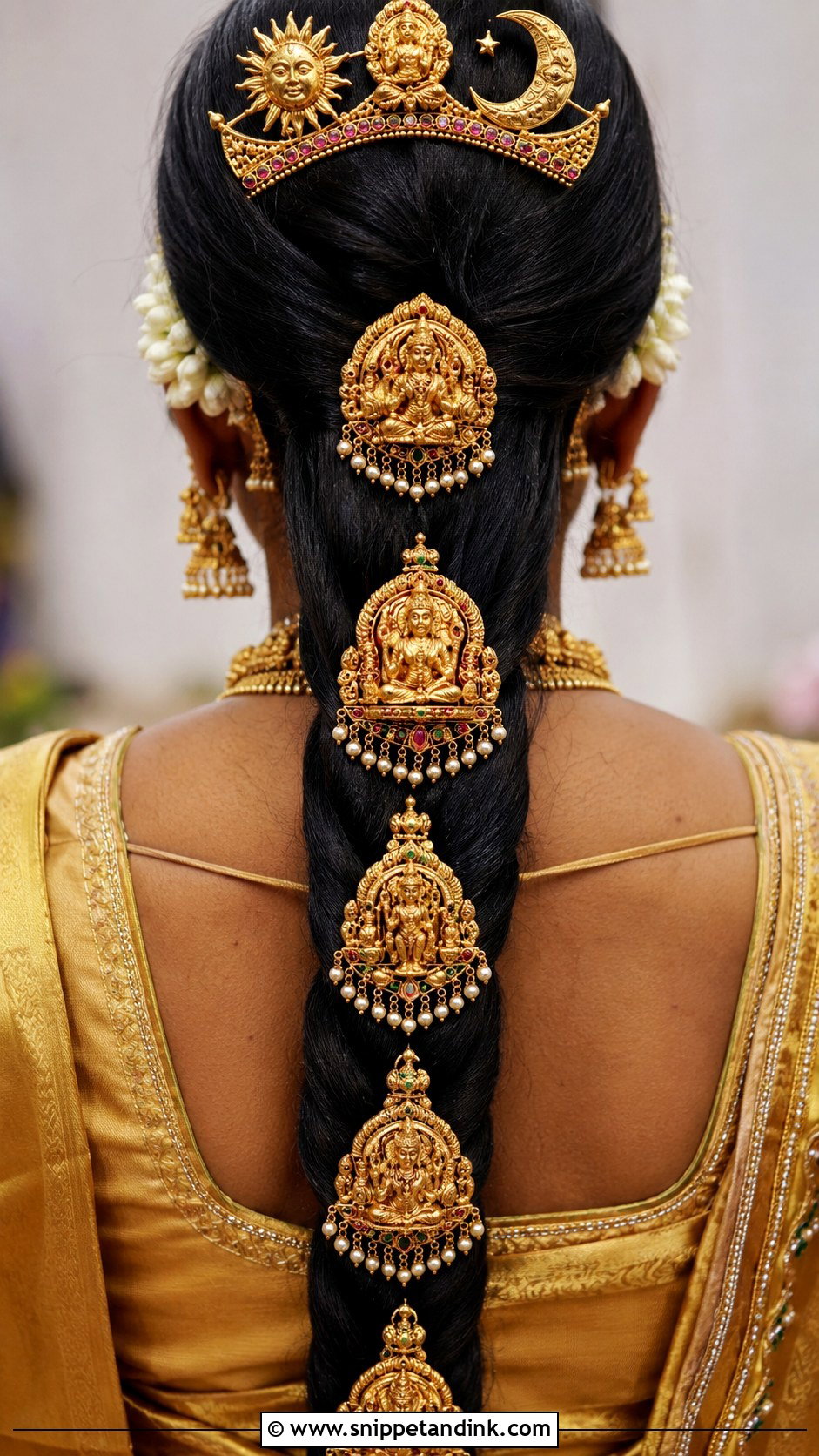
Rooted in South Indian wedding tradition, the jada billa decorates the braid with ornate gold pieces placed one after another down its length. Each billa often features temple motifs, peacocks or tiny bells. Matching temple necklaces and a sun-and-moon ornament at the crown complete it. It suits silk sarees and gold-toned lehengas. A full set of billas is heavy, so I stitch or pin the piece to a firm base braid, and I check that the bride can sit and stand comfortably with it before the ceremony.
10. Braided Crown Bridal Choti
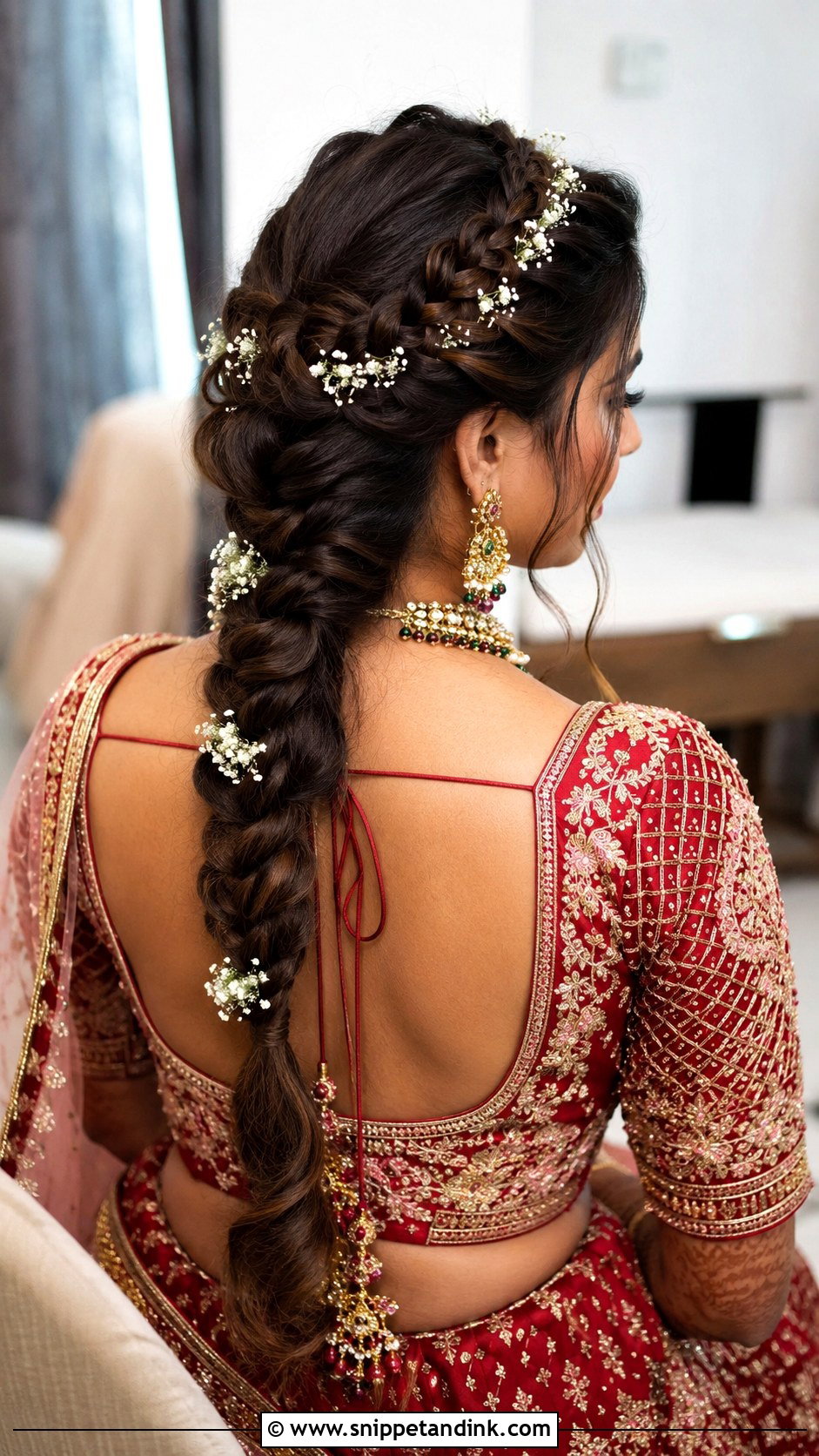
Braids from each side cross the crown like a halo, and the rest of the length continues into a choti down the back. It frames the face and keeps hair off it while still showing length. Small flowers, pearls or a delicate tikka decorate the crown. The trick is placing the tikka’s chain so it runs under the crown braid, which hides the hook and keeps the tikka centered. It suits brides who want an updo feel without giving up the braid.
11. Rose Adorned Bridal Choti
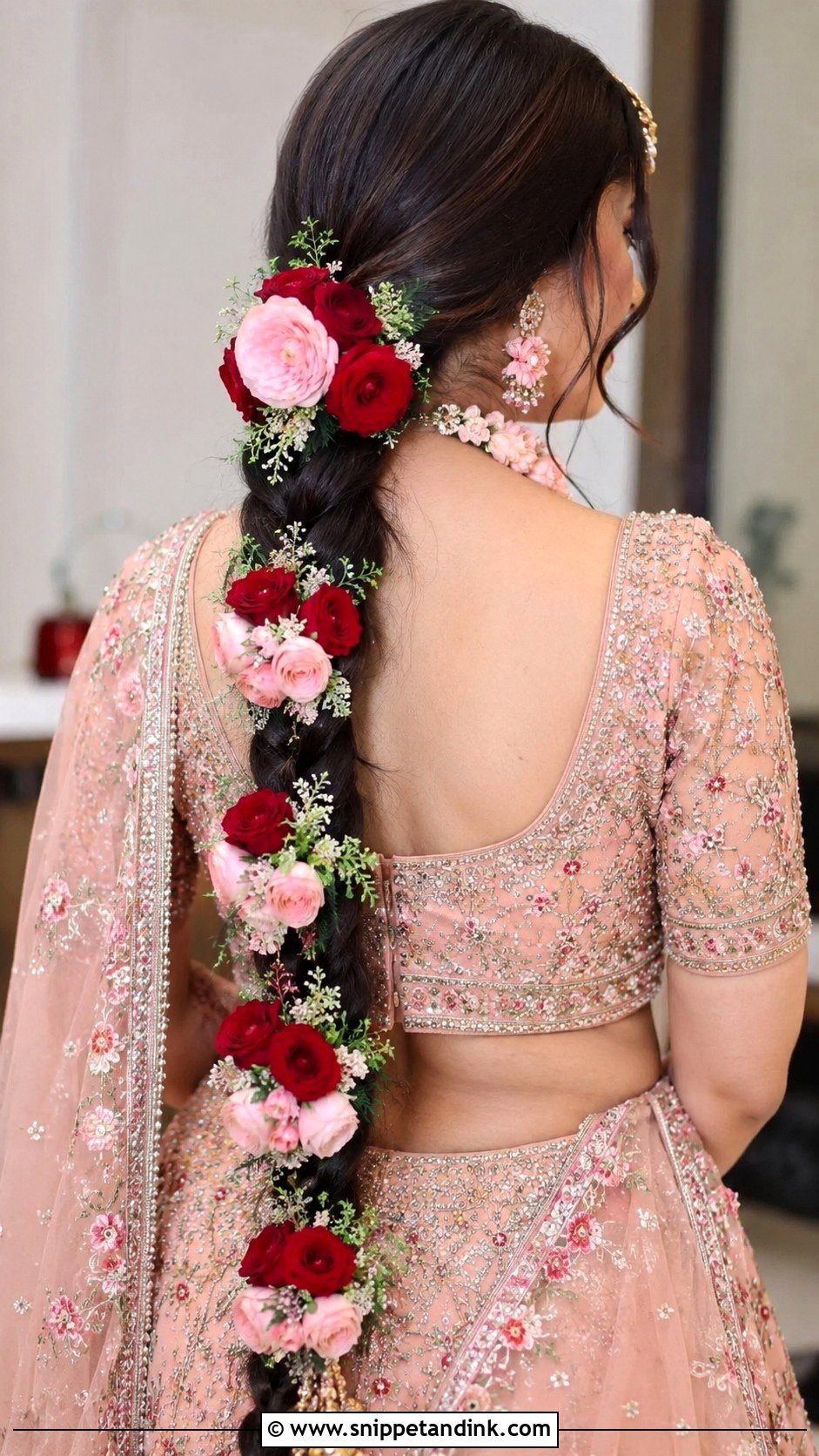
Full rose blooms arranged along the length give volume and a garden-fresh look. Deep red, blush pink and white all work. Brides often mix roses with smaller filler flowers and greenery for layering. The look suits pastel lehengas and floral jewelry. Roses are heavier than jasmine, so I wire each one to a pin and keep the biggest blooms near the top where the braid is firmest. Petals bruise easily, so tell family not to lean on the braid during hugs.
12. Double Braid Bridal Choti
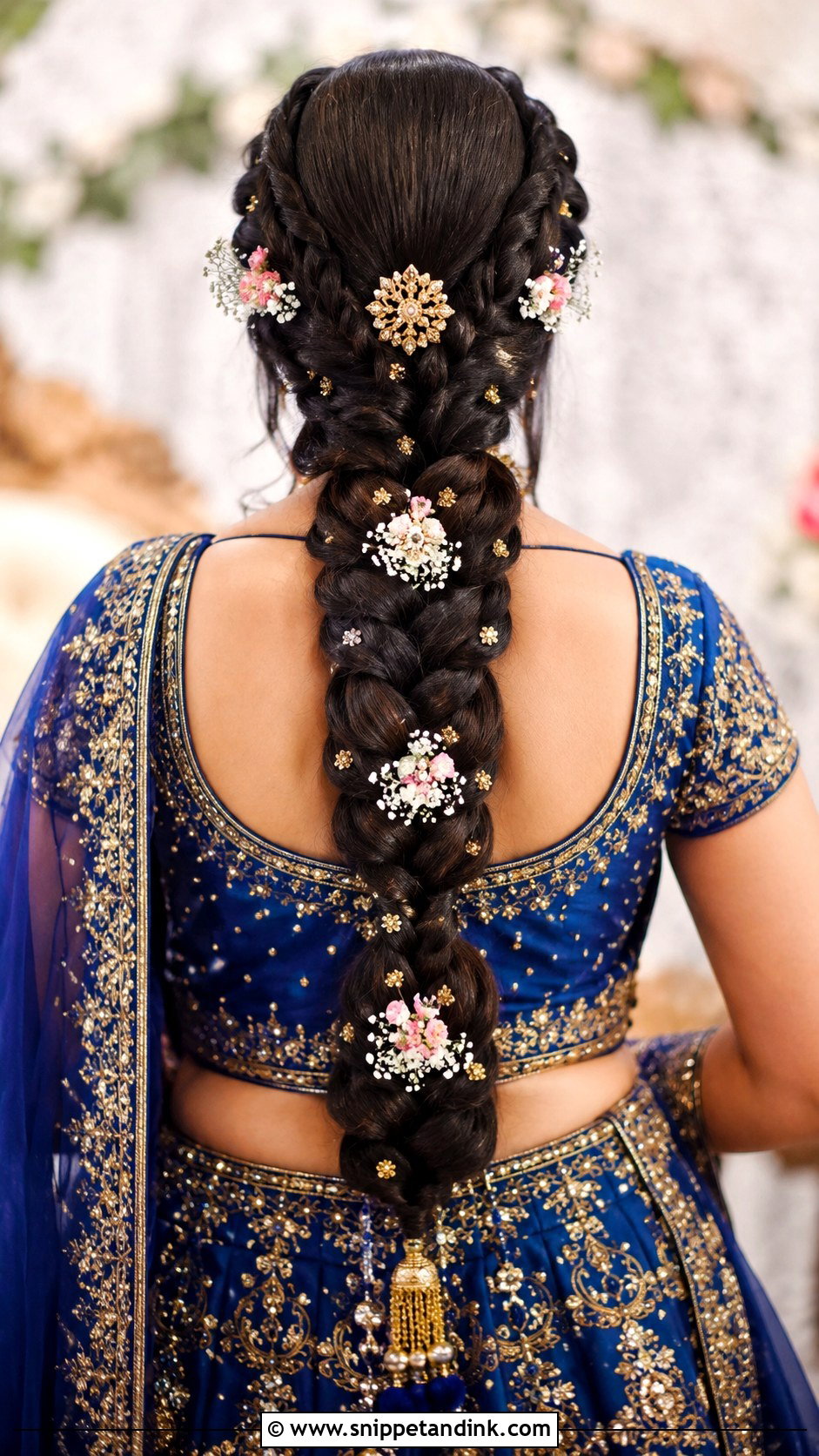
Two plaits run side by side down the back and often merge into a single fuller braid lower down. The pattern gives the choti a structured, eye-catching look. It suits thick or long hair best. Mixing braid types, like a Dutch braid joining a fishtail, adds interest. Floral pins or gold accents can decorate the parting and braids. I use a tail comb for a perfectly straight parting between the two, because any wobble shows down the whole length.
13. Mermaid Braid Bridal Choti
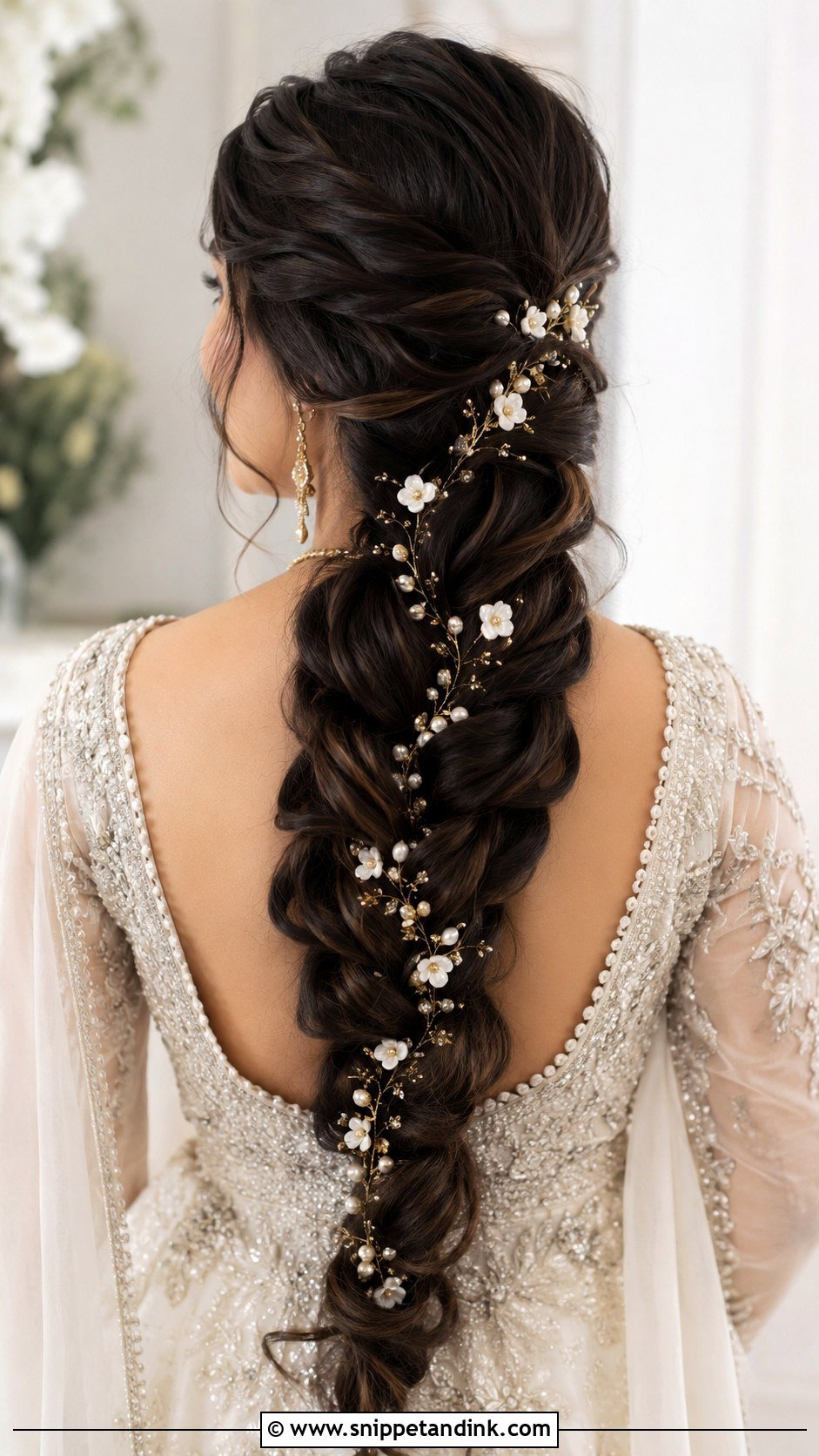
Fishtail and regular braiding are combined into a wide, woven braid that looks soft and full. Loosely pancaked sections give the mermaid effect. It needs long, thick hair or extensions. Tiny flowers, pearls or crystals can be tucked between the weaves. It suits flowing gowns and lehengas. It’s also one of the more fragile styles, so I set it with a strong-hold spray and add hidden pins along the length to keep the loose sections from sliding apart.
14. Pearl Embellished Bridal Choti
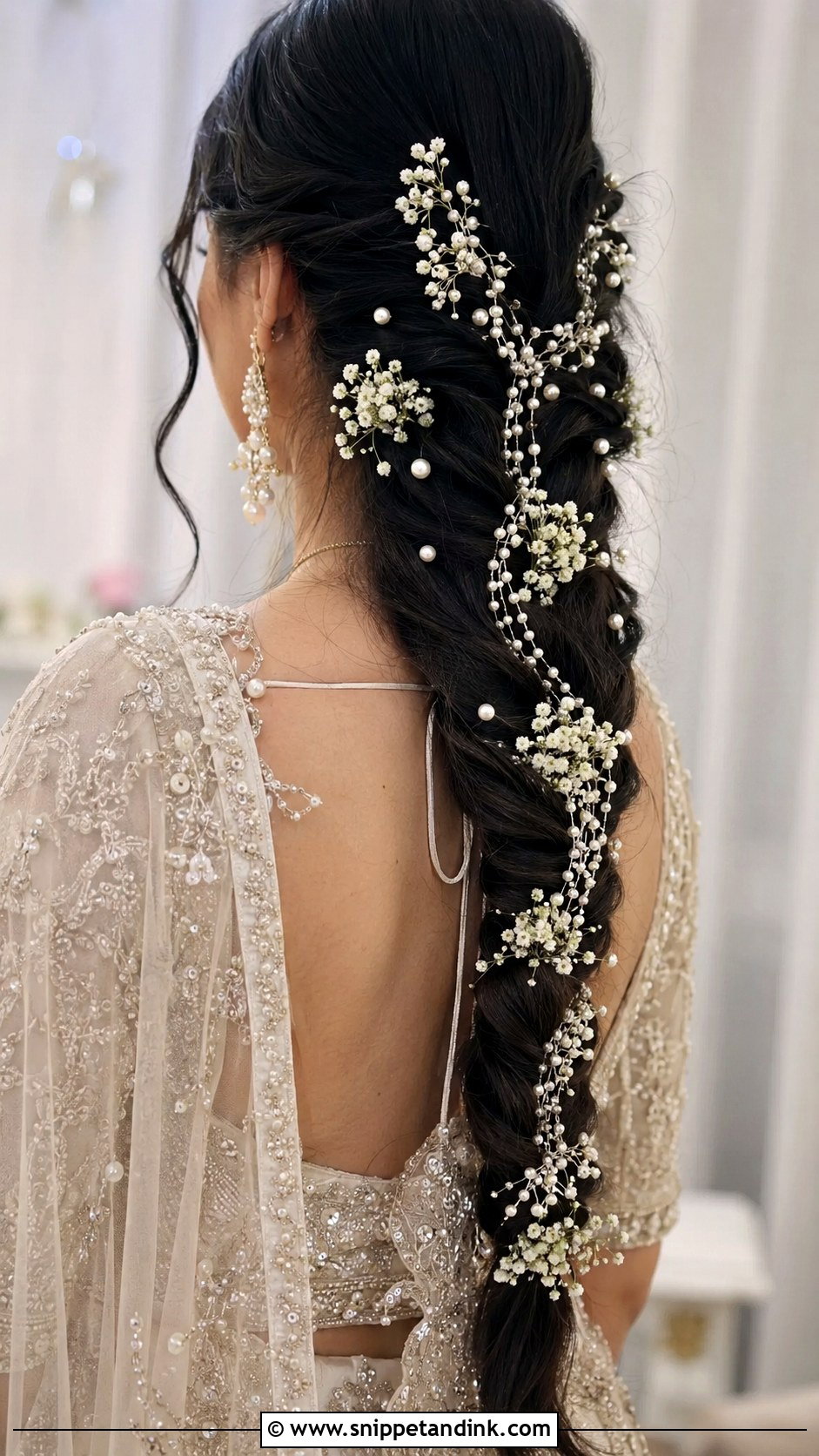
Delicate pearl strings and pins woven through the plait give a soft shimmer. It suits brides who prefer refined detail over heavy flowers. Pearls contrast well against dark hair. Small white flowers can be added for freshness. Pastel and ivory outfits suit it, and it often appears at engagements and receptions. Pearl strings need to be anchored at the top and threaded through the braid, not just laid on it, or they slip down during dancing.
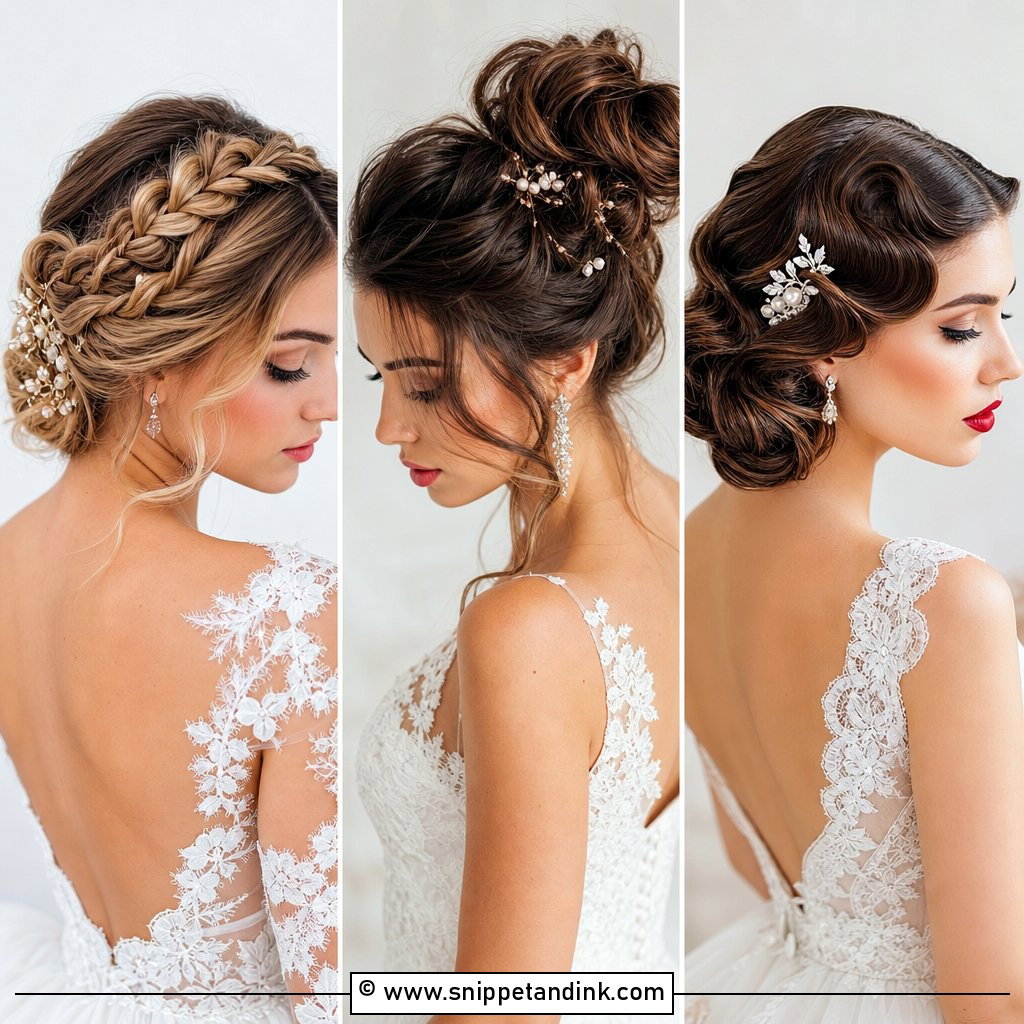
15. Half Up Half Down Bridal Choti
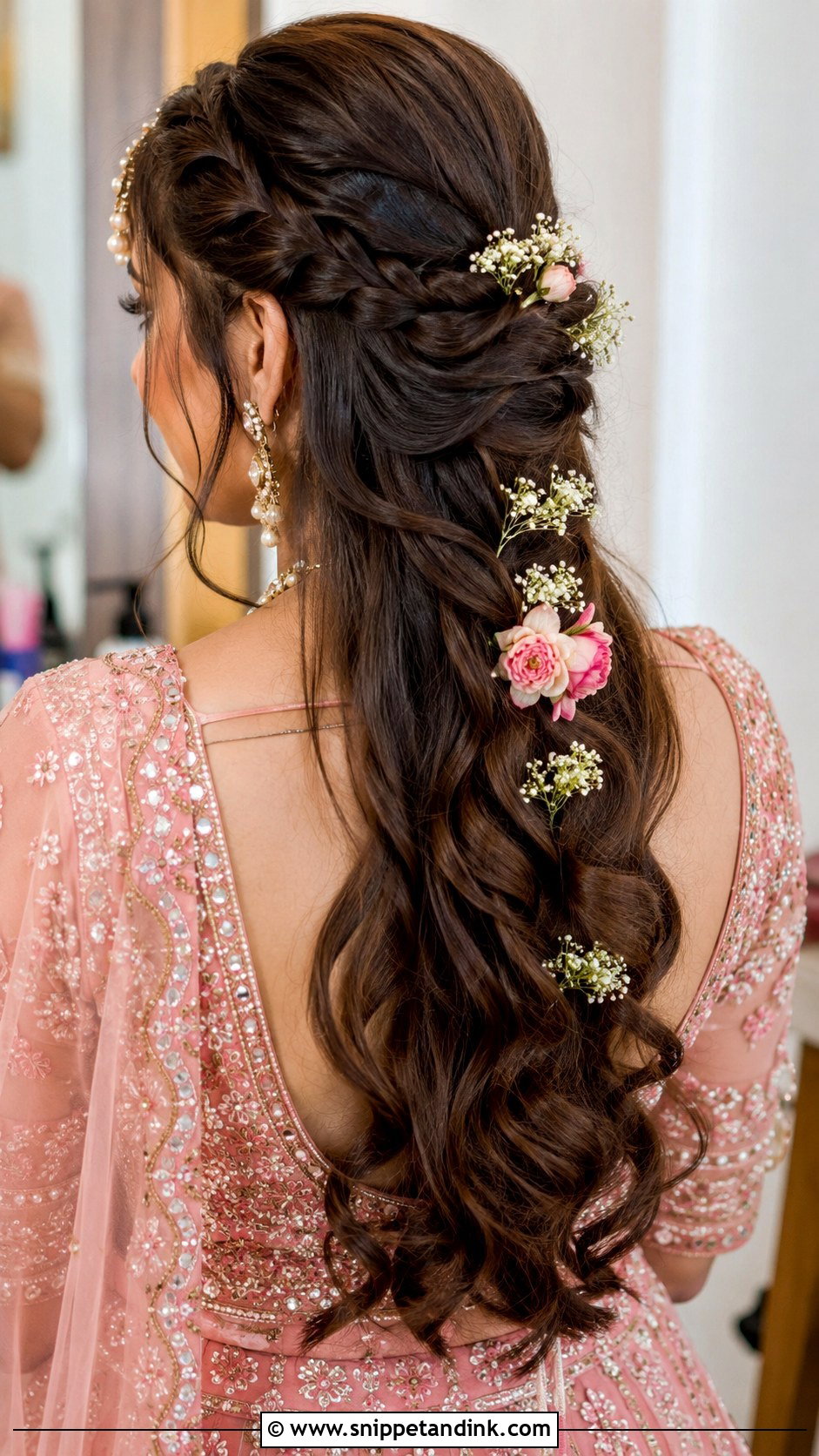
The top section is braided into a neat choti while the lower hair stays loose in waves. It frames the face and shows off length and texture. Flowers, pearls or a tikka can decorate the braided part. It suits sangeet and reception events where you want something relaxed. Loose waves need a good set to last through dancing, so I curl, pin while cooling and set with spray. On very straight hair I’d add a little texture spray first.
16. Marigold Bridal Choti Braid
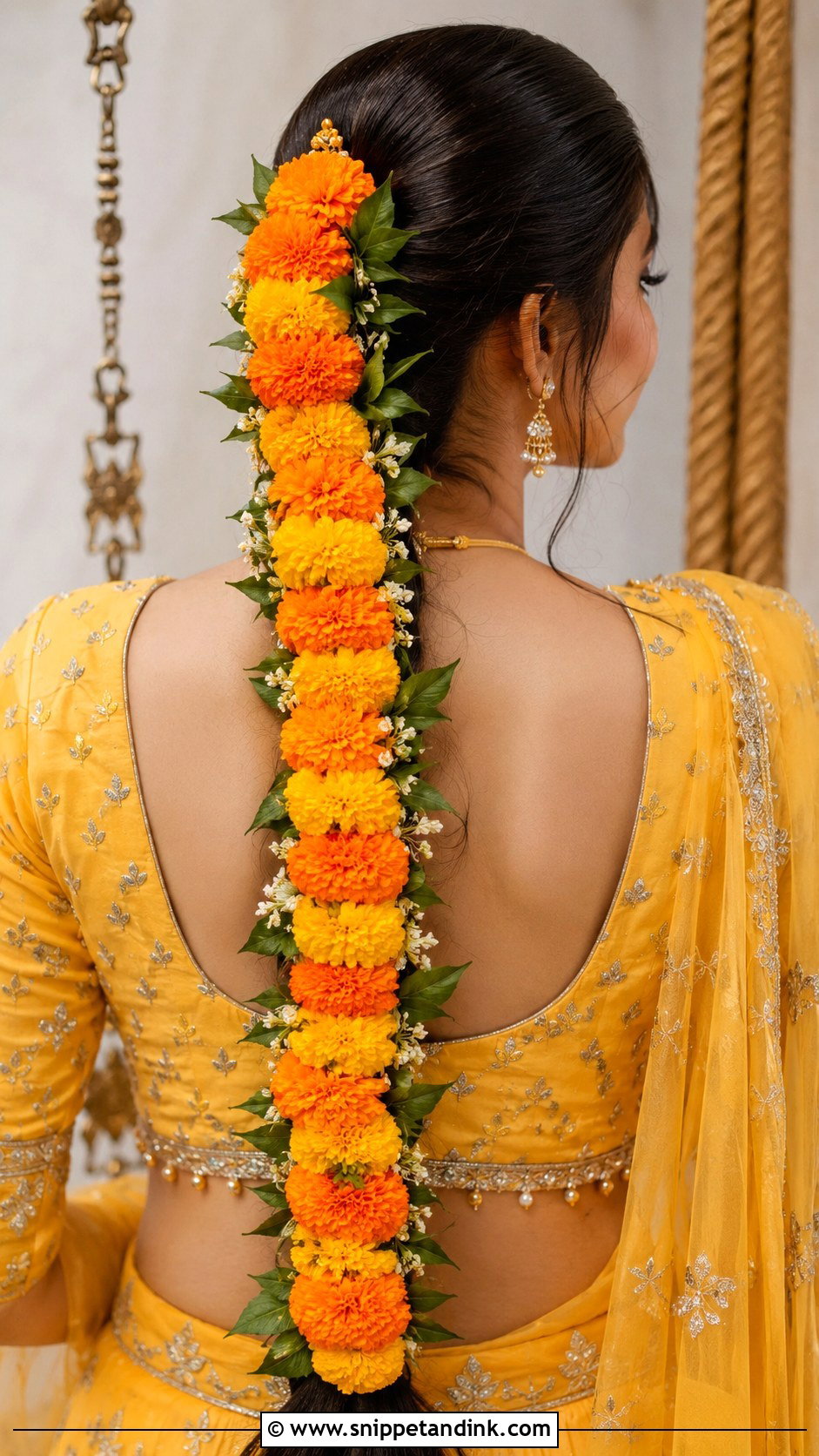
Bright orange and yellow marigolds arranged along the plait give a festive, traditional look. They suit haldi and mehndi outfits and pop against dark hair. Marigolds are budget-friendly and easy to source. Mixing them with green leaves or white flowers adds contrast. They’re sturdier than jasmine and hold up well out of water. Their stems can leave a slight orange stain, though, so I keep them away from pale outfits.
17. Sleek High Braided Bridal Choti
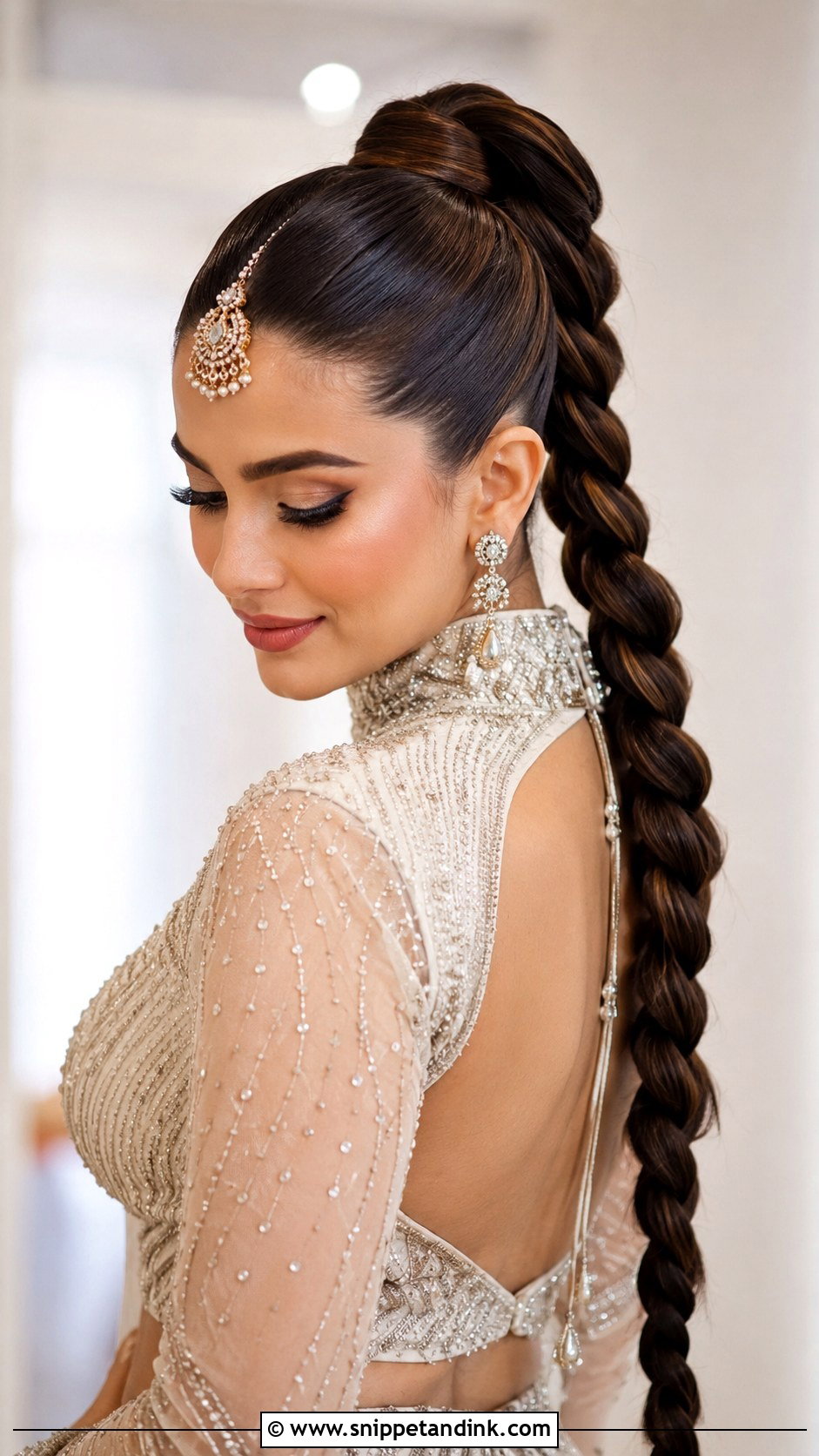
All the hair is pulled tightly back to a high starting point and then braided smooth and glossy. It looks modern and draws attention to the face, earrings and neckline. A maang tikka alone or subtle floral accents are enough. It suits structured gowns and fusion outfits. A high, tight pull can cause a headache by evening, especially under a heavy dupatta, so I use medium tension and crossed pins at the base instead of a very tight elastic.
18. Bun and Braid Combo Bridal Choti
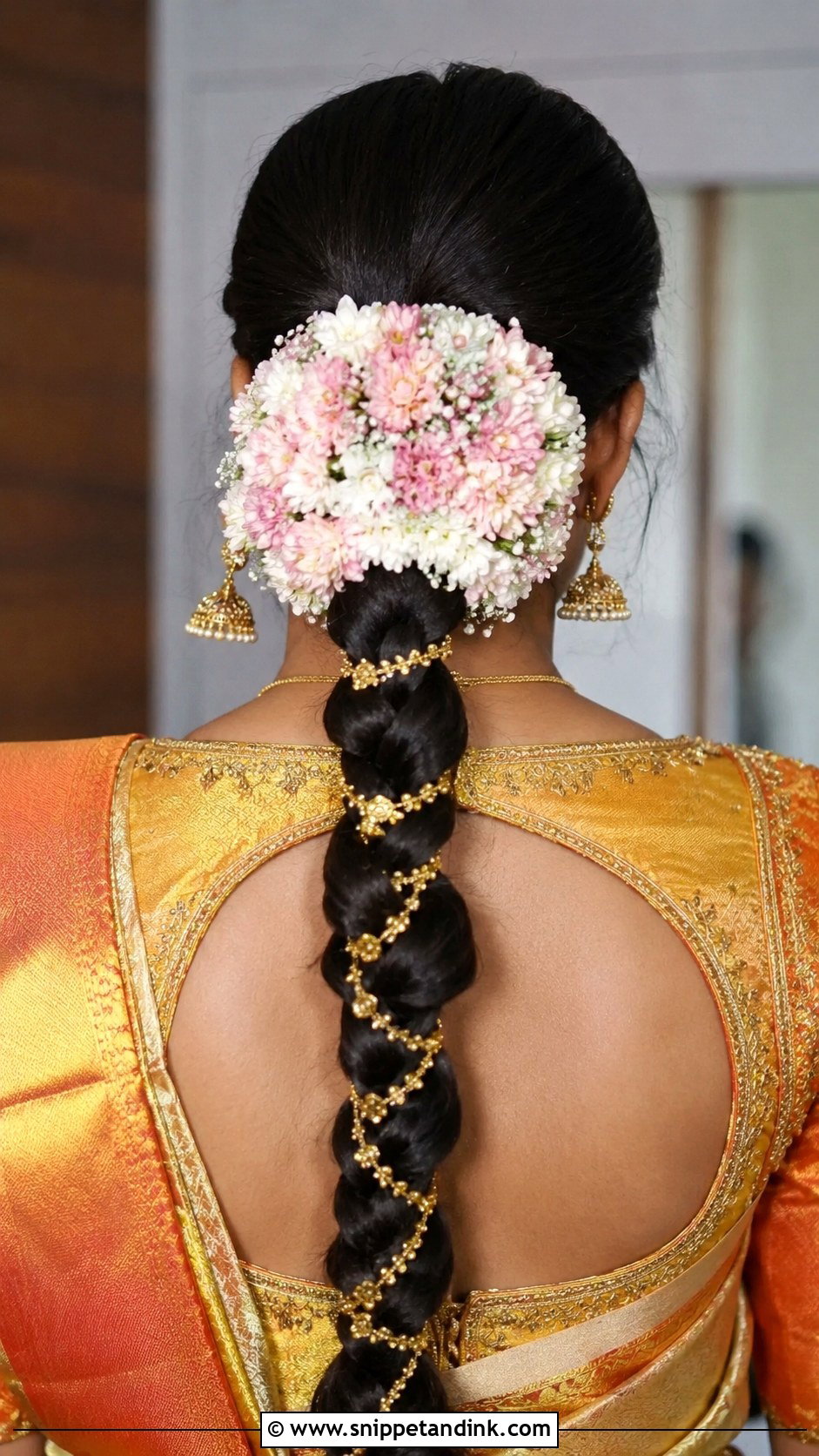
A bun and a braid together give volume and structure. Part of the hair is gathered into a soft bun at the crown or nape while a braid wraps around it or trails below. The bun can carry flowers, while the braid flows as a choti. It suits heavy lehengas and silk sarees. A bun at the crown can lift the dupatta awkwardly, so I’d place it at the nape if you plan to cover your head during the ceremony.
19. Curly Hair Bridal Choti
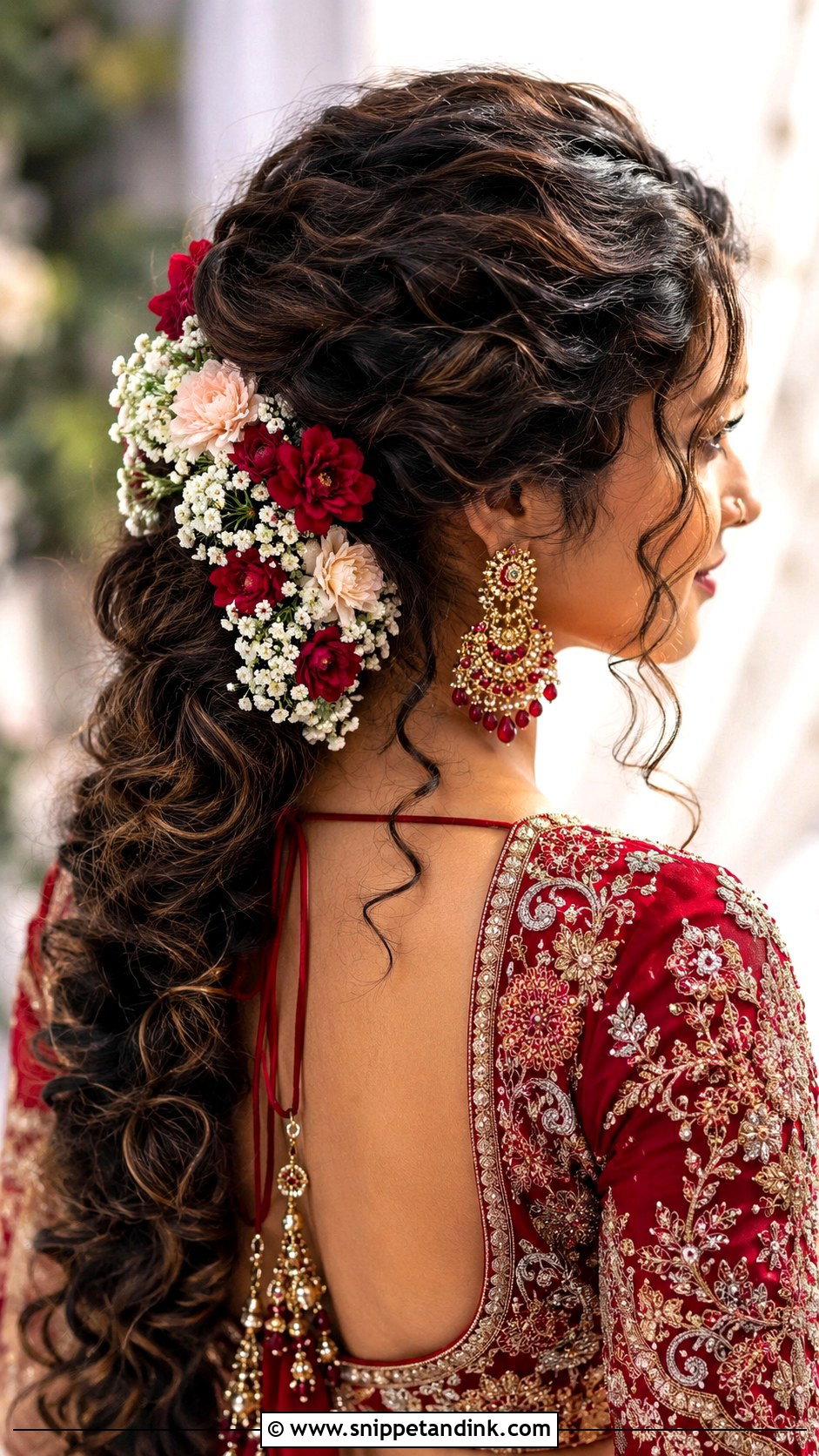
A curly choti works with natural texture rather than against it. Curls give the plait volume and bounce, and a few loose curls around the face soften it. Fresh flowers nestle well in the texture. I’d never straighten curly hair for a choti, since the braid holds better on textured hair. Instead I define curls with a cream, braid while it’s slightly damp so the texture stays even, and let it dry in place. Bold earrings and a tikka balance the volume.
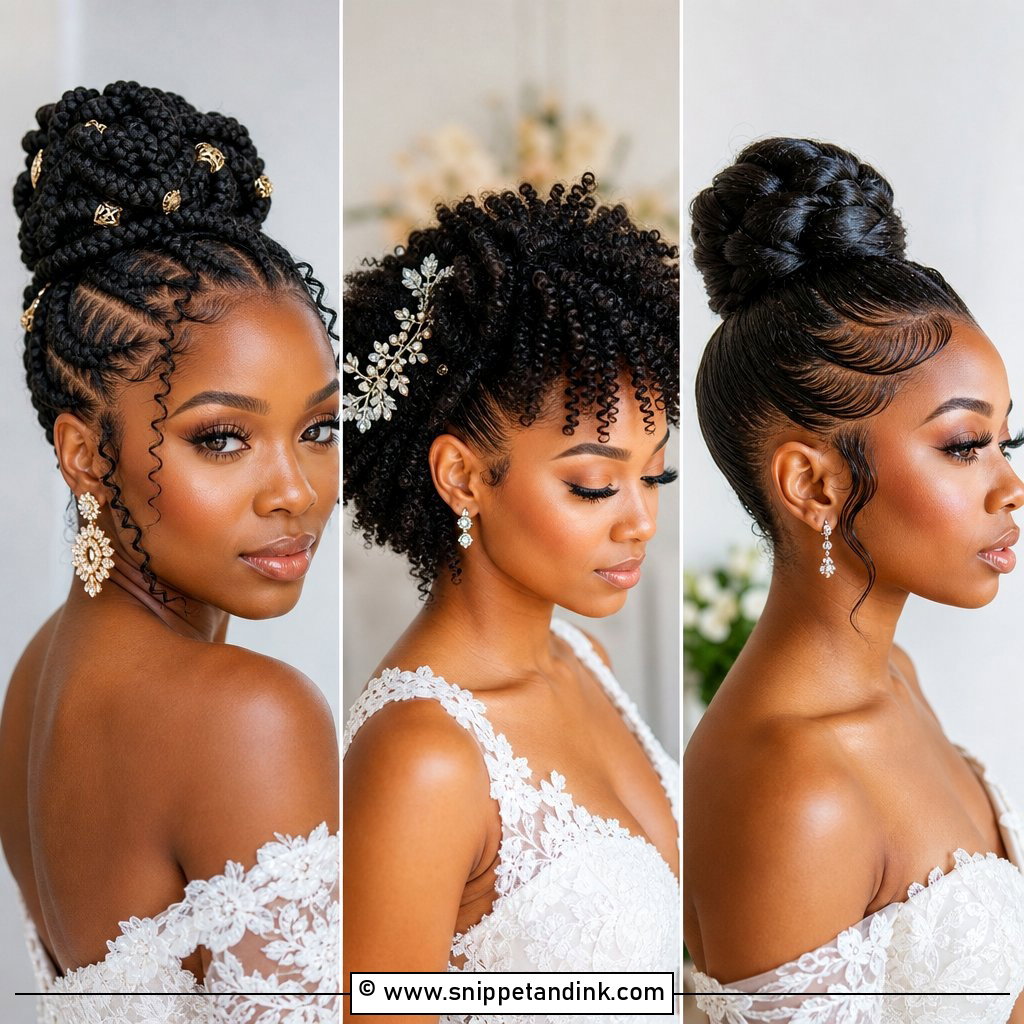
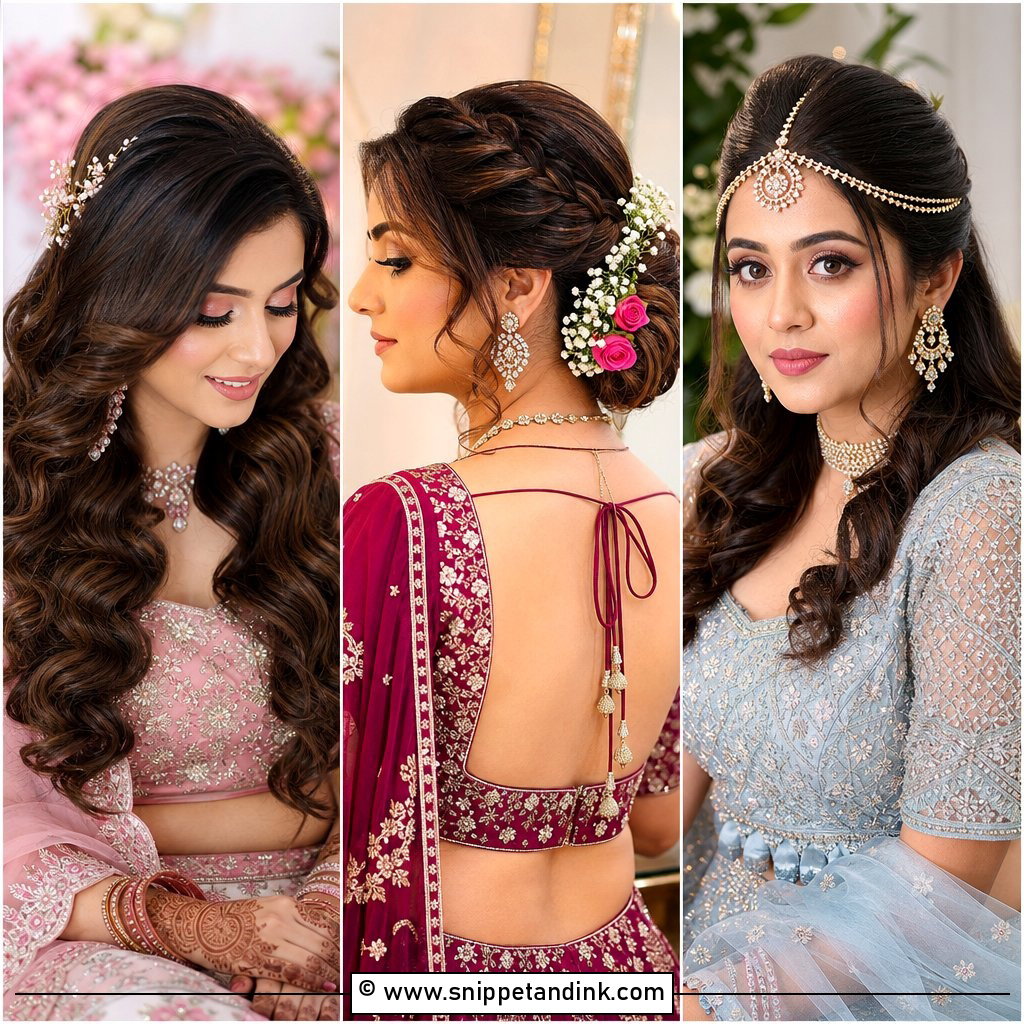
20. Tikka and Braid Bridal Choti
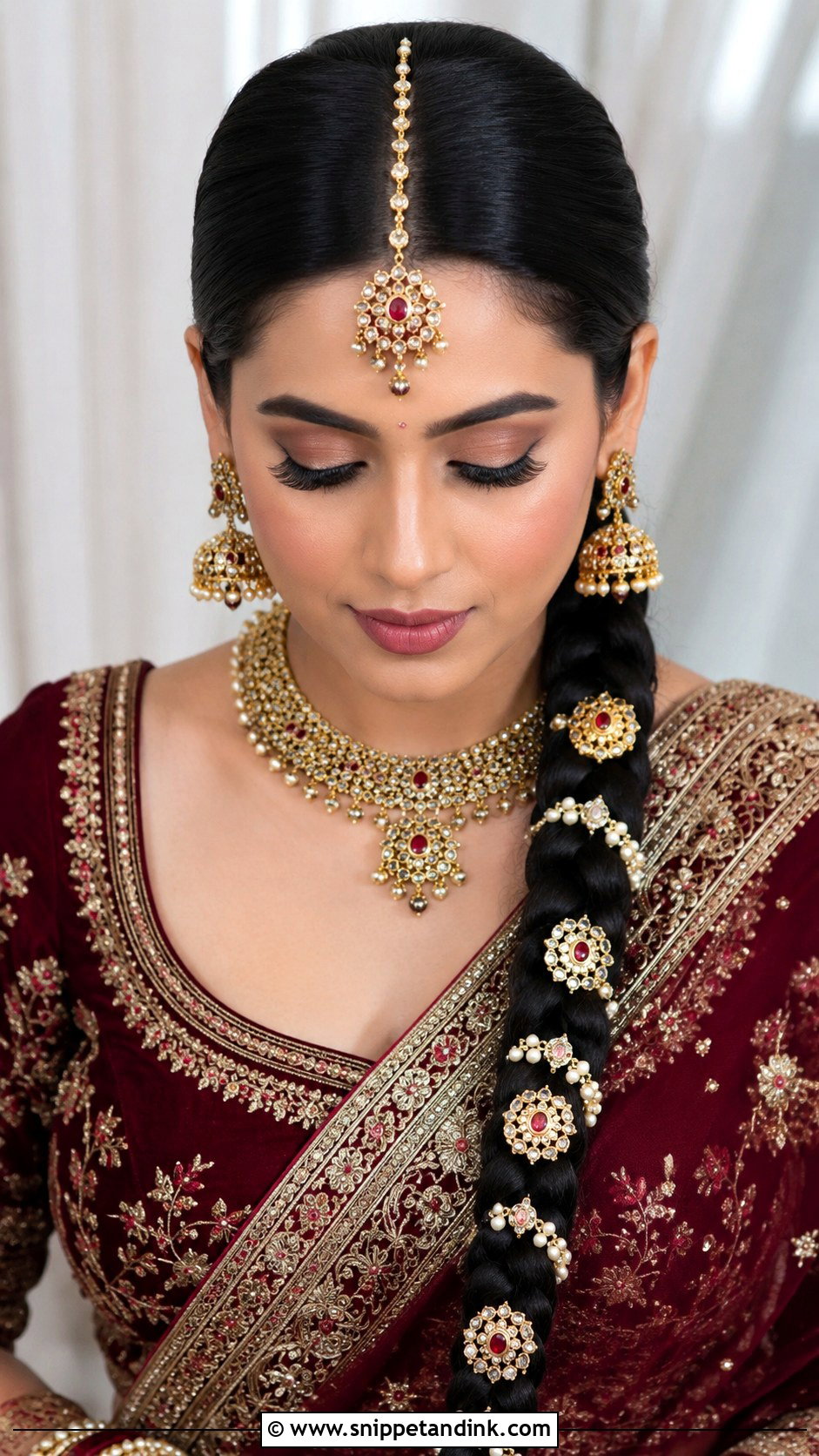
A maang tikka transforms a simple braid into a complete bridal look. A clean center or side part runs to an ornate tikka at the crown, then flows into an elegant braid down the back. The jewelry frames the face. The braid can be sleek or soft, plain or floral. It suits nearly every outfit and face shape. I hook the tikka chain into the braid’s first crossing, which keeps it centered all day rather than drifting to one side.
21. Baby’s Breath Bridal Choti
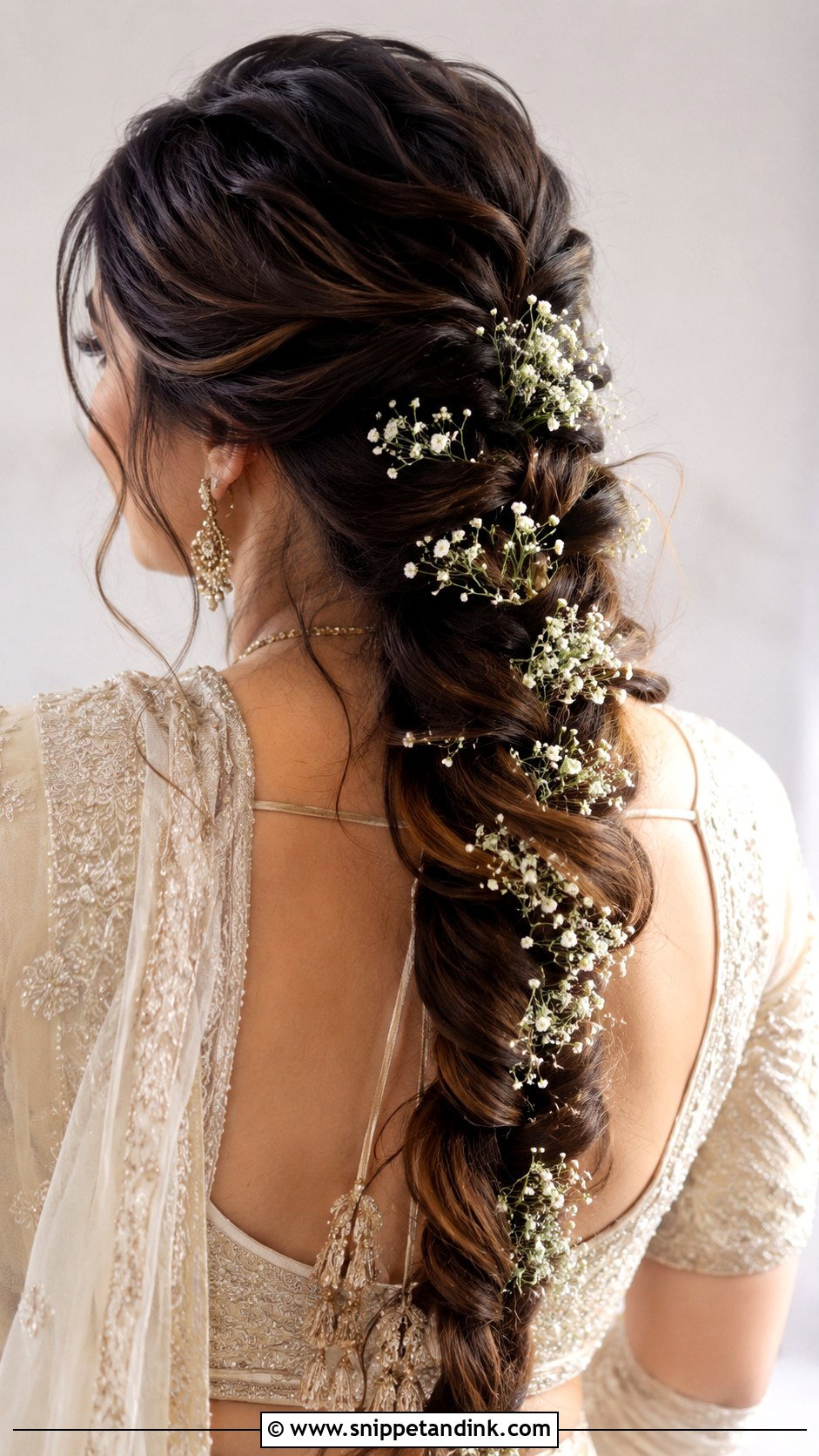
Baby’s breath tucked throughout the braid creates a soft, misty effect. It suits pastel and ivory outfits and daytime or outdoor weddings. It works on sleek or messy braids, adding texture without weight. It holds up out of water better than most flowers, though tips can brown in hot sun. I tuck small sprigs into the braid last, after spraying, so the spray doesn’t spot the flowers.
22. Rope Twist Bridal Choti
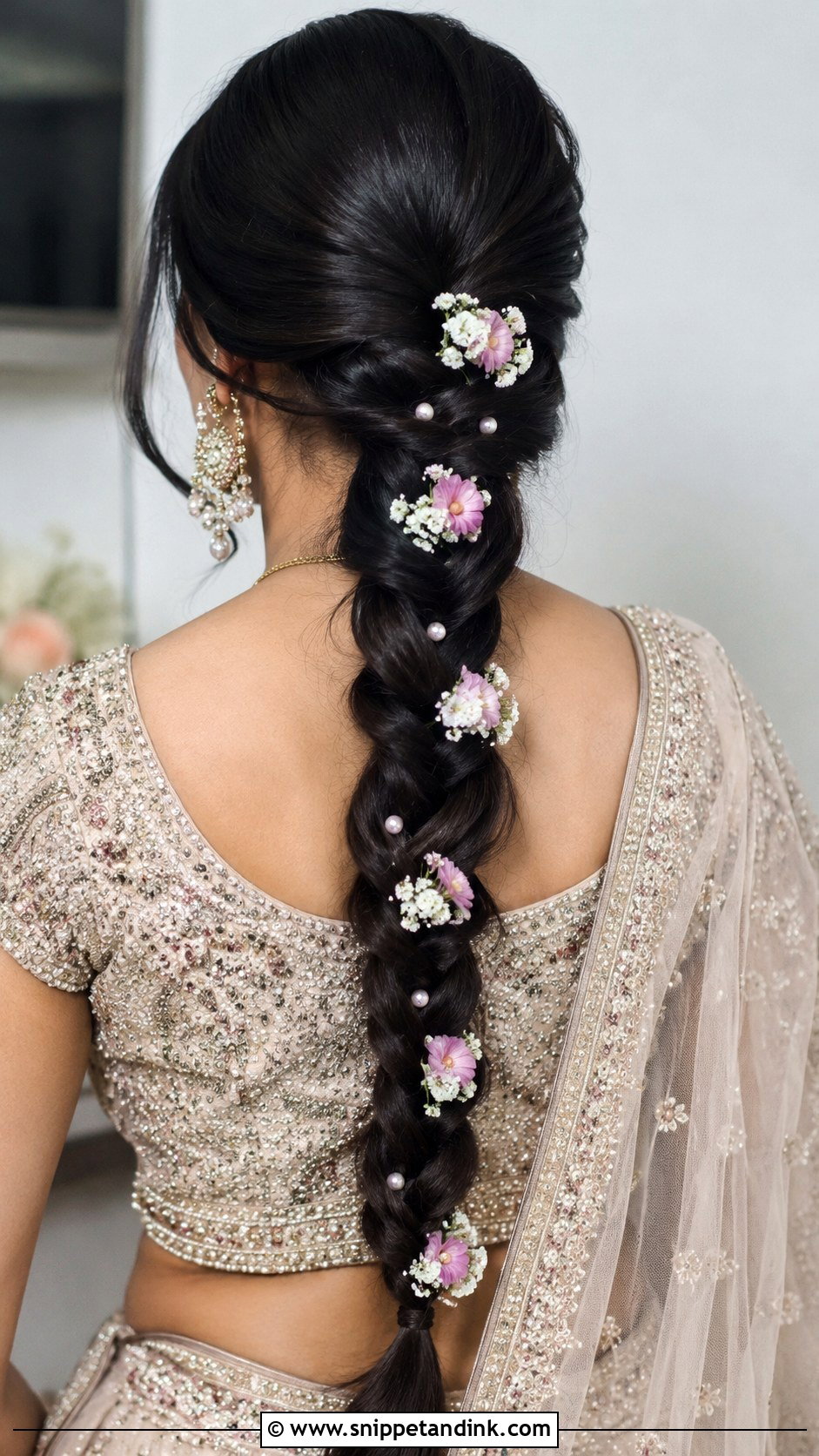
Two sections twisted around each other form a smooth, spiraled rope down the back. It looks clean and modern and holds its shape well. Small flowers or pearls can decorate the spiral. Fusion and contemporary outfits suit it. The rule I follow is to twist each section in one direction and wrap them together in the opposite direction, which locks the rope. Otherwise it unwinds by the reception.
23. Voluminous Thick Bridal Choti
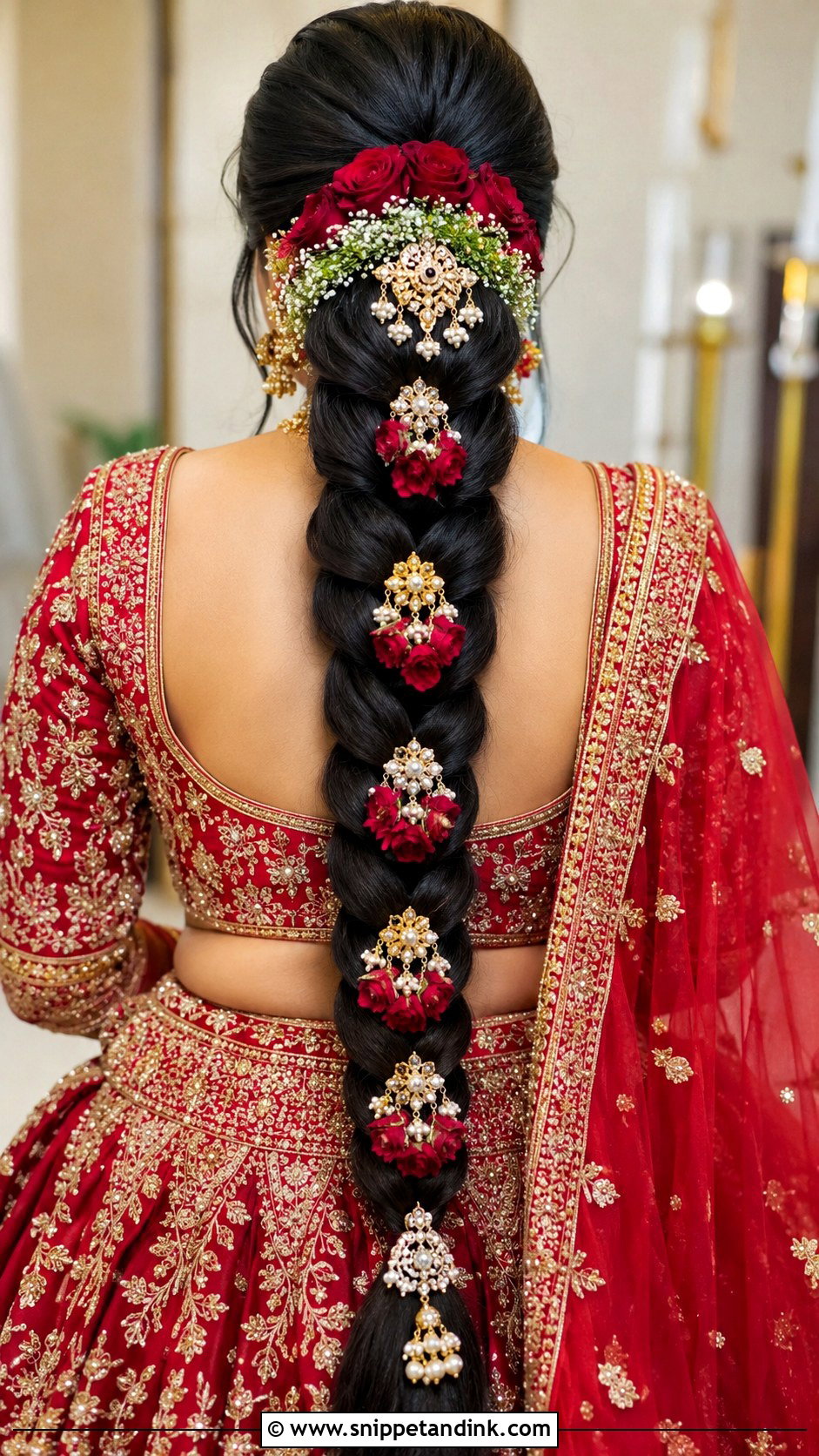
Clip-in extensions or careful pancaking create a thick, full braid. It’s built for a grand entrance and leaves plenty of room for flowers, gold or pearls. Heavy lehengas and rich silk sarees suit it. Brides with fine hair can achieve it with extensions. I match the extensions in daylight, since indoor lighting hides a color mismatch that photos later show. Clip them in rows close to the scalp so the clips sit inside the braid.
24. Boho Braided Bridal Choti
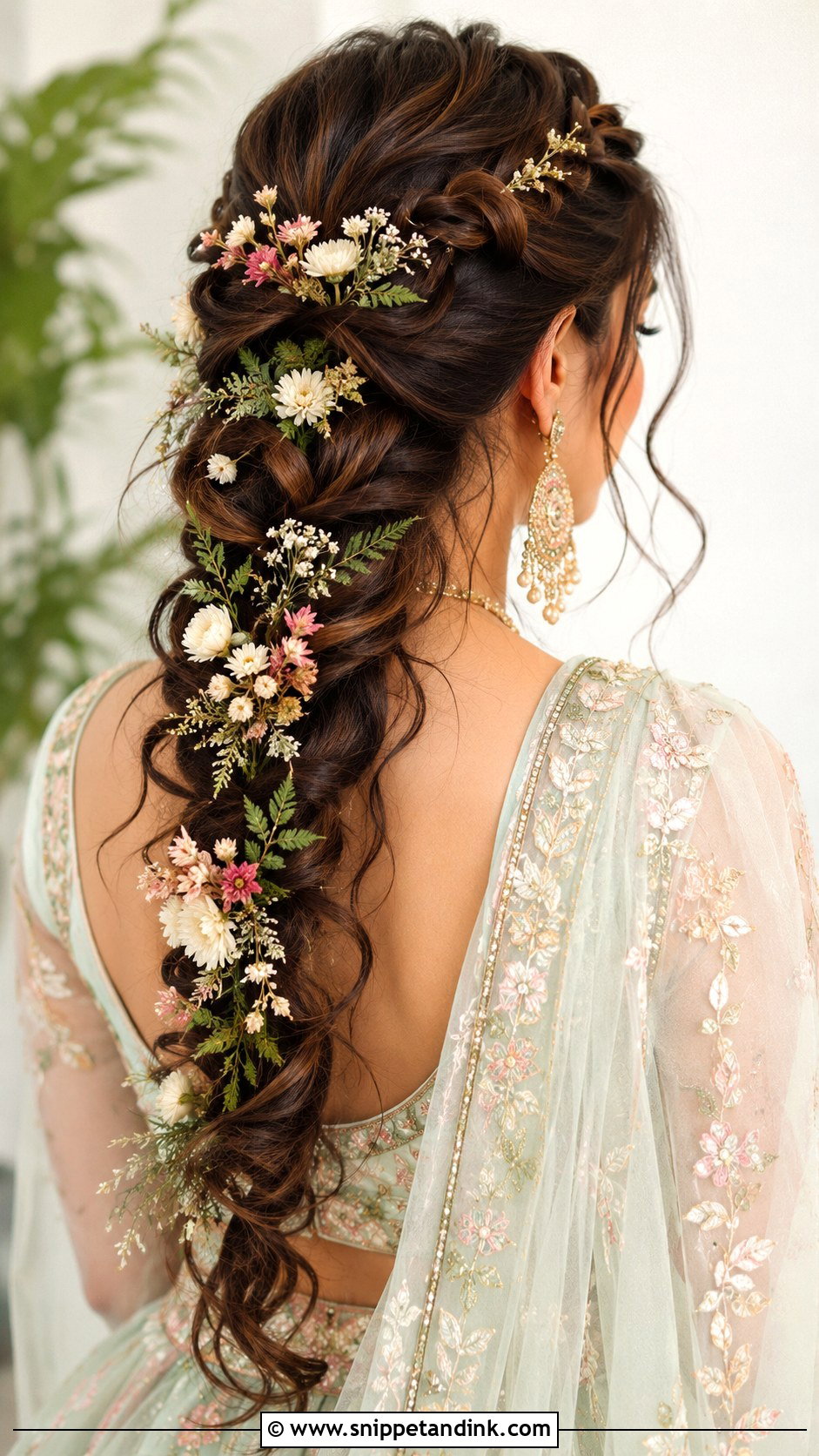
Small accent braids, twists and loose waves come together in a textured look. Fresh flowers, leafy greens and dried blooms suit it. It’s relaxed and modern, and works at outdoor and intimate weddings. Face-framing pieces can be left loose. It suits flowing, lightweight outfits. Dried flowers are worth considering for a long day; they don’t wilt and are very light, which helps a relaxed braid hold.
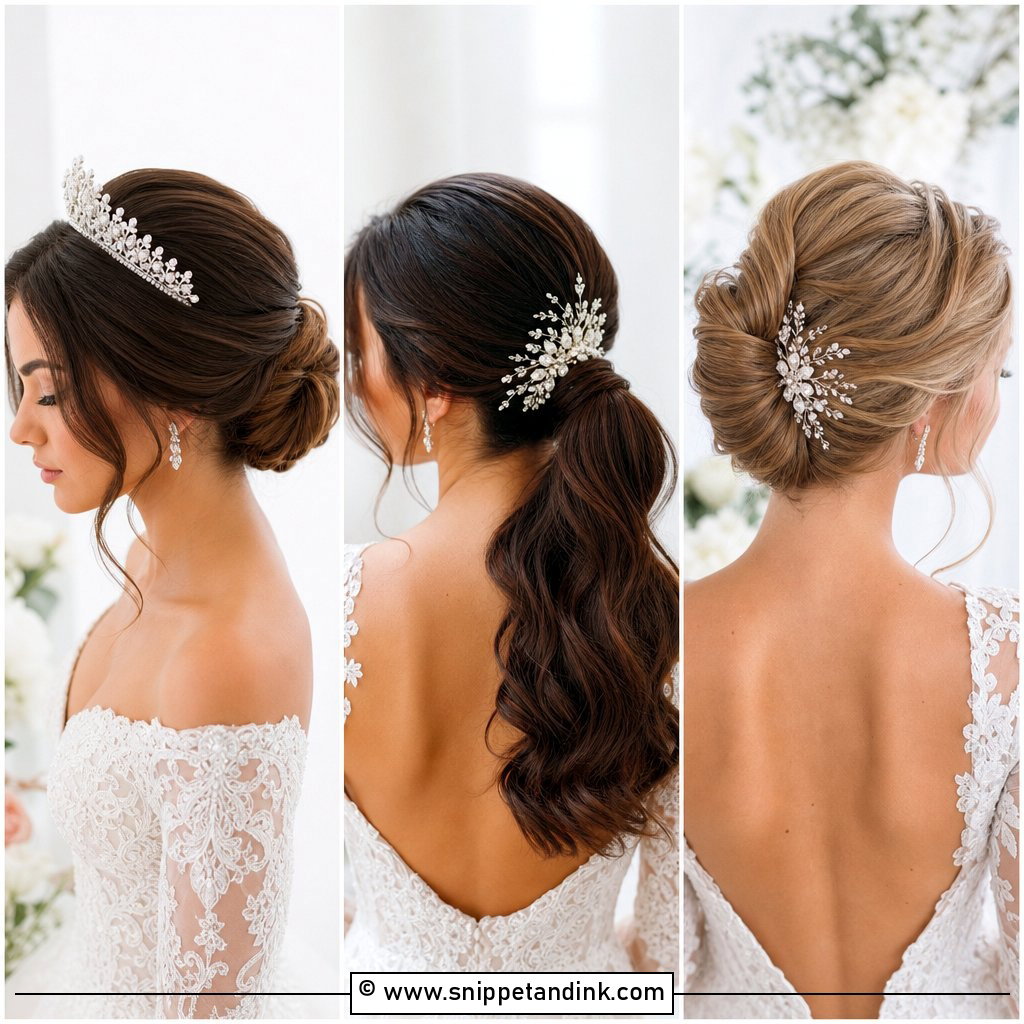
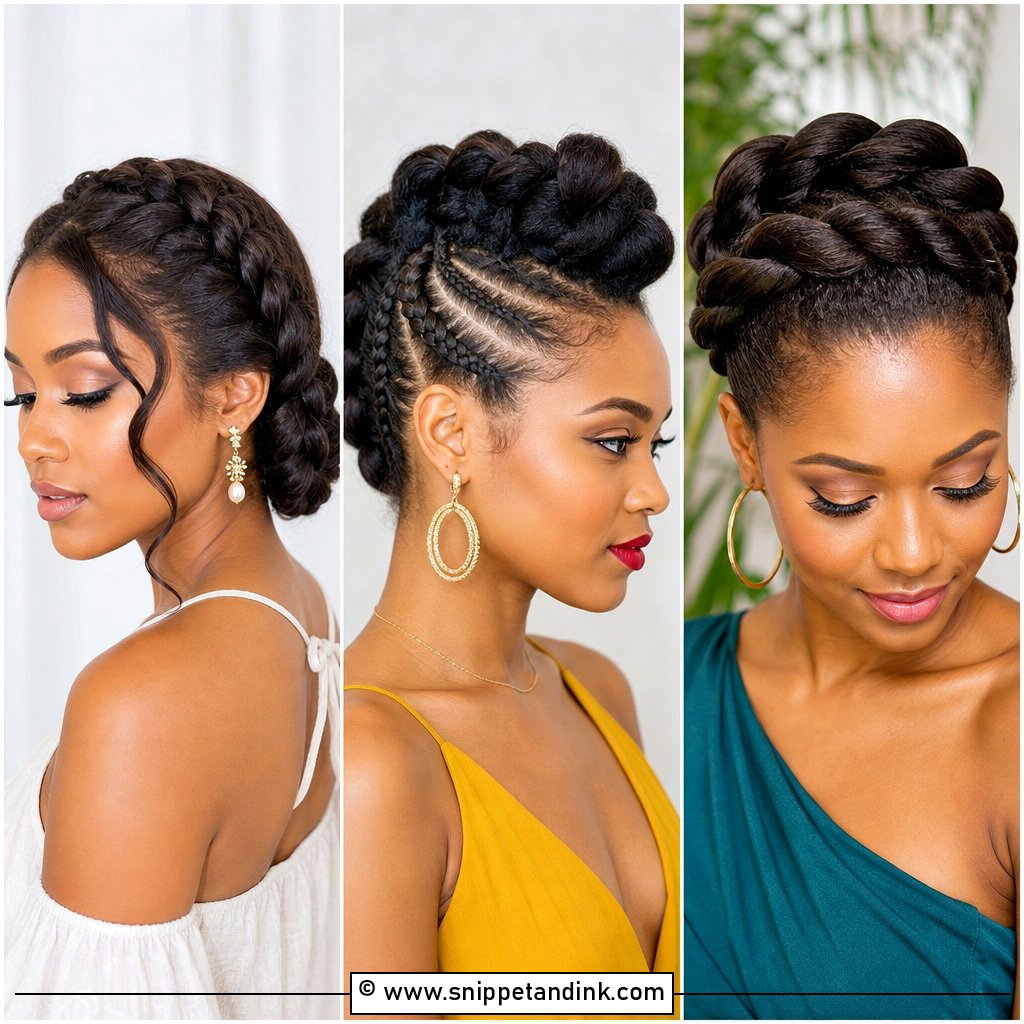
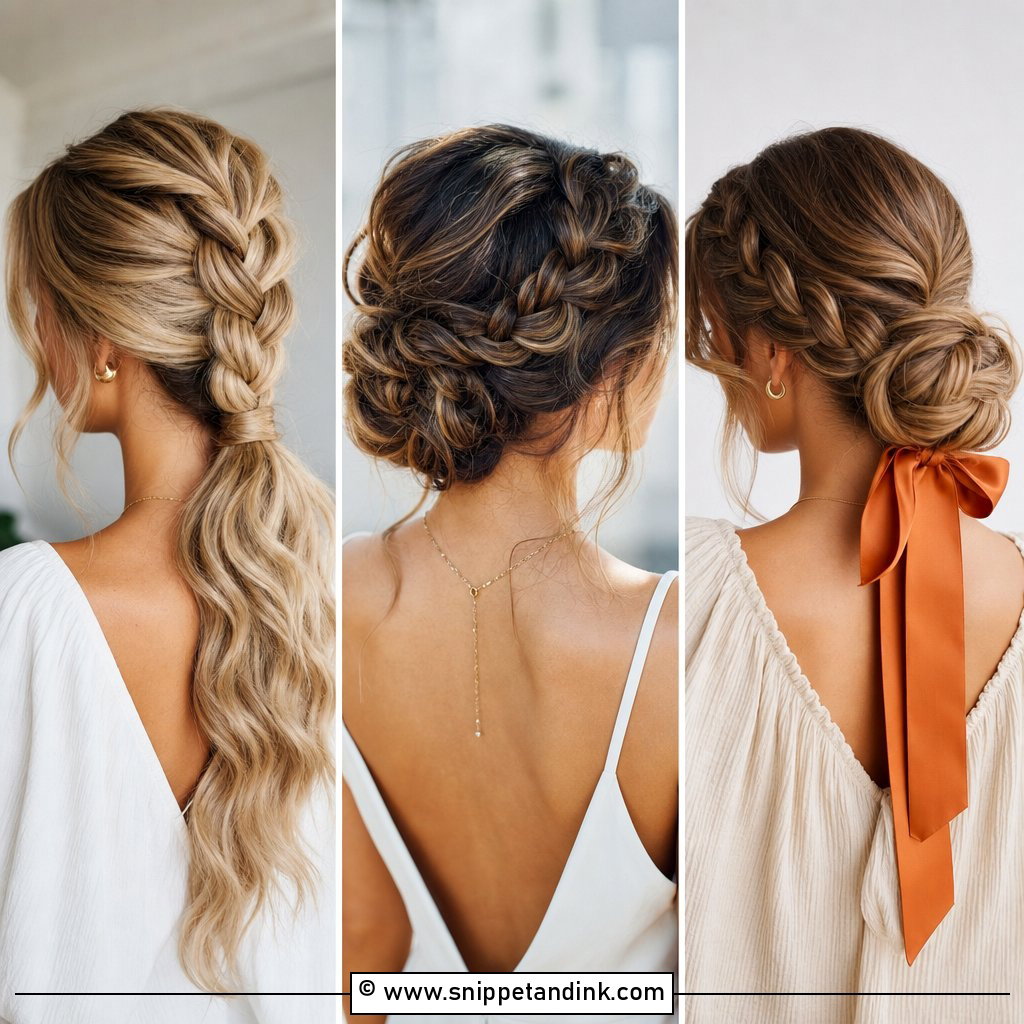
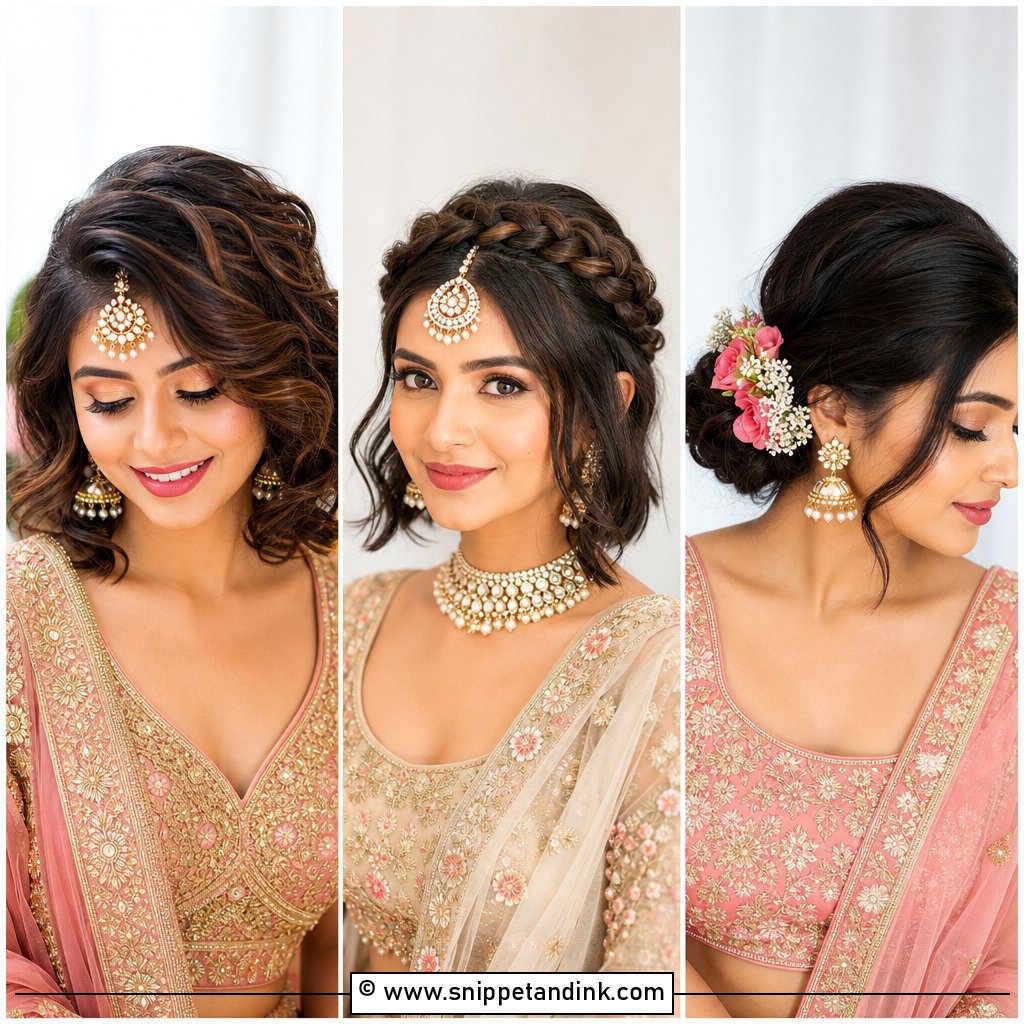
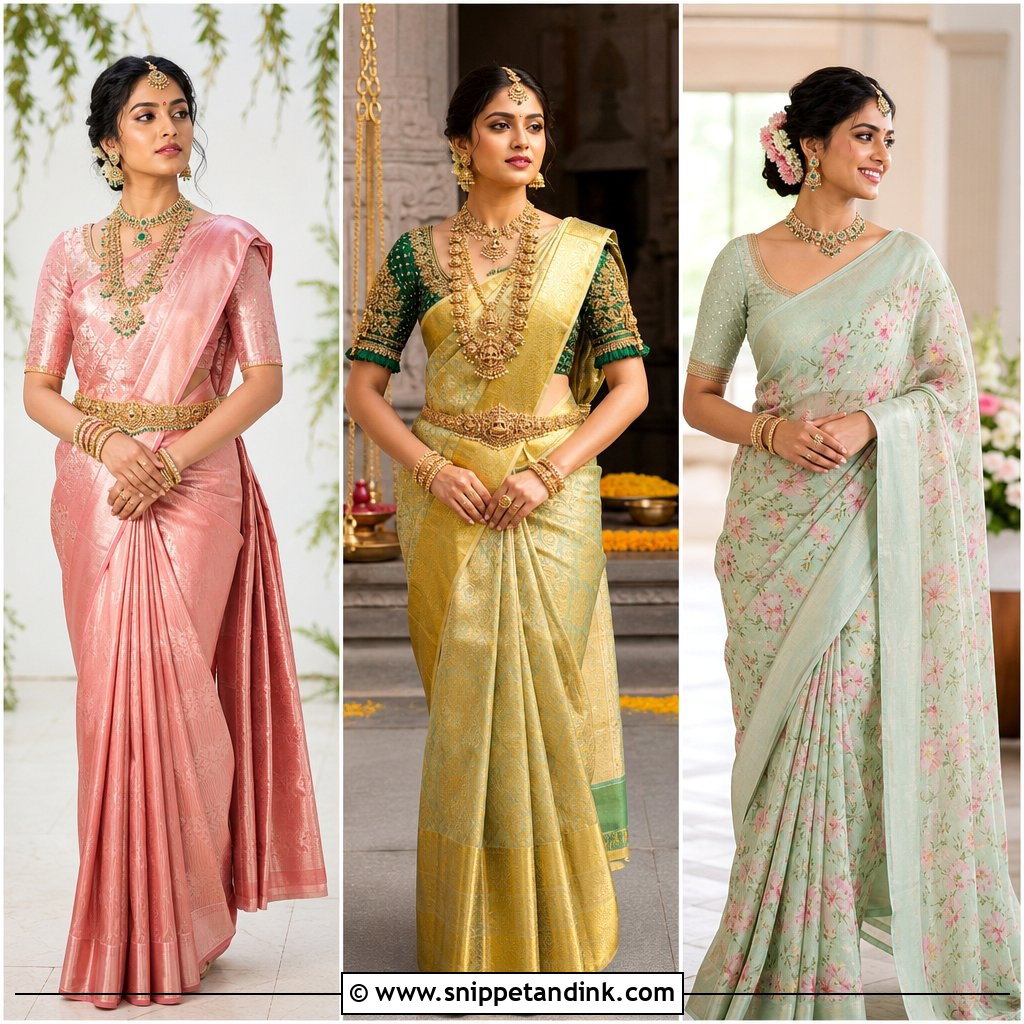
25. Reception Glam Bridal Choti
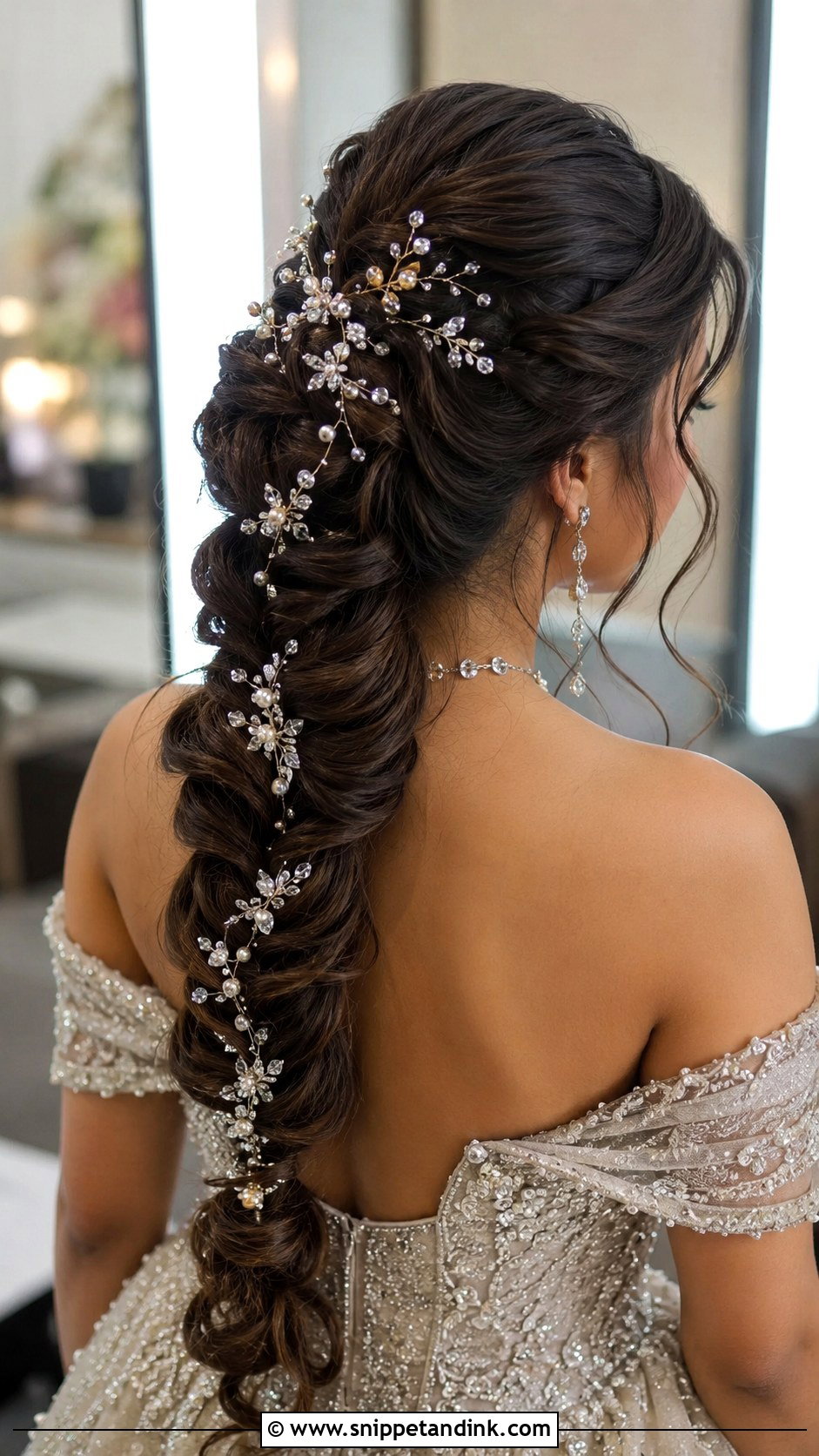
A sleek or softly waved braid with crystals, pearls or metallic accents gives a polished, modern finish for the reception. It suits gowns and fusion outfits. A few face-framing strands soften it. With backless or off-shoulder silhouettes it draws attention to the back. Changing from a heavy floral wedding choti to a glam reception braid takes time, so plan at least an hour between events, since flowers, pins and spray all have to come out first.
Short or Thin Hair Can Still Carry a Full Choti
Many brides think they can’t have a choti because their hair is shoulder-length or fine. They can. The braid just needs help.
Parandi
In Punjabi tradition a parandi, a woven tassel of silk or wool threads, is braided into the lower part of the hair and finished with decorated tassels. It adds length and color, and it’s been used for exactly this purpose for generations.
Extensions and choti fillers
A ready-made braid extension or clip-in wefts can turn a short plait into a waist-length choti. I attach them with clips close to the scalp, then braid the real hair over them so the join disappears. Human hair blends better than synthetic under bright lights and holds curls if you need them.
One choti, several functions
If you’re changing looks between mehndi, wedding and reception, an extension braid can be swapped in minutes, which saves your own hair from repeated tight braiding and takedowns in a single weekend.
Match the Choti to Each Ceremony, Not Just the Outfit
Your choti deserves as much thought as your outfit. Fragrant mogra and roses, sleek rope twists and glam reception braids each suit a different event. Traditional poola jada and gold jada billa honor heritage, while messy and boho braids bring a modern touch. Flowers, pearls or jewelry can be matched to your look. Plan the choti for each ceremony with your stylist, and ask for a trial with the actual flowers and jewelry so you can feel the weight before the day.
You'll Like These Ideas:


Leave a Reply