
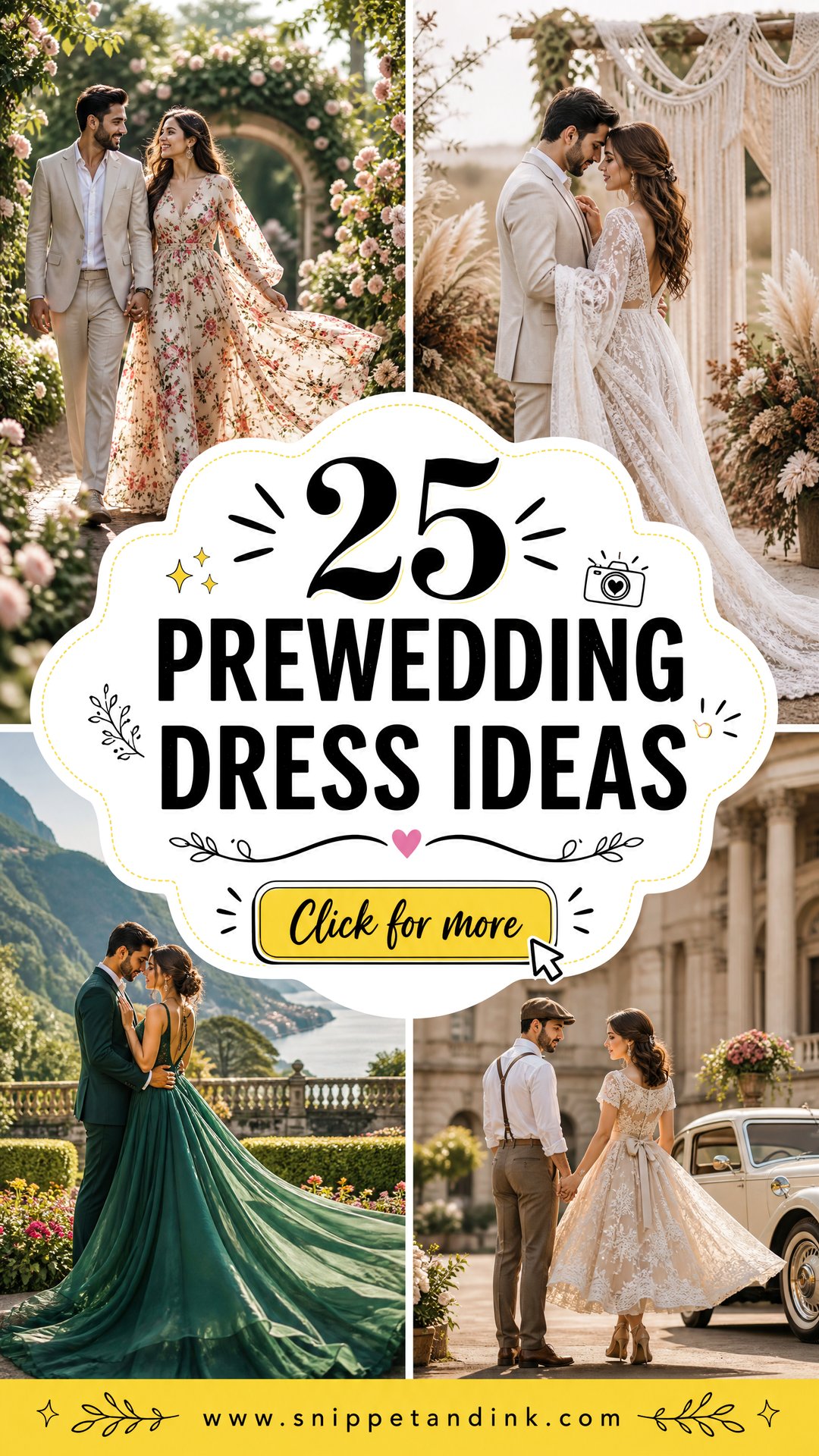
Prewedding photos are usually the first time a couple sees themselves styled together on camera, and the dress sets the tone for the whole session. Below are 25 outfits I’d put in front of a bride planning this shoot, from flowing gowns and city tailoring to sarees and lehengas. When I help someone pick, I start with the location and the light, then the fabric, then how she has to move: walking shots, sitting on steps, being lifted. A structured gown that feels stiff in a fitting room can look sharp under studio lights, while a soft maxi comes alive on a windy beach. Shoes, hair, jewelry and your partner’s clothes all sit in the same frame, so plan them as one picture.
How Many Outfits a Two-Hour Shoot Can Hold
Most prewedding sessions I style run two to four hours, and that comfortably fits two outfits, three at a stretch. Every change costs time for steaming, re-pinning hair and moving to a new spot, so a fourth dress usually eats into the golden hour you planned the shoot around.
I order the looks by effort. The most formal dress goes first, while hair and makeup are fresh and you still have patience for a long train. The relaxed outfit comes last, when you can sit on the grass and nobody worries about the hem.
What goes in my shoot bag
- A handheld steamer and a lint roller
- Safety pins, fashion tape and a small sewing kit in the dress color
- No-show underwear in your skin tone, plus a strapless bra if any neckline needs one
- Flat shoes for walking between locations
- A pop-up changing tent, or a sheet and two clips, because many outdoor spots have nowhere to change
Book your final fitting two to three weeks before the shoot. That leaves time for a hem or strap adjustment without paying for a rush.
1. White Maxi Dress Prewedding Dress
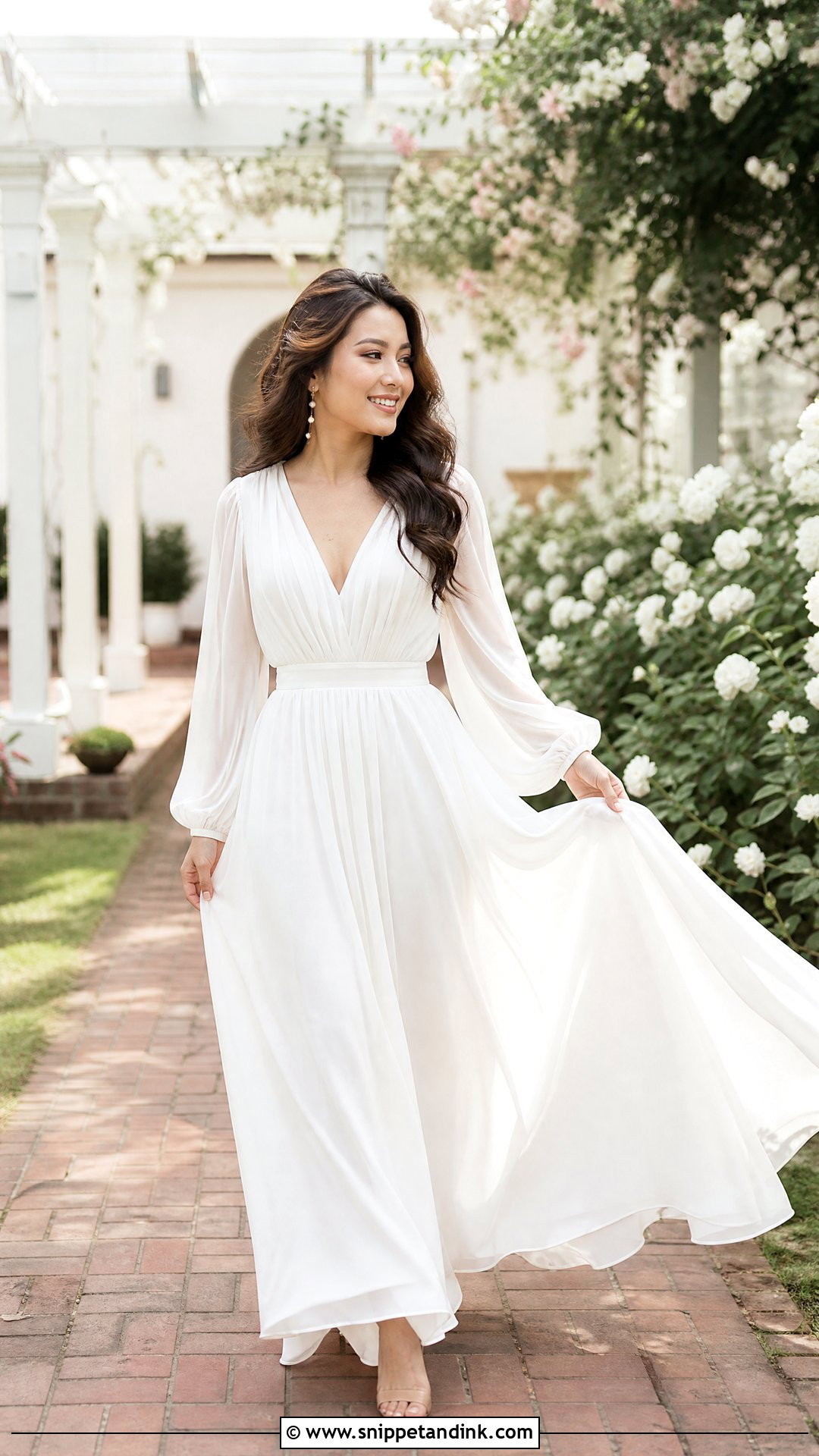
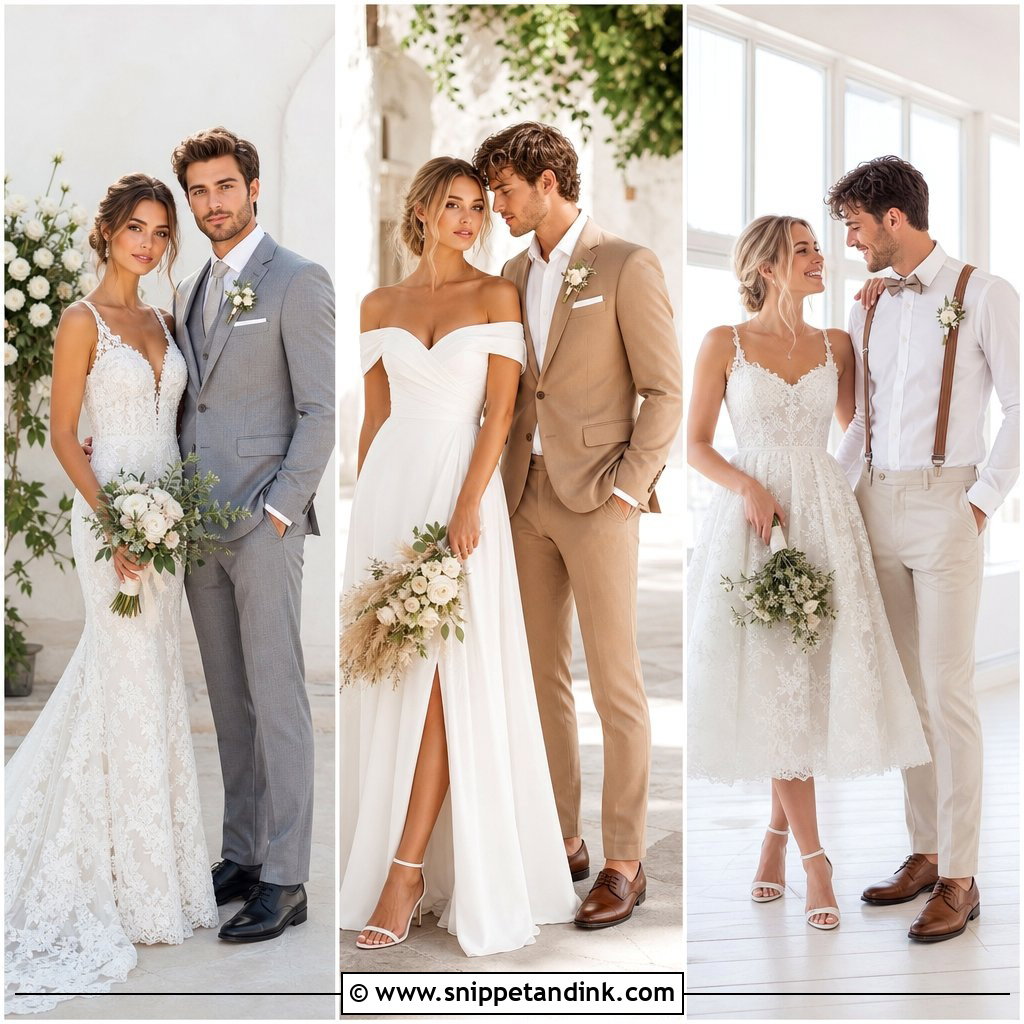
A white maxi dress reads bridal on camera without giving away your actual wedding gown, which is why I suggest it so often. Chiffon and crepe move with you; satin catches more light but shows every crease from the car ride, so I pack a steamer for it. In bright sun, pure optic white can blow out into a flat shape, and ivory or soft white usually holds more detail in the skirt. Add nude heels, pearl earrings and soft waves. Ask your partner for beige, white or another soft neutral so neither of you jumps out of the frame.
2. Floral Maxi Dress Prewedding Dress
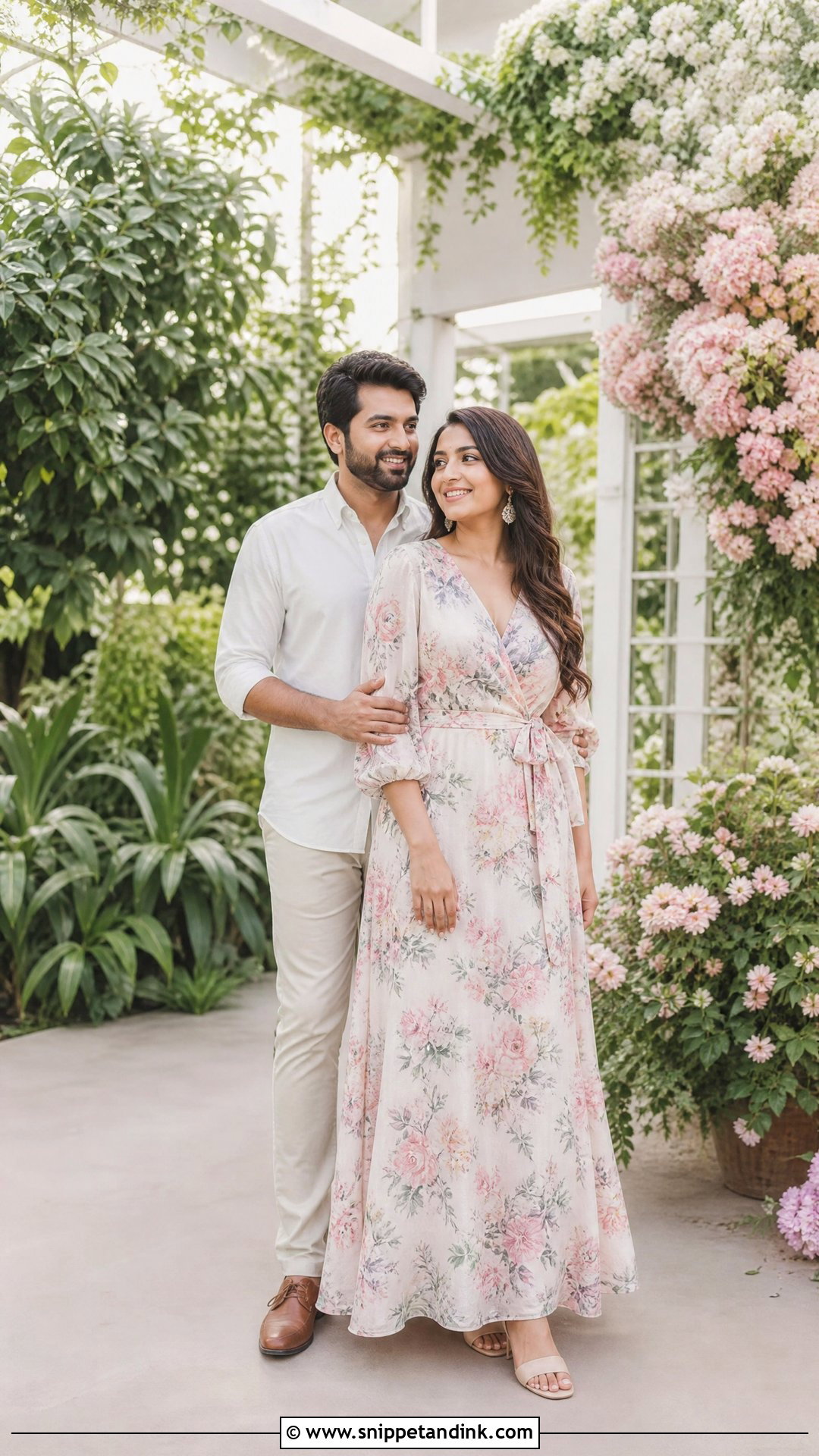
Floral prints are trickier than they look. A small, dense print can turn into visual noise at full-length distance, so I ask brides to step back three or four meters from a mirror and see whether the pattern still reads as flowers. Soft pink, lavender, sage and ivory grounds tend to photograph cleanly in gardens and spring fields. A wrap bodice or tiered skirt gives you movement in walking shots. Pull one color from the print for your partner’s shirt or linen blazer, and you’ll look planned without matching like a uniform.
3. Red Gown Prewedding Dress
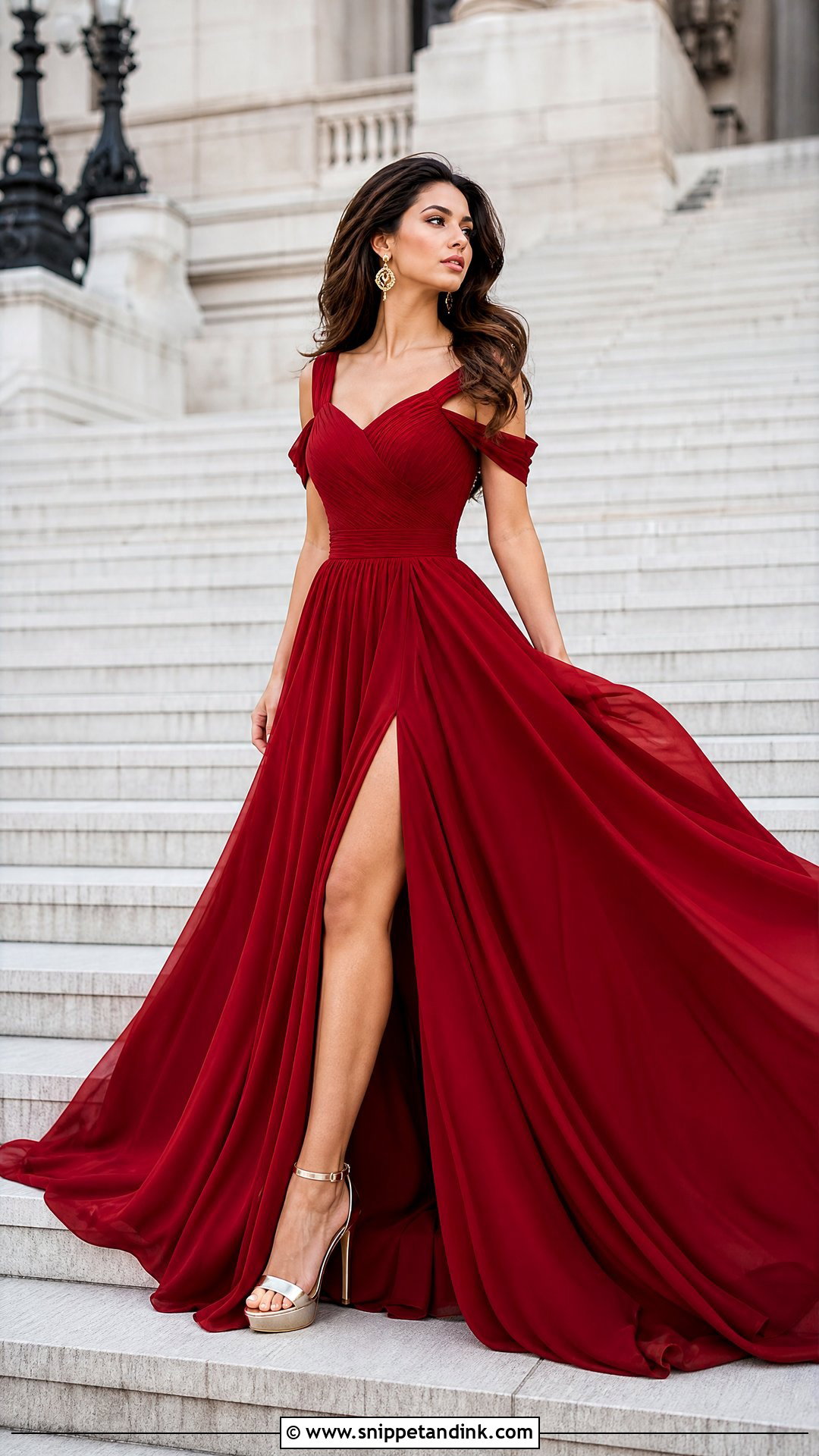
Red is the color I see clients regret least, as long as the shade suits them. Cool-toned skin usually wears cherry or ruby well; warmer skin often looks better in brick, wine or a deeper crimson. On a historic staircase or at sunset, a red skirt with real fabric volume gives the photographer something to work with. Keep jewelry to gold earrings and let the dress carry the frame. Your partner in black, navy, charcoal or ivory keeps the picture balanced instead of competing.
4. Satin Slip Dress Prewedding Dress
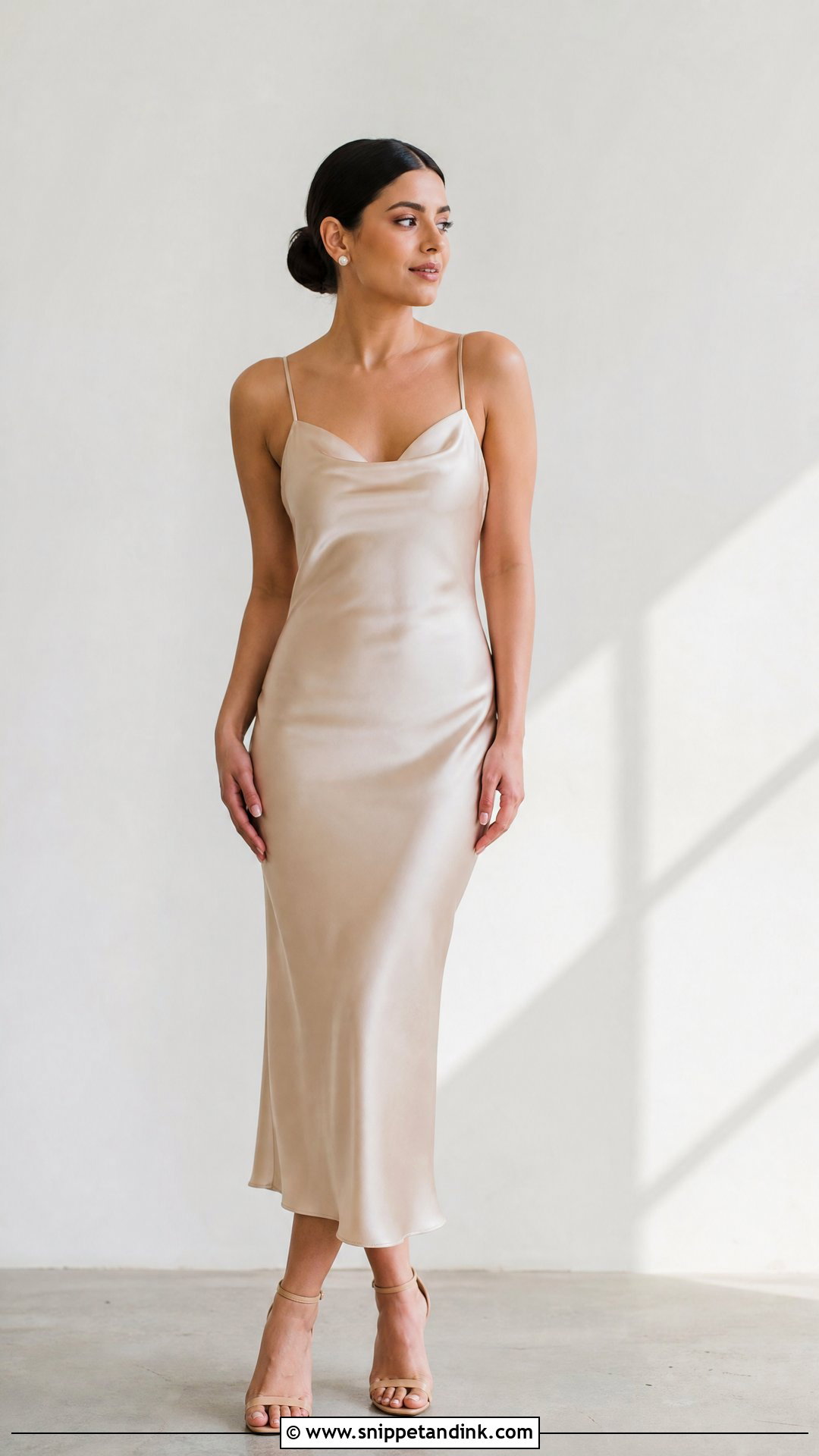
Satin slips are less forgiving than people expect. Bias-cut satin drapes close to the body, so it shows shapewear seams and wrinkles at the hip after you sit, and I always check a bride in it seated and standing before saying yes. When it fits well, it looks modern in hotel lobbies and on city streets in ivory, champagne, blush or soft blue. A cropped blazer or sheer wrap adds coverage for cooler evenings, and a sleek low bun keeps the neckline clean.
5. Tulle Gown Prewedding Dress
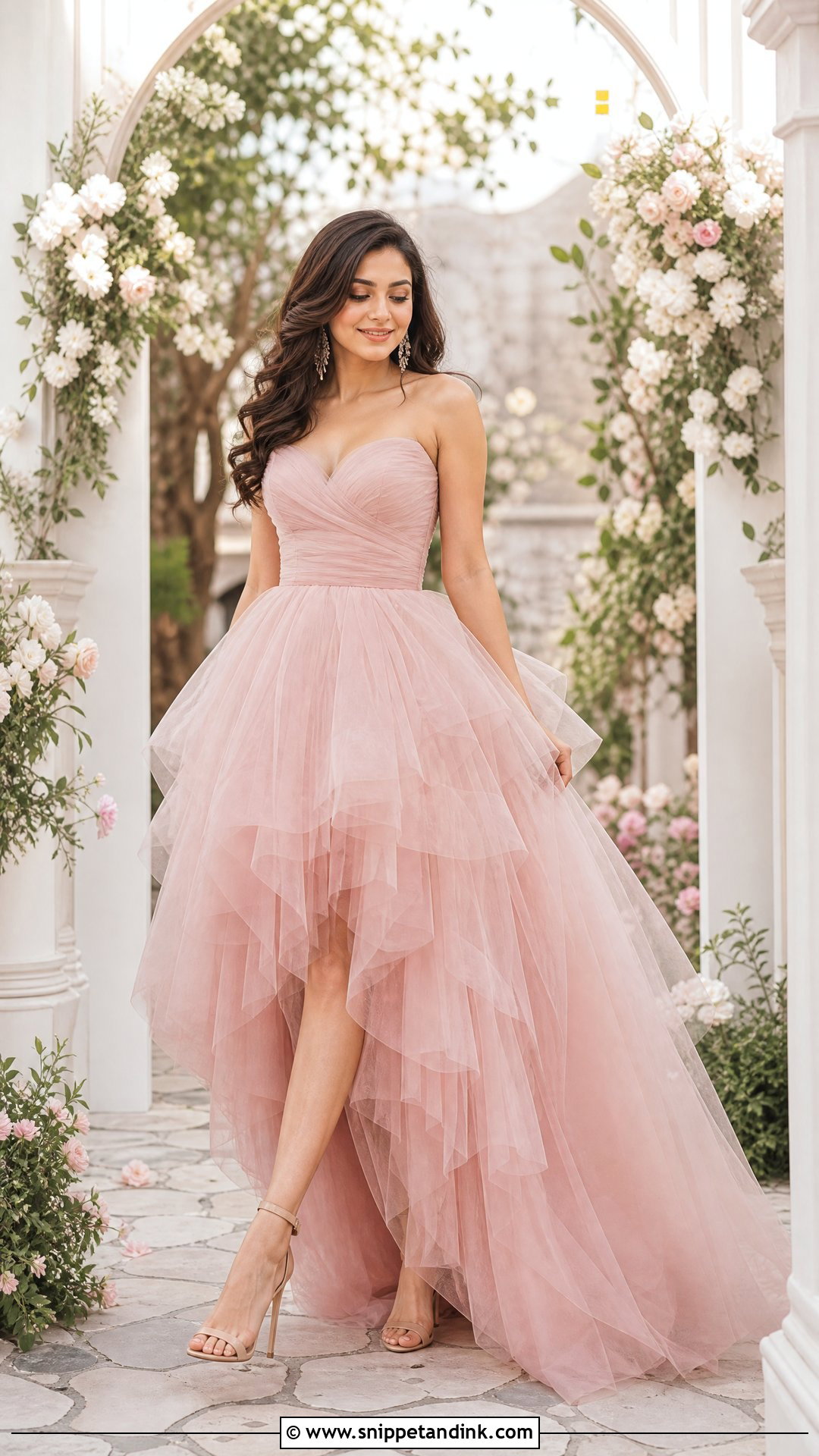
Tulle gives you the fairytale shape without bridal-level weight, but I count the layers before recommending one. Too few and the skirt goes limp in a breeze; too many and you can’t climb a garden step without help. Blush, ivory, powder blue and champagne tulle look soft in bright light, and a fitted bodice keeps the volume from swallowing your frame. Skip big jewelry, since the skirt is already doing a lot, and put your partner in a classic suit in a light neutral.
6. Champagne Gown Prewedding Dress
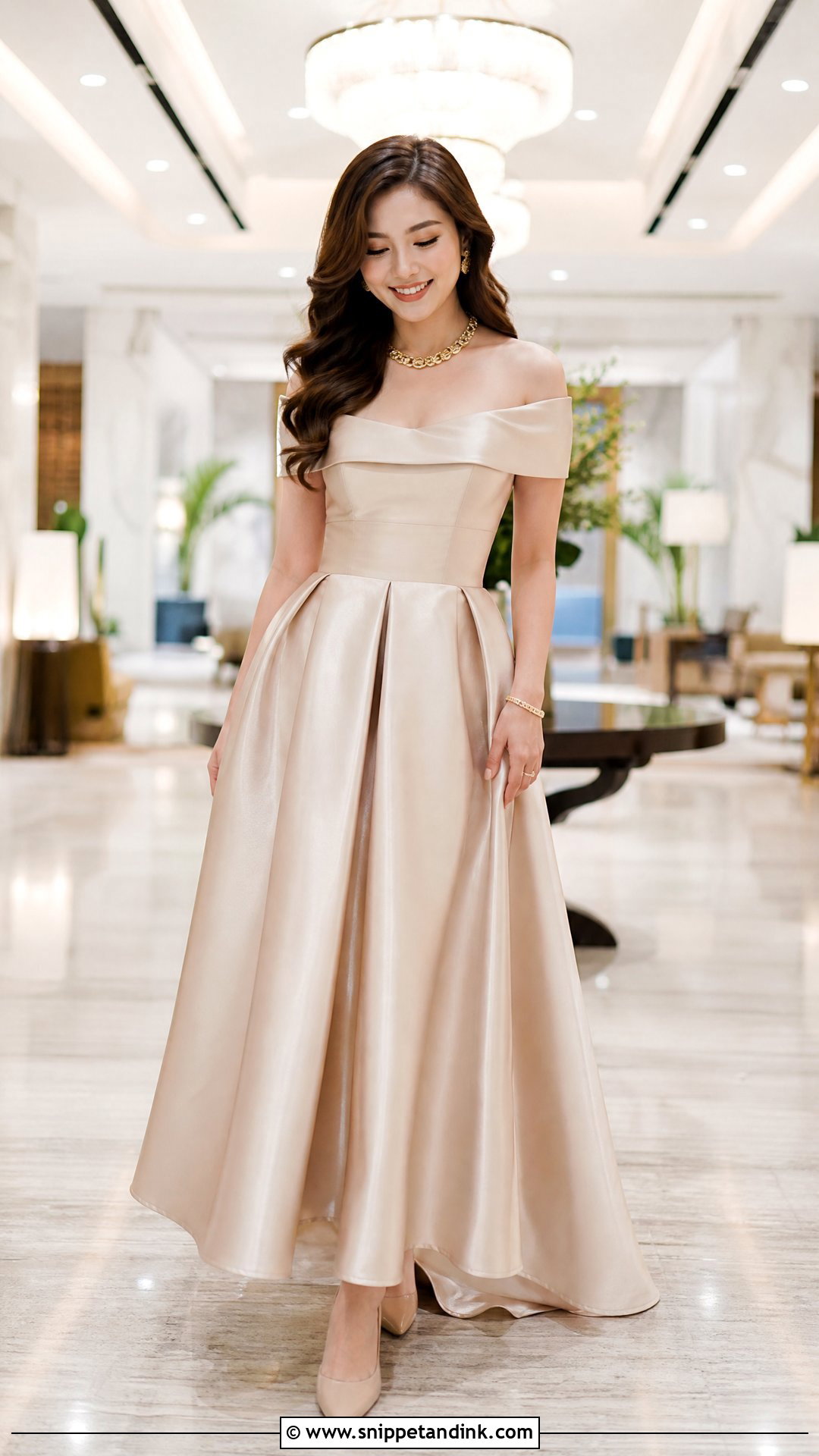
When a bride asks for something bridal but warmer than white, champagne is my usual answer, especially for evening or indoor portraits where warm bulbs would tint white slightly yellow anyway. Satin, organza, sequins and beading all come in champagne tones, in A-line, mermaid or column shapes. Gold jewelry and a glowy base finish it. One check before you buy: hold the fabric against your skin in daylight, because some champagnes vanish against fair or golden skin and read as nude in photos. Black, cream, tan or deep green work for your partner.
7. Black Evening Gown Prewedding Dress
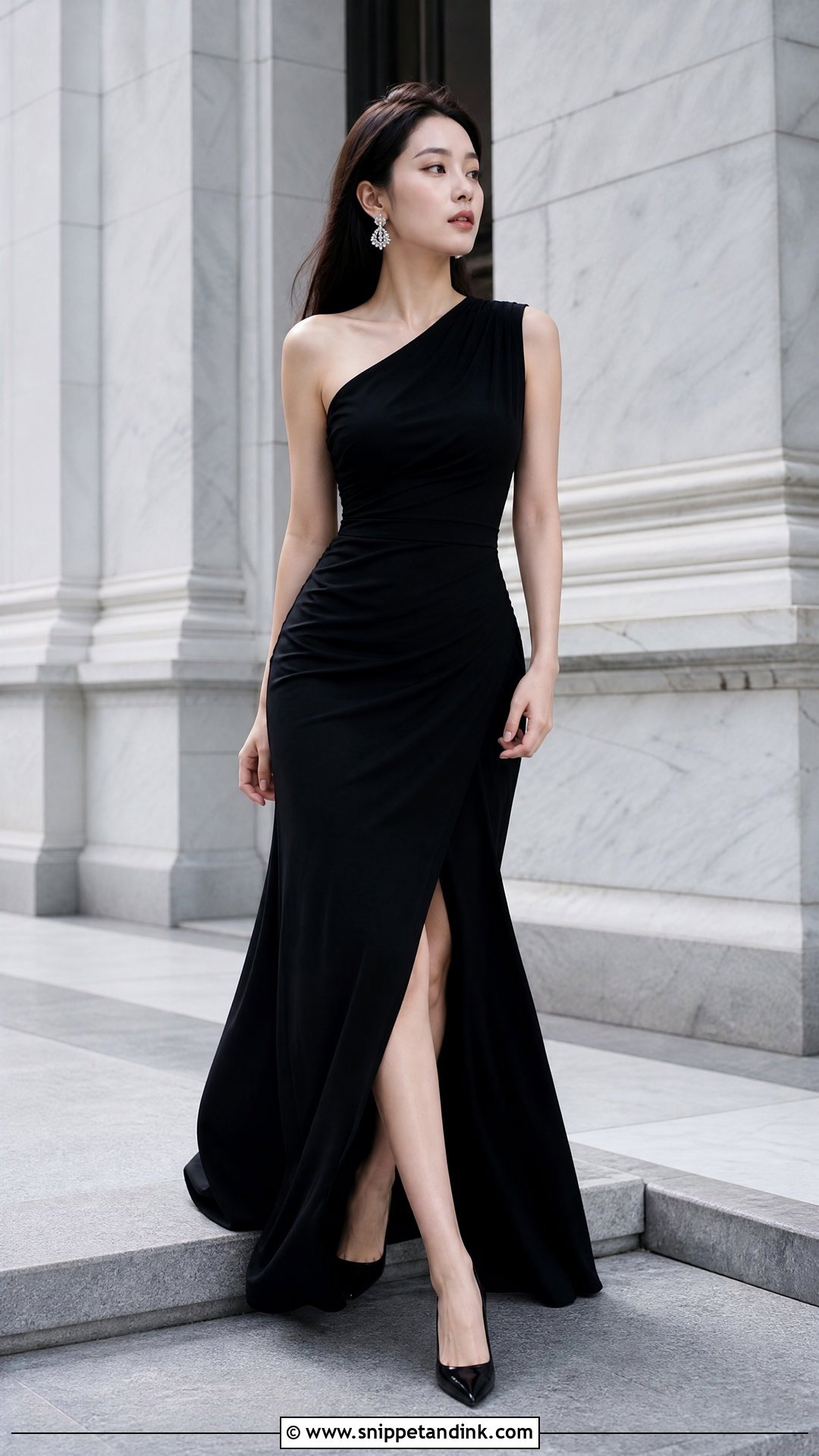
A black evening gown pushes the shoot toward editorial. It is strongest against marble, city lights at night and plain studio walls, where the contrast sharpens your posture. Look for clean lines, a structured bodice, a slit or a short train. My caution is about detail: black lace or beading can go flat in dim light, so ask your photographer whether they’ll bring flash or off-camera lighting. Pointed heels, crystal earrings and sleek hair suit it, and a tux or charcoal suit on your partner completes the evening mood.
8. Lace Midi Dress Prewedding Dress
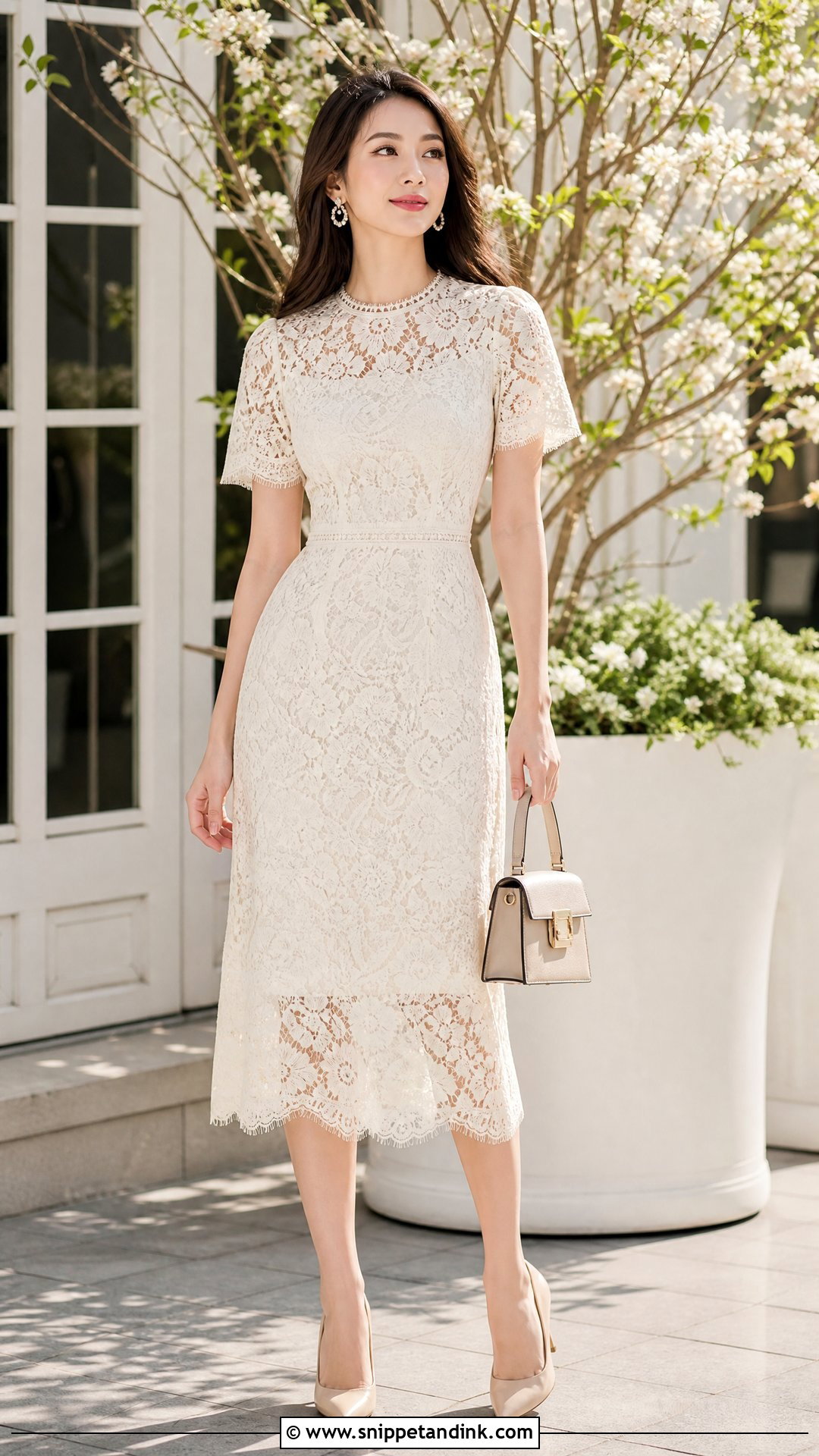
Lace midis are easy to move in, which matters more than most couples think when a shoot runs two or three hours. They suit courthouse-style portraits, cafes, museums and city gardens, and white, ivory, blush or pale blue lace reads bridal but relaxed. Aim for a hem below the knee or at mid-calf with a defined waist. Because your shoes will appear in almost every full-length frame, pick a pair you actually love. A blazer and tailored trousers on your partner match the tone.
9. Off Shoulder Gown Prewedding Dress
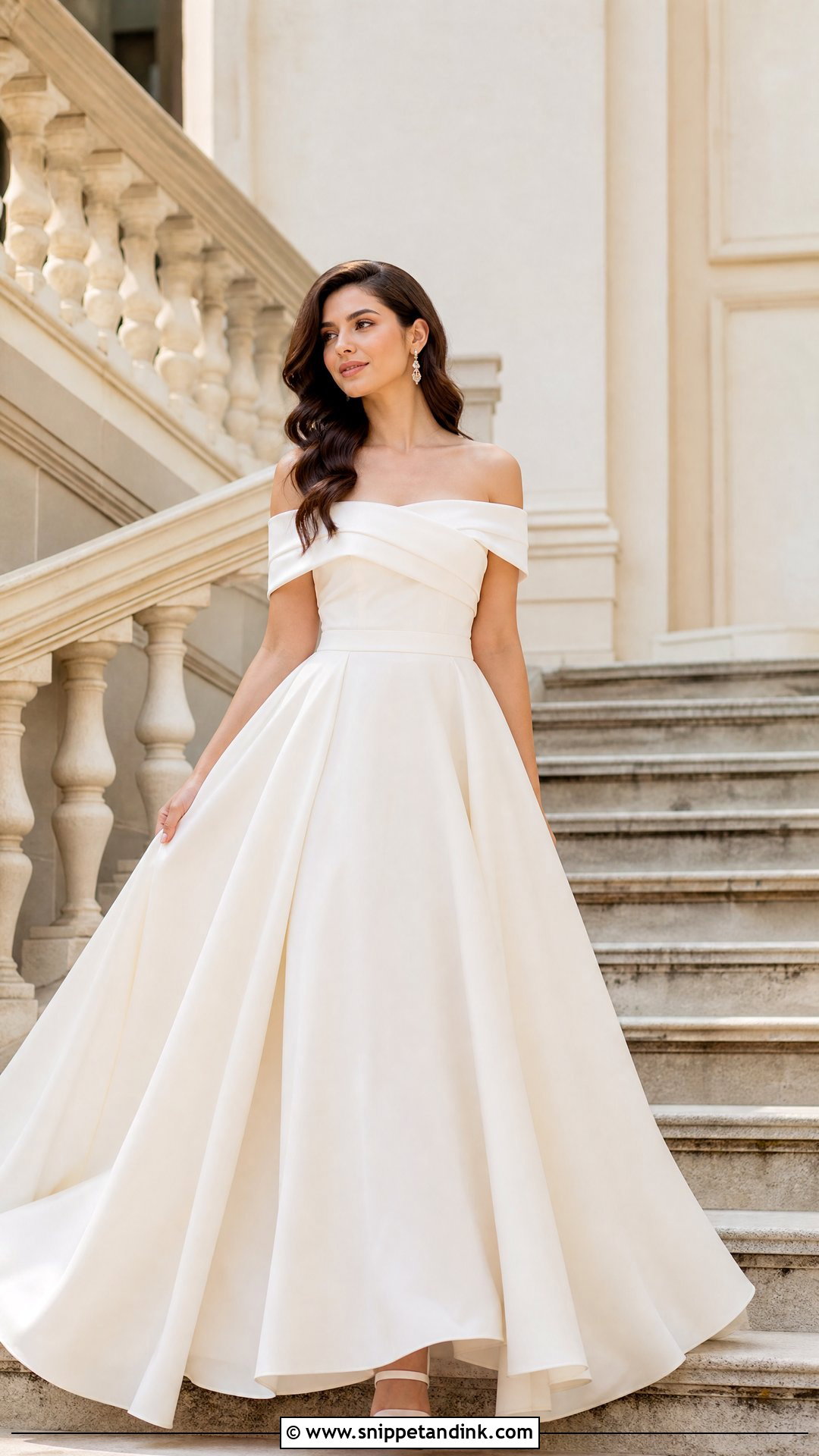
Off-shoulder necklines frame the collarbones and face well, but the elastic or boning has to be right. If it’s loose, you’ll spend the shoot hitching it up; if it’s tight, it leaves red marks the camera picks up. I have brides raise both arms during the fitting to test it. A fitted bodice with an A-line skirt is the classic version, and a flowy off-shoulder maxi suits beaches. Statement earrings usually work better than a necklace here, with loose waves or a low bun to keep the shoulders on show.
10. Boho Lace Dress Prewedding Dress
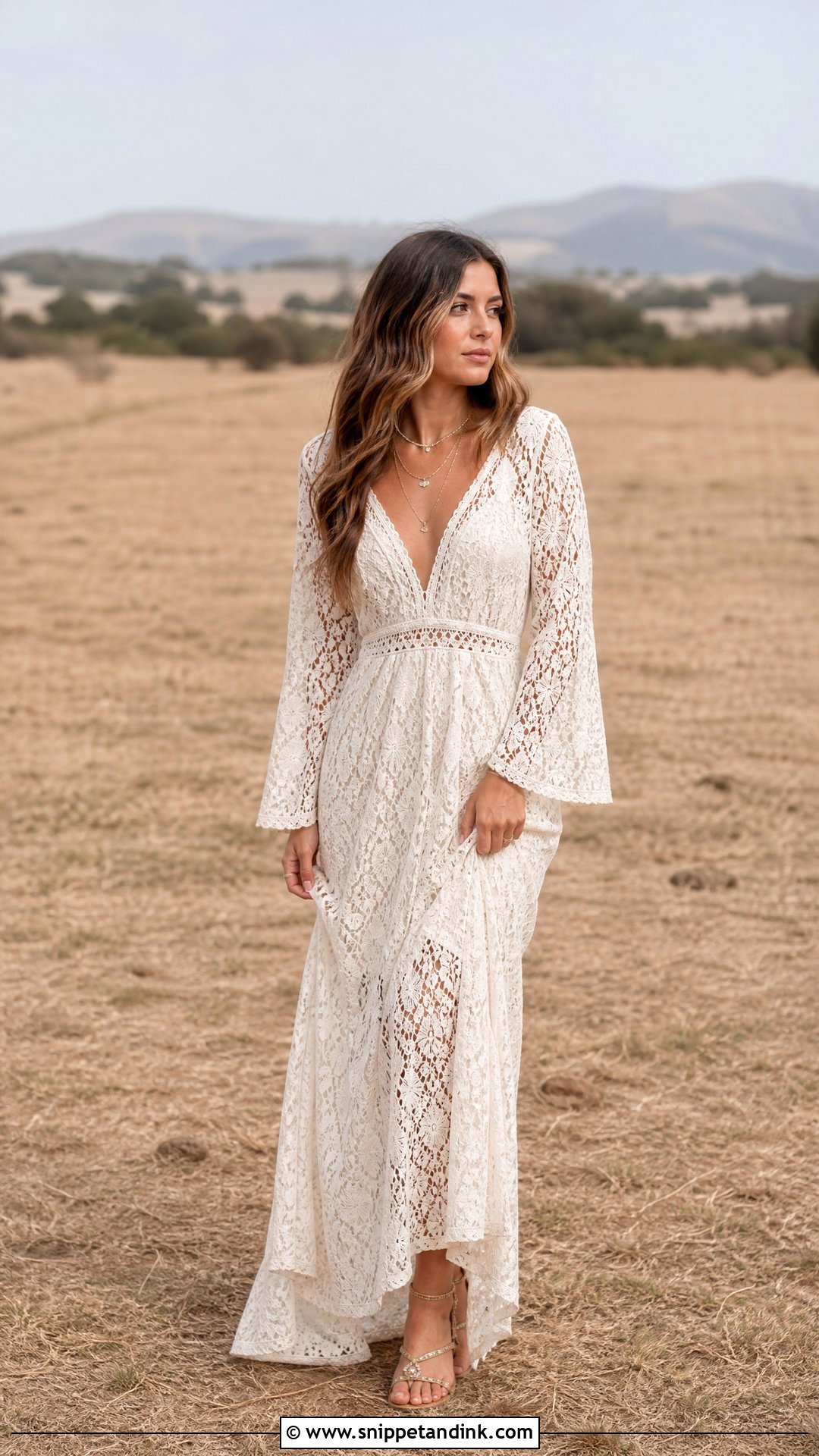
A boho lace dress belongs in fields, deserts, forests and rustic venues. Crochet or soft cotton lace, bell sleeves and a loose skirt all suit the relaxed mood. Ivory and cream are the classic shades, though warm beige holds up well in golden-hour light. Watch the hem in long grass: open lace snags on twigs and dry stems, so I’d walk the route before you shoot. Flat sandals or ankle boots depend on the ground. Keep any flower crown small, and dress your partner in linen or earth-toned cotton.
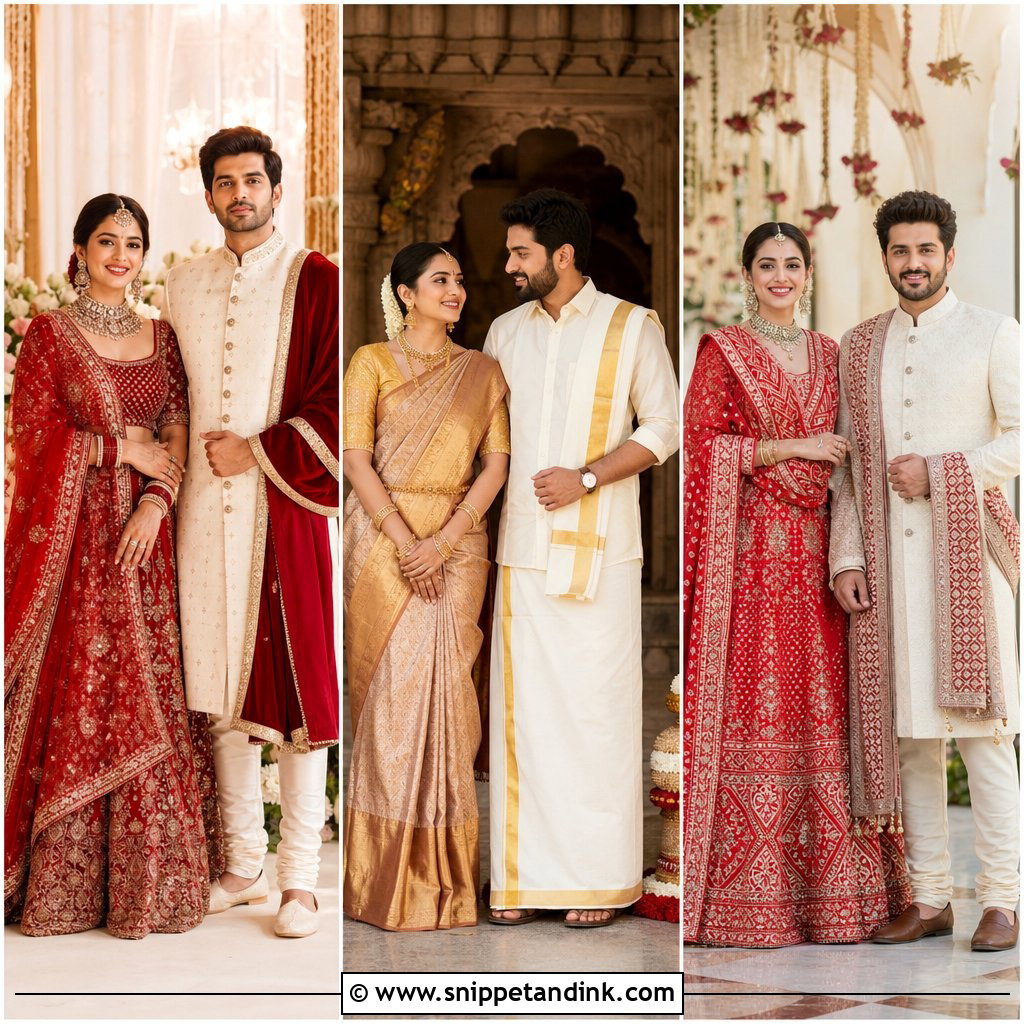
11. Saree Prewedding Dress
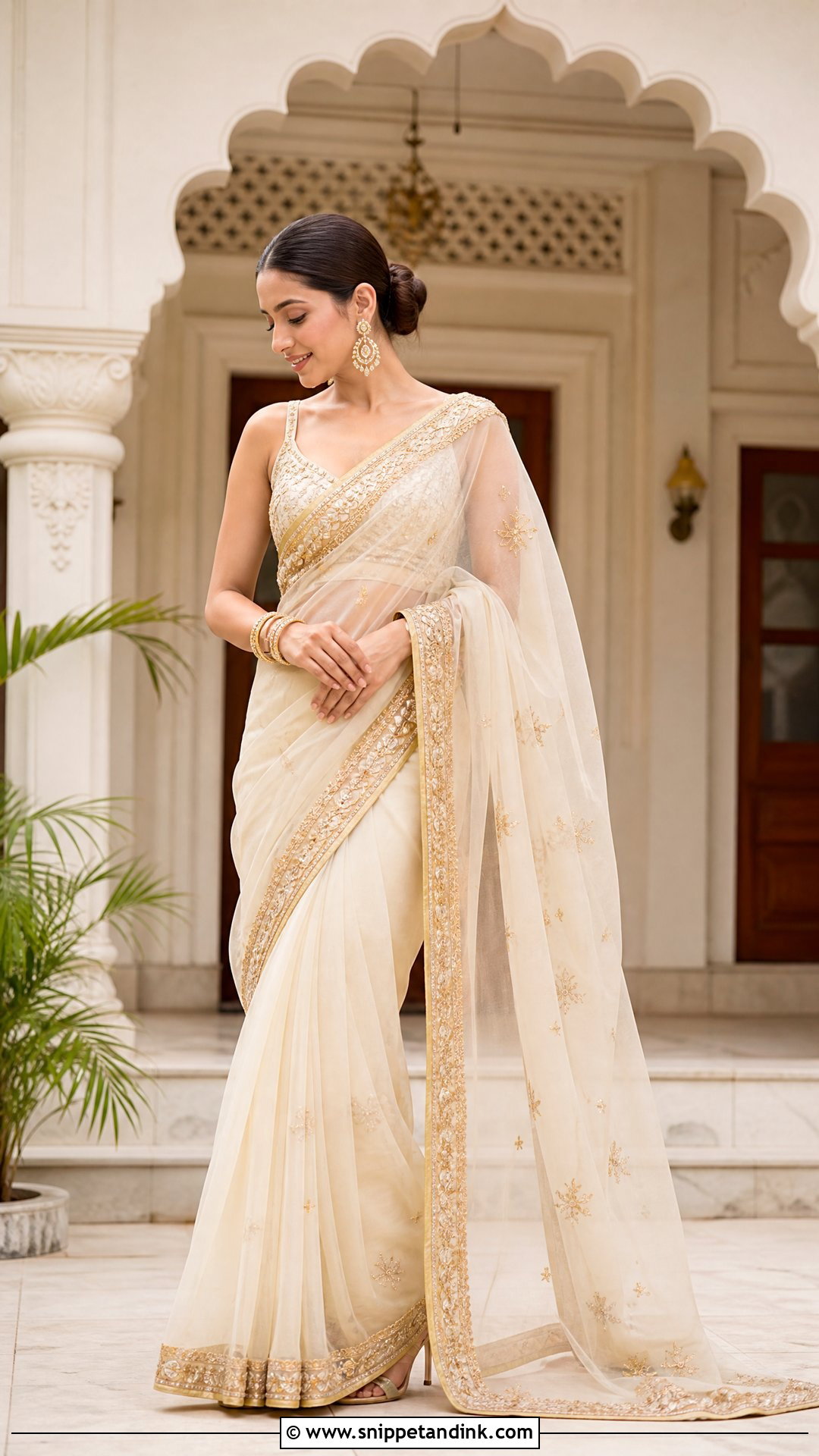
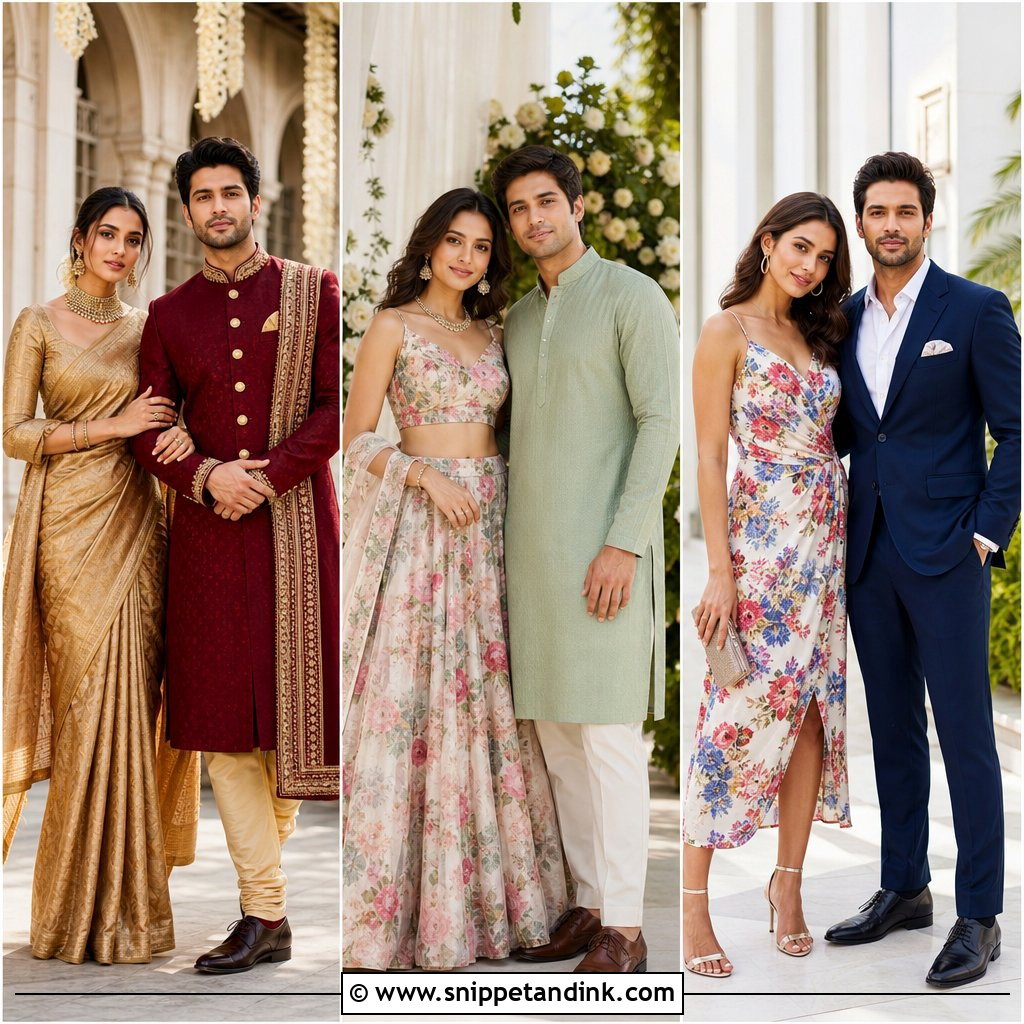
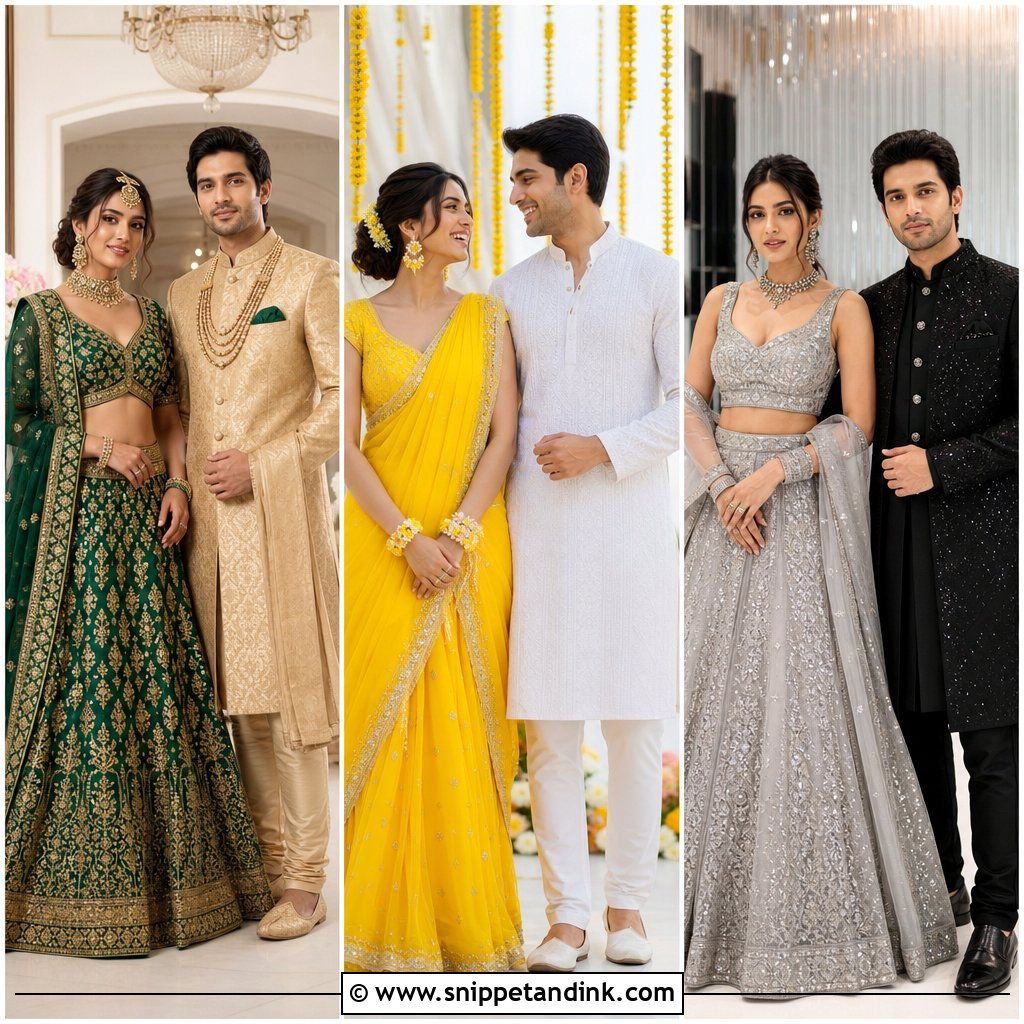
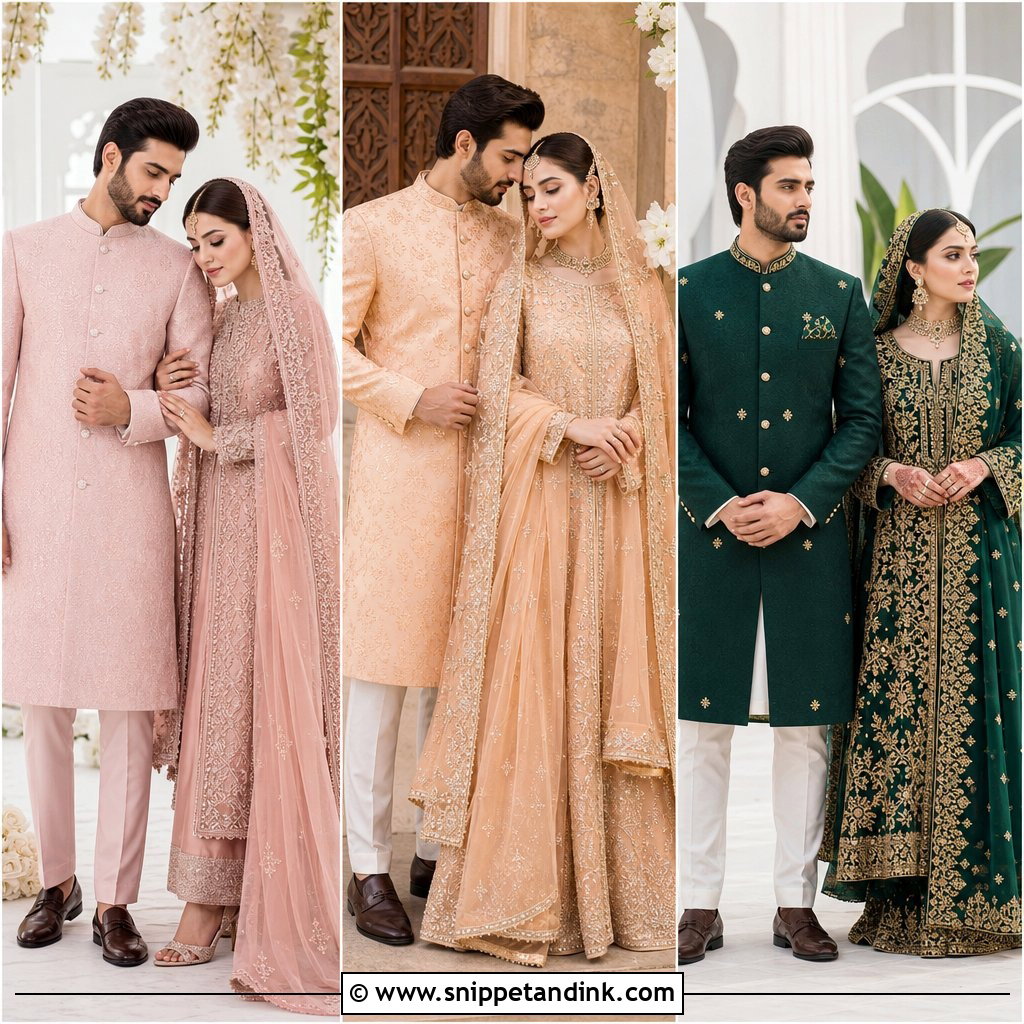
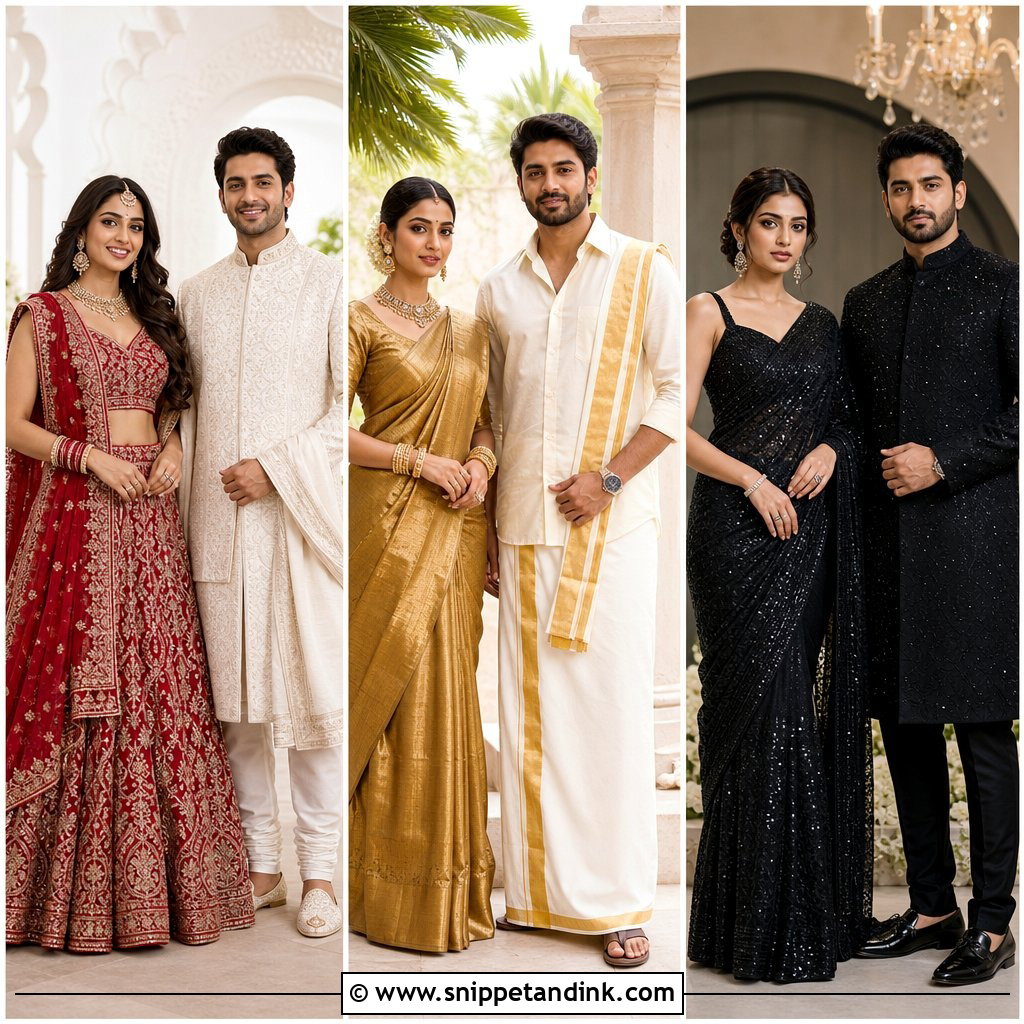
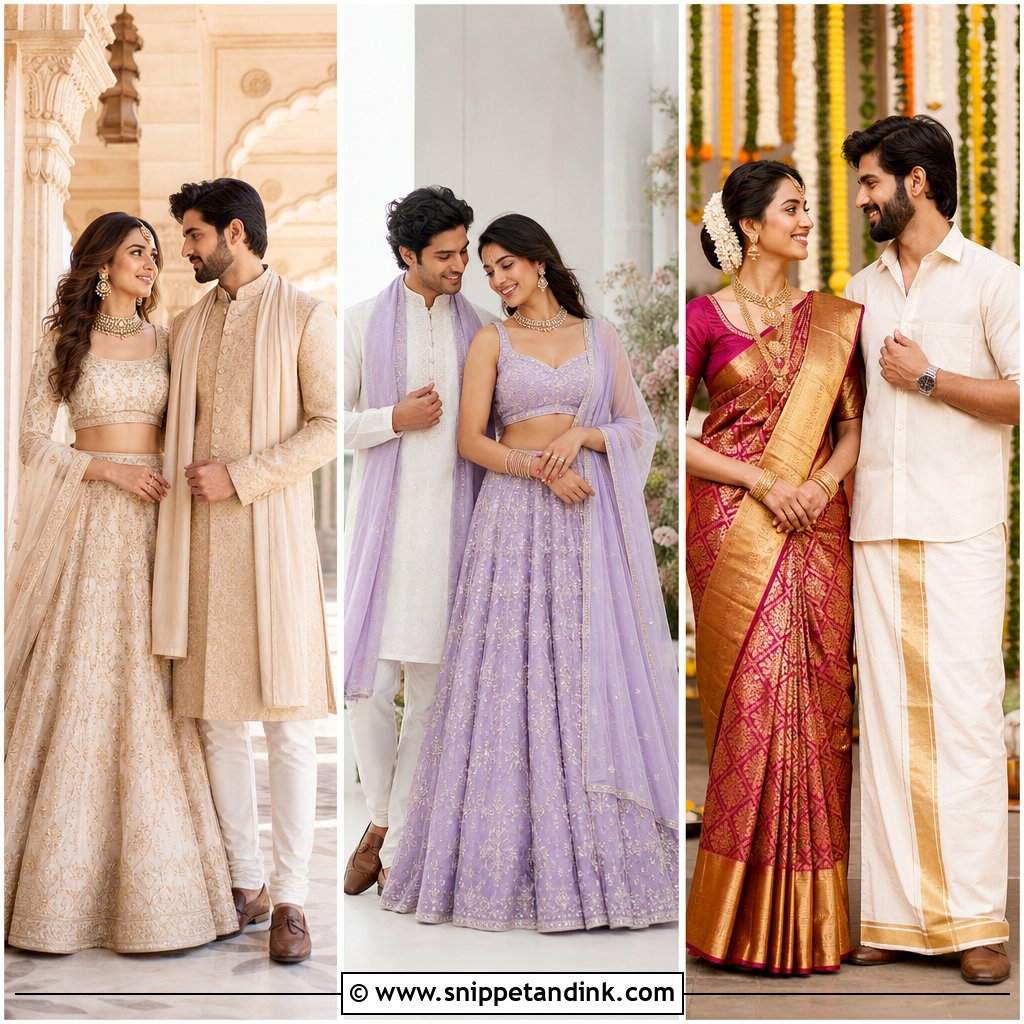
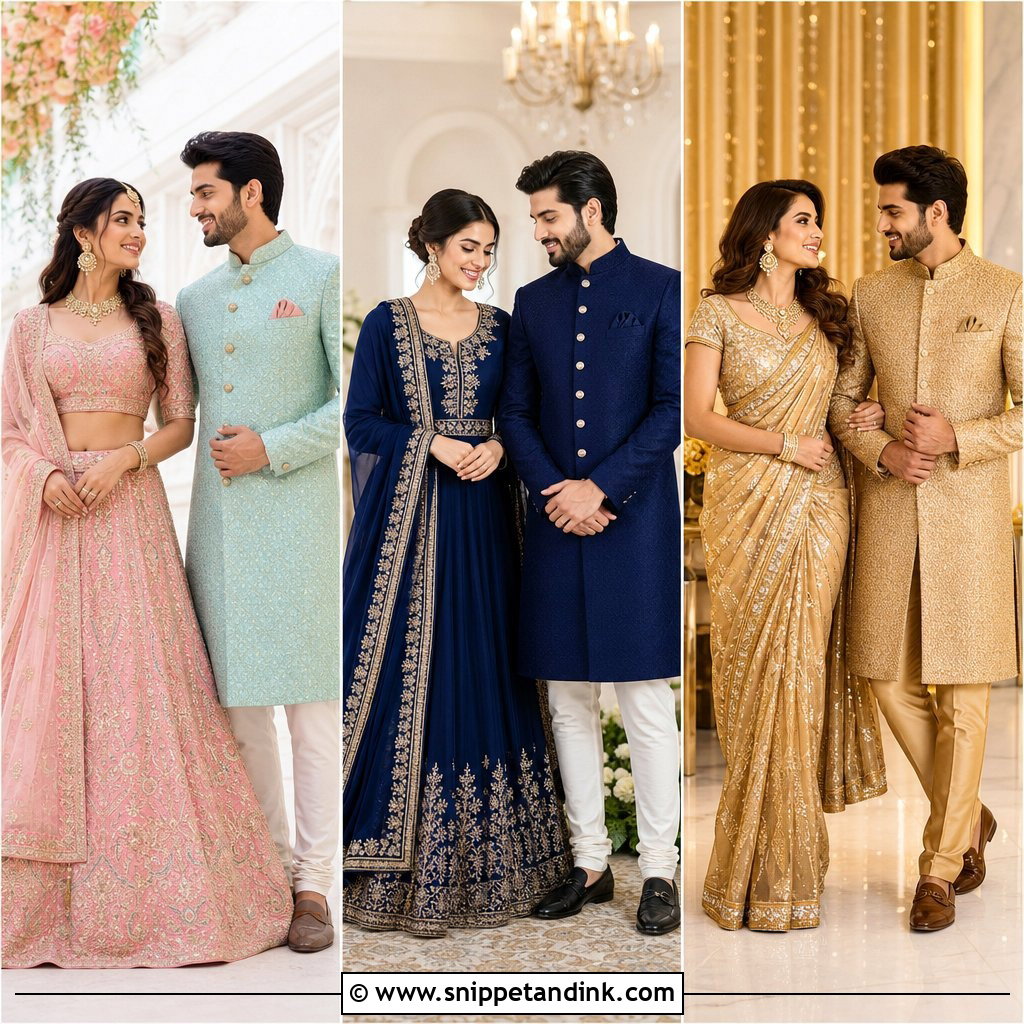
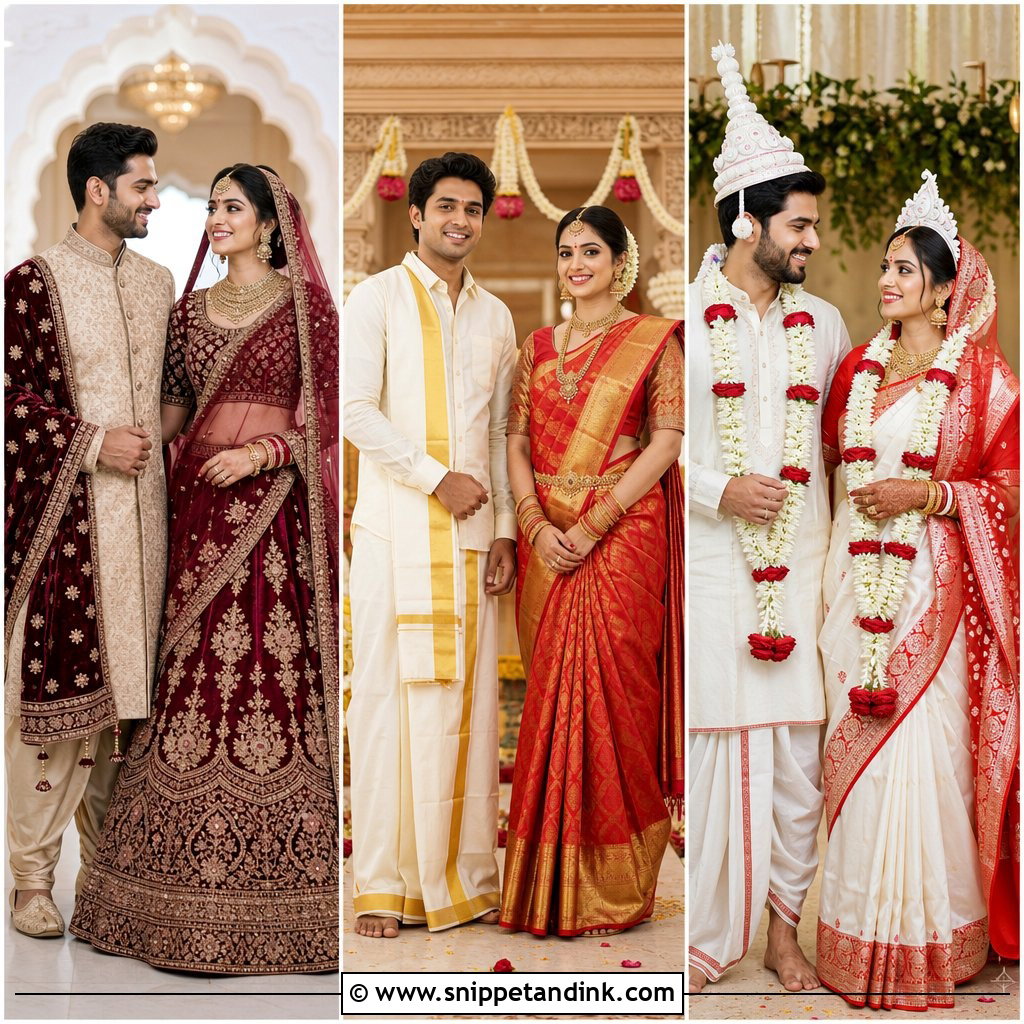
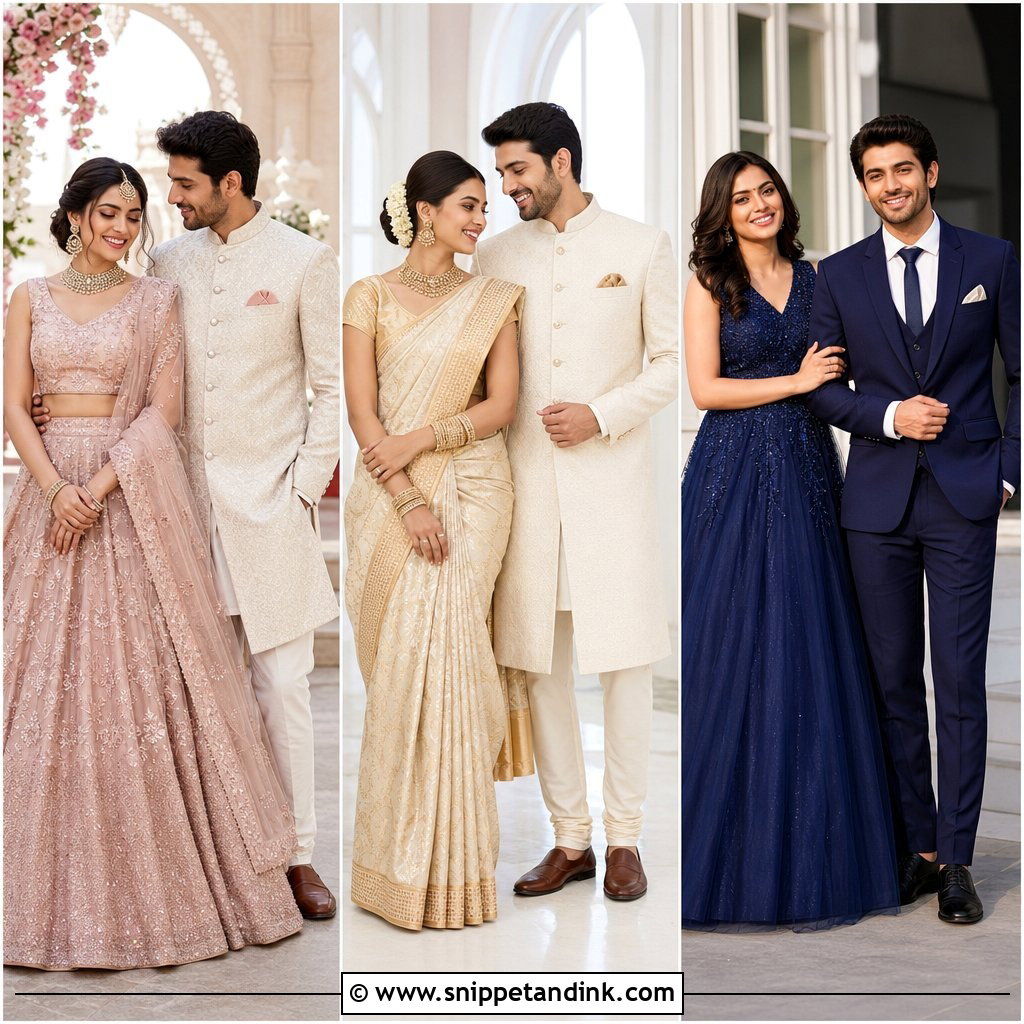
A saree brings cultural weight and grace to the photos, and the fabric changes everything. Silk holds its pleats and looks rich in heritage spaces; chiffon, georgette and organza float and suit gardens and lakesides. I’d practice the drape with the exact shoes you’ll wear, because the hem length is set by the heel. Pin the pallu securely at the shoulder so you can lift your arms and turn without fiddling. Your partner can wear a sherwani, kurta set, or tailored suit for a balanced couple look.
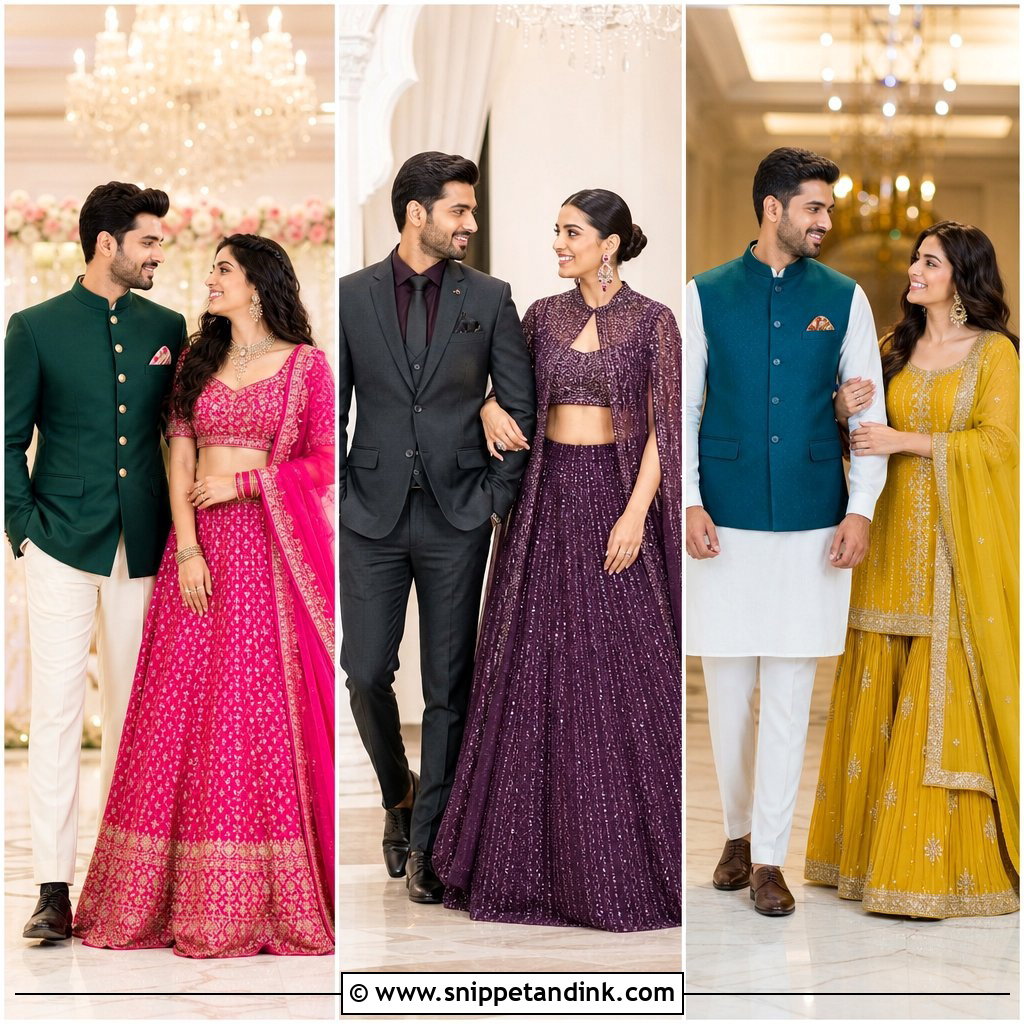
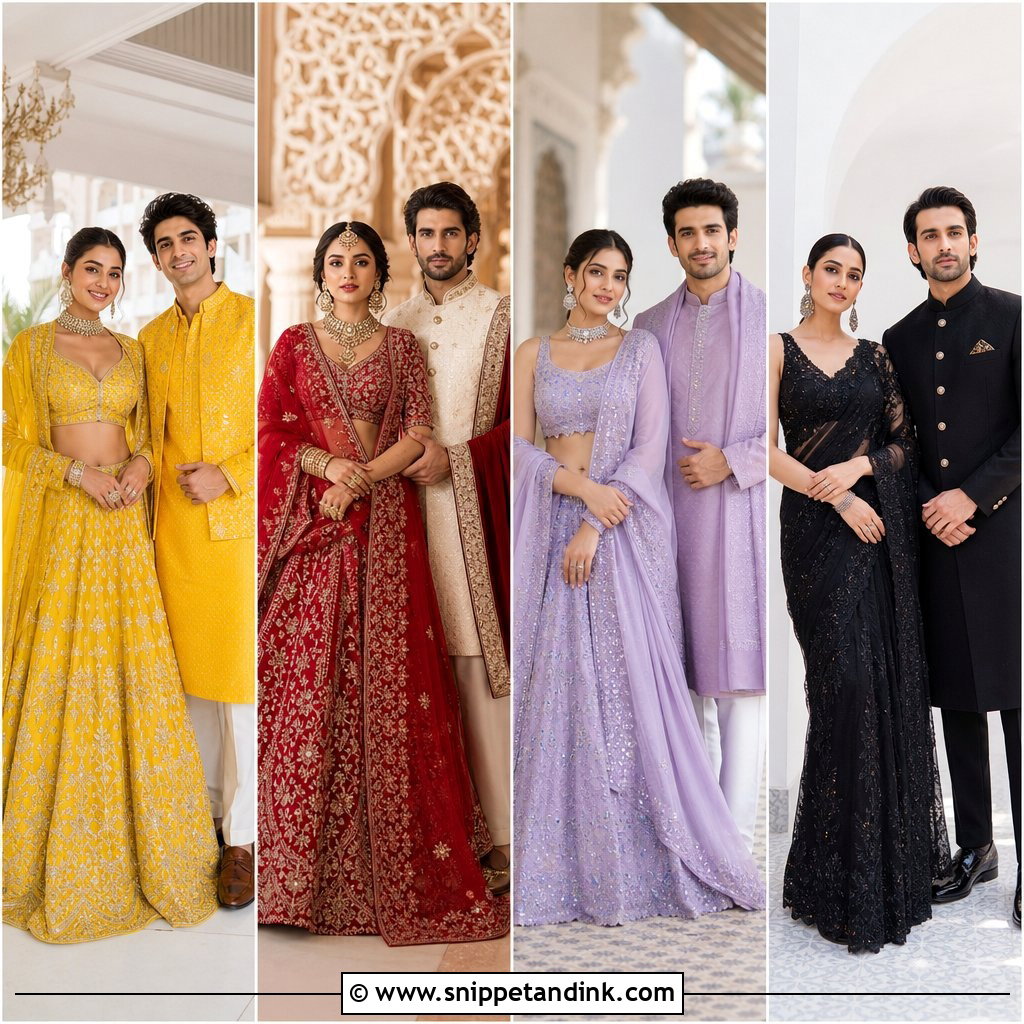
12. Lehenga Prewedding Dress
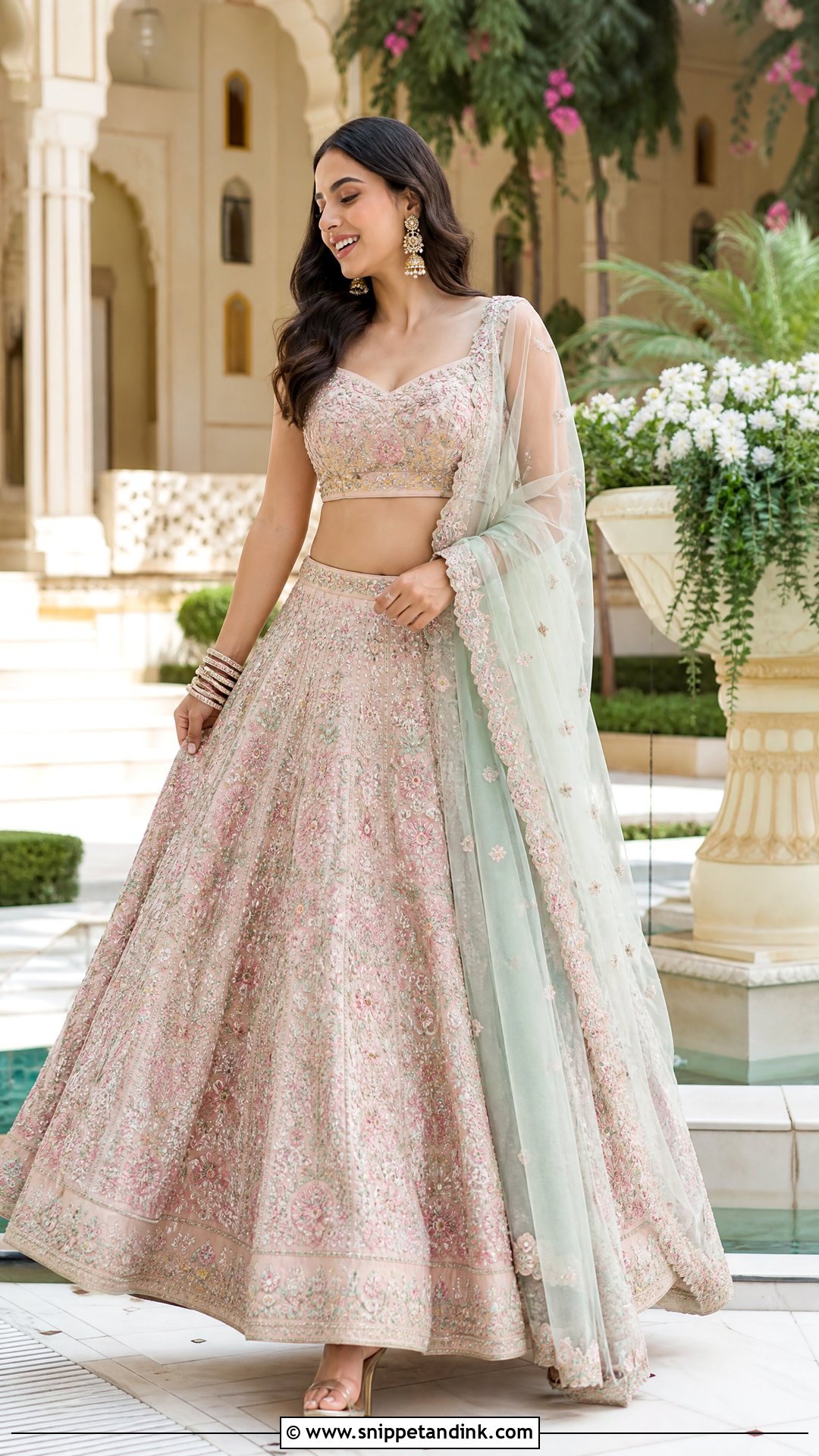
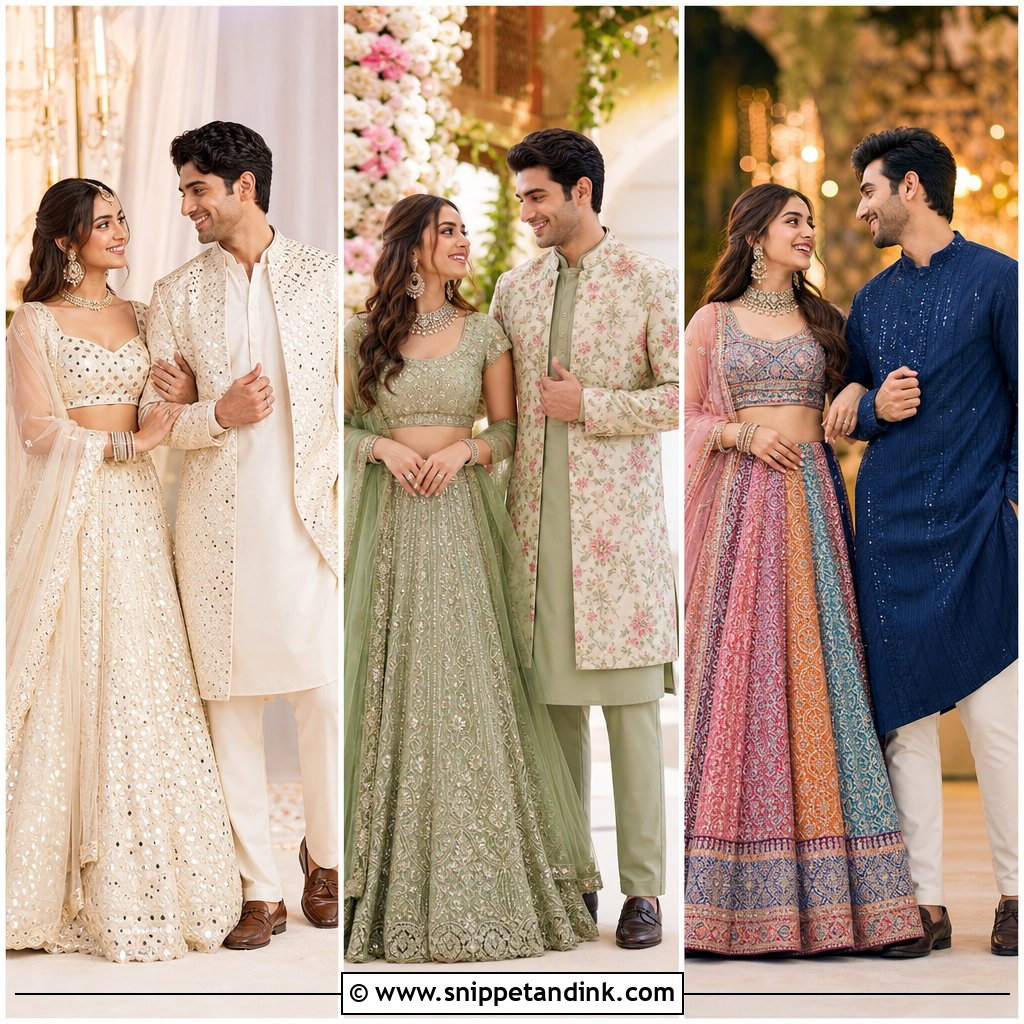
Lehengas photograph grandly, but weight is the real question. A heavily embroidered skirt gets tiring after an hour of posing, so for a prewedding shoot I often suggest a lighter cousin of what you’ll wear at the wedding. Check the waistband and blouse with the full skirt on, not the blouse alone. Pastel embroidery looks soft in gardens; jewel tones suit palace-style sets. Drape the dupatta to frame your face rather than hide the embroidery, and coordinate your partner’s sherwani with one thread color from your outfit.
13. Anarkali Prewedding Dress
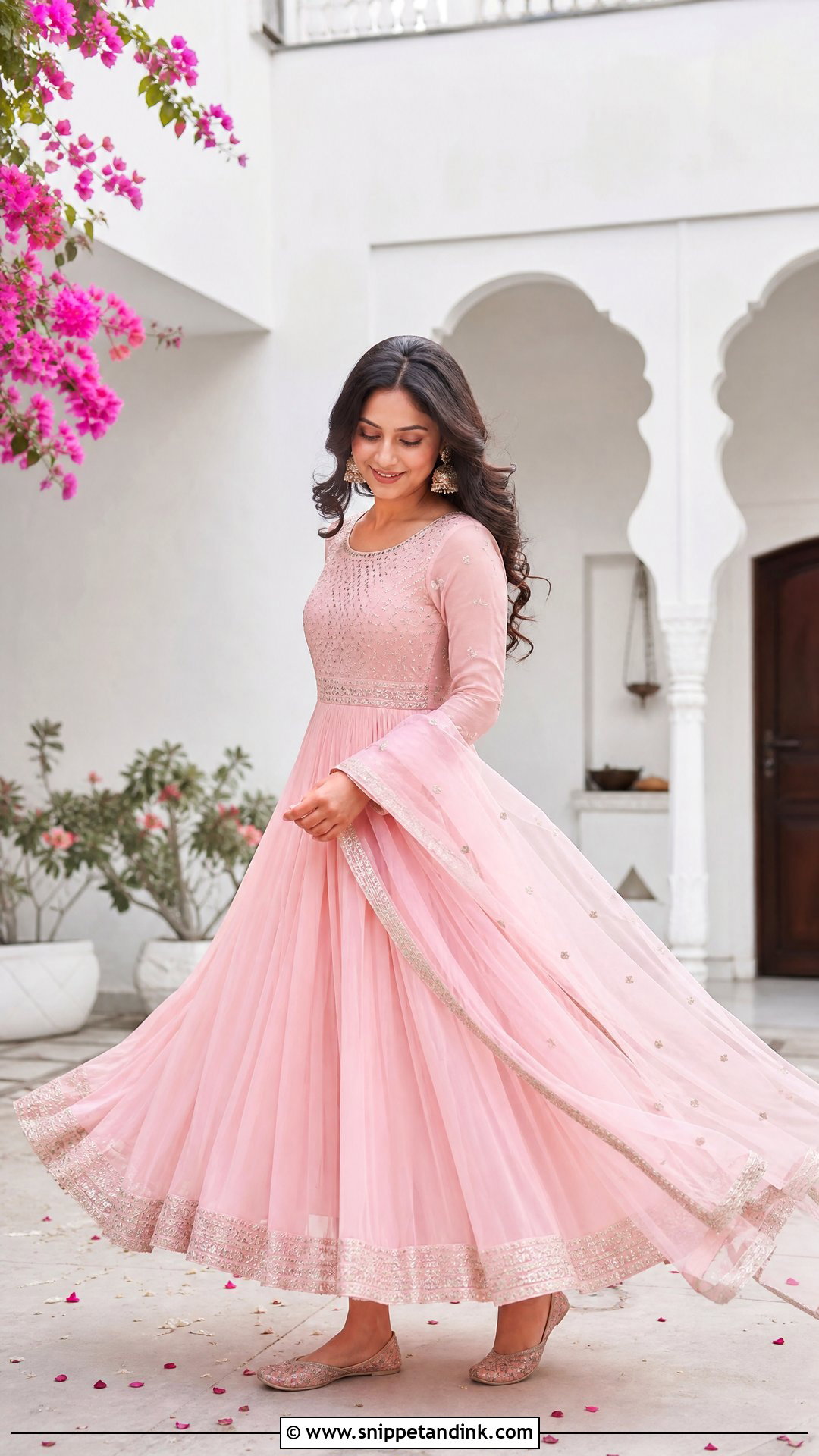
This is the outfit I suggest when a bride wants traditional dress she can actually walk and twirl in. The flare from the high waist opens nicely in spin shots and pools neatly when seated. Georgette and chiffon swing the most; silk and cotton-silk hold more shape for formal settings. Pastels read dreamy, while red, emerald, navy or mustard stand out in courtyards. Juttis are kinder than heels on uneven ground. Your partner can wear a kurta set or a neutral suit.
14. Sequin Gown Prewedding Dress
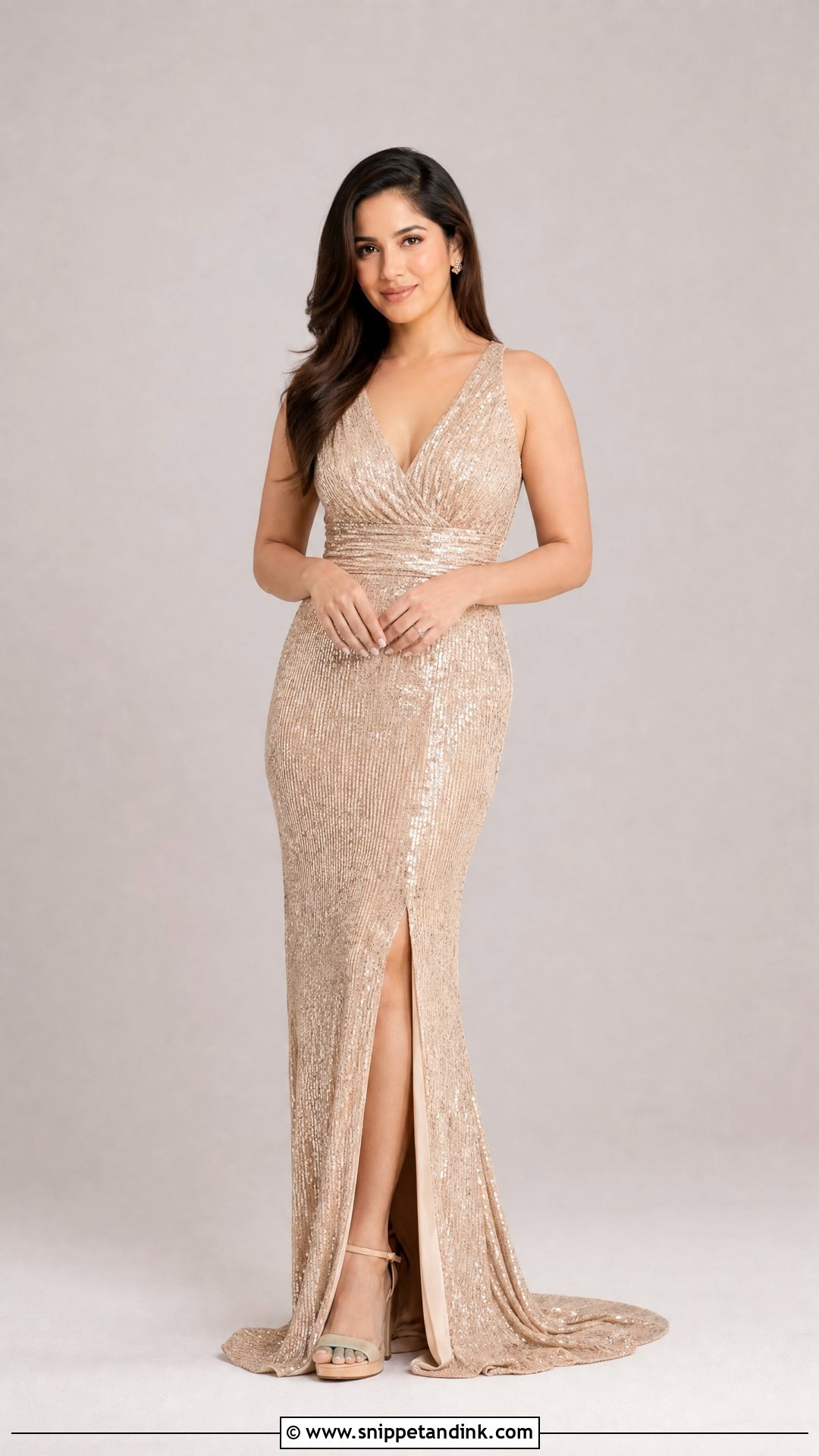
Sequins catch every light source, which is the point and also the risk. Under direct flash they can create bright hot spots, so a sequin gown suits photographers who light softly or shoot at dusk. Silver, champagne, gold, navy and emerald all look rich, and a simple silhouette is better because the fabric is already busy. Sequins scratch the inner arm and don’t stretch, so I check the fit at the armhole and waist while the bride is seated. Your partner in a black suit or tux balances the sparkle.
15. Blue Gown Prewedding Dress
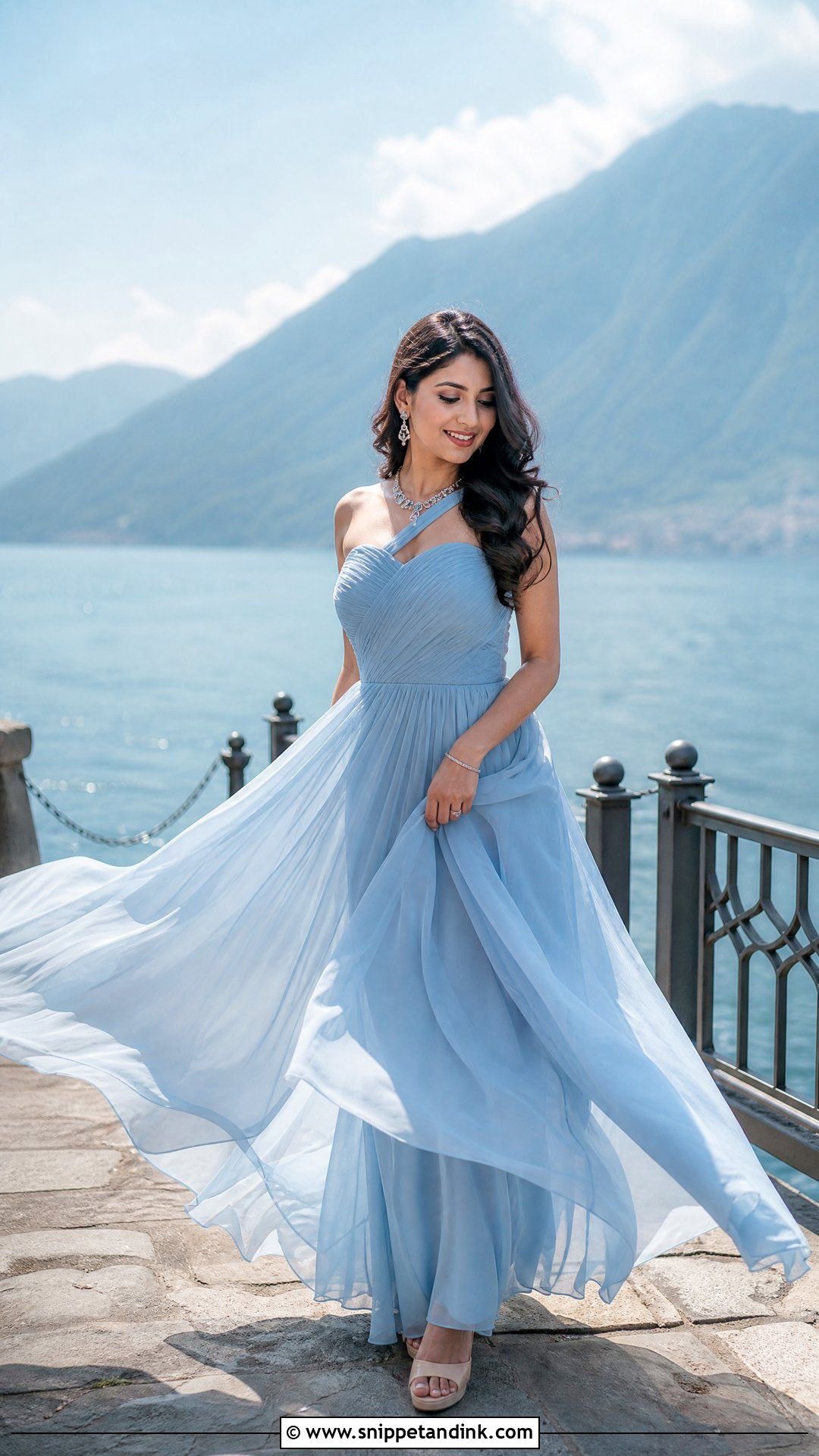
Blue suits water and open sky, but the shade matters. Powder blue can disappear against a pale sky; navy and royal blue hold their shape against the same background. Chiffon and tulle move in sea air, while satin or crepe suit more formal settings. Silver jewelry and soft makeup sit well with blue. It gives you color without drama, and your partner can wear white, grey, beige or navy.
16. Pink Gown Prewedding Dress
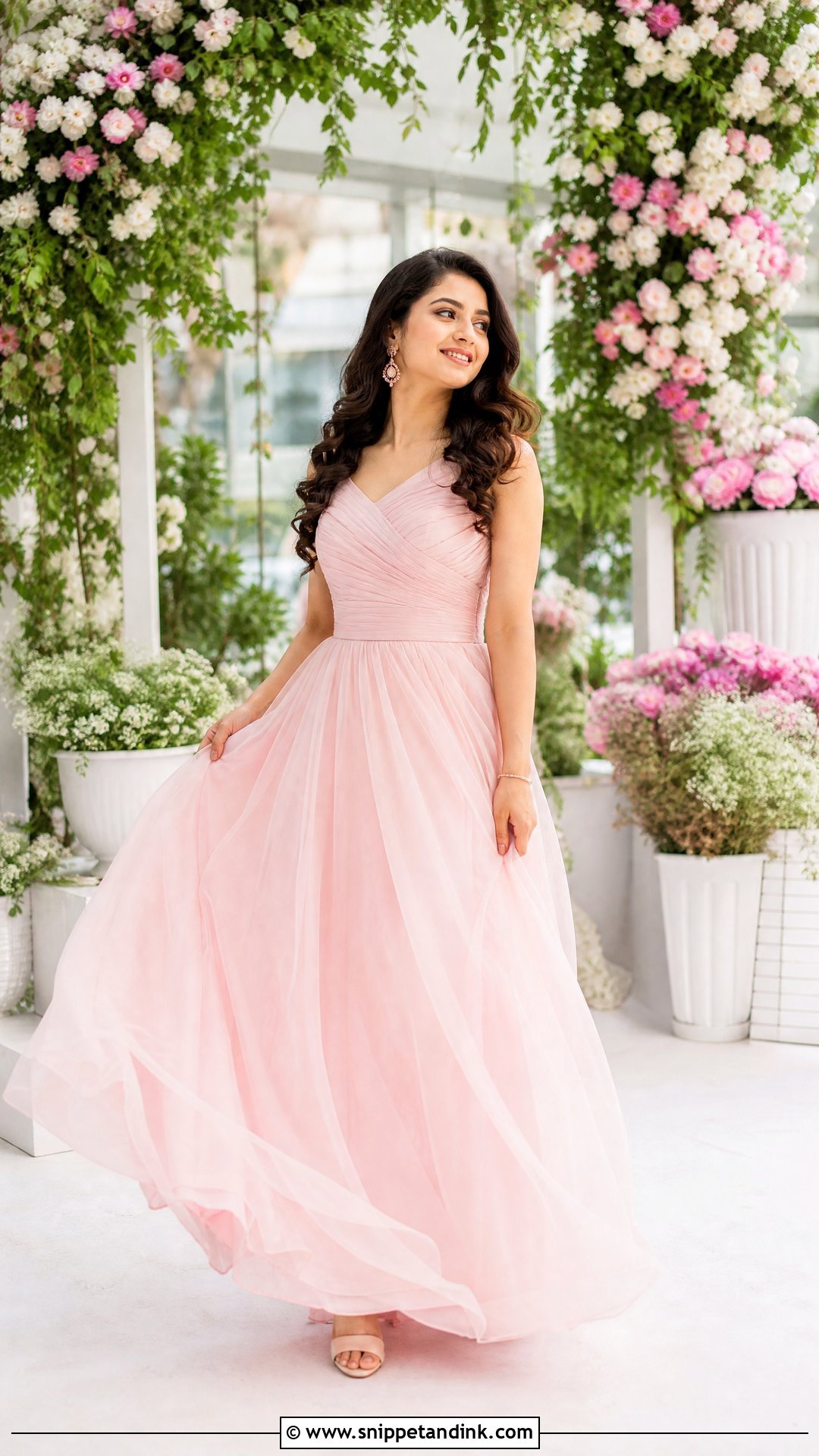
How bold you go with pink decides your backdrop. Blush can wash out against pale walls and needs some contrast behind it, while rose and fuchsia need a plain background so the color doesn’t fight the scenery. Chiffon layers or soft draping give movement in garden shots. Rose-gold jewelry and peach-toned makeup suit every shade. Beige, grey, navy or cream on your partner keeps the frame calm.
17. Green Gown Prewedding Dress
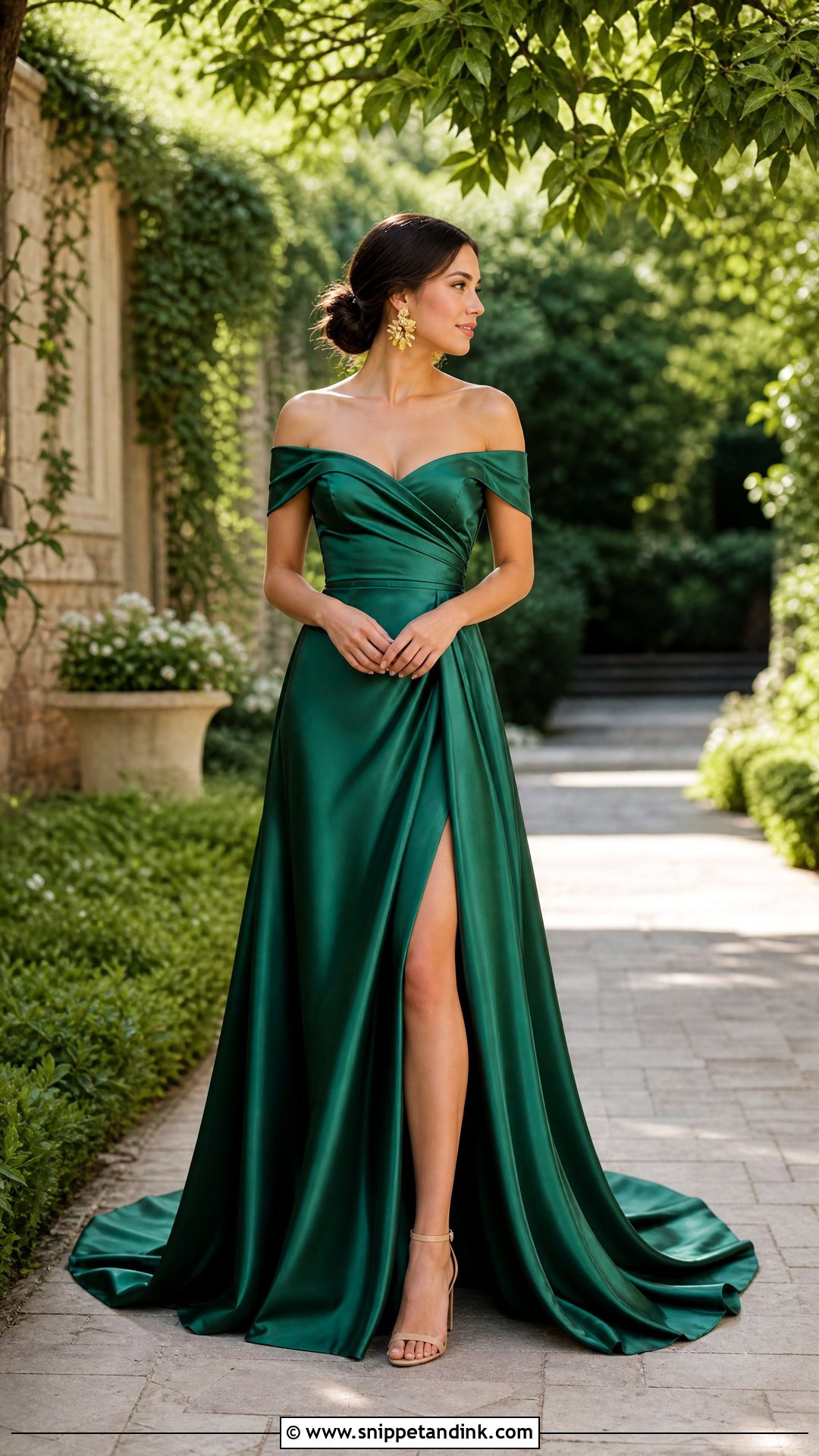
Green connects naturally to gardens, vineyards and forests, and that’s also the trap. A sage dress in a sage-green field can melt into the background, so I check the location’s palette first and go a shade deeper or lighter than the foliage. Emerald satin looks rich; olive is earthy; velvet is lovely for cold-month sessions. Gold jewelry and a low bun suit all of them, with cream, tan, brown, black or navy on your partner.
18. Yellow Dress Prewedding Dress
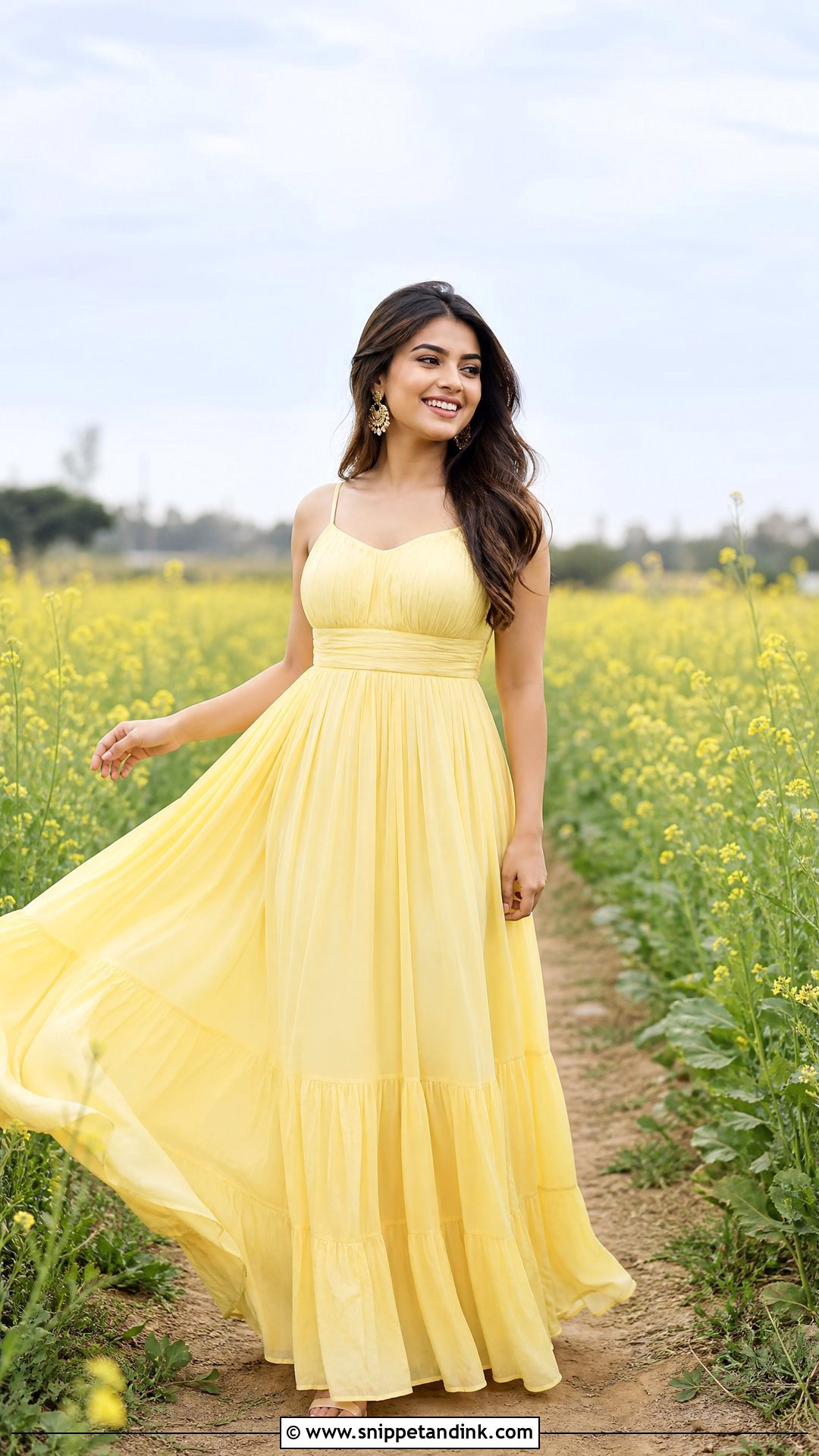
A yellow dress brightens a daytime shoot faster than any other color here. Butter yellow is soft; marigold and mustard feel festive and often flatter warmer and deeper skin. I’d avoid yellow under harsh midday sun, because the bright fabric reflects color up onto the chin and neck. Sunflower fields, beaches and painted murals all suit it. Keep jewelry small, and dress your partner in white, beige, light blue or tan.
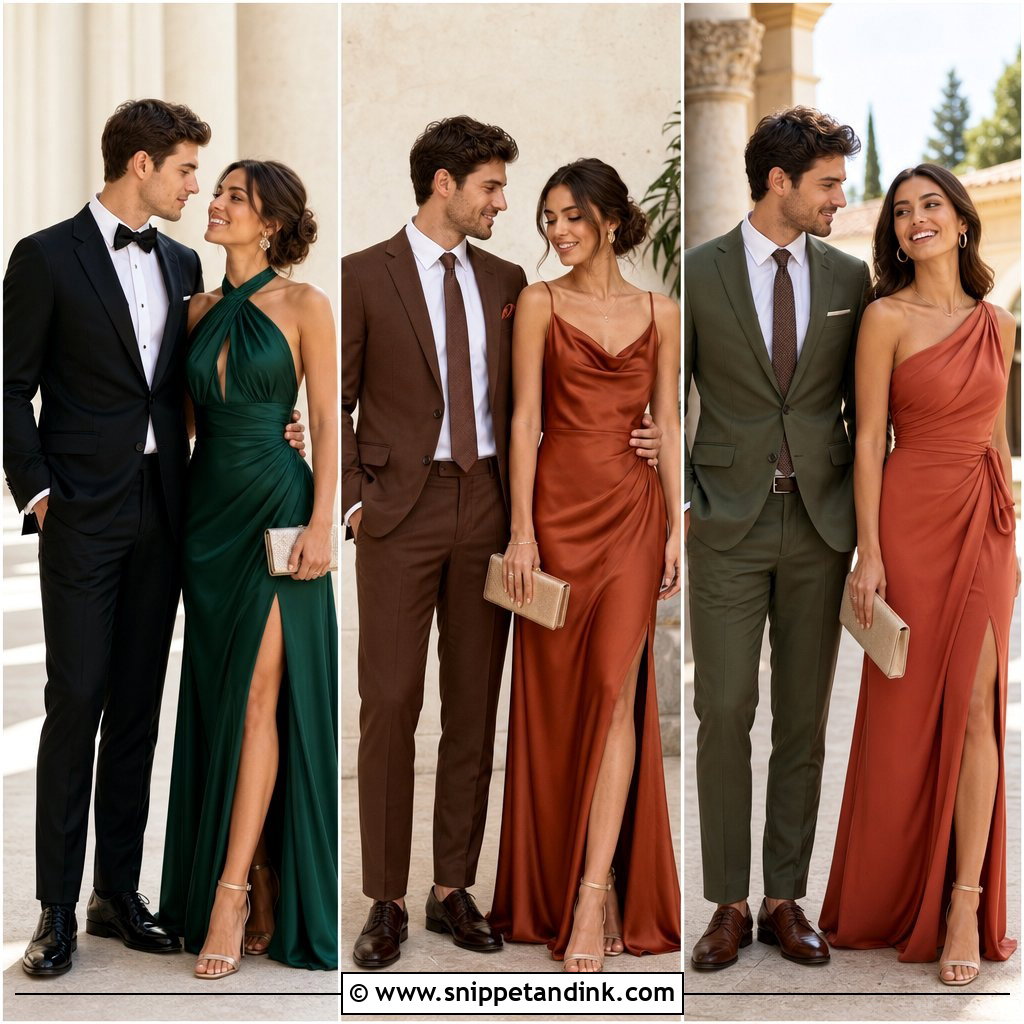
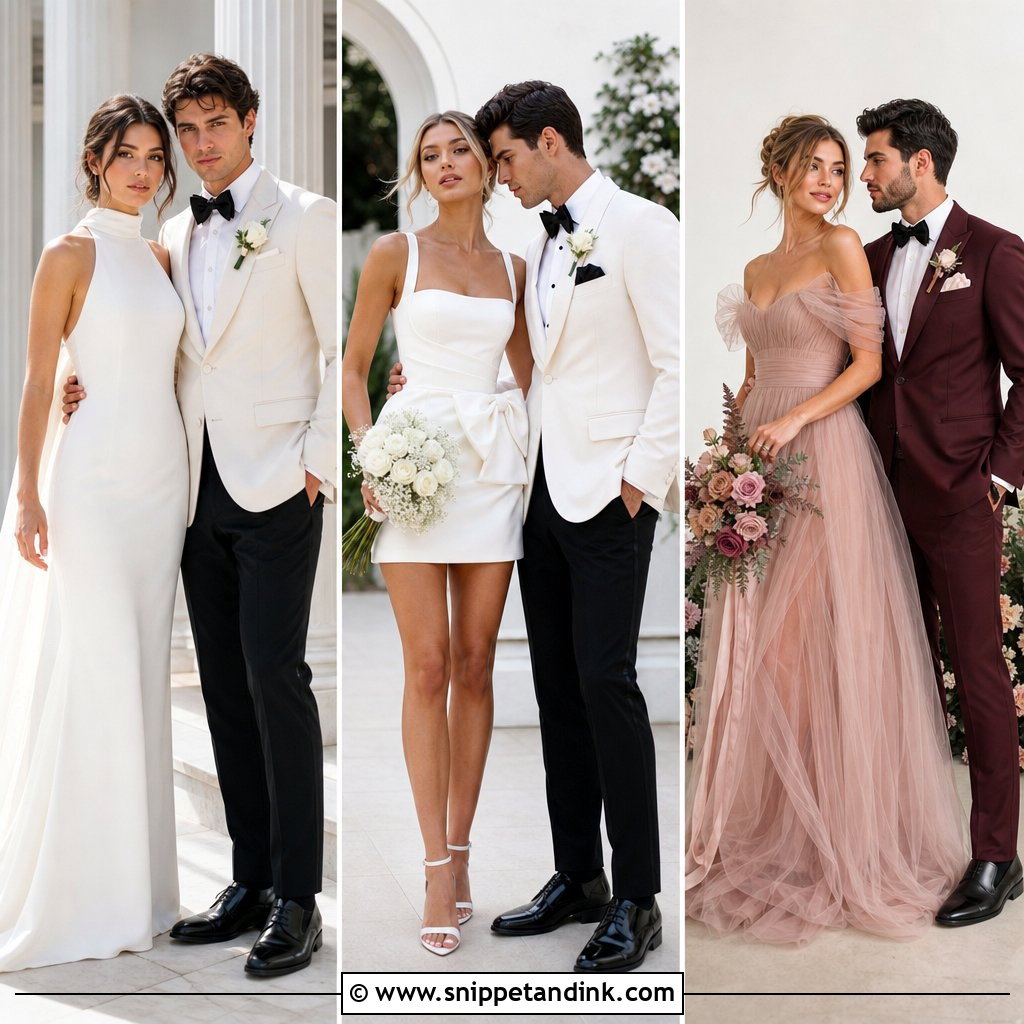
19. Short White Dress Prewedding Dress
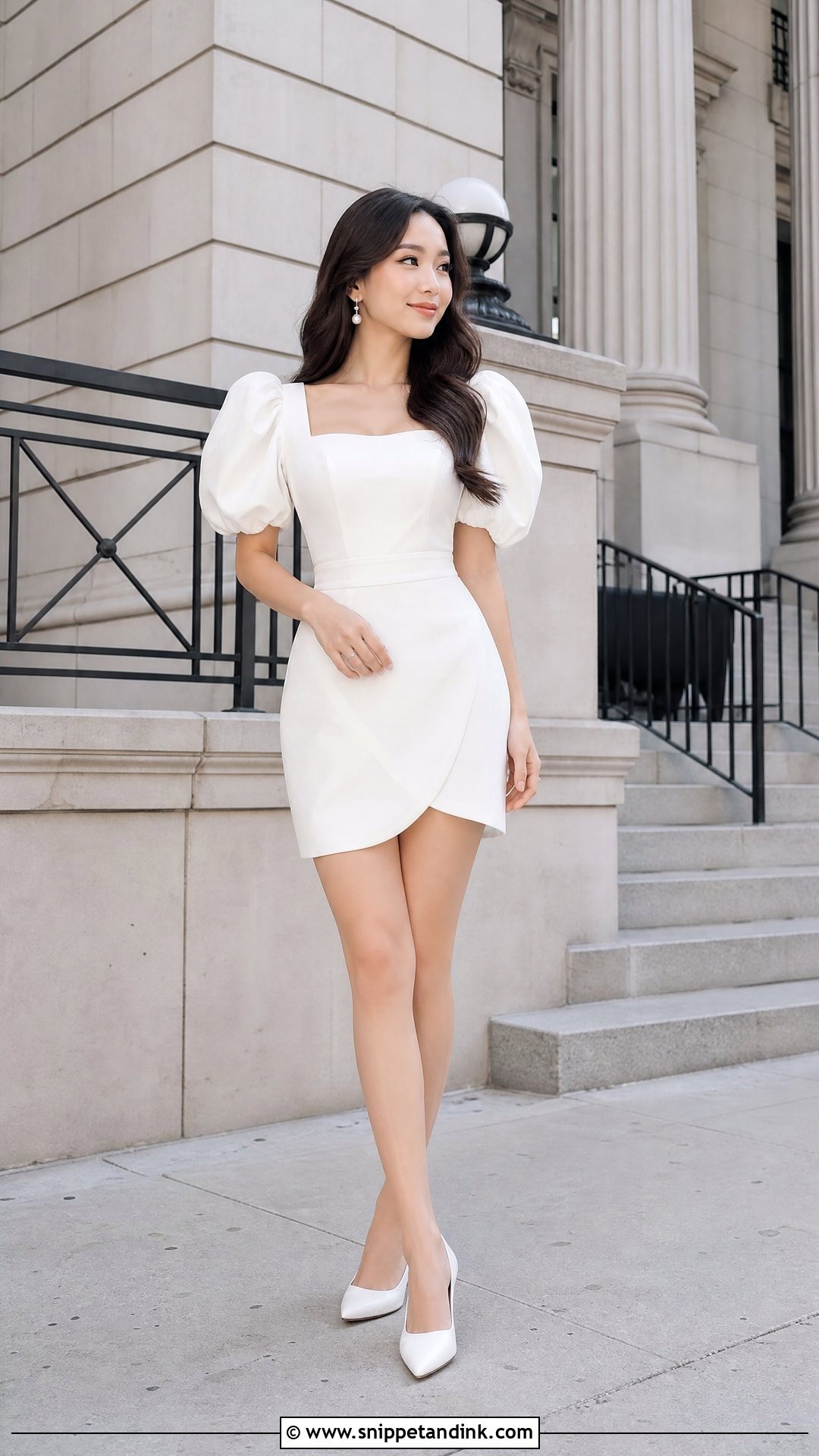
A short white dress keeps the shoot light and lets you move freely, which is handy when the plan includes walking across a city or hopping in and out of a car. Choose structure, like puff sleeves, lace or clean tailoring, since thin jersey loses its shape on camera. Your shoes will be visible in nearly every shot, so pick them deliberately. Pearl earrings, a small bag and soft curls add the bridal note, and a blazer with trousers on your partner keeps it sharp without a full suit.
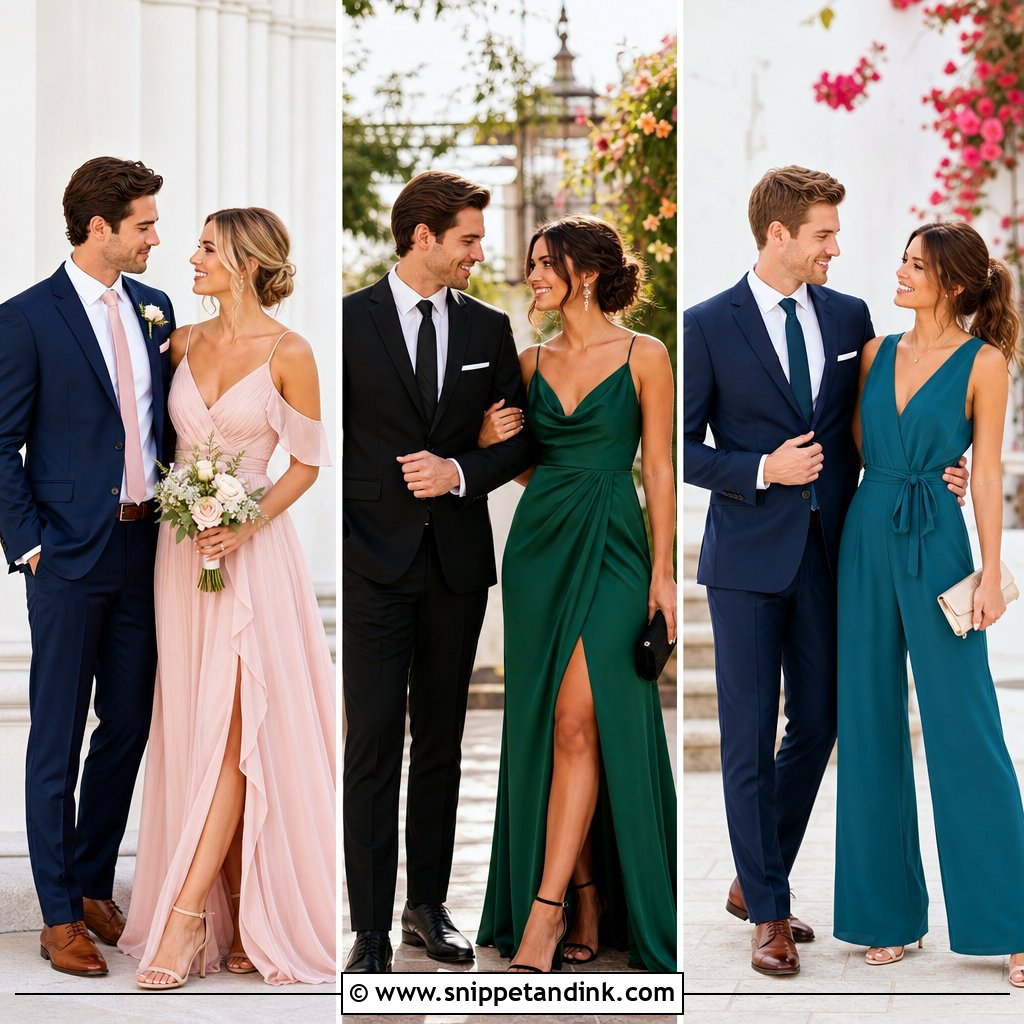
20. Jumpsuit Prewedding Dress
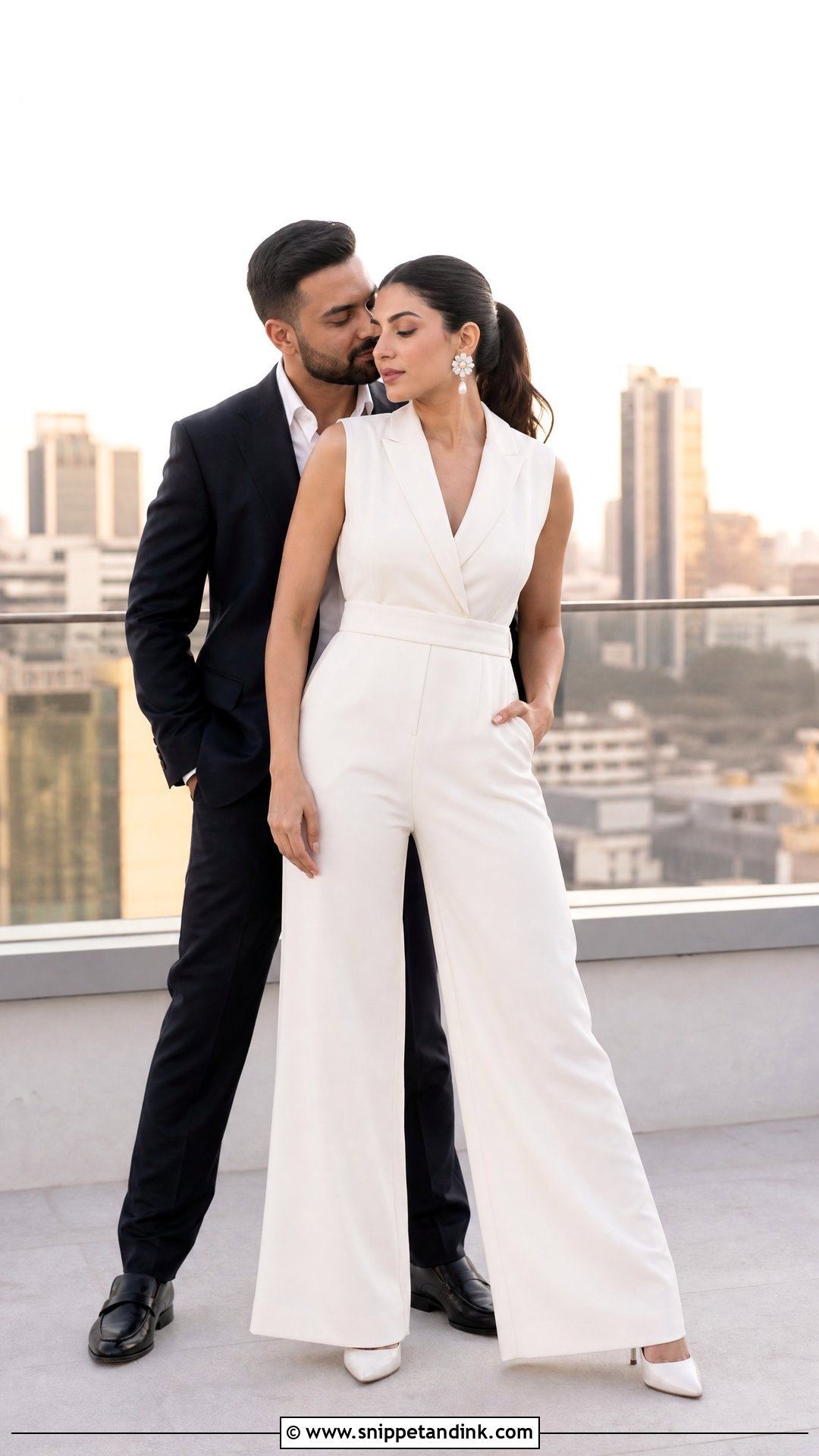
A jumpsuit gives you sharp lines and, often, pockets. The wide leg is what makes it look like an outfit rather than workwear, so I ask clients to walk in it before buying; a leg that’s too narrow cuts the line at the ankle in full-length frames. White, ivory, blush, black or champagne all read polished, and pointed heels lengthen the leg. A cape or tailored blazer gives you a second look within the same shoot. City rooftops and modern interiors suit it best.
21. Two Piece Set Prewedding Dress
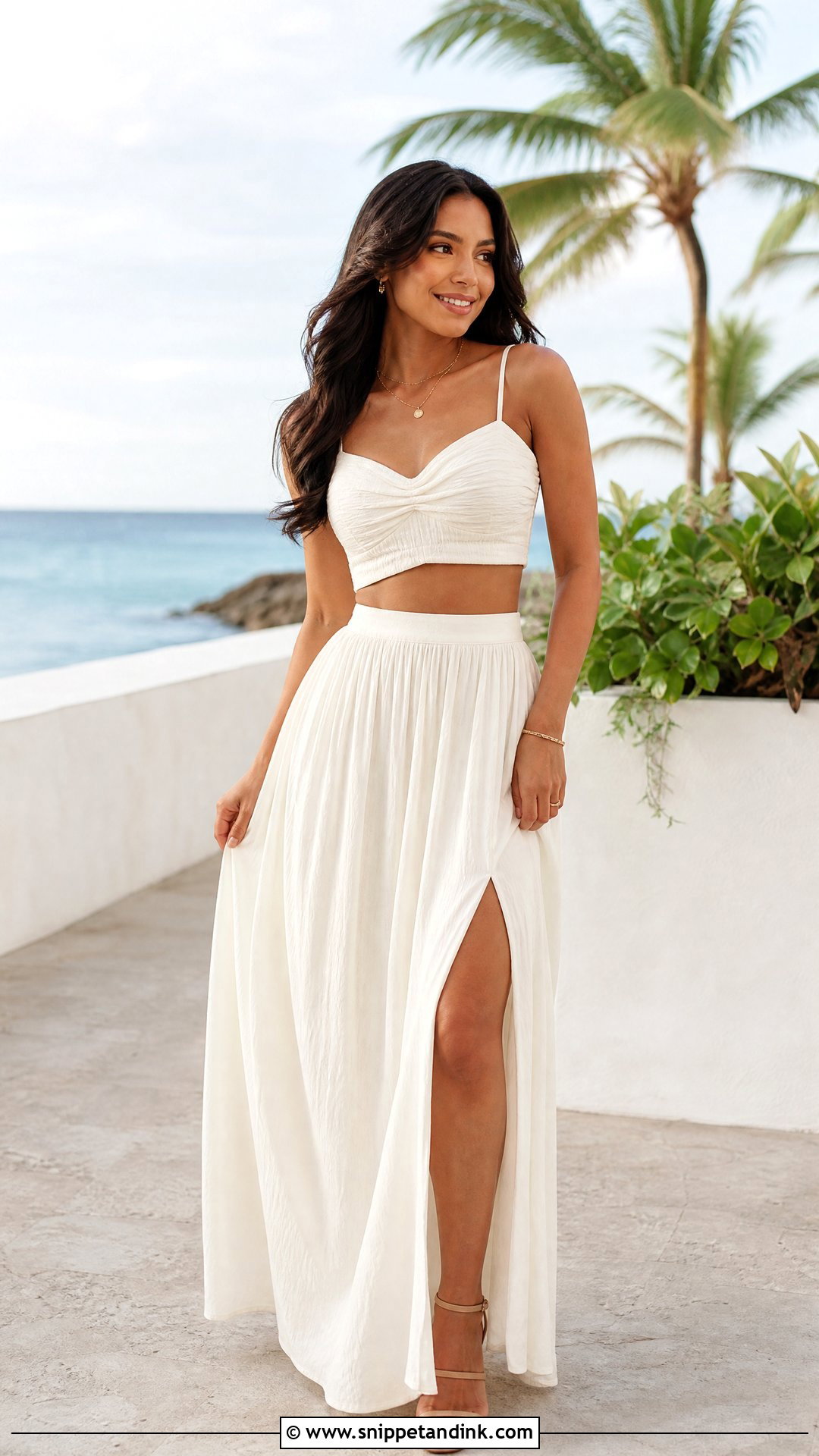
Two-piece sets give you options: a crop top with a skirt, a structured top with wide-leg trousers, or a blouse over a maxi skirt. The waistline is where they go wrong. If the top rides up when you lift your arms, the gap shows in every hug shot, so test it at the fitting with your arms around an imaginary partner. Whites, pastels and prints suit beaches, resorts and studios. Keep accessories quiet if the set carries texture, and put your partner in linen or light tailoring.
22. Casual White Shirt Dress Prewedding Dress
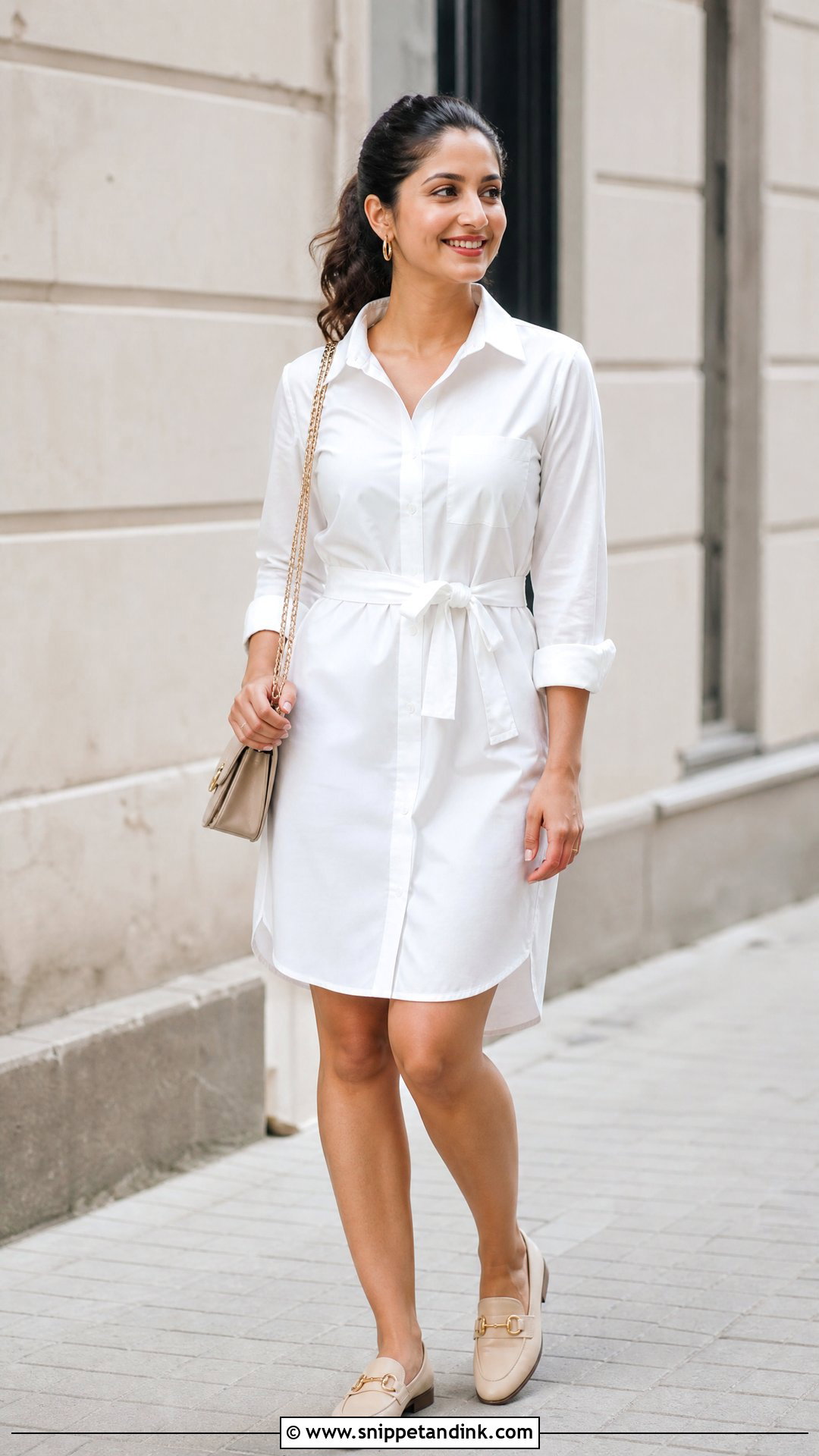
A white shirt dress suits couples who want their photos to look like a real morning together: coffee, a walk, a park bench. The weakness is that a thin, unstructured shirt dress can look like a nightgown on camera, so I look for crisp cotton, a belt or pleating and a longer hem. Cotton creases fast, which suits a lived-in mood but not polished portraits. Loafers or sandals depend on the walk. Your partner in chinos or linen trousers with a clean shirt keeps it relaxed.
23. Vintage Tea Length Dress Prewedding Dress
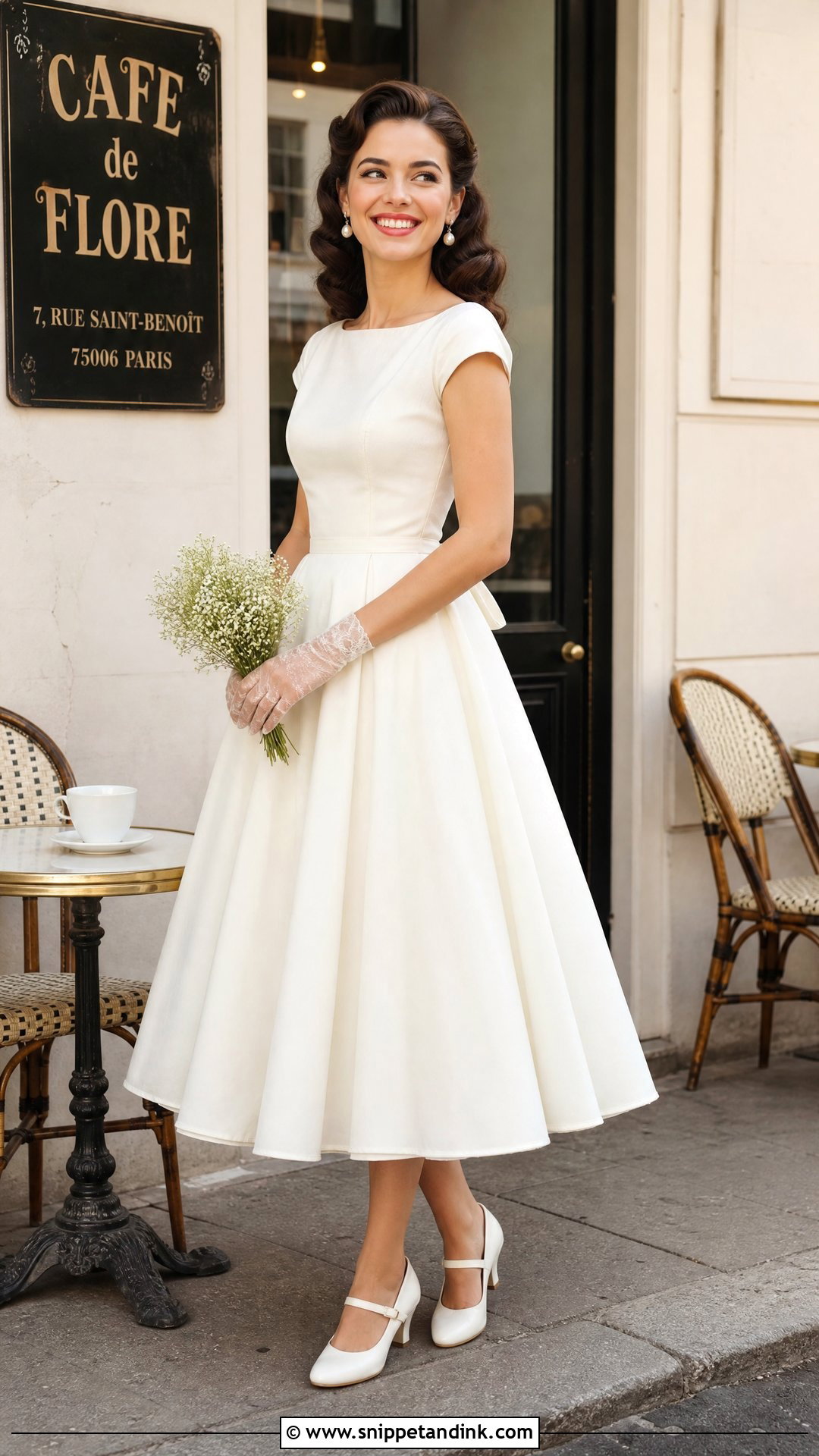
Tea length falls between knee and ankle, so you can walk city sidewalks without lifting a hem. Lace, satin, polka dots, soft florals or plain ivory with a fitted waist all suit the era. I’d add a petticoat if the skirt hangs flat, since a bit of volume is what gives tea length its period shape. Mary Janes or pointed heels, pearls and a soft updo complete it. Keep props light so it doesn’t tip into costume, and let suspenders or a blazer give your partner the same old-fashioned feel.
24. Beach Prewedding Dress
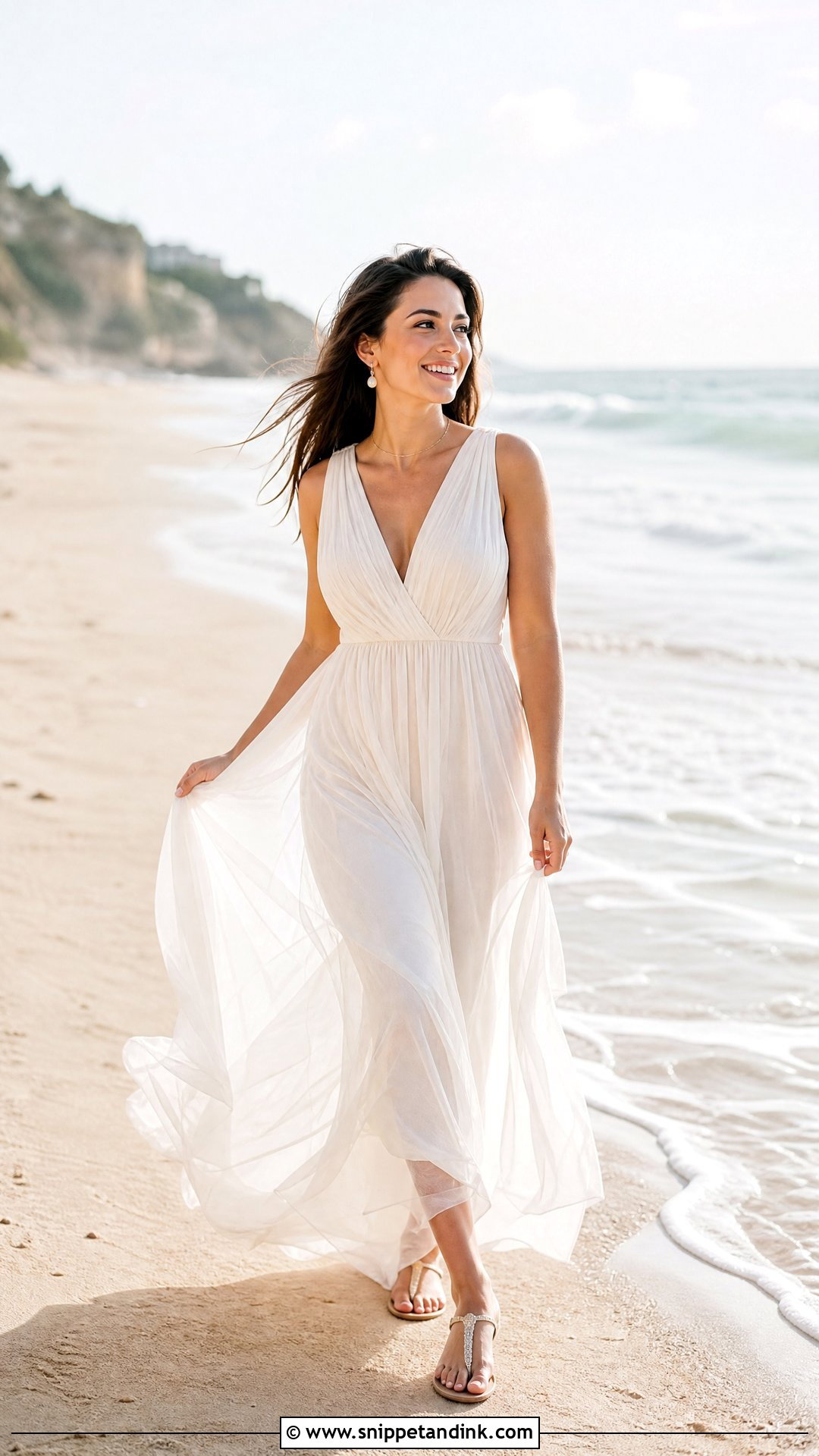
Sea wind is the real stylist on a beach shoot, so I choose fabrics that move rather than fight it: chiffon, gauze, cotton, linen blends and soft crepe. White, ivory, pale blue, blush and sand tones sit naturally against water. A flowy maxi, halter dress, wrap dress, or off shoulder style works well by the water. Heavy beading and stiff layers look out of place on sand and soak up water at the hem. Expect the skirt to come home damp and sandy. Your partner can wear linen trousers and a white shirt.
25. Studio Prewedding Dress
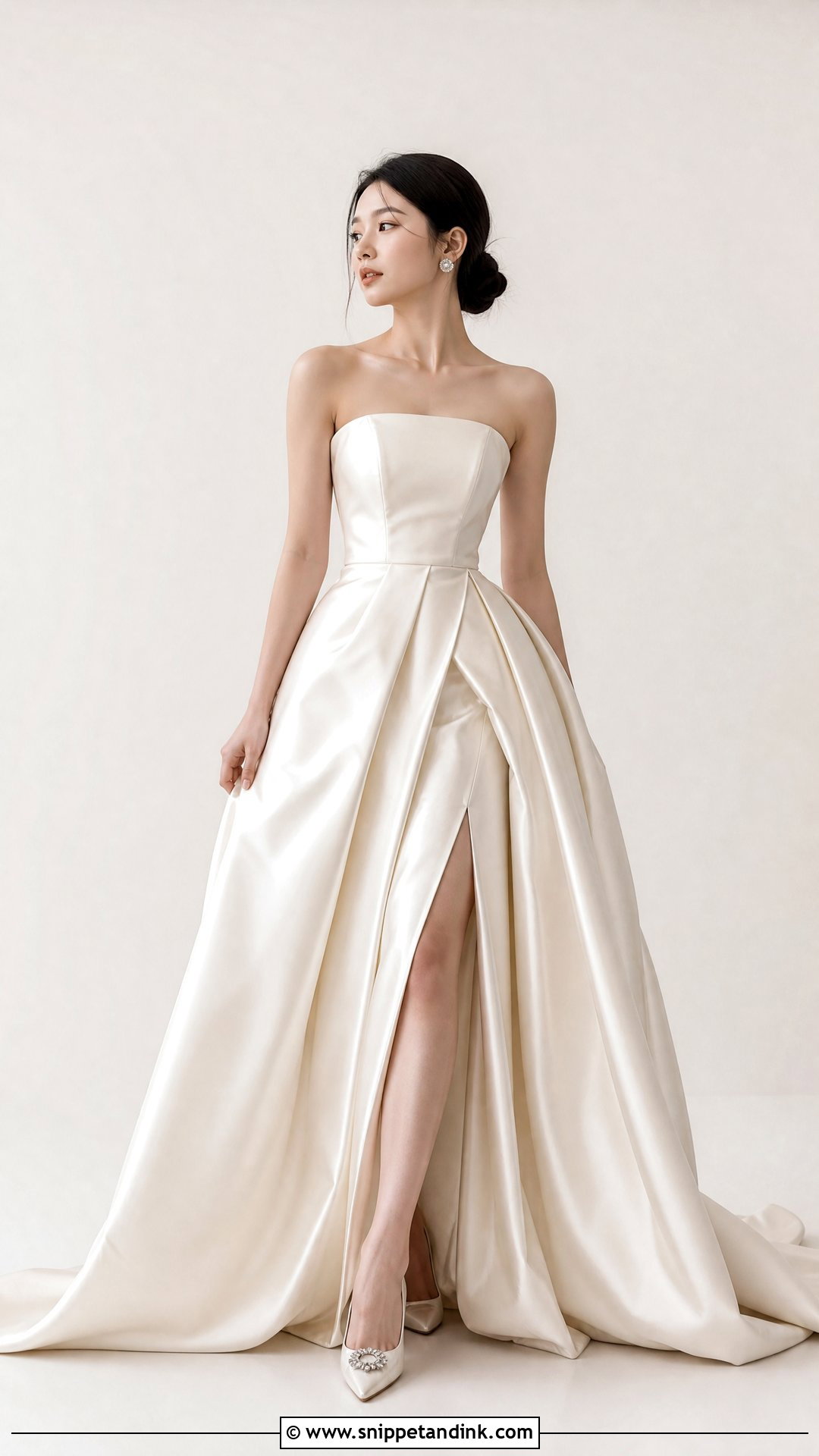
A studio is the one place where you control the light, so you can wear something more structured: a satin gown, a sequin dress, tulle or a tailored jumpsuit. The catch is that studio lighting picks up everything, from a puckered seam to a bra line, so have the dress altered and steamed before the day. Plain backdrops suit white, black, champagne, red and pastels. I usually suggest a second, more relaxed outfit for variety, and your partner should match your level of formality in each change.
What Fabric and Color Do Once the Camera Is Rolling
A dress that looks right in a mirror can behave differently in a photograph. These are the things I check before a client commits.
Bright white in full sun
Optic white bounces light and can lose its detail in midday sun. Ivory, soft white and champagne keep the texture of lace and folds visible. If you’re set on bright white, ask for a morning or late afternoon session.
Shine, sparkle and sheer panels
Satin and sequins pick up every light source, which is gorgeous at dusk and harsh at noon. Sheer sleeves and lace panels can turn see-through when you’re backlit, so I hold them up against a bright window before the shoot to see what shows.
Creases and wind
Linen and cotton crease in the car, and satin creases wherever you sit. Steam on site, and stand during the drive if the dress allows it. Light fabrics flare in wind, which is great for movement, but for still portraits I keep a clip ready to gather the skirt at the back.
Dressing Your Partner as Part of the Same Picture
The most common mismatch I see is formality, not color: a bride in a ballgown next to a partner in a polo shirt. Agree on the level of dress first, then the palette.
Pick one shared tone, often a neutral from your dress or a color from a print, and let your partner wear it in a different texture. Avoid two identical whites side by side; a slightly warmer cream on one of you separates your shapes in the frame. Bring their outfit to your fitting so you can see both together in daylight.
Settle the Dress, Then Rehearse Every Pose at Home
The right dress is the one that fits your location, your story and the way you want to move in front of the camera. Flowing gowns suit open air, a satin slip feels modern on city streets, and a traditional saree, lehenga, or Anarkali can carry family meaning into the photos. Before the day, do a full rehearsal at home: walk, sit, kneel and lift your arms. If anything pinches or slips, fix it then, and plan your partner’s outfit alongside yours.
You'll Like These Ideas:


Leave a Reply