
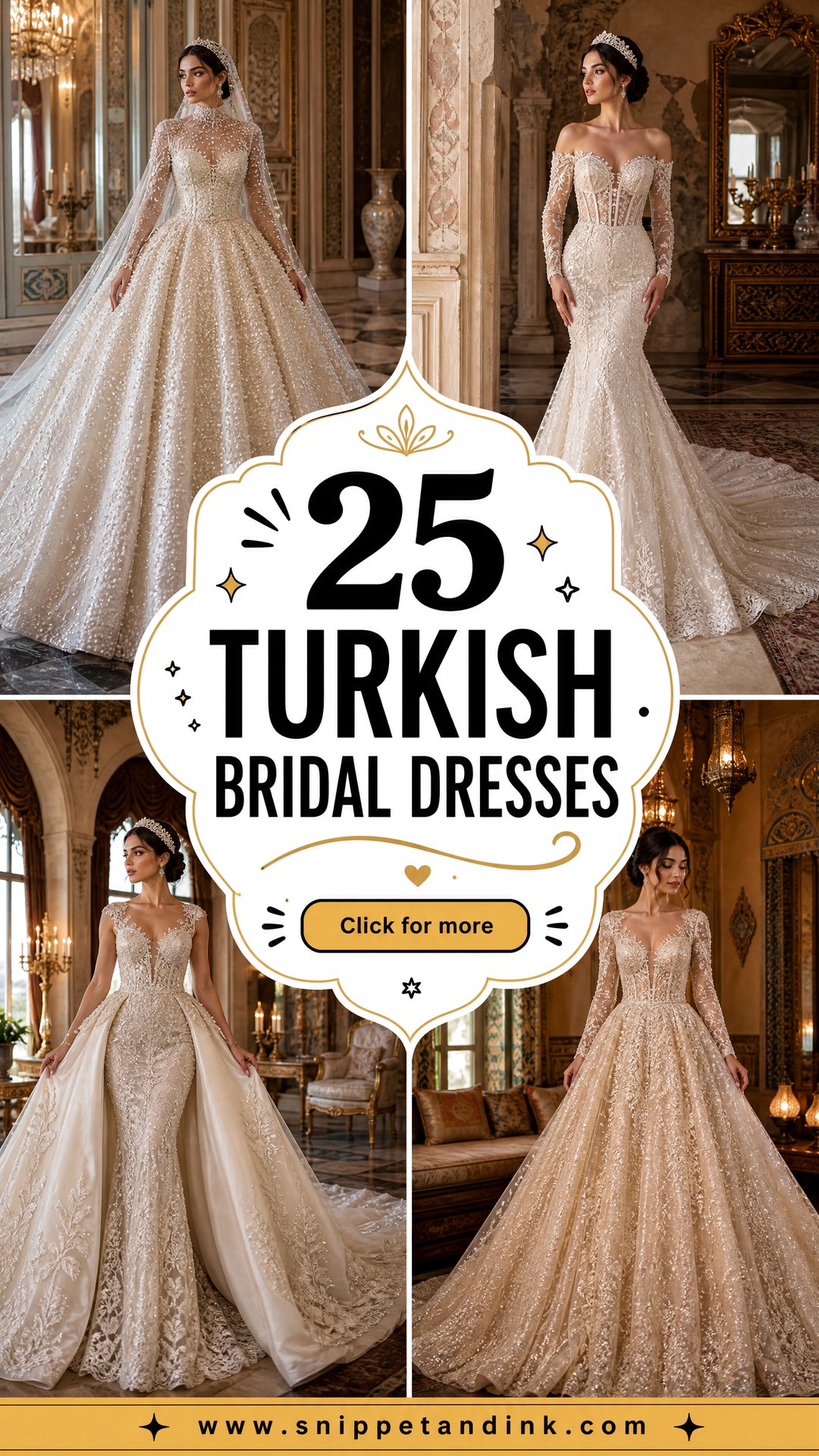
Turkish bridal style has two sides that sit happily together: ornate heritage dress and modern bridal fashion. Traditional bindallı and kaftan outfits still carry deep meaning at kına gecesi, the henna night, while wedding gowns lean on lace, satin, tulle, corsetry, detachable sleeves, pearls and long trains. Most of the brides I dress for a Turkish wedding wear at least two looks, often three, so I plan them as a wardrobe rather than as separate purchases. Below are complete outfits for the henna night, the ceremony, the reception and the portraits, with the fitting and fabric notes that decide whether each one works for a whole evening.
How a Bindallı Is Made, and What to Check on an Heirloom
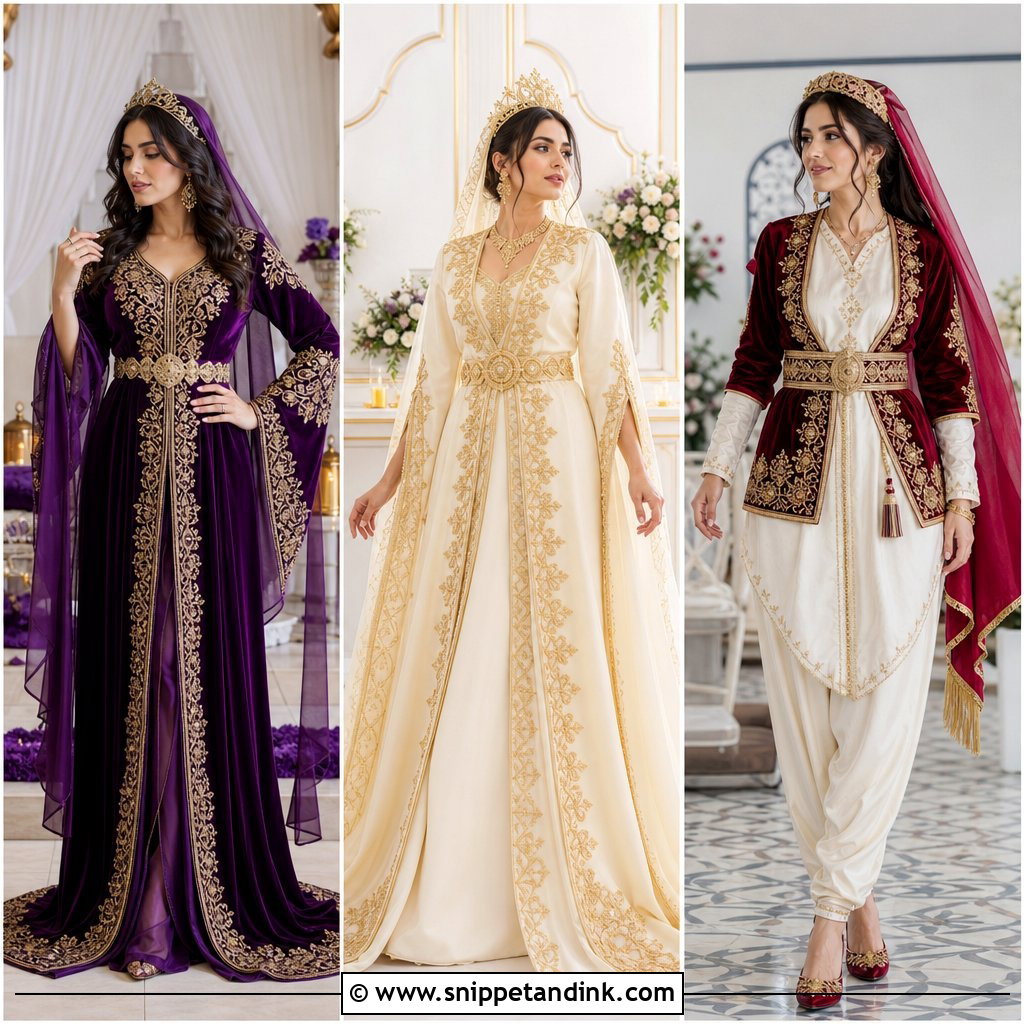
Many brides wear a bindallı that belonged to a mother or grandmother, and many more rent one for the henna night. Either way, it helps to know how it’s made, because that decides what a seamstress can safely change.
The classic bindallı is velvet, usually in red, purple or deep green, decorated with dival work: gold metallic thread laid over a cut template and stitched down from the surface so it stands slightly raised. Floral sprays, branches and medallions run down the front and around the hem. That raised gold is heavy and stiff, which is why the robe falls in such a straight column.
- Alter at the side seams, never through the embroidery. If the panel needs to come in by more than a little, ask for an underdress to take up the fit instead.
- Check the thread for tarnish and loose couching before the fitting. Loose gold loops snag on bracelets and pull further during the evening.
- Rented pieces often fit loosely by design. A belt and a well-fitted inner dress make the biggest difference.
- Velvet pile flattens where you press it. Don’t pin through the front, and keep heavy clutches off your lap for the photos.
1. Red Bindallı Turkish Bridal Dress
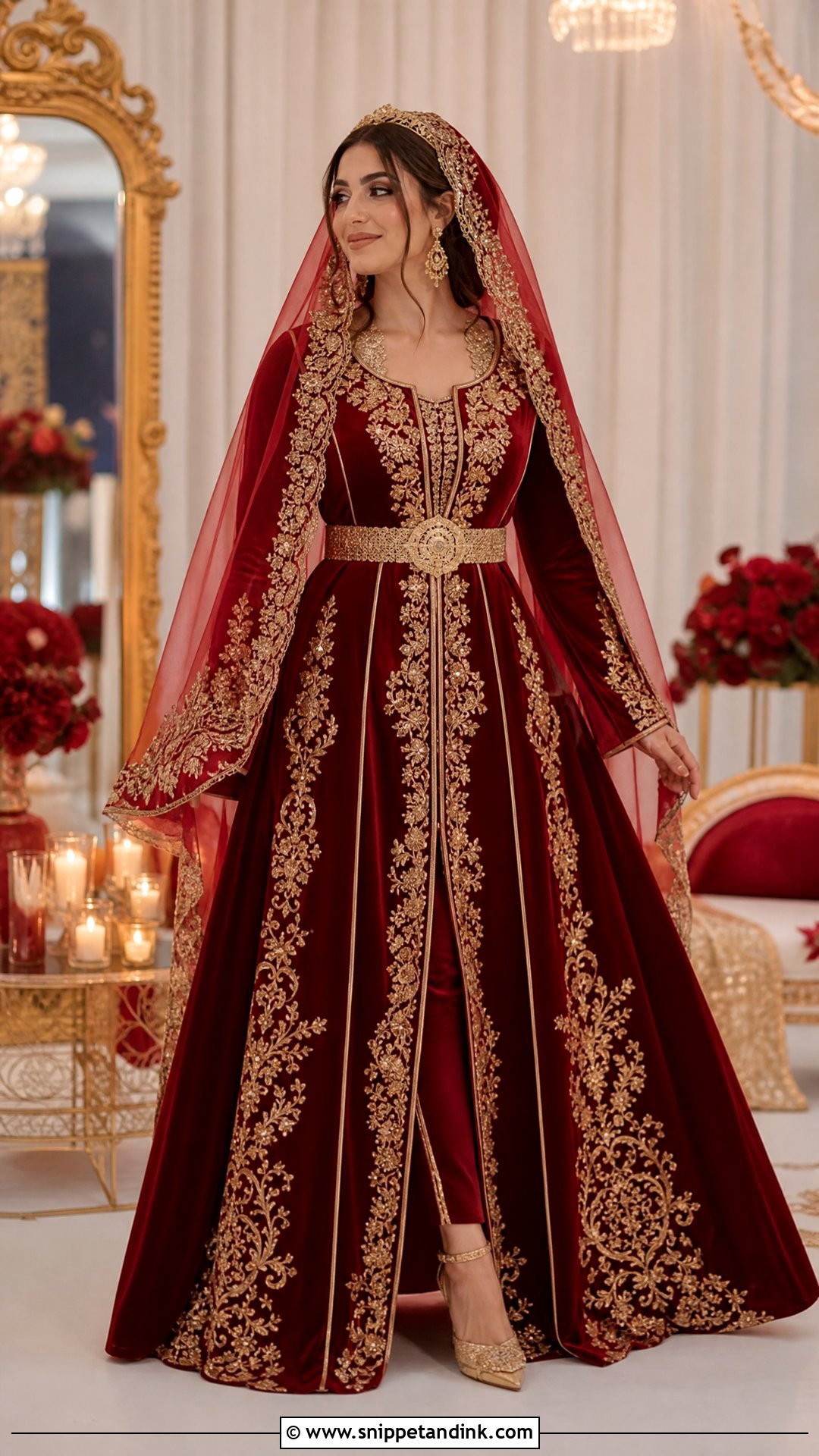
Red velvet with gold embroidery is the bindallı most people picture for a henna night, worn with a matching red veil, gold jewelry and heeled slippers or embellished pumps. Velvet this heavy hangs straight from the shoulders, so the fit at the shoulder seam is what makes it look made for you. Choose a fitted inner dress for a cleaner line, or a fuller skirt underneath for a more royal shape. A gold belt marks the waist without hiding the embroidery. For makeup, glowing skin, soft liner and a classic bridal lip hold up well against all that red and gold.
2. Green Bindallı Turkish Bridal Dress
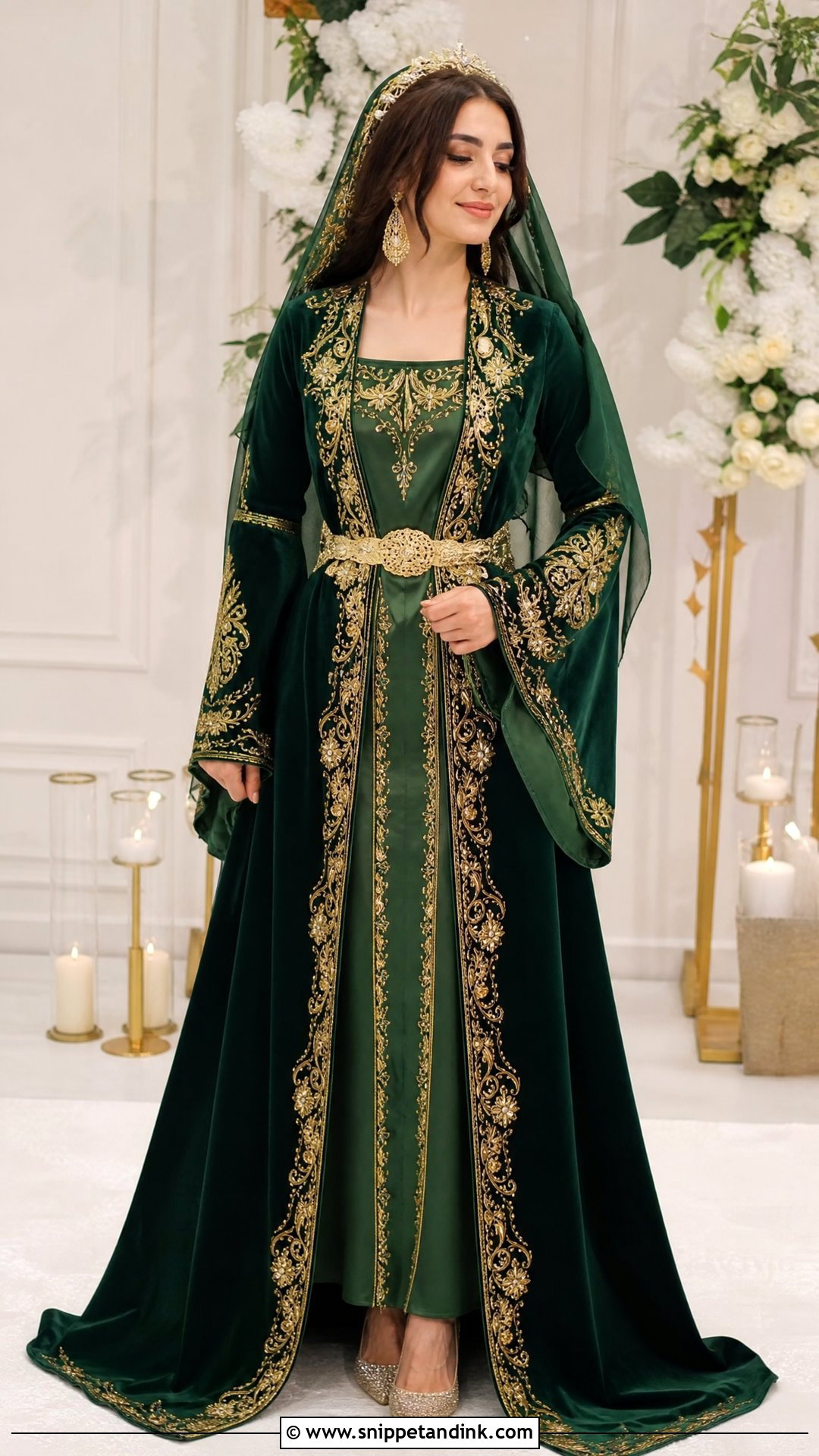
Emerald is my favorite alternative to red when a bride wants the bindallı tradition with a less expected color. Gold threadwork shows up even more crisply on deep green velvet, especially at ornate cuffs and down a structured long kaftan. A coordinating veil, gold drops, a fine necklace and pointed gold heels complete it. Check the green under the venue’s lighting if you can; warm evening light shifts emerald toward olive, while cooler light keeps it jewel-bright. If the embroidery is heavy, skip the bouquet for henna portraits so your hands, and later the henna, stay visible.
3. Ottoman Kaftan Turkish Bridal Dress
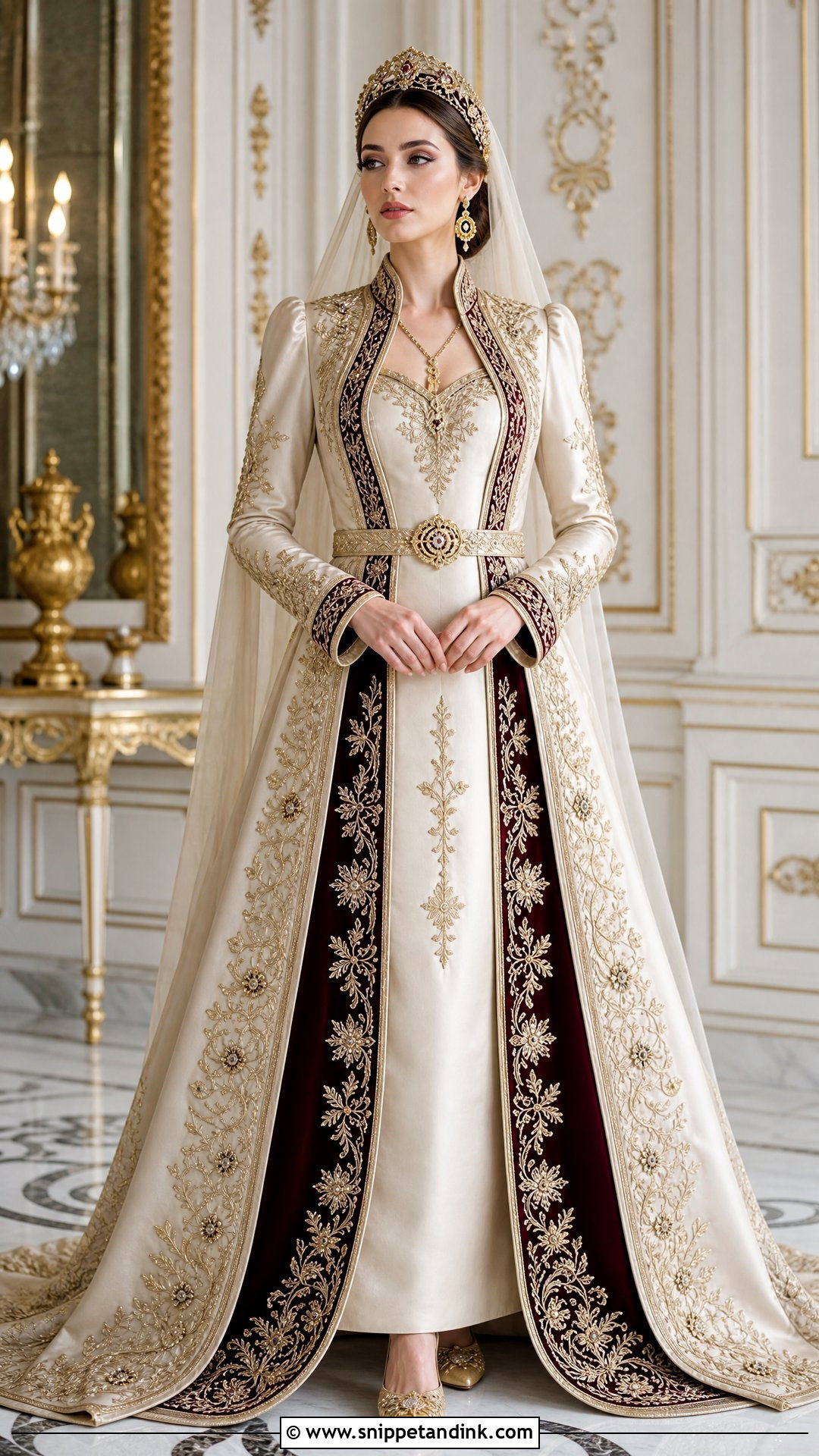
An Ottoman kaftan Turkish bridal dress borrows from historic court dress: a long structured kaftan over a fitted underdress, wide sleeves, metallic embroidery and a trailing back. Ivory, burgundy, navy and emerald all work, so match it to your event palette. Layers are the issue on a long night. A full kaftan over an underdress is warm, so I’d make the underdress in a thin, breathable fabric and keep the kaftan unlined where the maker allows. A jeweled headpiece, refined earrings, low block heels for dancing, clean hair and balanced makeup stop the whole thing from tipping into costume.
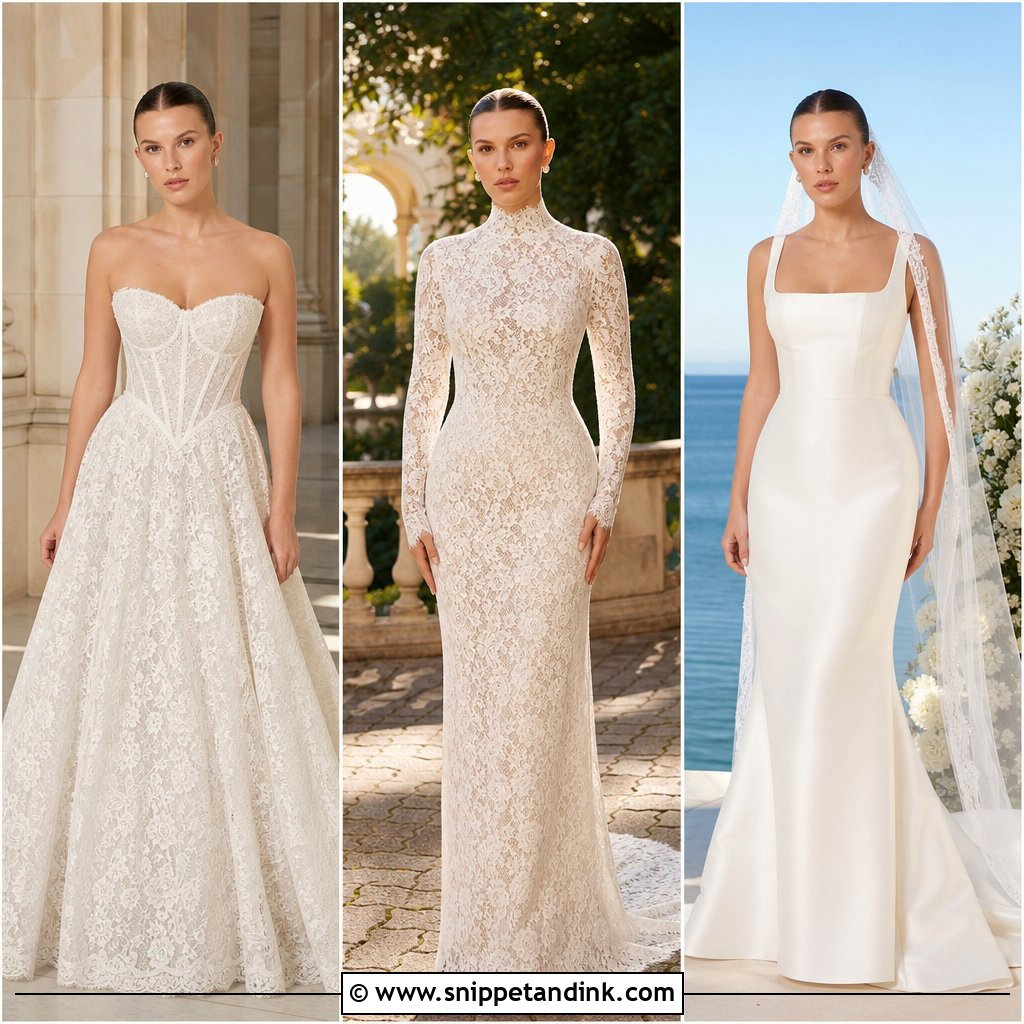
4. White Lace Turkish Bridal Dress
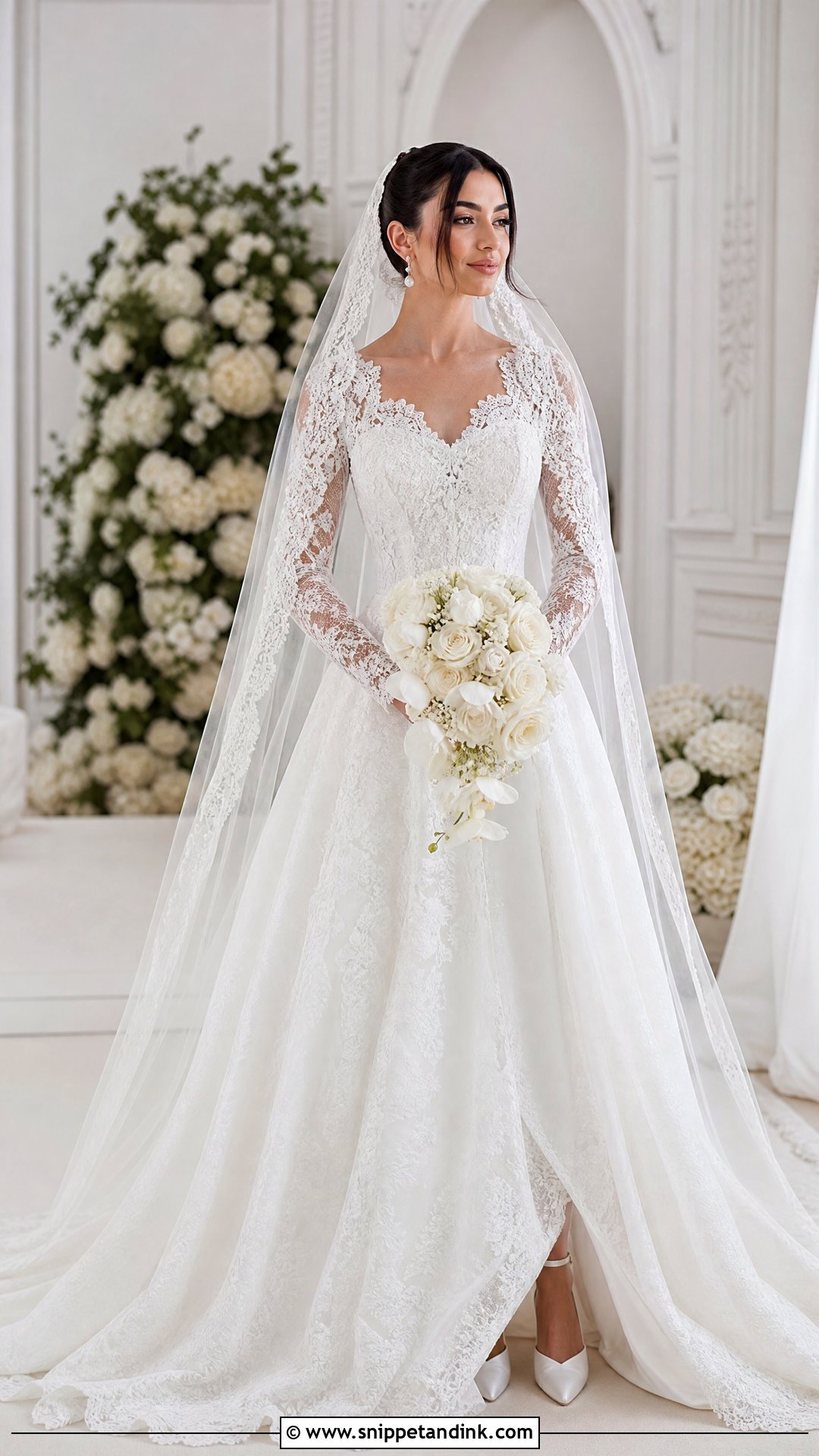
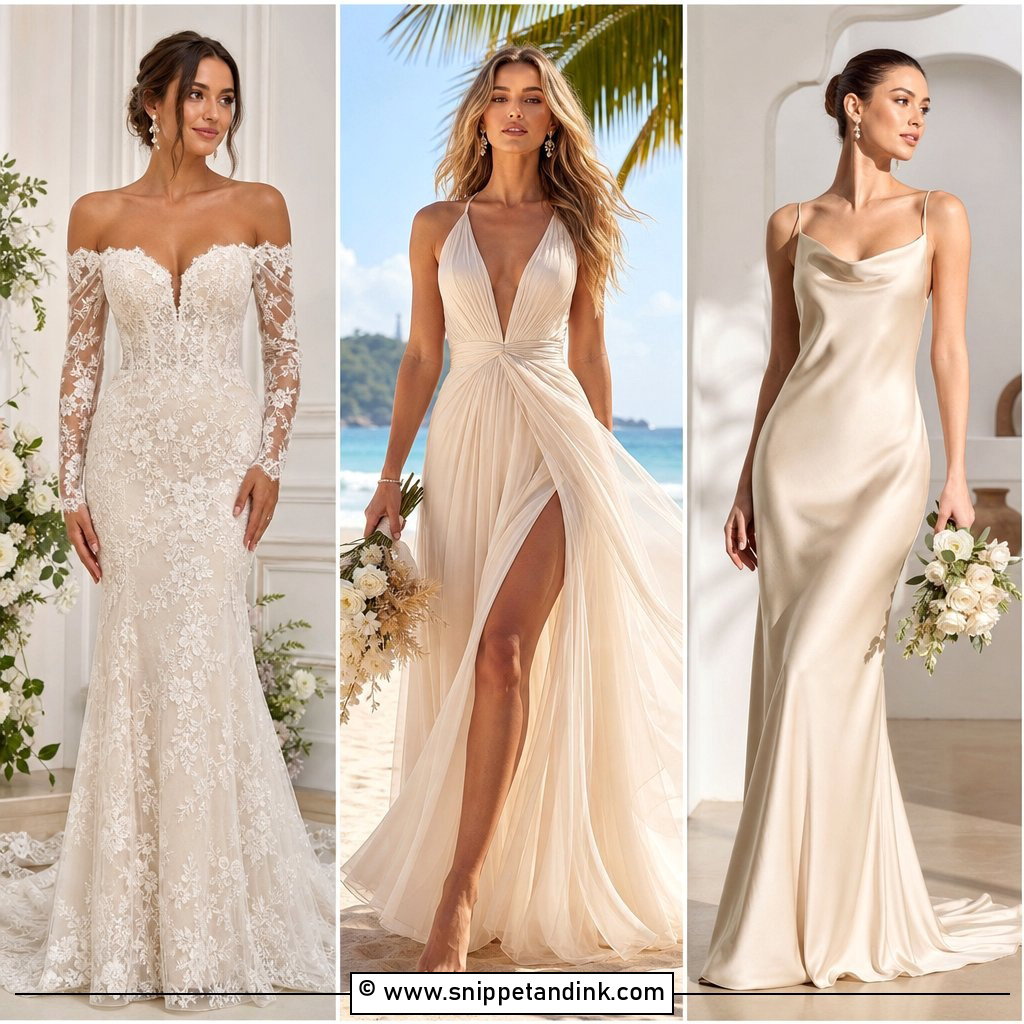
Lace is what most Turkish bridal ateliers do exceptionally well: fitted lace bodices, long lace sleeves, illusion necklines and soft lace overlays on the skirt. Pair it with a sheer veil, pearl earrings, a slim bracelet and satin heels, plus a small bouquet in ivory and blush. For modest coverage, ask for lined sleeves and a higher neck. For something softer, floral lace over a nude lining reads lighter. Before alterations, check how the lace motifs meet at the side seams; a good seamstress cuts around the motifs rather than through them, and a sliced flower at the waist is hard to unsee.
5. Long Sleeve Turkish Bridal Dress
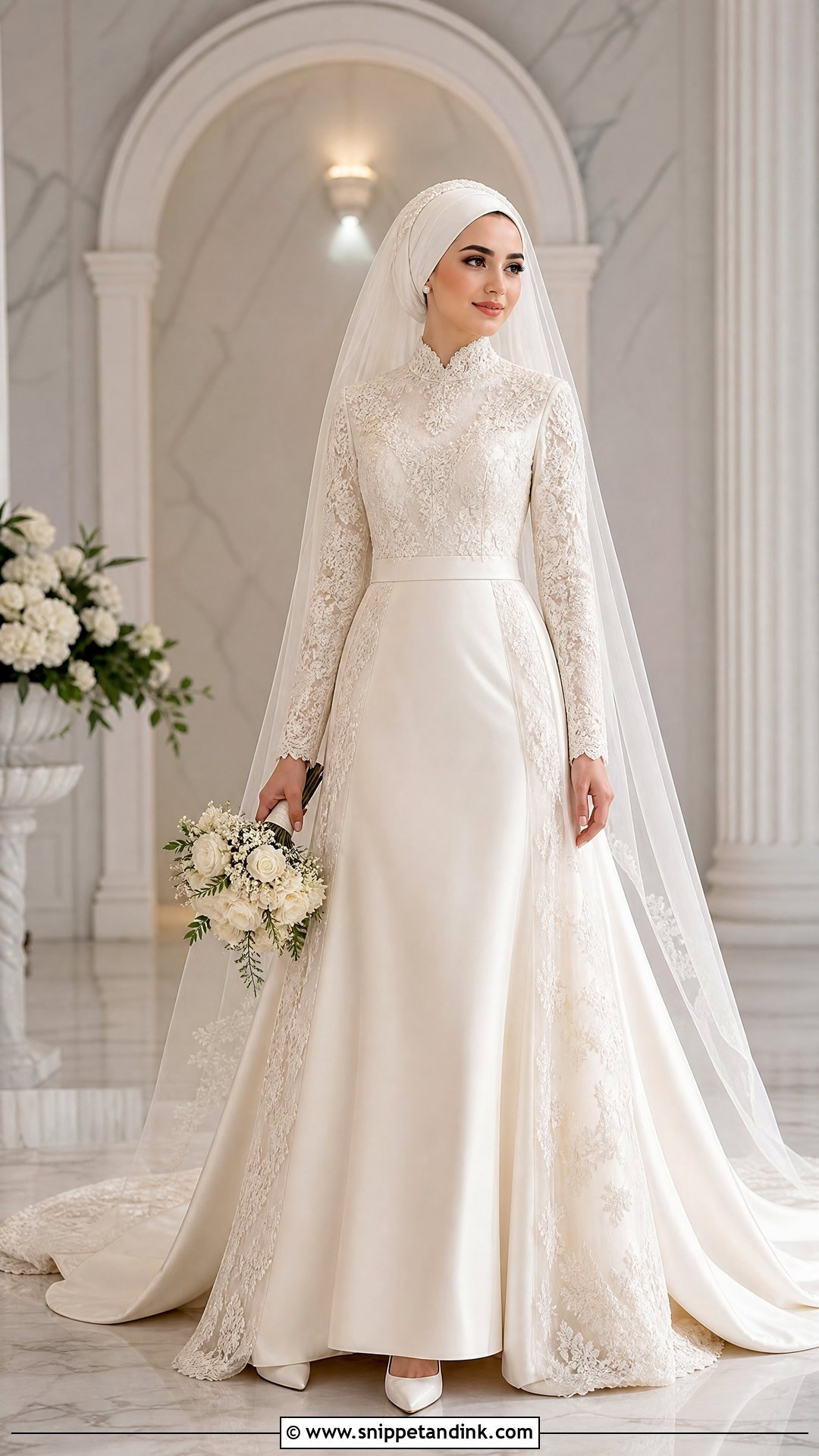
Long sleeves give coverage and a strong structure, and they can be made in lace, satin, crepe or beaded sheer tulle. A cathedral veil, closed-toe pumps, pearl studs and a neat updo suit the shape. A defined waist keeps all that fabric balanced; an A-line feels soft and classic, while a fitted mermaid looks more dramatic. Sleeve length is the detail I measure with the bride’s arm bent, because a sleeve that’s perfect with your arm straight rides halfway up the forearm when you hold a bouquet. They’re comfortable in cooler months and formal halls alike.
6. Modest Turkish Bridal Dress
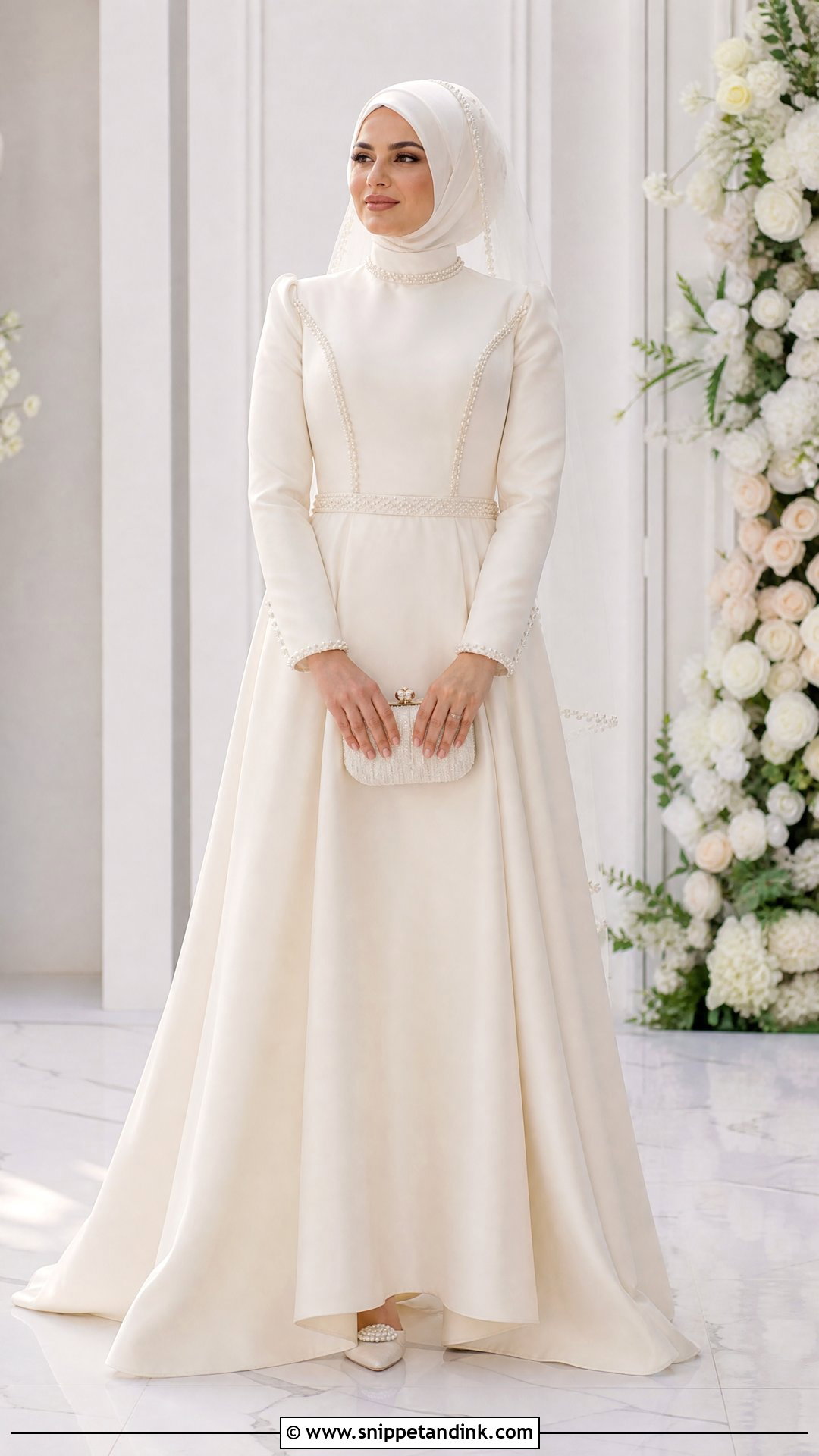
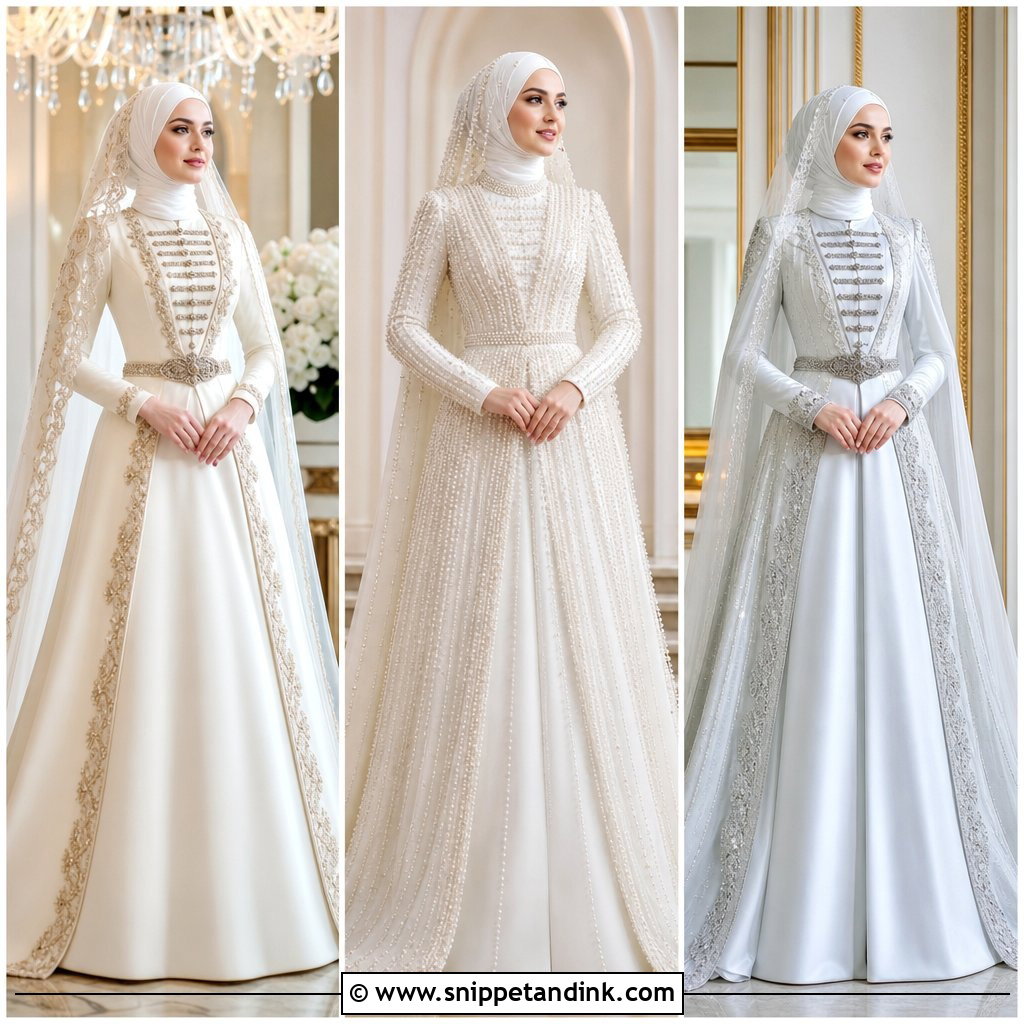
Modesty and luxury aren’t opposites. A high neckline, full-length sleeves, lined fabric and a skirt that moves are the basics, in satin, crepe, lace or mikado. A matching hijab or veil, a delicate hairpiece, closed-toe heels and a small structured clutch complete it for portraits. The richness comes from fit, fabric quality and one or two subtle details, such as a pearl-trimmed veil, embroidered cuffs or a lightly beaded bodice. When I fit a fully lined modest gown, I check the lining separately from the outer fabric; if the lining is tighter, it pulls the outer layer into ripples at the hips.
7. Hijab Turkish Bridal Dress
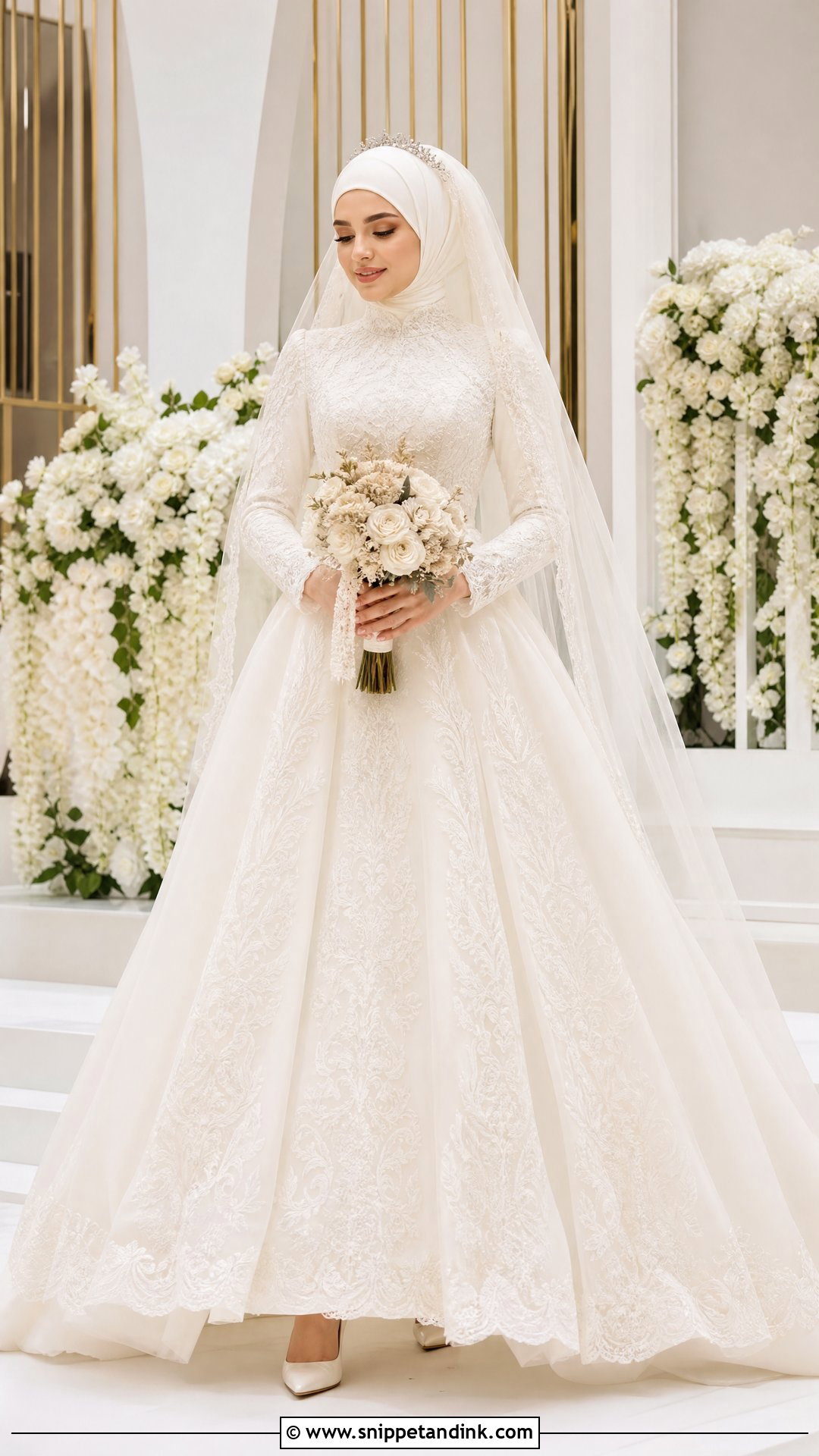
A hijab Turkish bridal dress only looks cohesive when the gown and the head covering are planned together. Start with a lined gown with long sleeves and a neckline that sits smoothly under the hijab, then choose a bridal hijab in chiffon, silk or soft tulle. A tiara, pearl pins or a jeweled headband frames the face. Closed-toe heels and a bouquet in soft neutrals finish it. My rule is balance: a heavily embellished gown wants a plain hijab, and a minimal gown can carry a lace-edged veil or pearl details. Have the hijab styled at your trial with the actual headpiece, because the pinning changes once weight sits on top.
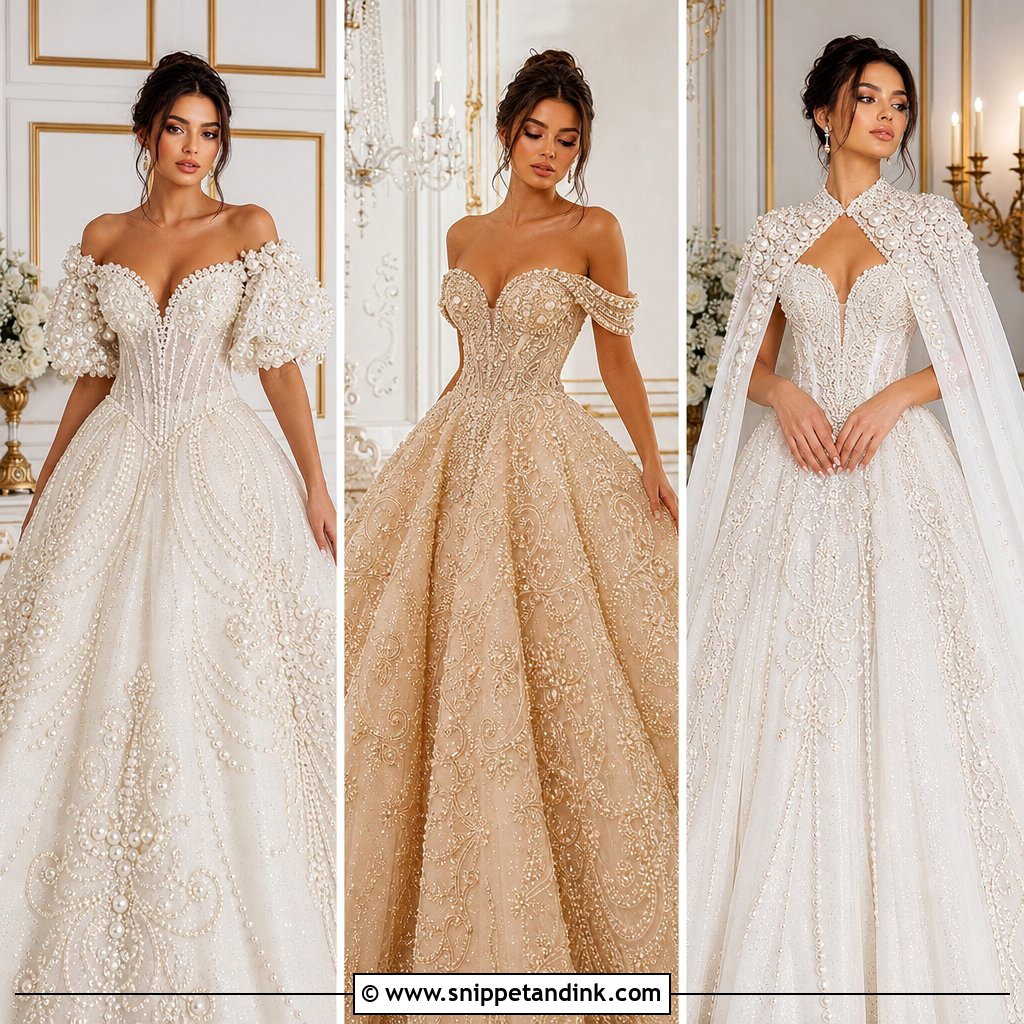
8. Princess Ball Gown Turkish Bridal Dress
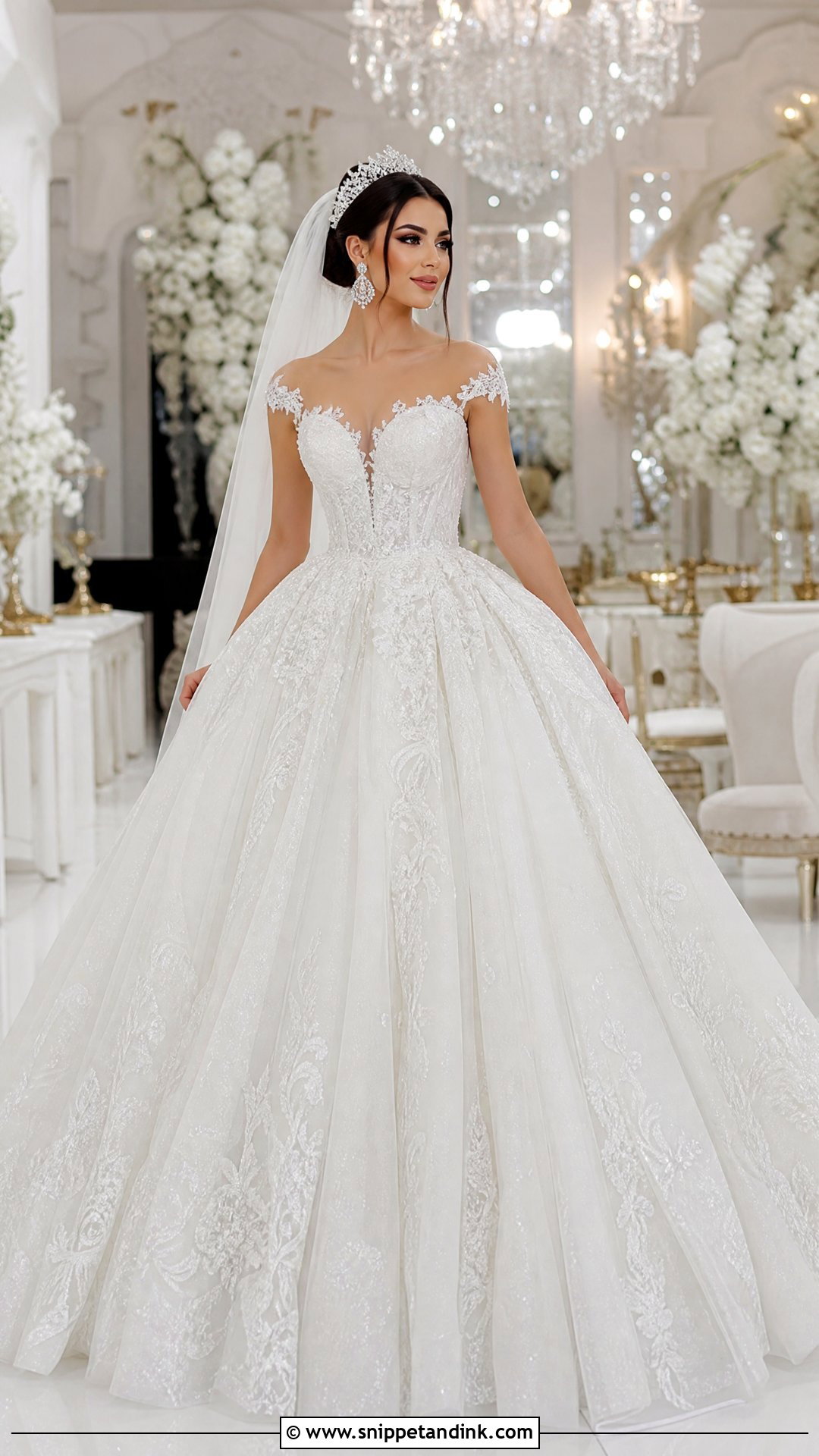
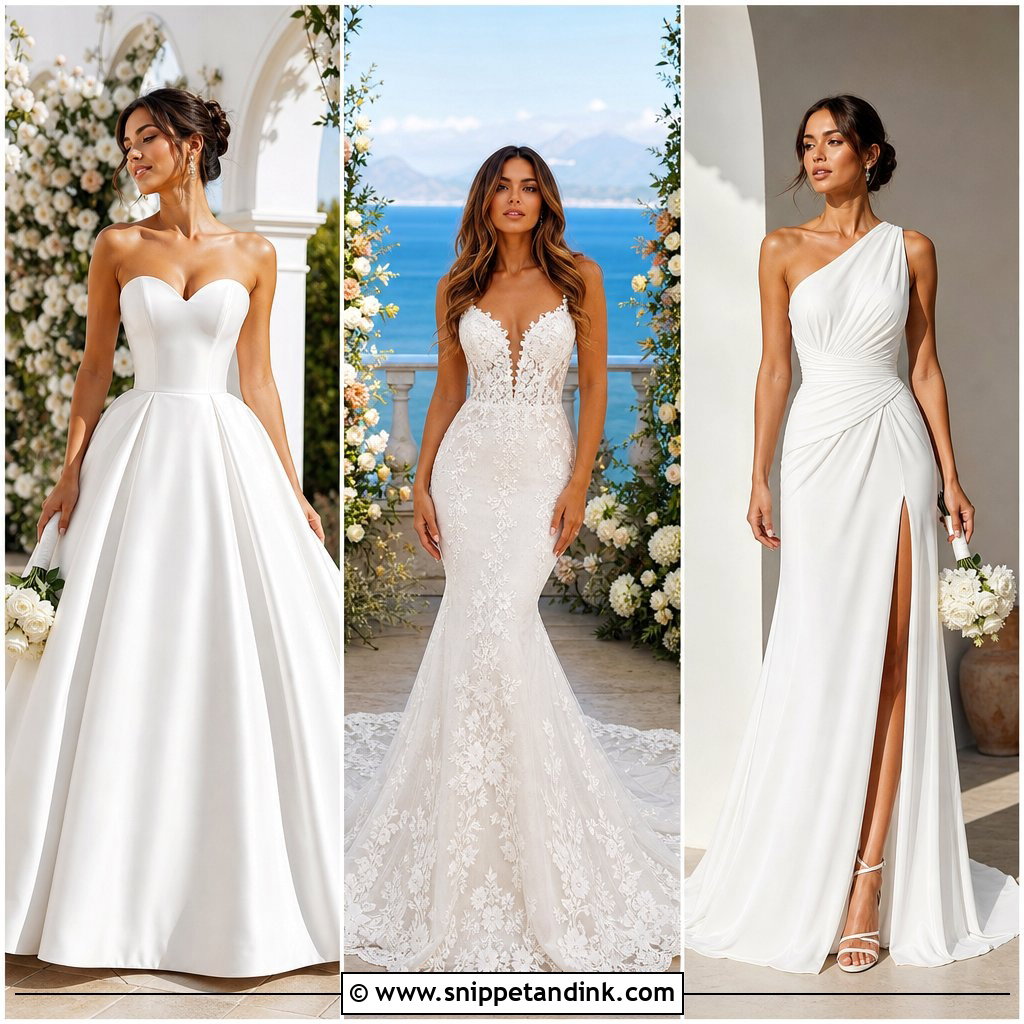
A princess ball gown is built for the grand entrance, with a fitted bodice, a full skirt, a defined waist and a dramatic veil. Turkish ateliers handle the shape with layers of tulle, satin, lace appliqué and beadwork, and it pairs with crystal earrings, a tiara and heels hidden under the skirt. Give it a large venue and a love of classic fairytale styling. To keep it modern, pick one standout detail, such as a corset bodice, lace sleeves or a clean satin skirt, not all three. Ask what holds the skirt out; a lightweight hoop or a crinoline layer makes a big difference to how long you can comfortably dance.
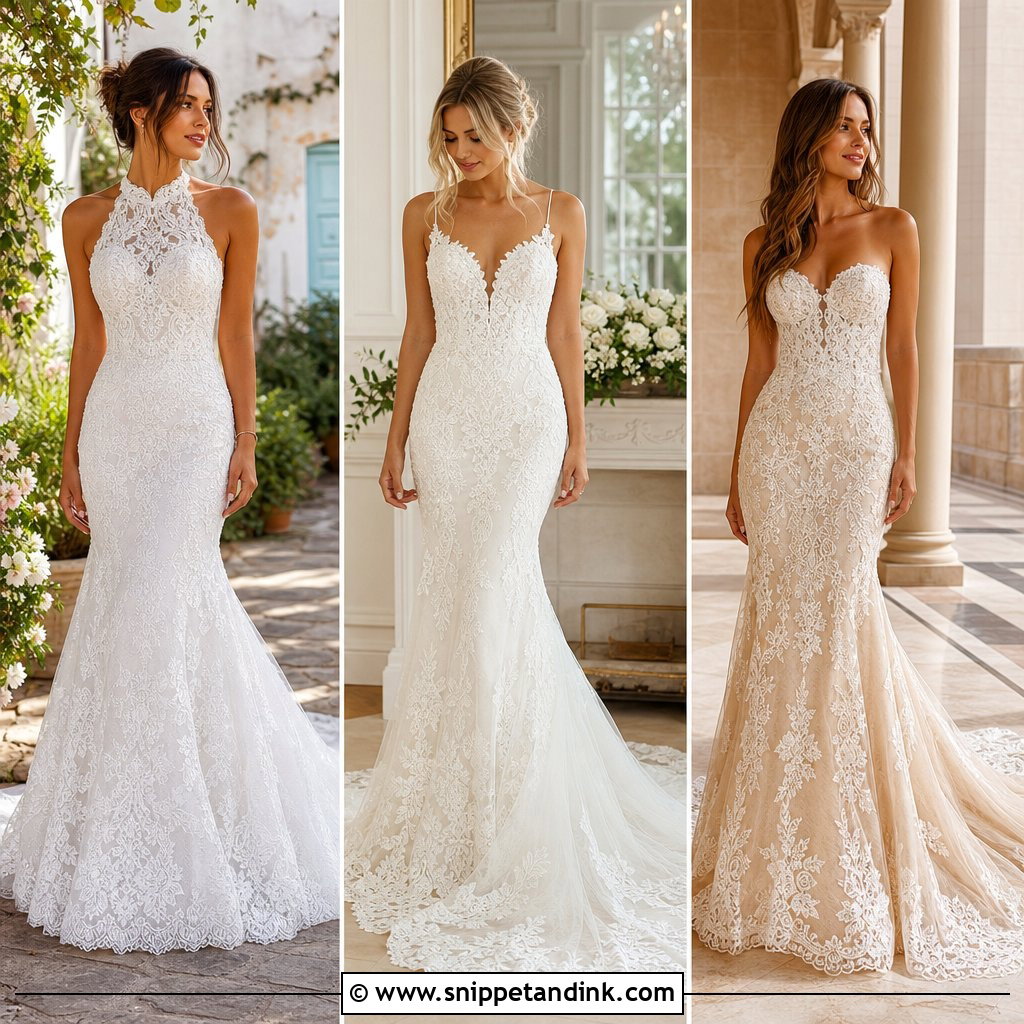
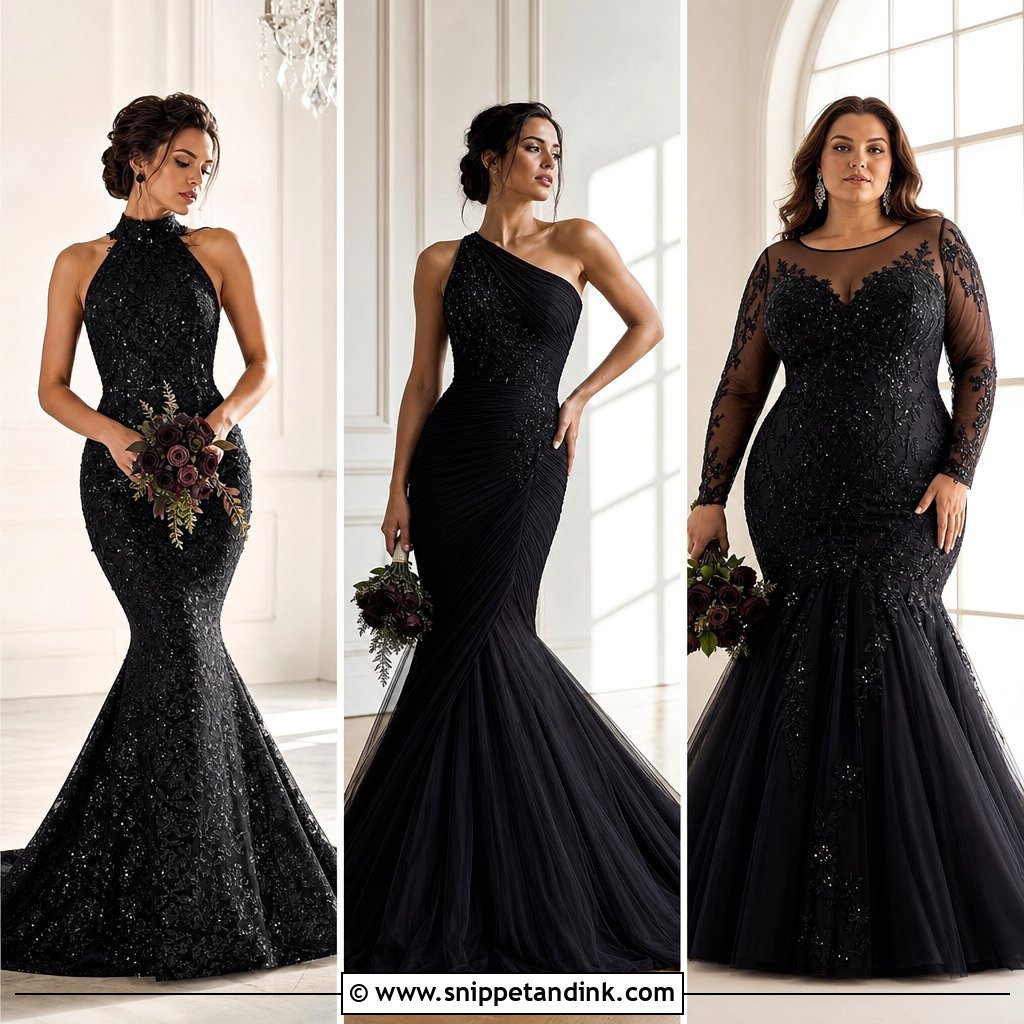
9. Mermaid Turkish Bridal Dress
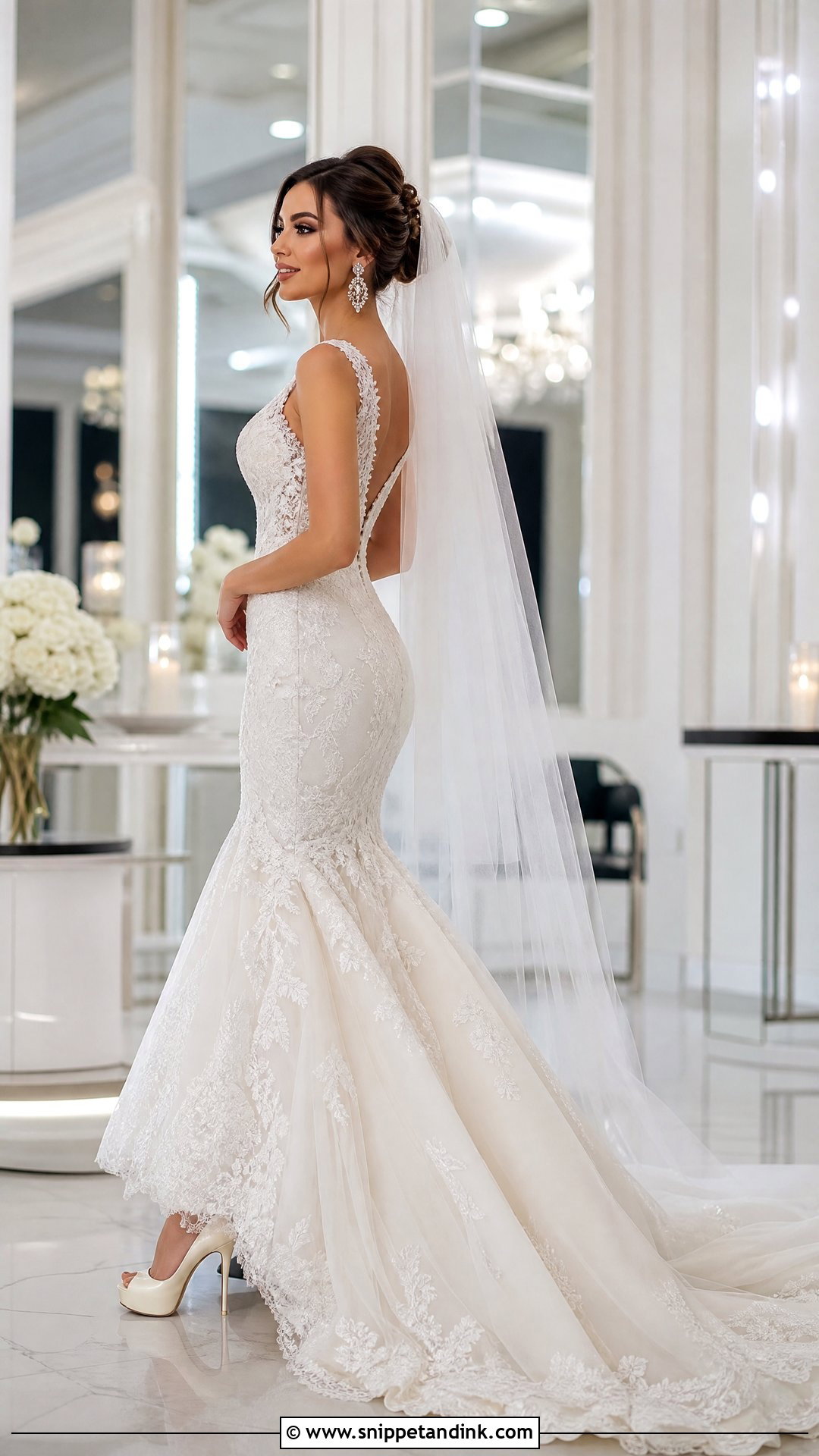
Glamour is the whole point of a mermaid. The fitted shape follows the waist and hips, then flares near the knees, and lace, beading or a corset bodice push the drama further. A long veil, statement earrings and heels finish it, and the side and back views are where it really shows, especially with a train. The flare height decides comfort. If you can’t take a normal stride or sit without the skirt riding up, it needs adjusting. Soft waves or a sleek bun keep the neckline and bodice visible.
10. Satin Turkish Bridal Dress
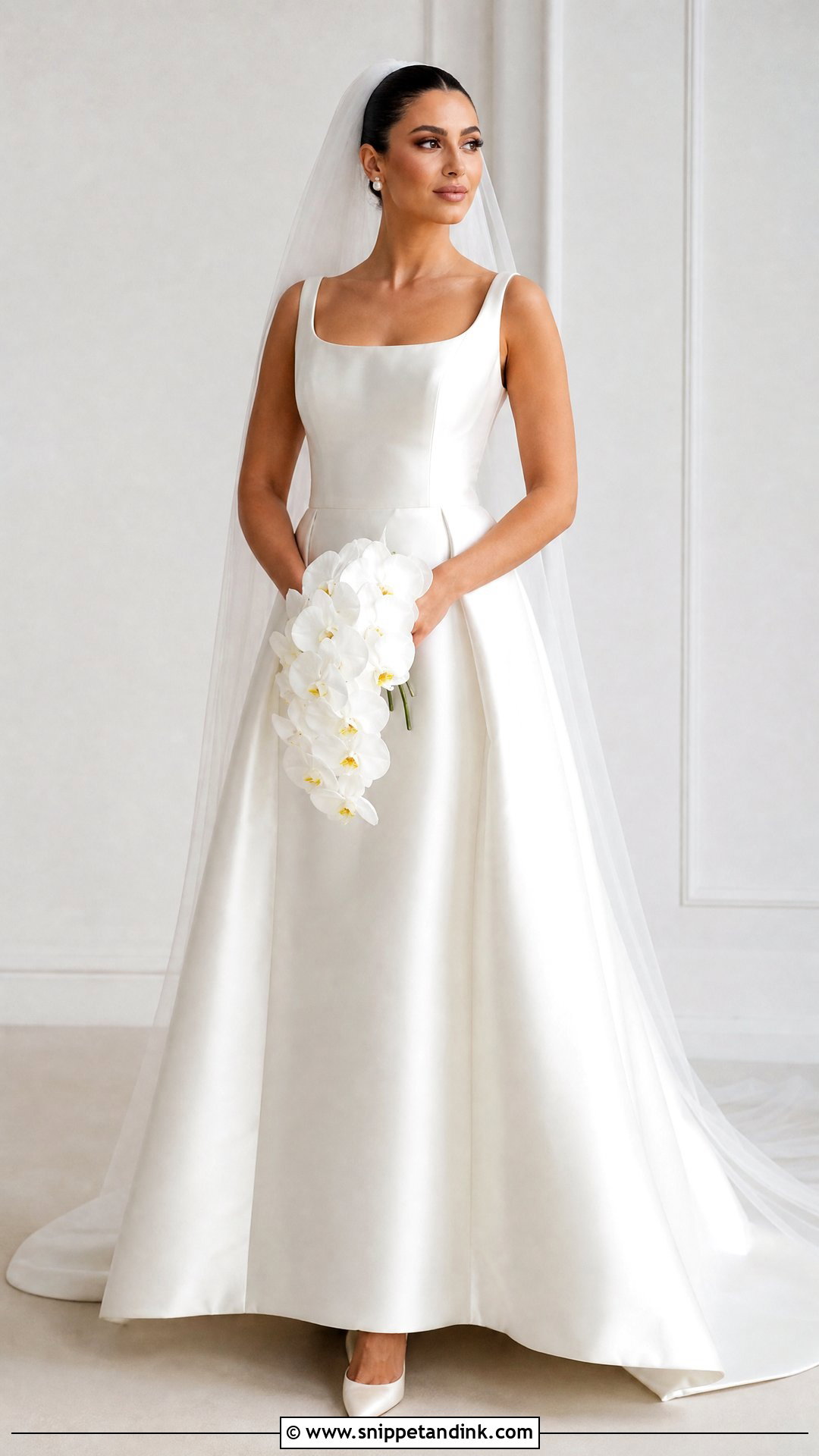
Satin gives a smooth, luxurious finish with no embellishment needed, and it catches light in portraits better than most fabrics. An A-line, a fitted column or a structured ball gown all suit it, with pearl earrings, a clean veil, pointed satin heels and white roses or orchids. Satin’s honesty is its weakness: it shows every seam, every pull and every crease from sitting. I’d budget for careful tailoring and a steam right before the ceremony. A heavier duchess or crepe-back satin hides small lumps far better than a thin, shiny one.
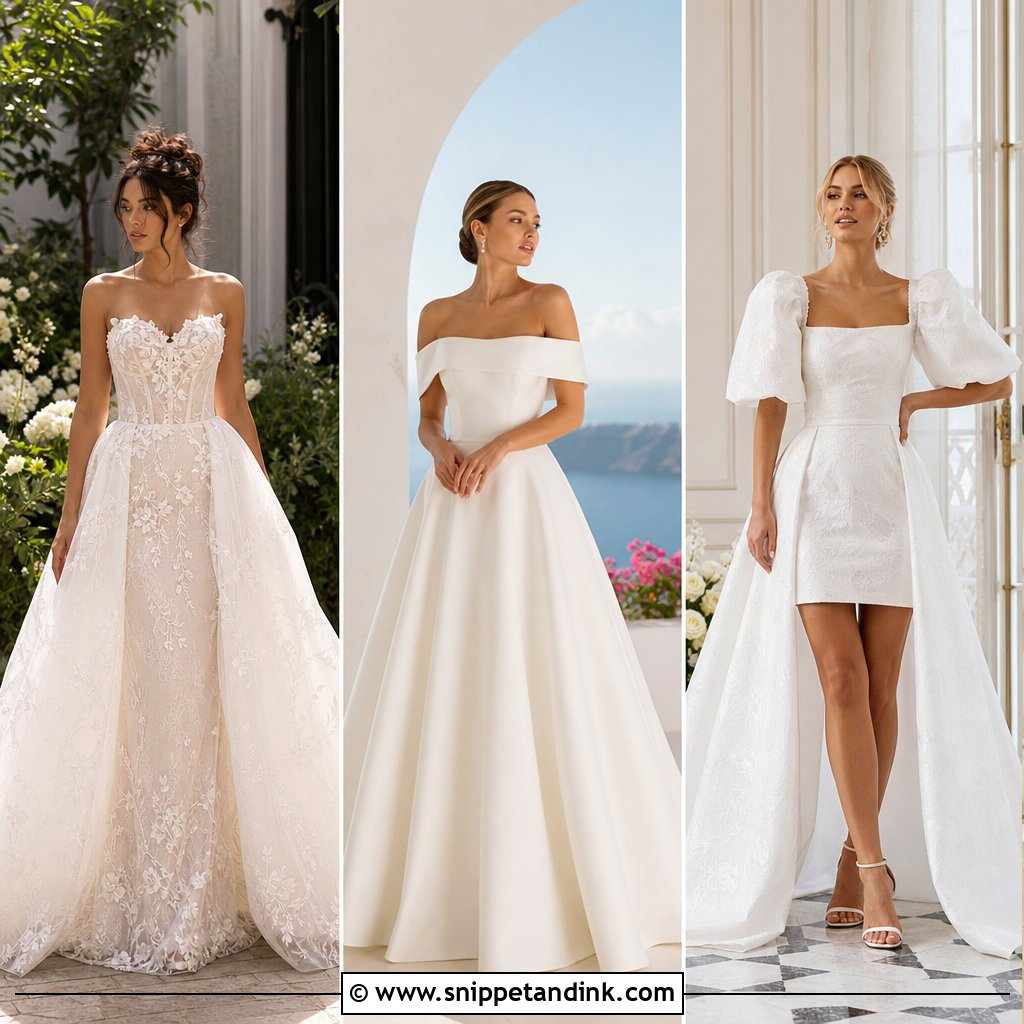
11. Tulle Turkish Bridal Dress
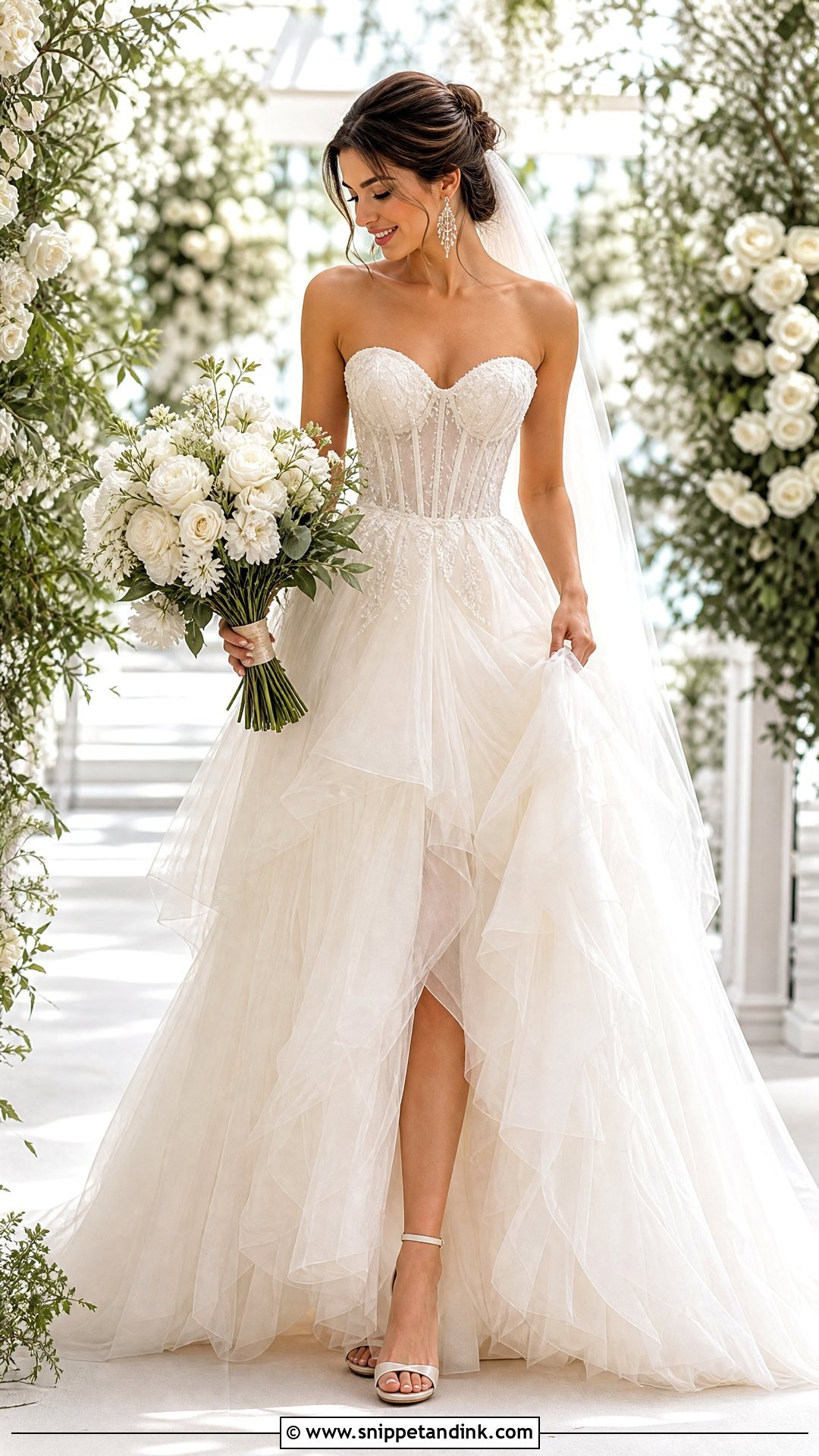
Tulle moves at the slightest step, whether it’s a full skirt, a detachable overskirt, a puff sleeve or a veil. Delicate heels, small crystal earrings and a loose updo or soft curls suit it for gardens, ballrooms and bridal shoots. For drama, choose a voluminous skirt with a fitted corset; for something lighter, soft layers with minimal sparkle. Tulle catches on jewelry and rough surfaces, and in a crowded Turkish wedding hall it also catches on chairs, so I keep bracelets simple with a full tulle skirt.
12. Pearl Turkish Bridal Dress
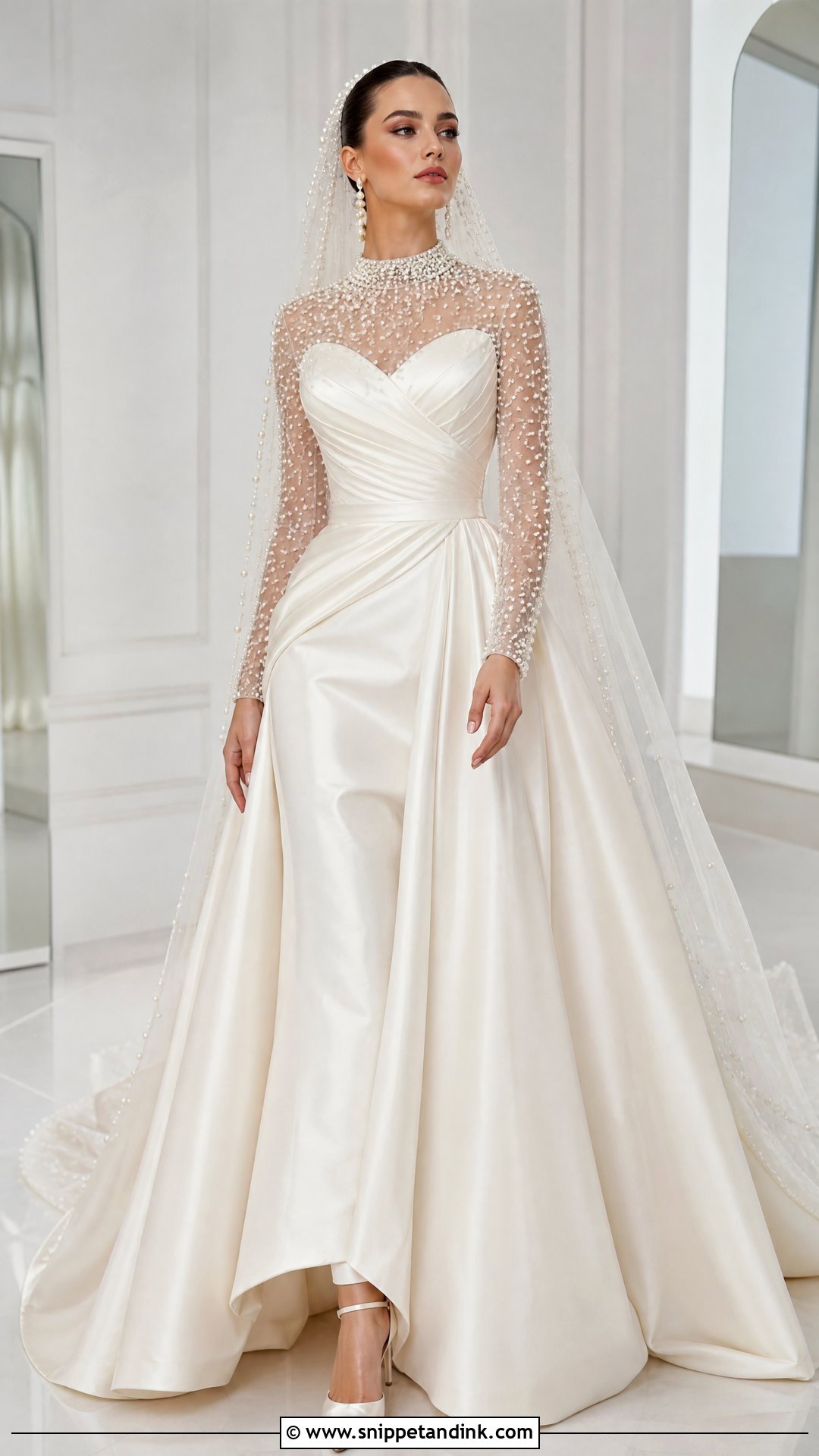
Pearls add dimension without hard sparkle, placed on the bodice, sleeves, veil, gloves or neckline. Ivory, off-white and champagne all work as a base. Pearl drops, satin heels and a sleek low bun finish it. Pearl-dotted sleeves with a high neckline give a modest version, while a pearl veil over a clean crepe or satin gown feels more current. Choose one pearl feature and let the rest be plain. Pearls on dresses are often glass or plastic, which is fine, but check that each is stitched through rather than glued, since glued pearls pop off during hugs.
13. Corset Turkish Bridal Dress
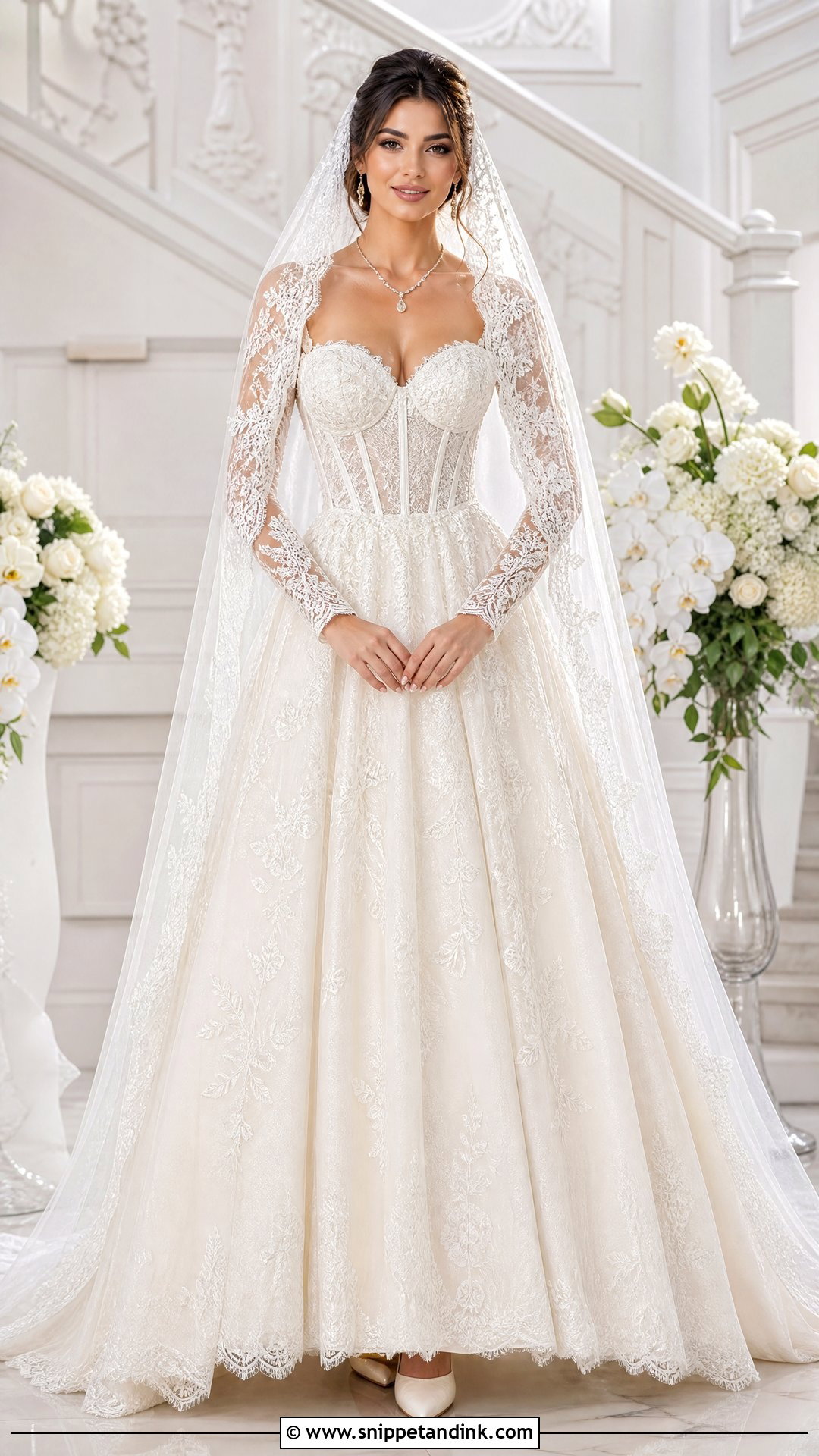
Corsetry, visible or hidden, is behind the shape of many Turkish gowns. It suits ball gowns, mermaids and A-lines, with a long veil, a fine necklace, drop earrings and heels matched to the gown’s tone. Lace reads classic; smooth satin reads modern. Comfort depends on the fit. A well-made corset distributes pressure across the boning, so it supports without pinching; a badly fitted one digs in at the top edge within an hour. Soft makeup and a graceful hairstyle keep the structured bodice looking bridal.
14. Off Shoulder Turkish Bridal Dress
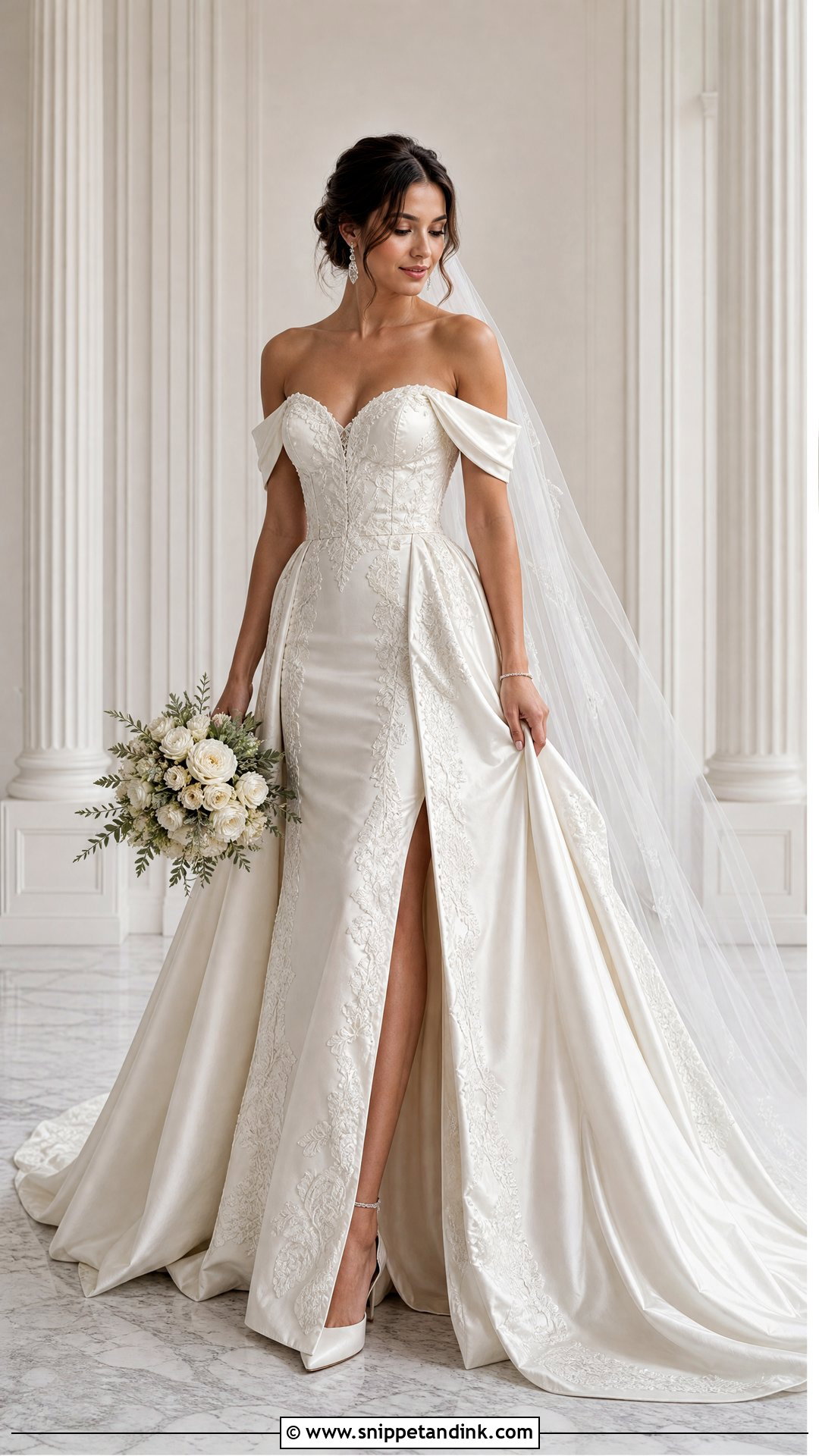
Off-shoulder necklines frame the collarbone and shoulders, and they work in lace, satin, mikado or tulle. A soft veil, drop earrings, a simple bracelet and pointed heels finish the look. Keep the neckline clean on a full skirt; on a fitted dress, draped sleeves or lace appliqué add softness. It’s a good middle ground if you want bare shoulders without strapless. The sleeves should sit firmly on the upper arm without pinning your elbows to your sides, so I ask brides to lift their arms as if dancing at every fitting. A loose bun, side-parted waves or half-up hair shows the neckline.
15. High Neck Turkish Bridal Dress
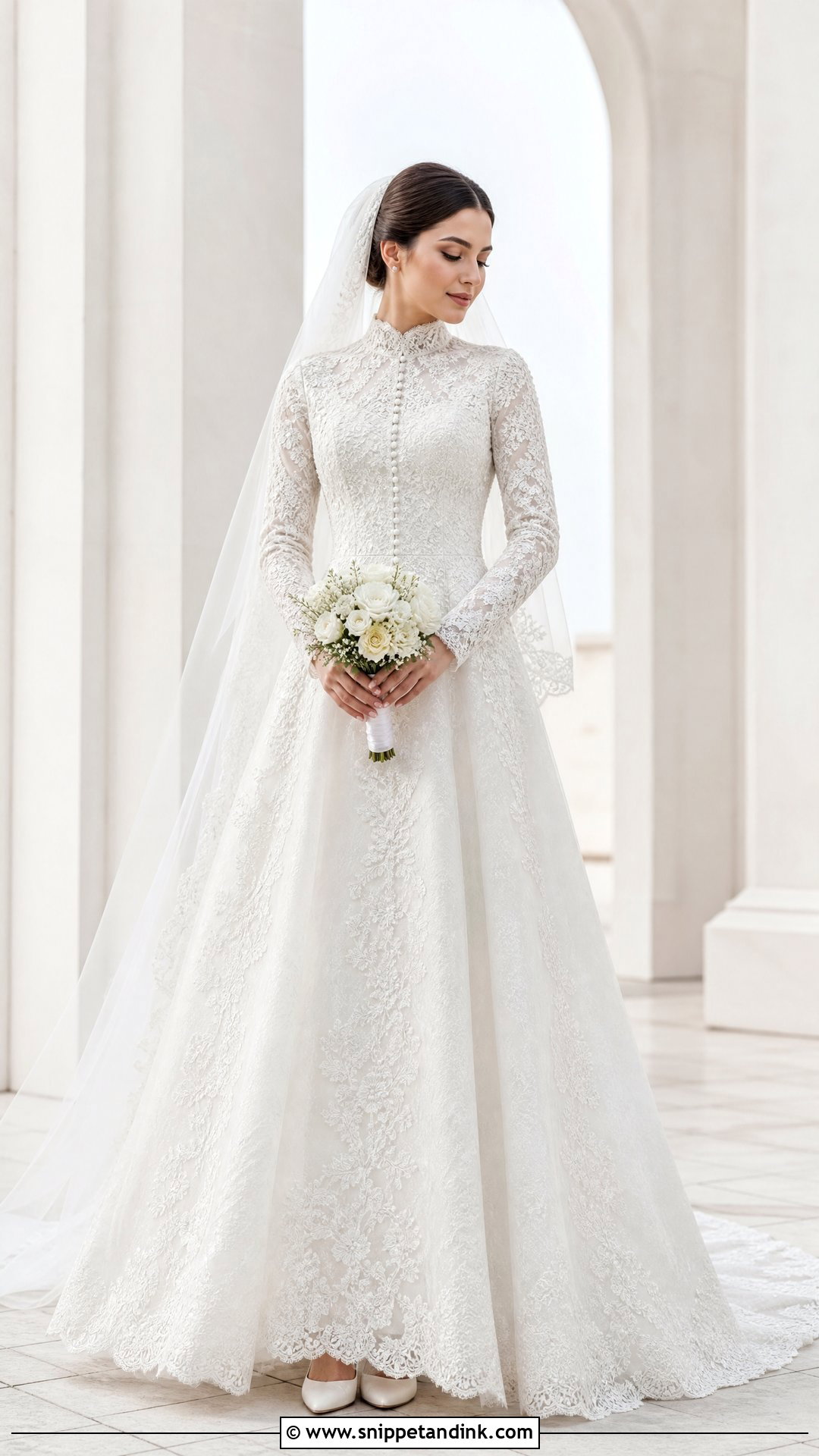
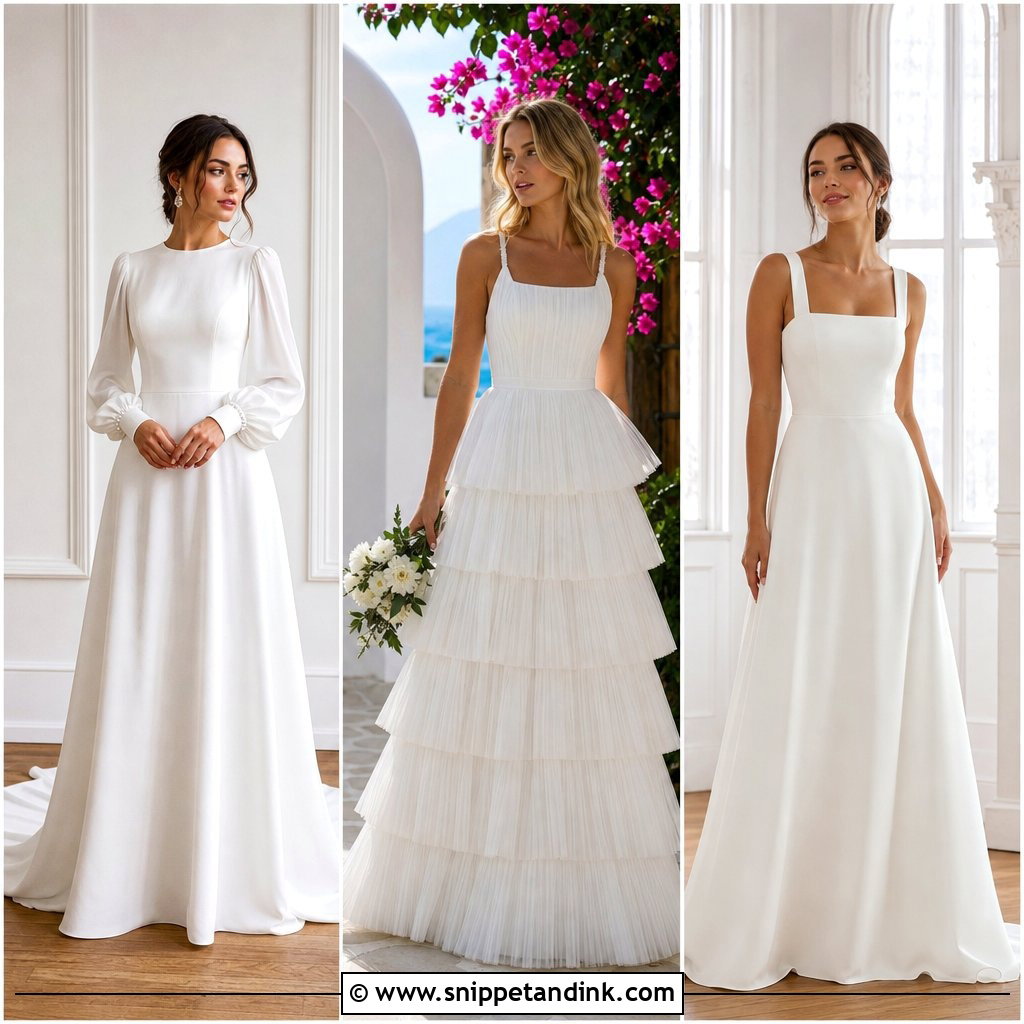
High necklines often carry the finest detail on the dress: lace, illusion tulle, satin buttons or delicate beadwork. A neat updo, small earrings, a long veil and closed-toe heels suit it. Pair it with long sleeves, an A-line skirt or a fitted shape, ideally for formal indoor weddings and cooler weather. To stop it feeling heavy, choose light fabric, sheer detail or a defined waist. Watch the closure at the back of the neck; a row of tiny buttons looks lovely but needs a patient helper, so allow time for it.
16. Cape Turkish Bridal Dress
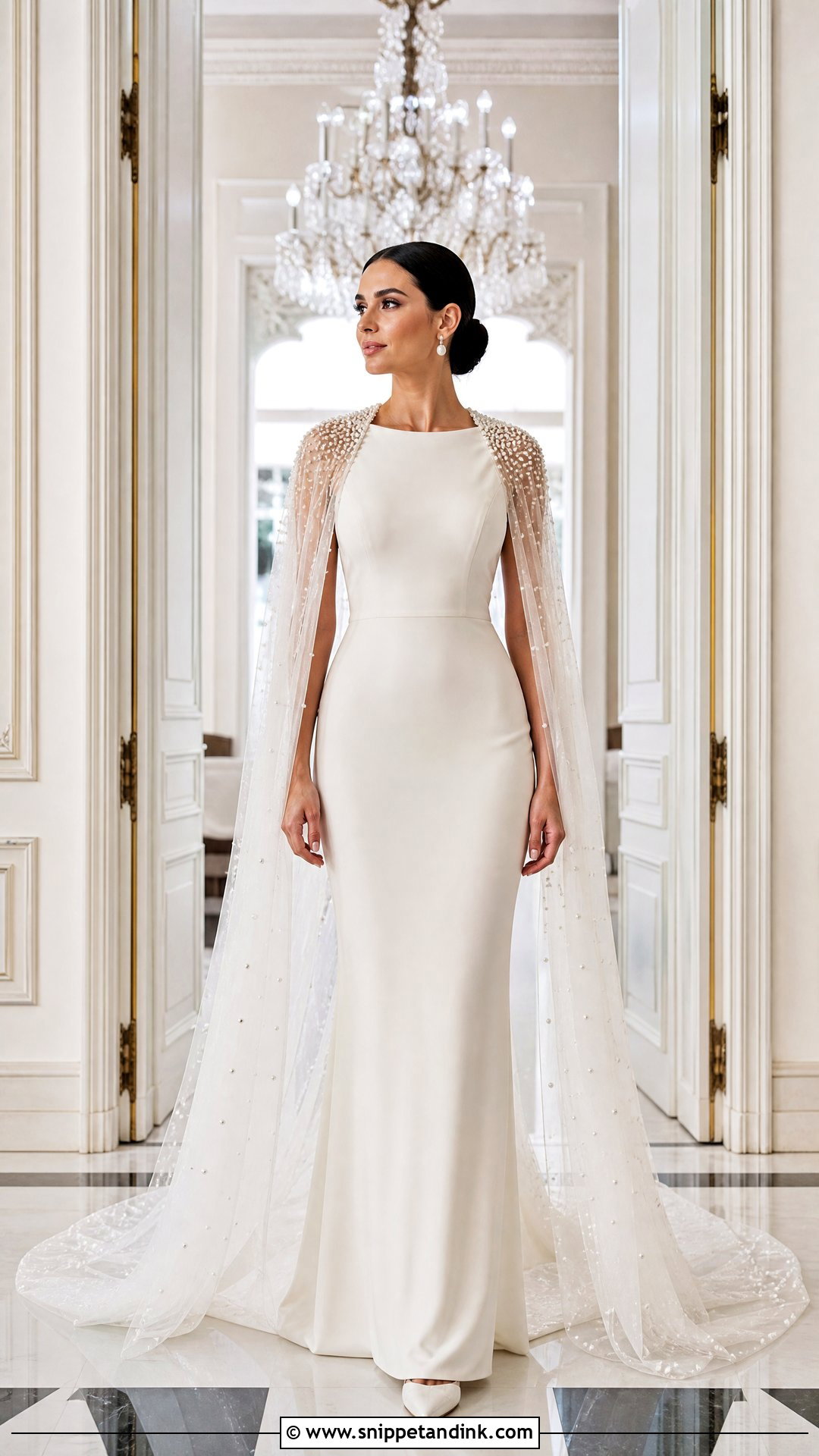
A cape gives drama without a traditional veil. It can be sheer, lace-trimmed or pearl-dotted, attached at the shoulders over a fitted or A-line gown. Simple earrings, smooth heels and clean hair keep the cape visible. It’s practical, too, since you can wear it for the ceremony and remove it for the reception. If you’ll dance in it, choose the lightest fabric possible; a long cape is easily stepped on in a crowded circle dance, so I’d have it shortened or made detachable at the shoulder.
17. Detachable Skirt Turkish Bridal Dress
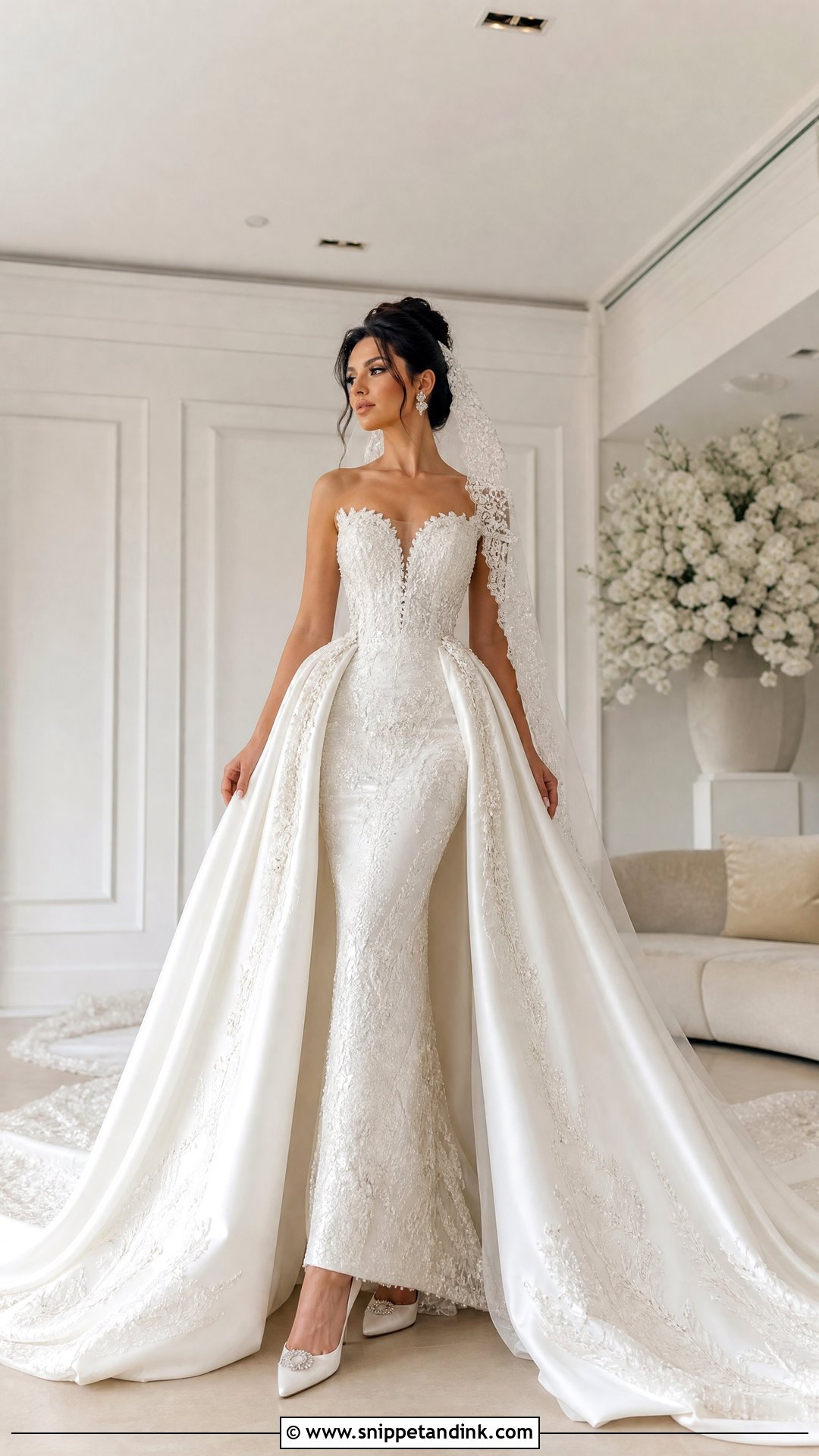
Two looks, one dress: wear the full overskirt, long train and dramatic veil for the ceremony, then unfasten the skirt to reveal a fitted dress, column gown or shorter reception look. Elegant heels and classic jewelry suit the first look, and lighter earrings or a smaller veil suit the second. It makes sense at Turkish weddings, which often run long with plenty of dancing. The waist is where it can go wrong. The skirt should sit flat and fasten securely, with no bulky band left behind once it’s removed.
18. Champagne Turkish Bridal Dress
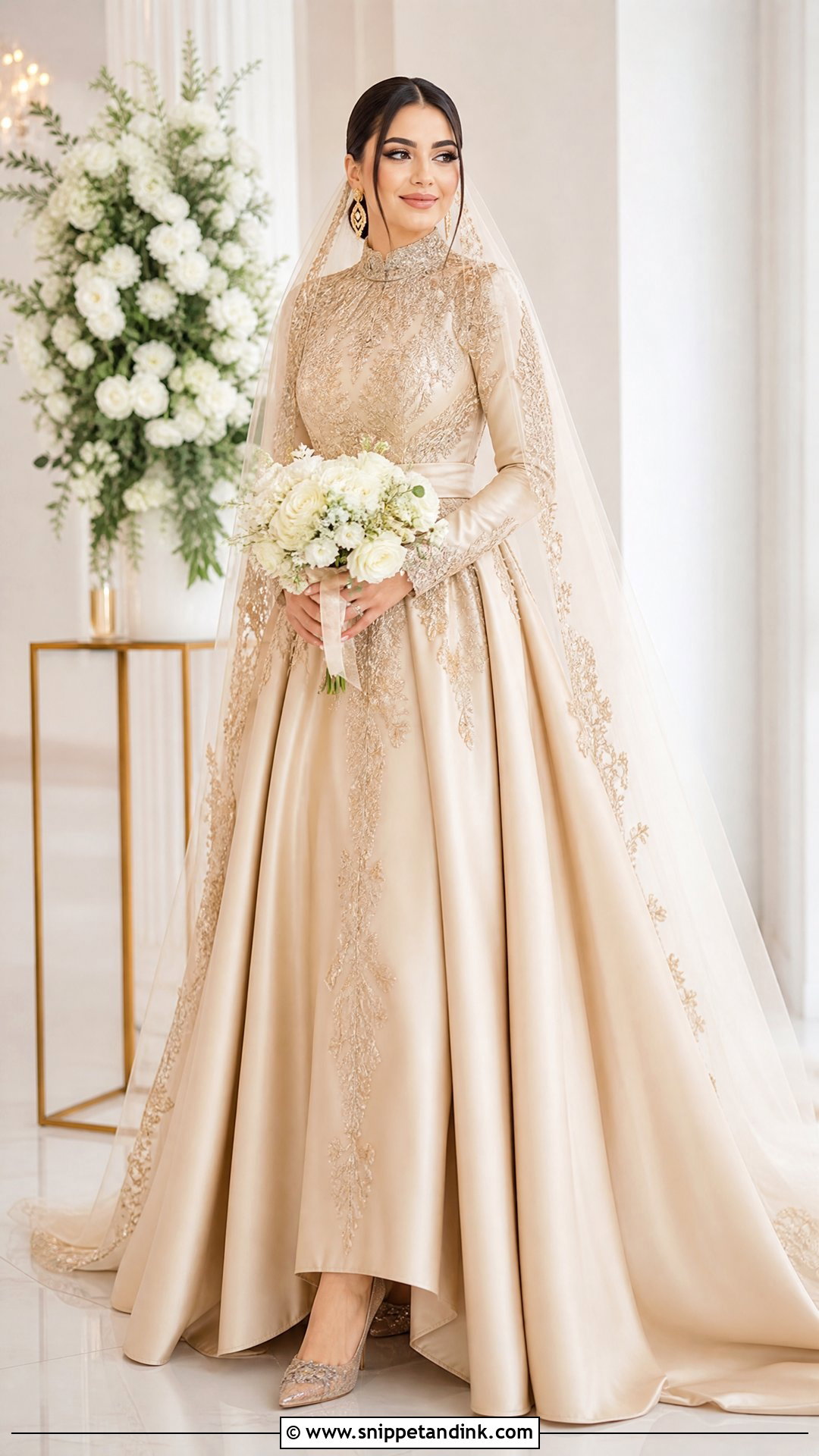
Champagne is warmer and gentler than bright white, and it suits many skin tones better in photos. It works in satin, tulle, lace and beaded fabrics, with nude or metallic heels, gold-toned jewelry and a veil in a matching warm ivory. Soft glam makeup and glowing skin go well with it. Champagne lace with pearls leans vintage; smooth champagne satin feels modern. Order the veil only after seeing it beside the dress, because a white veil next to champagne makes the gown look dingy rather than warm.
19. Gold Embroidered Turkish Bridal Dress
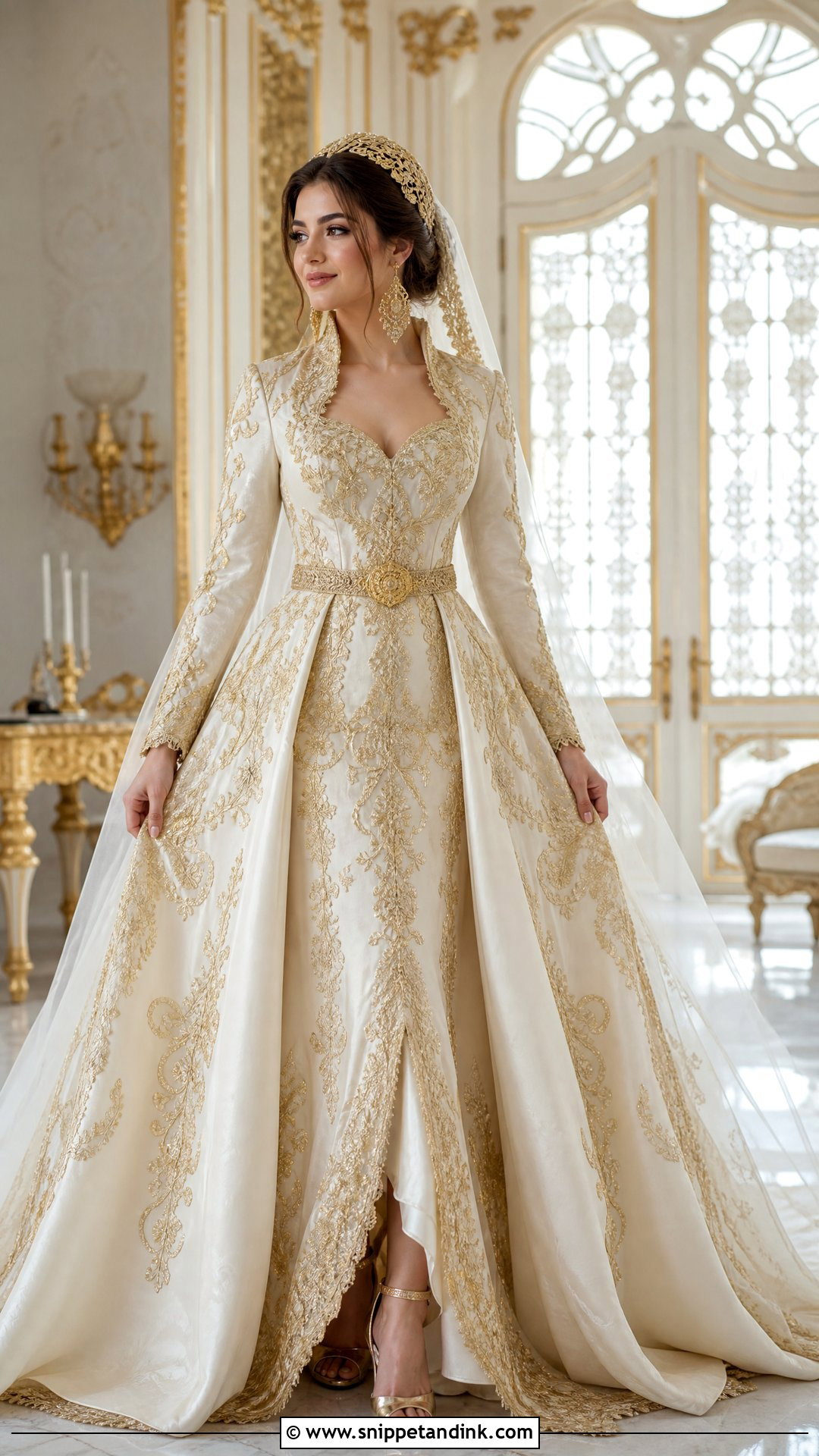
Gold threadwork links the modern bride to Turkey’s most ornate traditions, and it can sit on a white gown, a red bindallı, a green kaftan or a champagne dress. Choose gold accessories and heels that echo the embroidery, and a refined headpiece. If the embroidery is heavy, skip oversized jewelry and let the craftsmanship lead. A structured bodice with a clean skirt makes gold feel modern. For henna night, add a red veil; for the ceremony, an ivory veil keeps it bridal. Metallic thread can scratch the inner arm, so I check sleeve linings on heavily embroidered pieces.

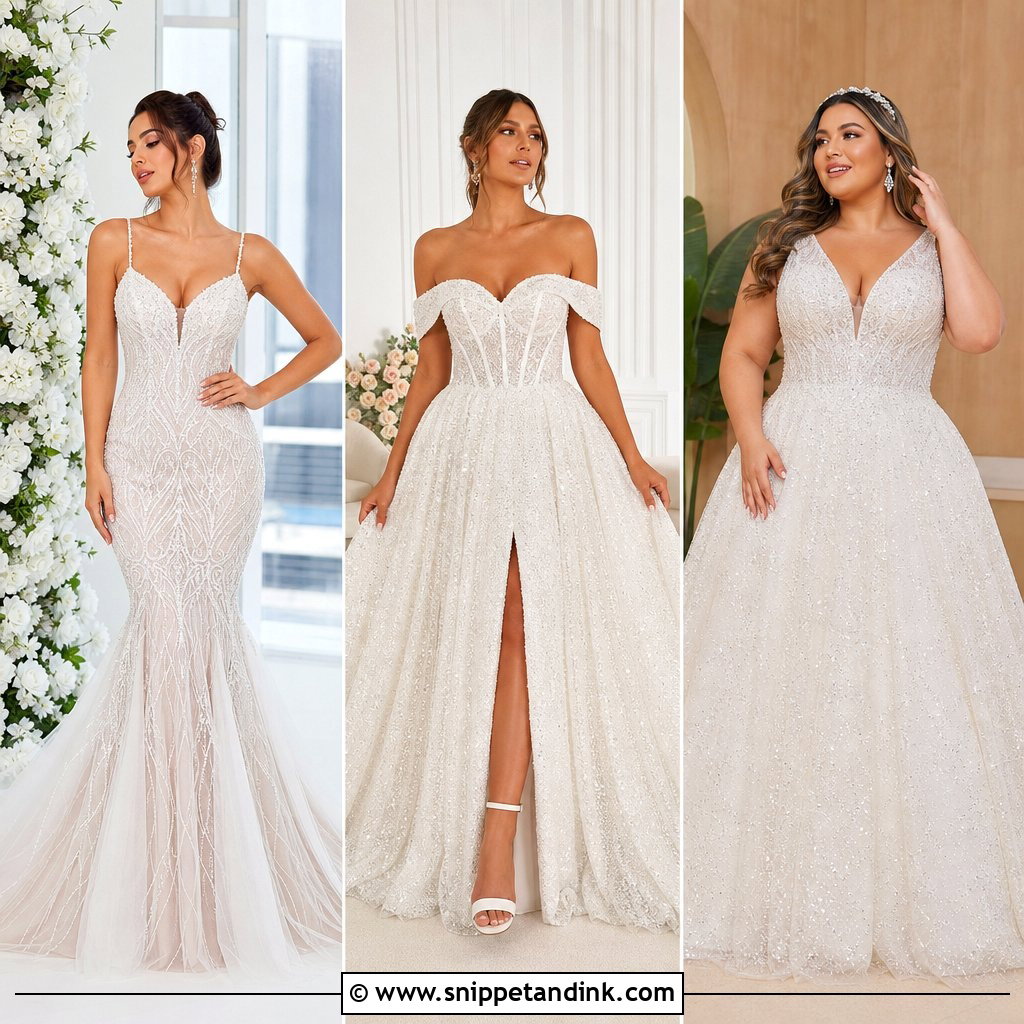

20. Floral Lace Turkish Bridal Dress
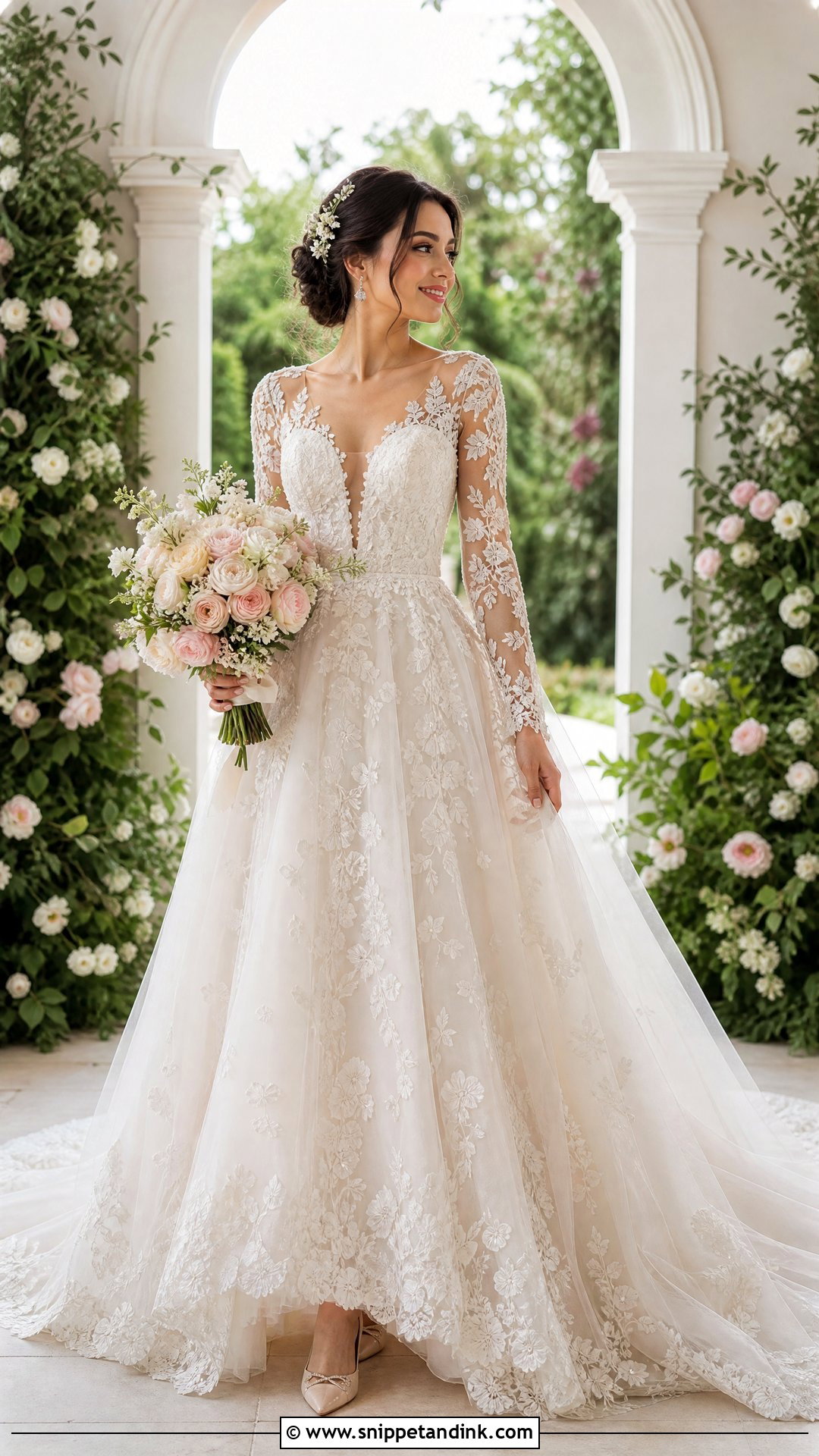
Floral lace can be delicate and scattered or bold, with large appliqués across the bodice and skirt. A sheer veil, floral hair pins, pearl earrings and elegant heels complete it for spring weddings and outdoor venues. Busy lace needs a simple silhouette; a minimal shape can take a more detailed pattern. A bouquet in white, blush or green supports the floral theme. When lace runs right to the hem, ask whether it’s backed, because unbacked lace at ground level catches on heels and pulls threads.
21. Beaded Turkish Bridal Dress
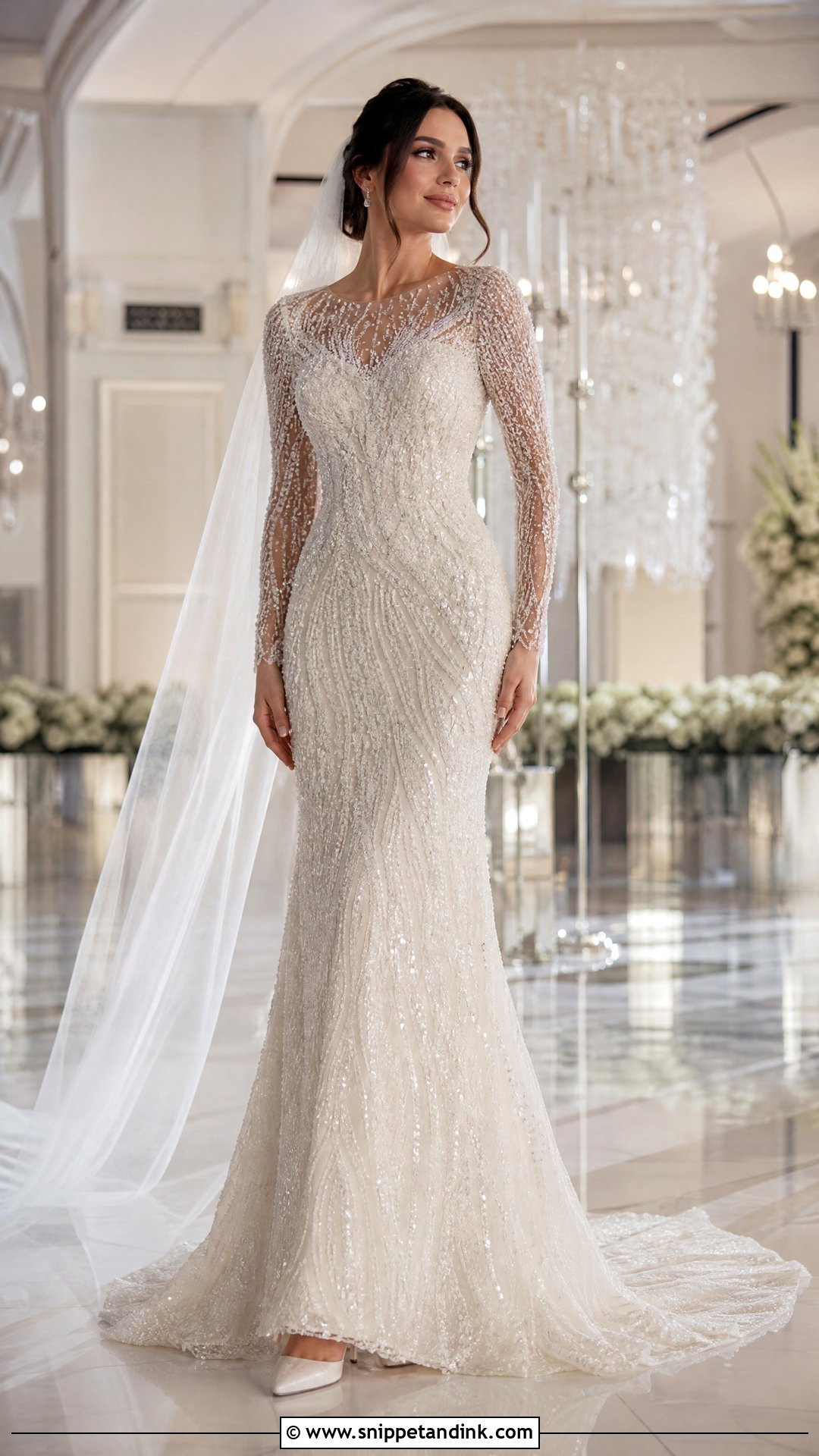
Beading is for the evening bride who wants sparkle and movement. It can highlight the bodice, sleeves, waist or the whole gown. Keep everything else plain: simple heels, small earrings and a soft veil. Heavily beaded gowns are genuinely heavy, and after hours of standing and dancing that weight pulls on the shoulders, so I’d look for lightweight beadwork if you’ll wear it all night. Clear, silver, pearl or champagne beads look more refined than multicolored shine, and a sleek hairstyle keeps it polished.
22. Minimal Turkish Bridal Dress
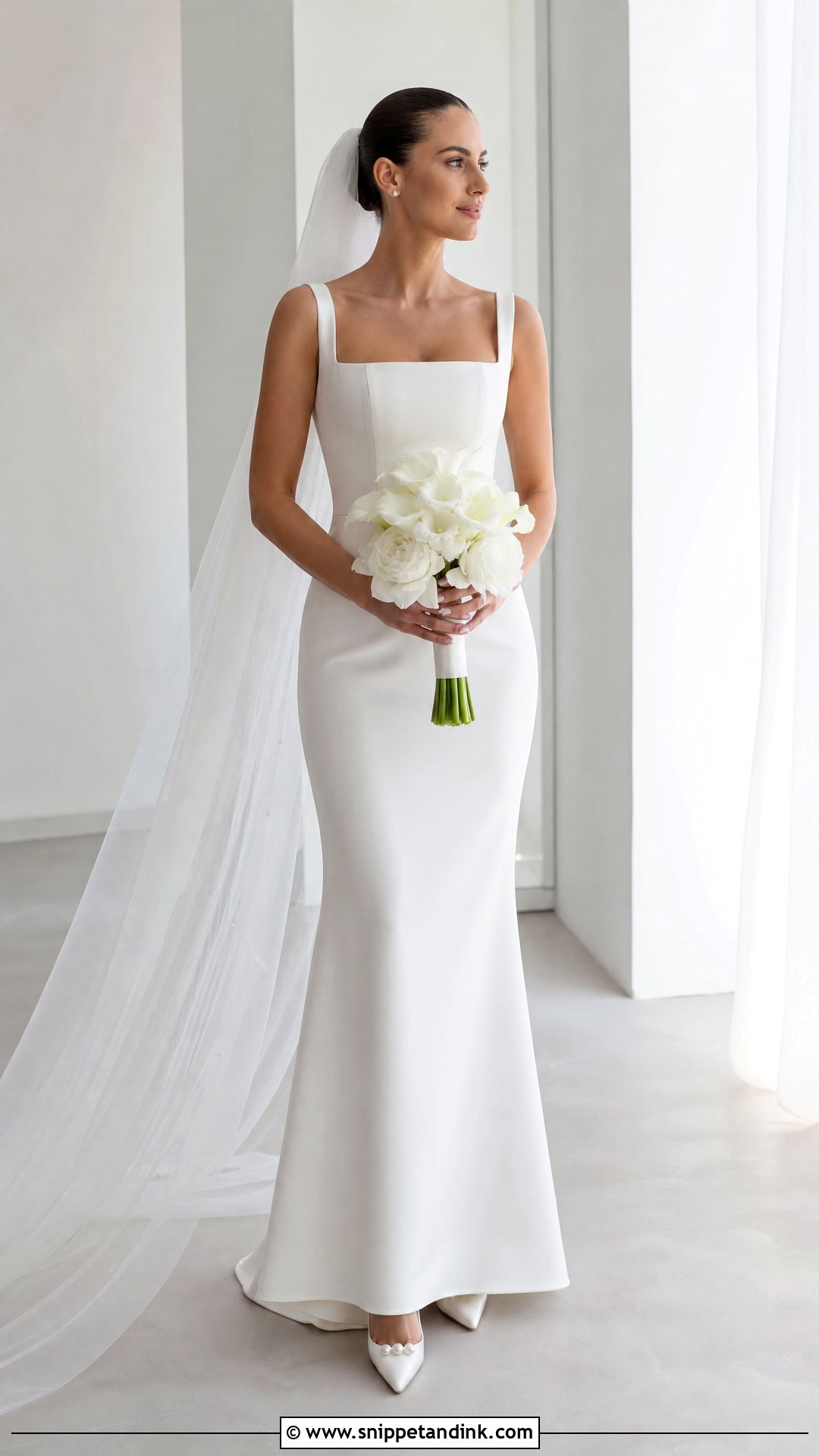
Minimal doesn’t mean forgettable. Smooth crepe, satin or mikado with a clean neckline and precise tailoring can hold its own against any embroidered gown. Pearl studs, pointed heels, a long plain veil and a structured bouquet finish it. A square or bateau neckline, or a slim long sleeve, keeps it modern. With fewer details to distract, fit becomes everything: the dress should skim, sit correctly at the shoulders and move with you. One deliberate detail, such as covered buttons down the back or a bow, gives it a signature.
23. Short Reception Turkish Bridal Dress
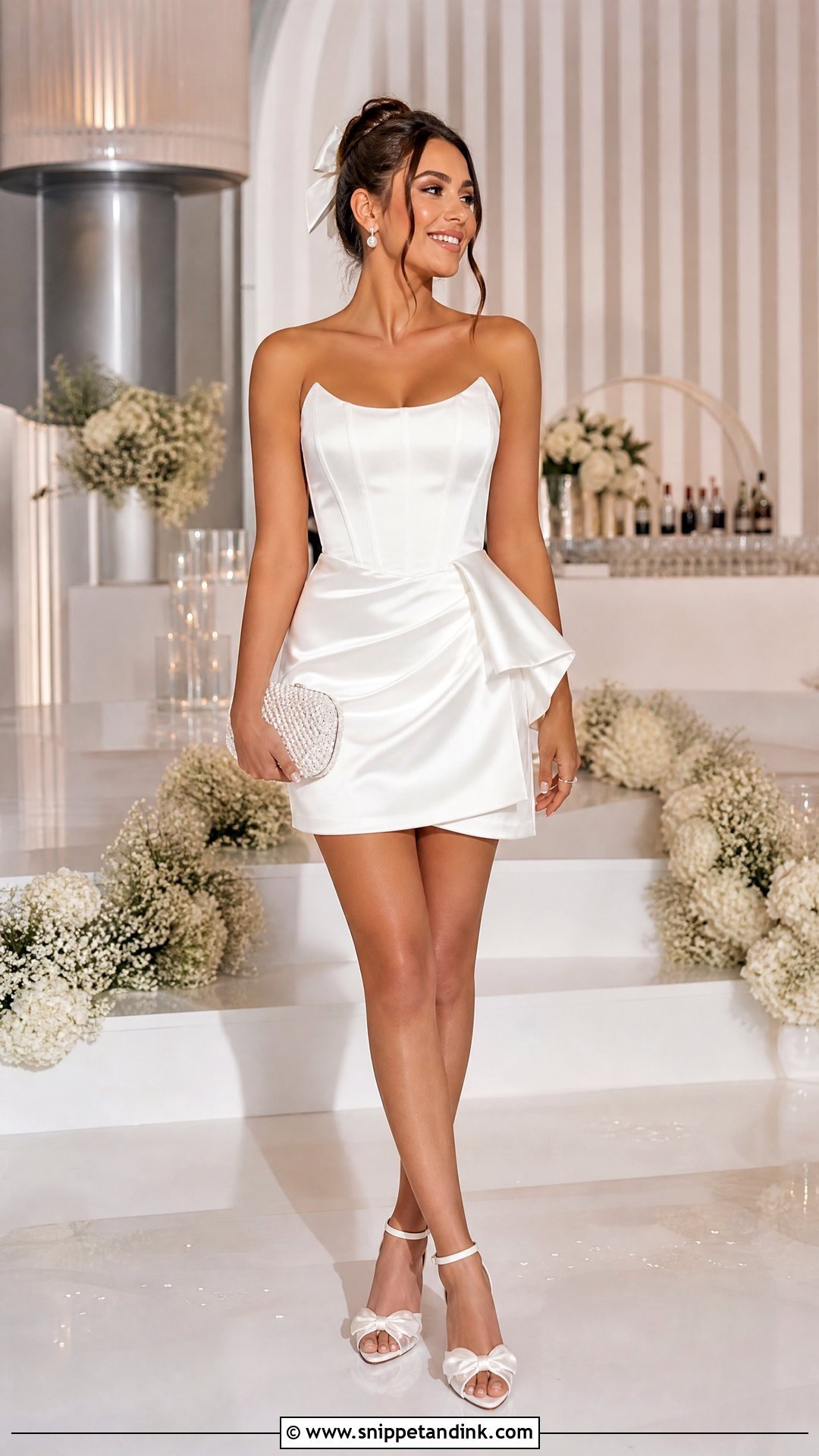
A short second look makes dancing and greeting guests much easier after the ceremony. A white mini, a tea-length lace dress, a satin midi or a short dress with feather trim all work, with comfortable heels, pearl earrings, a small clutch and a shorter veil or hair bow. Keep it bridal through fabric and accessories rather than length alone. A structured bodice, pretty sleeves or sparkling shoes do that. Try the short dress with the hairstyle you’ll have after the ceremony, since a formal updo can look heavy over a playful hemline.
24. Sequin Turkish Bridal Dress
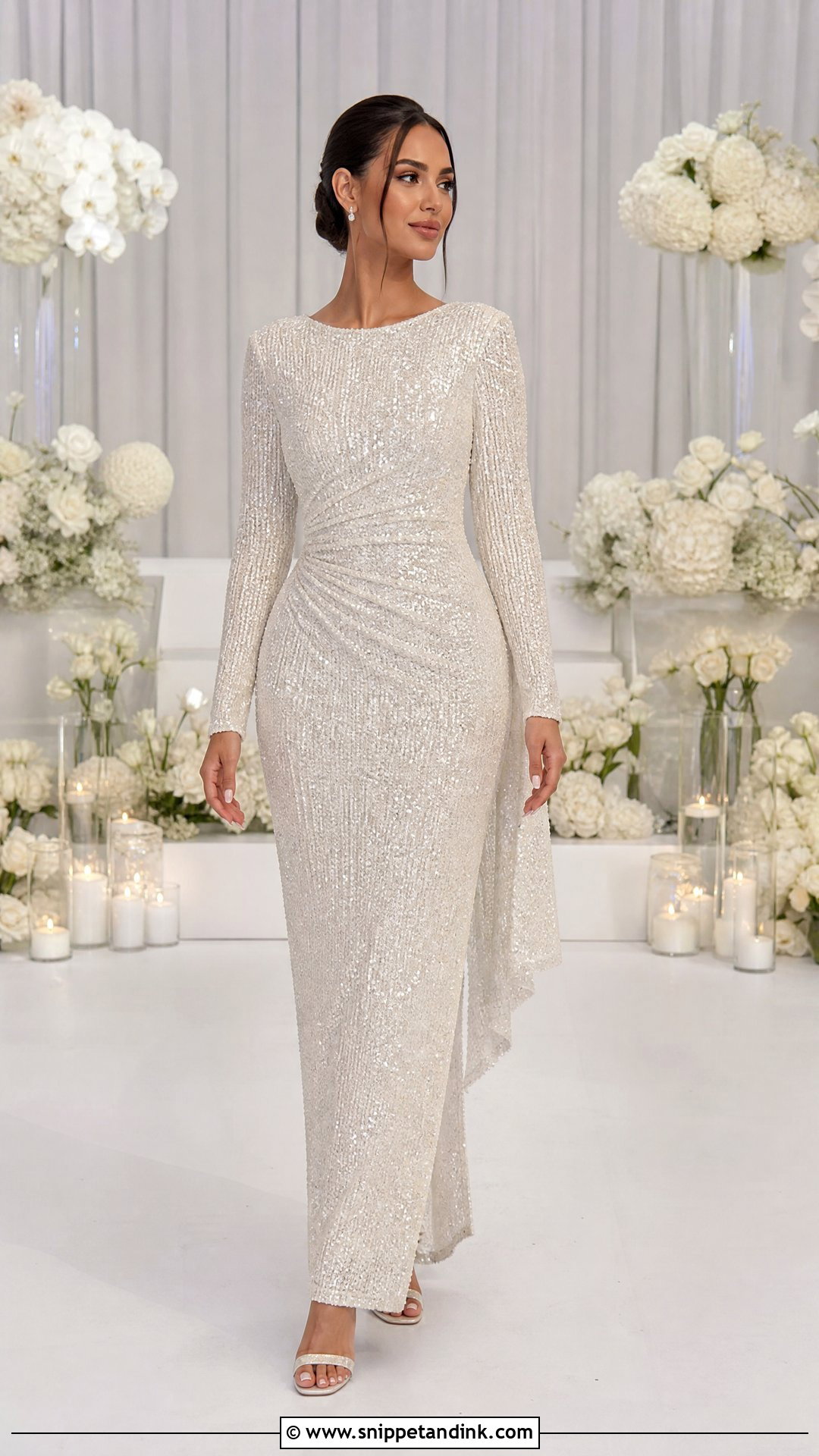
Sequins bring a party mood to the wedding wardrobe, as a reception dress, an after-party look or a modern henna night outfit in white, silver, champagne or red. Sleek heels, simple earrings and clean hair stop it from feeling overwhelming. A column or fitted long-sleeve shape looks more refined than a full sequin gown, and tiny tonal sequins are softer than high-contrast shine. Sequins also reflect camera flash strongly, so a matte veil or minimal jewelry helps photos stay balanced under bright venue lighting.
25. Two Piece Turkish Bridal Dress
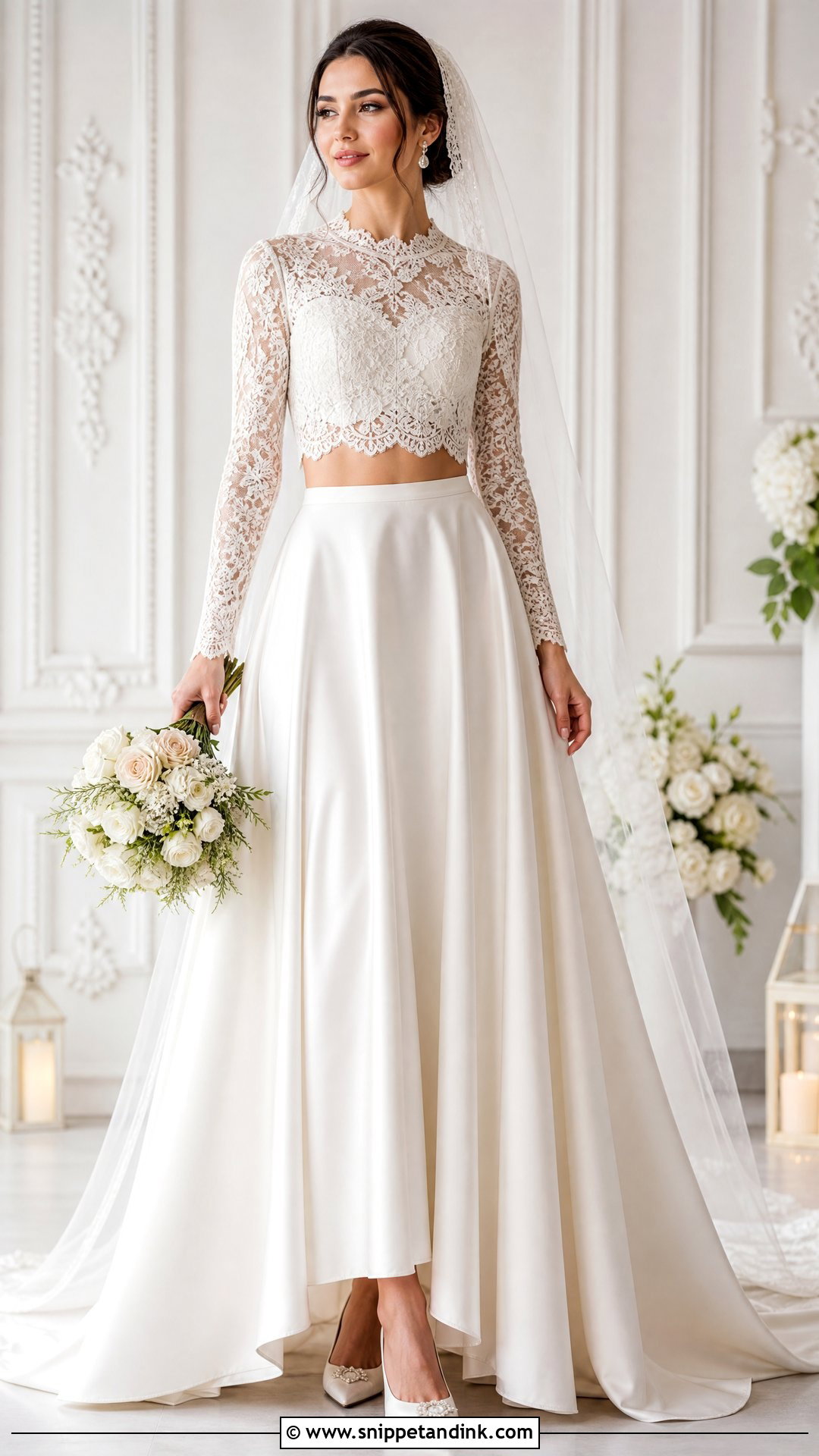
Separates are the practical answer if your top and bottom are different sizes, since each piece is fitted on its own. A lace top with a satin skirt, a structured corset with a tulle overskirt or a modest long-sleeve top over an A-line skirt are all options. A matching veil, coordinated heels and simple jewelry finish it. Keep both pieces in the same color family and fabric mood; two whites from different bolts rarely match. Two pieces also make it easier to swap just the skirt for the reception.
A Second Look Takes Longer Than You Think
Brides tend to plan the dresses and forget the change. Getting out of a corset gown, into a reception dress and back to the guests usually takes far longer than the timeline allows, especially if the hijab or veil needs restyling. I plan the change like a small event of its own:
- Choose one private room near the hall, with a mirror and good light.
- Name two helpers: one for fastenings, one for hair, hijab or veil.
- Hang the second outfit there before the ceremony, unzipped and ready to step into.
- Pack a small kit with safety pins, a steamer if possible, blotting papers and spare hijab pins.
- Tell your planner or family how long it really takes, so the music doesn’t start without you.
Velvet and Gold Thread Between Wearings
A bindallı or embroidered kaftan can last generations if it’s stored well. Air it for a day after the henna night, then have any henna or food marks dealt with by a cleaner who handles velvet and metallic thread. Spray perfume before dressing, never onto the fabric, since alcohol and oils speed tarnishing. Store it flat or loosely rolled with acid-free tissue in a breathable bag, away from damp and sunlight, and never hang a heavily embroidered velvet piece for long, because the weight stretches the shoulders.
Heritage at the Henna Night, Your Own Taste at the Wedding
Turkish bridal fashion mixes heritage, craftsmanship and modern style more freely than most traditions. You might wear a red bindallı at the henna night, lace for the ceremony, sleek satin for a minimal look and a short dress for dancing. The right outfit fits the event, your comfort, your family’s traditions and your own taste. Fabric, fit, sleeve length, veil and shoes each change the final look, so decide them together rather than one at a time.
You'll Like These Ideas:


Leave a Reply