
A Nepali wedding wardrobe is rarely one outfit. Red and pink carry the ceremony, gold sits at the neck and wrists, and in many Hindu families the pote and tilhari mark a married woman. Then the picture widens: Newar, Tamang, Gurung, Magar and Maithili brides each have their own garments, and two families from the same community can still dress a bride differently. When I style one of these weddings, I start by asking who in the family knows the customs, because that person decides more than any trend does. Below are 25 complete looks, from the ceremony sari to the haldi kurta, with what I’d check on each before it goes to the tailor.
Counting the Outfits a Nepali Wedding Week Asks For
Before any fabric is chosen, I sit down with the bride and list the events, because a Nepali wedding is often several days of very different dressing. A mehendi where she can’t use her hands, a haldi where turmeric will land on everything, the main ceremony with its long rites, then a reception where she greets guests for hours. Each of those needs a different outfit, and the mistake I see most is spending the whole budget on the ceremony and borrowing whatever’s left for the rest.
- Mehendi: light fabric, short or elbow sleeves, an opening someone else can fasten.
- Haldi: washable, inexpensive, ideally yellow, nothing you’d cry over.
- Main ceremony: the outfit the family’s customs decide, fitted for sitting on the floor.
- Reception: something you can walk, hug and eat in, often lighter than the ceremony look.
Then I map change times. A lehenga with hooks takes minutes; a sari or a layered community outfit takes far longer, and longer still if a dresser has to set the head covering. If two events fall on the same day, I make sure the second outfit is the quicker one.
Pinning a Sari to Last From Sindoor to Sending Off
A bridal sari has to survive things a party sari never does: sitting low for long stretches, standing up quickly, being hugged, being guided around the fire. I’d book a draping practice with whoever will dress you on the day, wearing the actual petticoat and blouse, because a new petticoat’s drawstring and a slightly different blouse length change where the pleats fall.
What I bring to the room
- A cotton petticoat in the sari’s colour, tied firmly; silk petticoats let the pleats slip.
- Small safety pins in gold and black, plus a few long pins for the head covering.
- Double-sided fabric tape for the pallu edge on very slippery silk.
- A spare blouse hook set and a needle with red thread for quick repairs.
My rule is to pin the pleats to the petticoat, never only to each other, and to pin the pallu through the blouse at the shoulder seam. After dressing, I have the bride sit down on the floor and stand up twice. Anything that shifts gets re-pinned before she walks out.
1. Traditional Red Nepali Wedding Sari
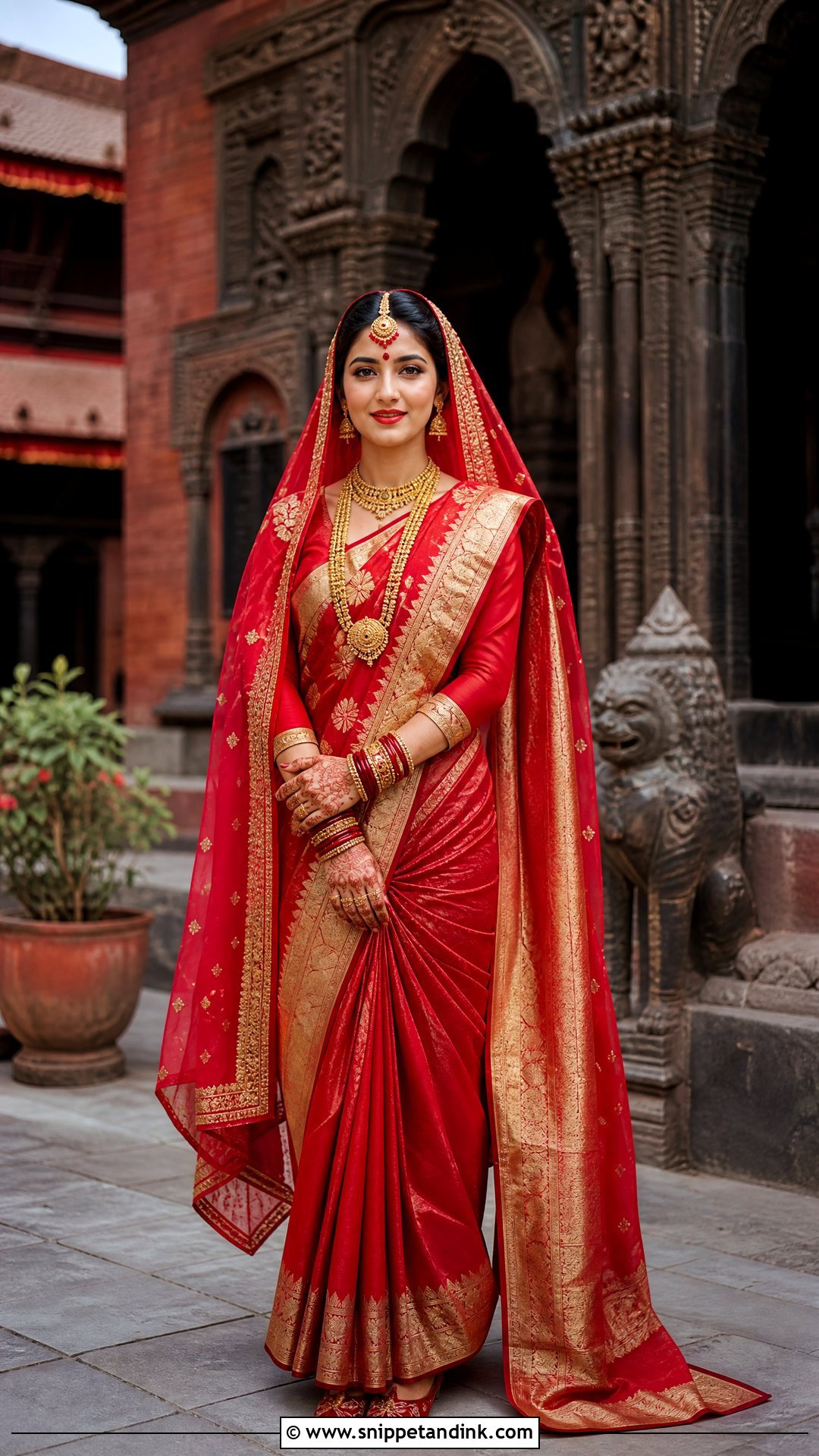
Red silk or brocade is still the outfit most families picture for the main rites. I look for a gold border that survives the drape, since a lot of a border disappears into the pleats and the waist tuck. Pair it with a fitted red blouse, elbow sleeves and embroidered cuffs, and let a red veil cover the head while the pallu stays visible over the shoulder. Gold earrings, layered necklaces, bangles and a forehead piece finish it, with embroidered flats or a low block heel underneath. Pote and tilhari belong only where the family wears them; draping and accessories should follow the bride’s own community, not a photo.
2. Red Banarasi Nepali Wedding Sari
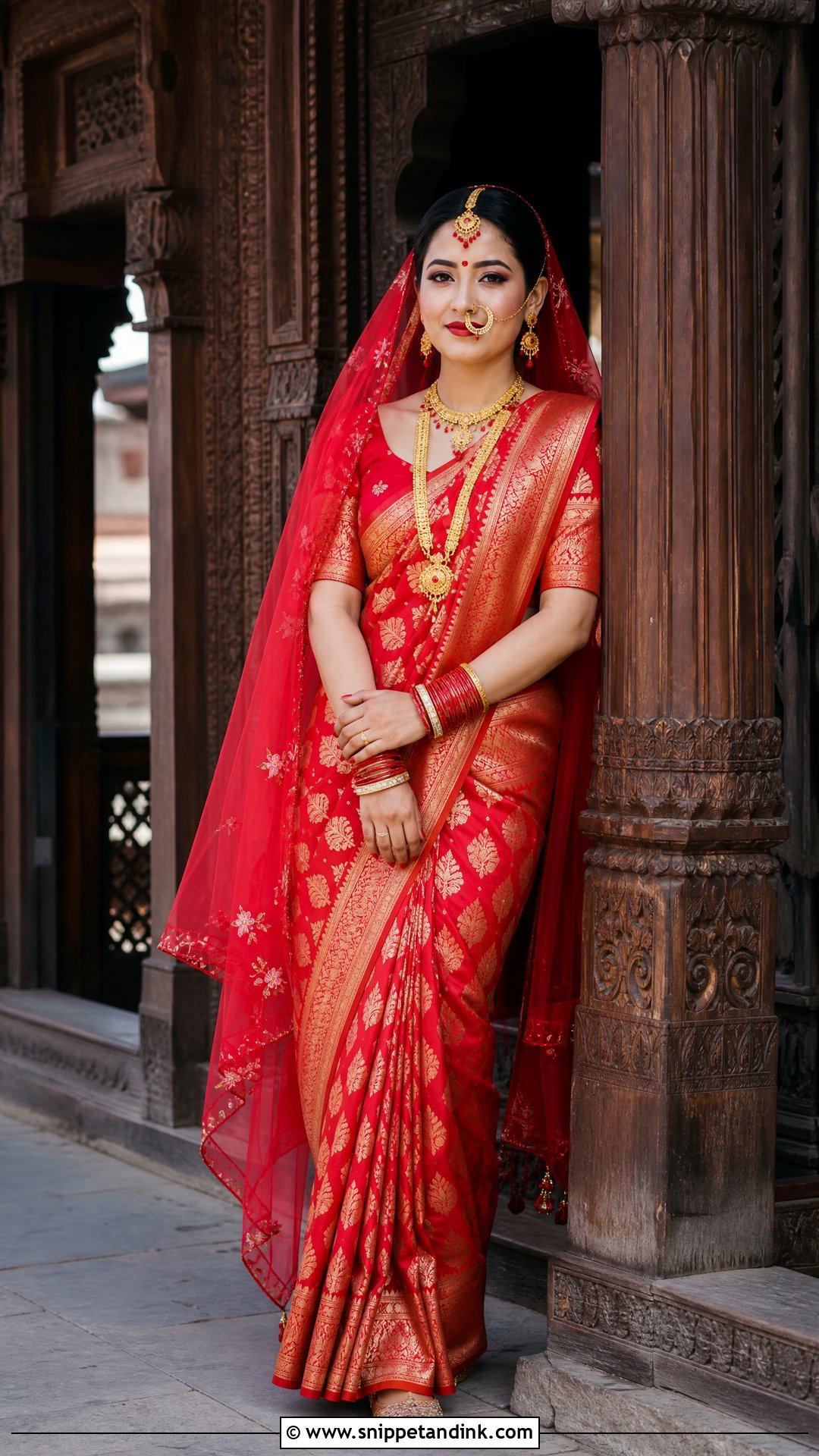
Banarasi silk is woven with its motifs, so it has weight and a stiffness that holds pleats well and also feels warm by mid-afternoon. Choose a deep red with woven gold buttas rather than added stones. Because the fabric already reads rich on camera, the blouse can have a cleaner design, square or softly rounded at the neck. Take the pallu over one shoulder and add a separate light veil if the head must be covered; trying to use a Banarasi pallu as a veil usually ends with it sliding off. A centre-parted bun, a nose ring, red bangles and cushioned juttis complete it. Many Newar families also choose Banarasi for their brides, so this one often carries family memory.
3. Red And Gold Nepali Wedding Lehenga
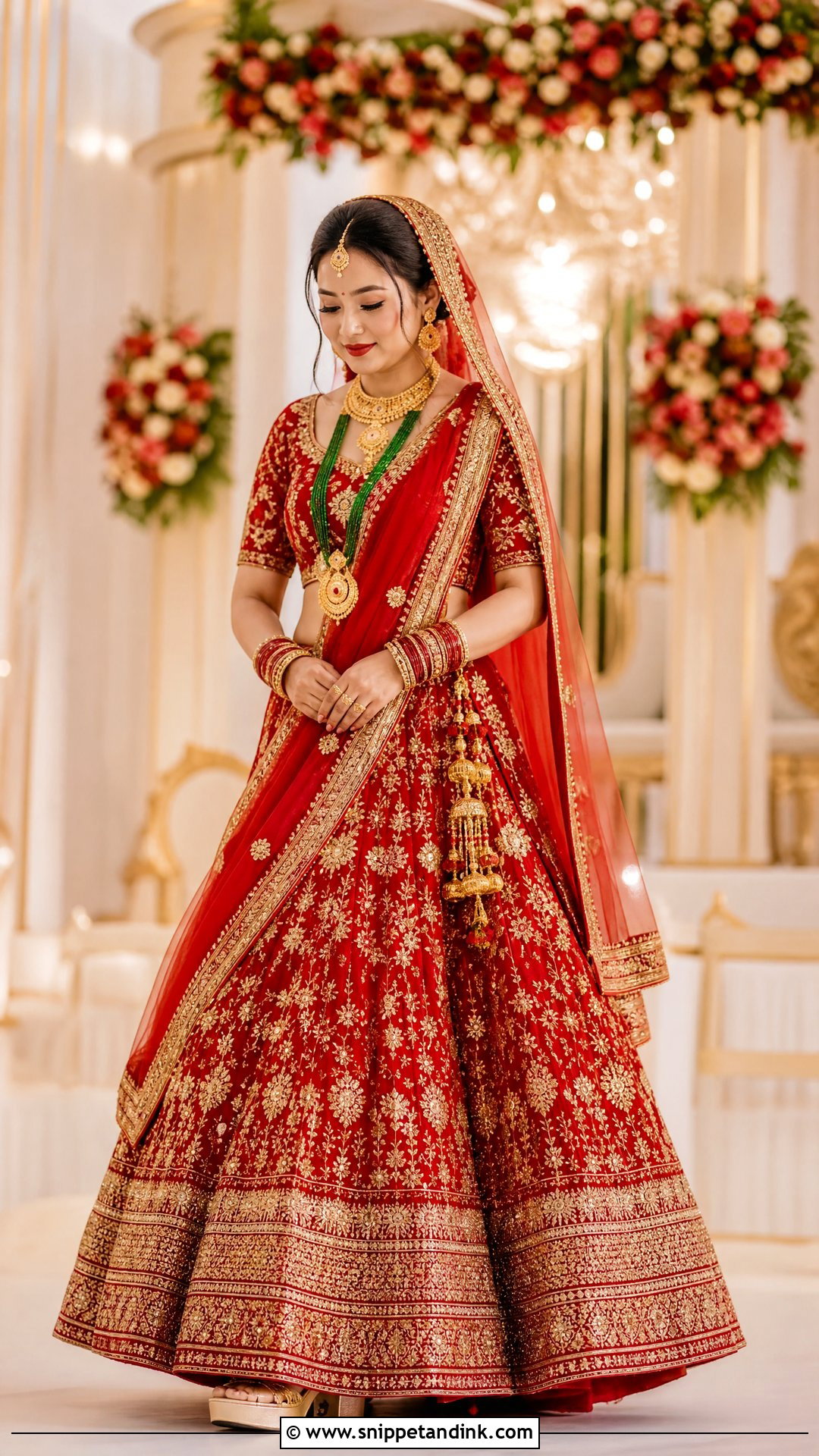
Red and gold lehengas give the volume a sari can’t, and they’re quicker to get into on the day. Ask for zari spread evenly across the skirt; one heavily worked panel at the hem drags the skirt forward when you walk. A supportive choli and a gold-edged red dupatta, pinned over the head and fixed at one shoulder, leave both hands free for the rituals. I always ask the tailor for a wide inner waistband with hooks, not just a drawstring, because a heavy skirt pulls a string tight against the hip within the first hour. Add layered necklaces, a maang tikka, bangles and low platforms, and keep the hem a finger’s width off the floor.
4. Maroon Velvet Nepali Wedding Lehenga
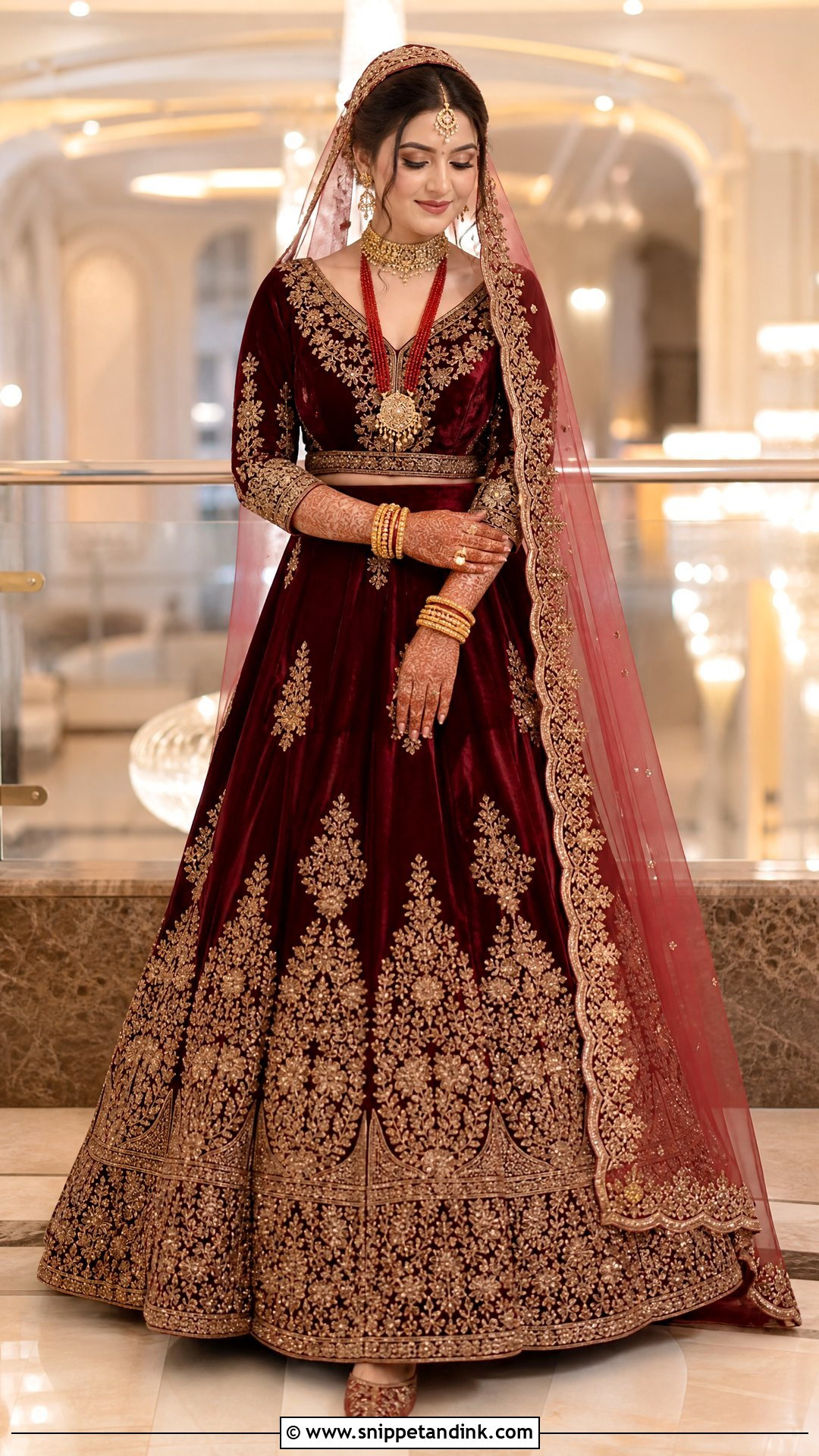
In a winter ceremony, a maroon velvet bridal lehenga keeps the bride warm in a cold hall or courtyard. Velvet already has depth, so I’d keep the gold work to the hem, neckline and sleeve edges. Three-quarter sleeves on a structured blouse balance the skirt, and a net or organza dupatta stops the outfit becoming a wall of heavy fabric. The catch is weight: a fully lined velvet skirt is far heavier than georgette, and the bride feels it on the floor during long rites. Walk and sit in it before the wedding. Antique gold, a red pote where it’s worn and a sleek low bun under the veil keep the fabric in charge.
5. Crimson Silk Nepali Wedding Sari
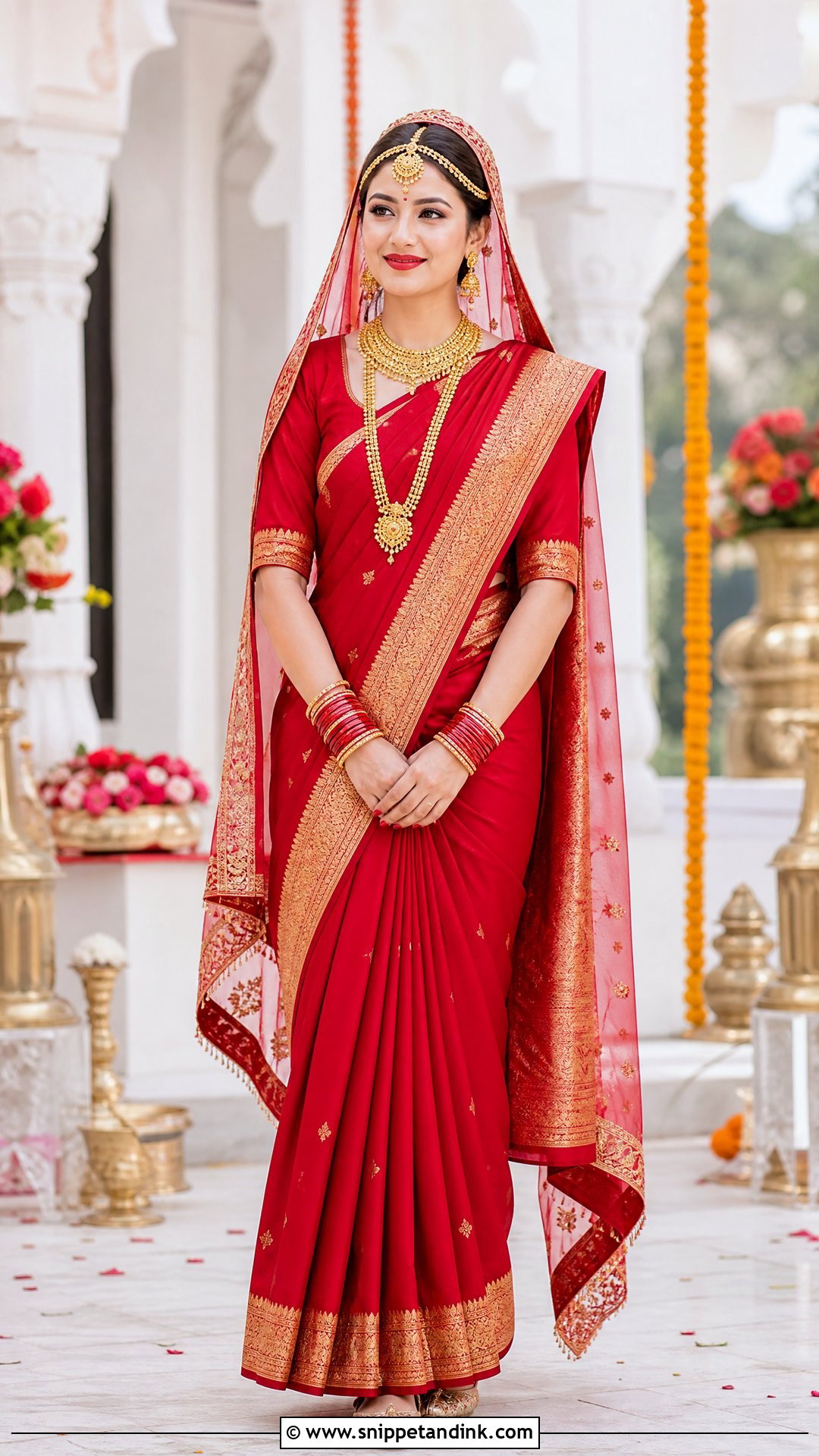
Crimson sits a shade deeper than scarlet, which helps when half the room is also wearing red. A smooth silk with a broad woven border and small gold motifs on the pallu is enough. I like a higher back and elbow sleeves on the blouse here. The real work is the pinning: concealed pins at the waist and shoulder, placed through the petticoat and blouse rather than the sari alone, keep pleats in place while you stand, sit and rise again. Mix necklace lengths, add drop earrings and stacked bangles, and wear gold flats. With a very shiny silk, choose a lightly worked veil so the photos don’t flare.
6. Deep Pink Nepali Wedding Lehenga
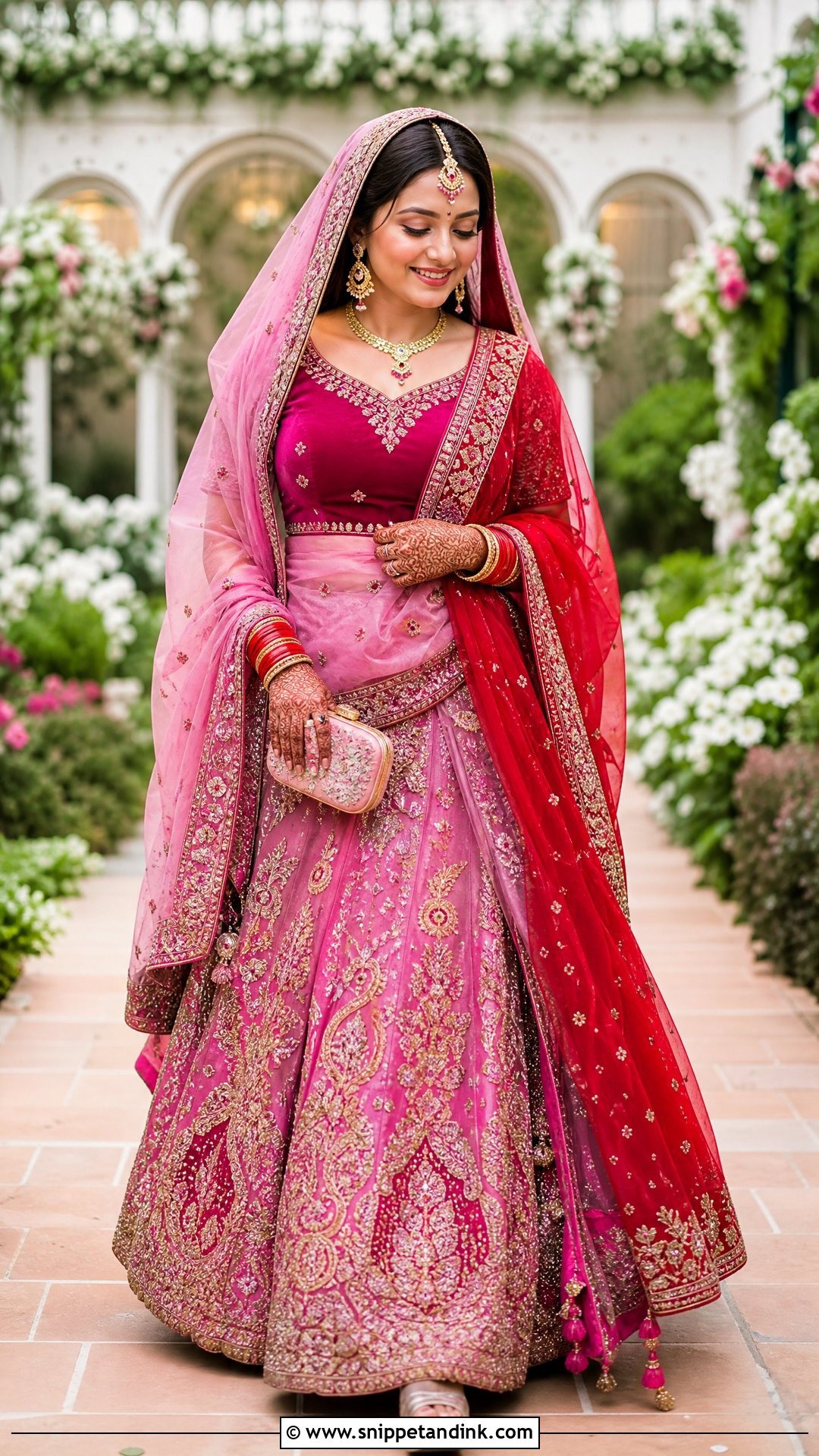
Deep pink suits a bride who wants traditional colour but finds red heavy against her skin. Raspberry, fuchsia or magenta with antique gold embroidery all work, on a flowing skirt with a fitted blouse that actually supports you. Wear a matching pink dupatta over the head and, if you like contrast, a red one across the body. Pink is closely tied to good fortune in Nepali bridal colour, so families rarely object to it. One practical warning: saturated pinks shift a lot between shop lighting and daylight, sometimes turning purple or orange on camera. I take the fabric to a window, and outside if I can, before anyone pays for it.
7. Red Zari Nepali Wedding Sari
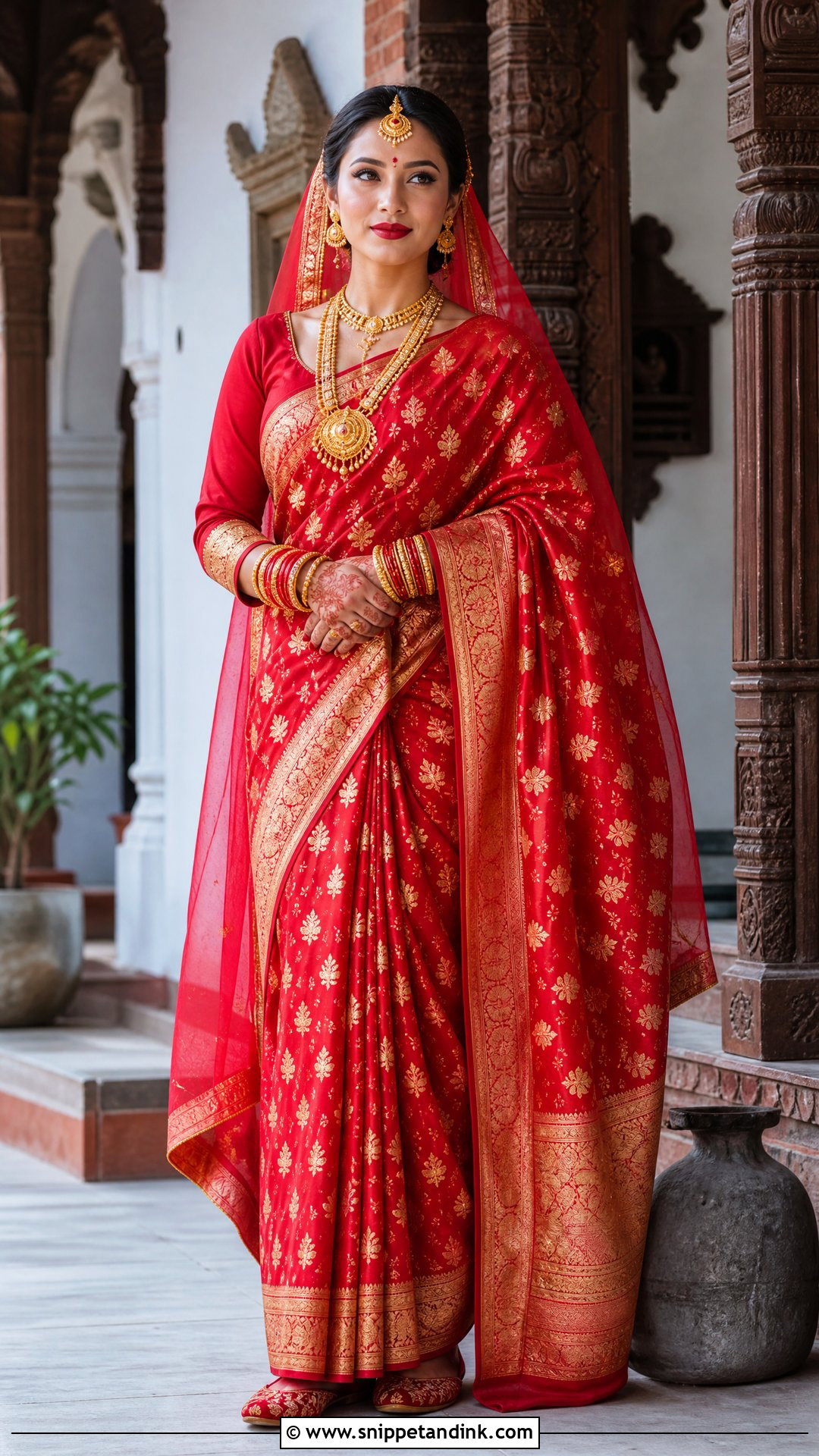
Zari gives a sari its glow without the scratch of sequins, which a long line of hugging relatives will appreciate. Pick woven gold vines, geometric borders or small repeating motifs, and let a plain red silk blouse separate the body from the busy drape. Narrow zari cuffs on the sleeves tie back to the border. Add a soft red veil, layered necklaces, earrings, bangles and a forehead ornament, with embroidered red flats beneath. Keep the pallu open enough to show its design but pinned firmly at the shoulder. Woven zari is far easier to look after than a beaded sari, and that matters if you plan to wear it again.
8. Dhaka Blouse Nepali Wedding Sari
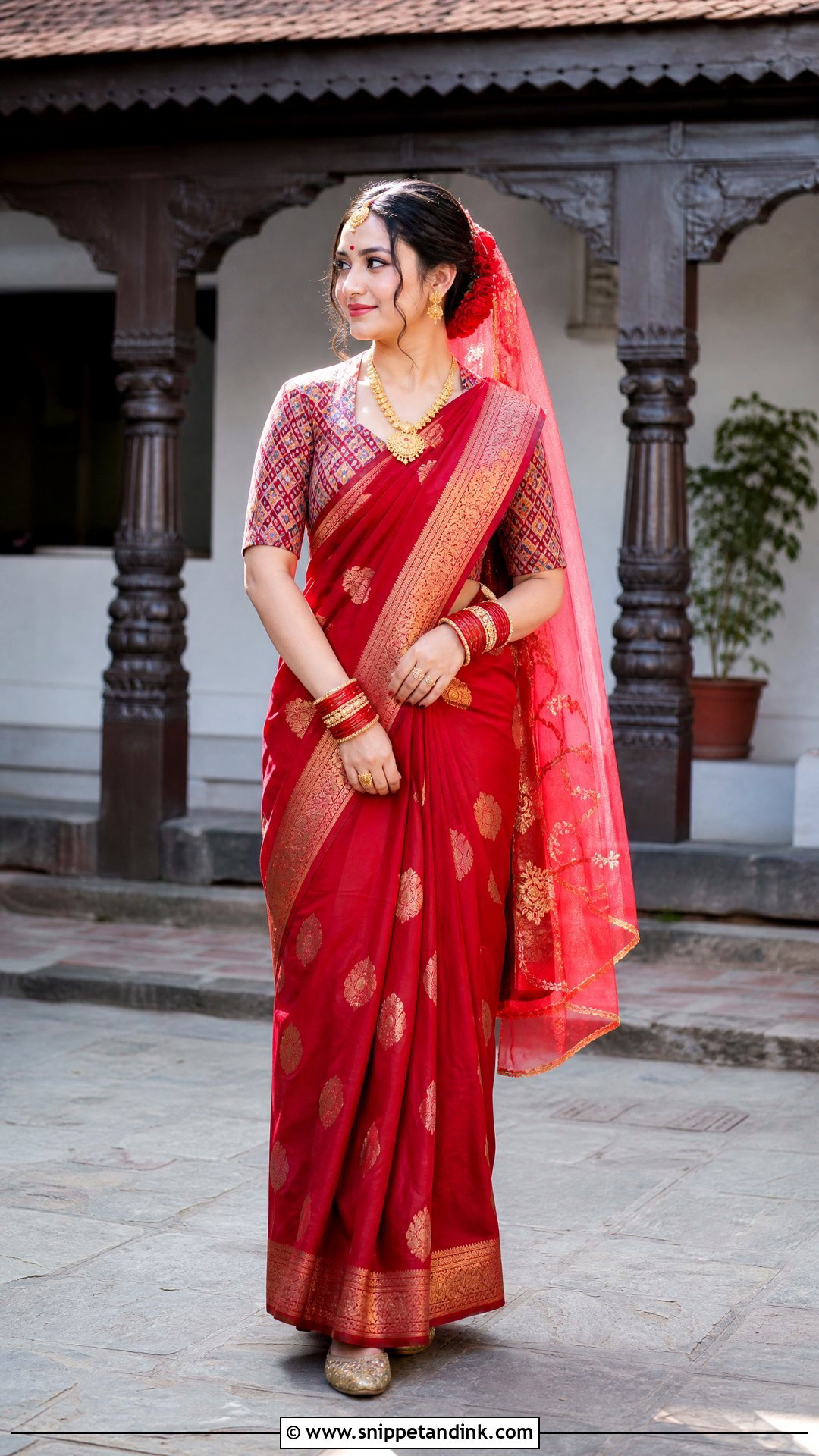
Dhaka is the most recognisably Nepali textile you can put on a bride, and a blouse is the easiest place to start. Choose a red, maroon or dark pink silk sari and let the blouse carry the geometric pattern. I’d pick a sari border that repeats one Dhaka colour so the two pieces talk to each other. The tailoring is where it goes wrong: Dhaka patterns are bold, and a tailor who doesn’t match them at the centre back and sleeve seams leaves a visible break. Ask to see a blouse they’ve made in Dhaka before. A light red veil, gold jewellery and red bangles finish it.
9. Newari Haku Patasi Wedding Outfit
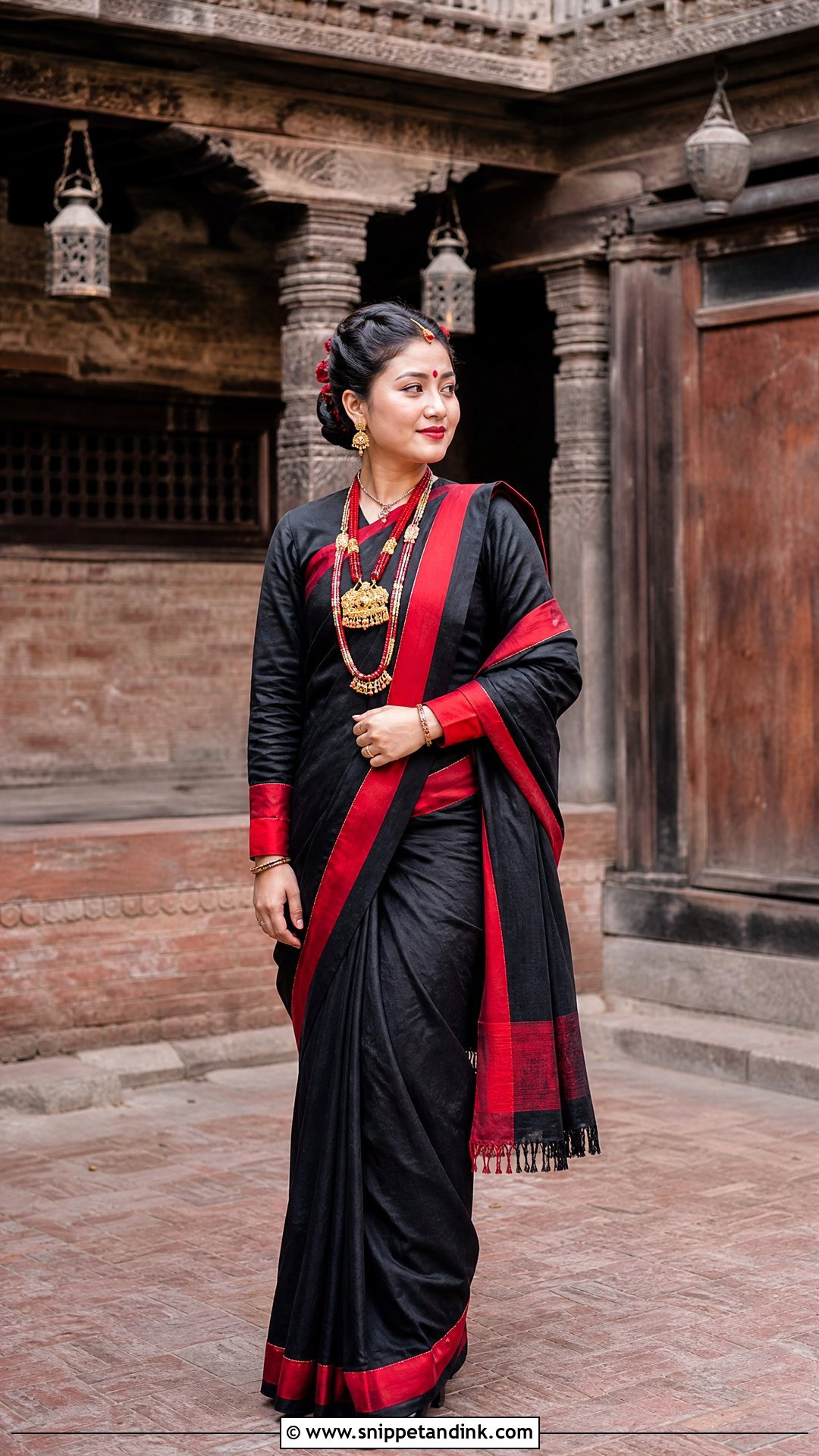
Haku Patasi is a black sari with a strong red border, worn with a fitted blouse and shawl, and it belongs to Newar dress, especially in particular communities and in festival or wedding processions. It’s striking because it breaks the all-red rule. I’d keep the shoes simple and closed so the border reads at the hem, and choose Newari jewellery with the family’s input. A clean bun with traditional accessories finishes it. The drape is the part I would never improvise. Newar customs vary by family, so ask a relative or a dresser who knows this garment to set it on the day.
10. Newari Banarasi Nepali Wedding Outfit
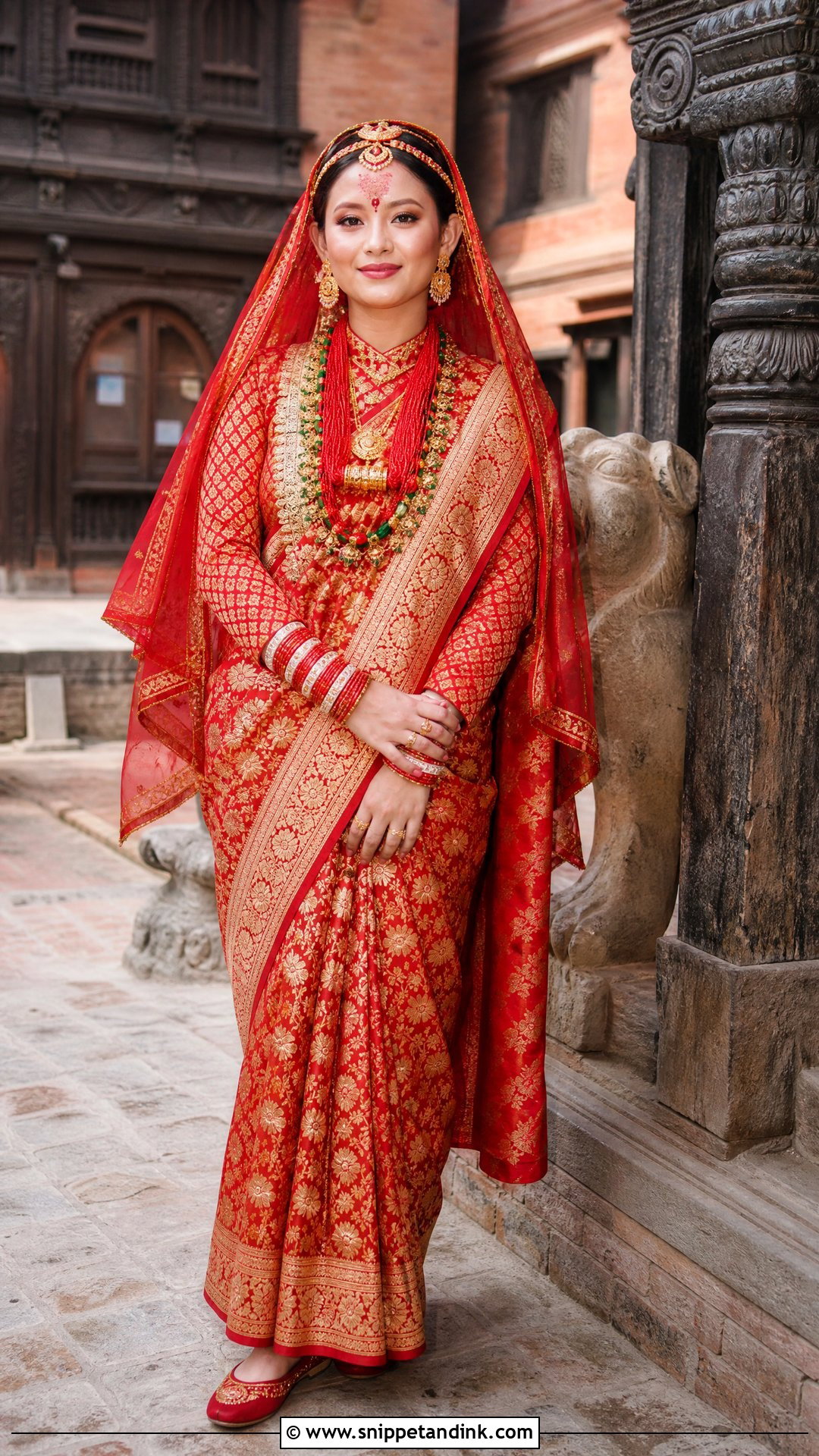
Rich red Banarasi silk can also anchor a Newari bridal look. Choose dense woven borders with smaller motifs across the body and pair it with a matching or contrasting brocade blouse. Here the pallu and head covering follow the family’s way of dressing, not a generic sari tutorial, so I’d let the woman in the family who knows the custom show the dresser before the day. Necklace layers, earrings, head ornaments and bangles shape the whole silhouette as much as the silk does. Low red or gold shoes give support and stay hidden. A local dresser who has done Newari brides is worth the booking.
11. Tamang Nepali Wedding Dress
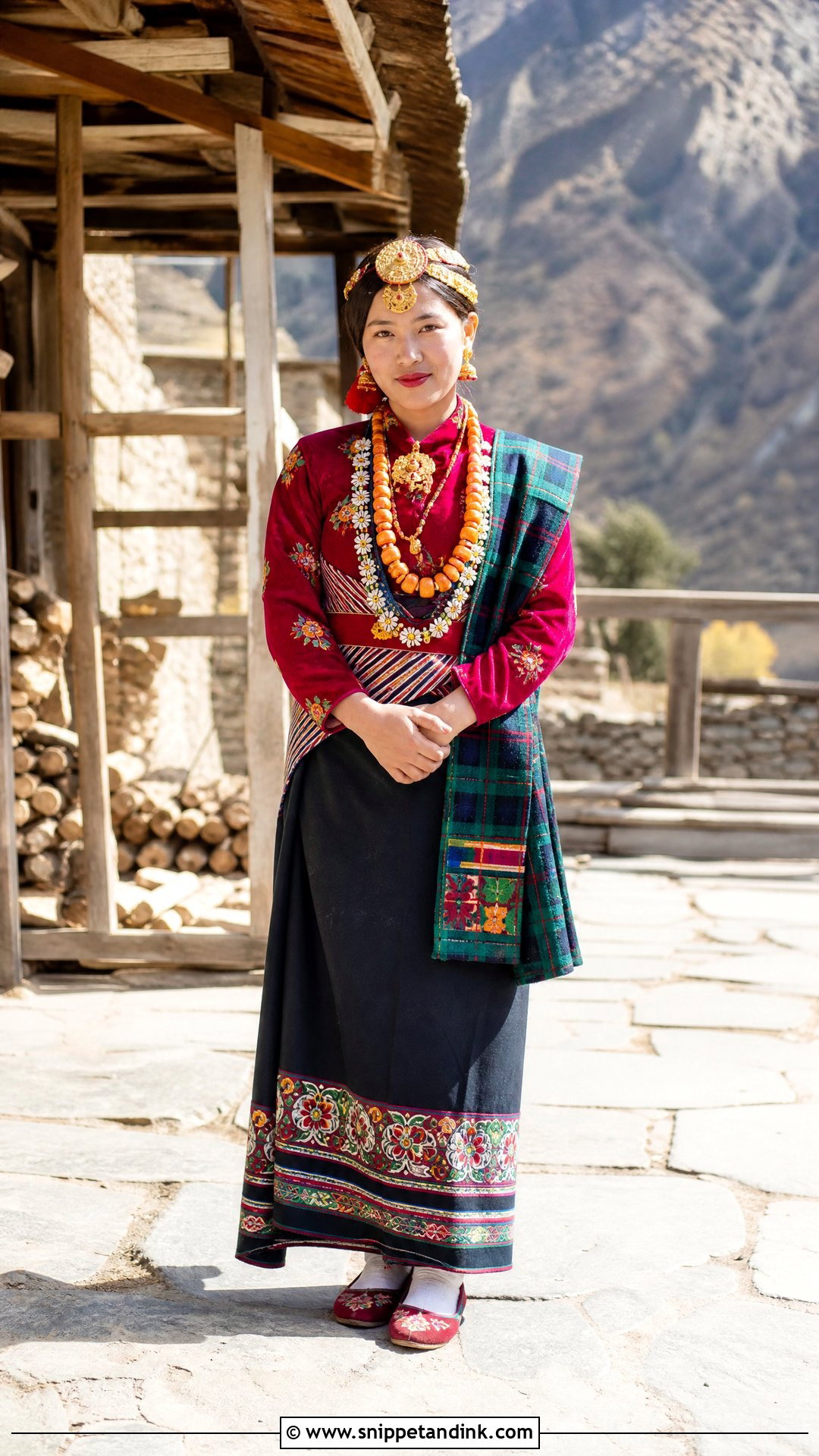
A Tamang bridal outfit should start with family guidance and artisans who know the bride’s community. Depending on local tradition, it may include a richly coloured blouse, a wrapped lower garment, a ghalek or decorative upper layer, woven textiles and specific jewellery. Some Tamang brides wear kuching and ghalek for the ceremony. Red, green, gold and darker contrast shades make a strong palette. I’d steer clear of costume-shop versions; names, construction and styling change from place to place, and a ready-made set rarely sits correctly on the body. Keep makeup polished but clear of forehead and hair ornaments, and choose shoes that walk well without showing.
12. Gurung Ghalek Nepali Wedding Outfit
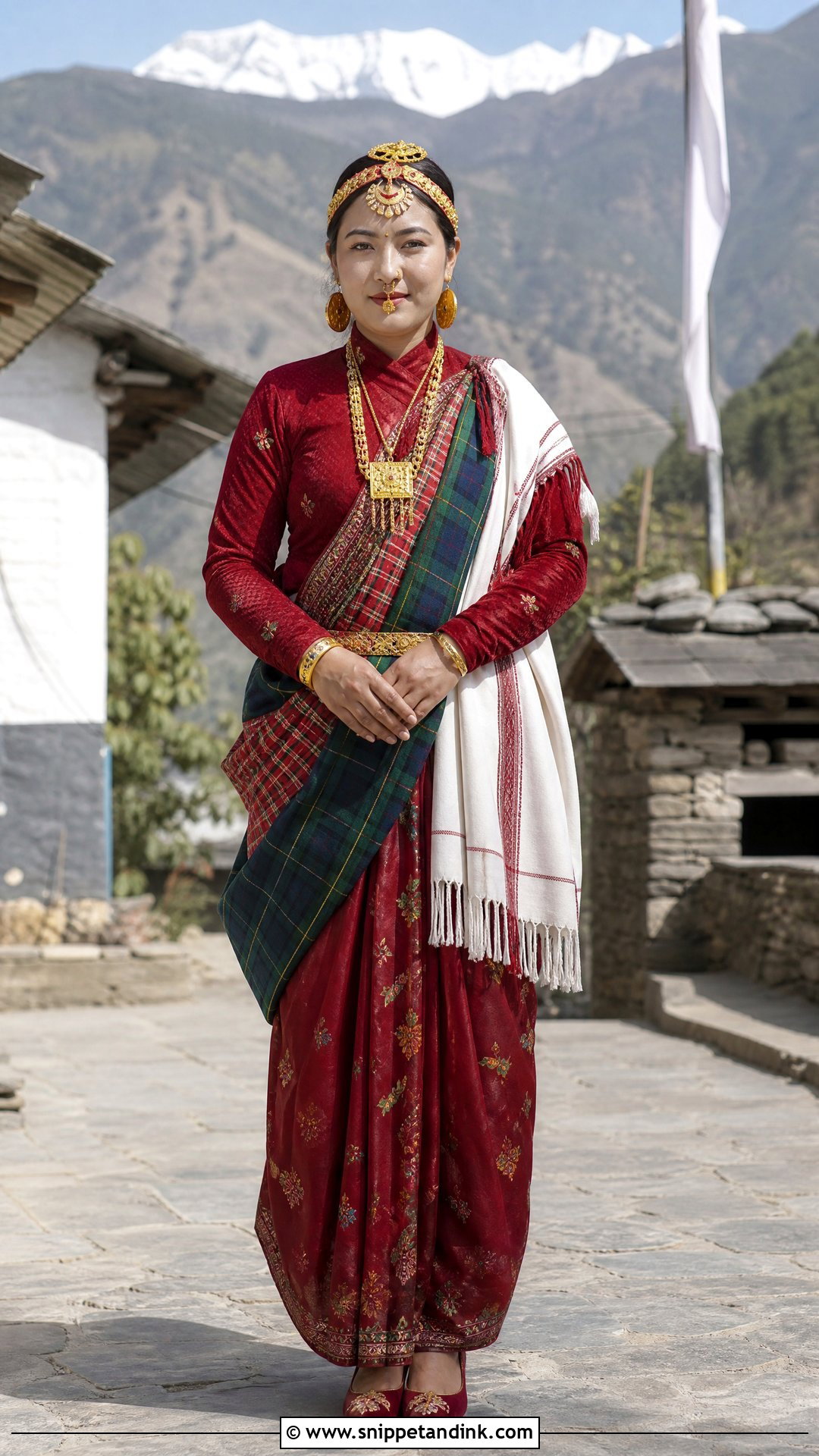
A Gurung ghalek look is built in layers: a fitted cholo, a wrapped lower garment, a patuka at the waist and the ghalek crossed diagonally over the body, with a shawl on top if the family wears one. The ghalek is a recognised part of Gurung women’s dress, and bridal sets often add the patuka and ceremonial jewellery. Accessories can include a belt, headpiece, layered gold necklaces, earrings and a nose ornament, depending on the family. The patuka is what holds the whole thing together, so tie it firmly but leave room to breathe and eat. Low closed shoes in red, maroon or gold finish it. A Gurung artisan or a relative should check each layer.
13. Magar Ghalek Nepali Wedding Outfit
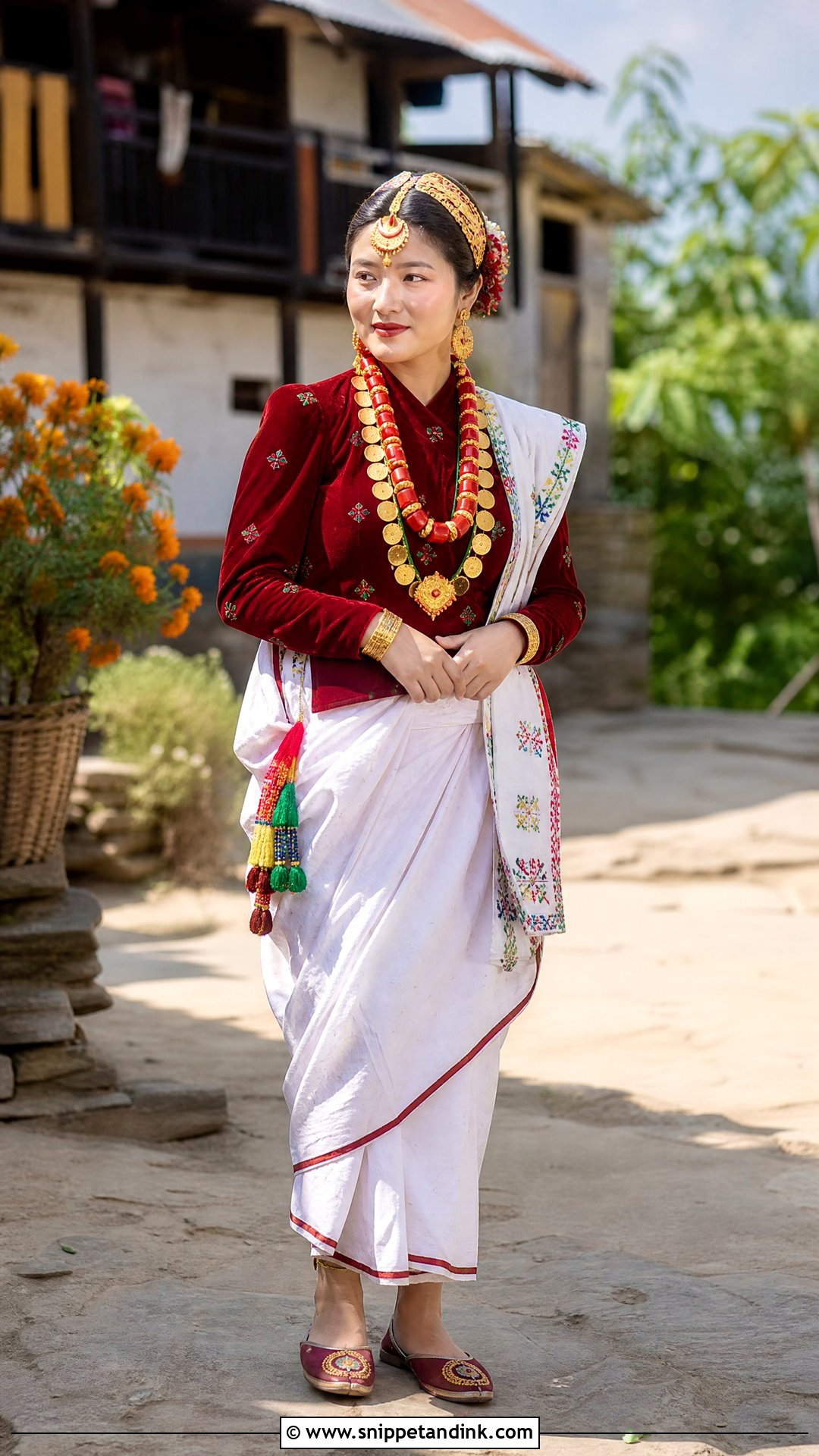
With Magar dress, accuracy beats adding bridal sparkle. A complete look may include a cholo, wrapped lower garment, ghalek, teki or matching upper cloth, a patuka at the waist and sometimes a karmu. Deep red, green, black and white often make up the palette, though family and regional custom have the final say. Add necklaces, earrings, hair ornaments and a nose ring only if they belong to her tradition. I’d have a knowledgeable family member see the full outfit on the bride before the tailor finishes, because Magar communities differ and small details, like which side a cloth crosses, matter to the people watching.
14. Maithili Red Nepali Wedding Lehenga
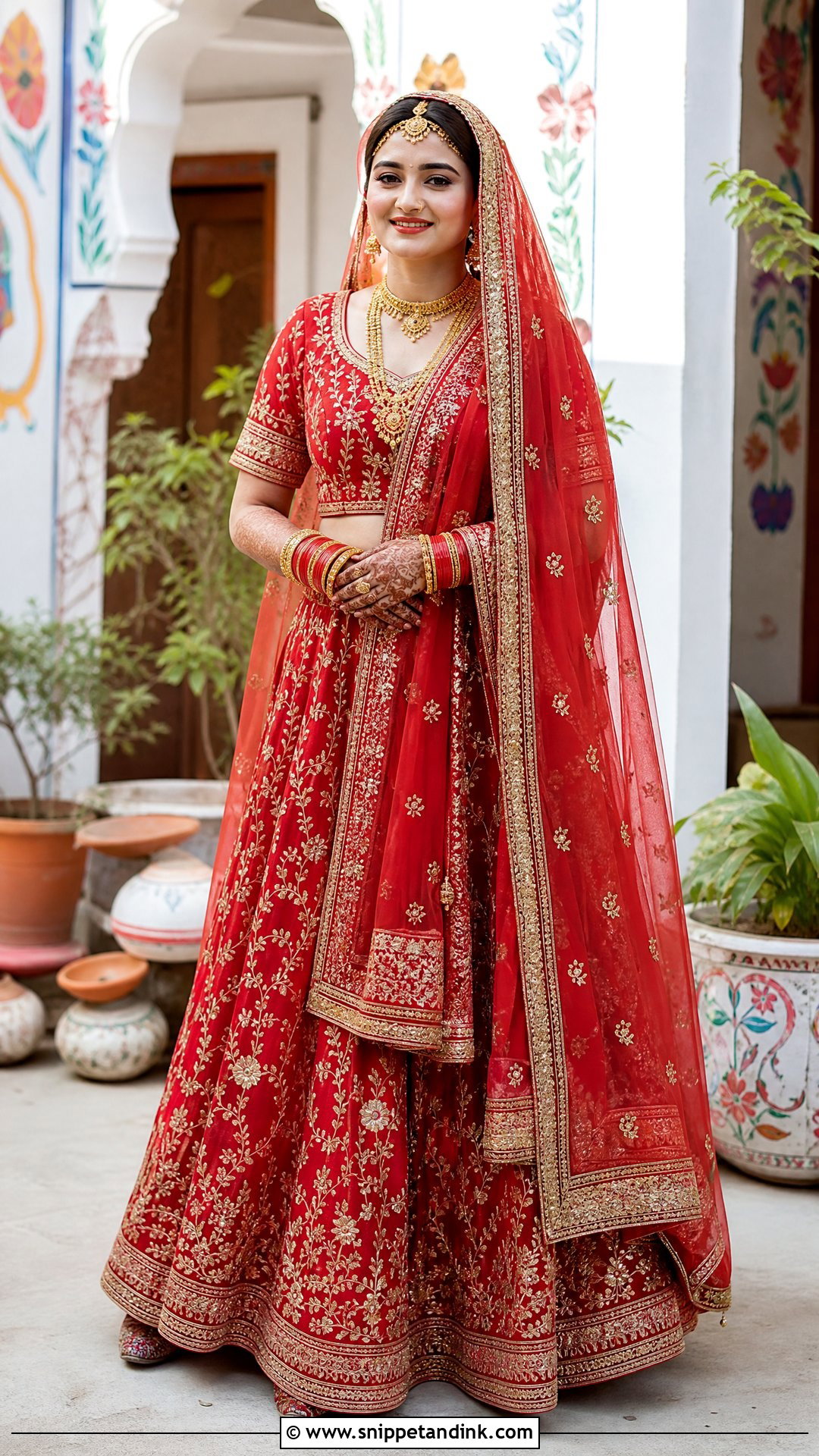
For a Terai wedding, a red Maithili lehenga with a fitted choli and a long odhani gives a graceful, practical outfit. In the heat I’d choose lightweight silk or georgette; a heavy fabric in a Terai summer is hard on any bride. Gold threadwork at the skirt hem and odhani border gives richness without weight. Set the odhani over the head and drape the rest across one shoulder. Mithila dress includes both sari and lehenga combinations with a choli and odhani. Ceremonial details differ between Maithili and Madhesi families, so confirm colour, jewellery and head covering with relatives before the final fitting.


15. Madhesi Red Nepali Wedding Sari
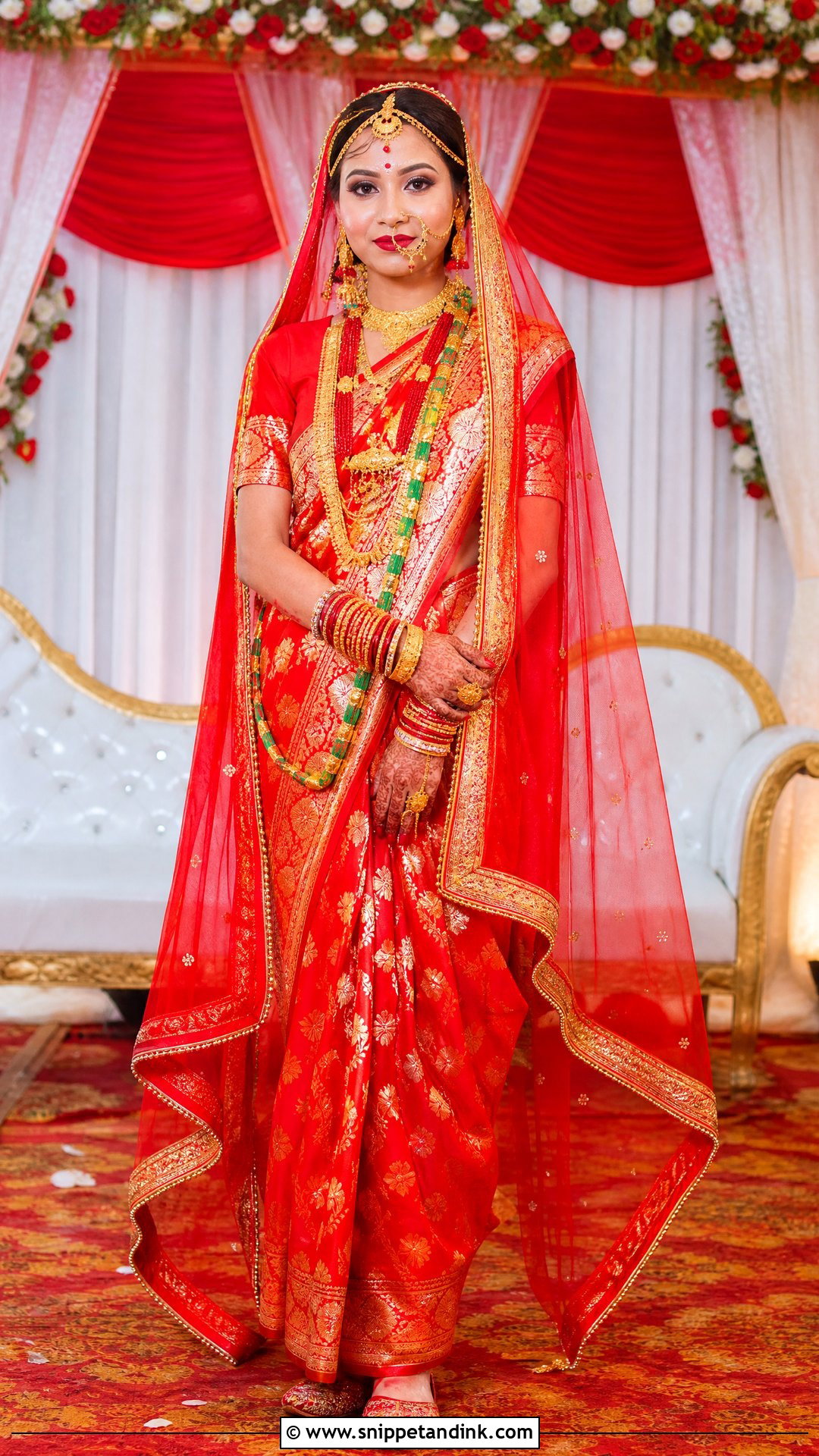
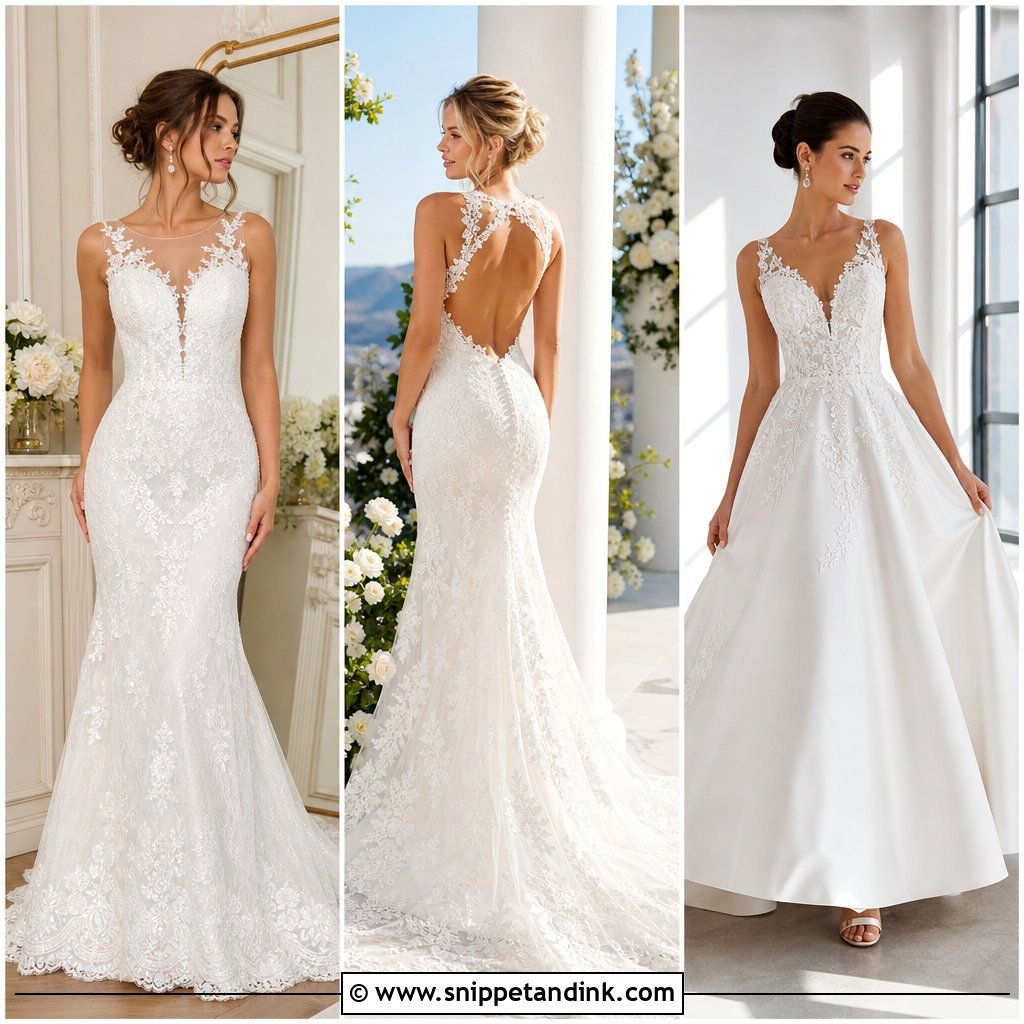
A bright red silk sari is a strong base for a Madhesi bride. Choose a fabric that takes crisp pleats and shows its gold border at the hem, shoulder and head. Pair it with a matching blouse that has secure sleeves and a comfortable neckline. Depending on family custom, the pallu may come over the head and around the body, which uses more length than a standard drape, so check the sari is long enough before you buy. Layered gold, a nose ring, red and gold bangles, a forehead ornament and cushioned embroidered shoes complete it. Long-wear makeup matters in warm weather. Coordinate every piece with the family’s tradition rather than borrowing from other regions.
16. Ivory And Red Nepali Wedding Sari
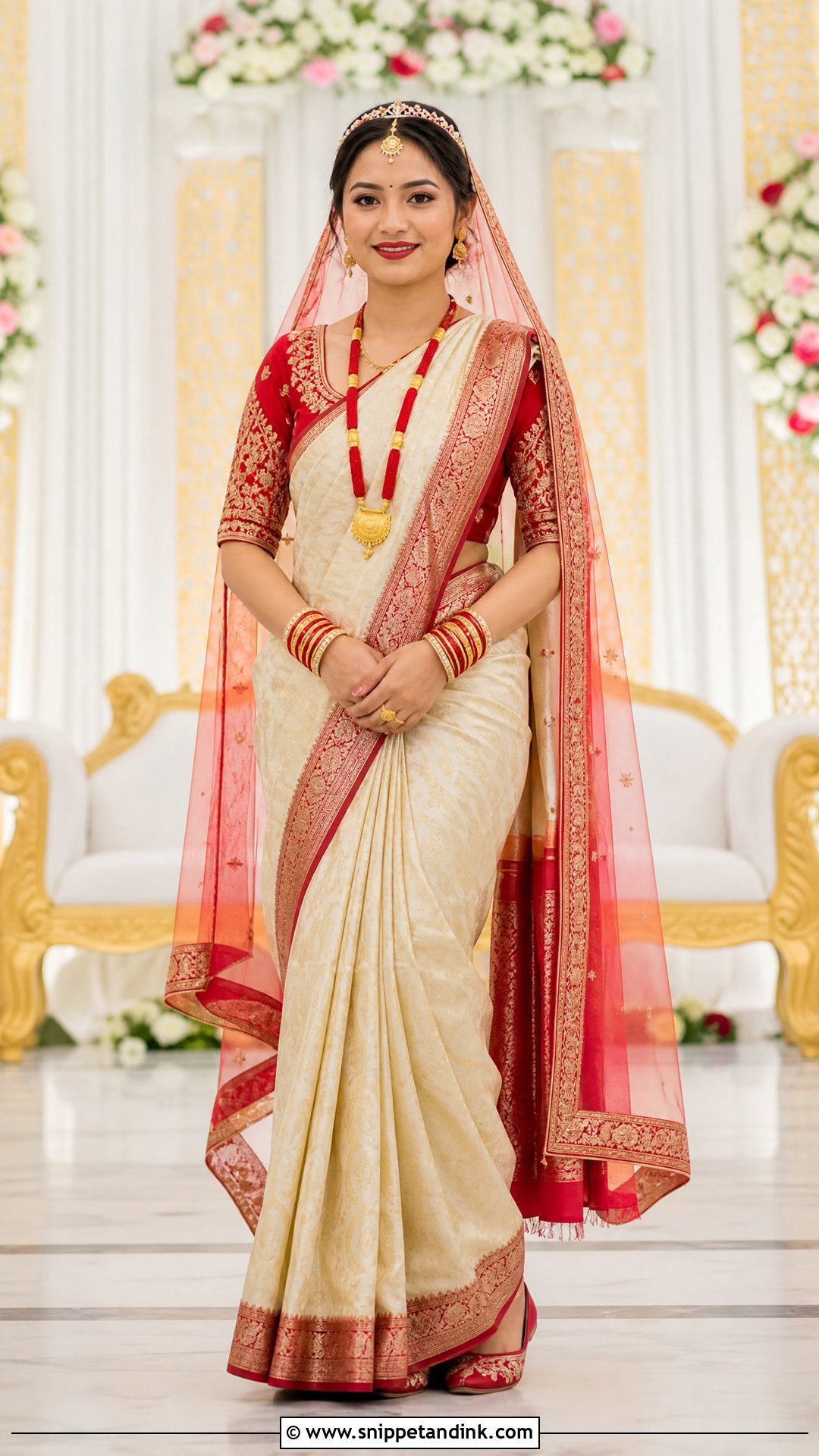
Ivory with a red border is lighter, but the red still frames the face and hem. Silk or brocade with gold motifs, a rich red blouse with gold at the sleeves and an ivory veil edged in red is how I’d build it. Add a red pote or tilhari only if appropriate, with gold earrings, bangles and a fine head ornament. Red shoes or gold flats finish it. I’d talk to the family before buying: some communities wear ivory and red, but it is not a general substitute for the red ceremony sari, and in rites with set dress expectations elders may want red.
17. Green And Red Nepali Reception Lehenga
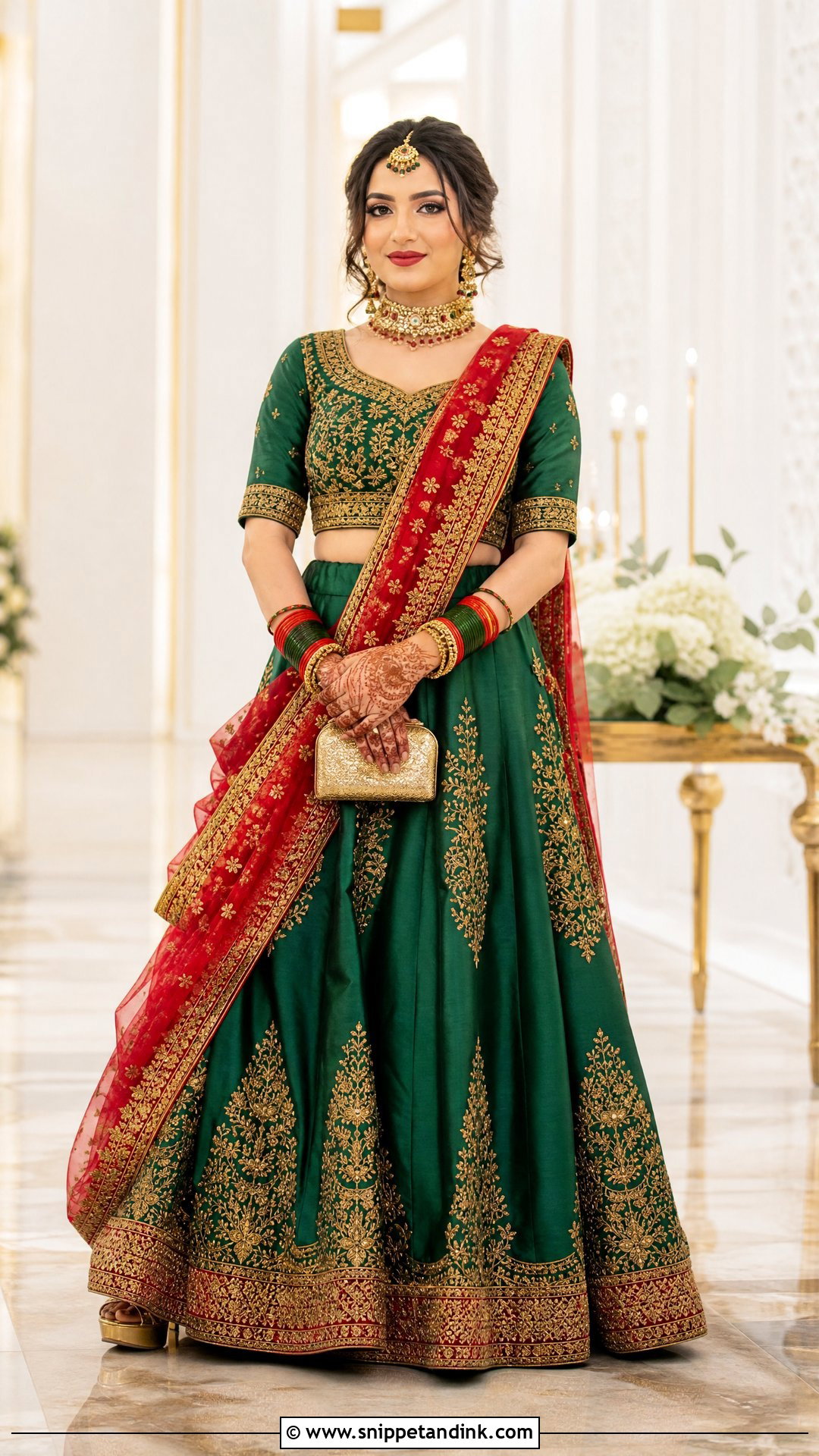
Emerald and red make a festive reception outfit that still nods to bridal colour. Start with a green silk or velvet lehenga with antique gold motifs, a fitted green blouse and a red dupatta over one shoulder or the arms. Add a second light dupatta over the head if you want a more ceremonial effect. Red and green beads have long been part of Nepali marriage jewellery, so a green pote can sit naturally here where it’s worn. Gold, green and red bangles, a structured clutch and low gold platforms complete it. Keep the skirt’s volume moderate; at a reception you’ll walk, greet and sit far more than you expect.
18. Gold Nepali Reception Sari
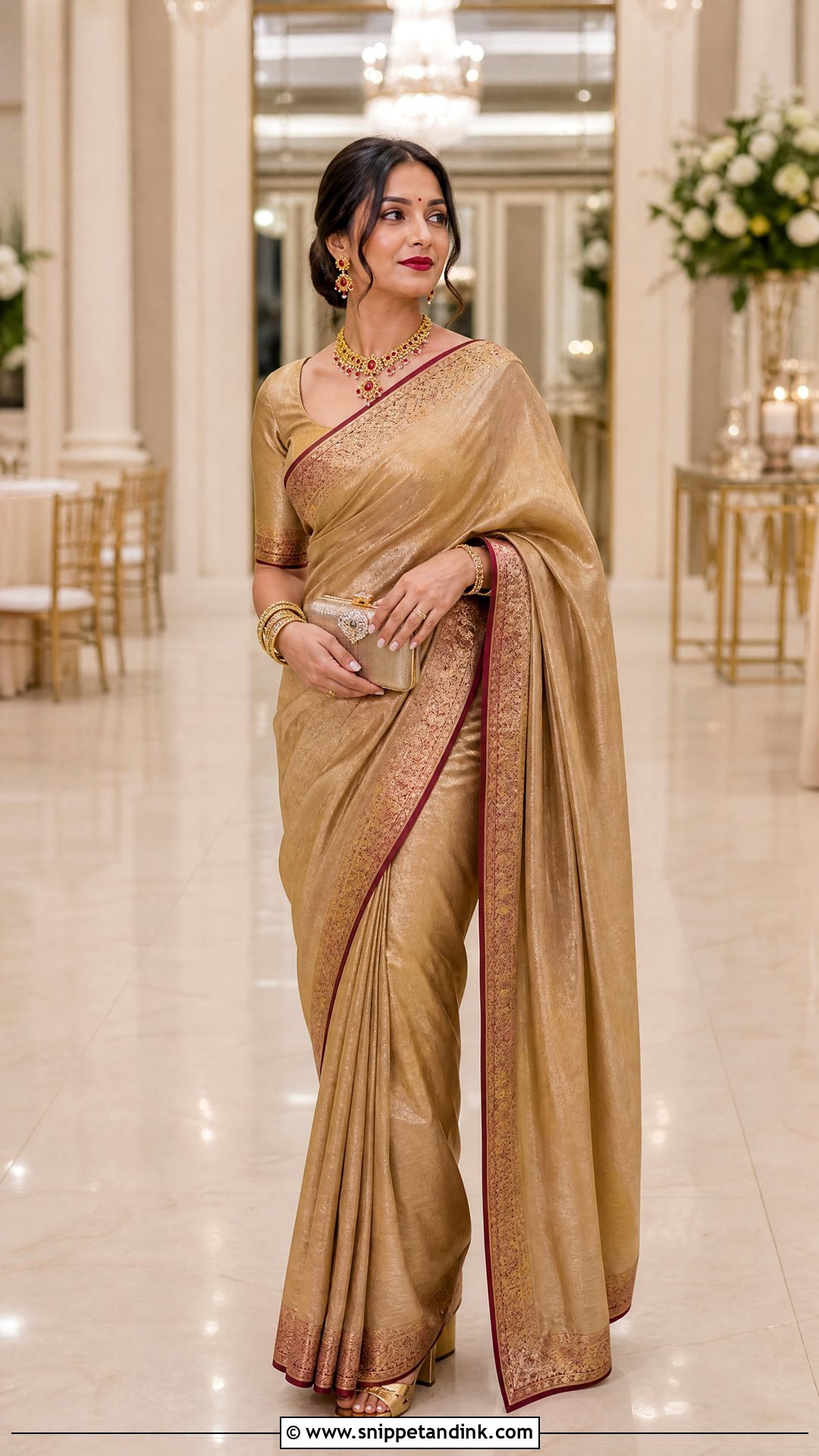
Soft gold gives the reception its own colour without repeating the ceremony red. Champagne or antique gold with woven texture and a narrow red or maroon border is my starting point. A matching blouse with elbow sleeves keeps it clean, and a red velvet blouse adds contrast for a winter reception. Emerald, ruby or plain gold jewellery can work, depending on the wedding set. A red bindi, metal bangles, a small clutch and gold block heels complete it. Gold on gold can look flat in photos, so with a very shiny sari I’d soften the makeup and cut back on sparkling accessories.
19. Burgundy Nepali Reception Gown
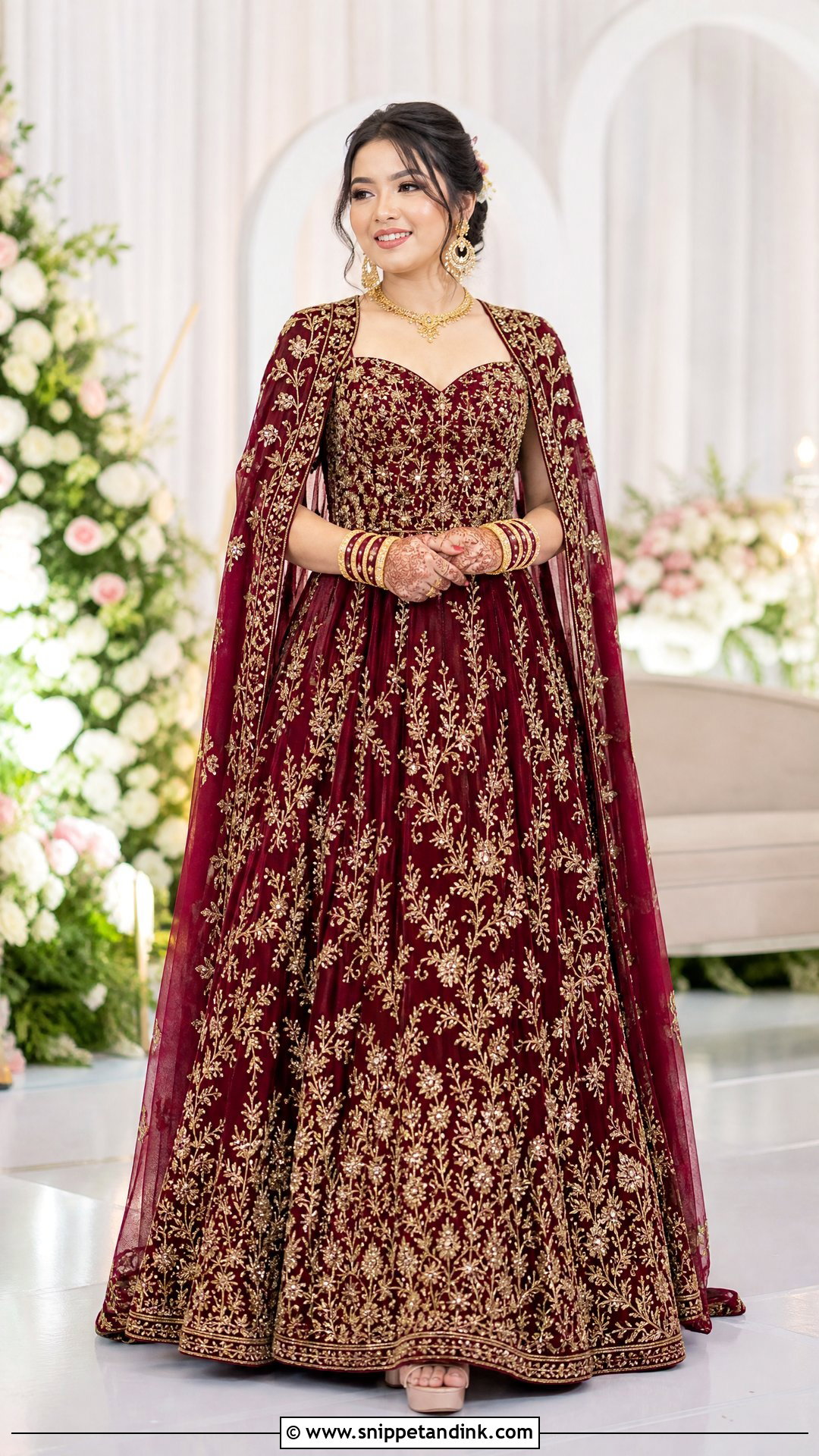
After hours in a pleated sari, many brides want to move freely, and a burgundy gown gives them that. A floor-length A-line or softly flared gown with a defined waist and an opaque, supportive bodice is the shape. Gold embroidery at the neckline, sleeves and hem links it to the ceremony jewellery. A detachable burgundy cape or embroidered shawl adds coverage for elders. Gold earrings, one strong necklace and steady platform heels finish it. I fit the hem to clear the floor so the bride isn’t lifting her skirt every step, and I keep traditional jewellery to one or two pieces so the gown still looks intentional.

20. Pastel Pink Nepali Engagement Lehenga
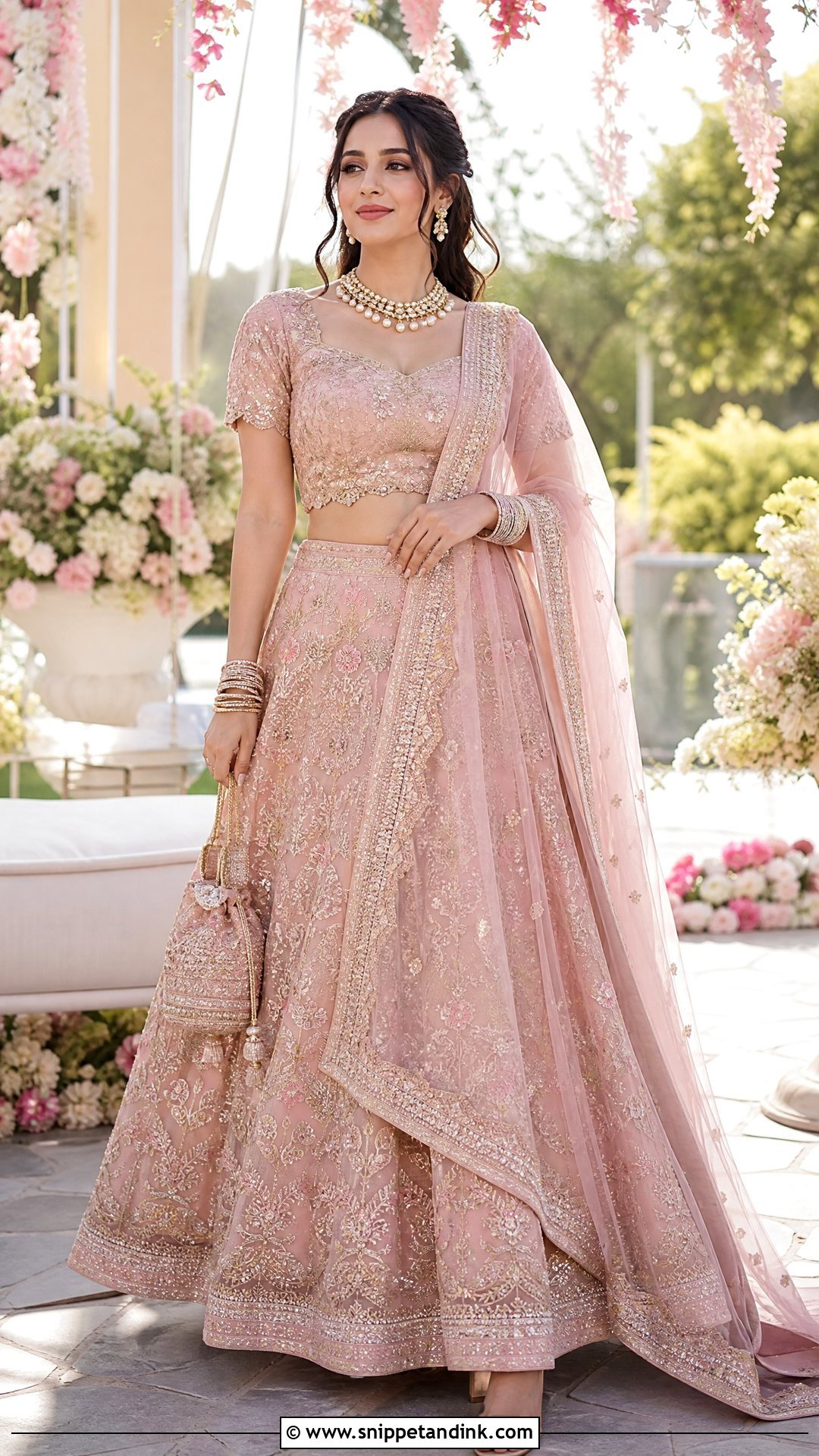
For a daytime engagement, soft pink is light enough to feel fresh. Blush, rose or dusty pink with silver-gold threadwork on a midweight skirt suits it, with a matching blouse and a sheer dupatta with a clear embroidered edge. Draped over one shoulder, the dupatta is relaxed; with a second edge pinned at the waist, it’s neater. Pearl and gold earrings, a fine necklace, bangles, a potli and nude or metallic block heels finish it. A braided bun with a few flowers suits the palette. Pale pinks wash out under strong midday sun, so I’d keep a little more colour on the cheeks and lips than you’d think.
21. Yellow Nepali Haldi Kurta Set
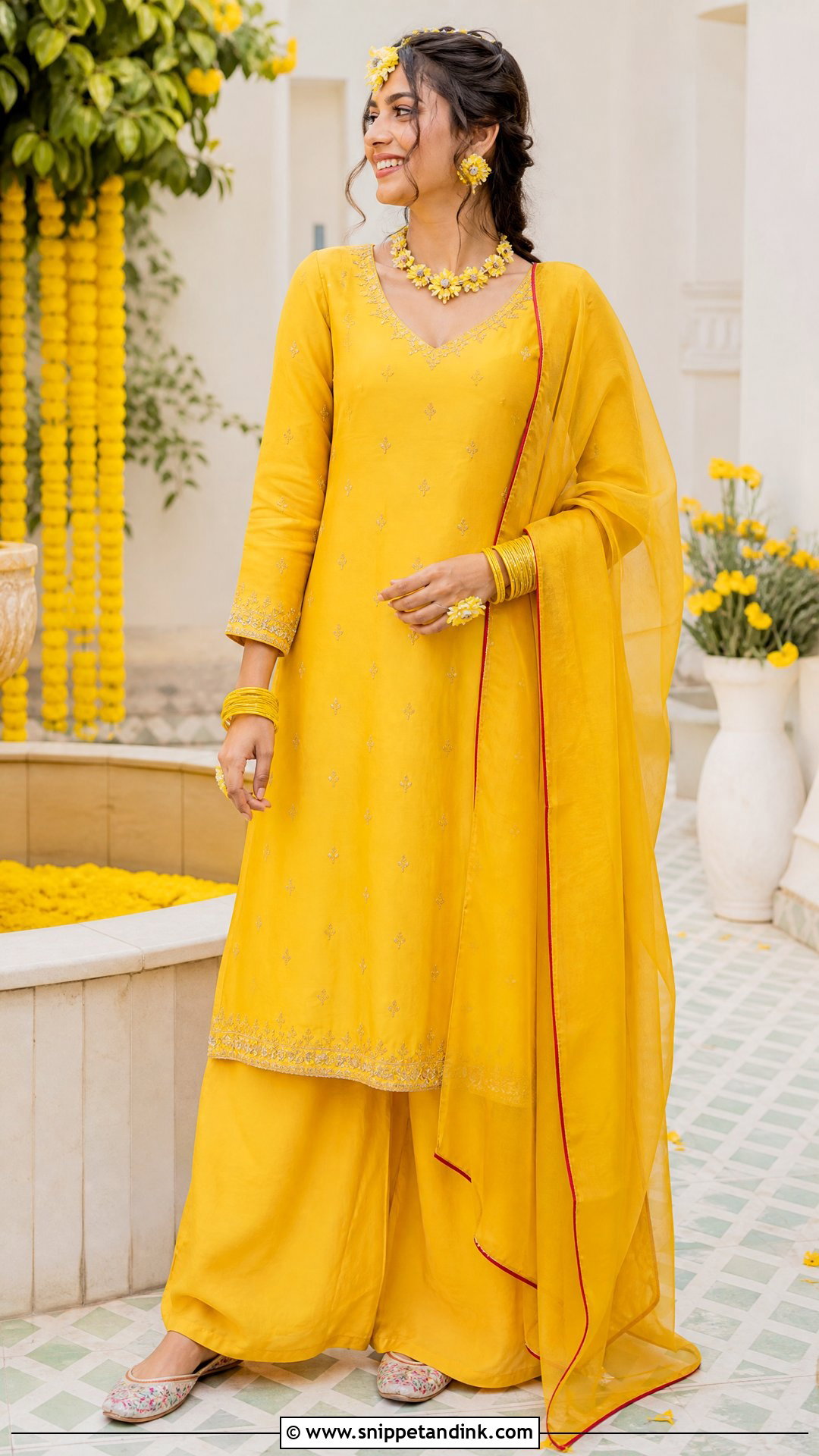
Turmeric stains are permanent on most fabrics, and that sets every rule for a haldi outfit. Bright yellow is the obvious colour because it hides splashes. Wear a straight or gently flared kurta with three-quarter sleeves, wide-leg pants and a light dupatta in cotton-silk, chanderi or an easy-care blend. Red piping or small gold motifs tie it to the wedding palette. Floral jewellery, simple bangles and flat juttis keep it easy, and a braid or low bun keeps the hair tidy. Leave delicate embroidery for another day. A well-fitted yellow set gives full coverage and room to move, and it’s meant to get messy.
22. Green Nepali Mehendi Lehenga
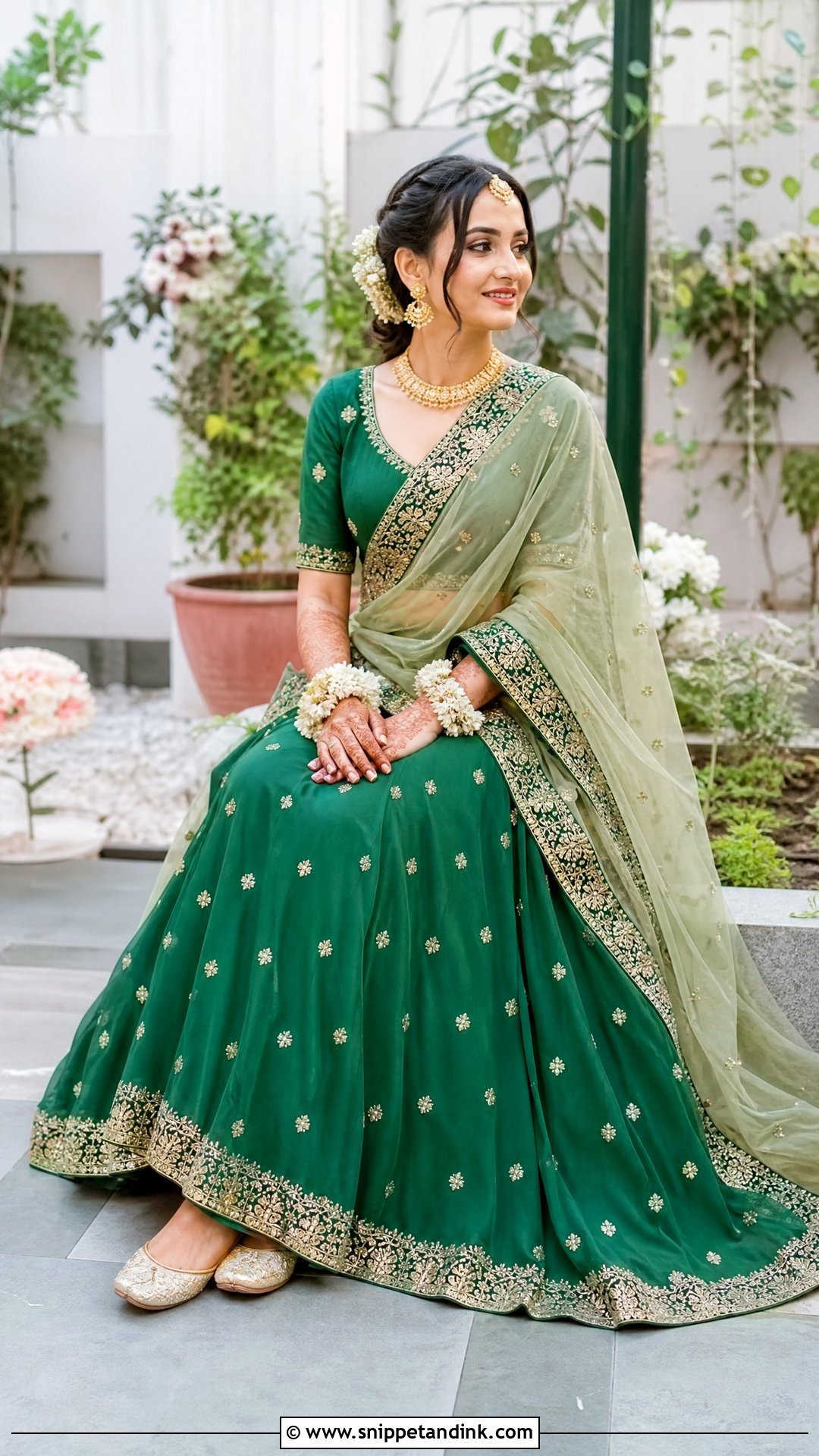
A green lehenga is a natural choice for the mehendi, where the bride sits still for hours. Emerald, leaf green or teal in a light fabric keeps it comfortable. Short or elbow sleeves stay clear of wet henna, and a soft dupatta over one shoulder leaves both hands free. Small mirrors or a multicoloured border give detail without weight. Earrings, a short necklace, floral bangles and flat juttis finish it, with hair in a braid or low ponytail. The detail I insist on is a blouse opening at the side or back that someone else can fasten, because you won’t be able to use your hands once the paste goes on.
23. Red Nepali Bridal Sharara Set
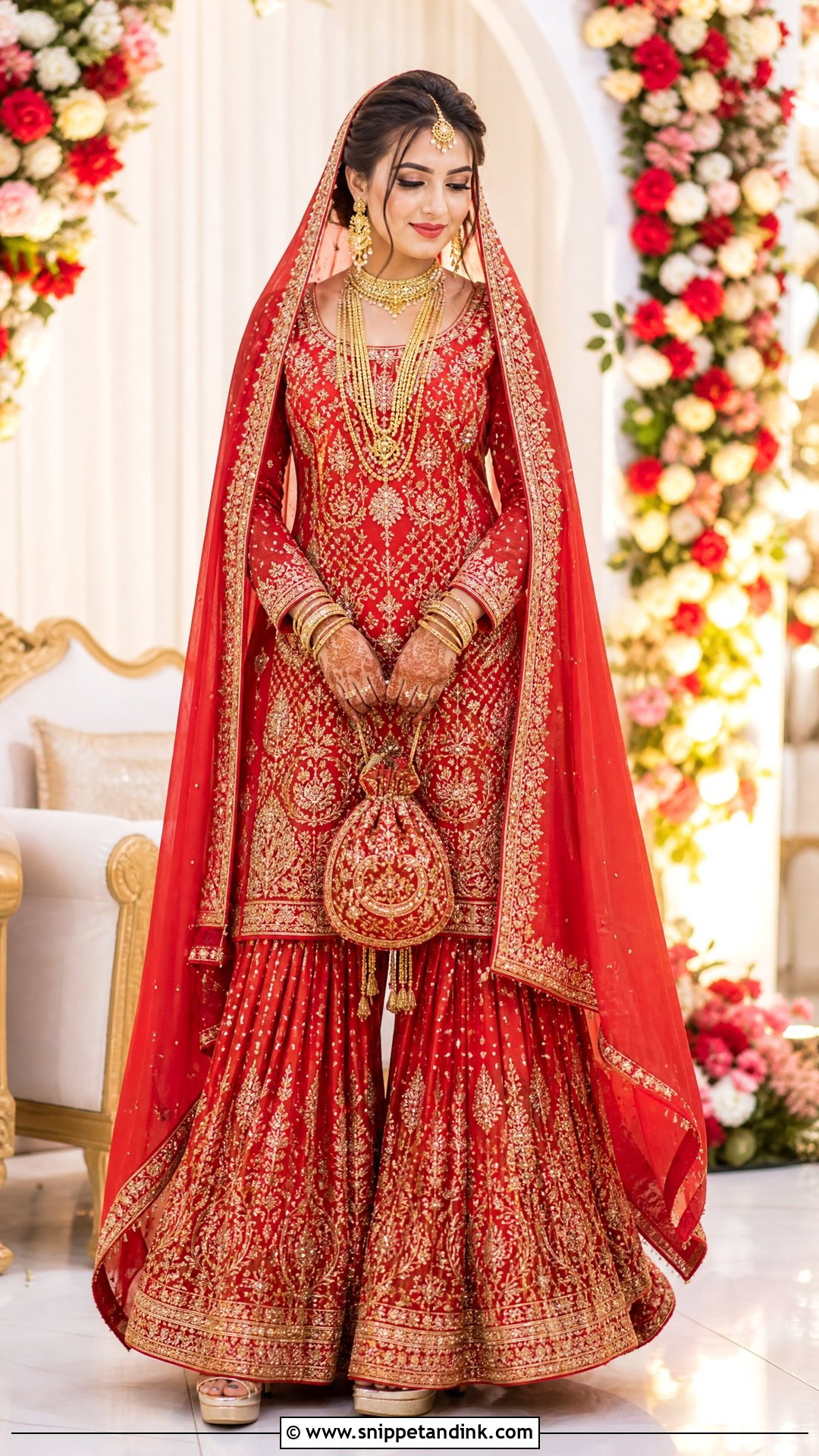
A red sharara set moves like a lehenga but behaves like trousers, which is a relief on stairs and in cars. A knee-length or slightly longer embroidered kurta, deeply flared sharara pants and a matching red dupatta make the set. Gold zari at the neckline, cuffs and pant hems gives it a formal finish. Pin the dupatta over the head for a ceremony or drape it across both arms for a reception. Gold earrings, layered necklaces, bangles, a potli and platform sandals complete it. I’d fit the kurta to allow sitting cross-legged and keep the sharara hem clear of the floor. It suits a small ceremony, an engagement or a post-wedding gathering.
24. Minimal Red Nepali Wedding Sari
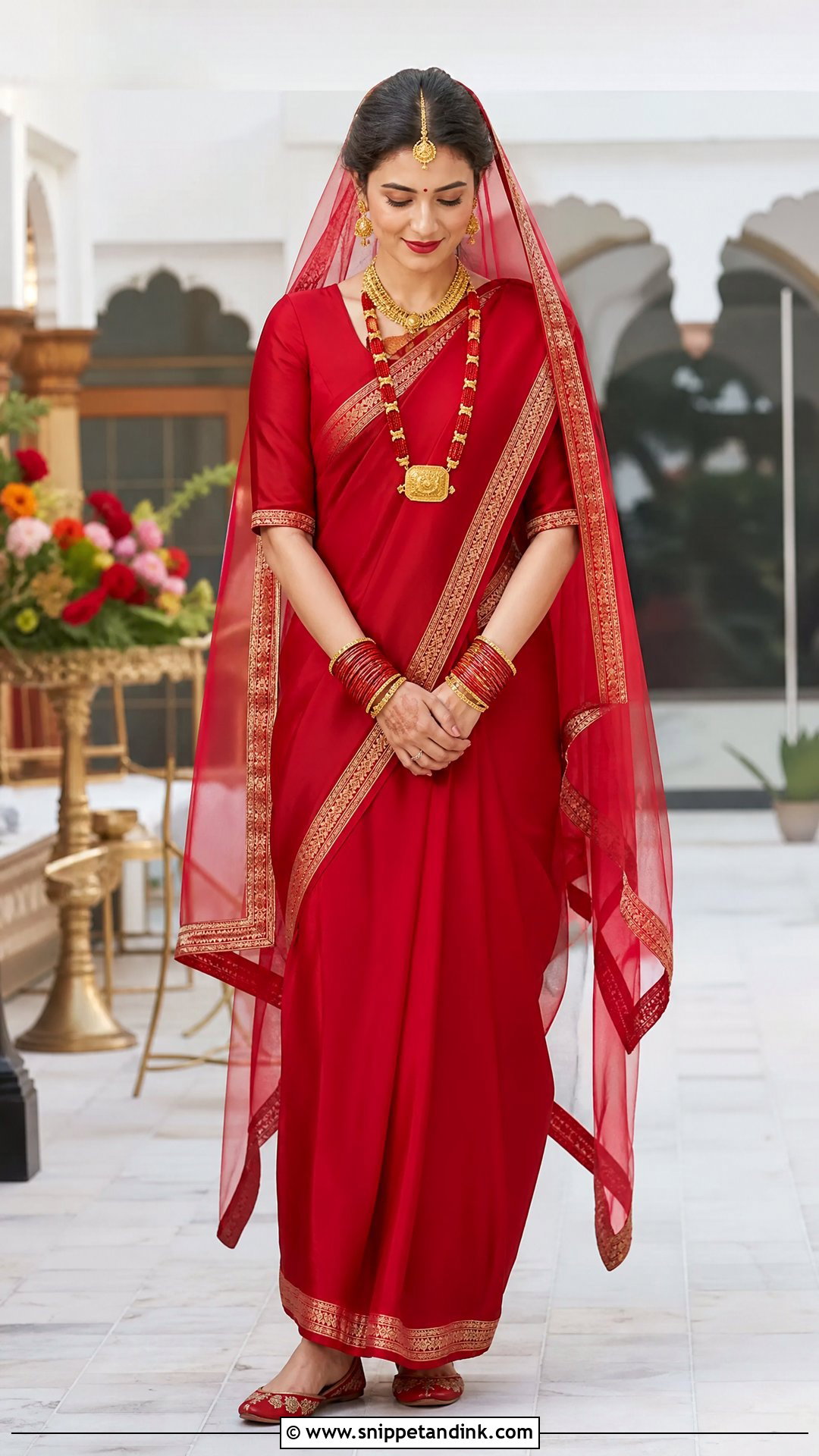
Minimal doesn’t mean less meaningful. A plain red silk sari with one fine woven gold border, a tailored red blouse with a clean neckline and elbow sleeves, and careful pleating can look as considered as any heavily worked set. A secure shoulder pin and a light matching veil hold the shape. One substantial gold necklace, matching earrings, traditional bangles and the family’s pote or tilhari bring enough ceremony. Red flats and a neat low bun finish it. I’d suggest it for an intimate ceremony or a bride who hates heavy clothing, and it’s easy to wear again. Spend on tailoring: plain silk shows every pucker and pull.

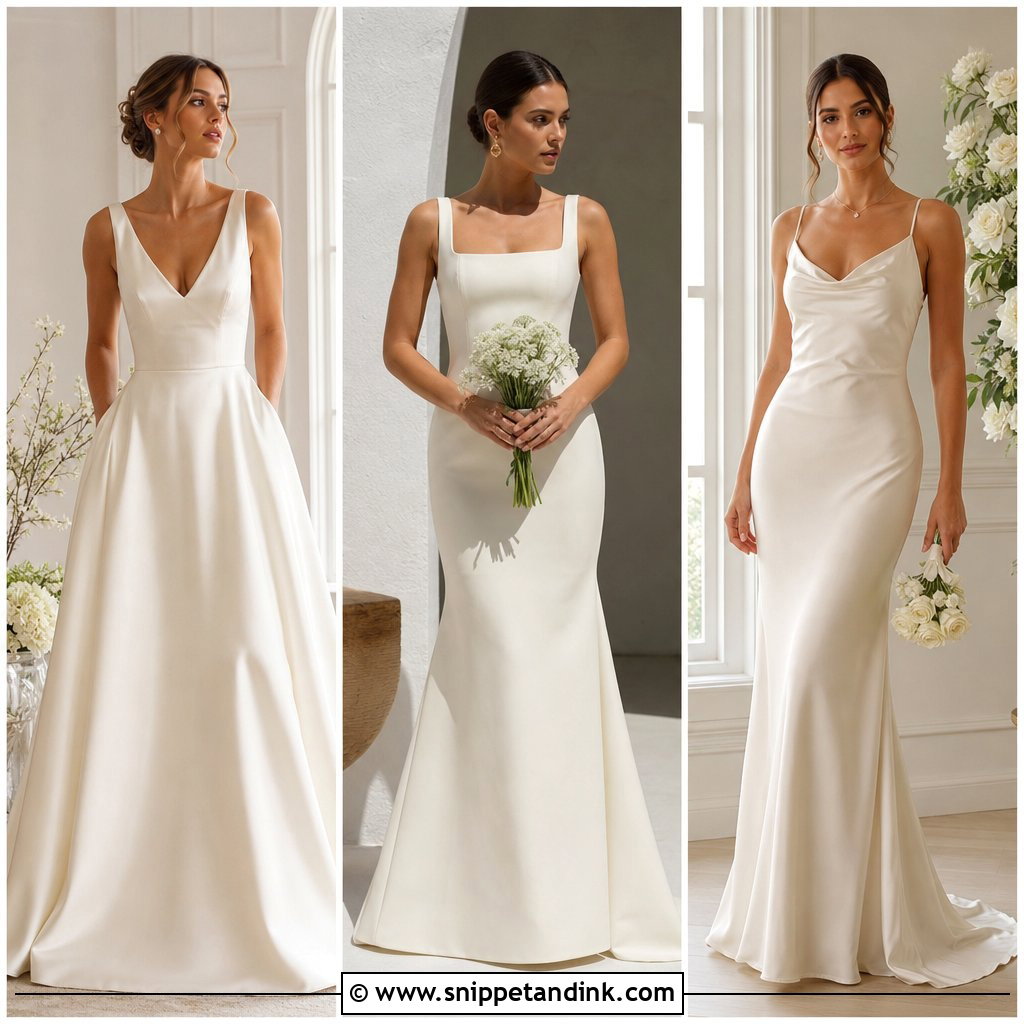
25. Plus Size Red Nepali Wedding Lehenga
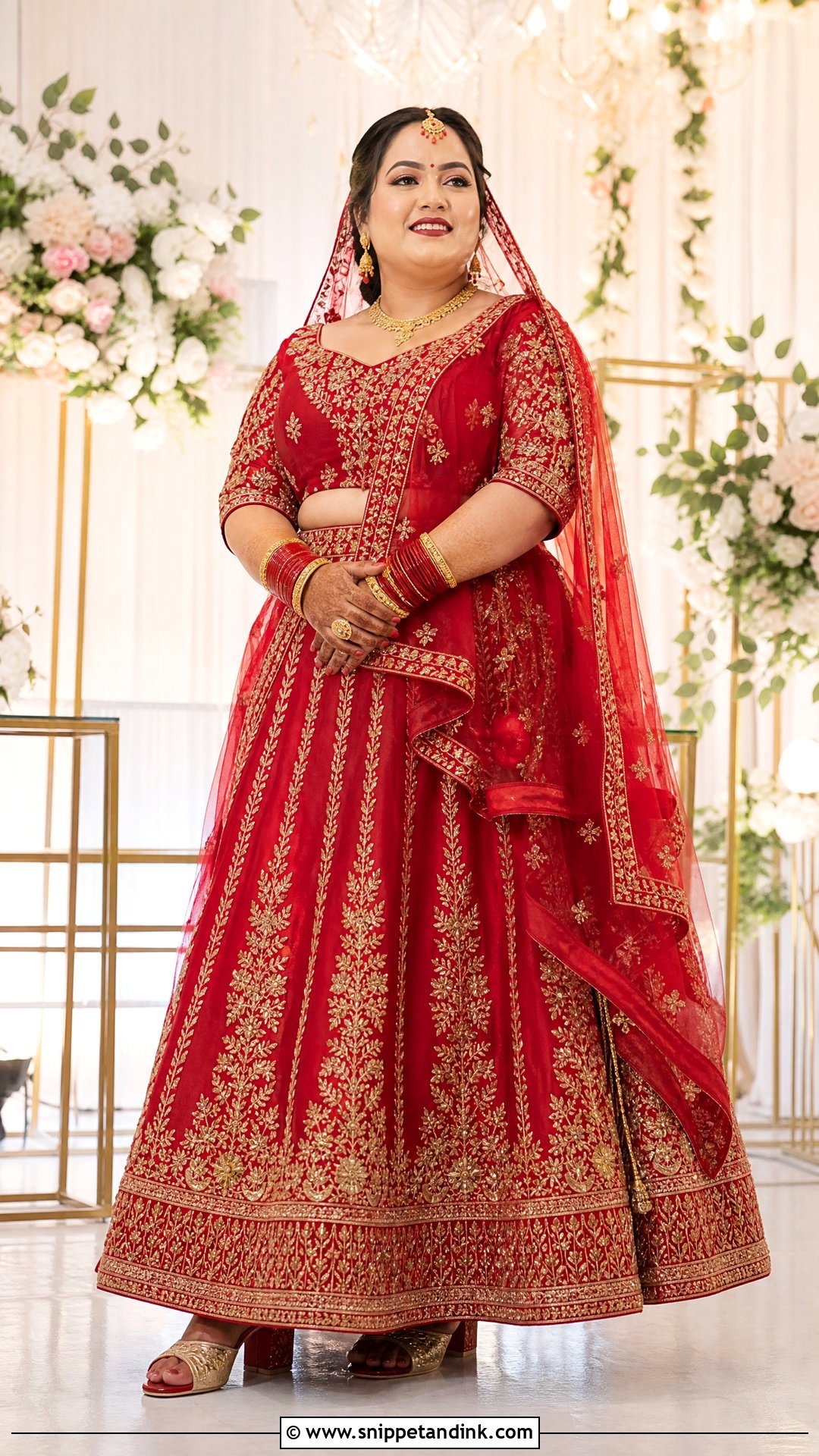
For a plus-size bride, a lehenga should support and balance, not bury her in fabric. I start with a high-rise skirt with a firm waistband and a controlled A-line flare, so the volume begins below the waist rather than at it. Vertical embroidery and evenly spaced motifs with a clear border keep the line continuous. A made-to-measure blouse needs real bust support and enough room in the armhole to lift your arms at the rituals. Elbow sleeves and a soft neckline are a good start, but comfort decides the cut. Drape a light red dupatta from head to one shoulder without wrapping the torso. Have one fitting in the full outfit to set hem, waist, blouse and dupatta together.
Putting Silk, Zari and Velvet Away After the Wedding Week
These outfits often get passed down, so how they’re stored in the first month matters. Air each piece for a day before folding it; sweat and perfume left in silk weaken the fibres and can mark zari. I’d never spray perfume directly on gold thread, as it can dull and tarnish it over time.
Wrap saris and lehengas in clean cotton or muslin, not plastic, which traps moisture. Heavy lehengas shouldn’t hang by the waistband for months, because the weight stretches it, so fold them with tissue between the layers. Every few months, refold silk saris along different lines; zari cracks if it stays creased in the same place for years. Turmeric and henna marks are best handled quickly by a cleaner who knows embroidered silk, so tell them exactly what the stain is.
Which of These Outfits Belongs at Your Ceremony?
Most Nepali brides end up wearing tradition in more than one way across the week. A red sari still carries the ceremony for many families, while Banarasi silk, an embroidered lehenga, Dhaka or community dress can tell your family’s story. Gowns, sharara sets and coloured reception outfits give you room to move later. Wherever you land, put the money into tailoring, sturdy shoes and secure draping, and match jewellery to each rite. If you’re wearing Newari, Tamang, Gurung, Magar, Maithili or another community’s dress, ask the relatives and artisans who know it. They’ll catch what a photo never shows.
You'll Like These Ideas:


Leave a Reply