
“Vintage” covers a hundred years of very different dresses, from beaded 1920s columns to 1990s satin slips, and the first thing I do with a bride is work out which decade her eye keeps returning to. Each era has its own silhouette, fabric and way of moving, and each suits different bodies and venues. Below I’ve grouped the looks by decade first, then by shape and setting, with what I watch for at fittings and how I’d style each one so it reads as a wedding outfit rather than fancy dress.
Original, Remade or Simply Inspired by an Era
There are three ways to wear an older era, and they ask very different things of you.
A genuine vintage dress is one of a kind and often well made, but it comes with limits. Sizes from earlier decades don’t match today’s labels, so buy on measurements. Old silk and lace weaken with age, and stains or yellowing may not come out. Most sellers don’t take returns. I’d only go this route with time for a specialist seamstress to check and reinforce it.
A reproduction is a new dress made from an original pattern or copied from a period gown. You get the real silhouette in fresh, strong fabric, cut to your measurements. It takes longer and depends heavily on the dressmaker’s skill with that era, so ask to see work she has done in the same decade.
A modern gown with vintage details is the easiest to fit and buy, since it comes in standard sizing with normal fittings. The risk is that it ends up only loosely tied to the era. Pick one detail that defines the decade, such as a bias cut, a drop waist or a boat neck, and make sure the dress really has it.
1. 1920s Beaded Wedding Dress
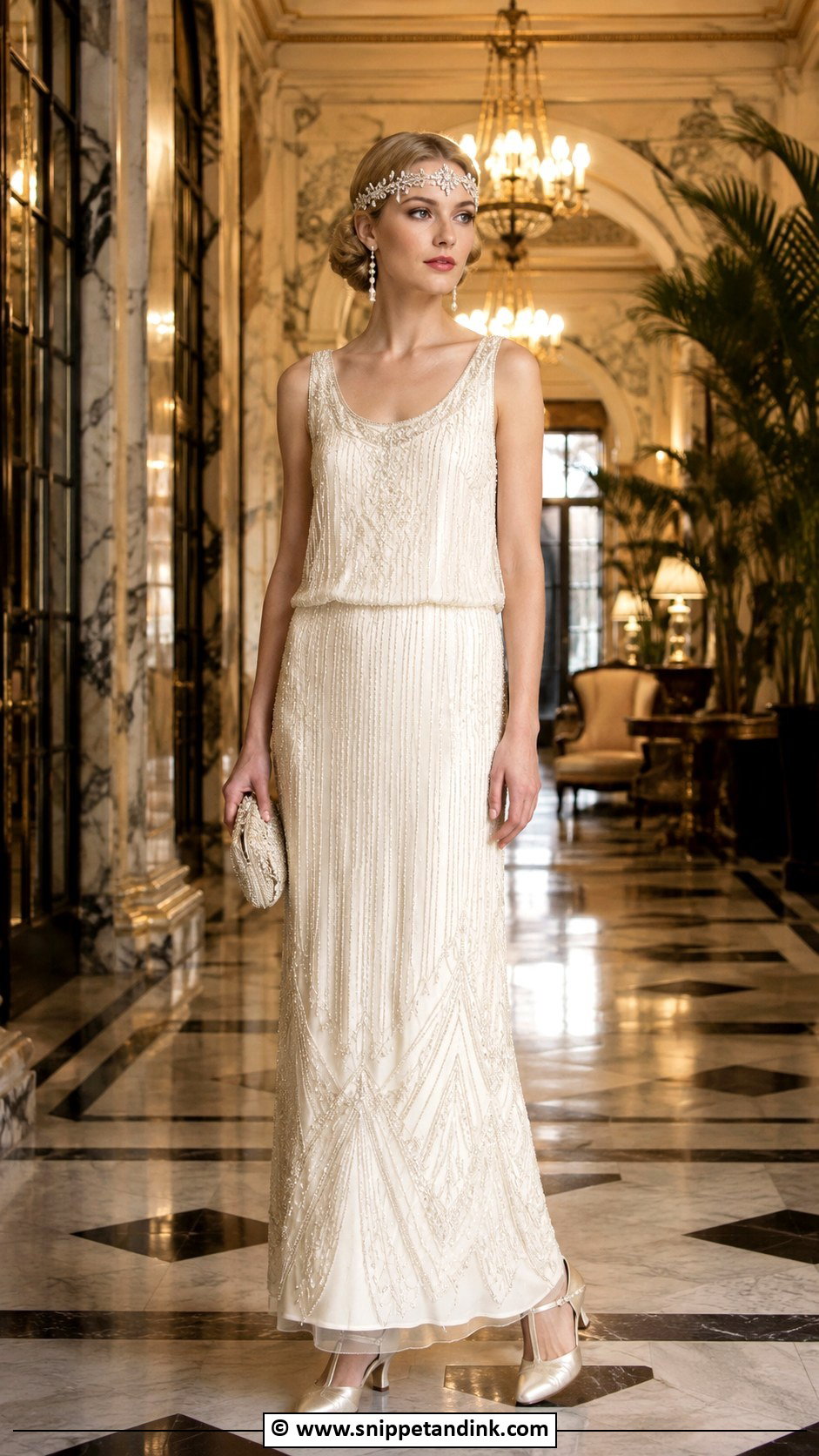
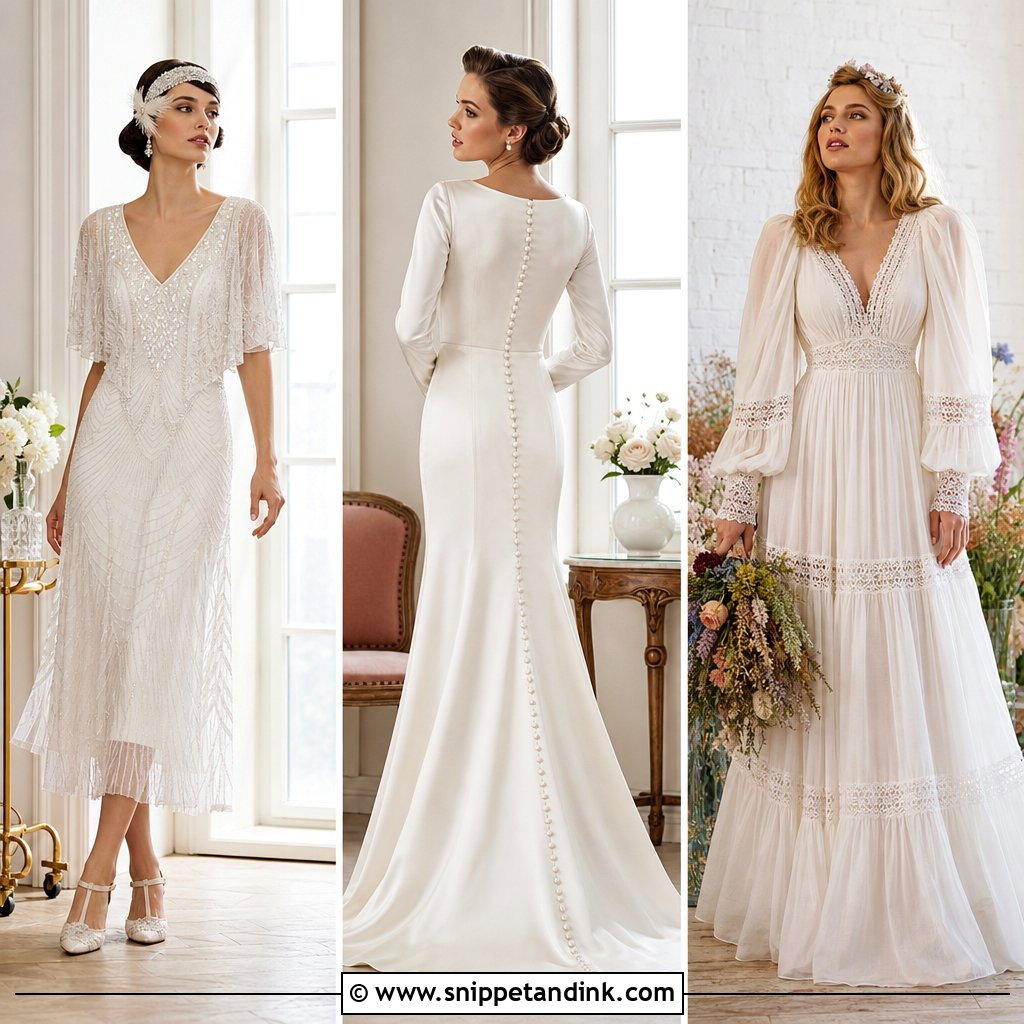
Beaded 1920s dresses hang straight from the shoulder and move with every step, which is the whole point. The column shape doesn’t need a waist, so it’s comfortable for long days. Weight is the issue: heavily beaded silk or mesh pulls downward and can stretch at the shoulders, so I check the straps and add hidden stay tape where needed. Low satin heels suit the era’s proportions, as do a soft finger wave and pearl earrings. A short veil or jewelled headband finishes it. Ivory, champagne and soft silver look best in hotel and ballroom lighting.
2. 1930s Satin Wedding Dress
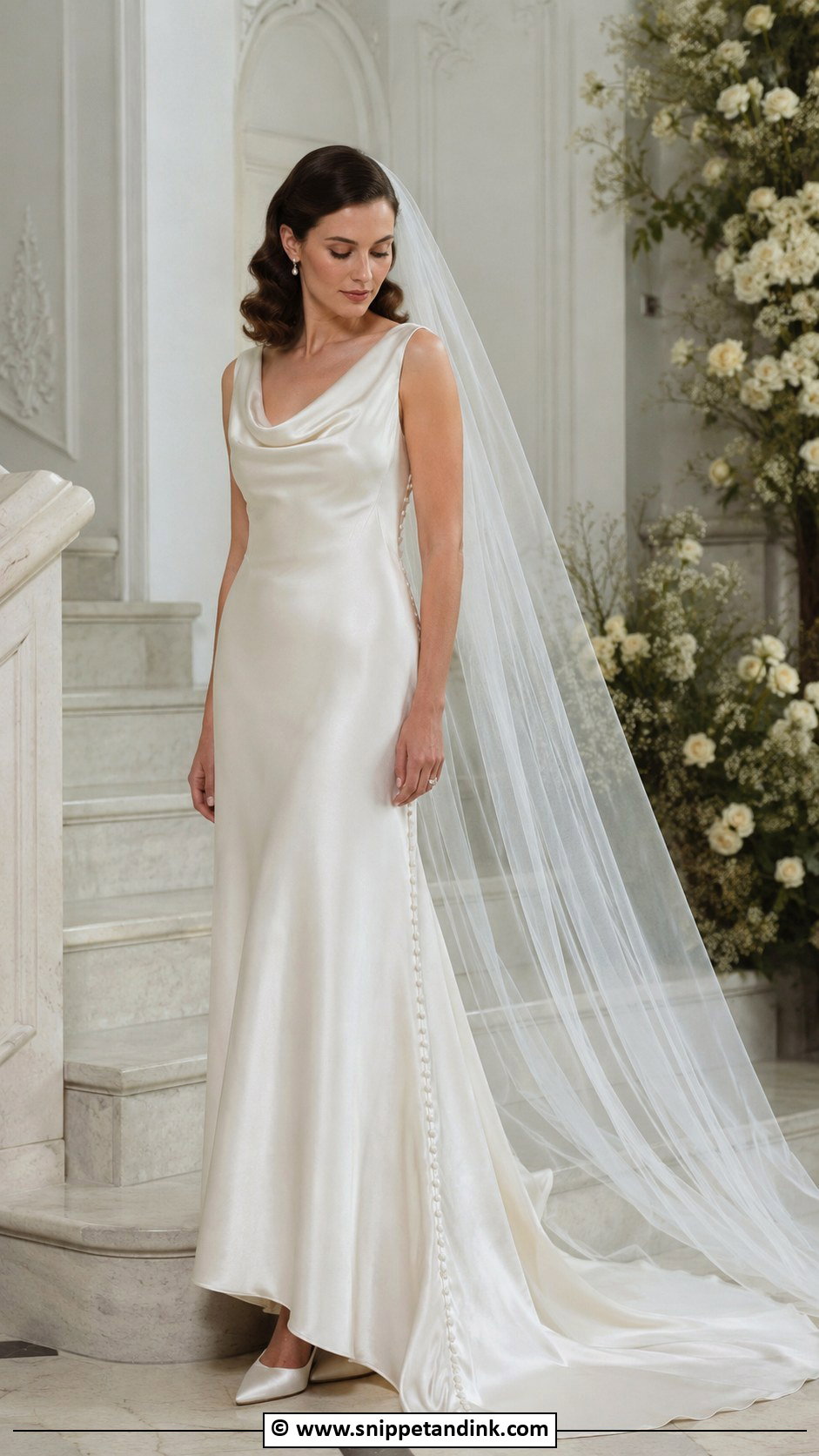
Thirties gowns were cut on the bias, so the fabric skims and clings rather than standing away from you. Cowl necks, covered buttons and soft trains are typical. Bias-cut satin is honest about your shape, and I tell brides that plainly; the right underwear and careful tailoring make all the difference. Walk and sit in it at the fitting, because bias seams can twist if the cut is off. Pointed satin pumps, fine drop earrings, a smooth low bun and a sheer cathedral veil keep it polished.
3. 1940s Long Sleeve Wedding Dress
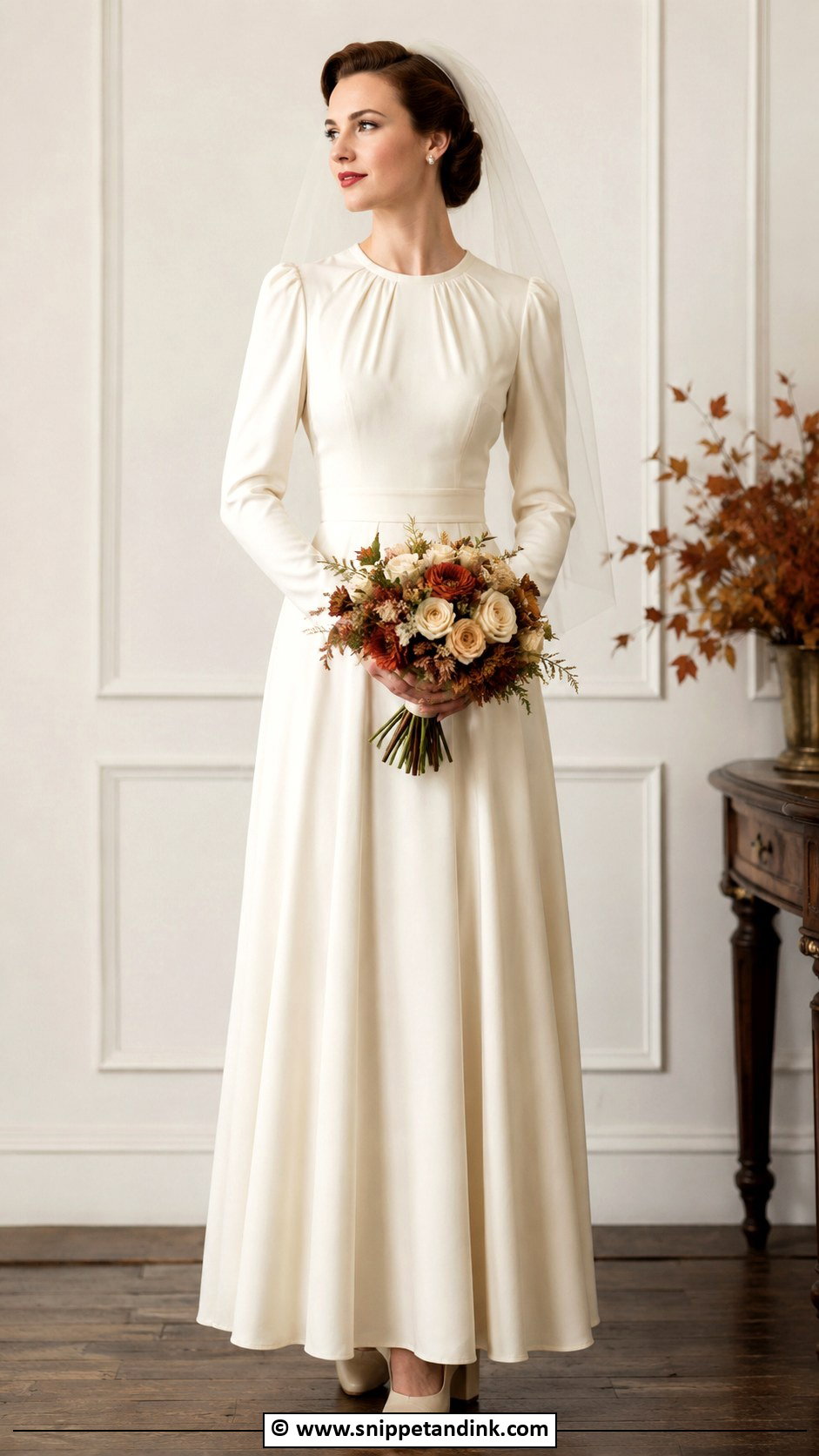
A 1940s long sleeve wedding dress has strong, slightly padded shoulders, a defined waist and a skirt that flows from it. Fabric was rationed in wartime, so these dresses were often simple, letting the cut speak. The shoulder pad height is my main fitting point; too much and it looks like a suit jacket. Crepe or silk with soft gathers at the waist is gentle. Block heels, a structured bouquet, pearl studs and a neat updo are true to the era, and a red lip works if the rest of the face stays fresh.
4. 1950s Tea Length Wedding Dress
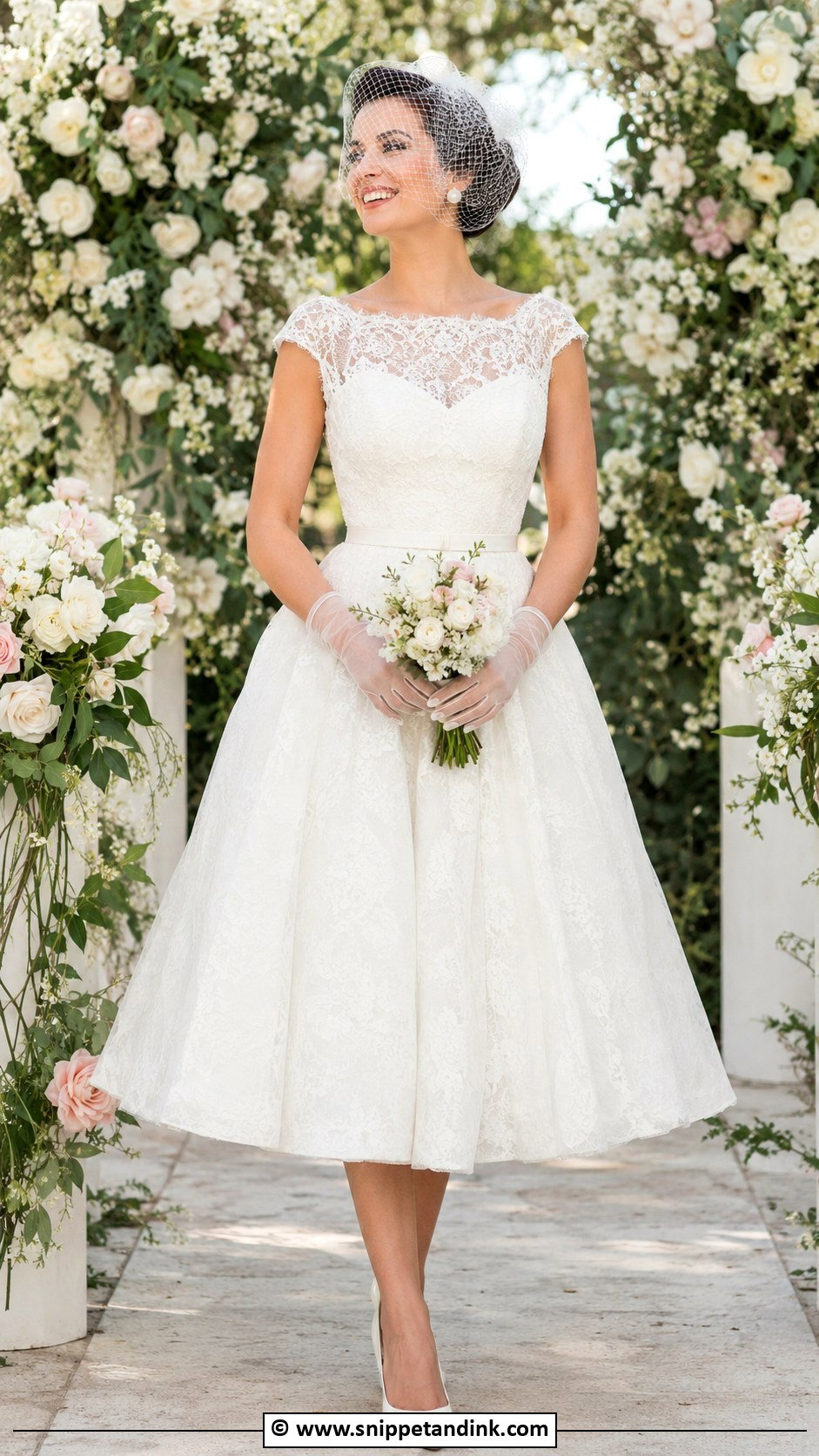
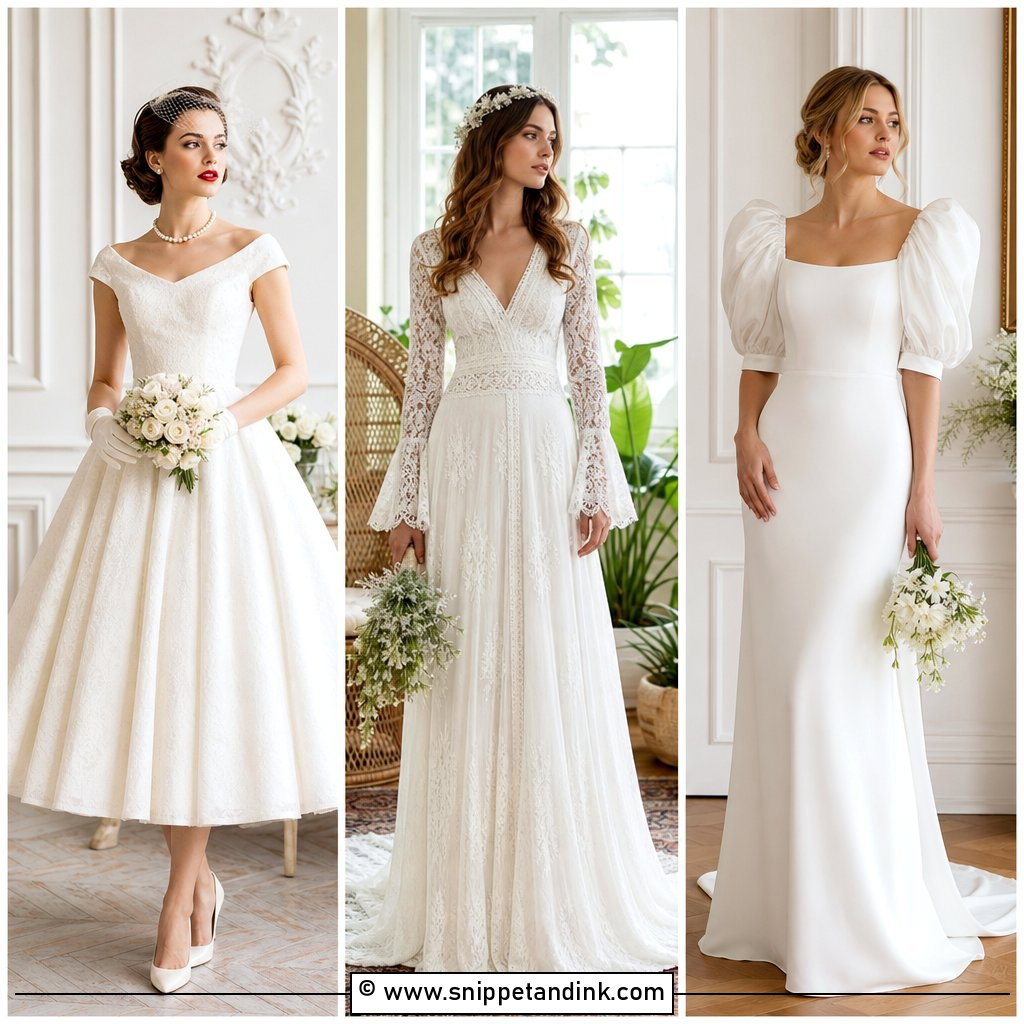
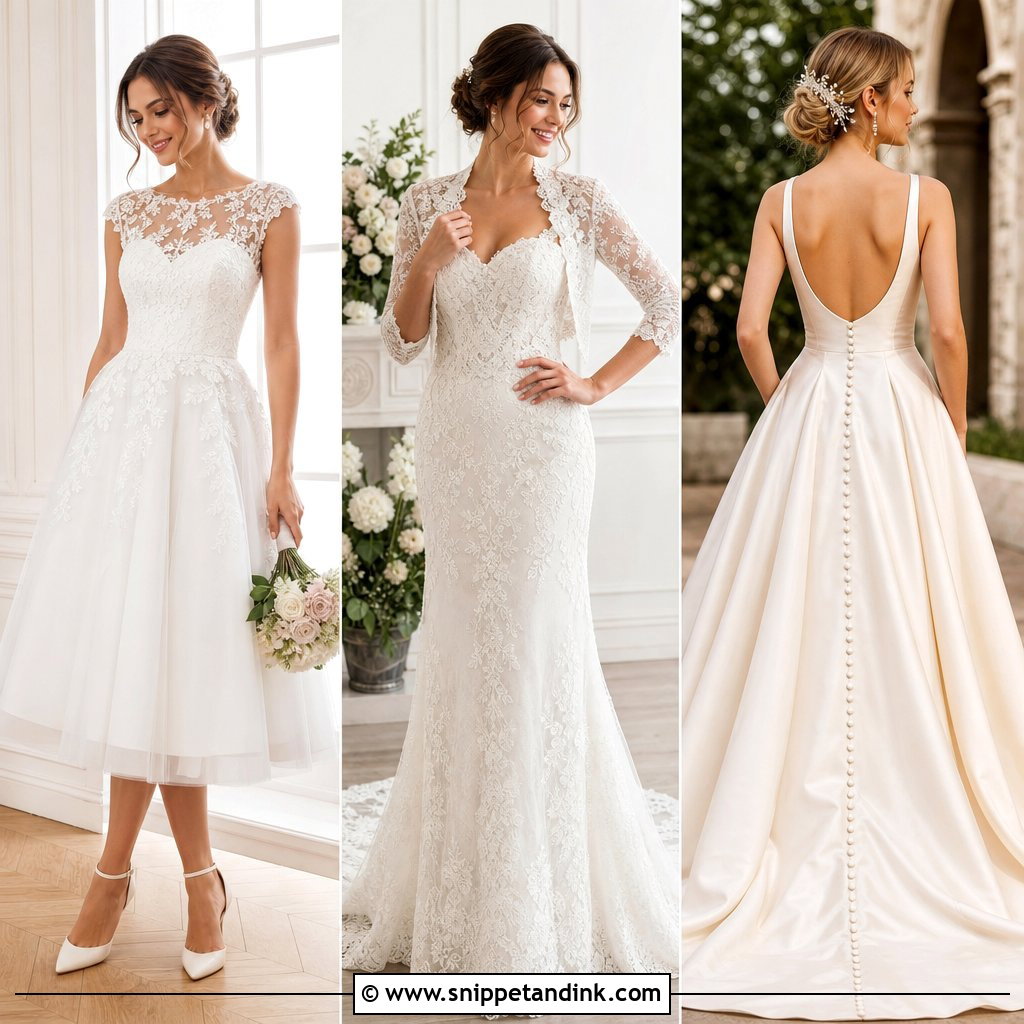
A 1950s tea length wedding dress is the one I’d pick for a bride who wants to dance. A fitted bodice, full skirt and a bateau neck or lace overlay give the classic shape, and the shorter hem shows off the shoes. The petticoat decides how retro it looks: one soft layer reads elegant, several stiff layers start to look like a costume. Bring the actual petticoat to every fitting so the hem is set over it. Pointed pumps, short gloves, pearls and a birdcage veil.
5. 1960s Mod Wedding Dress
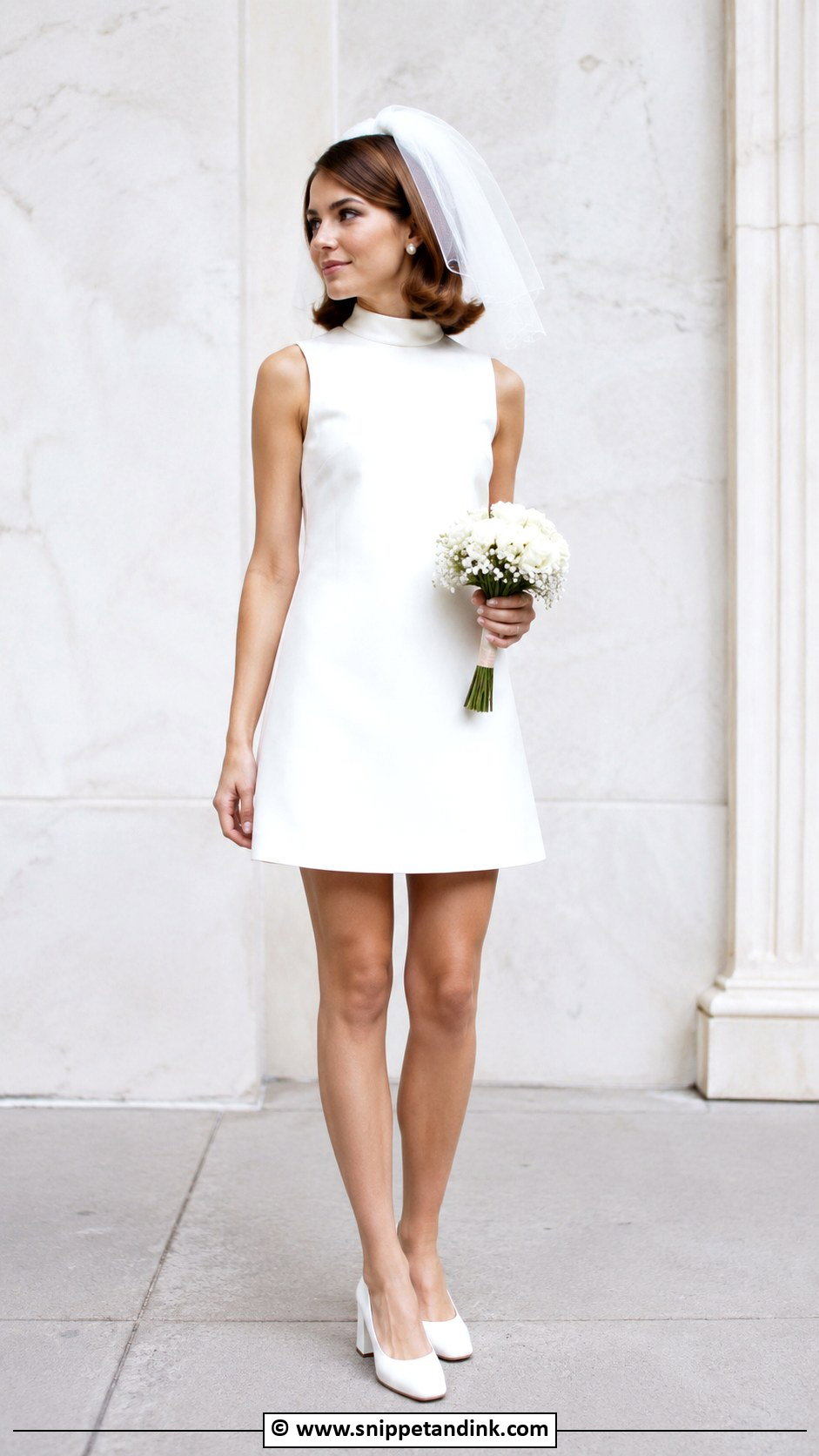
Mod dresses are short, A-line and graphic, with high necks, bows and crisp fabrics that hold their shape away from the body. Because the shape is so clean, any fit problem shows, especially at the shoulder seam. Block heel pumps, a mini veil and pearl studs suit it, and a sleek shoulder-length style or a bit of volume at the crown nods to the decade. White tights are a personal call; skip them unless you love them. This works well as a courthouse look or a reception change.
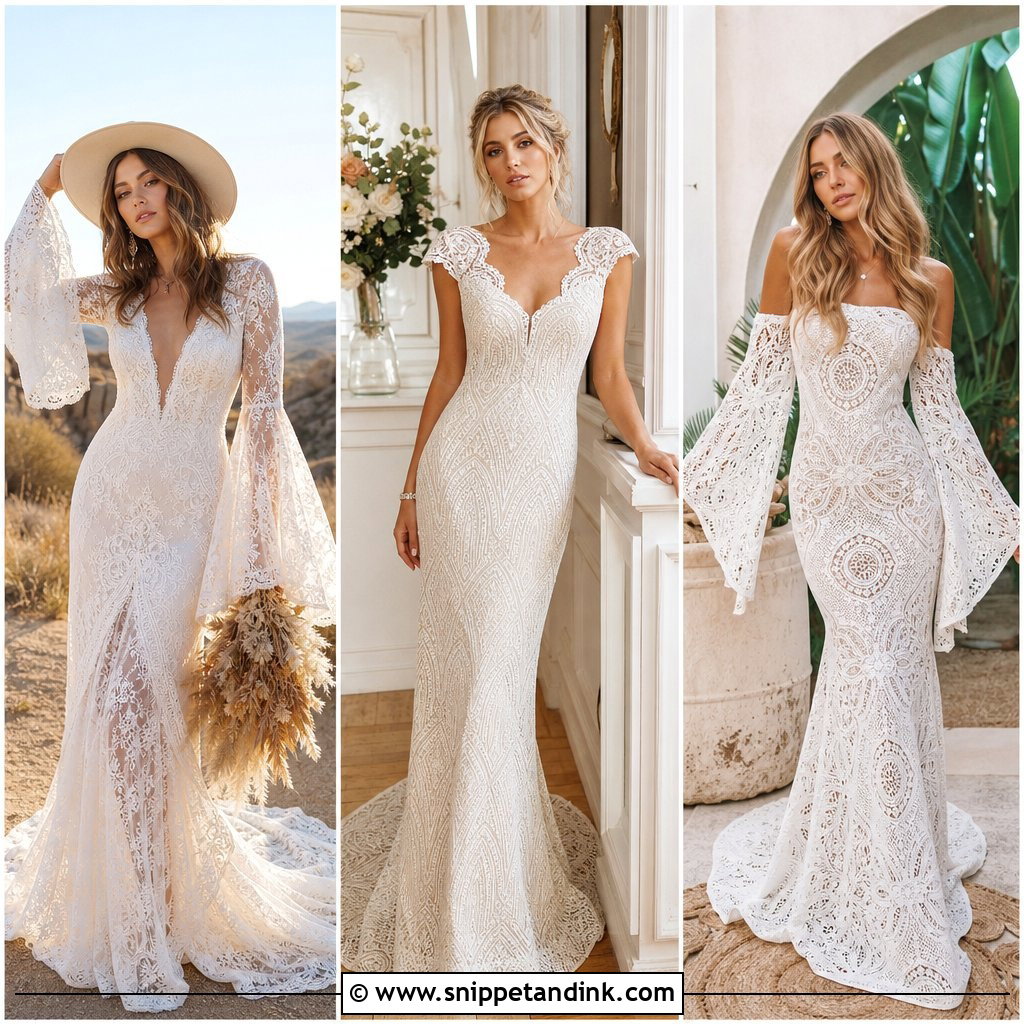
6. 1970s Boho Lace Wedding Dress
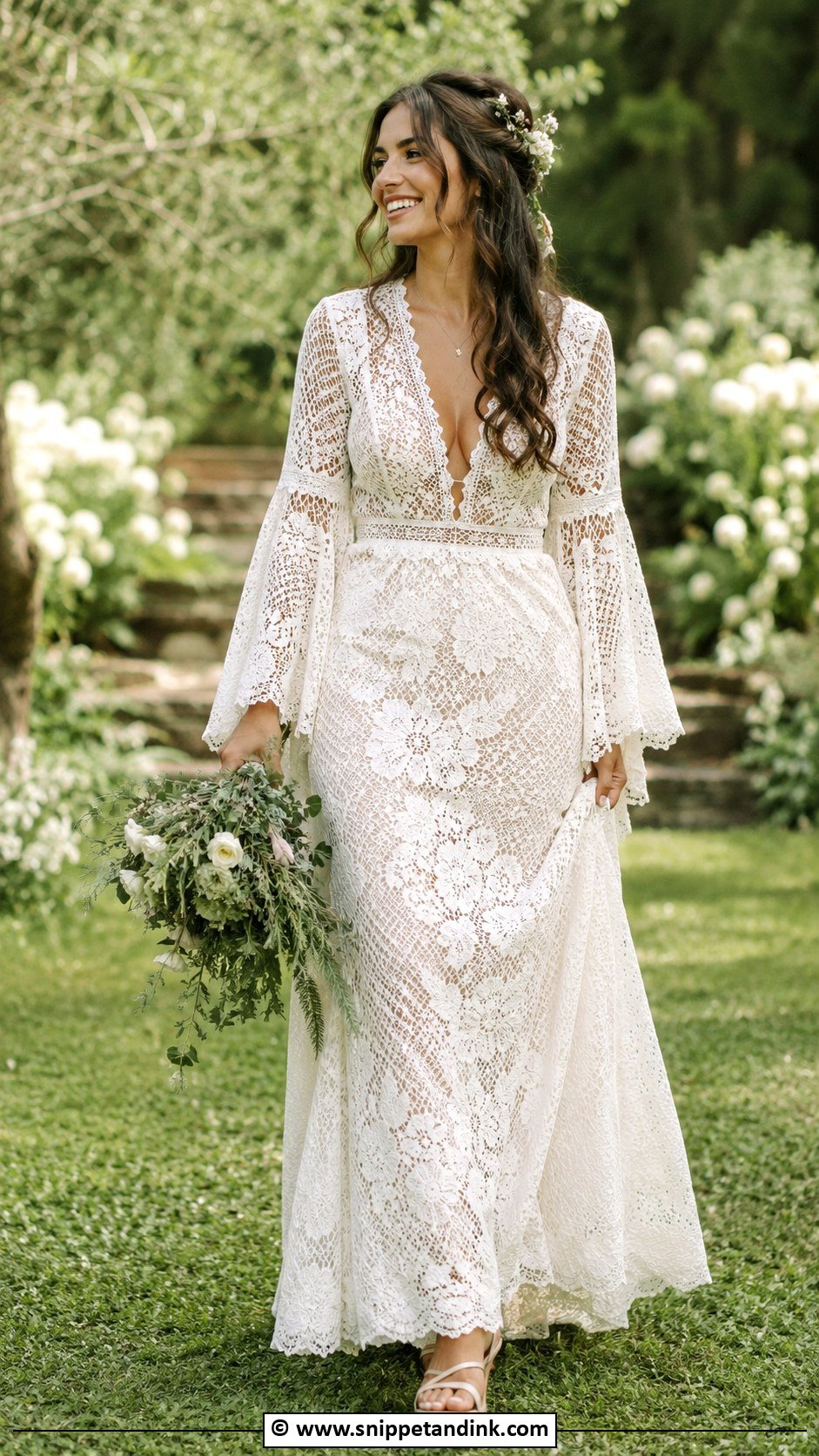
Seventies lace dresses move softly and rarely need structure: bell sleeves, crochet lace, high necks and empire waists. Crochet lace is heavier and warmer than it looks, so for a summer beach wedding I’d look for lighter cotton lace. Loose waves, a few floral pins, strappy sandals and wild greenery suit it. Hold back on extra boho accessories; layered jewellery, a flower crown and fringe together tip it into theme. Warm white and cream bring out the lace texture better than bright white.
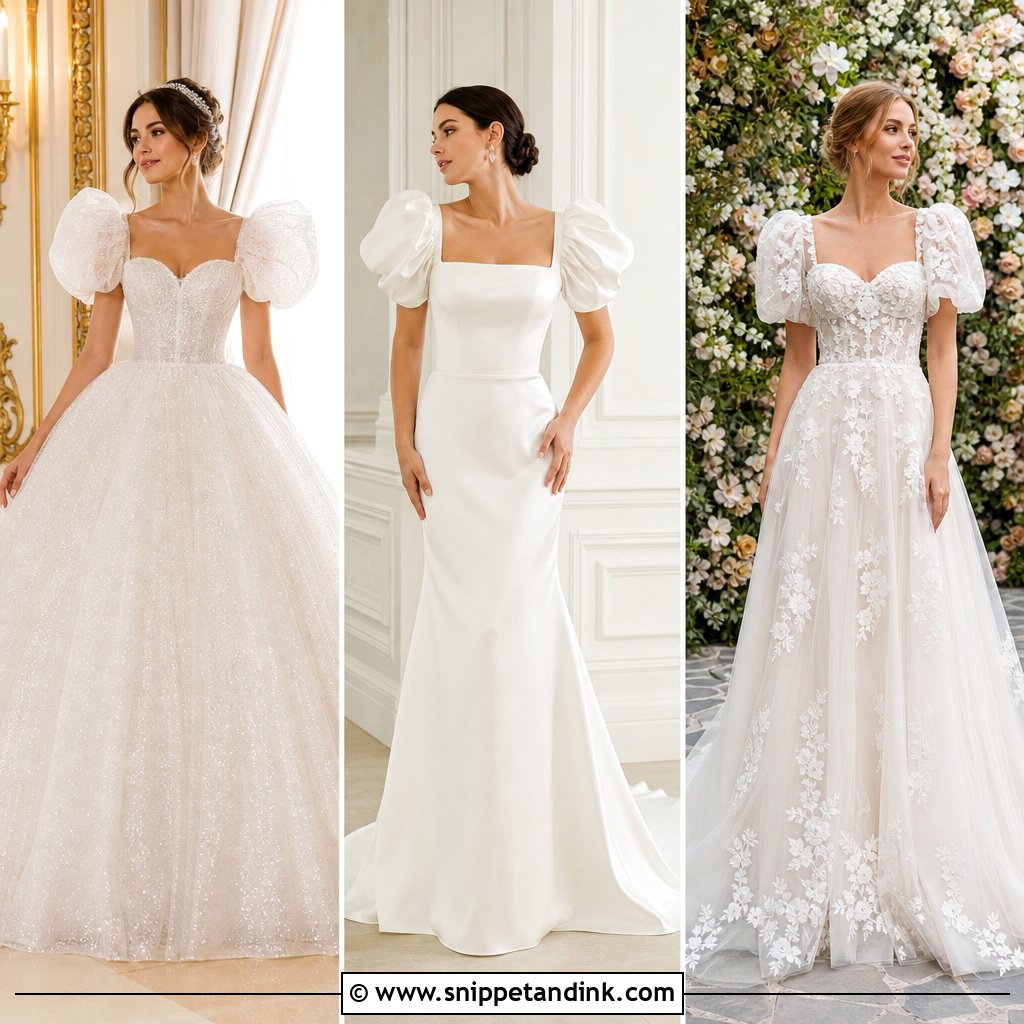
7. 1980s Puff Sleeve Wedding Dress
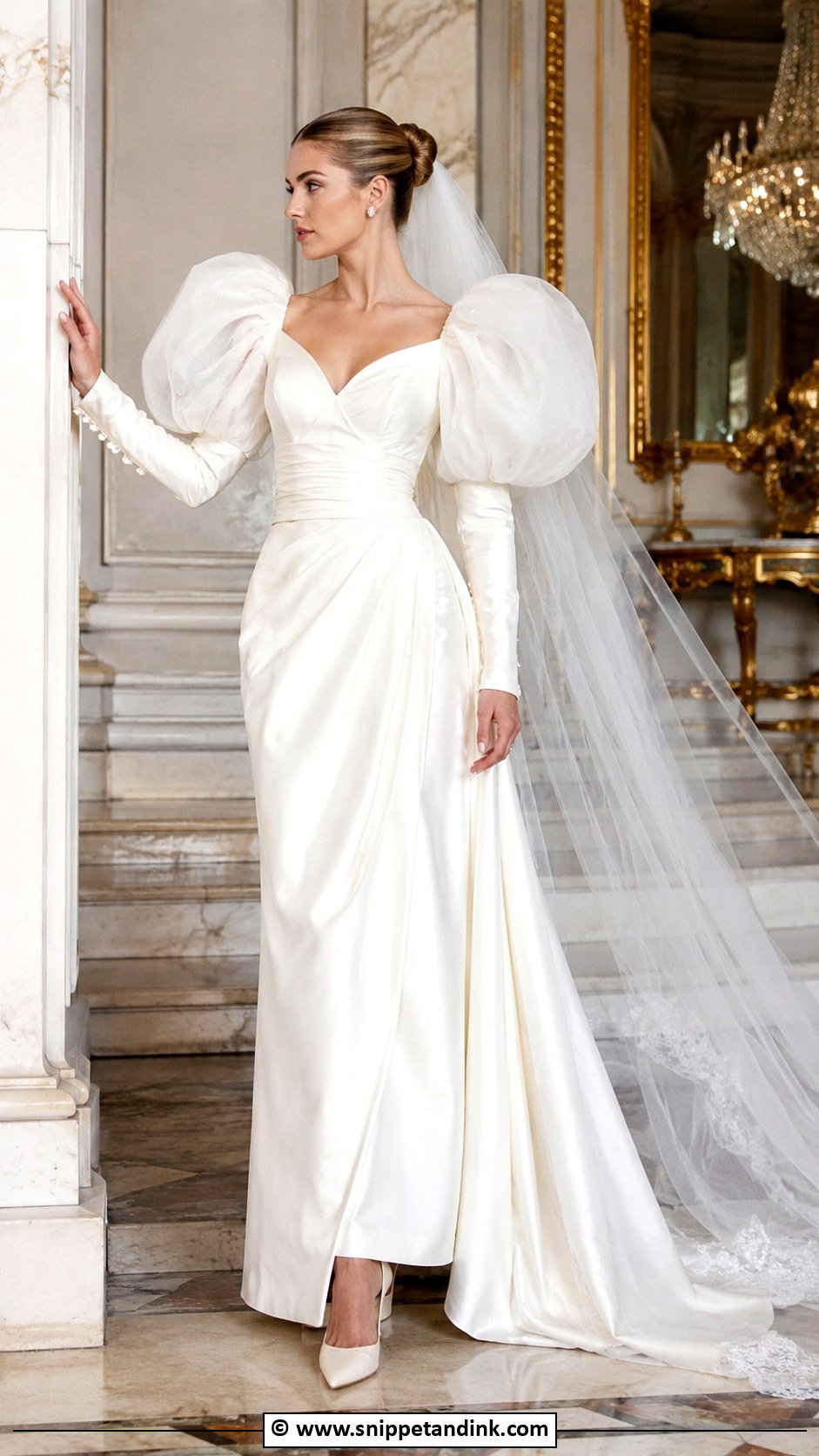
Eighties puff sleeves are back, mostly as detachable sleeves and organza shoulders on otherwise clean gowns. The rule I follow is one source of volume: big sleeves need a slim bodice and simpler skirt, or the whole thing gets heavy. Check the sleeve span against doorways and your partner’s arms in a slow dance. Sleek heels, a smooth bun and minimal jewellery let the shape lead, and a long veil keeps it formal. Skip big earrings next to full sleeves.
8. 1990s Slip Wedding Dress
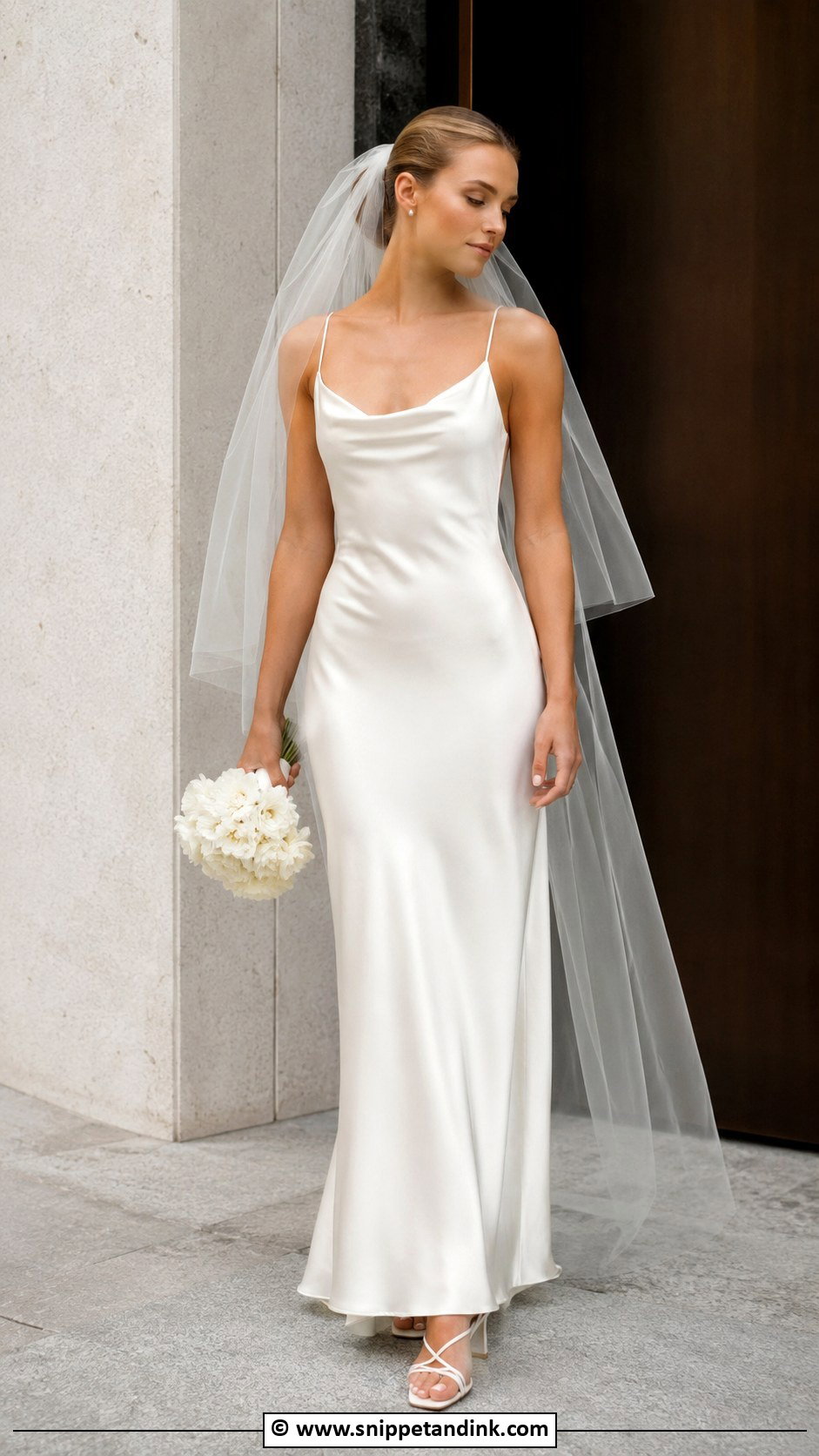
A 1990s slip wedding dress is simple enough that fabric does all the work. Spaghetti straps, a soft cowl and a floor-length satin cut are the template. Thin satin shows every line and wrinkle, so I’d always go for silk, heavy satin or crepe-backed satin, which drape and hang properly. Strappy heels, a sheer veil, small earrings and a smooth blowout or low bun. It suits city weddings, beaches and small elopements.
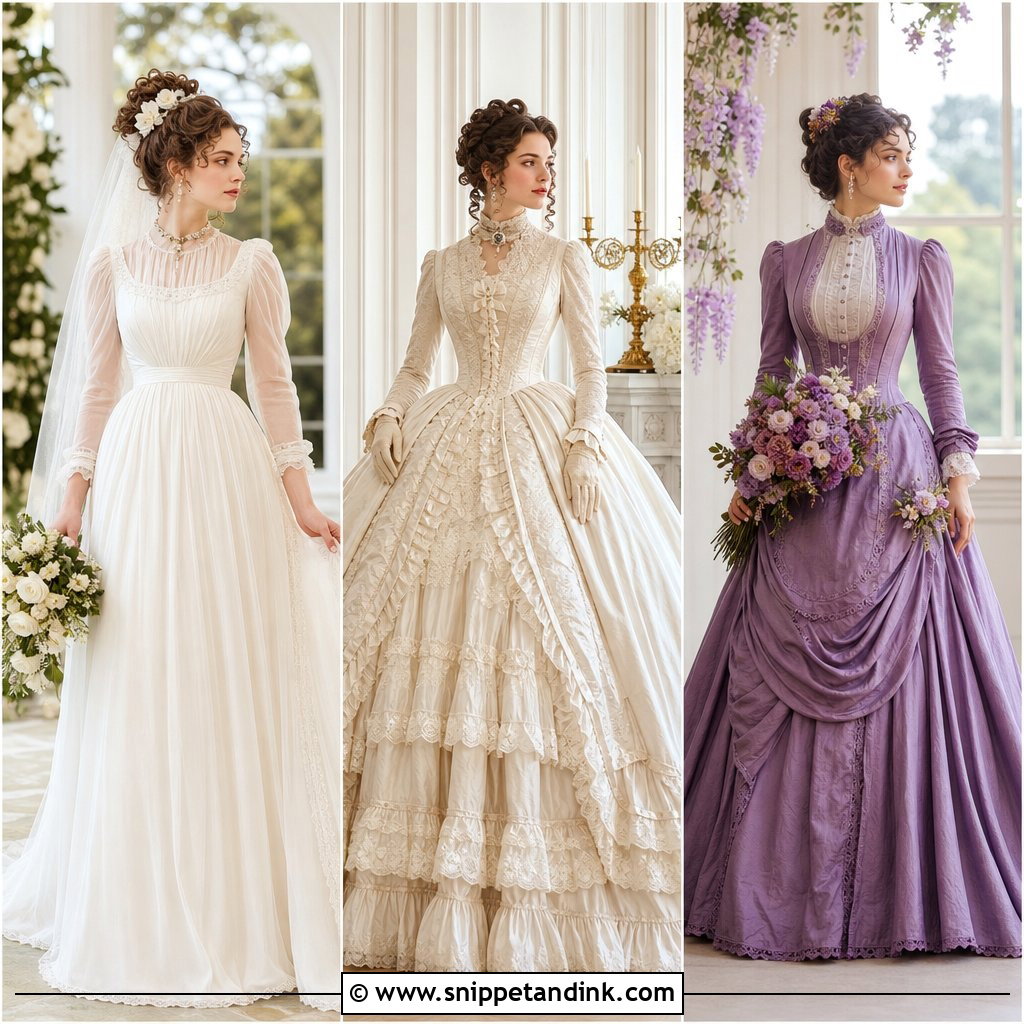
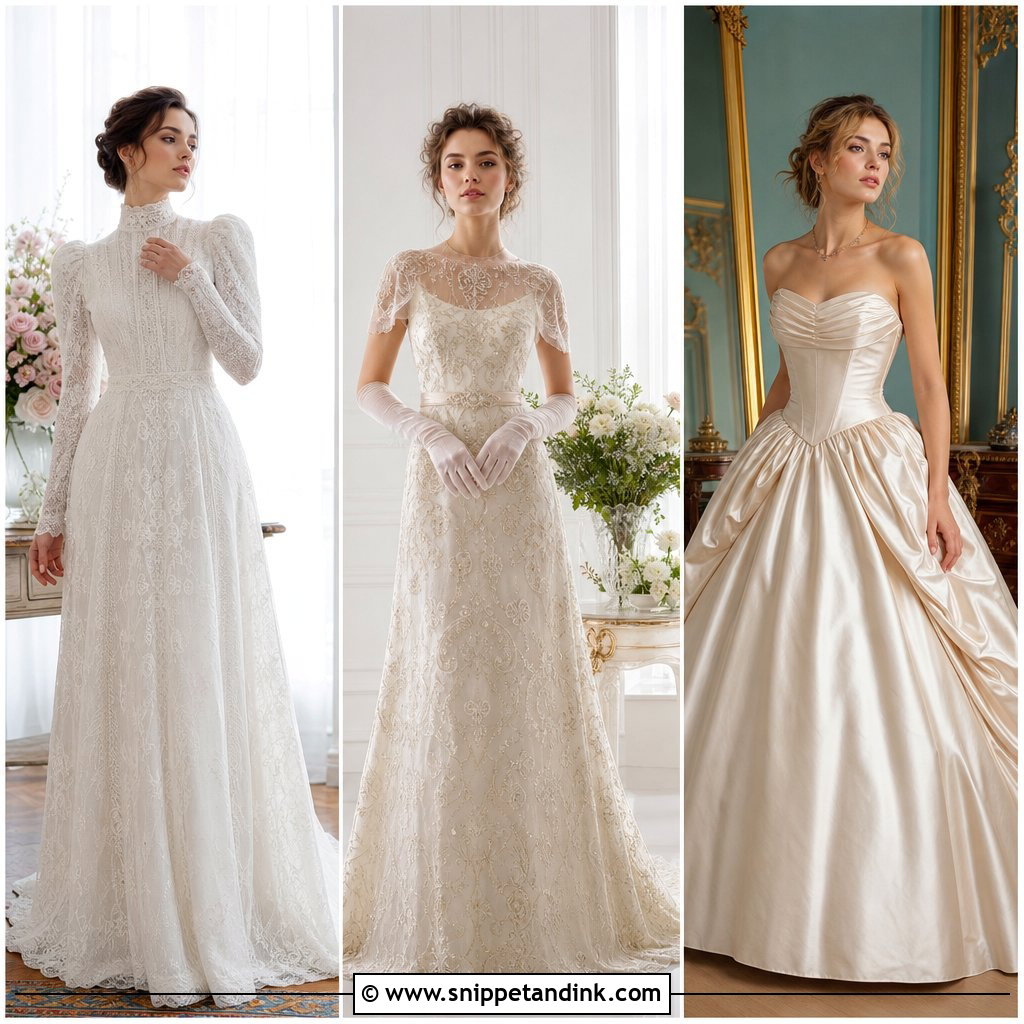
9. Edwardian High Neck Wedding Dress
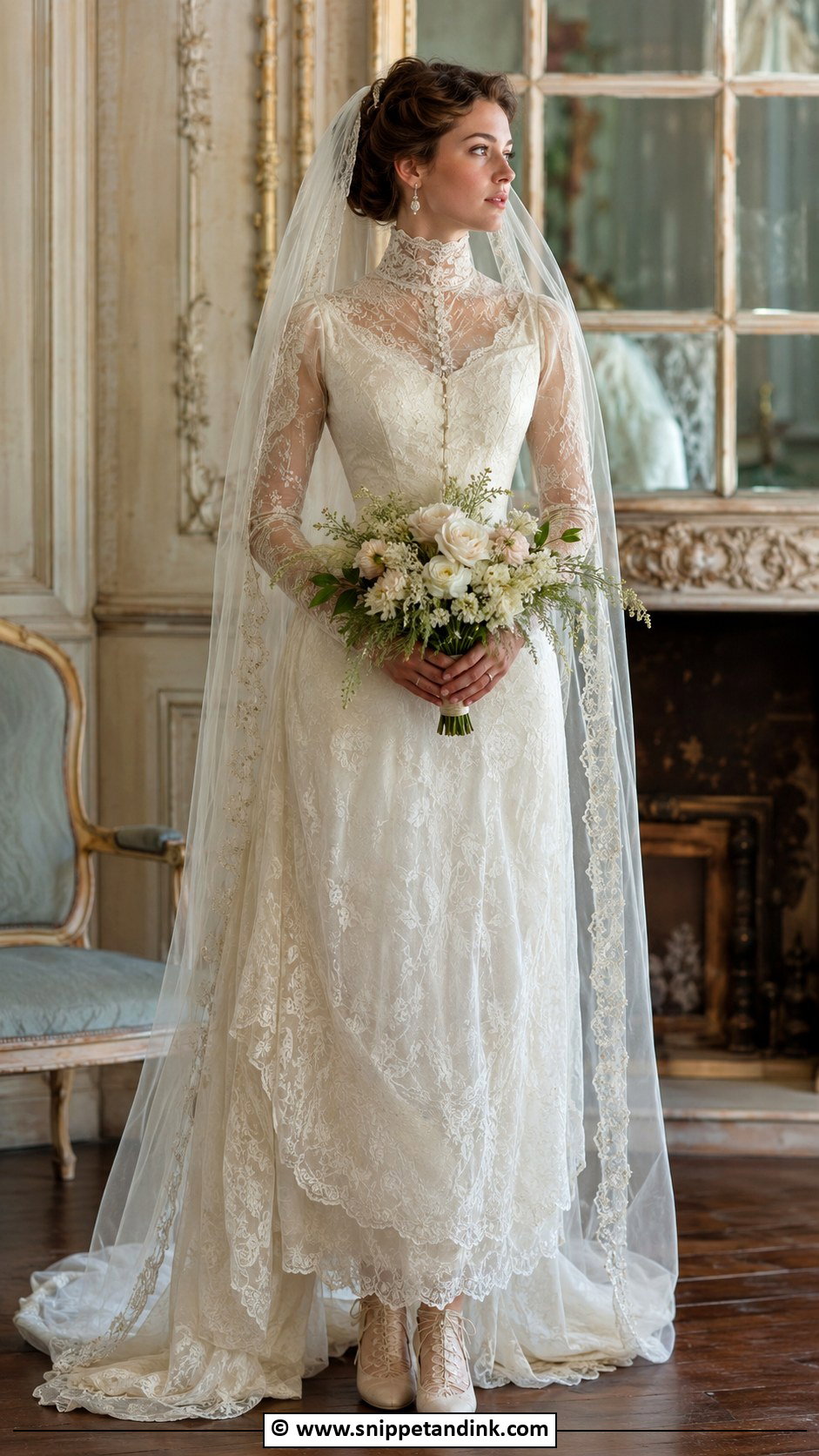
Edwardian dresses are softer than Victorian ones: high lace necks, sheer sleeves, tiny buttons and a gentle waist rather than a hard corset. The fine lace is often the fragile part, especially on true antiques, so I check the neckline and cuffs for splits before anything else. Lace-up boots or classic pumps, pearl drops and a low twisted bun. A lace-trimmed veil ties the outfit together better than a plain long one. A fitted underlayer and good tailoring stop it looking old-fashioned.
10. Victorian Lace Wedding Dress
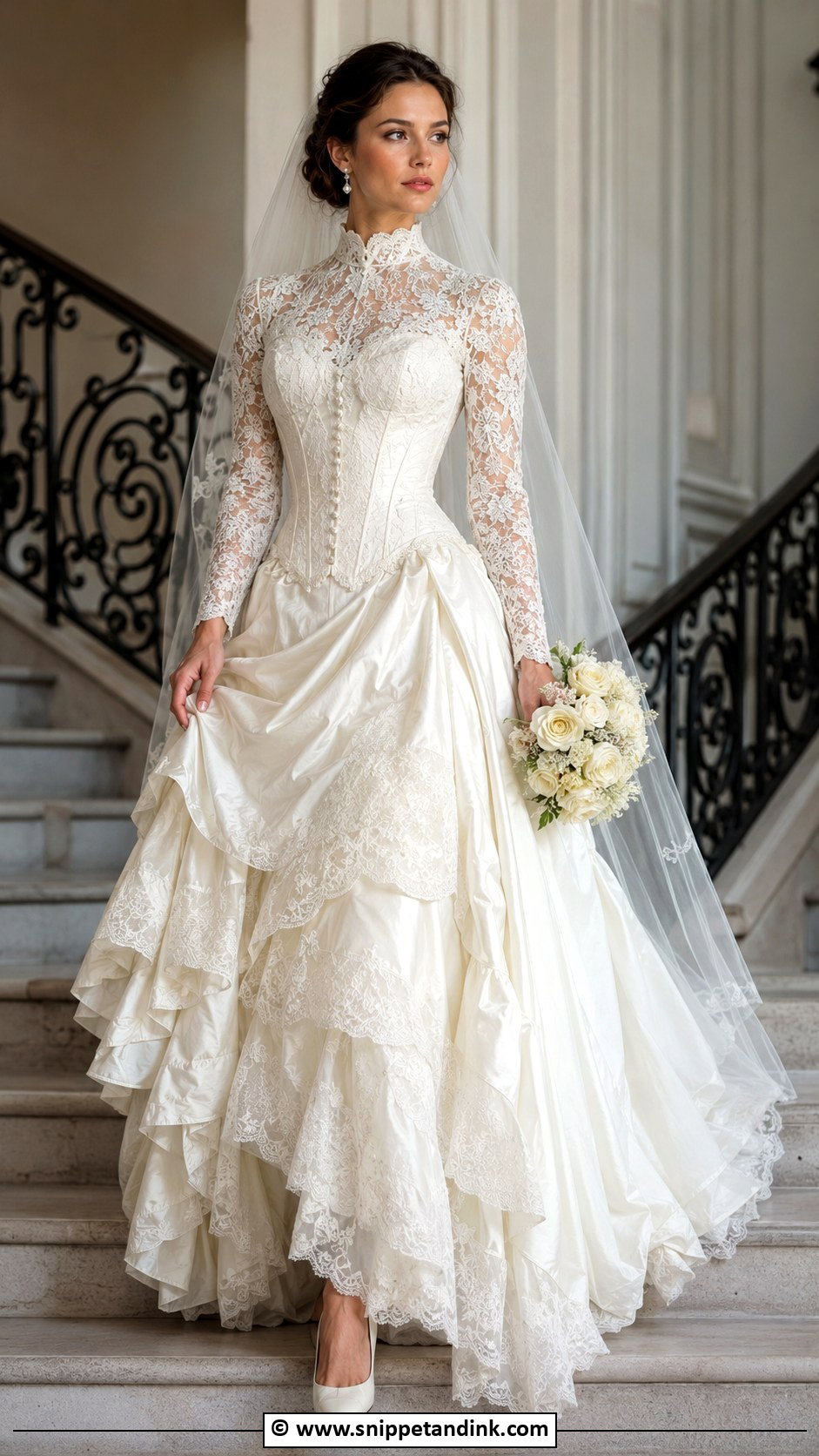
Victorian lace means more structure: a high neck, long sleeves, a corseted bodice and a sweeping skirt. It suits historic venues, estates and candlelit rooms. If you love the shape but dread the weight, illusion sleeves and lighter lace help a lot, because layered heavy lace restricts movement and gets warm. Pearl earrings, a soft updo and a long veil are enough; this dress doesn’t want help.
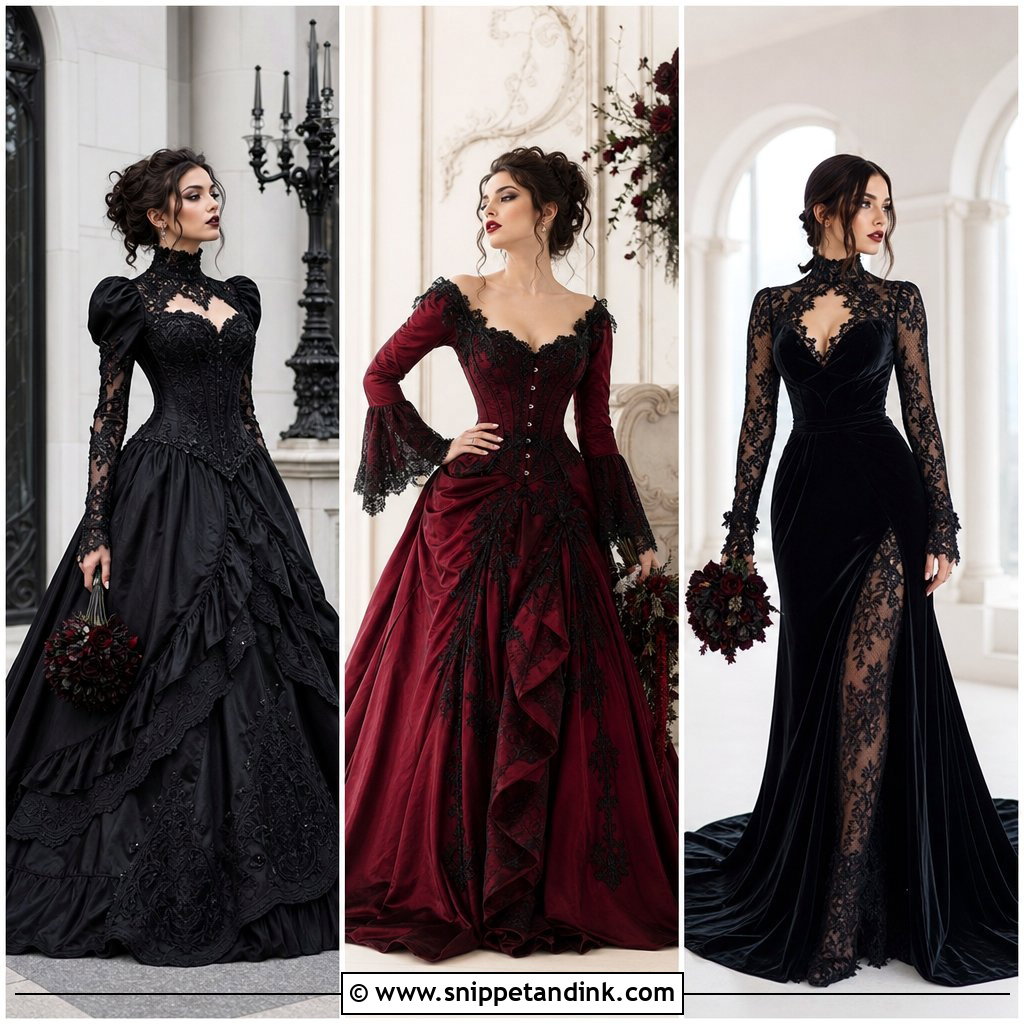
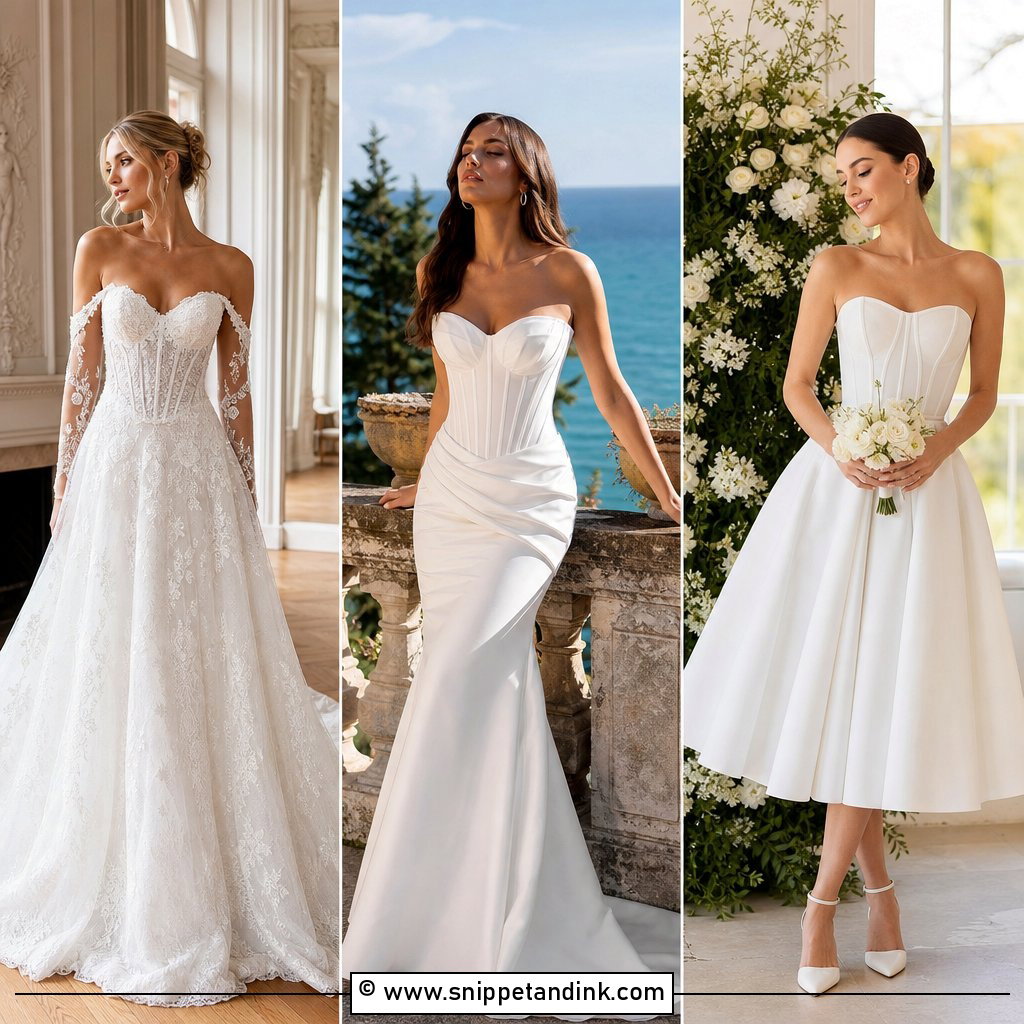
11. Vintage Corset Wedding Dress
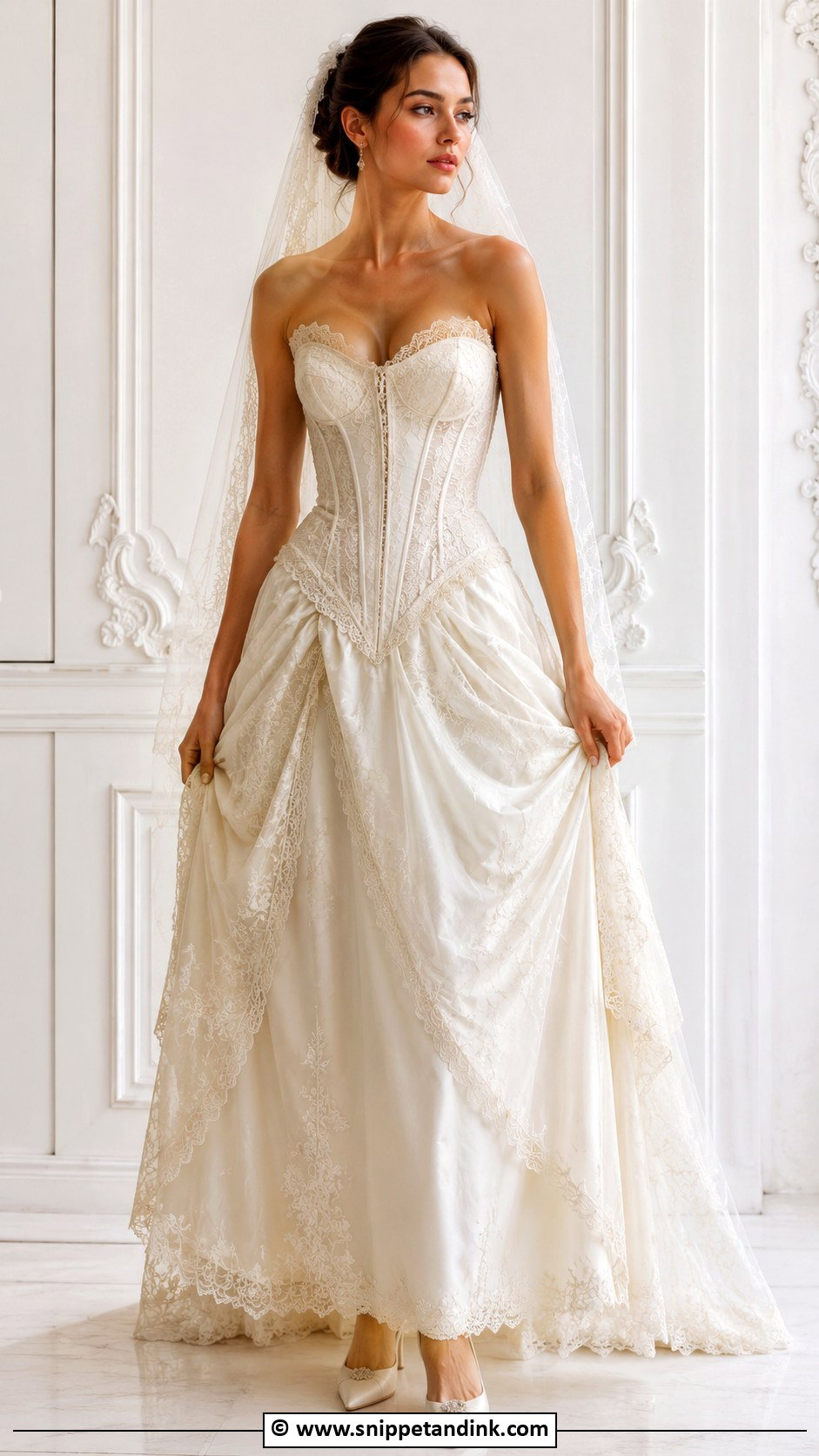
Corsets give support and a defined waist, and the boning can be exposed, covered in lace or hidden inside a smooth satin gown. They pair with full skirts, drop or basque waists and slim satin shapes. Fit matters more here than in any other style. I want the bodice snug enough not to slip, yet loose enough that the bride can breathe, sit, hug and dance; if she can’t, it gets adjusted. Pointed heels, a soft veil and delicate jewellery balance the structure.
12. Drop Waist Wedding Dress
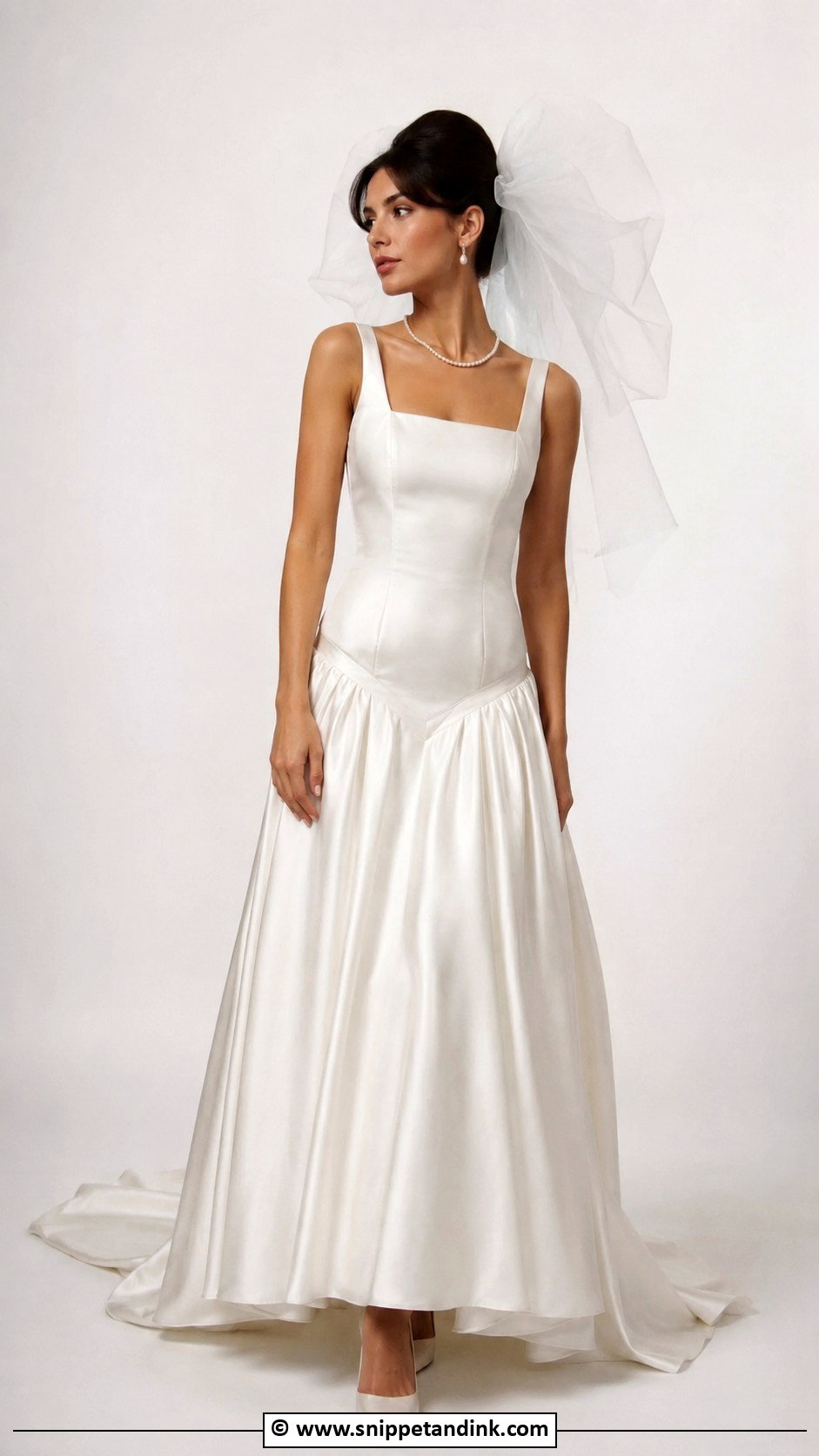
A drop waist wedding dress moves the waistline down toward the hips, which lengthens the torso and lets the skirt release lower. Depending on fabric, it can look 1920s, 1930s or quite modern. The depth of the drop is the decision. On petite brides, an extreme drop shortens the legs, so I’d choose a softer one. Satin, lace, tulle and mikado all work. Slim heels, a sculptural veil and simple jewellery.
13. Basque Waist Wedding Dress
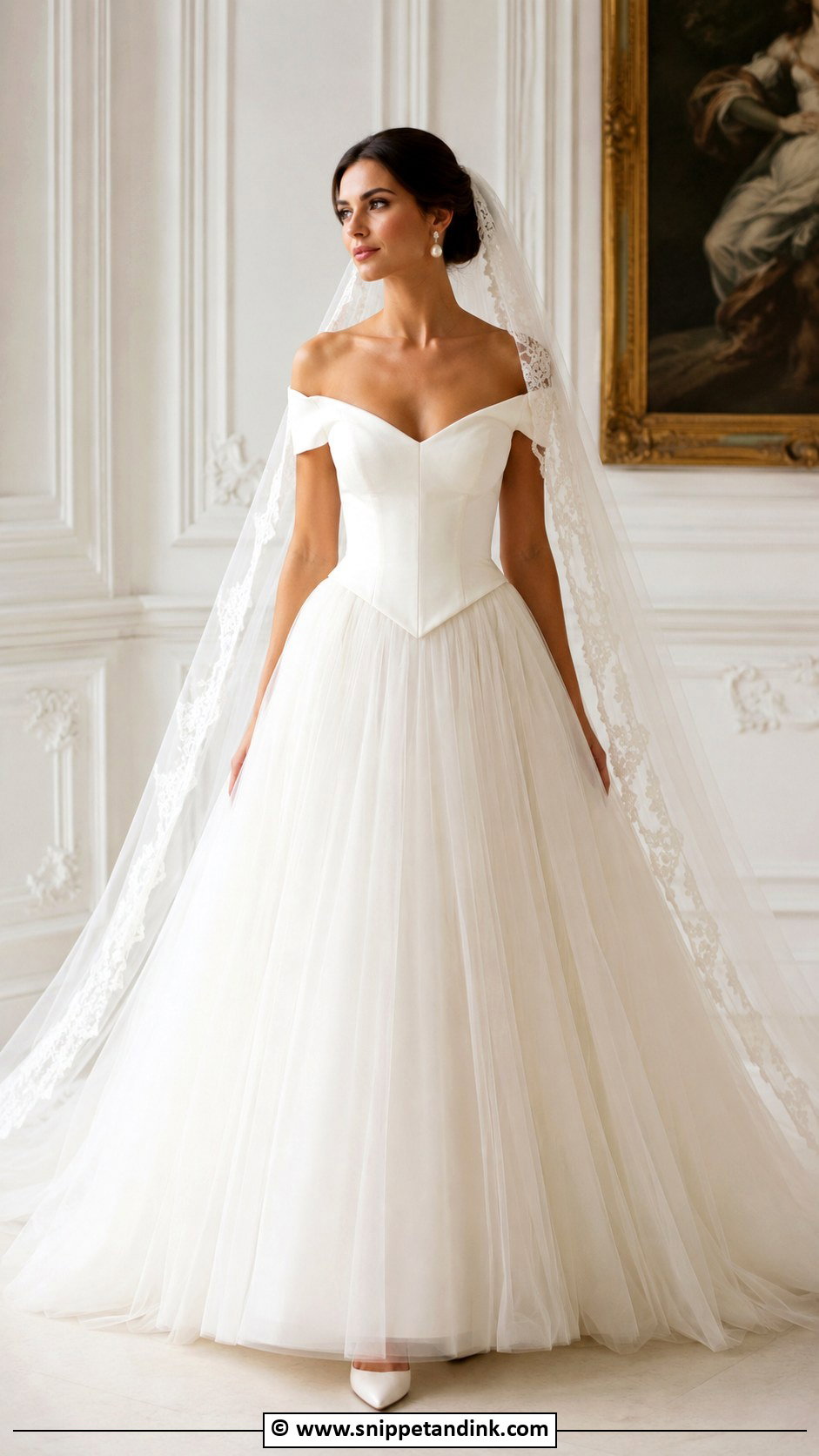
The basque waist dips into a point at the front, sharpening the waist and making the skirt look fuller. It sits well under satin ball gowns, lace dresses and corseted bodices. I check that the point lies flat against the body when seated; a stiff point can dig in or flip up. Elegant pumps, a cathedral veil, pearl earrings and a smooth bun. A tulle skirt in place of satin makes it lighter.
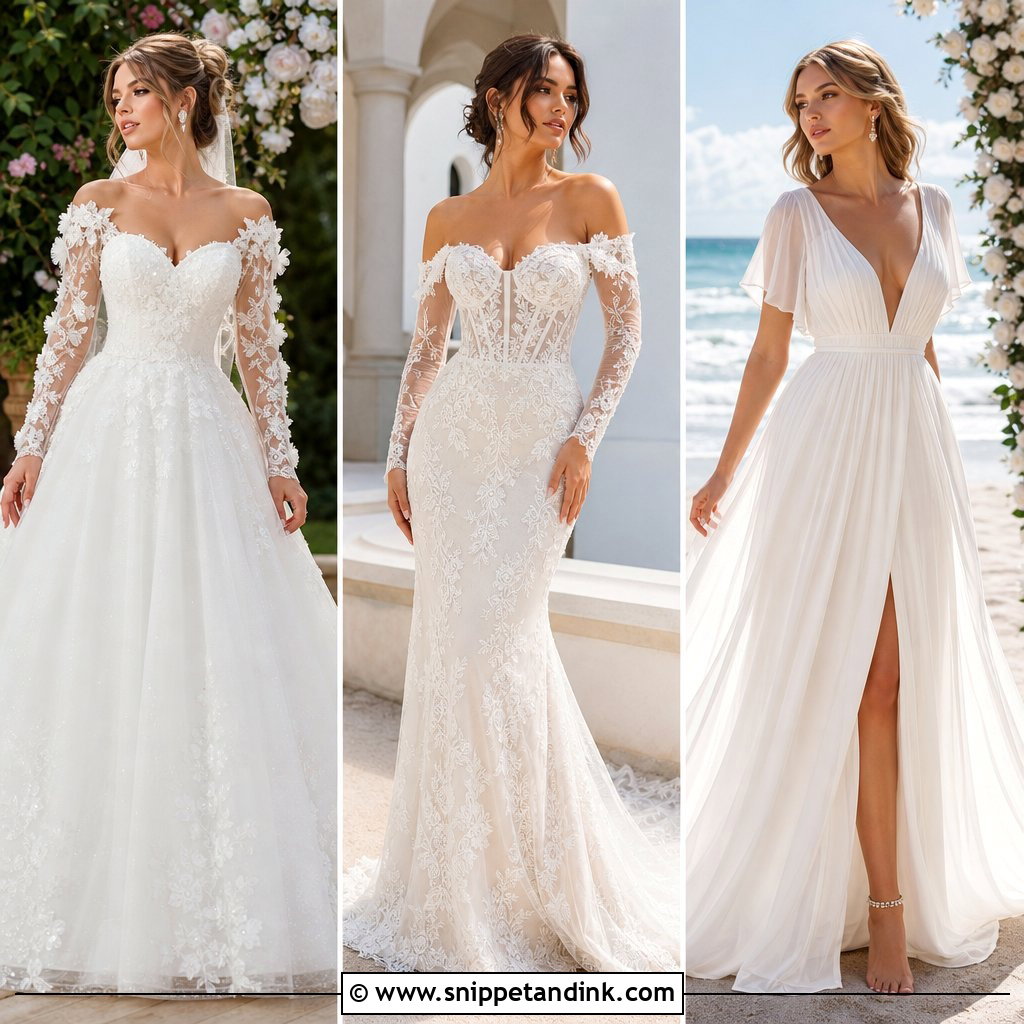
14. Vintage Ball Gown Wedding Dress
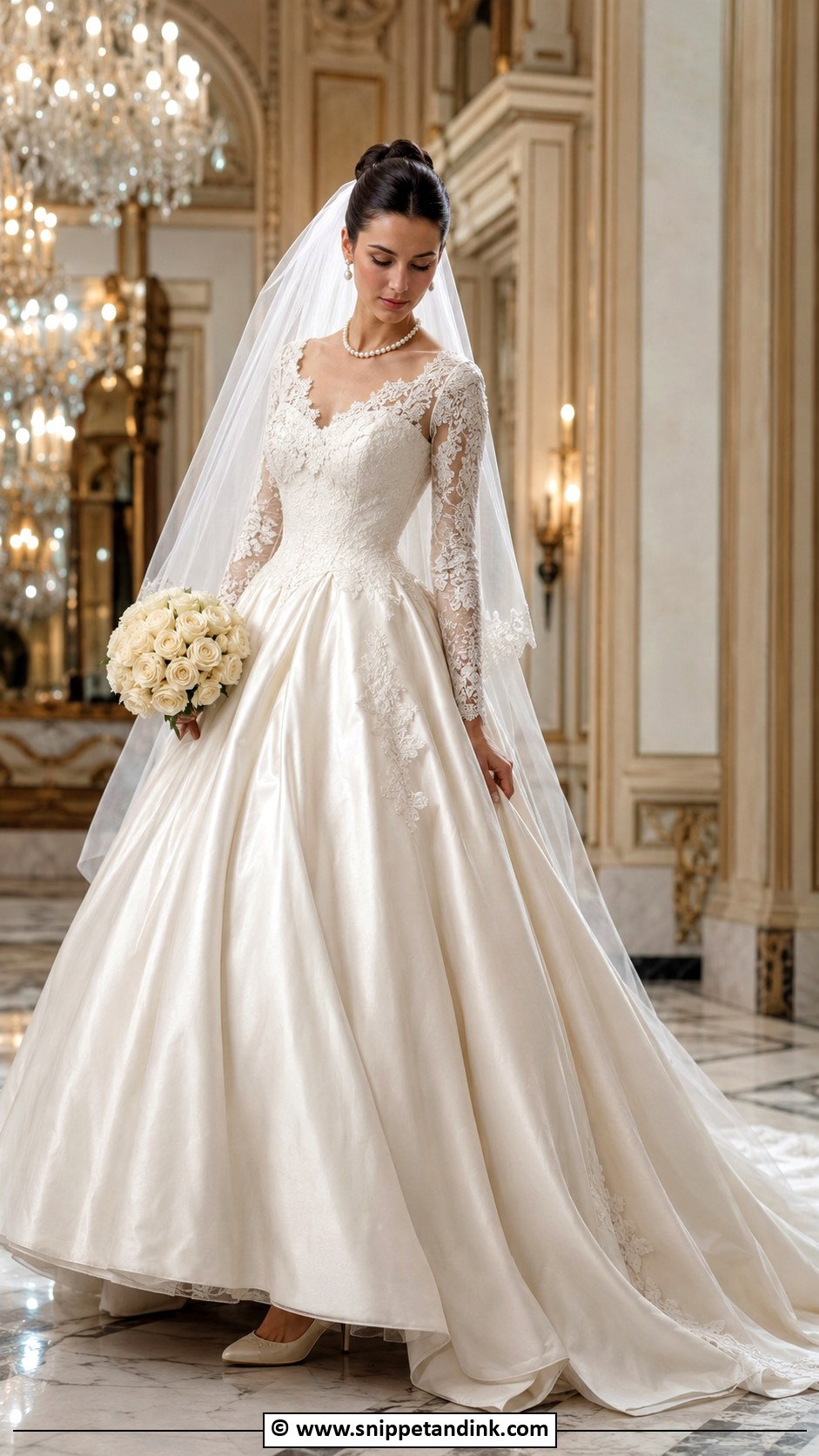
Big skirts are wonderful for an entrance and tiring by midnight. A fitted bodice, full skirt, lace appliqué and long train make a grand gown, but I’d choose one main feature, the sleeves or the skirt or the veil, and keep the rest calm. A corseted bodice spreads the skirt’s weight better than a soft one, which brides feel by the evening. Classic heels, pearls and a clean hairstyle. Plan a bustle for the reception.
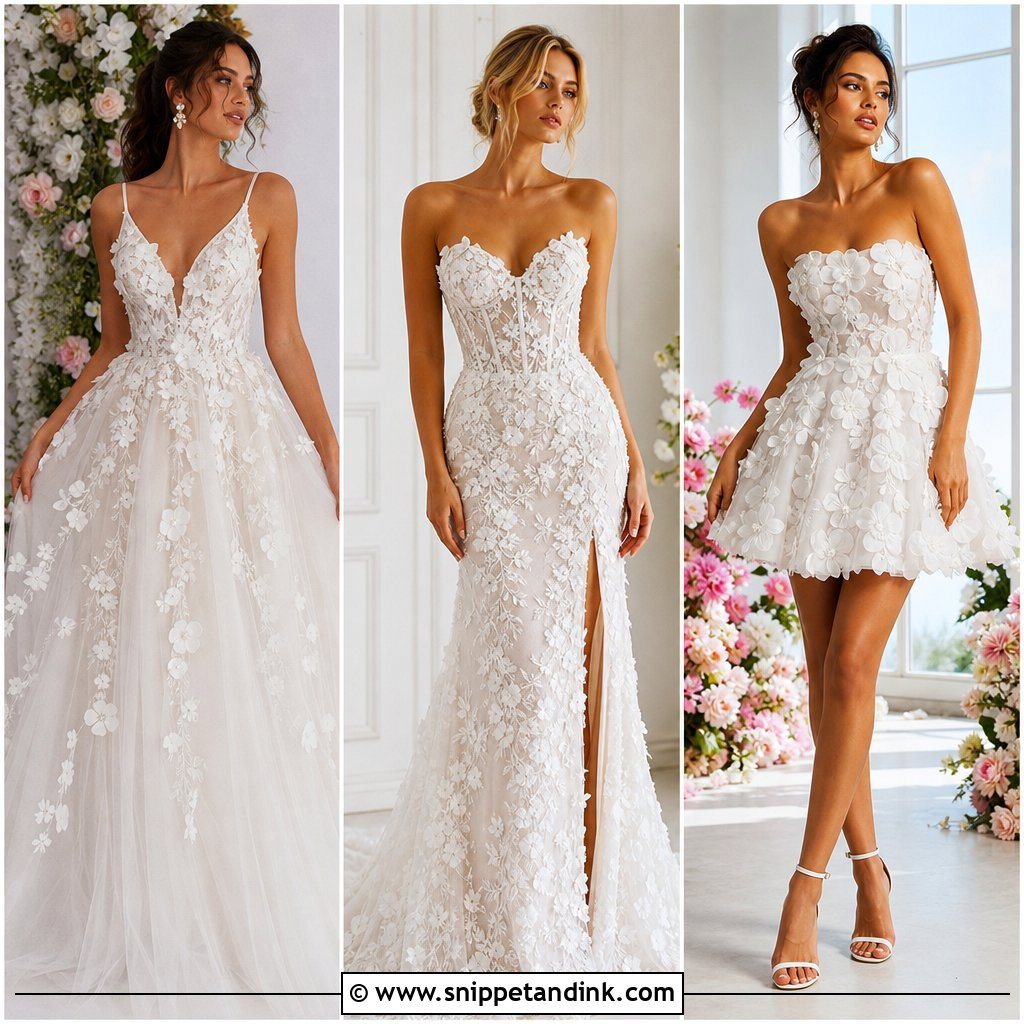

15. Vintage Mermaid Wedding Dress
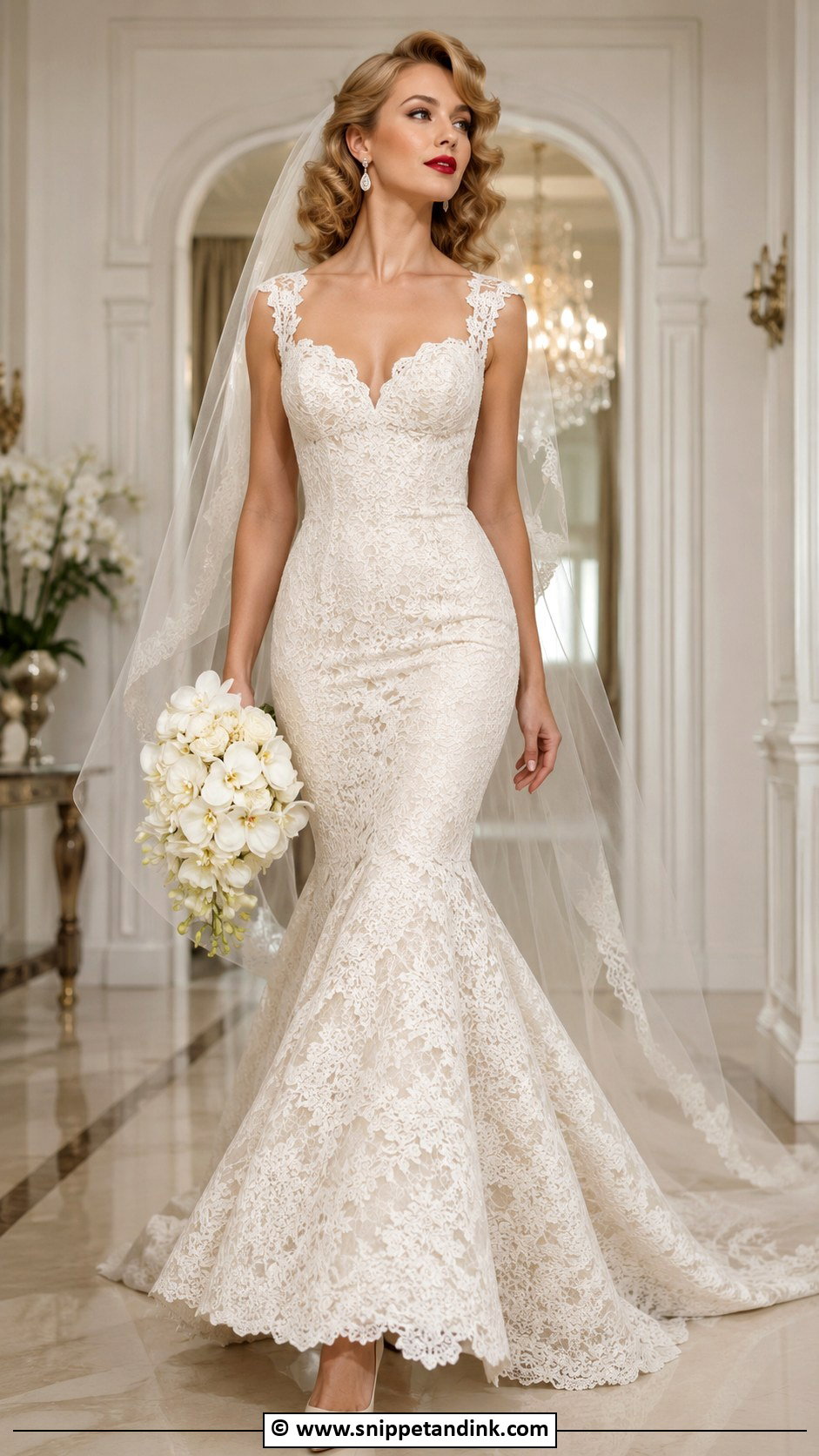
Mermaid gowns hug through the bodice and hips and flare near the knee or lower thigh, which gives that old Hollywood curve. Where the flare starts is everything: too low and you shuffle, so I have brides walk, climb a step and sit before we set it. Lace, satin, crepe and beading all suit the shape. Soft waves, drop earrings, pointed heels and a long veil. Smooth fabric and close tailoring are what make it look expensive.
16. Vintage A Line Wedding Dress
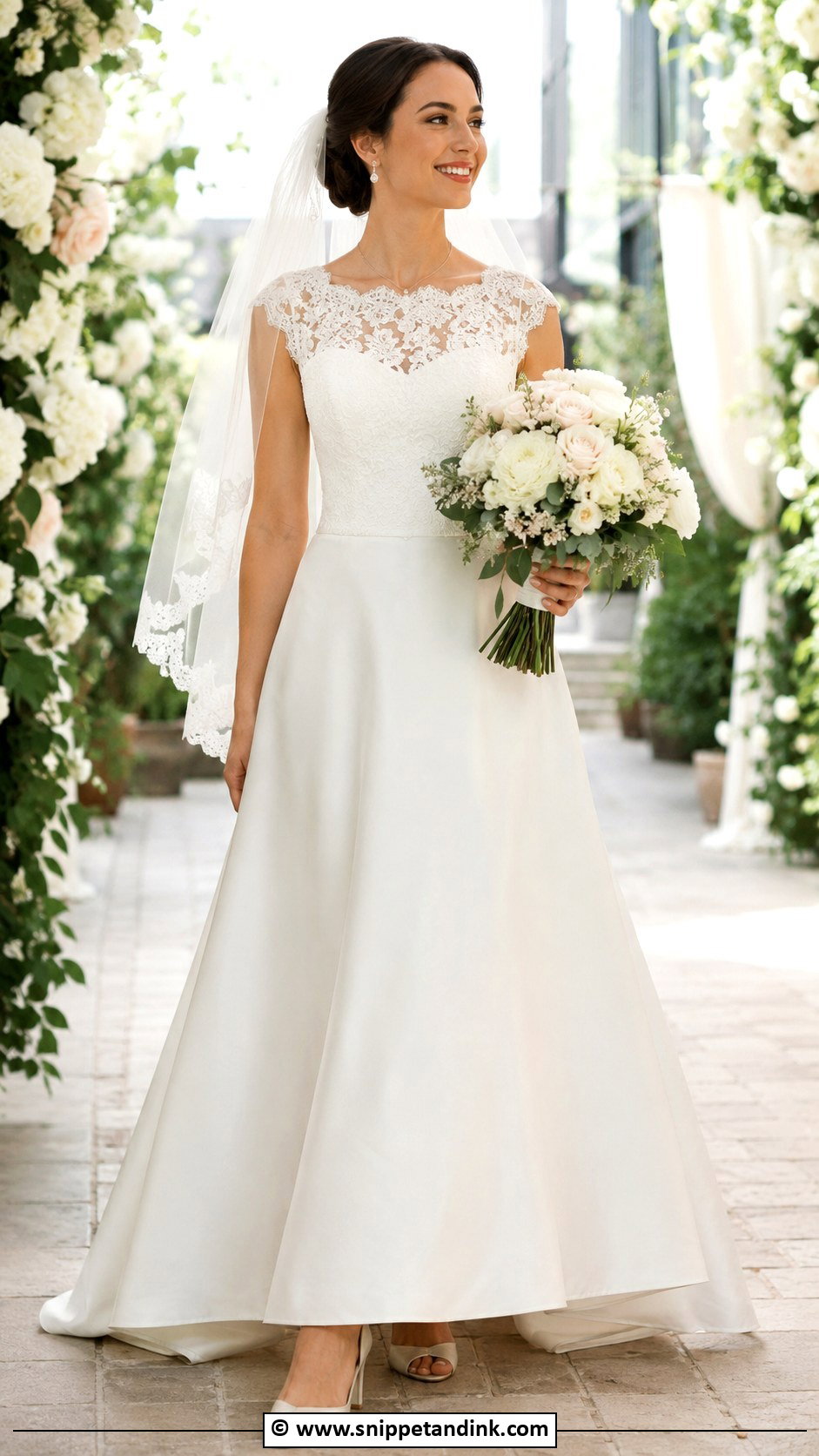
If a bride isn’t sure where to start, I often begin with an A-line. It fits through the bodice and widens gently from the waist, without the weight of a ball gown. Lace, satin, chiffon, tulle and organza all work, and the neckline and details decide whether it reads 1950s, Edwardian or simply classic. Comfortable heels, a fingertip veil, pearls and soft makeup. It moves well and suits nearly any venue.
17. Vintage Lace Sleeve Wedding Dress
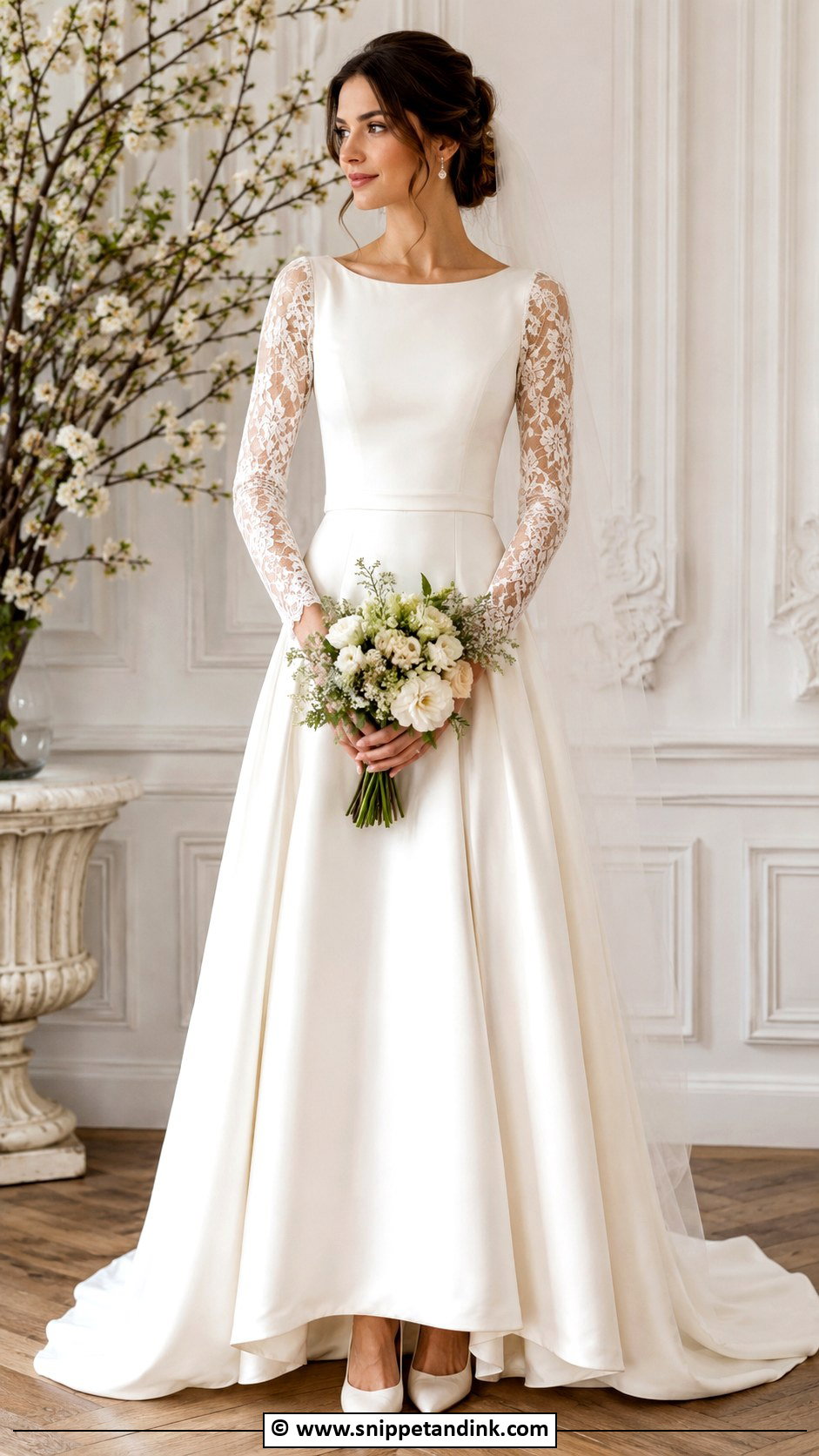
Lace sleeves give coverage without bulk. Long, bishop, illusion or fitted floral lace sleeves all bring the vintage mood, and they’re especially good in autumn, winter and early spring. Comfort at the shoulder and wrist is what I check; tight lace sleeves stop you lifting your arms and can tear at the seam. Match shoes to the dress tone. With detailed lace, I’d skip the necklace entirely.
18. Vintage Off Shoulder Wedding Dress
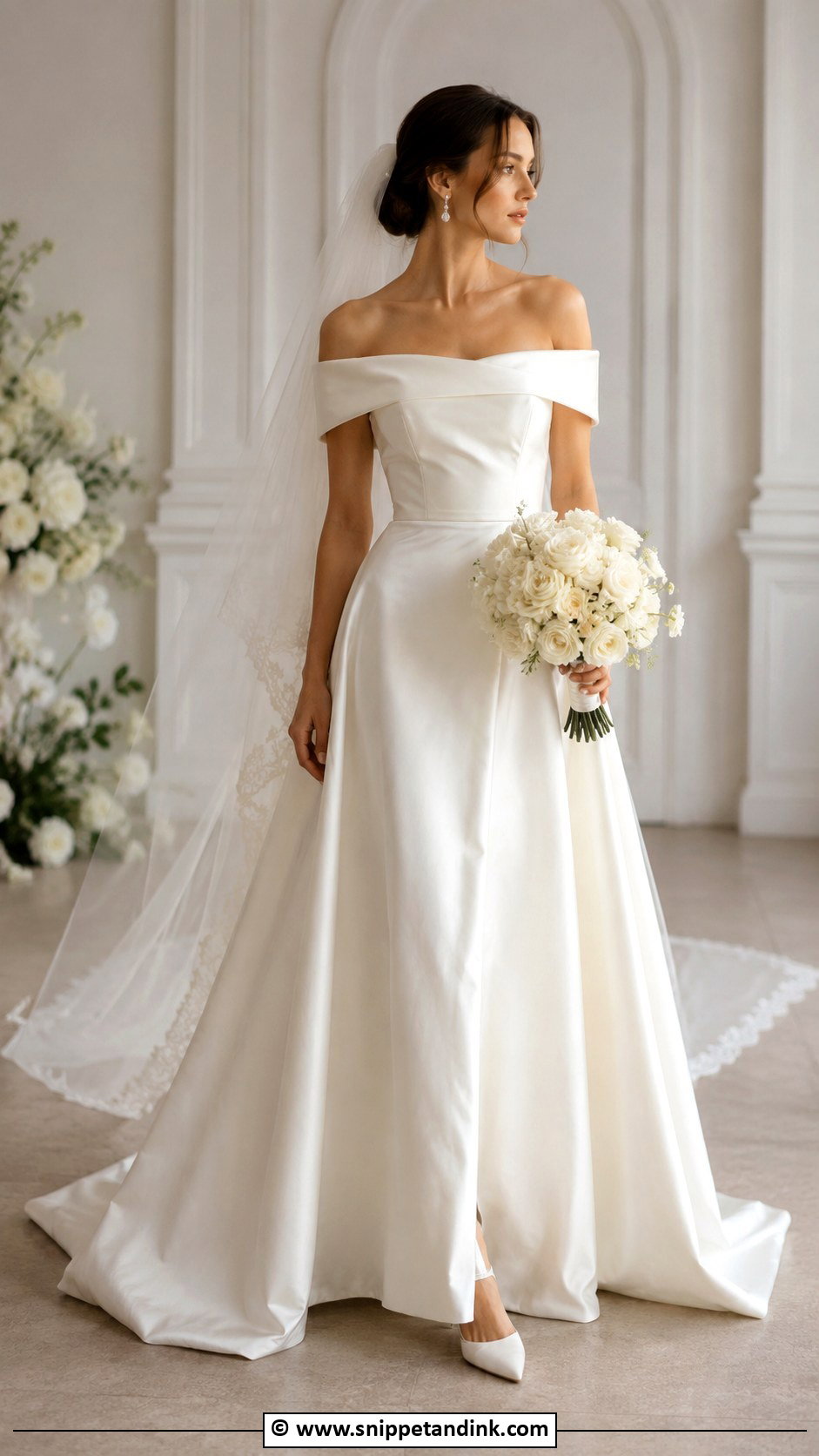
Off-shoulder necklines draw the eye to the collarbones and shoulders and can borrow from 1950s glamour, Victorian romance or old Hollywood. Satin, lace and tulle over a structured bodice hold the line. The neckline must stay put when you hug guests and raise your arms, so I test it with exactly those movements. A delicate necklace works on a plain neckline; skip it when the bodice has lace or beading. Drop earrings, a low bun and pointed heels.
19. Vintage Square Neck Wedding Dress
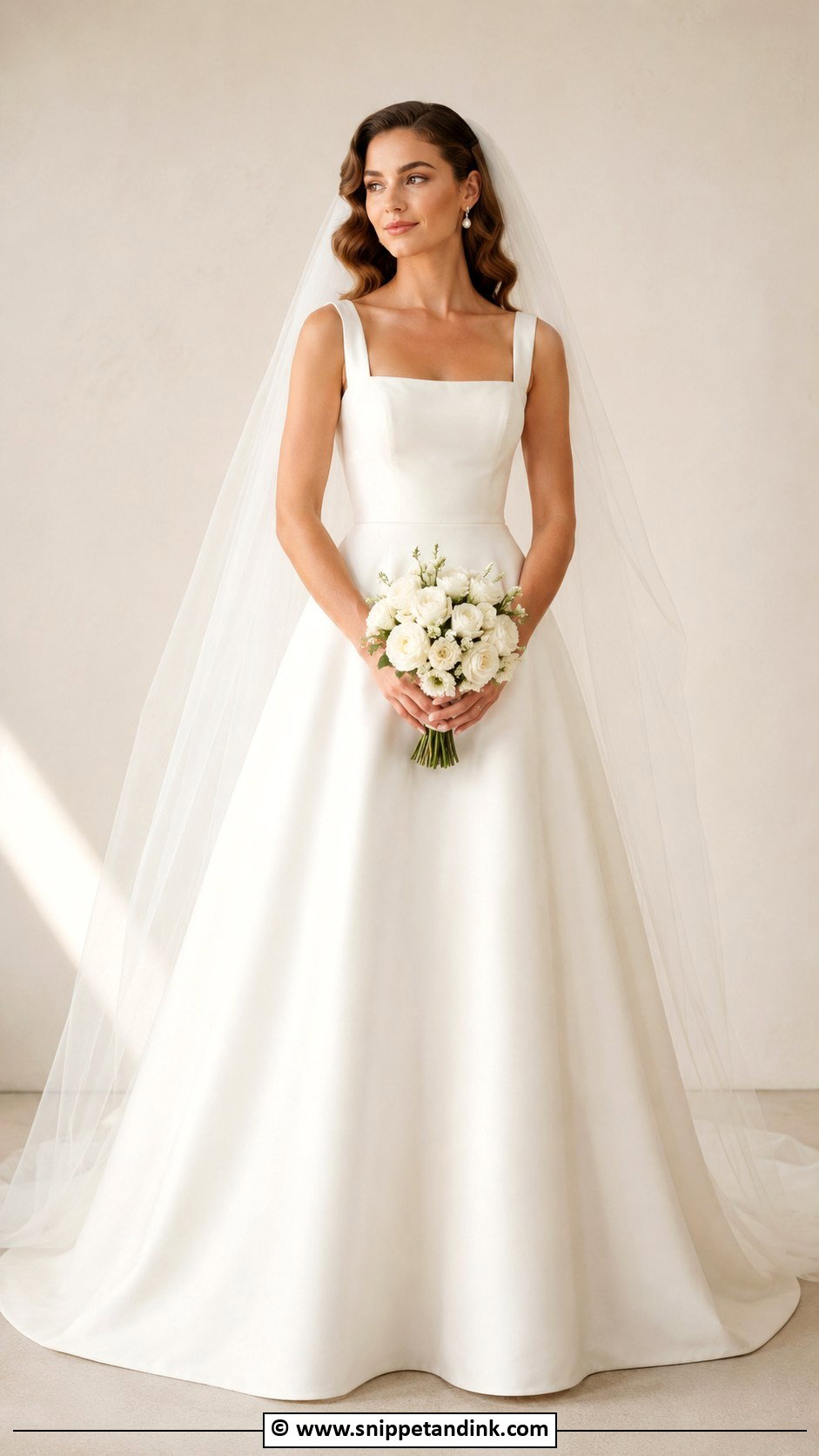
Square necks are easy to wear and frame the face cleanly. They work with fitted bodices, A-line skirts, puff sleeves or slim satin gowns, and depending on fabric they can look Renaissance, 1990s minimal or classic. It’s my go-to suggestion when a bride asks for a clean front without much skin. Supportive structure and well-placed straps keep it secure. Pearl earrings, a sleek veil and soft waves or a low bun.
20. Vintage Boat Neck Wedding Dress
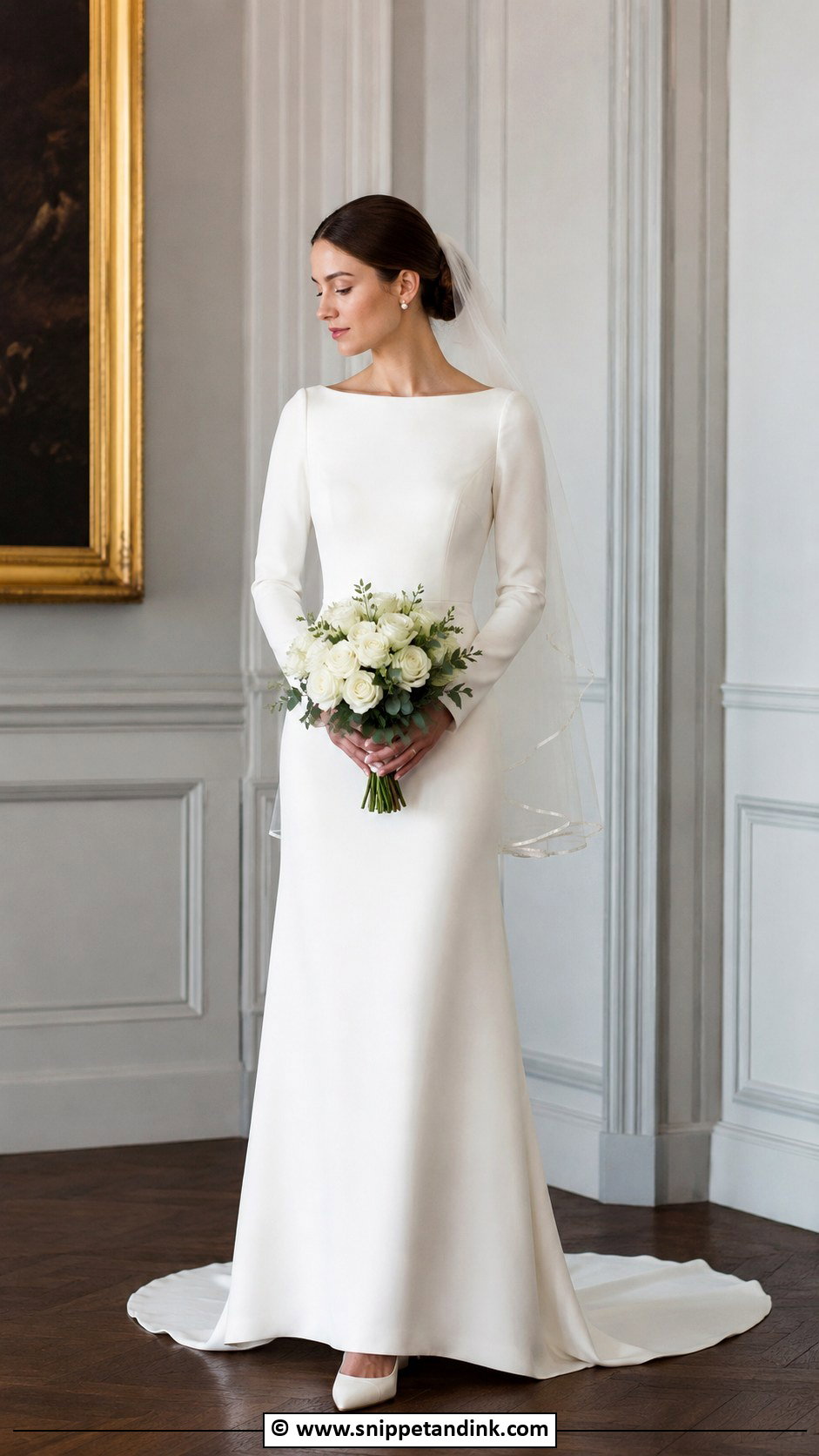
Boat necks run wide across the collarbone, giving a graceful, Audrey-inspired bridal look. They suit tea length dresses, slim satin, long sleeves and structured A-lines. I like them for brides with narrower shoulders, since the horizontal line adds width; on very broad shoulders it can look boxy. Pearl studs, a neat bun, kitten heels or classic pumps and a short or fingertip veil. Leave the neck bare.
21. Vintage Tulle Wedding Dress
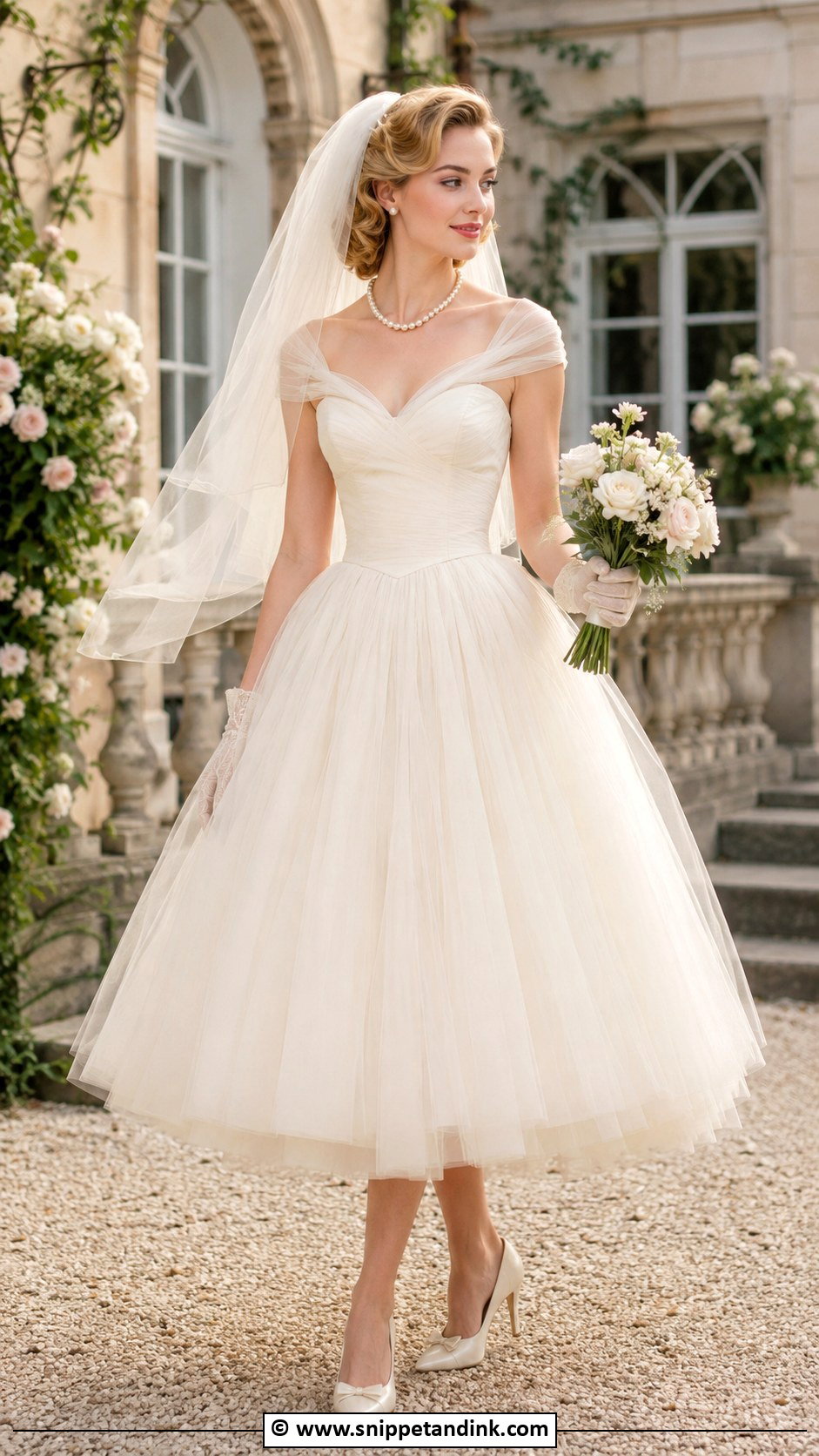
Tulle can be a full skirt, sheer sleeves, an overlay or a veil that blends into the gown. It’s light and moves well in garden and estate settings. The trade-off is snagging: tulle catches on bouquet wire, bracelets and rough floors, so I check the bride’s jewellery and the venue paths. Ivory tulle with lace appliqué or a corseted bodice keeps it subtle; layered tulle with a long train goes dramatic. Satin heels, pearls and a soft updo.
22. Vintage Embroidered Wedding Dress
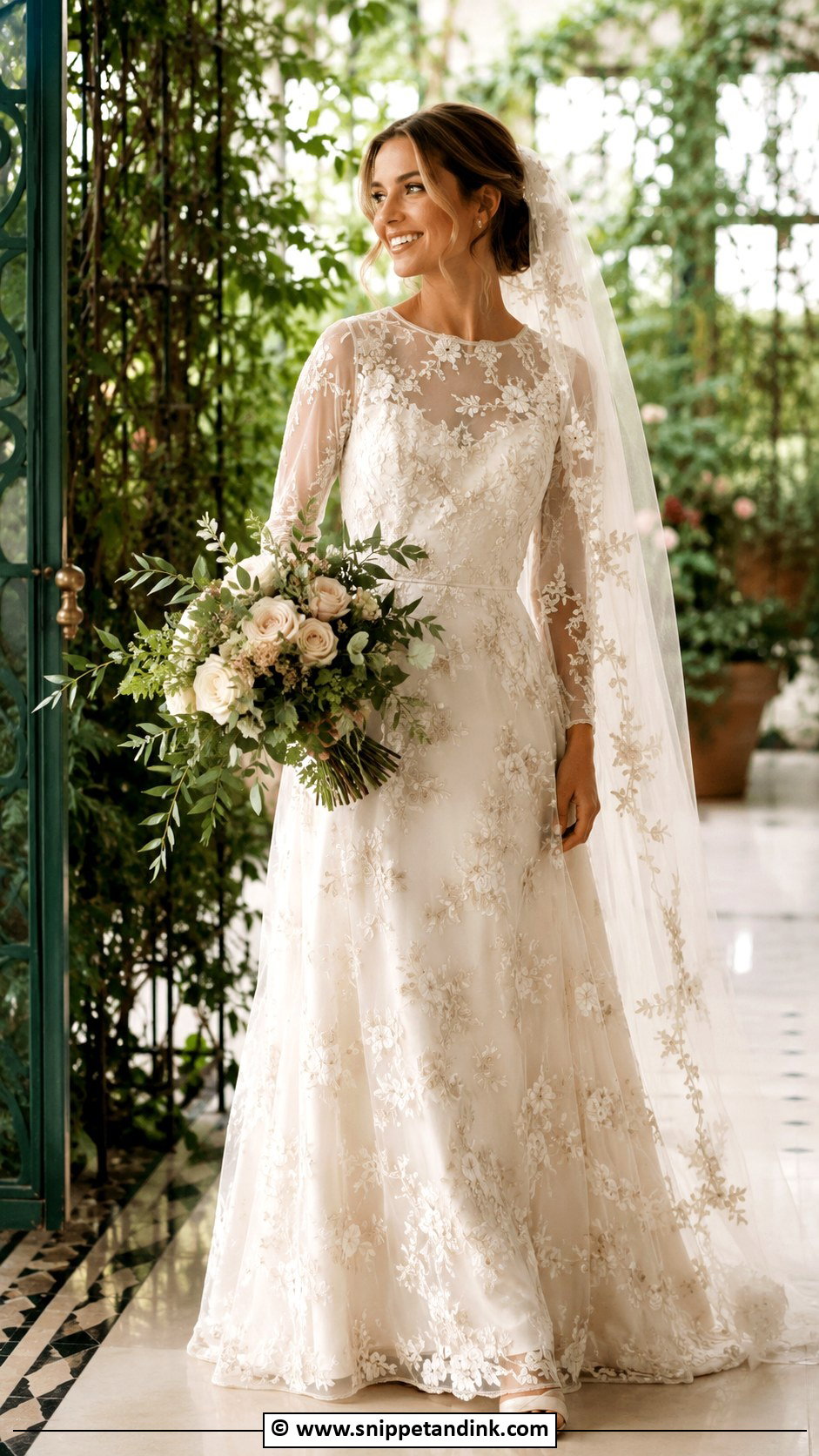
Embroidery adds depth through thread rather than shine: florals, vines, pearls, sequins or tonal work on sleeves, bodices, overskirts and veils. Close-up photos are where it pays off, so I mention it to the photographer. Scale it to your frame; a small amount looks delicate, and allover embroidery feels rich and heavy. Understated heels, simple earrings and a soft hairstyle keep the eye on the stitching.
23. Vintage Courthouse Wedding Dress
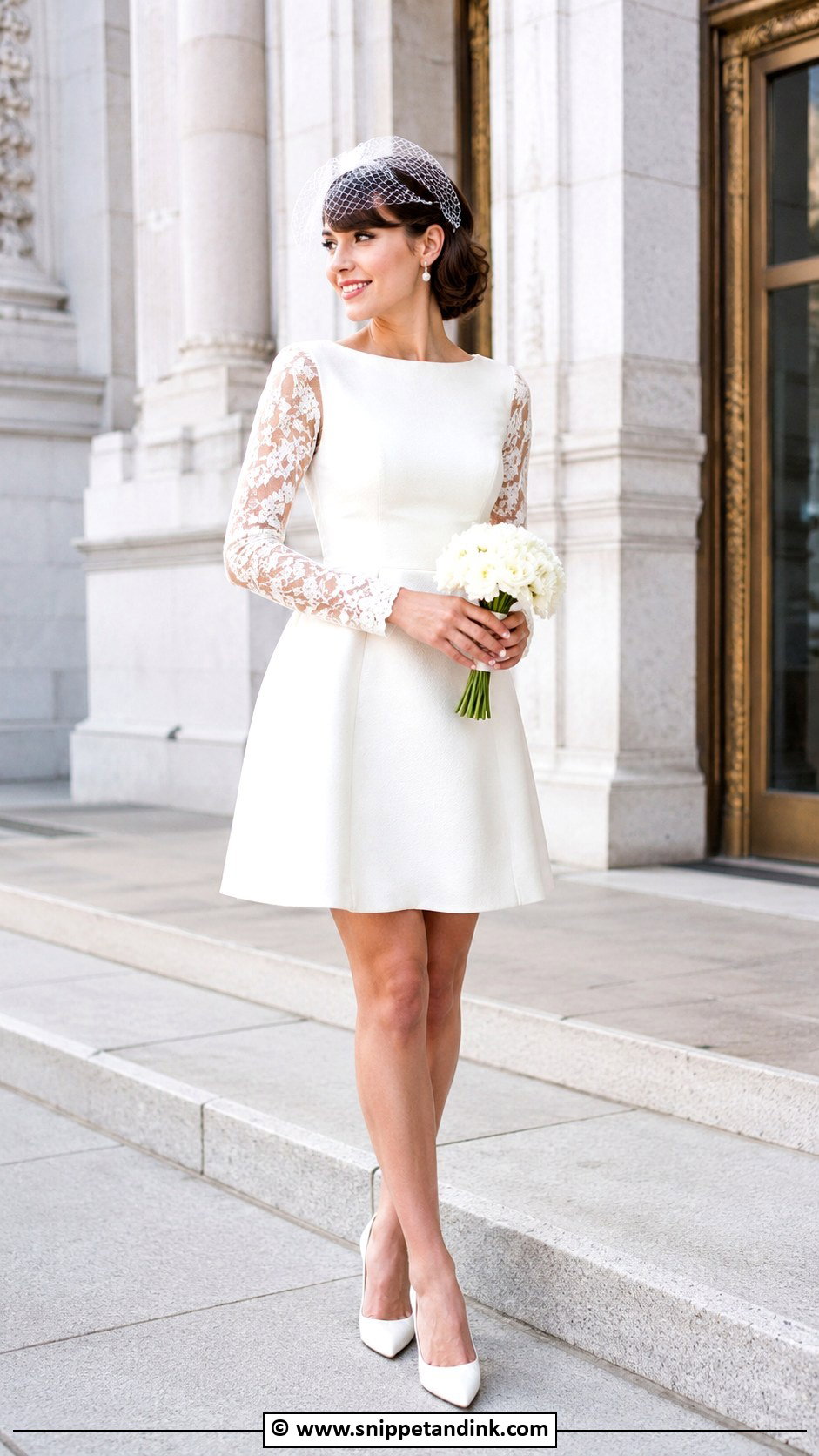
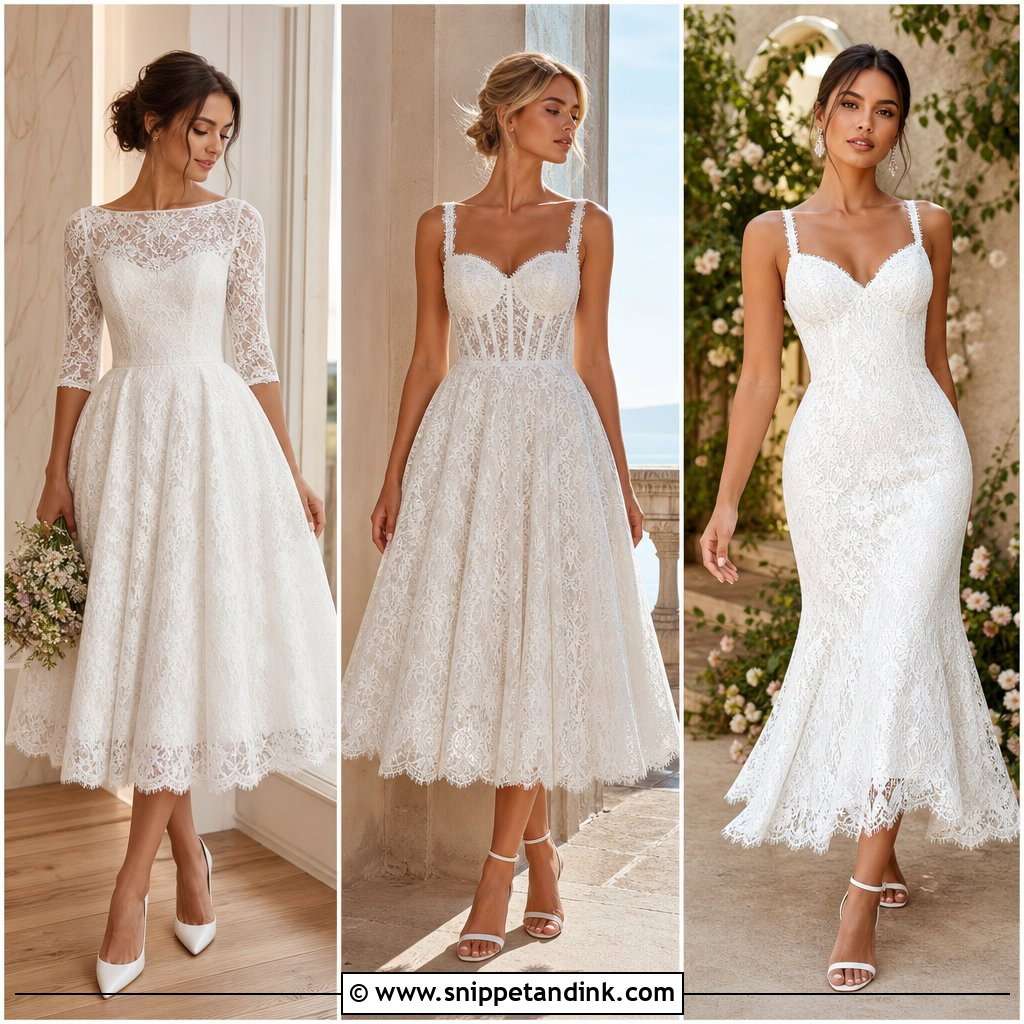
For a courthouse, I’d choose something you can stand comfortably in for photos on the steps and that travels well in a car. Short dresses, tea lengths, satin slips, structured minis and lace midis all work. Choose clean lines and one standout detail: lace sleeves, a bow or a square neck. Pointed pumps, a small bouquet, pearls and a mini veil, with a tailored coat in cold weather. Check the dress doesn’t crease badly from sitting in the waiting area.
24. Vintage Beach Wedding Dress
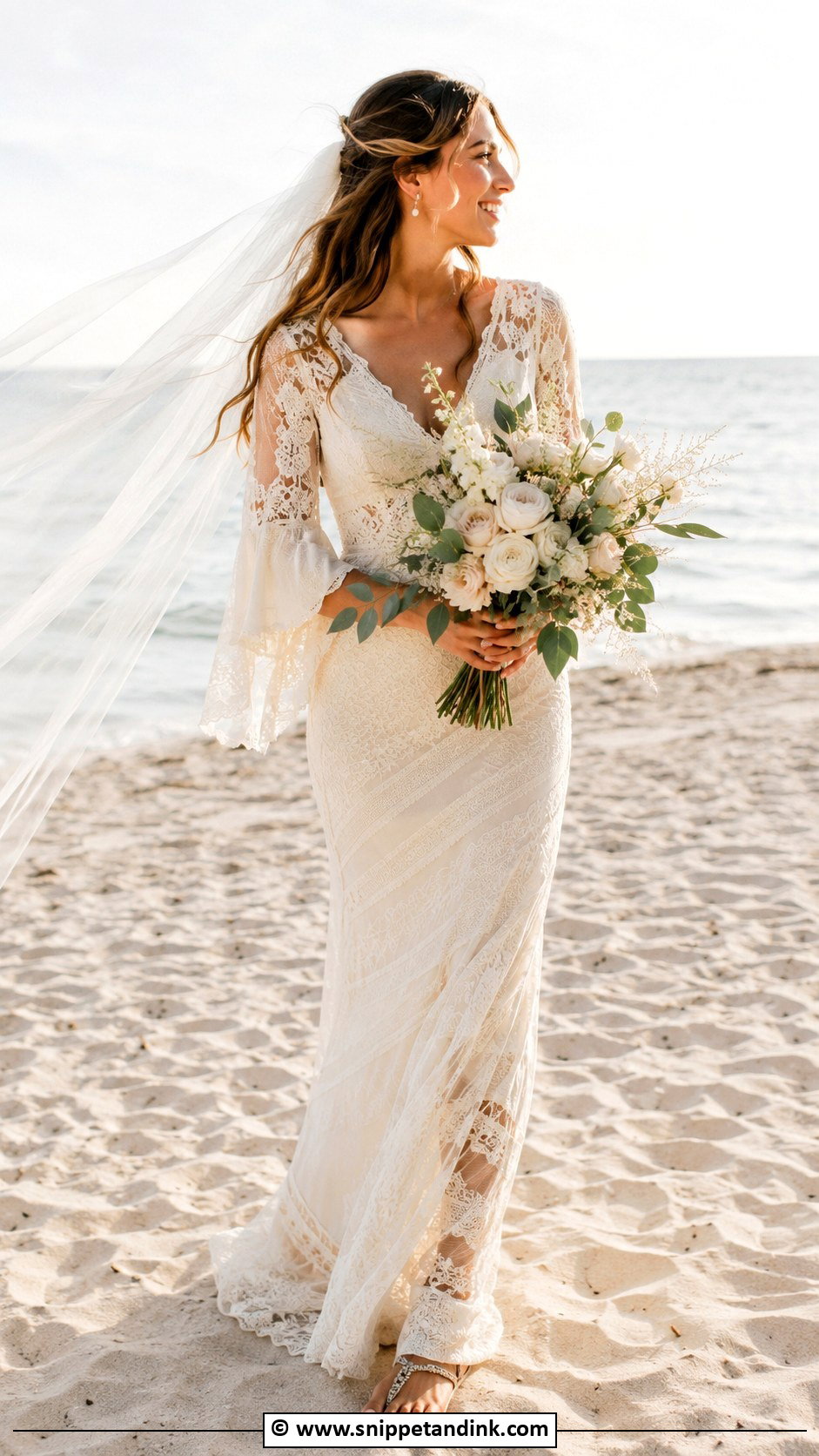
Sand and wind rule out heavy ball gowns and stiff trains. Chiffon, silk, cotton lace, crochet lace or soft satin move with the breeze, and a 1970s-inspired lace gown, a 1930s bias cut or a simple slip all work by the water. I’d hem it slightly shorter than usual for a beach so it doesn’t drag wet sand. Flat sandals, pearl earrings, loose waves and a light veil, pinned firmly, or skipped altogether if it’s windy.

25. Vintage Reception Wedding Dress
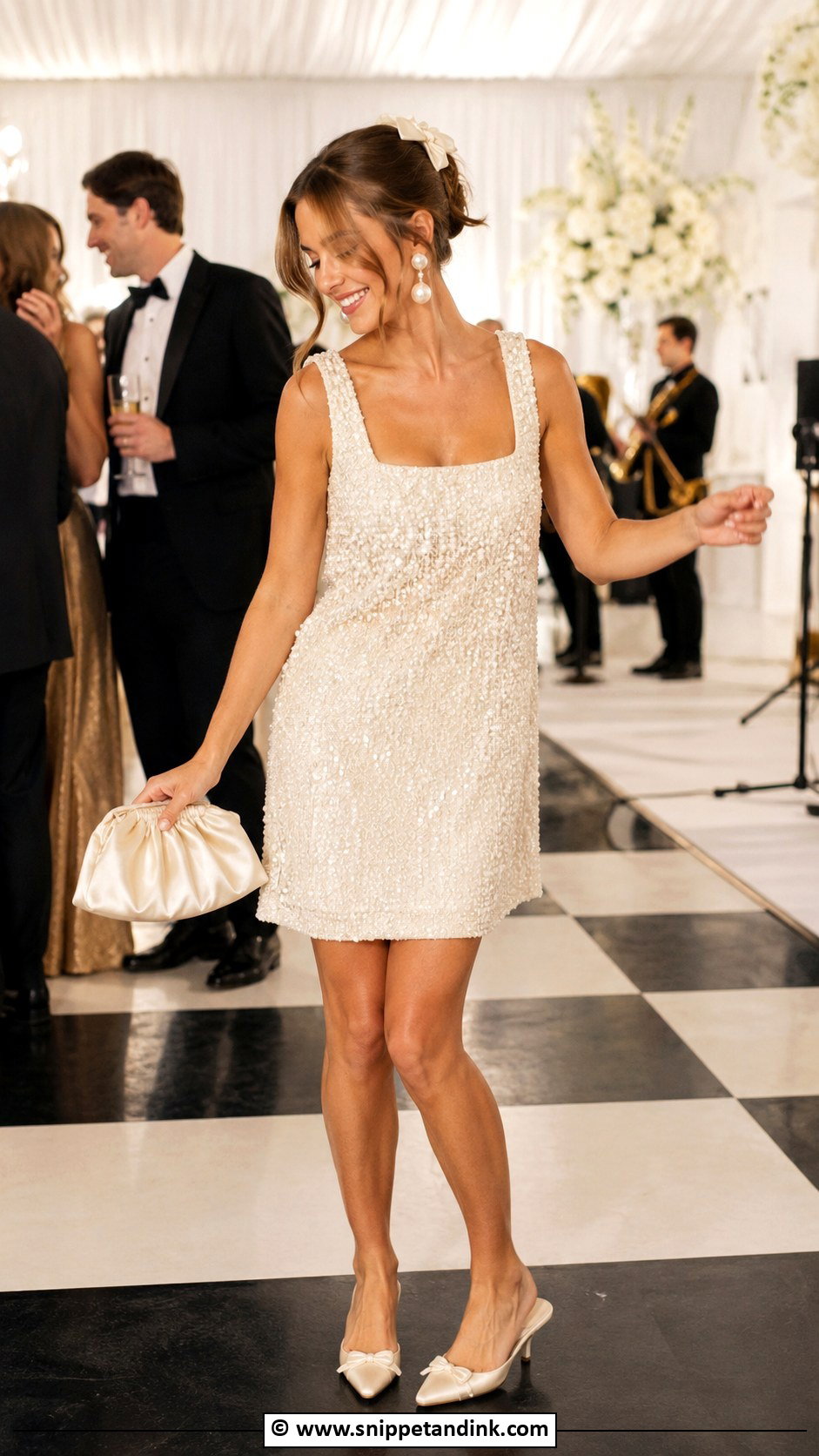
The reception dress is for moving. Tea lengths, beaded minis, satin slips, feather hems and 1960s A-lines are all popular, and they can be more playful than the ceremony gown. I balance the pair: after a dramatic gown, something simple feels like relief; after a minimal gown, a beaded or textured dress adds a lift. Comfortable heels, statement earrings, a mini veil or bow and a small clutch. Try dancing in it before buying.
Hair and Makeup That Nod to the Decade Without Copying It
This is where vintage looks most often tip into costume. My rule is to let the dress carry the era and choose just one strong period cue for hair or face, not both.
- 1920s and 1930s: sculpted waves close to the head, or a low bun with a deep side part. Pair with a soft lip rather than the dark, heavy mouth of the period.
- 1940s: a softened victory roll or brushed-out curls with a classic red lip. Keep the eye makeup light.
- 1950s: a winged liner and a polished, slightly lifted set. A full petticoat plus big curls plus a red lip is too much in one go.
- 1960s: volume at the crown or a strong lash, with nude lips. Skip the heavy lower lash line unless you really want it.
- 1970s: a centre part with loose waves and warm, glowy skin. This is the easiest decade to wear with modern makeup.
Bring a photo of the dress to your hair and makeup trial, and wear something with the same neckline. A high collar changes what an updo should look like, and a bias-cut slip looks very different with a structured set than with soft waves. I also check how period styles hold up: finger waves and pin curls need setting time and product, and in humid weather they soften quickly, so ask your stylist for a version built to last the day.
One Decade, Fitted Well, Worn Your Way
A dress borrowed from another decade brings shape, detail and personality to a wedding outfit, and it still leaves room for modern styling. The 1920s beading, 1930s satin, 1950s tea length and 1990s slip all work, provided the fit is right and the accessories support the dress rather than turning it into a theme. Choose the era that feels natural on you, give yourself time for fittings, and let one strong detail carry the look.
You'll Like These Ideas:





Leave a Reply