
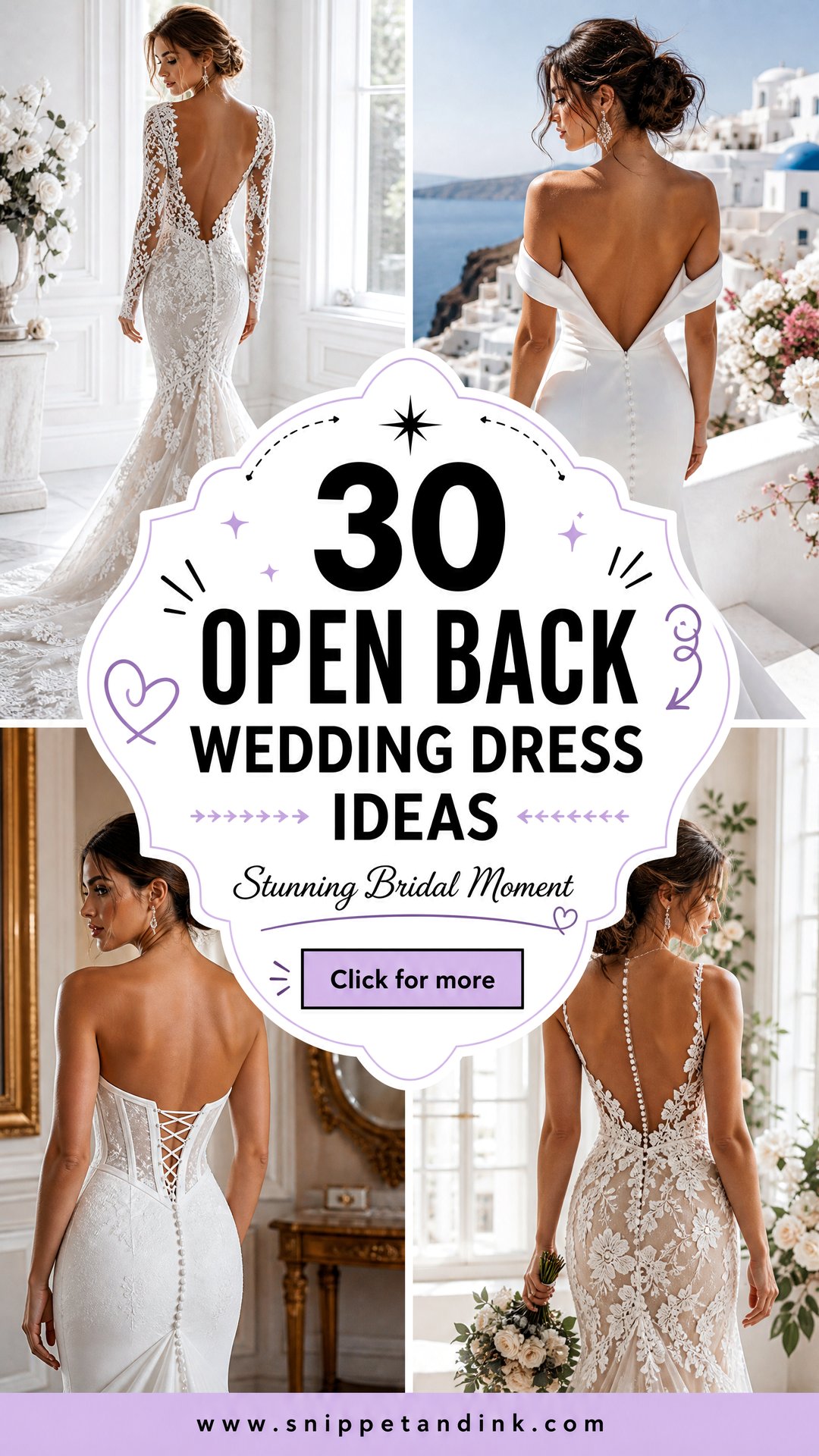
For most of the ceremony, your guests are looking at your back. That’s why I spend as long on the backline at a fitting as I do on the neckline. An open back can be a plain satin scoop, a row of buttons under illusion mesh, a corset, a bow or a frame of lace ball gowns and crepe columns alike. What makes it work is support you can’t see and a shape that suits your posture. Below are thirty versions I’d put a bride in, with what each needs underneath to stay put from the first look to the last song.
How Low Is Too Low? Matching the Opening to Your Body
Depth is the first thing brides ask about, and there isn’t one right answer. It depends on your bust, your posture and how much support you need.
Above the bra line
A scoop or square back that stops above where a bra band would sit lets you wear a low-back bra or a bodysuit. It’s the easiest option for fuller busts and the most forgiving on long days.
Mid-back to waist
Once the opening drops below the bra line, all support has to be built into the dress: sewn-in cups, side boning and a firm waist. This is where most open back gowns sit, and where fit really decides the result.
Below the waist
Very low backs look dramatic but leave the bodice with almost nothing to grip. I only recommend them with a halter or a very well-engineered bodice, and to brides who are comfortable checking it at every fitting. Stand side-on to a mirror and slump slightly; if the edge gapes, it needs more structure or a higher cut.
1. Open Back Satin Slip Wedding Dress
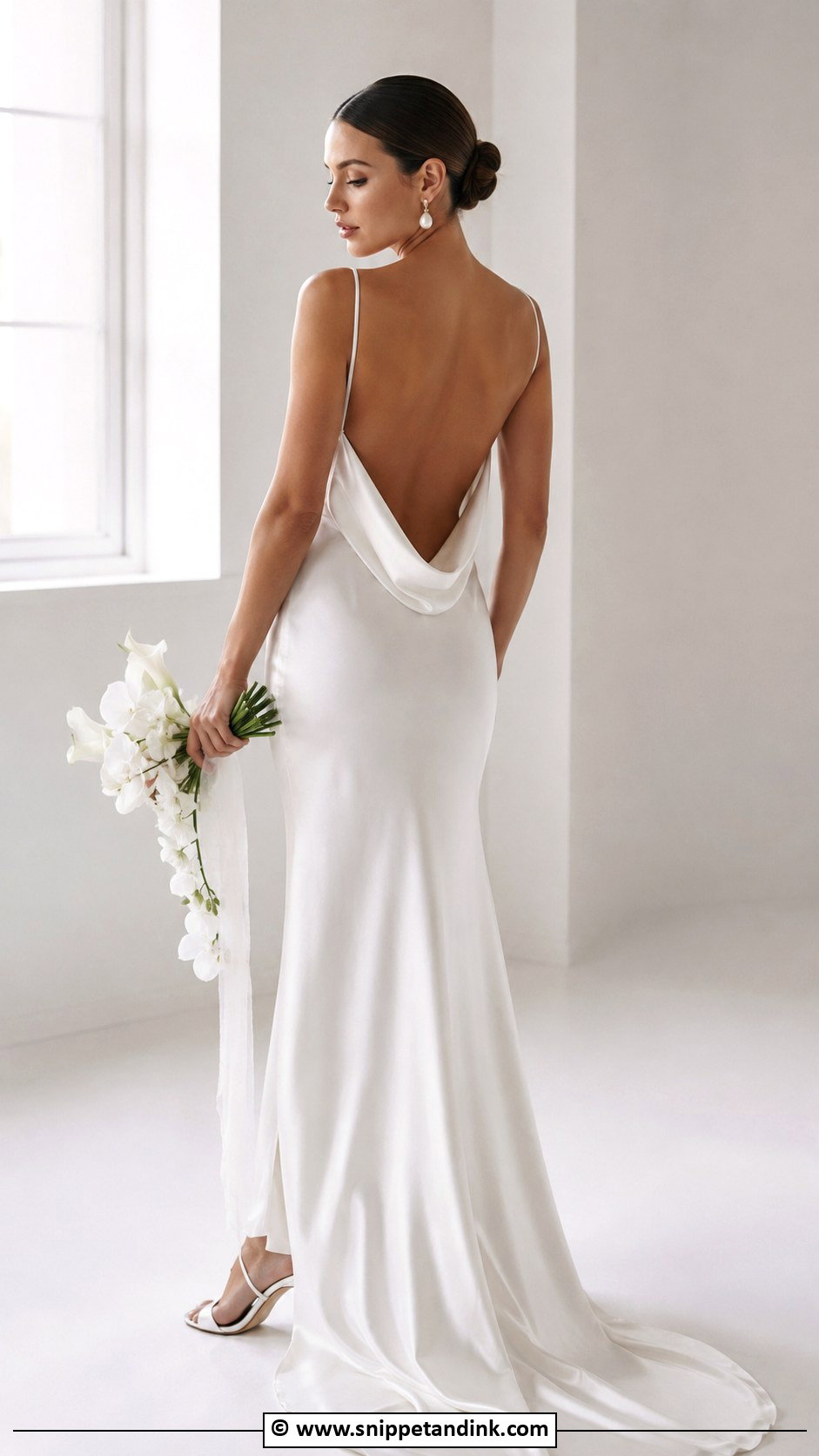
A satin slip with a low back puts all the attention on the fabric and the curve of the spine. A soft cowl, a low scoop or thin crossed straps give interest without anything heavy. Fluid satin is honest about what’s underneath, so ask your seamstress to sew cups into the lining rather than relying on a backless bra. Keep the veil chapel length and pin it under the bun, so it lifts off the back rather than covering it.
2. Open Back Lace Mermaid Wedding Dress
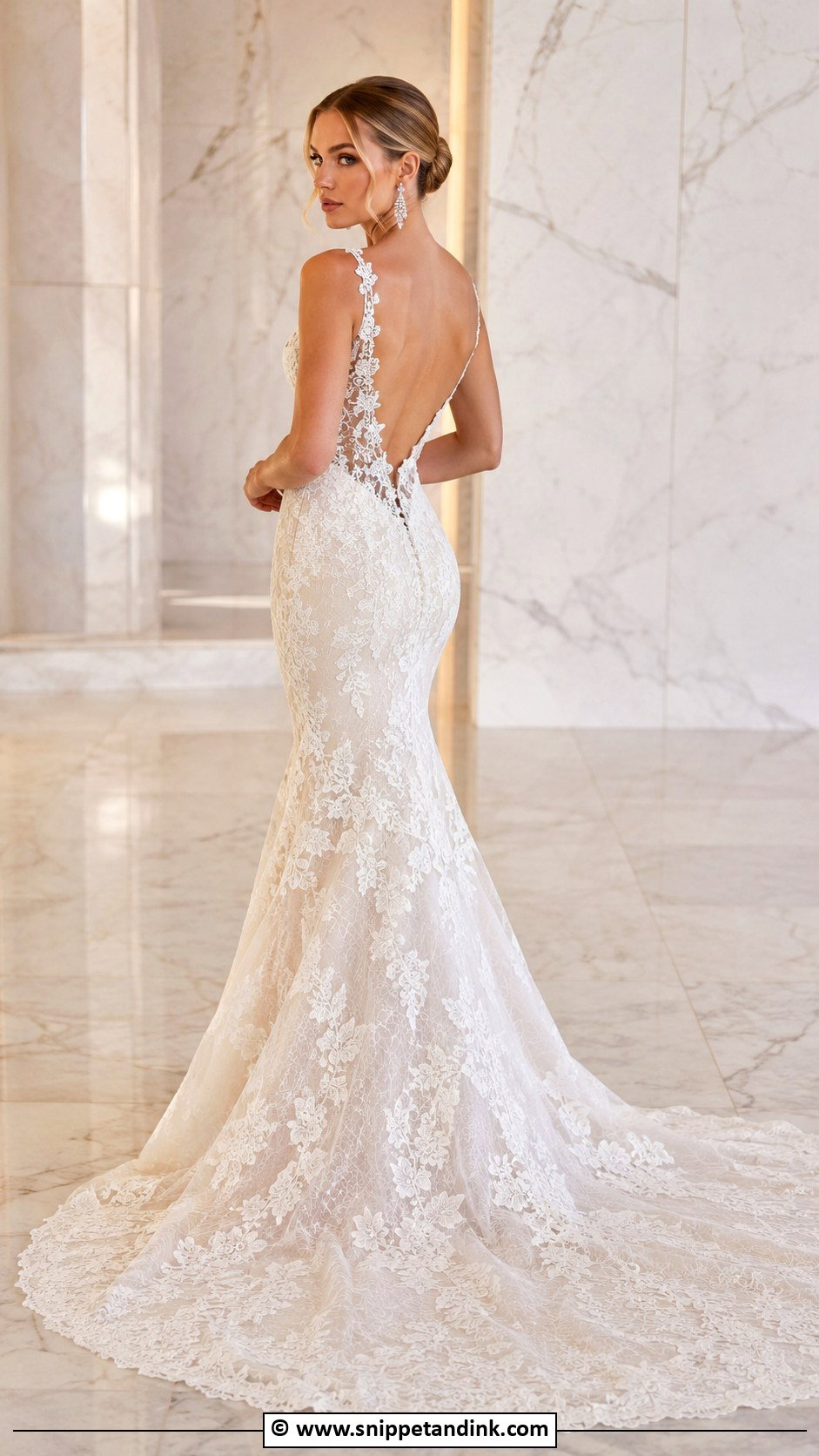
Lace around an open back on a mermaid gown frames the shoulder blades and waist, then the skirt flares below the knee. It’s a dramatic, fitted shape for formal evenings. The security comes from the sides: look for boned side panels or a firm lining, since there’s no back fabric to hold the bodice to you. Wear your hair up or pinned to one side so the lace stays on view.
3. Open Back A Line Wedding Dress
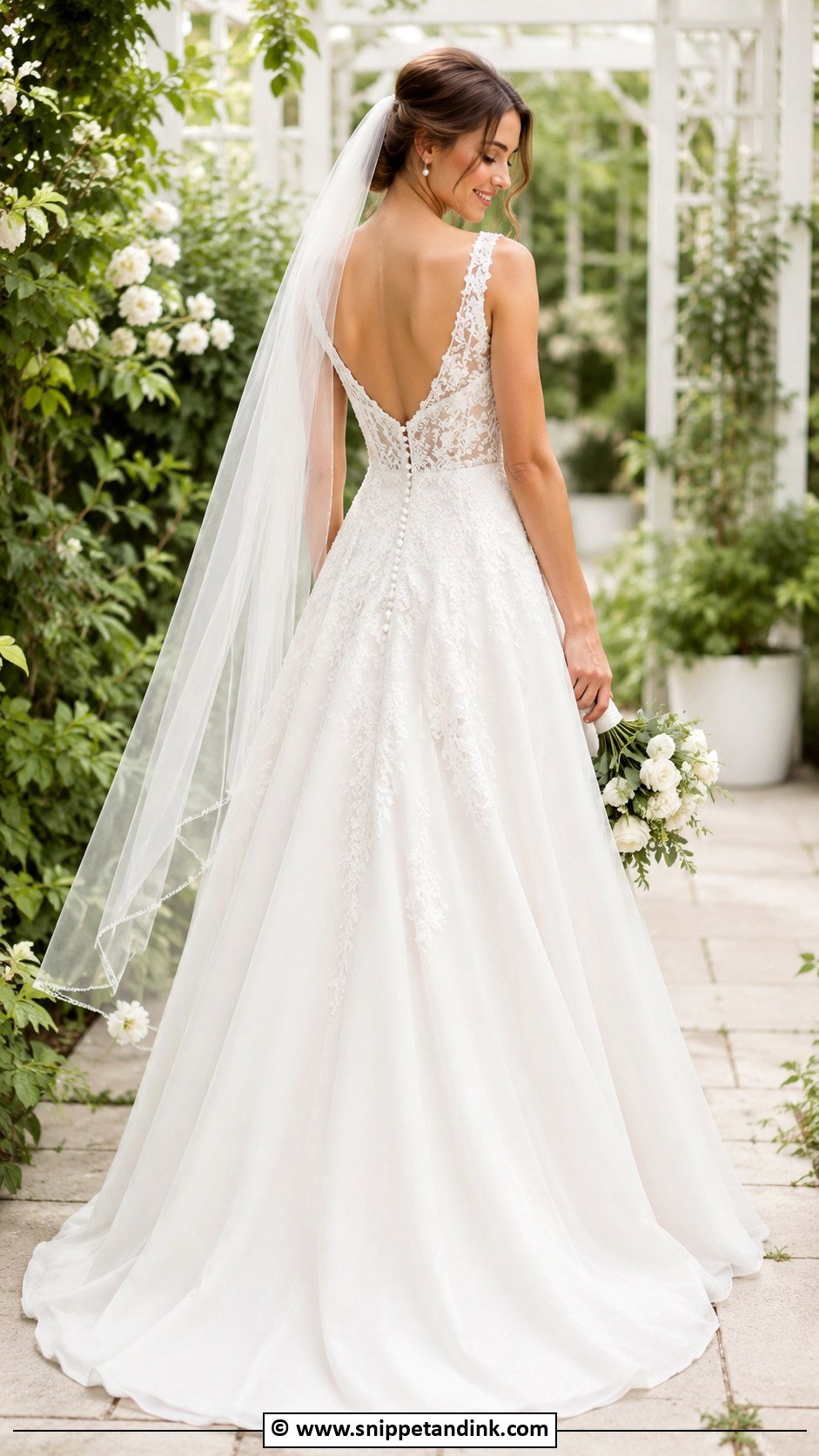
If you want the open back without a tight silhouette, the A-line is where I start. The bodice defines the waist and the skirt relaxes over the hips. A V-shaped opening makes the torso look longer; a rounded scoop is softer. Lace, satin and tulle all suit it. It’s a dependable choice for gardens, hotels and estates.
4. Open Back Ball Gown Wedding Dress
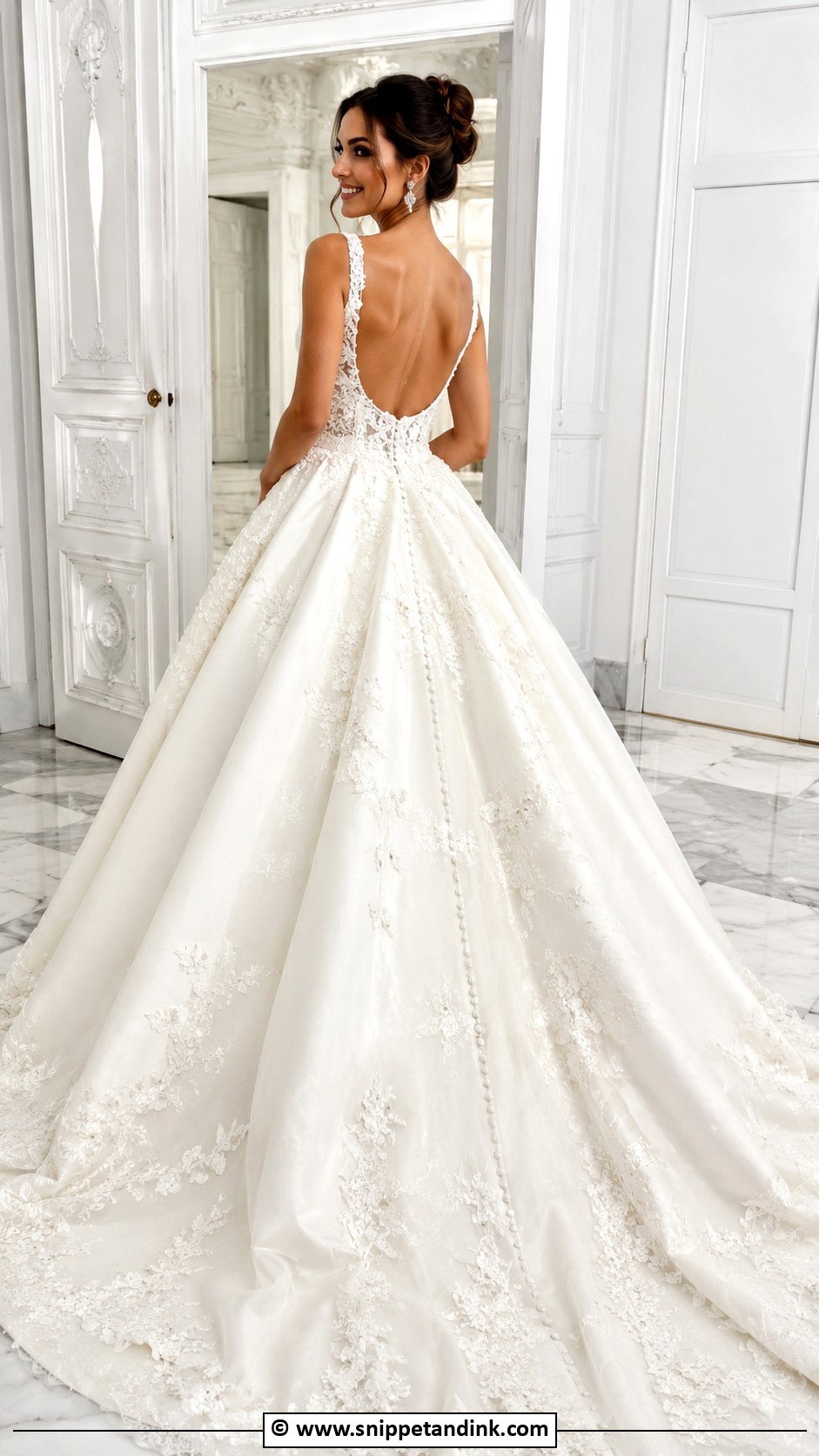
A full ball gown with an exposed back balances tradition with something modern. The heavy skirt pulls downward on the bodice, so the back opening has to be built into a properly boned structure, not just cut out of it. Covered buttons or lace appliqué below the opening make a strong finish. Talk to your tailor about the bustle early; a skirt this big needs a plan for the reception.
5. Open Back Long Sleeve Wedding Dress
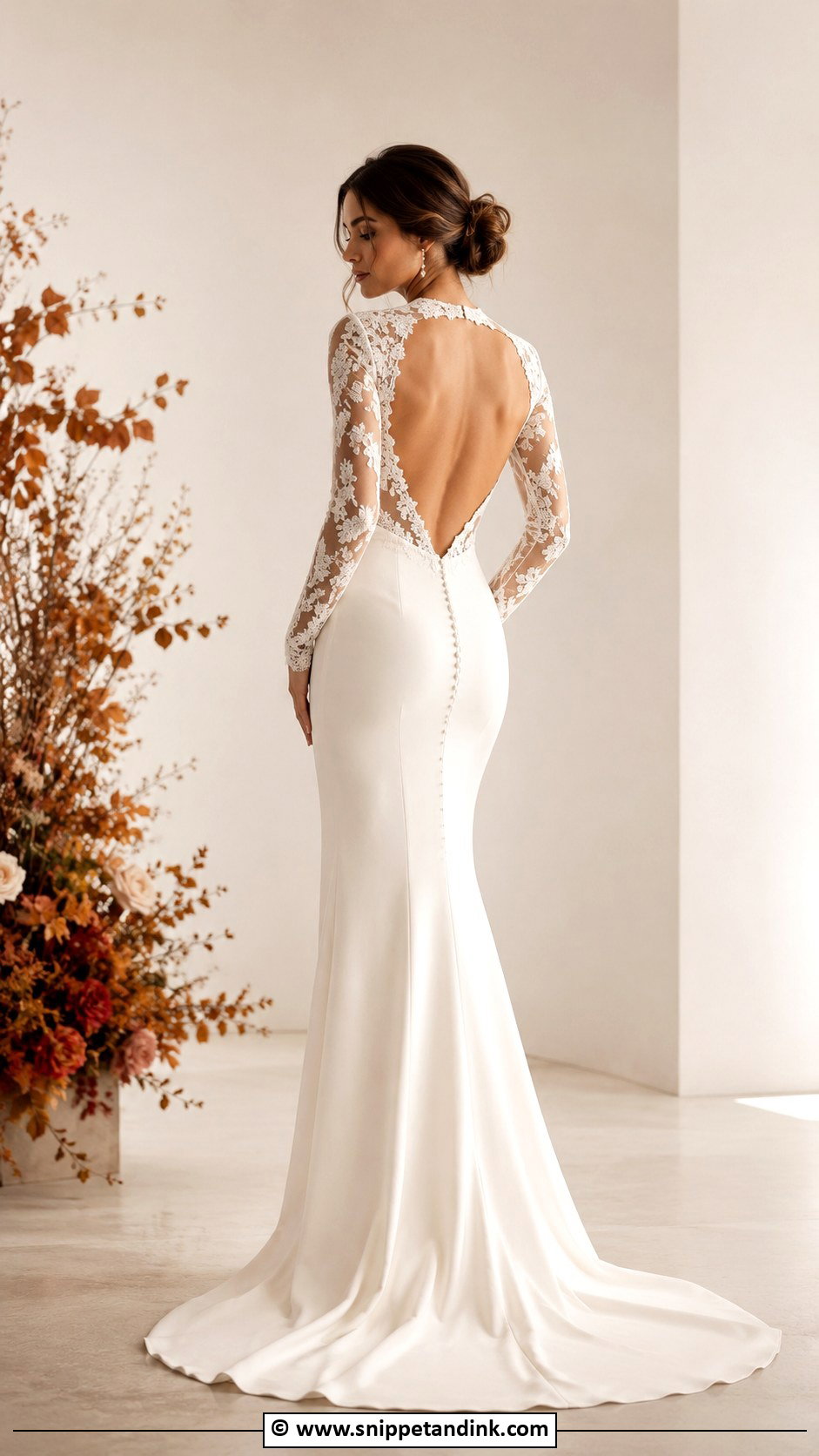
Long sleeves at the front and bare skin at the back make a contrast I never tire of. Lace sleeves feel romantic, sheer ones delicate, crepe ones sharp. A high front neck with a low back is the most dramatic version. The thing to test is reach: when you lift your arms in a long sleeve gown with no back, the whole bodice can shift upward. Wear your hair up or half-up so the back stays visible.
6. Open Back Crepe Wedding Dress
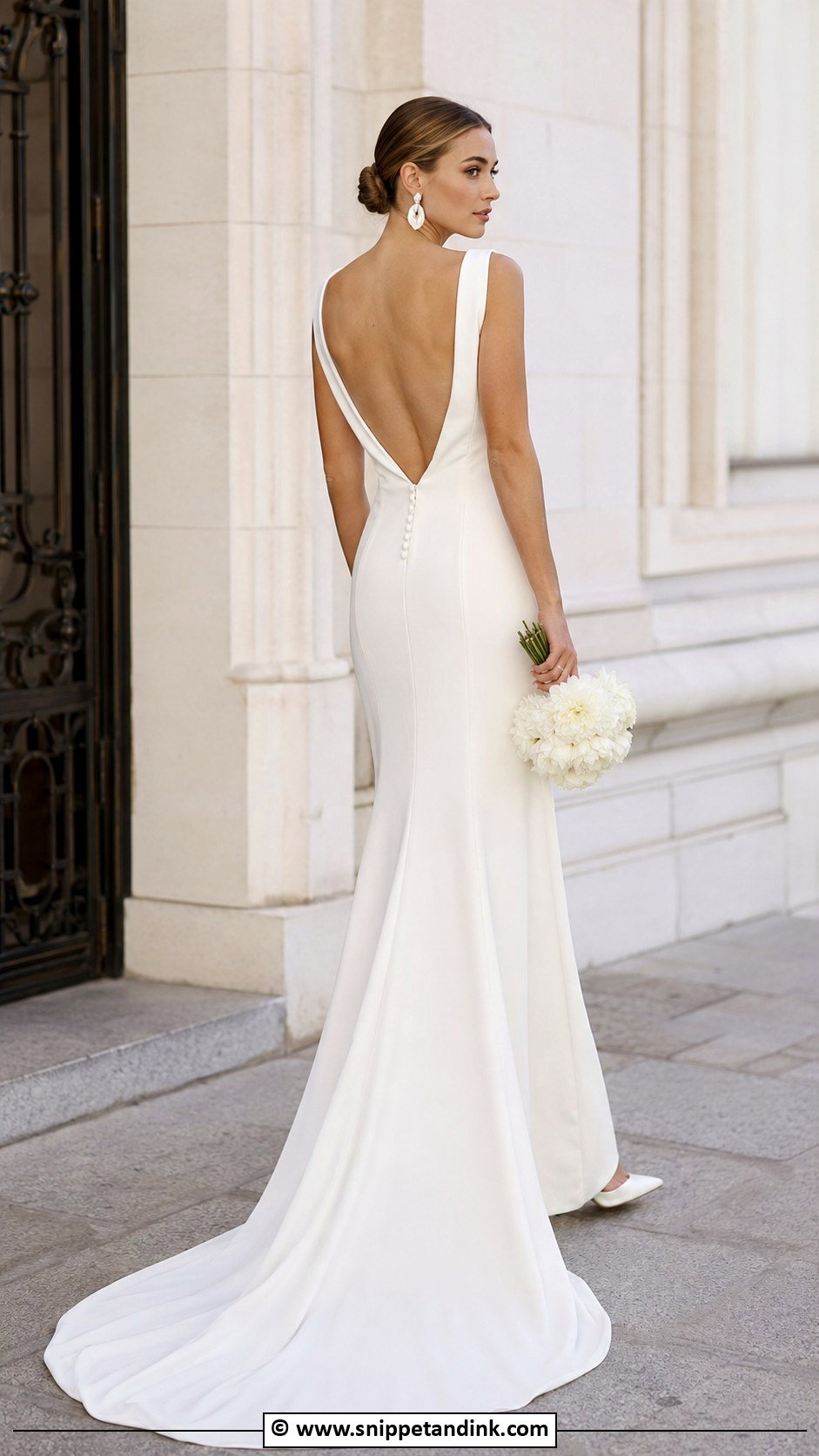
Crepe lies smooth against the body and shows fit clearly, which is exactly why a low V or square back looks so sharp in it. It’s also why alterations matter so much. Any gaping at the edge of the opening shows from across the room, and a skilled seamstress can take it in with a small dart. Pointed heels, sculptural earrings and a long train suit galleries and city hotels.
7. Open Back Boho Wedding Dress
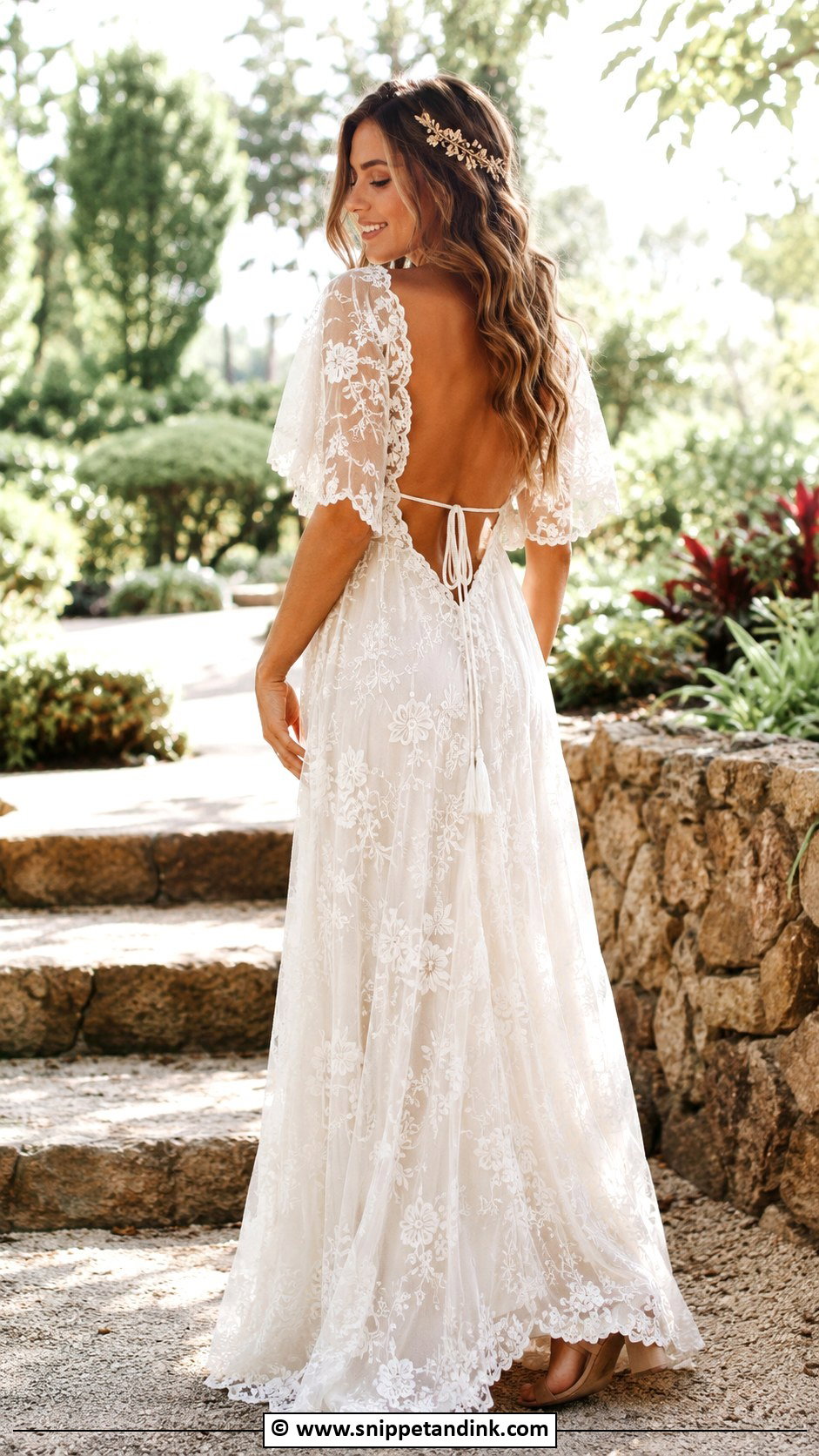
Boho open backs lean on soft lace, light chiffon, flutter sleeves and tassel ties. The back can drop low and free, or be crossed with lace straps for a handmade feel. It suits beaches, gardens and mountains. Loose waves and a flower comb fit the mood. Outdoors, pick a skirt light enough to move easily, and check that tie-backs are knotted securely; they loosen when you dance.
8. Open Back Tulle Wedding Dress
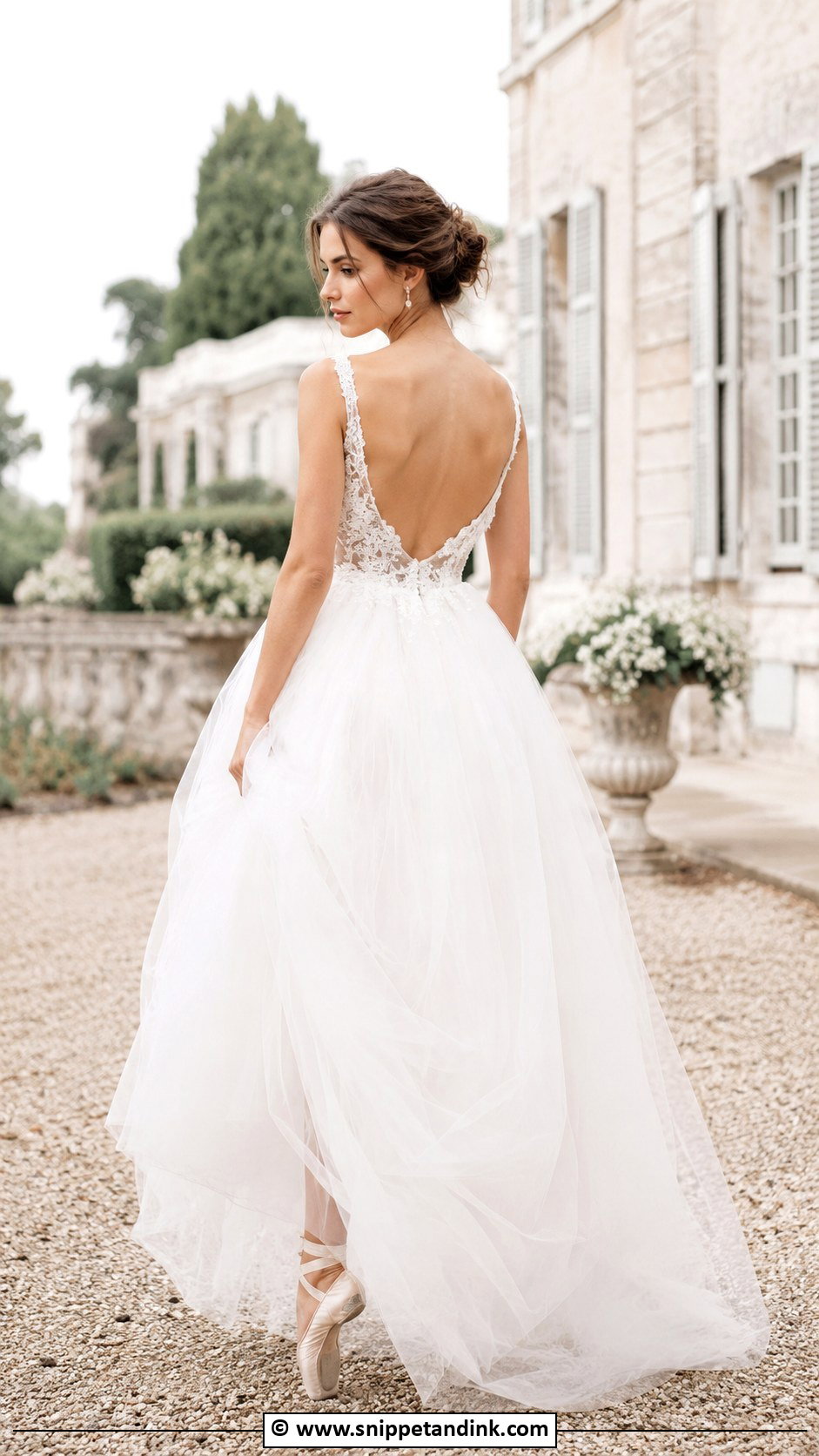
Layered tulle gives movement, and an open back stops all that volume from looking heavy. A lace bodice on tulle is romantic; a clean corset on tulle is more fashion-led. A full tulle skirt adds weight that pulls on the back edge, so the backline needs to be secure. Delicate earrings, a soft updo and a veil in matching fine tulle complete it.
9. Open Back Wedding Dress With Bow
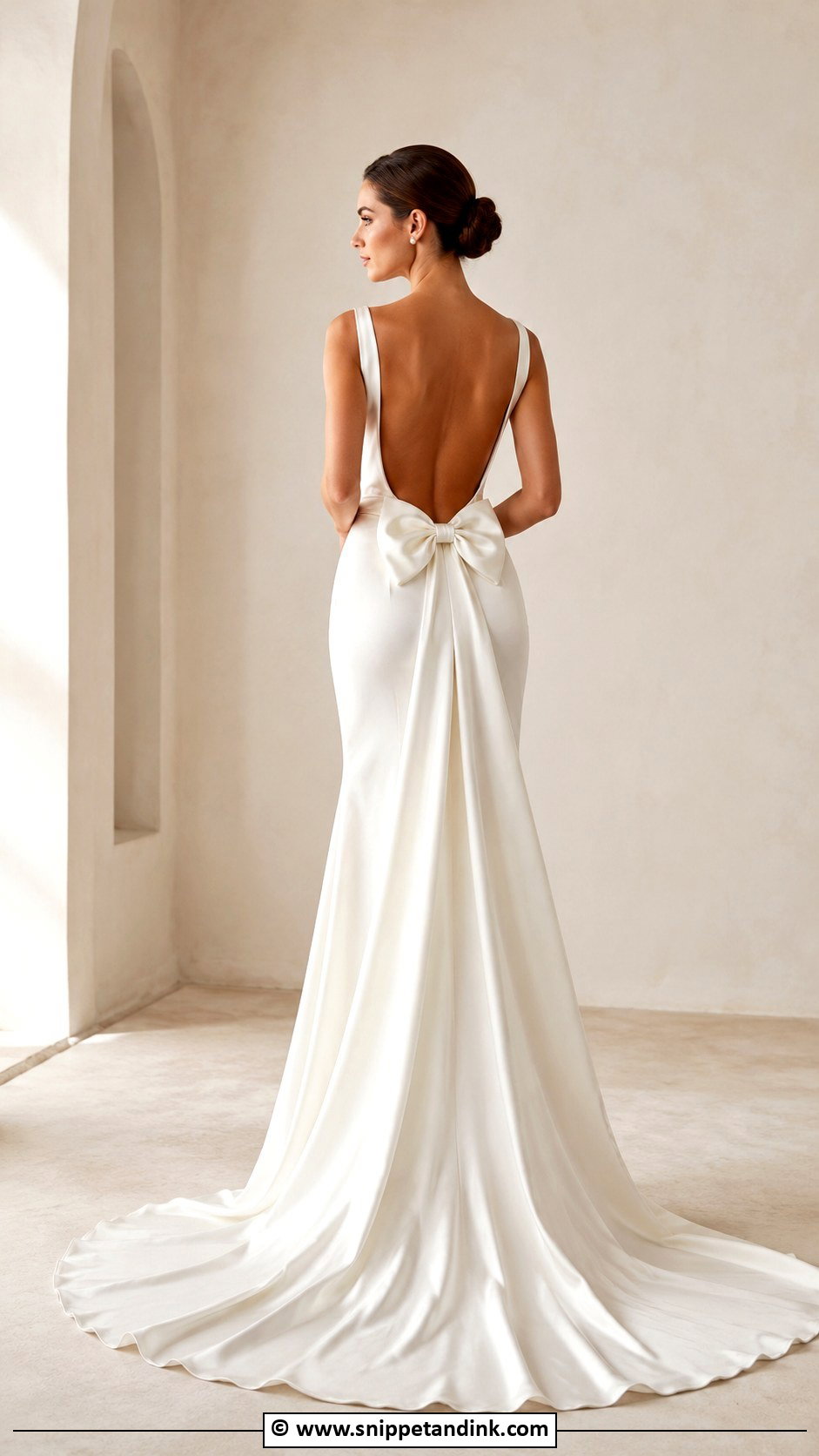
A bow can sit at the waist, across the shoulders or at the base of the opening where it runs into the train. On satin, mikado and crepe it holds a crisp shape. A structured bow suits an A-line or ball gown; long trailing ties suit a slip or sheath. Keep your hair in a low bun so the bow isn’t hidden. I always check the bow after sitting, since a crushed loop rarely springs back.
10. Open Back Wedding Dress With Buttons
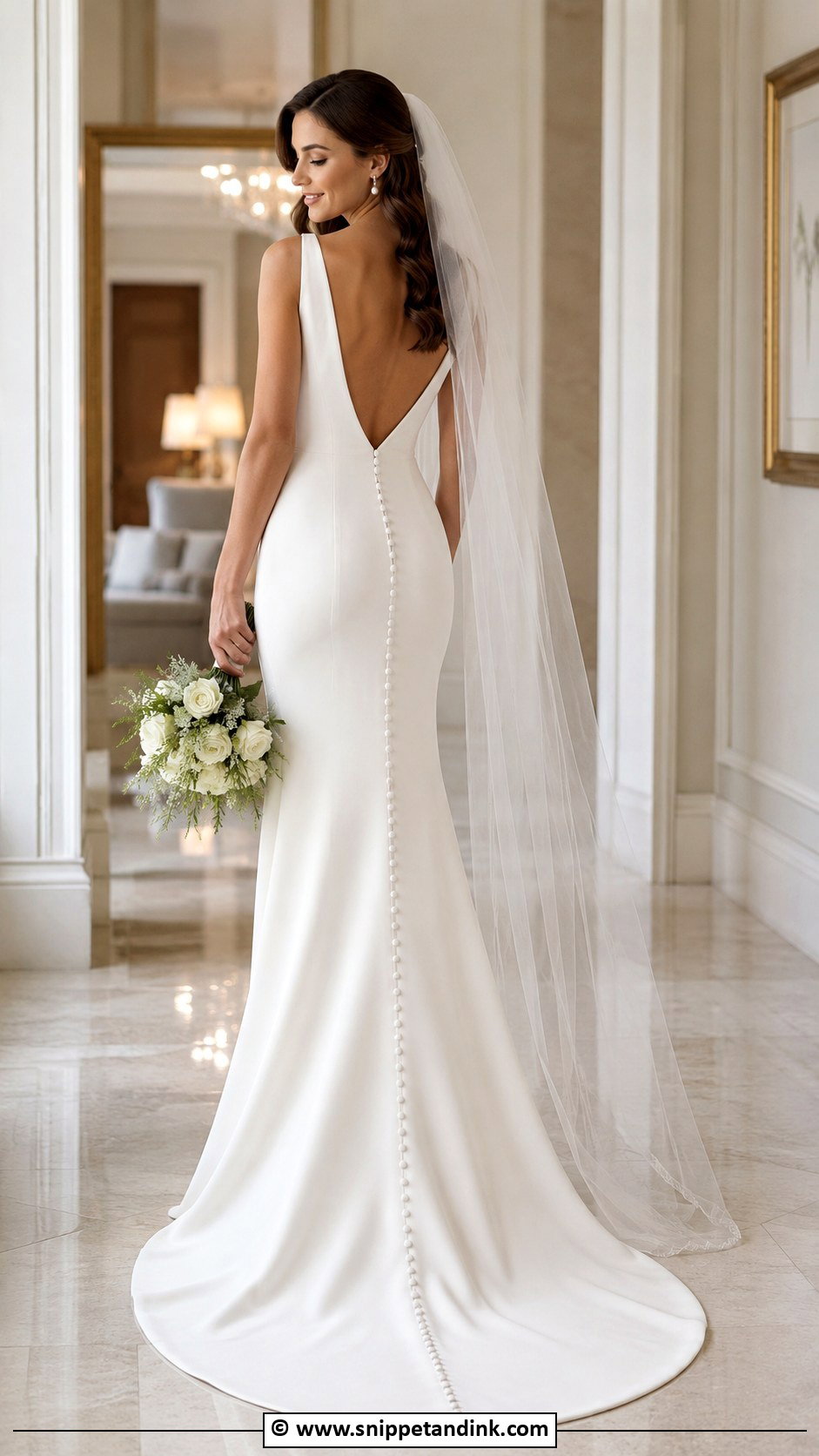
Covered buttons below an open back give a traditional finish to a modern cut. They can run from neck to waist, down the lower back or along the train. A V-back with buttons below draws the eye down and lengthens the shape. On satin, crepe, mikado and lace they add texture without clutter. Most are decorative over a hidden zip, which is a good thing on the day.
11. Open Back Illusion Lace Wedding Dress
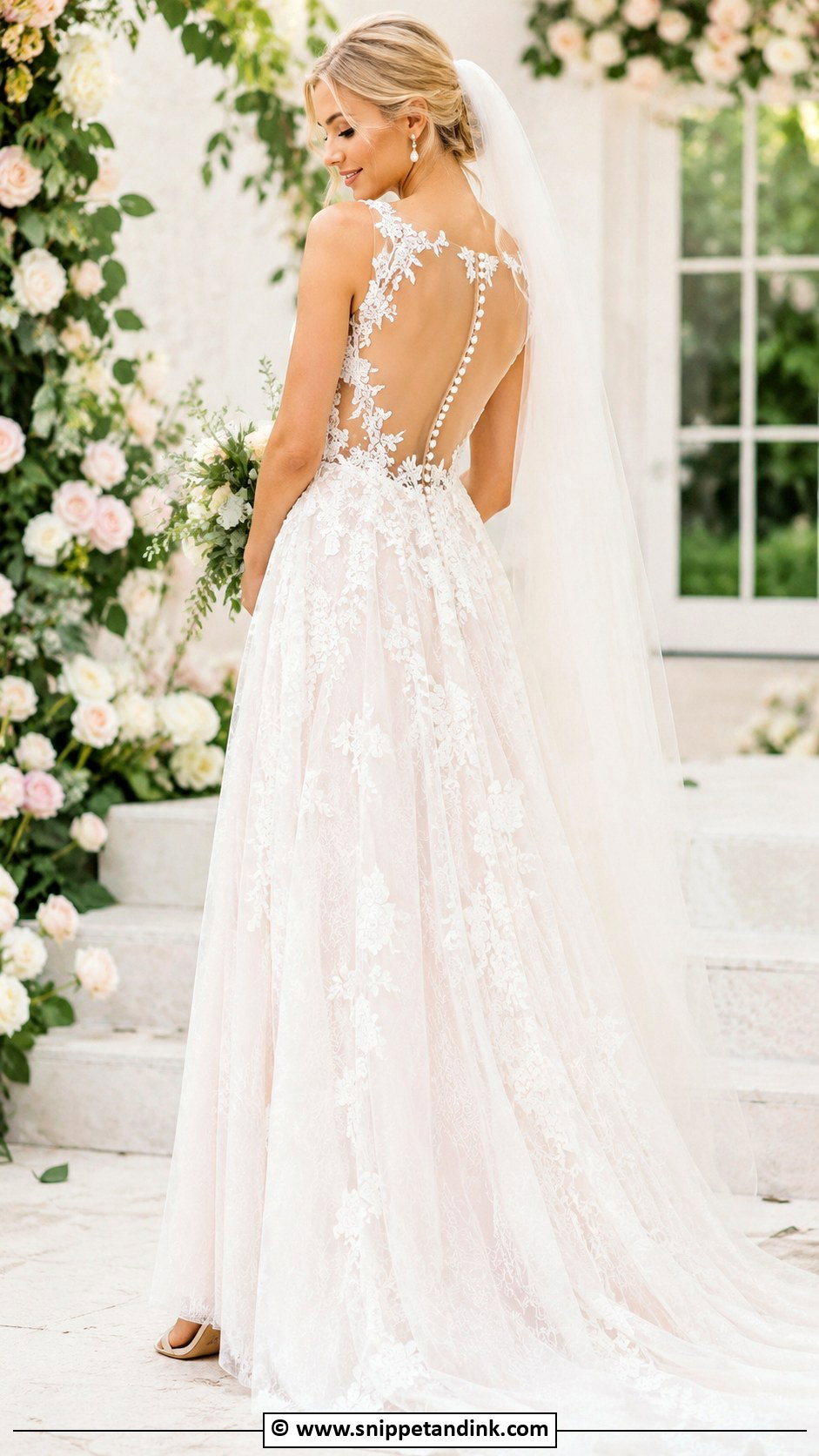
Illusion mesh gives the look of bare skin while holding lace, buttons or beading in place. It also adds support through the shoulders and sides, which helps if you’re nervous about a fully open back. Match the mesh closely to your skin tone; the wrong shade shows up as a grey or pink panel in photos. Wear your hair up to show the lace pattern.
12. Open Back Halter Wedding Dress
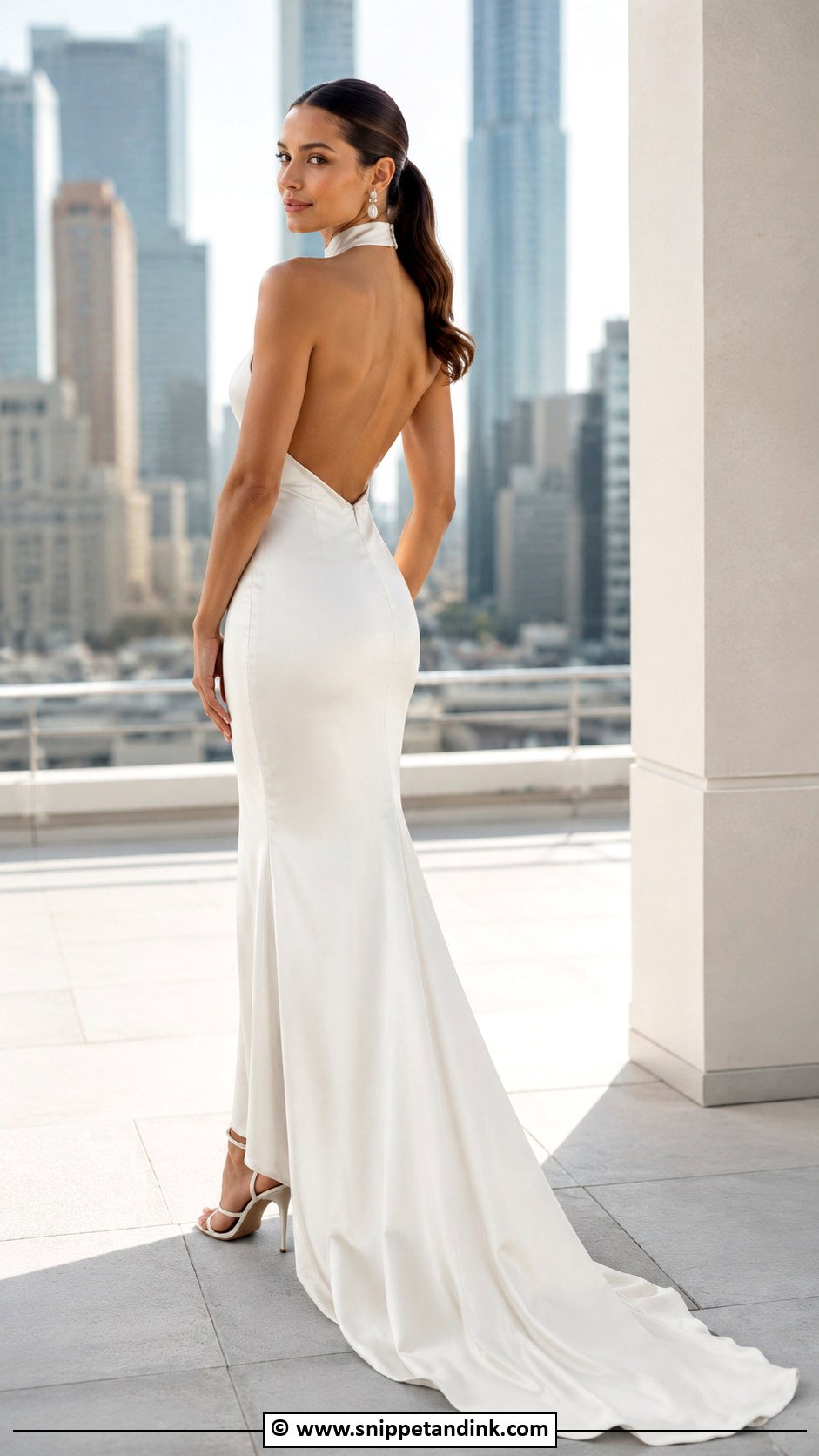
A halter supports the bust from the neck, so the back can drop low with confidence. It suits sleek, athletic and modern looks, especially in satin, crepe, silk and fabrics with a little stretch. Fitted, column and soft A-line skirts all work. A smooth bun or a sleek ponytail keeps the back clear. Check the neck tie after an hour of wear; a narrow one can start to rub.
13. Open Back Square Neck Wedding Dress
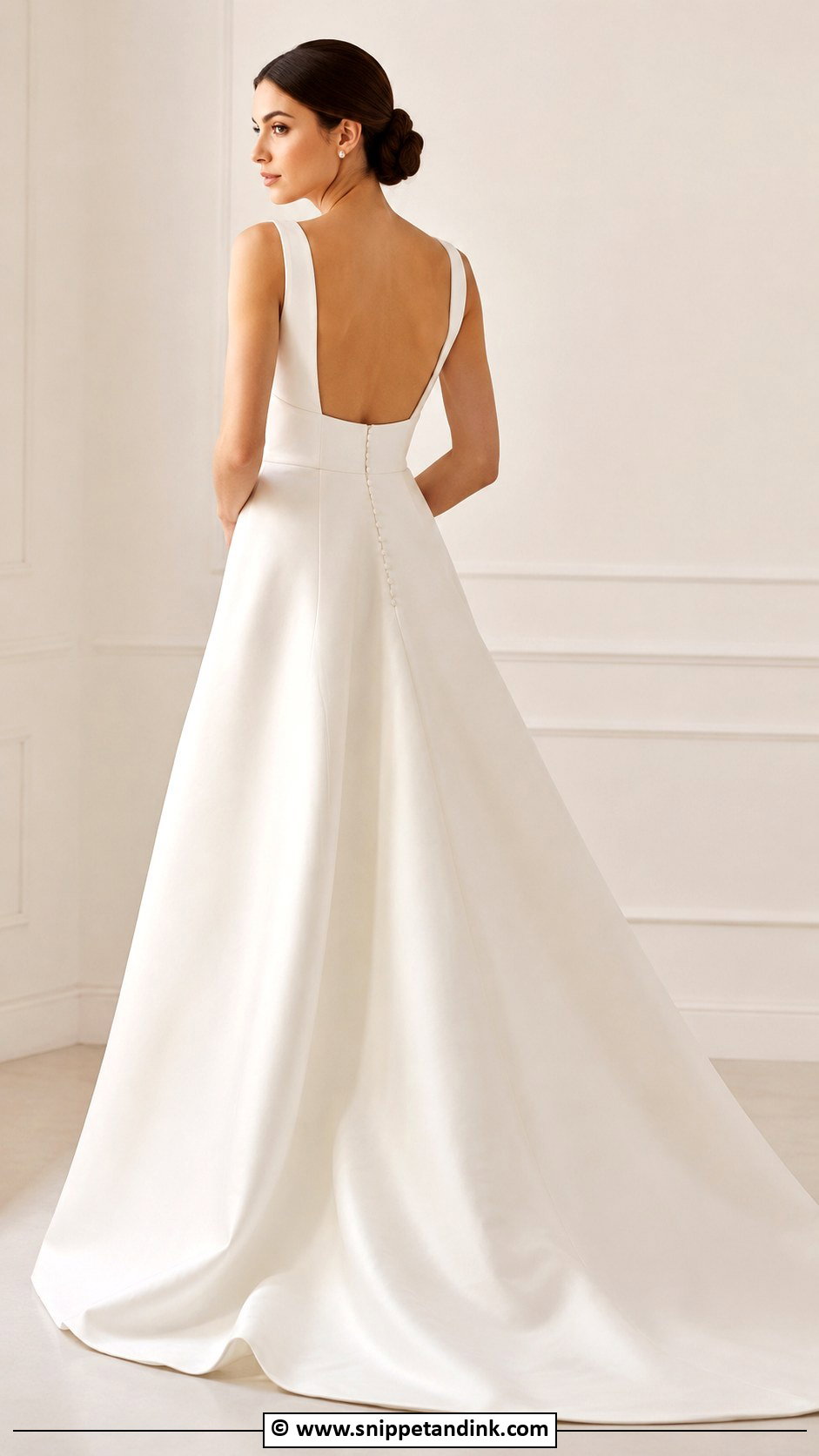
From the front, the square neck reads classic; from the back, it turns modern. Wide straps are the comfortable option here and help hold the bodice in place. Satin, crepe, mikado and simple lace all work over an A-line or sheath. A low chignon and pearl studs keep the styling quiet. It’s a good middle ground if a deep plunge feels too much.
14. Open Back V Neck Wedding Dress
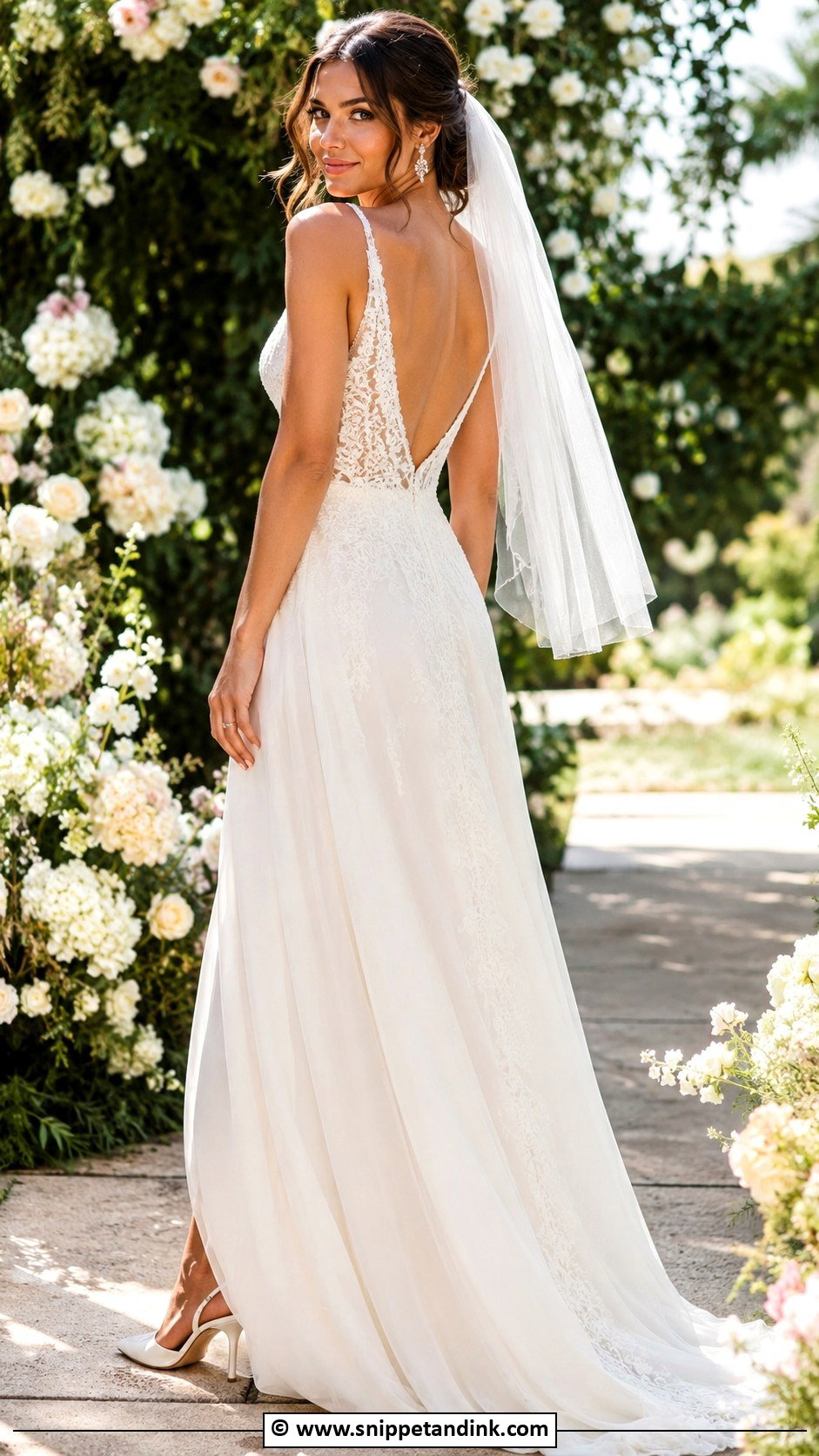
A deep V at the front and an open back balance each other visually. The catch is structure: with both sides open, the gown has very little fabric holding it on. I’d insist on strong side boning, a fitted waist and possibly a clear stabilising strip at the front. Skip a pendant, wear good earrings and keep the veil soft.
15. Open Back Off Shoulder Wedding Dress
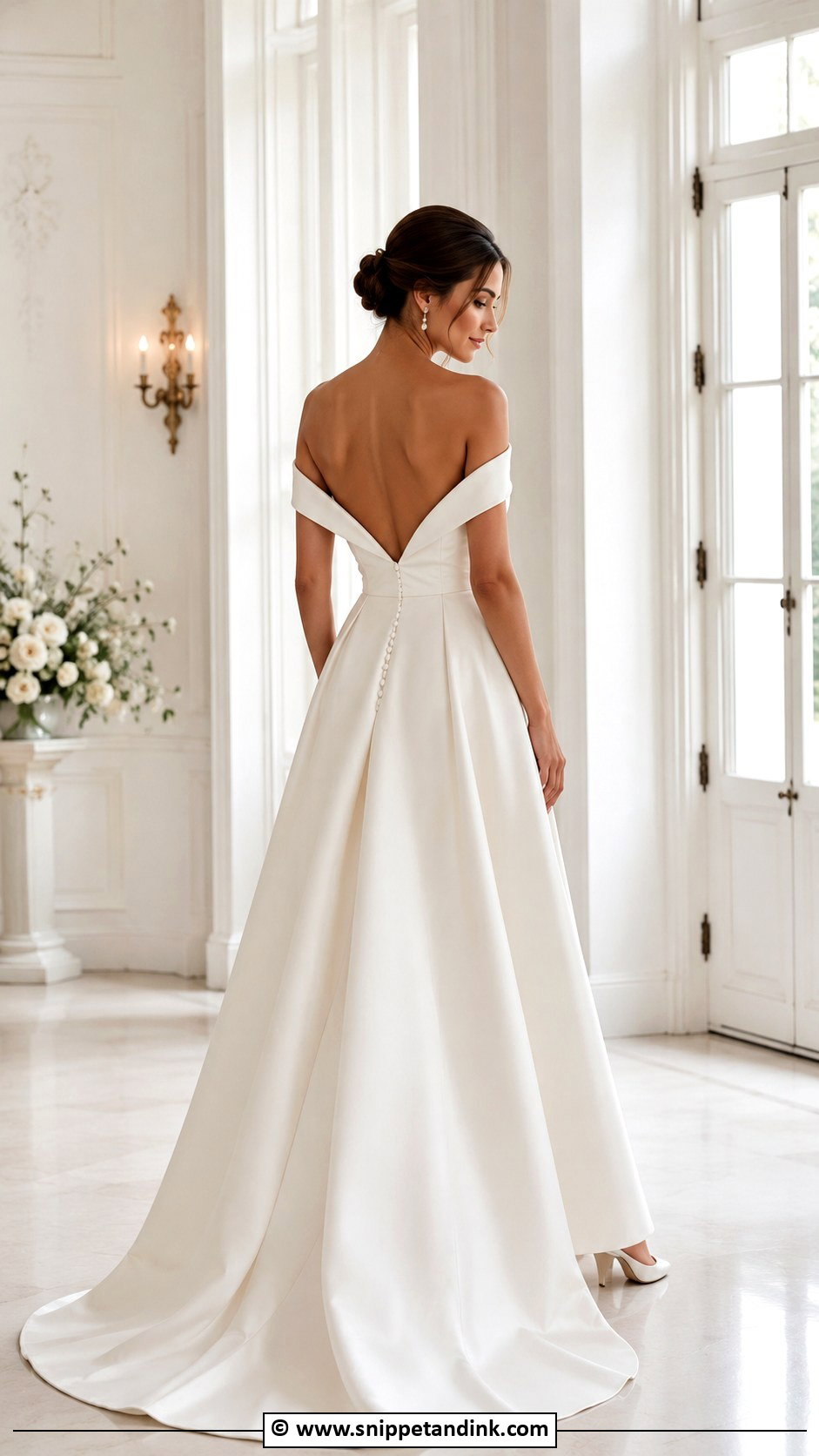
Off shoulder straps plus an open back show a lot of skin across the top, which looks romantic from every side. Off shoulder gowns limit how high you can lift your arms, so try hugging and dancing during fittings. A secure bodice is non-negotiable. Pin the veil under a low bun so it falls away from the back rather than across it.
16. Open Back Sheath Wedding Dress
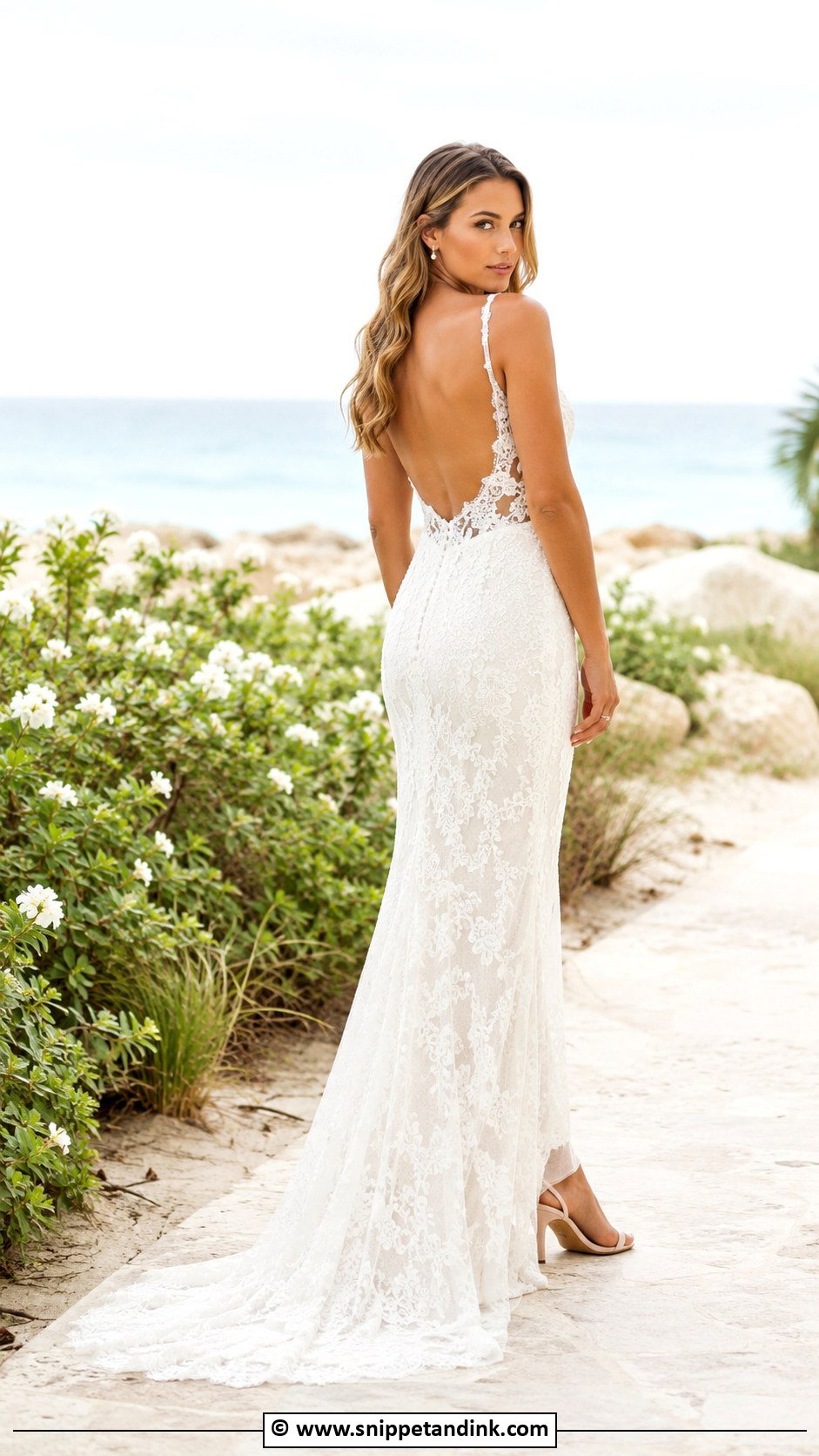
A sheath follows the body without flare or volume, so it travels easily and suits beaches, courthouses and small gardens. The open back gives a simple shape some bridal interest. Sheaths often have less internal structure than bigger gowns, so I check that the straps and lining hold everything in place before the final fitting. Lace makes it boho, crepe makes it minimal, satin makes it refined.
17. Open Back Corset Wedding Dress
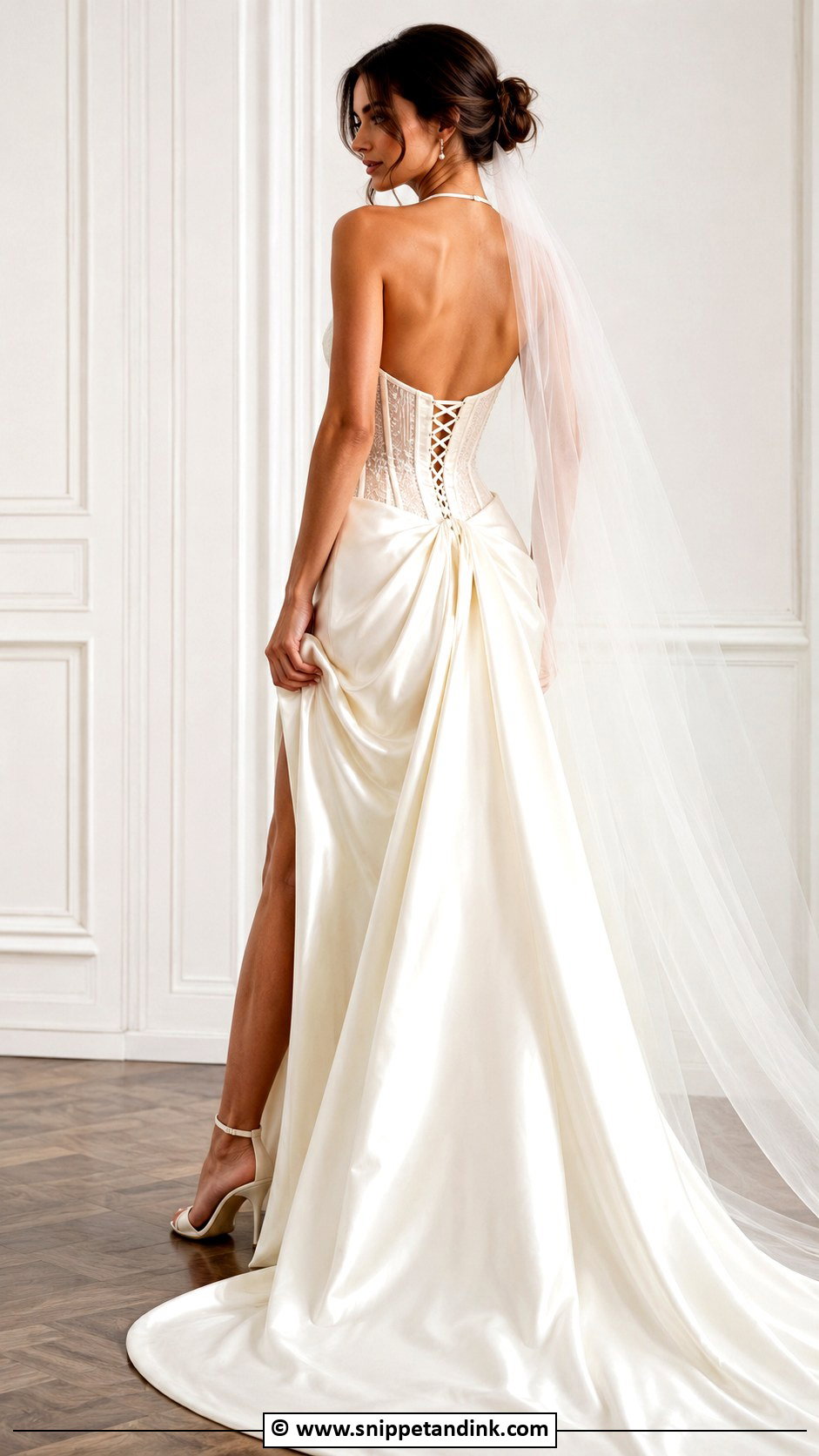
Corset backs bring structure and detail together: visible boning, lace-up ties, sheer panels or a sculpted line. They define the waist and feel secure, which is reassuring with an open design. Lace-up backs also give your seamstress room to adjust on the day if your size shifts slightly. Sit and move in it at every fitting to check the boning doesn’t press under the ribs.
18. Open Back Beaded Wedding Dress
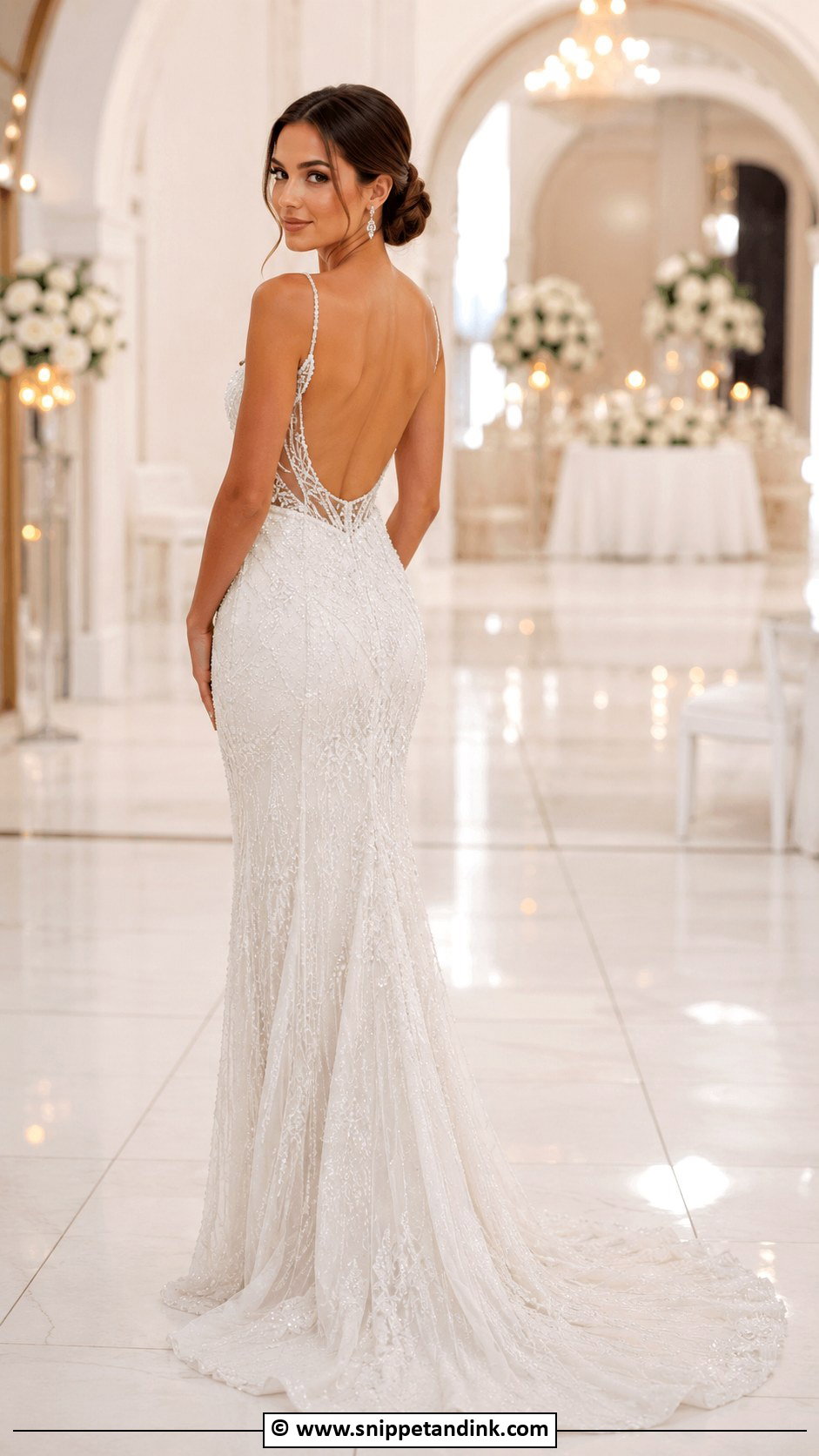
Beading can outline the back opening, cover the bodice or trail down the skirt. Under evening light it sparkles as you walk. For a softer version, delicate pearl beading reads gentler than heavy crystal. Beaded gowns are heavier than they look on a hanger, and the weight pulls at an open back. Move, sit and lift your arms during the appointment before you decide.
19. Open Back Floral Lace Wedding Dress
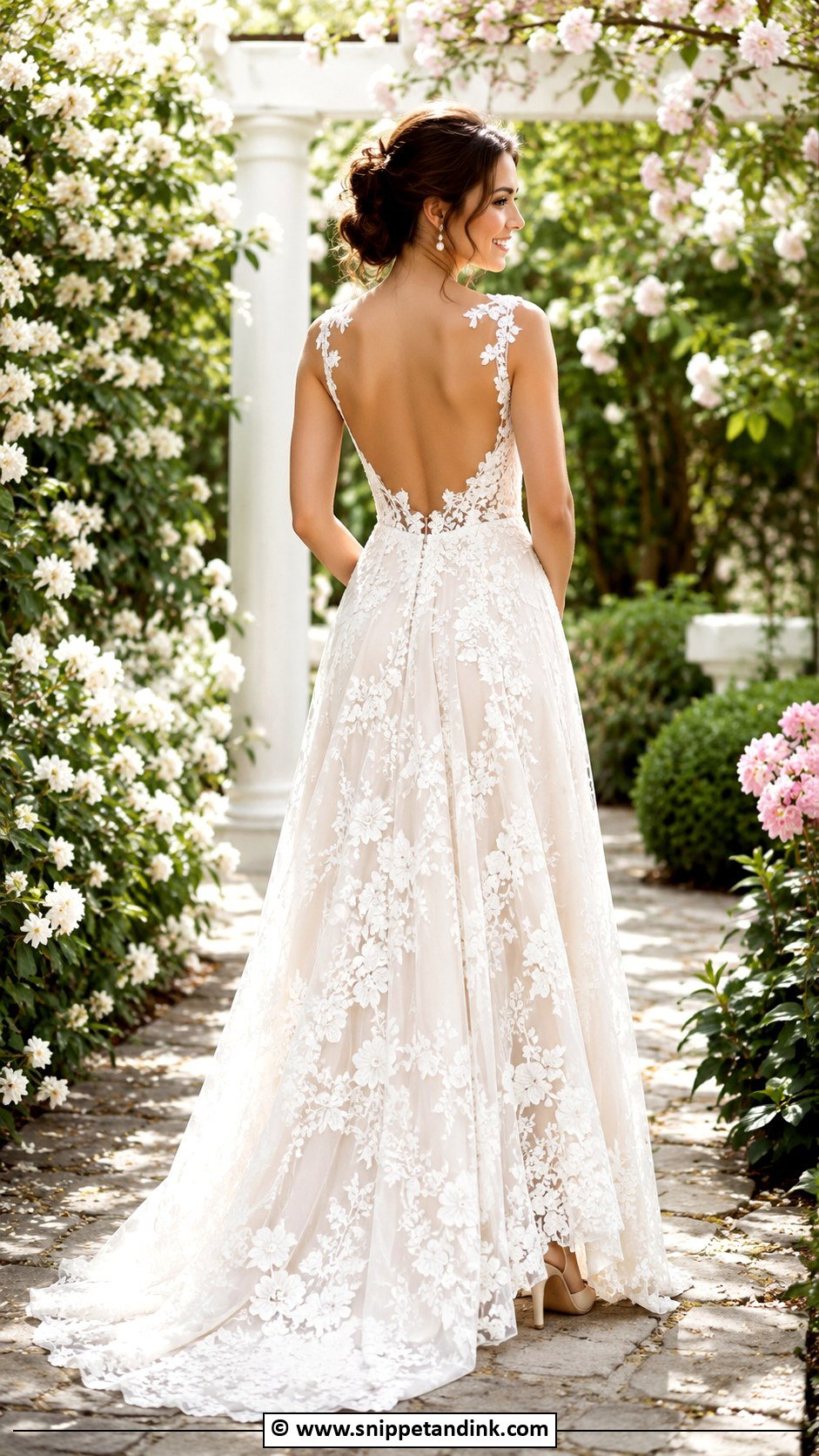
Floral lace around an open back frames the body, especially when appliqué follows the straps, waist or lower back. Large motifs feel bold and modern; fine ones feel classic. Match the silhouette to the mood: A-line for softness, mermaid for drama, sheath for a relaxed feel. Pick a veil sheer enough that the lace still shows through it.
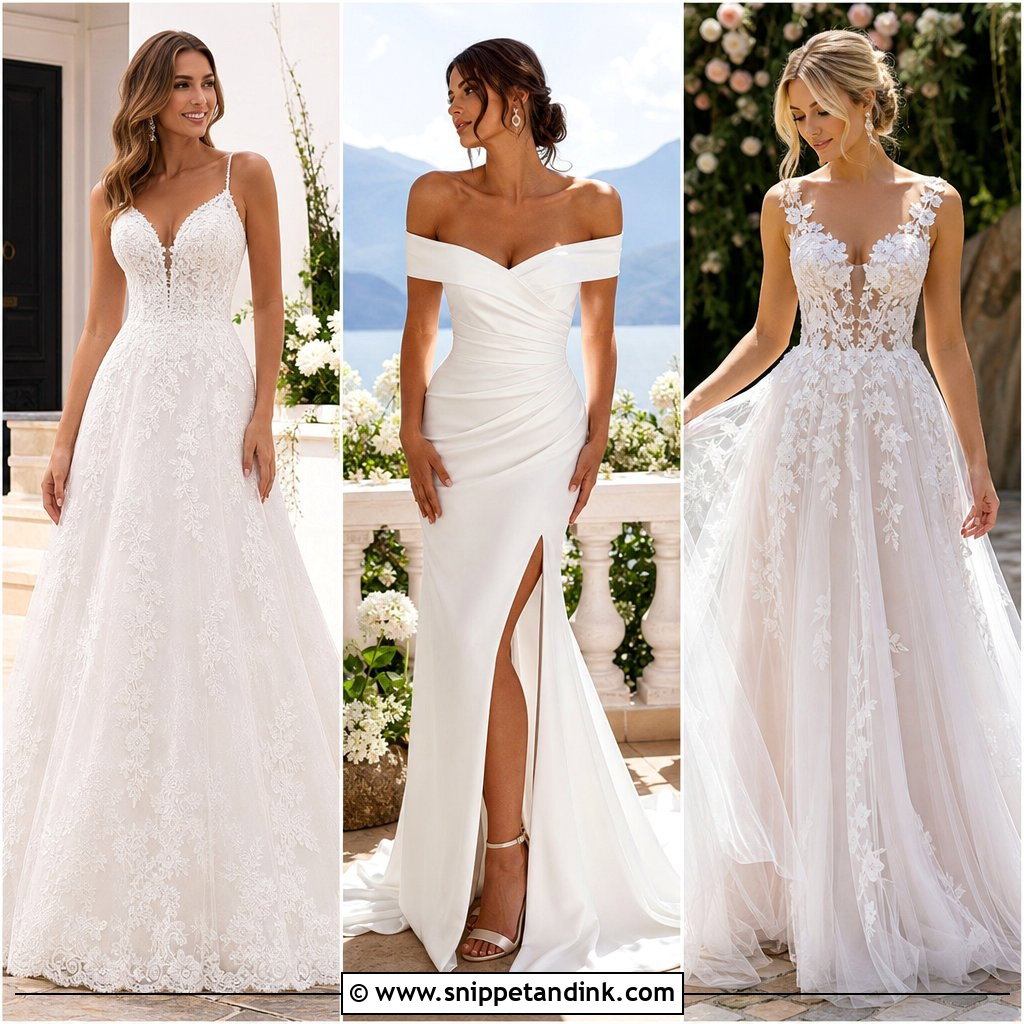
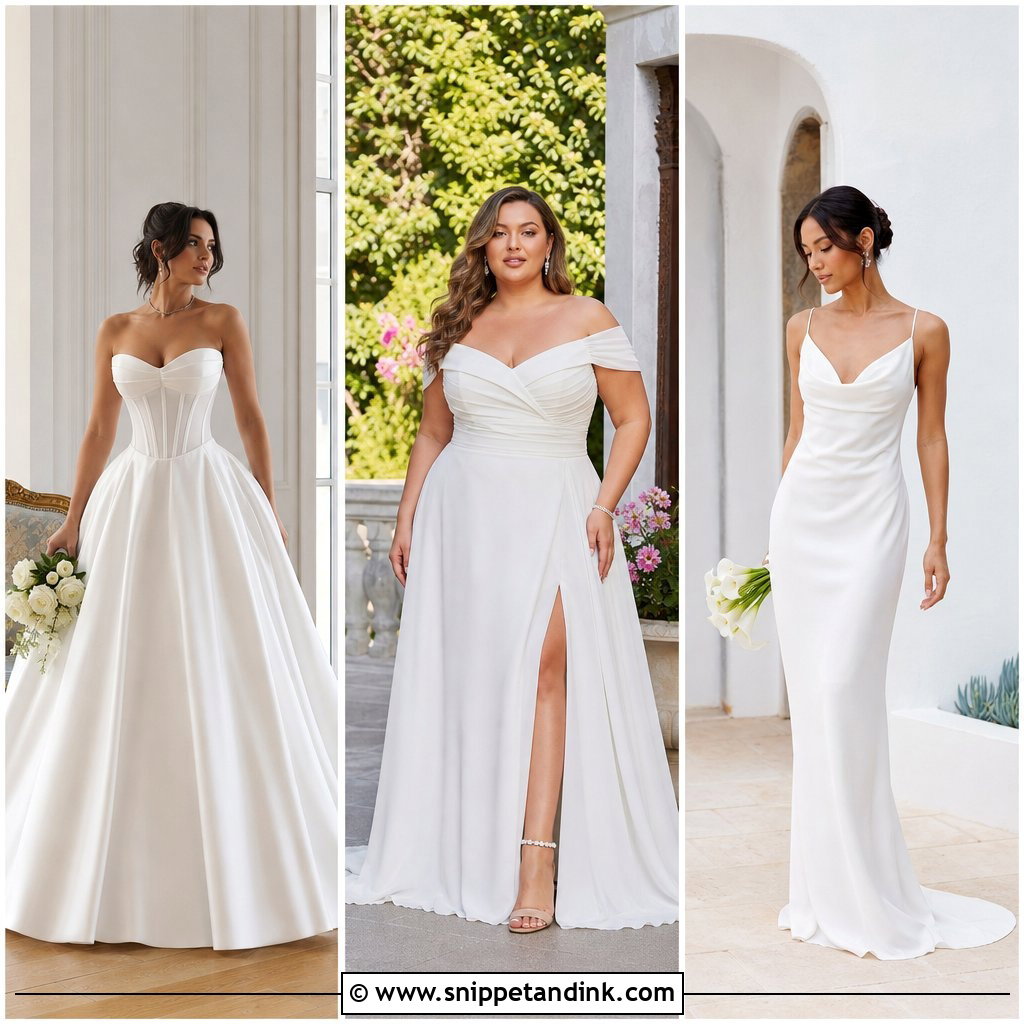
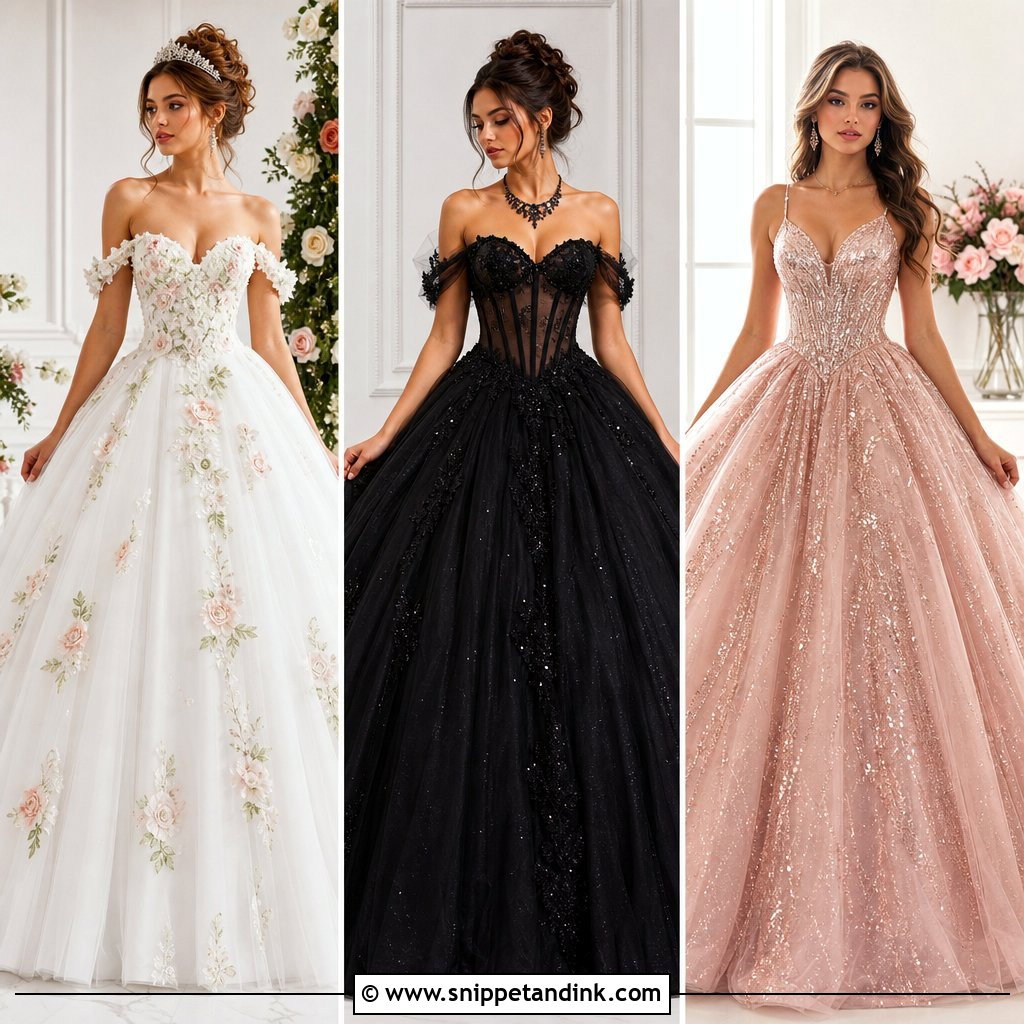


20. Open Back Minimalist Wedding Dress
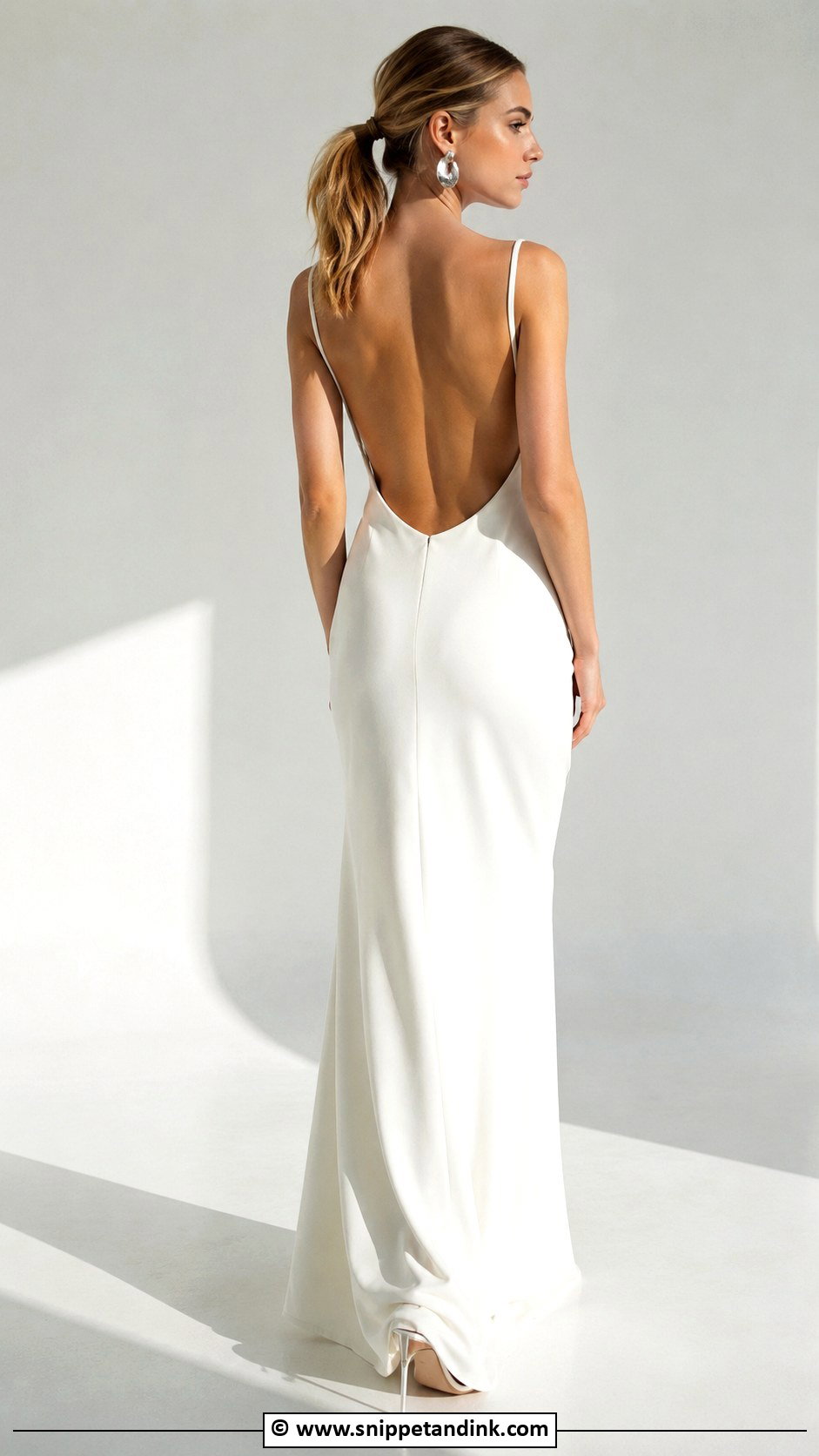
With no lace and no beading, the open back becomes the only statement, so the cut has to be perfect. Satin, crepe, silk and mikado all suit this approach. A square, scoop or low V back each change the mood completely, so I try at least three shapes before a bride decides. Sculptural earrings, sleek heels and a smooth bun or soft ponytail keep it clean. A long plain veil adds ceremony drama.
21. Open Back Wedding Dress With Train
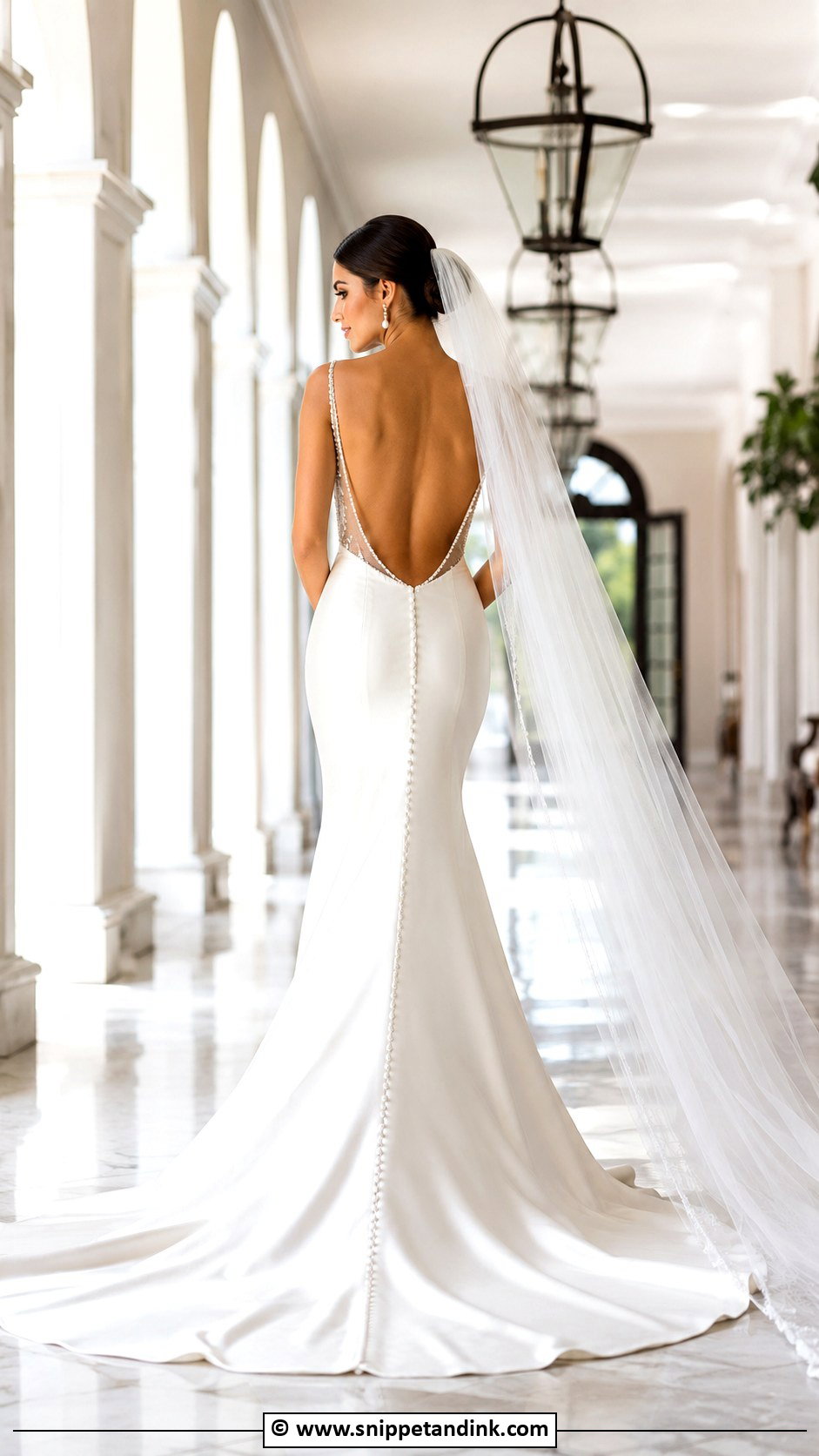
During the vows, a train behind an open back is the view your guests get. A long train is formal; a short sweep train copes better with grass and gravel. Think about your aisle surface and reception floor before choosing a length. Ask exactly how the bustle will lift the train, and have someone practise it, because a badly bustled train can drag the back edge down.
22. Open Back Wedding Dress With Spaghetti Straps
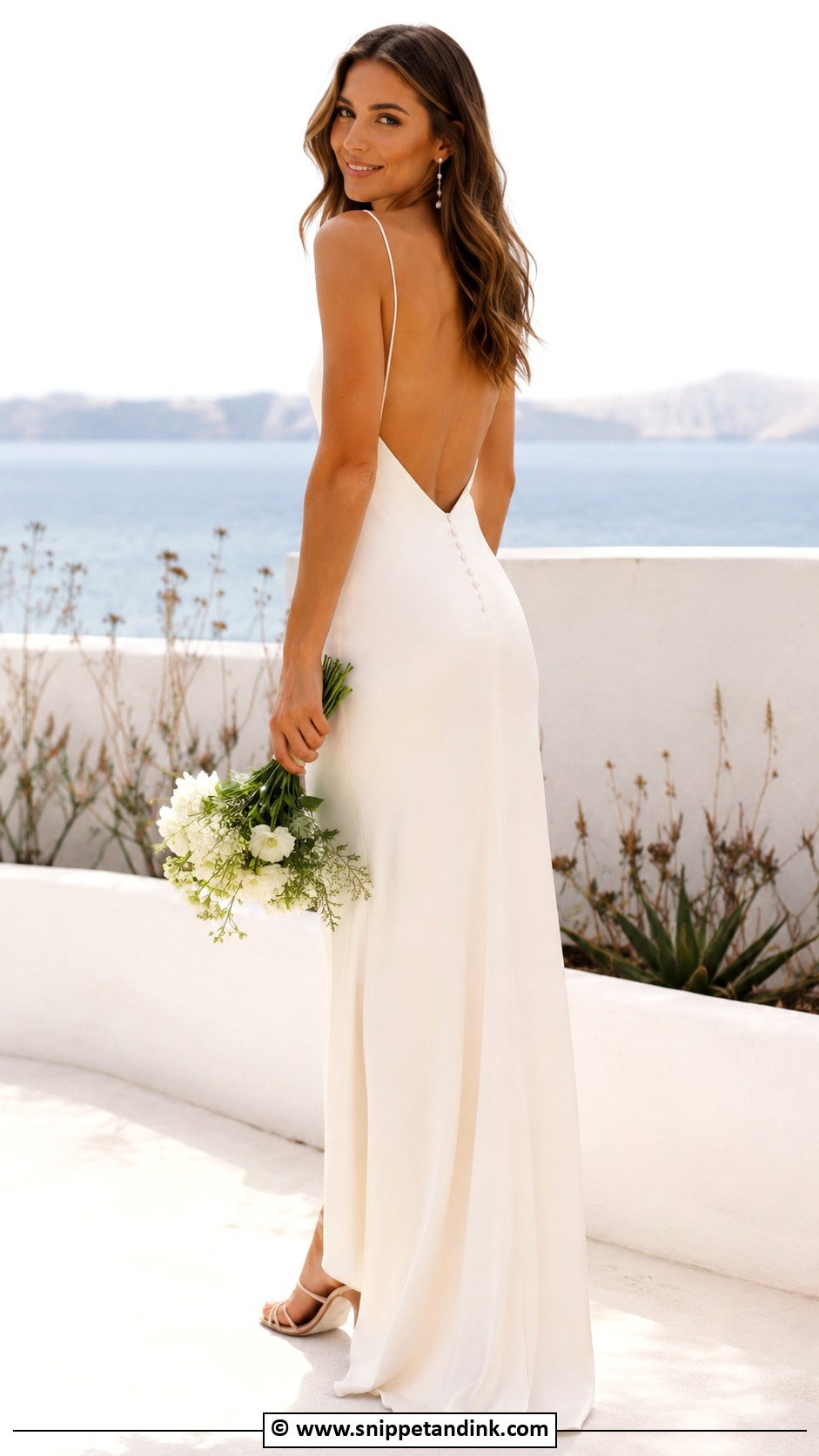
A spaghetti strap open back wedding dress is the lightest option here, which suits warm weather. Thin straps pair with slips, sheaths and soft A-lines, and the back can be straight, scooped, cowled or crossed. Those straps carry little weight, so the bodice has to do the real holding. Ask whether the straps are reinforced, then pair the gown with dainty earrings and loose waves.
23. Open Back Wedding Dress With Cap Sleeves
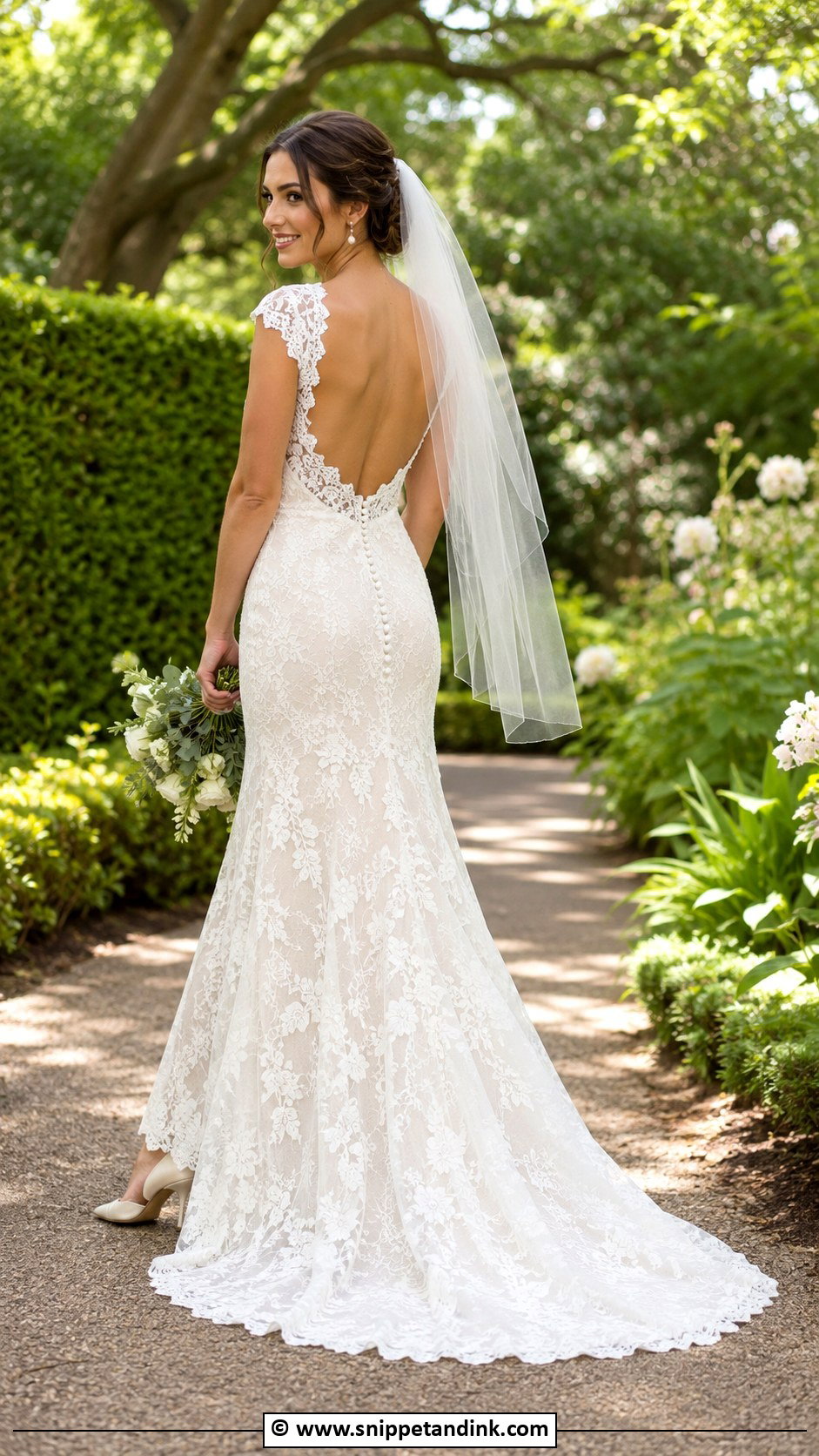
Cap sleeves cover the top of the shoulder without hiding the back. Lace caps blend into illusion panels and appliqué, giving a little more coverage than straps. They suit A-line, sheath and fit-and-flare gowns, with a scoop or V back. A cap that sits too far out on the shoulder will slide down, so check the fit when you lift your arms. Pearl earrings and low heels suit afternoon and garden weddings.
24. Open Back High Neck Wedding Dress
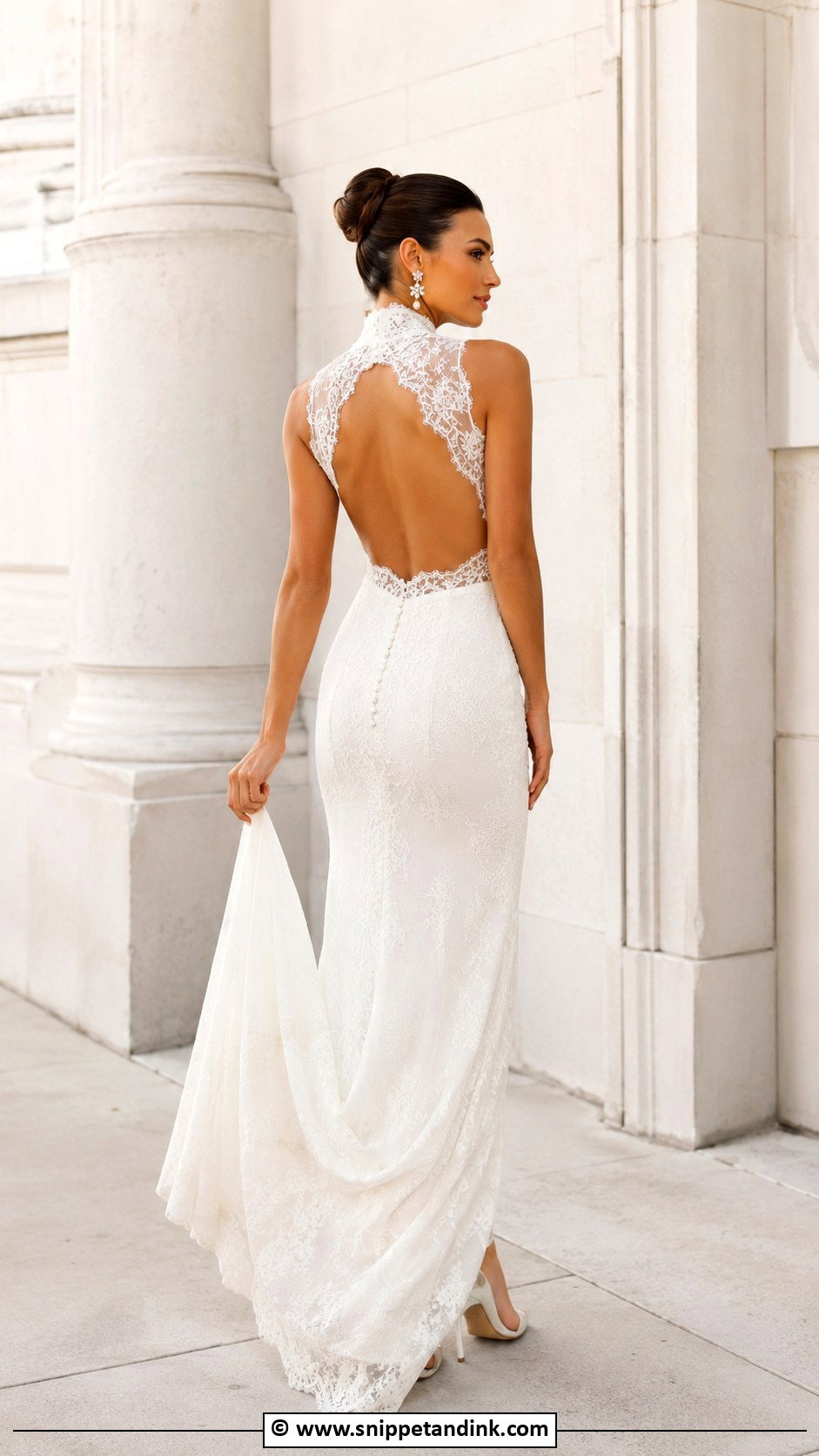
From the front, a high neck looks modest and sleek. From behind, the drop is a surprise, and that contrast is the whole appeal. Crepe, lace, satin and beaded fabric all suit it. An updo keeps the neckline clean, and a necklace would only compete. A fitted skirt is sharper; an A-line softens the look for evening ceremonies in the city.


25. Open Back Beach Wedding Dress
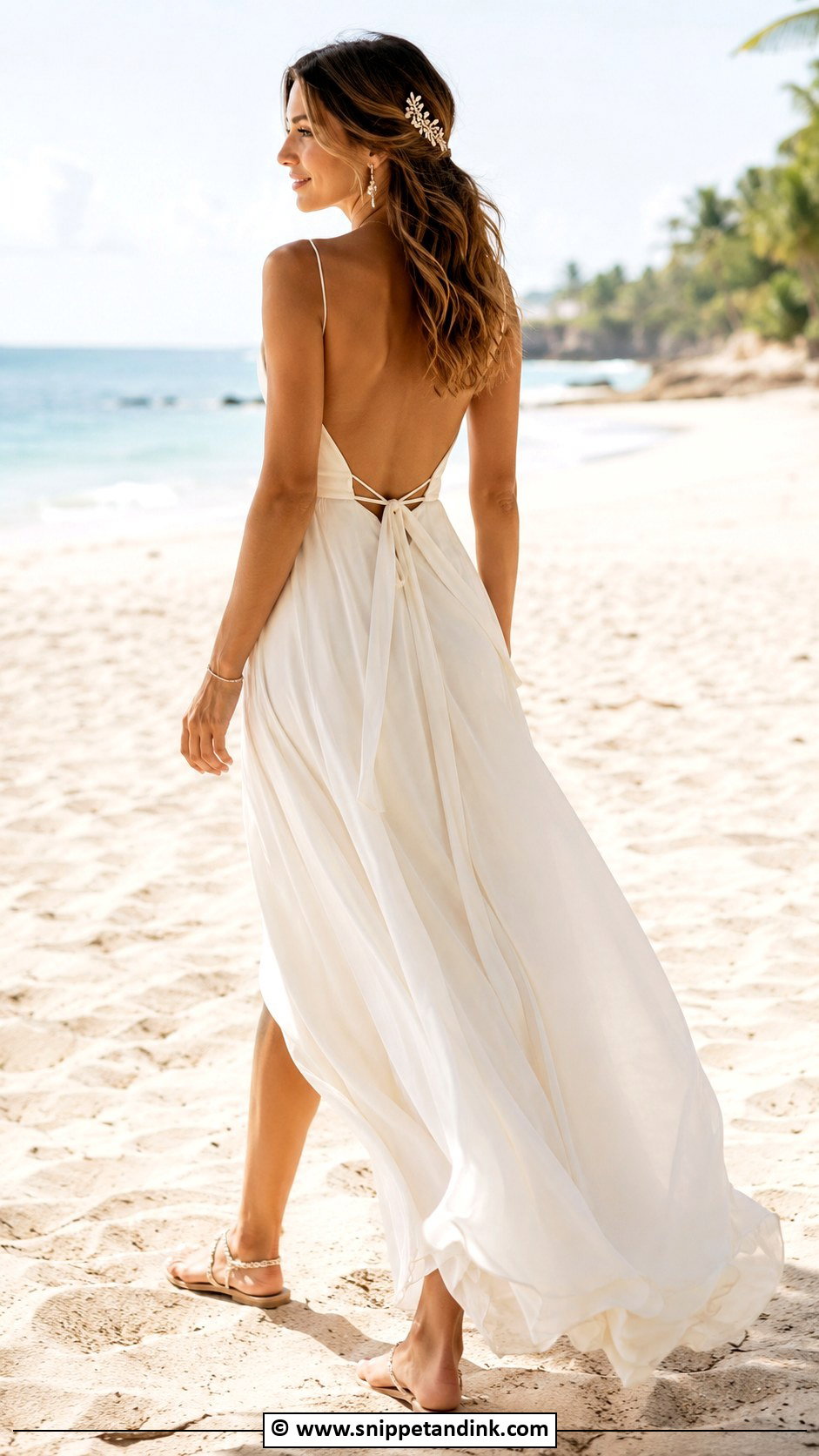
On a beach, I want fabric that breathes: chiffon, lace, silk or light crepe. A low back, tie-back or thin straps all suit a relaxed setting. Skip heavy trains, which collect sand and drag. Flat or barefoot sandals and low block heels are far more practical than stilettos. Sun on a bare back burns quickly, so apply sunscreen early and let it absorb before dressing.
26. Open Back Courthouse Wedding Dress
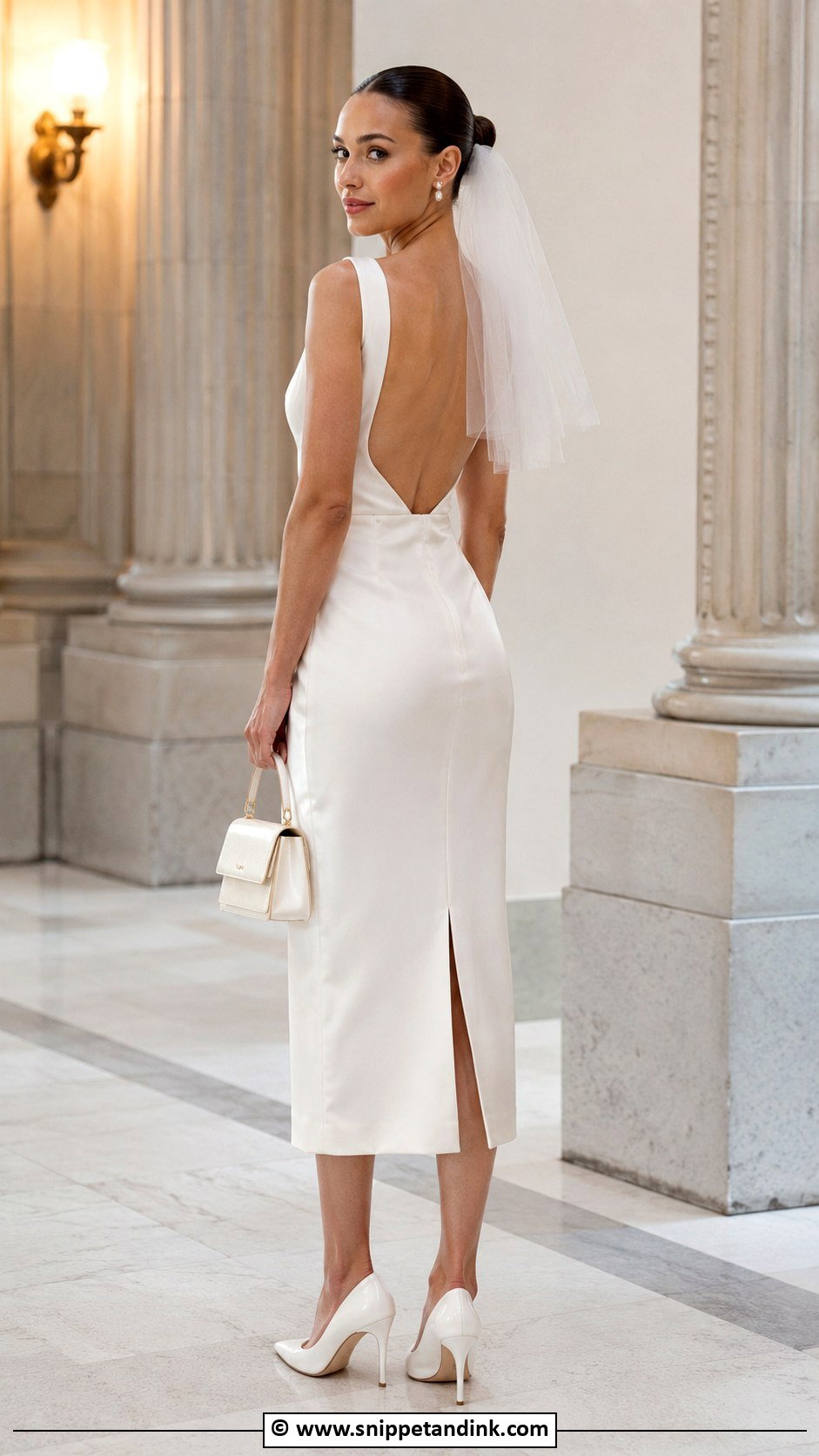
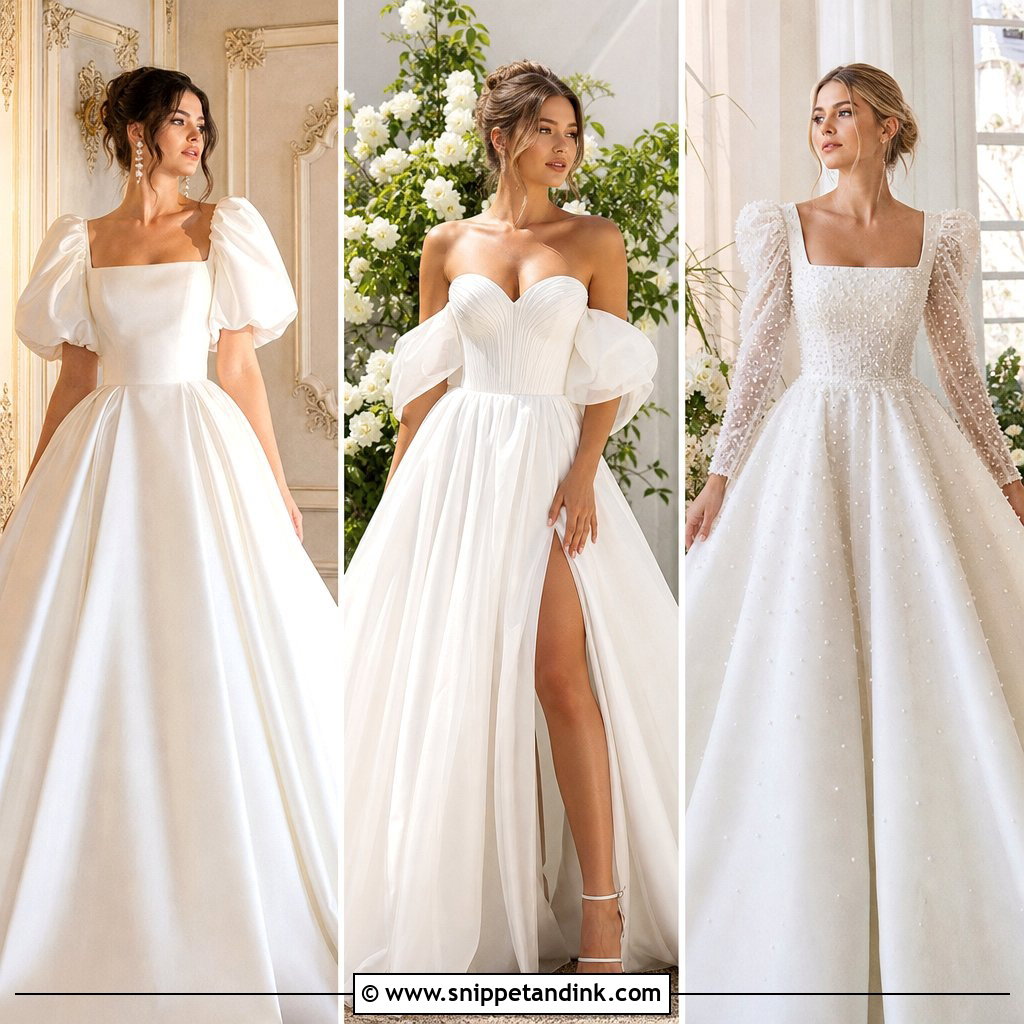
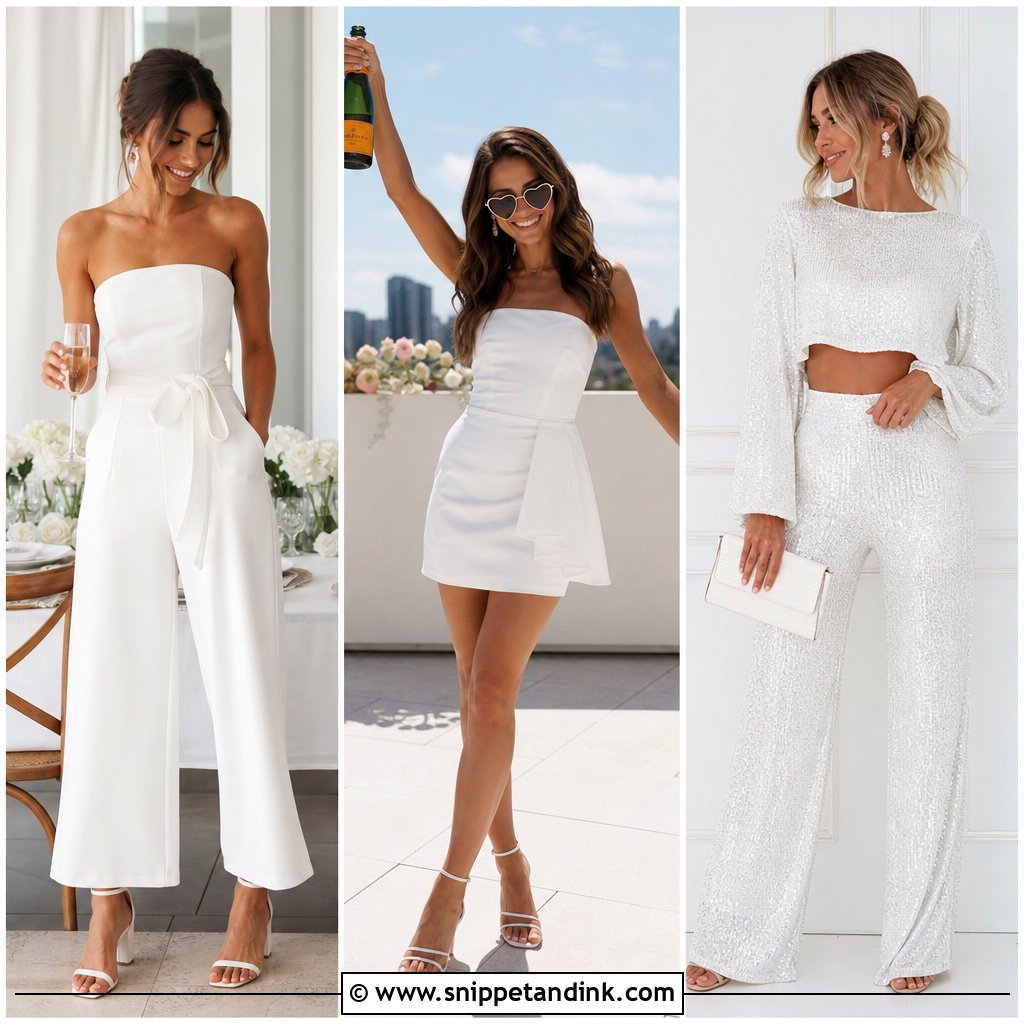
A courthouse look can still turn heads from behind. A midi, a satin column dress, a tailored mini or a sleek crepe gown with an open back is enough. Pointed pumps, a small bouquet and a structured bag finish it. A blazer for the queue and arrival photos, taken off for the vows, keeps you warm in cold buildings and saves the reveal.
27. Open Back Plus Size Wedding Dress
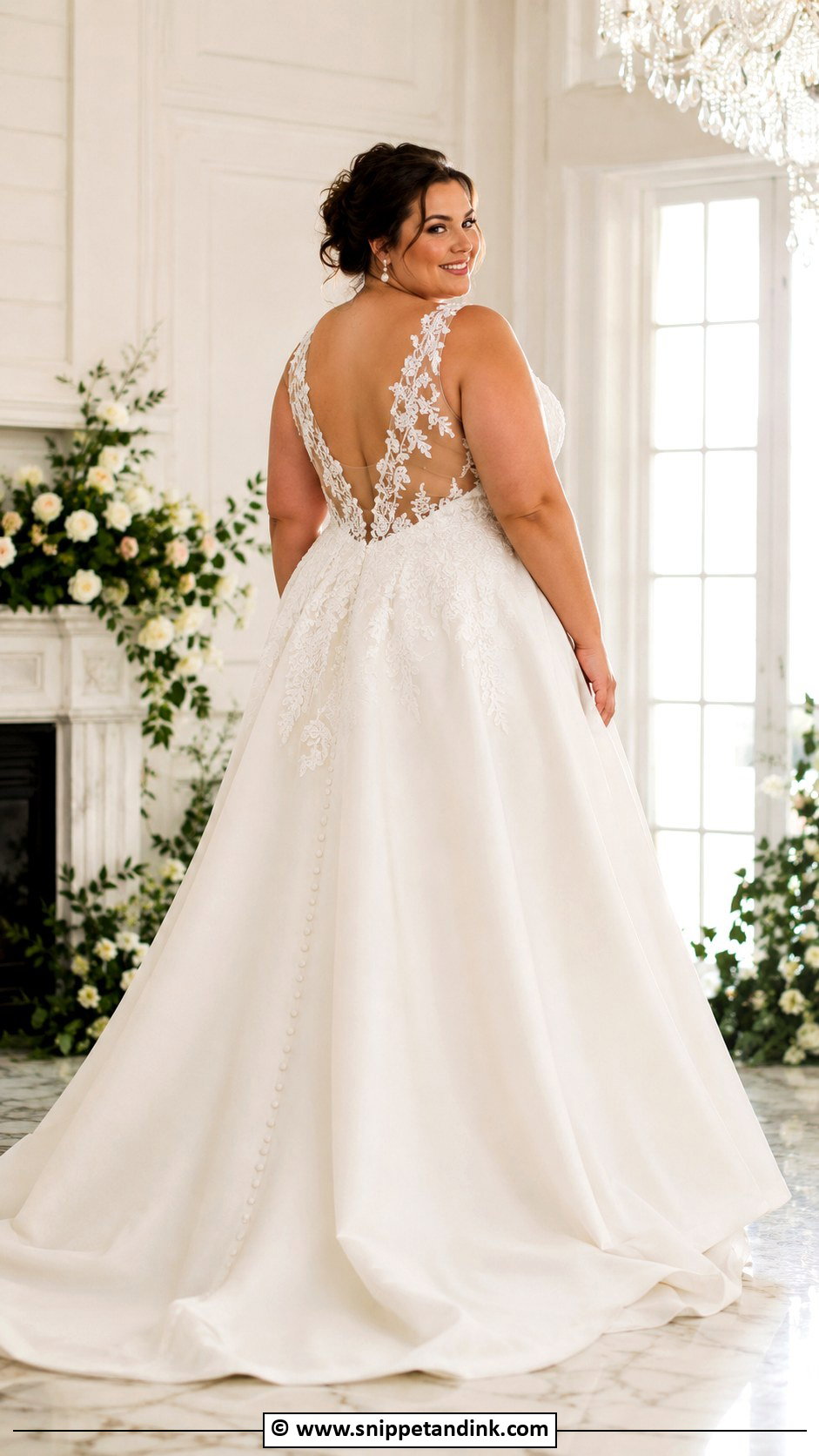
Plus size brides can absolutely wear an open back; it just needs the right engineering. Strong side seams, wider straps, built-in cups, supportive mesh or corset construction all help. A V-back lengthens the torso, while an illusion lace back adds coverage without losing the effect. A skilled bridal seamstress can adjust straps, cups and the backline, so don’t rule the style out from a sample that doesn’t fit.
28. Open Back Petite Wedding Dress
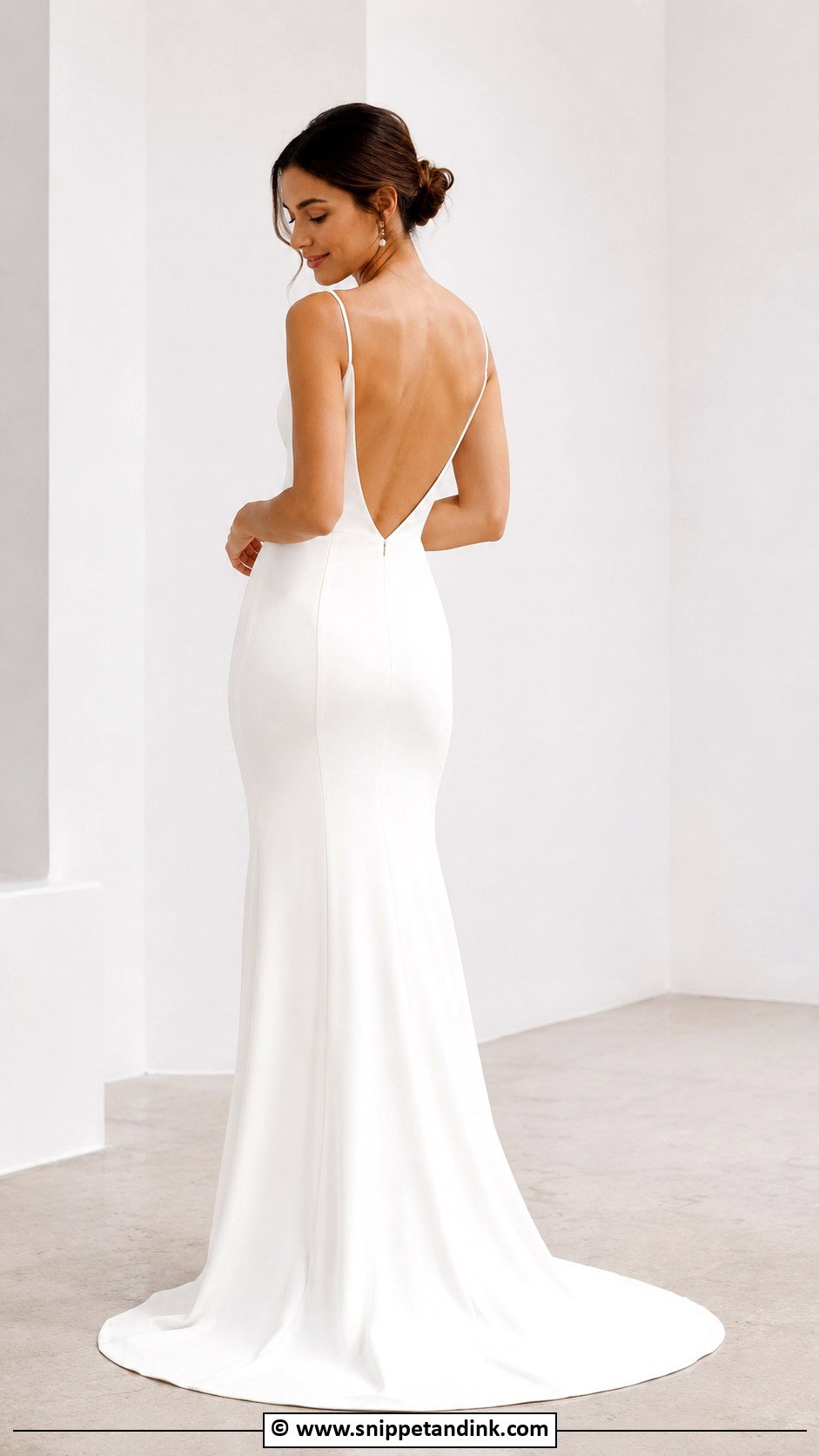
On a petite frame, a long vertical line makes all the difference. Simple fabrics, vertical seams, narrow straps and a clean skirt add height, and a low V or scoop back draws the eye down the spine. Sheath, slim A-line, fit-and-flare and slip shapes all suit. Be careful with back details placed too low, since they can visually shorten the waist. Choose a veil length that matches your height.
29. Open Back Wedding Dress With Detachable Sleeves
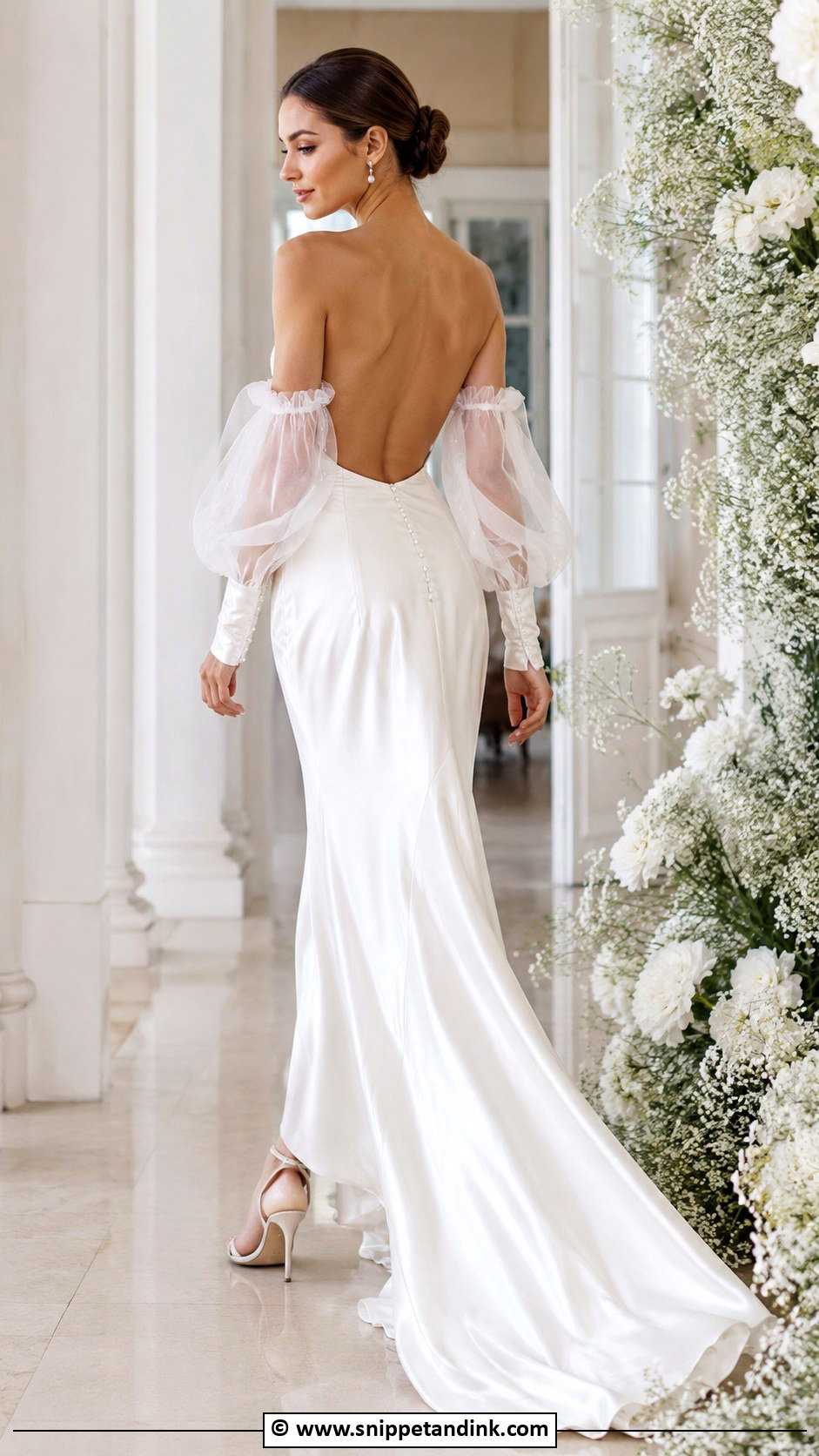
Detachable sleeves give you two looks: covered for the ceremony and portraits, bare for the reception. They work on satin, lace, crepe and tulle gowns. Puff sleeves are romantic, fitted lace is classic, sheer ones feel modern. Check how the attachment looks from behind, because a sleeve fastened to an open back can pull the edge of the opening out of line.
30. Open Back Wedding Dress With Overskirt
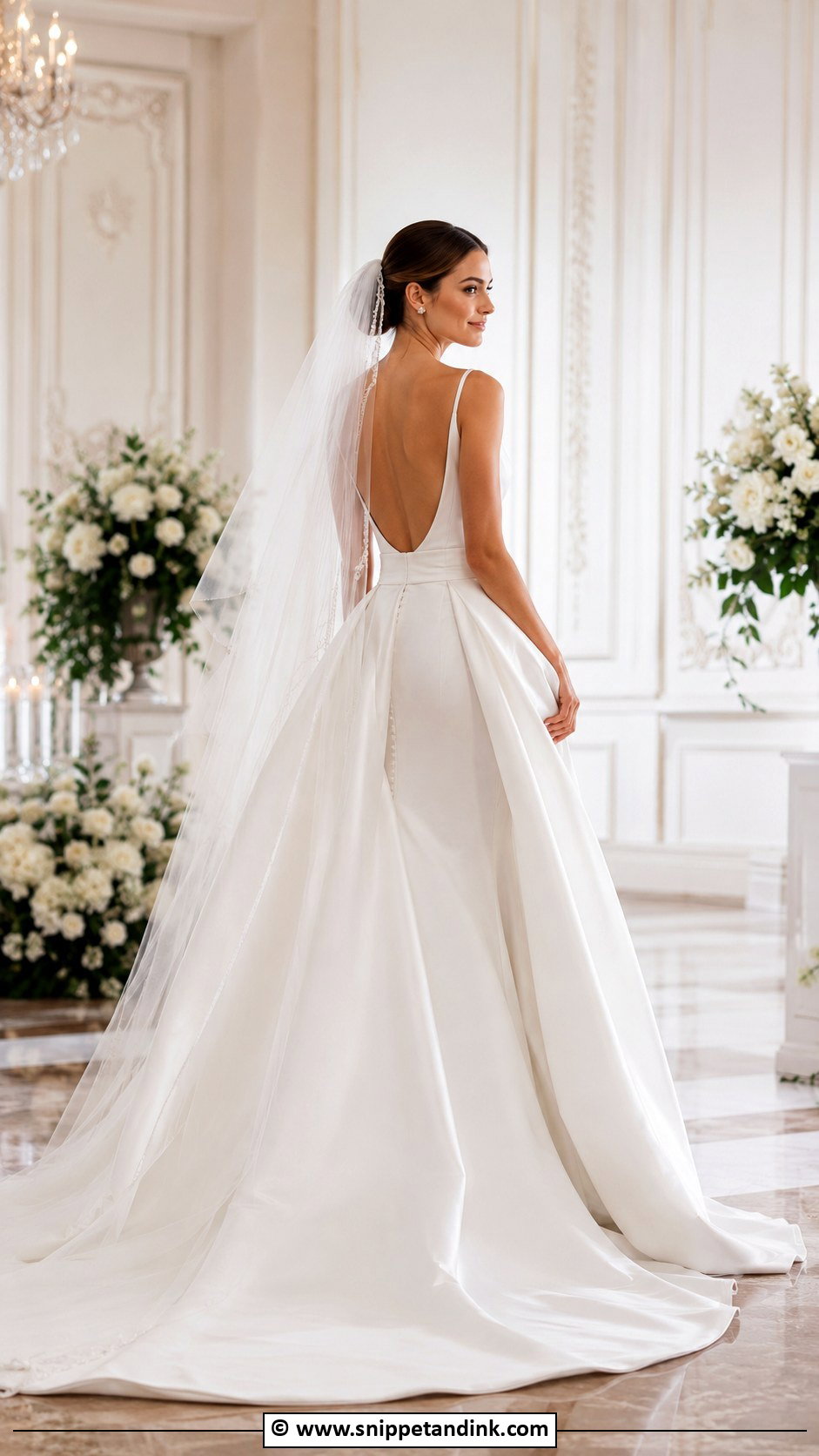
An overskirt adds volume for the aisle over a fitted crepe gown, lace sheath or satin column, then comes off for dinner and dancing. From behind, the full skirt and open back make a strong silhouette. The waistband is the detail to check: it should sit below the back opening and blend with the dress, not cut across the lowest point of the back. Name one person who knows how to remove it.
Getting Your Back Ready to Be Looked At
With an open back gown, your skin becomes part of the outfit, and it will be in photos for an hour of the ceremony alone. A little preparation goes a long way.
- Start gentle exfoliation and moisturising a few weeks out, and avoid any new treatment in the final fortnight in case your skin reacts.
- Watch for strap tan lines over the summer. They show clearly against an open back and are hard to cover evenly.
- If you use self-tan, apply it at least two days ahead and let it settle, so it doesn’t transfer onto ivory lace or satin.
- Ask your makeup artist to blend body makeup across the shoulders if you want an even finish, and let it set before dressing.
Posture matters too. An open back shows every slouch, so practise standing tall with your shoulders relaxed and down. You don’t need to be stiff; just aware of how you hold yourself when you know people are behind you.
Test the Back the Way the Day Will
Every open back on this list depends on support you never see: boning, cups, side seams and a fit that holds. Satin slips, lace mermaids, A-lines, ball gowns and crepe columns can all carry the look. Before you choose, think about your venue, the season, your hairstyle and what you’ll wear underneath. Then test it the way the day will test it: walking, sitting, hugging and dancing. If the back stays exactly where it should, you’ve found it.
You'll Like These Ideas:






Leave a Reply