
Most of what you pay for in a wedding cake is labor and structure, not sponge. Every extra tier needs dowels, a board and someone to stack it; every sugar flower is an hour or more of hand work. When couples ask me how to spend less, I start by asking how many people actually need a slice and what the cake has to do in photos. Answer those two questions honestly and a smaller, plainer cake usually turns out to be the right call. The twenty ideas below are the ways I see couples cut the bill without the table looking like an afterthought.
How Many Slices You Actually Have to Pay For
Bakers price wedding cake by the serving, and a wedding serving is smaller than you think: a finger of cake about 1 inch wide, 2 inches long and 4 inches tall. That’s why a 6-inch round gives around a dozen wedding slices, an 8-inch about two dozen, and a 10-inch somewhere near forty. Party-size slices from a sheet cake are larger, so read the label carefully when you compare a supermarket sheet with a bakery quote.
I rarely quote for the full guest list. Some guests leave before the cutting, some skip dessert, and children often share. If there’s a dessert table or late-night snack, the number drops further. My usual advice:
- Cake as the only dessert: plan servings for about 85 to 90 percent of guests.
- Cake plus a dessert table: plan for roughly two thirds.
- Keeping the top tier for an anniversary: subtract it from the count, because nobody eats it on the night.
- Ask your caterer to cut wedding-size pieces. Cut party-size from a wedding-sized cake and you’ll run short.
1. Small Wedding Cake With Sheet Cake
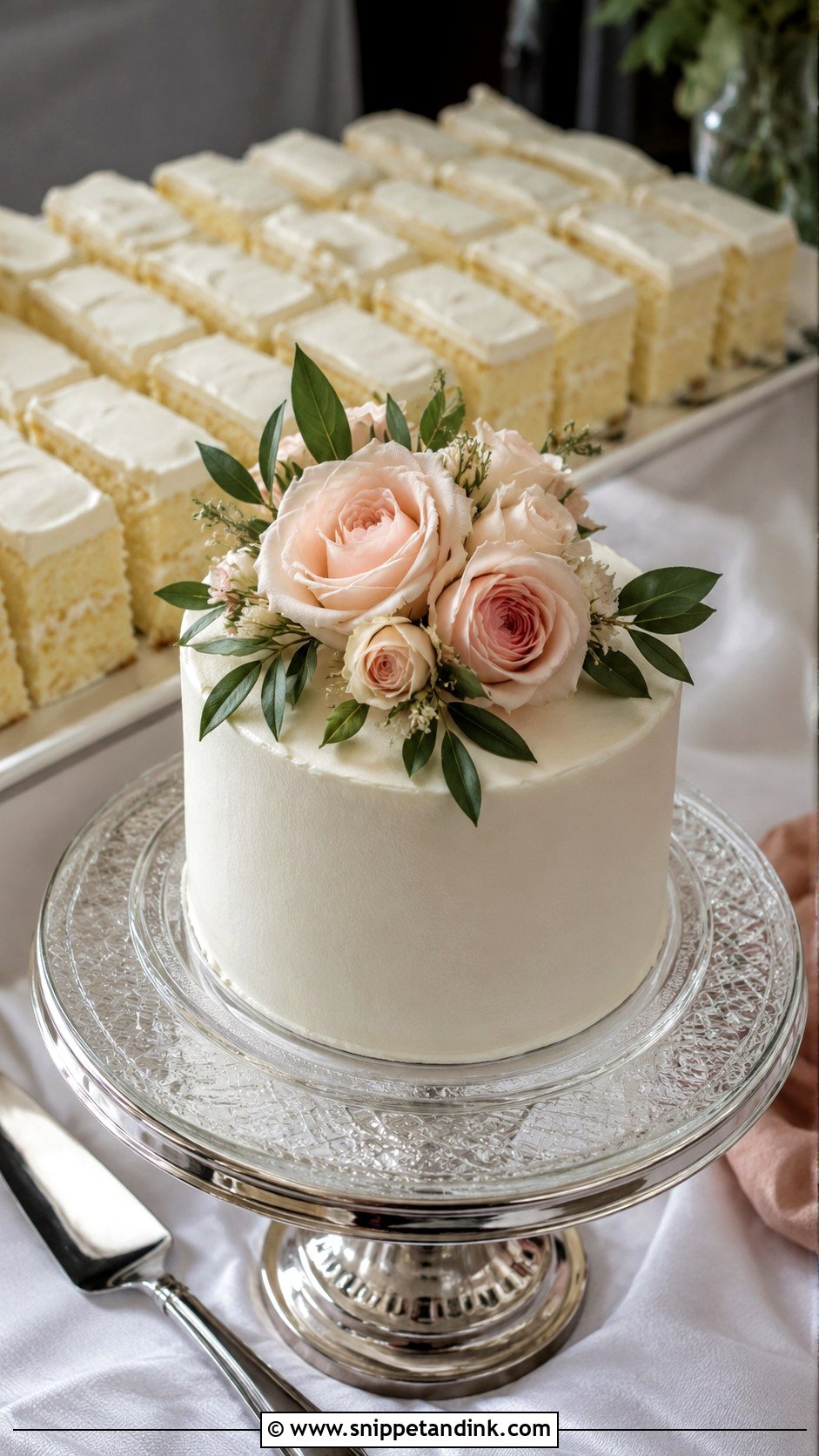
This is the setup I recommend most often to bigger weddings. A 6-inch or 8-inch round sits on the display table for the cutting photos, and plain sheet cake in the same flavor is sliced in the kitchen and plated. Guests can’t tell the difference on the plate, and you skip the internal supports and stacking time a four-tier cake needs. Ask the baker to fill the display cake and the sheets from the same batch of buttercream so the color matches if anyone peeks into the kitchen.
2. Two Tier Buttercream Wedding Cake
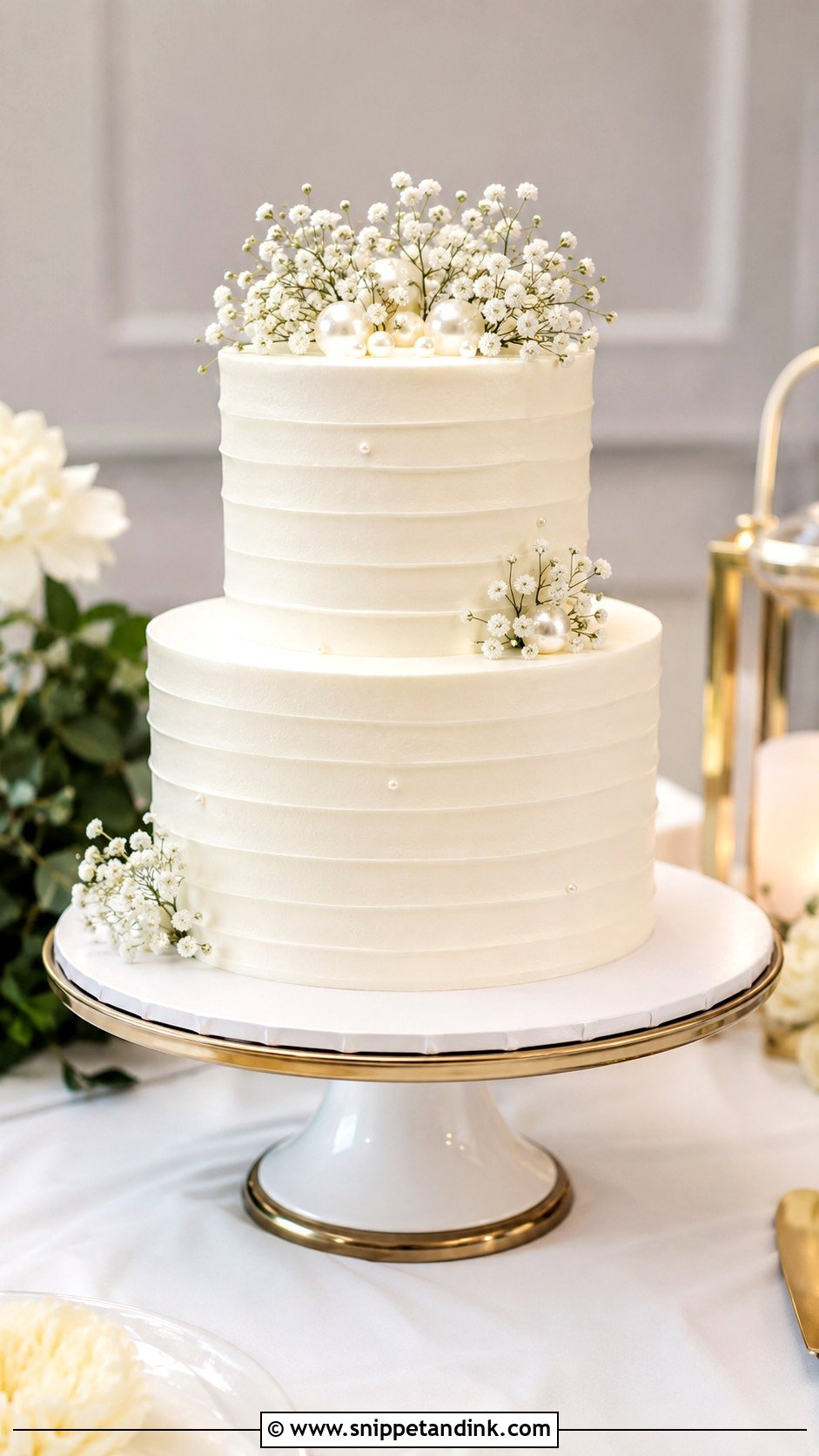
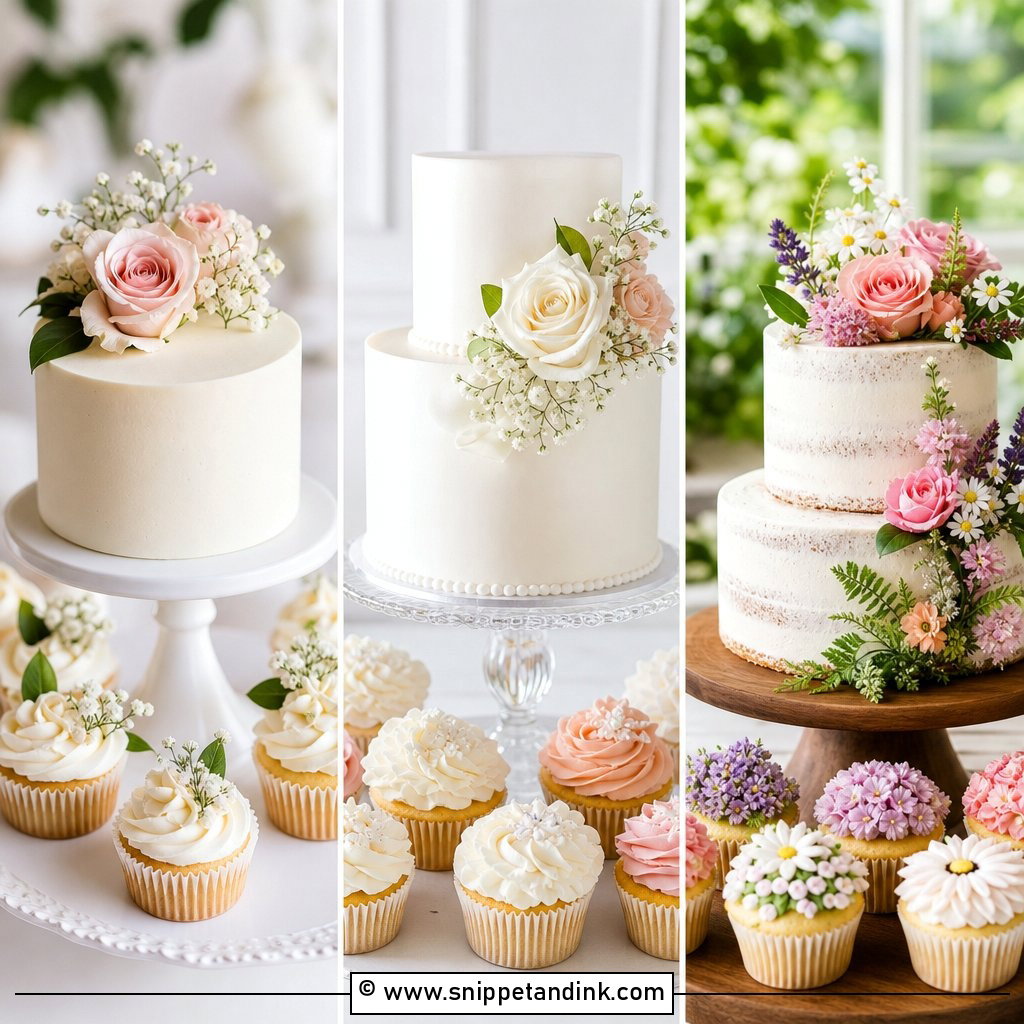
Two tiers is where a cake starts to read as a wedding cake rather than a birthday cake, and it’s the cheapest height you can buy. A 6-inch on an 8-inch serves roughly 35 to 40 standard wedding slices. I’d ask for a smooth finish or simple horizontal comb lines over piped borders, since piping is slow and every minute shows up on the invoice. Set it on a tall stand and the stand does the work a third tier would have done.
3. Single Tier Wedding Cake
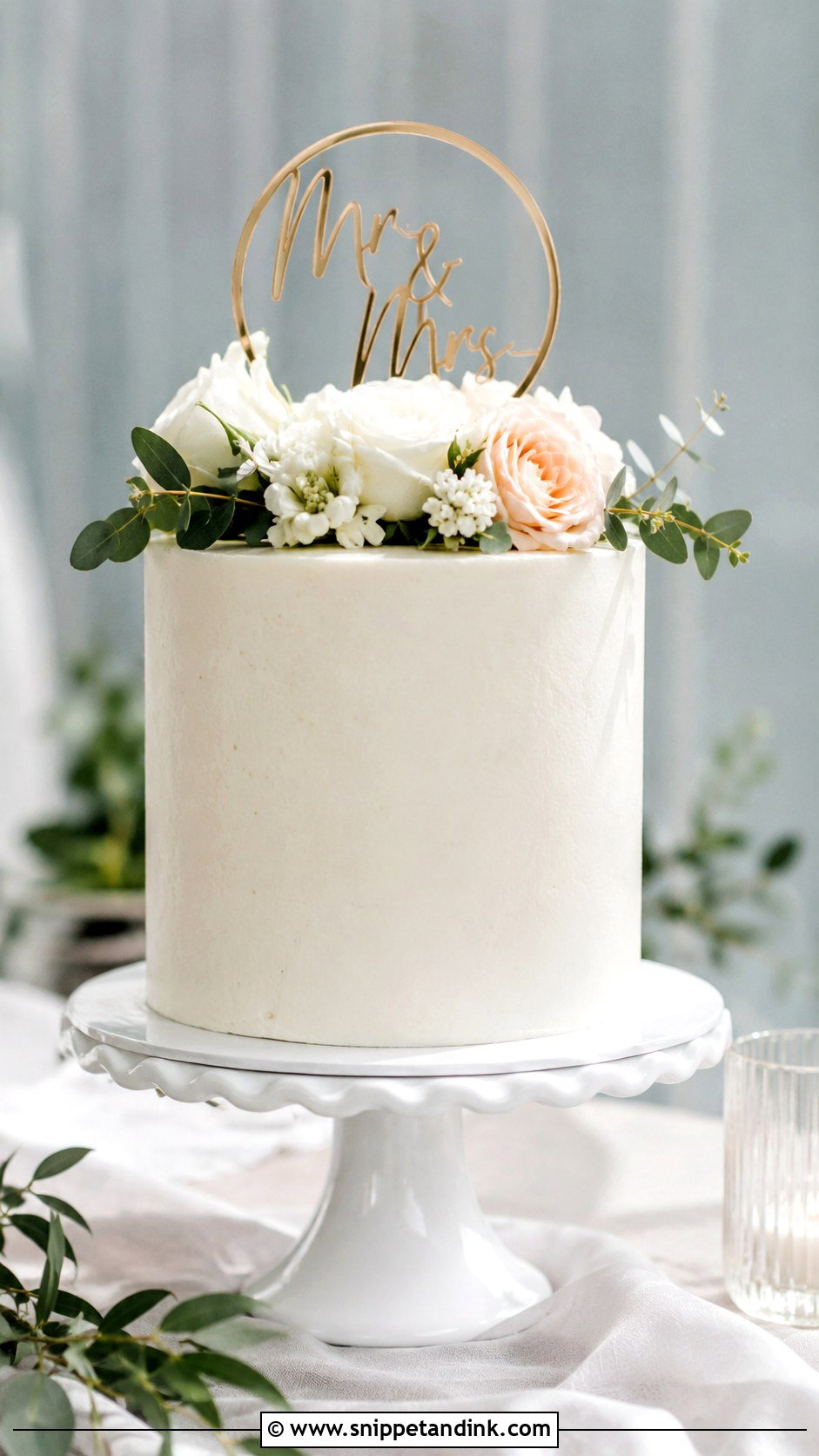
One tier can look deliberate instead of small if it’s tall. I bake extra-height single tiers with four or five layers of sponge, which needs a cake board and a couple of dowels in the middle, but it photographs closer to a two-tier than a short 4-inch round ever will. Put it on a pedestal so it sits at eye level. A courthouse or micro wedding with other desserts on the table rarely needs more cake than this.
4. Grocery Store Wedding Cake
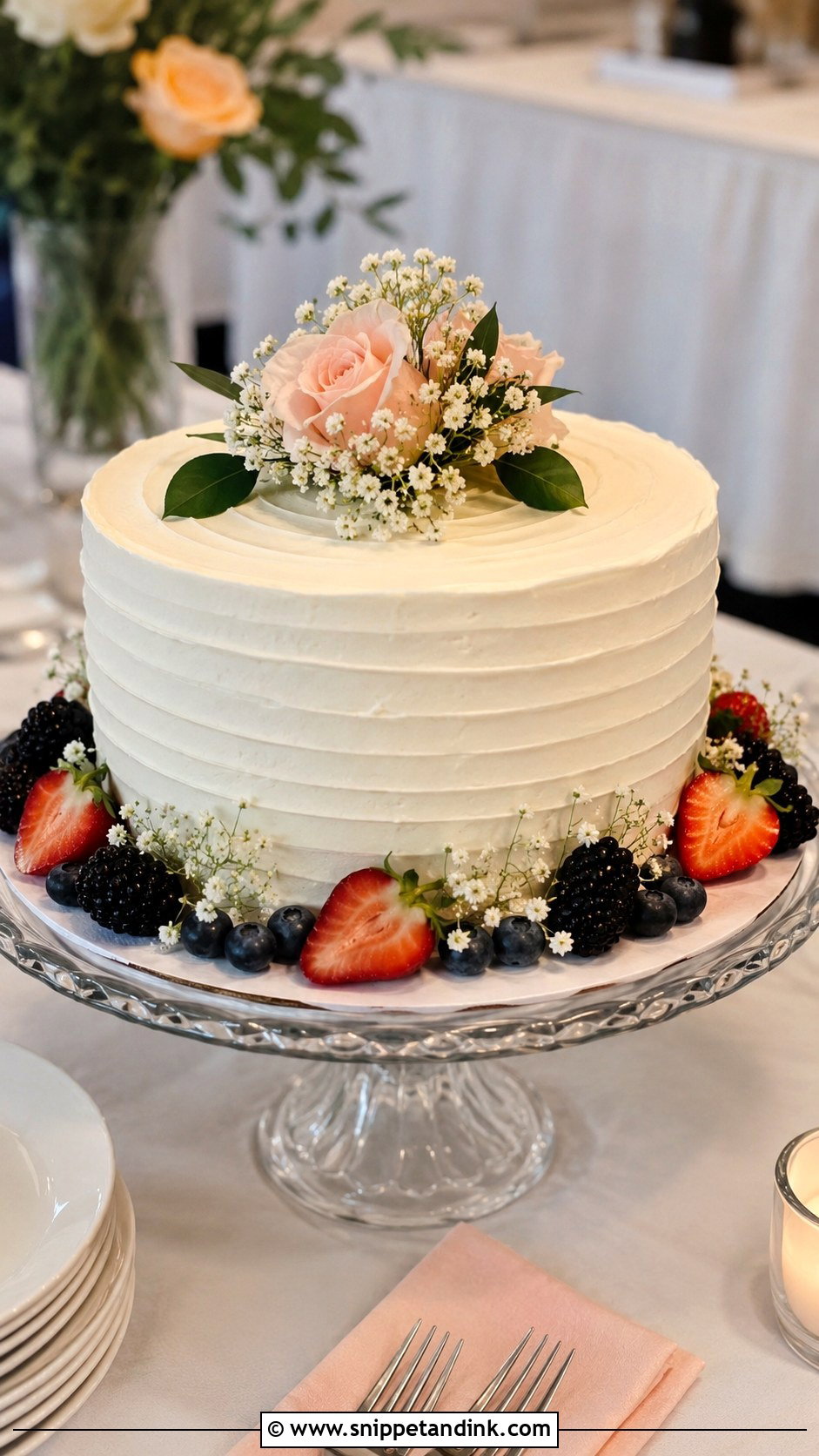
Supermarket bakeries are fast and practiced at plain buttercream, and that’s exactly what you want from them. Order the simplest round or tiered design on their list in white or ivory, then add your own topper, flowers or fruit at the venue. Where these cakes give themselves away is the piped shell border and the bright gel colors, so ask them to leave the border off. Taste a slice before you commit; the frosting is often a shortening-based icing that holds up well in heat but tastes sweeter than a butter-based one.
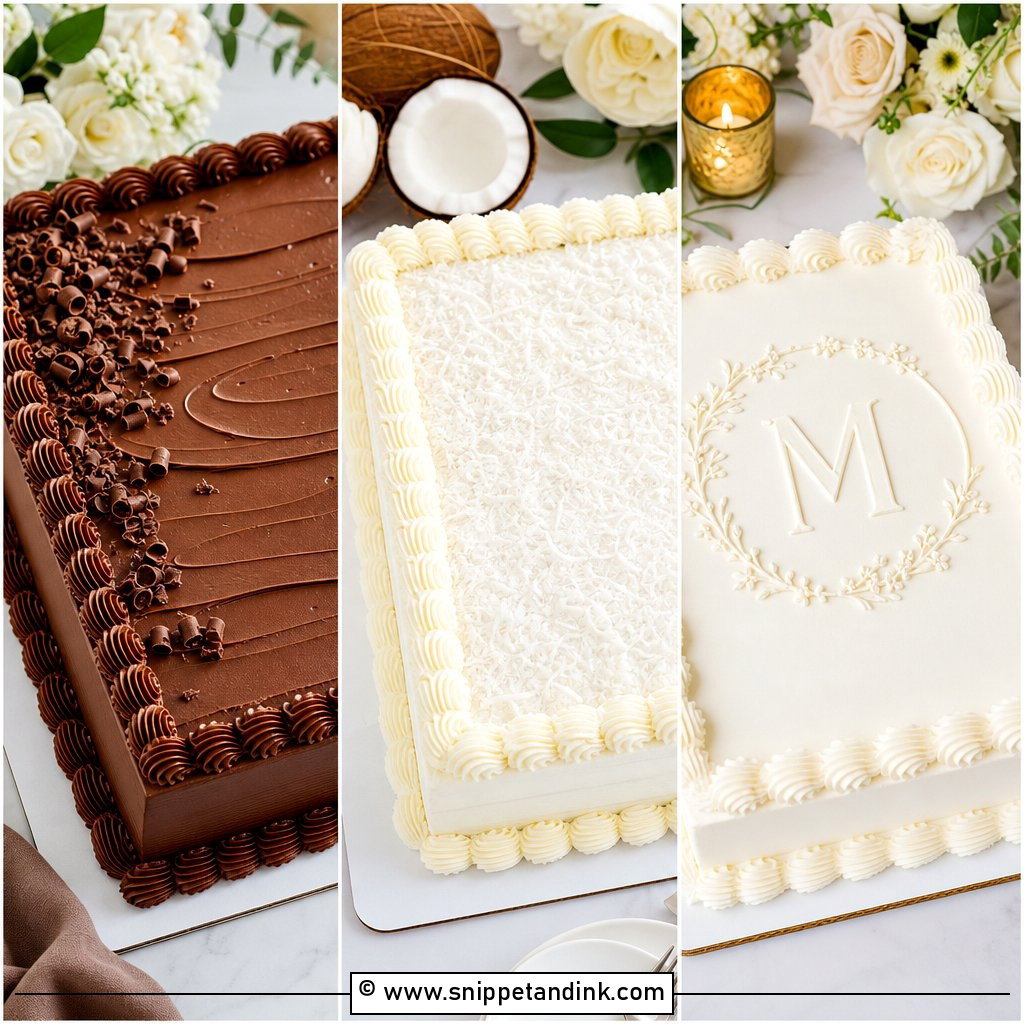
5. Costco Sheet Cake Wedding Cake
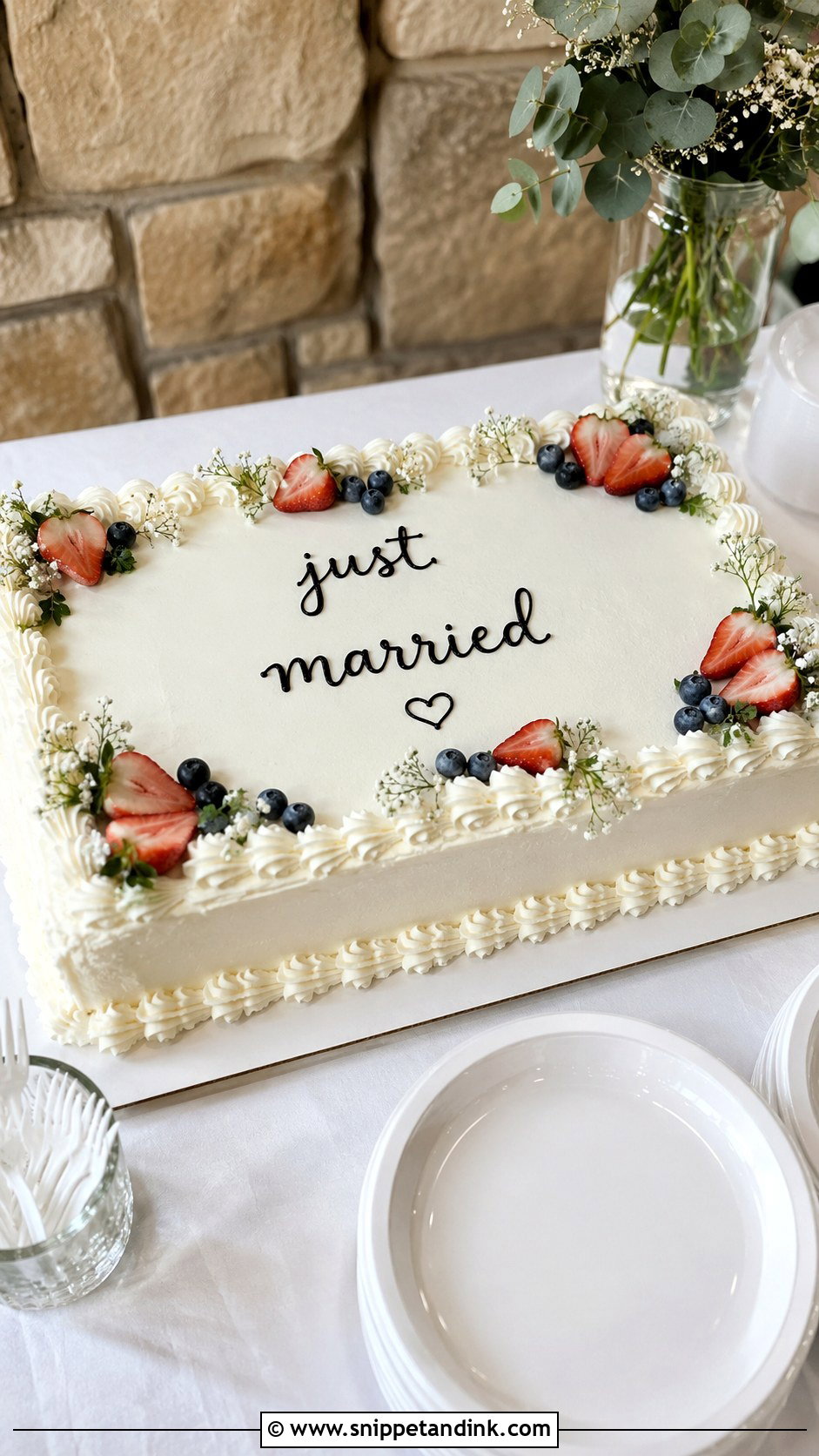
A Costco sheet cake wedding cake makes sense when feeding everyone matters more to you than a tall display. Sheets cut into even squares in minutes, travel flat and come out far cheaper per slice than anything stacked. Pair one with a small cutting cake on the display table and have the caterer plate the sheets after the photos. Check with the venue before you plan to scrape off the store piping or add berries on site; some kitchens won’t allow outside food to be reworked there.
6. Cupcake Tower Wedding Cake
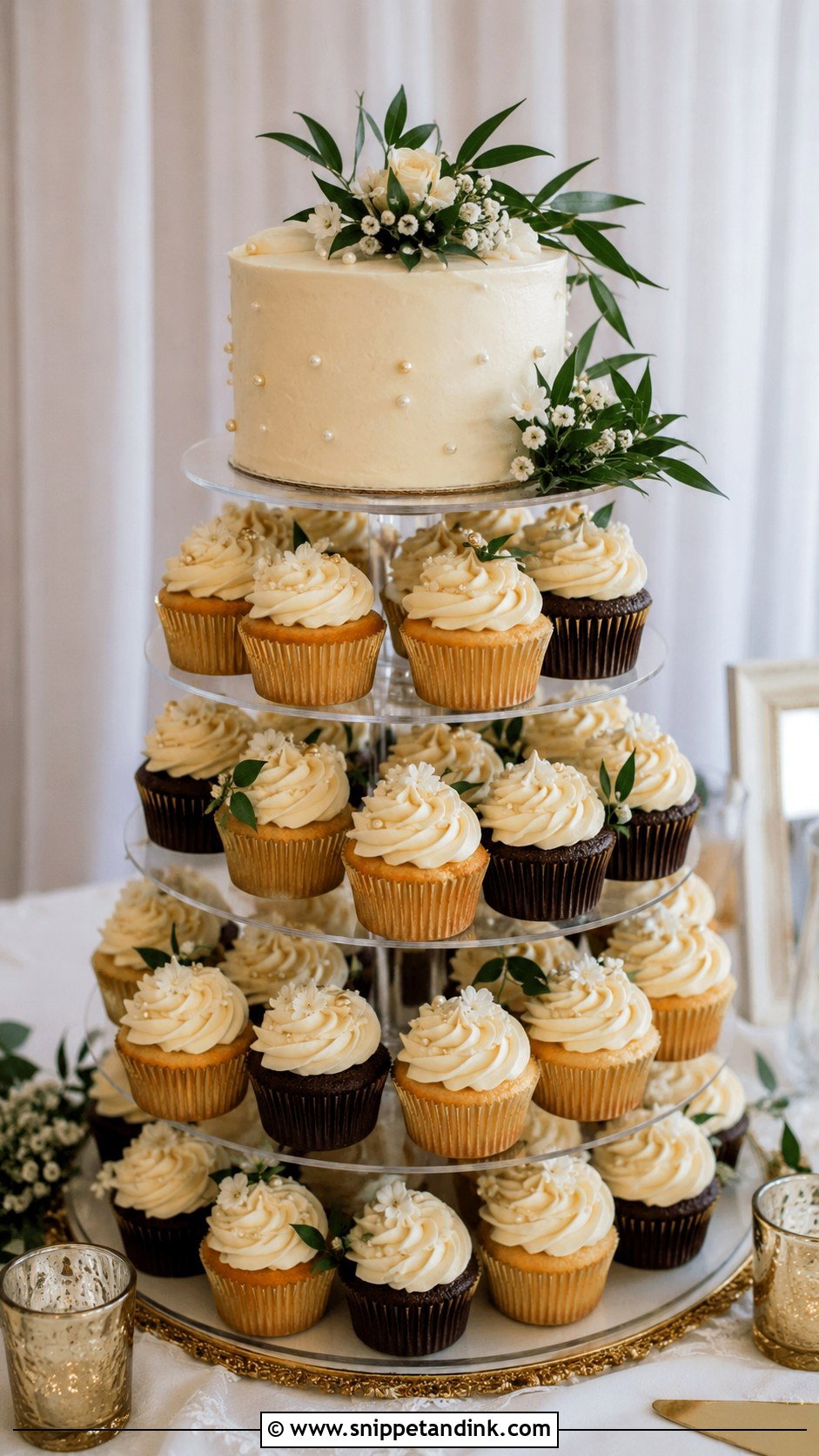
Cupcakes solve the cutting problem completely, which is why I suggest a cupcake tower wedding cake to couples whose venue charges a per-slice cutting fee. A 6-inch cake sits on the top tier for the cutting moment, and the cupcakes go below in one liner color. Stick to one frosting color across every flavor so the tower reads as a single piece. Two or three flavors is plenty; more than that and guests stand at the tower trying to work out which is which.
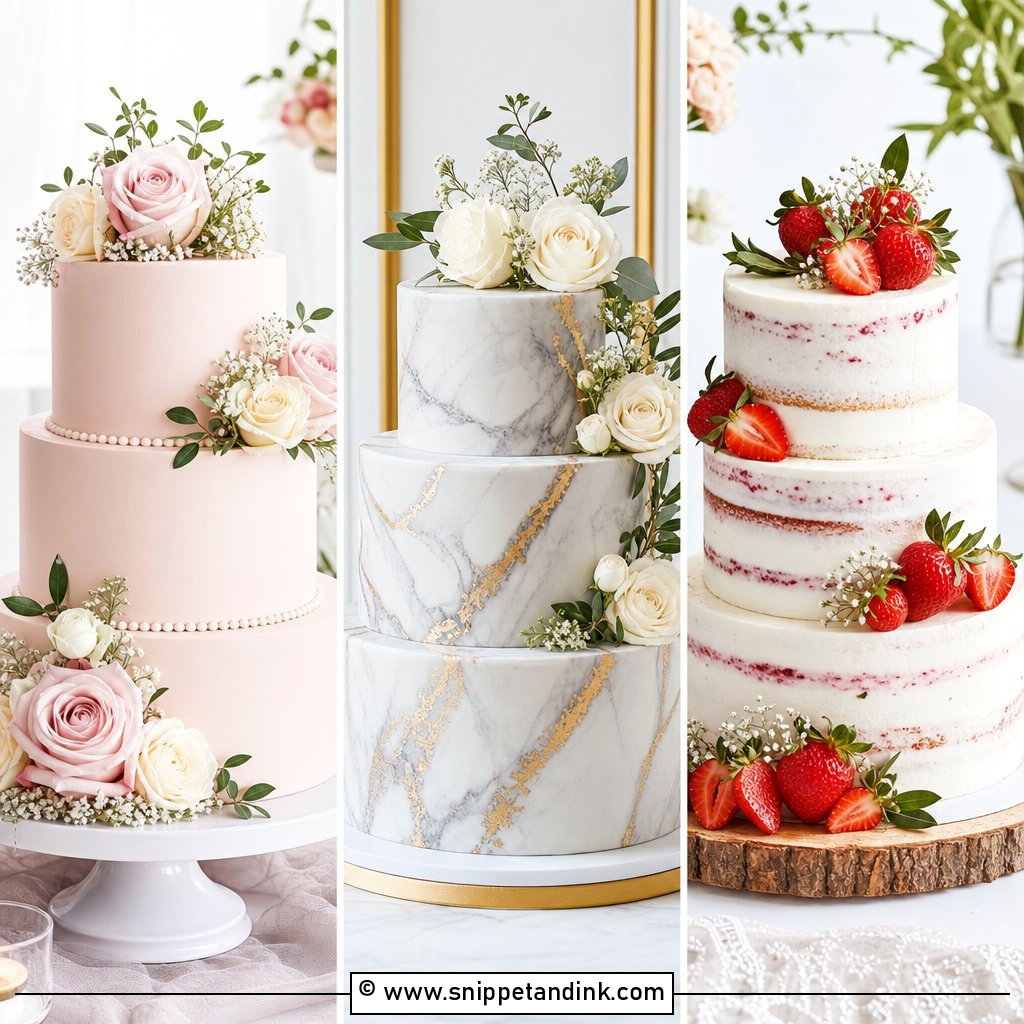
7. Semi Naked Wedding Cake
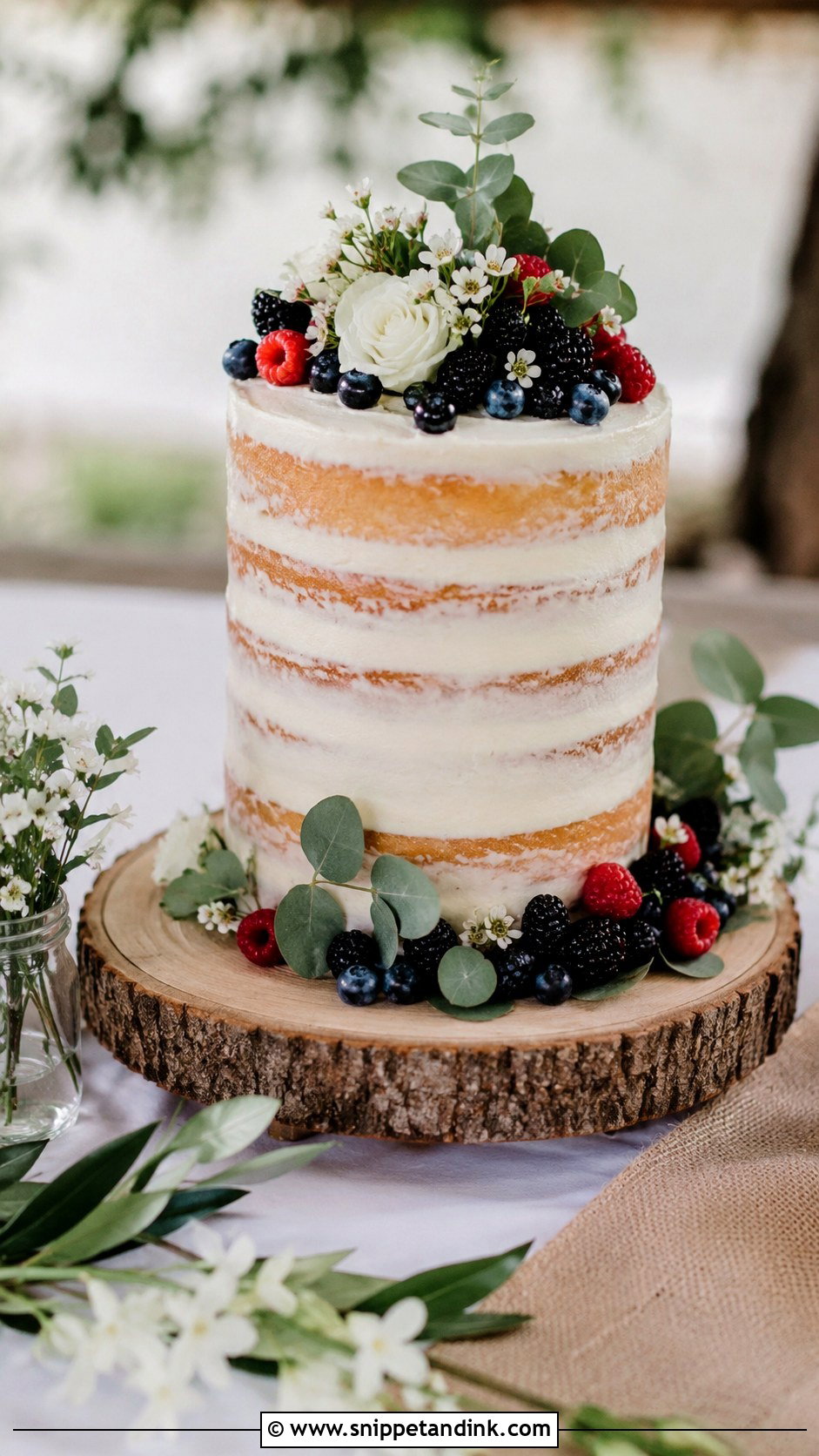
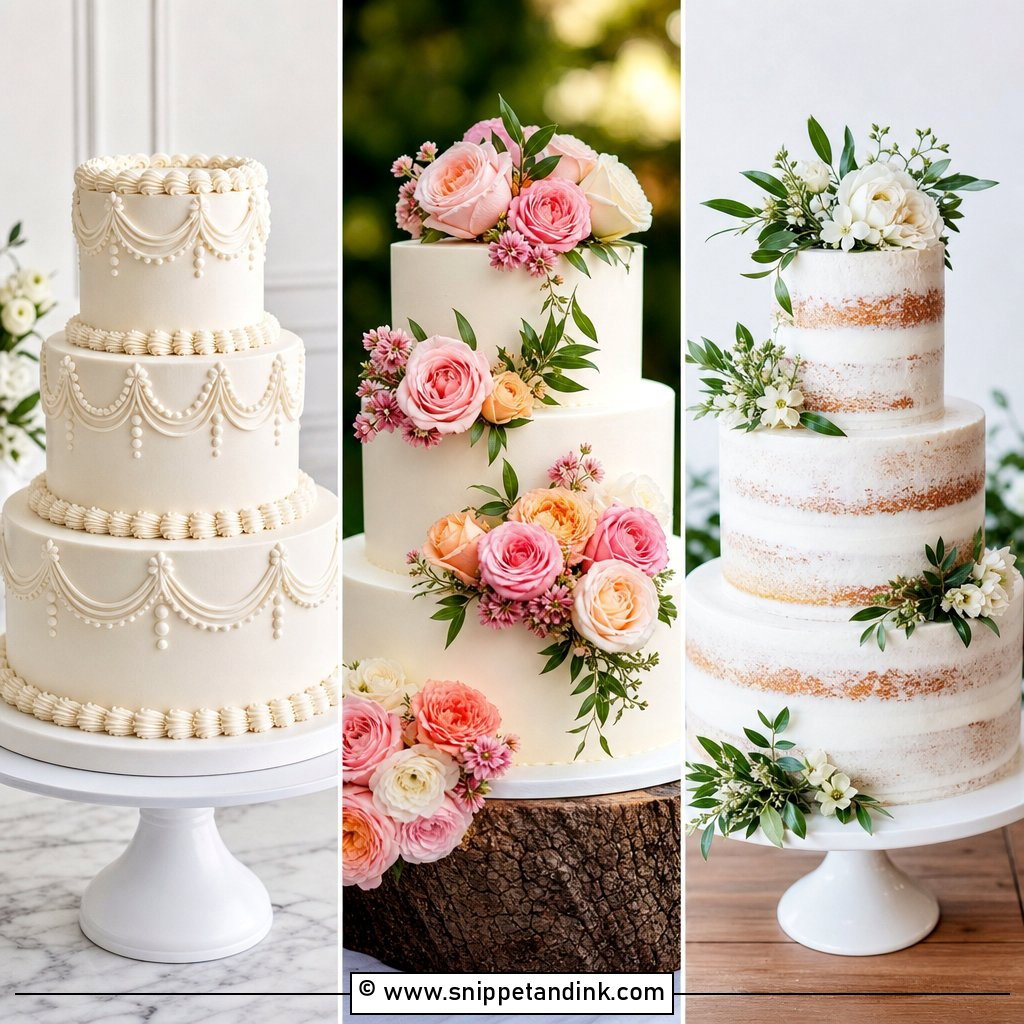
Less frosting means less finishing time, which is why a semi naked wedding cake usually costs less than a fully iced one. The catch is that exposed sponge dries out faster, so I scrape these as close to the event as I can and brush the layers with syrup before stacking. Ask your baker how far ahead they finish it. Fresh berries and herbs suit it, and the flavor carries more weight here than on a heavily decorated cake, so lemon, carrot or a good chocolate are worth choosing over plain vanilla.
8. Naked Wedding Cake
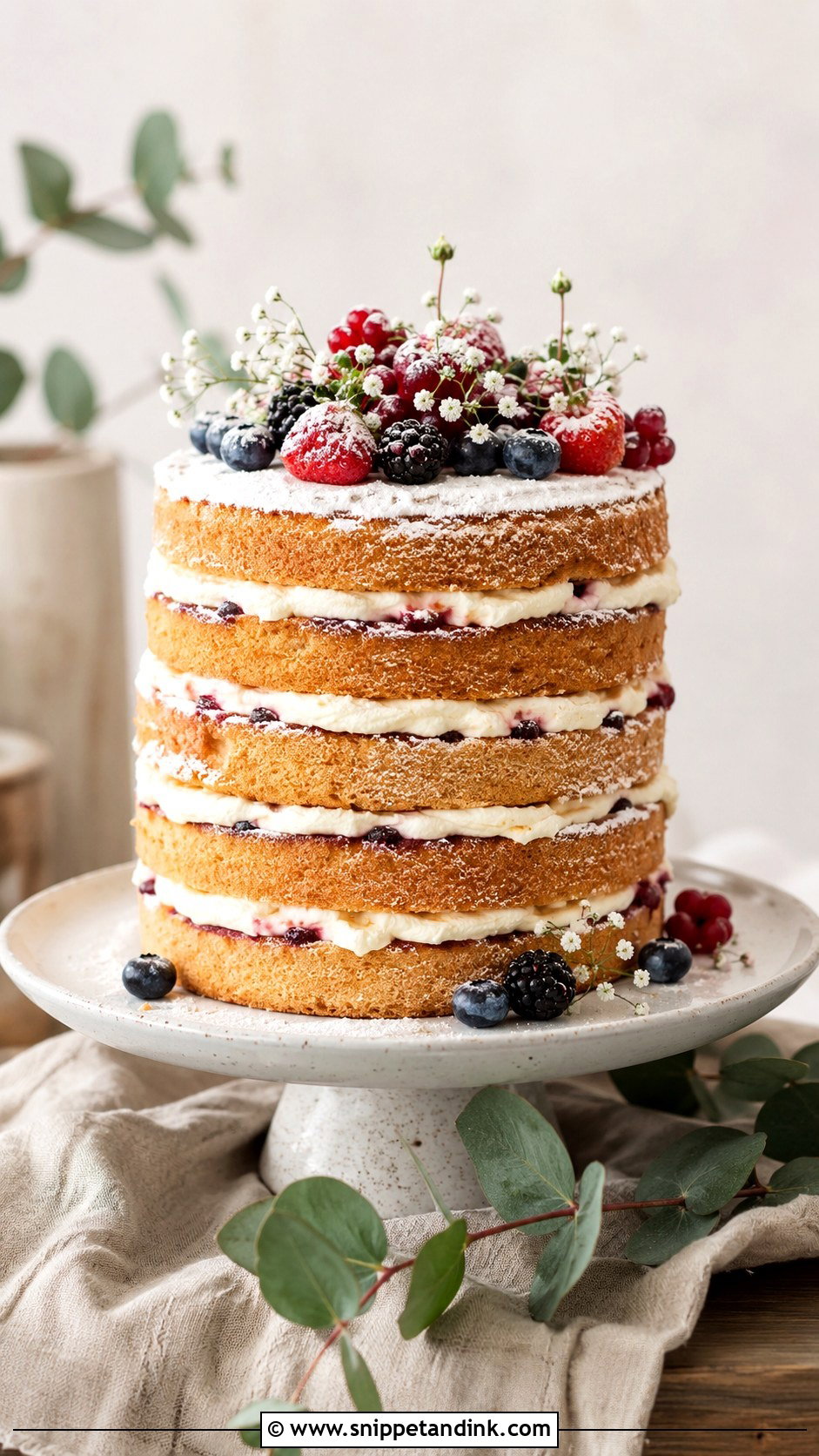
A fully naked cake has filling between the layers and nothing on the sides, so every layer has to be level and the filling piped to the same thickness or it looks lopsided from across the room. It’s one of the cheapest finishes to produce, but it’s also the least forgiving outdoors. I’d keep it for a cool, shaded reception and avoid it for a hot afternoon in the sun. Fruit, a dusting of powdered sugar added at the venue, and a wood or ceramic stand are all it needs.
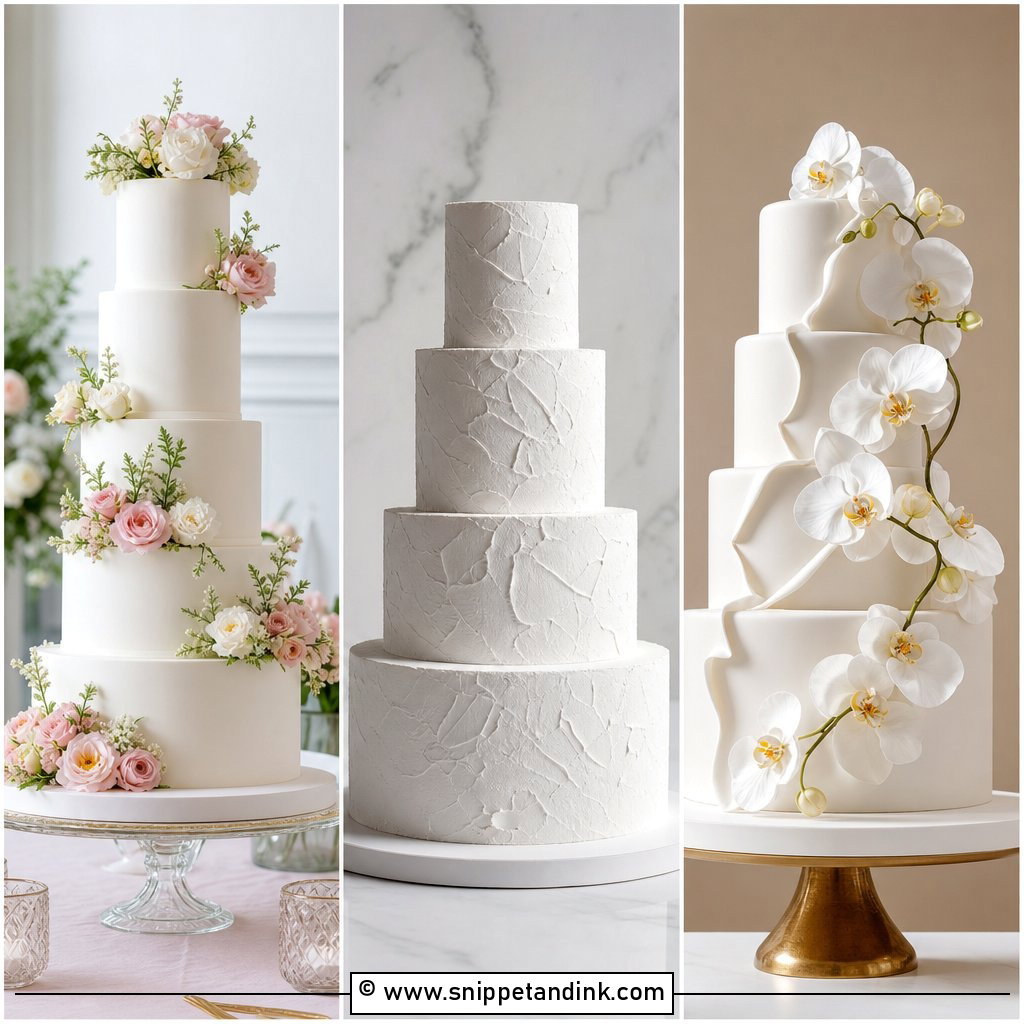
9. White Buttercream Wedding Cake
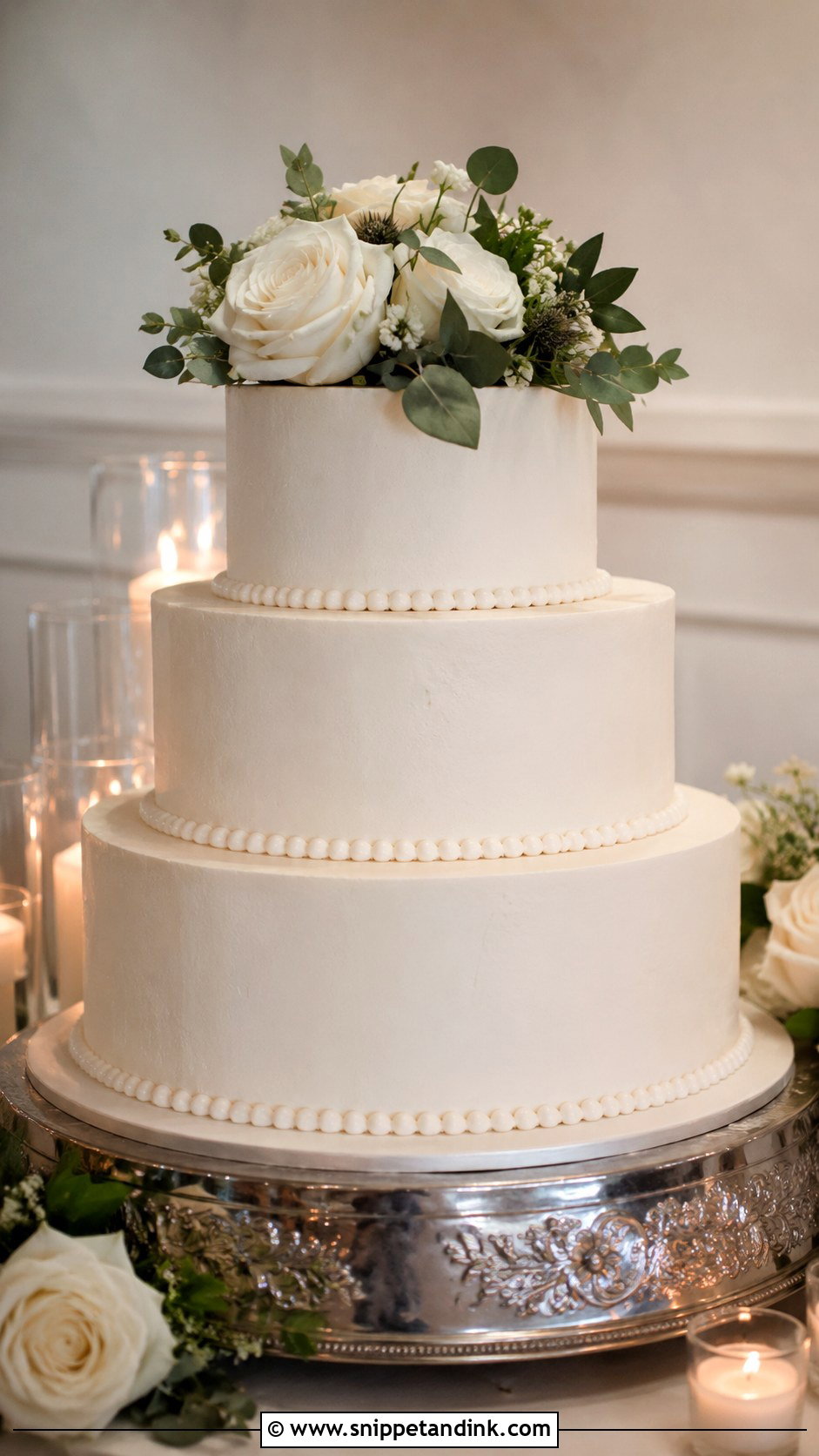
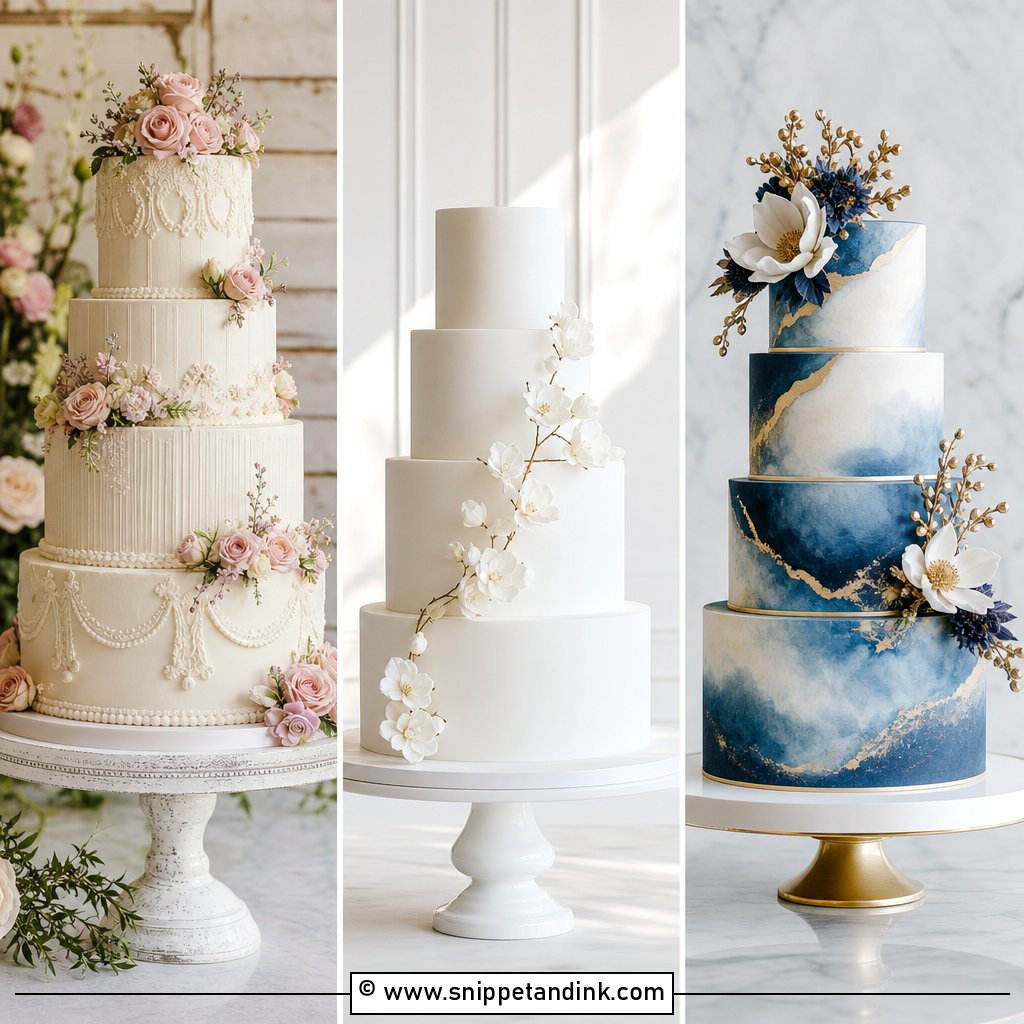
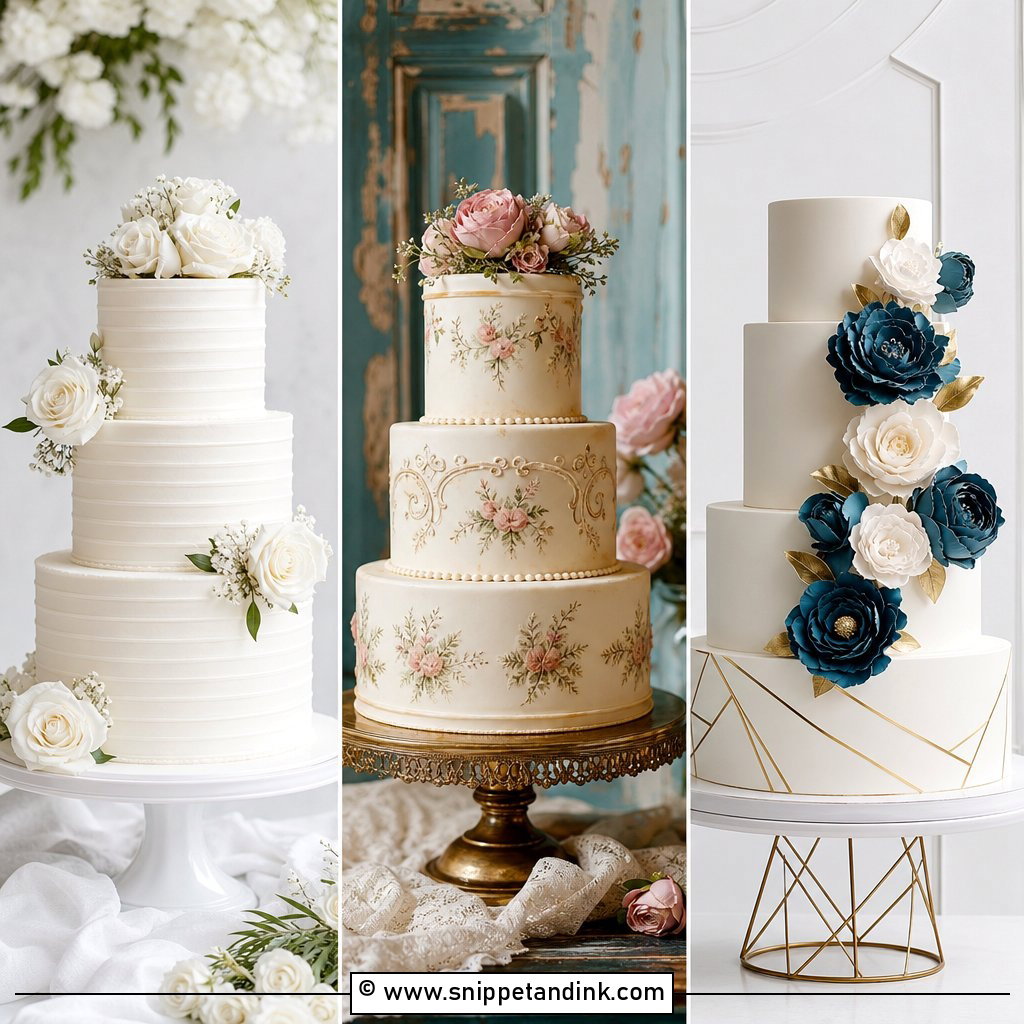
Plain white buttercream is the base I quote lowest because there’s nothing on it but a good finish. From there it can go formal with sharp edges and a strip of pearls, or relaxed with a palette-knife swirl. You save by leaving out the time-heavy extras: hand painting, sugar flowers, metallic leaf, sculpted pieces. One thing to know is that true butter buttercream is ivory, not snow white. If you want bright white, ask whether the baker uses a touch of violet coloring or a shortening blend, and taste it first.
10. Rustic Wedding Cake
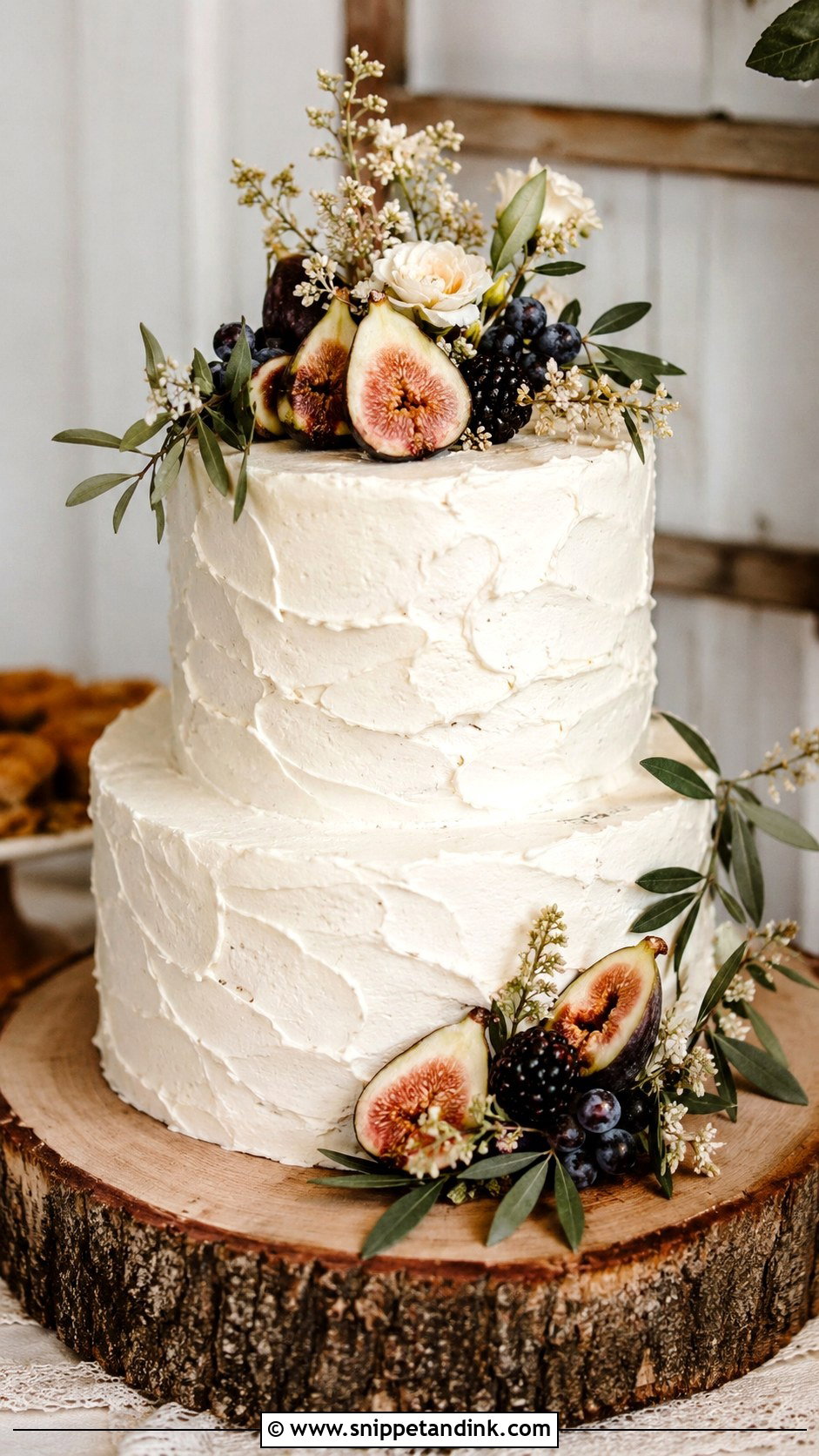
A rustic finish hides small imperfections that smooth buttercream shows, and that’s part of why it’s cheaper: a soft ridge pattern takes a fraction of the time of a mirror-smooth side. Figs, berries and a little greenery suit it. A wood slice under the cake adds height for very little money. Restraint matters more here than on any other style, though. Too many toppings make a rustic cake look unfinished rather than relaxed, so I usually decorate one side and leave the rest bare.
11. Simple Wedding Cake With Fresh Flowers
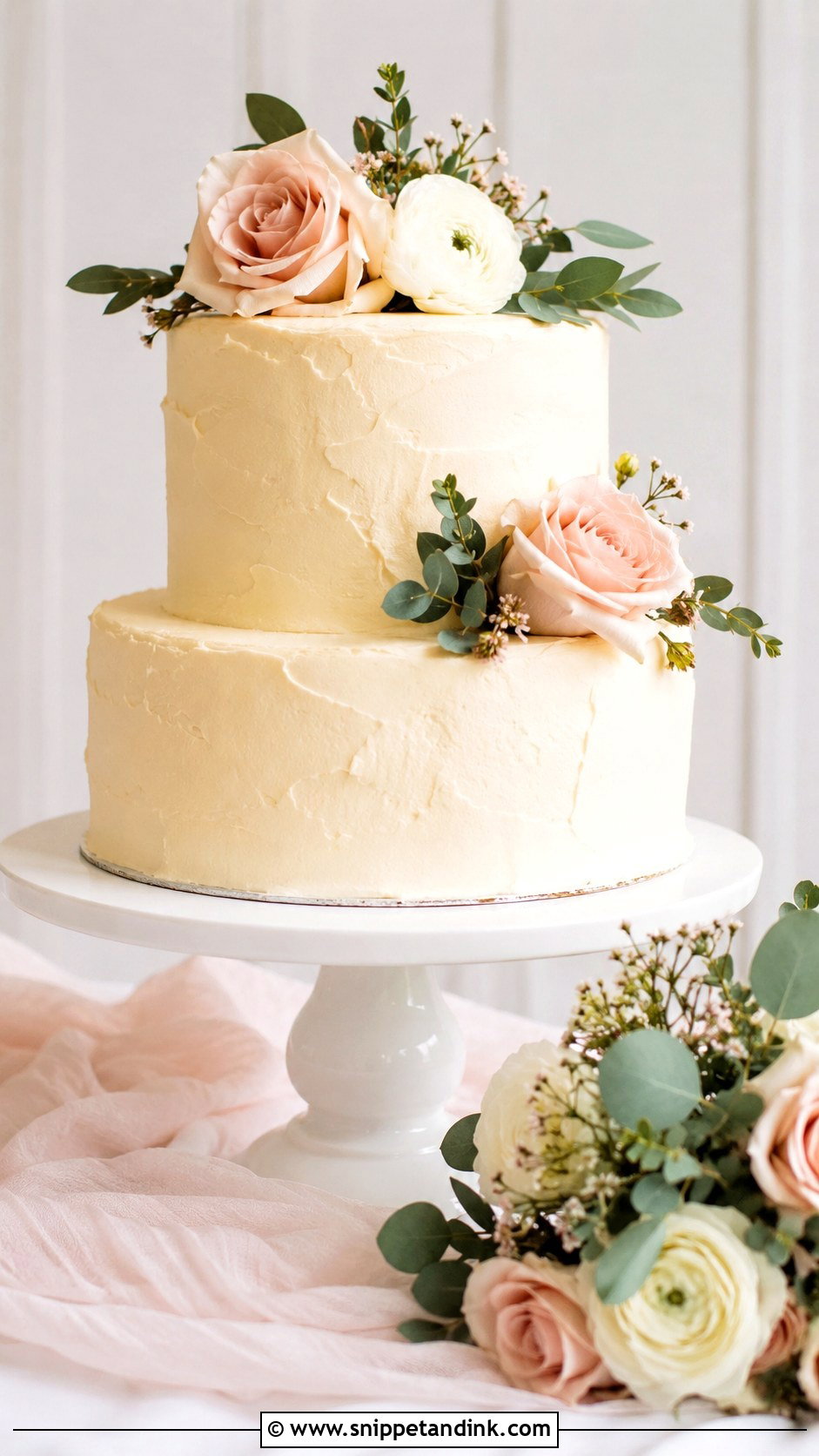
Fresh flowers do the visual work that sugar flowers would charge you for, so the cake underneath can be plain. Use blooms from the bouquet or centerpieces so the cake ties into the room. Many popular wedding flowers are not safe for food contact, so stems should be wrapped in floral tape or set into a plastic pick before they go in, and I’d ask your florist to supply pesticide-free flowers set aside for the cake. A cluster at the top with a few blooms trailing down one side looks more intentional than flowers scattered over every tier.
12. Wedding Cake With Greenery
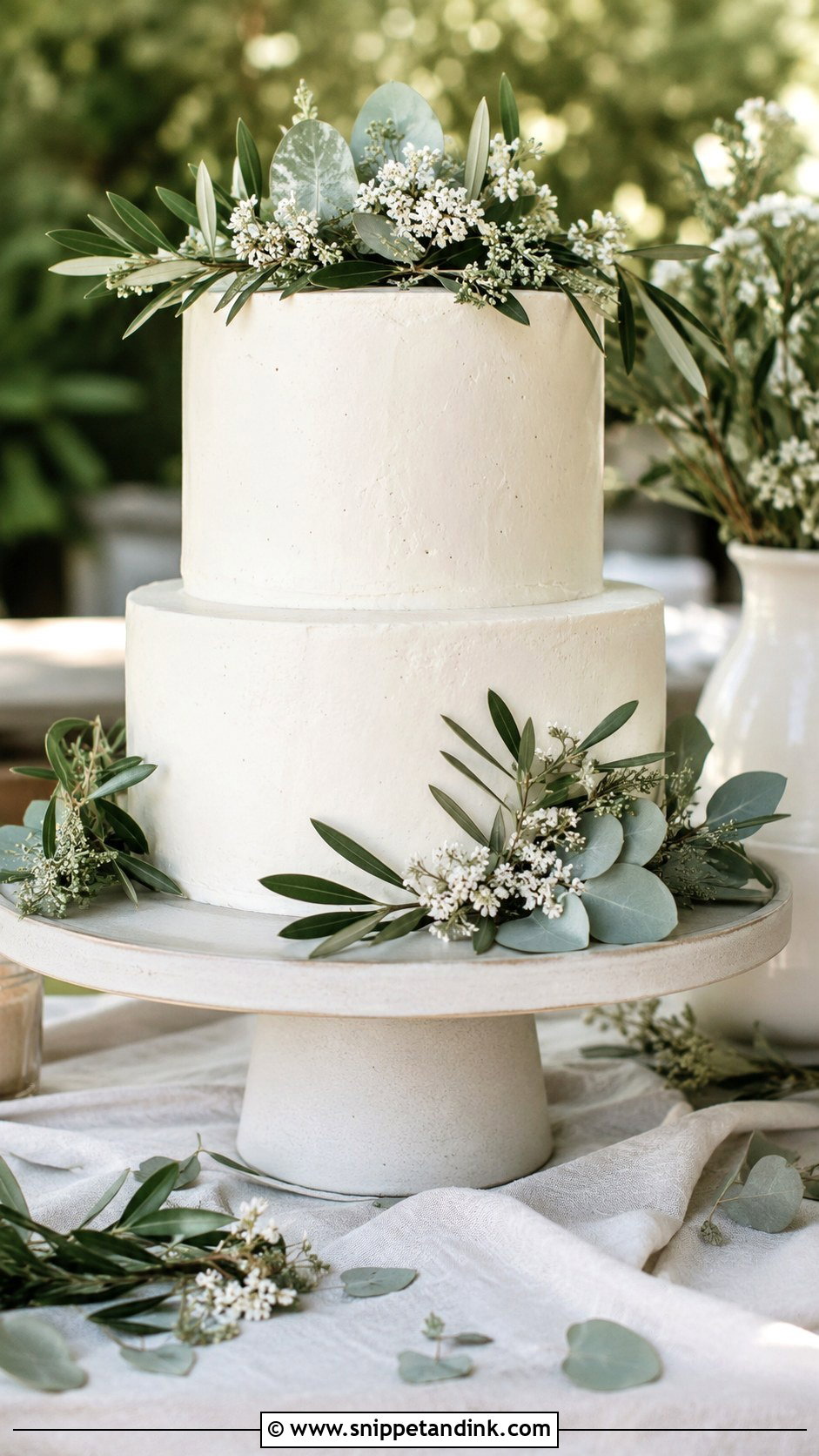
Greenery is usually cheaper than a full floral spray and gives a plain cake movement. Eucalyptus is the most requested, but it’s also one I treat with care because it shouldn’t touch the frosting directly; I wrap the stems and keep leaves sitting just against the surface. Rosemary, bay and olive are easier choices because they’re edible or culinary. A single tier or two tiers in white buttercream lets a loose garland read clearly.
13. Wedding Cake With Fruit
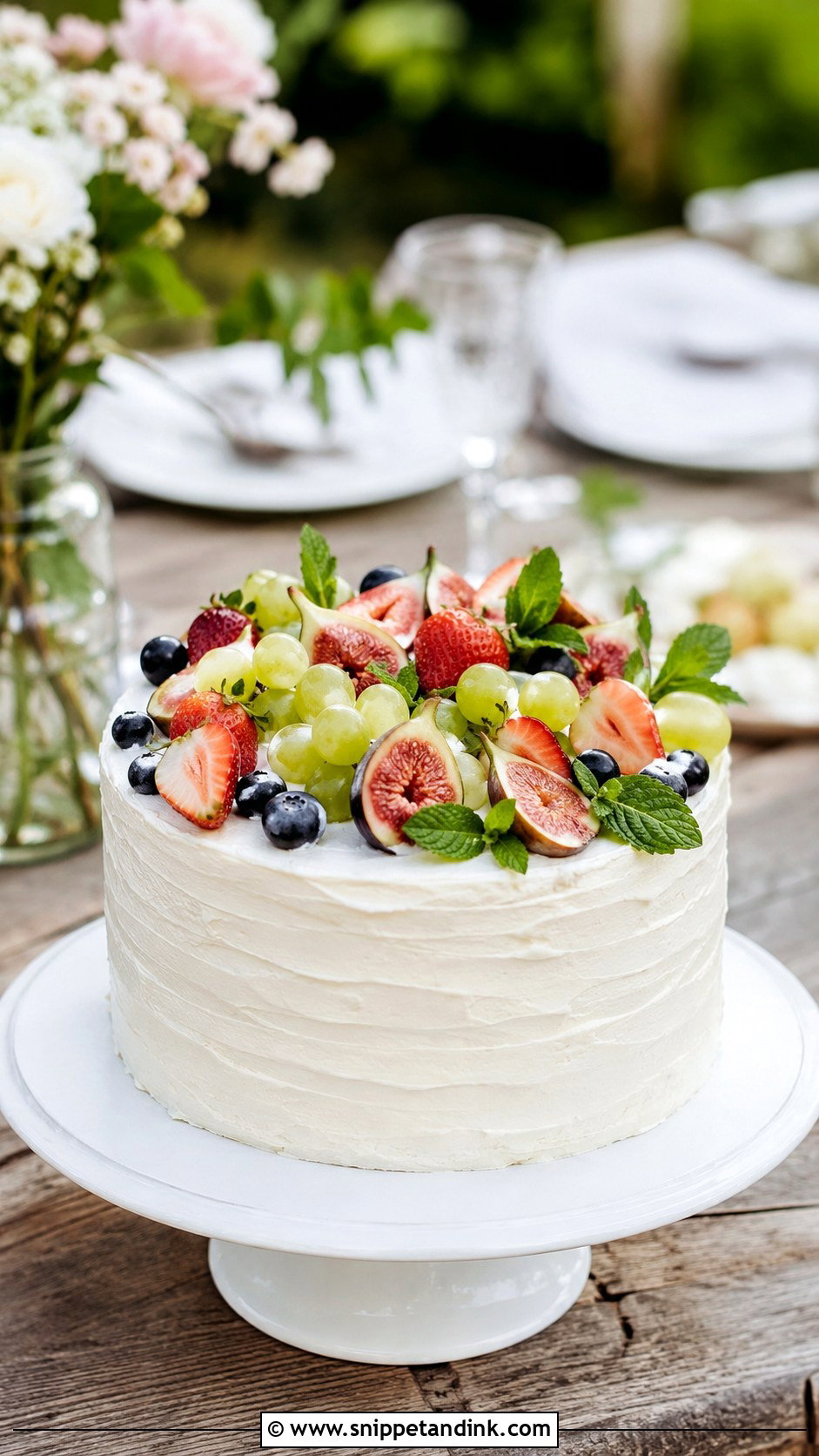
Fruit is the fastest decoration I can put on a cake, and it changes with the season: berries in summer, figs and grapes in autumn, citrus slices in spring. The trick is to add it as late as possible. Cut fruit weeps into buttercream within a few hours, so I place whole berries and only slice figs or citrus on site. A plain vanilla or white buttercream base lets the color of the fruit carry the whole design, and it pairs well with a brunch or garden menu.
14. Bundt Wedding Cake
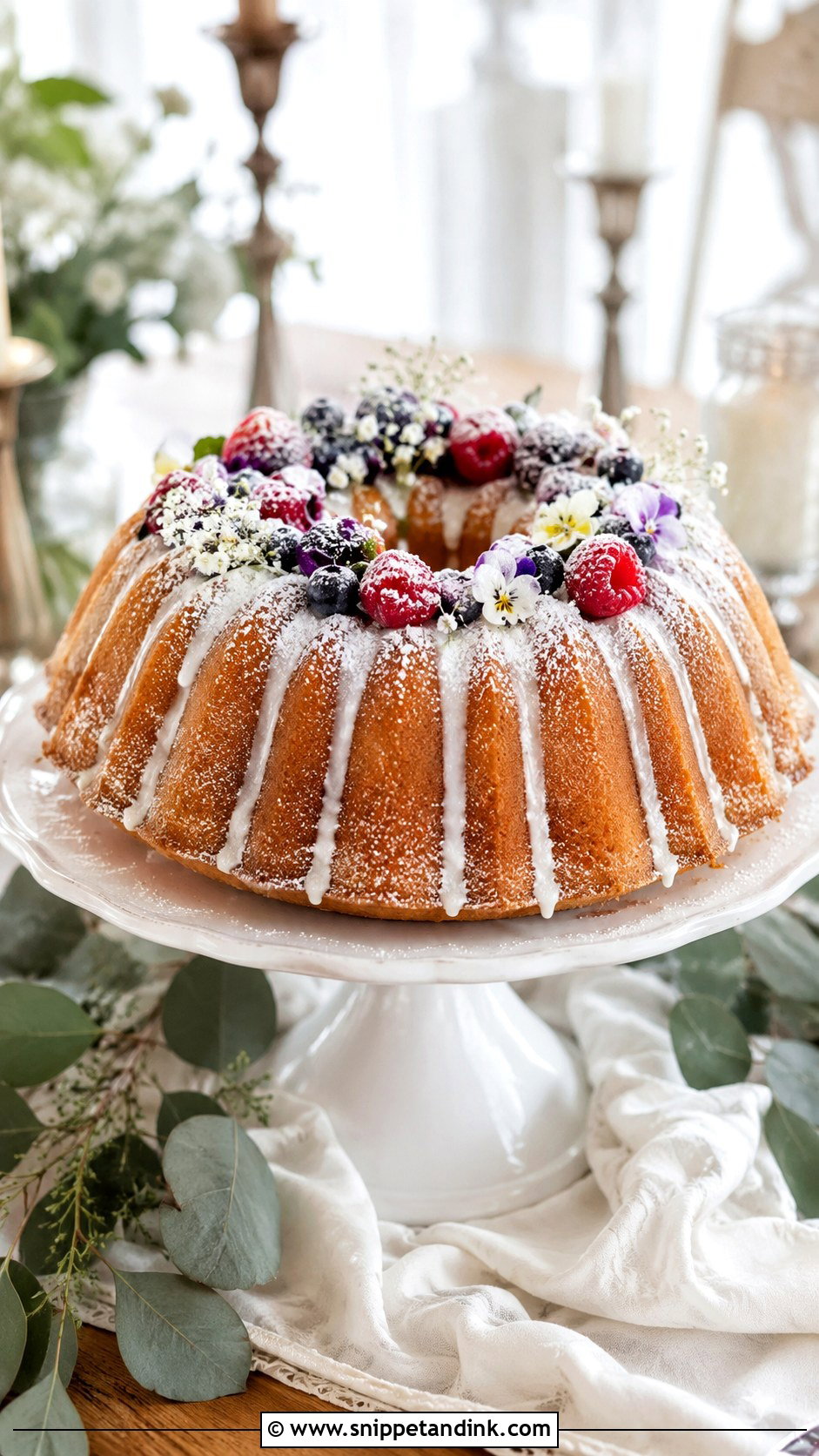
The ridged shape of a Bundt pan does the decorating for you, so all a Bundt cake needs is a glaze, a dusting of sugar or a few berries. Several smaller Bundts in different flavors on stands of varying heights make a fuller table than one alone. Bundts are dense and keep well, which suits a family who wants to bake ahead. They don’t stack, though, so this is a choice for a casual reception, not for anyone who wants a traditional tall cake.


15. Mini Wedding Cakes
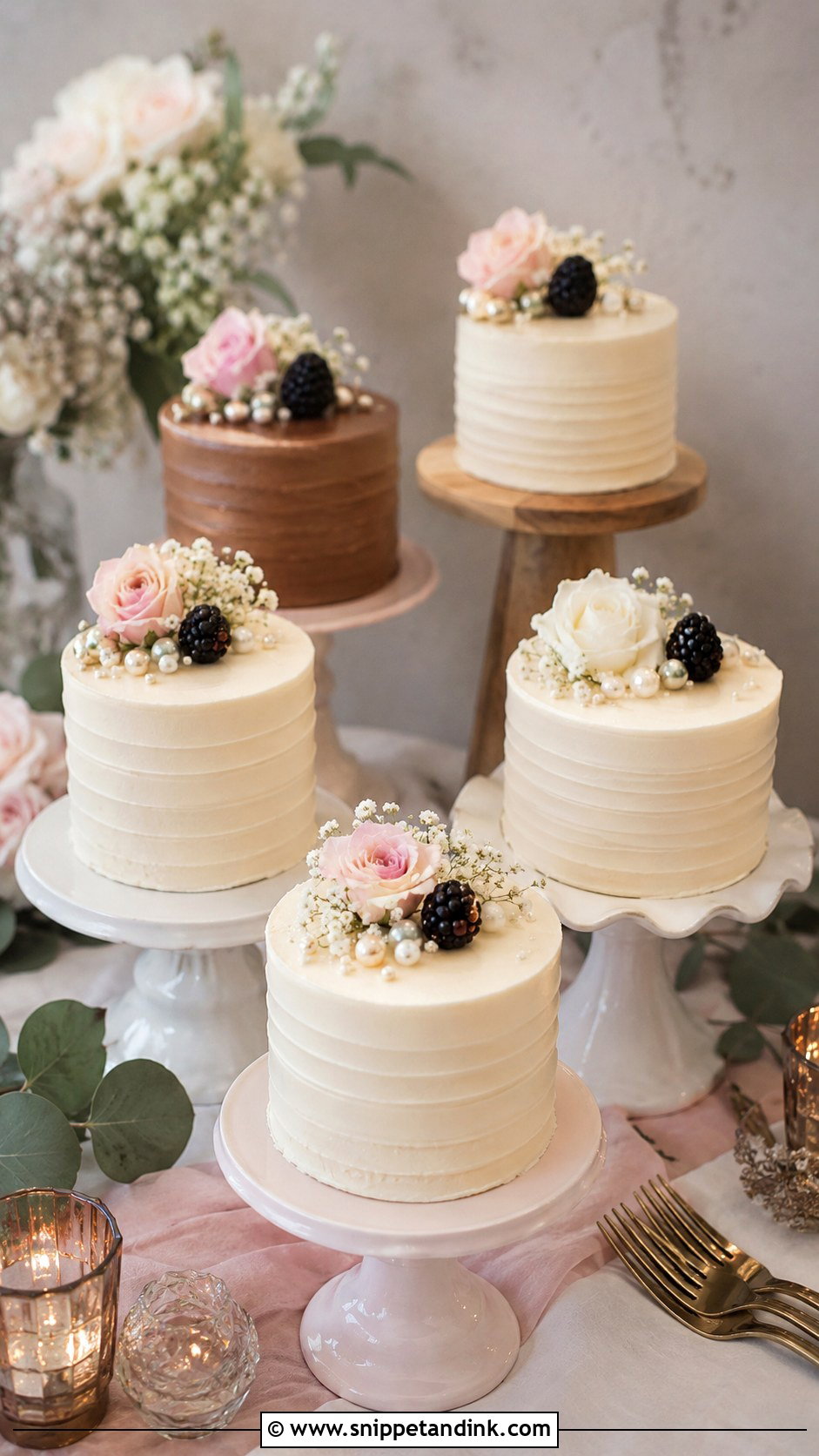
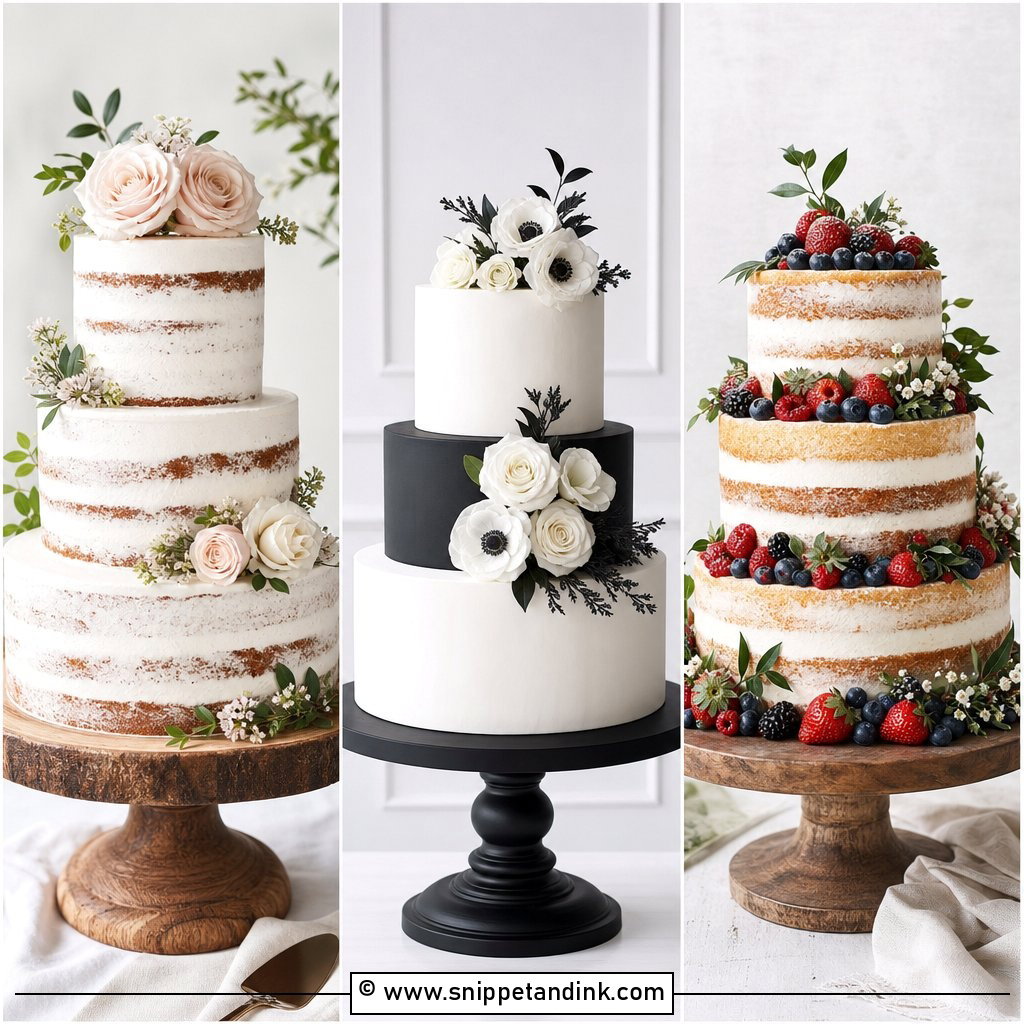
Individual mini cakes for every guest are labor-heavy and often cost more than a tiered cake, so I’d steer you away from that version on a budget. Where minis do save money is a handful of 4-inch or 6-inch cakes grouped on the dessert table in a few flavors. Keep the decoration identical across them, a buttercream swirl or a single bloom, so they look like a set. Grocery bakery rounds styled together on stands at different heights can pull off the same effect.
16. Wedding Cake And Dessert Table
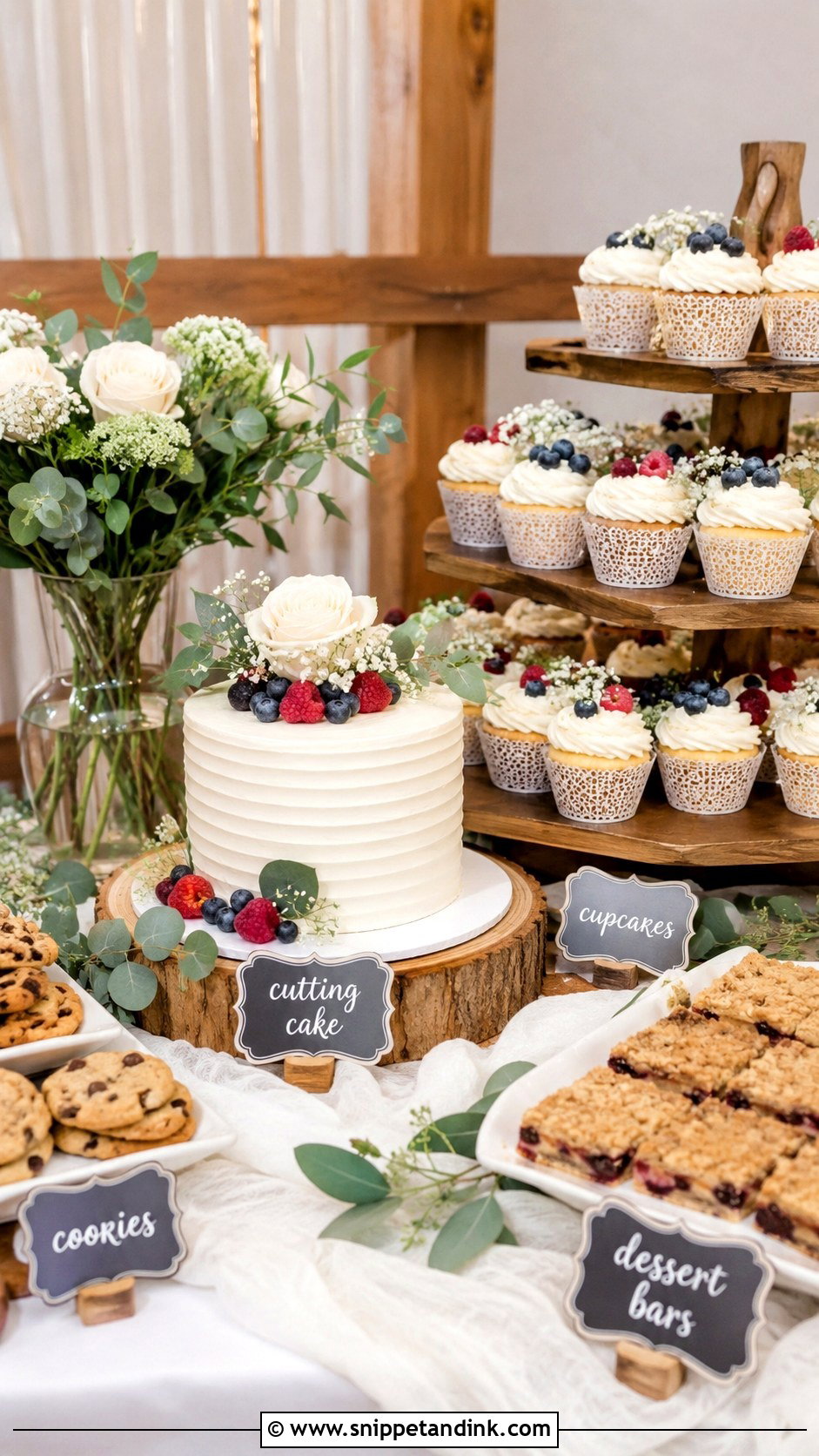
The dessert table lets you cut the cake order down to a small centerpiece and fill the rest with affordable sweets like cookies, brownies, bars and fruit tarts. Because guests take a bit of several things, I plan cake servings for well under the full head count when there’s a full dessert table. Labeled trays and two or three stand heights make it look planned. Keep the colors to the wedding palette, and give someone the job of refilling trays, since a half-empty table halfway through the evening is what makes this setup look cheap.
17. Fake Wedding Cake With Real Cutting Tier
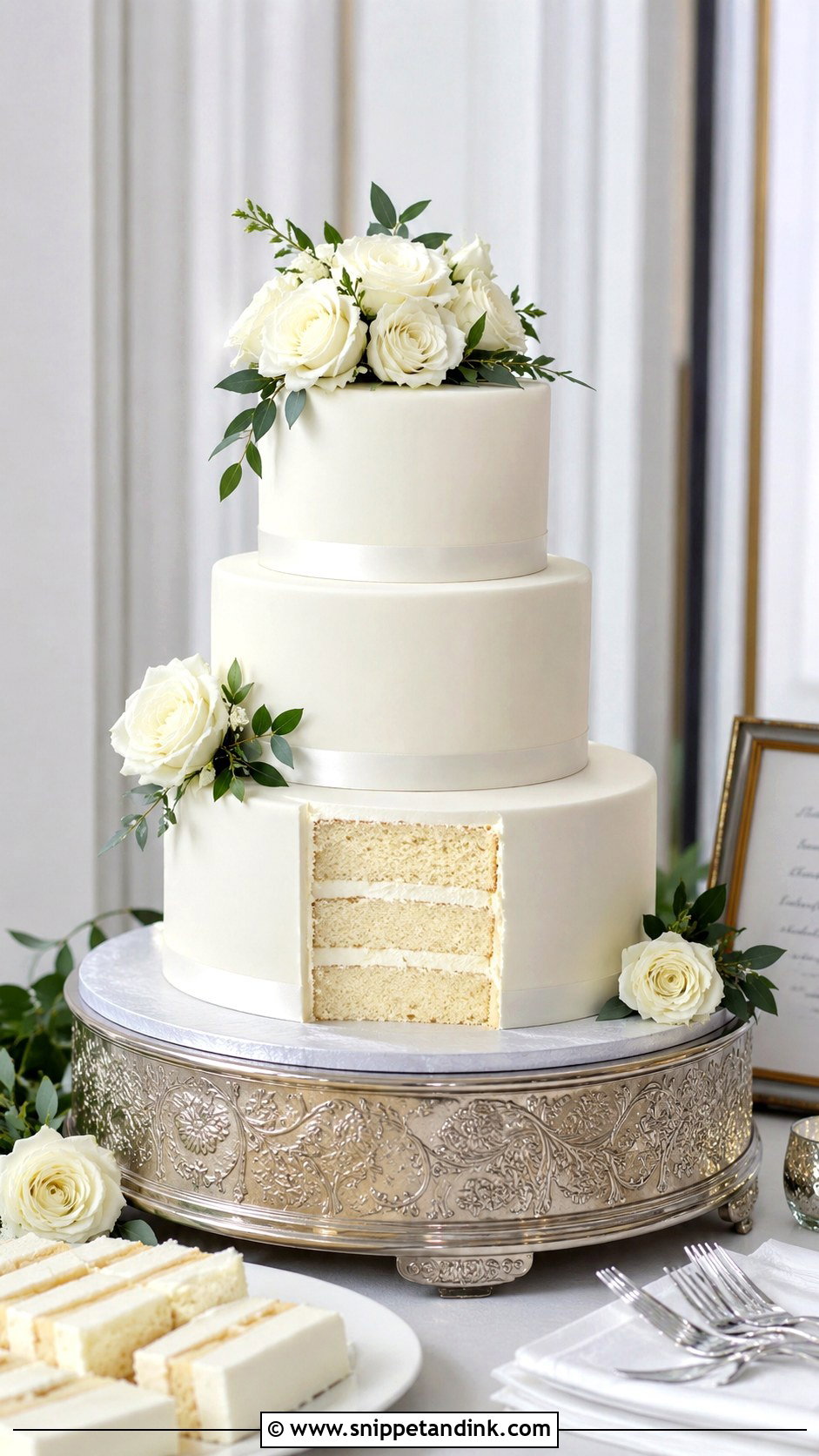
A fake wedding cake with real cutting tier uses decorated foam dummies for the height and one real tier, usually the bottom or a hidden slot, for the cutting photo. Guests eat sheet cake from the kitchen. It saves money on servings, but not on decoration: a dummy takes the same time to ice and pipe as a real tier, so a detailed design costs nearly the same either way. Keep the dummies plain with ribbon or fresh flowers and the savings are real.
18. Homemade Wedding Cake
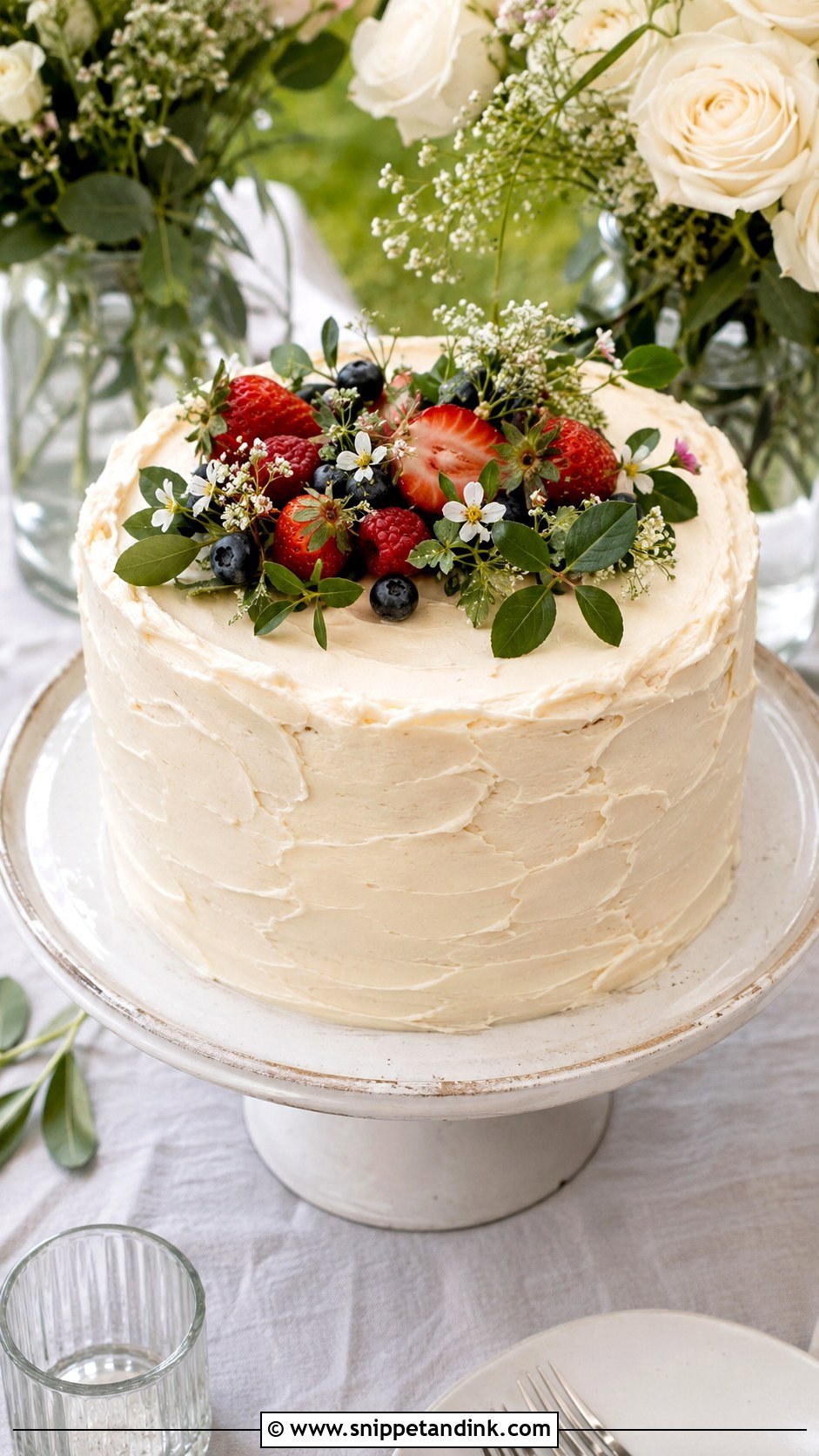
A homemade wedding cake saves money only if the person baking has practiced the exact cake beforehand. I’d suggest a sturdy recipe like vanilla, chocolate, carrot or almond, and nothing with whipped cream or custard filling that has to stay cold. Bake and freeze the layers the week before, then fill and frost one or two days out. A single tier or a sheet is realistic for a home kitchen; a three-tier stacked cake, carried by a nervous relative on the morning of the wedding, is where it tends to go wrong.
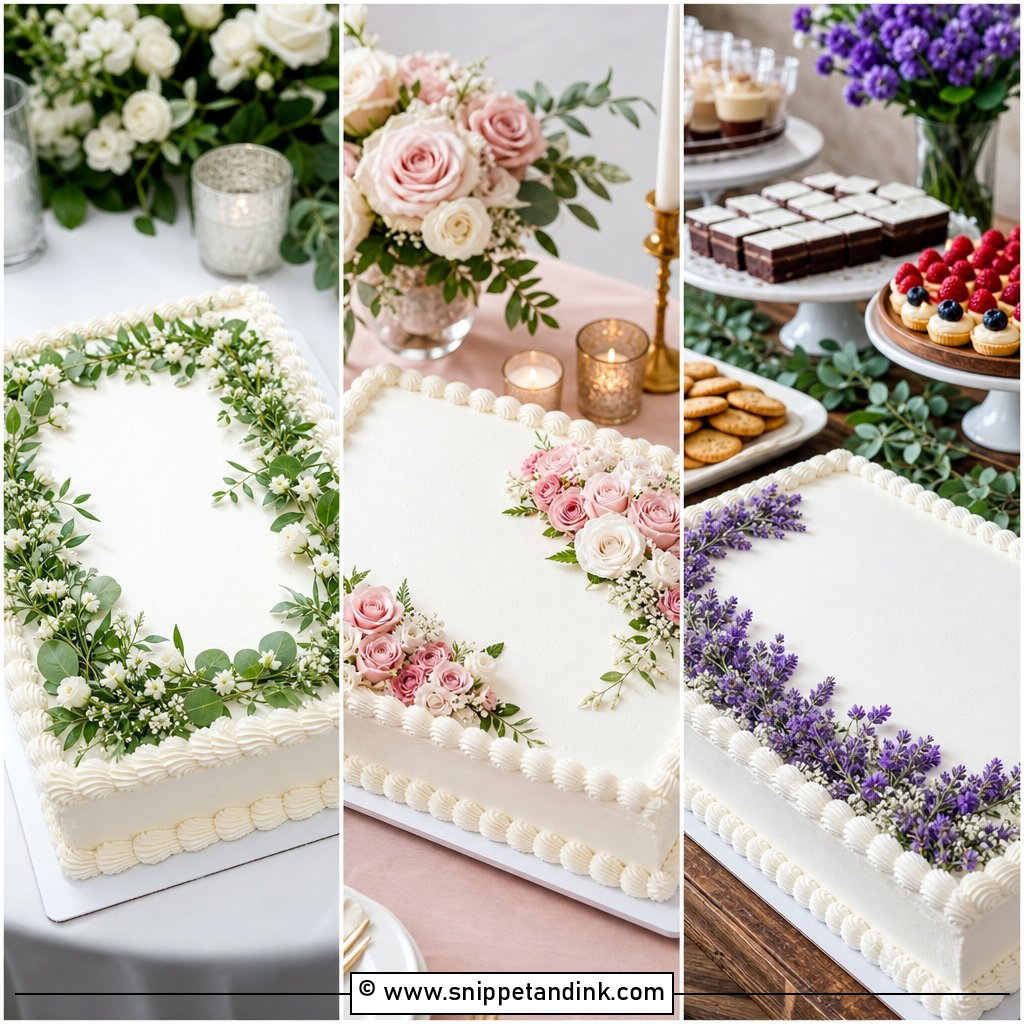
19. Simple Square Wedding Cake
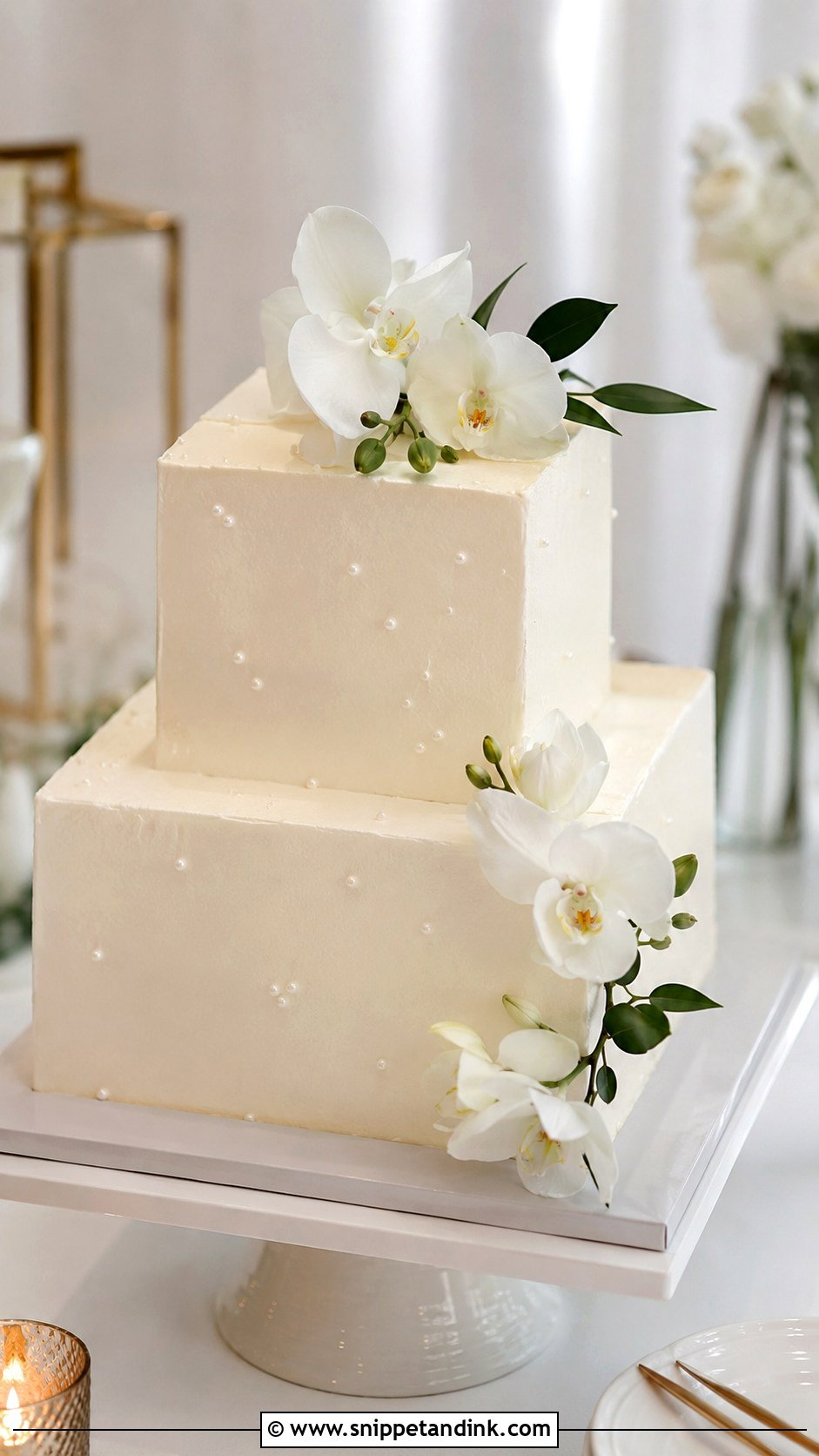
Square cakes are the most efficient shape to cut. A grid of even slices comes off a square with no wedges or scraps, so you get a few more servings than from a round of the same width. The downside is the corners: sharp, clean buttercream corners are harder to get than a smooth round side, so a baker may charge a little more for them. A single square tier with a few flowers suits a city venue, and two stacked squares give a clean, modern outline.


20. Wedding Cake From Local Bakery
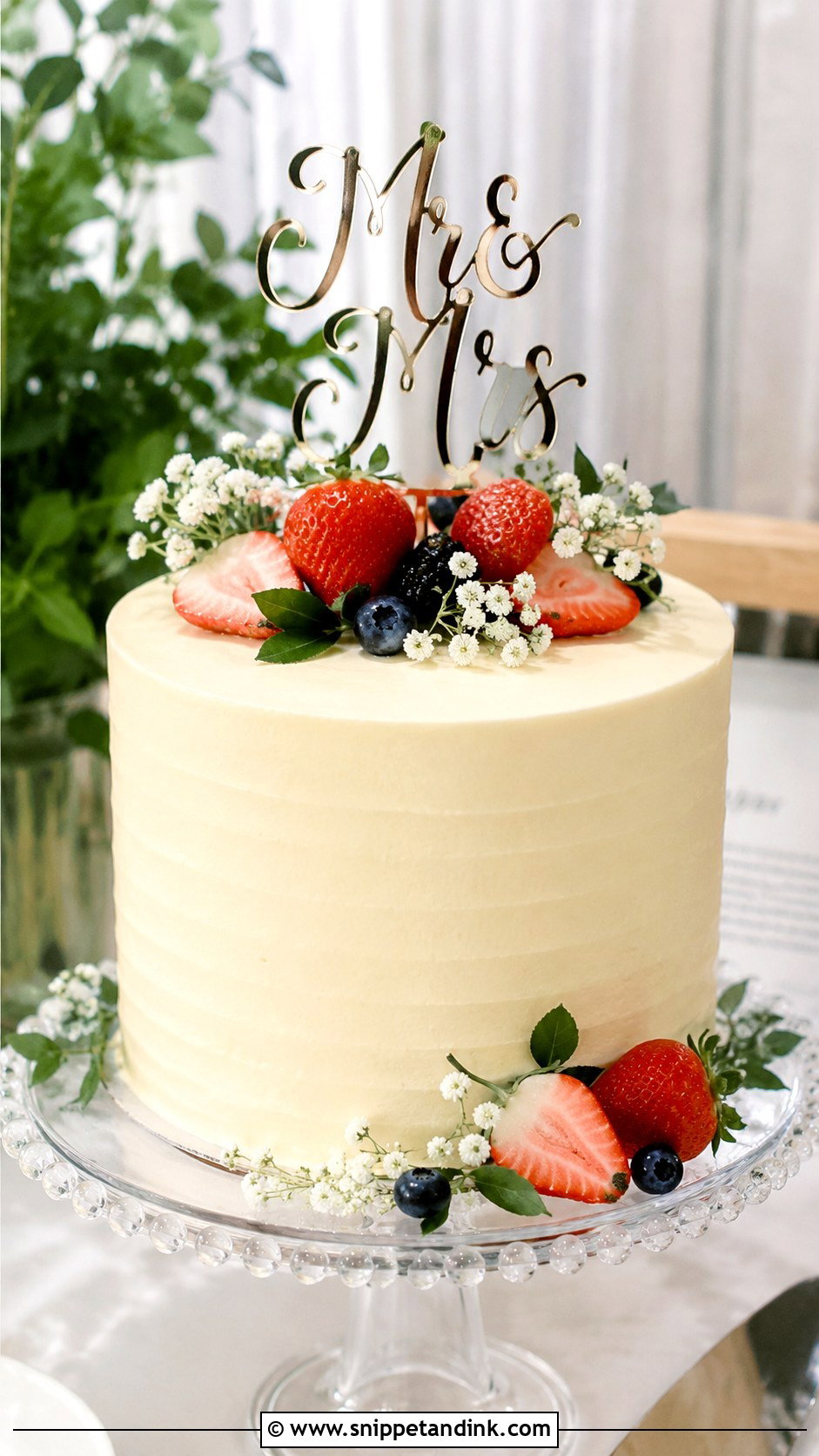
A neighborhood bakery that sells celebration cakes every day is often cheaper than a dedicated wedding studio, especially if you pick something already on their menu. Ask whether they’ll do a two-tier version of a cake they make anyway, in a flavor they already stock. Bring a photo or two, then let them tell you what’s easy for their team. A plain cake from them, finished with your own flowers or a topper, gets you a professional bake without wedding-studio pricing.
Fees, Heat and the Drive That Can Undo the Savings
A cheap cake can become an expensive one between the bakery and the reception. Before you lock in the order, I’d check these three things.
The venue cutting fee
Many venues and caterers charge a per-guest fee to cut and serve a cake they didn’t supply, and on a large wedding that can add up to more than you saved by going to the supermarket. Ask about it before you choose cupcakes, sheet cake or a homemade bake, since cupcakes usually avoid it.
Buttercream and a warm room
Butter-based frosting softens quickly once a room gets warm, and a cake set out next to a sunny window or a dance floor will start to slump and slide. Ask for the cake to come out of the fridge as late as the venue allows, keep it out of direct sun, and avoid cream cheese or whipped cream fillings for any outdoor summer reception. Shortening-based icing, the kind most grocery bakeries use, is sturdier in heat.
Getting it there
Delivery and setup usually cost extra, and with a stacked cake it’s worth paying. If you’re collecting it yourself, keep it on a flat floor surface, not a seat, run the air conditioning cold, and drive as if there’s an open cup of coffee on the dashboard. Stacked tiers travel better if they’re assembled at the venue, so ask the baker to box them separately when you can.
Spending Less Without a Sad Cake Table
Nearly every saving on this list comes from one of three moves: fewer tiers, less hand decoration, or slicing in the kitchen instead of at the table. Pick the one that matters least to you and spend a little on the thing guests will notice, which is usually flavor and a good stand. Before you sign anything, get the serving count, delivery charge and any venue cutting fee in writing so the cheap cake doesn’t pick up costs at the last minute.
You'll Like These Ideas:




Leave a Reply