
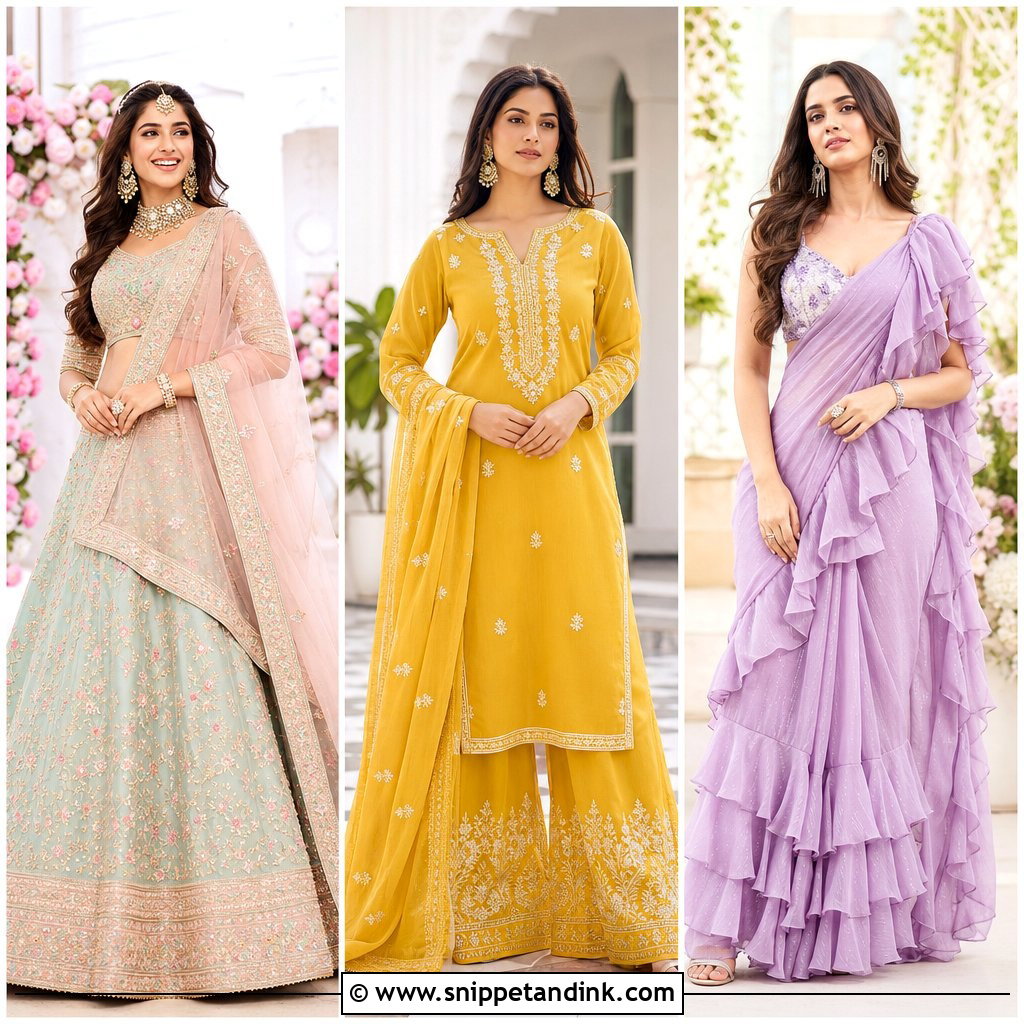
A festival day is rarely one event. It is a morning puja on the floor, a lunch at an aunt’s house, photos on the stairs and, if you are lucky, dancing until late. When I put together a festive look for a client, I plan for all of that, not just the moment she walks in. Below are twenty-five complete outfits, from silk sarees and lehengas to sharara sets, Anarkalis, pre-draped sarees and Indo-western co-ords, each with the jewelry, footwear and bag I would actually pair with it and the occasions where it holds up best.
Sitting on the Floor, Dancing or Serving Food? Dress for the Job
Before I show a client a single fabric, I ask what she will physically be doing. A Diwali puja often means sitting cross-legged on the floor for a long stretch. A Navratri night means hours of turning and clapping. If you are the host, you will be carrying plates and bending over a stove. Each of those asks something different of an outfit.
- Floor seating: sarees, Anarkalis and shararas fold neatly around you. Fitted lehenga skirts and tight churidars do not, and stiff brocade creases badly at the lap.
- Dancing: choose a hem that clears your ankle and a dupatta you can pin at the shoulder and waist. Mirror work and heavy zari add weight that you feel by the third song.
- Hosting or cooking: skip long, loose sleeves and floating dupattas near flames. A kurta set or a pre-draped saree keeps your hands free.
- Travelling between homes: crepe, georgette and cotton silk come out of a car looking fresh. Pure silk and organza need a steam.
I also ask about temperature. A crowded room with lamps and a kitchen running can feel warm even in a cool month, so if velvet or heavy silk is on the list, I plan a lighter blouse underneath or a dupatta that can come off without ruining the look.
1. Silk Saree Festive Outfit
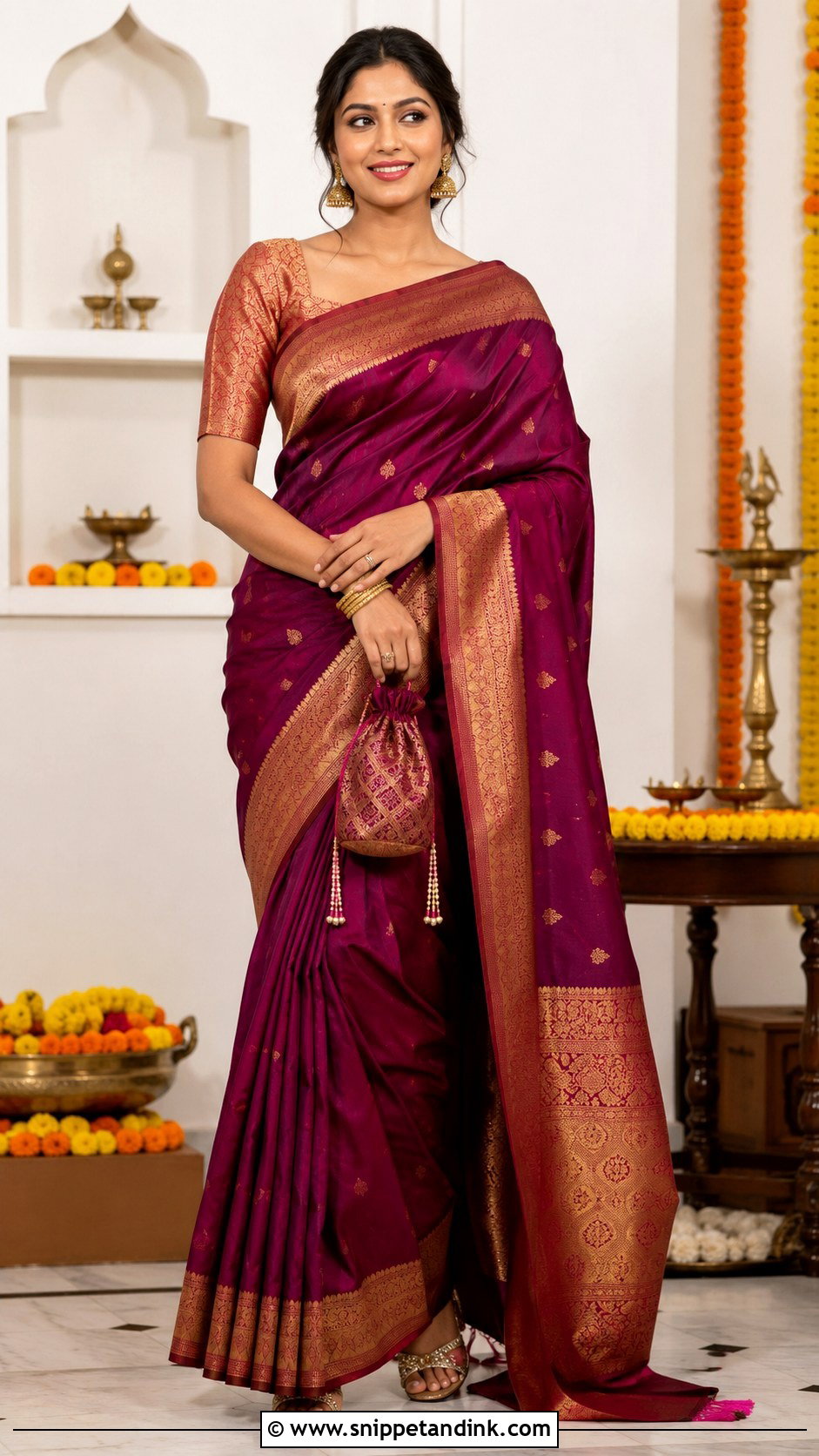
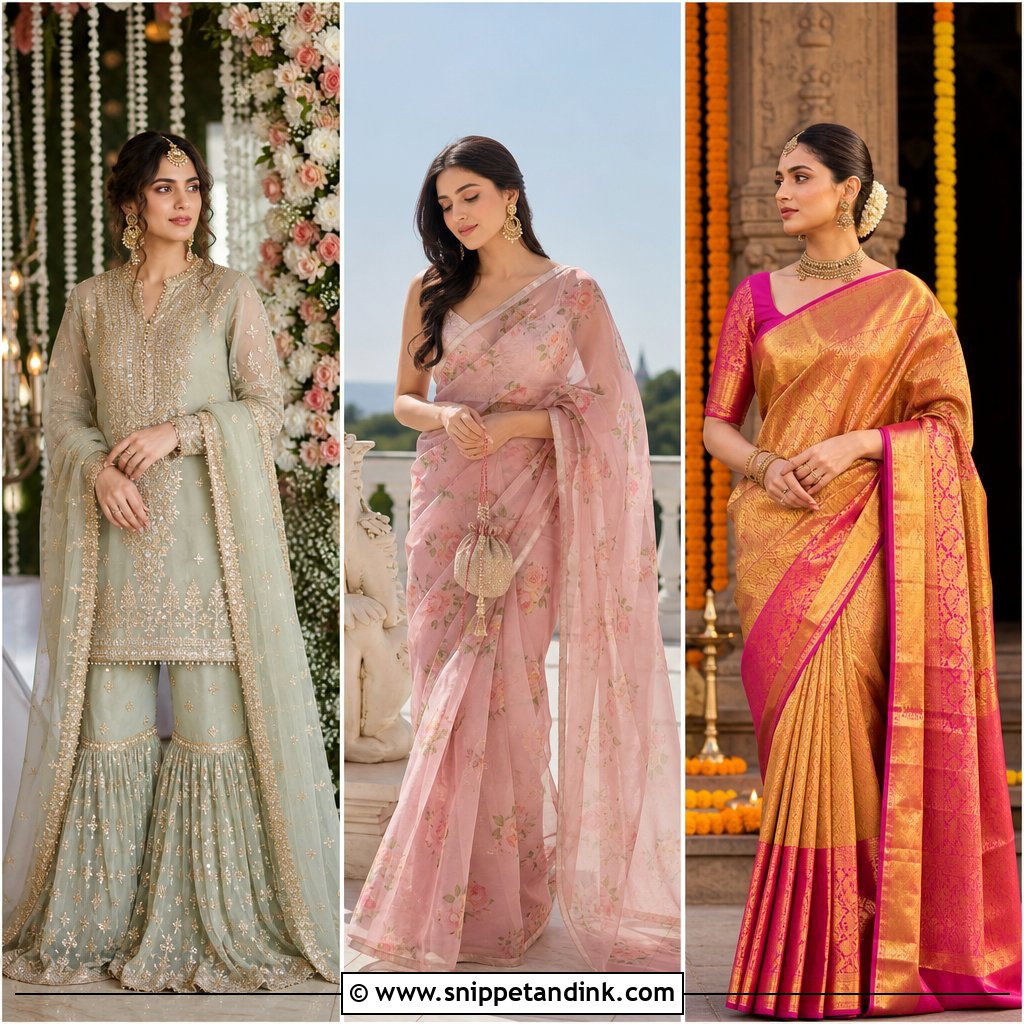
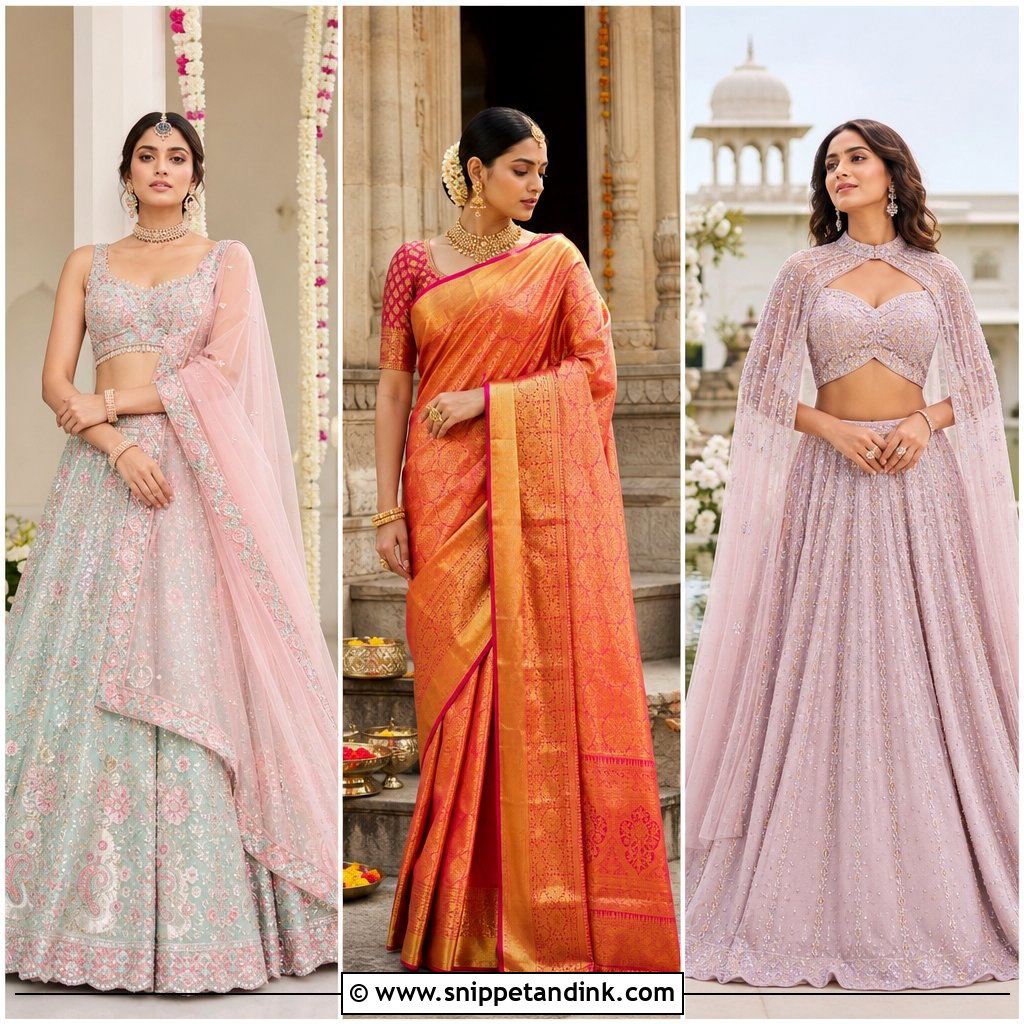
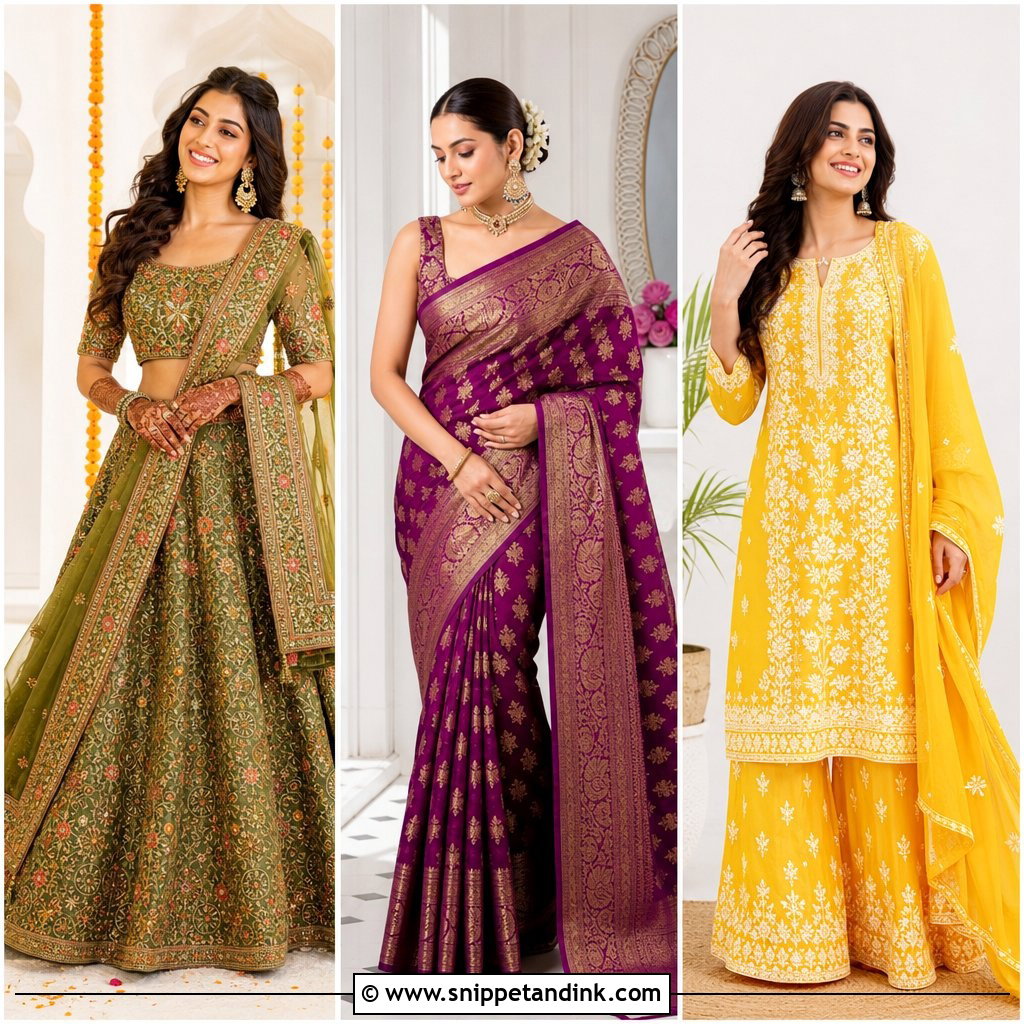
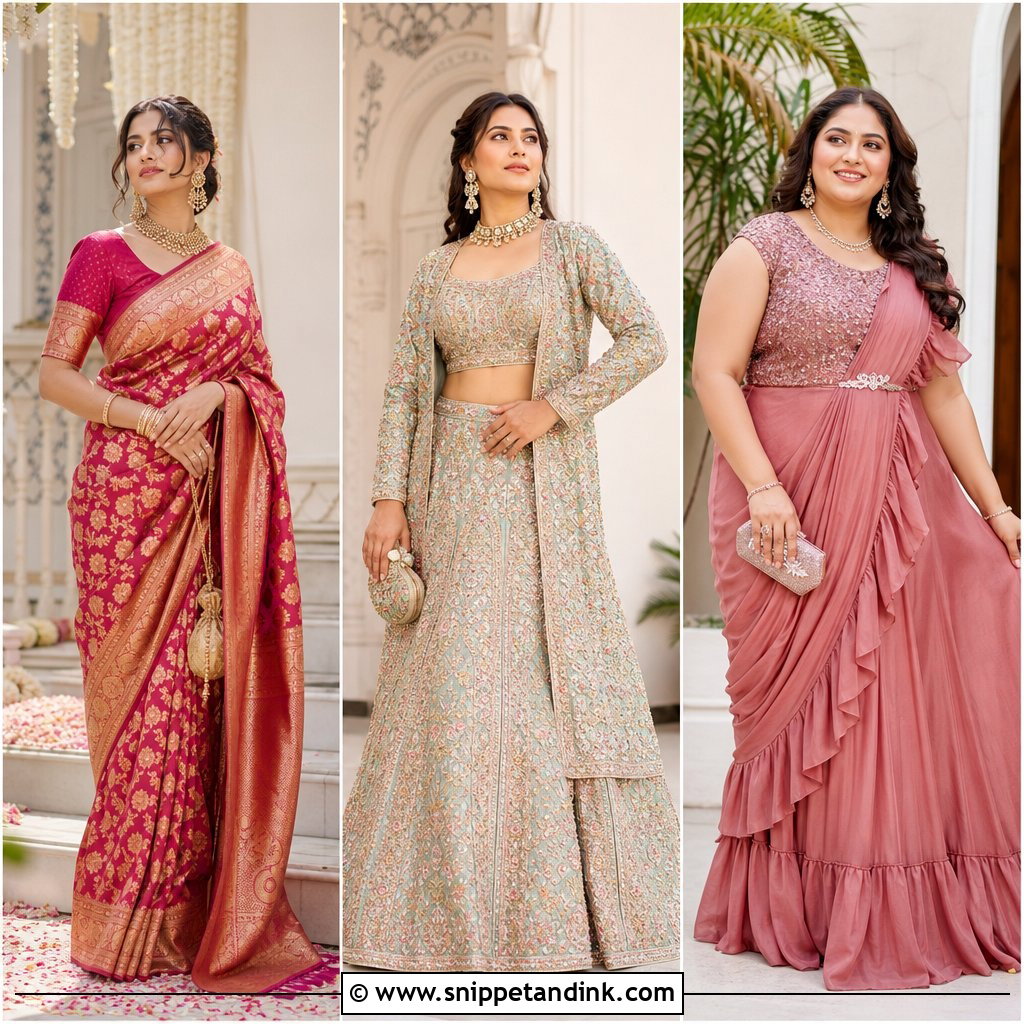
A silk saree carries a festive day on its own weave, so it needs less help than almost anything else here. Kanjeevaram, Banarasi, Paithani or a Mysore silk saree in emerald or deep pink all work. Kanjeevaram is heavy and holds sharp pleats; Mysore silk is softer and drapes closer to the body, which is kinder if you are petite. I always ask for the blouse to be stitched in the saree’s own blouse piece, then add gold jhumkas, bangles and a small bindi. Low block heels keep the pleats falling straight, and a potli holds your phone. It is my first suggestion for family pujas, temple visits and big festival mornings.
2. Anarkali Suit Festive Outfit
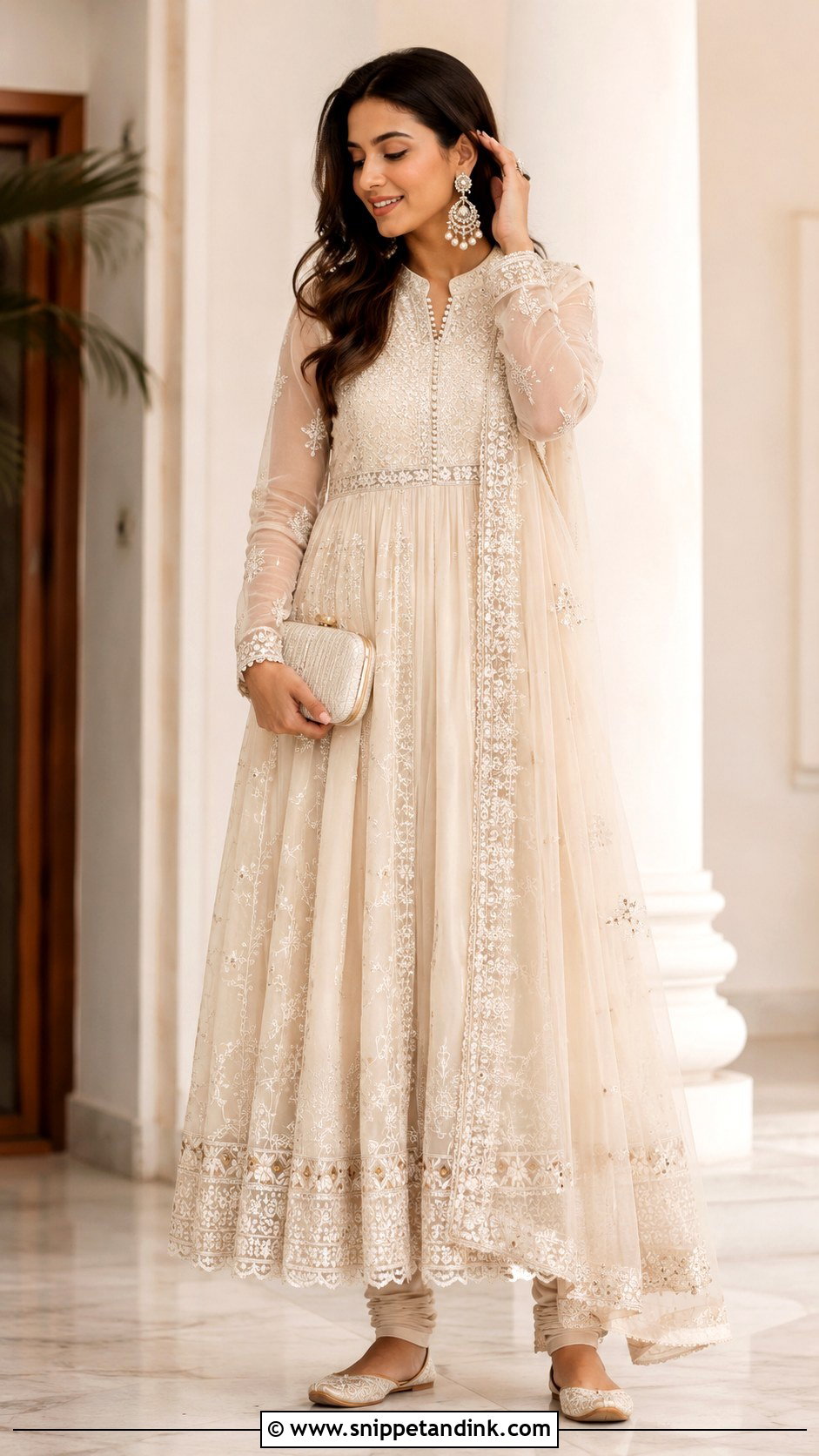
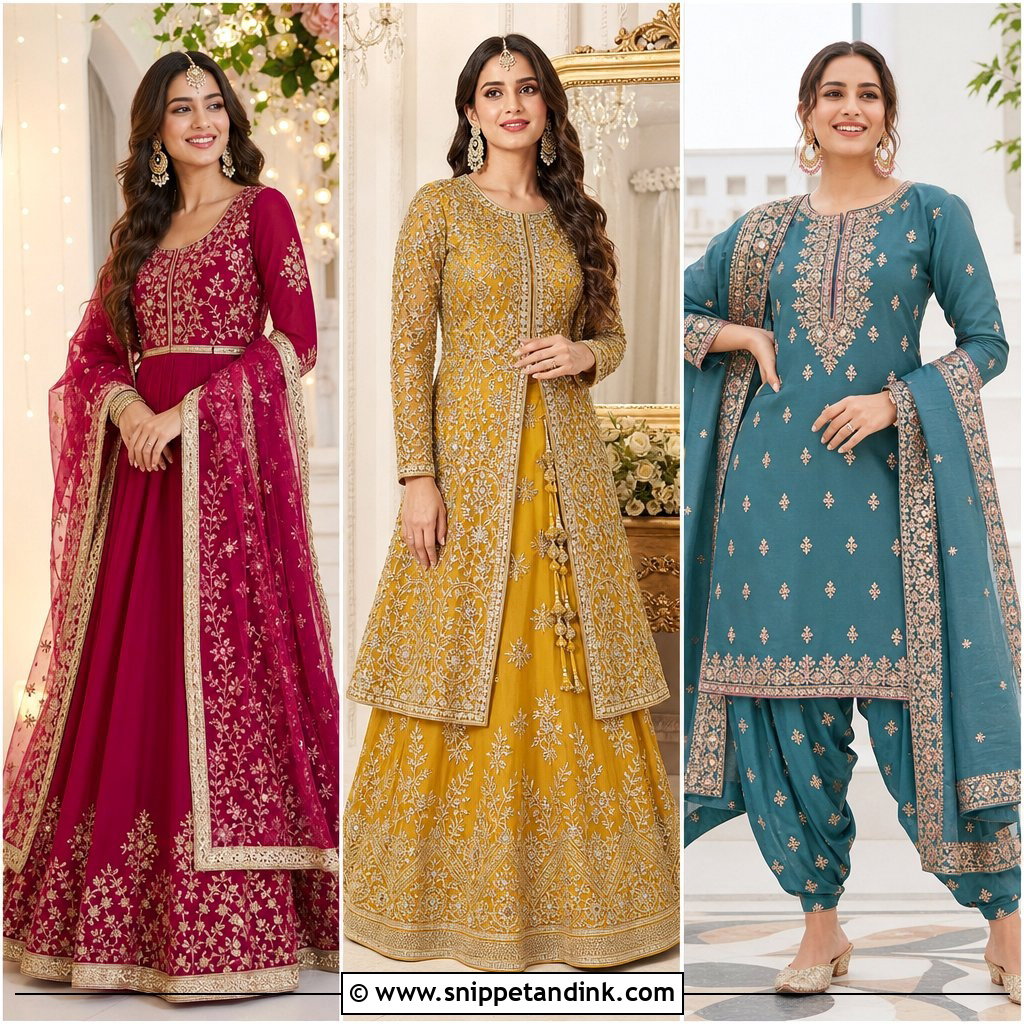
An Anarkali suit is the outfit I hand to anyone who is nervous about draping. A floor or calf length kalidar cut in georgette, silk, chanderi or cotton silk swings when you walk, and embroidery at the yoke and hem does most of the dressing. The thing I check at a fitting is where the bodice seam sits: it should land at or just above your natural waist, or the panels flare from the wrong place and shorten you. Churidar pants, a gota or scalloped dupatta, chandeliers and juttis finish it. Festive lunches and long family gatherings suit it well.
3. Sharara Set Festive Outfit
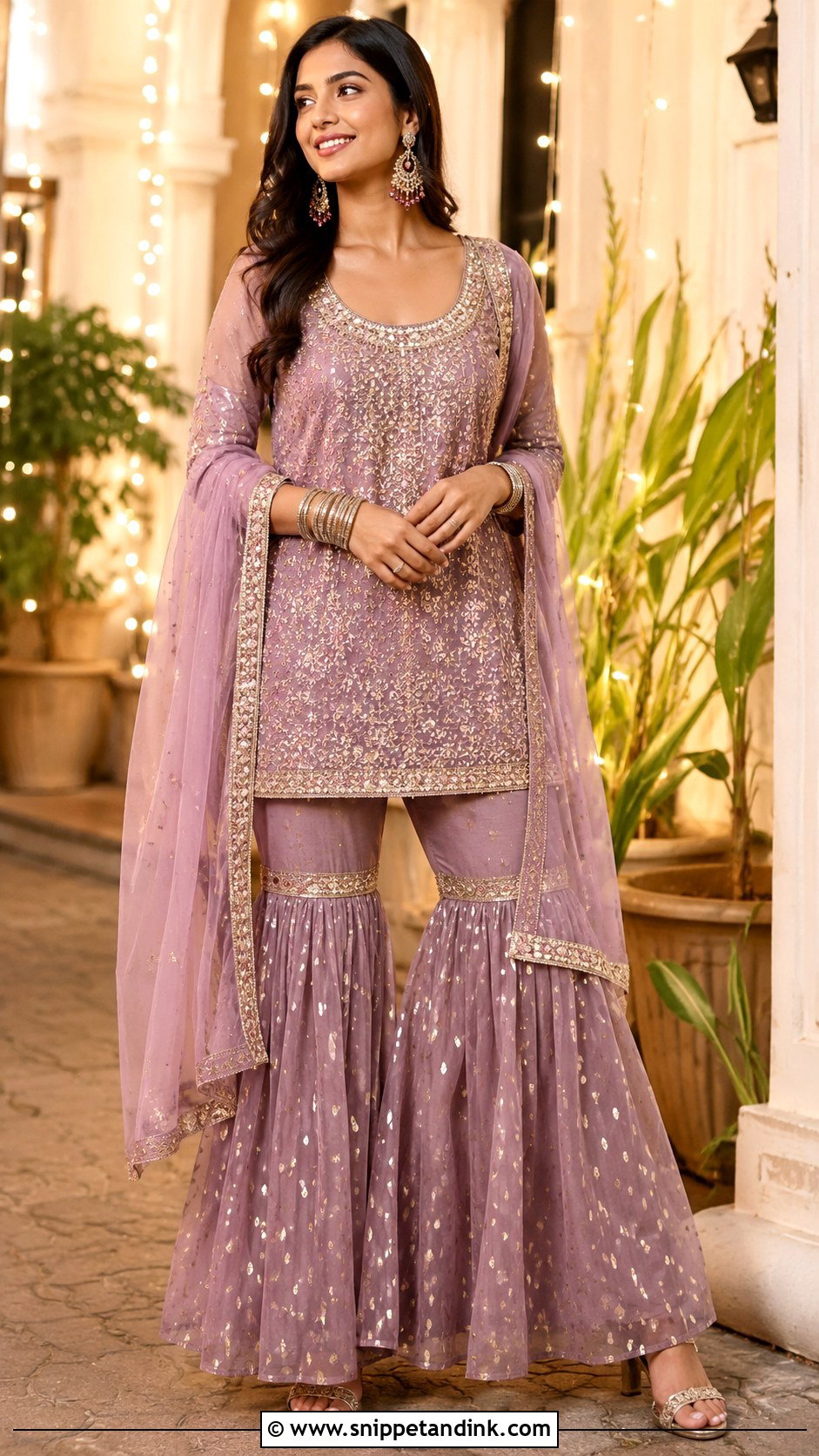
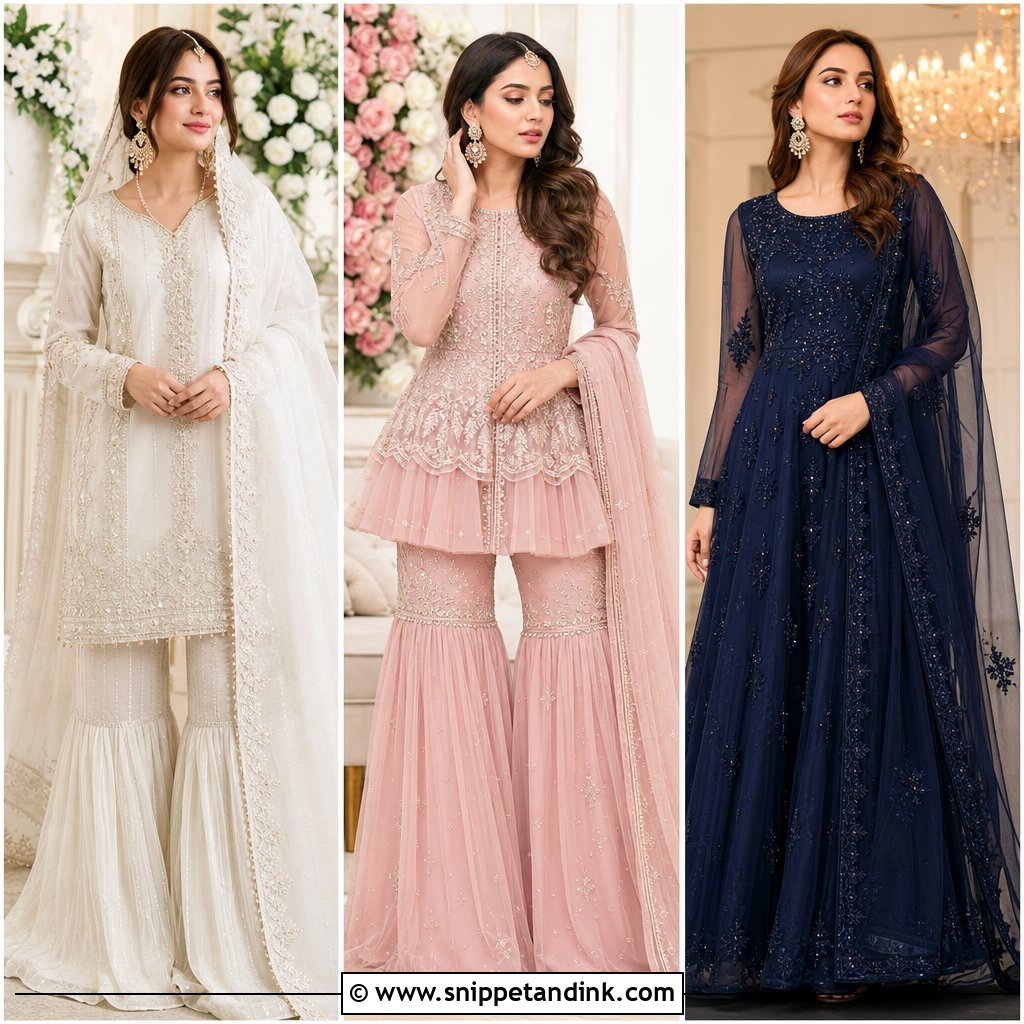
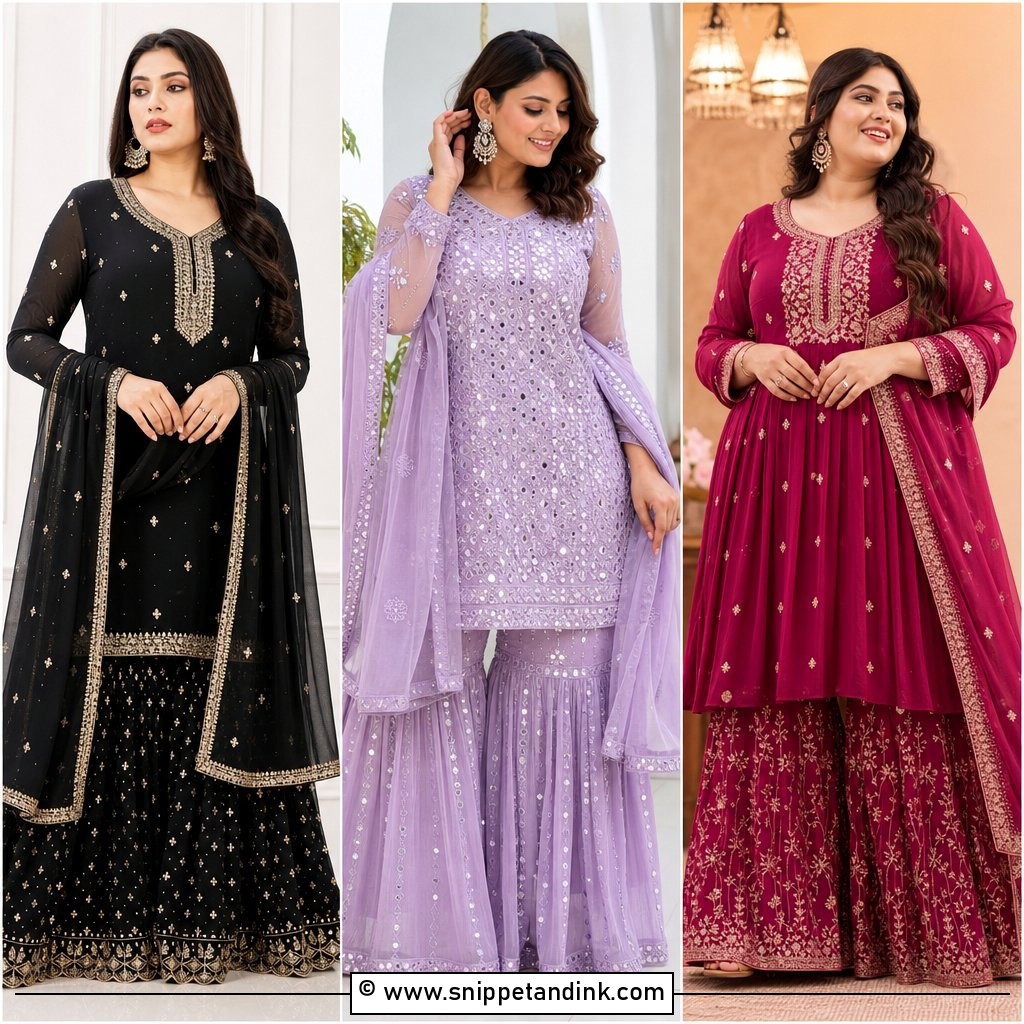
Shararas are what I suggest when the evening ends in dancing. The short kurta and flared pants in silk, georgette, crepe or jacquard move with you, and mirror work or gota catches light without much weight. Watch the hem length: the flare should just brush the top of your heel, because a sharara that pools gets stepped on the first time you sit cross-legged. Heavy embroidery on the set means clean jewelry; a plain set can take a bold maang tikka or a layered necklace. Eid gatherings and Diwali parties are where I see these at their best.
4. Lehenga Choli Festive Outfit
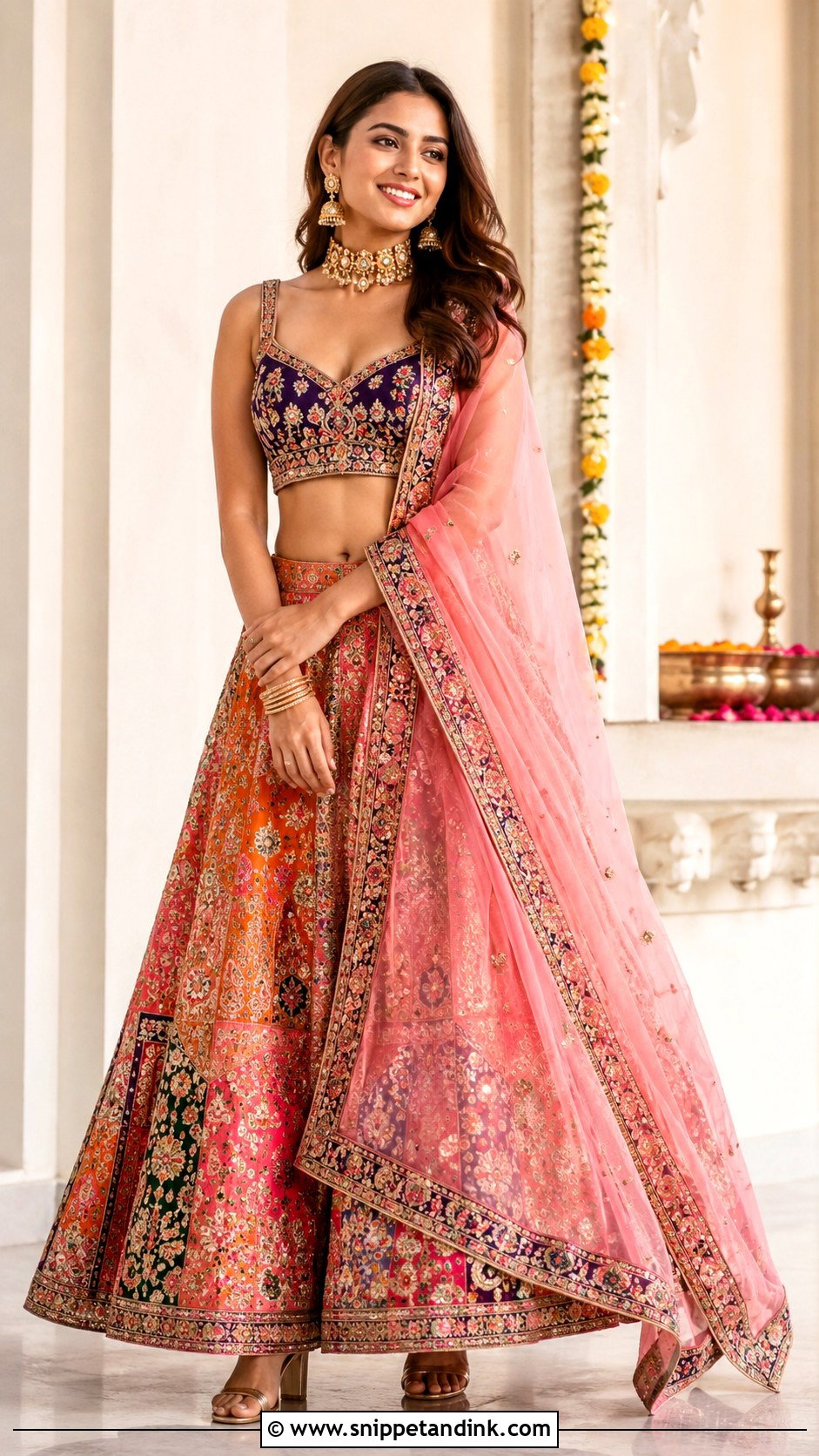
You do not need a bridal-weight lehenga for a festival, and I usually talk clients out of one. A silk, organza, georgette or cotton lehenga with light mirror work or print weighs a fraction as much and is far easier to sit in at a long dinner. Pastels read fresh in daylight; jewel tones hold up under evening lighting. My one fitting rule: have the skirt finished to the exact heel you will wear, because a skirt hemmed for flats drags once you add two inches. Add a choker, jhumkas and a neatly pinned dupatta for Navratri, receptions and big family nights.
5. Kurta Palazzo Festive Outfit
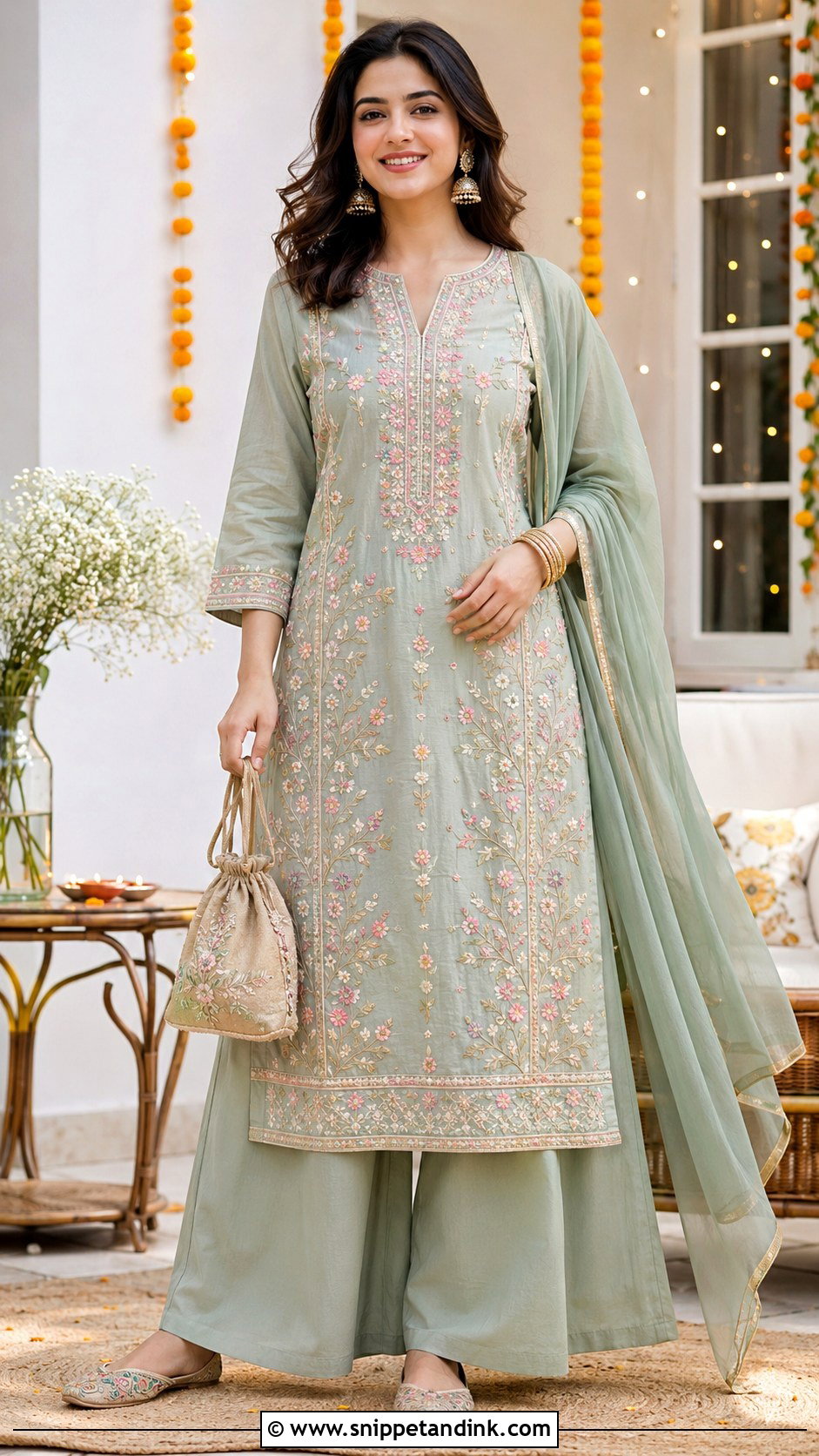
On busy festival days I reach for a kurta and palazzo more than any other set. A straight or A-line kurta with zari, block print or small mirror work, worn over wide-leg palazzos, lets you climb stairs, sit on the floor and travel between houses without fuss. Silk blend or chanderi gives it more presence than plain cotton. I’d skip palazzos if you are under about five foot two and wearing flats, since the width can swallow you; a slightly cropped palazzo with a small heel fixes that. A dupatta is optional. It suits office festivities, casual pujas and daytime visits.
6. Pre Draped Saree Festive Outfit
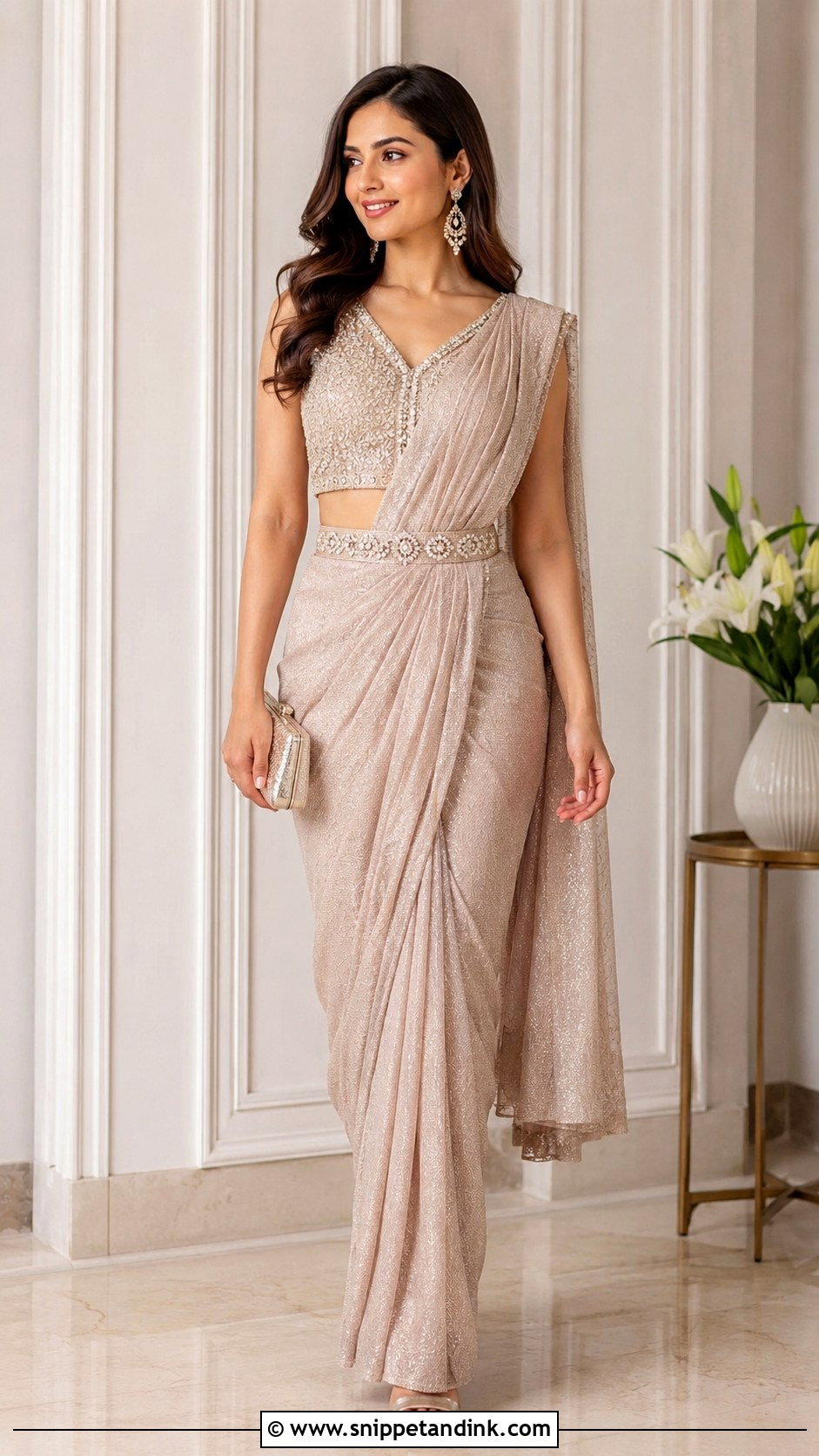
A pre-draped saree solves the problem I see most often at festive events: pleats slowly working loose by the second hour. The pleats and pallu are stitched in place, so you step in, fasten and go. A pre-draped saree in satin, georgette, crepe or organza takes well to a cape pallu, an embellished belt or a sequin border. Try it on sitting down before the day, because some stitched drapes pull at the hip when you sit. Sleek heels, drop earrings and a low bun or polished ponytail suit it. It belongs at cocktail-style parties and evening gatherings.
7. Gharara Suit Festive Outfit
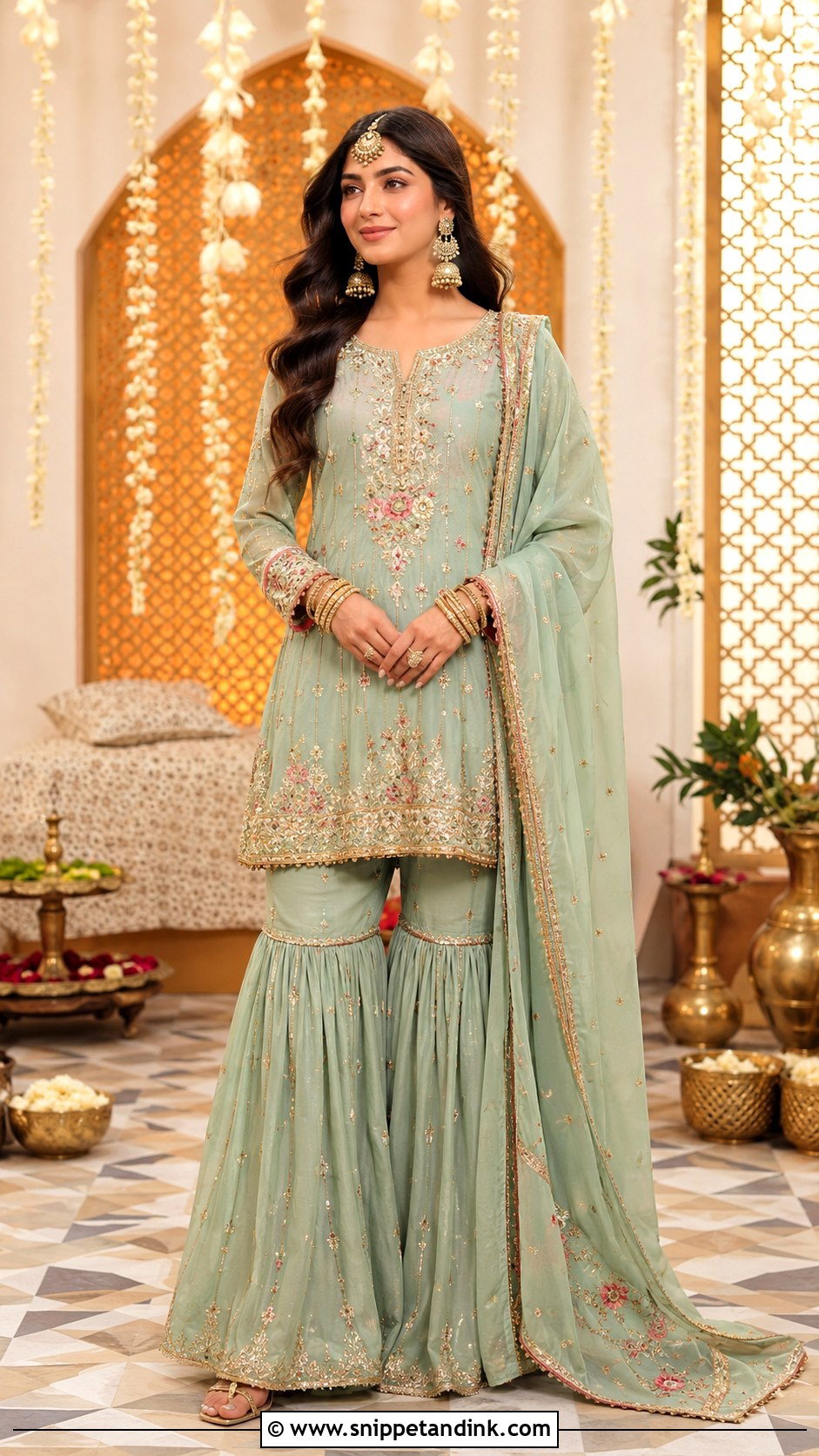
The gharara’s flare starts at the knee, where a joined band gathers the fabric, and that is why it reads as regal rather than casual. Pair a short, fitted kurti with the gharara pants and a dupatta in silk, brocade, organza or georgette. Because the volume sits low, the top half has to stay neat; a loose kurti makes the whole thing look shapeless. Pastels with pearl work feel soft, while deep green, maroon or navy with gold feel traditional. I like a passa on one side with simple jhumkas. Eid and heritage-style family functions are where it shines.
8. Chikankari Kurta Festive Outfit
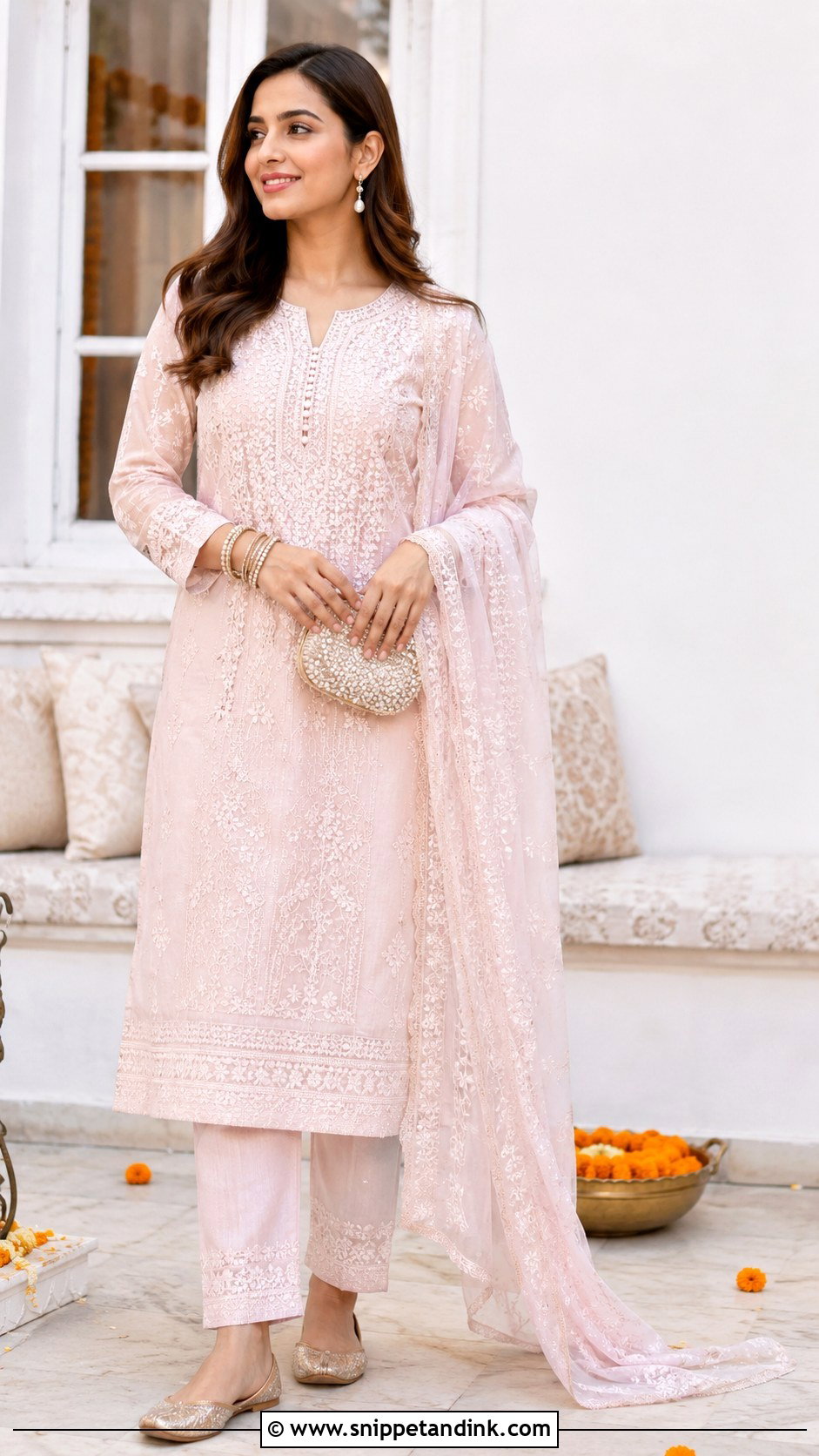
Chikankari is shadow work embroidered on fine cotton or georgette, and it breathes better than anything else on this list. I put clients in white, ivory, mint, powder blue or lavender chikan with straight pants or a sharara and a sheer dupatta. Pearls or silver jhumkas suit the delicacy of the thread work; heavy gold can overpower it. One honest note: true hand chikankari is fine and can snag on bangles and clutch clasps, so I keep sleeves free of chunky metal. Daytime pujas and summer festivals are its natural home.
9. Mirror Work Lehenga Festive Outfit
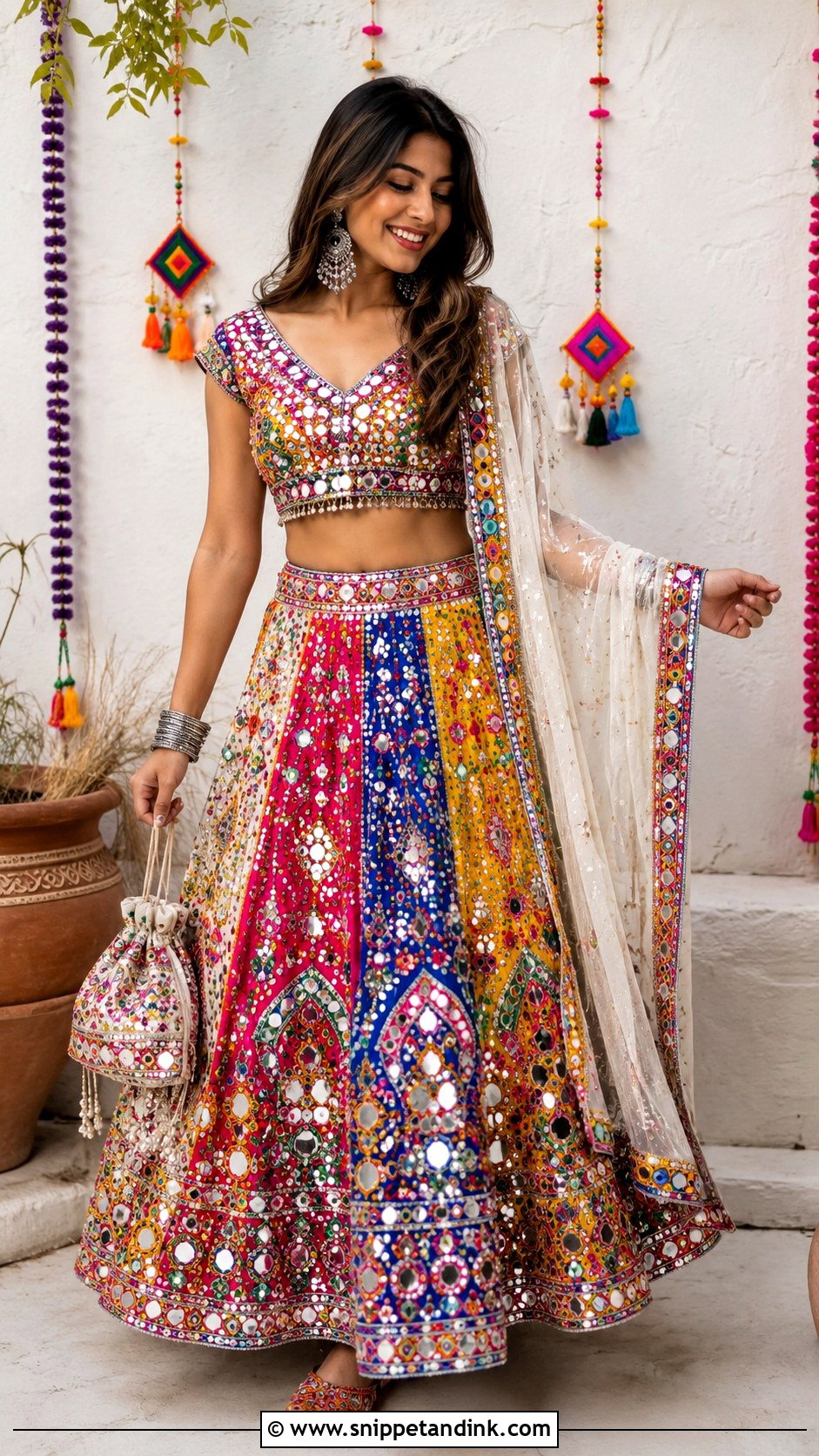
Mirror work earns its place at night. Small shisha mirrors throw back every flash and every string light, which is why I keep the makeup fresh and let the fabric do the shine. A skirt in hot pink, orange or turquoise with a mirror blouse and a light dupatta stays manageable. Oxidized silver jewelry suits a Navratri or Garba-inspired look, while gold tips it toward formal. Mirror lehengas get heavy fast, so I ask to lift the skirt at the fitting before committing. Wear flats or low wedges if you plan to dance all night.
10. Banarasi Saree Festive Outfit
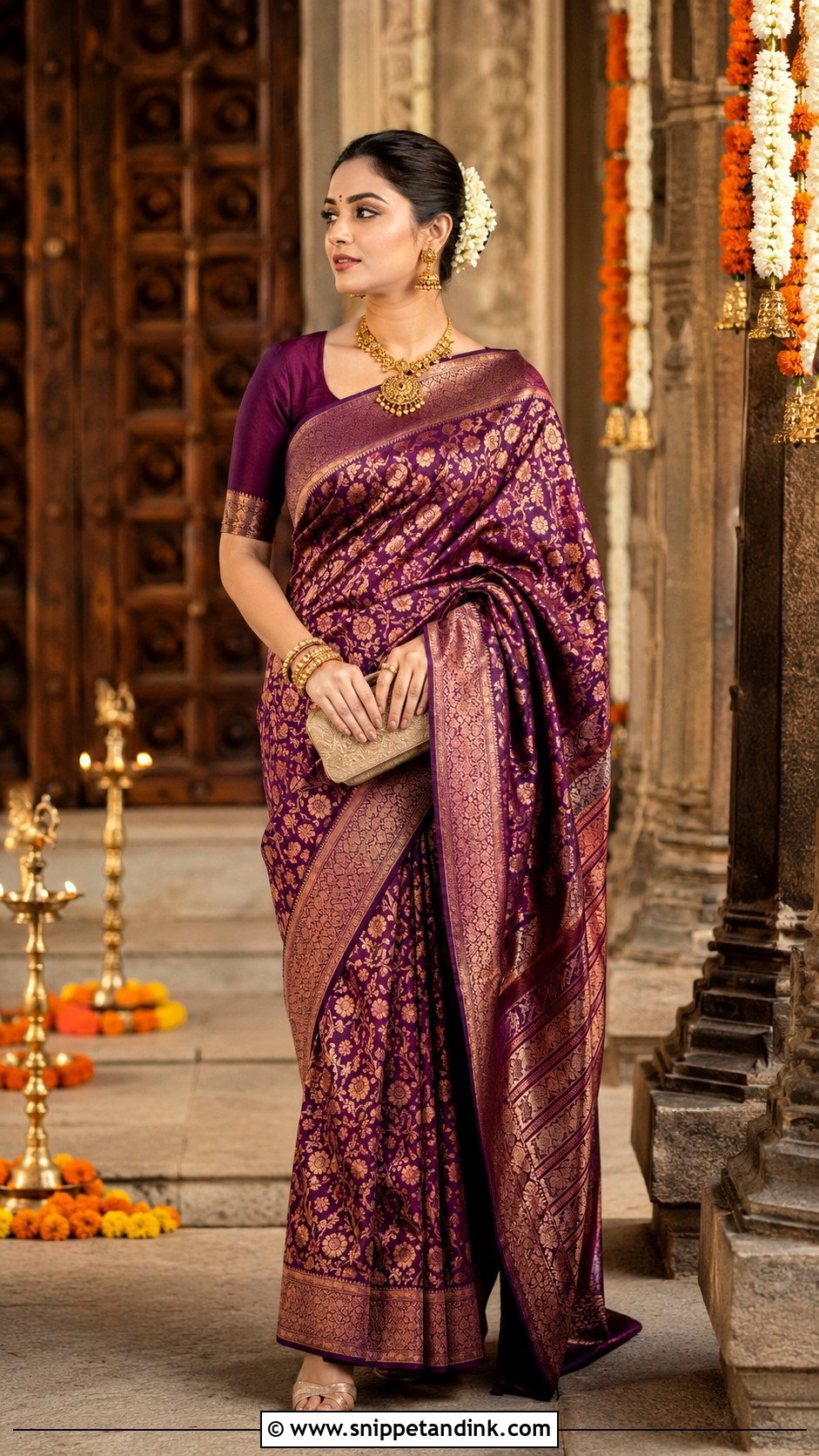
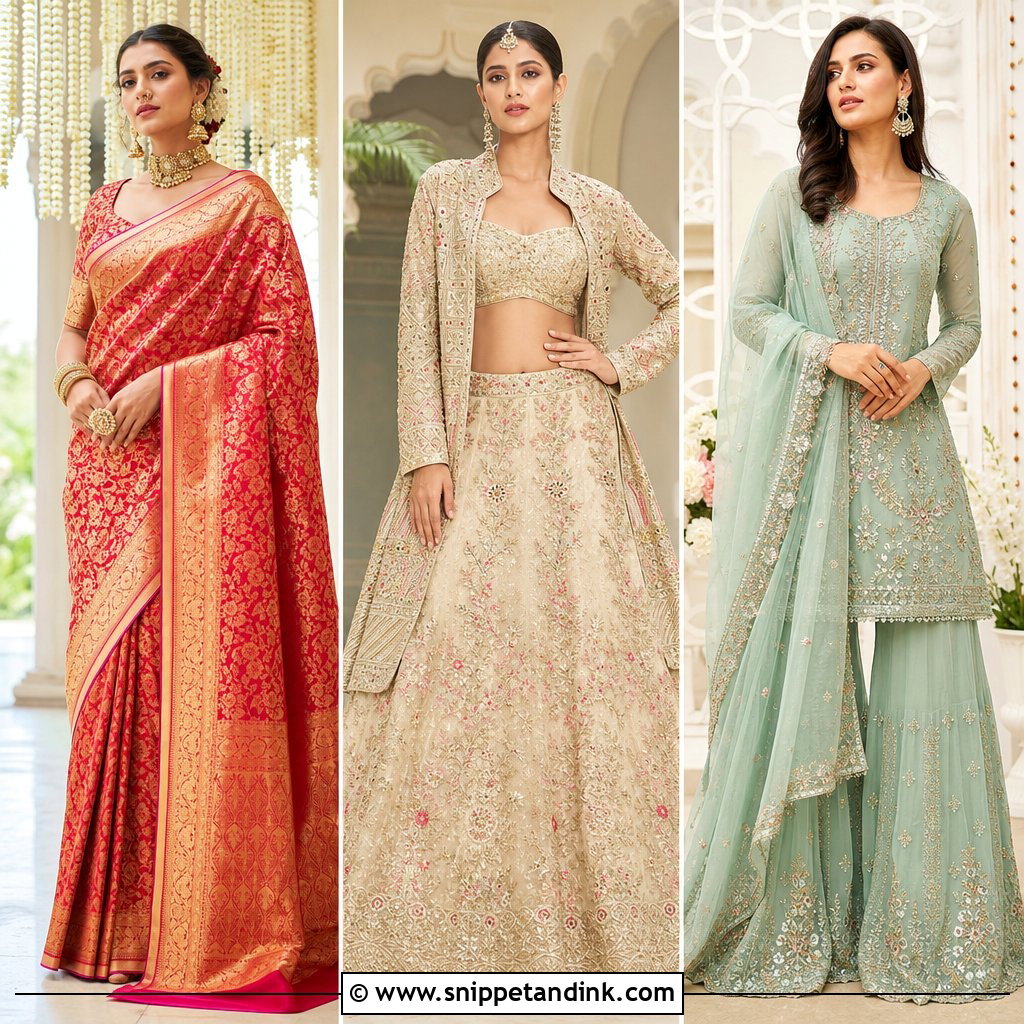
Banarasi does almost all the work for you. The zari woven into the silk gives it a luminous finish that needs only a blouse and gold jewelry to feel complete. Red, magenta, emerald and rani pink are the classics for a grand celebration. I check the zari first: pure silver zari ages to a warm, slightly dull tone, while tested or synthetic zari stays bright but can feel scratchy under the arms. A brocade or silk blouse, temple earrings, bangles and a sleek bun with fresh flowers finish it for Diwali, formal dinners and family ceremonies.
11. Indo Western Co Ord Festive Outfit
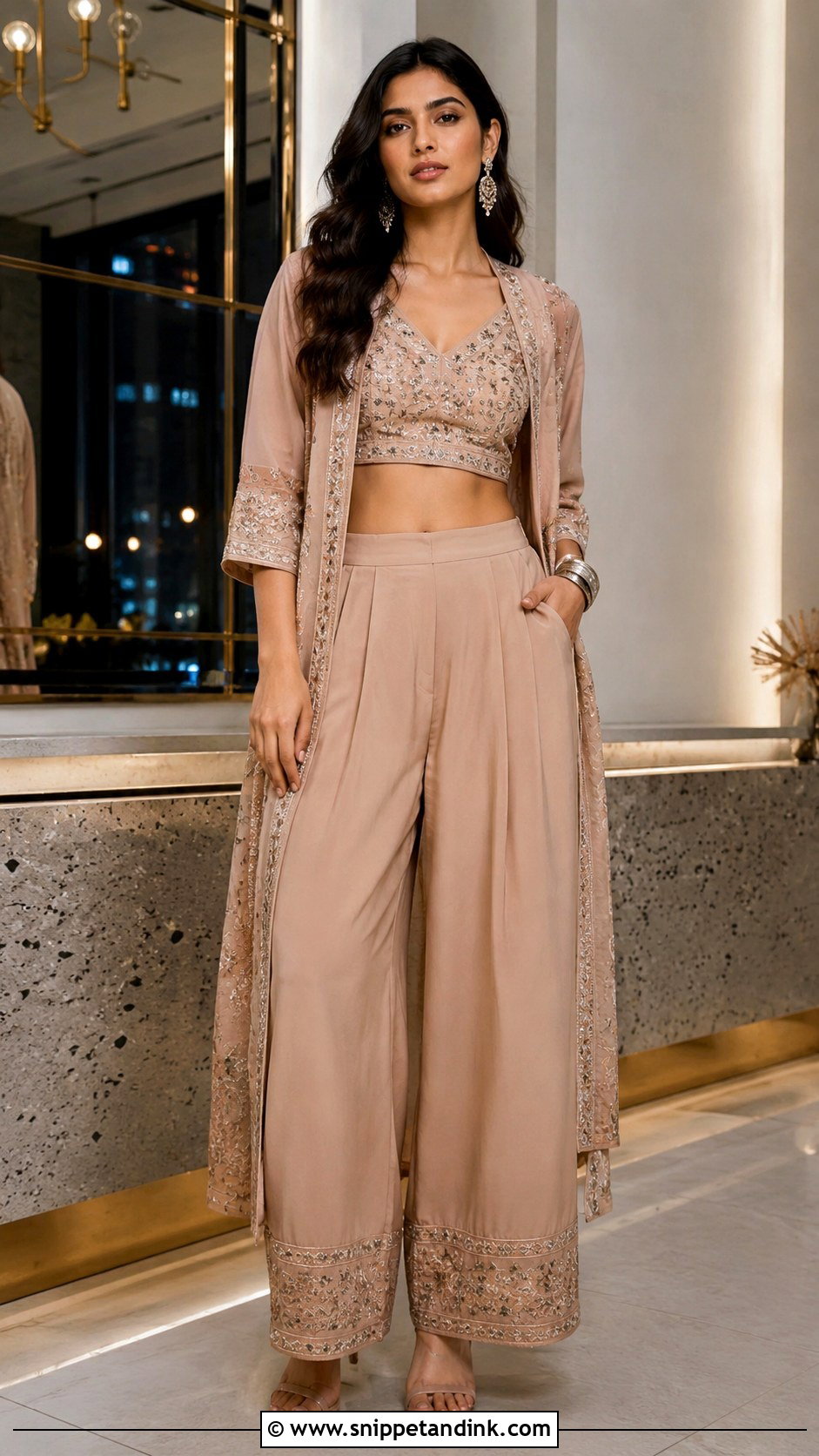
An Indo-western co-ord is the easiest outfit on this list to wear again. A crop top with wide-leg pants, a kurta top over trousers or an embroidered jacket set in brocade, jacquard or satin reads dressy without a full traditional silhouette. When the co-ord itself is plain, I throw a long embroidered jacket or cape over it, and the whole look changes. My caution is with satin sets: they show every seam and crease after sitting in a car, so steam them on arrival if you can. Office parties and fusion dinners suit these well.
12. Cape Lehenga Festive Outfit
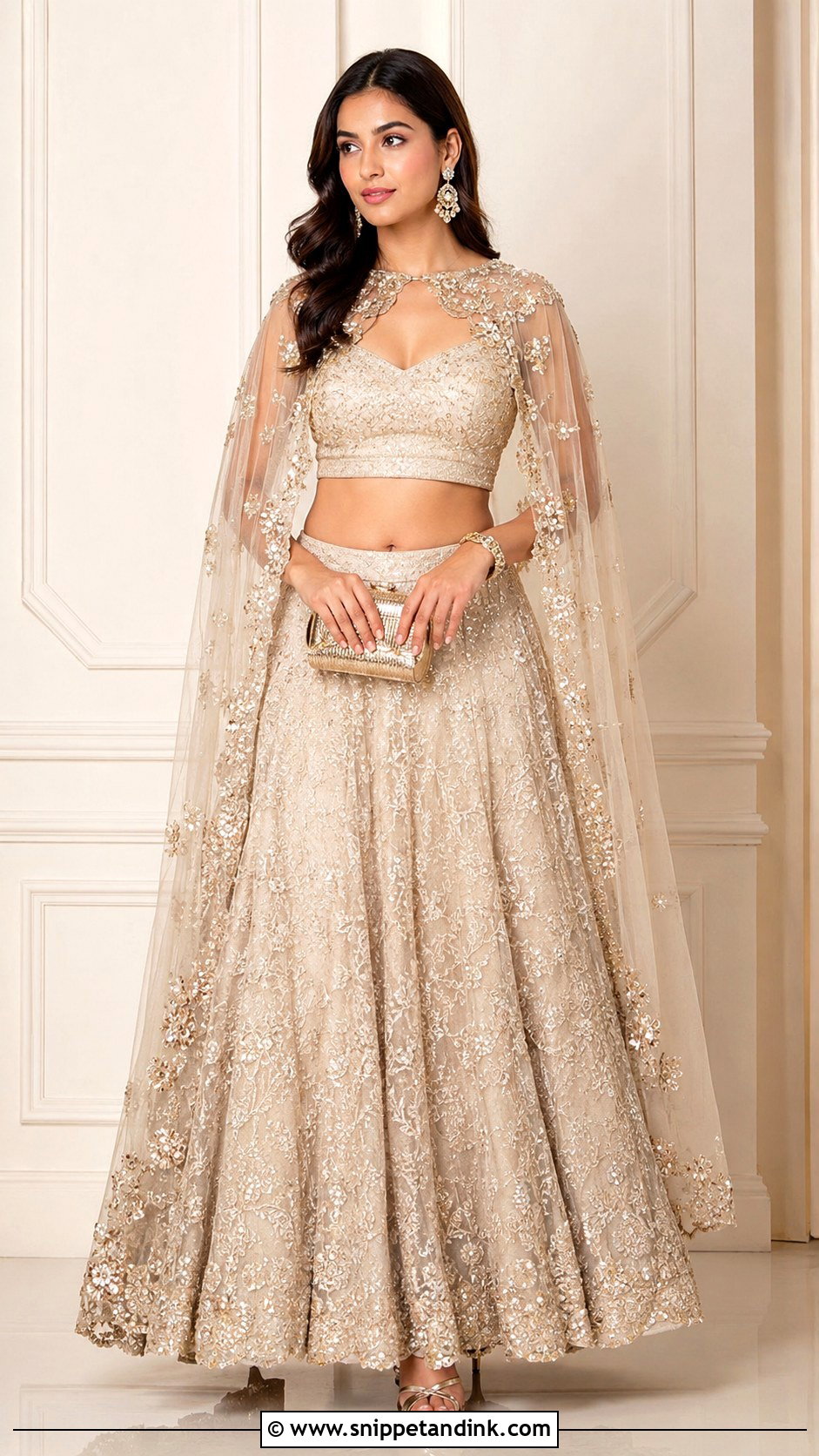
A cape lehenga trades the dupatta for a sheer or structured cape, which means nothing to pin, adjust or rescue from a buffet table. I suggest it to anyone who has spent a past wedding holding a dupatta in one hand all night. Organza, georgette, silk or net with light embellishment keeps it from feeling heavy. If the cape has neckline embroidery, skip a necklace entirely and let chandelier earrings carry the jewelry. Sangeet-style parties and evening events suit it, and a contrast cape adds more drama than a matching one.
13. Jacket Kurta Festive Outfit
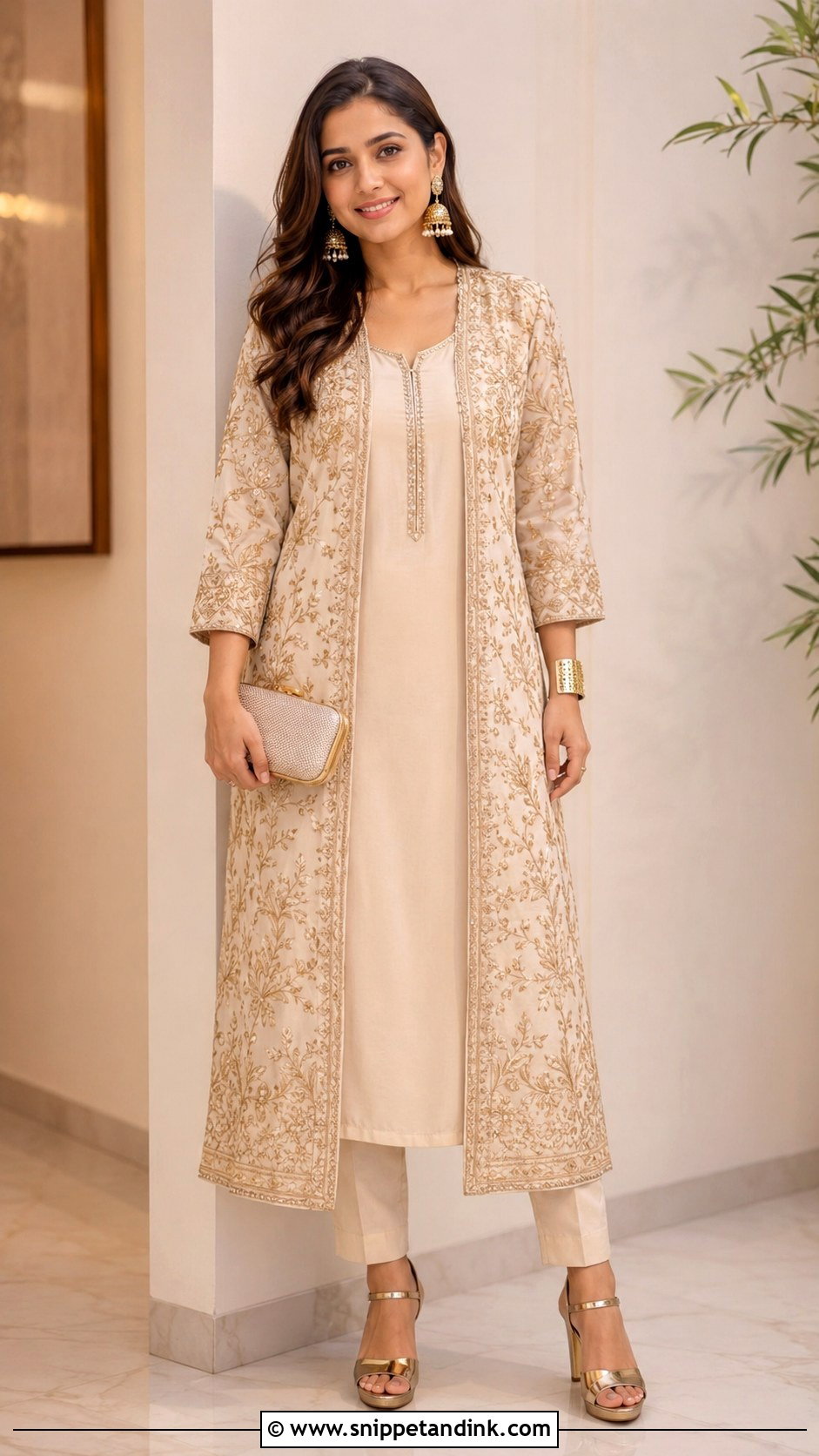
The jacket is the festive piece here, so the kurta and pants underneath can be plain and comfortable. A long embroidered, printed or brocade jacket over a straight kurta changes a simple set into something you can wear to dinner. Ivory with gold, navy with silver and mustard with mirror work are combinations I return to. Have the jacket’s shoulders checked; a long jacket that is even slightly wide at the shoulder looks borrowed. It gives more coverage without looking covered up, which is why it works for office celebrations and cultural events.
14. Organza Saree Festive Outfit
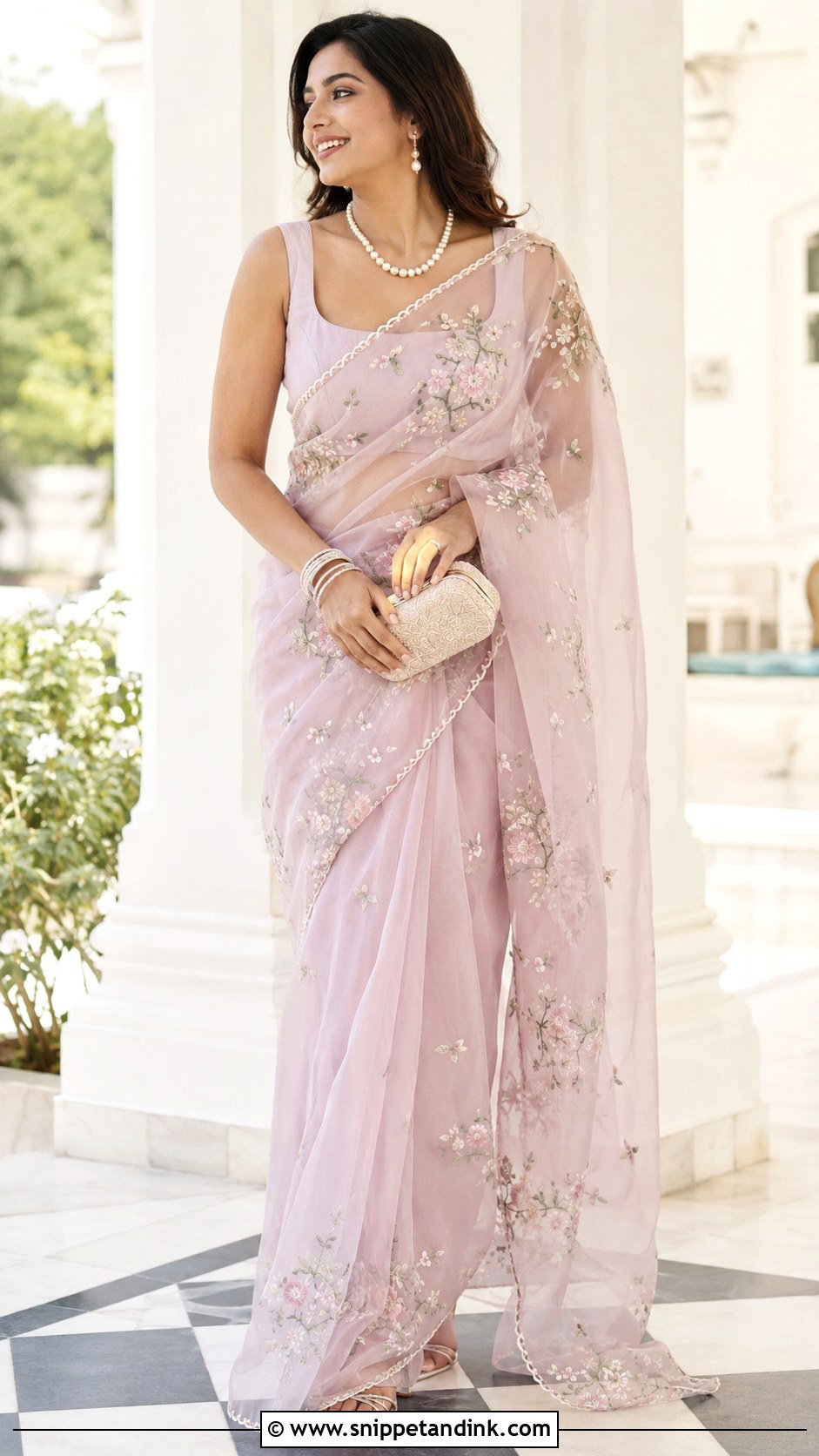
Organza is crisp and slightly sheer, so it stands away from the body rather than clinging, and that is both its charm and its challenge. I steer clients toward organza sarees with embroidery, floral print or a scalloped border in blush, sage or ivory for daytime, and wine or teal after dark. The fabric holds volume at the pleats, so I ask for five or six pleats instead of the usual seven or eight to keep the front flat. A fitted blouse balances the airiness. Pearls or a delicate choker finish it for brunches, poojas and family photos.
15. Peplum Sharara Festive Outfit
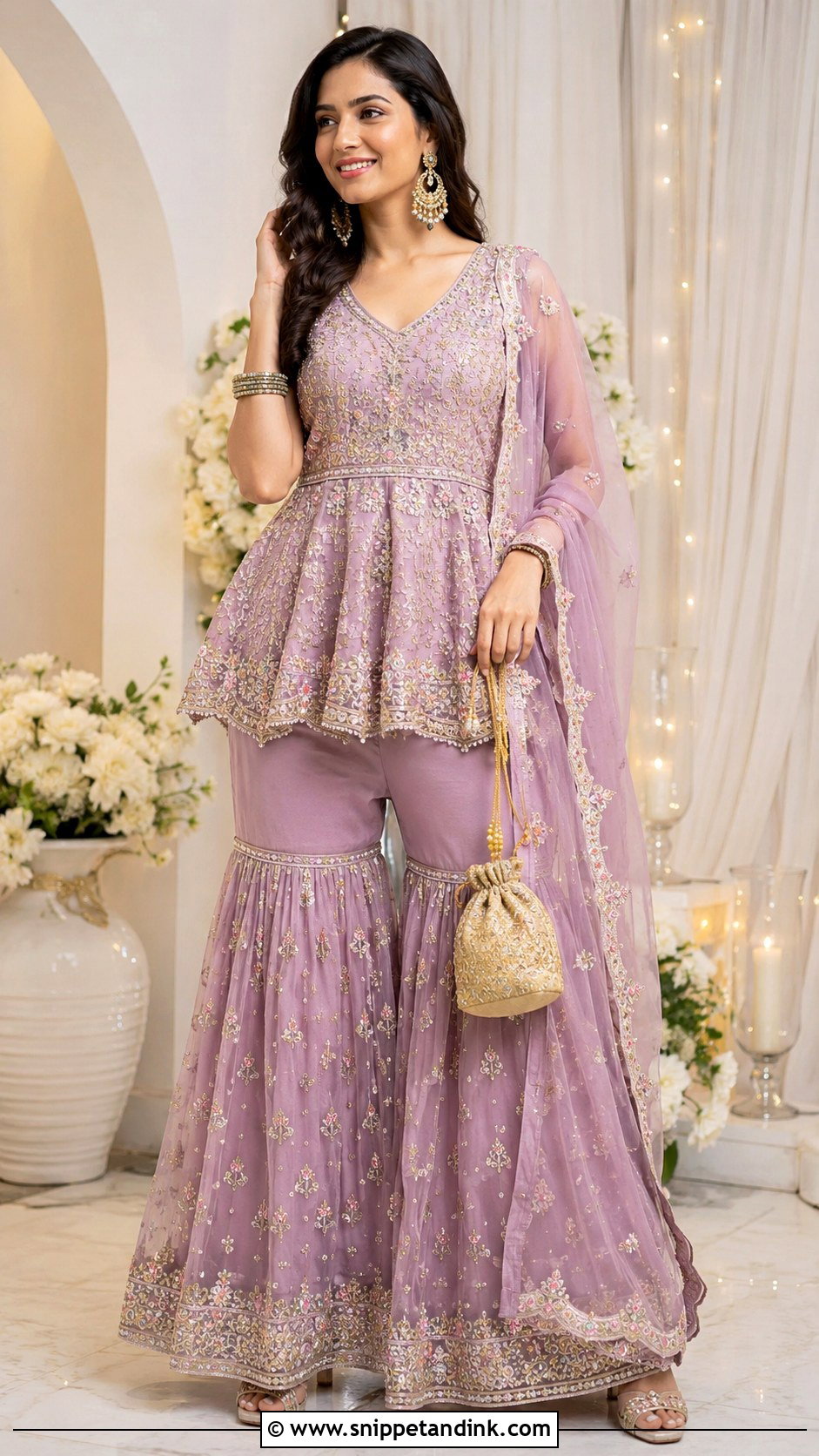
A peplum top gives you a defined waist without a cropped blouse, and that is the main reason clients choose it. The fitted waist and flared hem add structure, and the hem moves nicely when you dance. Pick a peplum kurti with mirror, sequin or gota detail over flowy sharara pants and a light dupatta. Make sure the peplum seam sits at your true waist; dropped even an inch, it sits on the widest part of the hip. Jewel tones suit evenings, pastels suit daytime, and embellished heels with statement earrings are plenty for festive parties.
16. Velvet Anarkali Festive Outfit
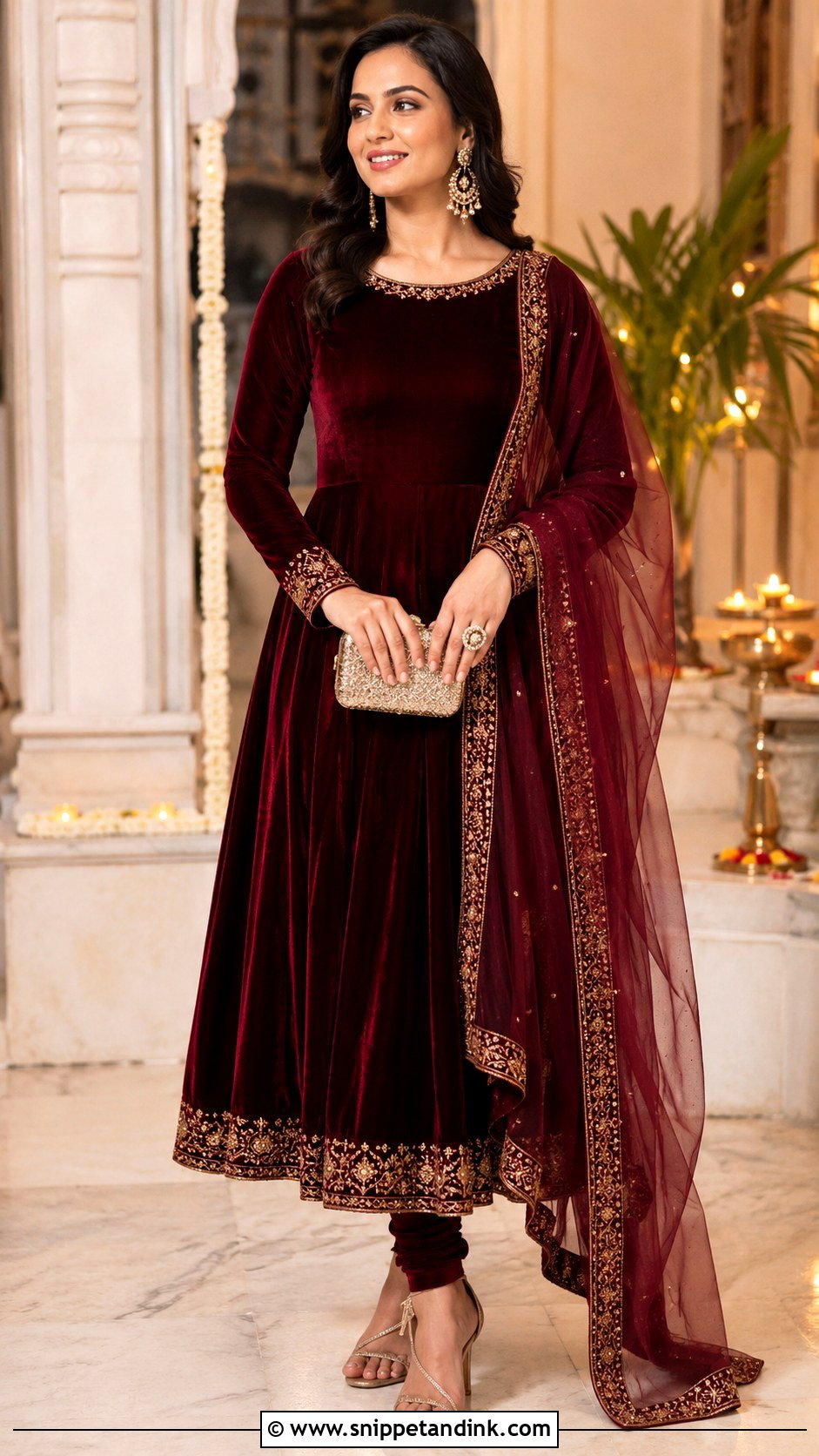
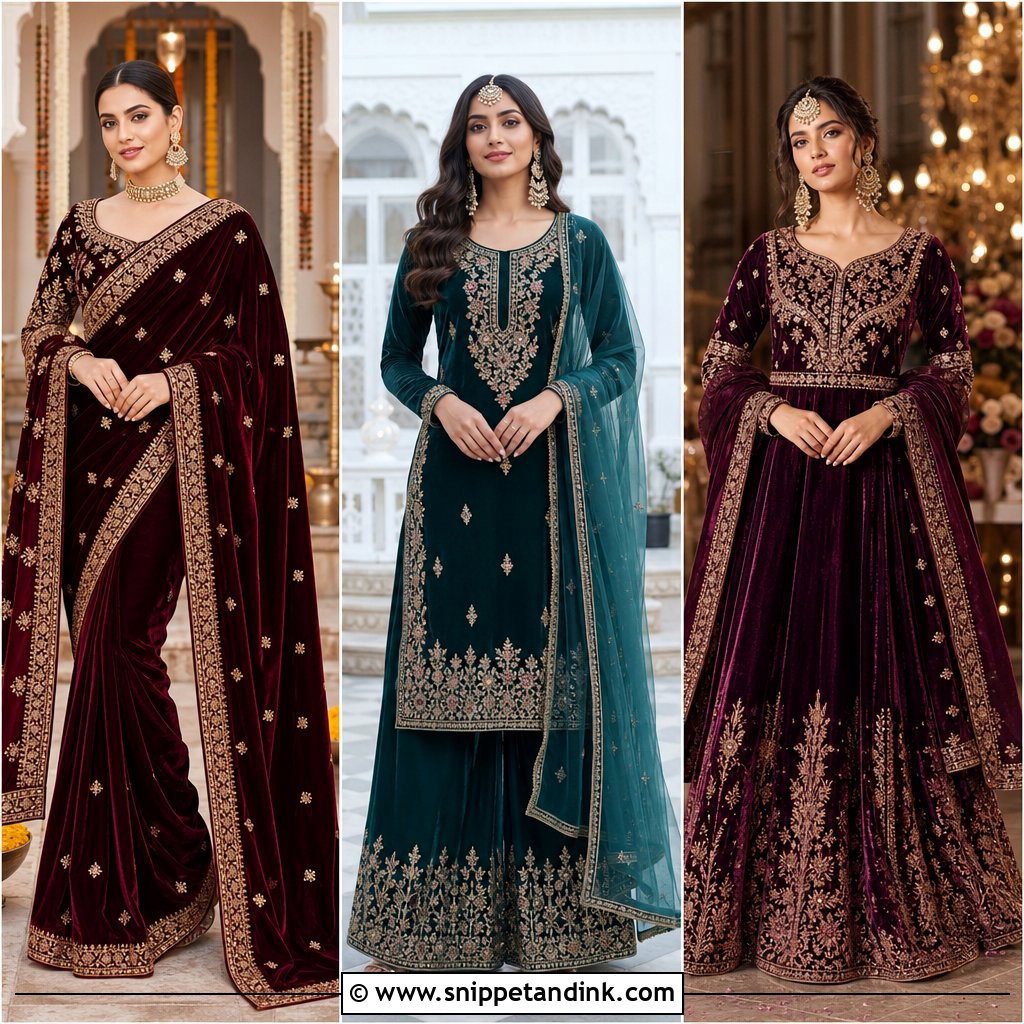
Velvet is the fabric I bring out when the festival falls in a cold month. Its pile catches light softly, so even simple antique embroidery looks rich. A maroon, bottle green, navy or plum Anarkali with churidar and a sheer dupatta keeps the weight balanced. The honest drawback is heat: velvet indoors with a crowd and lamps gets warm quickly, so I avoid it for packed daytime events. Kundan earrings, a cocktail ring and heeled sandals are all it needs. Evening pujas and winter dinners suit it best.
17. Dhoti Pants Kurta Festive Outfit
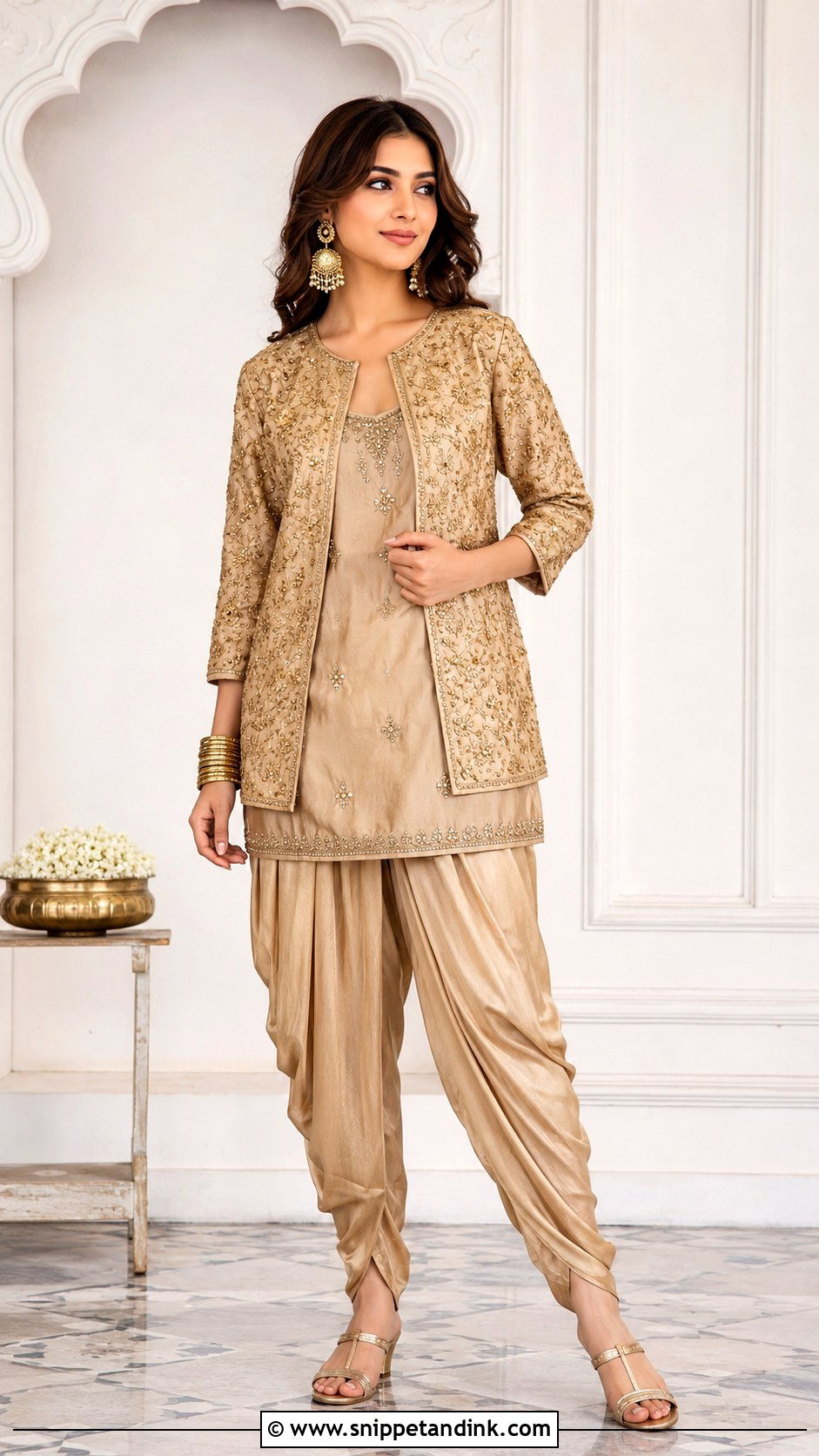
A dhoti pants kurta outfit appeals to clients who are tired of choosing between a saree and a lehenga. The draped dhoti pants give a strong shape and real freedom to move, and they pair with a short kurta, a crop top or an asymmetrical tunic. Silk, crepe or satin dhoti pants dress it up. I check the drop of the crotch drape in the mirror while the client squats, because a drape cut too low can look sloppy in seated photos. Metallic sandals and stacked bangles finish it for dance nights and modern gatherings.
18. Cotton Silk Suit Festive Outfit
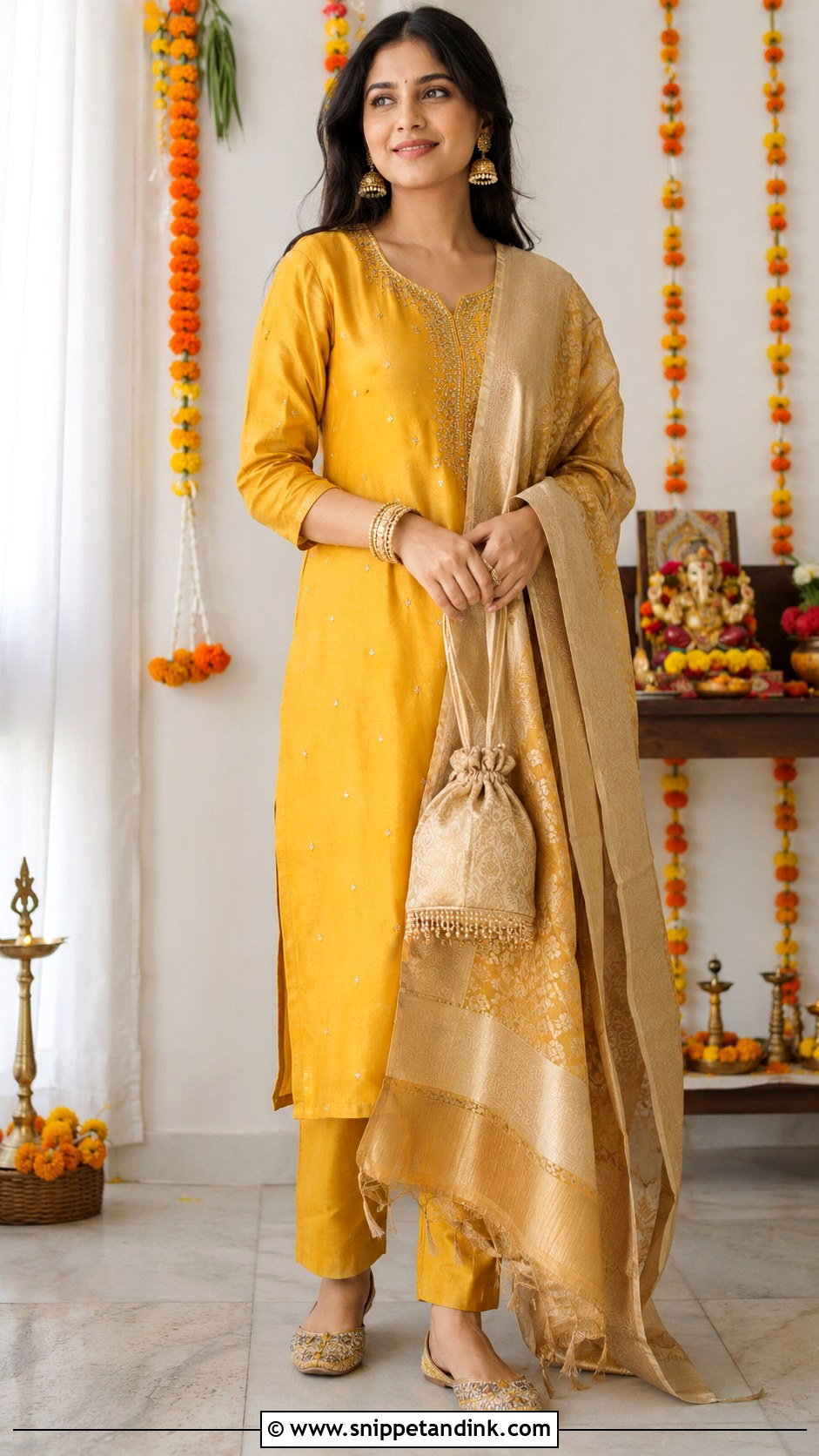
Cotton silk is my answer for a long day in warm weather. It has a slight sheen, so it looks dressier than cotton, but it still breathes and does not stick when you sit for an hour at a puja. A straight kurta, pants and dupatta in turmeric yellow, coral or teal with a light zari border or hand block print is enough celebration detail. Gold jhumkas, bangles, embroidered juttis and a small bindi make it traditional. It suits family breakfasts, temple visits and any day when comfort matters most.
19. Sequin Saree Festive Outfit
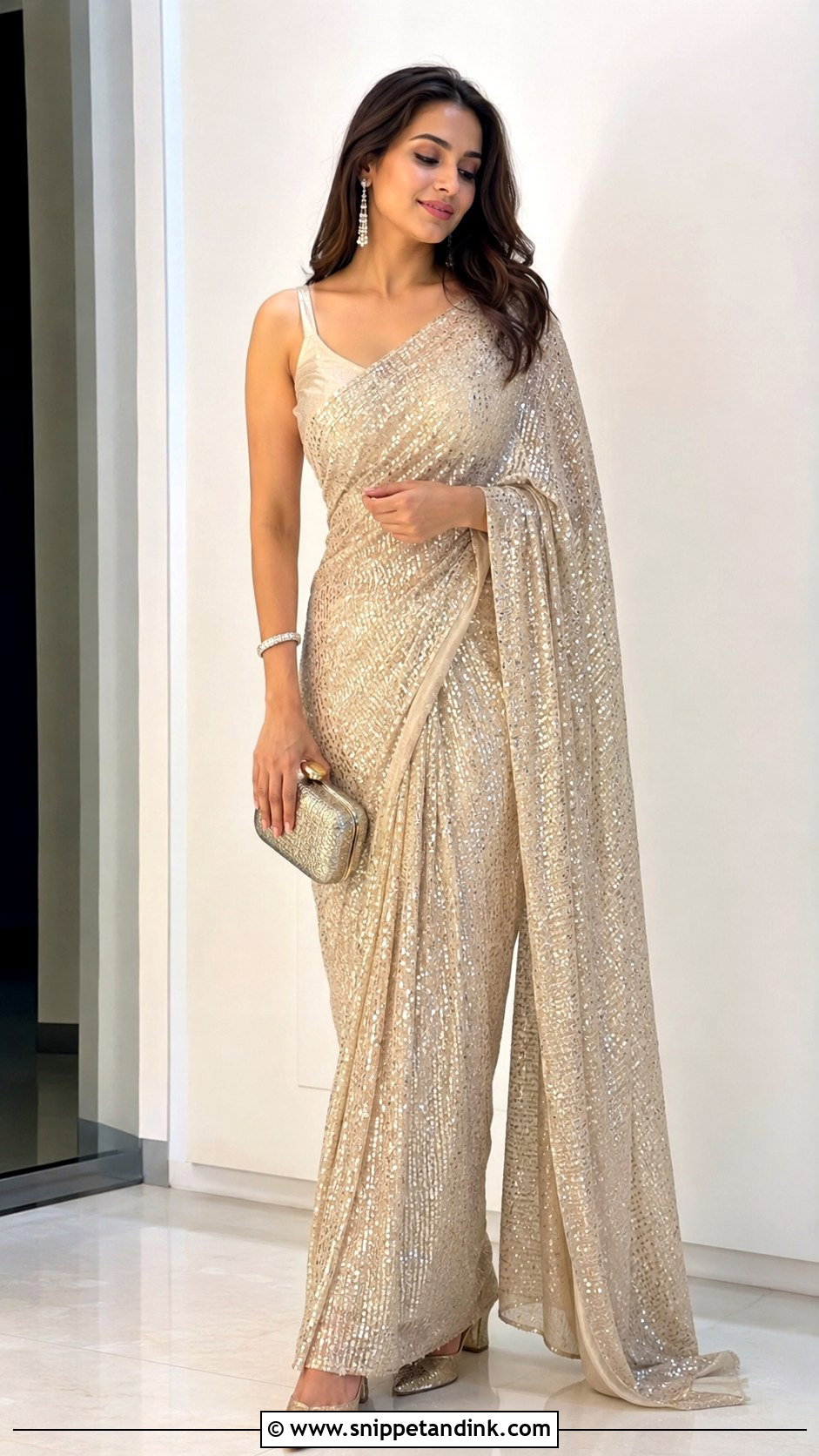
Sequins on a heavy base drag a saree down, so I only recommend sequin sarees on lightweight georgette or chiffon with fine, flat sequins. Champagne, navy, emerald and black are the shades I find most flattering under evening light. Keep the blouse simple so the saree stays the focus, and pick drop earrings rather than a necklace because sequins scratch against metal. Sequins can also catch on lace and other embroidery, so I don’t layer them over textured fabrics. Strappy or pointed block heels sit well under the drape for receptions and festive parties.

20. Pastel Lehenga Festive Outfit
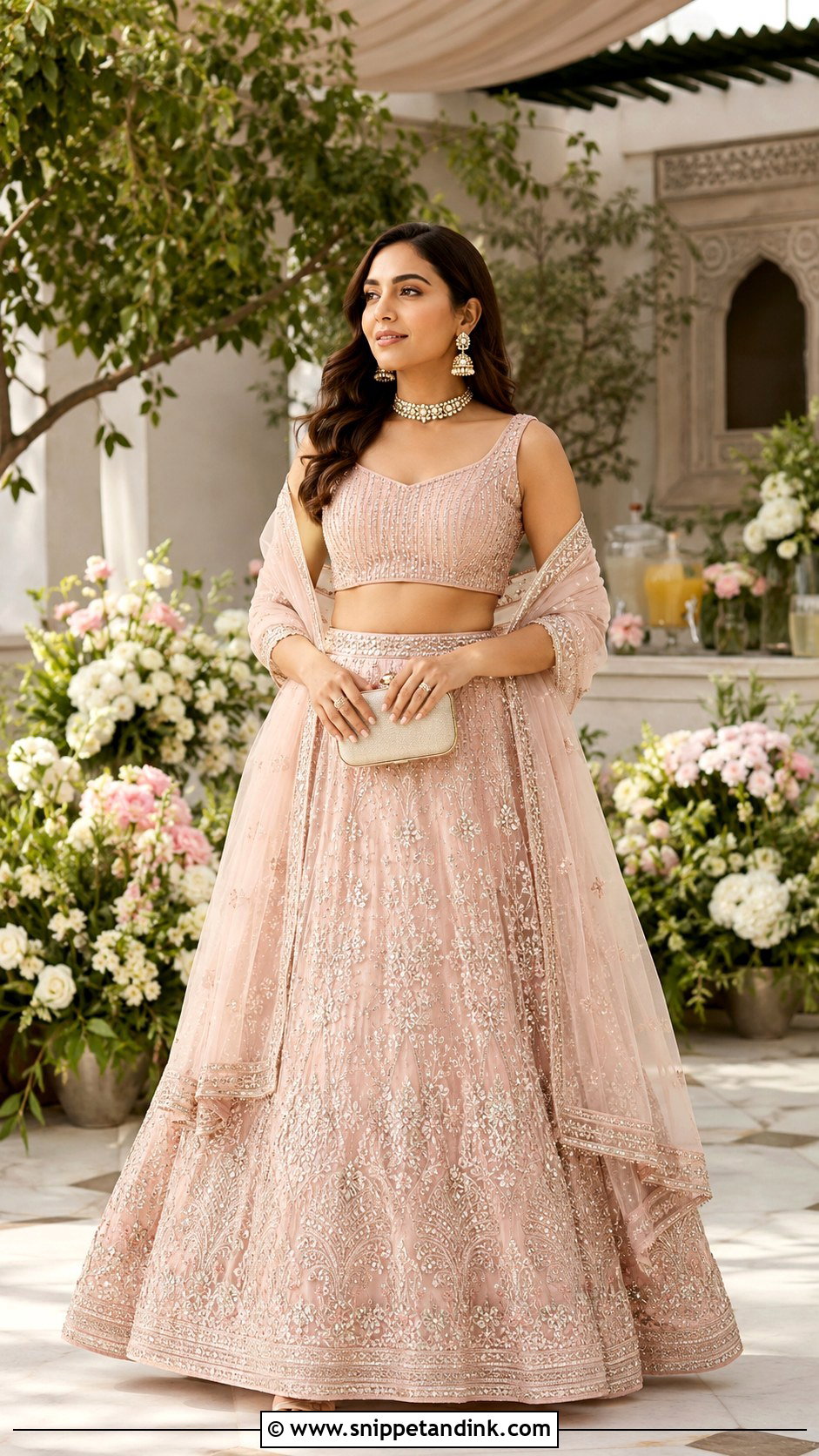
Pastels look fresh in daylight but can wash out under yellow indoor bulbs, so I always ask a client where most of her photos will be taken before we pick one. Mint, blush, lavender, powder blue, peach and ivory all work with light thread work, pearls or sequins. A soft dupatta drape and a fitted blouse keep the look neat. Pearl or kundan jewelry suits pastel tones, and nude or gold heels keep the line long. The real bonus is restyling: the blouse, skirt and dupatta each mix easily with other pieces.
21. Salwar Kameez Festive Outfit
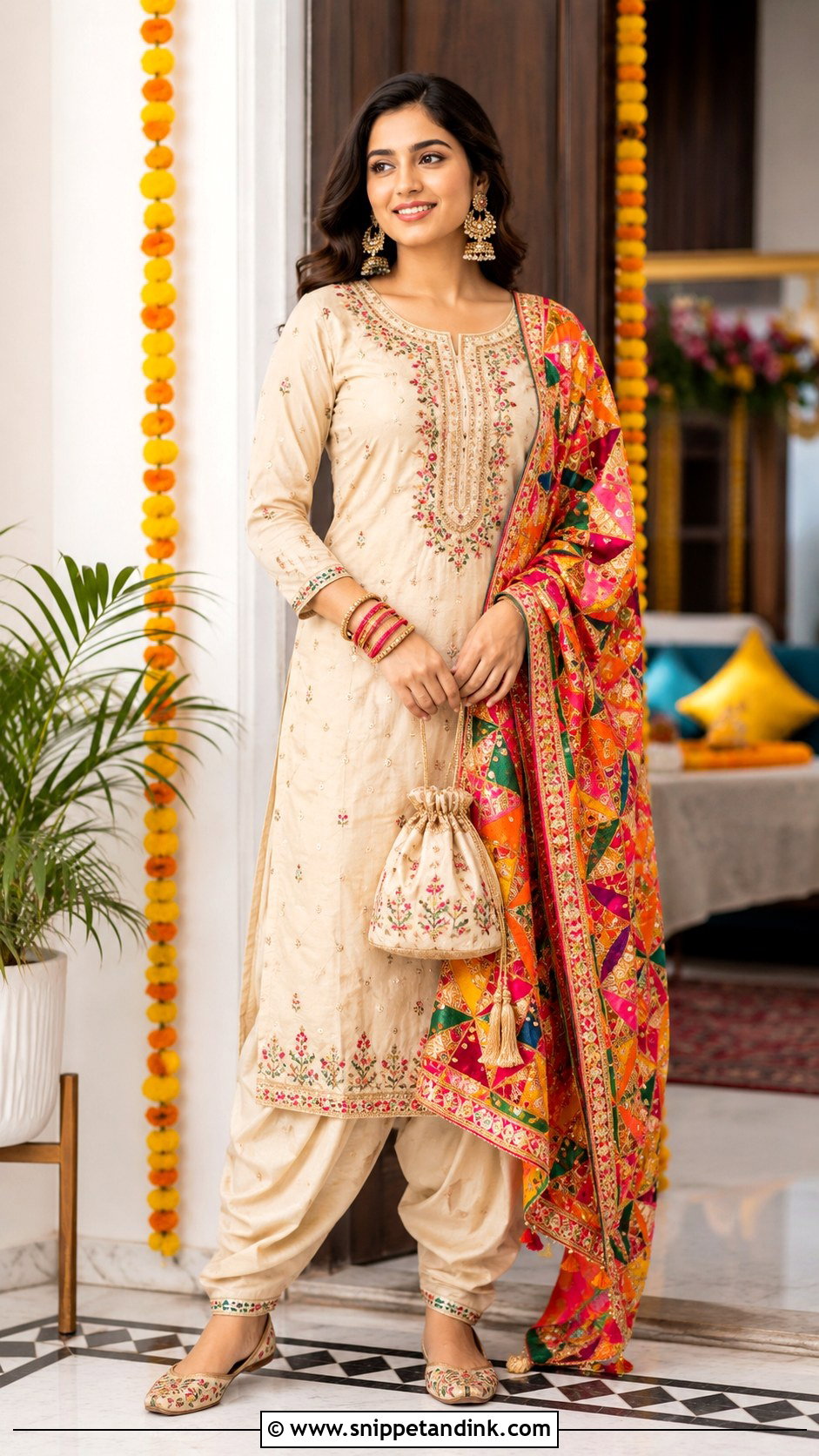
Few outfits go to as many occasions as a salwar kameez. A kameez with zari borders, gota patti or rich print over a classic salwar is comfortable all day. Patiala salwars, with their deep pleats, give a fuller Punjabi look but use a lot of fabric, so I suggest them to taller clients; a slimmer salwar reads cleaner on petite frames. A phulkari dupatta instantly turns a plain suit festive. Juttis, bangles and jhumkas keep it traditional for Lohri gatherings, Diwali visits, Eid and festive days at home.
22. Saree With Belt Festive Outfit
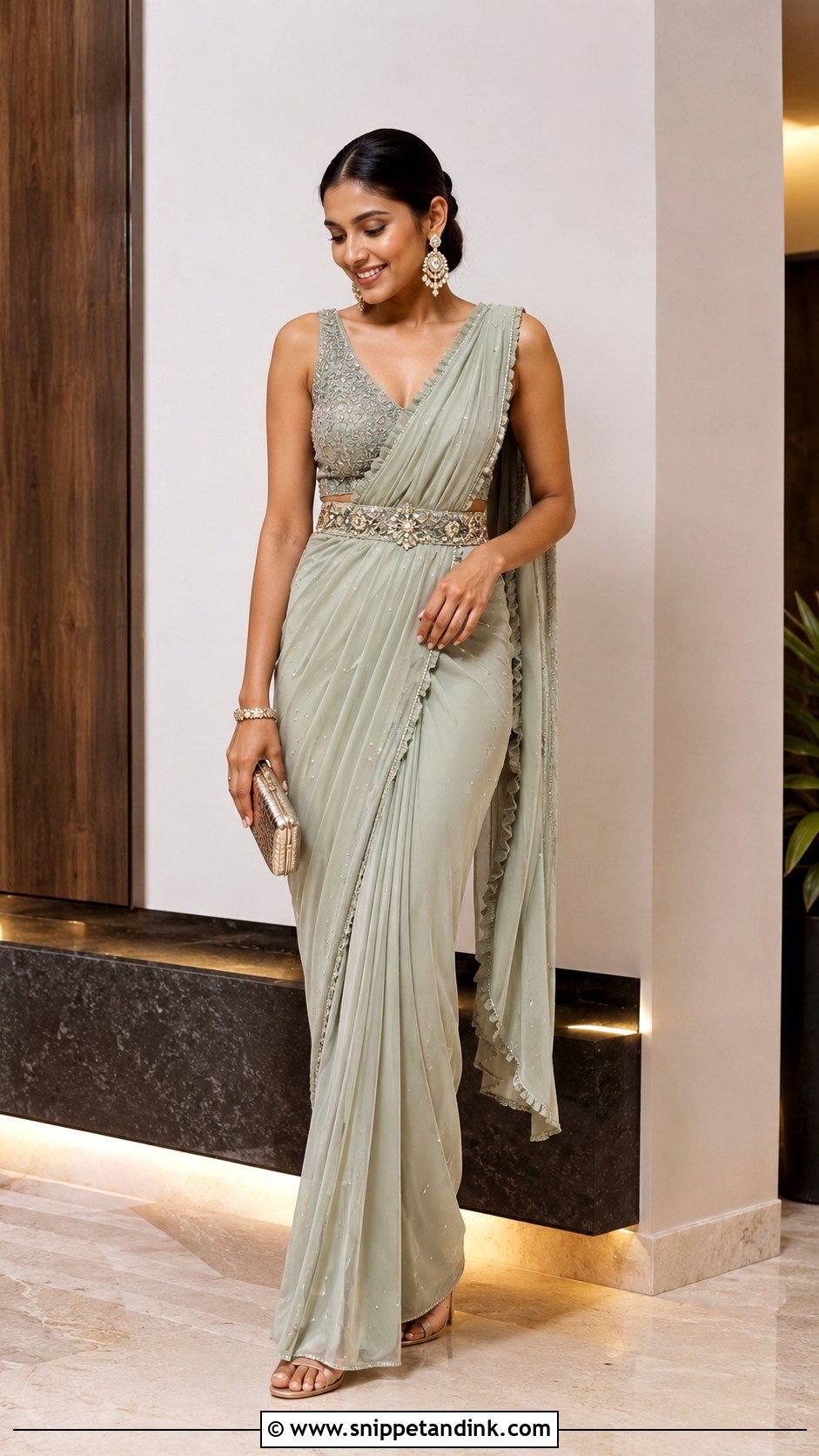
A belt solves the pallu problem. Cinched at the waist, it holds the pallu in place and gives the drape a defined shape, so you can move without constantly re-tucking. It works on silk, organza, georgette or satin sarees. My rule for balance: heavy embroidery gets a simple belt, while a plain saree can take a detailed metallic or embroidered one. Put the belt on after the drape is complete and sit down to check it, as a belt fastened standing can dig in when seated. Pair with a fitted blouse, statement earrings and sleek heels for dinners and parties.
23. Long Kurta Skirt Festive Outfit
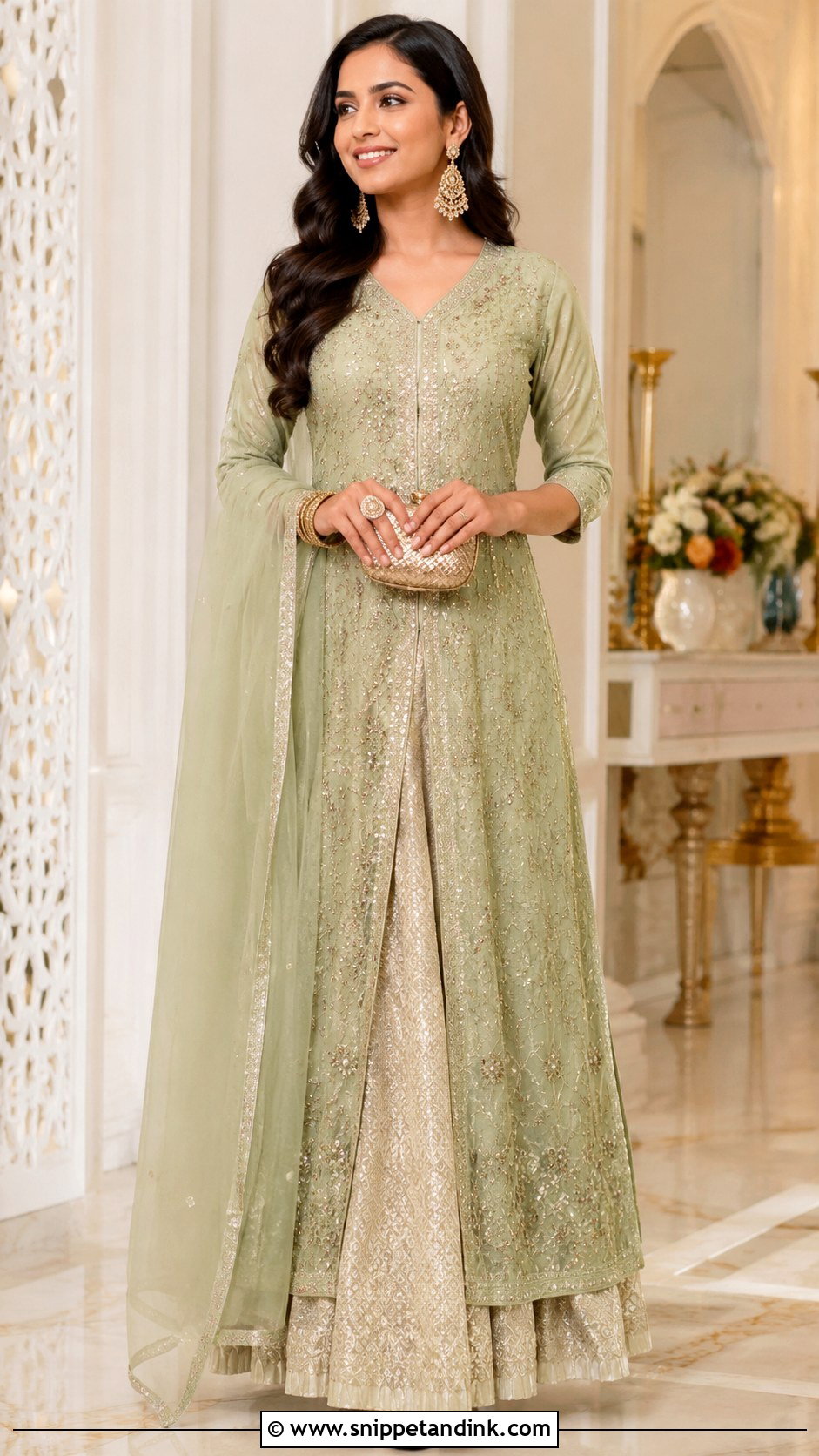
A long kurta over a skirt sits between a suit and a lehenga, and it is a good answer for anyone who wants coverage without losing shape. Pick a straight or front-slit kurta over a flared skirt; the slit matters because it shows the skirt’s movement when you walk. Embroidery at the neckline or hem adds polish, and a printed skirt keeps things playful. I’d keep the kurta at least a hand’s width shorter than the skirt so the layers read clearly. Jhumkas, bangles and wedges or embellished flats suit long events.
24. Brocade Pants Set Festive Outfit
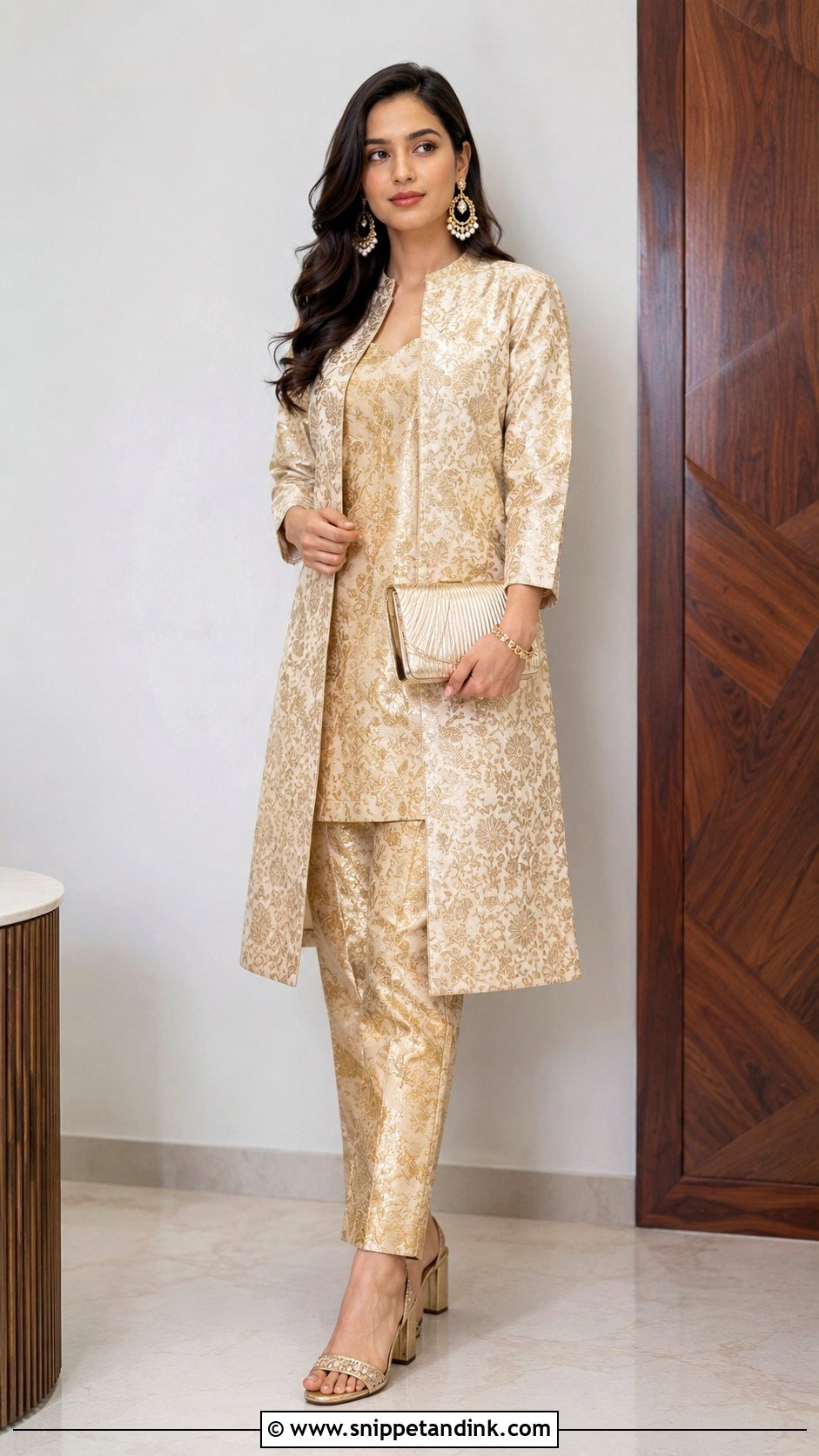
Brocade has its pattern woven in, so it holds structure the way tailoring needs. Straight brocade pants with a matching kurta, a silk blouse or a short tunic look dressed but practical. Gold, ivory, teal, maroon and black are rich choices. Because the fabric is already textured, I avoid printed tops and busy jewelry with it; statement earrings and a bracelet are enough. Brocade can feel stiff at first, so I ask for the pants to be lined in soft cotton. You will wear the pants again with other kurtas, which makes them good value.
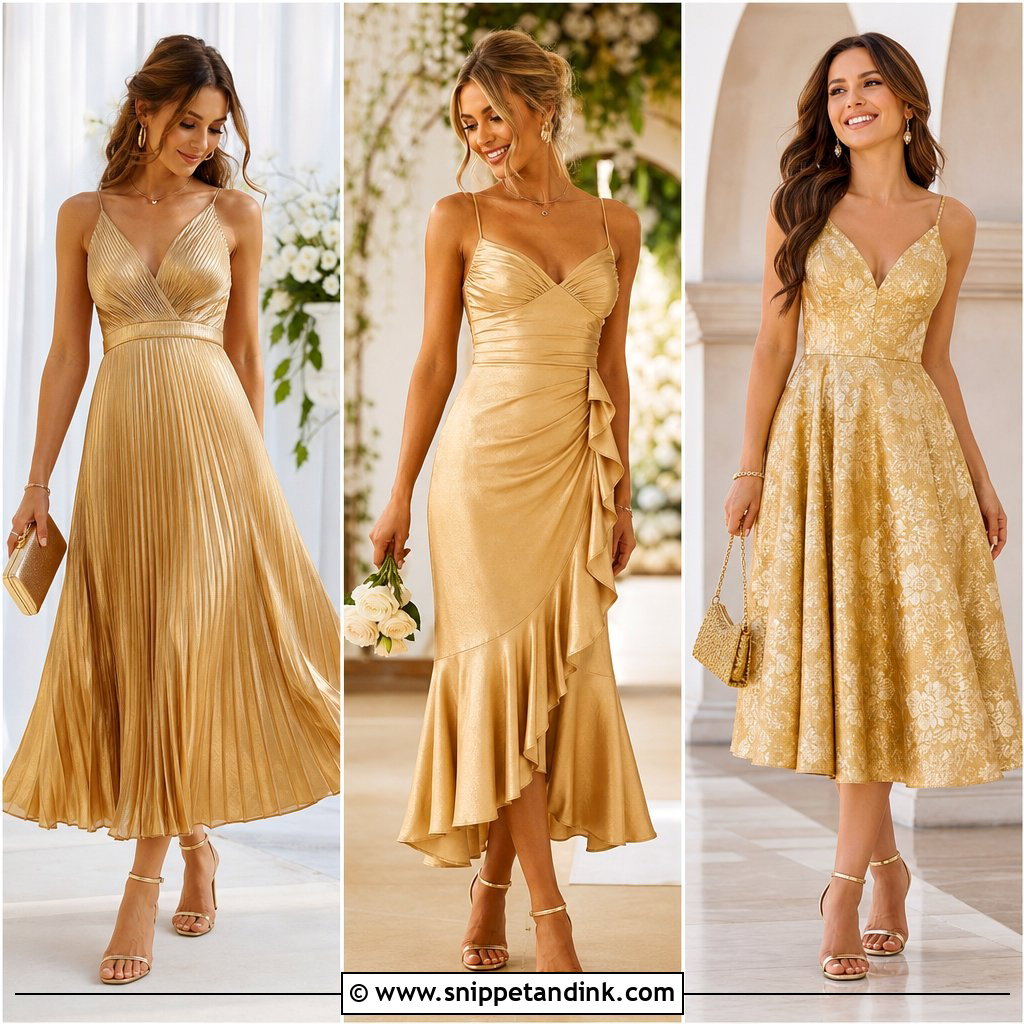
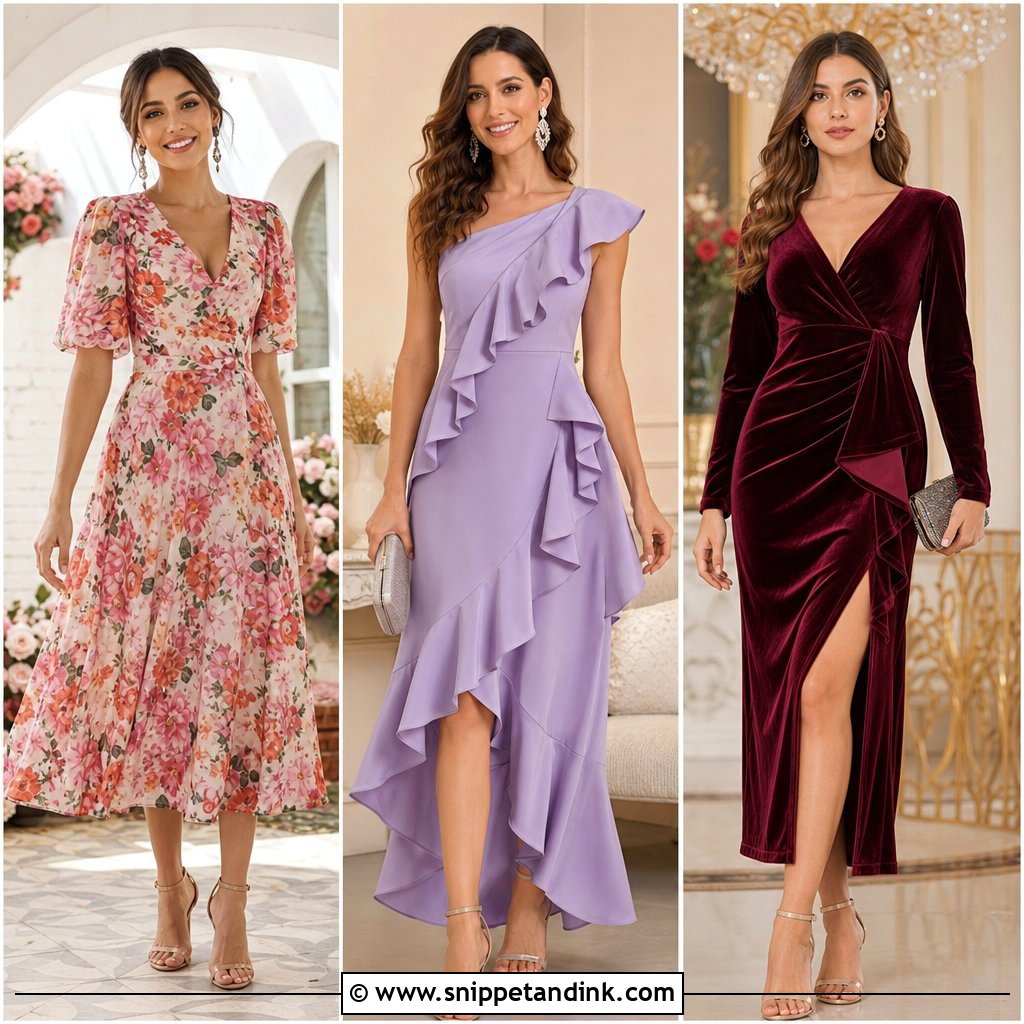
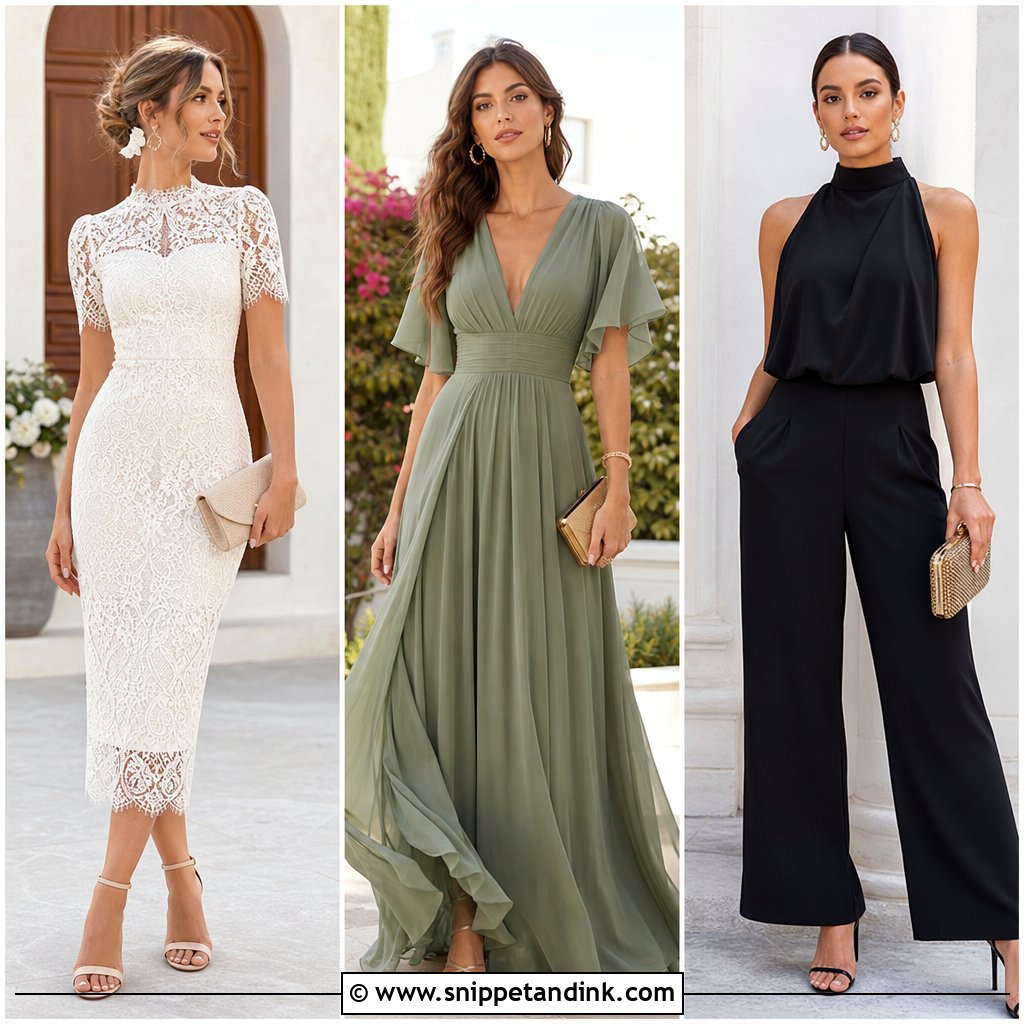
25. Floral Printed Lehenga Festive Outfit
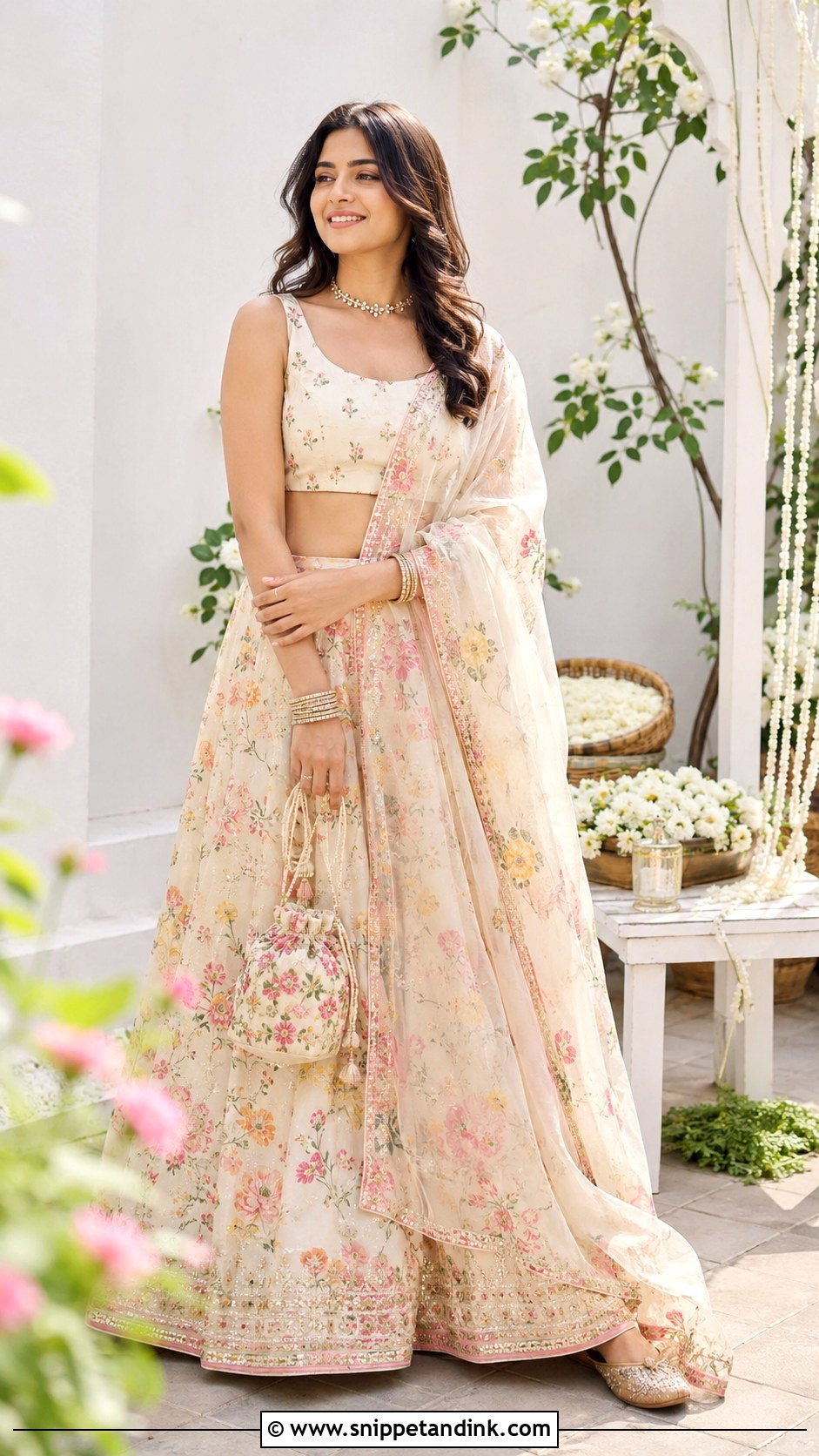
A floral printed lehenga is my pick for daytime, especially outdoors. Cotton silk, organza, georgette or chanderi with floral prints and a little embroidery weighs far less than a worked lehenga, so it is comfortable through a long brunch. If the print is bold, I keep jewelry to studs, bangles and a fine necklace; a subtle print can take statement earrings or a potli. Pastel florals suit daytime pujas while deeper florals hold up better at night. It gives you a festive look without the weight of heavy embroidery.
Getting Silk, Zari and Mirror Work Back in the Cupboard Safely
Most damage I see to festive pieces happens in the week after the event, not during it. Sweat, perfume and a tight fold left for months do more harm than any dance floor.
The first 48 hours
Hang the outfit inside out somewhere shaded and airy for a day to let perspiration dry before it goes anywhere near a cupboard. Check underarms and the blouse lining. Food or oil marks on silk should go to a dry cleaner who handles silk regularly; rubbing at home with water usually leaves a ring.
Folding and wrapping
- Wrap silk and zari sarees in plain, unbleached cotton or muslin. Plastic traps moisture and dulls zari.
- Refold heavy silks every few months along different lines so the creases do not crack the weave.
- Store mirror work and heavy lehengas flat, with tissue between the folds, so mirrors do not press into the next layer.
- Keep perfume and deodorant off the fabric itself. Spray before you dress and let it dry.
Velvet is the exception to folding. I hang velvet Anarkalis on a padded hanger with space around them, because crushed pile is very hard to bring back.
Start With the Day, Then the Fabric
Start with the plan for the day. A silk saree may suit a formal family puja, while a sharara, Anarkali or Indo-western co-ord may serve you better through a long night of movement. Then think about the weather, the fabric and how much jewelry the outfit can carry. Heavy outfits want simple accessories; plain outfits can take a bold dupatta or earrings. Whatever you choose, the outfit you can sit, eat and dance in will always look better in photos than the one you are fighting all evening.
You'll Like These Ideas:


Leave a Reply