
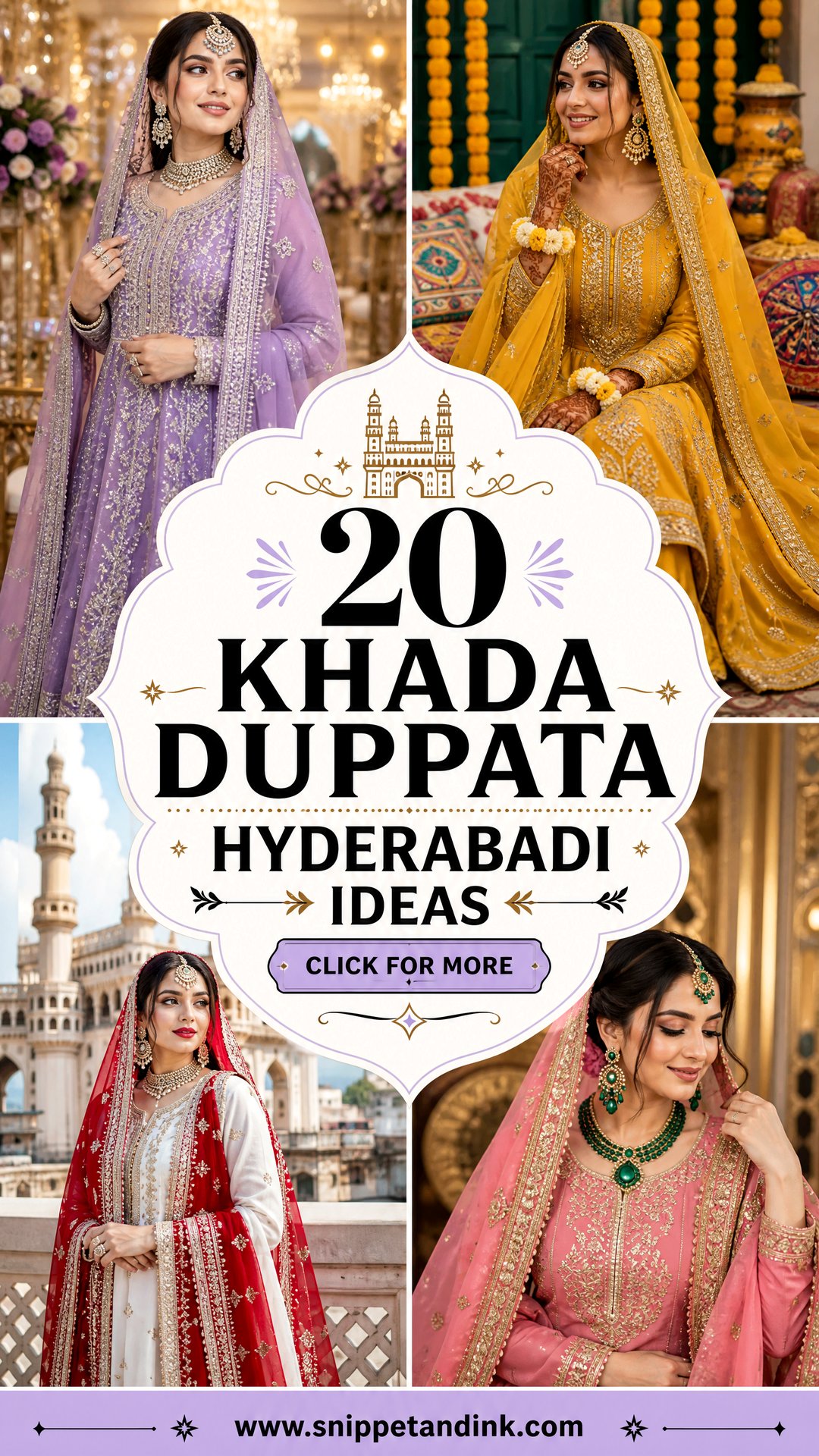
Six Metres, Two Pleated Ends and One Strong Brooch
Every outfit below depends on the same drape, so it’s worth understanding how it’s built before you fall for a color. The khada dupatta is a single long length, usually around six metres, worn over a kurta and churidar. Many brides also wear a separate, shorter dupatta over the head as a ghoonghat, which keeps the long drape free to do its own work.
How the drape goes on
- The middle of the dupatta is tucked firmly into the back of the churidar waistband.
- Each end is brought forward and pleated, much like a saree pallu.
- The pleated ends are fixed at the shoulder with a brooch or heavy safety pin. Families differ on whether both go to one shoulder or overlap across the two, so follow your own tradition.
- The free ends fall under the arm and rest over the inside of the elbow.
- Any excess is pleated and tucked again at the center back.
That shoulder pin carries most of the weight, which is why I’m cautious about heavy all-over embroidery on the dupatta itself. Have the draping done at least once before the wedding by the person who will do it on the day, and photograph each stage on your phone so anyone can redo it if a pin gives way.
1. Red And Gold Khada Dupatta Bridal Outfit
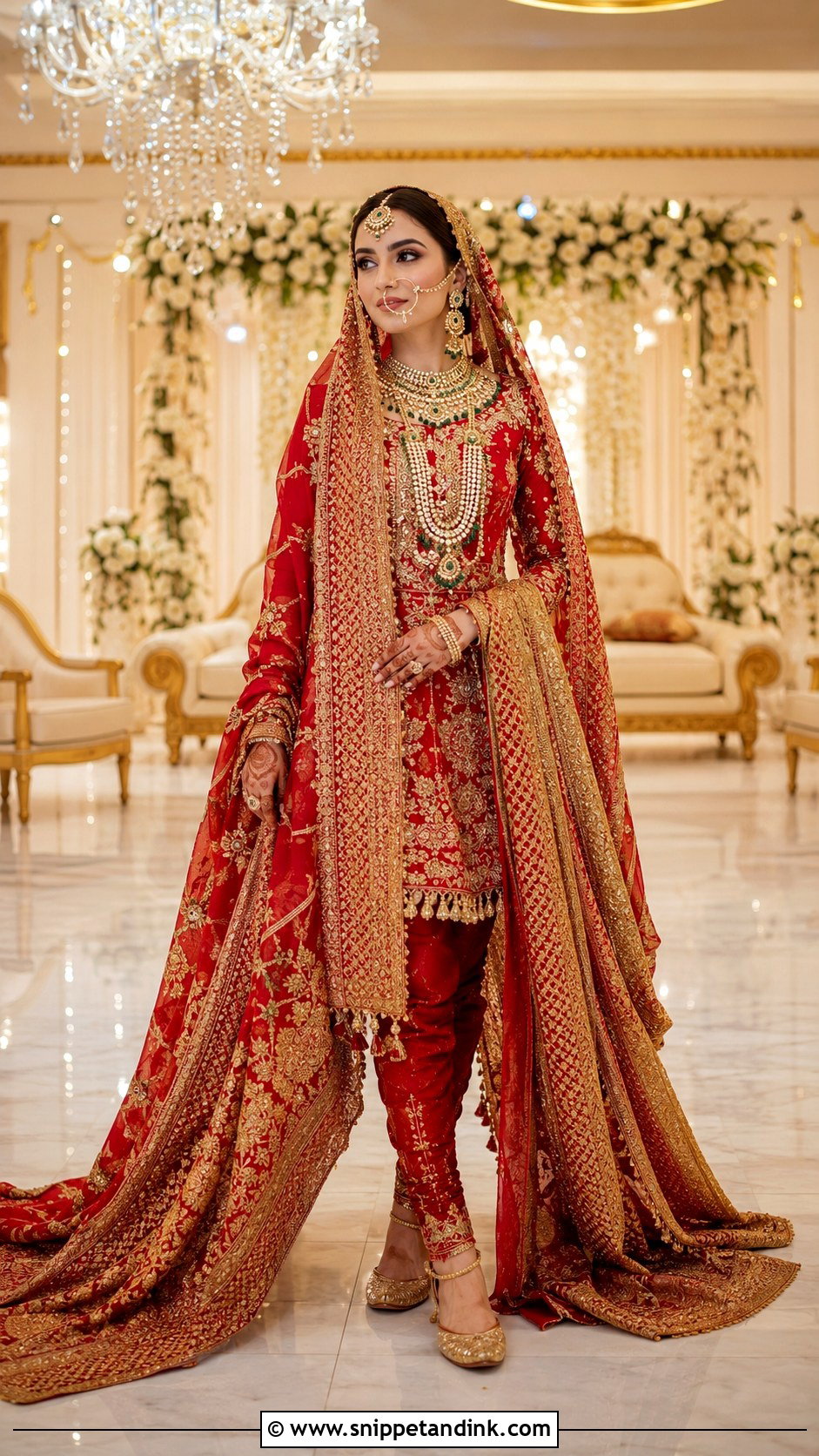
Red and gold is where most Hyderabadi brides start, and it carries the grandeur of a traditional Hyderabadi bridal look without any explanation. The kurta should be fitted, with dense zardozi at the neckline, sleeves and hem, over a matching churidar that gathers neatly above gold juttis. What I look at first is the dupatta’s border. It needs to be broad and stiff enough to hold its pleats at the shoulder, with only delicate motifs scattered across the body so the folds stay readable. Jhoomar, tikka, nath, pearl-supported earrings, layered necklaces and bangles all go on before the drape is set. A sleek center-parted bun keeps the head jewelry visible. With this much detail in the clothing, keep makeup to defined eyes, flushed cheeks and a classic red lip.
2. Ivory And Gold Khada Dupatta Nikah Outfit
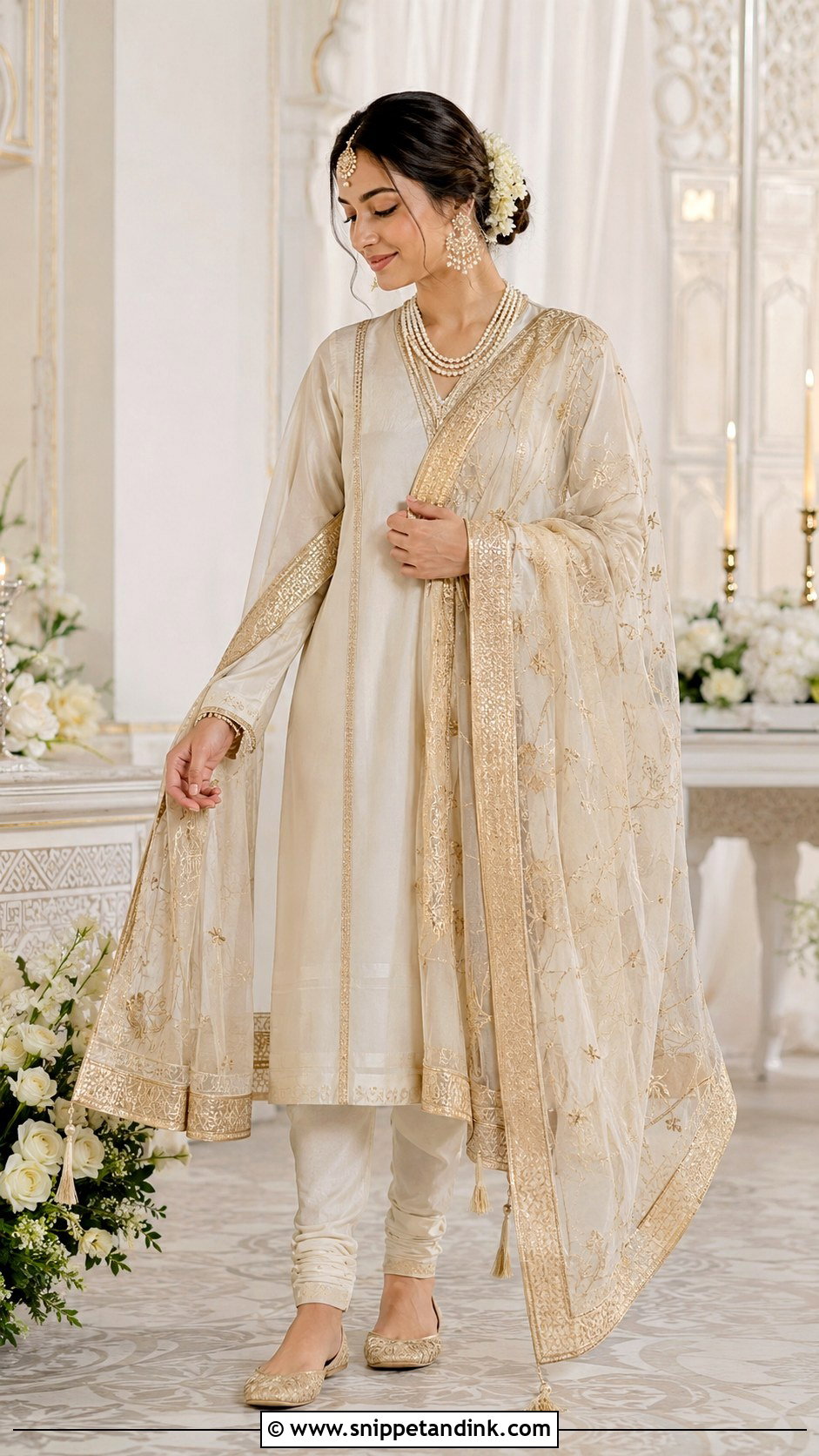
Ivory gives a formal nikah outfit a calm base while keeping all the richness of Hyderabadi dressing. Silk or Chanderi works for the kurta, with antique gold embroidery and a modest neckline, and a fitted churidar in the same shade keeps the line unbroken. Tissue is my preference for an ivory khada dupatta because it holds a pleat crisply; plain net in pale colors can look limp once it’s been handled. A substantial gold border frames the drape. Pearl strands, a gold choker, a delicate jhoomar and a small tikka suit the softness, with champagne heels or embroidered flats underneath. White flowers around a low bun and a muted rose lip finish it.
3. Emerald Green Khada Dupatta Wedding Outfit
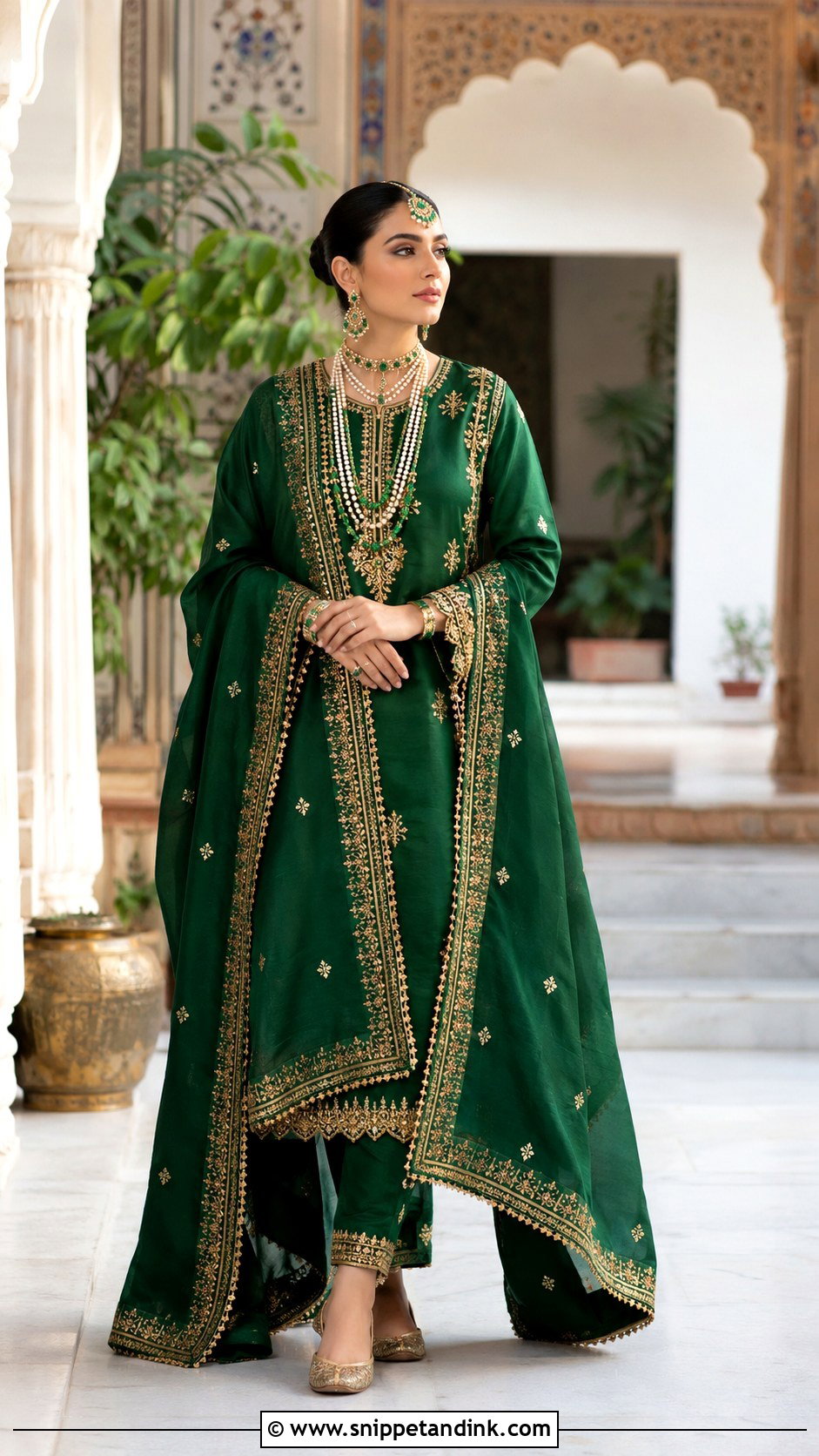
Emerald gives the khada dupatta jewel-toned depth and still sits comfortably within traditional occasion wear. The silk kurta carries gold dabka along the neckline and cuffs, worn over a slim churidar whose ankle gathers show above embellished gold flats. I’d choose a green dupatta with an antique gold border and small allover motifs rather than embroidery across every inch. Dense work on a six-metre length adds real weight at the shoulder pin, and it hides the pleats you’ve worked to set. Emerald and pearl jewelry with a traditional jhoomar, a compact gold potli, a smooth bun, defined liner and a deep rose lip complete it.
4. Maroon Velvet Khada Dupatta Winter Outfit
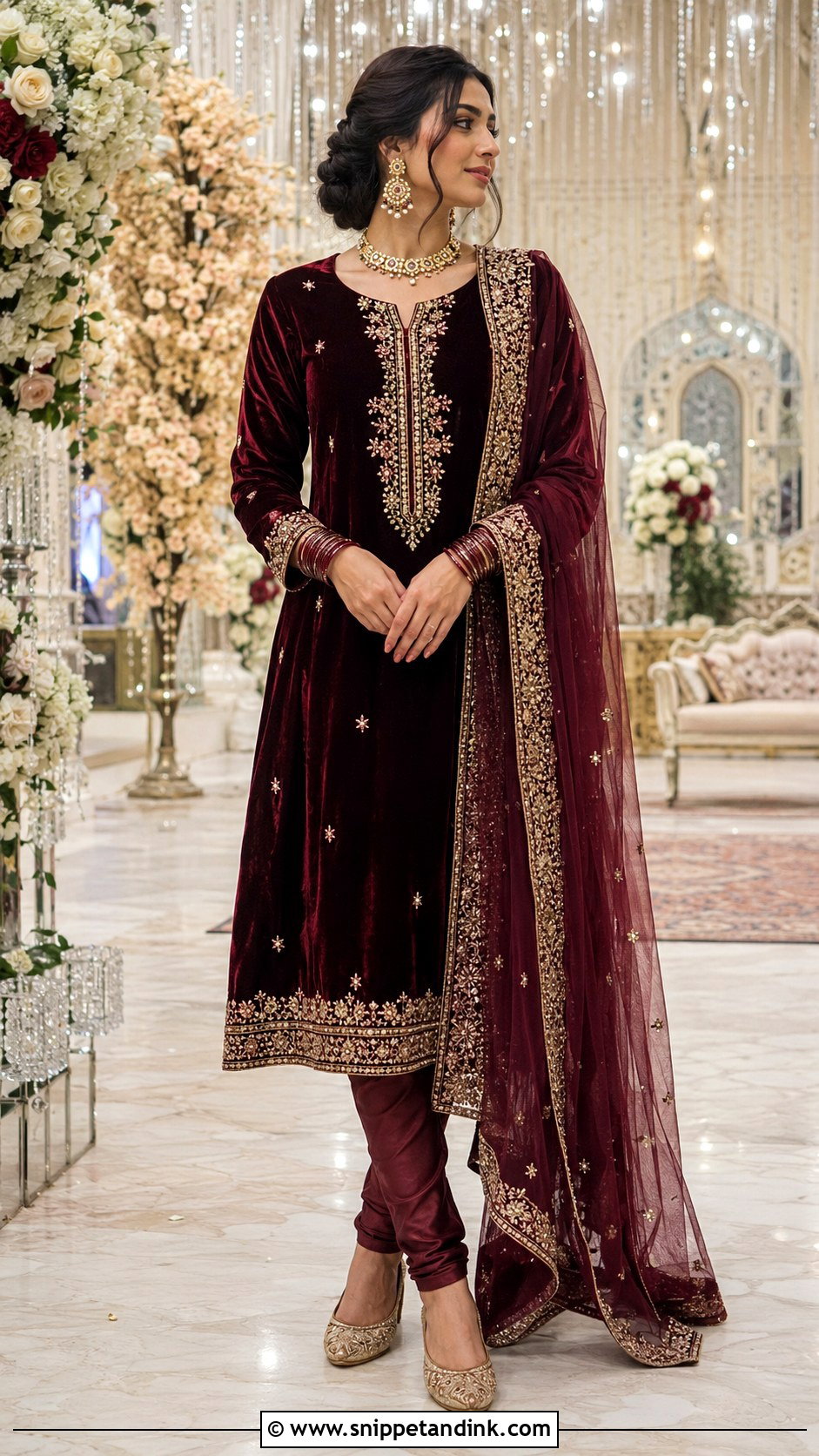
Velvet is the winter answer, and maroon velvet makes this silhouette feel warm and rich. Keep the velvet to the kurta, tailored with three-quarter sleeves and controlled gold work at the neckline and hem, and pair it with a silk churidar so the legs don’t add bulk. Never make the dupatta itself in velvet. Six metres of it won’t pleat and will drag the shoulder down within the hour. A lighter net dupatta with a structured zardozi border balances it properly. Closed-toe gold juttis keep feet warm. A kundan choker, long pearl necklace, jhoomar and stacked bangles, a low braided bun to anchor the drape, bronzed makeup and a berry lip finish the season’s version.
5. Blush Pink Khada Dupatta Engagement Outfit
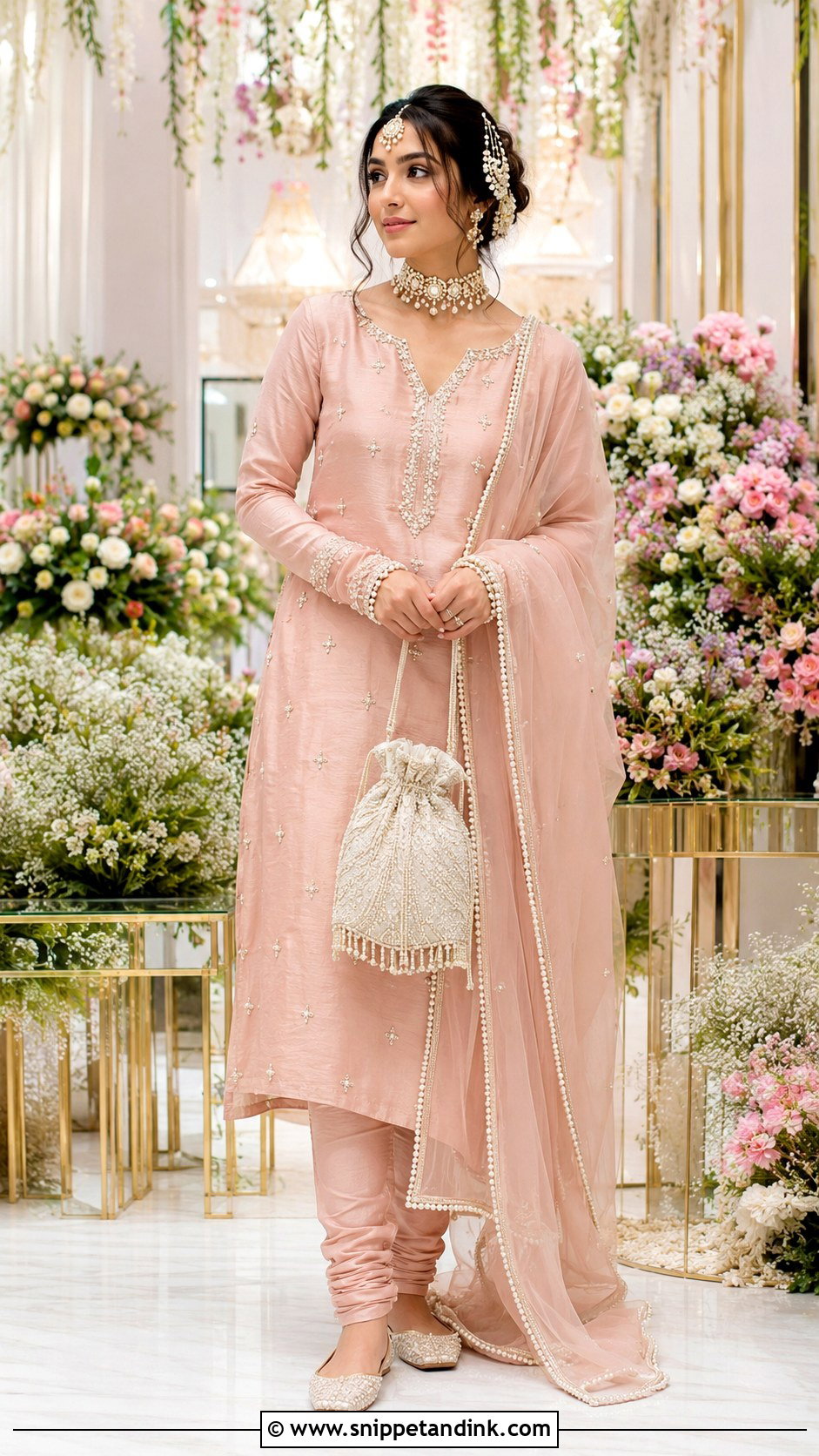
Blush pink softens the architectural drape, and it suits an engagement or a daytime event more than an evening nikah. Start with a raw silk kurta shaped neatly through the bodice and worked in pearl, sequin and pale gold. Raw silk has a slight slub that catches daylight, which keeps pale pink from looking flat. Add a matching churidar and a lightweight net dupatta with a defined embroidered border, so the layers fall without hiding the kurta. Pearl-trimmed juttis, a small ivory potli, a pearl choker, a slim tikka and a subtle jhoomar carry the detail. A low bun with pale pink flowers, rosy cheeks and a neutral pink lip suit the softness.
6. Powder Blue Khada Dupatta Day Wedding Outfit
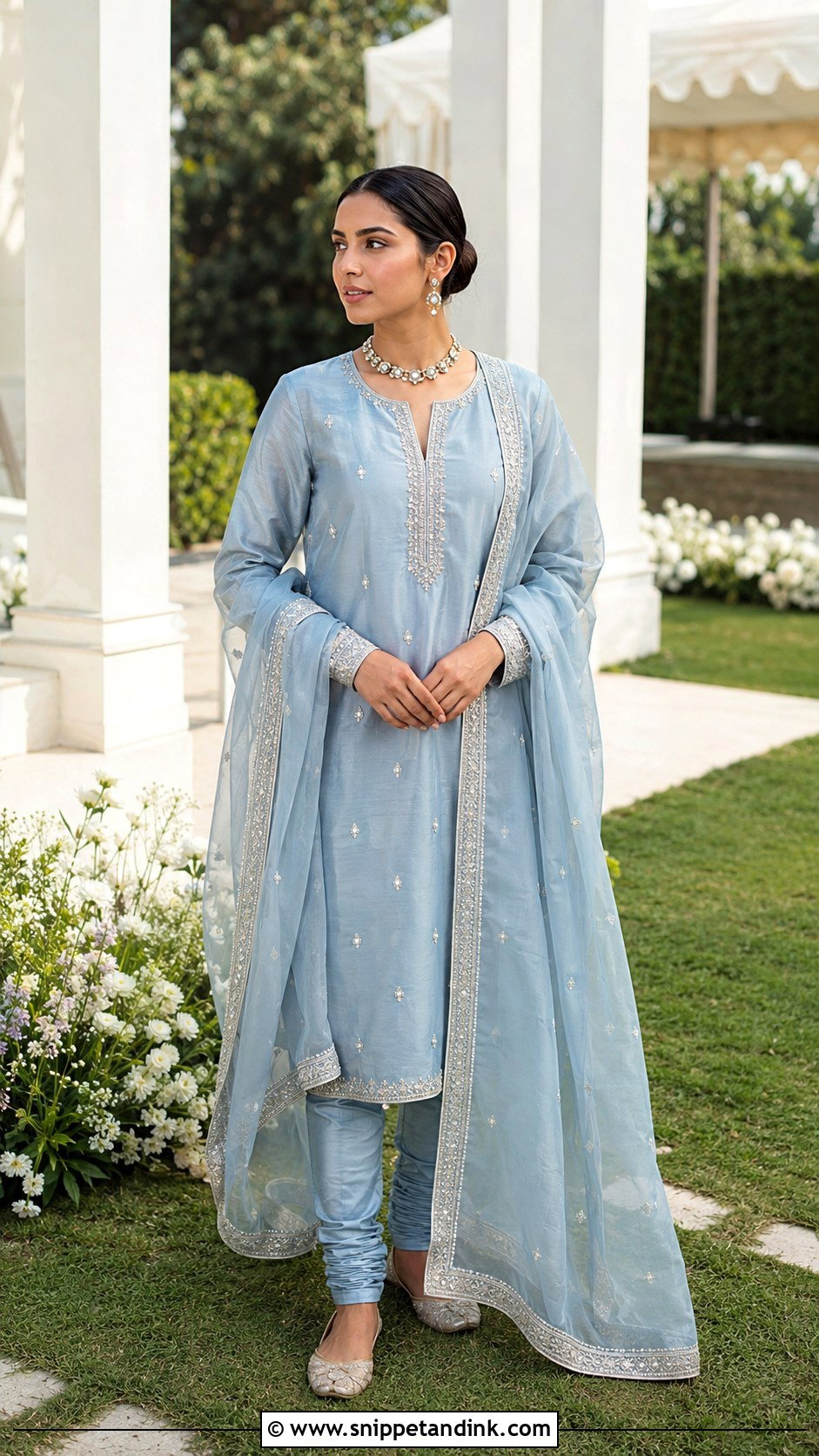
Under bright daytime light, powder blue looks calm and surprisingly regal. A silk kurta with silver threadwork, tiny pearls and a clean fitted shape goes over a matching churidar, with silver embroidered flats for the hours of standing. For the dupatta, organza or net with a silver border and scattered sprigs works well; organza is springy, though, so its pleats need an extra pin to stay flat. Line any panel where you want more coverage in pale blue. Diamond-style jewelry, pearls or pale blue stones suit this cool palette far better than heavy yellow gold, and a small jhoomar and tikka keep it recognisably Hyderabadi. A neat bun or softly braided updo holds the drape securely. Cool pink blush and a soft mauve lip finish it.
7. Lilac And Silver Khada Dupatta Reception Outfit
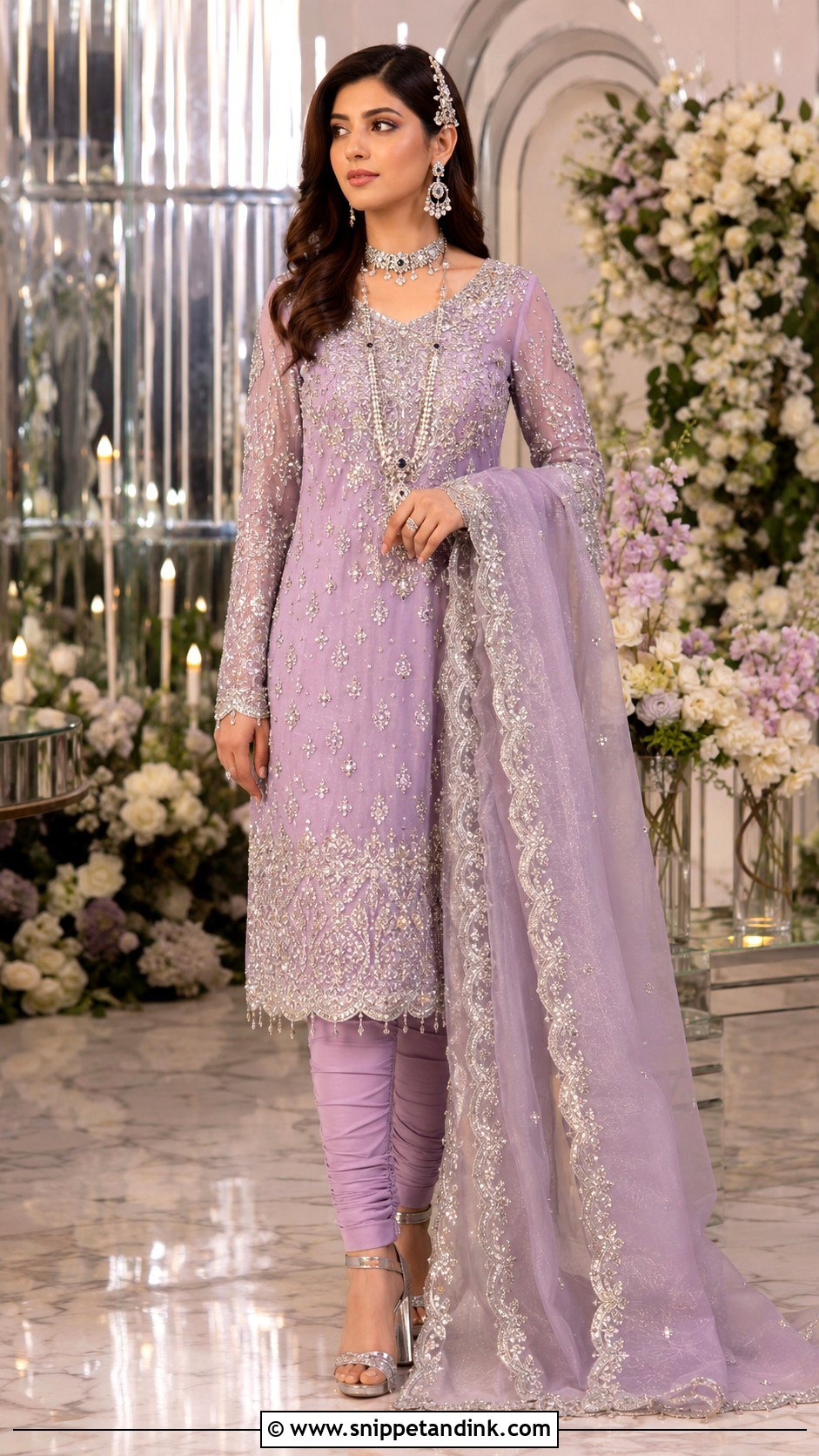
Lilac and silver is a modern choice for a reception that still keeps the full traditional structure. The kurta is fitted lilac with silver zari, crystals and carefully placed florals. Keep the churidar’s ankle embroidery minimal so it doesn’t compete with the dupatta. A long lilac net dupatta with a silver scalloped border moves nicely while keeping the upright layered effect. Let the drape decide your shoes: a long, heavy dupatta needs the stability of embellished flats, while a lighter one can take silver heels. A crystal choker, long necklace, drop earrings and a delicate side jhoomar sit well over a sleek center-parted bun, with shimmering eyes and a mauve-pink lip for evening light.
8. Peach And Champagne Khada Dupatta Outfit
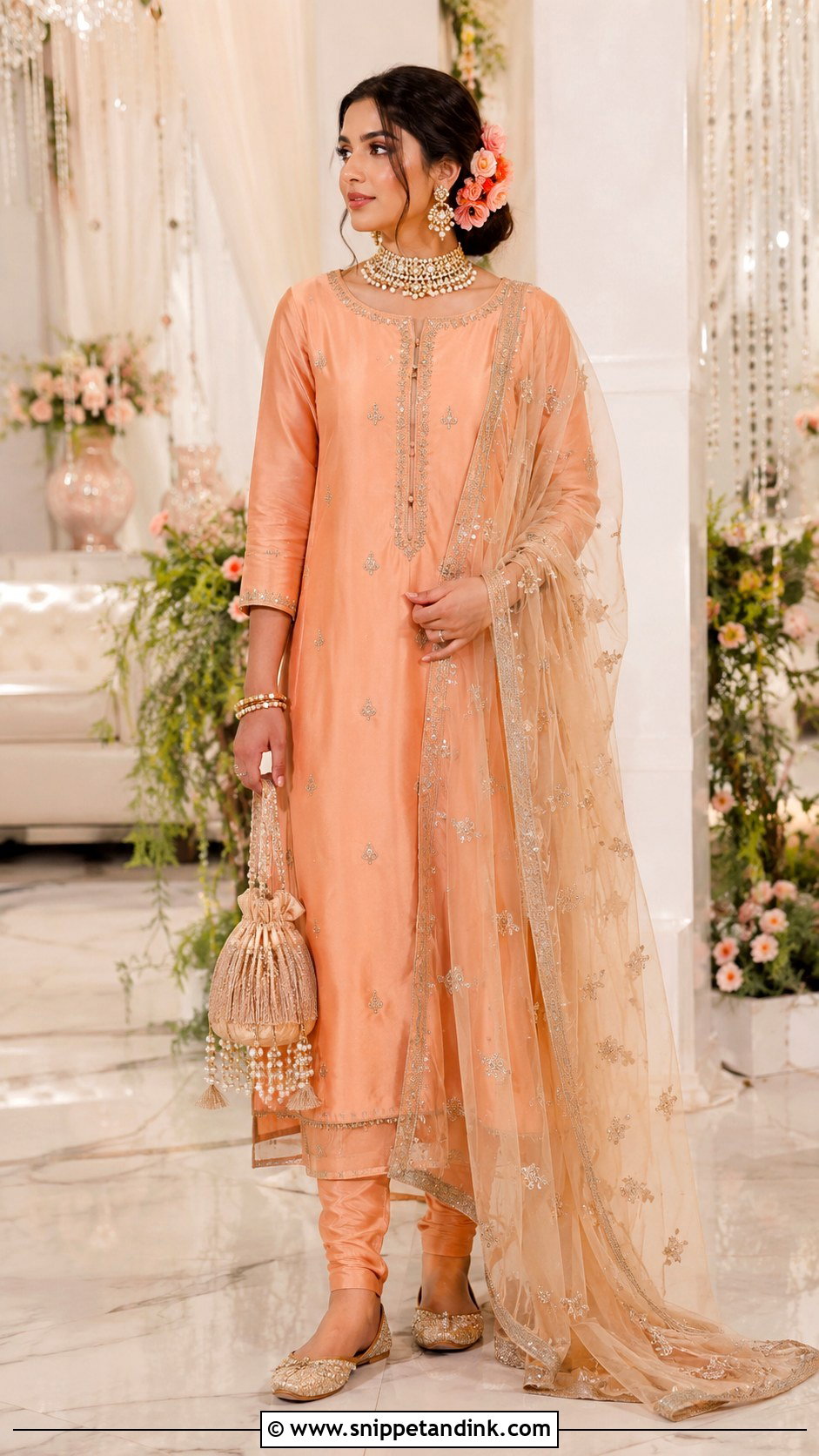
Peach and champagne land in a useful middle ground: festive color that never overwhelms. A peach silk kurta with champagne zari, beadwork and a gently curved neckline pairs with a slim churidar and champagne juttis. Sheer peach net with a broad metallic border and spaced florals lets the kurta and jewelry show through the layers, which is the whole point of a lighter dupatta body. Champagne-toned kundan, pearl strands and a small jhoomar stay inside the palette. I like a structured potli cut from the kurta’s own embroidery. A low bun with peach flowers, golden shimmer on the lids and a nude-rose lip finish it.
9. Mustard Yellow Khada Dupatta Mehndi Outfit
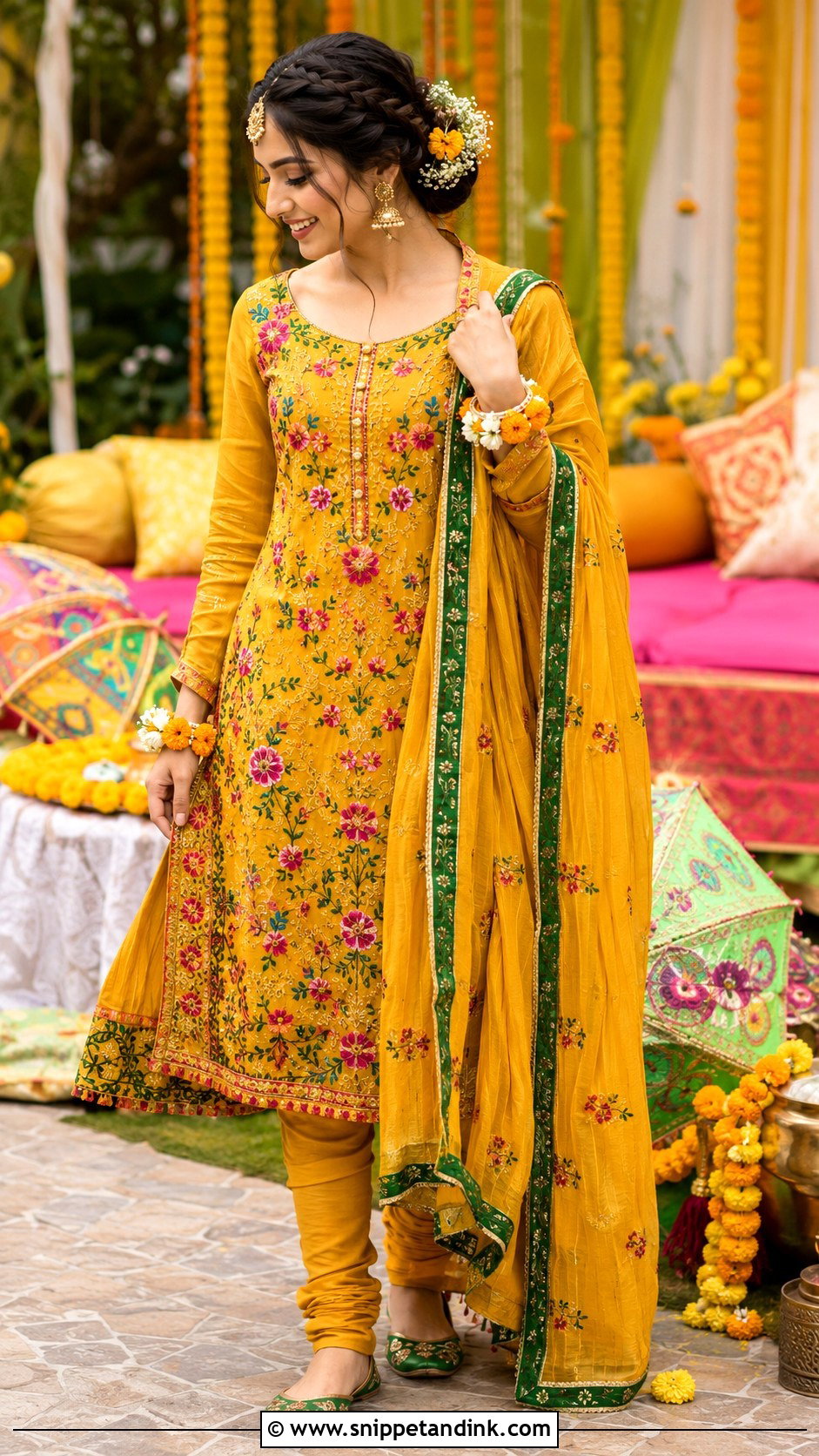
Mustard gives a mehndi warmth and color while staying richer than neon. The kurta takes green, pink and gold threadwork around the neckline and borders, and a plain matching churidar gives that decoration space. Keep the khada dupatta lightweight here. You’ll be sitting on the floor having henna applied for hours, and a heavy drape pulled across your lap gets crushed and stained. Green juttis, a small potli, floral bangles and gold earrings suit the mood, and a modest jhoomar or tikka is plenty for daytime. A braided low bun with fresh flowers, coral blush and a berry-pink lip will hold up through a long, lively evening.
10. Teal And Antique Gold Khada Dupatta Outfit
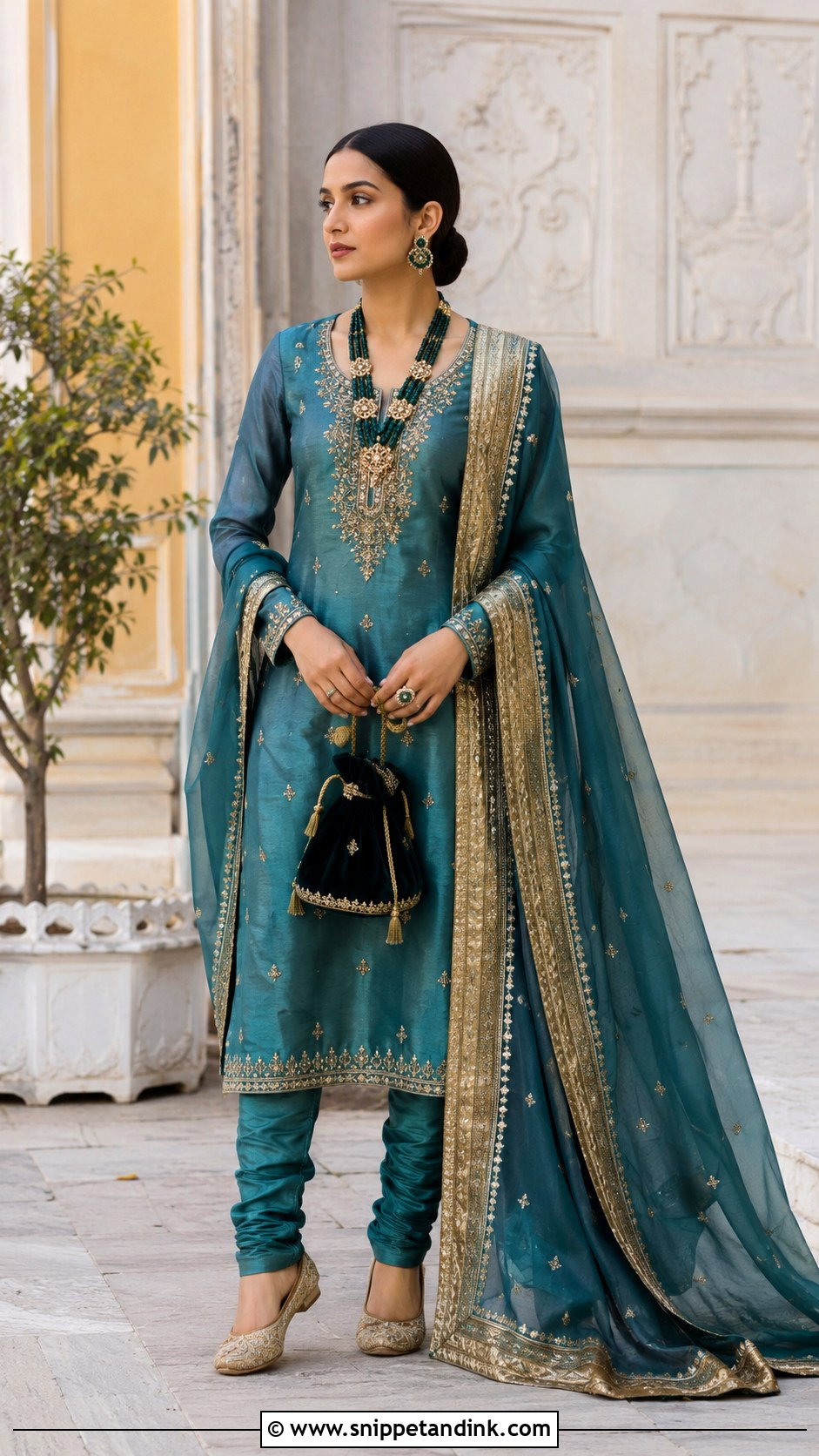
Teal offers evening depth without repeating the red, green and maroon everyone else at the wedding will wear. Pick a teal raw silk kurta with antique gold zardozi concentrated at the neckline, sleeve edges and lower border, plus a matching churidar and antique gold juttis. A slightly lighter teal for the dupatta helps the folds separate visually from the kurta; same-shade fabric tends to merge into one dark block in photos. Wide metallic borders and restrained vines stay visible after draping. Antique gold with emerald accents, a layered necklace and a jhoomar, a small velvet potli, a center-parted low bun and a muted berry lip complete it.
11. Black And Gold Khada Dupatta Evening Outfit
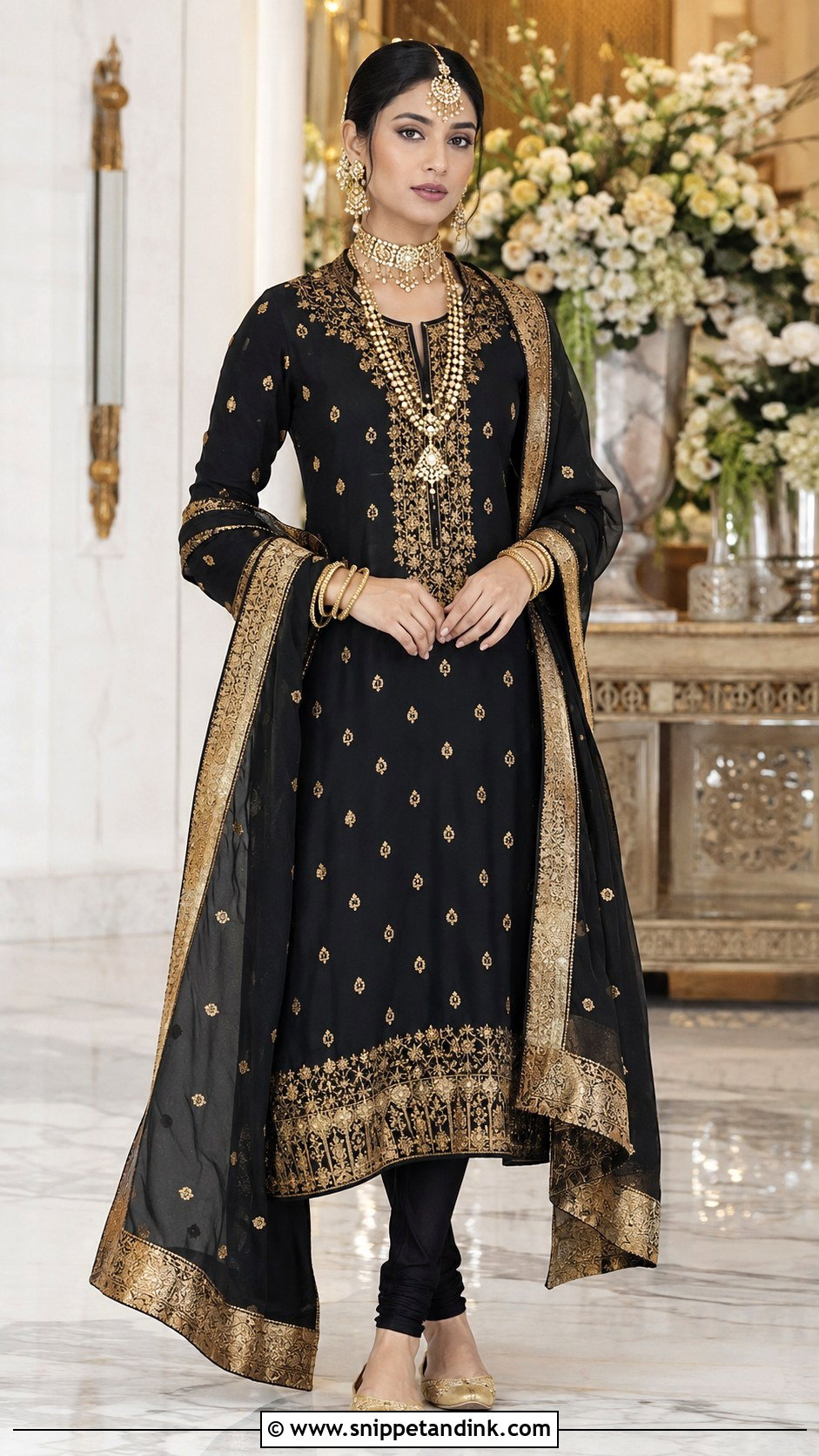
Black and gold is a strong evening statement, and I’d check with family first, since some households still avoid black at weddings. The black silk kurta is cut close with antique gold florals, worn over a fitted black churidar and closed-toe gold juttis. With a dark base, broad gold borders matter: they’re the only thing that shows where one pleat ends and the next begins. Small gold motifs scattered across the sheer body add detail without crowding. A statement gold choker, long necklace, jhoomar and bangles go with a plain black or gold potli. A polished low bun, kohl-lined eyes and a deep rose lip finish the look.
12. White And Red Khada Dupatta Contrast Outfit
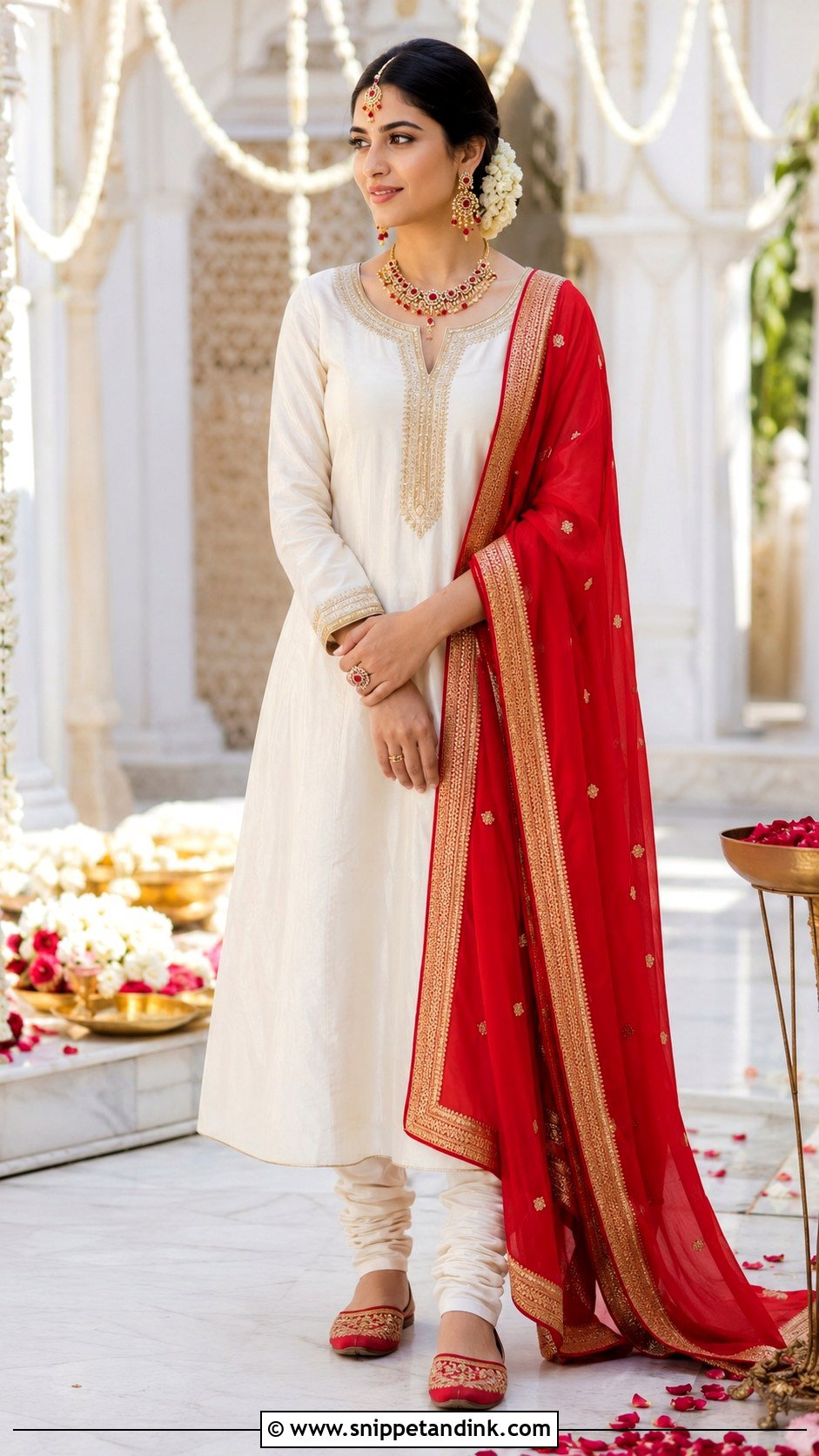
This is the combination that shows the drape best. A sheer red dupatta wrapped over an off-white kurta makes every fold visible against the pale base. The kurta carries red and gold embroidery at the neckline, cuffs and border, over an off-white churidar and red flats. Edge the dupatta in gold with delicate white florals. One caution from fittings: a strong red dye on sheer fabric can transfer onto ivory silk if it gets damp, so ask whether the dupatta has been color-tested before you wear it in heat. Gold jewelry with rubies or red beads, a low bun with white flowers and a classic red lip keep it crisp.
13. Antique Gold Khada Dupatta Bridal Outfit
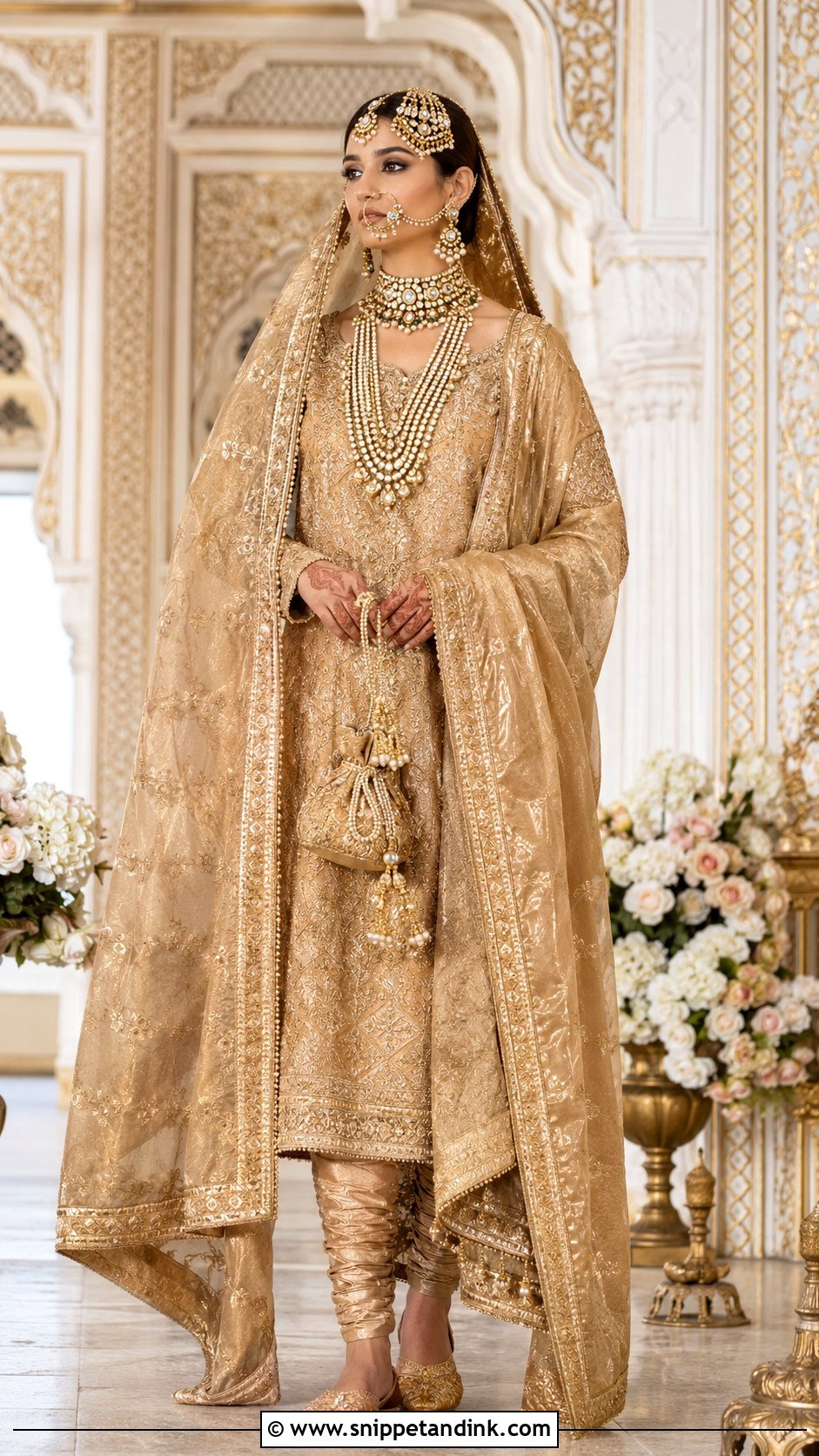
Antique gold gives bridal richness without leaning on a primary color, but monochrome gold needs contrast inside it. Silk or brocade for the kurta, with zardozi a shade or two deeper, and a matching churidar for a long, unified line. The tissue or net dupatta should be noticeably lighter or darker than the kurta. When the golds match exactly, the layers vanish into each other and the drape loses its shape in photographs. Embroidered juttis and a simple potli with pearl tassels sit under the heavy jewelry: a polki choker, satlada necklace, jhoomar, tikka, nath and bangles. Brown smoky eyes and a warm rose lip stop the palette from washing out.
14. Rose Pink Khada Dupatta With Green Jewelry
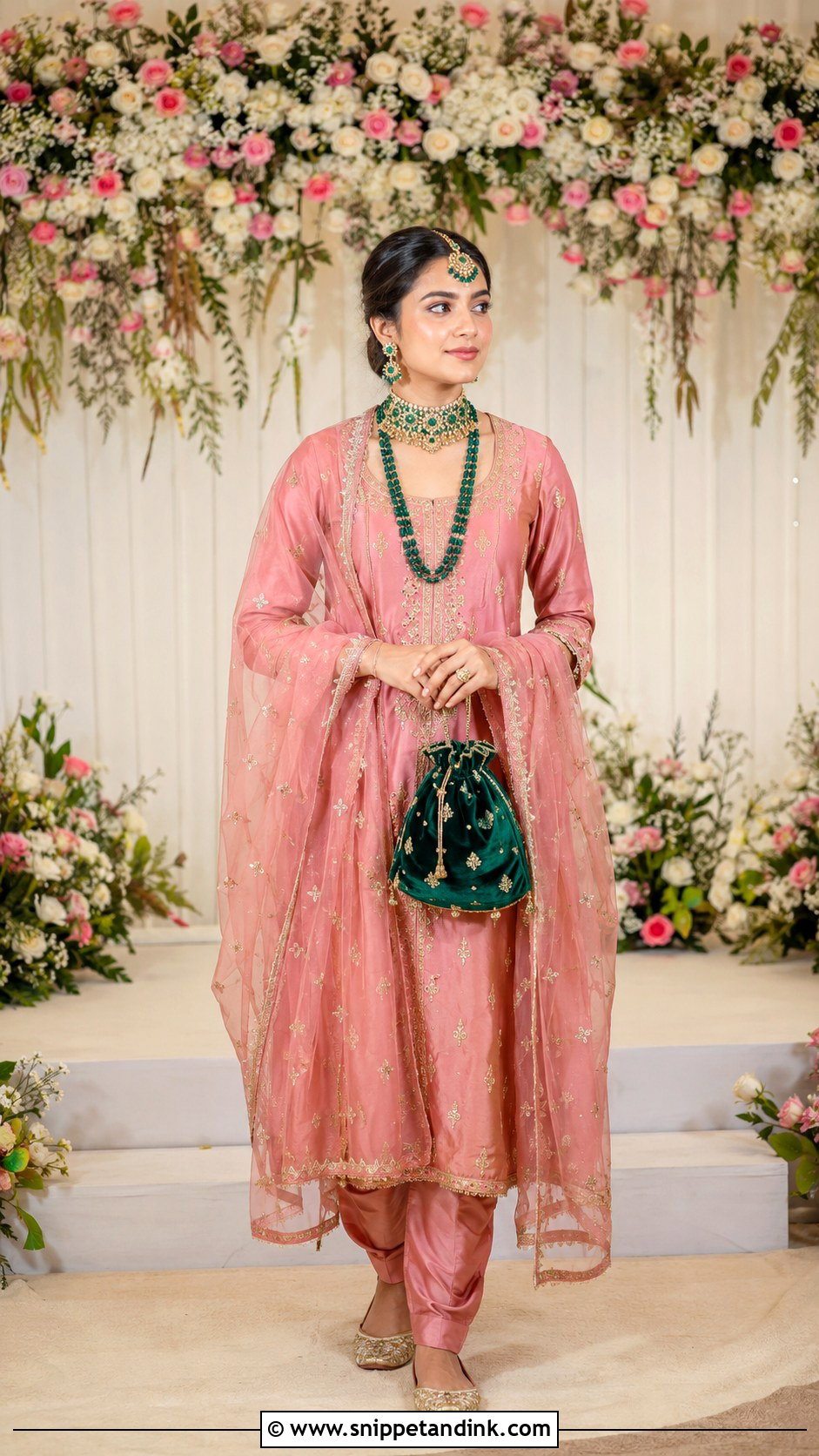
Rose pink with green jewelry is a contrast I return to often. The green lifts the pink rather than fighting it. The rose silk kurta has gold embroidery with small green accents in the florals, and gold juttis carry subtle green beadwork. A rose net dupatta with broad gold borders echoes the kurta’s motifs. Skip matching pink stones and go for an emerald choker, a green-beaded long necklace and a gold jhoomar instead. A green velvet potli repeats the accent. A low center-parted bun with small roses, soft gold eyeshadow and a medium rose lipstick complete it.

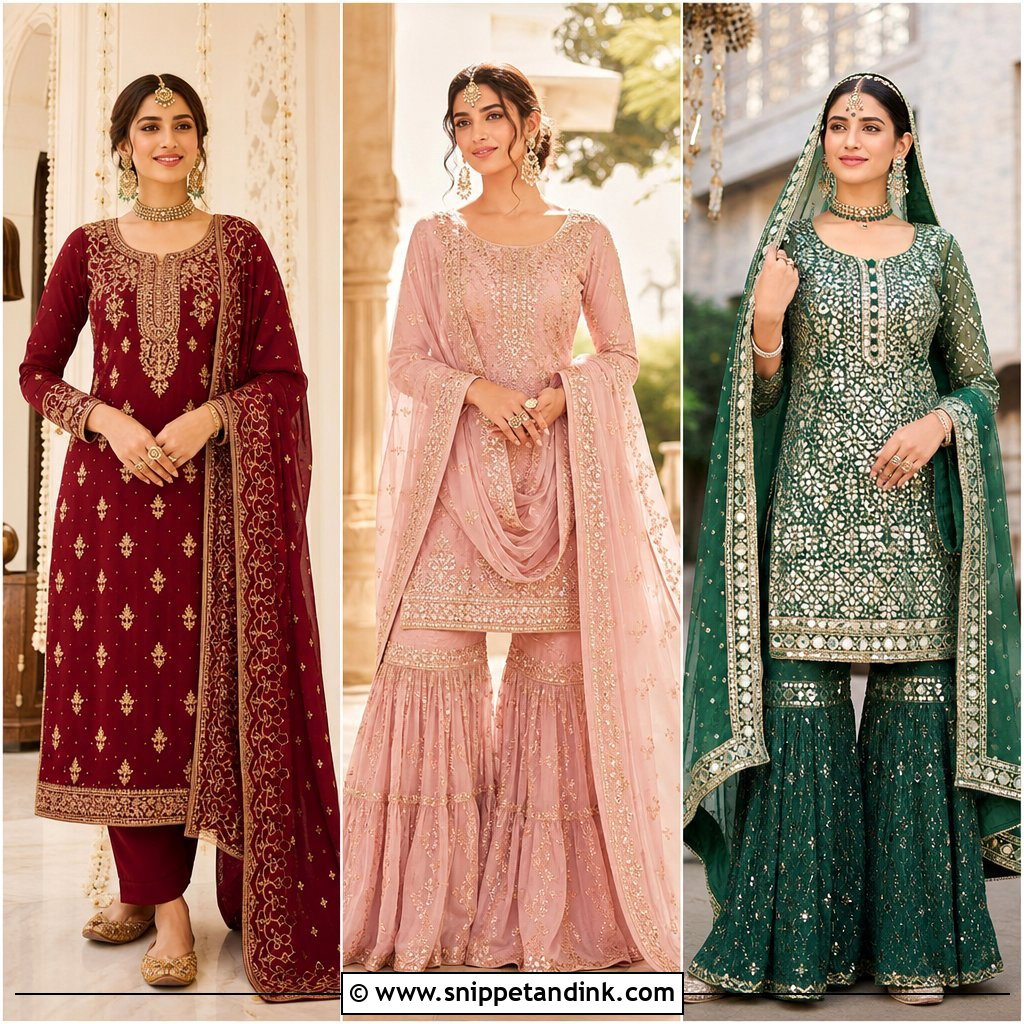
15. Navy Blue Khada Dupatta Formal Outfit
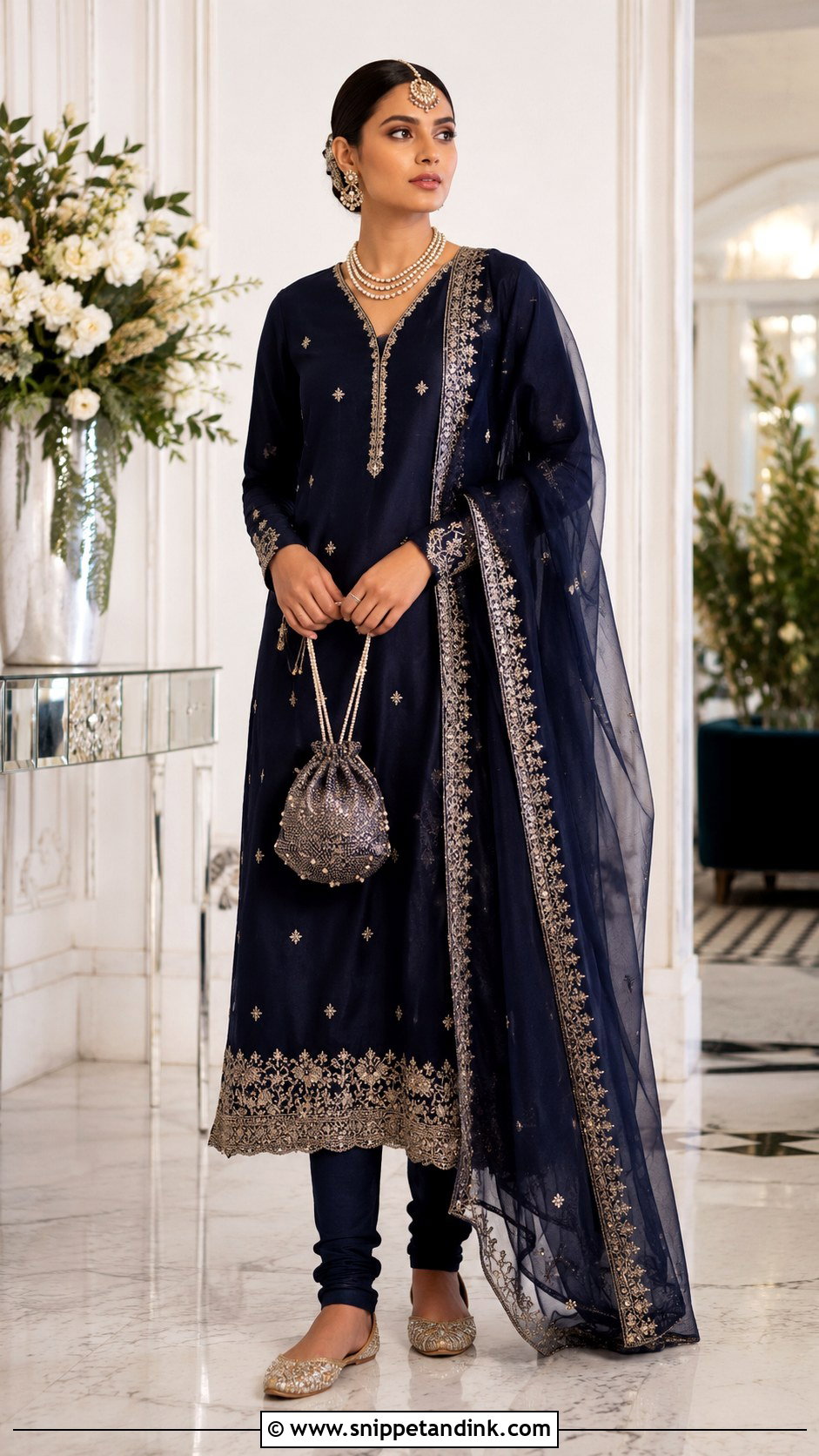
Navy has the weight of a dark formal outfit and reads softer than black, especially under warm evening light. Velvet or raw silk suits the kurta, embroidered in silver, antique gold or a mix of metals. Keep the churidar plain apart from a narrow ankle edge. A navy net dupatta with a structured metallic border shows the traditional drape without making the outfit heavy. I’d let pearls do the brightening near the face, through a layered necklace, jhoomar and earrings, because dark fabric absorbs light and can make the complexion look tired in photos. Metallic juttis, a matching potli, a smooth low bun and a plum lip finish it.
16. Pista Green Khada Dupatta Summer Outfit
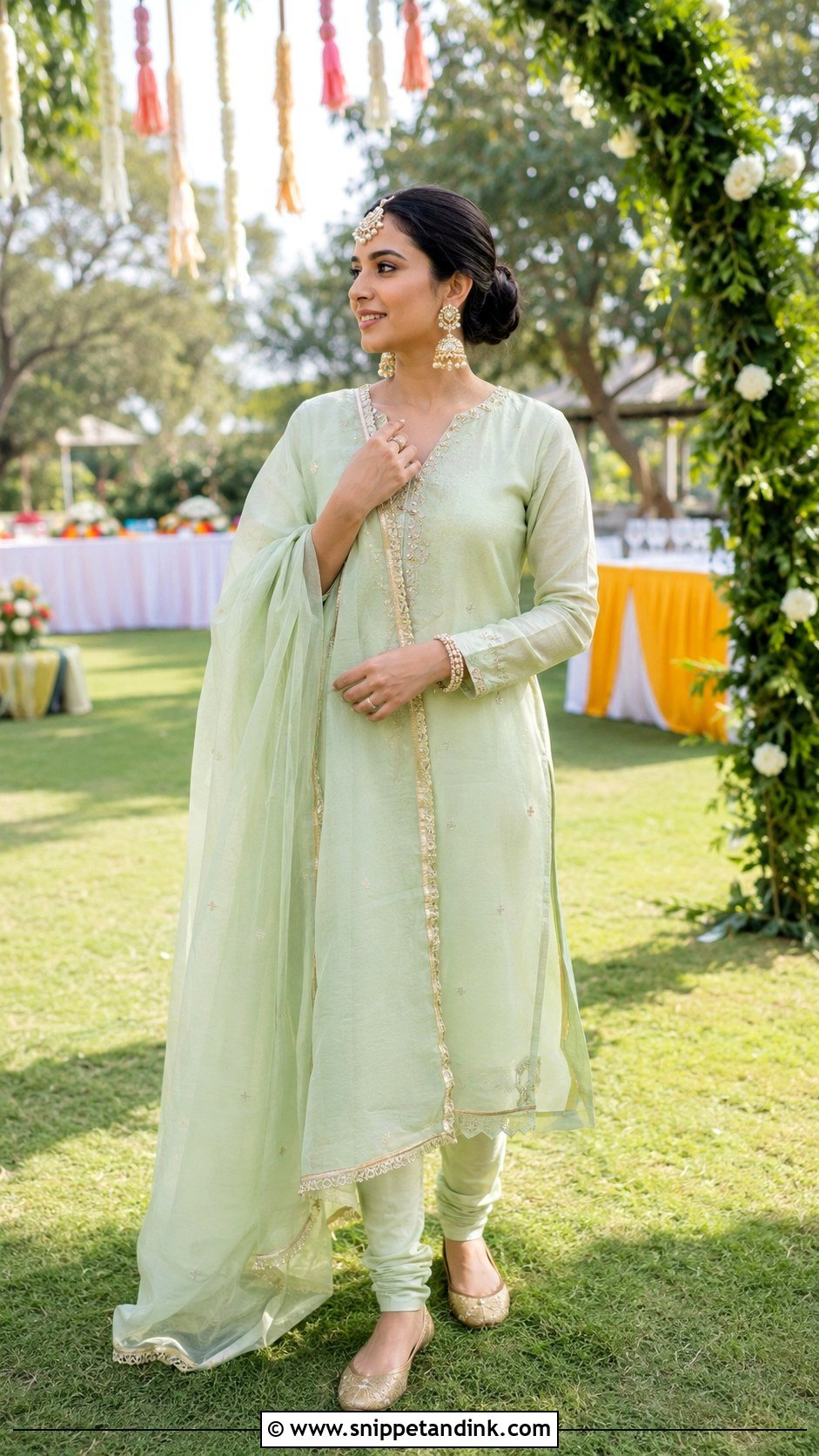
Pista green is the summer khada dupatta, and fabric matters more than color here. Silk-cotton or Chanderi breathes, three-quarter sleeves keep the wrists cool, and a soft churidar lets you move. An organza dupatta with fine gold borders gives the shape without the weight. Sweat is the real issue in heat: a damp churidar clings at the ankle gathers, so ask your tailor to leave a little extra ease there. Cushioned gold flats beat heels for long standing. Pearl and kundan suit pale green, with a small jhoomar for character. A low bun or secure braid manages the drape in humidity, with waterproof liner and a natural rose lip.
17. Coral Khada Dupatta Festive Outfit
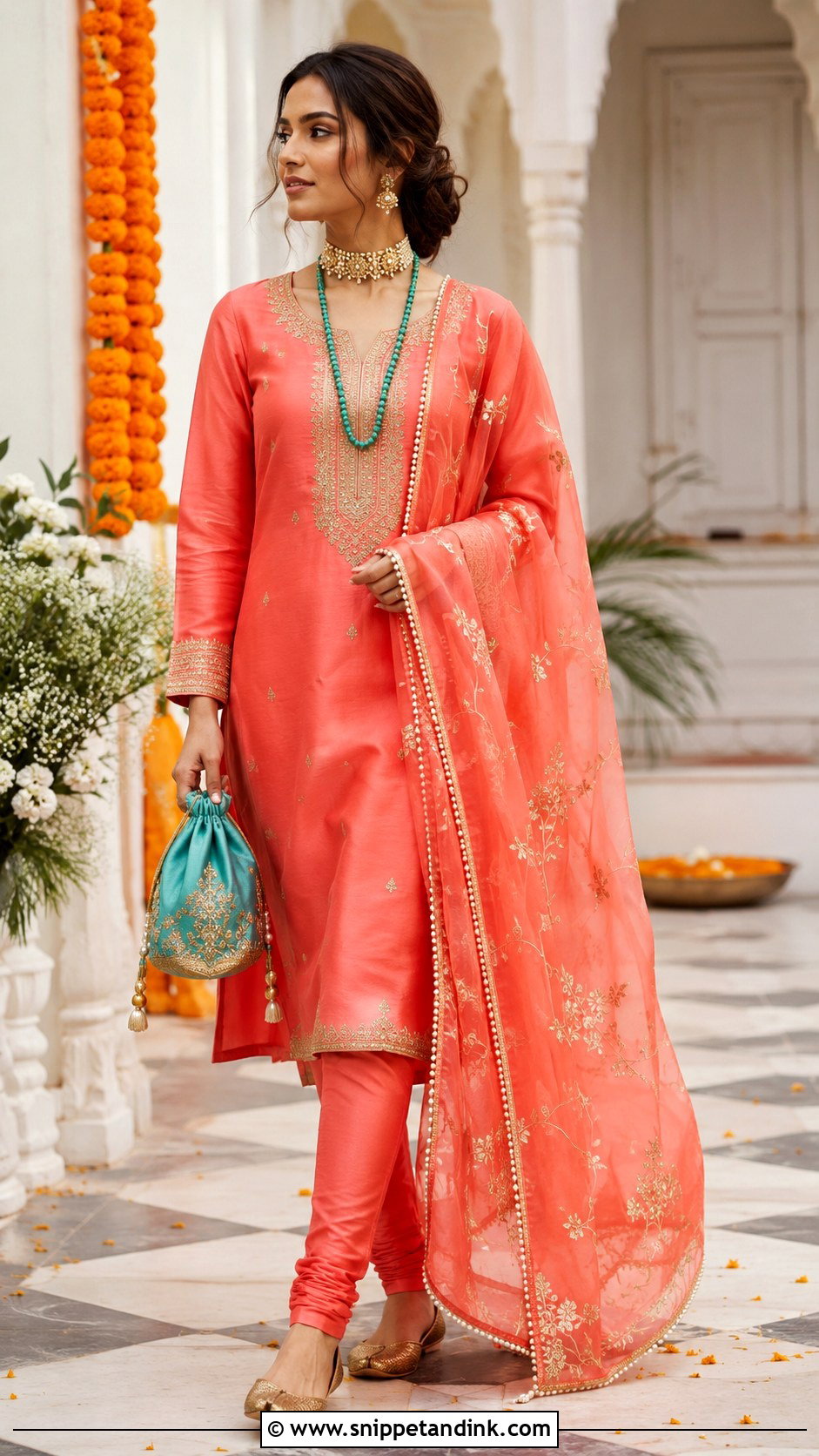
Coral is warm and lively, and less intense than a full red. A coral silk kurta with gold threadwork and small turquoise or green details goes with a coordinated churidar and gold flats. The dupatta is coral net with metallic embroidery, pearl edging and occasional florals. Pearl edging is heavier than it looks, and it swings, so this is a drape where I pin every important fold rather than trusting the shoulder brooch alone. A kundan choker, a long necklace with colored beads, statement earrings and a restrained jhoomar, plus a turquoise potli to repeat the accent. A textured low bun, bronze eyes and a coral-rose lip finish it.
18. Floral Khada Dupatta Daytime Outfit
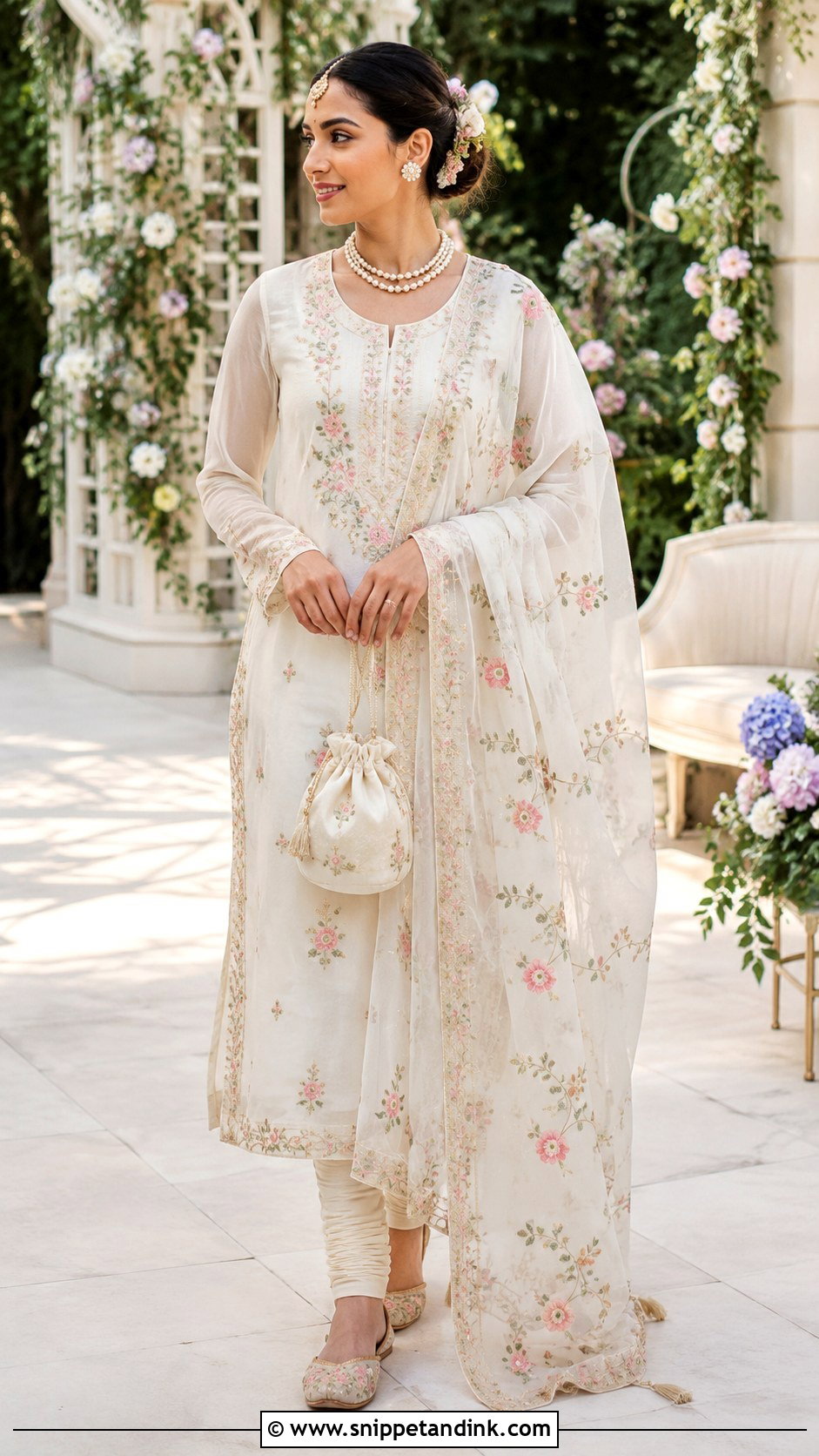
Floral embroidery makes the khada dupatta lighter and better suited to a daytime family gathering than a formal nikah. The kurta can be ivory, pale pink or mint with small multicolored motifs instead of dense metallic work, over a plain churidar in its base color. Choose a sheer dupatta with spaced floral vines and a medium-width border. A wide border would overpower such small motifs. Pastel juttis and a softly colored potli continue the garden palette, and jewelry stays refined: pearls, floral kundan earrings, a slim necklace and a small jhoomar. A braided bun with fresh flowers tucked at one side and a rosy lip complete it.
19. Short Kurta And Koti Khada Dupatta Outfit
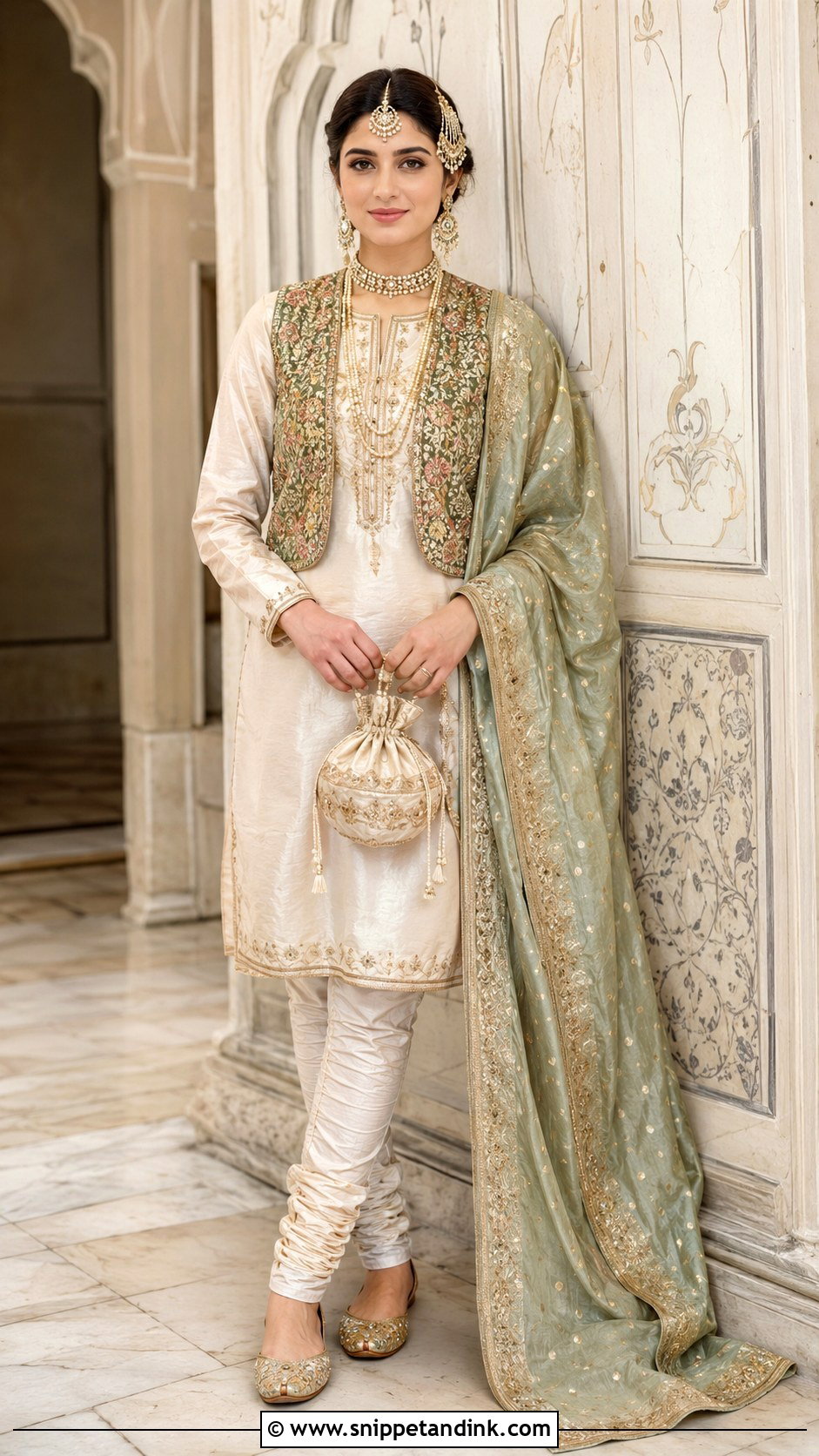
A short kurta with a fitted koti is actually close to how the older Hyderabadi ensemble was cut, and it’s a good option if you’re short-waisted. A waist-length silk kurta sits under an embroidered sleeveless koti fitted through the bodice, with a churidar showing clear gathers at the ankle. The long dupatta should match the koti’s border and embroidery so the layering looks intentional. Watch the necklace lengths: a long pearl strand that falls past the koti’s edge breaks the line, so I size it to stop just above. Traditional juttis, a small potli in one embroidery color, a choker, tikka and jhoomar, a sleek bun and a neutral rose lip finish it.

20. Minimal Khada Dupatta Wedding Guest Outfit
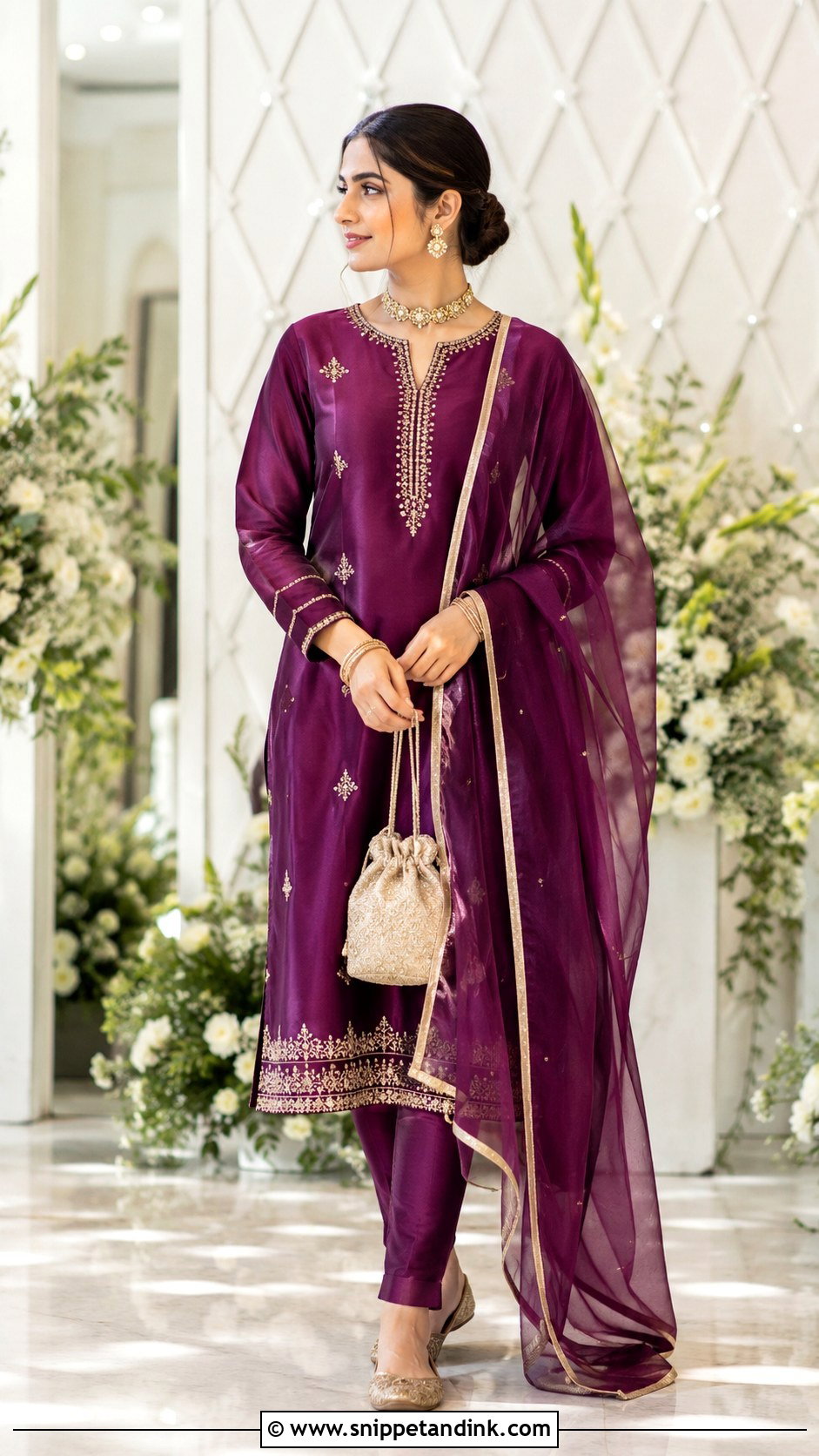
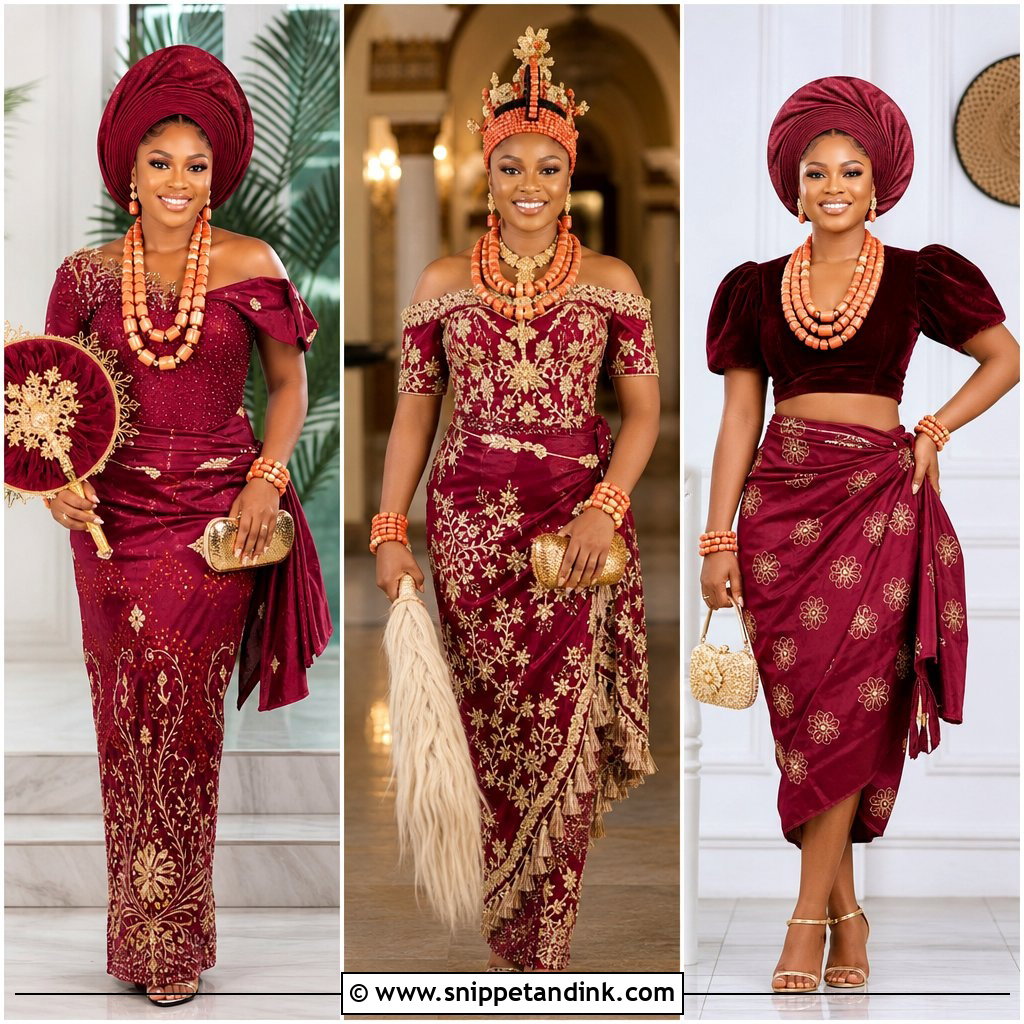
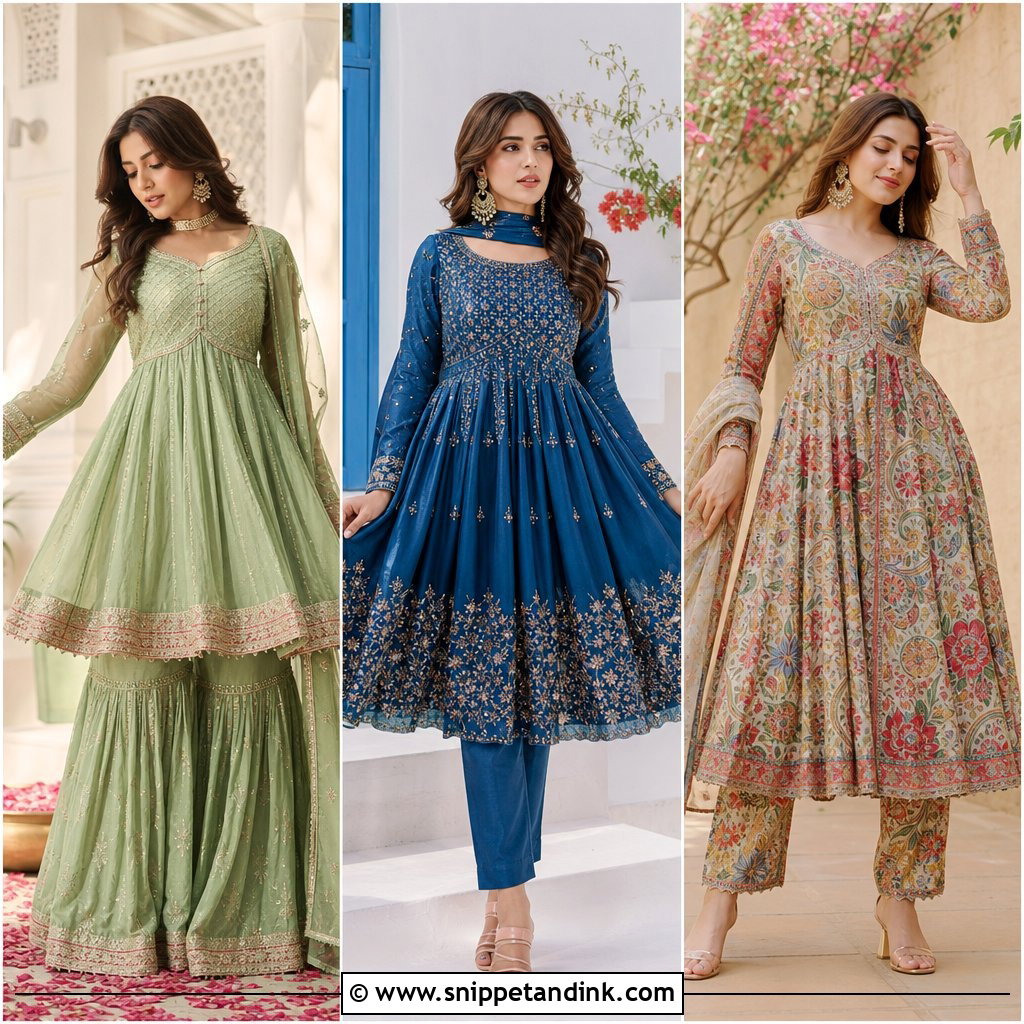
Guests can wear a khada dupatta respectfully, as long as it carries less weight than the bride’s. Start with a plain jewel-toned or pastel silk kurta with moderate embroidery at the neckline and cuffs, a matching churidar and comfortable embellished flats. The dupatta should have one prominent border and subtle scattered motifs, never dense bridal zardozi. I’d also skip the heavy jhoomar and full head jewelry, which reads as bridal. Choose one focal piece, such as a kundan choker or a long pearl necklace, with medium earrings and slim bangles. A small potli, a low bun or braid, soft eyeliner and a muted lip keep it understated.
Net, Tissue or Organza Under All Those Pins
The fabric of the dupatta decides how the drape behaves over a long evening, more than the color or the embroidery does. I test each one by pleating a section in my hand and letting go.
- Net holds a pleat well and stays light, which is why it suits most of the looks above. Very soft net goes limp once it’s been handled, so ask for a firmer weave.
- Tissue has a metallic sheen and crisp body, which makes the pleats sharp. It also creases hard when you sit, so stand for portraits before the dinner, not after.
- Organza is springy and cool to wear, but it fights flat pleats and needs an extra pin at each fold.
- Pure chiffon and georgette collapse under a six-metre drape. Save them for the head ghoonghat.
Whatever you choose, ask for the border to be lined or backed. An unlined zardozi border scratches the inside of the arm where the free ends rest, and by the rukhsati you’ll feel it.
Keep the Proportions Hyderabadi, Then Play With Color
Heritage reds, contemporary pastels, seasonal fabrics and lighter guest versions all fit this traditional silhouette, as long as the base stays right. That base is a fitted kurta, a comfortable churidar and a dupatta structured enough to hold its pleats. Build the shoes, jewelry, hair, makeup and potli around one clear color story from there. Brides can carry heavier borders and full ceremonial jewelry; guests and daytime events are better served by lighter fabric and less decoration. What you shouldn’t change is the proportion of the drape. Do a full practice run with the person dressing you, and treat good tailoring and secure pinning as part of the outfit itself.
You'll Like These Ideas:


Leave a Reply