
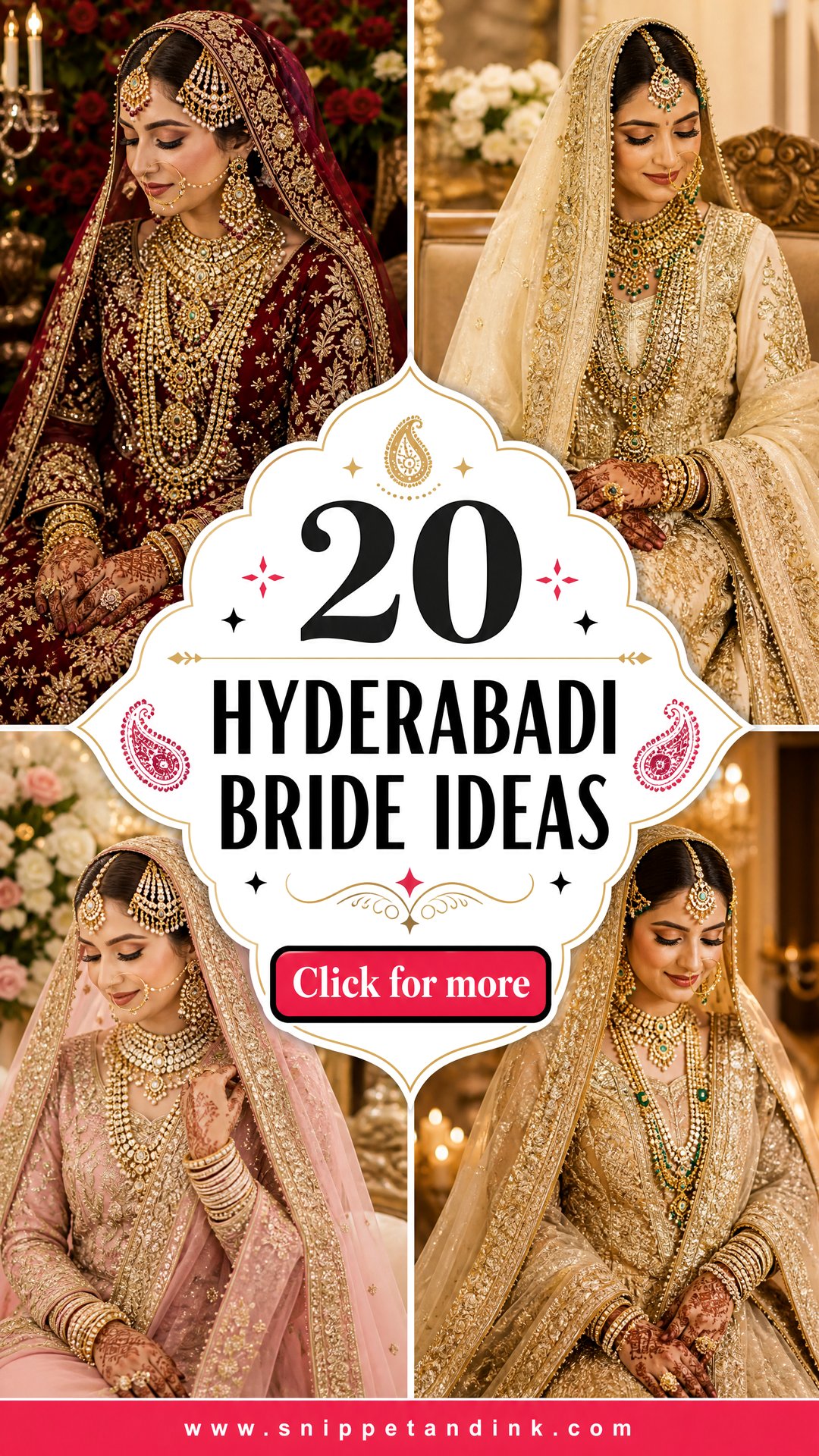
A Hyderabadi bridal look rests on a few pieces that have barely changed in generations: the long kurta and churidar, the khada dupatta, and a neckline built from a chintaak, pearls and a satlada. The khada dupatta is still the signature for many Hyderabadi Muslim brides, and as a stylist I treat it as the piece every other choice has to answer to. Its upright drape covers the head and falls over the shoulders, so it decides how high the jewelry can sit and where the hair goes. A passa, kan phool earrings and jadau work complete the traditional set. Below are twenty head-to-toe looks, from classic red to pastel nikah outfits and colorful mehndi combinations, with notes on what each one asks of the bride wearing it.
How a Khada Dupatta Is Pinned So It Stays Upright
Khada means standing, and the name describes the drape: the dupatta is held up at the head and falls in a straight line instead of slipping off the shoulder. Getting it to stay that way is a pinning job, and I do it after the hair and jewelry are finished, never before.
- Hair first. A low or mid bun gives the pins something solid to grip; an open hairstyle lets the whole drape slide back within the hour.
- Then the head. I fix the dupatta into the bun and at both sides of the crown with U-pins and small safety pins through the fabric, keeping clear of the passa so it still hangs freely.
- Shoulders and front. One length falls over the shoulder in pleats or a clean fold, pinned from the underside at the kurta’s shoulder seam so no pinhead shows in photos.
- A waist anchor. A hidden pin or a tuck at the waist stops the pleated side swinging when she bends to sit or sign.
Bring the real dupatta to the hair trial, not a stand-in. Organza and tissue hold a crisp edge but slip; heavy silk stays put but pulls the bun backward over a long evening. Six yards is the classic length, and a much shorter piece usually can’t make the full upright fall.
1. Red Khada Dupatta Hyderabadi Bride
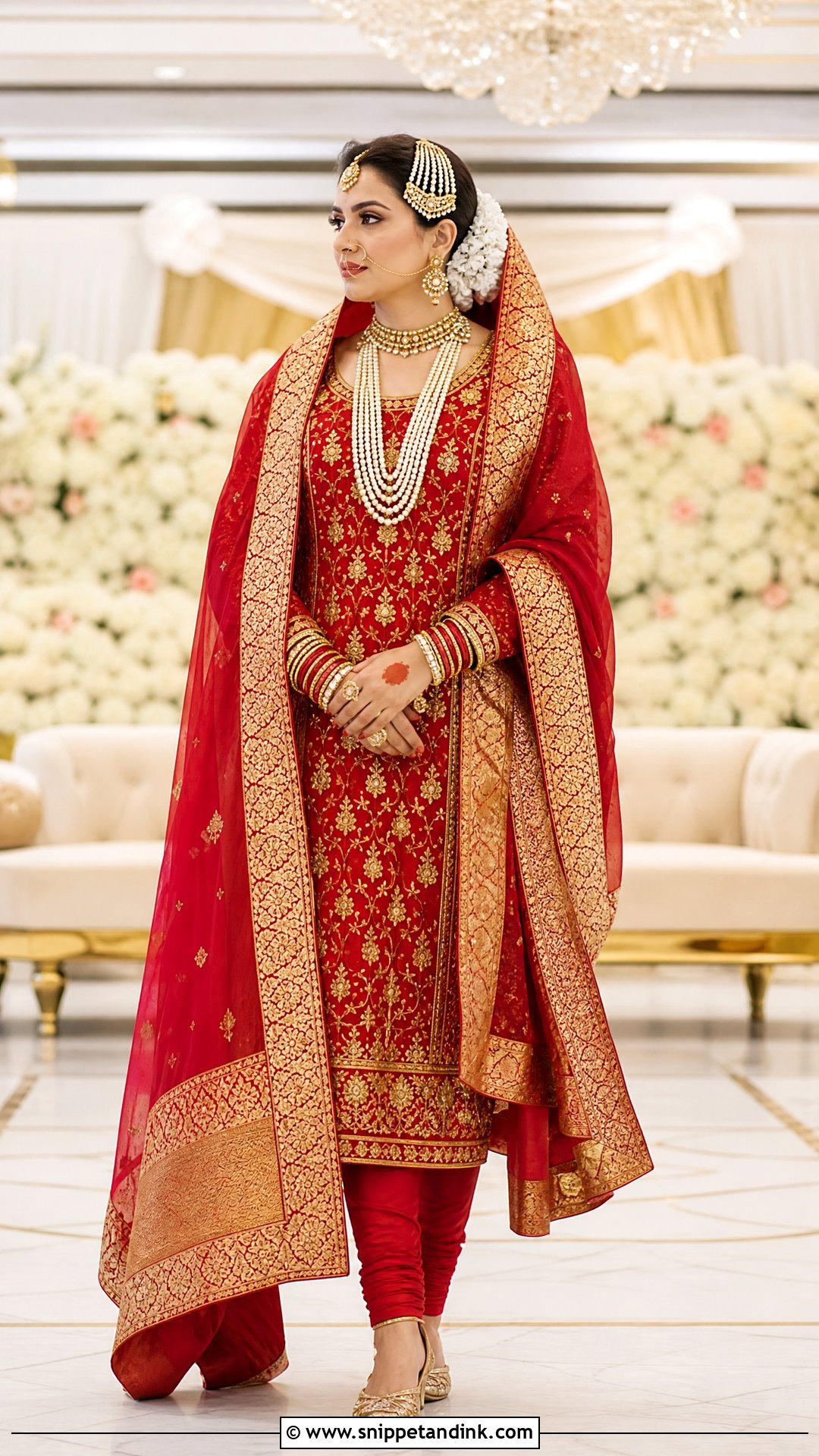
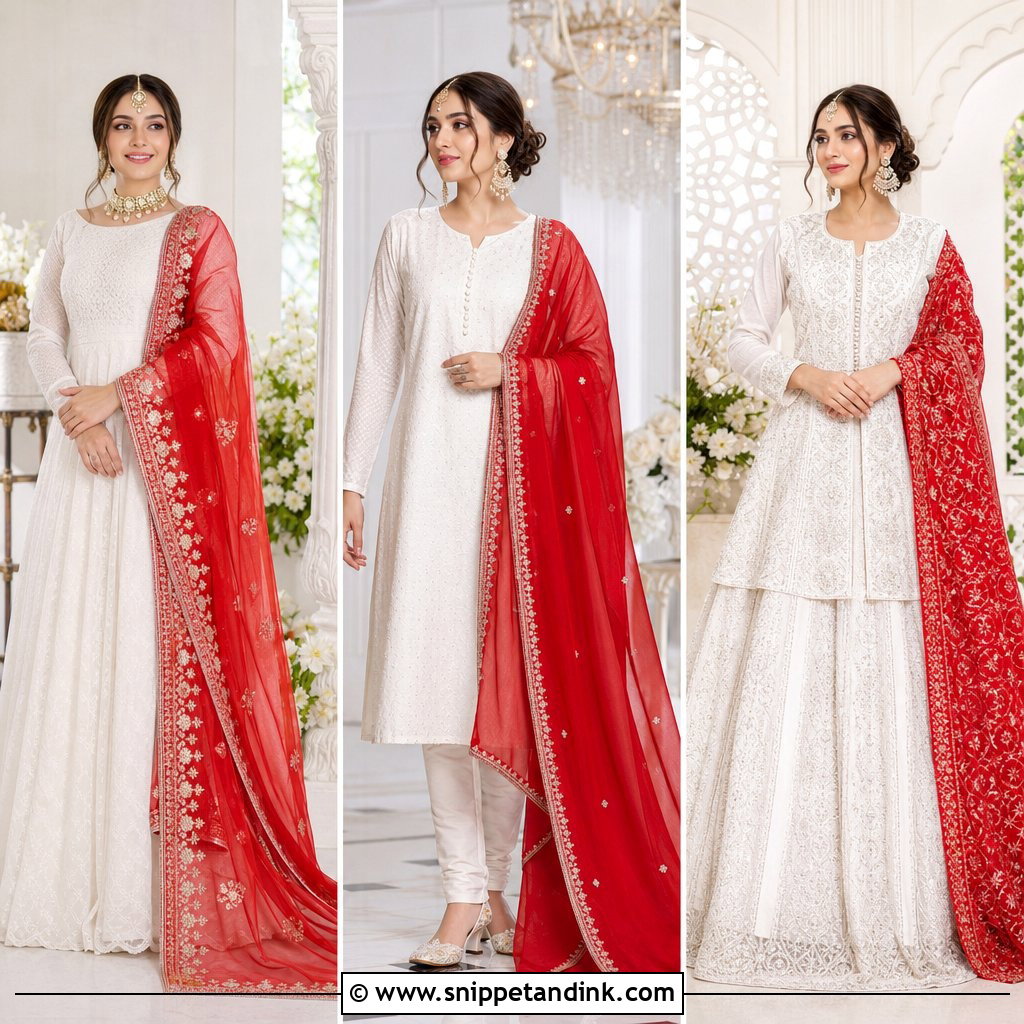
Deep red is the look most families picture, and it is the easiest to get right because the jewelry tradition grew up around it. I’d pair a fitted long kurta with gold zardozi, a coordinating churidar and a six-yard dupatta with a wide embellished border. Watch the drape at the shoulders: it should sit over both and leave the kurta front open, or the zardozi you paid for disappears. Then layer a gold chintaak, the satlada, passa, tika, kan phool and a traditional nath. Red glass bangles between gold kadas, a sleek center-parted bun with jasmine, defined eyes and a muted red lip keep the face from fighting the jewelry. Embroidered gold juttis finish it.
2. Maroon Zardozi Hyderabadi Bride
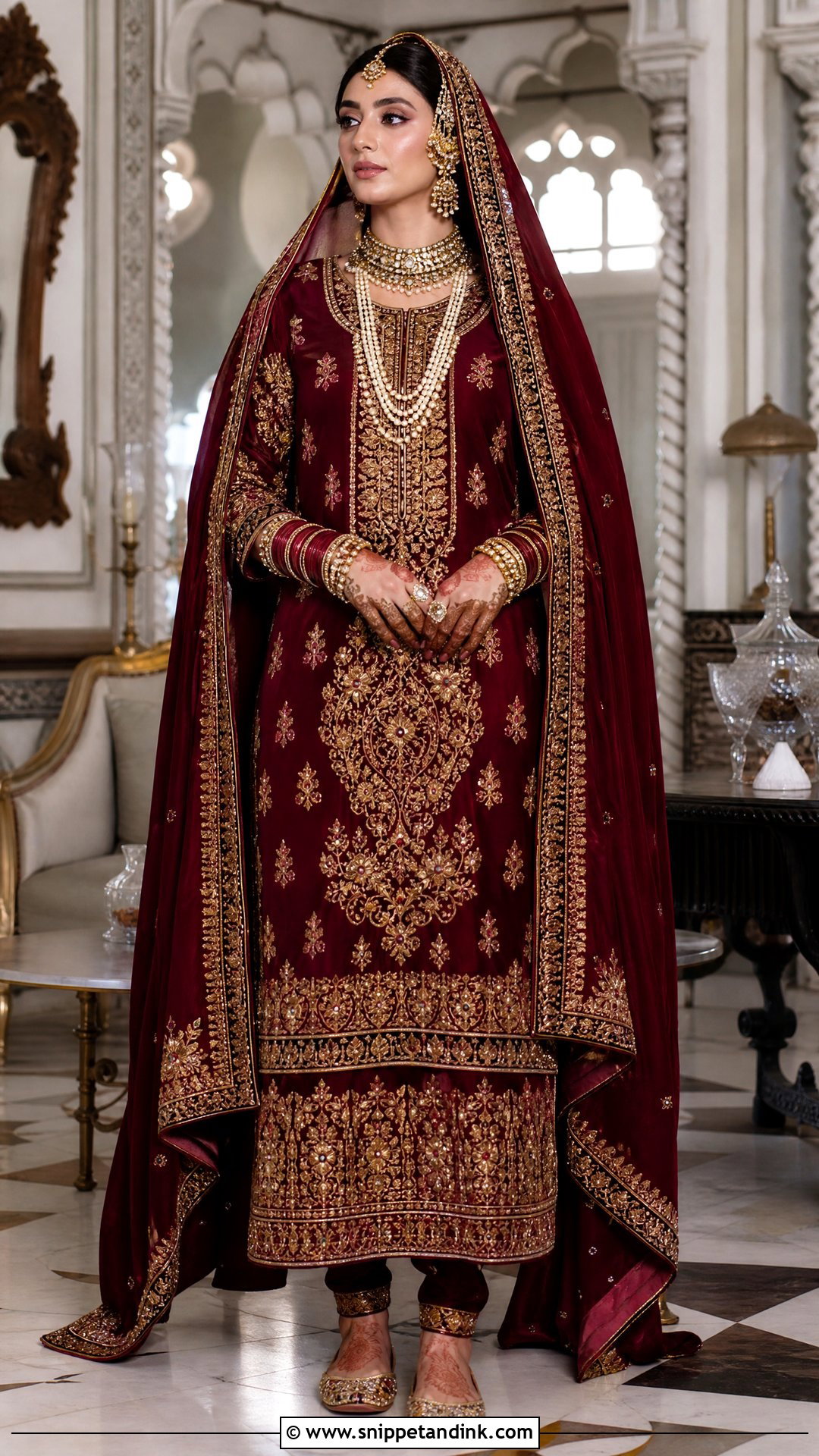
Maroon has red’s richness with more depth, and in velvet it can read almost black under warm evening light, so I always look at the fabric under lighting like the venue’s before committing. A velvet or silk kurta with antique-gold zardozi at the neckline, sleeves and hem goes with a slim churidar and a maroon khada dupatta whose structured borders hold the drape. Bright yellow gold looks brassy against this shade; antique jadau sits far better. Try a close choker, a long pearl satlada, statement earrings with sahare and a side passa. A low bun with a few face-framing strands, warm neutral makeup, softly smoked eyes and a berry lip suit it, with padded juttis or gold platforms for comfort.
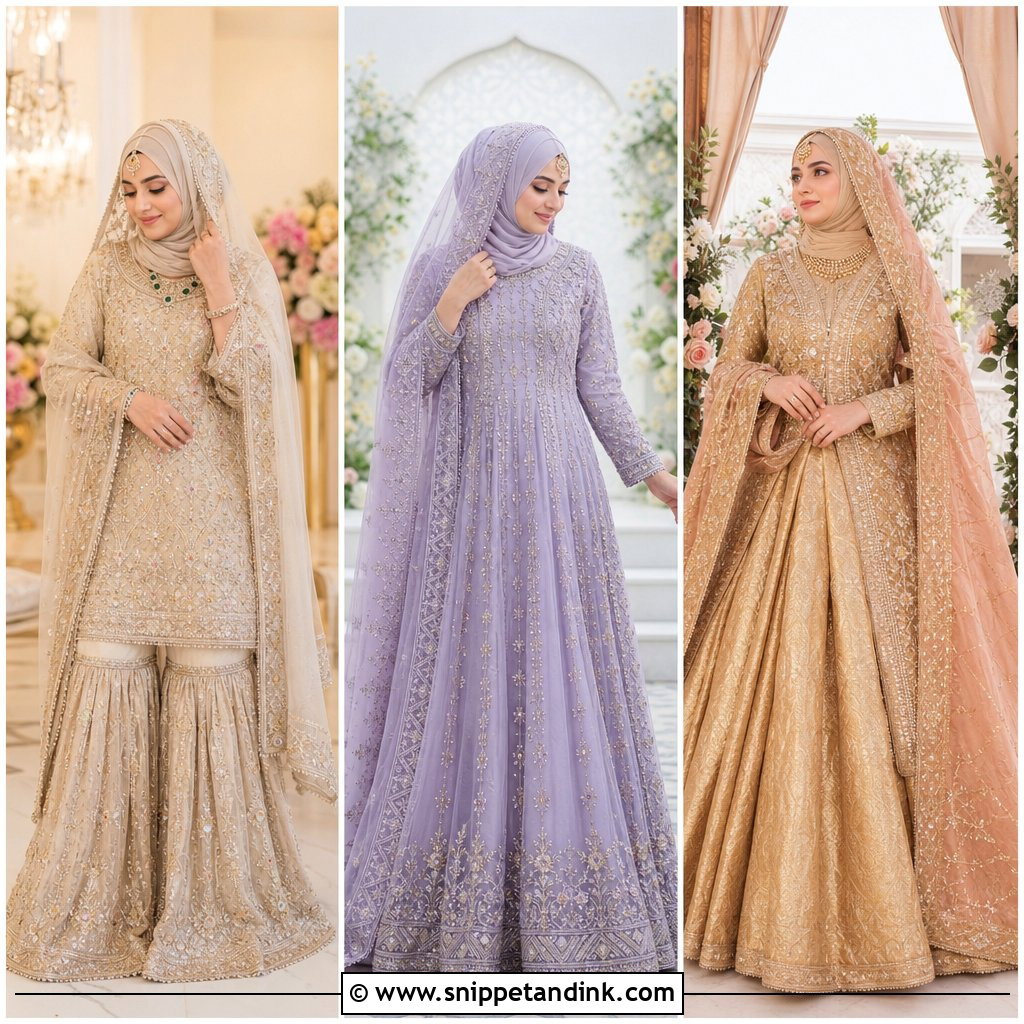
3. Ivory And Gold Khada Dupatta Hyderabadi Bride
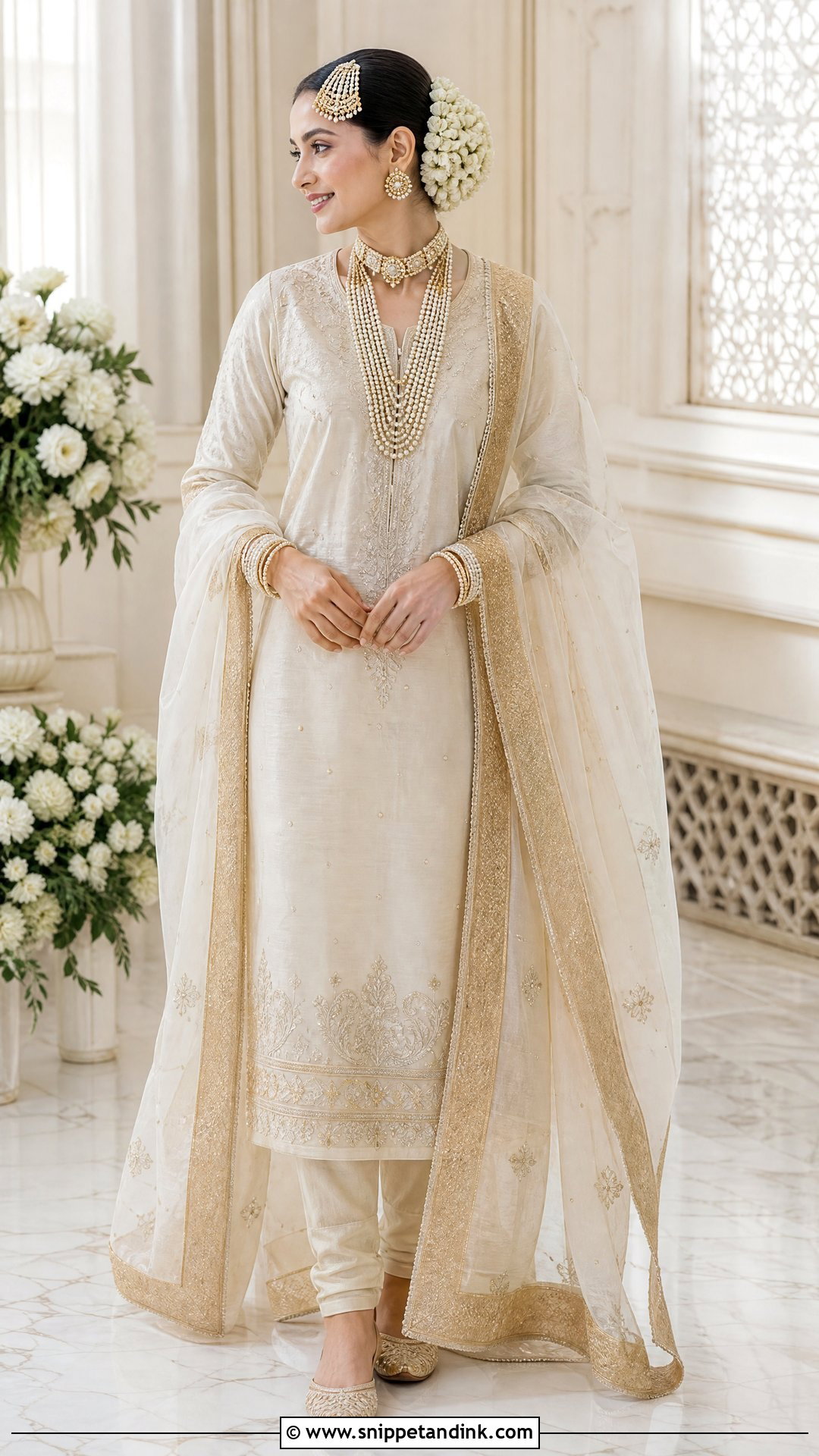
Ivory shows embroidery in a way red never does, because every dabka coil and pearl throws its own small shadow. The catch is that ivory silk picks up foundation at the collar and oil from fresh mehndi, so I ask brides to dress after makeup and keep a cotton cloth over the neckline until the last minute. Start with an ivory silk kurta in gold dabka, pearl and sequin work, matching churidar and a light organza khada dupatta with a broad gold border. It suits a daytime nikah or an indoor ceremony. Layer a pearl choker with the seven-strand satlada, add delicate kan phool, a small passa and a refined tika, and keep bangles to ivory, pearl and gold. A smooth bun with white flowers, champagne eyes and a soft rose lip finish it.
4. Emerald Green Hyderabadi Bride
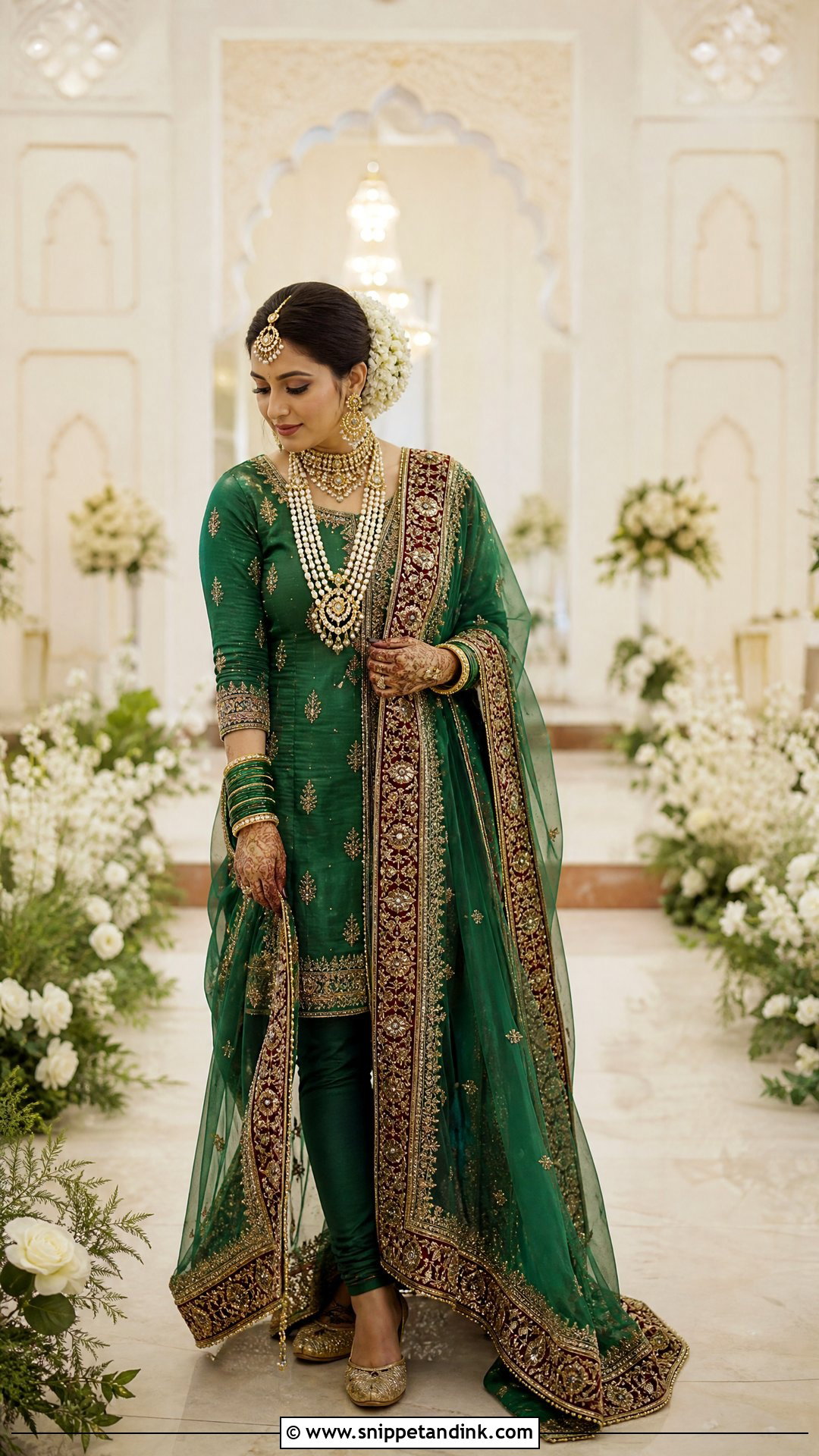
Emerald is the jewel-toned answer for brides who don’t want red, and the trick is the border. A long raw-silk kurta with antique-gold embroidery, a matching churidar and a green khada dupatta edged in maroon or deep pink gives the drape a clear outline. That matters, since a solid green dupatta tends to merge into the kurta in photographs. Kundan and pearl jewelry work here: a wide choker, a long layered necklace, a passa and earrings held up with pearl sahare. I stack green glass bangles between gold kadas. A center-parted braided bun with jasmine, fresh skin, kohl and a rose-brown lip keep it traditional, and gold juttis with a small embroidered potli complete the outfit.
5. Blush Pink Khada Dupatta Hyderabadi Bride
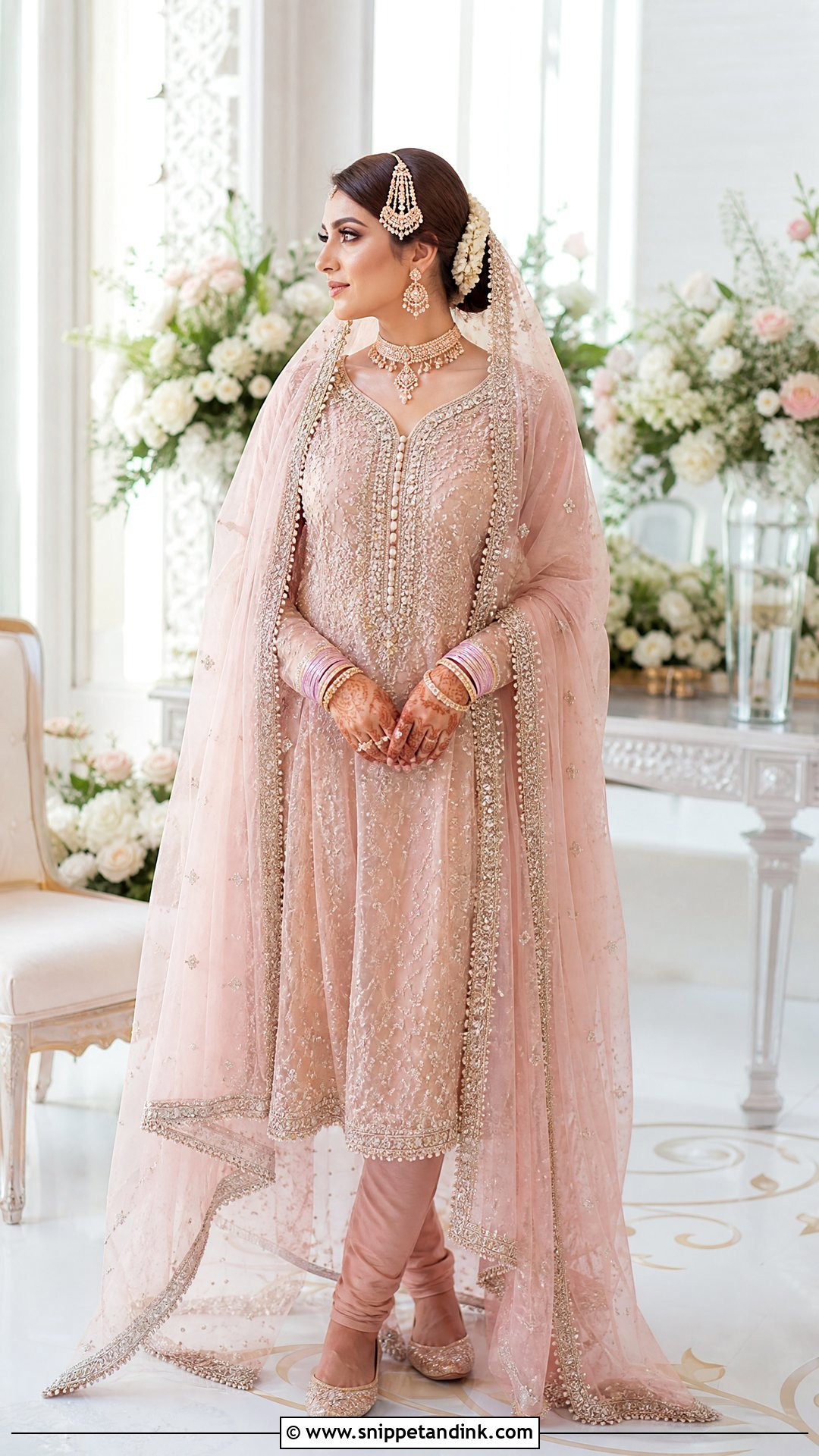
Blush is the shade brides rarely regret and cameras sometimes struggle with, because pale pink can wash toward white in strong daylight. Silver-gold thread, pearls and small crystals give it enough texture to hold up. Wear the pale pink kurta with a matching churidar for a long line, and choose a sheer khada dupatta so the drape moves without bulk. Rose-gold or light kundan suits the color. A pearl choker, a longer necklace, medium earrings, a delicate passa and a small nose ring are plenty. Pink and ivory bangles, a low textured bun with tiny white flowers, rosy cheeks and a pink-nude lip keep the face bright, with embellished blush juttis underneath.
6. Champagne Gold Hyderabadi Bride
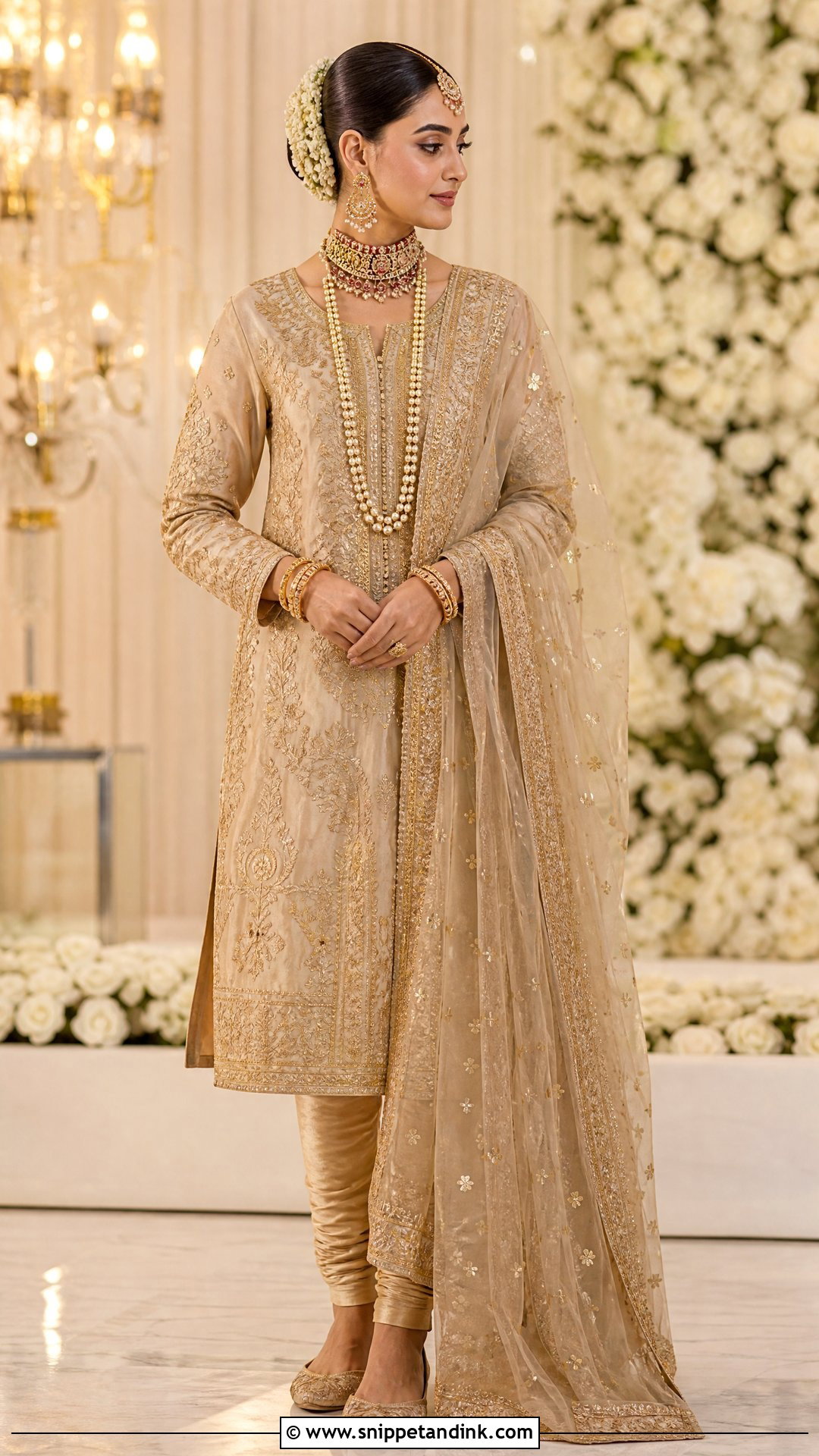
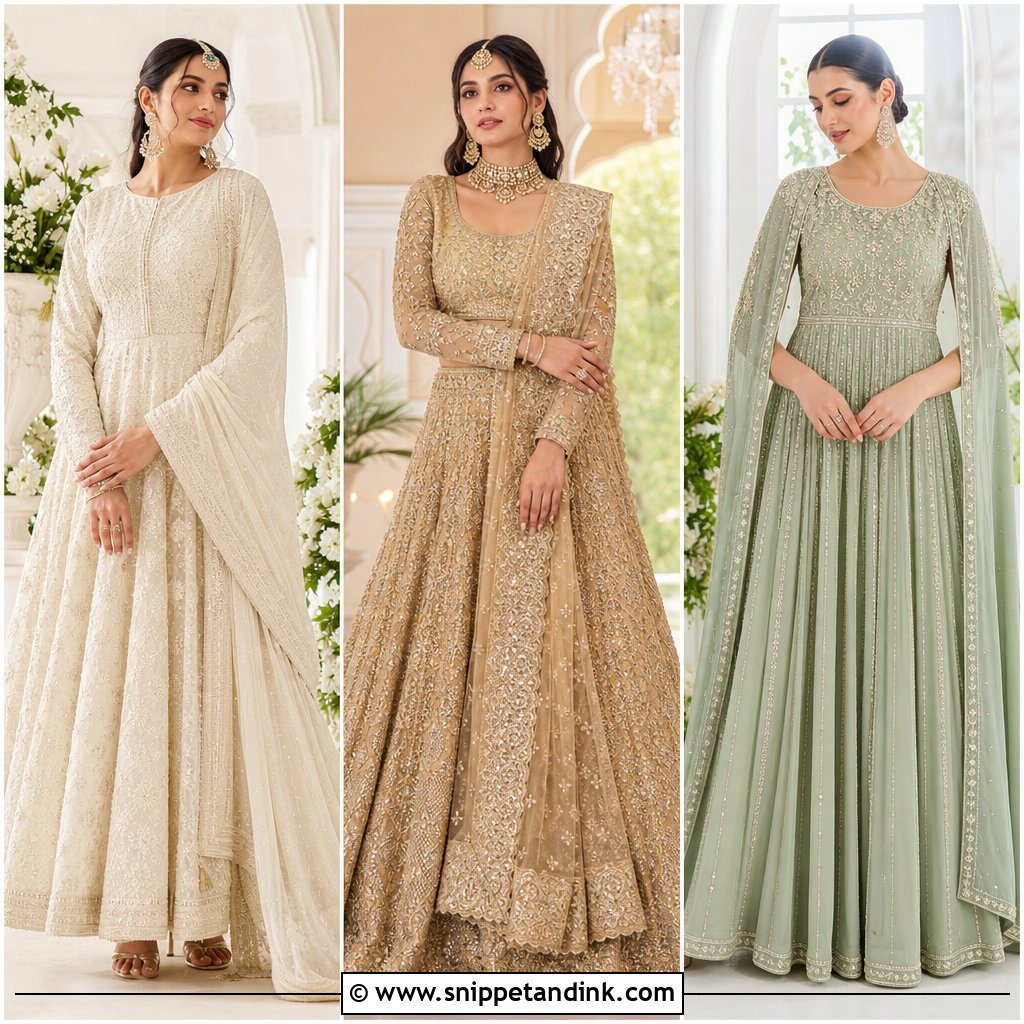
Champagne gold is a neutral, and neutrals need contrast or the bride disappears into a cream backdrop. I keep the kurta tonal, with zari, dabka and beading in the same family, and let ruby, emerald or deep maroon stones in the jewelry do the defining. Pair the silk kurta with a fitted churidar and a sheer champagne dupatta with a sculpted metallic border. A jadau choker, layered pearls, kan phool, passa and tika carry the tradition. Keep bangles mostly gold with only a few colored pieces. A neat bun, softly bronzed skin, brown liner and a classic red lip give the face enough edge for a bright ceremony space. Metallic juttis and a compact pearl potli finish it.
7. Purple Khada Dupatta Hyderabadi Bride
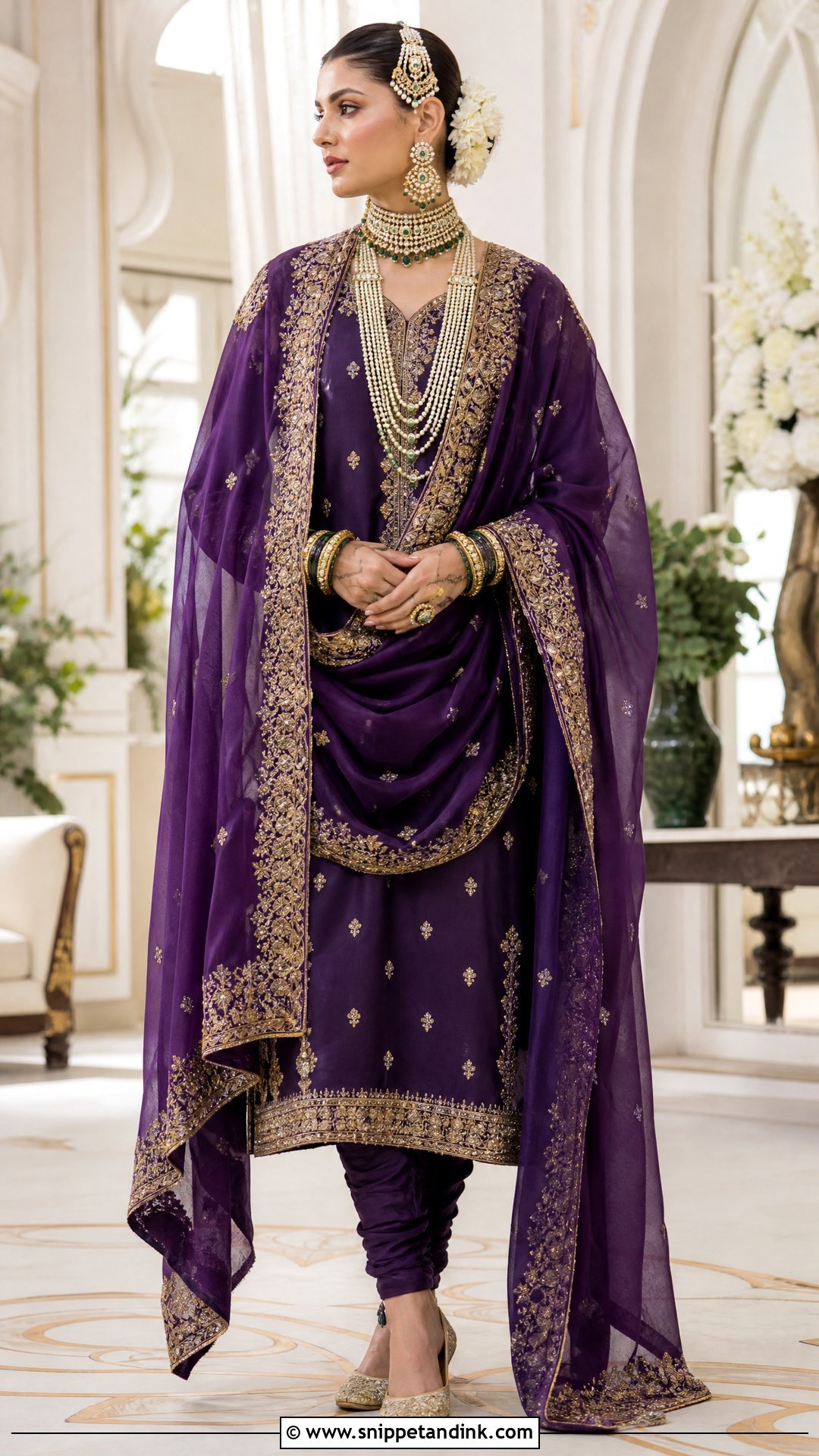
Purple is a fabric decision before it’s a color decision. Plum velvet absorbs light and looks rich in winter, aubergine silk catches it and suits a warmer month, and brocade sits somewhere between. Add matching churidar and a long khada dupatta embroidered with gold vines or architectural borders. Green stones lift the deep base, so I’d pick jewelry with emeralds, pearls and uncut-style detail. A broad choker over a long satlada builds the layered neckline grand Hyderabadi dressing is known for; add kan phool, a passa, bangles and a subtle nath. A smooth low bun ringed with jasmine, soft gold eyes, defined lashes and a plum lip stop the outfit from turning heavy.
8. Blue And Silver Hyderabadi Bride
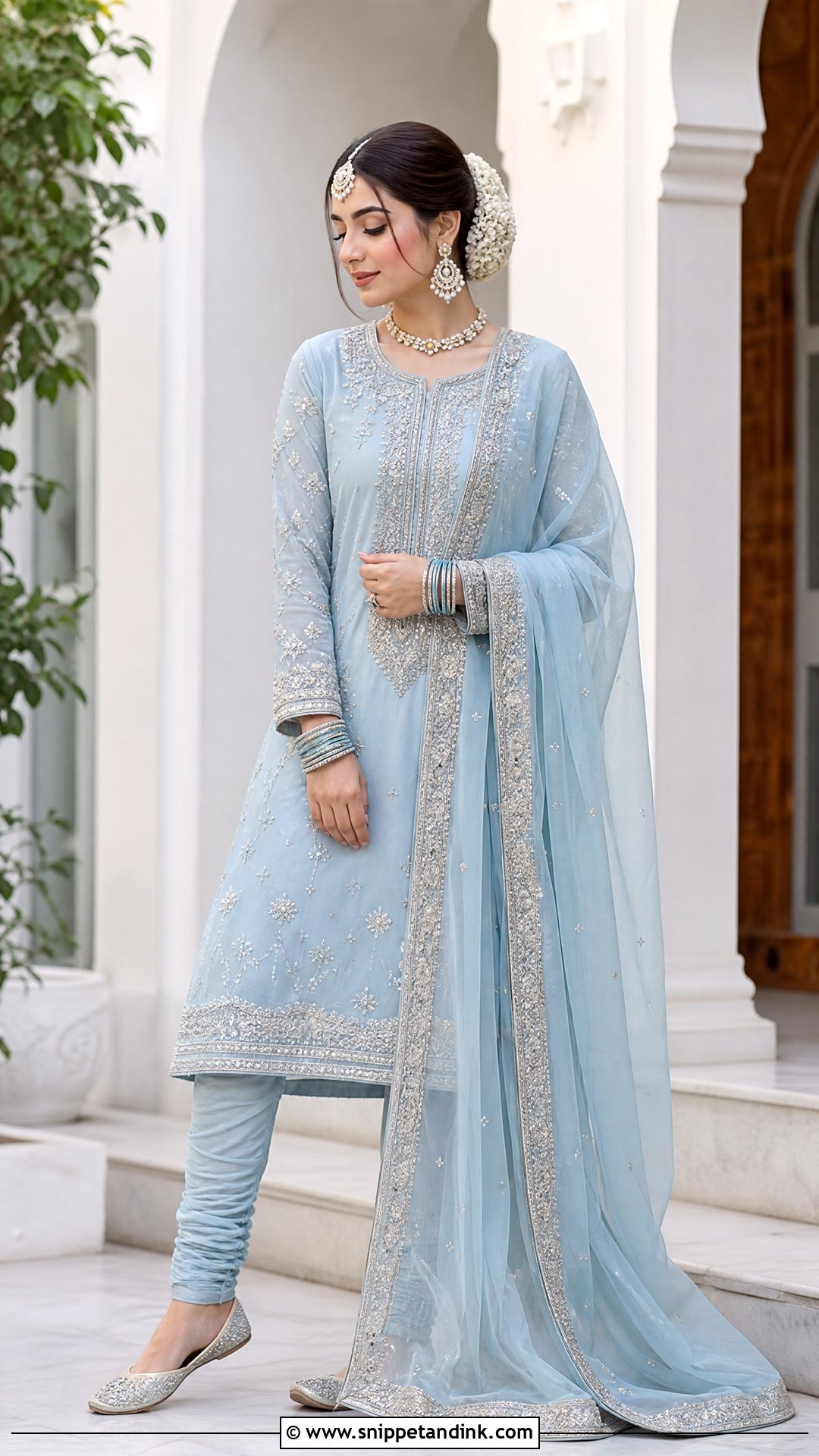
Powder blue and silver is a daytime outfit. I’d keep it for an engagement, a morning function or a modern nikah, since cool pastels can look flat under yellow evening bulbs. A structured kurta with silver zari, crystal and pearl work goes with matching churidar and an airy tissue or organza dupatta edged in silver. Stay with white pearls and silver-toned kundan, because one piece of yellow gold breaks the palette. A medium choker, long layered necklace, earrings with fine sahare and a small side passa give enough detail. Blue, silver and clear bangles, a tidy bun or a long braid with white flowers, cool neutral eyes and a rosy nude lip finish it.
9. Pastel Peach Hyderabadi Bride
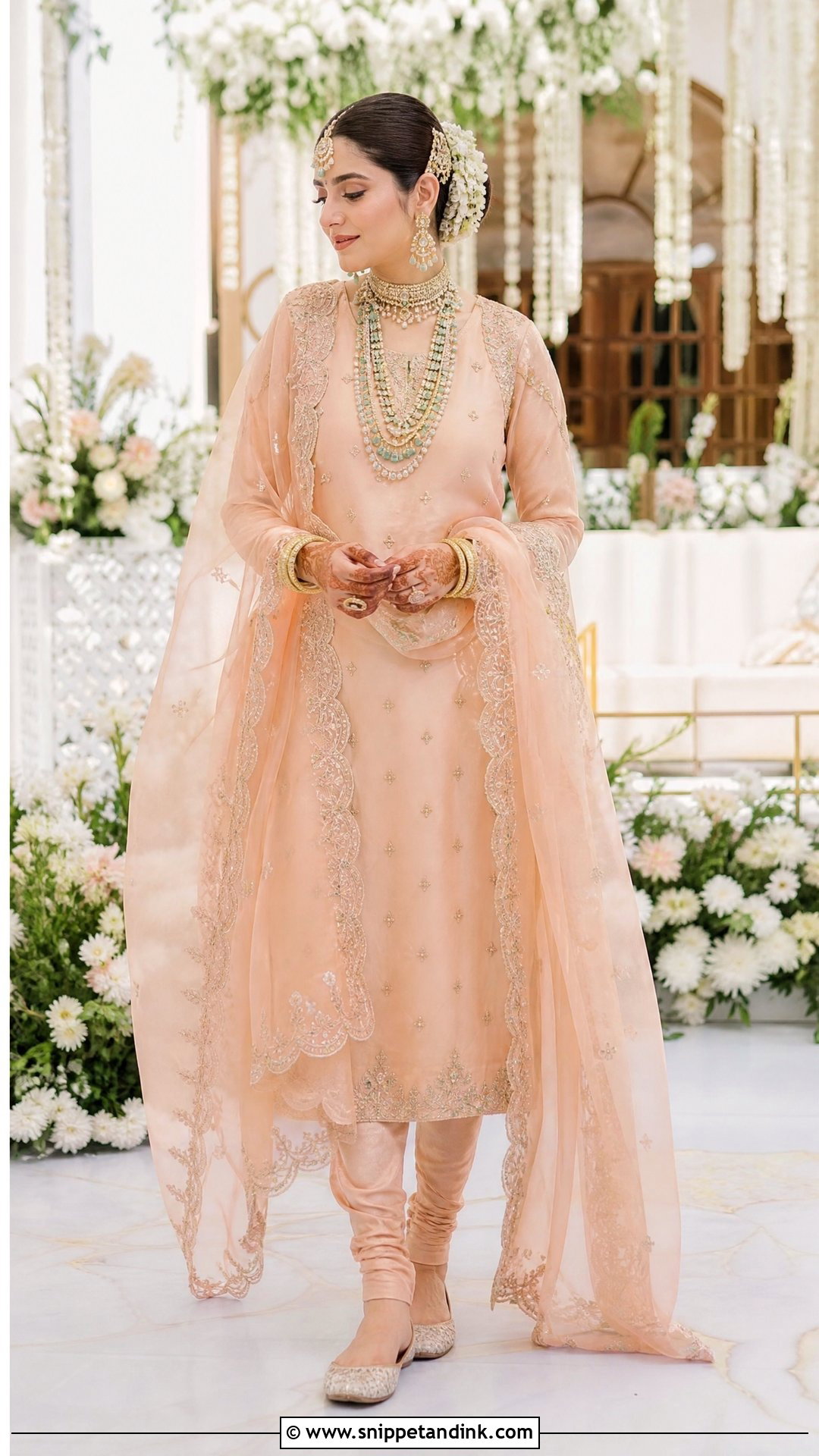
Peach is warm enough to flatter most skin tones in morning light, which is when I’d schedule it. A peach silk kurta with ivory threadwork, pearls and pale-gold embroidery stays detailed without weight. Combine it with matching churidar and a sheer dupatta edged in scalloped embroidery, then add a pearl and kundan choker, a longer necklace with soft green stones, delicate earrings, a passa and a fine tika. Ivory and peach bangles hold the color story. I like the center-parted bun with small roses and jasmine here because it reads tidy from the side, which is where most guests actually see the bride. Peach blush, softly lined eyes, a satin coral-nude lip, ivory juttis and a pearl potli finish it for daylight photos.
10. White And Gold Nikah Hyderabadi Bride
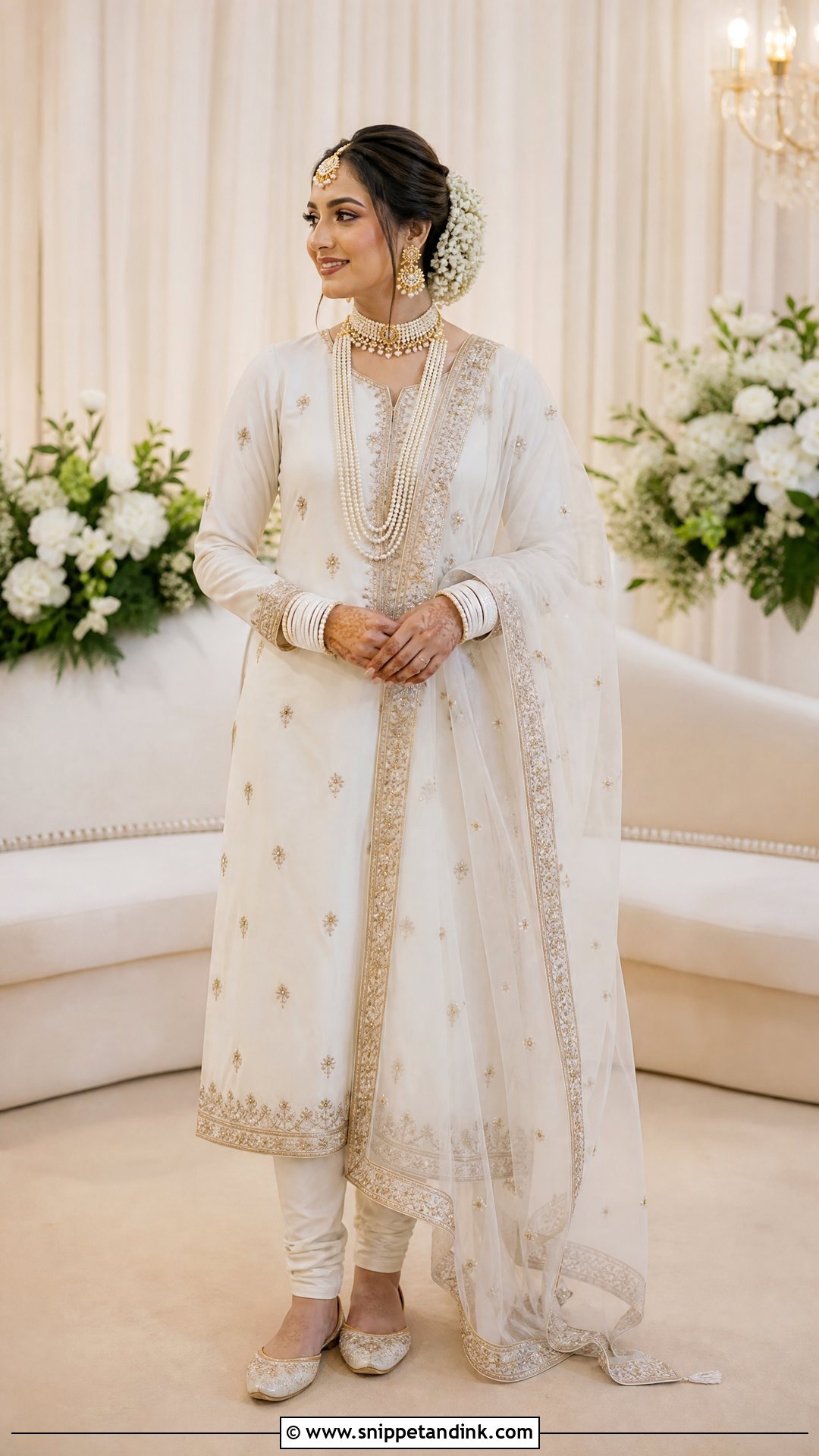
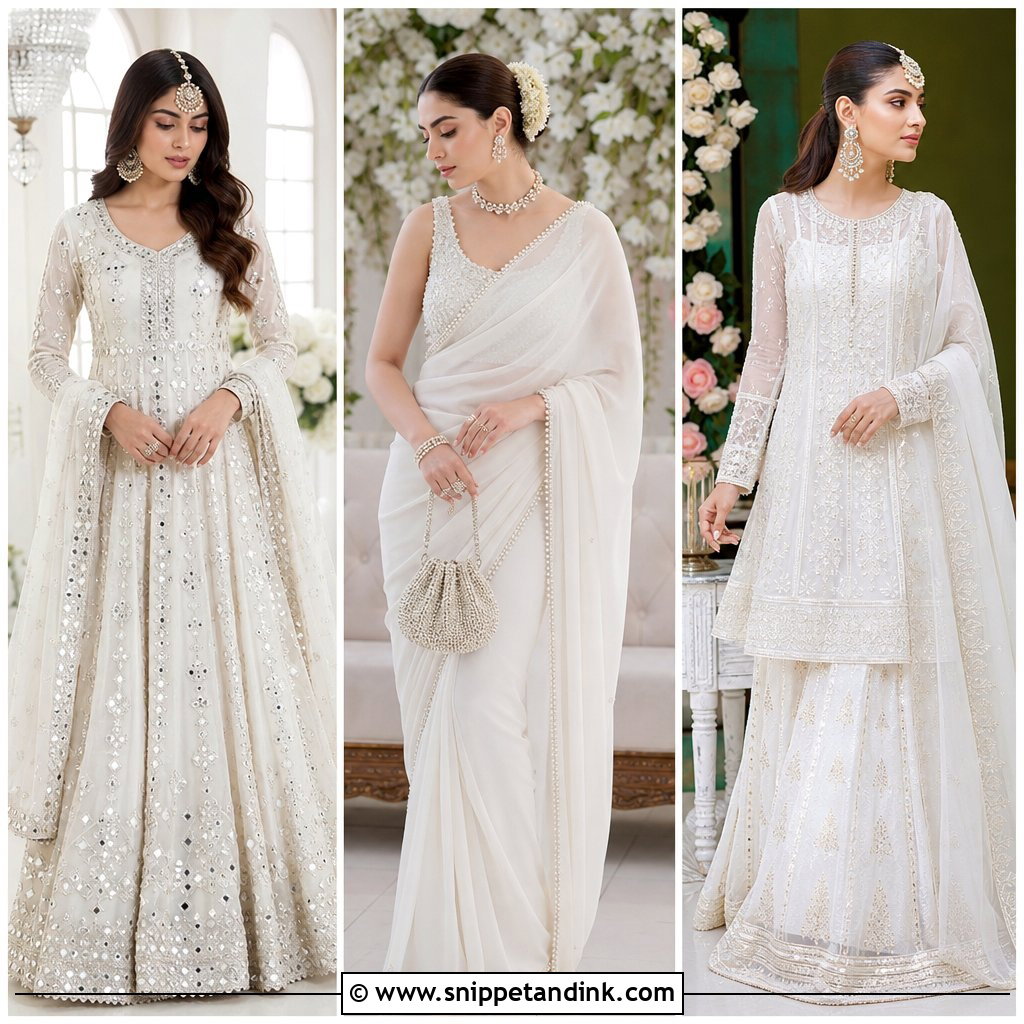
White and gold is restrained, so the jewelry has to carry the dimension. Wear a long white kurta with gold embroidery at the neckline, cuffs and hem, a comfortable churidar and a sheer white dupatta with a substantial gold border. Satin creases across the hips once you sit through a long nikah, so I usually steer brides toward silk for this one. Layer a gold choker with a pearl satlada, then traditional earrings, a small passa and a tika. White flowers around a low bun, luminous skin, brushed brows, brown kohl, peach blush and a rose lip keep it soft, with gold juttis and a structured potli. Pin the dupatta at the crown and at one shoulder, plus a hidden pin at the waist, because a sheer dupatta slides the moment the bride leans forward to sign.
11. Yellow Mehndi Hyderabadi Bride
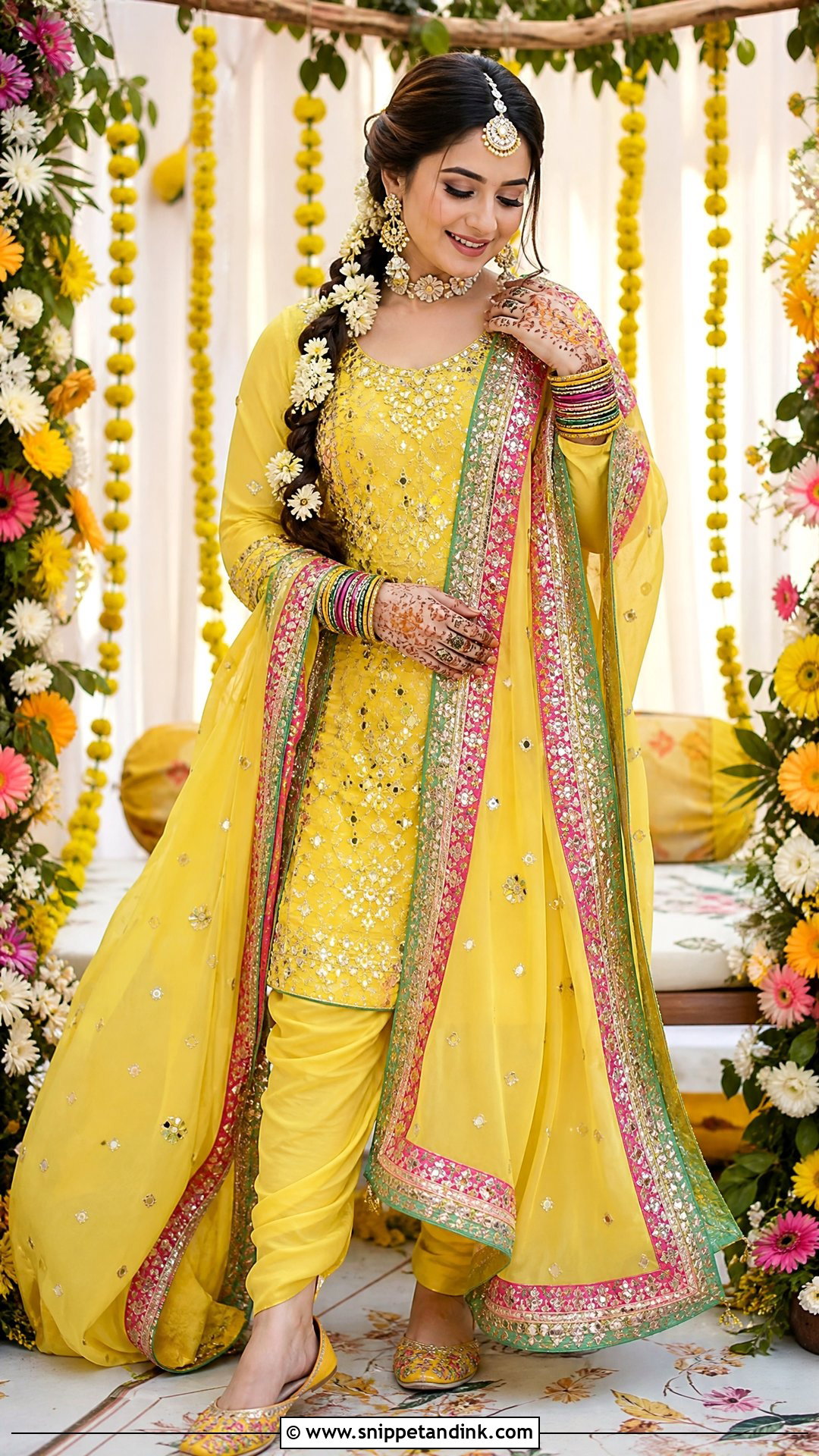
Mehndi is a working event for the bride. She sits for hours with her hands out, so the yellow kurta should have mirror work, gota or multicolored thread where it shows and nothing scratchy at the cuffs. Knee-length or long both work. Pair it with a comfortable churidar and a light yellow dupatta trimmed in pink, green or orange, and keep the embroidery moderate. Floral jewelry, pearl earrings, a small passa and colorful bangles add festivity; I’d skip anything with dangling hooks that can snag on drying henna. A long braid with jasmine or small yellow flowers stays off the hands. Use fresh makeup with kohl-lined eyes, peach blush and a pink lip, with cushioned juttis and a small contrasting potli.
12. Green Gharara Mehndi Hyderabadi Bride
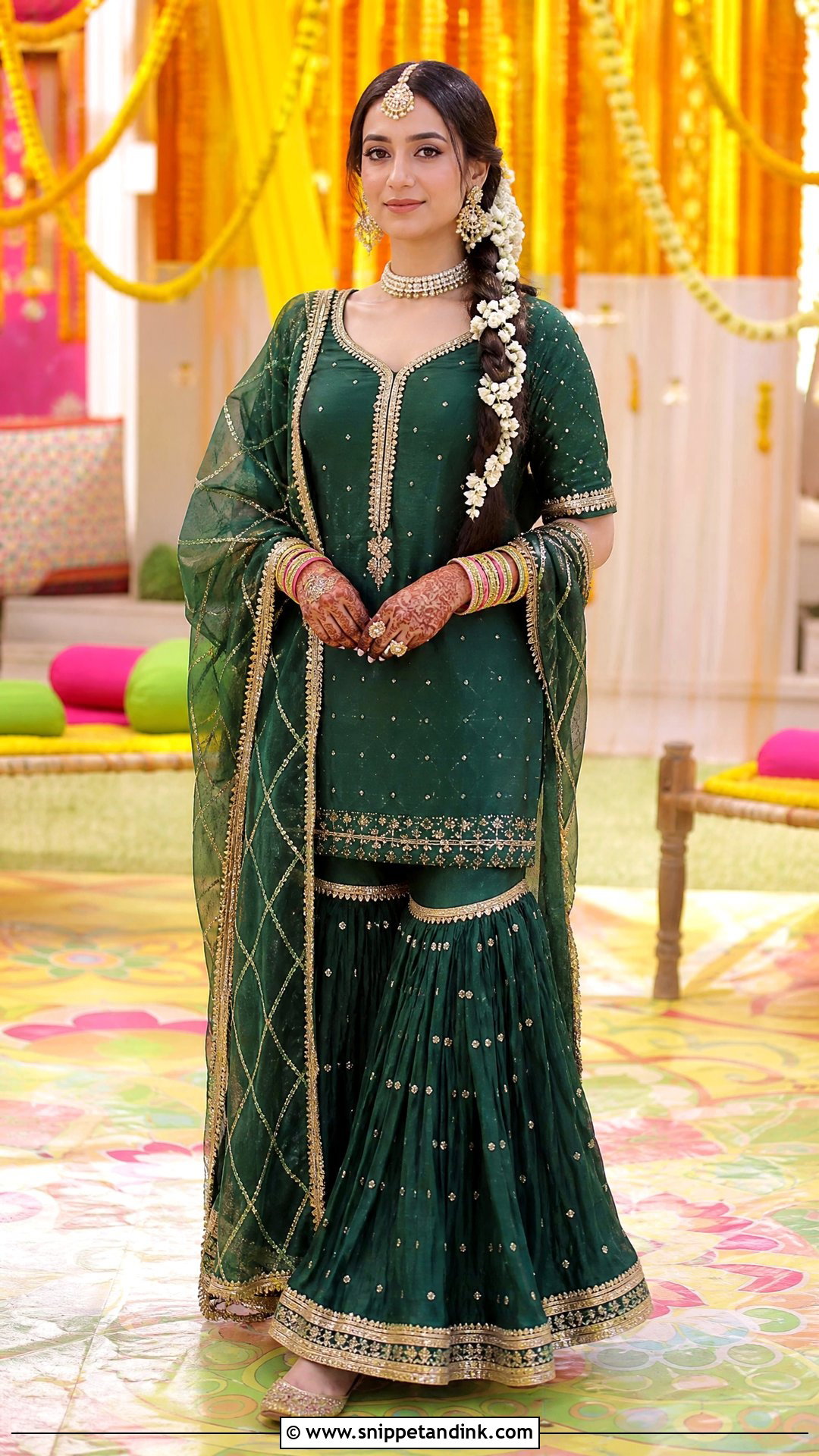
A green gharara brings movement the churidar can’t, and the gota band at the knee joint is part of this silhouette’s heritage, not just trim. Pair a short emerald or leaf-green kurta with the flared gharara and drape a light dupatta in a khada-inspired arrangement that leaves the gharara front visible. A good gharara carries a lot of fabric in each leg and is heavier than it looks on the hanger, so try climbing stairs in it before the event. Bring in yellow, pink or coral through the border and bangles. Pearls mixed with floral or enamel pieces keep it festive; a passa, medium earrings and a delicate choker are enough. A loose braid with jasmine, gold flats, defined eyes and a bright pink lip finish it.
13. Coral Sharara Hyderabadi Bride
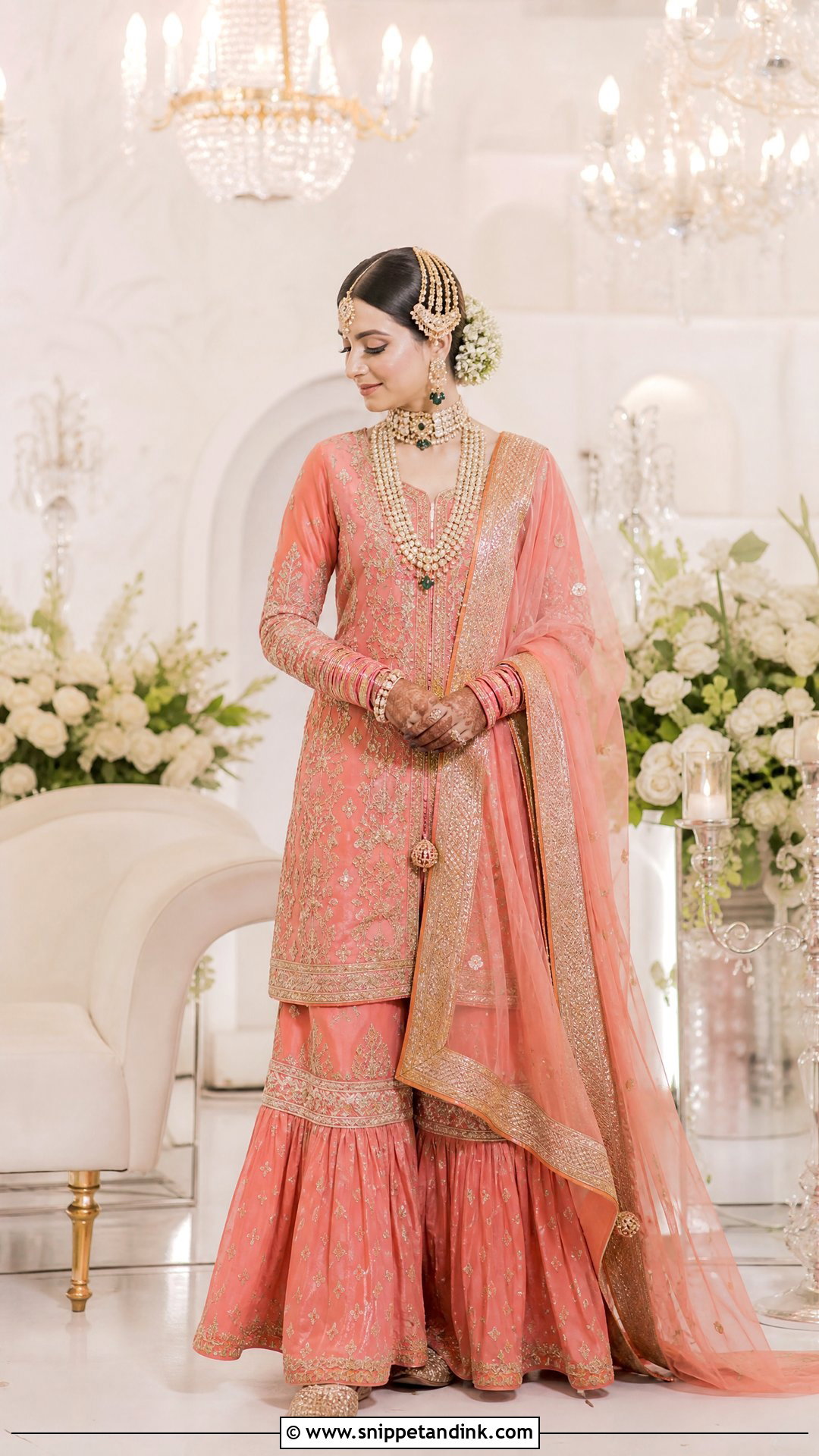
Coral sits between pink, orange and bridal red, which is why it flatters both warm and olive skin. Wear an embroidered coral kurta with a sharara that flares below the knee and a long sheer dupatta with gold borders in a khada-inspired drape. Pearls, kundan and small emeralds give soft contrast, and a close choker, layered necklace, passa and statement earrings frame the face. Sharara hems sweep the floor, so I have them finished a touch shorter when the venue has outdoor paths or steps. Coral and gold bangles, a low bun with white jasmine, bronze lids, kohl, peachy cheeks and a warm rose lip balance the bright fabric. Gold juttis and a beaded potli suit a sangeet, engagement or reception.
14. Red Bridal Lehenga With Khada Dupatta
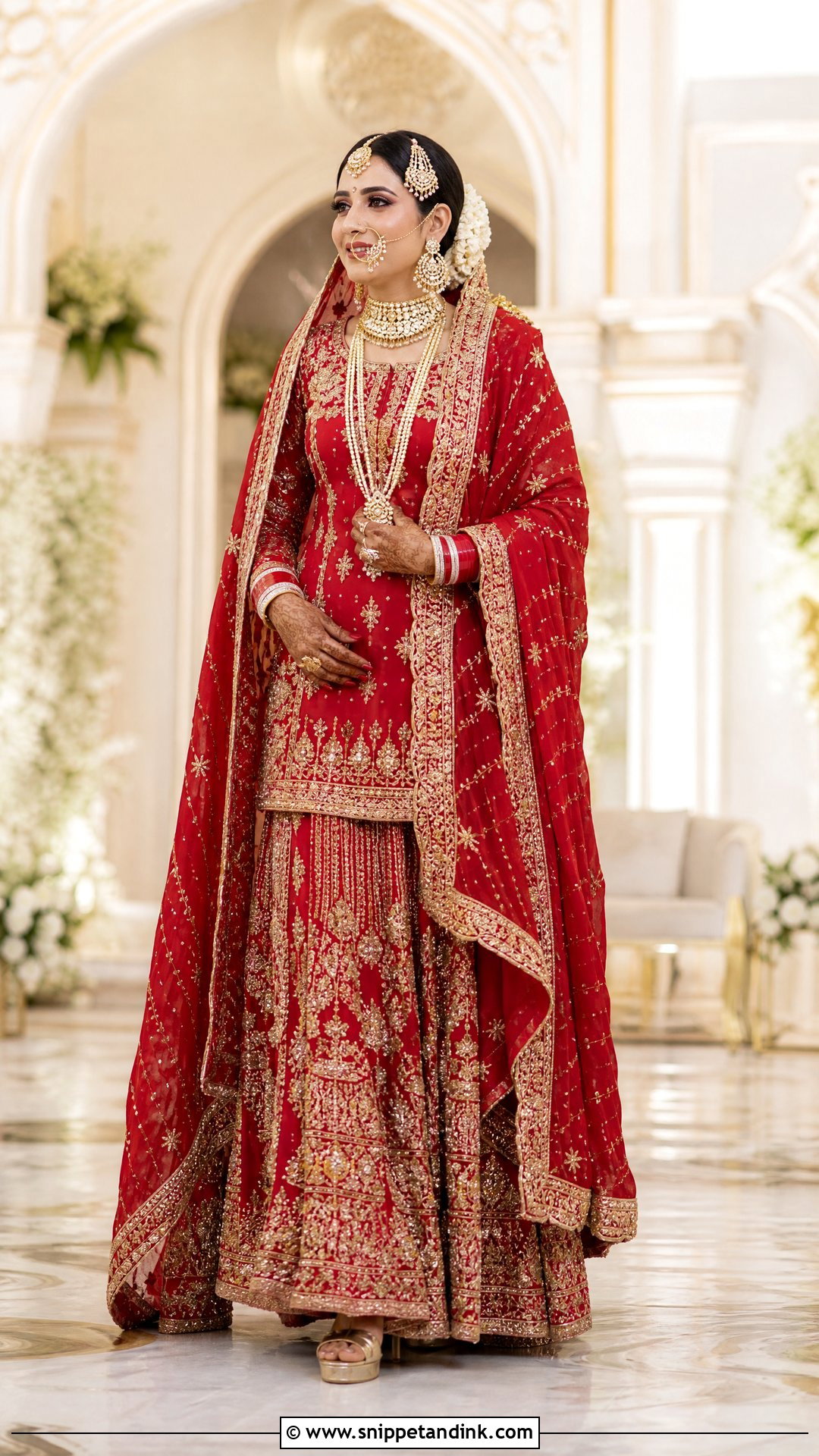
Brides who want a lehenga can keep the Hyderabadi identity through the dupatta and the top. Length is the detail that matters: a long blouse or kurti stops the outfit reading as a standard lehenga set. Choose a red lehenga with controlled gold embroidery and a dupatta generous enough for the khada drape, since a short one simply won’t make the upright fall. Layer pearl and jadau pieces: choker, satlada, passa, tika, kan phool and nath. Red glass bangles with gold kadas, gold platforms hidden under the skirt and a sleek jasmine-wrapped bun keep it formal. Defined eyes, luminous skin and a balanced red lip let the dupatta and jewelry lead.
15. Banarasi Khada Dupatta Hyderabadi Bride
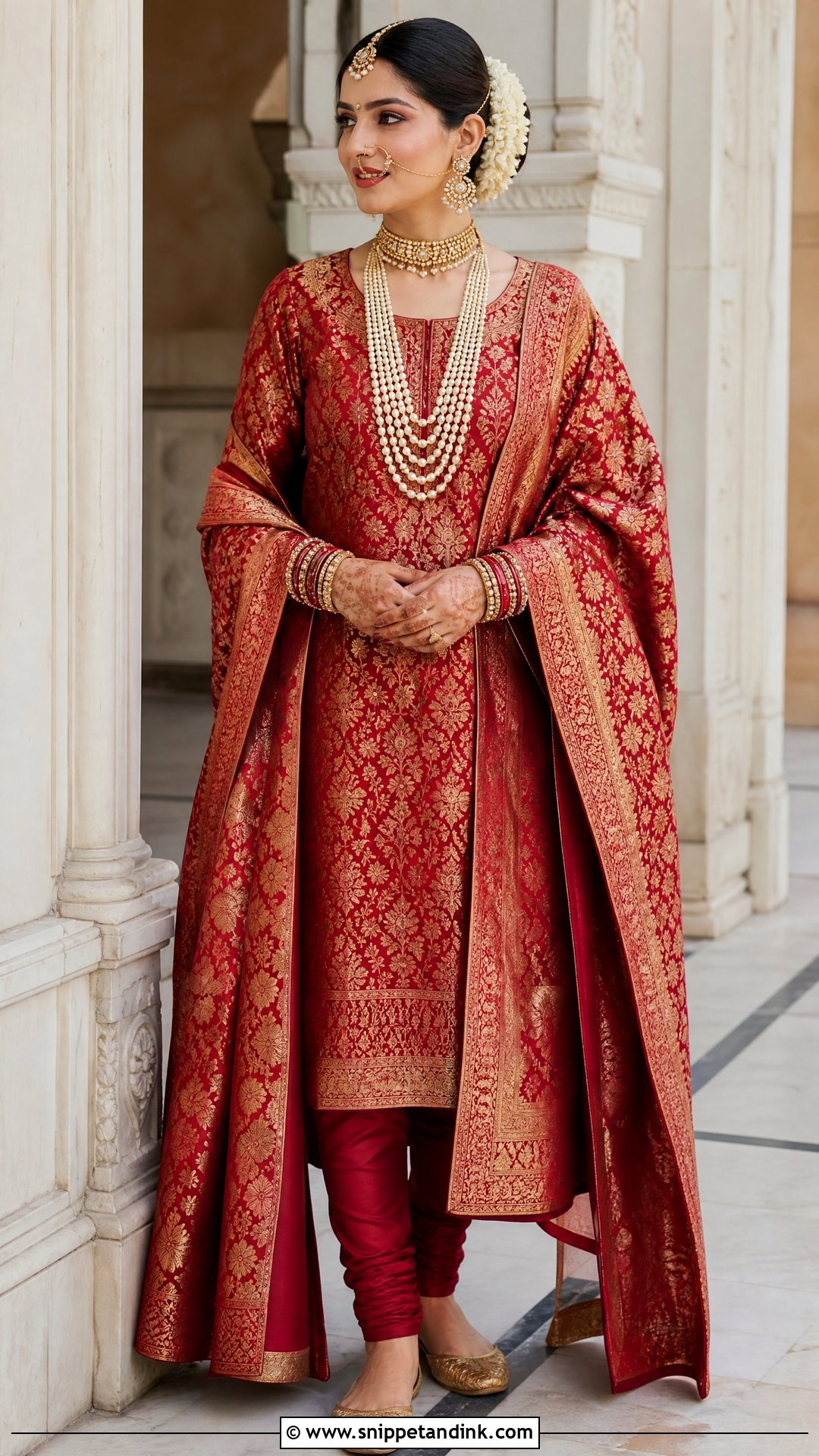
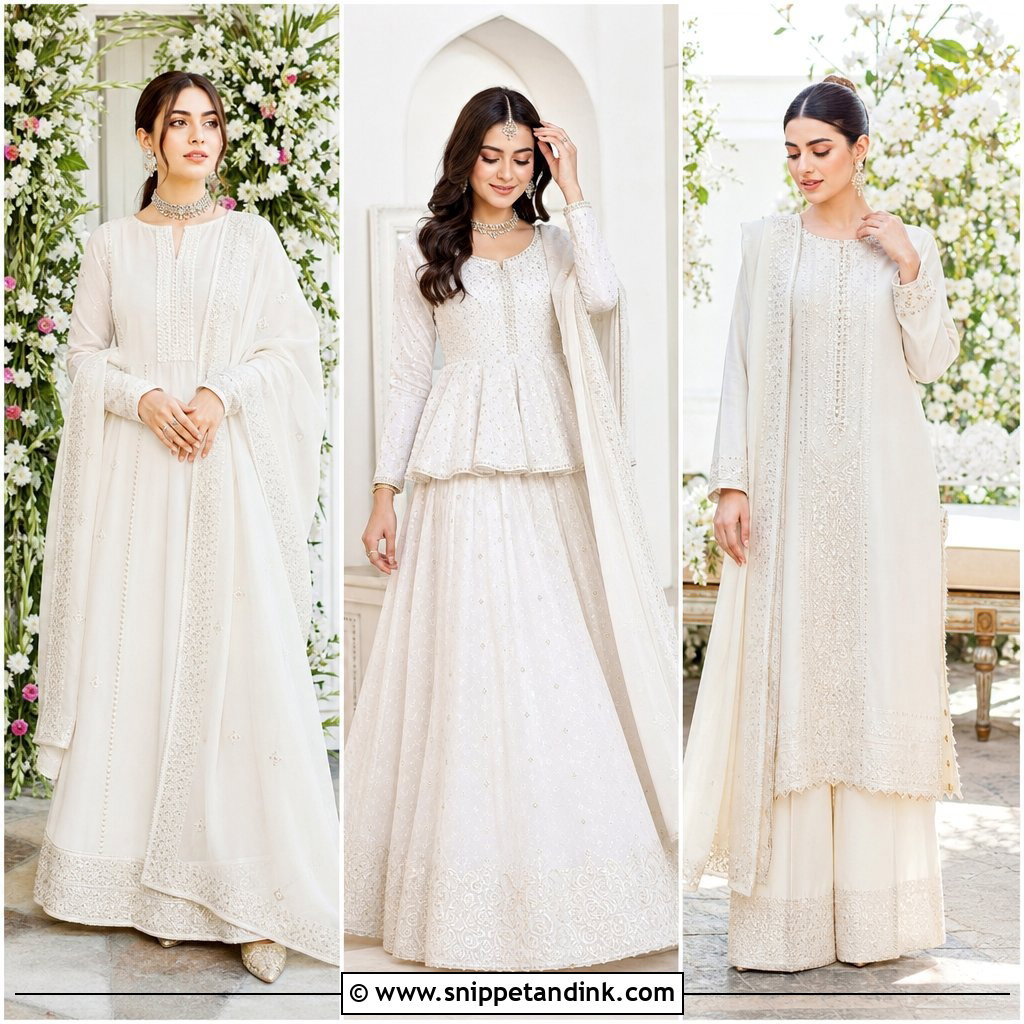
Banarasi brings luster even when the embroidery is restrained, but woven zari is stiffer than embroidered silk. Before a bride buys the dupatta, I bunch a corner of it in my hand: if the border cracks or springs straight back, it will fight the drape all day. Choose a jewel-toned Banarasi kurta in red, green or magenta with a plain silk churidar and a coordinated woven dupatta with a clear zari border. Antique gold suits the weave, so add a chintaak-inspired choker, pearl satlada, passa, earrings and a medium nath. Keep bangles matched to the kurta. A center-parted low bun with jasmine, smoked eyes, natural blush, a deep rose lip and simple gold juttis complete it.
16. Velvet Winter Hyderabadi Bride
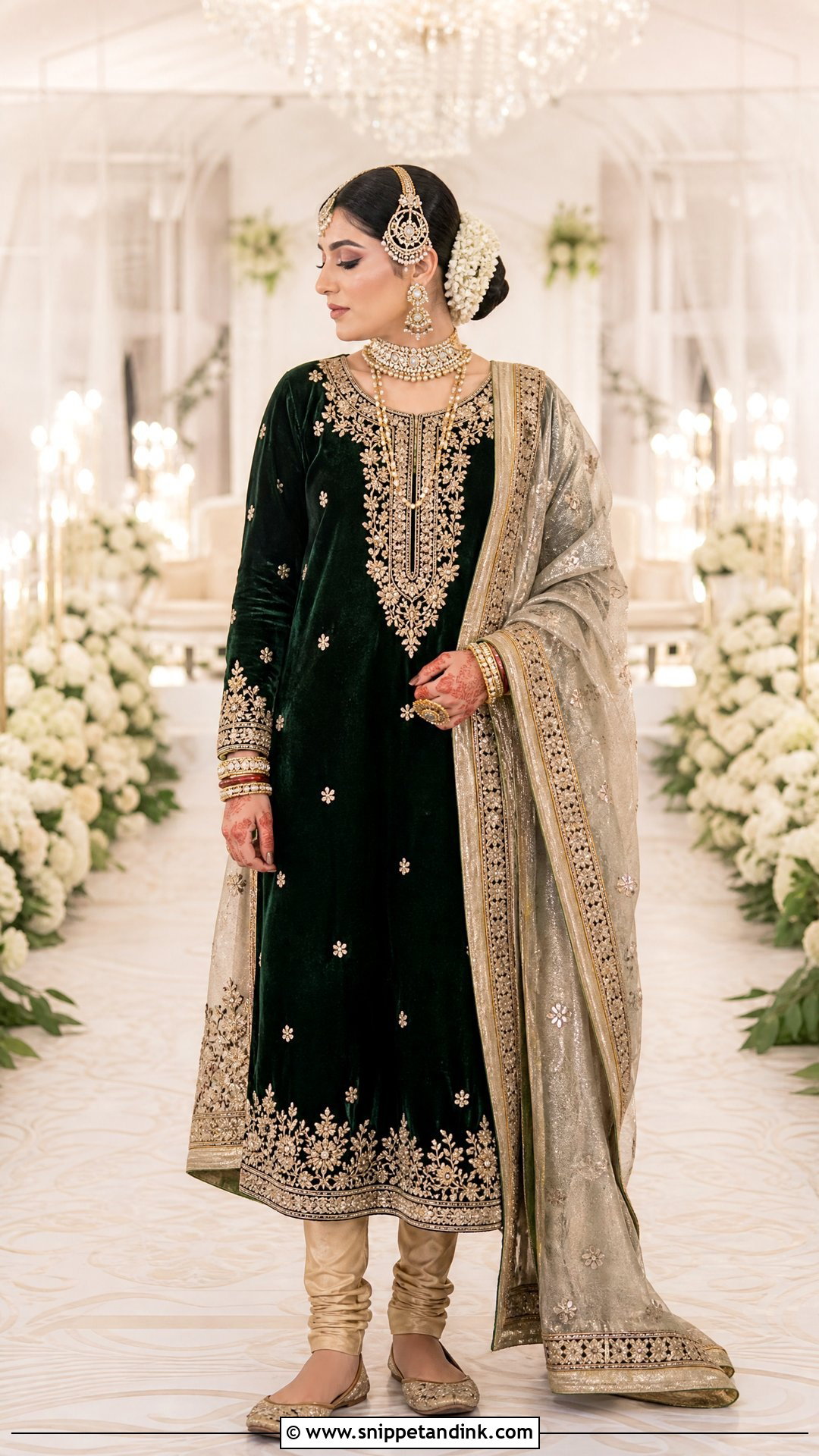
Velvet belongs to cool-weather ceremonies; in a warm hall it holds heat at the neck within the first hour. A long velvet kurta in maroon, navy, bottle green or deep purple with antique zardozi at the neckline and borders pairs with a silk churidar so the lower half stays flexible. I always switch the dupatta to net or tissue here instead of adding another heavy layer, partly because velvet pile crushes wherever a weighty dupatta is pinned against it. Jadau, pearls, a passa and kan phool brighten the dark fabric. Balance the neckline with one bold choker and a narrower long necklace. A structured bun with jasmine, gold eyes, kohl, a berry lip and closed embroidered juttis finish it.
17. Ivory Kurta And Pearl Satlada Hyderabadi Bride
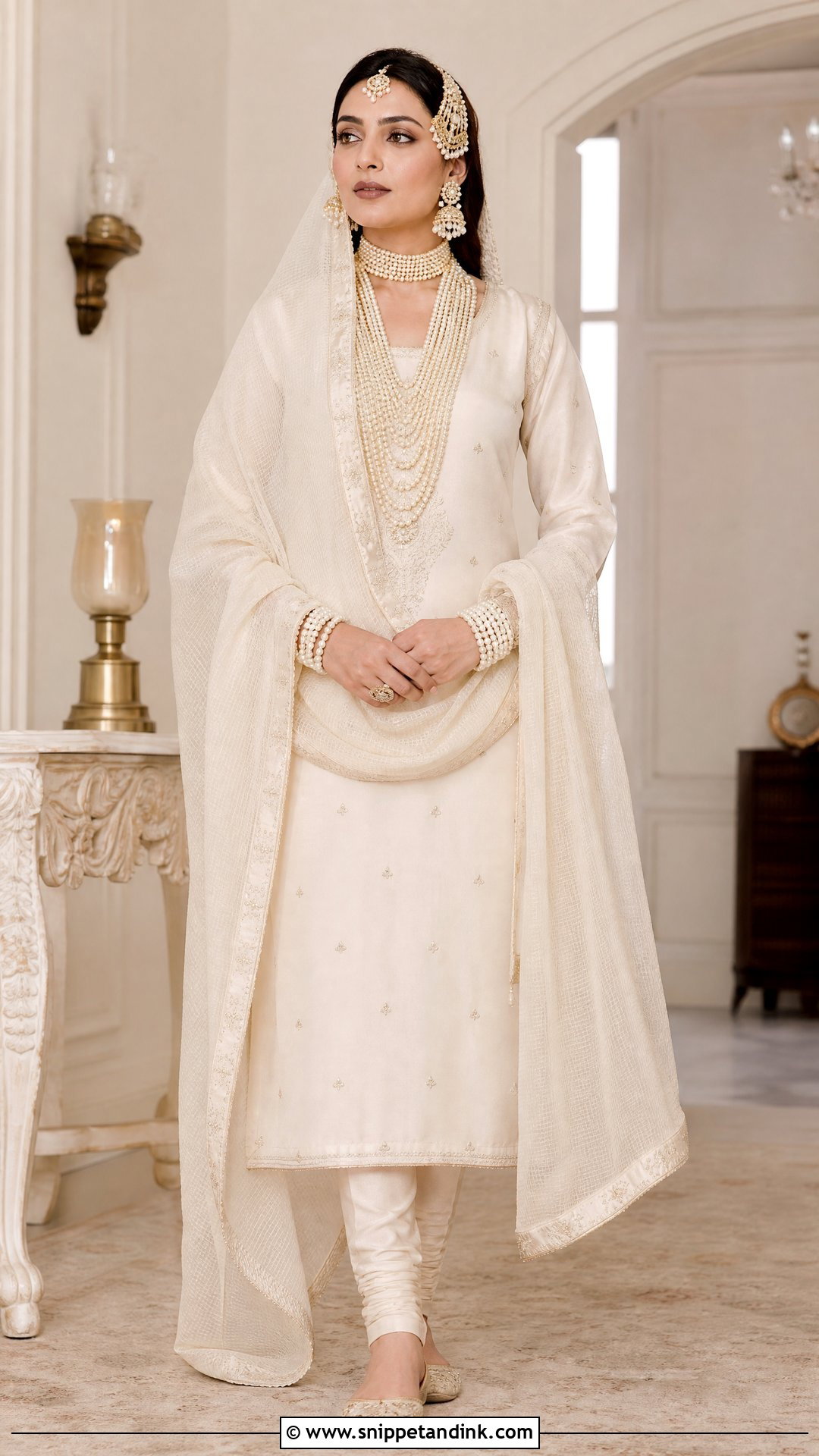
This is the outfit for a bride who has inherited a satlada, or wants one at the center. The clothing stays quiet on purpose: a long silk kurta with restrained gold embroidery, matching churidar and a light ivory dupatta, because heavy embroidery behind seven pearl strands just looks busy. Add a fitted choker above the satlada, kan phool with pearl sahare, a passa, tika and a delicate nath. At the fitting I check the satlada’s length against the dupatta so the drape doesn’t swallow the lowest strands. Pearl bangles with slim kadas, a smooth center-parted bun with jasmine, luminous skin, softly smoked brown eyes and a rose lip keep it classic, with ivory pearl-embroidered juttis.
18. Minimal Nikah Khada Dupatta Hyderabadi Bride
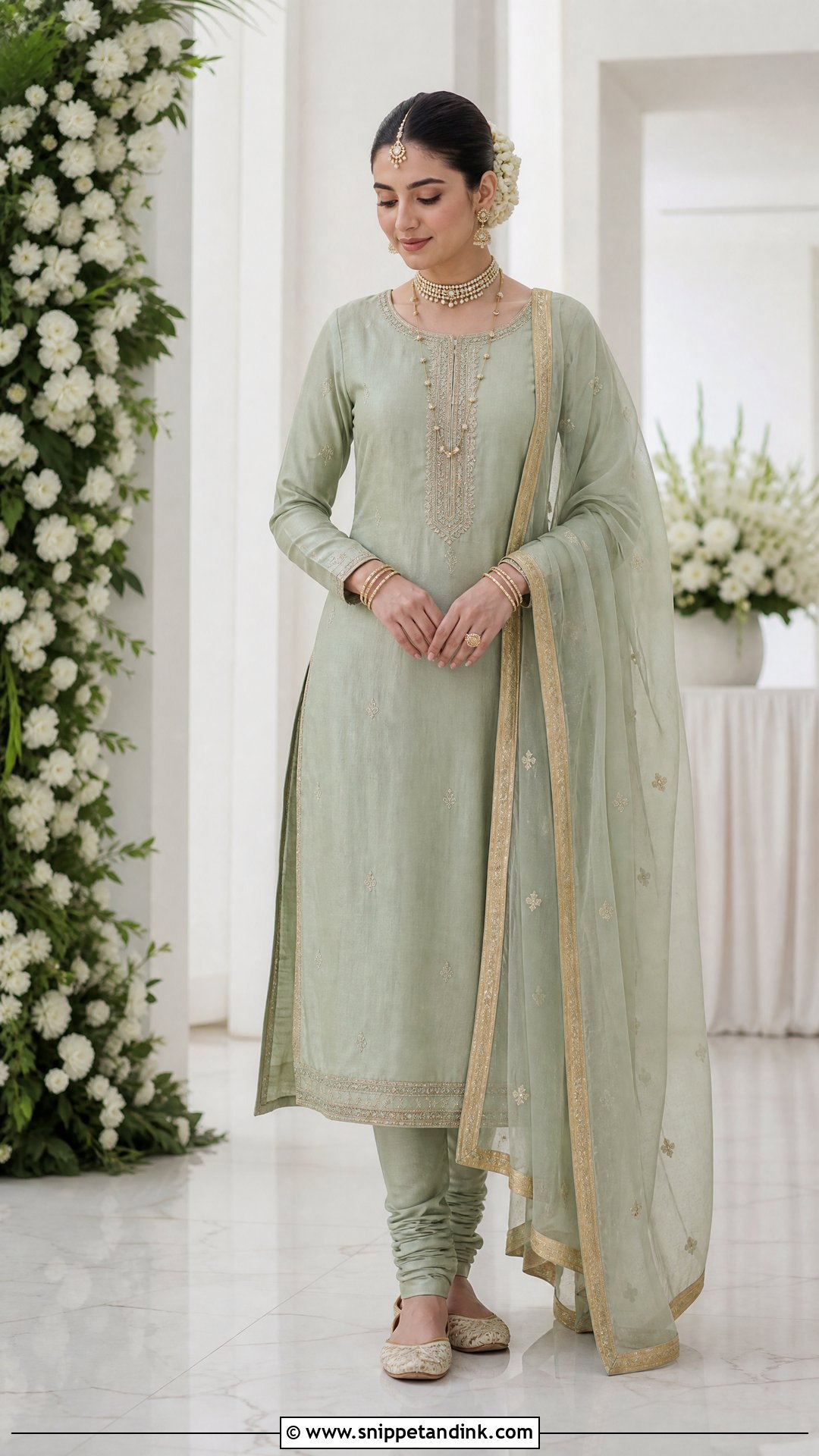
A minimal nikah outfit still reads as Hyderabadi as long as the khada drape and the pearls are there. Wear a straight-cut kurta in ivory, blush, sage or pale blue with fine zari at the neckline and cuffs, a matching churidar and a light dupatta with one defined border. Limit jewelry to a pearl choker, a slim layered necklace, medium earrings, a small passa and a few bangles. Long ceremonies are where lighter dressing pays off: no sore neck by evening and no heavy dupatta dragging the bun backward. A clean bun or neat braid with a narrow jasmine garland, fresh skin, softly lined eyes, brushed brows and a rosy nude lip suit it. Padded juttis and a compact potli in the same color family finish it.
19. Jewel-Tone Reception Hyderabadi Bride
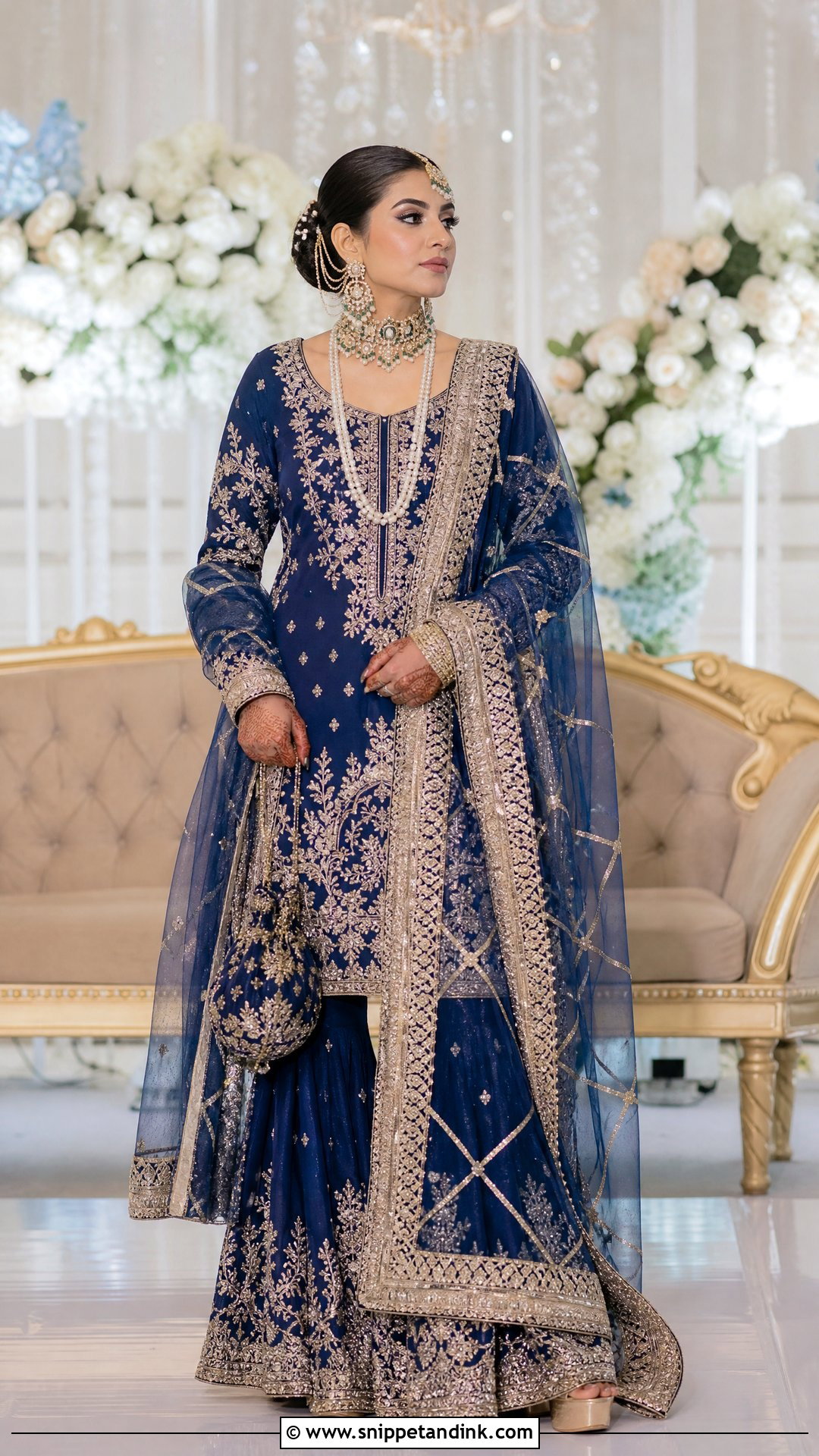
The reception is the event to change palettes, since guests have already seen the ceremony outfit and the lighting is usually warmer and dimmer. A long kurta and flared sharara in sapphire, emerald, plum or ruby holds up under that light, topped with a sheer khada-inspired dupatta with metallic borders and scattered beadwork. Style it with a statement jadau choker, long pearl necklace, earrings with sahare and a bold passa. The nath is optional, and plenty of brides leave it off at the reception so they can actually eat. A polished bun with subtle flowers or pearl pins, defined liner, soft metallic lids and a rich rose lip keep the face clear. Metallic platforms and a potli matched to the embroidery rather than the fabric finish it.
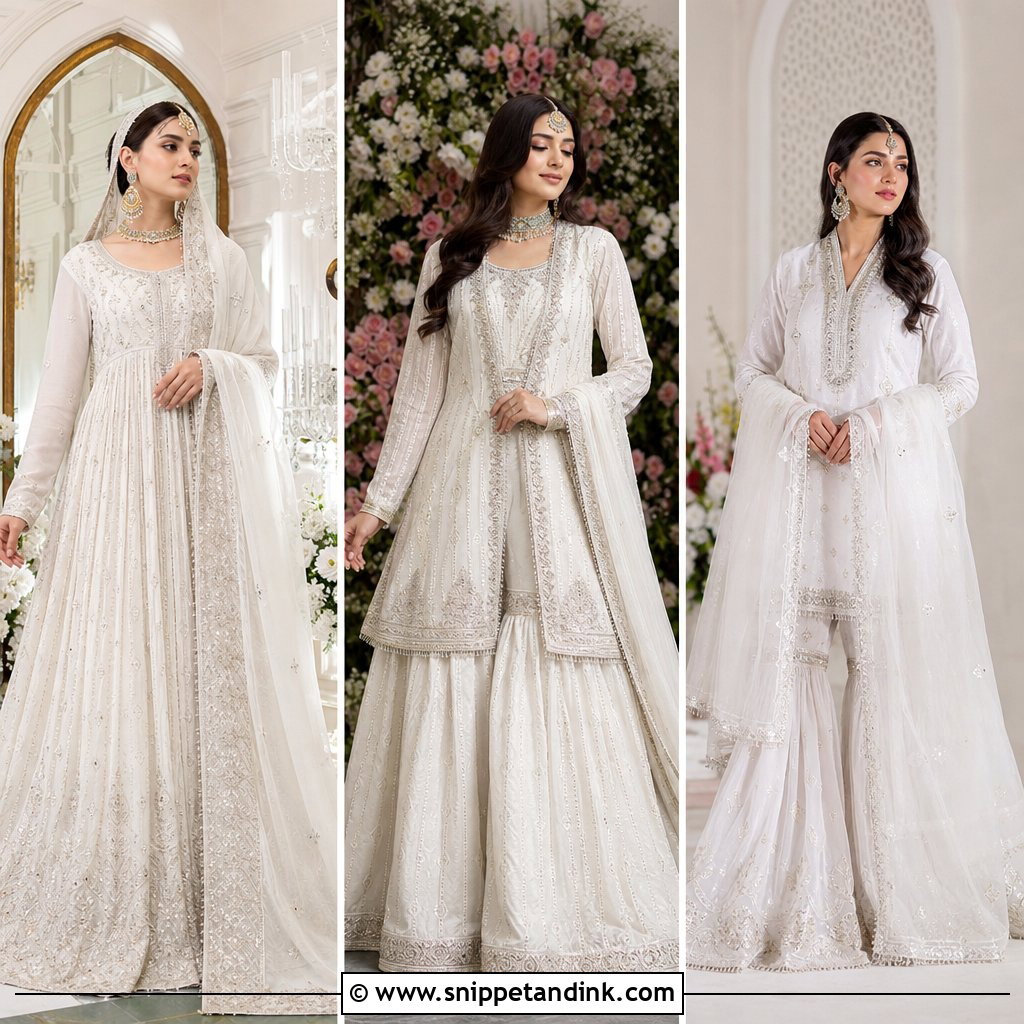
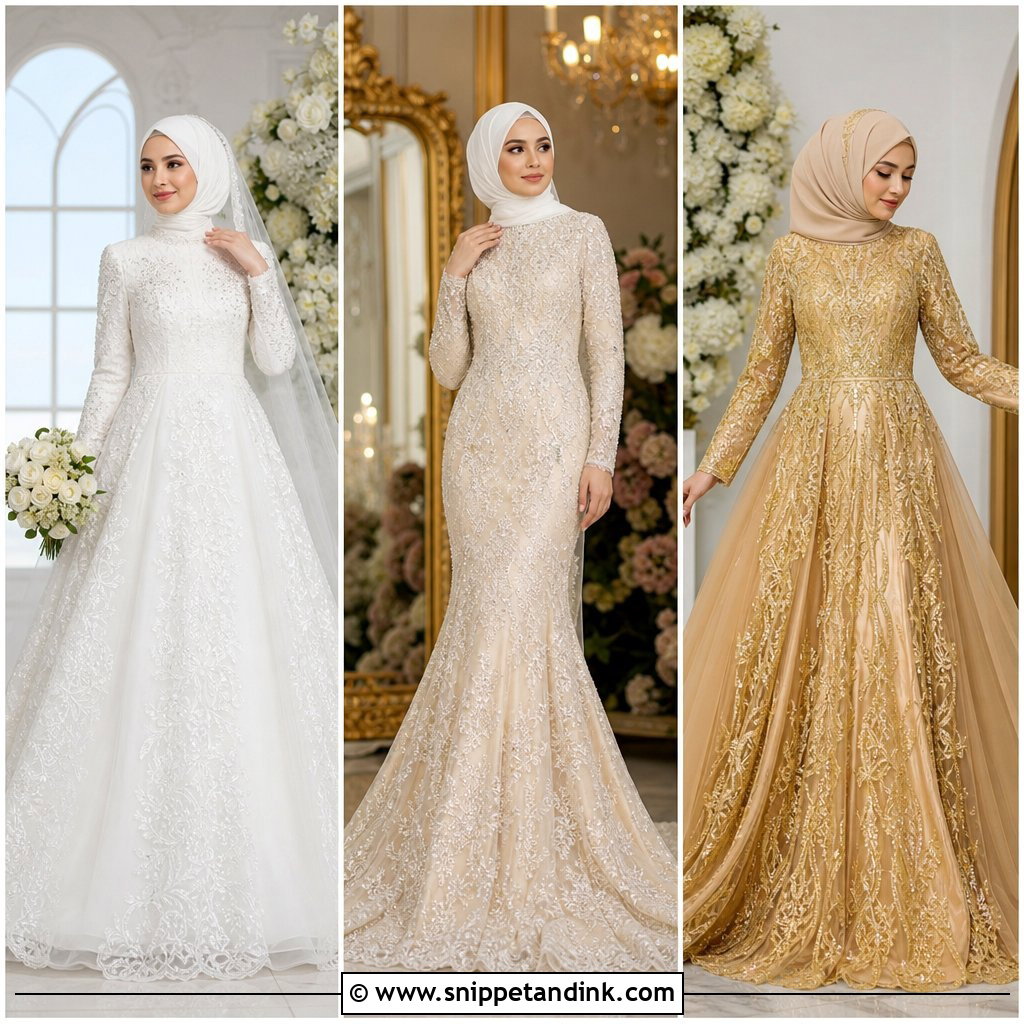
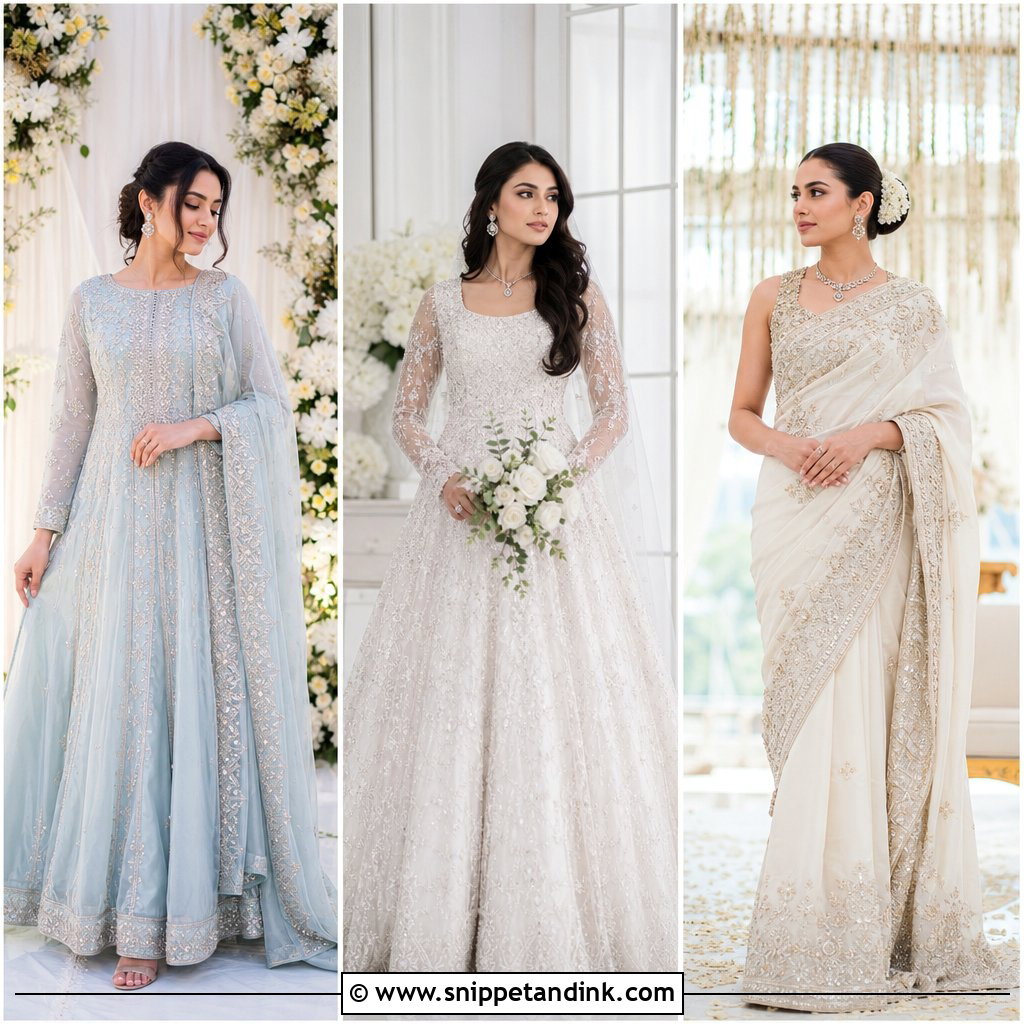
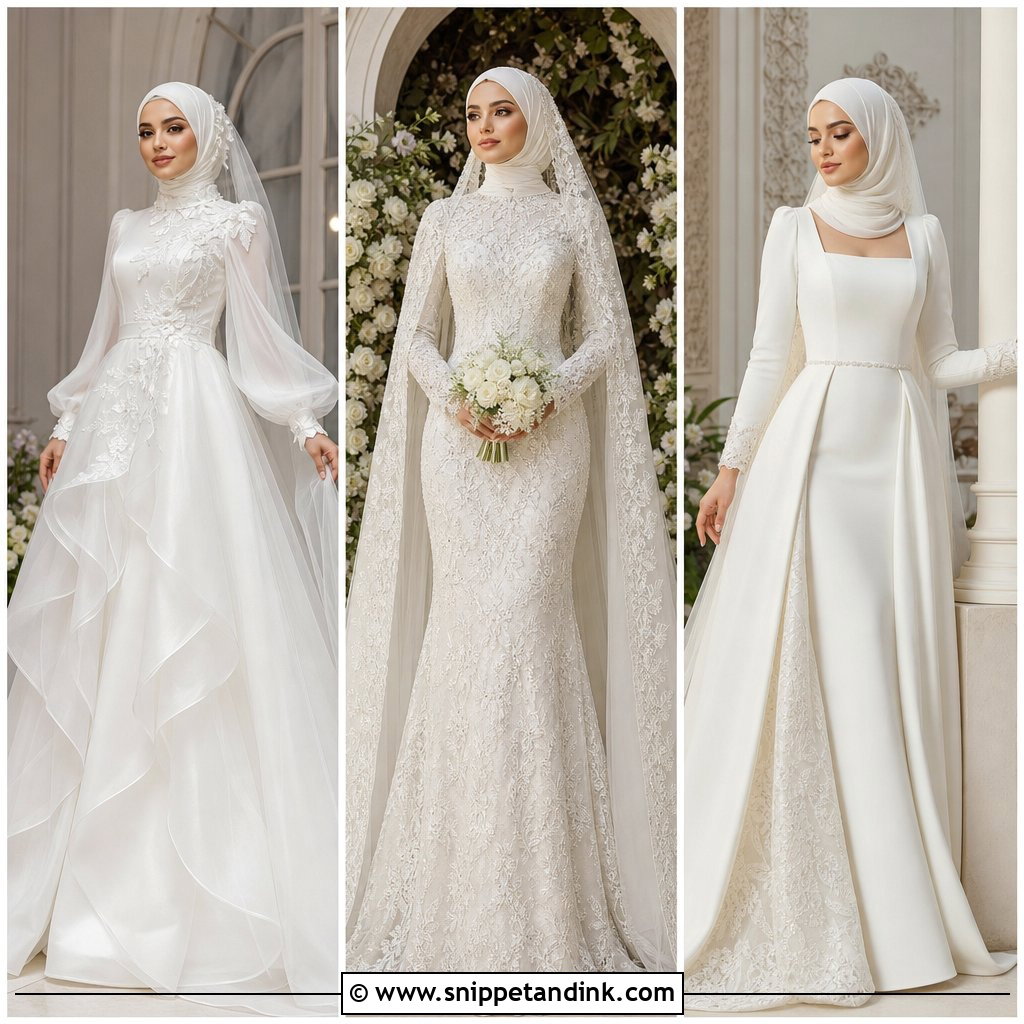
20. Kanjeevaram Saree Hyderabadi Bride
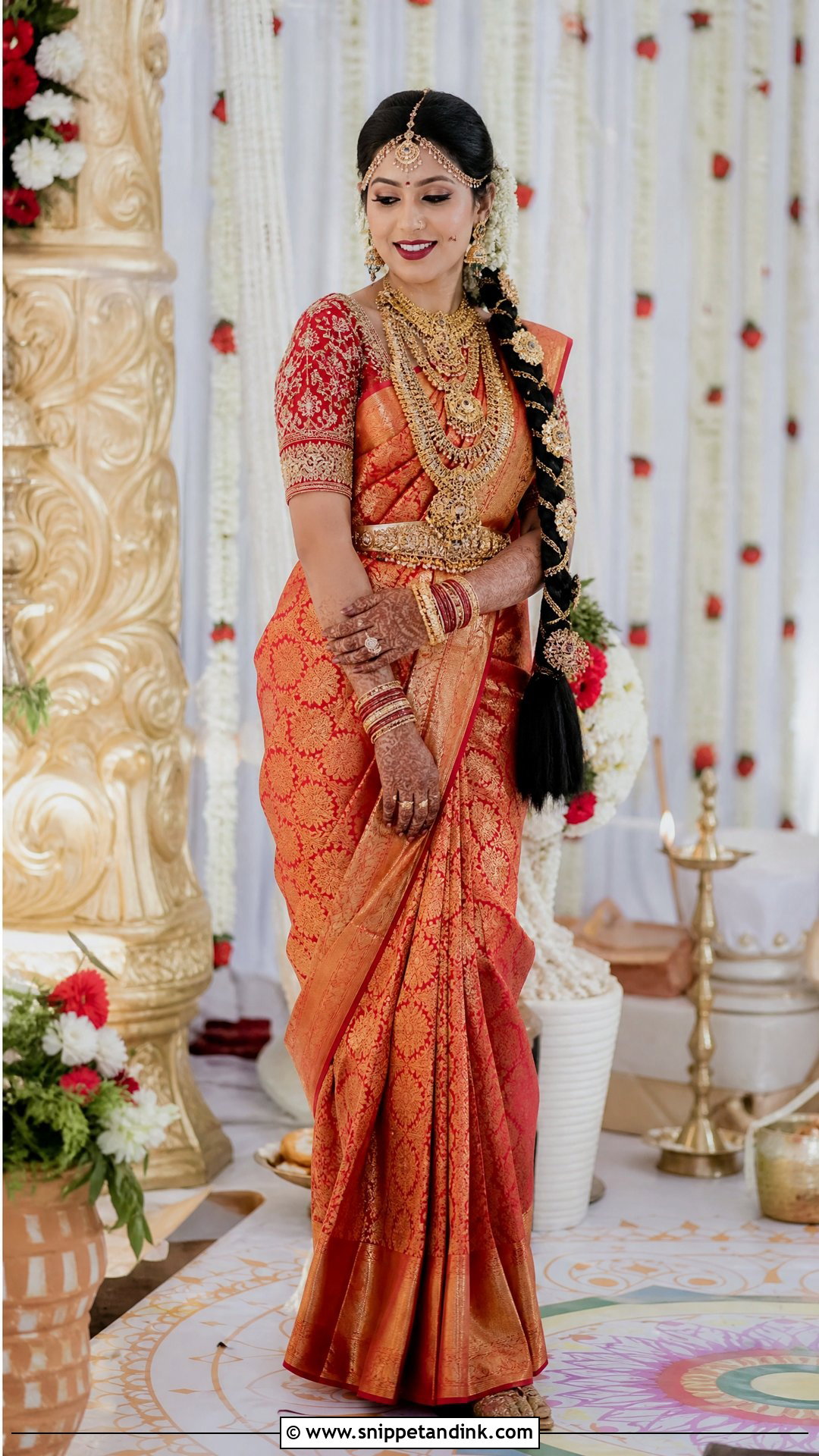
A Kanjeevaram saree suits a Telugu Hyderabadi bride or one bringing two regional traditions together. Choose rich red, gold, green or magenta silk with a contrasting zari border, a fitted embroidered blouse and neat pleats. Kanjeevaram silk is heavier than most bridal sarees, so I pin the pleats firmly at the waist and again lower down, otherwise they fan apart every time she sits. Temple jewelry, layered gold necklaces, jhumkas, a waist belt, bangles and a central forehead ornament create a full South Indian finish. A long braid or bun covered in jasmine, kohl-defined eyes, glowing skin and a red or rose lip match the weight of the silk, with gold sandals underneath.
How Much All That Gold Weighs by the Fifth Hour
Hyderabadi bridal jewelry is heavy by design. A chintaak, a satlada and a pair of kan phool on one neck add up, and by mid-evening it shows as a dropped chin and a tired smile in the candids. I ask every bride to wear the full set at home for an hour before the wedding, sitting and standing, so nothing surprises her on the day.
- Sahare chains are there to work, not only to decorate. They carry the earring weight up into the hair, so they need pinning firmly into the bun rather than hooking loosely behind the ear.
- The passa hangs from the side parting and pulls on it. A small braid or a criss-cross of pins underneath gives it a stable base.
- A large nath should have its chain fixed into the hair as well. Letting the nose take the weight is the main reason brides remove it early.
- If the schedule allows a short break between nikah and reception, decide in advance which pieces come off and who keeps them safe.
Storing Zardozi and Pearls for the Next Bride in the Family
Many of these outfits are kept for a daughter or a niece, and zardozi and pearls both suffer in a sealed plastic bag. Metal thread tarnishes in damp air, while pearls need a little air around them.
- Air the outfit for a day after the wedding, then wrap it in plain cotton or muslin.
- Fold with acid-free tissue in the creases and refold along different lines every few months so the zari doesn’t crack at one fold.
- Roll velvet with the pile facing out instead of pressing it flat.
- Pearls go on last and come off first. Wipe each strand with a soft dry cloth to remove perfume and makeup, then store it flat and apart from the gold pieces.
The Dupatta Comes First, Then Everything Else
Each of these looks adapts the same royal tradition to a different ceremony, season or temperament: the classic red khada dupatta, a pearl-covered ivory nikah, a colorful mehndi gharara, a silk saree from the wider Deccan. What makes any of them work is coordination. Fabric weight, the drape, jewelry proportion, hair, makeup and footwear all answer to each other, and when one is off the whole outfit feels borrowed. You don’t need every traditional piece. Wear the ones that mean something to your family, wear them properly, and leave the rest.
You'll Like These Ideas:



Leave a Reply