
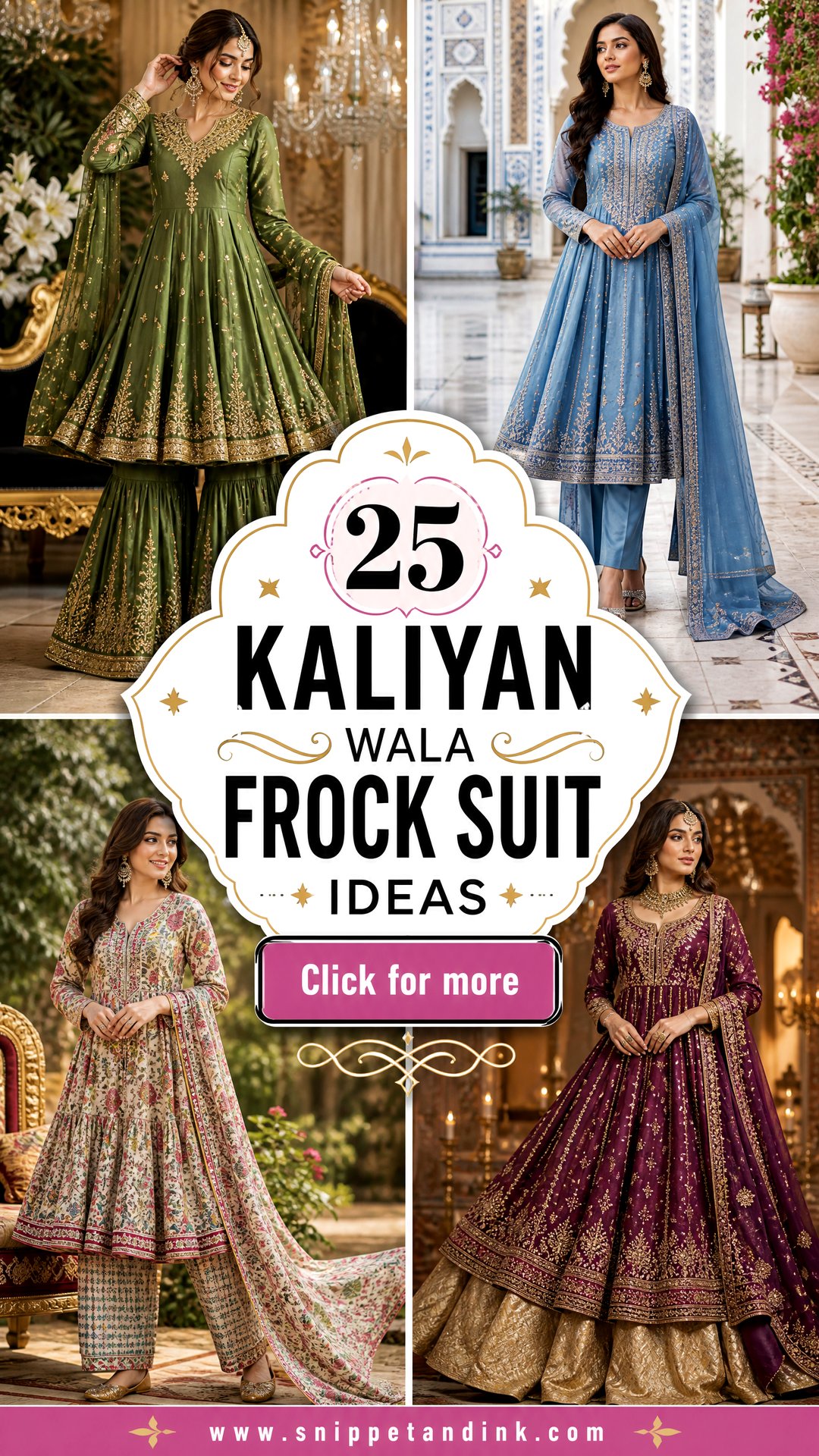
How Many Kalis, and Where the Flare Begins
Kalis are the long tapered panels stitched side by side to form the skirt of the frock. Their number and width decide everything about how the outfit moves. When I brief a tailor, I talk about the kalis before I talk about embroidery, because a beautiful neckline can’t rescue a flare that sits wrong.
Panel count
Fewer, wider panels give a gentle A-line that suits everyday cotton and petite frames. More, narrower panels make a fuller circle with more swing, which suits weddings and twirling at the mehndi, but every extra kali adds fabric, seams and weight. With heavy fabrics like velvet or silk, I’d rather have fewer panels so the frock doesn’t become tiring to wear.
Where the flare starts
A flare that starts at the natural waist lengthens the body. One that starts at the bust (an empire line) suits pregnant guests and anyone who prefers a looser midriff. One that starts low on the hip can make shorter women look shorter, so I only use it on tall frames.
Questions for your tailor
- How many kalis are you cutting, and how much fabric will the length need?
- Will the hem be finished with a facing or a border? A border adds weight and helps the flare hang straight.
- Is the lining paneled too, or a straight slip? A paneled lining moves with the frock instead of bunching.
- Can I have a fitting before the embroidery is added to the hem?
Order a custom frock early. Hand embroidery and a second fitting both take time, and the weeks before wedding season are when tailors are busiest.
1. White Kaliyan Wala Frock Suit With Palazzo
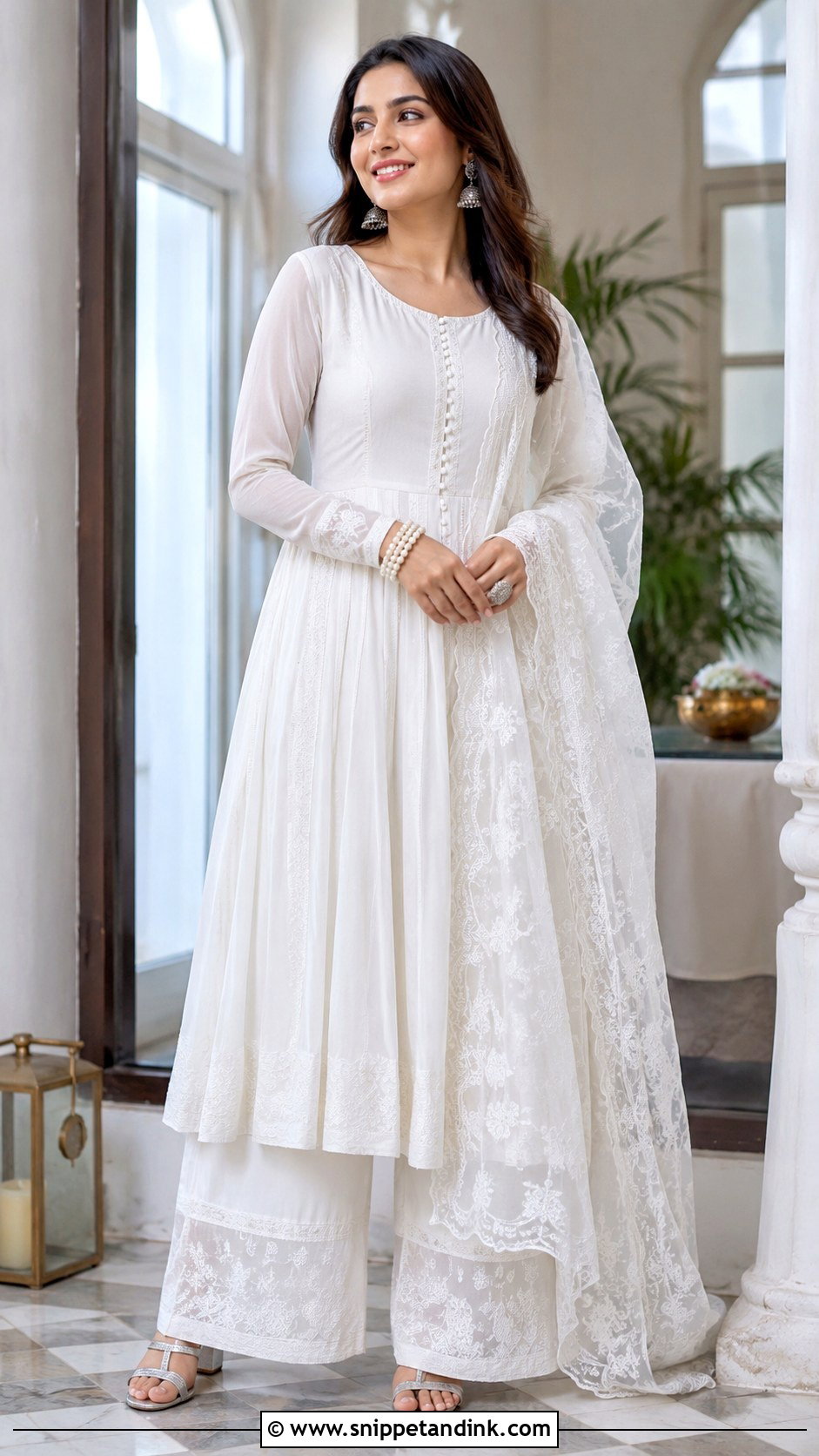
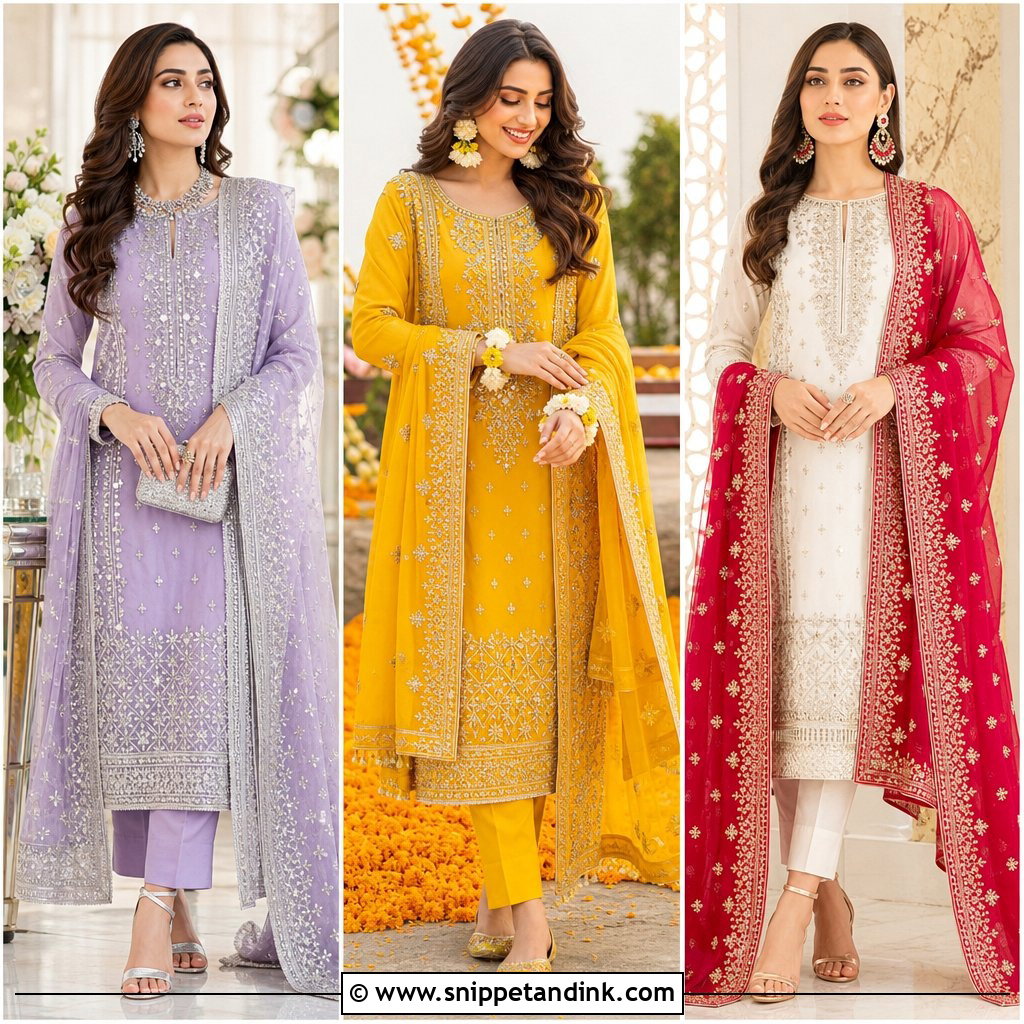
White on a paneled frock shows every seam, so the stitching has to be clean before anything else. I like white kalis in lawn, cotton or chikankari for daytime, with palazzos underneath because the wide leg echoes the flare without competing with it. A dupatta with a narrow lace edge is enough. Silver jhumkas and pearl bangles keep it cool and fresh. One thing I warn clients about: white cotton turns slightly see-through in direct sun, so ask for a lining at least to mid-thigh. It suits family lunches, festive mornings and small daytime functions.
2. Black Kaliyan Wala Frock Suit With Churidar
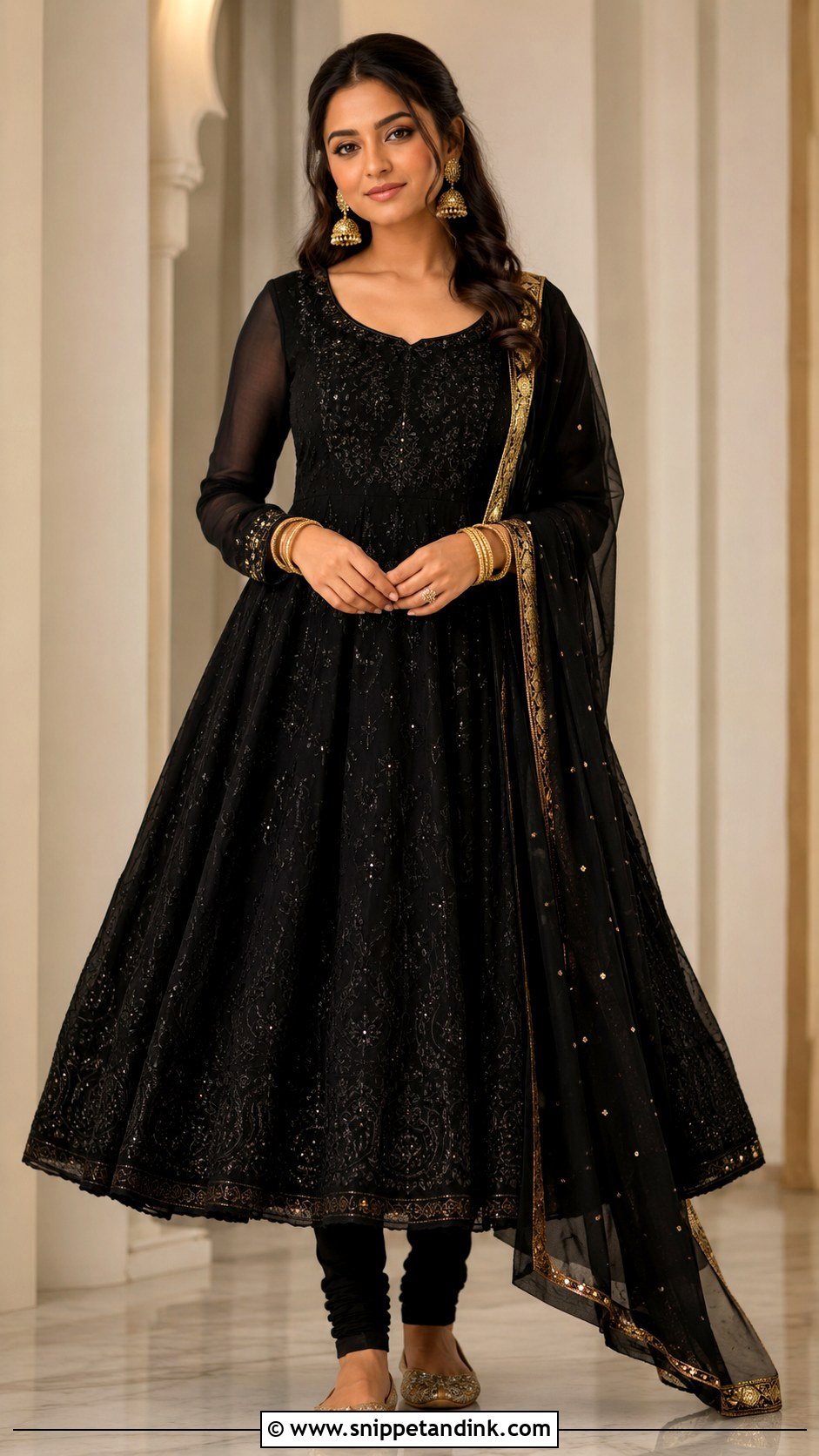
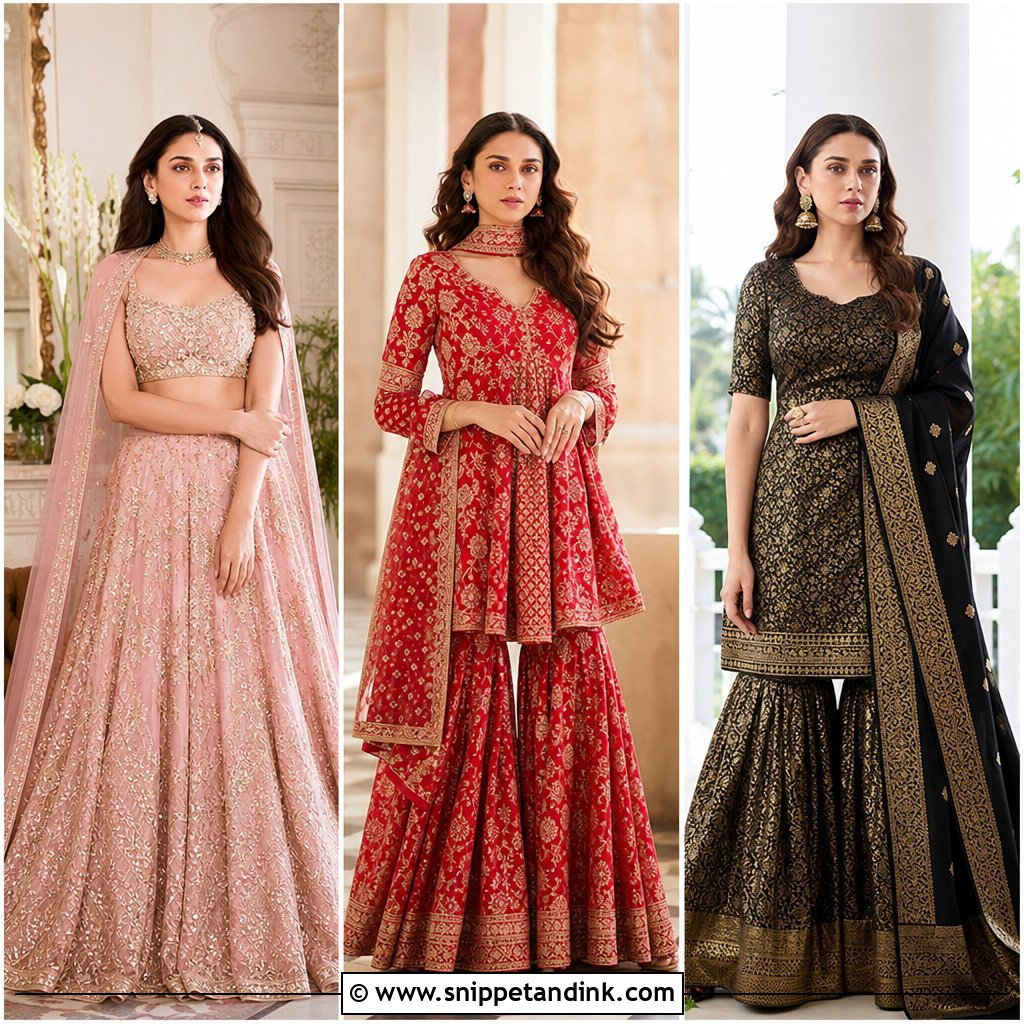
Black kalis with a churidar is the evening version I’d suggest to a guest who wants to look formal without wearing red. The fitted churidar is what makes the flare look intentional; with a loose bottom, black panels can read as a heavy mass of fabric. Zari, gota or sequins on the neckline, cuffs and hem catch light against the dark ground. A matching dupatta keeps it sleek, while a gold or maroon one adds warmth near the face. Keep the makeup defined and let the embroidery carry the shine.
3. Red Kaliyan Wala Frock Suit With Dupatta
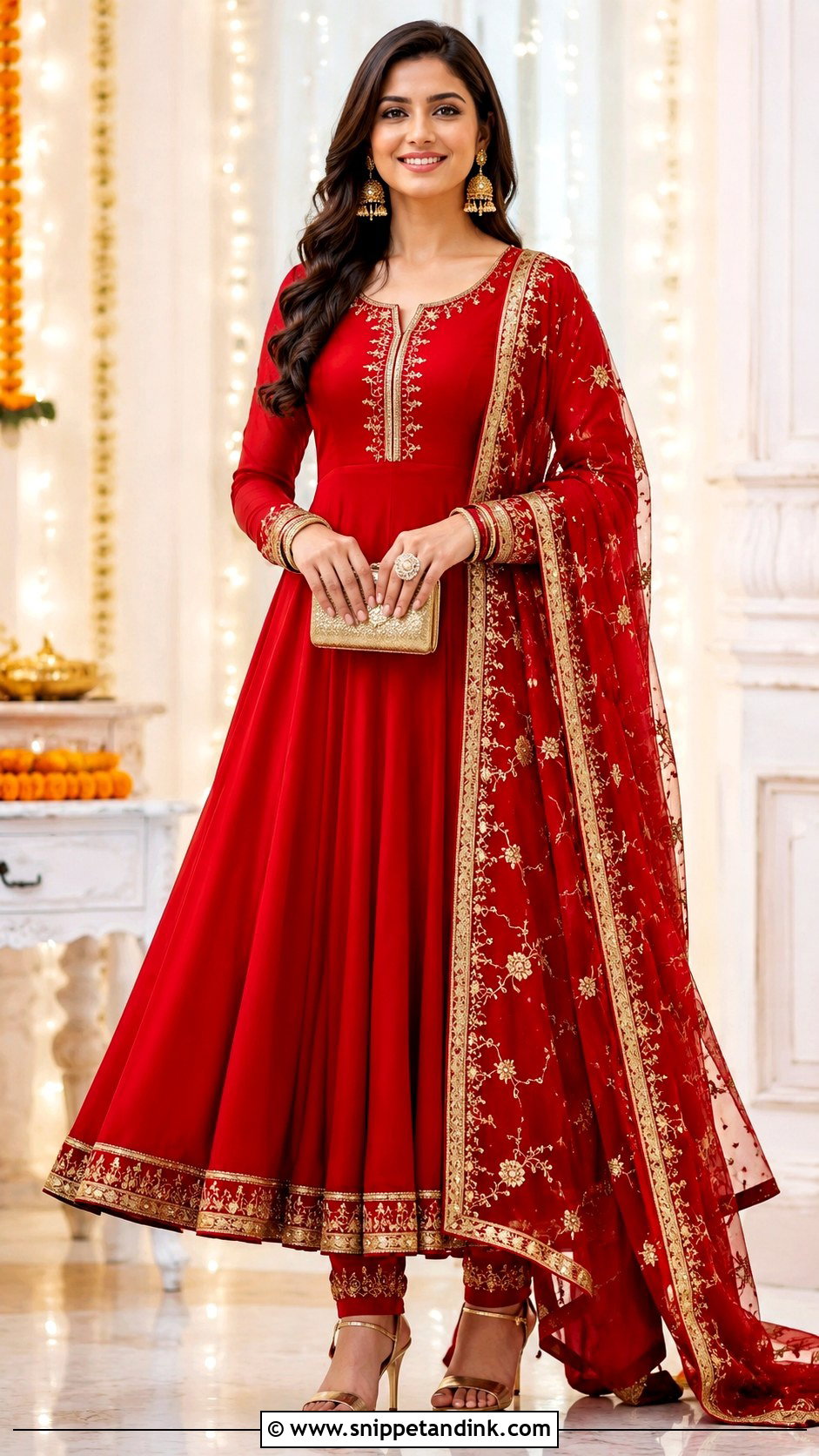
Red is the colour that wants the most flare, because every panel picks up a slightly different shade as the light hits it. I’d choose silk, georgette or organza here; red chiffon can look thin unless it’s double layered. Gold embroidery gives the classic wedding feel, while tone-on-tone thread is softer for a guest who doesn’t want to compete with the bride. A beige, gold or deep green dupatta stops all that red from looking flat. It sits naturally at engagement functions and festive dinners.
4. Pink Kaliyan Wala Frock Suit With Sharara
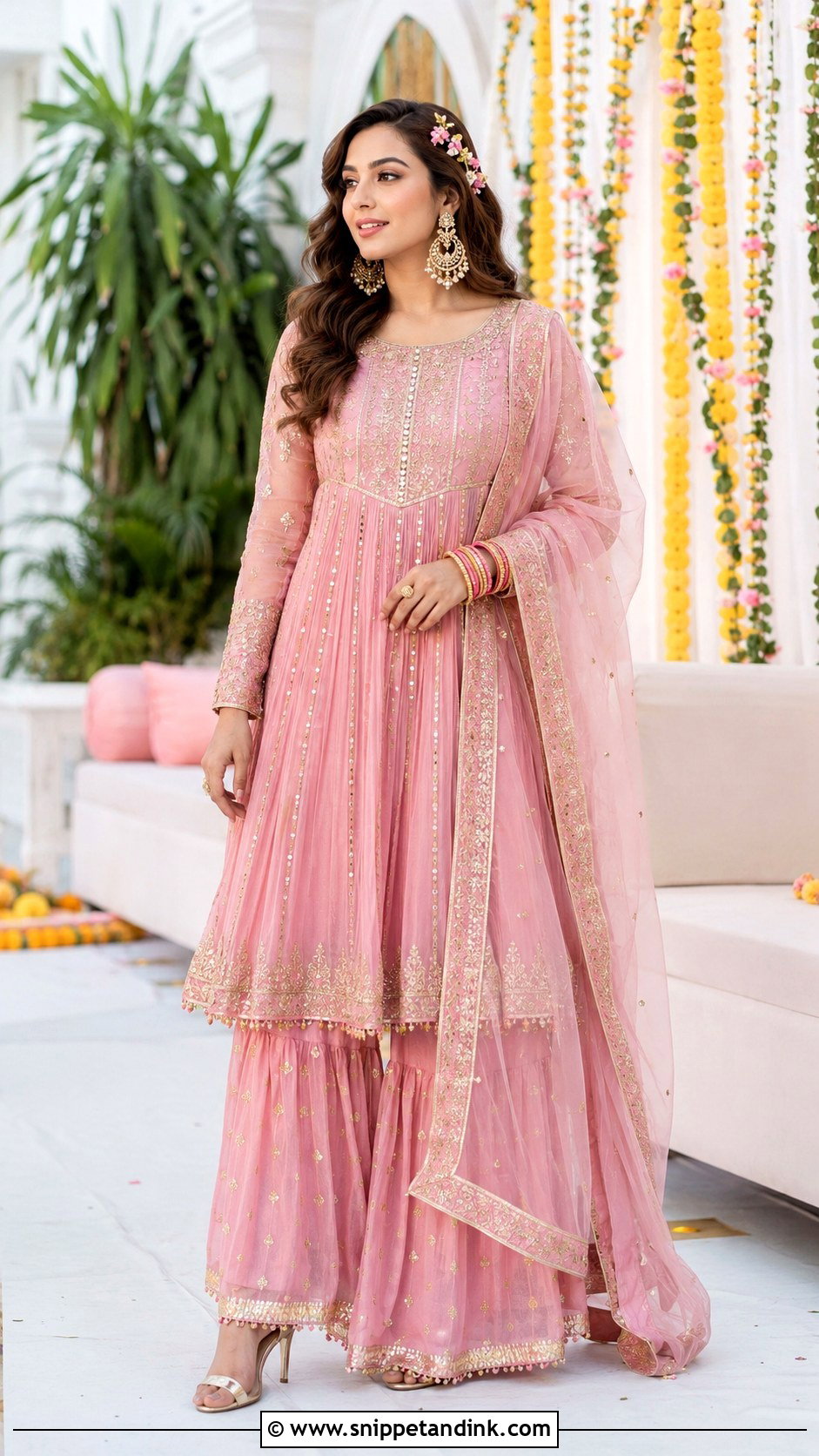
Pink kalis over a sharara give you two layers of movement, one from the waist and one from the knee. The thing I check is length: the frock should end above the sharara flare, or the two volumes collide and you look shorter. Blush and dusty pink suit daytime; hot pink and magenta wear well after dark. A pink kaliyan wala frock suit with mirror work or light resham looks right at a mehndi, especially with chandbalis and a sheer bordered dupatta.
5. Green Kaliyan Wala Frock Suit With Gharara
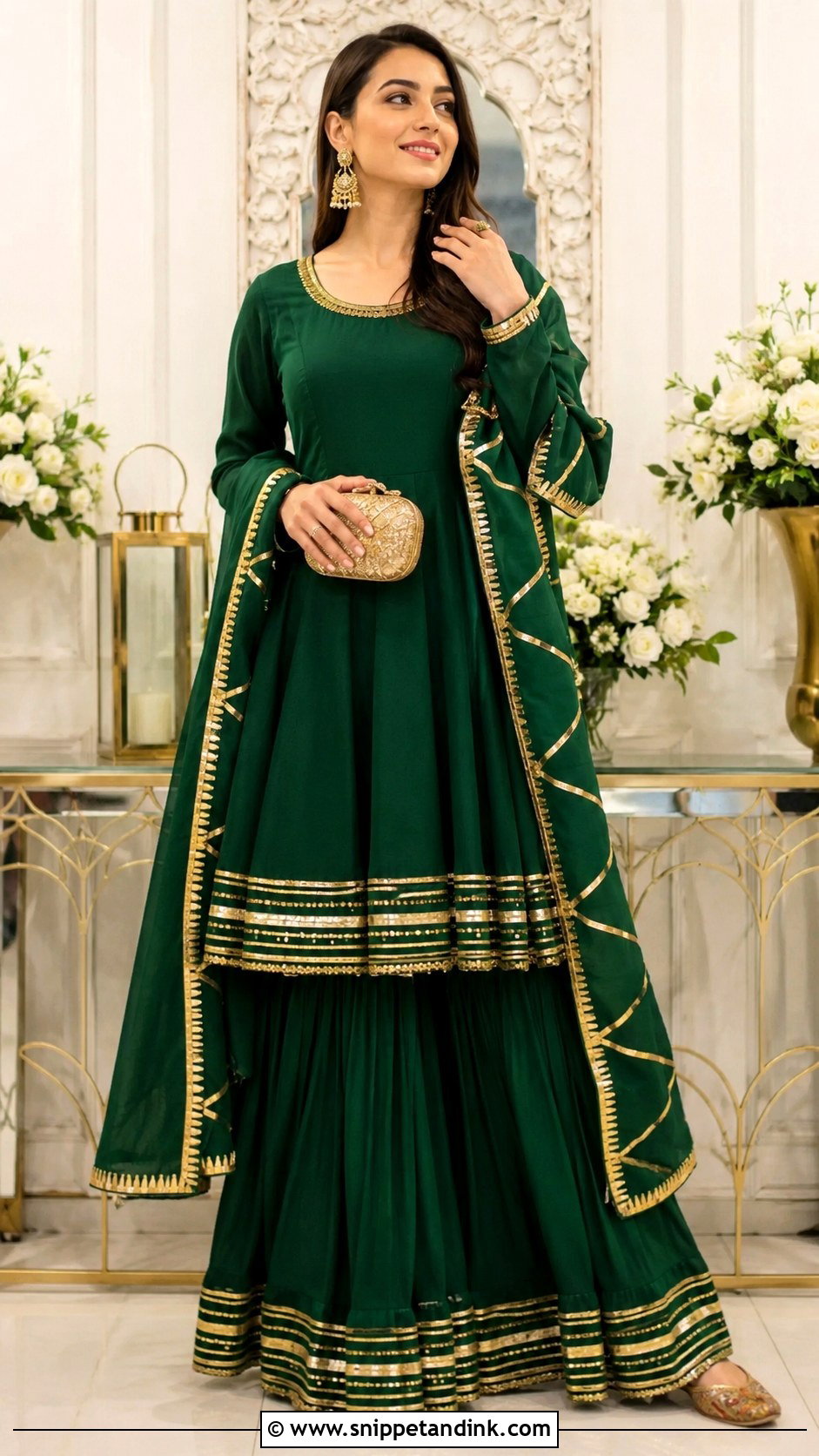
Green with a gharara is the most traditional pairing in this list. Emerald and bottle green feel formal, while mint, pista and mehndi green belong to daytime and the mehndi itself. I usually cut the frock shorter when the gharara has a lot of gota at the knee joint, so that work isn’t hidden. Gold jewellery warms green; pearls make it softer. Block heels are kinder than stilettos with a gharara, since the flared hem hides your feet and you need to feel steady on the stairs.
6. Blue Kaliyan Wala Frock Suit With Straight Pants
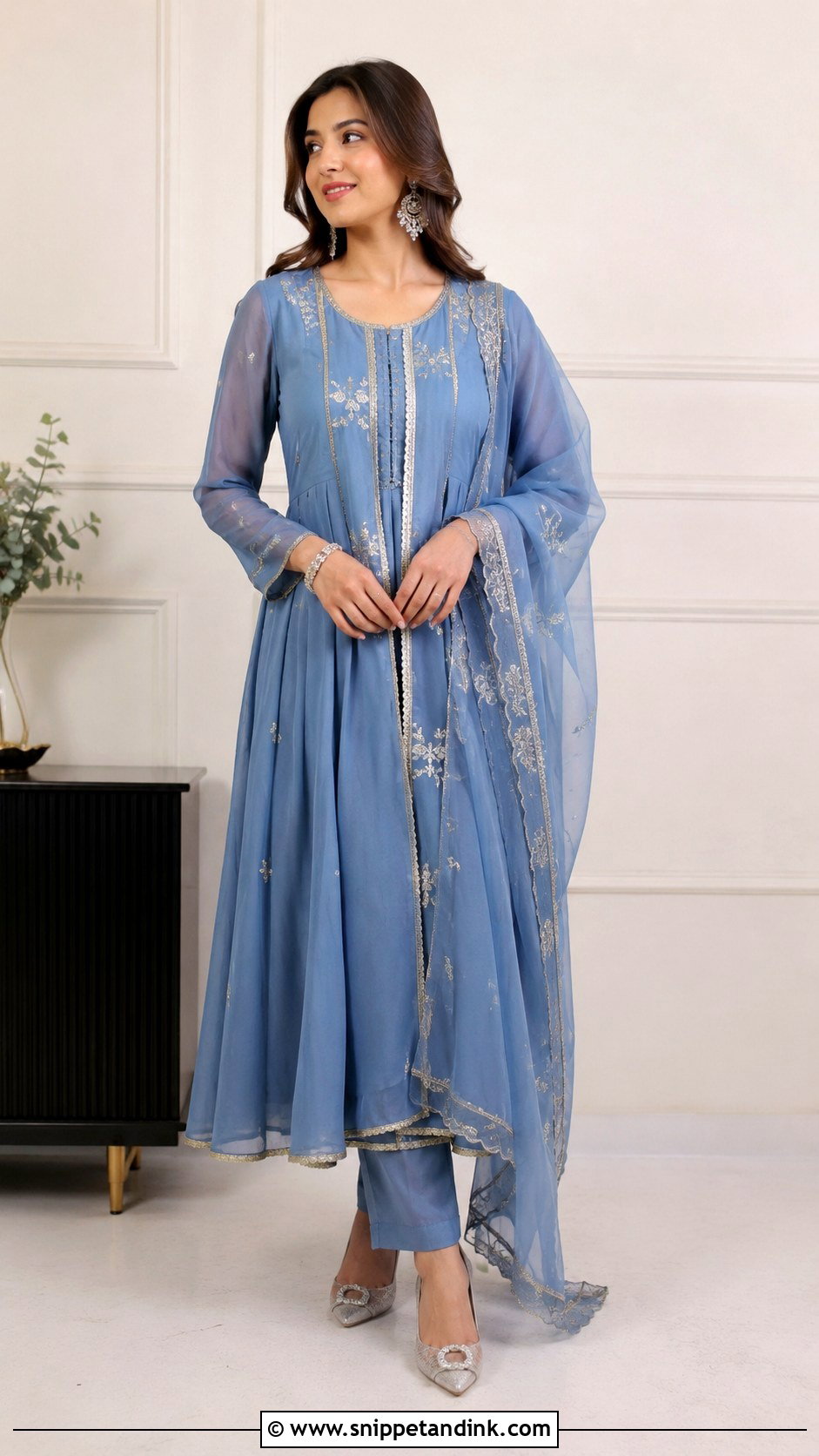
Straight pants give the calmest silhouette, which is why I recommend this pairing for guests who want a paneled frock without a lot of volume below. The flare stands out because nothing underneath competes with it. Powder blue feels young, navy feels formal and teal sits in between. Keep embroidery to the neckline and sleeves, and choose a printed or organza dupatta for interest. Pointed flats suit an office celebration or a family dinner.
7. Yellow Kaliyan Wala Frock Suit With Gota Dupatta
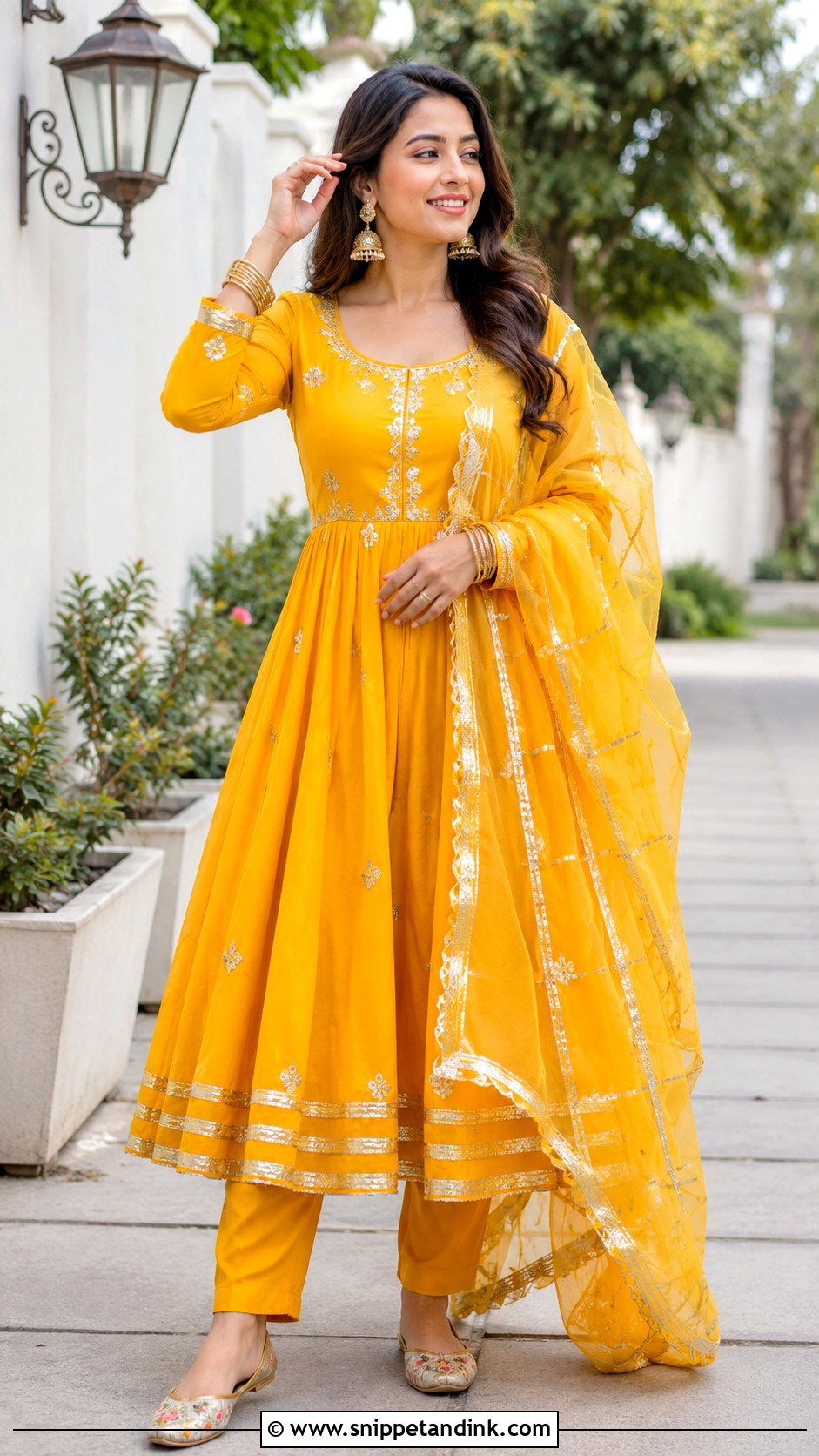
Yellow suits a flared frock because the panels catch light and fold it into soft shadows. Mustard, lemon, marigold, and pastel yellow shades all belong at mayun and haldi-style mornings. When the dupatta carries heavy gota, I keep the frock almost plain so the two don’t fight. Gota is metallic tape and can scratch bare arms, so if your dupatta is edged in it, drape it over the shoulder rather than wrapping it around the neck. White, gold or green accessories finish it.
8. Purple Kaliyan Wala Frock Suit With Organza Dupatta
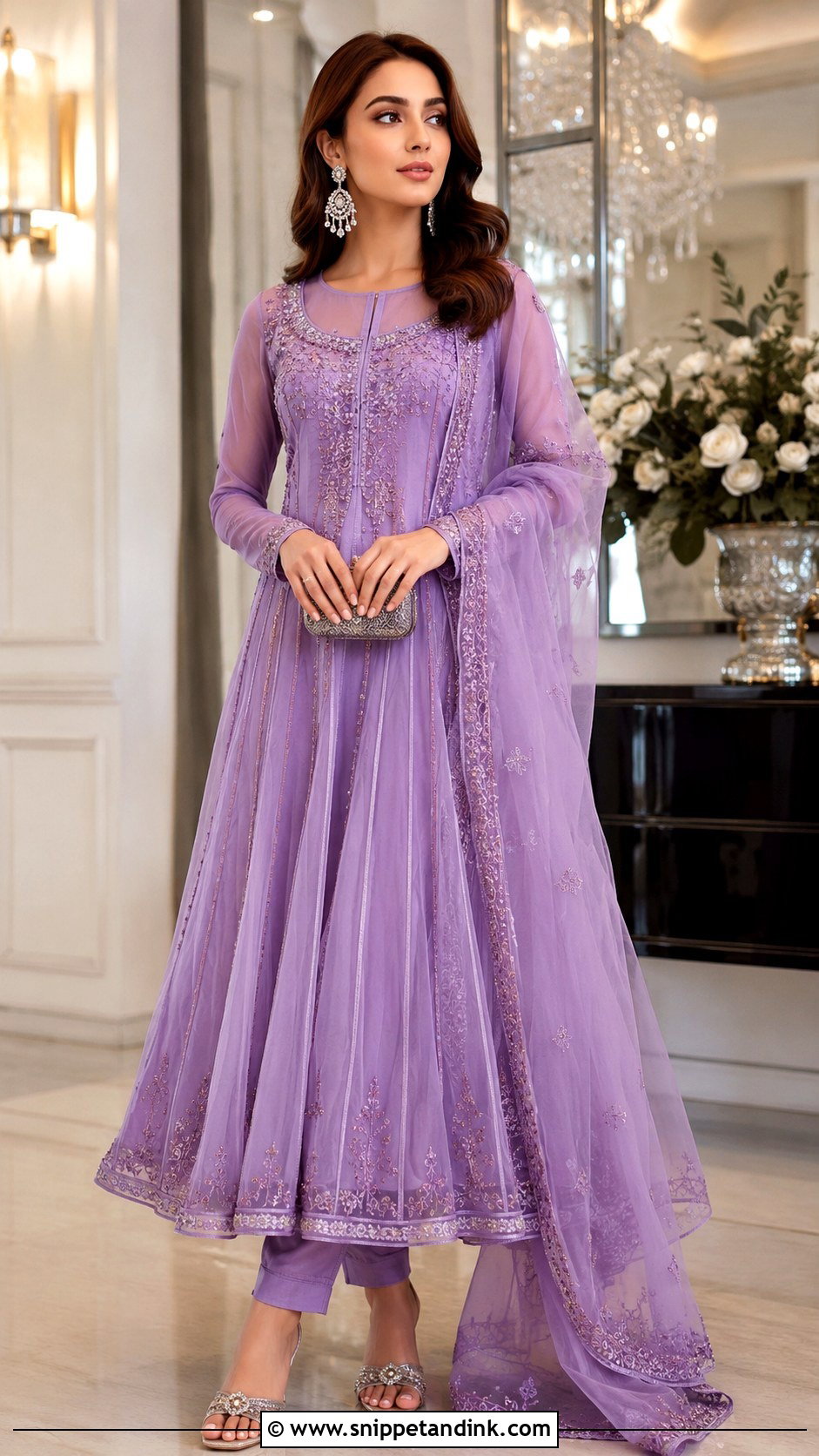
Organza is stiff compared with the frock, and that contrast is what makes this pairing work: the frock drapes, the dupatta holds its shape. Lavender looks modern; plum and aubergine are more formal. Choose silver embroidery for a cool palette or gold for warmth, then match your earrings to whichever metal you picked. Organza does crease sharply, so steam it on the day rather than ironing, which can leave shiny marks. Receptions and evening dinners suit it.
9. Peach Kaliyan Wala Frock Suit With Chiffon Dupatta
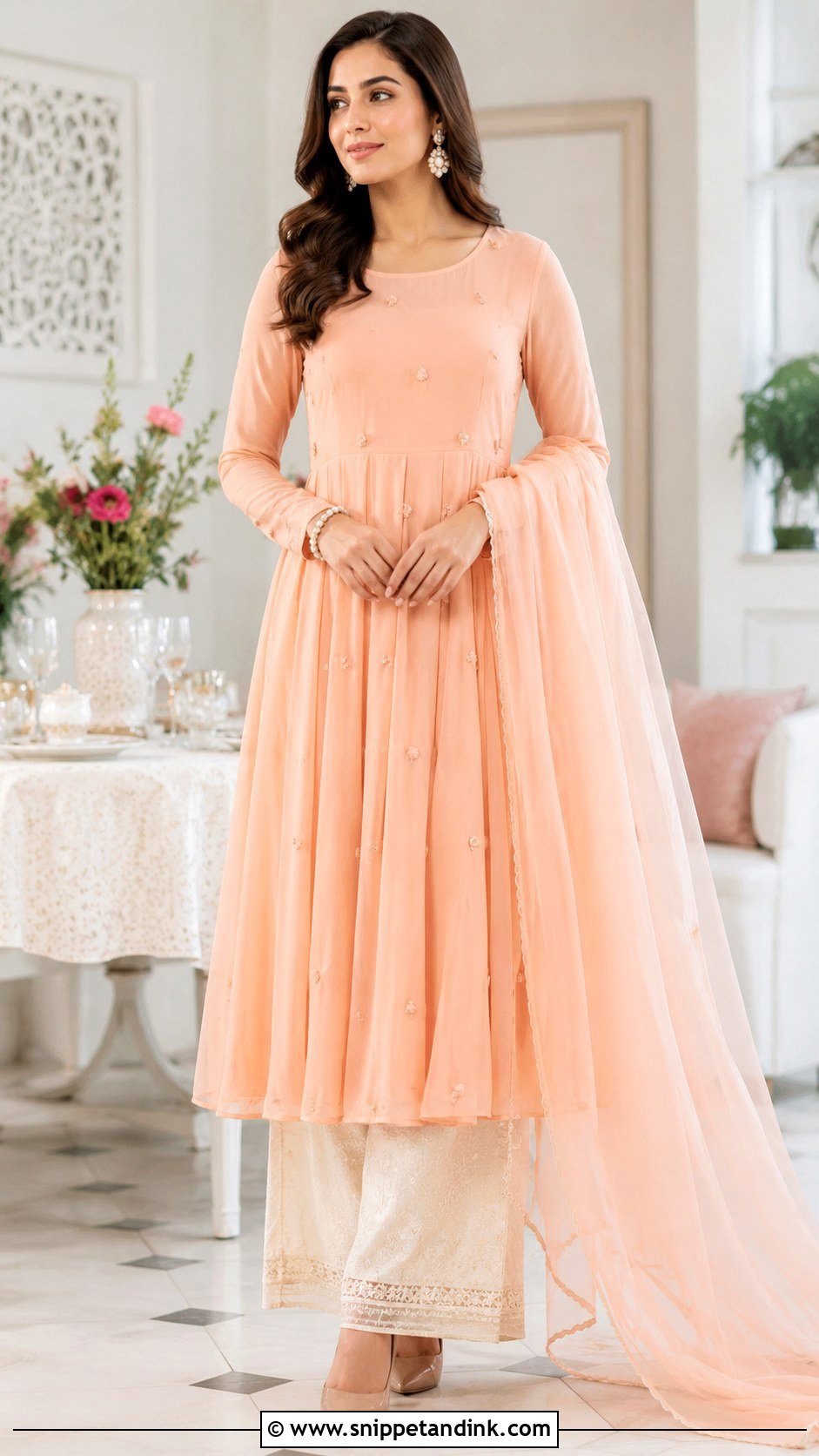
Peach is forgiving on most skin tones and looks warm in daylight. With floral embroidery, white lace and a few pearls, it stays soft without turning sugary. A chiffon dupatta moves with the frock’s flare, and straight pants keep the outline neat, while palazzos relax it. Pearl earrings and nude heels are all it needs. I’d keep this one for daytime parties and family lunches; under yellow evening lighting, pale peach can look washed out.
10. Maroon Kaliyan Wala Frock Suit With Gold Work
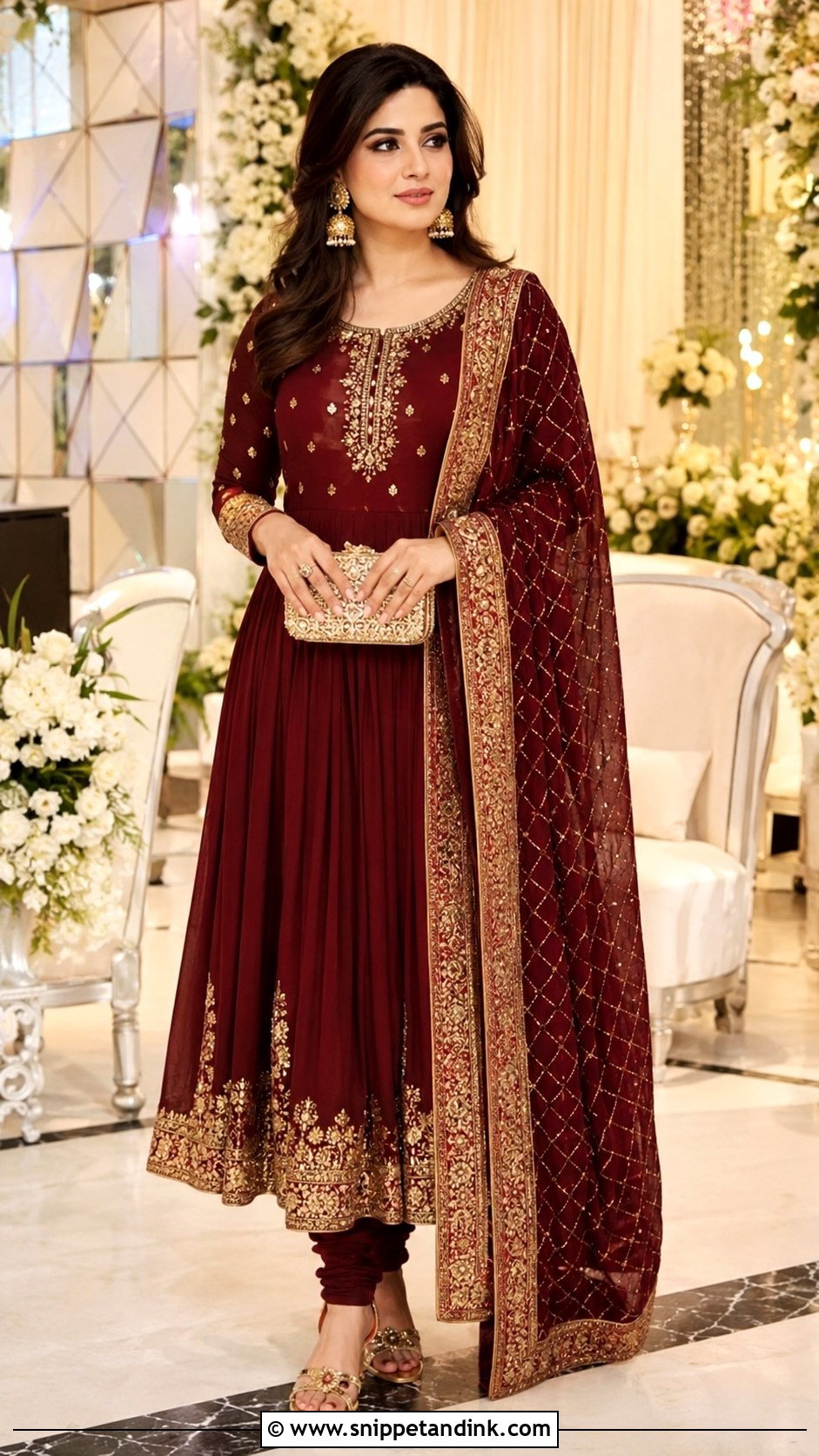
Maroon and gold is my go-to combination for a guest who wants something unmistakably festive but not bridal red. The deep colour makes every kali seam look rich, especially in velvet or raw silk. Put gold work on the bodice, sleeves and hem, then step back from heavy jewellery. A churidar keeps the shape tidy. Real zari darkens over time, so after the function air it out and store it wrapped in muslin rather than plastic.
11. Cotton Kaliyan Wala Frock Suit For Daily Wear
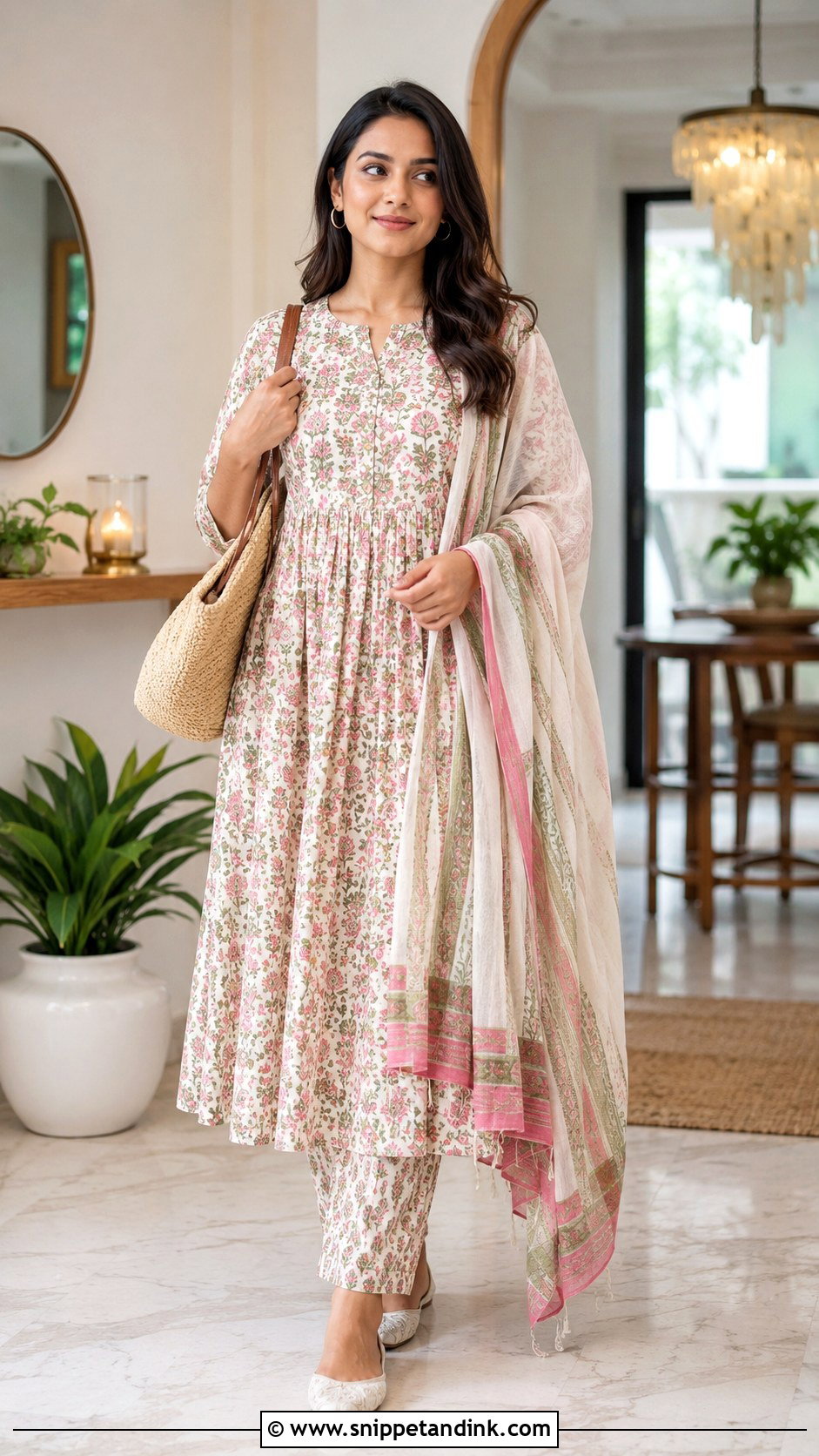
For daily wear, a cotton paneled frock gives you movement without the fuss of a party outfit. Block prints, small florals and checks suit it, with straight pants or slim trousers underneath. Fewer kalis work better here: an everyday frock with a very full flare gets caught in car doors and chairs. Flat juttis, studs and a light cotton dupatta keep it practical for errands, college or work-from-home days.
12. Chiffon Kaliyan Wala Frock Suit For Party
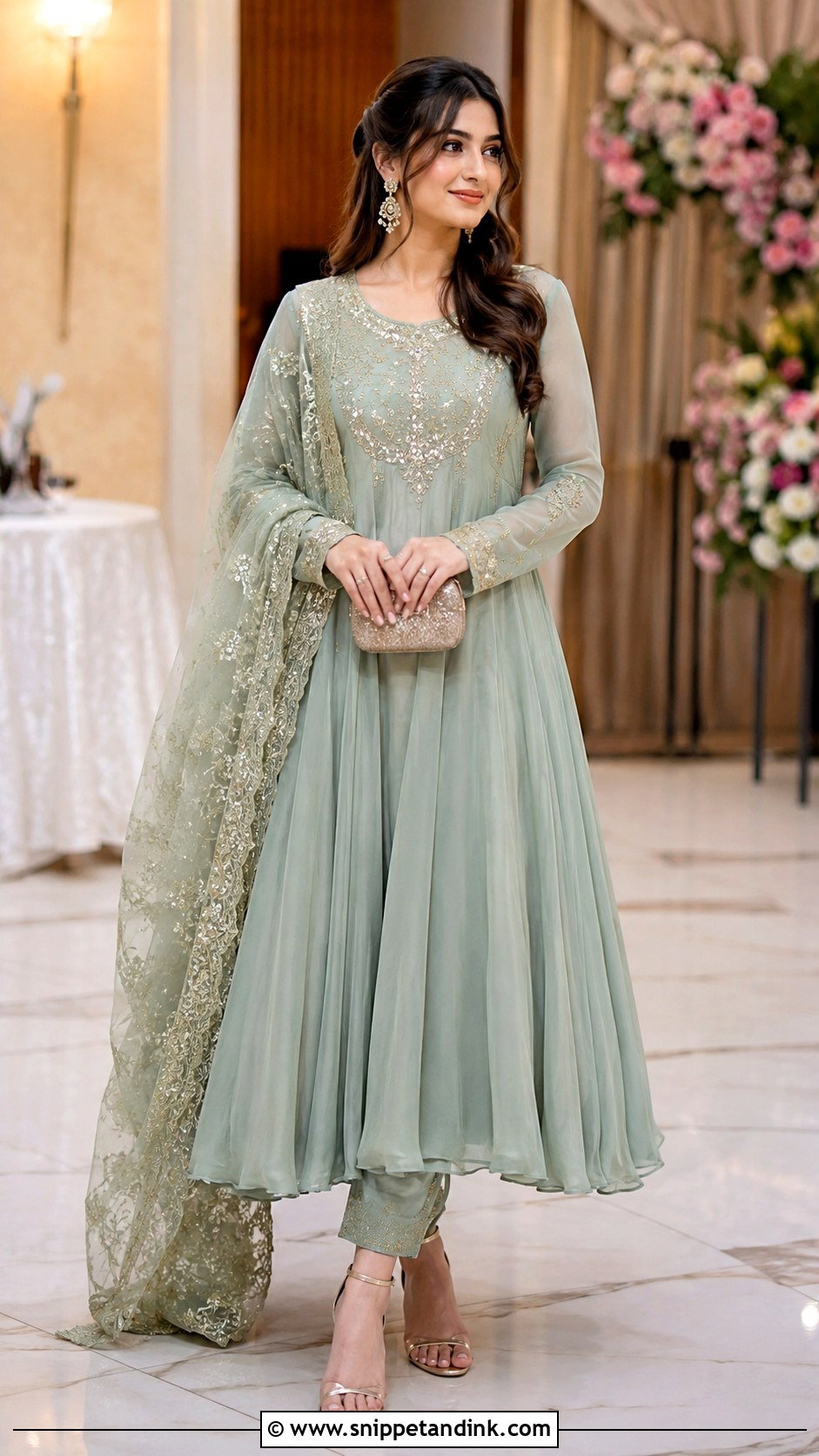
Chiffon makes the lightest kali flare, because each panel floats rather than stands out. That also means it needs embroidery around the neckline, sleeves and hem, or it can look unfinished at a party. I pair it with straight pants or a churidar when the frock is long, and a slim palazzo when it’s shorter. Stitched chiffon panels can pucker at the seams, so check the side seams under good light before you buy. Drop earrings and metallic heels suit birthdays and festive dinners.
13. Georgette Kaliyan Wala Frock Suit With Embroidery
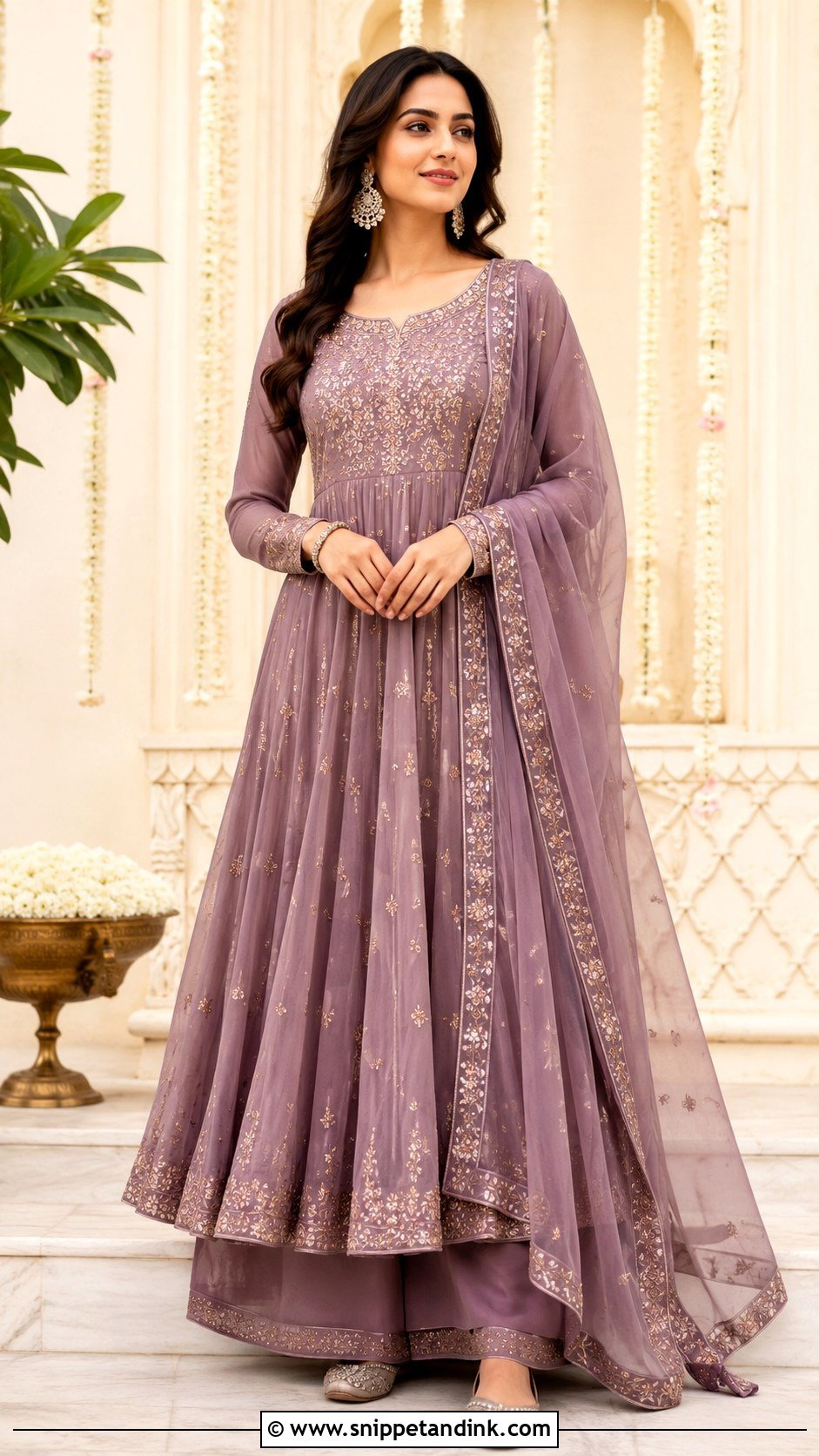
Georgette is the fabric I trust most for a paneled frock: it drapes, it doesn’t crease badly and it holds embroidery well. A georgette frock suit with embroidery can be light for daytime or heavy with resham, zari, mirrors and sequins for a wedding. Heavy work weighs the panels down, so the flare falls closer to the body than in the shop photos. Choose a churidar for a classic look or palazzos for something more relaxed. Match earrings to the embroidery thread colour.
14. Silk Kaliyan Wala Frock Suit For Wedding
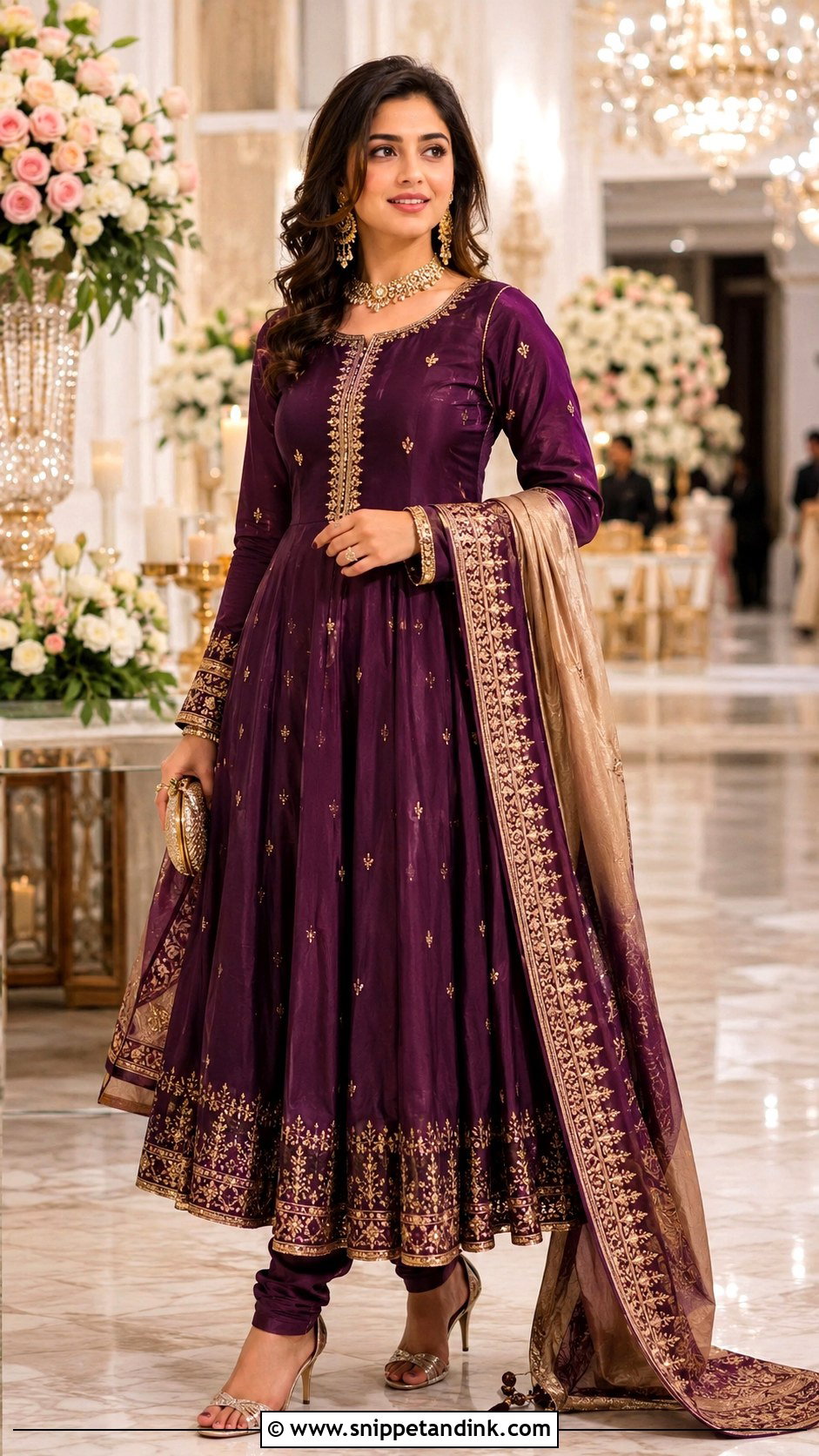
Silk gives kalis a crisp outline that drapier fabrics never quite manage, so even a simple design looks grand. Emerald, ruby, navy, maroon and deep purple are the jewel tones I’d reach for. Brocade panels or zari borders add weight to the hem, which actually helps the flare hang straight. The trade-off is warmth: pure silk in a summer marquee gets hot, so save it for evening receptions and cooler months. A silk or organza dupatta with a heavy border completes it.
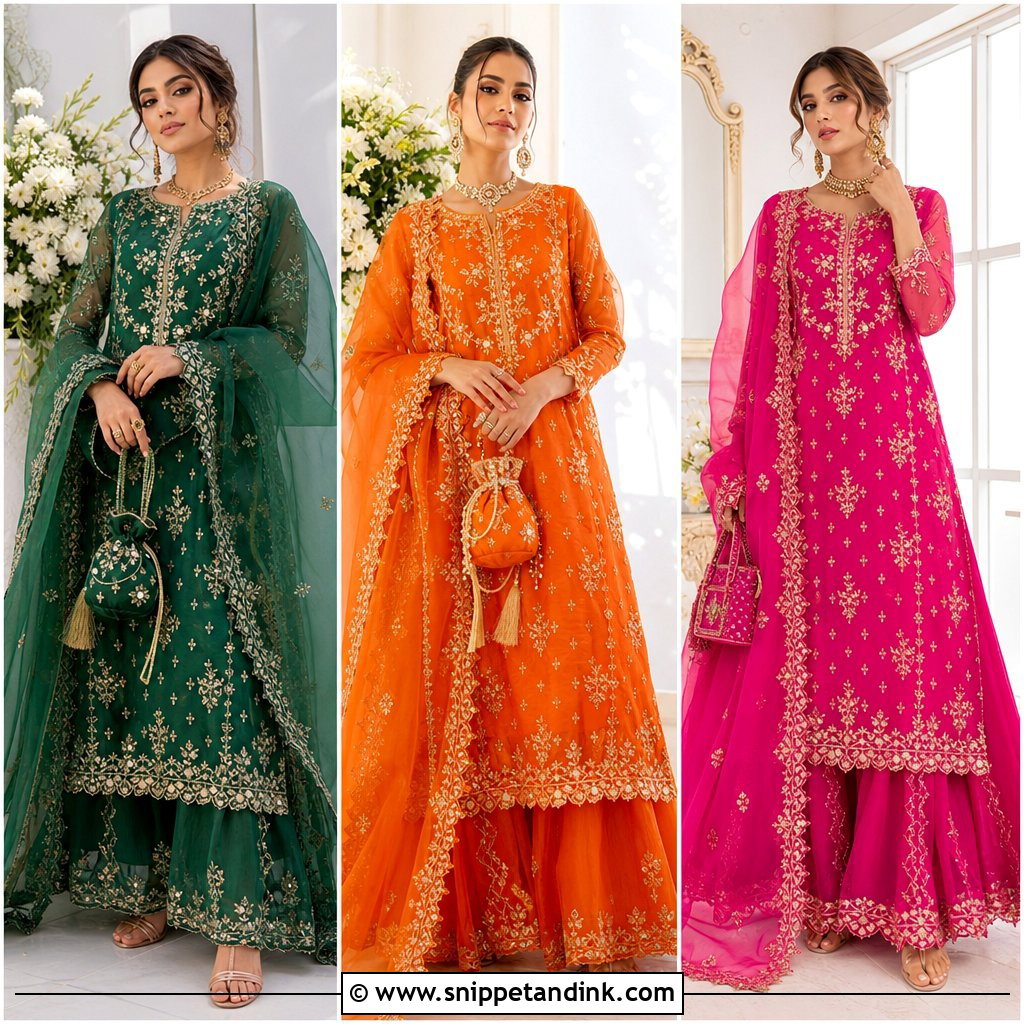
15. Velvet Kaliyan Wala Frock Suit For Winter
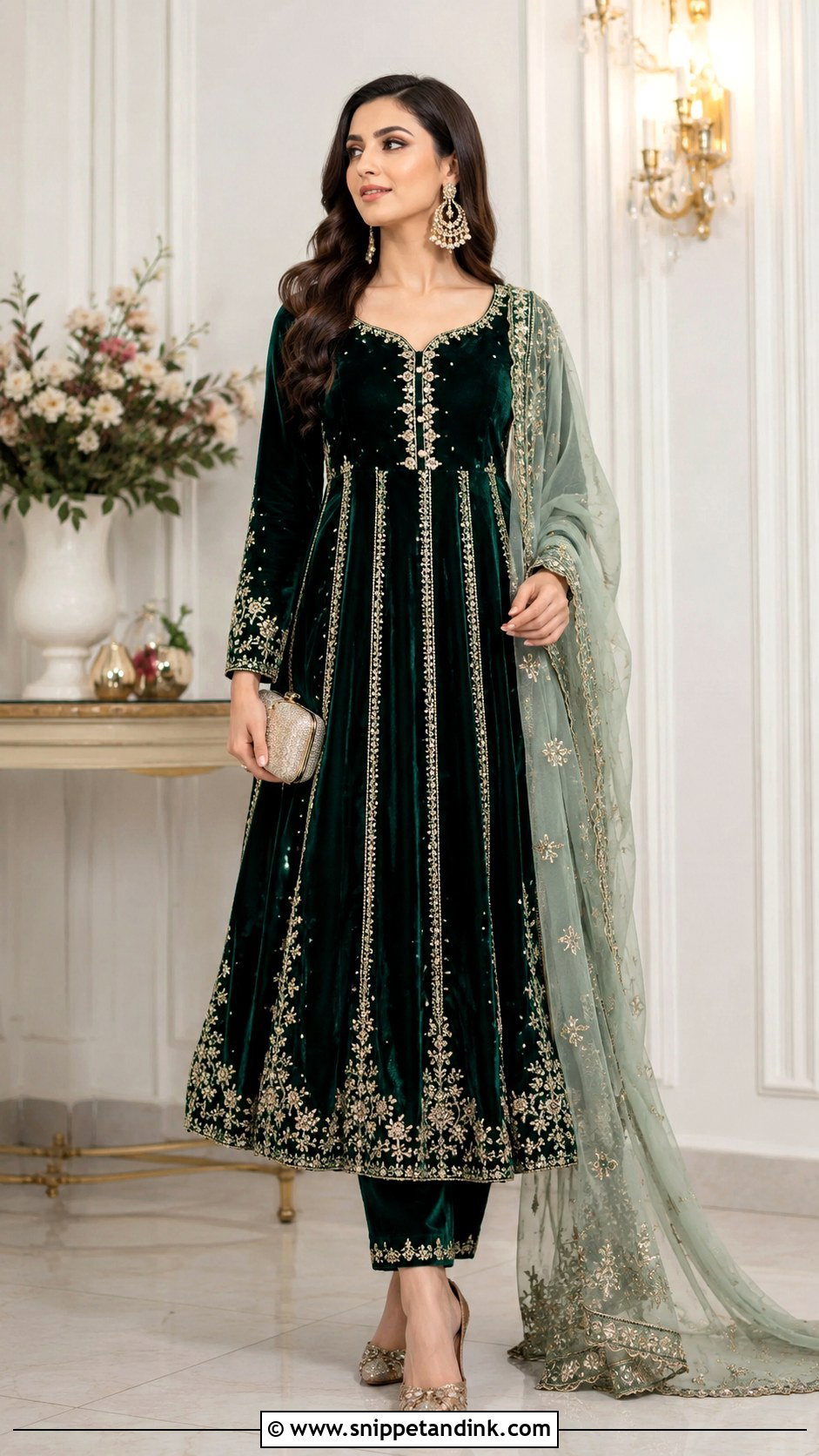
Velvet is the warmest choice and the heaviest, which is why I keep embroidery to the neckline, cuffs and border. Black, maroon, navy, emerald, plum and chocolate all look rich because velvet pile soaks up light. A full skirt of velvet kalis can feel like a lot of fabric, so I ask for fewer, wider panels. A net, chiffon or organza dupatta lightens the top half. Closed-toe heels make sense at winter weddings and evening dinners.
16. Printed Kaliyan Wala Frock Suit With Pants
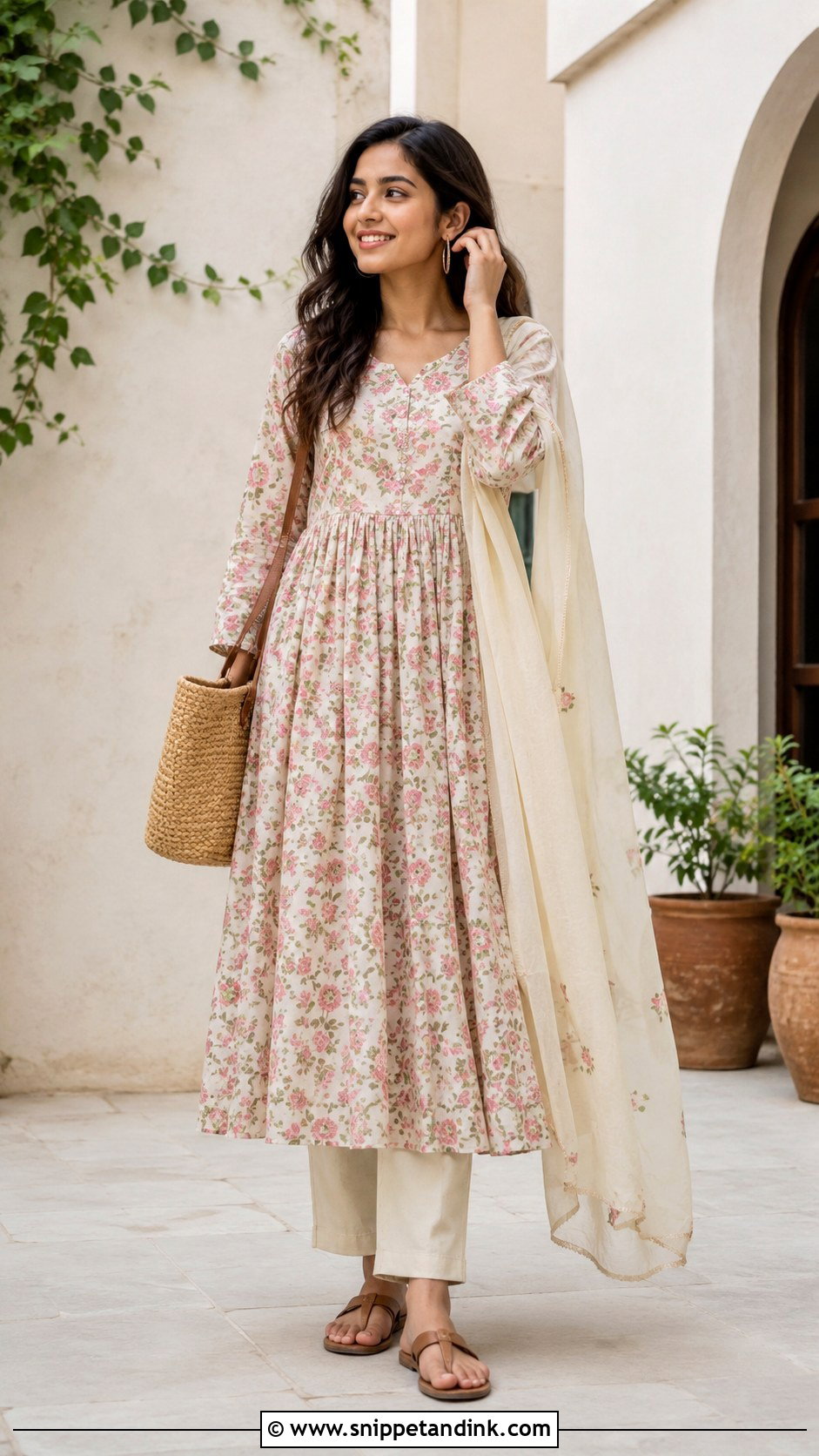
Prints follow the flare and move as you walk, which makes even a casual paneled frock look lively. When the print runs across panels, look at whether it was matched at the seams; mismatched florals at every kali join give away a rushed cut. Keep the pants plain if the frock is busy. A dupatta in one of the print colours ties it together. Flats, hoops and a tote suit shopping days and relaxed family visits.
17. Floral Kaliyan Wala Frock Suit With Dupatta
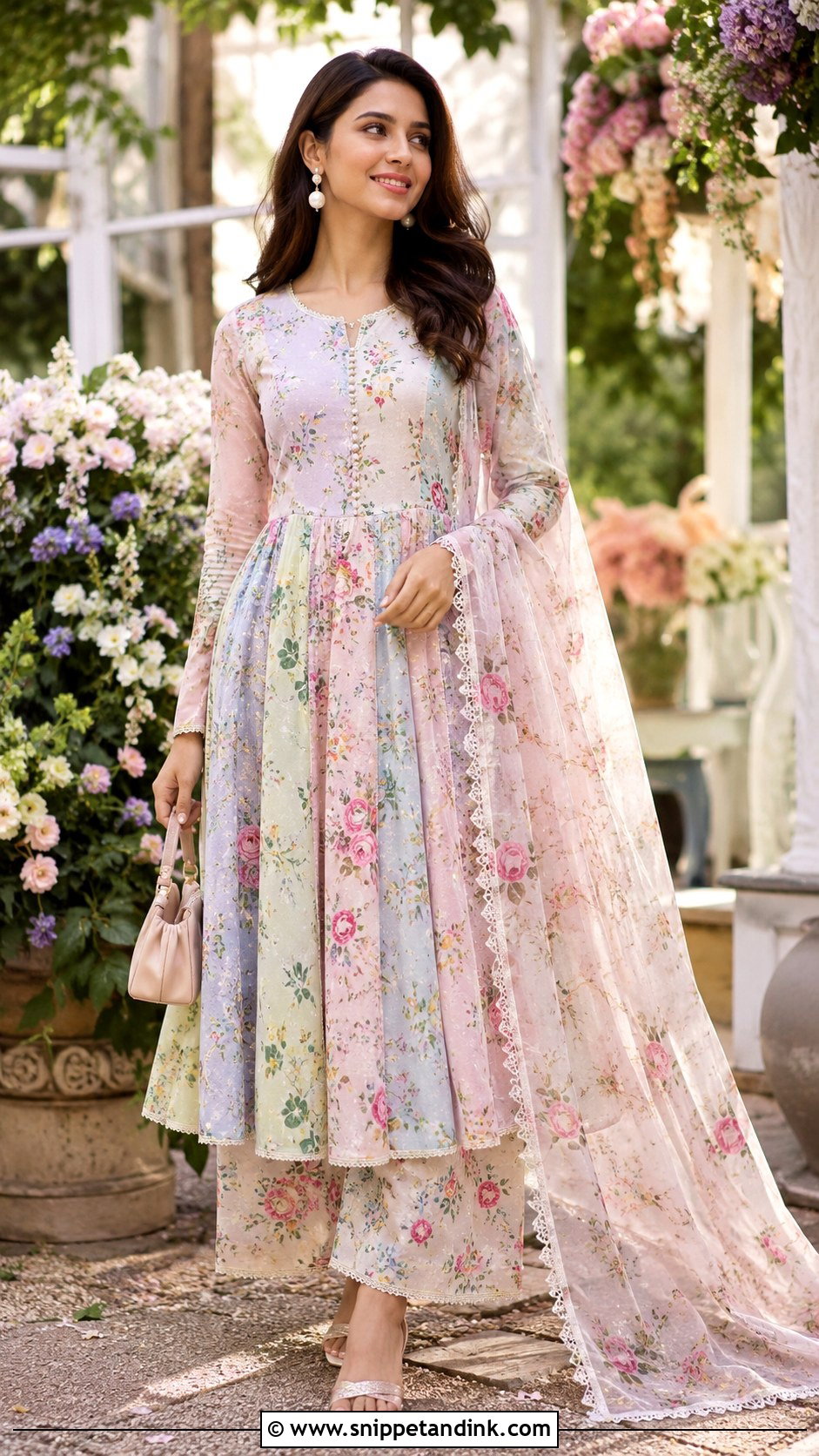
Small florals read delicate; large ones feel bold and festive. I put pastel prints on daytime guests and darker grounds on evening ones. A plain dupatta with lace edging calms a busy print, while a matching printed dupatta makes a coordinated set. Pearl earrings and soft makeup suit it, and straight pants or palazzos both work. Garden parties and family brunches are where it sits most comfortably.
18. Mirror Work Kaliyan Wala Frock Suit
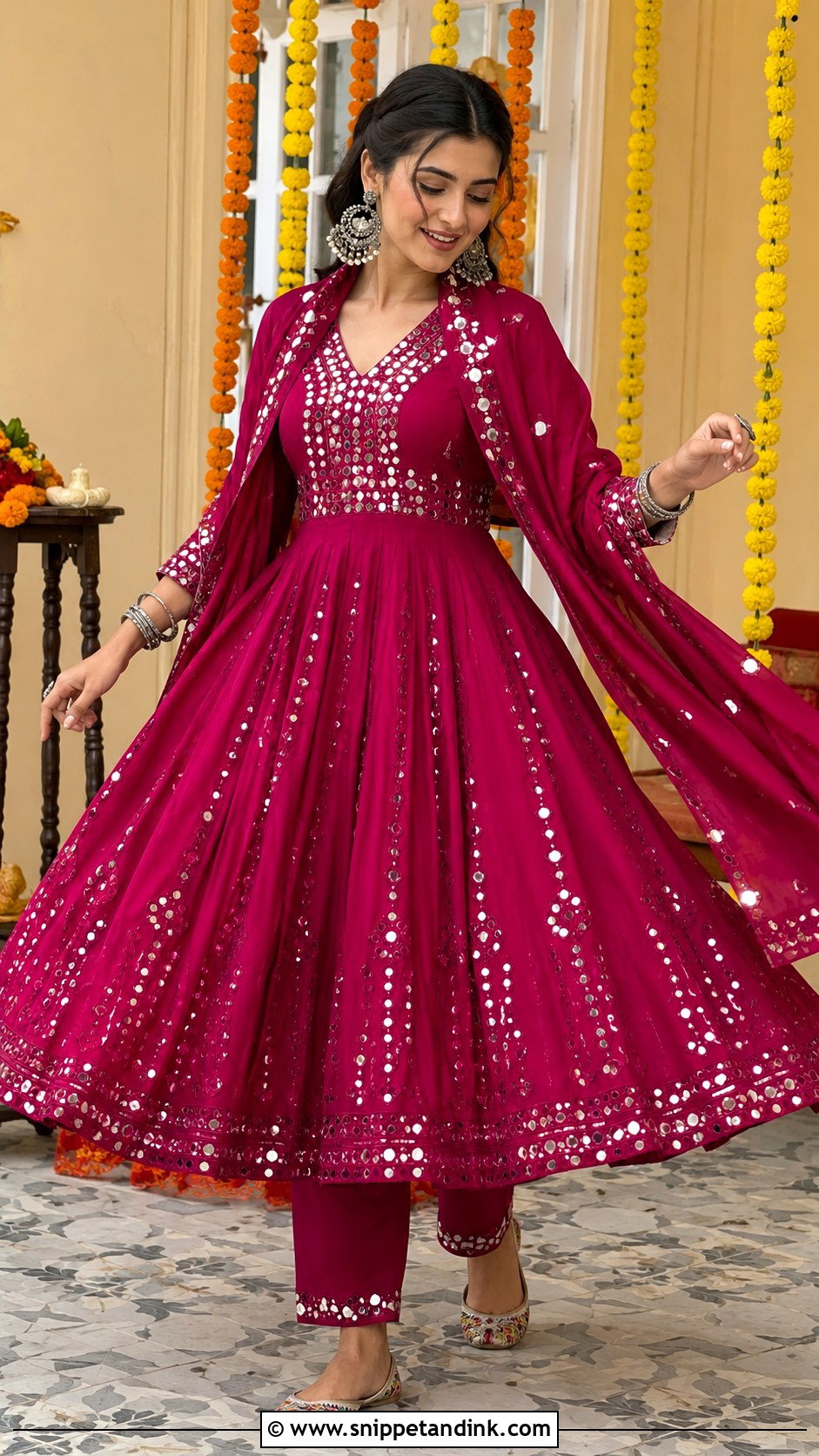
Mirror work does the job of jewellery, so you can go lighter on earrings and bangles. I prefer mirrors placed on the bodice, sleeves and hem rather than covering the whole frock, partly for looks and partly because fully mirrored panels are heavy and scratch the inner arm. Chiffon, georgette, cotton silk and rayon blends all hold small mirrors well. Plain pants keep the frock in focus. Oxidised silver and embroidered juttis suit mehndi nights and cultural programmes.
19. Anarkali Kaliyan Wala Frock Suit With Churidar
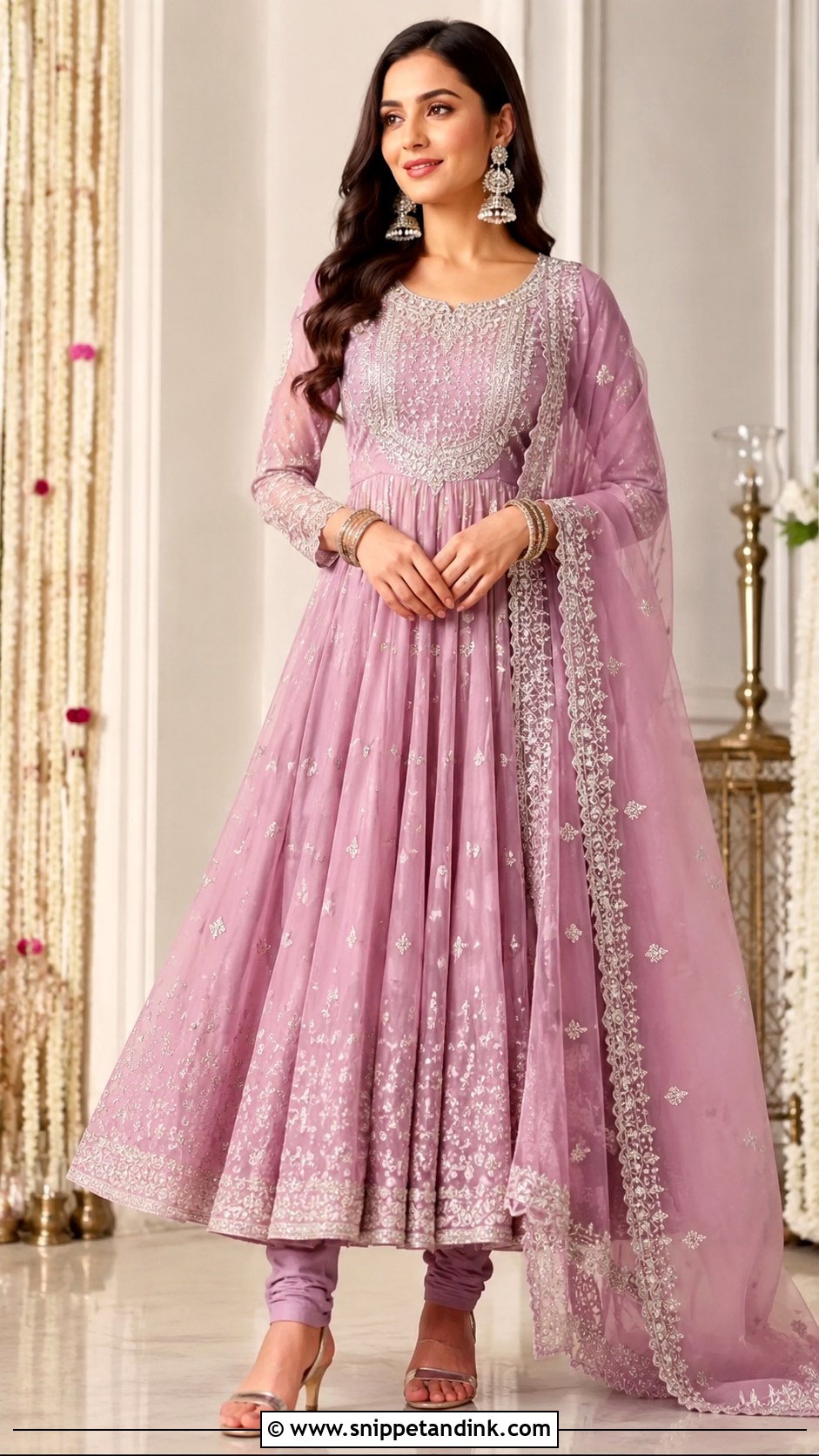
The Anarkali is the cut most people picture when they hear kaliyan wala: fitted to the waist, then flaring in long panels. A churidar underneath completes the line. Length depends on height; floor length suits taller women, while calf or ankle length is easier for petite frames and for anyone climbing stage steps. I always check the waist seam sits at the true waist, because a dropped seam makes the flare start too low. Jhumkas and a bordered dupatta finish it.


20. Short Kaliyan Wala Frock Suit With Gharara
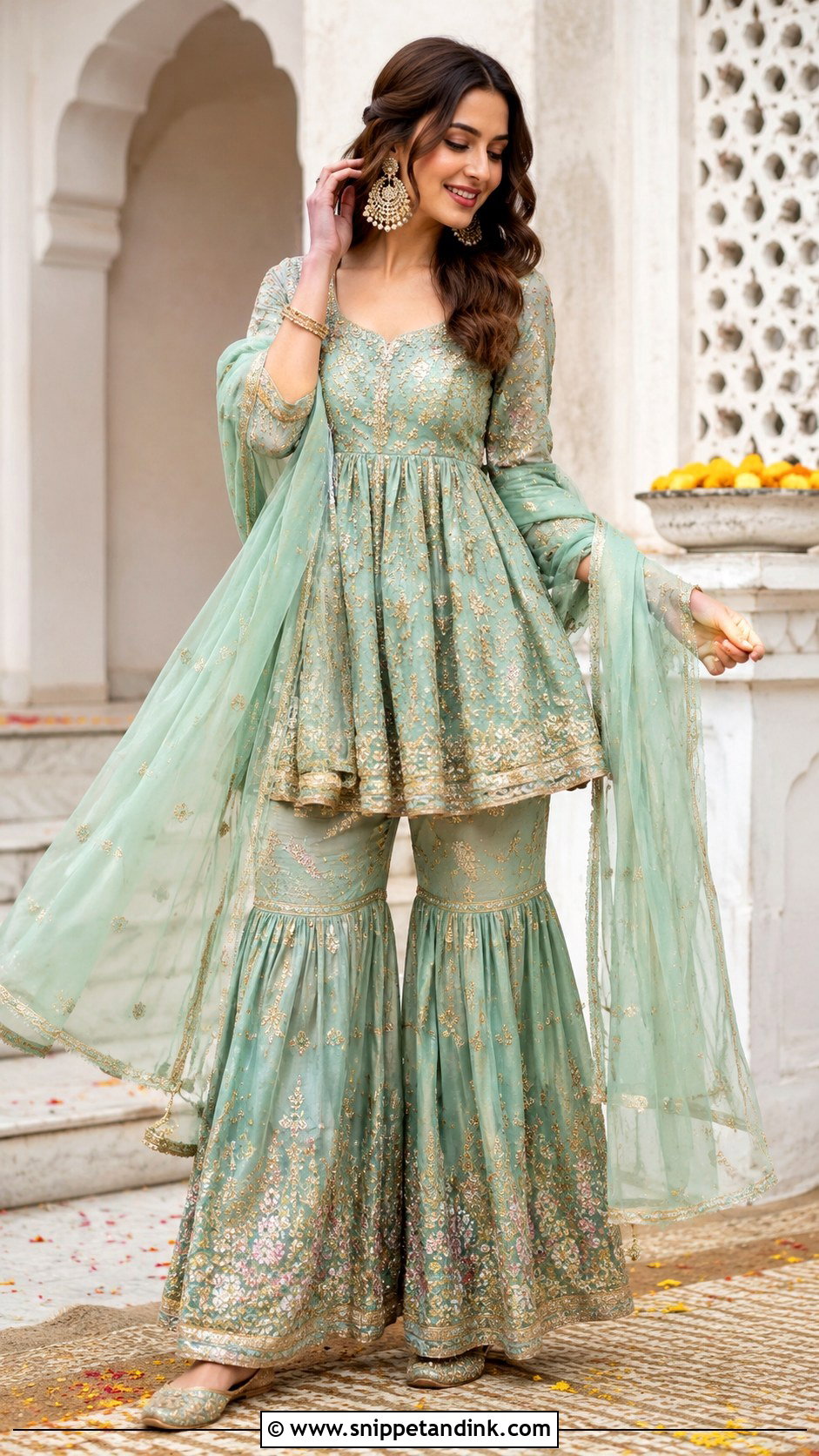
A short frock over a gharara is playful and shows off the lace, gota or pleats on the pants. The frock must fit snugly at the waist; if it’s loose, the short flare looks like a tunic rather than a frock. Bright colours, pastels and prints all work. Chandbalis and embellished khussas add a festive finish for family celebrations and lighter wedding functions.
21. Long Kaliyan Wala Frock Suit With Lehenga
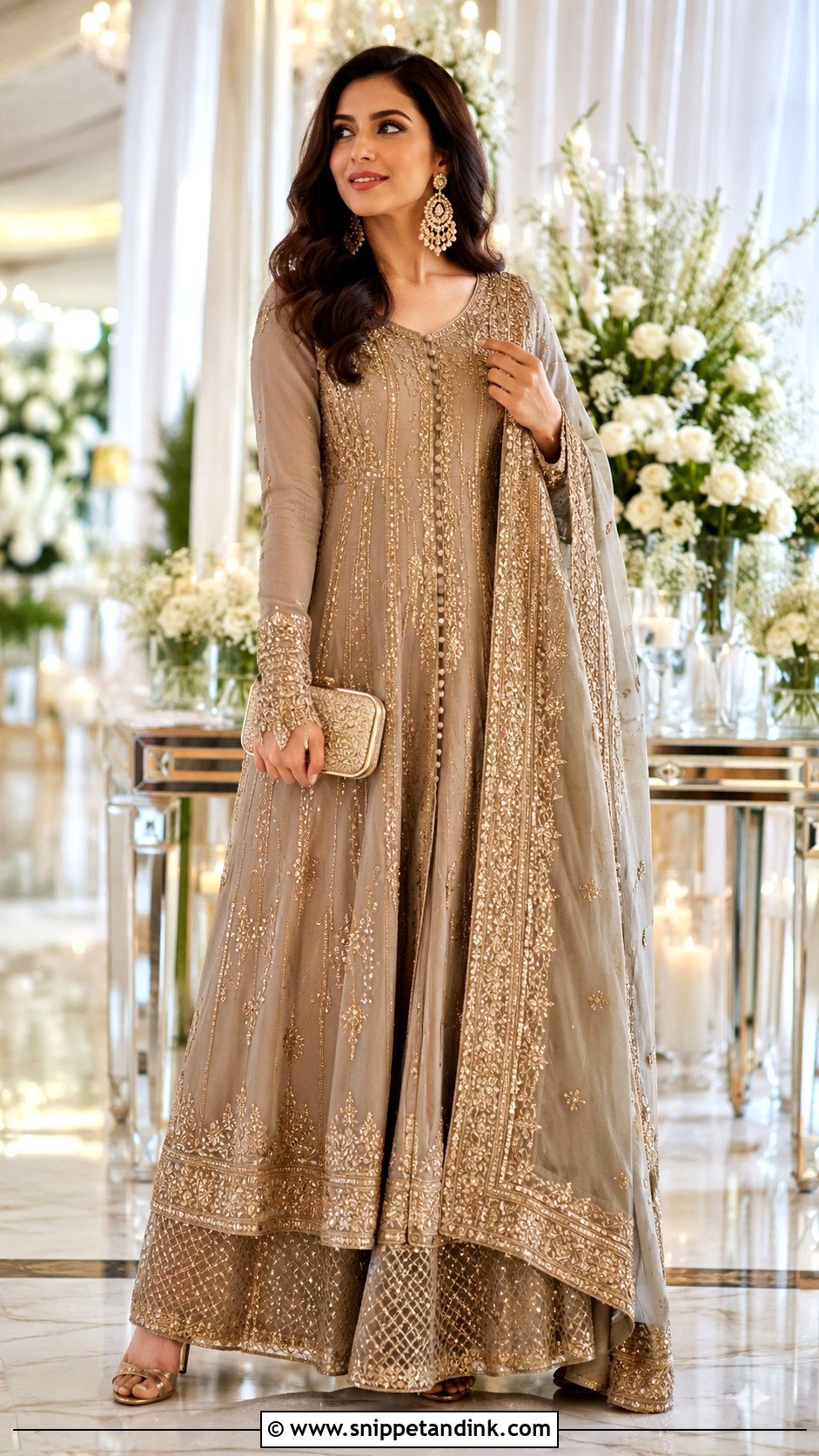
Layering a long frock over a lehenga makes the grandest outfit here, and also the heaviest. It only works when the frock is cut with front slits, sheer panels or an open flare so the lehenga shows underneath. Silk, organza, net or chiffon all suit it. I’d leave the can-can out from under the lehenga, since two layers of volume plus a stiff petticoat is too much to sit in. Statement earrings and a slim clutch balance the volume.
22. Pastel Kaliyan Wala Frock Suit For Day Function
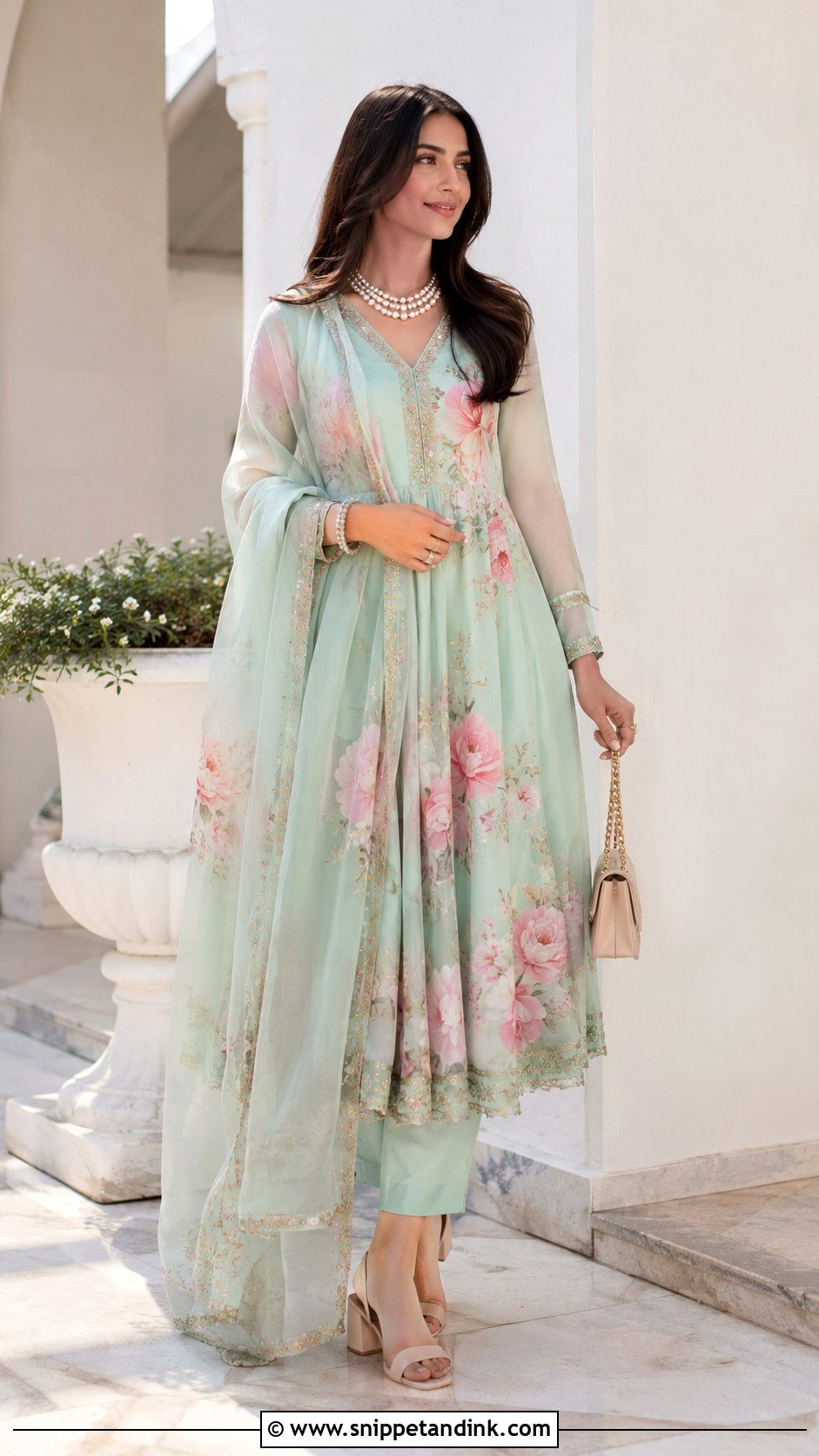
Daylight is kind to pastels in a way evening lighting isn’t, so this is a daytime outfit. Mint, powder blue, blush, lavender and peach all look fresh outdoors; ivory needs care at a wedding, since you don’t want to match the bride. Pearls, lace and light sequins suit the softness. Straight pants or palazzos keep it comfortable, with an organza or chiffon dupatta. Soft waves or a low bun finish it for engagement mornings and family lunches.
23. Heavy Kaliyan Wala Frock Suit For Reception
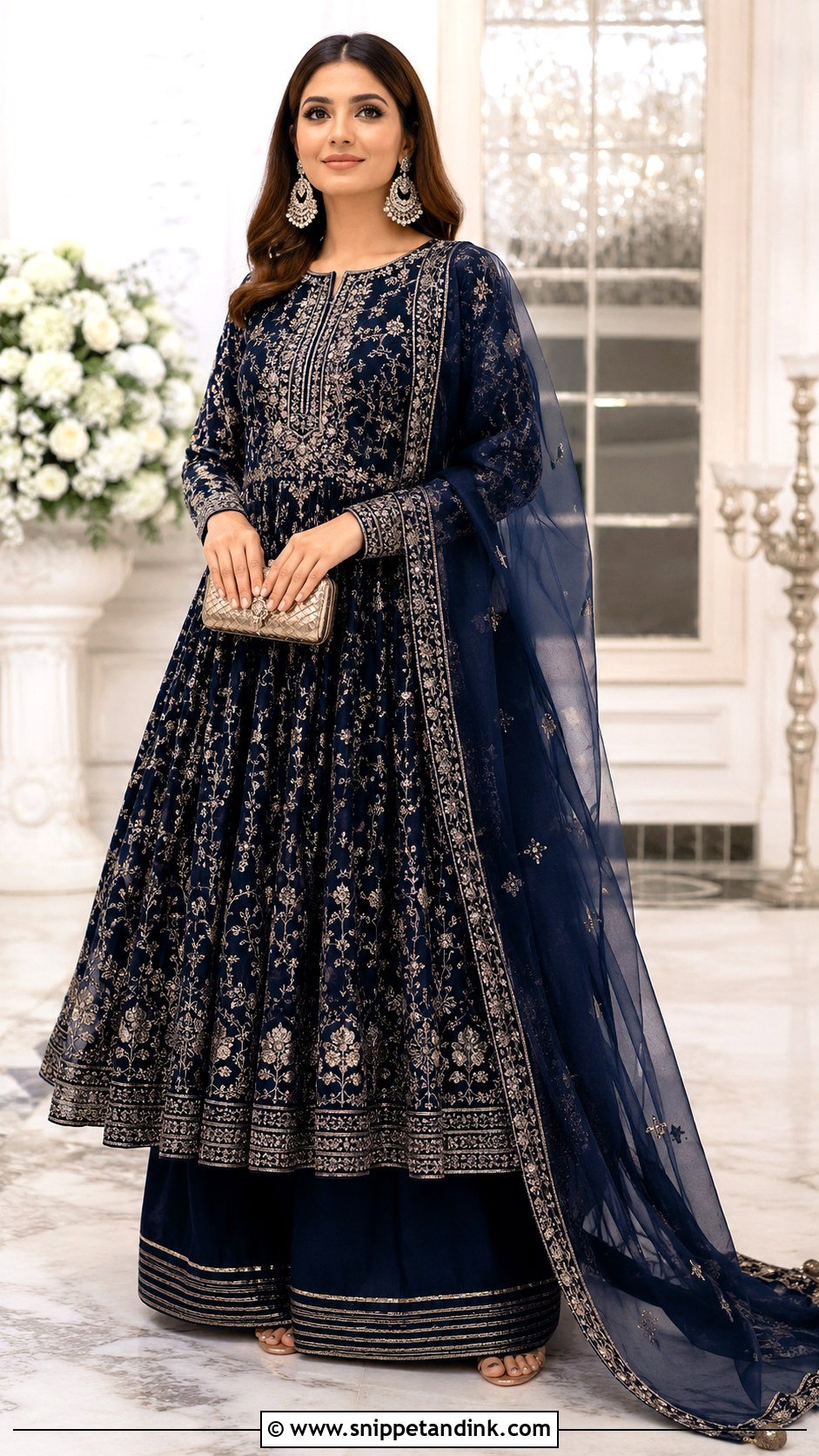
Heavy embroidery on a frock must be balanced, or the weight drags the panels and the flare collapses. I look for detail on the bodice and border with lighter work in between. Dabka-inspired work, zari, sequins or stones all suit deep jewel tones at evening receptions. Pair with a churidar, lehenga-style bottoms or structured palazzo pants depending on how full the flare is. A sheer bordered dupatta adds to the look without hiding it, and comfortable heels matter because you’ll be on your feet for hours.
24. Simple Kaliyan Wala Frock Suit For Girls
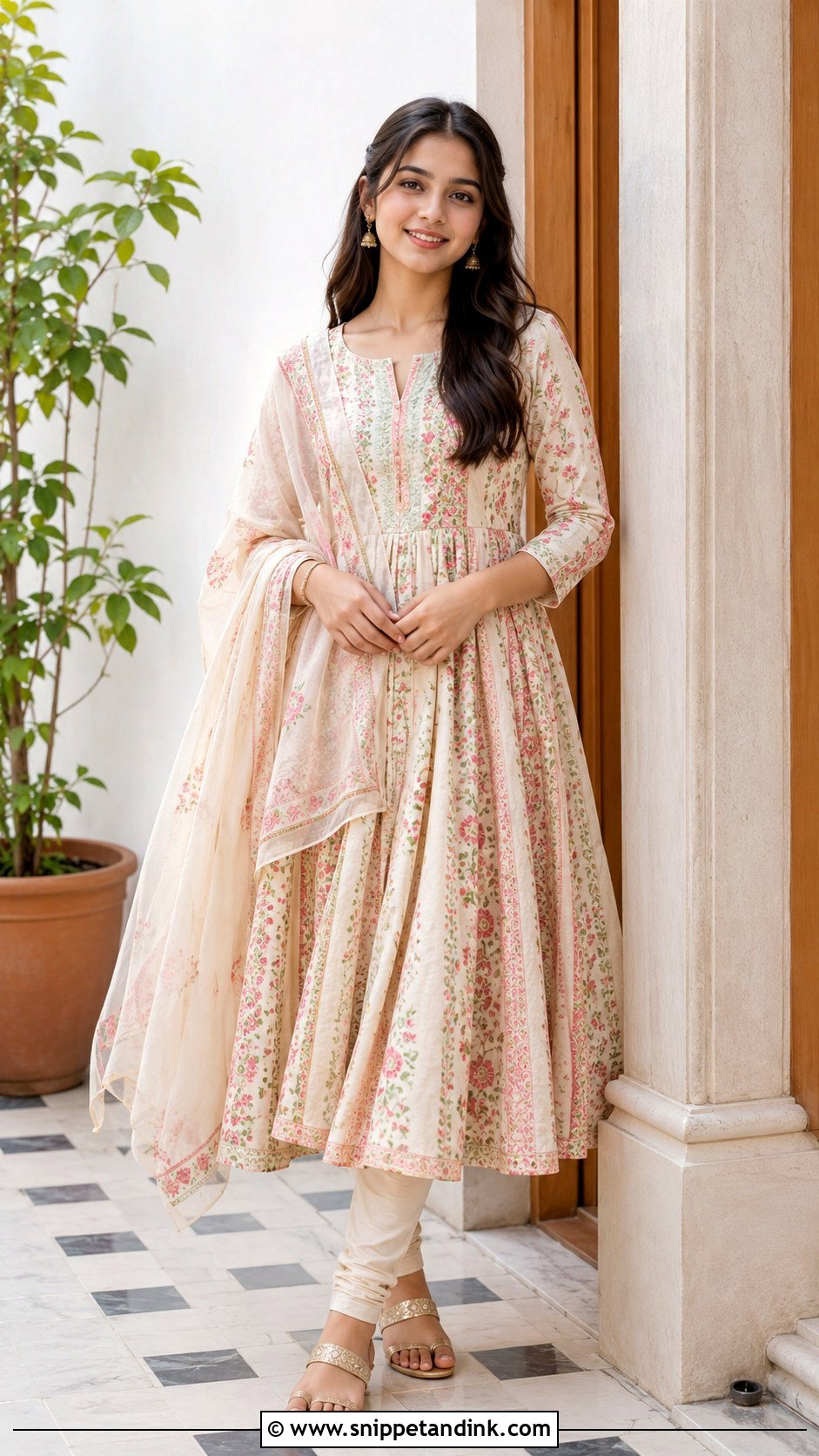
For girls, comfort comes first. Cotton, rayon, lawn and light georgette are soft enough to run and sit on the floor in. Small embroidery, lace borders or contrast piping look sweet without scratching. I’d skip sequins on the inside of the sleeves for younger children, because they rub. Straight pants or leggings keep it practical; older girls may want a light dupatta, while younger ones are happier without one.
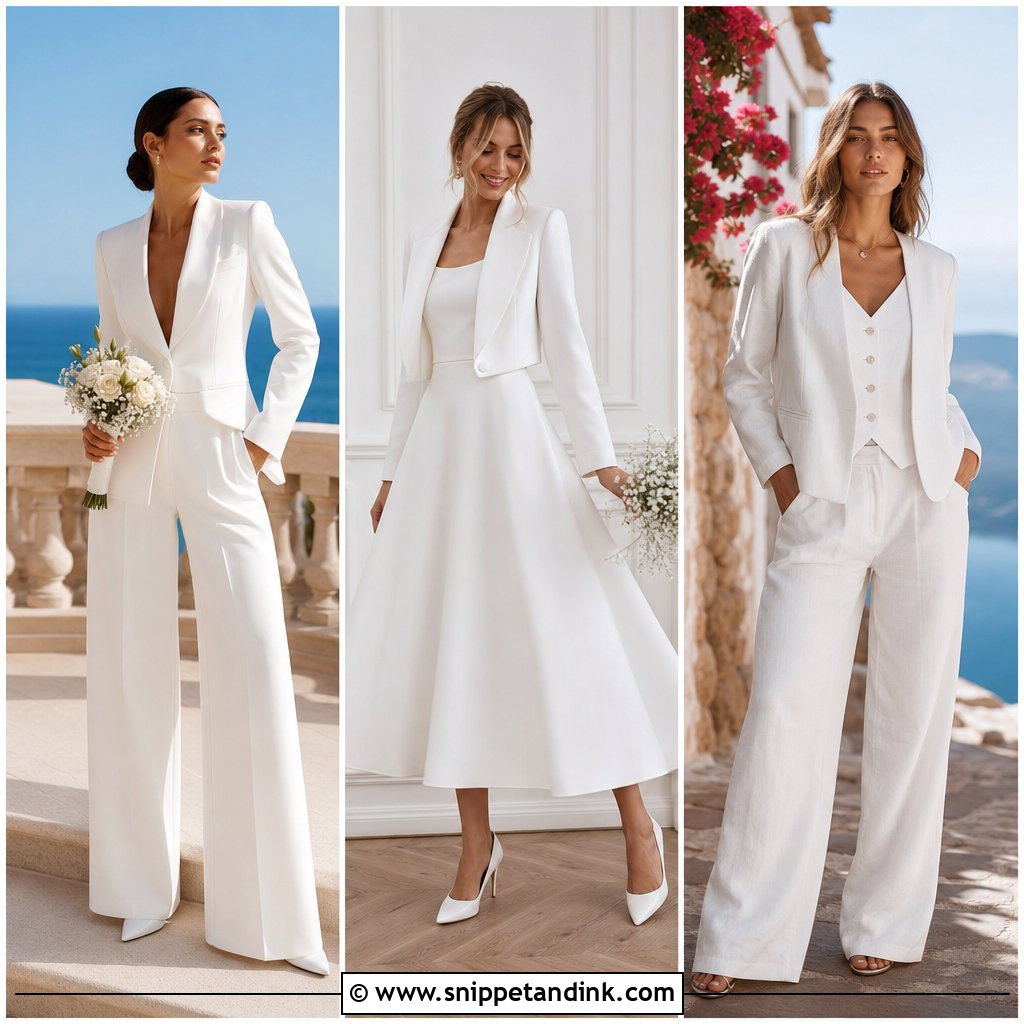
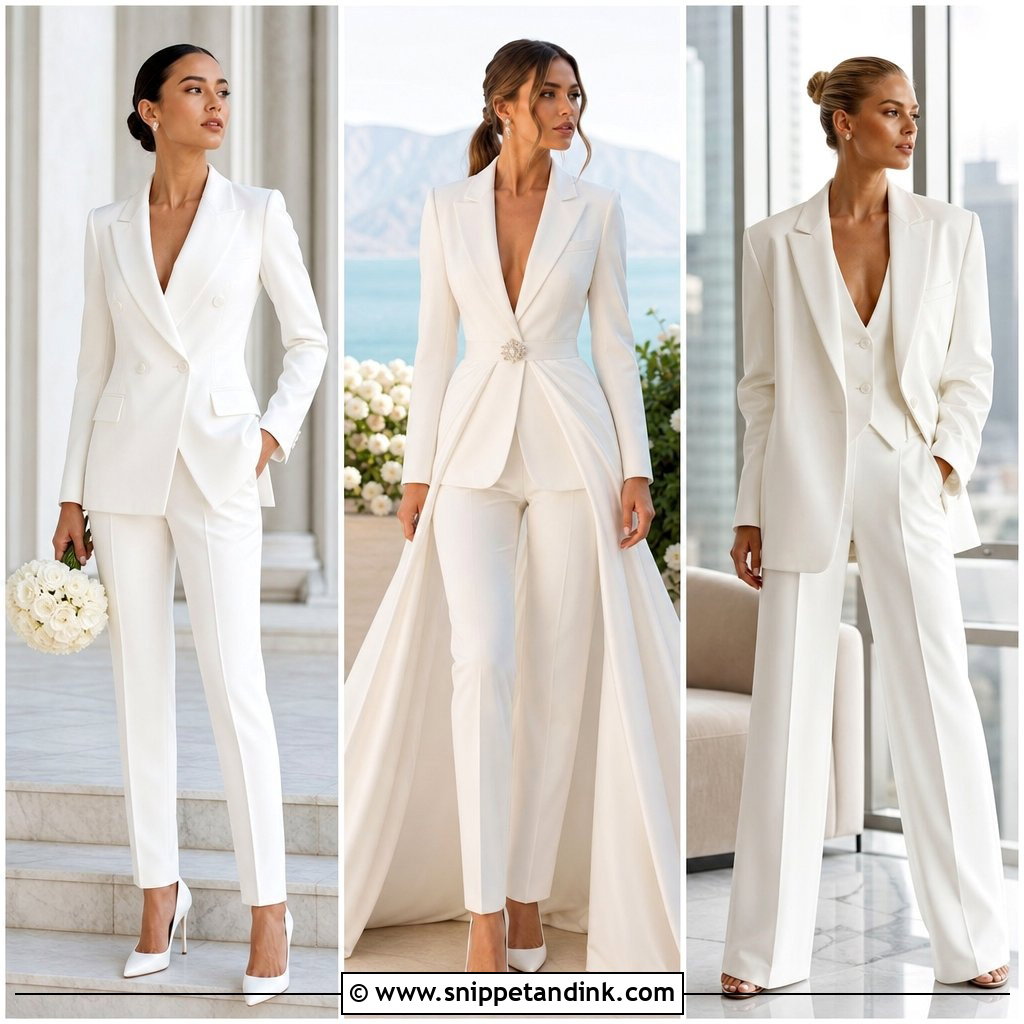

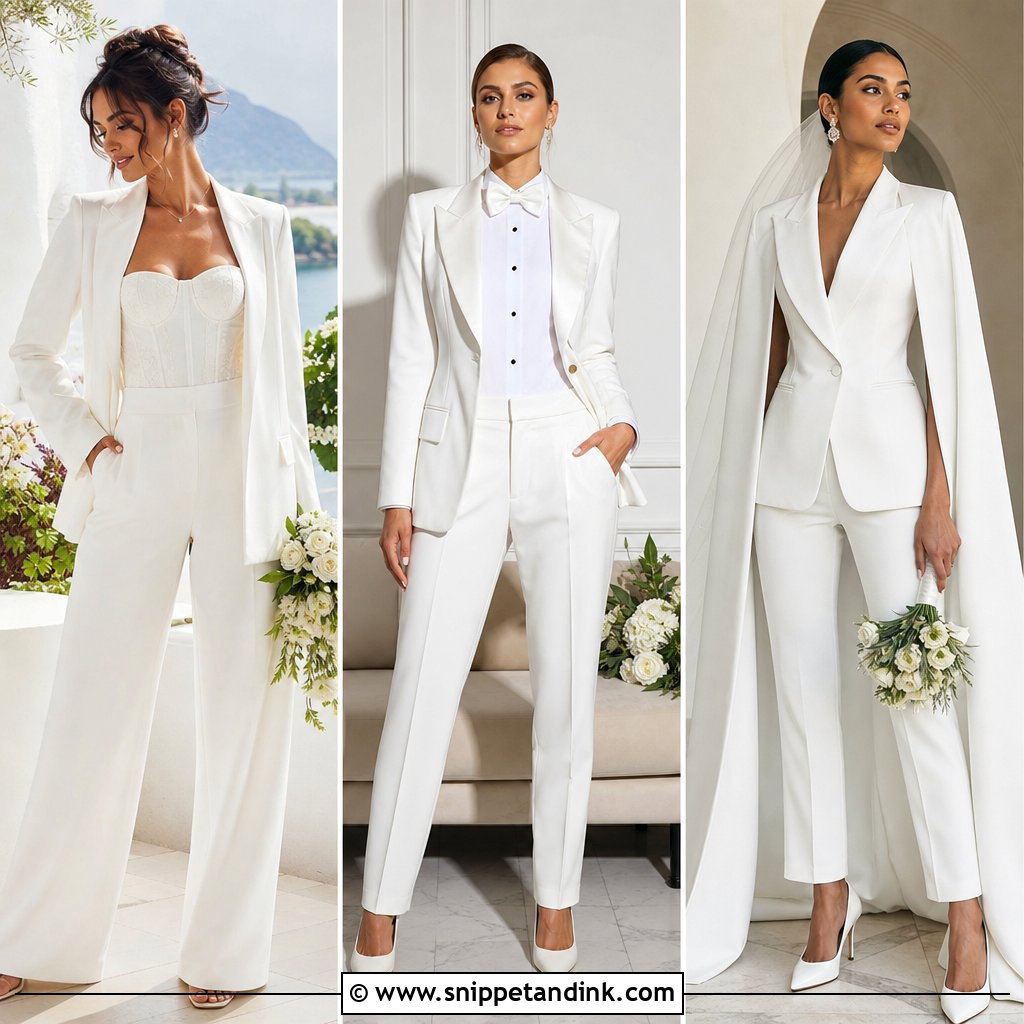
25. Designer Kaliyan Wala Frock Suit With Jacket
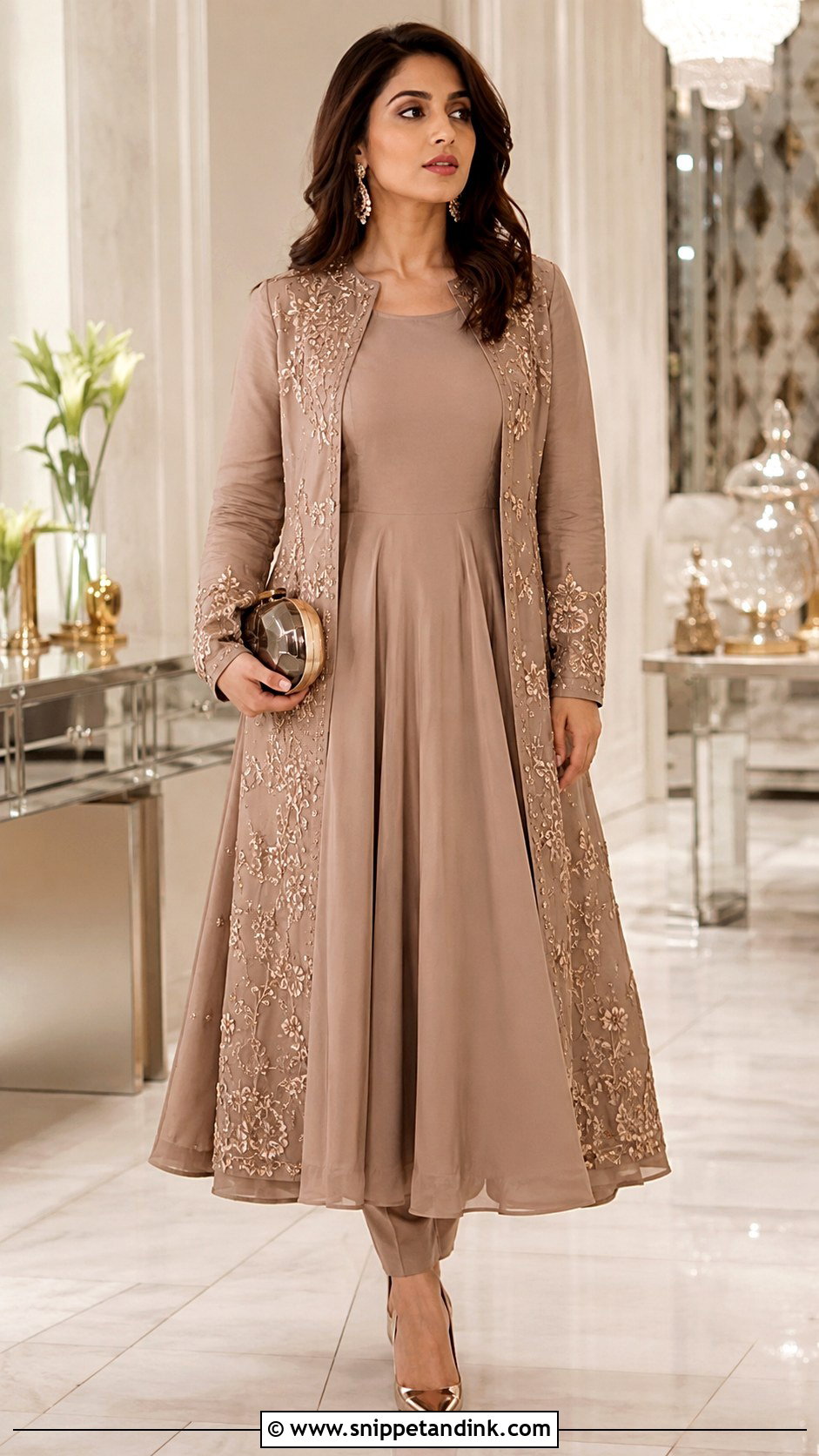
A jacket over a paneled frock looks modern and solves a practical problem: it covers the arms at a winter function. A designer kaliyan wala frock suit with a plain frock and a detailed jacket in mirror work, zari or beads gives a balanced look. Keep the bottoms slim so the outfit doesn’t look bulky, and treat the dupatta as optional. I’d check the jacket length against the frock’s waist seam; a jacket that ends at the seam cuts you in half.
After the Mehndi: Pressing, Folding and Putting It Away
A frock with a dozen or more panels is awkward to look after, and most of the damage I see happens in the week after a function, not on the day.
- Air it inside out on a padded hanger for a day before storing, so perspiration and perfume can dry off the lining.
- Spot-clean the hem first. Kalis drag on the floor at mehndi functions, and turmeric or henna stains set if you leave them.
- Steam rather than iron any frock with zari, gota, mirrors or sequins. If you must iron, do it inside out through a cotton cloth on low heat.
- Fold along the panel seams, not across them, so creases sit where the seams already are.
- Wrap embroidered and zari pieces in soft muslin or an old cotton dupatta. Plastic traps moisture, and metallic thread tarnishes faster in it.
- Refold every few months. Creases left in silk and velvet for a long time can become permanent lines.
Hanging a heavy frock for months stretches the shoulder seams under the weight of the flare. For anything with heavy embroidery, a flat box is the better home, with the dupatta folded separately.
Matching the Bottom to the Flare
The flare is what makes a paneled frock work, and it is also what you have to balance. Cotton and prints keep it everyday; gota and mirrors make it festive; silk, velvet and heavy embroidery carry it to a wedding. Choose the bottom by the flare: churidar for a classic line, palazzos for ease, gharara for tradition and a lehenga for the grandest look. Then decide on the dupatta, the shoes and the jewellery in that order, and your kaliyan wala frock will feel finished at any function you wear it to.
You'll Like These Ideas:





Leave a Reply