
A Desi wedding is rarely one outfit. It’s a mehndi, a sangeet, maybe a haldi, the ceremony and a reception, each with its own weight of fabric, color and dancing. When I plan a wardrobe for the bride or her family, I think about the hours as much as the embroidery: a lehenga that looks regal at noon can feel like armor by midnight. Below you’ll find sarees, mirror work lehengas, shararas, anarkalis, ghararas, capes and Indo-western pieces, each with the details I check before recommending it and the event where it earns its place.
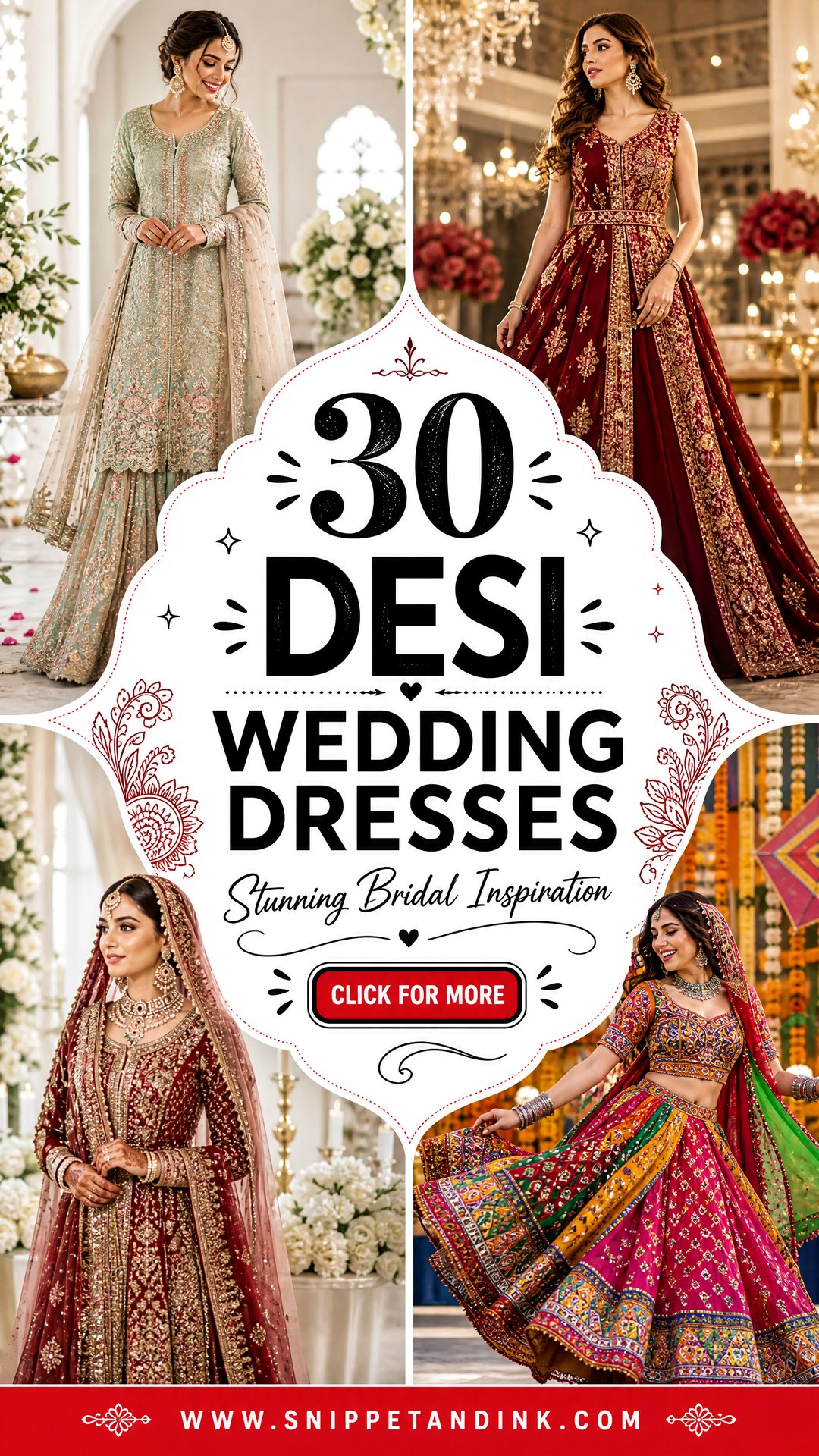
One Wardrobe, Four Functions: Spreading Weight and Color Across the Week
The most common mistake I see is buying the heaviest outfit for every event. By the reception, the wearer is exhausted, and the photos from each day look the same. I plan the week as a curve instead, starting light, building to the ceremony and easing off afterwards.
- Haldi: cotton or light silk in yellow you don’t mind staining. Comfort first.
- Mehndi: mirror work, prints or a sharara, with sleeves that stay out of the henna’s way for the bride.
- Sangeet: a dance-tested lehenga or sharara, light on can-can, with a secure blouse.
- Ceremony: the heaviest, most traditional piece, worn for the shortest stretch of standing.
- Reception: a saree, gown or lighter lehenga, glamorous but easier to sit in through dinner.
I also look at color across the week as a set. If the ceremony is red, I avoid another strong red at the sangeet so each function has its own palette in the albums. And I check family plans early, since mothers and sisters sometimes coordinate shades for a particular event.
1. Bridal Red Lehenga Dress
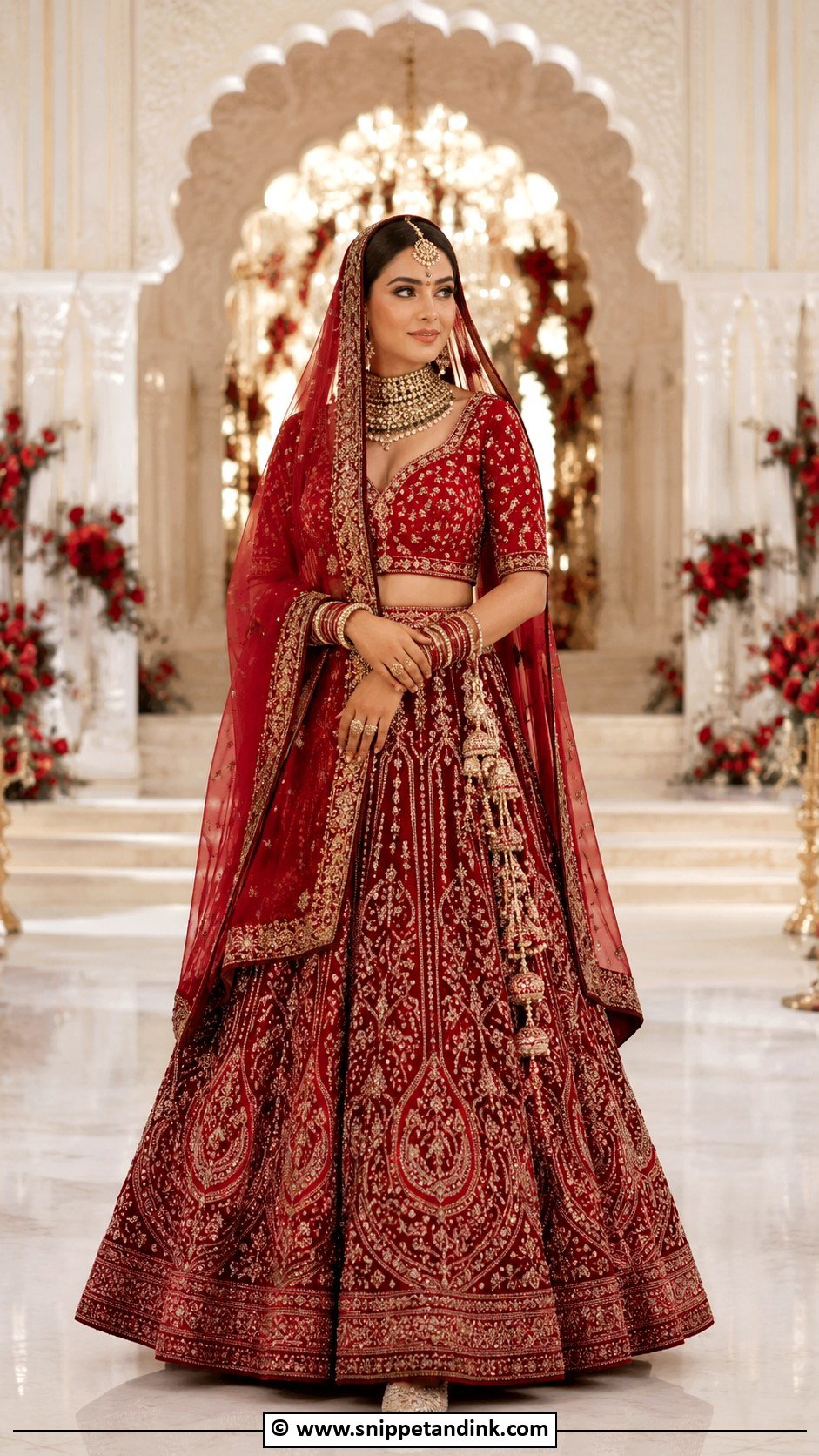
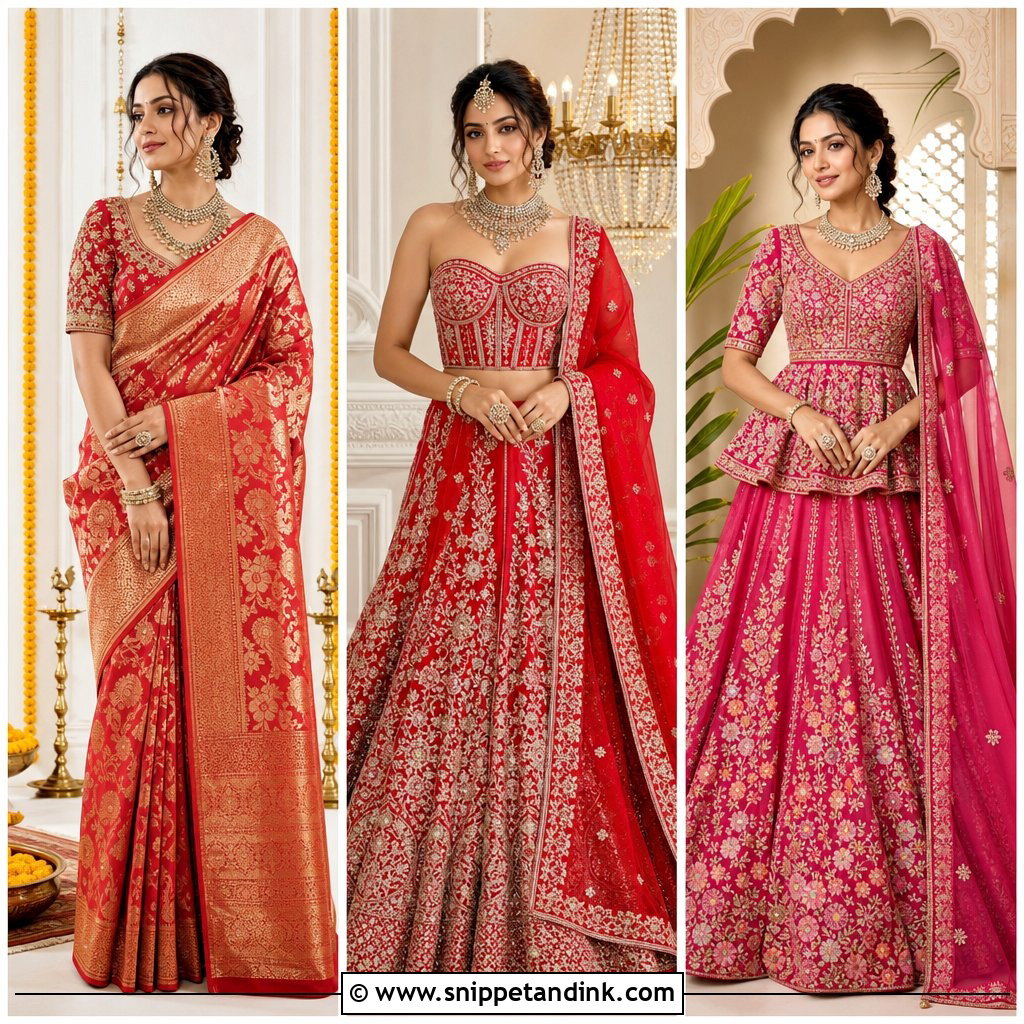
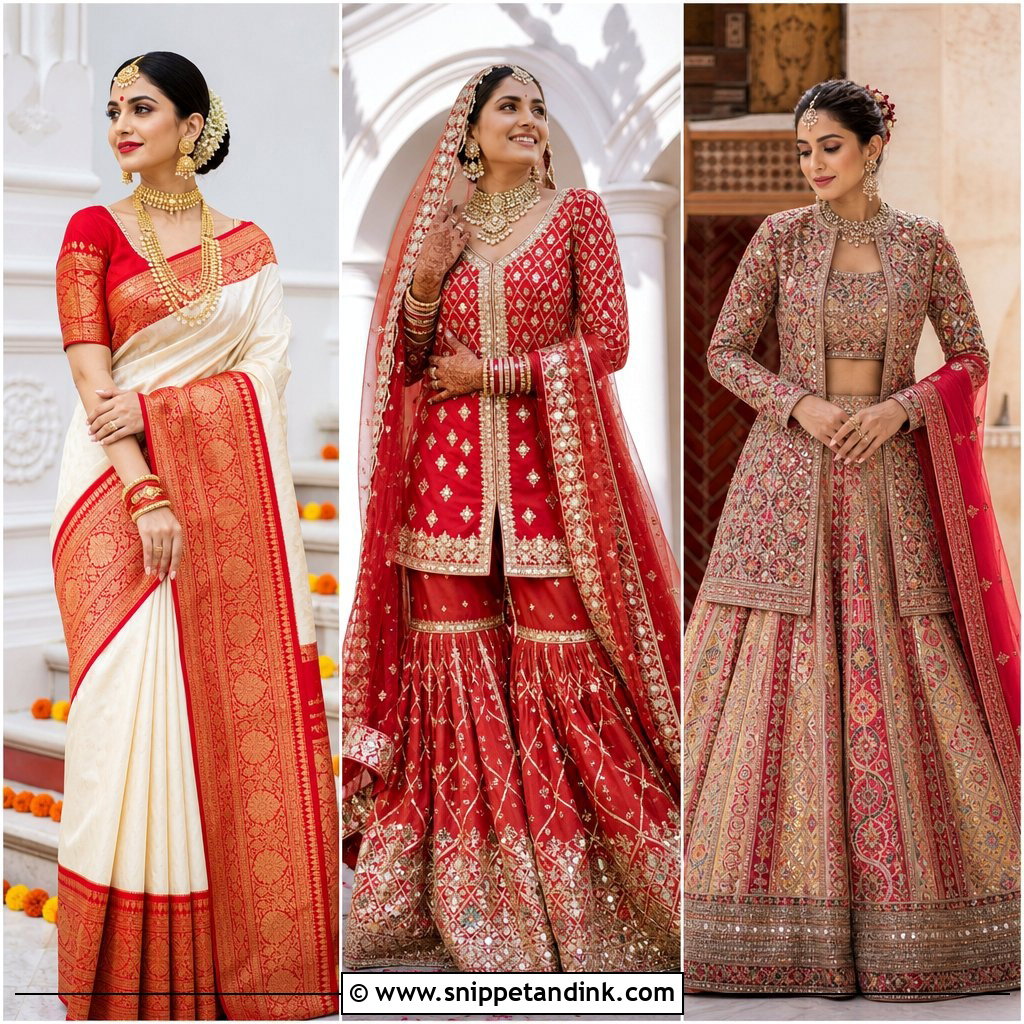
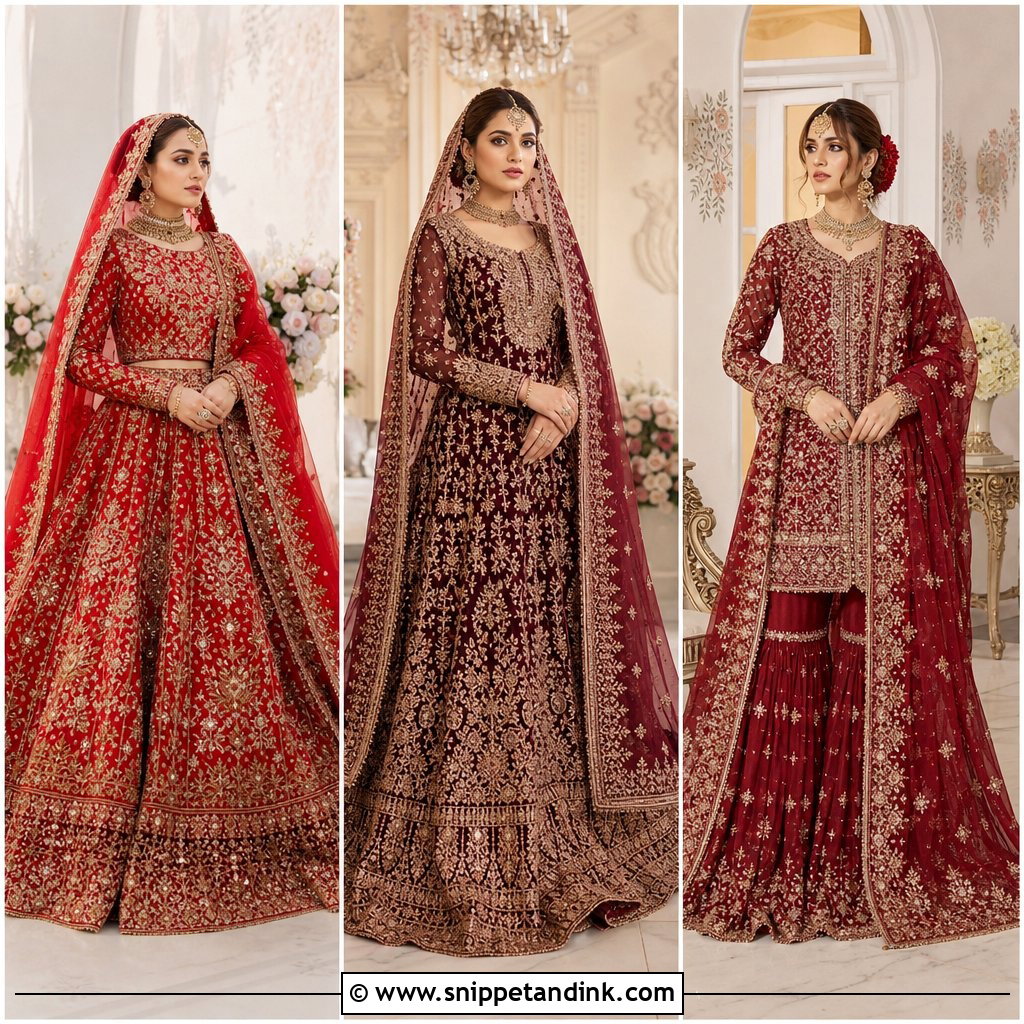
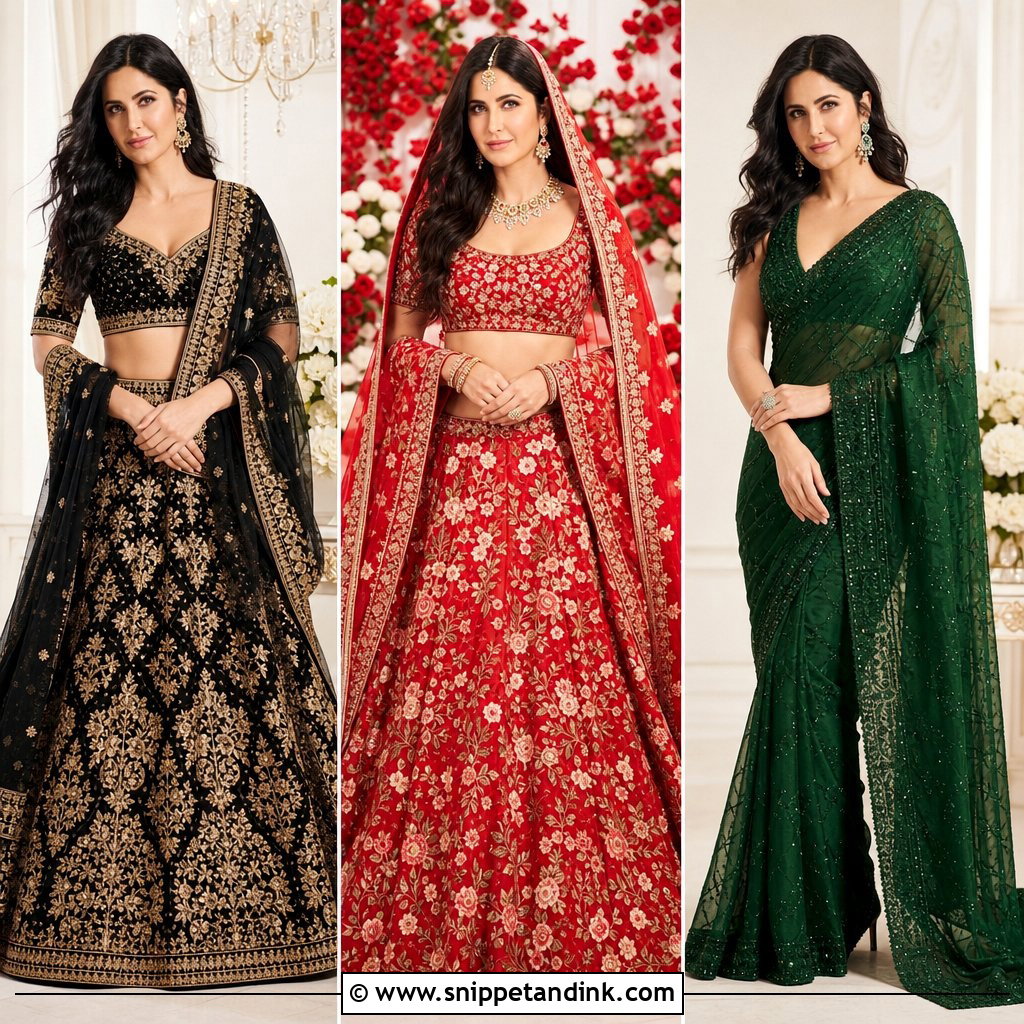
Red is still the color most brides imagine, and a full lehenga worked in zardozi, gota patti, resham or sequins carries the ceremony like nothing else. The trade-off is weight. A heavily embroidered bridal skirt can be genuinely tiring, so at the trial I ask the bride to sit, stand and walk the length of a room before we commit. If bright red feels too loud on your skin, maroon, ruby or wine tones keep the tradition with more depth. Gold jewelry, a maang tikka, stacked bangles, a neat bun and a small potli bag complete it. I reserve this level of formality for the bride or her closest family.
2. Pastel Lehenga Dress
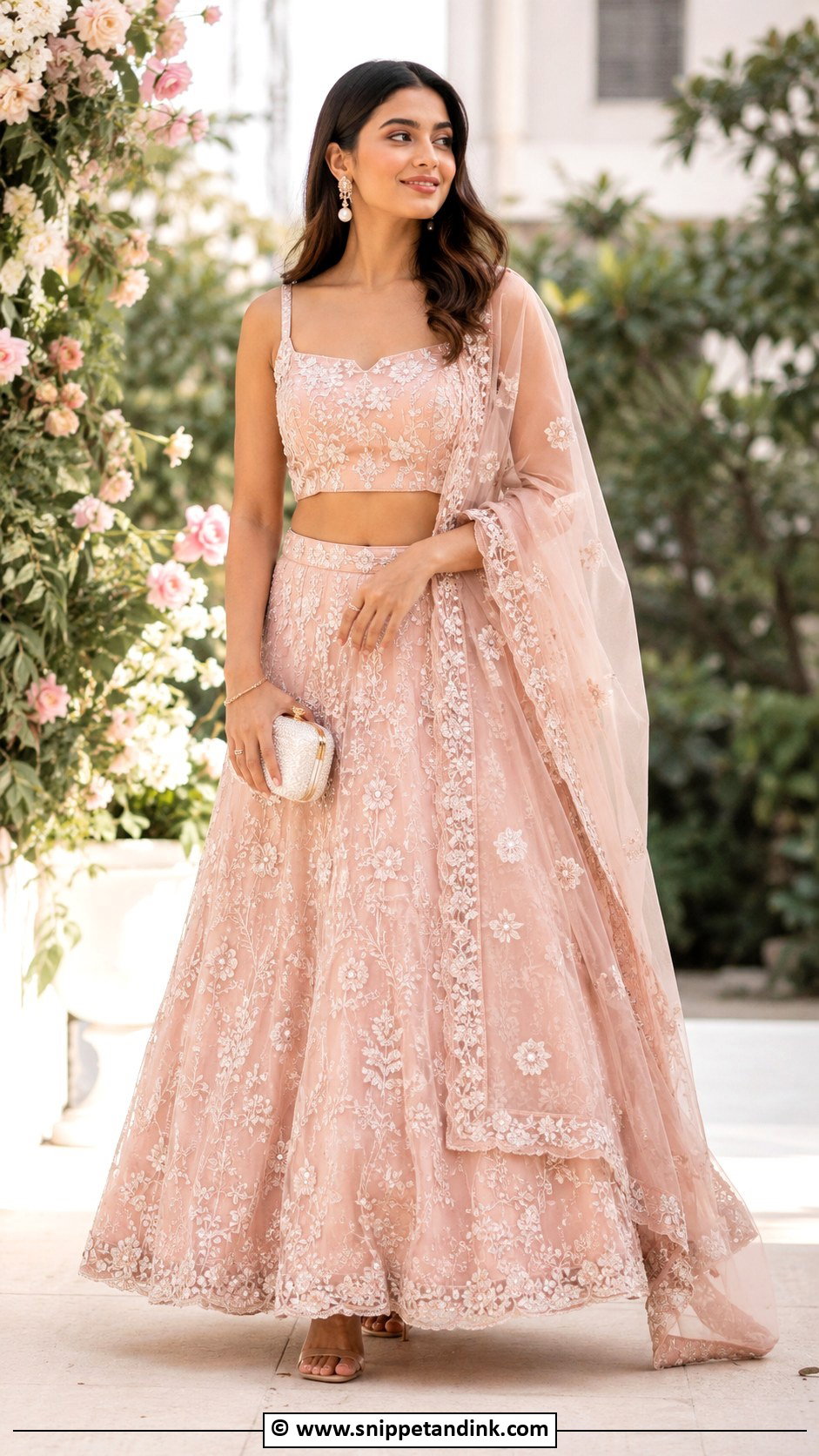
Pastels read fresh in daylight, which makes them my first suggestion for outdoor or summer functions. Blush, mint, powder blue, lilac and champagne all suit delicate threadwork, pearls or floral embroidery far better than heavy metallic work. One caution I give often: very pale shades can wash out under harsh midday sun on deeper skin tones, so I hold the fabric to the face outdoors before deciding. A fitted blouse, light dupatta, nude heels and kundan or pearl jewelry suit it, with loose waves or a low bun and rosy, glossy makeup.
3. Banarasi Saree Dress
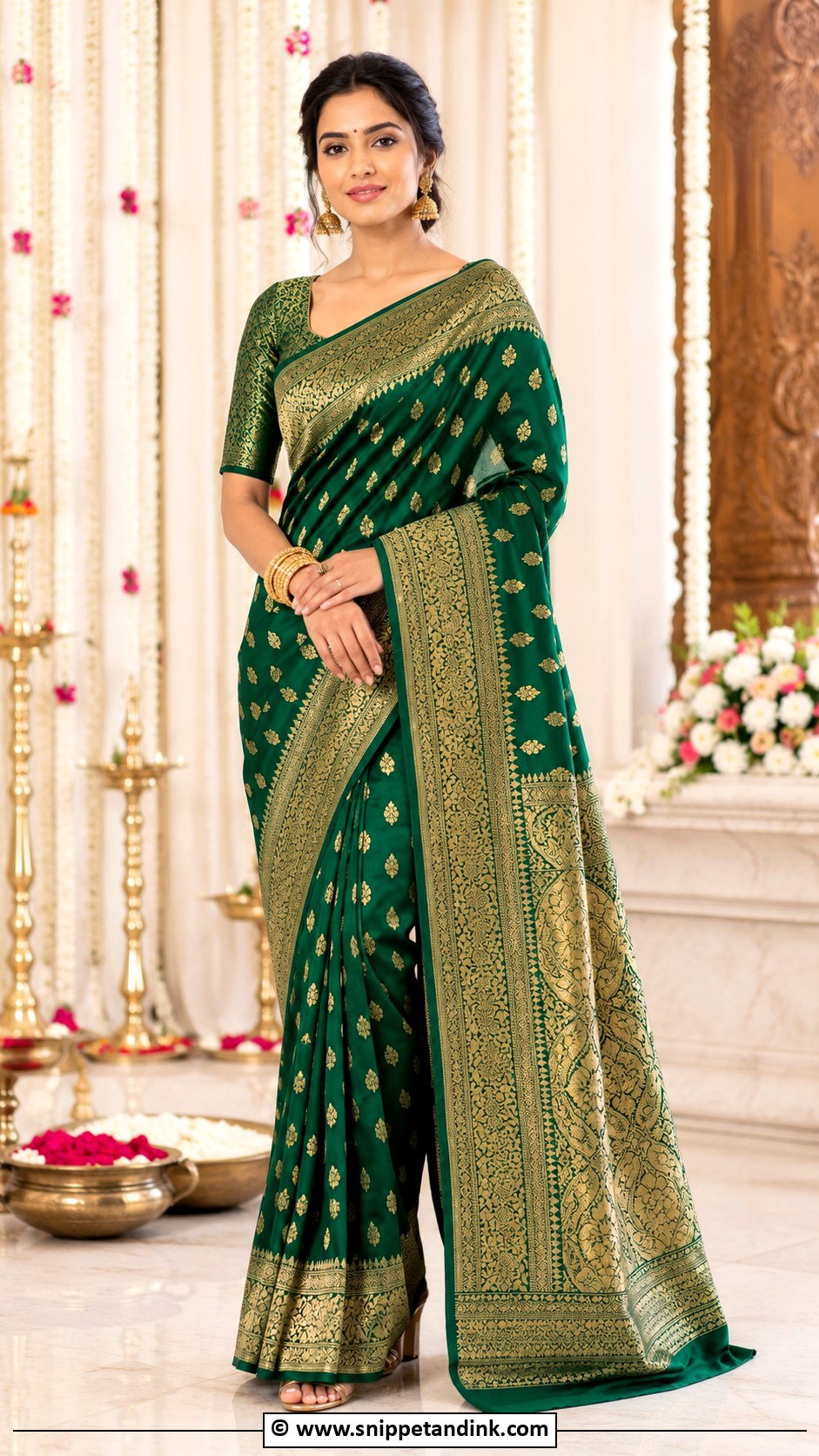
Banarasi silk does the work that embroidery does on other outfits. The woven motifs and metallic borders are part of the fabric itself, so the saree looks formal straight off the loom. Jewel tones such as emerald, royal blue, magenta, purple or mustard suit it most. Real Banarasi is heavy and stiff when new, so I have it draped by someone experienced on the day, or at least practice the pleats twice beforehand. Gold jhumkas, bangles and a sleek bun with hair accessories finish it. Mothers, sisters and guests all wear it well; keep the blouse clean and the bag small so the weave stays the focus.
4. Silk Saree Dress
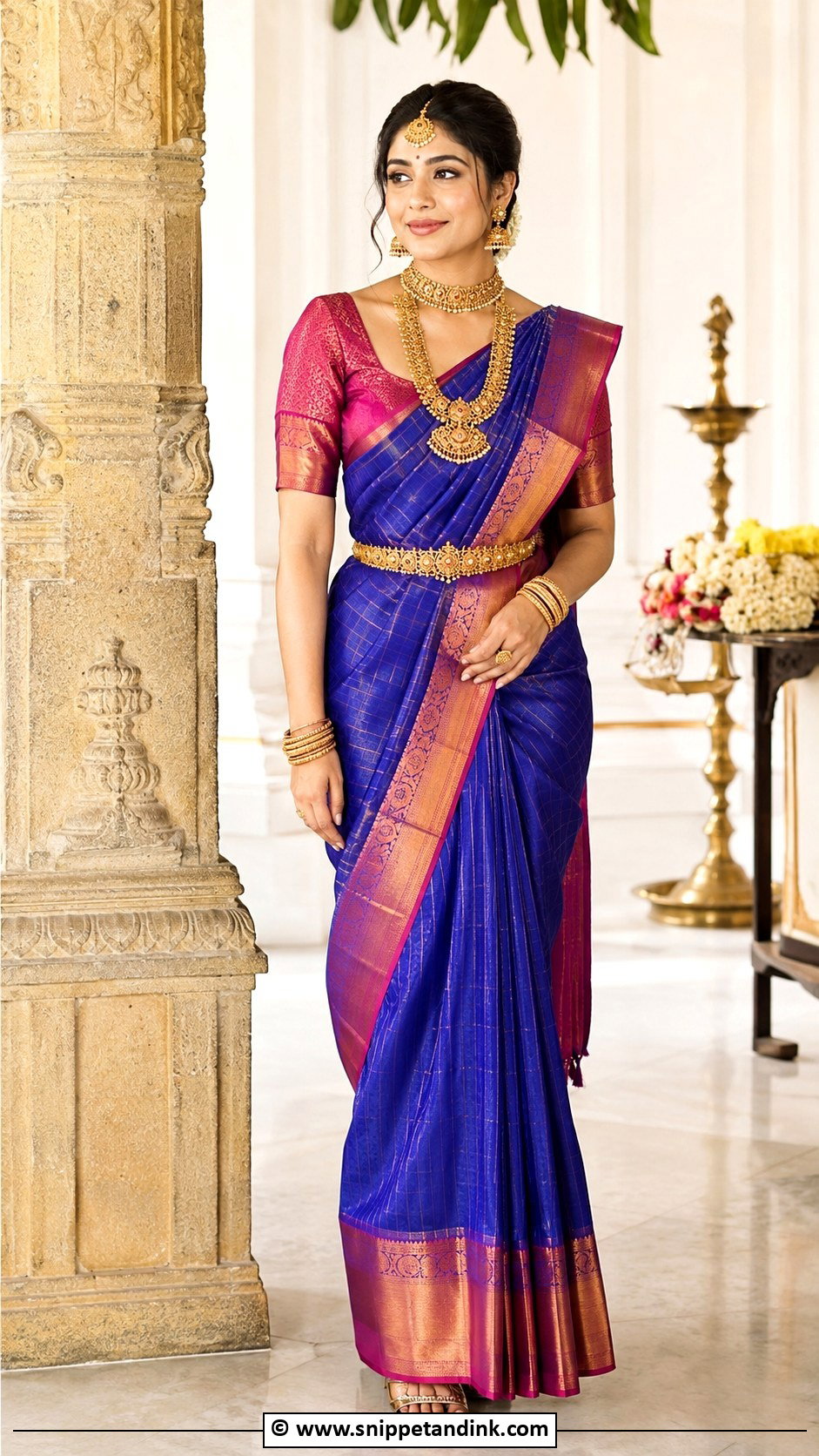
Regional silks such as Kanjivaram, Mysore silk and Paithani bring cultural meaning as well as shine, and they suit any ceremony where tradition matters. A contrast border makes the drape read clearly in a crowd. Mysore silk is light and soft; Kanjivaram is heavier and holds pleats crisply, so I adjust the blouse fit and pinning to the saree in question. Temple jewelry, a bindi, bangles and comfortable block heels belong here. A kamarbandh or waist belt holds the pleats and adds shape for a long morning ceremony.
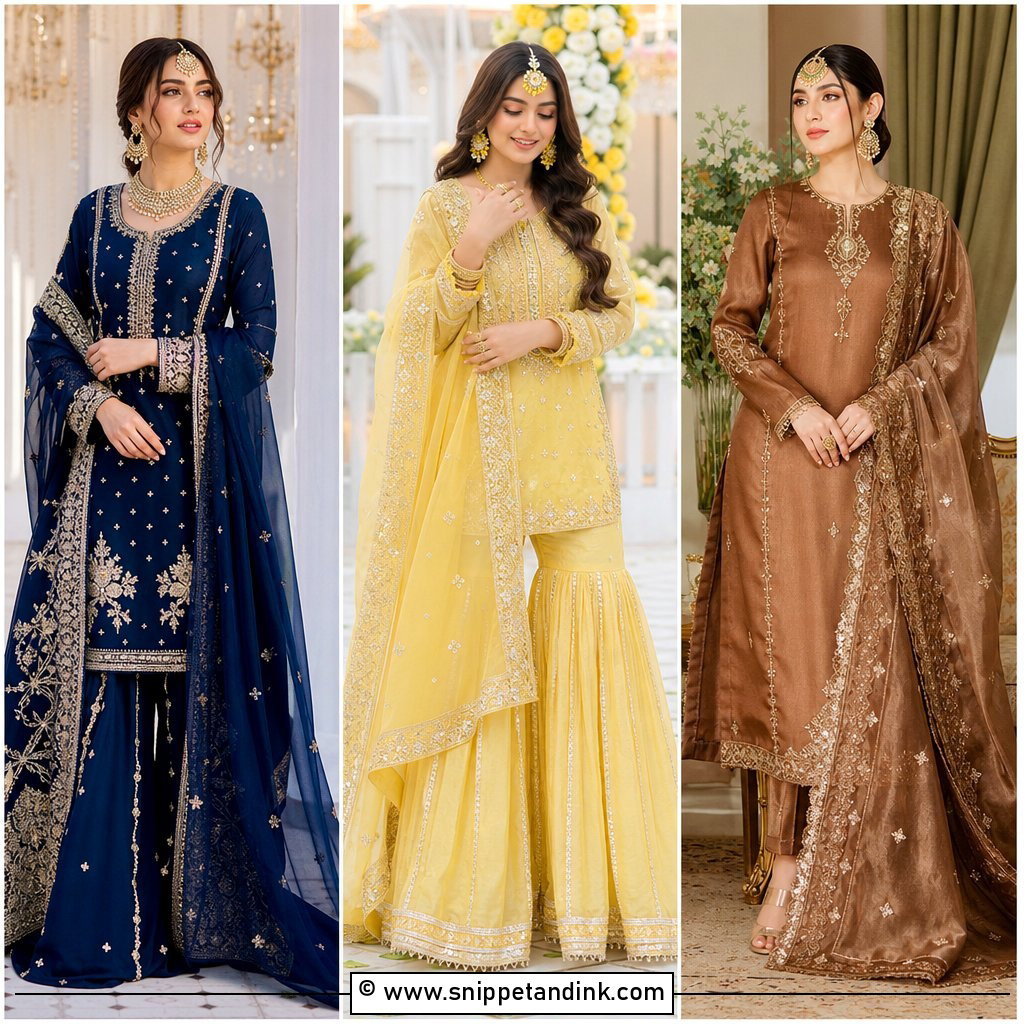
5. Sharara Suit Dress
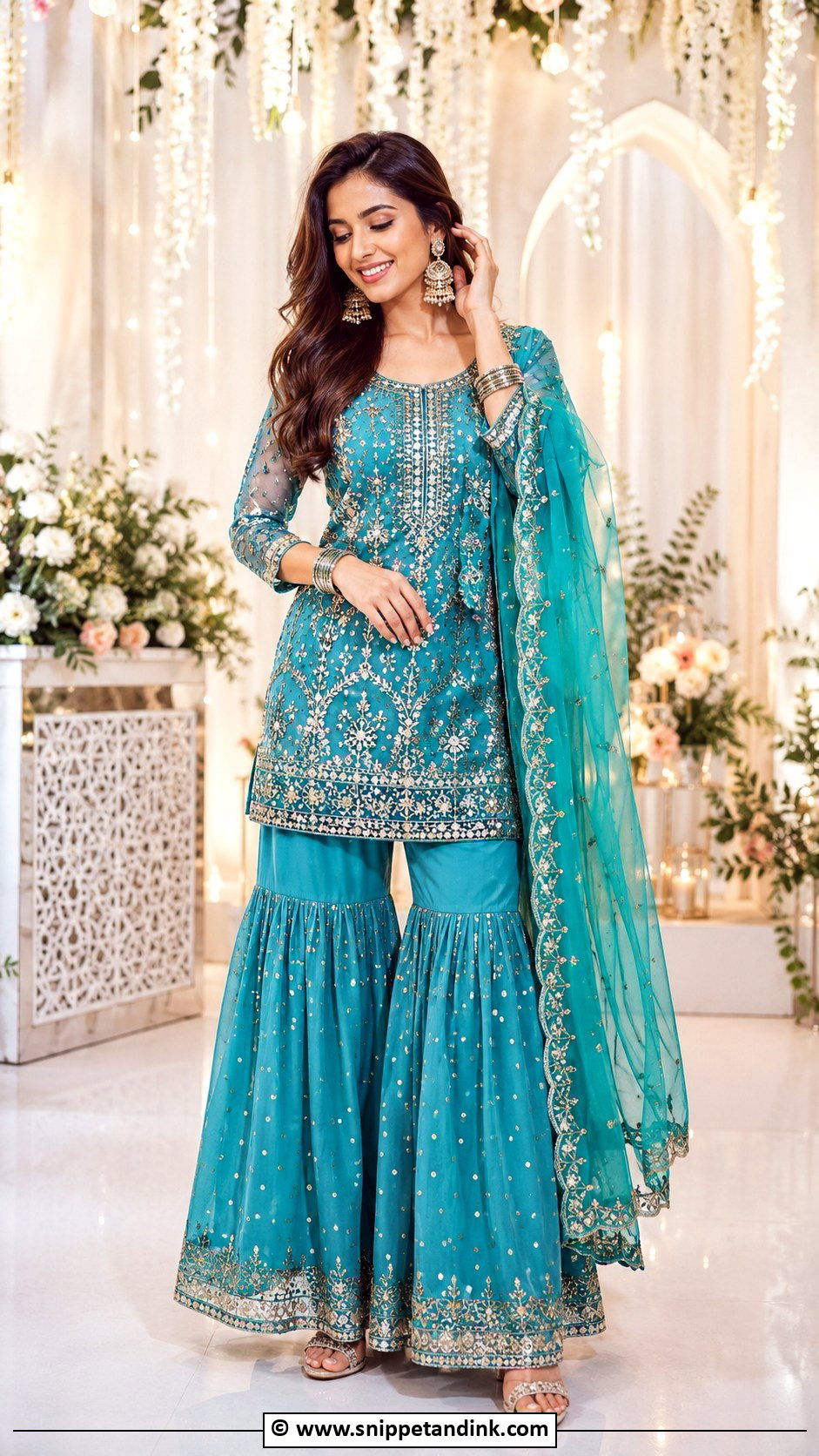
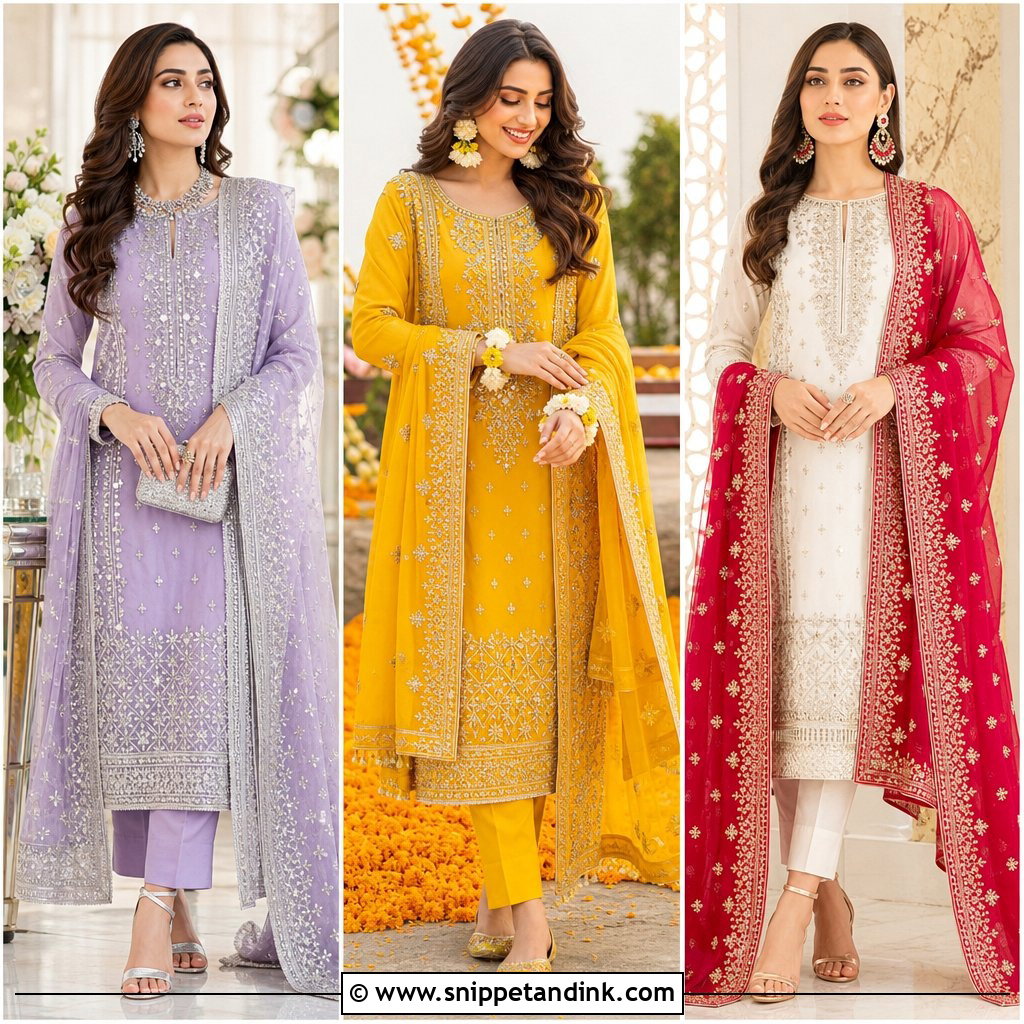
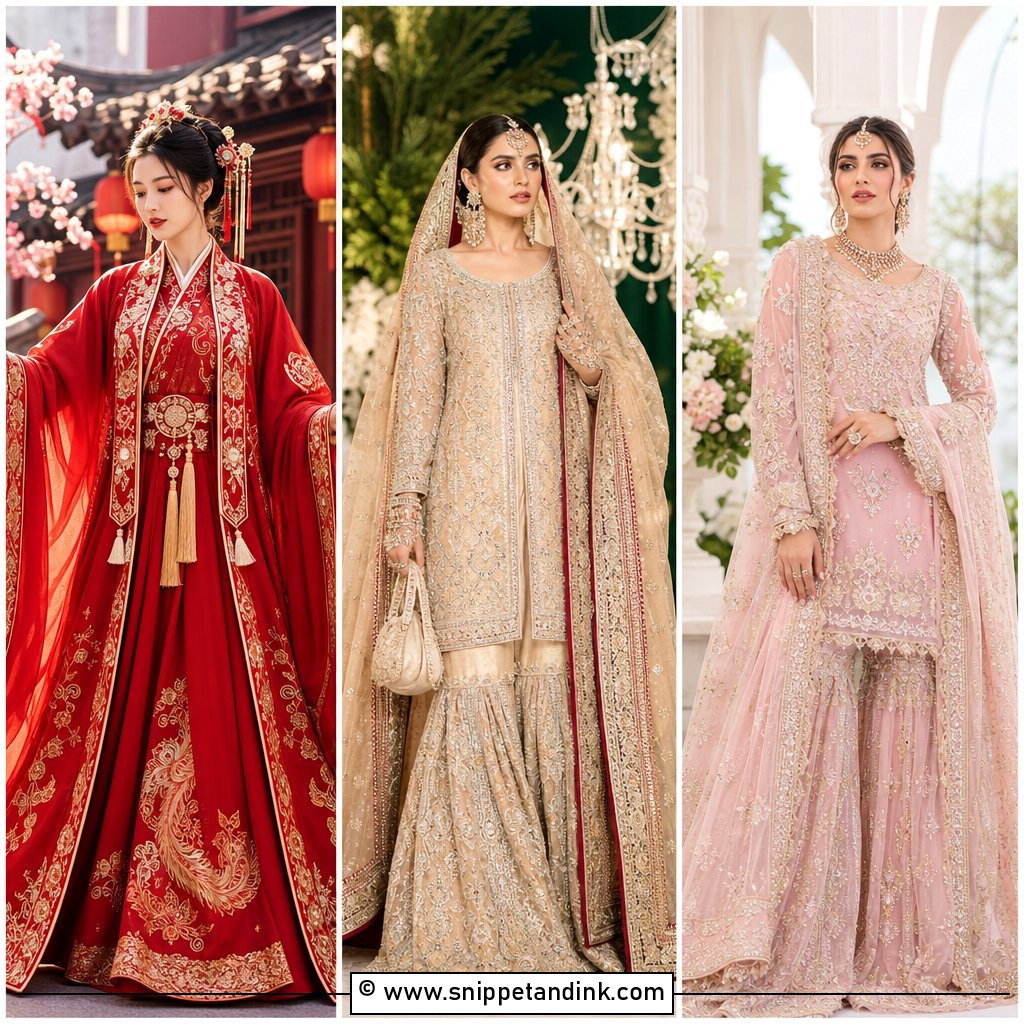
Shararas are the outfit I recommend most for dance-heavy nights. The flared pants move with you, the kurta keeps the look relaxed, and there’s no skirt hem to step on. Choose mirror work, chikankari, zari, sequins or gota patti by event. Short kurtas feel playful; longer ones feel more formal. I check that the sharara’s flare doesn’t drag, because it should skim the floor in your shoes, not pool around them. A matching dupatta, jhumkas, bangles, juttis or heels, a soft blowout and a small clutch finish it.
6. Gharara Suit Dress
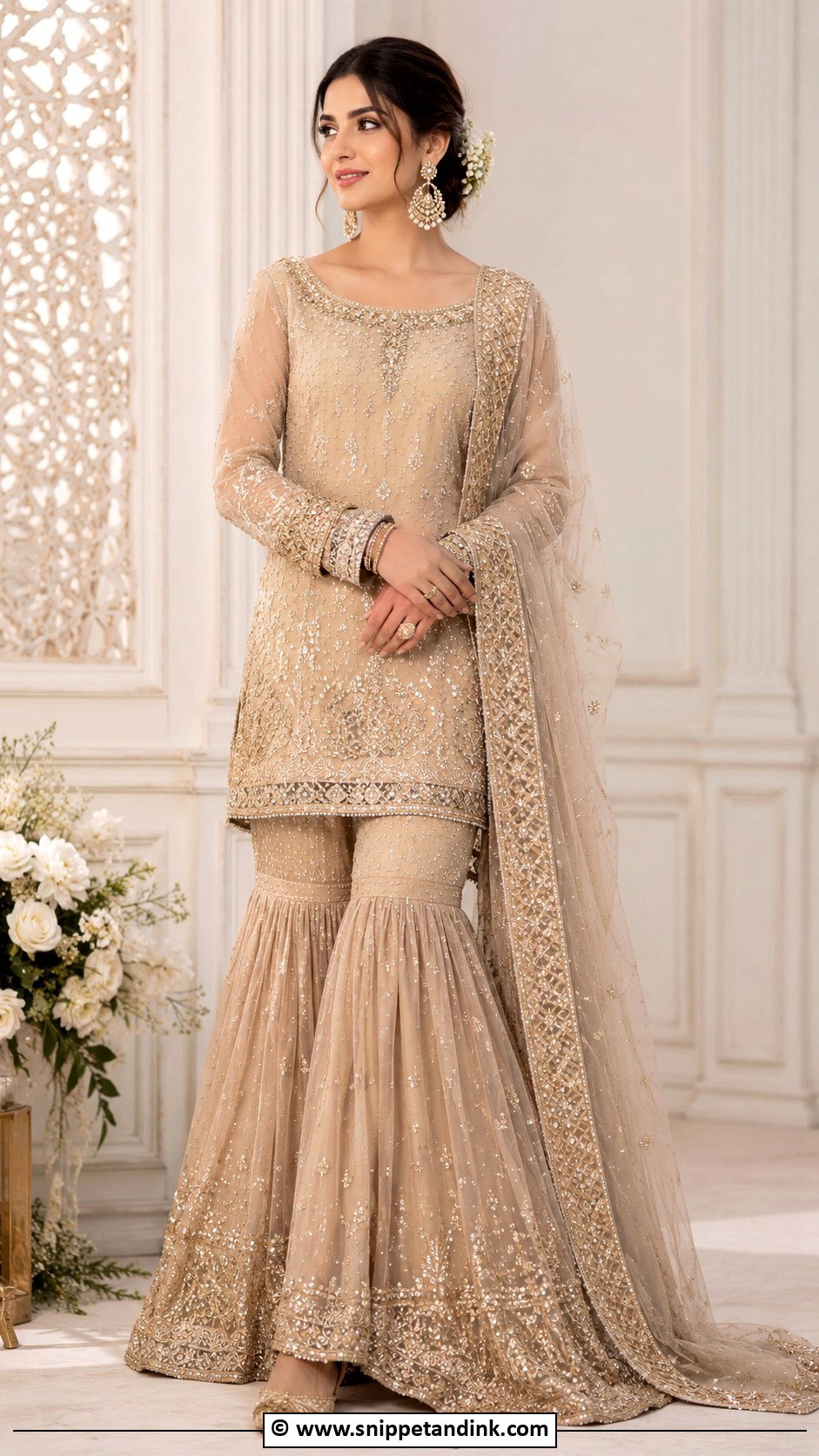
A gharara is fitted down to the knee and flares sharply from a gathered band there, a shape with deep roots in nikkah and family wedding dressing. That knee joint is the tailoring point I watch: if it sits too high or too low, the whole flare looks off. Silk, brocade, organza and georgette all hold it well, with pastels for day and jewel tones at night. A short kurti, a heavily bordered dupatta, chandbalis, bangles and embroidered juttis or heels suit it. Keep the kurti well-fitted so the volume below stays balanced.
7. Anarkali Dress
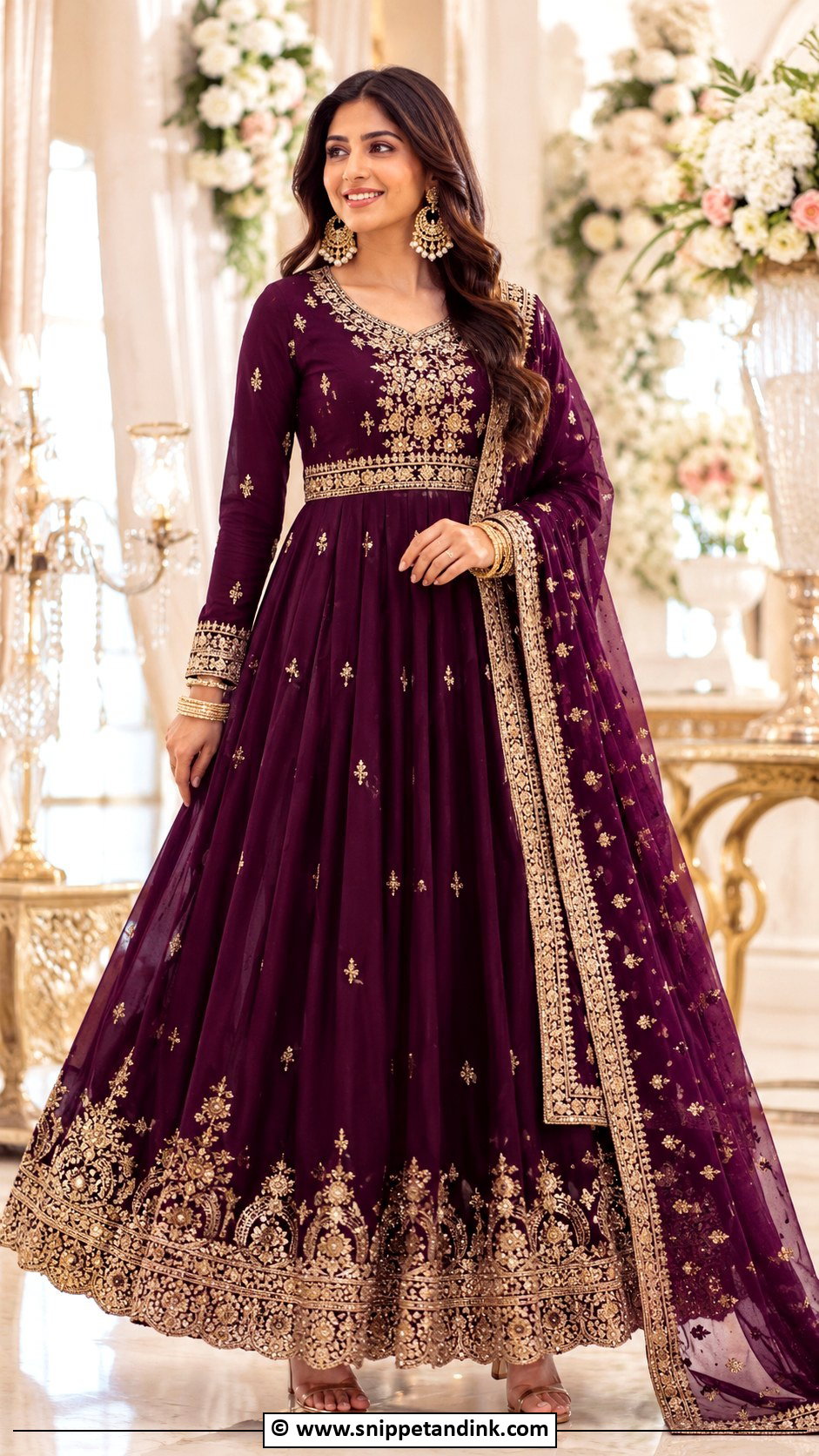
Anarkalis give elegance, coverage and comfort in one piece, and they’re far easier to manage than a lehenga skirt. The flare is cut from a fitted bodice, which suits most body types. For the ceremony, choose heavier embroidery; for mehndi or sangeet, lighter fabric with mirror work or prints. If the neckline is detailed, I drop the necklace and let earrings lead. One fit check: the bodice seam should sit at your natural waist or just under the bust, never below, or the flare starts too low and drags the frame down. A center-parted bun or loose waves both suit it.
8. Floor Length Anarkali Dress
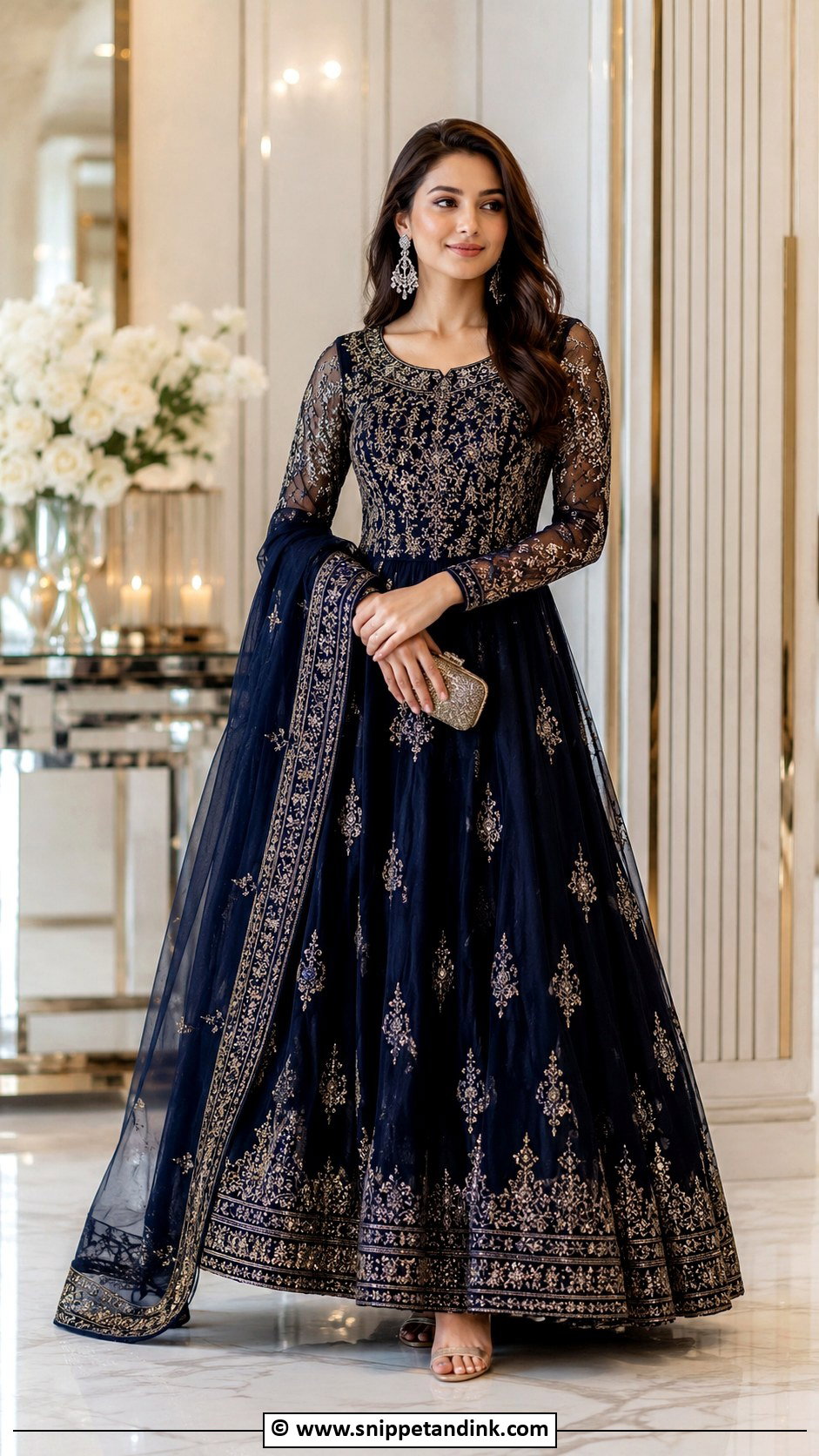
Floor length turns the anarkali into something close to a gown, which suits receptions, engagement parties and evening events. Velvet, silk, georgette and net with embroidery at the neckline, sleeves and hem give the formality. Hem it in the exact heels you’ll wear; even a few millimetres decide whether it falls cleanly or catches your toe on stairs. A bordered dupatta, chandelier earrings and a slim clutch are all it needs. The long flare already has presence, so I keep the rest restrained.
9. Mirror Work Lehenga Dress
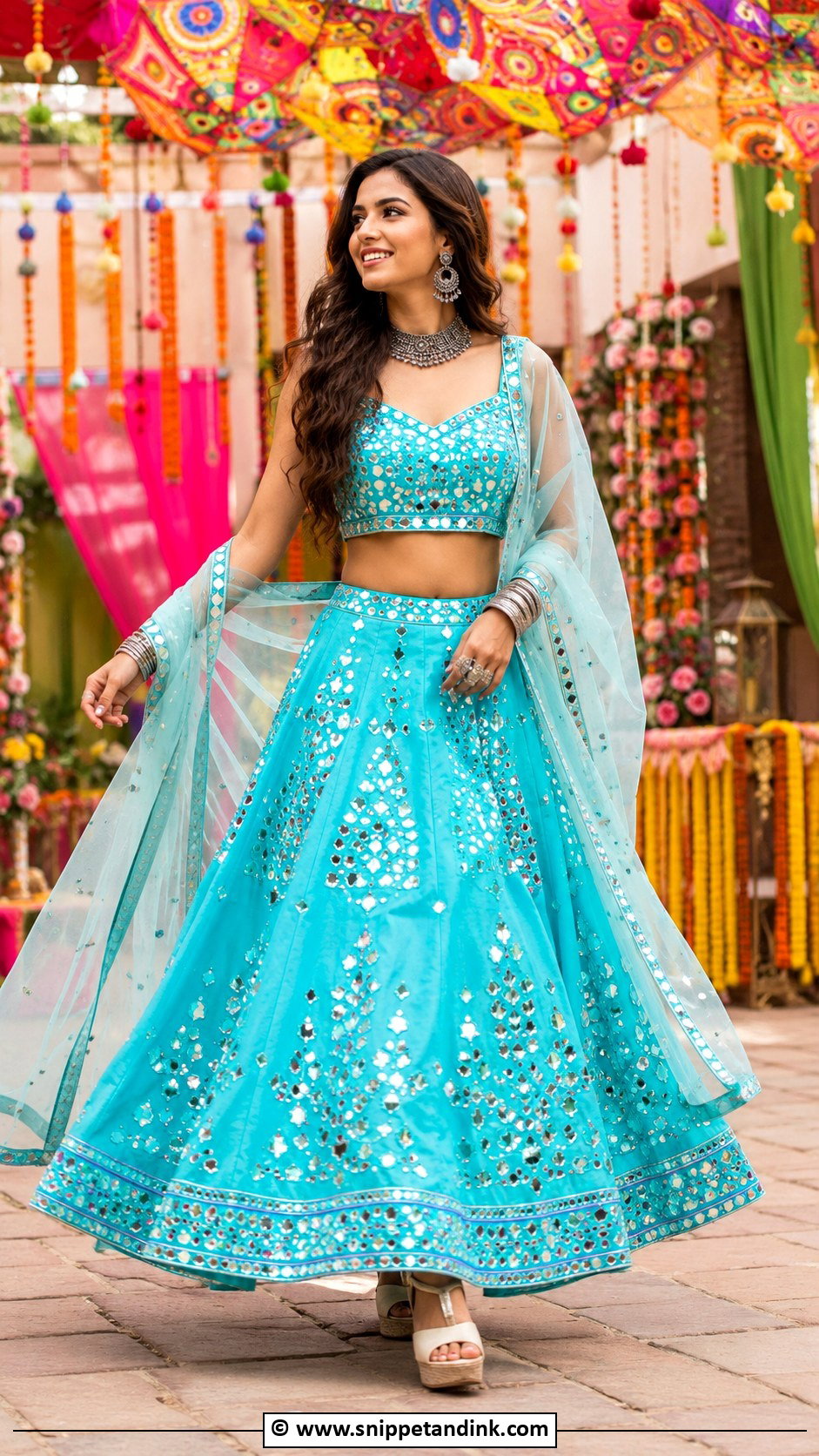
Mirror work belongs at the mehndi, garba and sangeet, where the little glass discs catch every light on the dance floor. A mirror work lehenga dress in yellow, orange, turquoise, hot pink or green feels instantly festive. Mirrors add weight and can scratch delicate fabric next to them, so I avoid pairing a mirror lehenga with a fine chiffon dupatta that will catch. A cropped blouse, oxidized jewelry, bangles, comfortable wedges or juttis and a braid or half-up style suit an active night. Keep makeup fresh; the outfit already carries the sparkle.
10. Chikankari Lehenga Dress
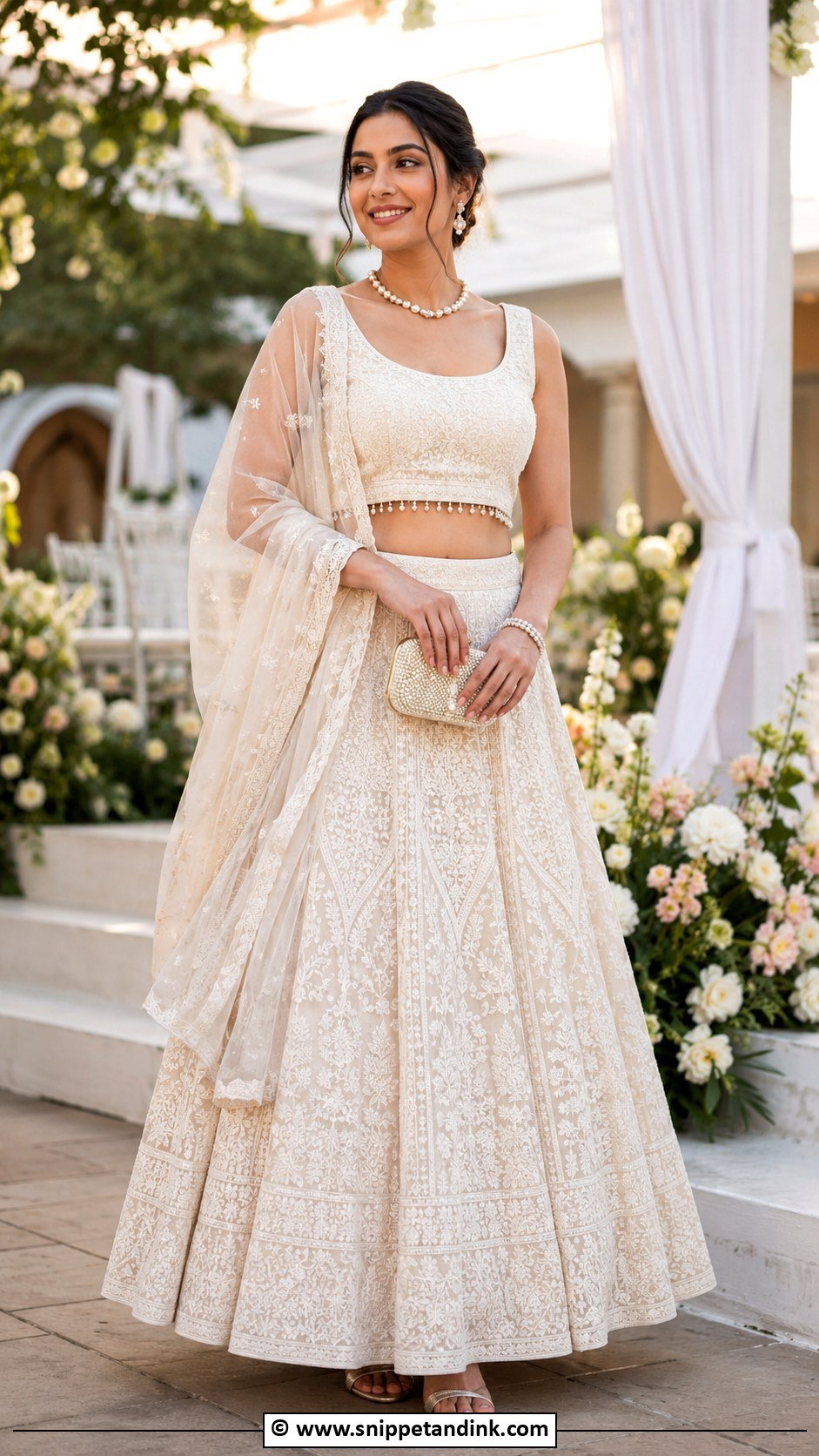
Chikankari is shadow work and fine white stitching from Lucknow, and it reads refined instead of loud. On georgette, organza, cotton silk or chiffon it suits ivory, blush, sage, lavender and powder blue, though deeper shades work at night too. Genuine hand chikankari has slight irregularity in the stitches, which I see as proof of the hand rather than a flaw. Pearl jewelry, a light dupatta and metallic heels finish it; glowy makeup by day, a bolder lip or statement earrings by night. Bridesmaids, sisters and guests wear it well when they want understated but dressed.
11. Sequin Saree Dress
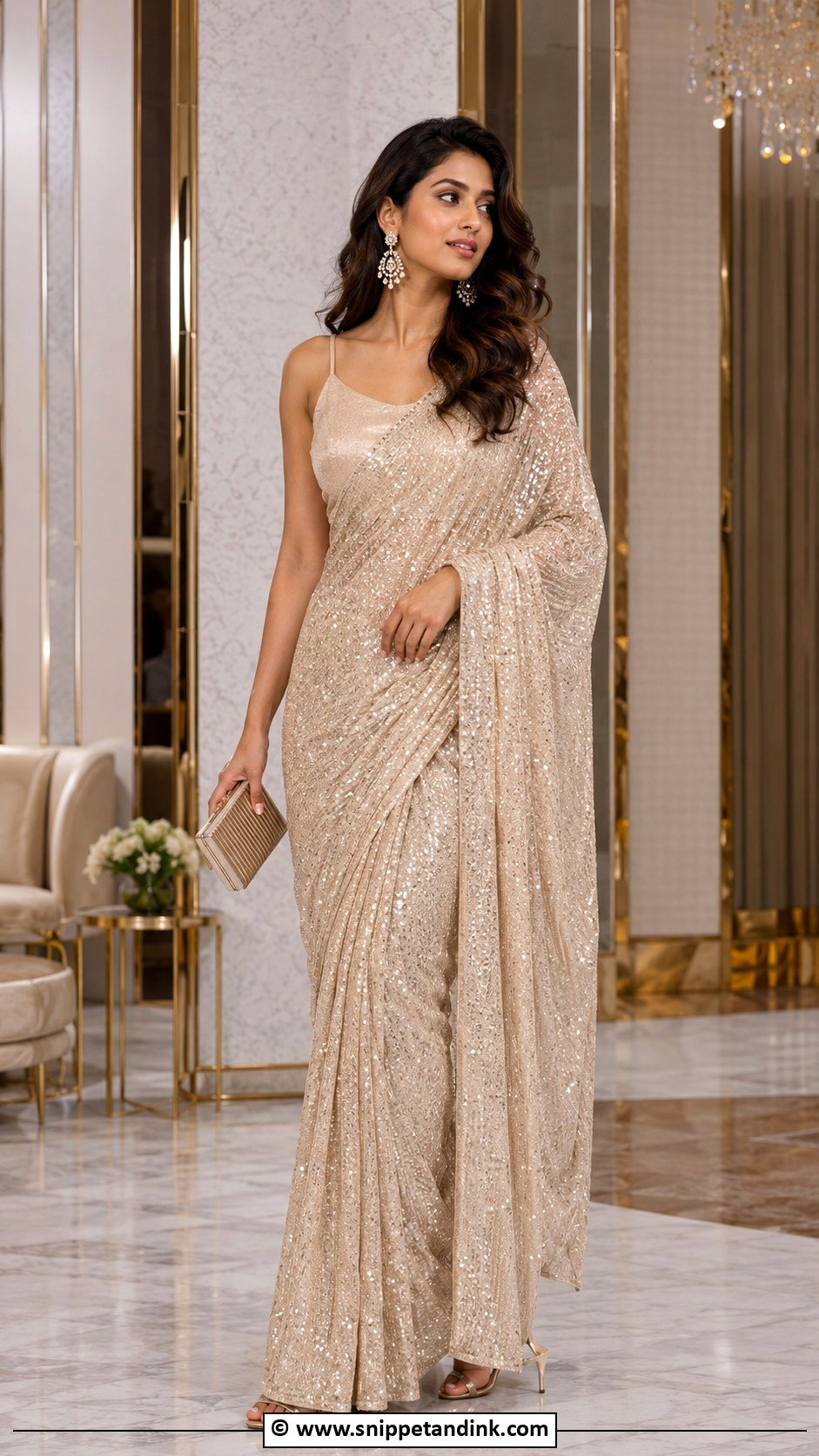
Sequins on a saree give cocktail and reception glamour with the grace of a drape. Champagne, silver, rose gold, emerald, navy or black, if the family is comfortable with it, all suit evening. Sequins on lightweight georgette can feel scratchy on the inner arm, so I line the blouse sleeve or choose a softer backing. Keep the blouse simple and the jewelry minimal; strappy heels, a structured clutch and sleek hair are enough. A pre-draped version saves a lot of fixing over a long night.
12. Organza Saree Dress
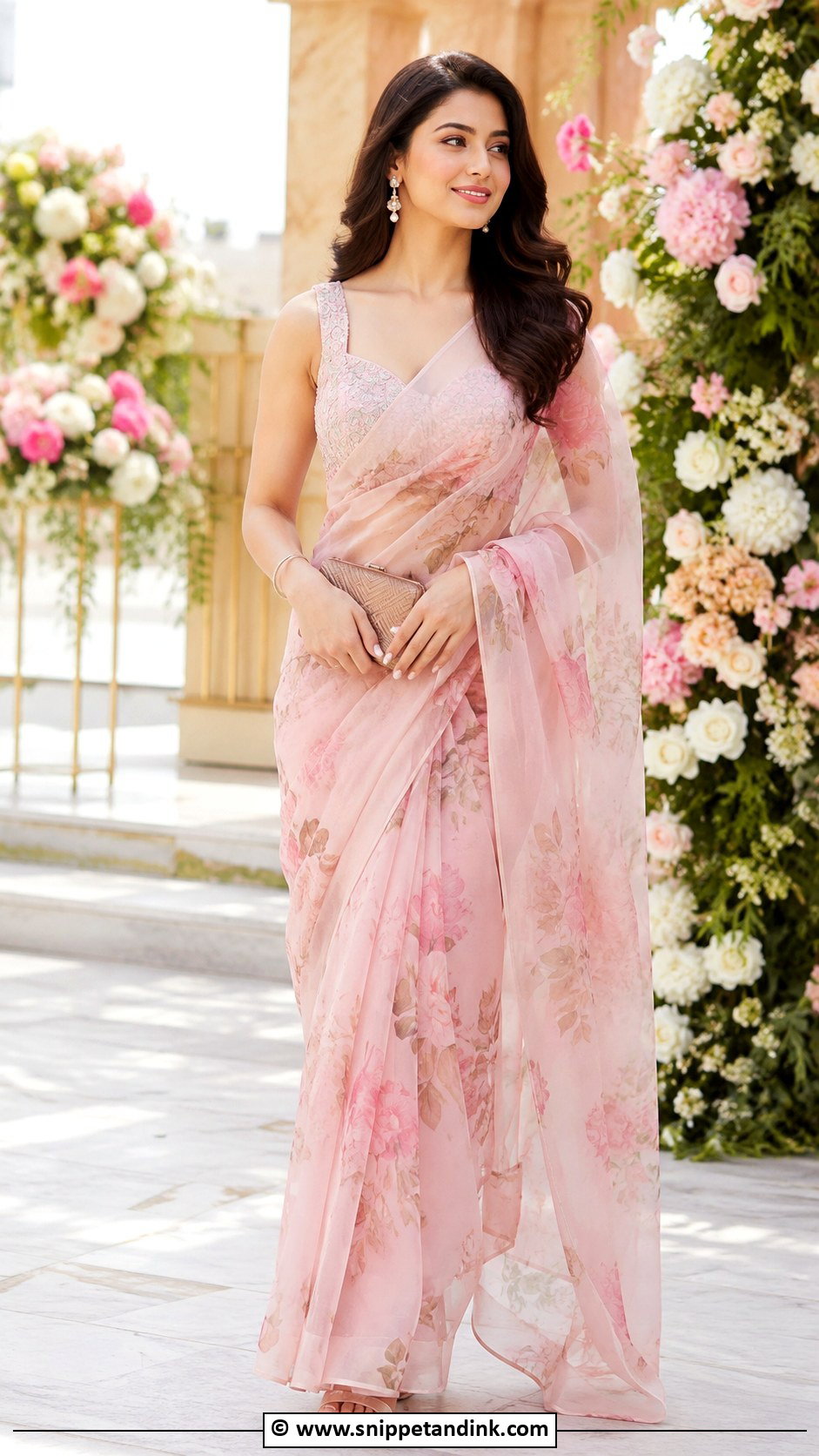
Organza has natural body, so it floats away from you rather than clinging, which keeps it cool for daytime weddings, engagements and garden events. Floral prints, embroidered borders, scalloped edges and pastels all sit well on it. The flip side is that organza creases sharply and stays creased, so I steam it just before draping and keep the pleats loose. A fitted blouse, pearl earrings, soft bangles and nude or metallic heels suit it, with a low bun or loose curls. Guests who want refined and feminine without heavy silk usually love it.
13. Jacket Lehenga Dress
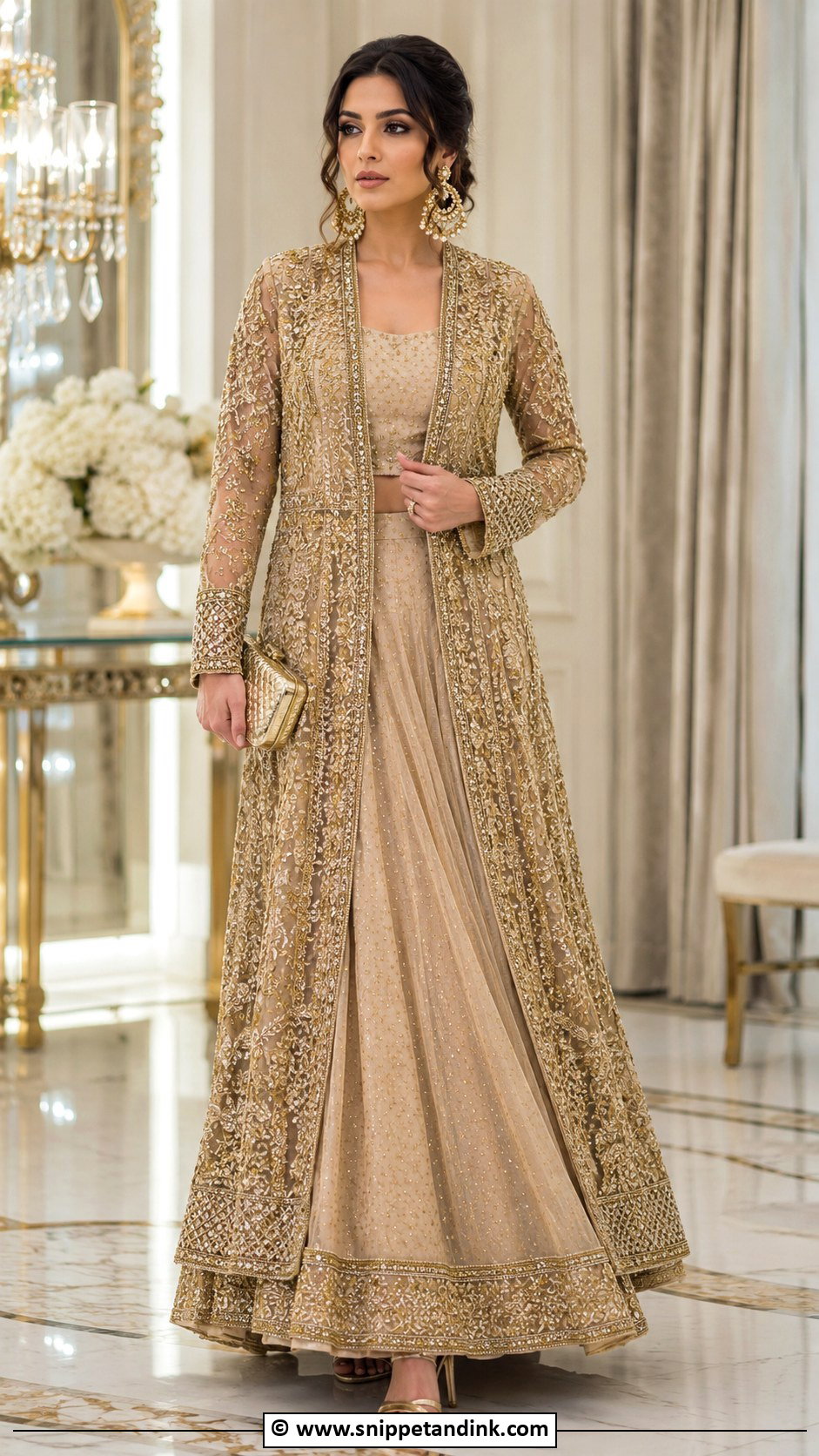
A jacket over a lehenga gives coverage with a fashion-forward edge, and it solves winter weddings neatly. Long, short, sheer, embroidered or structured, the jacket becomes the main detail, so the blouse and skirt should be simple. I fit the jacket with the blouse on underneath, because a jacket cut only to the body won’t close over a padded or embroidered blouse. Statement earrings, heels and a sleek clutch, with a center-parted style, keep it modern. It also takes away most of the dupatta fuss.
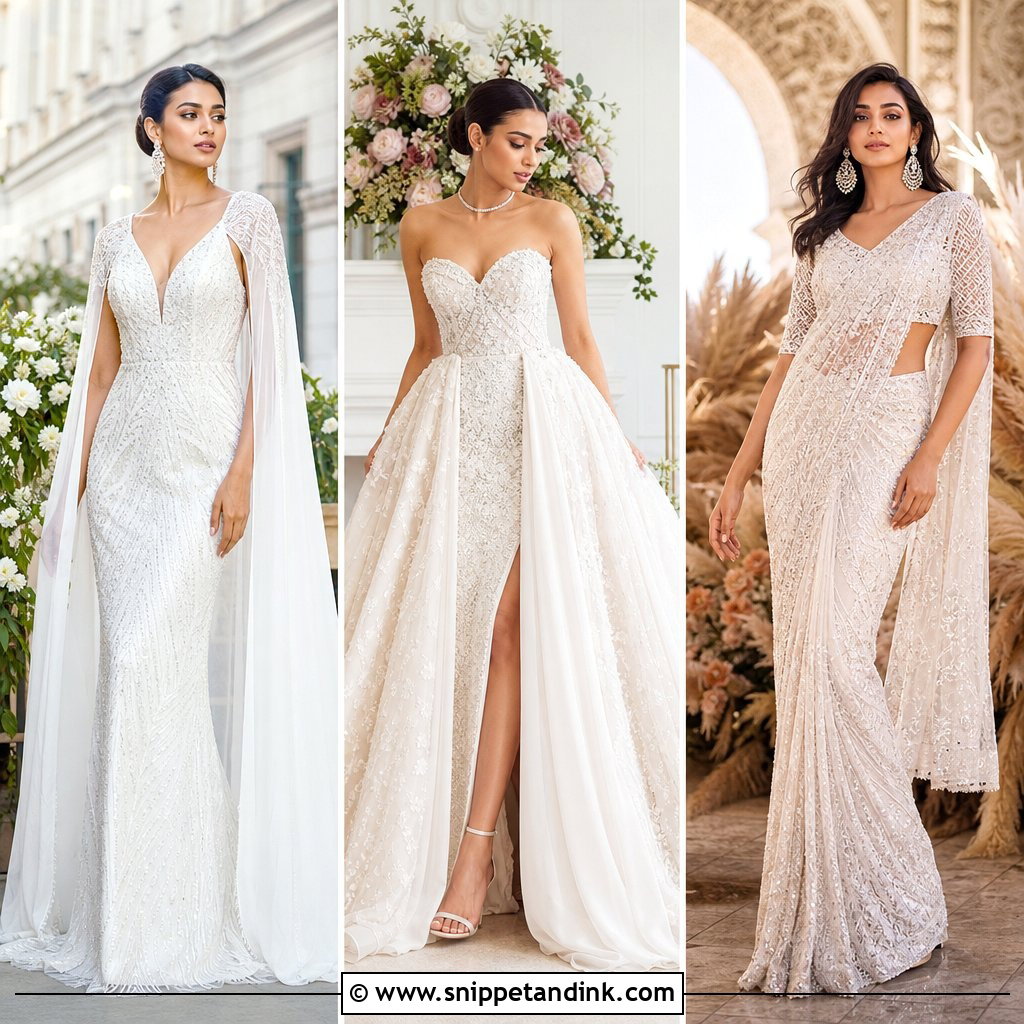
14. Cape Lehenga Dress
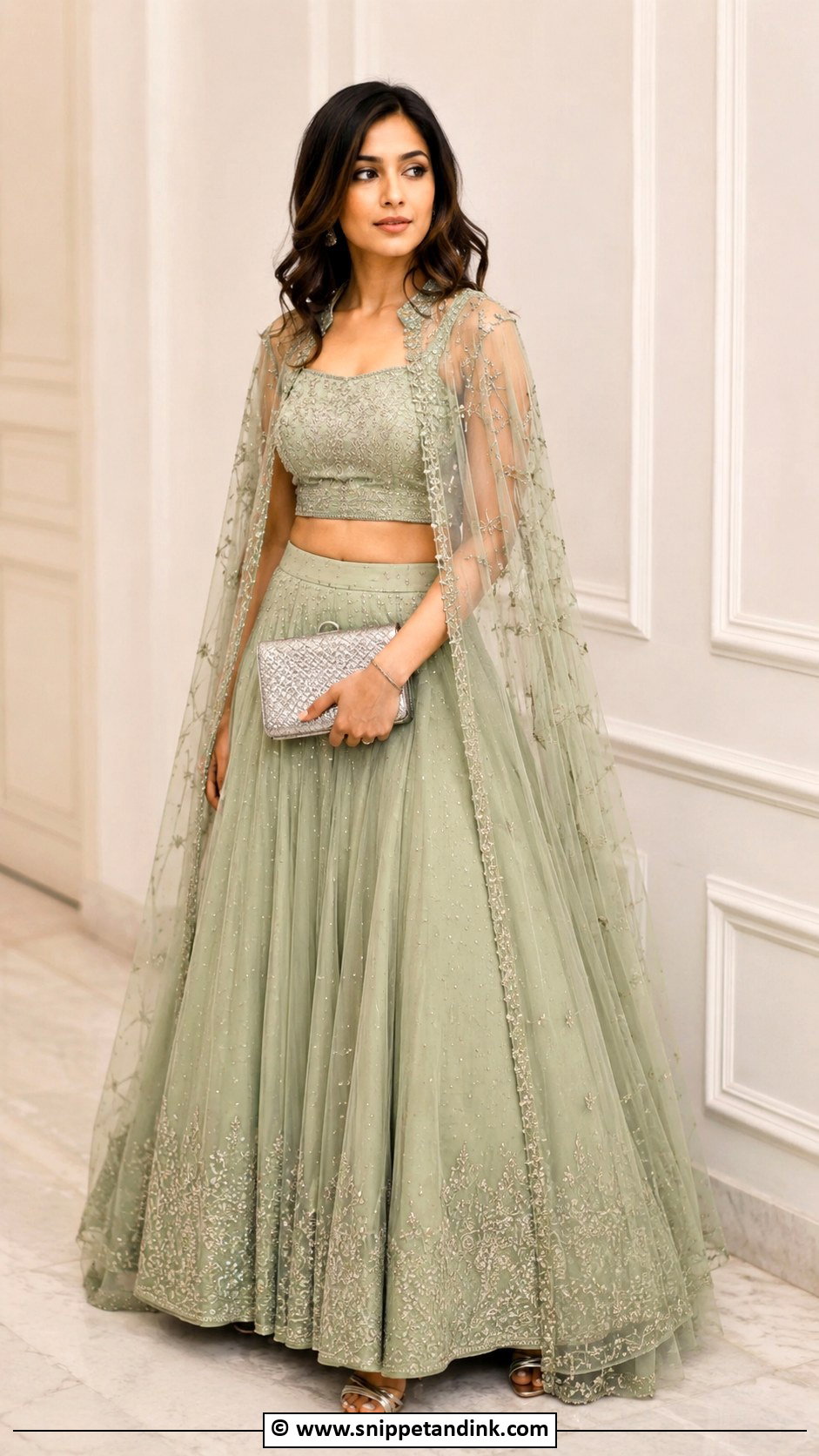
A cape replaces the dupatta entirely, which makes this the outfit I suggest to anyone tired of re-pinning fabric all evening. It gives movement, coverage and a dramatic shoulder line. A sheer embroidered cape reads soft; a structured one suits a bold reception. Because the cape frames the upper body, earrings work better than a heavy necklace that would catch on the fabric. A fitted blouse, flowing skirt, heels, clean makeup and minimal jewelry finish it for cocktail nights, receptions and bridesmaids.
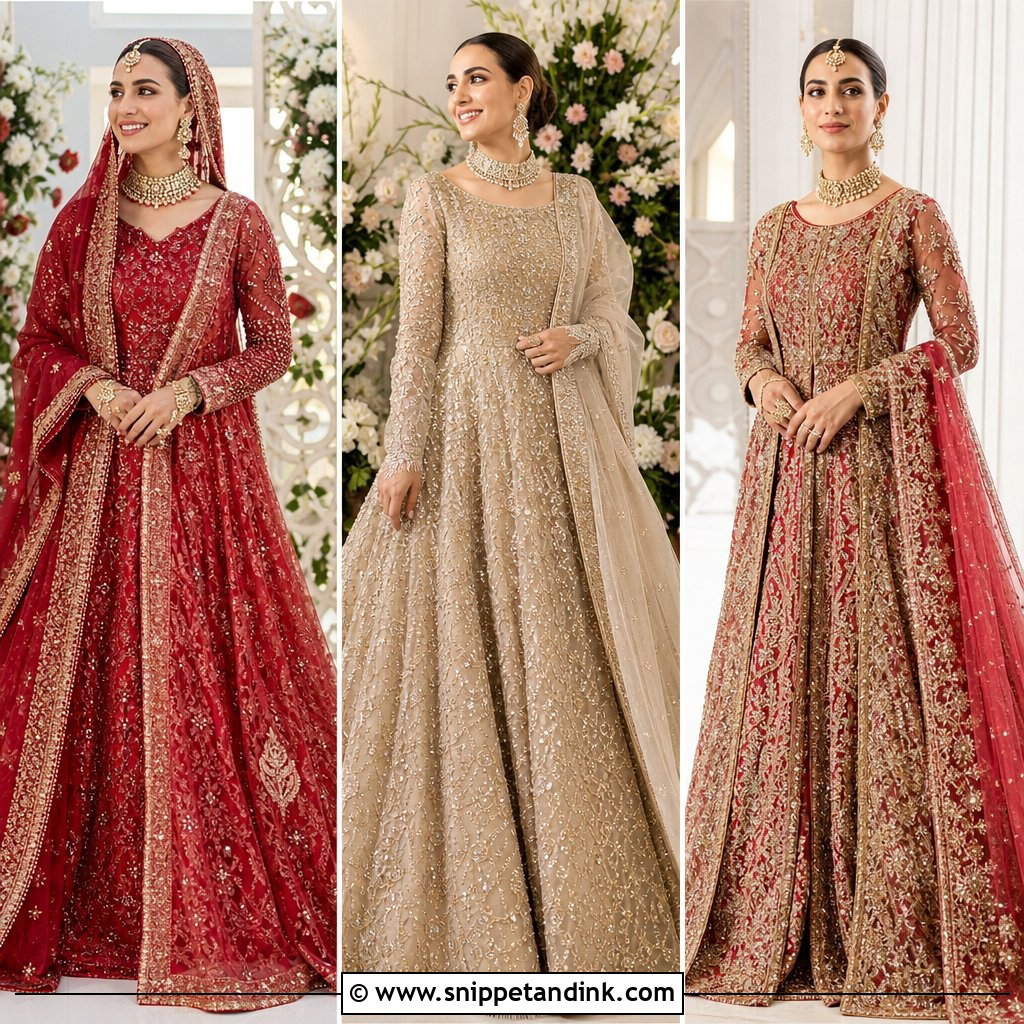
15. Indo Western Gown Dress
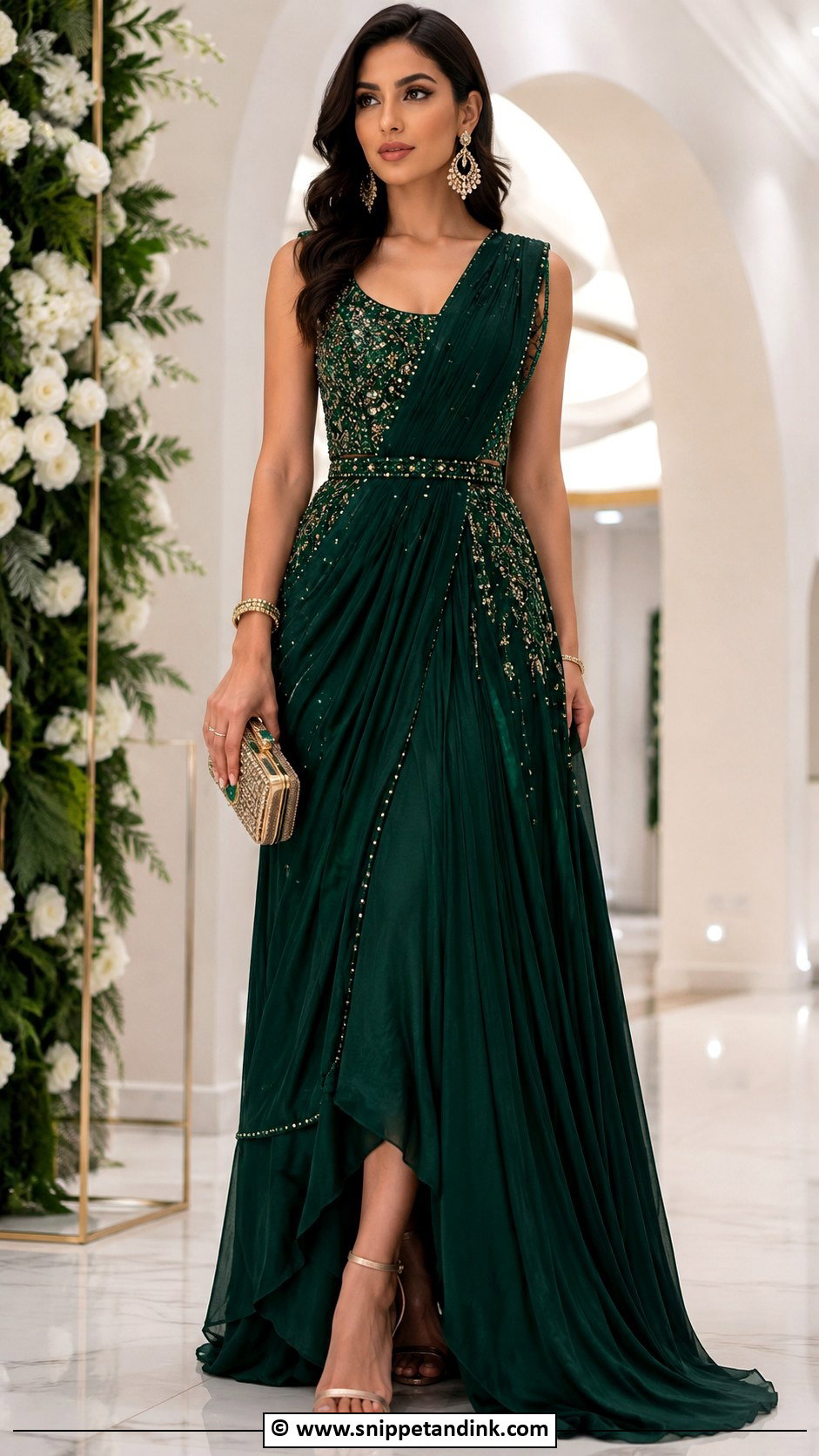
Indo-western gowns borrow a Western silhouette and keep the Desi detail through embroidery, draping, cape sleeves, beadwork or a dupatta-style panel. They suit receptions, engagement parties and cocktail events. Without one of those details, though, a gown can look like it belongs at a different party, so I always make sure at least one element clearly ties it to the occasion. Jewel tones, metallics and soft pastels all work by setting. Heels, statement earrings, a sleek clutch and a polished bun, side-parted waves or clean ponytail complete it.
16. Pant Saree Dress
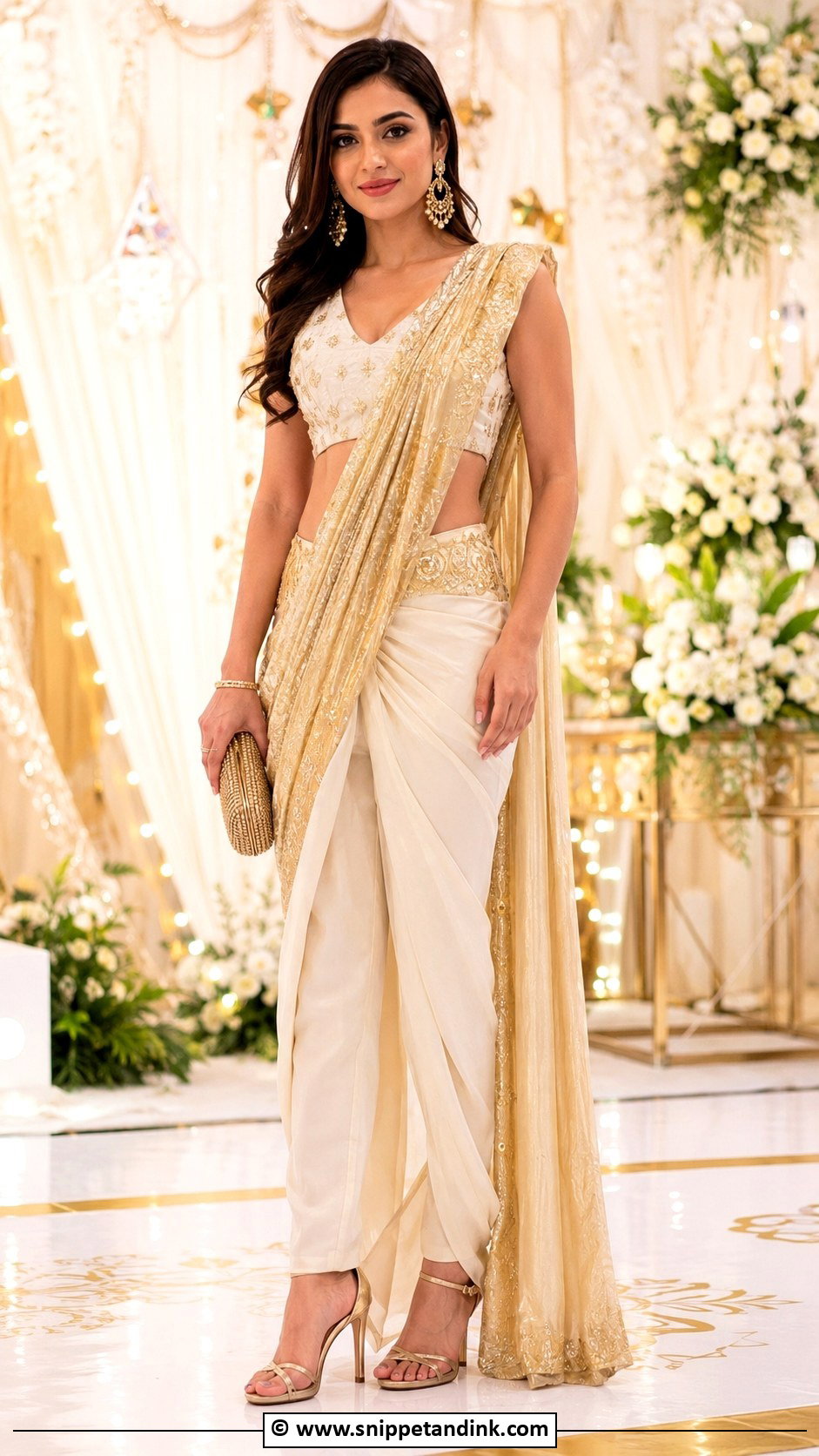
A pant saree gives the saree’s drape without a single pleat to tuck. It pairs tailored pants with a blouse and a pre-stitched pallu, so walking, dancing and sitting are easy. Satin, crepe, georgette or silk blends with embroidery or sequins make it wedding-ready for sangeet, reception and cocktail events, and it travels well for destination weddings. The fit I watch is the pant rise, since the pallu attaches at the waist and a low rise pulls it off-line. Heels, bold earrings, sleek hair and clean makeup keep it sharp.
17. Dhoti Saree Dress
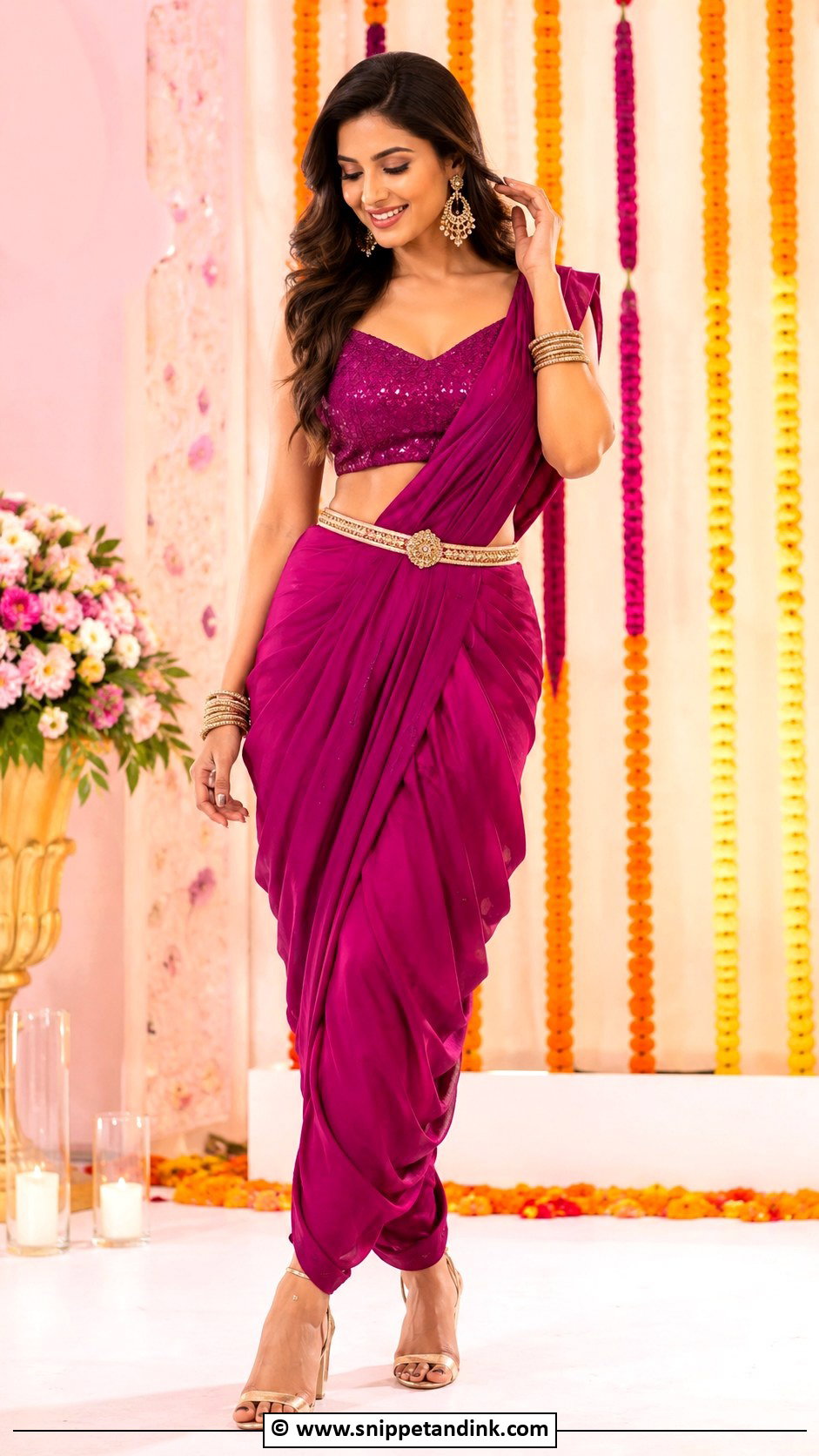
The dhoti saree swaps the pleated skirt for a draped dhoti bottom while keeping a pallu or overlay. It suits sangeet, mehndi and reception nights where you want something less expected. Bright colors suit festive daytime; metallic and jewel tones suit evening. The silhouette is strong, so accessories should be few: a fitted blouse, waist belt, statement earrings, heels and a sleek ponytail. I’d steer very petite wearers toward a slimmer drape, as a voluminous dhoti can shorten the leg line.
18. Palazzo Suit Dress
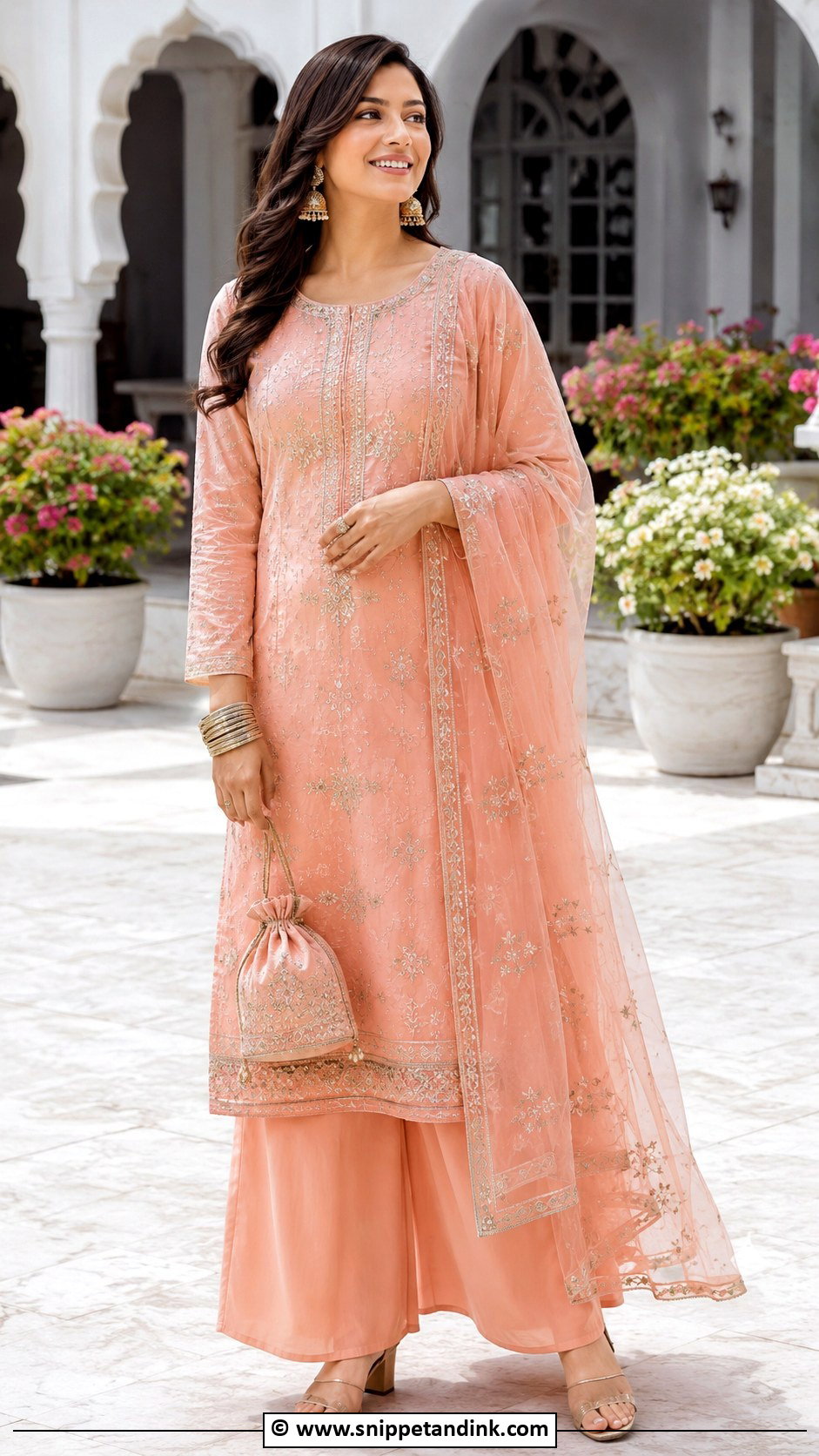
Palazzo suits are the quiet workhorse of a wedding week. Wide-leg pants give movement without a lehenga’s weight, and they suit mehndi, haldi, daytime ceremonies and long family events. A straight kurta, peplum or long embroidered tunic all pair well. Choose light fabrics for summer, silk or brocade for formal functions. The failure I see most is oversize: the kurta and pants must be tailored, or the outfit looks like loungewear. Add a dupatta, jhumkas, bangles, block heels or embellished flats, soft hair and fresh makeup.
19. Peplum Sharara Dress
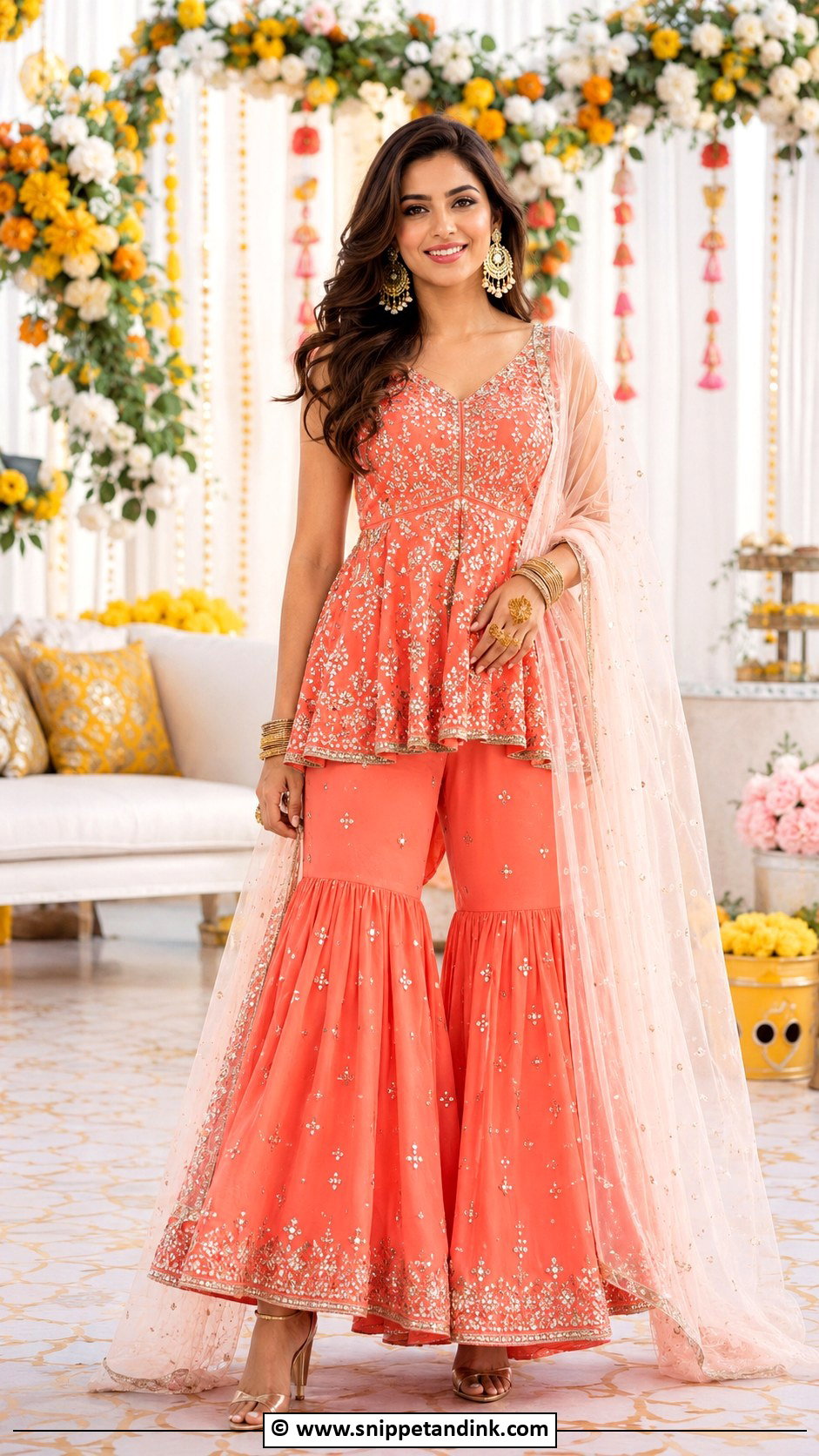
A peplum top defines the waist, and the sharara flare gives the dance. The combination flatters many figures and moves easily at sangeet, mehndi and reception events. Mirror work, sequins, thread embroidery or gota all suit it. The peplum should flare from your natural waist; set too low, it widens the hips. Pair with earrings, bangles, heels and a light dupatta if the set has one, and wear hair off the shoulders when the top is heavily worked so the embroidery stays visible.
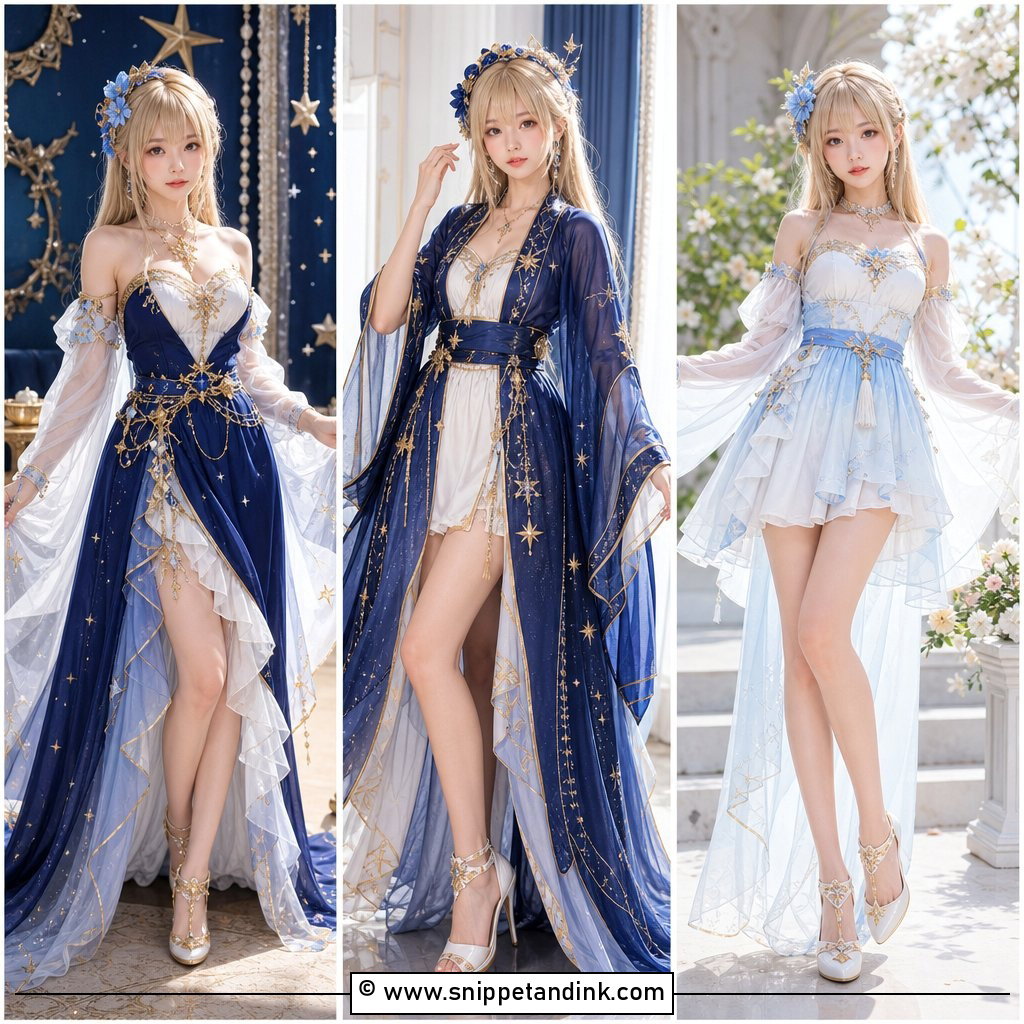
20. Velvet Lehenga Dress
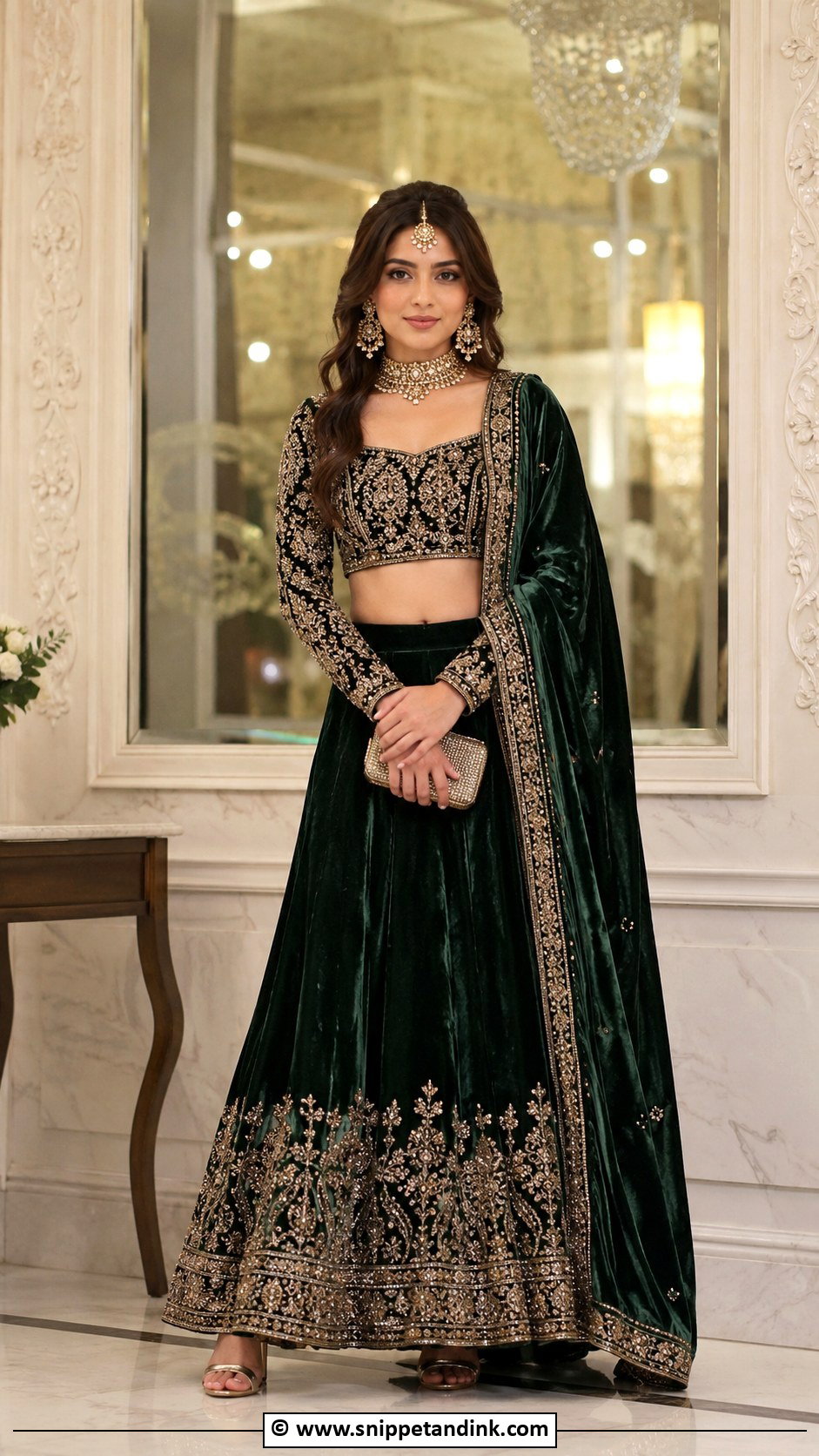
Velvet is my favorite fabric for winter weddings and evening ceremonies because it holds deep color like nothing else. Emerald, navy, burgundy, plum, or black where appropriate, all read rich under evening lighting. Gold, antique silver or tone-on-tone embroidery suits it. Velvet is warm and heavy, so I avoid it for crowded indoor halls with poor air conditioning and add nothing bulky on top. A structured blouse, dupatta, statement jewelry, heeled sandals, a sleek bun and defined makeup complete the look for formal receptions and cold-weather bridal events.
21. Floral Lehenga Dress
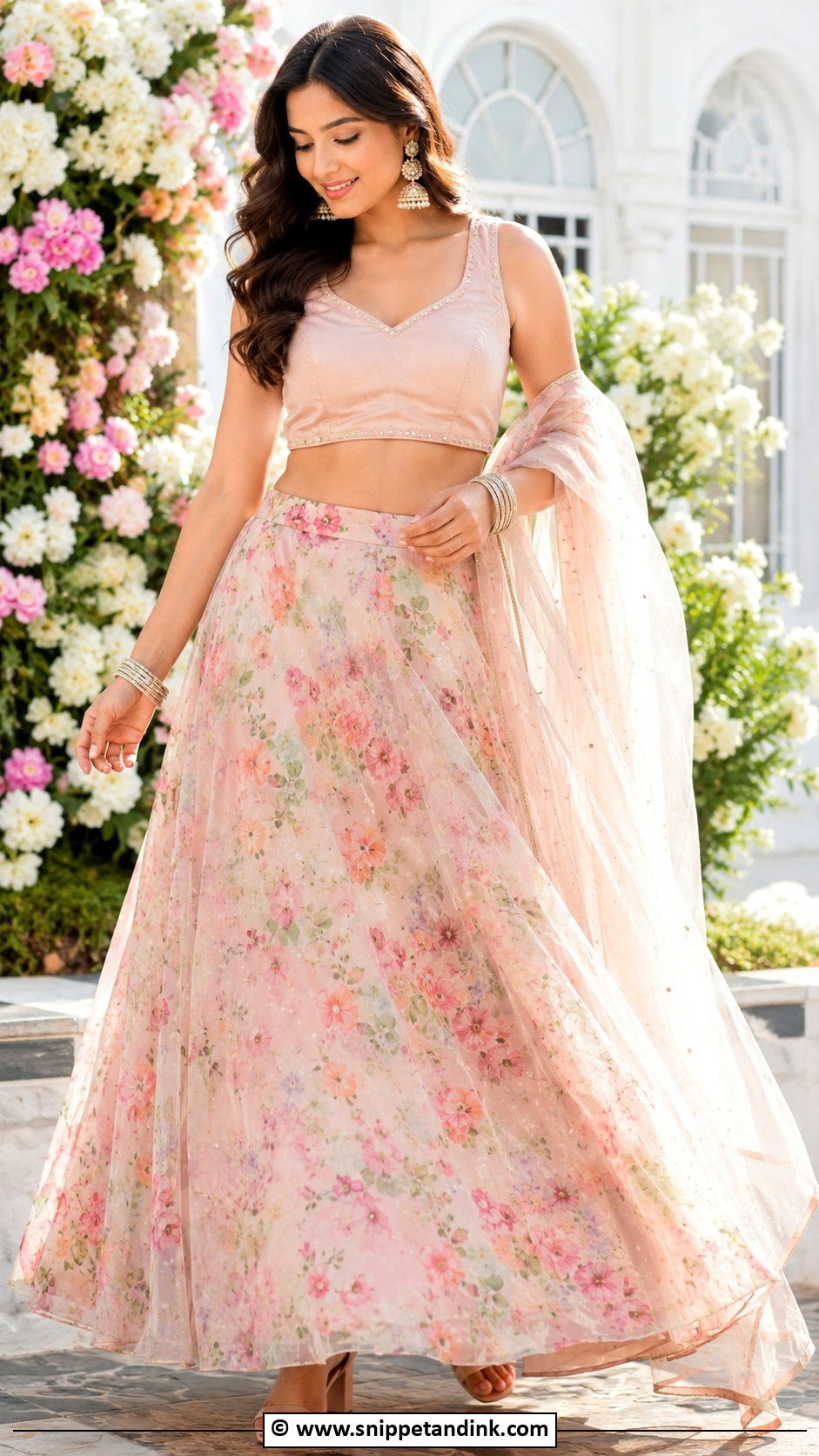
Florals feel light and young, which suits daytime functions. Printed florals are relaxed; embroidered ones are formal enough for a pre-wedding ceremony. Pastels suit garden events, brighter colors suit mehndi and haldi. When the print is busy, I keep the dupatta sheer and plain so the outfit doesn’t turn into pattern on pattern. A simple blouse, floral-inspired jewelry, block heels or juttis, peach or coral makeup and a loose braid or soft curls complete it for bridesmaids, guests and pre-wedding events.
22. Yellow Haldi Dress
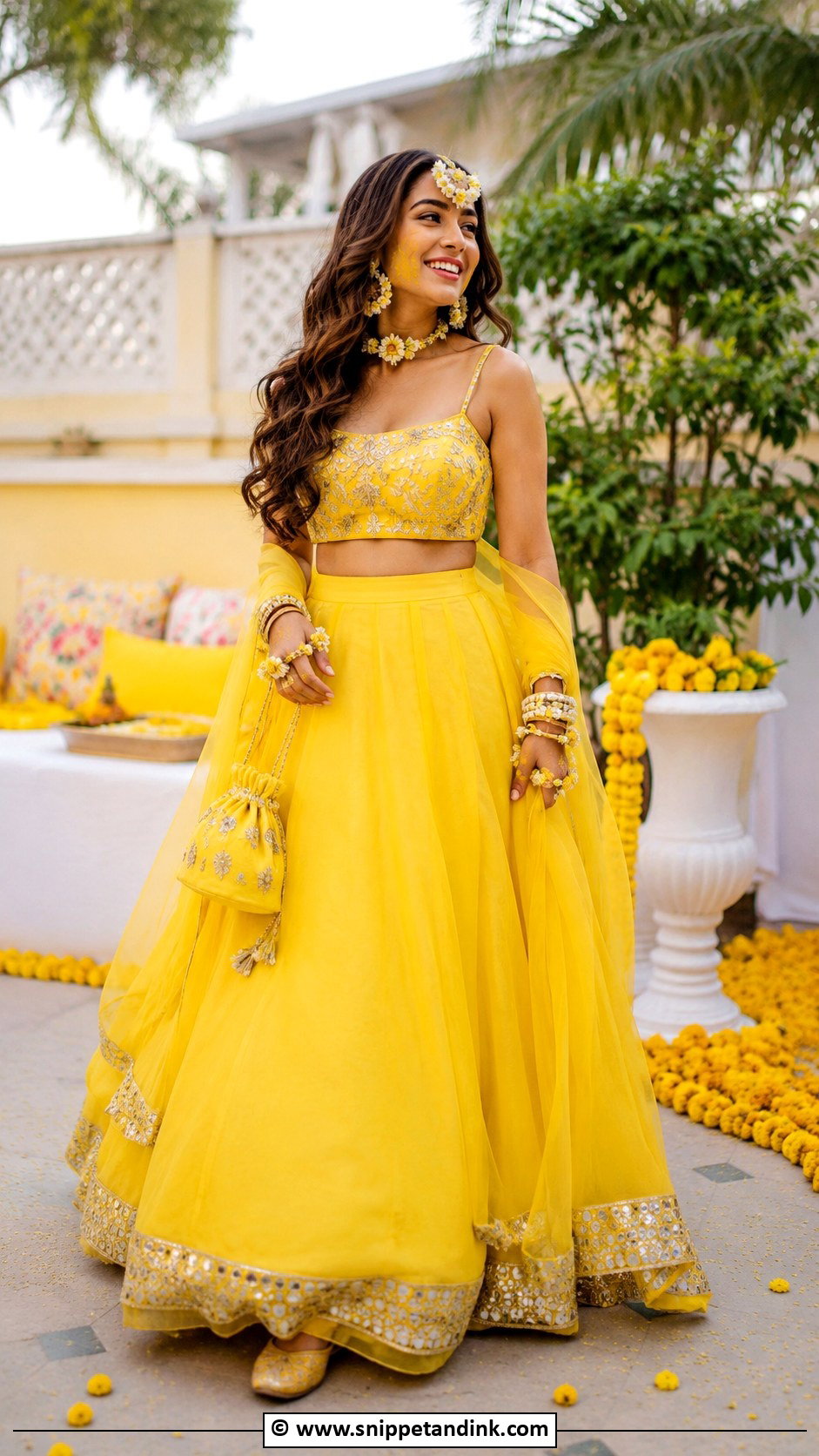
Haldi is the one function where your outfit will get stained, so a yellow haldi dress should be bright, comfortable and expendable. A yellow lehenga, sharara, anarkali or kurta set in cotton silk, georgette, organza or light silk all suit it. Turmeric paste stains fabric strongly, especially pale cotton, so I advise against delicate or heirloom pieces you’d want to keep spotless. Marigold, lemon, mustard and butter yellow all work. Floral jewelry, juttis, minimal bangles, fresh makeup and a braid or low ponytail keep the morning easy.
23. Green Mehndi Dress
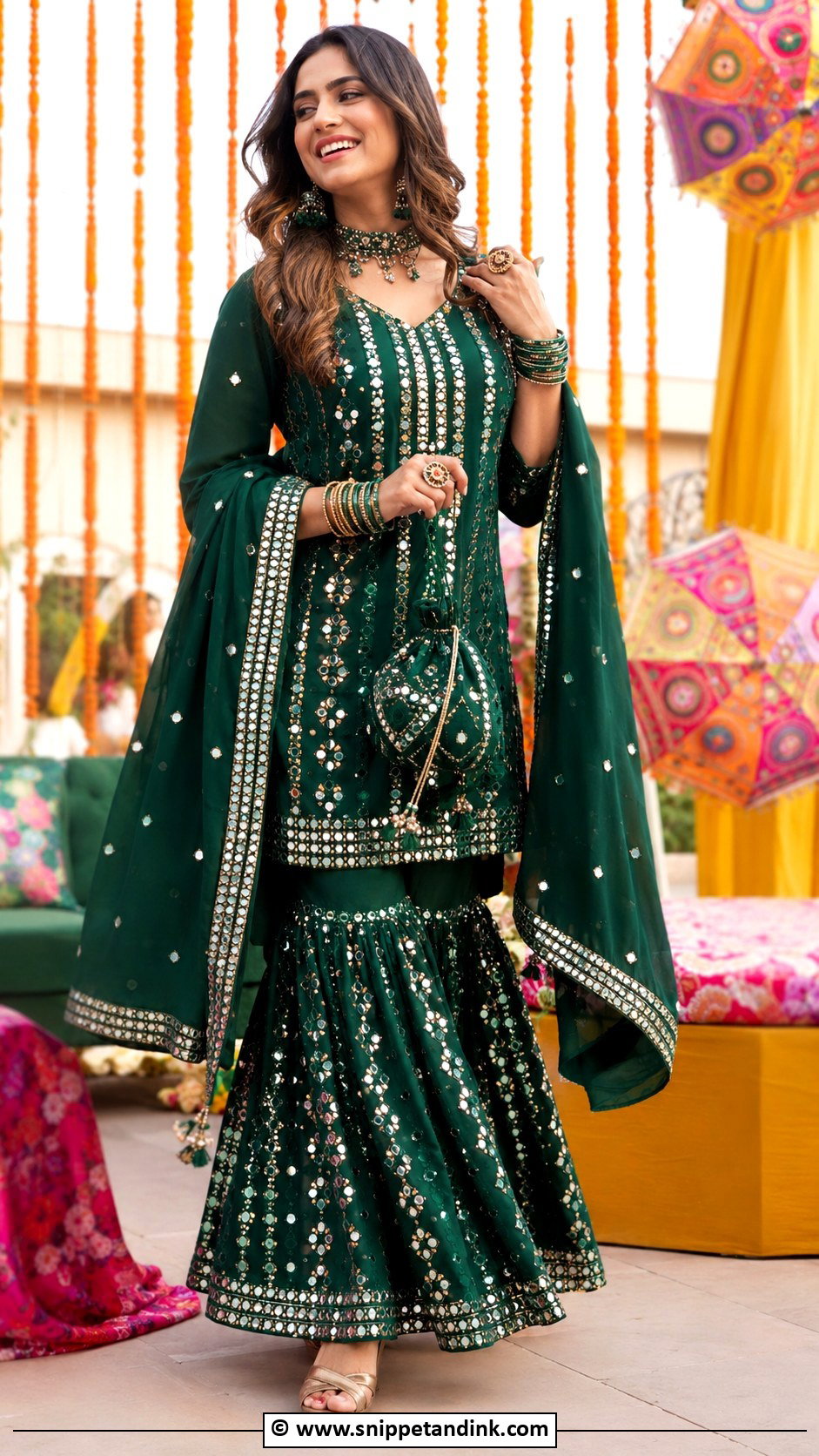
Green is the traditional mehndi color for many families, and a green mehndi dress can run from emerald and parrot green to olive, lime or mint. A mirror work lehenga, printed sharara, embroidered anarkali or palazzo suit all fit. Practically, short sleeves or sleeves you can push up matter here, since the bride’s hands and forearms need to stay clear while the henna is applied and dries. Green pairs well with pink, yellow, orange and gold accents. Oxidized jewelry, bangles, a potli bag, comfortable shoes and a braid with hair accessories finish it.
24. Sangeet Lehenga Dress
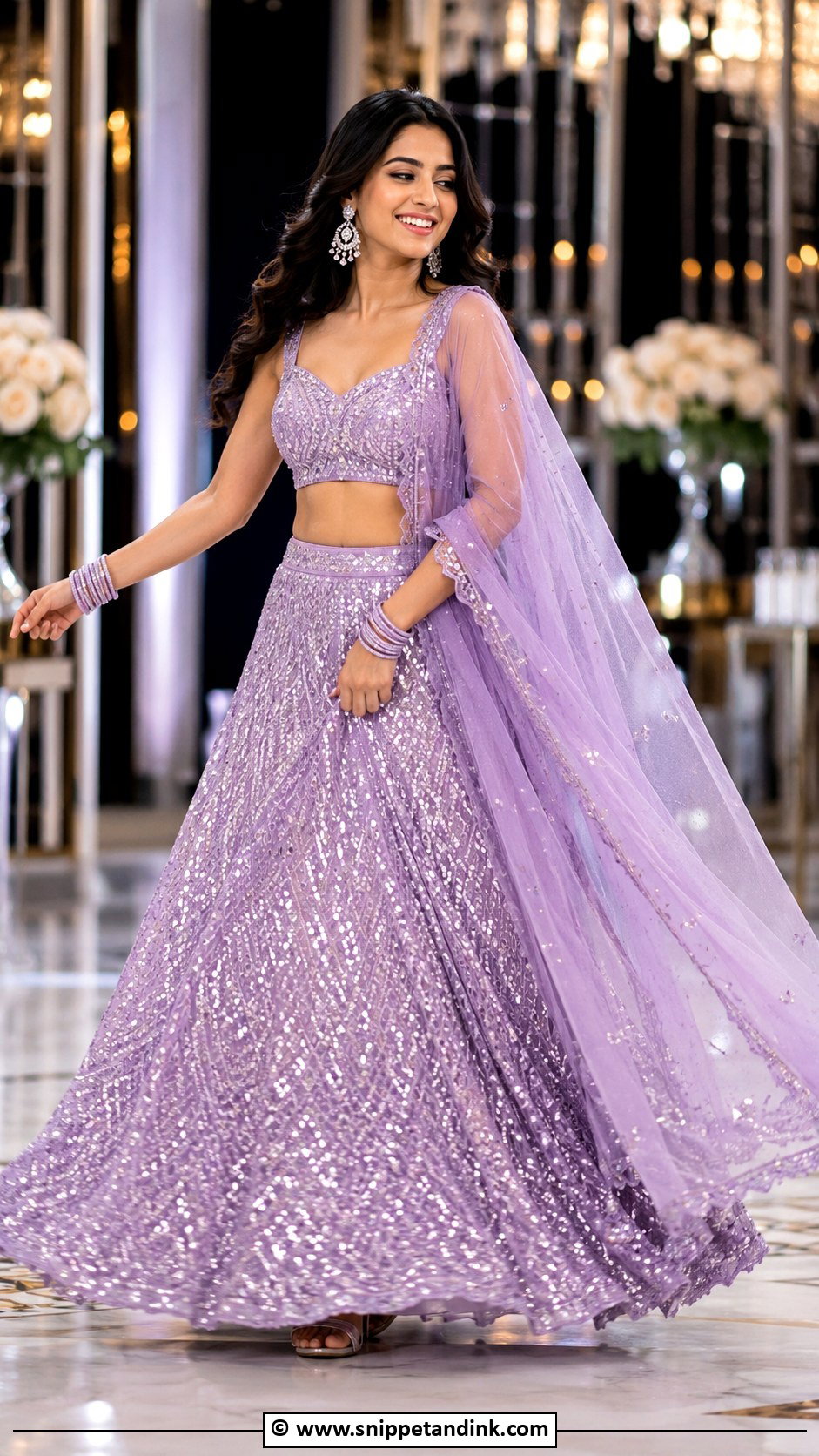
Sangeet outfits have to survive choreography. Choose a lighter skirt with sequins, mirror work, thread embroidery or metallic detail, and go easy on the can-can, which adds stiffness and heat. The blouse must stay secure through a raised arm and a spin, so I always do a dance test in it at the final fitting. Pin the dupatta firmly at the shoulder and waist. Jewel tones, metallic pastels and bold contrasts read well under stage lighting. Statement earrings, dance-friendly heels or wedges and a ponytail, bun or pinned waves keep you moving without adjusting.


25. Reception Saree Dress
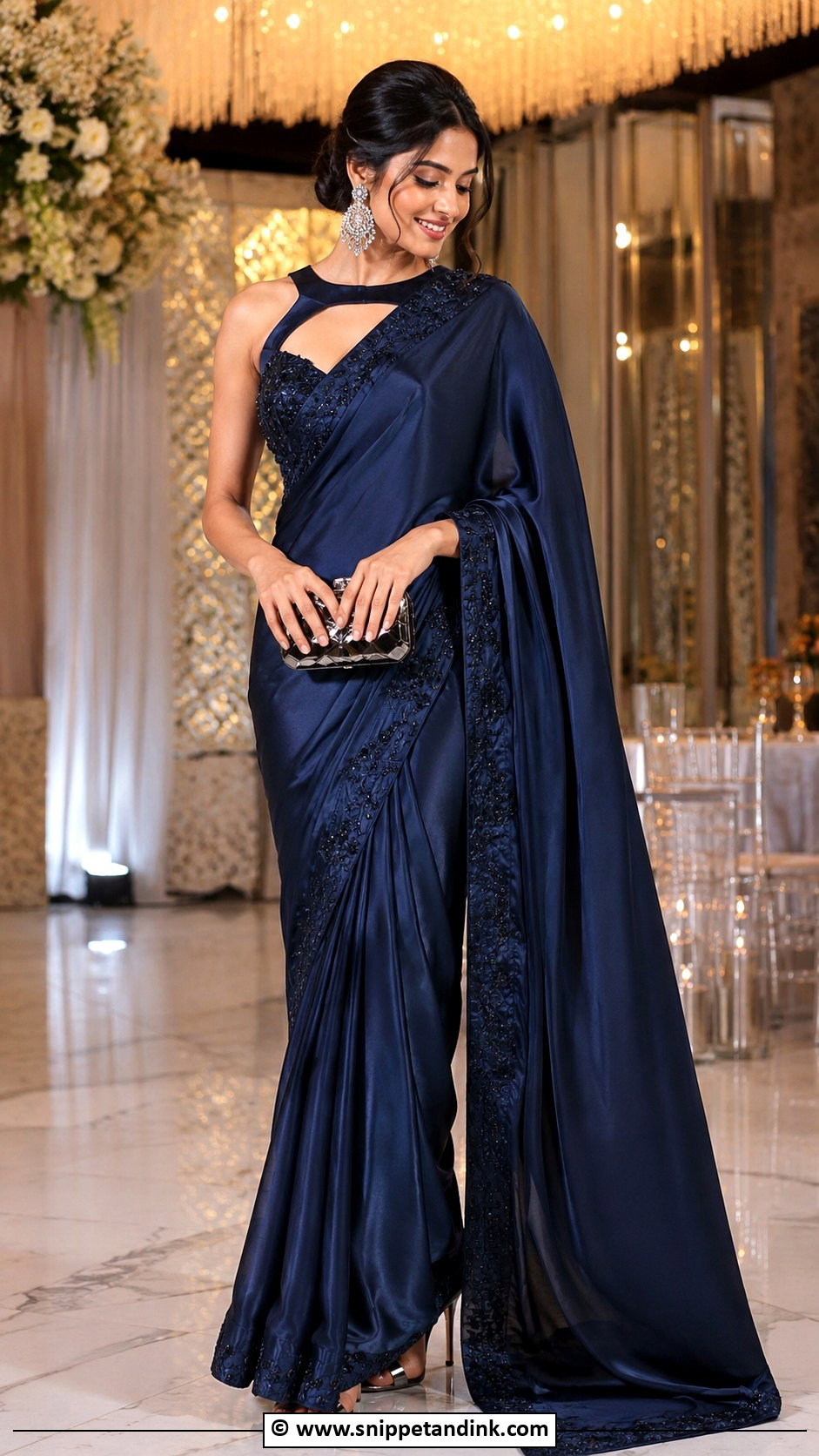
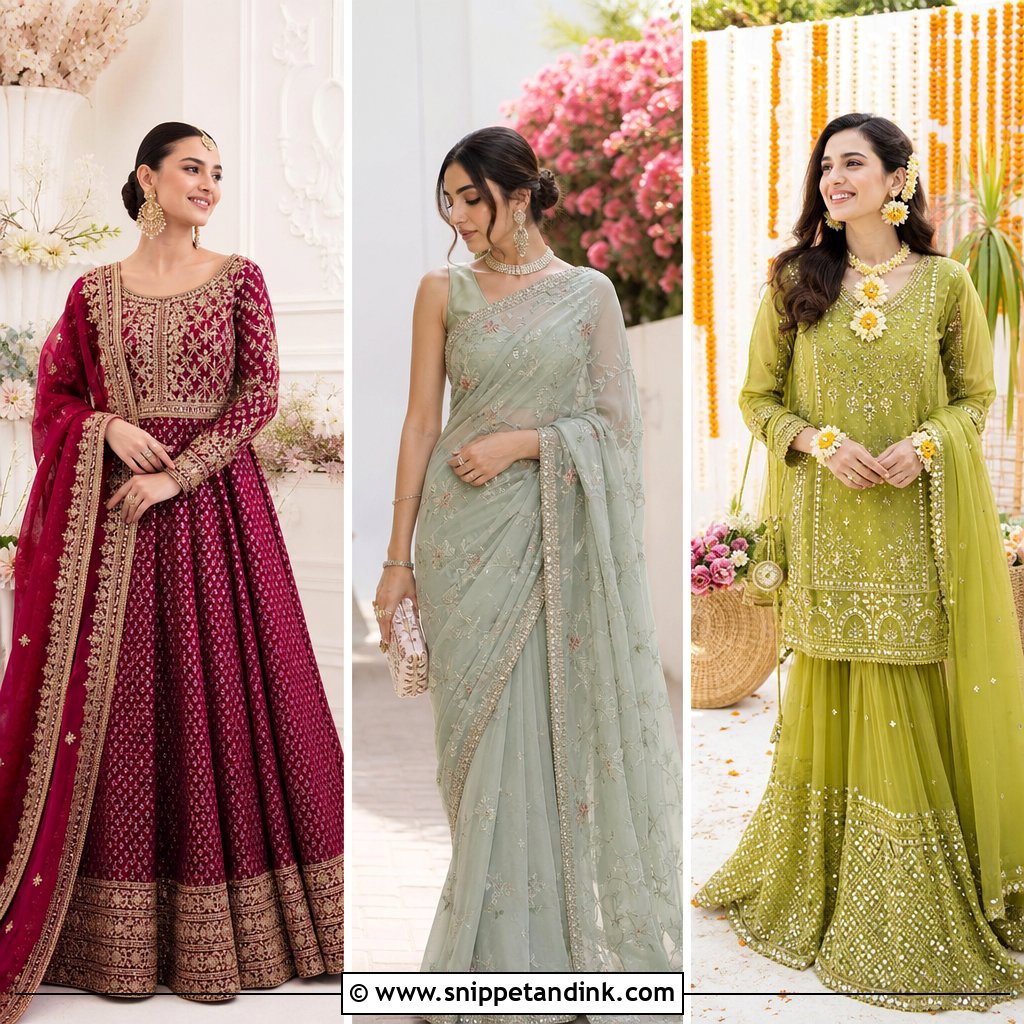
Reception sarees lean polished and a little glamorous. Sequin, satin, silk or embroidered net all work by dress code, in navy, emerald, plum, charcoal or champagne for evening. A pre-draped saree gives an easy fit; if you drape traditionally, I pin the pleats at the waist and the pallu at the shoulder with small safety pins hidden on the inside. A modern blouse, statement earrings, heels and a sleek clutch finish it. Brides, sisters and guests all wear it well when they want sophistication without a lehenga’s volume.
26. Pakistani Wedding Dress
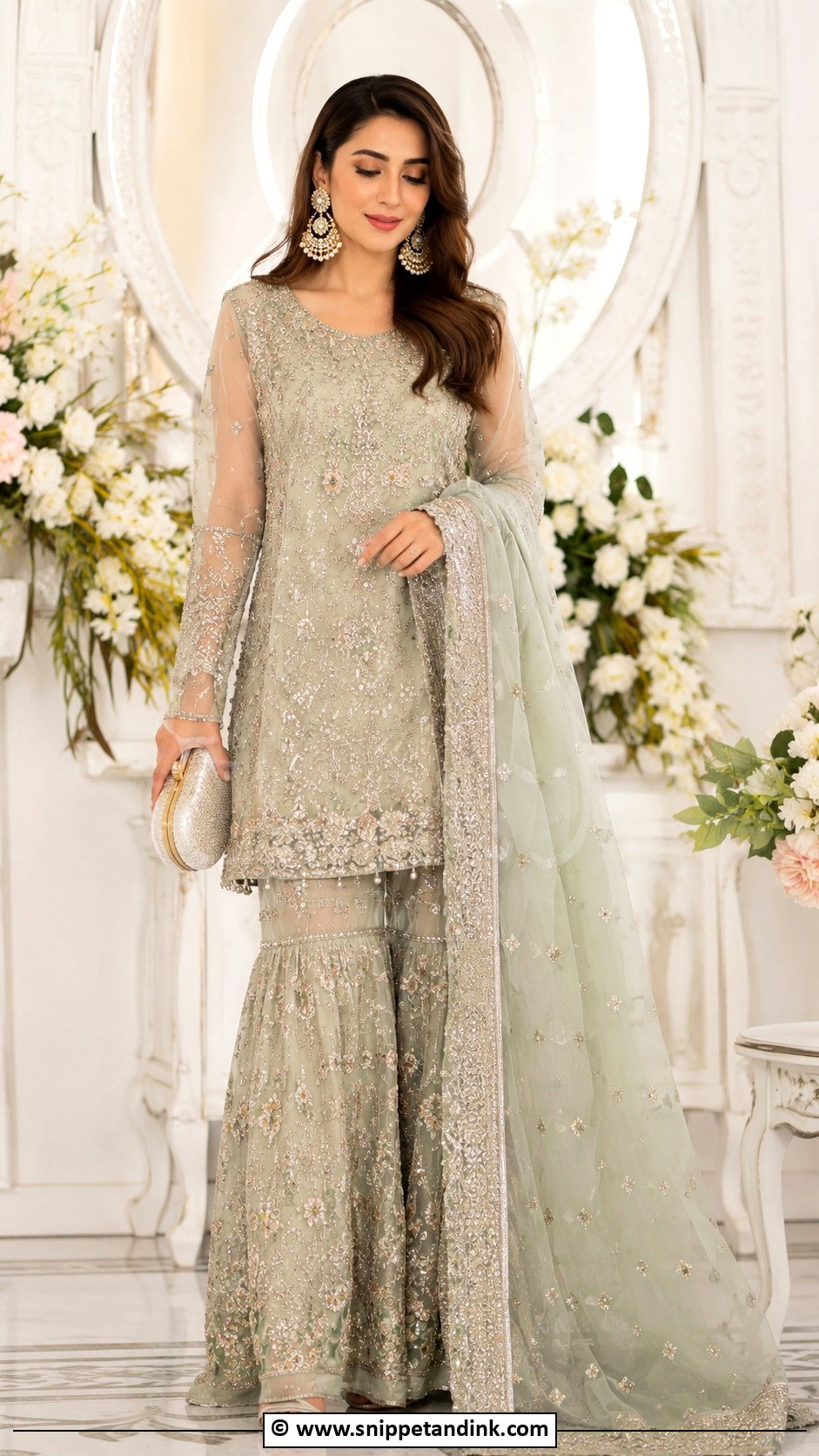
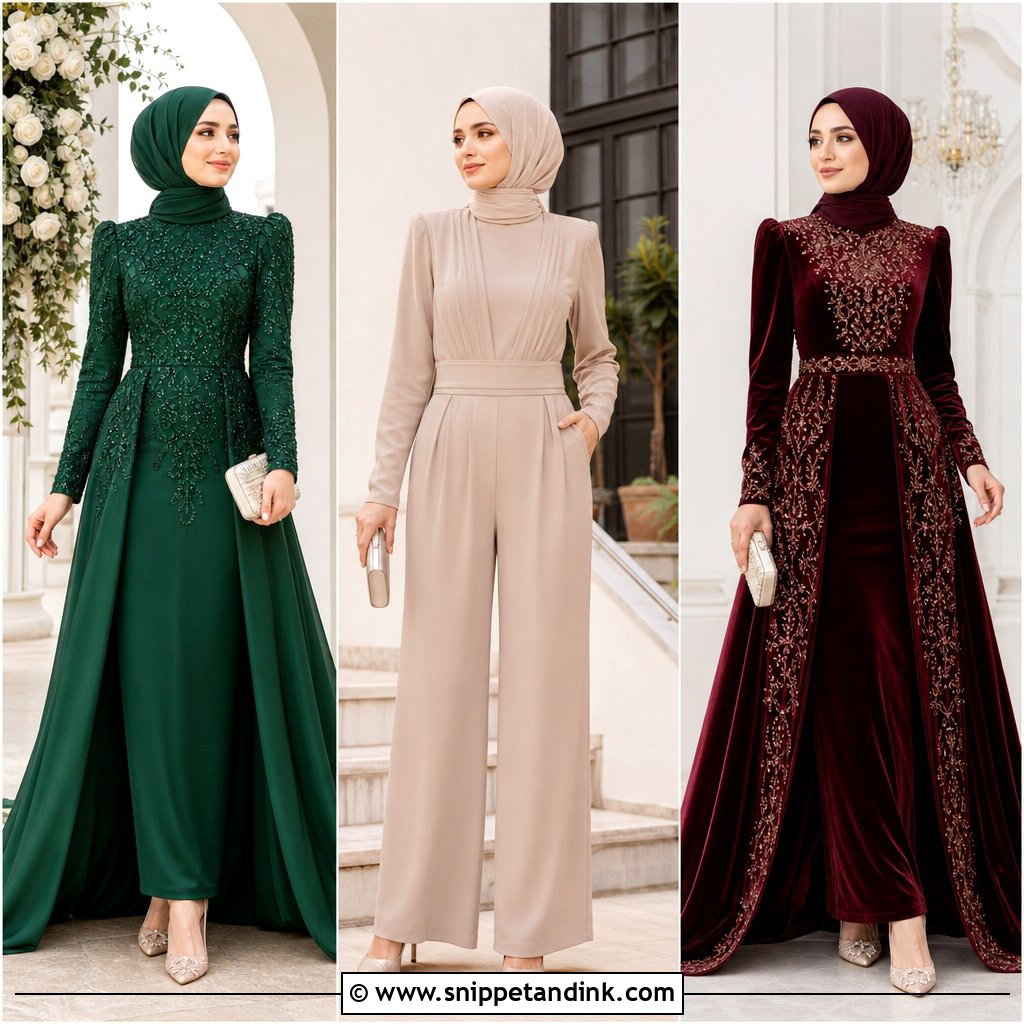
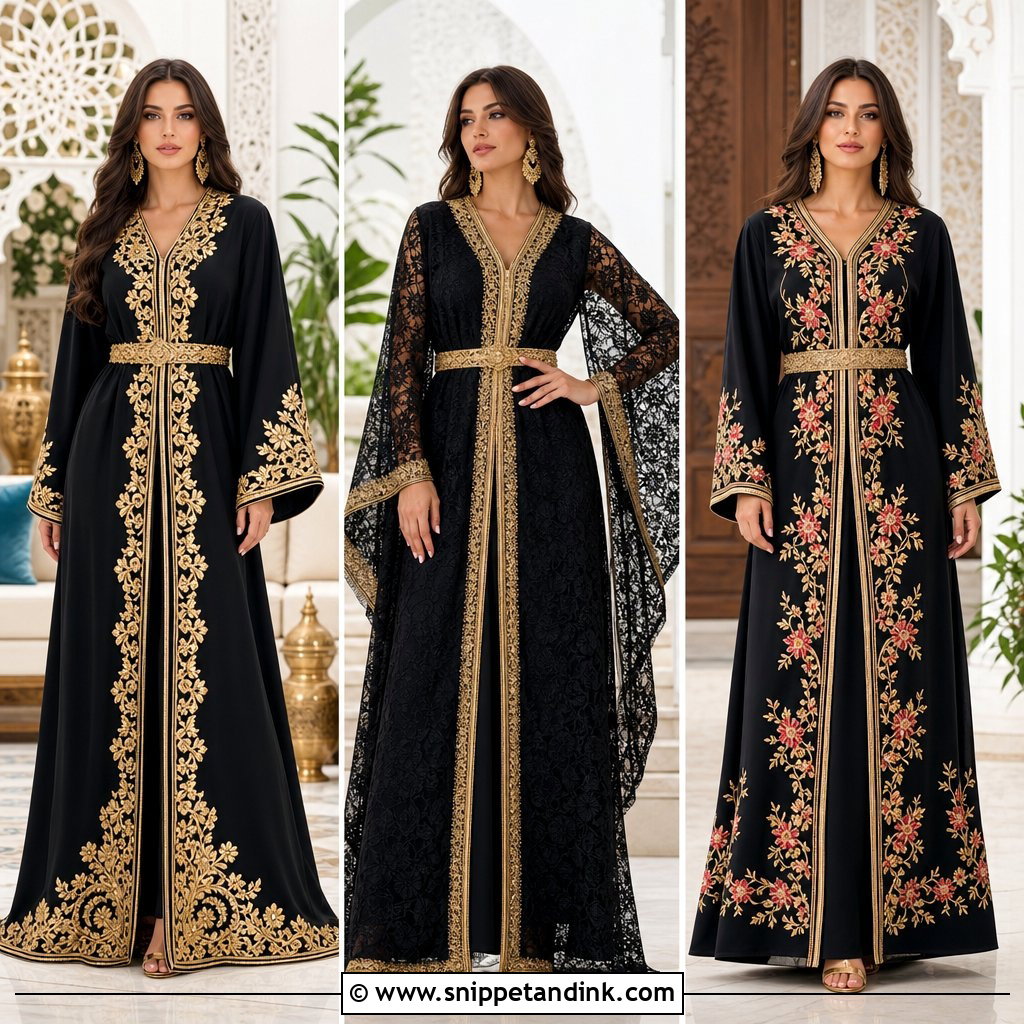
A Pakistani wedding dress usually pairs a long shirt with a sharara, gharara, lehenga or straight pants, all heavily embroidered. Organza, chiffon, raw silk or net with dabka, zari, sequins or threadwork give it a regal, modest feel. Soft pastels suit nikkah ceremonies; jewel tones suit receptions. The long shirt depends on clean lines, so I check the side slits sit at the same height and the hem falls level all round. Drape the dupatta over one shoulder or around the arms, and add chandbalis, heels and a small clutch.
27. South Indian Wedding Saree Dress
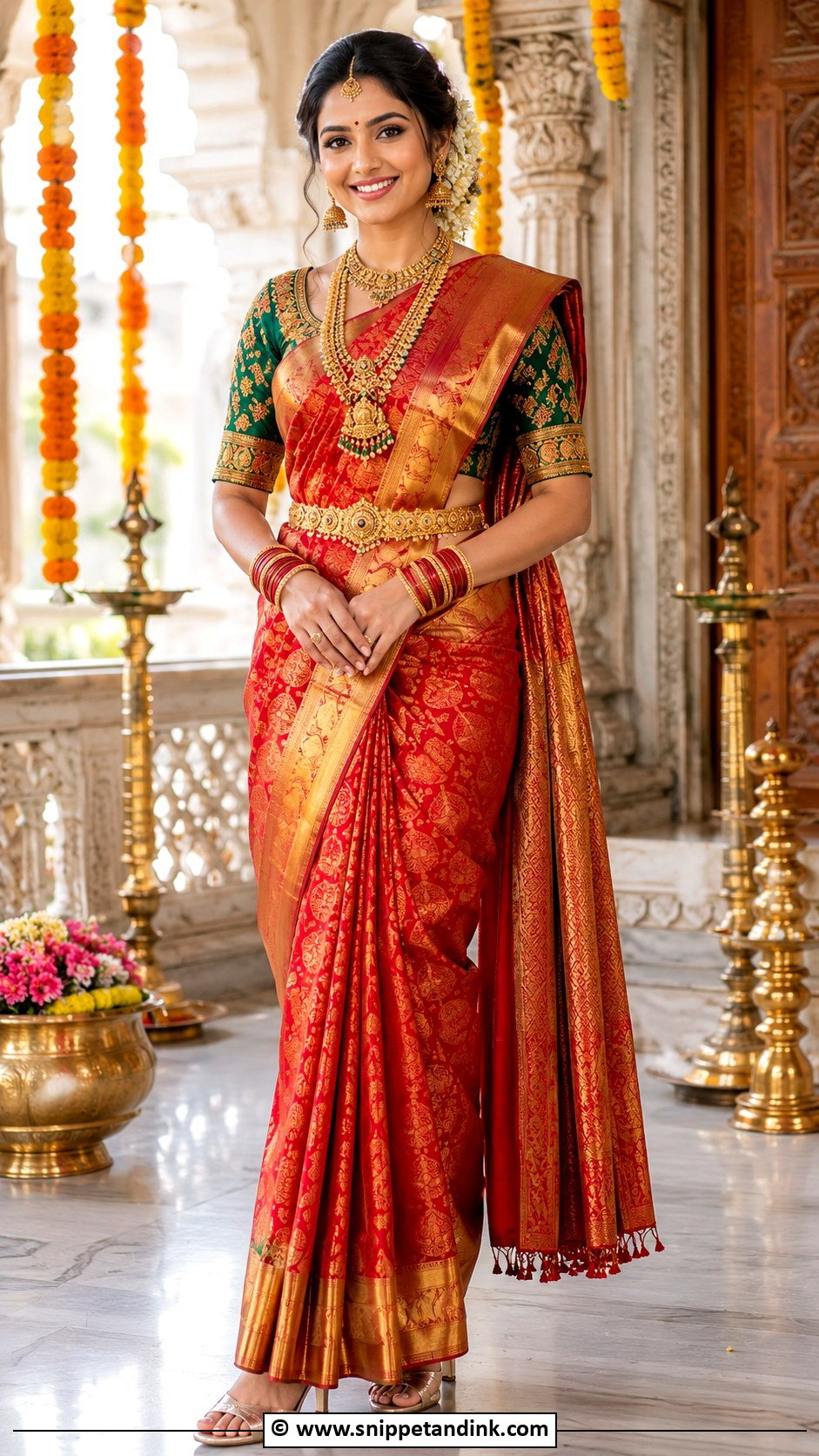
South Indian ceremony dressing centers on silk with temple borders, and Kanjivaram sarees lead because they hold their structure through long rituals. Red, gold, green, purple, orange or royal blue all suit it. A contrast blouse adds interest. The heavy zari border can feel stiff at the waist, so pleats should be pressed and pinned before the drape, not after. Temple jewelry, bangles, jasmine in the hair, a bindi and heeled sandals complete the look for brides, family and guests at a traditional ceremony.
28. Punjabi Wedding Suit Dress
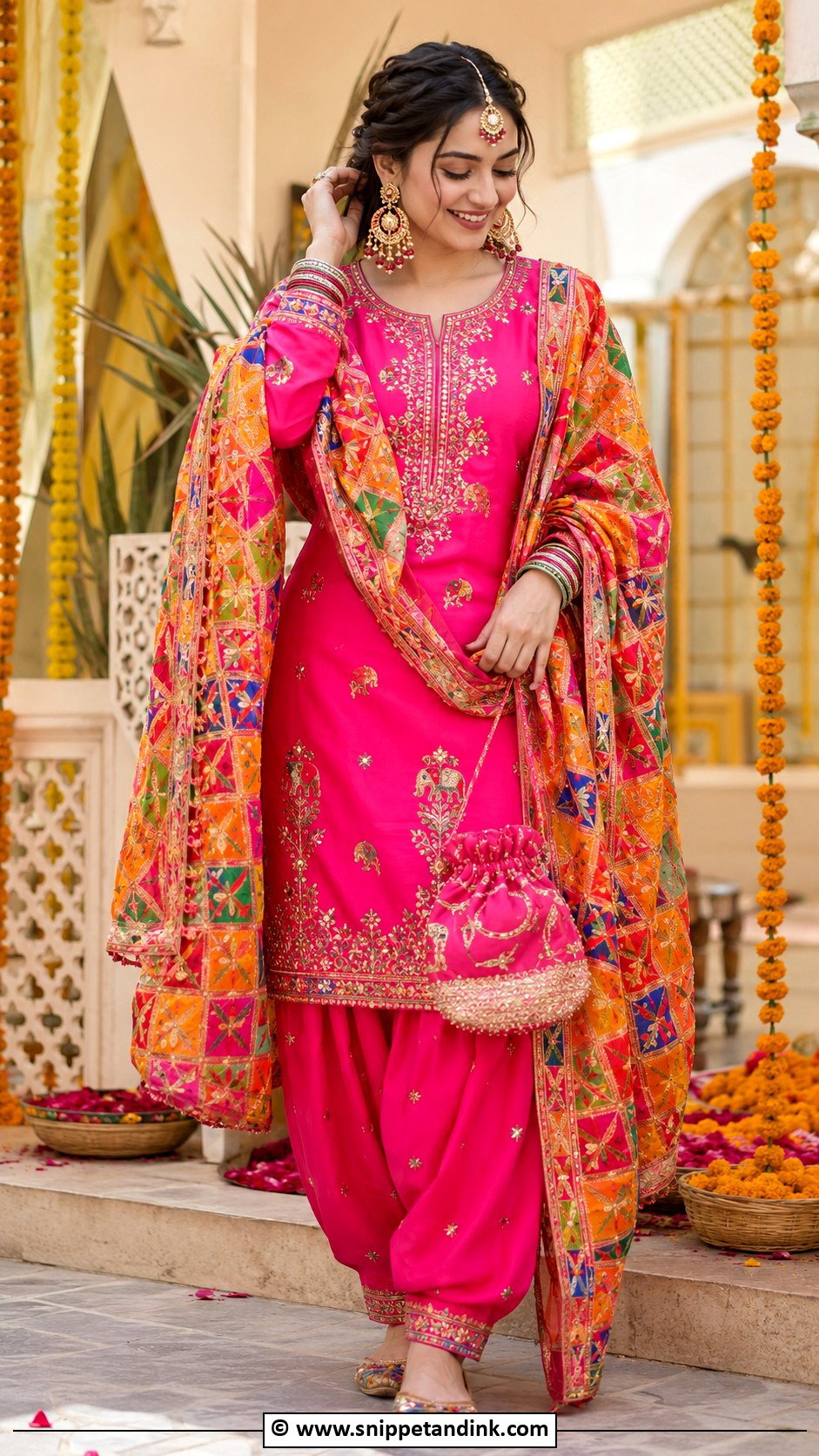
A Punjabi wedding suit dress is all color and ease. Patiala suits, shararas, palazzo suits and heavily embroidered salwar suits all suit the bhangra-heavy events. Rani pink, mustard, orange, royal blue, green and red feel right. A phulkari dupatta brings the regional craft, and because original phulkari is dense hand embroidery, I keep the suit beneath simpler so the two don’t compete. Juttis, bangles, bold earrings and a paranda braid, soft curls or sleek ponytail finish it for mehndi, sangeet and family days.
29. Gujarati Chaniya Choli Dress
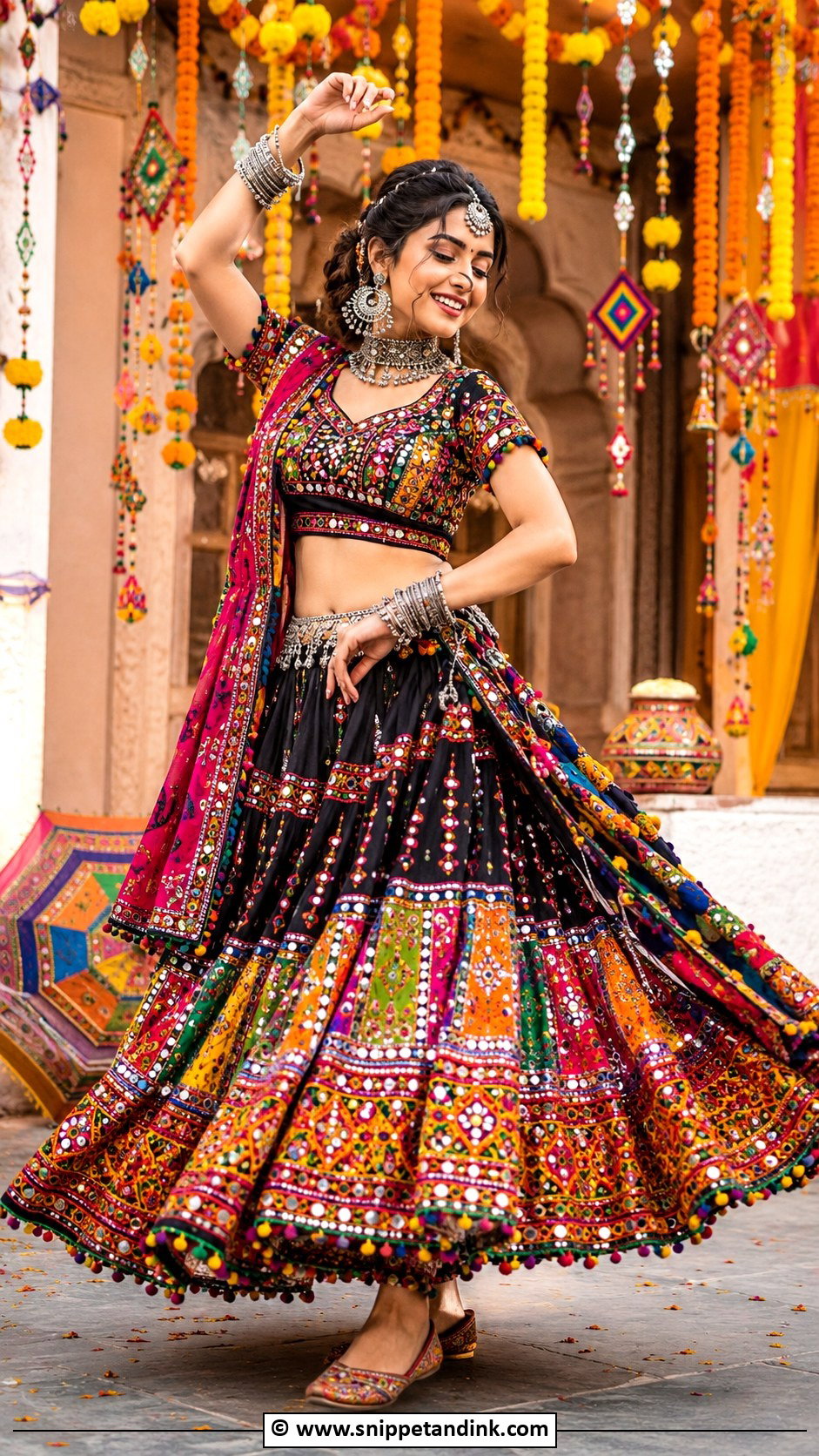
Chaniya choli is made for garba, mehndi and festive nights, with a full skirt, fitted choli and dupatta that move together when you spin. Mirror work, thread embroidery, bandhani prints and bold color pairings carry the look. Bandhani is tie-dye, and new bandhani can bleed its dye in heat and sweat, so I suggest a lining or a quick color test before wearing it near pale skin or a white blouse. Orange, pink, green, yellow and blue all feel joyful. Oxidized jewelry, a waist belt, comfortable juttis or wedges and a securely pinned dupatta let you dance freely.
30. White And Gold Desi Wedding Dress
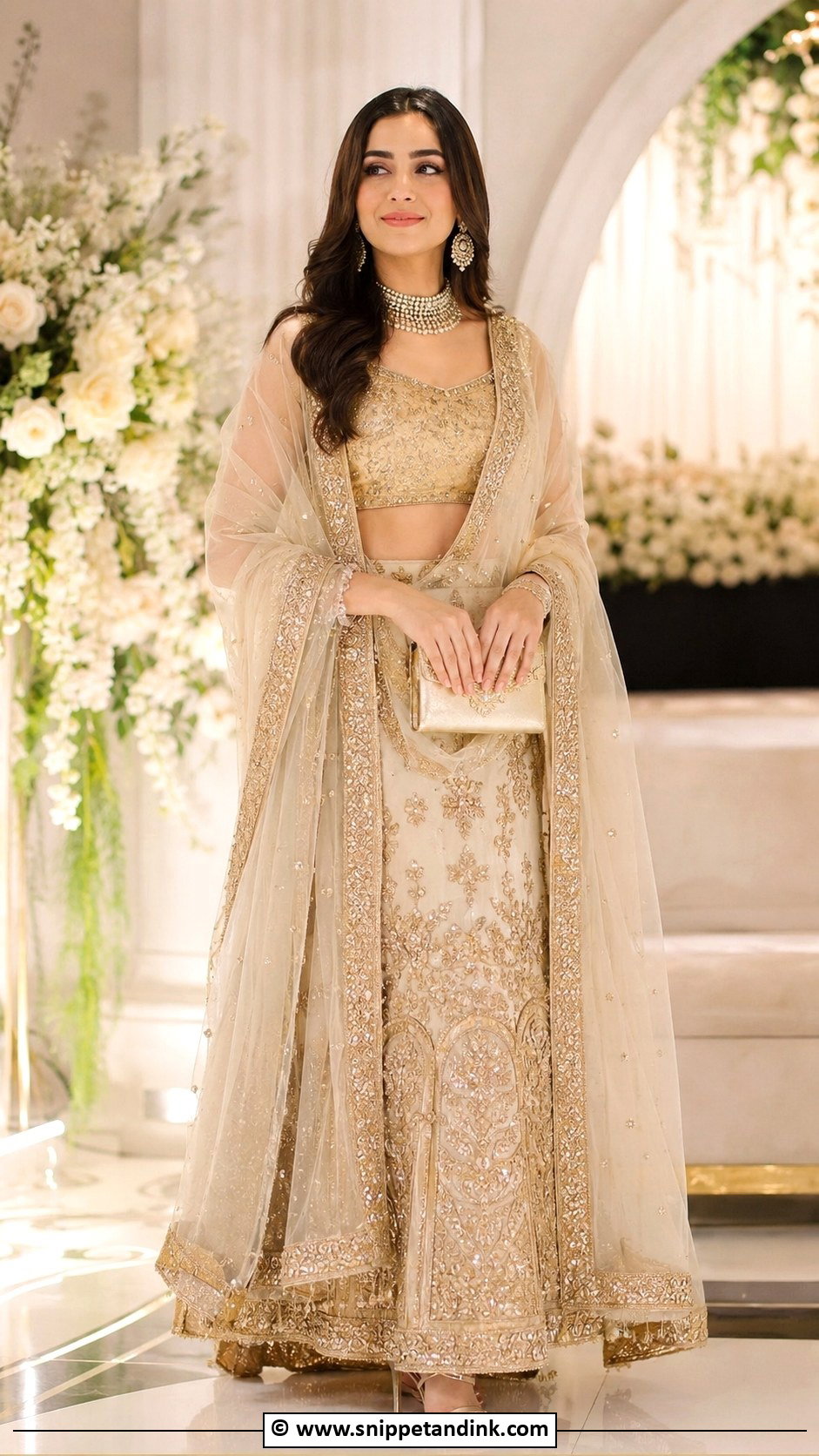
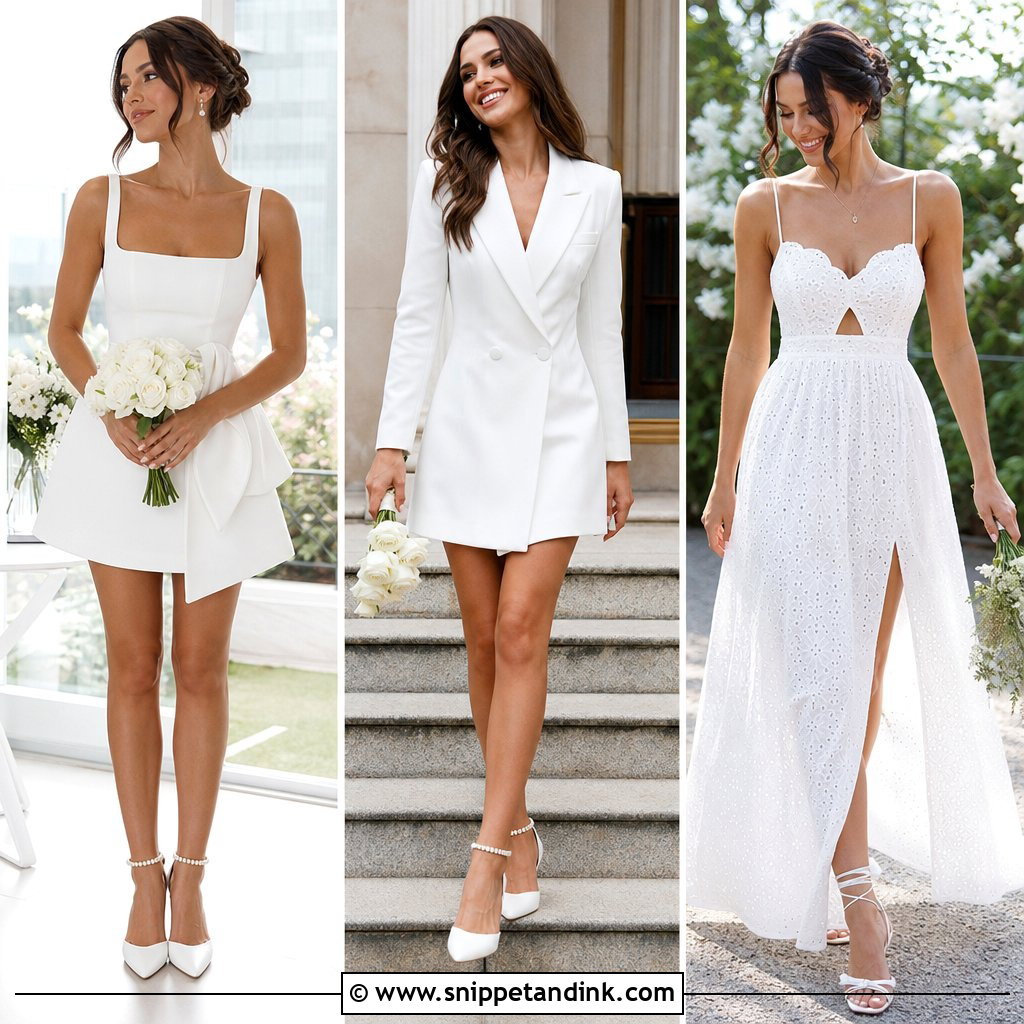
White and gold reads regal and calm, in an ivory lehenga, saree, anarkali or sharara worked in gold embroidery, pearls, sequins or zari. It suits receptions, nikkah ceremonies, engagements and formal daytime events. If you’re a guest, ask first: some families reserve white or ivory for the bride, and in some communities white carries associations with mourning. Gold jewelry, pearl accents, metallic heels and a soft clutch complete it, with warm bronze, peach or rose makeup.
Blouse Stitching, Saree Falls and the Last Weeks of Tailoring
Almost every outfit on this list needs some tailoring, and wedding season fills tailors’ calendars fast. A custom blouse can take a few weeks on its own, and longer in peak months, so I’d give the stitching at least a month and leave a fitting after it. Bring the blouse to your jewelry trial too; a heavy necklace changes how a deep neckline sits.
- Have the fall and pico done on every new saree. The fall weights the hem so it hangs straight; the pico finishes the raw edge of the pallu.
- Get lehenga skirts and shararas hemmed in your actual shoes, not barefoot.
- Ask for hooks and an extra row of hook-and-eye on blouses, so you can loosen after a big meal.
- Try every outfit on once, fully dressed, a week before the first function.
Packing Zari and Mirror Work So It Survives the Trip
Heavy Desi outfits are investment pieces, and the metal threads in them react to moisture and chemicals. I wrap zari and heavy embroidery in a clean cotton or muslin cloth rather than plastic, which traps humidity and can tarnish the metallic threads over time. Spray perfume on your skin before you dress, never directly onto embroidery.
For travel, fold lehengas along the panel seams and place tissue between embroidered layers so sequins and mirrors don’t scratch each other. Don’t press directly over mirror work or sequins; turn the garment inside out and use a pressing cloth on low heat. After the wedding, send silk and embroidered pieces to a dry cleaner who handles bridal wear, and refold stored sarees every few months so the fold lines don’t crack the silk.
Dress for the Function, Then for the Photos
There’s no single right outfit for a Desi wedding, only the right one for each function. Silk sarees, cape lehengas and pant sarees each solve a different problem. For daytime, I lean on lighter fabrics, pastels, florals and fresh jewelry; for evening, richer colors, velvet, sequins, silk and bolder accessories. Choose for the event first, then make sure you can sit, eat and dance in it, and only then think about the camera. The right shoes, bag, hair and jewelry make the whole look feel complete across every celebration.
You'll Like These Ideas:



Leave a Reply