
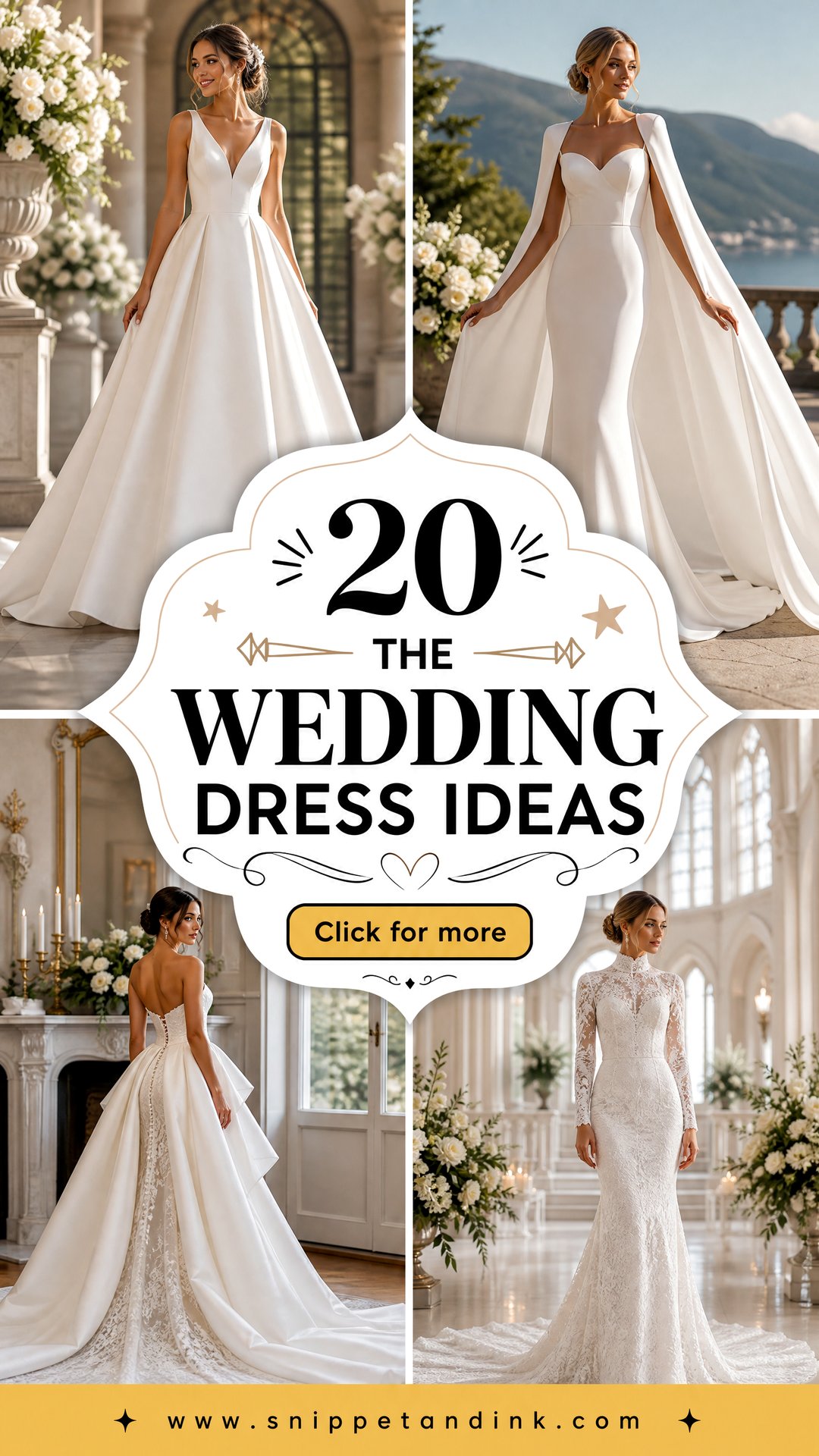
Brides often arrive at their first appointment with a screenshot of one detail: a sleeve, a waistline, a back. Details matter, but a gown is a whole structure, and the same sleeve looks completely different on an A-line than on a mermaid. So below I’ve laid out twenty complete dresses, from classic A-lines and ball gowns to Basque waists, drapes, minis and convertible two-look designs. Each one comes with the shoes, veil and accessories I’d put with it, and the fitting checks that tell you whether it will still feel good after dinner, hugs and a few hours on the dance floor.
Order Dates, Fittings and the Final Pickup
The gown you choose decides your calendar. Most bridal salon dresses are made to order once you pay the deposit, and production commonly takes several months, longer for heavily beaded or custom designs. Alterations come after that. When brides fall behind, it’s almost always because they started shopping late, not because the dress arrived late.
Here is the rough order I work to with a made-to-order gown. Your salon will give exact dates, and they vary by designer:
- Start trying on early, ideally nine to twelve months out, so you have time to compare silhouettes.
- Order with enough margin for production plus a cushion for delays, and ask the salon for the expected ship date in writing.
- Book the first alteration appointment for roughly two to three months before the wedding. Bring your shoes and underwear.
- Plan two or three fittings. Big structural work like moving a Basque point or reshaping a bodice needs more time than a hem.
- Collect the dress in the final week or two, steamed and bagged, with the bustle already shown to whoever will do it on the day.
Off-the-rack and sample gowns skip production entirely, which makes them the best choice for a short engagement. You’ll still need alterations, so leave at least six weeks for those.
1. Classic A-Line Wedding Dress
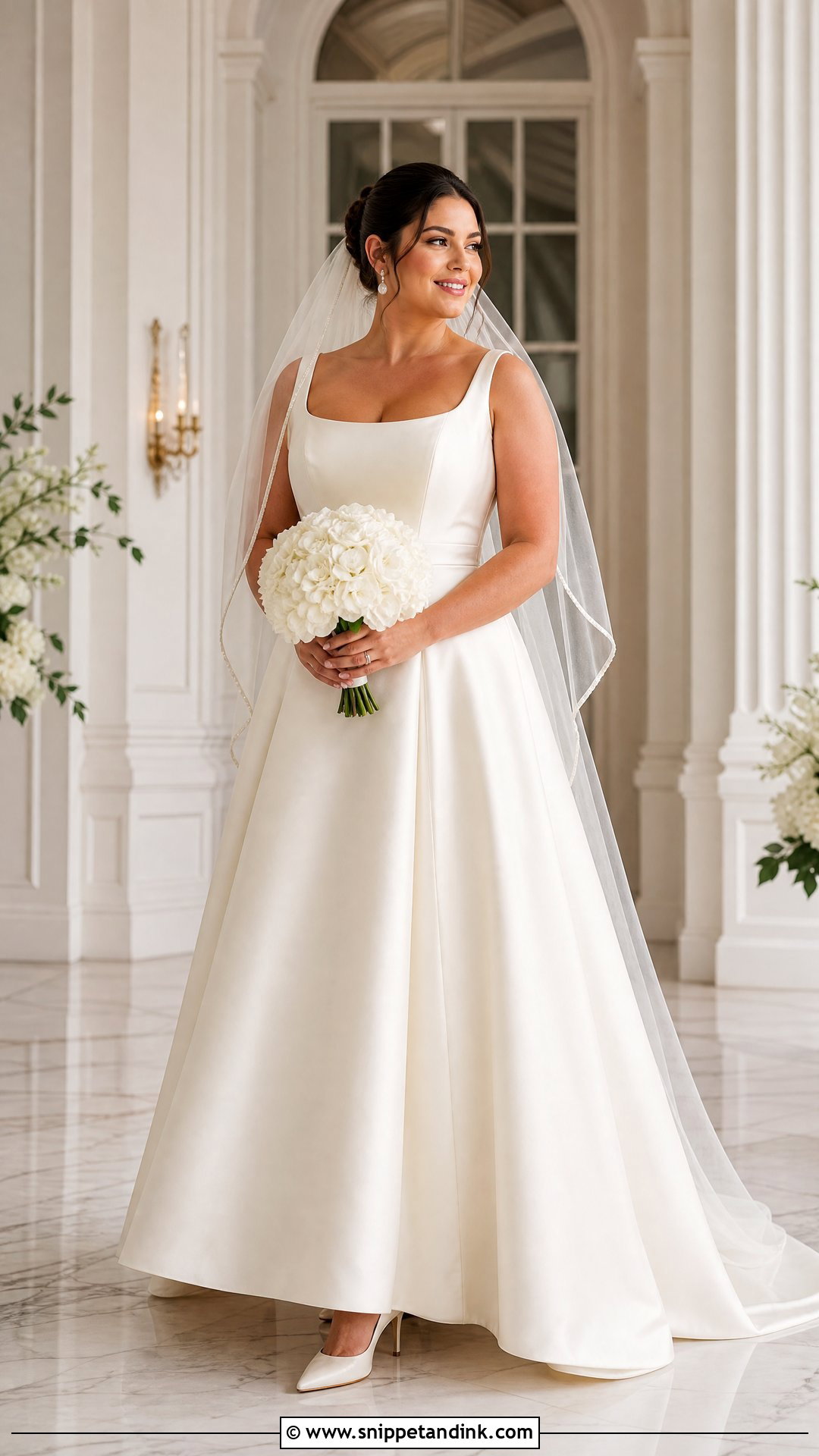
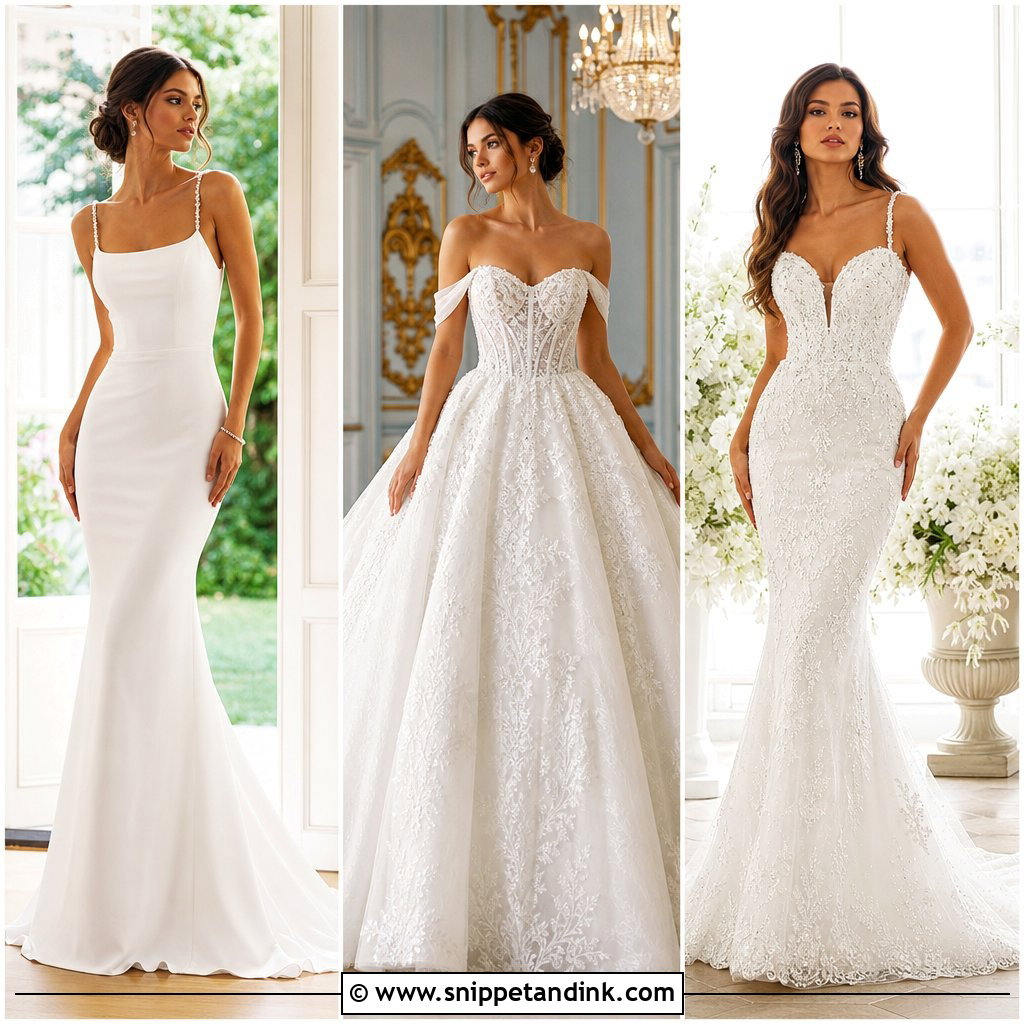
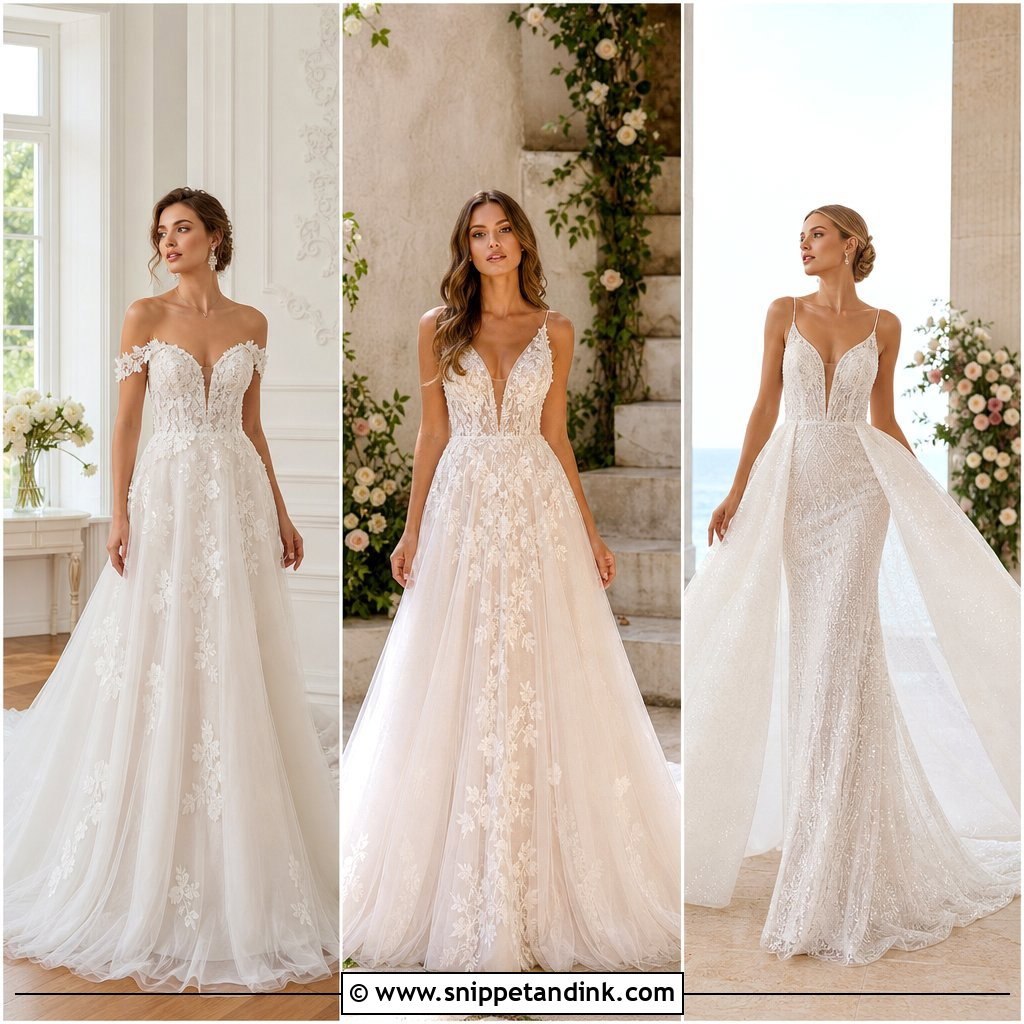
If I had to dress every bride in one silhouette, it would be the A-line. A fitted bodice and a skirt that widens gradually to the floor suits petite, tall, straight, curvy, and plus-size brides, because the waist seam can be moved during alterations to wherever your body is narrowest. Mikado or satin gives it structure; chiffon and tulle make it lighter. A fingertip veil, pearl drops, pointed pumps and a compact bouquet finish it. Ask for a sweep train rather than a chapel length if you’d like to dance without a bustle.
2. Satin Ball Gown Wedding Dress
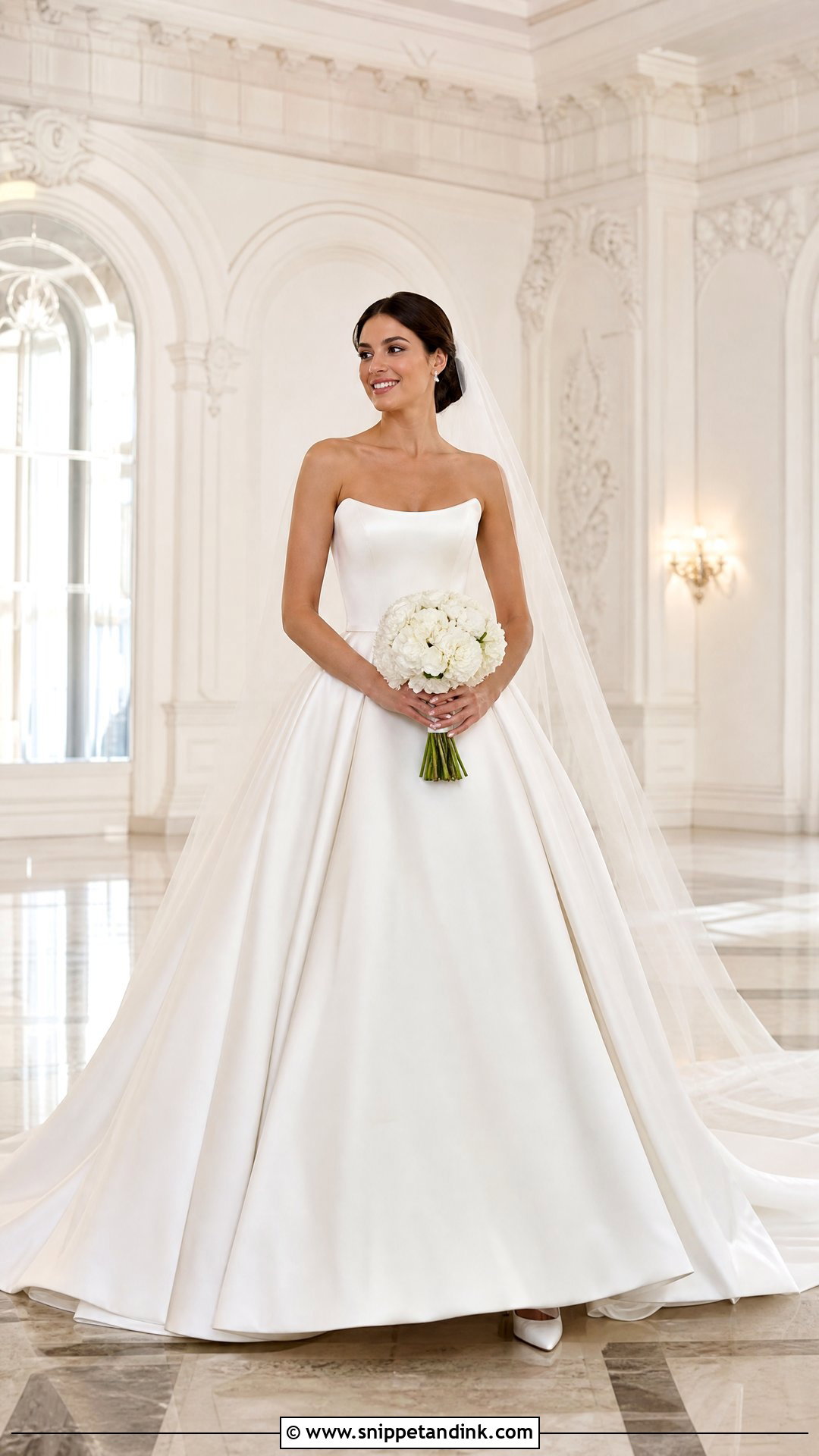
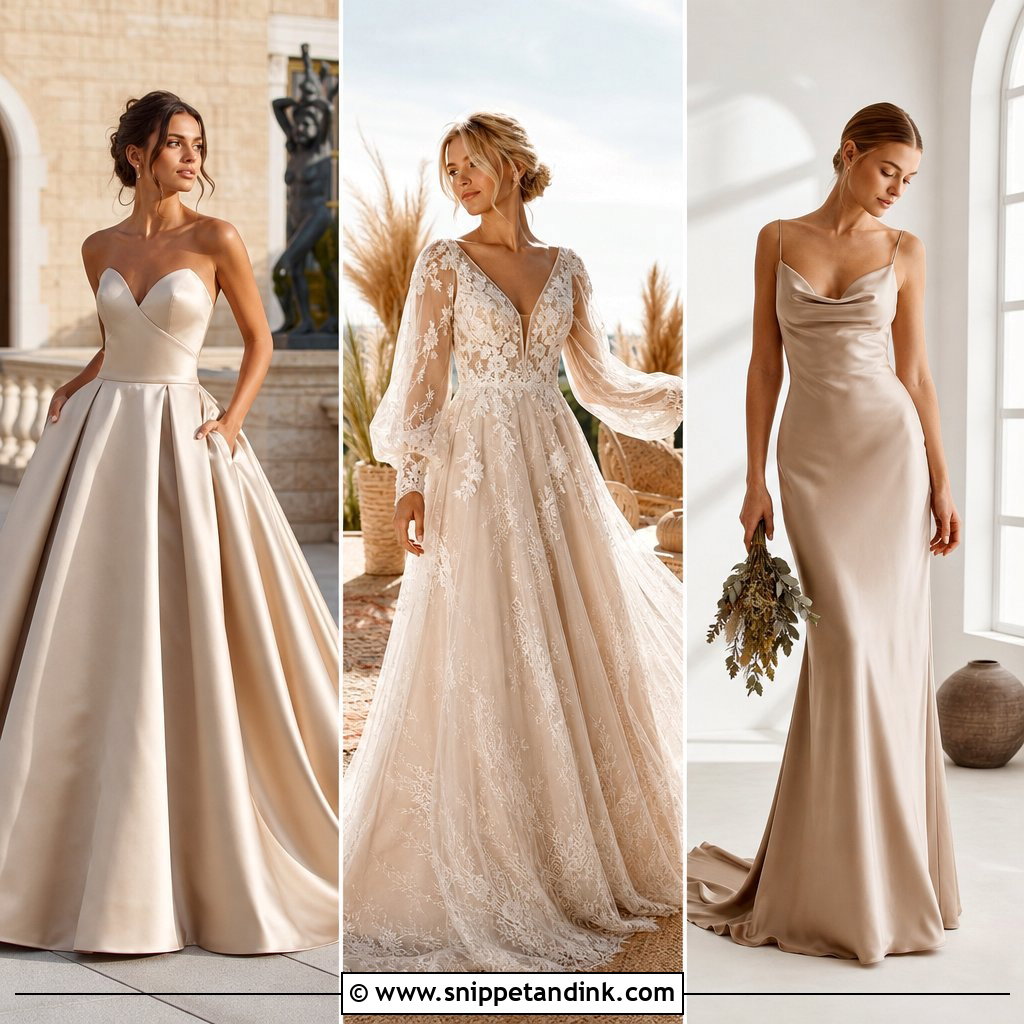
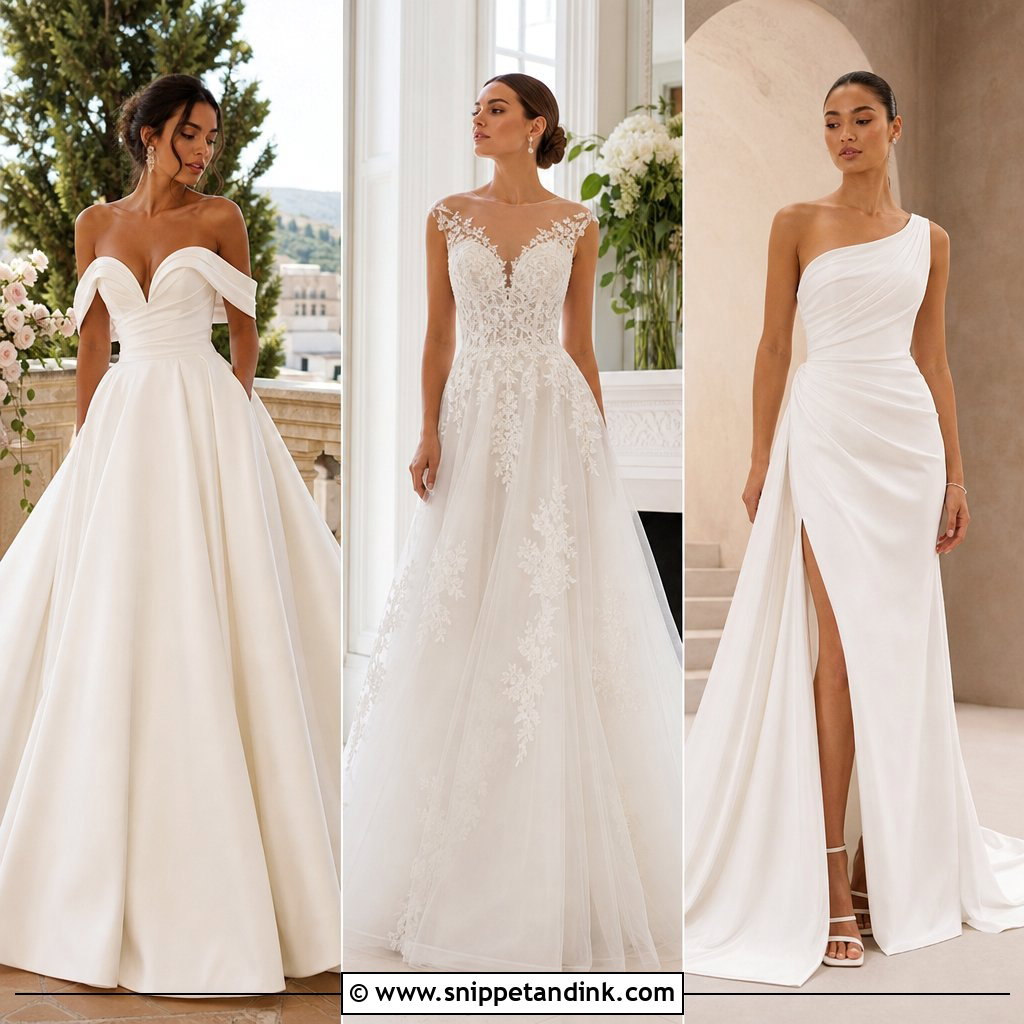
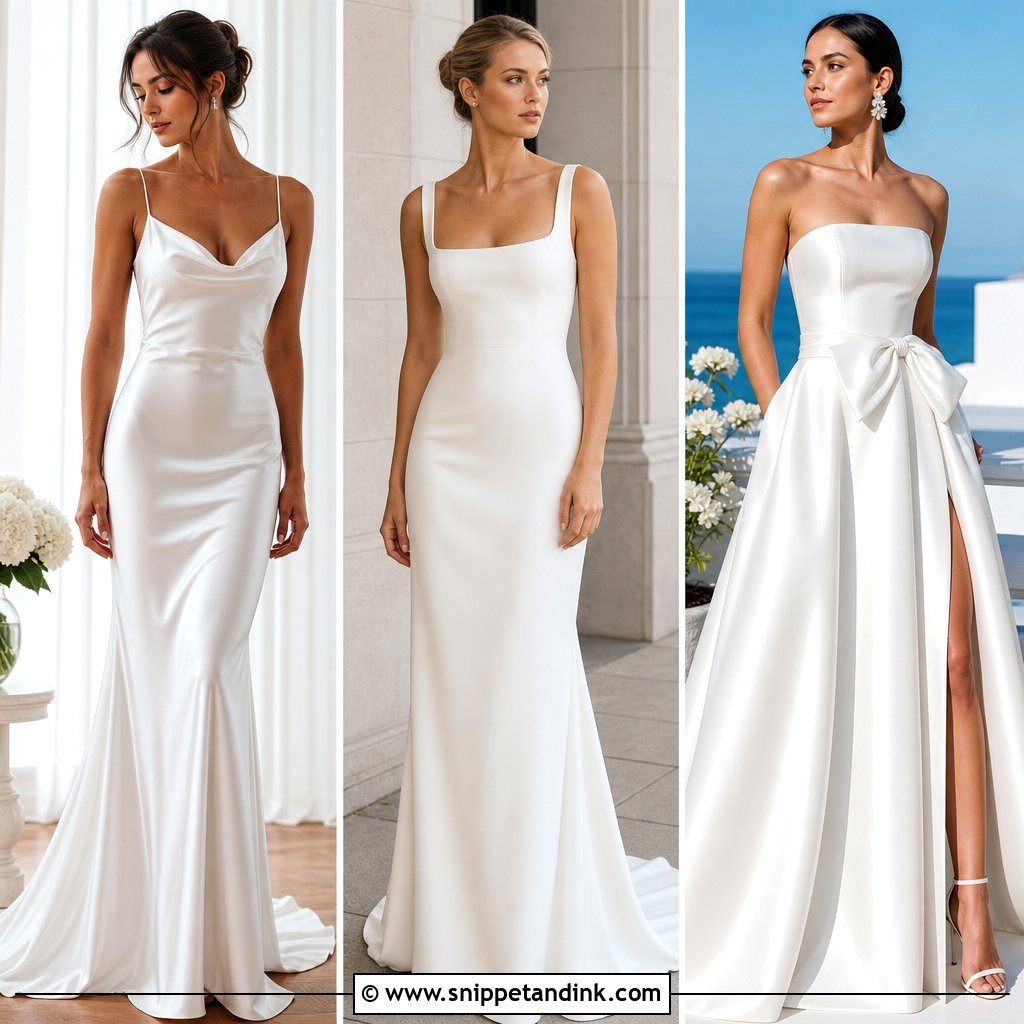
Ball gowns make the biggest entrance and ask the most of your shoulders and waist. All that satin hangs from the bodice, so it needs inner boning and a waist stay to keep it from dragging down. A strapless scoop or softly curved neckline balances the width. Petite brides do better with fewer skirt layers; tall brides can carry more. Wear a cathedral veil for the ceremony, then take it off. Crystal studs, a sleek bun, satin pumps and a structured white bouquet are all it needs. Ask for hidden pockets, and plan the bustle before the final fitting.
3. Basque Waist Wedding Dress
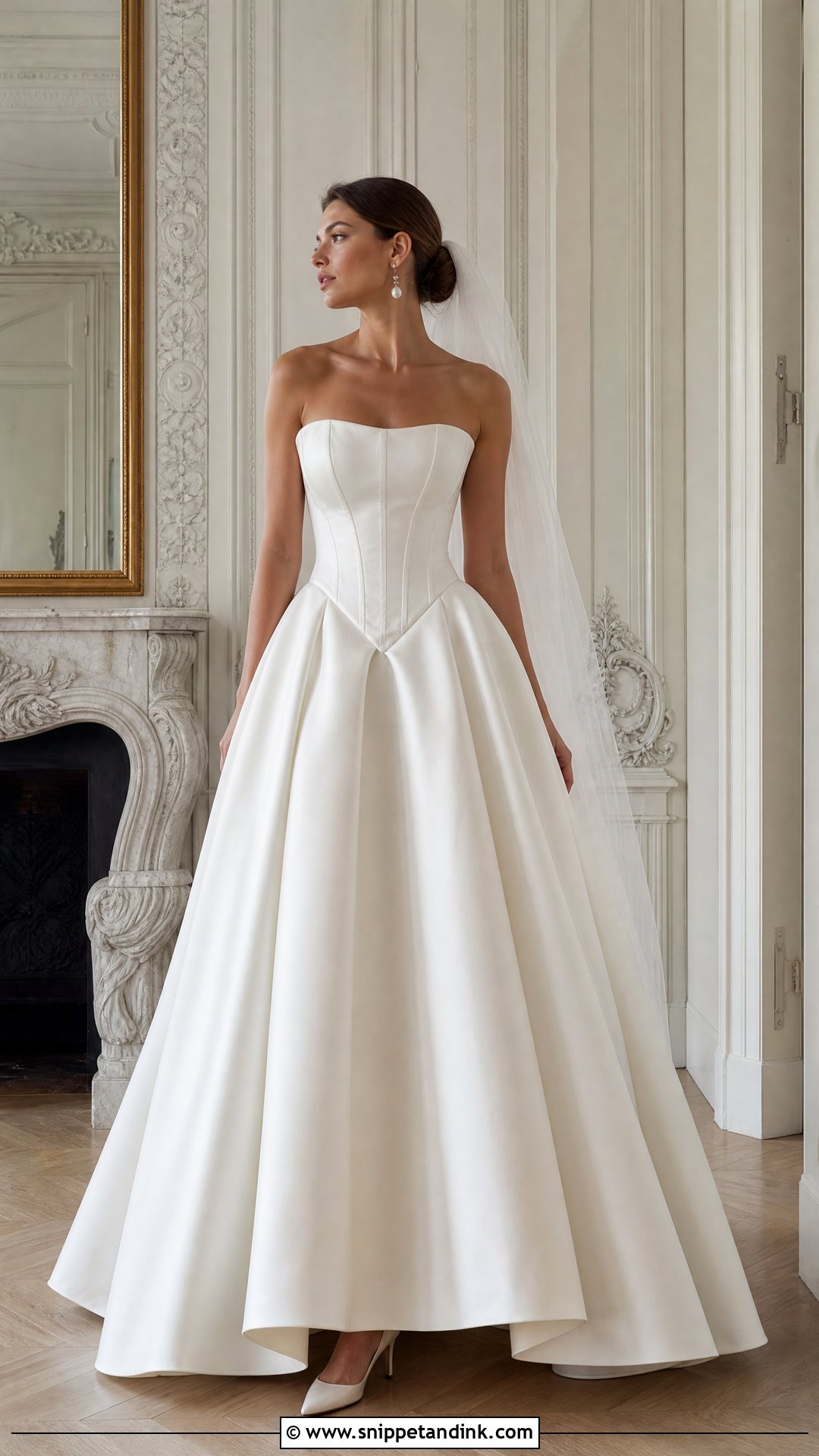
A Basque waist wedding dress dips into a V below the natural waist, which lengthens the torso and gives a full skirt a dramatic starting point. Where that point sits is everything. A shallow V suits most bodies; a deep one looks striking on a long torso and can cut a shorter one in half, so I pin it at the first fitting and adjust by small amounts. A corseted satin bodice with cups and a pleated skirt is the classic version. A simple tulle veil, delicate earrings, pointed heels and a low bun keep the waistline in focus. Ballrooms and historic venues suit it.
4. Drop Waist Wedding Dress
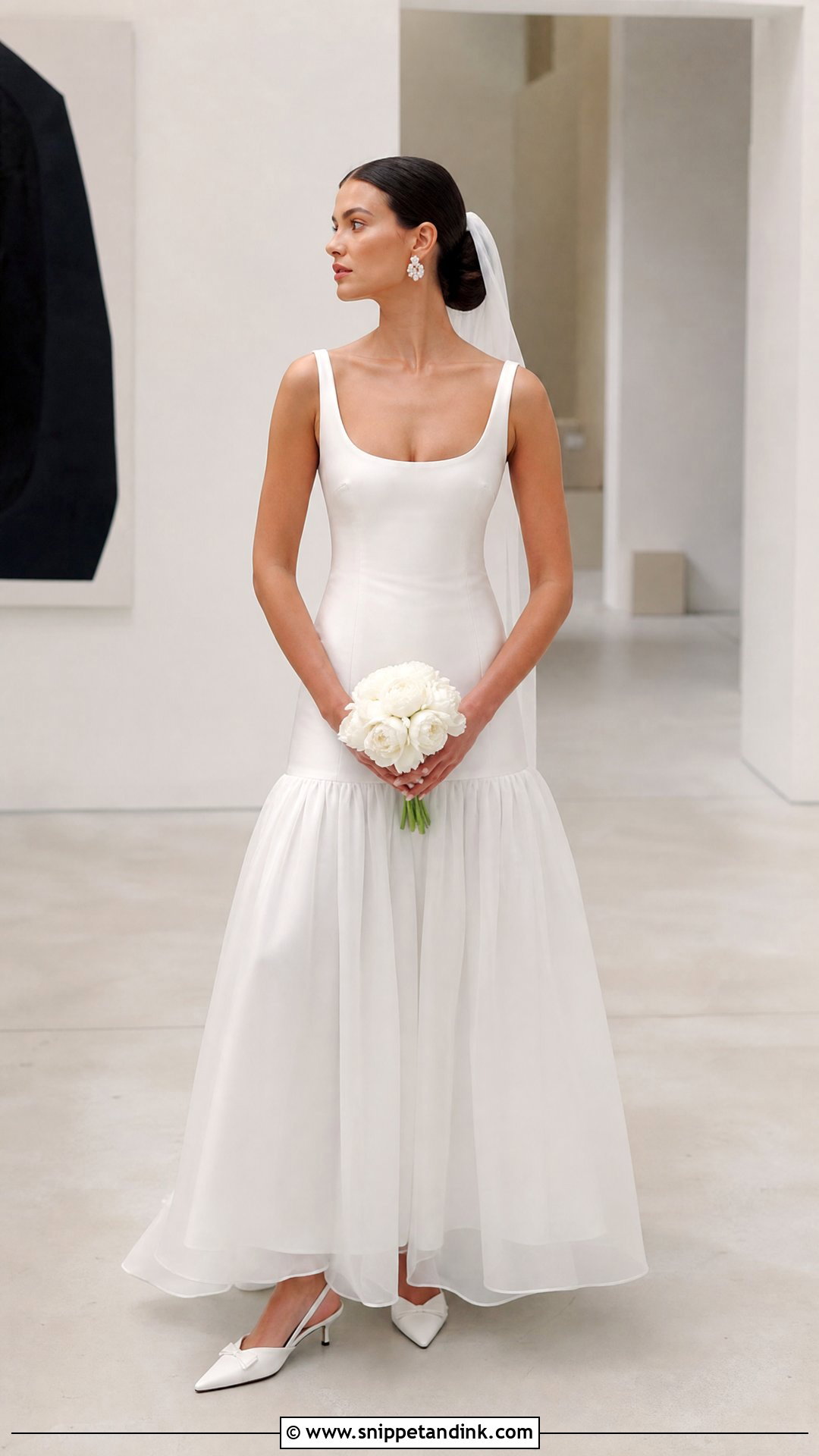
Lower than a Basque and straight across, the drop waist gives a long bodice and a quirky, modern line. A fitted scoop-neck top over a gathered skirt balances structure with movement. Satin makes it sleek; organza adds volume without weight. It’s easiest on tall brides, though petite brides can wear it if the seam is set carefully, often a little higher than the sample. The long bodice can fold when you sit, so test that before you commit. Sculptural earrings, a narrow veil, slingbacks and a small rounded bouquet keep the proportions clean.
5. Lace Long Sleeve Wedding Dress
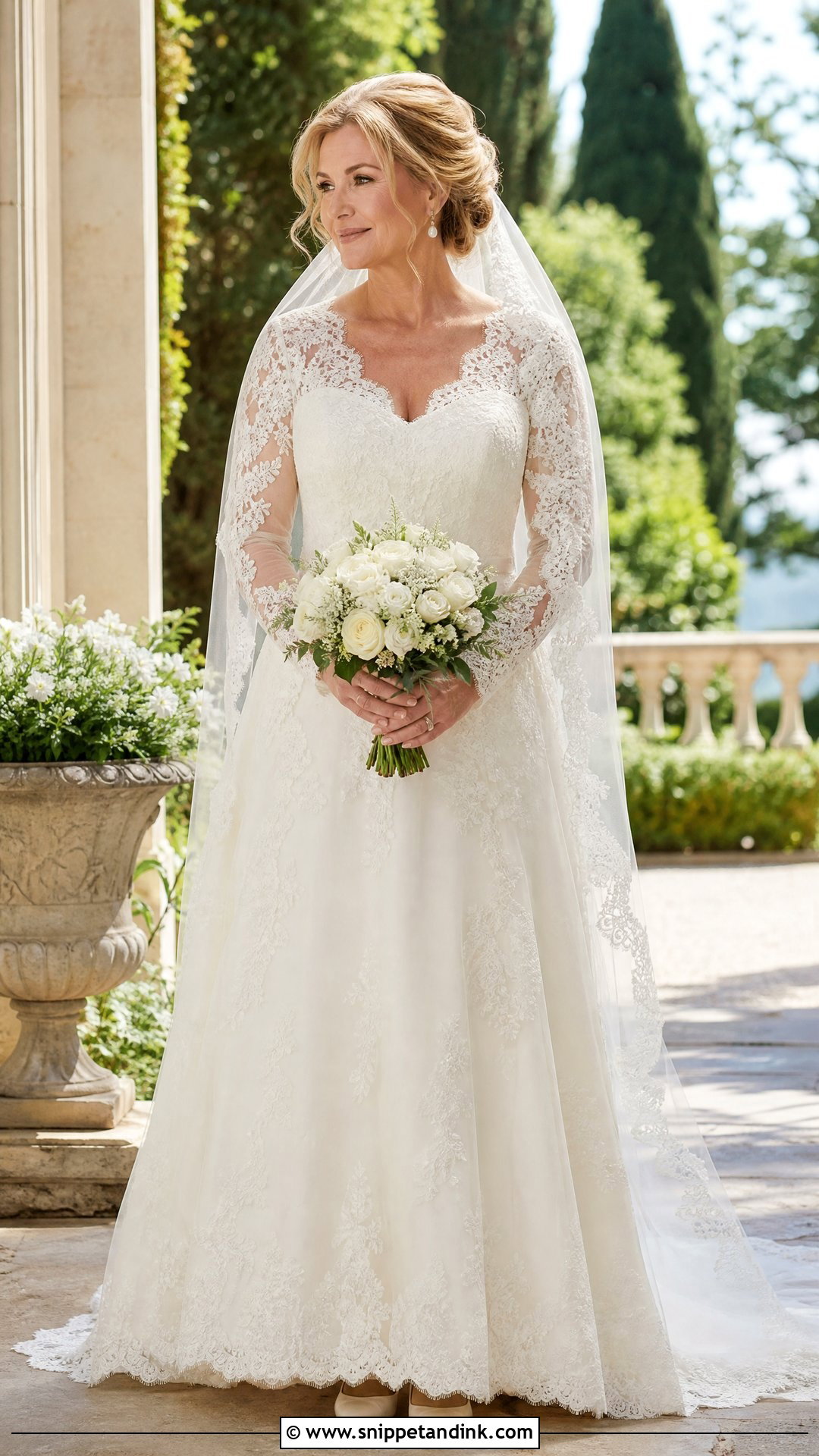
Lace sleeves are where I check comfort most closely. Cheap lace edges are scratchy at the underarm and wrist, and after eight hours that becomes all you notice, so run the inside of the sleeve along your forearm in the shop. An A-line or fitted gown with a lined bodice, illusion sleeves and appliqués across the shoulders and cuffs is the romantic version. For cooler weather, choose heavier lace over a lining. Pearl earrings, closed-toe pumps and a loose chignon suit it. If the veil has a lace edge, match the pattern; two different laces next to each other look busy.
6. Off Shoulder Wedding Dress
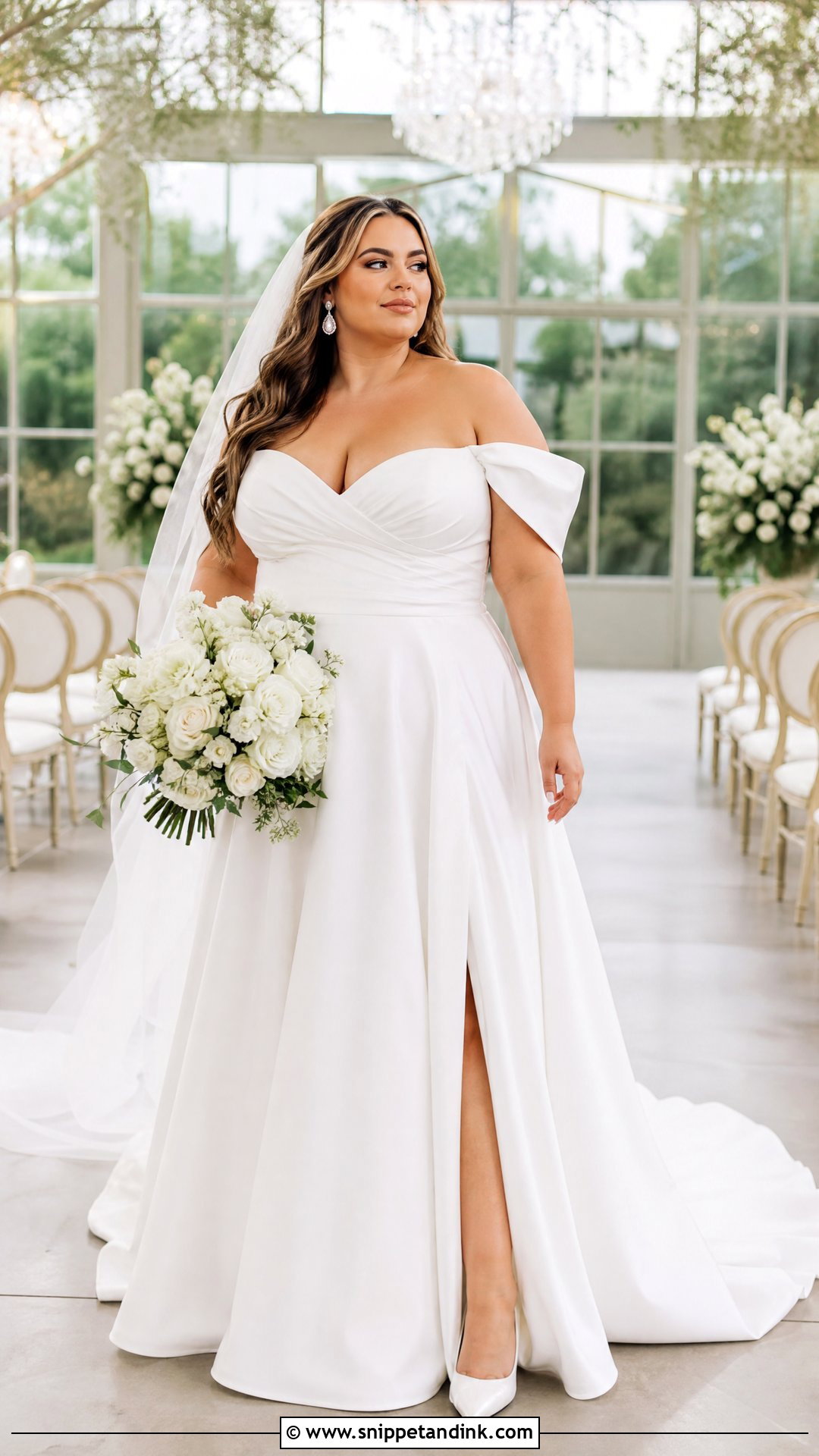
Off-shoulder bands look easy and limit arm movement more than any other neckline. Raise your arms, hug someone and sit during the fitting; if the bodice lifts, the bands are too tight or the bodice too loose. Supportive inner construction and a flowing A-line skirt balance the open neckline, in satin or crepe. A fine pendant or no necklace, drop earrings, a smooth updo and pointed heels finish it, with a chapel veil for drama. Detachable off-shoulder straps give you a second look later. Hold the bouquet below the waist so the neckline stays in photos.
7. Square Neck Wedding Dress
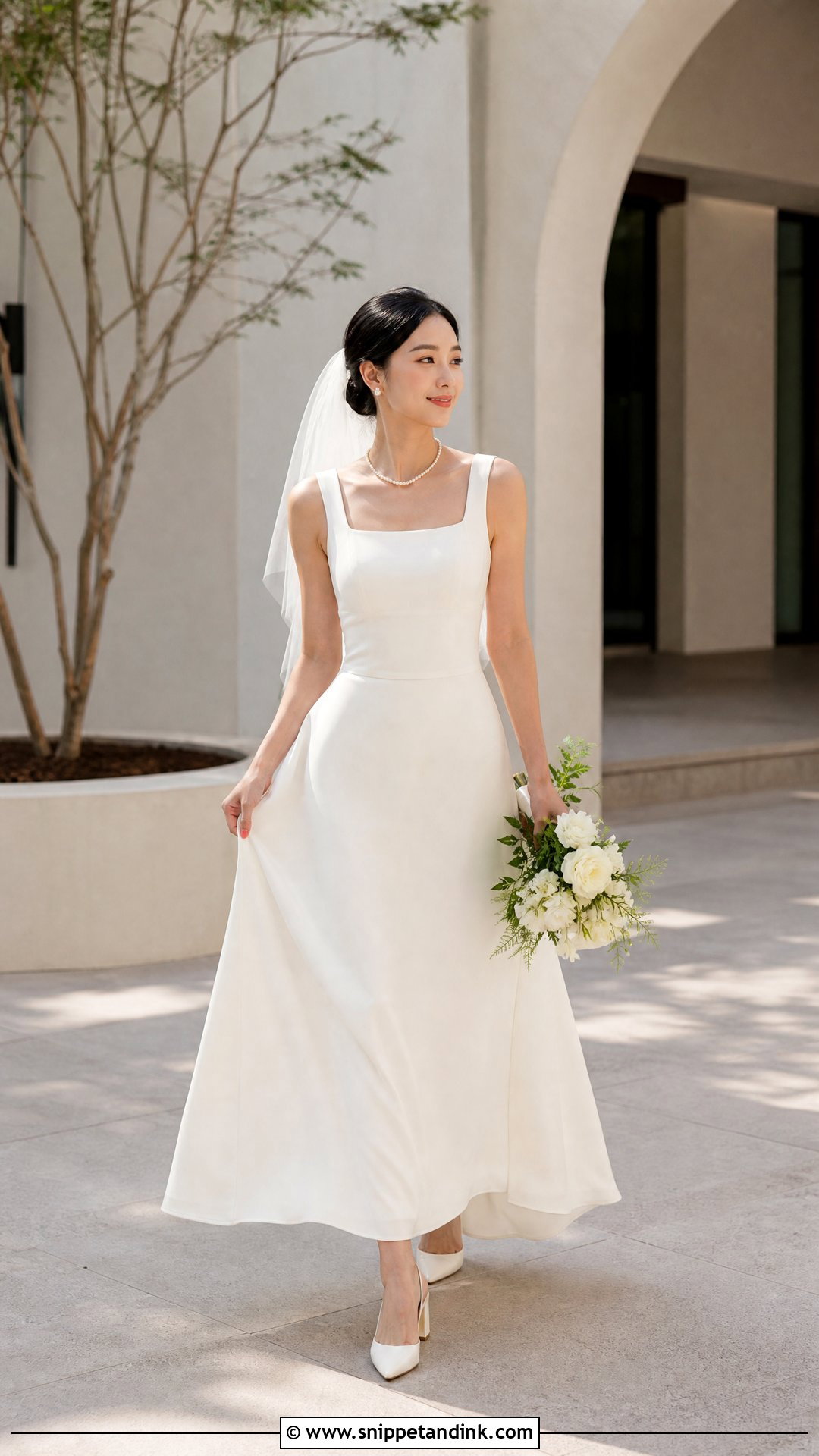
A square neck is a geometry decision. The straight line visually widens the upper body, which balances fuller hips nicely but can make broad shoulders look broader. In that case, I narrow the square or angle the straps slightly. A fitted bodice with wide straps and an A-line or column skirt both work. Matte crepe looks modern; silk satin glows. A short pearl necklace actually works here, along with studs, a low veil and block-heel pumps. Check that the neckline lies flat when you lean forward to sign the register, because square edges tend to gap.
8. Halter Neck Wedding Dress
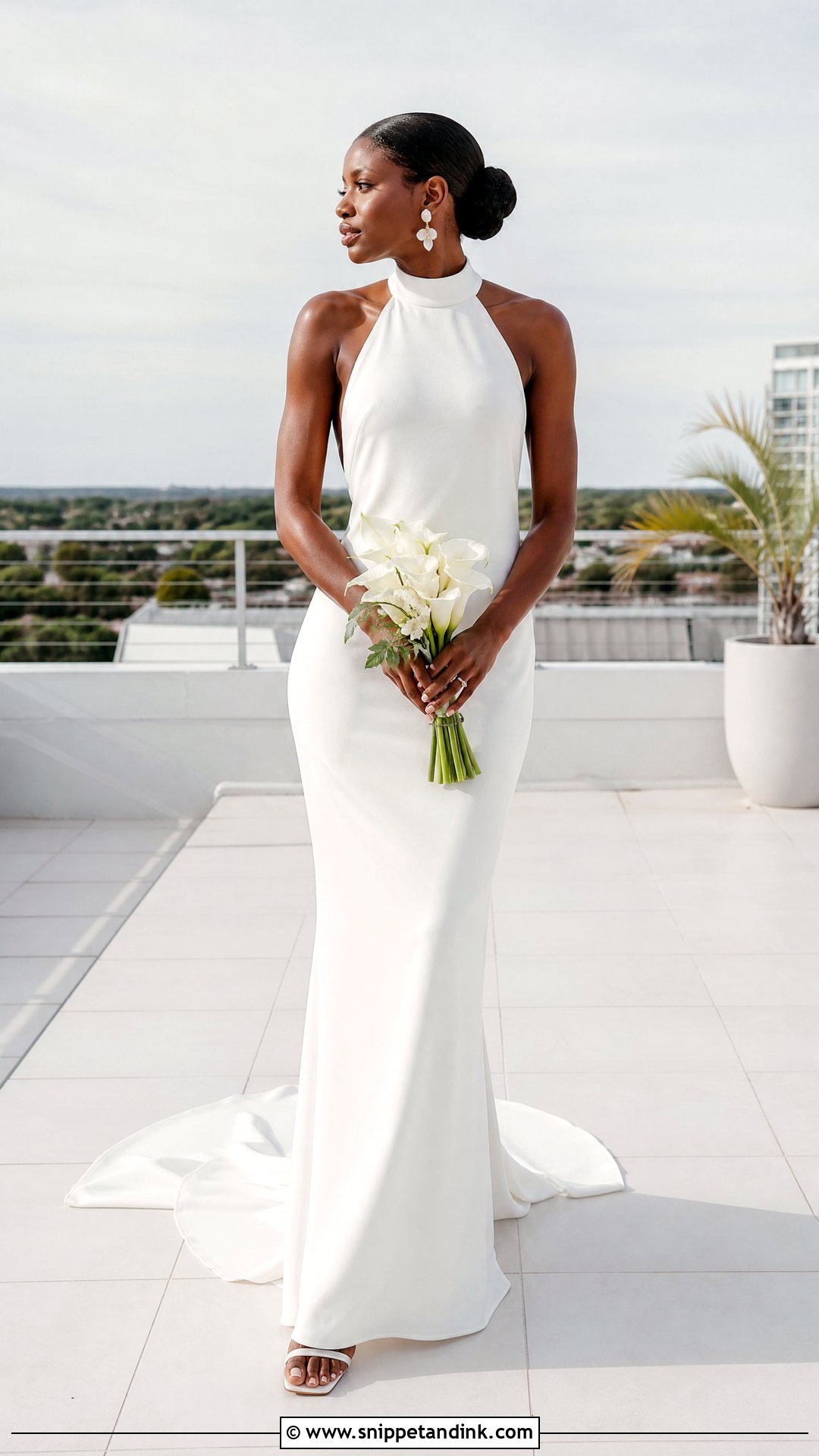
Halter necks carry the weight of the gown from the neck, which is why I check the strap tension carefully. Too tight and you’ll have a sore neck by the speeches. A fluid crepe column with a high halter, open back and modest train suits warm weather and rooftop or coastal venues. Since the back is open, a regular bra won’t work; sewn-in cups solve it. Sleek sandals, bold earrings, a polished bun and a narrow bouquet complete the look, and no necklace. Attach any veil below the bun so the shoulders stay visible.
9. Minimalist Column Wedding Dress
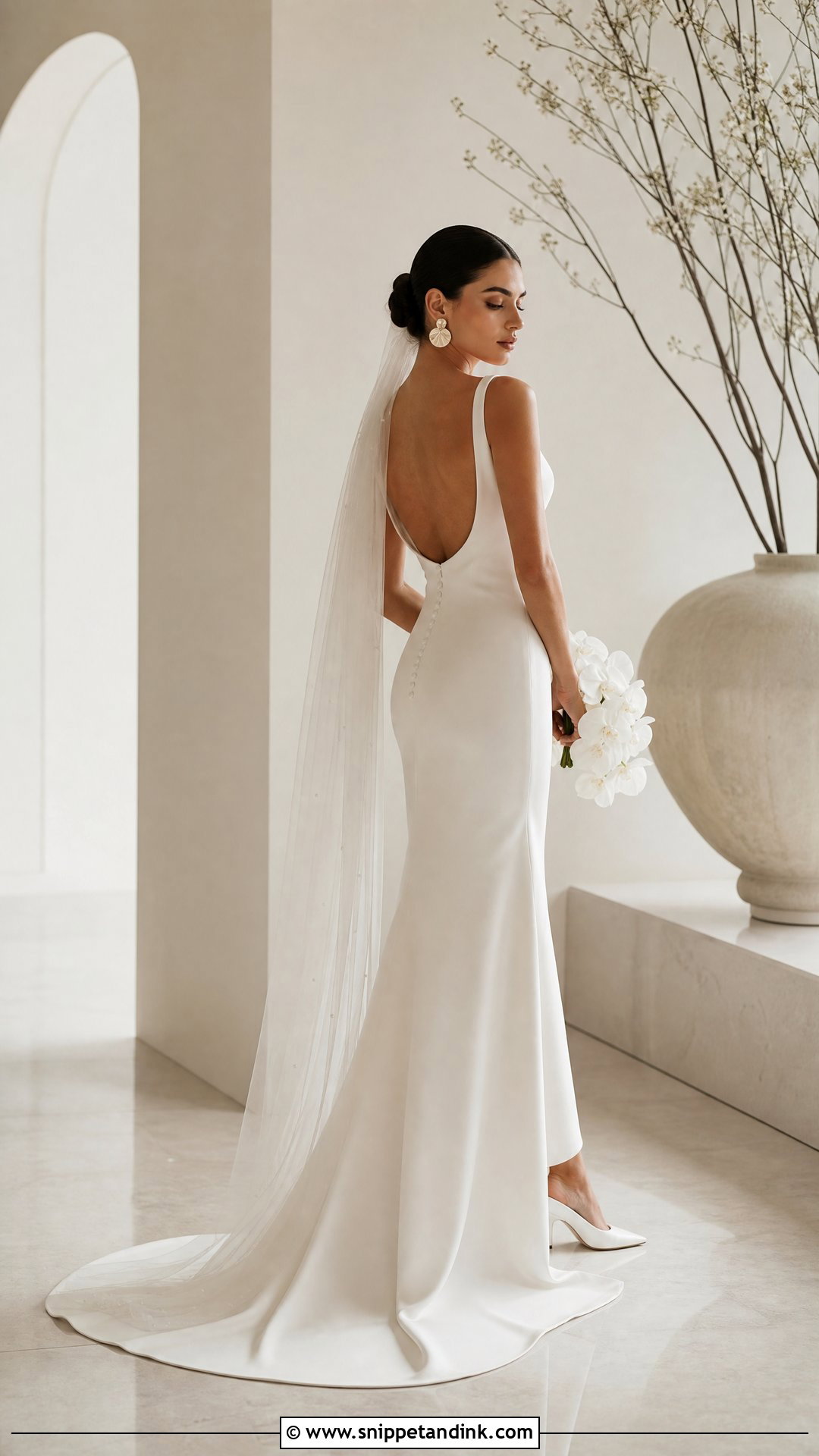
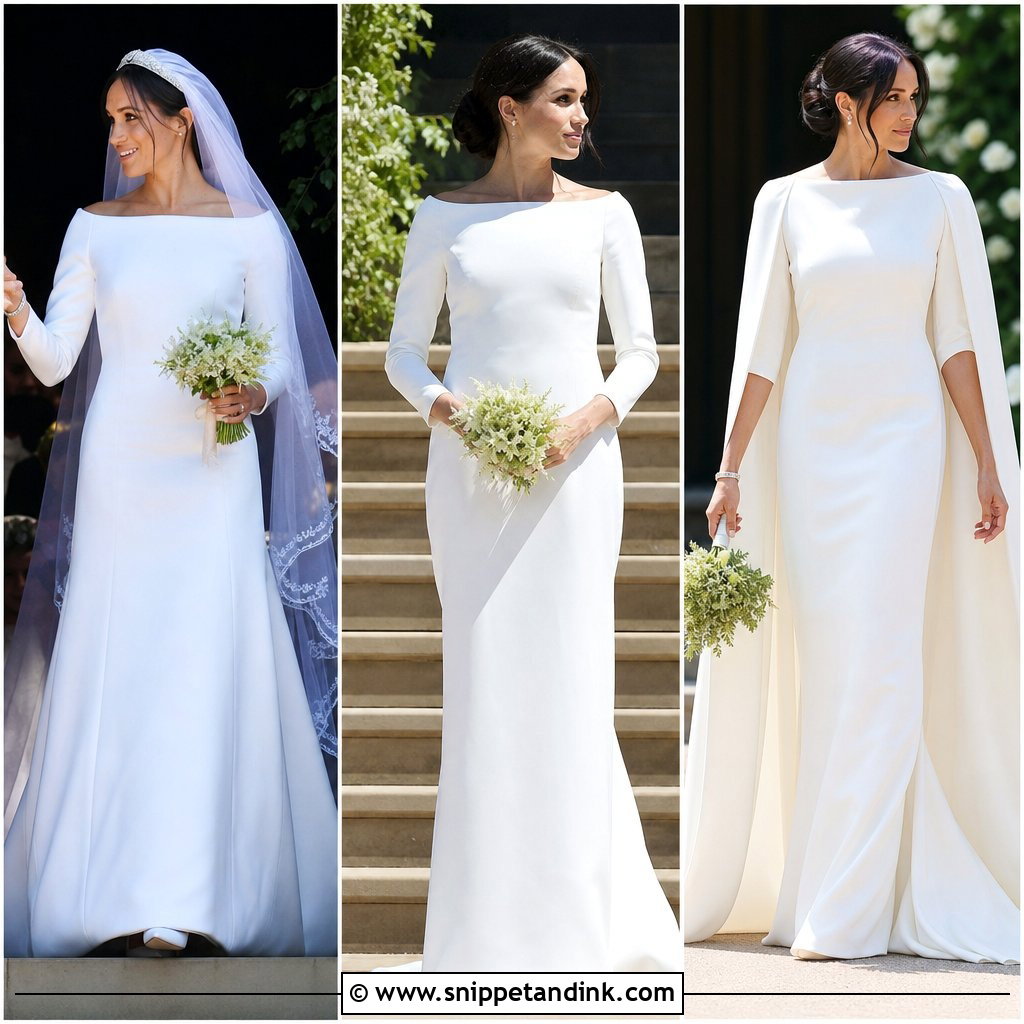
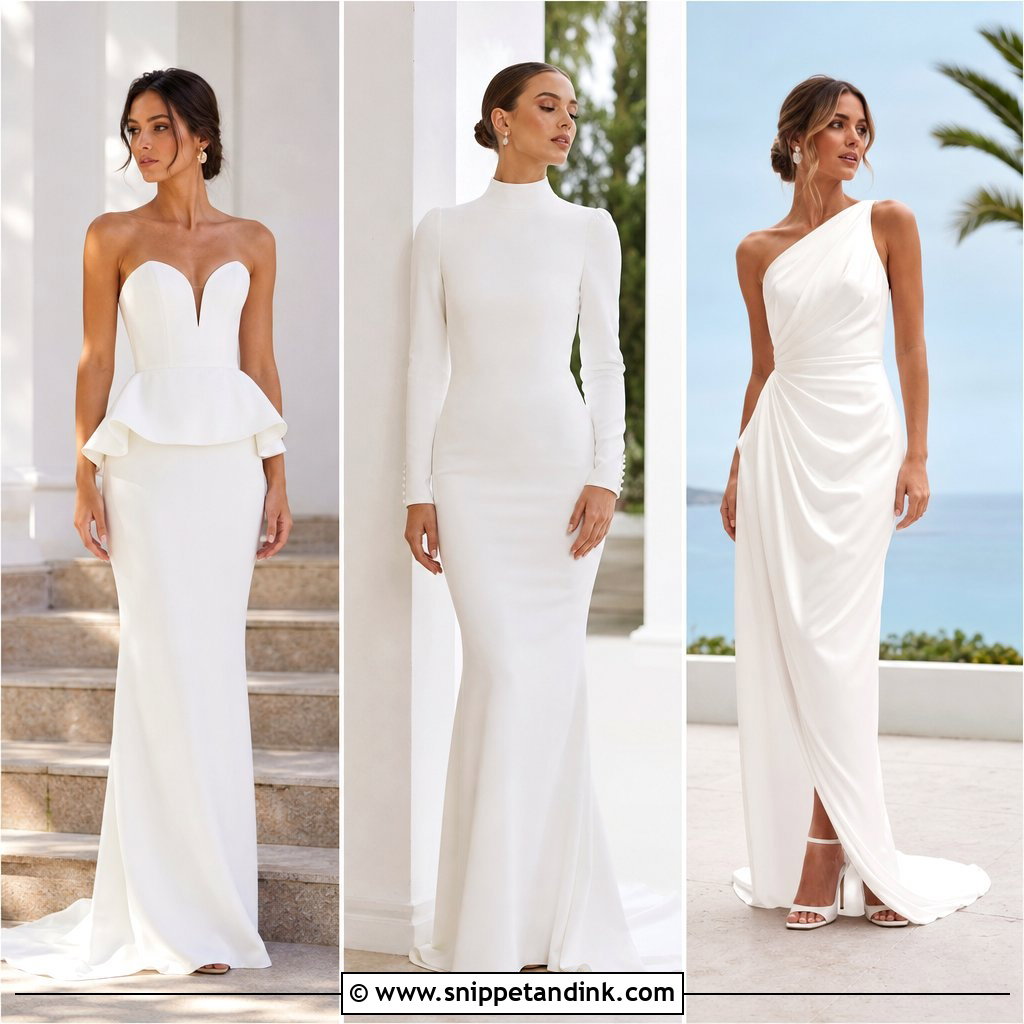
Nothing on a minimalist column distracts from the cut, so the tailoring has to be flawless. Every seam is visible, every pull across the hip shows. Choose heavy silk crepe or satin that skims rather than clings, and check under daylight that your underwear doesn’t show. A scoop neck, low back and small train give enough interest. Sculptural earrings, a smooth bun, pointed pumps and a simple veil finish it. A detachable cape or dramatic veil adds ceremony impact, then comes off to leave a dress you can move in all night.
10. Draped Grecian Wedding Dress
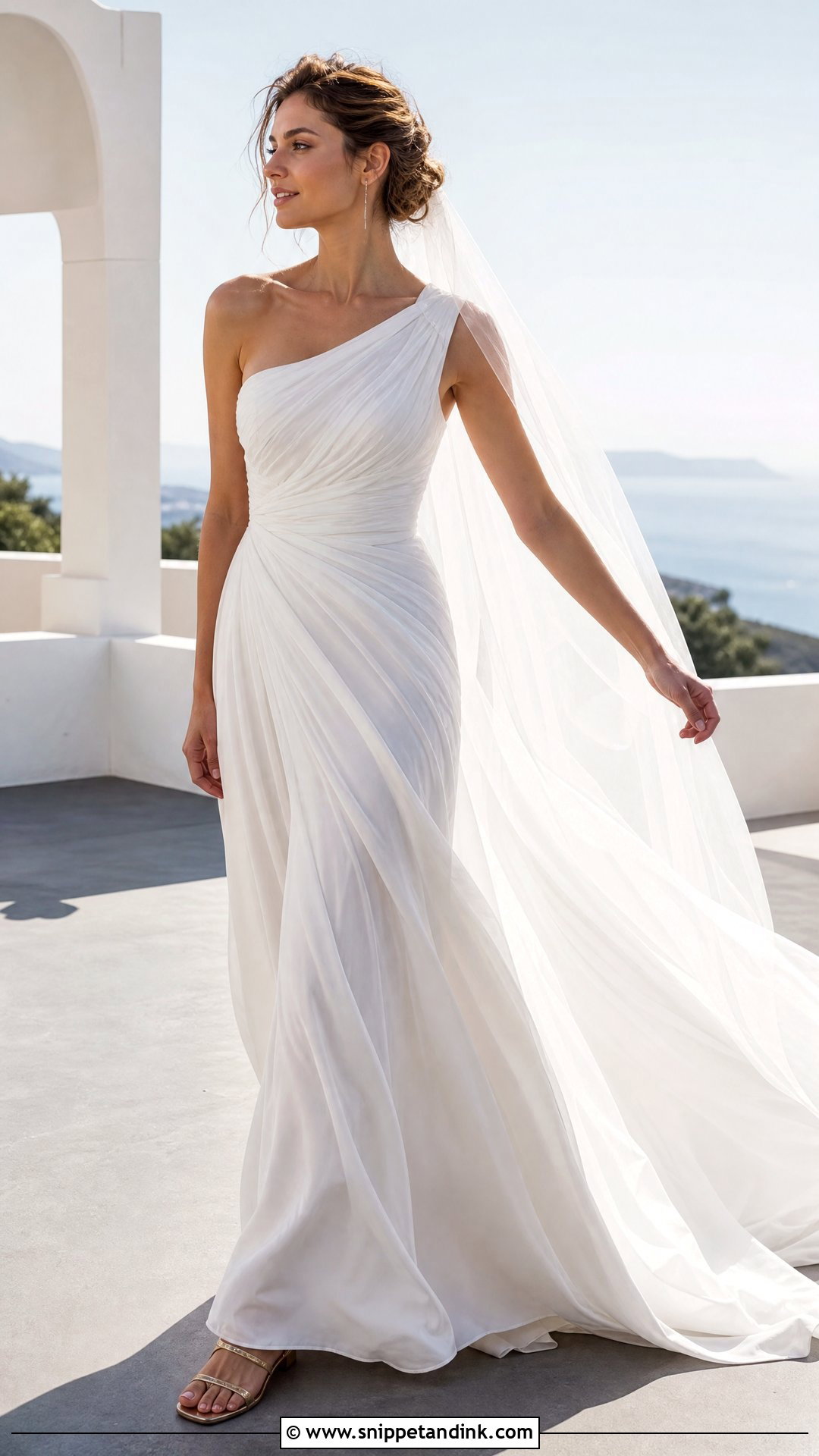
Soft folds give a draped Grecian wedding dress its movement, and the amount of draping should match your frame. On a petite bride, too much gathered chiffon swamps her; on a curvier bride, diagonal folds across the waist define the shape. Lightweight chiffon or silk, gathered at the bodice and released into a floor-length skirt, with a one-shoulder or draped V-neck. Bright sun can turn thin chiffon transparent, so insist on a good lining. Flat metallic sandals, slim drops, a loose updo and a sheer fingertip veil suit terraces and beaches. Hem it in the sandals you’ll wear.
11. Floral Applique Wedding Dress
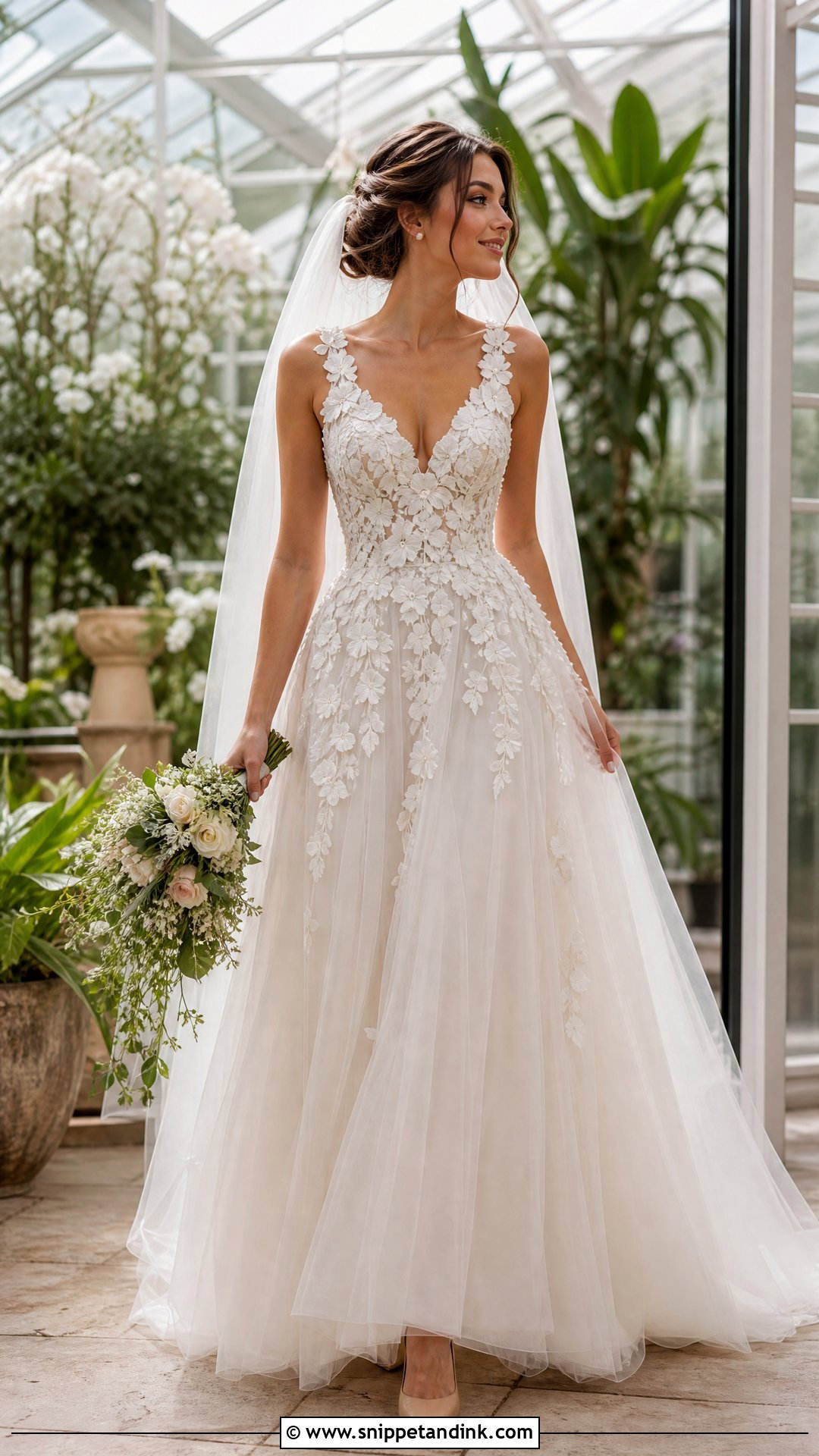
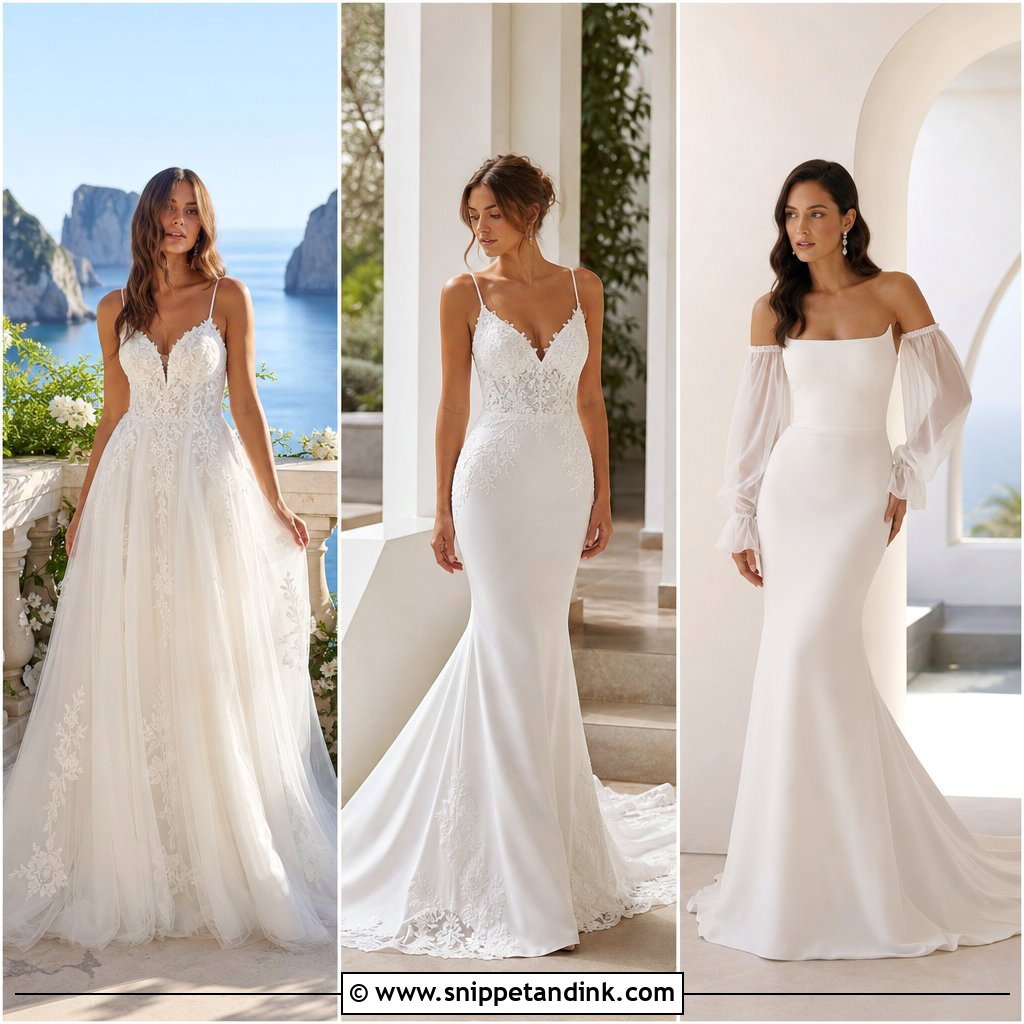
Placement is what separates a refined appliqué gown from a busy one. I prefer flowers concentrated on the bodice and thinning out down the tulle skirt, so the eye starts at the face and moves down. Raised petals near the inner arm and waist can scratch or catch on a bouquet, so check those areas. A lined bodice gives coverage and keeps the look classic. Pearl studs, neutral pumps and a plain raw-edge veil let the flowers lead. Choose bouquet flowers that suit the appliqués rather than copying them exactly. Spring gardens and conservatories show off the texture.
12. Corset Bodice Wedding Dress
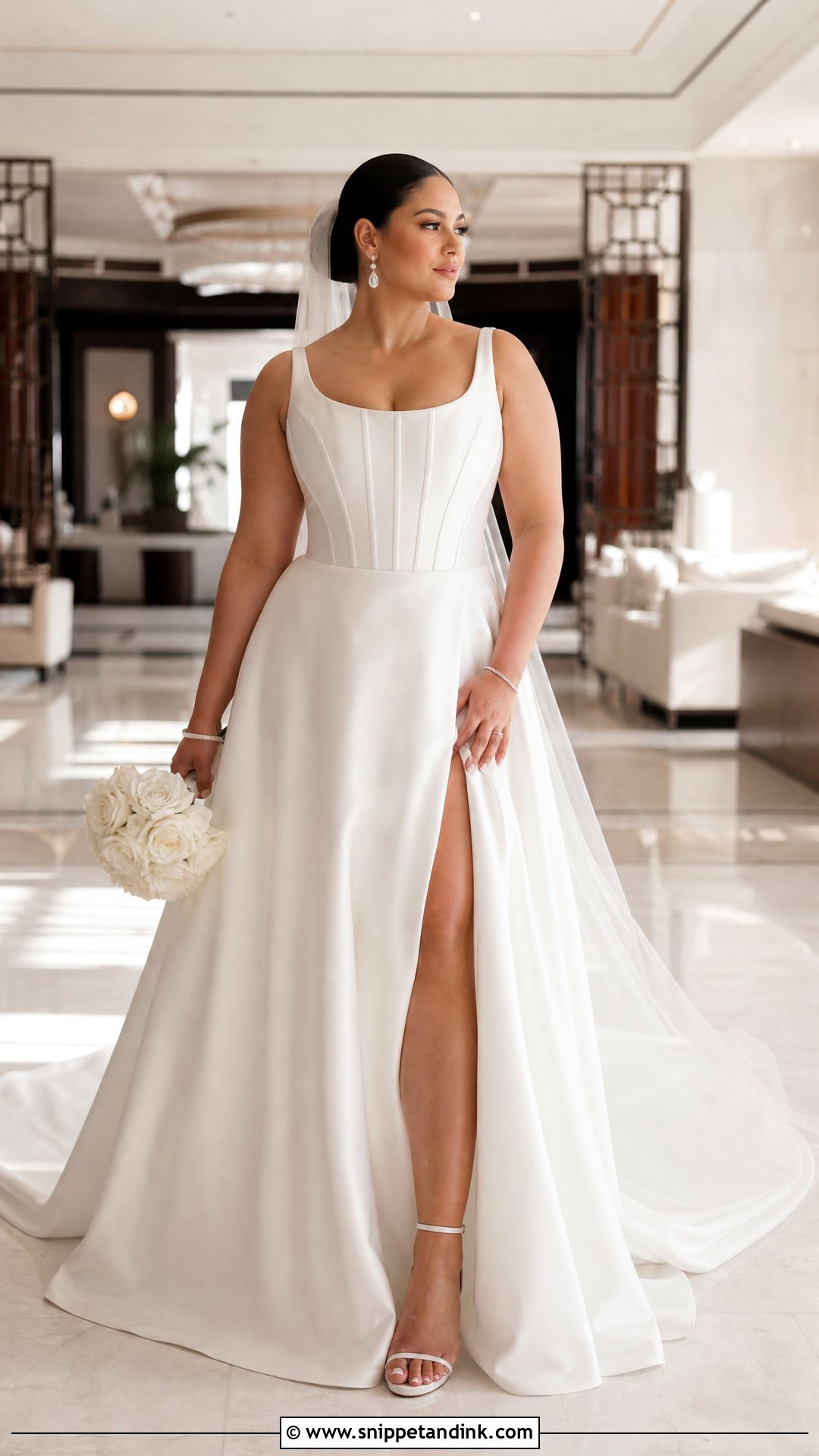
Fit decides everything with a corset bodice. A well-made one with internal boning and secure cups holds you up without pain; a poorly fitted one pinches at the ribs or slides down all night. At the fitting, sit, breathe deeply and raise your arms. If you can’t do all three, ask for adjustment. A softly scooped or sweetheart neckline balances the structure, and a flowing A-line skirt softens it. Visible boning reads contemporary; a lined bodice reads classic. A delicate veil, drop earrings, satin heels and a low bun keep it simple.
13. Mermaid Wedding Dress
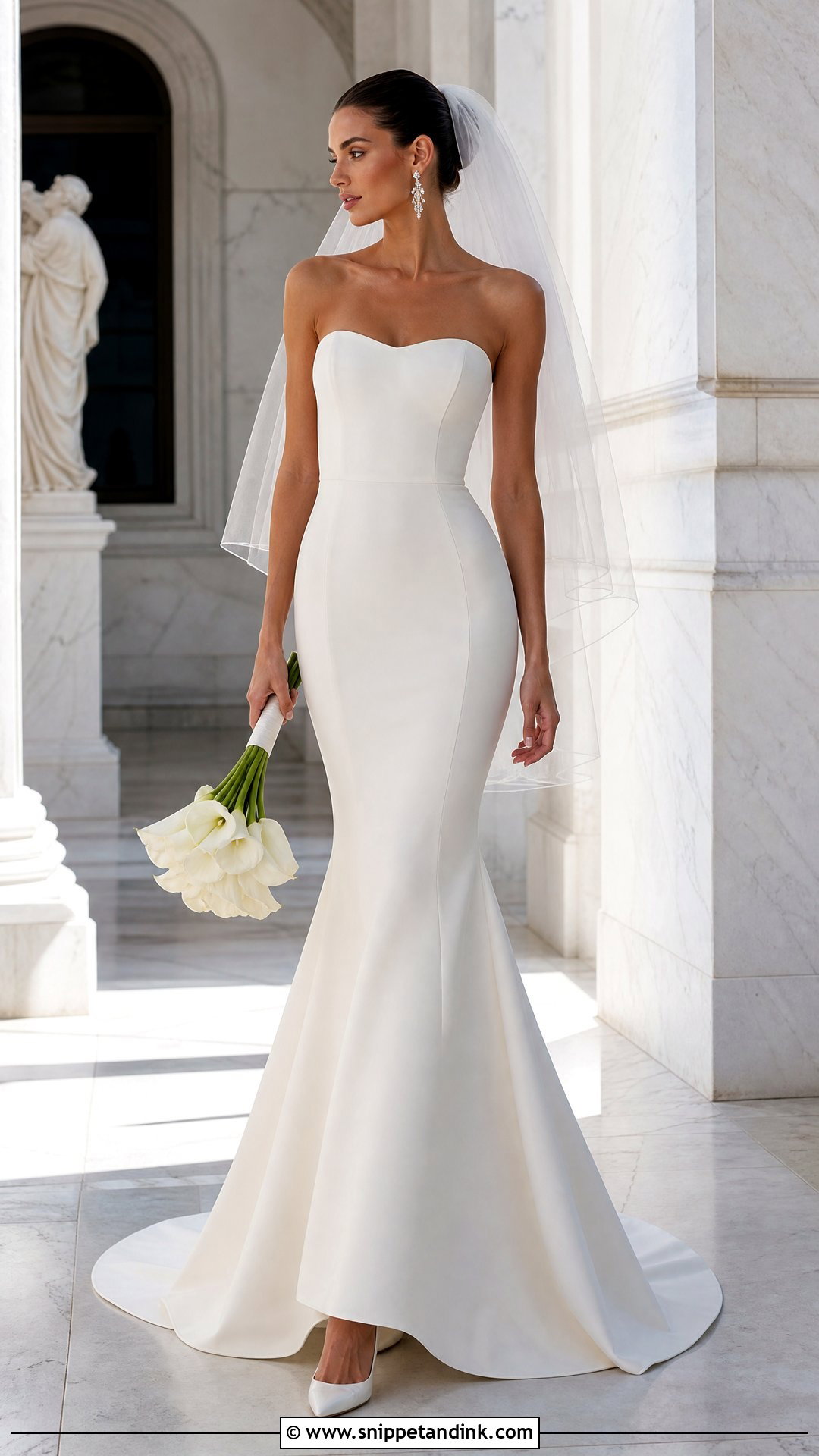
Mermaid gowns are the silhouette I ask brides to test most physically. Walk, climb a step, sit on a low chair. The flare placement decides whether you can do those things; a flare at the knee restricts stride far more than one just above it. If you love the shape but feel trapped, try a fit-and-flare with more room through the thighs. Stretch crepe or structured satin gives a smooth fit. A strapless neck with clean seams is modern, lace is romantic. Medium veil, statement earrings, pointed heels and a sleek bouquet complete it, along with a strong bustle for later.
14. Tea Length Wedding Dress
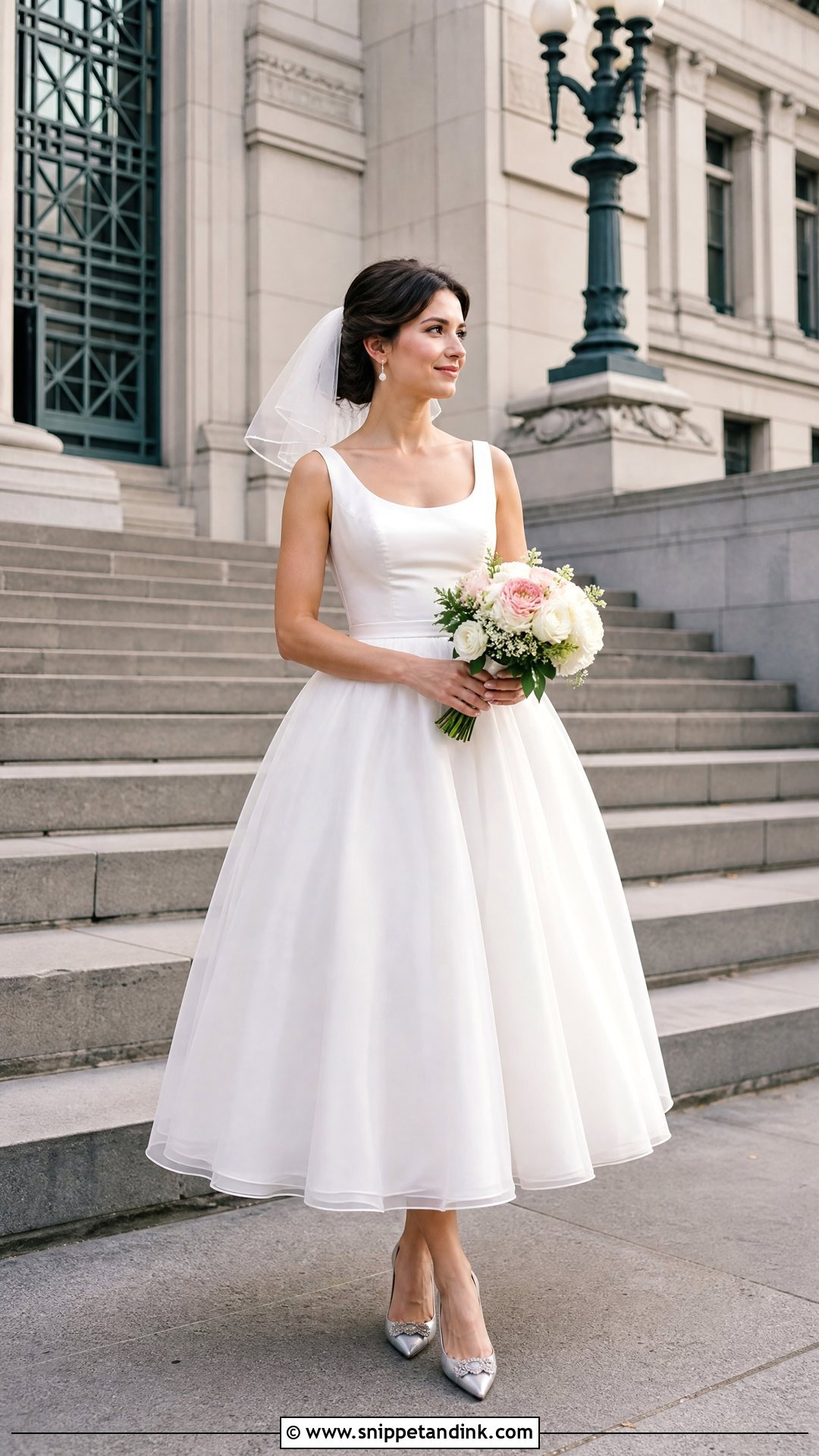
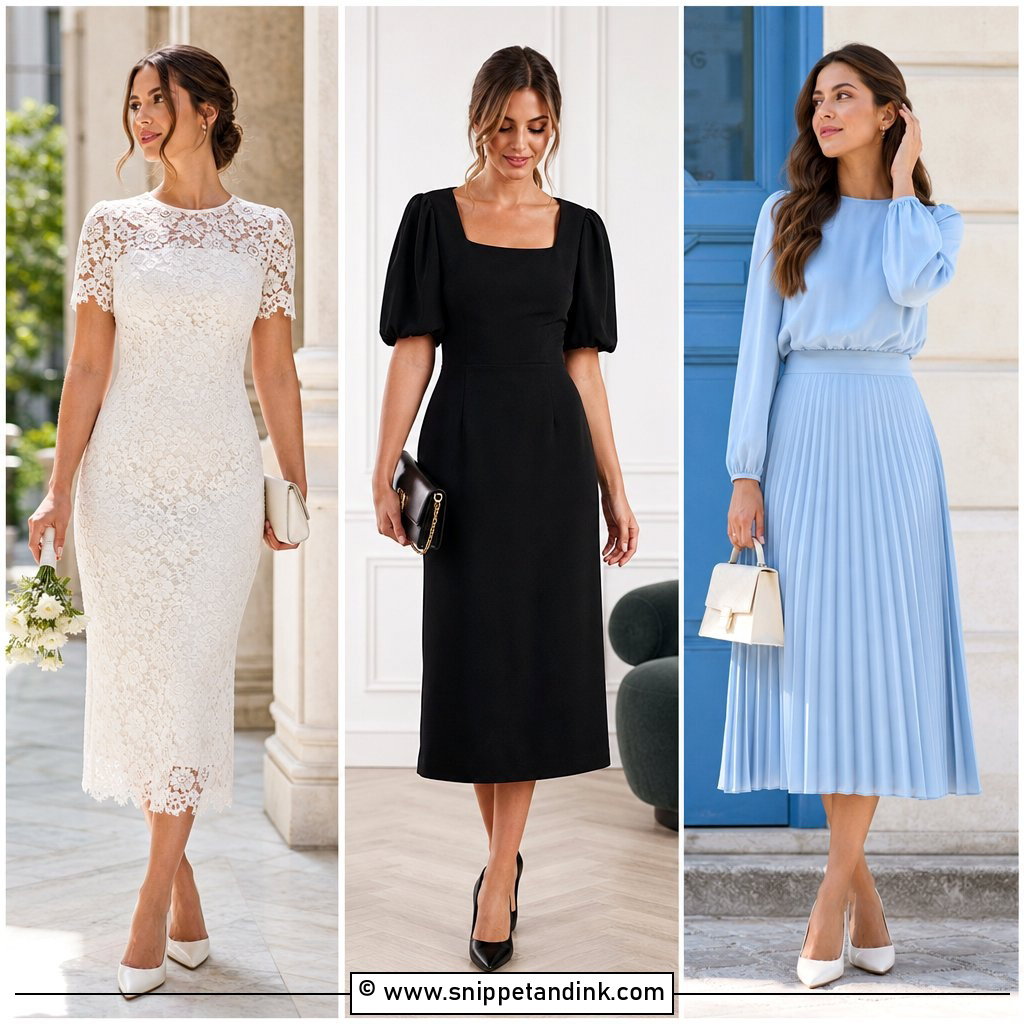
With a tea length dress, the shoes are on show all day, so choose them before the hem is set. A fitted scoop-neck bodice and a full satin or organza skirt give a vintage shape. Pointed pumps, slingbacks or elegant flats in ivory, silver or soft blue all suit it. The hem must stop at a flattering point, never across the widest part of the calf. Petite brides usually look better a touch shorter, tall brides a touch longer. A soft petticoat adds volume, but a stiff one pushes the skirt up when you sit. Pearl earrings, a short veil and a compact bouquet finish it.


15. Bridal Mini Wedding Dress
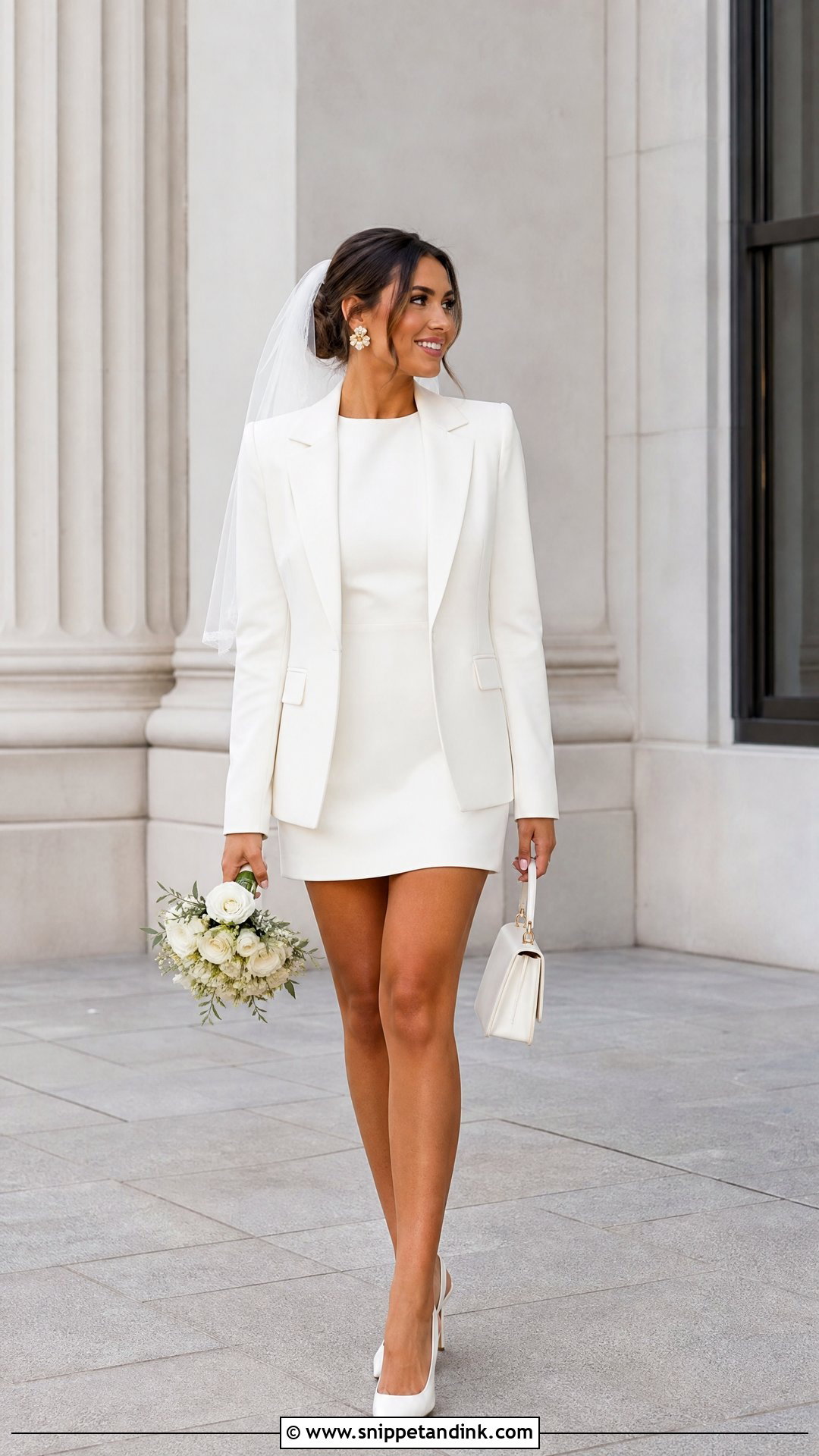
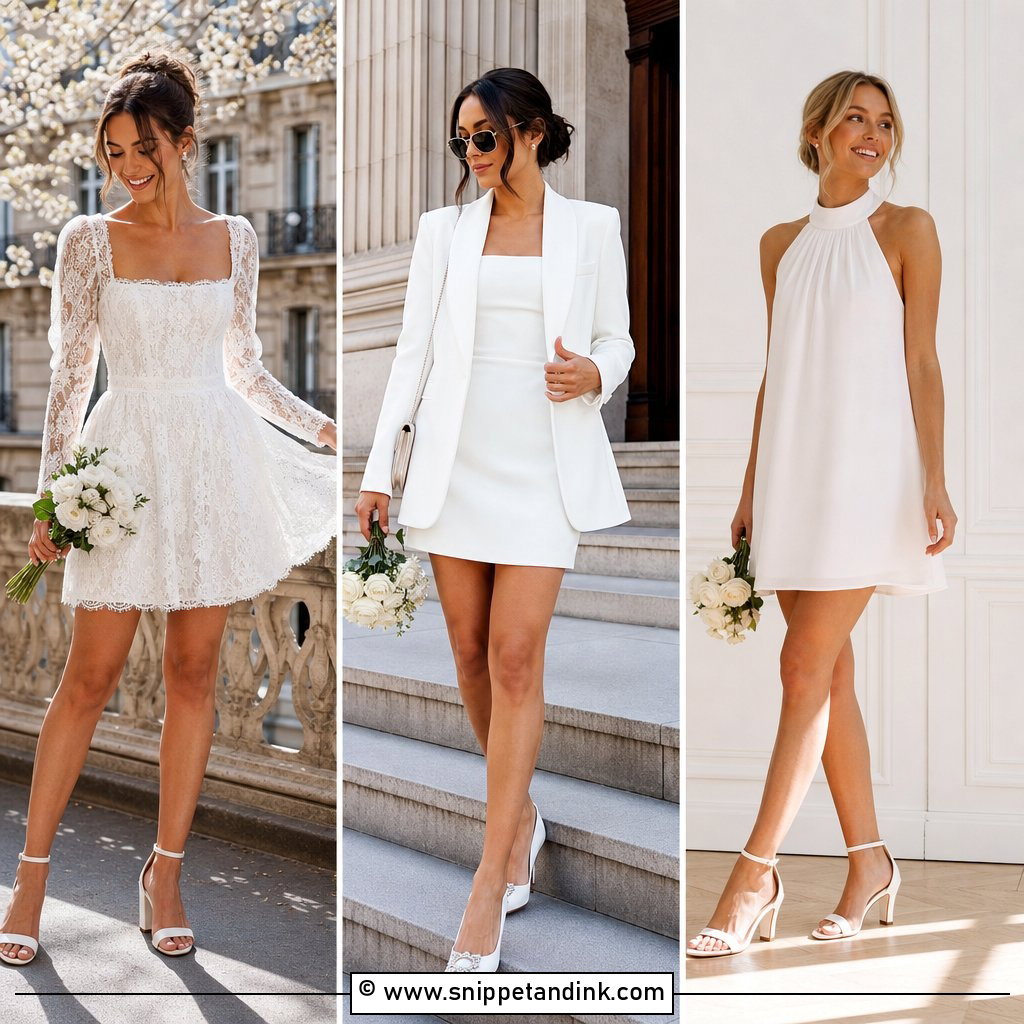
Short and confident, the mini suits a courthouse ceremony or a reception change. A structured shift, fitted sheath or flared mini needs a secure neckline and enough length to sit and bend. Satin, crepe and embellished fabric make the short length feel special. Slingback pumps, sheer tights in cold weather, statement earrings and a short veil or tailored bow keep it bridal. Add a blazer or detachable overskirt for the ceremony if you want more cover. Petite brides look taller when shoes and dress are the same shade. A small bouquet and neat handbag complete it.
16. Cape Sleeve Wedding Dress
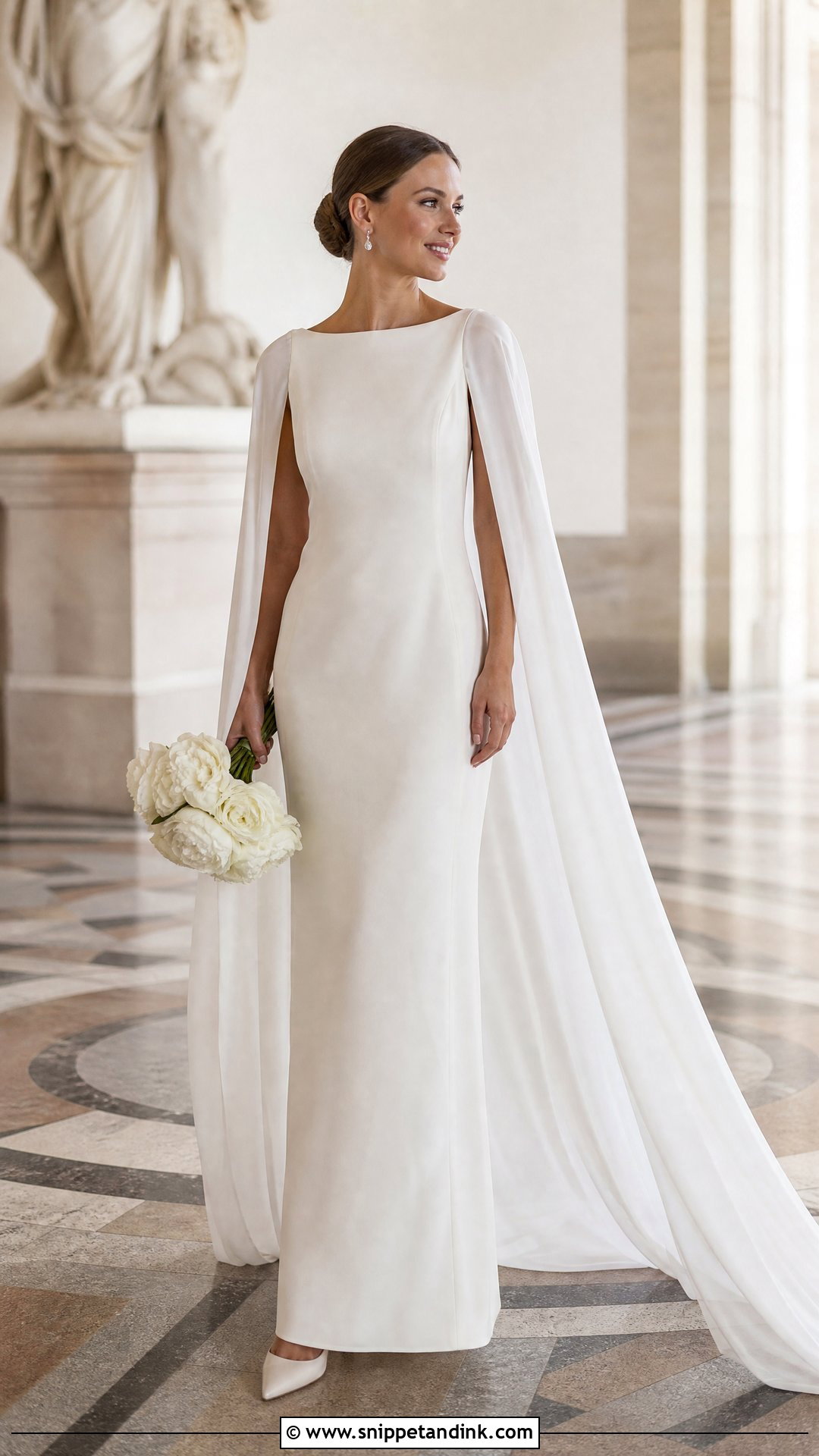
Cape sleeves give coverage without the tug of fitted sleeves at the armpit. Sheer chiffon panels attached at the shoulders of a simple crepe column or A-line can fall to the elbow, the floor or into a train. I usually skip the veil with this one; two floating layers compete. The cape can catch under the arms or tangle with the bouquet, so practice holding flowers with it on. Detachable panels make the reception easier. Sleek pumps, understated earrings and a low bun are enough. A clean gown underneath stops the outfit from looking heavy.
17. Detachable Overskirt Wedding Dress
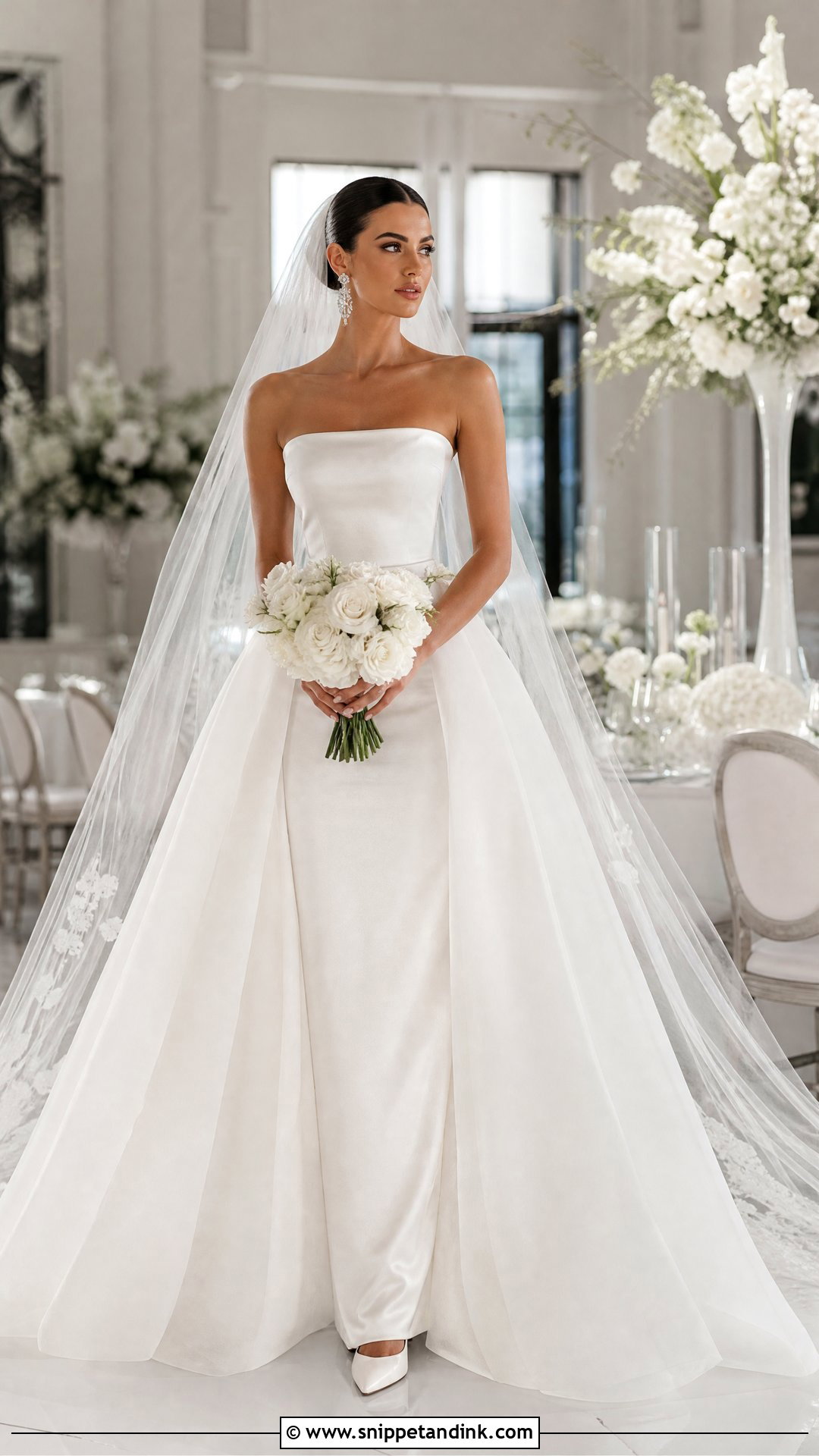
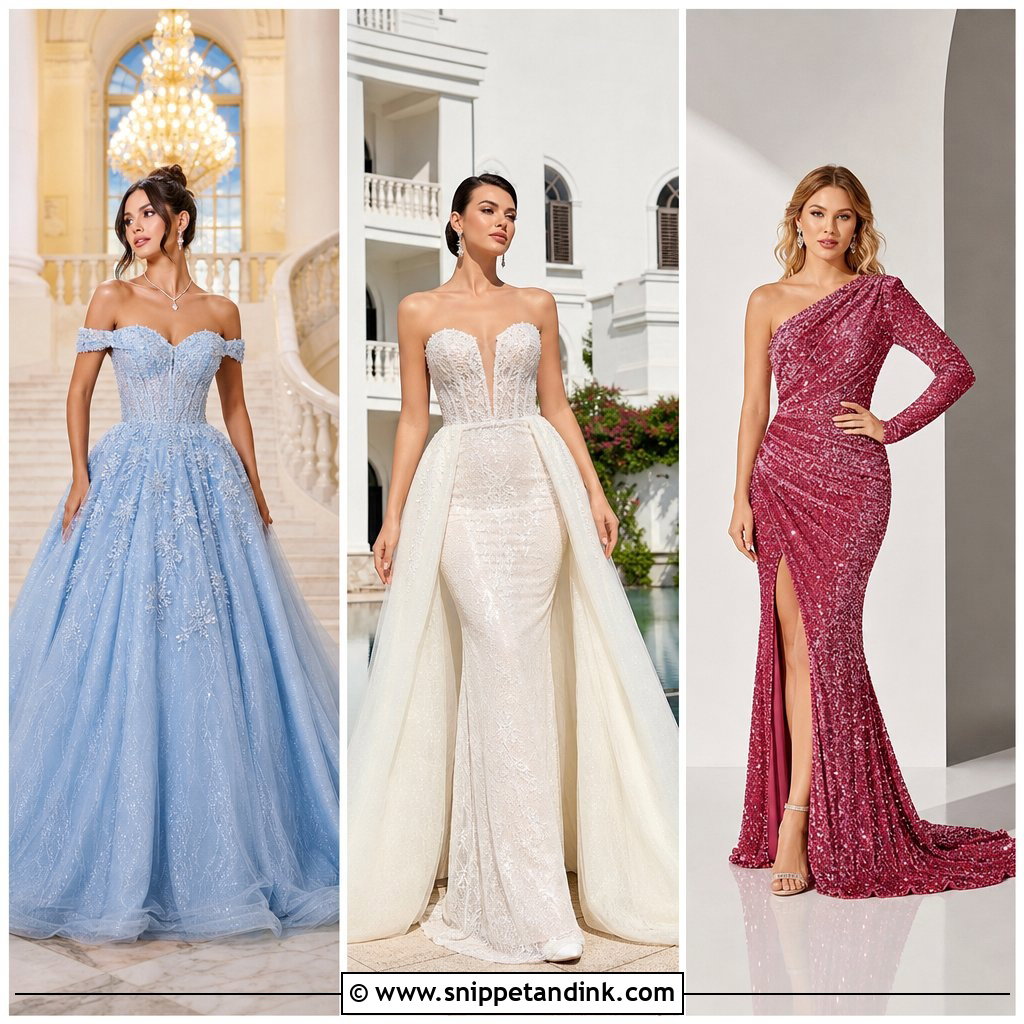
A detachable overskirt gives you two looks without a full outfit change. Start with a fitted crepe or satin column, then add a full tulle, organza or mikado overskirt for the ceremony. The base gown must look finished on its own, with neat seams and proper hemming, because half the photos will show it. The closures need testing too: secure enough for the aisle, quick to undo for the party. Hidden hooks usually beat buttons. A long veil, crystal earrings, pointed heels and a structured bouquet suit the formal version; remove the skirt and veil later to dance.
18. High Neck Wedding Dress
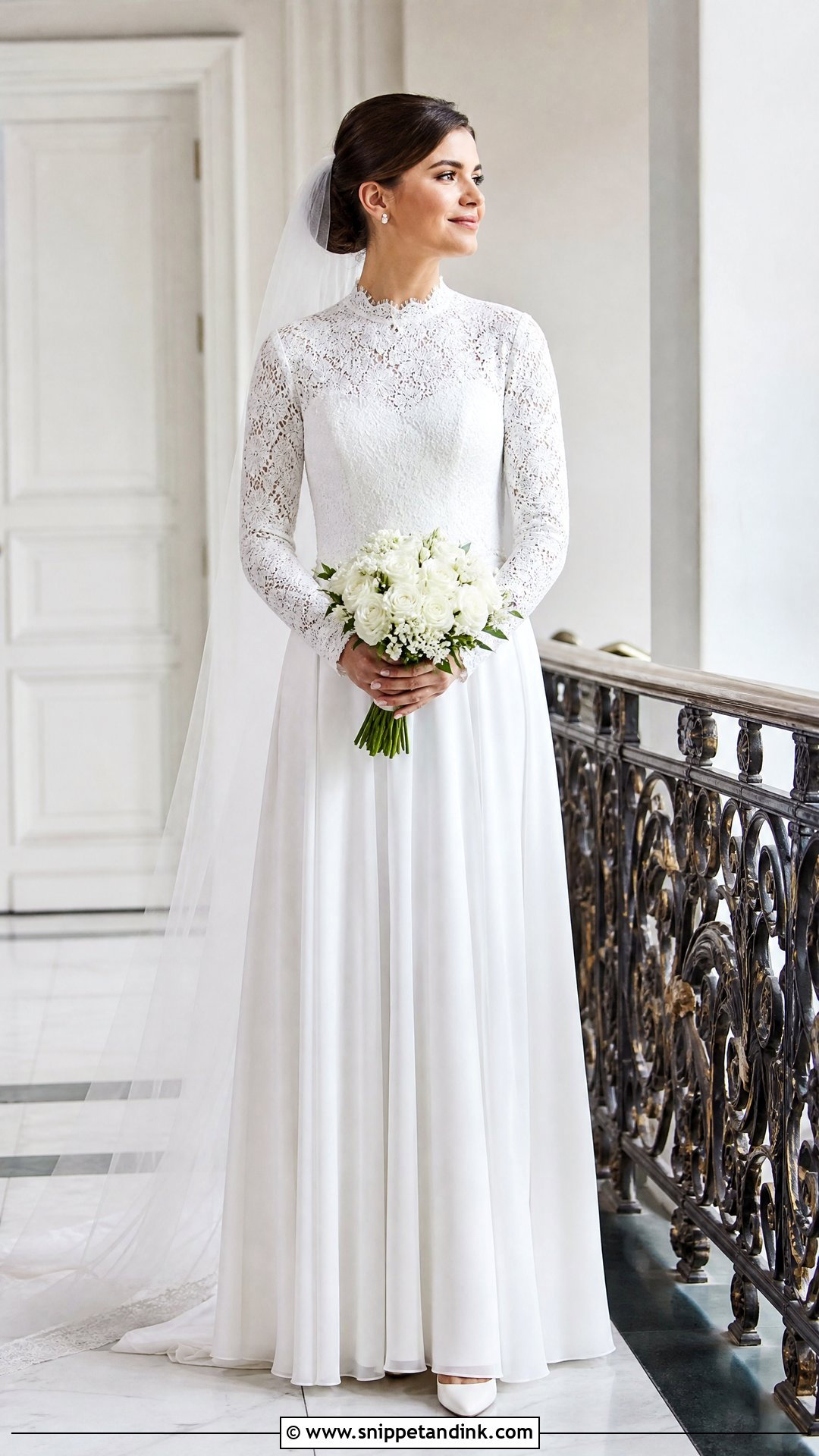
A high neck wedding dress frames the face like nothing else. A lace bodice with a soft lined neckline and a crepe or chiffon skirt is one approach; an all-satin mock neck is the minimal one. Brides with shorter necks usually do better with a lower mock neck or an illusion lace panel. Lace collars can rub at the throat, especially with a stiff edge, so turn your head side to side at the fitting. Hair goes up so the neckline shows. Stud earrings, closed-toe pumps and a veil attached below the bun finish it, and skip the necklace.
19. Chiffon Beach Wedding Dress
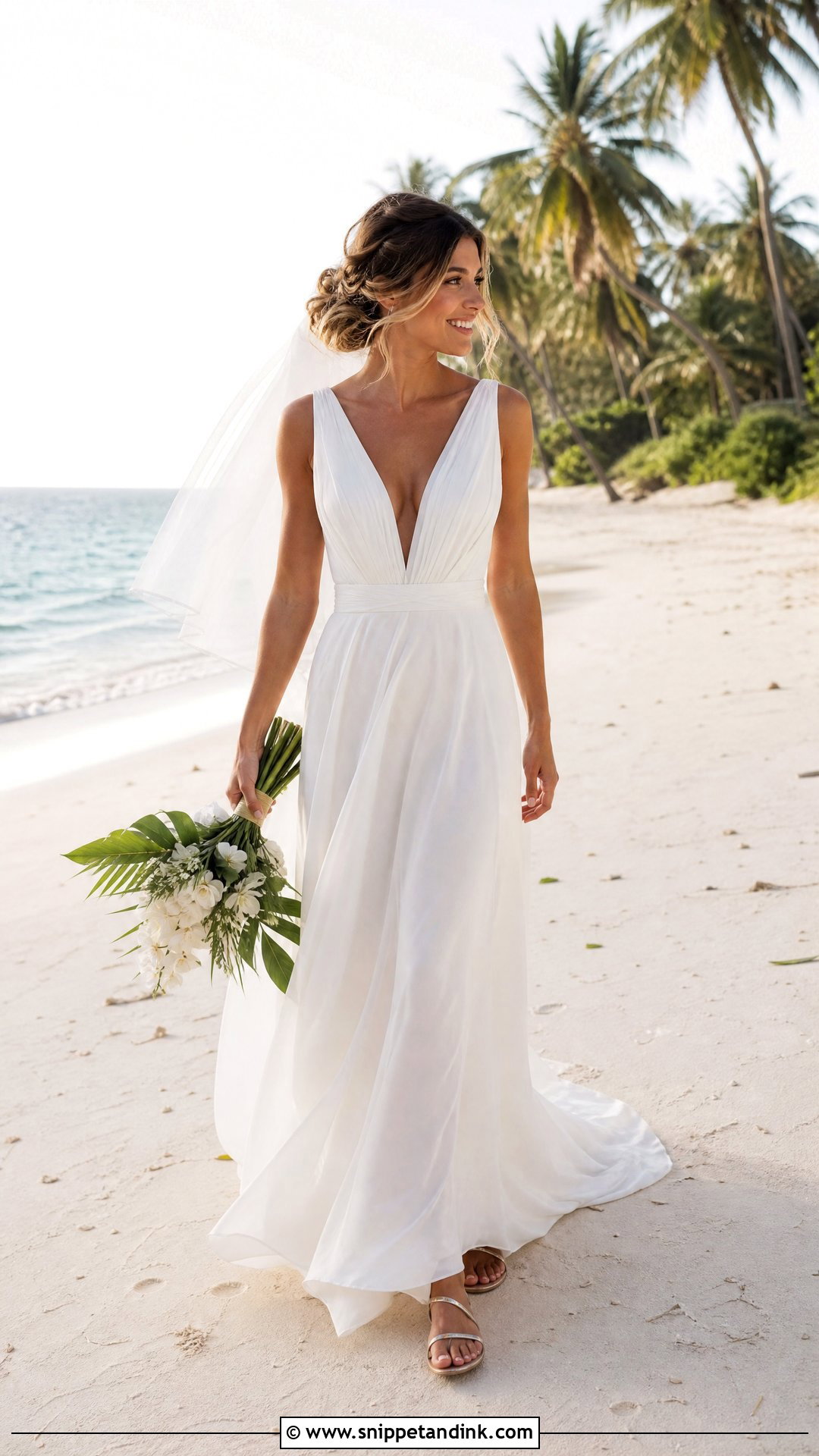
Chiffon at the beach moves beautifully until the wind picks it up. A V-neck A-line with soft waist definition and a short sweep train keeps contact with sand to a minimum. Check sheerness outside in sun, not under shop lights, and ask the seamstress about small dress weights sewn into the hem to keep the skirt down. Flat metallic sandals, small earrings, a loose updo and a fingertip veil that can come off if the breeze turns strong all suit it. A light, compact bouquet is easier to carry across sand. Lakefront and garden ceremonies suit it as well.

20. Pearl Beaded Wedding Dress
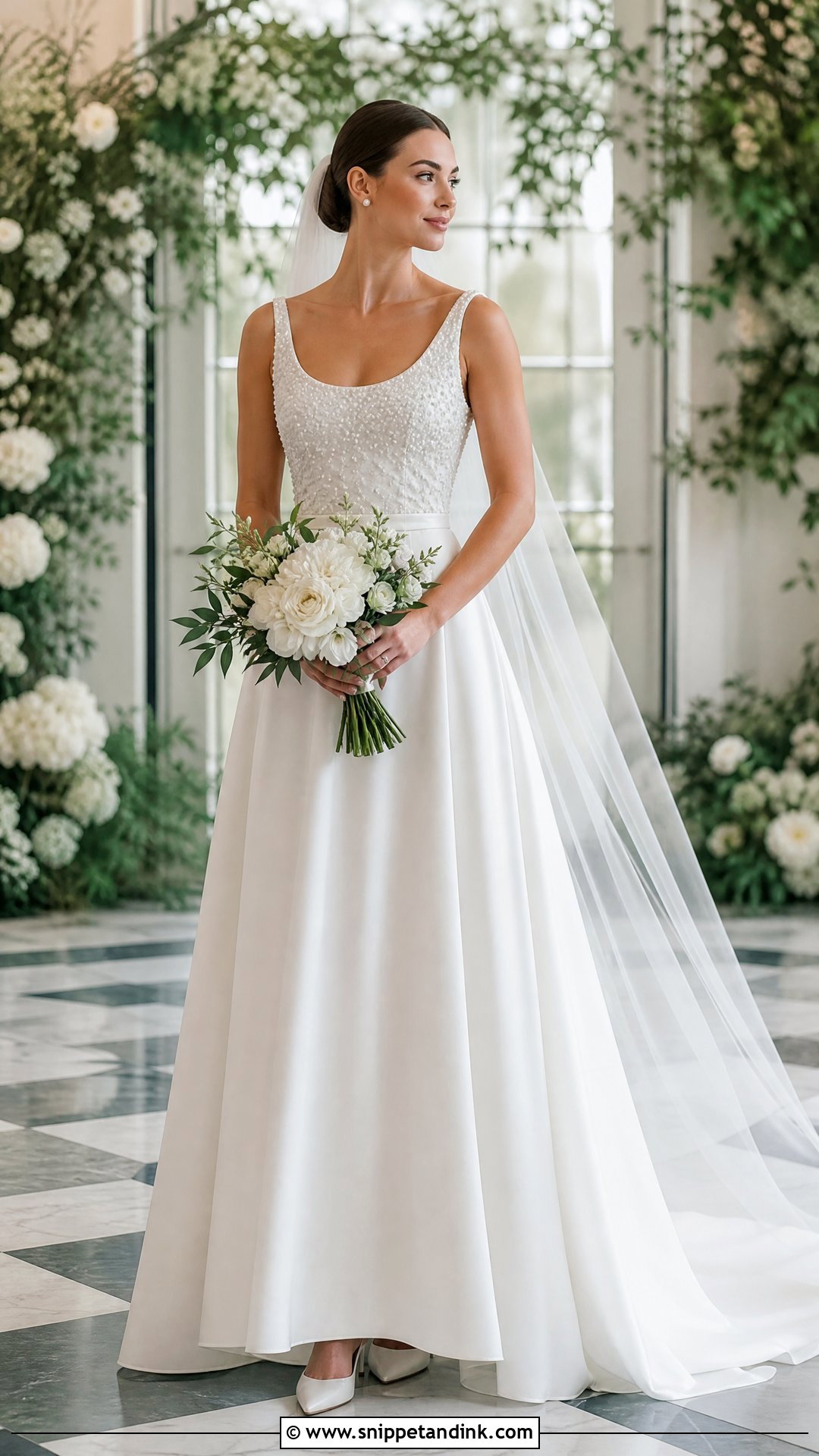
Pearls glow where crystals sparkle, which makes pearl beading softer in photos. Scattered pearls on a fitted bodice, with a plain satin, crepe or tulle skirt, keep it balanced. A scoop or off-shoulder neckline gives the beading space. Beads on a bodice take strain at the underarm and waist, and loose threads there mean lost pearls by the end of the night, so check the stitching is reinforced. Pearl studs, simple pumps, a smooth veil and a white-and-green bouquet finish it; don’t add a pearl necklace and bracelet on top. Ballrooms and botanical venues suit it.
Bustles, Trains and the Moment After the Aisle
Almost every gown with a train needs a bustle, and many brides don’t think about it until the final fitting. The bustle lifts the train off the floor after the ceremony so you can walk, eat and dance without someone stepping on it. Seamstresses add it as part of alterations, and the style depends on the fabric and the train length.
- Overbustle: the train hooks up onto the back of the skirt with buttons or loops. Quick to do, and it shows the train’s detail as a soft drape. Good for lace and lighter fabrics.
- Underbustle: the train tucks under and ties inside the skirt, giving a full, gathered back. It suits satin and ball gowns with long trains.
- Ballroom bustle: the train lifts so the hem looks even all the way round, as if the dress had no train at all. It works well on A-lines and satin.
Long cathedral trains can need many attachment points, and the heavier the train, the more likely a single hook pulls loose mid-dance. Ask how many points yours will have. Then choose one person, usually a bridesmaid or your mother, to learn it at the last fitting and film it on her phone. Ribbons are often color-coded with numbers so the right loops meet up. It takes a few minutes the first time, and that person will be glad she practiced.
Walk, Sit, Hug, Then Decide
A-line, ball gown, Basque waist, lace, chiffon or a two-look design: every dress here can be right for someone. Start with the silhouette and fabric that suit your venue and season, then judge the neckline, waist, train, shoes and accessories together, not one at a time. At each appointment, move the way you will on the day and ask someone to photograph you from the side and back. The trend matters far less than how the dress fits and how you feel standing up in it at the end of the night.
You'll Like These Ideas:




Leave a Reply