
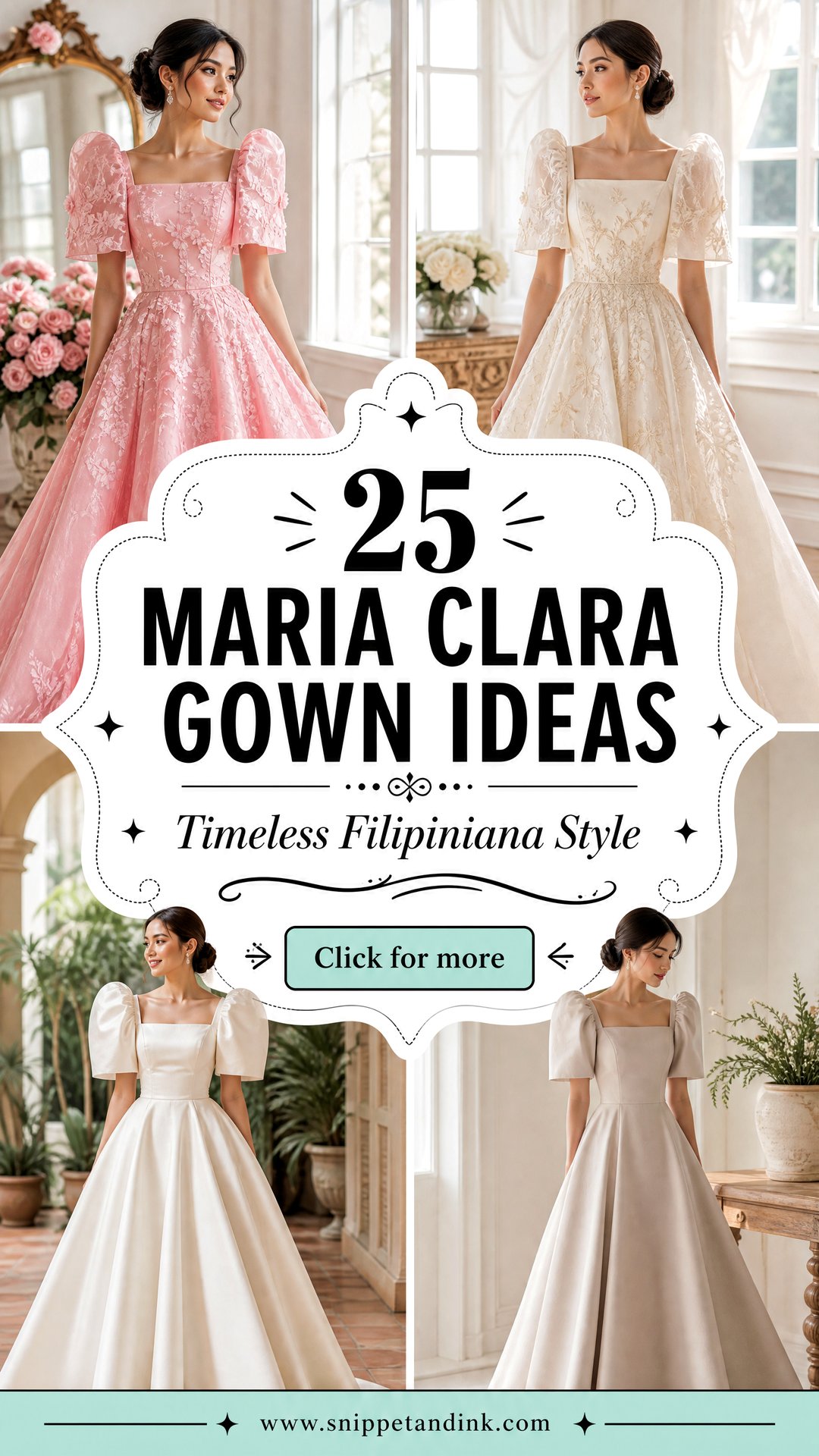
The Maria Clara is built from four pieces, and once you understand them the styling choices become much easier. The baro is the sheer blouse, the pañuelo the folded kerchief over the shoulders, the saya the long skirt and the tapis the overskirt wrapped at the hips. Together they make the graceful Filipiniana look worn at weddings, graduations, cultural programs and portrait sessions. Some versions stay close to tradition with piña-style fabric and hand embroidery; others slim the skirt, simplify colour or make layers detachable. When I help someone choose, I start with the occasion and the heat of the day, then the fabric, then the colour. The ideas below follow that thinking.
Piña, Jusi or Organza for a Hot Afternoon?
The fabric of the baro decides how the gown looks and how it feels by the end of a long program. These are the ones I see most often.
Piña and piña blends
Handwoven from pineapple leaf fibre, sometimes mixed with silk. It is fine, crisp and holds embroidery well. It is also expensive, slow to make and creases sharply if crushed, so it suits a wedding or a once-in-a-lifetime portrait more than a school event.
Jusi
Traditionally a sheer fabric with a softer hand than piña. Many modern versions are synthetic or blended, which makes them cheaper and easier to care for. Ask what the jusi is made of, because the feel changes a lot from one maker to another.
Organza and fine mesh
The most affordable and widely available choice for a sheer baro. Silk organza breathes; polyester organza can feel warm and stiff against the skin in humid weather. If you’ll be outdoors in heat, a cotton or soft lining under polyester organza makes a real difference.
1. White Maria Clara Gown
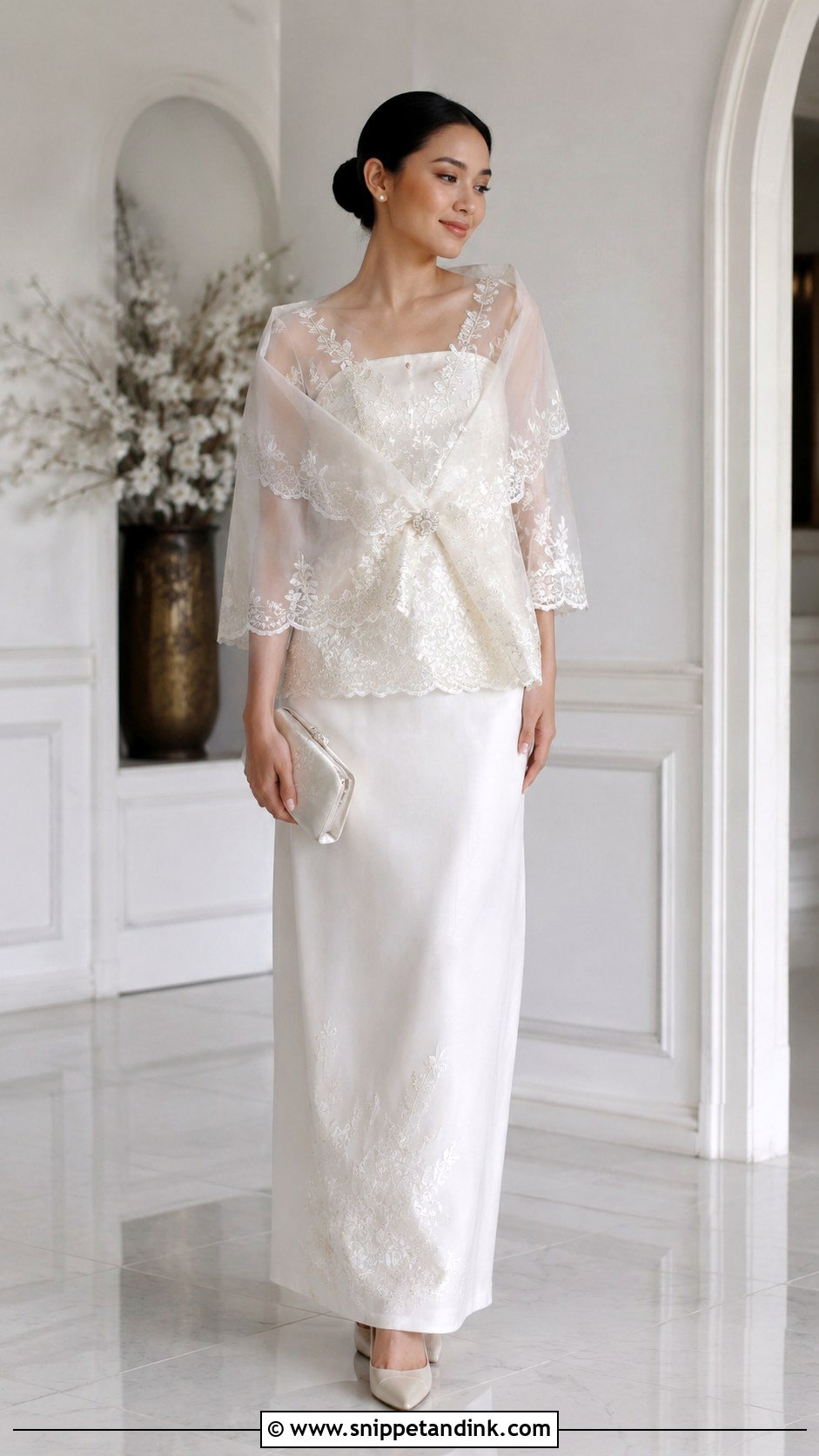
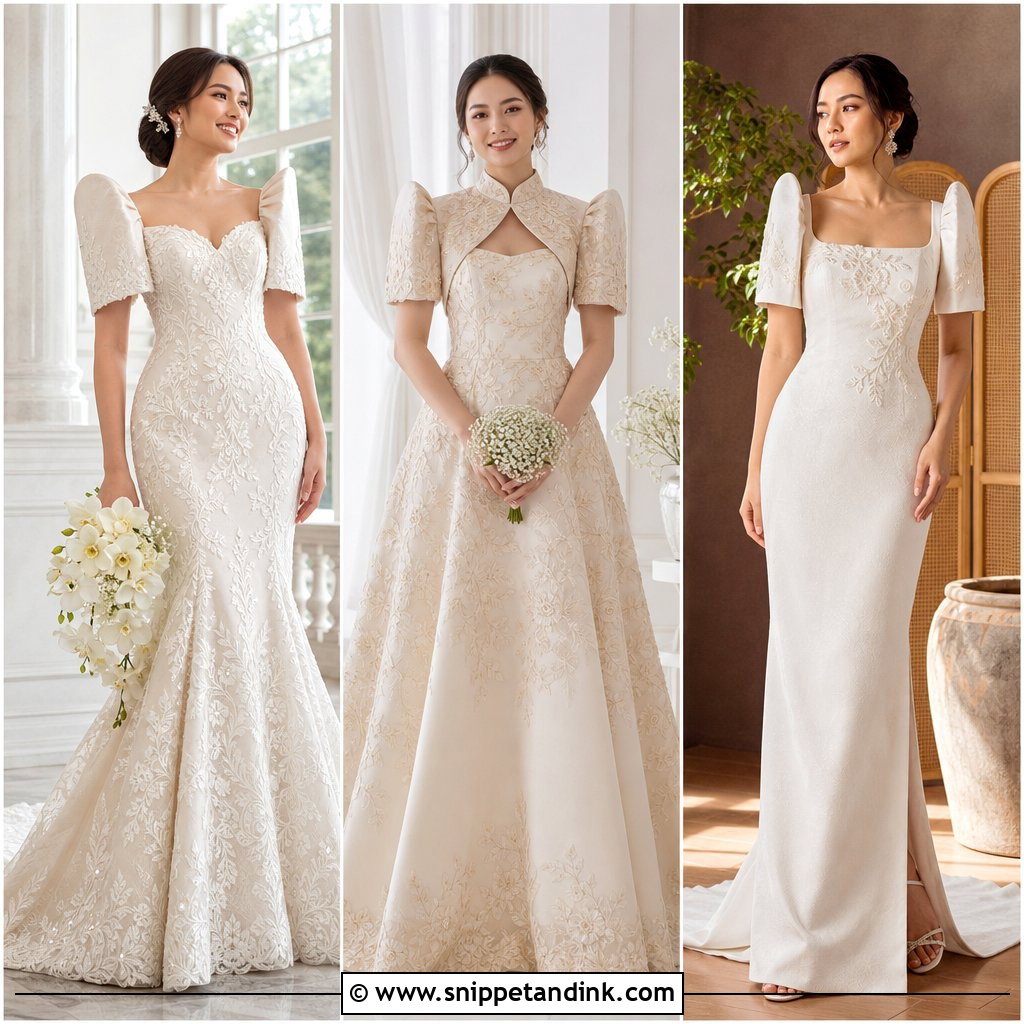
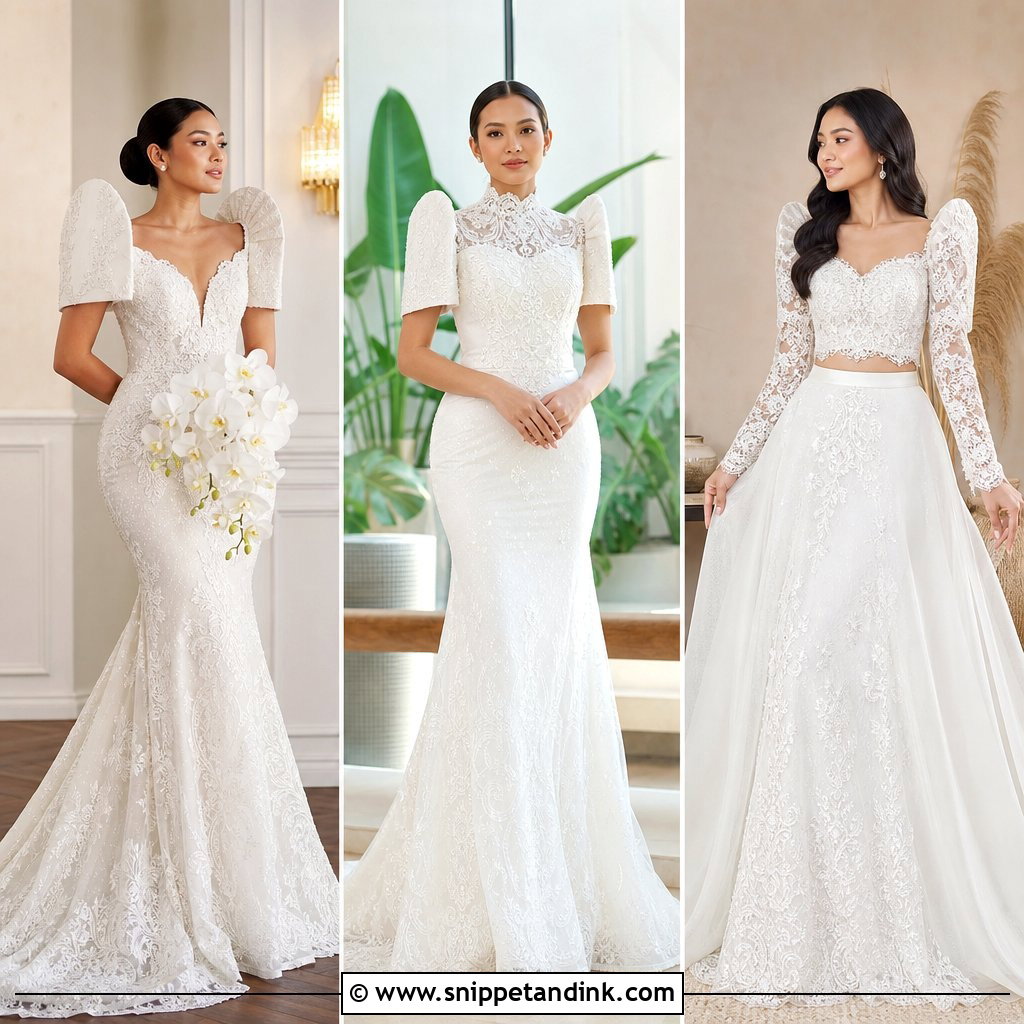
White is the most traditional reading of the gown and the most demanding to keep clean. A sheer embroidered baro with butterfly sleeves, a soft pañuelo and a floor-length white saya with gentle volume make the classic set; a tapis with subtle lace or beadwork adds depth. Sheer white shows everything underneath, so the camisole or inner lining should match your skin tone rather than be bright white. Pearl drops, a low bun and ivory pointed heels finish it for bridal events, graduation portraits and heritage programs.
2. Modern Maria Clara Gown
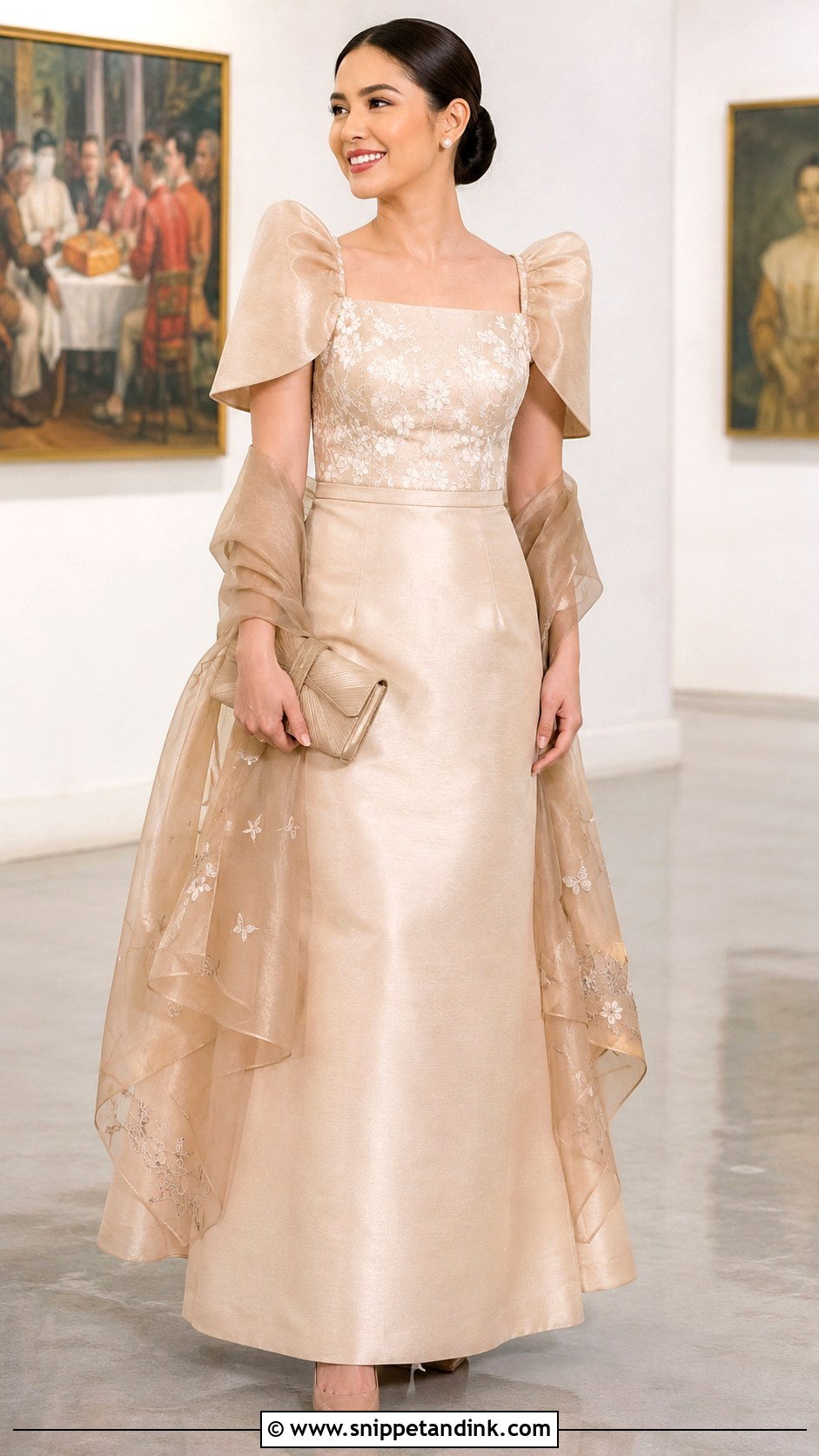
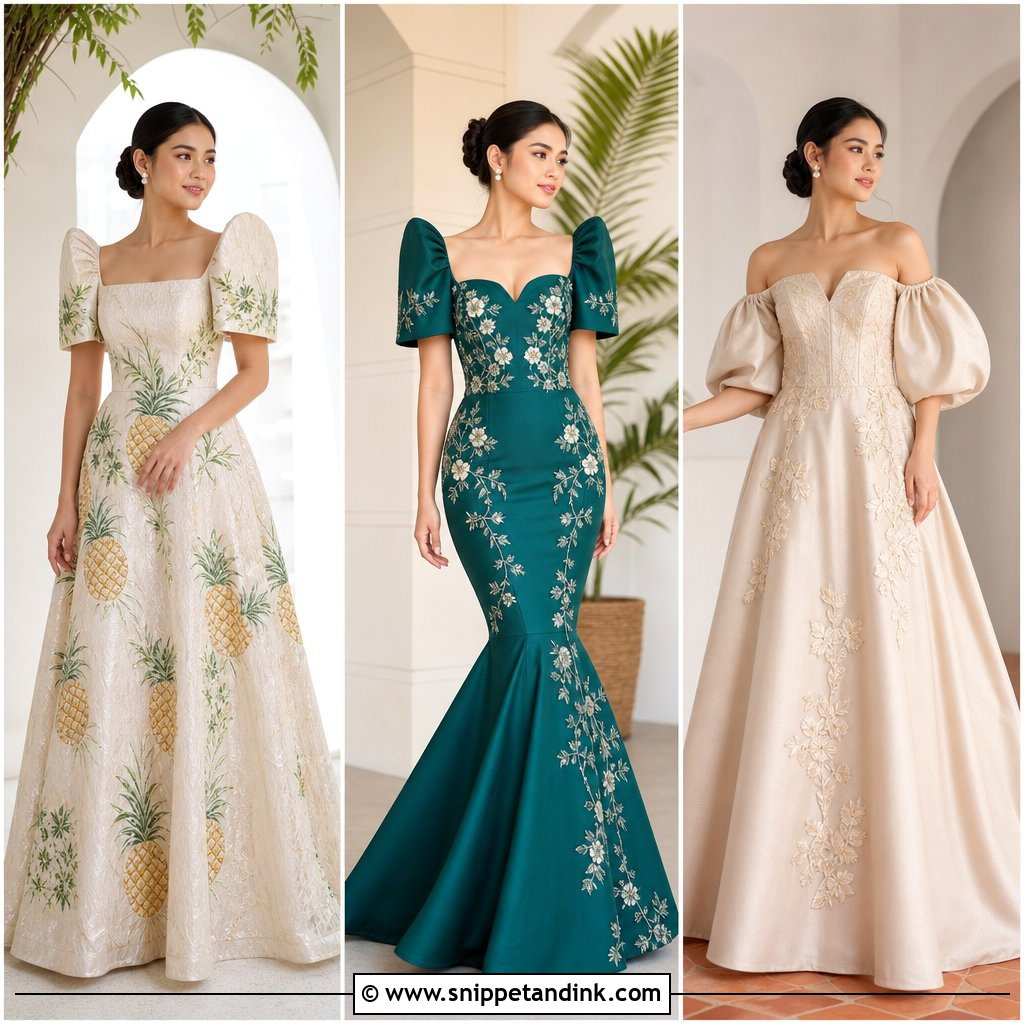
Modern versions usually change the skirt first. A streamlined column or A-line saya with a fitted bodice and crisp butterfly sleeves feels lighter than the full traditional skirt. The pañuelo can be sewn in, detachable or loosely draped. Beige, ivory, blush, champagne or slate blue look current and still respectful. I’d keep the sleeves properly structured even when everything else is simplified; without them, the outfit loses what makes it a Maria Clara. Sleek heels and a centre-part bun finish it.
3. Red Maria Clara Gown
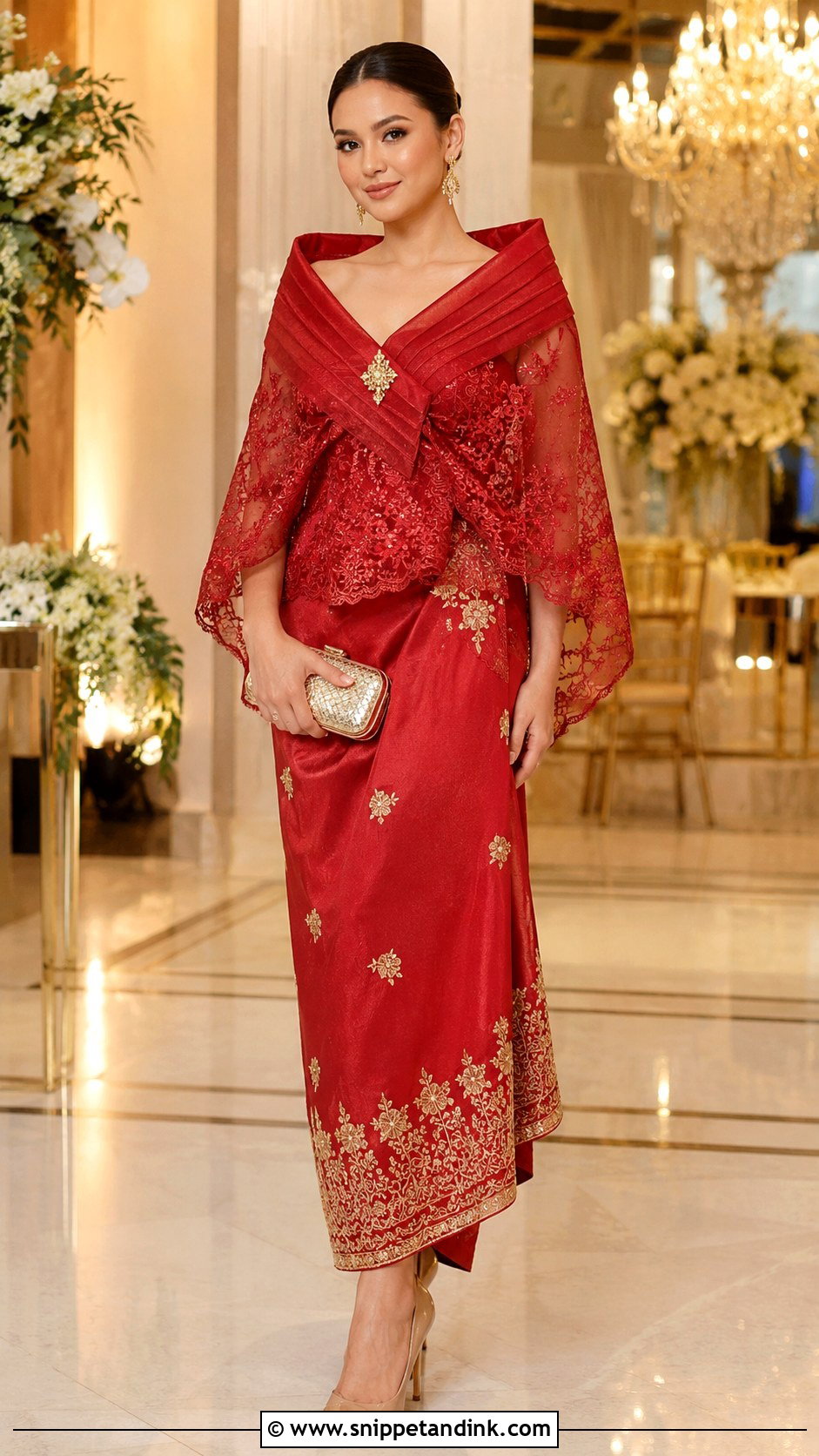
Red makes a festive statement. A rich red saya with a sheer cream or red baro gives contrast, and gold embroidery, floral appliqué or tone-on-tone beadwork makes it formal. Keep the pañuelo crisp so the shoulders stay balanced against a strong skirt. Gold earrings and nude or gold heels suit it. Red reflects onto the face in close photos, so test your foundation next to the fabric. It suits cultural performances, formal receptions and large family gatherings.
4. Black Maria Clara Gown
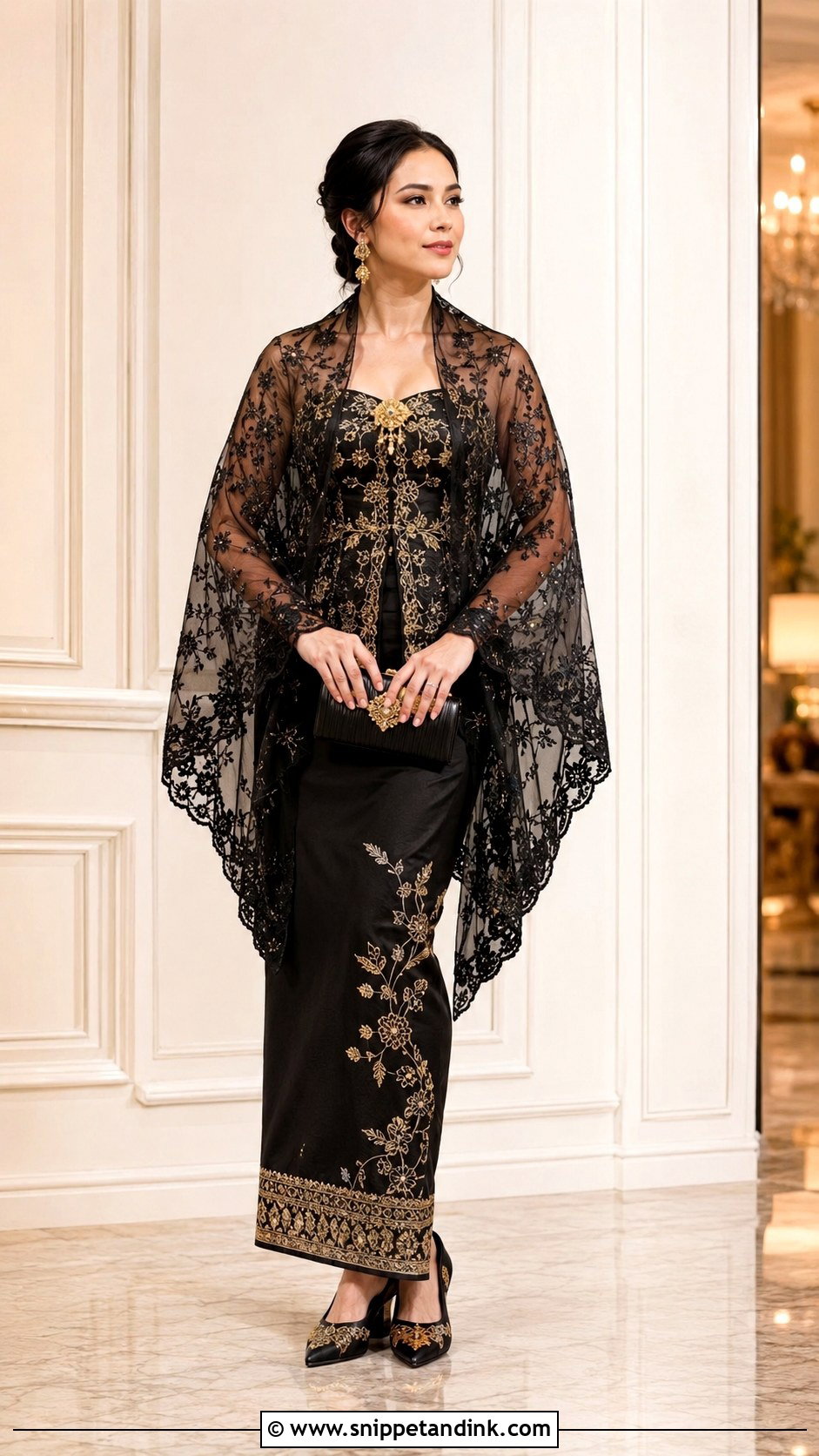
Black needs texture or it reads flat in photos. Fine lace, organza or piña-style fabric gives it that surface. A black saya with a sheer embroidered baro is classic, and a black-and-gold tapis adds richness. For the pañuelo, sheer black, soft grey or champagne gives contrast at the neckline. A low chignon keeps the sleeves in view. Evening galas and formal dinners suit it. Ask for tailoring that follows the body without stiffness, or the black turns into one heavy block.
5. Blue Maria Clara Gown
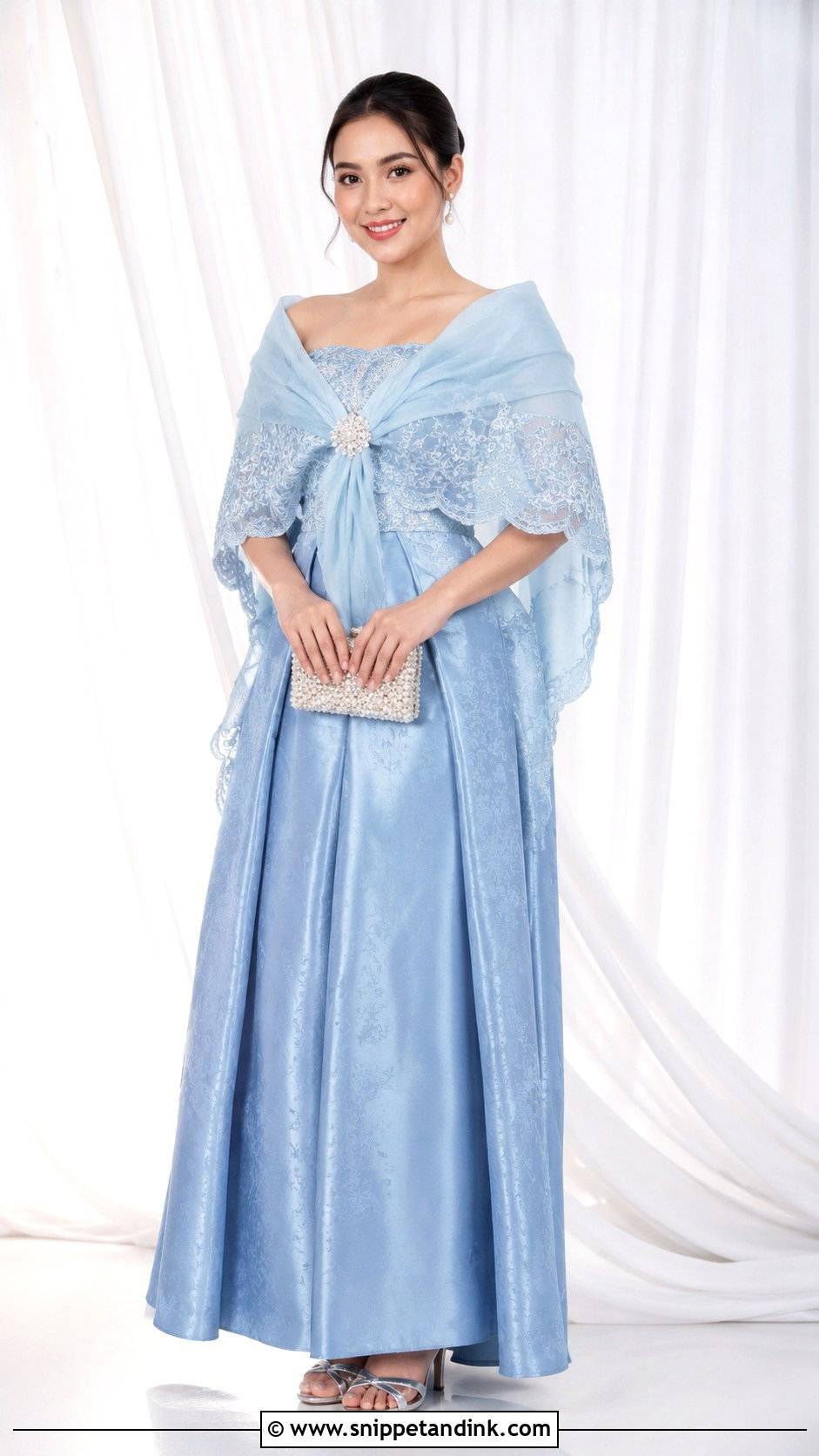
Blue flatters a wide range of skin tones. Navy feels formal, powder blue soft, royal blue festive. A blue Maria Clara gown can pair the saya with a baro in the same tone or a lighter ivory. Embroidery that runs vertically along the bodice and down the sleeves lengthens the figure, which matters with a full skirt. Silver heels, pearl studs and a beaded clutch suit it. Graduations, family portraits and cultural events are where I see it most.
6. Pink Maria Clara Gown
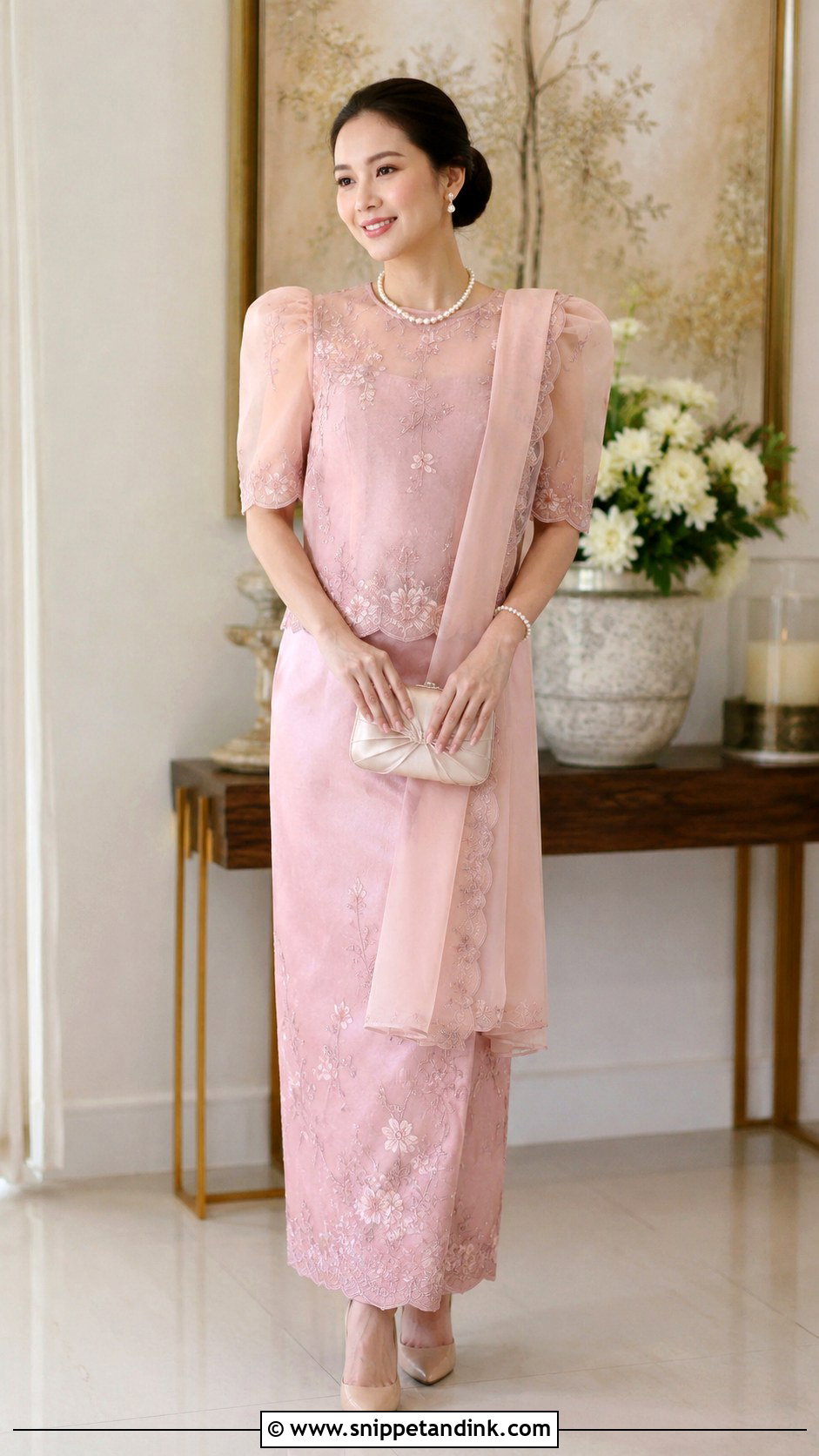
Blush, dusty rose and old rose keep pink grown-up rather than sugary. A pink saya with a sheer baro, delicate floral embroidery and a light pañuelo framing the shoulders feels soft. A tonal tapis adds detail at the waist and hips. Old rose has a slightly brown base, which suits warmer and deeper skin tones better than cool candy pink. Nude heels and pearls finish it for birthdays, graduations and engagement parties.
7. Gold Maria Clara Gown
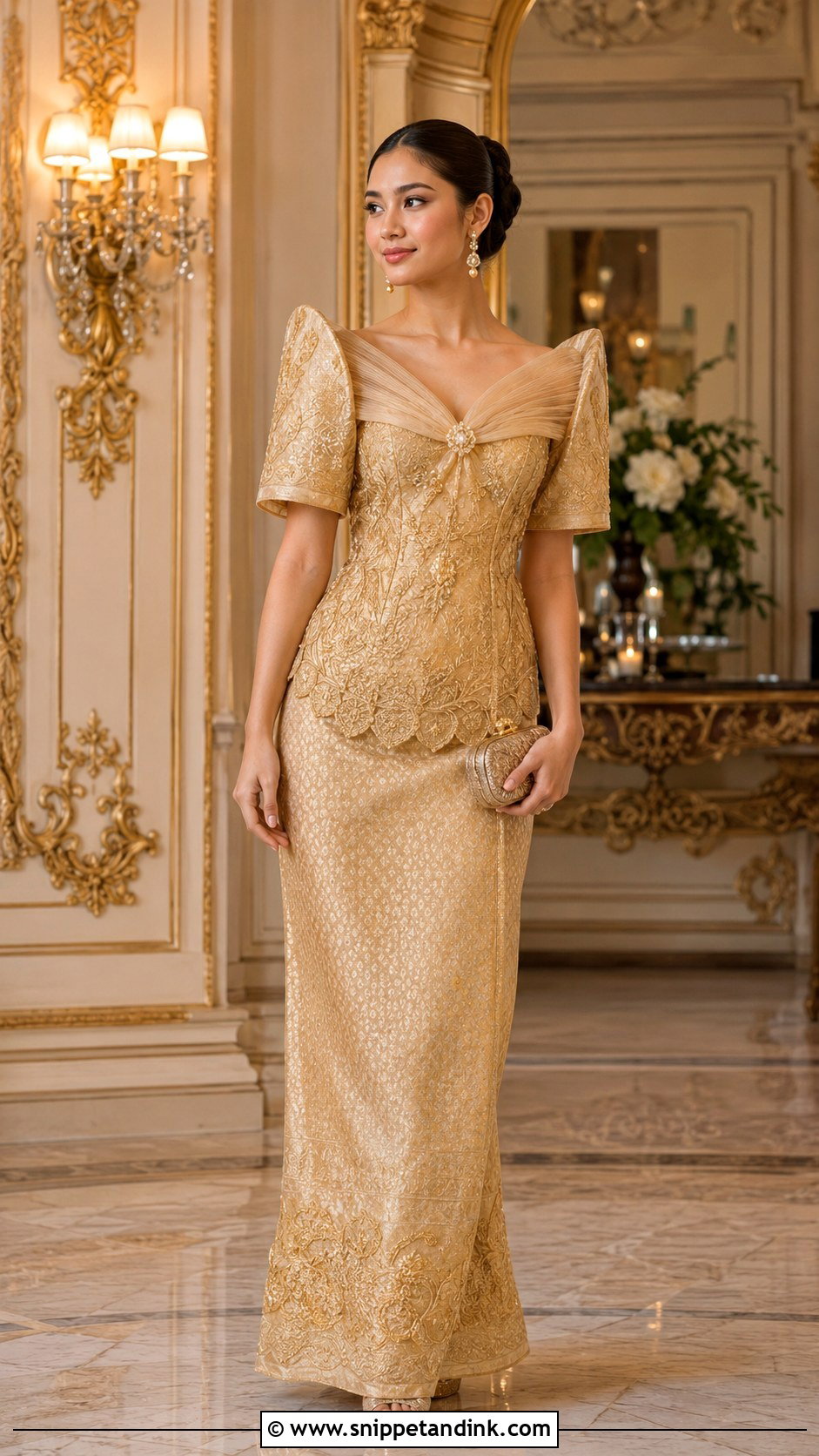
Gold looks richest when it is soft rather than metallic. Champagne gold, antique gold or a pale woven gold avoids a costume shine. A sheer baro with gold embroidery over an ivory or matching inner layer works well. A full saya makes an entrance; a slimmer one is easier to move in all evening. Gold fabric already draws the eye, so keep makeup fresh and accessories few. Match the metal of your earrings to the thread colour, since yellow gold beside pale gold thread looks off.
8. Green Maria Clara Gown
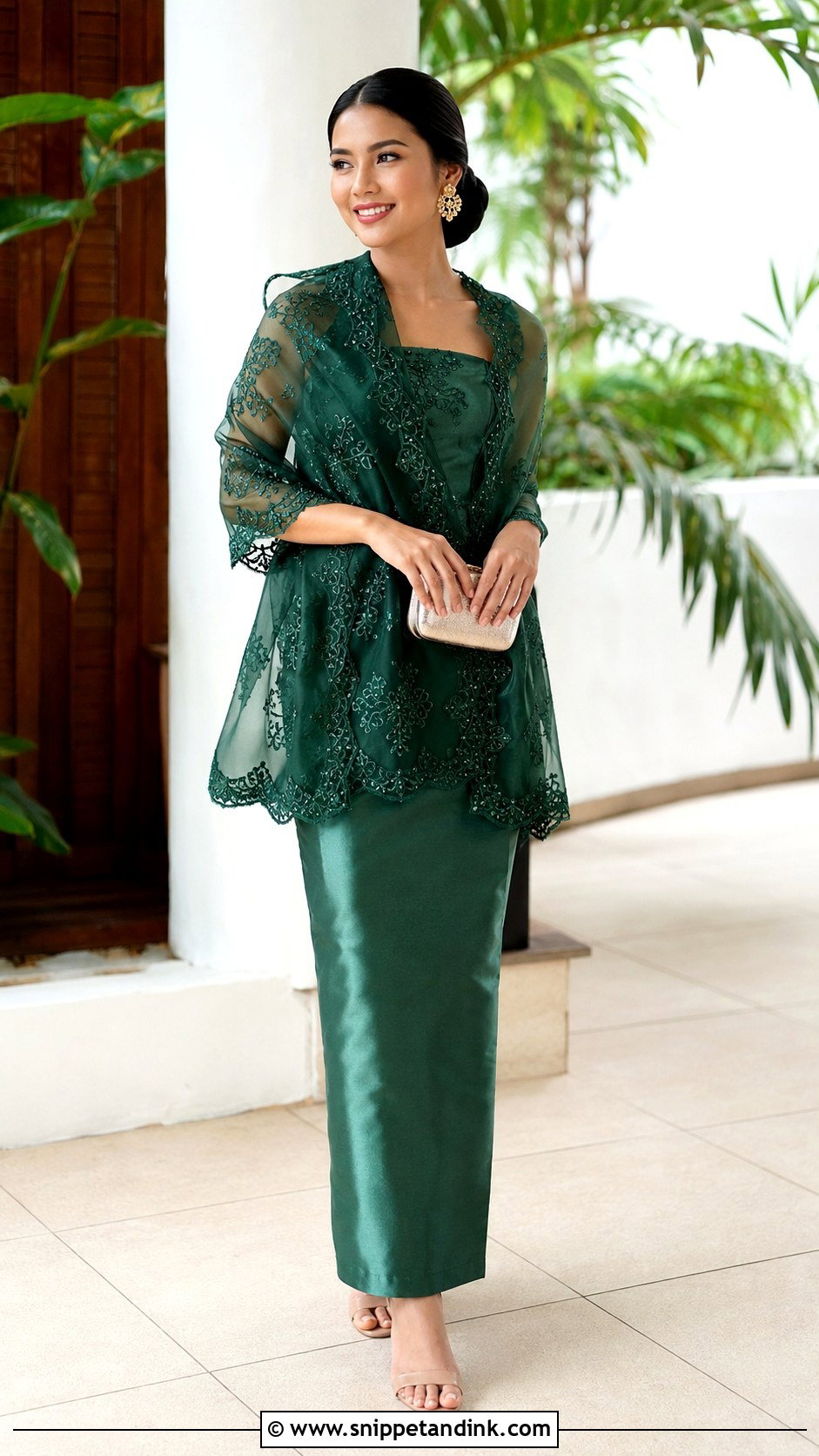
Green ranges widely. Emerald is formal, sage soft and modern, olive deep and earthy. A sheer embroidered baro in green or ivory softens the colour, and a structured pañuelo keeps it traditional. Gold accessories suit almost every green. The waist matters on this one: a waistline that sits at your natural waist and a saya that glides rather than clings will flatter more than a dropped or high seam. A sleek bun shows off the shoulder details at daytime events.
9. Purple Maria Clara Gown
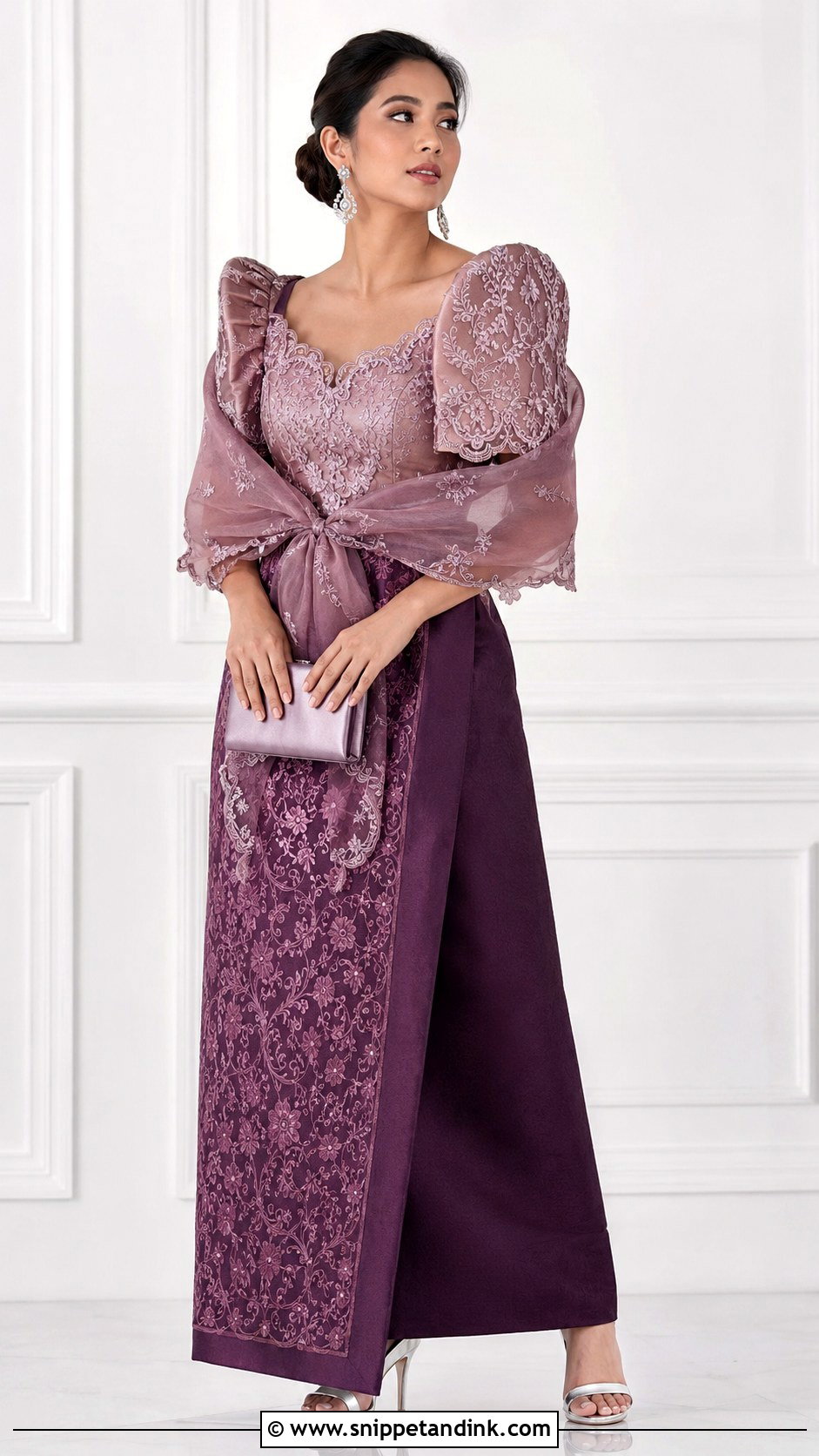
Plum looks formal, lavender delicate and mauve easy to wear. A long saya with soft movement, a sheer baro with floral embroidery and a pañuelo that frames the bodice without bulk suit all three. Silver, pearl or crystal go with cooler purples; gold goes with plum and aubergine. Shoes stay simple. The colour already feels special at pageants and cultural presentations, so control the volume of the skirt and let the tailoring carry it.
10. Embroidered Maria Clara Gown
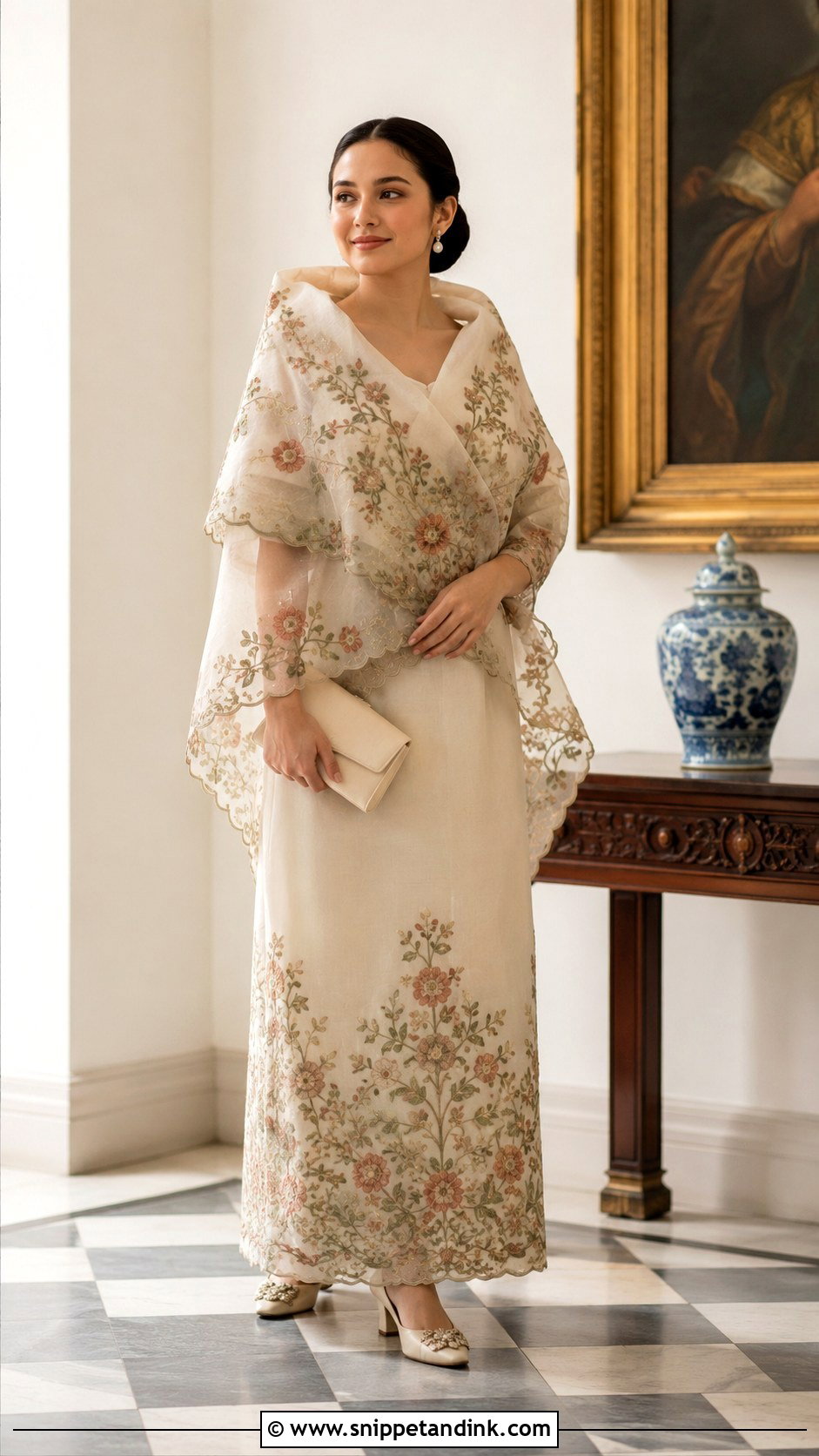
Embroidery is where Filipiniana craftsmanship shows. Floral, vine or geometric patterns can appear on the baro, sleeves, pañuelo and tapis, but rarely all four in the same weight. When the blouse is heavily stitched, I keep the saya plain. Ivory thread on cream reads classic; coloured thread feels festive. Hand embroidery takes time, so if you’re commissioning a piece, ask the maker for a realistic date rather than assuming weeks. Pearl earrings and a soft updo leave the stitching visible.
11. Lace Maria Clara Gown
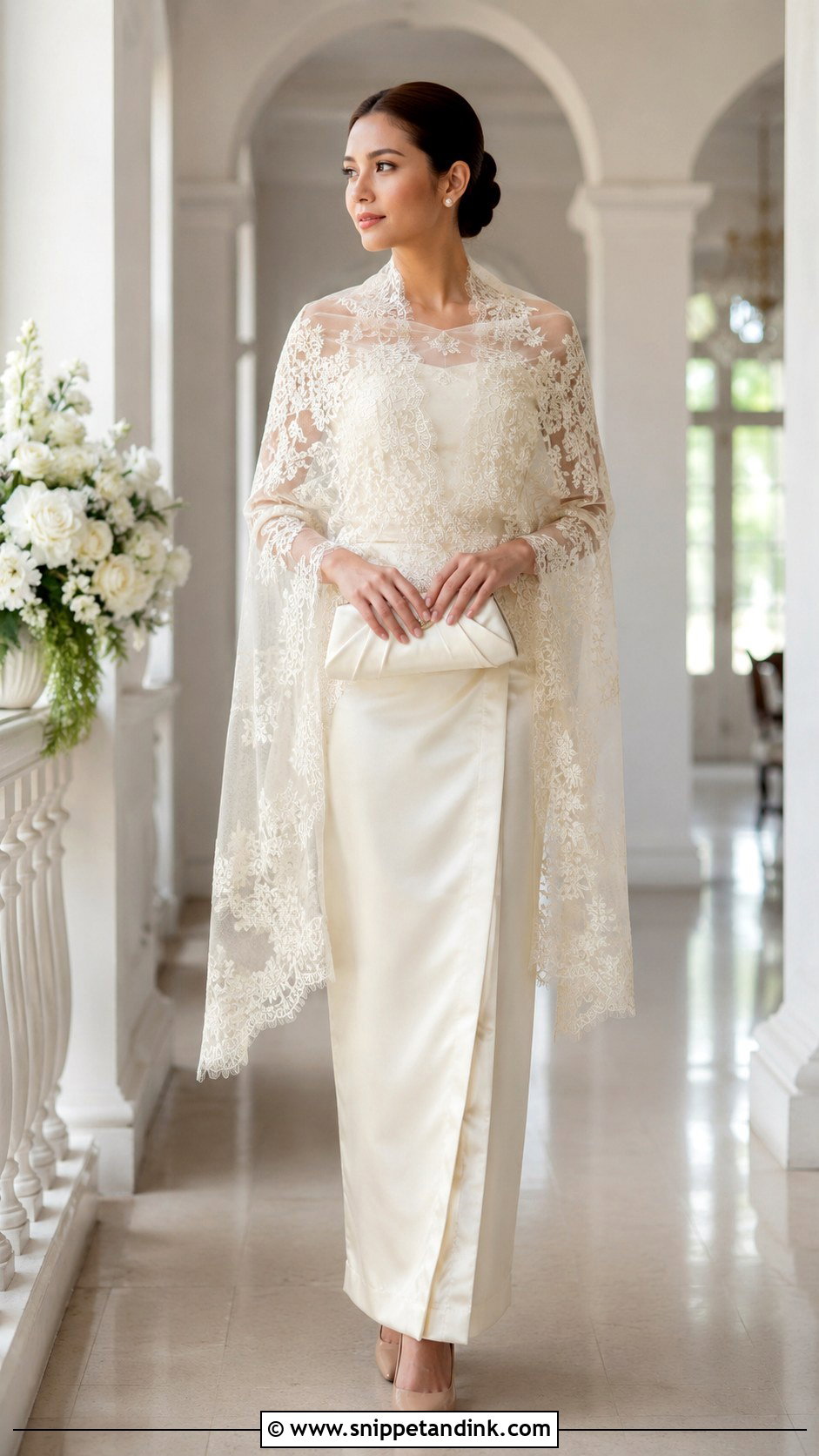
Lace gives the outfit a romantic surface. Floral lace, fine mesh embroidery or appliqué over a smooth inner layer all work on the baro, especially with butterfly sleeves and a plain satin or mikado saya. Keep the pañuelo in sheer lace or light organza; a heavy lace kerchief on top of a lace blouse feels bulky at the shoulders. Choose one lace feature to lead. A neat bun or half-up style keeps the detail in view for bridal events and graduation portraits.
12. Piña Maria Clara Gown
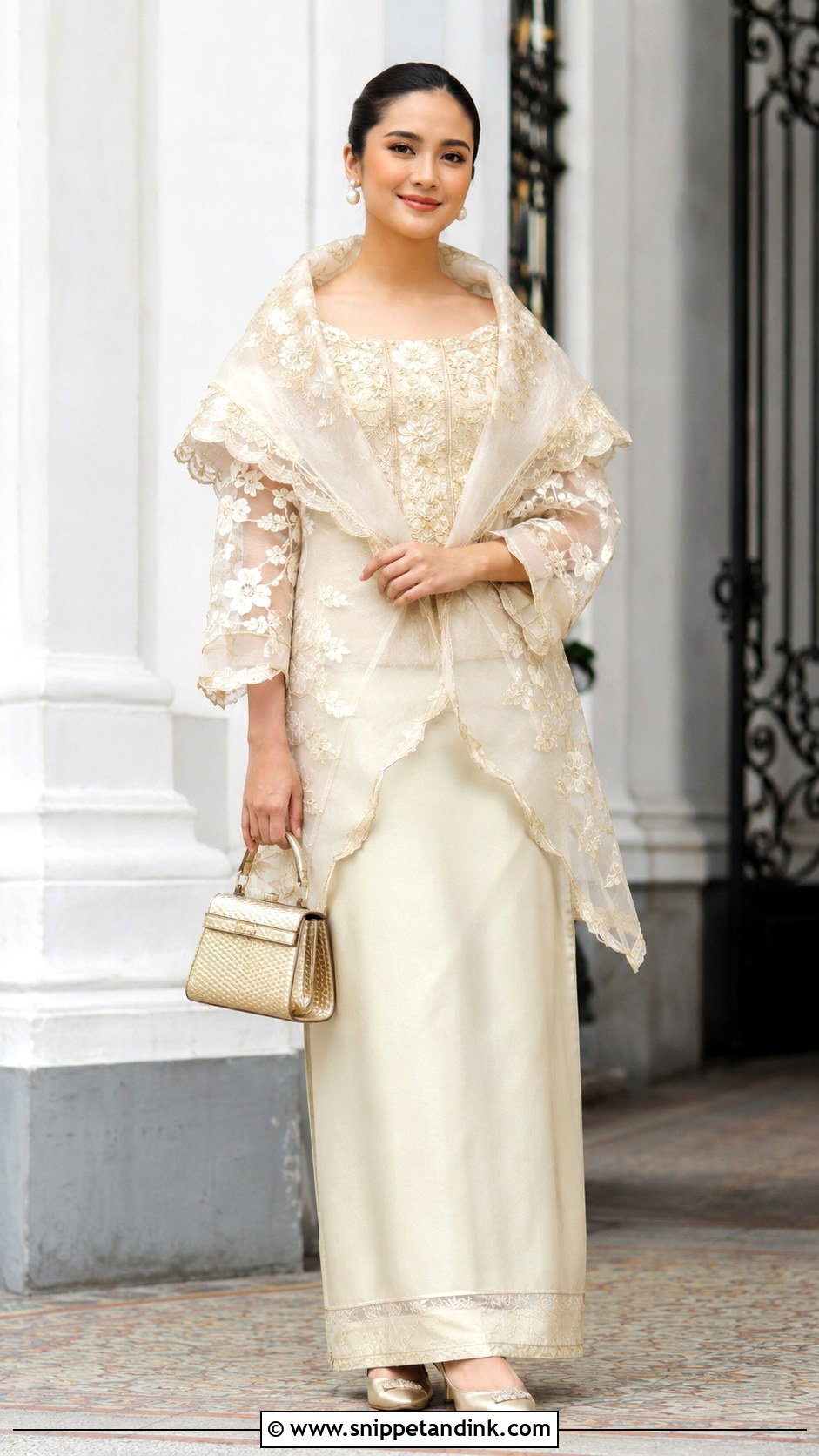
Real piña is woven by hand from pineapple leaf fibre. It is fine, slightly stiff and has a natural sheen, and piña-inspired fabrics try to copy that. Because the cloth is so sheer, a well-cut lining is essential. An ivory or natural-toned baro with hand-style embroidery, a soft pañuelo and a flowing saya in cream, beige or pale gold keeps it understated, and a woven tapis adds quiet depth. Pearl earrings and low metallic heels suit it. Genuine piña is costly and delicate, so many families keep it for the most important occasions.
13. Tapis Maria Clara Gown
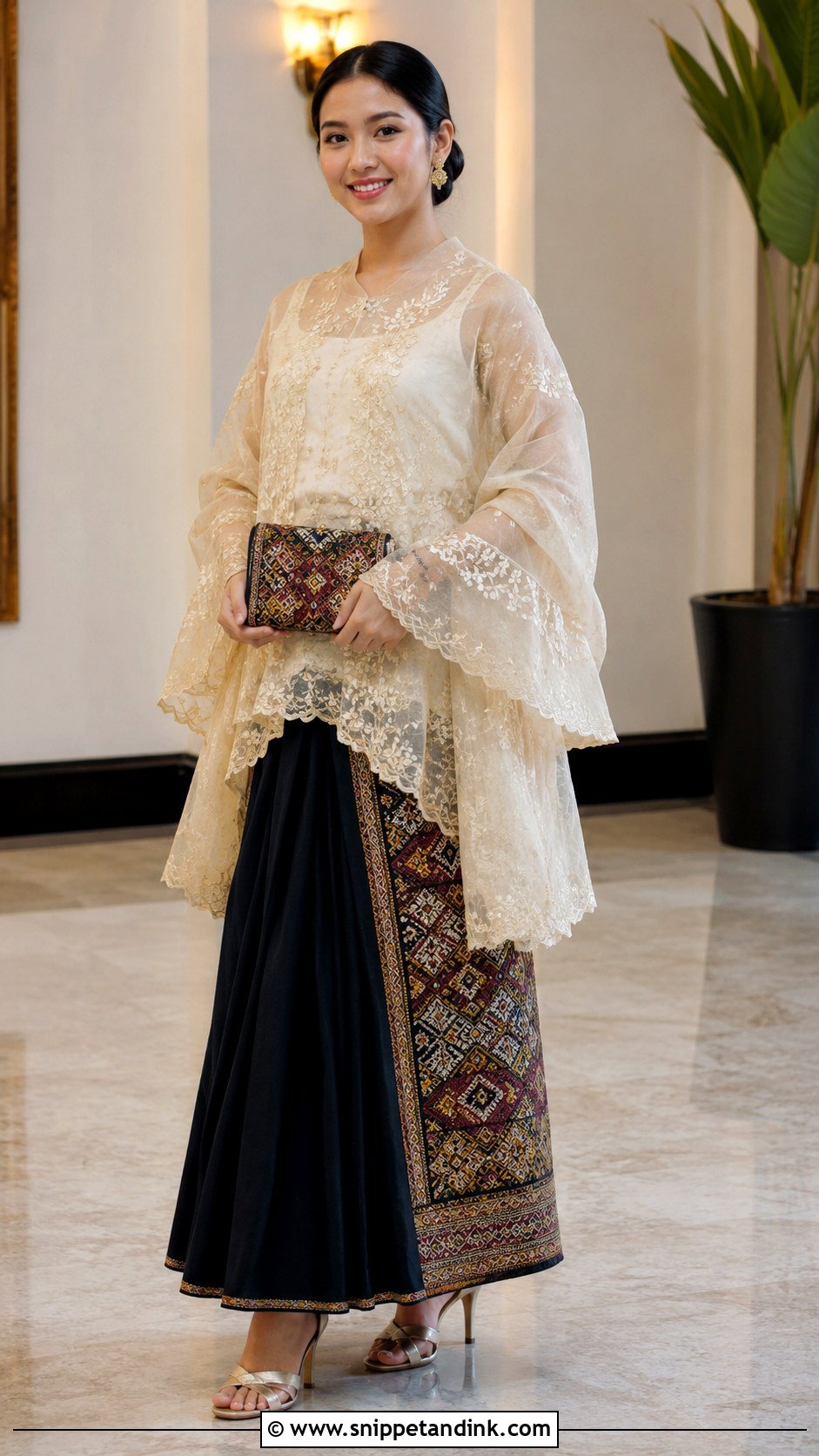
The tapis is one of the most recognisable parts of the outfit. It wraps over the saya and can be embroidered, woven, printed or beaded. A detailed tapis needs a simpler baro and skirt around it; a cream blouse, dark skirt and patterned tapis gives clear contrast. I always check how it is fastened. A tapis that relies on one hook at the side tends to twist when you sit, so ask for an extra hook or a few stitches to the saya. A clutch picking up a colour from the tapis ties things together.
14. Butterfly Sleeve Maria Clara Gown
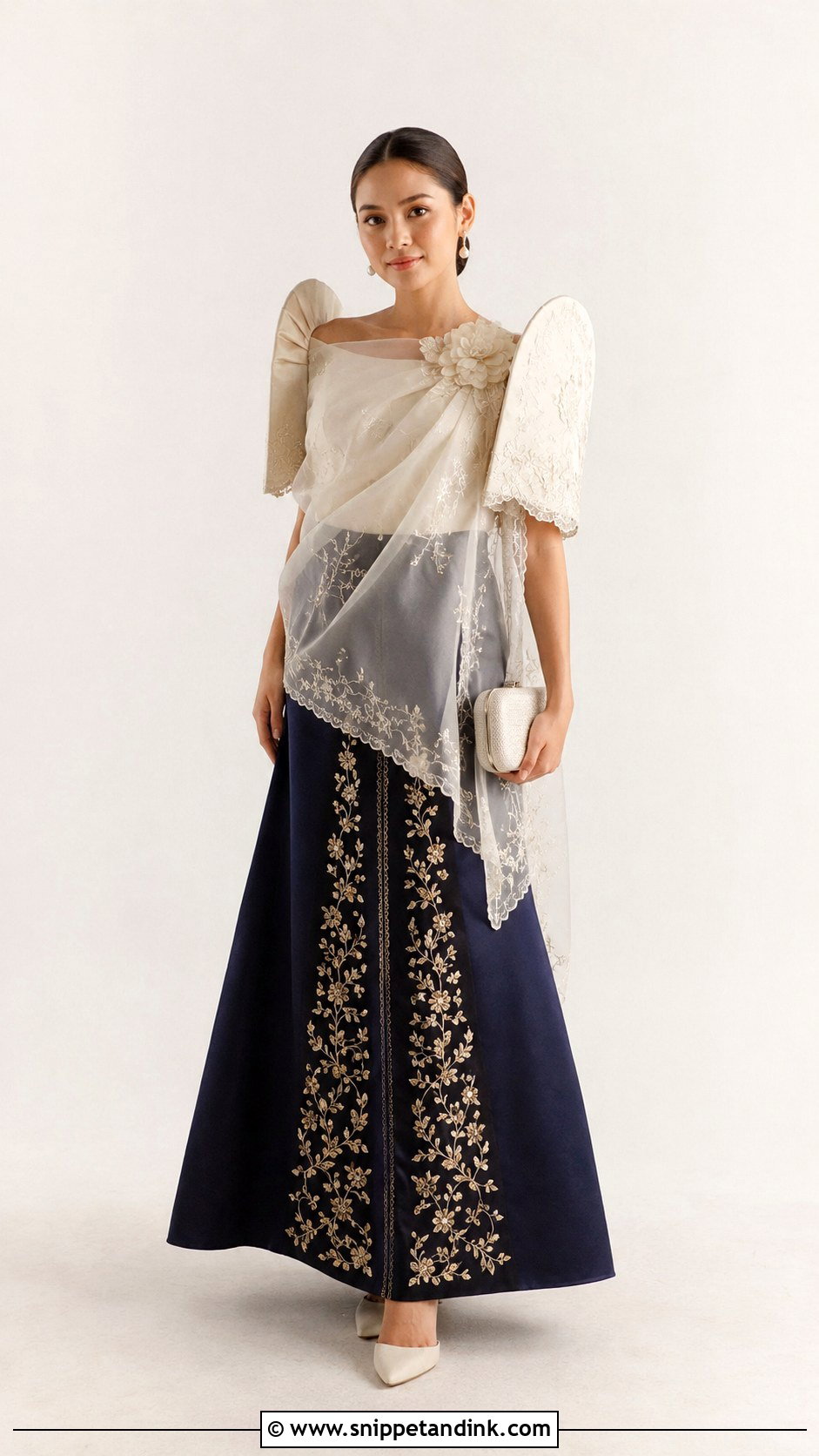
Butterfly sleeves are the strongest Filipiniana signal, and their size should suit your frame. On petite women, very tall sleeves can swamp the shoulders; on taller women, small ones can look timid. A butterfly sleeve Maria Clara gown pairs best with a long A-line or column saya, a sheer pañuelo and a slim tapis at the waist. Ivory, navy, blush and emerald suit it. Ask how the sleeves are stiffened; some stiffened fabrics soften in humidity and droop by evening.



15. Off White Maria Clara Gown
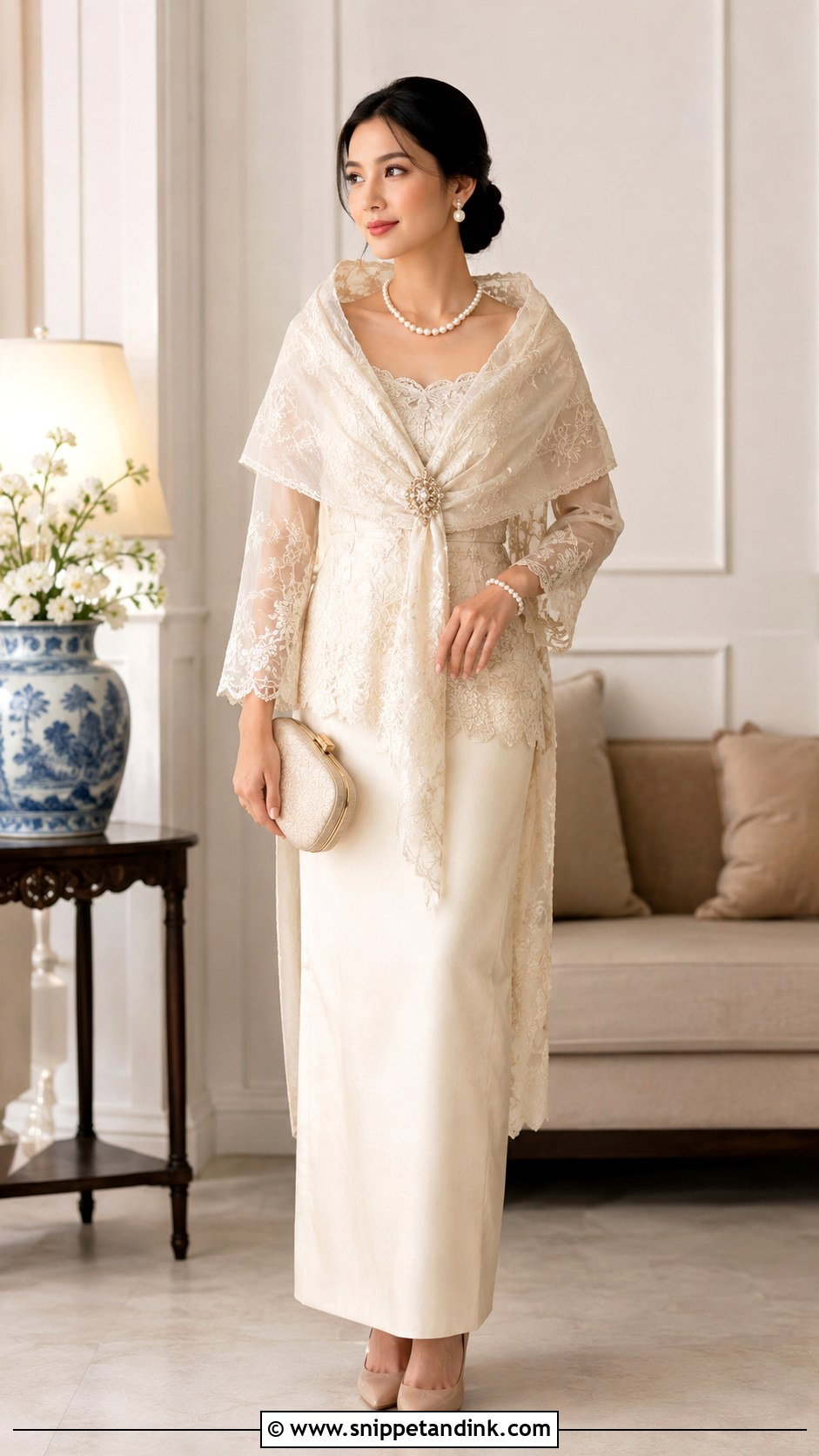
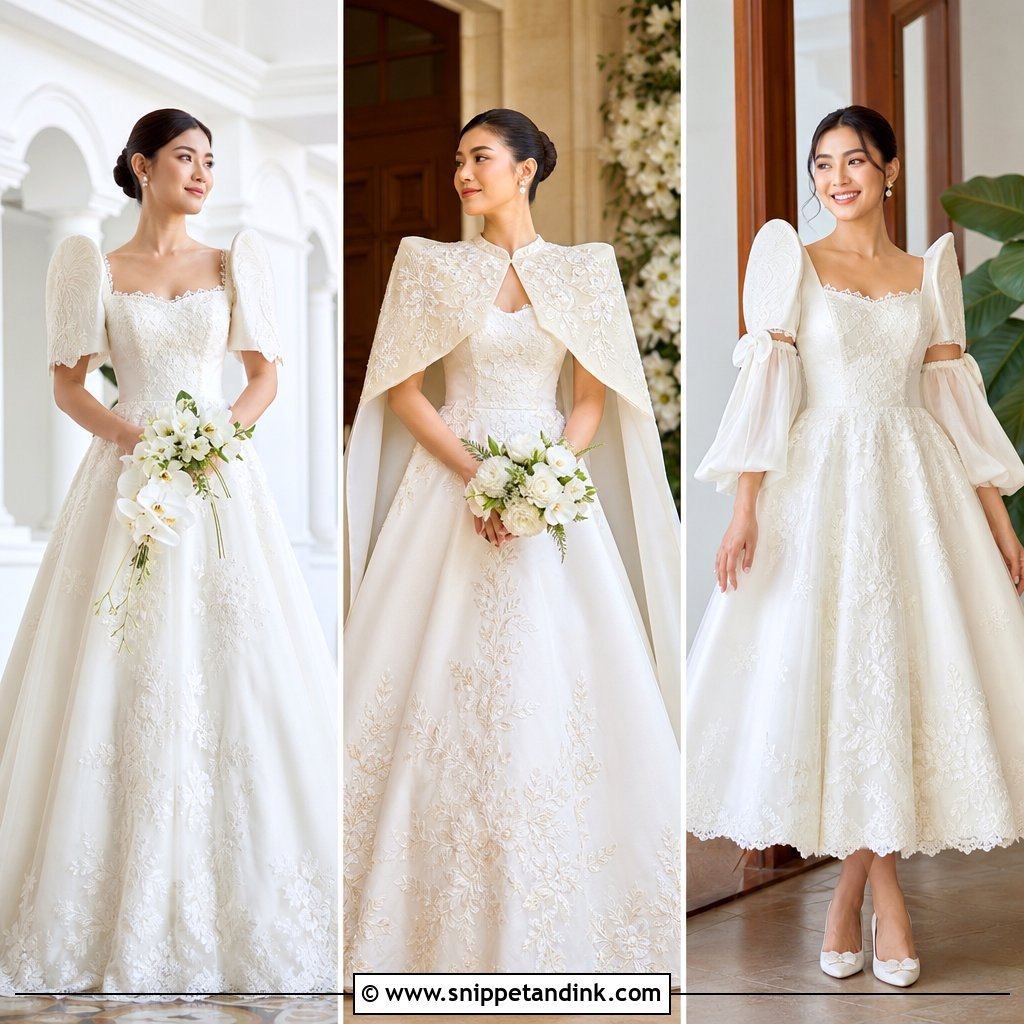
Off-white is softer than bright white and easier on most skin tones. Ivory, cream, ecru and pearl all flatter in photos. An embroidered sheer baro, a matching pañuelo and a smooth long saya with gentle volume make a calm set, and a tonal tapis adds tradition without breaking the palette. A low bun with a few loose pieces at the face keeps it relaxed enough for bridal showers and family portraits. Here, texture and fit replace colour as the interest.
16. Floral Maria Clara Gown
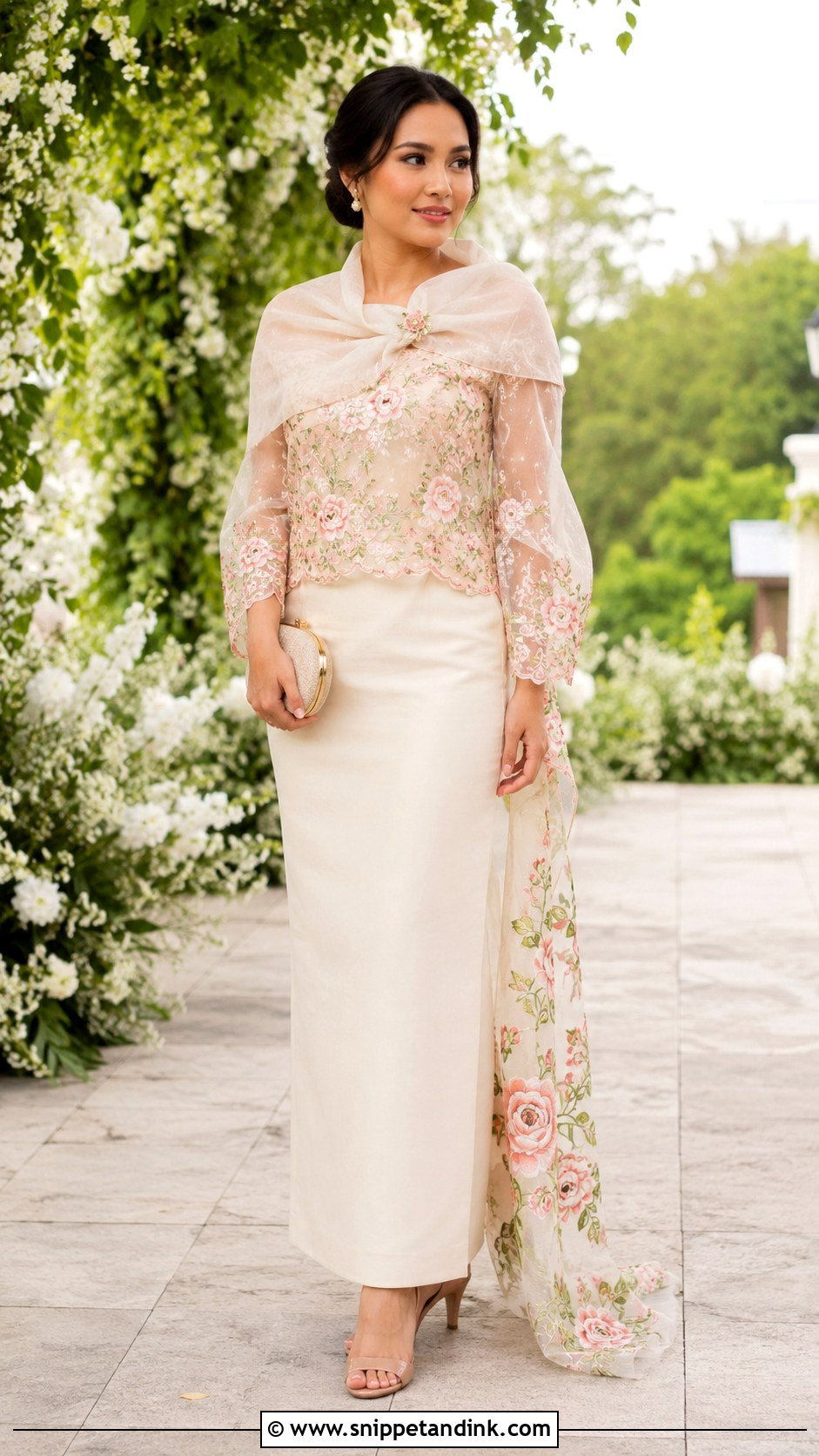
Florals freshen the shape. Embroidered flowers suit formal events; a light floral print suits daytime. A plain saya with floral details on the baro and pañuelo looks elegant, and a floral tapis looks more traditional. I place flowers near the neckline, sleeves or hem, where they draw the eye toward the face or give weight at the bottom. Spread across the middle, they tend to widen the figure. Nude heels and pearl earrings are enough for spring and summer gatherings.
17. Beaded Maria Clara Gown
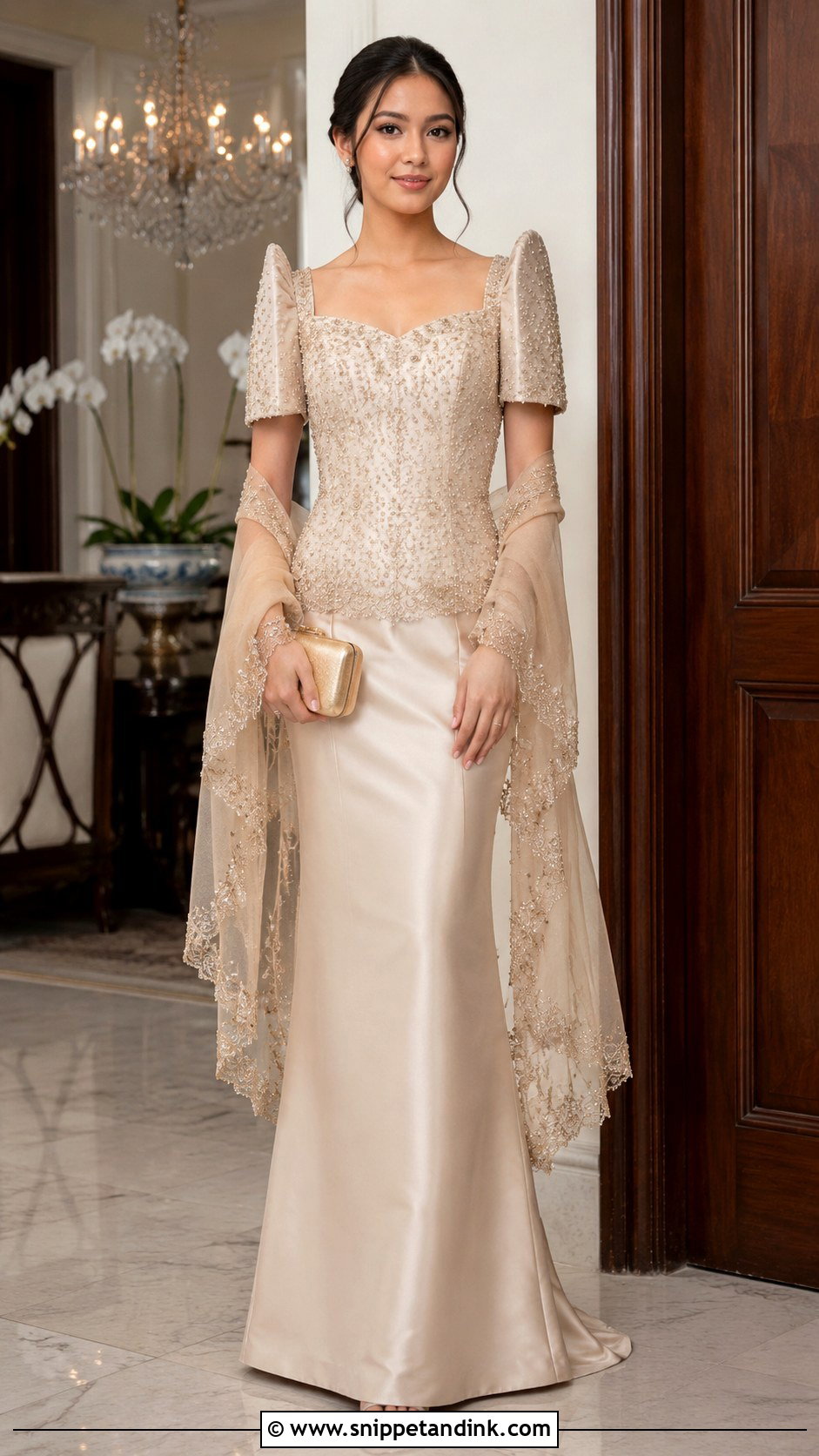
Beads catch light at evening events. I’d keep them to the bodice, sleeves, pañuelo edges or tapis rather than covering the whole gown, which gets heavy and uncomfortable. Weight is a real issue in the sleeves: dense beading pulls structured butterfly sleeves down, so ask the maker to bead them lightly. A champagne, ivory, navy or black base suits beadwork. Check every bead is secure at the seams before the event, since loose ones scatter. A sleek updo and small earrings are plenty.
18. Satin Maria Clara Gown
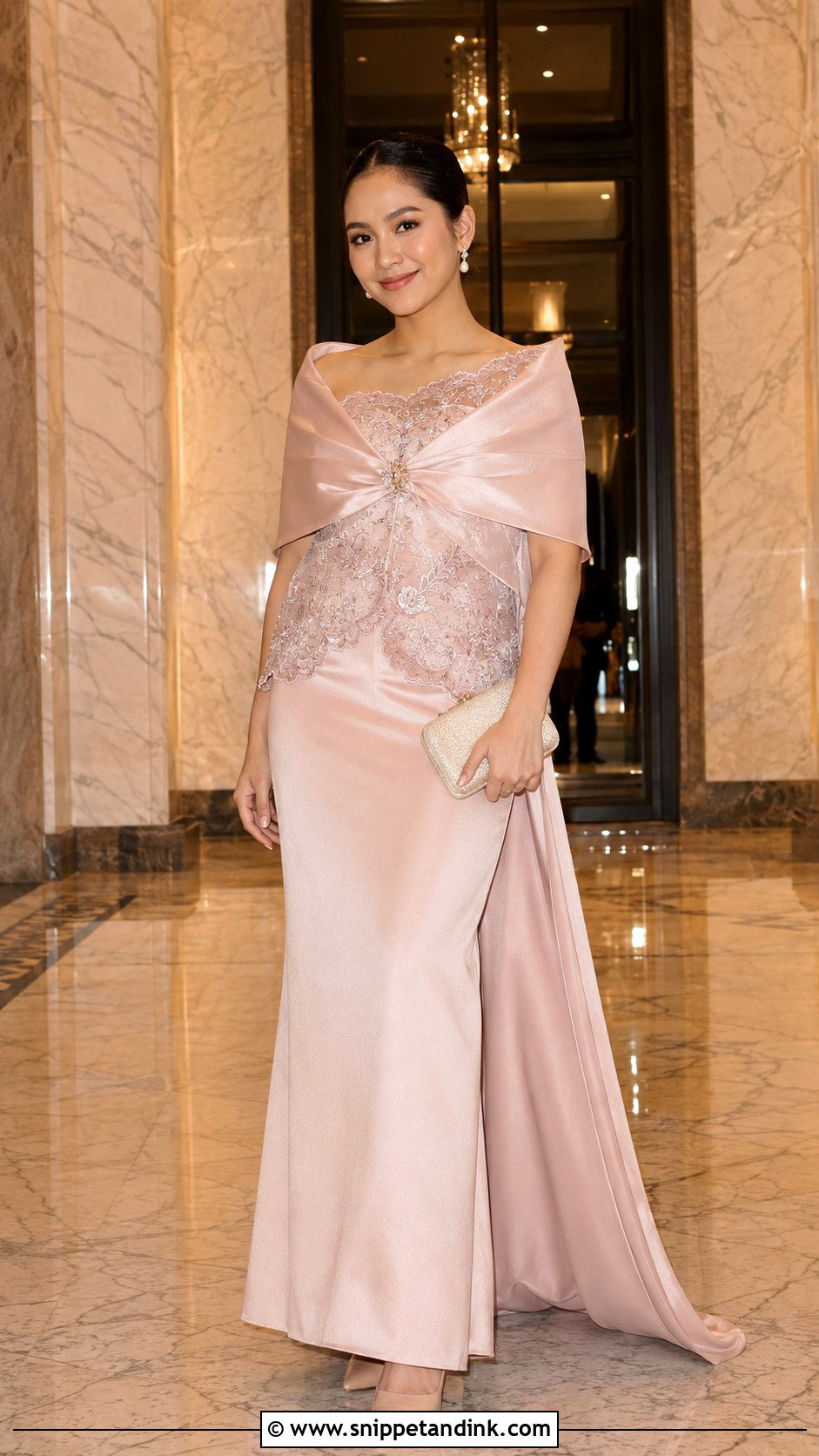
Satin suits the saya because it drapes smoothly and catches light without decoration. Pair it with a sheer organza or embroidered baro for contrast, plus a structured pañuelo and simple tapis to keep it traditional. Champagne, blush, navy, emerald and ivory look rich in satin. It does wrinkle across the lap after long sitting, so a good lining helps, and steaming before photos helps more. Pointed heels and pearls suit graduation balls and family celebrations.
19. Sheer Maria Clara Gown
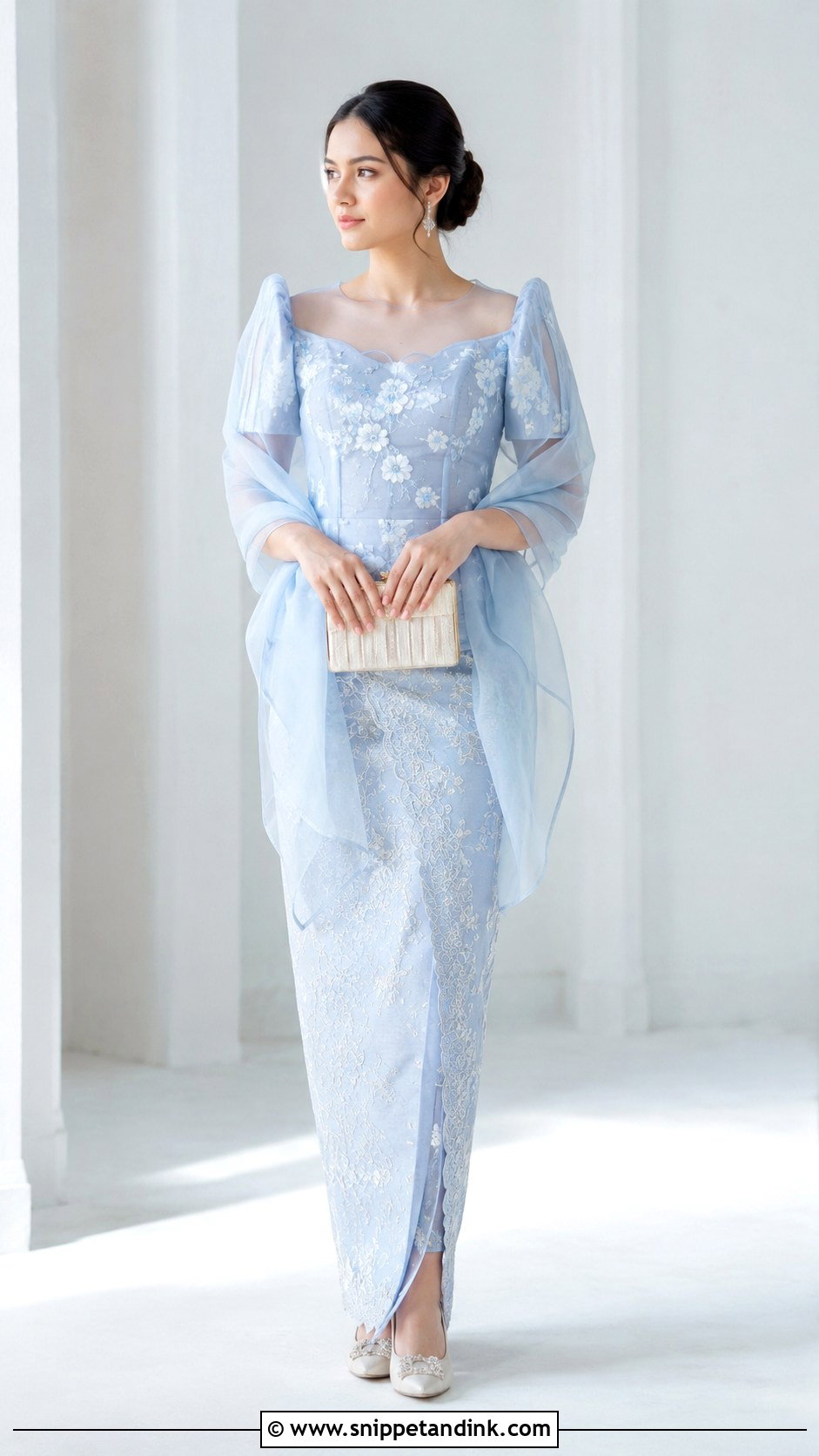
Sheer layers only look right when the lining is planned. The baro, sleeves and pañuelo can be organza, jusi-style fabric or fine embroidered mesh, while a skin-toned inner layer keeps everything modest. A solid saya in satin, crepe or woven fabric grounds it. Ivory, blush, pale blue and champagne suit this airy style. Under strong flash, some sheer fabrics become more transparent than they look in a mirror, so take a quick phone photo with flash at your fitting.
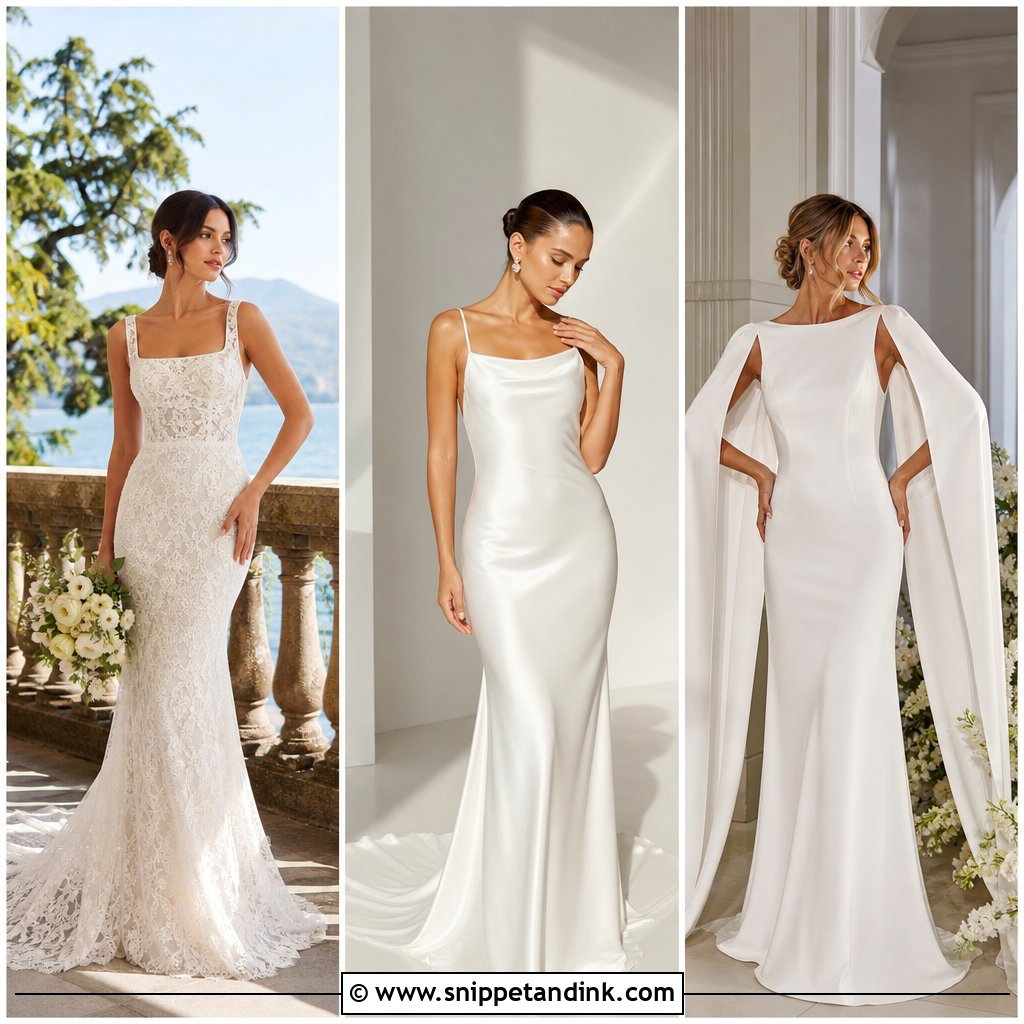
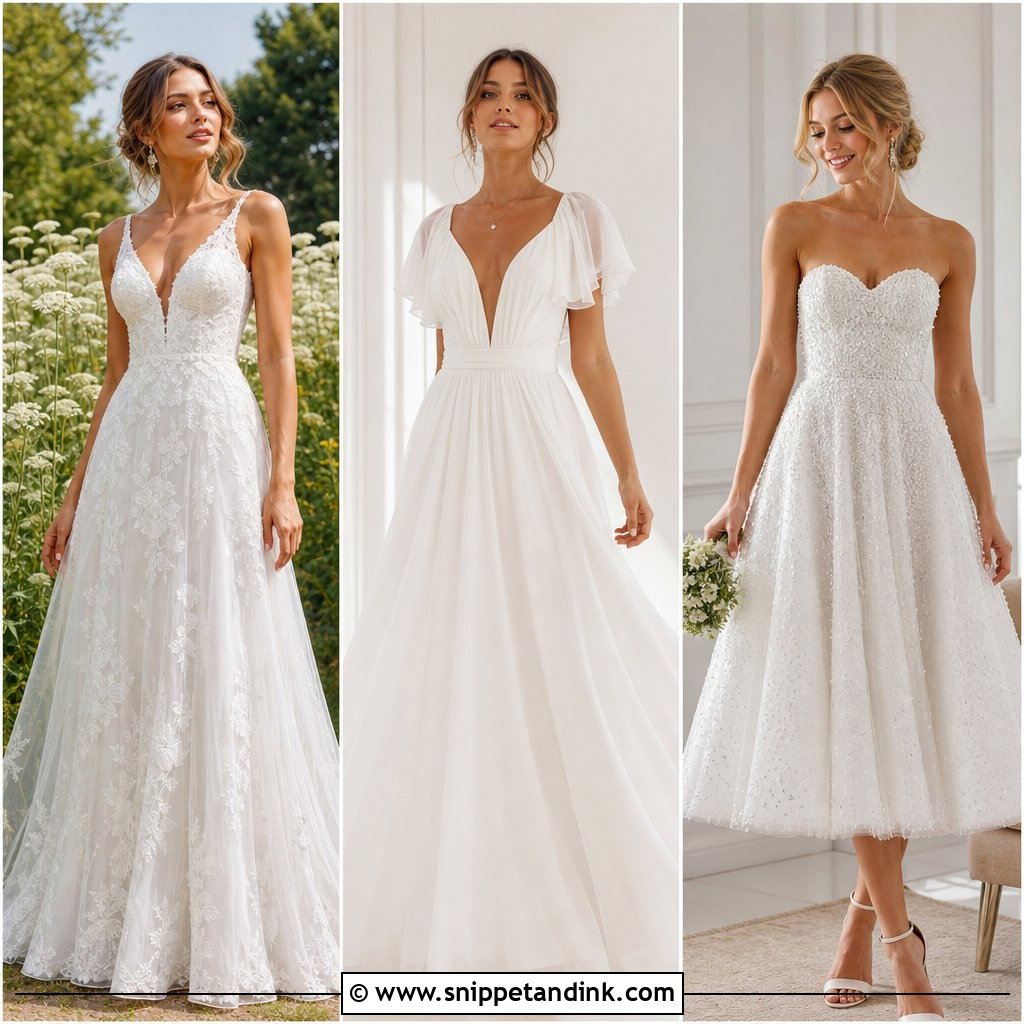

20. Simple Maria Clara Gown
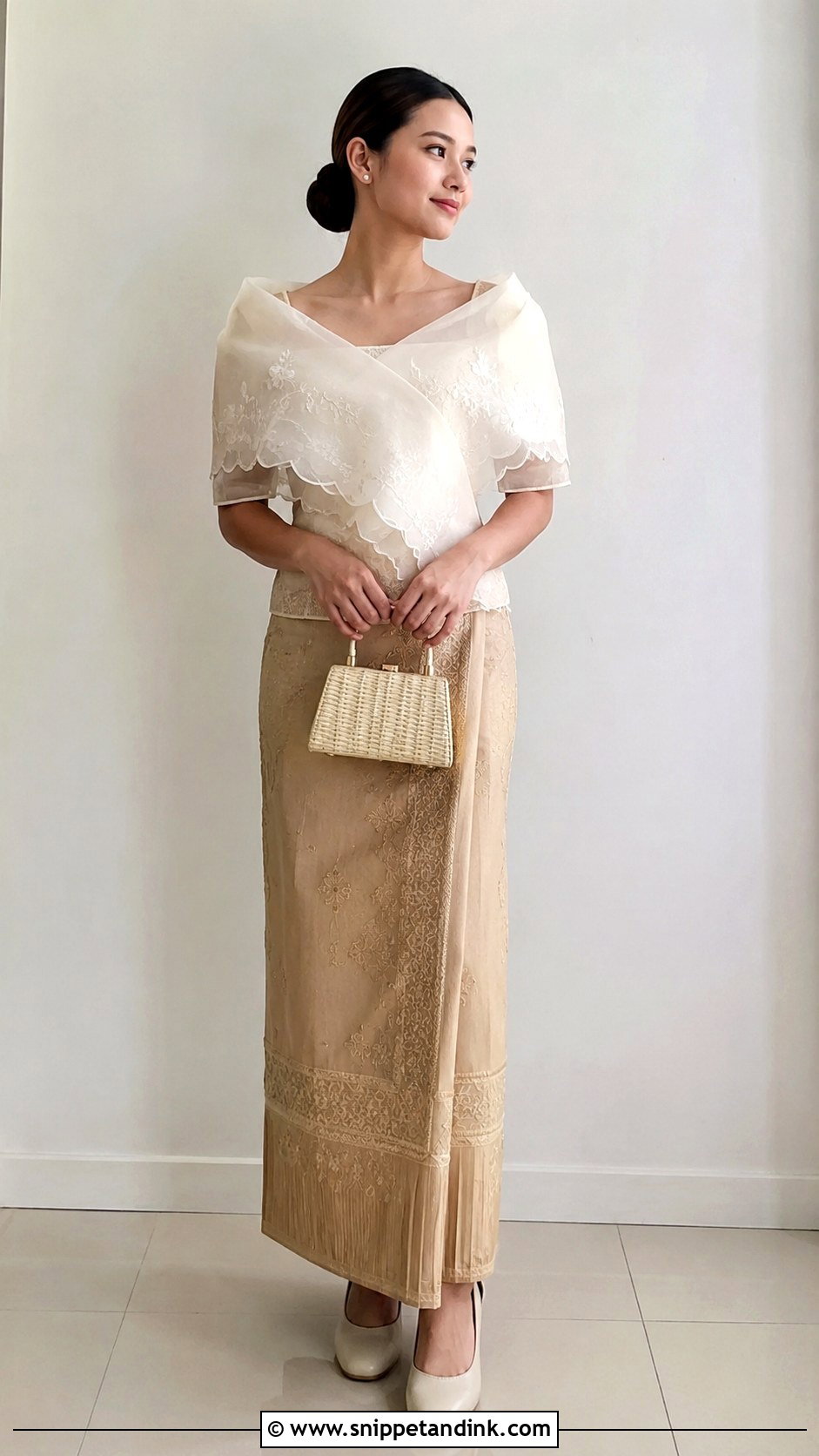
Plain gowns rely completely on fit. A clean baro, plain long saya, soft pañuelo and subtle tapis in one colour family look respectful at school events, graduations and family occasions. Ivory, beige, navy, black and sage work well. Comfortable block heels or low pumps help on a long day. Spend the budget on tailoring, especially at the shoulders where the pañuelo sits, and the result will look more refined than a heavily decorated gown that fits badly.
21. Traditional Maria Clara Gown
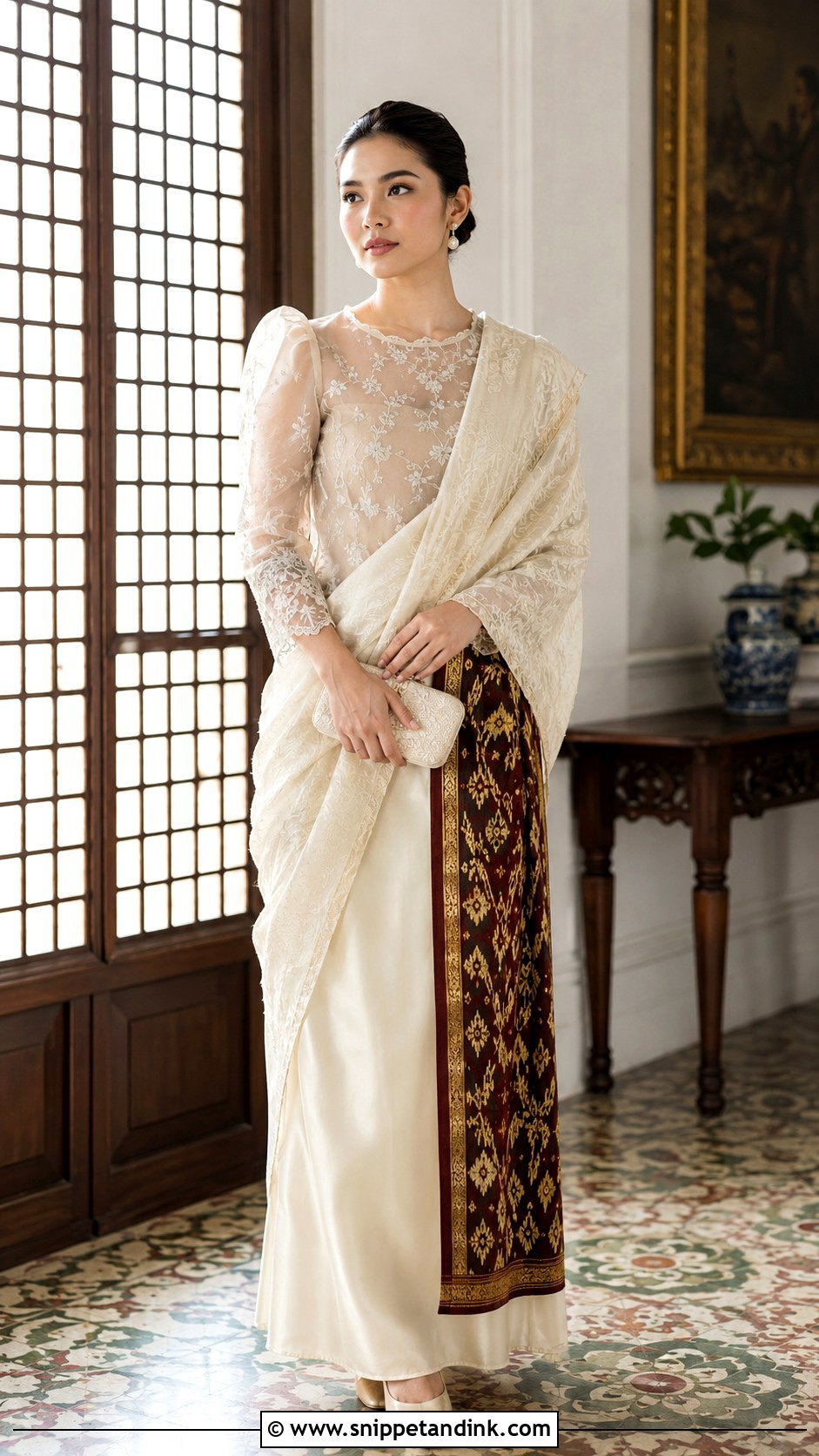
A full traditional set includes all four pieces: a sheer embroidered baro, a long full saya, a carefully folded pañuelo and a tapis for contrast or texture. Ivory, cream, beige and soft brown are classic, though deeper colours feel formal too. The pañuelo is the piece most often worn wrong. It should be folded into a triangle and pinned neatly at the front so it lies flat, not bunched at the neck. With so much volume, proportion matters; balance the waist, shoulders and hem before adding jewellery.
22. Bridal Maria Clara Gown
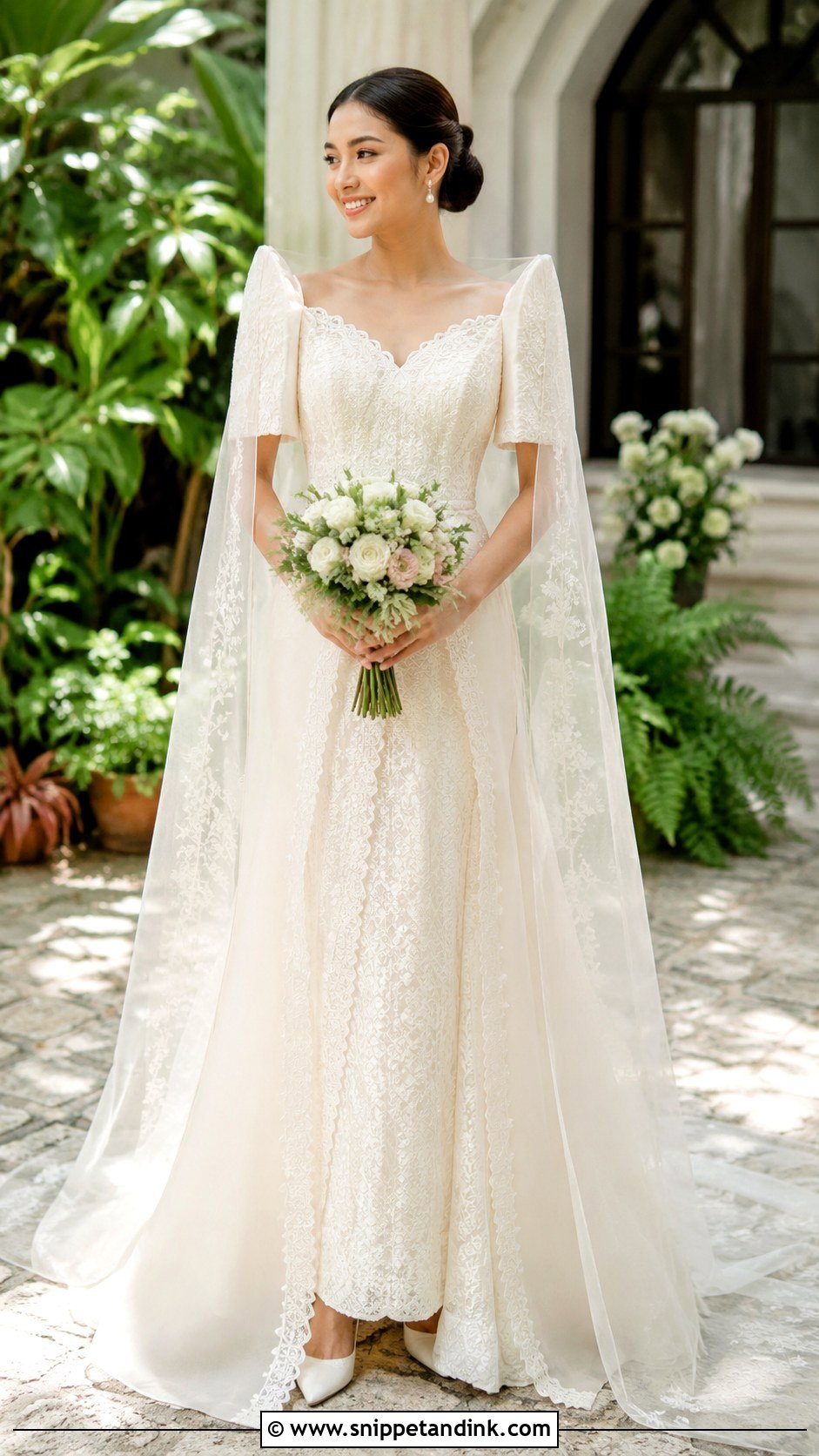
A bridal Maria Clara gown lets a bride wear her heritage on the day. Ivory, pearl white or soft champagne with delicate embroidery, a sheer pañuelo and a floor-length saya make the base. A small train adds drama, but keep it short enough to walk and greet guests without a helper. A veil works too, if it is light enough not to flatten the butterfly sleeves. A small bouquet sits better than a large one, which would hide the embroidery.
23. Graduation Maria Clara Gown
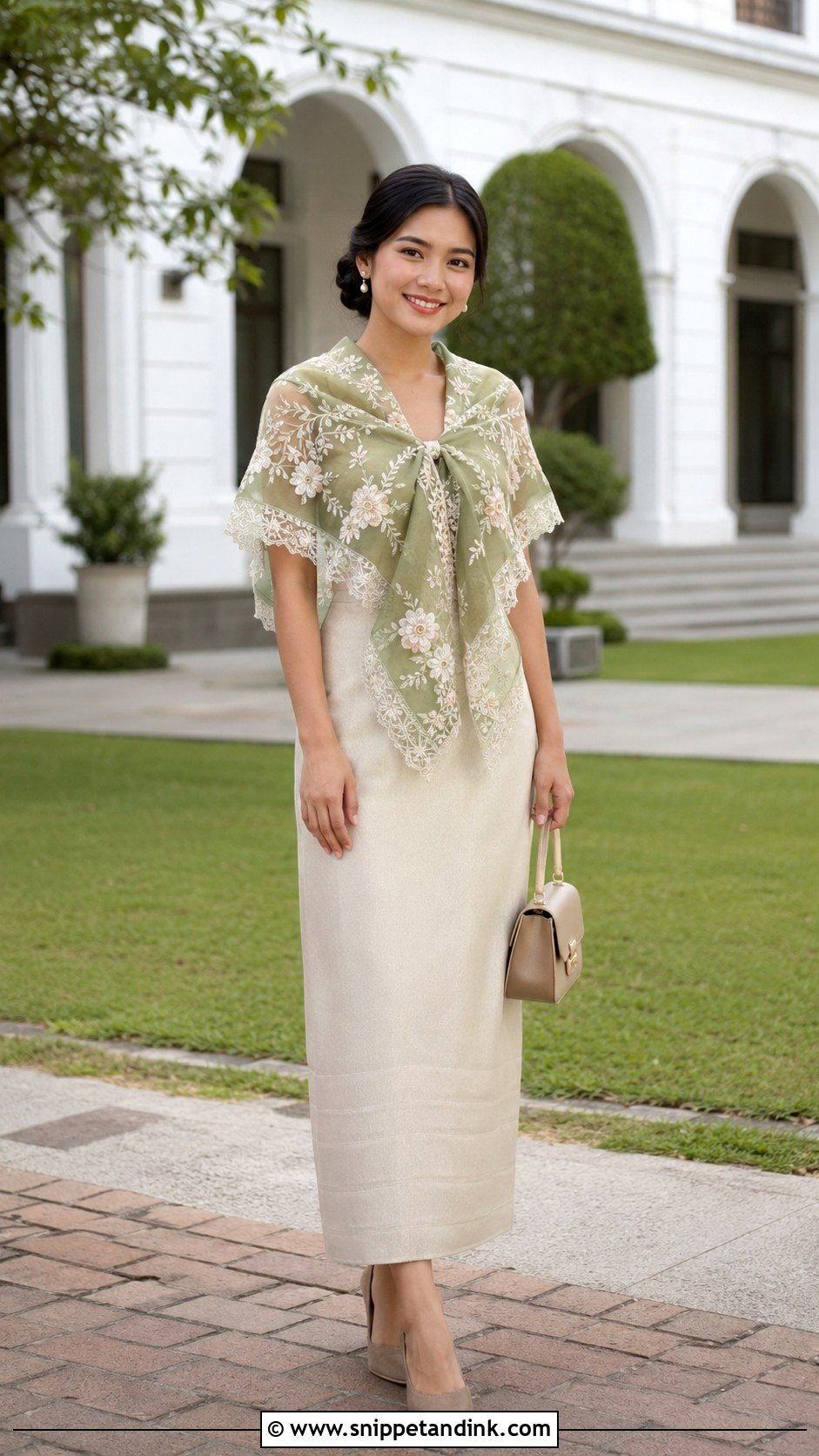
A graduation Maria Clara gown often goes under or beside a toga, which changes the choices. Lighter fabric, a neat skirt and sleeves that hold shape without bulk work best; very tall sleeves crush under academic robes. Ivory, blush, navy, sage and soft blue photograph well. A simple pañuelo and minimal tapis keep it tidy. Wear stable heels or dressy flats for the stage walk, and keep hair low enough for the cap to sit properly.
24. Plus Size Maria Clara Gown
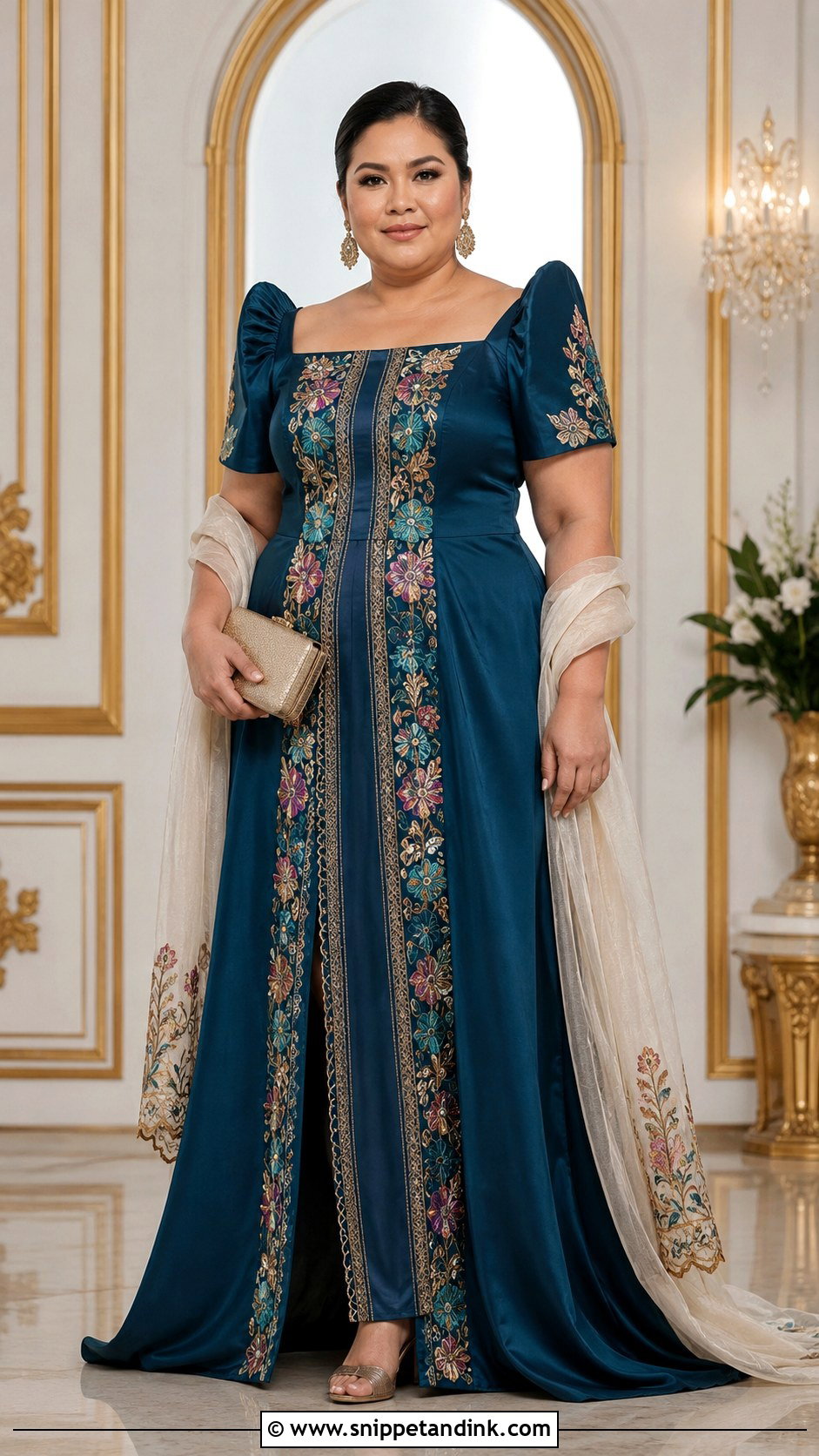
Fit is the whole story for plus sizes. A defined waist, smooth lining and a skirt that flows away from the body without stiff bulk work best. Butterfly sleeves should be structured but sized to the frame, and the pañuelo should frame the neckline softly rather than add width. Dark jewel tones, ivory, champagne and blush all suit, and vertical embroidery lengthens. Ask for adjustable seam allowance in the bodice, so the fit can be fine-tuned close to the event. The aim is balance and confidence.


25. Minimalist Maria Clara Gown
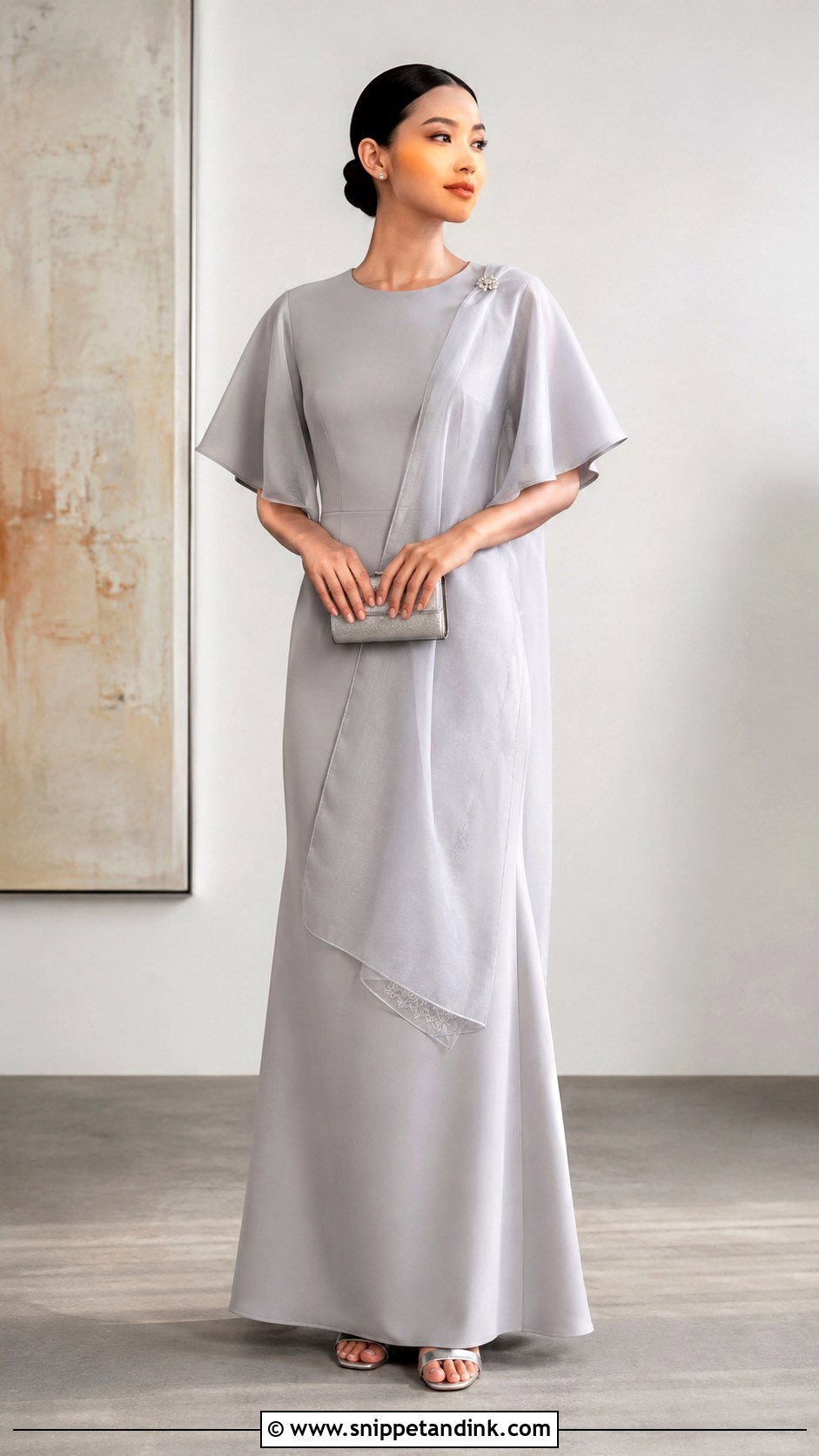
Minimalism keeps the structure and drops the decoration. One colour, smooth fabric, little embellishment: a slim A-line saya, structured butterfly sleeves and a simple sheer pañuelo. Ivory, black, beige, navy and soft grey suit it. With no embroidery to hide behind, seams must be straight and the sleeves symmetrical, so I check them in a mirror from both sides. A polished bun or straight hair tucked behind the ears finishes it for dinners, ceremonies and portraits.
Packing a Sheer Baro So It Survives the Next Decade
Many Maria Clara pieces become family pieces. Delicate sheer fabrics and hand embroidery need gentler storage than an ordinary gown.
- Have the baro and pañuelo cleaned by someone experienced with piña and embroidery. Ask before any washing at home.
- Store piña and sheer pieces flat or loosely rolled in acid-free tissue, not hung for years, which stretches the fabric at the shoulders.
- Keep them in a breathable cotton bag away from damp. Humidity encourages mould spots on natural fibres.
- Pad the butterfly sleeves with tissue so they hold their shape instead of crushing flat.
- Remove metal pins and hooks used for the pañuelo before storing; they can rust and stain.
If you plan to lend the gown to a sister or daughter later, note the alterations made inside the seam allowance. It makes resizing much simpler for whoever wears it next.
Take everything out once a year, let it air in shade and refold it along new lines. Sharp creases left in piña for years can turn into small splits, and checking yearly lets you catch a loose thread or early spot before it spreads.
Occasion First, Then Fabric, Then Colour
Filipiniana dressing can be strictly traditional or quite pared back. A full set of baro, saya, pañuelo and tapis honours the original form; a modern gown with cleaner lines suits lighter occasions. Colour, fabric, embroidery, sleeve shape and accessories each shift the mood. Think about the occasion first, then the heat and how long you’ll wear it, then the colour. White, gold, florals, satin, lace or a plain minimalist gown can all carry the same sense of heritage when the fit is right.
You'll Like These Ideas:



Leave a Reply