
Most of the Orthodox brides I dress arrive with the same worry: that a covered gown will look like a compromise. It doesn’t have to. High necklines, long sleeves, fully lined lace, heavy satin skirts, soft veils and long trains are all ordinary bridal tools, and good tailoring makes them look intended rather than added on. What decides the right gown is your ceremony, your family’s customs, the season, your build, and how long you’ll be standing, walking and greeting people. Each idea below is styled from head to toe, with veil, shoes, jewelry and flowers, so you can see the whole picture before you shop.
What the Ceremony Itself Asks of Your Gown
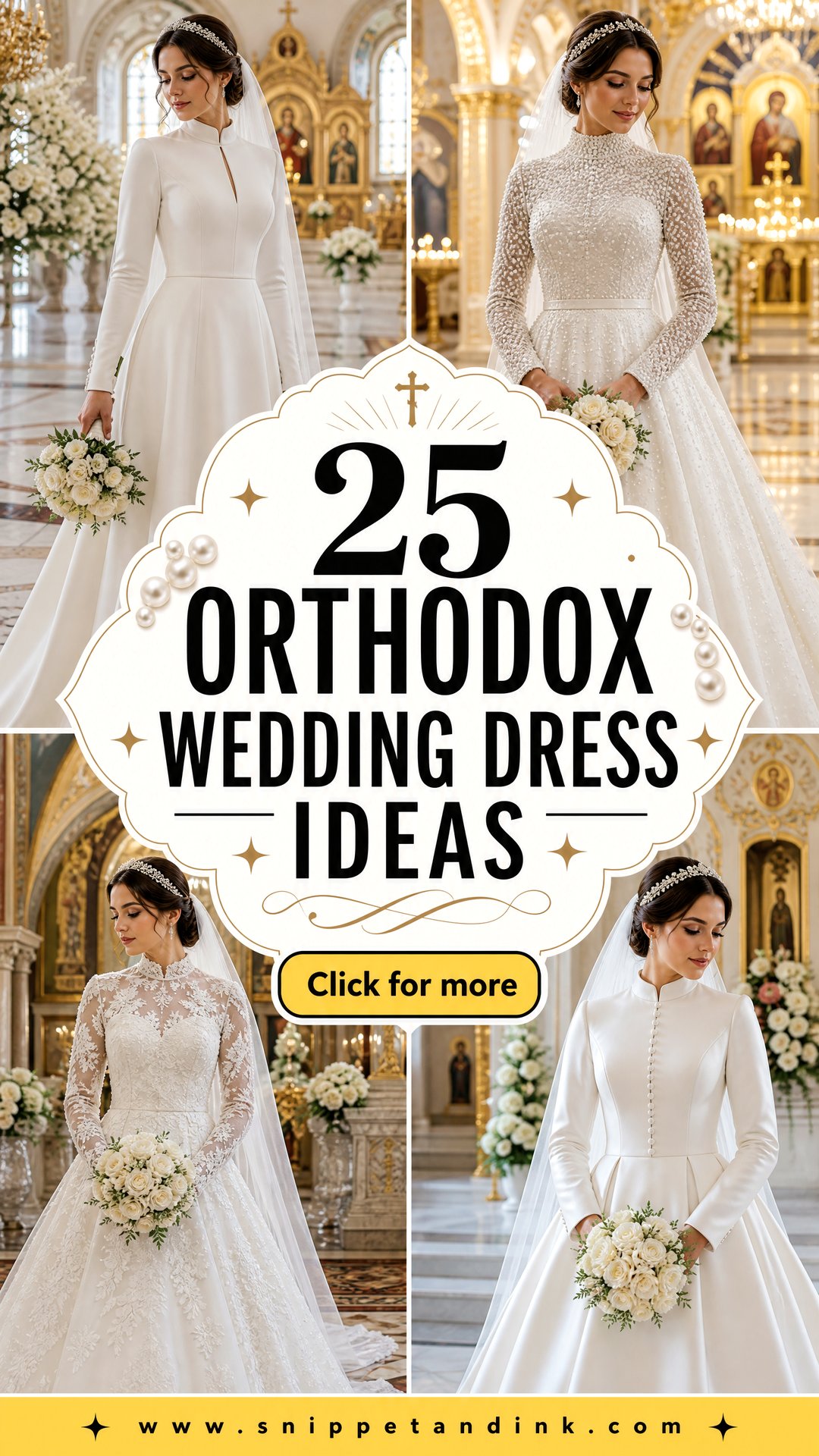
The word Orthodox covers more than one tradition, and the ceremony shapes the dress as much as the coverage rules do. Before I pull a single sample, I ask the bride to check with her priest or rabbi what is expected, because rules vary between parishes and communities. Some ask for covered shoulders only; others expect sleeves past the elbow, a collar that covers the collarbone and a hem below the knee.
Eastern Orthodox crowning service
The couple wears crowns during the service, holds lit candles and walks around a small table three times. That means your hairstyle and veil need room for a crown on top, your sleeves sit close to an open flame, and your skirt and train must turn in a tight circle. I keep lace cuffs away from the wrist and ask the bride to rehearse the walk in her shoes.
Orthodox Jewish ceremony
At the veiling, the groom lowers the veil over the bride’s face, so the veil must be sheer enough to see through and long enough to drape in front. Many brides then circle the groom under the chuppah several times, so a heavy train or narrow mermaid skirt becomes hard work. Ask the officiant how close you’ll stand and how much room there is to move.
1. Orthodox Long Sleeve Lace Wedding Dress
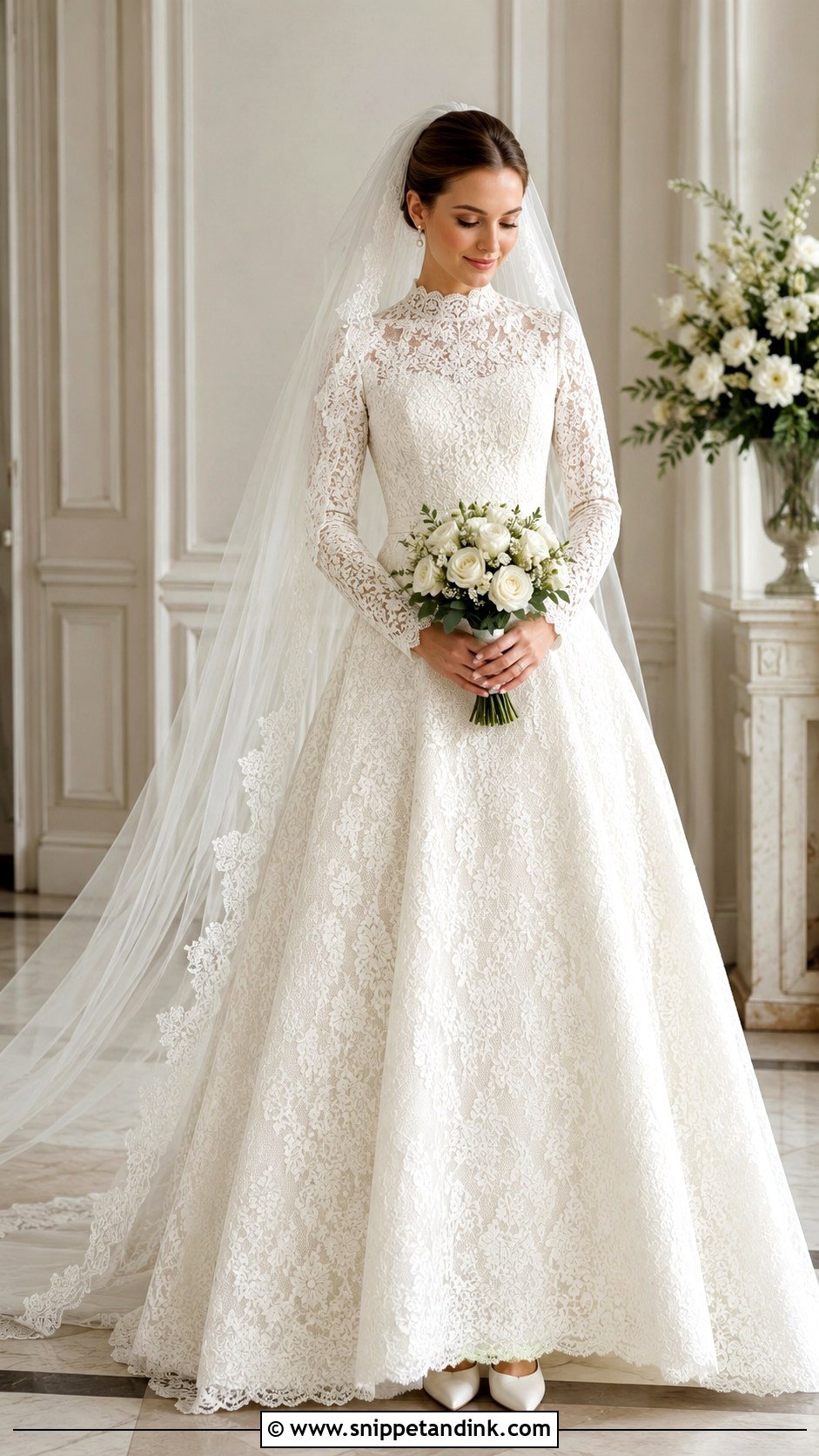
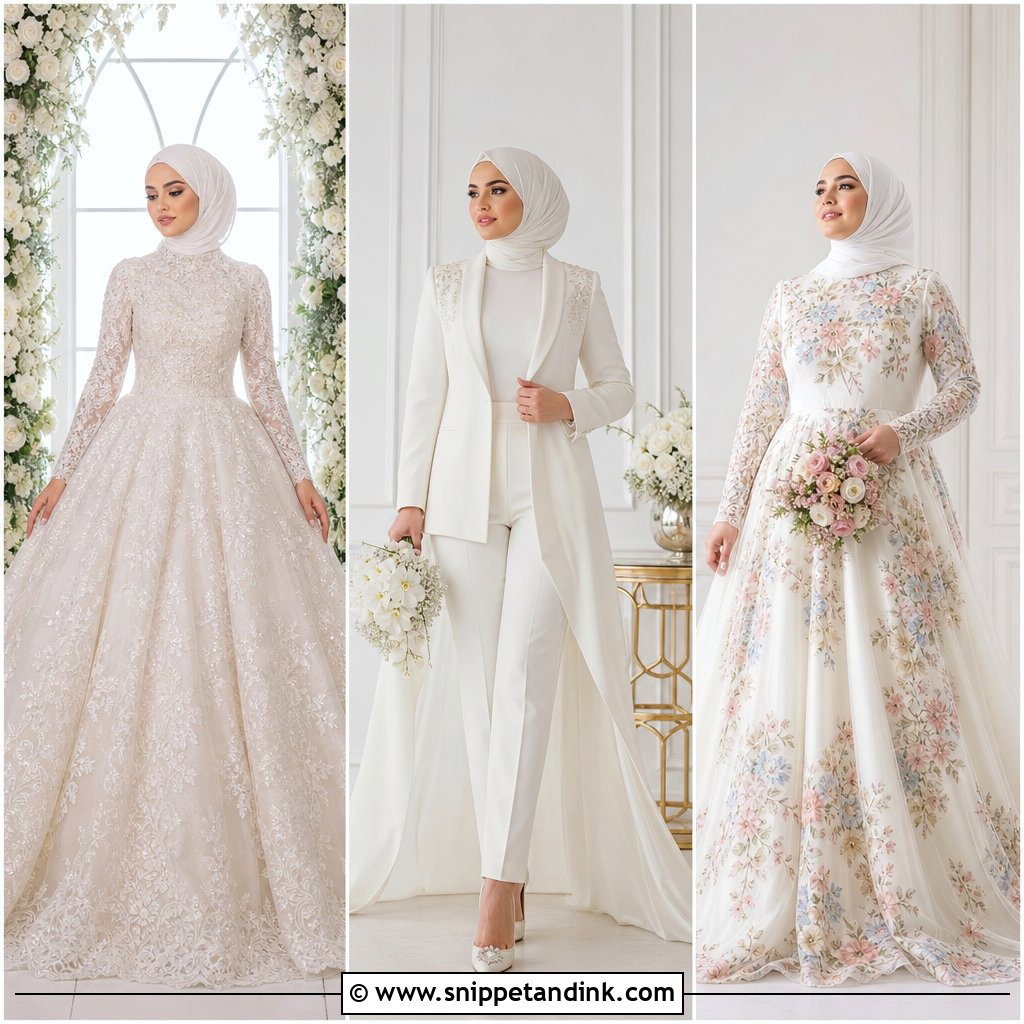
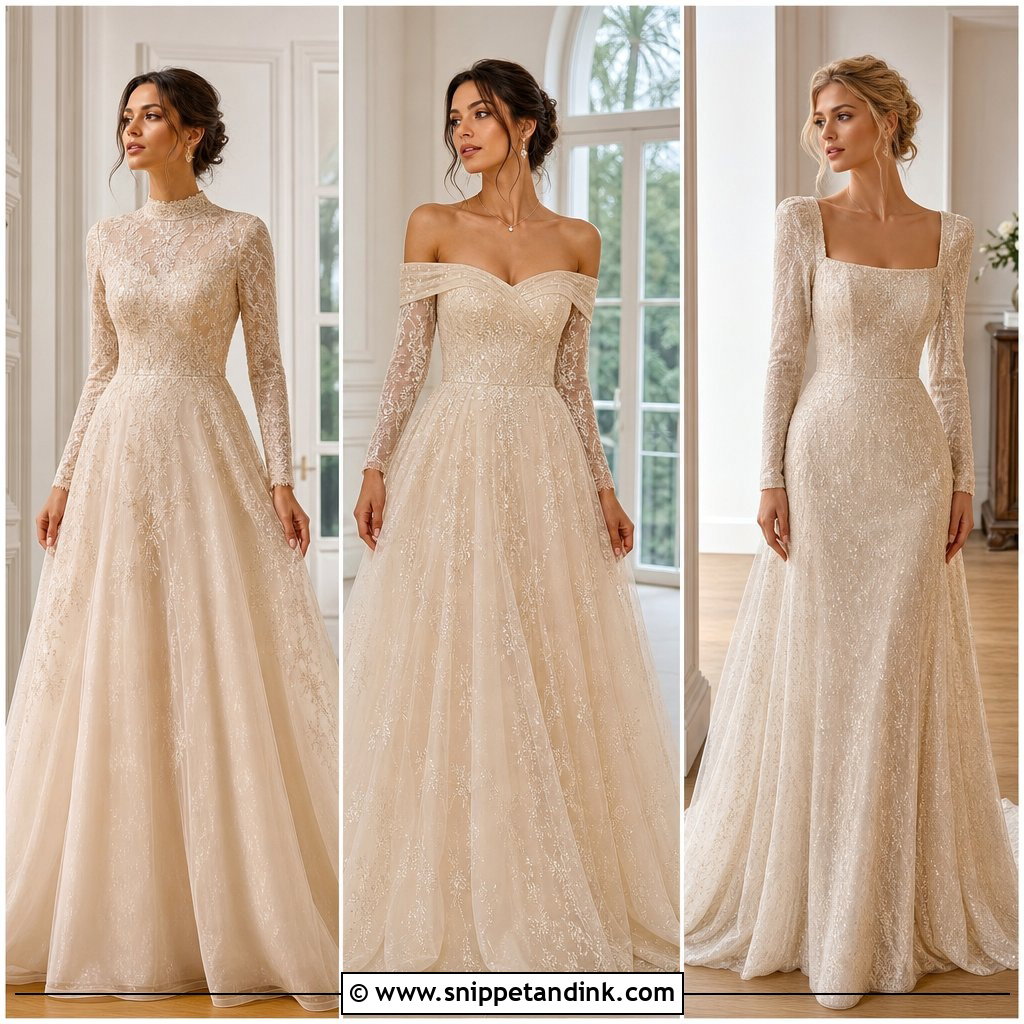
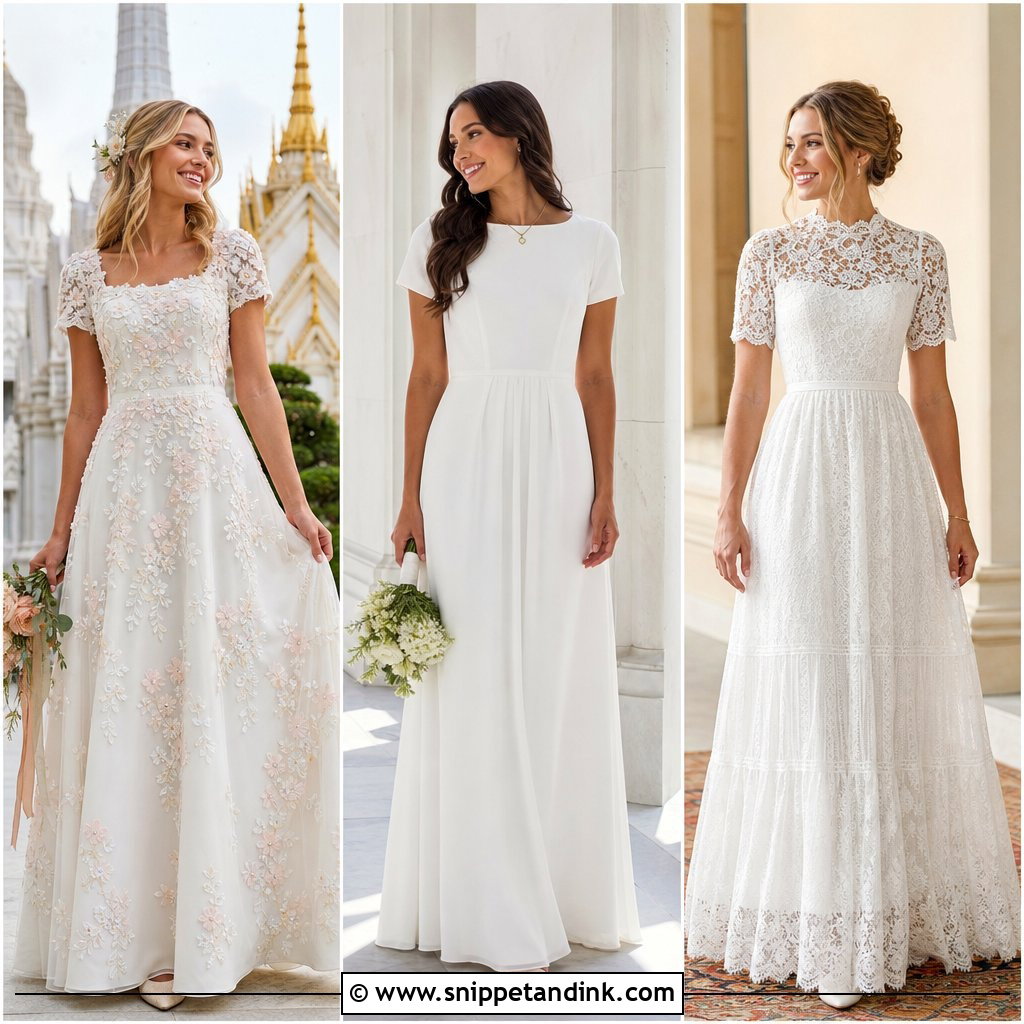
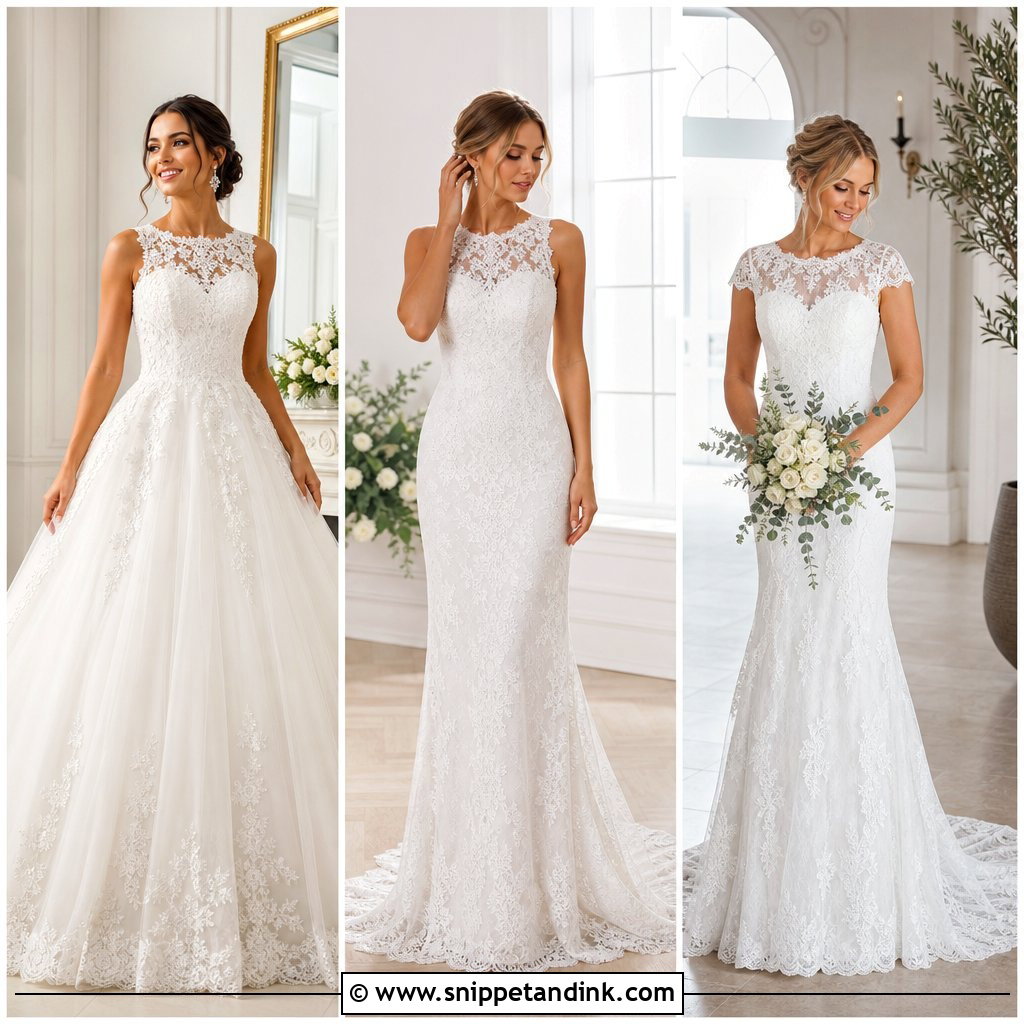
Long lace sleeves are the look most families picture first, and they earn that place. I start with a fully lined lace bodice, a high neckline and fitted sleeves over an A-line or soft ball gown skirt. Ivory lace over a skin-tone lining reads as bare skin in photos, so I ask for a lining matched to the lace instead. Finish with a fingertip or cathedral veil, pearl drops, satin pumps and a small bouquet of white roses. At fittings, raise both arms above your head: lace sleeves set too tight at the armhole will pull the whole bodice up.
2. Orthodox Satin Ball Gown Wedding Dress
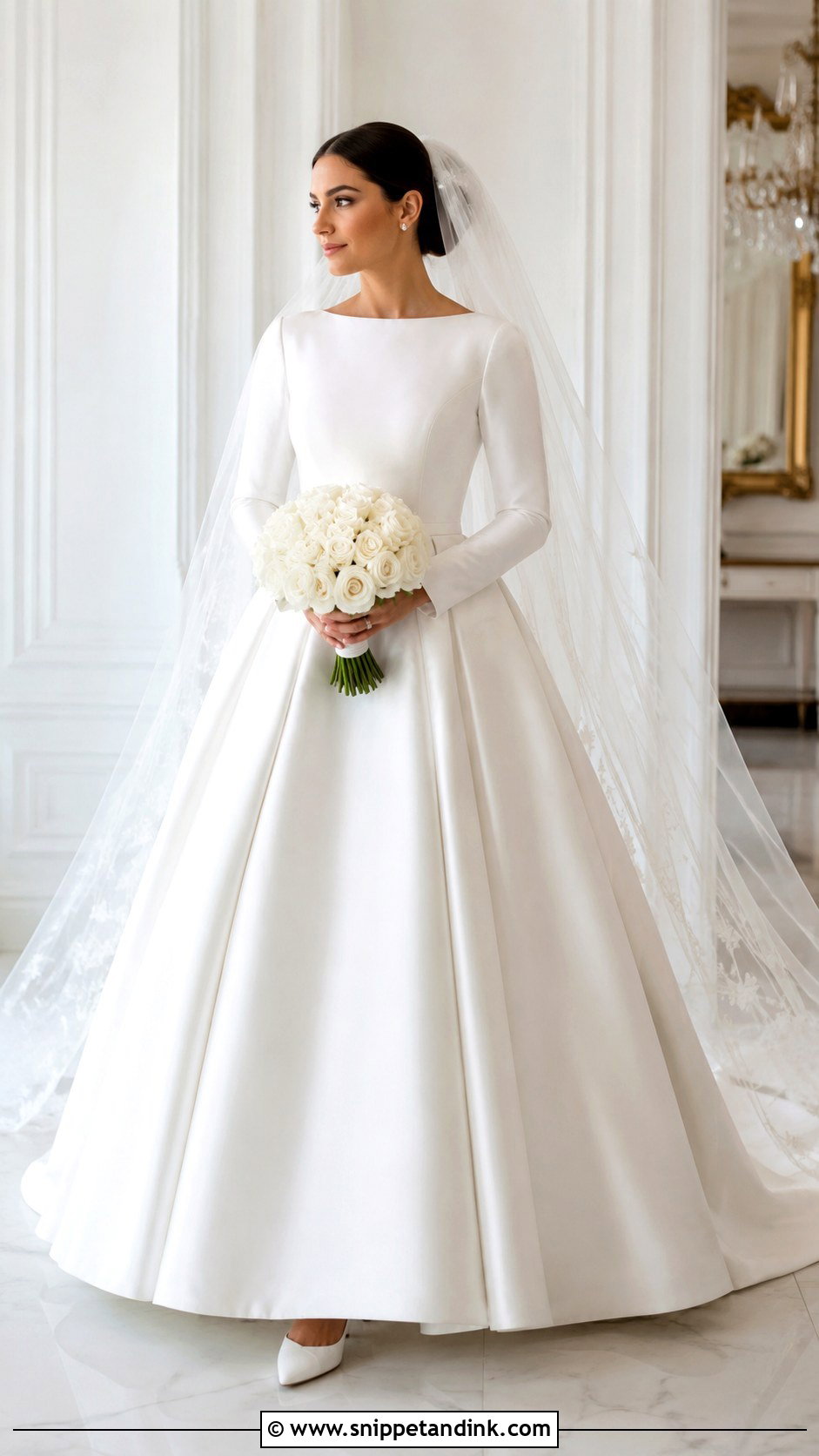
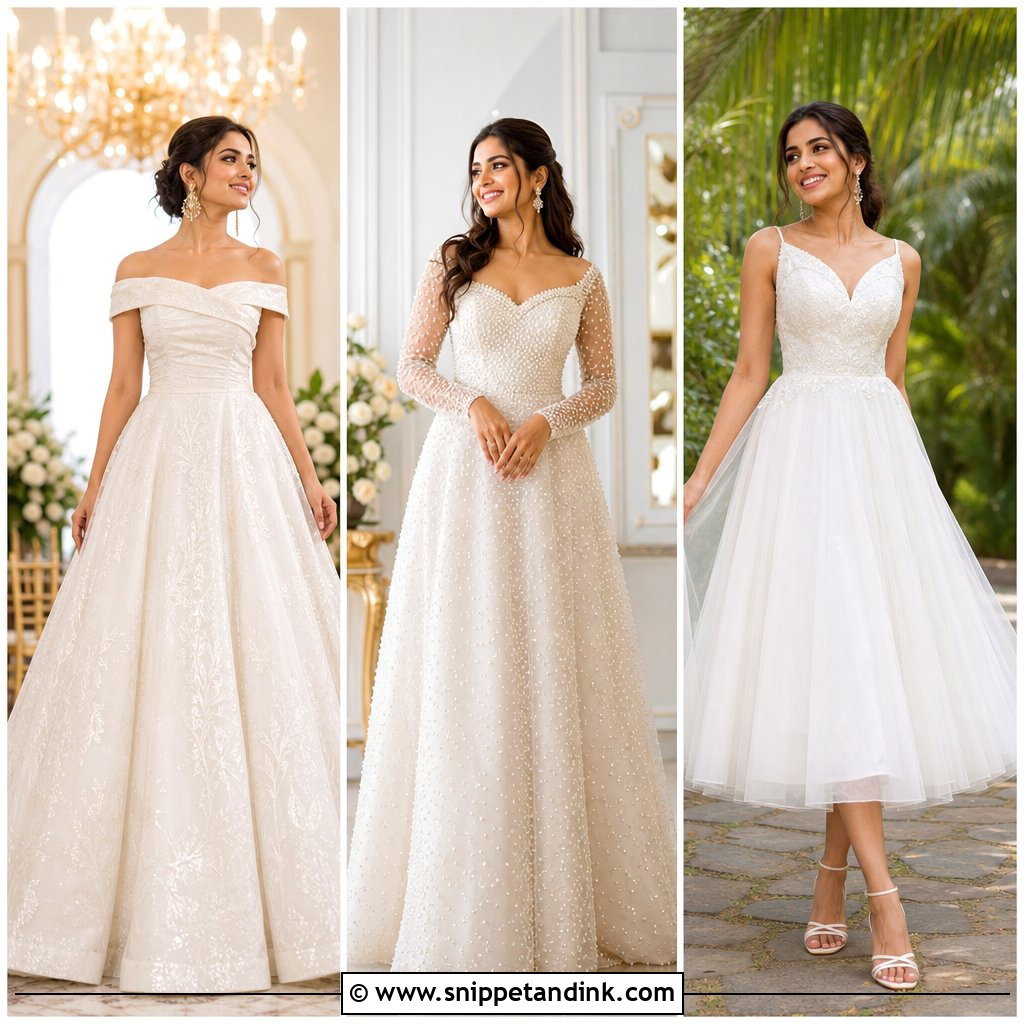
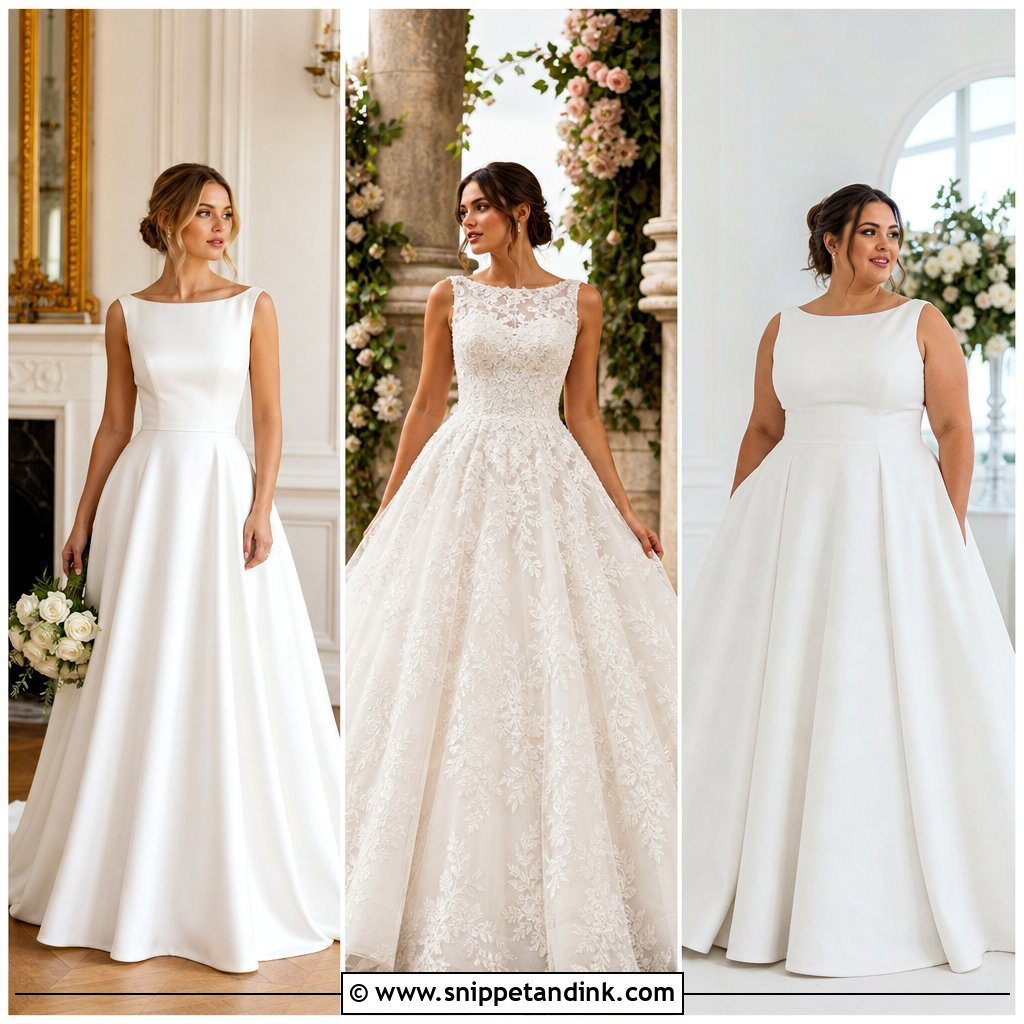
Satin holds a ball gown skirt in a clean, formal line that lace can’t match. A high bateau neck and long satin sleeves keep it covered while the skirt does the talking, which is why it’s such a strong winter option and a natural fit for anyone who has always wanted a traditional princess silhouette. I style it with a smooth low bun, pearl studs, a long veil and closed ivory heels, and keep the flowers to white peonies or roses. Satin shows every crease from sitting in a car, so I steam the skirt at the venue, never at home. On a petite frame, ask for one fewer petticoat layer.
3. Orthodox High Neck Wedding Dress
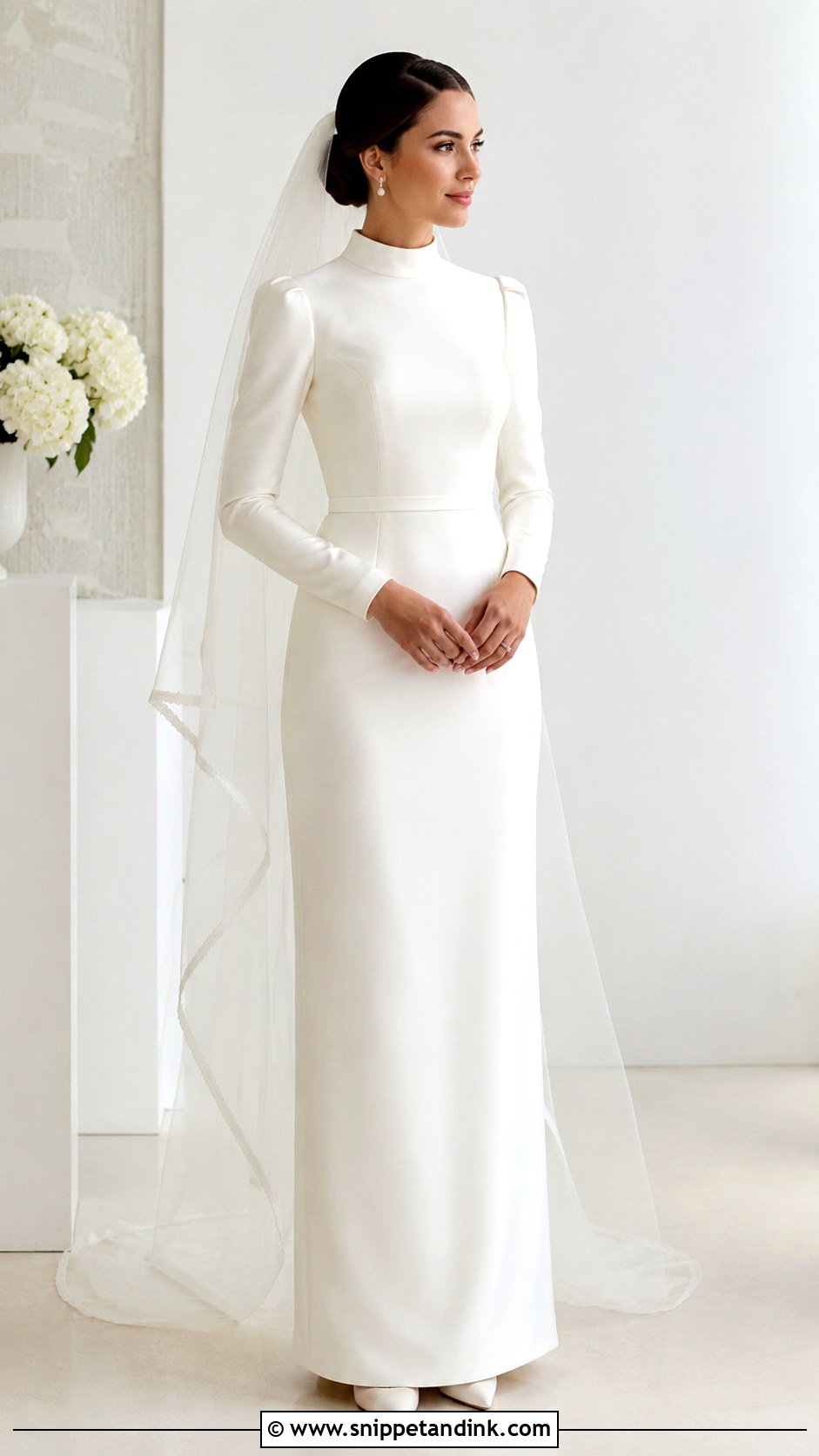
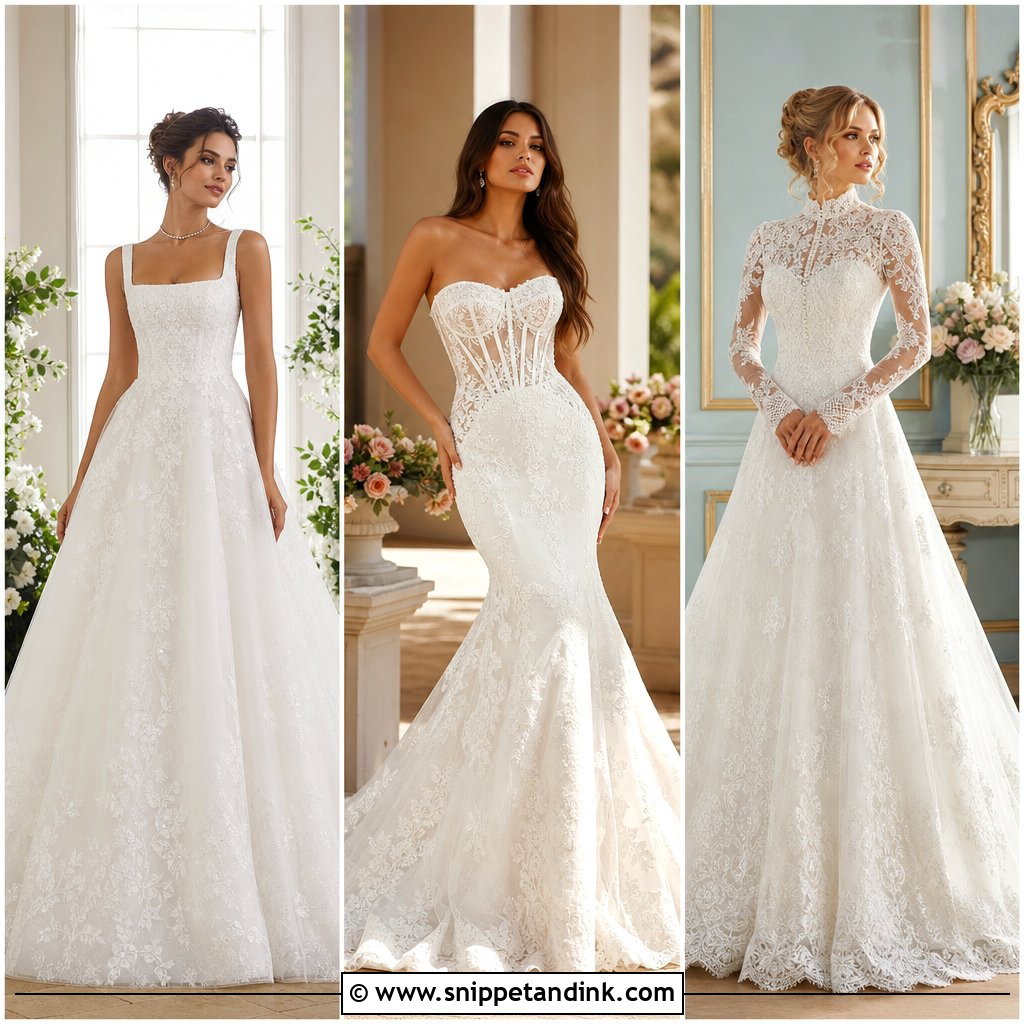
A high neck frames the face and solves the coverage question in one move. Crepe gives it a modern column feel; lace or satin over an A-line skirt feels more traditional. My first check is the collar itself: it should sit a finger’s width off the throat, because a collar cut to the exact measurement chokes the moment you turn your head or sit. Keep earrings delicate, tuck the veil into a low bun, and let the neckline be the jewelry.
4. Orthodox A Line Wedding Dress
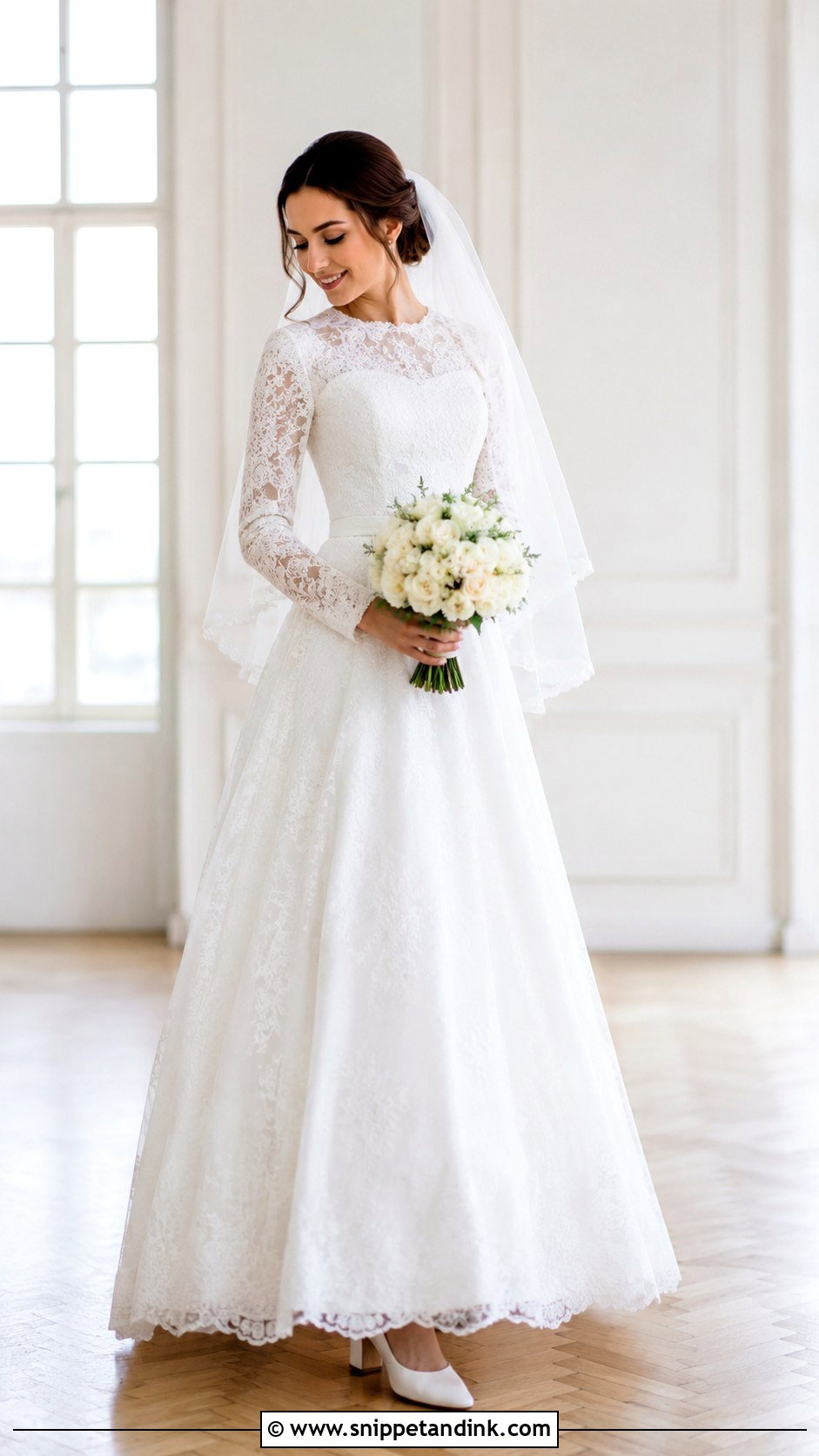
If you’re unsure which shape suits you, try an A-line first. The fitted bodice marks the waist and the skirt falls away from the hips without bulk, which flatters most figures and lets you walk and dance freely. Pair long sleeves and a lined bodice with whatever neckline your community expects; lace appliqué, soft tulle and matte satin all hold the shape well. I finish it with block heels, a mid-length veil and a structured bouquet. It’s the silhouette I see brides relax in fastest at fittings.
5. Orthodox Crepe Wedding Dress
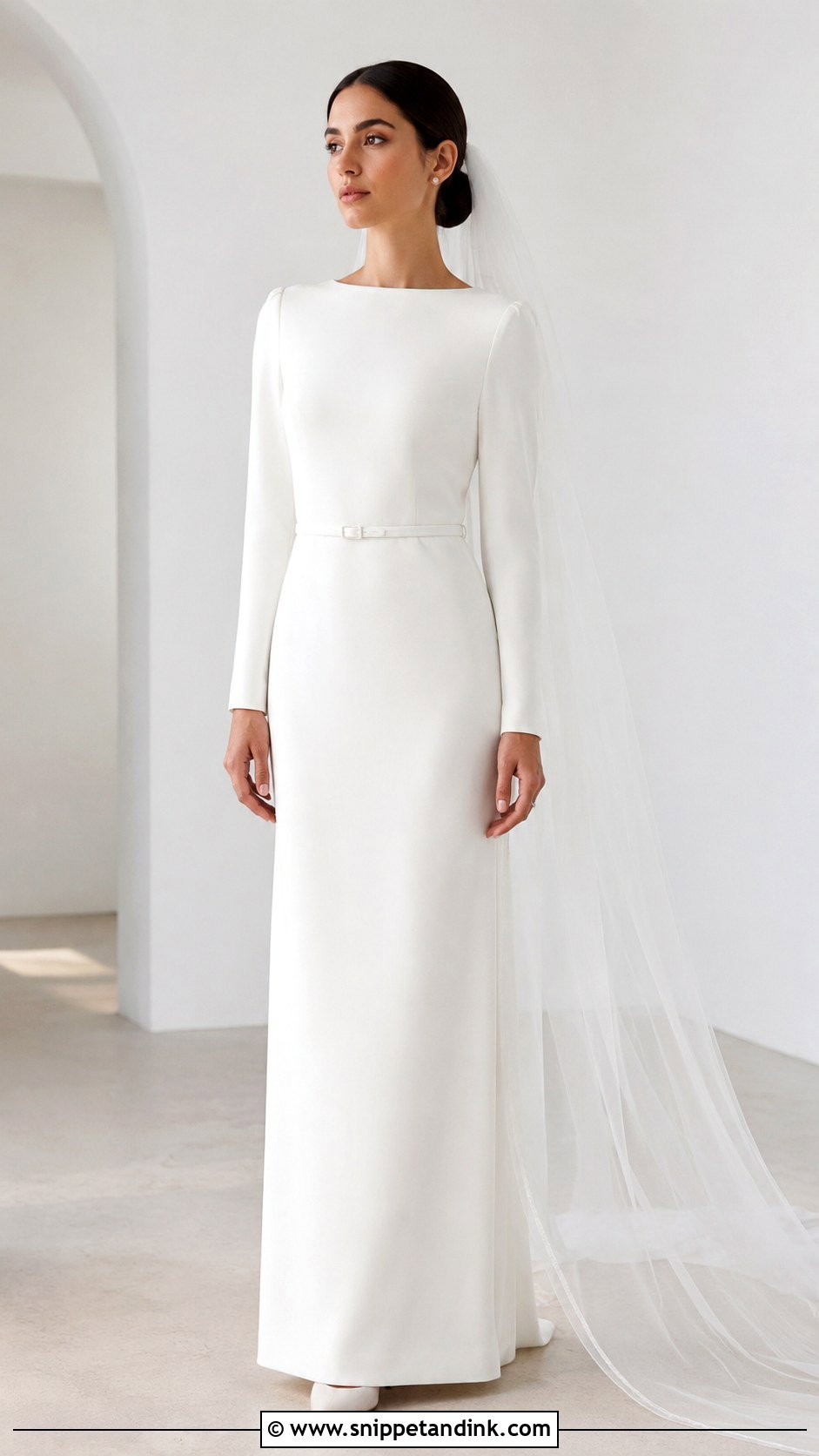
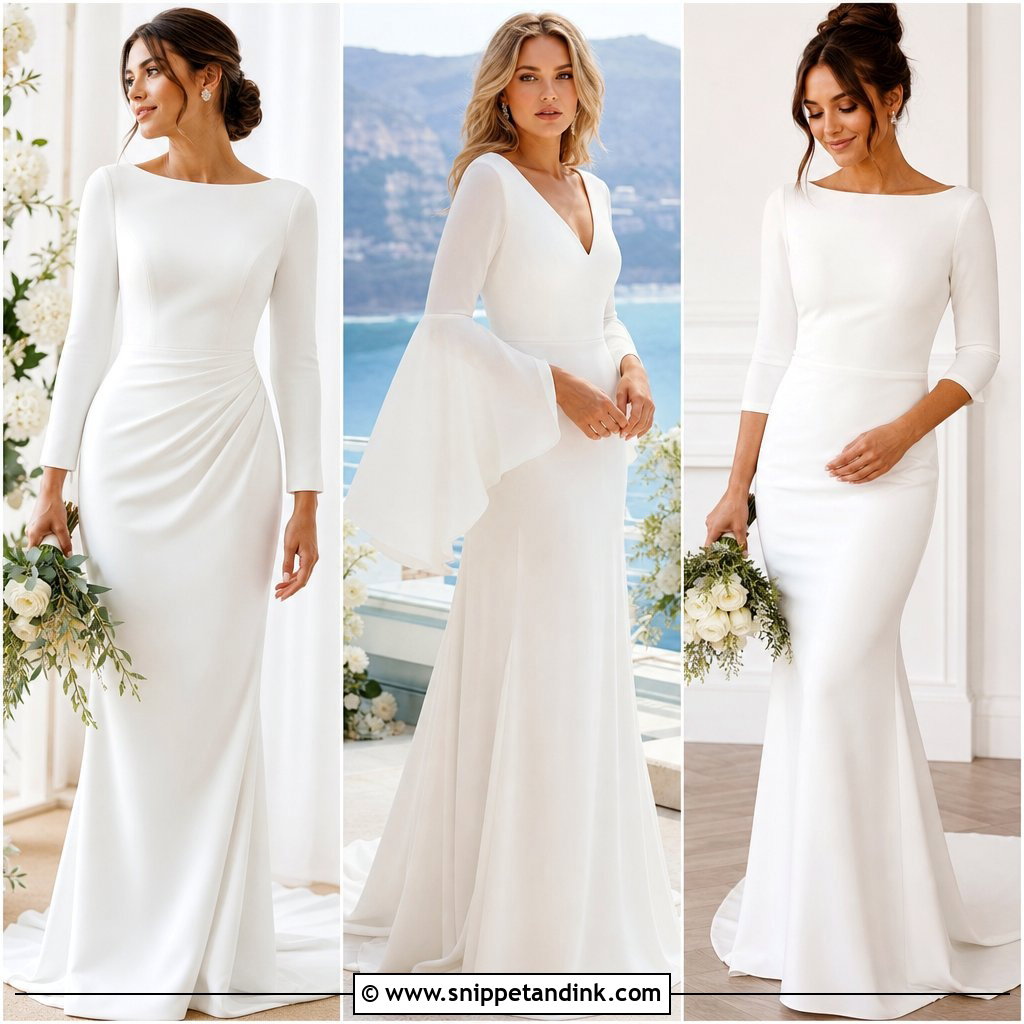
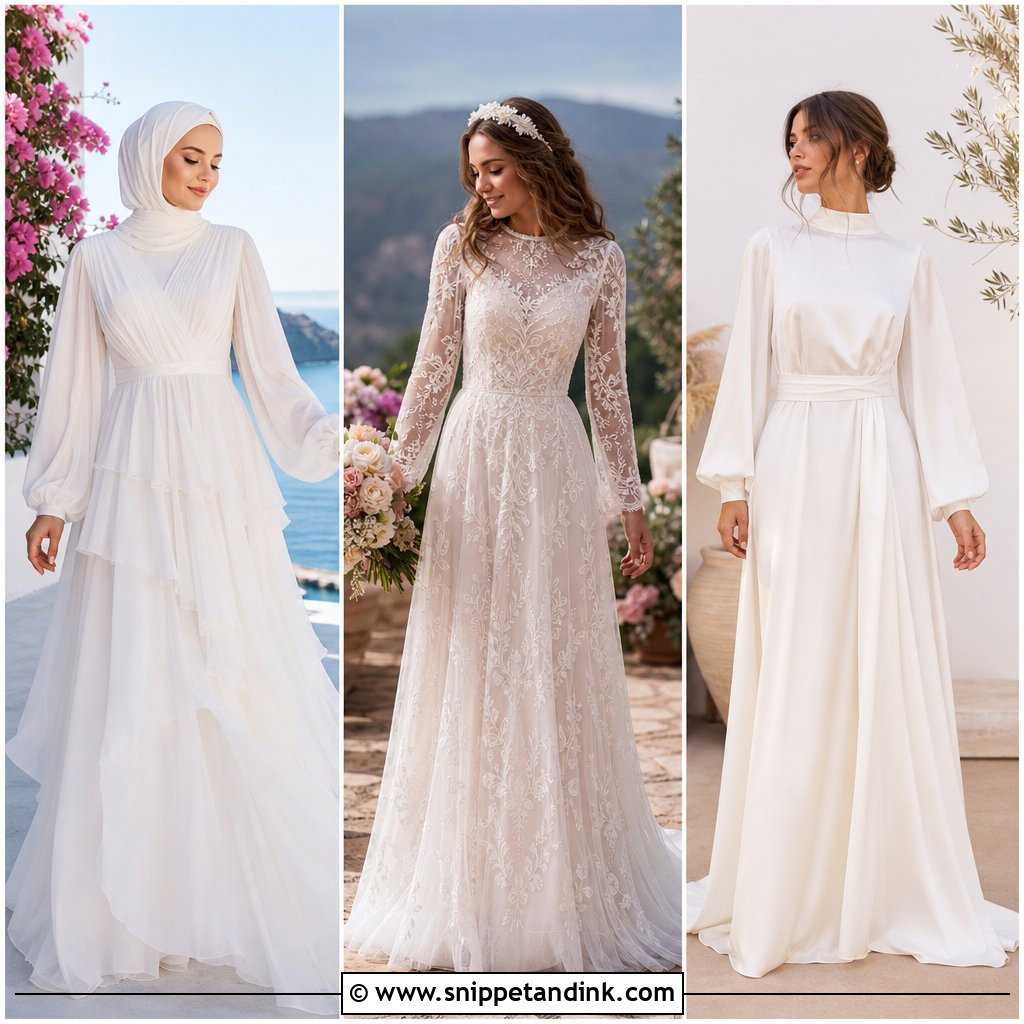
Crepe is for the bride who wants clean lines and almost no decoration. It drapes close to the body and falls smoothly, so a long-sleeve crepe gown with a high square, bateau, or jewel neckline and a fully covered back looks crisp with very little added. A narrow belt, pearl studs, a plain cathedral veil and closed pumps are enough. The honest downside: crepe shows every seam and undergarment line. I’d budget for smooth, line-free shapewear and an experienced alterations tailor before anything else.
6. Orthodox Tulle Wedding Dress
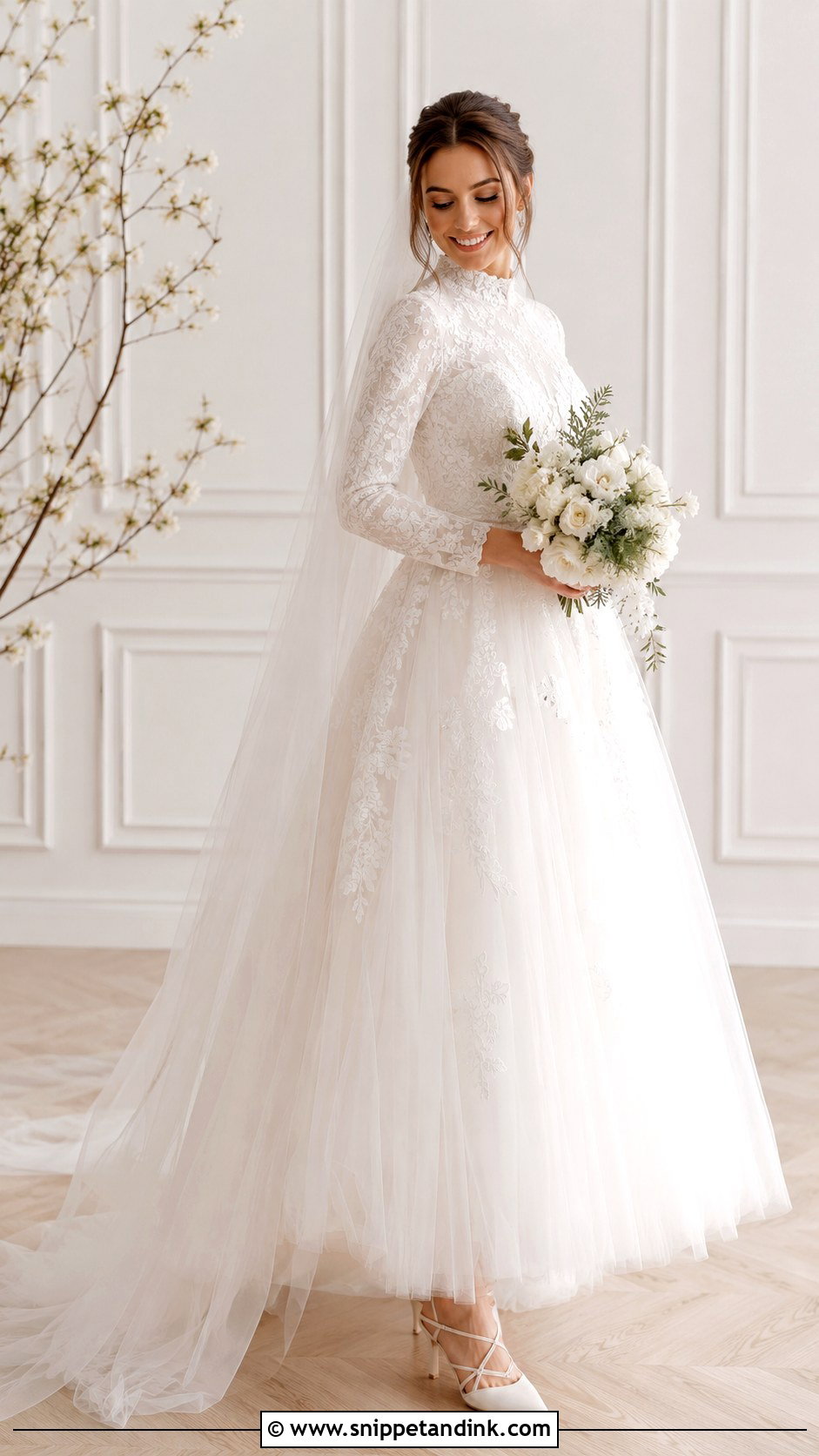
Tulle brings softness without any need for a revealing cut. A long-sleeve tulle gown with a lined bodice, a high neckline and a layered skirt stays light even with full coverage, which makes it a sensible spring and summer pick. Lace appliqués or tiny pearls add depth if you want it. The detail I watch closely is how many tulle layers sit over the bodice and upper sleeve: one layer alone is see-through in flash photography, so I ask for a lining or a second layer there. A loose updo and ballet-style heels keep the mood soft.
7. Orthodox Beaded Wedding Dress
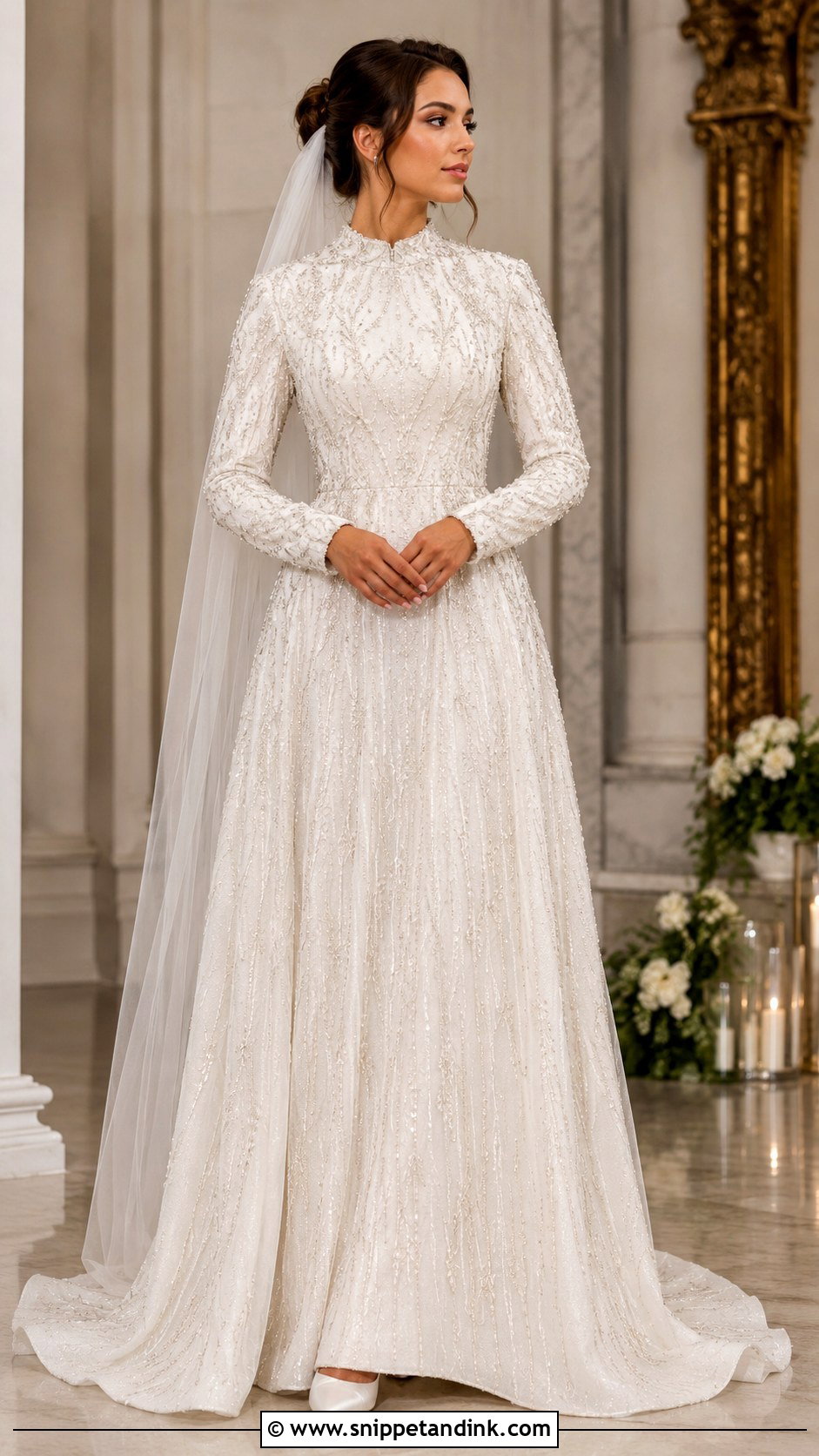
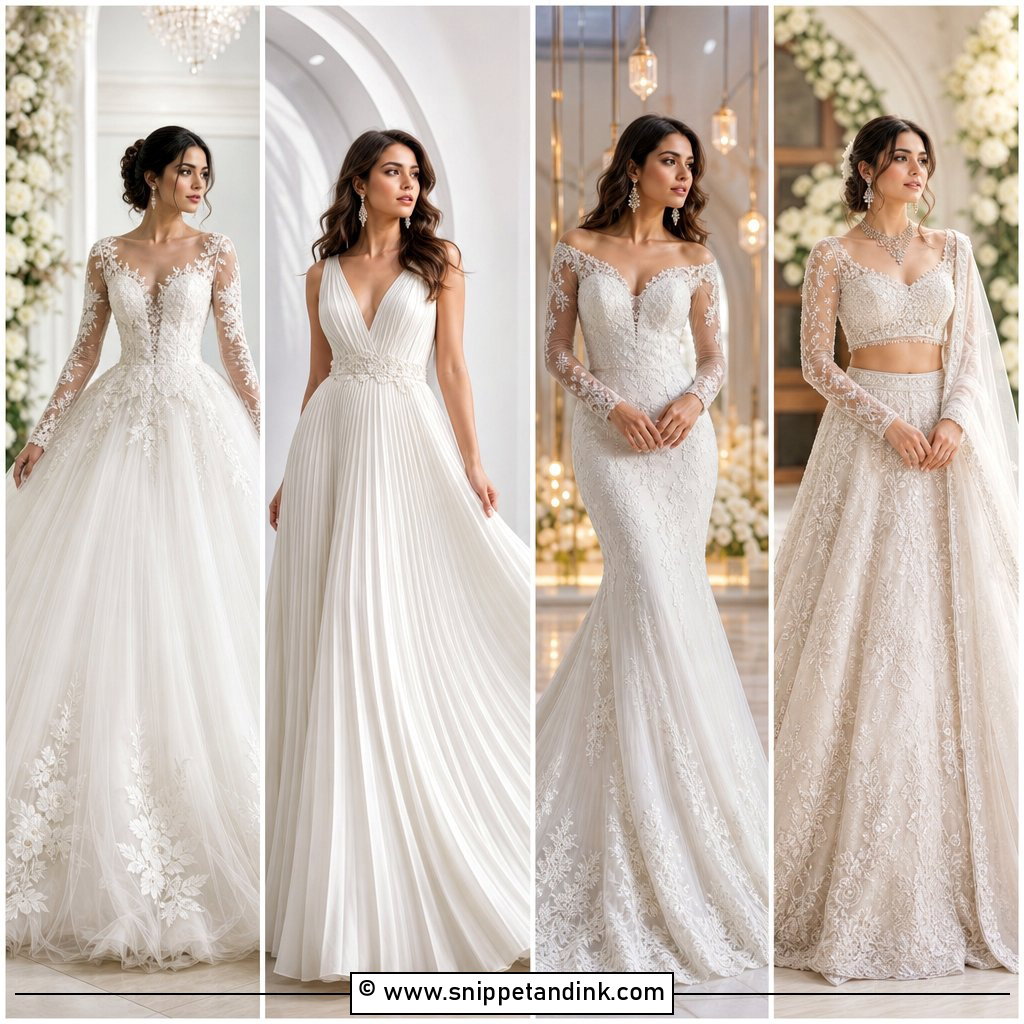
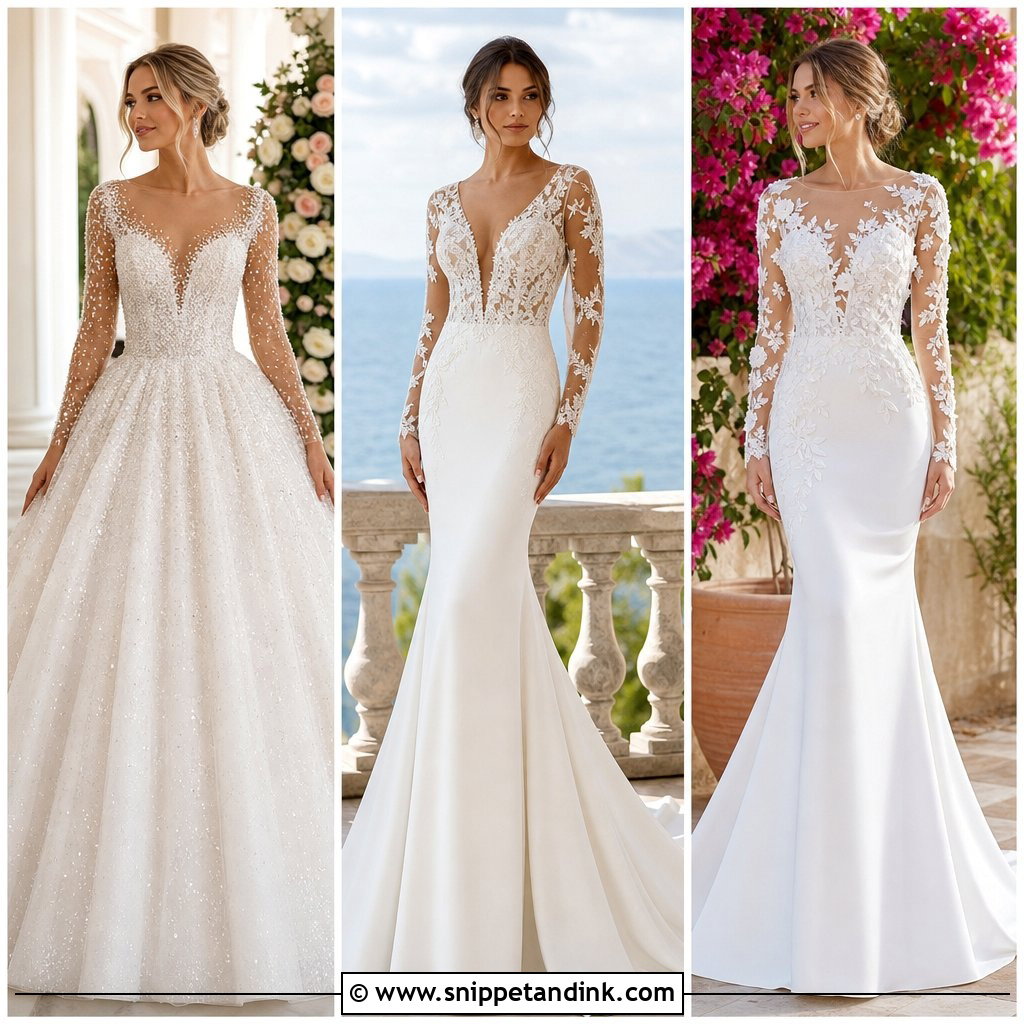
Beading brings light to a covered gown and suits evening ceremonies and formal receptions. Hand-beaded lace, pearl accents or scattered crystals across the bodice and sleeves look refined when the neckline is high and the sleeves are long. Keep the veil plain and the earrings small so the beadwork isn’t fighting accessories. Before you commit, hold the sleeve in your hand and feel the weight. Heavily beaded sleeves drag the shoulder seams down over a long day, and beads on the inner arm scratch every time you hug someone.
8. Orthodox Princess Wedding Dress
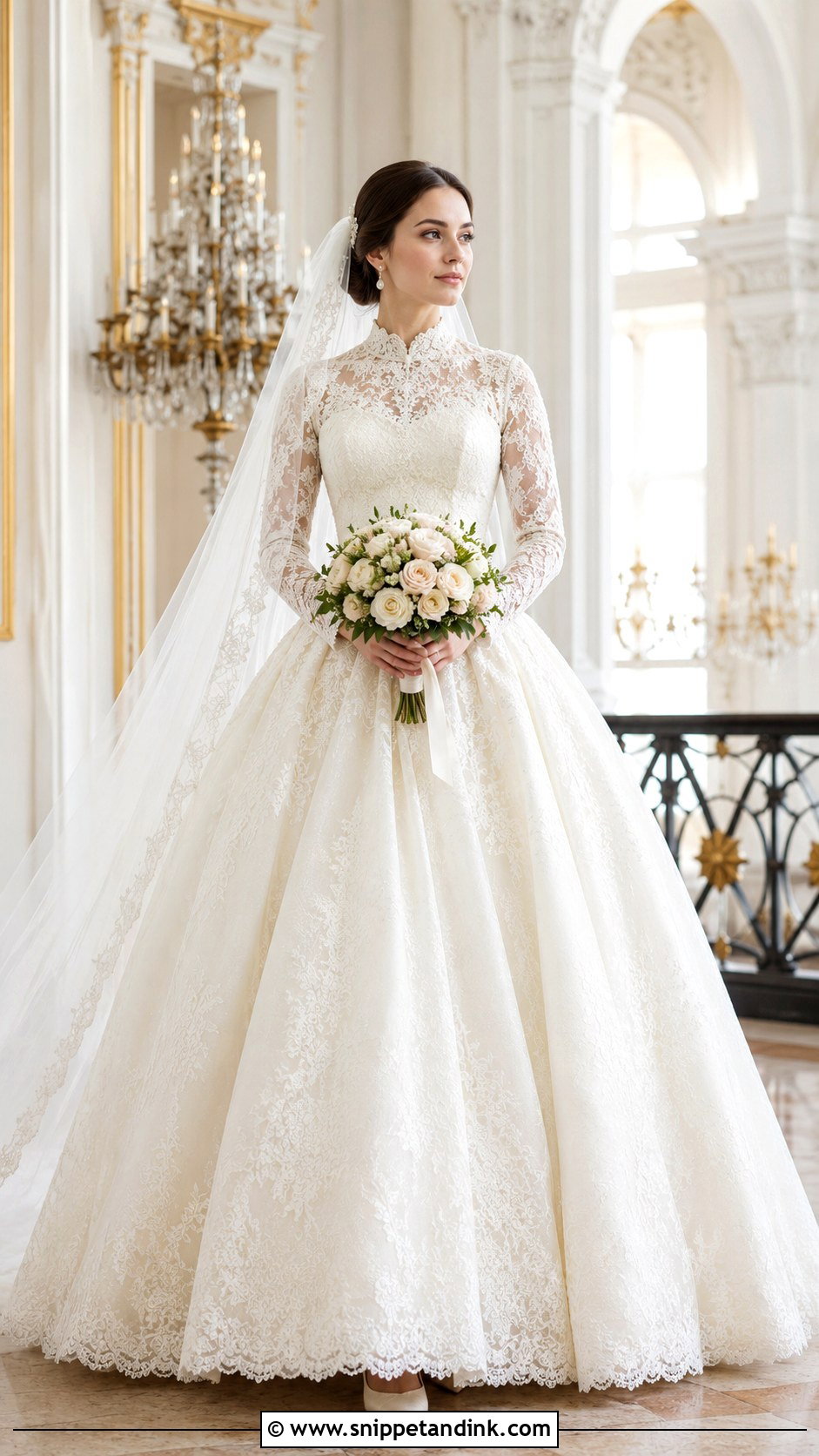
A full skirt and fitted bodice give you the grand entrance. For an Orthodox version, I build it with a modest neckline, long sleeves and a fully lined bodice in lace, satin or embroidery. A full ball gown skirt pairs naturally with a long veil and a neat bouquet; classic pearls or small crystal earrings are plenty. A train looks dramatic on a staircase or long aisle, but ask the seamstress to show you the bustle at the final fitting and teach someone how to fasten it. An unfastened bustle is the most common thing I fix at receptions.
9. Orthodox Pearl Wedding Dress
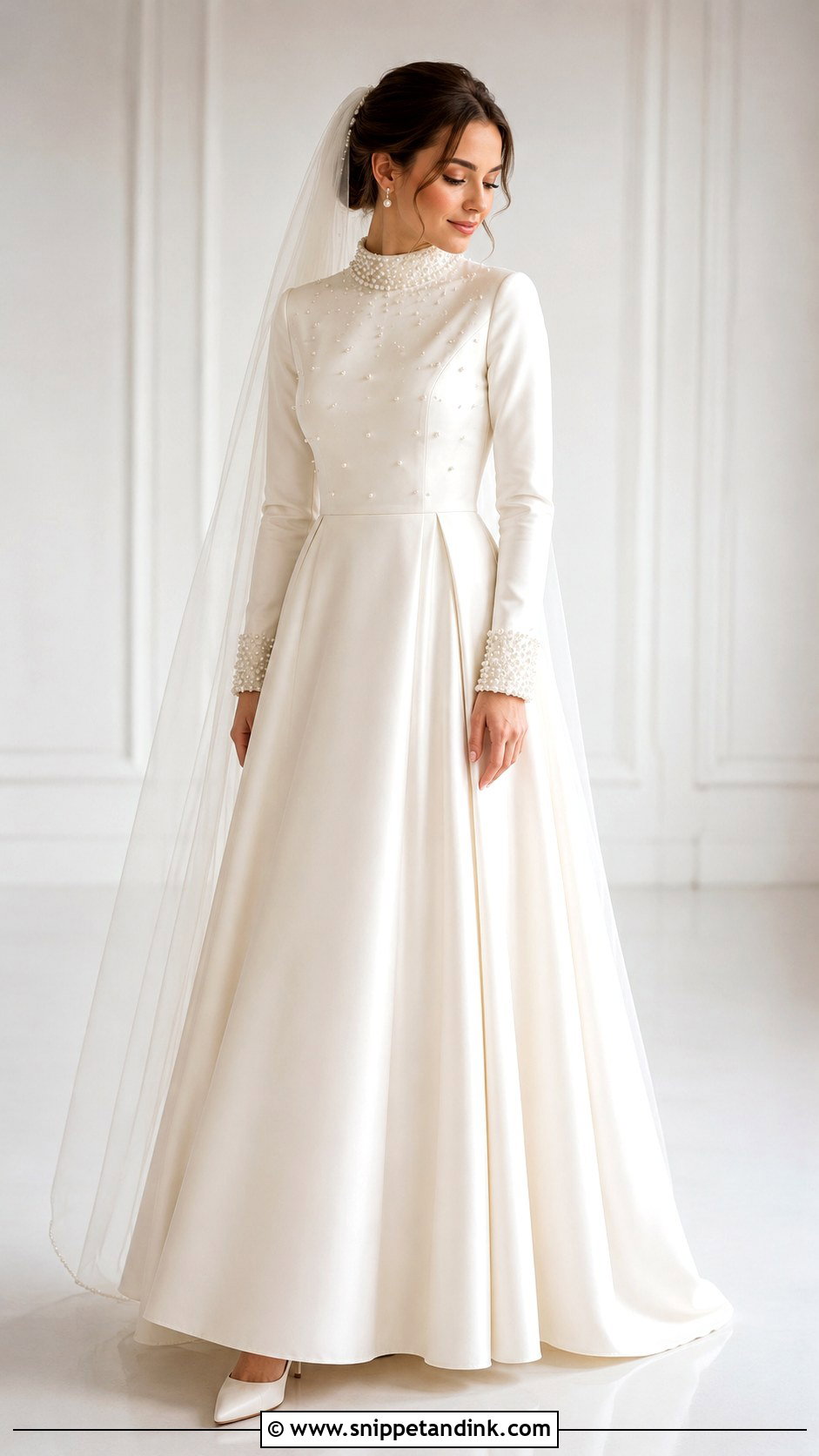
Pearls give soft shine without glitter. I like them at the neckline, cuffs or bodice of a long-sleeve satin or crepe gown, where the plain base lets them stand out. Pearl earrings, ivory pumps and a smooth veil tie it together, and heirloom pearls slot in easily. Pearl-covered sleeves deserve a careful sit-down test, though: rows of pearls under the arm rub against the bodice and can pull threads loose by the end of the night.
10. Orthodox Bateau Neck Wedding Dress
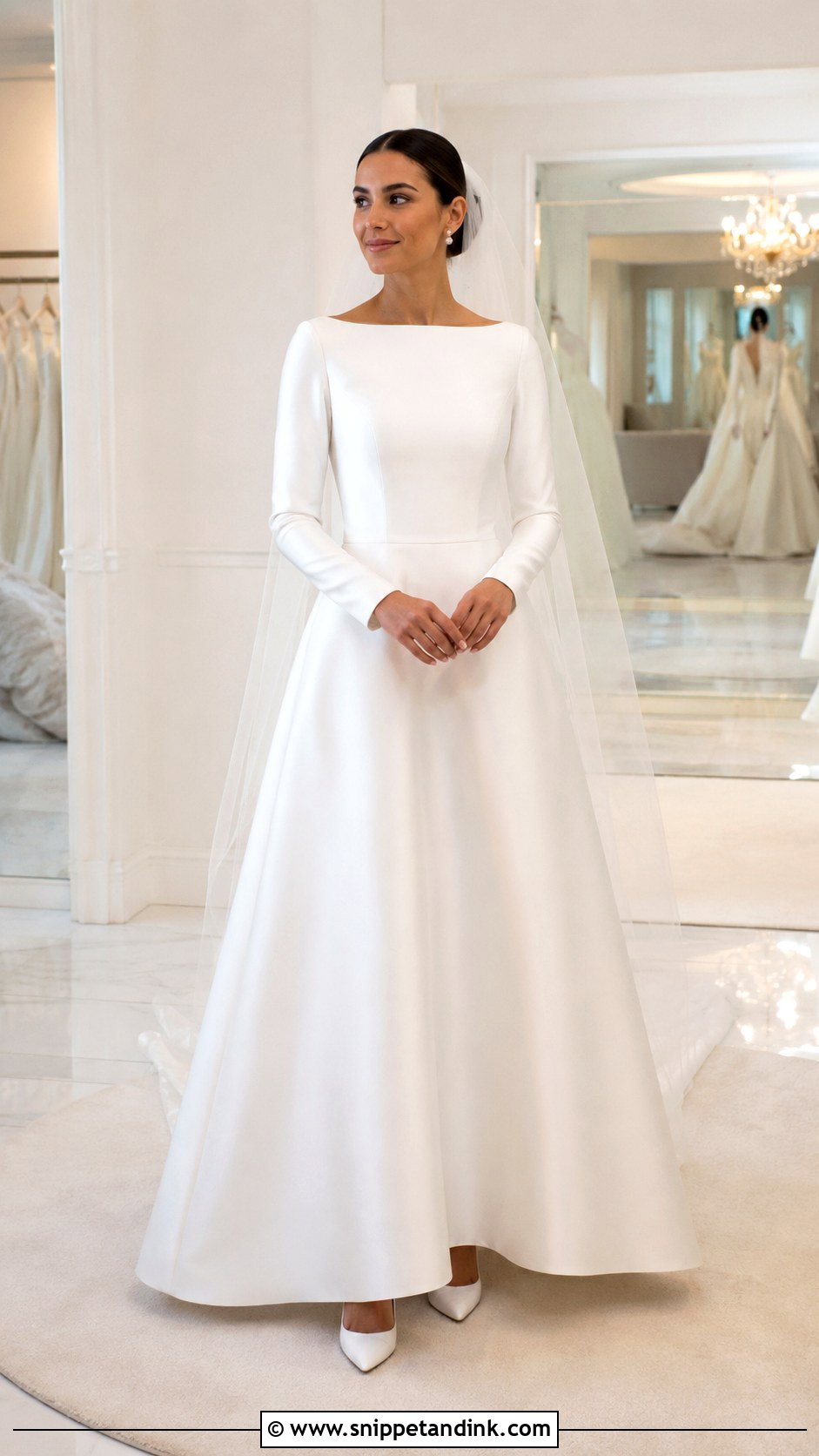
A bateau neck runs across the collarbones from shoulder to shoulder, covering the chest without closing in around the throat. That makes it a good middle ground if a high collar feels claustrophobic. It sits well with long sleeves and a fitted bodice over an A-line, sheath or satin ball gown skirt. With an updo, it balances the shoulders nicely. Bateau necklines tend to slide toward one shoulder when you hug, so I often add a small lingerie strap snap inside each shoulder seam to anchor it.
11. Orthodox Tea Length Wedding Dress
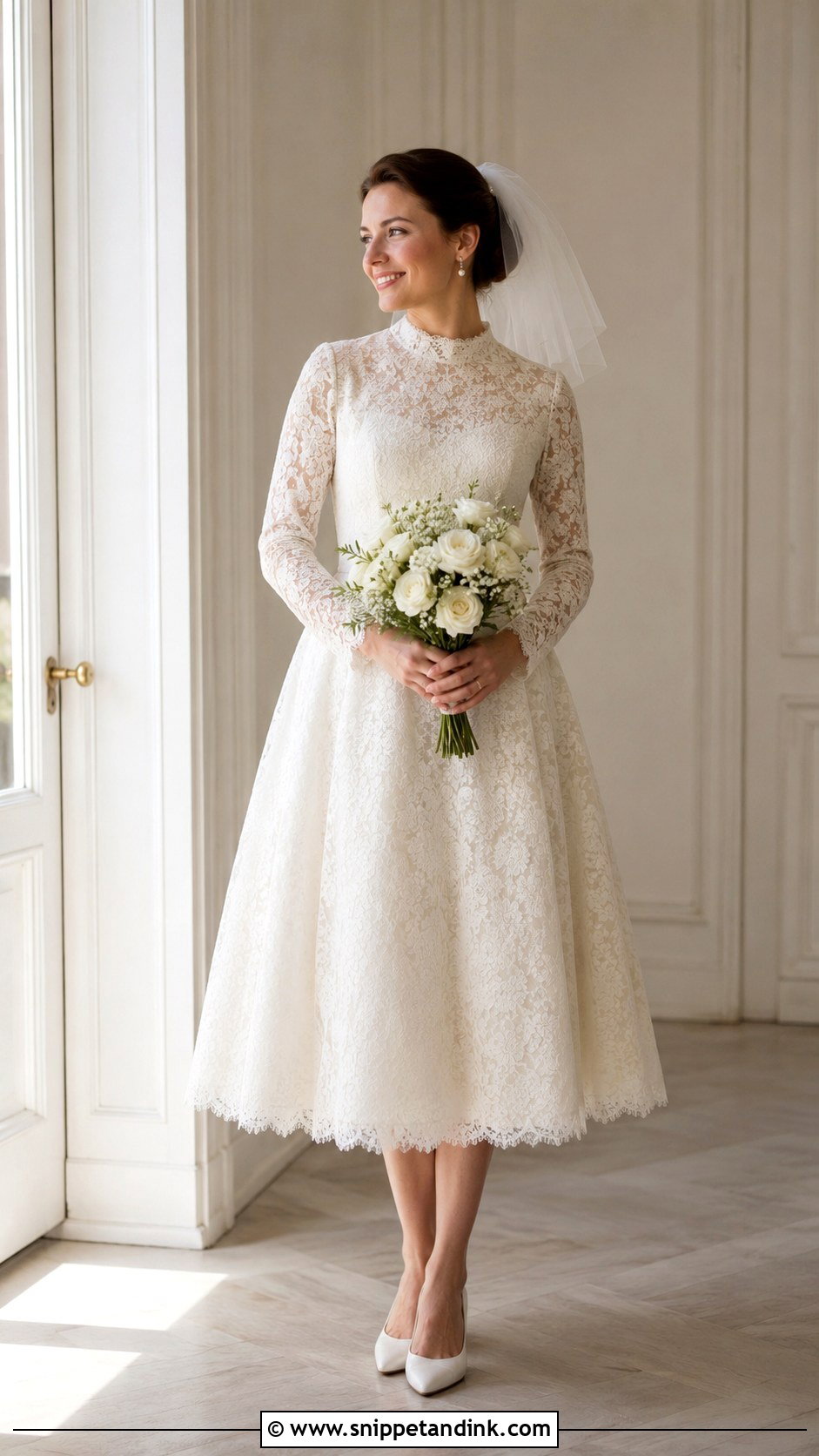
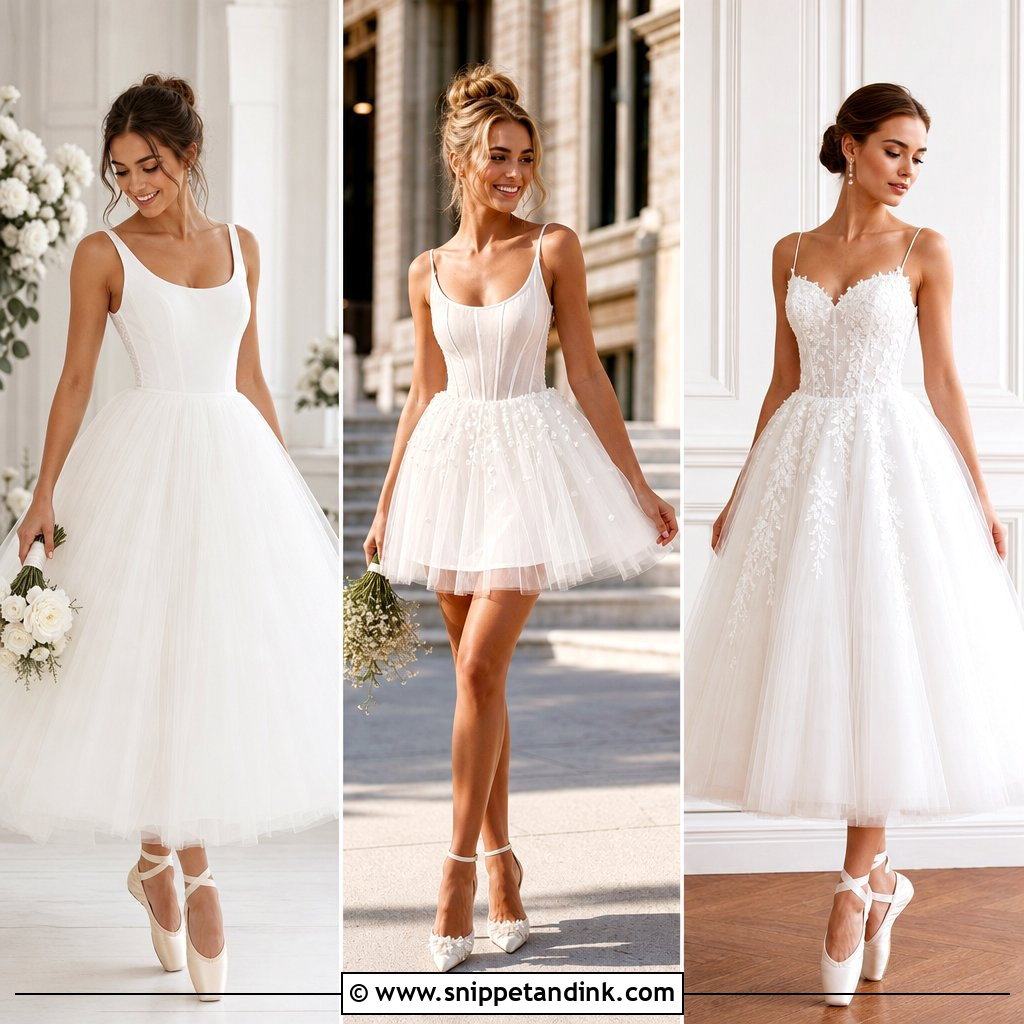
Tea length suits smaller weddings, daytime celebrations and anyone who wants to move without managing a skirt. The hem should land below the knee or at mid-calf, with long sleeves and a high neckline keeping the coverage. Lace, satin or mikado give the shorter shape enough structure to look bridal rather than like a party dress. A birdcage or short tulle veil and closed pumps finish it. Your shoes will show in every photo, so I’d spend more on them here than for any floor-length gown.
12. Orthodox Winter Wedding Dress
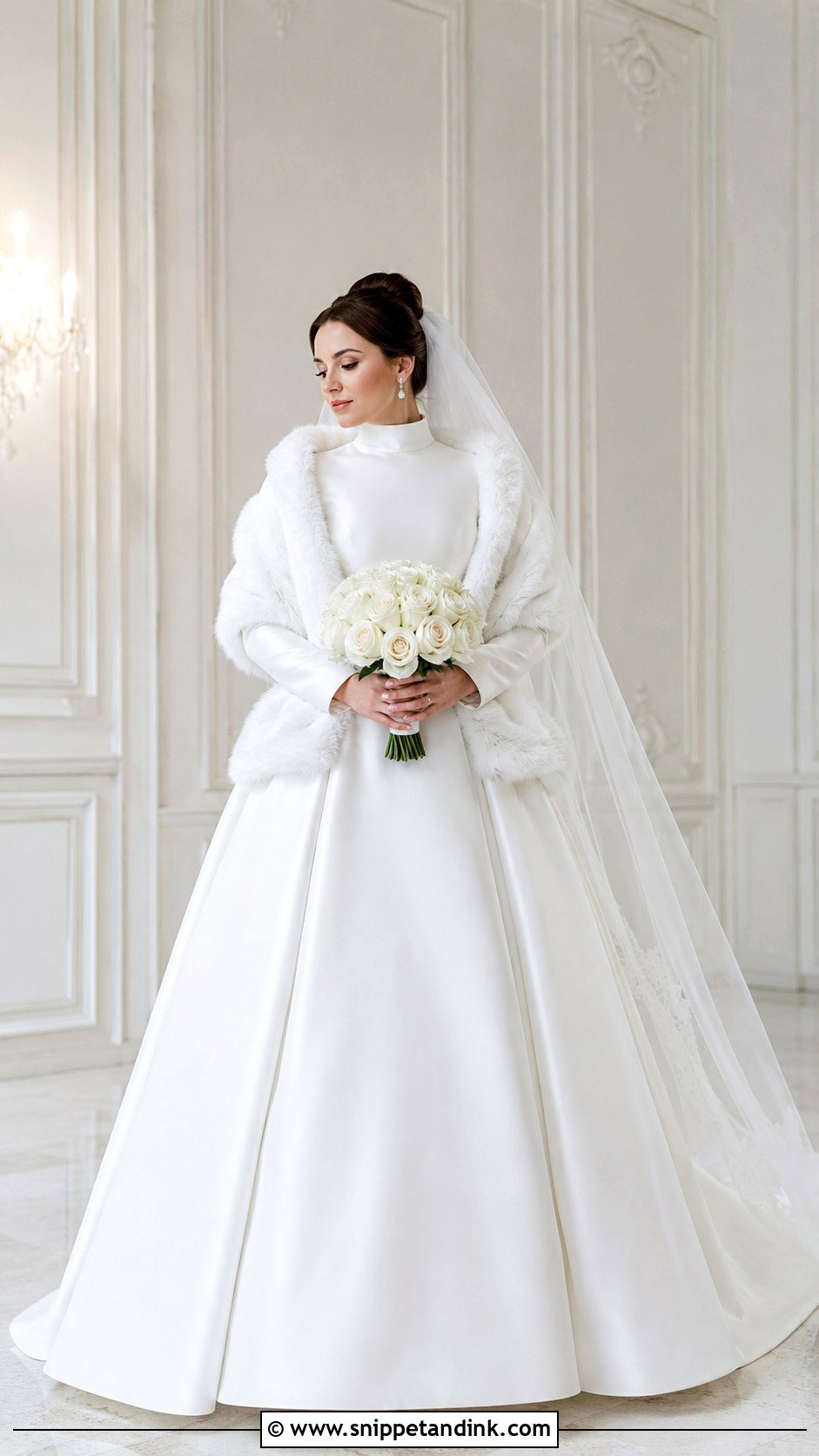
A winter Orthodox wedding dress can lean into heavier fabrics: satin, mikado, brocade or a thick crepe, with long sleeves and a lined bodice. A high neckline, full skirt and long veil feel right for the season. For outdoor portraits, I bring a faux fur wrap or cropped cover that ends at the waist so the gown’s shape still shows. White roses, greenery or silver accents in the bouquet suit the colder palette. Thick fabrics restrict arm movement more than people expect, so test raising a glass and hugging at the fitting.
13. Orthodox Summer Wedding Dress
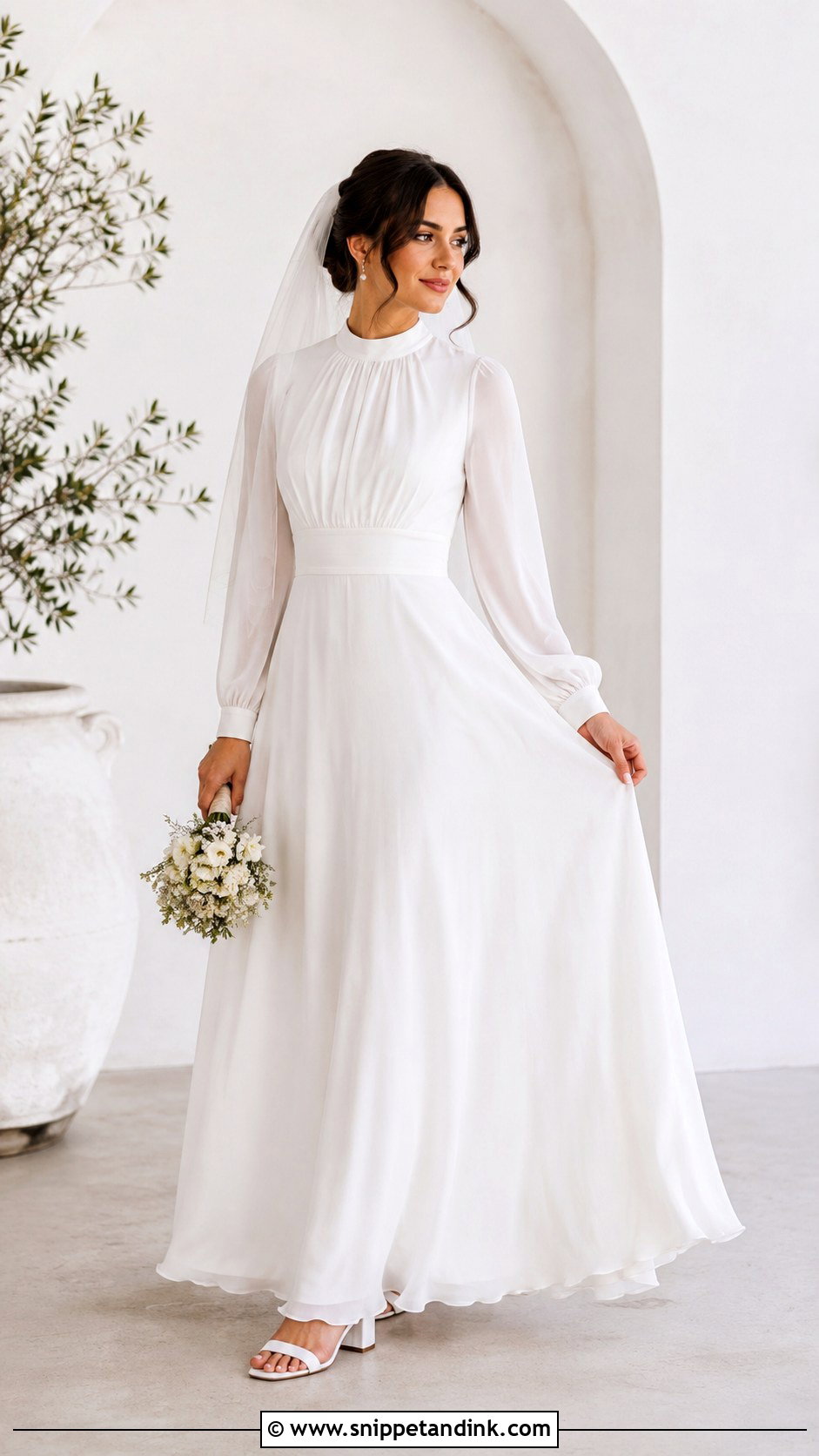
In summer, comfort decides everything. Chiffon, light tulle, organza or soft lace over a breathable lining keep you covered without overheating, and long sleeves can work if the fabric is light and the sleeve isn’t cut tight. A high neckline, A-line skirt and short veil keep it fresh. I steer summer brides away from heavy beadwork and polyester linings, both of which trap heat. Ask for a cotton or silk lining in the bodice if your budget allows; it makes a real difference by mid-afternoon.
14. Orthodox Plus Size Wedding Dress
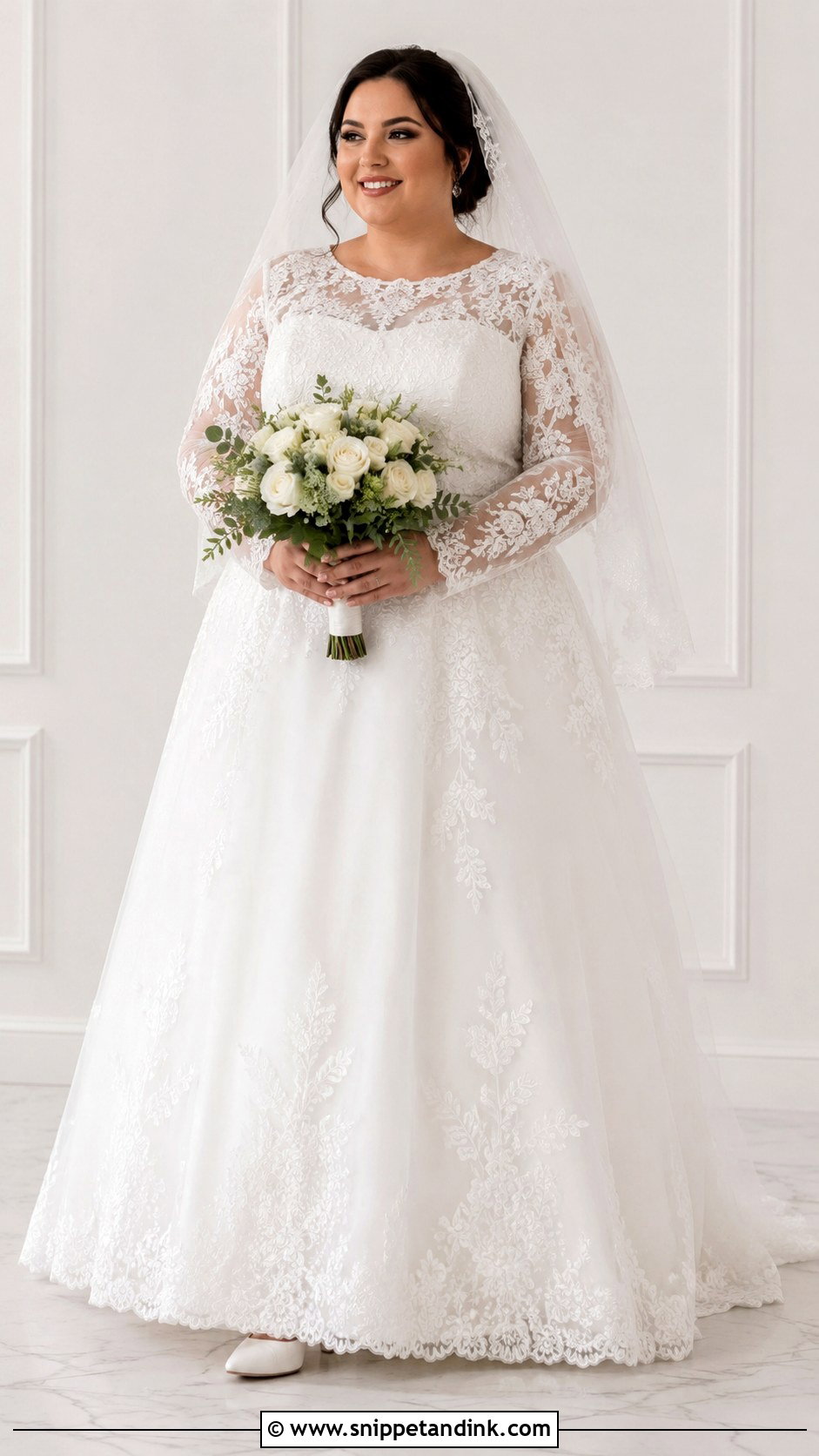
Support is the priority in a plus-size gown, before any styling choice. A-line gowns, structured ball gowns and soft fit-and-flare shapes all suit long sleeves and a modest neckline. I look for an internal corset or boning in the bodice, a smooth lining, and sleeve fabric with a little stretch so the arms don’t feel bound. Vertical lace placement or clean princess seams shape the figure without squeezing it. Book alterations with someone used to bridal construction, and don’t let anyone talk you into a gown designed to hide you.
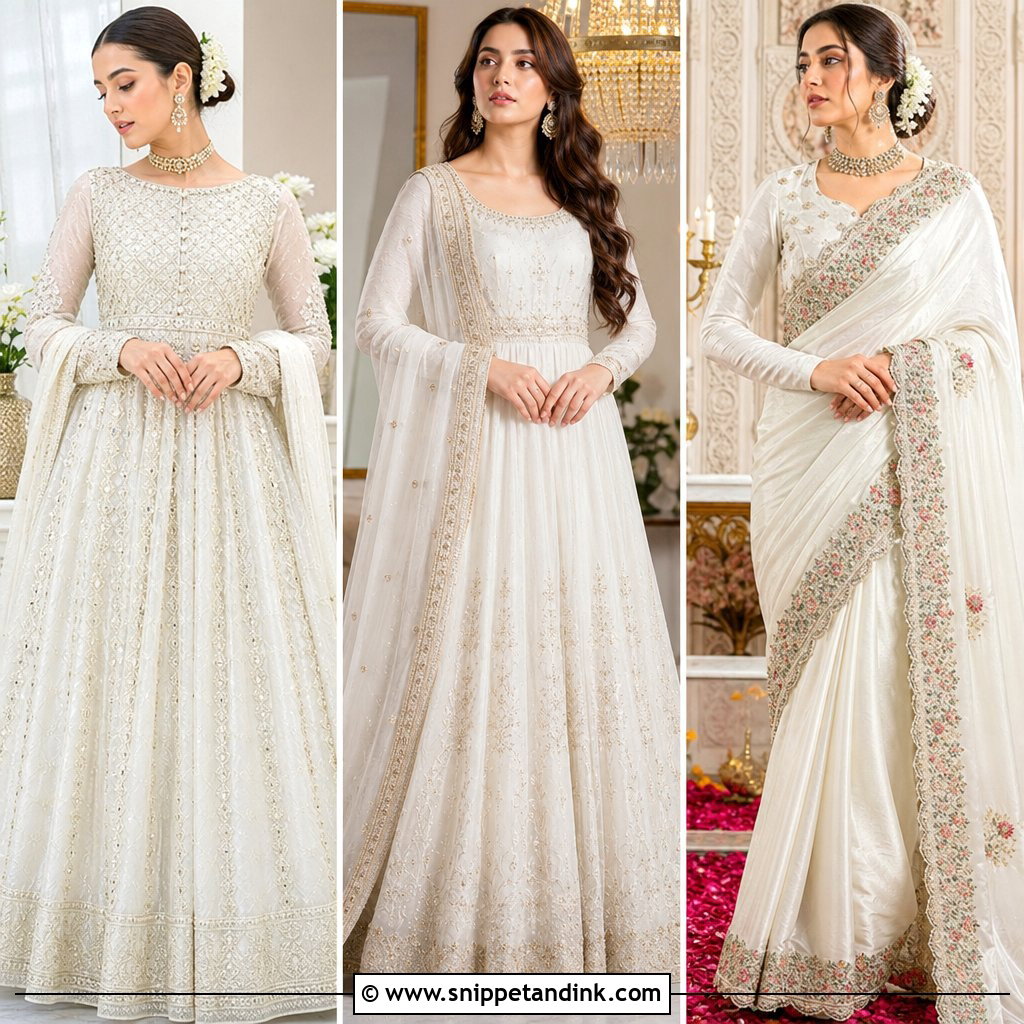
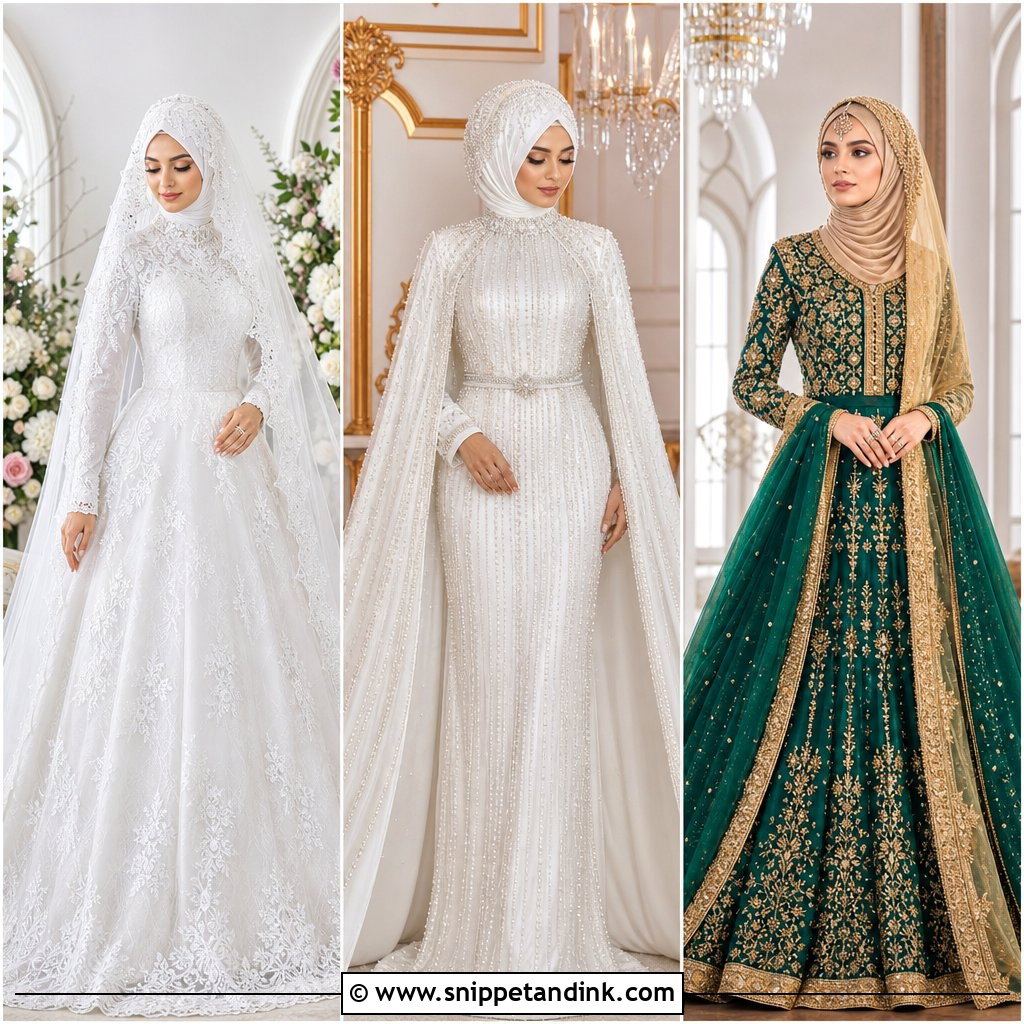
15. Orthodox Petite Wedding Dress
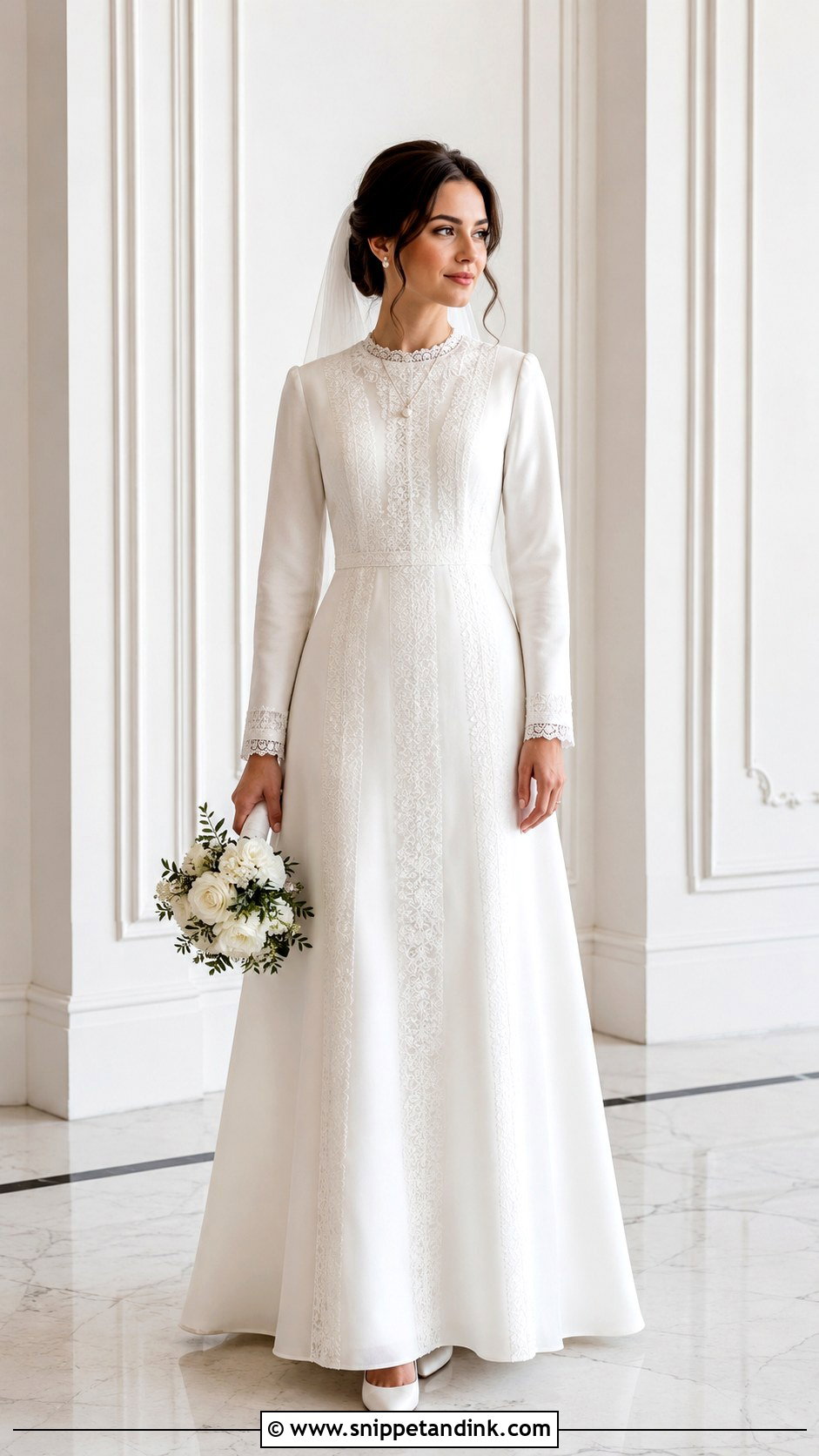
Proportion is everything on a petite frame. A clean waistline, a narrow A-line or a slim crepe shape keeps the line long, and long sleeves and high necks look right once the bodice is scaled to your height. I’d avoid very full skirts unless they’re cut down properly. Vertical lace and pointed shoes help lengthen the body. At alterations, watch three spots: sleeve length at the wrist bone, waist placement, and the hem. Small changes at those points make an off-the-rack gown look made for you.
16. Orthodox Simple Wedding Dress
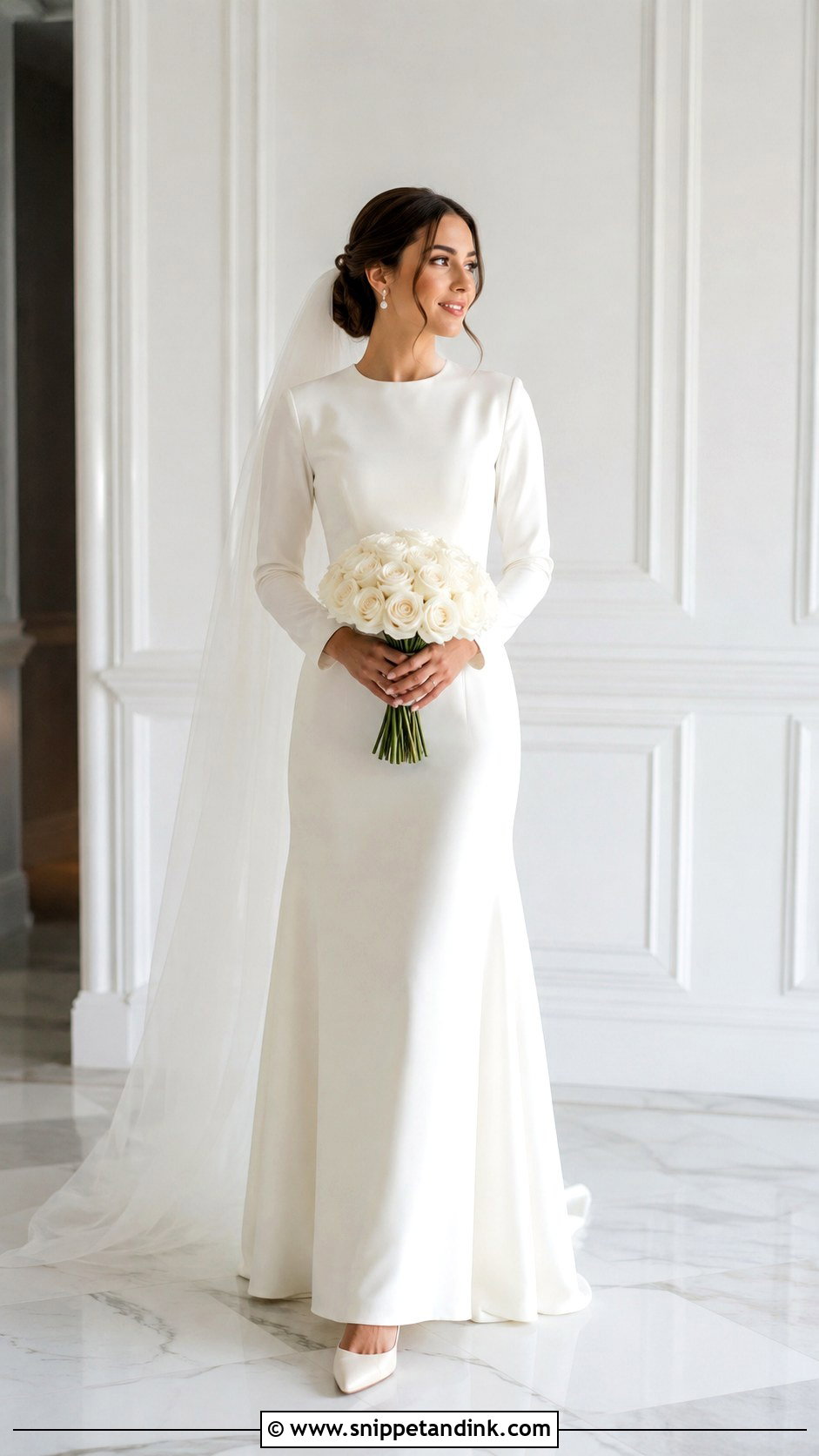
A simple gown lives or dies by its cut and fabric. Smooth satin, crepe or mikado with long sleeves, a high neckline and a covered back needs nothing else, but it needs precise tailoring because there’s no lace or beading to hide a loose seam. Pearl earrings, a long plain veil, ivory heels and a few white roses or lilies finish it. This is also the easiest gown to personalize: an embroidered veil, a family hairpiece or heirloom jewelry carries meaning without cluttering the line.
17. Orthodox Floral Lace Wedding Dress
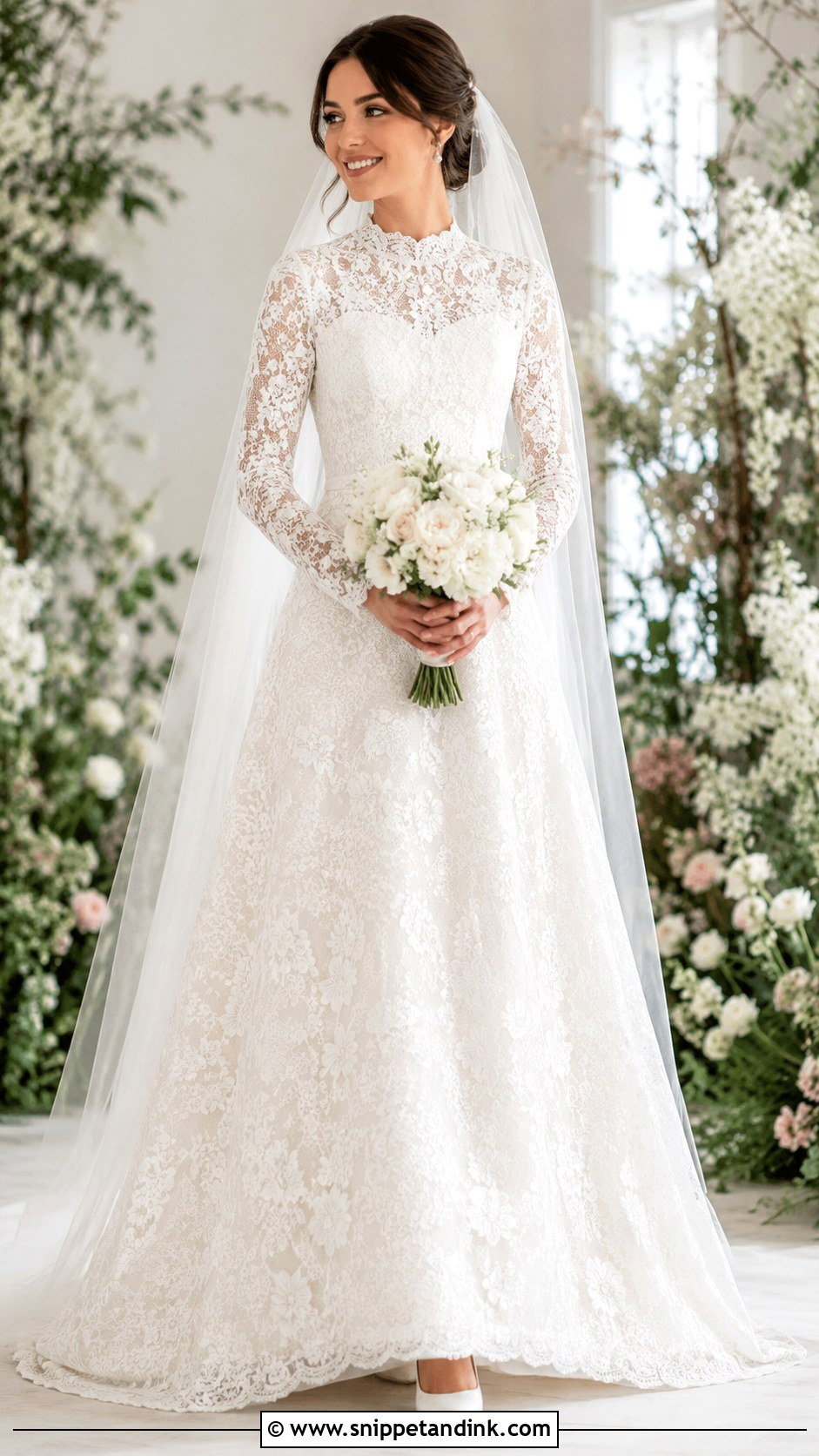
Floral lace adds texture that reads well from the back of a church. I look for long lace sleeves, a lined bodice and appliqué flowing across the skirt or train, with the neckline kept high. Pair it with a tulle veil, pearl earrings and simple shoes. A bold lace pattern needs a calm bouquet; otherwise the photos look busy. If your community asks for fully opaque sleeves, ask the bridal shop whether the lace can be backed with a matching lining. Most good seamstresses can do this.
18. Orthodox Mikado Wedding Dress
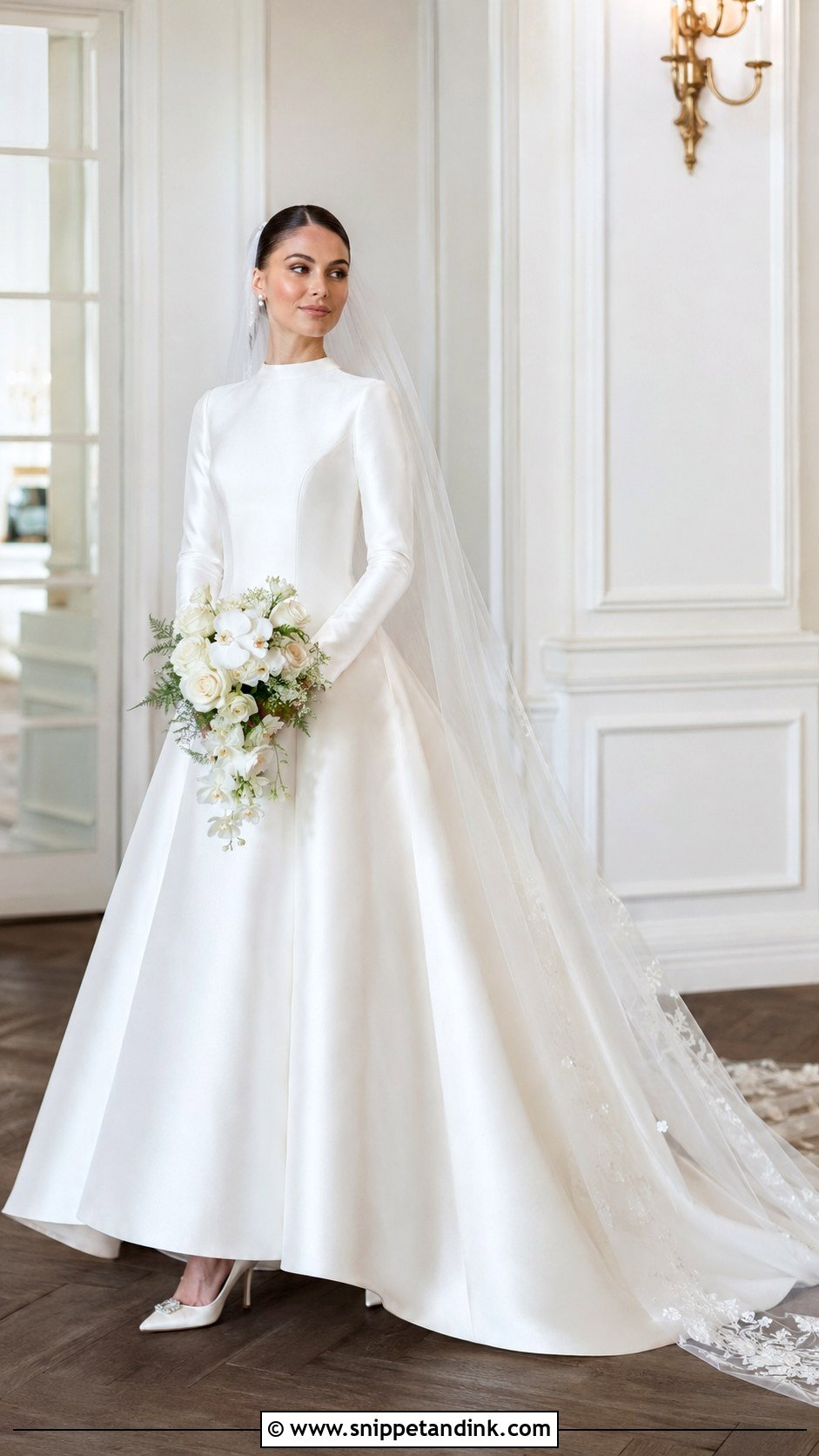
Mikado is a heavy, slightly stiff silk blend that holds a skirt’s shape on its own, which is why it suits A-line and ball gown designs. A long-sleeve mikado gown with a high neckline looks formal and clean, with a soft sheen that reads well on camera. Because the fabric doesn’t stretch or give, I insist on precise tailoring through the bodice and sleeves. A cathedral veil, pearl earrings and pointed satin heels are all it needs.
19. Orthodox Embroidered Wedding Dress
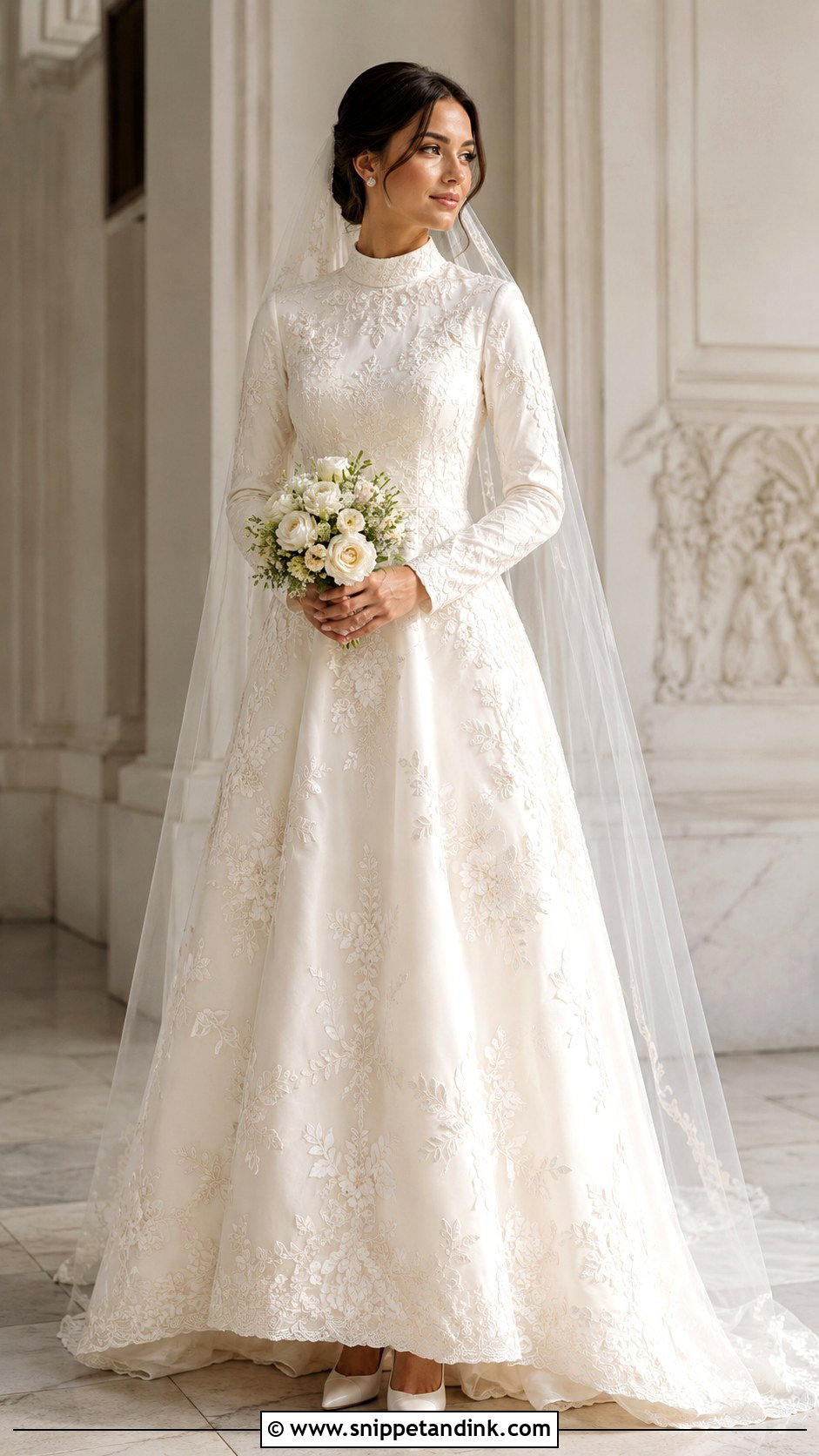
Embroidery adds artistry without sparkle. Floral, vine or pearl stitching over a lined bodice and skirt, with matching work at the cuffs or shoulders, keeps the gown cohesive. Keep the neckline high and the back covered. If the embroidery has color, I keep it very soft, in ivory, champagne or pale blush, so the gown still reads as bridal from a distance. Thread embroidery is also lighter than beading, which helps on a long day.
20. Orthodox Modest Mermaid Wedding Dress
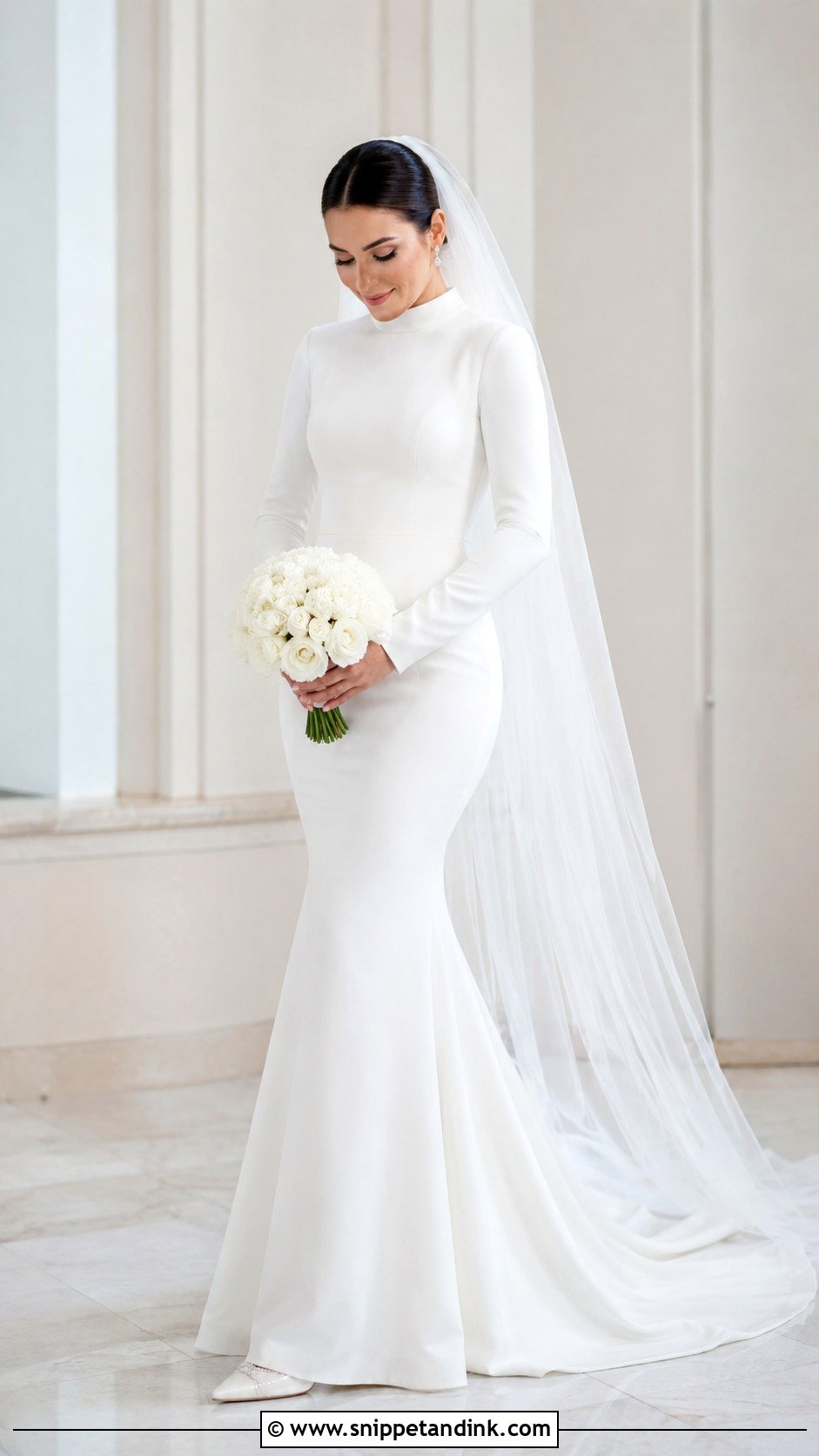
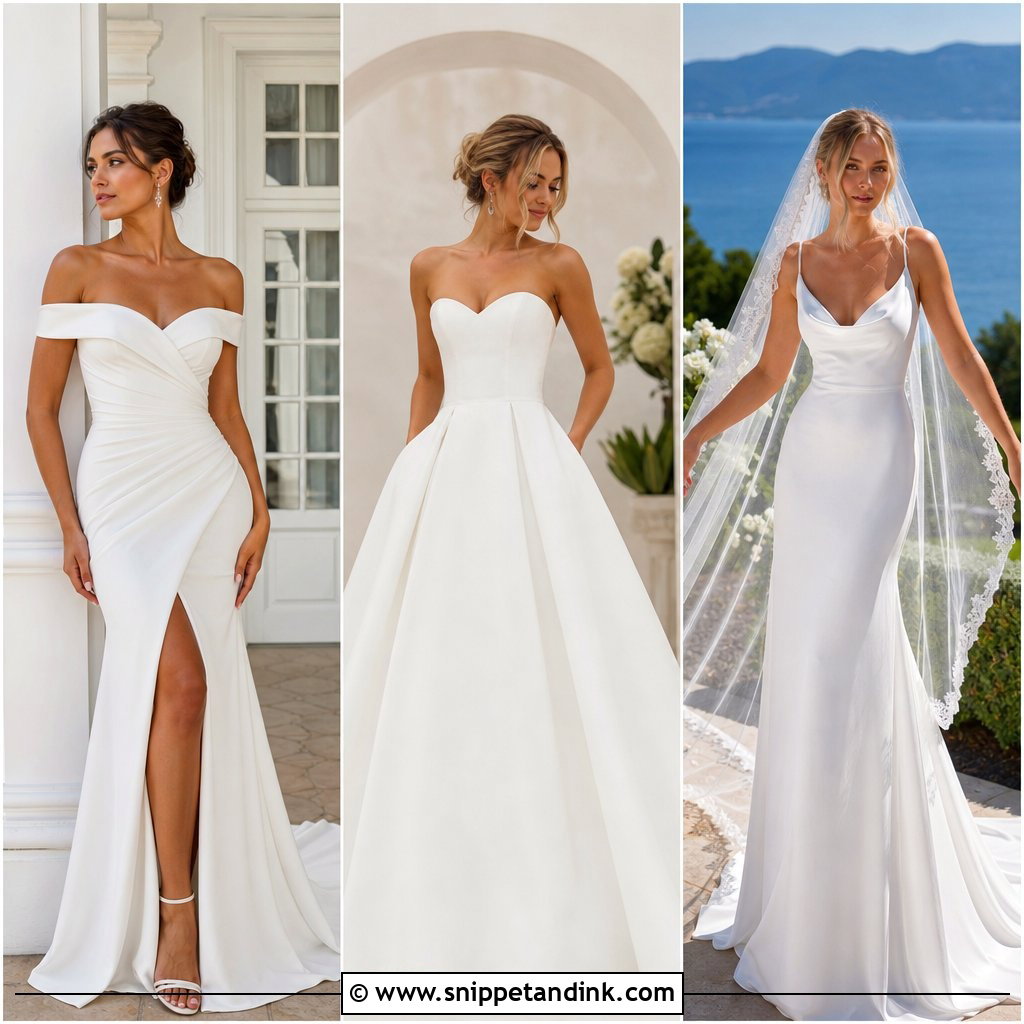
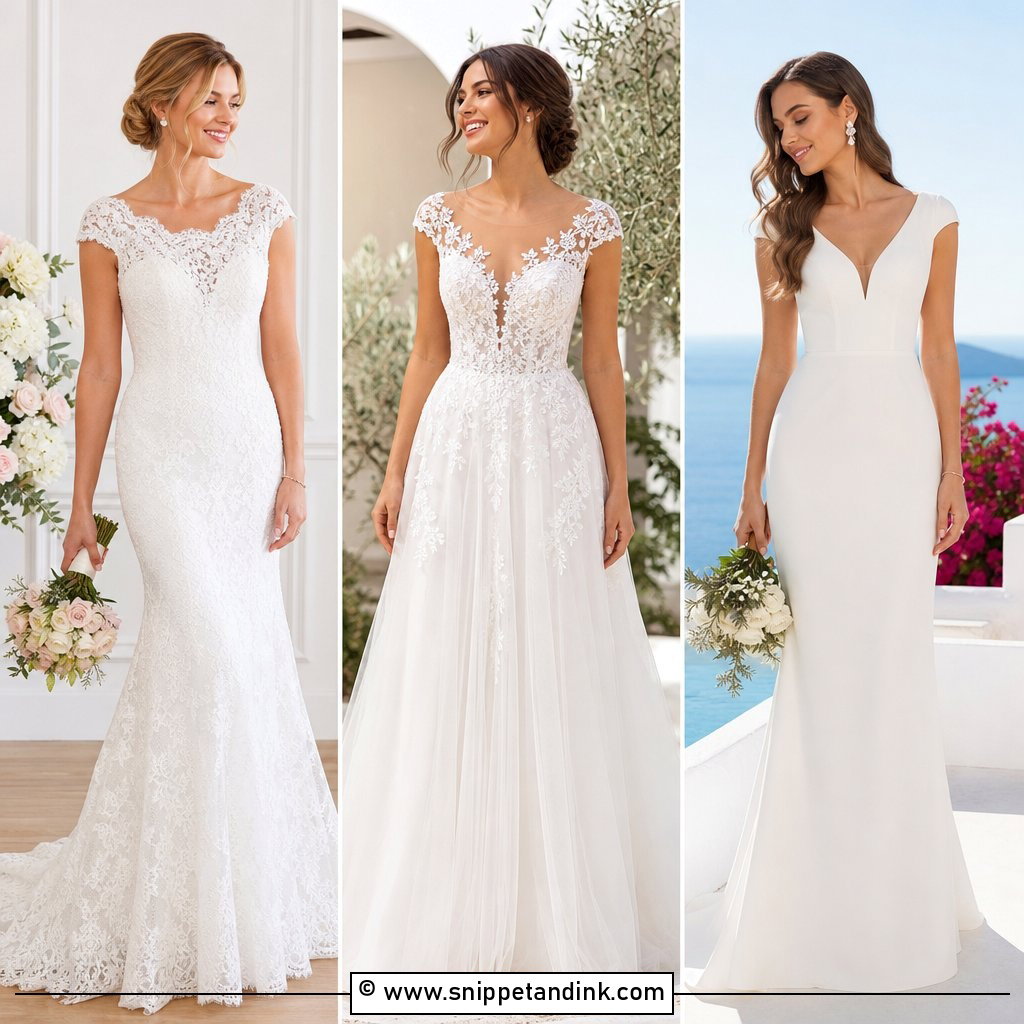
A modest mermaid can look elegant when the fit isn’t skin-tight. I want long sleeves, a high neckline and a flare that starts lower on the leg, usually around the knee, so you can still climb steps. Crepe, satin or lace all work depending on formality. The test I give every bride: sit down, stand up, and walk up a step in the sample before deciding. If any of those feel awkward, ask the tailor to let out the skirt slightly at the hip.
21. Orthodox Cape Wedding Dress
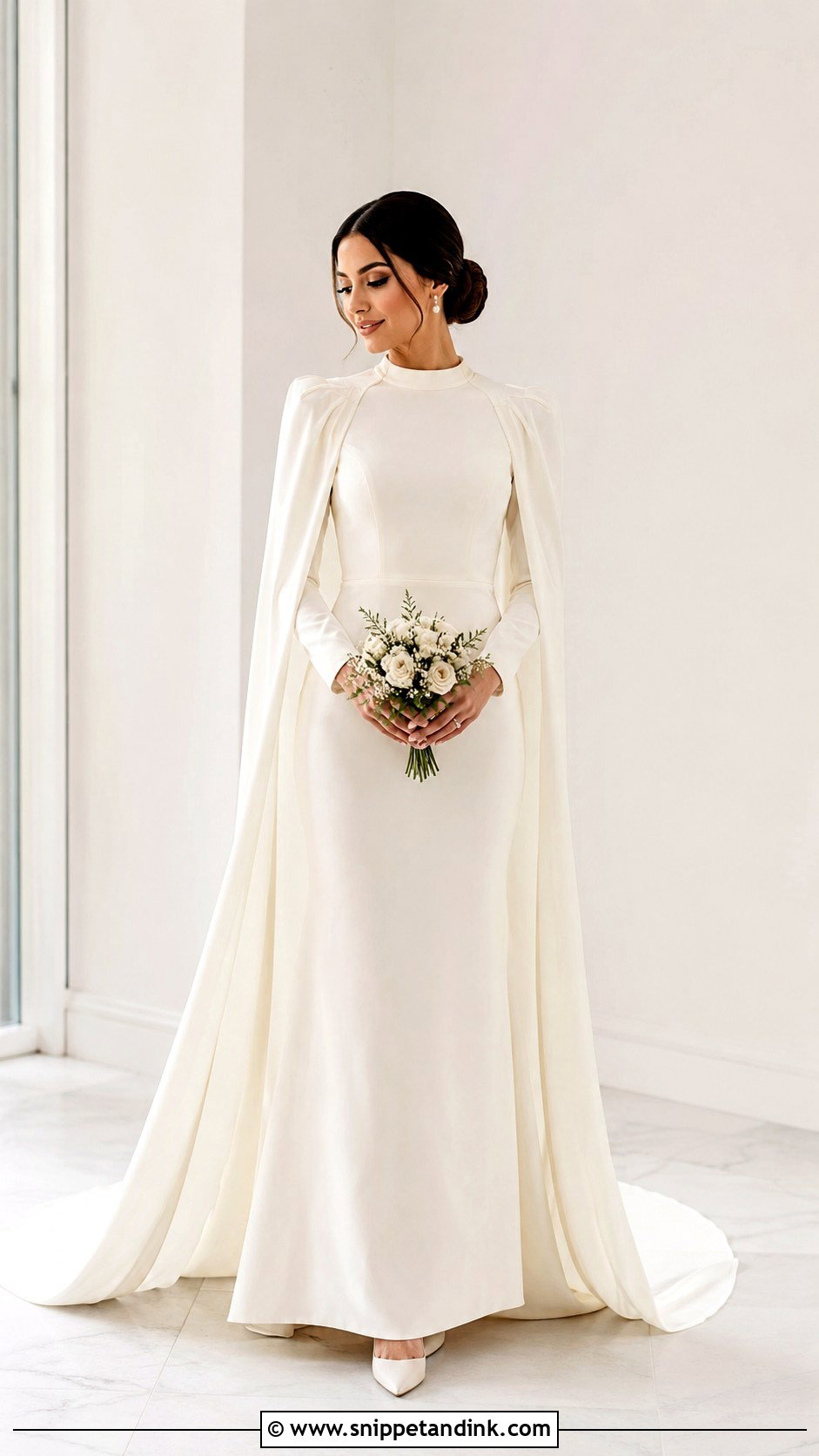
A cape gives coverage and drama without a fuss. Start with a long-sleeve or high-neck gown and add a light cape from the shoulders or neckline; it can replace a veil or go with a short one. Crepe, tulle and lace capes each create a different mood. Sleek hair, pearl earrings and closed heels keep it modern. I always check how the cape is attached: snaps or hidden hooks at the shoulder seam hold better than a single clasp at the throat, which pulls when you walk.
22. Orthodox Two Piece Wedding Dress
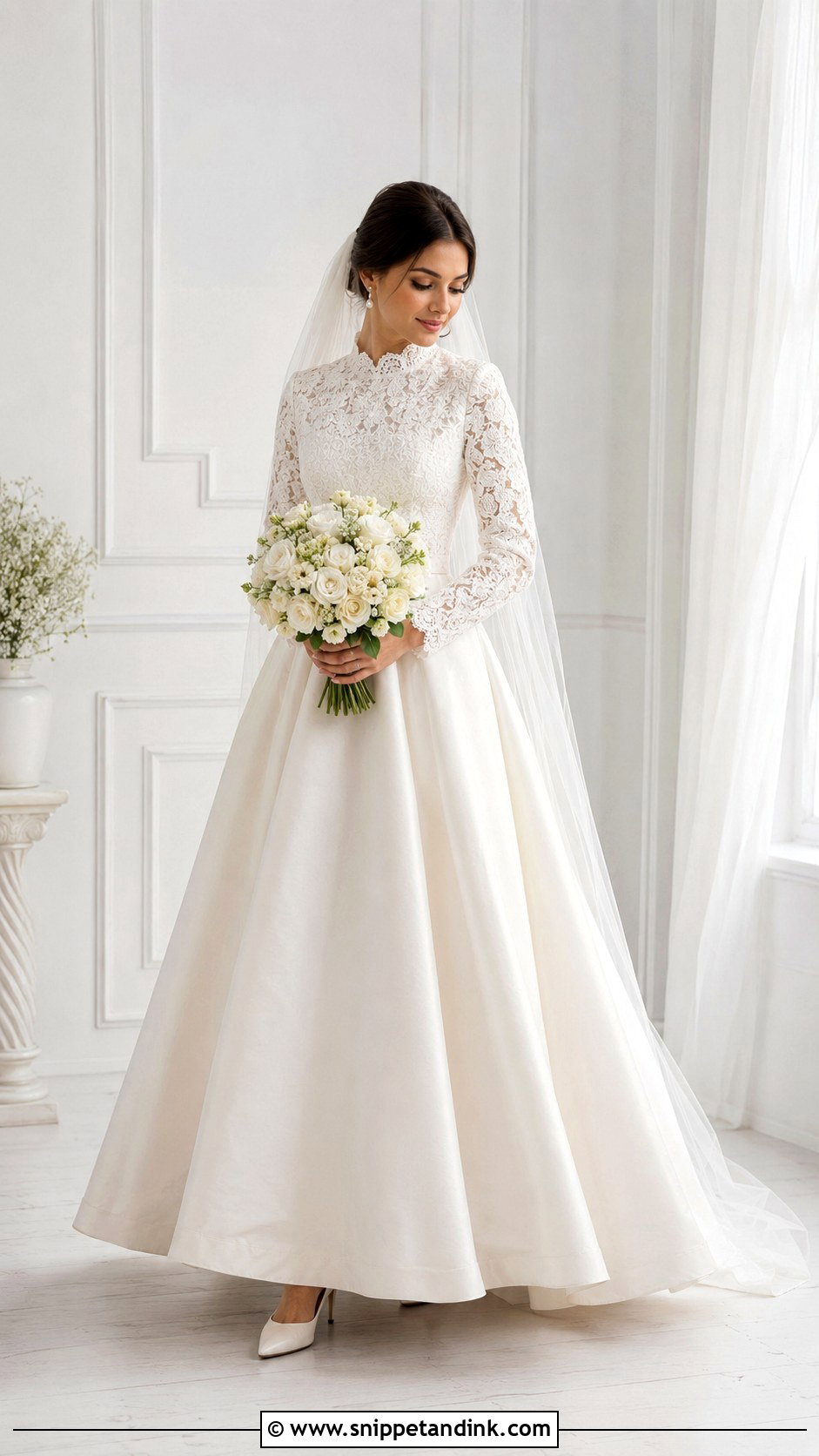
A two-piece can look modern while staying modest. A high-neck lace or satin top with long sleeves over a matching full skirt is the usual build, and the top must meet or overlap the waistband so there’s no gap when you raise your arms. Lace, crepe and satin all suit it, ideally in one tone of ivory. A practical bonus: separates let you take different sizes on top and bottom. Tailoring is what keeps it from looking casual.
23. Orthodox Vintage Wedding Dress
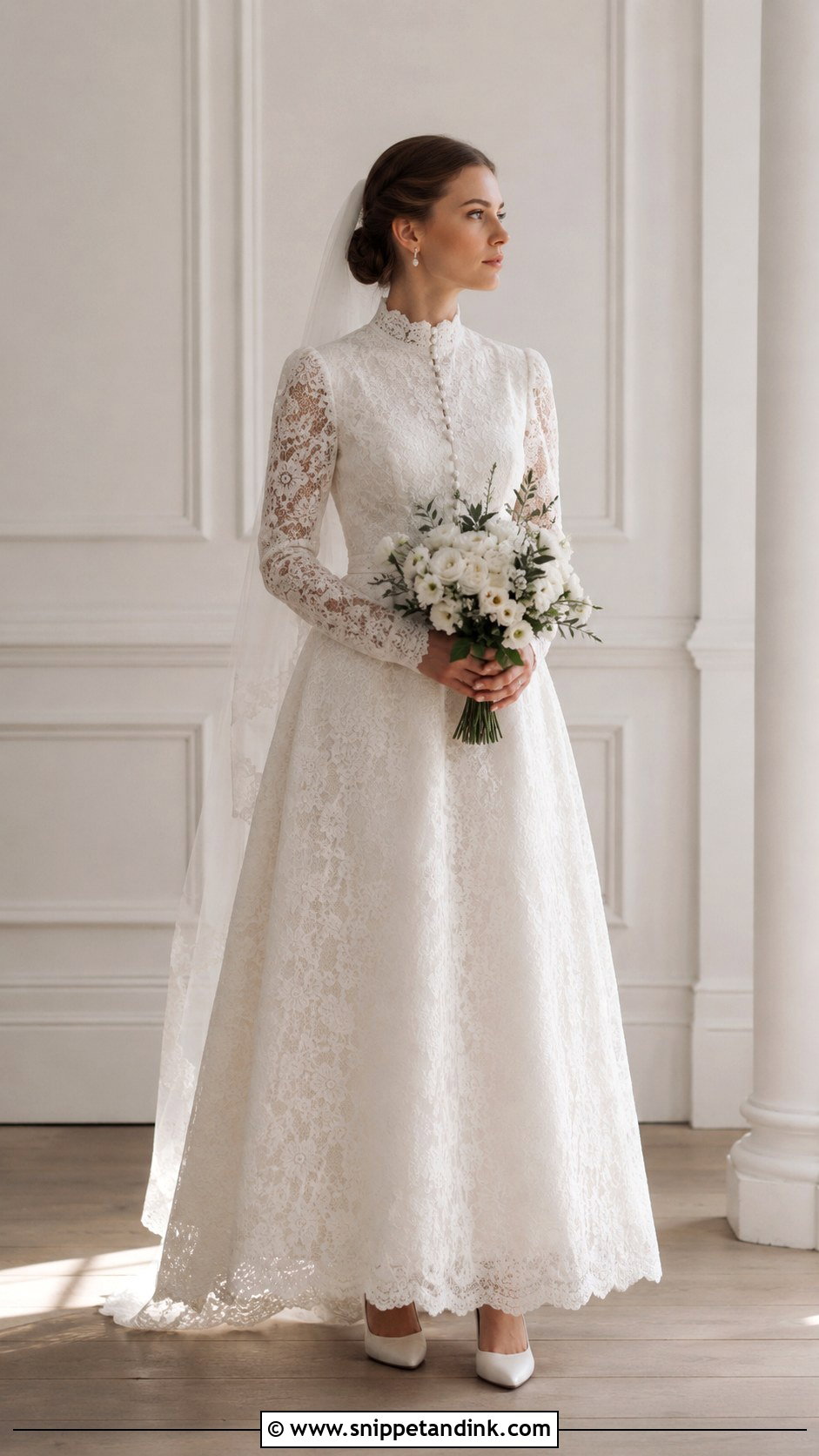
Vintage details work best in moderation. Lace sleeves, covered buttons, a high neckline and a soft A-line skirt set the tone; scalloped lace, satin cuffs, pearl trim or a tea-length hem can add more. I suggest picking one or two of those details, not all of them, or the gown starts to look like a costume. A low bun, classic pumps, delicate earrings and soft makeup keep it grounded.
24. Orthodox Blush Wedding Dress
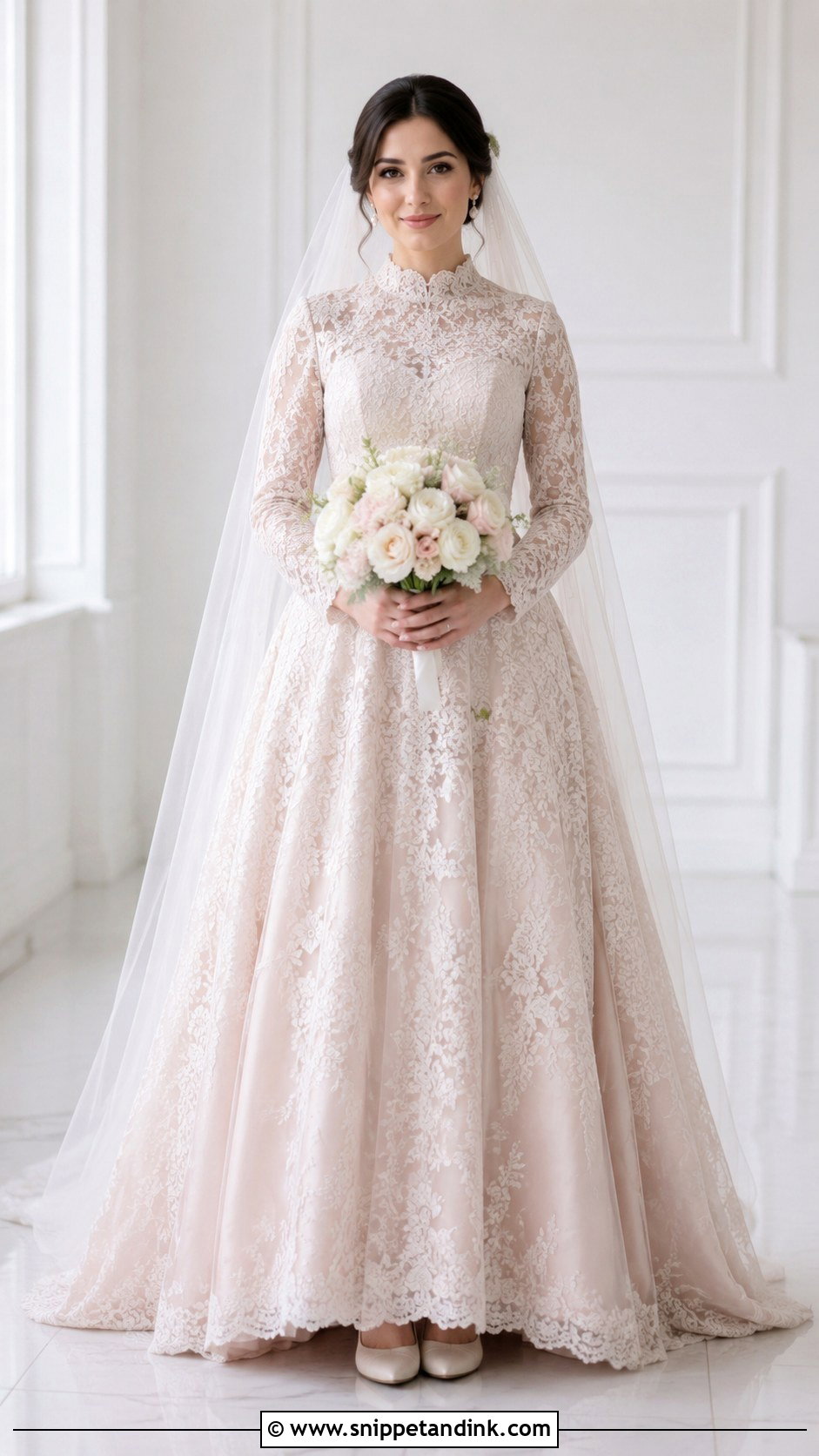
Blush is a soft alternative to ivory or white. A very pale blush lining under lace, or a full blush satin gown with long sleeves and a high neckline, warms the face in photos. Keep the shade gentle; strong pinks can look like a party dress. I always view blush gowns in daylight, by a window, because shop lighting hides undertones. Match the veil to the gown’s undertone and keep the bouquet mostly white with light pink accents.
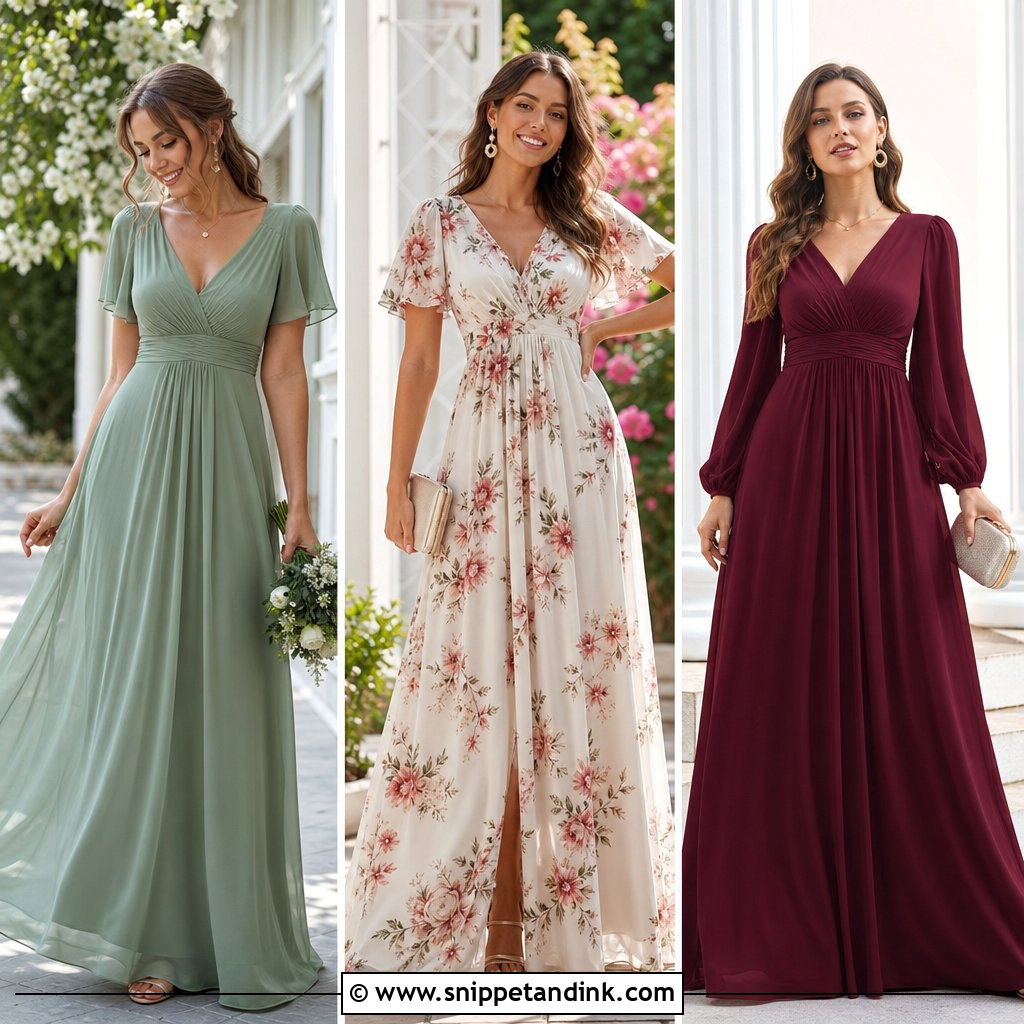
25. Orthodox Cathedral Veil Wedding Dress
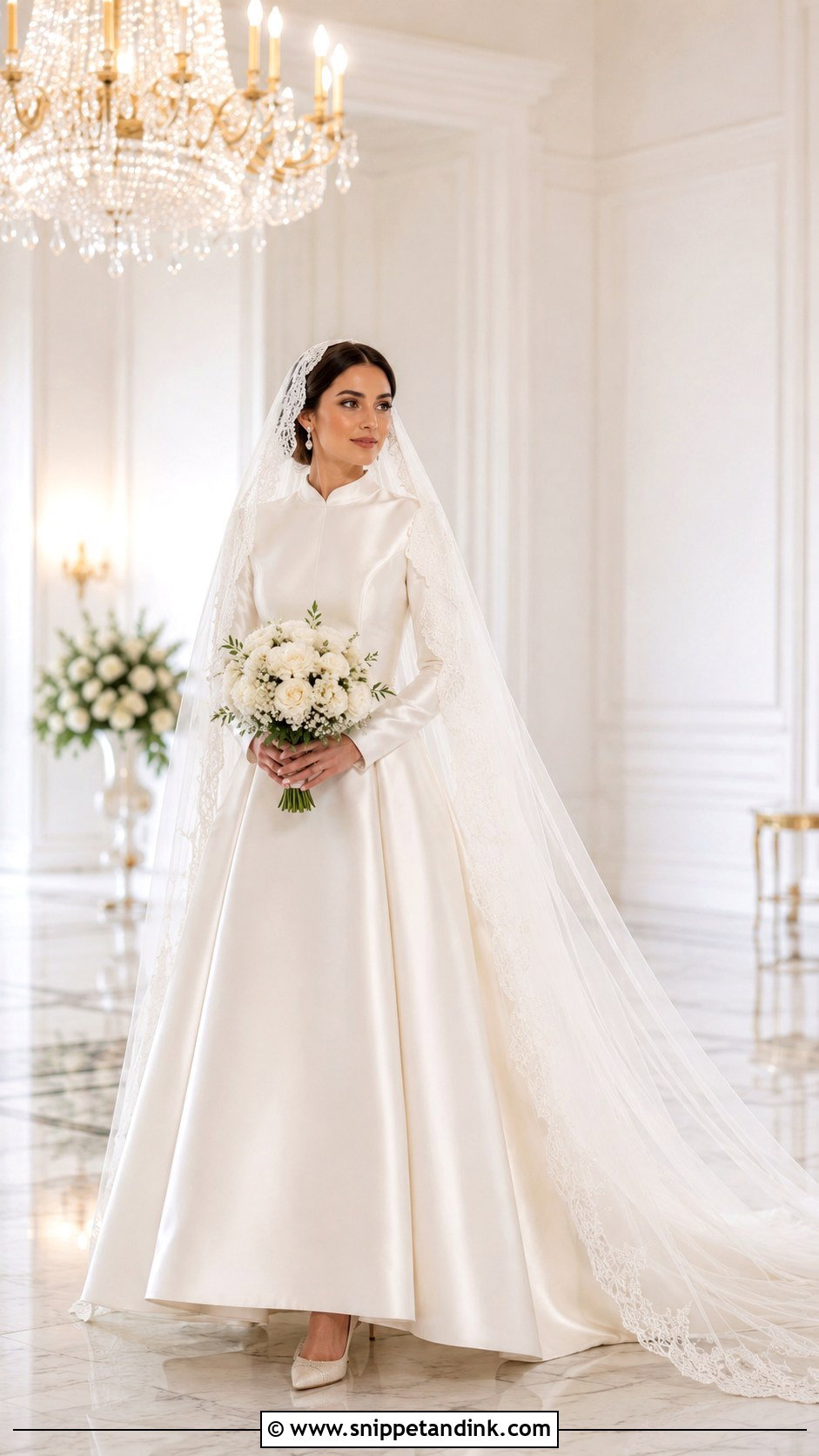
A cathedral veil turns even a plain covered gown into a ceremony look. It pairs naturally with long sleeves, a high neckline and a covered back, over crepe, satin, lace or mikado. Pick a plain veil for a minimal gown or a lace-trimmed edge for a traditional one, and keep the bouquet modest so it doesn’t fight the veil. A cathedral length catches on chairs and doorframes, so I anchor it with a comb and two crossed pins, and I show someone how to remove it before the reception.
Turning a Strapless Sample Into a Covered Gown
Most bridal shops still stock mostly strapless and sleeveless samples. That doesn’t rule them out; it just means planning the coverage early. I’d order the gown about six to nine months ahead, because made-to-order dresses commonly take several months to arrive, then leave two to three months for alterations.
- Ask the shop if the designer offers sleeves or a high neck as a factory option. That is usually cleaner than a later add-on.
- If not, a skilled seamstress can add an illusion lining with lace sleeves, ideally using offcuts from the hem so the lace matches.
- A separate lace jacket or bolero is the simplest fix, and it comes off for the reception if your community allows.
- Bring the exact shoes and undergarments to every fitting, or the hem and bodice will be set wrong.
Plan for at least two or three fittings, the last one about two weeks out. I’d rather see a bride twice more than leave a pulling sleeve to chance on the day.
Lining, Sleeves and a Collar That Lets You Breathe
The covered gown that works is the one you can move, sit and celebrate in while feeling like yourself. Lace sleeves, satin ball gowns, sleek crepe, pearl details and a long cathedral veil each offer full coverage in a different mood. Put your energy into fabric quality, lining, a collar that doesn’t pinch, sleeves that let you lift your arms, and a skilled tailor. Then let the shoes, jewelry, hair, veil and flowers support the gown. Use these ideas as a starting point, and shape each one to your customs, your season and your celebration.
You'll Like These Ideas:



Leave a Reply