
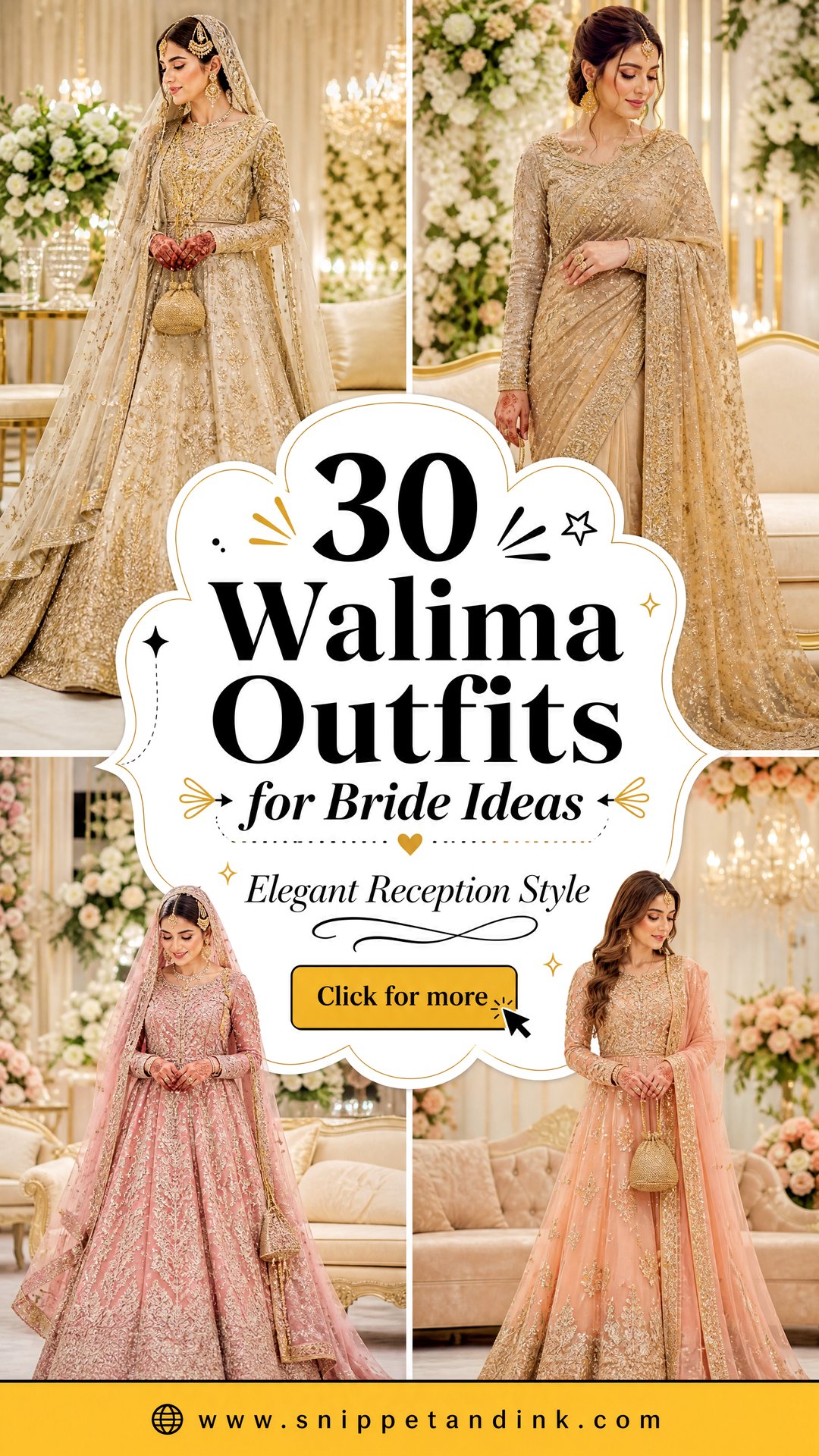
The walima is the bride’s chance to breathe. After the deep reds and heavy embroidery of the baraat, the reception outfit usually goes lighter in colour and in weight, but it still has to look unmistakably bridal on the stage and in the family portraits. Pastel lehengas, pearl-worked gowns, champagne shararas and ivory pishwas outfits are where most of my walima brides end up. What I weigh first is practical: how long you’ll stand greeting guests, how hot the hall gets, and how the colour reacts under the stage lights. Here are 30 outfits, with what I’d watch for in each.
Making the Walima Look Different From the Baraat
In many families, the walima outfit is arranged or gifted by the groom’s side, while the baraat outfit comes from the bride’s family. That often means two sets of people are choosing, and I find it helps to plan both outfits together so they don’t end up looking alike.
- Colour: if the baraat is red or maroon, the walima usually goes pastel or neutral. If the baraat is already pastel, a deeper walima shade like mauve or dusty rose keeps the photos distinct.
- Silhouette: switch shapes. A lehenga on one day and a sharara, pishwas or gown on the other gives the albums variety.
- Jewellery: decide early if any pieces will be re-worn. Champagne, ivory and soft gold work with most sets, while icy blues usually want silver or diamonds.
Order early. Hand embroidery such as zardozi and dabka takes time, and bridal workshops are busiest in the wedding season. I’d ask for the first fitting at least six weeks before the walima so there’s room to adjust.
1. Pastel Pink Walima Lehenga For Bride
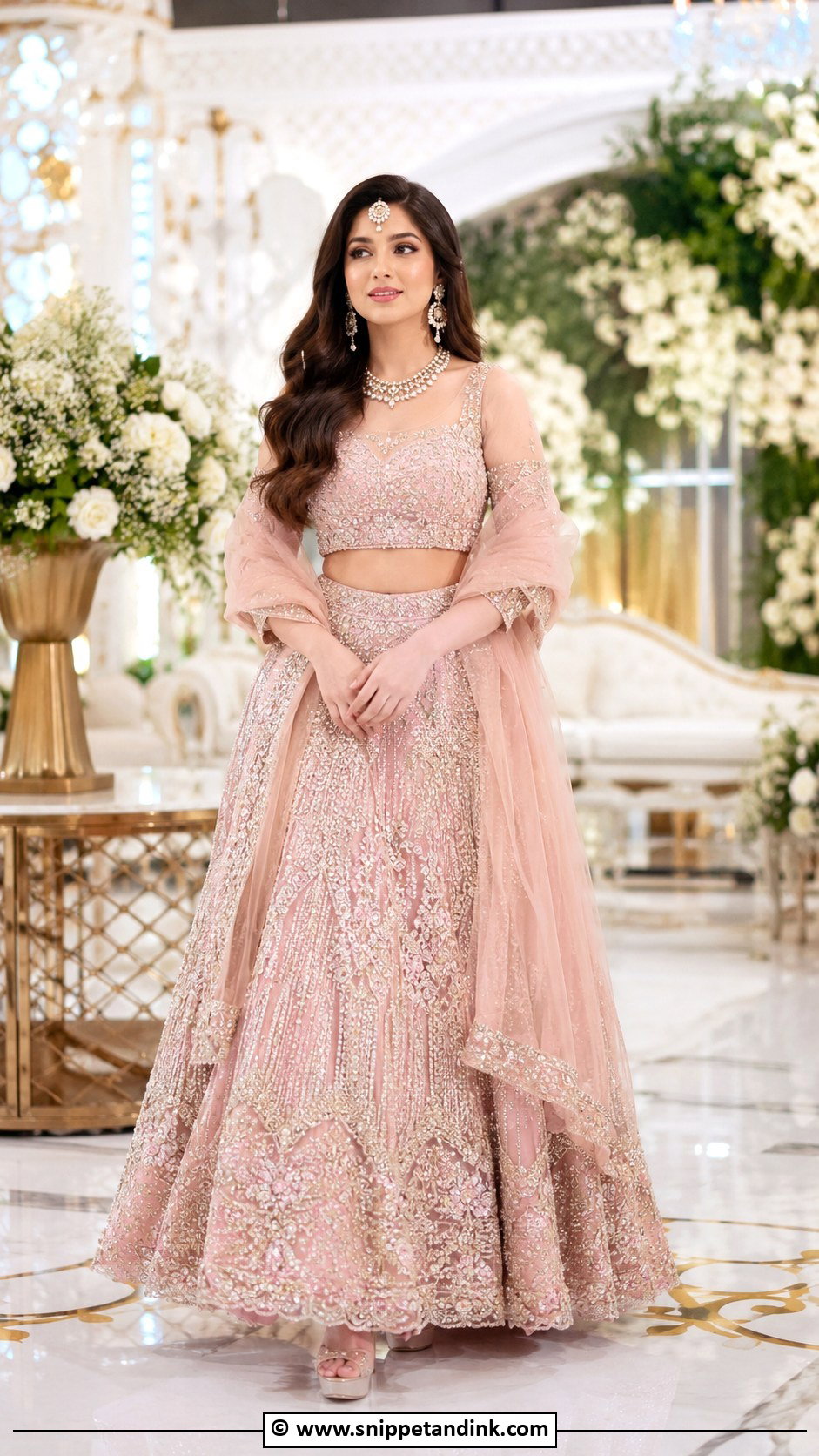
Pastel pink is the walima shade I’m asked for most, and it earns that. The catch is the embroidery colour. Silver or pearl work keeps it cool and fresh, while yellow gold on very pale pink can look slightly brassy under warm hall lighting. A modest blouse and a sheer dupatta balance the skirt. Pearls or kundan with soft stones, rosy cheeks and a soft pink lip finish it.
2. Champagne Gold Walima Gown For Bride
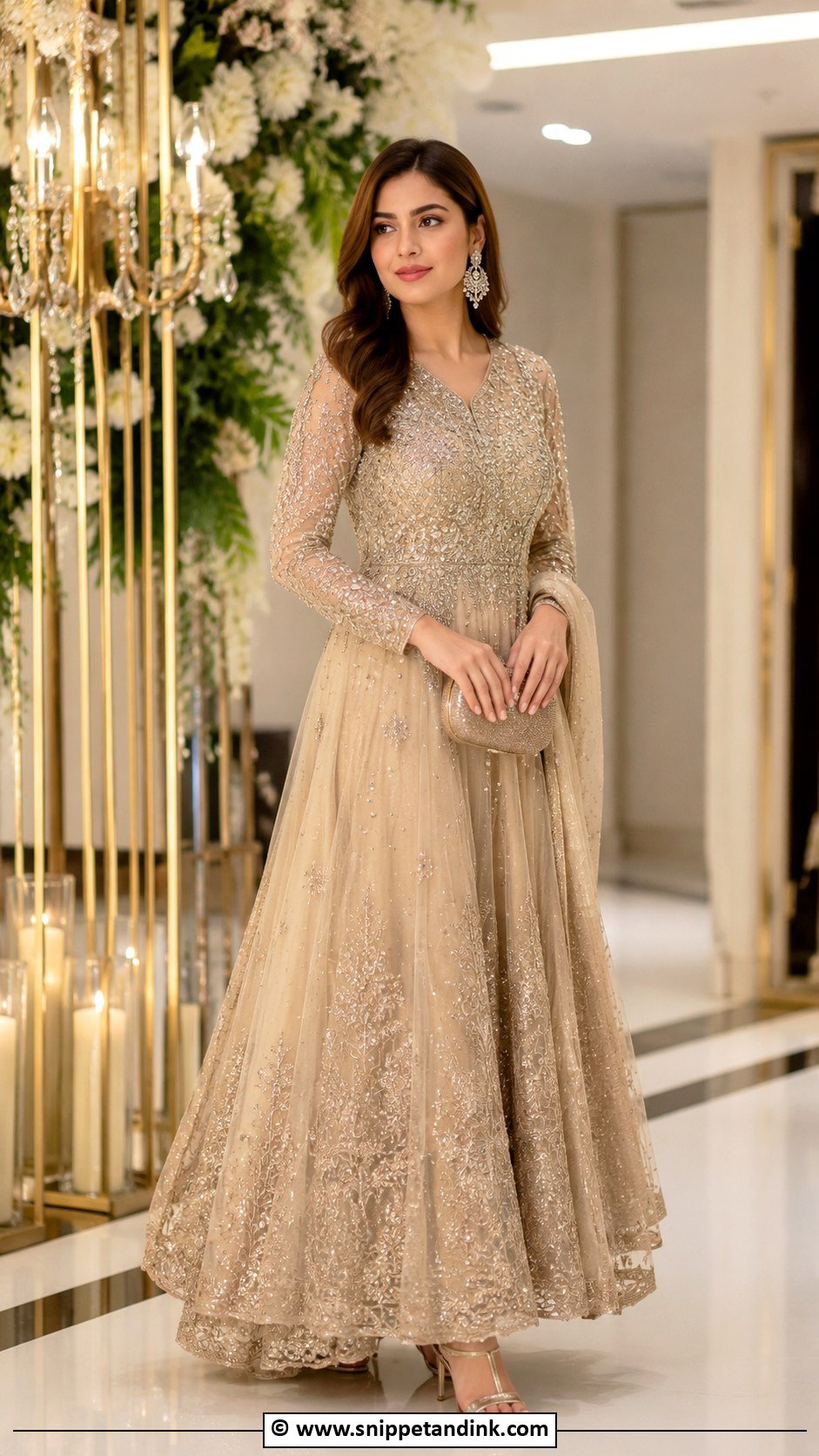
Stepping away from the lehenga, a champagne gown gives that long, flowing line with a fitted bodice and a soft flare. Handwork on the sleeves or hem keeps it from looking like an evening dress. I’d check the weight of the skirt lining; some heavily worked gowns pull at the shoulders after a few hours. Crystal jewellery and a low bun suit the neutral glow.
3. Ivory Walima Pishwas For Bride
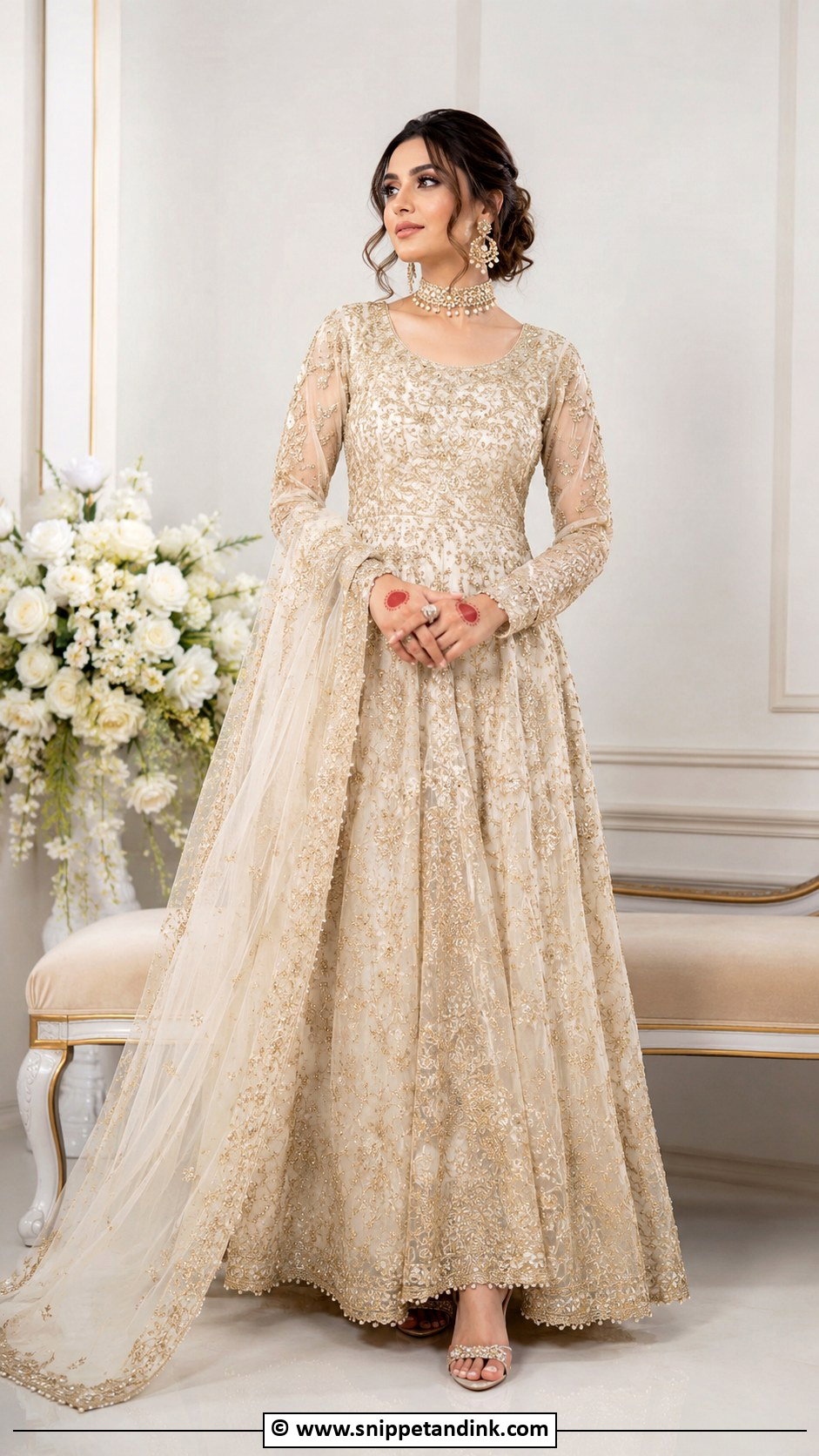
The pishwas comes from Mughal court dressing, a long flared frock that swirls when you turn, and in ivory it looks regal without the heat of a heavy colour. Keep the embroidery subtle in gold, pearl or silver. One thing I check: ivory against skin. It can make the face look flat in photos, so the makeup needs a little extra warmth. Jhumkas or a delicate matha patti add a traditional touch, and a neat bun keeps the neckline clear.
4. Mint Green Walima Sharara For Bride
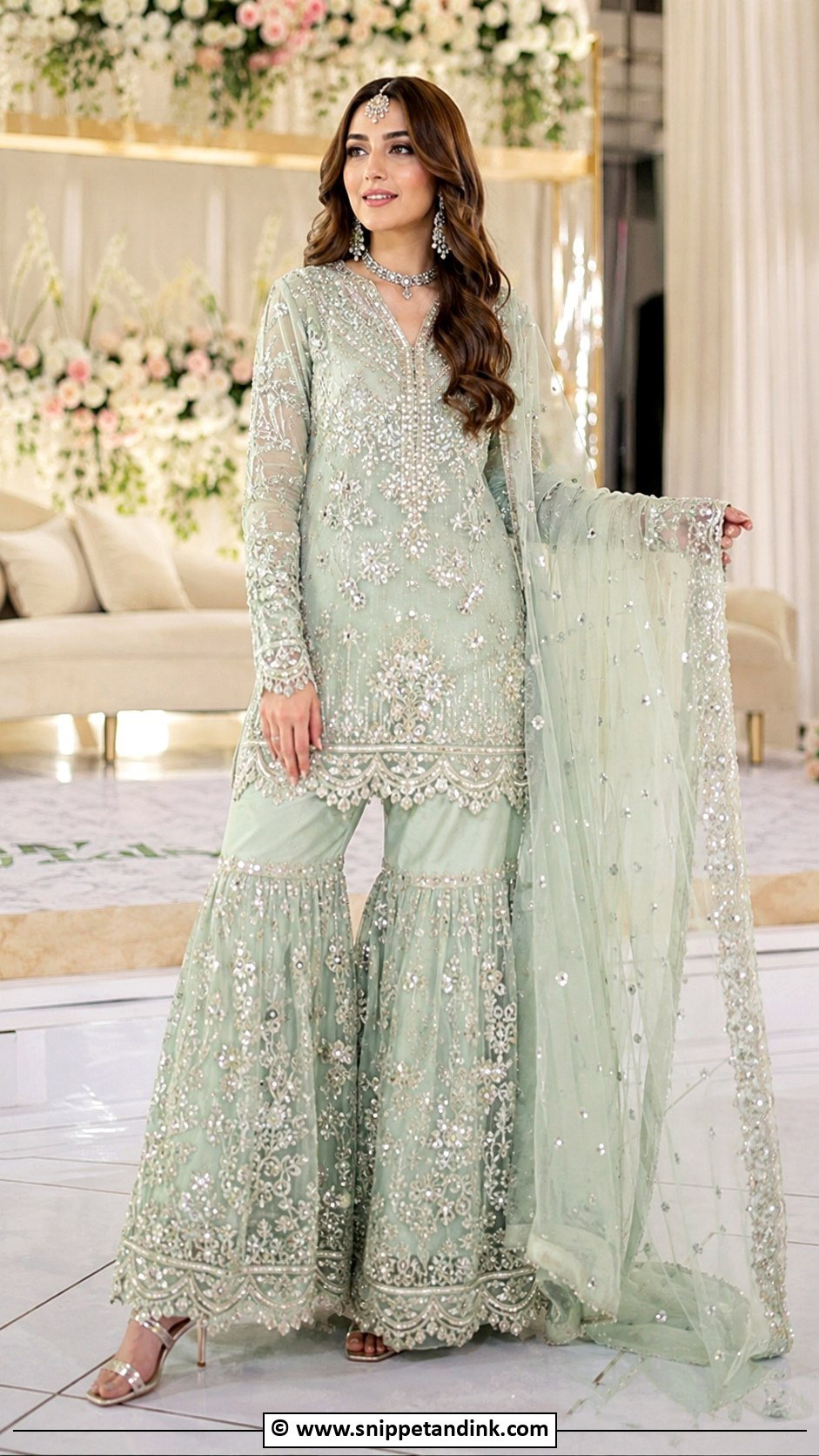
Mint is calm and fresh, but it’s one of the colours most affected by warm lighting, where it can turn faintly grey. I always look at mint fabric under the venue’s lights, or at least at a phone photo taken in similar light. A short or mid-length kameez over a wide flared sharara is lighter than a lehenga and much easier to move in. Silver work, pearls and sequins sit well on mint.
5. Powder Blue Walima Maxi For Bride
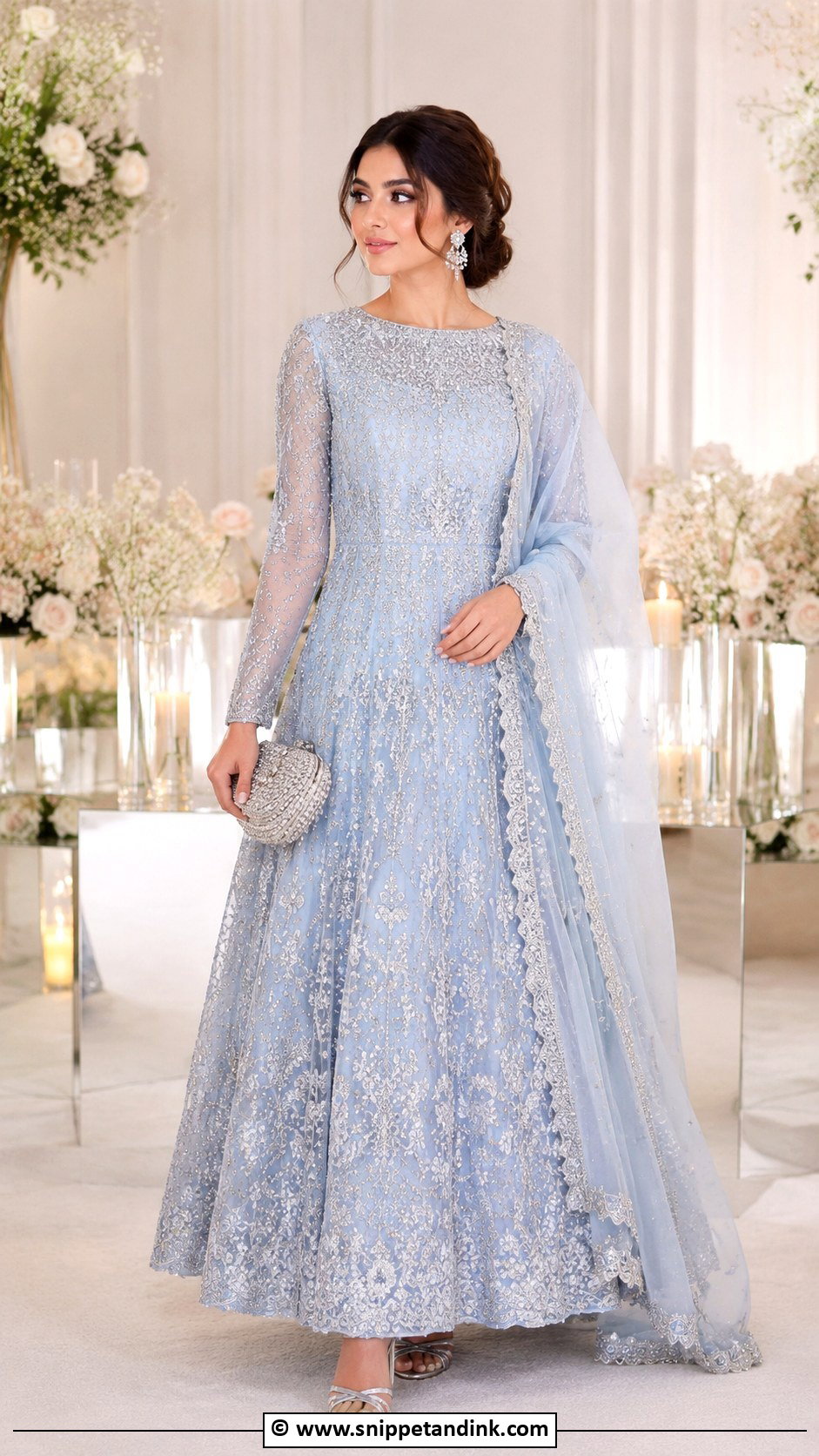
Powder blue gives a cool, serene look that stands well apart from baraat reds. A long maxi with a structured bodice and a soft flare suits threadwork, crystals or silver embroidery. The dupatta can go over one shoulder or over the head, depending on family custom and the bride’s own preference. For a modern Pakistani bridal outfit, silver heels and a crystal clutch keep it fresh.
6. Lavender Walima Lehenga For Bride
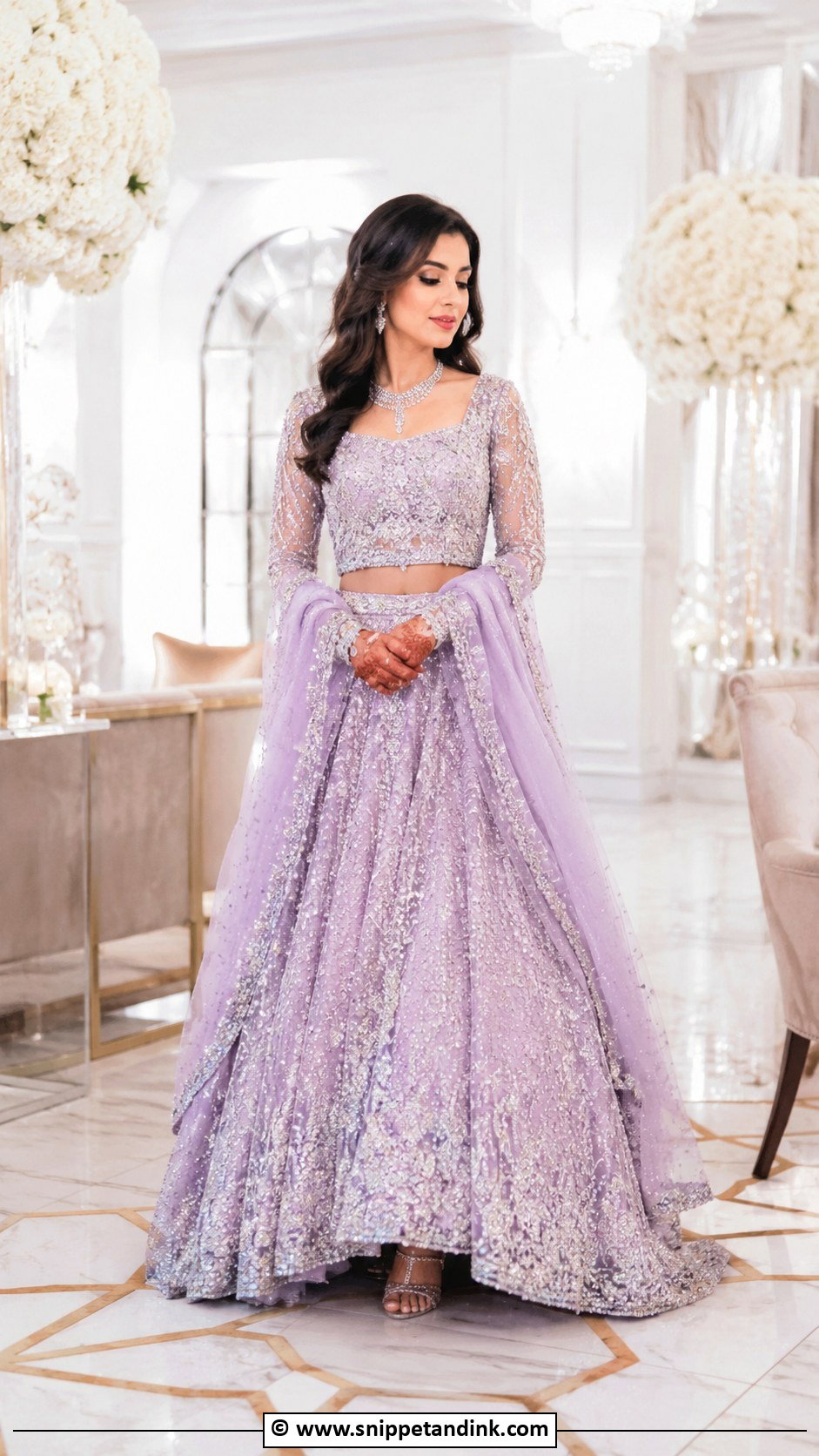
Lavender reads best in the evening, when soft lighting gives it a slight glow. In daylight it can look a little cold on some complexions, so I’d test it against the face before ordering. Silver, pearl or light gold embroidery all work. A blouse with sleeves balances the colour, and a scattered-embellishment dupatta keeps it light. Lavender-toned eyes tie the makeup to the outfit.
7. Peach Walima Gharara For Bride
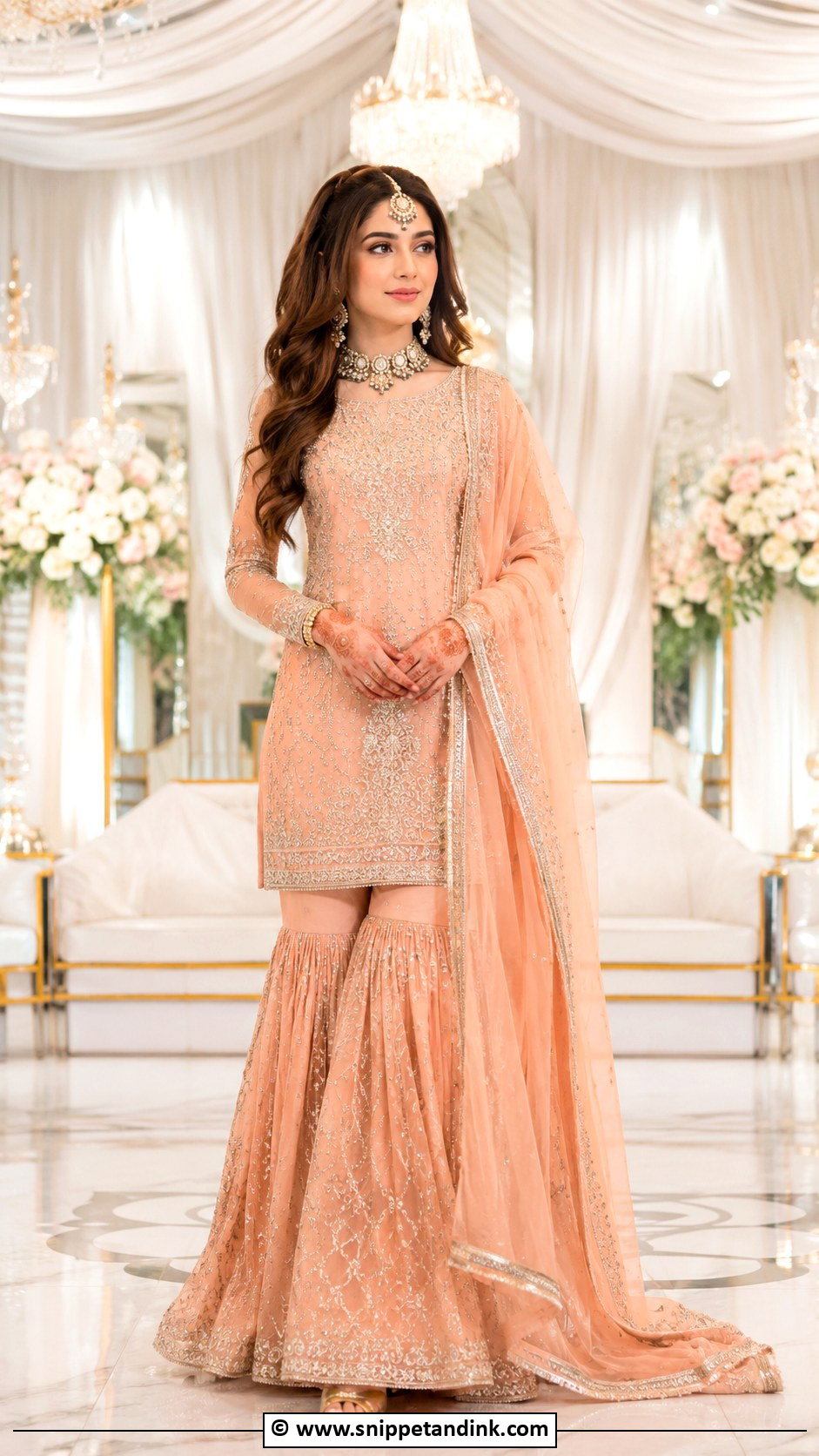
A gharara differs from a sharara in one detail: the joint at the knee, usually marked by a band of gota or embroidery, from which the lower leg flares out. That band is where the eye lands, so I check it sits right at the knee, not above or below. In peach, antique gold or rose-gold work gives warmth. A short bordered kameez and polki or pearls finish it.
8. Silver Walima Saree For Bride
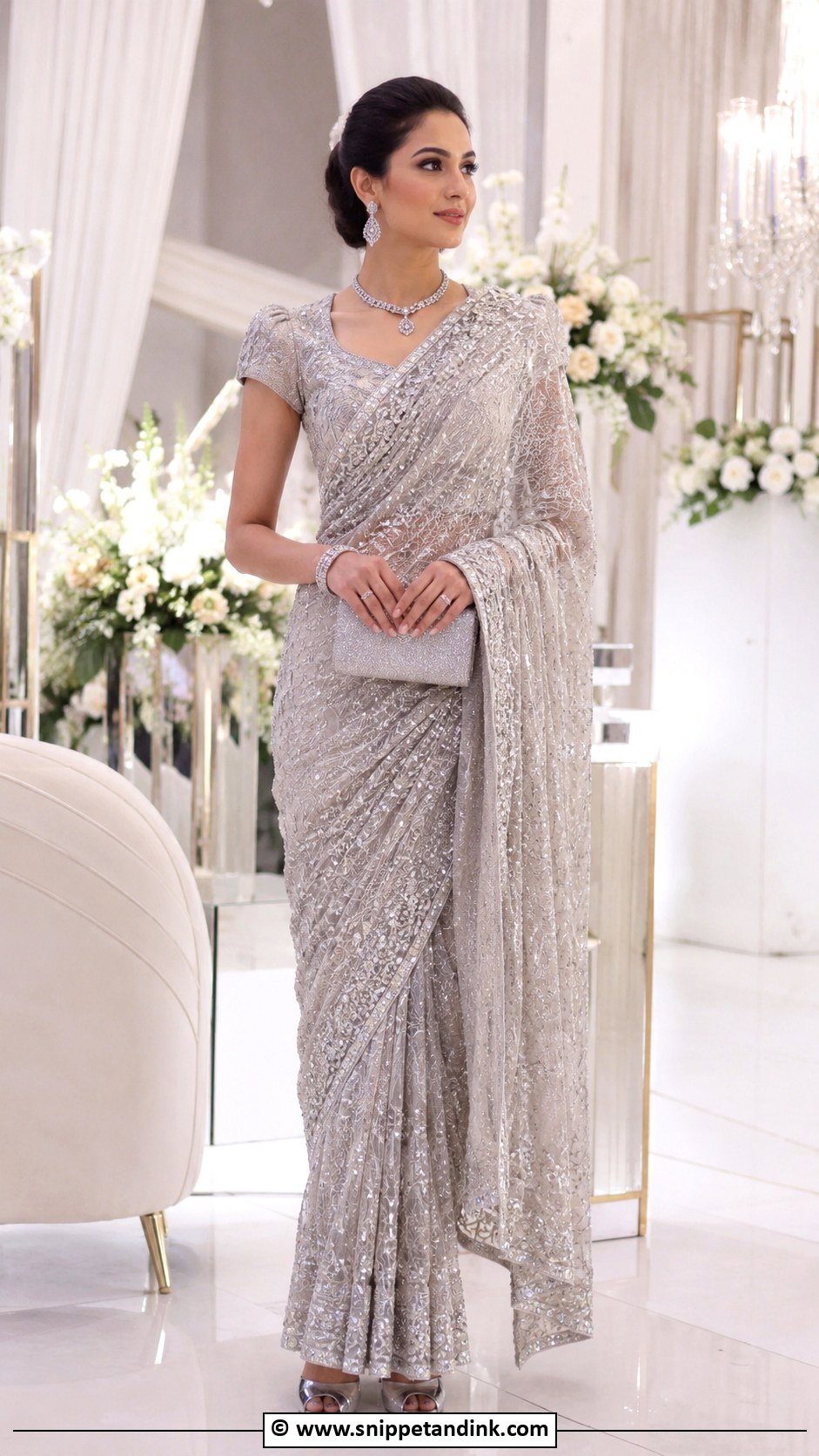
A silver saree in chiffon, tissue, net or silk is the sleekest option on this list. Tissue holds pleats crisply; chiffon flows but needs more pins. I’d have the pleats and pallu pinned by someone experienced, or choose a pre-stitched saree if no one is around to drape it. A structured blouse with sleeves or a high neck reads more bridal. Diamonds, pearls or crystals and a smooth bun complete it.
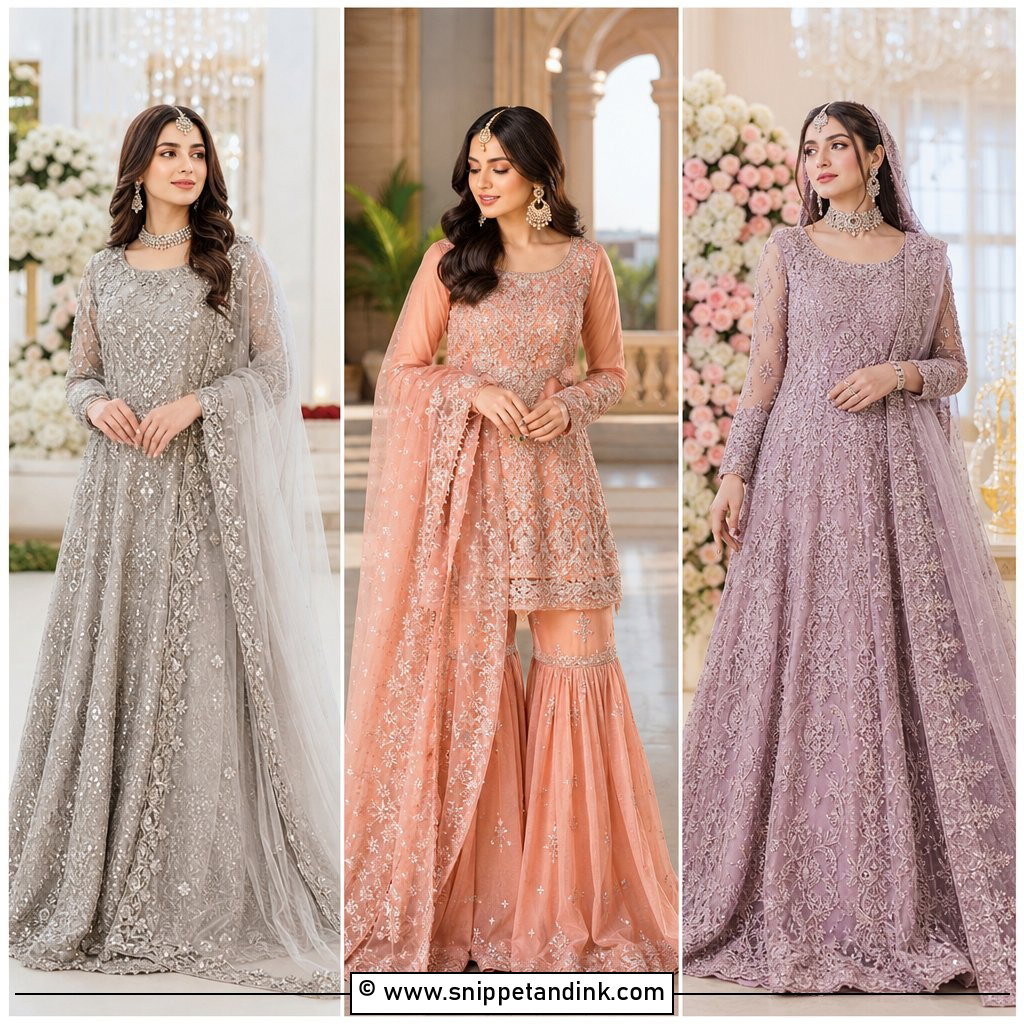
9. Blush Pink Walima Anarkali For Bride
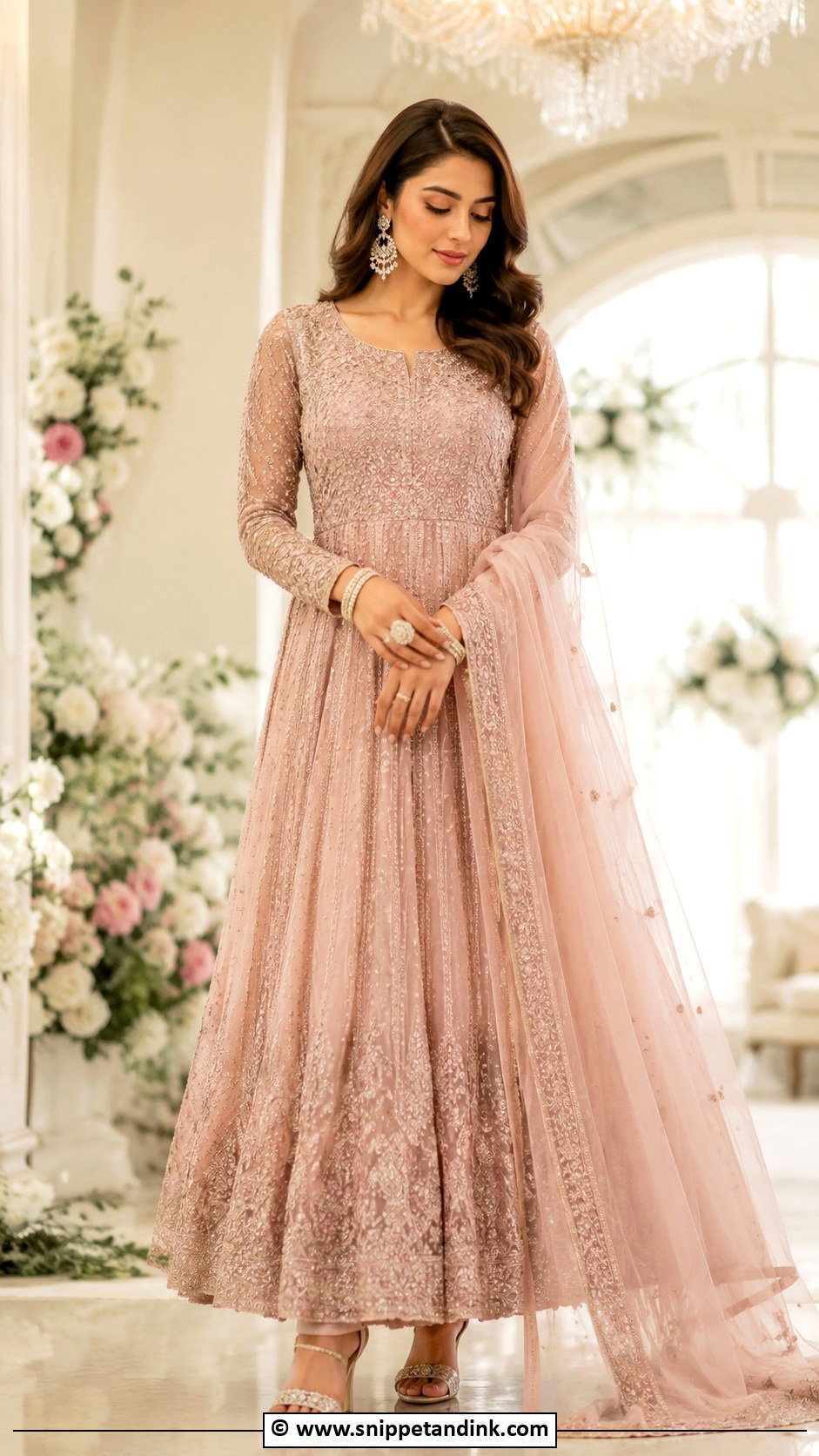
Anarkalis are built from many panels that flare from a high waist, so the hem fans out as you walk. That makes them comfortable for a long greeting line. A blush anarkali with fine work on the bodice, sleeves and hem feels bridal head to toe. I’d keep the dupatta light, since an anarkali already has a lot of fabric. Soft curls and rosy makeup suit it.
10. Sage Green Walima Lehenga For Bride
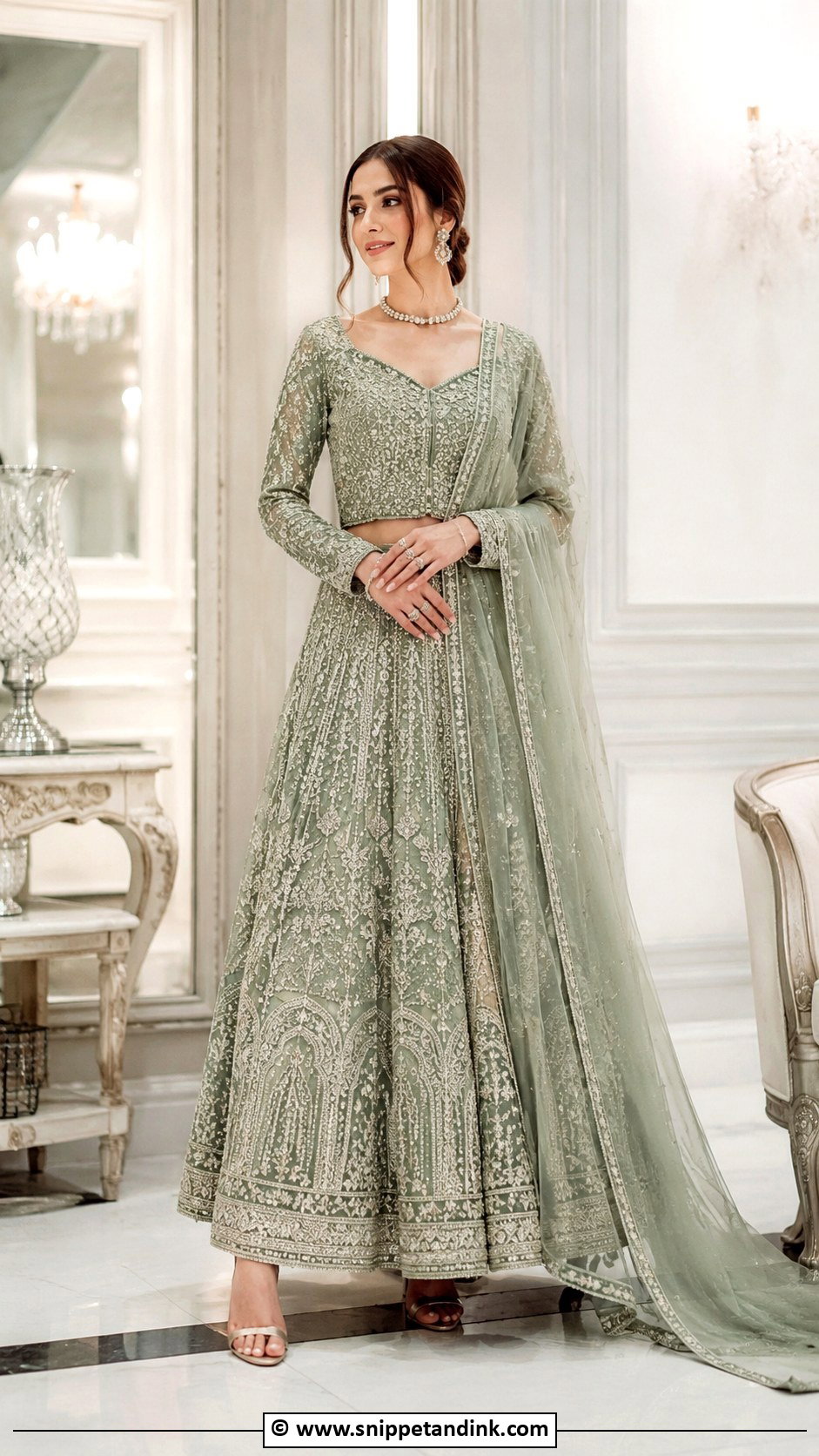
Sage is muted and modern, and it suits both minimal and heavily embellished designs. Silver, ivory or light gold embroidery all work. A net or organza dupatta keeps it airy. Organza holds its shape better than net and snags less on jewellery, which matters when you’re hugging relatives all evening. Pearls or polki and a neutral lip finish it.
11. Pearl White Walima Gown For Bride
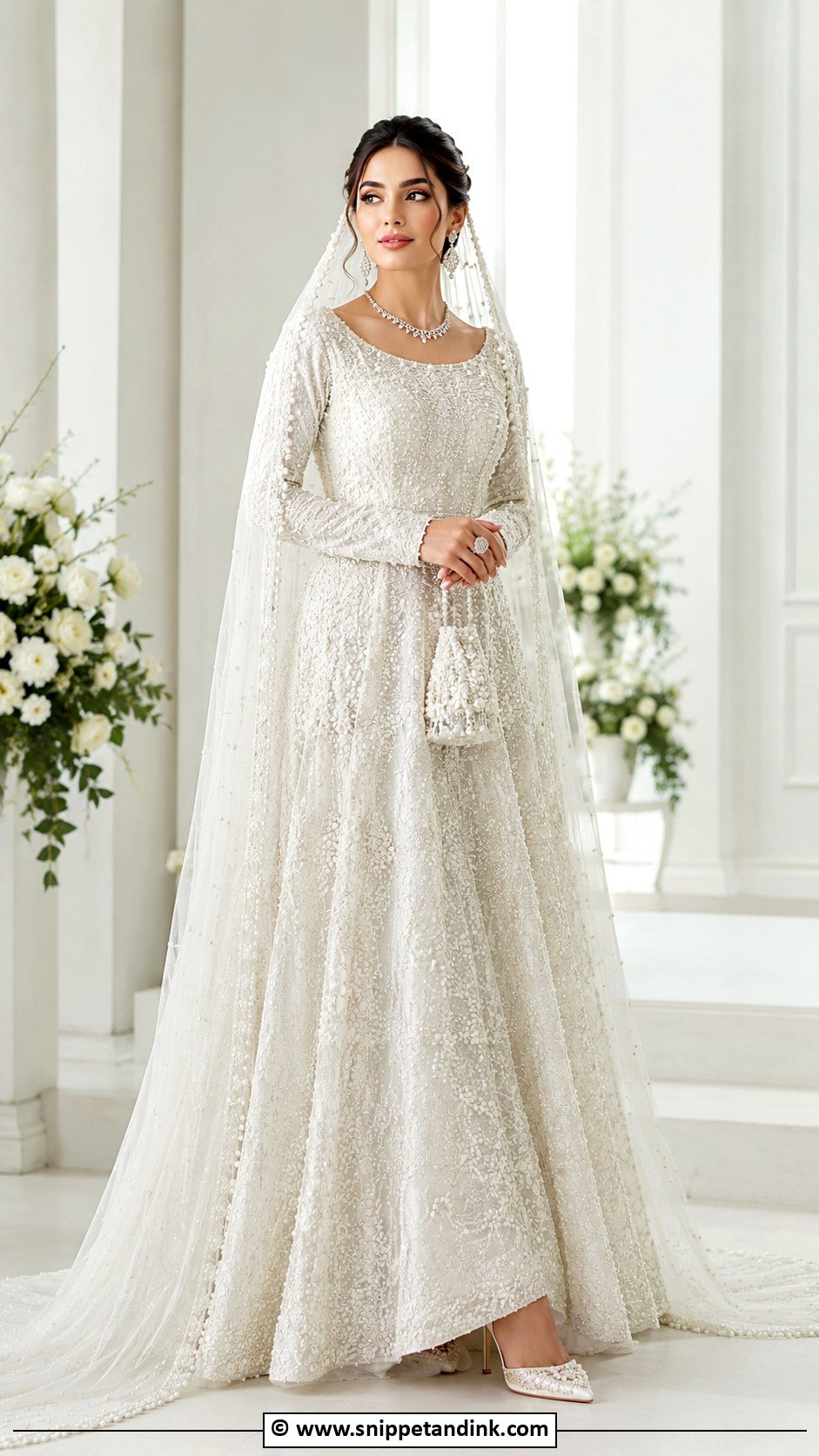
Pearl white is the most understated walima colour here. A long gown with pearl or crystal work and a slightly flared skirt gives quiet luxury. Pearl embroidery is heavier than it looks, so I check the shoulders and sleeves carry the weight comfortably. Luminous makeup with some warmth keeps the face from looking flat against all that white.
12. Rose Gold Walima Sharara For Bride
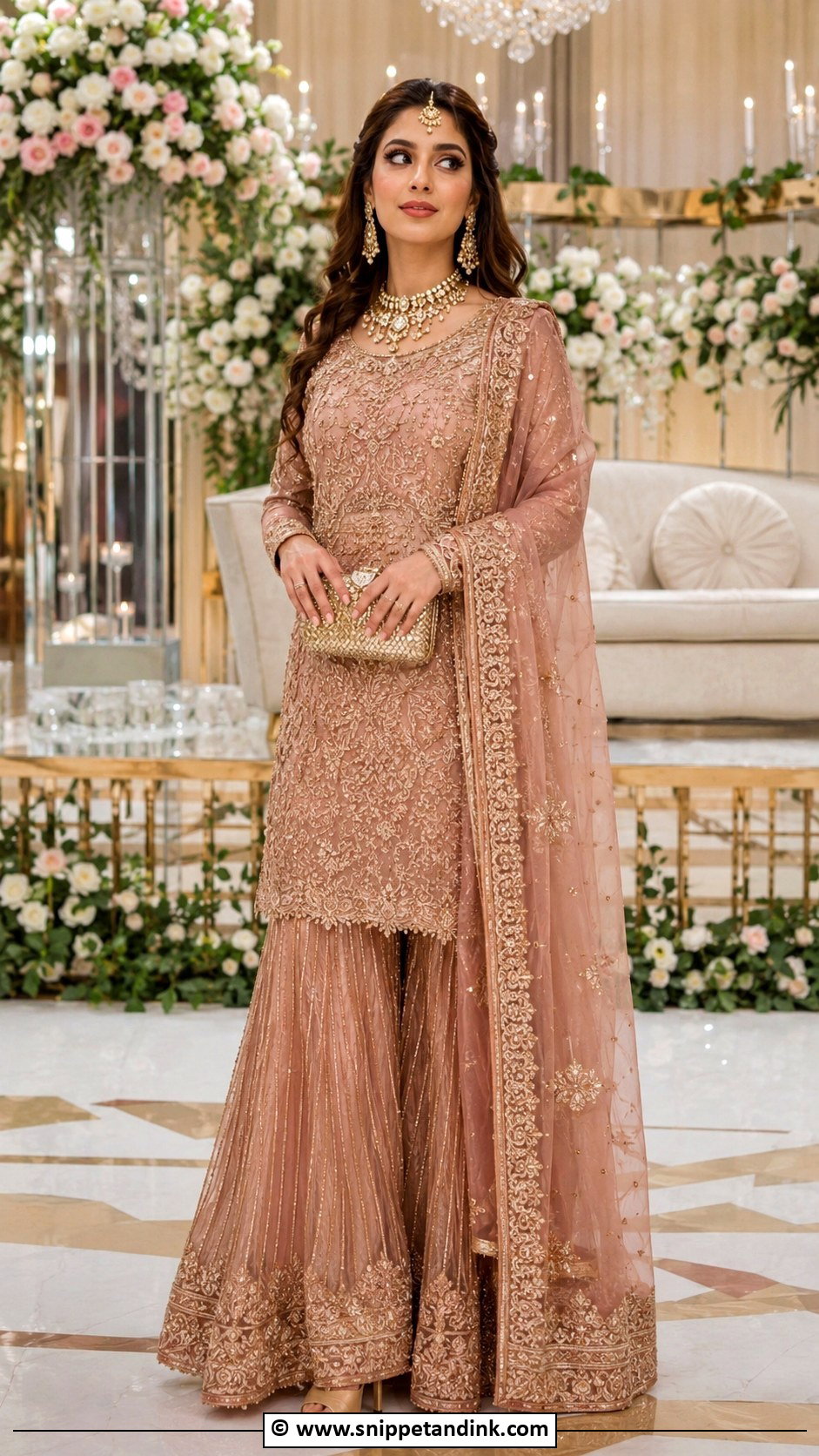
Rose gold brings warmth and sparkle, and a heavily worked kameez over a wide sharara gives festive volume without weight on the hips. Mixed sequins, zari and pearls add depth. The sharara’s width can catch on stage steps, so I always walk the bride up and down a step at the fitting. Gold-toned jewellery and soft waves suit it.
13. Dusty Blue Walima Pishwas For Bride
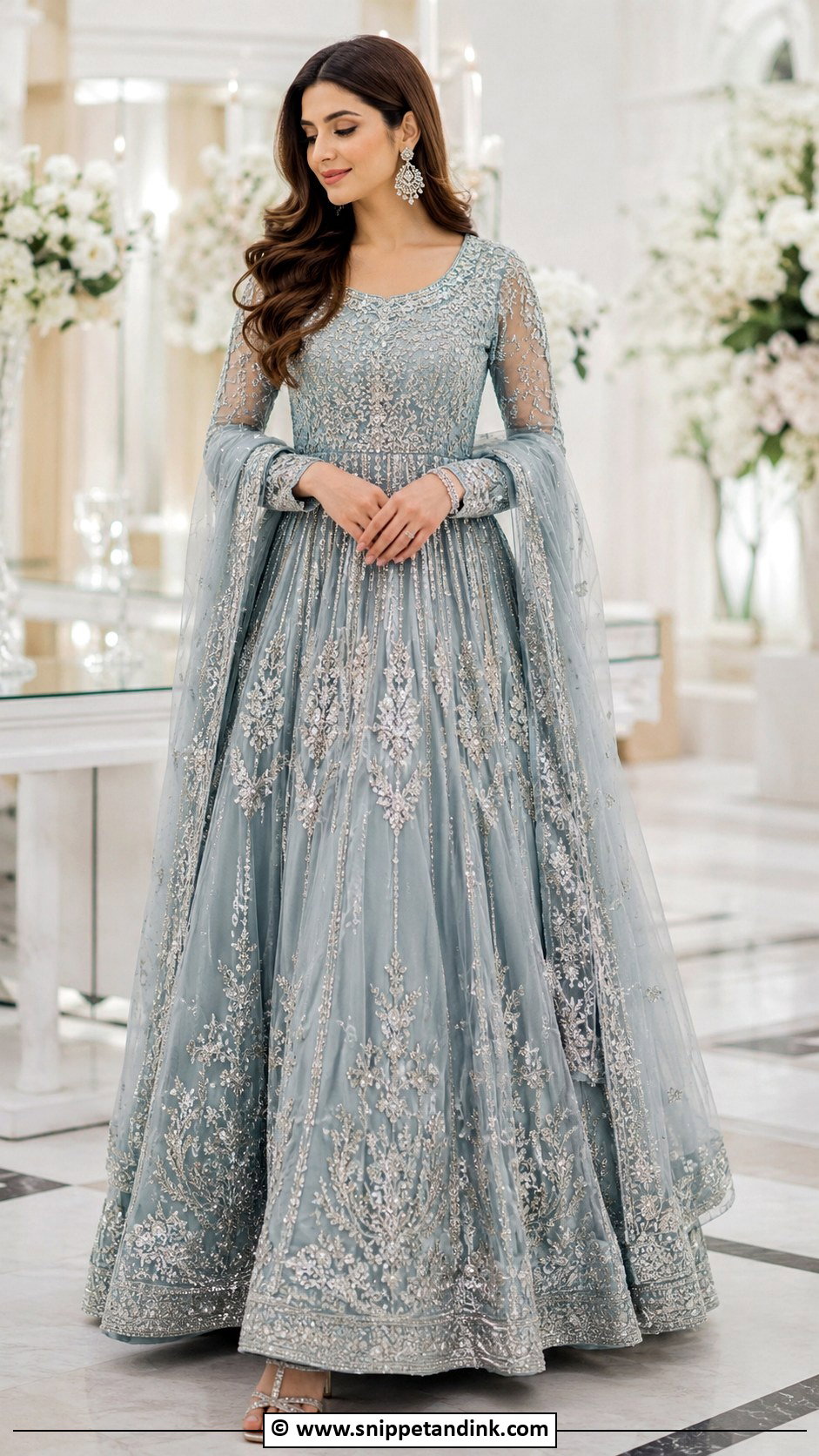
Dusty blue is soft, but silver embroidery or small mirror accents give it bridal shine. Mirror work catches camera flash brightly, which can be lovely or distracting, so I’d keep mirrors scattered rather than dense. The long pishwas flare is graceful in portraits. Crystal earrings and a polished bun suit evening receptions.
14. Ivory And Gold Walima Lehenga For Bride
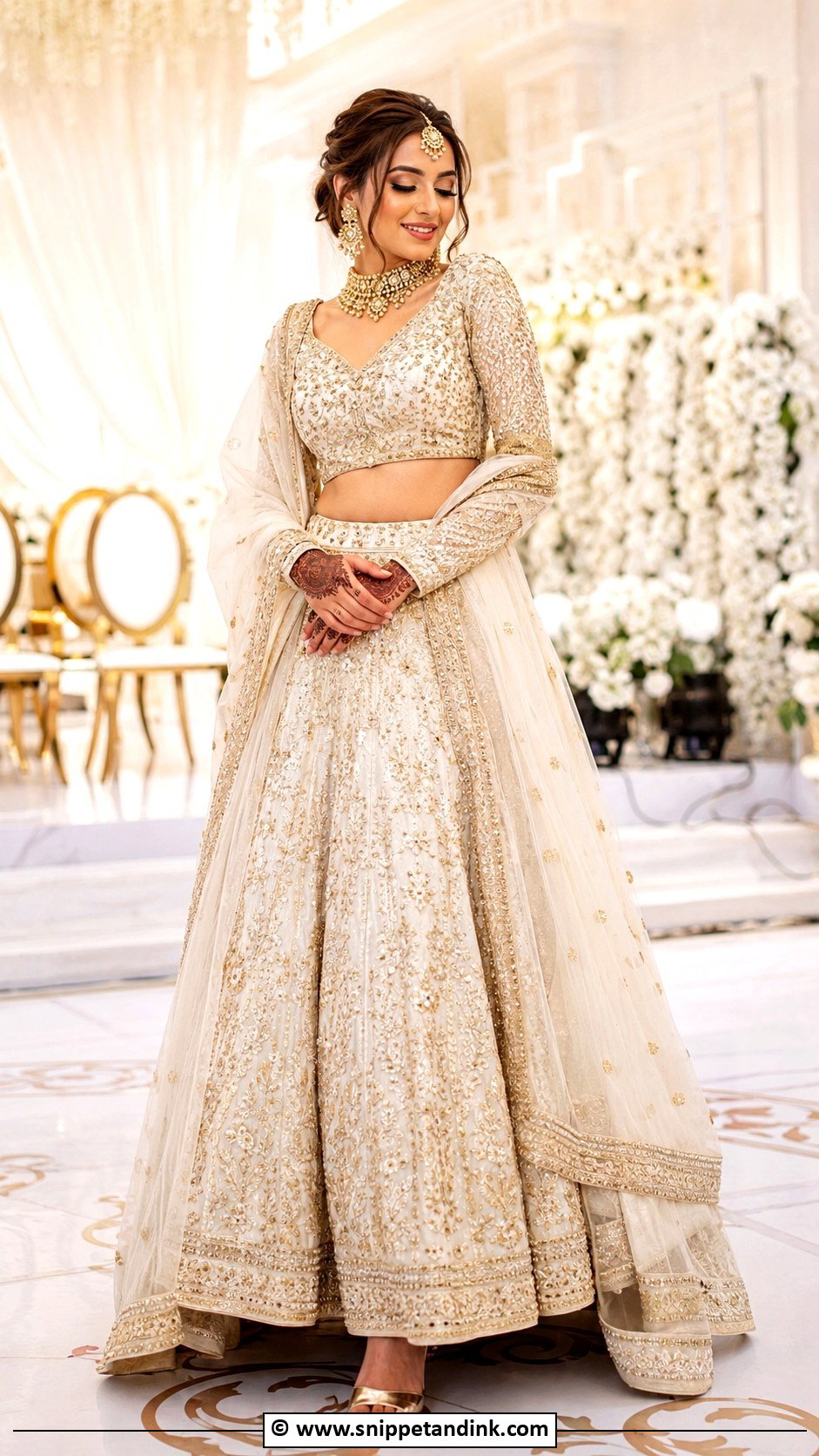
Ivory and gold is the classic reception pairing, rich without being bold. Scattered gold work feels lighter; heavier work at the hem looks more formal and adds weight where it helps the skirt fall. Detailed sleeves and a bordered dupatta finish it. Kundan, polki or pearls all work with warm neutral makeup.
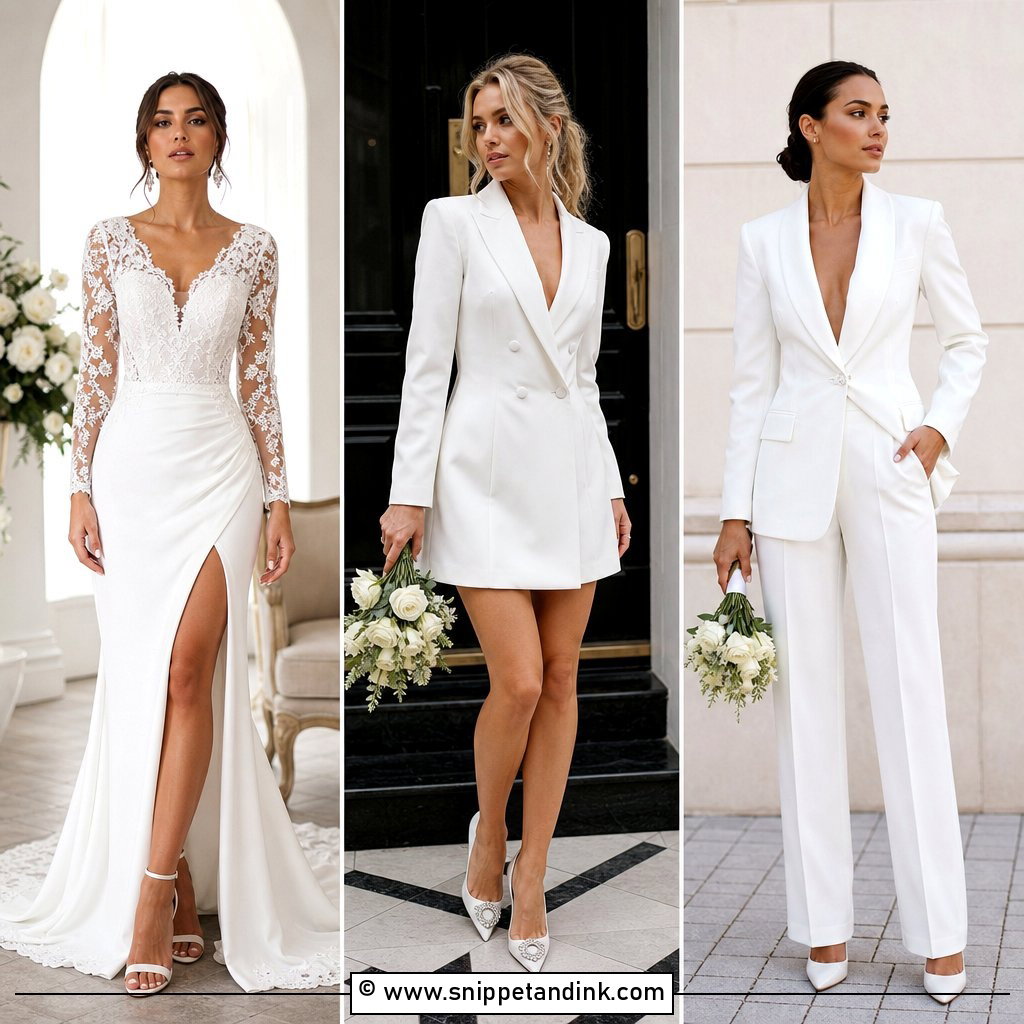
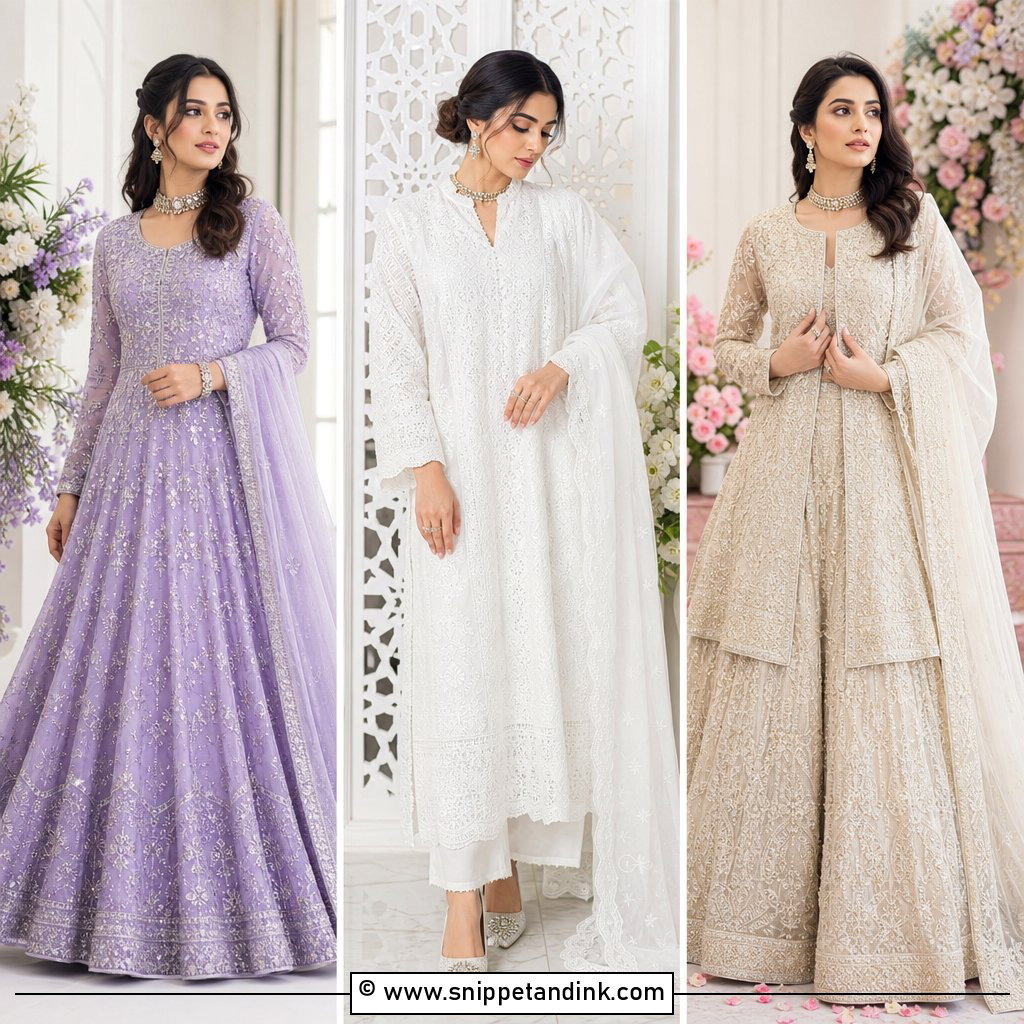
15. Lilac Walima Maxi Dress For Bride
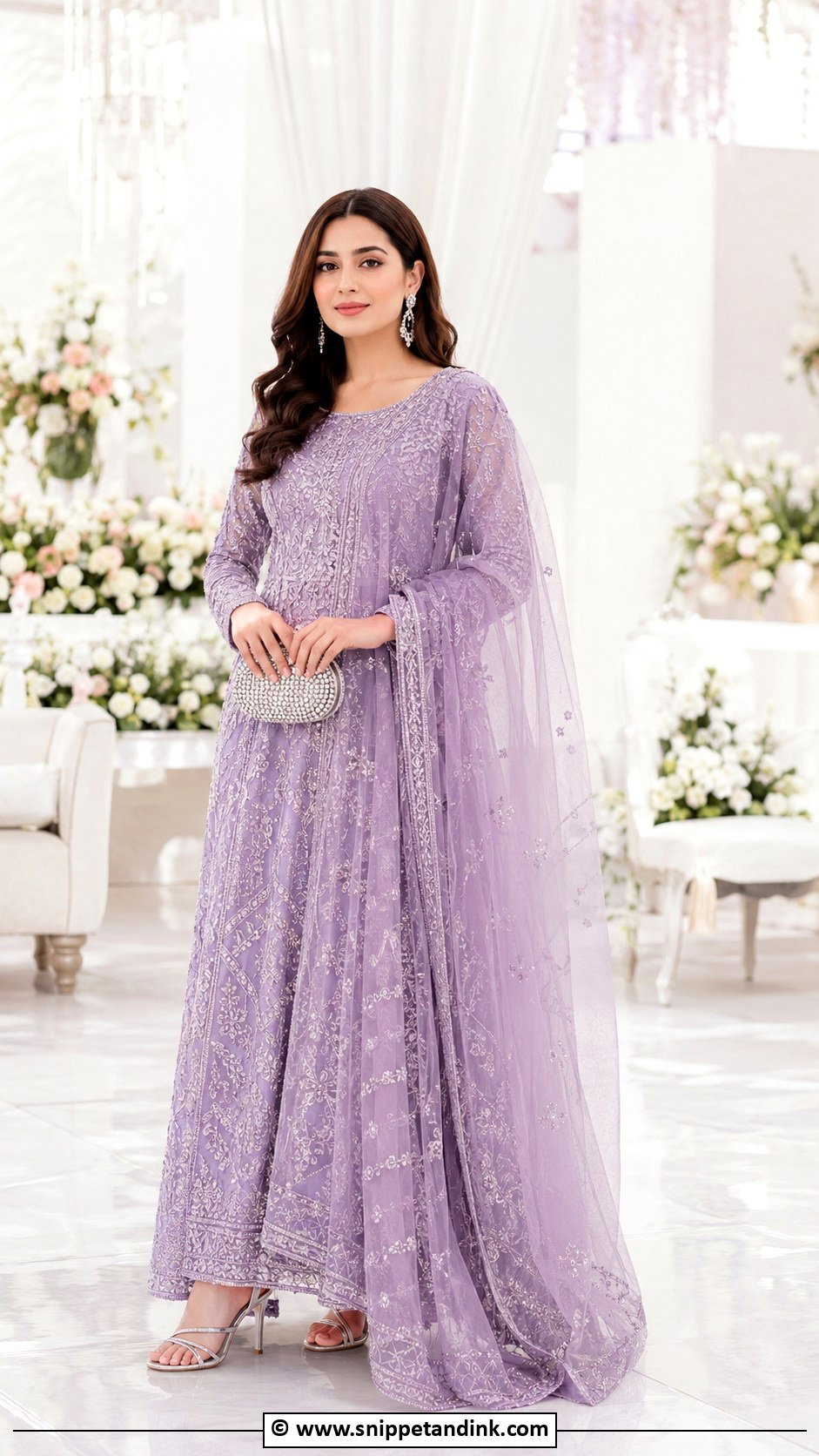
A lilac maxi is a modern step away from the lehenga. Silver, pearl or crystal embroidery enhances the colour without overpowering it. A dupatta worn lightly across the shoulders adds a traditional note. Lilac sits close to lavender, so the same lighting test applies. Mauve or pink-toned makeup and embellished heels suit it.
16. Beige Walima Gharara For Bride
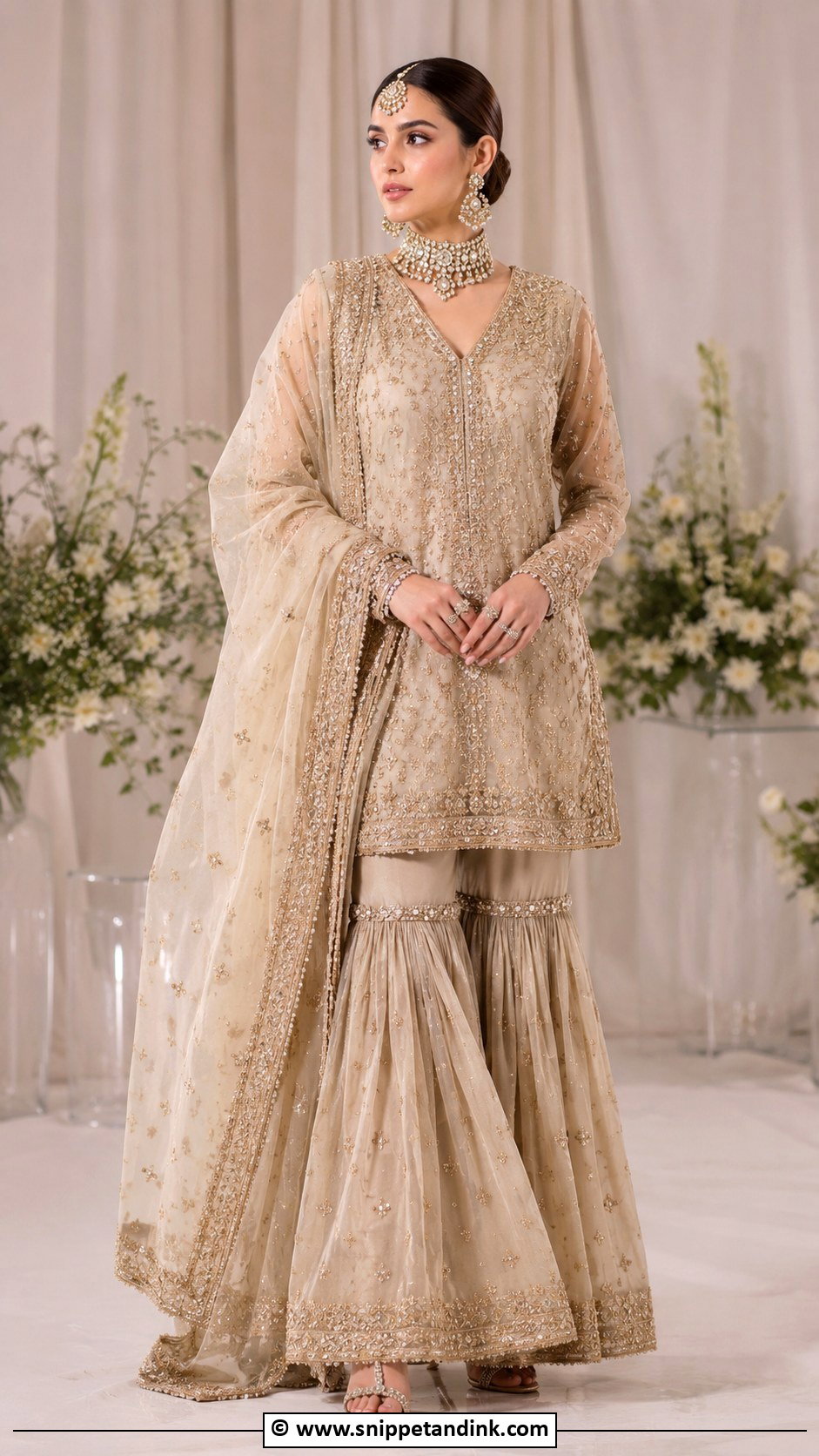
Beige sounds plain until it’s covered in gold, pearl or champagne thread. The embroidery has to bring the dimension, so I’d choose rich work on the gharara band and the kameez border. Beige next to skin can look washed out, which is why statement polki and warm makeup matter here more than with most colours. A sheer dupatta with matching work keeps it cohesive.
17. Sea Green Walima Lehenga For Bride
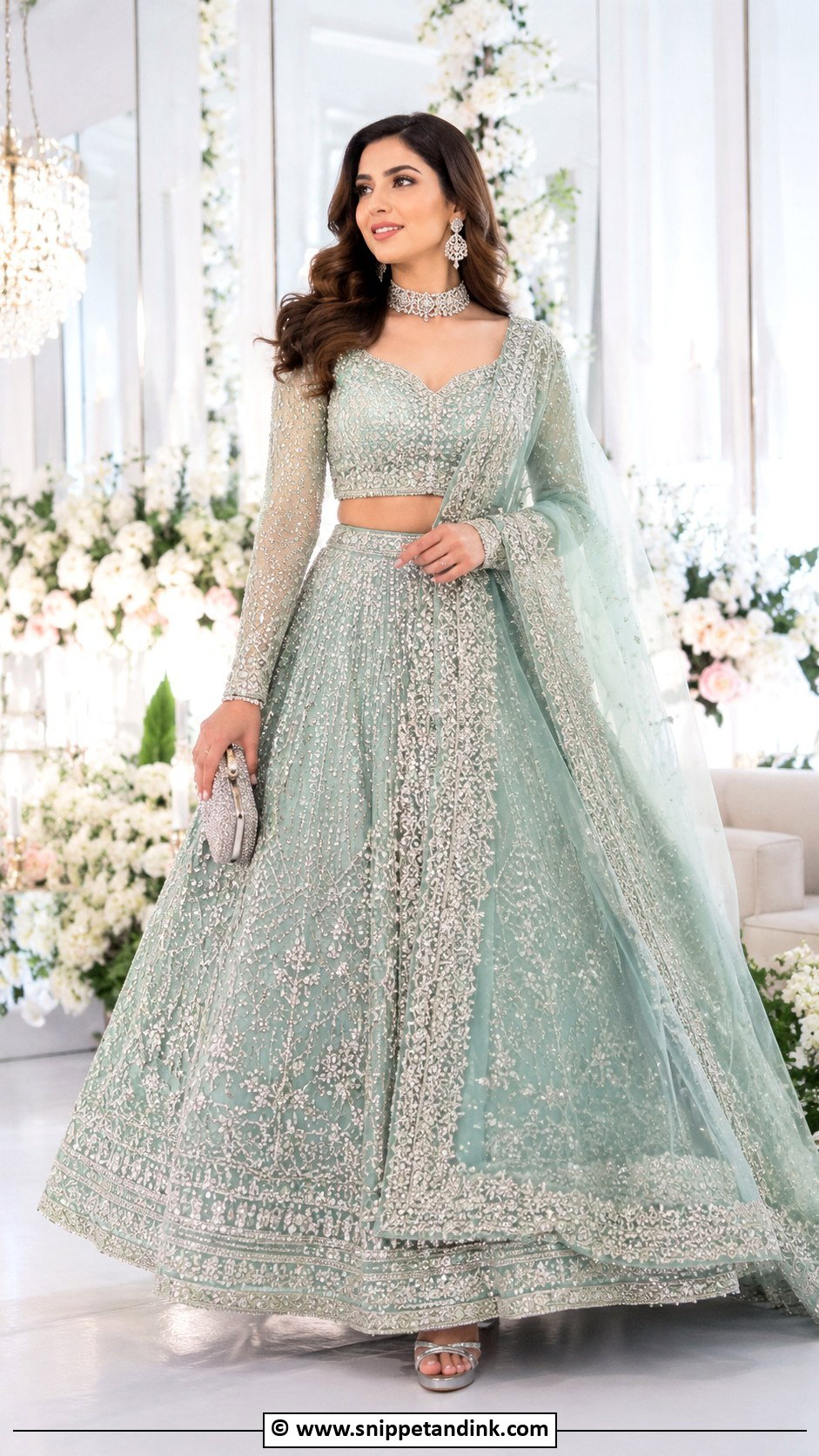
Sea green brings colour without brightness. A fitted blouse and a flowing lehenga skirt suit silver, pearl or soft gold work. A sheer dupatta softens it. Crystal earrings or a delicate choker are enough. Glowing skin and soft eyes keep the makeup fresh against the cool tone.
18. Mauve Walima Anarkali For Bride
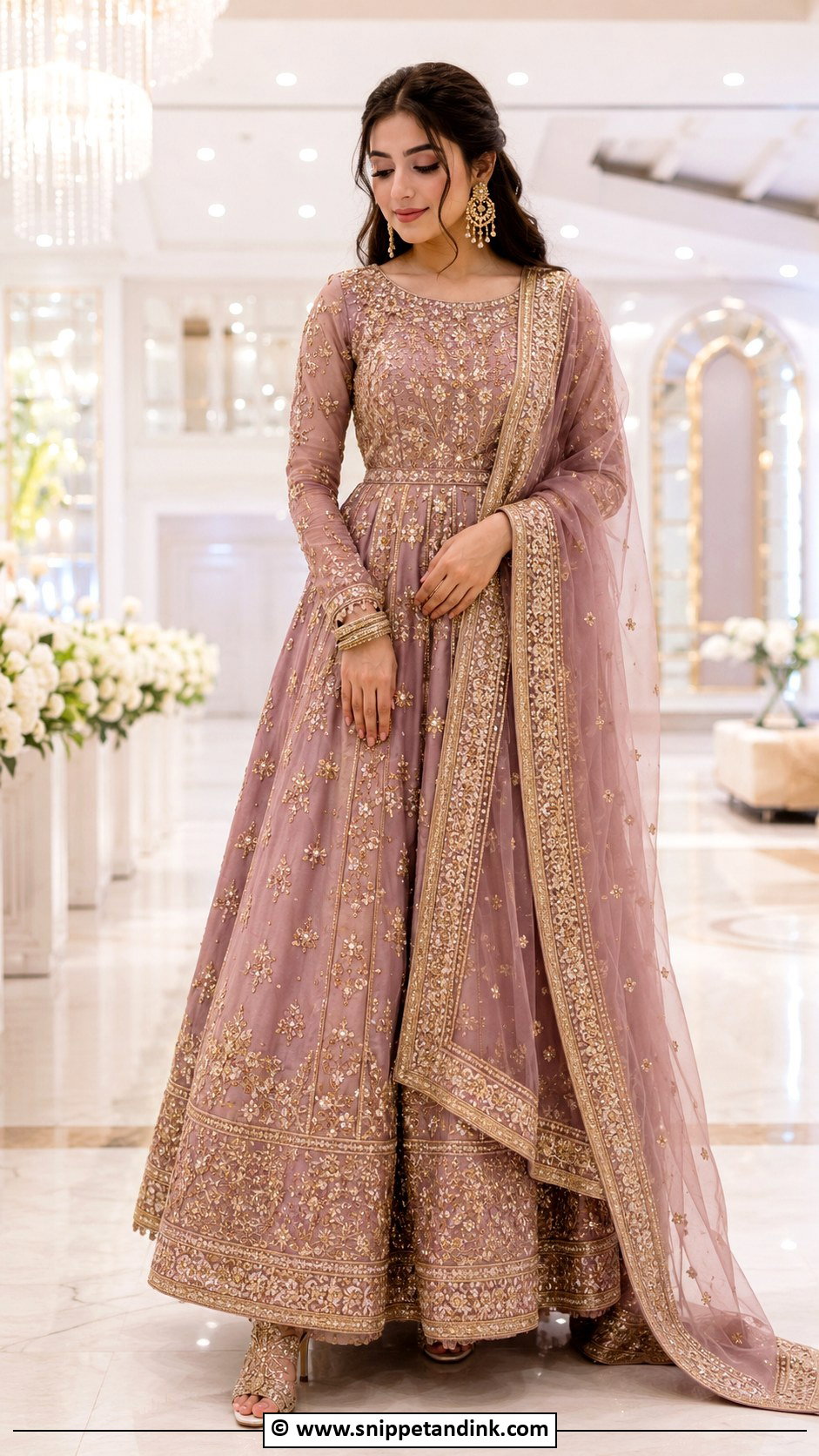
Mauve sits between pastel pink and maroon, deeper than blush but softer than the baraat reds. In an anarkali, it works with silver, antique gold or pearl embroidery. Soft smoky eyes and a nude lip suit it, and the deeper colour flatters a wide range of skin tones. It’s a good pick for a bride who finds pastels too sweet.
19. Ice Blue Walima Gown For Bride
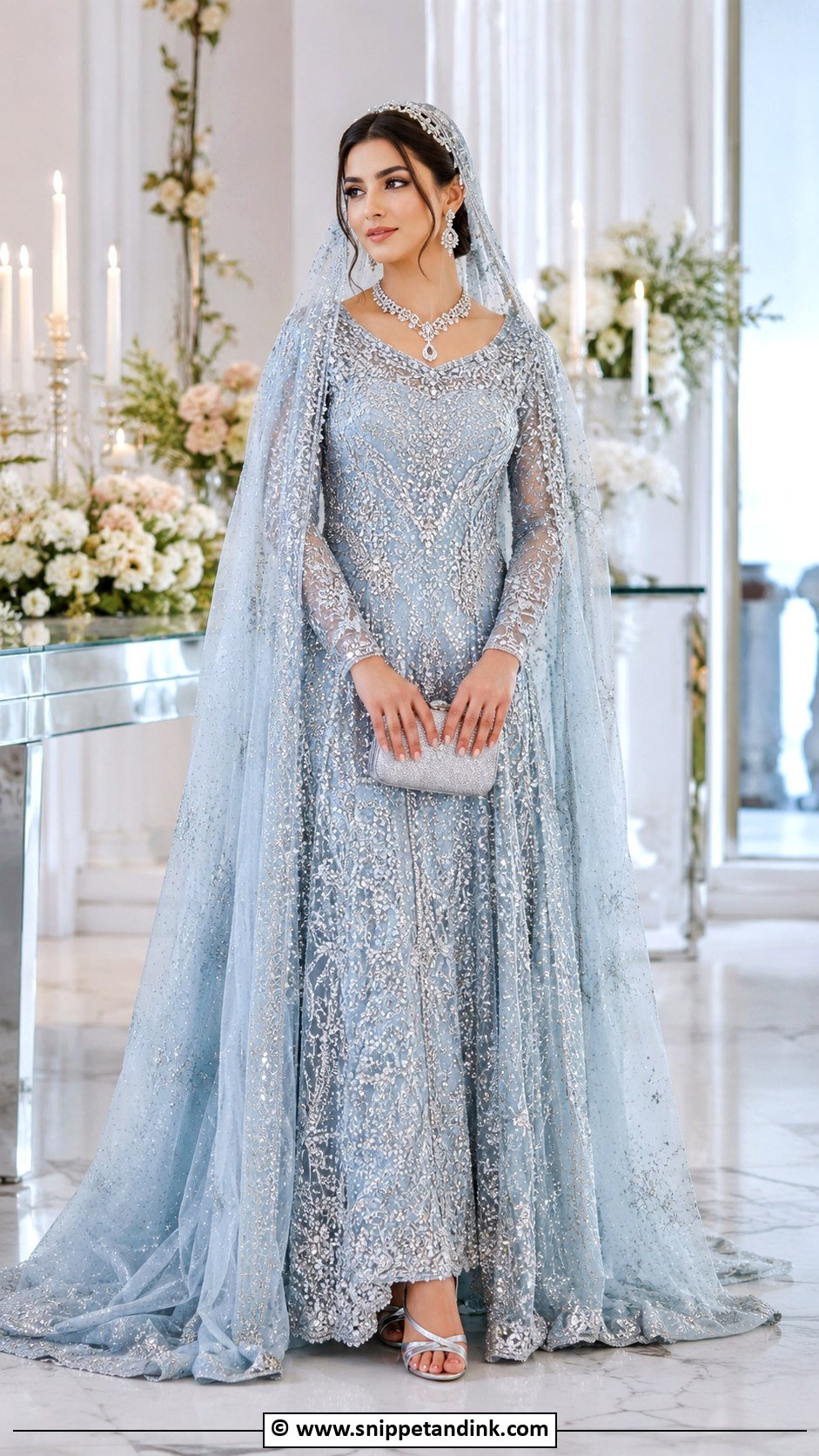
Ice blue looks luminous with crystal, silver or pearl embellishment. A fitted top and soft flared skirt keep the shape balanced. I like a cape-style layer here instead of a dupatta for a bride who wants modesty without constantly adjusting fabric. Silver heels and sleek hair keep it modern.
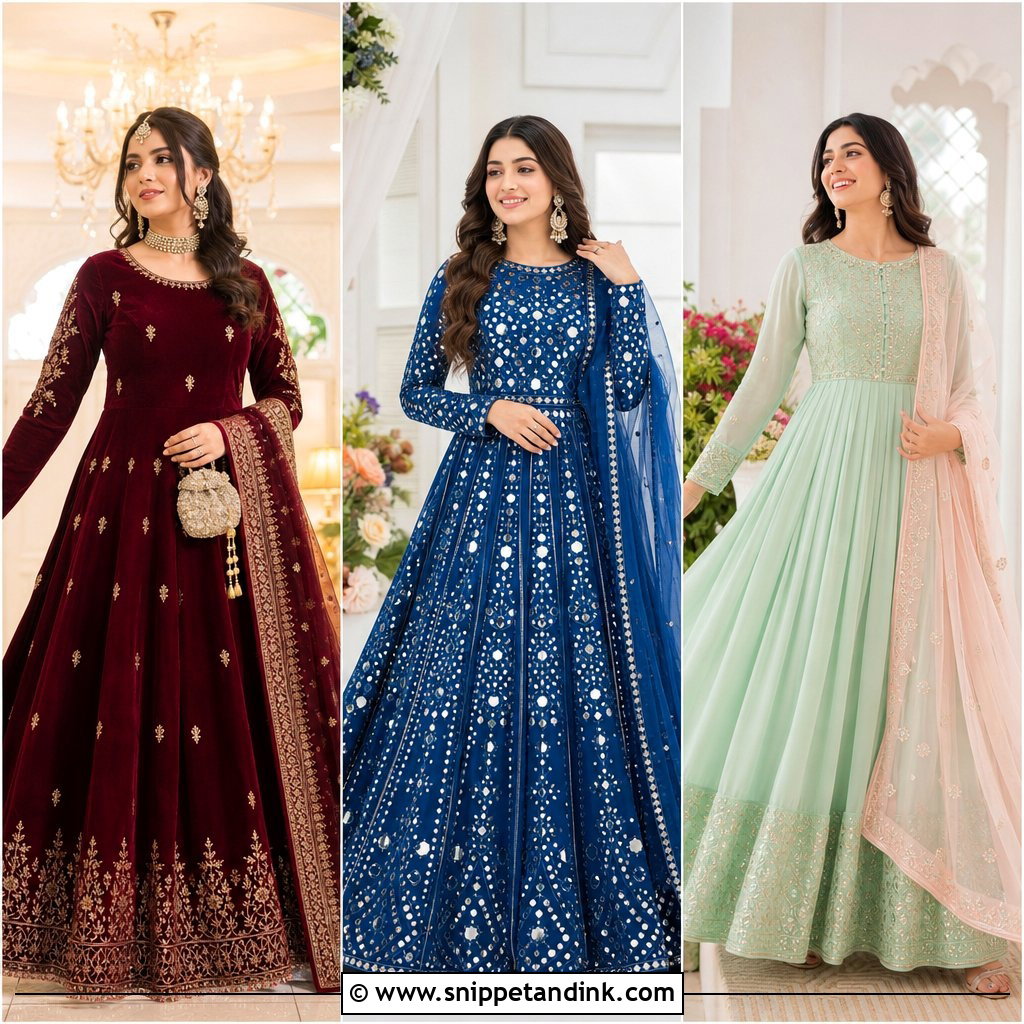
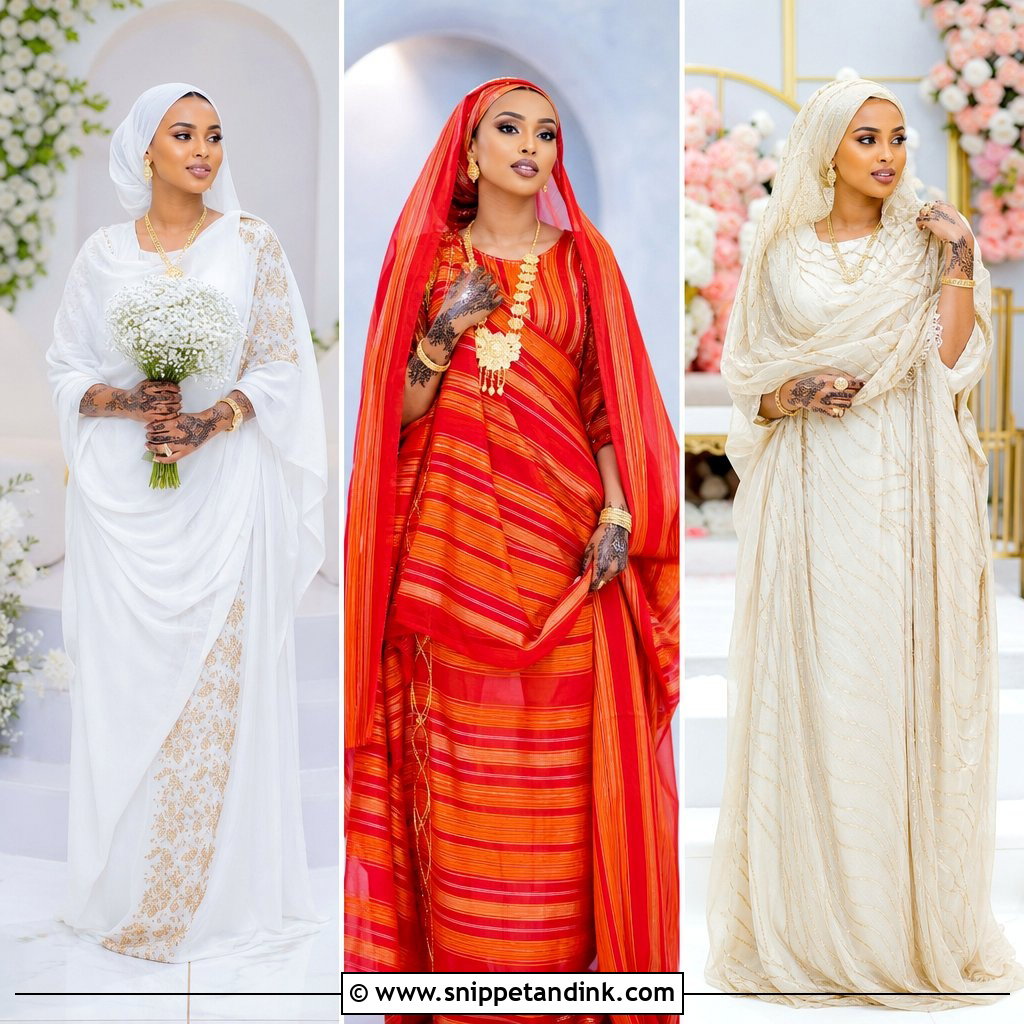

20. Soft Gold Walima Saree For Bride
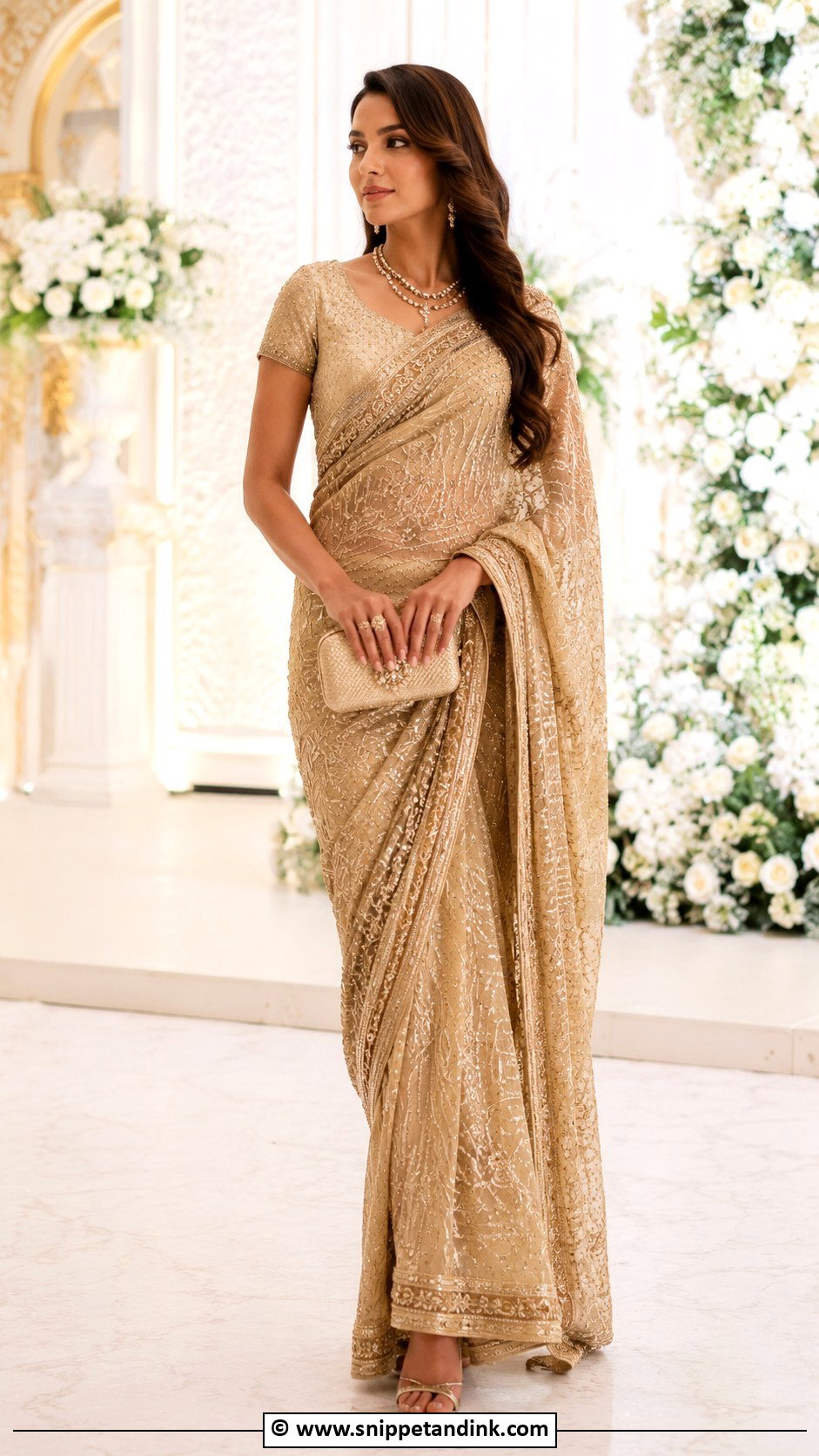
A soft gold saree in tissue, silk, organza or chiffon gives a refined walima look. Silk drapes heavier and stays in place; organza looks crisp but can crease once you sit. A blouse with elegant sleeves reads bridal. Gold jewellery with pearl accents and soft gold eye makeup finish it.
21. Pistachio Walima Sharara For Bride
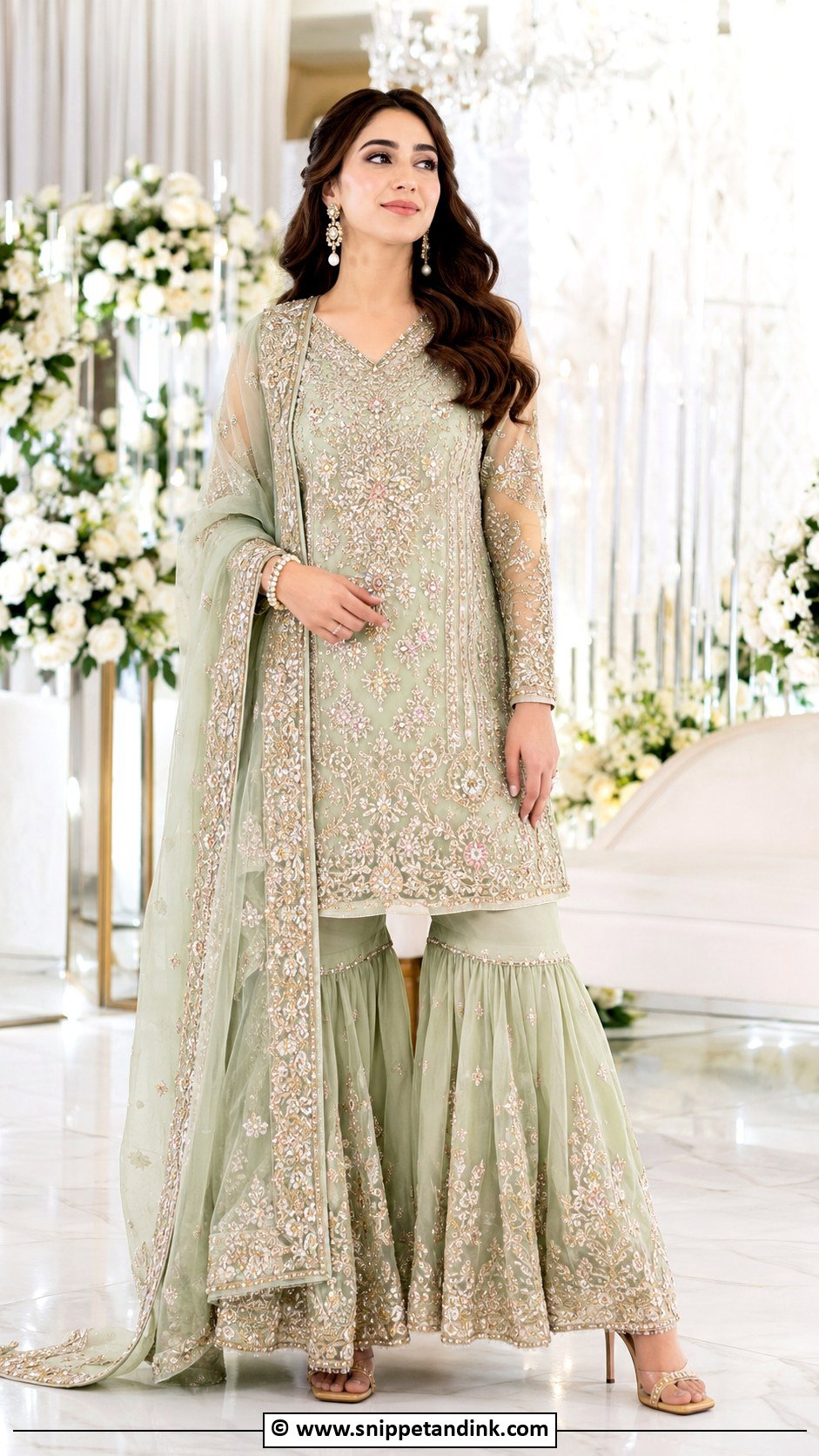
Pistachio is a delicate green that suits a sharara well. Fine silver, ivory or light gold embroidery keeps it soft. A short kameez with a detailed hem balances the wide flare. Comfortable heels matter with a sharara, since the hem can catch under a high stiletto. Pearl jewellery suits it.
22. Nude Pink Walima Lehenga For Bride
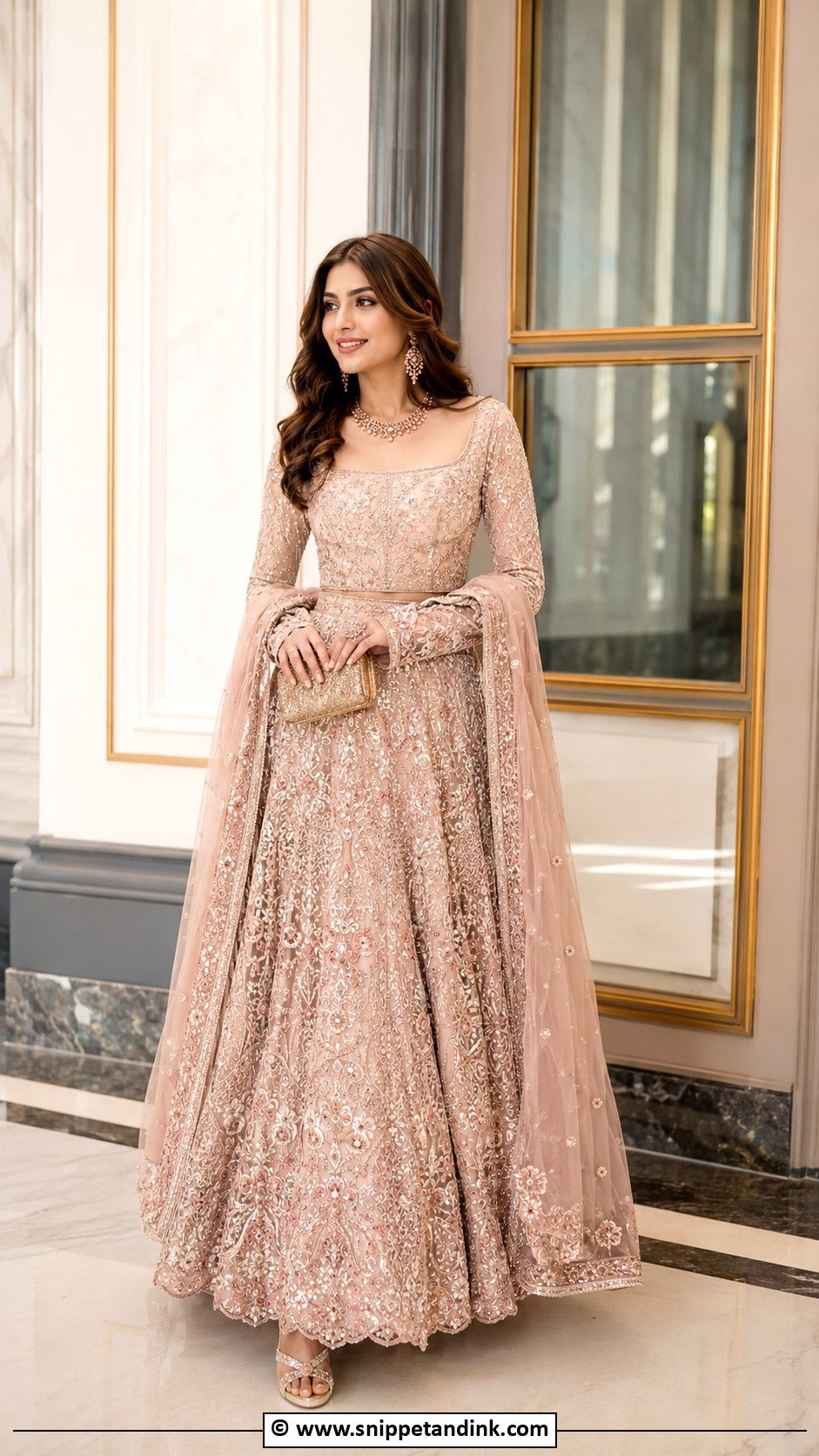
Nude pink is a feminine neutral that can look luxurious with pearl, sequin or light gold work. The risk is that it can match the skin too closely and wash the bride out in photos. I add definition through the makeup, with stronger brows and a deeper lip, and choose a blouse that feels secure. Diamonds, pearls or rose gold suit it.
23. Light Grey Walima Gown For Bride
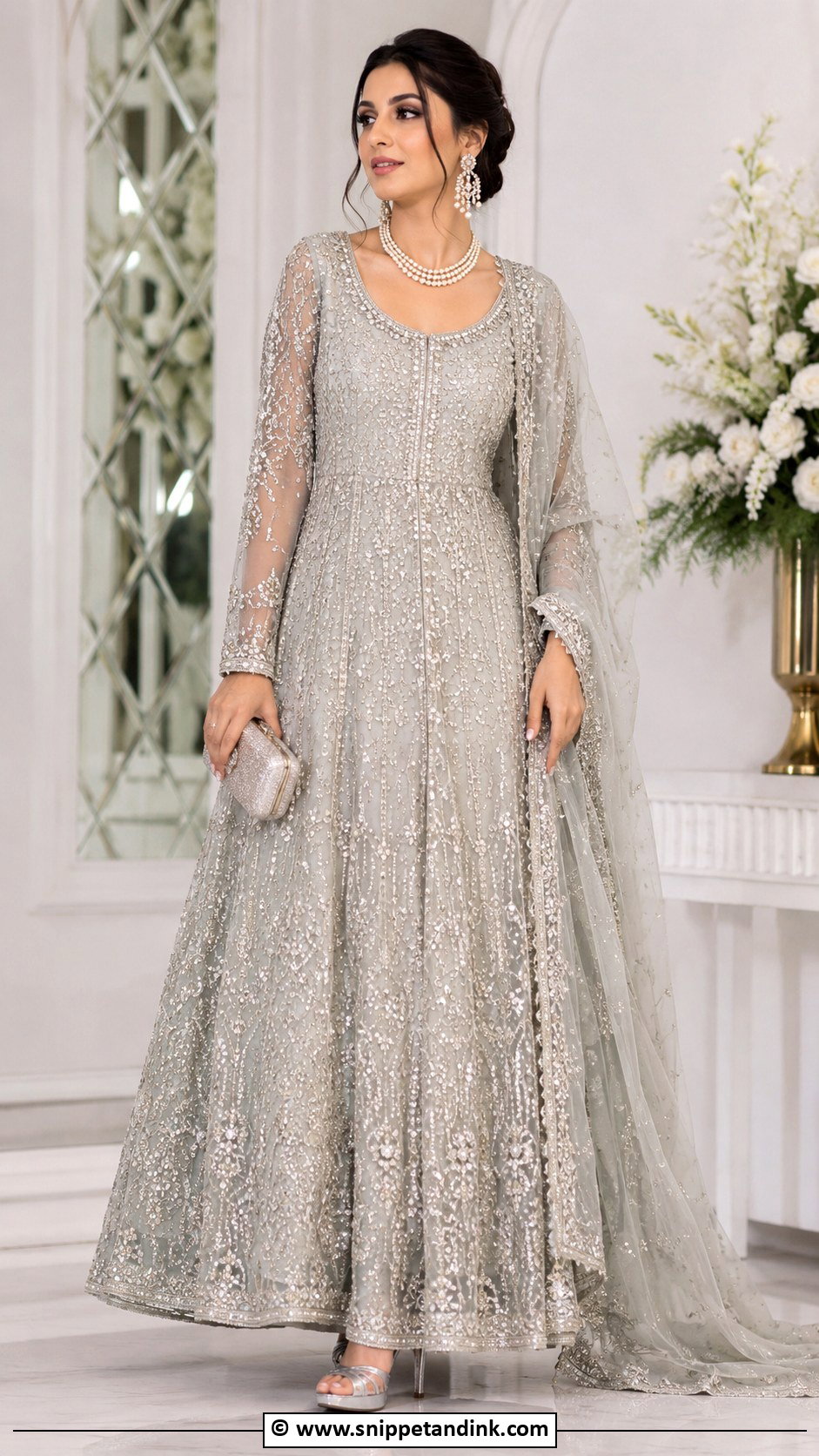
Light grey needs shine to avoid looking dull, so silver, crystal or pearl work is essential. A full-length gown with a soft flare gives a formal bridal shape. Keep jewellery cool-toned: diamonds, crystals or pearls. A polished bun and soft glam make it feel modern and slightly unexpected.
24. Tea Pink Walima Pishwas For Bride
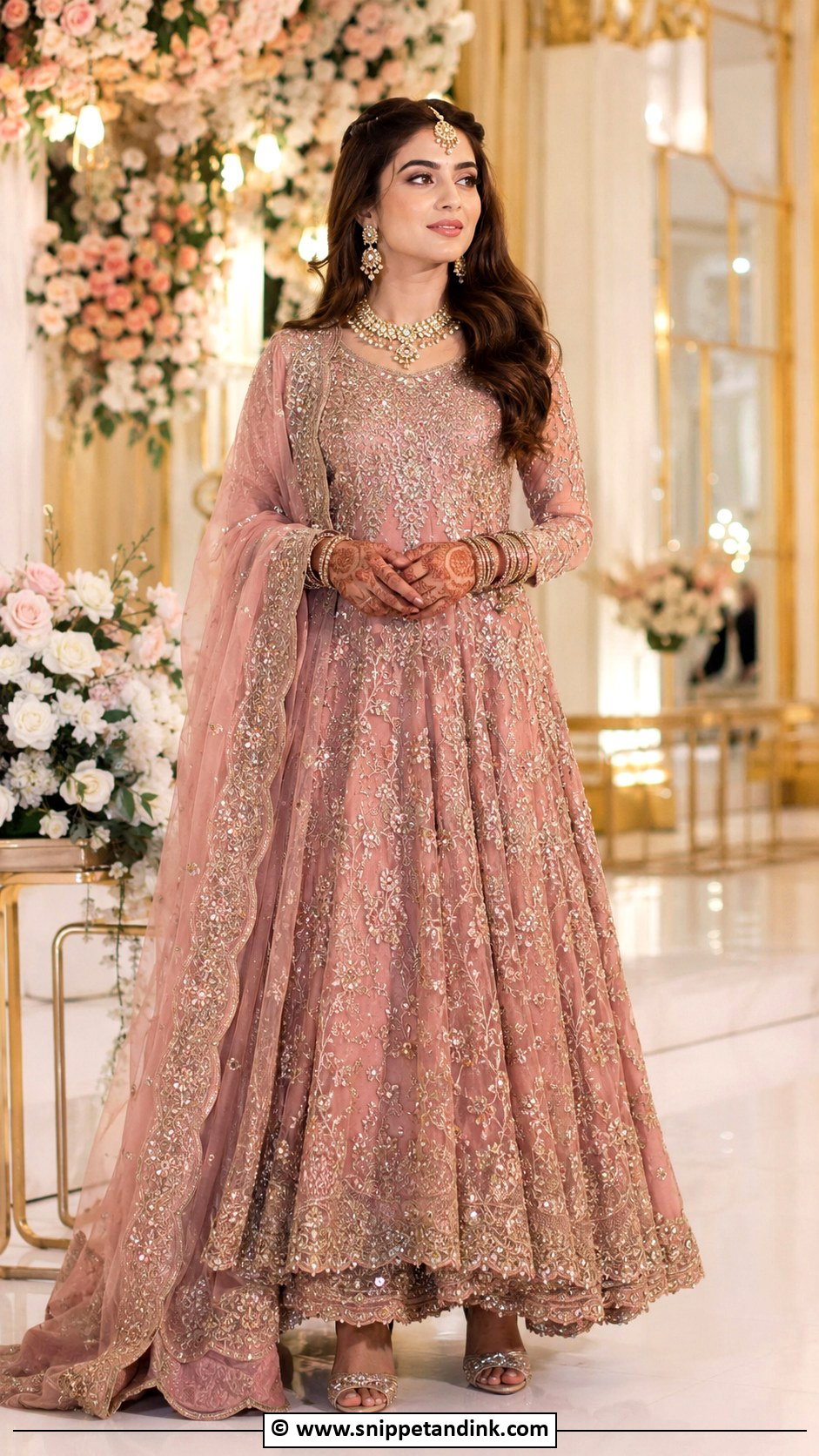
Tea pink sits between blush and beige. In a pishwas, champagne, gold or pearl embroidery gives a warm finish, and the flare adds movement. A matching dupatta with a delicate border adds the bridal touch. Polki, soft curls and glowing makeup suit it.
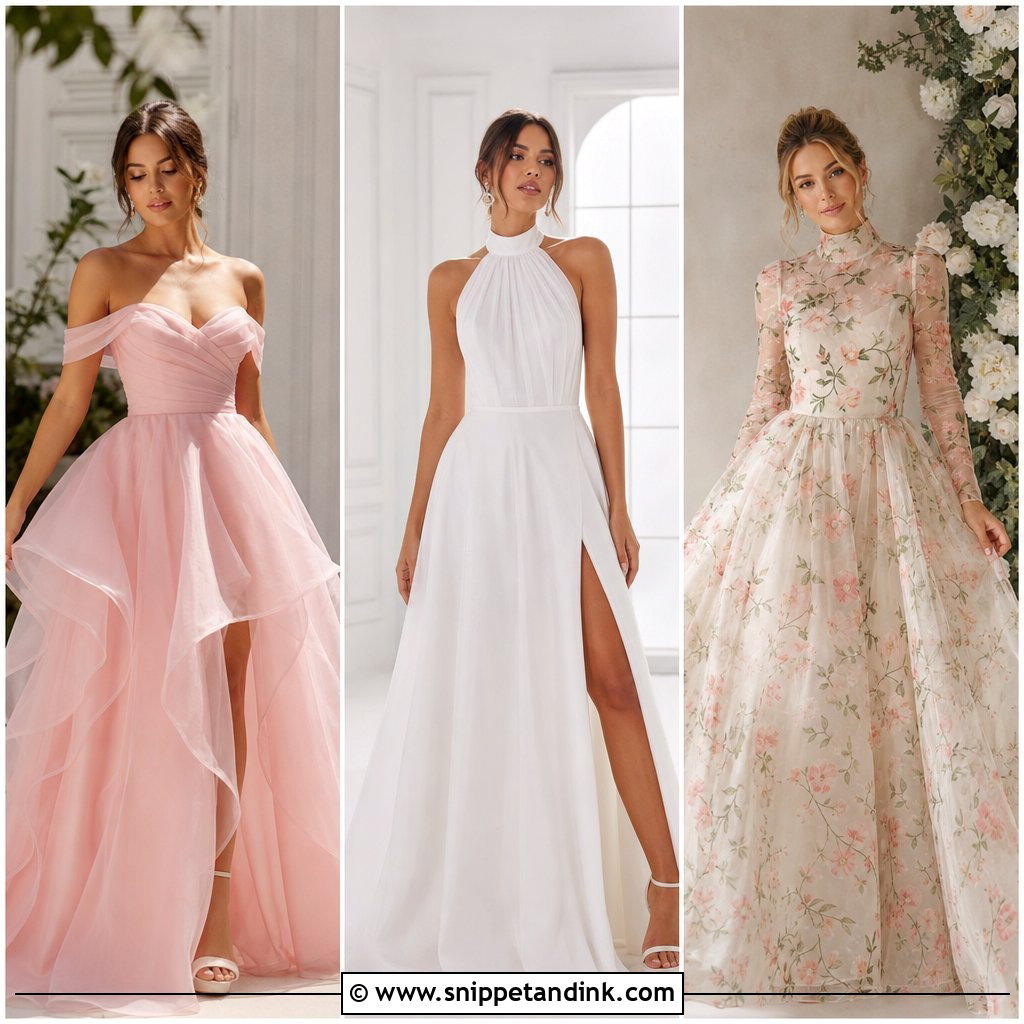
25. Metallic Silver Walima Lehenga For Bride
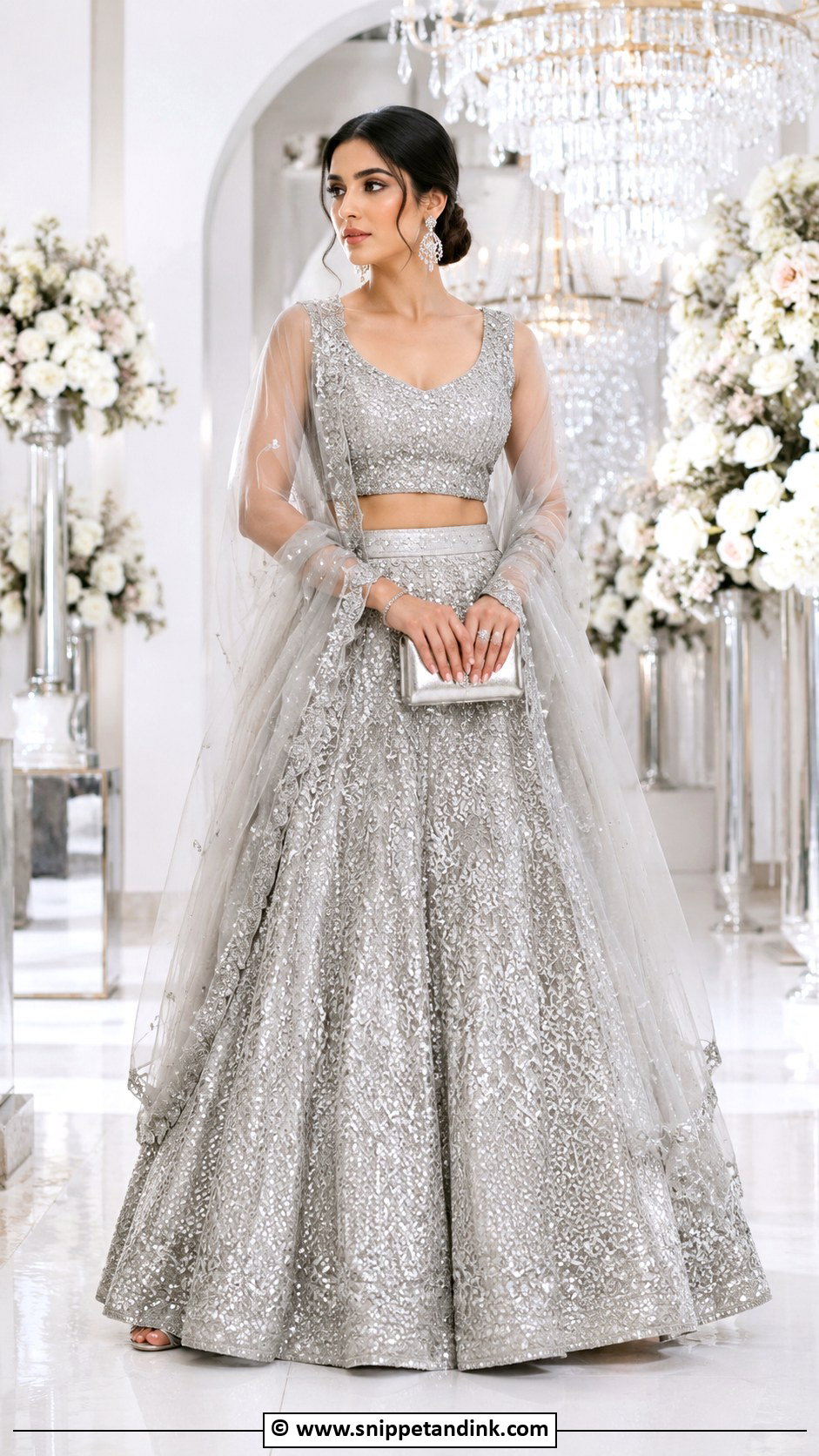
A metallic silver lehenga is the boldest look in this list. I balance a shimmering skirt with a detailed blouse and a soft dupatta so it doesn’t feel heavy. Metallic fabric can be stiff and warm to wear, so I’d check it’s lined with something breathable. Refined diamond-style earrings and soft makeup with defined eyes work better than dramatic colour.
26. Peach And Gold Walima Maxi For Bride
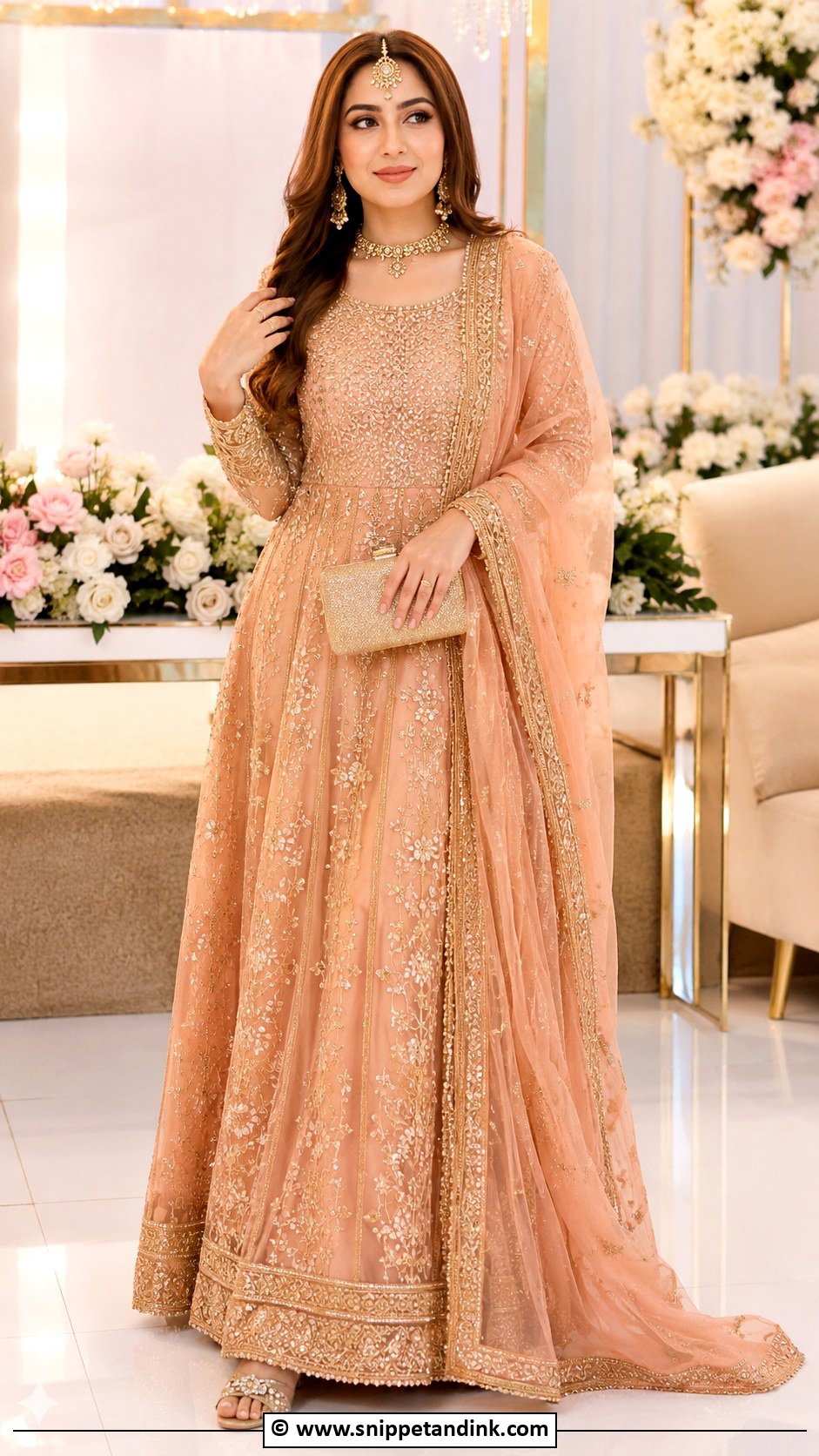
Peach and gold make a warm, flattering pair. A long maxi with a fitted bodice and flowing skirt is easy to wear through a long reception. Polki, kundan or pearl jewellery sits naturally with gold work. Peach blush and soft eyes keep the makeup in the same family.
27. Dusty Rose Walima Gharara For Bride
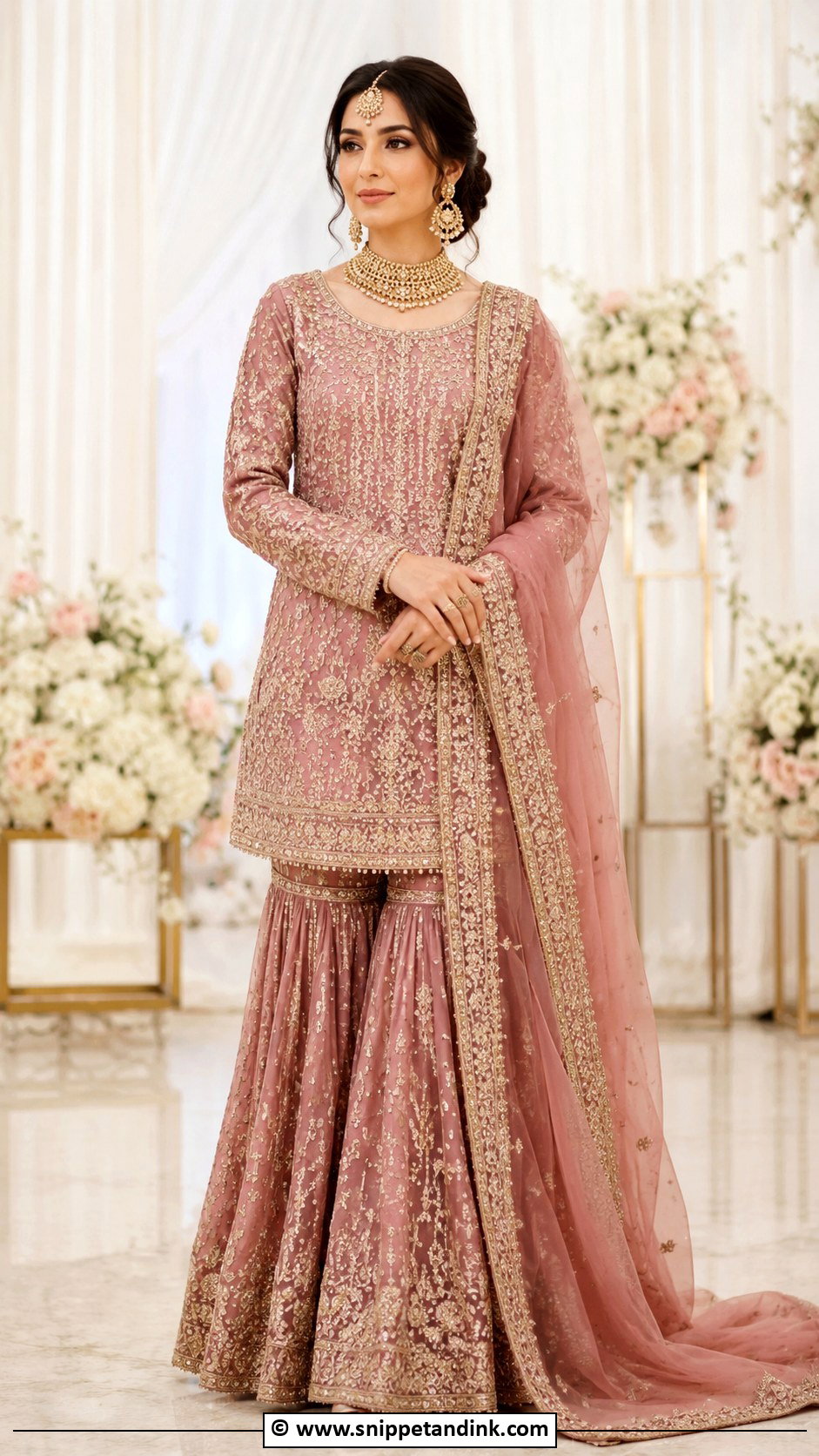
Dusty rose is muted and romantic, and it suits the volume of a Walima gharara. Antique gold, pearl or champagne embroidery adds richness. Detailed sleeves and a bordered dupatta complete it. A neat bun keeps the neck clear for the jewellery.
28. Cream Walima Anarkali For Bride
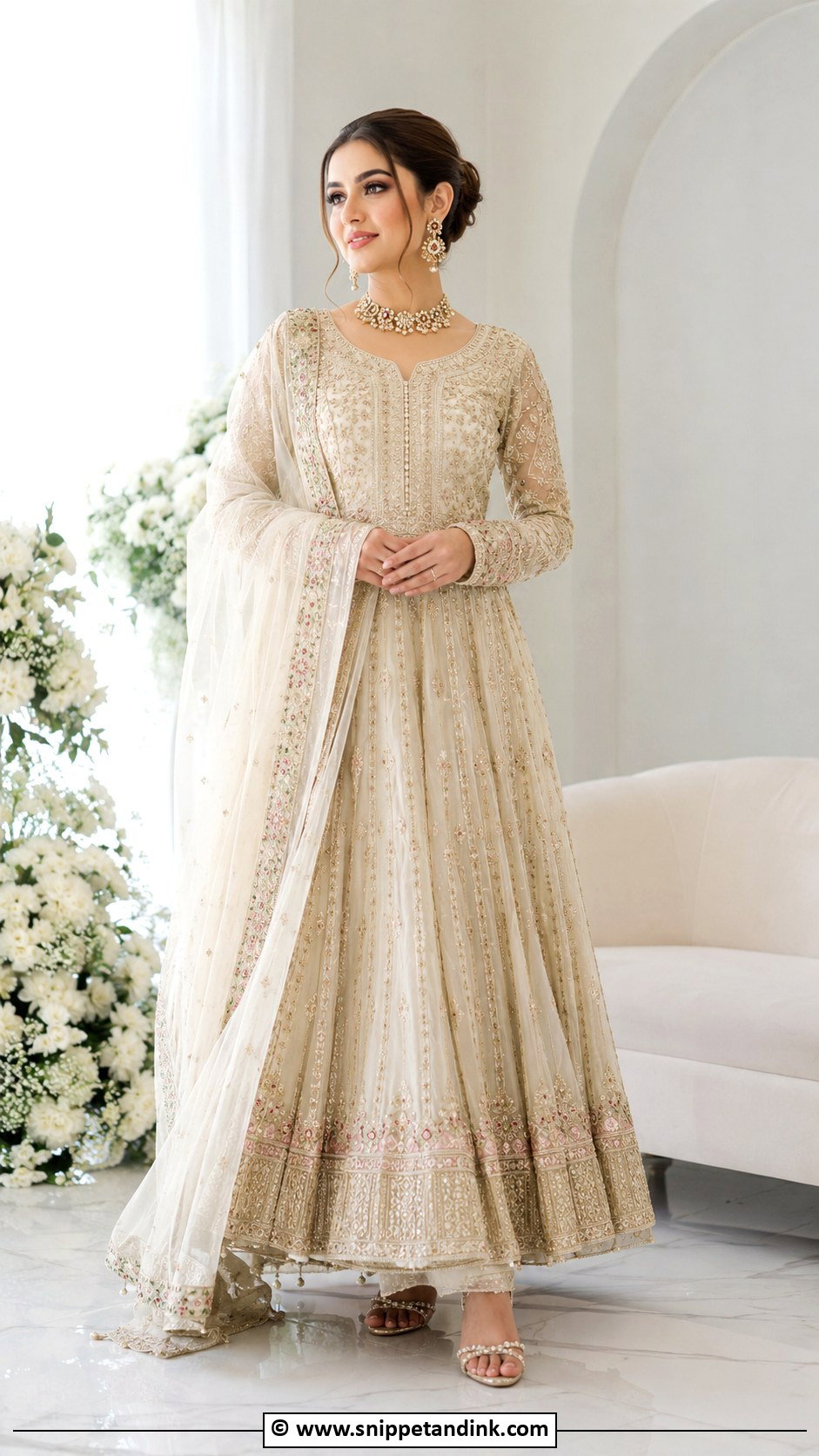
Cream is softer than ivory and kinder to warm skin tones. In an anarkali, gold, pearl or silver embroidery all work; match it to your jewellery metal. A dupatta with scattered work finishes it. Warm makeup keeps the face glowing against the pale base.
29. Aqua Walima Sharara For Bride
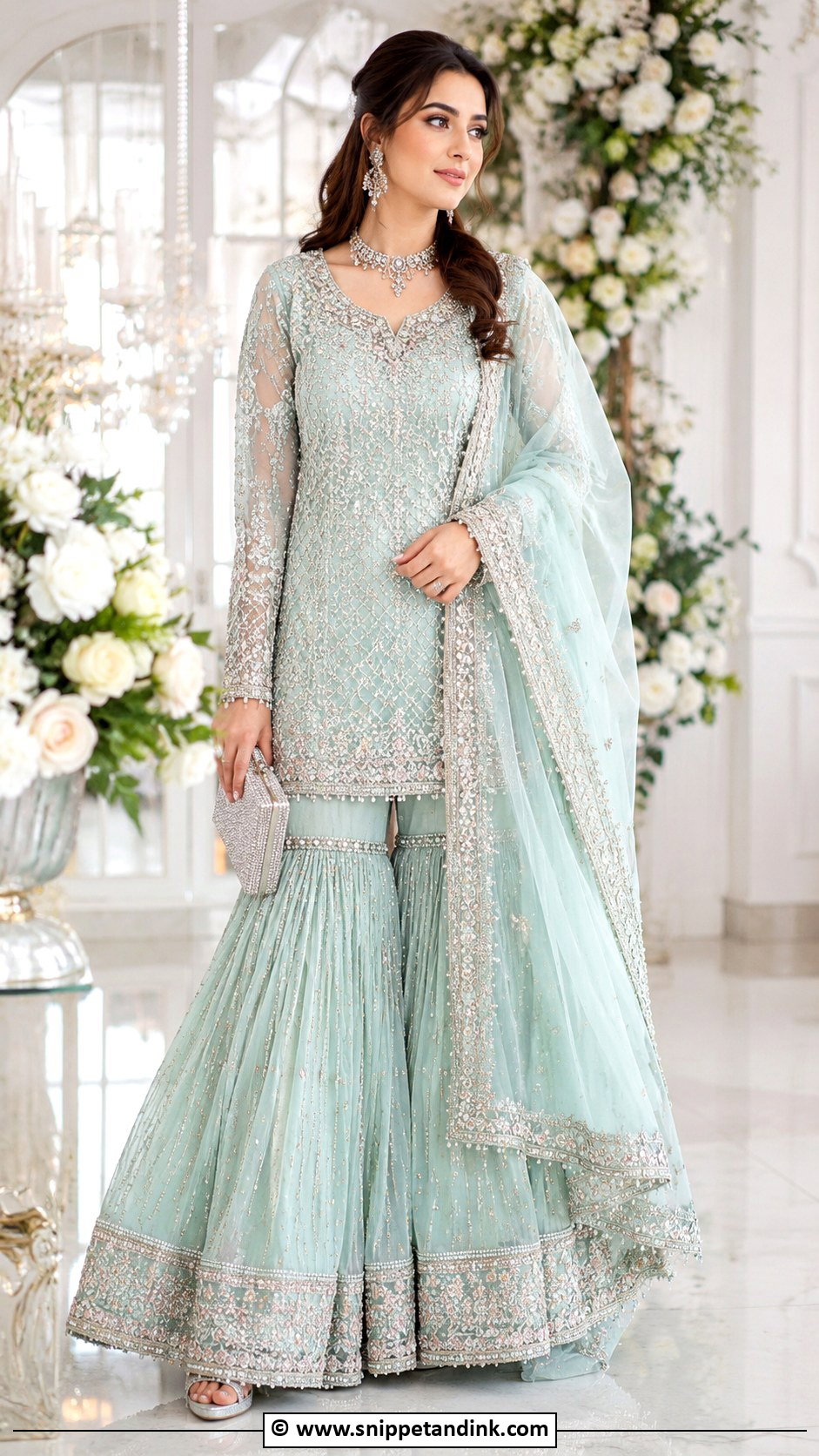
Aqua is the brightest colour on this list and the most joyful. In a sharara with silver, pearl or white embroidery, it suits spring and summer receptions. A sheer dupatta softens the colour. Crystal jewellery and dewy makeup keep it fresh for portraits.
30. Champagne Walima Lehenga For Bride
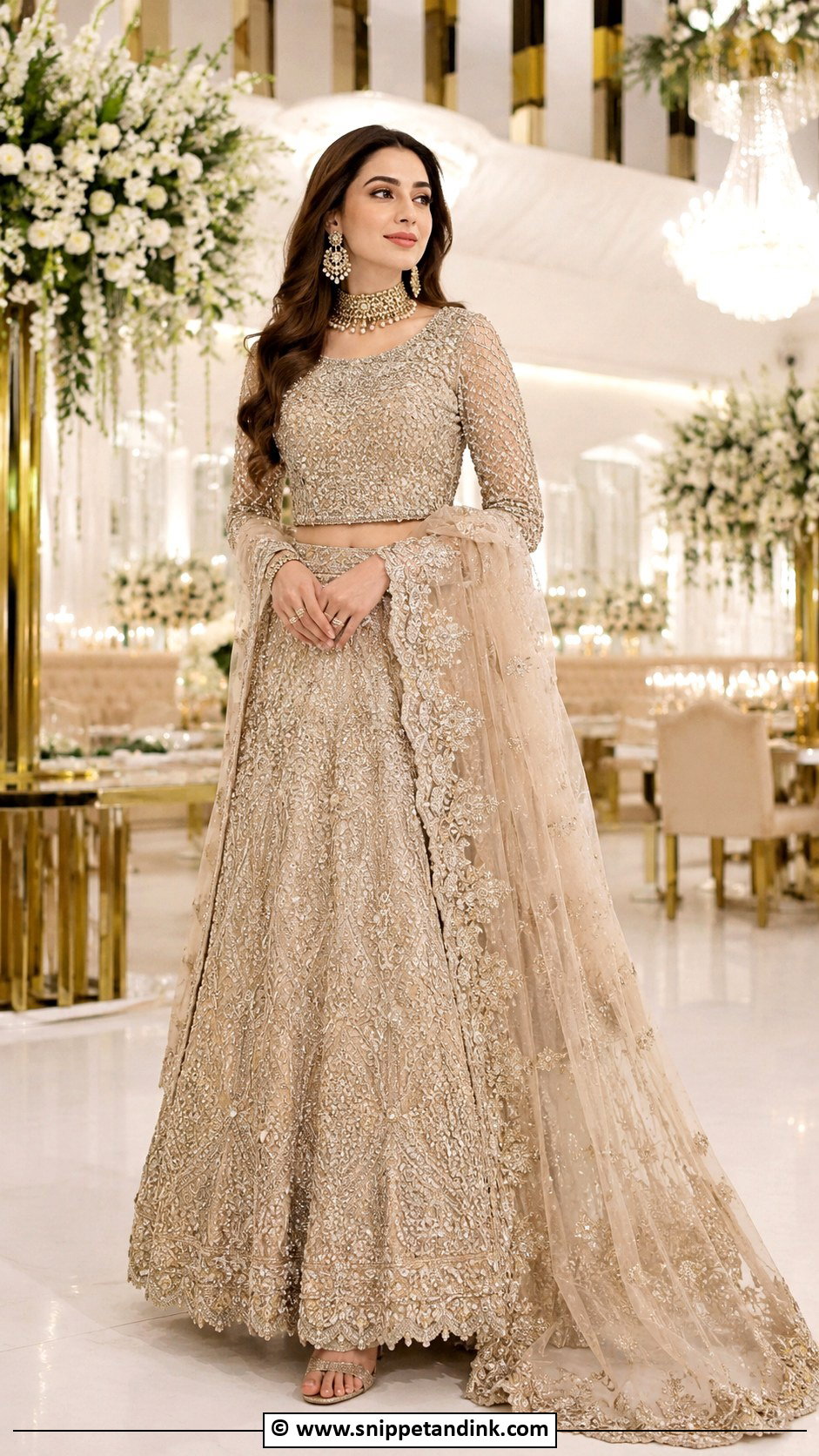
Champagne is the most adaptable of the walima colours because it takes gold, silver, pearl or crystal embroidery equally well. That flexibility helps if you’re re-wearing jewellery from the baraat. A flowing skirt, an elegant blouse and a sheer dupatta balance it. Statement earrings and comfortable embellished heels finish it.
Pinning the Dupatta So It Survives Three Hours on Stage
Most of the walima is spent sitting on stage or standing to greet guests, and the dupatta is what shifts. This is how I secure it.
- Set the hair first. A bun or a firm base gives the head dupatta something to grip.
- Use U-pins at the crown and behind each ear, hidden under the fabric, rather than one big pin.
- Pin the shoulder drape to the blouse strap from inside with two small safety pins, so it doesn’t slide when you hug.
- Leave a little slack at the back of the neck. Pinned too tight, the dupatta pulls the head forward in seated photos.
Ask your stylist to leave a small kit with someone close: spare pins, a mini sewing kit and blotting papers. Heavy skirts also catch on stage steps, so practise sitting and rising in the full outfit at the final fitting. If the hall is warm, a lighter outfit like a sharara or anarkali will feel much better by the end of the evening than a heavy lehenga with a cancan.
Lighter Than the Baraat, Still Every Inch a Bride
A walima outfit has to balance bridal presence with the comfort of a long reception. Pastels, champagne, ivory, silver, mint and soft metallics all work because they read fresh after the heavier wedding day. Lehenga, sharara, gharara, pishwas, saree or gown, the silhouette matters less than how you style the whole look: jewellery, dupatta, shoes, makeup and how it all photographs under the hall’s lights. Pick the one that suits your venue and season and lets you enjoy greeting every guest.
You'll Like These Ideas:




Leave a Reply