
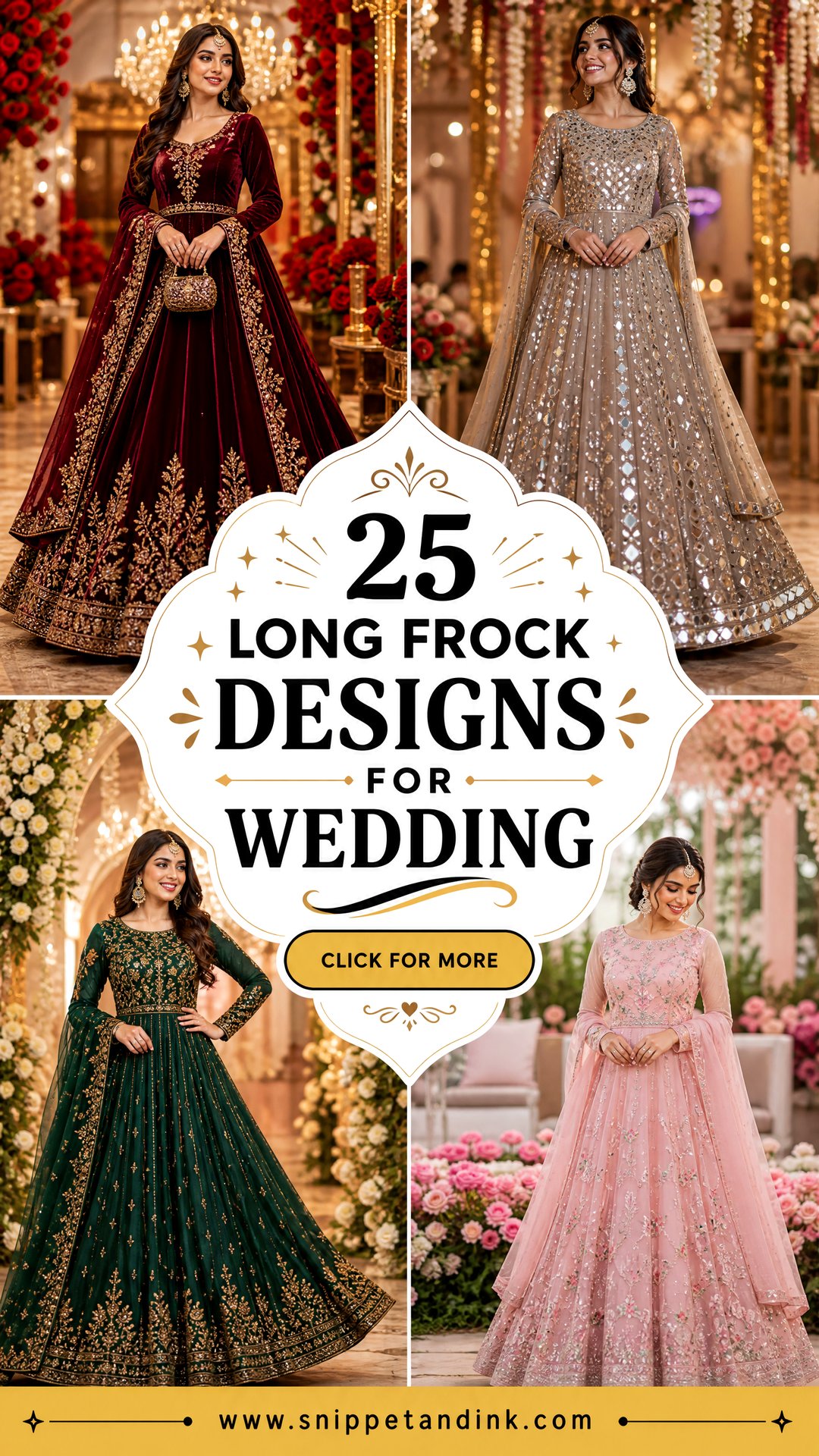
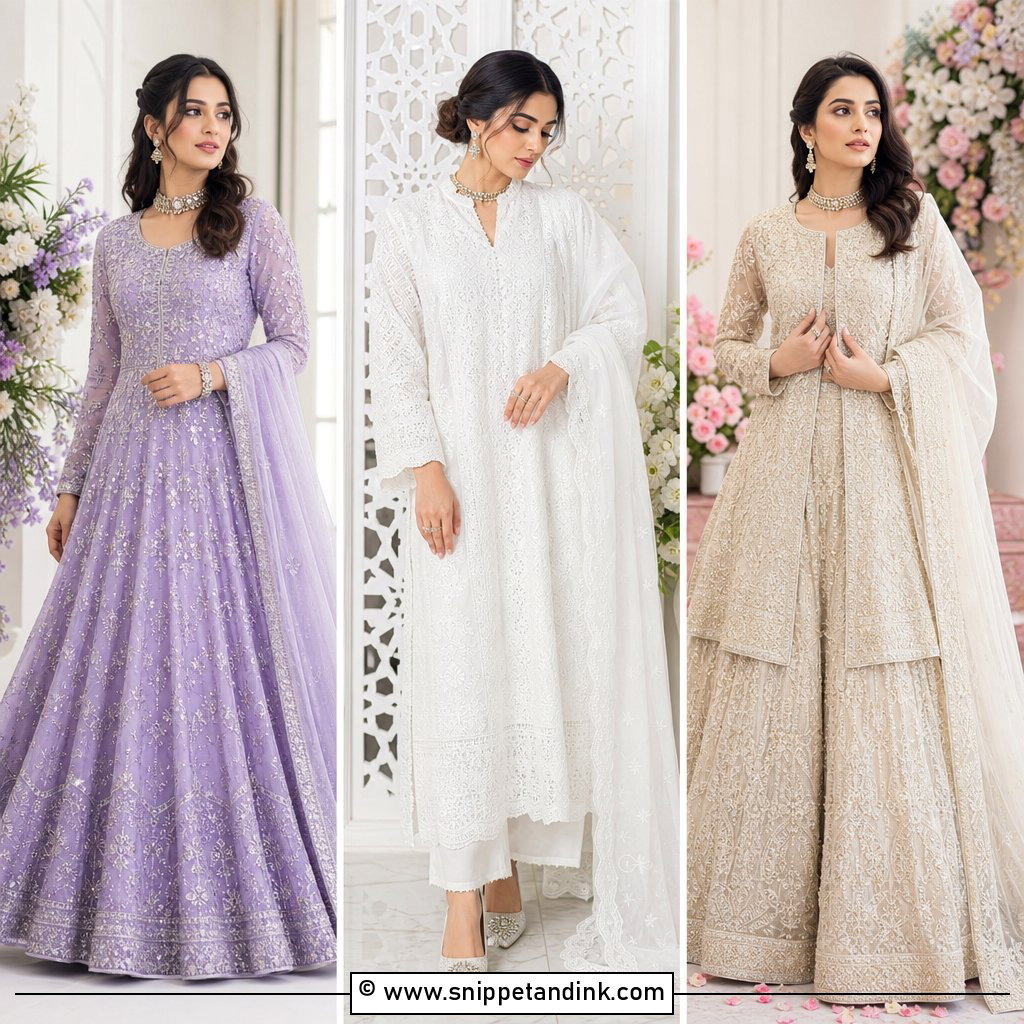
Long frocks have taken over a lot of wedding wardrobes, and I understand why. They give you the sweep and festivity of traditional dress without the weight of a lehenga or the constant re-tucking of a saree. A bride can wear one for a reception, and a sister, bridesmaid or guest can wear one to every function in between. What separates a good frock from a costume is the cut, the fabric choice for the season and how the dupatta and jewelry sit with the neckline. Soft draping, florals, full sleeves and floor-length flares are everywhere this year. Here are the frock styles I put on clients most, with how each one behaves once you’re actually wearing it.
Getting a Frock Stitched So It Hangs Right
Most of the frocks below are tailored or boutique-stitched rather than bought off a rail, and the details you give your tailor decide how the finished piece falls. Heavy hand embroidery can take weeks on its own, so I’d start a wedding frock at least two months out and leave room for a second fitting.
What I tell the tailor
- Measure the length wearing the exact heels for the day. A floor-length frock should just clear the floor, so you don’t step on the front hem on stairs.
- Ask for a full lining, including the sleeves on sheer fabrics. It stops itching and keeps the frock opaque in photos.
- Decide the flare by number of panels, not by eye. More kalis give a rounder skirt but add fabric weight.
- If you want volume, use a separate can-can underskirt rather than stitching extra layers in. You can leave it off when the venue is hot.
- Put a side or back zip with a hook at the top, so you can dress without help.
At the trial, sit down, raise your arms and walk up a step. The waist seam should stay at your waist, the neckline should not shift and the hem should not touch your toes. Taking a hem up is easy; a bodice that’s too short in the torso usually can’t be fixed.
1. Anarkali Long Frock for Wedding
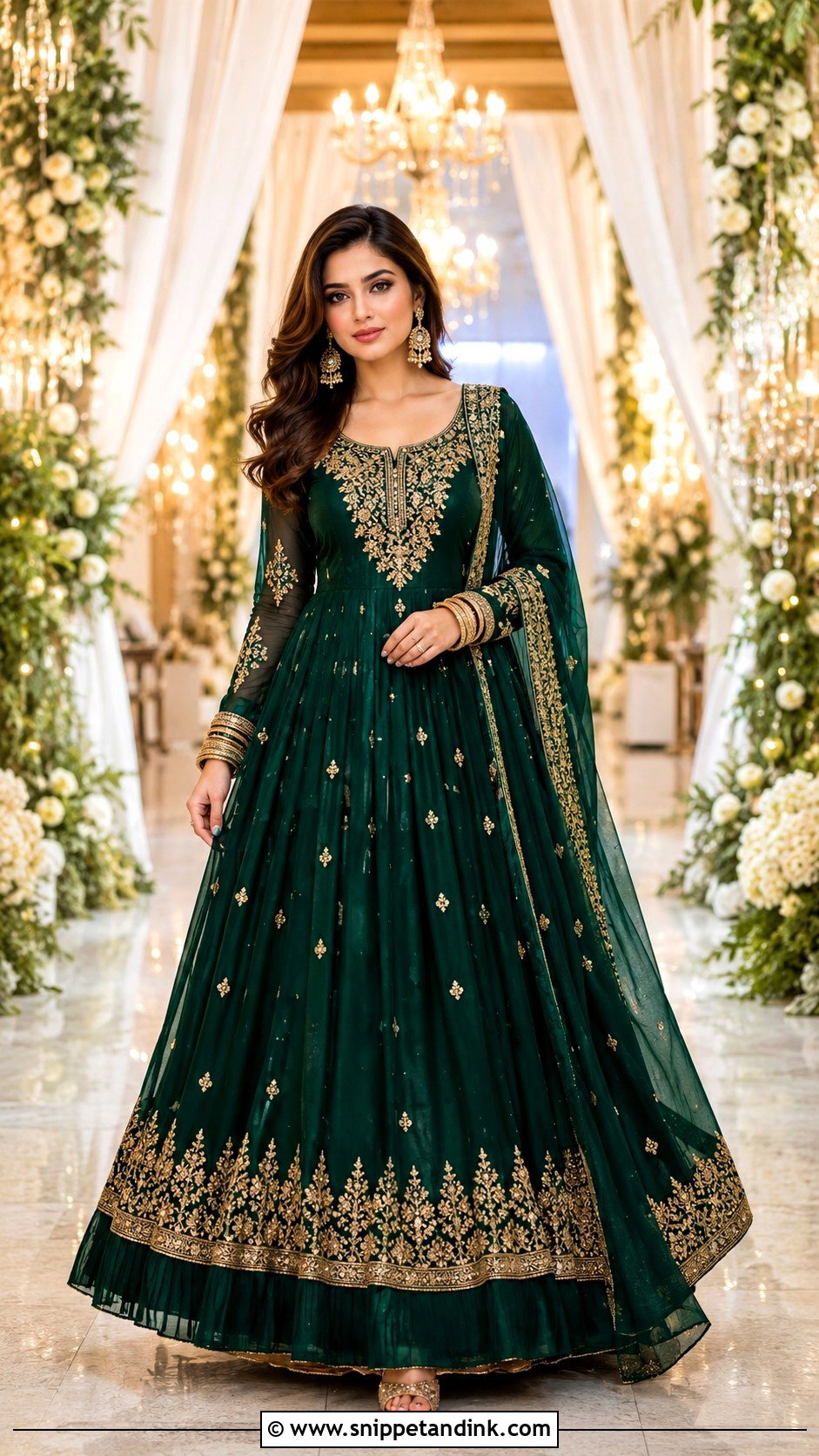
The Anarkali is the frock I trust most for a long event. Its flare starts high, just under the bust or at the waist, so it skims everything below and moves when you walk. Choose a floor-length Anarkali in silk, georgette or chiffon, and ask how many kalis (panels) the skirt has; more panels give a fuller, rounder swirl. Zari borders or mirror work make it festive. Pair it with block heels, a matching dupatta, jhumkas and soft curls. One fitting note: the bodice must be snug at the ribcage, or the weight of the skirt drags the neckline down by evening.
2. Net Long Frock for Wedding
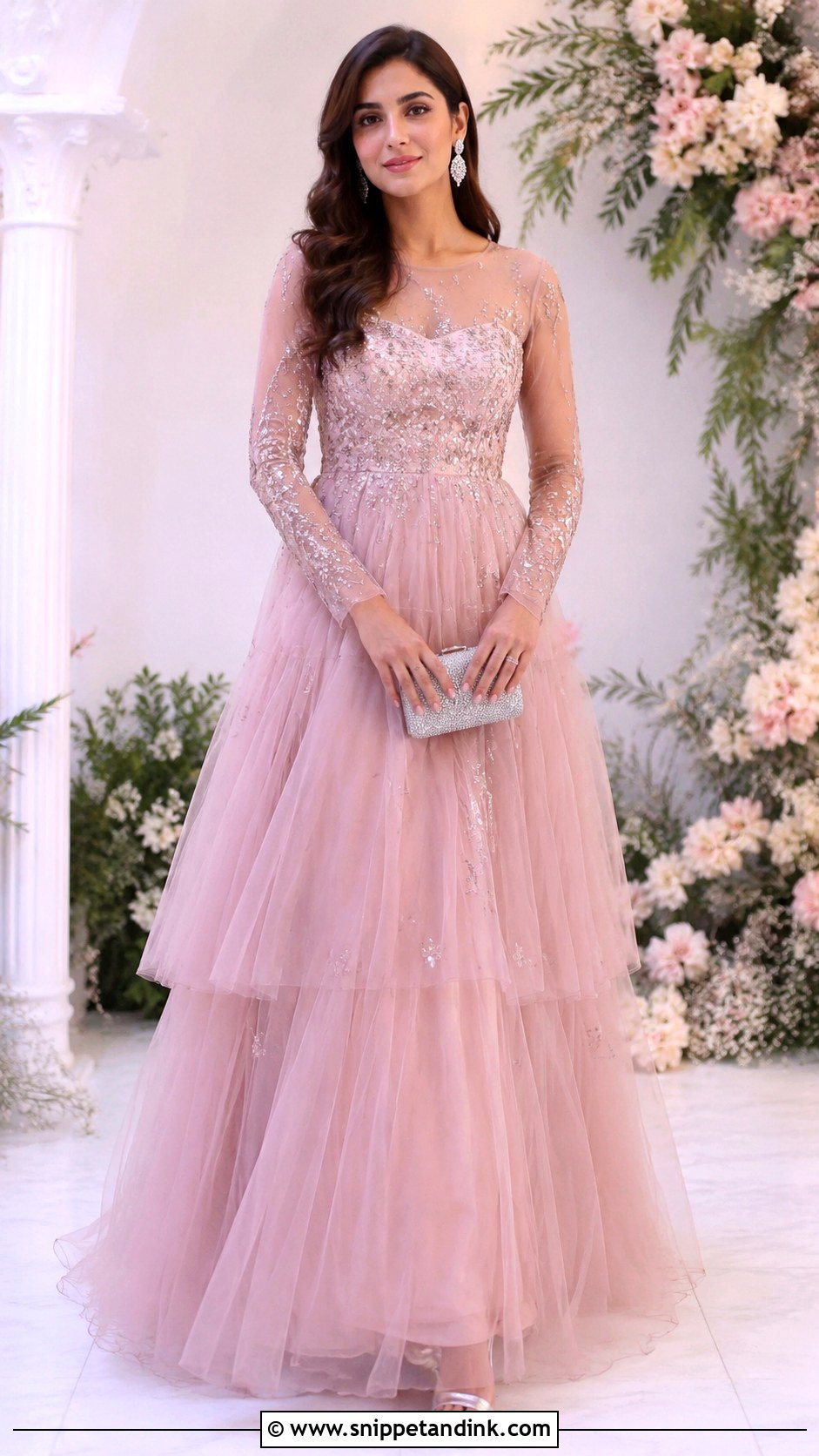
Net looks weightless, but how it’s built underneath decides everything. I look for a structured lining in a matching shade and a net overlay that adds volume on top, never net alone, which reads as see-through under flash. For daytime, powder blue, lavender and mint suit net beautifully; at night, deep emerald or wine gives it more weight. Pointed heels, a crystal clutch and a sleek half-up style keep the line clean. Net catches on bangles and rough heels, so check the hem after the first function.
3. Silk Long Frock for Wedding
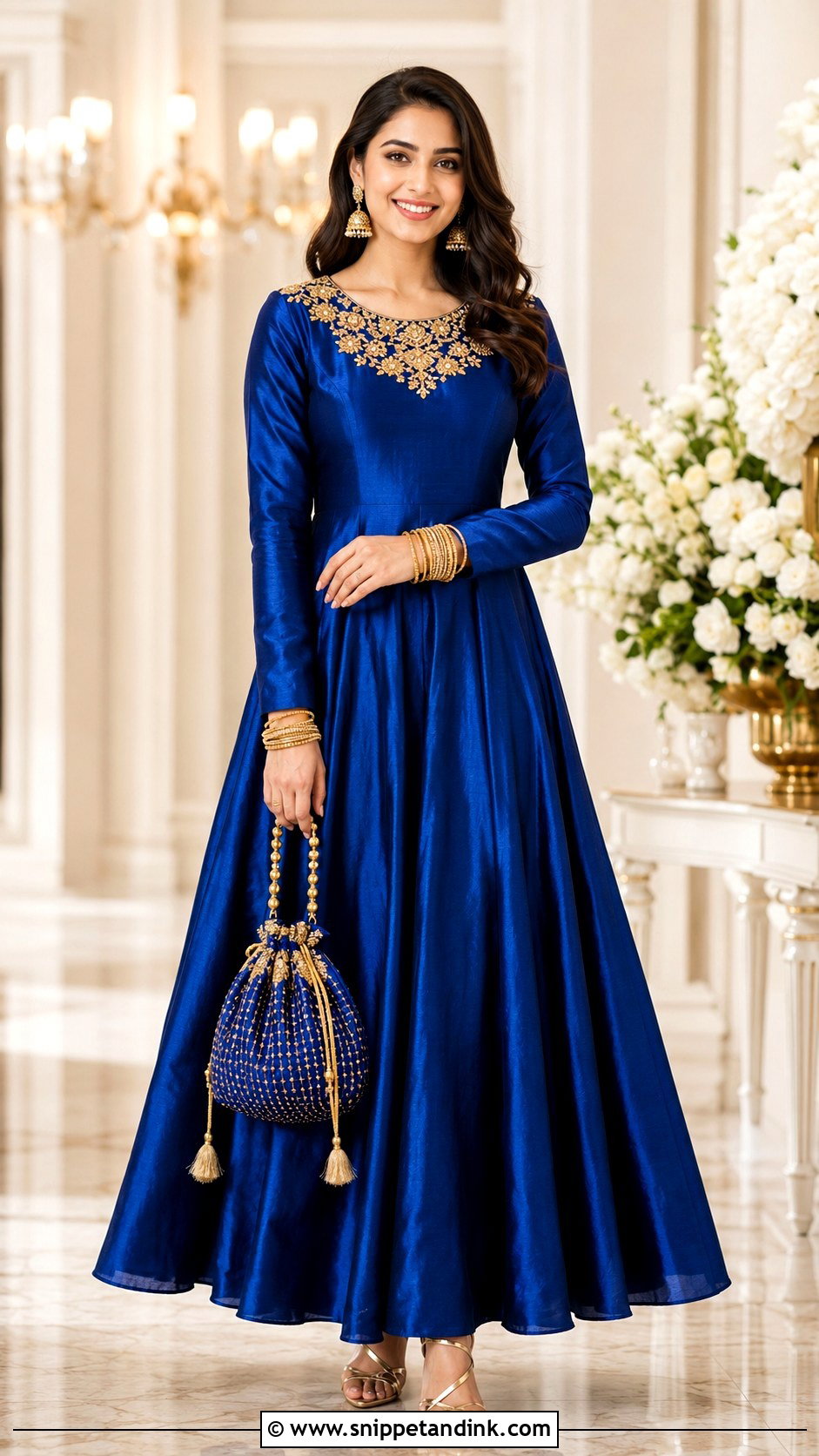
Silk instantly makes a frock look more expensive. Raw silk holds structure, soft silk flows, and brocade gives a grander, stiffer drape. For traditional ceremonies I like a fitted waist, a flared skirt and an embroidered neckline in maroon, emerald, gold or ivory. Since silk already has a sheen, I keep jewelry to bangles and classic earrings, with metallic heels and a potli. Silk water-marks, so carry a tissue to blot drinks rather than wiping.
4. Embroidered Long Frock for Wedding
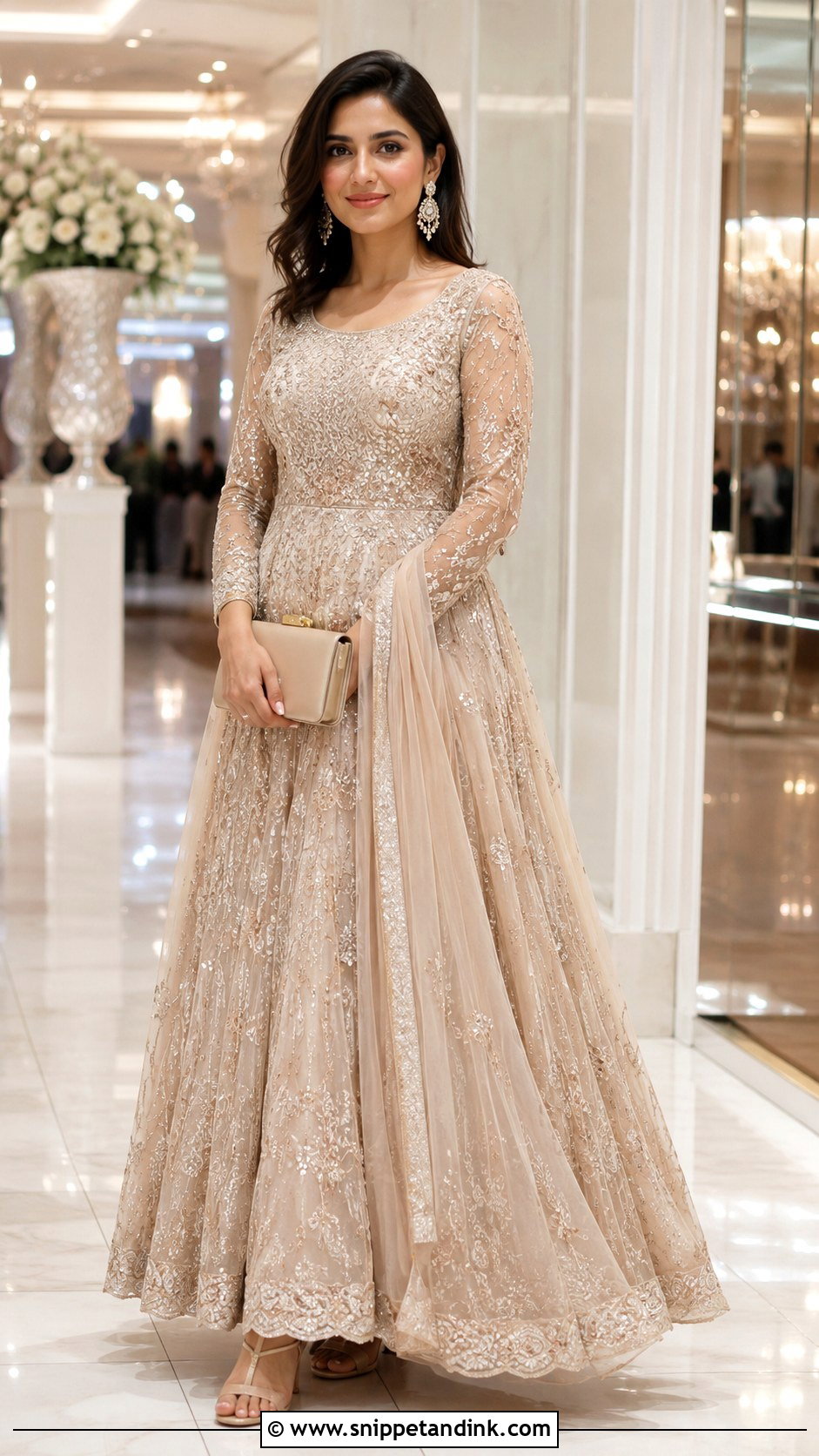
Placement is what makes embroidery look expensive or homemade. I want work at the neckline, sleeves, waist and hem in roughly the same density, so the eye travels top to bottom instead of stopping at one heavy patch. Thread embroidery reads softer; zari, beads and sequins read more festive, and they add real weight. A fitted bodice with a flared skirt carries it best. Match your jewelry metal to the embroidery tone, gold with gold zari, silver with silver, and keep the clutch small. Close-up portraits are where this frock shines.
5. Floral Long Frock for Wedding
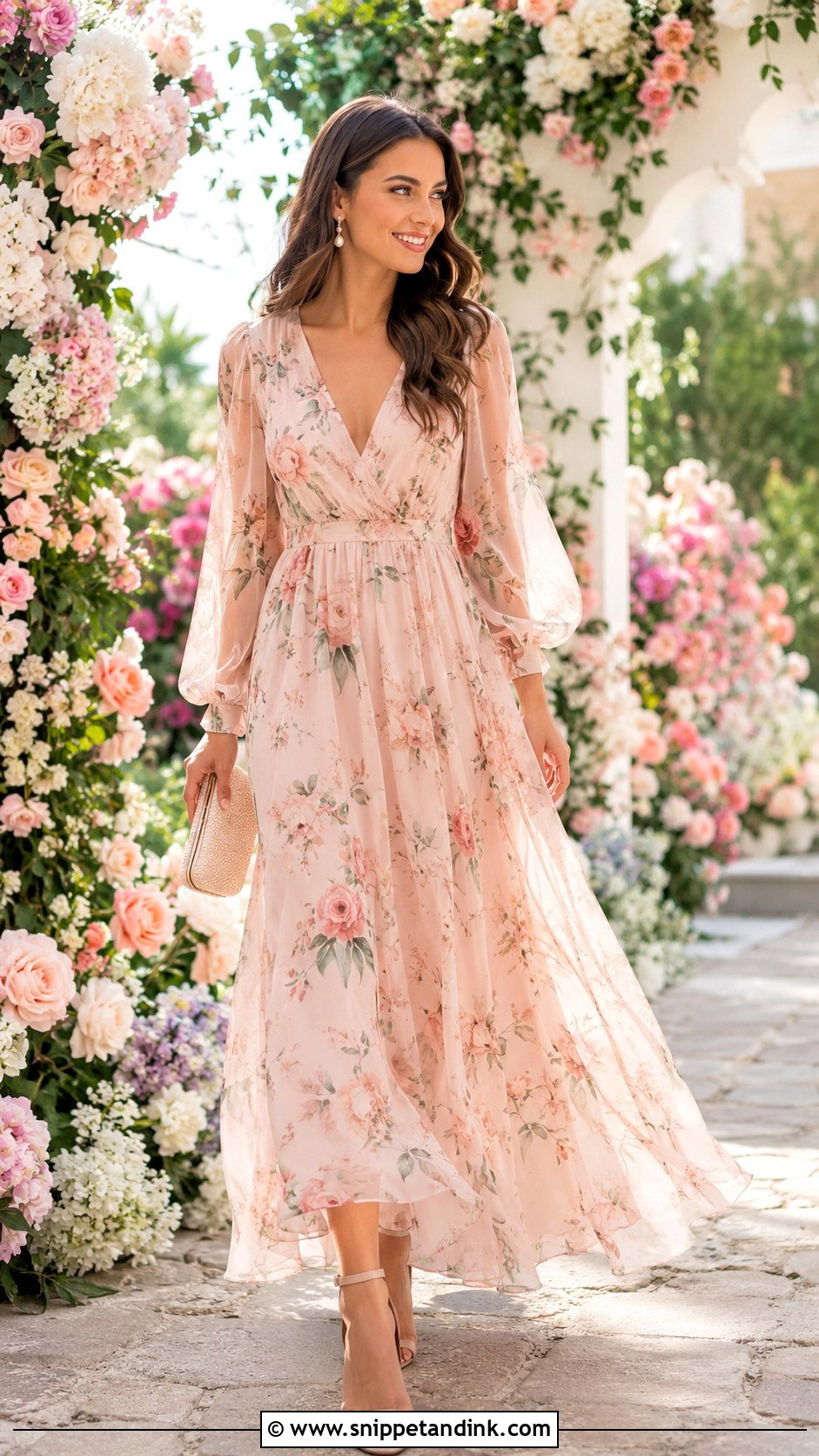
Florals belong to daytime: spring and summer weddings, garden functions, haldi-style gatherings. Large prints feel modern; small embroidered flowers feel traditional. Chiffon, organza and georgette move well in a breeze, and blush, sage and peach are the shades I’d start with. If the flowers are bold, I keep jewelry to pearl studs and let the print talk. Check where the print falls once it’s stitched. A large bloom landing right across the bust is a common tailoring slip, and it’s avoidable if you place the pattern before cutting.
6. Velvet Long Frock for Wedding
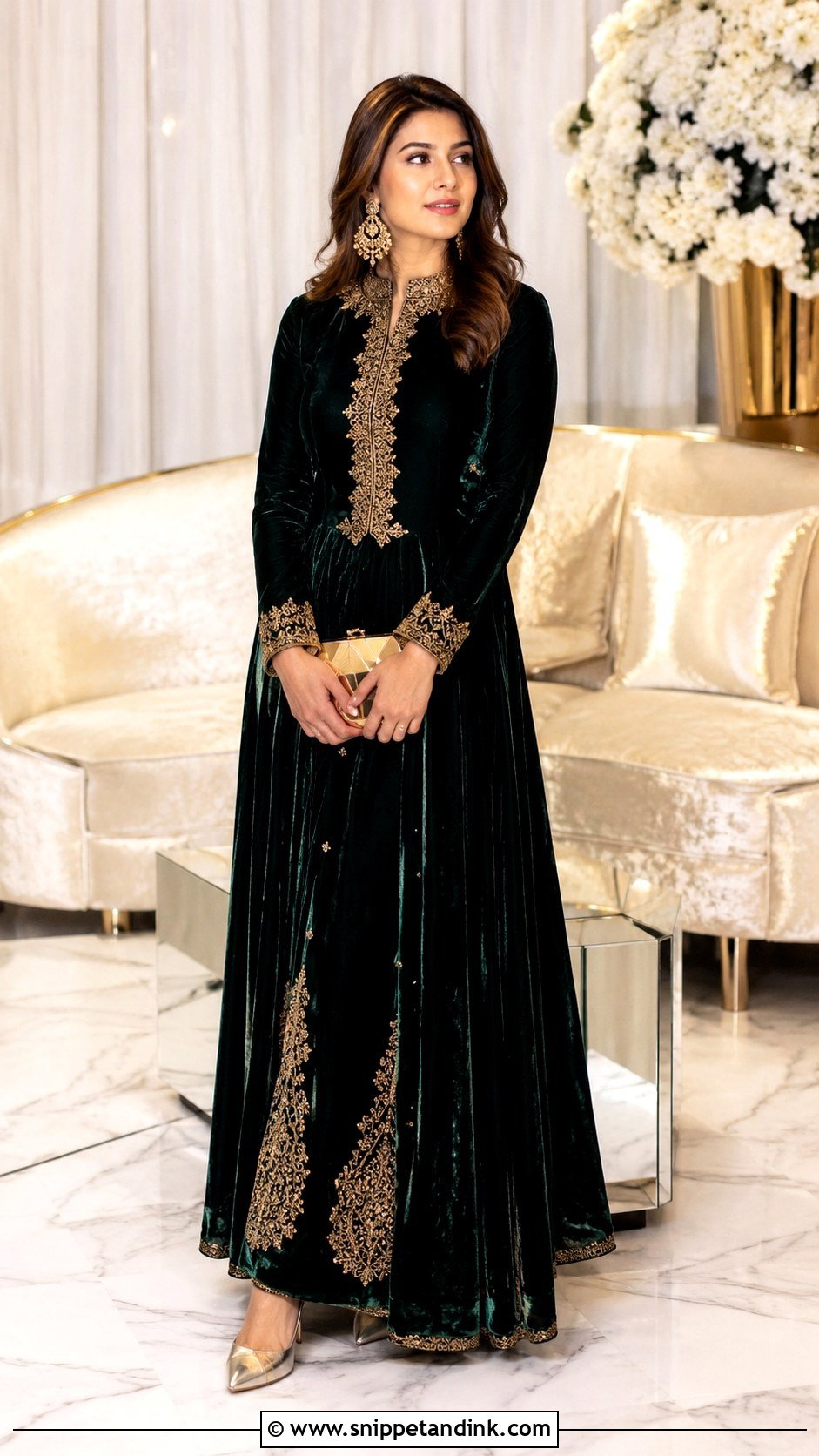
Velvet makes even a plain frock look grand. A simple velvet frock with a defined waist and full skirt needs almost no embroidery, and deep green, navy, plum or black are striking for winter evenings. Velvet is heavy and warm, though, so I keep the neckline clean and avoid stacking it with a heavy dupatta. Never fold velvet tightly for travel; the pile crushes and the marks show as pale lines. Hang it and steam from the inside if needed. Add metallic heels, statement earrings and a structured clutch.
7. Sequin Long Frock for Wedding
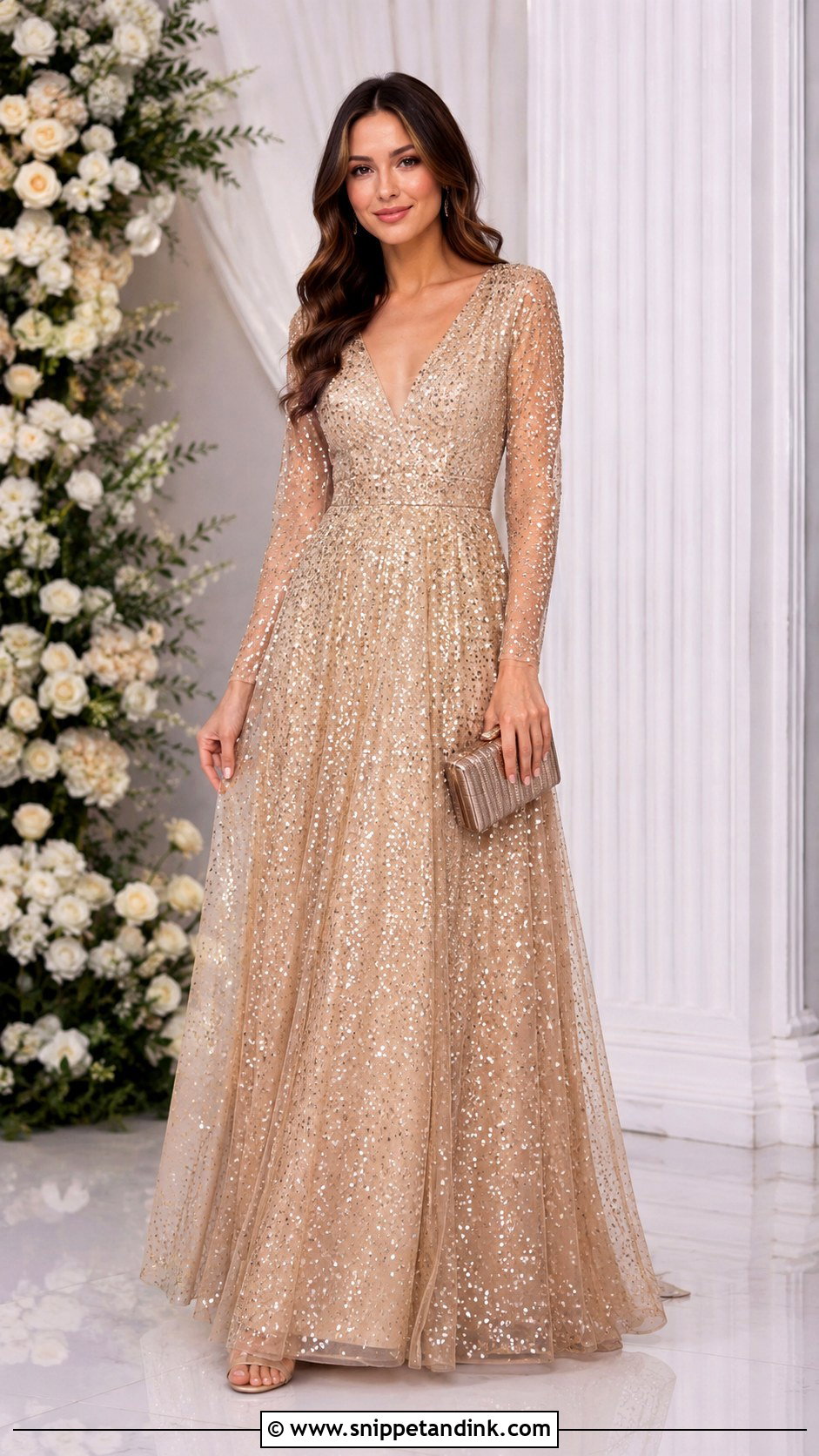
Sequins photograph well under reception lights, and the trick is restraint. Scattered sequins or an ombre fade feel modern; an all-over sequin bodice and skirt can feel loud and is heavy to dance in. I like champagne, silver or midnight blue, with simple heels, a clean clutch and almost no jewelry. Sequin seams can scratch the inner arms, so I check that the underarm area is lined in something soft. A sleek bun or soft waves keep the hair from tangling in the sparkle.
8. Chiffon Long Frock for Wedding
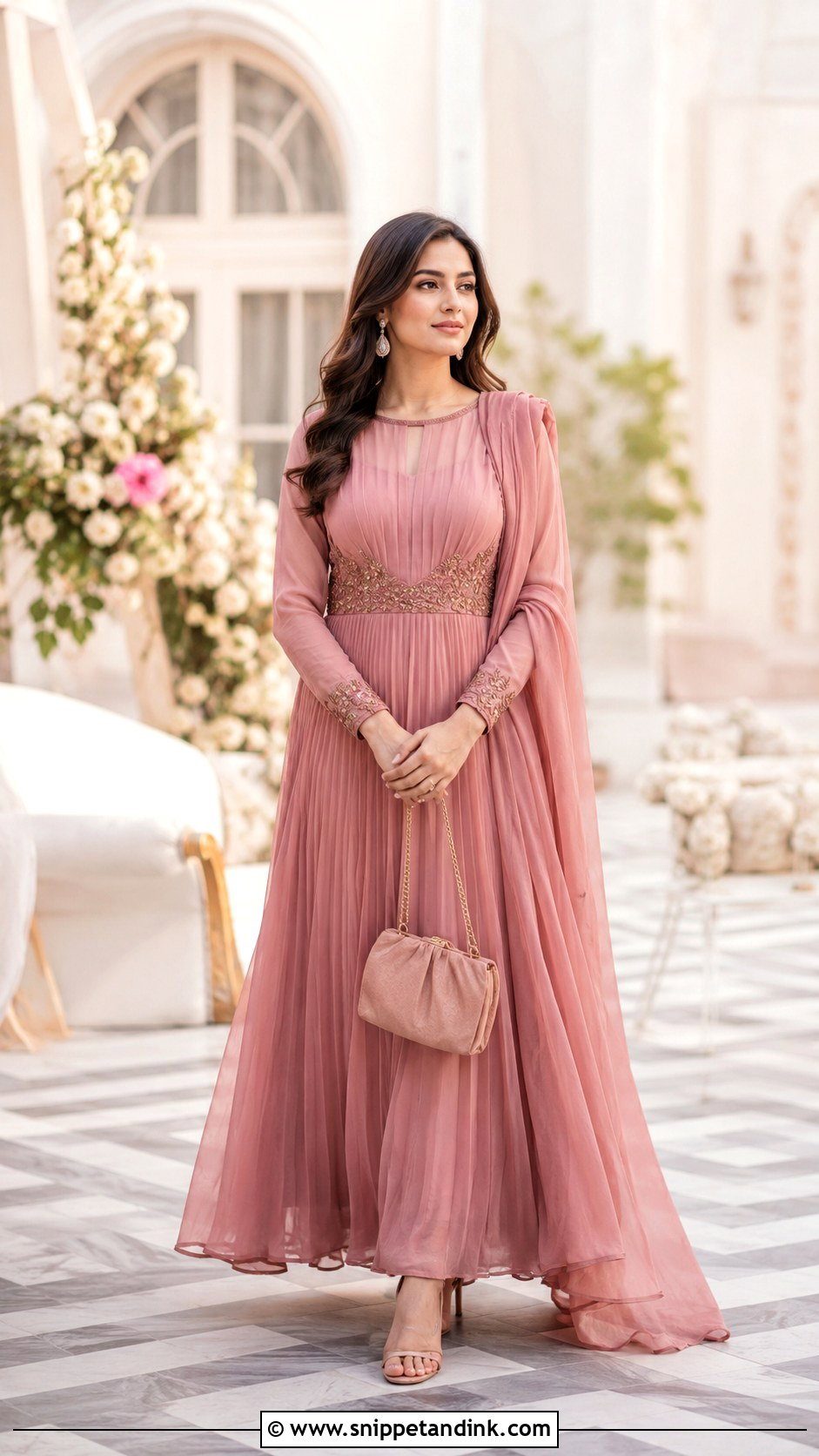
For a long day outdoors or a summer wedding, chiffon is the kindest fabric to your body. It drapes softly, adds little volume and breathes. I’d always choose a lined bodice; chiffon alone clings and shows every seam underneath. A pleated skirt, an embroidered waist or a delicate sleeve detail gives it shape. Dusty rose, teal and mauve sit well in it. Strappy heels, drop earrings and a light dupatta finish the look.
9. Organza Long Frock for Wedding
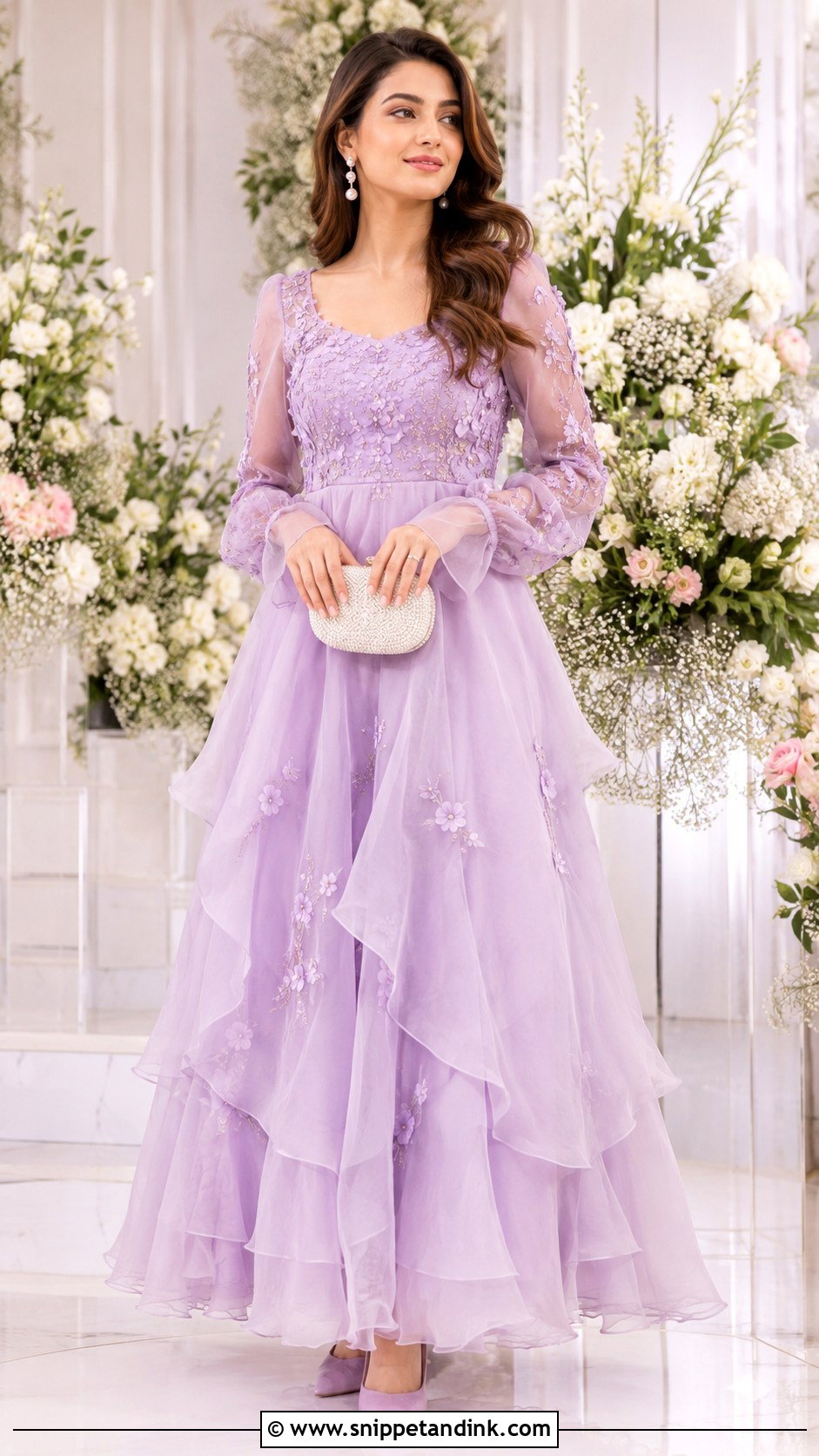
Organza has a crisp natural stiffness, so it holds a dramatic shape without layers of weight underneath. It suits layered skirts, puff sleeves and floral applique. Pastel organza reads delicate; embroidered organza reads festive. The downside: it creases sharply if you sit on it for an hour, and those creases don’t fall out on their own. I tell clients to smooth the skirt out behind them when they sit. Pearl accessories, pointed heels and a polished hairstyle keep it refined.
10. Satin Long Frock for Wedding
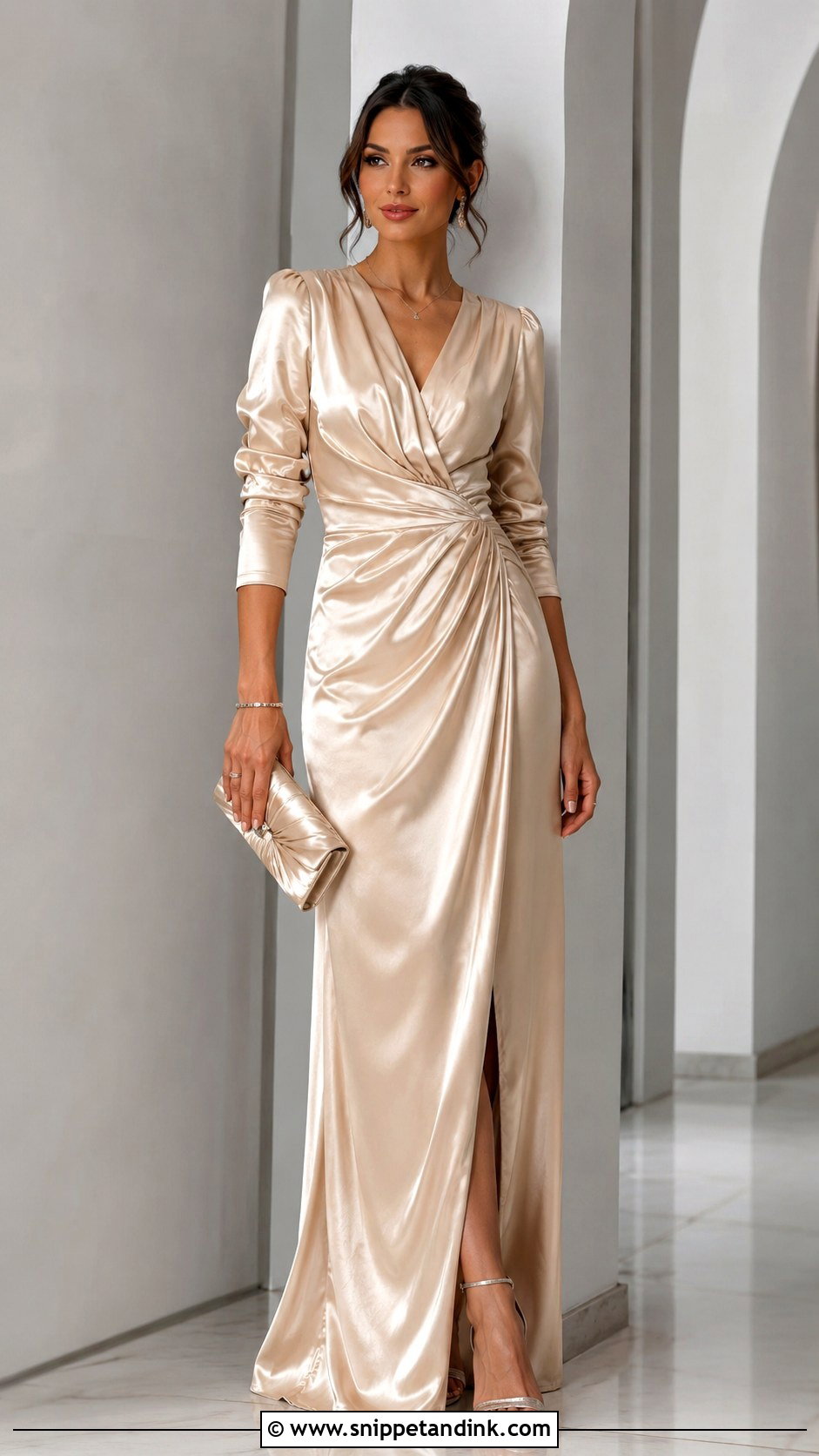
Satin looks sleek with very little effort, and it catches evening light the way few fabrics do. A bias-cut satin frock gives a modern, close line; a flared satin skirt gives more movement and is more forgiving. Draped necklines and ruched waists add interest without embroidery. Jewel tones, champagne and bronze look rich in satin. The honest catch is that satin shows every bump and every crease from the car, so I’d steam it at the venue and wear smooth, no-line undergarments. Slim heels, a satin clutch and fine jewelry finish it.
11. Lace Long Frock for Wedding
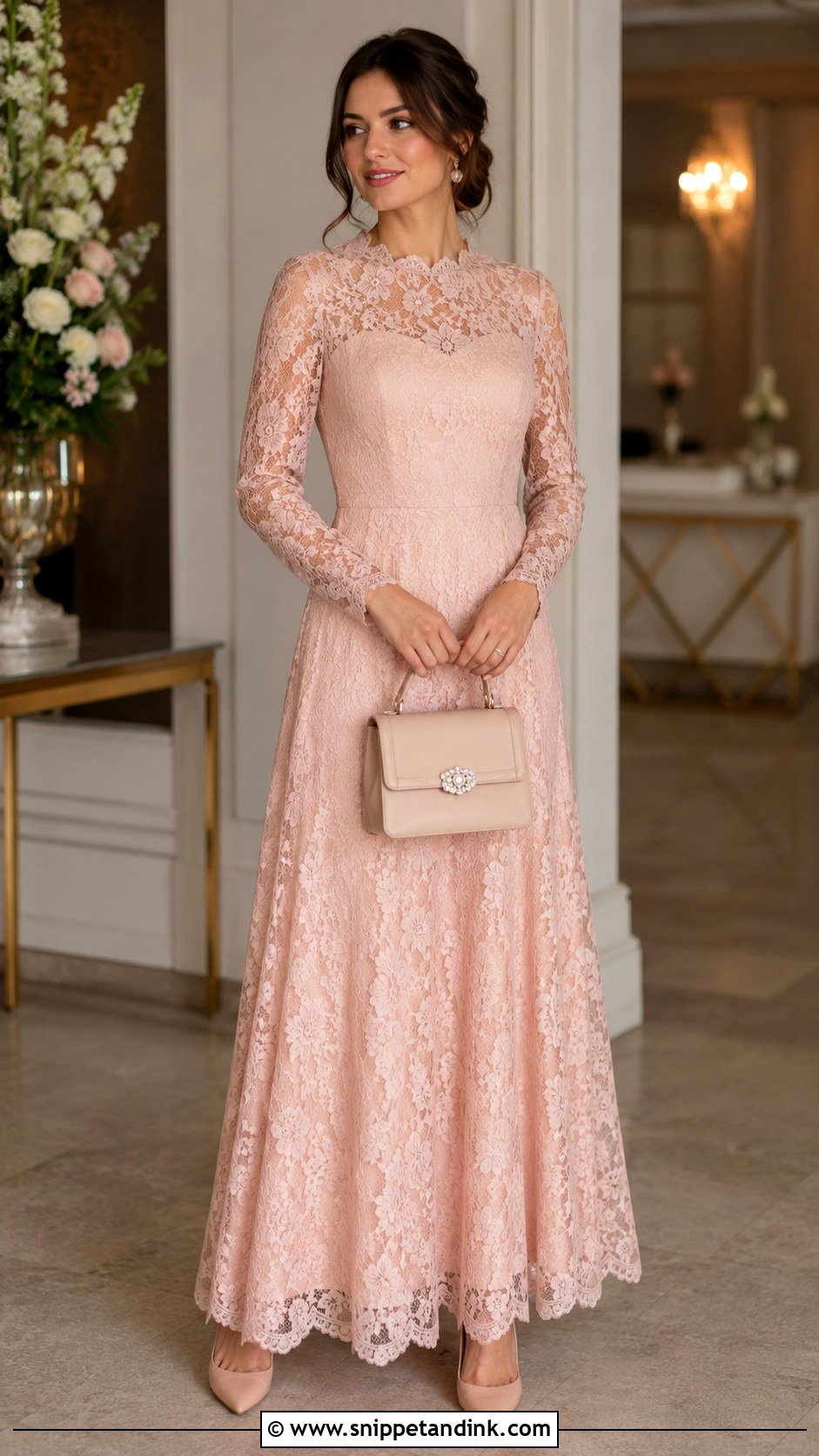
Lace works when you want detail with coverage. I like a lined body, lace sleeves and a flared skirt in ivory, dusty blue or sage; floral lace is the classic, geometric lace feels newer. For richer evenings, lace with a little beading picks up the light. Lace sleeves should be cut with room at the elbow because lace doesn’t stretch. Nude or metallic heels, pearl earrings and a small structured bag are enough.
12. Jacket Long Frock for Wedding
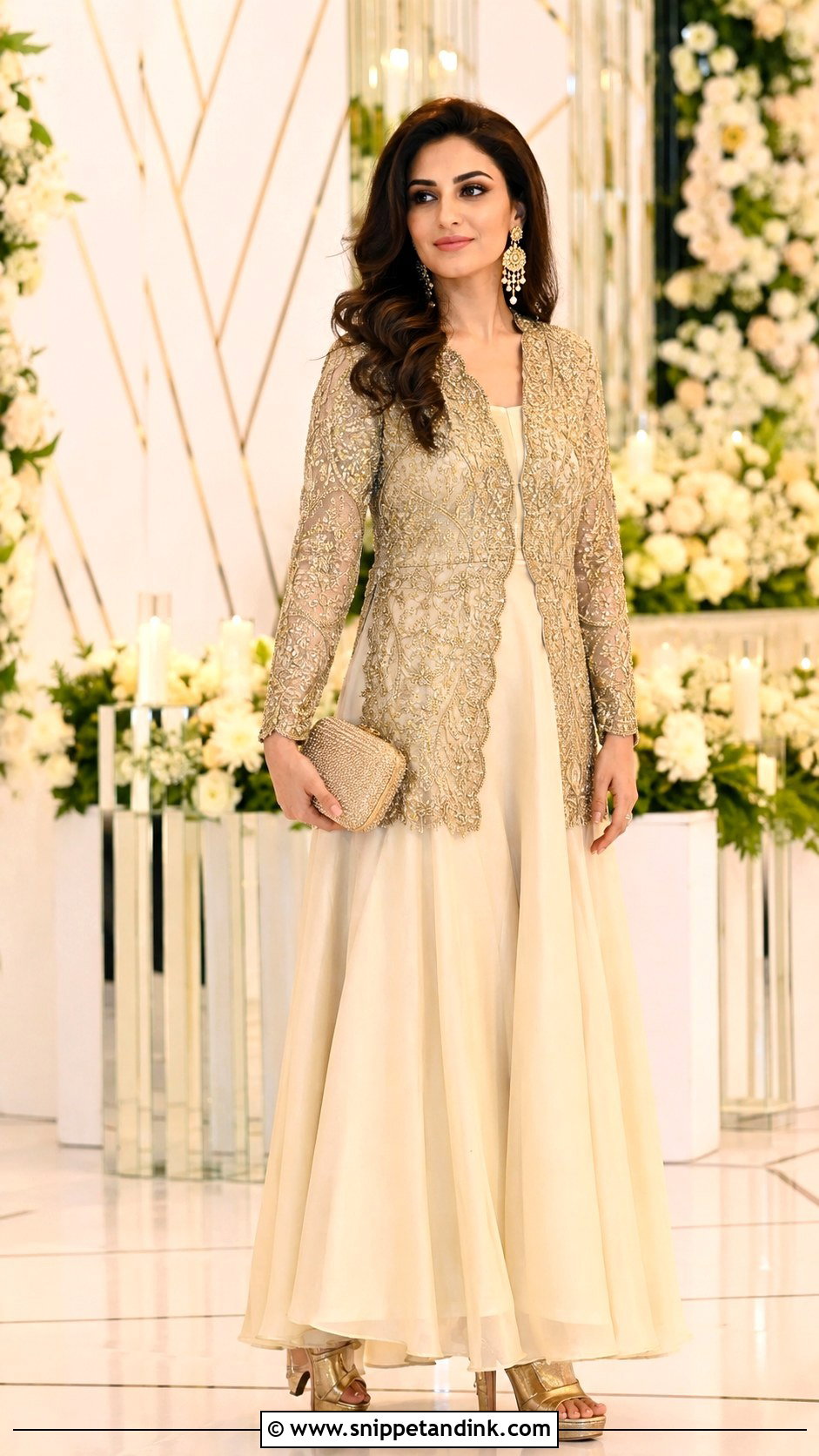
A jacket long frock lets you change the mood of one outfit. The frock underneath can stay simple, while the jacket carries the mirror work, brocade or sequins. A long sheer jacket flows as you walk; a short embroidered jacket nips the waist. I like it for destination weddings, where one outfit has to cover a sangeet and a reception, and for anyone who wants modest coverage without hiding the shape. Match the clutch to the jacket, not the frock.
13. Cape Long Frock for Wedding
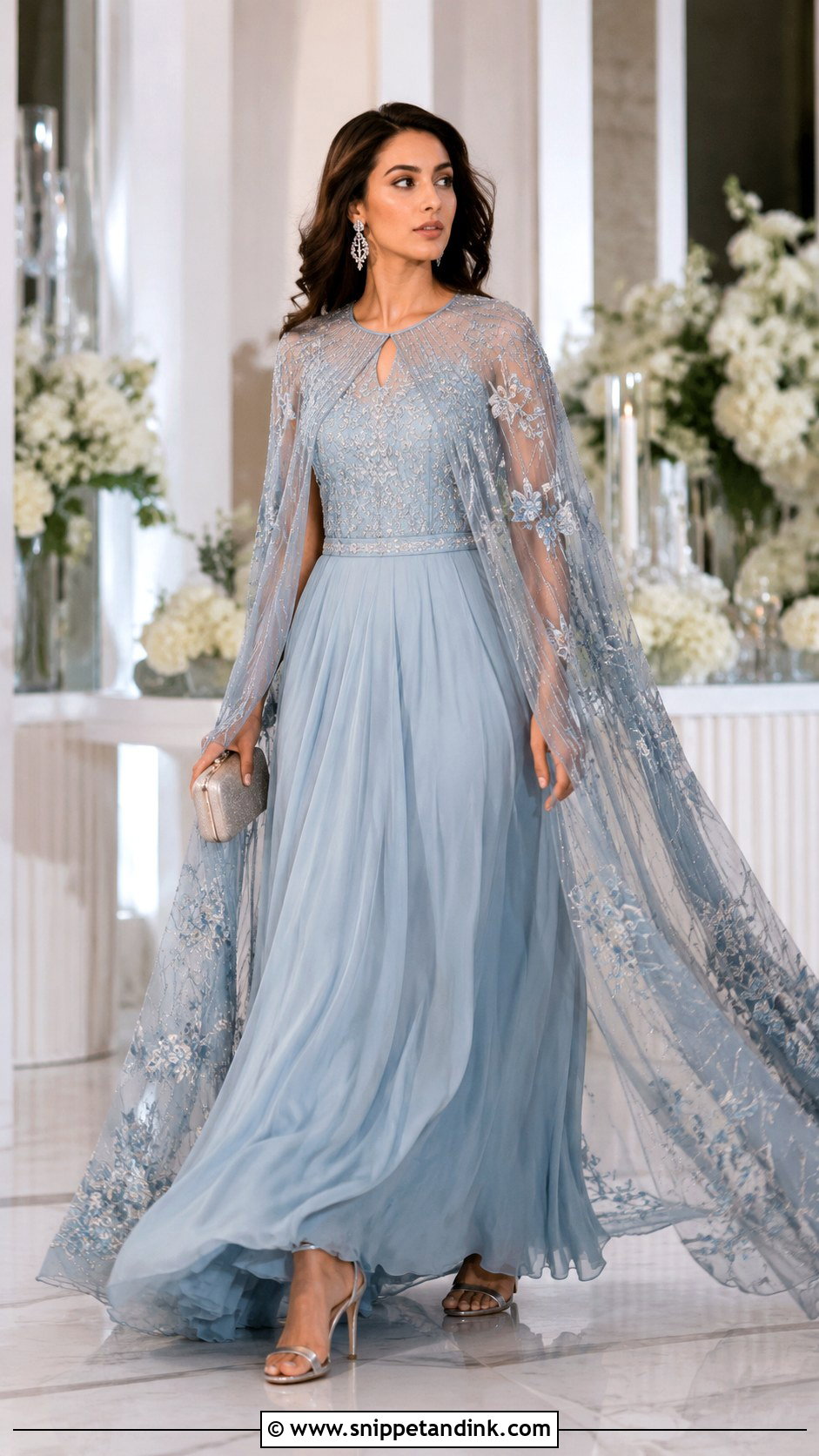
A cape gives you the drama of a dupatta without the constant adjusting. It can be sheer, embroidered or beaded, attached at the shoulders so it flows behind you. Over a fitted bodice and a soft A-line skirt, it looks modern and graceful. I’d choose pastels for daytime and richer shades for evenings, and keep earrings simple so they don’t fight the cape’s neckline. Before you buy, check that the cape attaches with hidden hooks rather than visible snaps, which show in back views.
14. Peplum Long Frock for Wedding
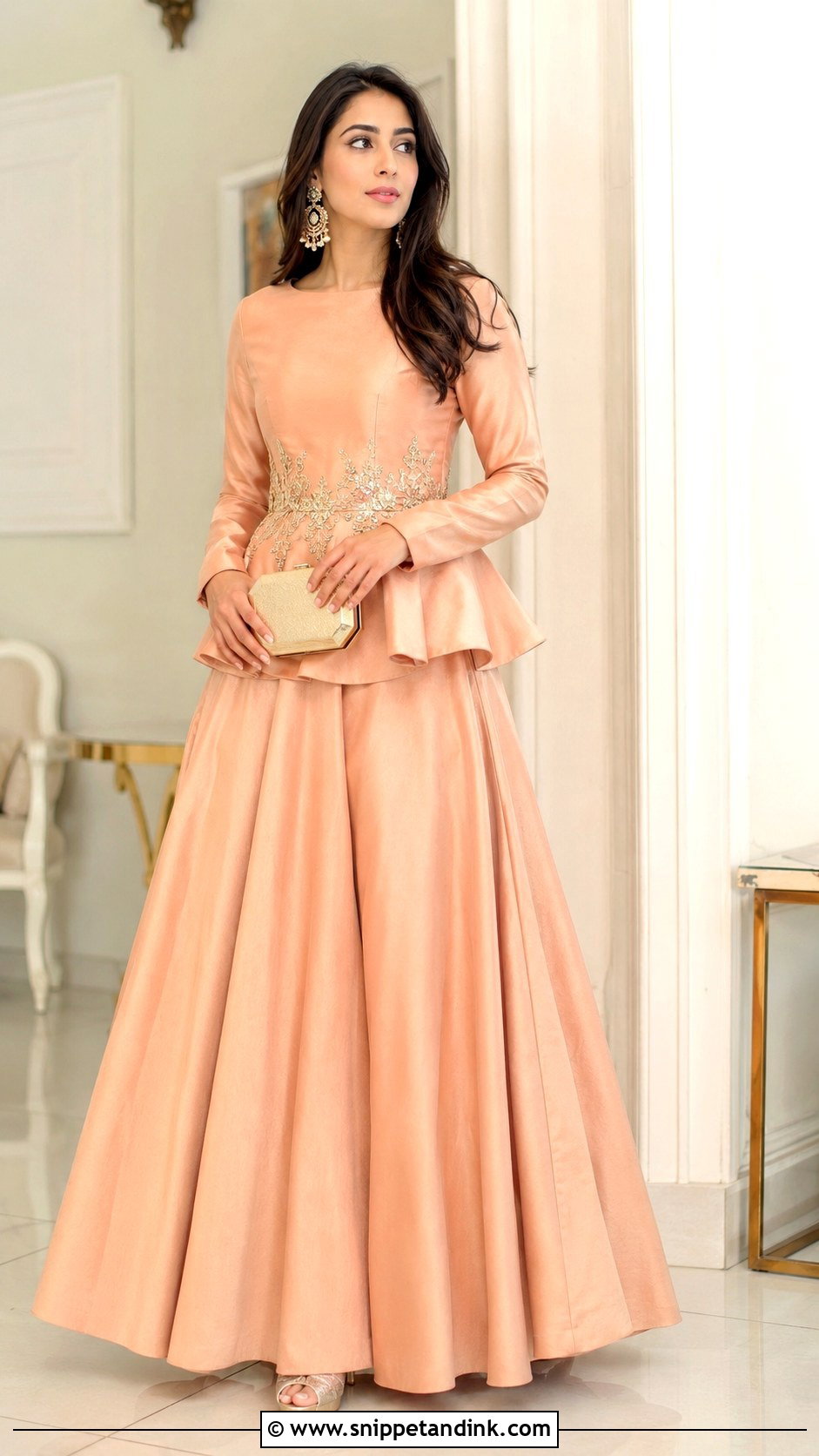
A peplum layer defines the waist and adds shape at the hip. Soft peplums suit petite frames; structured peplums need enough height to carry them. Pair it with a long flared skirt and fitted sleeves in silk, brocade or satin, plus heels and statement earrings. I like it for engagements and receptions, where it feels dressy but not too traditional. Have the peplum hit just above the high hip, or it widens you at the worst point.
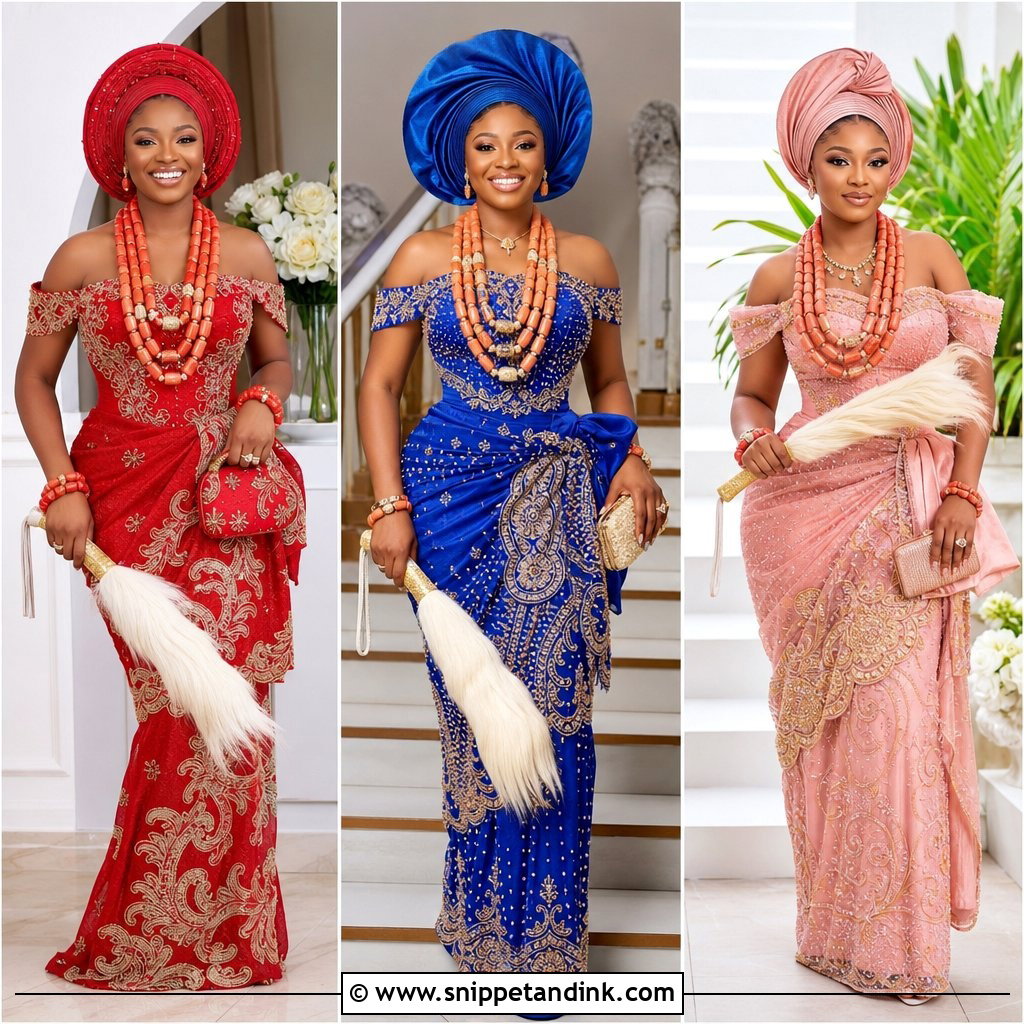
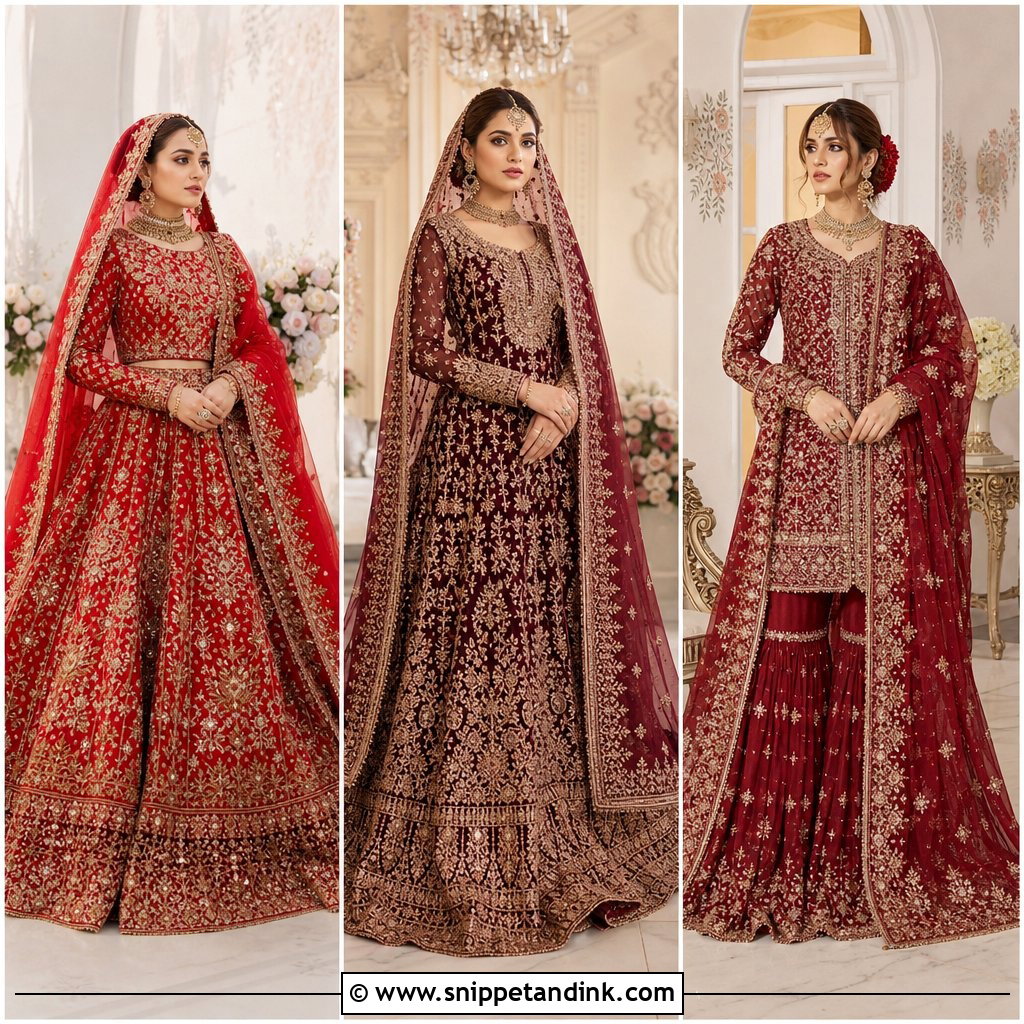
15. Gota Patti Long Frock for Wedding
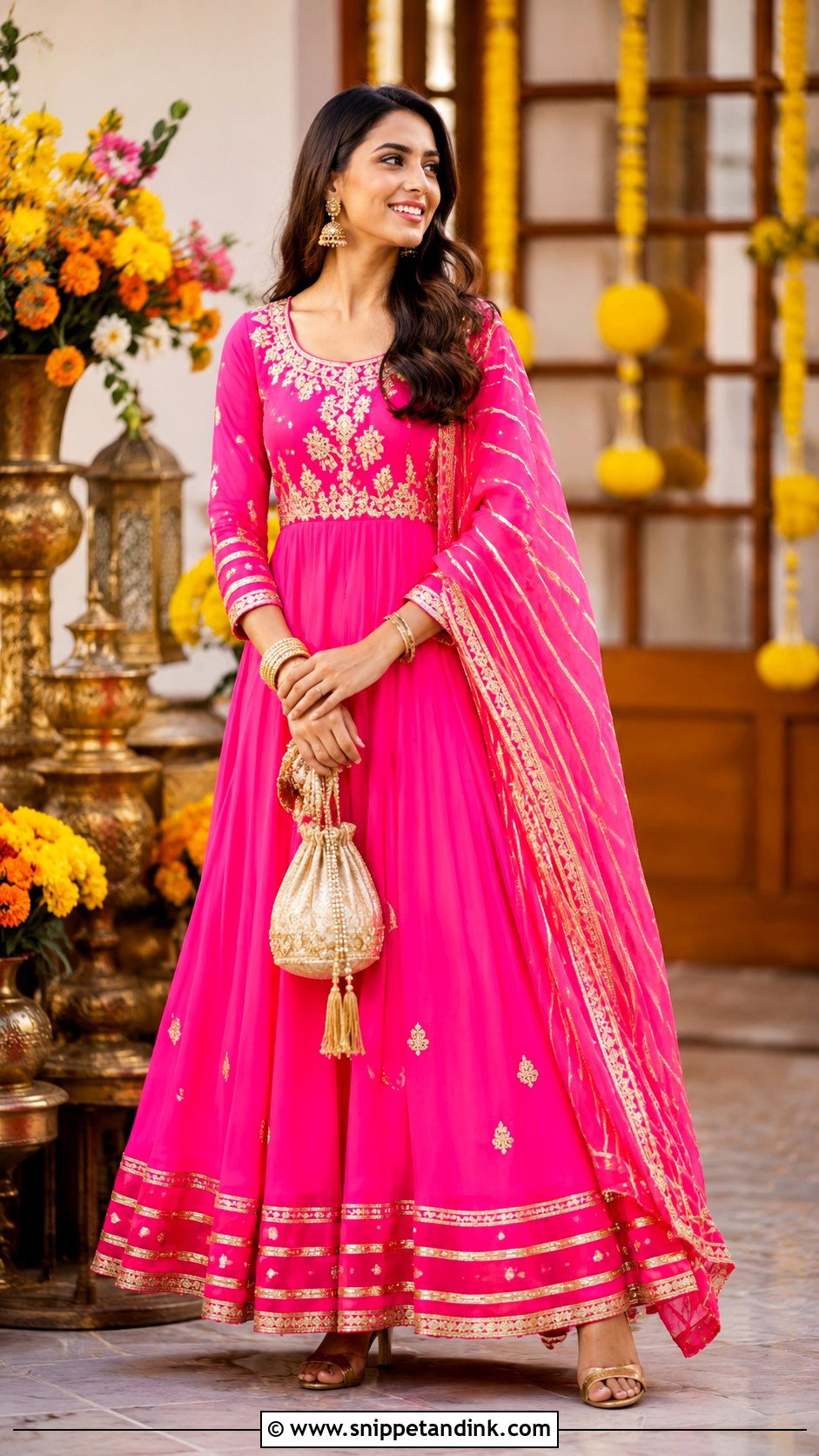
Gota patti brings festive shine that still feels light. The metallic ribbon appliqué sits well on georgette, chiffon and organza, and I’d place it at the neckline, sleeves, waist and hem. Yellow, pink, turquoise and peach feel joyful for mehndi and daytime functions. Gold heels, bangles, jhumkas and a potli complete it. Gota is thinner and lighter than heavy zari work, which is why a fully worked gota frock is still comfortable to dance in.
16. Mirror Work Long Frock for Wedding
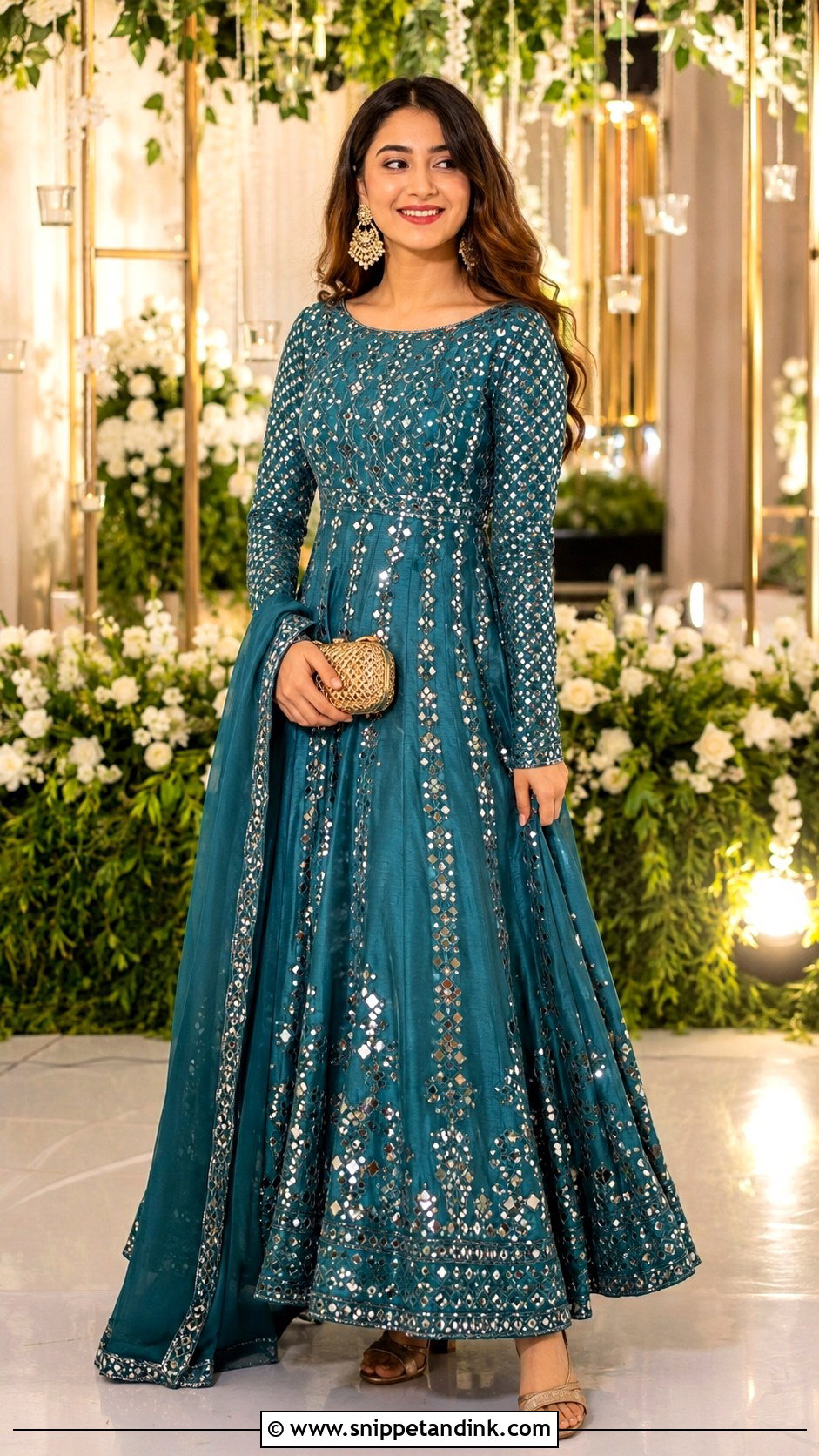
Mirror work is made for a lively function. It throws light in every direction, which is wonderful at night and on the dance floor. Small mirrors look refined; large mirrors read bold from across a room. On georgette, cotton silk or chiffon it stays comfortable. Fuchsia, orange, teal and cobalt carry mirrors best, with oxidized or gold-tone jewelry and a clean hairstyle. It’s my first pick for mehndi events and music nights. Check the edges of each mirror; badly finished ones snag the dupatta and scratch your arms.
17. Long Sleeve Long Frock for Wedding
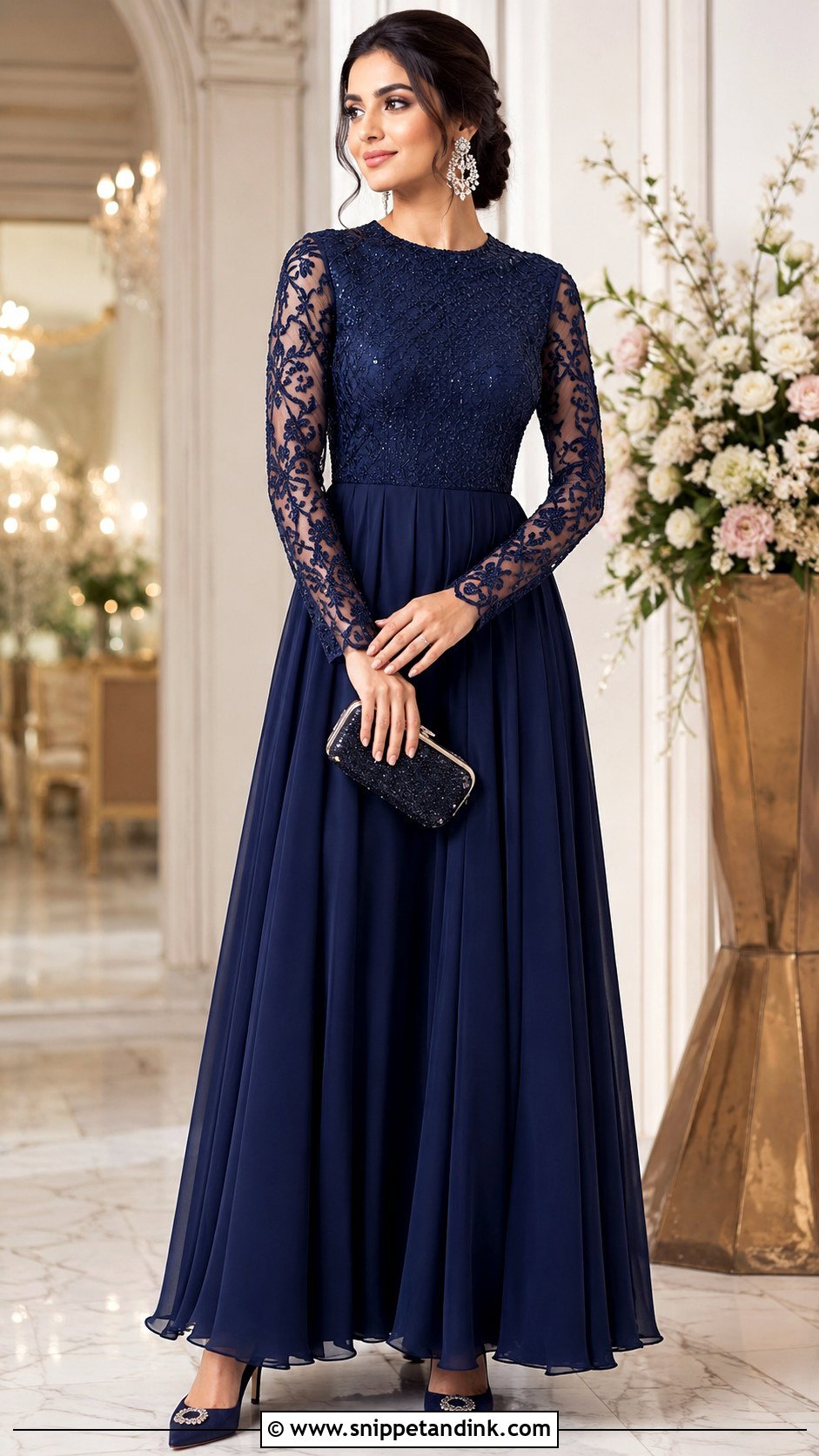
Long sleeves change the whole mood of a frock. Sheer embroidered sleeves soften it, lace sleeves feel romantic, puff sleeves feel playful, fitted satin feels formal. A high neck with full sleeves looks regal for a winter reception; a sweetheart neck with sheer sleeves is gentler. I choose velvet or silk for cold months and georgette when it’s mild. Since the sleeves already add detail, skip stacked bracelets, which catch the fabric. Frame the face with earrings instead.
18. Off Shoulder Long Frock for Wedding
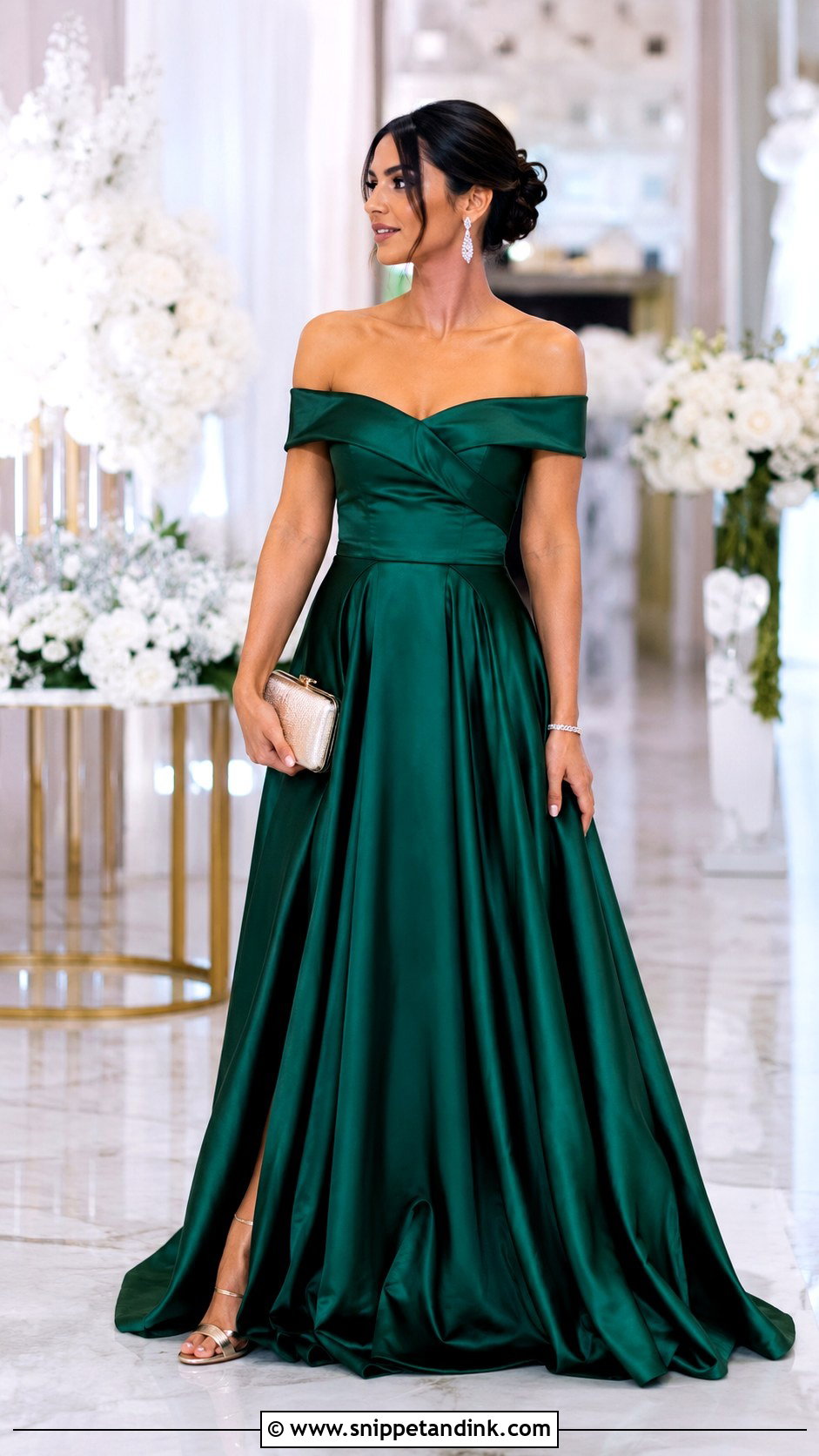
Off-shoulder is the most modern neckline here and the one that most often goes wrong. Without a structured bodice, the neckline slips every time you raise an arm, and you’ll spend the evening tugging it up. I insist on boning or a firm inner bodice and silicone grip tape along the edge. Draped satin or an embroidered waist makes it feel wedding-ready, in soft pink, emerald or navy. Drop earrings and a hairstyle that leaves the shoulders clear finish it. If you want more coverage, add a sheer cape or an attached drape.
19. High Neck Long Frock for Wedding
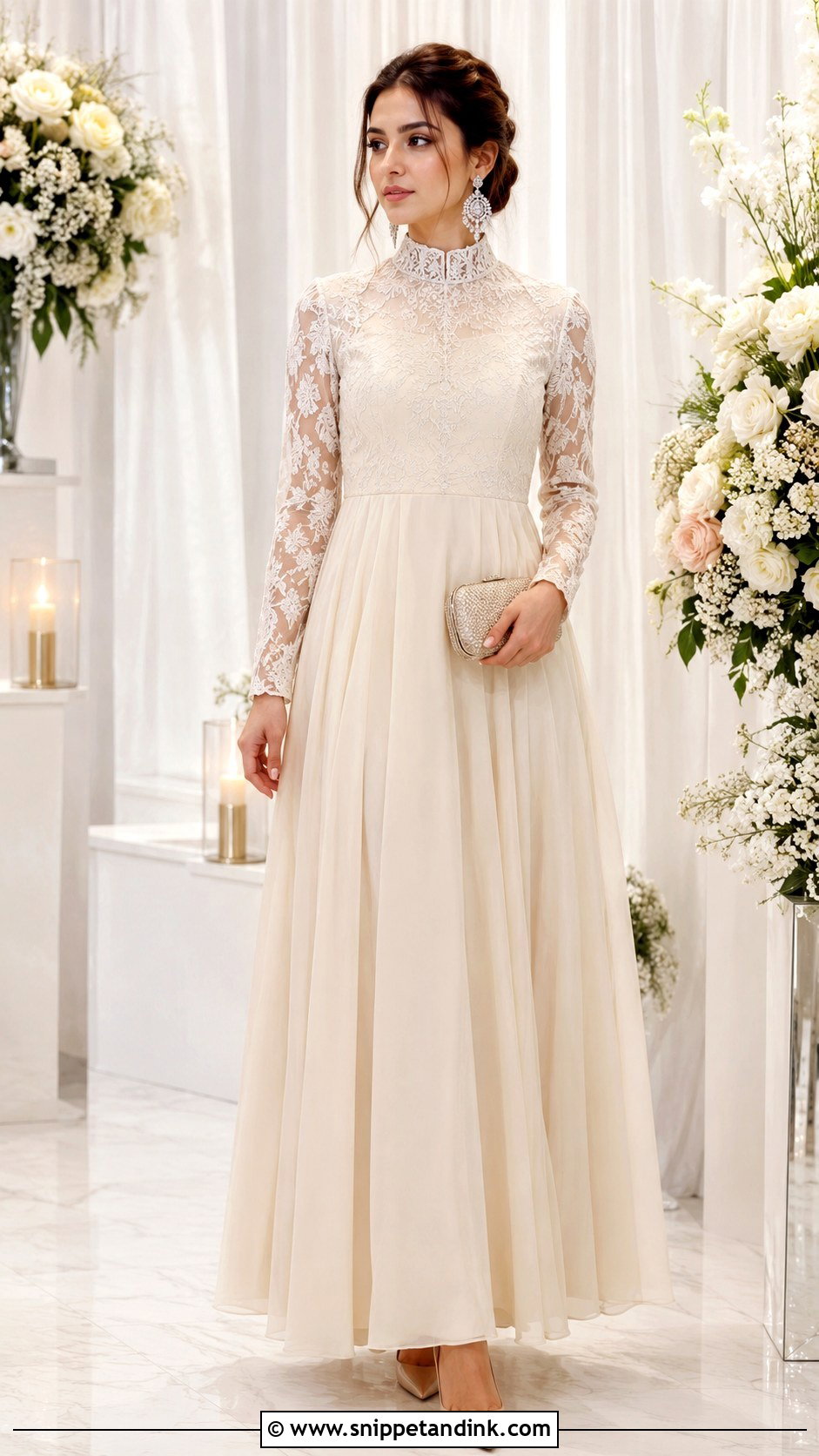
A high neck feels refined, especially with embroidery or beadwork around the collar. It suits women who prefer a covered neckline but still want a dressy look. I keep the bodice fitted with a soft flare below to balance the closed top. Skip the necklace entirely; statement earrings do the job. The collar must sit with a finger’s width of ease, or it feels tight once you start eating and talking. Chiffon, silk, satin or lace all work.
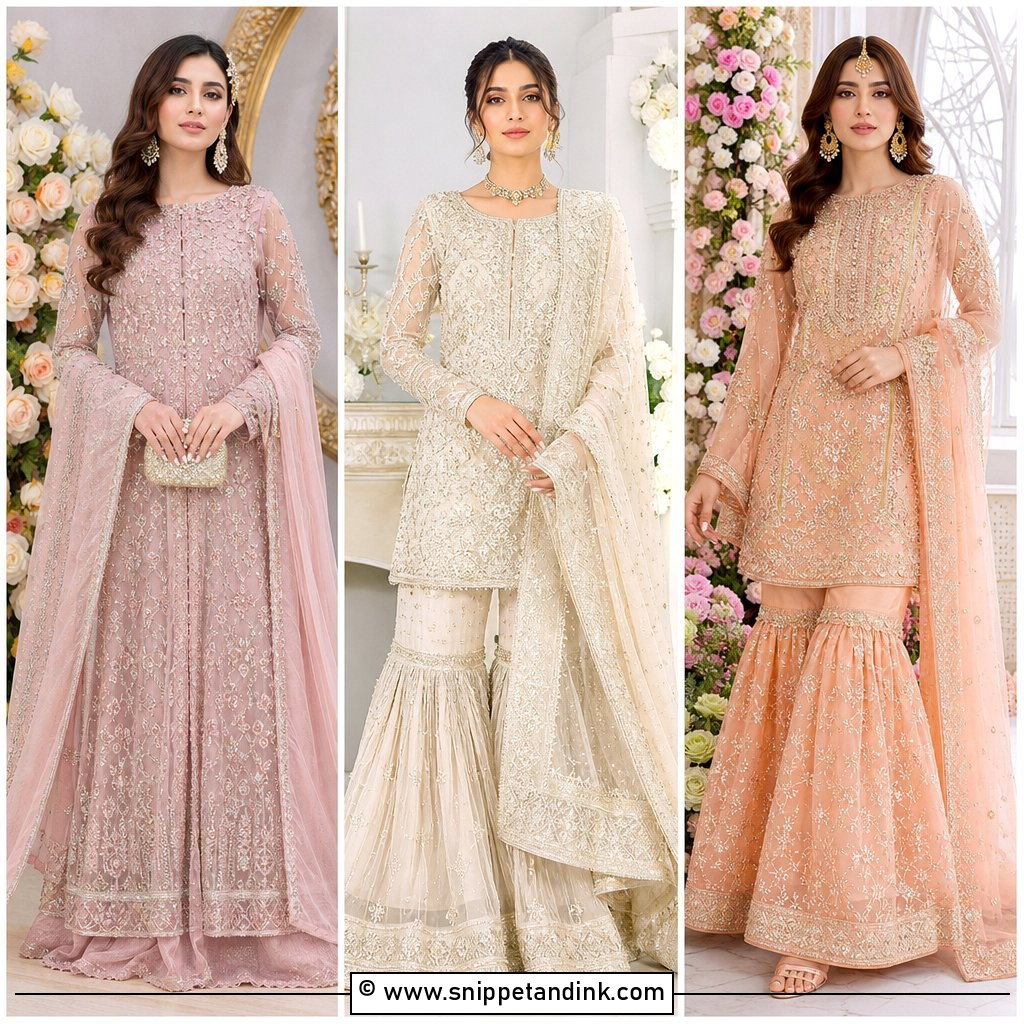
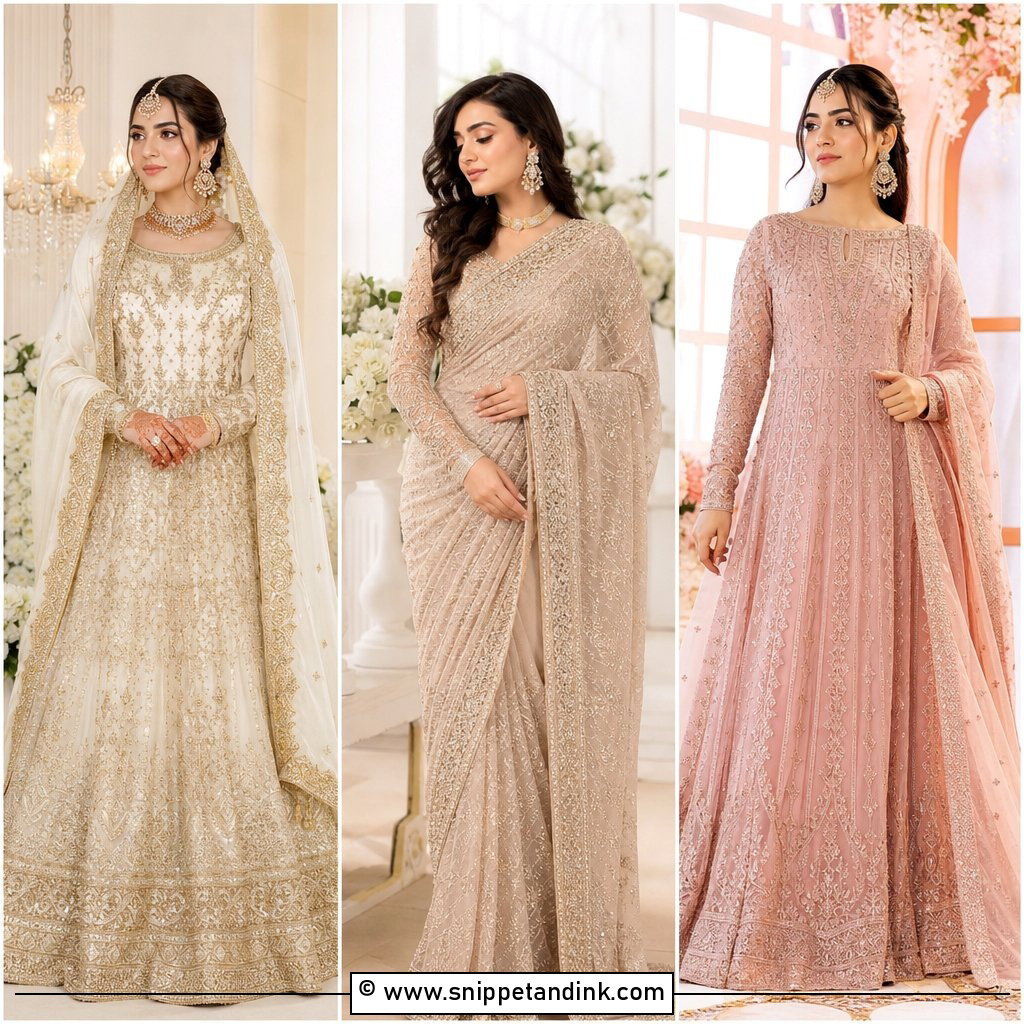
20. Pleated Long Frock for Wedding
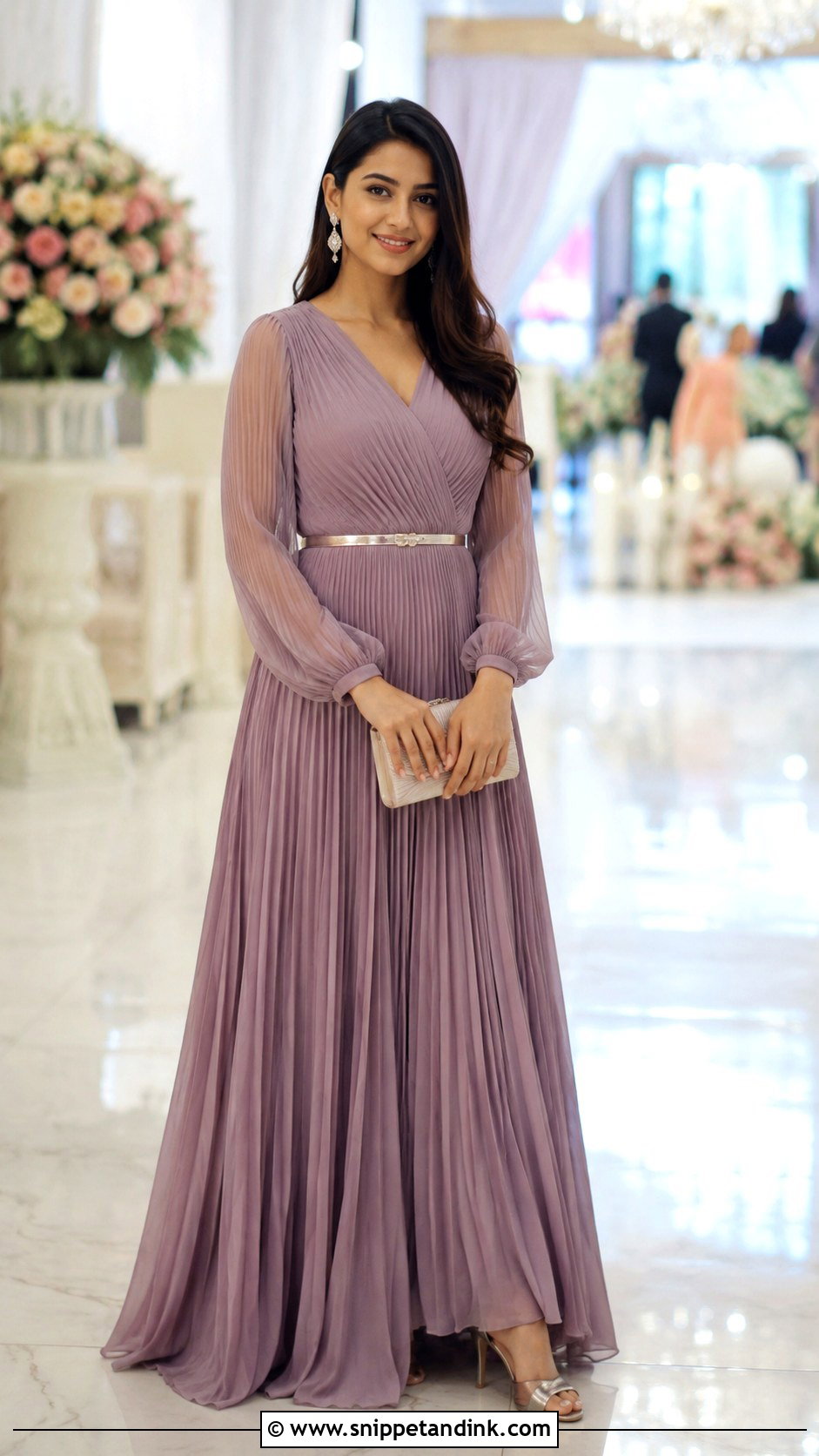
Pleats give movement and comfort in equal measure. Waist pleats create a classic flare; shoulder pleats give a softer, draped line. Chiffon, satin, georgette and crepe all hold pleats well, and permanent machine pleating keeps its shape far longer than hand-pressed pleats. Soft metallics, pastels or jewel tones all suit it. Add a slim belt if your waist gets lost. For a guest who wants to look graceful at a long event without heavy embellishment, it’s one of my easiest recommendations.
21. Layered Long Frock for Wedding
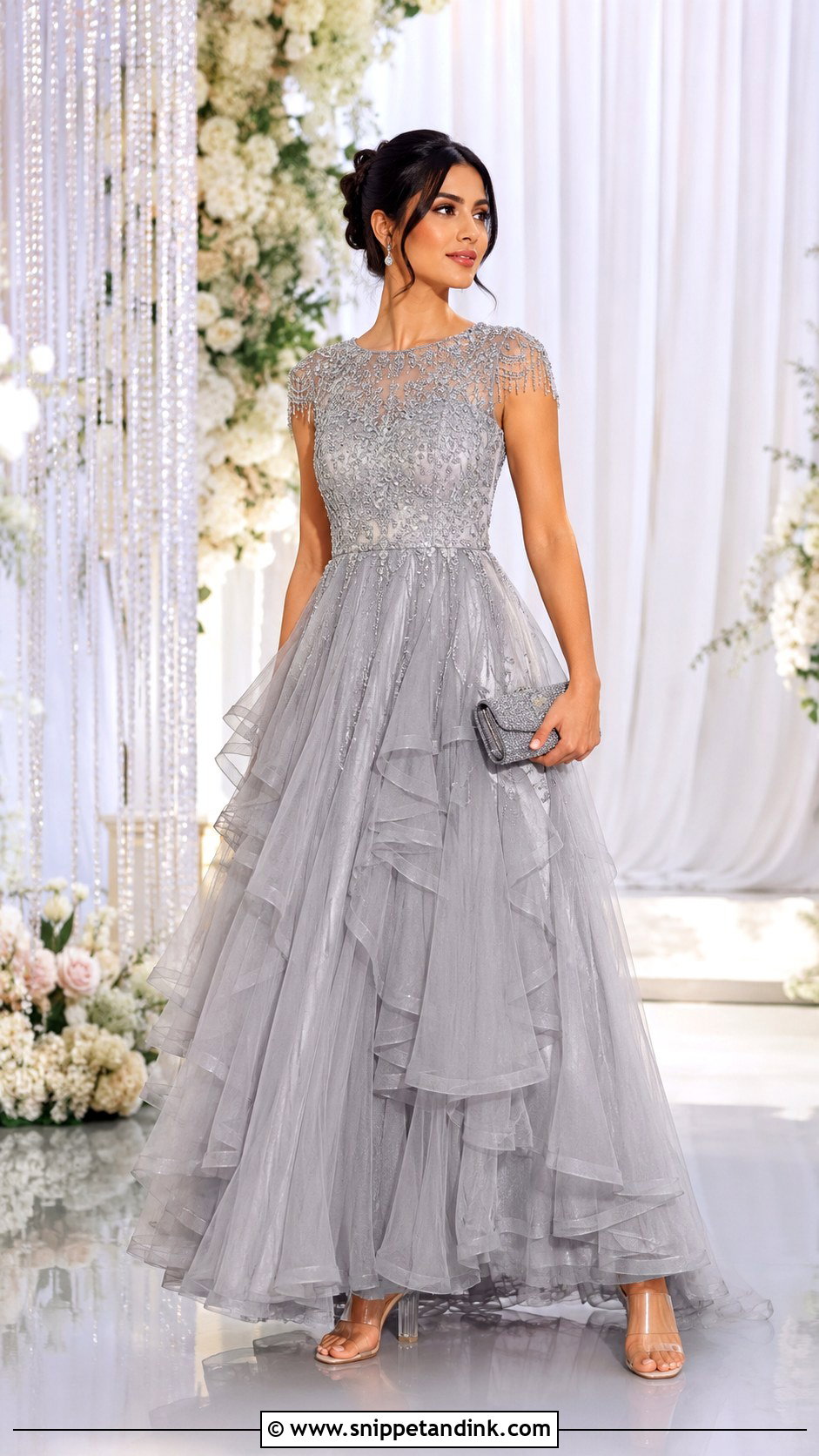
Layers create volume and drama, and they need a fitted upper body so the skirt doesn’t swallow the frame. Net, tulle, organza and chiffon all layer well. Soft layers look romantic; structured layers look formal. Blush, champagne or deep blue suit it, with simple jewelry so the skirt stays the focus. More layers mean more heat and more weight on the waist, so I’d keep this for indoor receptions and engagements rather than a summer daytime function.
22. A Line Long Frock for Wedding
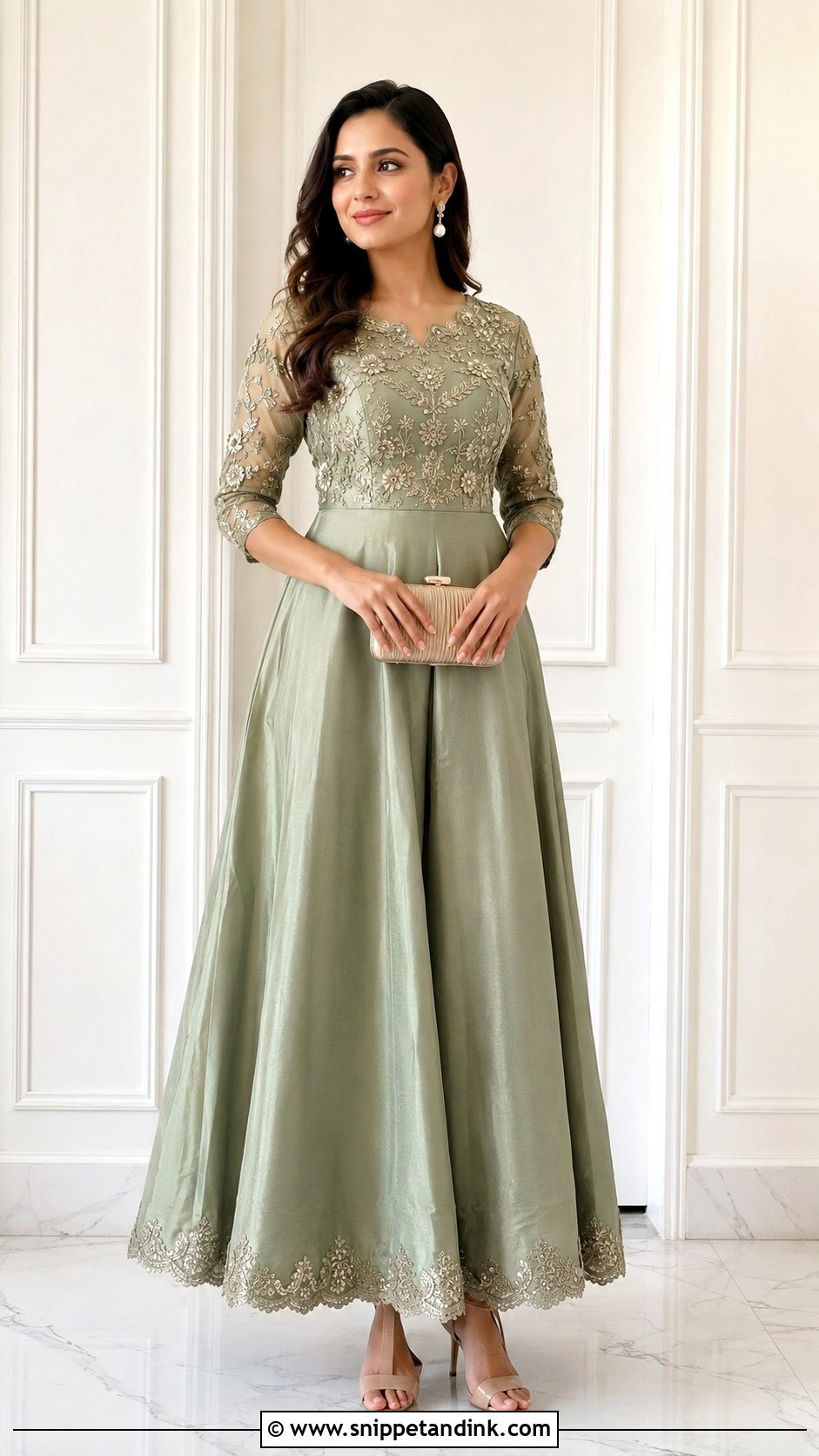
An A-line is the frock I recommend when someone is unsure. It fits gently at the top and widens toward the hem, which balances most body shapes and photographs cleanly. It works in silk, satin, chiffon, georgette or lace. Embroidery on the bodice or hem gives a festive touch without bulk. For a group of bridesmaids, A-lines are the easiest silhouette to coordinate across different body types. Heels, a clutch and earrings that echo the detailing finish it.
23. Trail Long Frock for Wedding
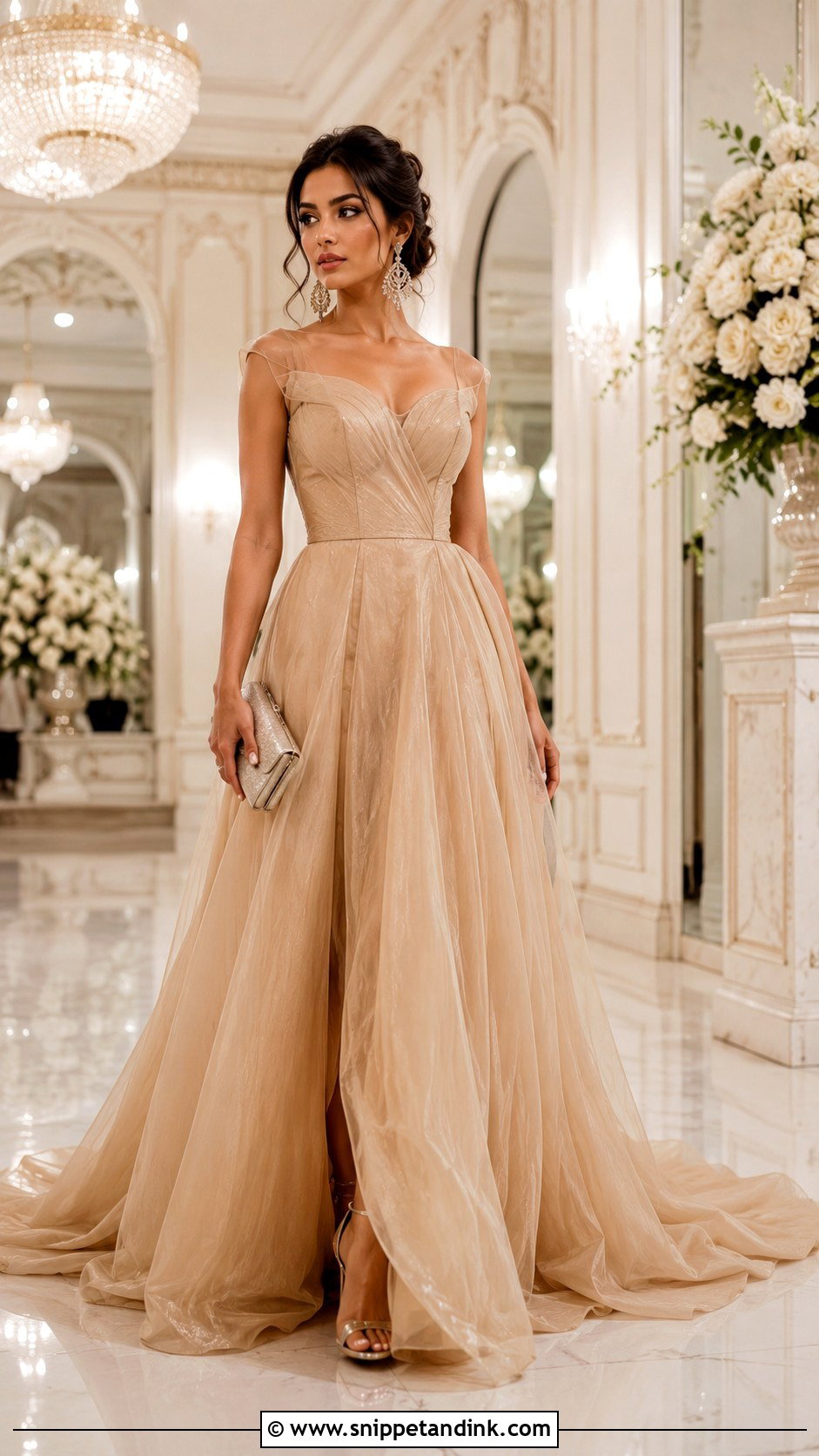
A trail gives a dramatic entrance and a lot of practical trouble afterward. A short trail is manageable; a long one gets stepped on in crowded halls and drags across dusty floors. I’d choose one only for a reception where you’ll make an entrance and then mostly stand or sit. Ask your tailor to add a bustle loop or a hidden wrist loop so you can lift the trail for dancing. Satin, organza or tulle carry a trail best, with high heels and a secure hairstyle.
24. Pastel Long Frock for Wedding
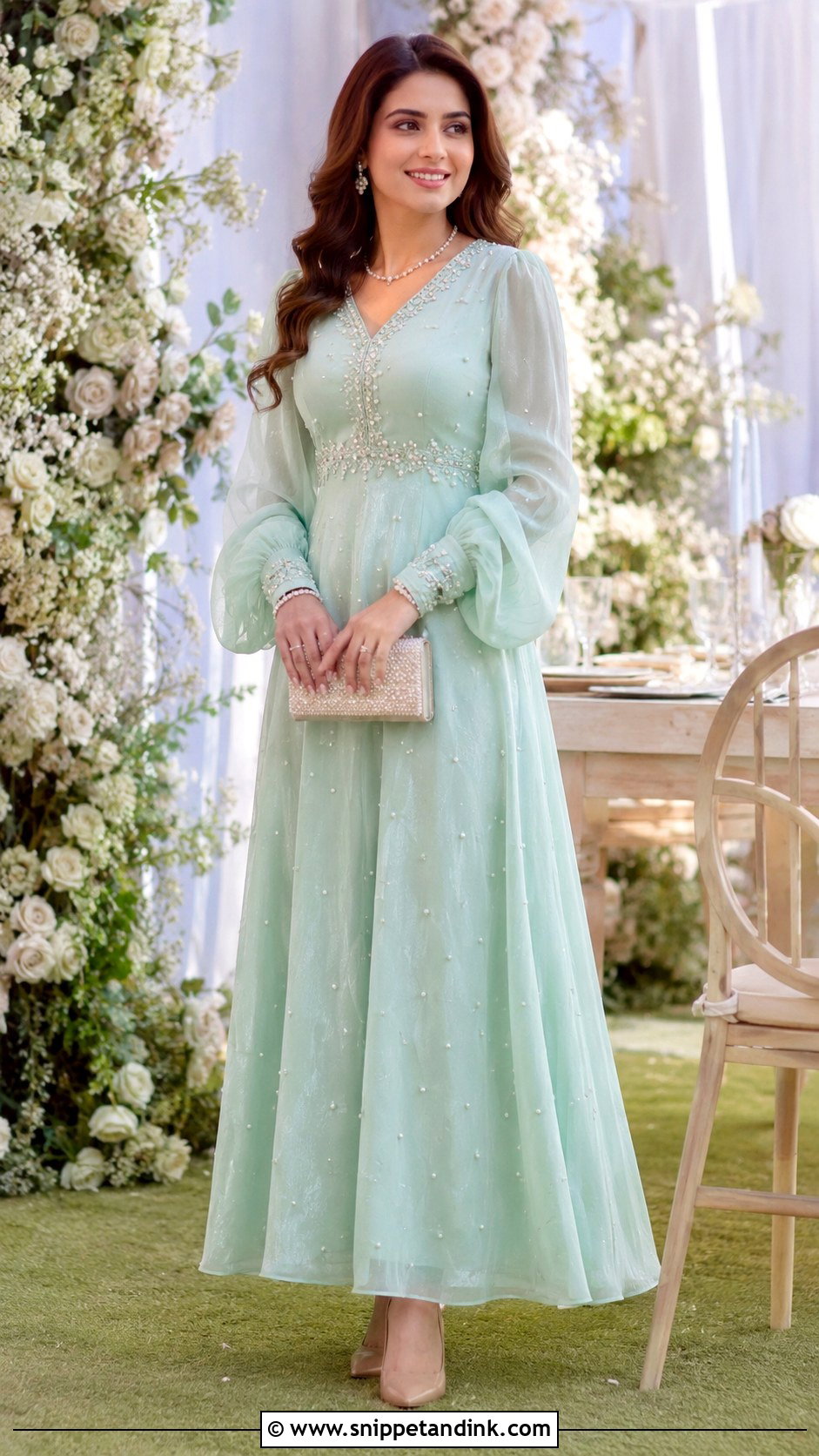
Pastels feel fresh and light for daytime weddings. Shades like blush pink, powder blue, mint, lilac or butter yellow pair well with floral embroidery, pearls, lace and organza layers. Nude heels, pearl jewelry and a light clutch keep it soft, and a low bun or soft waves suit the mood. Pale colors show every mark from mehndi, food and makeup, so I’d book this for a function where you won’t be getting henna applied.
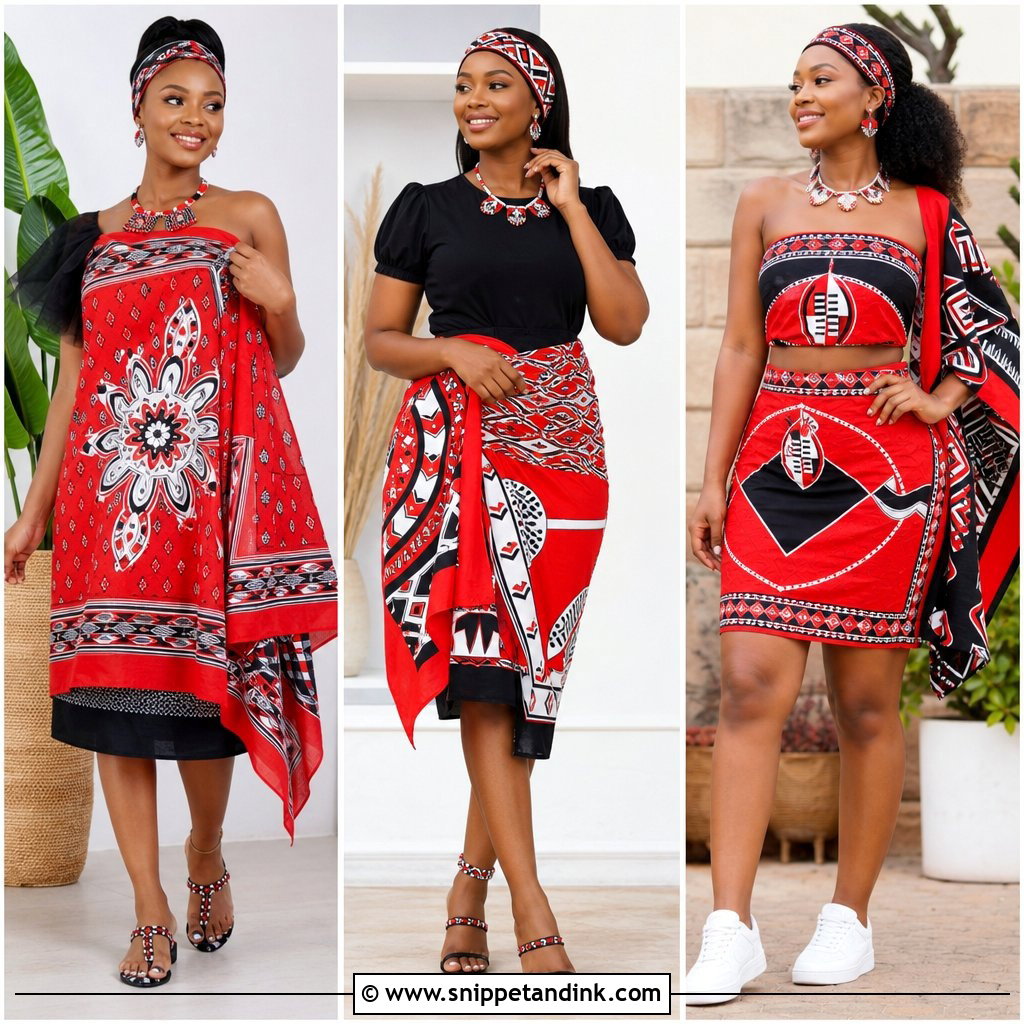
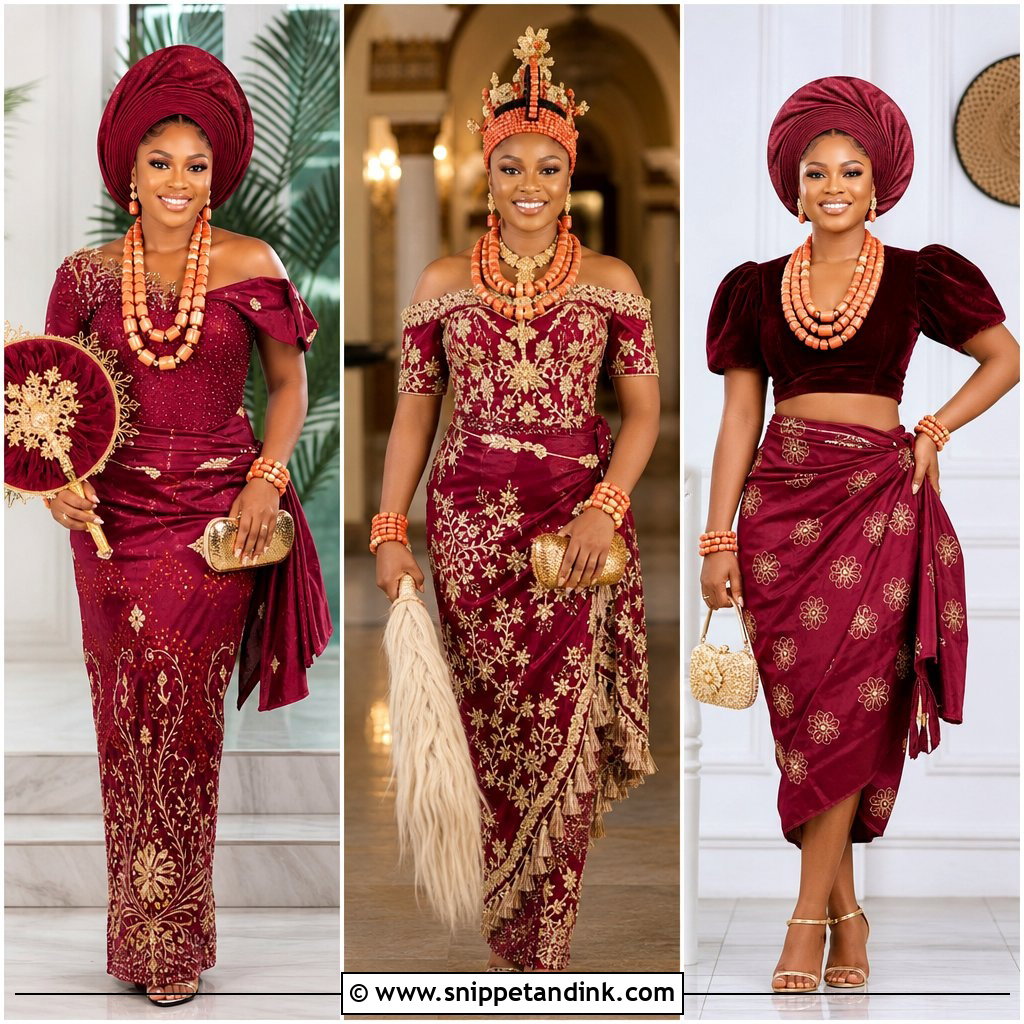
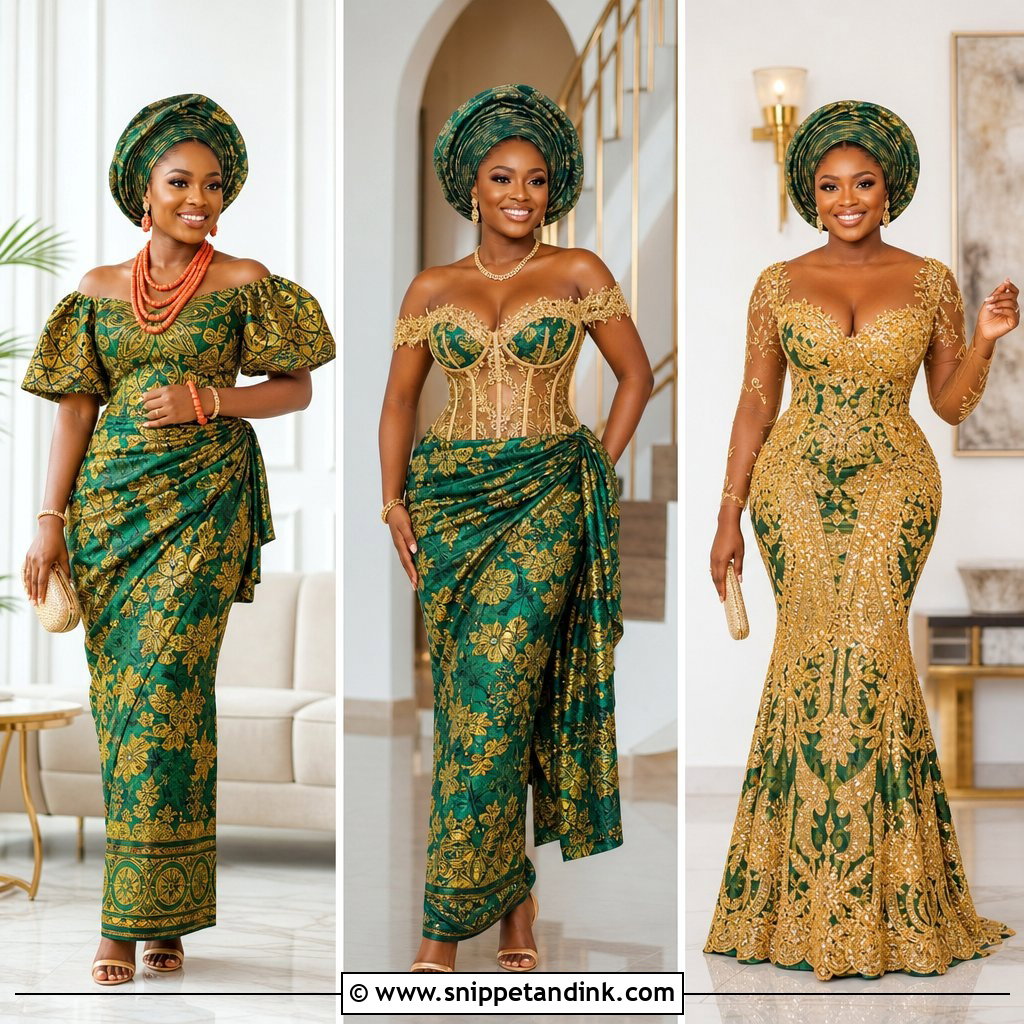
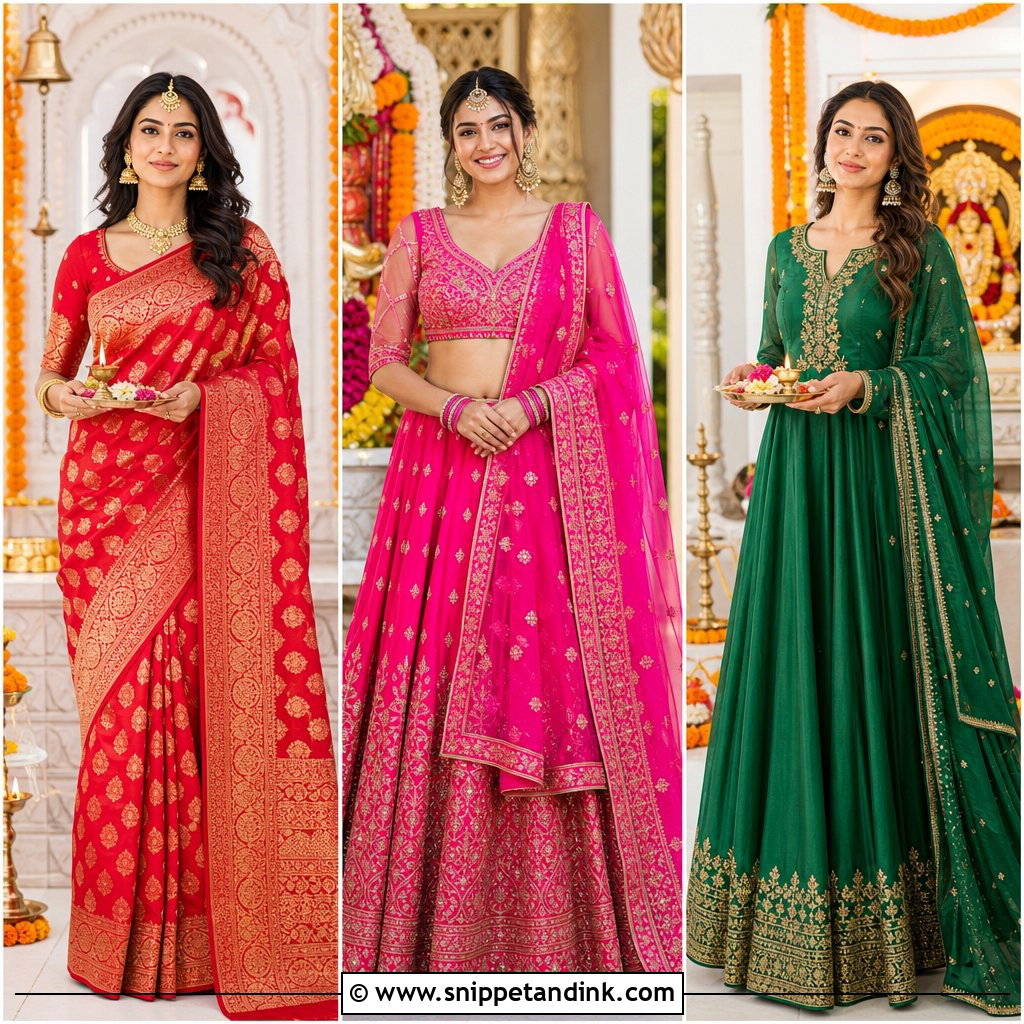
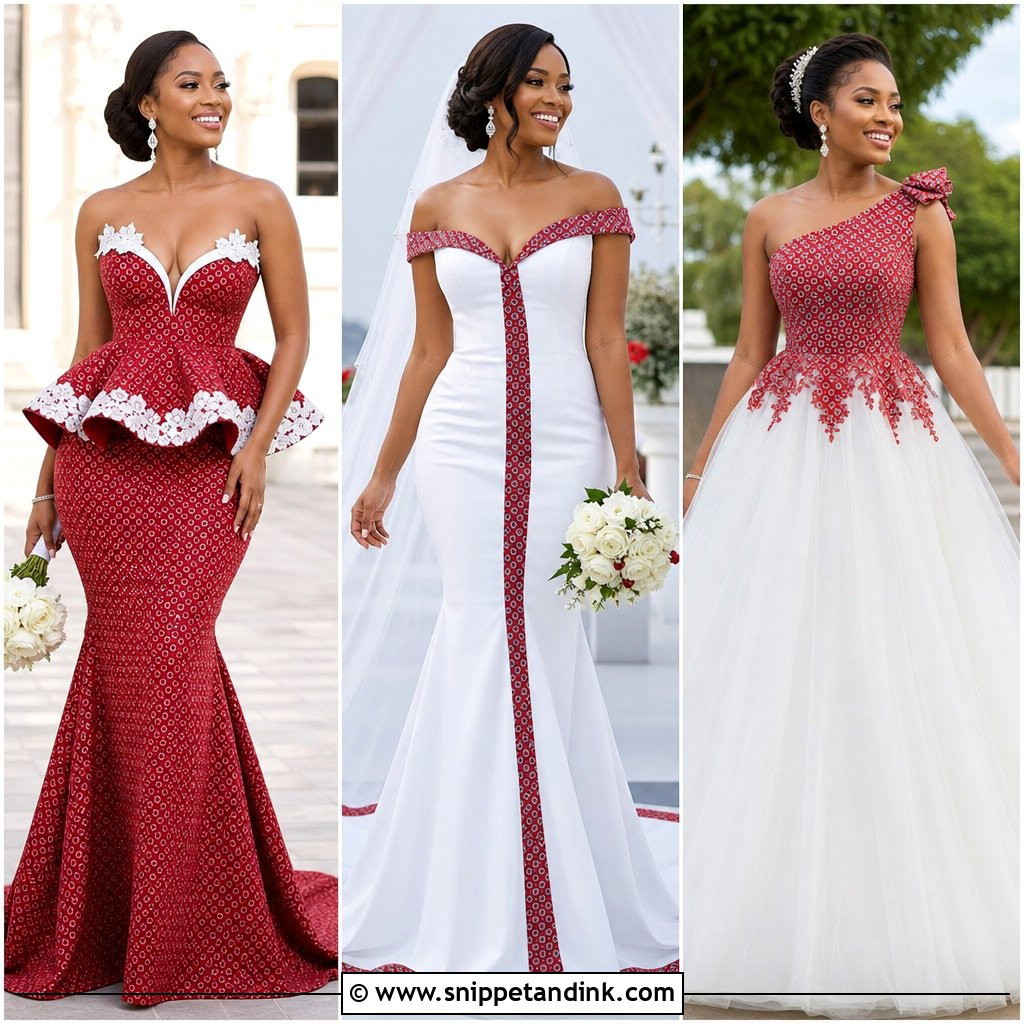
25. Bridal Long Frock for Wedding
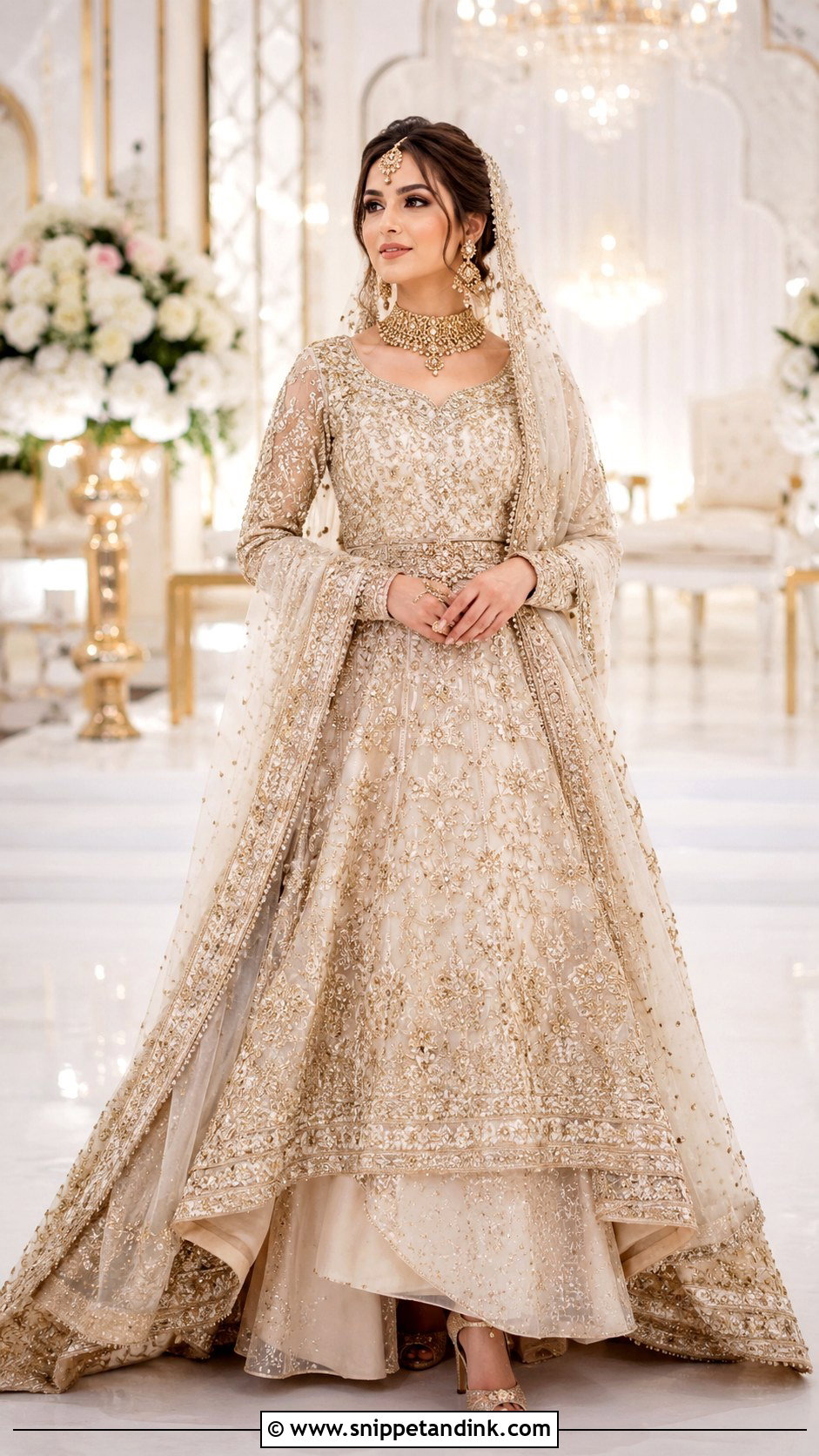
A bridal frock has to look extraordinary and stay wearable for hours. For a traditional look, I’d choose red, gold, ivory or deep green with zari or stone work; for a modern bride, blush, champagne or silver with pearls and floral embroidery. Silk, net, velvet and organza all carry bridal weight. Pair it with bridal jewelry, embellished heels and a matching dupatta or veil-style drape. Ask for the full outfit’s weight at the fitting. A heavily worked bridal frock can weigh several kilos, and that’s what you’ll feel at hour five, not the design.
Why Zari Tarnishes, and How to Slow It Down
Real zari is metal-wrapped thread, and the metal oxidizes when it meets air, damp and chemicals. Synthetic metallic thread holds its color longer but can look flatter. Either way, a little care after each wedding keeps the embroidery bright for years.
- Air the frock inside out for a day after wearing so perspiration dries before it’s packed away.
- Spray perfume on your skin before dressing, never on the frock; alcohol and scent dull metallic thread.
- Have it dry cleaned by someone used to embroidered pieces, and ask them not to press directly on the work.
- Wrap it in soft cotton or muslin, not plastic, which traps moisture.
- Fold with acid-free tissue in the creases, and refold along different lines every few months so the thread doesn’t crack.
- Keep mothballs out of direct contact with the embroidery; put them in a separate pouch nearby.
Velvet and heavily layered net are the exceptions to folding. I hang velvet on a padded hanger in a cotton cover, and I store net skirts loosely so the layers don’t flatten. A frock kept this way can be restyled with a new dupatta for the next family wedding, and nobody will guess it has been worn before.
Start With the Weather, Then the Embroidery
A long frock gives you comfort, coverage and room to move, which is why it now shows up at every function from mehndi to reception. Pick the fabric for the weather, the embroidery for the event and the silhouette for how much you plan to dance. Then think about the whole outfit: shoes, dupatta, jewelry and hair can make a simple frock look complete. Wear it for an hour at home before the wedding, and fix whatever bothers you while there’s still time.
You'll Like These Ideas:






Leave a Reply