
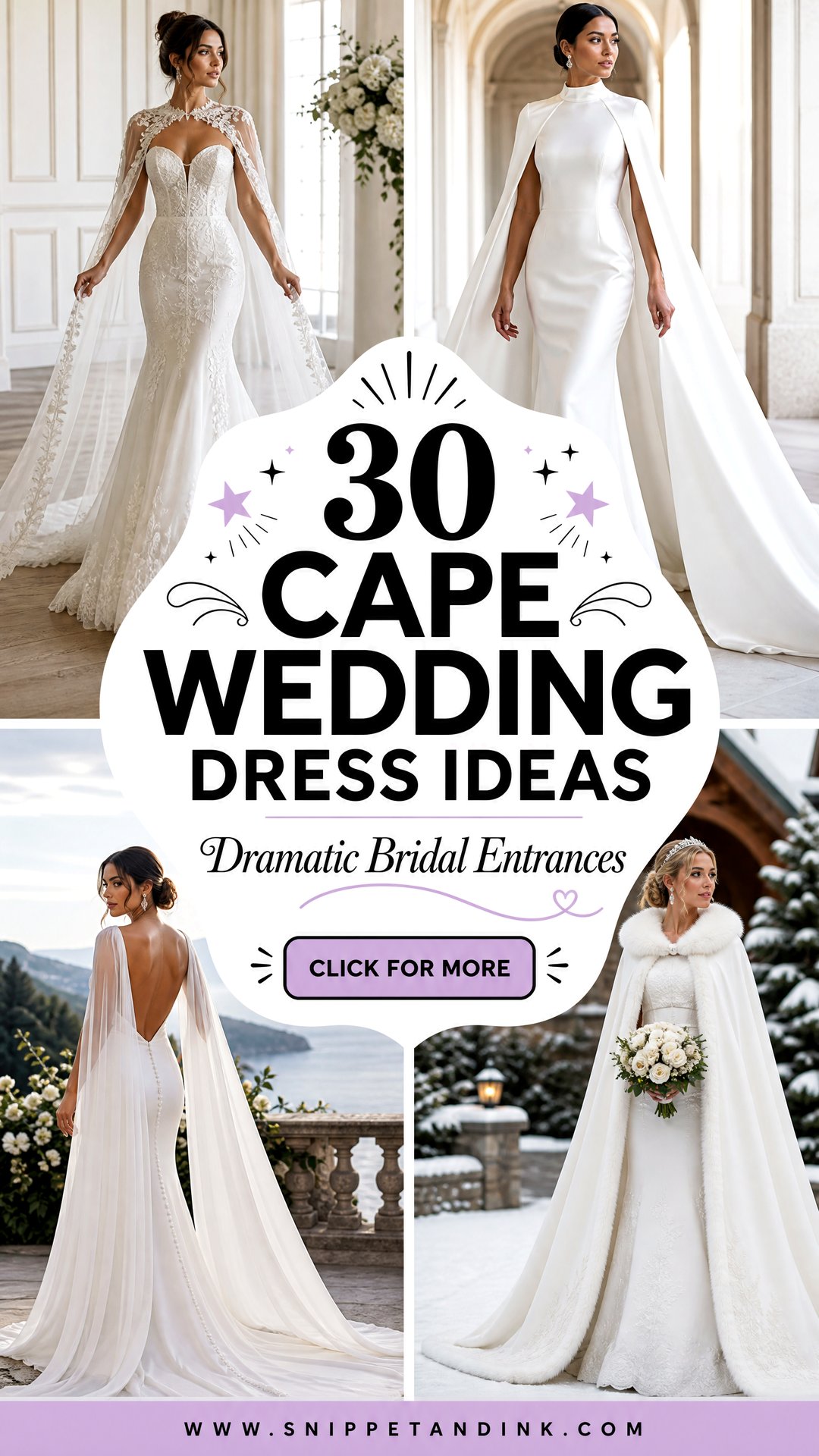
A cape does what a veil does, framing you as you walk in, but it moves with your shoulders instead of your head, and that changes how a bride carries herself down an aisle. It also gives coverage for a religious ceremony without committing you to sleeves all night. Most of the capes I style now are detachable, which means one dramatic layer for the ceremony and portraits and a lighter dress for dancing. The fabric, length and how it fastens matter more than the picture, and those are what I look at first. Below are thirty bridal capes, from sheer tulle to pearl capelets and structured satin, with notes on what each pairs with and where it struggles.
How a Bridal Cape Attaches, and What Each Method Costs You
Two capes can look identical in a photo and feel completely different to wear, because of where they hang from. I ask about the attachment before I ask about the fabric.
At the shoulder seams
Snaps or hooks sewn into the dress’s shoulder seams spread the weight evenly. This is the most comfortable option for a long or beaded cape, and the easiest to remove for the reception. It needs a dress with straps or sleeves to anchor to.
At the neckline
A collar or clasp at the throat suits high necks and gives a regal line, but everything hangs from one point. Keep these capes light, and avoid heavy satin or beading here.
On the bodice or with loops
Strapless gowns usually take a cape with hooks inside the back bodice, or with small elastic loops that slip over the arms. Loops are easy to remove but can dig in after a few hours; a bodice attachment needs strong boning so the cape doesn’t drag the top edge down.
Cape veils
A cape veil fastens at the shoulders with a comb or clips anchored in the hair or dress. It feels lighter than a sewn cape and comes off in seconds, though it moves more in wind.
1. Sheer Tulle Cape Wedding Dress
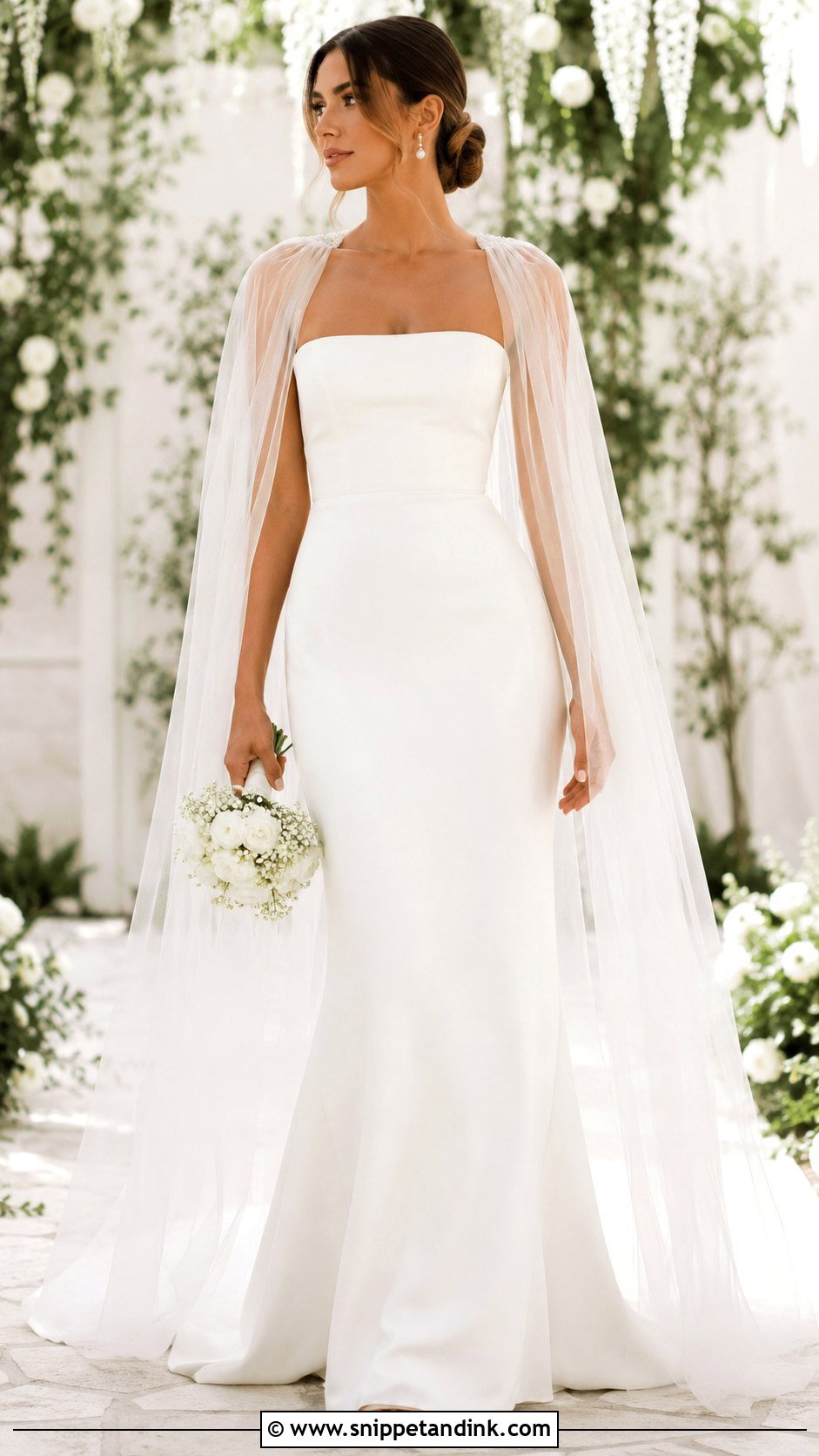
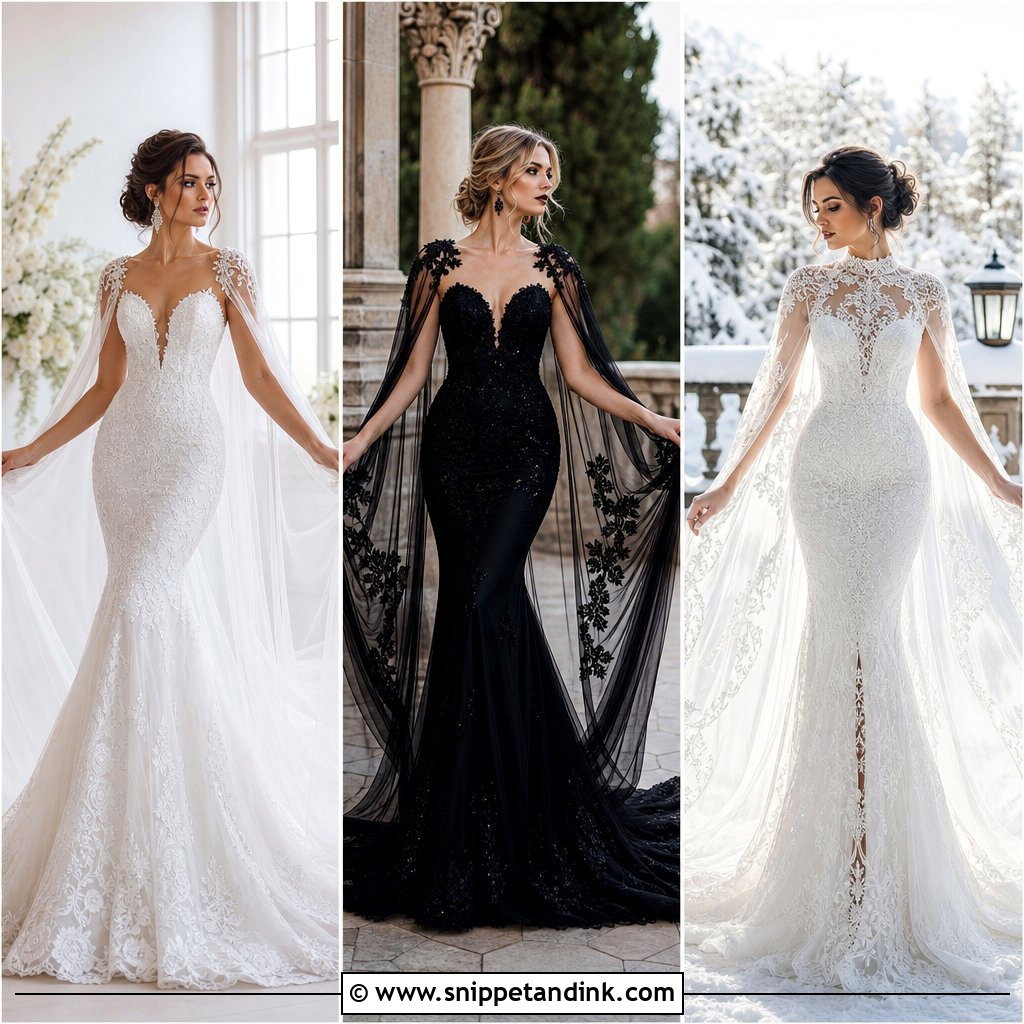
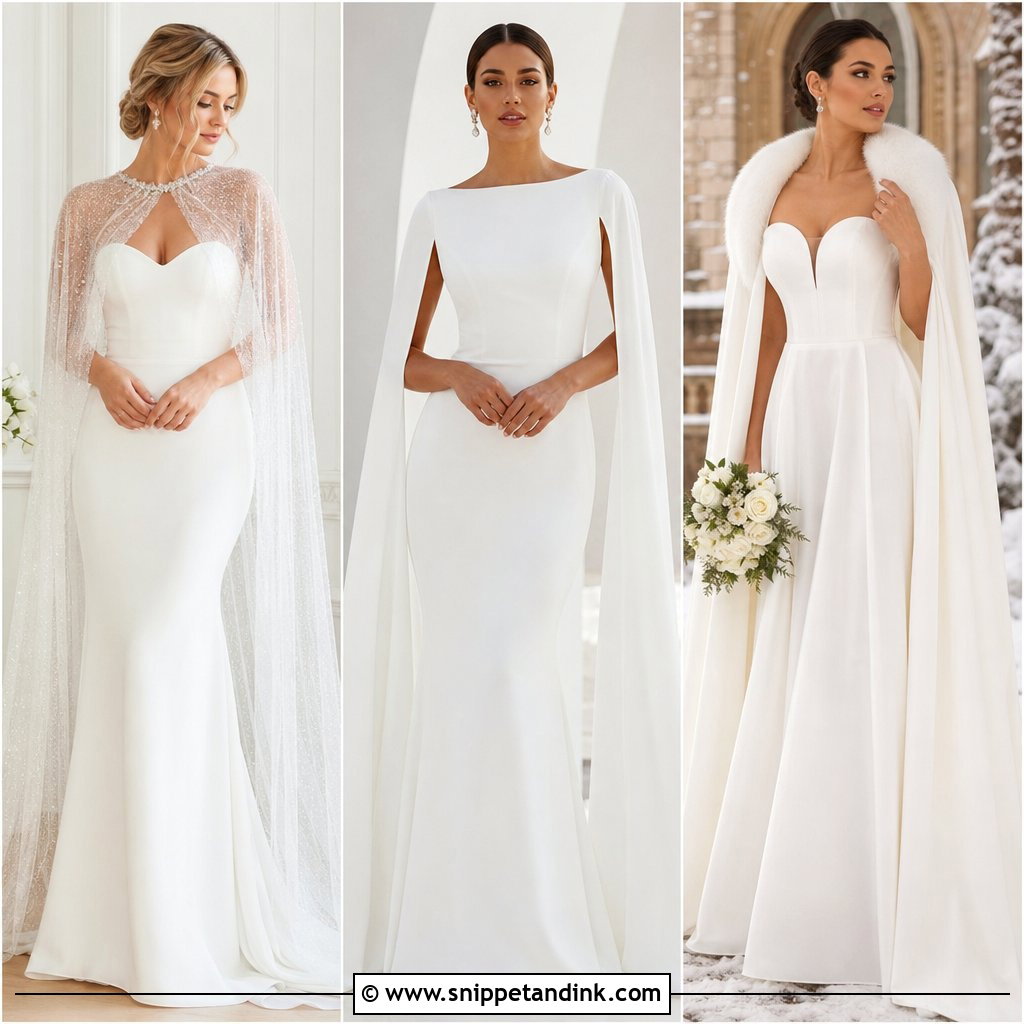
Sheer tulle is the gentlest way to try a cape, because it adds movement without hiding the gown. It sits well over fitted crepe, a satin column or a clean A-line, and from behind it floats like a veil. The detail I check is the tulle’s softness. Stiff bridal tulle stands out like a tent in still air; soft English net or silk tulle drapes and drifts. Pearl studs, soft waves, nude heels and a small white bouquet keep it light for a garden or outdoor ceremony.
2. Detachable Cape Wedding Dress
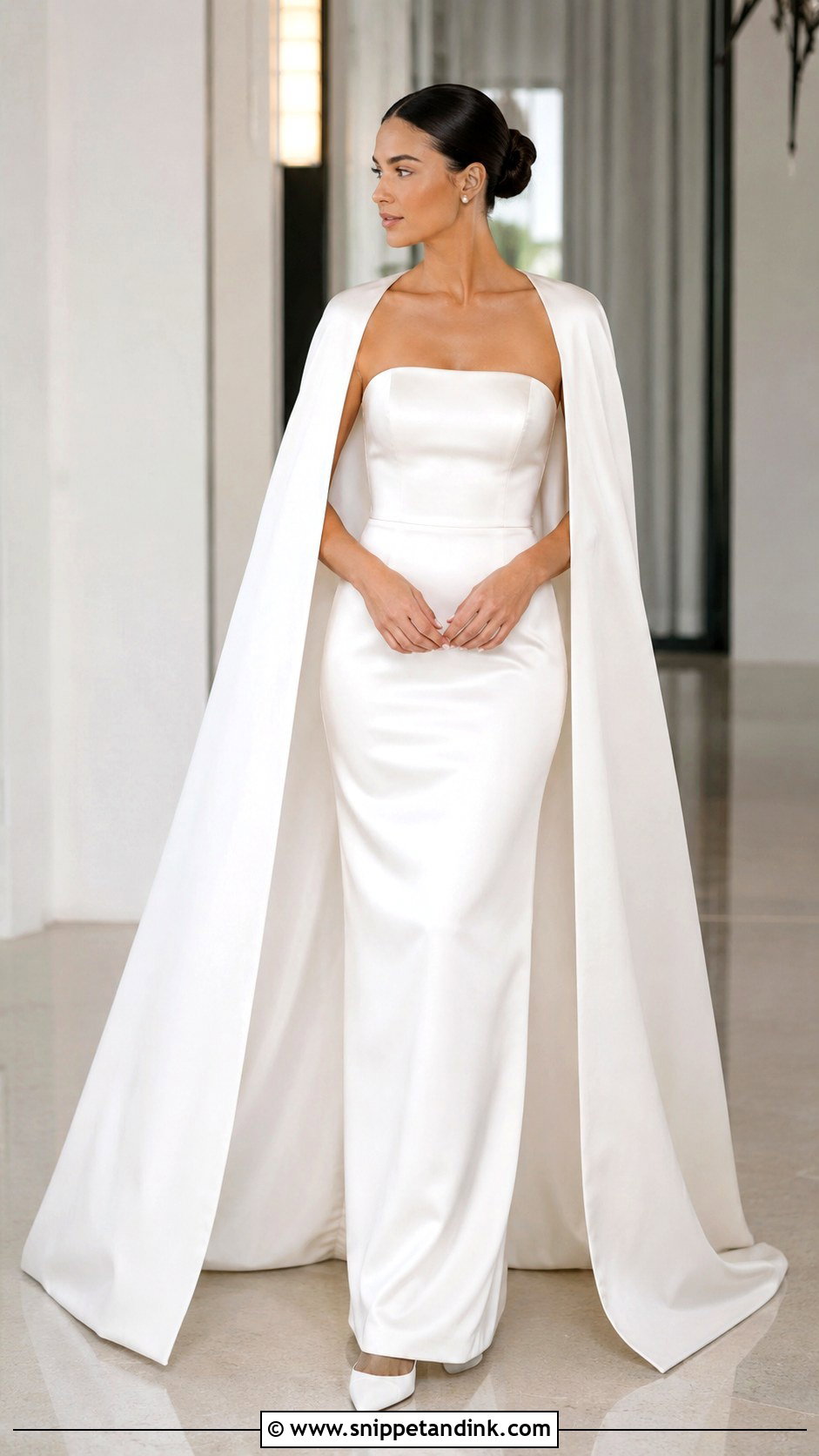
Two looks from one dress is the whole appeal here. Wear the cape for the ceremony, portraits and grand entrance, then take it off for dinner and dancing. How it fastens matters: hidden snaps, hooks or small buttons at the shoulder seams hold best, while a single clasp at the throat pulls on the neck all afternoon. A strapless, square-neck or minimalist sheath keeps the base dress clean. Match the fabric for a continuous line, or use sheer tulle for contrast. Practice taking it off once with whoever will help you on the day.
3. Lace Cape Wedding Dress
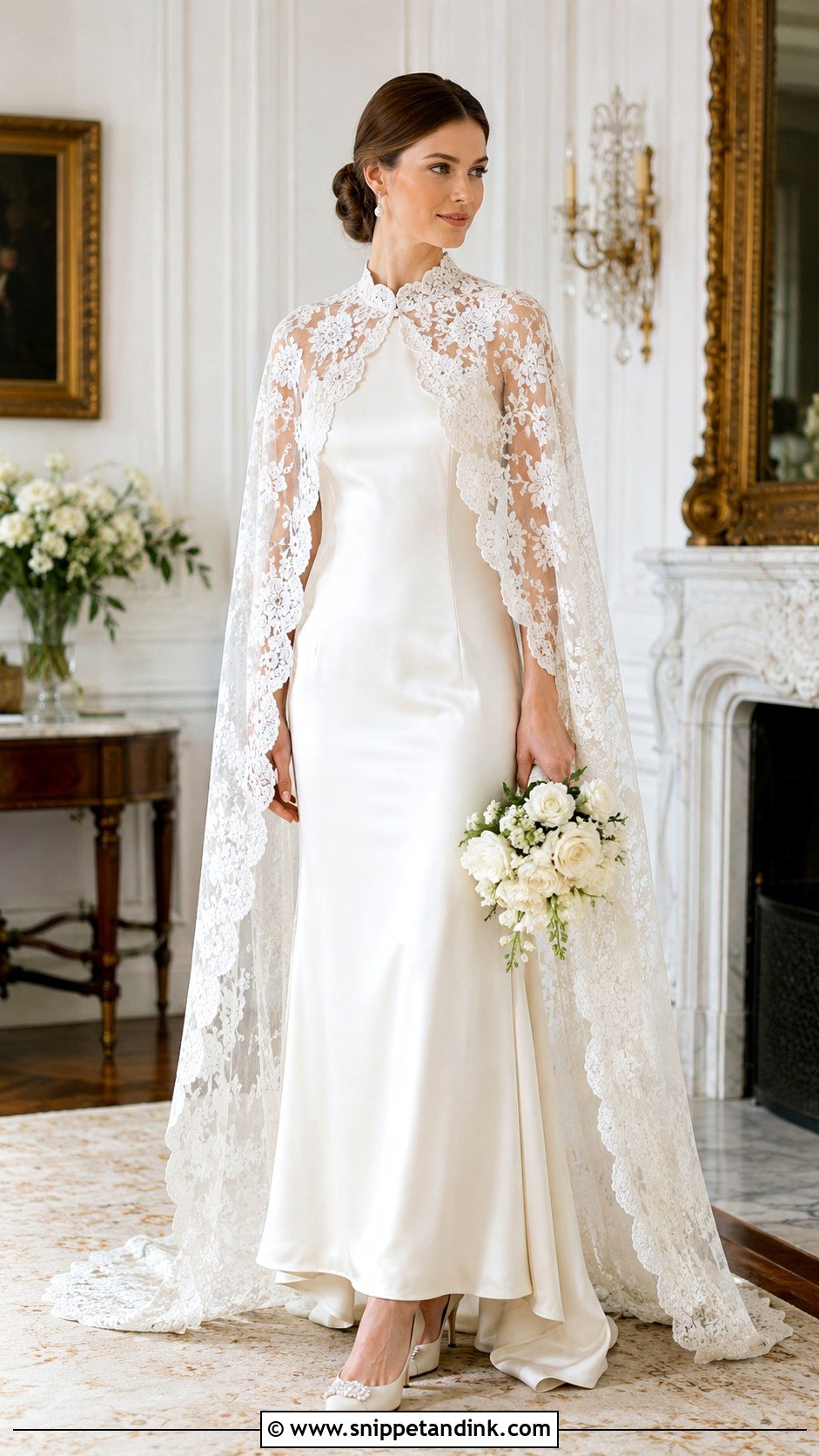
A lace cape lets you have the romance of lace without a full lace gown, which can feel heavy and warm. Floral lace, scalloped edges or scattered appliqués frame the shoulders and trail behind. I pair it with plain crepe or satin so the lace has space. Match the whites carefully, since ivory lace on a bright white gown looks yellow next to it. A sleek bun, pearl earrings, pointed heels and a soft bouquet suit formal venues, historic estates and indoor ceremonies.
4. Pearl Cape Wedding Dress
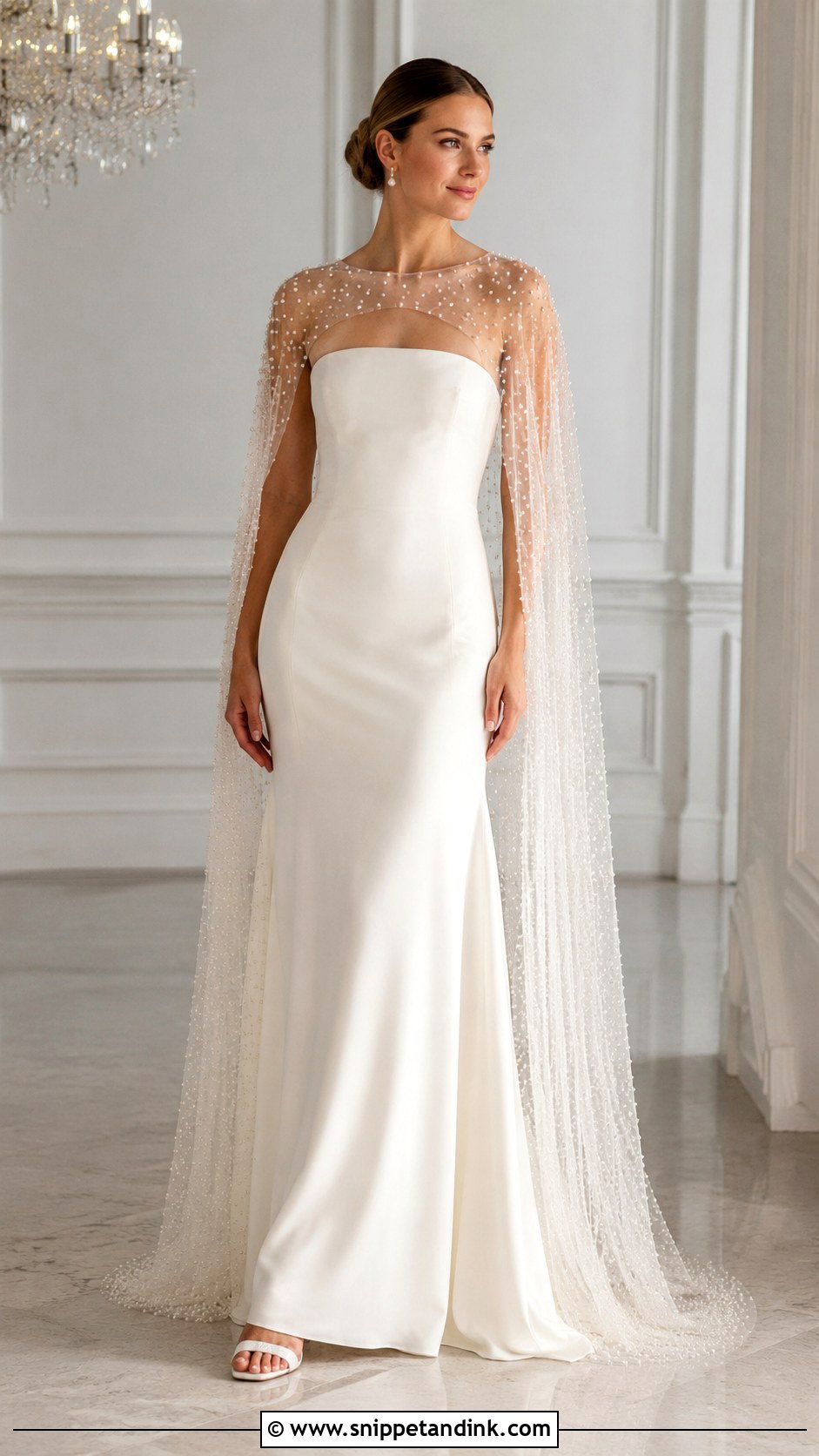
A pearl cape wedding dress catches light softly rather than sparkling. Tiny pearls scattered over sheer tulle look delicate; heavier pearl edging looks formal. Pearls add weight, so I always check how the cape sits on the shoulder after an hour of wear rather than in the first minute. Keep the base gown simple, like a strapless satin, a square-neck column or a plain mermaid, and the jewelry minimal. Pearl drops, satin pumps, a clean updo and a small bouquet are enough.
5. Cathedral Cape Wedding Dress
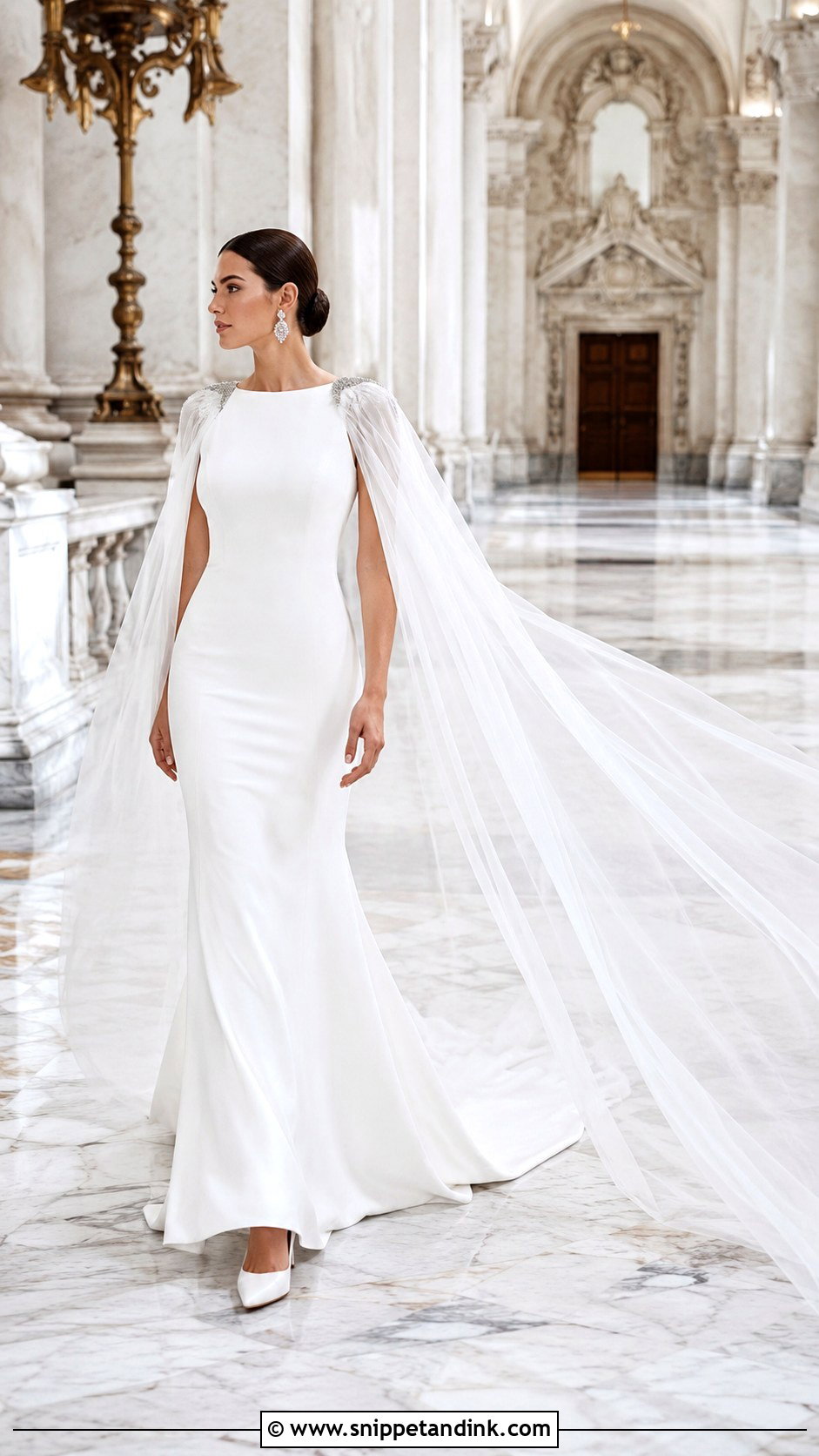
Cathedral length means the cape trails well behind you, the same reach as a cathedral veil. It needs a long aisle and a large room: ballrooms, hotels, gardens and grand ceremony spaces. A fitted dress underneath stops the whole outfit feeling heavy. Tulle is softest, satin most structured, lace most romantic. A cape this long also needs a person. Someone has to arrange it at the top of the aisle and gather it for the recessional, so ask a bridesmaid or your planner to rehearse it. Classic heels, a low bun and statement earrings finish it.
6. Short Capelet Wedding Dress
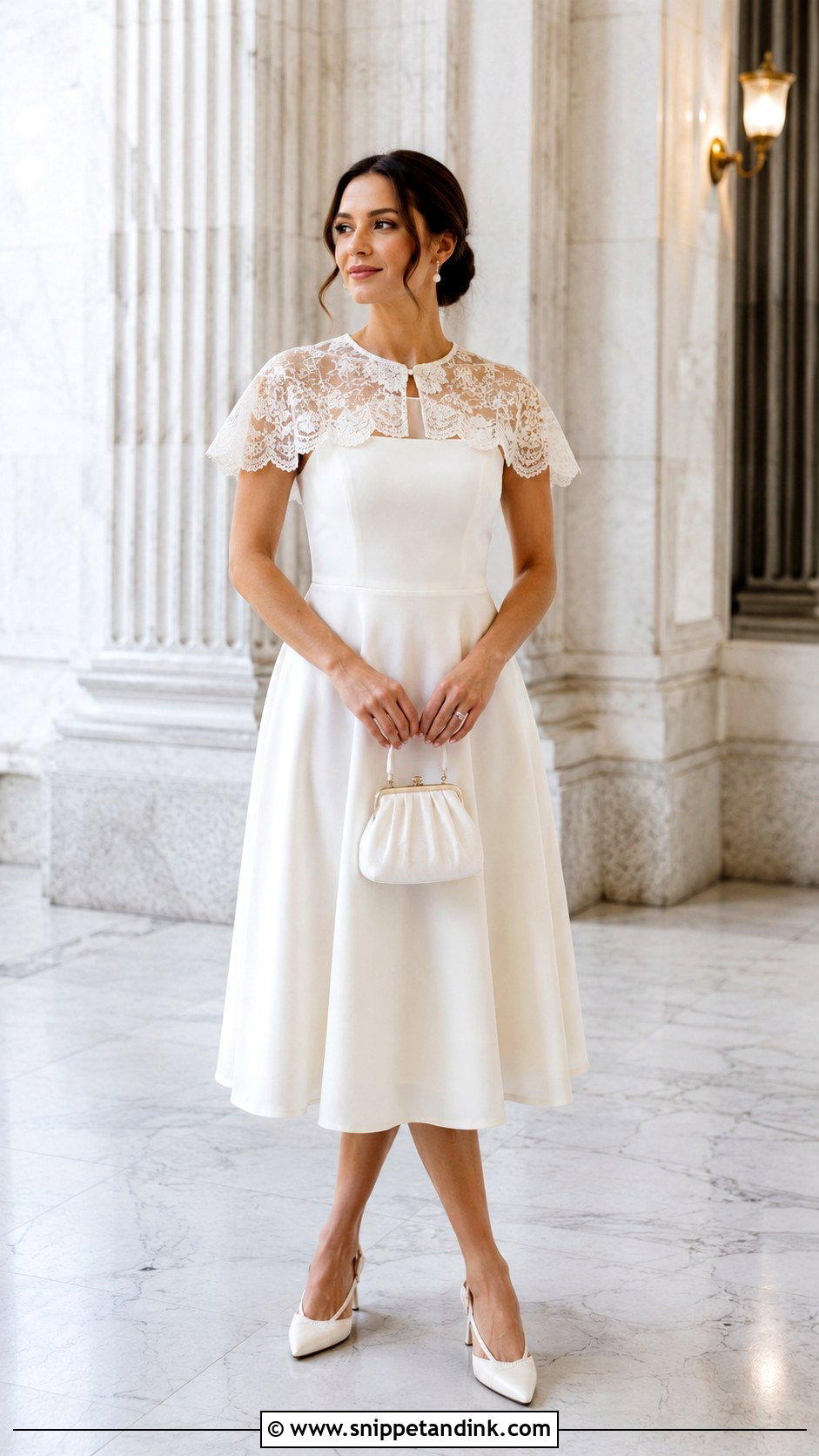
A capelet covers the shoulders without any train. It usually ends at the upper arm or waist, which makes it easy for courthouse weddings, intimate receptions and daytime or cool indoor ceremonies. Lace looks vintage, clean satin modern. It sits well over a tea-length dress, a fitted midi or a simple A-line. Slingback heels, a small top-handle bag, pearl earrings and soft makeup finish it. Since nothing trails, it’s the cape I’d suggest to a bride who doesn’t want anyone managing her outfit all day.
7. Satin Cape Wedding Dress
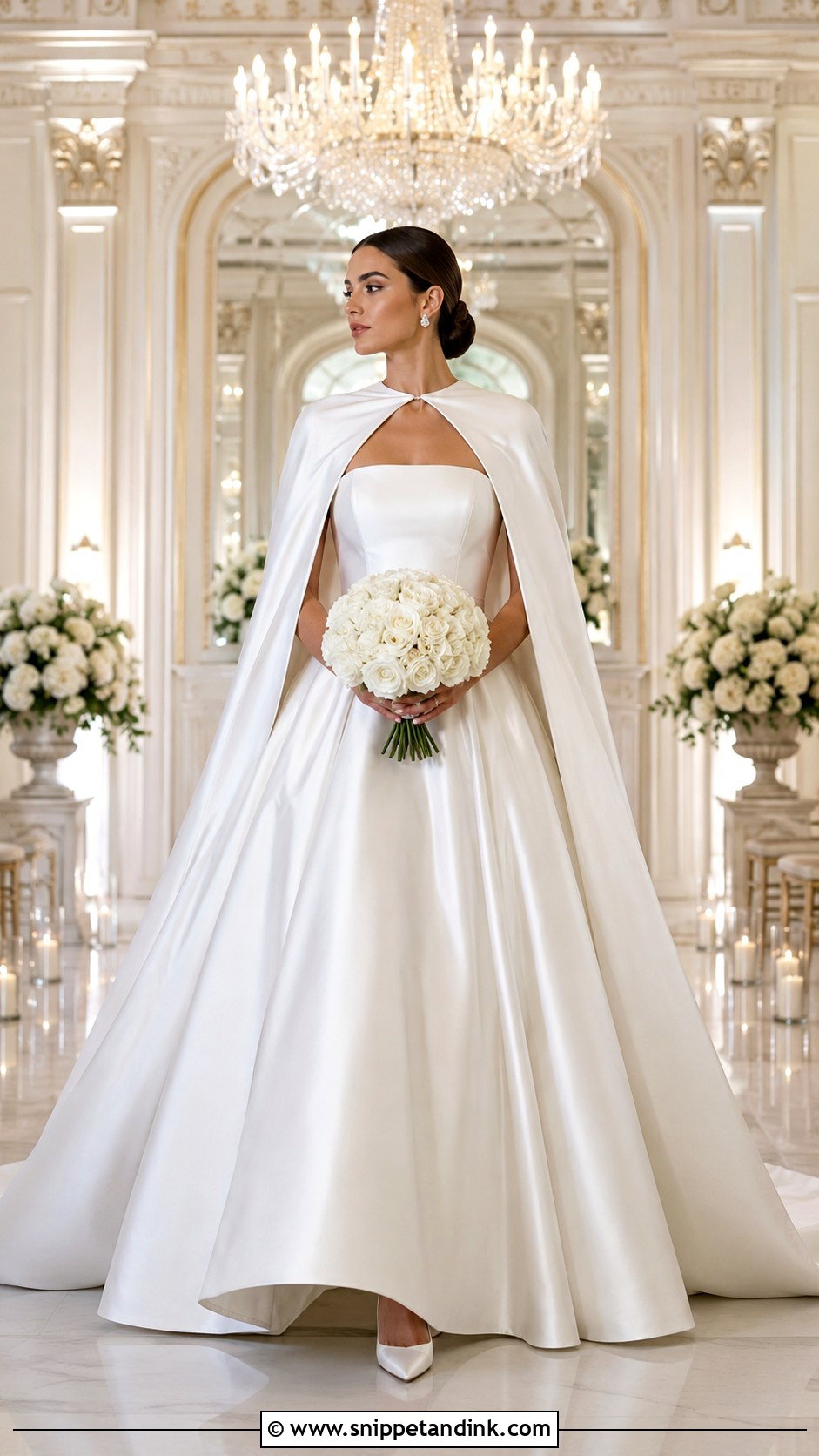
Satin gives a cape structure and a quiet sheen, and it looks best in clean, uncluttered rooms and evening venues. A matching satin gown makes the outfit feel built as one piece. A strapless ball gown with a satin cape looks regal; a satin column with a floor-length cape looks sleek. Satin creases where it’s folded, so a satin cape should travel on a hanger, never packed into a bag. Pointed pumps, a low chignon and polished jewelry suit it, with white roses or calla lilies.
8. Crepe Cape Wedding Dress
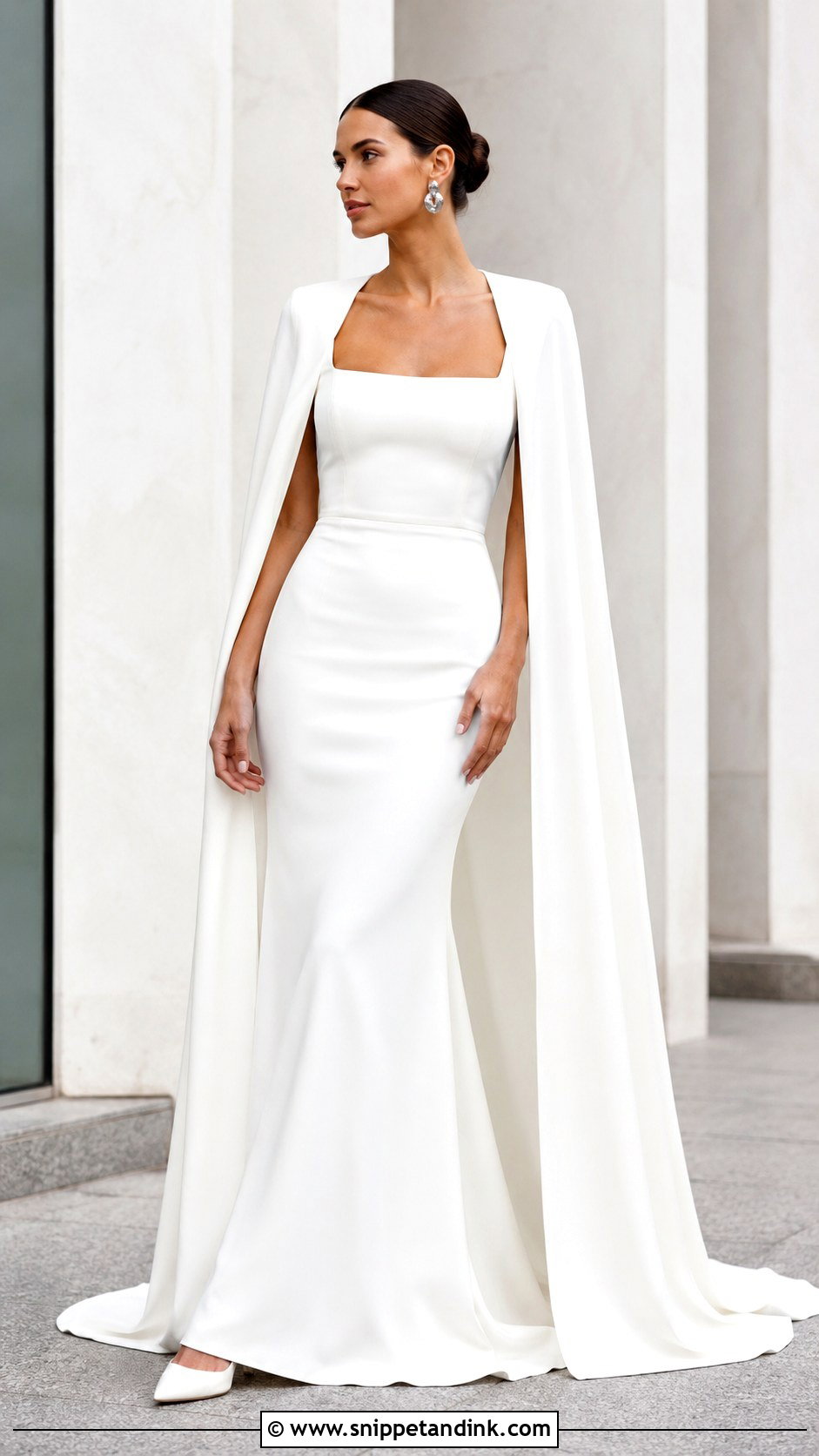
Crepe is my first pick for brides who like clean lines. It has a soft weight that drapes without shine or transparency, so the cape falls in smooth folds. It pairs with fitted gowns, long sleeves, square necklines and open backs, and suits city weddings, museums and rooftops. With so little detail, the tailoring shows. The cape should fall straight from the shoulder without pulling, and the white must match the dress exactly. Sculptural earrings, sleek heels, smooth hair and a modern bouquet complete it.
9. Beaded Cape Wedding Dress
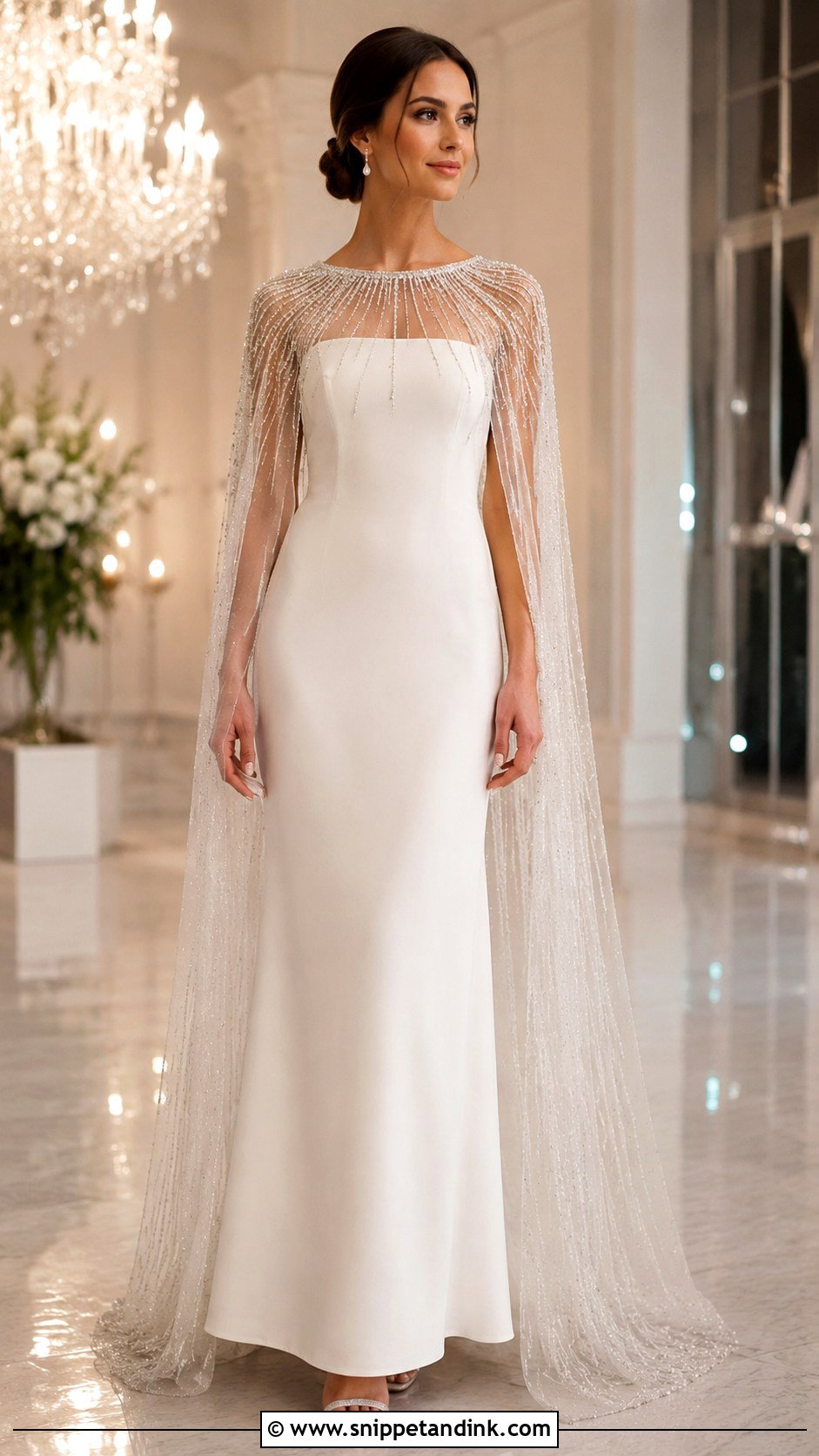
A beaded cape wedding dress gives sparkle without a fully embellished gown. Beads can be scattered over sheer fabric or set in floral, starburst or geometric patterns, and they come alive under candlelight. Keep the dress underneath plain, like a sheath, strapless satin or fitted crepe. Beading adds real weight, so the attachment points need reinforcing, and the cape shouldn’t drag on the neckline. Sleek hair and small jewelry let the cape do the work at an evening wedding.
10. Floral Applique Cape Wedding Dress
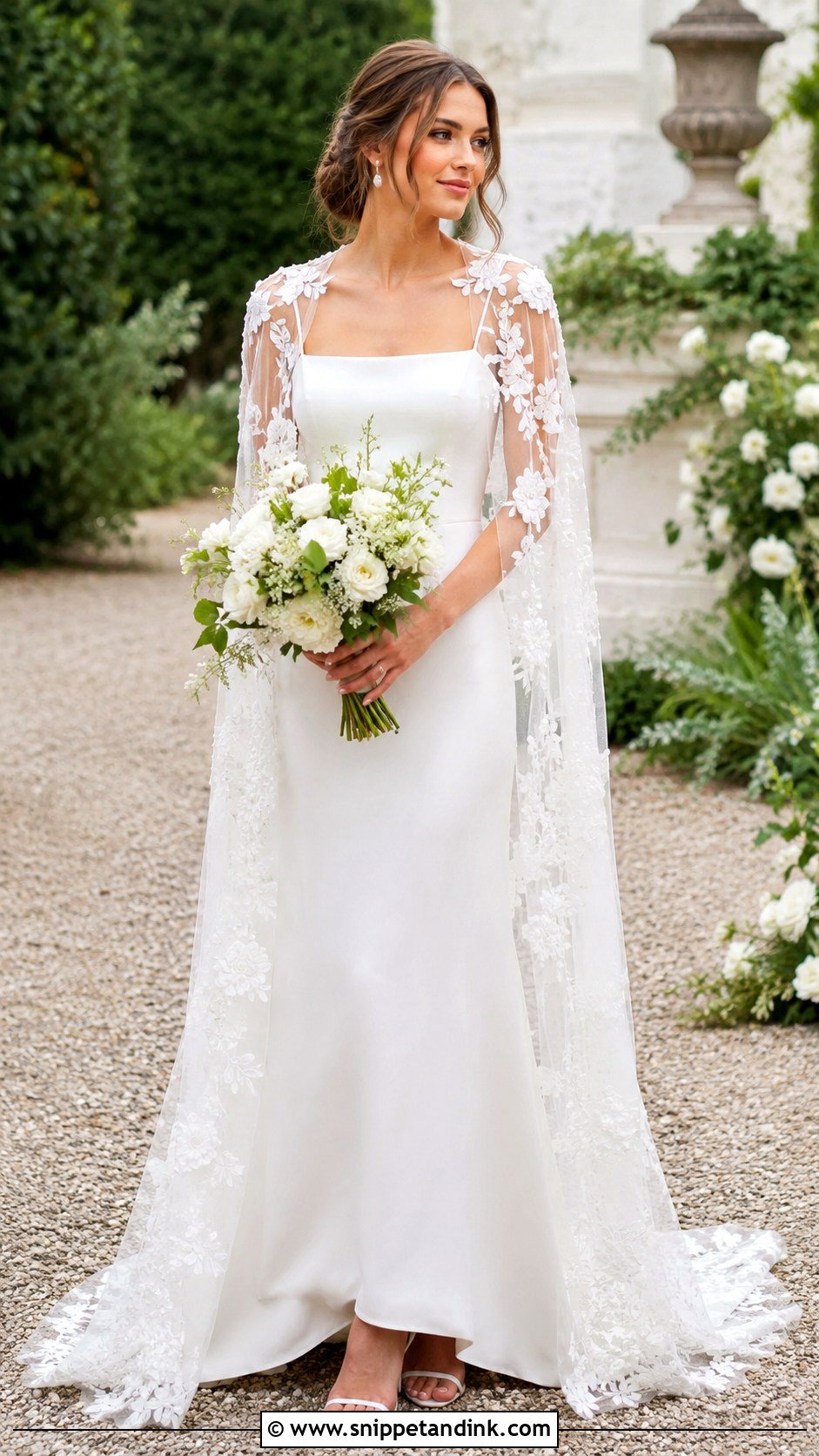
Floral appliqués give a cape dimension: flowers along the shoulders, scattered across the back or gathered near the hem. The cape becomes the main detail, so the gown should be simple. I check that each appliqué is stitched down at the edges rather than glued, because glued petals lift after a few hours of brushing against arms and chairs. Pearl earrings, soft curls, strappy heels and white blooms with green stems suit spring weddings, conservatories and outdoor ceremonies.
11. Off Shoulder Cape Wedding Dress
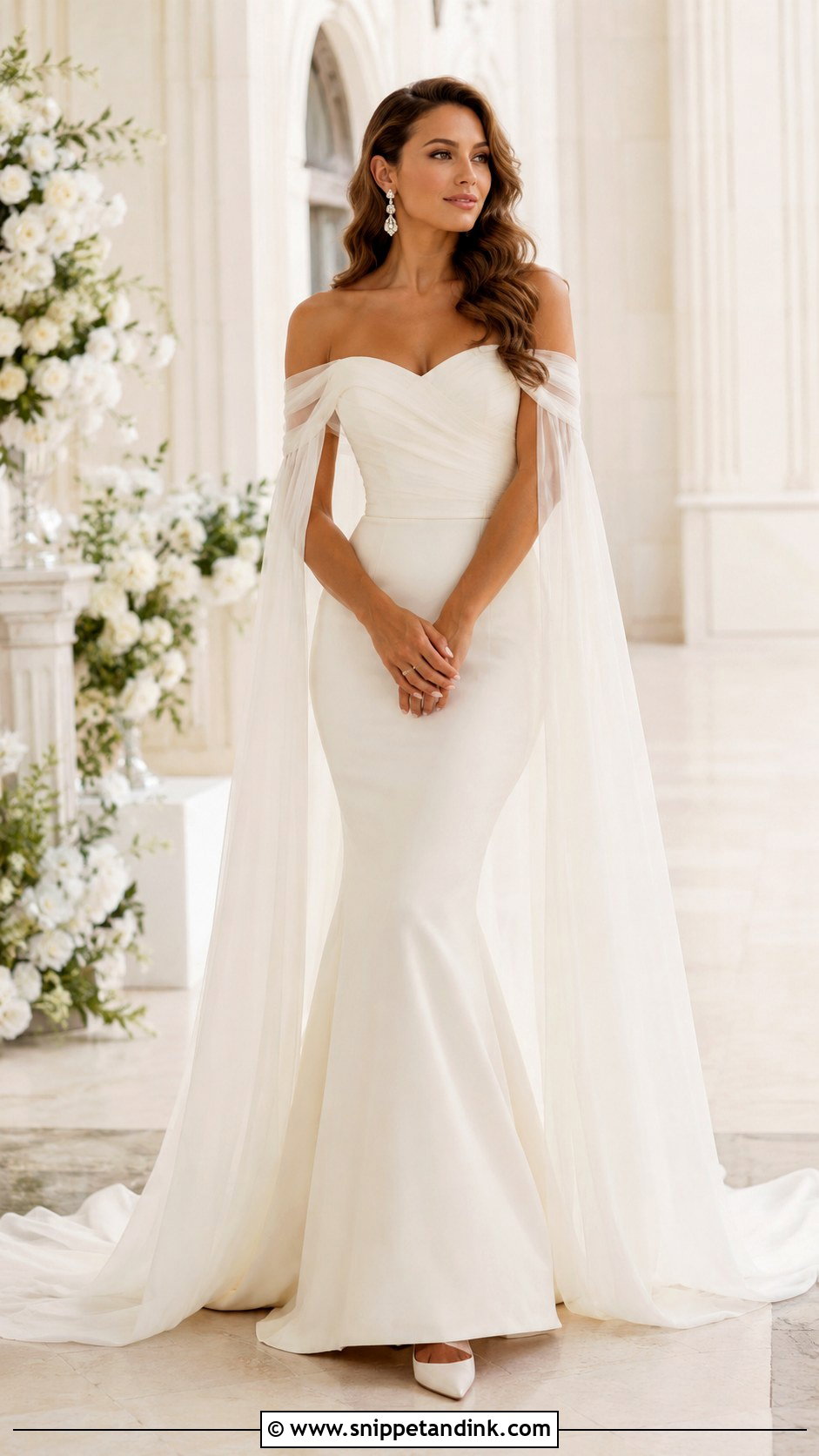
An off-shoulder cape sits around the upper arms and drapes behind, framing the collarbones while covering the top of the arms. It works with fitted gowns, mermaid shapes and simple A-lines. Sheer tulle feels light, satin formal, lace vintage. The catch is arm movement: a cape anchored around the upper arms restricts how high you can lift them, so try hugging and raising a glass before deciding. Drop earrings, a smooth updo and pointed heels finish it.
12. High Neck Cape Wedding Dress
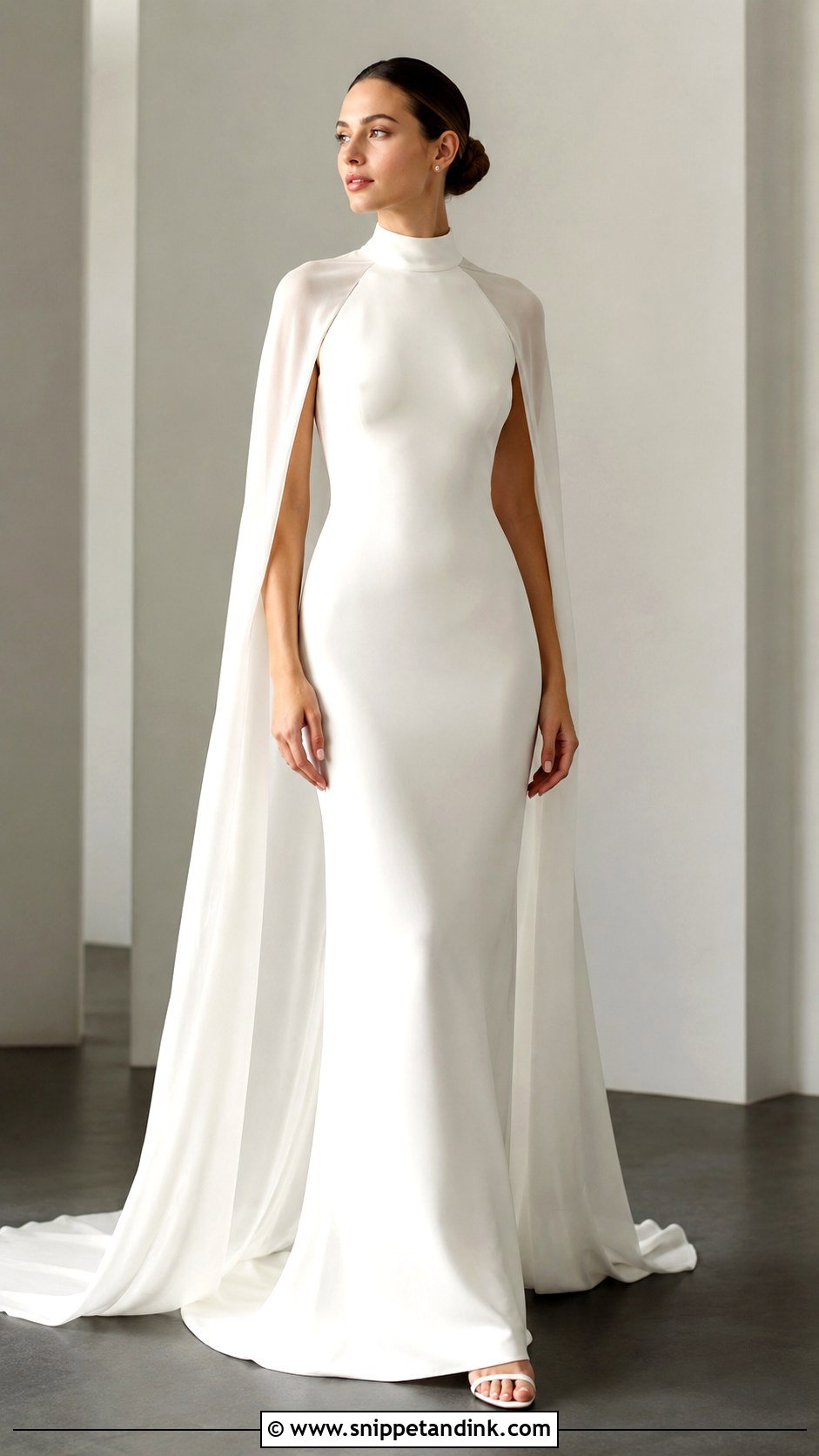
A high neck cape wedding dress gives a covered, regal shape. The cape often attaches at the neckline and falls down the back, which suits sleek columns, long sleeves and minimal looks for cool seasons or formal venues. Fabric weight matters most here, since everything hangs from the neck. Chiffon, tulle or thin crepe keeps it comfortable; heavy satin pulling on a high collar becomes noticeable within an hour. Simple studs, a neat bun and slim heels keep it modest and modern.
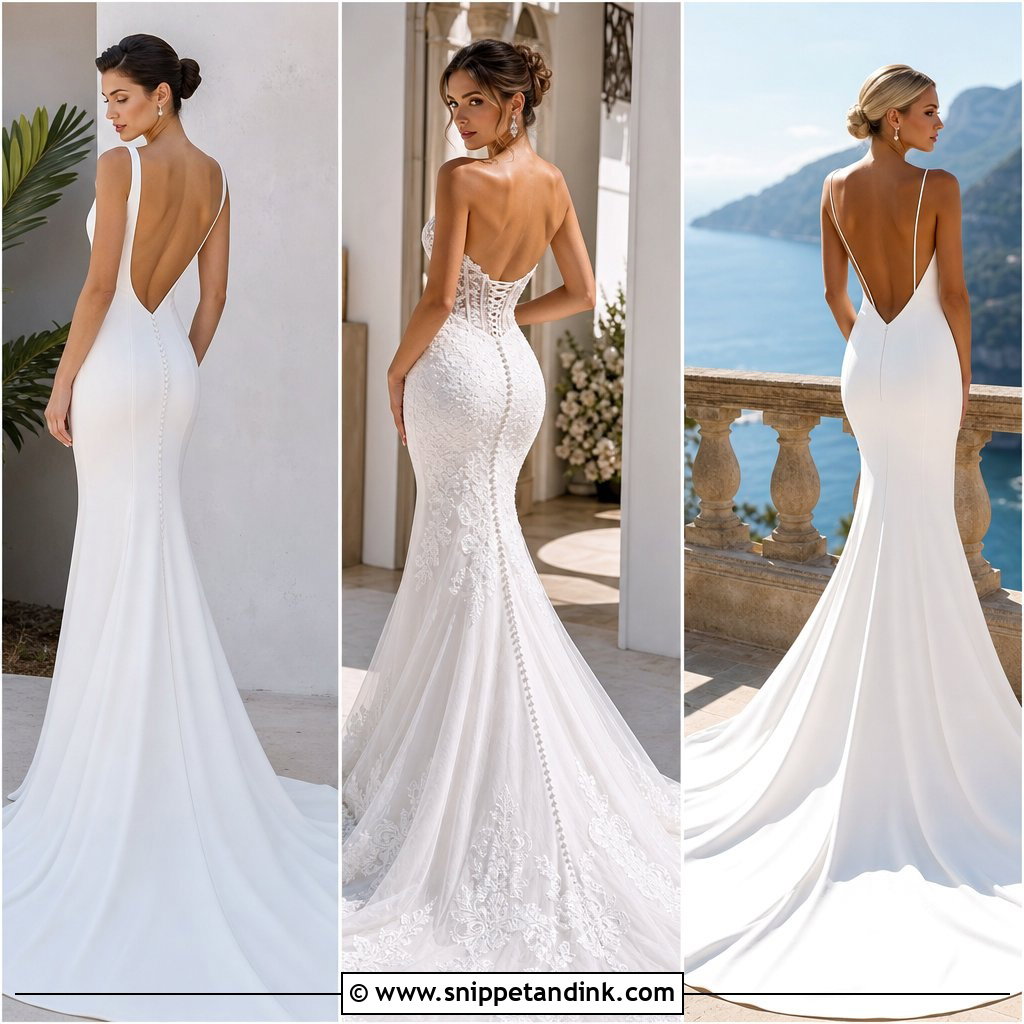
13. Backless Cape Wedding Dress
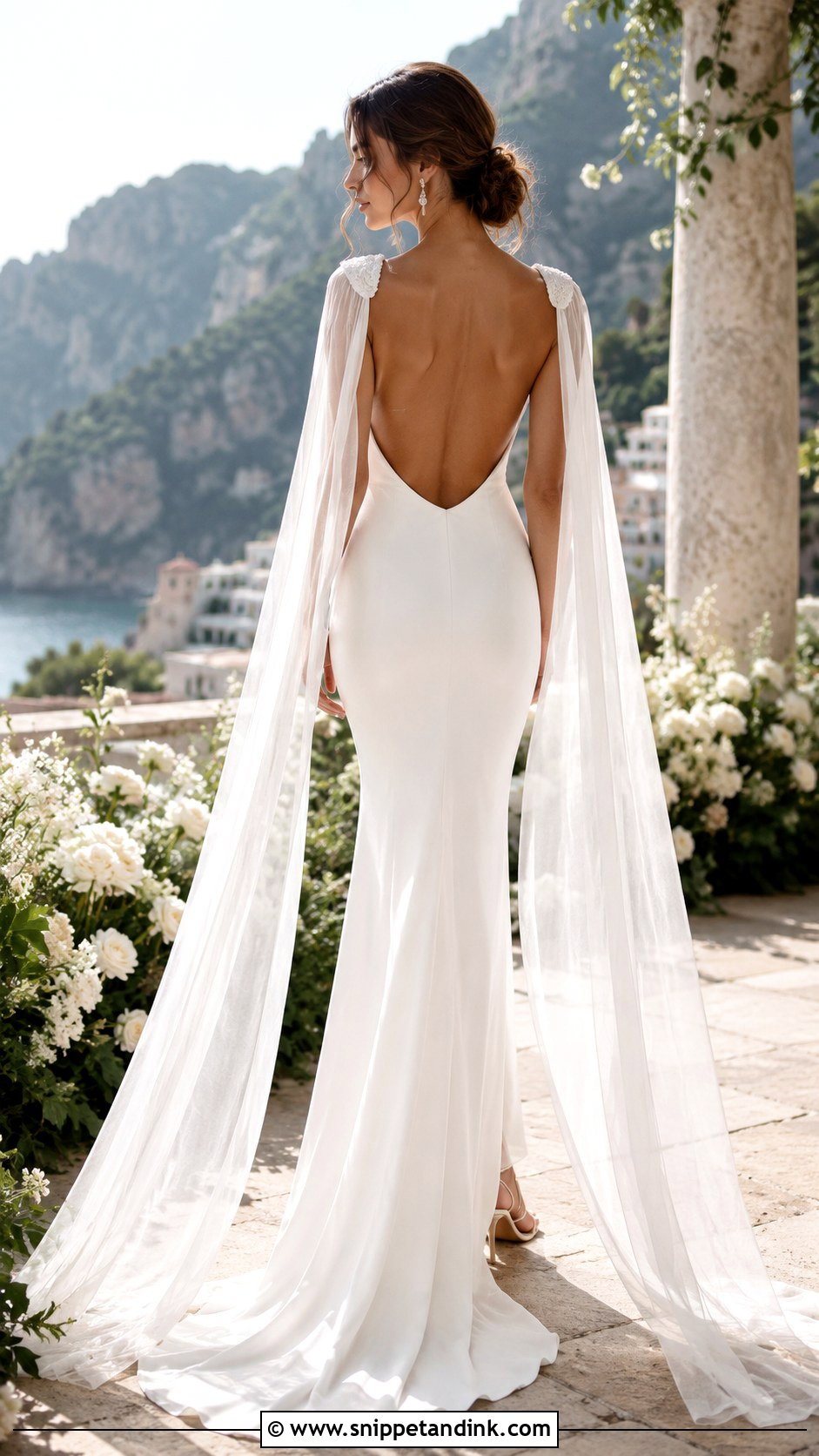
An open back and a cape seem to contradict each other, but a sheer cape fixed at the shoulders frames the back instead of hiding it. The dress shape shows through, and the cape adds movement. A fitted gown keeps the silhouette sleek. Hair must stay low or up so it doesn’t cover the reveal. On a windy beach, a sheer cape can blow forward over your face, so I add small weights or hand-sewn beads at the hem for outdoor ceremonies. Delicate earrings and barely-there heels finish it.
14. Ball Gown Cape Wedding Dress
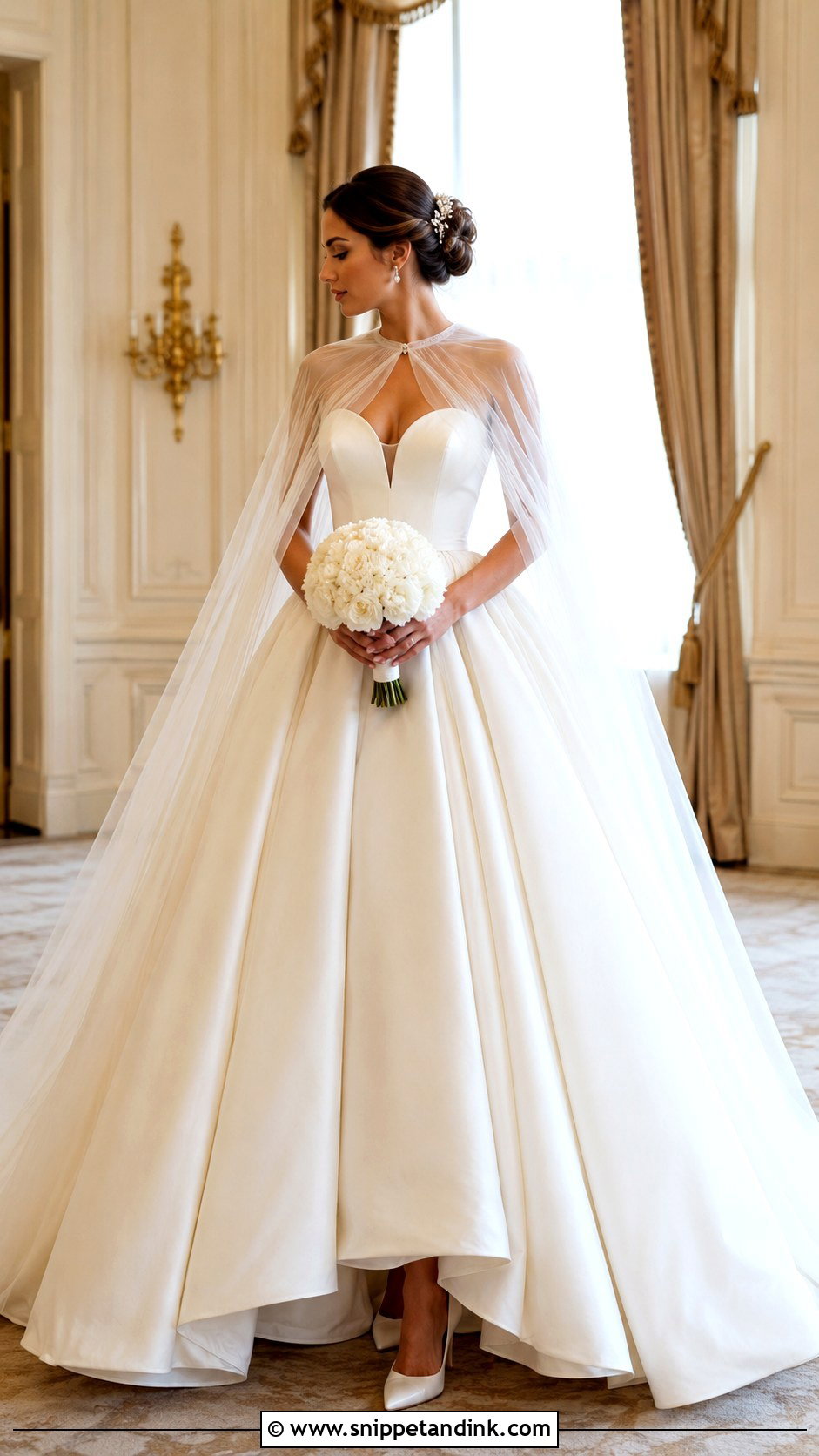
A ball gown already has plenty of volume, so the cape must stay light or the outfit becomes heavy. Sheer tulle or a lace-edged cape adds movement without bulk. Keep the bodice fitted to balance skirt and cape. Classic pumps, a tiara-style accessory if you like one and a round bouquet complete the look in grand hotels, estates and large ballrooms. I’d skip a separate veil with this combination; cape plus veil plus full skirt is a lot of fabric to manage in one aisle.
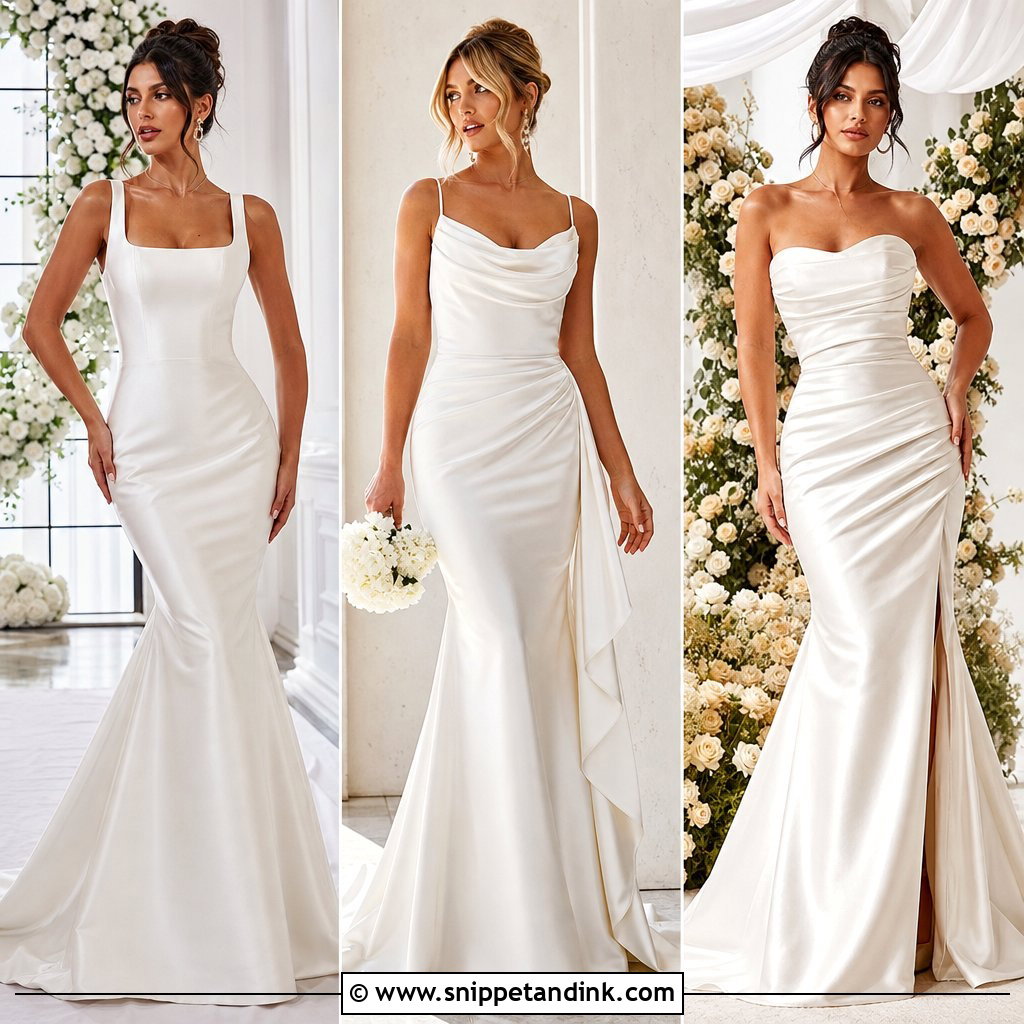
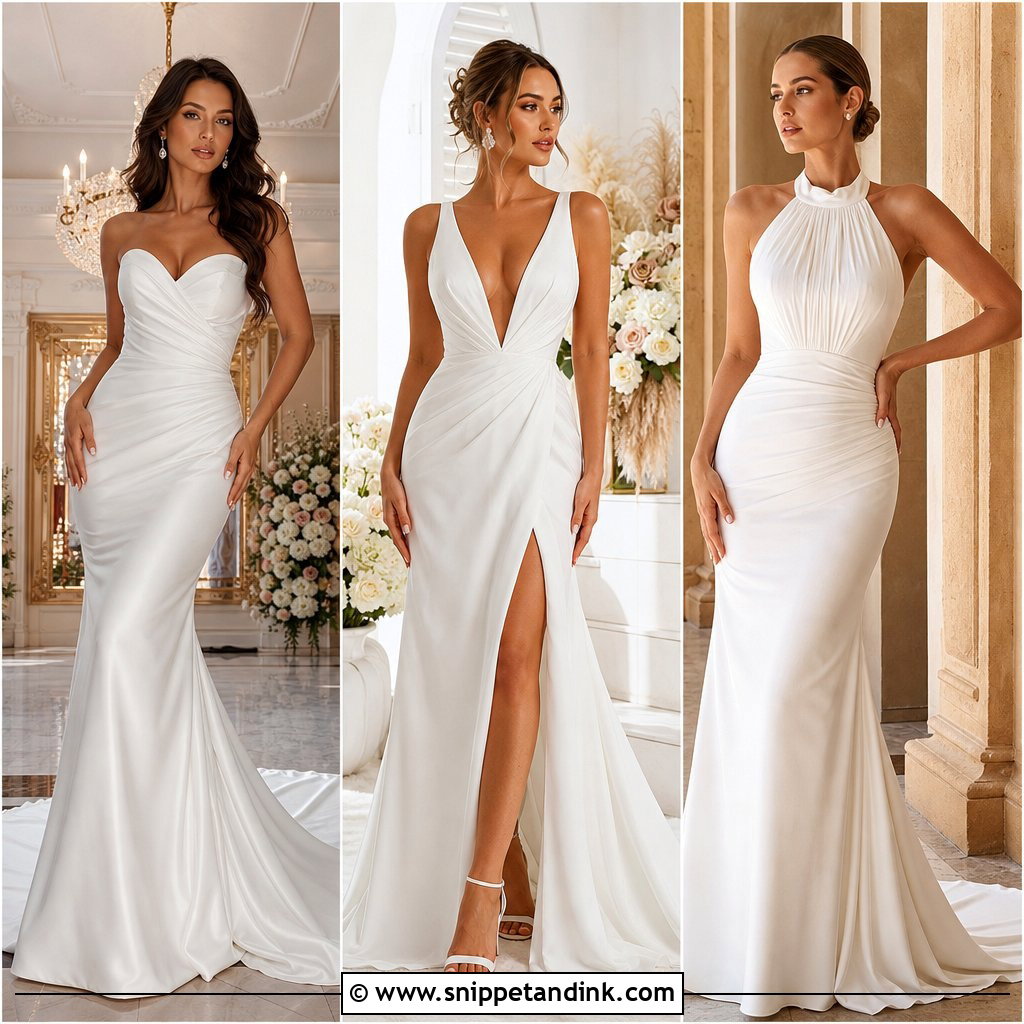
15. Mermaid Cape Wedding Dress
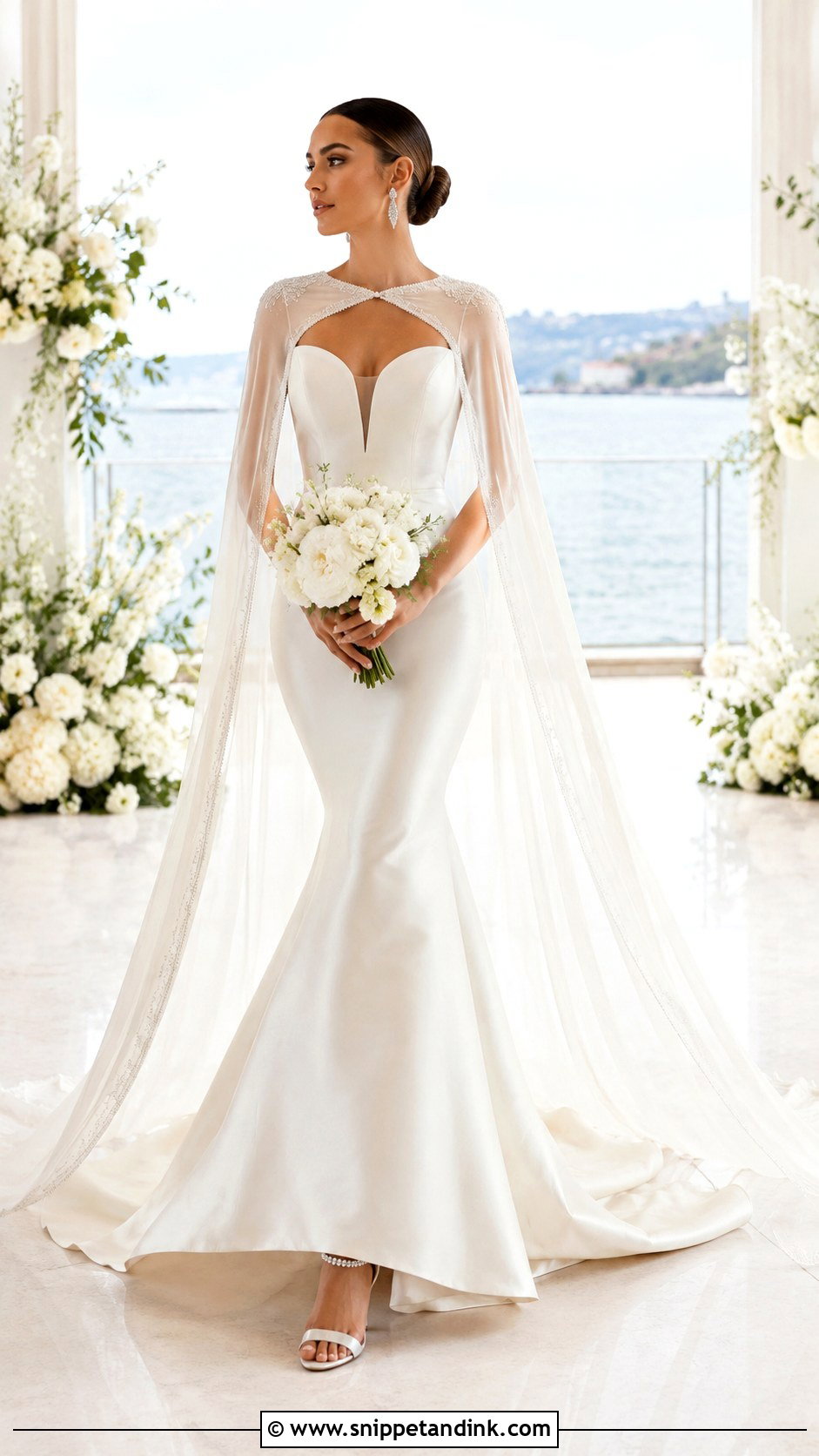
A mermaid gown shows the figure, and a cape softens it as it trails behind. The slim dress stops the cape from looking bulky, which is why the pairing works so well. Sheer capes look romantic, beaded ones glamorous, satin sleek. Remember that a mermaid already shortens your stride; a long cape behind it means taking stairs slowly and having help. High heels support the long line, with fitted hair and simple jewelry for a formal reception or waterfront venue.
16. A Line Cape Wedding Dress
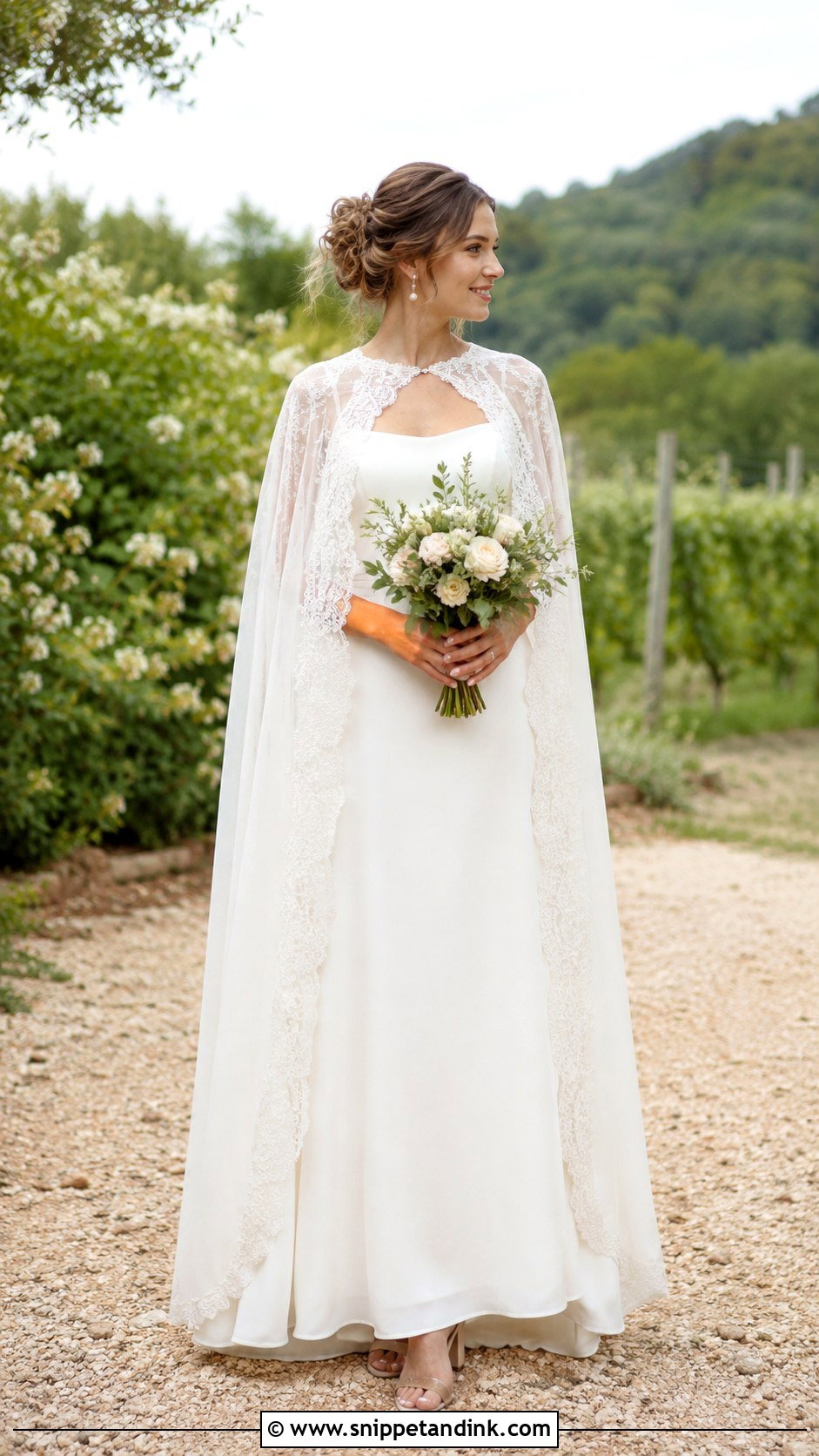
The A-line widens gently from the waist, and a cape adds softness and a bit of ceremony. This combination suits most body types because it defines the waist without clinging. Sheer capes keep it light; lace capes make it romantic. Comfortable block heels or classic pumps, a soft updo and delicate earrings suit garden weddings, vineyards and traditional receptions. Look at the cape from the side as well as the back. On an A-line, a cape cut too full can make the whole outfit look wider than it is.
17. Sheath Cape Wedding Dress
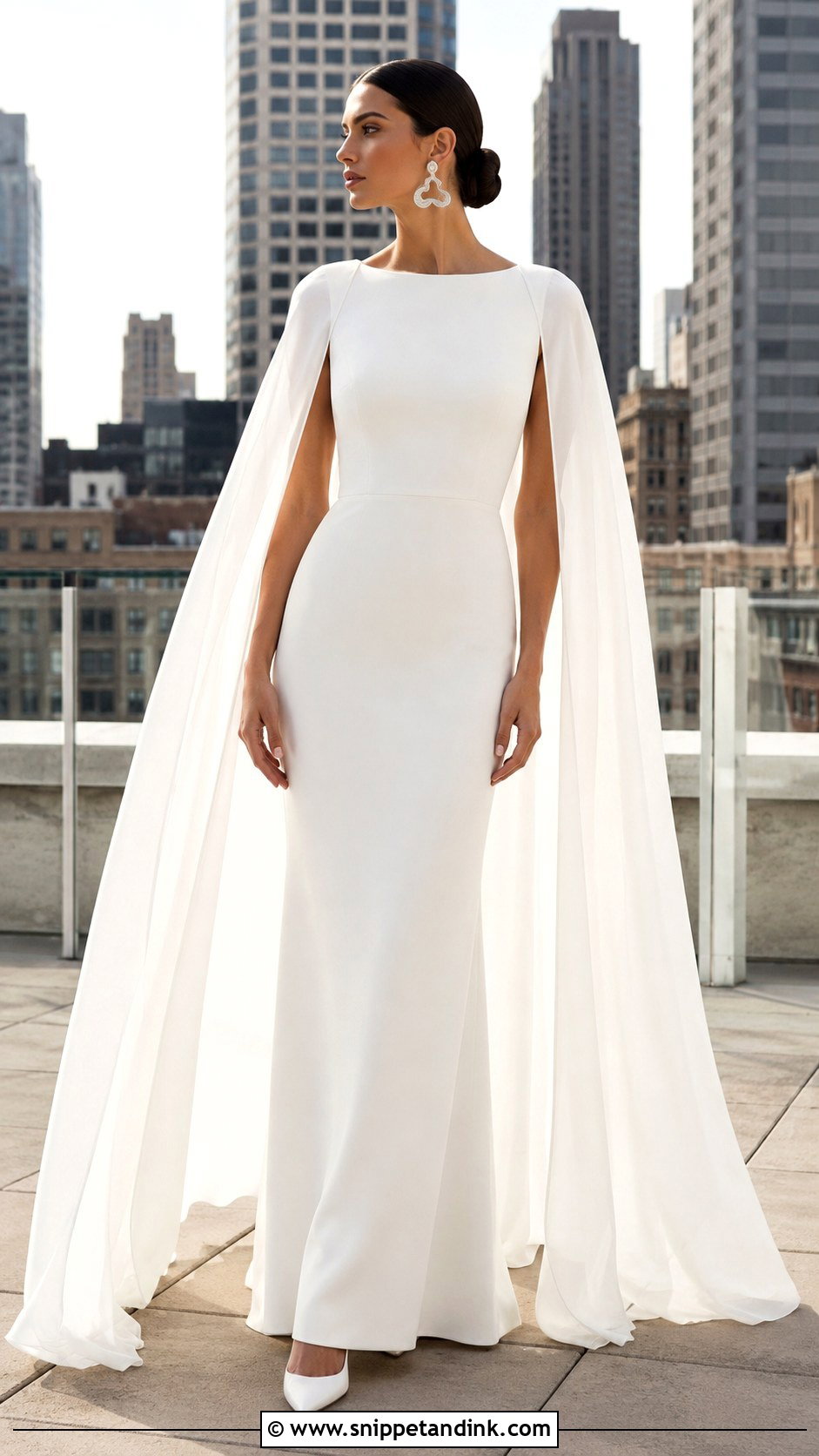
A sheath cape wedding dress keeps the outline narrow, and the cape supplies the drama. A long cape makes a simple sheath ceremonial; a short capelet keeps it practical. Crepe, satin or chiffon suit different seasons. This is the cape pairing I’d suggest most for city weddings, courthouses and rooftops, because it looks dressed without taking up space. Pointed heels, sculptural earrings and smooth hair finish it.
18. Strapless Cape Wedding Dress
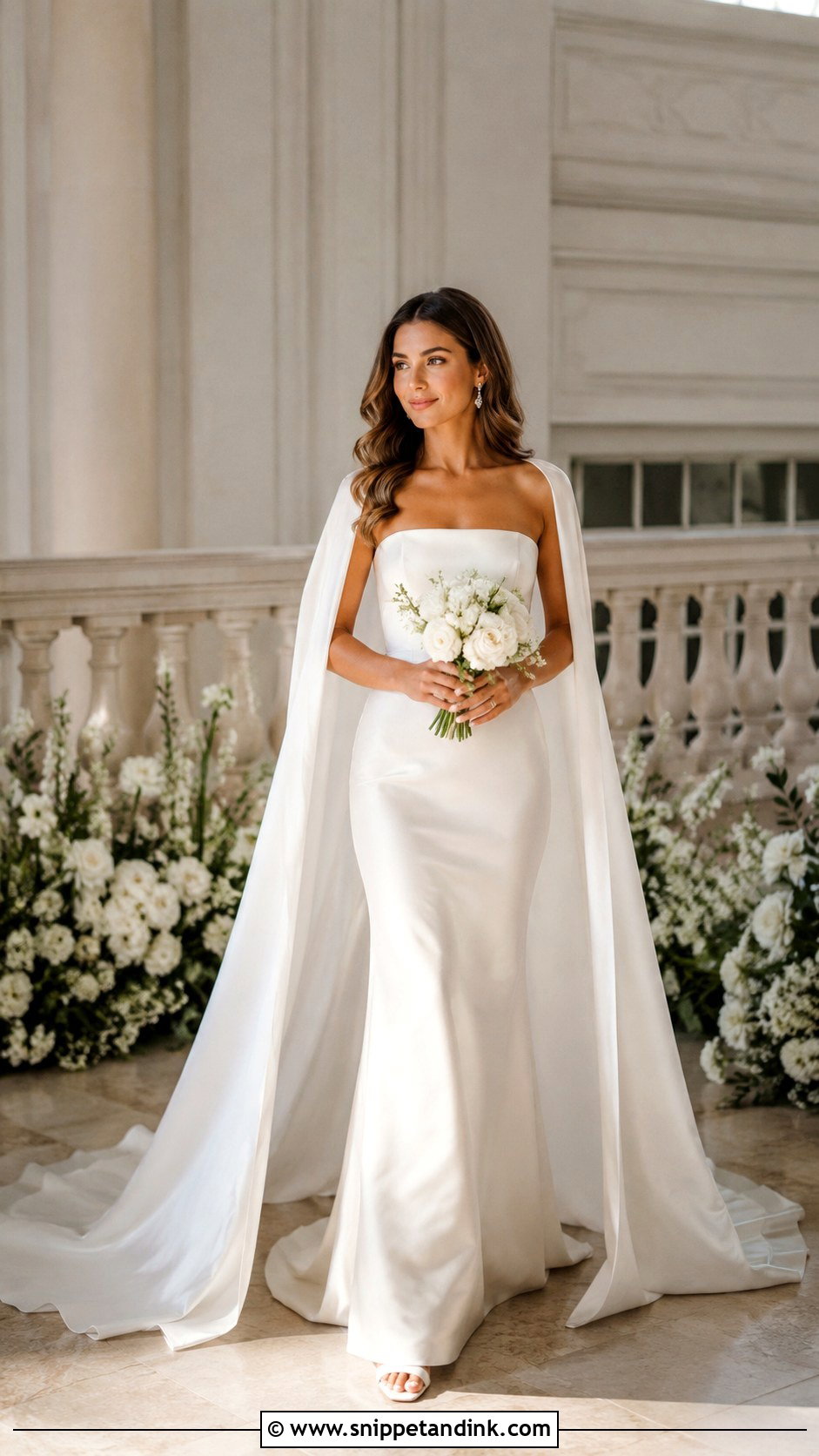
A strapless gown with a cape gives you an open neckline and coverage at the back and shoulders. The cape can attach at the bodice or sit on the shoulders with hidden fastenings. Bodice-attached capes need a well-fitted, boned bodice, since the cape’s weight pulls the top edge down otherwise. It suits satin ball gowns, fitted crepe and simple A-lines. A necklace only works if the cape is plain; otherwise earrings carry the jewelry. Classic heels, soft waves and a small bouquet finish it.
19. Long Sleeve Cape Wedding Dress
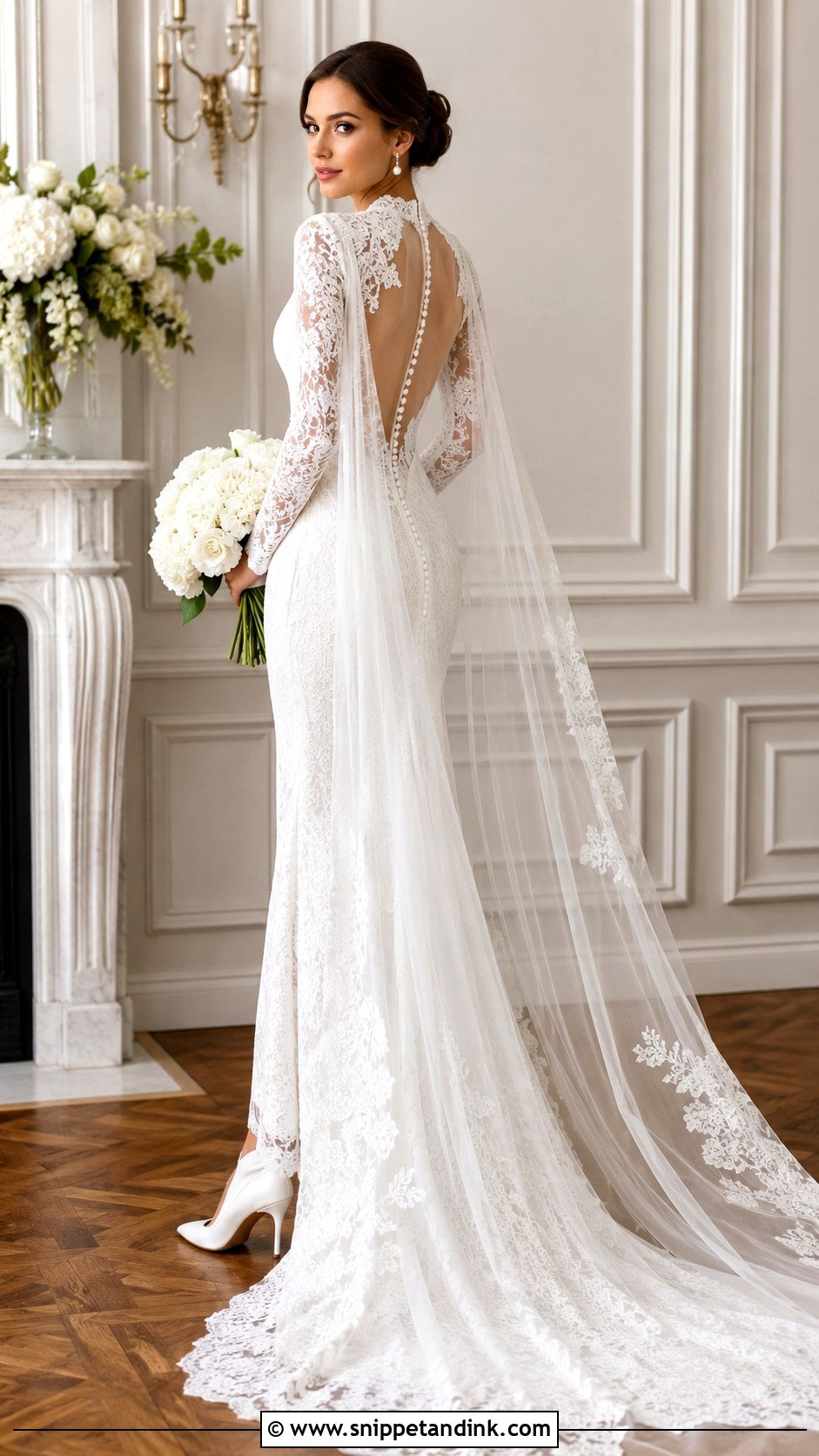
Sleeves and a cape can fight. The cape shouldn’t add bulk at the shoulder over sleeves that already cover it. A sheer cape, an open-front cape or one fixed at the back works better than a heavy shoulder layer. Lace sleeves with a plain tulle cape look romantic; crepe sleeves with a matching cape look modern. Closed-toe heels, pearl earrings and a clean bouquet suit fall and winter weddings and formal indoor venues. Try the combination with your arms raised before committing.
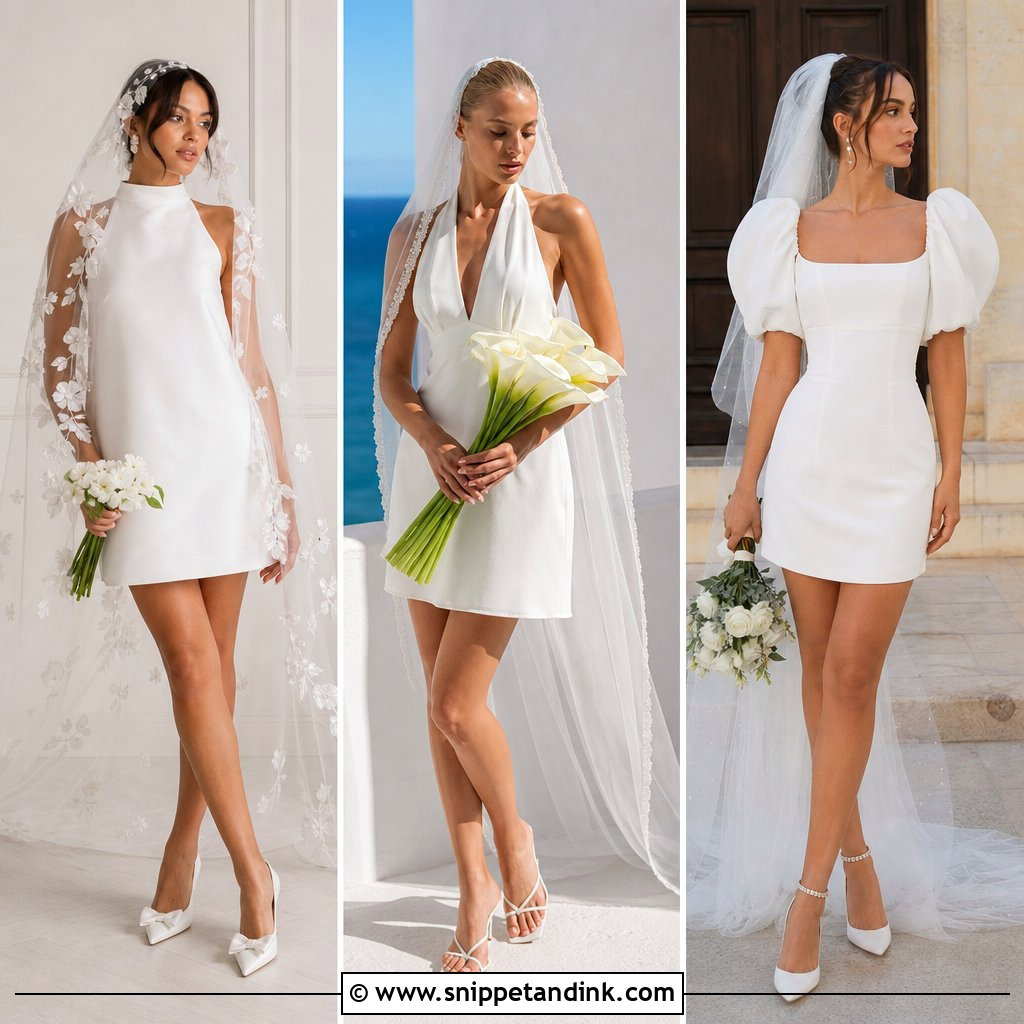
20. Boho Cape Wedding Dress
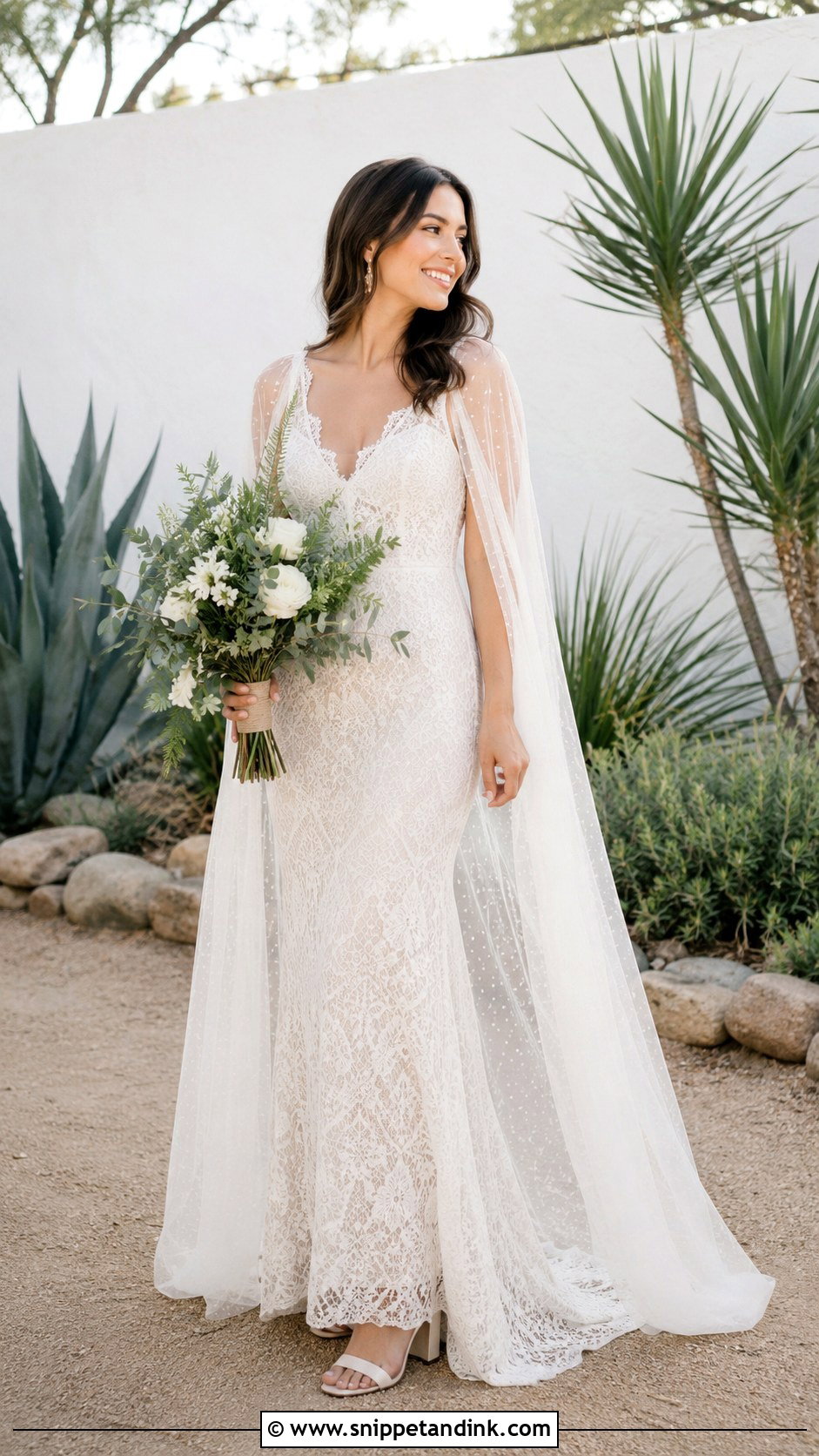
A boho cape is about lightness: soft lace, dotted tulle, fluttering chiffon or floral embroidery over a flowy A-line, simple slip or lace sheath. Accessories stay organic. Loose waves, delicate earrings, low block heels or sandals and a loose bouquet of white flowers and greenery suit outdoor, desert, beach and garden ceremonies. Lace and dotted tulle pick up burrs and grass seeds on a field walk, so check the hem before portraits. The cape should move freely in a breeze.
21. Modern Cape Wedding Dress
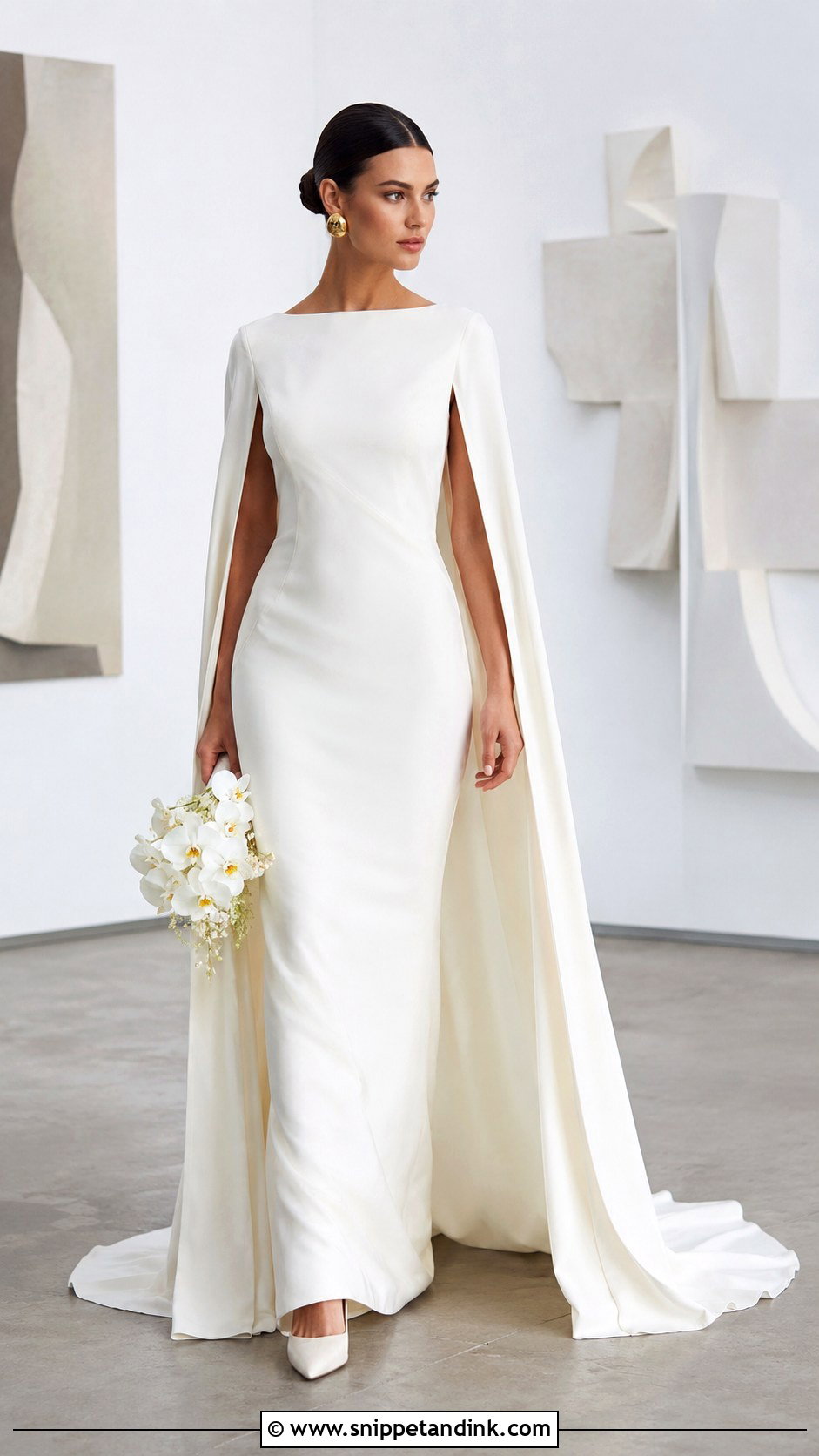
Modern capes rely on cut: smooth crepe, satin or mikado, shaped at the shoulder, attached in panels or cut as a single floor-length piece. Mikado is heavier and holds a crisp line, which suits architectural shapes. A column or structured A-line underneath works best. A center-part bun, simple bold earrings and pointed pumps keep it sharp for city venues, galleries and modern hotels. Structured capes don’t fold, so plan where it will hang during dinner.
22. Vintage Cape Wedding Dress
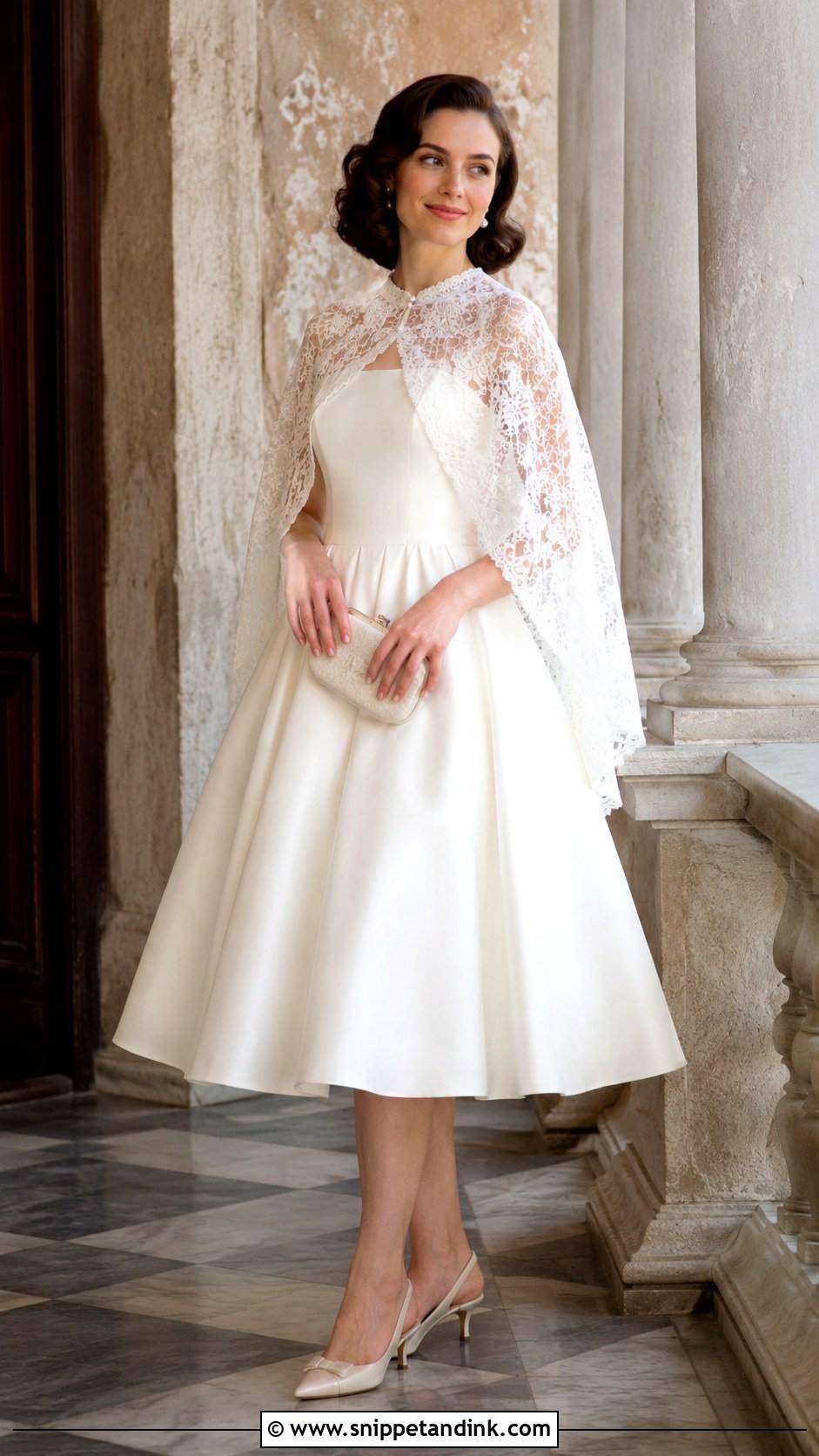
Vintage capes borrow from specific eras. A lace capelet with a tea-length dress points to the 1950s, while a long sheer cape with beaded trim nods to the 1920s. Soft ivory or warm white reads more authentic than bright white. Kitten heels, pearl earrings, a small clutch and a classic bouquet suit historic venues and intimate receptions. Keep the tailoring clean and the makeup current so it looks like a choice, not a costume.
23. Minimalist Cape Wedding Dress
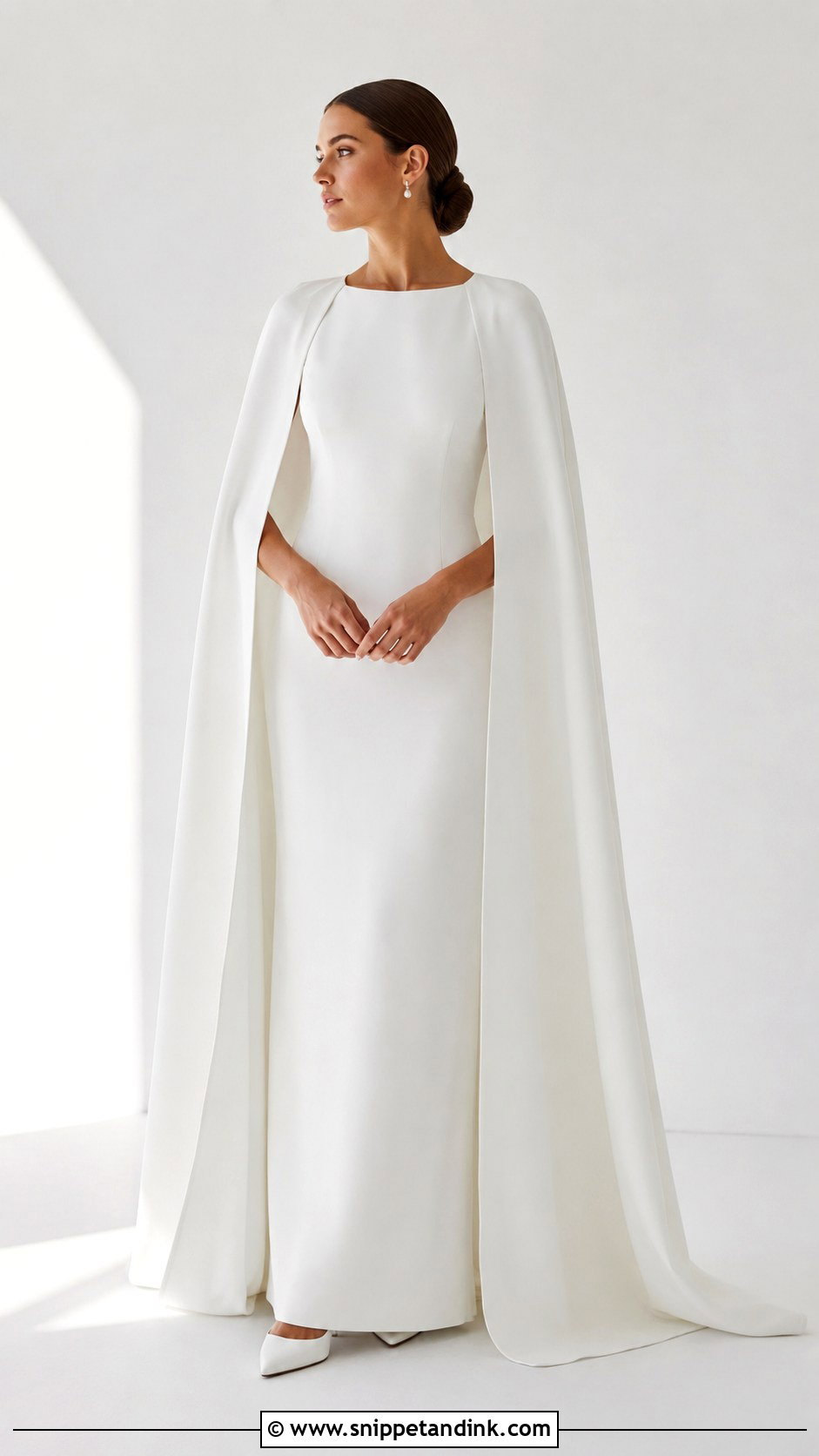
A minimalist cape wedding dress relies on fabric, fit and proportion. A plain crepe gown with a matching cape, clean neckline and clean shoulders can look powerful. A fitted sheath, slim A-line or strapless column works best underneath. The restraint is the point, so keep accessories to sleek pumps, small diamond or pearl earrings and a smooth low bun. A sculptural white bouquet adds interest without clutter.
24. Winter Cape Wedding Dress
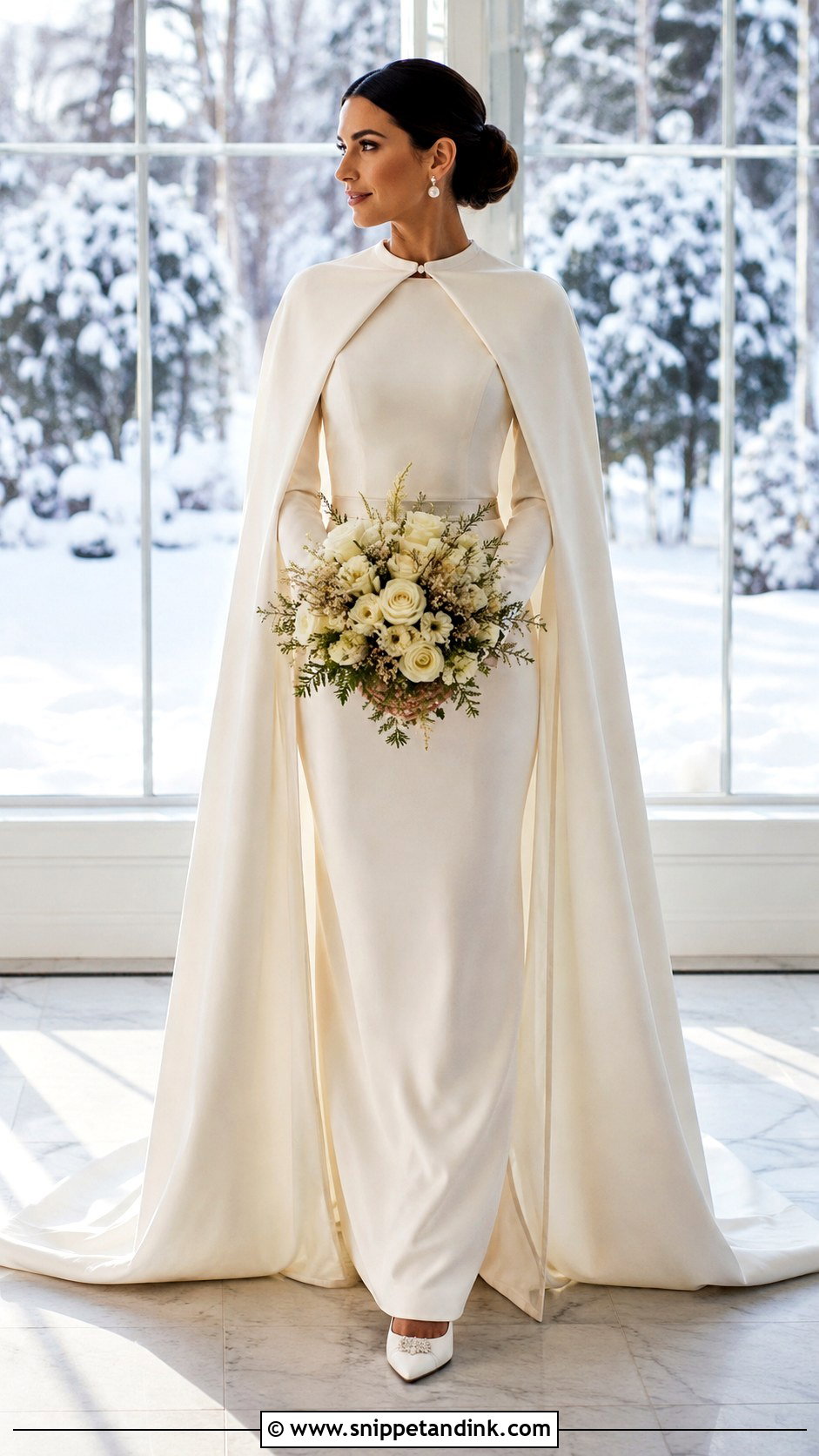
A winter cape can actually keep you warm. Crepe, satin, velvet trim or a lined capelet replace sheer tulle, and a long-sleeve gown underneath ties it together. Ivory, white, silver and pearl tones keep the palette crisp for snowy portraits and candlelit receptions. Closed-toe heels, pearl earrings, a smooth updo and a structured bouquet finish it. A heavier cape must be fitted at the shoulders so it doesn’t slide during photos. For outdoor portraits in real cold, a lined wool or faux-fur capelet is far more practical than tulle.

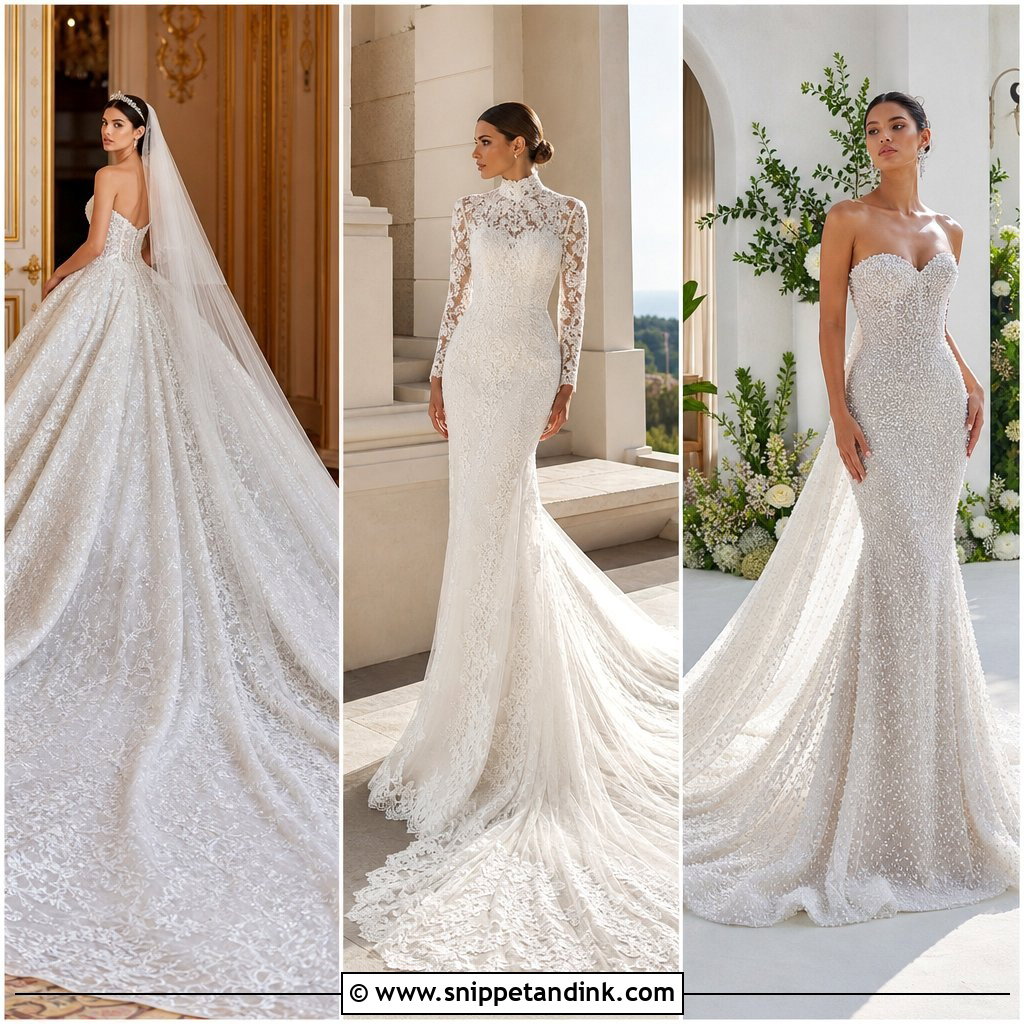
25. Beach Cape Wedding Dress
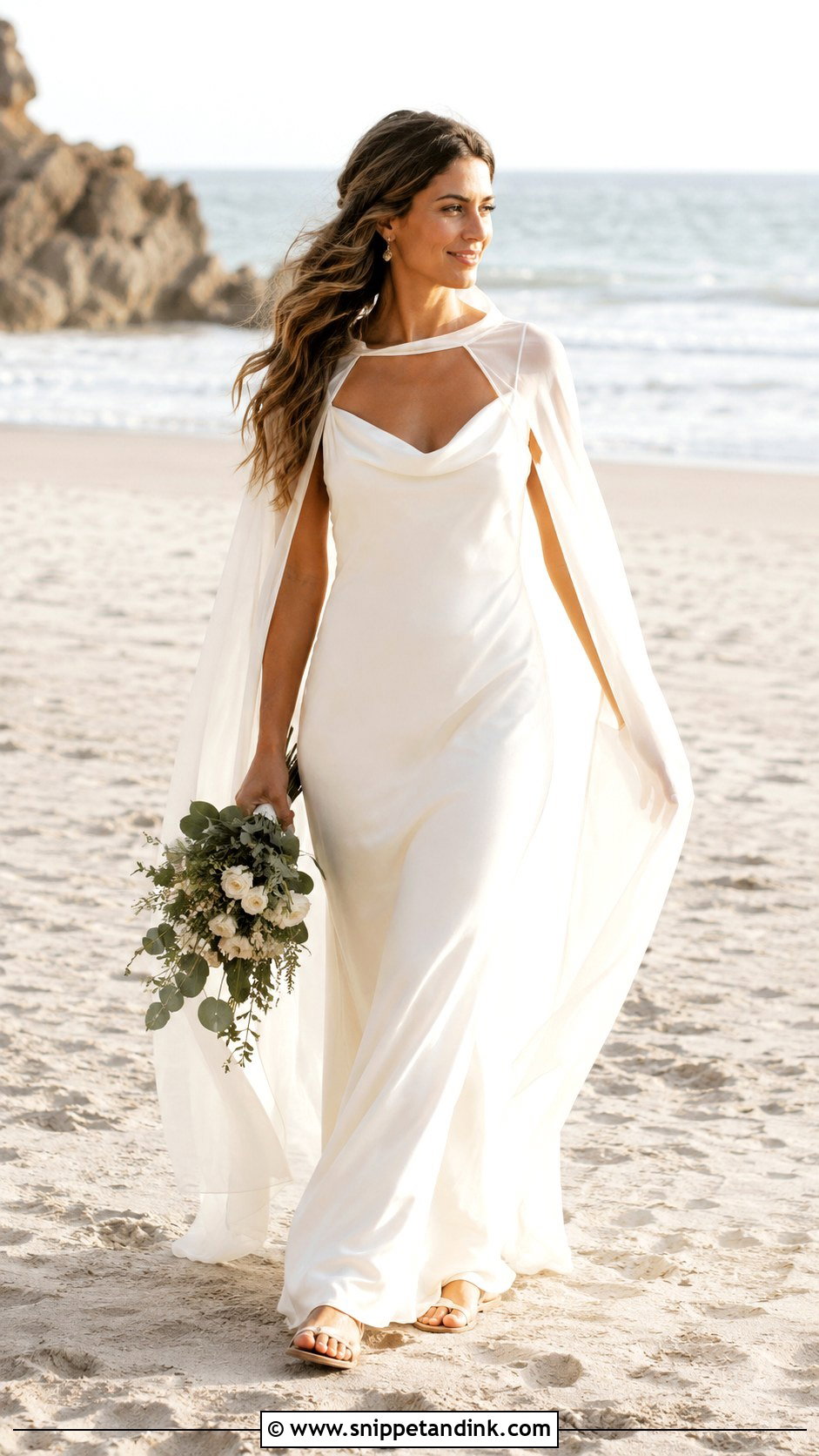
On a beach, the cape should be light enough to catch the wind without fighting it. Chiffon, soft tulle or sheer organza over a slip, sheath or relaxed A-line is the right weight. Keep the cape short if you’re standing directly on sand; a long one drags, collects sand and gets wet at the hem. Flat sandals, low block heels or barefoot sandals suit it. Loose waves, small earrings and a natural bouquet finish it. Wind is the main variable, so do a test walk outside before the ceremony.
26. Courthouse Cape Wedding Dress
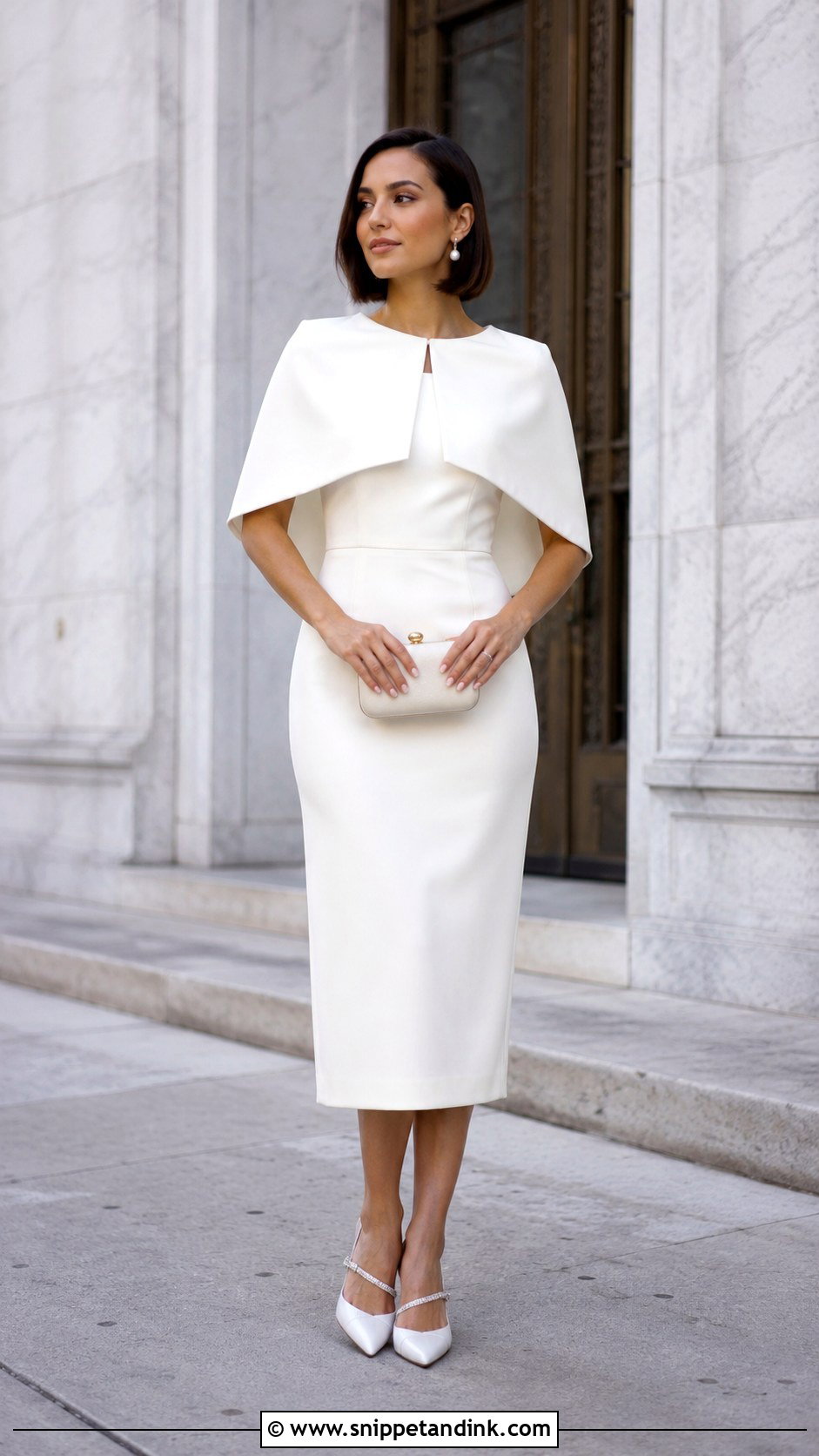
A short capelet or detachable shoulder cape makes a courthouse outfit look bridal without a train or ball gown. It works with a midi, tailored mini or simple sheath. Crepe, satin or lace suit different tastes. White pumps or slingbacks, a small clutch and pearl earrings complete it. Keep it removable; you may go from the ceremony to lunch or a busy restaurant, where a cape catches on chair backs. Small, discreet fastenings look better in close-up photos than a large clasp.
27. Plus Size Cape Wedding Dress
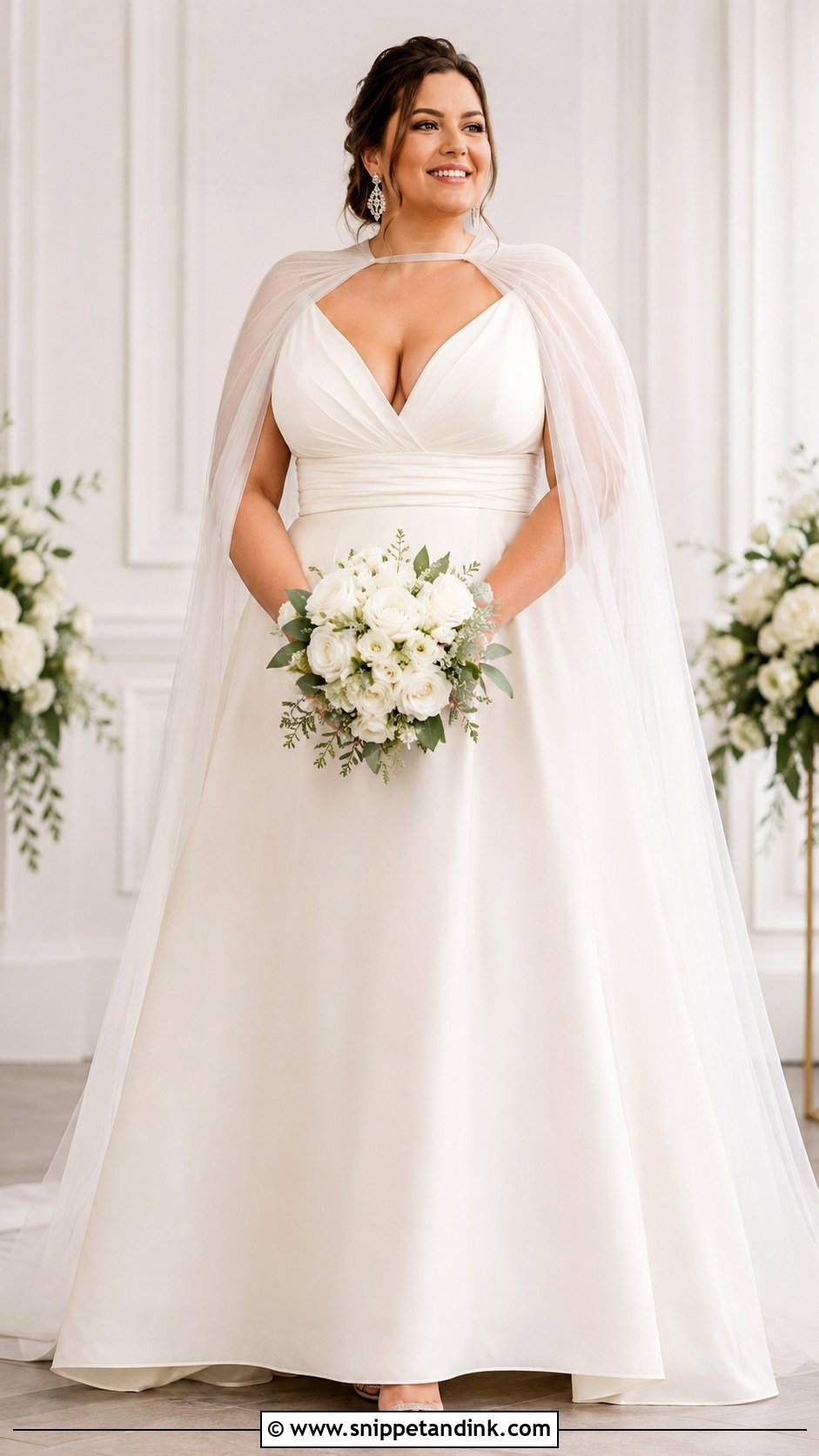
For plus-size brides, I look for a supportive, well-fitted dress first, then a cape that adds movement without covering the whole outfit. Shoulder-attached capes, soft tulle layers and lace capelets frame the body well. An A-line, fitted crepe or structured ball gown can all work. The fastenings deserve the most attention: they should be secure at several points along the shoulder so the cape’s weight is spread and nothing pulls. Supportive shoes, statement earrings and a bouquet scaled to the dress complete it.
28. Black Cape Wedding Dress
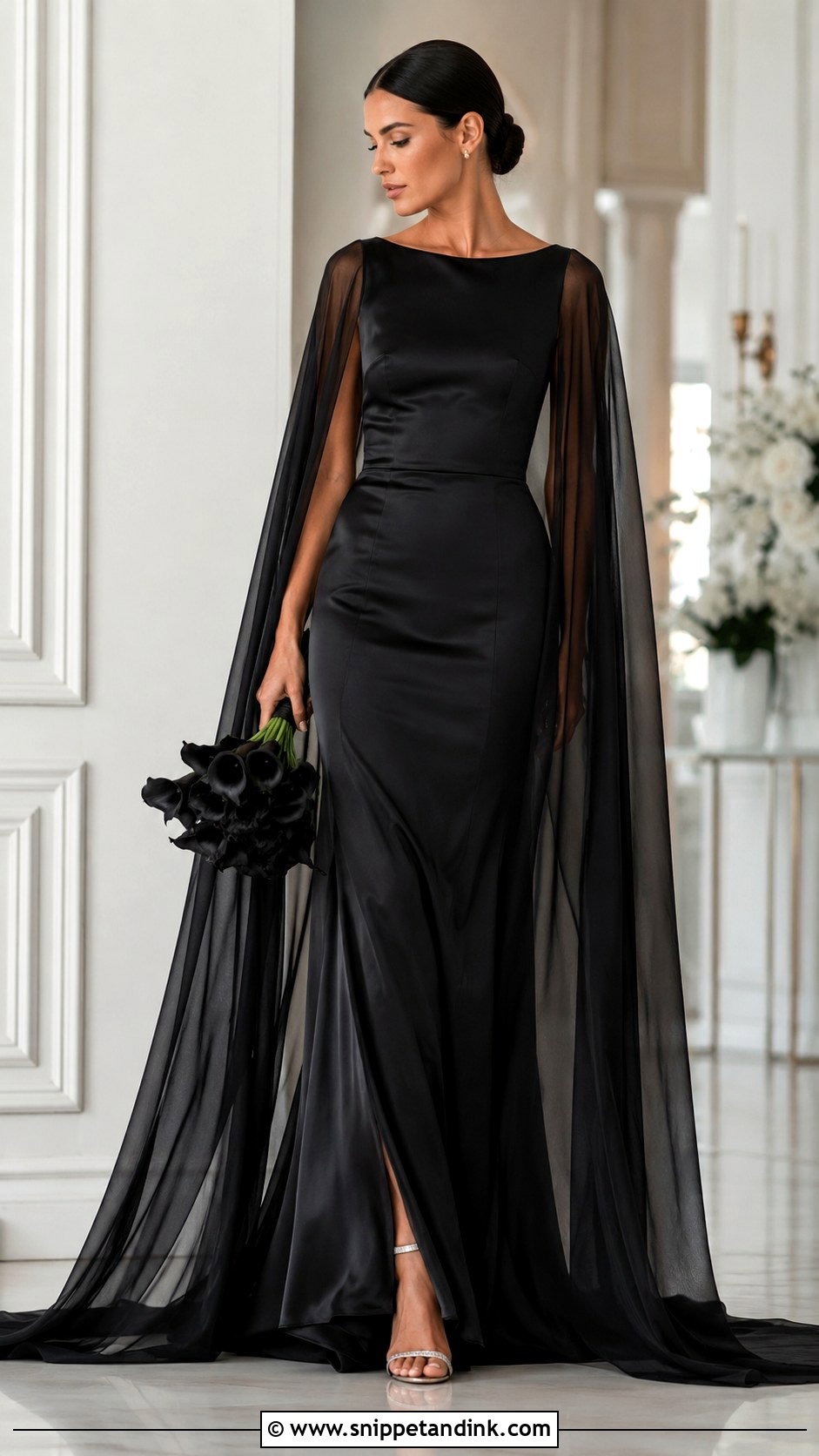
Black is the boldest cape choice. A black gown with a matching cape looks dramatic; a white dress with a sheer black cape gives sharp contrast. Keep the silhouette clean so the color looks deliberate, like a fitted black satin gown with a sheer cape. Black or metallic heels, sleek hair and minimal jewelry suit modern venues and evening ceremonies. Black tulle shows every speck of lint and pale fiber, so keep a lint roller in the getting-ready kit.
29. Blue Cape Wedding Dress
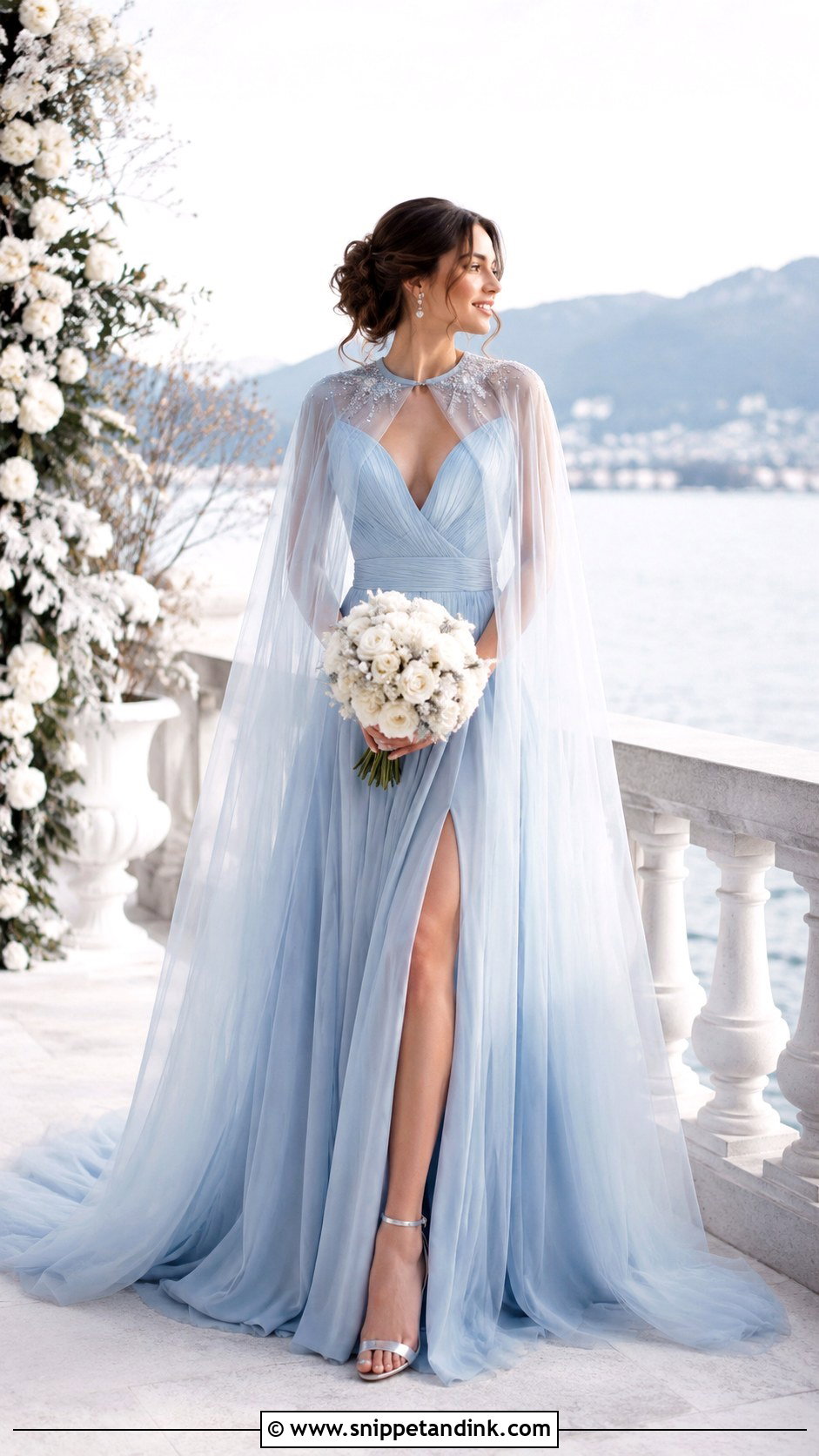
Blue capes bring color without committing the whole dress to it. Soft blue feels gentle; icy blue looks formal for winter. The cape can match a blue gown or sit over white as a subtle colored layer, and a blue tulle cape over plain ivory looks dreamy on camera. Silver heels, pearl earrings and a white bouquet keep it light. Sheer blue over white changes shade as the layers move, so view it in daylight before committing for a garden or waterfront wedding.
30. Reception Cape Wedding Dress
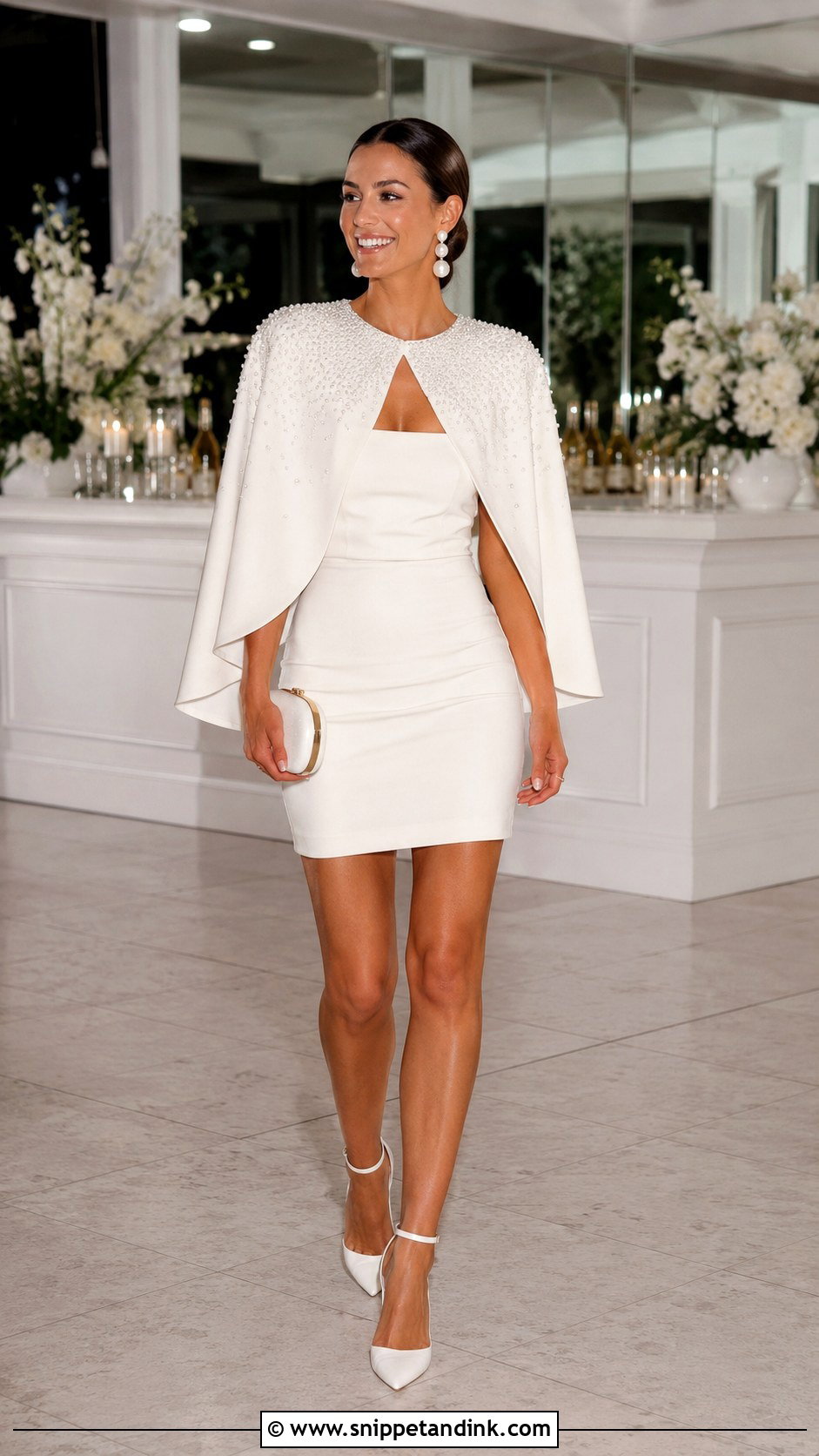
A reception cape gives you a second look without a full outfit change. A short detachable cape, pearl capelet or sheer shoulder cape turns a simple dress into something bridal. It suits a fitted midi, sleek mini or column that’s easy to dance in. Choose a cape that comes off quickly and won’t snag on chairs or table edges. Comfortable heels, statement earrings and a small clutch complete it as you move from dinner to the dance floor.
Living in a Cape for Ten Hours
Capes look easy in portraits, but they have practical habits you only discover by wearing one. These are the things I walk brides through at the final fitting.
- Sitting. Before you sit, sweep the cape to one side or over the chair back. Sitting on a long cape pulls on the attachment points and creases the fabric.
- Hugging. Guests hug at the shoulders, right where the cape attaches. Reinforced fastenings and a cape that lifts with your arms save a lot of tugging.
- The car. Gather the cape into your lap rather than letting it trail on the floor, especially in a car that’s been in use.
- Wind. Sheer capes outdoors lift and wrap around you. A few hand-sewn beads at the hem or a quick hand-hold during the processional keep it under control.
- Taking it off. Name one person who knows how it unfastens. A bridesmaid fumbling with hidden hooks under reception lights takes longer than you’d expect.
Most brides wear a cape or a veil, not both, since both cover the back of the dress. If you want both, choose a short veil, like a blusher or a small comb veil, so the cape stays the main layer.
Venue, Fabric Weight and Fastening Decide the Cape
A cape should suit your ceremony, venue and how much you plan to move. A long tulle cape makes the aisle walk; a short capelet gives coverage at a small celebration. Detachable capes give you both, drama for the ceremony and freedom afterward. Before buying, check fabric weight, how it attaches and how it looks from front, back and side. Get those right, and any of the cape styles above will work as hard at the reception as at the altar.
You'll Like These Ideas:




Leave a Reply