
Small cakes get judged up close. Guests lean in, phones come out, and a single tier sits at eye level on a short table where a tall stacked cake would have been admired from across the room. That changes how I design one. The finish has to be cleaner, the decoration more deliberate, and the shape strong enough to read in a photo taken from above. Below are twenty one-tier designs, from plain buttercream and pearls to sculptural shapes, with what each one asks of the baker and where it tends to suit best.
What a Baker Needs From You Before Sketching One Tier
A good consultation for a small cake is short, but it needs the right details. When couples arrive with only inspiration photos, I end up asking the same questions anyway, so it saves time to bring them answered.
- Guest count, and whether this cake has to feed everyone or is only for the cutting.
- Venue and table location, indoors or out, and how long the cake will be on display before it’s cut.
- Two or three photos you love, plus one you don’t. What you dislike tells me more about your taste.
- Your colours, ideally a fabric swatch or flower photo, since screens shift colour.
- Any allergies or dietary needs among guests who will eat the cake.
How far ahead to order
Popular bakers fill wedding weekends months ahead, so I’d make an enquiry as soon as your date is set. Designs with sugar flowers, hand-piped lace or carved shapes need extra lead time, because the decorations are made over several days before the cake itself is baked. A plain buttercream tier is the most flexible if you’re booking late.
1. Simple One Tier Wedding Cake
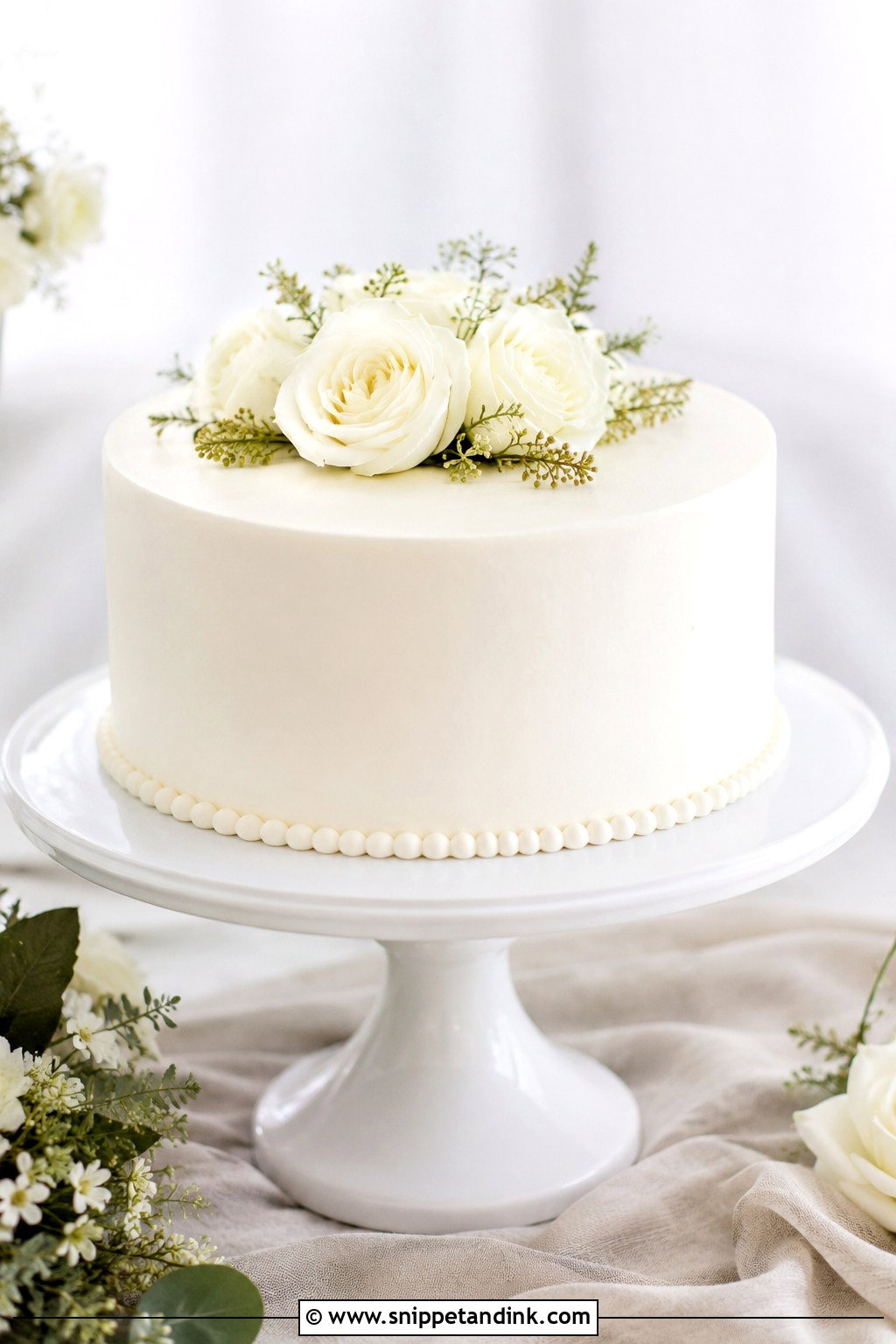
My honest verdict on the plain one-tier cake: it’s the hardest to fake. With nothing on it but a smooth ivory coat and maybe one cluster of blooms, any lean in the tier or ripple in the frosting is obvious. I level each layer before stacking and chill between coats so the final surface sets firm. Match the stand to the room: white ceramic in a chapel, wood in a garden, clear glass somewhere modern. Vanilla, almond or lemon keep it classic.
2. One Tier Wedding Cake With Flowers
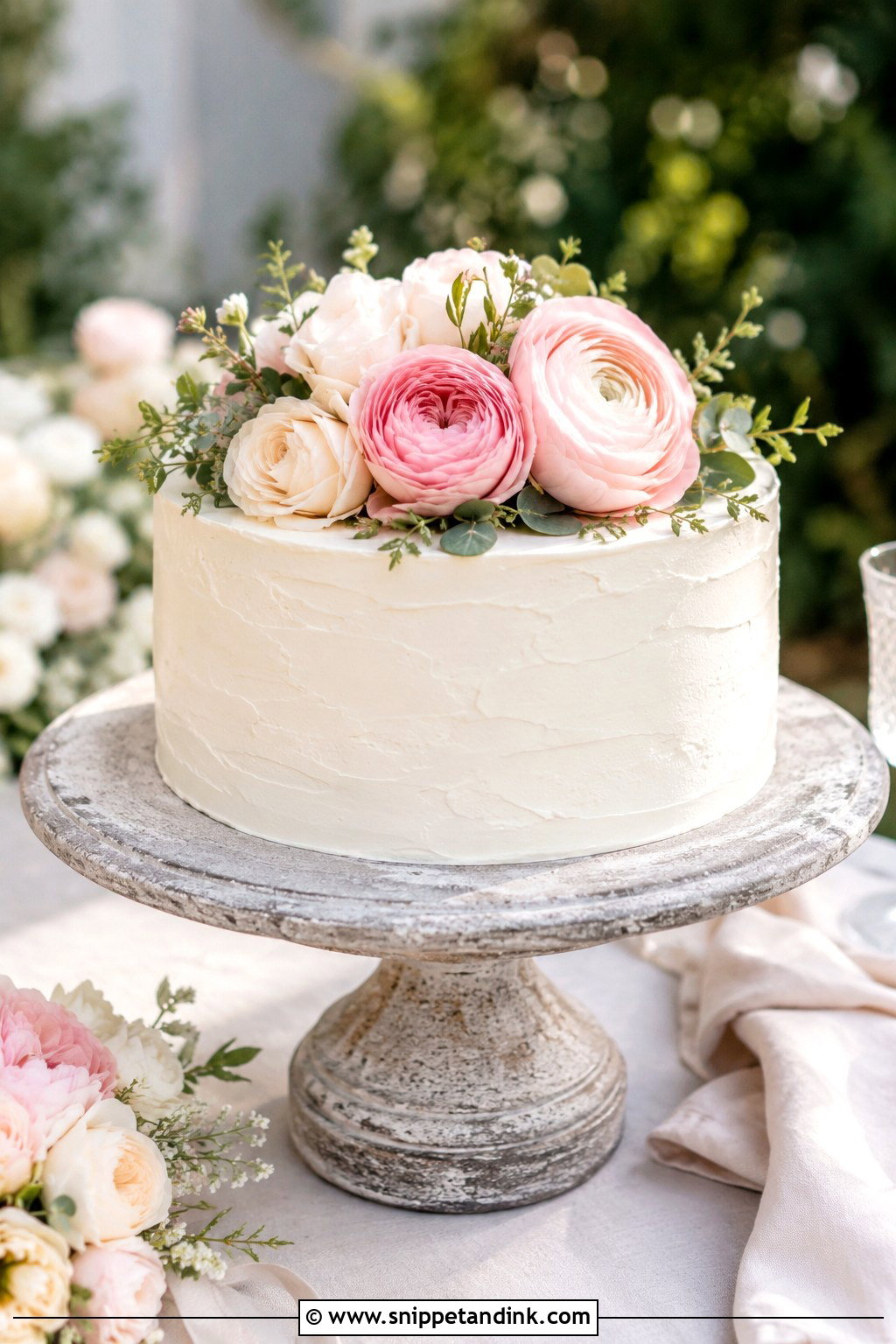
The cakes with flowers that look most connected to the day are the ones where the baker and florist have talked. I ask couples to put us in touch, so the blooms on the cake come from the same order as the bouquet and arch. Garden roses, ranunculus and spray roses all sit well. Peonies are heavy and drop petals once open, so I use them sparingly on a small tier. Anything touching the frosting goes on a barrier or a pick unless it’s a true edible flower like a pansy.
3. One Tier Wedding Cake With Pearls
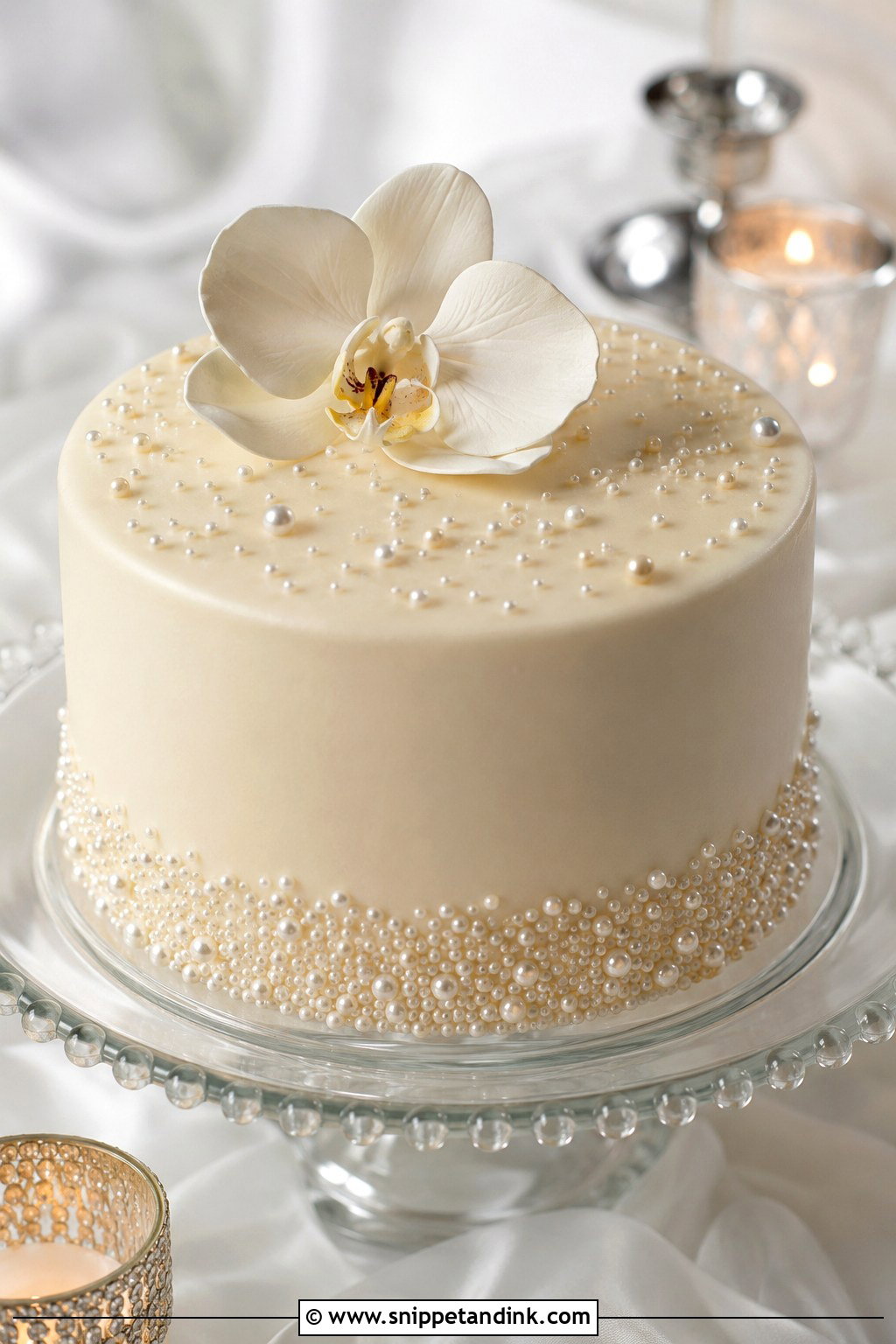
Pearls suit classic, coastal and black-tie weddings, and on a small cake they can cover the whole side without the work becoming unreasonable. I set them into buttercream while it’s still slightly tacky so they grip. Scattered pearls look softer; curved lines look modern. Keep the frosting smooth, or the pearls just look like texture on texture. A satin ribbon or a single sugar flower is all the extra I’d add.
4. One Tier Wedding Cake With Buttercream Texture
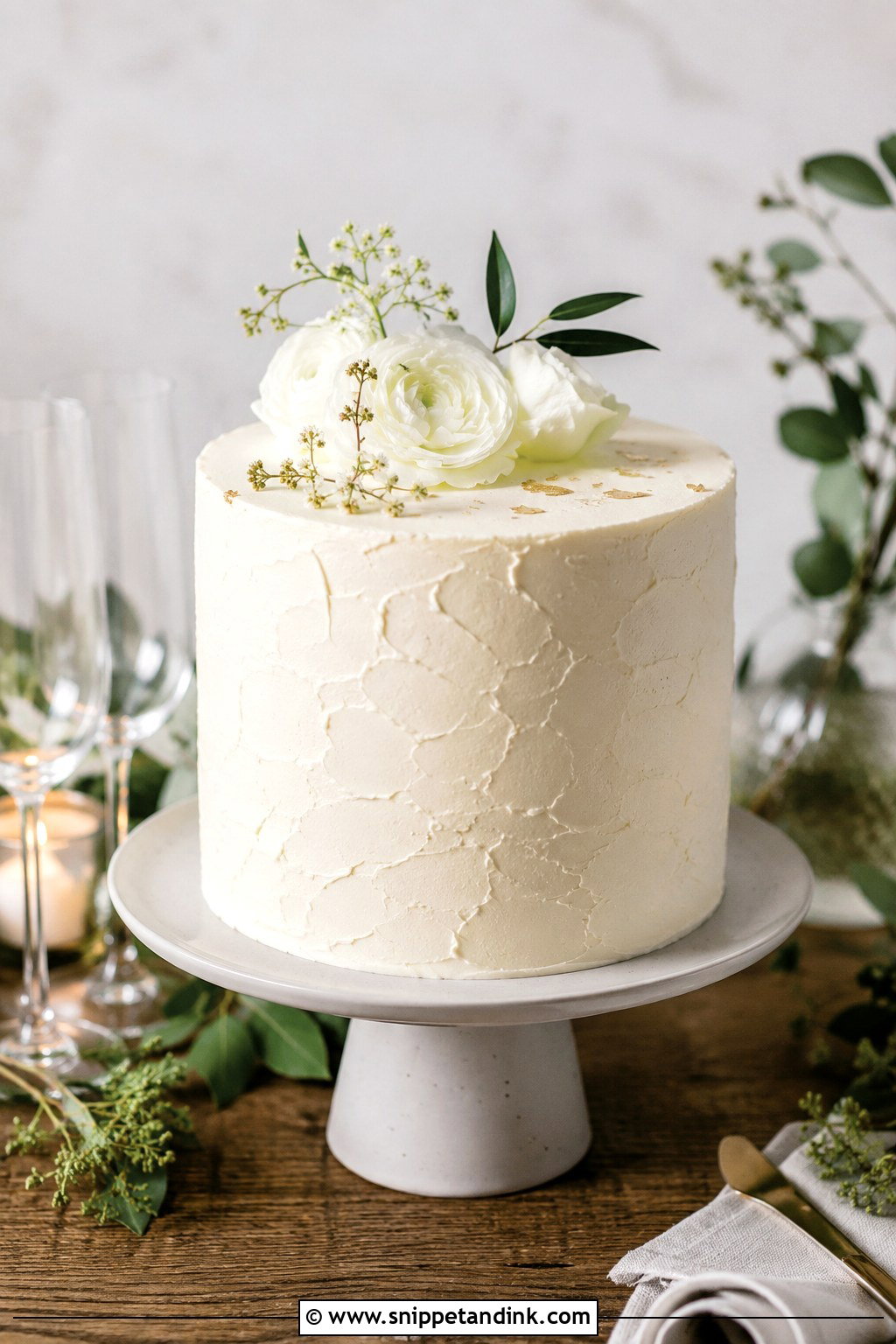
Textured buttercream is the friendliest finish for a beginner baker and a relaxed wedding, because the marks are meant to be there. Palette-knife strokes, horizontal ridges or soft waves catch side light and give a single tier depth. One warning: textured finishes trap less of a crust, so in a hot room the ridges soften and blur faster than a smooth coat. Keep decorations light, or the texture disappears behind them.
5. One Tier Wedding Cake With Vintage Piping
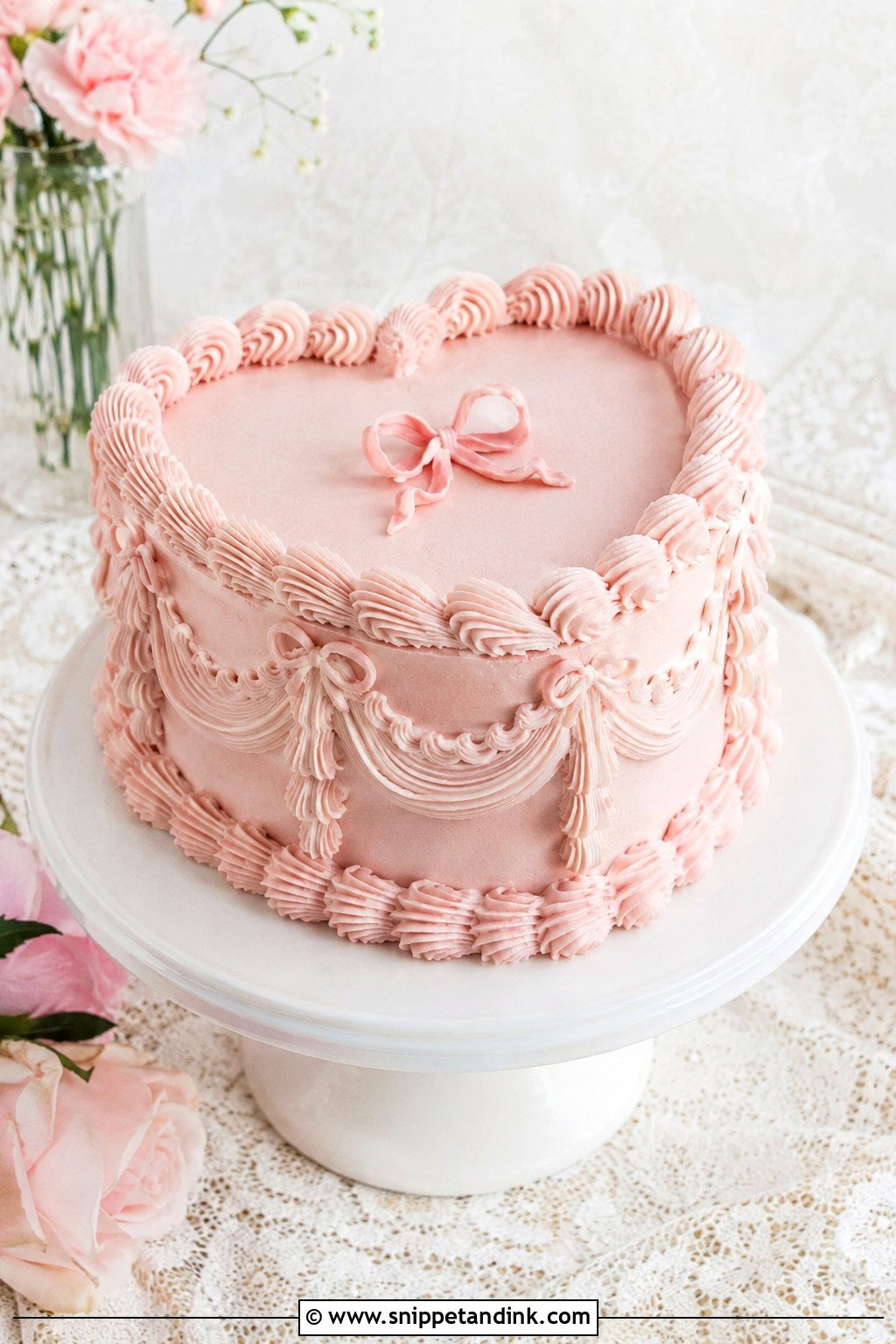
Vintage piping makes a single tier look generous. Shell borders, bows, dots and swags all build height and rhythm on the sides. I pipe with a slightly stiffer buttercream so the ridges stay crisp, and I’d keep the piped bows small on a short tier; big ones look cartoonish. White on white is the classic version. Butter yellow, mint or pale blue give it a charming retro feel. Strawberry or red velvet underneath makes it fun to cut into.
6. One Tier Wedding Cake With Fresh Fruit
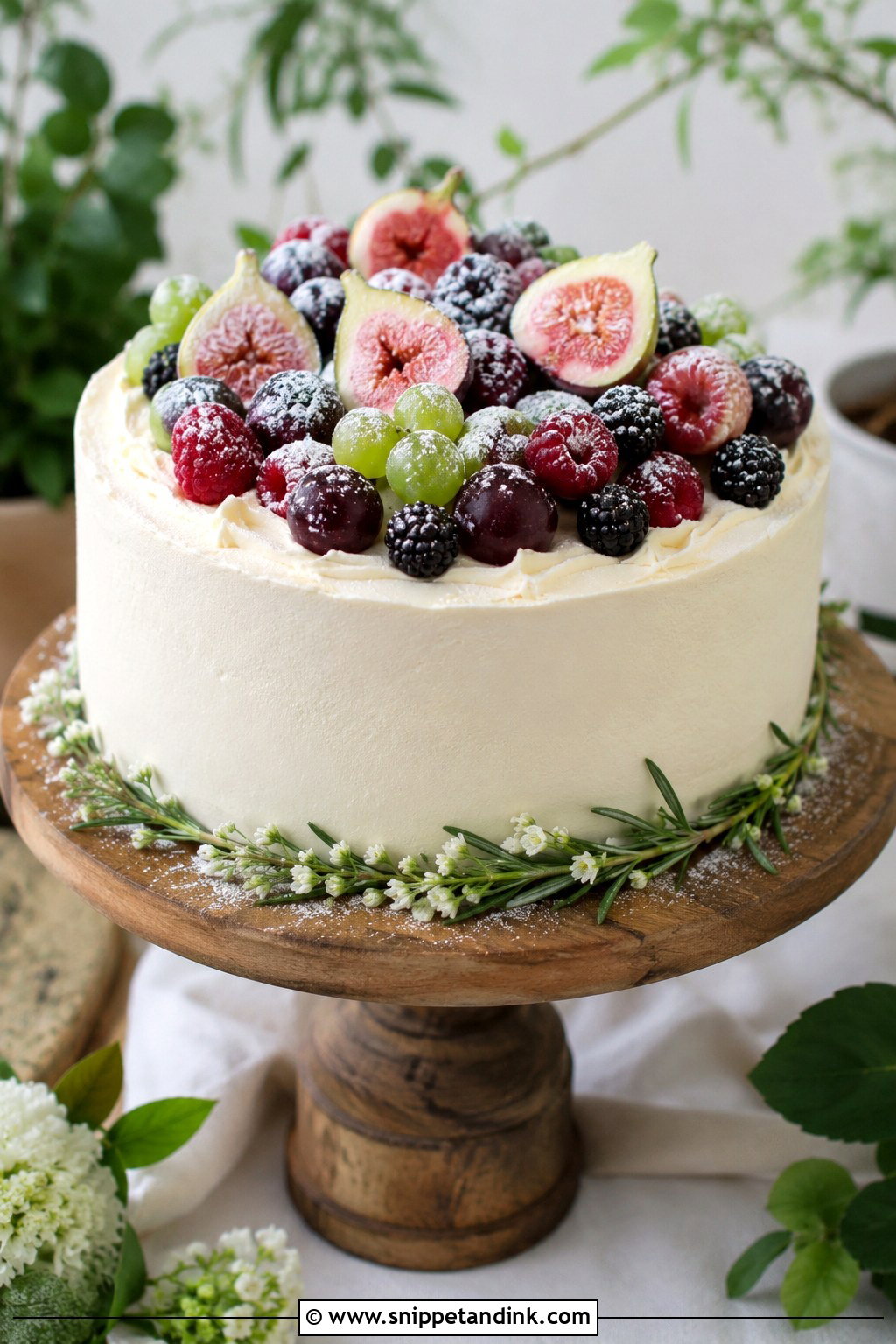
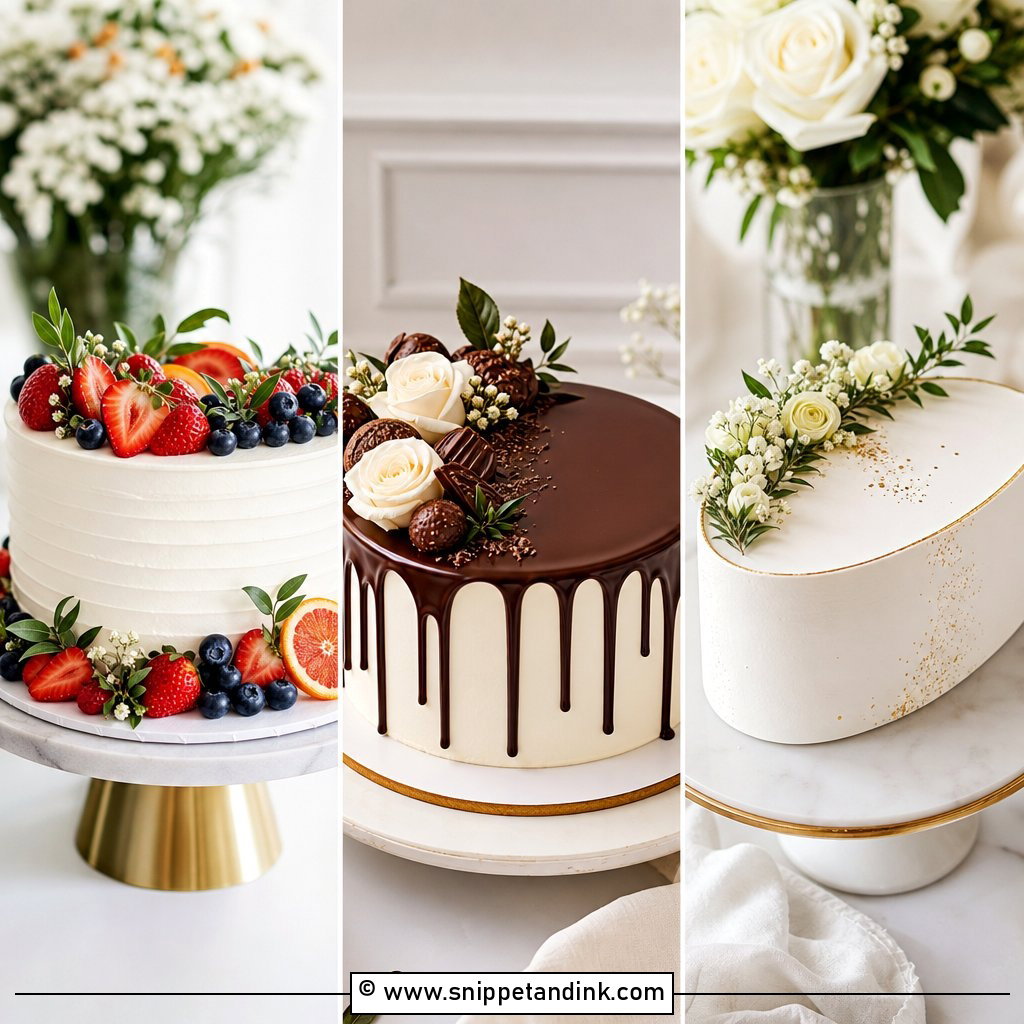
Fresh fruit is the decoration I add last, at the venue, because cut fruit weeps and whole berries soften as they warm up. Figs, grapes, cherries and pears hold up longer than raspberries. A light buttercream or stabilised whipped frosting suits the fresh look, though plain whipped cream won’t survive an outdoor table. Pair the flavour with the fruit: lemon with raspberry, almond with pear, citrus olive oil cake with figs. It’s at home at brunch weddings and garden parties.
7. One Tier Wedding Cake With Gold Accents
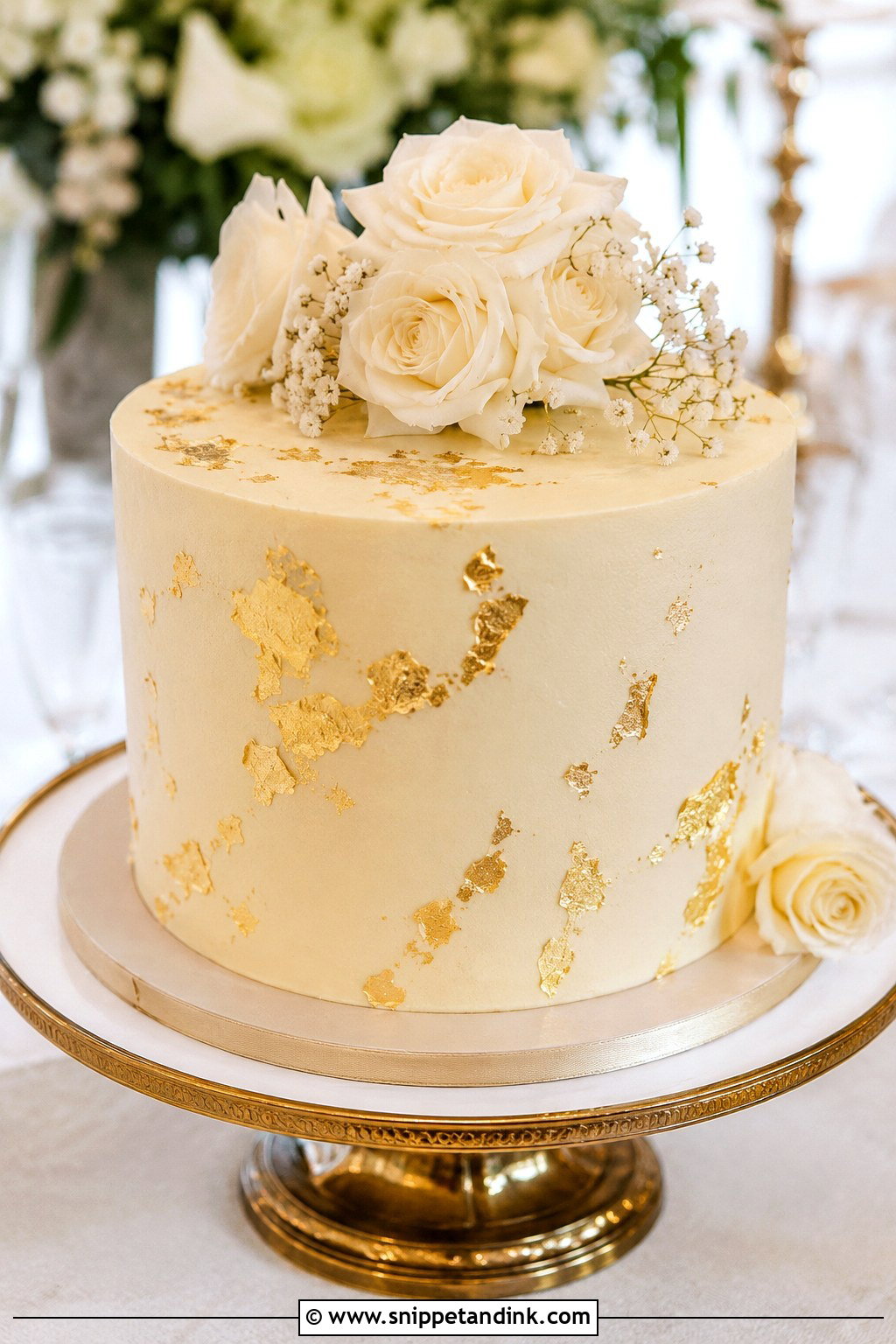
Gold works on a small cake only if you choose one gold feature and stop. A painted band, a patch of leaf or a brushed edge, never all three. I apply leaf with a dry brush right at the end, since moisture dulls it. Ivory, blush and mocha all sit well under gold. It looks warmest near candles on a raised stand. For a richer cake, honey almond or chocolate ganache suit the colouring.
8. One Tier Wedding Cake With Greenery
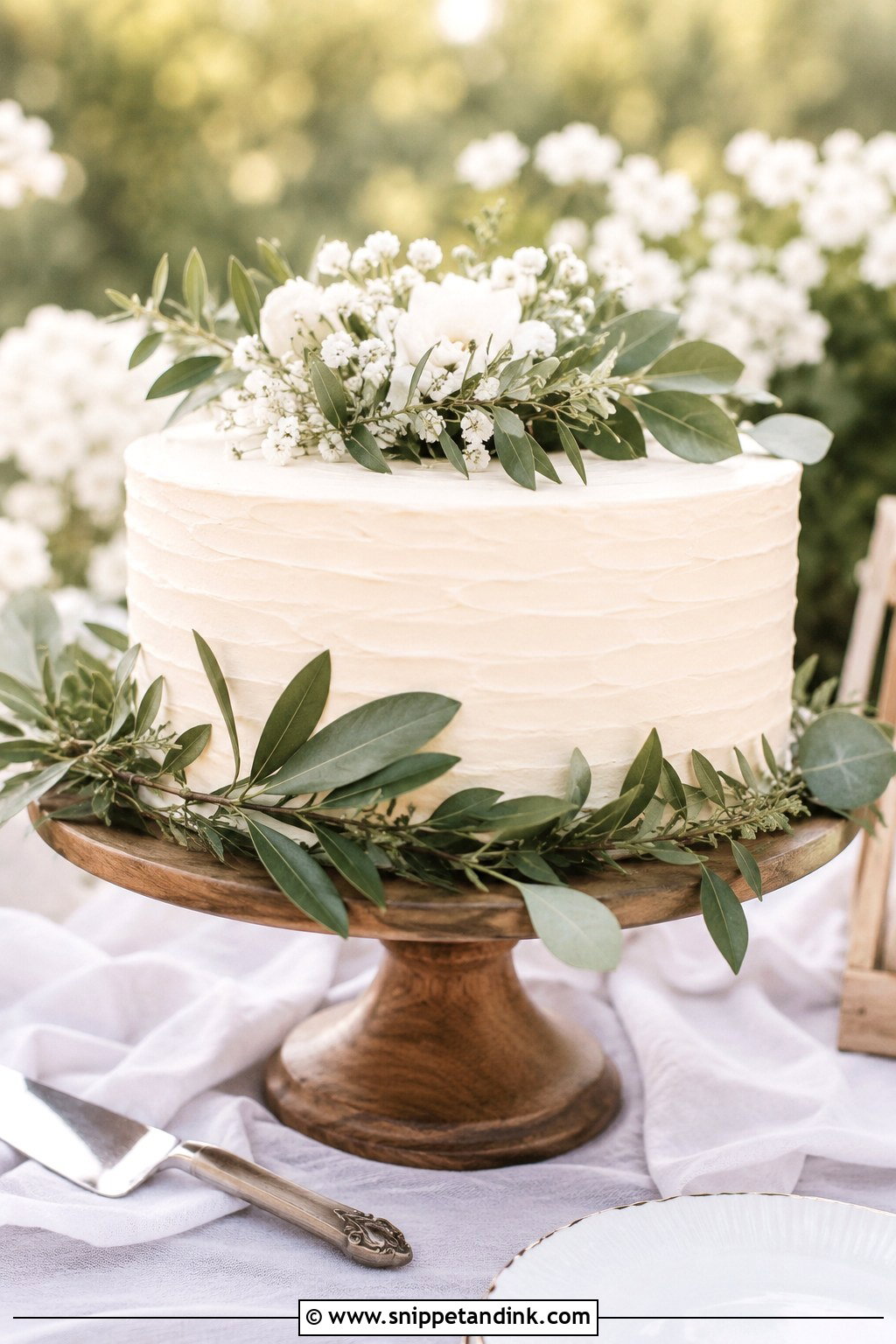
Greenery is easy to love and easy to get wrong, because several popular foliage types are not safe on food. I treat eucalyptus and ferns as decoration only and keep them on a barrier, using rosemary or olive leaves where they touch the frosting directly. A trailing vine down one side looks good on both smooth and textured cakes. Ivory frosting with a sage ribbon keeps the palette calm. Garden and rustic venues suit it best.
9. One Tier Wedding Cake With Sugar Flowers
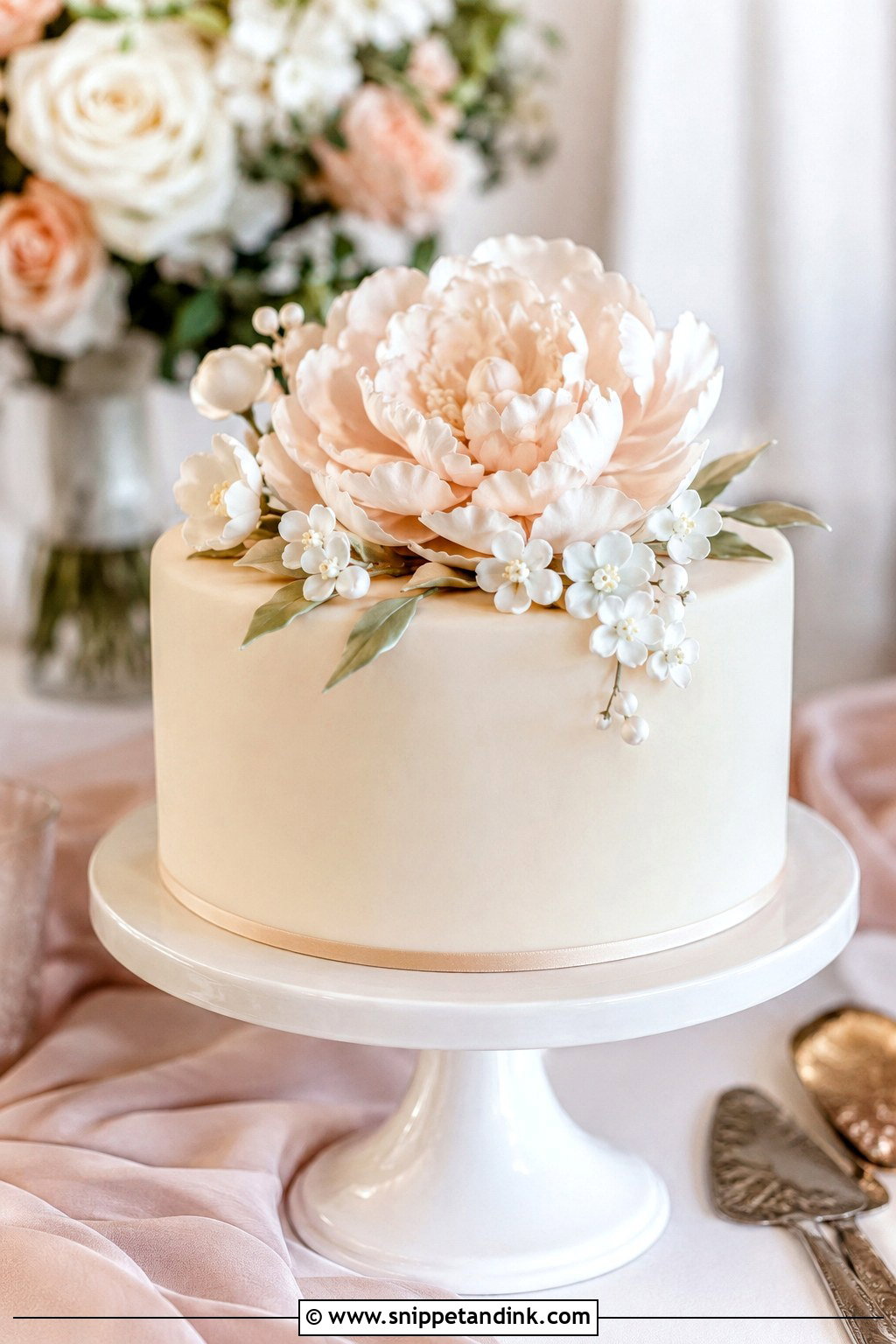
Sugar flowers are the right answer for a hot day or a long display, because they don’t wilt or brown. Each petal is rolled thin from gum paste, wired and dried, then dusted with colour, so a large bloom can take a day or more to make. That’s why they cost more and need ordering well ahead. They’re decorative and usually contain wire, so they should come off before cutting. Many couples keep them afterwards as a keepsake.
10. One Tier Wedding Cake With Ribbon
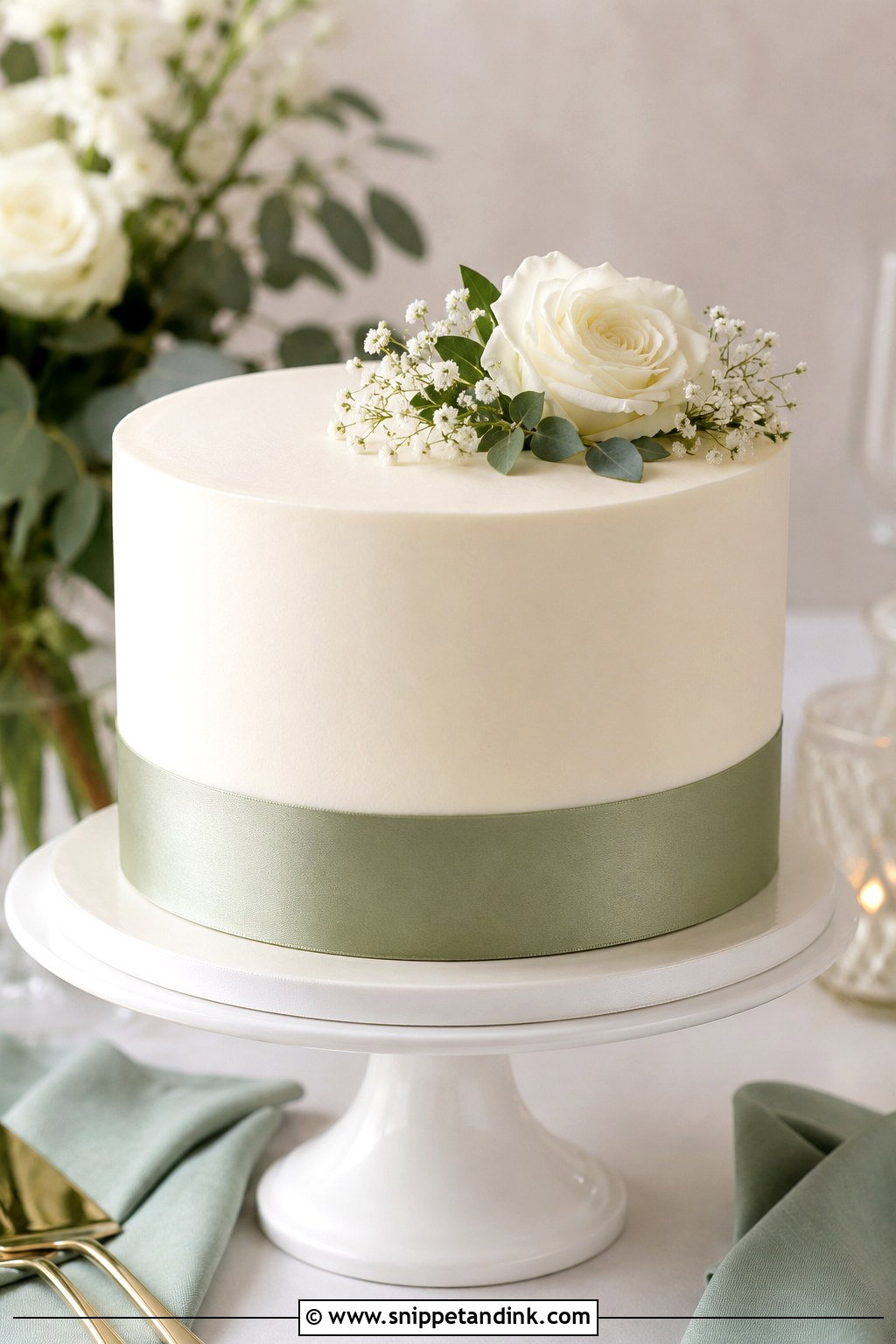
Ribbon is the simplest way to tie the cake to the bridesmaid dresses or invitations. I always put a strip of baking paper or clear tape on the back of a fabric ribbon, because buttercream fat soaks into satin and leaves a dark grease line within an hour. Black ribbon on white looks formal; sage or blue looks softer. A fondant ribbon avoids the grease problem entirely and can be coloured to match.
11. One Tier Wedding Cake With Drip
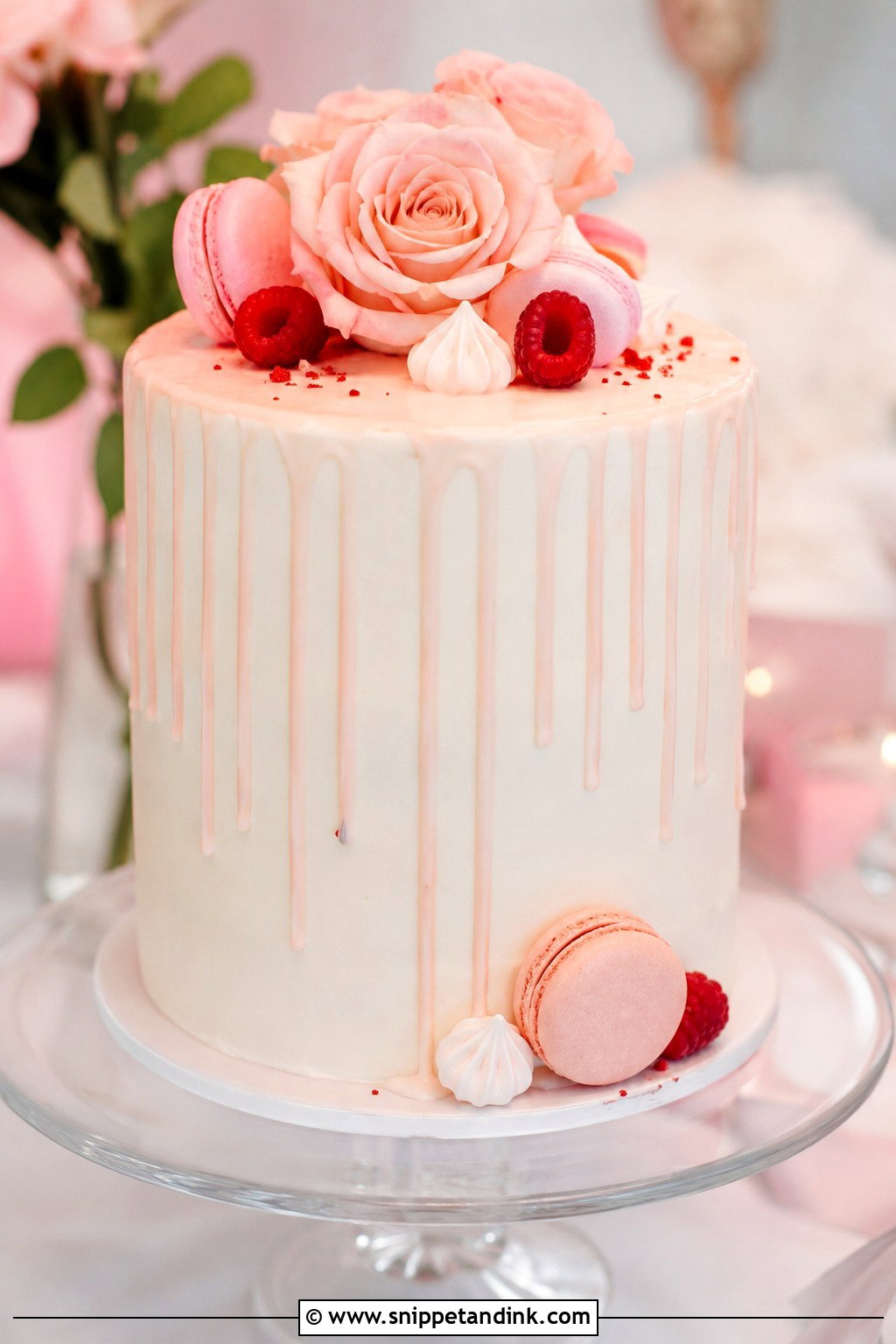
Drip cakes need a cold cake and a just-warm ganache, and the ratio of chocolate to cream is the difference between a neat drip and one that runs onto the board. I test a single drip at the back first. White chocolate takes colour, so blush or champagne drips are possible. A drip finish looks more dramatic on a taller tier, because the drips have room to vary in length.
12. One Tier Wedding Cake With Lace
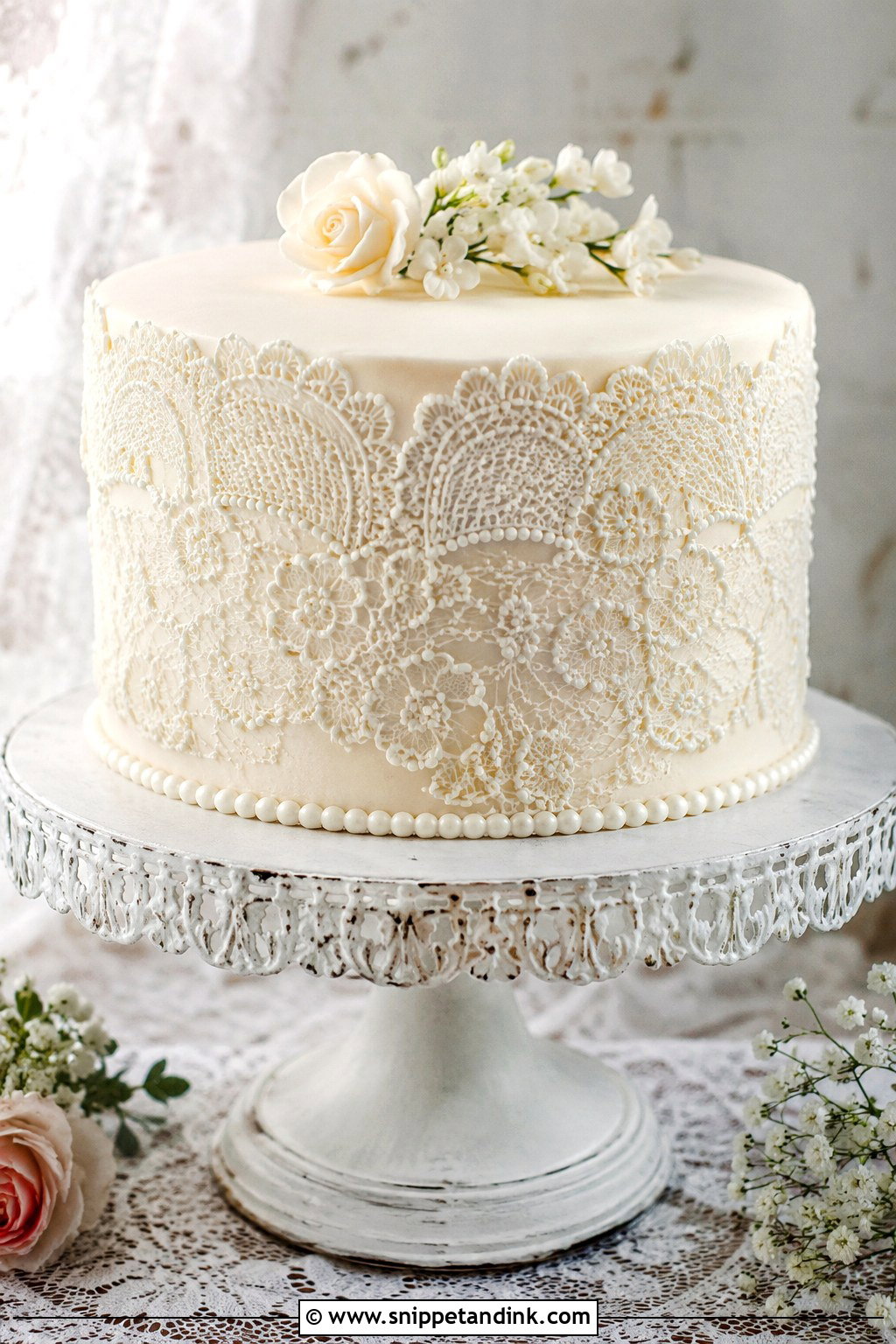
Lace on a cake can be piped royal icing, a fondant appliqué, a stencil or a moulded sugar lace, and each looks different. Piped lace is the most delicate and takes the longest; stencilled lace is crisper and faster. If the bride wants it to echo her gown, I ask for a close photo of the actual lace so the motif matches. Ivory on ivory is subtle; a single lace panel works when full coverage is too much. Coconut and vanilla almond suit the softness.
13. One Tier Wedding Cake With Minimalist Topper
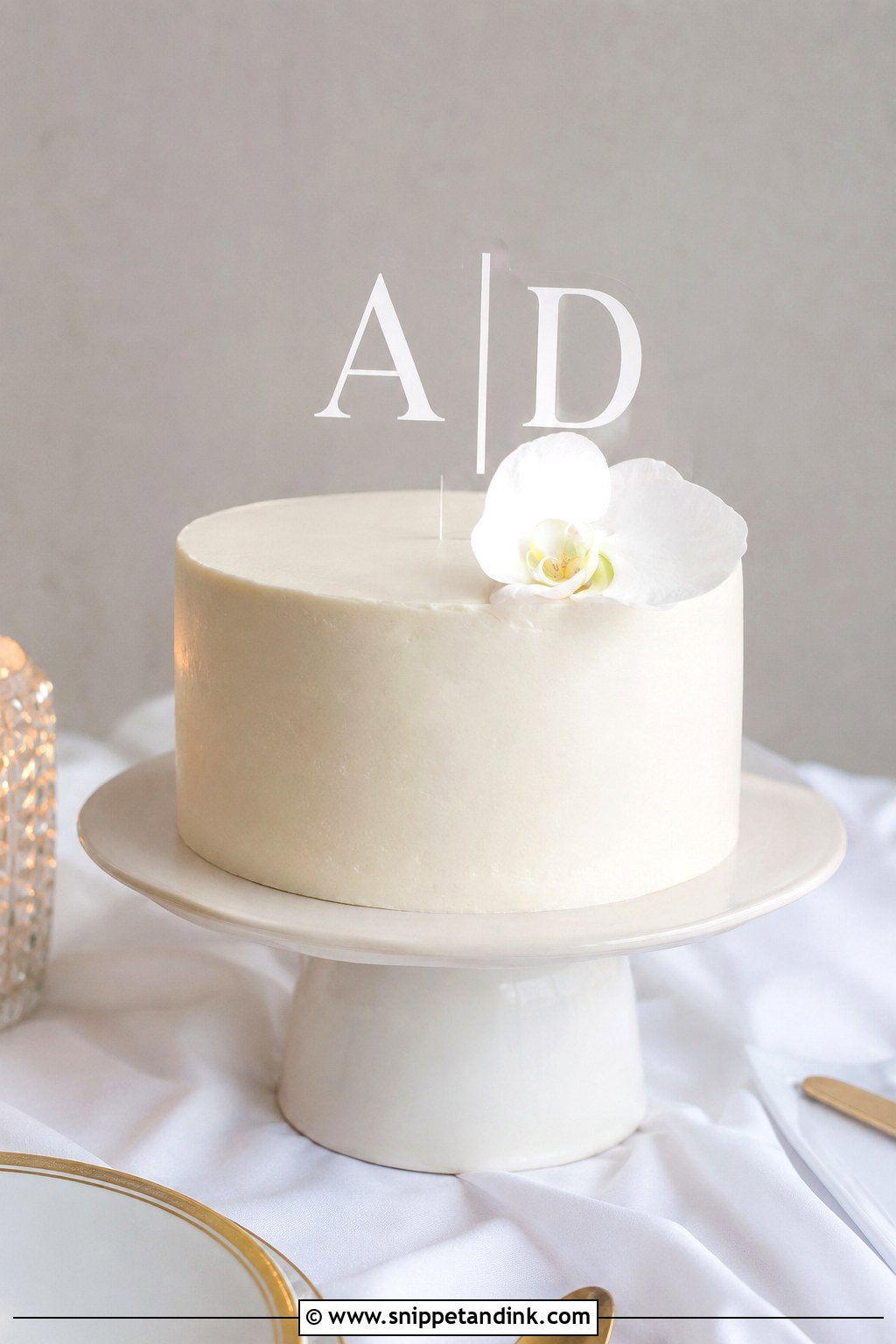
A minimalist topper is where I see the most mismatched proportions. A topper that suits a five-tier cake swamps a single six-inch tier. I’d measure the top of your cake before buying and keep the topper no wider than about half of it. A single initial or a small acrylic name works on a clean finish. Fine lettering and neutral colours photograph best.
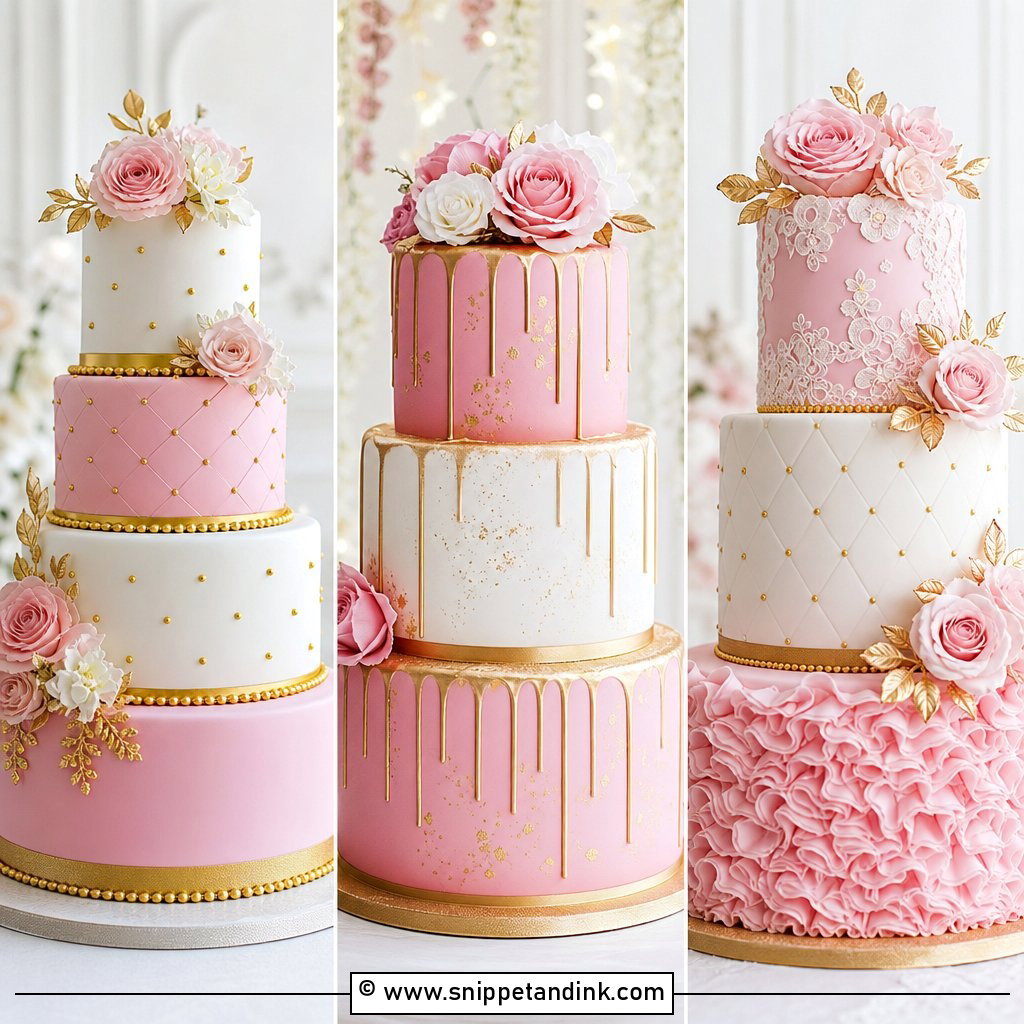
14. One Tier Wedding Cake With Blush Color
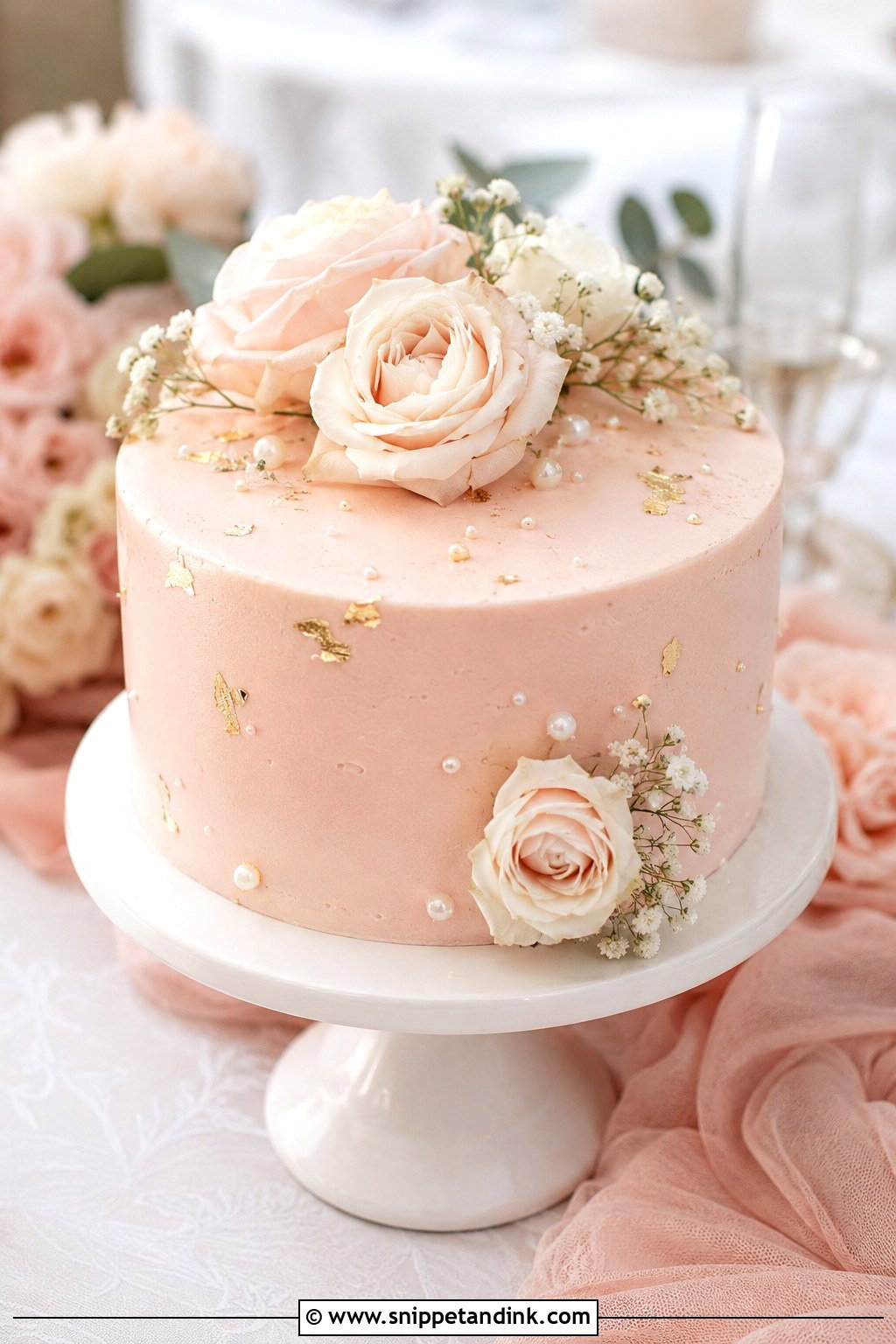
Blush is forgiving to work with because it hides tiny marks better than pure white. You can do a full pale pink coat, a soft ombré from top to base, or blush accents on ivory. It sits well with roses, pearls and gold. Pink food colouring can fade in strong light, so I’d keep a blush cake out of direct sun. Strawberry, raspberry and rosewater flavours suit it.

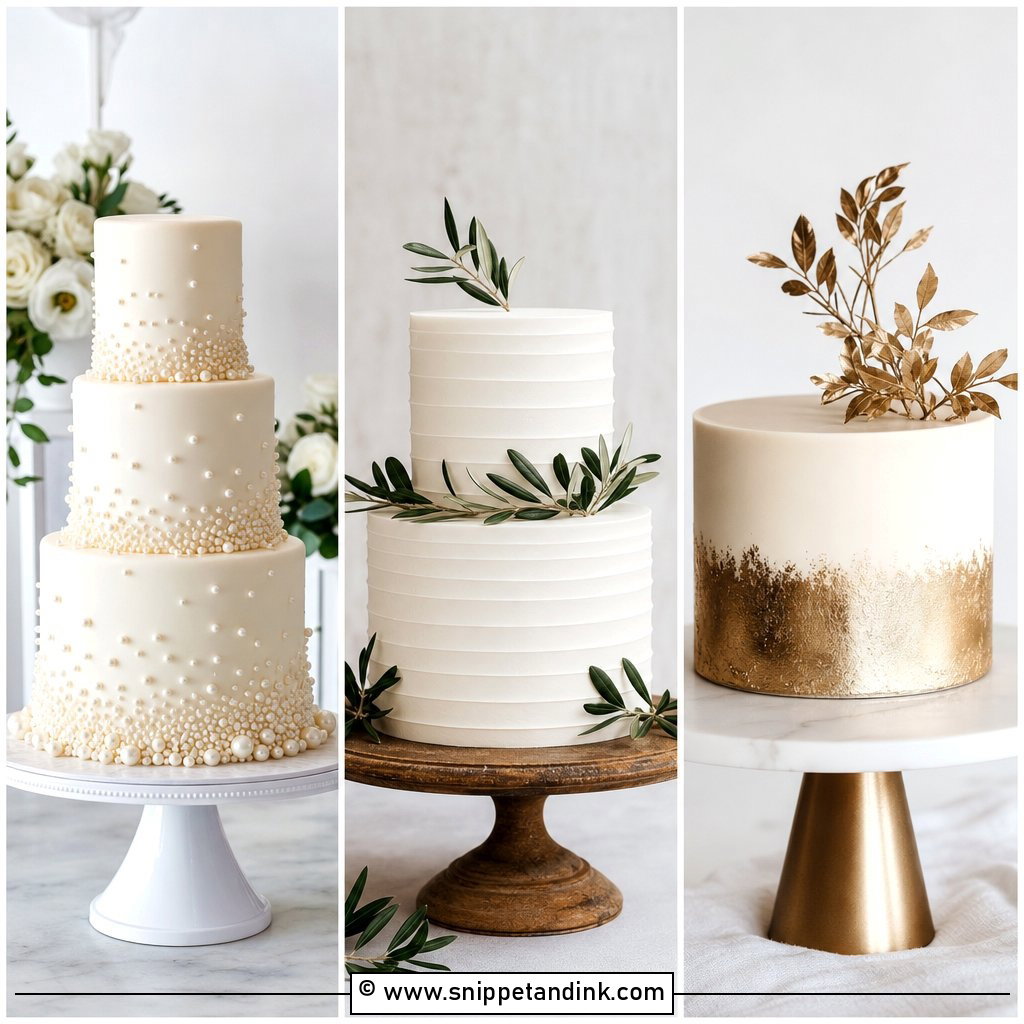
15. One Tier Wedding Cake With Black And White
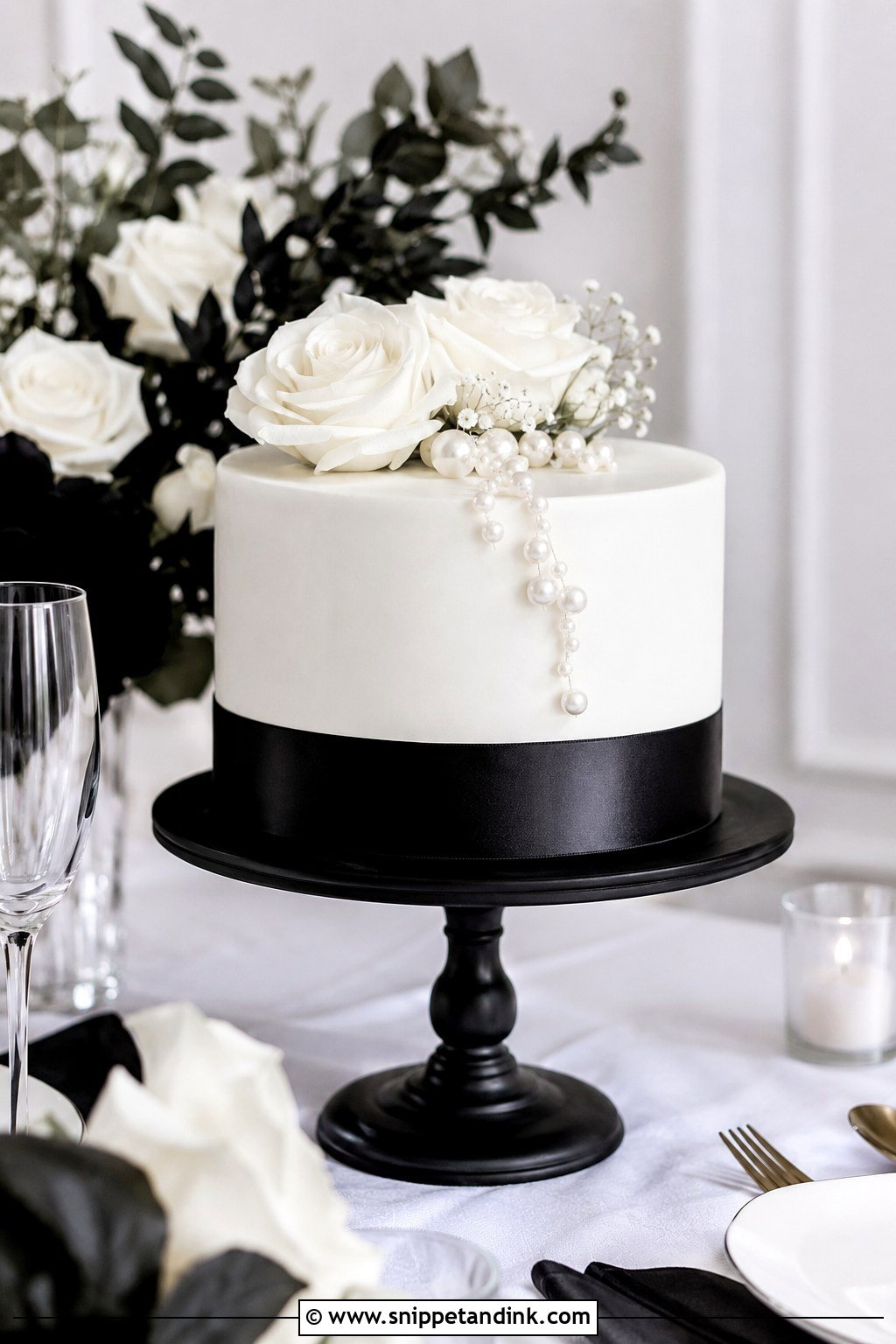
Black and white cakes are high contrast, which means they show every crooked line. A white base with black ribbon or black piping is the safer version; a fully black cake takes a lot of colouring, and that much black food colouring can stain mouths and taste bitter, so I use black cocoa where I can. Ivory flowers on black look dramatic. Vanilla, chocolate or cookies-and-cream flavors fit well.
16. One Tier Wedding Cake With Pastel Color
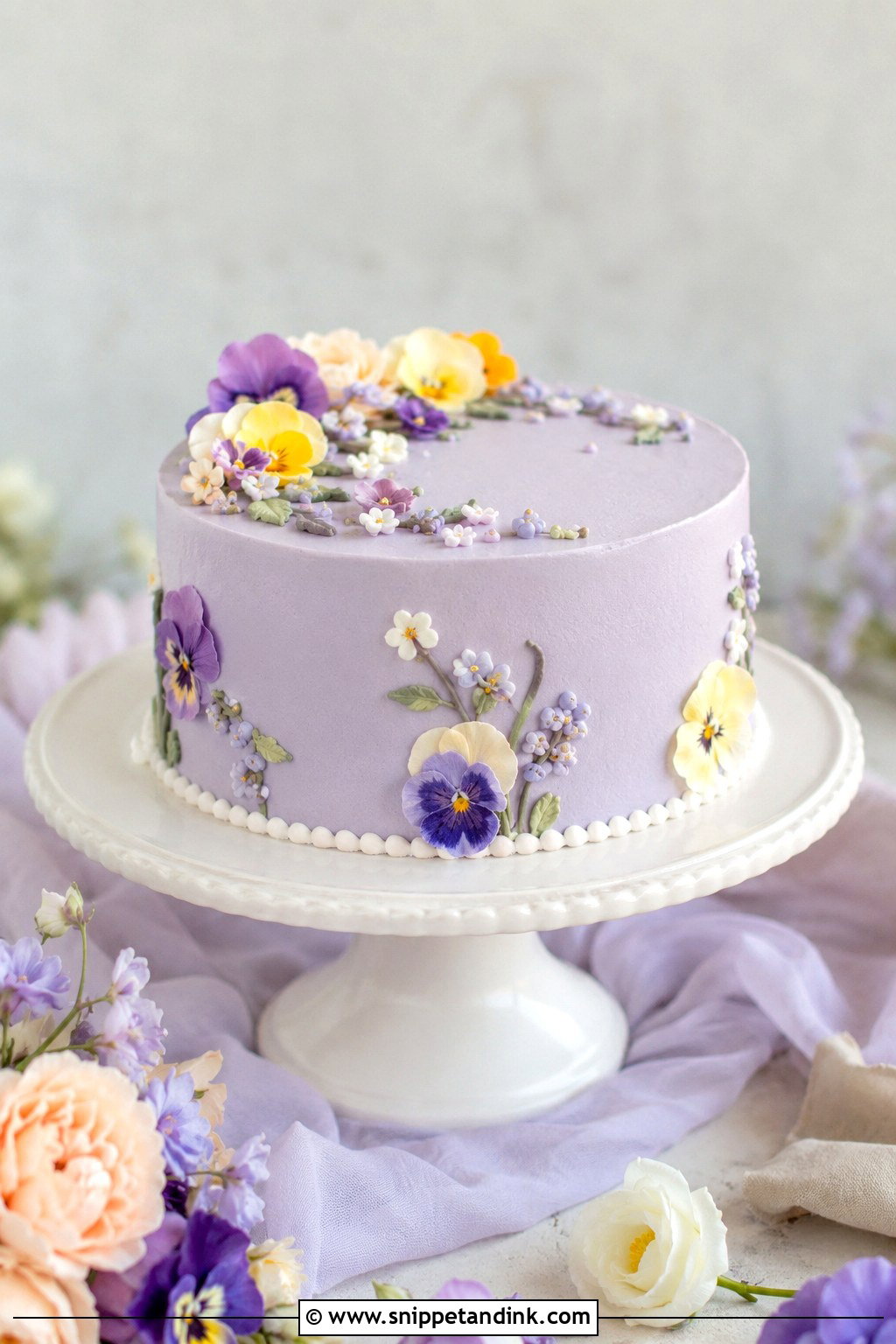
Pastel cakes bring colour without being loud. Soft blue, lavender, mint, peach and butter yellow all work for spring and daytime weddings. I’d keep the shade very pale, since buttercream colours deepen as they sit. Matching flavour to colour is a nice detail, like lemon in a yellow cake, pistachio in green, or lavender vanilla in a lilac one.
17. One Tier Wedding Cake With Square Shape
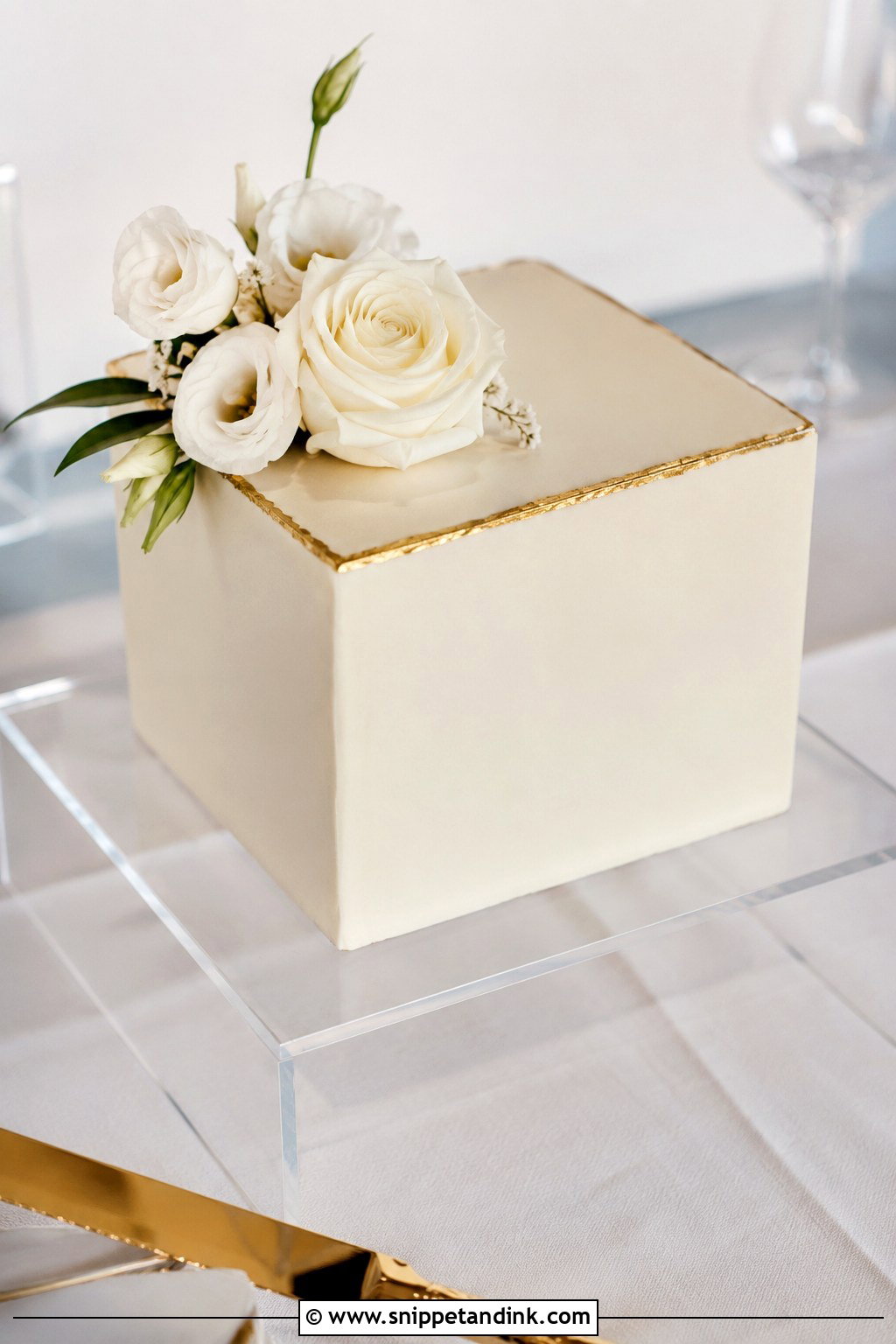
A square one-tier wedding cake is all about the corners. Crisp ones look architectural; soft ones look like a mistake. Many bakers use fondant or a firm ganache under the buttercream to get them sharp. Square cakes also portion neatly into even pieces. A floral cluster falling across one corner softens the geometry, and a clear acrylic stand keeps the lines clean.
18. One Tier Wedding Cake With Heart Shape
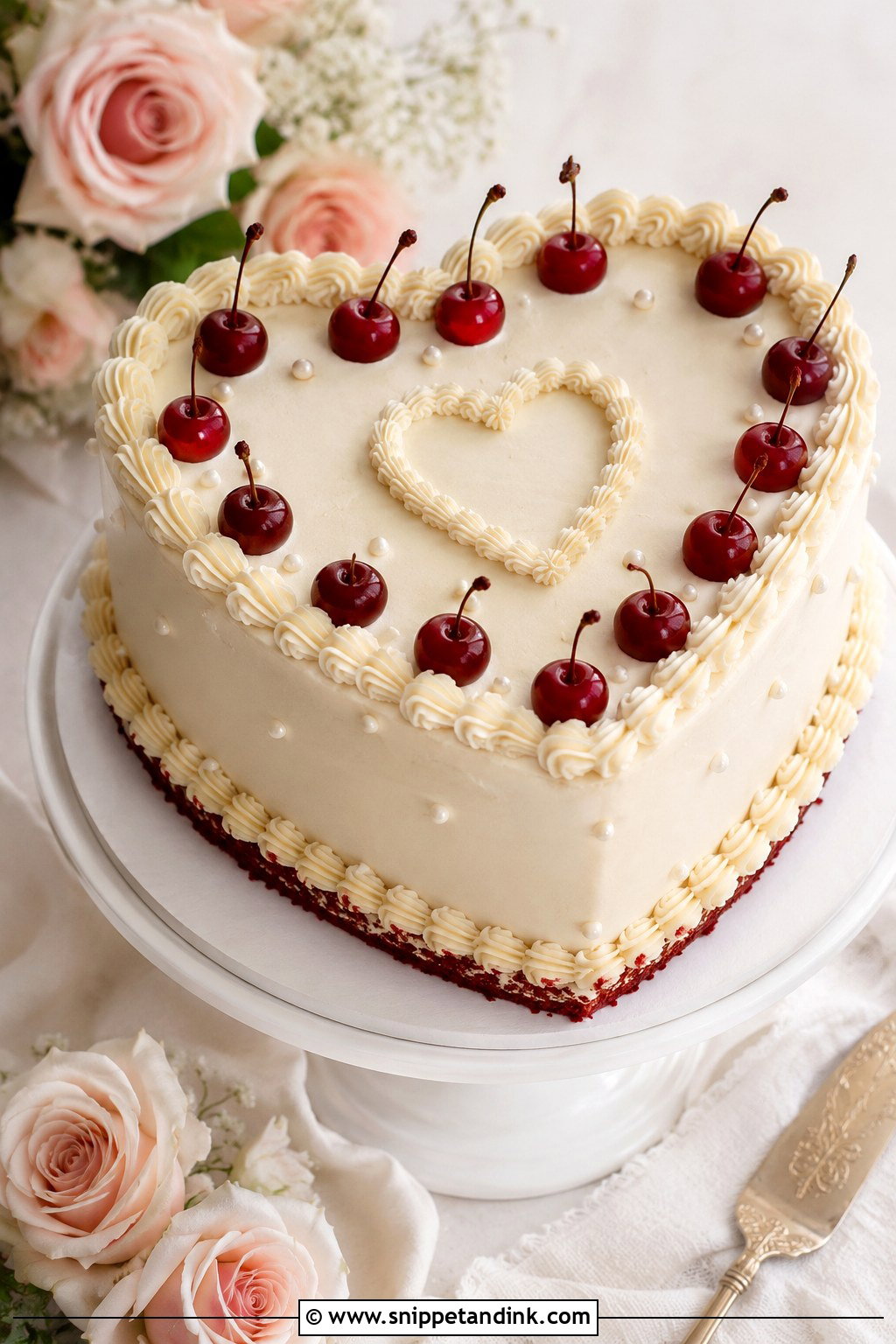
Heart cakes have become popular again, and they’re best viewed from above, which is exactly how most cutting photos are taken. Keep the decoration balanced so the shape still reads. Piped ruffles and cherries make it vintage; plain white makes it classic. The point and the cleft at the top are the hardest parts to frost neatly, so look at your baker’s past shaped cakes. Elopements and small receptions suit it well.
19. One Tier Wedding Cake With Tall Round Shape
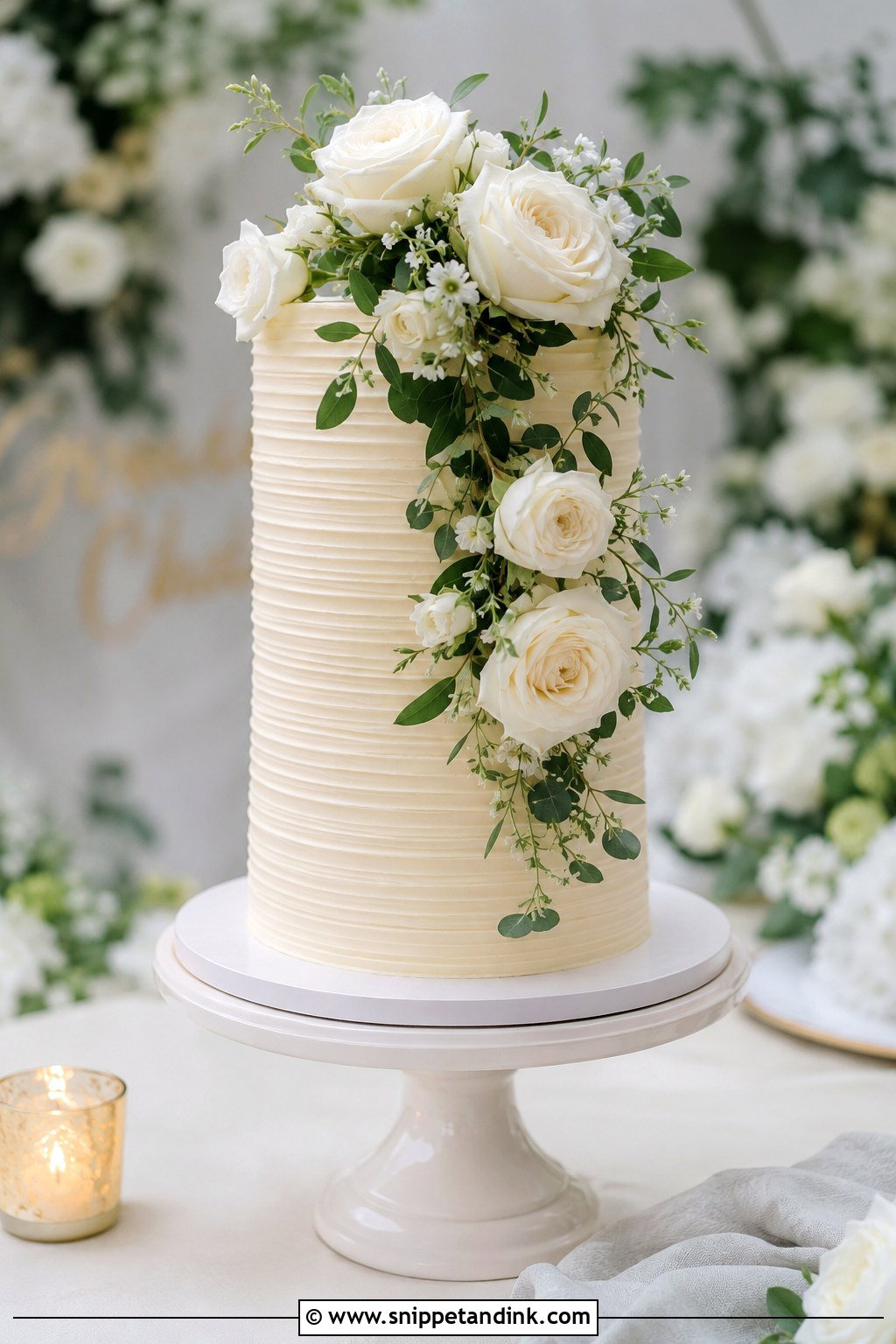
A tall round tier is the design I suggest most when a couple wants one tier but worries it’ll look small. It’s usually four or more layers of sponge, and above a certain height it needs an internal board and supports partway up, or the bottom compresses. Ask your baker how they support it. The extra height gives space for ribbed texture or a cascade of flowers, and it makes a striking slice.


20. One Tier Wedding Cake With Sculptural Shape
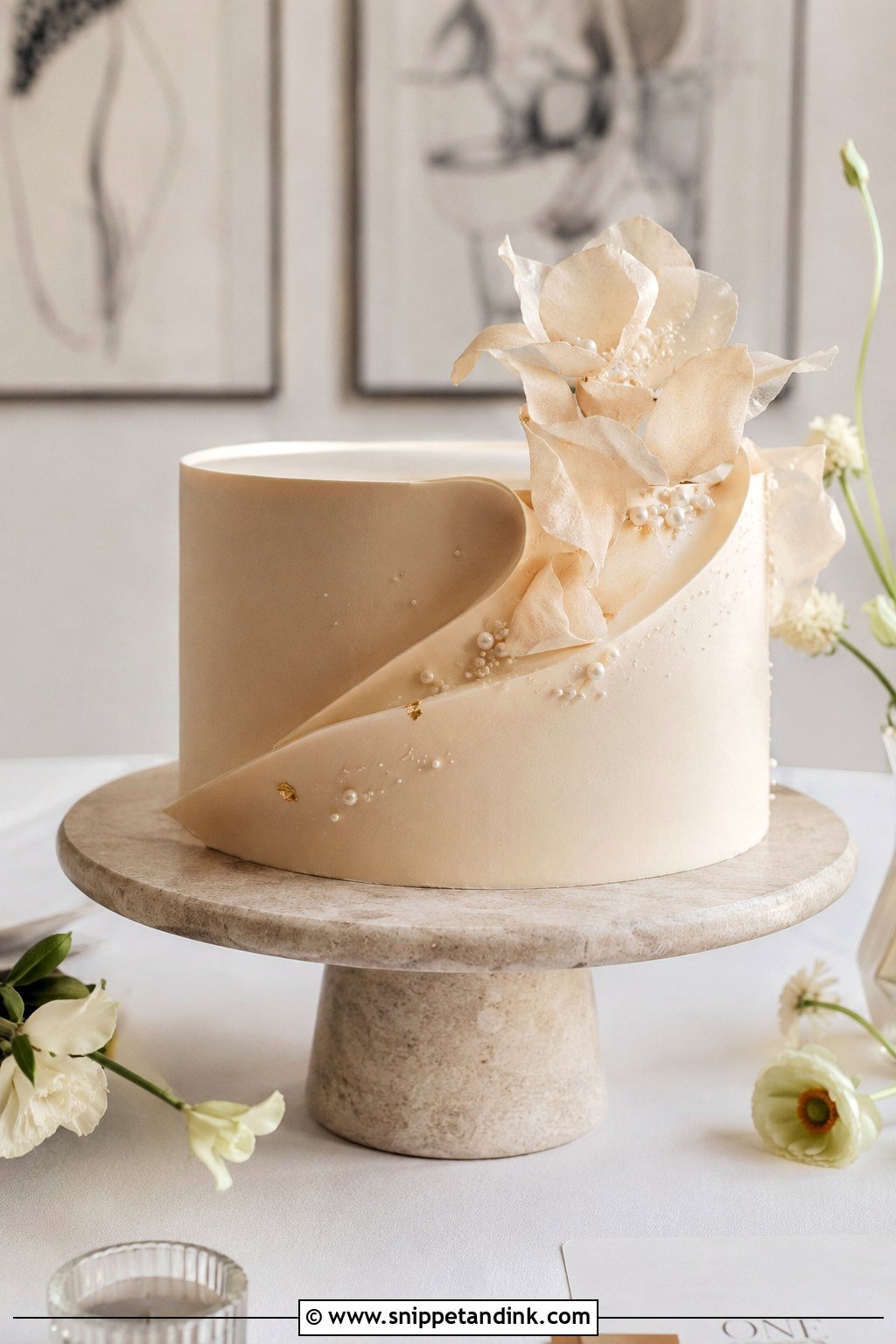
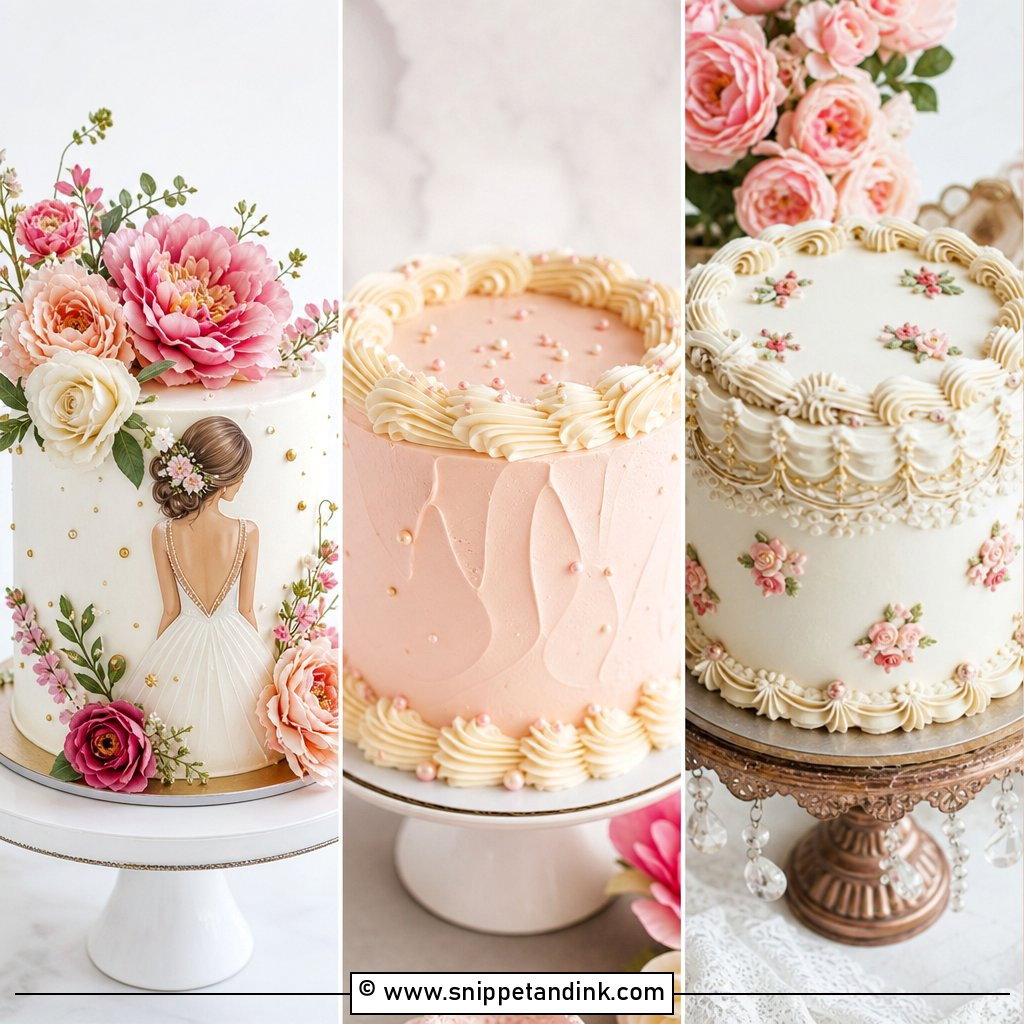
Sculptural cakes rely on shape rather than size: curved edges, an offset top, wavy buttercream or a carved dome. They take more skill and often more time, since the cake may be carved and chilled several times. Keep the palette controlled so the form stays the focus; ivory, sage and soft metallics work. It suits gallery venues and modern weddings. A plain stand is essential, because a decorative one fights the shape.
The Cutting, the First Anniversary and What’s Left Over
With a tiered cake, couples traditionally save the top tier. With only one tier, that tradition needs a plan. Some couples order a tiny four-inch cake in the same flavour just for the freezer; others save a few slices.
If you freeze cake, chill it first so the frosting firms, then wrap it tightly in several layers of cling film and a freezer bag. Remove sugar flowers and fresh fruit first. Buttercream and ganache cakes freeze far better than whipped cream or fruit-topped ones. Most bakers will tell you it’s at its best within a few months, so a year in the freezer is more about tradition than taste.
Cutting a single tier for the photo
- Cut from the back or side so the decorated front stays whole for the photos.
- Ask the venue to have a long, sharp knife and a jug of hot water ready; a warm, wiped blade cuts clean slices.
- Remove any wired sugar flowers or picks before the caterer starts portioning.
Where a Small Cake Earns Its Place on the Table
A single tier can be quiet or loud, and the choice depends more on your venue, season and guest count than on trends. Quiet looks come from smooth buttercream, greenery, pearls or a ribbon band. A heart shape, vintage piping, black and white contrast or a sculptural form gives a stronger result. Think about how it will look from above in the cutting photo and how long it needs to sit out. Then trust your baker to tell you what that design can and cannot survive.
You'll Like These Ideas:


Leave a Reply