
Two small tiers are the order I take most often for micro weddings, courthouse lunches and backyard receptions. You still get a proper cake-cutting photo, there’s room for real detail, and nobody is left with half a tower in the fridge on Monday. A cake this size also shows every finishing choice up close, so texture, piping and flower placement matter more than they would on a five-tier. Smooth buttercream, pressed flowers, pearls, vintage piping, fruit, gold leaf and sculptural tiers all work at this scale. You can also give each tier a different flavor. The twenty designs below come with my notes on how each one behaves in a real kitchen and at a real venue.
How Many Slices Two Small Tiers Will Actually Give You
Before we talk about design, I want your guest count, because it decides the tier sizes. Wedding portions are cut narrower than party slices, usually a finger of cake about an inch wide and two inches deep, so a small cake feeds more people than you might think. As a rough guide for tiers around four inches tall:
- 4 inch on 6 inch: roughly 15 to 20 wedding portions, good for an elopement dinner.
- 6 inch on 8 inch: roughly 30 to 40, the most common size I make for micro weddings.
- 8 inch on 10 inch: roughly 55 to 65, enough for a small reception.
- Taller double-barrel tiers add portions without widening the footprint.
These numbers vary with how your caterer cuts, so confirm their slice size. If the count is higher than the cake, I’d rather add a plain kitchen cake of the same flavor, cut out of sight, than make the display cake bigger than the design wants to be.
1. Small Two Tier White Wedding Cake
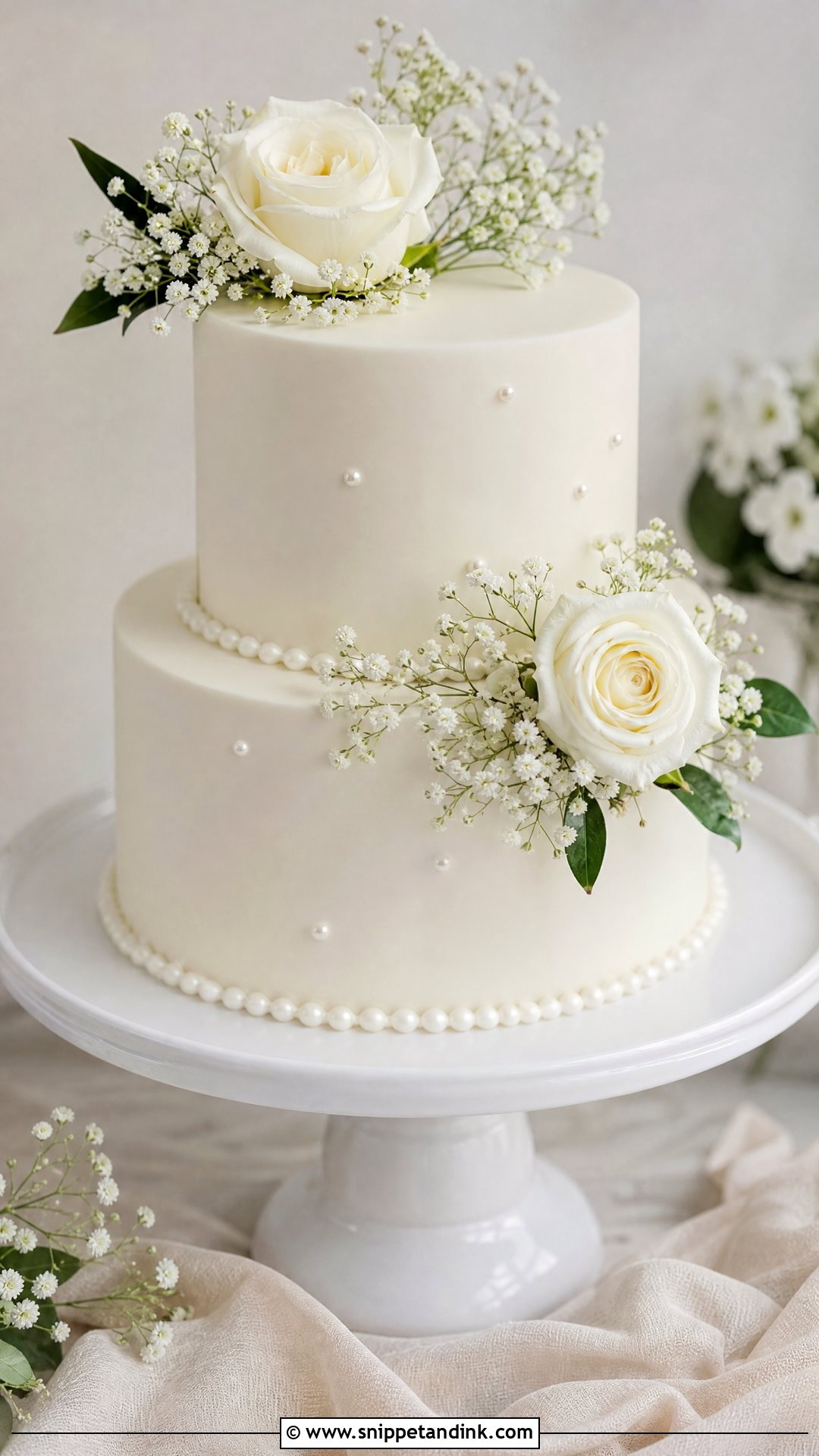
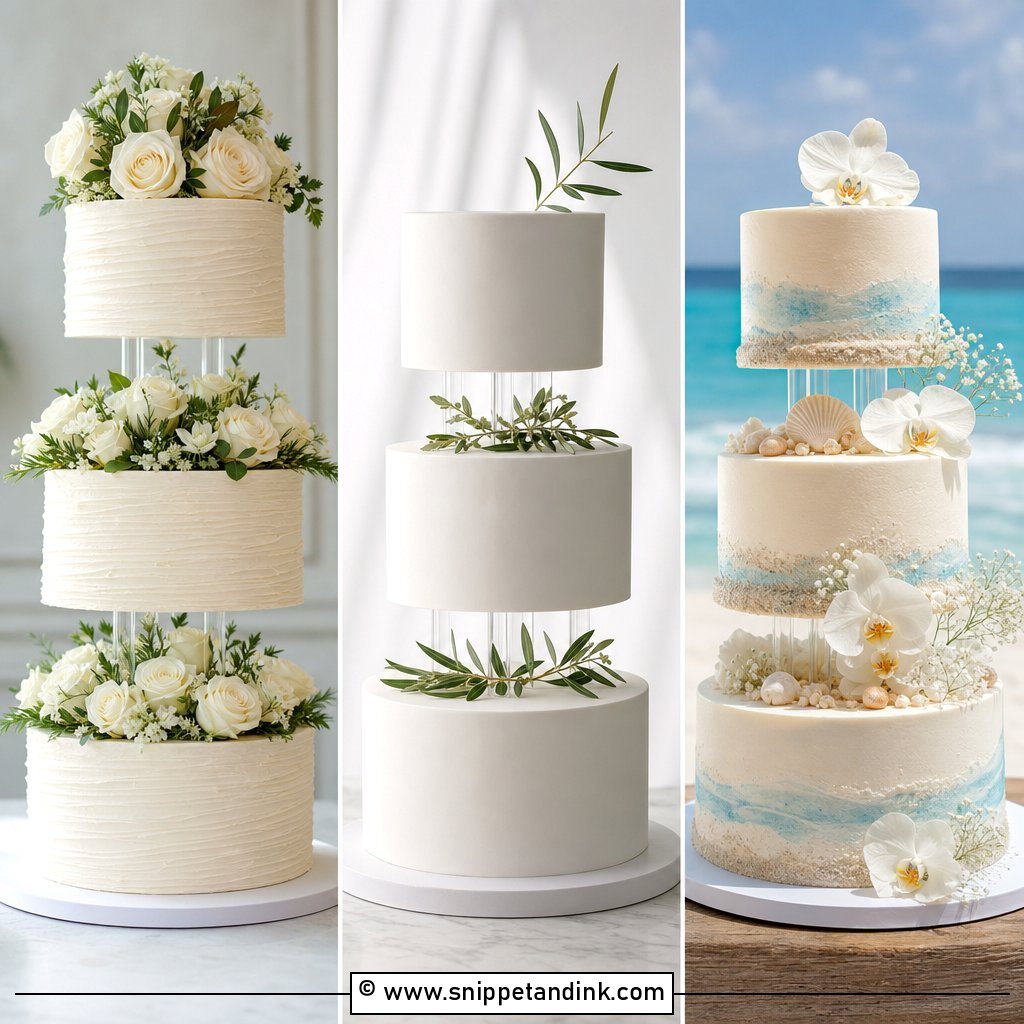
All-white is the design I’d call foolproof: it suits a garden, a restaurant or a registry office without fighting the room. The real decision is the finish. Smooth buttercream reads softer and tastes better to most guests; fondant gives a razor edge but many people peel it off. A few white roses, baby’s breath or a sprig of greenery finishes it. Plain white also lets the topper and the shape of the tiers carry the photo.
2. Small Two Tier Buttercream Wedding Cake
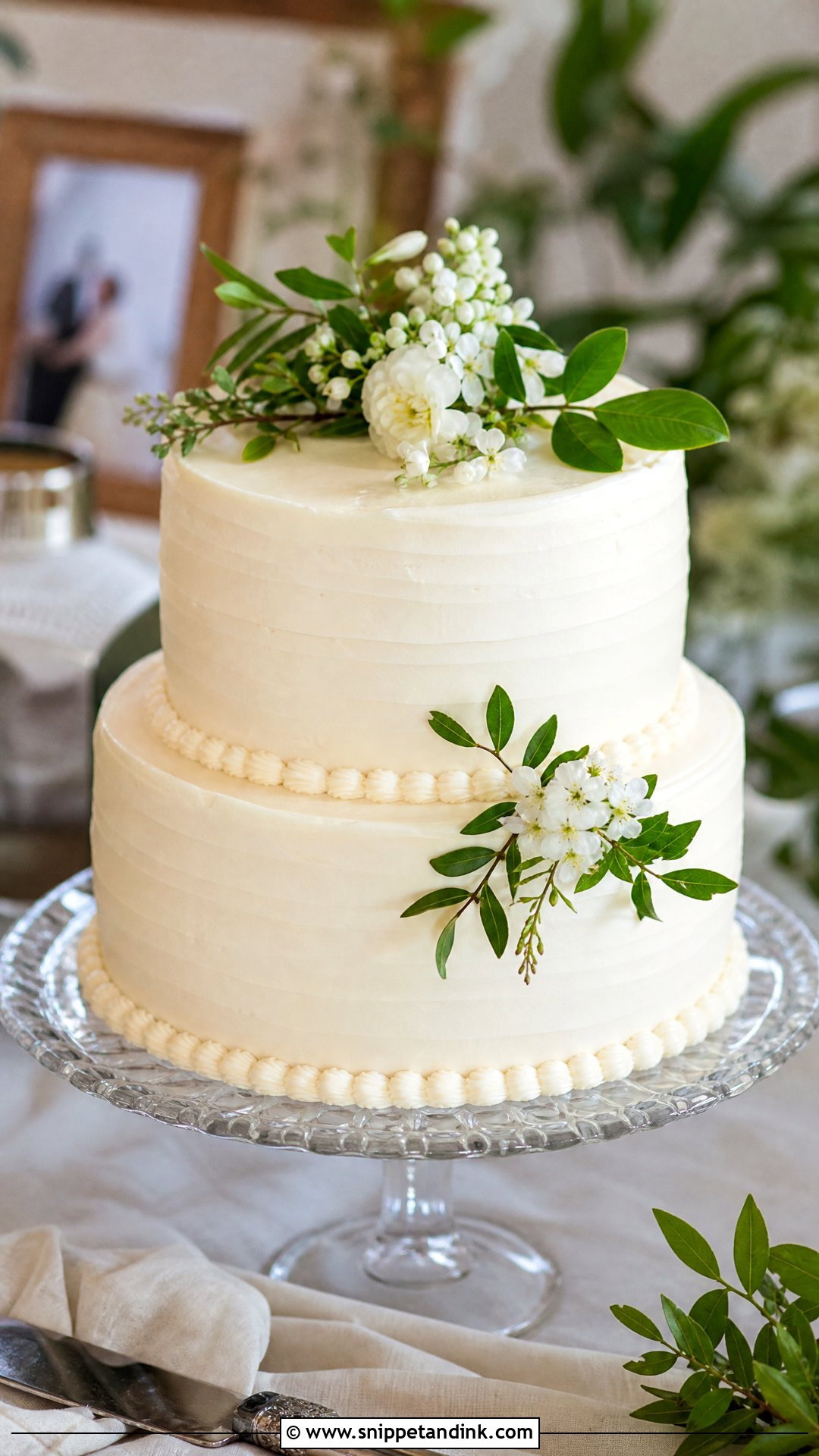
Buttercream gives the cake a handmade look that still feels finished. I can scrape it dead smooth, rough it up with a palette knife, or comb it into fine horizontal lines on the turntable. What brides don’t always expect is how it reacts to heat: American buttercream crusts and stays stable for a few hours, while Swiss meringue tastes lighter but softens fast in a warm marquee. Vanilla, almond, lemon and strawberry are easy flavors for a mixed crowd. On small tiers, a simple piped base border is usually all the decoration it needs.
3. Small Two Tier Wedding Cake With Fresh Flowers
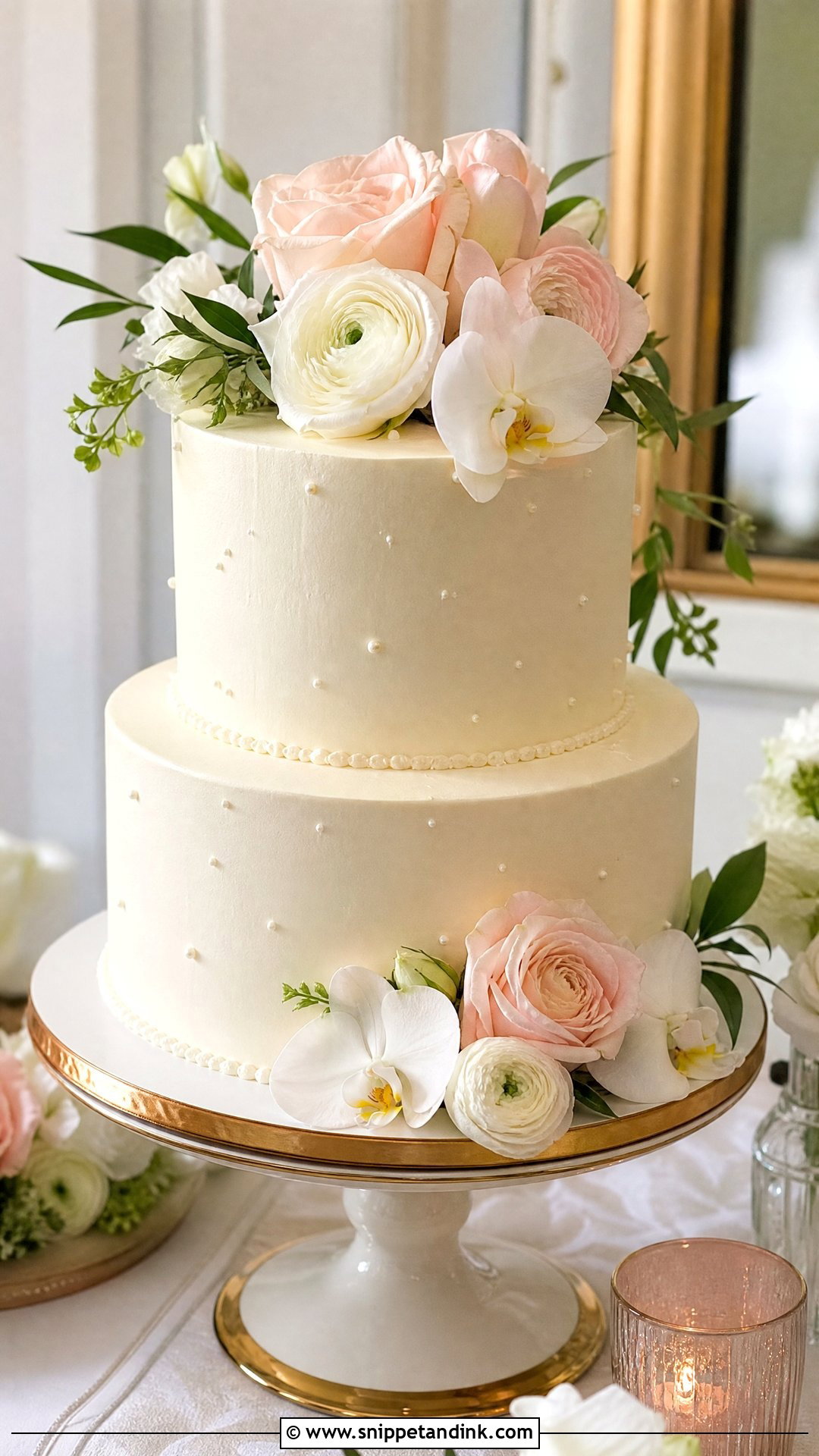
Fresh flowers tie the cake to the rest of the day, so I match them to the bouquet or the centerpieces. Roses, ranunculus, orchids, peonies and small garden flowers all suit petite tiers. One cluster on top and a smaller one at the base keeps the balance; more than that and the cake disappears. Anything that isn’t edible gets its stem wrapped in floral tape and pushed into a straw or a food-safe pick, never straight into the sponge. I also avoid known toxic stems like lily of the valley and hydrangea, whatever the photos look like.
4. Small Two Tier Wedding Cake With Greenery
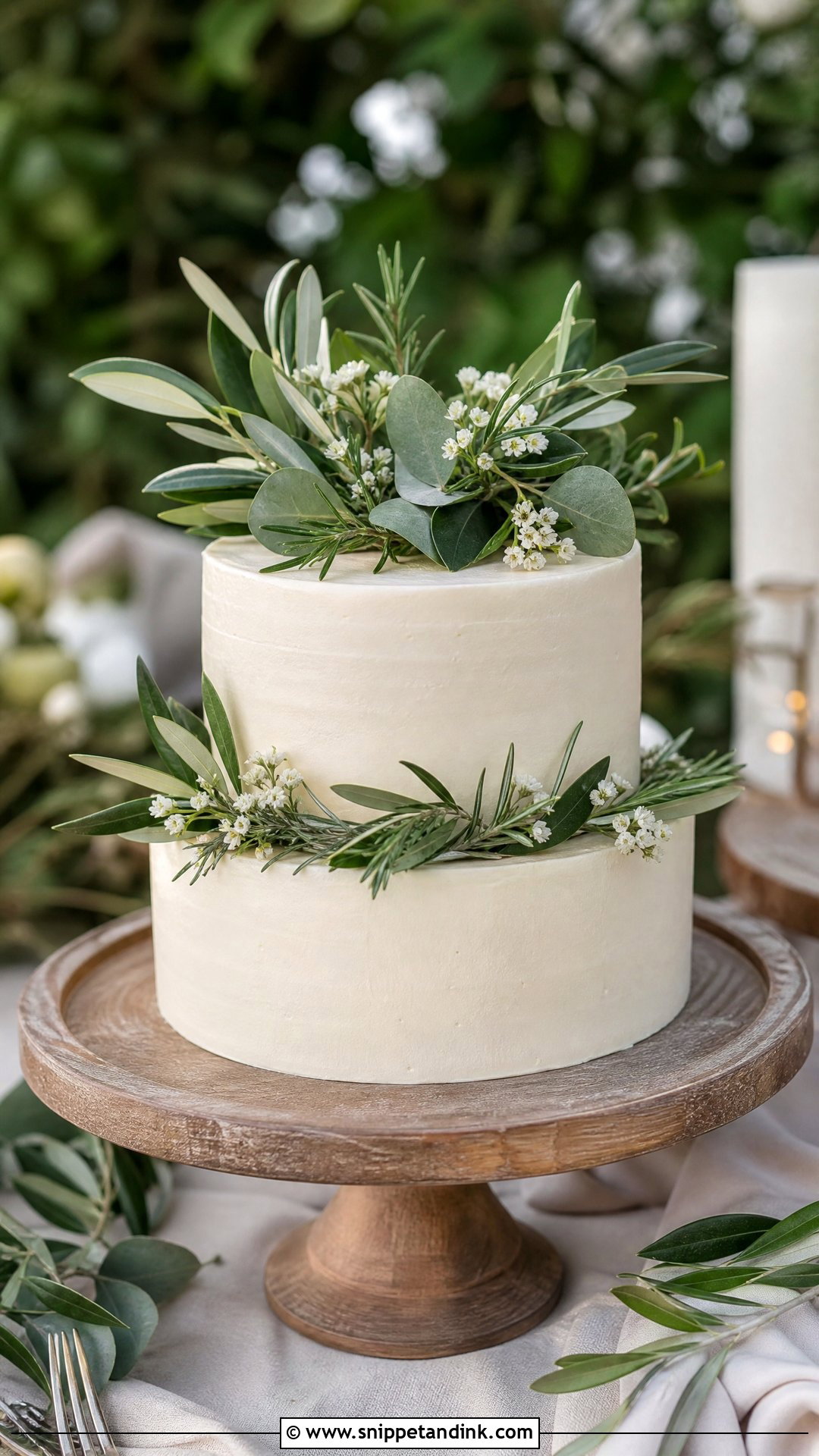
Greenery dresses a cake simply and suits outdoor, barn and neutral palettes. Olive, eucalyptus, rosemary, ruscus and soft fern all frame the tiers without clutter. I’m careful with eucalyptus in particular; it’s not something you want touching icing that will be eaten, so it sits on a barrier or a small acrylic disc. White buttercream with green looks clean; ivory warms it up. A slim ribbon or a wooden topper is enough extra. The leaves also make two small tiers look fuller from across the room.
5. Small Two Tier Vintage Wedding Cake
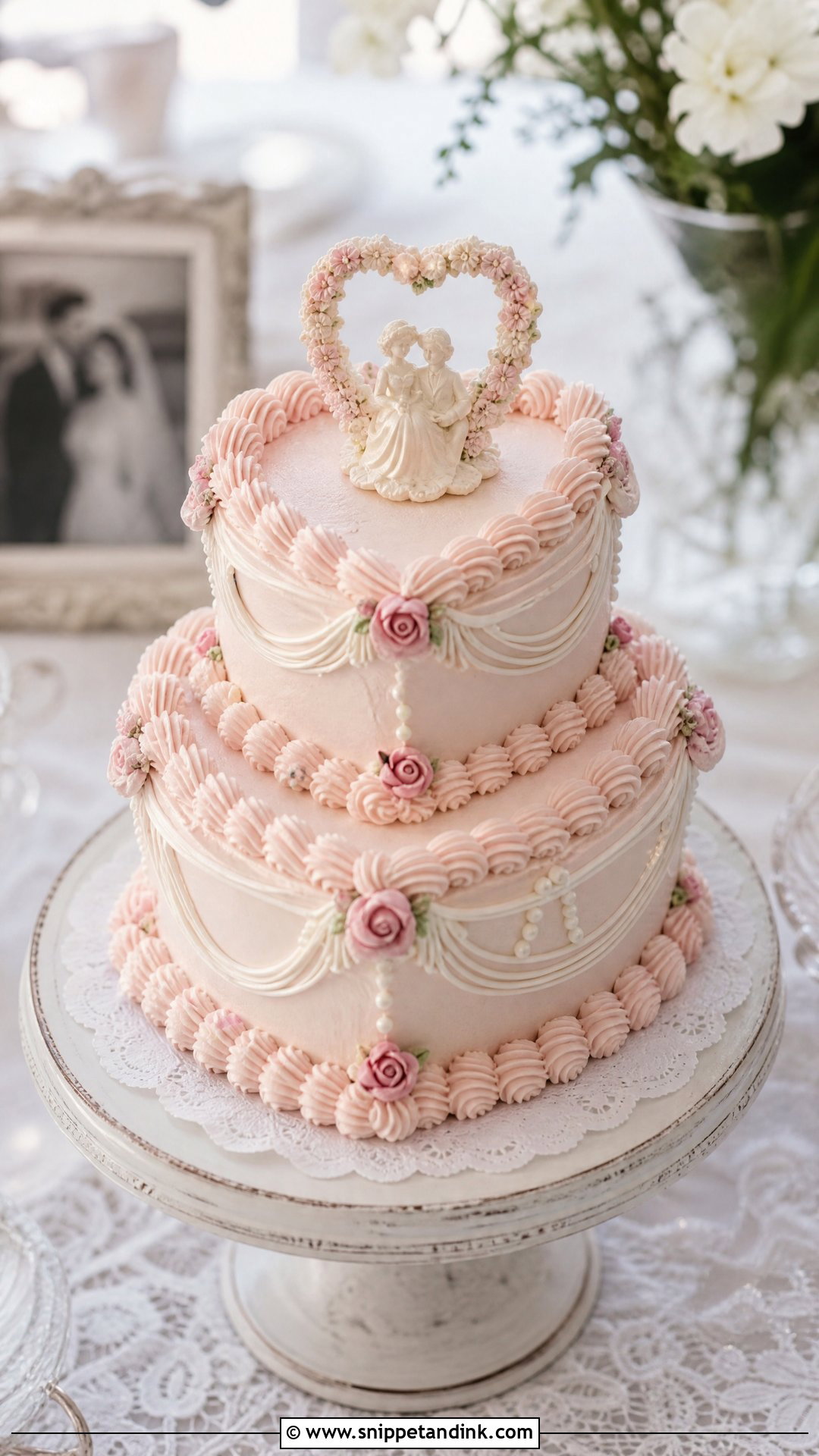
Vintage piping is the style where small tiers can actually beat big ones, because the detail is easier to see. Think piped borders, shell trim, lace swags, pearl dots and soft ruffles, in white or pastel pink, pale blue, ivory or champagne. On a six-inch top tier I scale the nozzles down; a border piped with a cake-sized tip looks clumsy on a petite cake. Cherries, mini roses and tiny bows finish it. This is a buttercream job, so plan for a cool room.
6. Small Two Tier Floral Wedding Cake
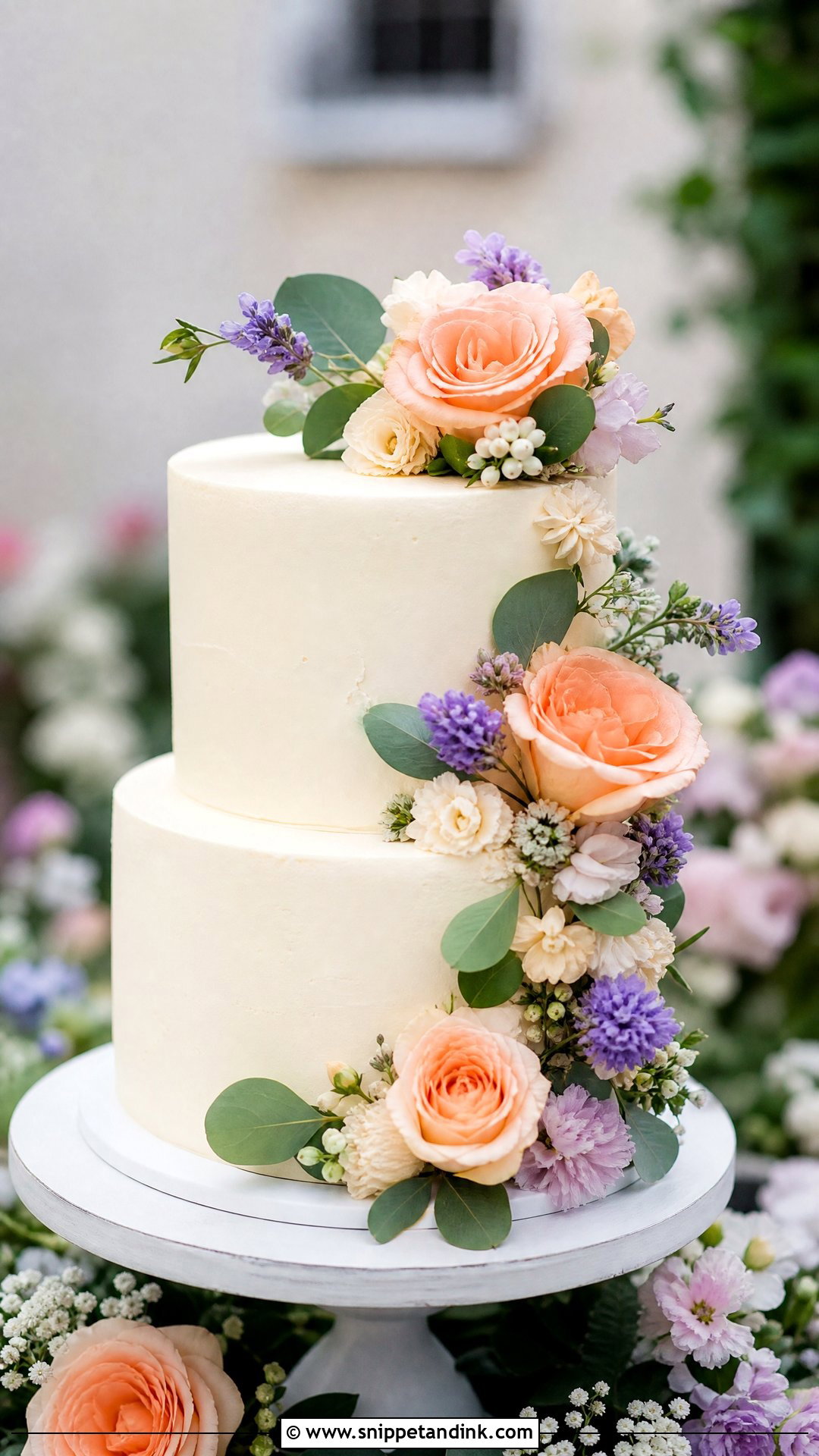
Florals can be buttercream piped, pressed edible petals, hand-painted or fresh, and each choice changes the budget and the timing. Painted and piped flowers are made in my kitchen and don’t wilt; fresh flowers depend on your florist arriving before the cake is set out. Blush, lavender, peach, cream and sage palettes all tie in well. For a more modern look, run a single spray down one side; it draws the eye up and makes a short cake feel taller. Deeper blooms carry the idea into autumn.
7. Small Two Tier Rustic Wedding Cake
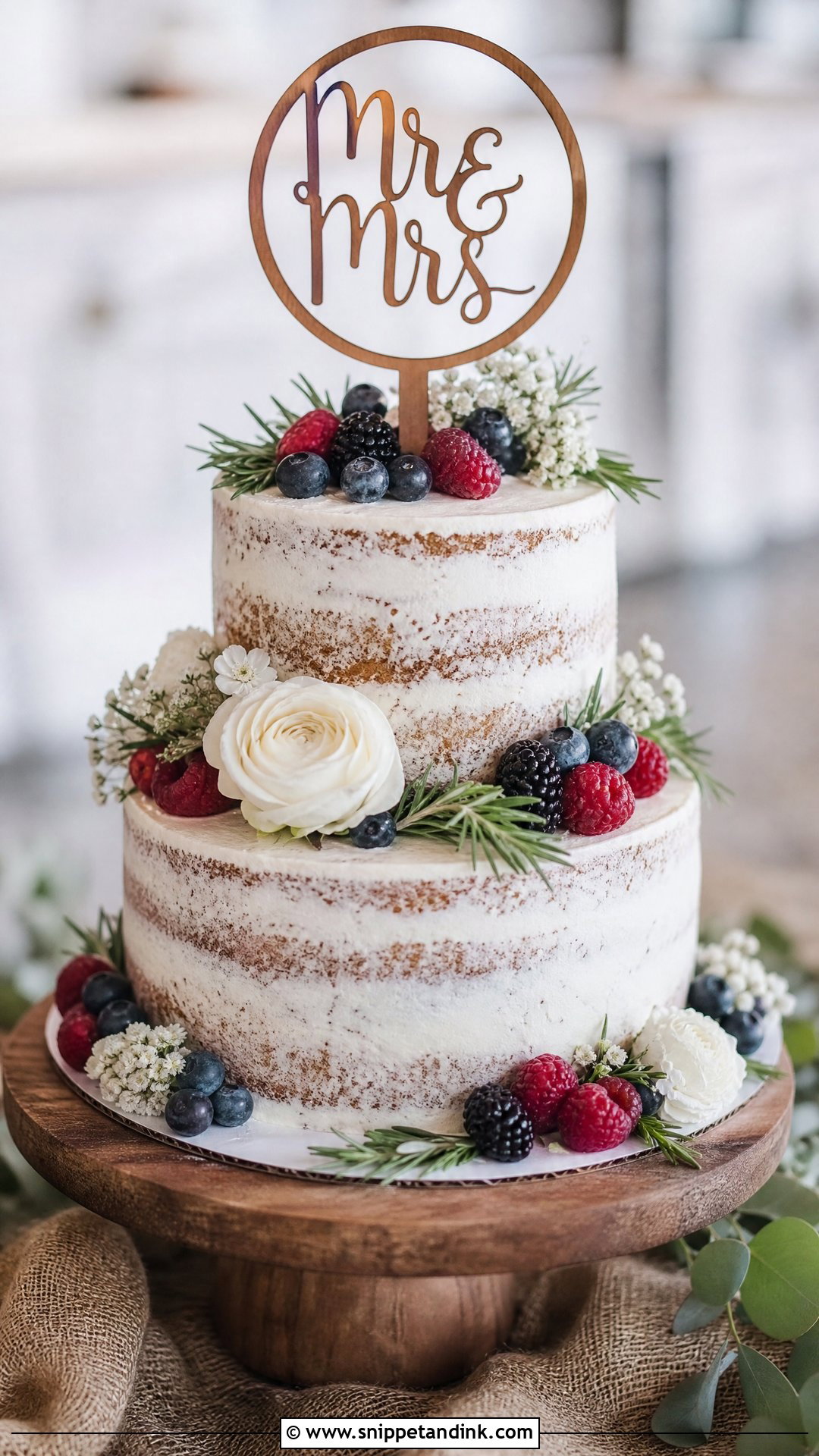
Rustic cakes suit barns, back gardens and country venues, and they’re kinder to a nervous budget than sharp fondant. Semi-naked frosting is the usual finish here, with berries, small flowers, herbs and a wooden stand. Spice, carrot, honey and almond flavors fit the mood. I keep decoration loose but deliberate: three placed elements look generous, ten look like a bake sale. Wood stands need a cake board underneath so the slab never touches the frosting directly.
8. Small Two Tier Naked Wedding Cake
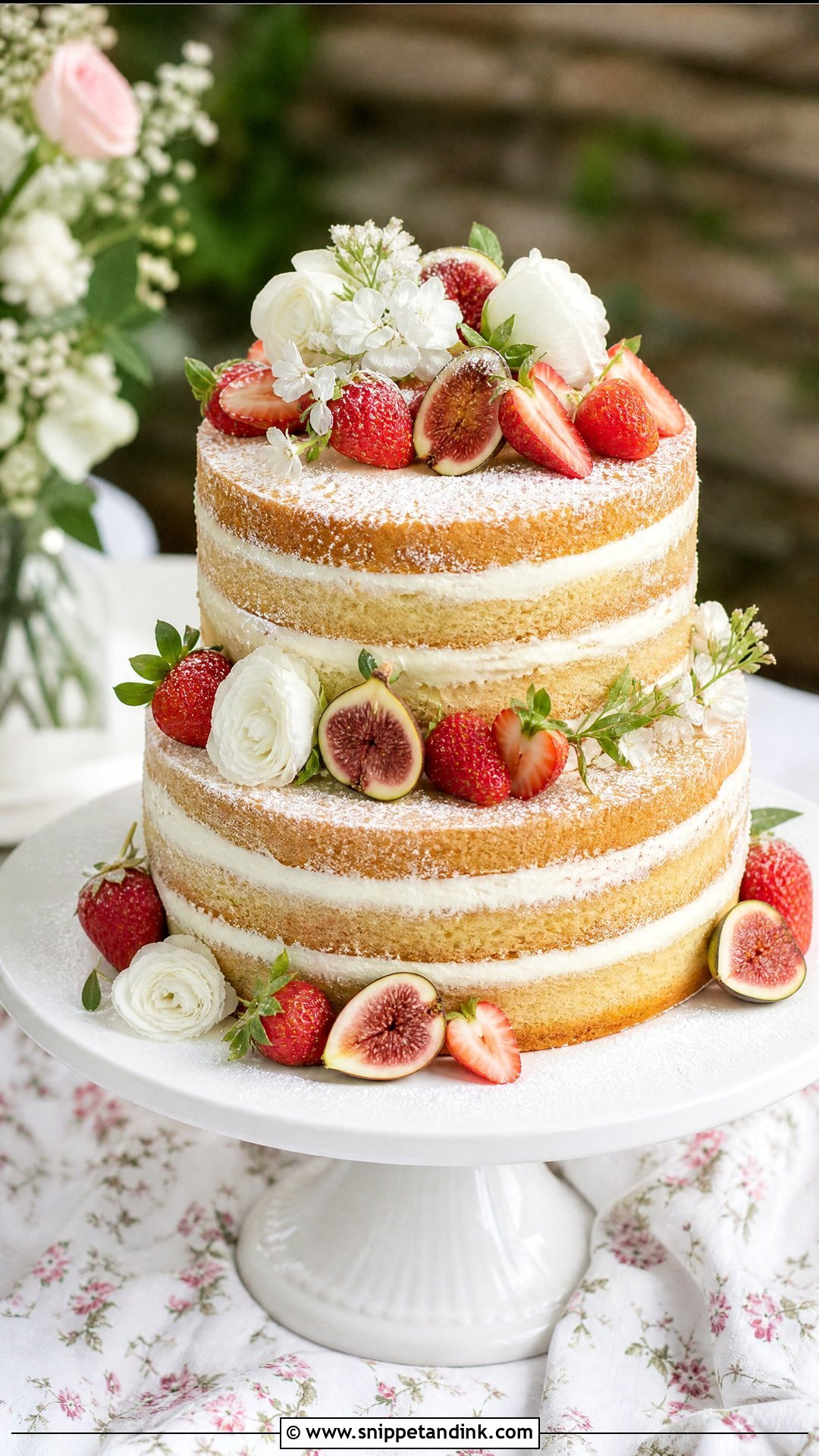
A fully naked cake shows the sponge, with filling between layers and almost nothing on the outside. It is honest and pretty, but it dries out faster than any other style because there’s no frosting to seal it. I bake it the day before, wrap it, and dress it as late as possible; outdoors in summer I’d push you toward semi-naked instead. Even, level layers matter more here than anywhere else. Berries, figs, flowers or herbs finish it, and a dusting of powdered sugar goes on at the venue, not before transport.
9. Small Two Tier Semi Naked Wedding Cake
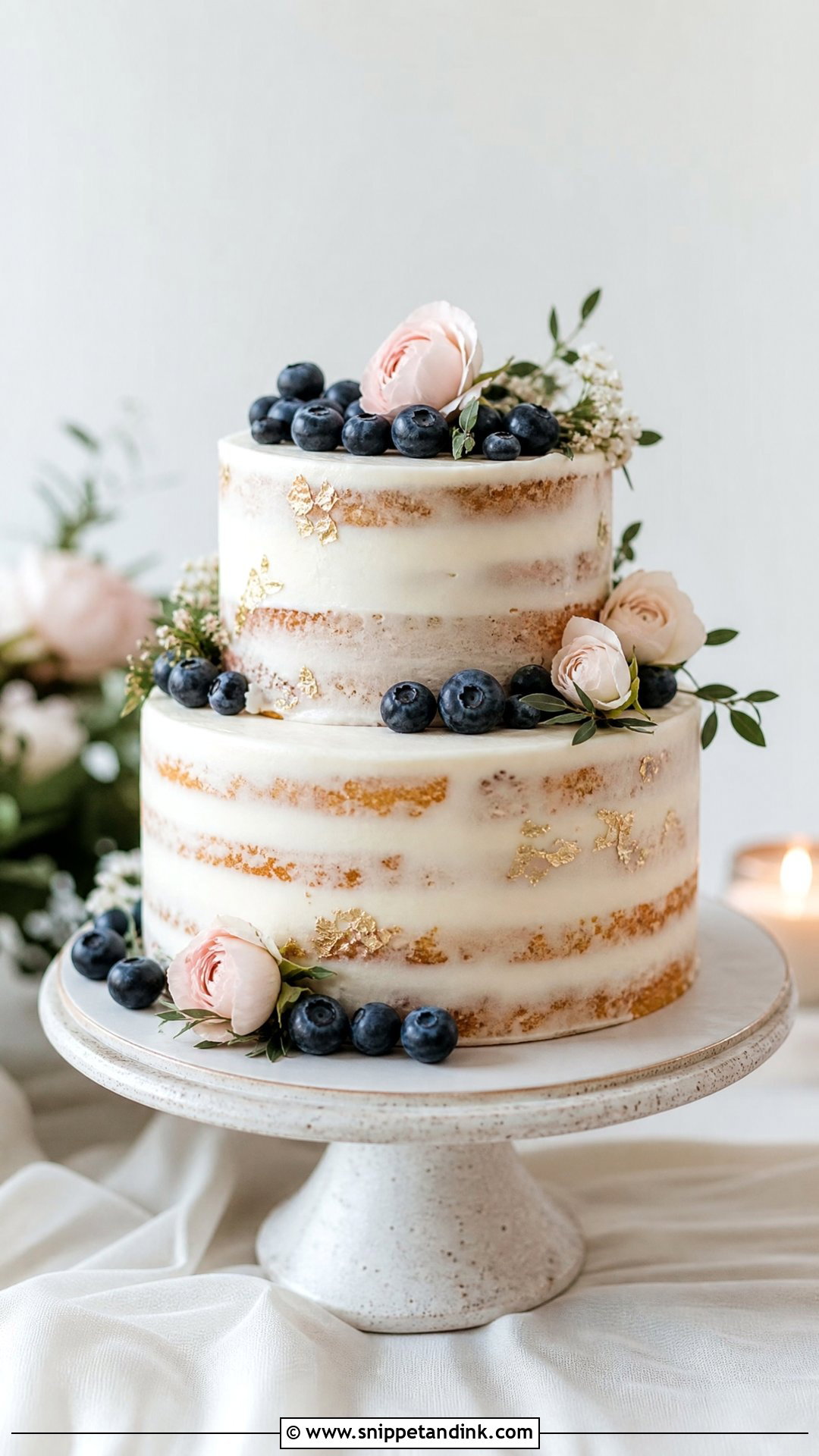
Semi-naked is my compromise when someone loves the exposed look but has an afternoon reception. A thin scraped coat of buttercream still shows the sponge underneath while sealing in moisture far better. Fresh flowers, berries, greenery or gold flecks suit it. It also sits comfortably next to cupcakes, cookies and mini pastries on a mixed dessert table.
10. Small Two Tier Boho Wedding Cake
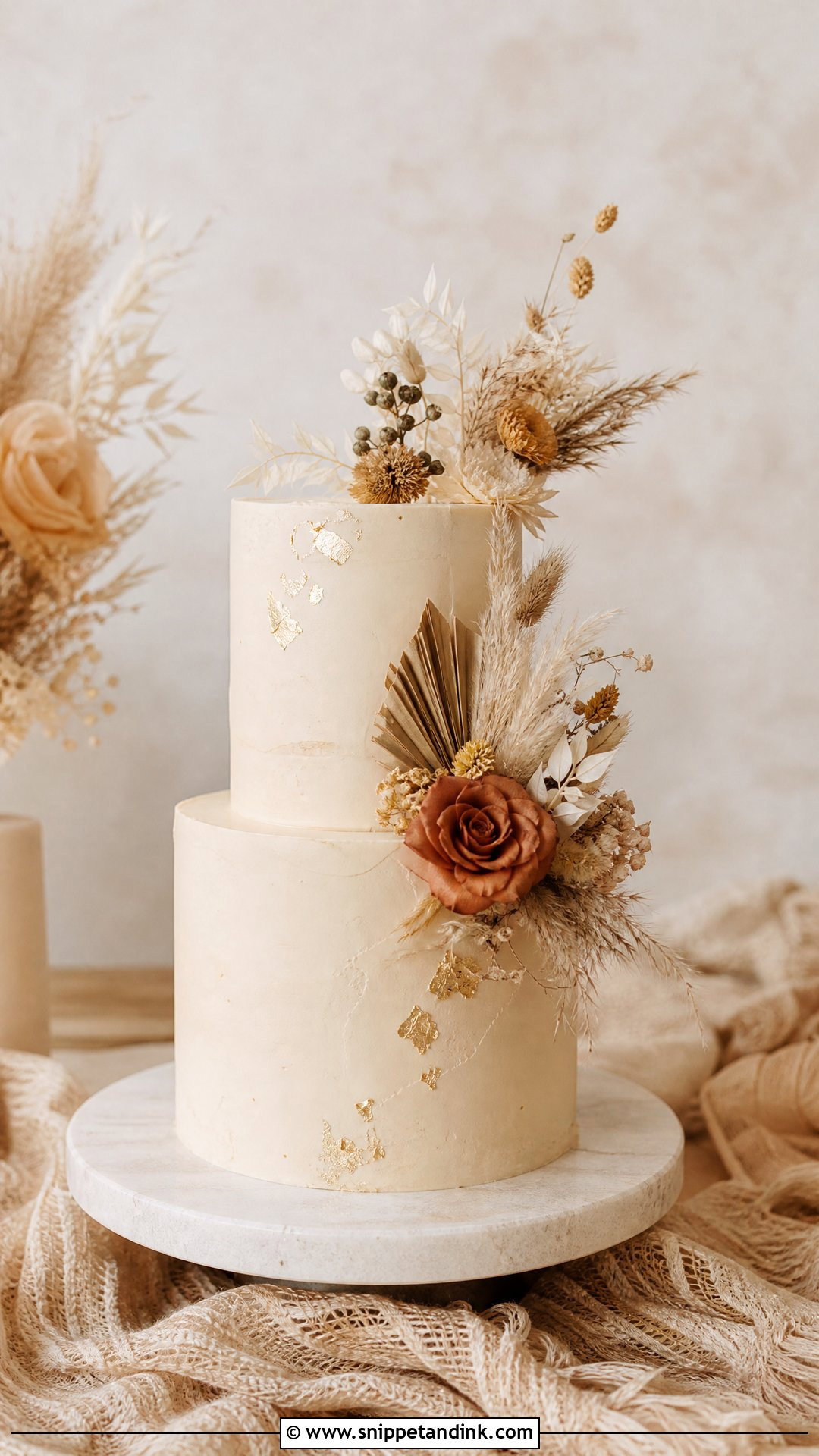
A boho cake leans on neutral color, dried flowers, pampas-style accents and natural texture, and it suits desert, beach and modern rustic venues. Ivory, beige, a caramel drip or terracotta touches keep it warm. Dried stems are lighter than fresh and don’t wilt, which helps in heat, but they shed, so I add them at the venue. Keep the tiers clean so the accents don’t swamp them. A macrame-style piped pattern or a simple acrylic topper fits; a stone or ceramic stand finishes it.
11. Small Two Tier Modern Wedding Cake
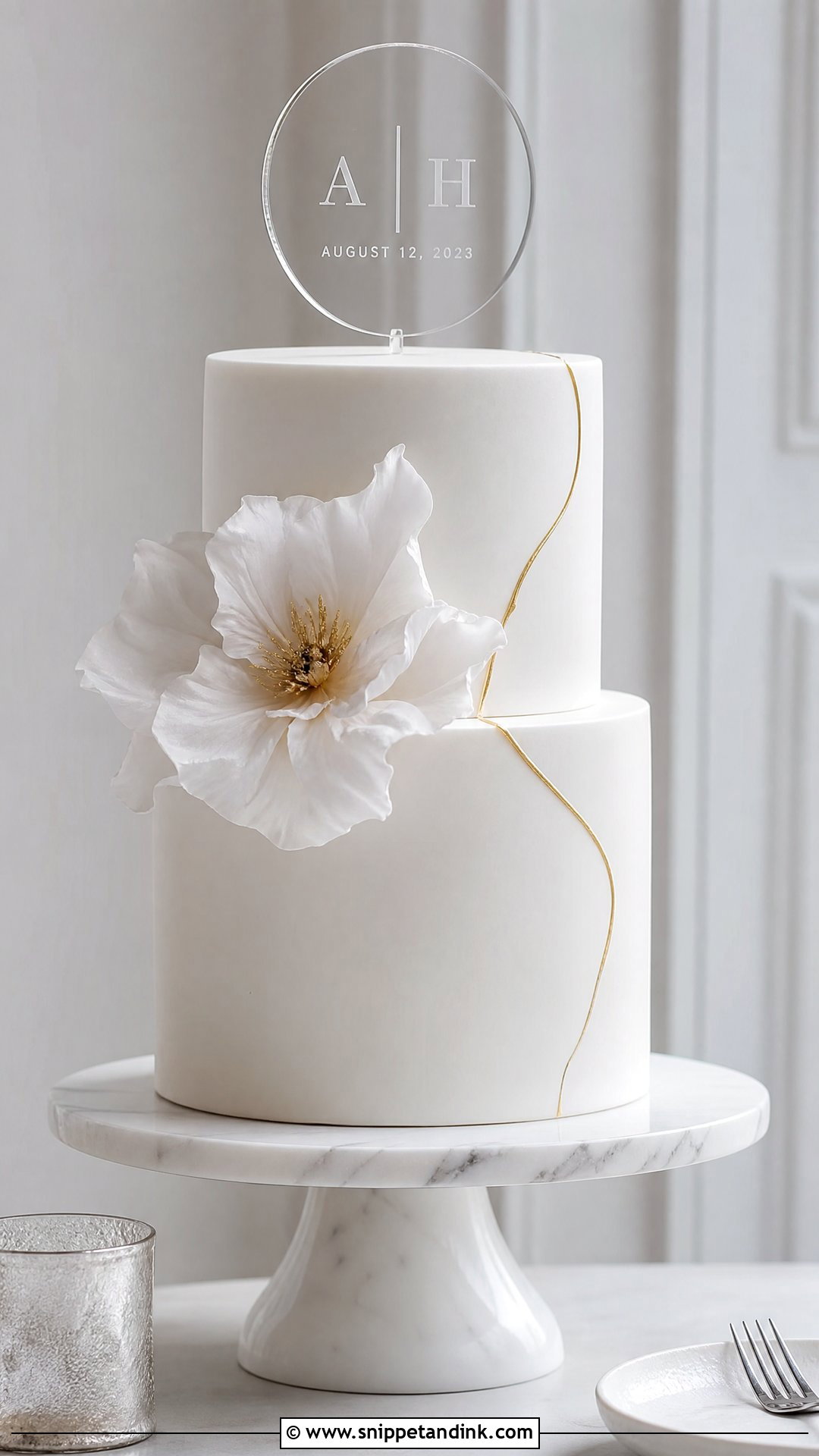
Modern designs rely on shape, edge and one controlled accent rather than decoration. Sharp buttercream edges, square tiers, offset stacking or one strong color all do the work. I’d add only one sculptural flower or a thin metallic line. This is the hardest style to execute well at home or cheaply, since any wobble in the edge shows. It suits gallery, rooftop and city venues.
12. Small Two Tier Square Wedding Cake
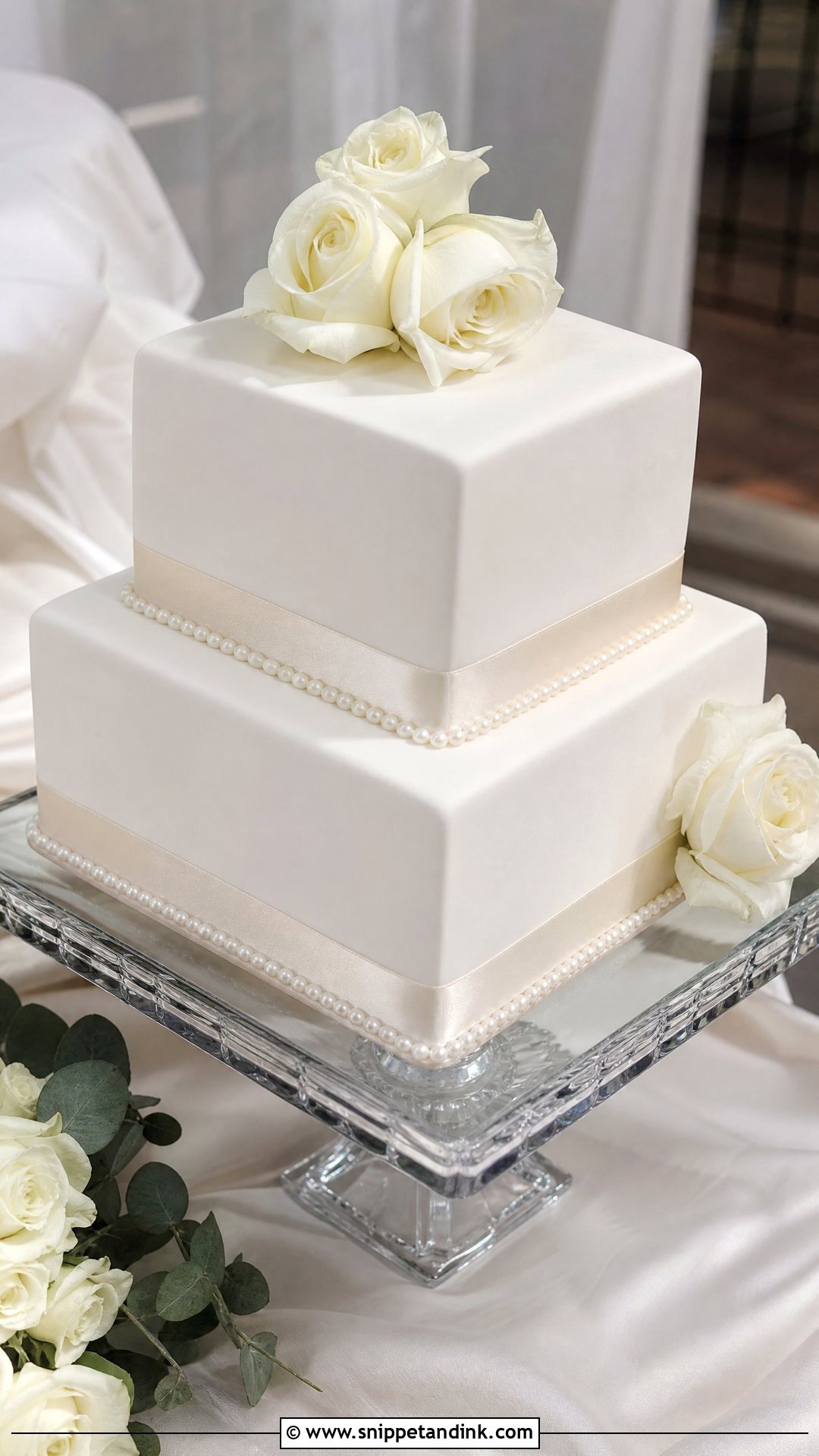
Square tiers look architectural, and they’re also a little more work: the corners are where buttercream cracks and fondant tears, so I chill between coats and finish corners last. They give you flat panels for ribbon, pressed flowers, monograms or fine piping. Flowers or pearls keep the shape from looking stiff. White, ivory, blush and soft gray all suit it. One textured tier against one smooth tier adds contrast without losing balance. Square cakes also cut into neater portions, which caterers appreciate.
13. Small Two Tier Heart Wedding Cake
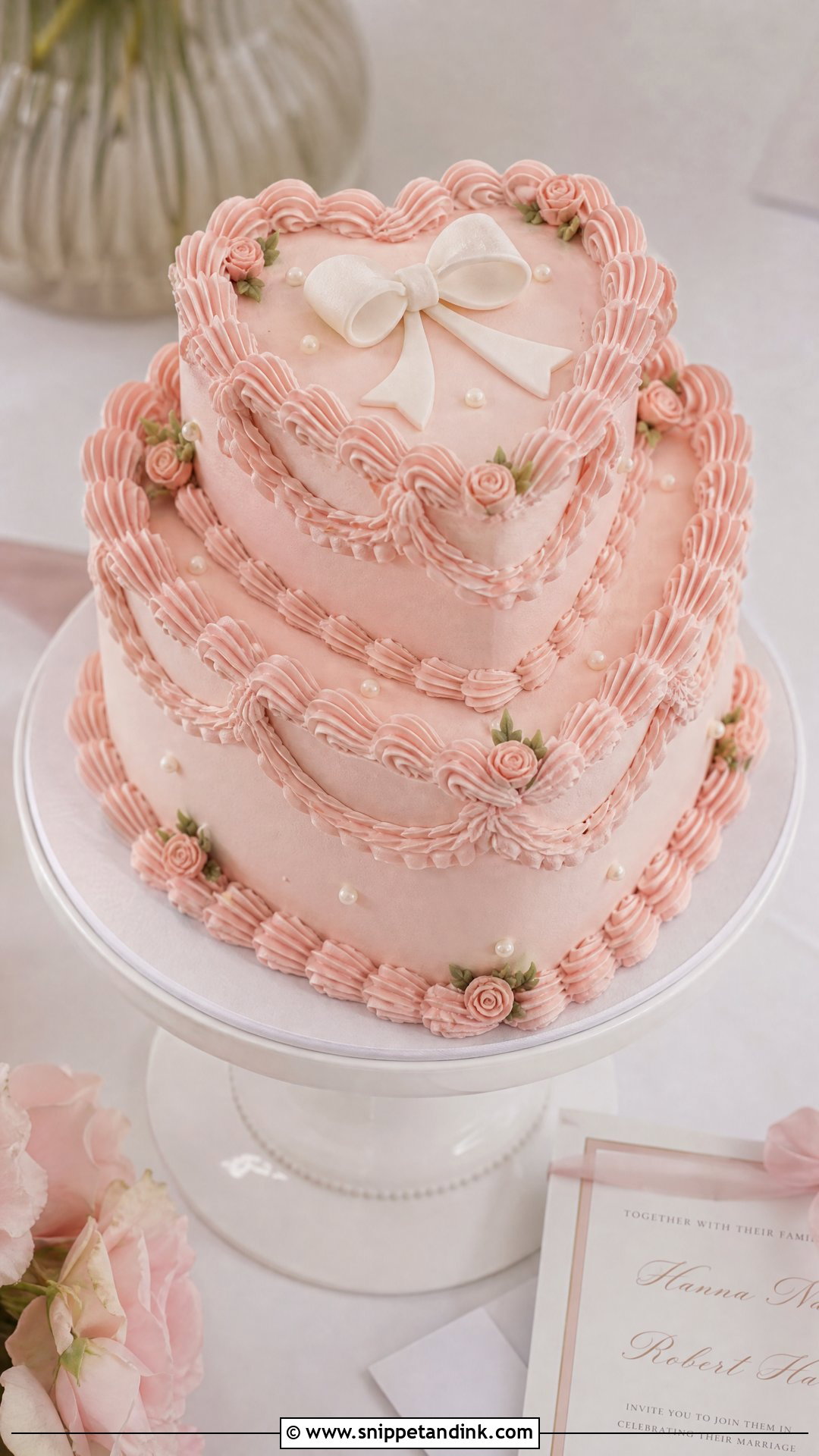
Heart-shaped tiers are playful and personal, and they pair naturally with vintage piping, pearl borders or ruffled buttercream. White keeps it bridal; blush, ivory or champagne warms it up. The shape is already the statement, so I hold back on everything else. Stacking two hearts takes careful dowel placement because the point of the top tier has to line up with the point below; a tiny offset is very visible. A short piped message or a bow topper finishes it.
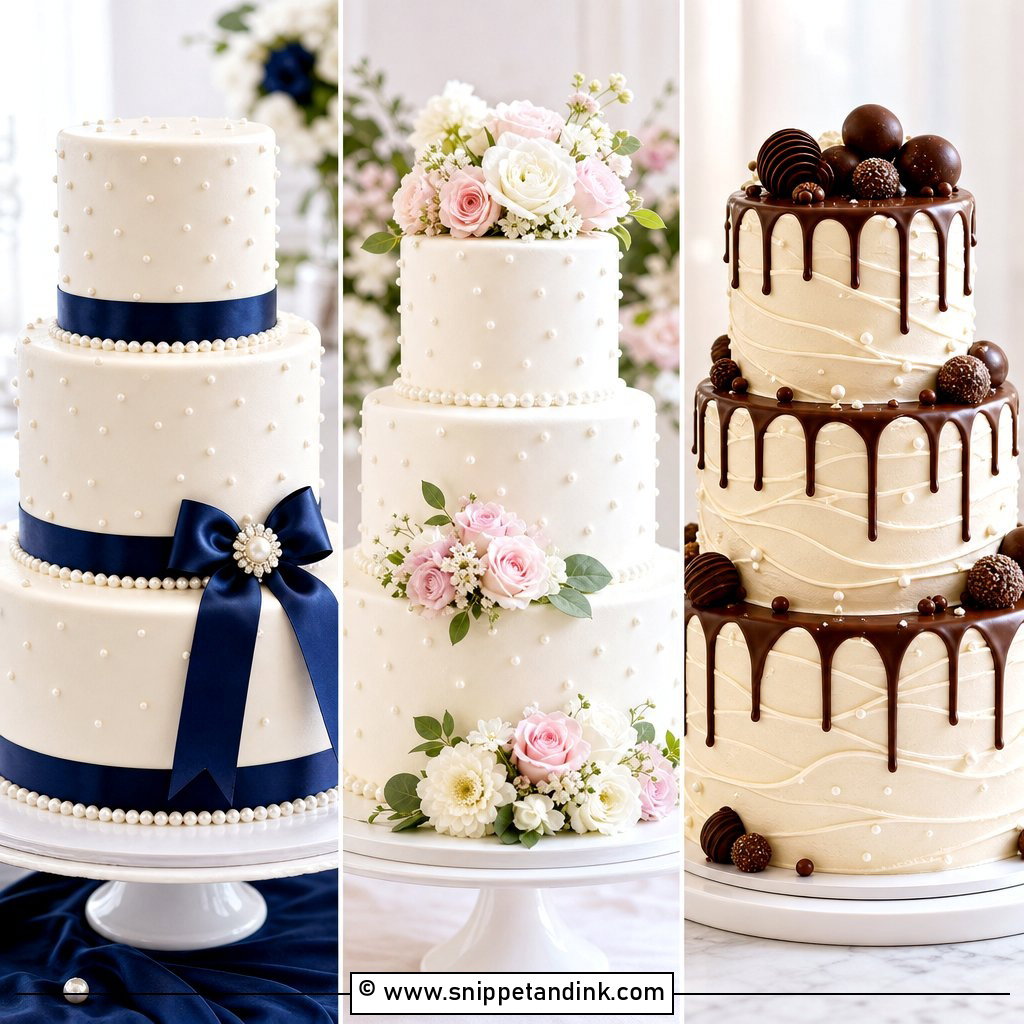
14. Small Two Tier Pearl Wedding Cake
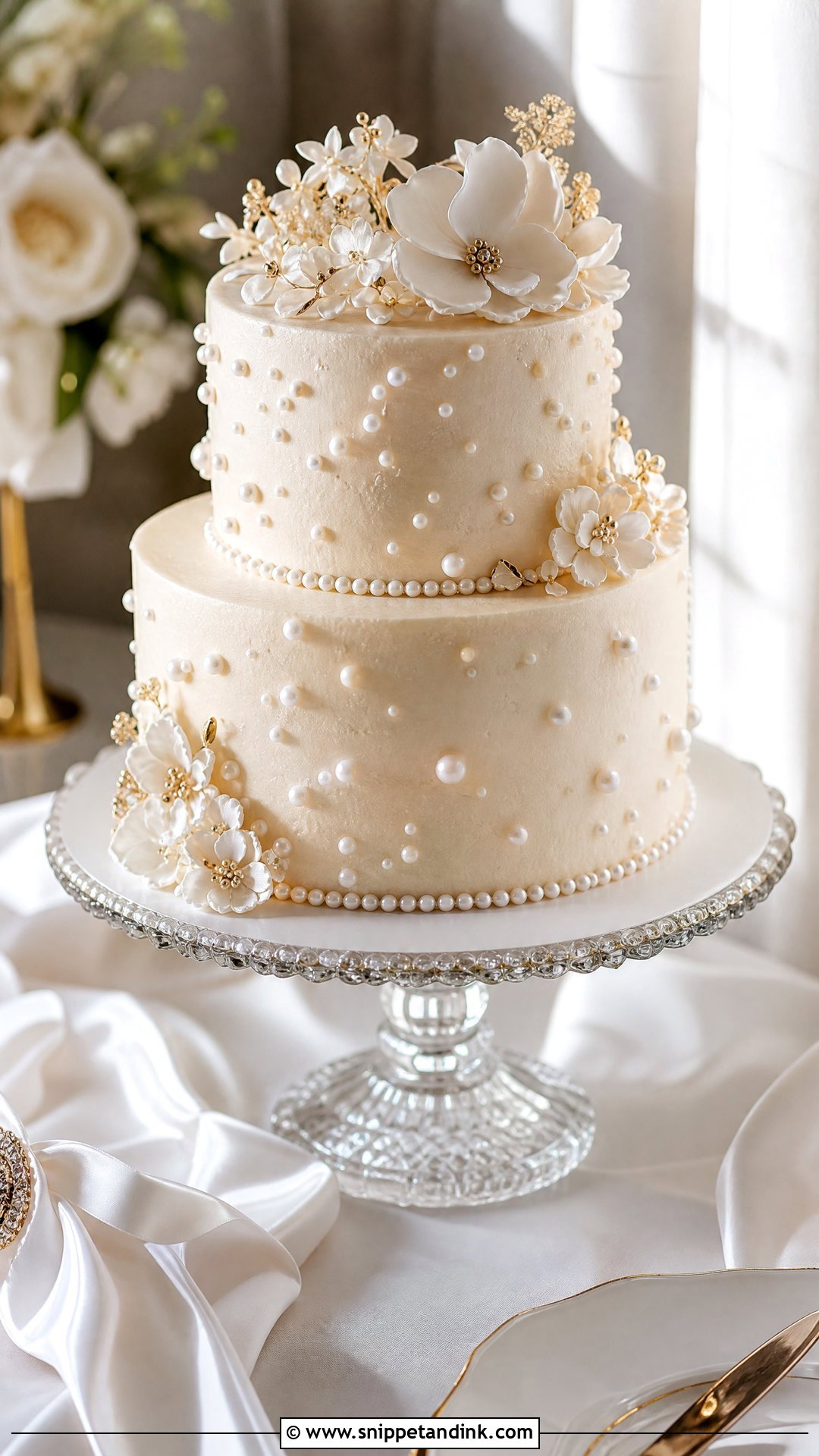
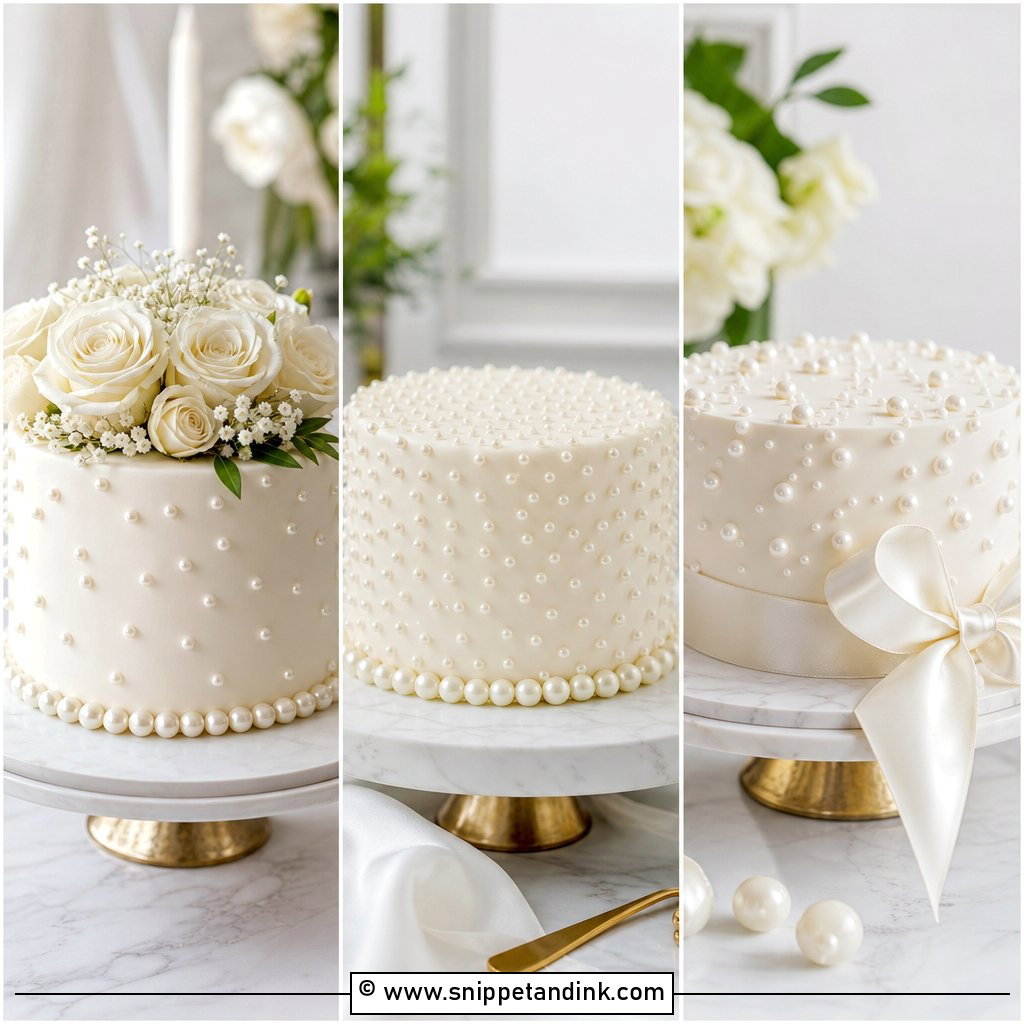
Pearls catch the light and suit formal, coastal and vintage receptions. I use them as scattered dots, neat border rows, lace patterns or clusters around flowers. Sugar pearls are edible but hard; some guests won’t expect the crunch, so I keep them small on the slices that get served. Too many large pearls make a petite cake look heavy. White or ivory frosting keeps it classic, champagne or blush warms it.

15. Small Two Tier Gold Leaf Wedding Cake
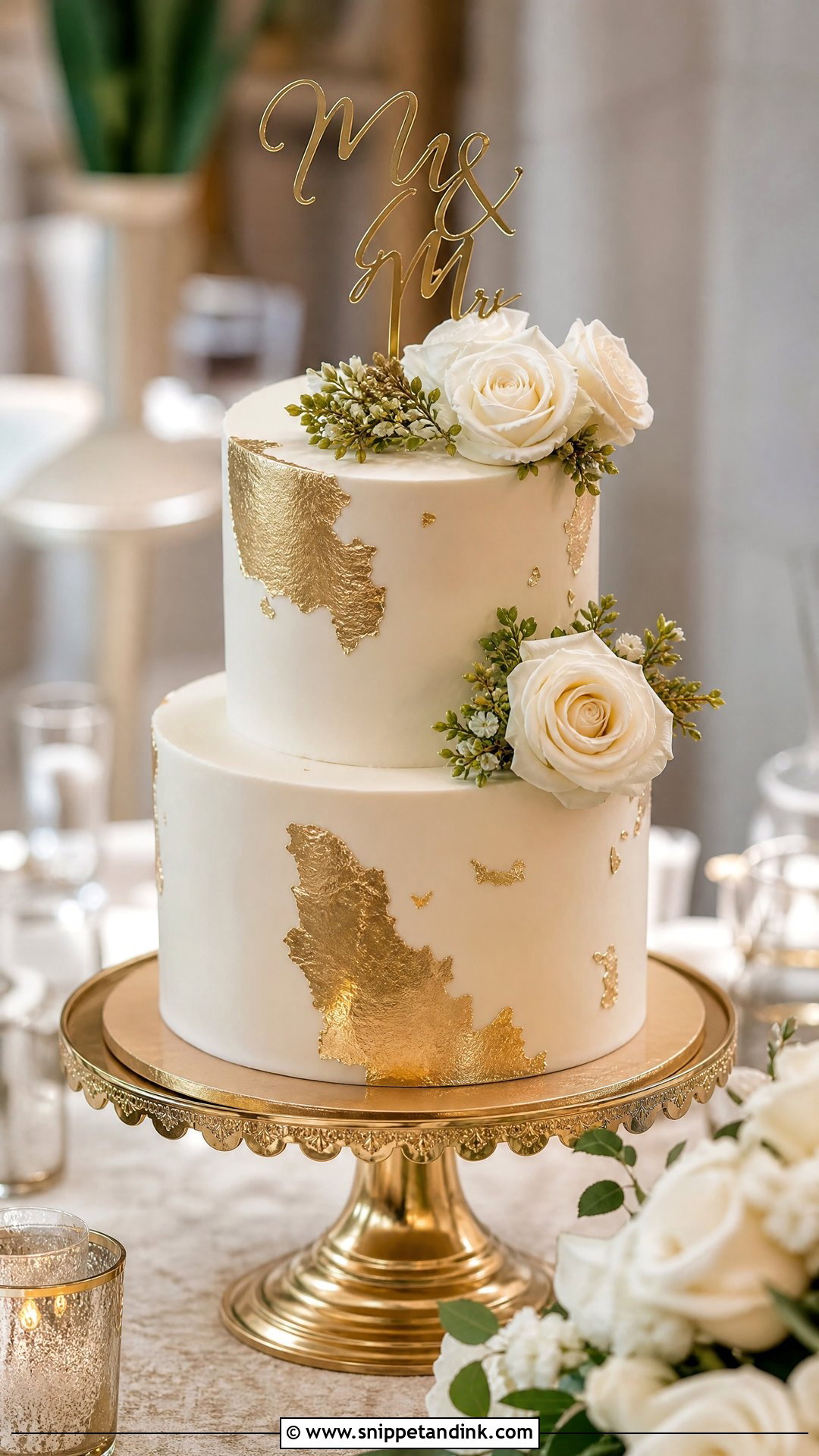
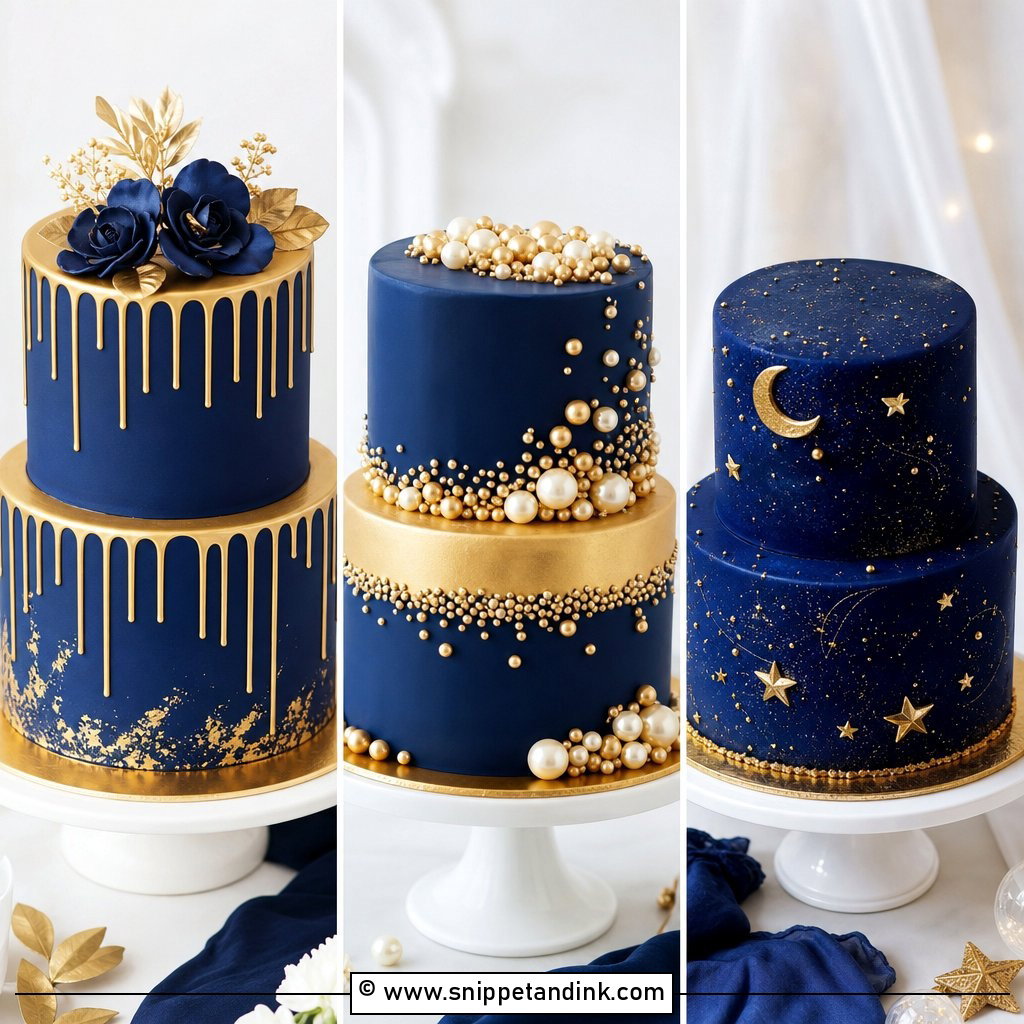
Gold leaf does a lot with very little, on white, ivory, blush, sage, black or deep navy. Small torn patches look soft; a solid band looks bold. Real edible leaf is fragile, sticks to anything warm including fingertips, and is applied with a dry brush in a still room, so it’s a job for the kitchen, not the venue. Smooth buttercream or sharp fondant both carry it well. It’s at its best under evening light, and the rest of the design should stay plain.
16. Small Two Tier Black And White Wedding Cake
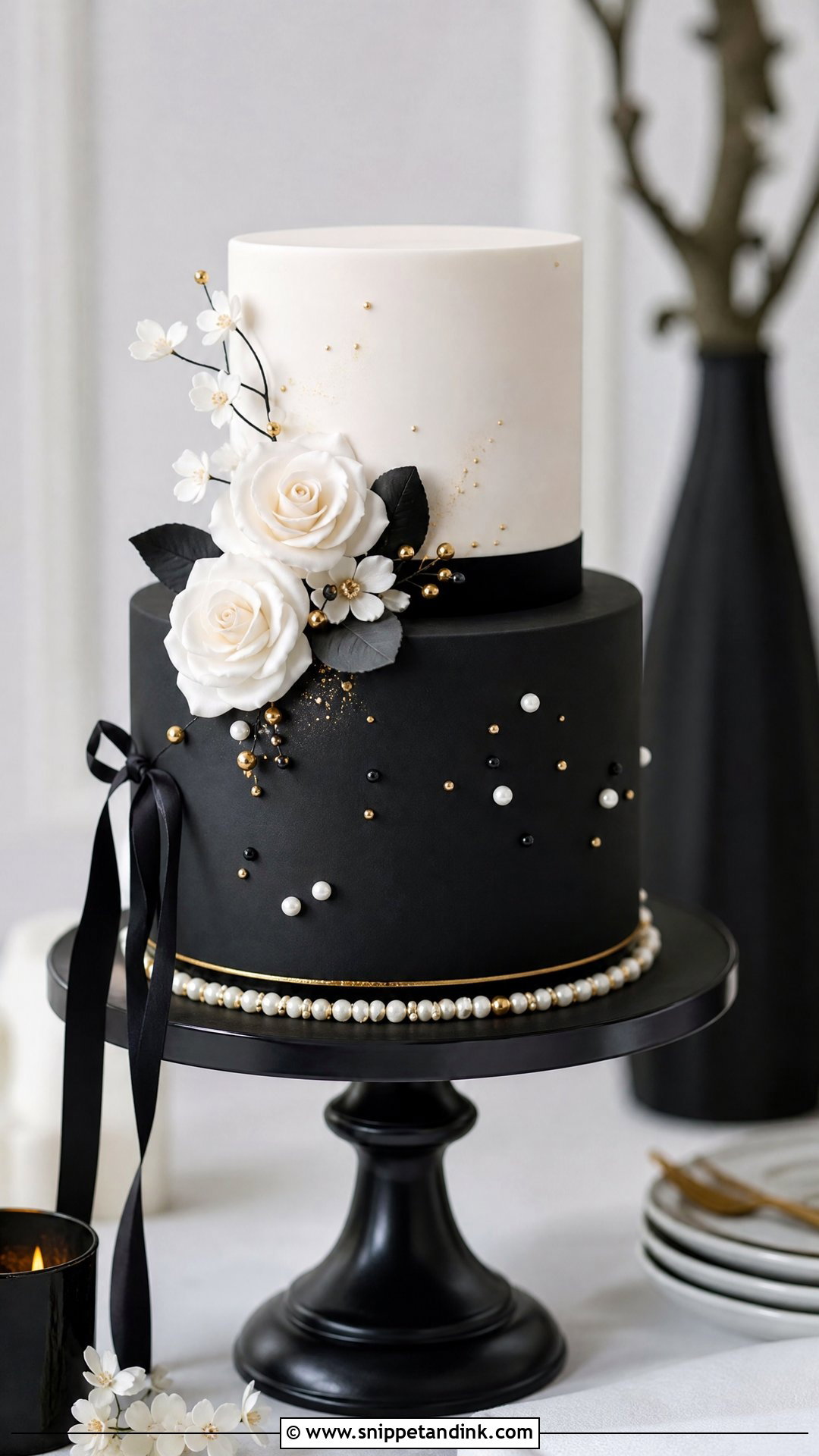
Black and white is bold and more flexible than people assume: a black ribbon base on a white tier, black piping on white buttercream, or a black bottom tier under a white top. Deep black icing needs a lot of coloring, which can taste bitter and stain teeth and fingers, so I often use black only on ribbon, piping or fondant accents. White flowers, pearls or gold soften it. Strong contrast looks busy fast on small tiers, so keep the pattern simple.
17. Small Two Tier Blue Wedding Cake
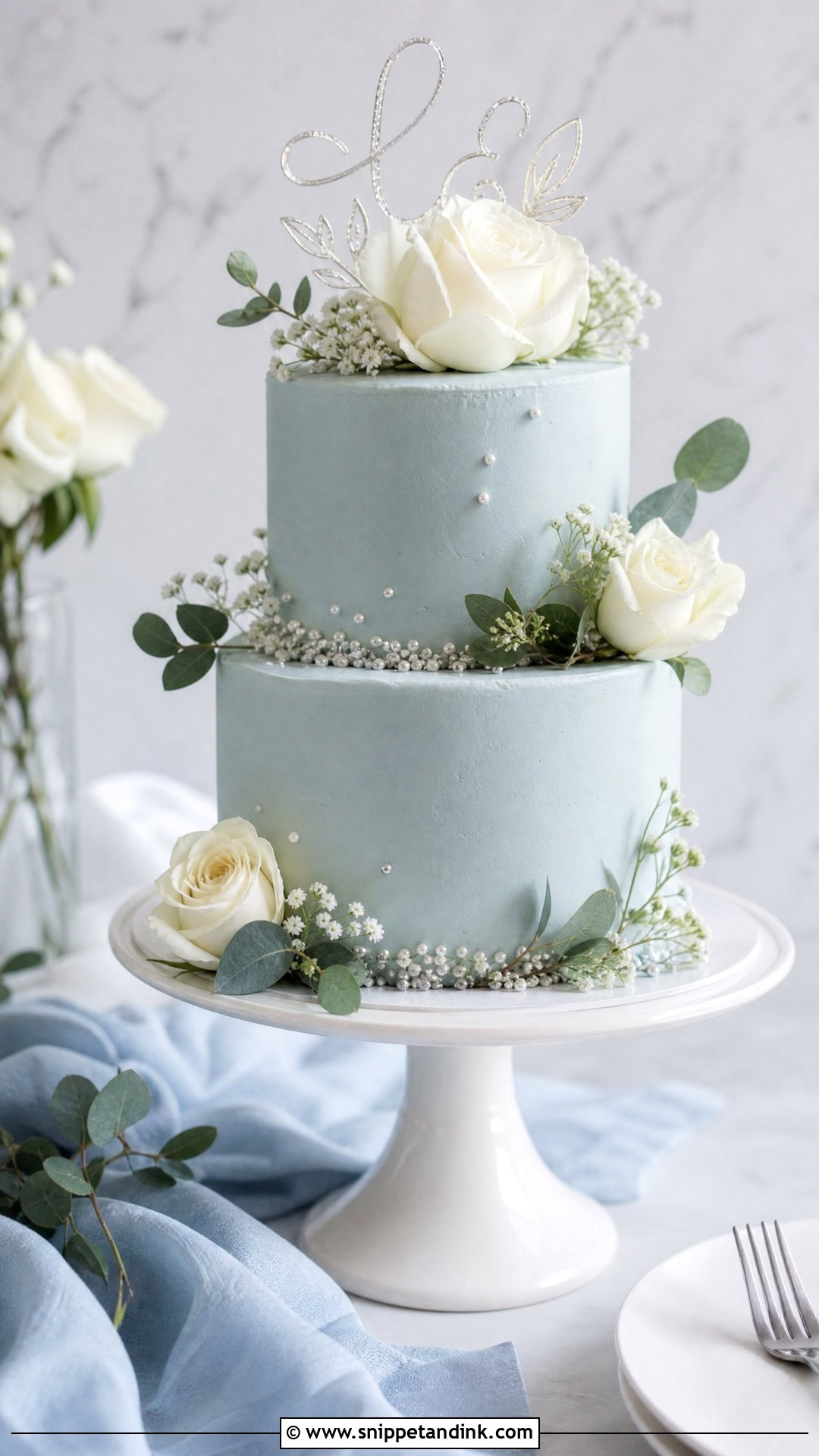
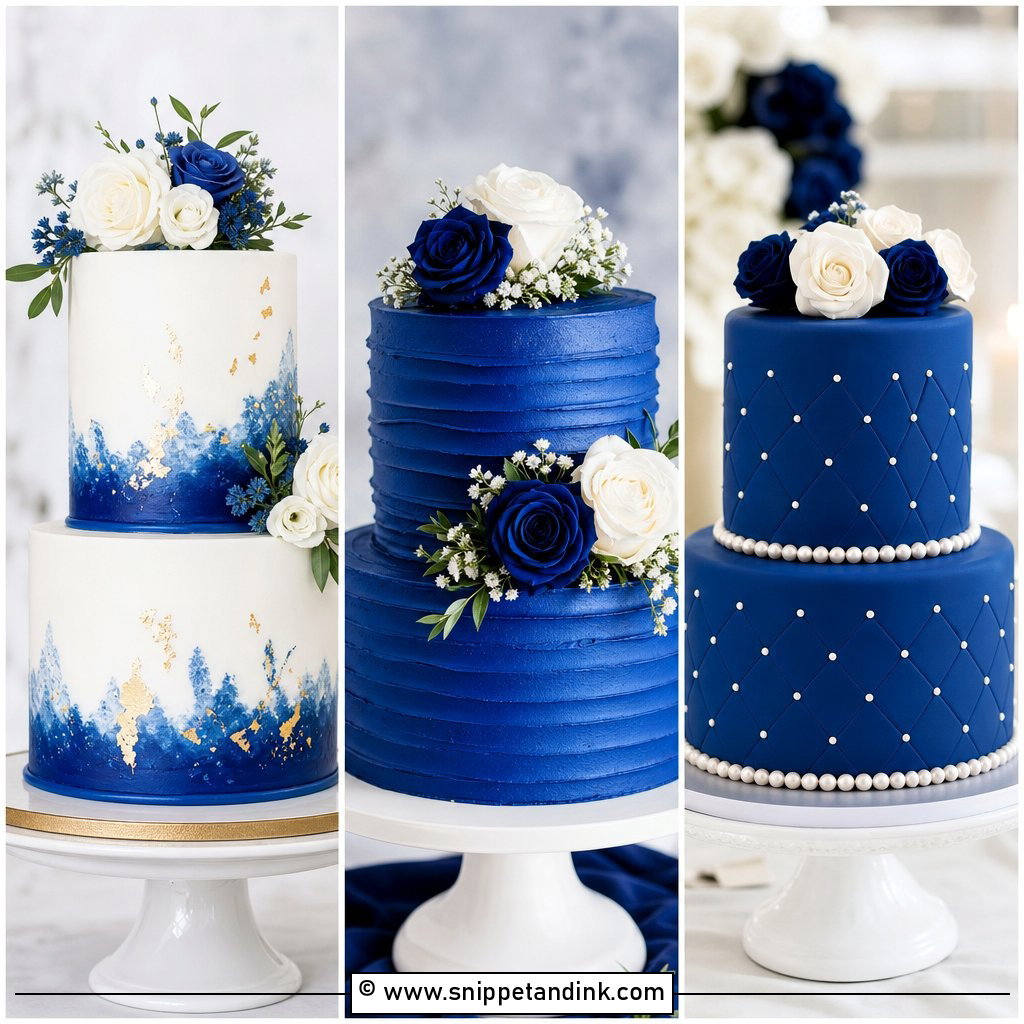
Blue brings in color without shouting, and a small two tier blue wedding cake makes a quiet nod to something blue. Dusty, pale, slate and watercolor blues all work, with white flowers, silver, pearls or greenery. Blue icing can drift toward grey or purple under warm reception lighting, so I always send a photo of the sample under tungsten light before we commit. Match the shade to your linens, invitations or bridesmaid dresses. Buttercream gives a soft finish, fondant a crisp one.
18. Small Two Tier Pink Wedding Cake
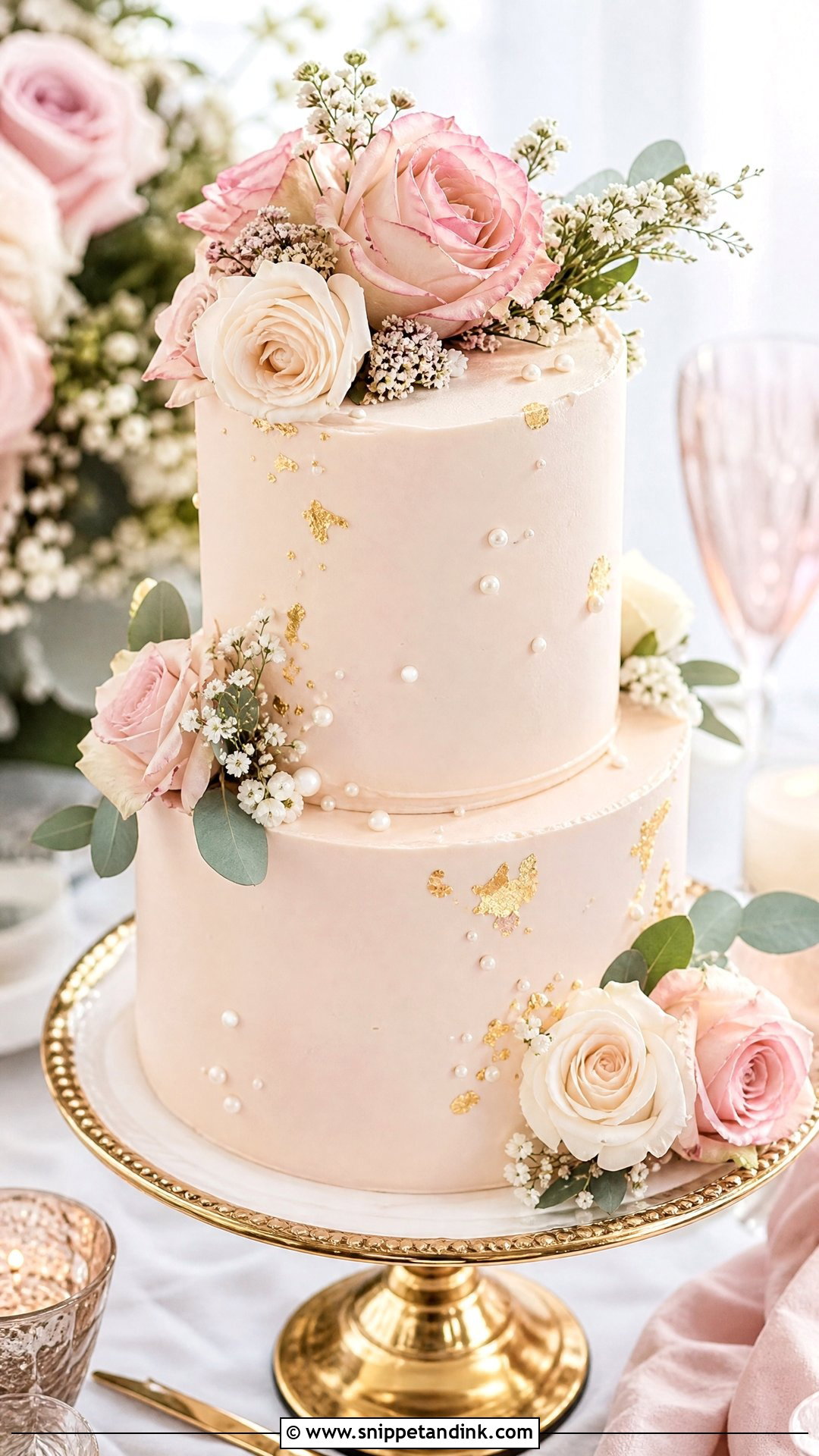
Pink is easy to customize, from blush to dusty rose, mauve or pale peach. The risk is a cake that looks like a birthday, and the fix is restraint: pearls, white flowers, satin ribbon or a touch of gold rather than sprinkles and bright drips. Smooth tiers, piped flowers or fresh roses all suit it. Pale pink buttercream also fades a little in direct sunlight, so I keep it out of the window until guests arrive. It’s a natural fit for spring and garden receptions.
19. Small Two Tier Lemon Wedding Cake
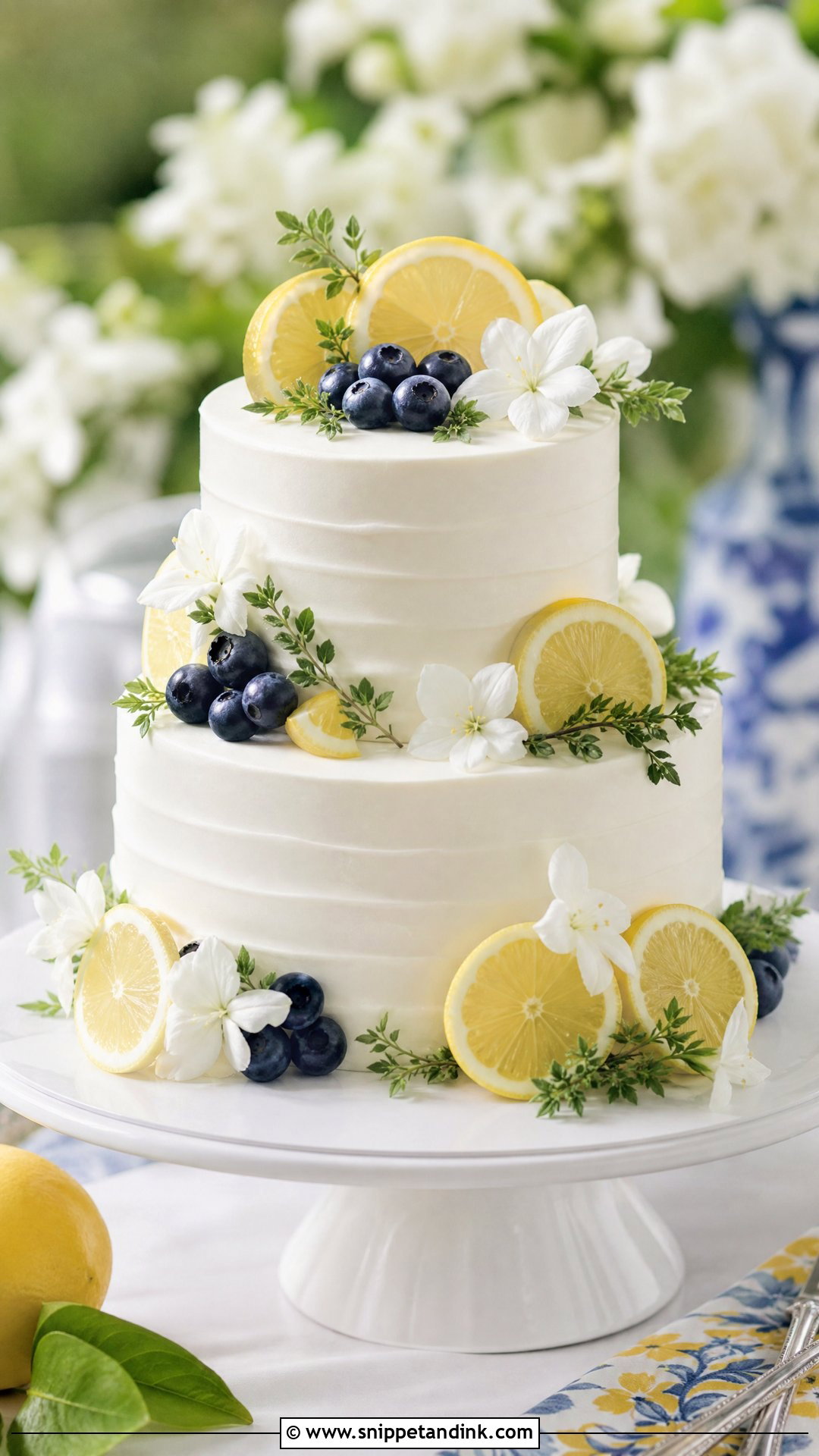
Lemon is the flavor I suggest most for warm weather, because it tastes light after a full meal. Lemon curd, vanilla buttercream, blueberry or raspberry fillings all pair with it. Curd is soft, though, so I pipe a stiff buttercream dam around each layer to keep it from squeezing out under the weight of the top tier. Pale yellow, white or a watercolor finish suits it, with lemon slices, small flowers, herbs or berries. Keep the decoration clean, or it starts looking like a picnic cake.



20. Small Two Tier Chocolate Wedding Cake
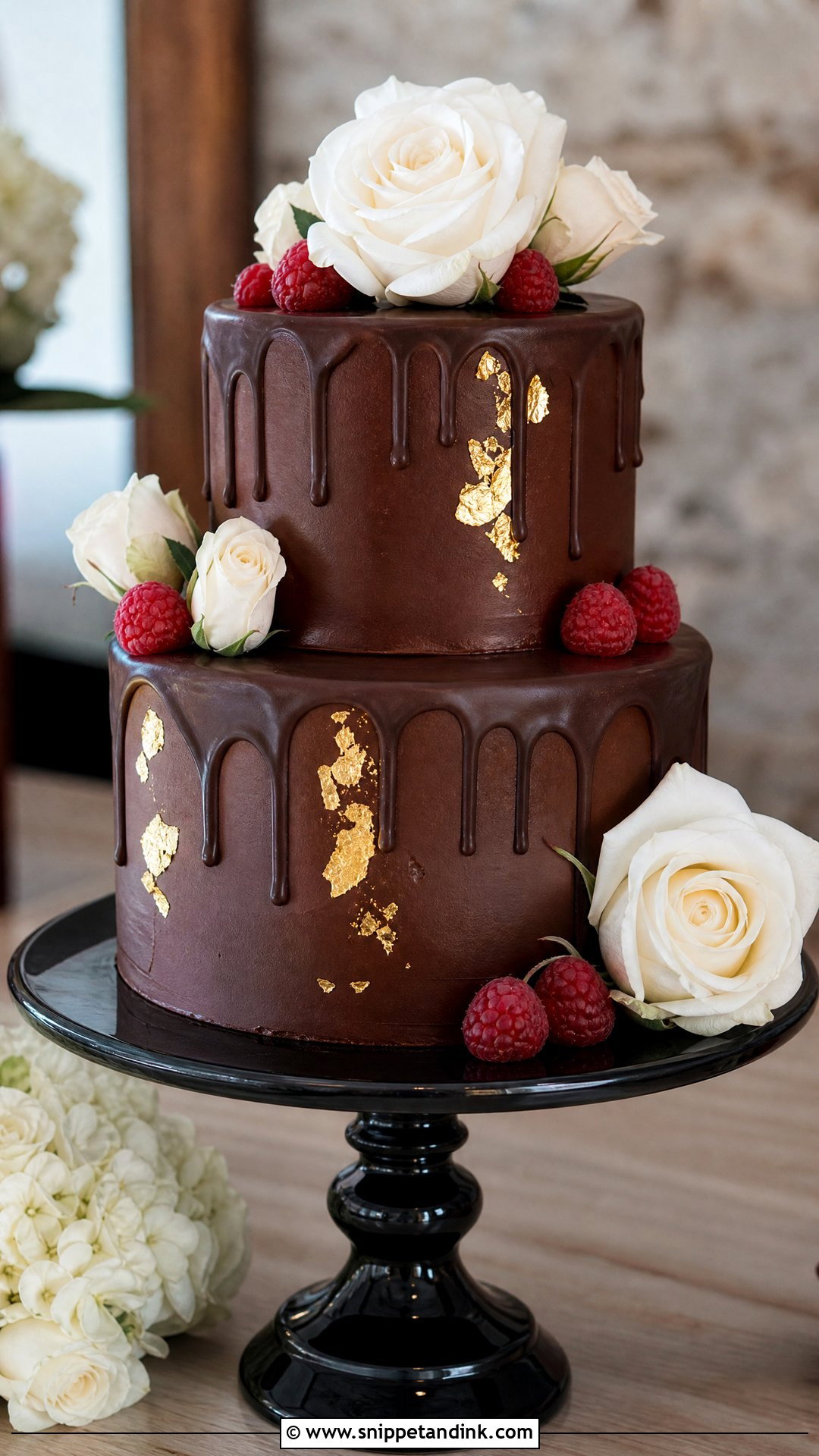
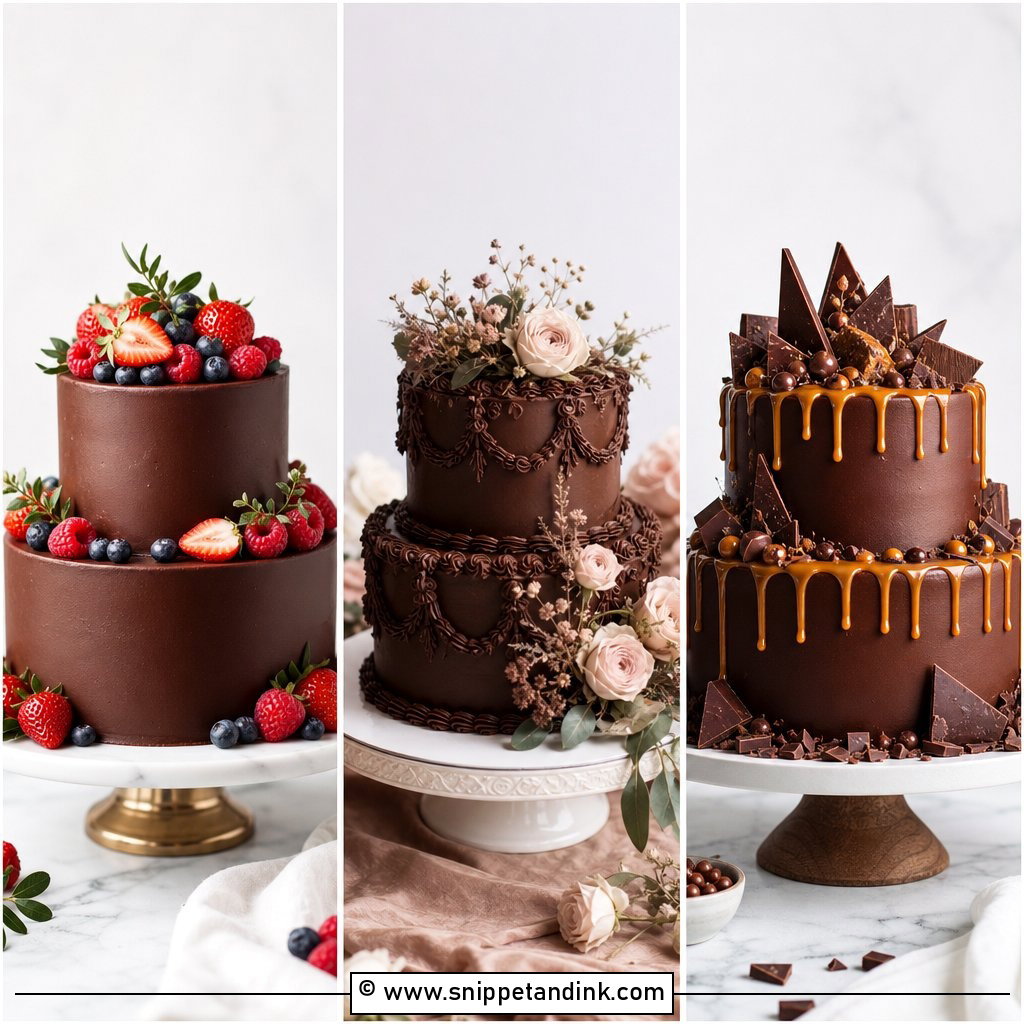
Chocolate is the flavor guests talk about afterward, and it can look formal when finished with smooth ganache, dark buttercream, white flowers, gold leaf or berries. Ganache is my preference in summer; it sets firm and handles heat better than most buttercreams. A glossy drip, sharp edges and a few toppings are plenty. Raspberry, salted caramel, espresso, vanilla and hazelnut fillings all work. It suits evening and restaurant weddings and moody palettes with cream, burgundy or gold.
Getting a Two-Tier Cake to the Venue in One Piece
Small cakes are easier to deliver than tall ones, but they still fail for the same reasons: heat, a sudden stop, and nothing holding the tiers together. Here is what I do and what I’d ask any baker about.
- Dowels under the top tier and, for transport, one central dowel through both tiers so they can’t slide.
- A chilled cake, a car cooled before loading, and the box flat on the floor or a non-slip mat, never on a sloping seat.
- Fresh flowers, dried stems and powdered sugar added on site, after the cake is in place.
- A table away from windows, heaters and the dance floor speakers, set up before the cake arrives.
If you’re collecting the cake yourself to save a delivery fee, ask for it boxed stacked with the central dowel in, and drive as if someone is asleep in the back. The first ten minutes in a warm car are when buttercream is most likely to slump.
Plan for the cake to sit out on display no longer than it has to. In a cool room, buttercream is happy for several hours; in a summer tent, I’d ask your planner to bring it out shortly before the cutting and keep it shaded until then.
Send Your Baker These Details First
A good first message to a cake designer is short: your date, venue, final guest count, whether there will be other desserts, and two or three photos of the look you like. Add your flavor preferences and any allergies at the table. With that, I can tell you straight away whether two small tiers will be enough, which finish suits your venue and season, and how close to the date the cake can be ordered. The design follows from those answers far more than from any single photo.
You'll Like These Ideas:






Leave a Reply