
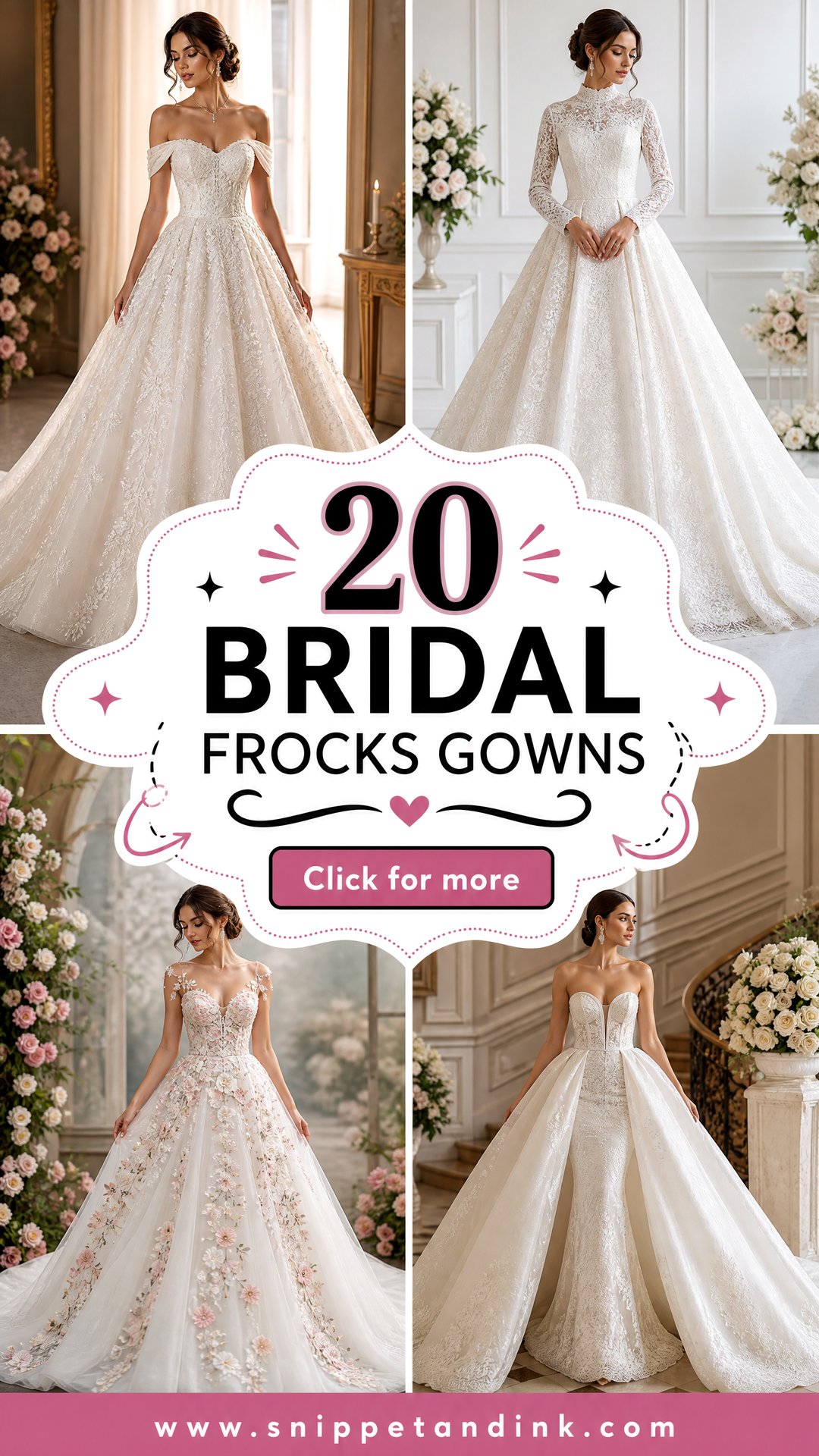
Brides come to me using the word frock for very different dresses. For some it means a full-skirted western gown; for others it’s the long embroidered frock worn at a Pakistani or Indian wedding, with a dupatta and heavy jewelry. Both are here. The list runs from classic white dresses and fitted crepe to zardozi-style embroidery and a red frock, each styled with shoes, jewelry, veil and finishing pieces. Fabric is where I’d start thinking. Satin holds structure, chiffon floats and lace gives texture, and each behaves differently over a long day. Read every look with your venue, season and comfort in mind.
A Western Gown and an Embroidered Frock Fit Differently
The two styles below share a word but very little else in the fitting room. A western gown is usually ordered from a sample in a standard size and then altered down to your body. A South Asian bridal frock is often made to measure from the start, with the embroidery planned around your actual shape.
That changes what you check. With a western gown, I watch whether the size ordered leaves enough room in the widest part of you, since taking a gown in is easy and letting it out is often impossible. With a made-to-measure frock, I want the measurements taken carefully and a trial before the embroidery is finished, because hand embroidery can’t easily be moved once a seam needs adjusting.
- Ask whether the dress is altered from stock or made to order, and how many fittings are included.
- For heavy embroidery, ask for a muslin or partial fitting before the work is complete.
- Weigh the finished outfit in your hands. A heavy frock and dupatta need to be planned around, with breaks to sit.
1. A-Line Lace Bridal Frock Gown
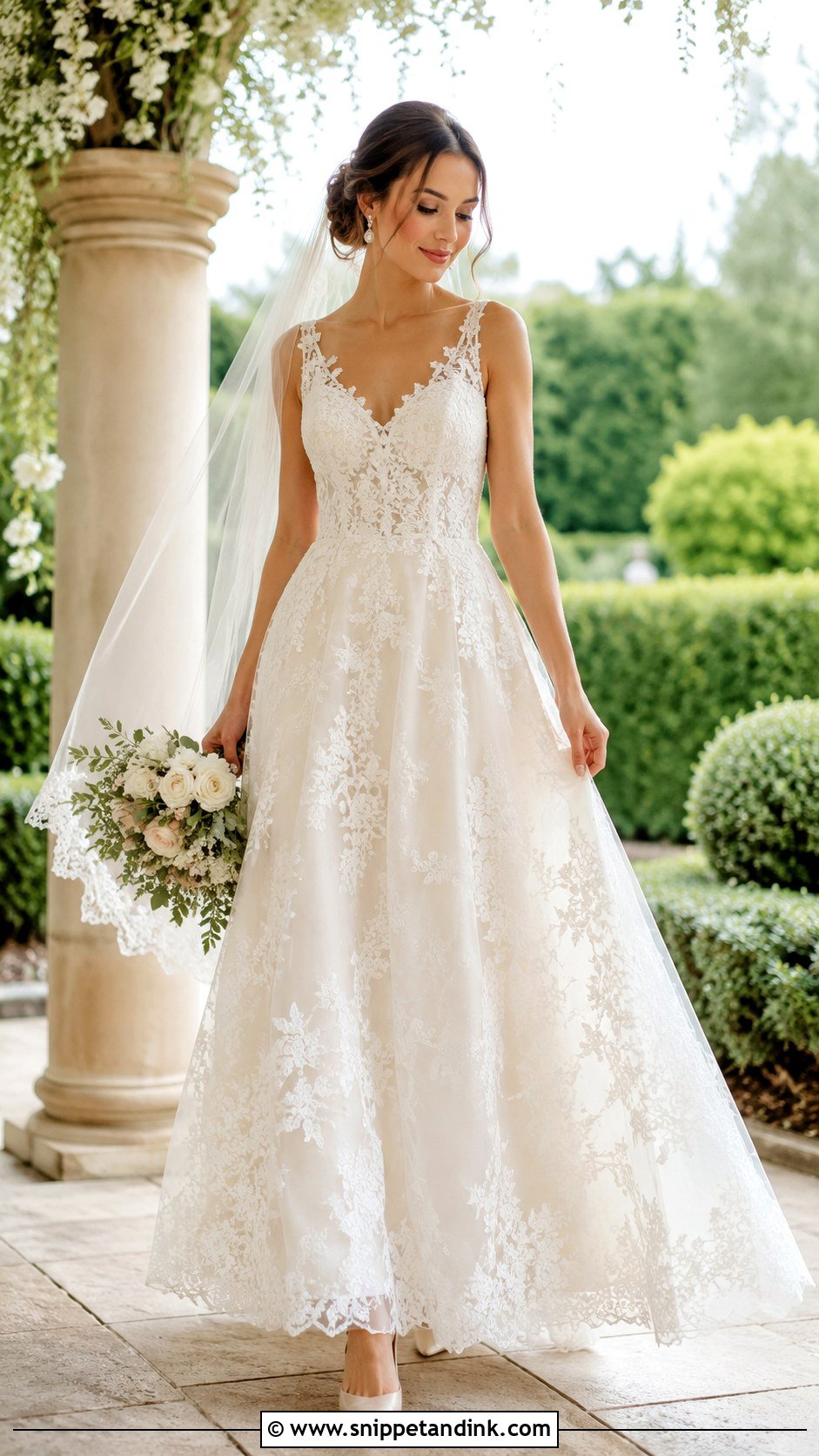
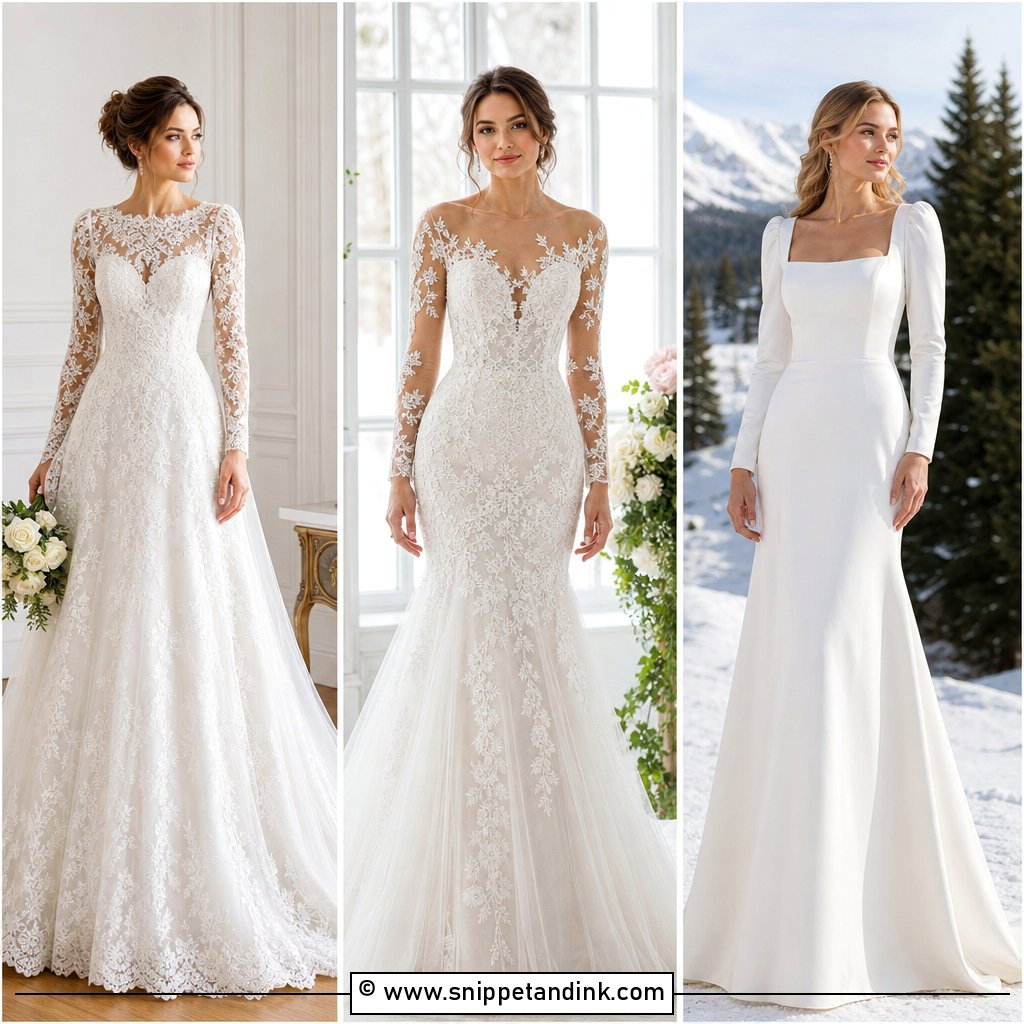
If a bride doesn’t know where to begin, I put her in a lace A-line first. The fitted bodice and skirt falling from the natural waist suit most figures, and it gives us a baseline to compare everything else against. Choose supportive straps or illusion sleeves, and floral lace over an ivory lining so the pattern has depth. Pearl drop earrings, a fingertip veil and pointed ivory pumps on a manageable heel finish it, with a small satin clutch for blotting papers and lipstick. A low textured bun keeps the lace neckline in view. Garden, estate and traditional indoor weddings all suit it, and you can move freely from ceremony to dance floor.
2. Satin Ball Gown Bridal Frock
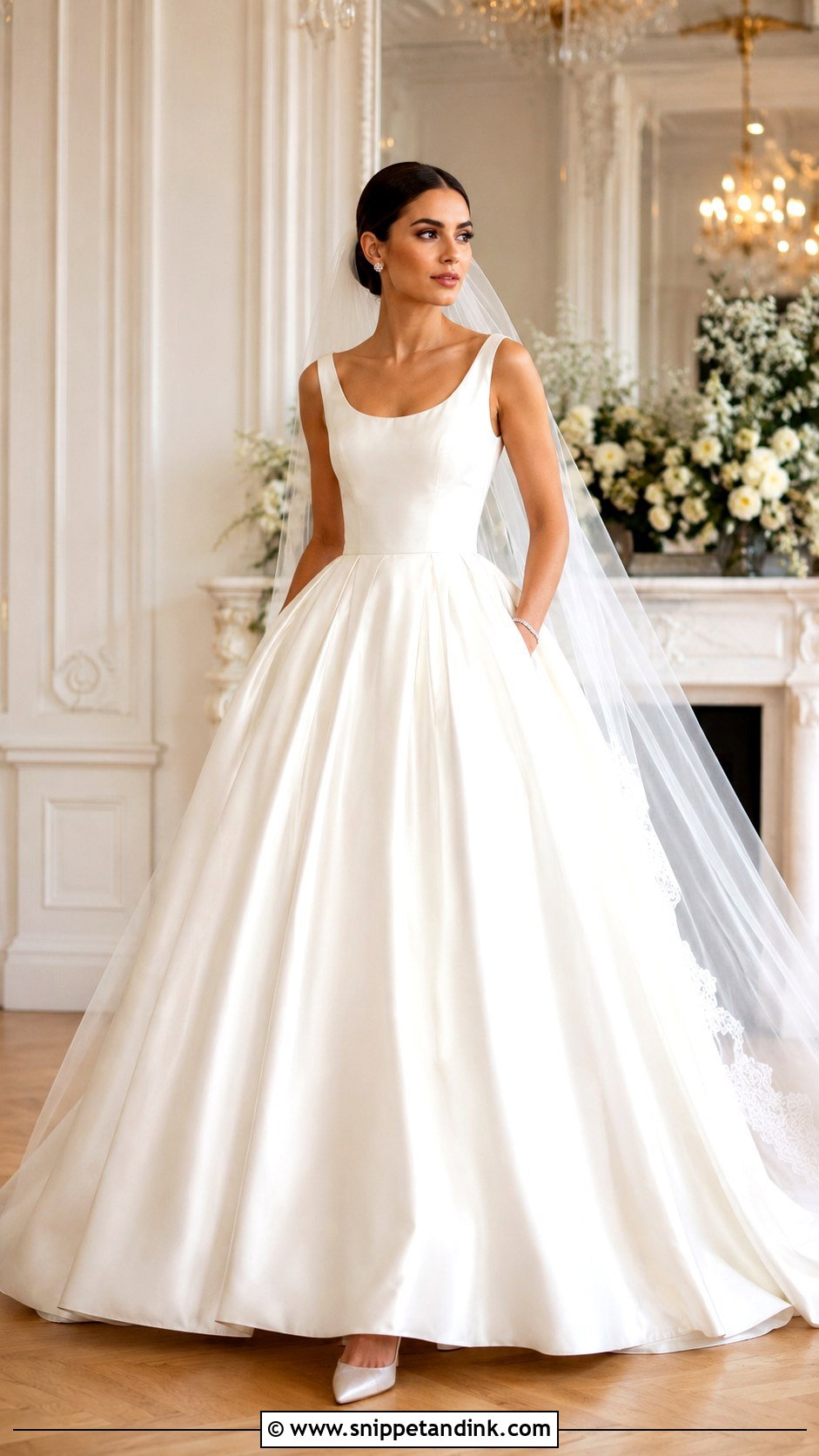
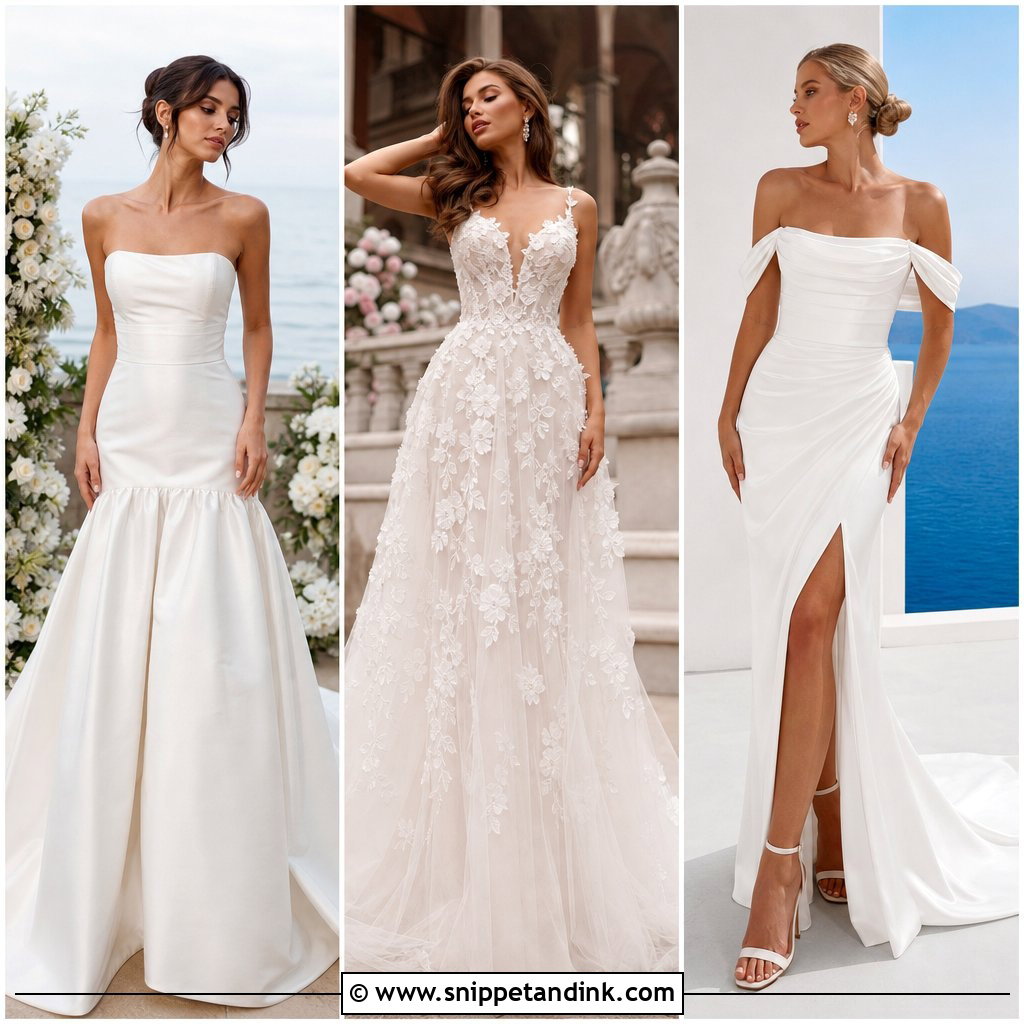
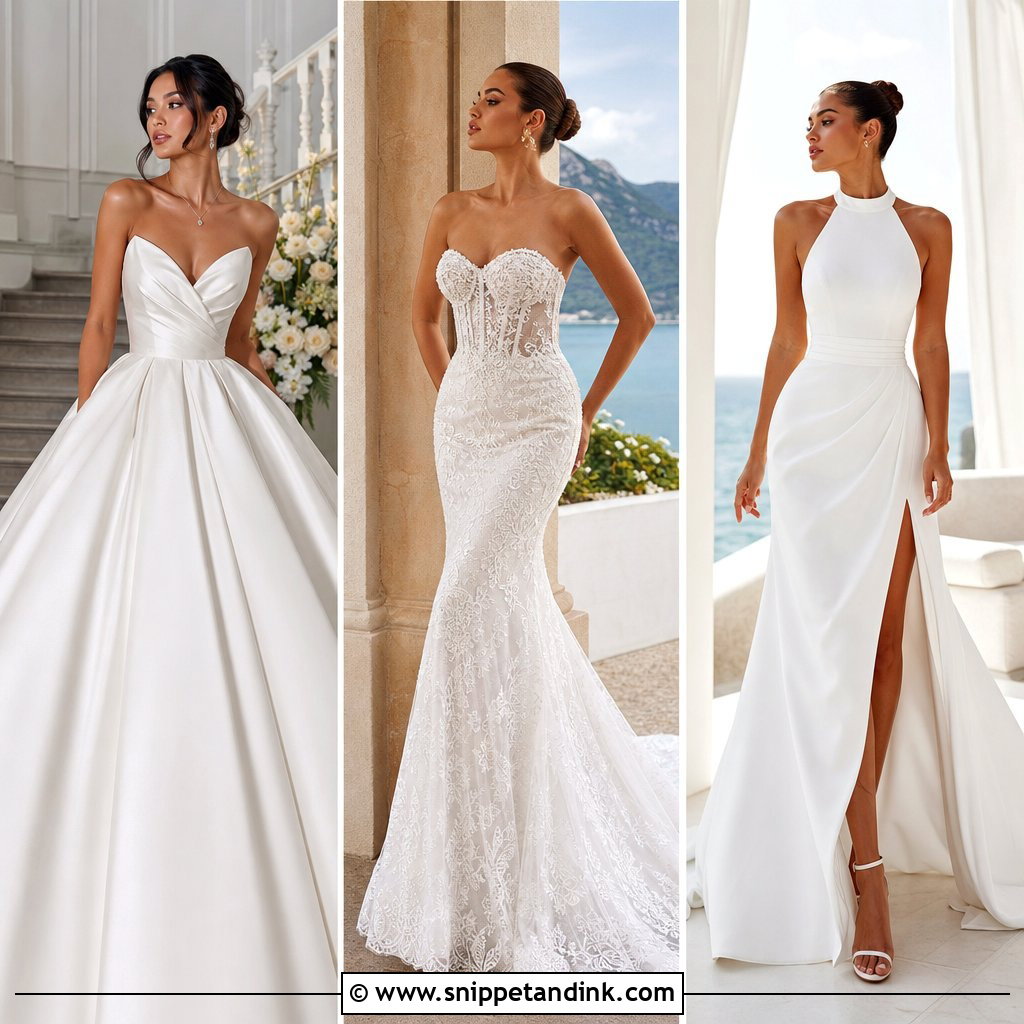
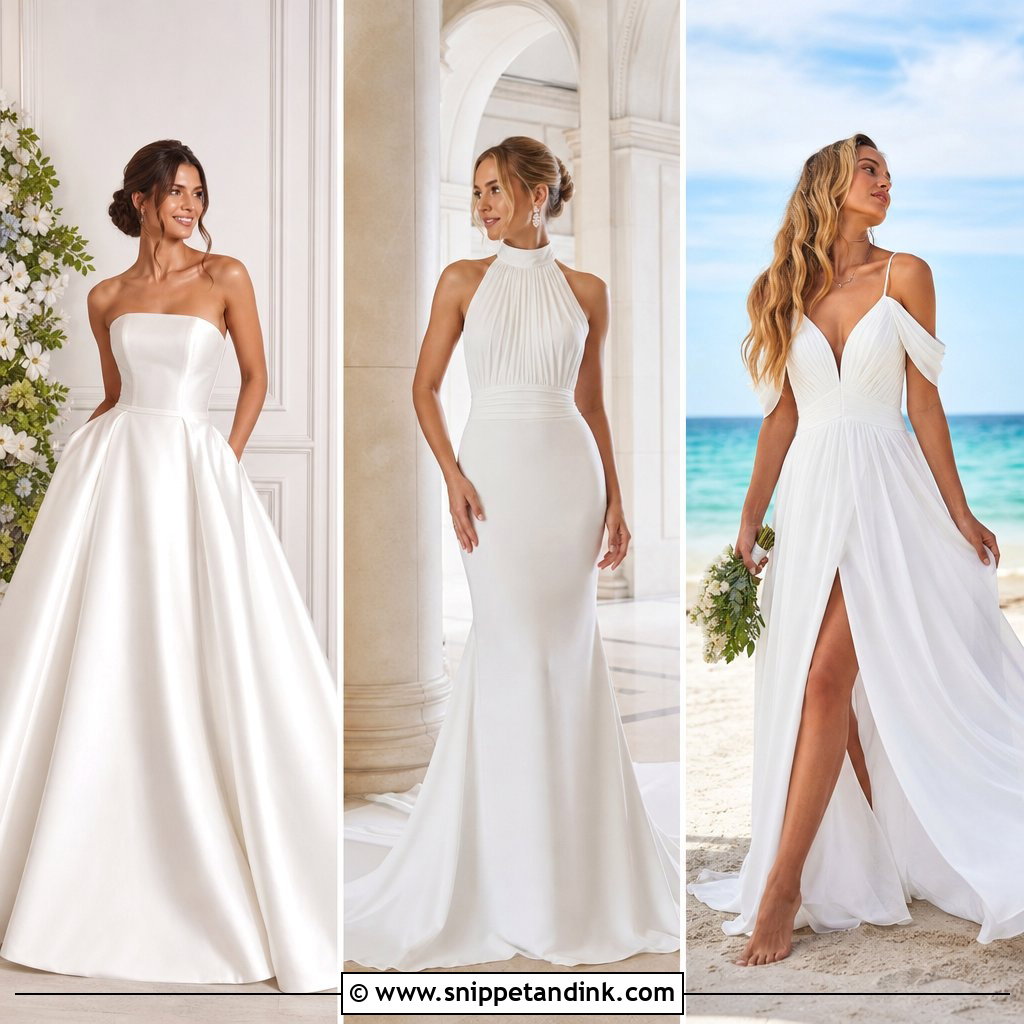
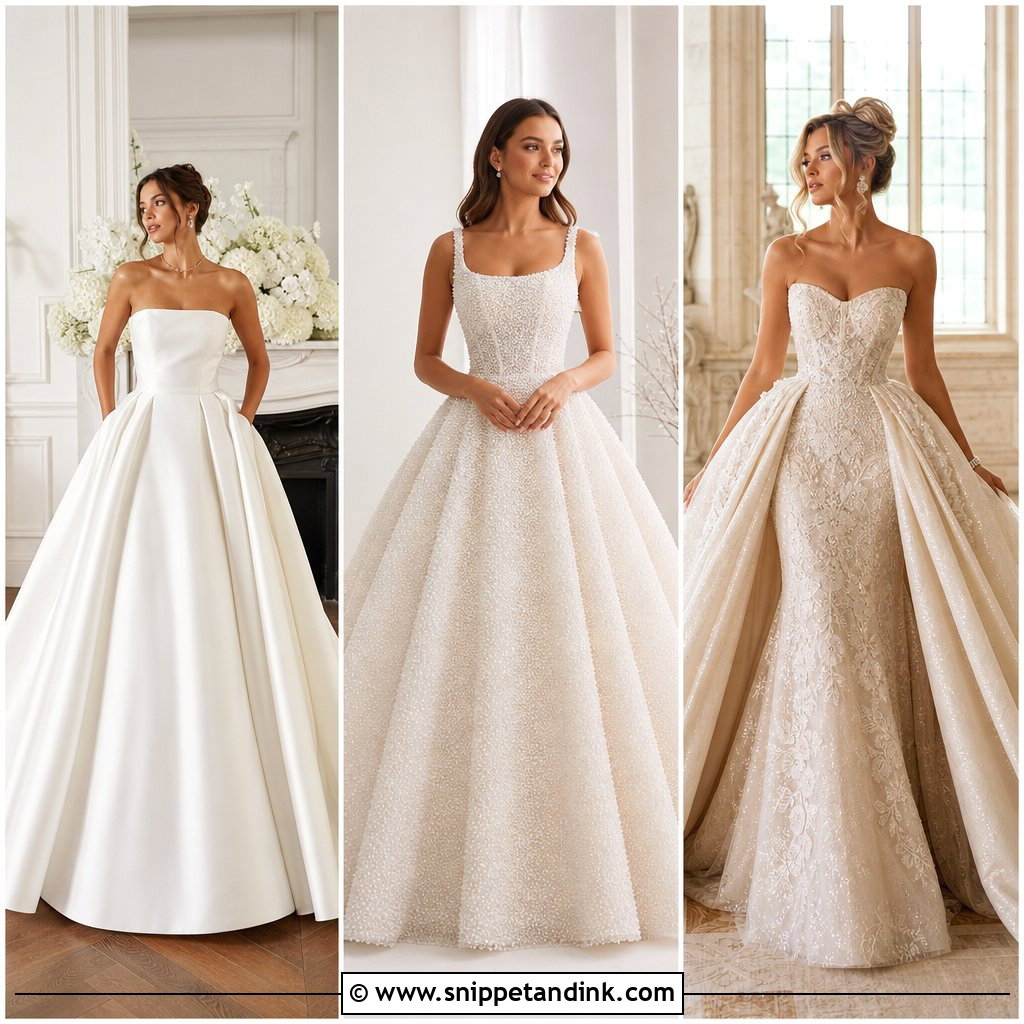
Satin is unforgiving of creases and generous with light, which is why a ball gown in it needs so little decoration. A scoop, square or curved strapless neckline over a fitted waist gives the volume a clear shape. Crystal studs, a cathedral veil and closed-toe satin heels, plus perhaps a slim tennis bracelet. Ask for hidden pockets and a strong bustle; full satin skirts are heavy, and a weak bustle point tears by the first dance. A polished bun or smooth waves behind the shoulders keep the line clean. One caution: satin marks easily, so hold your bouquet slightly away from the skirt, because wet stems leave water spots.
3. Long Sleeve Bridal Frock Gown
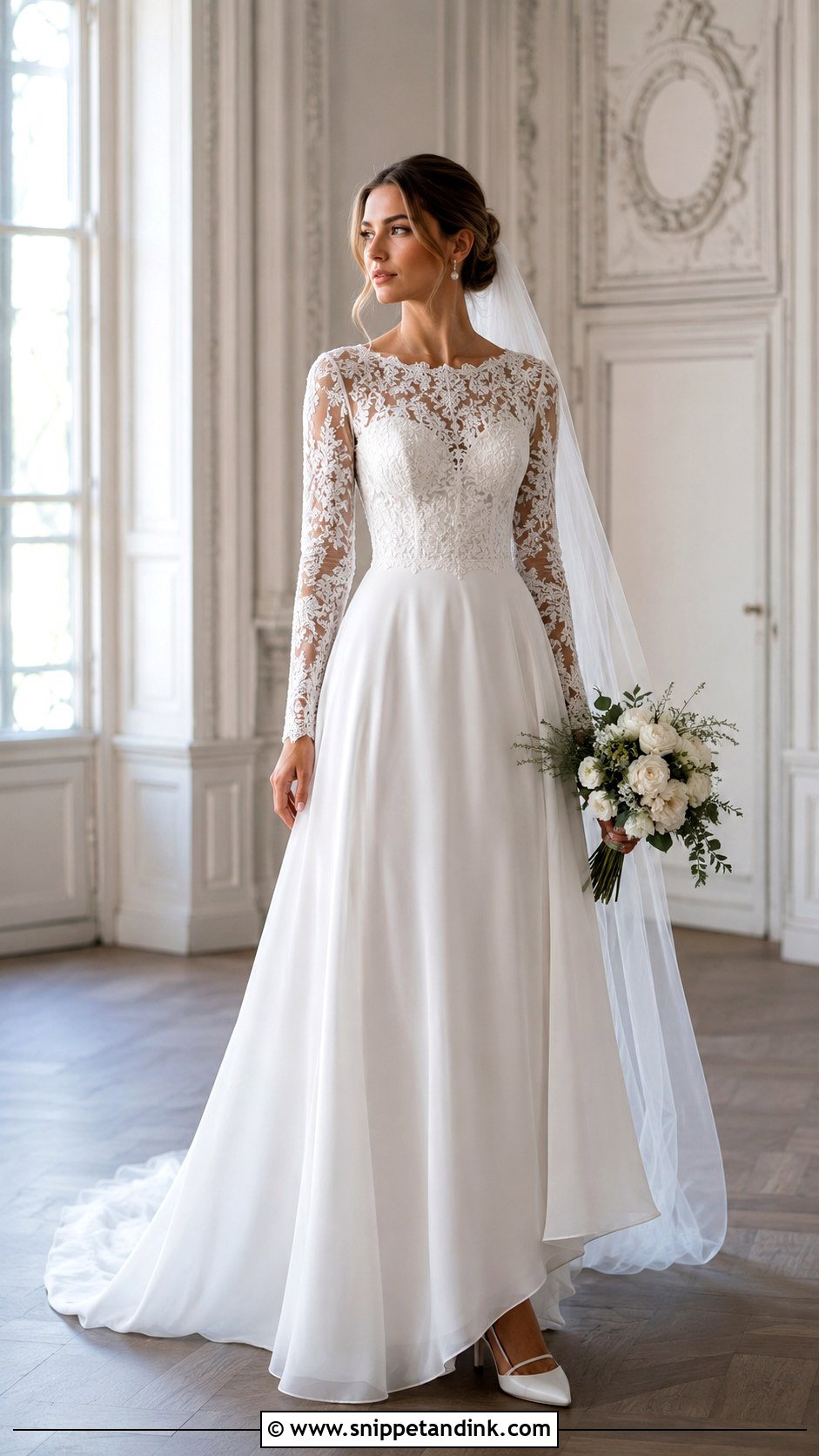
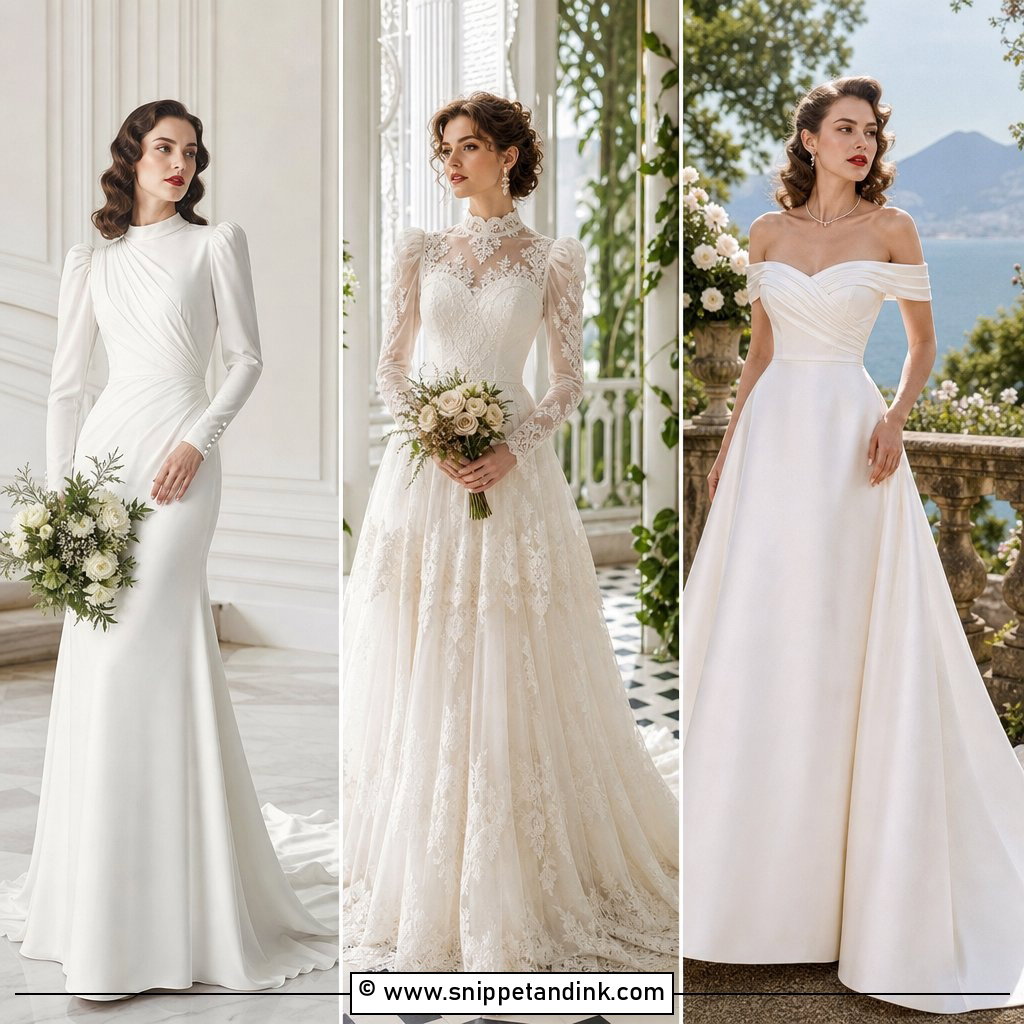
With a long sleeve bridal frock gown, I check the armhole before I look at anything else. A lace sleeve set too high or too tight rubs raw after a few hours, and a soft lining there makes all the difference. A soft A-line or circular skirt keeps the covered top from feeling heavy. Style it with pearl earrings, a narrow comb and a light tulle veil under a low bun, and pointed slingbacks that are easier to walk in than towering heels. For summer, choose breathable lace; for winter, lined crepe. Historic venues and formal indoor ceremonies suit it.
4. Off Shoulder Bridal Frock Gown
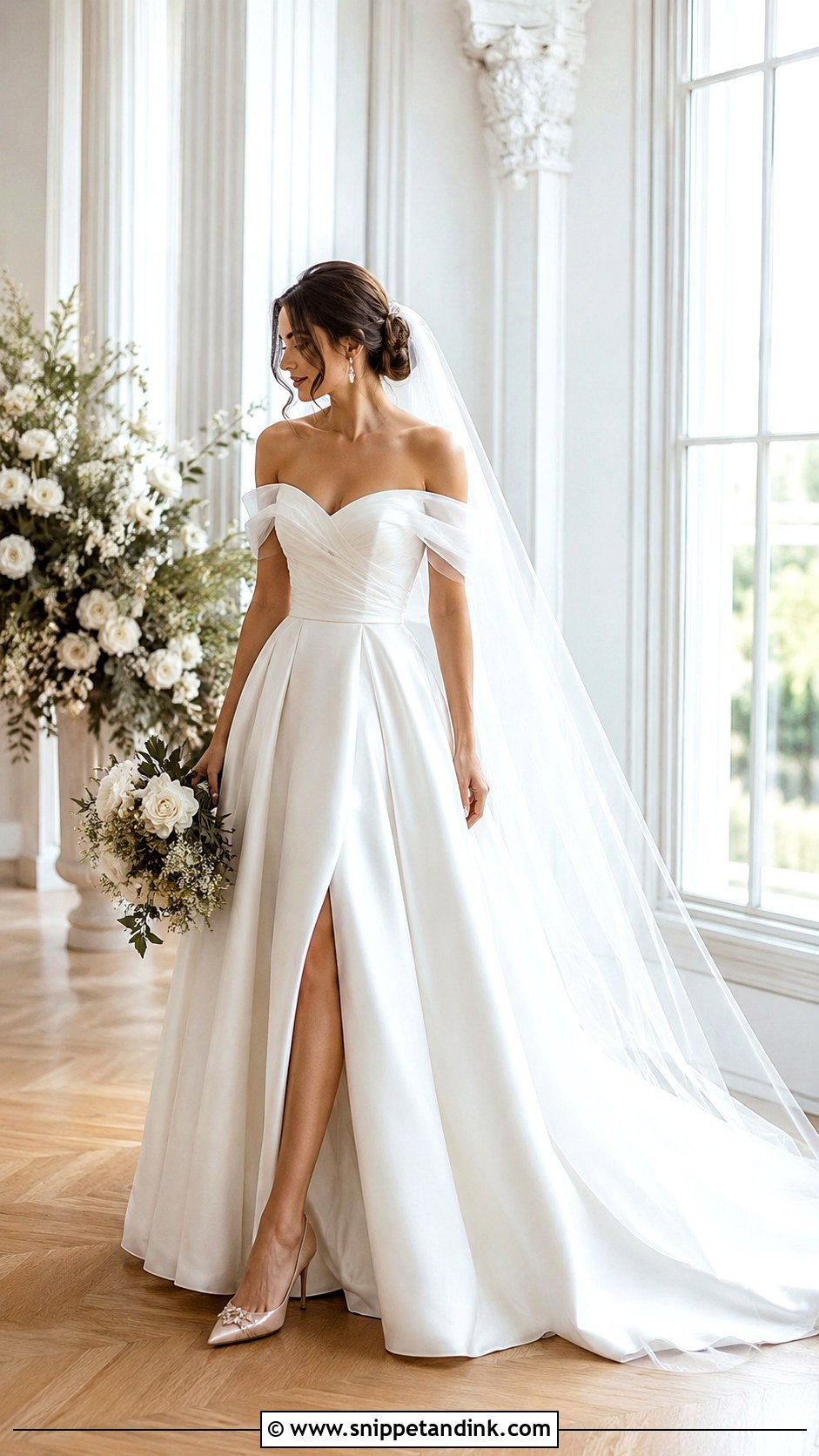
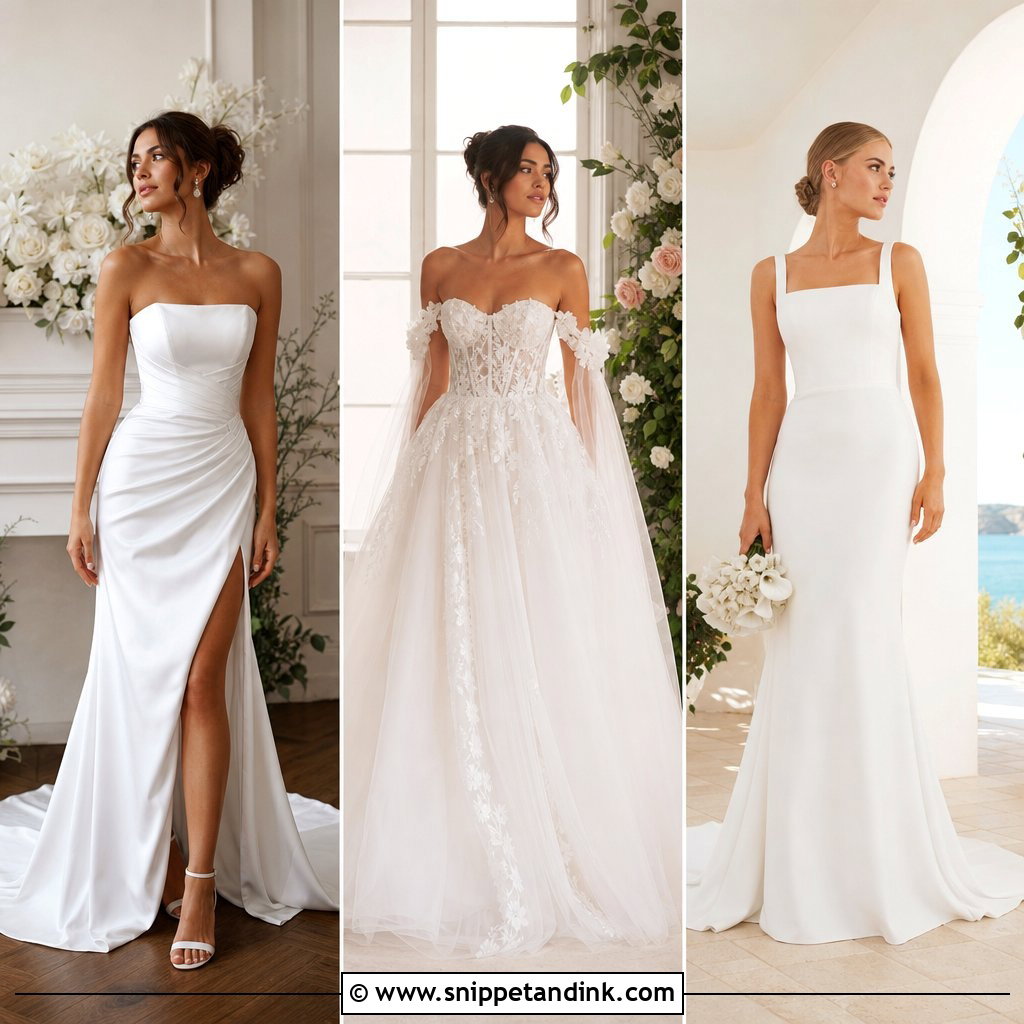
Off-the-shoulder sleeves are pretty until you lift your arms. Try it in the shop: raise your arms, hug someone, sit down. If the sleeves slide or the bodice rises, it needs internal boning and possibly elastic in the sleeve band. With the collarbone on show, keep jewelry simple. Choose either a short crystal necklace or statement drop earrings, never both. An A-line skirt keeps it manageable. A sheer chapel veil, embellished low heels and a compact beaded clutch complete it, and loose waves or a low side bun frame the neckline without covering it.
5. Mermaid Bridal Frock Gown
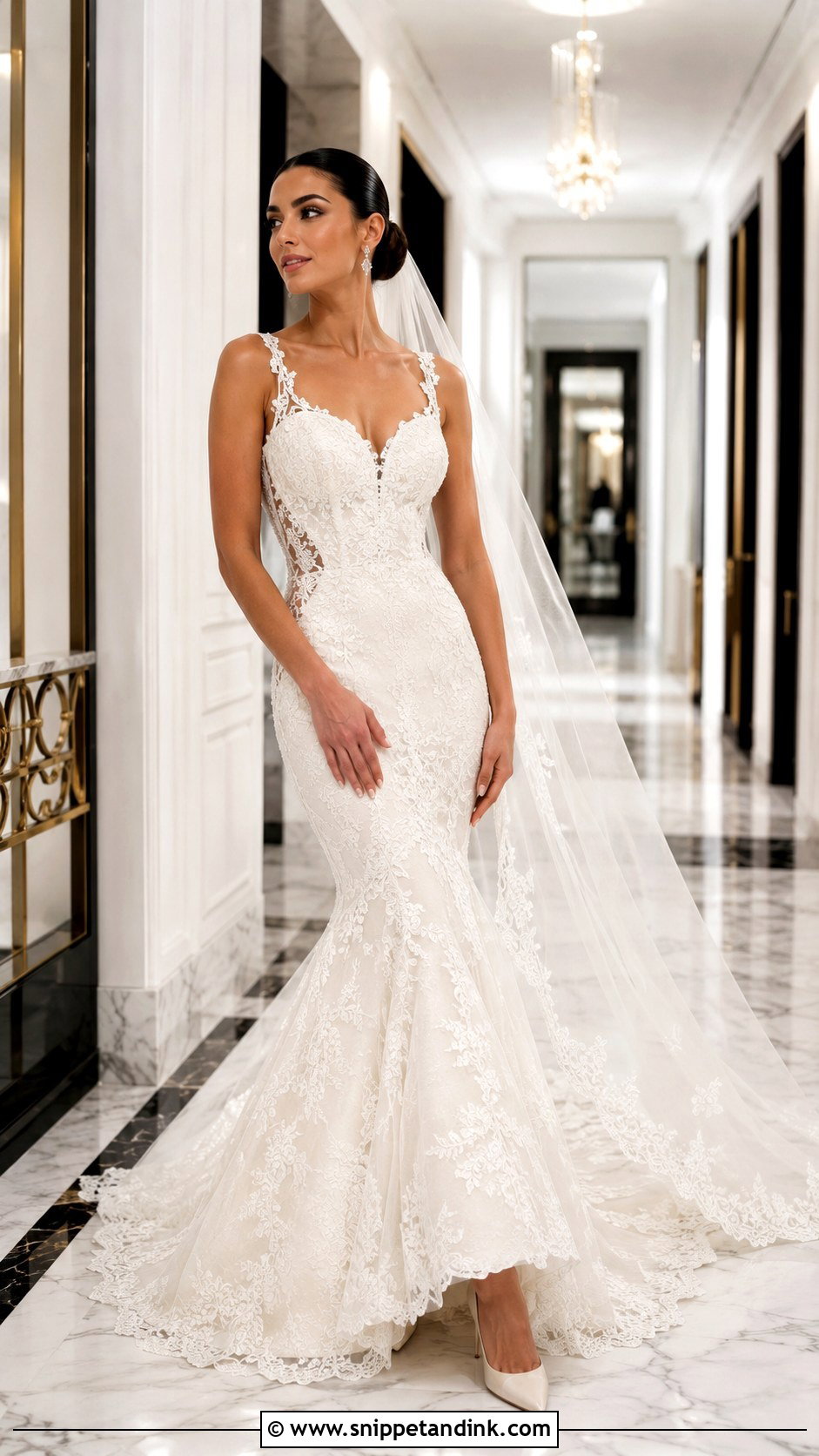
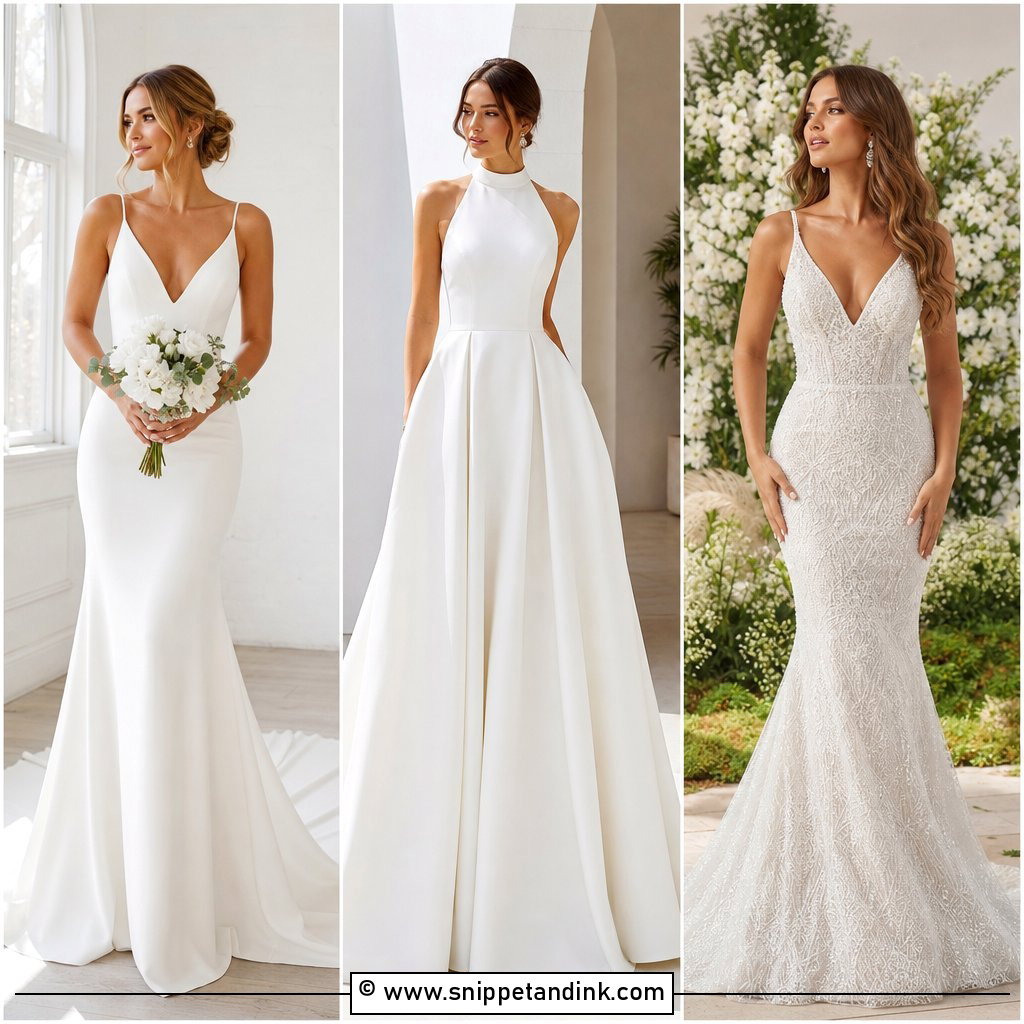
Where the flare starts decides everything in a mermaid. Too high and it looks like a trumpet; too low and you’ll shuffle all night. I mark it during alterations with the bride walking, not standing still. Stretch crepe, lined lace or a flexible mikado give structure without locking the knees. A long sheer veil, crystal earrings and pointed pumps in ivory or soft champagne, with a sleek updo to keep the eye on the neckline. With heavy beading, carry a plain satin clutch and pare the jewelry back. Detachable illusion sleeves or a lightweight overskirt add coverage for the ceremony if you need it. Then sit in it. If you can’t sit, it isn’t fitted yet.
6. Pakistani Embroidered Bridal Frock Gown
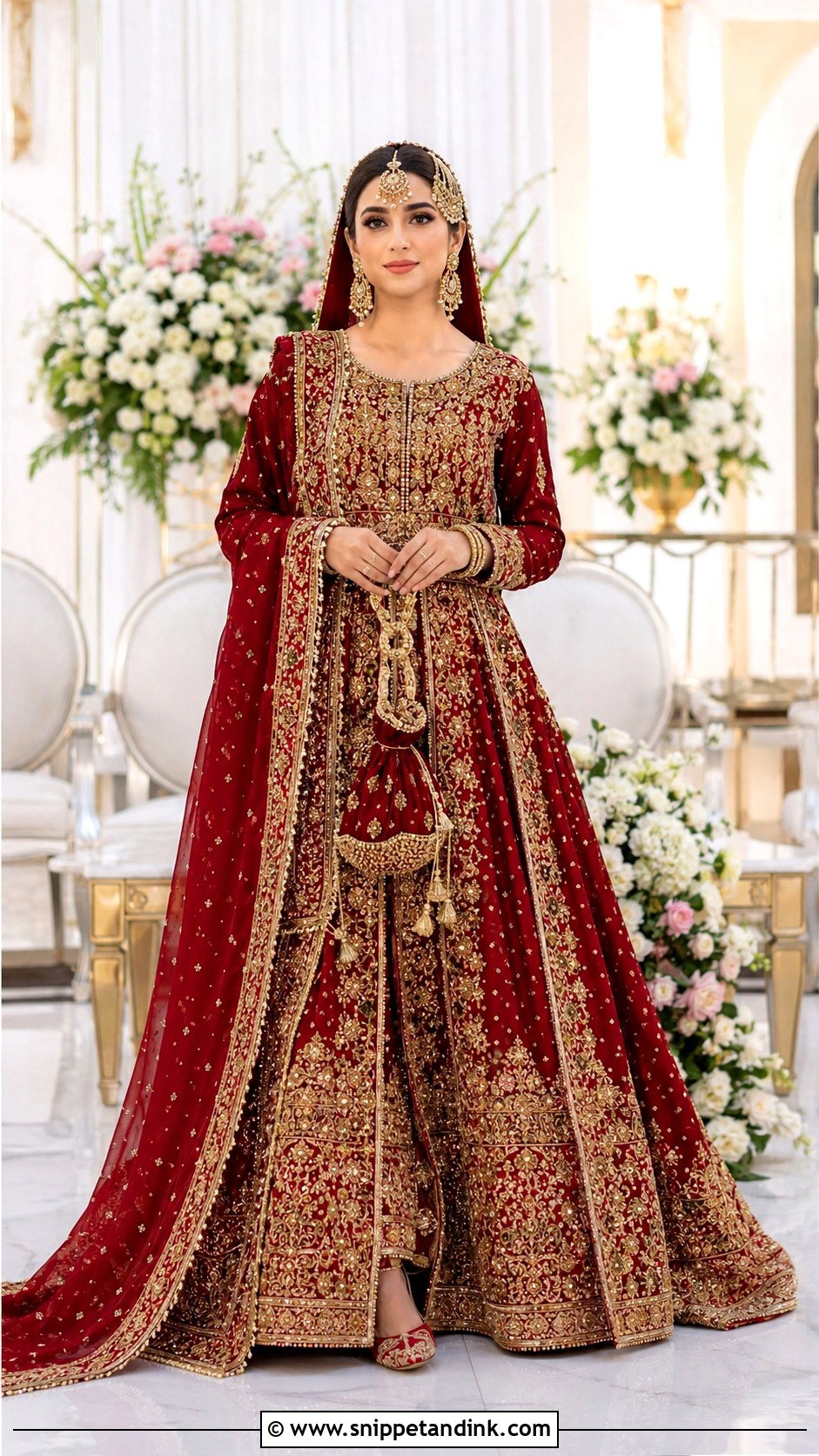
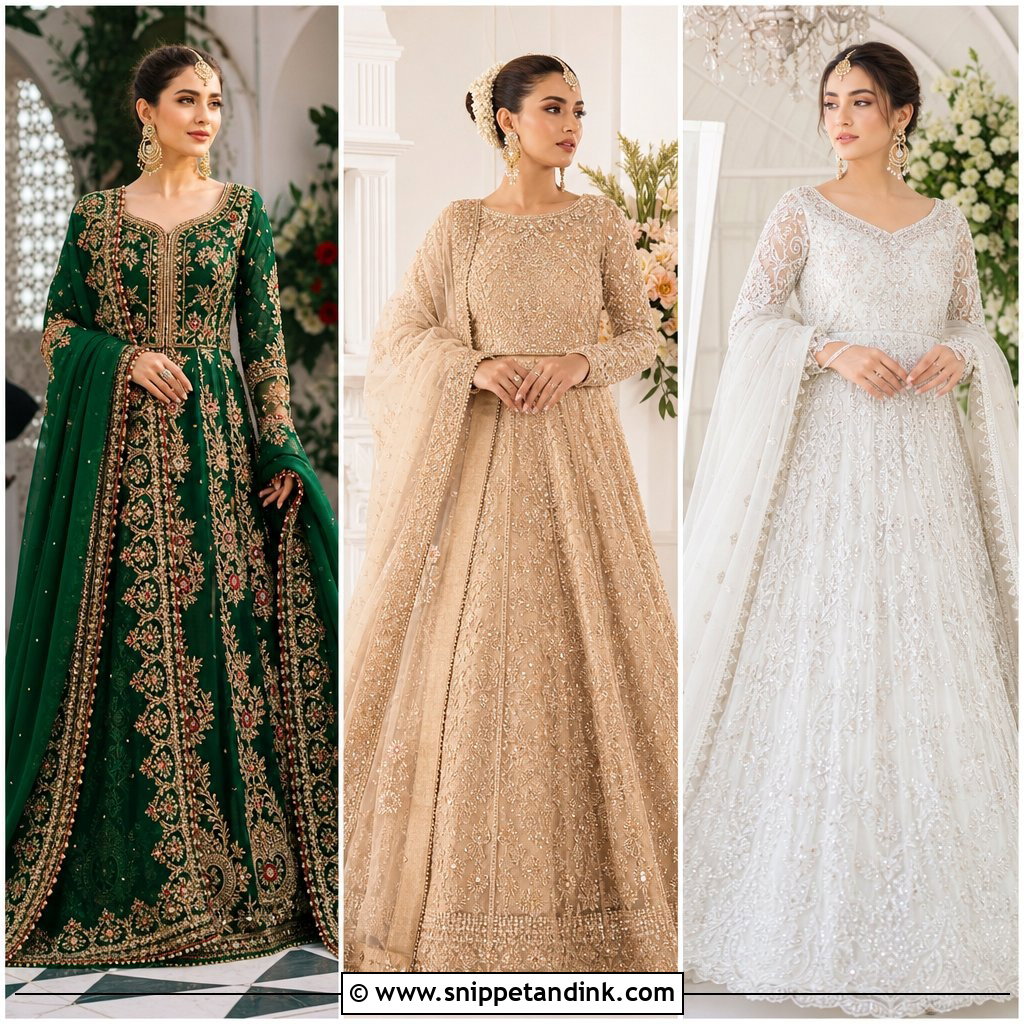
A Pakistani bridal frock gown carries real weight, sometimes literally. Deep red, maroon, ivory or muted gold, worked with zardozi-style embroidery, beads, sequins and floral motifs, can be heavy enough that the shoulders need support and the bride needs breaks to sit. The dupatta is the second big decision. Over the head reads more traditional, over one shoulder more relaxed, and either way it needs pinning to the hair or frock in several places so it doesn’t drag the head back. A jeweled headpiece, matching earrings, bangles and embroidered block heels finish it, with a structured potli for essentials. Keep the color story tight. When the embroidery already carries several shades, extra contrasting colors make it look busy.
7. Indian Bridal Frock Gown
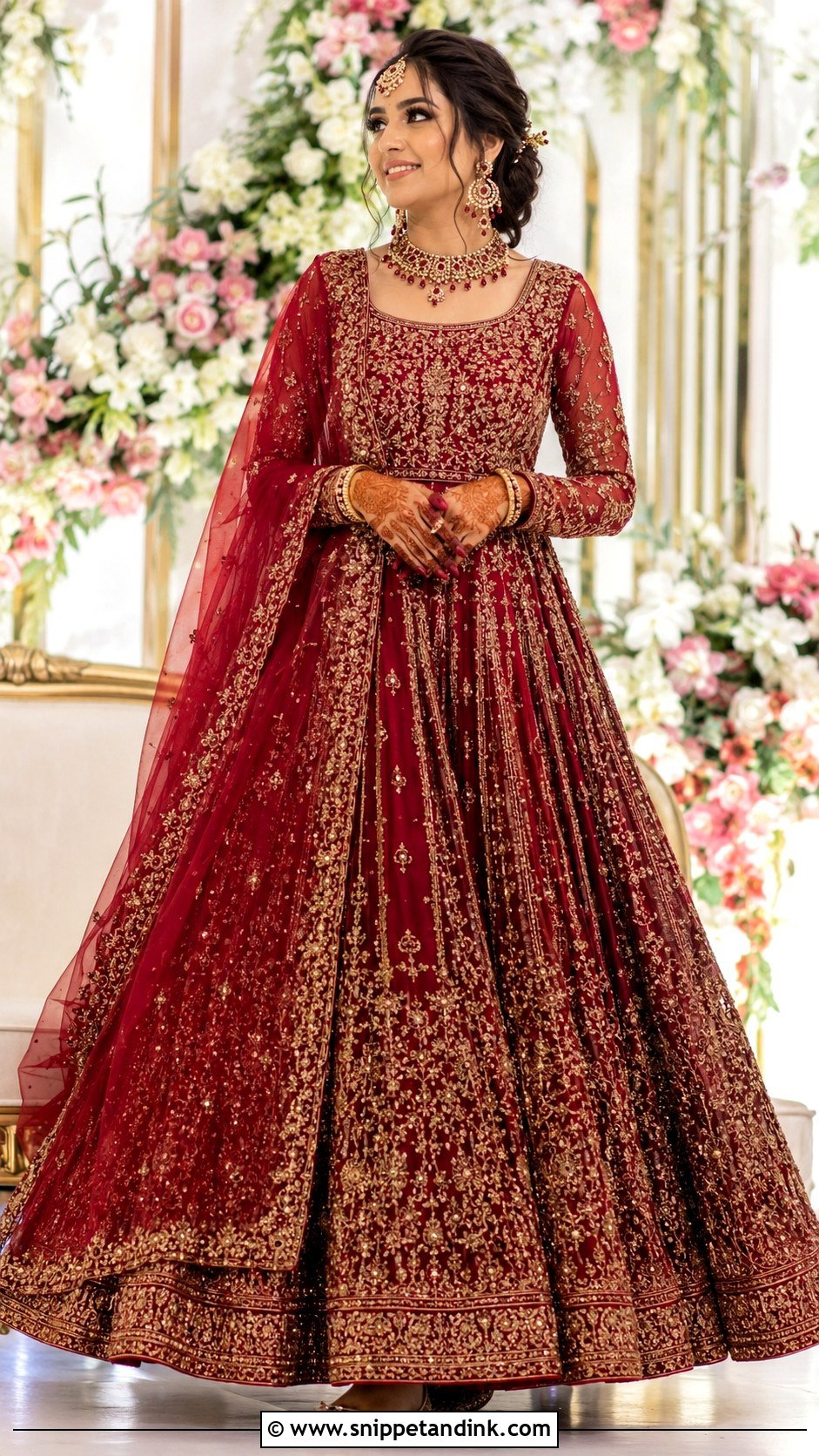
Layered skirts and long dupattas mean the hem on an Indian bridal frock gown needs to be exact. Brides walk in circles, sit on low seating and stand for a long time, and a hem a touch too long is a tripping hazard on every entrance. Choose a fitted embroidered bodice over a wide skirt in red, ruby, blush, ivory or antique gold, with a light dupatta edged to match. Pin it securely over the hair or drape it across the arms. A coordinated necklace, earrings, bangles and decorative flats under the hem finish it, and a braided bun with small floral accents gives a neat back view. If the embroidery is elaborate, stick to one metal tone for every accessory.
8. Modest High Neck Bridal Frock Gown
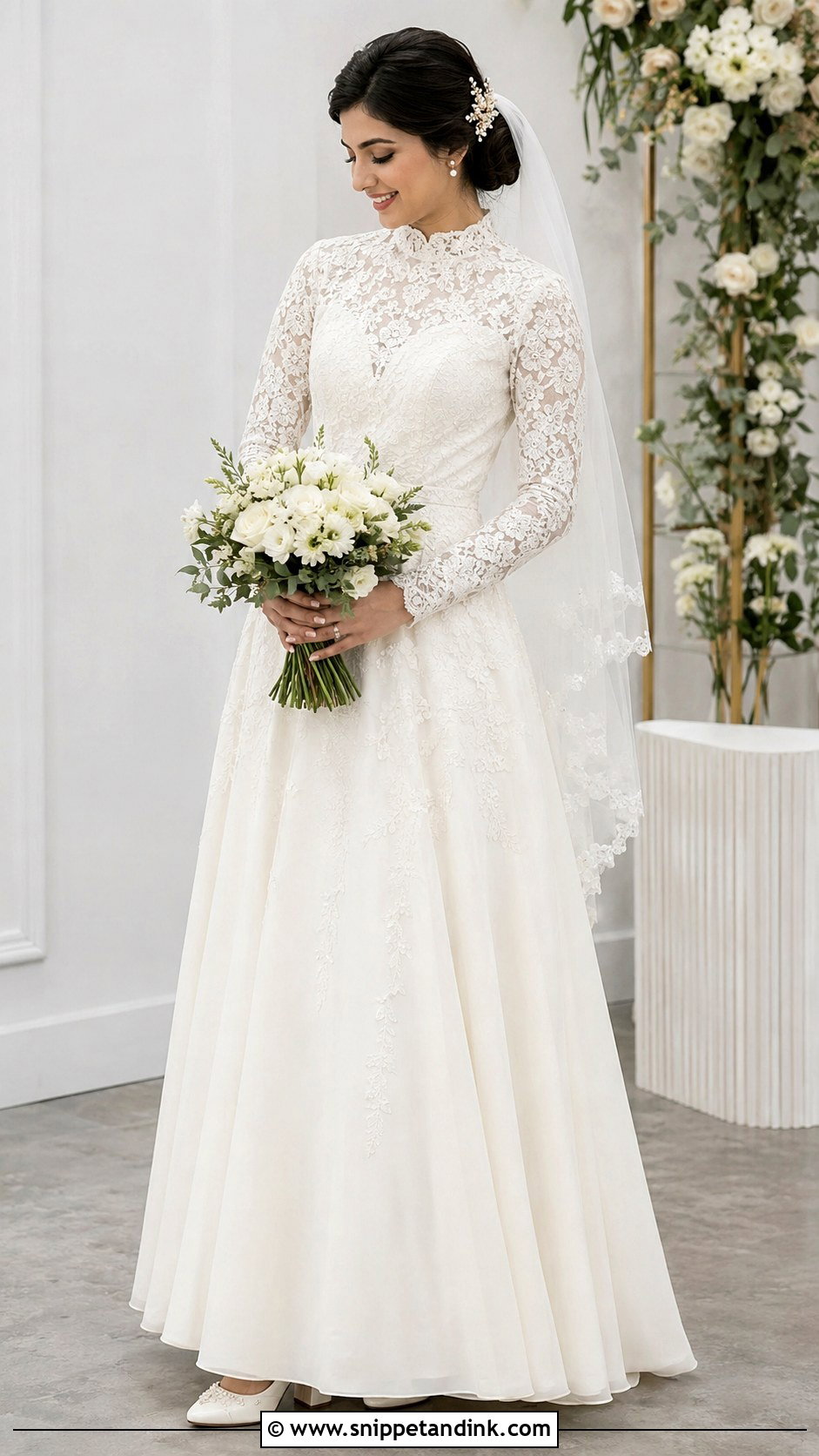
High necks fail at the collar. If it’s even slightly tight, the bride spends all day touching her throat, so I check that two fingers slip in comfortably. Pick a fitted lace, crepe or embroidered bodice with long sleeves and a gently defined waist, and an A-line skirt so the coverage doesn’t feel rigid. Pearl studs, an embellished comb, and a veil anchored beneath a smooth bun or a wrapped style. Closed-toe block heels give stability. Skip the necklace altogether; the neckline already frames your face. A slim bracelet or a meaningful ring is enough. Properly fitted shoulders matter here more than in any other cut.
9. Chiffon Empire Waist Bridal Frock Gown
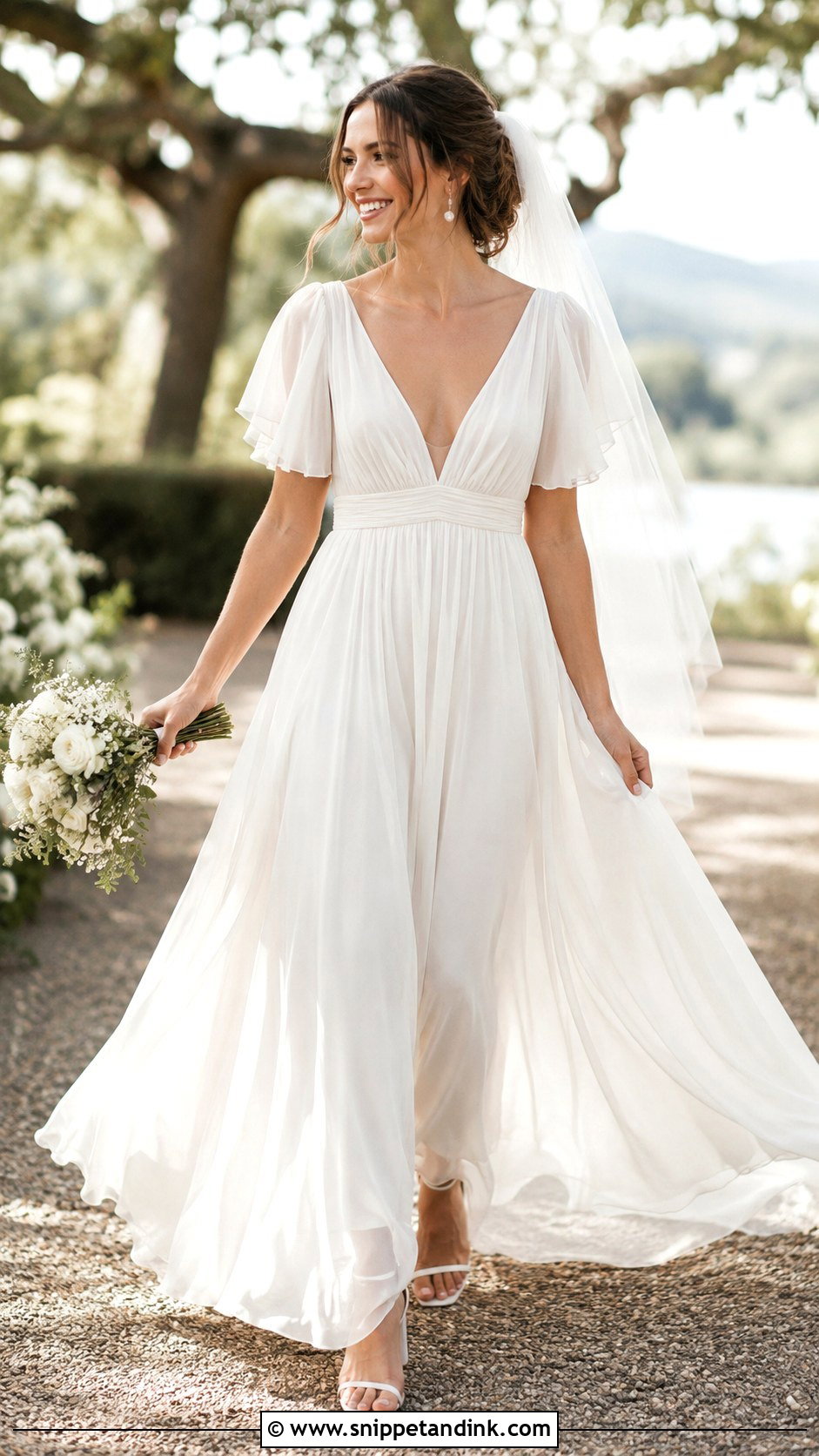
Empire waists are kind to anyone who doesn’t want fabric skimming the stomach, and in chiffon they float. The seam sits just under the bust, so bust support has to be built in. A V-neck or gathered bodice with flutter sleeves or wide straps handles that. Chiffon is sheer, so check the lining in daylight before you buy. Delicate gold or pearl earrings, strappy low heels and a simple tulle veil, with a small floral pin in loose waves or a relaxed low bun. Heat and outdoor ceremonies are where it earns its place. Keep accessories small; anything chunky looks heavy against something this light.
10. Corset Bridal Frock Gown
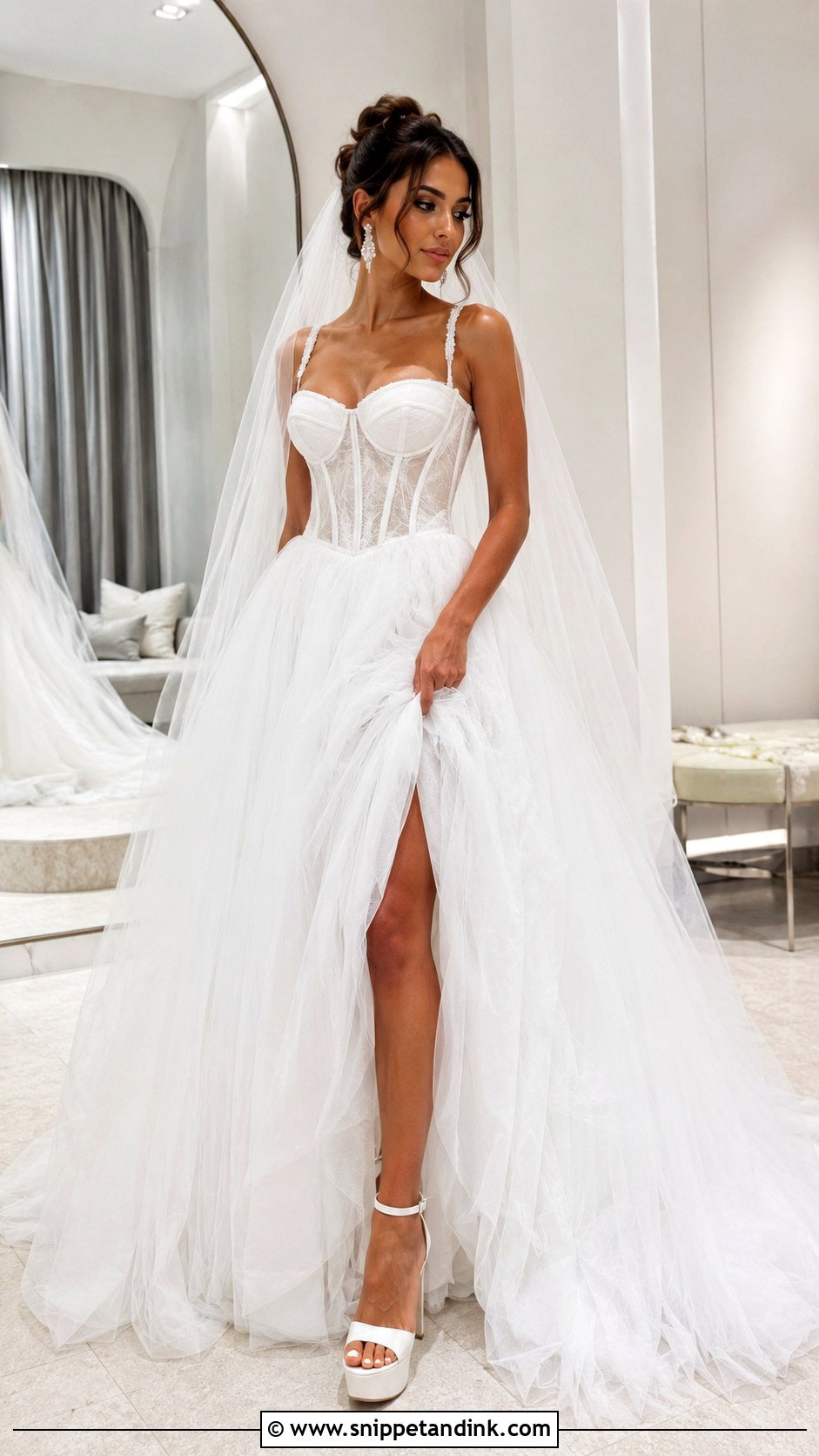
A corset should hold you, not squeeze you. I want a bride to take a full breath and sit down at dinner without the top edge biting, and that only happens with flexible boning, a proper lining and a fitter who knows corsetry. Visible lacing or a concealed internal closure both work. Pair the bodice with a full tulle, satin or lace skirt. Add a sheer veil, crystal drop earrings and satin platform heels, and wear your hair up in a soft style so the bodice shape shows. Detachable straps or sleeves give extra security during the ceremony and can come off for the party.
11. Floral Applique Bridal Frock Gown
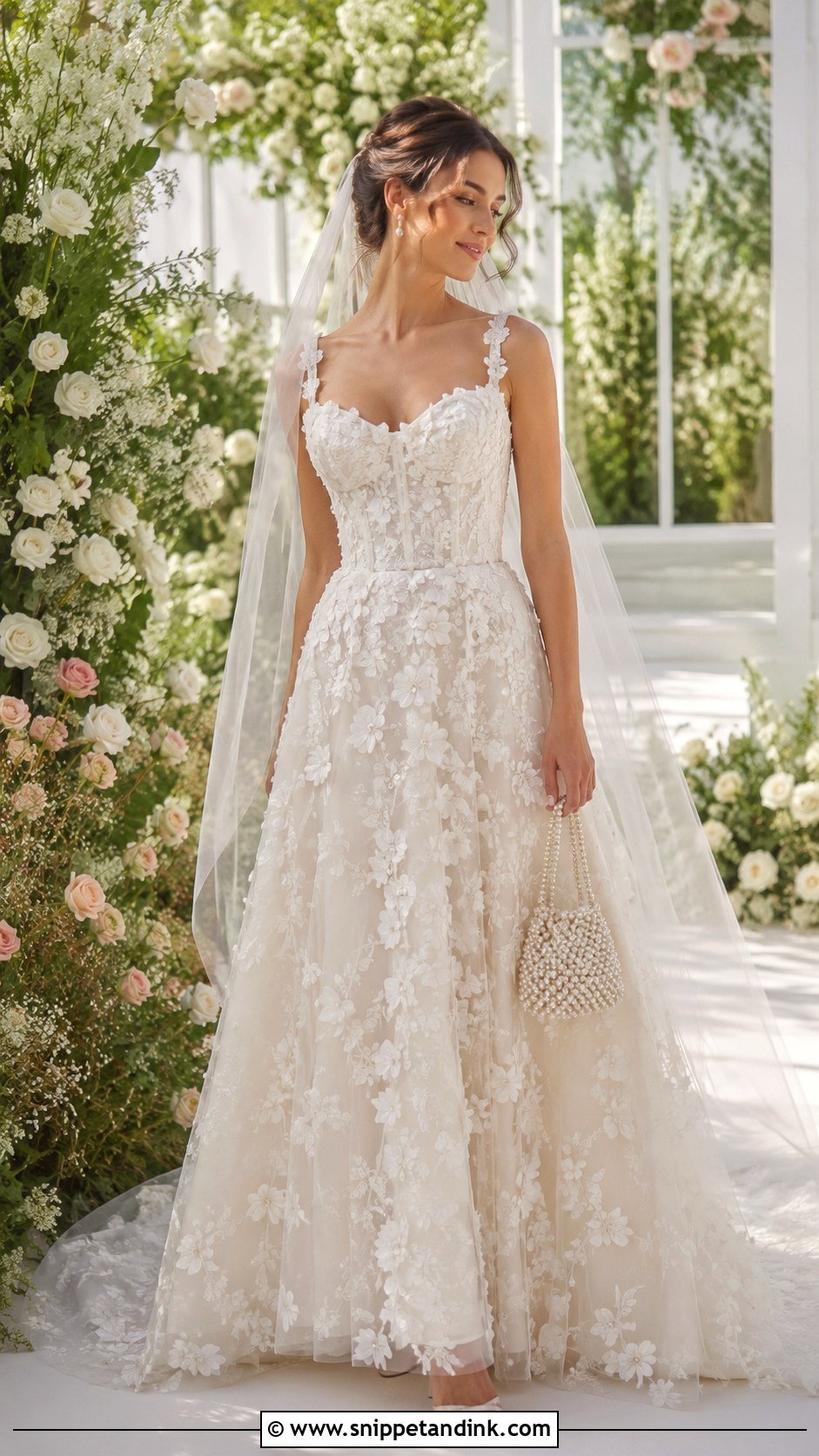
Three-dimensional flowers are fragile. Each appliqué needs to be stitched down at its petals as well as its center, or the edges lift and catch on lace gloves and bouquet wire. I check that before I admire the design. Look for flowers placed across the bodice and trailing gradually onto an A-line or ball gown skirt; good placement draws the eye to the waist. Ivory is classic, pale blush, blue or champagne adds a hint of color. Keep the rest plain: pearl earrings, a plain-edged veil, understated pointed heels and a small satin or pearl bag. A few matching floral pins in a low bun work better than a large headpiece.
12. Minimalist Crepe Bridal Frock Gown
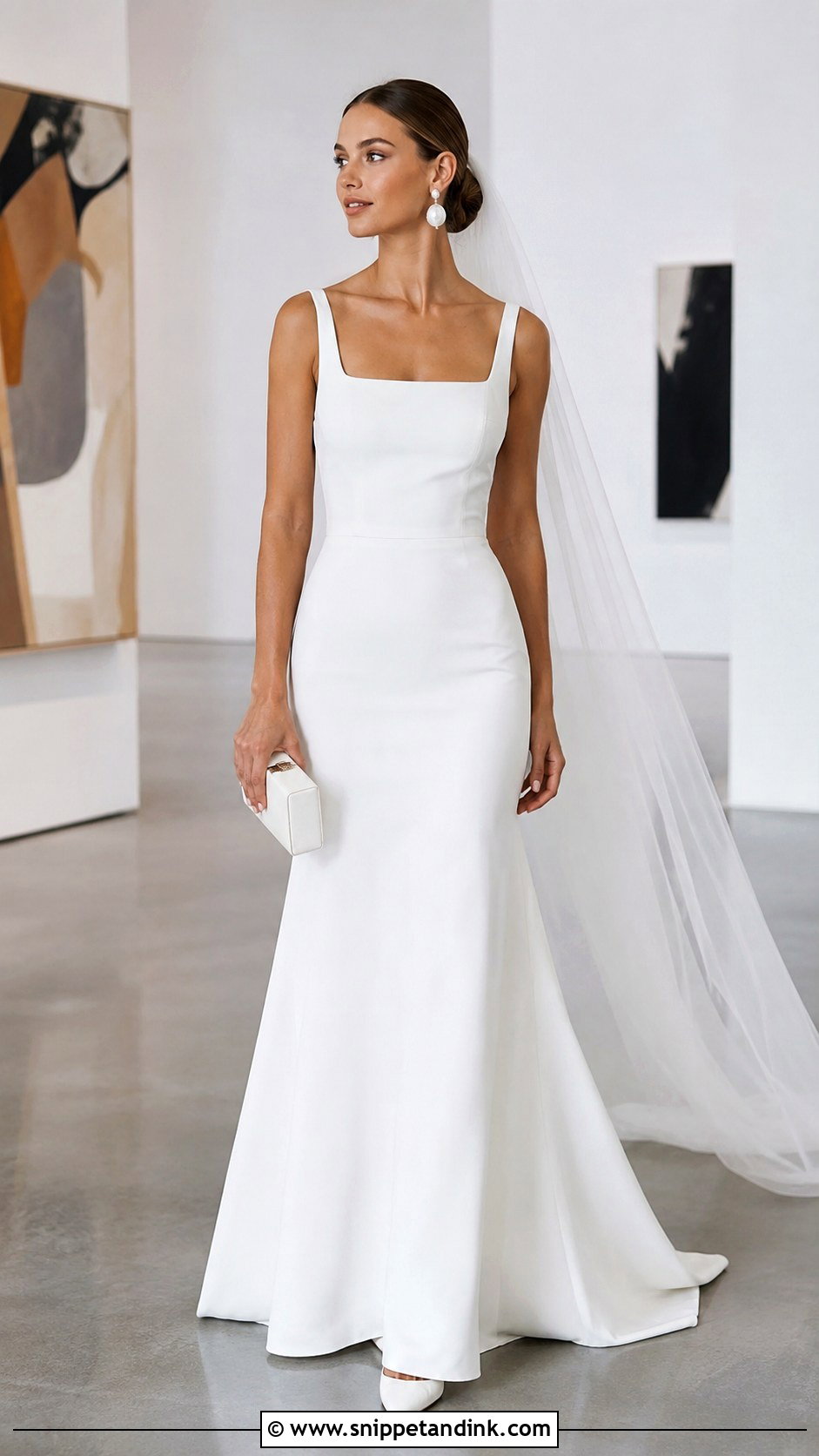
Plain crepe tells the truth about fit. There’s no embroidery to hide a seam that pulls, so tailoring matters more here than in any embellished gown. A square neckline, fitted waist and gently flared skirt give enough shape. Choose one feature only, such as a low back, covered buttons or a detachable bow. Sculptural pearl earrings, a sleek low bun, a long unembellished veil, pointed pumps and a compact structured clutch keep the look polished. Good crepe should be heavy enough to skim without clinging, and fully lined so no inside seams show. Hotels, galleries and rooftops suit it.
13. Beaded Bridal Frock Gown
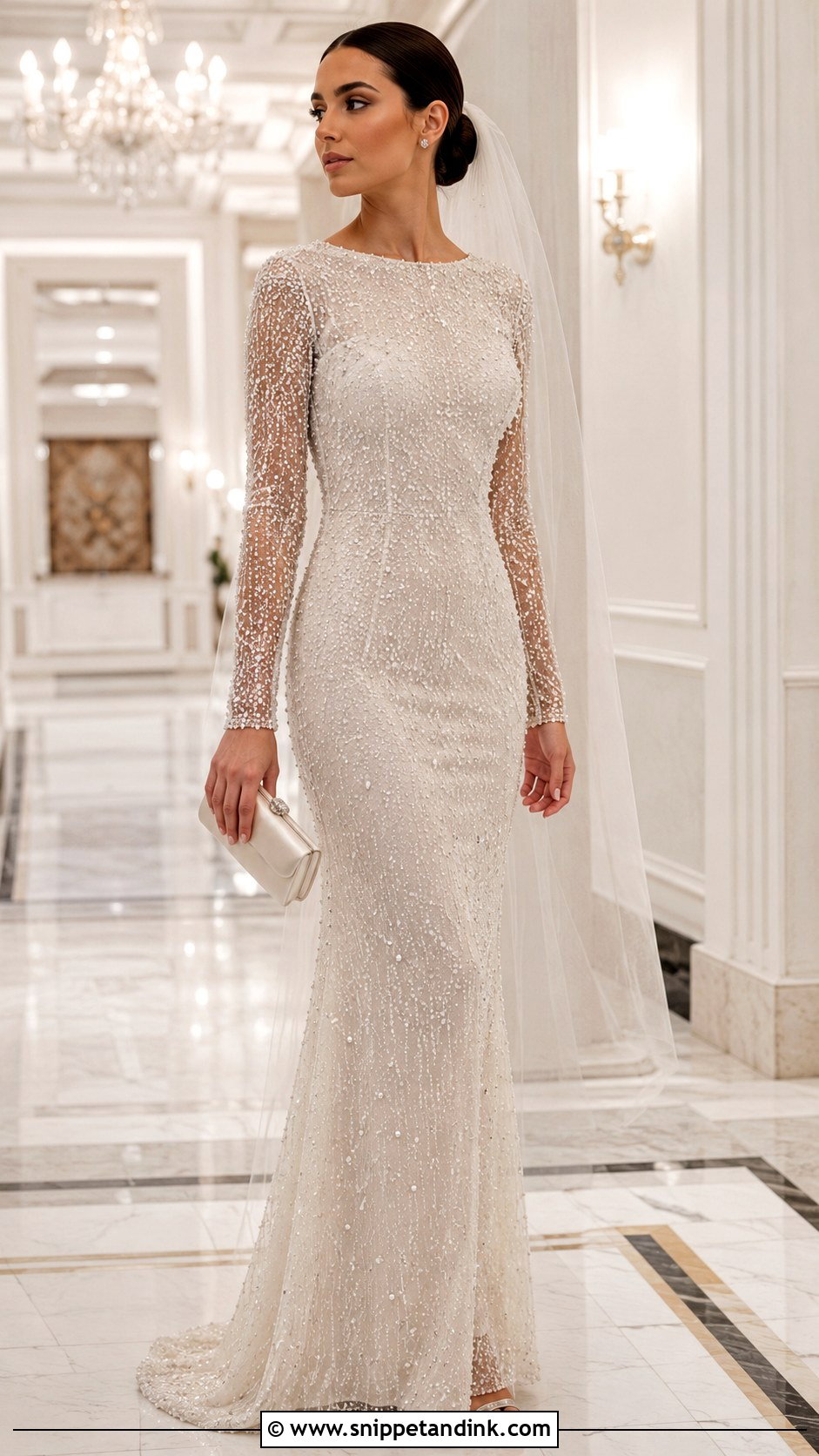
Beading is heavy, and I always lift a beaded gown off the hanger before a bride falls for it, so she knows what she’ll carry for twelve hours. Clear crystals, pearls or tonal beads on a fitted or softly flared silhouette catch light with every step, and a neutral lining keeps the pattern crisp. Check the shoulder support and inner lining closely; heavy beadwork drags a weak bodice down. Simple studs, metallic low heels and a plain tulle veil are enough. Skip bracelets, which snag beads, and carry a plain satin clutch rather than another embellished piece. A smooth bun or side-swept waves finish it.
14. Square Neck Bridal Frock Gown
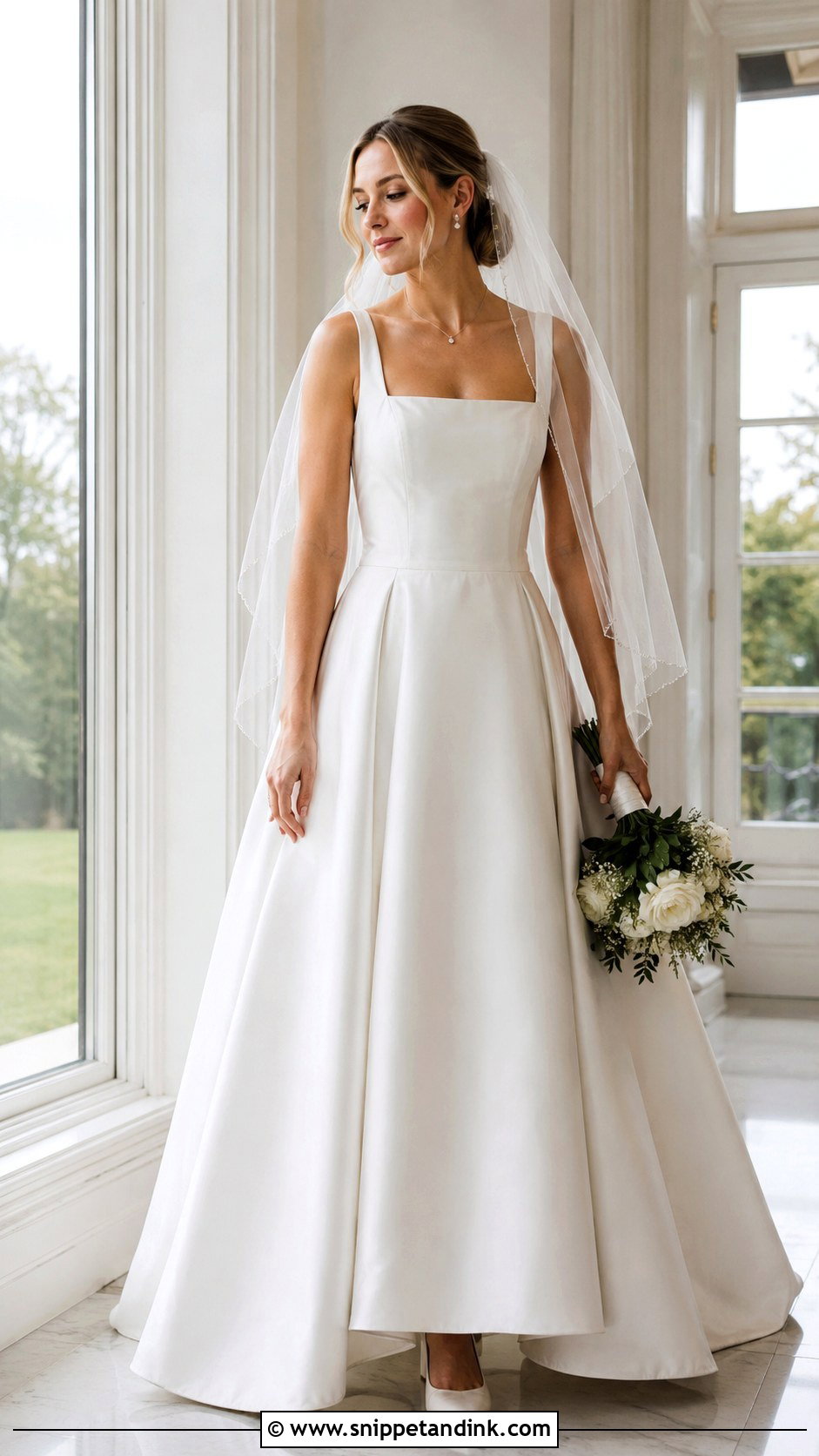
A square neckline has to lie flat. If it gaps when you lean forward, every close portrait shows it, so this is the alteration I’d fuss over most. Wide straps, short sleeves or long fitted sleeves change the feel by season. Pair it with an A-line skirt in satin, lace or jacquard. A delicate pendant, pearl earrings and block-heel pumps suit it, along with a fingertip veil that won’t hide the neckline. Hair goes in a low bun or half-up so the bodice stays visible. Sitting down is the test: a good square neck stays put.


15. Blush Pink Bridal Frock Gown
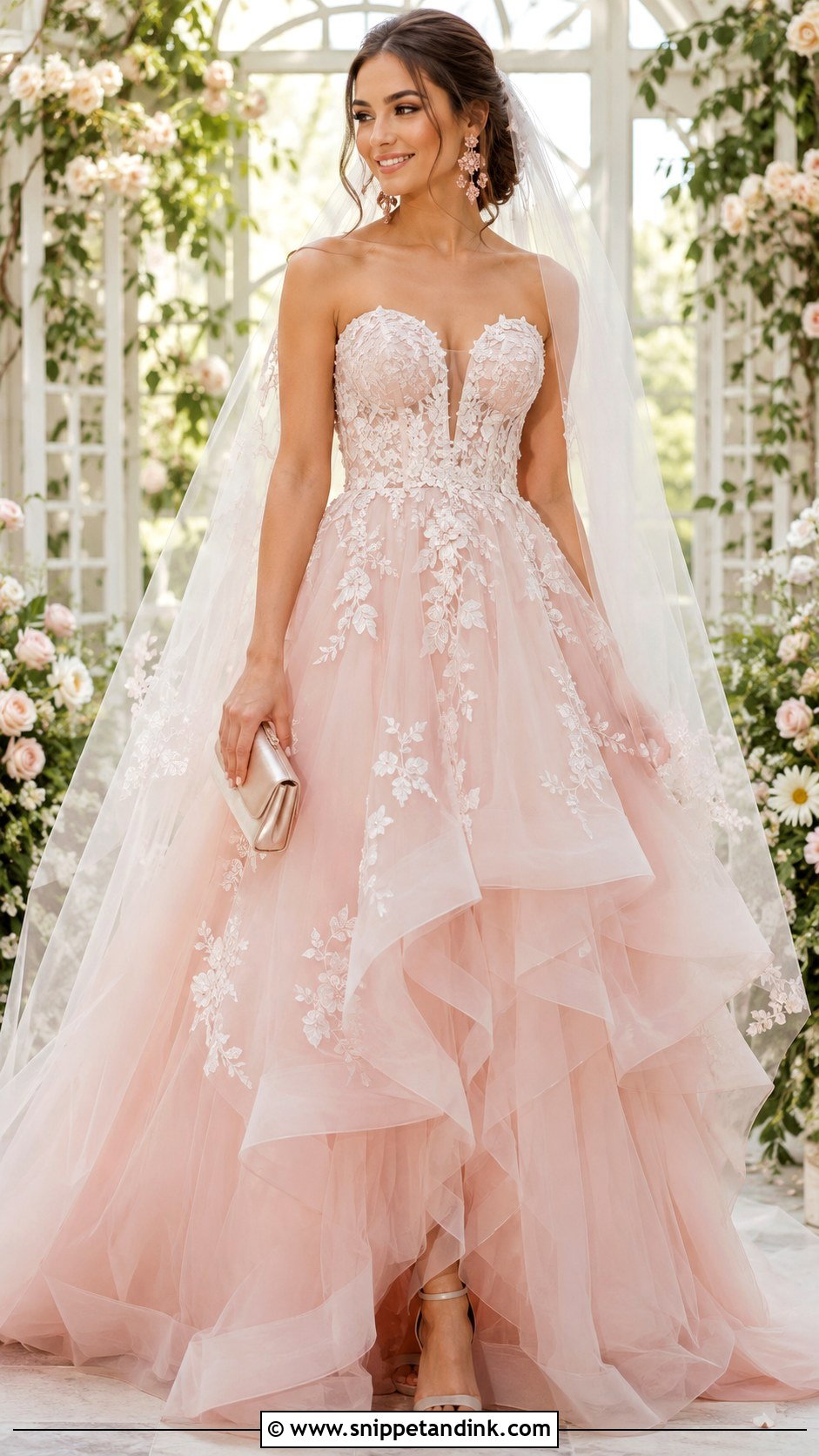
Blush is harder to choose than white, because the wrong pink fights your skin. Cool rose suits some complexions, warm peach-blush or a muted nude-pink suits others, and I always look at the fabric against the bride’s face in daylight and again under warmer indoor light. Choose a structured bodice, layered tulle skirt and ivory lace appliqués for contrast. Rose gold earrings, neutral heels and a sheer ivory veil keep it from looking costume-like, and a champagne or pale pink satin clutch matches. Loose waves or a relaxed chignon suit the mood. Gardens and ballrooms both work. Pale blush can wash out in very bright sun, so ask your photographer about it.
16. Red Bridal Frock Gown
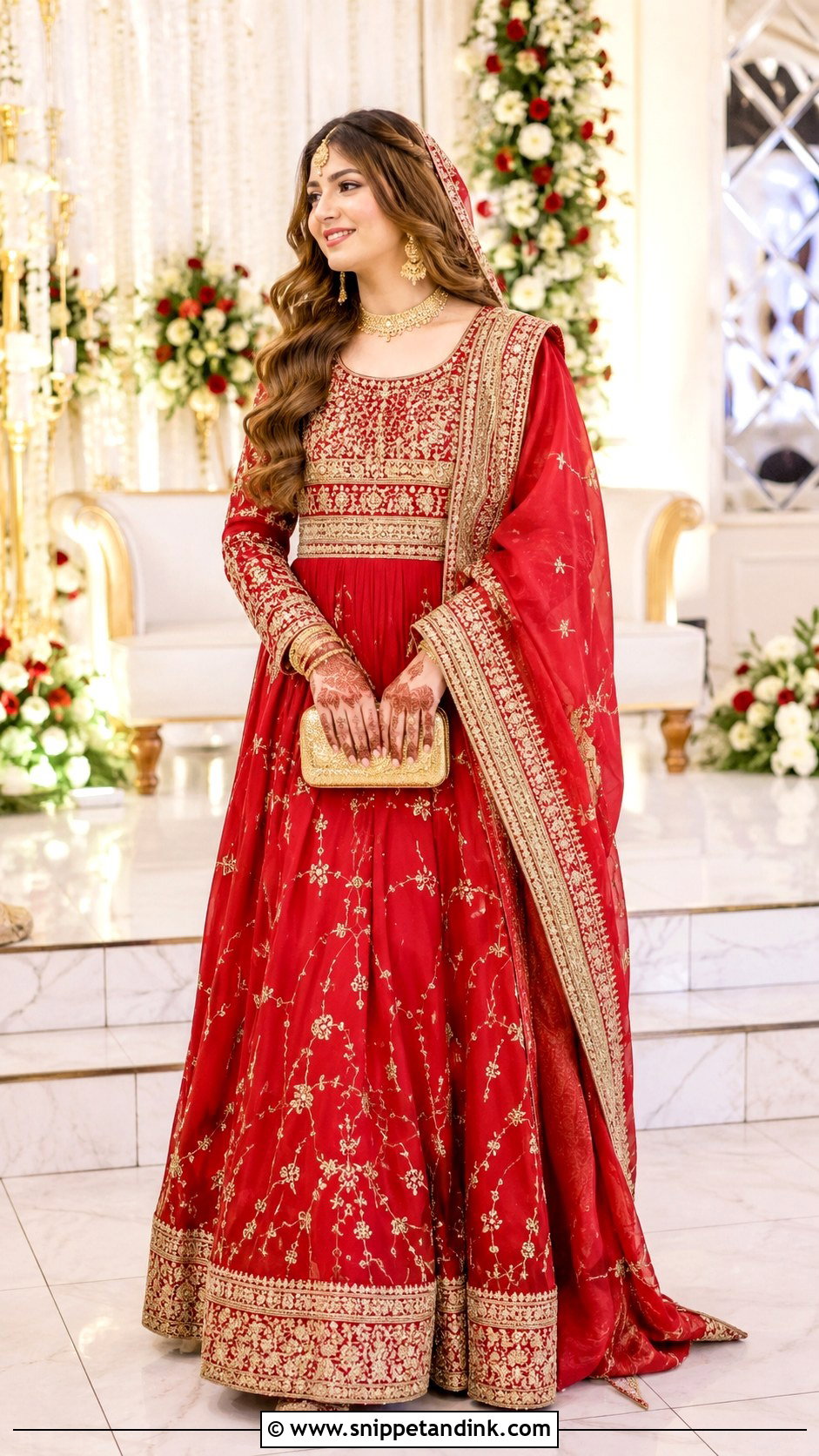
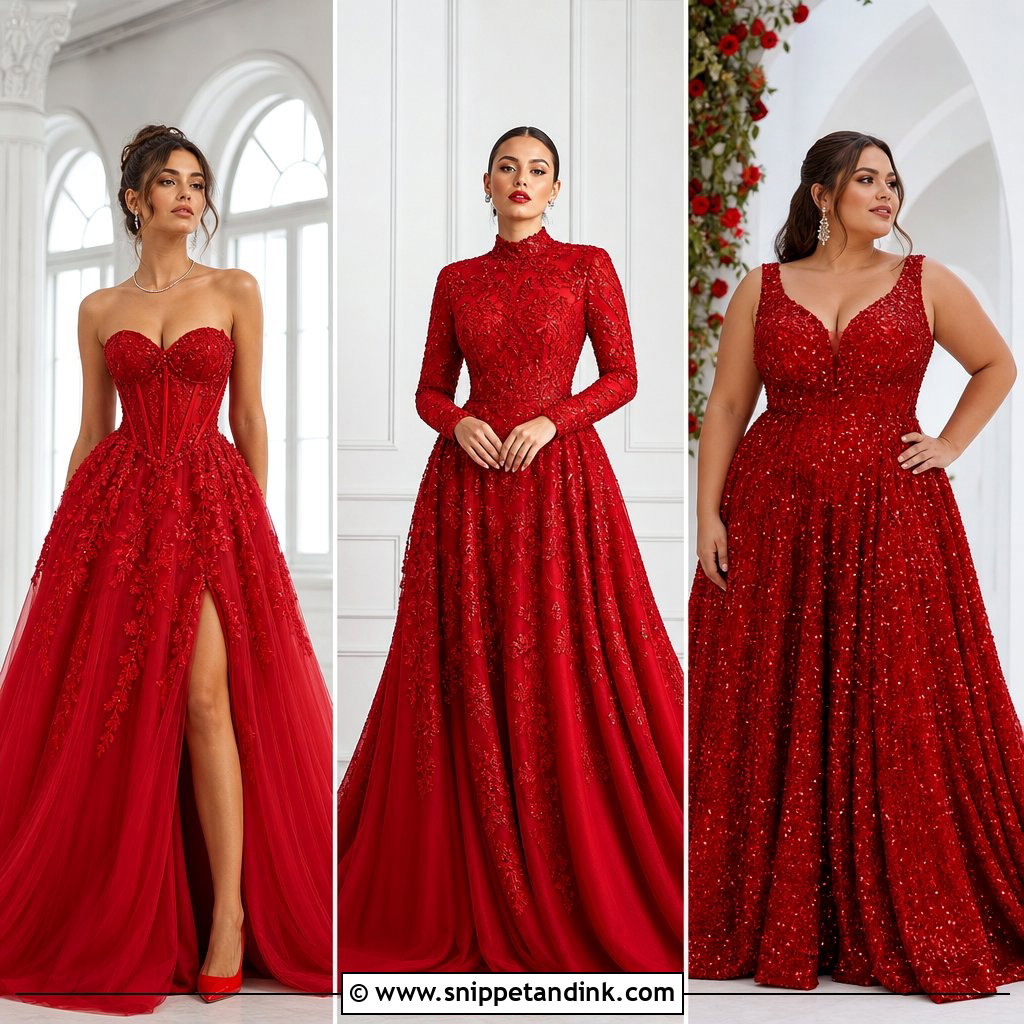
Red carries deep bridal meaning in many traditions, and a red bridal frock gown needs that taken seriously. The shade matters: ruby, crimson and classic red all shift under different light, and some reds turn brown or orange on camera. I’d view swatches in daylight before anything is cut. Choose a fitted bodice and full floor-length skirt worked in gold embroidery, tonal beadwork or placed lace. Gold earrings, a matching necklace, bangles and embroidered heels or flats finish it, with a coordinated red dupatta or veil and a gold-edged clutch. Every metal should be the same gold tone, otherwise the jewelry looks mismatched against the embroidery.
17. Detachable Overskirt Bridal Frock Gown
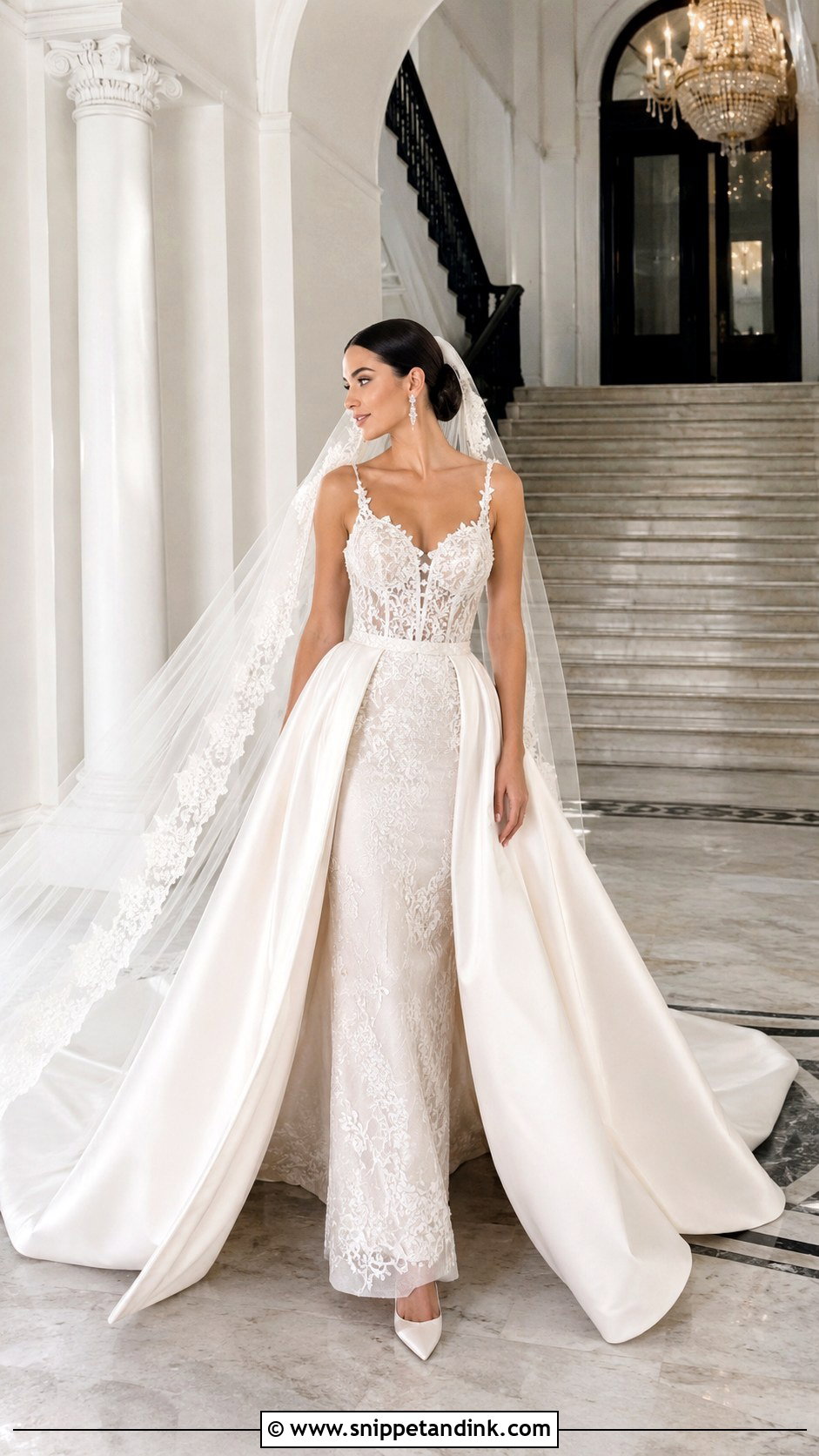
A detachable overskirt bridal frock gown gives you two silhouettes without a full outfit change. Start with a fitted crepe, lace or beaded base and add a full satin or tulle overskirt for the ceremony. The waistband is the critical part. It must fasten firmly and sit flat over the base so no lump shows, and someone besides you needs to practice taking it off. Pair the ceremony version with a cathedral veil, crystal earrings and comfortable pointed heels, and a sleek bun keeps both versions tidy. It suits a bride torn between a grand ball gown and something she can actually dance in.
18. Tea Length Bridal Frock Gown
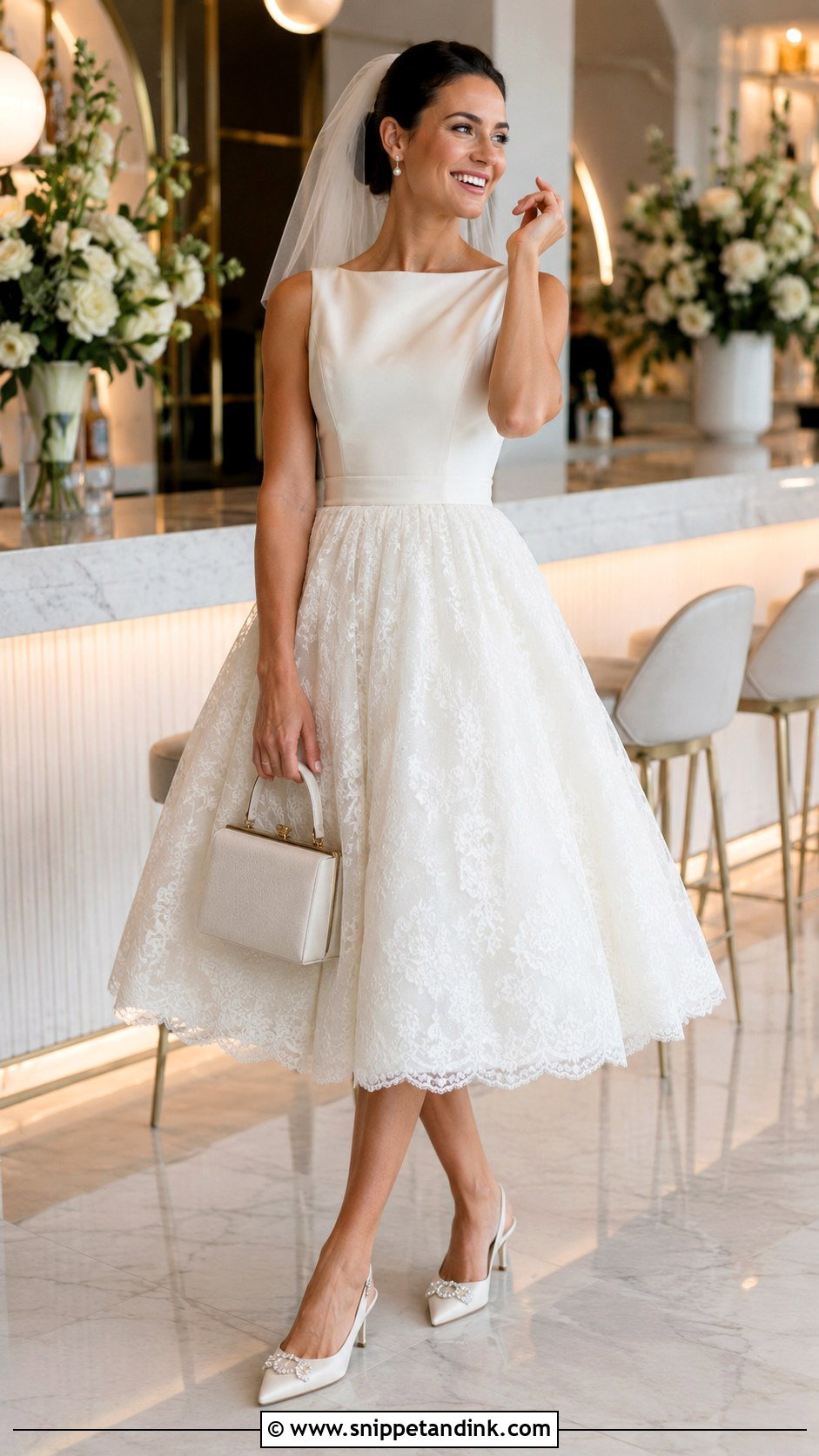
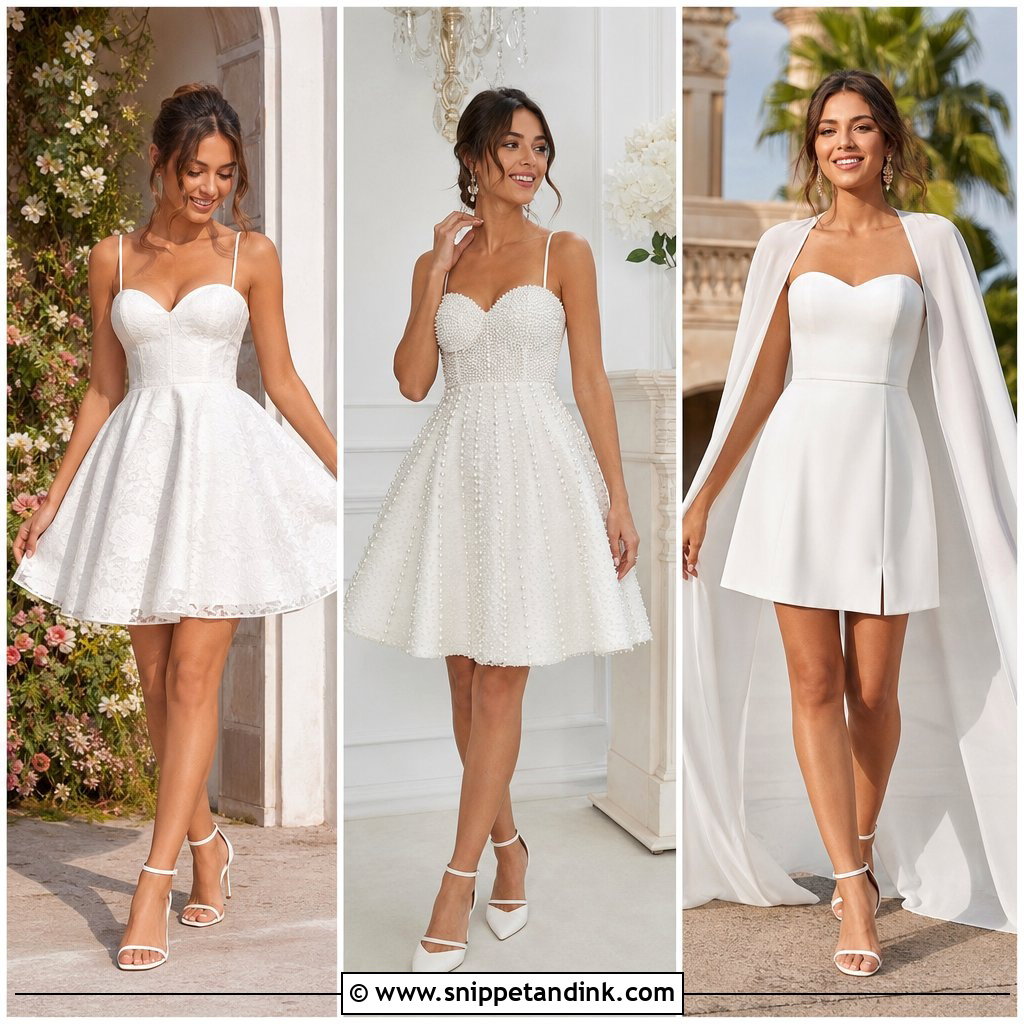
Tea length sits between the knee and ankle, which makes your shoes and the evenness of the hem very visible. I mark tea-length hems with the bride standing in her actual shoes, because a hem that dips at the back looks careless on a short skirt. A fitted bodice over full satin, tulle or lace, with embellished pumps, slingbacks or block heels. A short veil, pearl earrings and a structured mini bag. Soft waves, a neat bun or a vintage roll. A petticoat underneath gives extra lift if you want the skirt fuller. Intimate ceremonies and relaxed receptions are where it shines.
19. Cape Sleeve Bridal Frock Gown
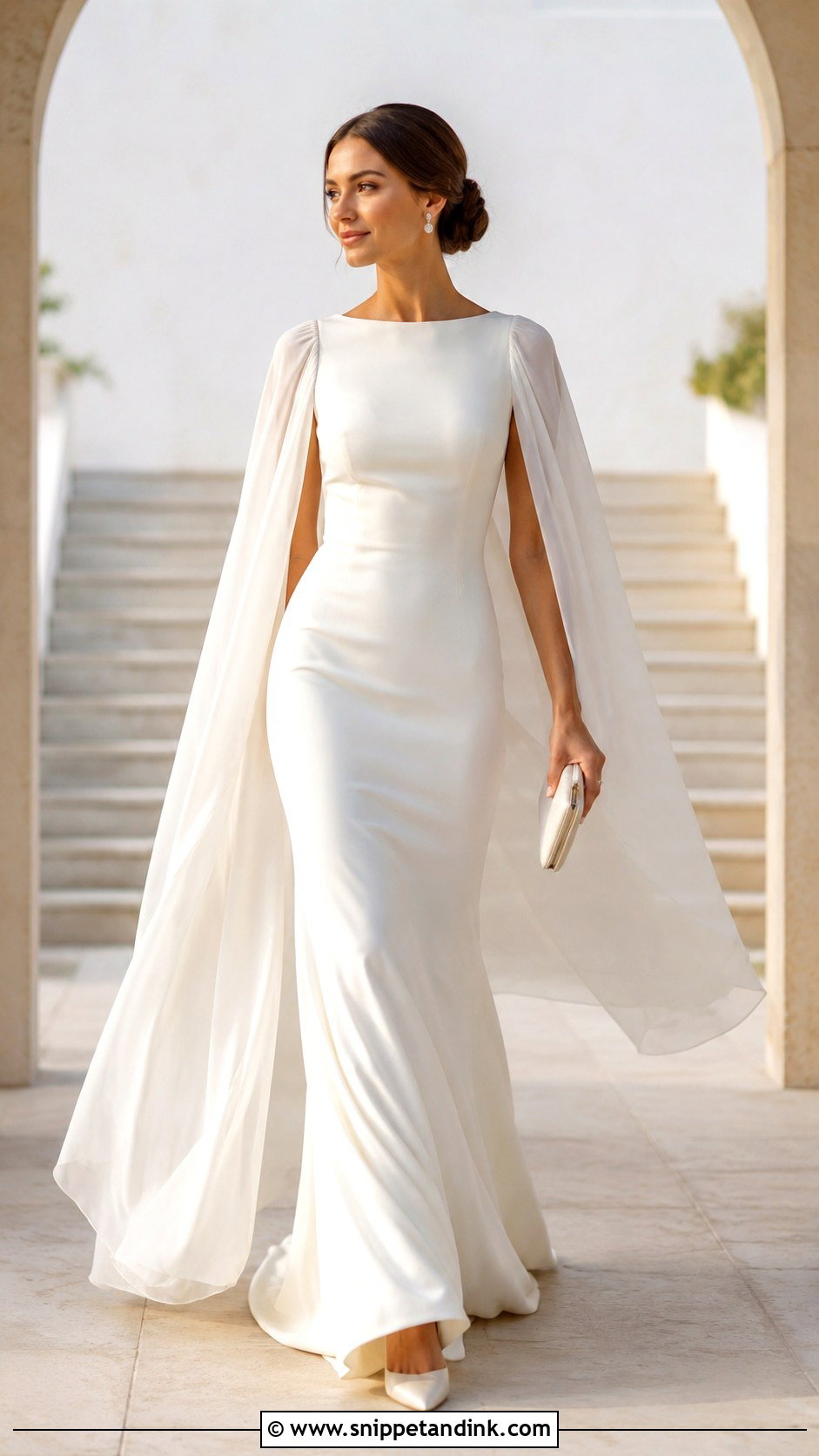
Cape sleeves can replace a veil, and I usually suggest letting them. Choose a fitted crepe or satin gown with a sheer chiffon cape at the shoulders or neckline; the cape adds movement behind you without bulk at the waist. Small crystal earrings, pointed pumps and a structured satin clutch, with a polished low bun so the cape falls cleanly. If you still want a veil, keep it short and fine so the two don’t tangle. Walk and turn in it at the fitting. A cape that drags gets stepped on, by you or by everyone near you. It works in modern interiors and outdoor ceremonies alike.


20. Plus Size Bridal Frock Gown
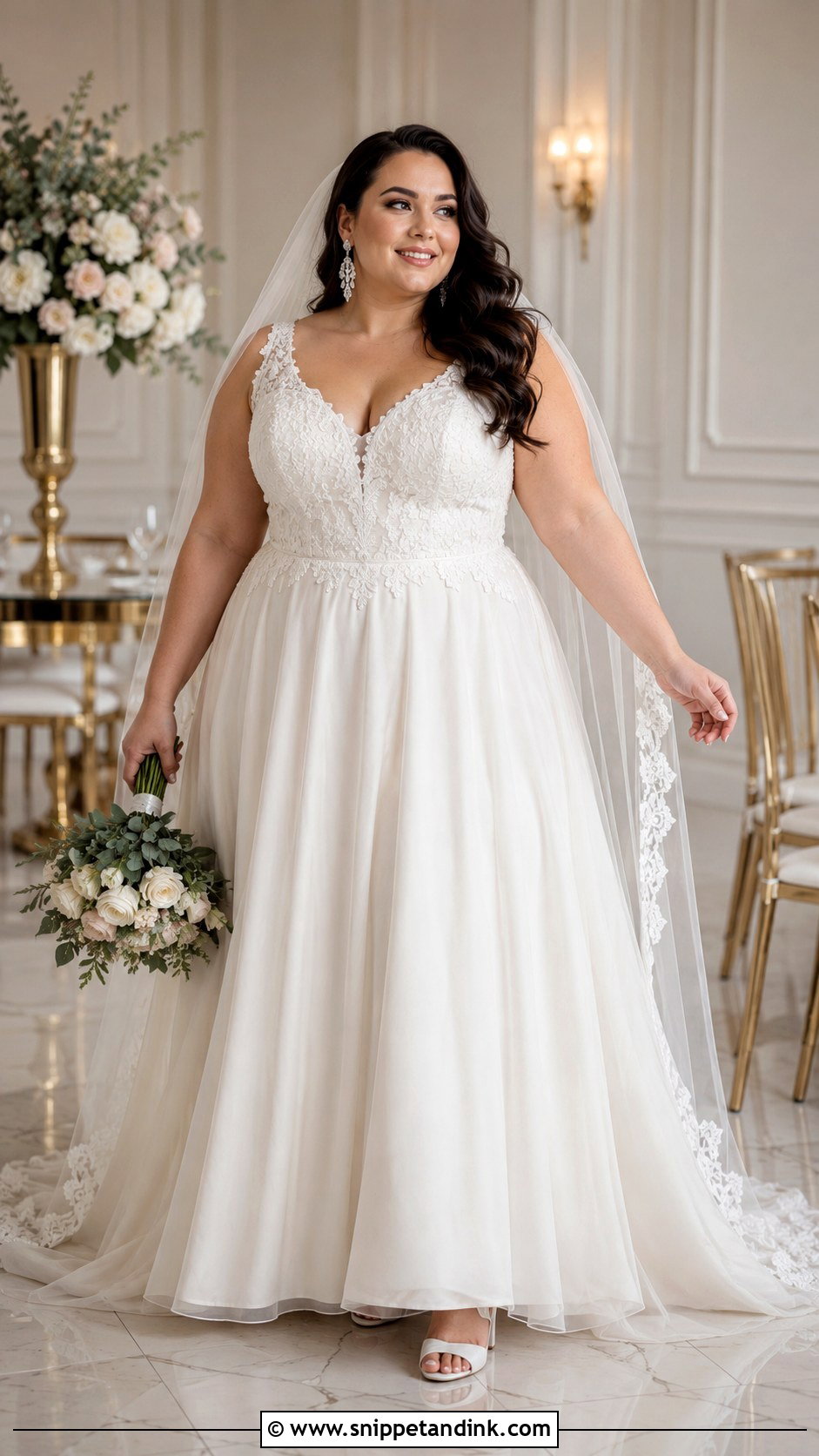
Support first, then style. For a plus size bridal gown, that means a structured bodice, supportive straps and a clearly defined waist on an A-line or ball gown skirt. Lace panels, vertical seams or carefully placed appliqués guide the eye and add detail. Block heels, statement earrings and a chapel veil complete it, with a smooth updo or side-swept waves framing the face. Ignore the old rules about what curvy brides should avoid; construction matters far more than any guideline. Make sure you can breathe, sit and dance, and let a skilled seamstress refine the bust, waist, sleeves and hem.
Hand Embroidery Takes Longer Than You Think
Brides are often surprised by how early embroidered bridal wear needs ordering. Zardozi, beadwork and dense hand embroidery take many weeks of skilled work, and a busy wedding season stretches every workshop’s queue. Many western gowns also take several months to arrive before alterations even begin.
Exact timings vary a great deal by maker, so I ask every bride to work backward from the wedding: final fitting a couple of weeks before, alterations ahead of that, and the order placed well before that again. If time is short, choosing a ready-made frock and having it adjusted is far less stressful than a rushed custom piece.
Why a Heavy Embroidered Frock Should Never Hang
After the wedding, the weight that made the frock so grand works against it. Left on a hanger for months, heavy embroidery drags the shoulders and stretches the fabric beneath it. I fold embroidered pieces flat, padded with acid-free tissue at each fold so no hard crease forms, and wrap them in breathable cotton rather than plastic.
- Have it professionally cleaned first; food and makeup marks set over time.
- Refold along different lines every few months so no crease becomes permanent.
- Keep metallic thread away from damp and direct sun, which can tarnish it.
- Store the dupatta separately so its embroidery doesn’t press into the frock.
Comfortable at Midnight Matters More Than Grand at Noon
The most detailed gown isn’t automatically the right one. The right one fits, suits the venue, photographs well and looks like the woman wearing it. From chiffon and lace to structured satin, rich embroidery and convertible overskirts, there’s something here for most traditions, figures and seasons. Try each as a full outfit with shoes, veil, jewelry, hair and undergarments, because all of them change how a dress feels. Leave enough time for tailoring, and walk and sit in it before the day.
You'll Like These Ideas:




Leave a Reply