
A Pakistani wedding usually asks a bride to dress for three or four separate events, and the gown that works in a warm Mehndi courtyard is rarely the one you want for a Barat under hall lights. Below are twenty gowns I’d put in front of a bride at a first consultation: traditional reds for the Barat, softer shades for the Nikkah, pastels for the Walima and brighter colors for the Mehndi. You’ll find floor-length maxis, pishwas gowns, embellished Anarkali cuts and gown-and-lehenga combinations among them, and for each one I’ve noted the jewelry, dupatta, shoes, makeup and hair I’d pair with it. Before you fall for a picture, think about the venue, the season and how much embroidery you can carry for six hours. A gown you can’t sit in shows in every candid photo.
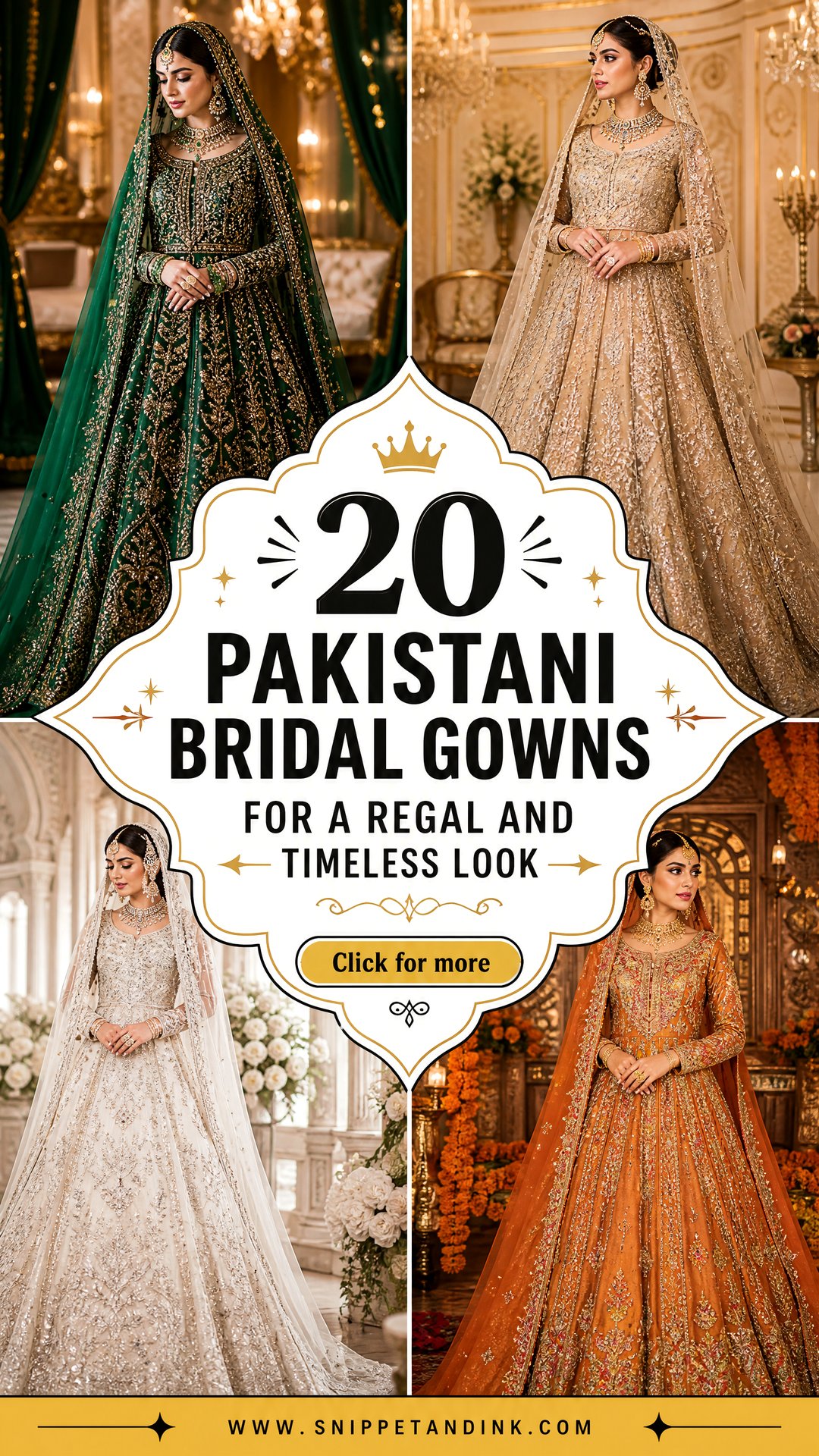
One Wardrobe, Four Events: Where the Budget Should Go
Most brides I dress wear a different outfit for the Mehndi, Nikkah, Barat and Walima, and the mistake I see most often is spending heavily on two of them and rushing the rest. Decide early which event carries your heaviest look. For most families that is the Barat, and the others can be lighter in both fabric and cost.
- Mehndi: bright color, gota or mirrorwork, and a hem you can dance in without tripping. Comfort matters more than couture here.
- Nikkah: you may be seated low for a while, so a softer bodice and a dupatta that stays put over the head are worth more than heavy work.
- Barat: the heaviest embroidery and the largest dupatta. Plan the jewelry and hairstyle around that weight, not the other way round.
- Walima: lighter pastel or metallic work, usually indoors, so judge the color under the kind of lighting the hall uses.
Ask your designer whether the Walima outfit can carry less hand embroidery and more sequin or machine work. It usually lowers the cost, and your shoulders will feel the difference by the end of the night.
1. Red Pakistani Bridal Gown
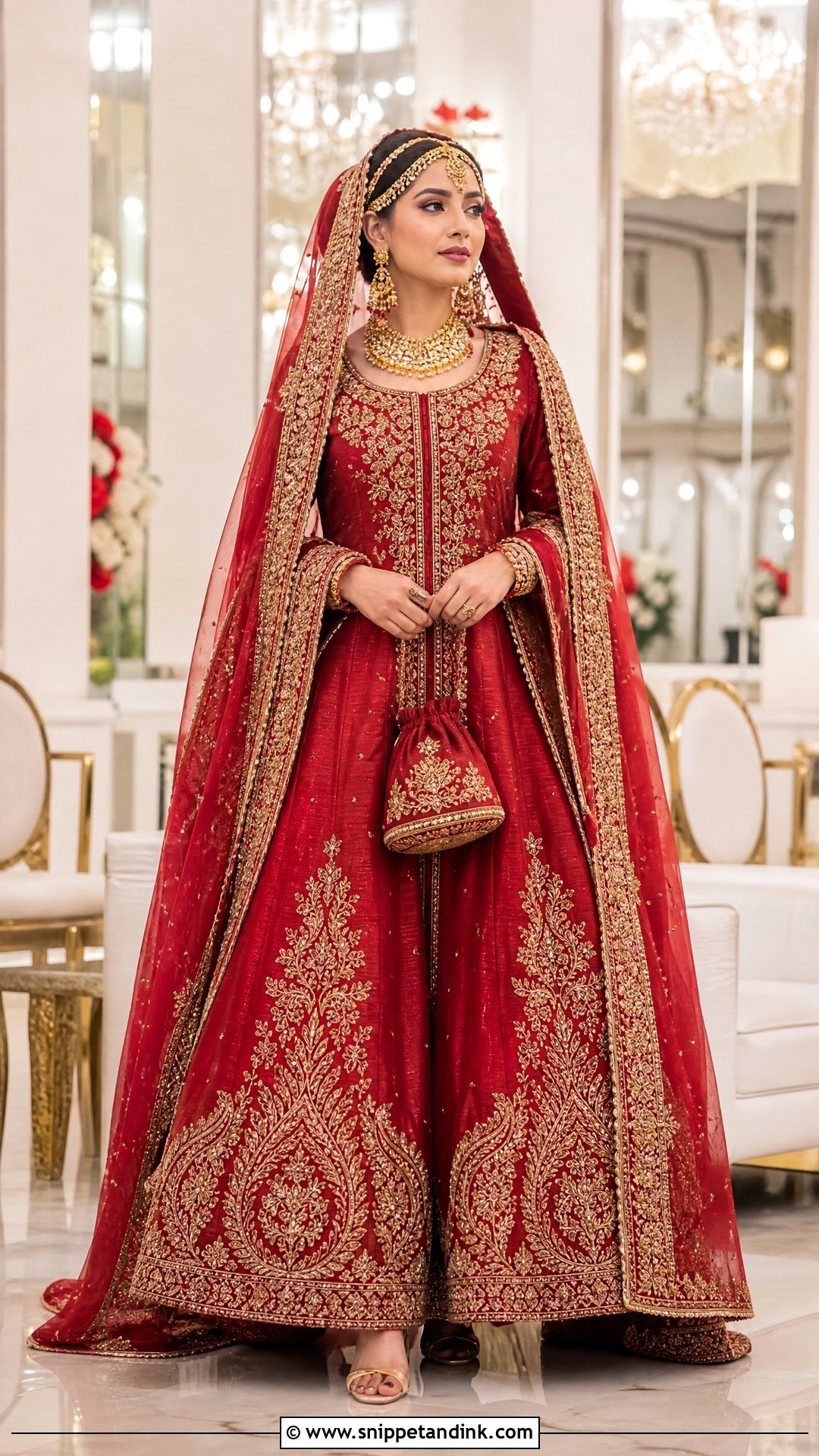
Red is still the Barat color most families expect, and raw silk, velvet or structured net all hold antique gold zardozi and dabka well. I ask for a fitted bodice with a skirt that flares from the hip, so the bride can lower herself onto the stage sofa without the bodice digging in. The red organza dupatta with its wide border carries a lot of the weight, so I pin it at the crown before the jewelry goes on, never after. Kundan layers sit best on a modest sweetheart or rounded neckline, and a matha patti frames the face. Keep the lip a muted red so it doesn’t fight the fabric, add antique gold heels and a potli, and a low bun under the dupatta gives the pins something solid to grip.
2. Ivory Pakistani Bridal Gown
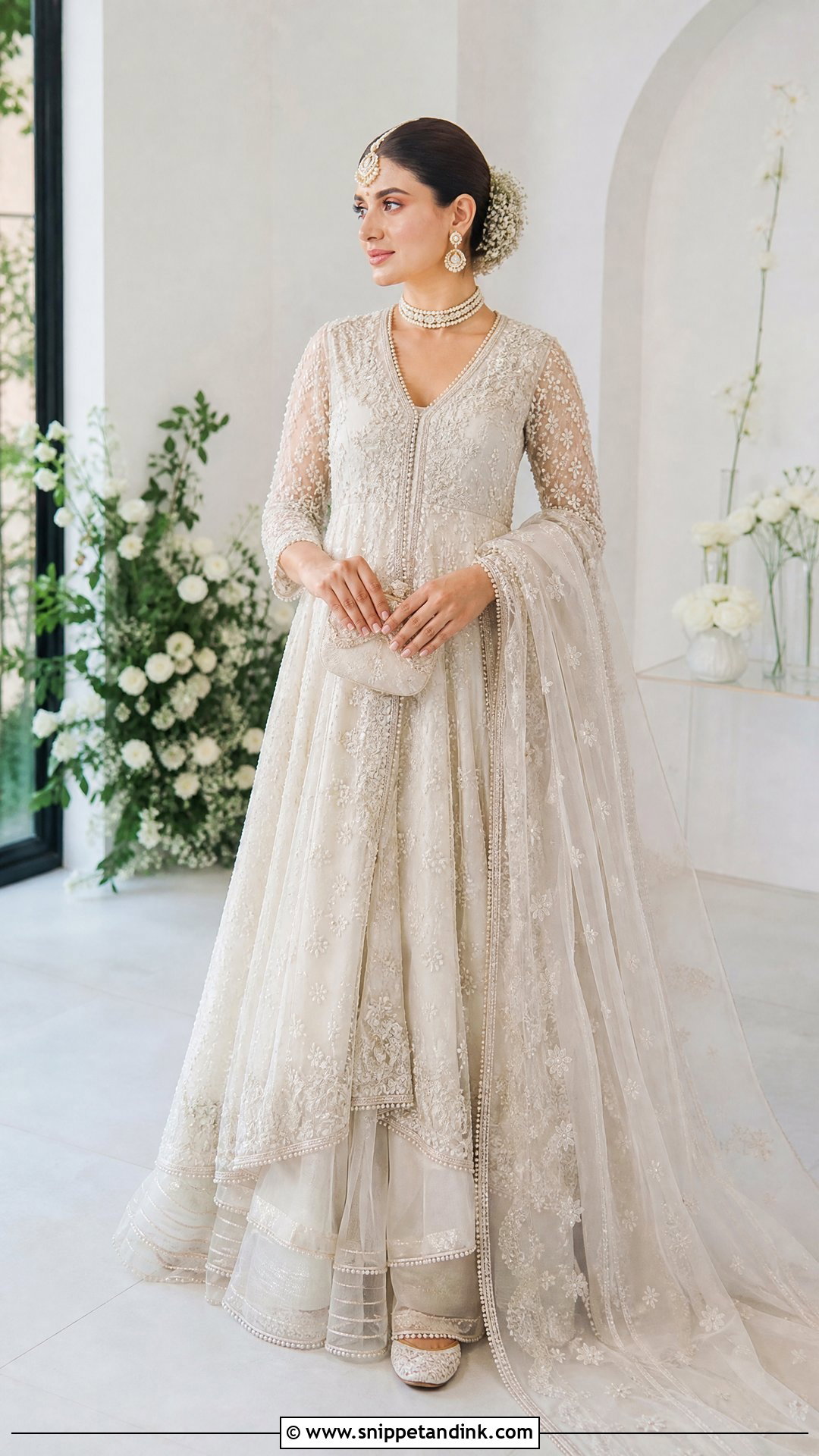
Ivory is my first suggestion for a Nikkah held at home or in a mosque, where heavy gold can feel out of place. Check the base shade in person: some ivories turn yellow under warm indoor bulbs, so hold the fabric against your face in daylight and again indoors before you commit. Pearl, sequin or fine thread embroidery in silver and pale gold keeps it quiet. A lightweight organza dupatta over one shoulder or loosely around the head, pearl drops, a slim choker and a small maang tikka finish it. If you’ll be sitting on the floor for the ceremony, embroidered ivory khussas are far kinder than heels. Rosy makeup, a pink-nude lip and a center-parted bun with small white flowers.
3. Gold Pakistani Bridal Pishwas Gown
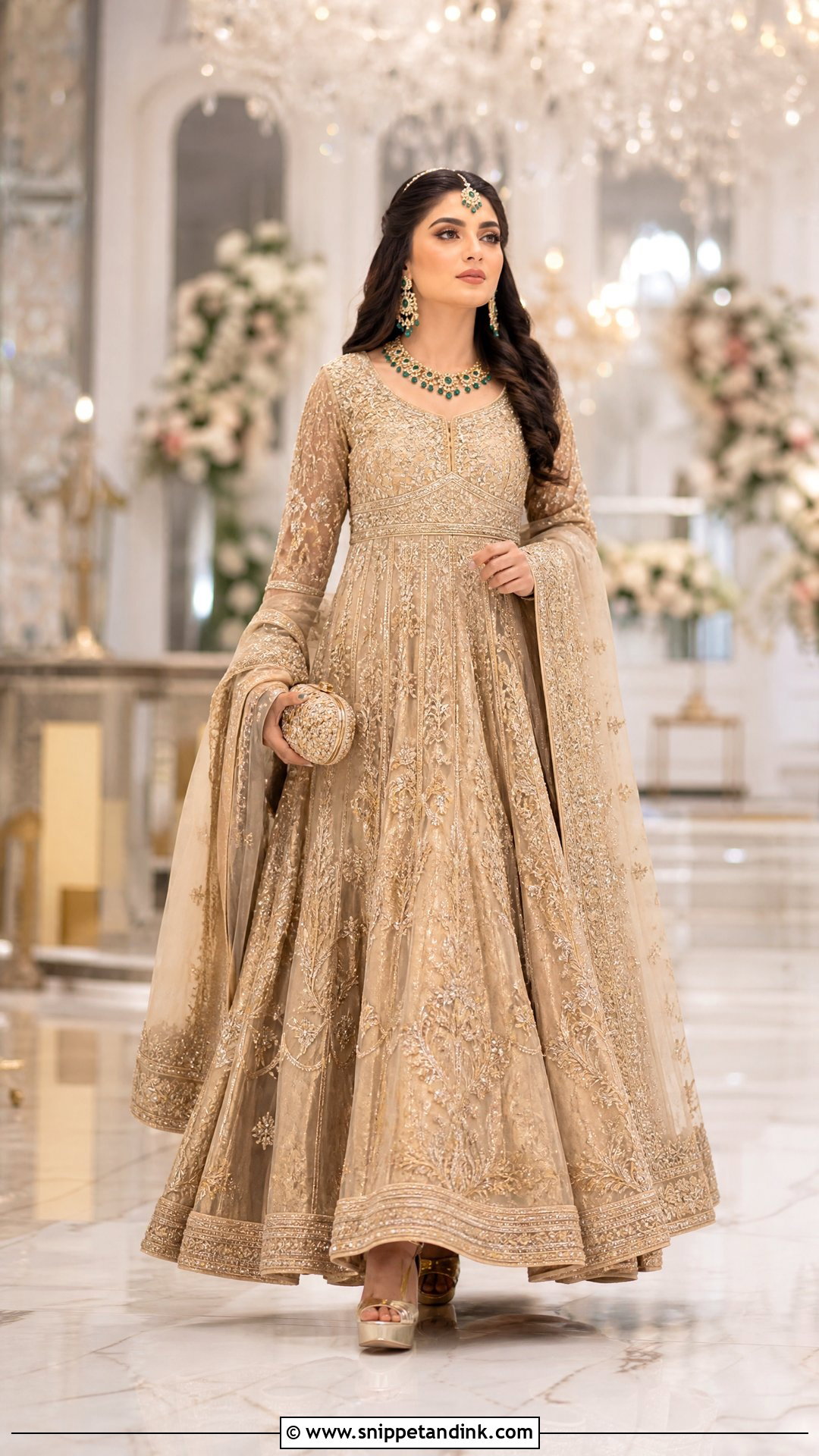
A pishwas is cut with so many skirt panels that it swings when you turn, and that movement is the whole reason to choose one. I steer brides toward champagne, antique gold or soft bronze rather than a flat yellow metallic, which can look brassy under camera flash. Kora, dabka and sequins layered with fine threadwork give the surface depth. The flare also hides your feet, so gold platform heels add height and nobody notices. Pair it with a scalloped net dupatta, then choose emerald jewelry for contrast or all-gold kundan for a tonal look. A braided low bun, bronze eyes and a warm nude lip keep the face from competing with the embroidery.
4. Blush Pink Pakistani Bridal Gown
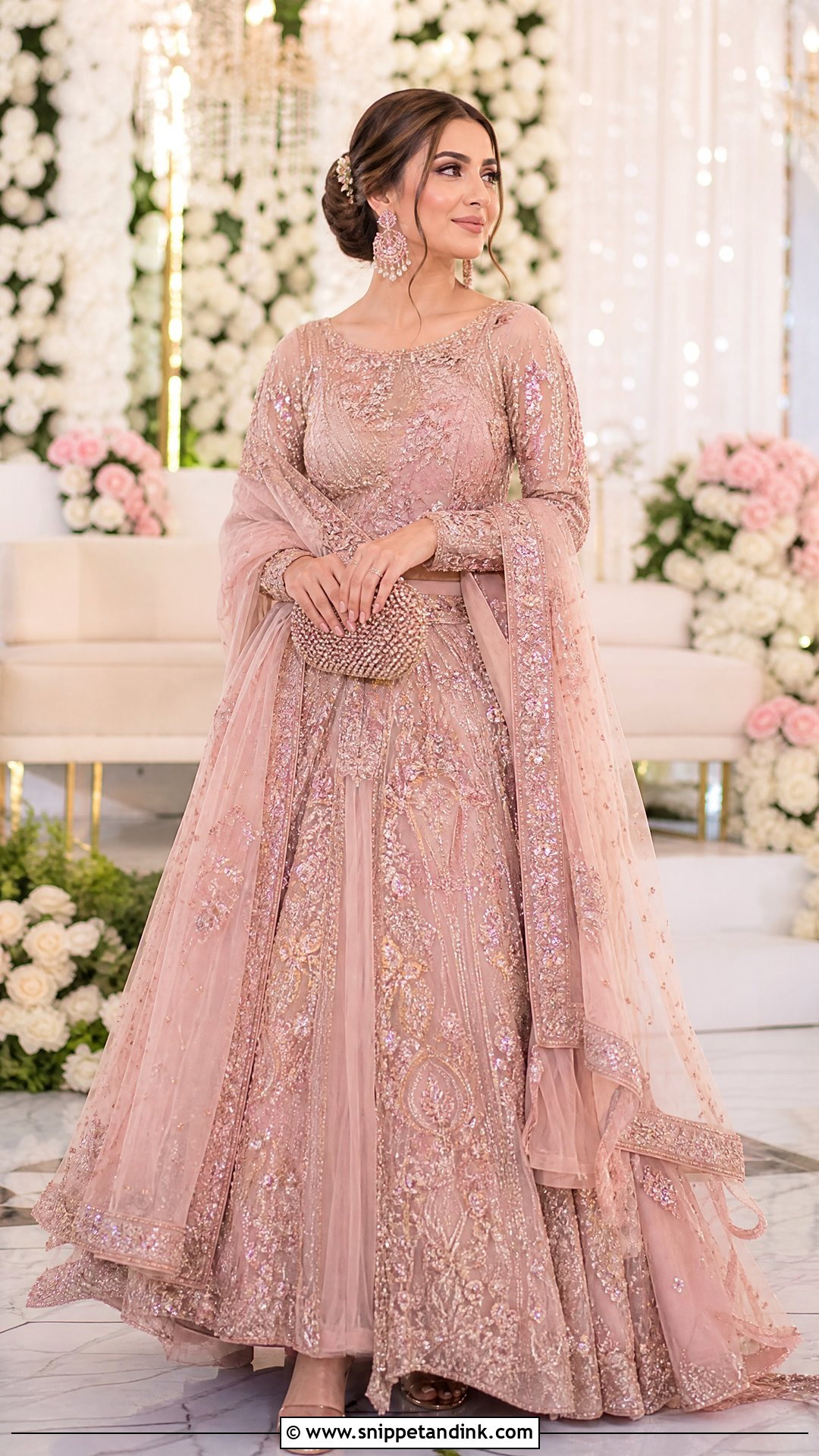
Blush pink works when the embroidery is spread evenly across the bodice and hem. Bunch it all at the neckline and the pale base looks washed out in daylight photos. I’d keep this one for a Walima or a daytime reception, in a layered net skirt with rose gold threadwork and a dupatta with a narrow border so the whole outfit stays light. If the neckline is heavily worked, skip the necklace and let polki earrings with pale pink stones bring color near your face. Rose gold heels, a beaded clutch, a twisted half-up style and a dusty rose lip.
5. Maroon Velvet Pakistani Bridal Gown
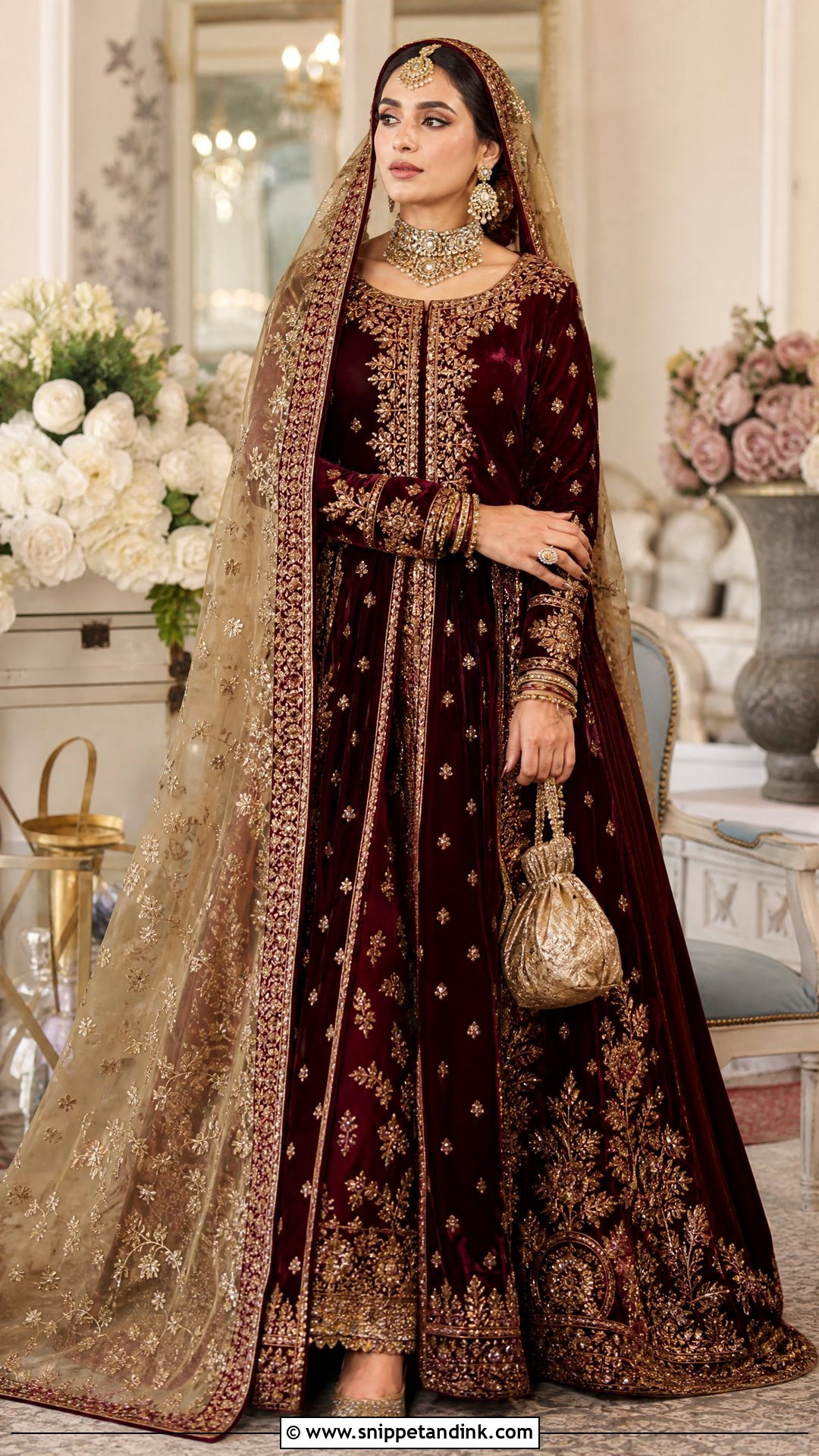
Velvet is warm, which is exactly why I only recommend it for winter events or well air-conditioned halls. It also crushes where you sit, so ask your tailor for a lining that lets the paneled skirt hang instead of cling. Keep the antique gold embroidery at the neckline, cuffs and hem and leave some maroon bare; velvet pile absorbs light, and a fully covered surface loses that depth. A muted gold tissue or organza dupatta lifts the darkness. Jhumkas, a choker and a small jhoomar, closed-toe gold heels or khussas, a smooth low bun, softly smoky eyes and a berry lip.
6. Emerald Green Pakistani Bridal Gown
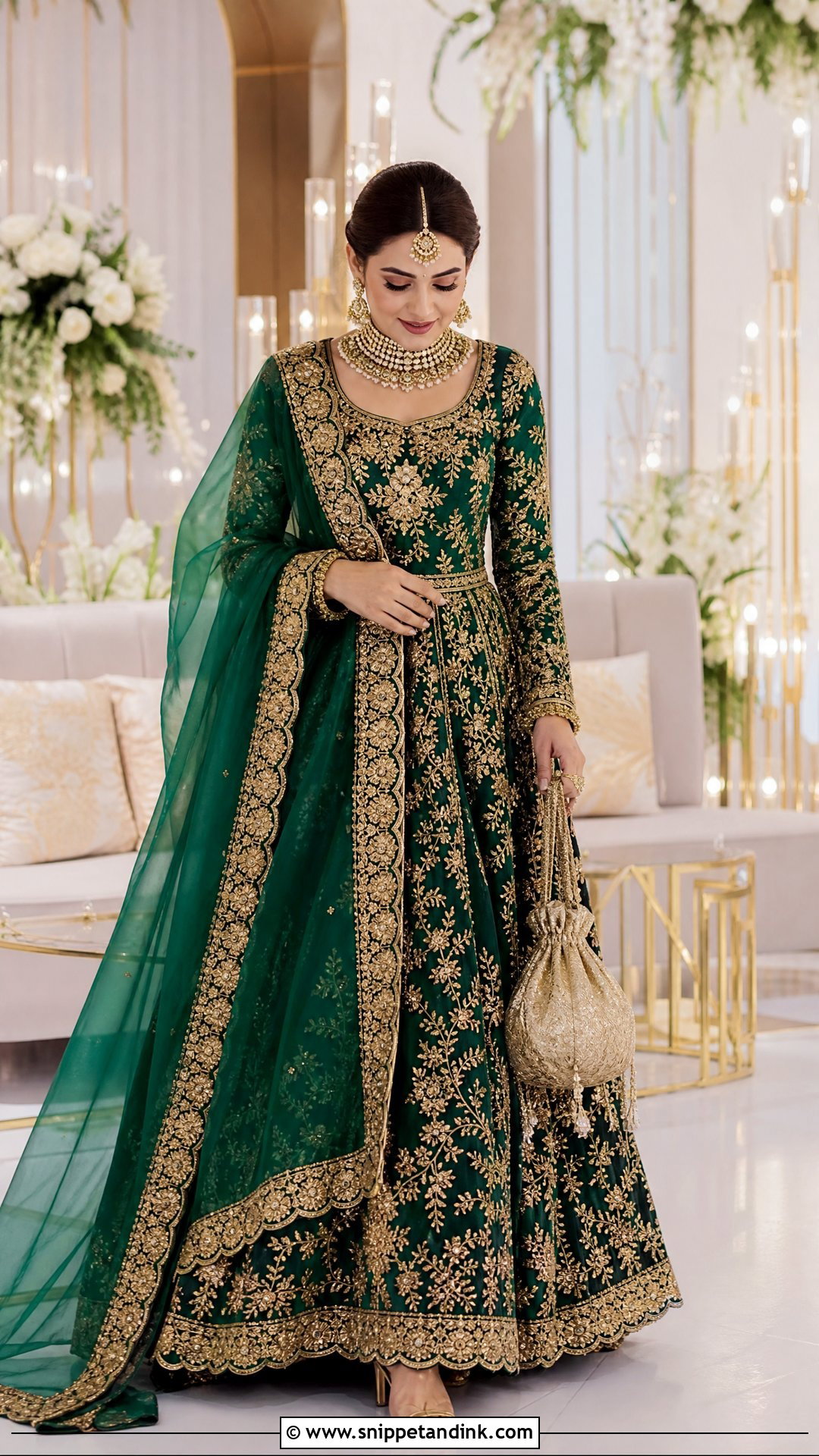
Emerald suits a bride who wants something formal but isn’t drawn to red. In velvet or silk it carries antique gold florals and beadwork well; chiffon moves more but shows every pull at the seams, so the fittings matter more. An A-line skirt is the most forgiving shape for sitting and walking through a long evening. Decide where the dupatta goes before the hair trial, since a head drape needs a center-parted bun and a shoulder drape leaves room for soft waves. A kundan choker, matching earrings, a delicate tikka, gold heels, a metallic potli, bronze eyes and a neutral lip.
7. Silver Pakistani Bridal Gown
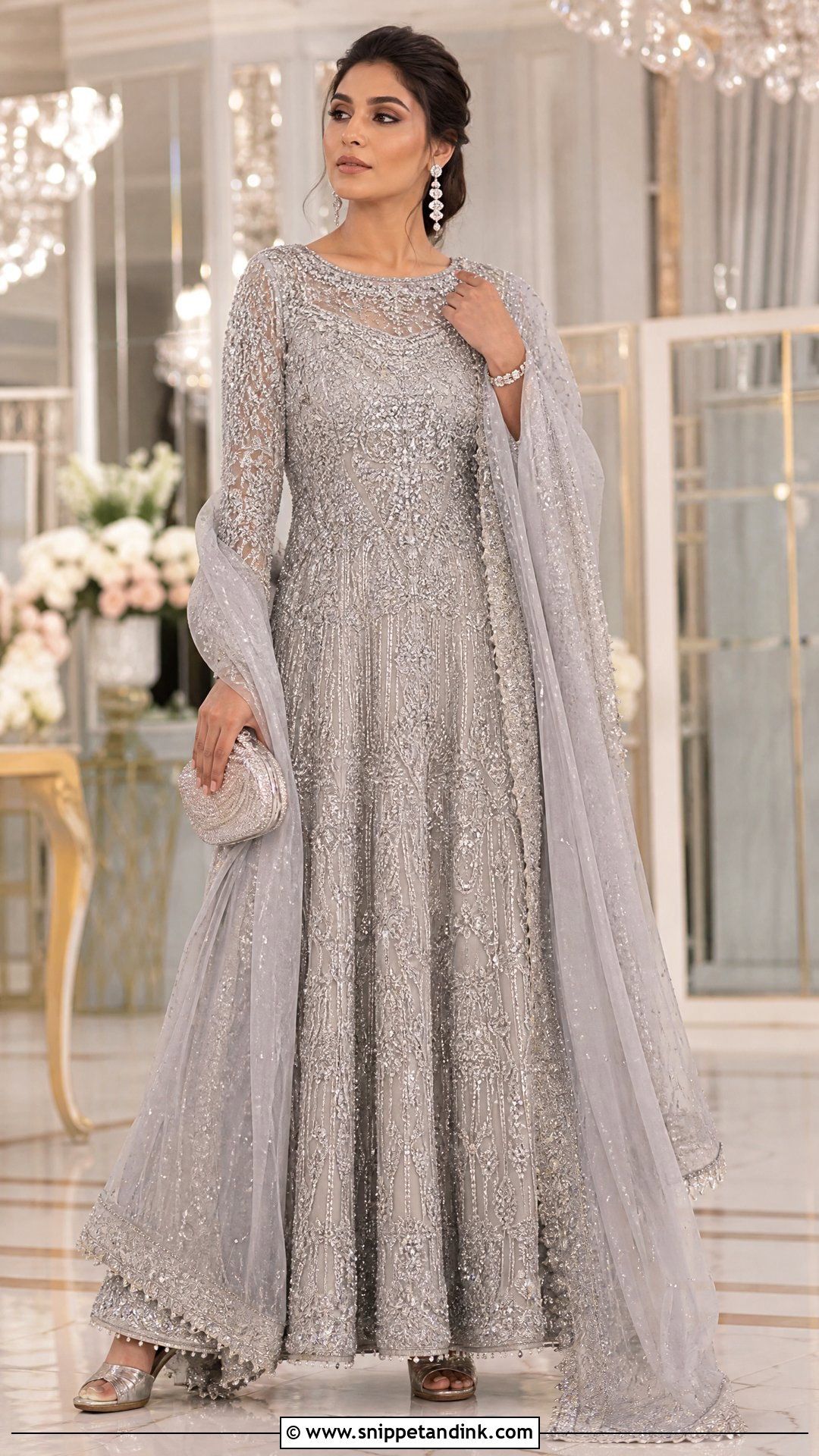
Silver embroidery on a cool gray base sparkles under chandeliers but can look cold in daylight, so I save it for an indoor Walima in the evening. Crystal, sequins and pearls add real weight to a wide skirt. If the bodice is stiff as well, ask for a softer under-layer so it doesn’t stand away from your body when you sit. Add a sheer silver dupatta with a narrow crystal border, crystal-drop earrings and a slim bracelet. Block heels are steadier than stilettos on polished ballroom floors. A polished bun or smooth Hollywood waves, gray eyeshadow and a pink-nude lip bring warmth back to the face.
8. Peach Pakistani Bridal Gown
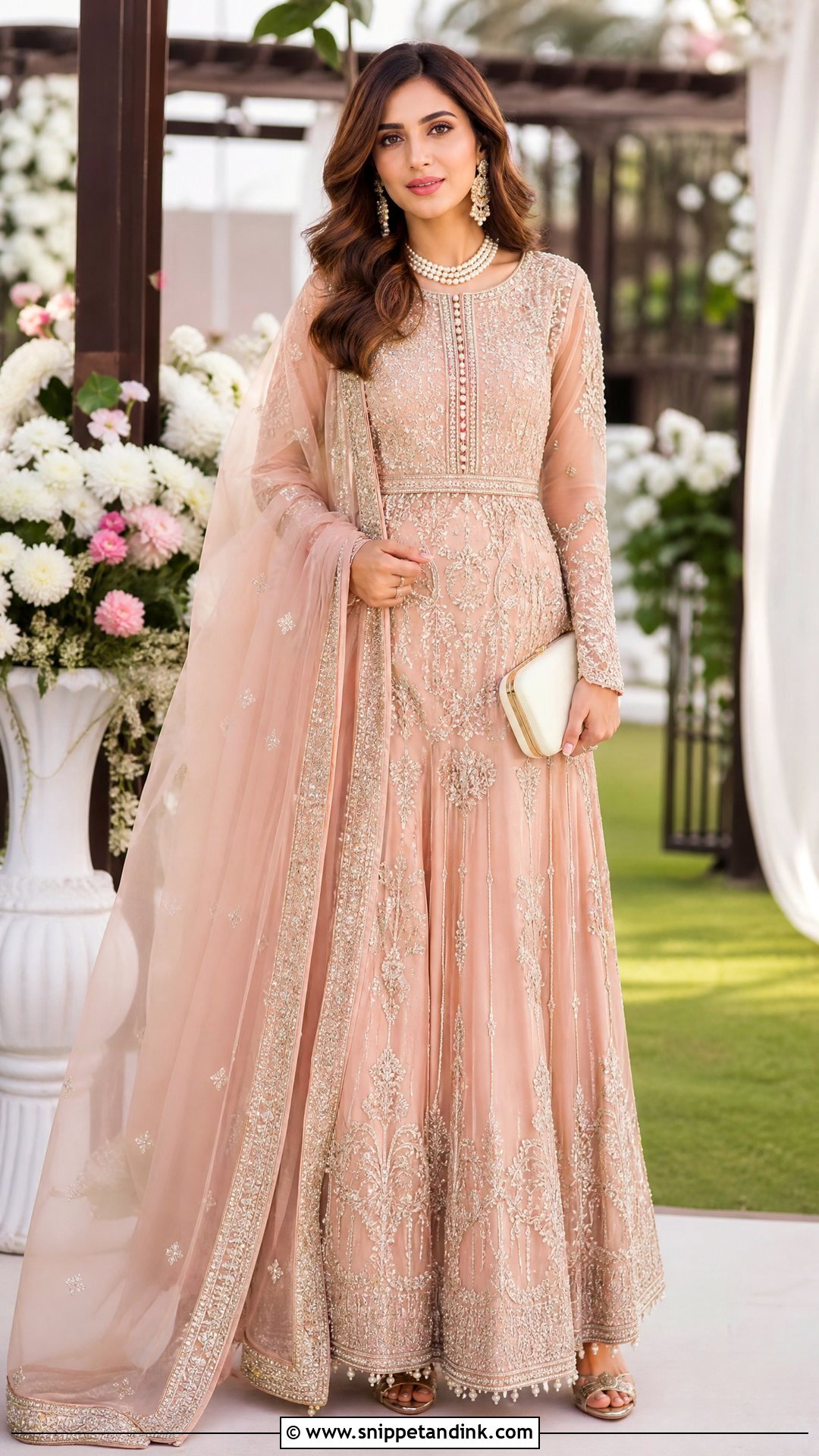
Peach is one of the few colors that flatters most skin tones in daylight, which is why I bring it up for summer Walimas. Chiffon or net with ivory threadwork, pearls and a few champagne sequins stays light enough for an outdoor afternoon. Chiffon does show perspiration at the underarm, so ask for dress shields sewn into the bodice. Drape the organza dupatta over the arms or pin it neatly to one shoulder, then add pearl jewelry with a little gold, nude-gold heels and a small ivory clutch. I keep the makeup a step away from the gown: peach blush and a rosy nude lip, so you don’t end up one flat shade from head to toe.
9. Champagne Pakistani Bridal Gown
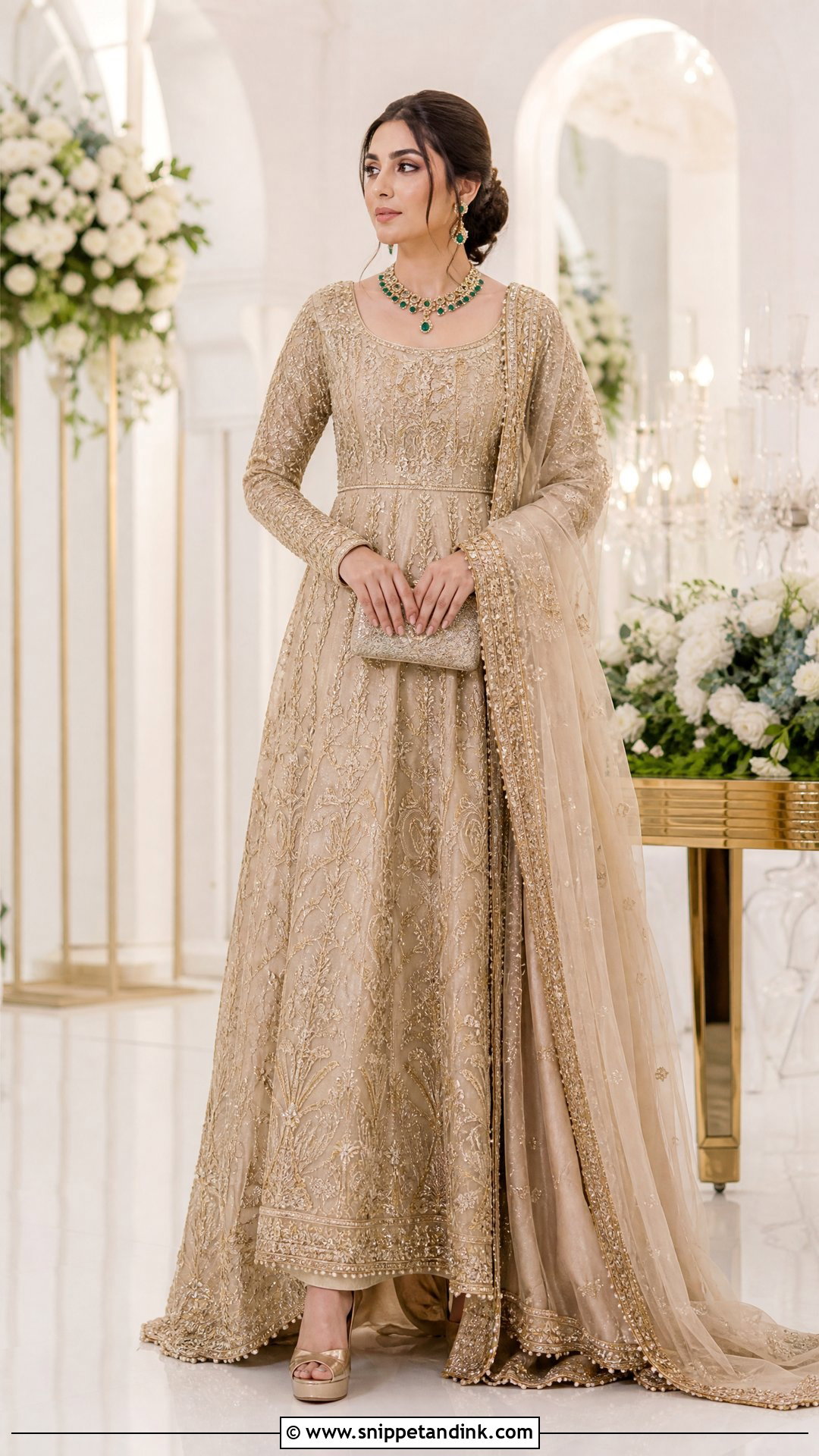
Champagne gives you the warmth of gold at a lower volume. In tissue, silk or layered net, a full-length Pakistani bridal gown in this shade looks richest with tonal embroidery and a scatter of pearls rather than contrast work. A corset-style bodice gives a sharper line, but fit it with the undergarments you’ll actually wear or it gaps at the top edge when you lean forward. Many brides wear two drapes here, one sheer dupatta over the head and a second across the arms for formal portraits. Emerald, ruby or clear kundan all work, depending on how much contrast you want. Finish with metallic heels, a low textured bun, bronze lids and a caramel-nude lip.
10. Dusty Rose Pakistani Bridal Gown
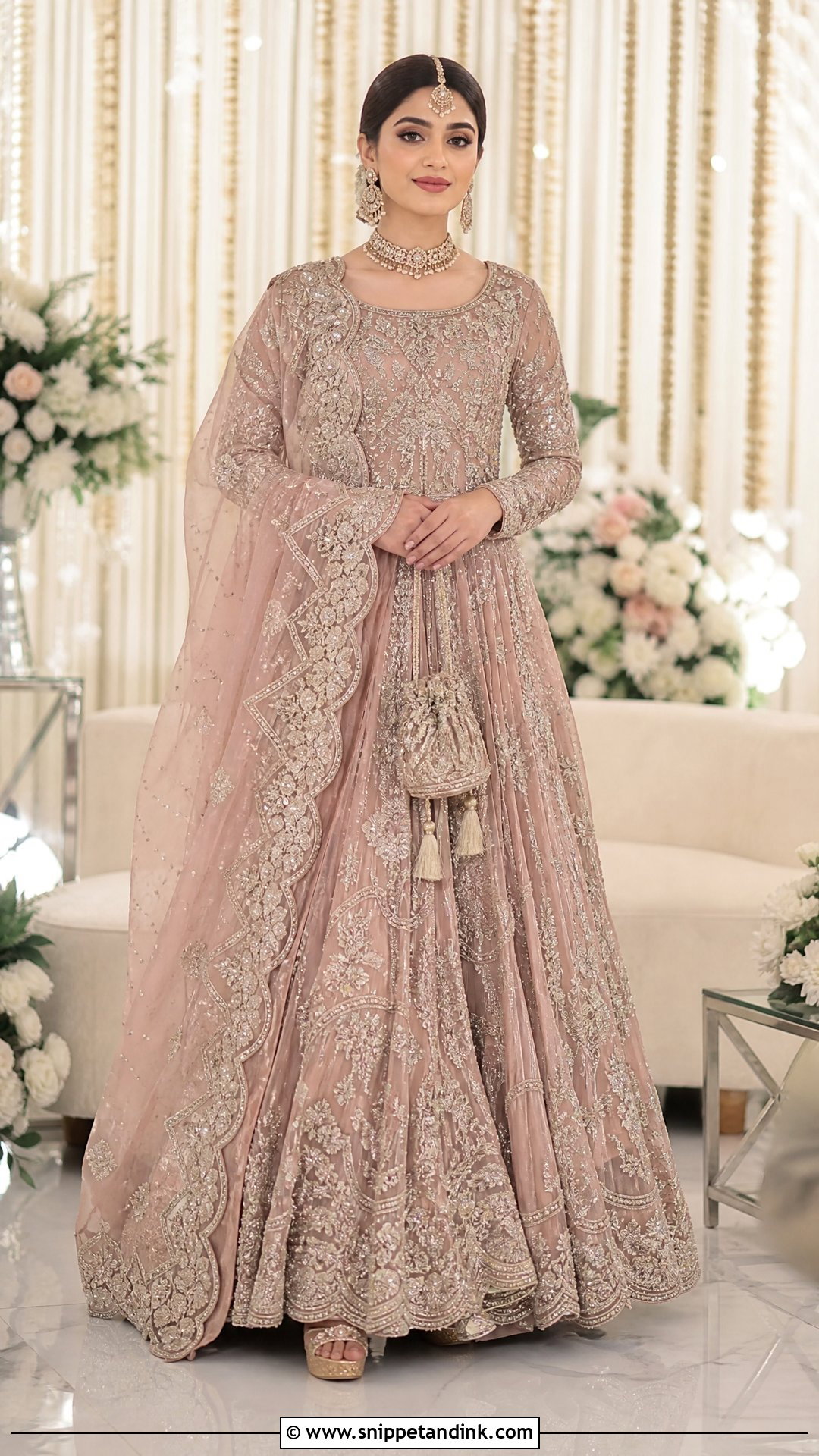
Muted pink needs muted embroidery. Bright crystal on dusty rose looks pasted on, so look for small florals in antique silver, rose gold or dull champagne. A long structured bodice over a softly pleated skirt keeps the line clean. Lay a scalloped net dupatta lightly over the head, then add pearl and polki jewelry, muted gold heels and a tasseled potli. A center-parted bun with a few face-framing strands, mauve eyes and a rose-brown lip. This Pakistani bridal gown sits well at an intimate Walima or an indoor Nikkah, where guests are close enough to see the detail.
11. Royal Blue Pakistani Bridal Gown
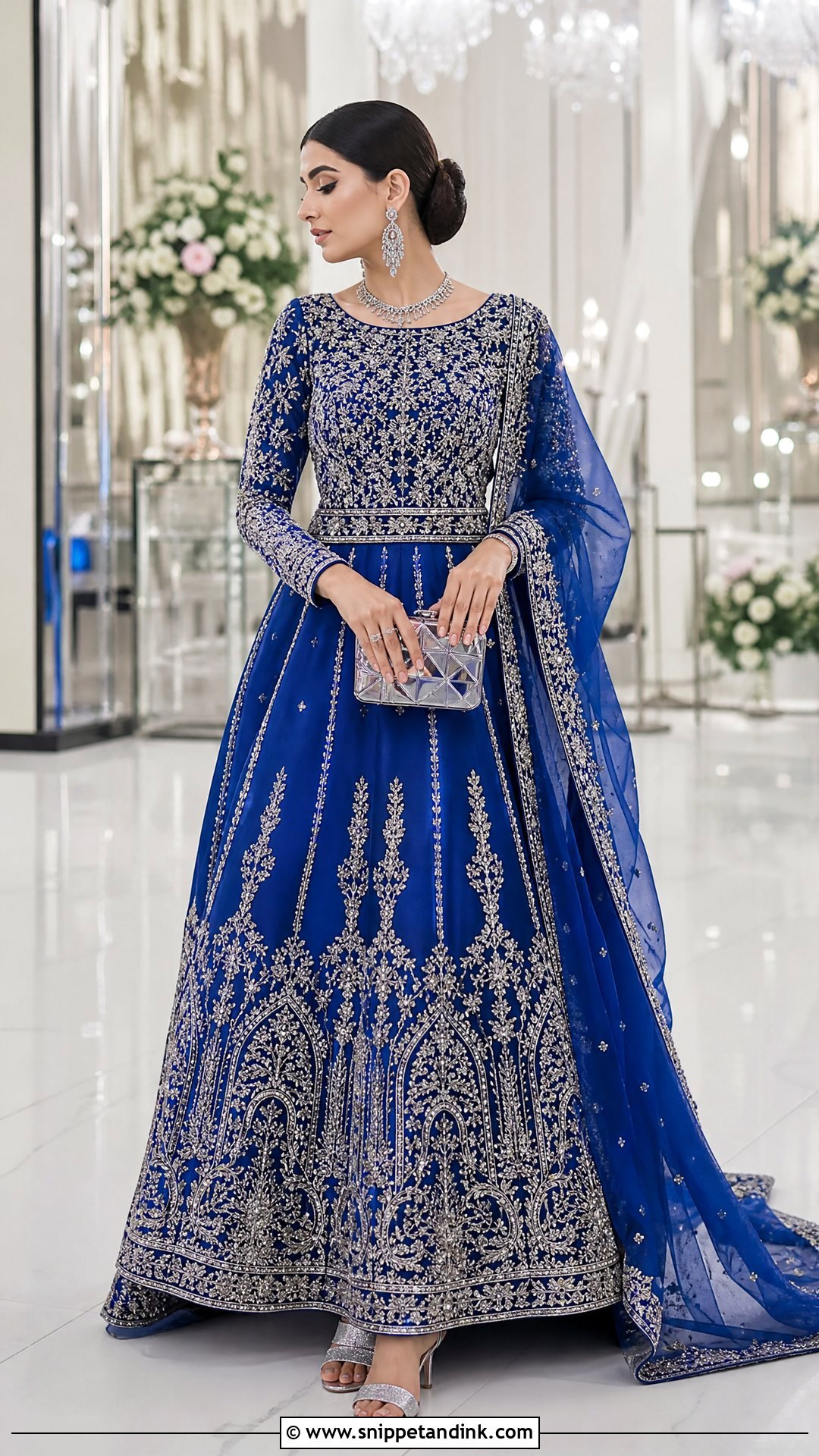
The metal you choose decides the whole outfit. On a royal blue silk or velvet gown with long sleeves and a broad flared skirt, silver embroidery reads cool and modern while antique gold reads traditional. Match everything else to that one decision: diamond-style pieces or silver polki with silver work, kundan and warm metallic shoes with gold. Mixing both is the most common slip I see with this color. Carry a blue or silver clutch, not a third color. A sleek bun shows off the neckline and soft waves relax it. Defined eyes, luminous skin and a neutral pink lip.
12. White Pakistani Bridal Gown
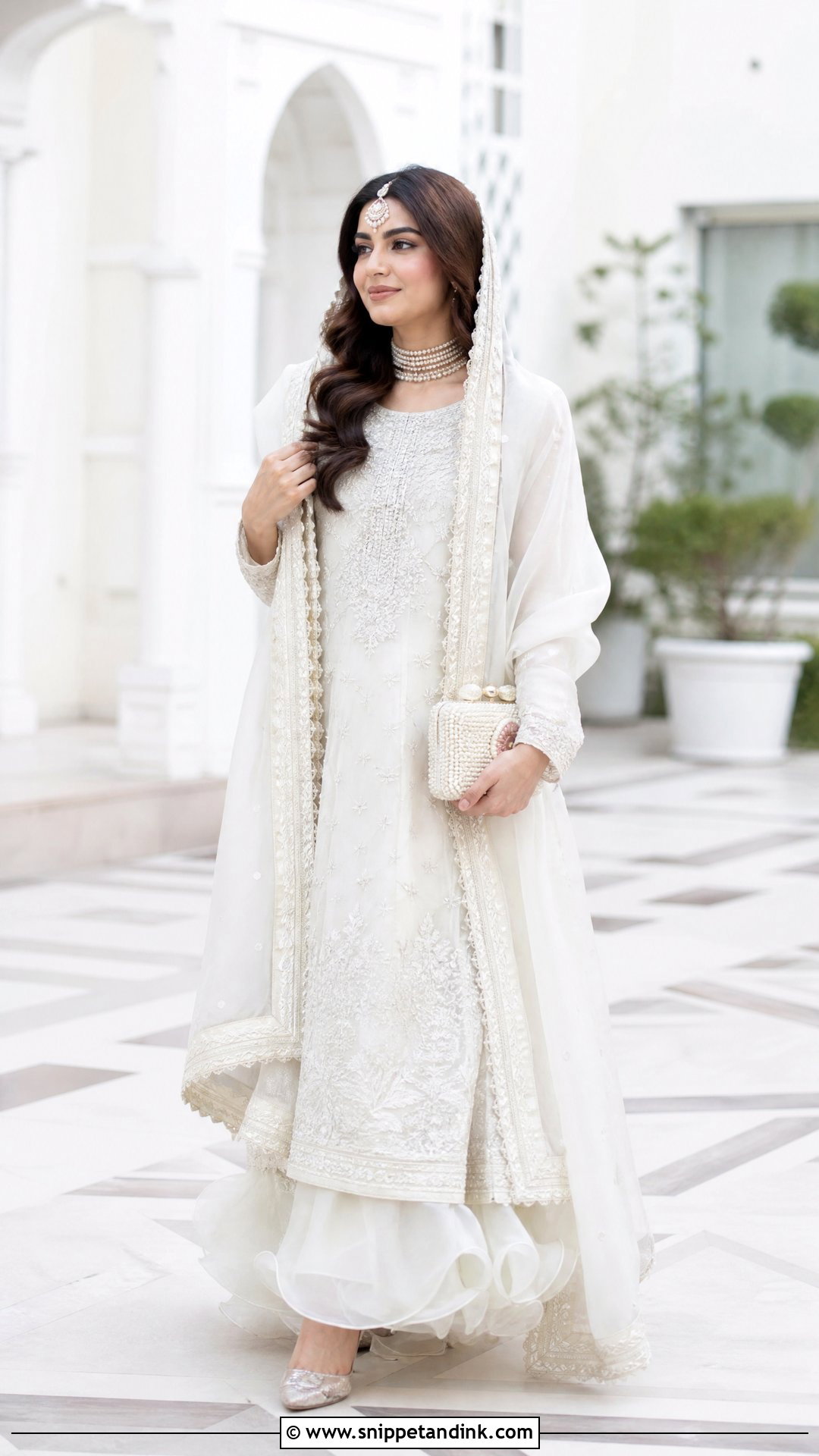
An all-white Nikkah outfit has one practical risk: it can look flat on camera and drain color from the face. Tone-on-tone embroidery solves most of that, because pearls, sequins and silver thread create shadow on a single color. A lightly structured bodice over an airy organza or net skirt keeps the shape soft. When the white dupatta goes over your head, set the border so it frames your face without hiding the neckline work. Pearl earrings, a delicate choker, a small tikka, white khussas or silver kitten heels and a pearl clutch. I add more warmth to the makeup than usual here, with rosy cheeks, fine liner and a pink lip.
13. Lilac Pakistani Bridal Gown
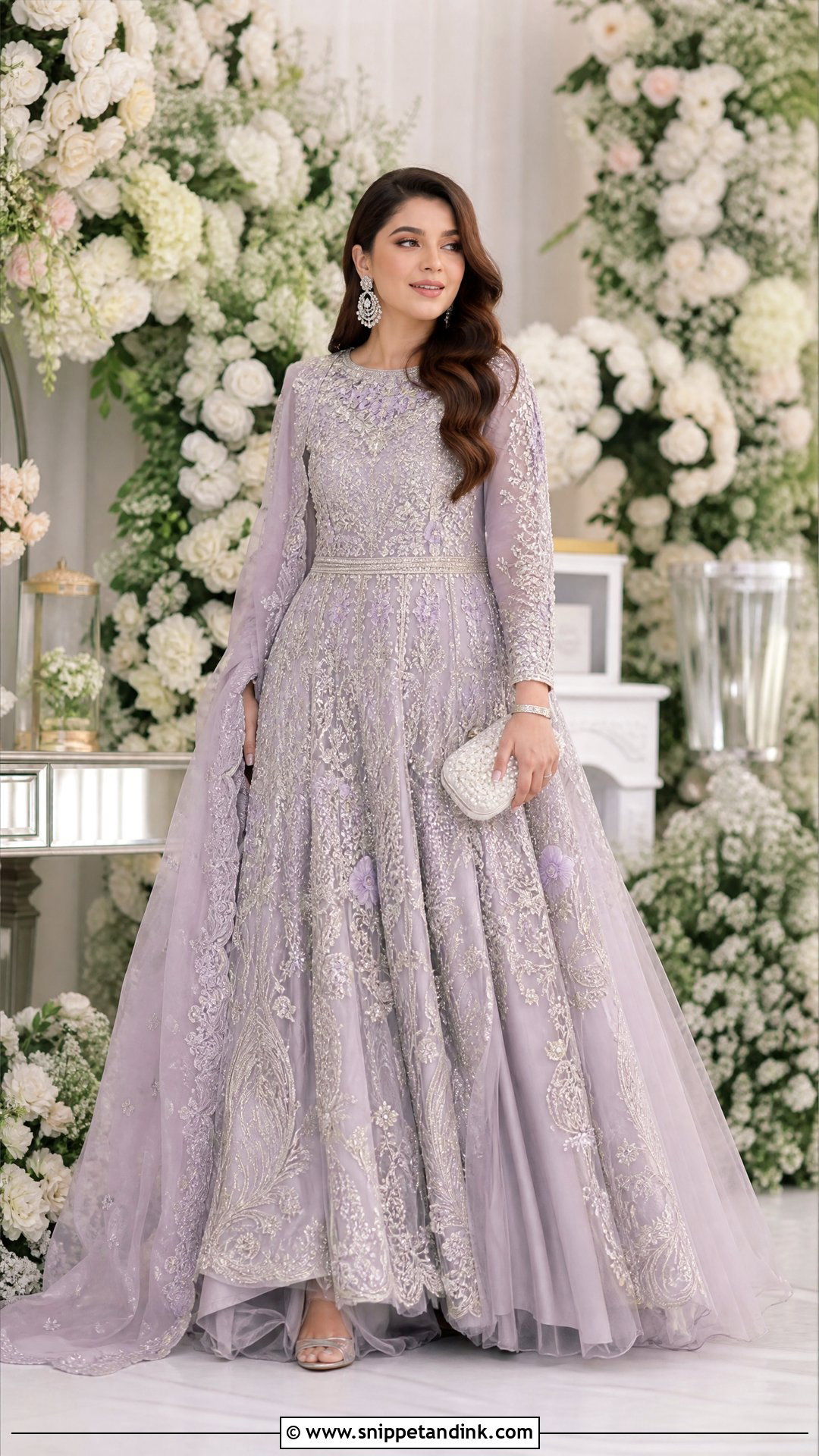
Lilac is easy to over-decorate. On a net or organza gown with a fitted waist and layered skirt, silver, pearl and lavender embroidery is plenty, and floral appliqués should stay around the bodice and hem rather than climbing everywhere. It suits a spring Walima. Wear a light lilac dupatta with a narrow edge, crystal earrings, a fine necklace, silver heels and a compact pearl clutch. Soft waves over one shoulder or a low bun with small floral pins. Cool pink blush, lavender-gray eyes and a mauve-nude lip, and stop there.
14. Teal Pakistani Bridal Gown
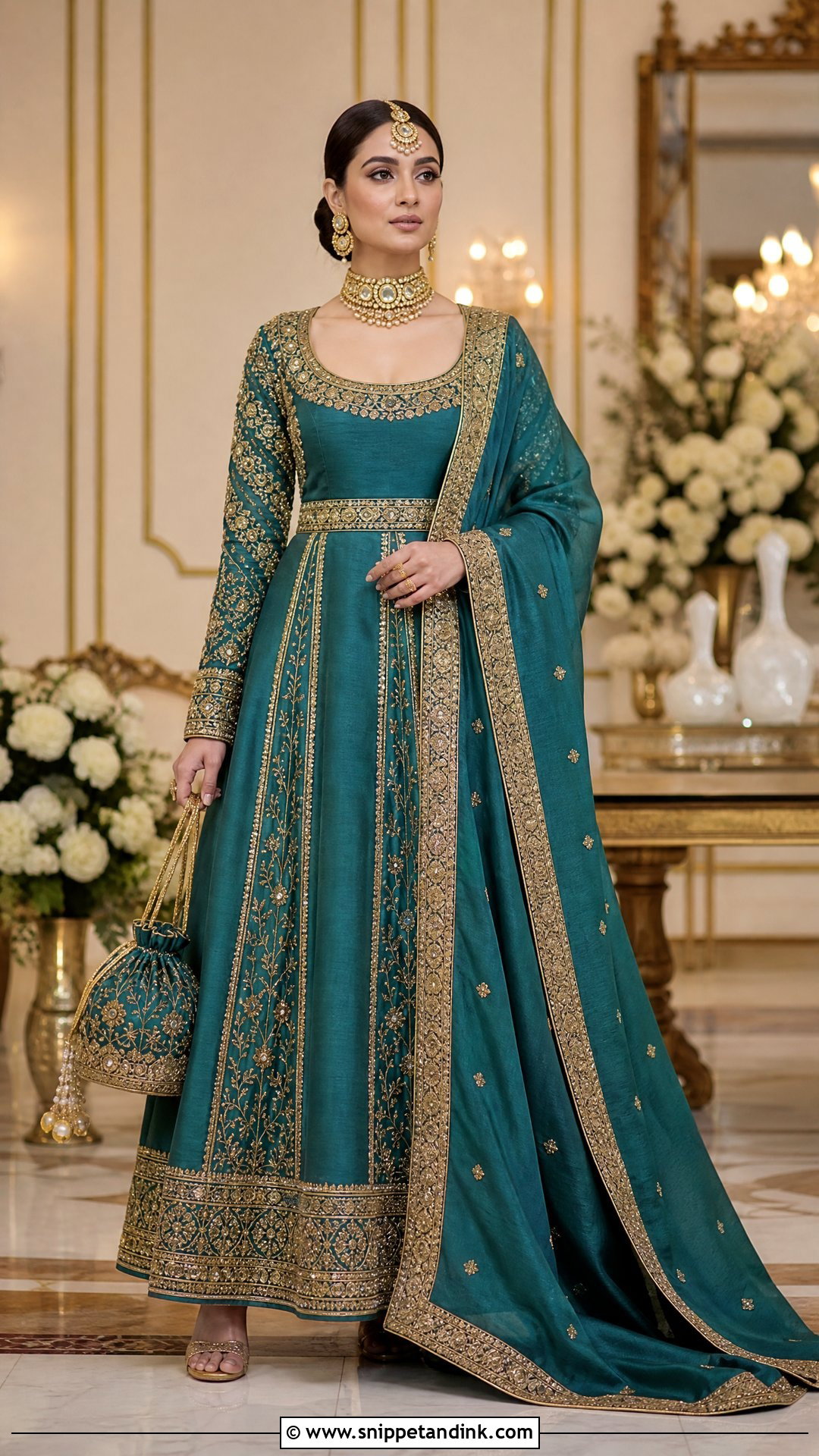
Teal sits between blue and green and shifts with the light, which makes it a good evening color. Velvet or raw silk with antique gold embroidery and a flowing paneled skirt works well, and three-quarter or full sleeves give the embroiderer more surface for motifs. I’d drape the teal net dupatta over one shoulder so the bodice stays visible. Kundan earrings, a choker and a small jhoomar, antique gold heels, an embroidered potli and a center-parted low bun. Bronze eyes, soft contour and a warm rose lip; a cool pink lip tends to look chalky against teal.
15. Rose Gold Pakistani Bridal Gown
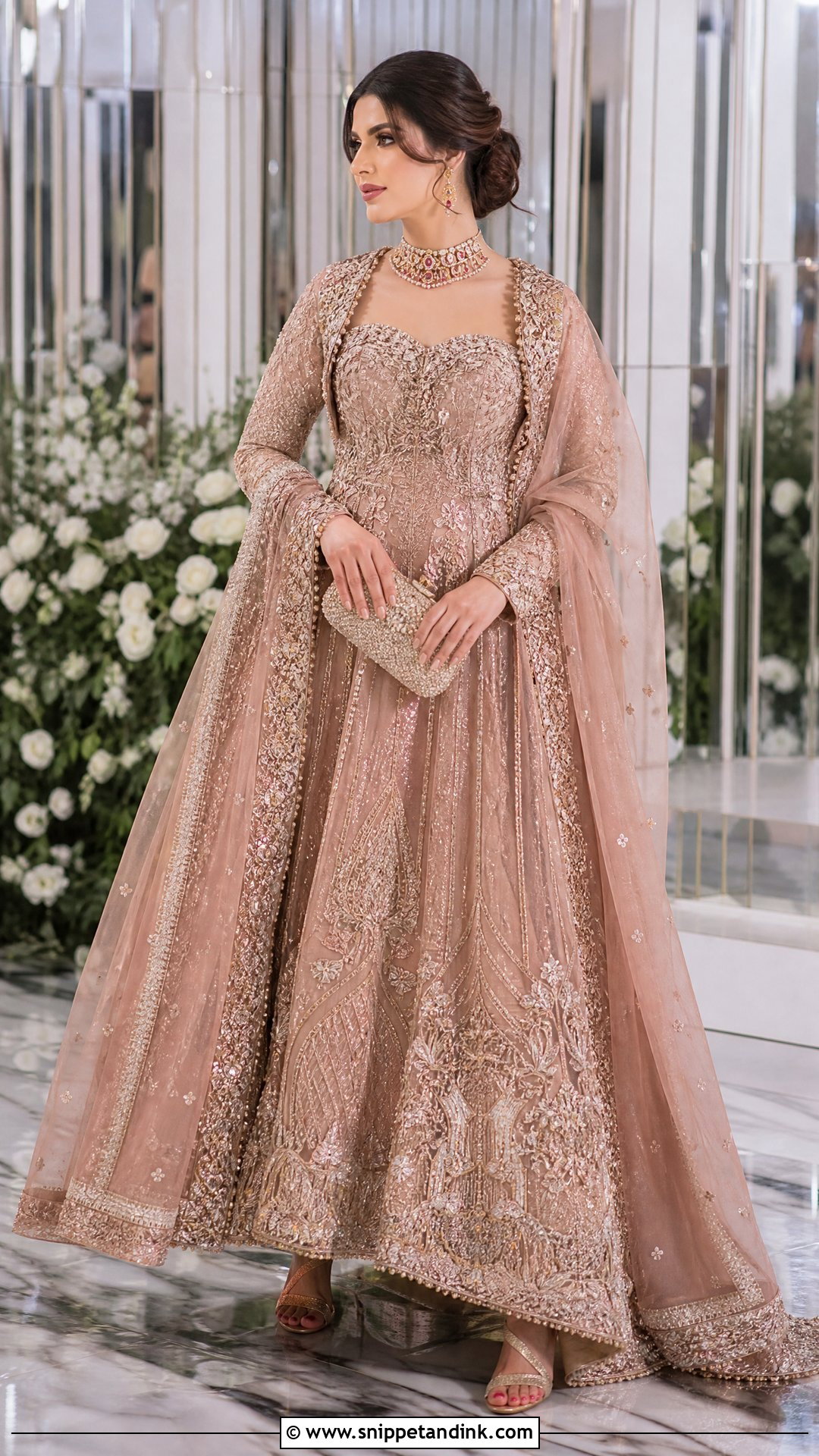
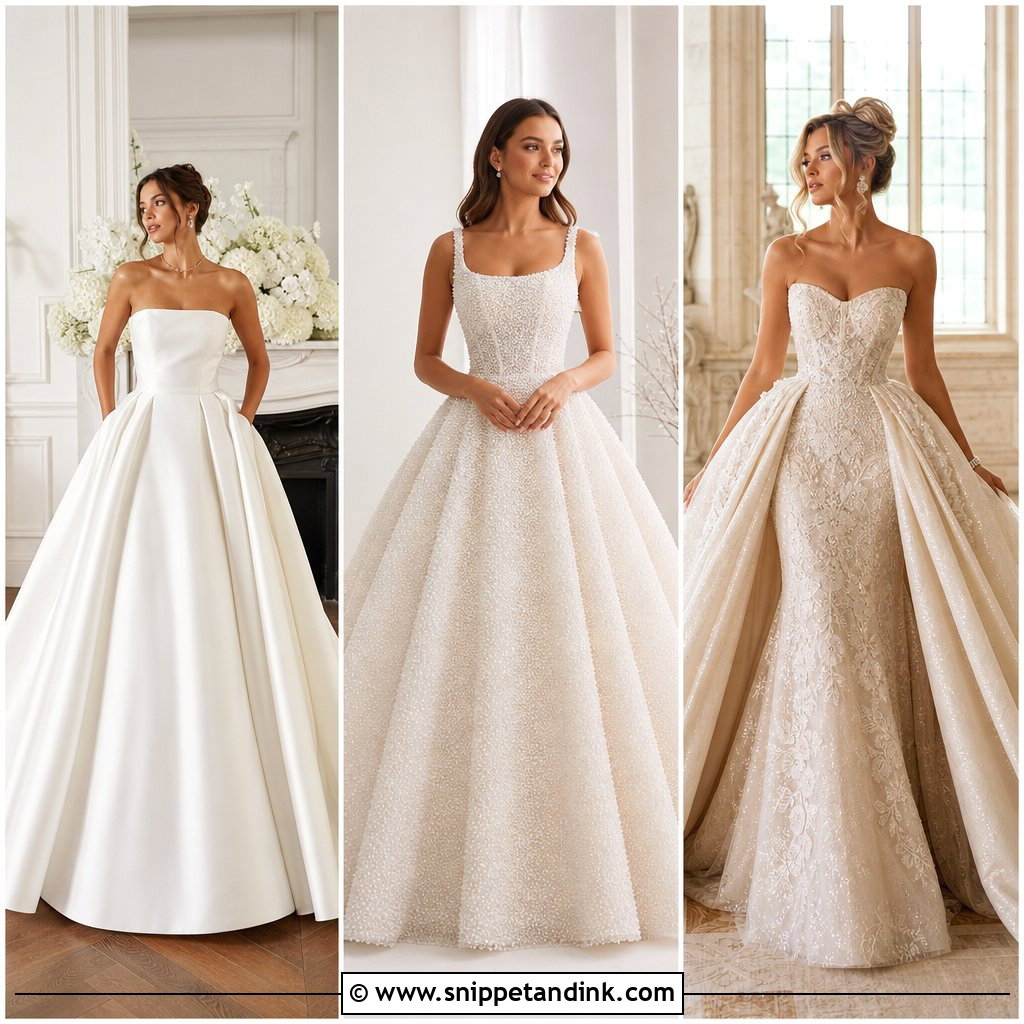
Rose gold glows without the punch of yellow gold. Sequins and metallic thread on a blush base can scratch the inner arm, so check the sleeve lining at your fitting and ask for a soft one if needed. A structured bodice with a gradual flare lets the embellishment show while the shape stays clean. Add a sheer blush dupatta with a slim rose gold border, pink-accented crystal or polki, rose gold heels and a beaded clutch. A low twisted bun or side waves, champagne eyeshadow and a rose-nude lip. Resist a third color: the metallic only looks intentional when everything stays in one family.
16. Burgundy Pakistani Bridal Gown
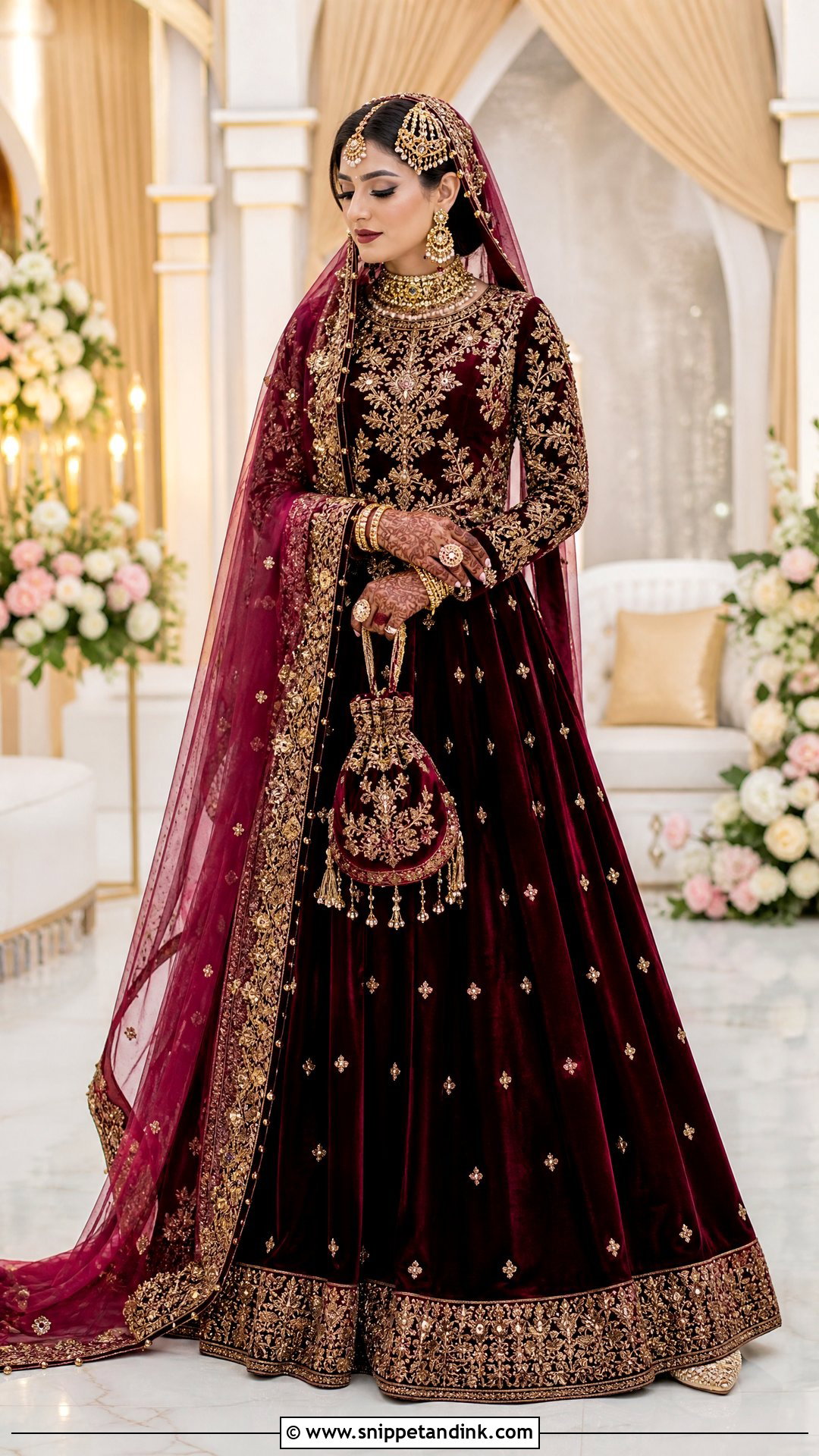
Burgundy is the red I suggest when a bride wants to honor tradition but finds bright red harsh against her skin. Velvet or raw silk with bronze, antique gold and muted red embroidery, a high neckline and a wide, softly structured skirt suit it. A sheer burgundy dupatta keeps it tonal, while muted gold organza adds contrast. Antique kundan, statement earrings and a passa finish the jewelry, and the passa pulls to one side all night, so a sleek low bun is the anchor for both it and the head covering. Bronze heels, a compact potli, softly smoked eyes and a muted berry lip. Save it for a winter Barat or an evening Nikkah.
17. Mint Green Pakistani Bridal Gown
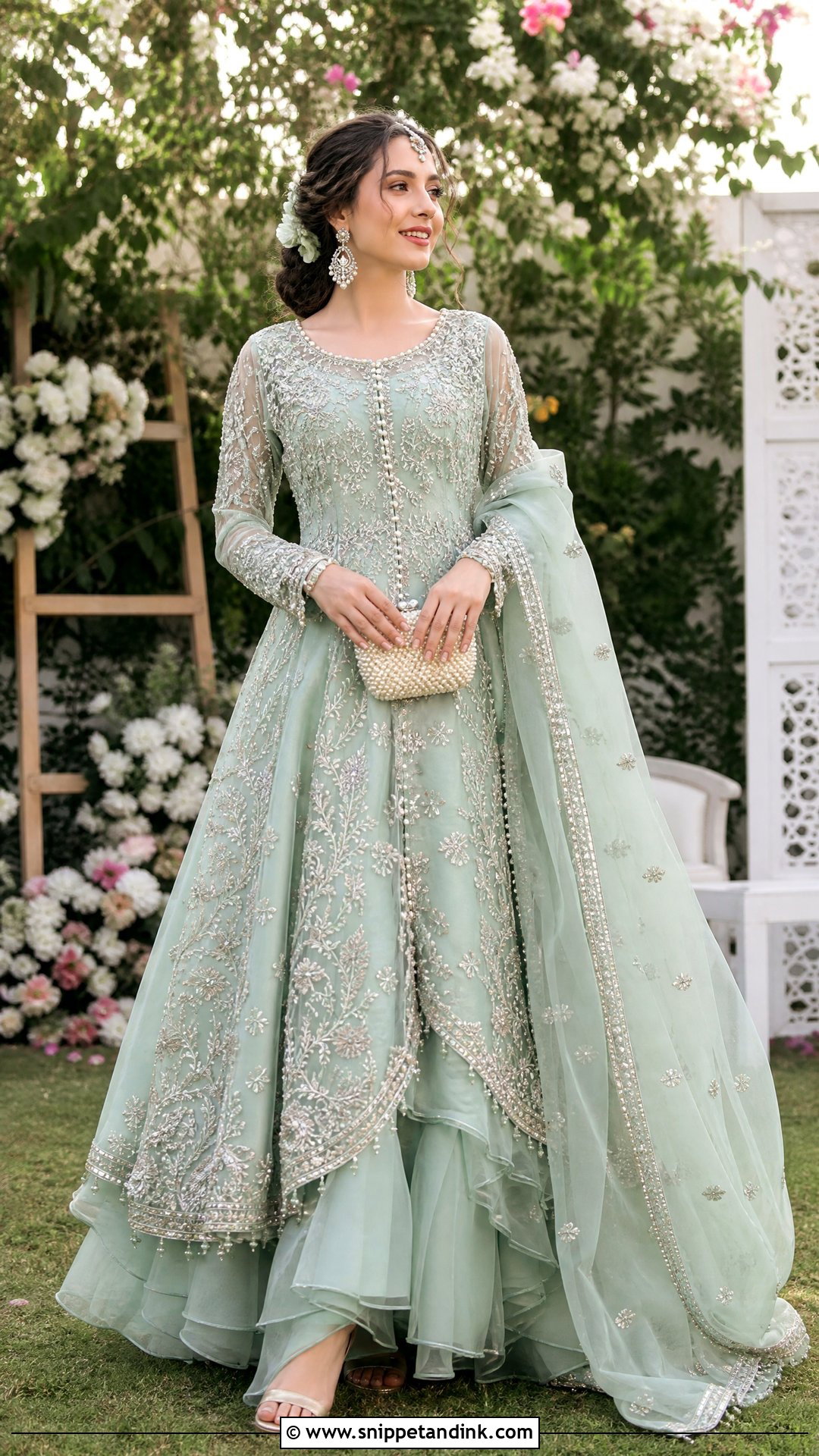
Mint reads fresh in sunlight and can go slightly gray under warm indoor lights, so I keep it for a garden Nikkah or an outdoor summer Walima. Chiffon, organza or soft net with silver threadwork, pearls and pale gold accents keeps the color airy. Wear the matching dupatta loosely over the head or across both arms. Pearl jewelry, crystal earrings and a delicate tikka add no visual weight. Silver or champagne heels, a small pearl clutch, a loose low bun with white floral pins, rosy blush and a pink-nude lip.
18. Powder Blue Pakistani Bridal Gown
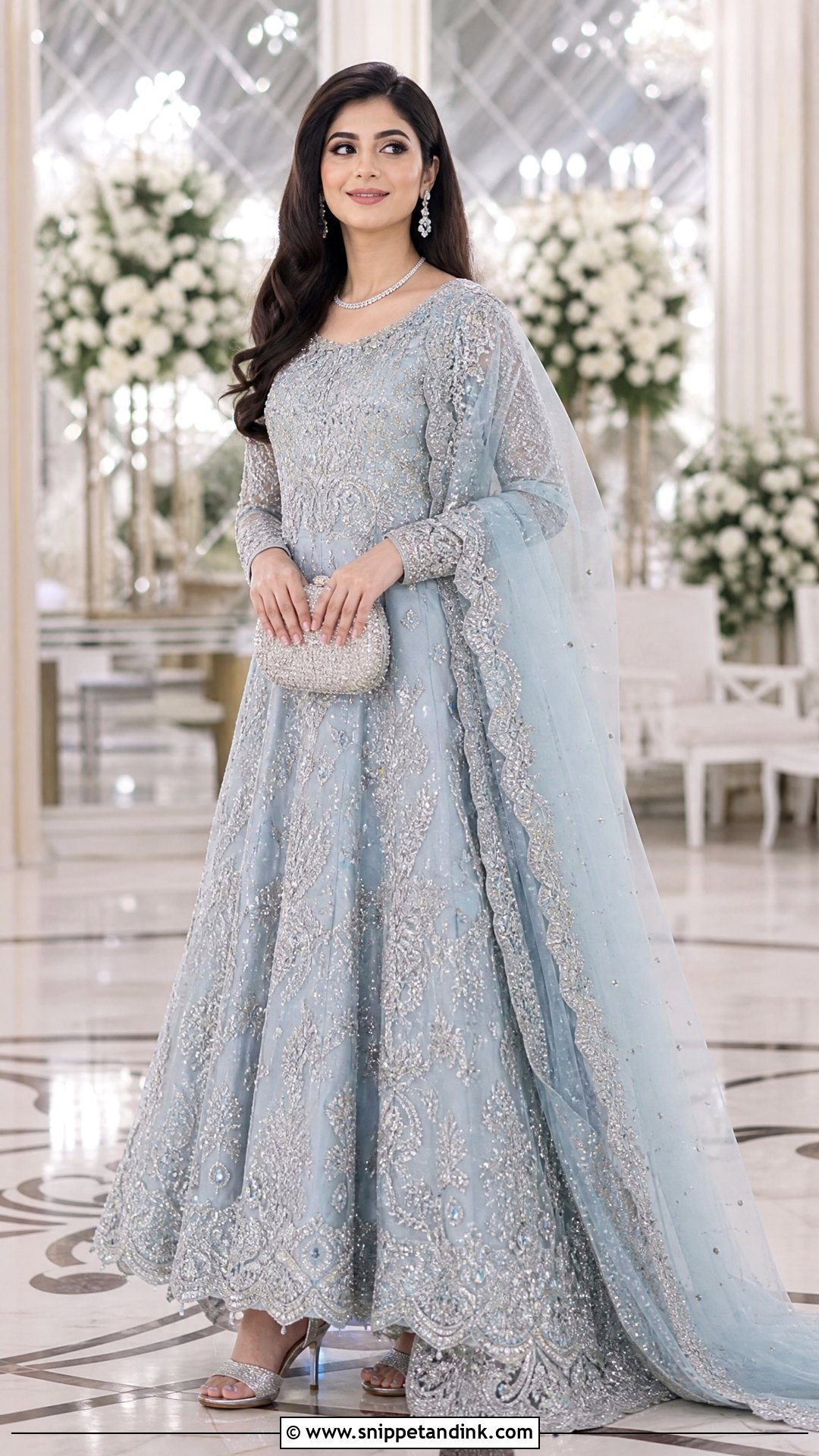
Powder blue is calm to look at, and I like it for a bride who will spend a long reception on stage. Choose an A-line gown with a defined waist and silver embroidery across the bodice, sleeves and lower panels, with scattered crystals and pearls. A sheer dupatta with a scalloped border is enough decoration around the face, so keep the jewelry to crystal drops, a slim necklace and one bracelet. Silver block heels make sense when you’ll be standing to greet guests for an hour. Smooth waves or a low braided bun, cool neutral eyes and a soft mauve lip.
19. Orange Pakistani Bridal Gown
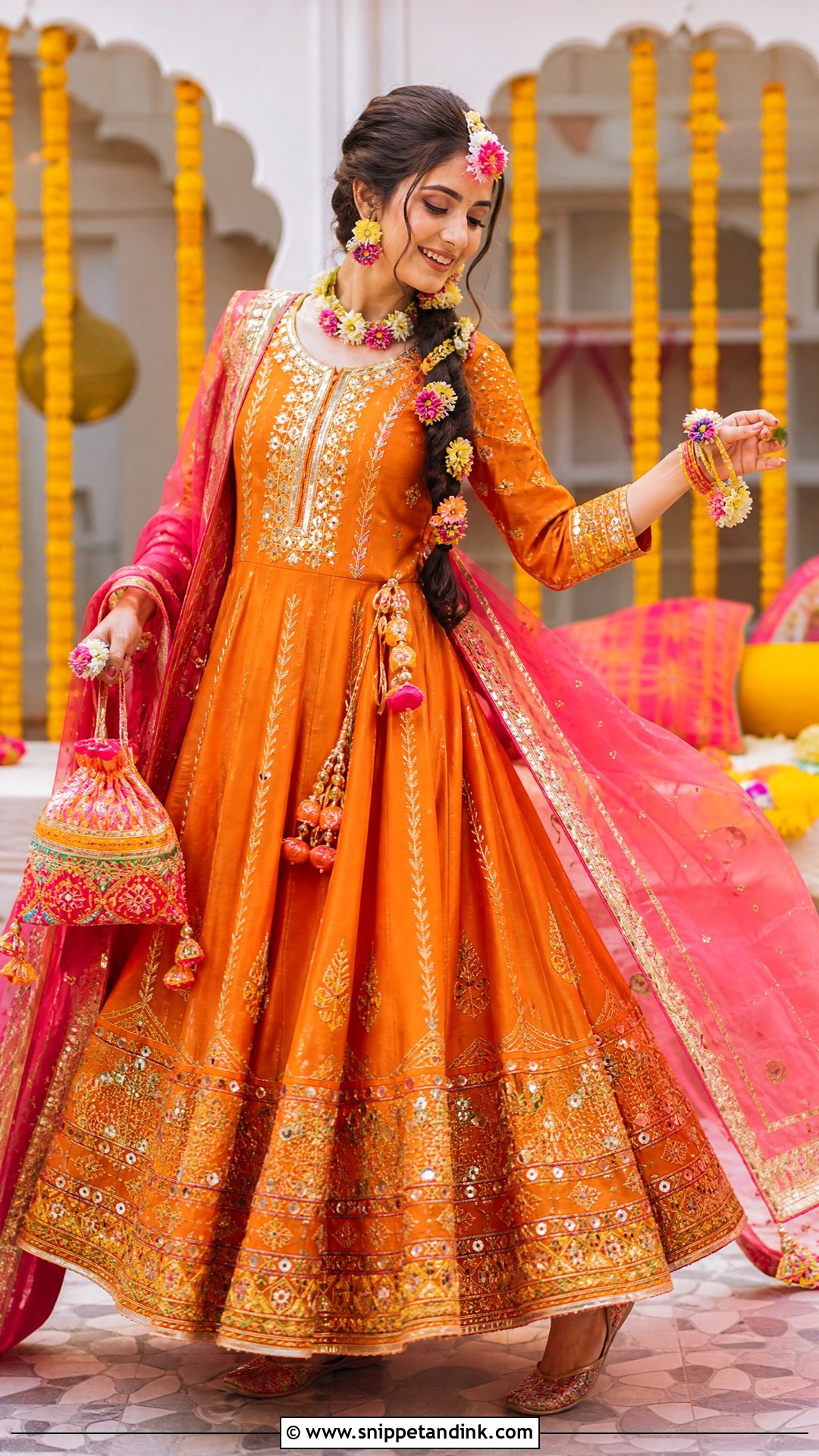
Mehndi is the one event where I tell brides to dress for movement first. Saffron, tangerine or burnt orange with gota, mirrorwork and gold embroidery, plus small touches of pink or green, suits the mood. Mirrorwork is heavy and its edges snag net, so pair it with an organza dupatta in pink, lime or mixed colors that has a smooth hem. Floral jewelry or gold jhumkas with colorful bangles, and khussas you can dance in. If your henna goes on that day, skip a clutch you must grip and carry a potli on the wrist. A braid with small flowers, golden eyes, peach blush and a coral lip.
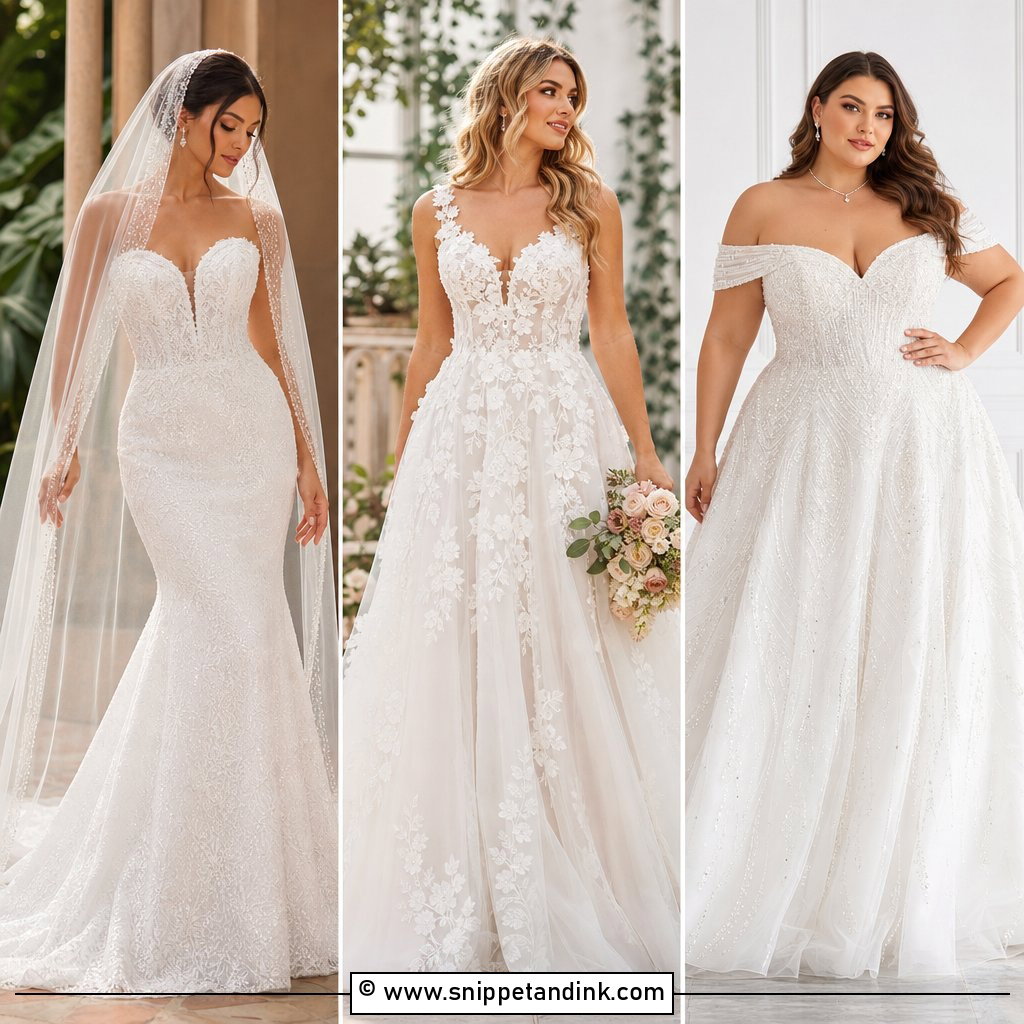



20. Pakistani Bridal Gown With Lehenga
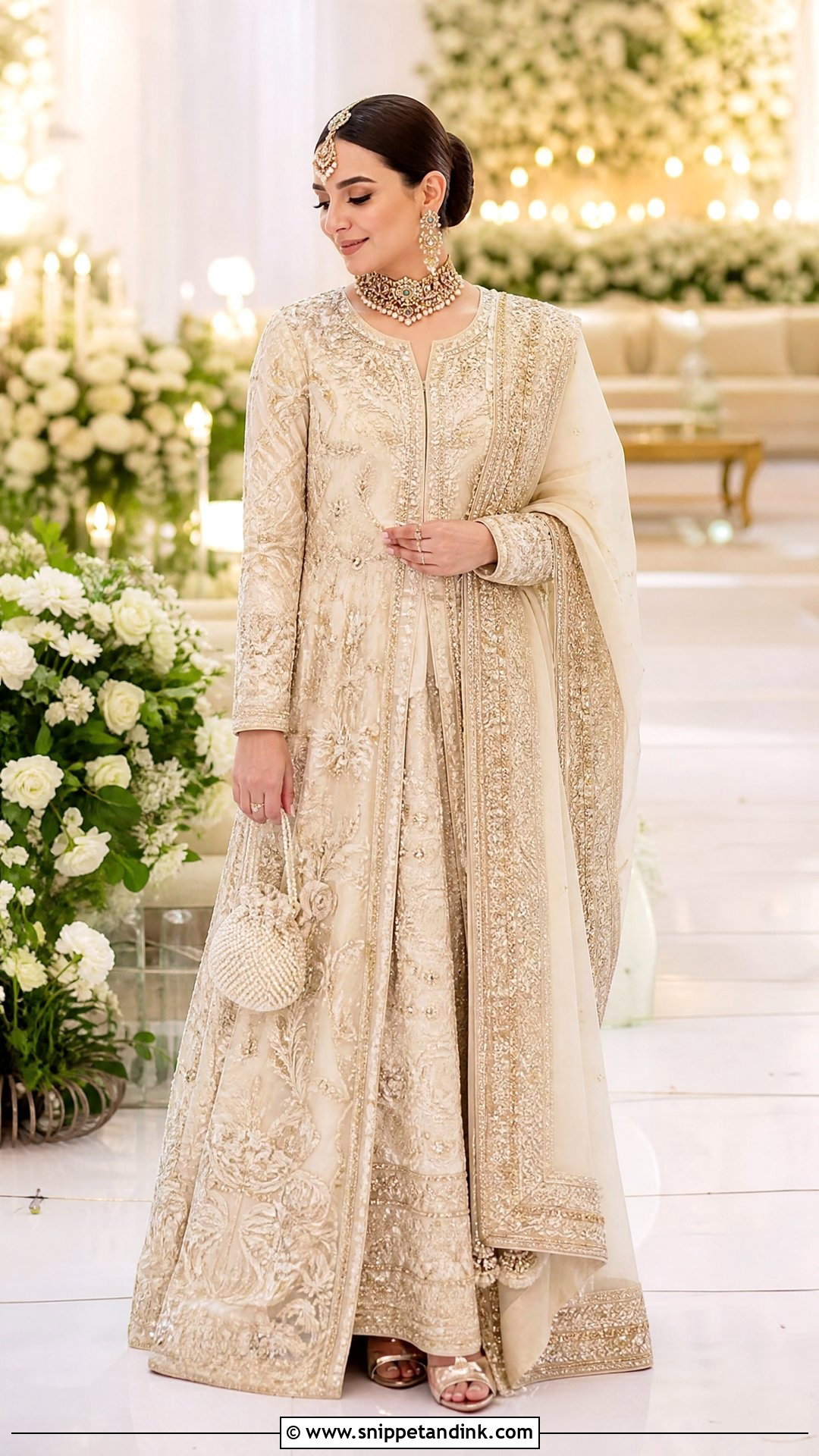
Can’t decide between a gown and a lehenga? An open-front embroidered gown layered over a coordinating lehenga gives you both. The front panels need to fall cleanly to show the skirt underneath, so I check that they’re weighted at the hem, otherwise they swing shut as you walk. Red and gold suit a Barat; ivory, blush or silver suit a Nikkah or Walima. Secure the dupatta so it doesn’t cover the opening. Kundan jewelry, metallic heels, an embellished potli and a neat bun stop it from looking busy, and I take the lip shade straight from the embroidery thread.
Ordering Hand Embroidery Without a Last-Minute Panic
Zardozi and dabka are slow, hand-done crafts, and good ateliers fill up ahead of the main wedding seasons. Lead times vary a lot between designers, but for a custom Barat outfit I’d open the conversation around six months out and treat three months as tight. Ask the atelier how long they need for your design and get the delivery date in writing.
Bring these to the first appointment
- Photos of the jewelry you plan to wear, so the neckline and embroidery placement suit it.
- The shoes, or at least the heel height, because the hem is measured with them on.
- The venue and month of each event, which decide how heavy the fabric can be.
- A clear idea of where the dupatta sits at each event.
Expect at least two fittings. The second matters most: sit down, raise your arms and walk a few steps with the dupatta pinned. A finished embroidered panel has very little give, so adjustments are much easier at the seams than across the worked areas.
Storing Zardozi So the Metal Thread Stays Bright
After the wedding, take the outfit out of its plastic garment bag. Plastic holds moisture, and metallic thread dulls and darkens faster in damp air. Fold it in acid-free tissue or wrap it in clean white muslin, with rolls of tissue inside every fold so the embroidery never creases sharply. Don’t leave a heavy gown hanging for months, because the skirt’s weight drags on the shoulder seams.
Keep it somewhere dry and dark and refold it along different lines every few months. For stains, use a dry cleaner who handles bridal couture and point out the dabka and sequins before they start. On the day itself, spray perfume on your skin, not the fabric; alcohol marks on silk are hard to lift.
Wear the Full Outfit for Twenty Minutes First
A good Pakistani bridal gown is one you can sit, walk and pose in at every event without someone fixing you every ten minutes. Weigh the embroidery, dupatta placement, sleeve shape and heel height against the venue you’ll actually be in, not the photo. Bring your jewelry and shoes to the final fitting and wear the complete outfit for twenty minutes, sitting down at least once. If something pinches or slips then, it will be worse by the rukhsati.
You'll Like These Ideas:








Leave a Reply