
Mousse is the filling I suggest when a couple tells me their guests will be full from dinner. It’s lighter on the fork than a dense buttercream layer, it carries fruit and chocolate flavours well, and a sliced tier shows clean, coloured stripes. It also asks more of the bakery and the venue: mousse is set with gelatin or chocolate, it has to stay cold, and it changes how a tiered cake is built. Below are 25 flavour ideas I like, each with what it pairs with, how it behaves on a dessert table and where I’d be careful.
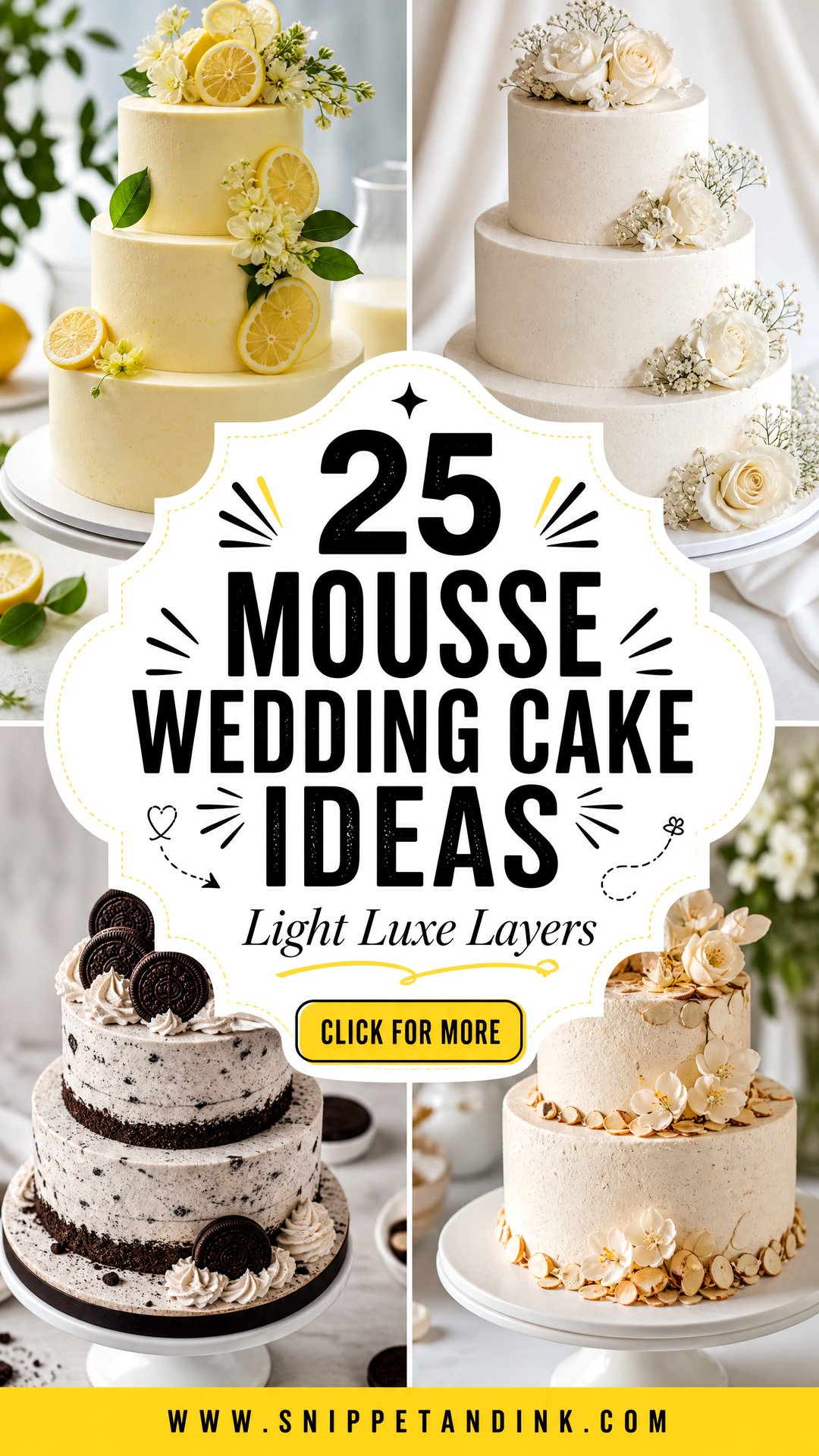
A Mousse Cake Needs a Fridge Nearby and a Short Display Time
Mousse is made with cream, and often eggs, set with gelatin or chocolate. That means it must be kept cold and can’t sit on a display table all afternoon like a fondant fruitcake. Before you fall in love with a flavour, ask the venue three questions.
- Is there fridge space for the cake, and is it tall enough for the assembled tiers? If not, the baker may stack on site.
- Where will the cake be displayed? Avoid windows, sunlit terraces and spots near heaters or the dance floor lights.
- When will it be cut? I aim for a mousse cake to be out of the fridge for no more than about two hours in total, and less on a hot day.
Fondant over mousse is tricky. When a chilled cake comes into a warm room, condensation forms on the fondant and it can look wet or sticky. A buttercream or ganache finish handles that change better. If you want an all-day display, ask about a display cake with a decorated dummy tier and a kitchen cake served from the back.
Chilled mousse also slices more cleanly. A cake that has softened in the heat smears; the caterer should use a hot, dry knife and wipe it between cuts.
1. Chocolate Mousse Wedding Cake
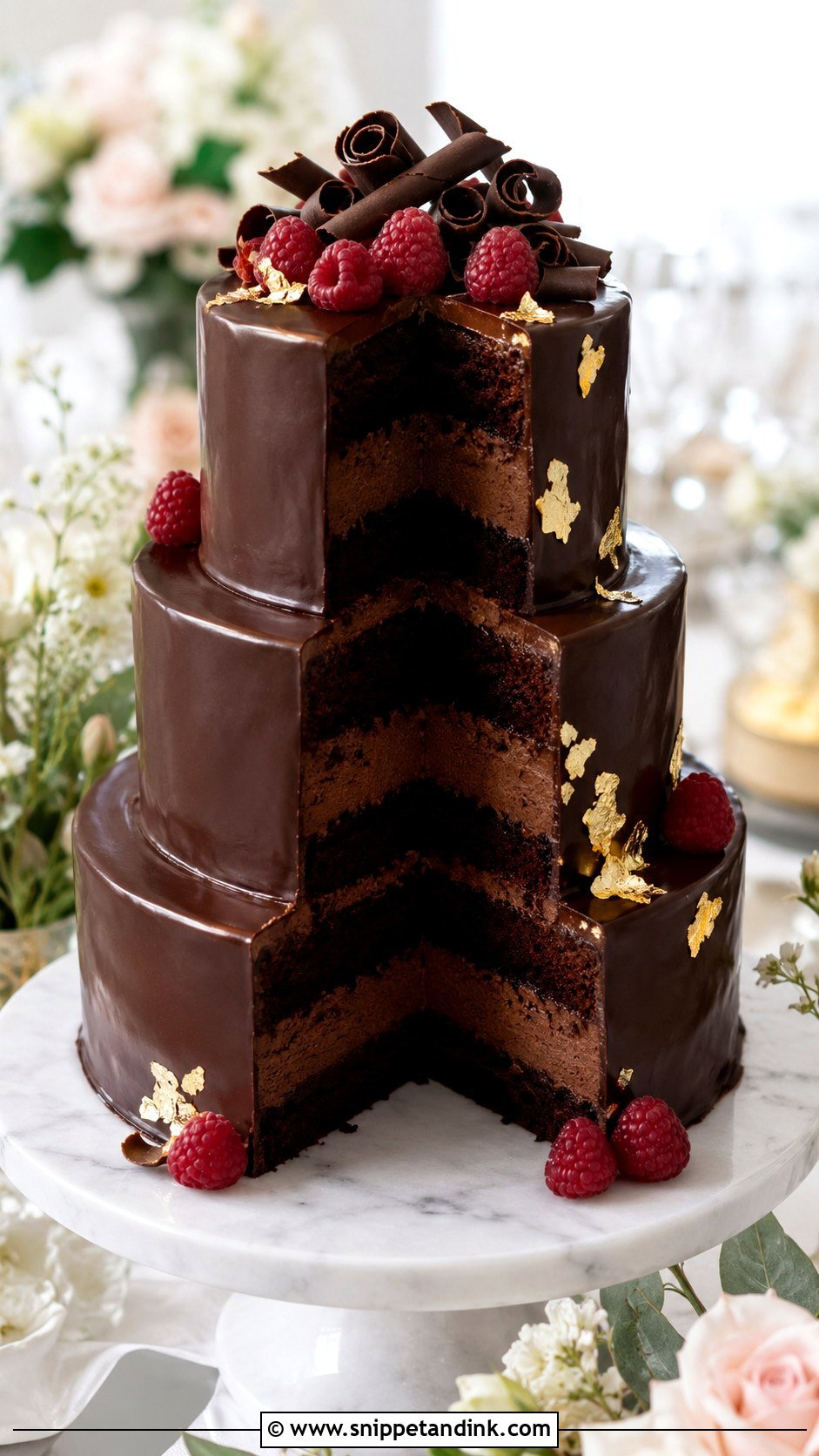
Chocolate mousse is the flavour most guests will happily eat, so it’s a sensible base if you’re feeding a wide crowd. I layer it between chocolate sponge soaked lightly with syrup, which keeps the cake moist while the mousse stays airy. Outside, dark ganache looks dramatic and sets firm in the fridge, which helps the tier hold its shape; ivory buttercream works if you want a classic look with the chocolate hidden inside. Gold leaf, chocolate curls or fresh berries finish it.
2. White Chocolate Mousse Wedding Cake
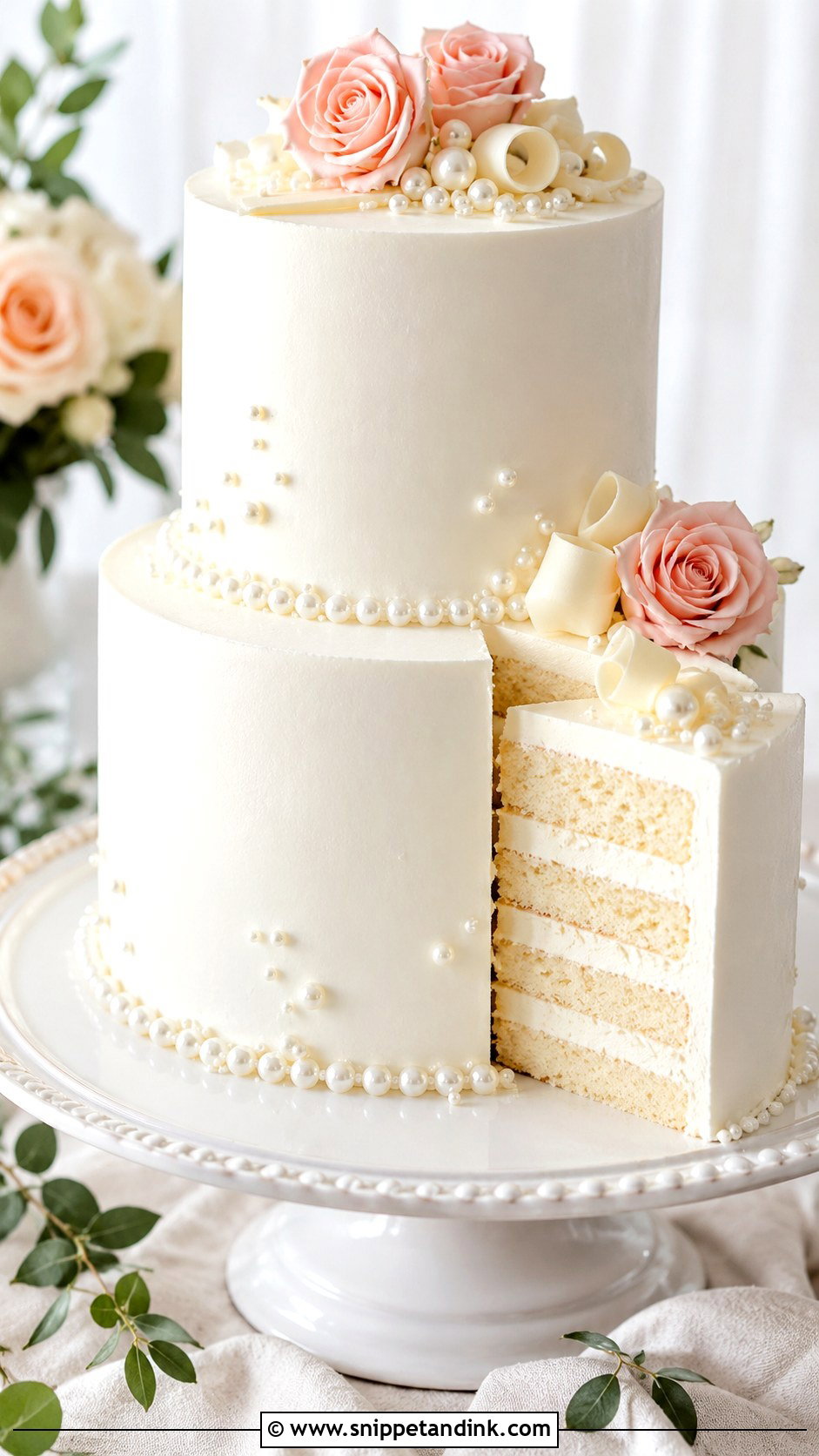
White chocolate mousse is very sweet on its own, and I almost always cut it with something sharp: raspberry compote, passion fruit or lemon curd, or a pinch of salt in the buttercream. Paired that way, it tastes creamy rather than cloying. It sits well with vanilla, almond or champagne sponge. The ivory colour of the filling matches a white exterior, so the slices look clean on the plate. White chocolate softens faster than dark in a warm room, so keep it out of direct sun.
3. Raspberry Mousse Wedding Cake
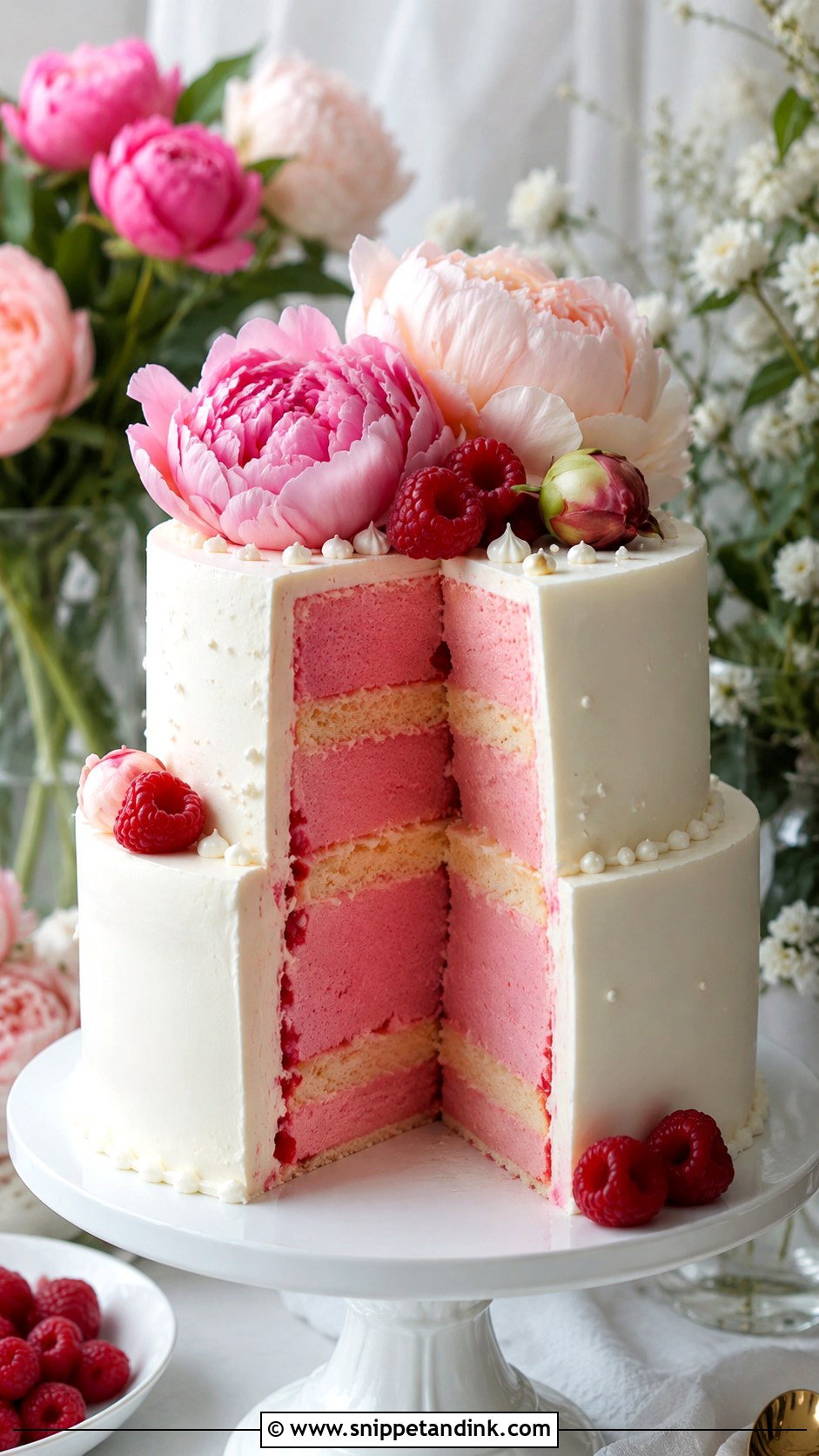
The tartness of raspberry is what makes this work, because it cuts through sweet frosting. I make the mousse from strained purée so seeds don’t spoil the texture, and the colour comes out a natural pink. It pairs with vanilla, lemon, almond and chocolate sponge. Fresh raspberries on the outside bleed onto white buttercream if they sit for hours, so I add them as late as possible, ideally on site.
4. Strawberry Mousse Wedding Cake
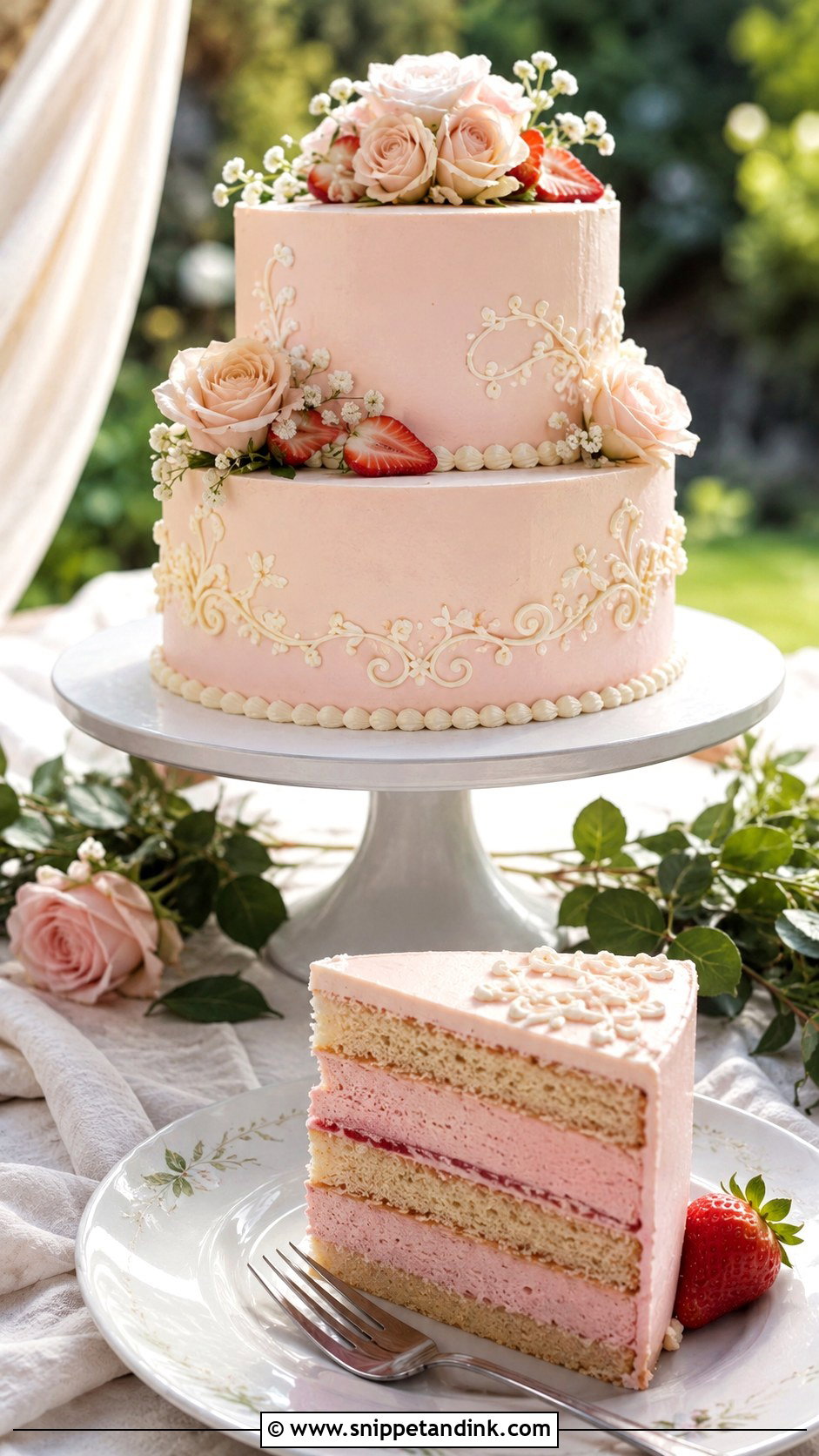
Strawberry mousse made from fresh purée is softer in colour than people expect, more pale blush than bright pink. I’d avoid artificial flavourings, which can taste like sweets. It pairs with vanilla, almond or champagne sponge and a smooth buttercream outside. Like raspberries, cut strawberries weep onto icing, so whole berries or dried decoration last longer on a display.
5. Lemon Mousse Wedding Cake
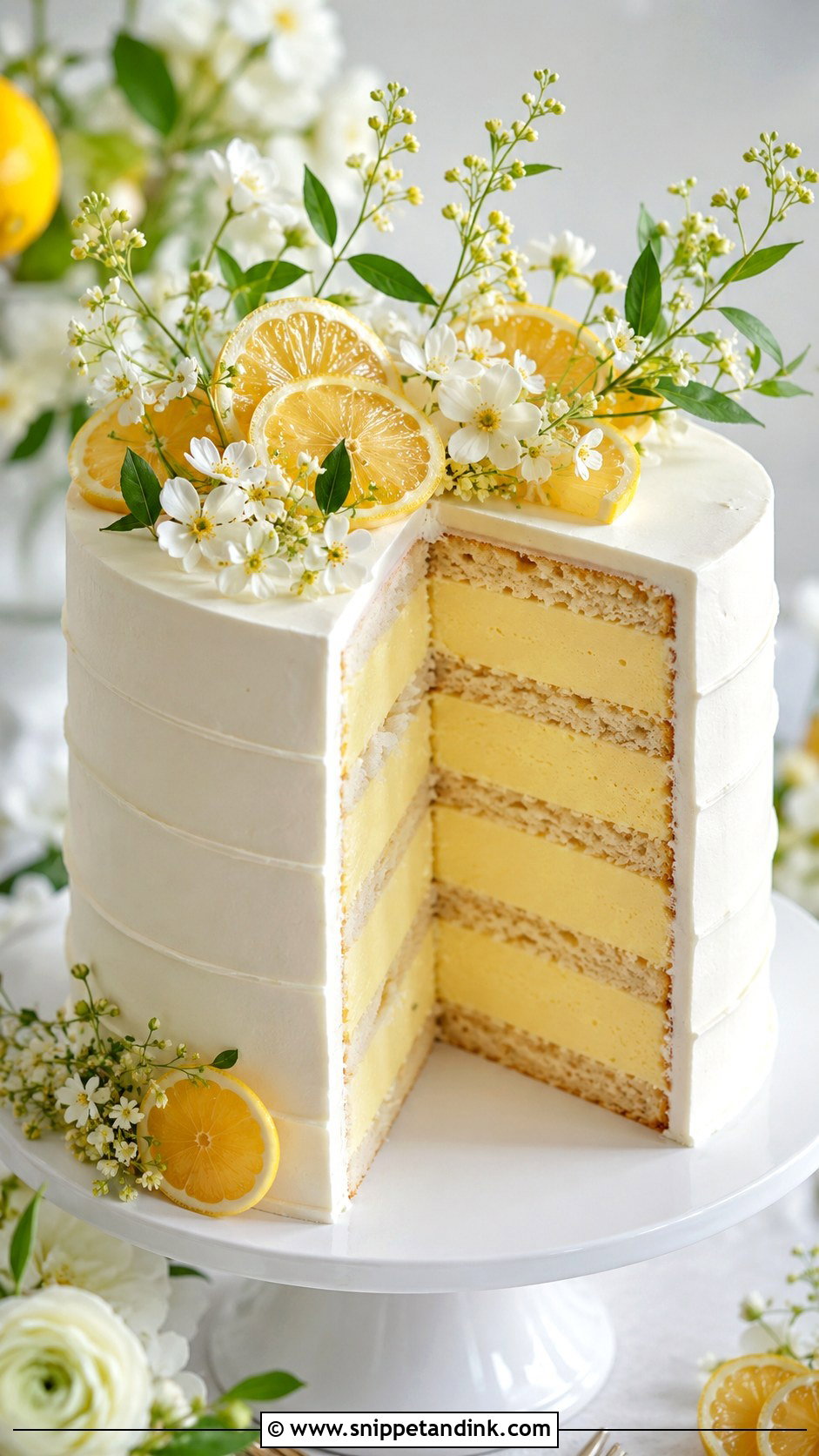
Lemon mousse wedding cake is my first suggestion for a summer or daytime wedding, because it’s refreshing after a heavy meal. A lemon mousse is softer and creamier than curd, and I often put a thin layer of curd inside it for sharpness. It pairs with vanilla, elderflower or blueberry. Decorating with fresh lemon slices looks pretty but they dry out quickly, so I’d use candied slices or edible flowers instead.
6. Mango Mousse Wedding Cake
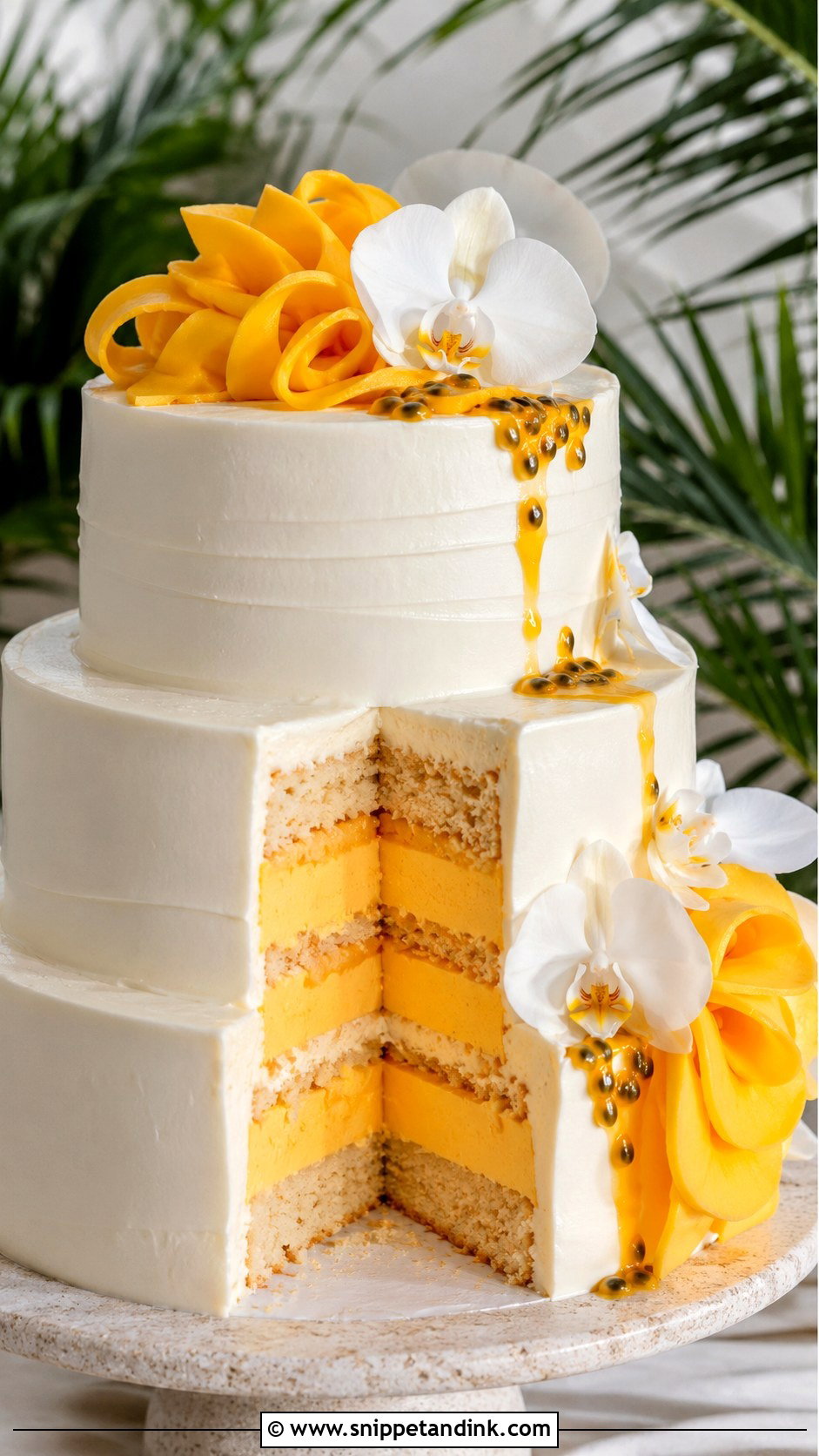
Mango mousse wedding cake depends heavily on the fruit. Ripe, sweet varieties give a deep golden colour and real flavour; under-ripe mango tastes flat and pale. Good tinned purée is a reliable alternative out of season. I pair it with coconut, vanilla sponge or passion fruit curd. Fresh mango slices on top need to go on at the venue, since they brown and weep.
7. Passion Fruit Mousse Wedding Cake
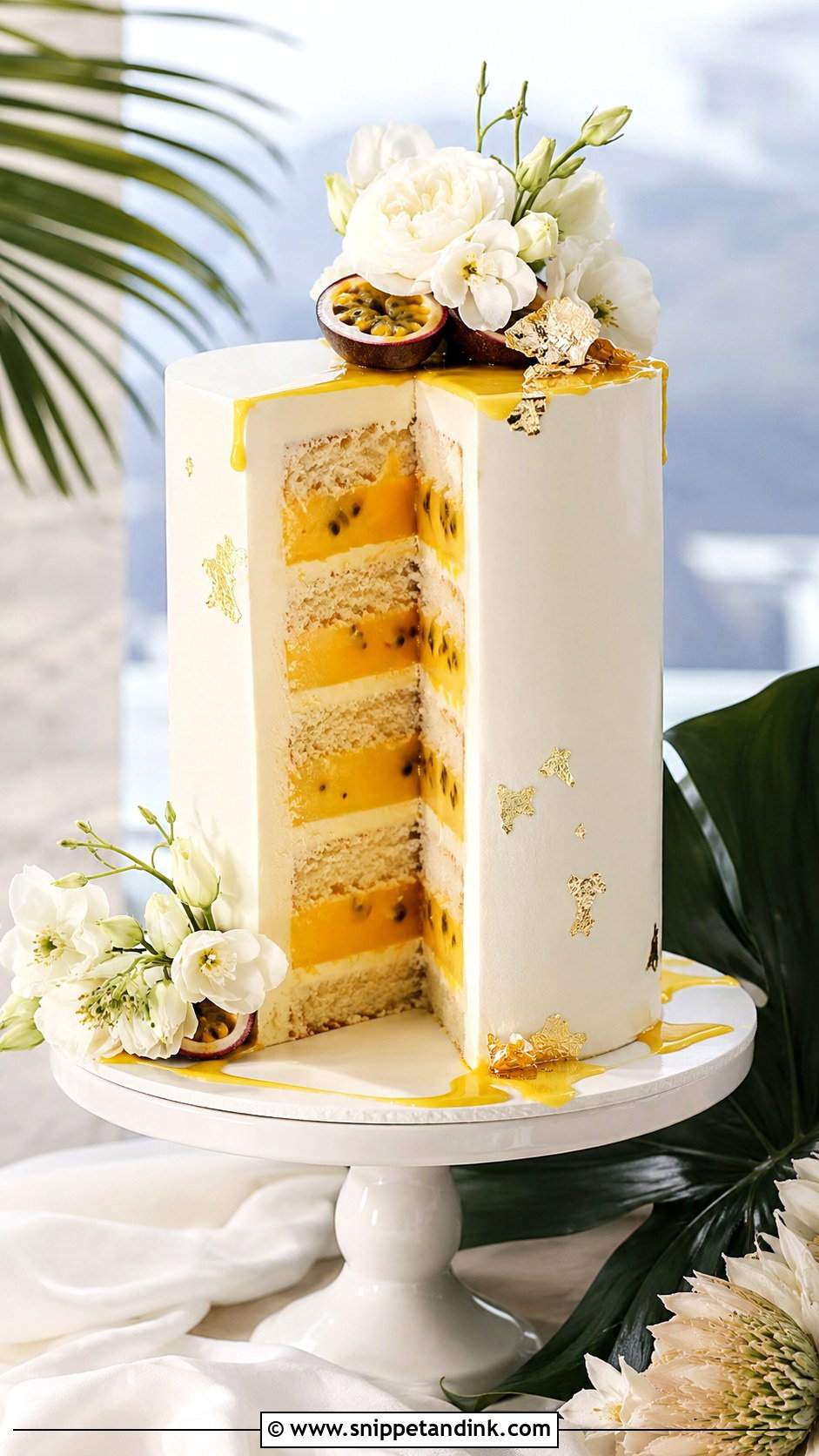
Passion fruit mousse wedding cake is sharp, fragrant and very memorable. The flavour is strong, so I balance it with coconut, vanilla or white chocolate, and sometimes add a thin passion fruit curd layer. The seeds are edible and look striking on top, but some guests dislike the crunch, so I strain the mousse and keep seeds for decoration only. It feels fresh in warm weather.
8. Vanilla Mousse Wedding Cake
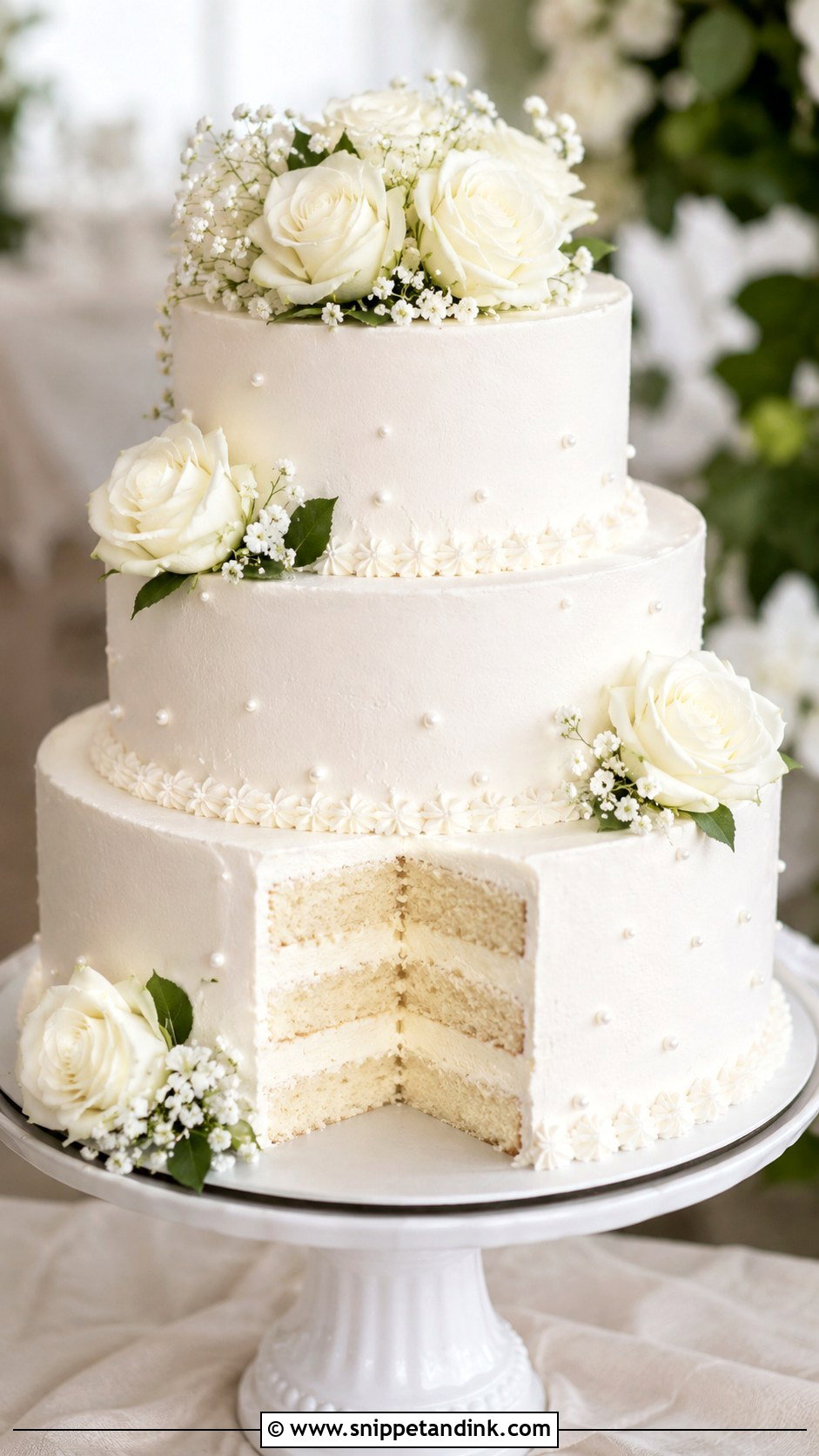
Vanilla mousse is the safest crowd choice for a large wedding, and it suits almost any sponge. Real vanilla bean or a good paste makes all the difference; flecks of seed in the mousse are a sign you’re getting the real thing. It’s also an excellent base for fruit layers. Outside, a smooth white buttercream with pearl piping or a modern clean finish both work.
9. Champagne Mousse Wedding Cake
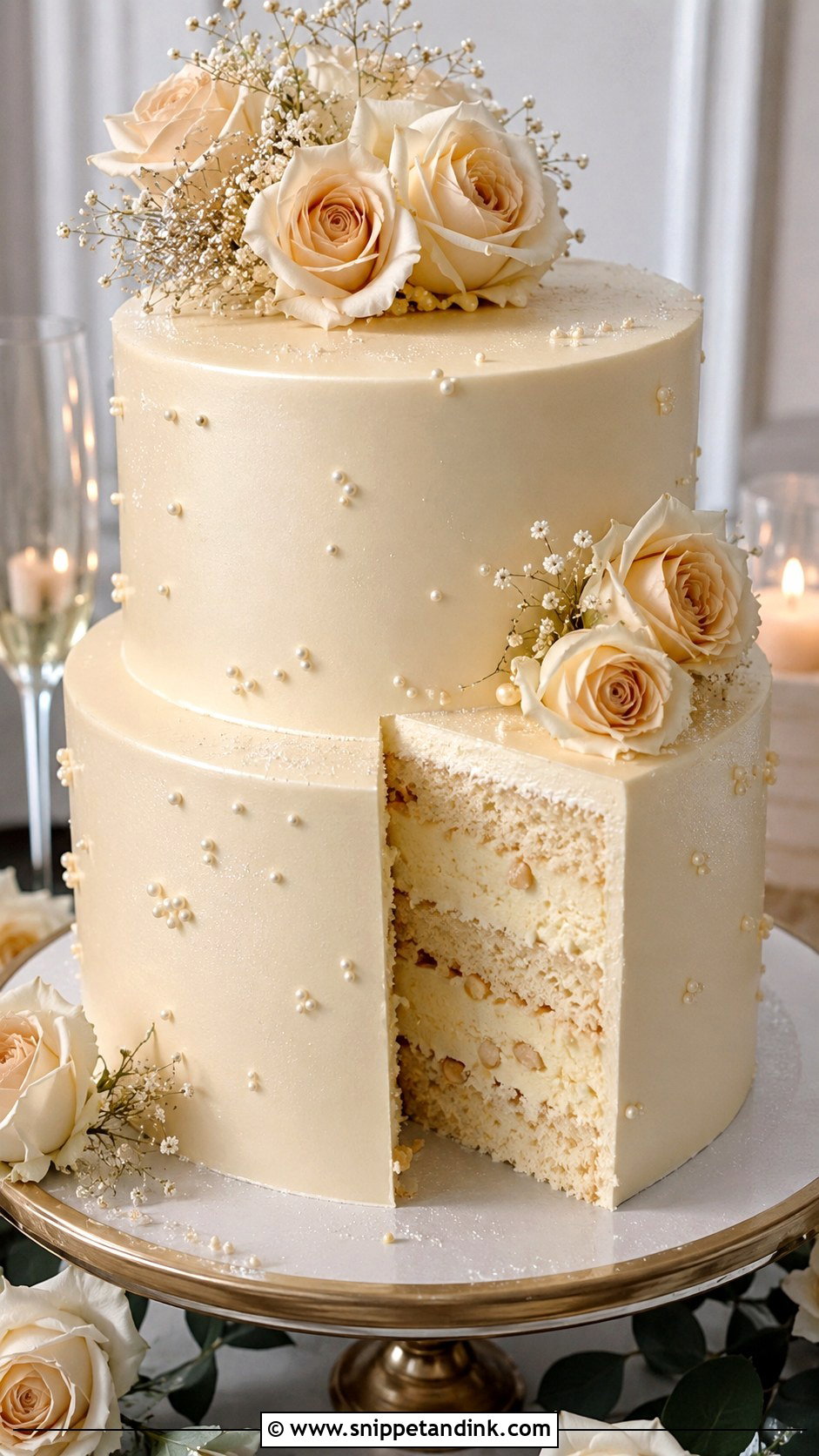
Champagne mousse is more subtle than many couples expect. Most of the alcohol is cooked off or reduced, so the flavour is light and slightly fruity, not boozy. I pair it with strawberry or raspberry preserves to give it more presence, and with vanilla or almond sponge. If you have guests avoiding alcohol entirely, ask your baker whether the champagne is cooked or added raw, and label the tier.
10. Tiramisu Mousse Wedding Cake
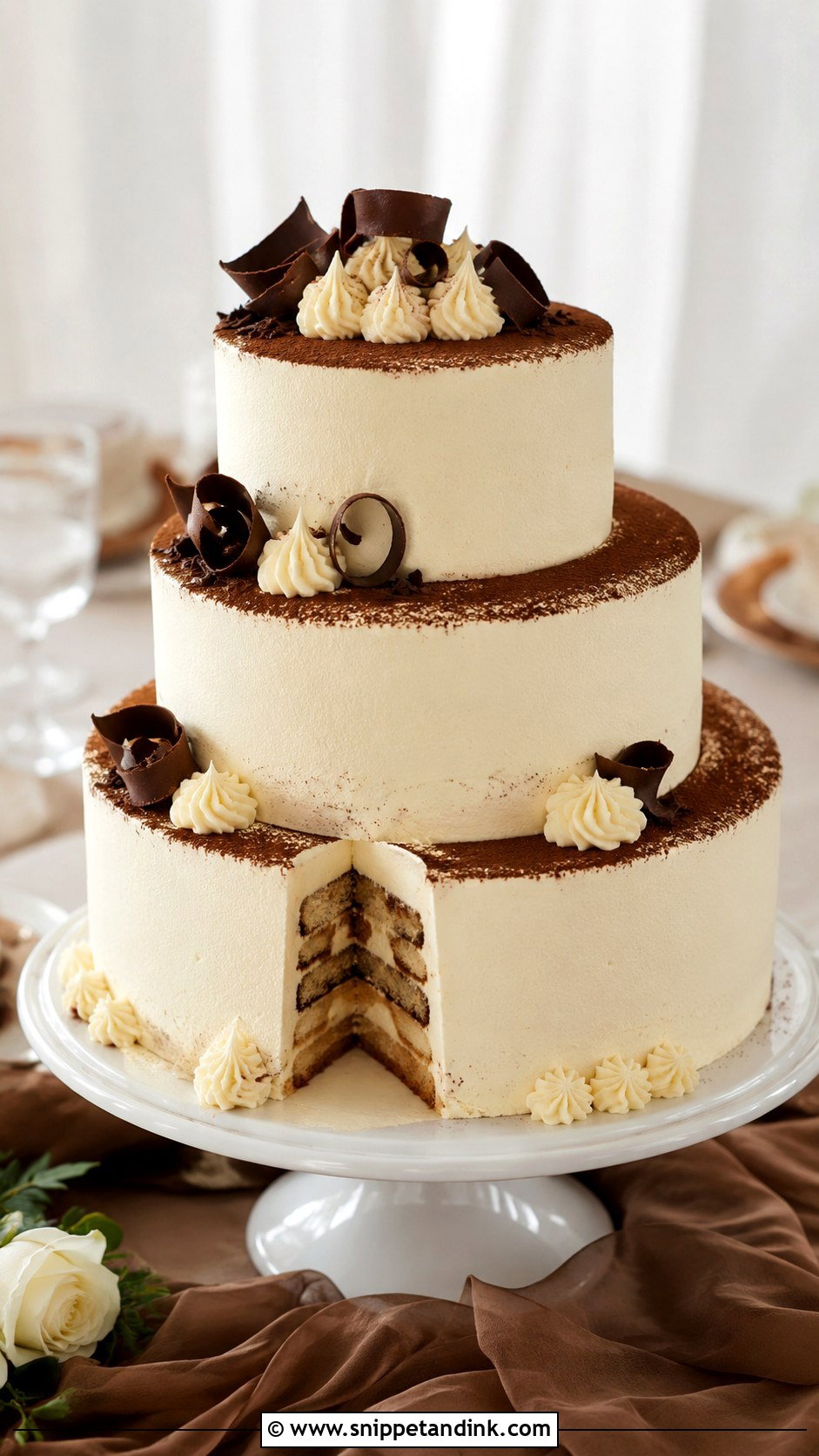
Tiramisu translates well into a tiered cake. I soak the sponge with espresso, layer it with mascarpone mousse and dust cocoa between layers. Mascarpone is rich, so I keep the layers thin. The outside can be smooth ivory frosting with cocoa shading or chocolate curls. Mascarpone needs refrigeration, so this cake should not sit out for long, especially at a summer reception.
11. Mocha Mousse Wedding Cake
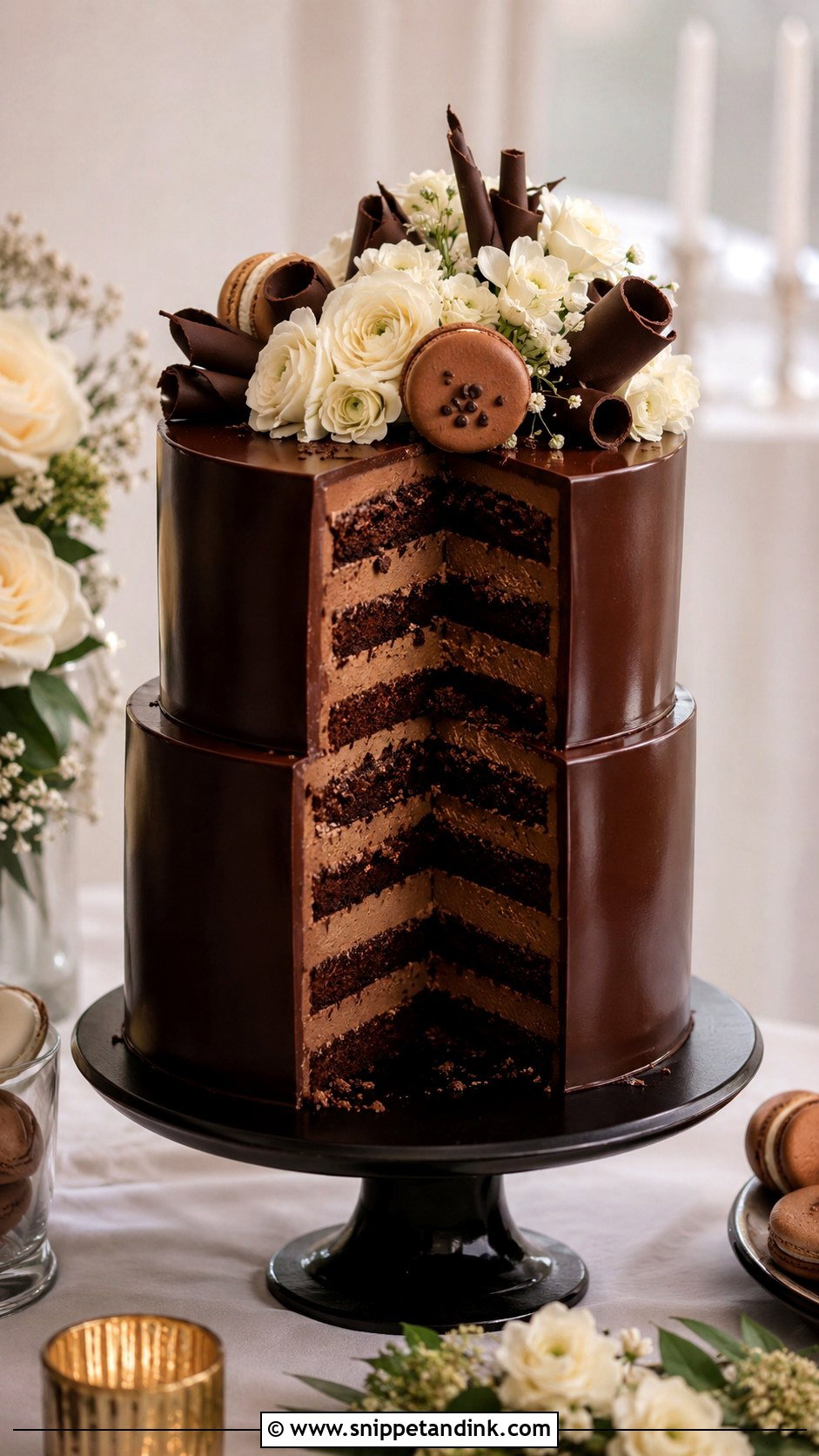
Mocha pairs chocolate and coffee, and the coffee deepens the chocolate rather than tasting like a latte. I use a strong espresso reduction rather than instant coffee for a cleaner flavour. A dark ganache drip or coffee-coloured buttercream outside suits a fall or evening wedding. Coffee contains caffeine, which is worth noting on the dessert table for late-night guests.
12. Cookies And Cream Mousse Wedding Cake
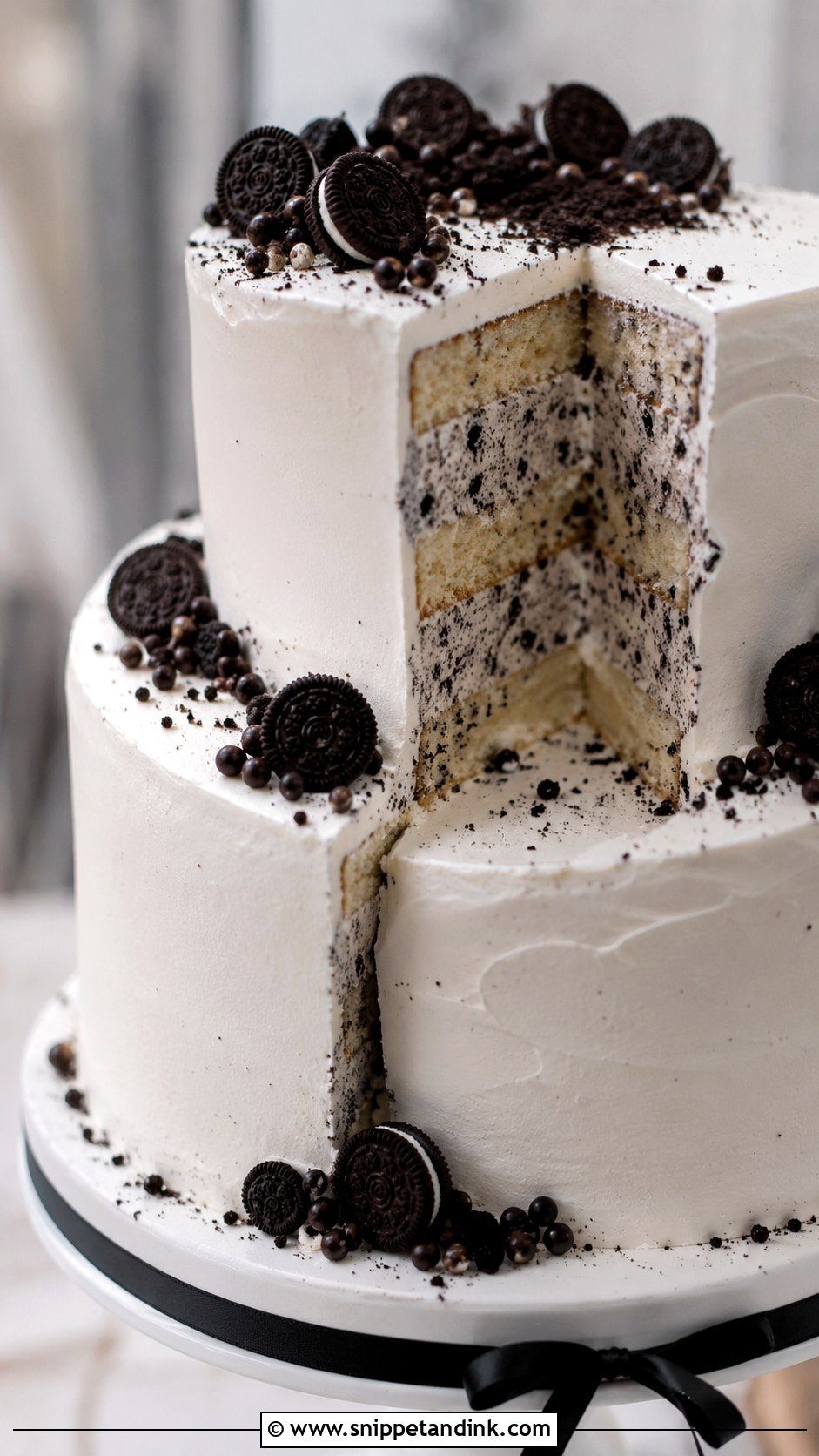
Cookies and cream can look casual, so the outside has to do the polishing. I keep the exterior smooth white with subtle black-and-white detail, and fold the cookie crumbs into the mousse only at the last stage of making it; otherwise they go soggy and grey the filling. Chocolate pearls or a soft ganache drip add texture. It’s a sure hit with younger guests and anyone with a sweet tooth.
13. Peanut Butter Mousse Wedding Cake
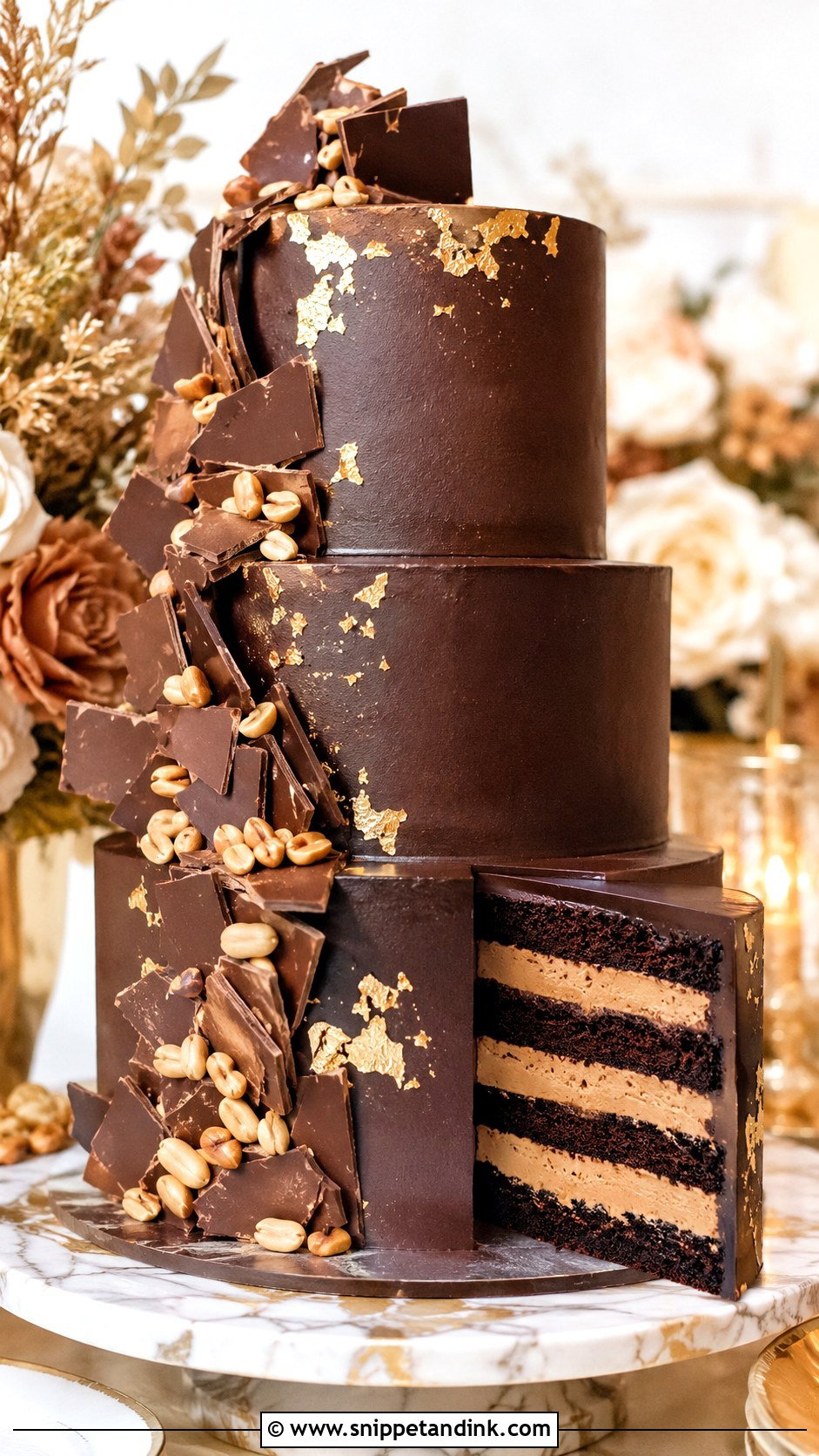
Peanut butter mousse is rich and filling, so I lighten it with whipped cream and pair it with chocolate cake for balance. Banana sponge is another good pairing. The allergy question is serious with this one: peanut traces can travel across a dessert table, so tell your caterer and label the cake clearly. I’d make it a single tier rather than the whole cake unless you’re certain about every guest.
14. Hazelnut Mousse Wedding Cake
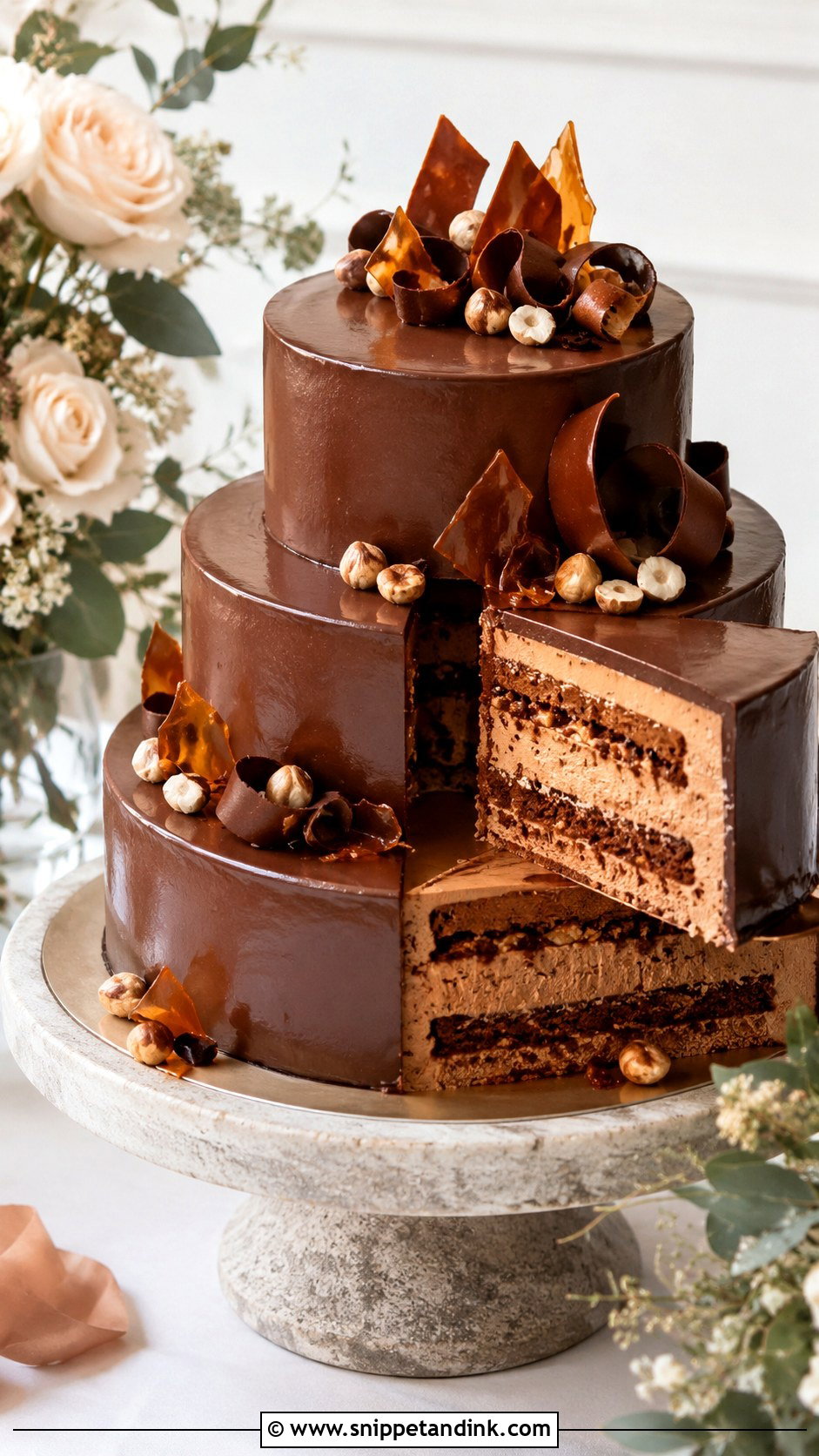
Hazelnut mousse wedding cake tastes like a refined praline. I toast the hazelnuts before making the mousse, which brings out their flavour, and often add a thin crunchy praline layer for contrast. It pairs with chocolate, vanilla or coffee sponge. Ganache or ivory buttercream work outside. Like peanut butter, it’s an allergen, so label it.


15. Pistachio Mousse Wedding Cake
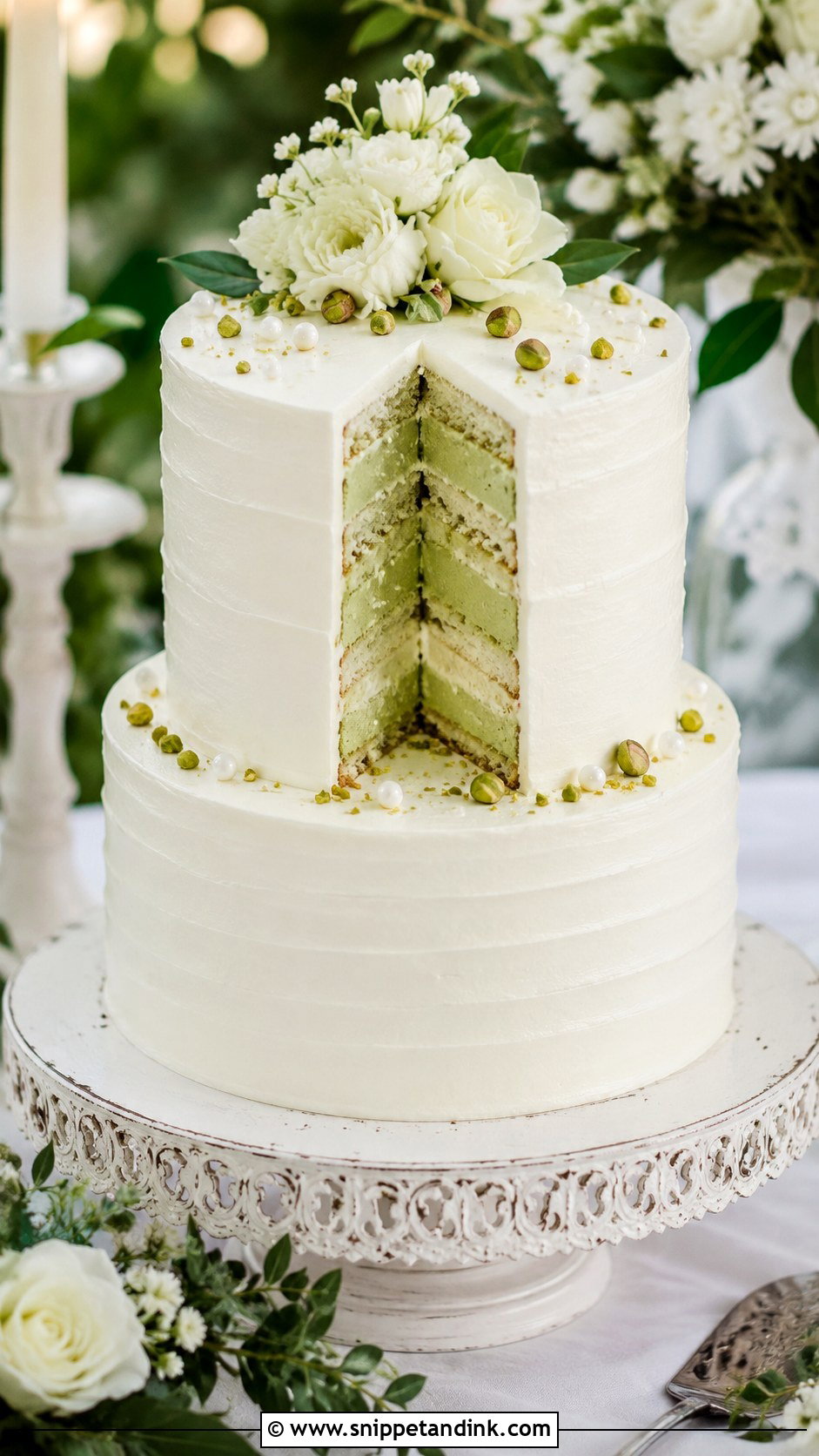
Pistachio has a delicate flavour that gets lost easily, so I use pure pistachio paste rather than flavouring. A natural pistachio mousse is a soft, slightly olive green, not bright green; vivid green usually means colouring. It pairs well with raspberry, rose or almond. An ivory exterior with crushed pistachios looks neat and hints at what’s inside.
16. Coconut Mousse Wedding Cake
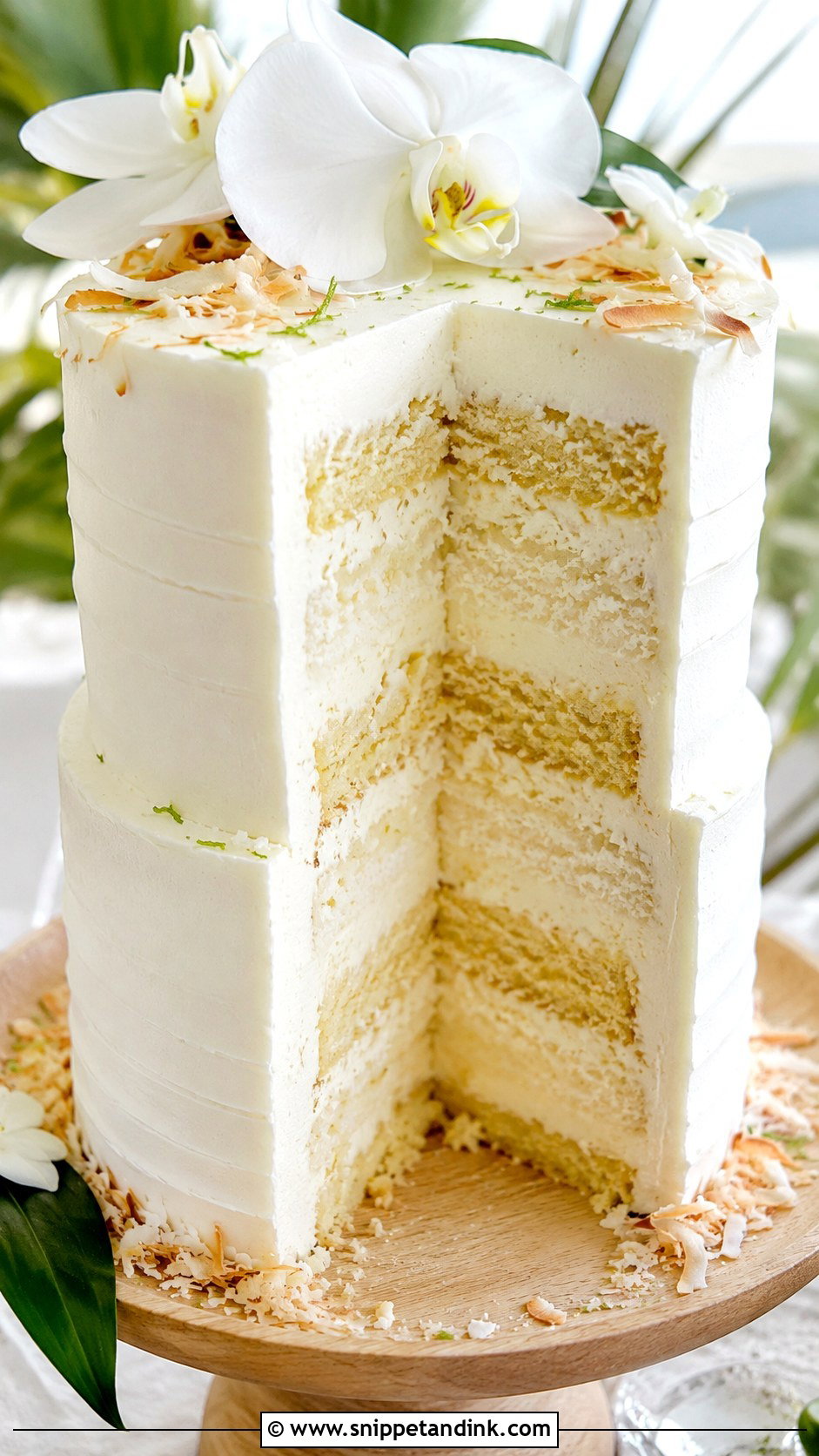
Coconut mousse wedding cake is light and creamy and works well in warm weather. I make the mousse with coconut cream for flavour and pair it with lime curd, mango or pineapple. Fresh pineapple and gelatin don’t mix, though: raw pineapple contains an enzyme that stops gelatin from setting, so I use cooked or tinned pineapple in any layer that touches the mousse.
17. Blueberry Mousse Wedding Cake
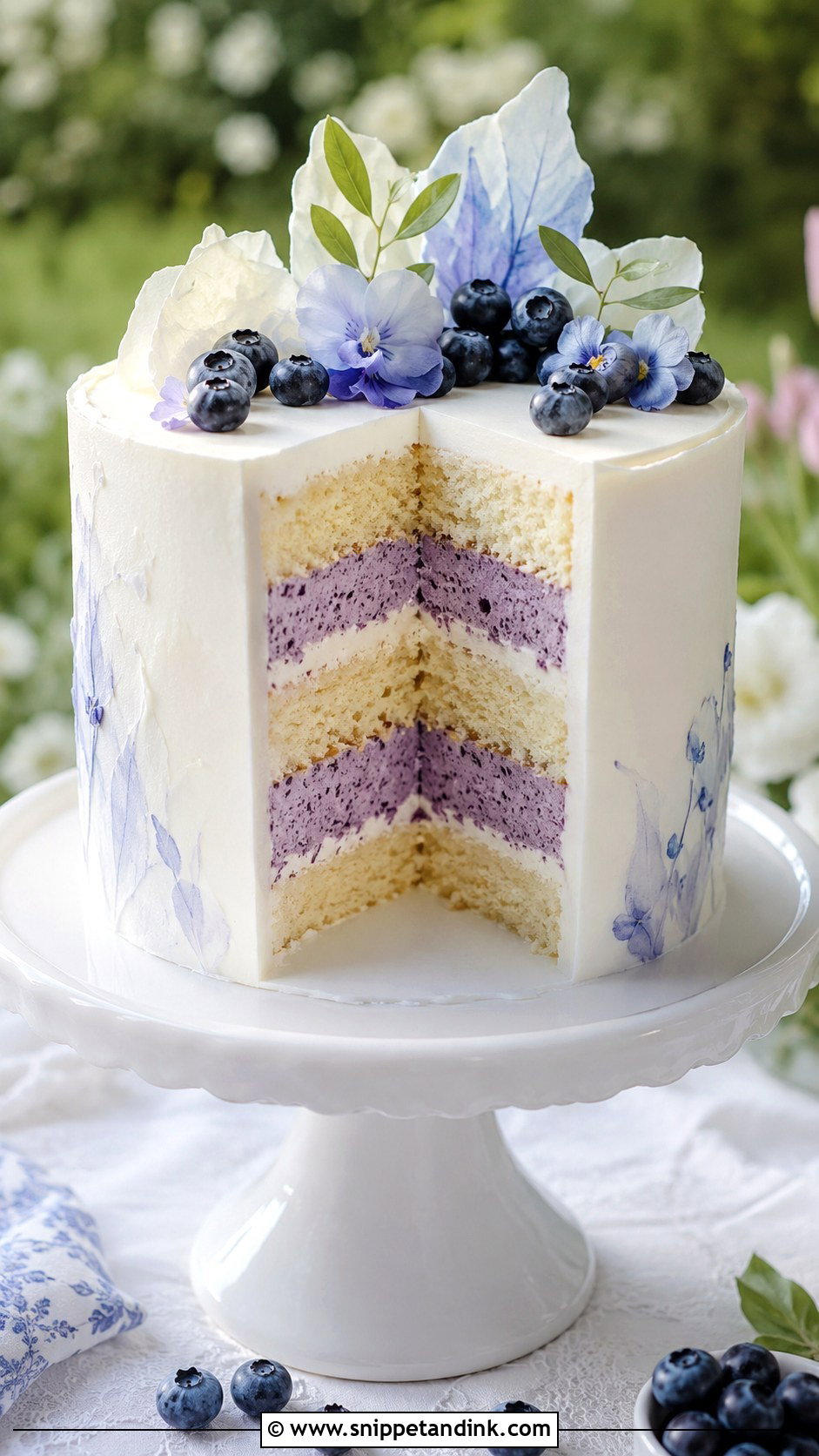
Blueberries give a purple-blue colour that is softer in a mousse than the berries look whole. I cook them down first, which deepens both colour and flavour. It pairs nicely with lemon, almond or vanilla sponge. Fresh blueberries on the outside hold up better than most fruit, as they don’t weep easily.
18. Blackberry Mousse Wedding Cake
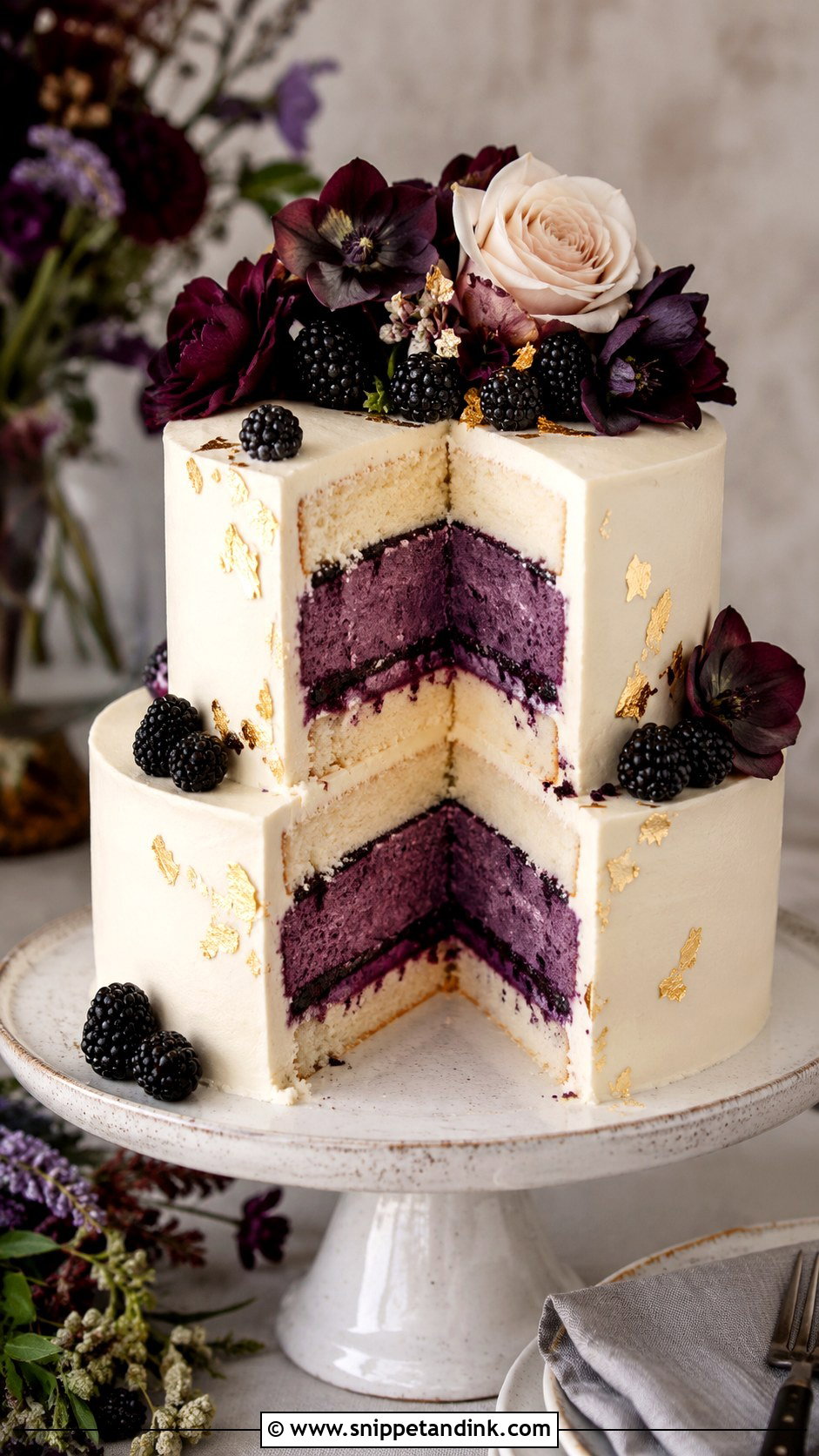
Blackberry has a deeper, more grown-up flavour than other berries. I strain the purée carefully, since blackberry seeds are large and gritty. The filling is a dark purple that looks striking against pale frosting. It pairs with vanilla, chocolate or lemon. Blackberry stains, so I keep fresh berries off white buttercream until the last moment.
19. Salted Caramel Mousse Wedding Cake
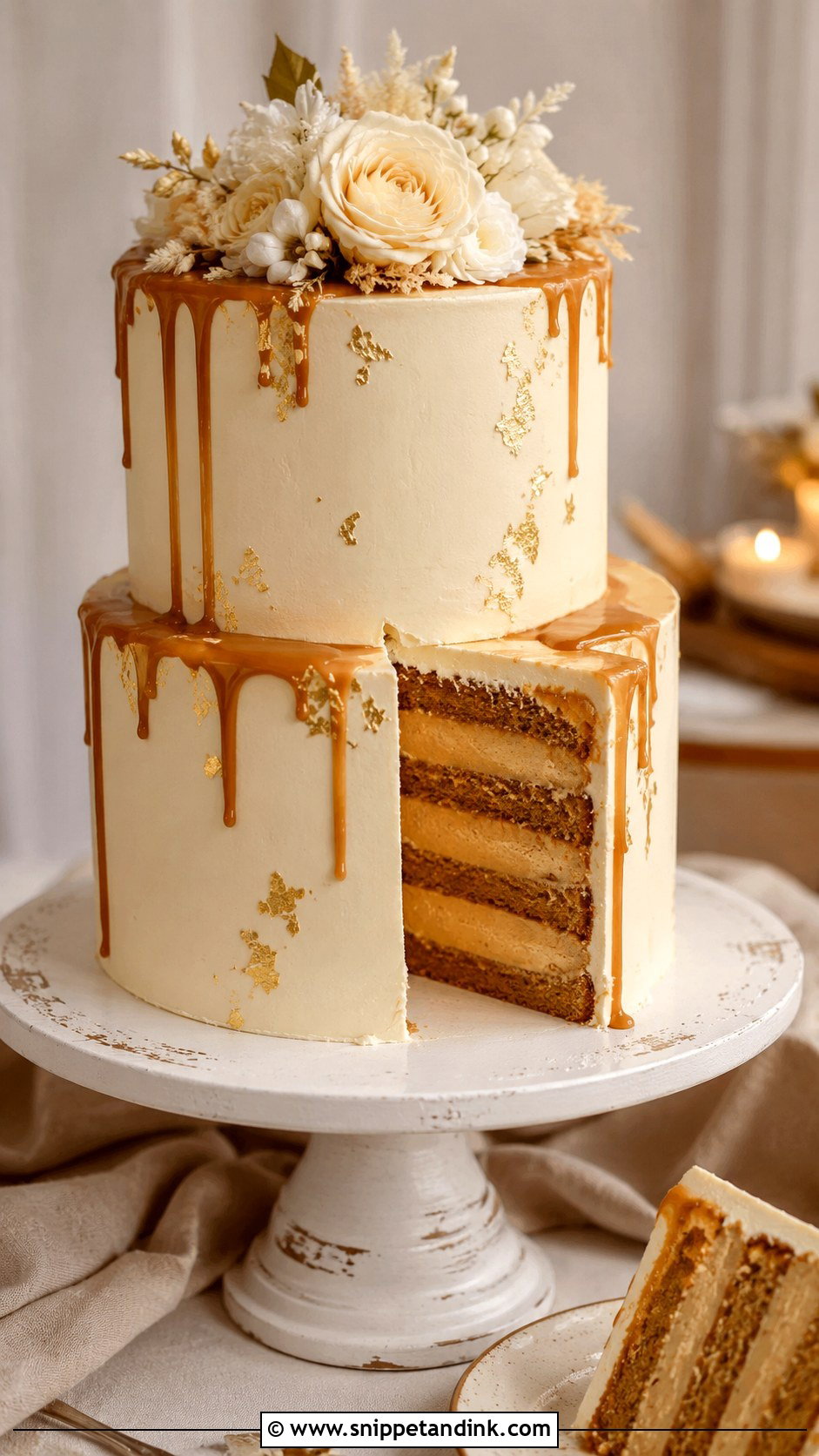
Salted caramel is a flavour that guests rarely leave on the plate. I cook the caramel to a deep amber for flavour, then fold it into a mousse with a little flaky salt. It pairs with vanilla, chocolate or apple spice sponge. A caramel drip outside looks good, but caramel softens and runs in warmth, so I set it in the fridge before delivery.


20. Matcha Mousse Wedding Cake
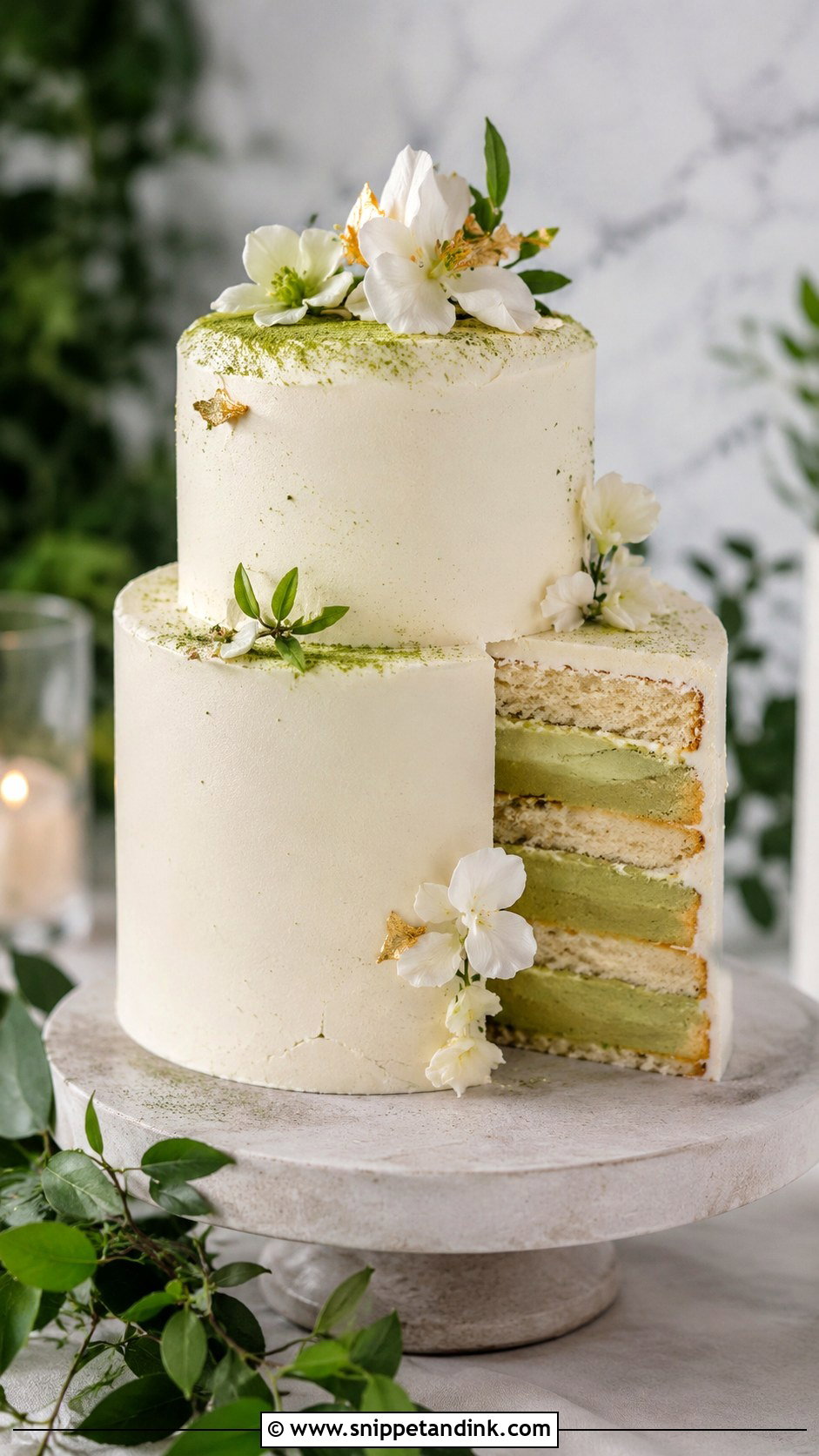
Matcha mousse is earthy and slightly bitter, which balances sweet sponge and suits couples who don’t like very sweet cakes. Quality matters: good ceremonial or culinary matcha gives a bright green colour and clean taste; cheaper matcha can look dull and taste grassy. It pairs with white chocolate, black sesame or raspberry. Matcha colour fades in strong light, so keep the cake out of direct sun.
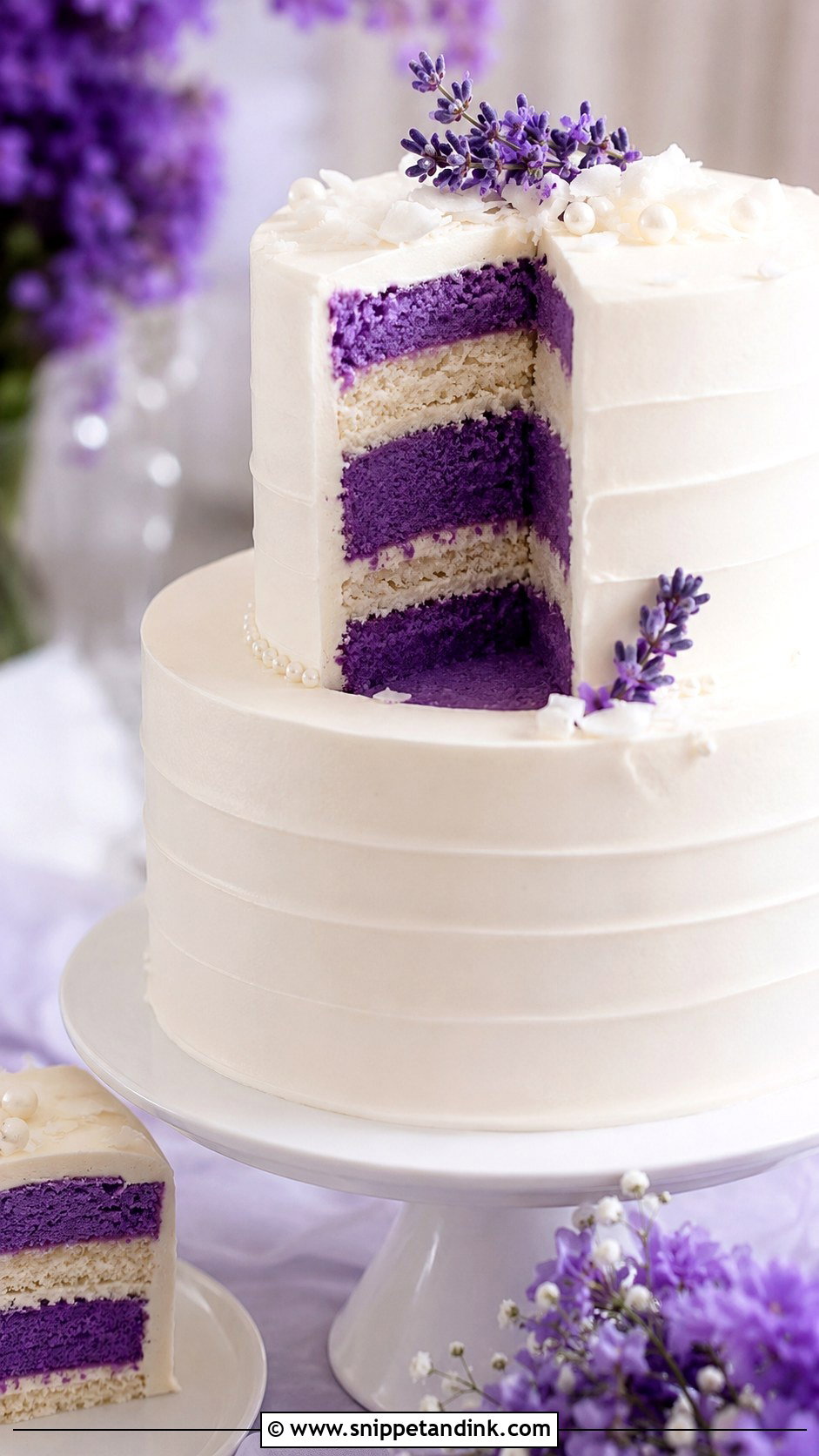
21. Ube Mousse Wedding Cake
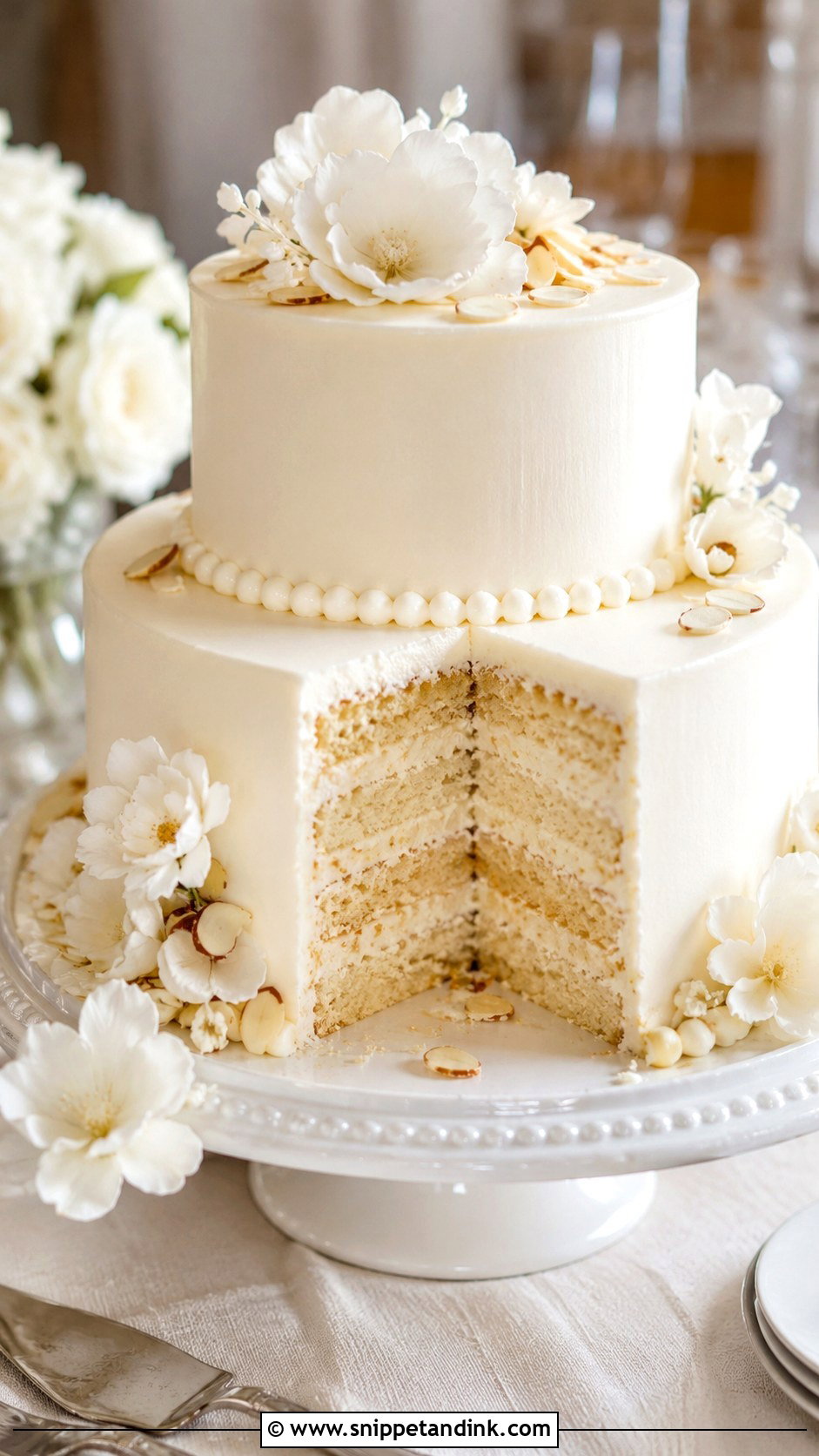
Ube gives a deep, natural purple that looks dramatic when sliced against white buttercream. I use ube halaya or a good ube paste for flavour, which is sweet and slightly nutty. It pairs with coconut, vanilla or white chocolate. Many ube extracts are coloured, so ask your baker which they use if you want a natural flavour.
22. Orange Cream Mousse Wedding Cake
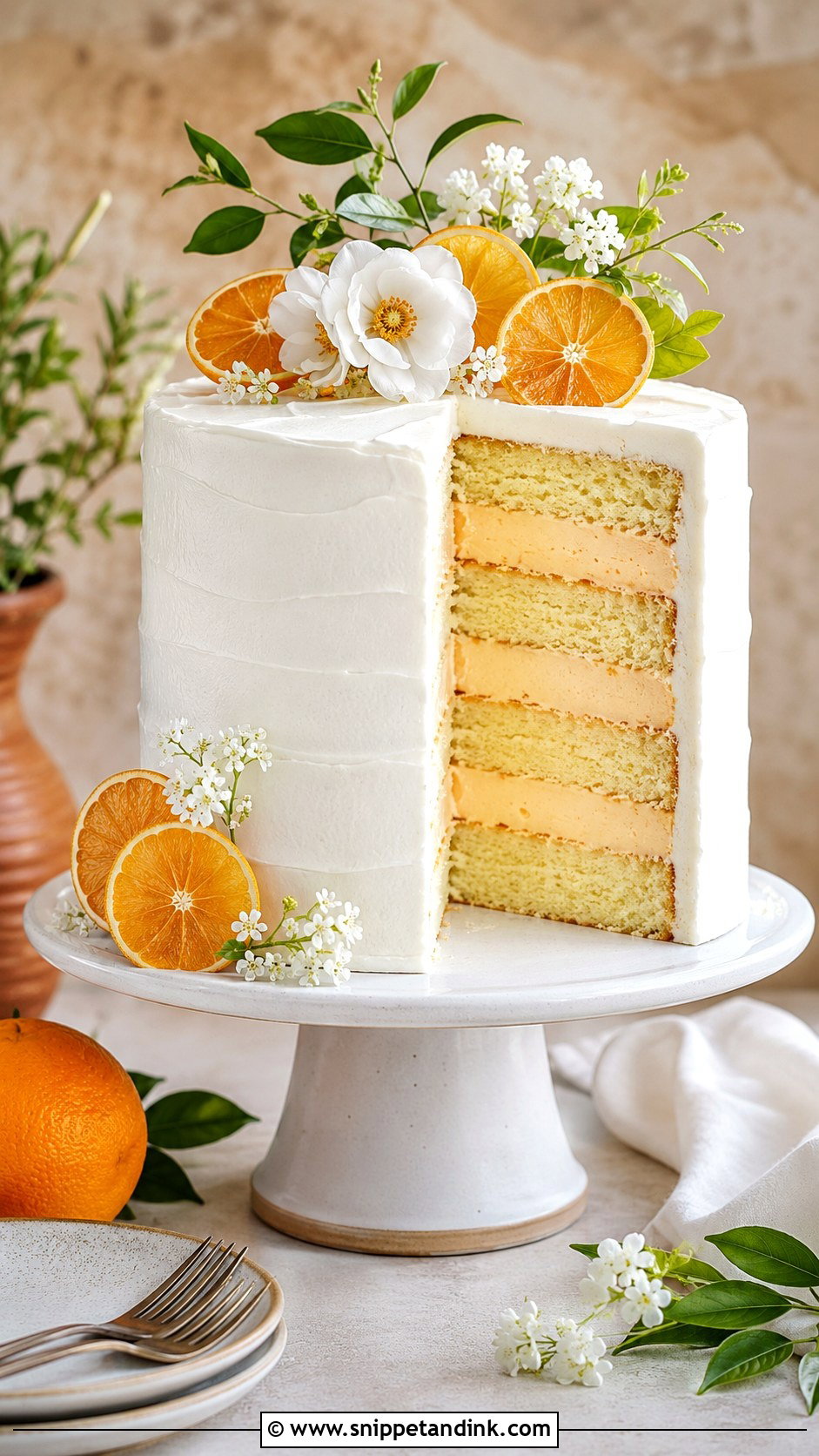
Orange cream is softer than a curd and tastes like a creamsicle. I use orange zest and reduced juice for flavour, since juice alone is too weak and watery. It pairs with vanilla, almond or chocolate. Candied orange slices on the outside last much longer than fresh ones, which dry out within hours.
23. Cherry Mousse Wedding Cake
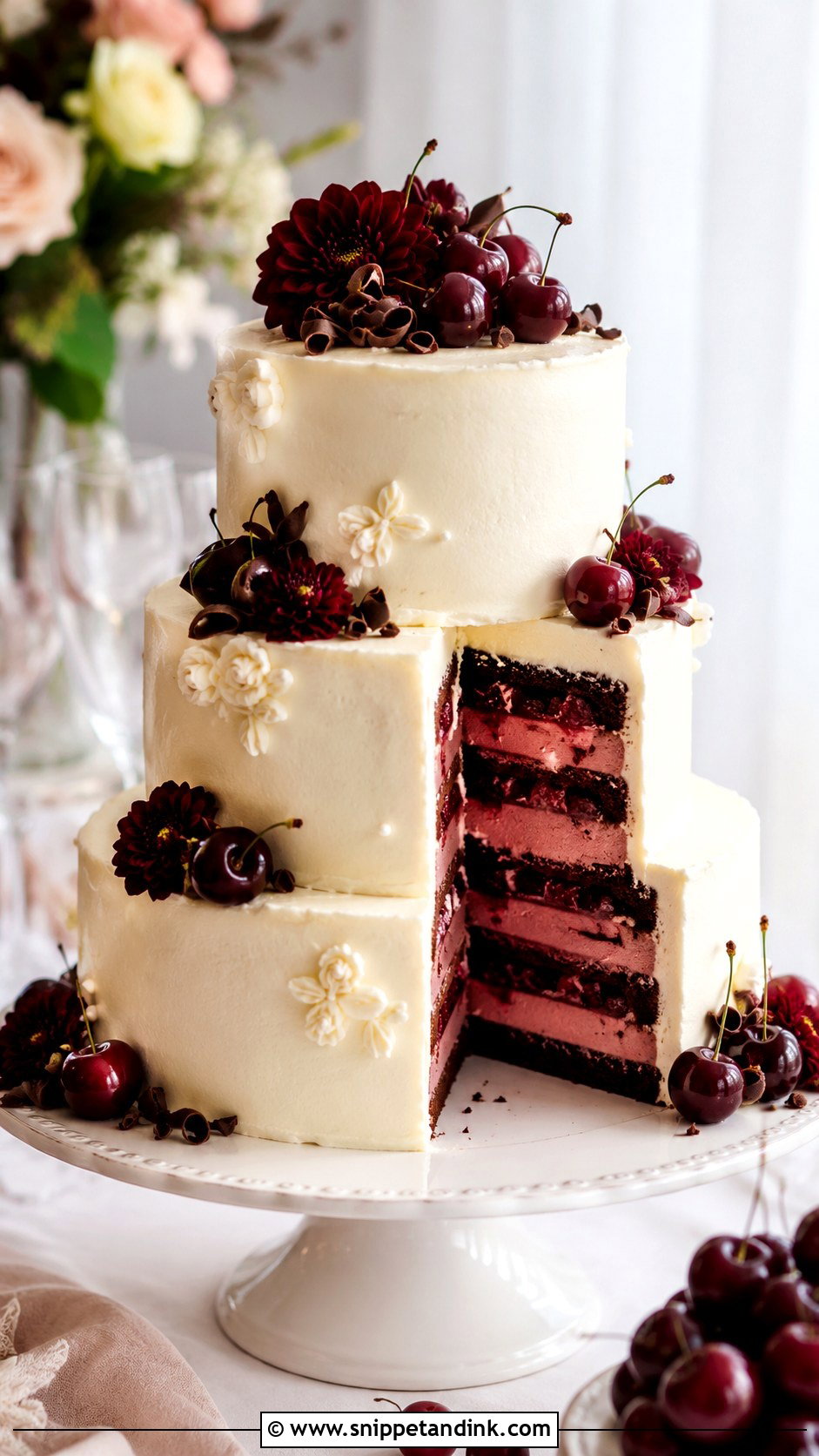
Cherry can taste sweet or tart, depending on the fruit. Sour cherries give a sharper, more interesting mousse; sweet cherries are milder. I pair it with chocolate for a Black Forest feel or with almond, which complements cherry naturally. A smooth ivory exterior with fresh cherries looks classic. Fresh cherries need their stones removed for any filling.
24. Almond Mousse Wedding Cake
Almond mousse is gentle and pairs with nearly any fruit. I use a little almond extract and ground almonds for depth, and keep the extract light, as too much tastes artificial. It pairs especially well with cherry, raspberry or apricot. It’s a good option for couples who want something more interesting than vanilla without risking guests’ preferences. Almond is a tree nut, so label it.

25. Dark Chocolate Raspberry Mousse Wedding Cake
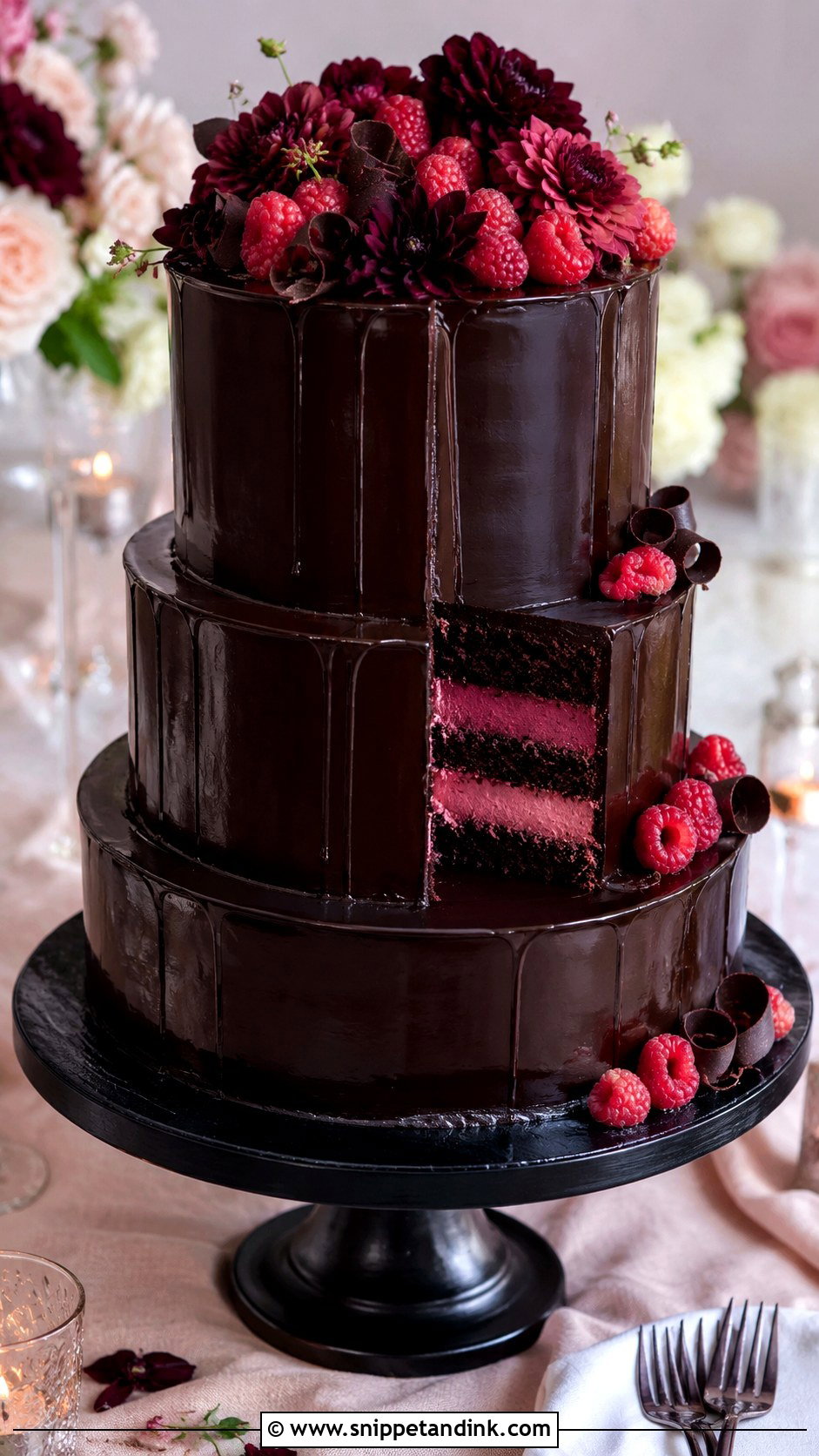
Dark chocolate and raspberry is the classic contrast: rich chocolate sponge with a tart raspberry mousse. I keep the raspberry layer slightly thicker than the chocolate one so the fruit isn’t lost. A dark ganache exterior gives a sleek evening look; ivory buttercream with raspberries is softer. It suits formal receptions and holds up well because the ganache sets firmly in the fridge.
Stacking Mousse Tiers Without a Lean
Mousse is soft, so it can’t carry weight like buttercream. Every tier sits on its own cake board, supported by dowels pushed through the tier below, so no mousse layer holds up the cake above it. I also pipe a firm ring of buttercream around the edge of each layer before adding mousse. That dam stops the filling from bulging out of the sides.
Splitting flavours across tiers
Most couples choose two or three flavours, one per tier. I’d put the most crowd-friendly flavour in the largest tier, usually chocolate or vanilla, and the adventurous ones, such as matcha or passion fruit, in a smaller tier. Keep strong-coloured fruit mousses away from pale tiers; a deep berry filling can stain a white tier if they touch.
Dietary notes
Gelatin is an animal product, so a mousse set with it isn’t suitable for vegetarian guests. Ask if your baker can use agar or a chocolate-set mousse instead. Nuts, peanuts, dairy and alcohol should be labelled on the cake table, especially when tiers have different flavours.
Plan the Cut Before You Plan the Flavour
Mousse fillings give you a lighter cake and clean, colourful slices, but they need cold storage, careful structure and a realistic plan for when the cake is cut. Pick flavours that suit the season and the menu: fruit for warm weather, chocolate, caramel or nut for cooler evenings. Then talk to your baker about display time, delivery and labelling. If those are planned, the mousse will taste as good at the cutting as it did at the tasting.
You'll Like These Ideas:











Leave a Reply