
Single-tier wedding cakes are some of my favourite orders, because there’s nowhere for a weak detail to hide. With one tier, the whole design has to look finished from every side of the table, and I usually solve that with height, a strong edge or one confident decoration rather than lots of small ones. They suit courthouse weddings, backyard dinners, elopements and couples who want a cake for the cutting photo with a dessert table doing the real feeding. Below are twenty designs, with notes on what each finish needs from the baker and where it can go wrong.
One Tier Feeds Fewer Guests Than Most Couples Expect
The question I get most about a single-tier cake is how many people it serves. Wedding portions are cut smaller than party slices, roughly a finger-width wide and the full height of the tier, so a cake goes further than you’d think. Even so, one tier only goes so far. As a rough guide for a standard tier about four inches tall, cut in wedding portions:
- 6-inch round: around 12 portions
- 8-inch round: around 24 portions
- 10-inch round: around 38 portions
- 8-inch square: a few more than an 8-inch round, because the corners add cake
These numbers vary with the cutter and the height of the tier, so ask your baker for their own chart. For more than about forty guests, I’d suggest a display tier for photos and a plain cake in the kitchen for serving.
Building Height Into a Single Tier
A single tier can look small on a long table. My fix is usually a taller tier, sometimes called a double barrel, which is really two cakes stacked with a cake board and supports between them. It looks like one tall tier but stays stable. Without those supports, the weight of the top half compresses the bottom over a few hours and the sides start to bulge.
A stand does a lot too. Raising the cake even a few inches puts the side decoration at eye level, which matters most for piped and pressed-flower designs.
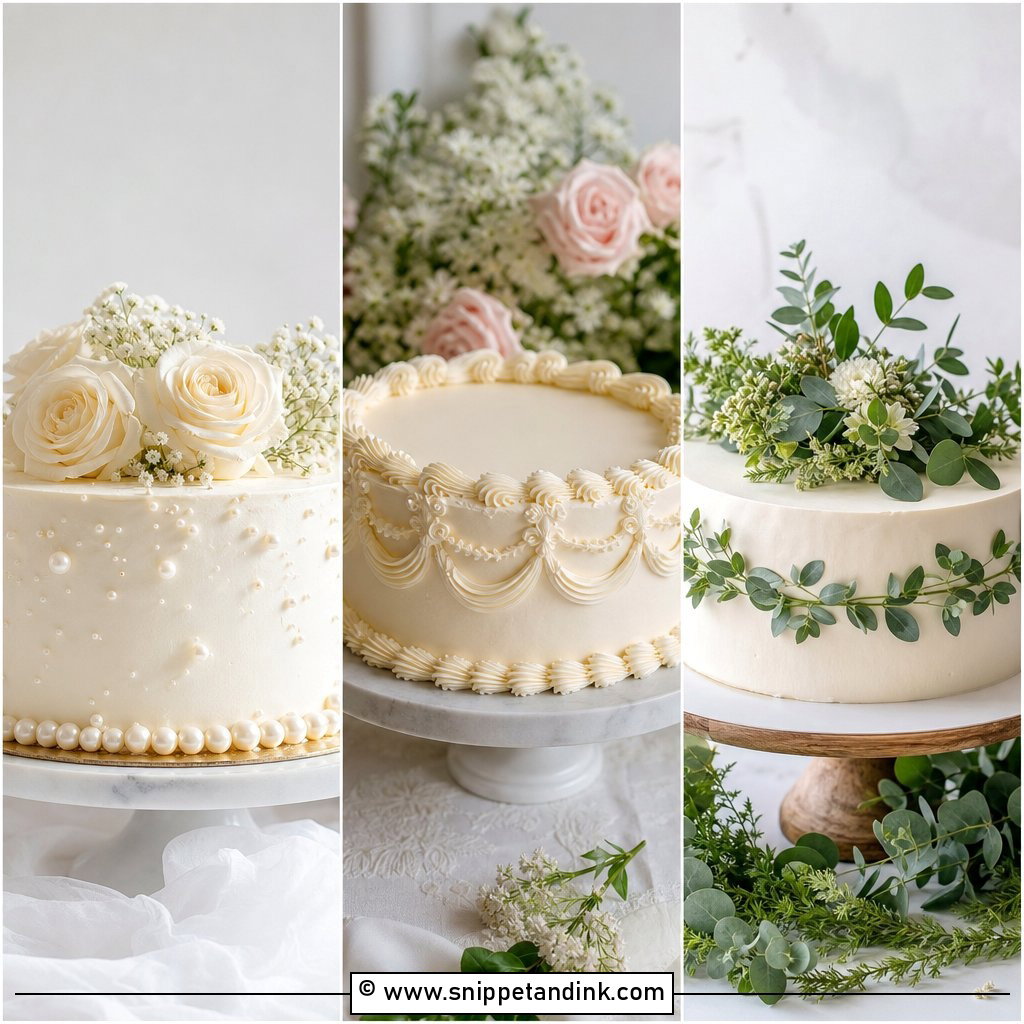
1. White Buttercream 1 Layer Wedding Cake
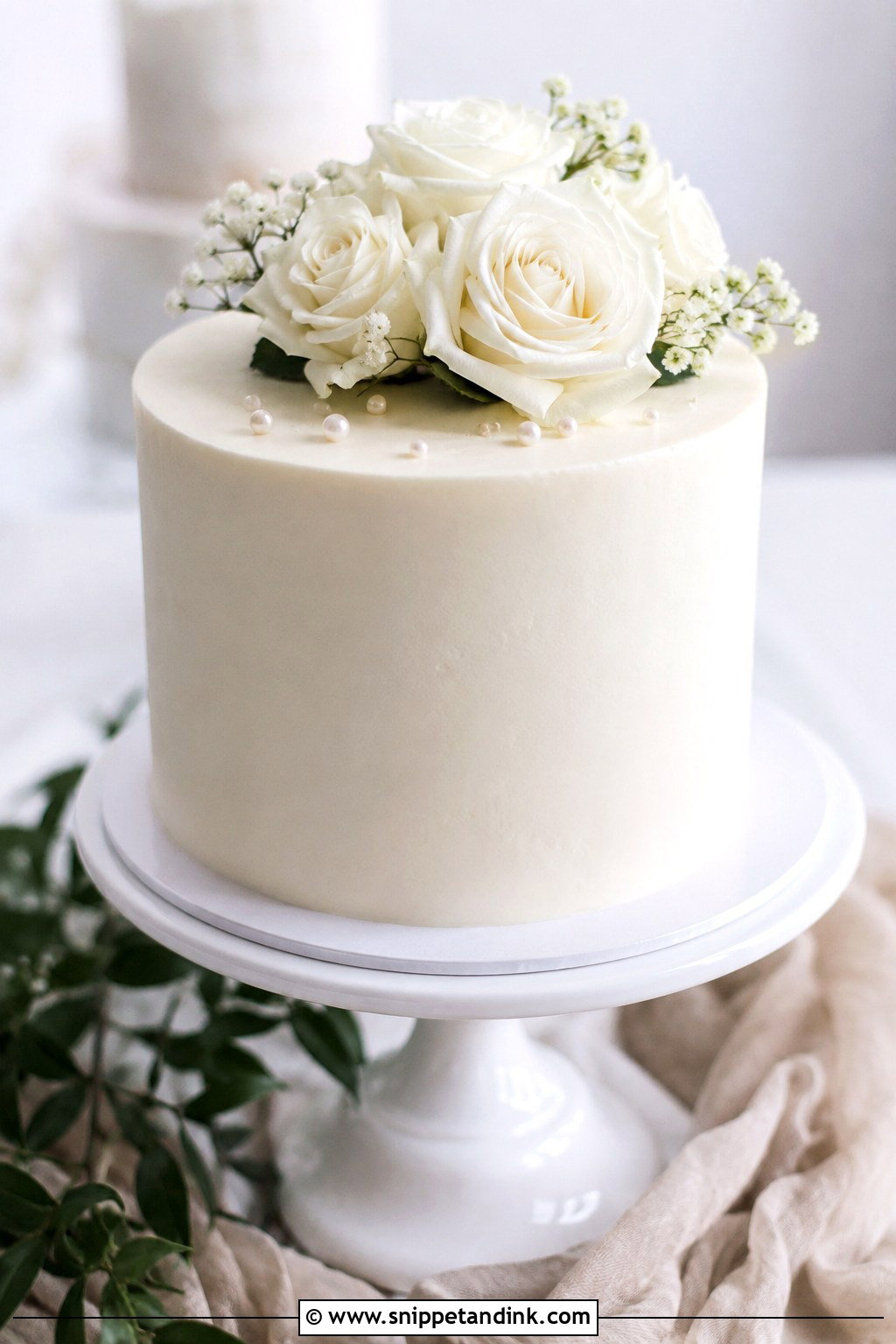
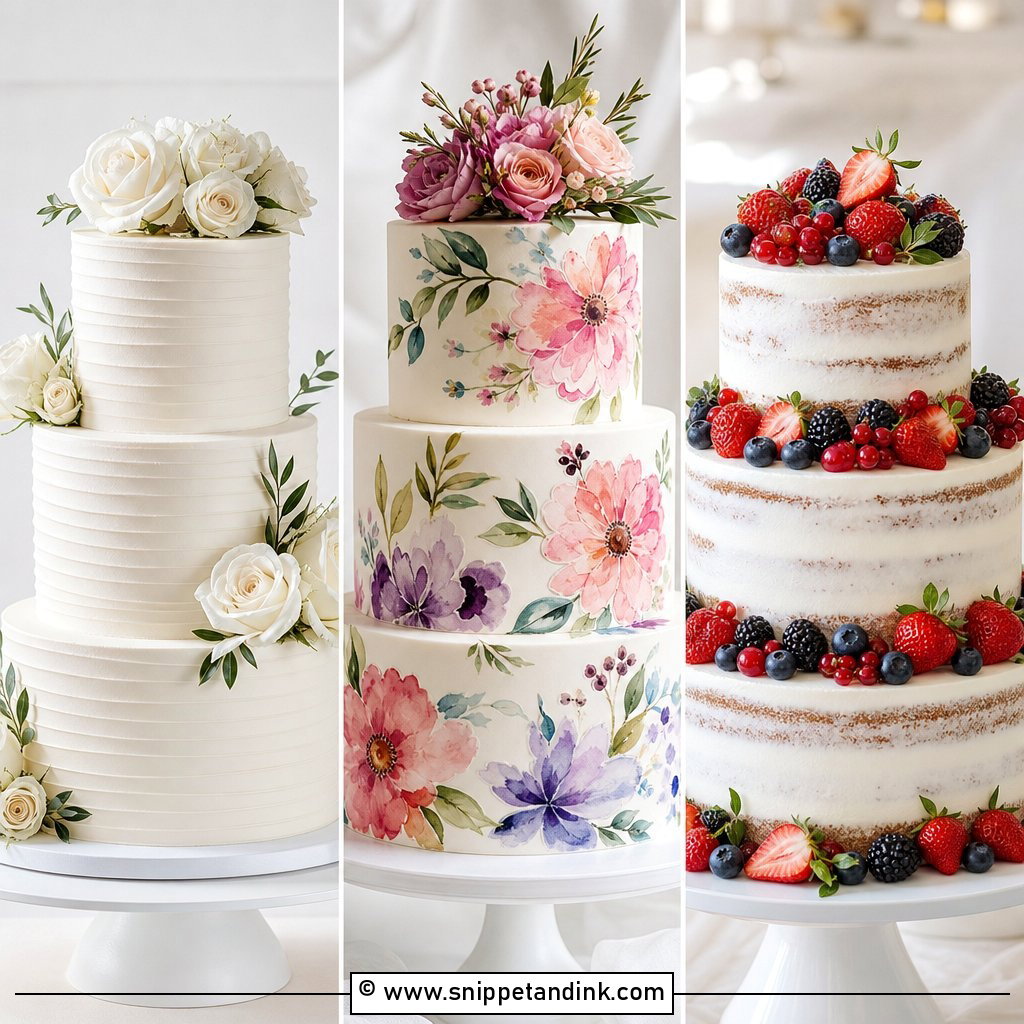
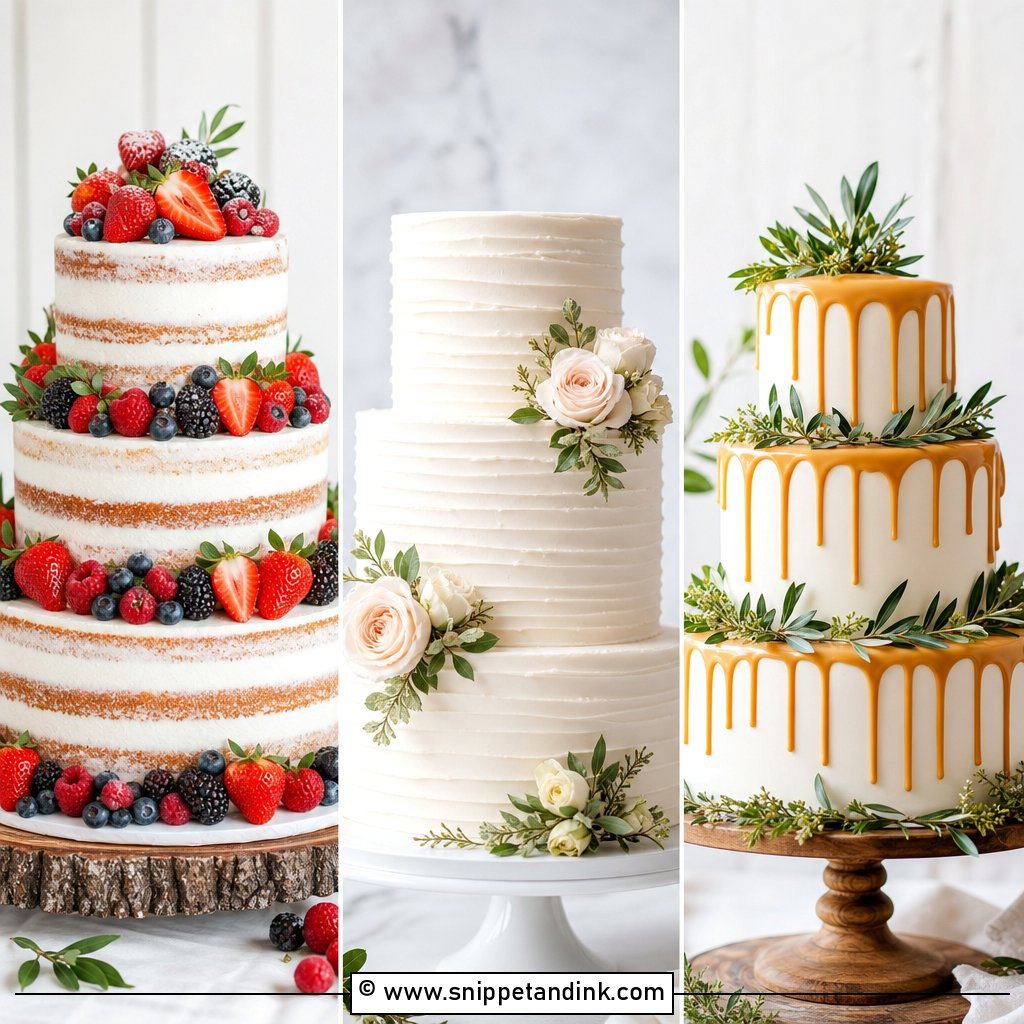
Plain white buttercream is harder to do well than it looks, because a smooth white surface shows every air bubble and every crumb that gets dragged up. I crumb-coat, chill, then apply a final coat and smooth it with a hot scraper. A taller tier gives it presence on a table, and a few white roses or a couple of greenery sprigs are all it needs. One caution: pure white buttercream made with butter is really pale ivory. If you want bright white, ask whether your baker uses a whitening method or a different fat.
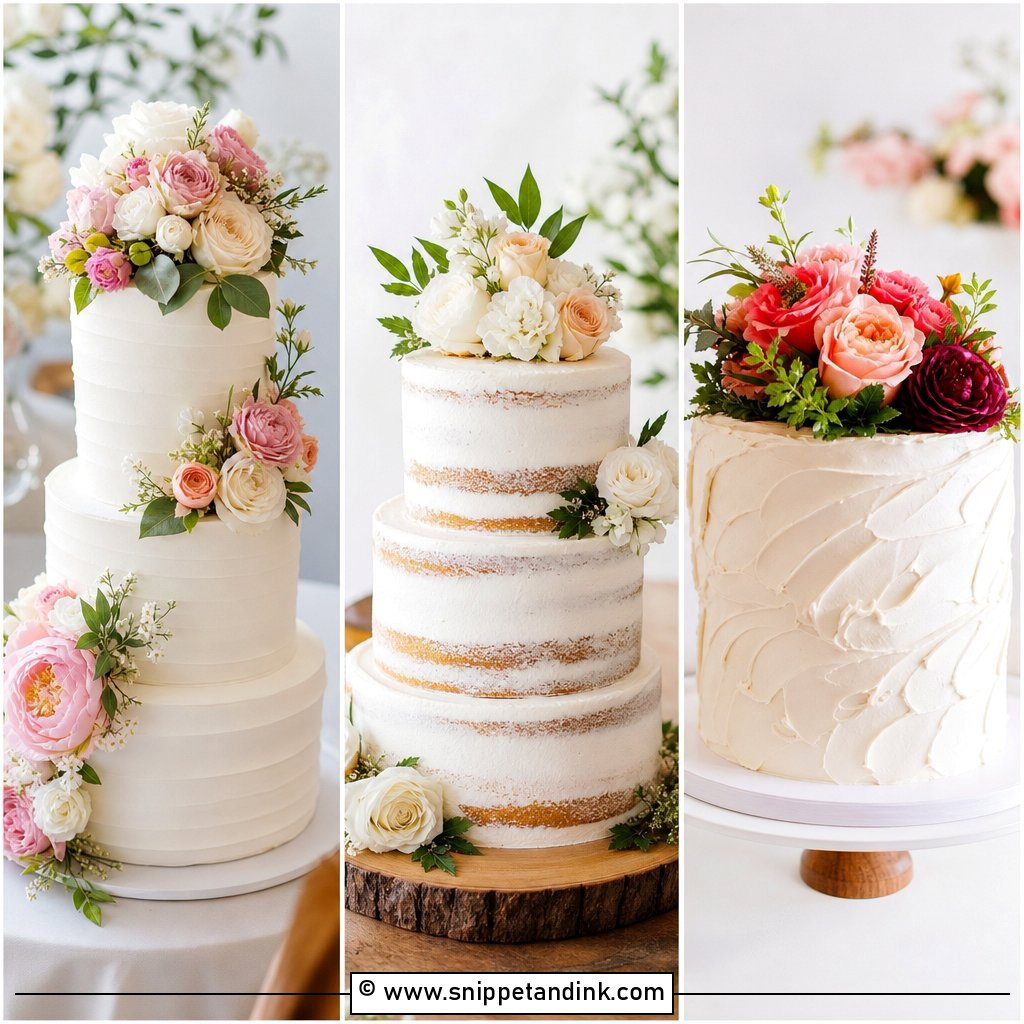
2. 1 Layer Wedding Cake With Fresh Flowers
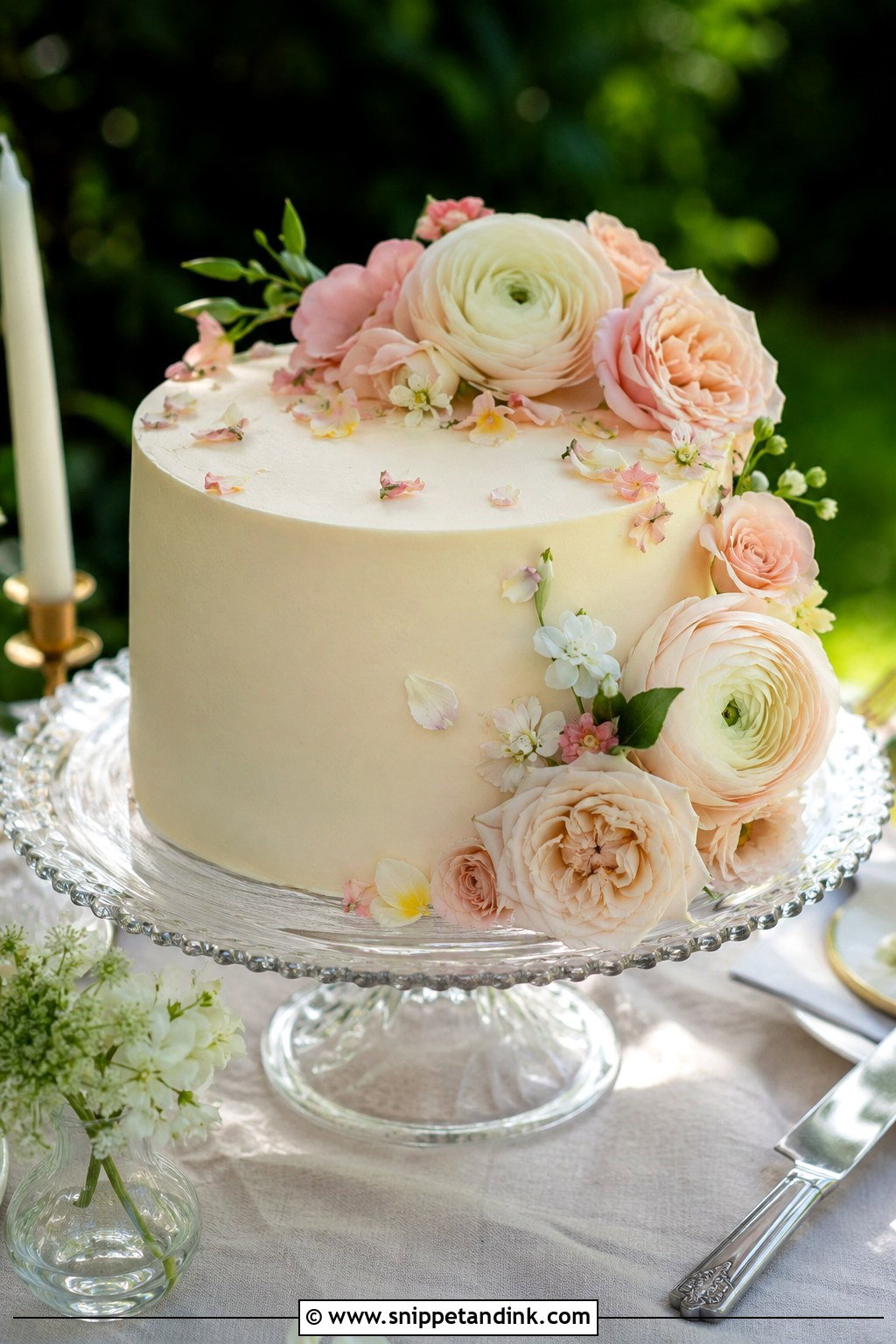
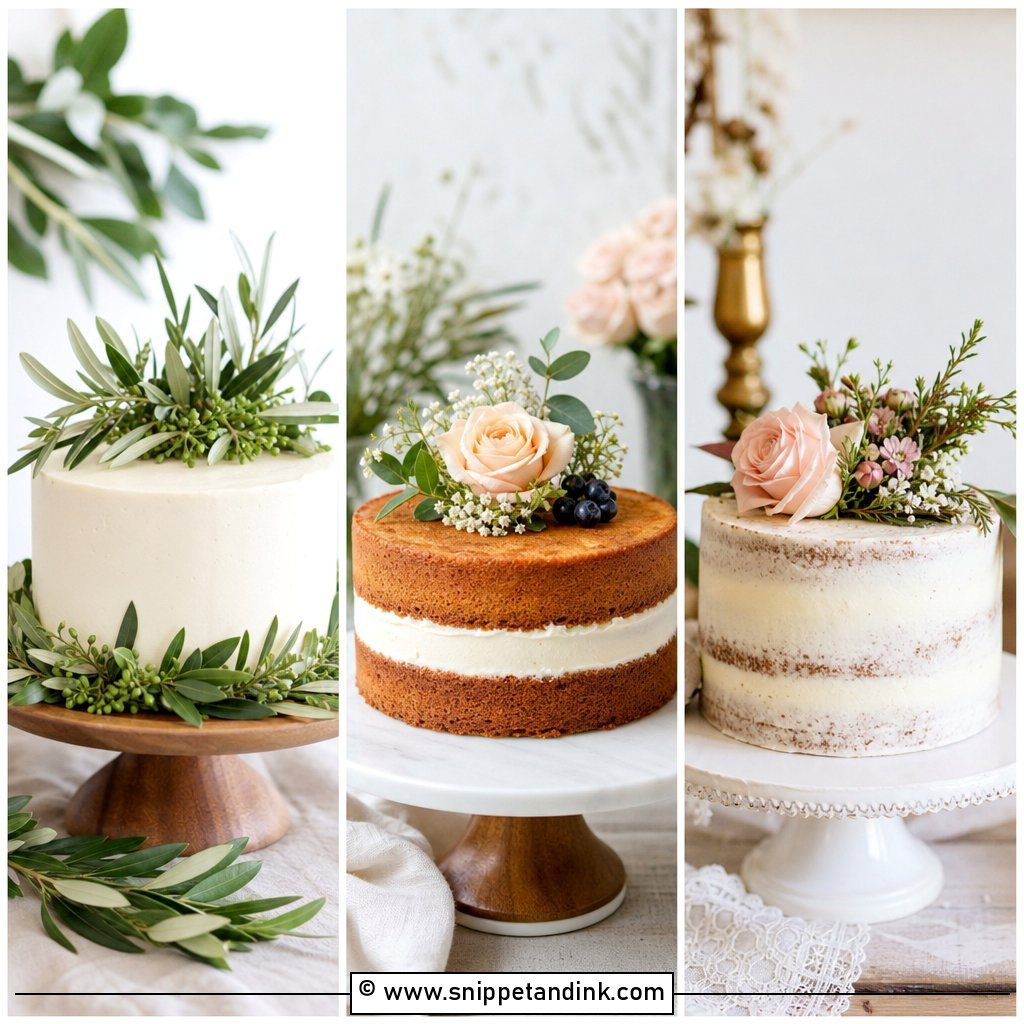
Fresh flowers are the fastest way to dress a small cake, but they’re also where I see the most problems. Many popular wedding flowers are not safe to sit on food, and stems carry whatever was sprayed on them at the farm. I wrap every stem in floral tape and push it into a straw or a flower pick before it goes near the buttercream, and I avoid known toxic blooms entirely. Ranunculus and roses in spring, garden roses in summer: keep the frosting simple so the flowers carry the design.
3. Rustic 1 Layer Wedding Cake
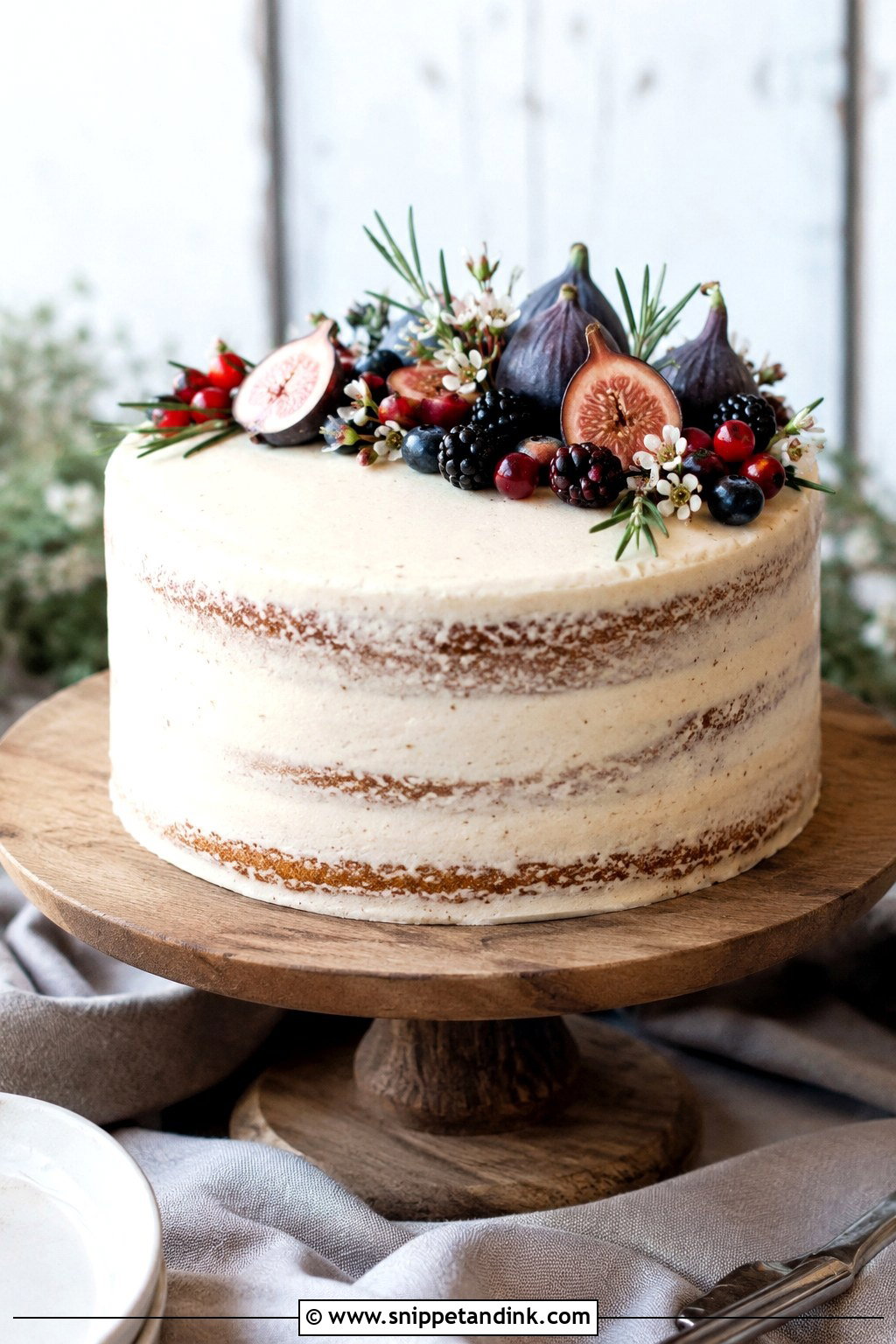
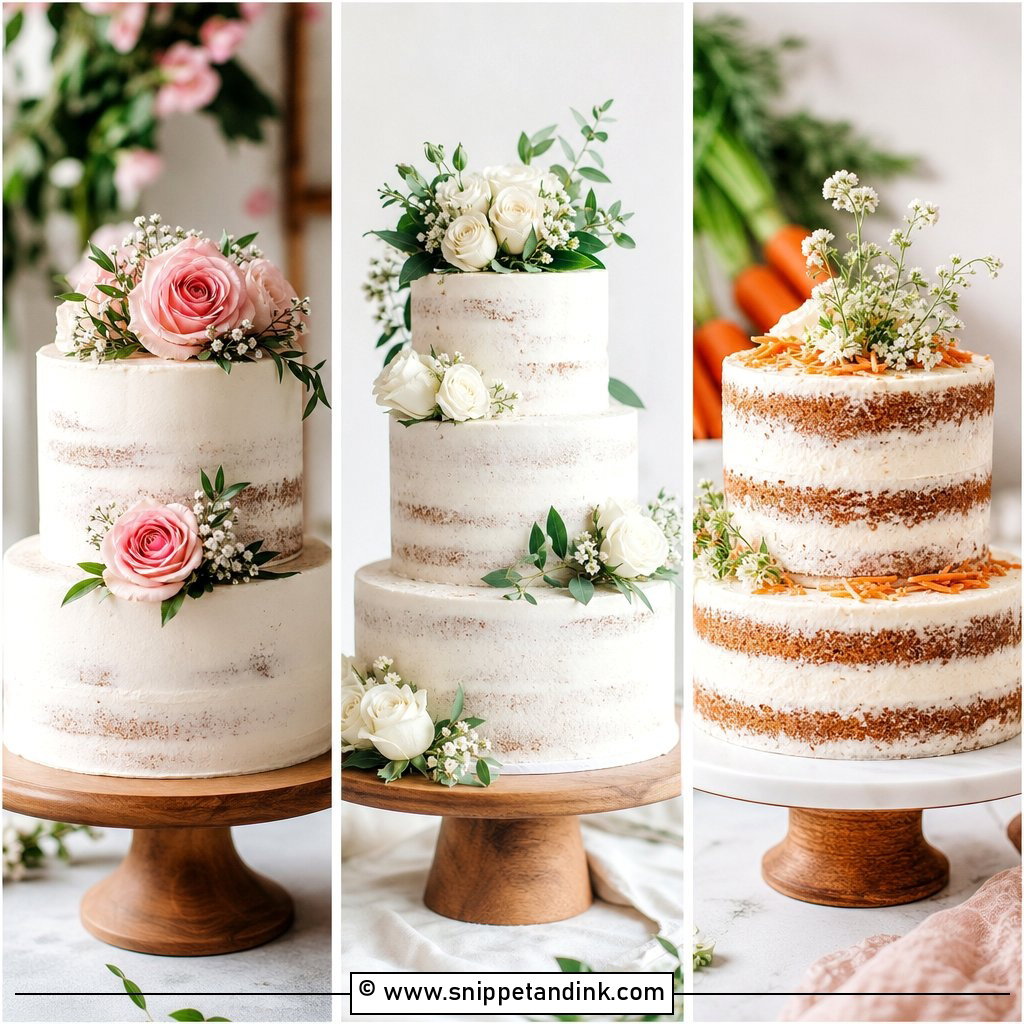
For a barn or vineyard wedding, a lightly scraped or semi-naked finish looks right at home, and it forgives a slightly uneven edge in a way fondant never does. Berries, figs and herbs suit it; so does a wooden stand. Vanilla, almond, spice and carrot cake all hold up well. The thing to know is that a rustic cake outdoors has much less protection than a fully frosted one, so I’d set it out as close to the cutting as the timeline allows.
4. Vintage 1 Layer Wedding Cake
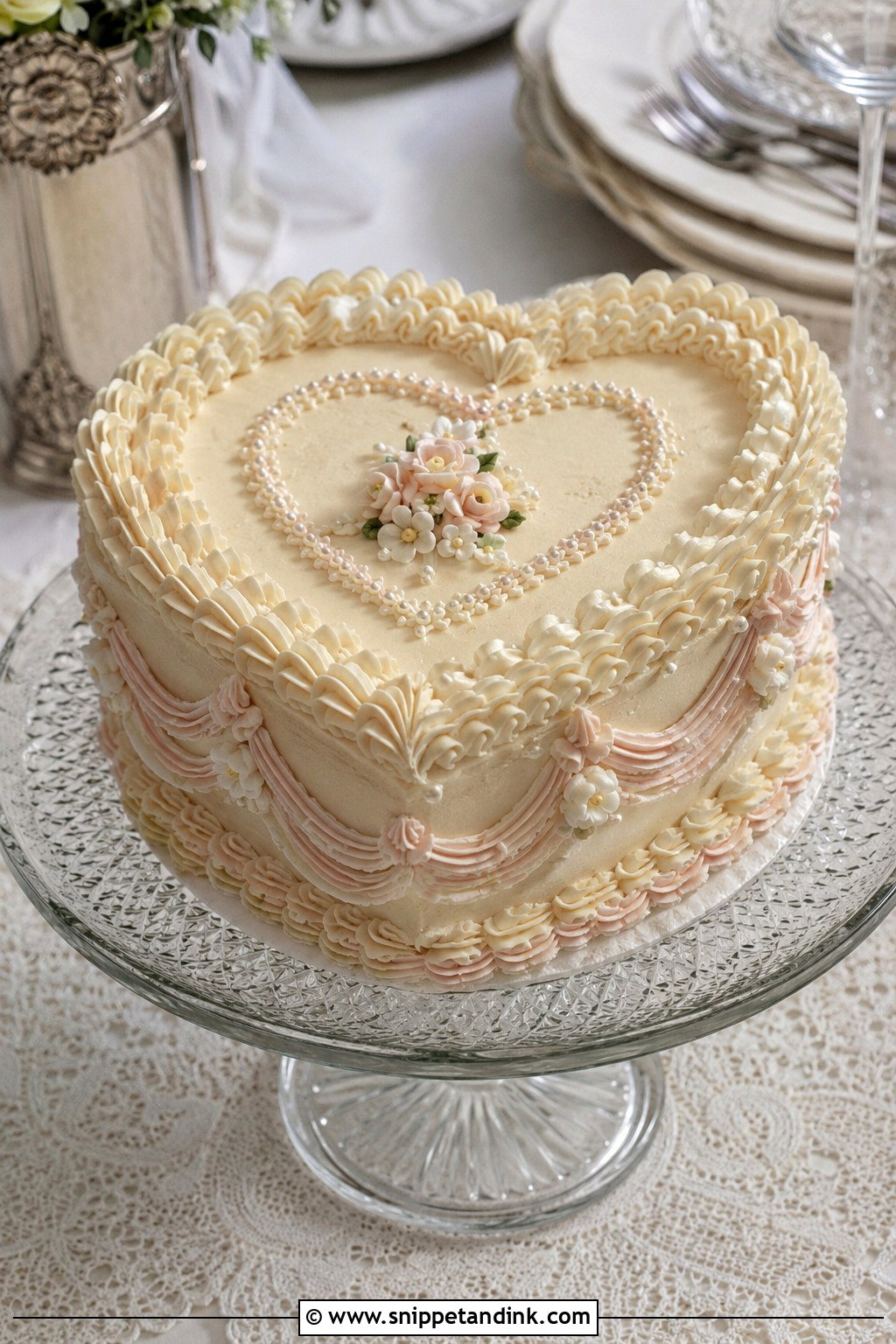
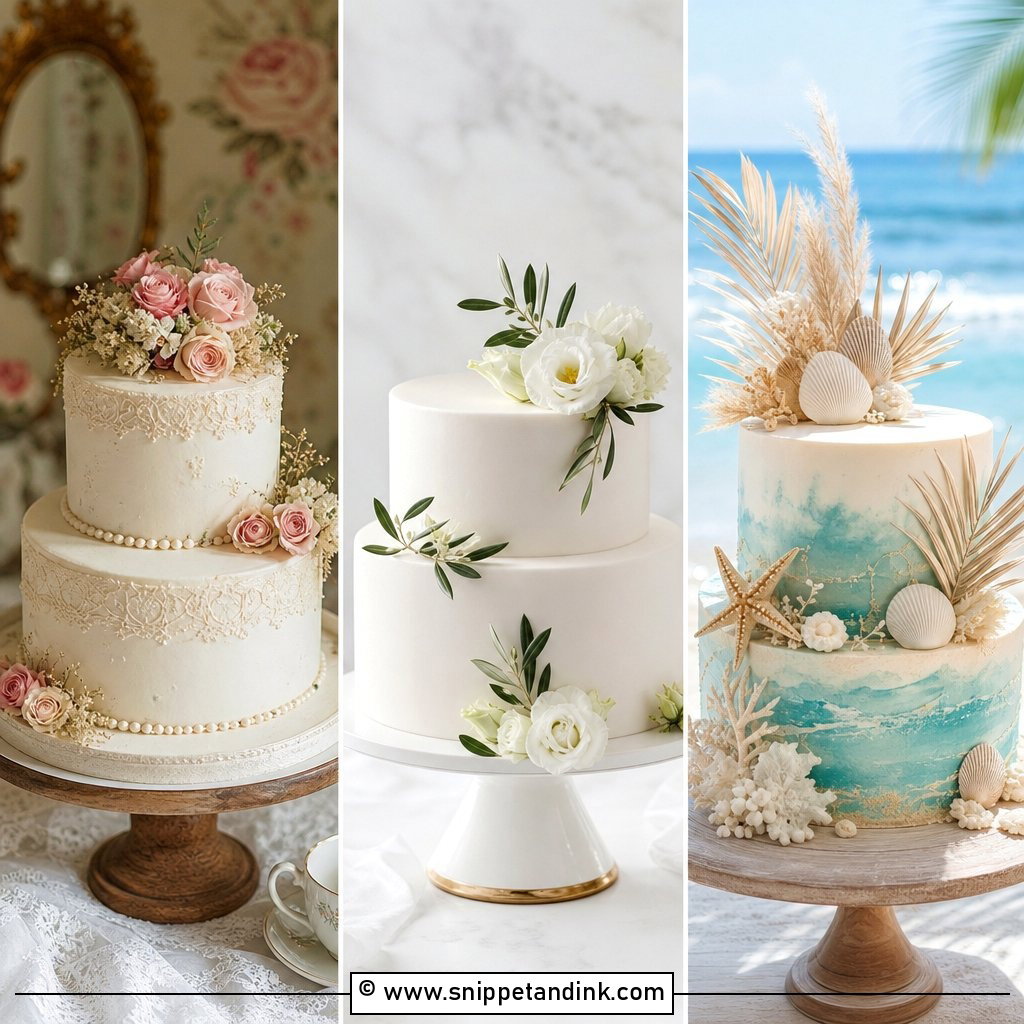
Vintage piping is where a single tier can afford to go big. Shells, swags and ruffles that would overwhelm a four-tier cake look balanced on one tier, and they hide any small imperfection in the surface underneath. I pipe these in a stiffer buttercream than I’d use for a smooth finish, so the ridges hold their shape. Pale blue, blush or ivory keep it bridal; cherries or pearl sprinkles push it toward playful. Set on a glass stand, it’s right at home at courthouse lunches and retro-inspired bridal showers.
5. Minimalist 1 Layer Wedding Cake
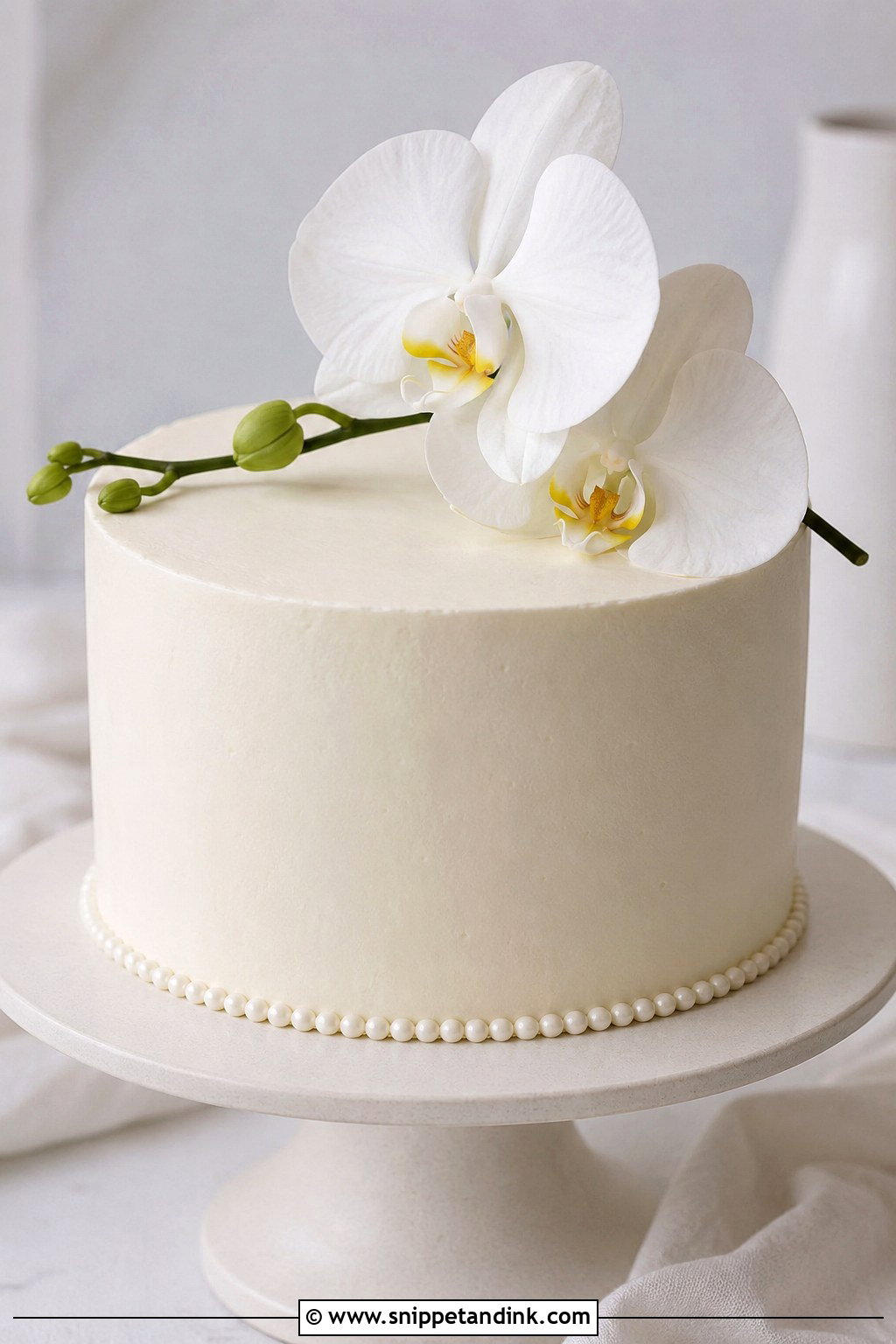
Minimalist cakes depend entirely on proportion. If the tier is squat or the edge is soft, there’s nothing else to distract from it, so I’d make it taller than standard and keep the top edge sharp. One flower stem, a slim stand and a single quiet detail, such as a tiny pearl border or a ribbon at the base, is enough. It suits modern tables and plain stationery. It does not suit a rustic setting, where it can look unfinished.
6. Pearl 1 Layer Wedding Cake
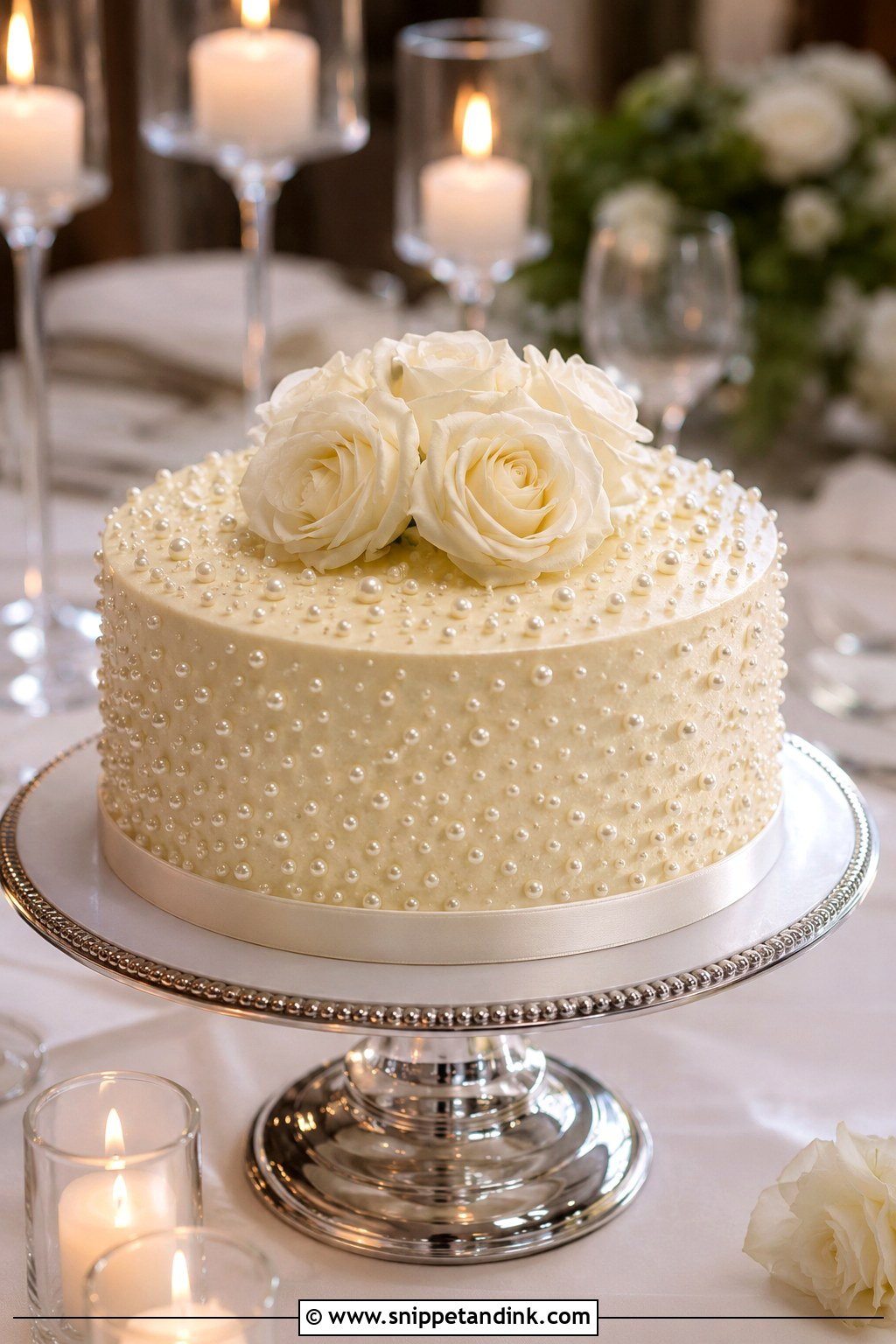
Edible pearls change the feel of a cake quickly. Scattered, they look relaxed; in straight rows, very formal. They’re fiddly: each one gets placed by hand with tweezers, so a fully pearled cake takes real time and may cost more. Ivory and champagne look classic, blush and grey more modern. Pearls suit ballrooms and hotel dinners. Keep everything else simple so the cake doesn’t start to look shiny all over.
7. Greenery 1 Layer Wedding Cake
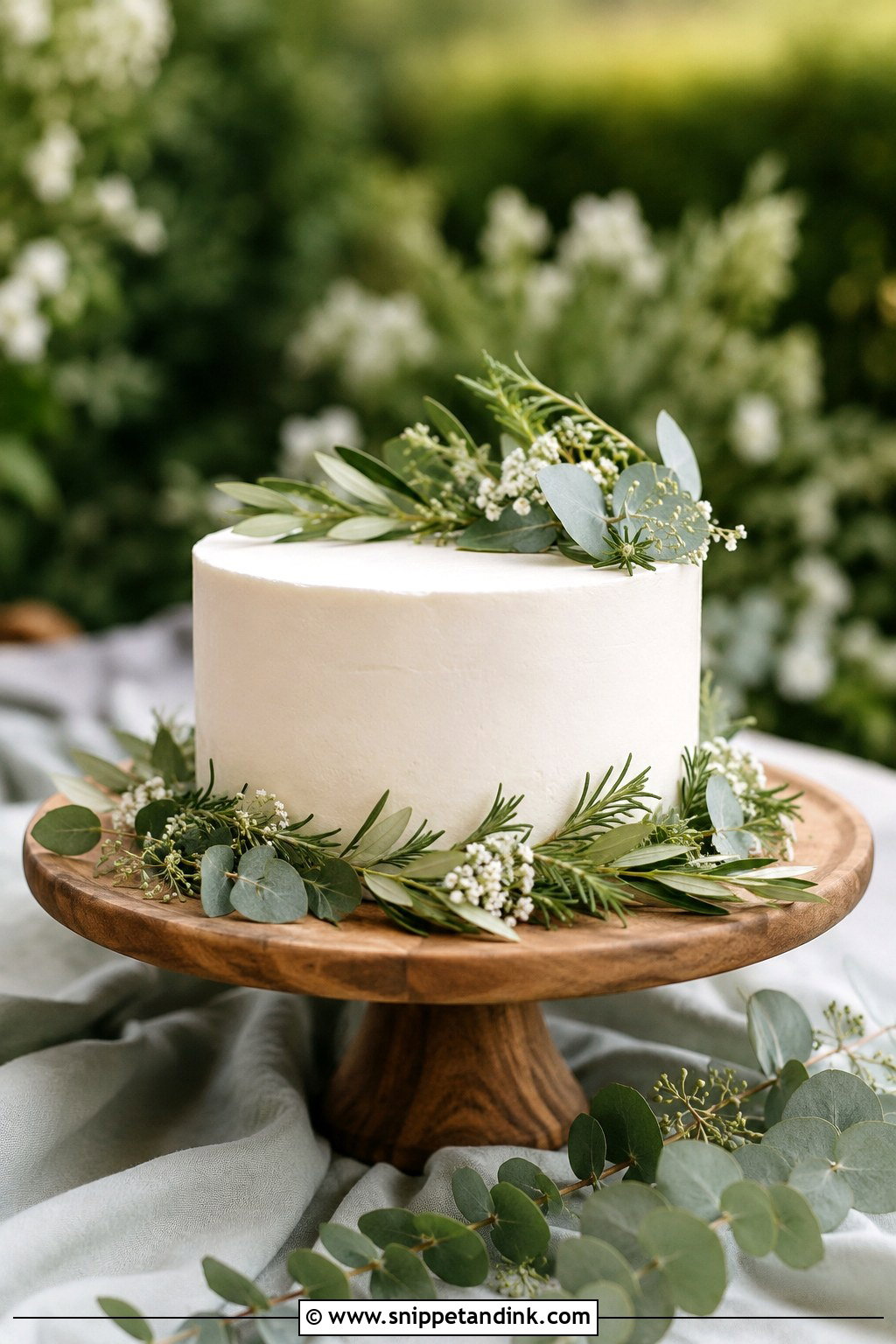
Greenery suits couples who want something natural without a full floral spray. Not every herb or leaf is safe to touch food, though, so I stick to edible herbs like rosemary or bay where the leaves sit directly on the frosting, and put anything decorative, like eucalyptus, on a barrier. White buttercream makes the green read clearly. Earthy flavours fit well here, such as lemon olive oil or almond.
8. Naked 1 Layer Wedding Cake
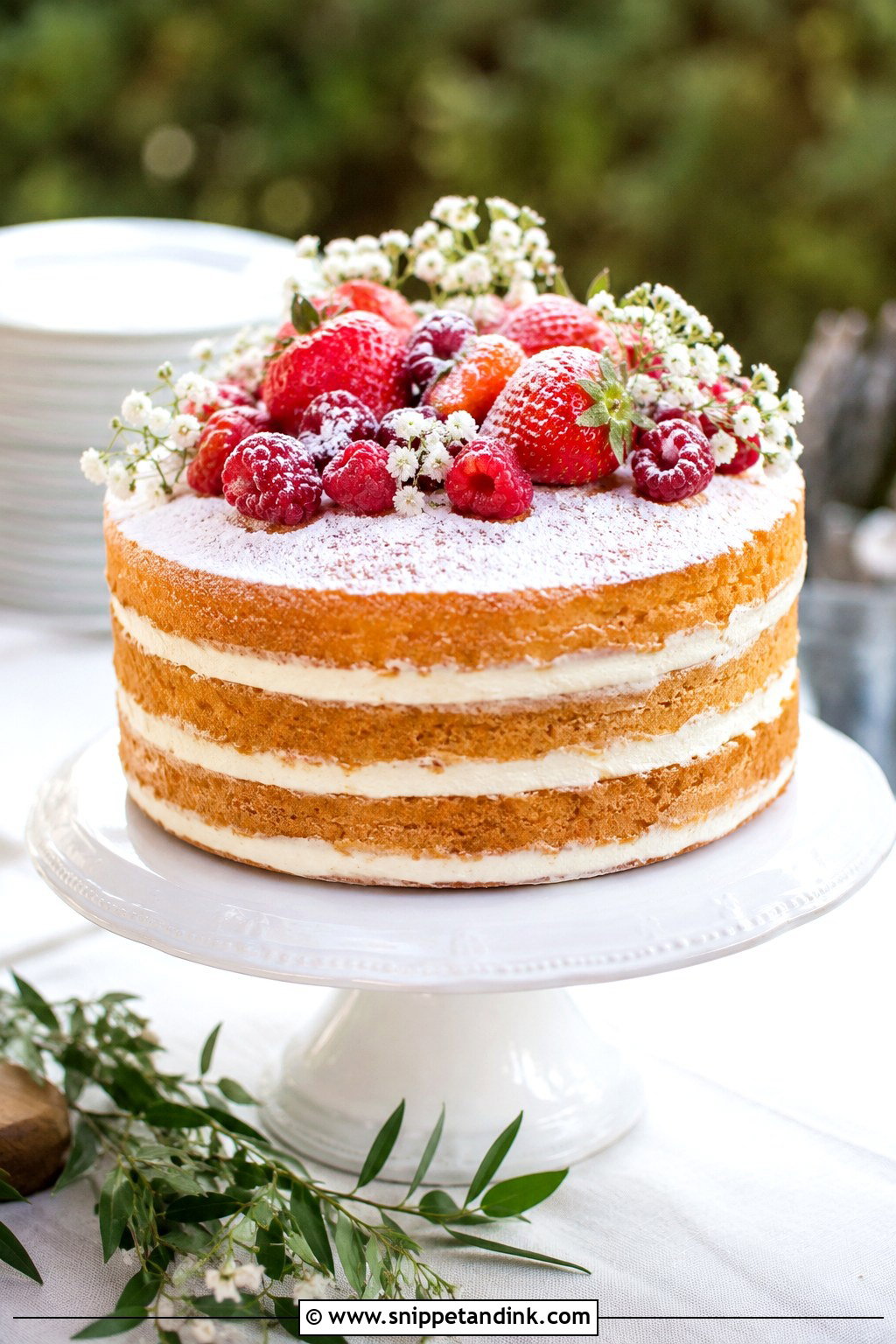
A naked cake shows the sponge itself, which means the sponge has to be even, level and moist all the way through; there’s no frosting to cover a dry edge. It’s the finish that dries out fastest once it’s uncovered, so I’d keep it wrapped and chilled until shortly before it goes on display. Vanilla, lemon, chocolate and spice all look good with the crumb on show. Berries or a dusting of icing sugar dress it up.
9. Semi Naked 1 Layer Wedding Cake
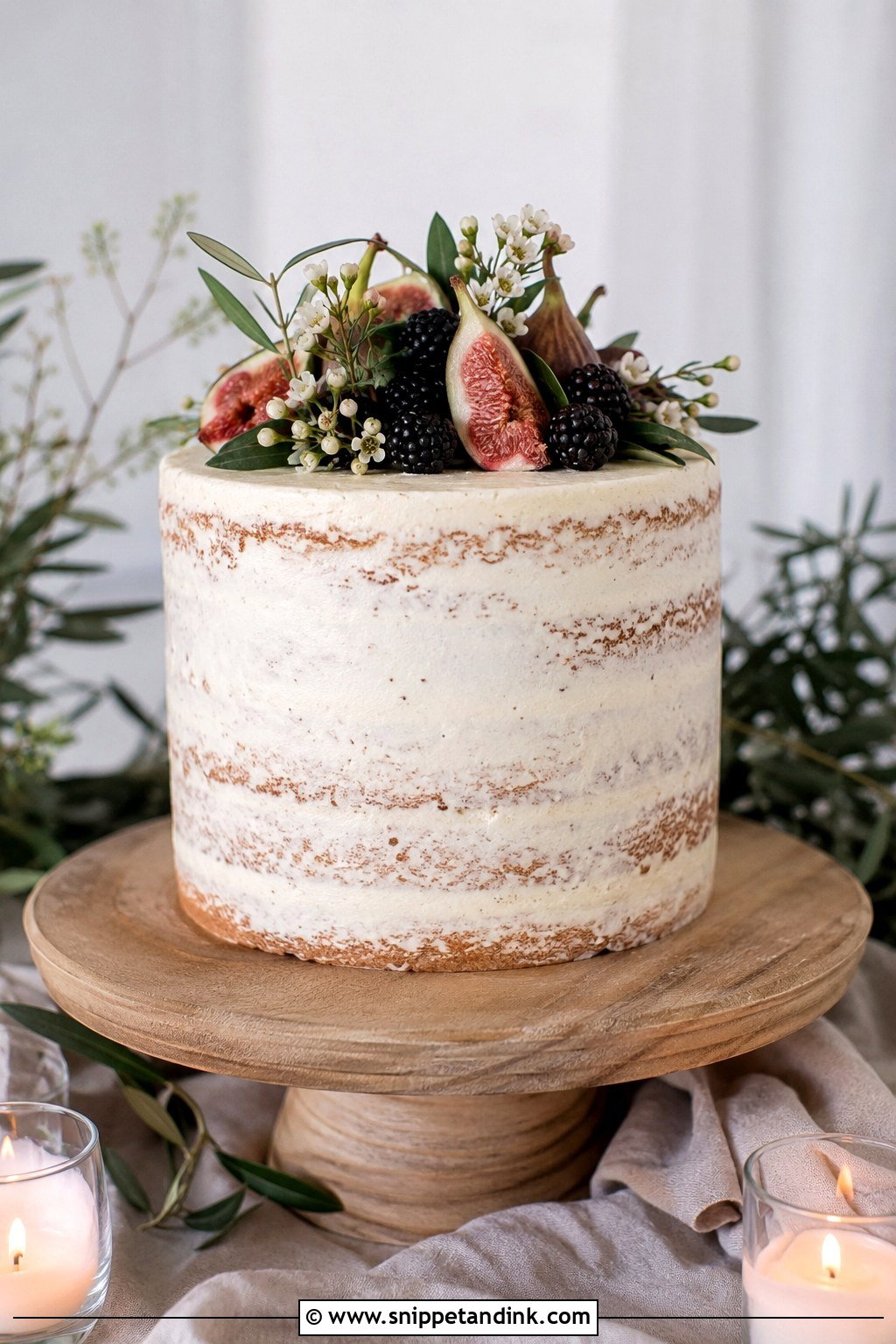
Semi-naked is the compromise I recommend most for outdoor weddings that want a rustic look. The thin buttercream layer protects the sponge better than a fully naked cake and still lets the crumb colour show through. Red velvet and chocolate look especially striking through the scrape. Put it on a stand with a little height, so the texture on the sides is at eye level.
10. Floral Pressed 1 Layer Wedding Cake
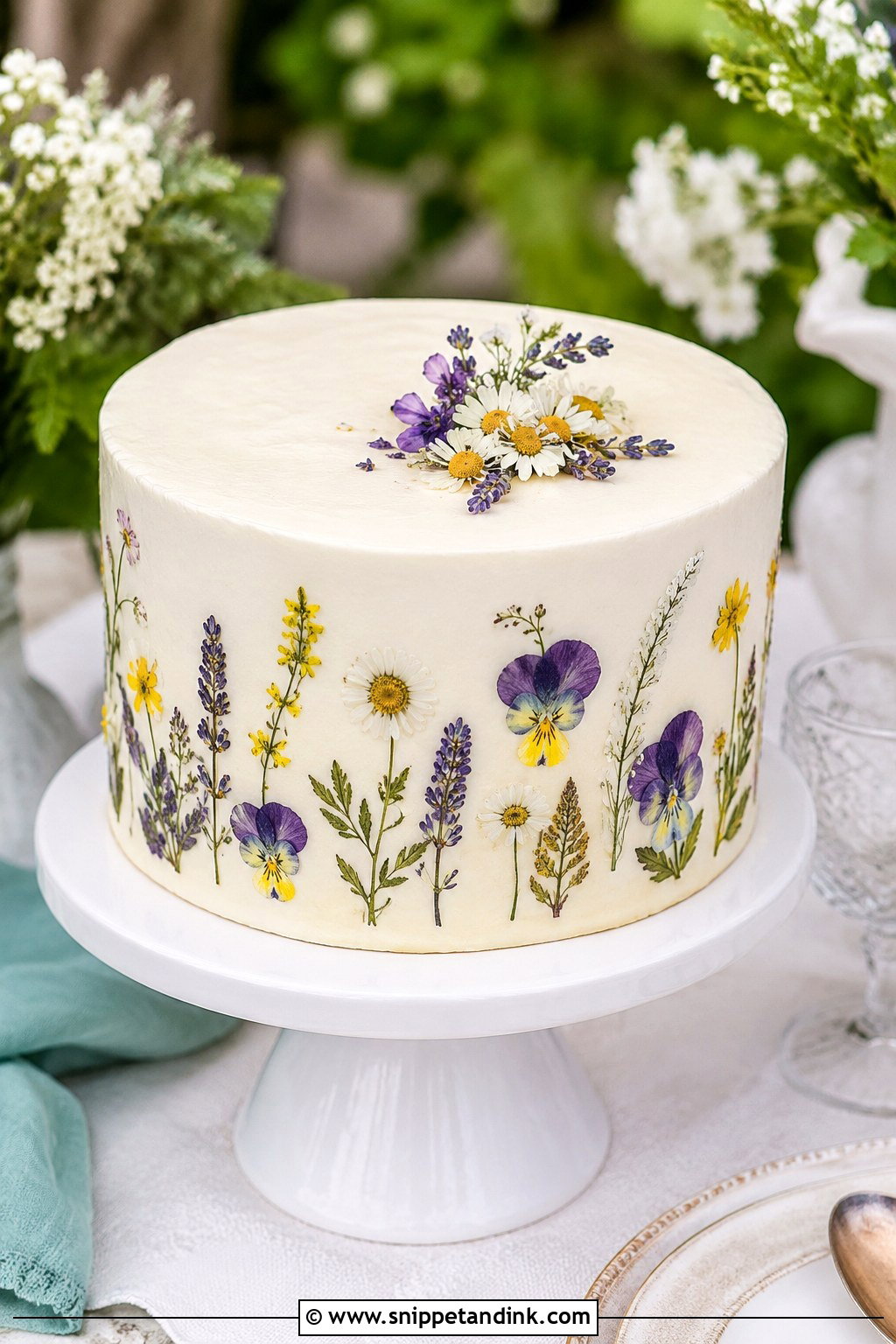
Pressed-flower cakes are slow to make. Each petal goes on by hand, flat against chilled buttercream, and the flowers have to be pesticide-free and edible, such as violas, pansies and chamomile. I’d use pale frosting so the colours show. They’re at their best in spring and summer when edible blooms are easy to source. I keep the top fairly plain, or the pressed sides lose their impact.
11. Gold Leaf 1 Layer Wedding Cake
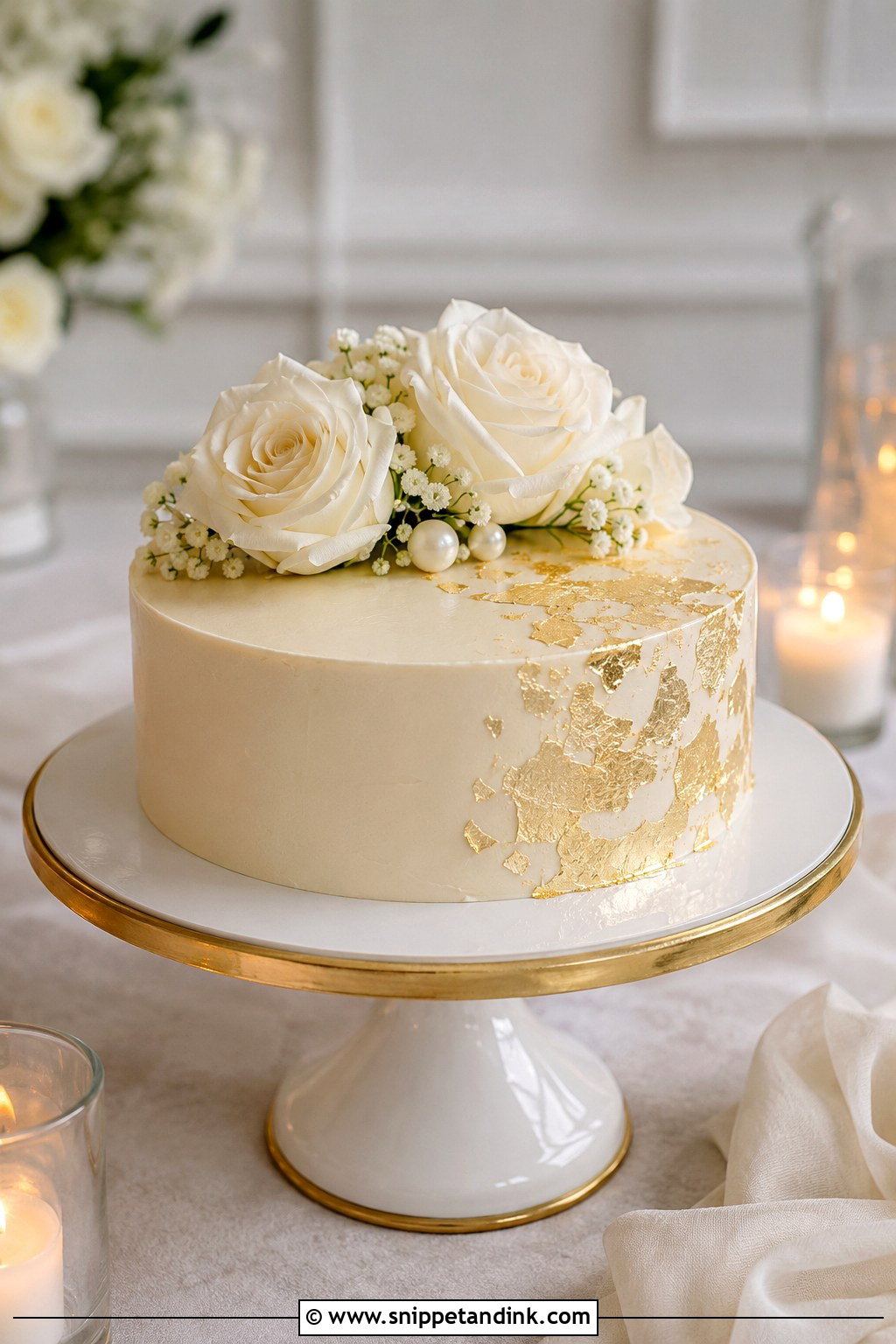
Gold leaf looks best used with restraint: a patch on one side, a broken edge at the top, or flakes over textured buttercream. It’s edible but very fragile, so it goes on last, by hand. Ivory is the safe base; sage or deep emerald makes it modern. This one is most at home at an evening reception, where candles pick up the metal.
12. Lambeth 1 Layer Wedding Cake
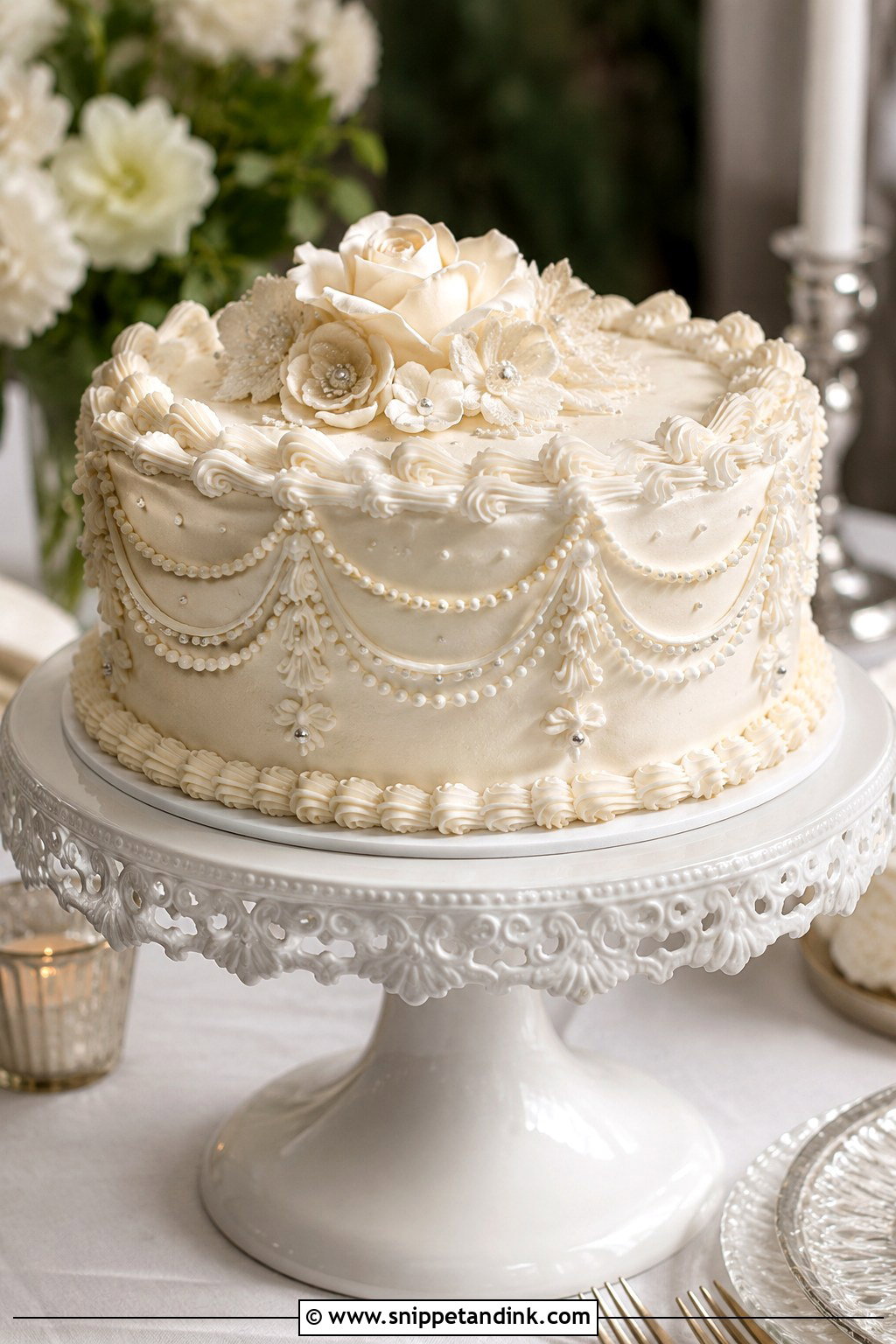
Lambeth is the boldest piping style there is, layer on layer of shells, scallops and swags. On a single tier, Lambeth piping gives height and personality with no extra cake. It needs a stiff, crusting buttercream, and it softens and slumps in a warm room, so I’d keep it away from a sunny window. White on white is classic; blush or pale yellow looks current. Put it on a pedestal, because people will walk all the way around it.
13. Heart 1 Layer Wedding Cake
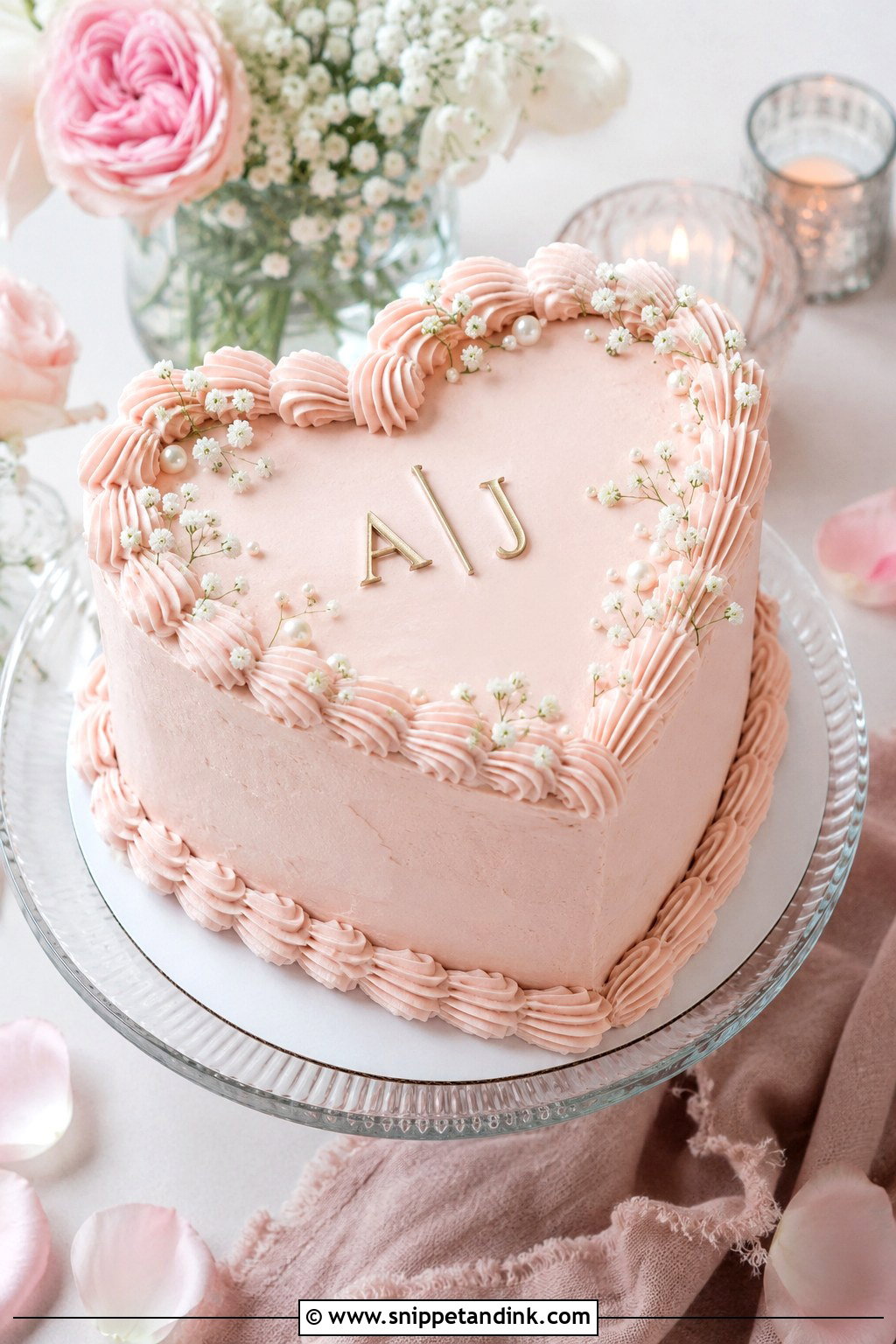
A heart shape does most of the work, so the decoration can stay simple. A plain buttercream heart with a piped border is clean; ruffles and pearls push it vintage. It reads instantly in elopement photos, which is why I like it for very small weddings. The point of the heart is the hardest part to frost neatly, so check your baker’s past work on shaped cakes before ordering.
14. Square 1 Layer Wedding Cake
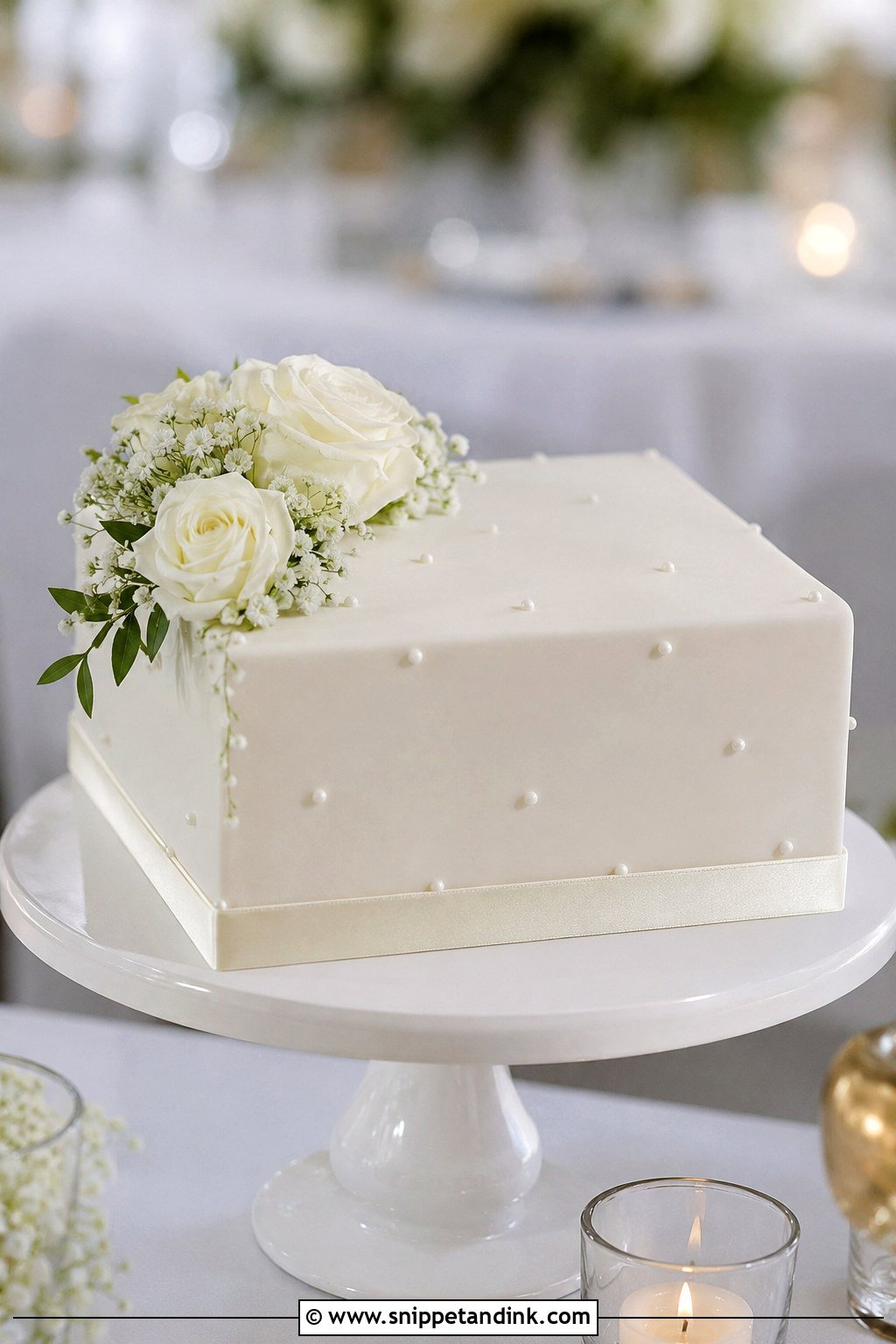
Square cakes need very sharp corners, and that’s a real skill in buttercream; a lot of bakers use fondant or a ganache base under the buttercream to get crisp edges. They slice neatly into even portions, which helps when you’re feeding a set number of guests from one tier. One floral corner or a thin ribbon is plenty. It fits a city hall wedding or a sleek modern room.


15. Oval 1 Layer Wedding Cake
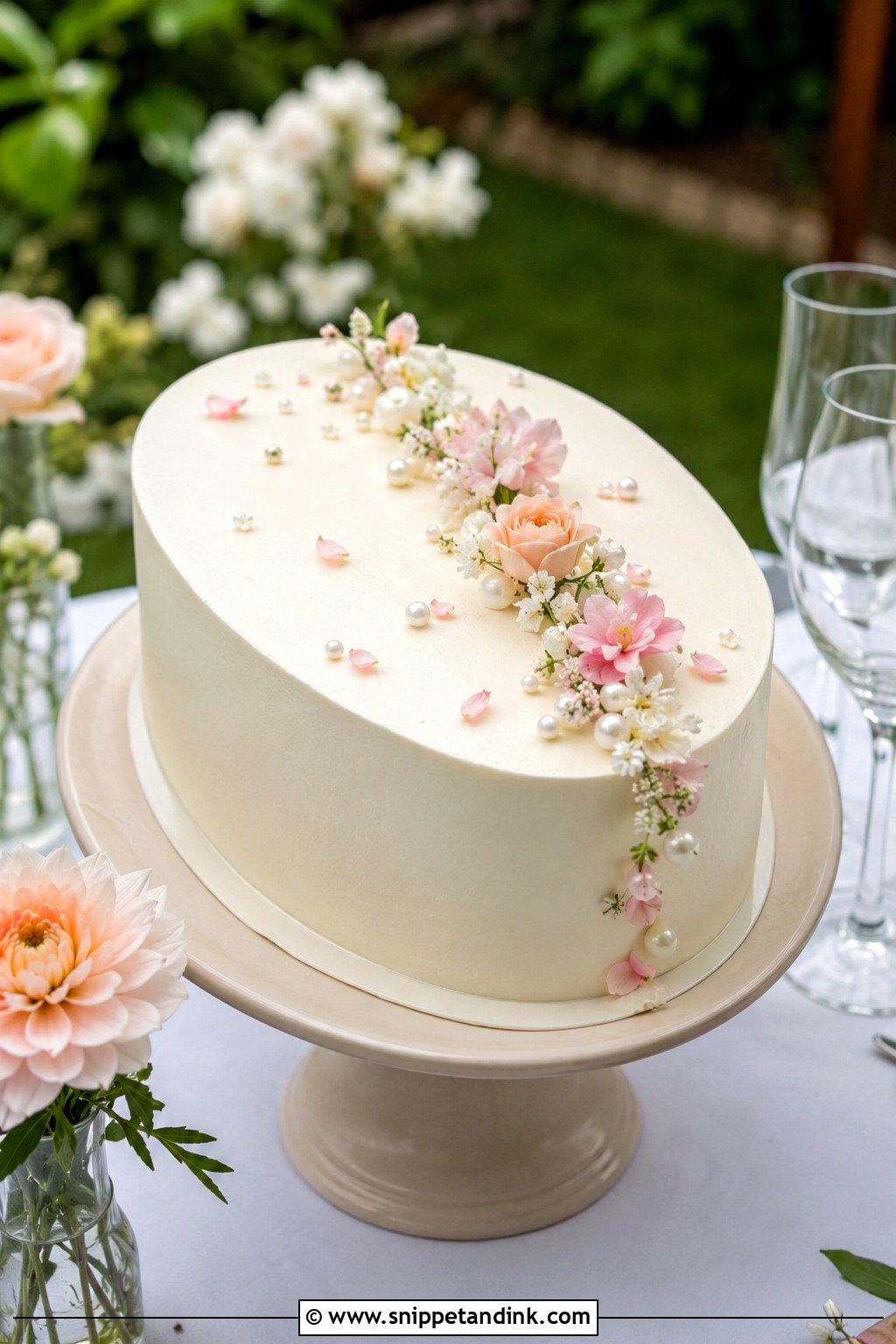
Oval cakes are less common, and that’s part of their appeal. The long top gives room for a floral trail from one end to the other, which a round cake can’t do as well. Not every bakery owns oval tins, so ask early. Light flavours like lemon, vanilla bean or strawberry suit the shape, and it looks good at garden weddings and brunch receptions.
16. Watercolor 1 Layer Wedding Cake
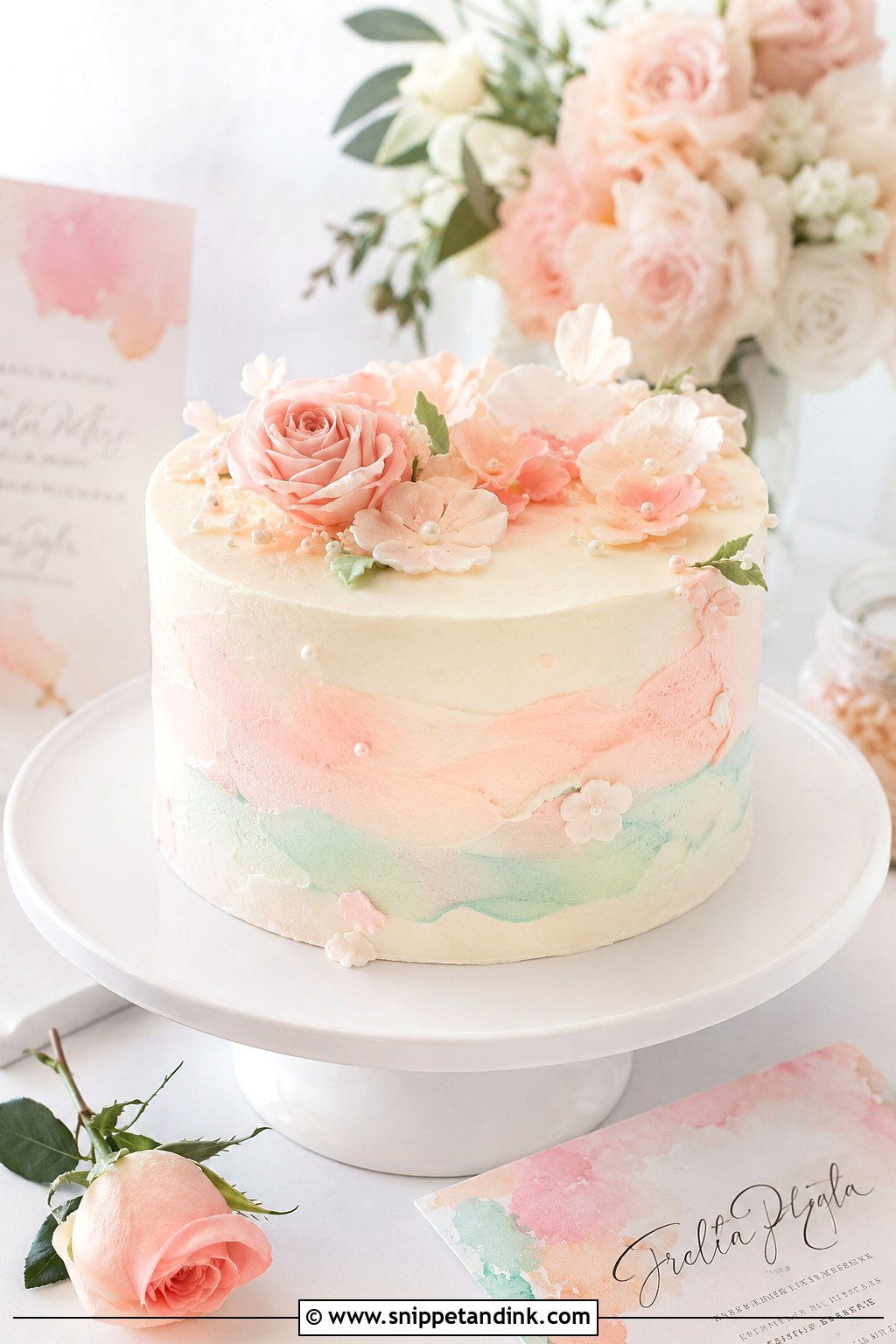
Watercolour frosting is made by blending two or three pale shades on the side of the cake with a scraper, so it looks like a painted wash. It needs a smooth base to work, either buttercream or fondant. Pink, lavender, sage and peach all work. If the colours are already in the invitations or flowers, this is the easiest way to link the cake to the rest of the day. Ask to see a colour sample first; buttercream colours deepen slightly as they sit.
17. Drip 1 Layer Wedding Cake
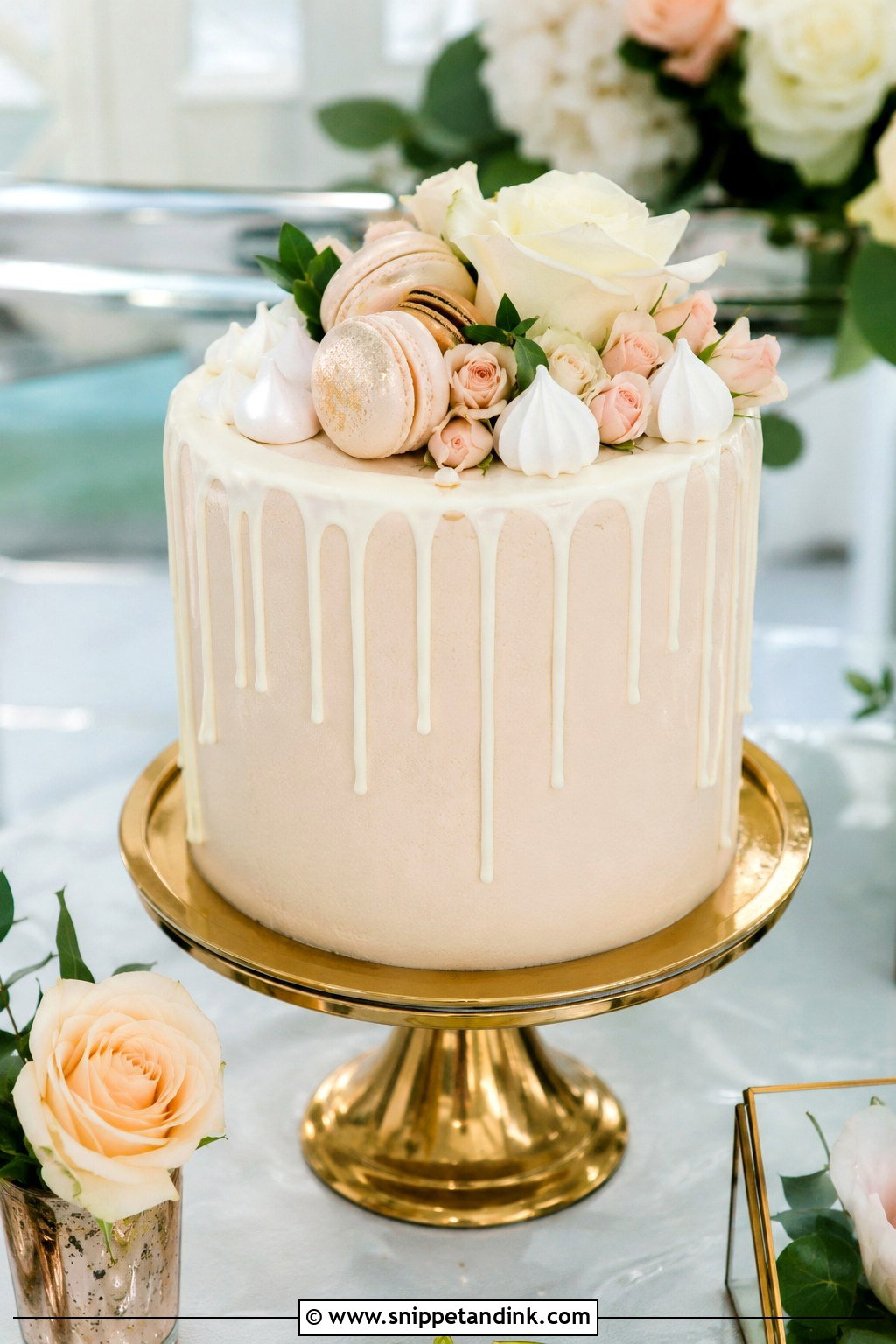
A drip 1 layer wedding cake depends on temperature. The cake has to be cold and the ganache only just warm, or the drips run all the way to the board. I test one drip at the back before doing the front. White chocolate, caramel and dark chocolate all work; berries, macarons or meringues on top add height. It’s a good fit for couples who don’t want a formal-looking cake.
18. Berry 1 Layer Wedding Cake
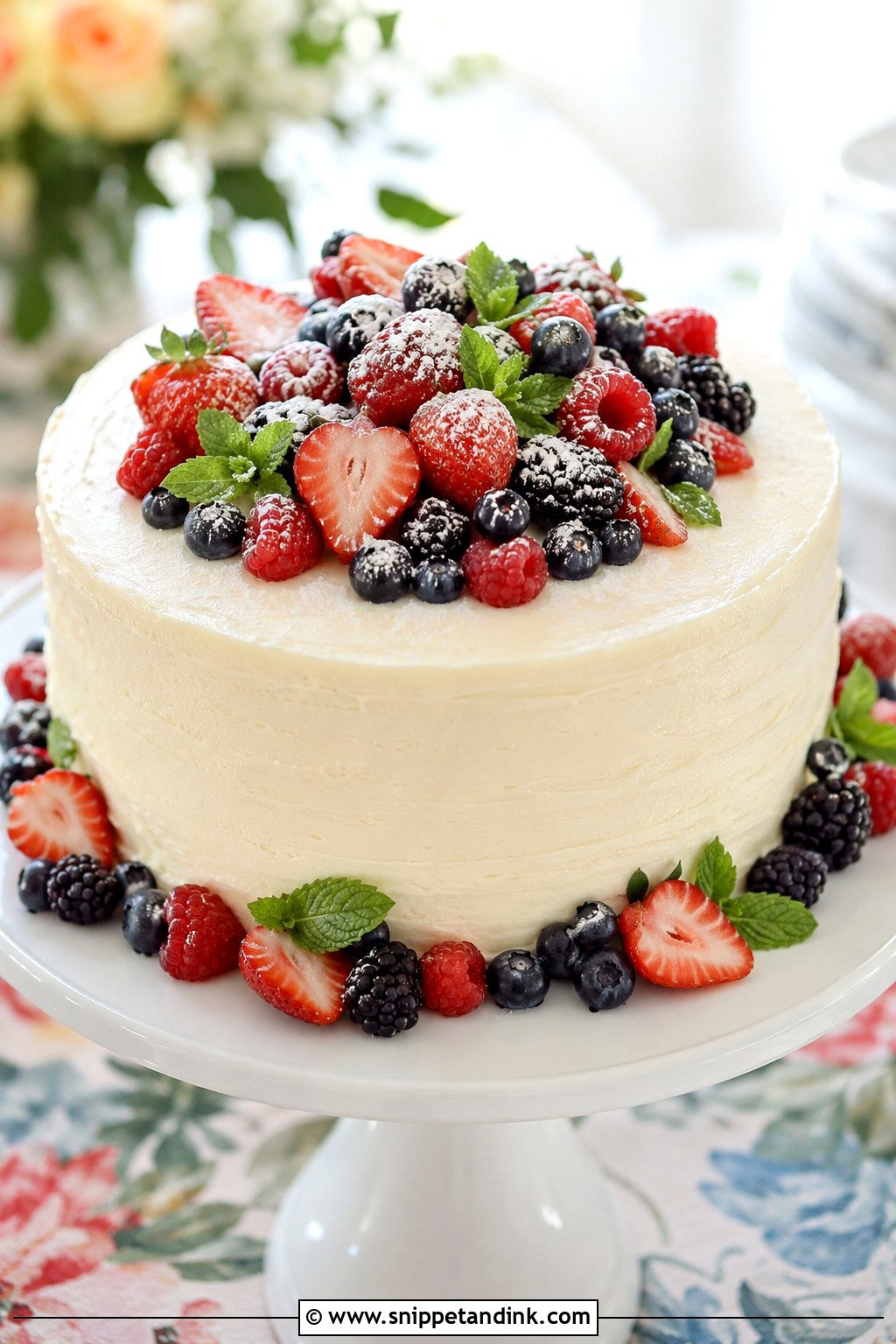
Berries add colour without any work from the frosting, but they leak juice once cut. I place whole berries only, and as close to serving as possible. Cream cheese, vanilla buttercream and stabilised whipped cream all suit them; plain whipped cream won’t hold up outdoors. Powdered sugar, a few white flowers or mint leaves finish it. It belongs at a summer brunch or garden reception.
19. Lemon 1 Layer Wedding Cake
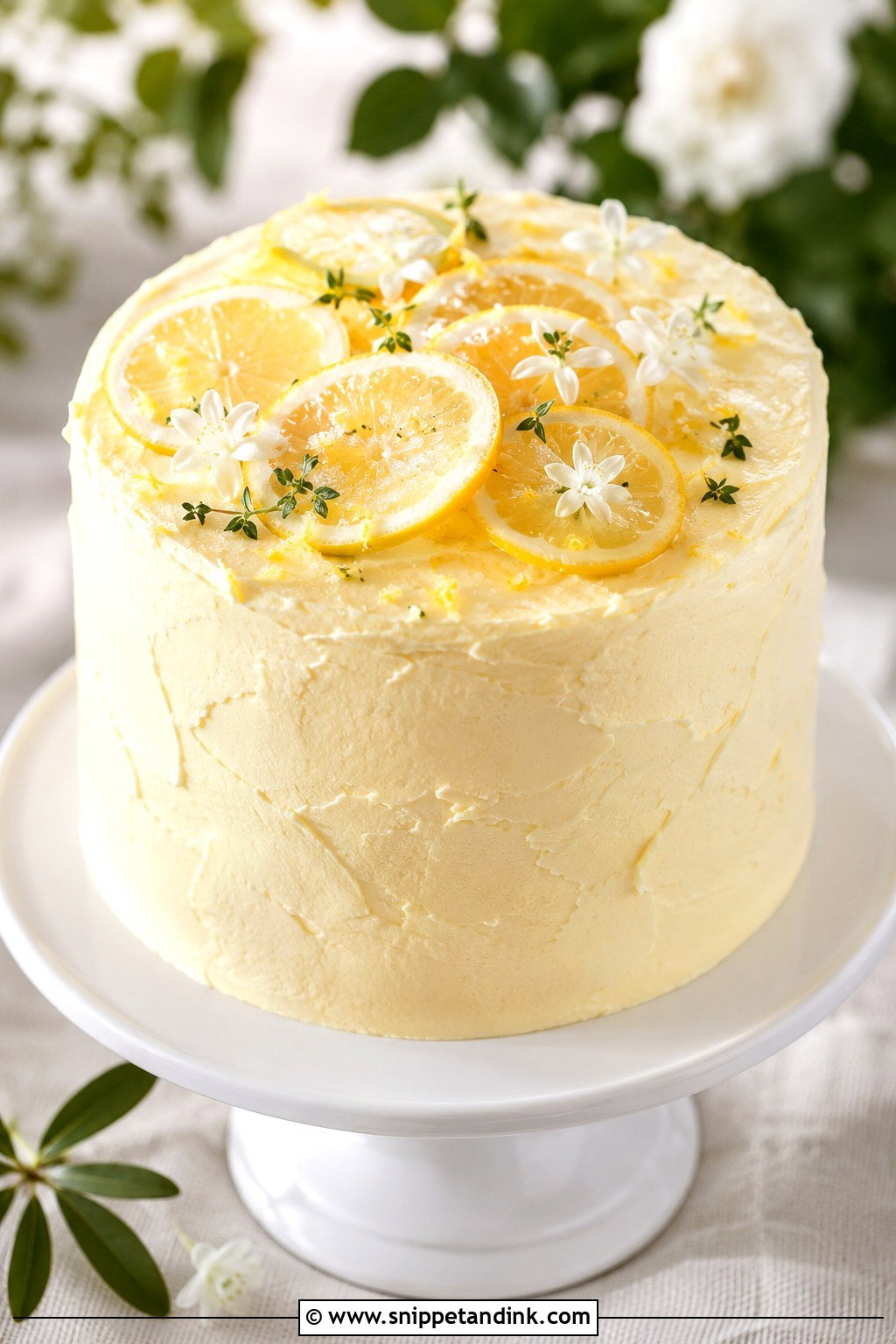
A lemon 1 layer wedding cake is my go-to suggestion for warm-weather weddings, because it tastes fresh even after a heavy meal. Lemon buttercream, whipped mascarpone or cream cheese frosting all go with it. I’d decorate with thin candied lemon slices or sugared zest rather than fresh slices, which weep onto the frosting within an hour. A tall single tier gives it presence.

20. Chocolate 1 Layer Wedding Cake
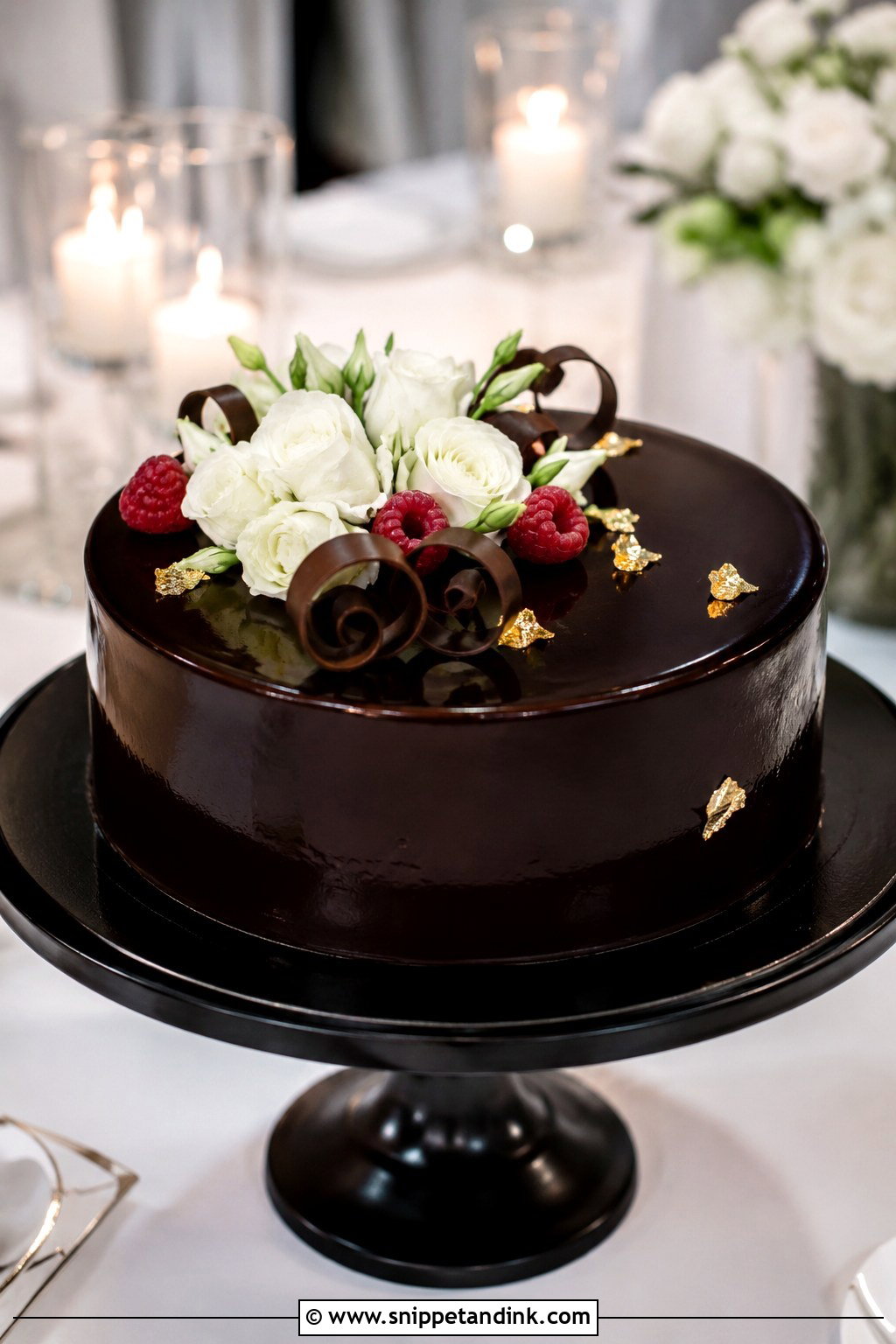
Chocolate is for couples who want the cake to be about flavour first. Dark sponge with chocolate buttercream or a glossy ganache looks dramatic. Ganache is also my preferred base for warm days, because it holds up far better than buttercream in the heat. Balance the dark colour with white flowers, berries or gold leaf. Espresso, raspberry and salted caramel fillings all pair well, so one tier can still have plenty of flavour.
From the Bakery Van to the Cake Table
Small cakes travel well, but they still need care. I deliver chilled cakes in a box on a flat, non-slip surface, never on a lap or a sloped seat. Buttercream softens quickly in a warm car, so the air conditioning goes on before the cake goes in.
- Ask where the cake table will be. Direct sun or a spot next to a heater will soften buttercream and slide decorations within an hour.
- Naked and semi-naked cakes should stay covered until close to display time; the exposed sponge dries quickly.
- Fresh flowers and fruit go on at the venue, not at the bakery, so they look their freshest.
- If a fondant cake comes out of a fridge into a warm, humid room, it can bead with condensation. Leave it alone; the beads dry on their own, and wiping them leaves marks.
If you’re collecting the cake yourself, ask the baker to show you how to lift the board and where the supports sit. A small cake dropped once is very hard to rescue on the day.
One Tier, Plus a Plan for Everyone Else
A single-tier cake isn’t just a smaller version of a big one. It’s a focused design, and it can carry the whole look of a dessert table on its own. Decide first how many people it needs to feed, then pick a finish that suits your venue’s temperature and how long the cake will be on display. If you need more servings, a kitchen sheet cake in the same flavour or a dessert table covers the rest without anyone noticing. Spend your effort on that one tier, and it will hold its own.
You'll Like These Ideas:









Leave a Reply