
Most brides I dress want two things that pull against each other: a ceremony gown with real presence, and something they can eat, hug and dance in for six hours afterwards. A convertible bridal look settles that argument with one outfit. Overskirts, sleeves, capes, trains, toppers and minis hidden under full skirts all appear in the 25 gowns below. For each one I’ve noted how I’d accessorize both versions and the fitting check that stops the change from going wrong. Two things matter before any of them: how securely the removable piece fastens, and who will be in the room to help you take it off.
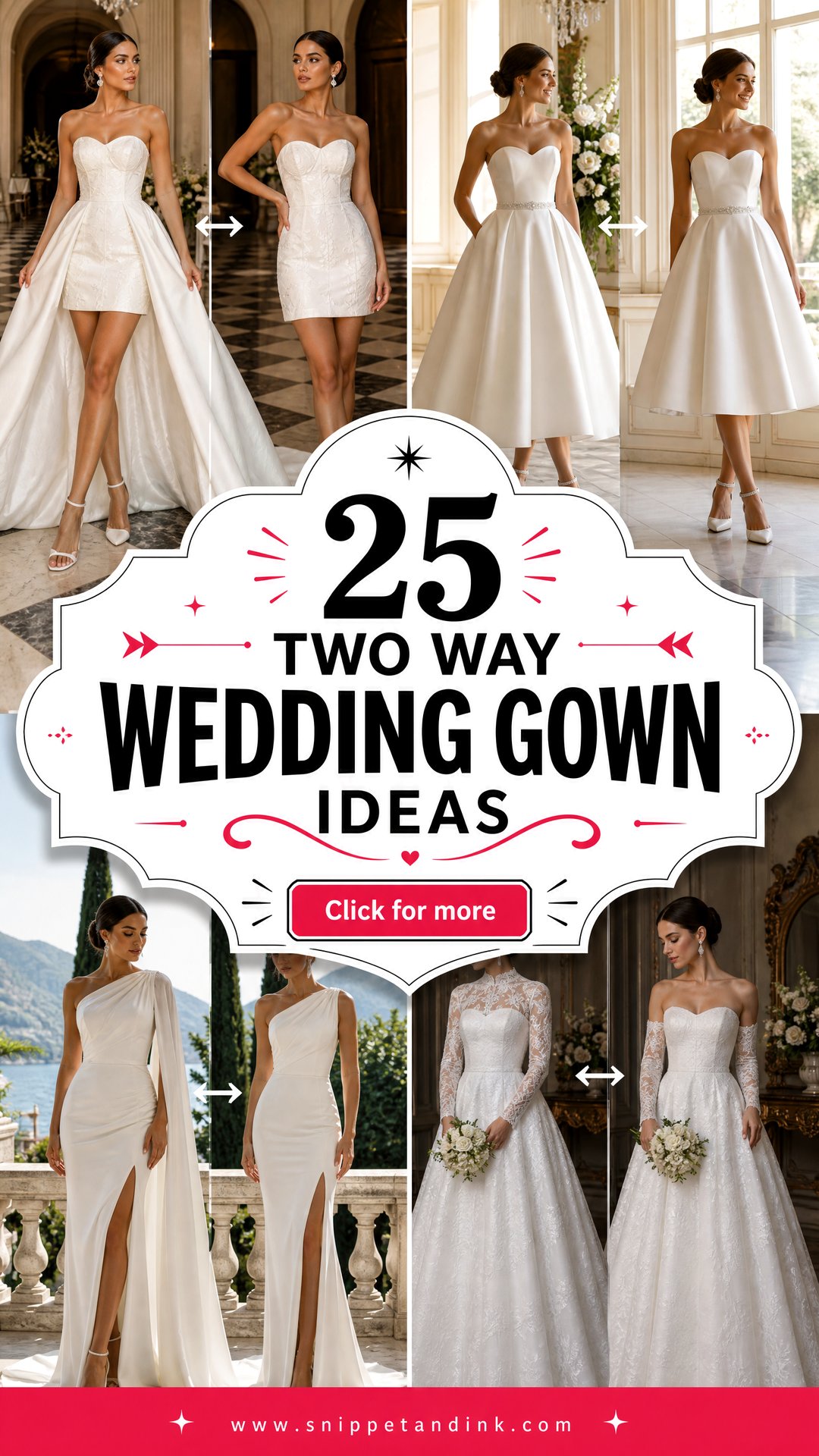
Questions Worth Raising at the Bridal Appointment
Two-way gowns have more moving parts than a standard dress, and the boutique visit is the time to understand them. I’d ask these before falling in love with anything:
- Are the removable pieces included, or sold separately? Some overskirts, sleeves and capes are add-ons.
- Can I try the base dress alone, without the extra piece pinned on? It needs to work by itself.
- Are both pieces cut from the same fabric batch? Whites vary slightly between batches.
- Will the seamstress fit both layers together, and how many fittings does that usually take?
- How does the piece fasten, and can someone show my helper how to remove it?
Expect alterations to take a little longer than for a one-piece dress, since each layer has to be fitted to the other. I’d order early enough to allow an extra fitting.
1. A-Line Wedding Gown With Detachable Overskirt
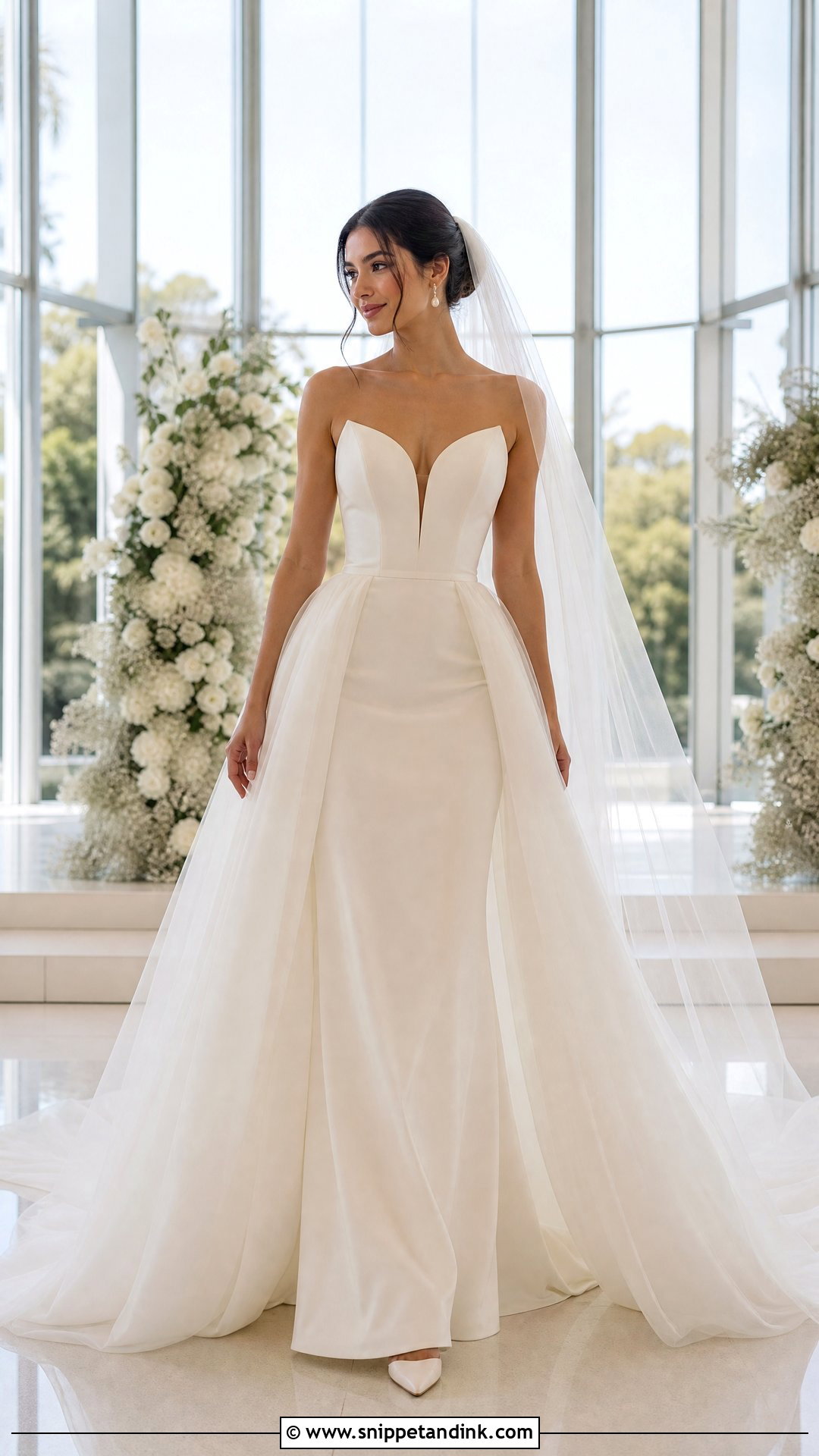
The quietest change of all, since the silhouette stays an A-line either way; only the volume changes. A fitted bodice and a softly flowing base skirt carry the reception, and a fuller tulle or organza overskirt goes on top for the ceremony. I ask for the hooks hidden under a narrow waistband so the join reads as a seam. Cathedral veil, pearl drops and pointed pumps first; later, a crystal comb in place of the veil and block heels or embellished flats. You’ll barely feel the difference in weight until the overskirt comes off, and then you’ll feel it a lot.
2. Mermaid Wedding Gown With Tulle Overskirt
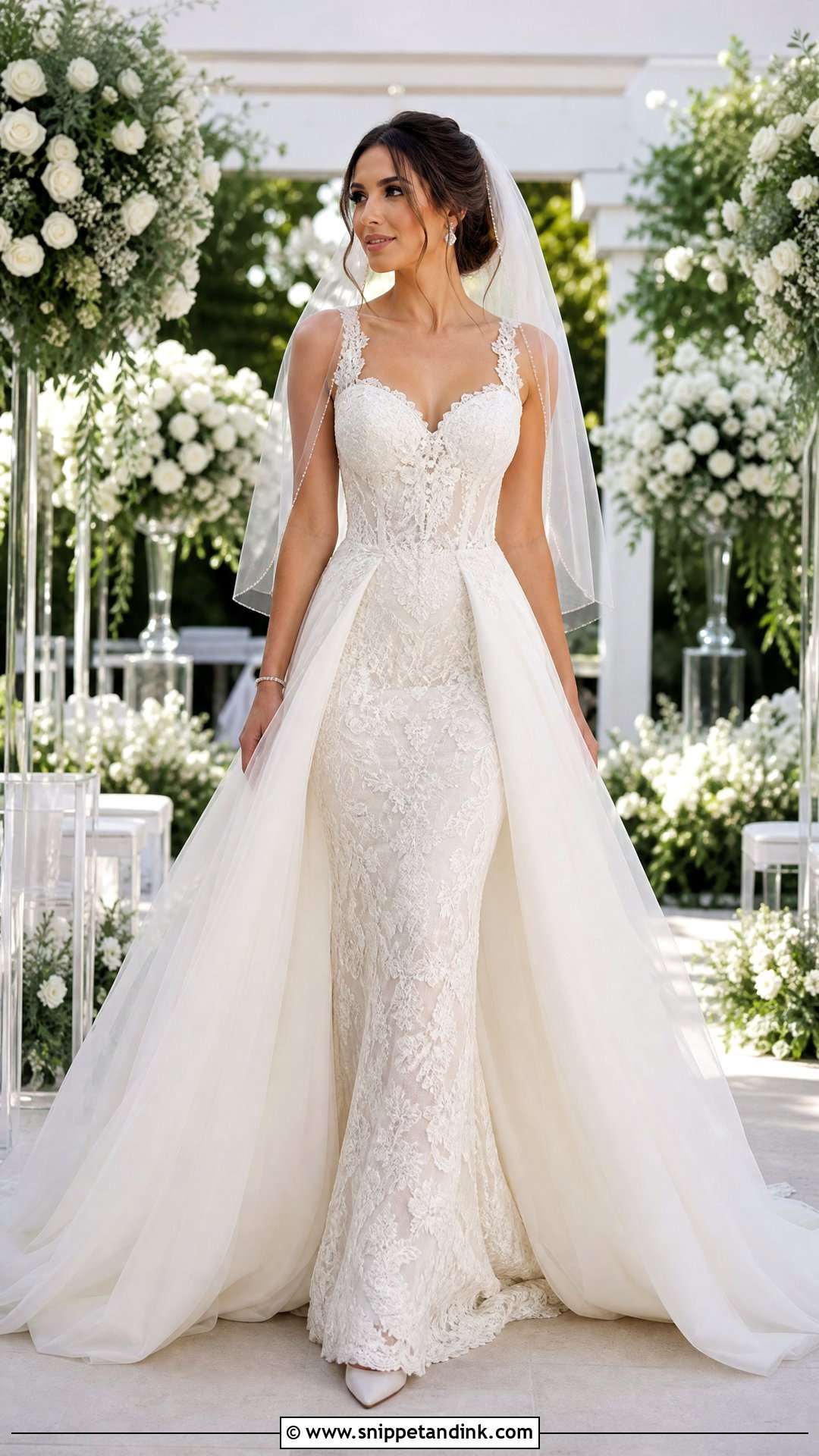
Tulle over a mermaid softens all that sculpting into a romantic ball-gown outline for the vows. Take it away and the fitted shape is ready for the party. Matching lace appliqué or beading on both pieces makes the reveal look planned. The base needs enough room through the knee to dance, and that’s where many mermaids fall short, so do a few dance steps in the fitting room. Fingertip veil, tennis bracelet and pointed heels; then statement earrings or a satin bow for the evening. The overskirt might close with hooks, snaps or a hidden zip; make sure your helper has practised whichever it is.
3. Mini Wedding Gown With Cathedral Overskirt
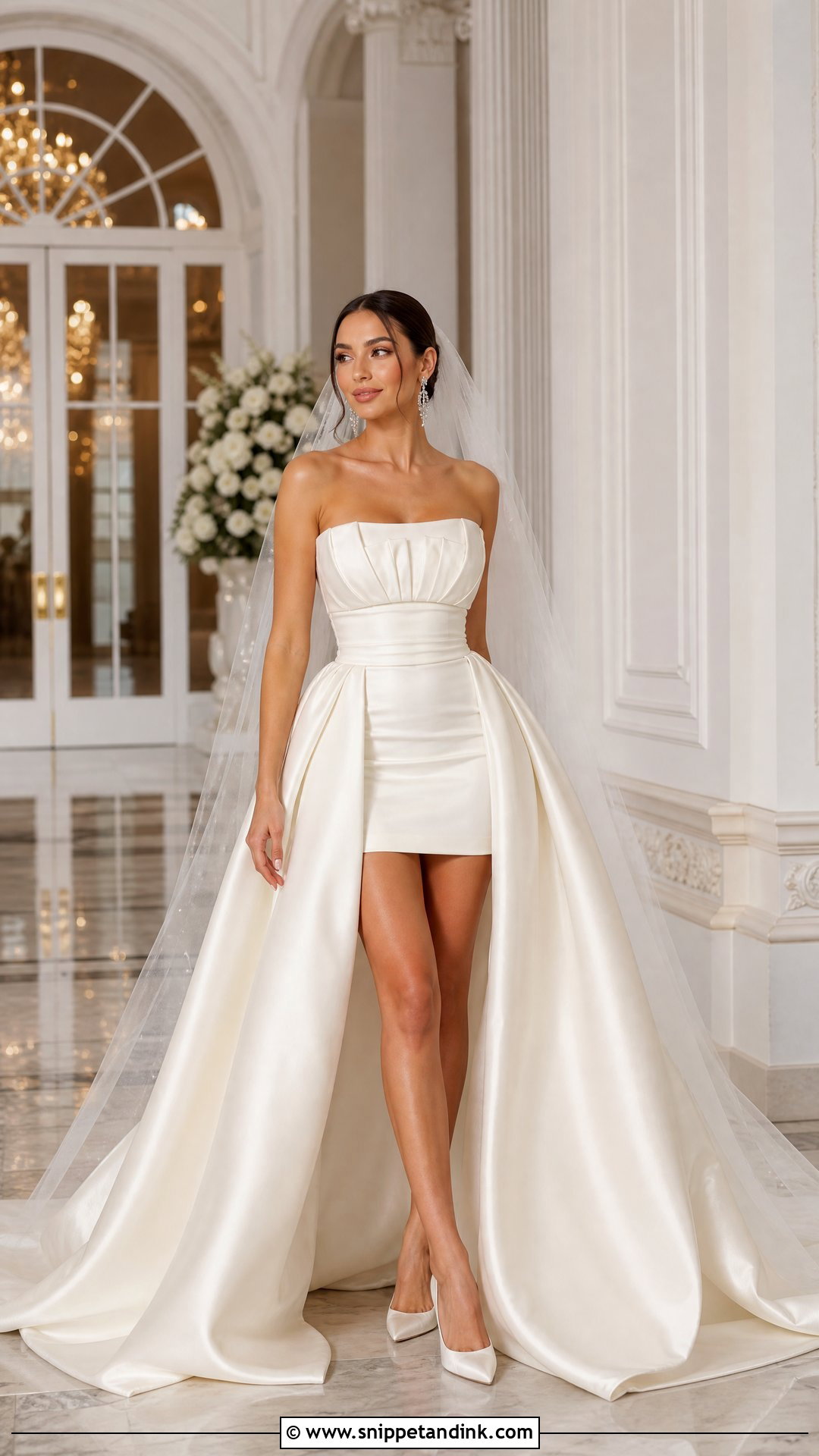
A cathedral overskirt over a bridal mini gives the most dramatic reveal on the list. Floor-length for the aisle, then a short dress for the reception. The mini needs a supportive corset bodice and enough coverage to sit in. I check the hem from behind and from the side as the bride bends and raises her arms, because a mini that’s fine standing can ride up during a first dance. Match the fabrics closely, satin with satin or beaded tulle with embellished mesh. Pointed pumps and a long veil first; slingbacks and bolder earrings second.
4. Satin Ball Gown With Removable Sleeves
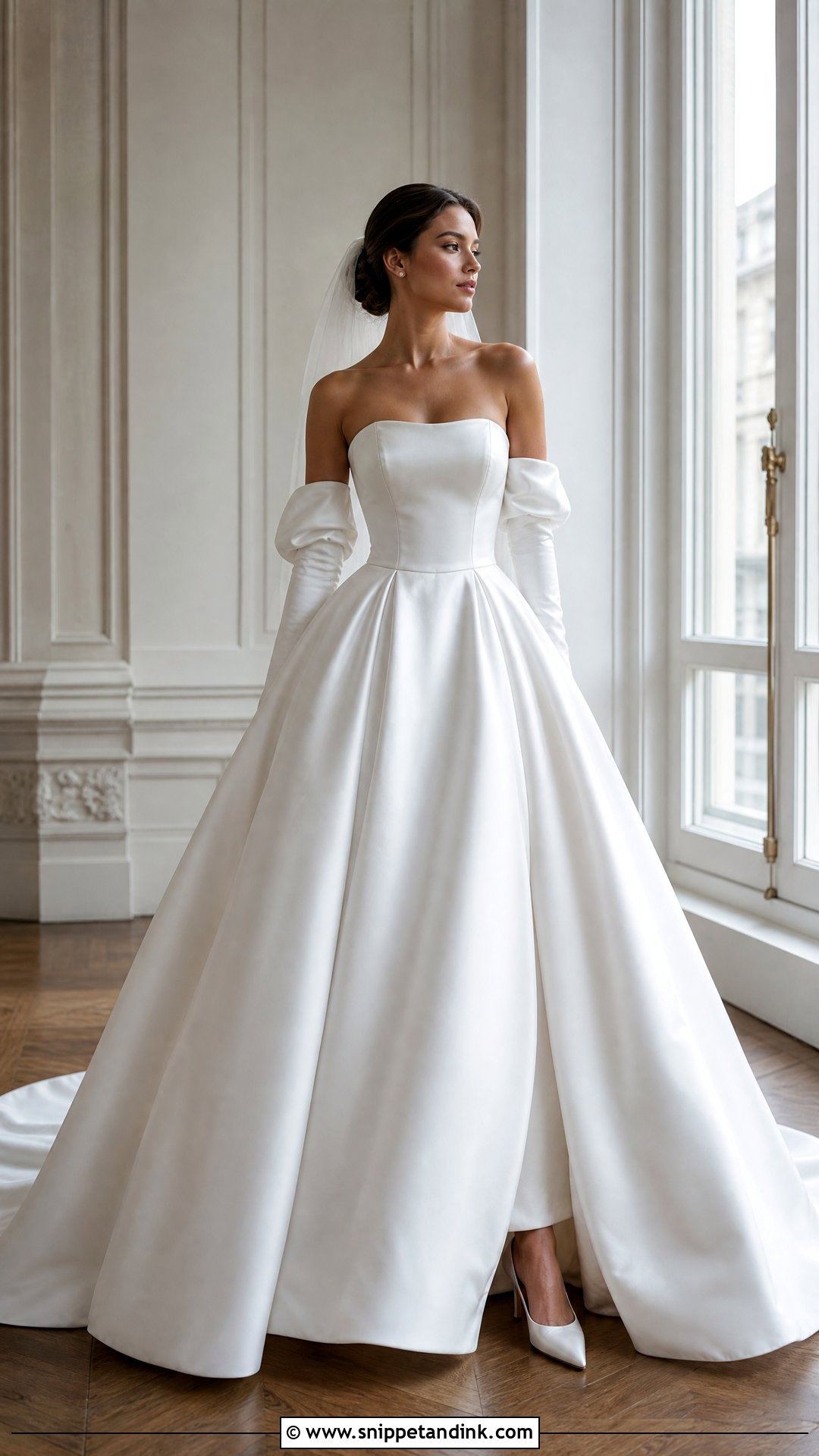
Removable sleeves on a satin ball gown change the neckline completely: long fitted sleeves or off-the-shoulder cuffs for the ceremony, strapless for the reception. The bodice has to stand up by itself. If the sleeves are secretly holding it in place, it will slip the moment they come off, so the strapless fit must be right before the sleeves are even attached. Plain veil, pearl studs and satin pumps; later a polished bun or jeweled clip and a sparkly bracelet. Ask for attachments placed inside the neckline and underarm so nothing shows afterwards.
5. Lace Wedding Gown With Detachable Bolero
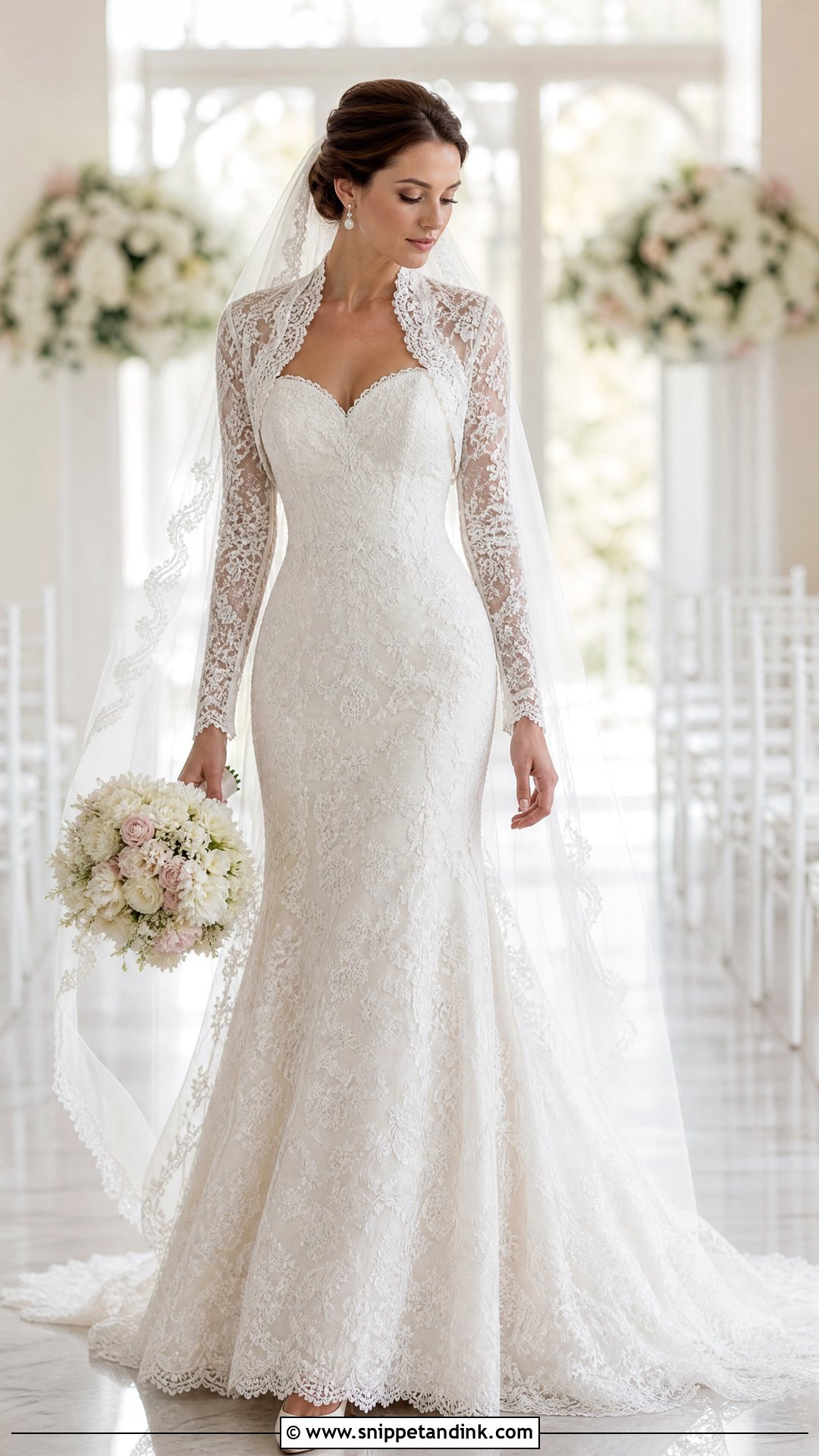
A lace bolero turns a sleeveless gown into a long-sleeved ceremony look. Match the lace’s pattern, color and weight to the dress as closely as you can so the layers read as one. A fitted bolero with covered buttons looks traditional; a cropped, high-necked one is more modern. Underneath, a simple sweetheart or scoop neck. When the bolero comes off, the neckline suddenly looks bare, so I’d have a necklace or larger earrings ready to add. Check the underarm: a bolero cut too close bunches there and catches on beading. Breathable lining makes a real difference during long vows.
6. Column Wedding Gown With Detachable Cape
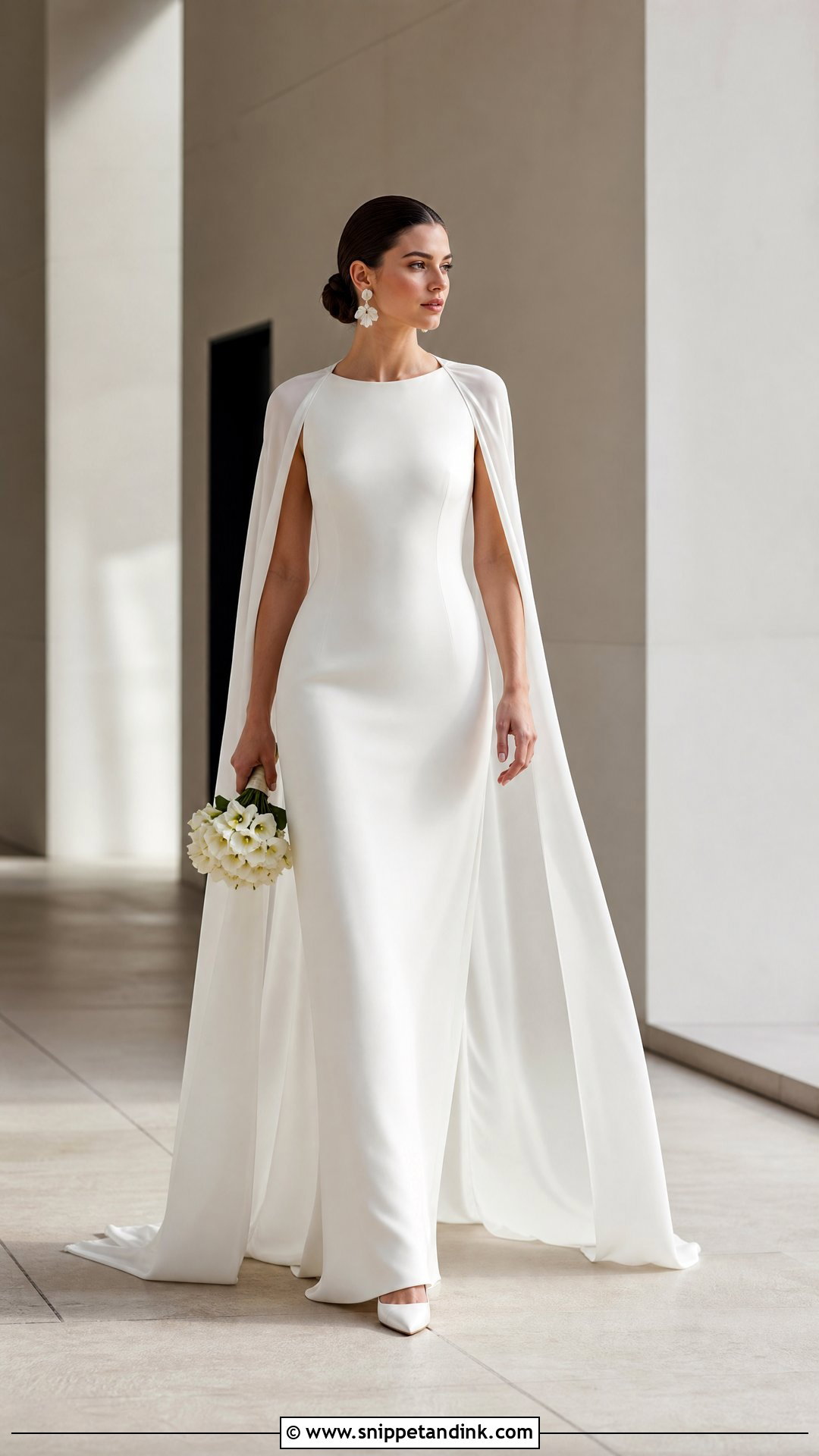
A cape can fall from the shoulders, the neckline or the upper back, giving movement without a heavy skirt. Chiffon floats, lace adds detail, crepe looks architectural. The column underneath needs a defined waist and a walkable back slit. A low bun, sculptural earrings and pointed heels suit the narrow shape. Take the cape off before dinner and the shoulders and back take over; a metallic clutch or crystal hair piece finishes the second look. Test it outside on a breezy day. Light, long fabric acts like a sail, and only firm shoulder fastenings keep it from pulling the neckline back.
7. Sheath Wedding Gown With Detachable Train
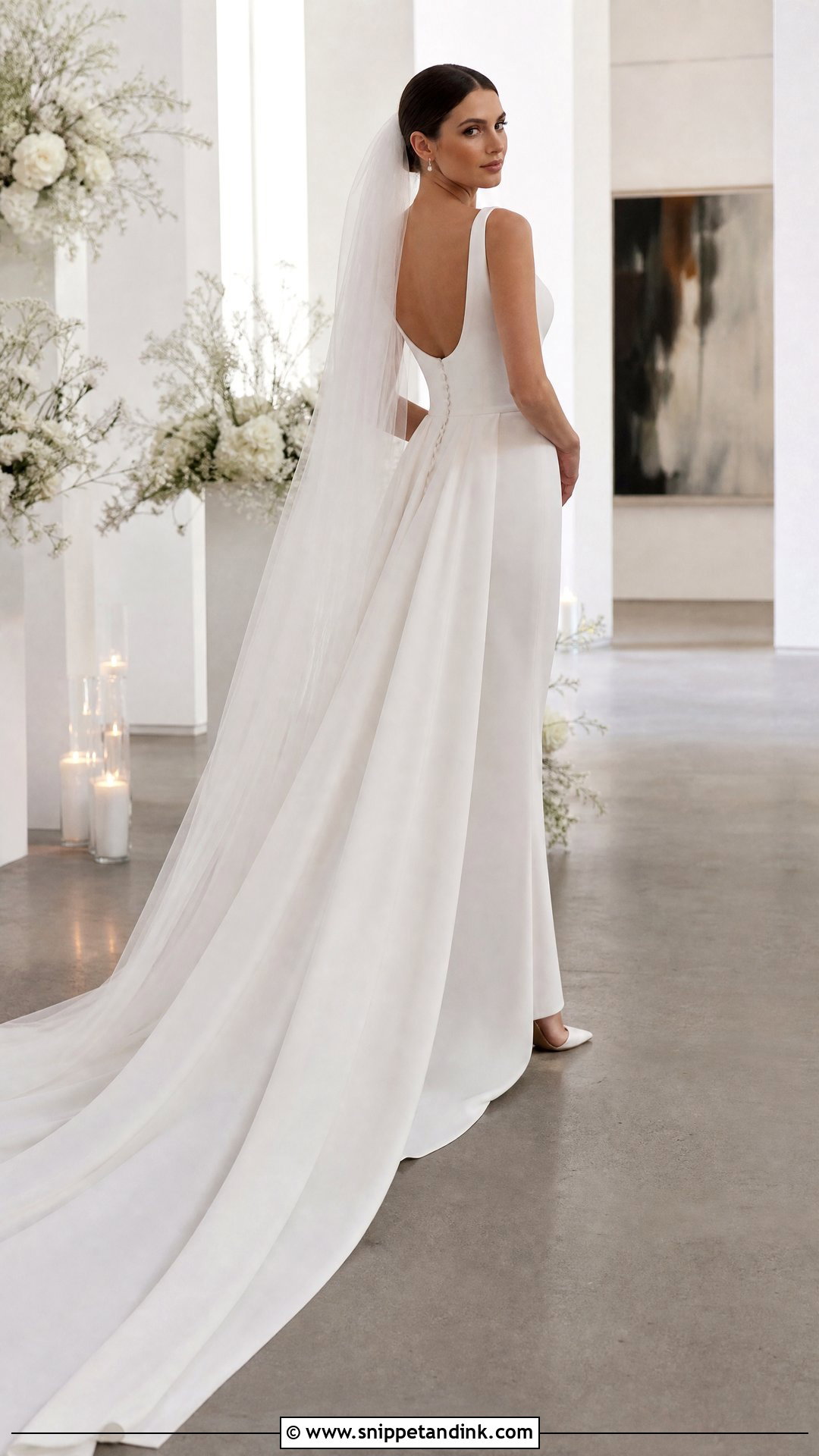
Sheaths are comfortable and simple; a detachable train attached at the waist or low back gives them an aisle entrance and portrait drama. The train should be cut from the same crepe, satin or lace so it looks like part of the gown. I’d choose a veil a little longer than the train so the two layer neatly. After the ceremony, both come off; a sleek hair accessory and comfortable heels replace them. Ask for reinforcement where the train attaches, because a long train pulls the back of a light sheath downward and wrinkles it.
8. Corset Wedding Gown With Removable Skirt
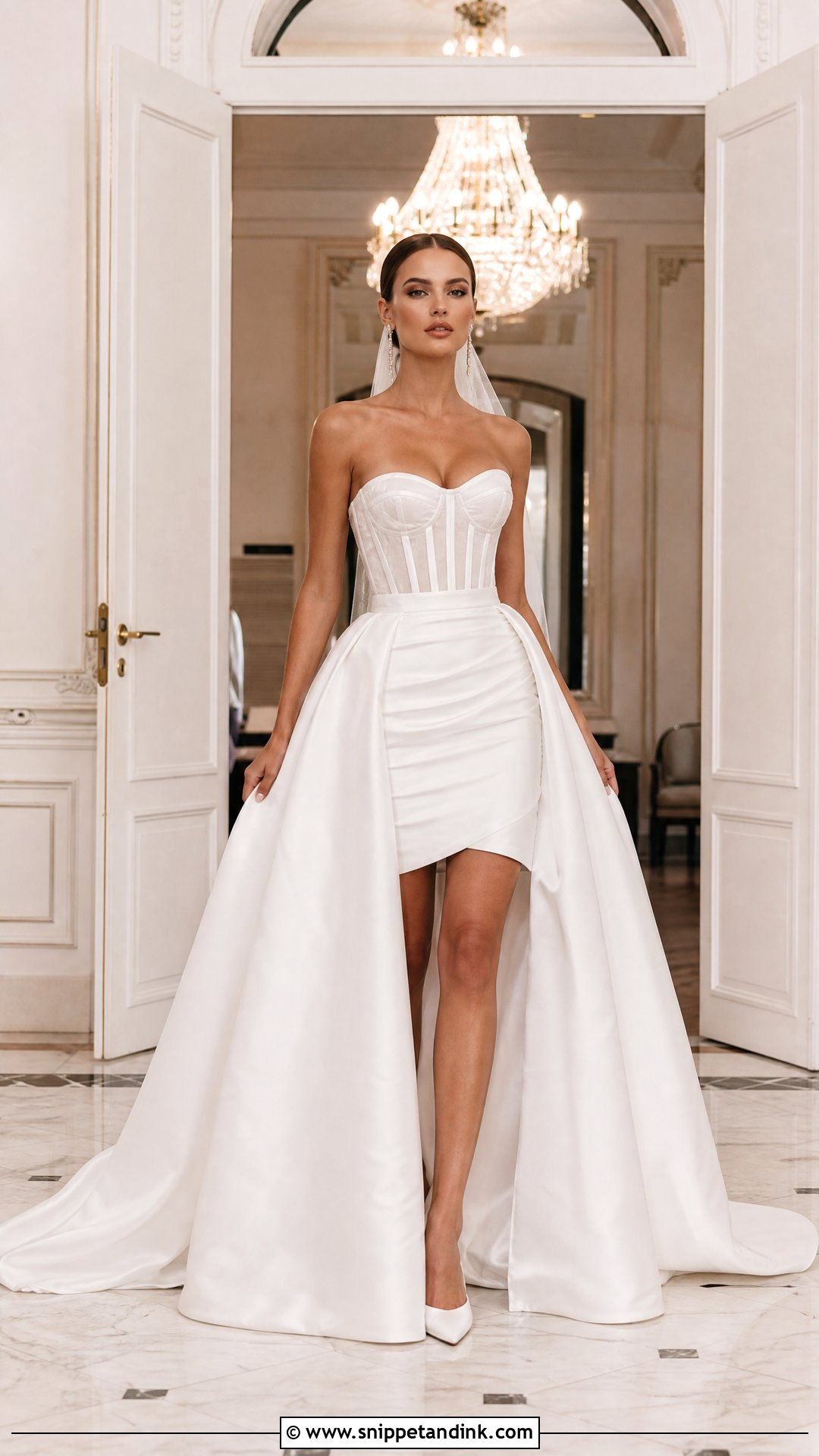
Two silhouettes, one waist. A full pleated or gathered skirt goes over a fitted base for the ceremony; underneath is a column, mermaid or mini. Keep the corset detail consistent in both versions. Plain satin skirts balance visible boning; sheer tulle softens it. Simple veil and drop earrings first; a choker, cuff or embellished shoes later. A corset should support, not squeeze. Sit, walk and dance in it at every fitting before you approve the final alterations, as an hour seated at dinner tells you more than ten minutes standing in a mirror.
9. High-Low Wedding Gown With Removable Full Skirt
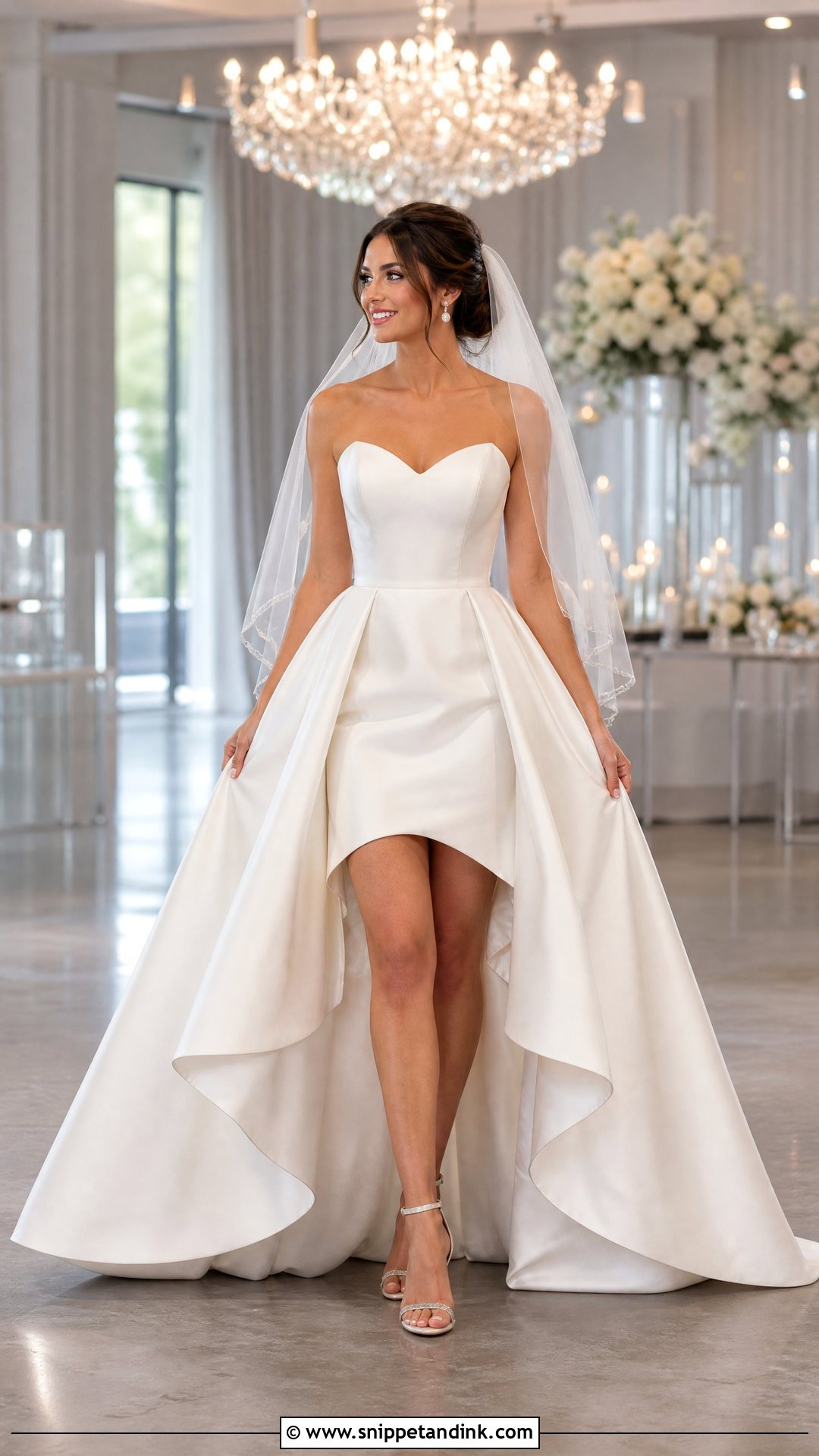
Under the removable full skirt sits a high-low hem that shows off your shoes for the reception. Crisp satin, mikado or layered organza hold the shape well. The base must look finished on its own, with a clean hem and balanced volume. Long veil, small pearls and classic pumps for the ceremony; then crystal heels, colored bridal shoes or ankle-strap sandals. Because the changing hem is already the focal point, keep the rest streamlined. I check the overskirt waistband from front, sides and back for any visible closure before I’m happy.
10. Off-Shoulder Wedding Gown With Convertible Straps
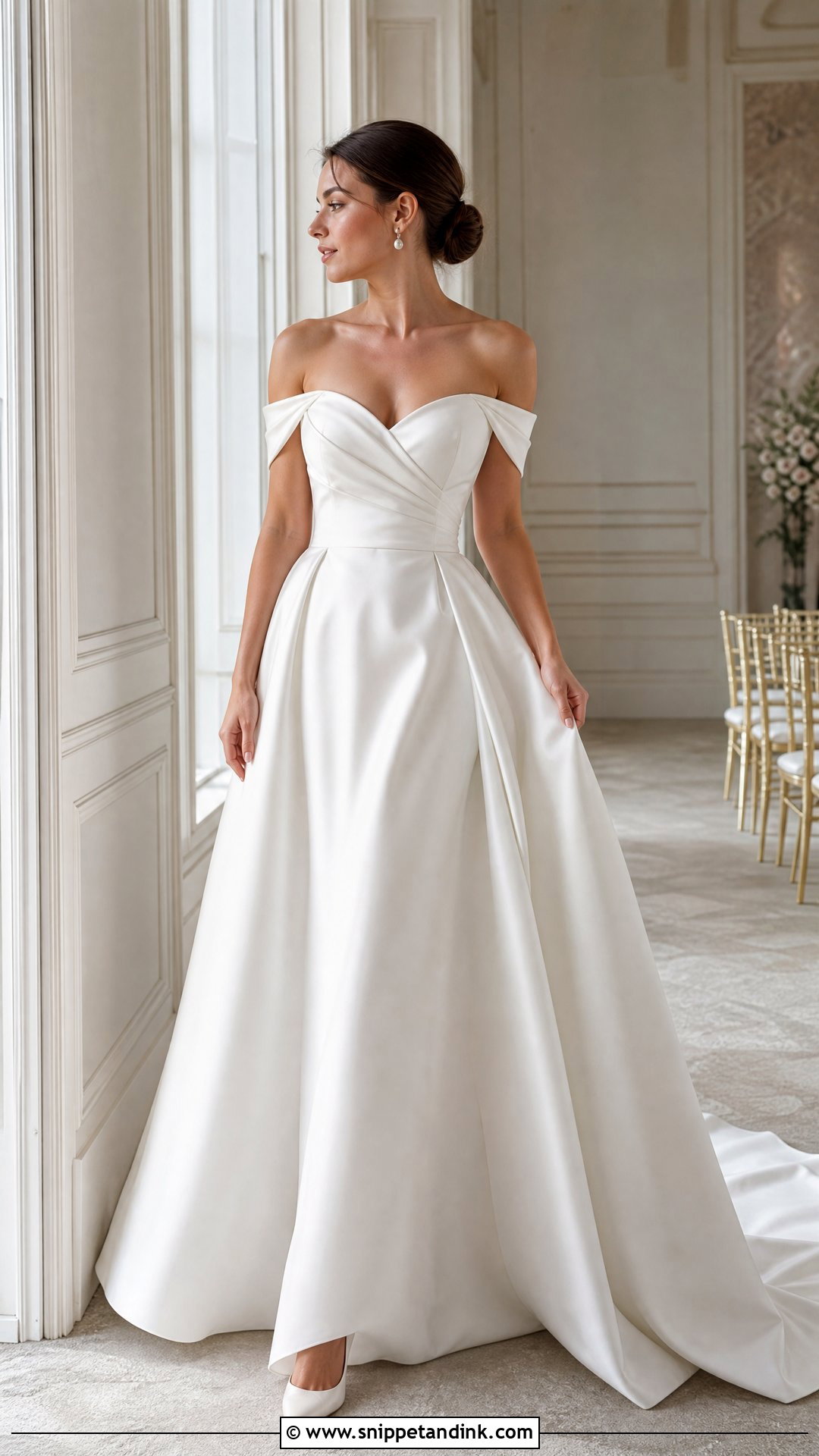
Convertible straps give you three necklines in one: draped across the arms for the vows, lifted onto the shoulders for support, or removed for a strapless finish. Satin, crepe and lace all take the idea, over an A-line, mermaid or column skirt. Low chignon, short veil, pearl earrings and pointed heels first; a fine necklace and looser hair afterwards. Every position needs to be secure. Snaps strong enough to hold a strap should still lie flat under the fabric, otherwise you get small bumps along the neckline in close-up photos.
11. Square-Neck Wedding Gown With Removable Puff Sleeves
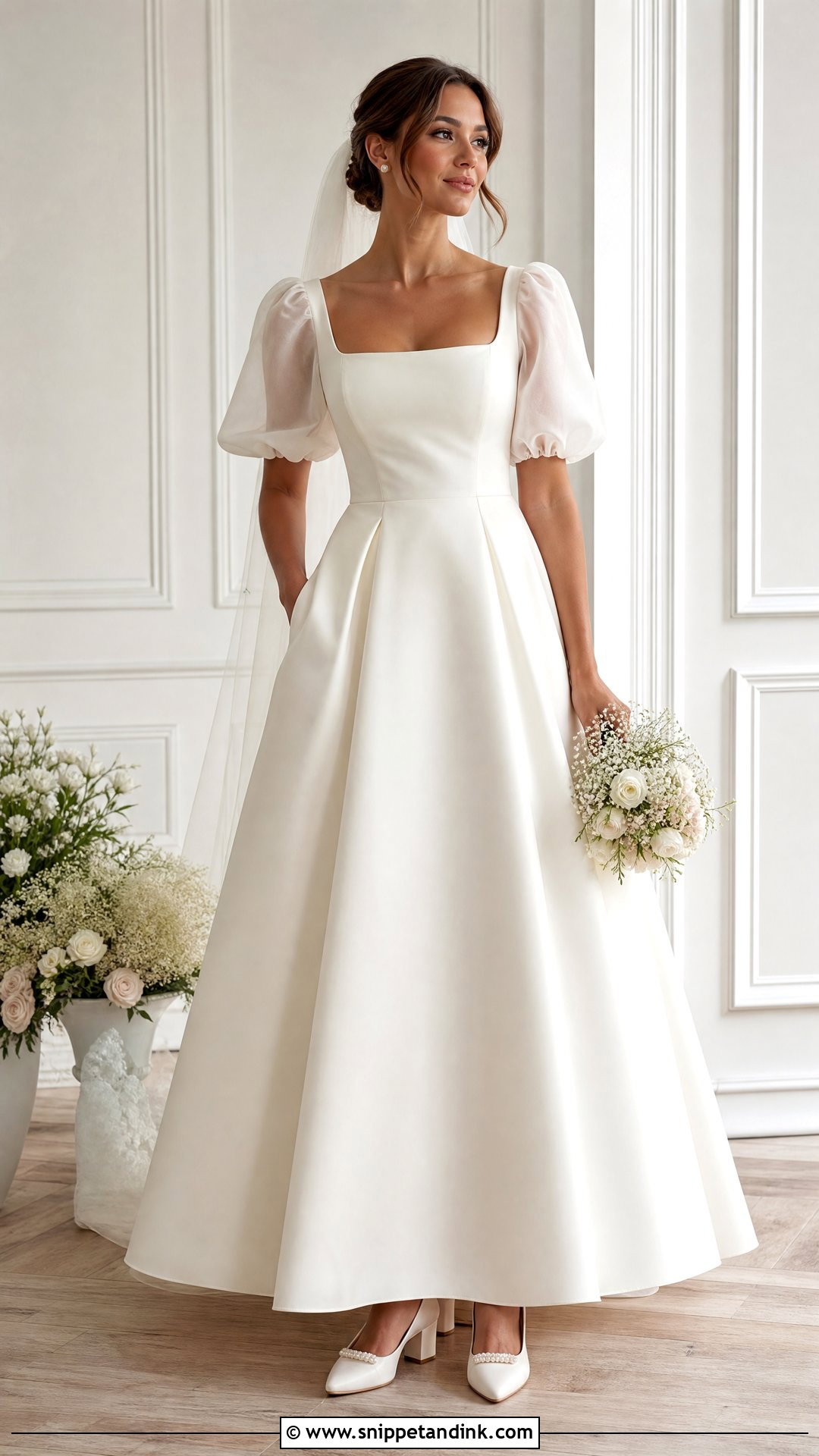
Square necks frame the collarbone; removable puff sleeves add softness to that structure. Sheer organza is light and airy; satin gives a more sculpted puff. Once removed, the sleeveless gown is clean and easy to dance in. Pearl studs, a plain veil and block-heel pumps; later, a pendant or bolder earrings for the open neck. Sleeve elastic that’s too tight leaves red marks on the upper arm that show in reception photos, so I check it after the bride has worn the sleeves for half an hour. Attachments belong under the arm or inside the shoulder edge.
12. Halter Wedding Gown With Detachable Neck Scarf
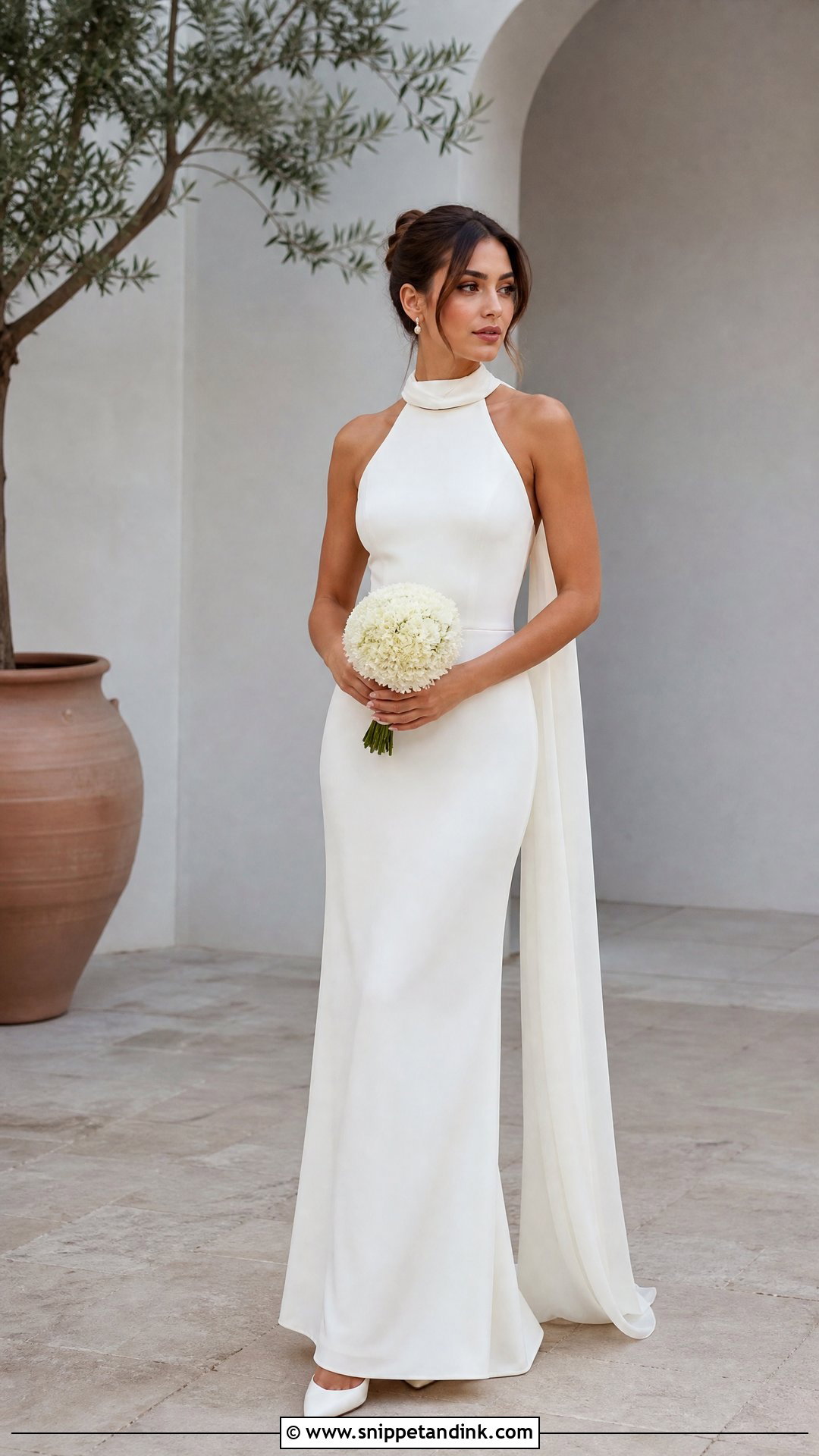
One lightweight accessory makes this switch. A long chiffon or satin scarf wraps around the neck and trails down the back like a narrow cape for the ceremony; take it off and the clean halter line and bare shoulders show. Fitted crepe, fluid satin or a gently flared skirt suit it. Small earrings, no necklace, pointed heels and a compact bouquet. At the reception, a crystal bracelet or hair piece. The scarf needs hidden loops or snaps; a loose scarf can tighten around the neck as you turn, which is uncomfortable and slightly alarming.
13. Strapless Wedding Gown With Detachable Lace Sleeves
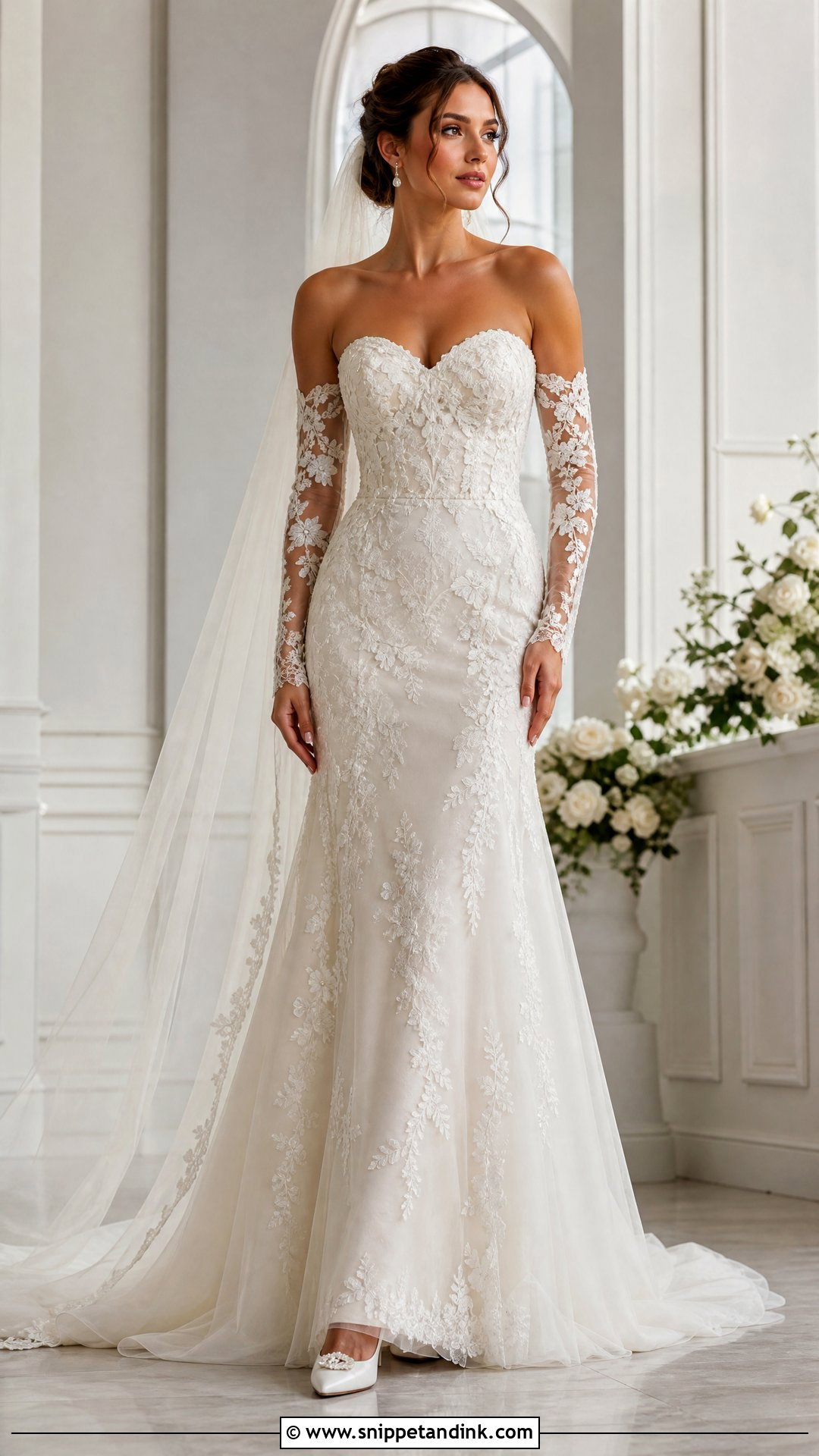
Detachable lace sleeves make a strapless gown look like a full lace bodice for the ceremony. After the formal photos, the sculpted strapless line comes out. Use the gown’s own lace or fine illusion mesh with scattered appliqué. Chapel veil, pearl drops and ivory pumps first; a sleek ponytail or decorative comb and a short necklace later. As with any sleeve system, the strapless bodice needs its own firm boning. I look closely at where the lace edges meet the bodice: they should sit flat, or they curl up after a few hours.
14. Bridal Jumpsuit With Detachable Ball Gown Skirt
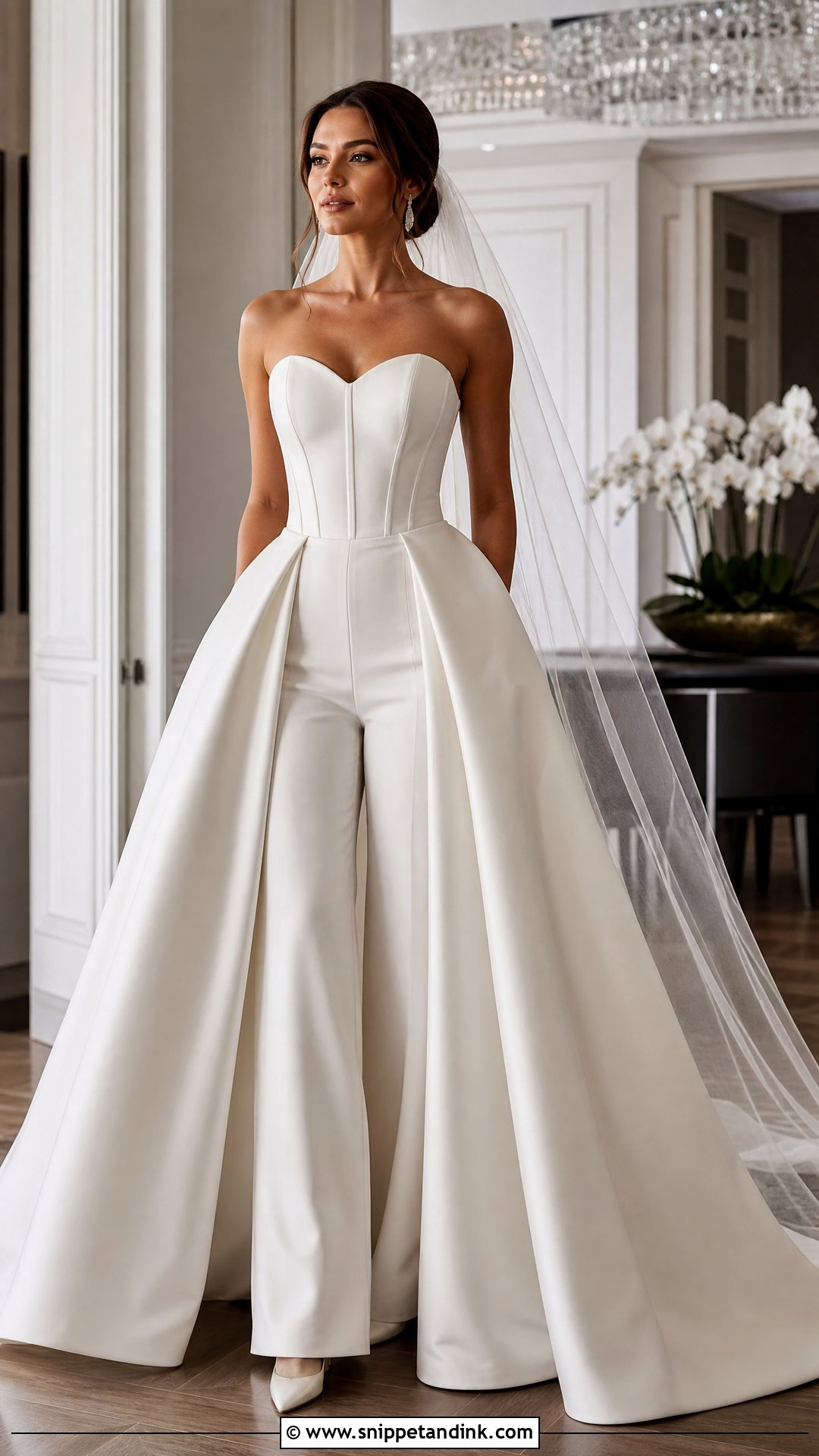
A ball gown skirt over a bridal jumpsuit: formal volume for the vows, trousers for the dance floor. With the skirt on, the waistband and bodice seams must line up or the trick shows. Choose a jumpsuit with a structured corset top, wide-leg pants or a fitted ankle-length cut. Long veil, delicate earrings and pointed pumps; later a tailored blazer, statement earrings or a jeweled belt. Hem the trousers for the shoes you’ll wear under the skirt, since you won’t change shoes mid-reveal. Test the skirt release several times so it doesn’t snag the jumpsuit fabric.


15. Two-Piece Wedding Gown With Convertible Skirt
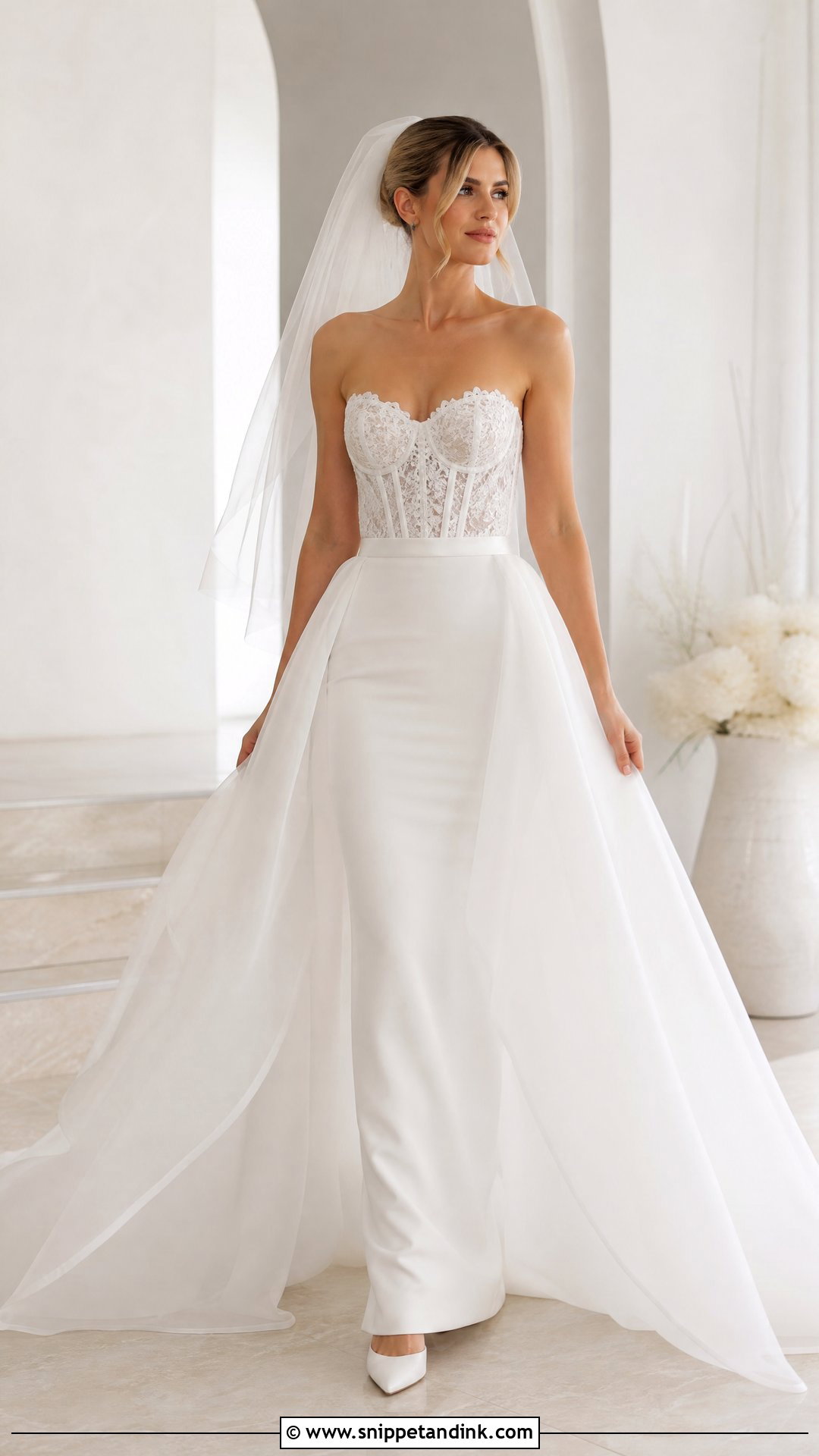
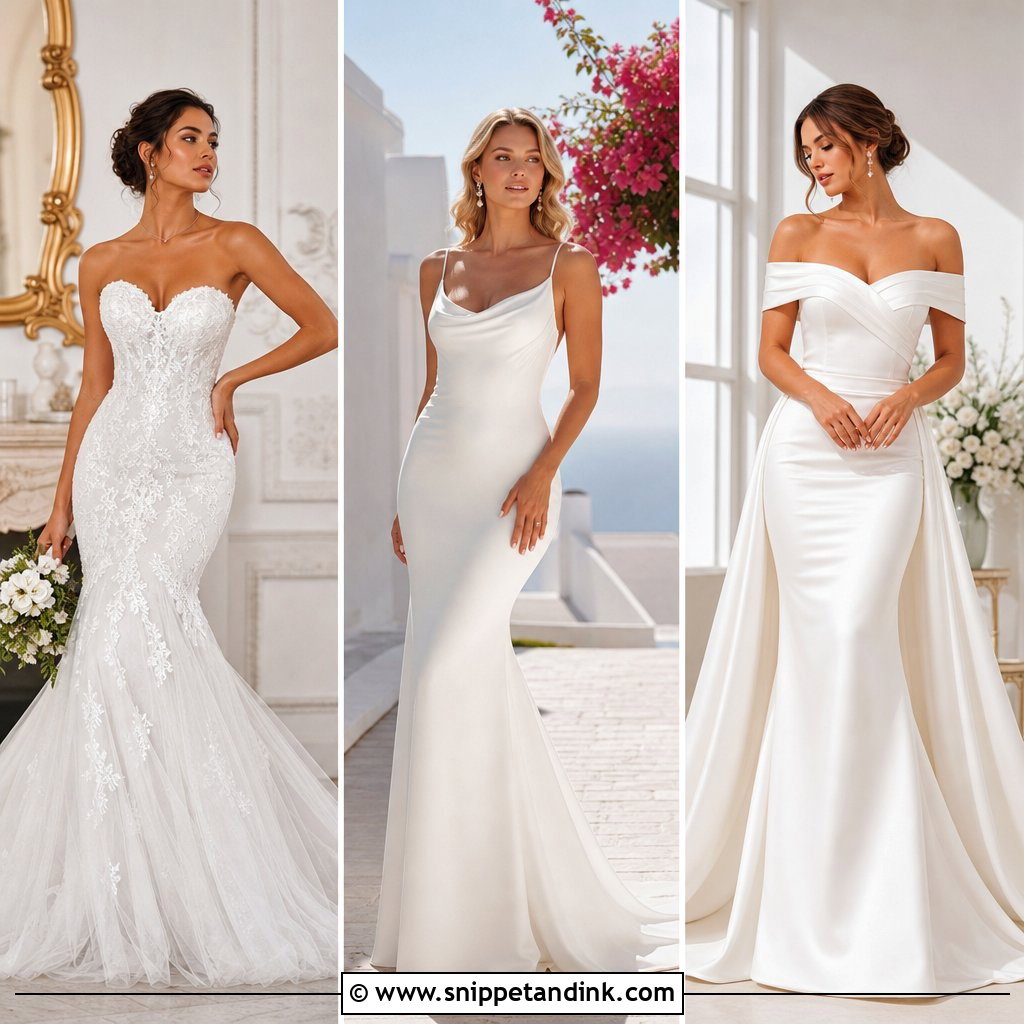
Separates make the most combinations. A corset, fitted lace top or satin bodice with a full removable skirt for the ceremony; a slim maxi, tailored trousers or a knee-length skirt underneath for the reception. All pieces must be the same ivory. A narrow belt hides the joining point and defines the waist. Veil, simple earrings and closed-toe heels first; a bold bracelet and comfortable shoes later. I test every combination at fittings, because a top that sits perfectly over a heavy skirt can ride up once the lighter skirt replaces it.
16. Tea-Length Wedding Gown With Detachable Overskirt
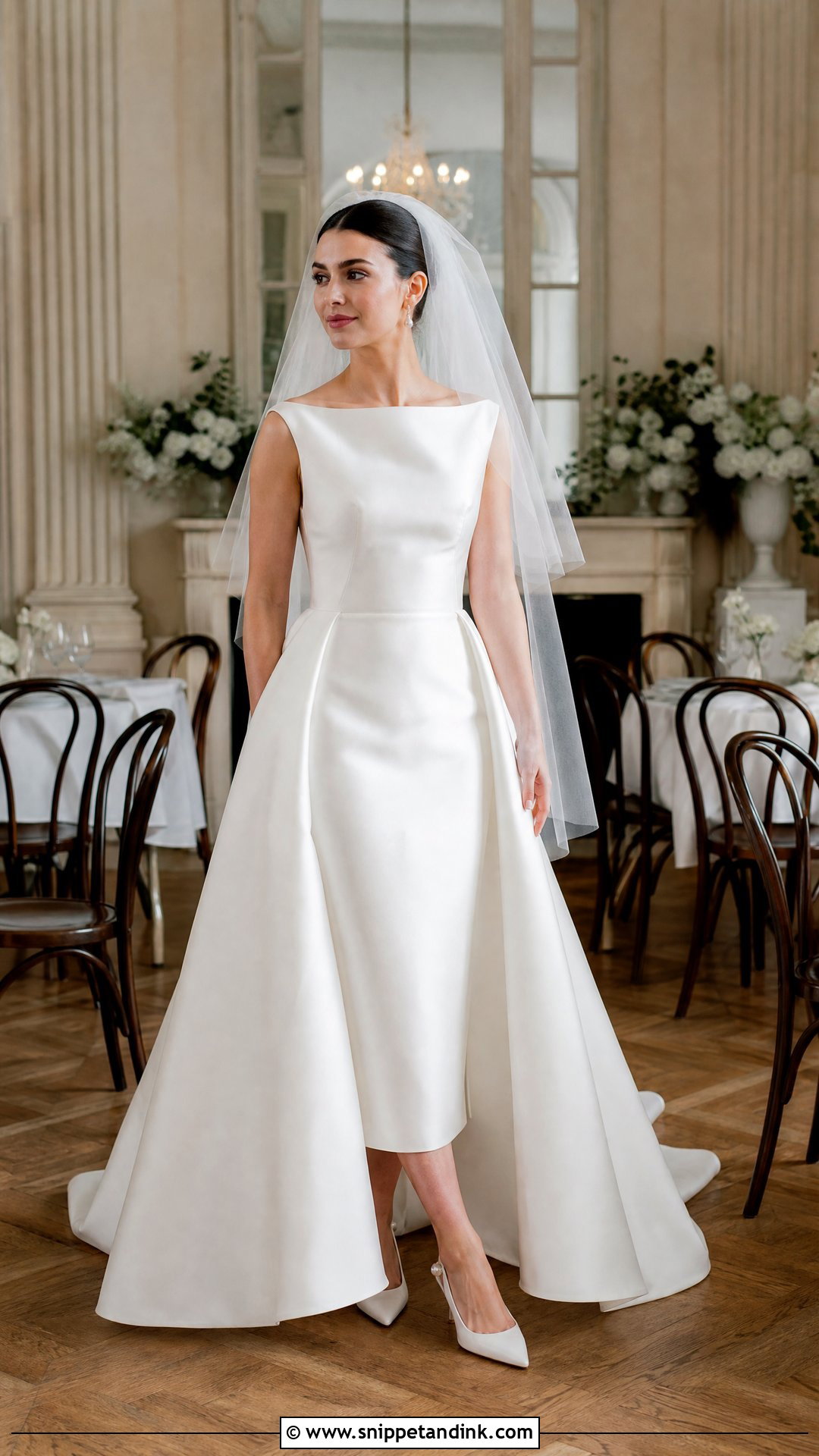
The long outer skirt gives a formal A-line or ball-gown shape for the ceremony; removing it shows a mid-calf hem with a vintage feel. The tea-length base must be structured enough to keep its shape alone; satin, mikado and layered tulle do that. Birdcage or fingertip veil, pearl earrings and pointed pumps first; embellished slingbacks or block heels that deserve to be seen afterwards. Hem placement is the detail I fuss over. It should end at the narrowest part of the calf, and the overskirt’s waistband shouldn’t leave pressure marks on the dress.
17. Crepe Wedding Gown With Beaded Topper
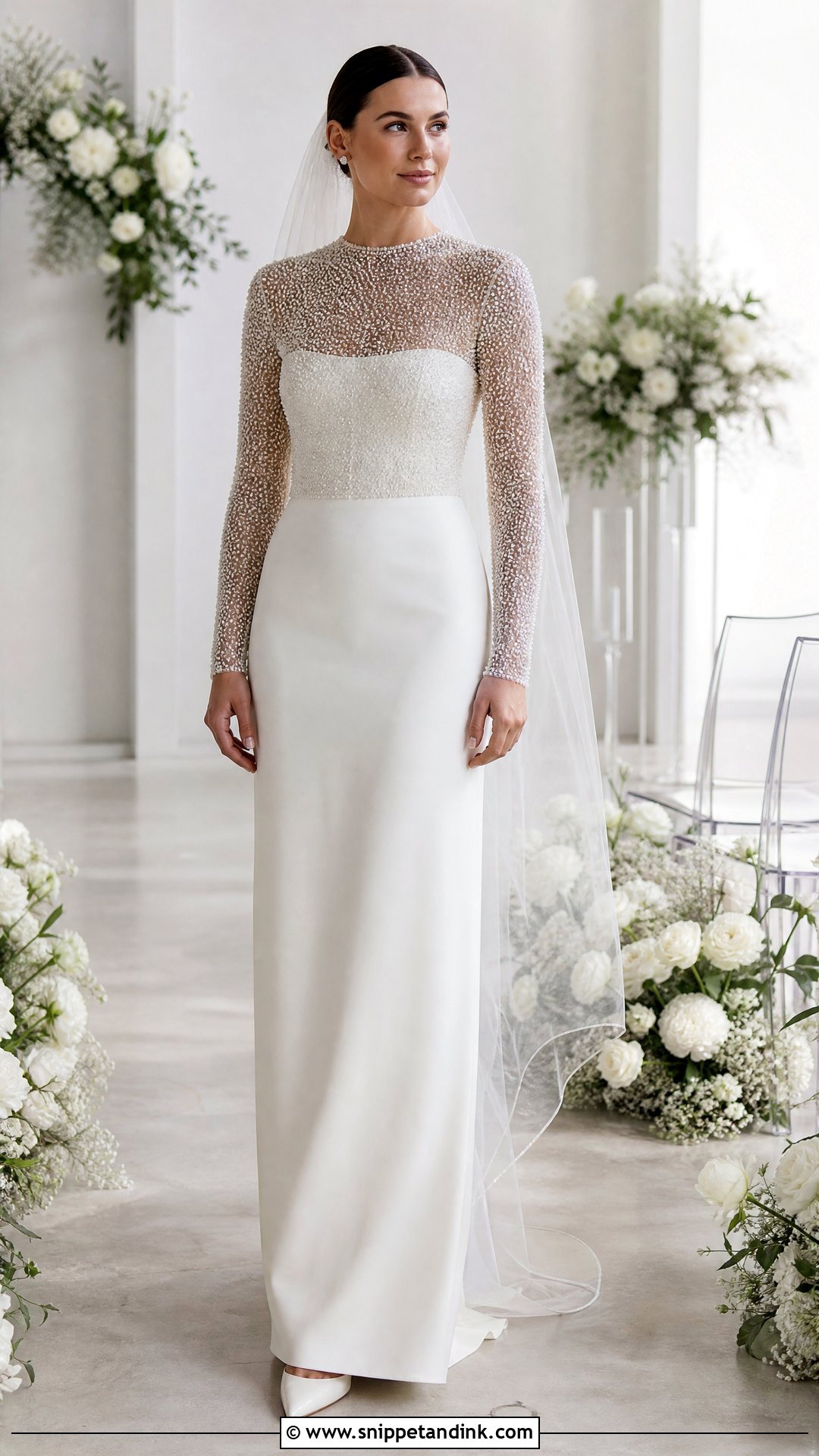
A beaded topper adds sparkle and coverage to a plain crepe gown: cap sleeves, long sleeves or a high neck. Underneath, a sleeveless or strapless crepe dress gives the reception a minimal look. The contrast makes the change obvious without altering the whole dress. Simple veil, studs and understated pumps; afterwards a pendant, statement earrings or a crystal comb. Bead backing matters: rough backs scratch crepe and can pull threads. The topper should end at a seam or the waist so its hem doesn’t create a ridge.
18. Slip Wedding Gown With Detachable Lace Coat
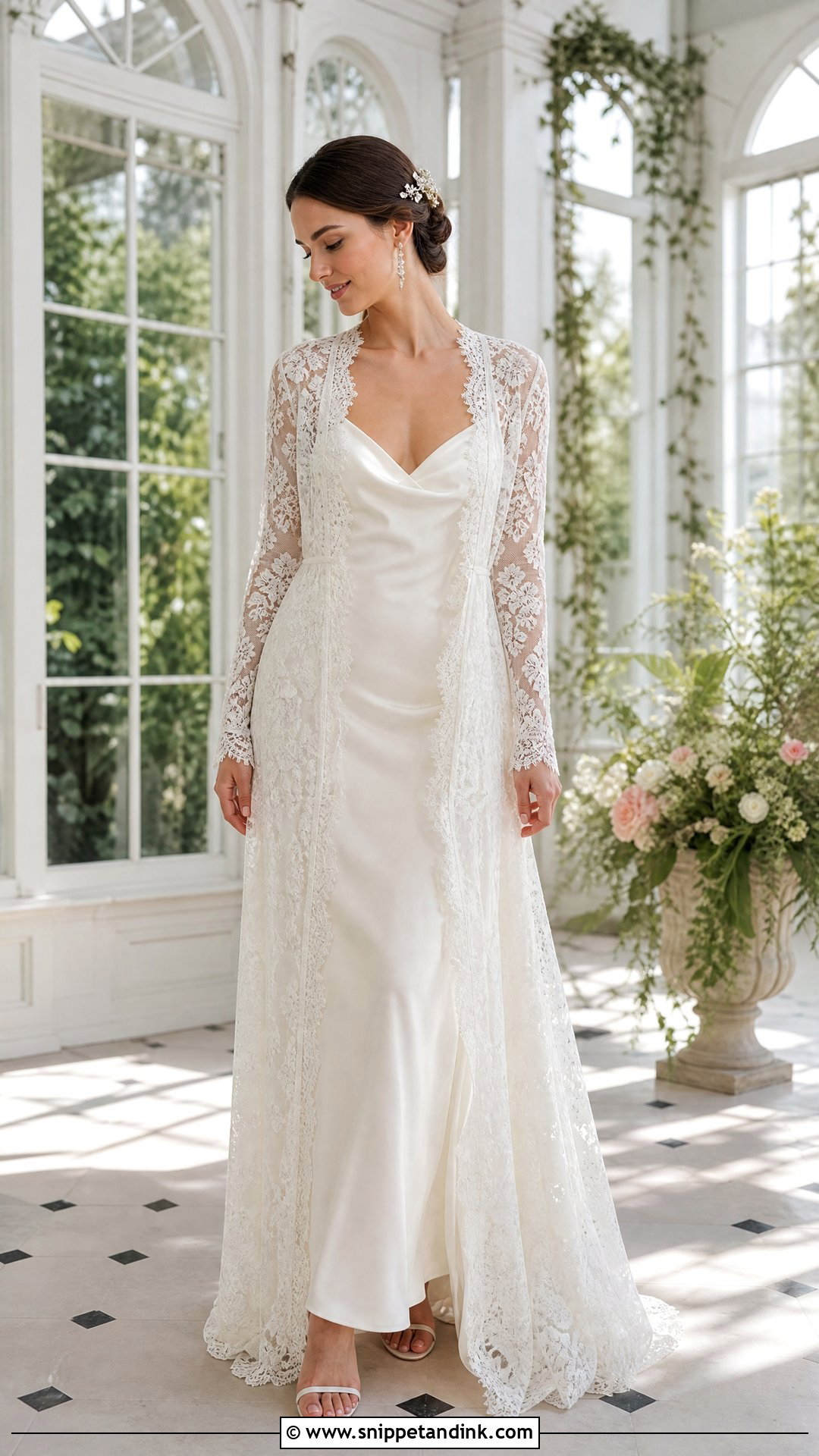
A long lace coat over a satin slip gives texture, sleeves and movement for the ceremony; underneath, the slip is light and modern for the evening. The coat should follow the gown’s neckline and end at its hem, or extend into a short train. A defined shoulder and narrow waist stop it looking shapeless. Delicate earrings, a simple hairpin and strappy heels; later a fine necklace and small satin clutch. The slip needs a secure lining and proper support. Open lace snags on bouquet wire, chair backs and bracelets, so keep jewelry smooth while the coat is on.
19. One-Shoulder Wedding Gown With Detachable Drape
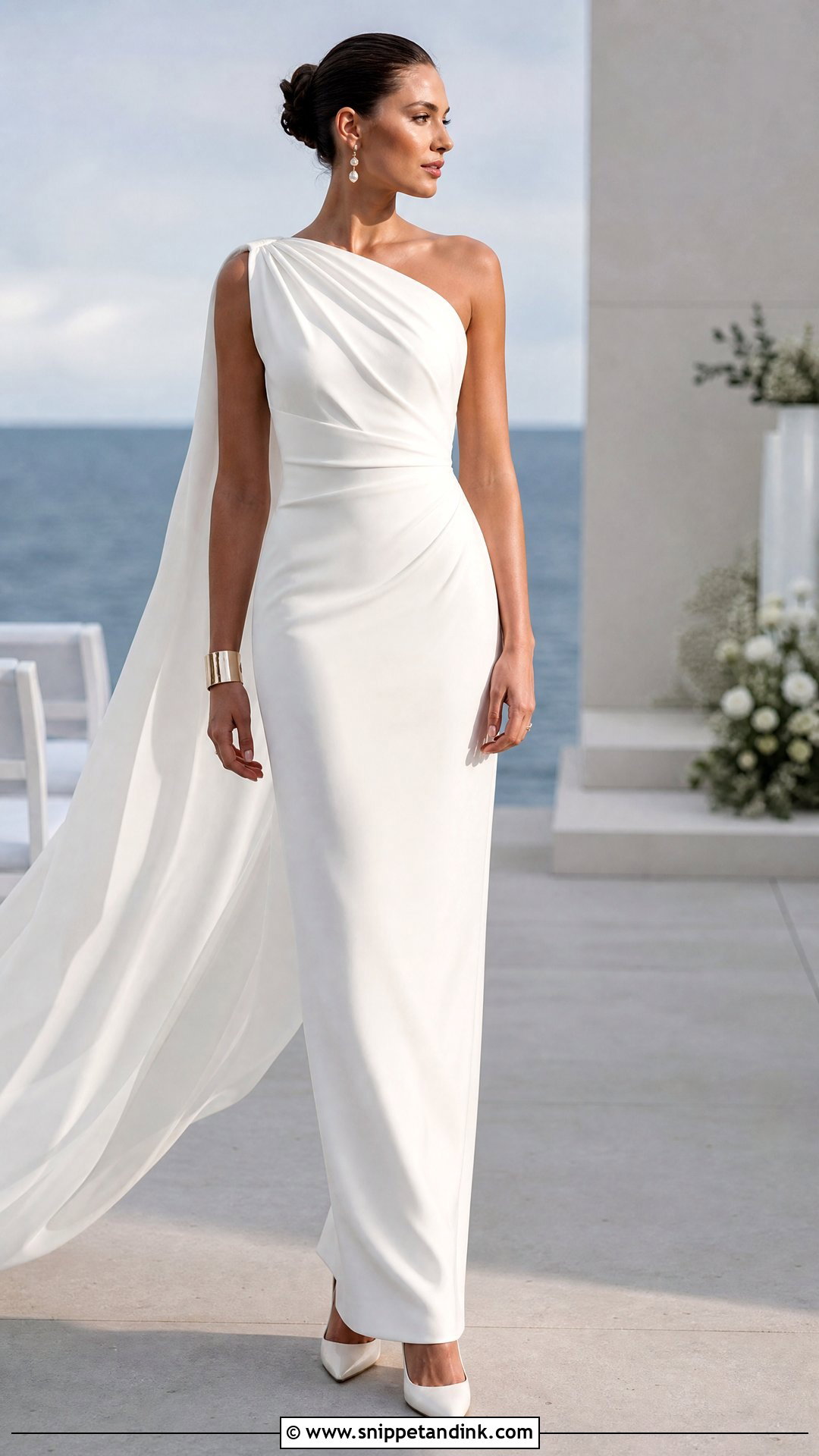
A long chiffon, tulle or satin panel attached at the shoulder flows behind like a soft cape, adding aisle movement without skirt volume. Remove it and the one-shoulder neckline looks sculpted and modern. Swept-back hair, a single statement earring or balanced studs, pointed heels and no necklace. A cuff or a sparkly clutch after the change. The drape’s weight sits entirely on one shoulder, so I test it walking outdoors, turning and sitting to make sure it doesn’t drag the neckline sideways.
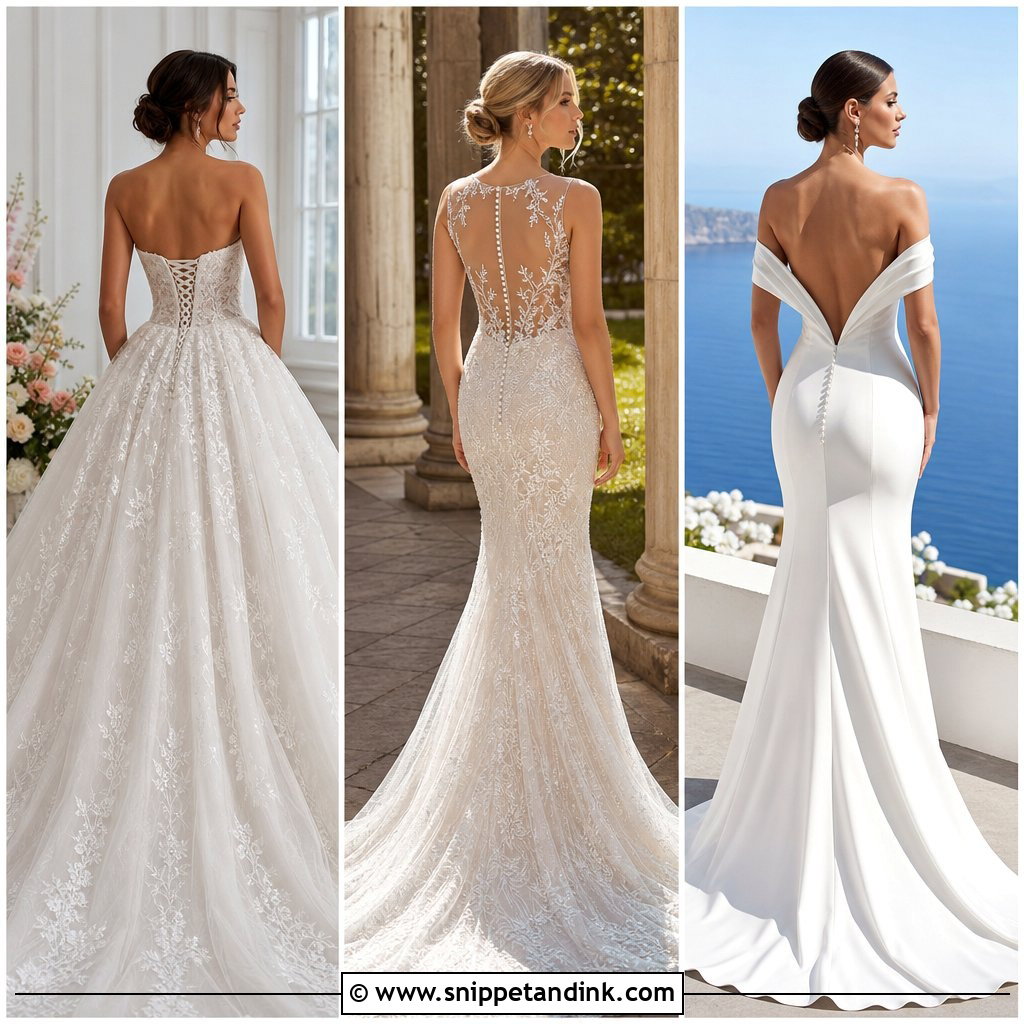
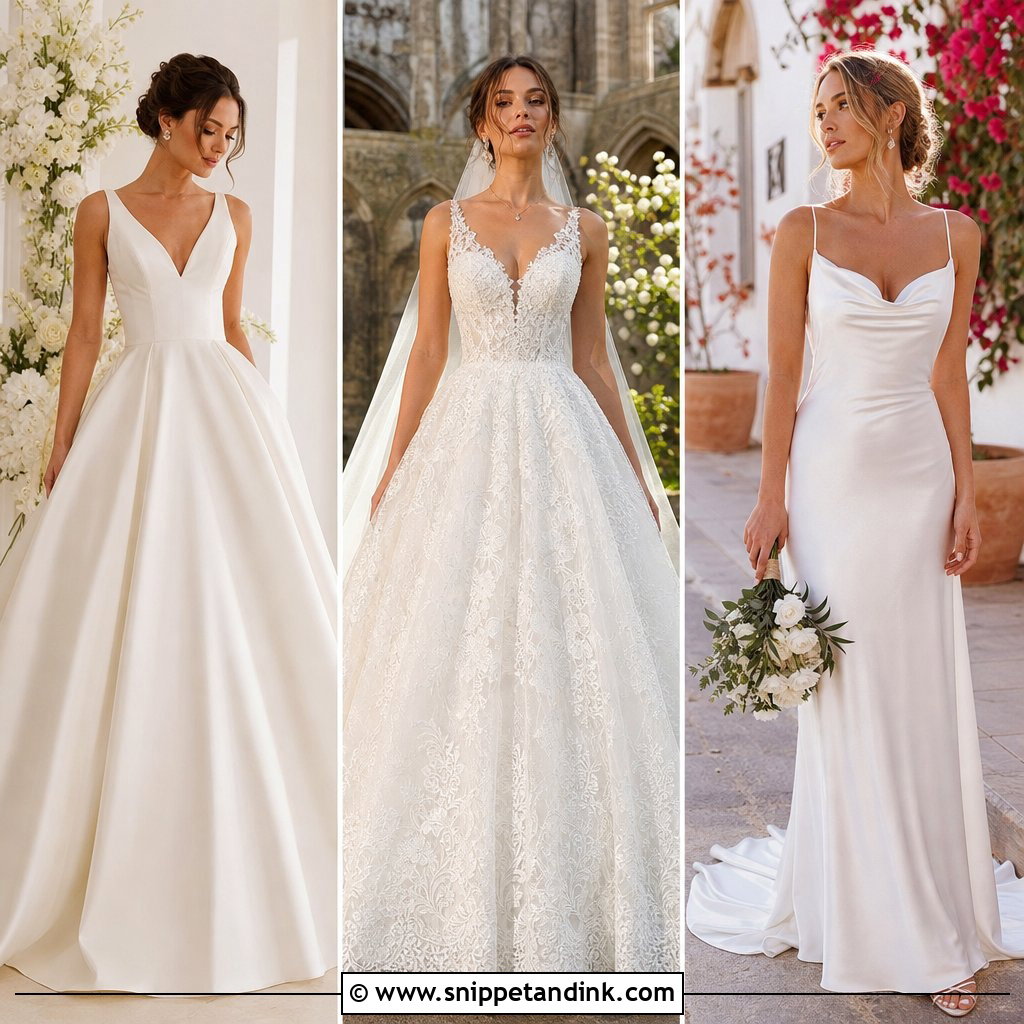
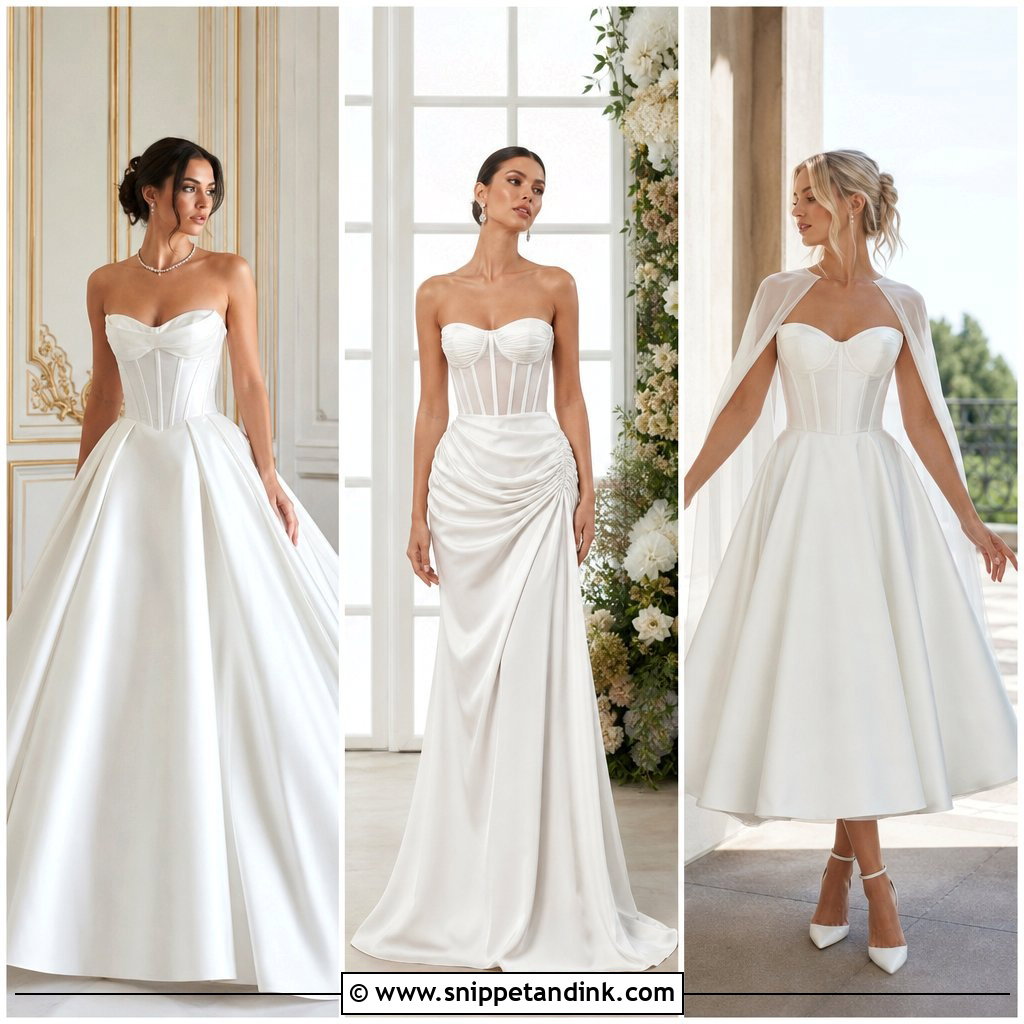
20. Pearl Wedding Gown With Detachable Cape Sleeves
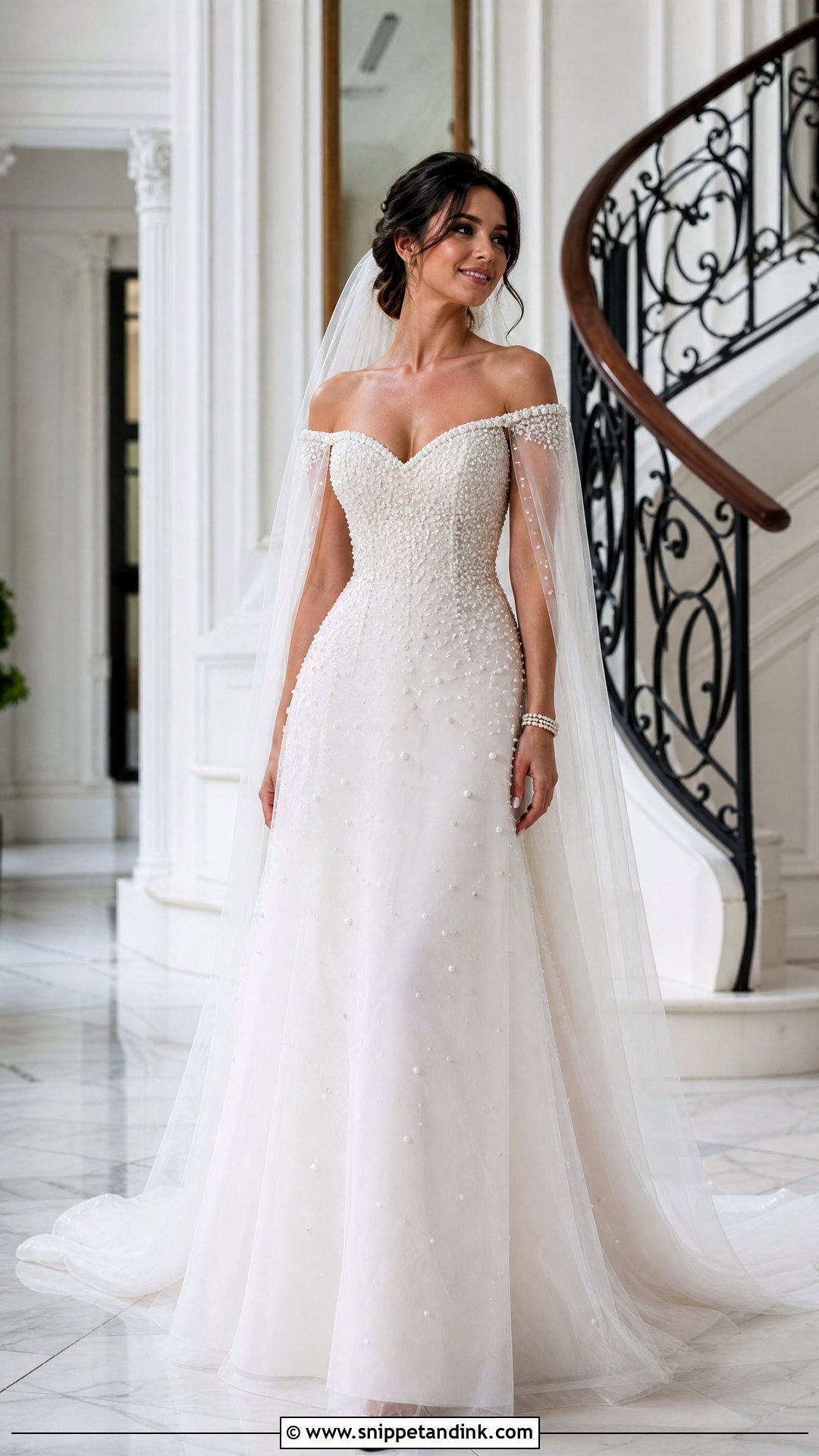
Cape sleeves fall from the shoulders in loose panels, giving cape movement without covering the whole back. Illusion mesh scattered with pearls lets the attachments disappear into a beaded bodice. Plain veil, pearl studs and satin heels for the ceremony; a polished updo, crystal comb or pearl bracelet afterwards. Keep everything else quiet because the embellishment already carries the look. Check every pearl is firmly sewn, and that the sleeve edges don’t catch on the bouquet as you hold it.
21. Plus-Size Wedding Gown With Detachable Overskirt
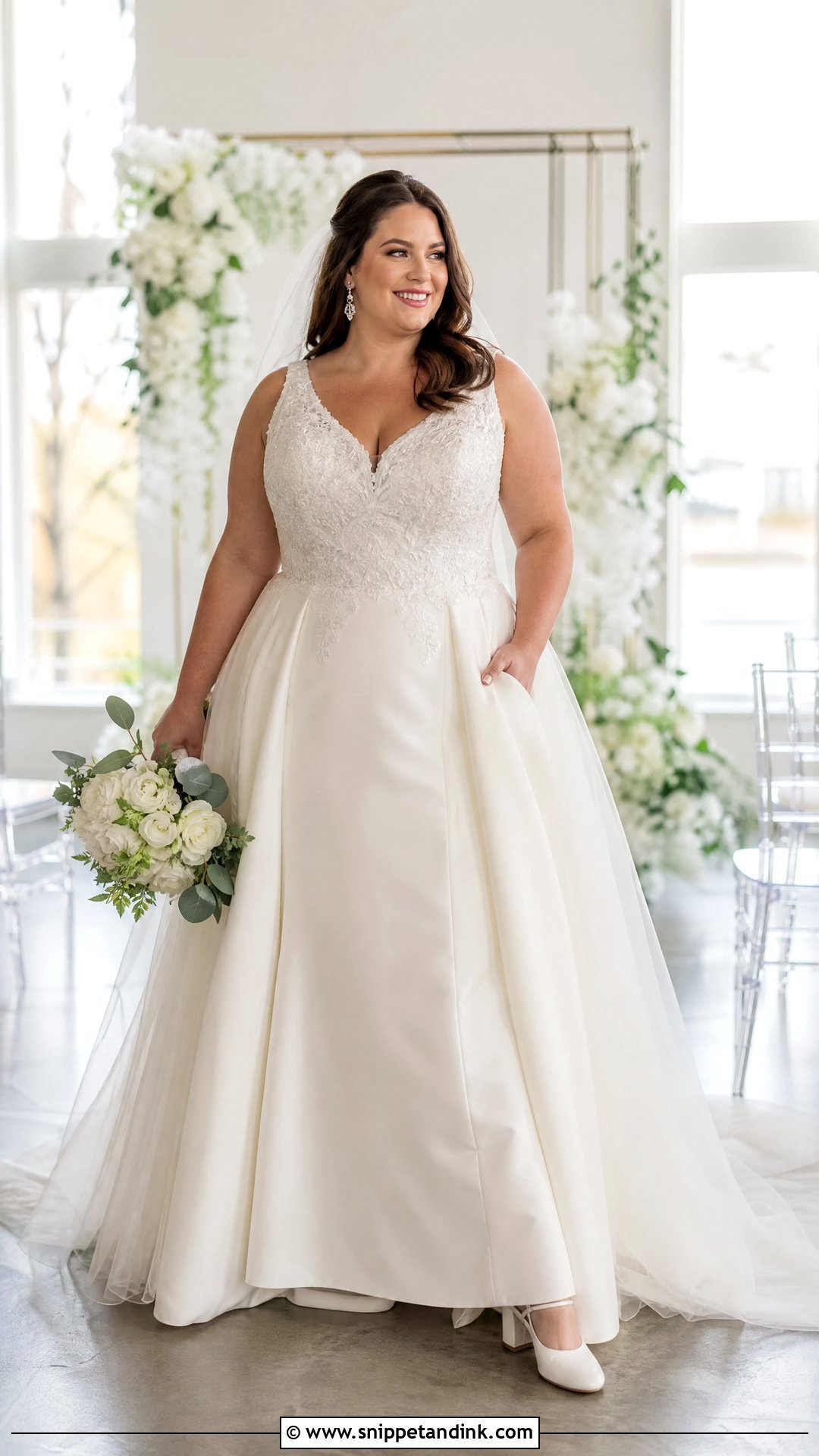
For plus-size brides, the base gown has to feel complete and supportive by itself, so I start there: a well-built A-line, fit-and-flare or column. A tulle overskirt adds softness; mikado gives structured volume. The waistband should sit at the natural waist without digging in or shifting, which usually means a wider, interfaced band. Veil, supportive block heels and earrings suited to the neckline first; a bracelet or necklace later. Look for designers who grade the whole pattern for larger sizes rather than simply scaling it up; proportions at the bust and hip come out much better. Test sitting, raising your arms, quick walking and dancing in both versions.
22. Modest Wedding Gown With Removable Yoke
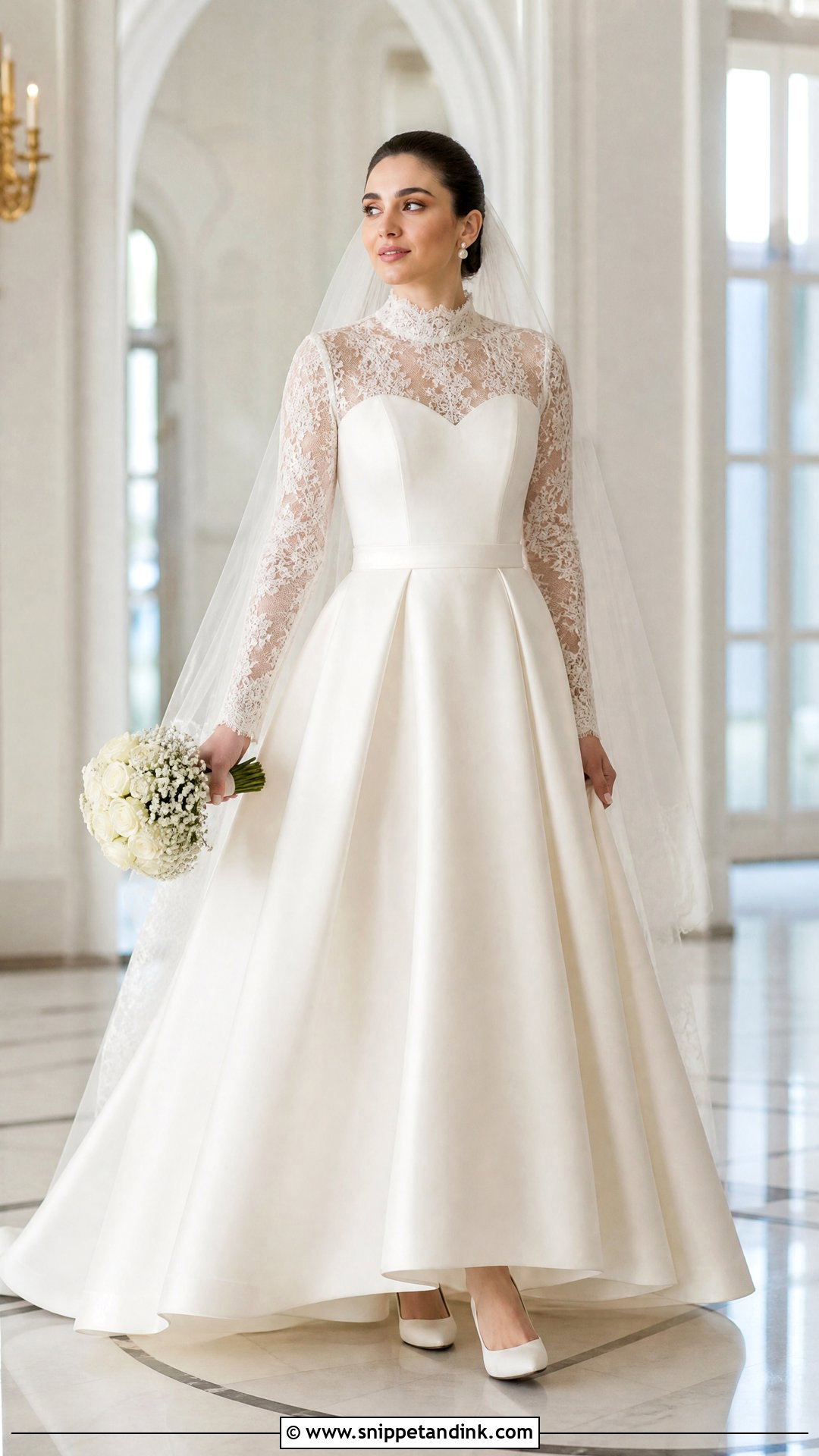
A removable yoke in illusion mesh or lace adds a high neck, cap sleeves or full sleeves for the ceremony, attaching neatly inside the bodice. Later, a sweetheart, square or sleeveless neckline appears. Matching appliqués around the join hide it. Simple veil, pearl earrings and closed-toe pumps for the covered version; a delicate necklace and decorative comb after. The base bodice must stay secure without the yoke. I’d ask for soft mesh and flat closures at the neck and arms, since a scratchy edge against the throat gets irritating within an hour.
23. Beach Wedding Gown With Removable Chiffon Cape
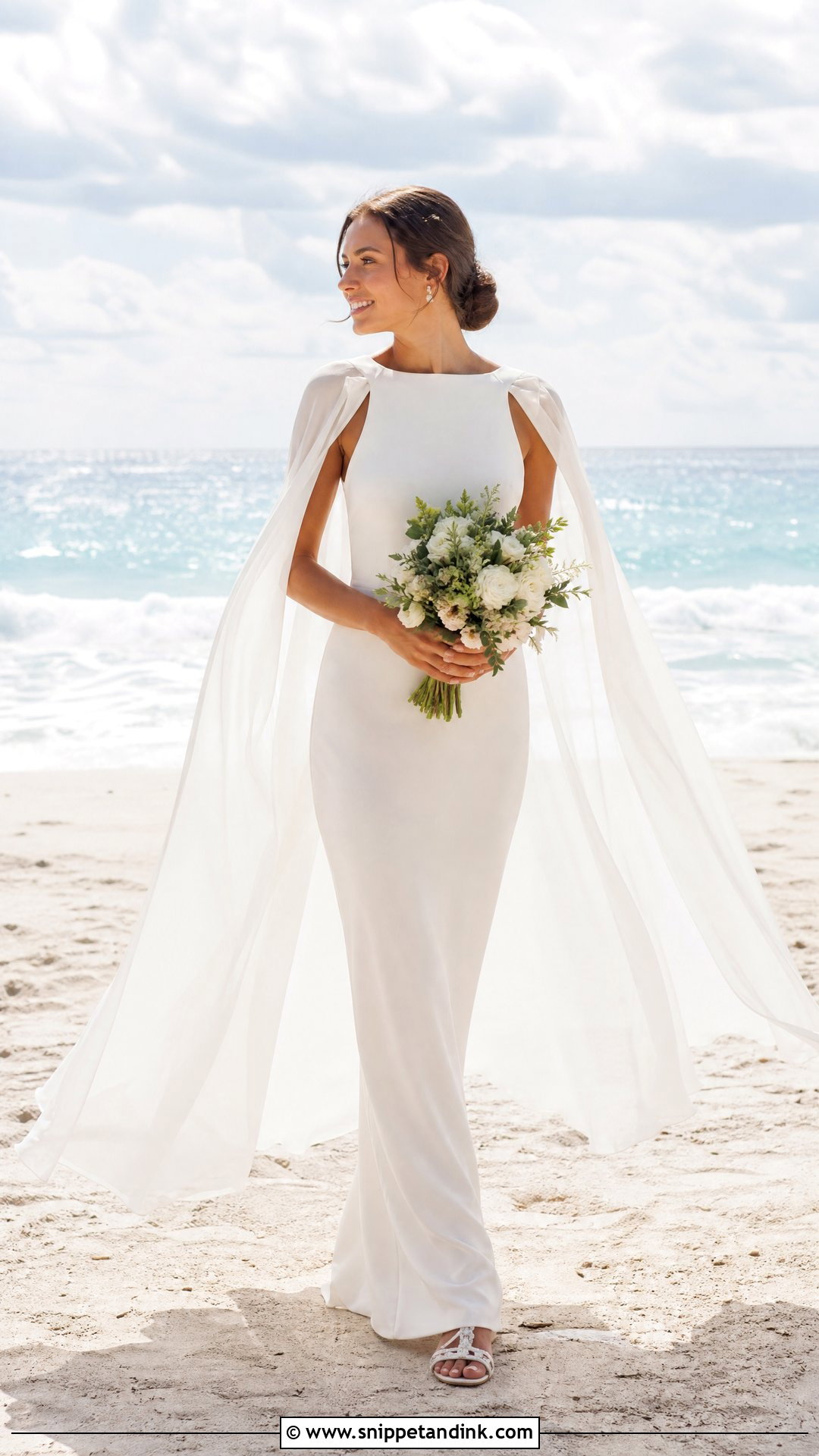
On a beach, keep the base light: a sheath, slip or soft A-line that moves easily over sand. A chiffon cape attached at the back neckline or shoulders adds ceremony drama and keeps the sun off your shoulders. Flat sandals, small earrings and a low bun that stays tidy in wind. Take the cape off afterwards and add a floral comb. Overly long chiffon drags in sand and whips in a sea breeze, so keep the length modest. I’d do one fitting outdoors if at all possible, with fastenings that hold firmly but release quickly.
24. Mikado Wedding Gown With Detachable Bridal Coat
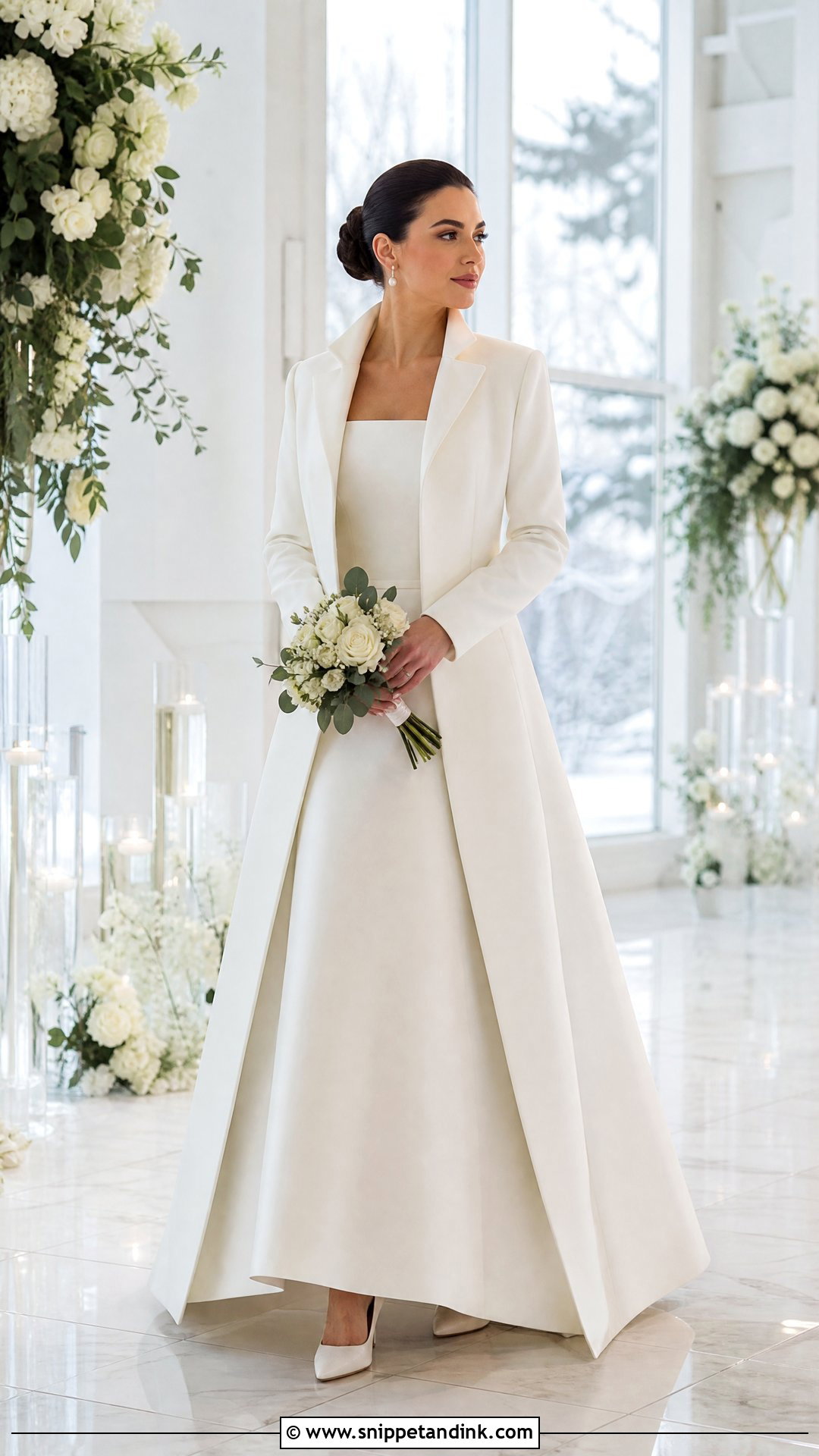
Mikado is stiff and structured, which suits a tailored coat over it for a cool-weather ceremony. The coat gives warmth and formality; indoors it comes off to reveal a strapless, square-neck or sleeveless gown. A coat that follows the waist and skirt shape keeps the silhouette visible. Covered buttons, a clean collar or subtle embroidery are enough decoration. Closed-toe pumps, pearl earrings and a sleek bun first; a necklace or jeweled hairpiece after. The coat’s lining should be smooth satin, so it slides off without snagging any embellishment.
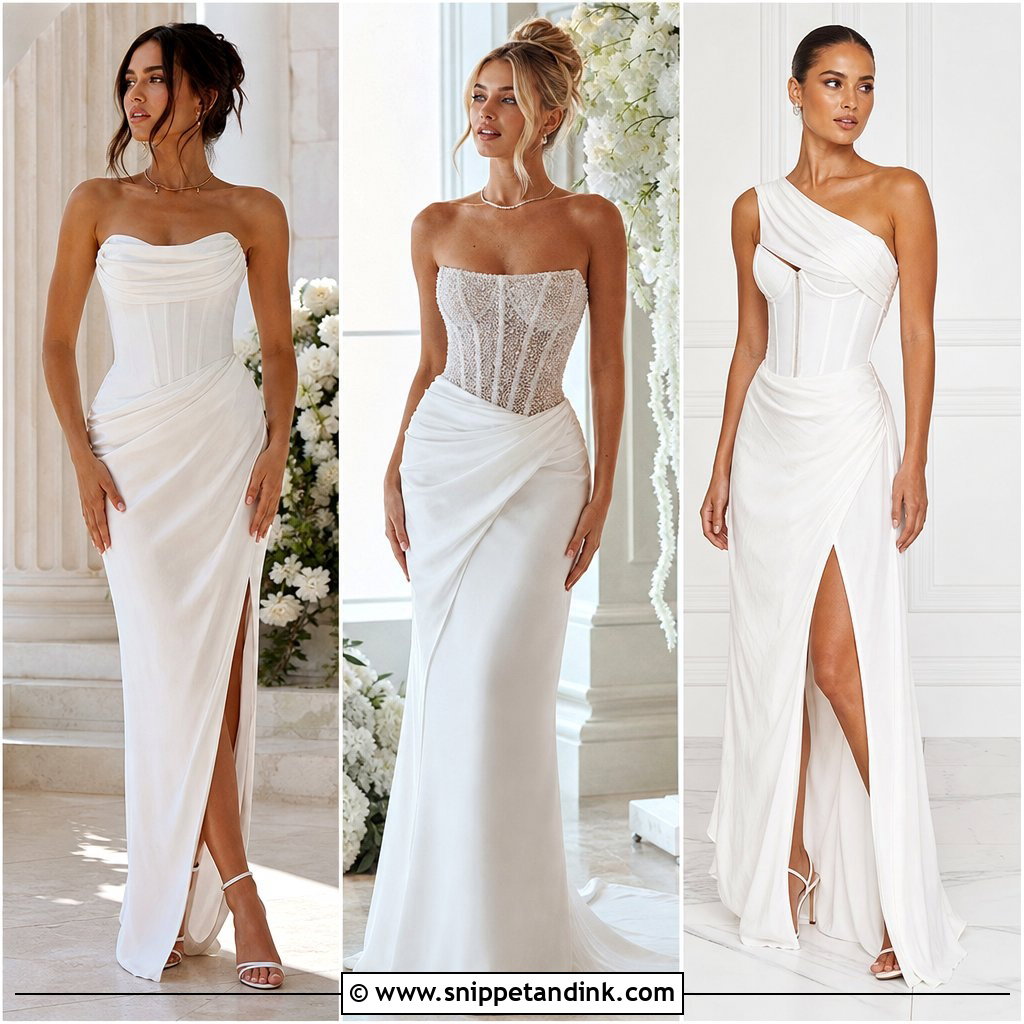
25. Wedding Gown With Detachable Bow Train
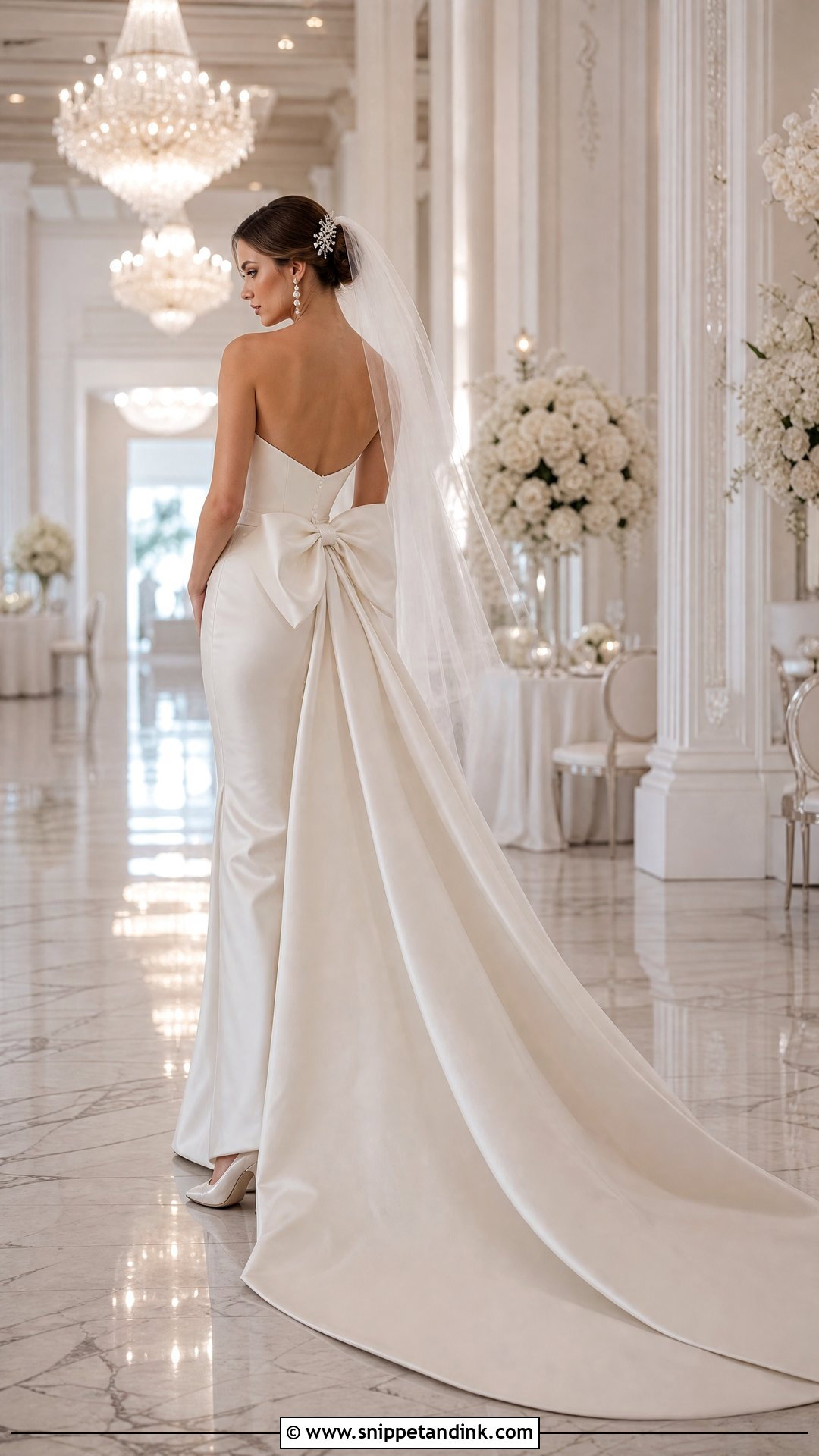
An oversized bow with long tails forms a train and marks the waist for the ceremony, then disappears for dancing. A sleek satin, crepe or mikado gown underneath, ideally a strapless column or fitted A-line. Keep the front plain; pearl drops, pointed pumps and a clean veil. After the reveal, both veil and bow come off, and a crystal clip or bold bracelet goes on. The bow needs internal support to stand upright without being heavy. Reinforced fastenings and no visible loops left behind are the two things I check last.
The Second-Look Bag I Pack for the Change
The gown change is only half of the reveal. Hair, shoes and jewelry usually shift too, and having all of it in one bag avoids a frantic search. This is what I put together for the room where the change happens:
- Second-look shoes, already worn in at home so they don’t rub during dancing.
- Swapped jewelry in a small labeled pouch: the necklace or bolder earrings you planned.
- Hair pins, a comb and a little hairspray for loosening an updo or adding a clip after the veil comes off.
- A padded hanger and breathable garment bag for the removed piece.
- Blotting papers and lipstick, since the change usually comes right after dinner.
Getting Both Looks Into the Photographs
Couples often forget to tell the photographer about the second look, and then the reception version only appears in blurred dance shots. Mention the change when you plan the timeline and ask for a few minutes of portraits straight after the reveal, while the light and your hair are still fresh.
If the reception venue is dark, step outside or near a window for those frames. A quick walking shot is enough to show how the lighter dress moves, which is the whole reason you chose a two-way gown.
Making Both Versions Feel Like You
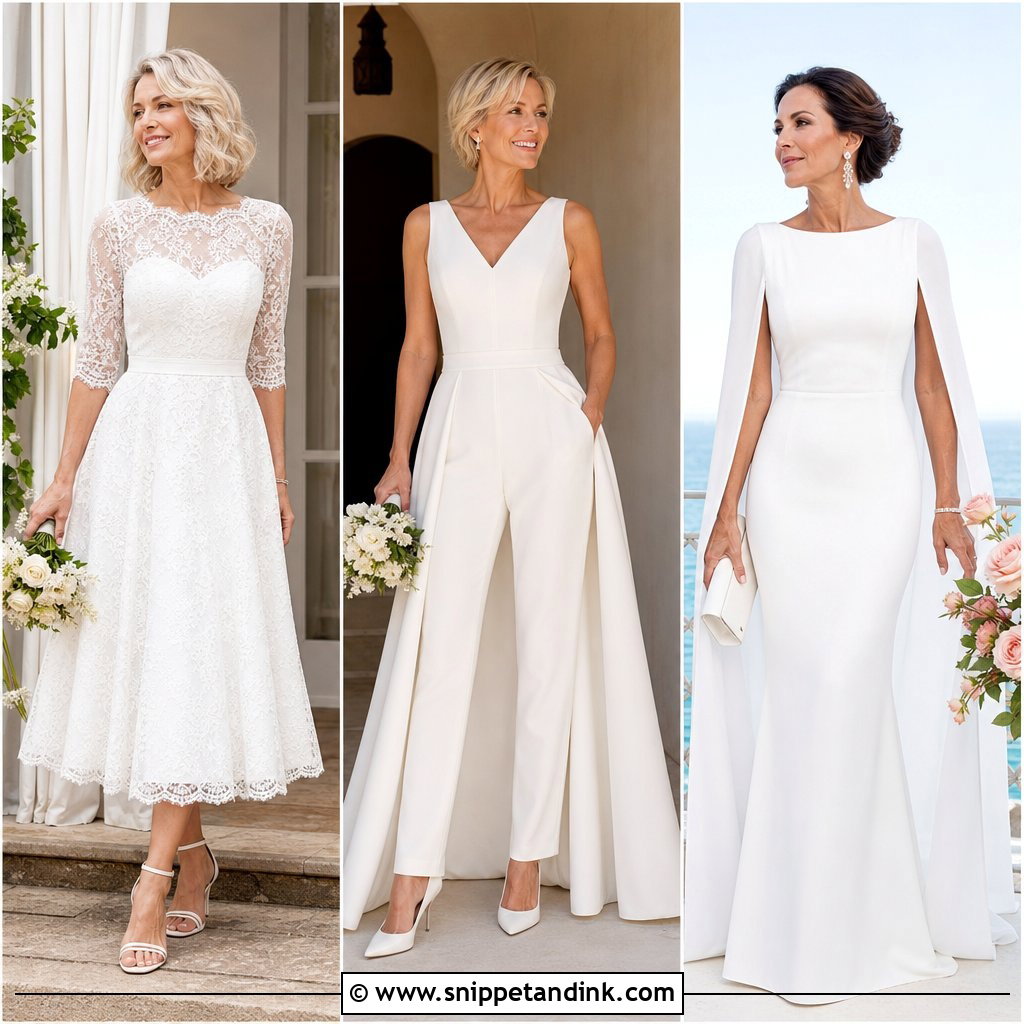
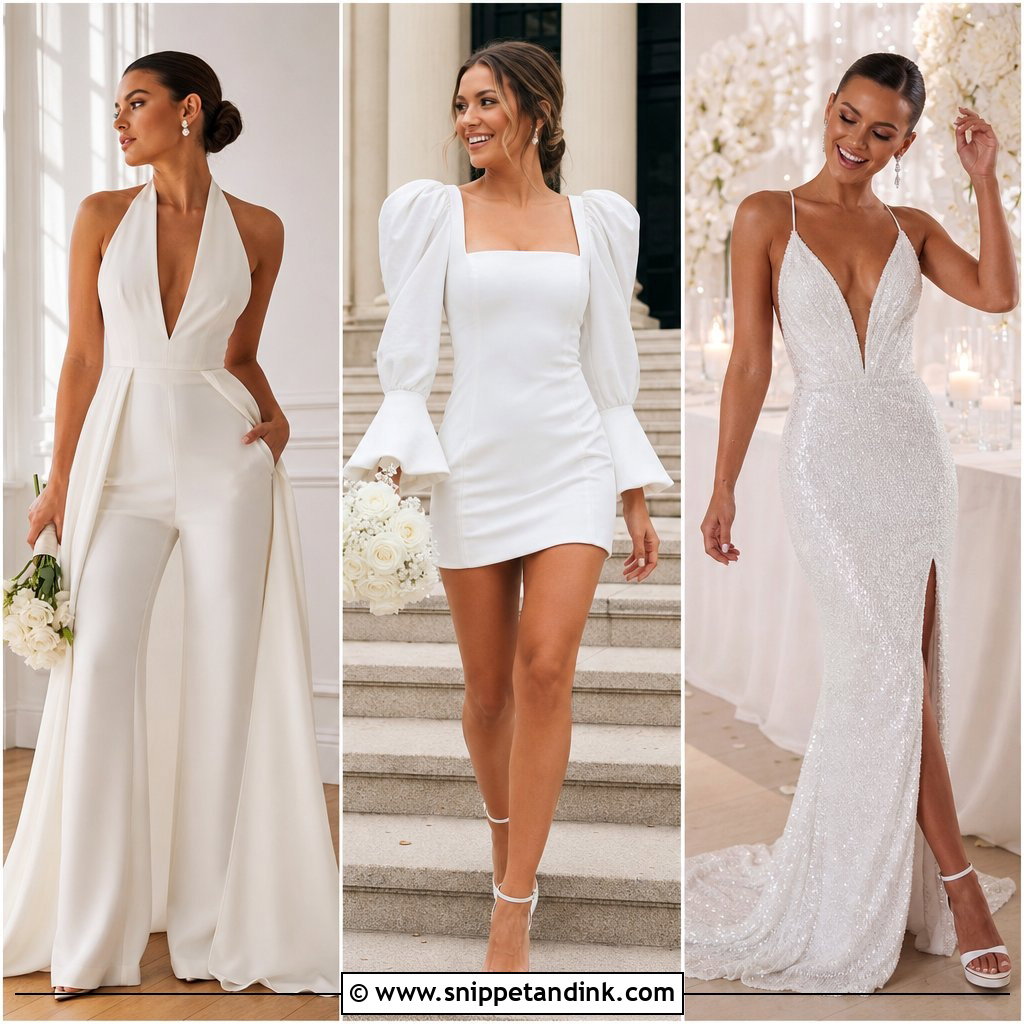
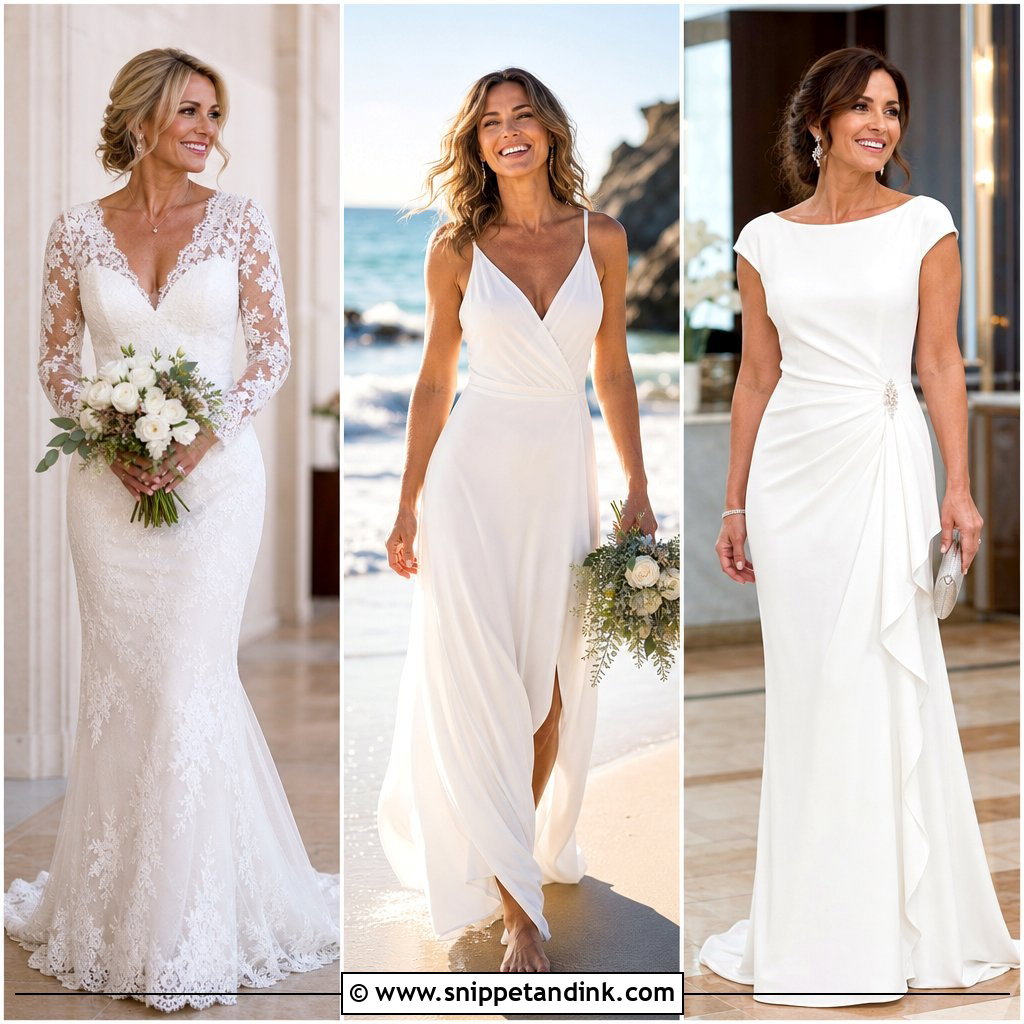
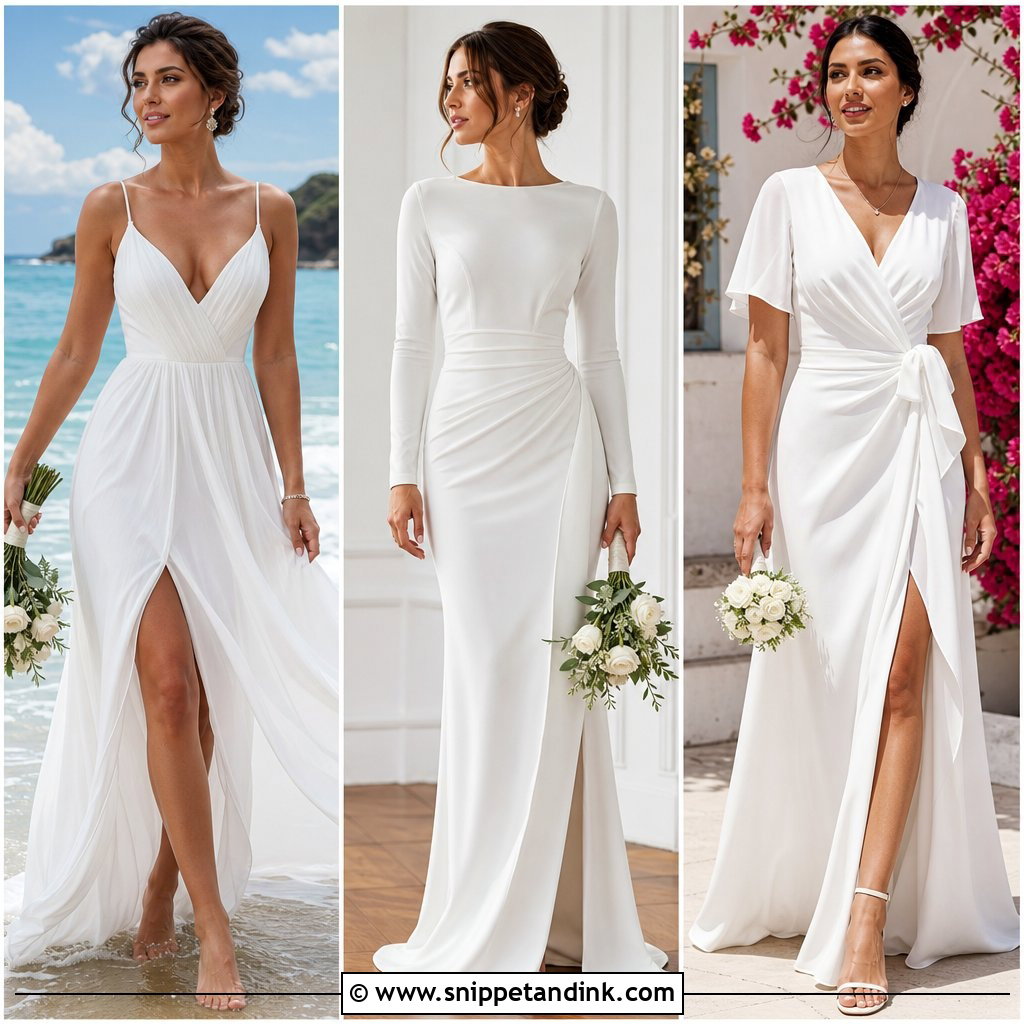
A convertible gown succeeds when both versions look finished, with or without the removable piece. Overskirts, capes, sleeves, toppers, trains and hidden short dresses all get you from formal ceremony to comfortable reception. Take photos of both looks you have in mind to your appointments and ask exactly how each attachment works. Walk, sit and dance in every version before you commit, and leave time for alterations, since closures have to be secure yet quick to release. With the right shoes, a little planning and a well-planned transformation, you get two distinct bridal looks that still feel like the same person wearing them.
You'll Like These Ideas:



Leave a Reply