
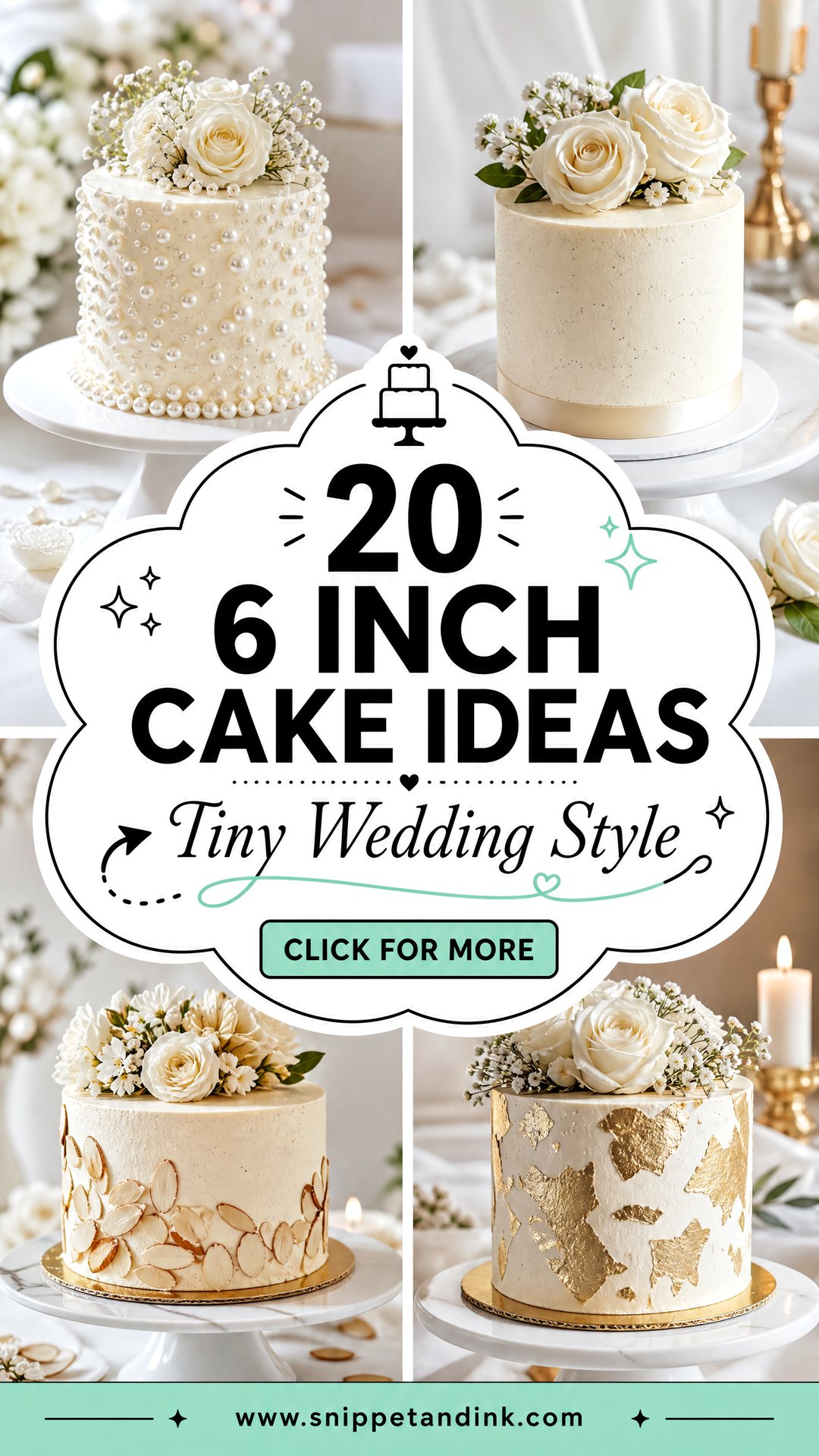
Most couples who ask me for a 6 inch wedding cake start by half apologizing for it, and they don’t need to. At this size I can pipe finer borders, place every flower by hand and still get a clean first cut on camera, which is honestly harder on a four-tier showpiece. Small cakes suit elopements, courthouse ceremonies and receptions where a dessert table does most of the feeding. Below are the twenty designs I find hold up best at this scale, with a note on what each one needs from the person baking it.
How Far One 6 Inch Tier Actually Goes
The first thing I ask is how many people need a slice. A standard 6 inch round, about four inches tall, gives roughly a dozen wedding-cut slices, the slim rectangular pieces caterers cut. Sliced into wedges the way you would at a birthday, it’s closer to eight. So it’s a cake for a very small guest list, or a cutting cake that sits beside something else.
Feeding more guests without a bigger cake
- A kitchen cake: an undecorated sheet cake in the same flavor, cut out of sight and served alongside the display cake.
- A dessert table of cupcakes or tarts in the cake’s palette, so the little cake still looks like the centerpiece.
- A taller build: extra layers turn a 6 inch round into a double-height cake that reads bigger in photos and serves more.
If the cake is only for the cutting photo and a slice for the two of you, tell your baker at the first conversation. It changes how I’d build it. I can use a softer filling and fresher fruit when the cake won’t sit out through a long service.
1. 6 Inch White Buttercream Wedding Cake
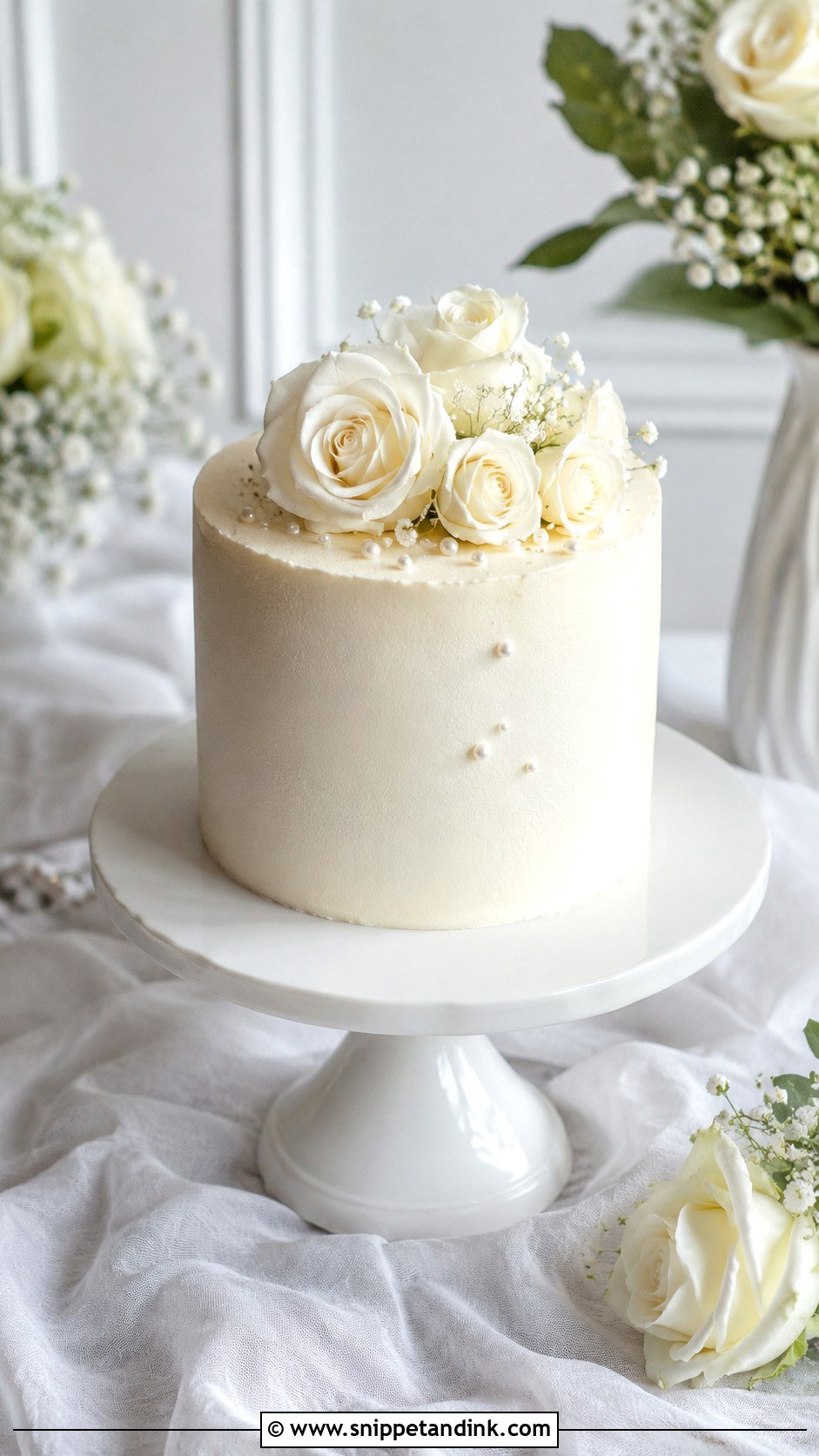
Plain white buttercream is the design I suggest to anyone unsure, partly because there’s nowhere for a mistake to hide. Ask for vanilla buttercream with slightly rounded top edges; a razor-sharp edge on a cake this narrow can look boxy. One cluster of white roses or small buds gives it height. On a hot day, ask whether the buttercream is all-butter or stabilized with some shortening, because pure butter starts to sag sooner. Cupcakes or a plain sheet cake can feed everyone else.
2. 6 Inch Vintage Wedding Cake
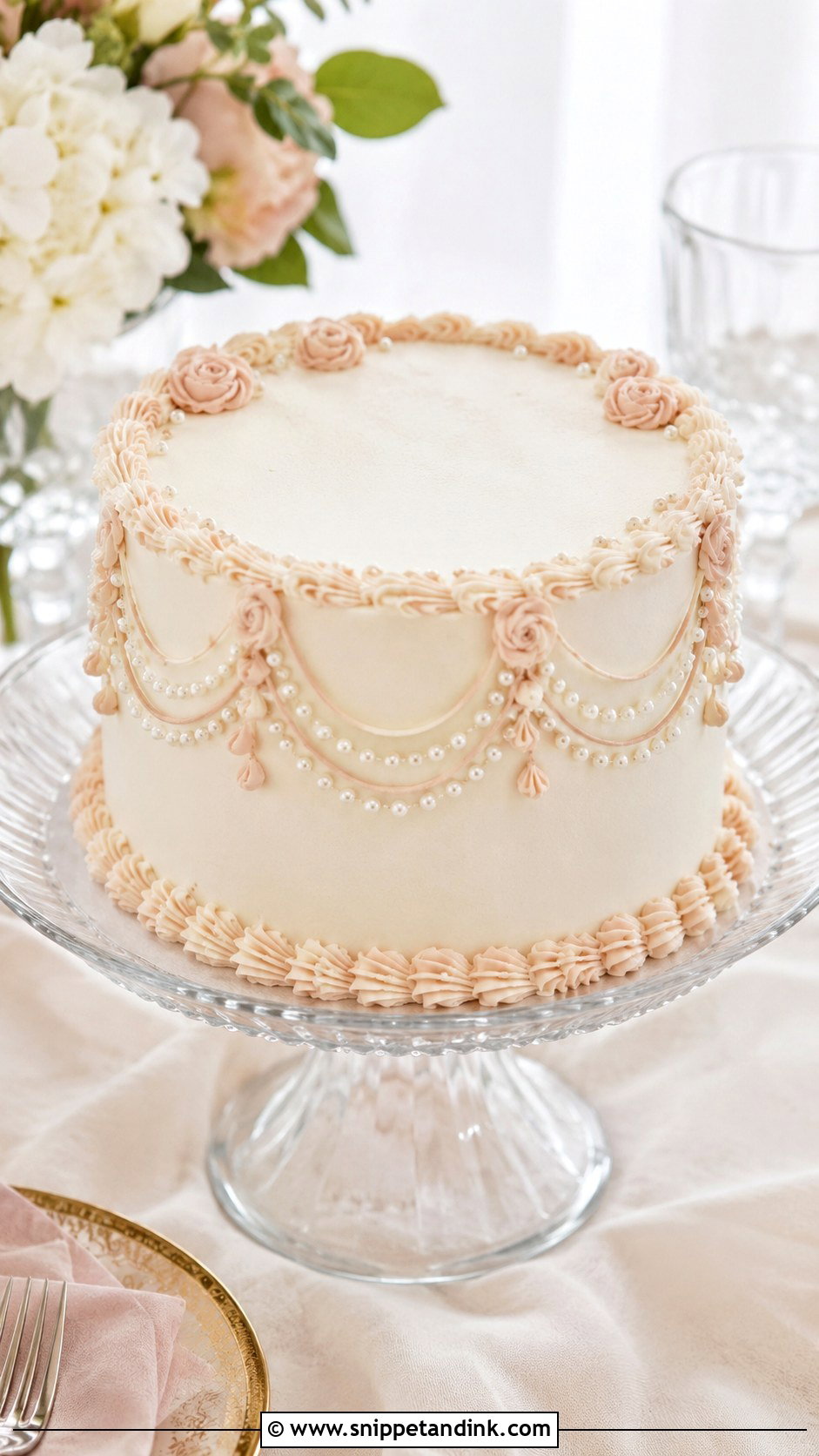
Soft piping, scalloped borders and tiny shell work give a vintage cake its old-bakery charm. The detail that matters most on a 6 inch tier is scale. Piping tips sized for a 10 inch cake make swags look clumsy, so I drop to smaller tips and tighter shells. Ivory or pale blue keeps the piping readable, and a round cake with piped swags is the more classic outline than a heart.
3. 6 Inch Pearl Wedding Cake
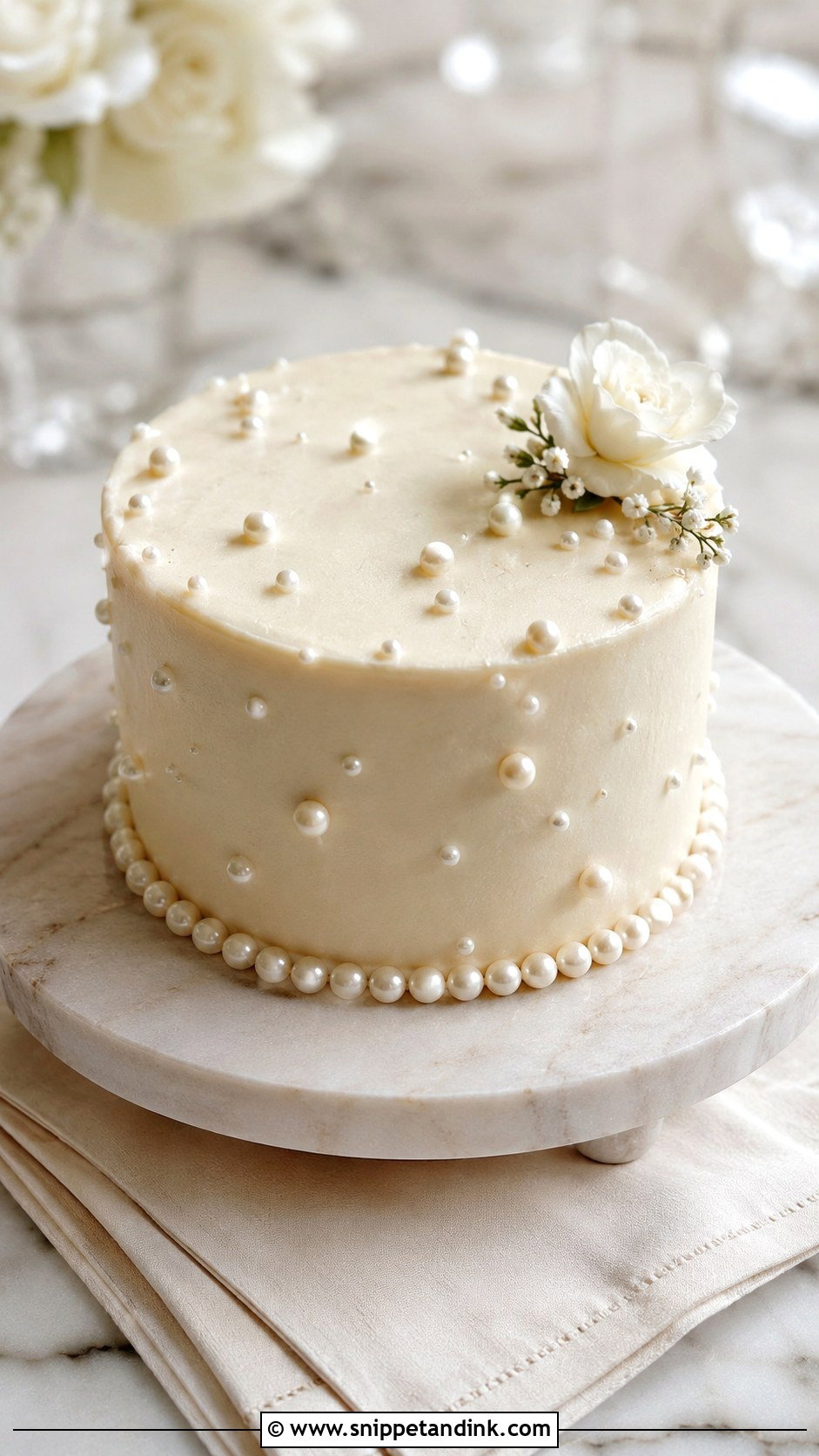
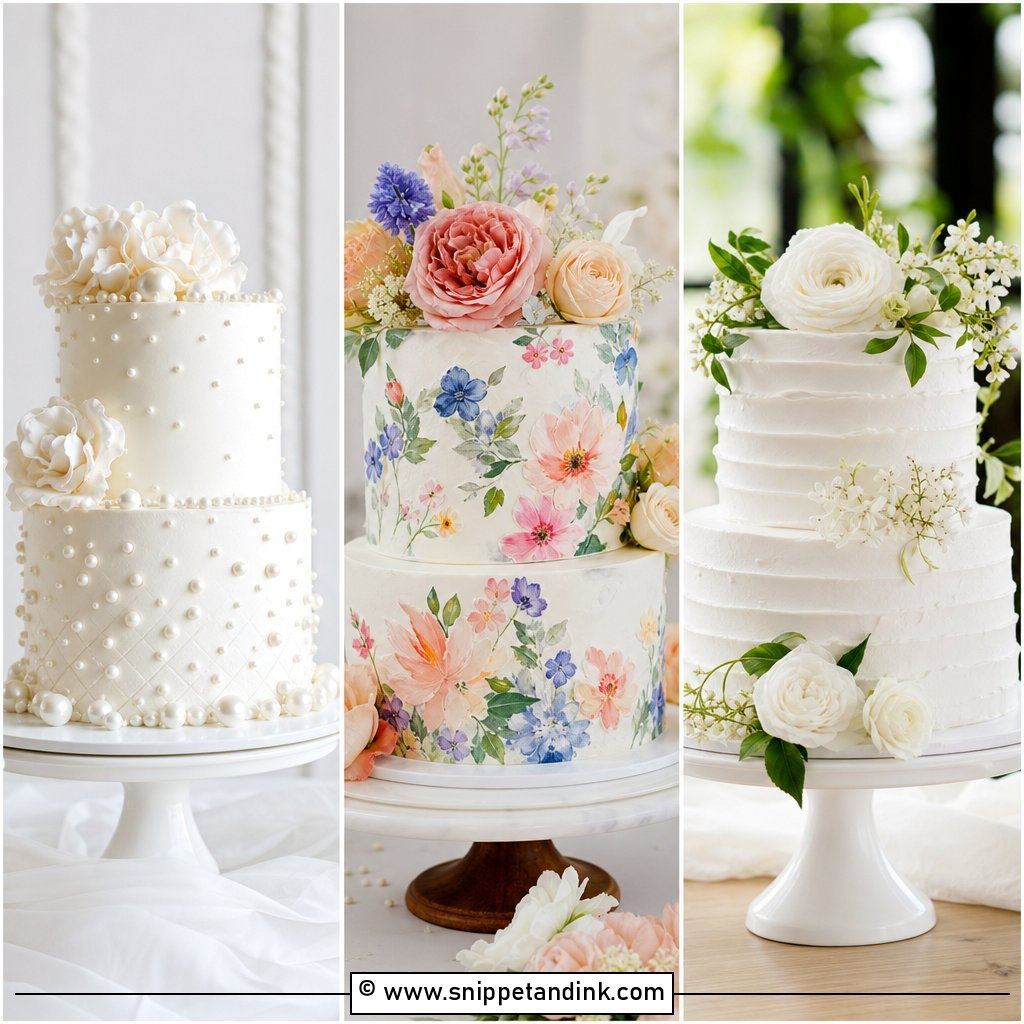
Edible pearls do a lot with very little. I scatter them, run them in vertical lines or ring the base like a necklace, and the lines take far longer than people expect because each pearl is set individually. Sugar pearls can soften and bleed color if they sit on damp frosting for hours, so I add them close to delivery. Keep the topper low, a satin ribbon or a few blooms, so the pearls stay the point.
4. 6 Inch Floral Wedding Cake
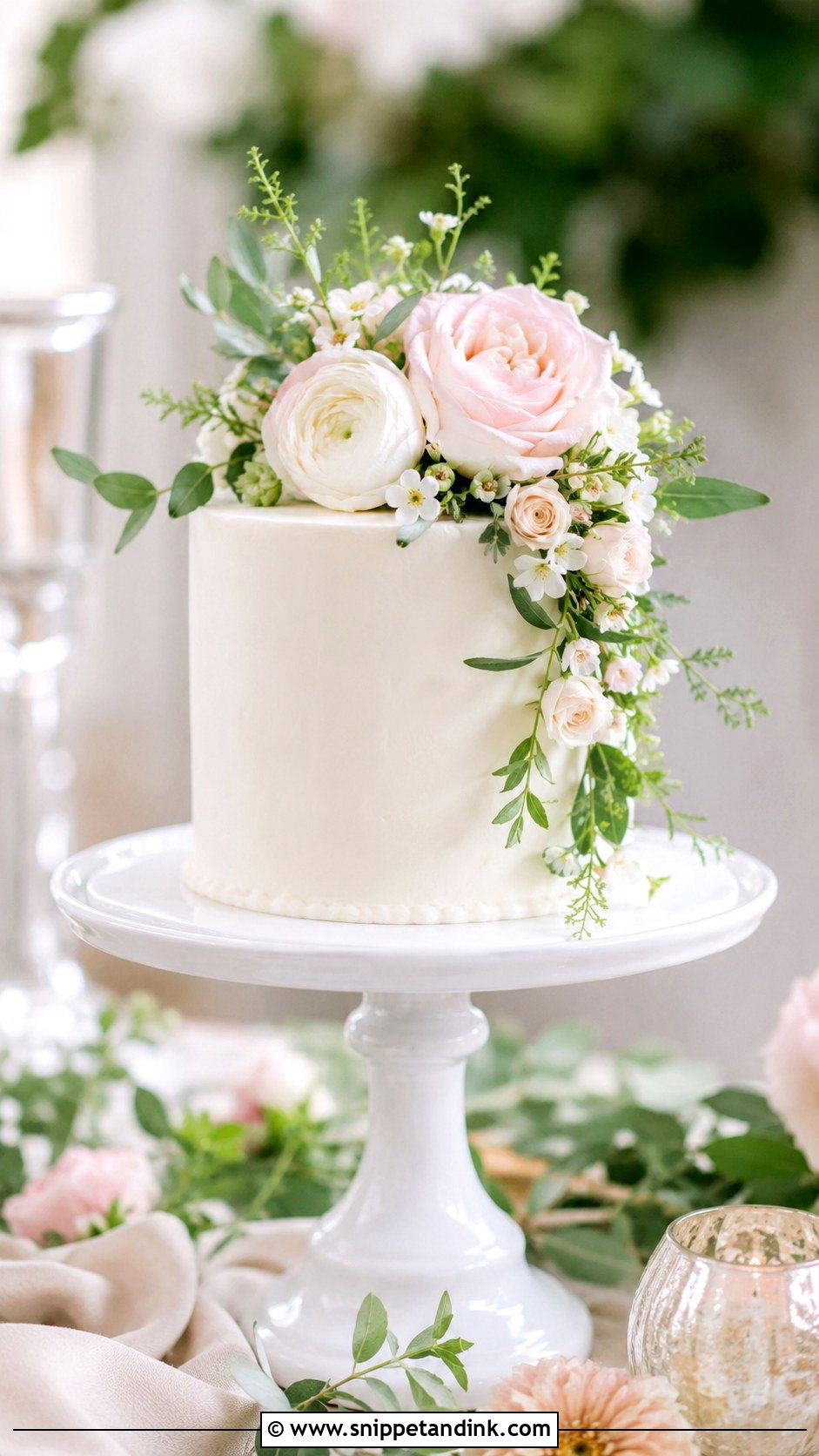
Flowers can turn a tiny cake into a whole centerpiece, and piling them on is the quickest way to ruin one. I place a small arrangement on top and let two or three stems trail down one side. Ranunculus and roses hold up well out of water for a few hours. Baby’s breath is pretty, but it isn’t considered safe to eat, so I only use it with the stems wrapped and away from anything that gets served. Any fresh stem should be food-safe or sit behind a barrier like floral tape or a straw, so sap never touches the frosting.
5. 6 Inch Naked Wedding Cake
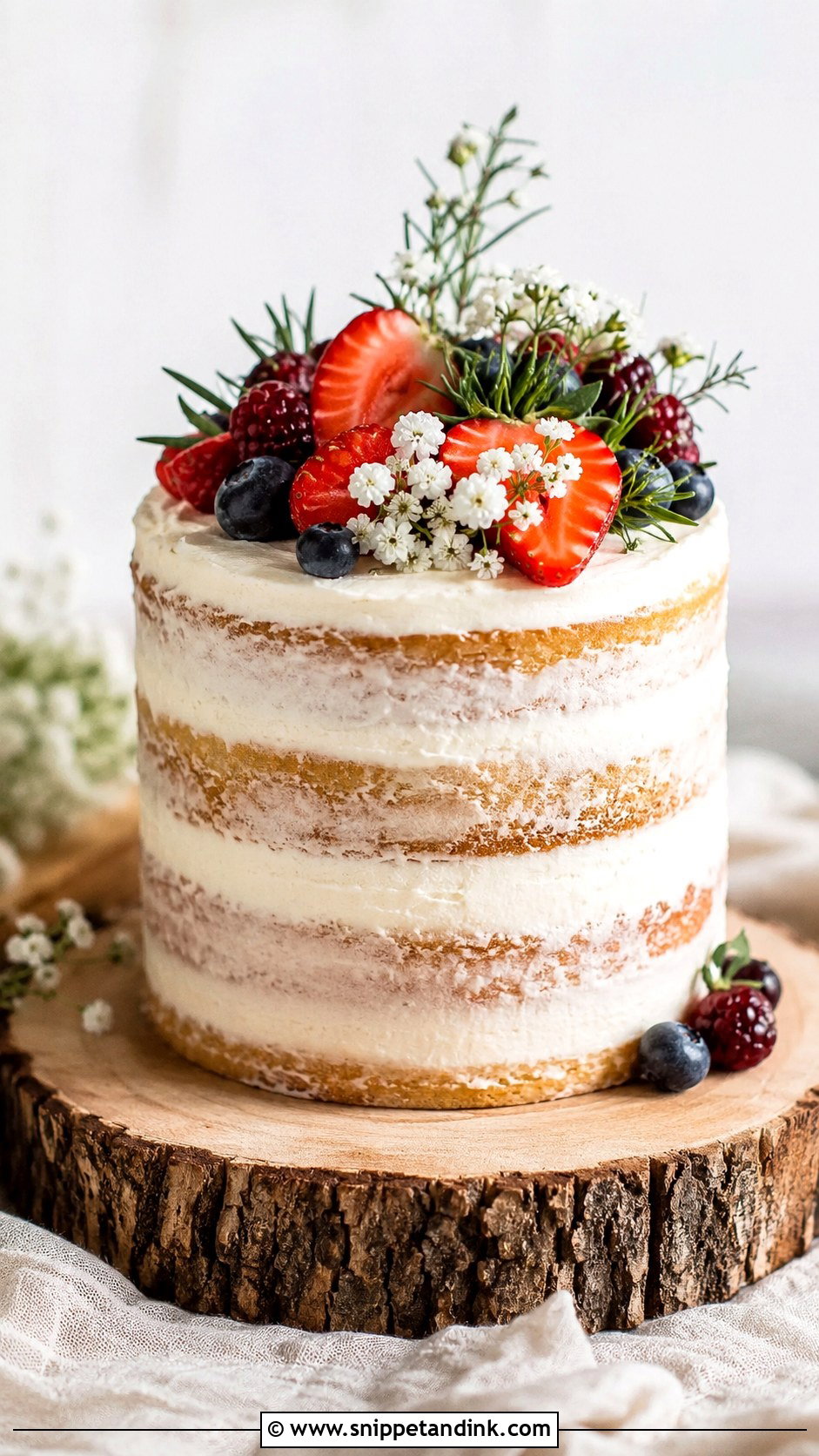
A naked cake shows its layers through a scrape of frosting, so the crumb itself has to be worth looking at. Vanilla, almond, lemon and spice sponges all do the job. The catch: exposed sponge dries out faster than a fully frosted cake, so I brush every layer with syrup and assemble as close to the event as the schedule allows. Berries, herbs and a few flowers finish it. It’s at home at rustic and outdoor weddings, as long as it waits in the shade.
6. 6 Inch Semi Naked Wedding Cake
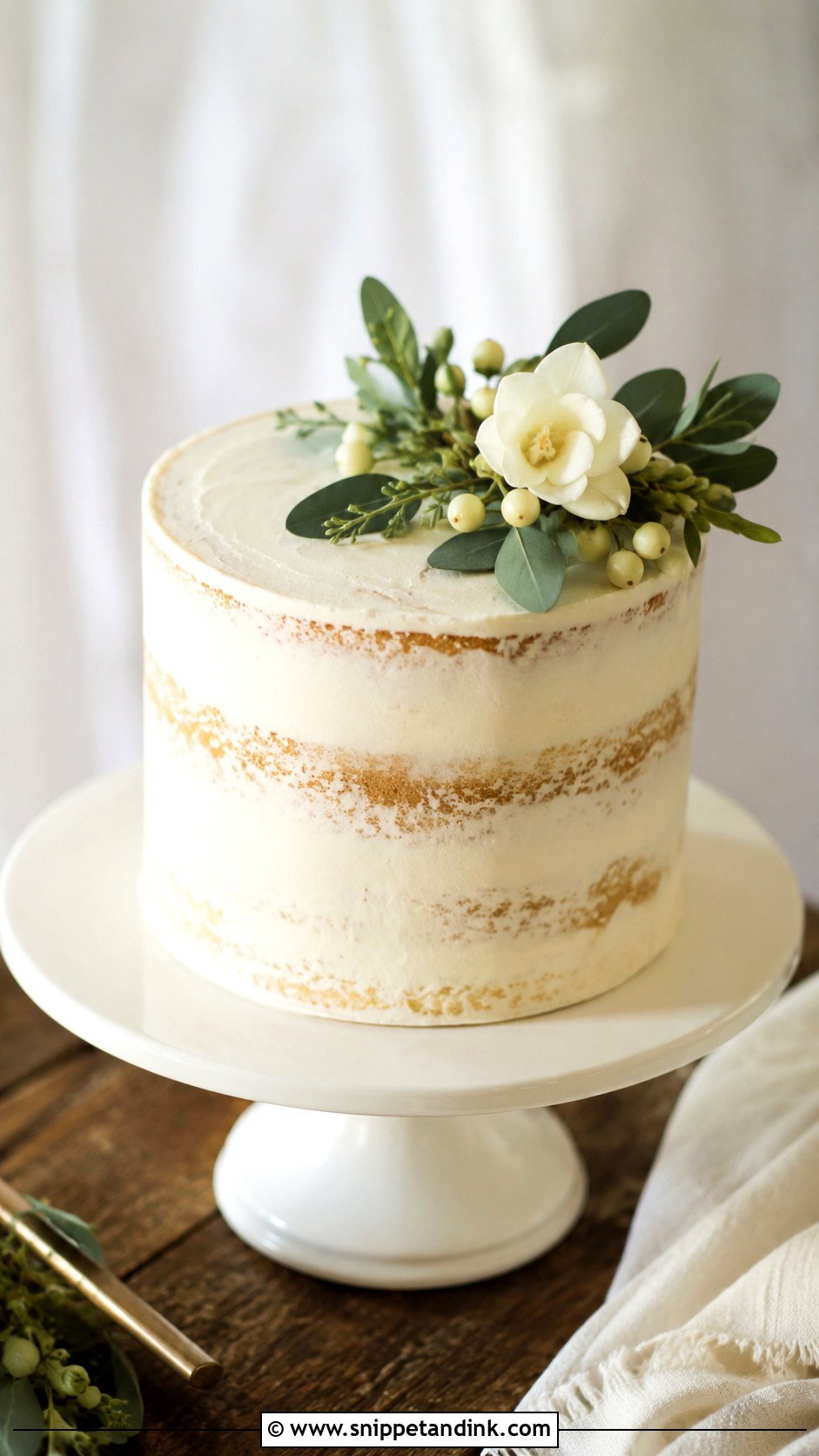
Semi-naked sits halfway between rustic and polished: enough buttercream to look finished, with a little cake peeking through. I prefer it with pale vanilla or almond sponge, because a dark sponge under a thin coat tends to look patchy rather than deliberate. Greenery or berries along the top edge are all it needs. On a small dessert table it adds texture without looking messy.
7. 6 Inch Lemon Wedding Cake
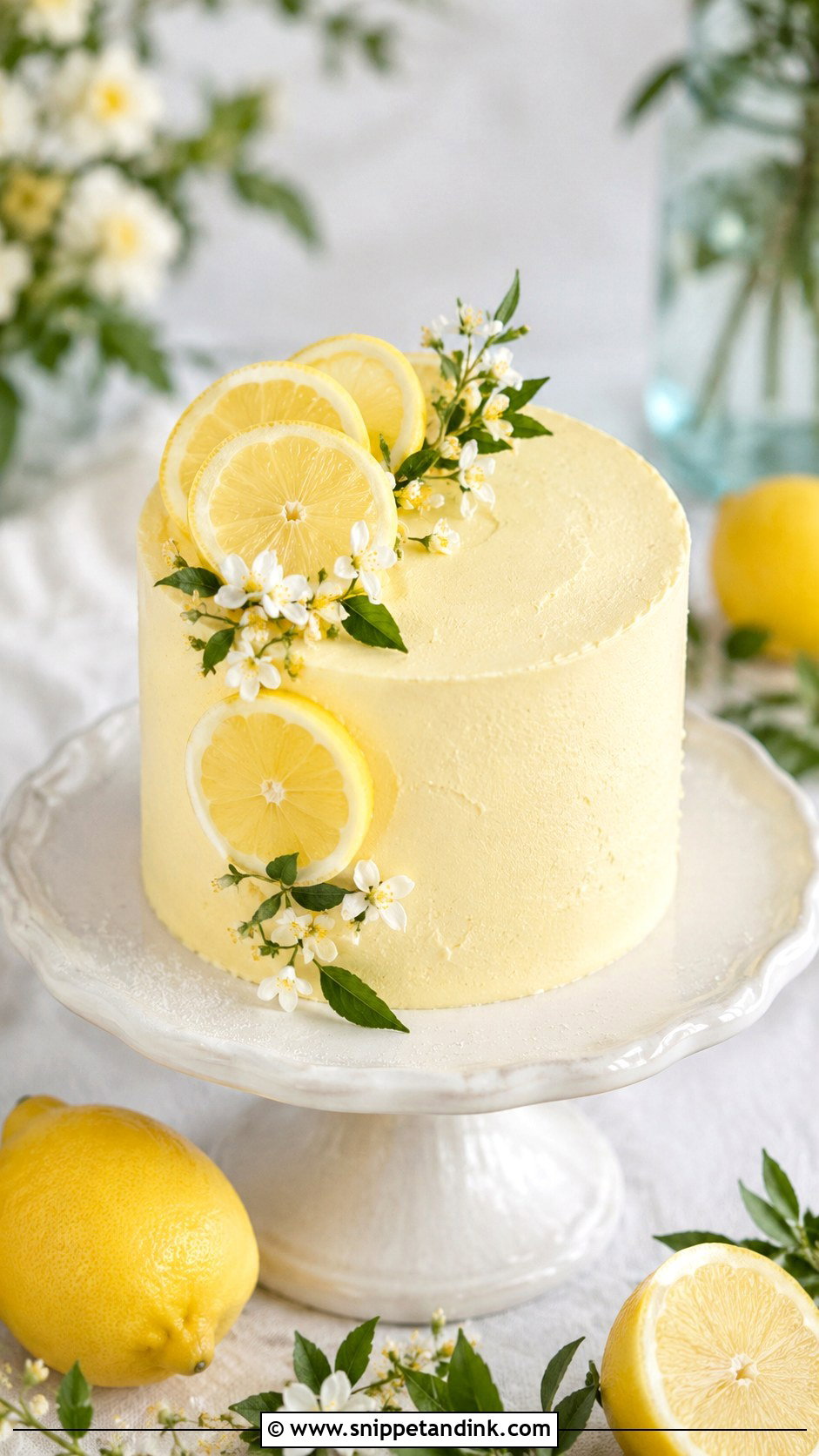
Lemon is the flavor I reach for at brunch and warm-weather weddings, because it still tastes clean after a heavy meal. Lemon curd filling needs a firm ring of buttercream piped around each layer first, otherwise the weight of the top layer pushes it out the sides. Thin lemon slices look fresh for a few hours, then curl as they dry, so I either add them at the venue or swap to small white flowers. It sits comfortably next to berry desserts on a bigger table.
8. 6 Inch Chocolate Wedding Cake
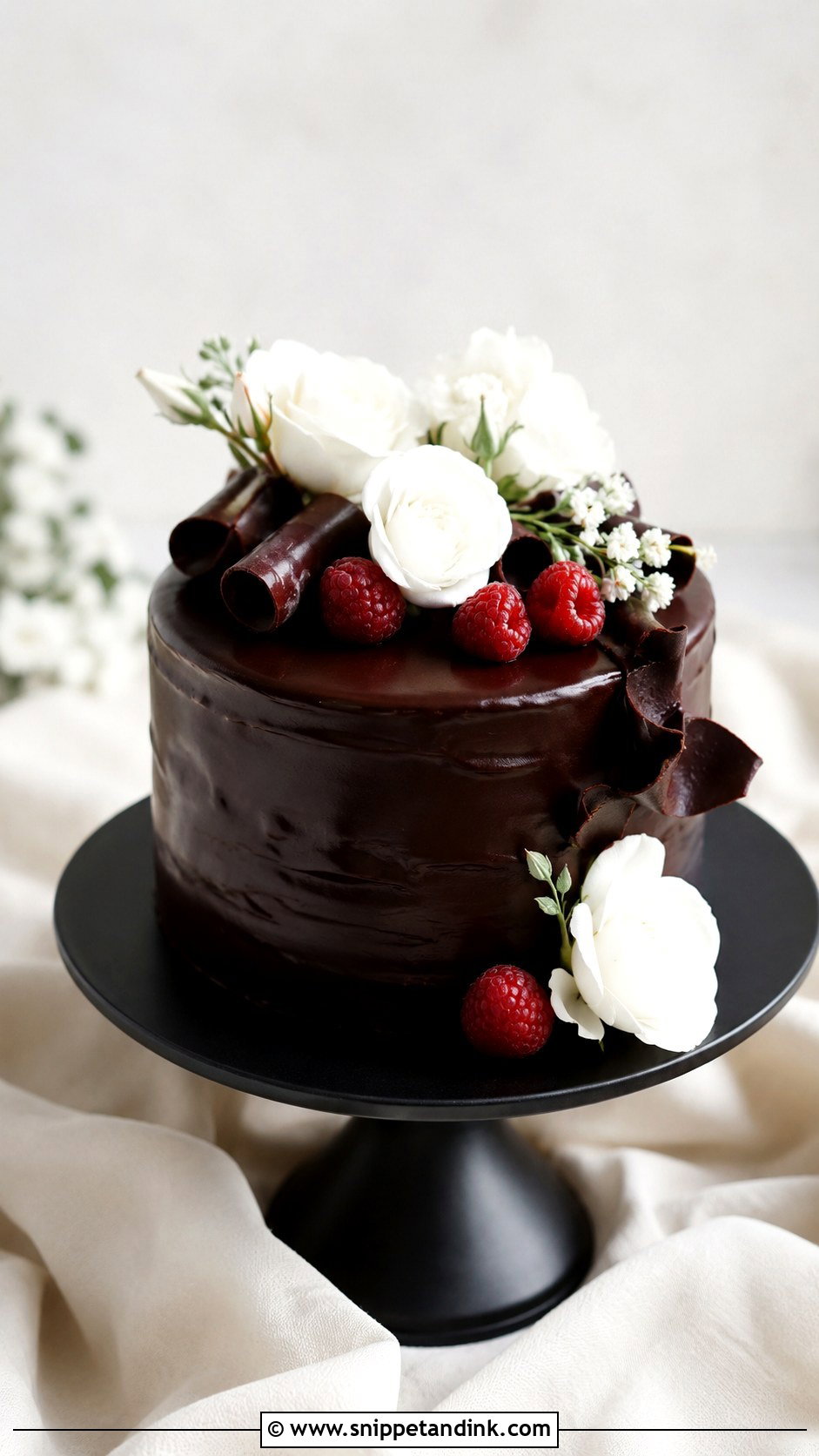
Couples who don’t want a white cake usually land here. Dark ganache gives me sharper edges than any buttercream and holds up better in warm rooms, which makes it a sensible summer choice. Against that dark finish, white flowers or a little gold leaf really stand out. Pick a dense crumb like chocolate fudge or chocolate espresso. A tiny cake gets cut into thin slices, and dense sponge stays satisfying in a sliver where a light one crumbles.
9. 6 Inch Red Velvet Wedding Cake
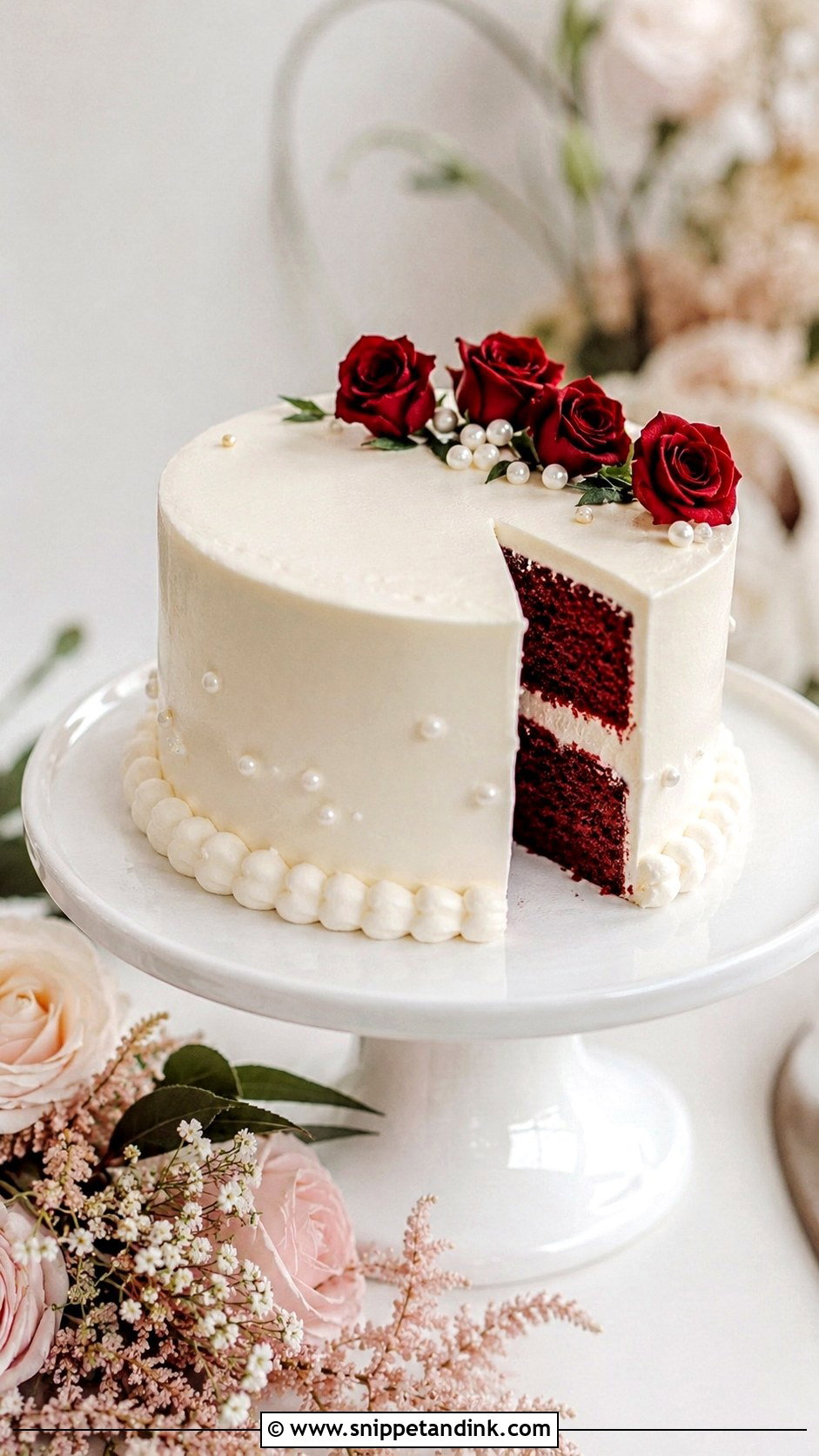
Red velvet is the cake with a reveal: calm on the outside, deep red in the cutting photo. The usual partner is cream cheese frosting, which is softer than buttercream and shouldn’t sit unrefrigerated for long. For a long reception I’d cover the outside in white buttercream and keep the cream cheese as filling. A couple of small red roses or a few edible pearls tie the inside color back to the styling.
10. 6 Inch Vanilla Bean Wedding Cake
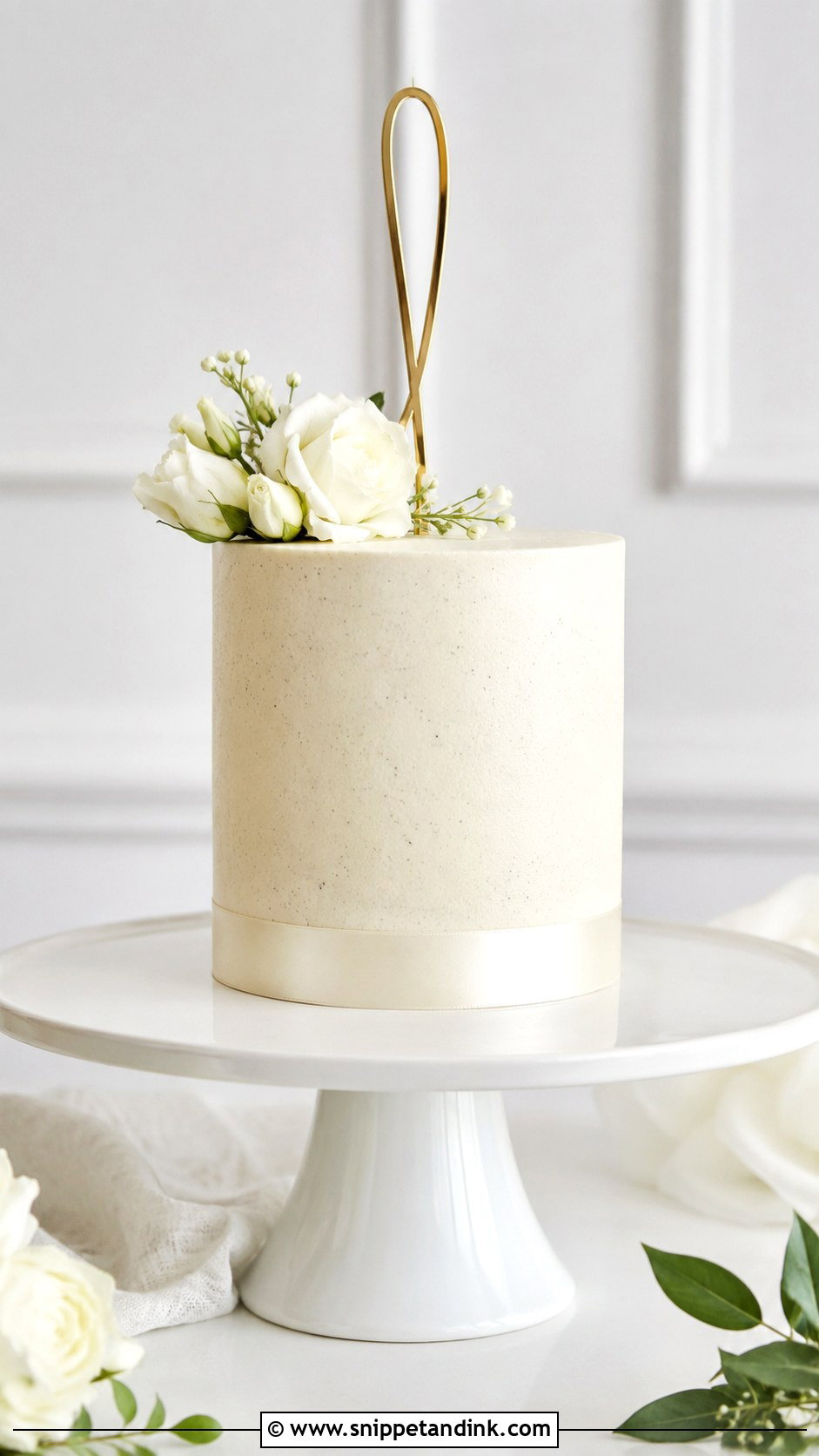
Vanilla bean is the cake I’d choose when everything else at the wedding is busy. The specks in the sponge and frosting show real vanilla went in, which is about all the decoration it needs. Swiss meringue buttercream gives the smoothest, least sugary finish, though it softens faster in heat than a crusting buttercream does. A white bloom or a silk ribbon is enough on top. Calm is the whole idea.
11. 6 Inch Strawberry Wedding Cake
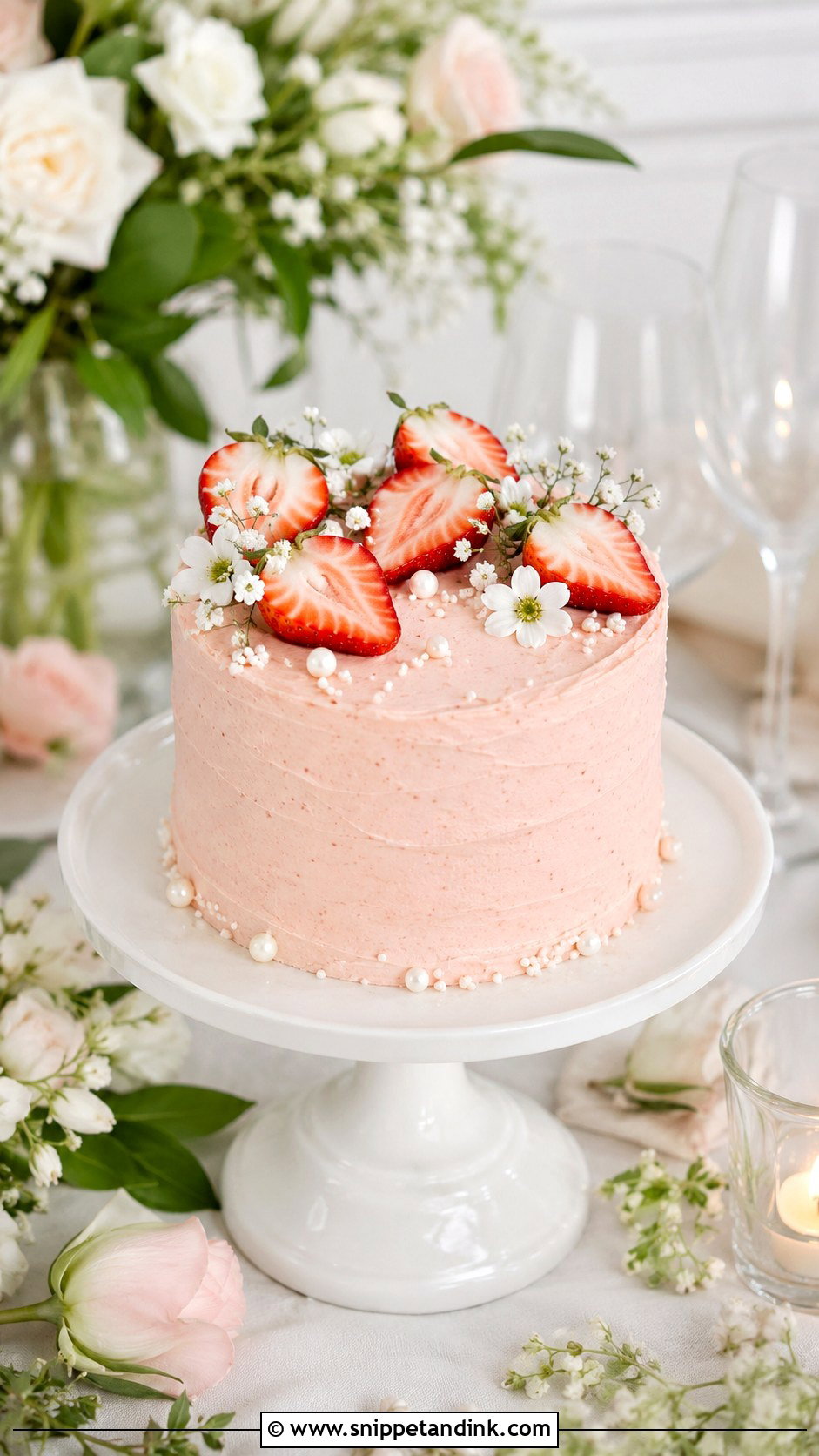
Real strawberry cake gets its pink from the fruit, so the crumb tends to be pale and a little denser than vanilla. I keep the outside white or blush. Halved strawberries start leaking juice once they’re cut, which streaks white frosting, so I place cut fruit within an hour or two of serving, or use small whole berries that last longer. Strawberry buttercream suits it, and a few pearls around the top keep the fruit looking tidy rather than casual.
12. 6 Inch Almond Wedding Cake
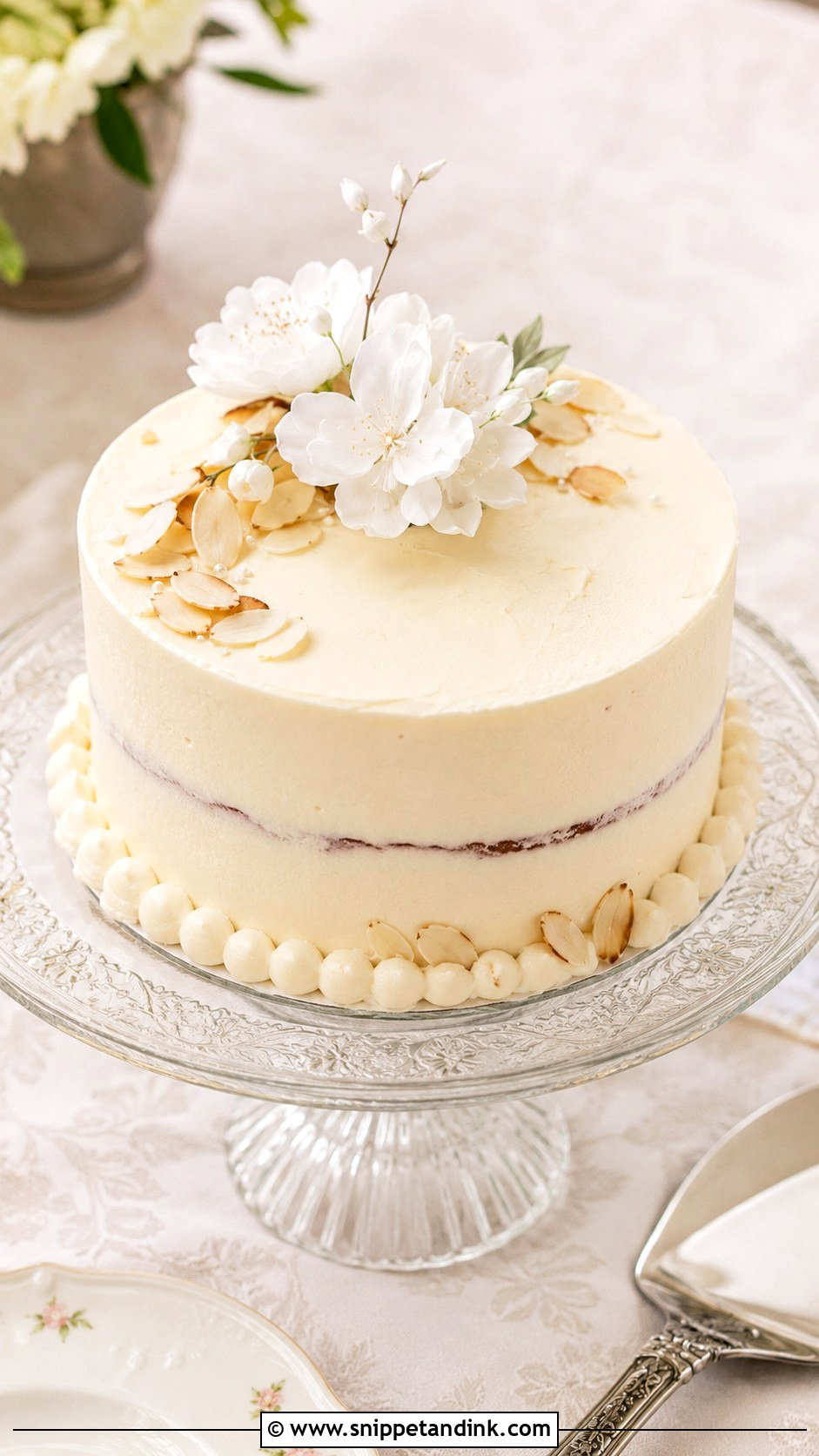
Almond has the flavor people remember from old-fashioned wedding cake. The crumb is pale and soft, so it sits well under ivory buttercream or white fondant, and raspberry filling is its usual partner because it shows bright red when sliced. One practical point I always raise: if any guest has a nut allergy, ask whether the cake uses almond extract, ground almonds or both, and label it on the table. I often leave sliced almonds off the outside and let flowers do the decorating.
13. 6 Inch Gold Leaf Wedding Cake
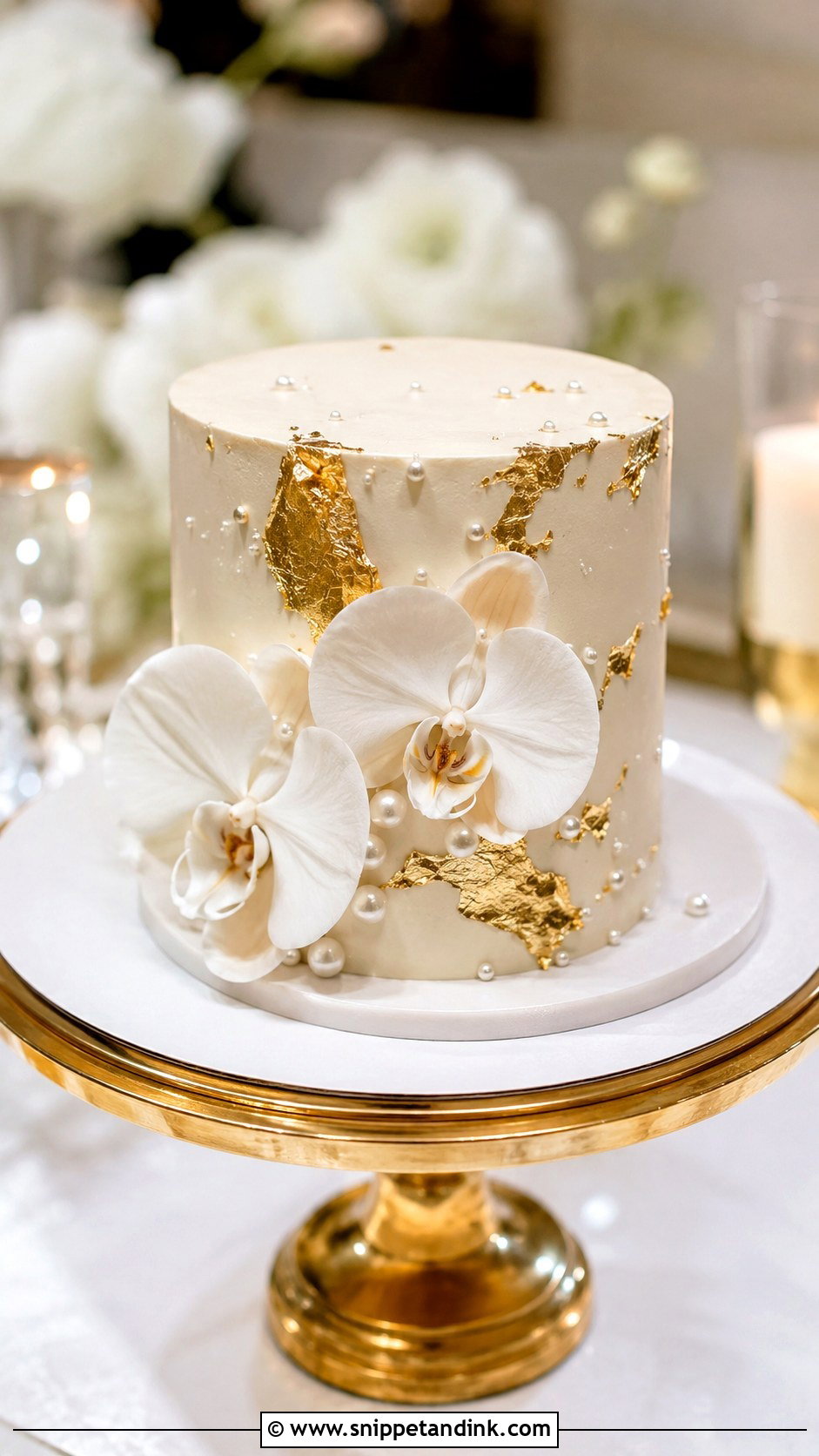
Gold leaf is easy to overdo. I apply it in uneven patches along one side, around the base or tucked near a flower cluster, lifting it with a dry soft brush because it sticks to the first thing it touches, fingers included. It needs a firm, set surface: on soft buttercream it tears and wrinkles, which is why fondant or well-chilled buttercream takes it best. Warm evening lighting at a hotel or dinner reception catches the metal far better than flat daylight does.
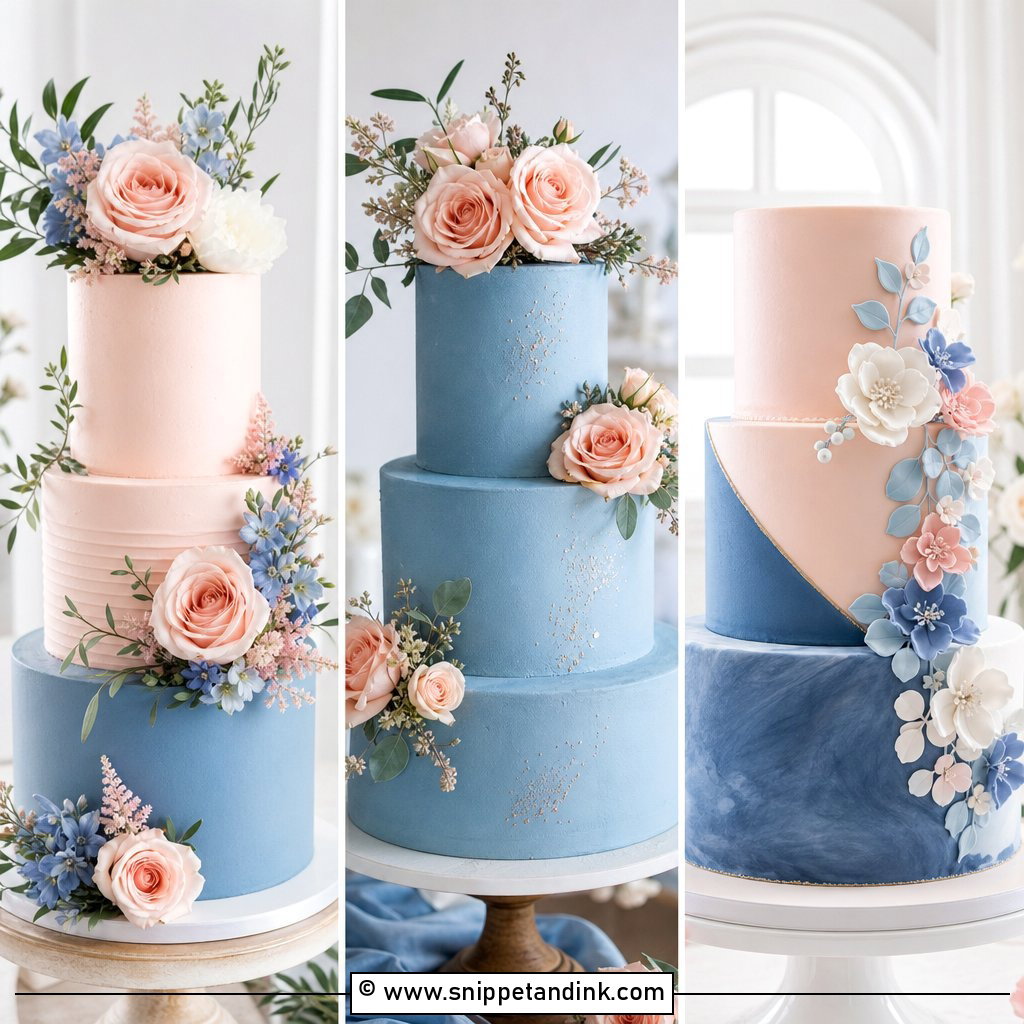
14. 6 Inch Blue Wedding Cake
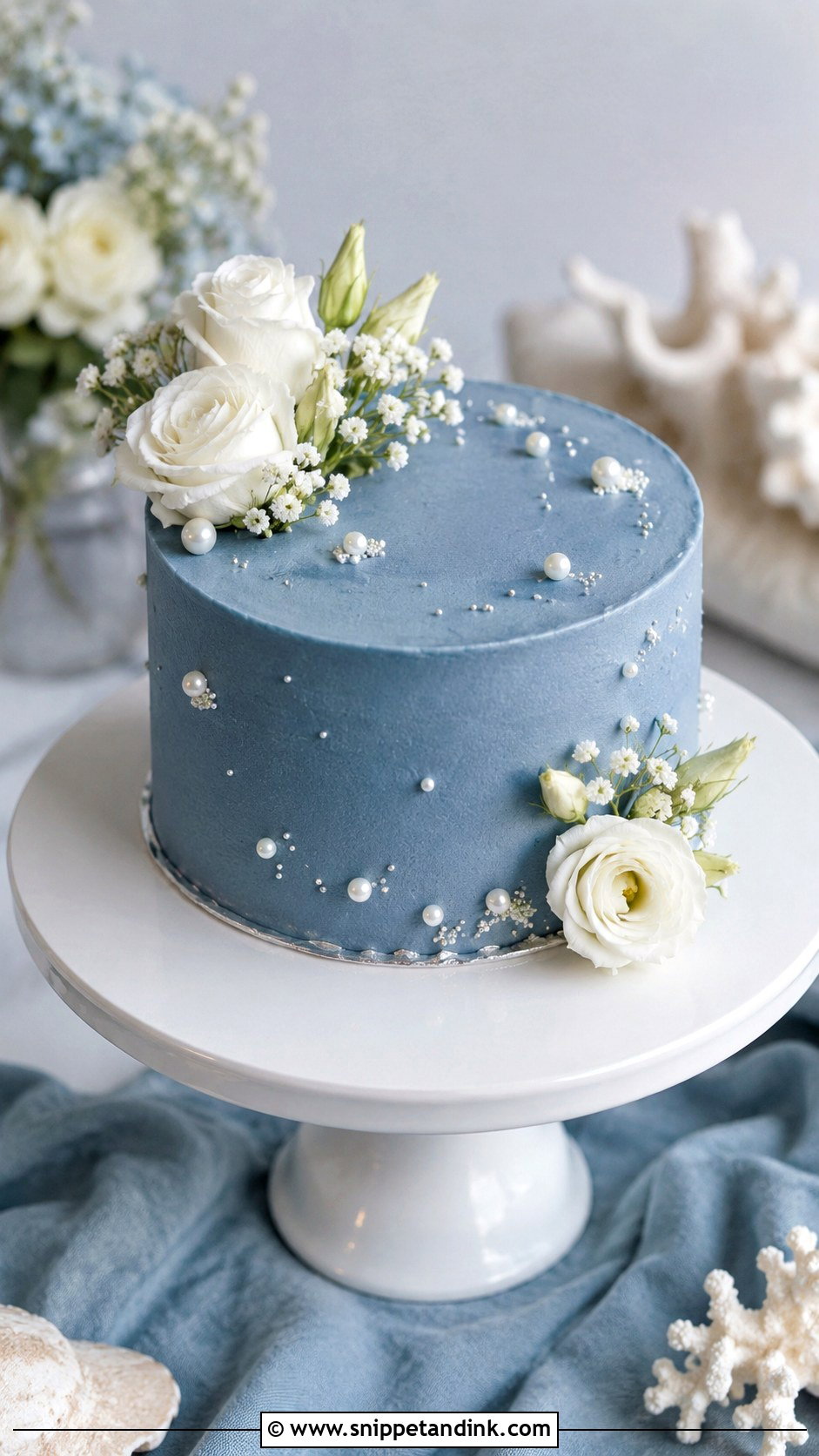
A blue cake is an easy way to carry your something blue. Powder blue and dusty blue sit nicely beside white flowers or silver accents. There’s a color trap here: all-butter buttercream is naturally yellow, and blue mixed into yellow leans green, so I whiten the base first and mix a shade lighter than the swatch, since gel colors deepen as they sit. Smooth and round feels modern; vintage piping softens it. On a small cake the color reads as a choice rather than a takeover.



15. 6 Inch Greenery Wedding Cake
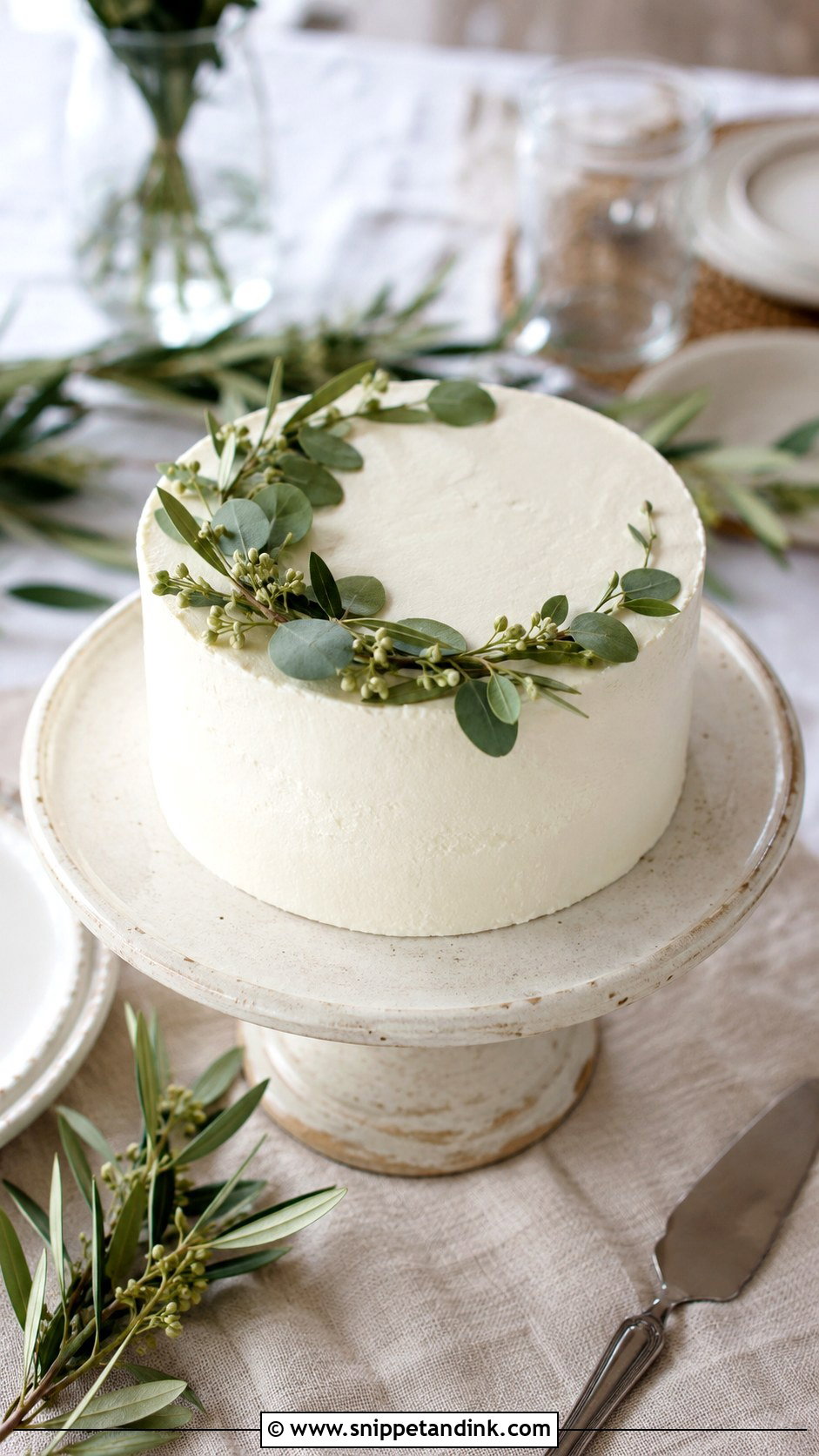
Greenery suits couples who want the cake styled without a lot of flowers. Olive leaves and rosemary can sit in a simple crescent on top. Eucalyptus is the one I handle carefully: it isn’t safe to eat, so I wrap the stems or ring it on the board around the base instead of pushing it into frosting. White buttercream keeps everything bright. A few sprigs look fresher than a full wreath.
16. 6 Inch Rose Wedding Cake
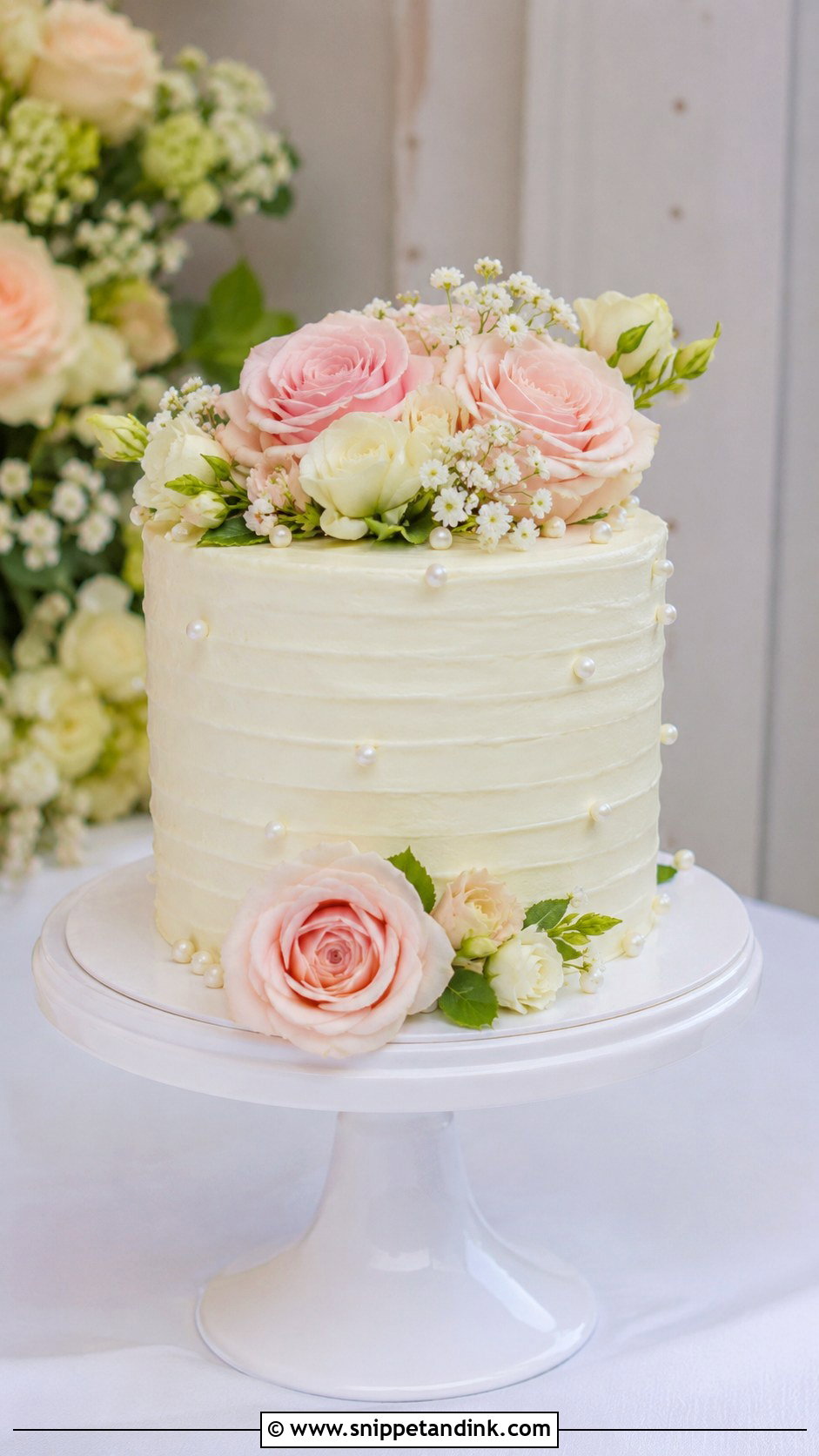
Roses are the flower every guest recognizes, and the color sets the mood more than the arrangement does. White reads classic, blush reads soft, deep pink brings drama. On a 6 inch tier, one to three blooms is usually enough; any more and the cake disappears under them. Fully open garden roses start dropping petals by late evening, so I ask the florist for blooms that are only just opening.
17. 6 Inch Geode Wedding Cake
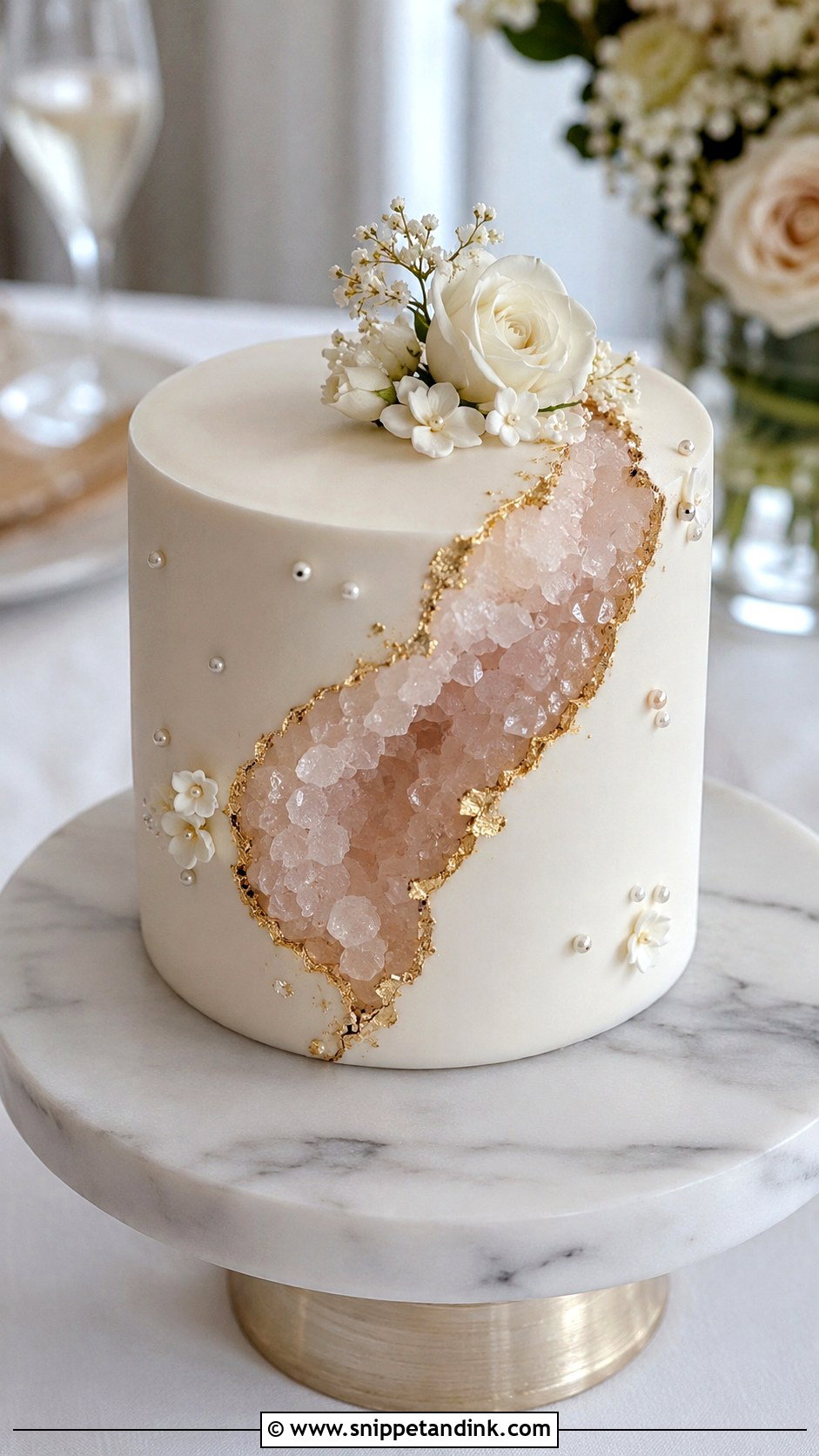
A geode cake has a crystal cavity cut into its side and filled with rock candy or sugar pieces. Rock candy is heavy and a narrow tier has very little wall to carve into, so I’d only do it on a tall cake with internal dowels. White or ivory fondant outside lets the crystals carry the design, and gold edging around the opening gives it a clean frame. Blush, lavender or champagne crystals feel softer than deep amethyst. Leave the flowers off; the geode is enough.
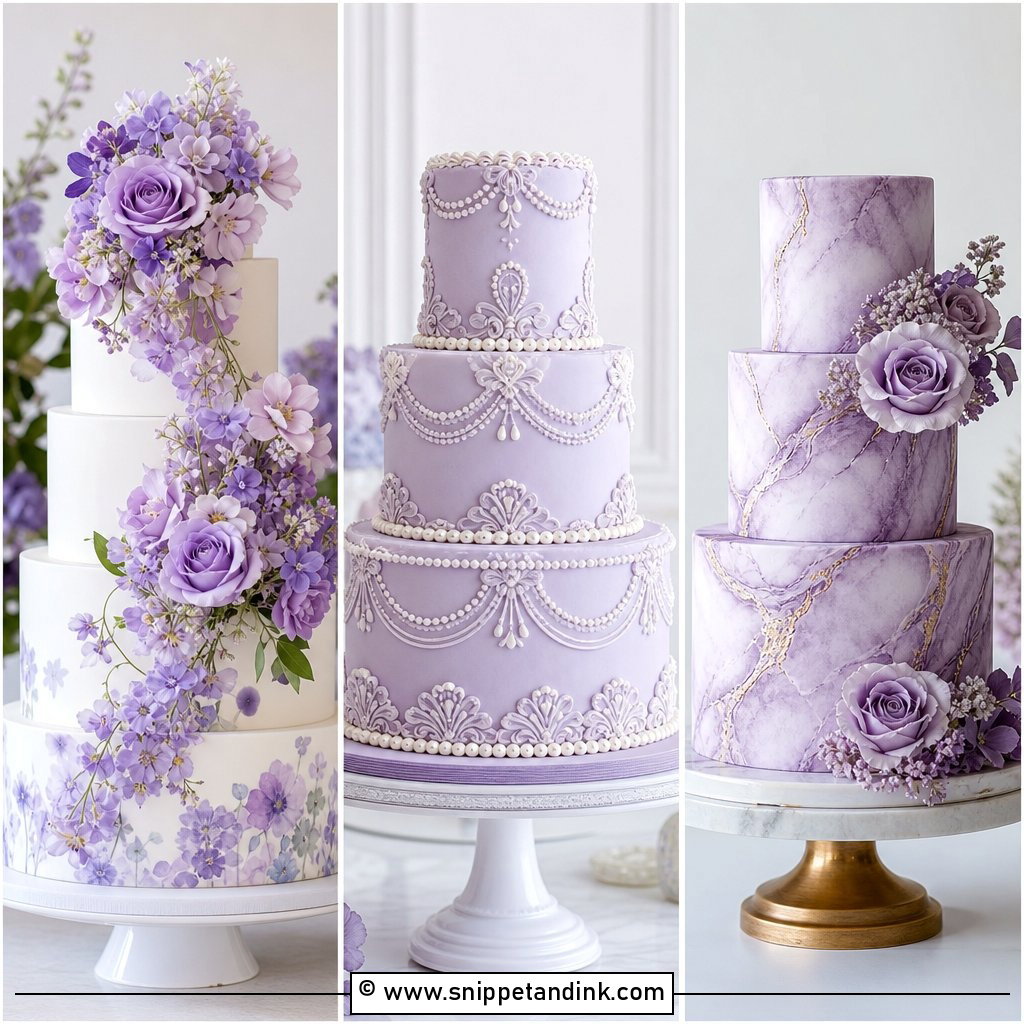
18. 6 Inch Marble Wedding Cake
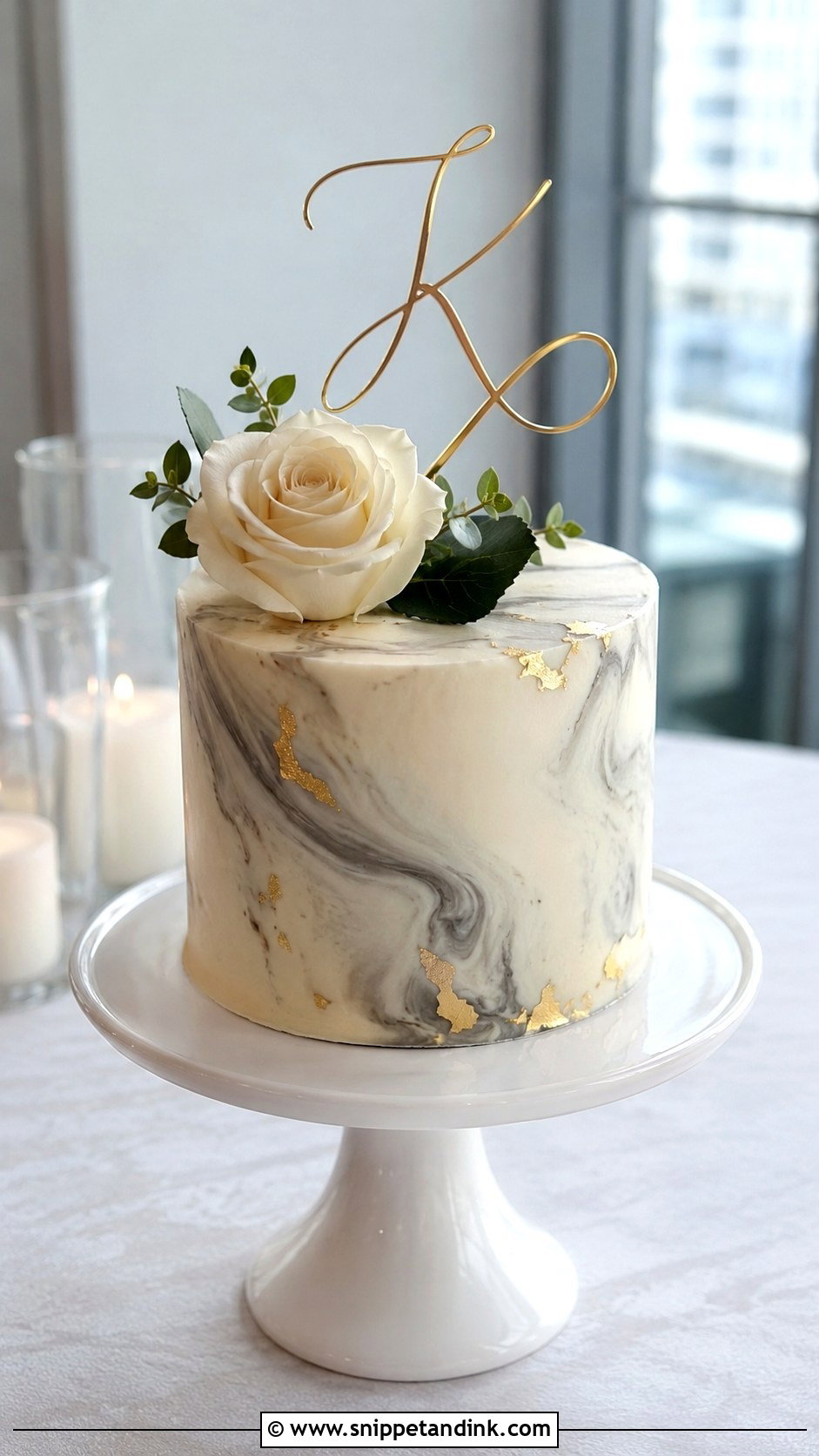
Marbling looks modern and slightly painterly. Fondant gives the crispest veins, while buttercream marble needs a baker who can blend without muddying the colors. Gray or blush veining works with most palettes. On a small surface I ask for fewer, finer veins, because a heavy pattern makes a 6 inch cake look cluttered. A touch of gold leaf or a single flower is plenty on top.
19. 6 Inch Black And White Wedding Cake
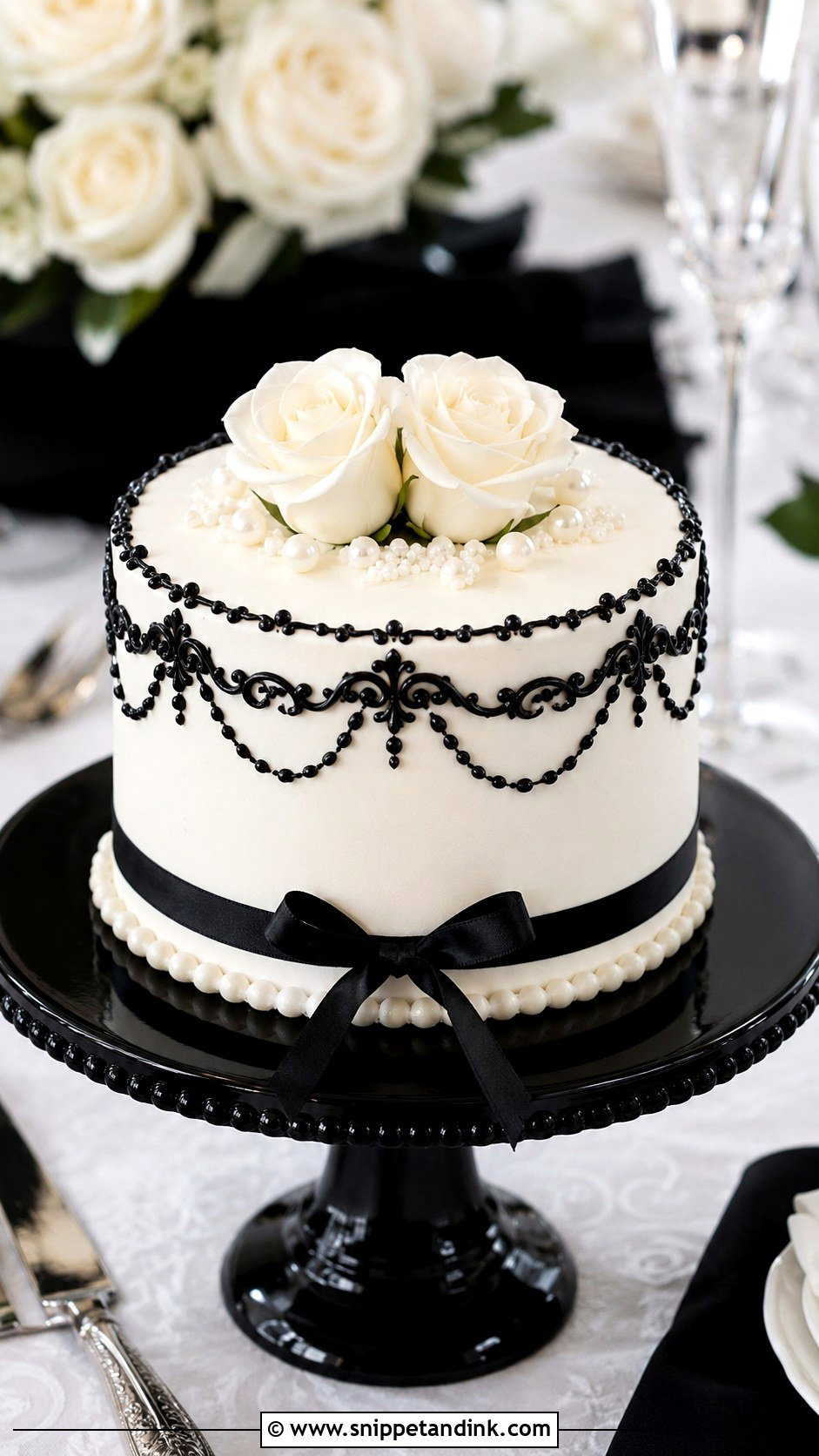
Black and white is bold, and it’s actually easier to get right on a small cake because the contrast doesn’t take over the room. White buttercream with black ribbon or piping is the gentler route; black fondant with white flowers is the dramatic one. Deep black frosting takes a lot of coloring, and it can tint lips and teeth in the photos afterwards, so I keep black to details or start from a cocoa base that needs less dye. Pearls or a slim topper keep it from feeling severe.

20. 6 Inch Heart Wedding Cake
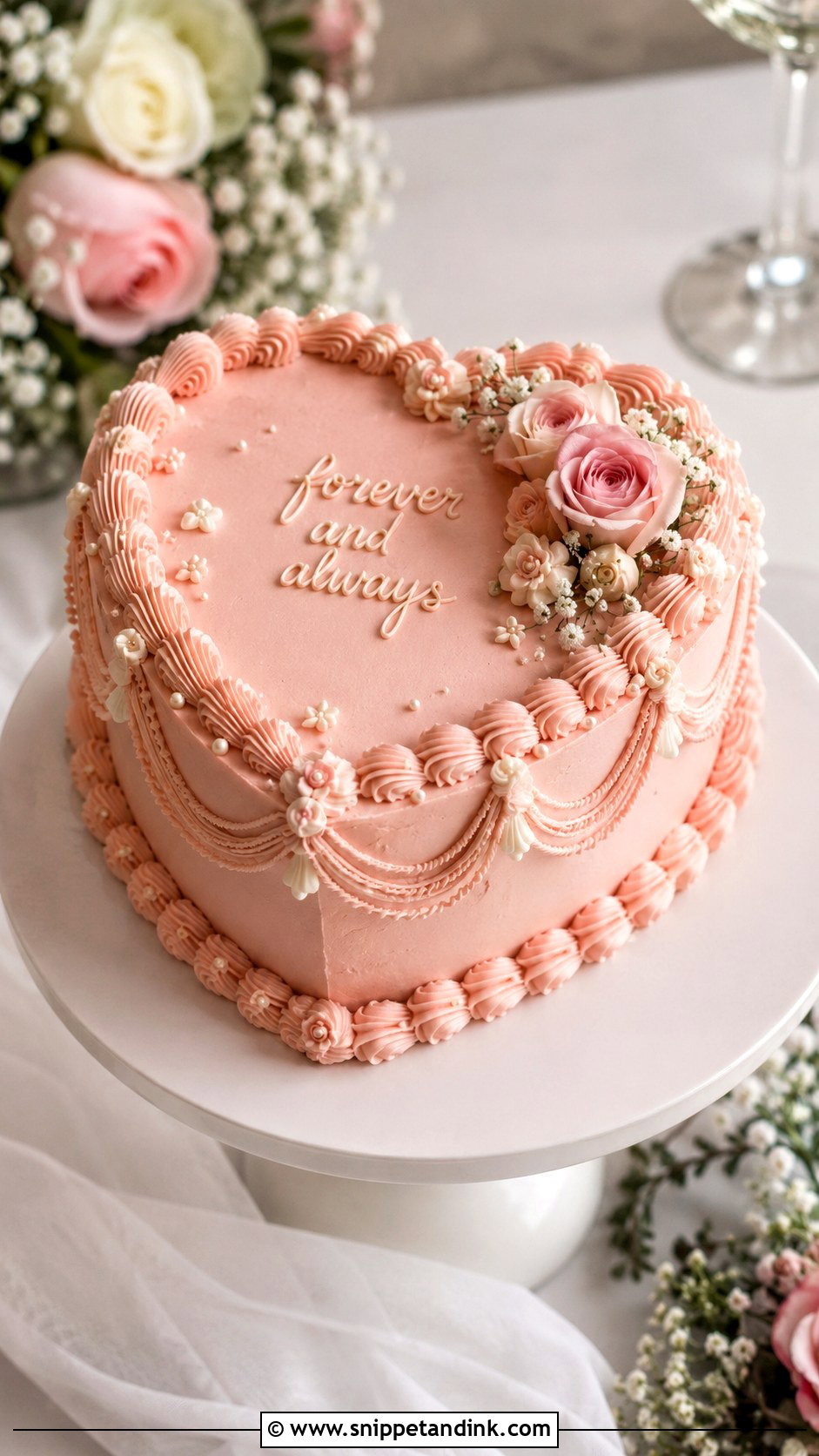
Heart cakes are an elopement favorite, mostly for the cutting photo. Vintage piping suits the shape because the borders follow the curve naturally. Keep it white, blush or pale pink, then add cherries or a short piped message to make it personal. That pointed tip is the first spot to slump or chip on the drive, so ask your baker how it will be boxed and supported. A plain pedestal shows the outline best.
Getting a Little Cake to the Venue Upright
Small cakes are light, but they slide, because they often travel in a box bigger than they are. I fix the cake board to the box with a dab of icing or a non-slip mat and send it out chilled, since cold buttercream is firm enough to shrug off a bump in the road.
- Carry it flat on the car floor or in the trunk, never on a lap or a sloped seat.
- Run the air conditioning before the cake goes in, not after.
- Pack fresh flowers, cut fruit and gold leaf separately and add them at the venue.
- Ask the venue for a cool spot away from sunny windows, the kitchen door and stage lights.
Giving Six Inches Some Presence on the Table
A tiny cake on a wide table can look lost in pictures. A pedestal stand lifts it into the frame and gives the photographer a cleaner background, and I’d keep the runner and any florals around it low so they frame the cake rather than compete with it.
One small thing people forget: the cake knife. A full-size serving set looks oversized next to a little tier, so a slim cake server or a vintage knife suits it better in the cutting shot.
A Small Cake Can Still Carry the Whole Table
A small cake doesn’t have to be the backup dessert. When it matches your venue, your flowers and your colors, it can be the most considered thing on the table, because the small scale lets your baker spend the time on detail instead of volume. If the guest list outgrows it, pair it with a kitchen cake or a larger dessert spread and keep the cutting moment for the little cake.
You'll Like These Ideas:







Leave a Reply