
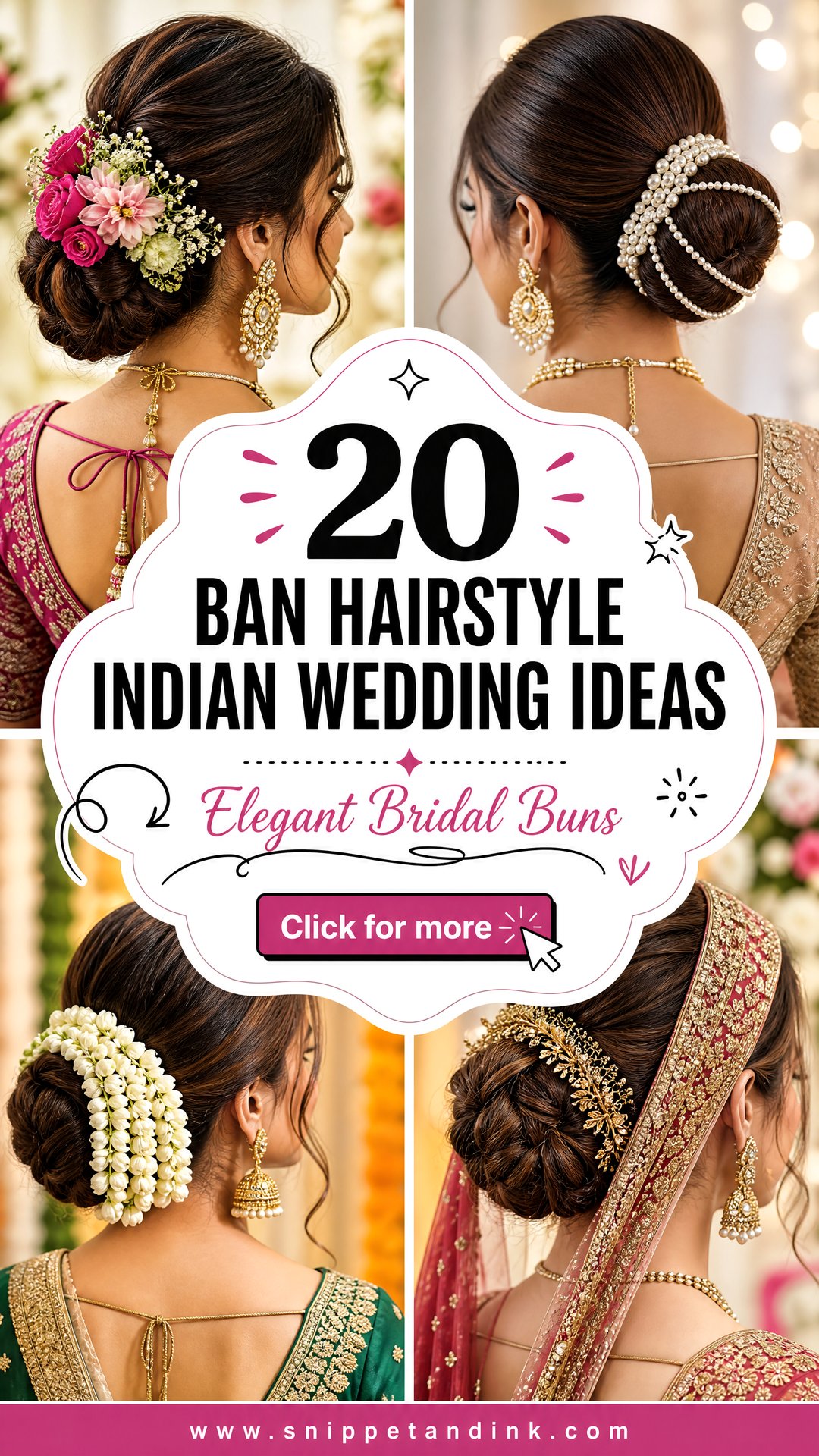
Ask me which style I set most often for Indian brides and the answer is the juda. A bun gives a gajra something to grip, keeps the neck clear for a heavy necklace, and stays put through a pheras ceremony that can run for hours. It works with a saree, a lehenga or a gown. What changes is where it sits, how full it is and what goes on it, and that depends on your hair, your outfit and which function you’re dressing for. Here are twenty buns I’d happily put on a bride, with notes on what each one needs to hold.
What Sits Inside a Full Juda
Most of the full, rounded buns in bridal photos aren’t made from the bride’s own hair alone. Shoulder-length or fine hair rarely has enough length to wrap into that shape, so stylists use a few hidden helpers, and there’s nothing to be shy about using them.
- A padded donut or a soft mesh bun filler gives the bun size and a firm surface to pin a gajra or juda holder into.
- Clip-in wefts placed at the nape add length so a low bun can be wrapped properly.
- A pre-made hair bun (a fake juda) is common for an ambada and other very large buns. Match the colour in daylight, not under shop lights.
Bring any extensions or fillers to the trial so the colour and texture can be blended. If your hair is very short, say so when you book, since the stylist may need to bring her own pieces.
1. Low Floral Bun for Indian Wedding
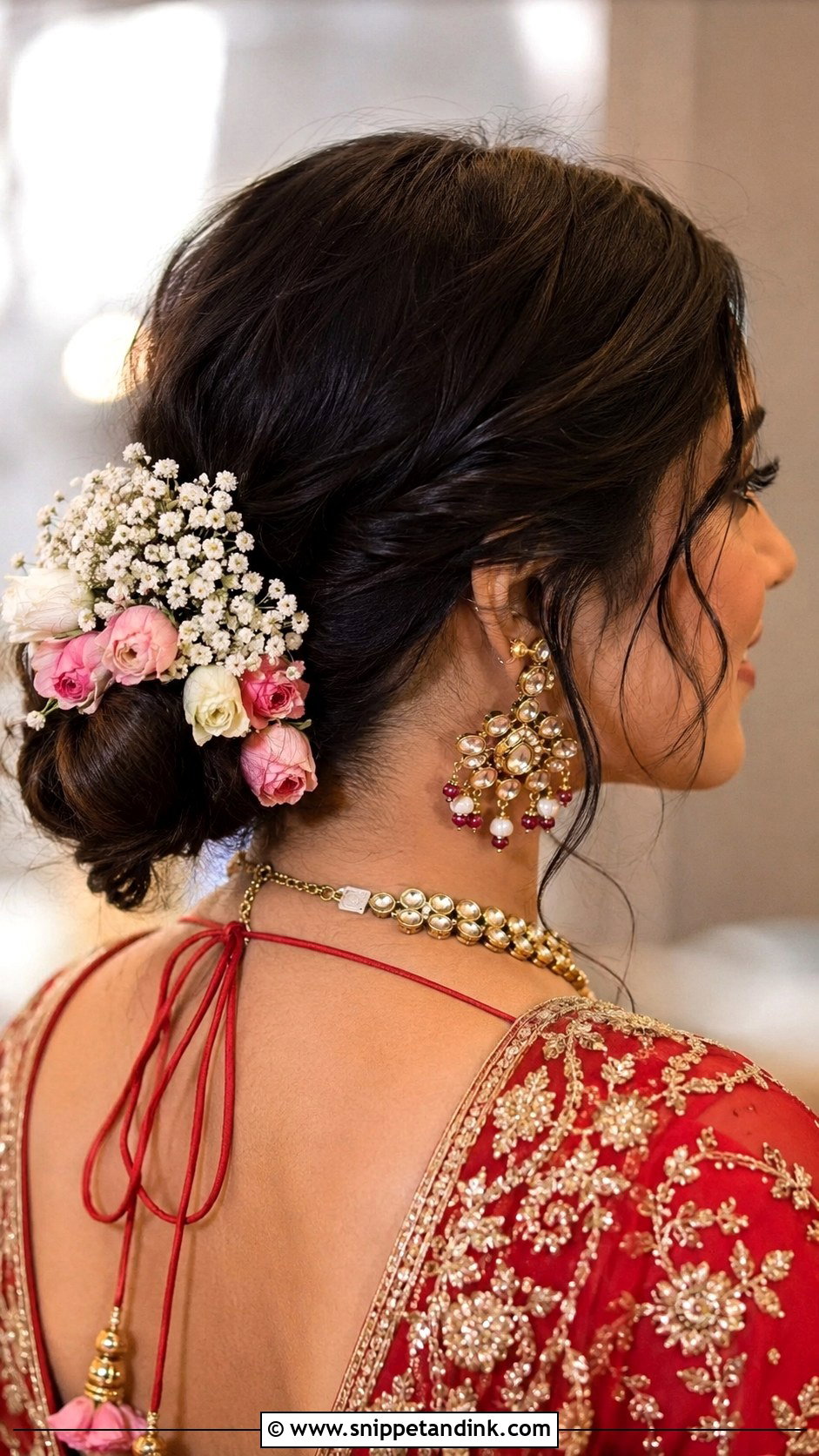
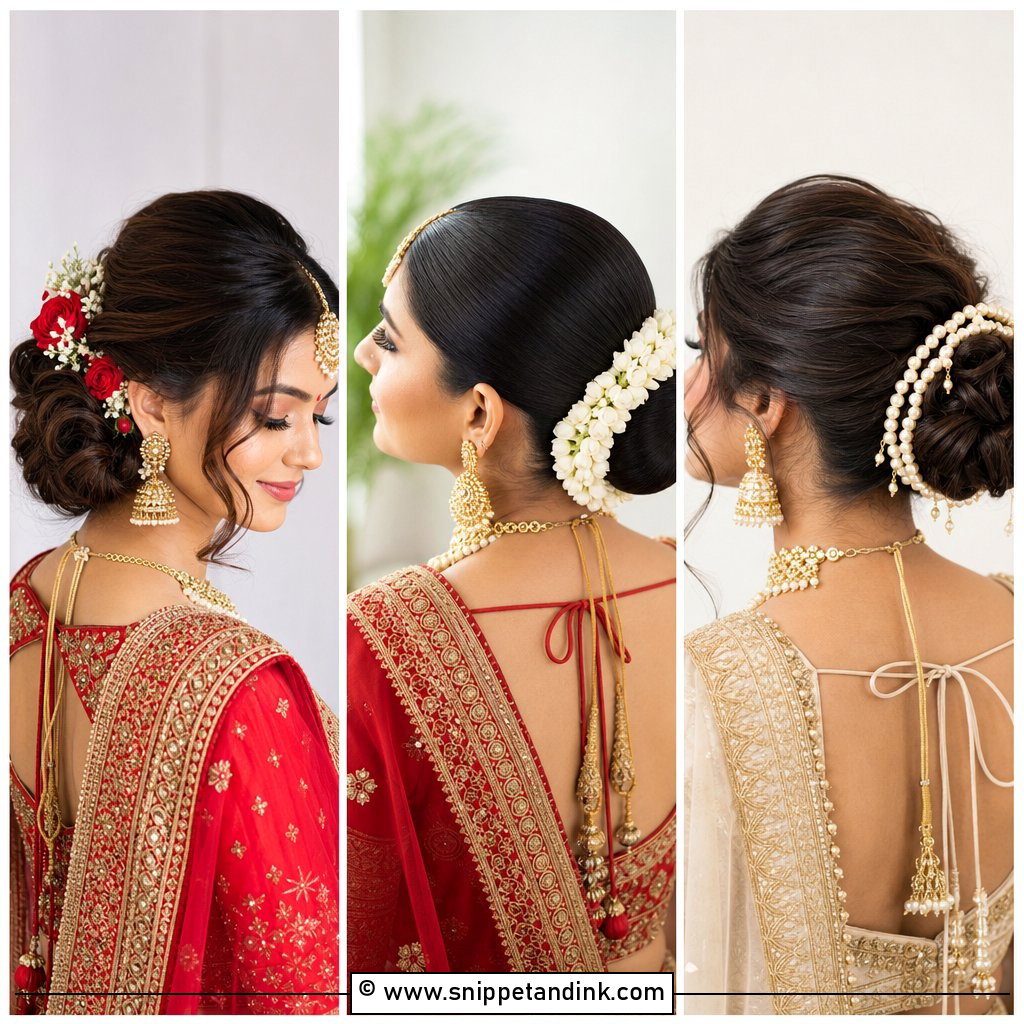
The low floral bun sits at the nape with jasmine, small orchids or spray roses tucked around the knot. It’s the easiest bun on this list to wear for a long day: low placement means no pull at the crown and nothing for a headrest or dupatta to knock. I keep the flowers on the lower half of the bun so they show in side portraits without hiding the shape. A couple of wisps near the face are enough; more than that and they end up stuck in lipstick. Statement earrings and a maang tikka finish it for a saree or lehenga.
2. Messy Bun With Gajra
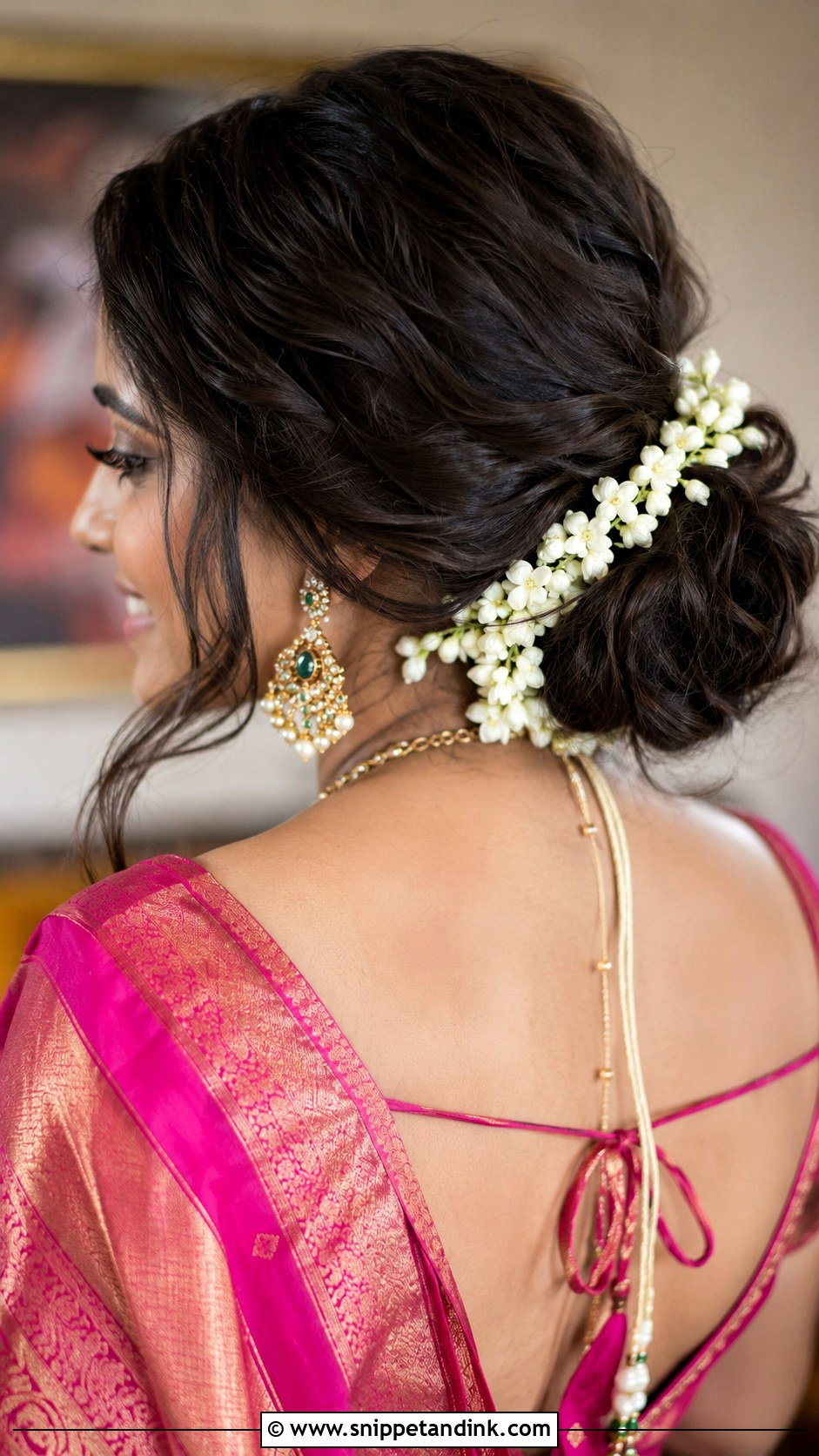
A messy bun wrapped with a fragrant gajra is my go-to suggestion for mehendi and sangeet, where you’ll be sitting cross-legged for hours or dancing. Start with a loose low bun, pull out soft tendrils, then wrap a jasmine gajra around the base. The mess has to be planned: I curl the hair first and pin the bun in loose loops, so it stays relaxed rather than collapsing. Bright white jasmine against dark hair reads clearly in photos. On very fine, slippery hair, a dry texture spray before gathering stops the loops from sliding out.
3. Braided Bun for Bride
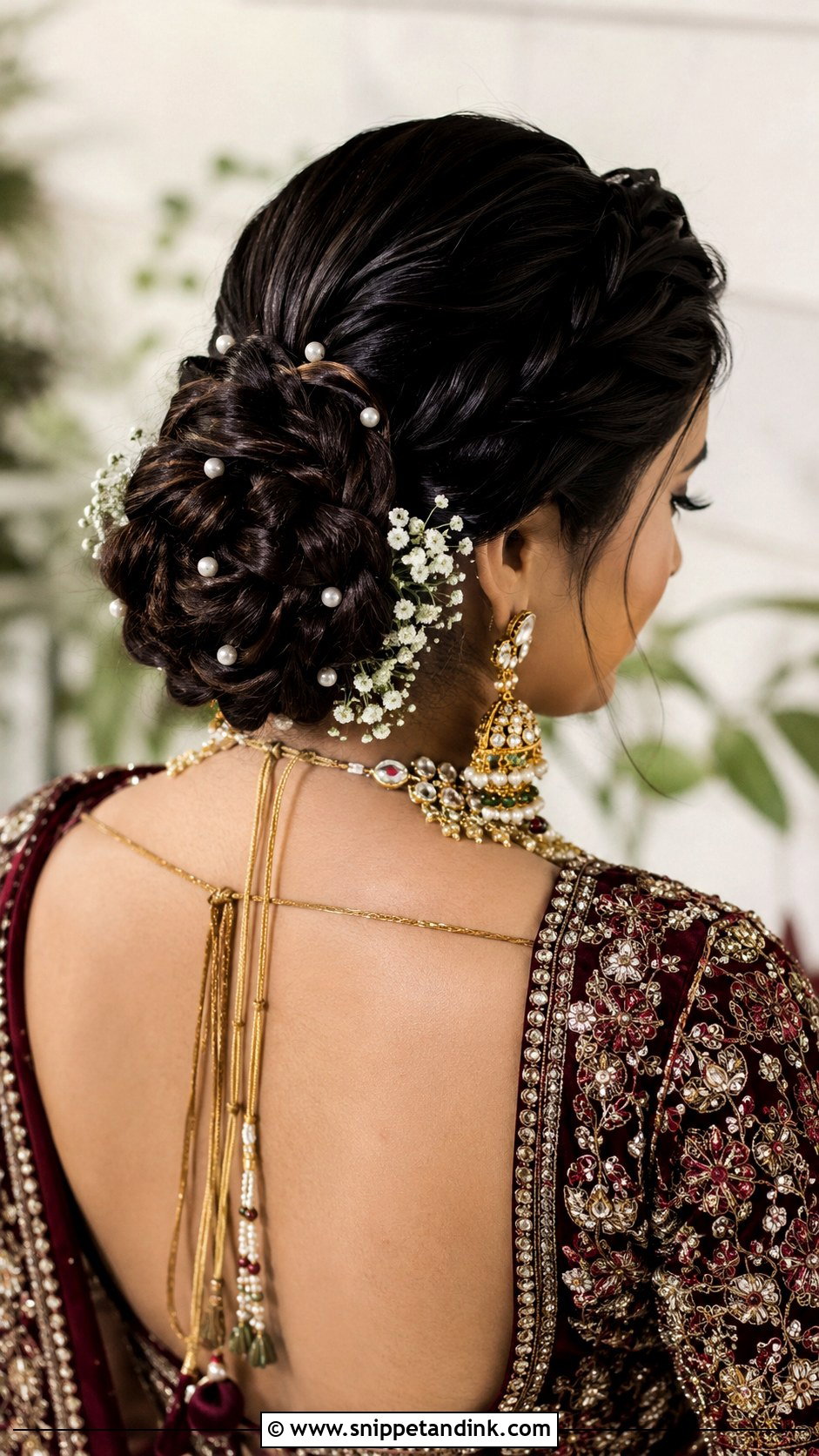
Braiding sections first and then coiling and pinning them gives you a bun with built-in grip. That’s the practical reason I like it for the main ceremony: pins hold woven hair much better than smooth lengths, so it survives hours of rituals and hugs. Small flowers or pearl pins sit neatly in the gaps between braids. It’s at its best on thick hair; on finer hair I gently pull the braid edges wider before coiling to give it visible size.
4. Ambada Hairstyle With Flowers
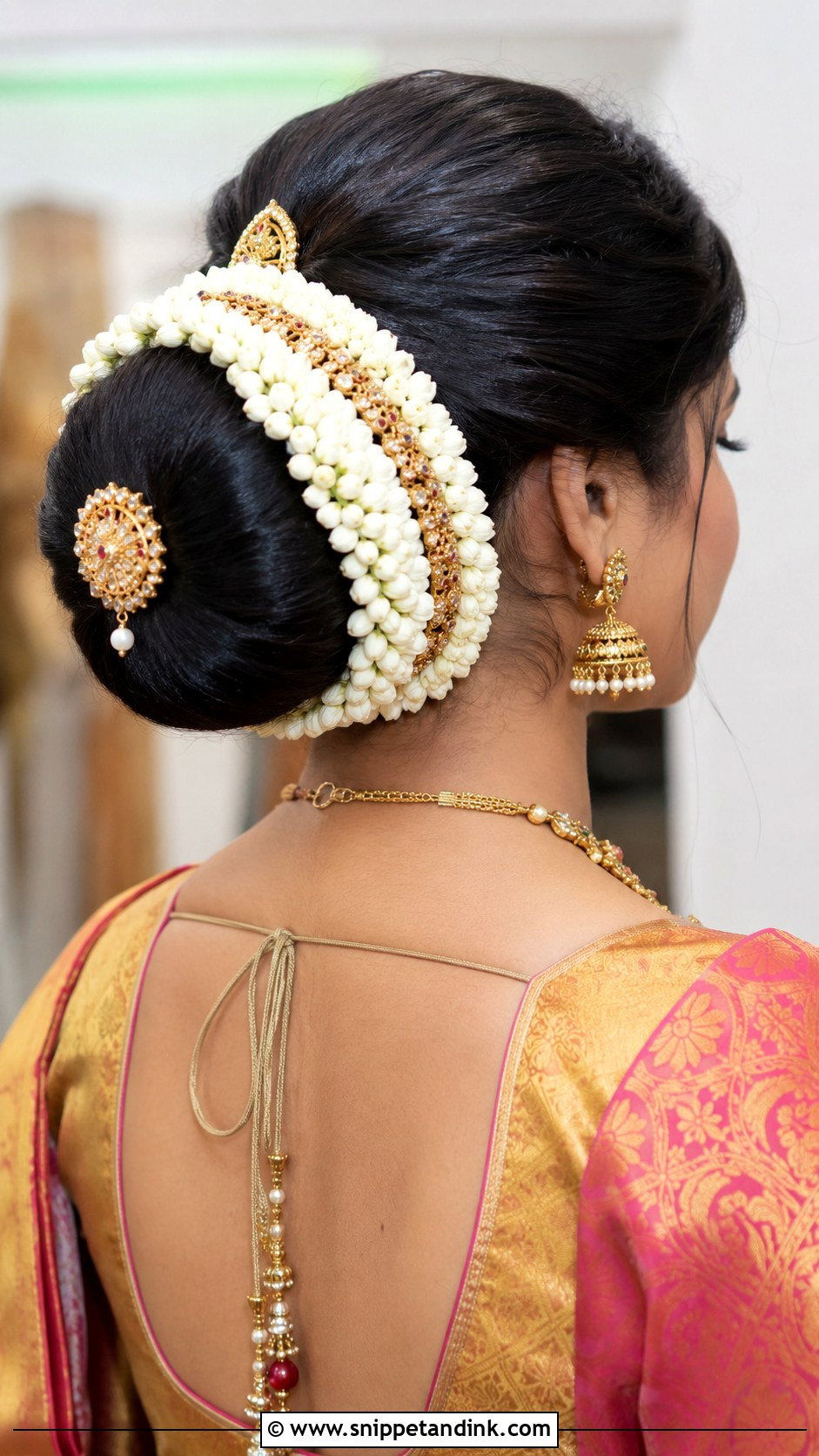
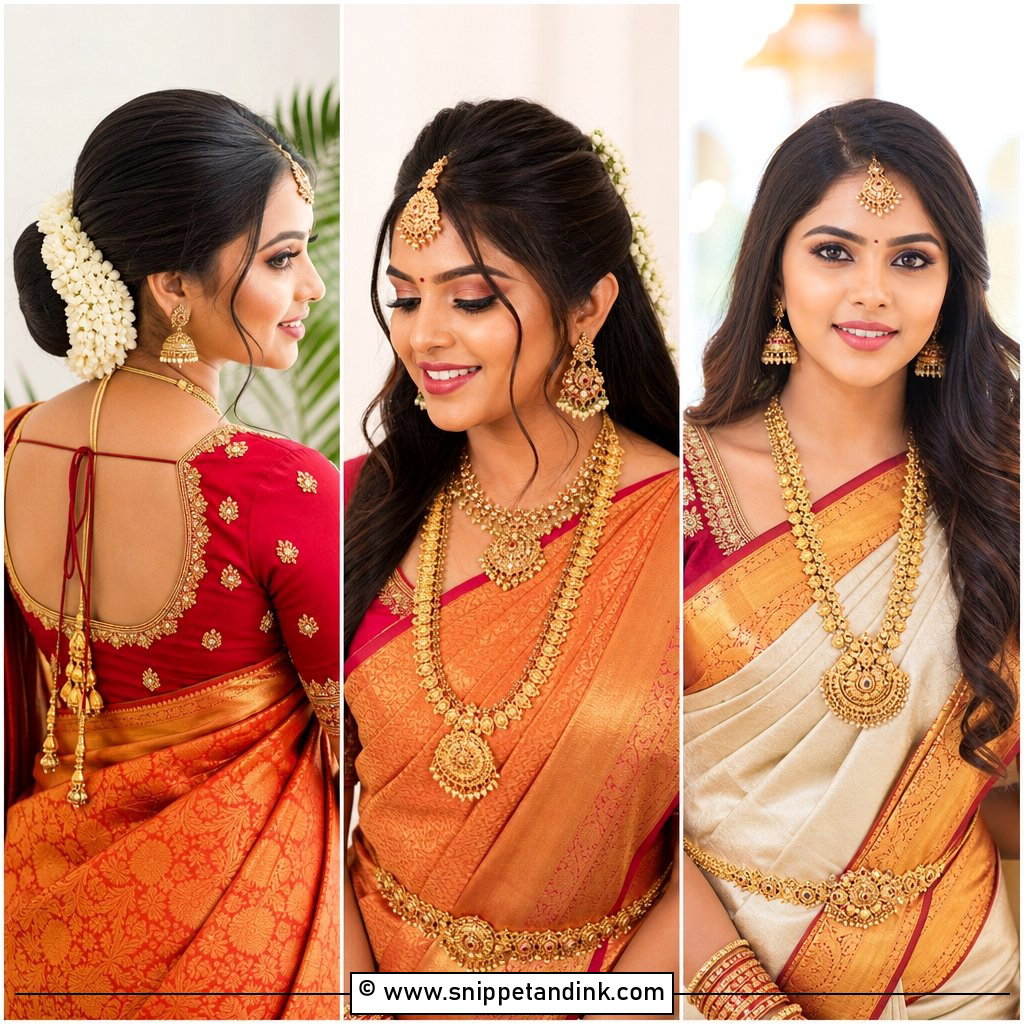
The ambada is the South Indian bridal bun, set high and full at the back of the head and dressed with fresh flowers, gold ornaments and rows of jasmine. It suits temple weddings and the muhurtam, and pairs with a Kanjeevaram silk saree and temple jewellery. It’s also the most time-consuming bun here. Most brides need padding or a hairpiece to reach the classic size, and the ornaments are heavy, so I build it on a firm base and pin each ornament separately rather than stacking them. Allow extra time on the morning for it.
5. Side Bun With Flowers
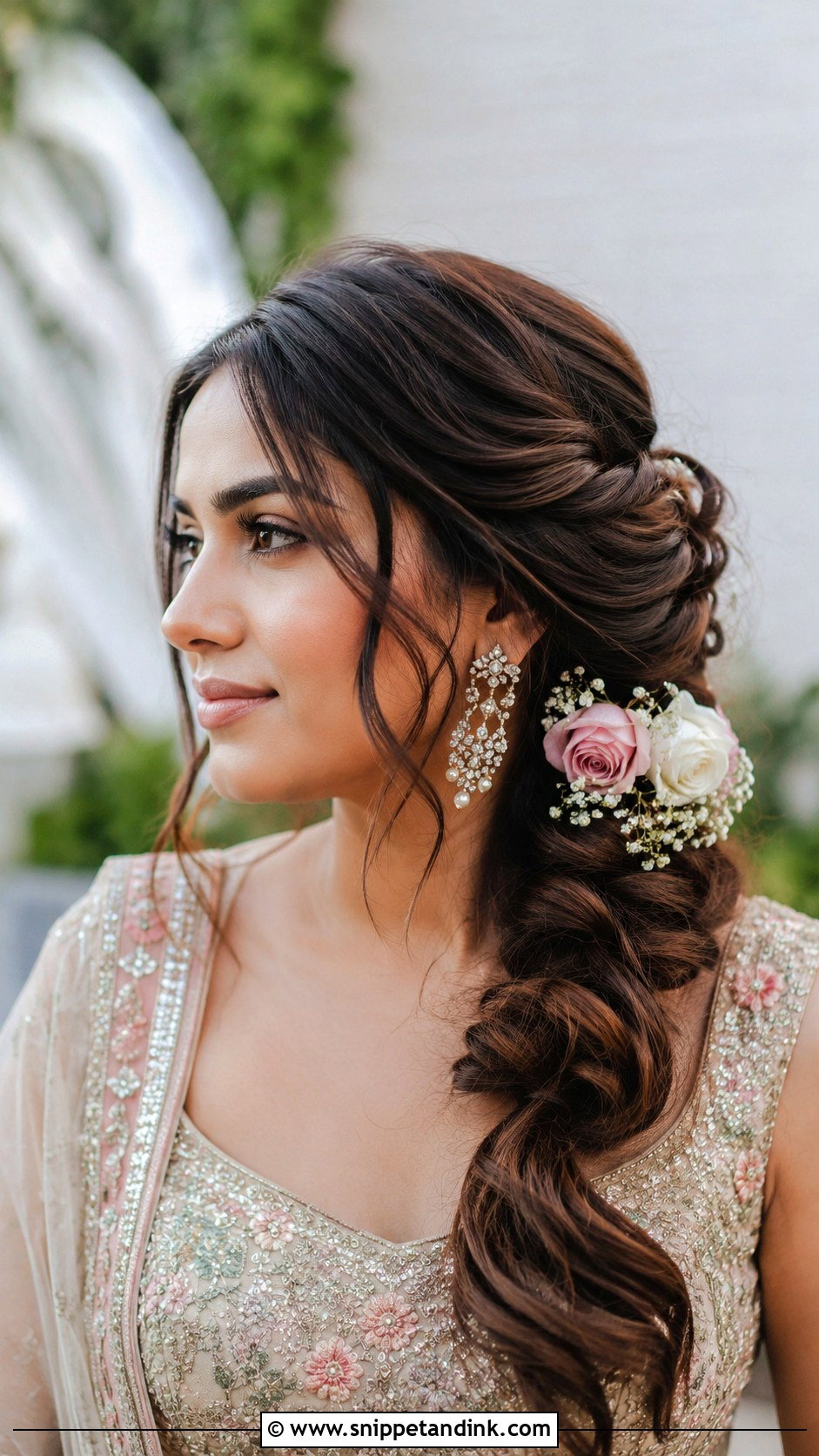
Moving the knot toward one shoulder turns the juda asymmetric and brings your face and jewellery into focus from one side. Roses, baby’s breath or a small floral cluster on the bun side keep it soft. I place it on the side opposite your saree pallu or a one-shoulder drape so the two don’t fight. Side buns are often chosen for engagement parties and receptions. They need more pins than a central bun, since they sit off the head’s natural balance point.
6. Bun With Bejewelled Juda Holder
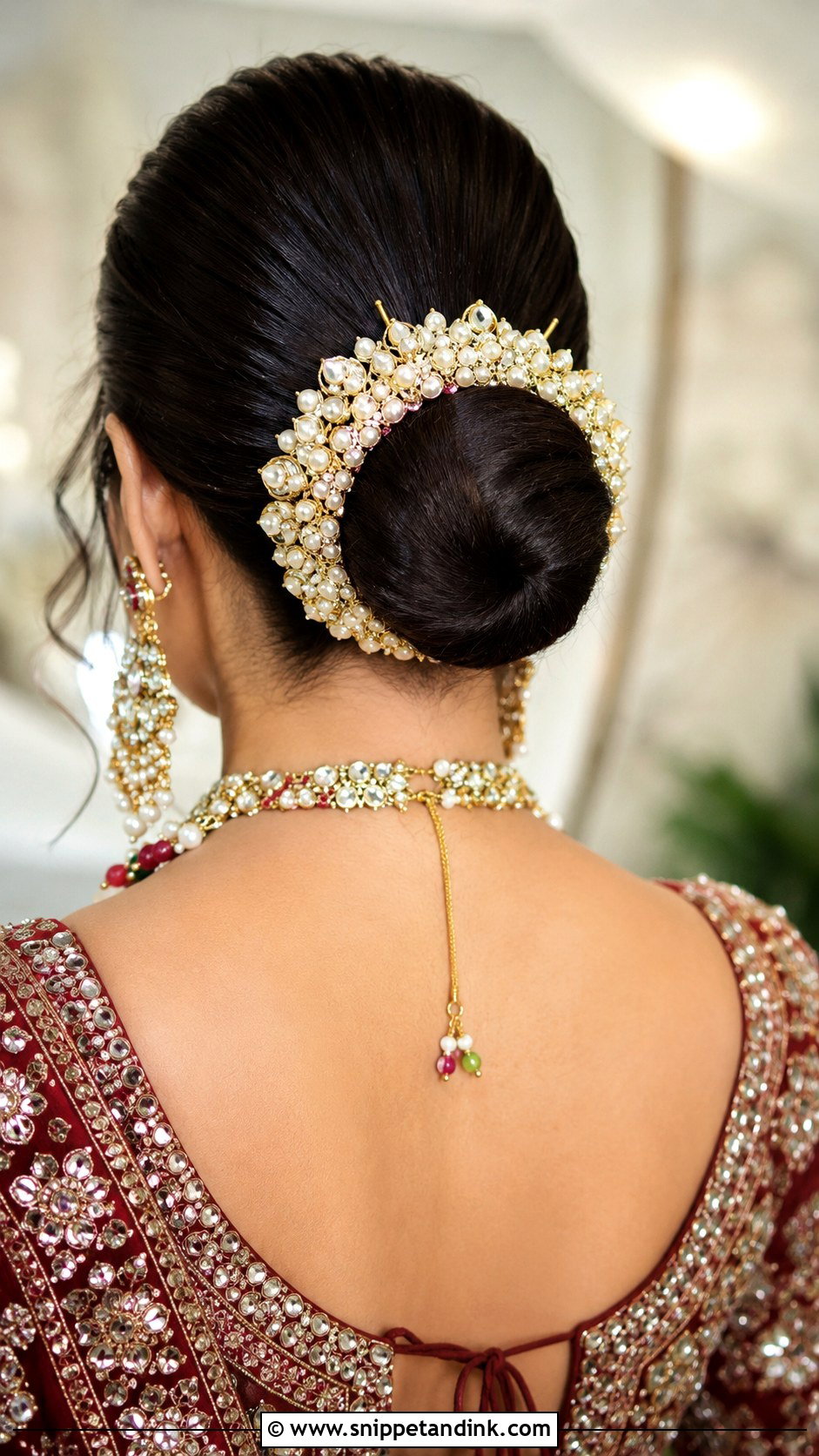
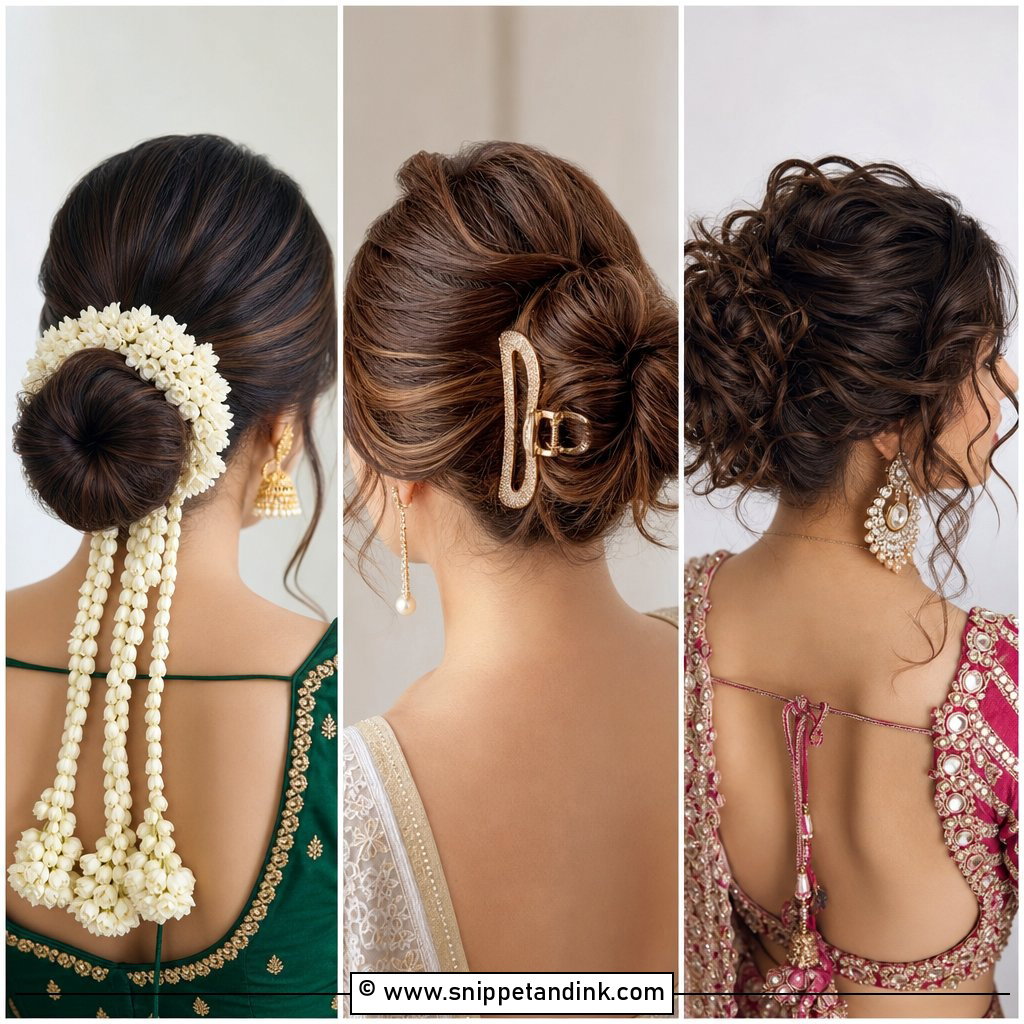
A neat bun tucked into a juda holder studded with stones, pearls, or kundan work is about as ceremonial as a bun gets. The holder does the decorative work, so the bun underneath should be smooth and compact. Measure the holder against your bun at the trial: if the bun is too large, the holder sits on top like a cap; too small, and it slides. I secure the holder with U-pins through both the holder and the bun, then add a tikka or matching pins at the crown.
7. Curly Low Bun for Wedding
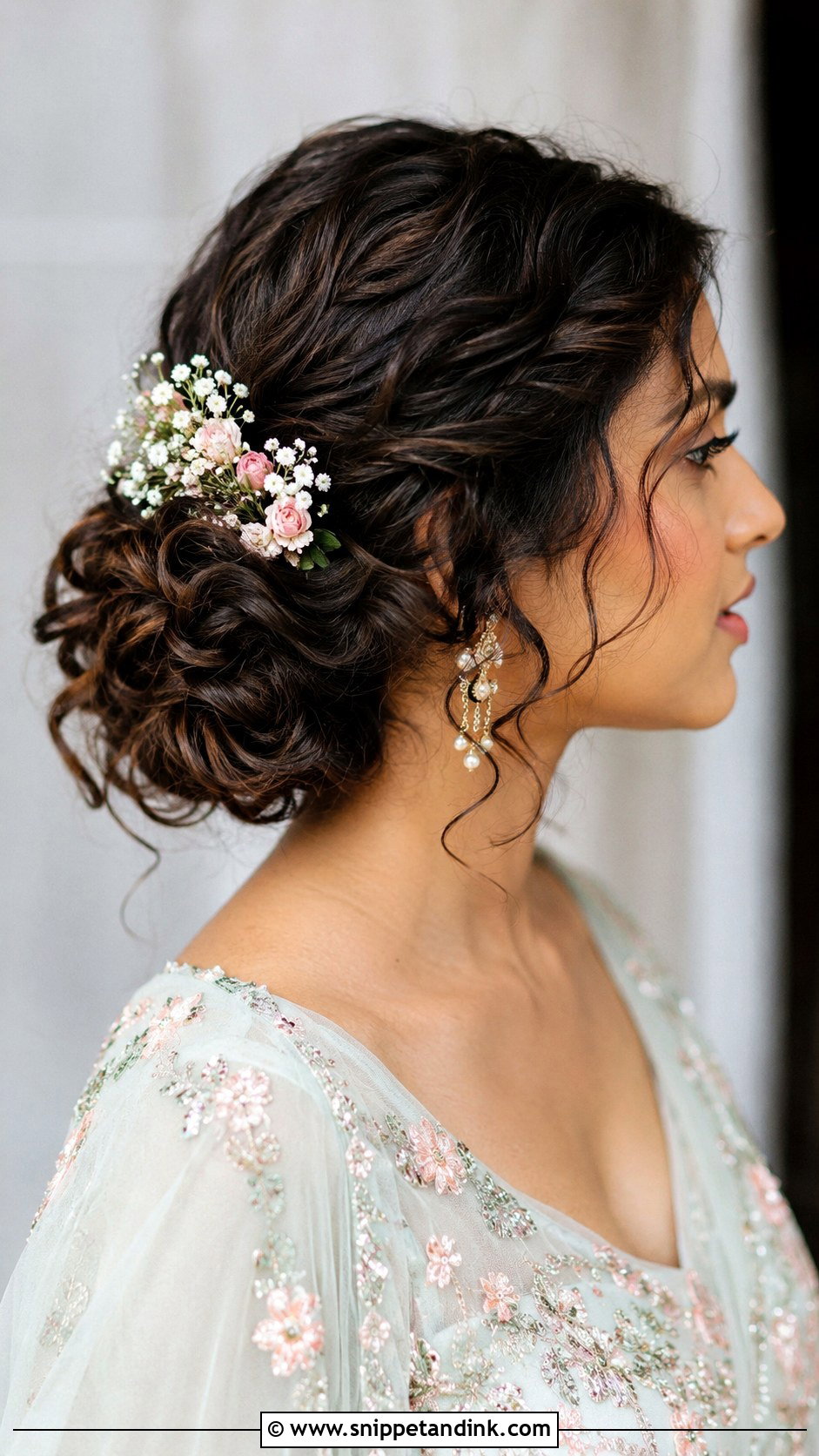
Textured curls loosely gathered and pinned at the nape, with a few curls left to frame the face. This one celebrates natural curl, and I’d work with your curl pattern rather than straighten and re-curl. For a curly bride, I’d rather see the bun styled on hair washed and conditioned the night before, with a curl cream and diffuser, than on freshly washed hair, which is softer and harder to pin. Tuck a small cluster of flowers on one side and pair it with a flowy gown or pastel lehenga for a reception or boho function.
8. Sleek High Bun for Reception
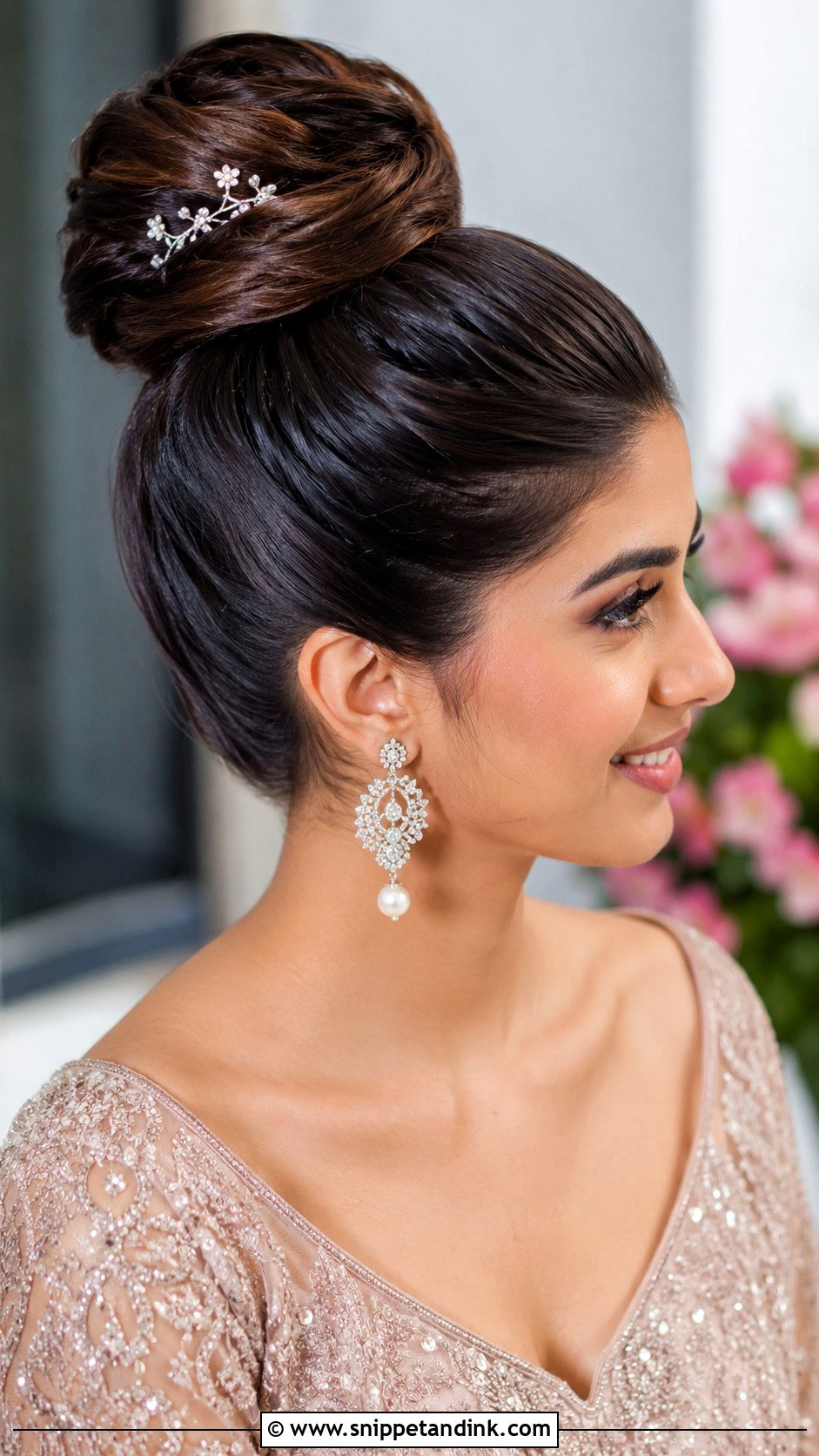
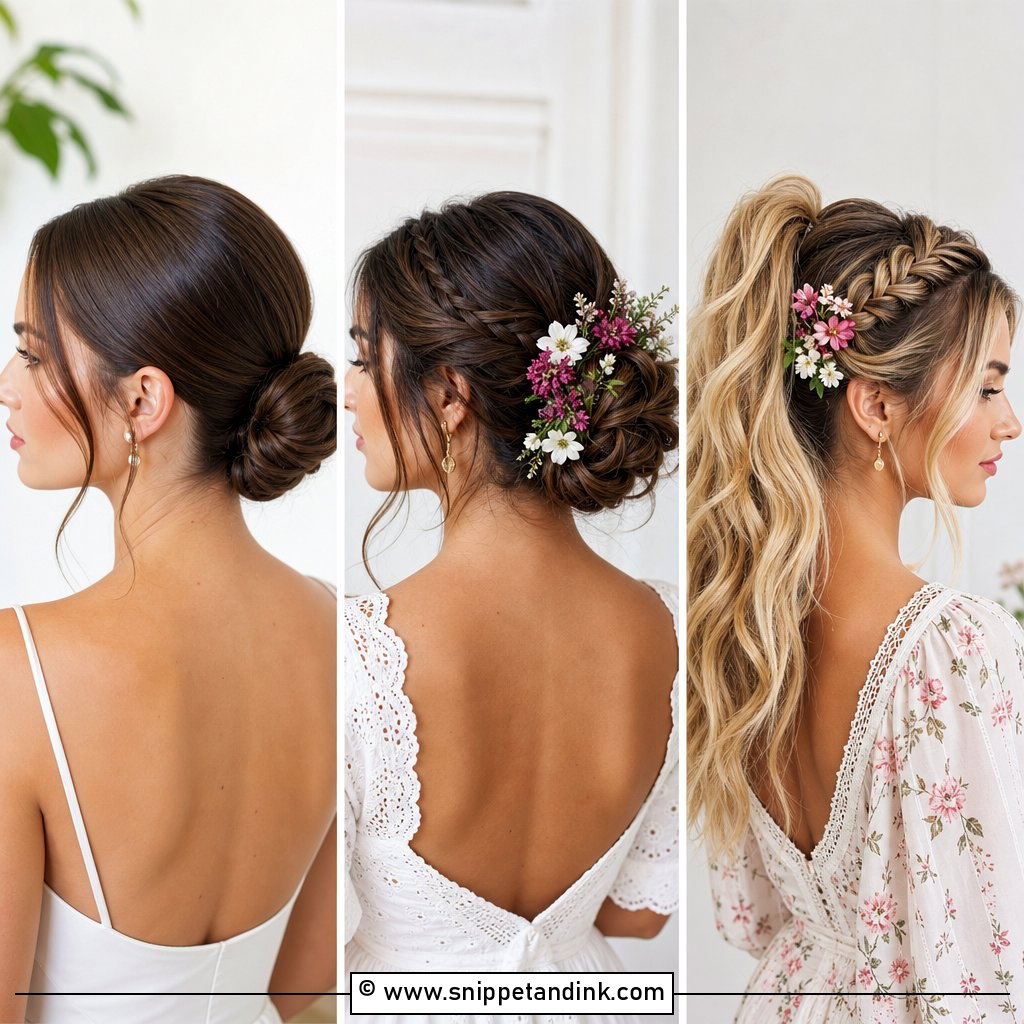
Smoothed back and twisted into a polished knot at the crown, the sleek high bun suits a reception outfit with a clean neckline. It brings the eye up to your face and earrings. Two things matter: the hairline must be flawless, because flash shows every flyaway, and the bun should sit high enough to look deliberate but not so high it fights a gown’s back detail. I set the base with a firm gel, finish with serum, and add a single delicate pin if you want detail.
9. Bun With Baby’s Breath
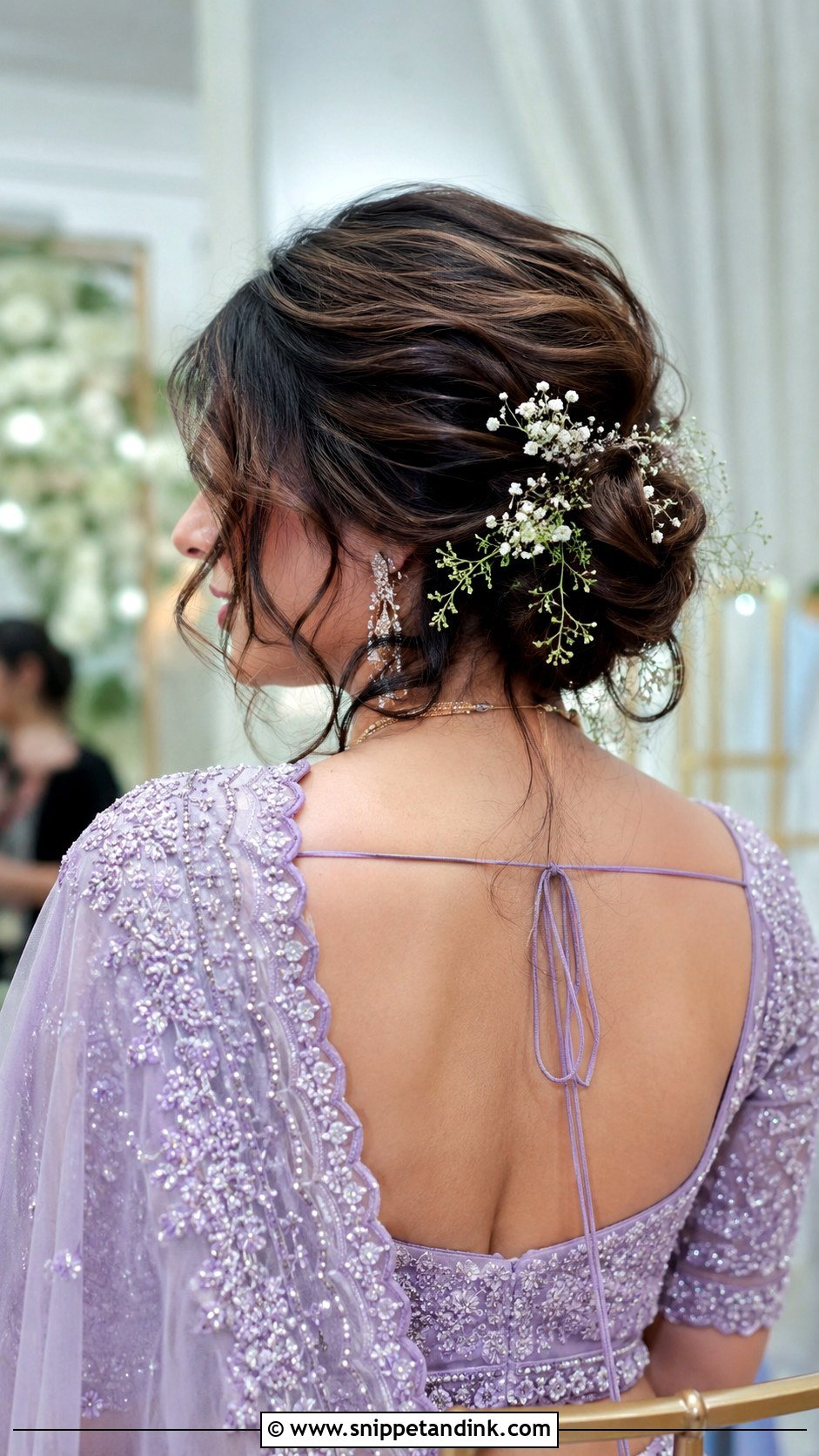
Baby’s breath scattered through a low or messy bun reads soft from a distance and holds up well, since it’s a dry, sturdy bloom that doesn’t wilt as quickly as jasmine. It pairs well with pastel and lavender-toned outfits for mehendi or sangeet. I wire the stems into small clusters before pinning them in; single sprigs fall out as you move. Leave soft waves at the front and add a little greenery if you want more depth.
10. Rose Bun for Indian Bride
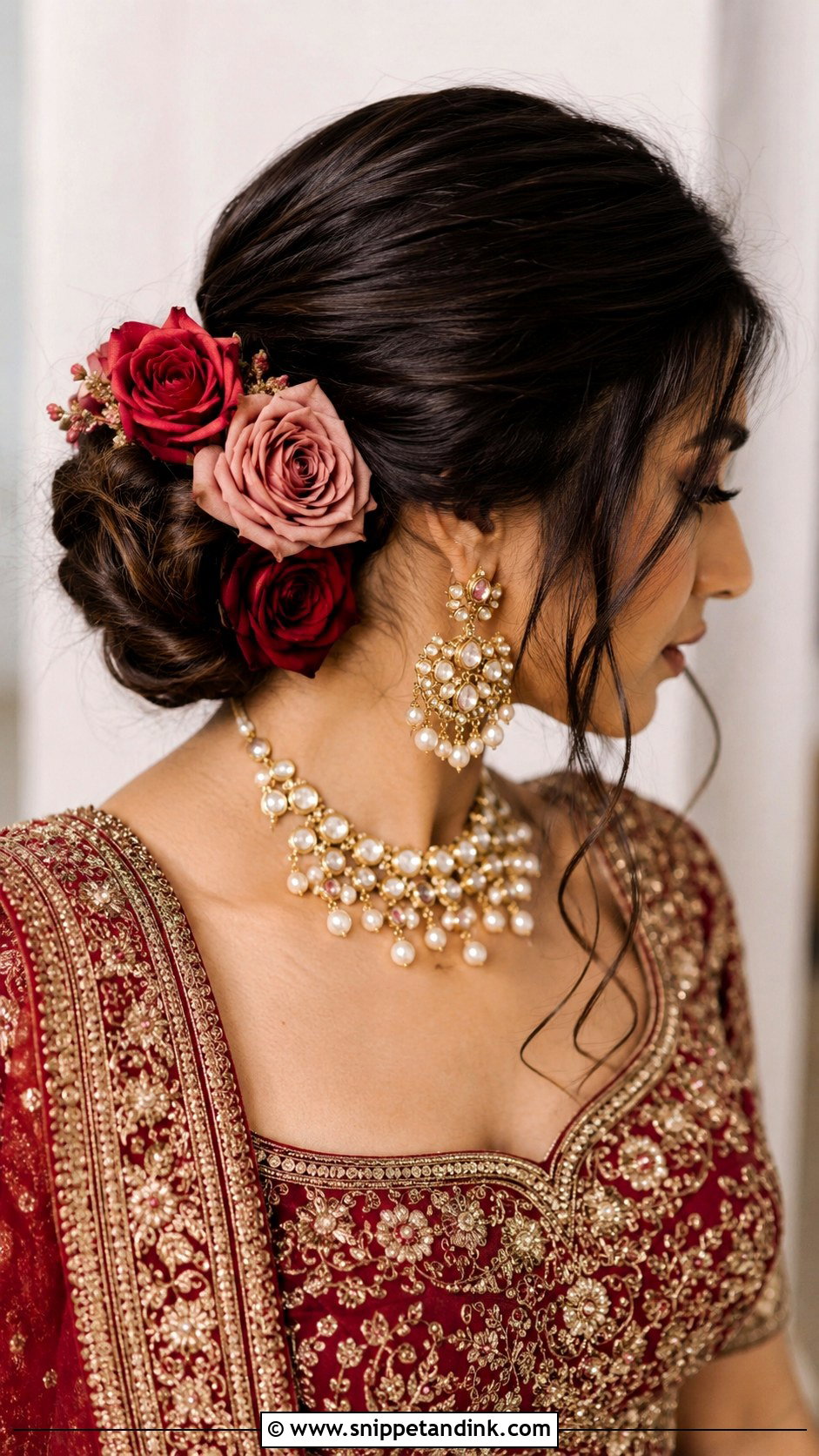
Roses give a bun a strong focal point, in deep red, blush or soft yellow. A few blooms arranged around a low or side bun pair naturally with red or maroon lehengas. Fresh roses are heavy and drop petals over a long day, so I usually suggest two or three fresh blooms on the most visible side with good fabric roses filling the rest. Leave soft strands near the face to balance the volume and keep the jewellery matched in tone.
11. Twisted Bun With Hair Accessories
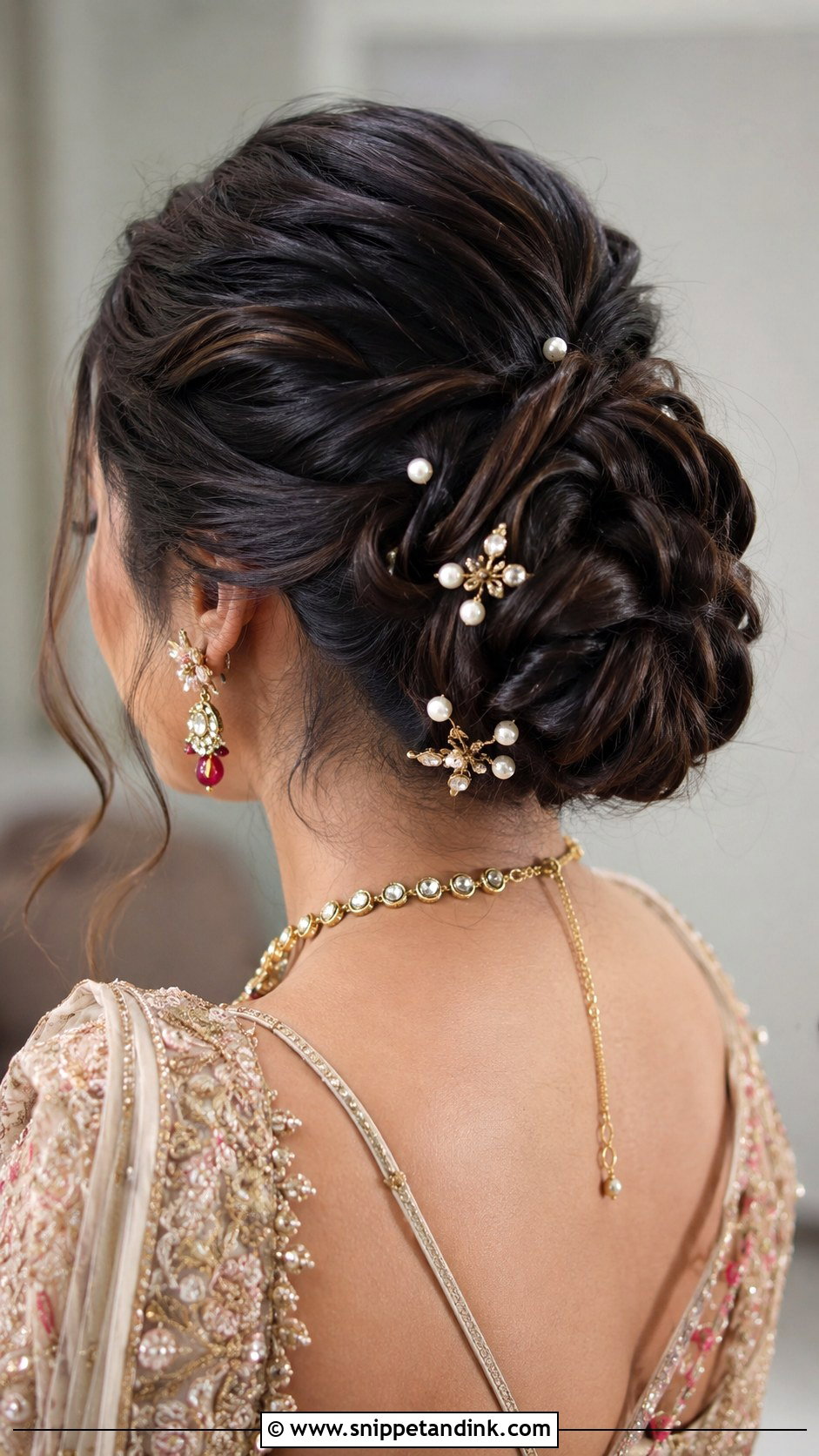
Sections twisted and wrapped into a dimensional knot give a rope-like texture without any flowers. Pearl pins, gold leaves or a hair vine add detail, and the accessories let you match your outfit’s metal tones. It’s versatile for engagements and receptions. Twists unravel more easily than braids, so I pin each twist as it’s wrapped and set it with hairspray before the next goes in. Leave a few wispy pieces around the face.
12. Pearl Bun for Wedding
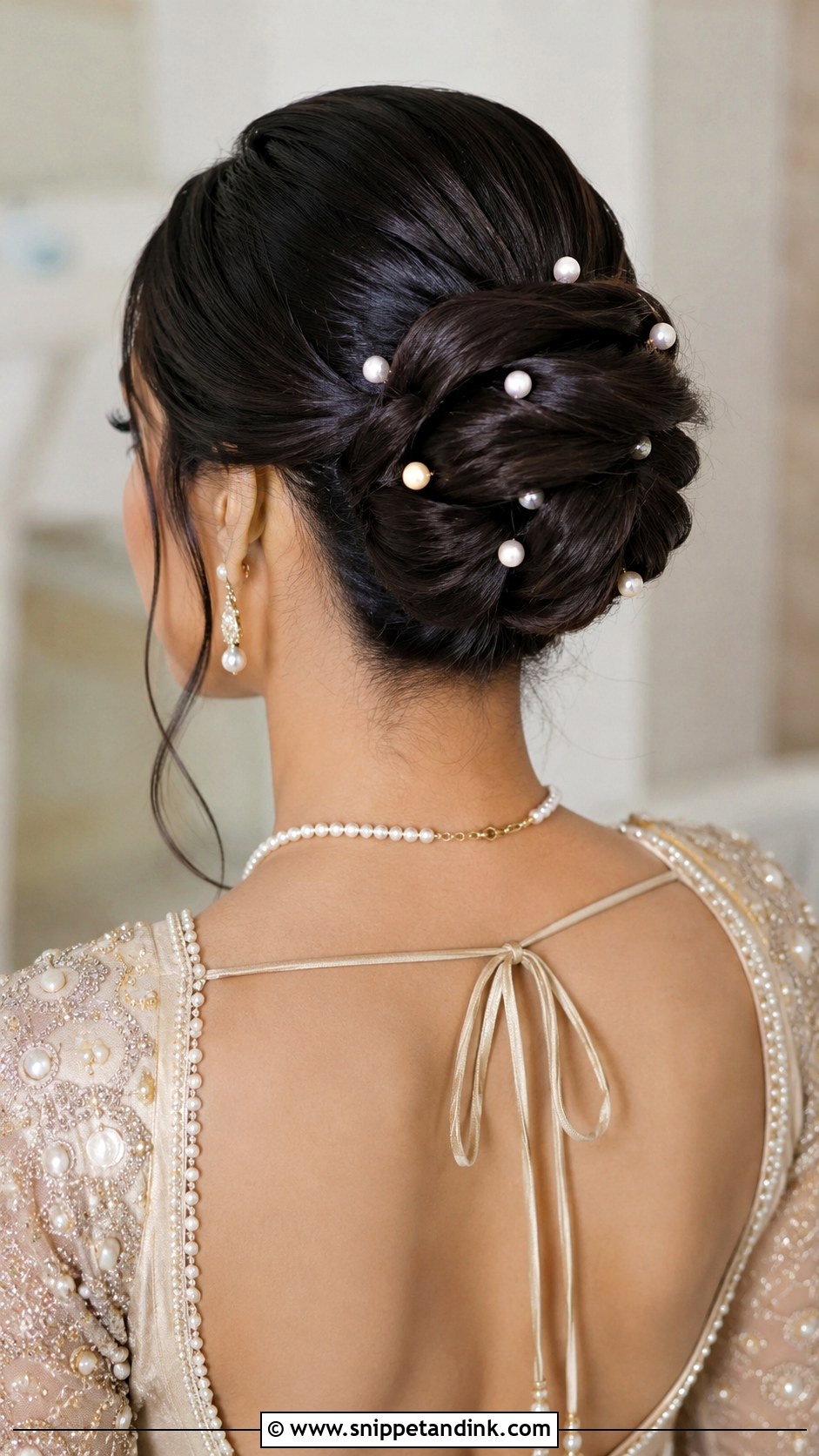
Pearl pins scattered through a sleek or twisted bun give a soft sheen that suits ivory, pastel and champagne outfits and a pearl jewellery set. I’d keep the bun smooth so the pearls stand out; on a heavily textured bun they get lost. Space them unevenly rather than in rows, which looks more natural in photos. A single fresh bloom adds a hint of colour if the outfit is all one tone.
13. Bun With Maang Tikka
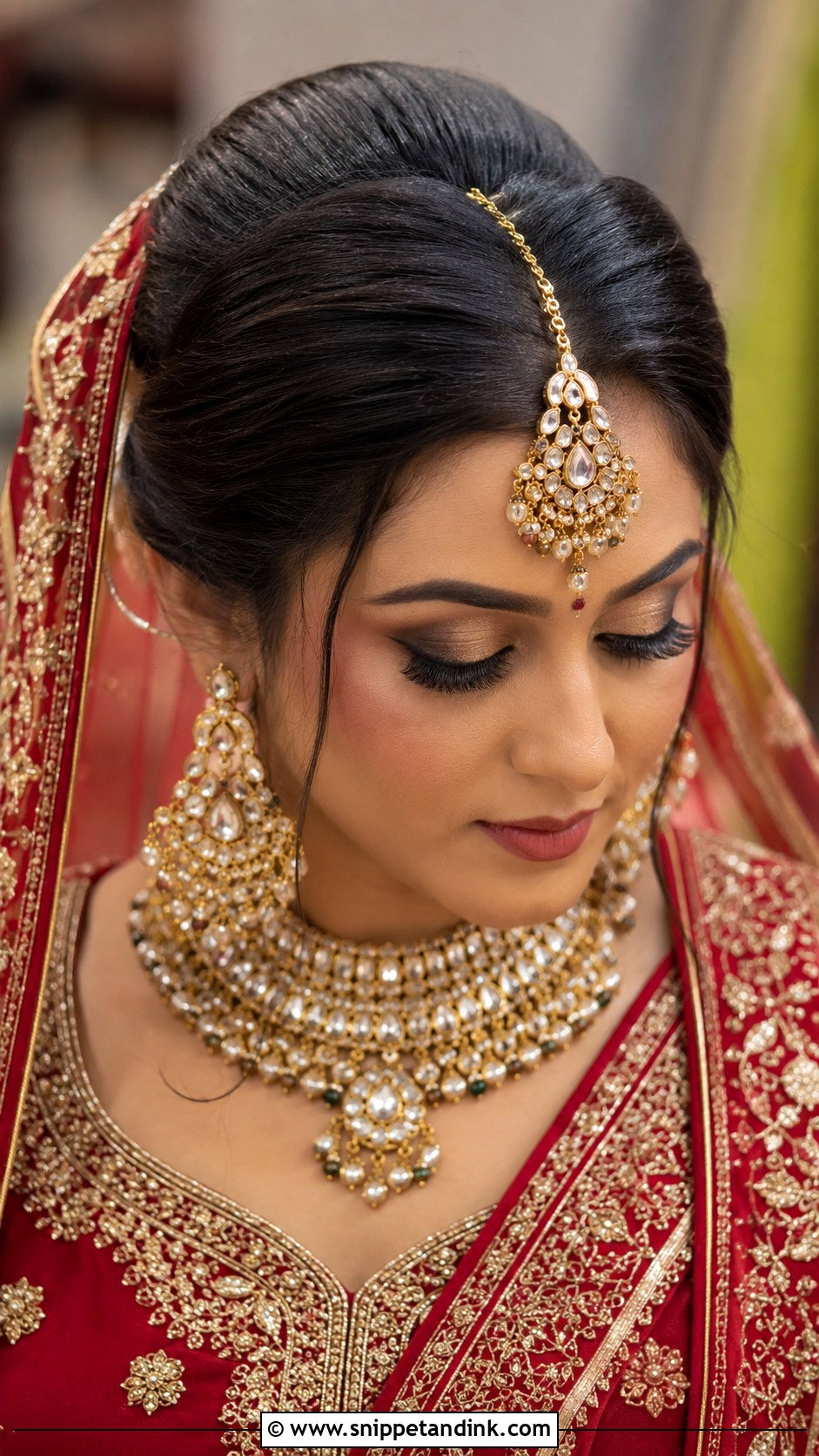
A bun pairs naturally with a statement maang tikka, because the pulled-back hairline gives the tikka a clean place to sit. The chain usually runs along the parting and needs anchoring: I hide a small bobby pin or two along the parting and hook the tikka into them so it doesn’t slide sideways or drop onto the forehead. Choose a sleek bun for a wider face and a slightly fuller one for a long face. It suits the main ceremony with heavy jewellery and a rich lehenga.
14. Bun With Jasmine Strands
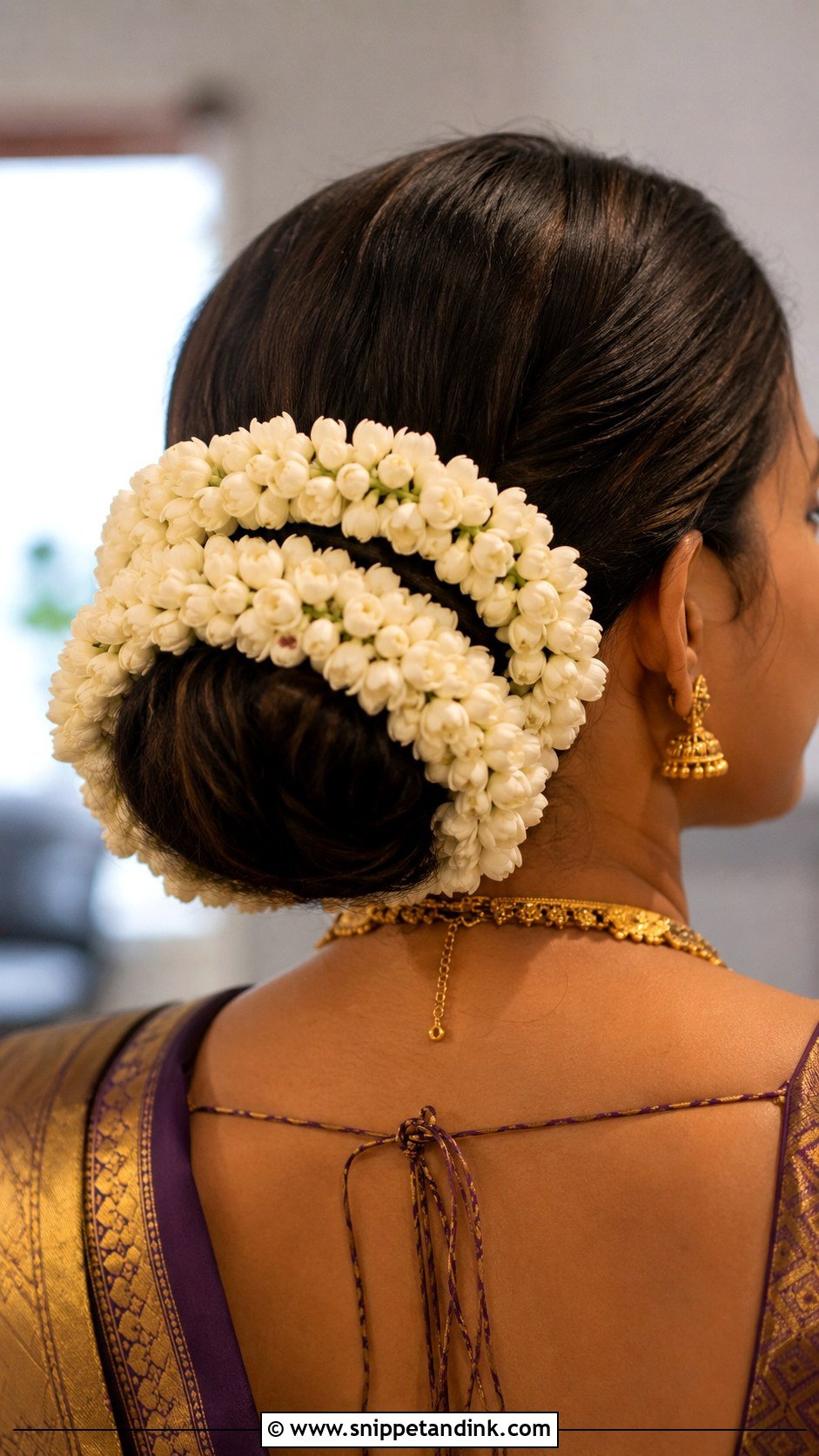
Wrapping a row of jasmine around a bun is one of the most recognisable bridal looks in Indian weddings, and the scent is part of the experience. The white flowers stand out against dark hair. It suits sleek and messy buns equally, and pairs with a silk saree and gold temple jewellery. A single strand looks clean; layering several gives more drama. Jasmine browns as the day goes on, so the gajra should be fresh, kept cool and damp until it goes on, and pinned last.


15. Voluminous Bun for Lehenga
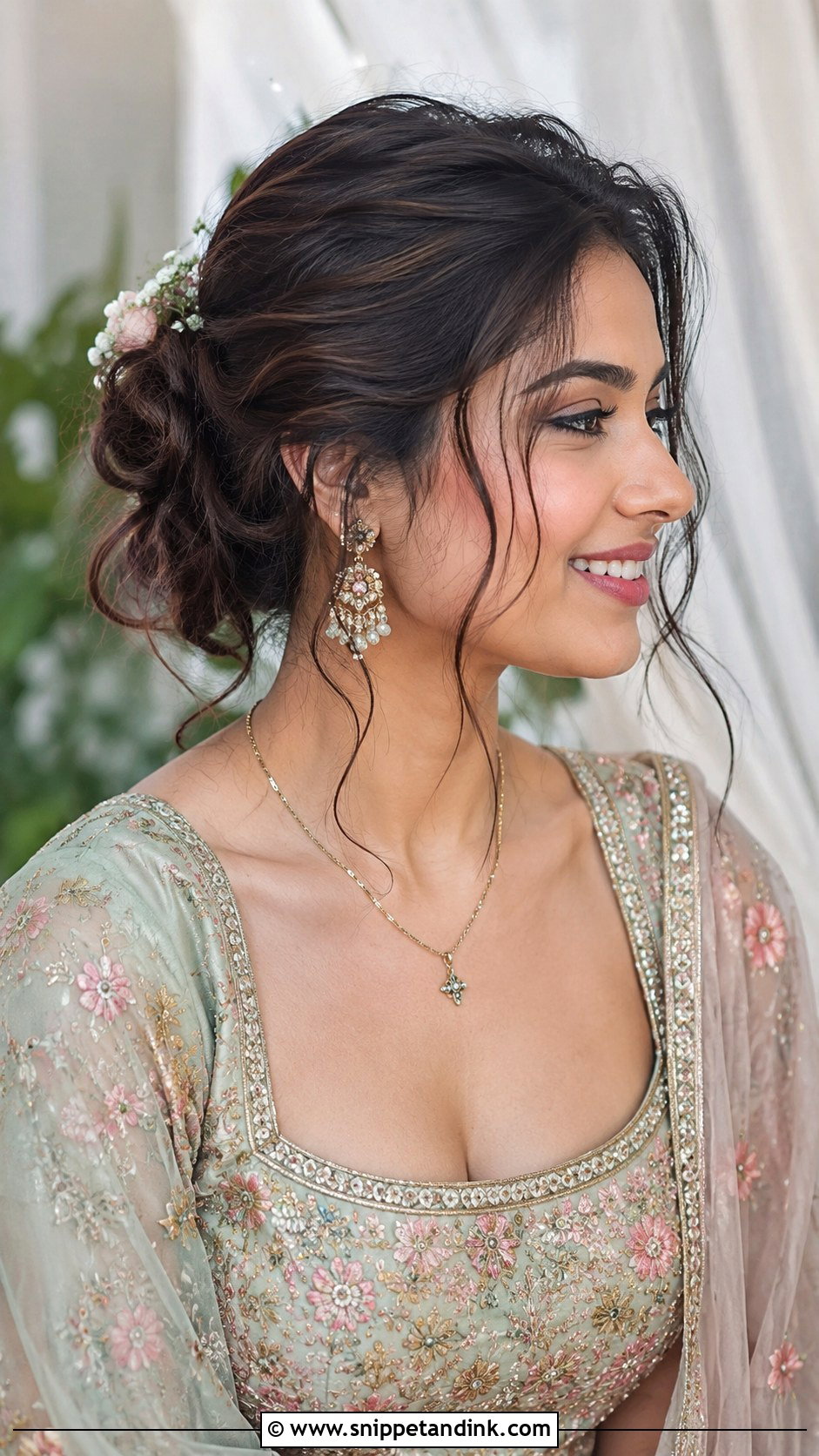
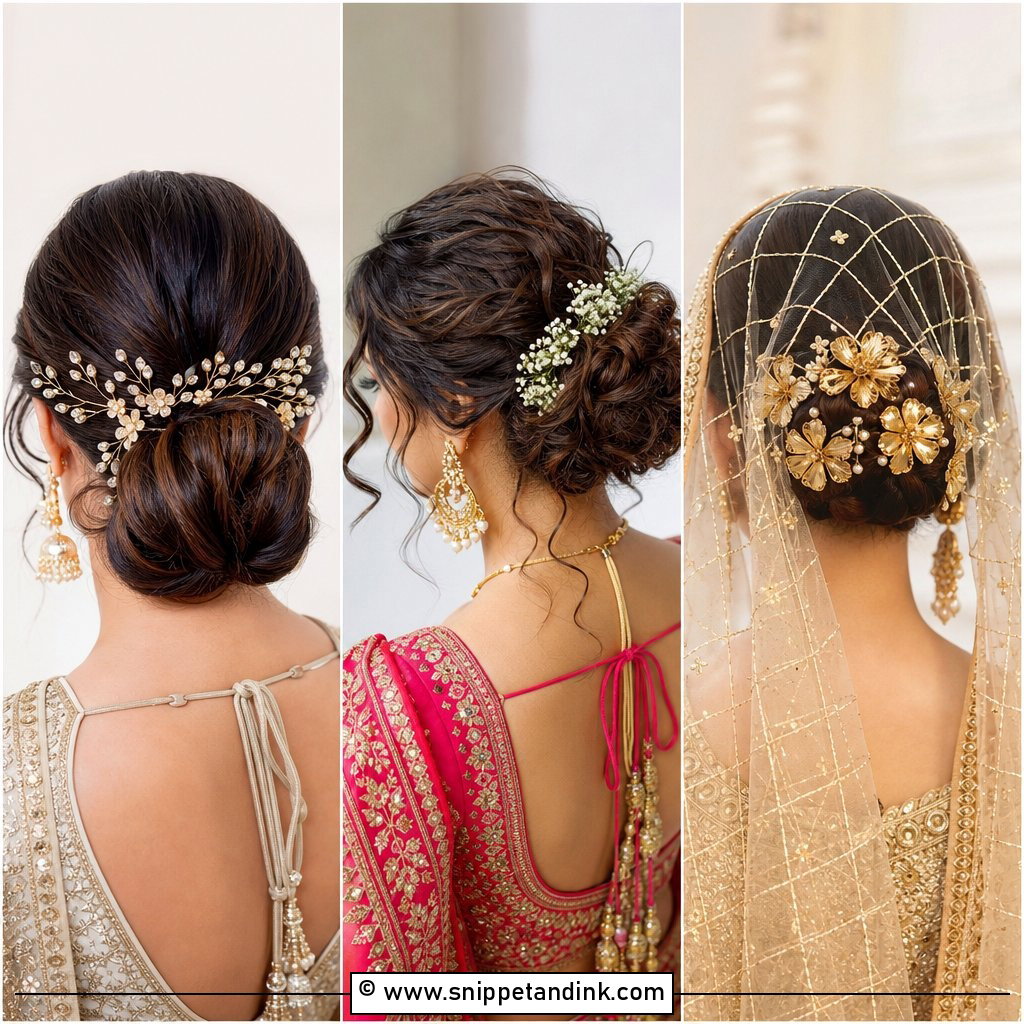
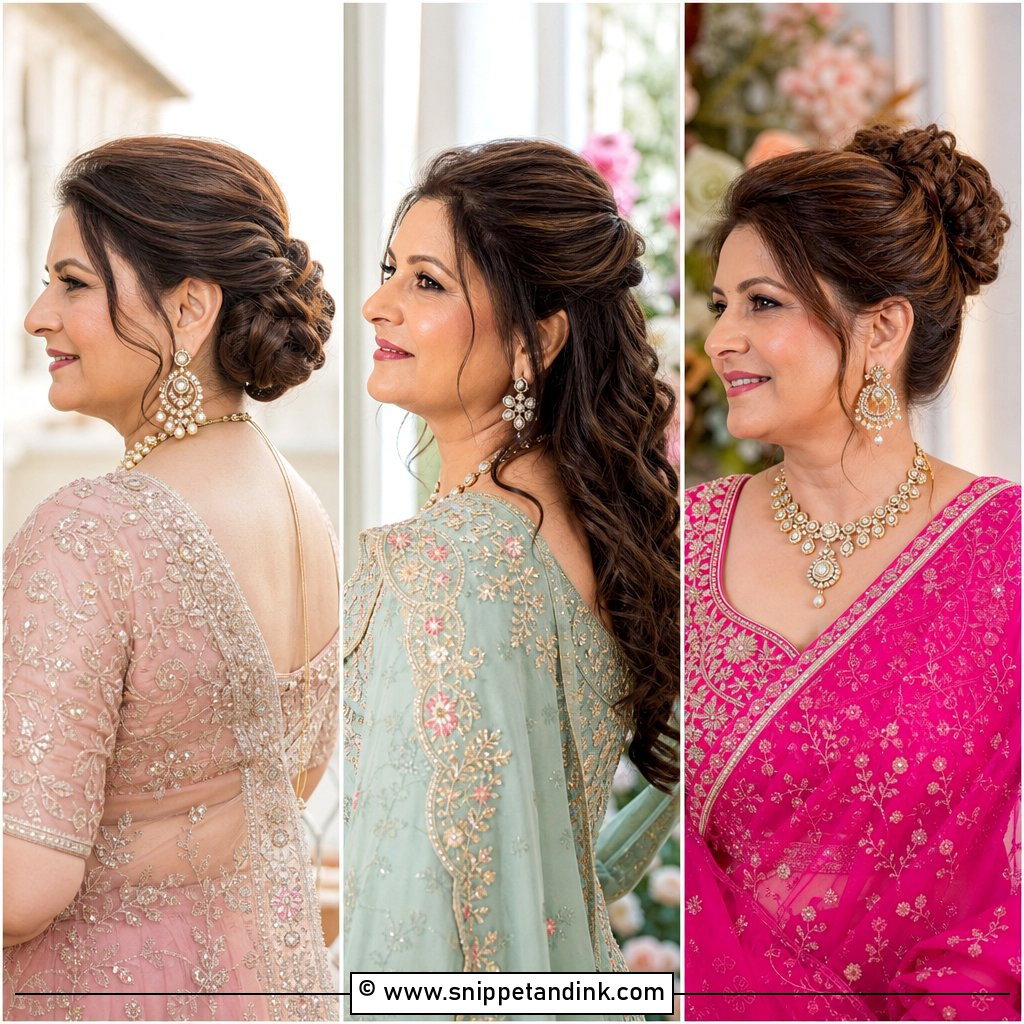
A heavy lehenga needs a bun with some presence, or the hair looks small next to the outfit. I backcomb the crown for lift, then gather the hair into a full, rounded knot, often over a padded donut. The volume flatters round and oval faces, and the bun can carry flowers, pins or a juda holder. I keep soft strands near the face so it doesn’t look stiff, and smooth the backcombing well, because rough teasing shows in close-ups.
16. Loose Romantic Bun With Wispy Strands
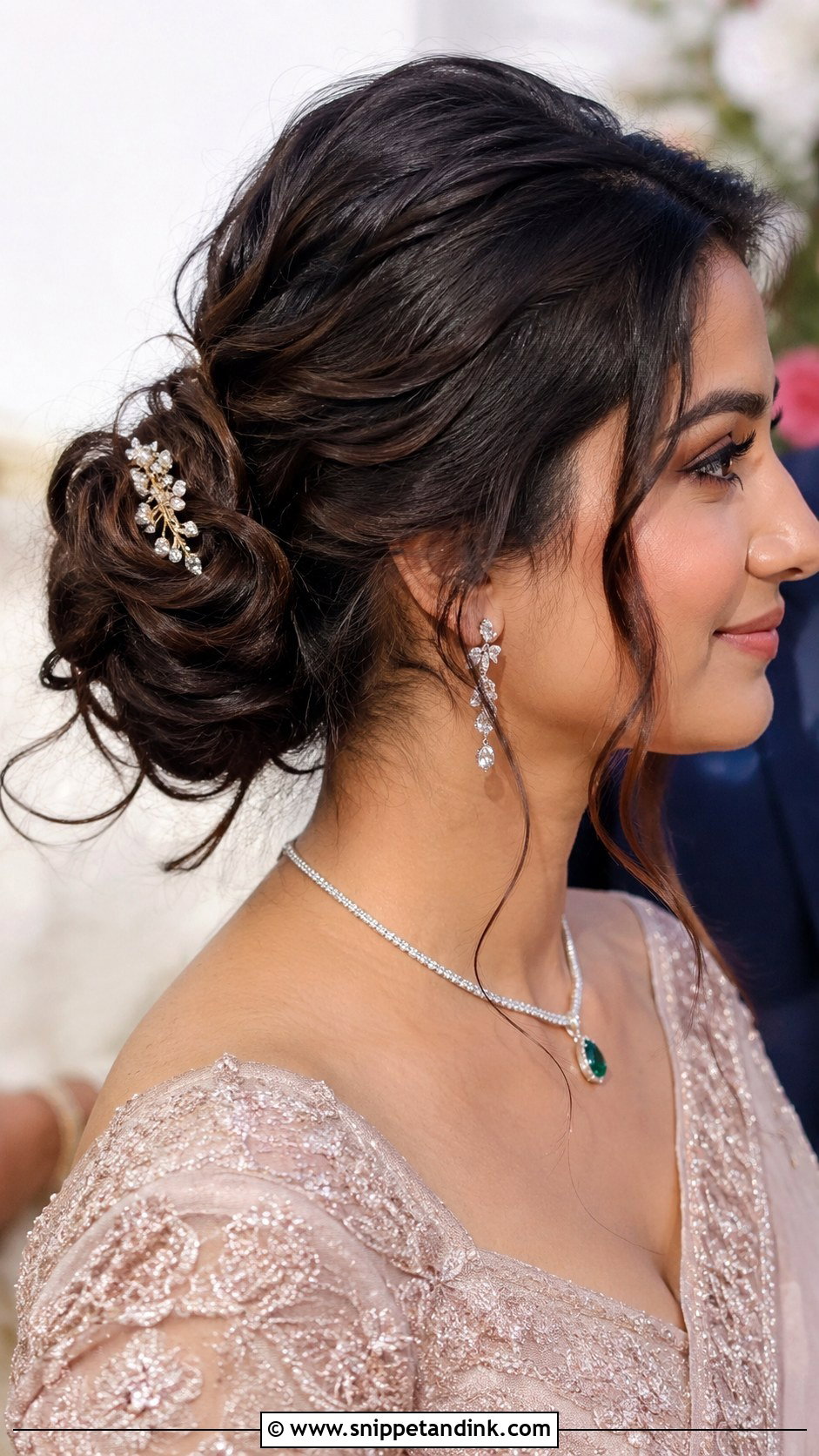
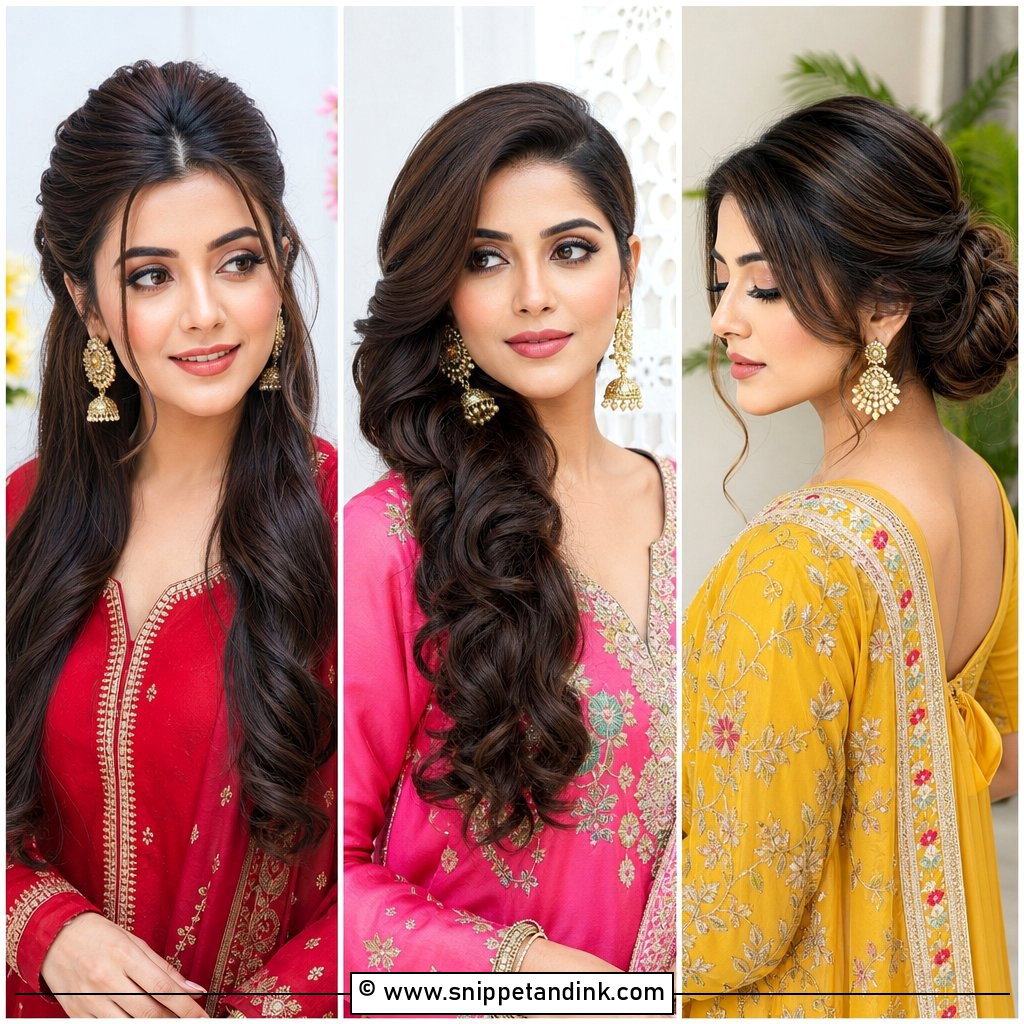
A loose, romantic bun pinned gently with plenty of wispy strands left out suits mehendi, haldi or a small ceremony. It’s the most comfortable bun on the list. The trade-off is hold: a very loose bun can sag over a long day, especially on silky hair. I curl and texturise before gathering, then pin the inner structure firmly while keeping the outer layer soft. It works naturally on wavy or textured hair with pastel outfits and dainty jewellery.
17. Fishtail Braided Bun
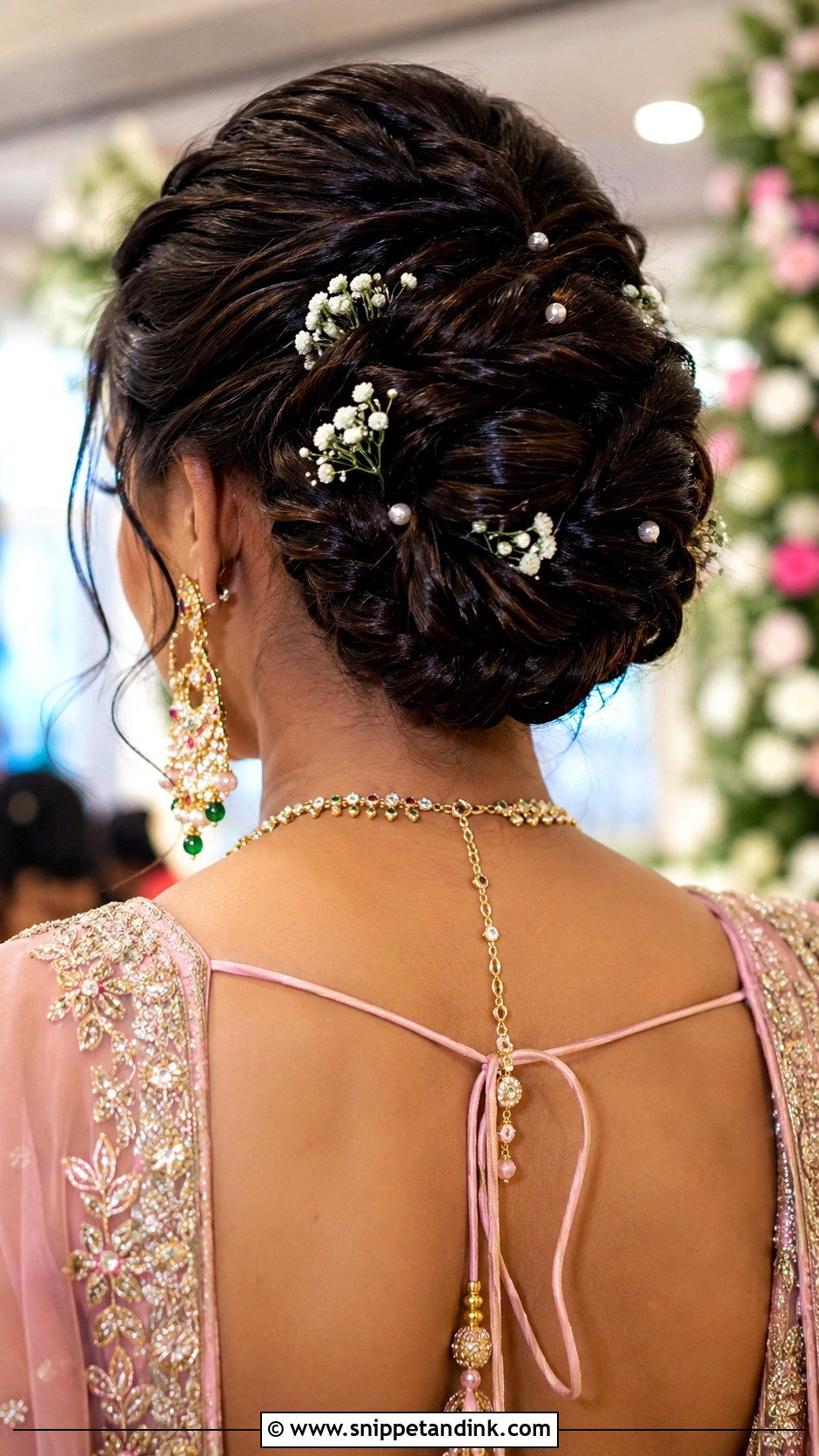
Plaiting a fishtail first and coiling it into a knot gives one of the most intricate-looking buns with very little extra effort. The woven pattern is secure and catches the light. It suits long, thick hair best, since a fishtail on short or fine hair gives a small bun. Decorate with pearl pins, tiny flowers or a gold accent, and loosen the braid gently before coiling so the pattern reads from a distance. It fits sangeet, engagement or reception.
18. Marigold Bun for Mehendi
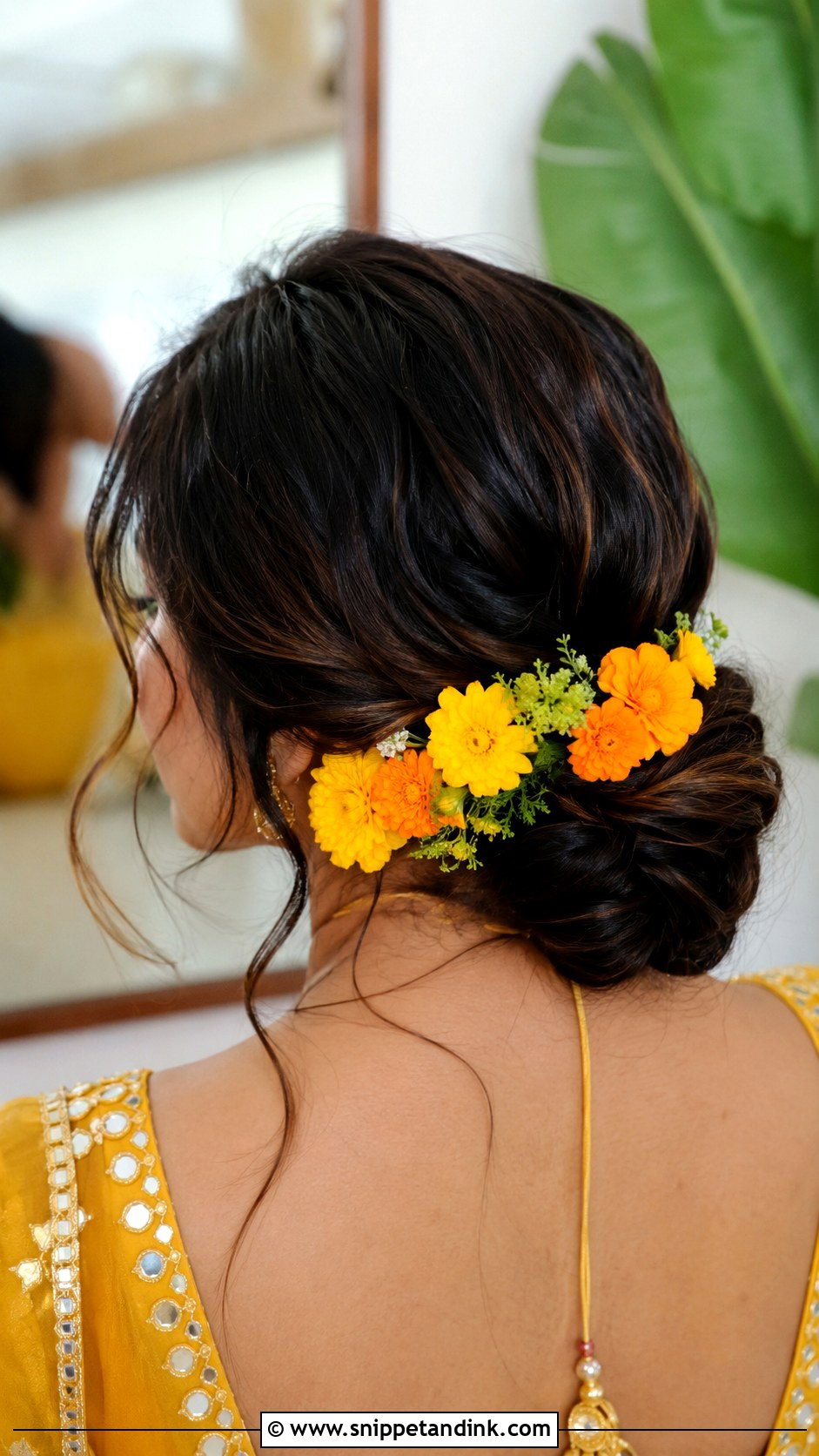
A marigold-decorated bun brings the colour of mehendi and haldi straight into the hair. Orange and yellow blooms wrapped around a low or messy knot match yellow, orange and green outfits. Marigolds are sturdy and hold well through a day. For haldi, expect turmeric paste to stain the flowers and hair, so use flowers you won’t mind losing and plan to wash the hair afterwards. A little greenery adds texture.
19. Bun With Dupatta Draped Look
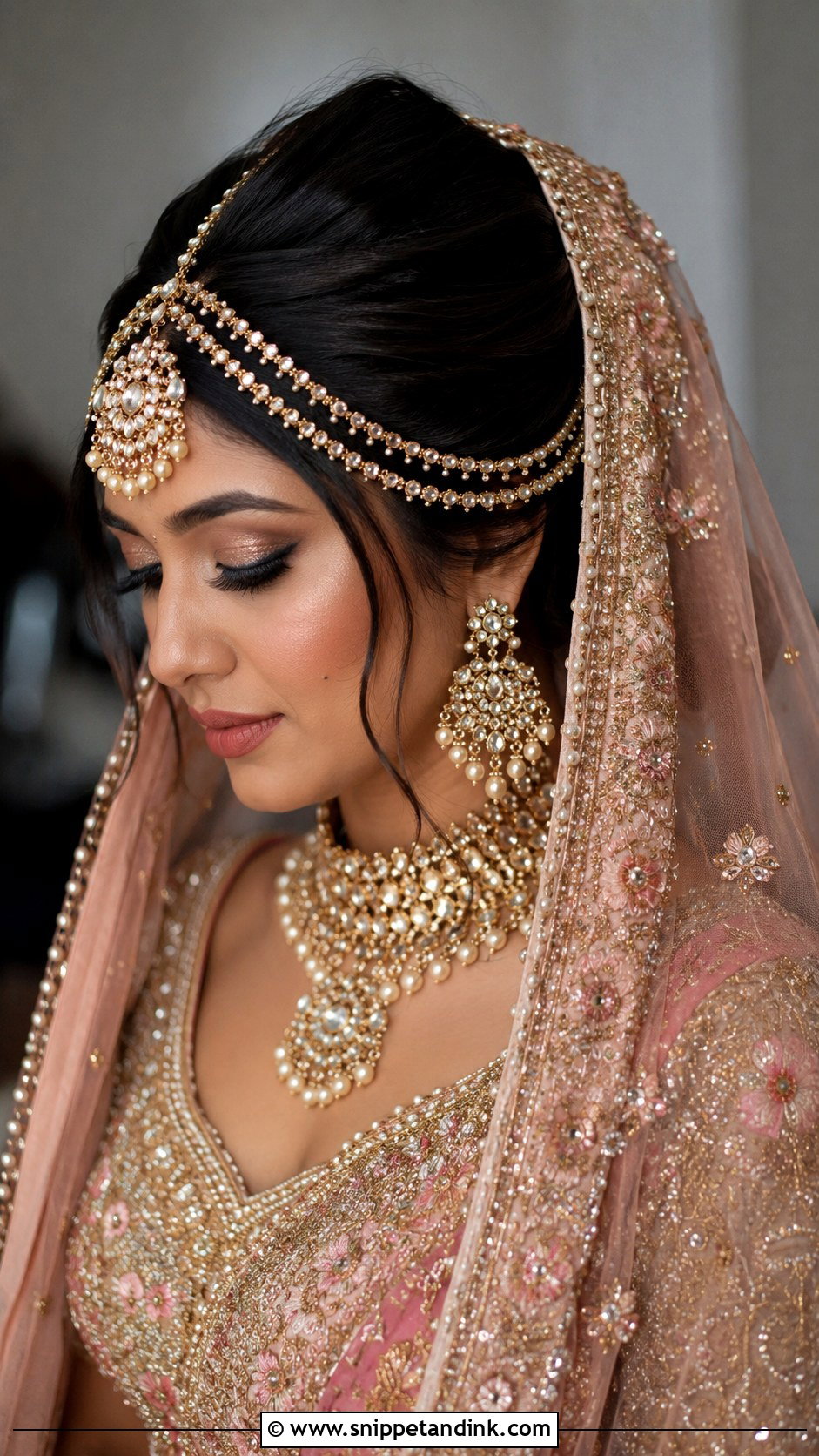
Pairing a bun with a softly draped dupatta keeps the hair neat underneath and lets the dupatta frame the face, which suits the main ceremony and religious rituals. The bun should be low and firm, since the dupatta is pinned against it. A maang tikka or matha patti sits along the parting. Bring your actual dupatta to the trial so the bun can be shaped to its weight and the pins placed where they’ll hold.
20. Textured Bun for Reception
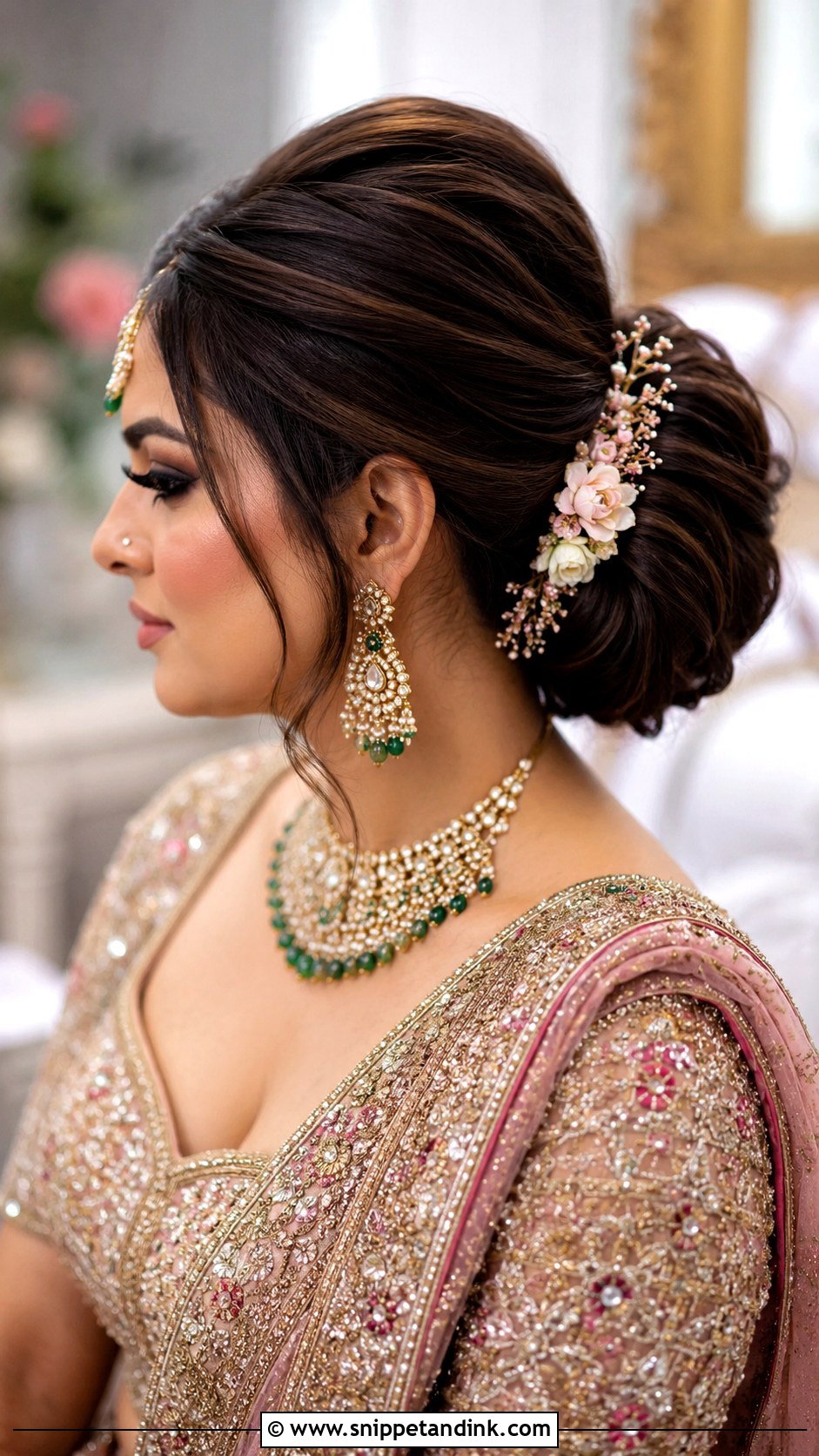
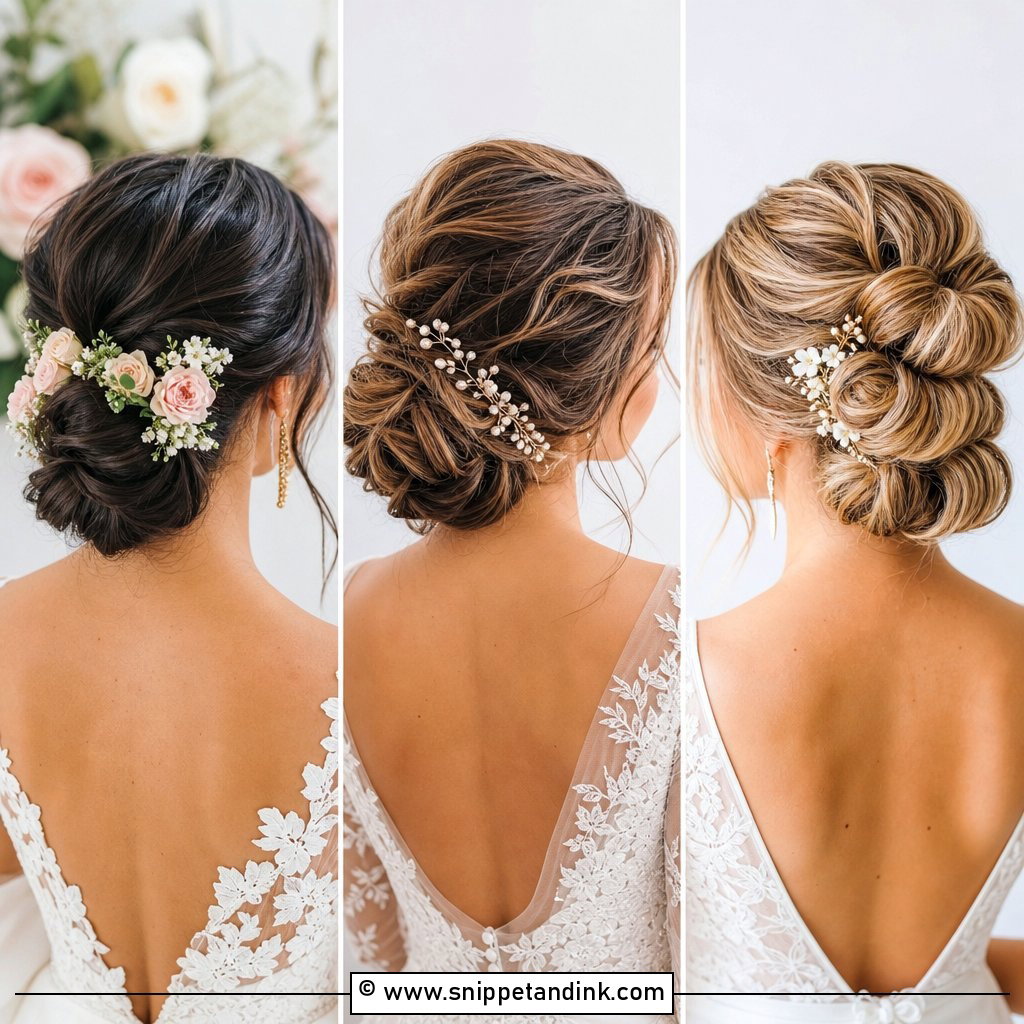
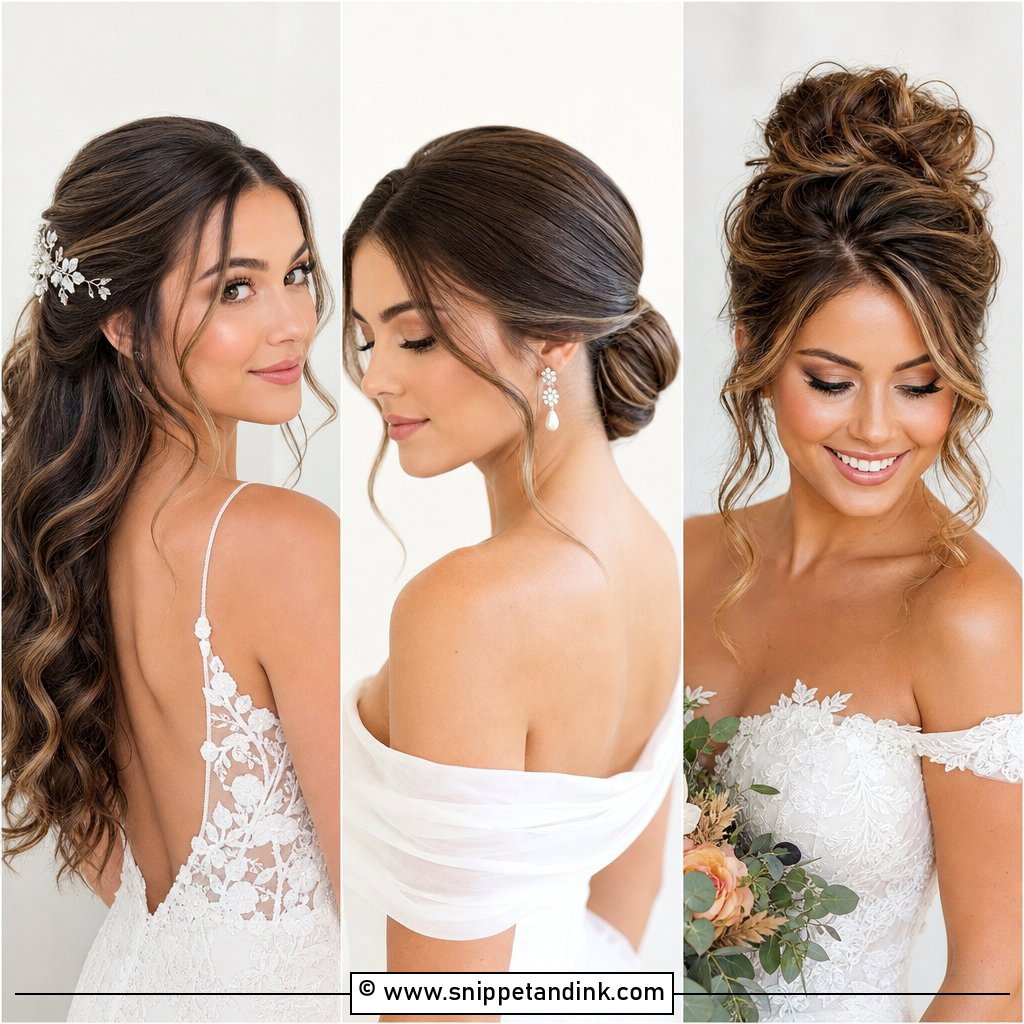
Soft waves gathered loosely and pinned into a knot with plenty of movement suits a reception, where the mood is more relaxed. A sparkling hairpin or delicate flower is all it needs. It’s comfortable to dance in and suits most hair types. Because the texture is loose, I set the inner pins firmly and only leave the outer layer soft, so it looks undone without coming undone by midnight.
One Bride, Four Functions, Different Bun Heights
It’s worth planning the bun across the whole wedding rather than one day at a time. For mehendi, a low, loose bun keeps hair away from wet henna and is comfortable while you sit still. For haldi, a simple, low bun that you won’t mind getting turmeric on. For the pheras, a structured low bun that supports a dupatta and holds for hours. For the reception, more freedom: a high bun, a side bun or something textured.
If the functions run back to back, ask for a style that can be reworked. A braided bun from the wedding can often be taken down and turned into a looser reception style without rewashing, saving time and some strain on the hair.
Pins, Weight and Avoiding a Headache
A heavy bun with flowers and a juda holder can pull, and that pulling is usually what causes a headache by evening. Ask for the weight to be spread across several anchor points rather than resting on a single tight elastic. If anything pinches at the trial, say so then. A pin that hurts in the first hour won’t hurt less after six.
Bring Your Blouse Back and Jewellery to the Trial
The right bun depends more on the outfit and function than on a photo. Bring your blouse or a photo of its back neckline, your maang tikka and any juda holder or gajra plans to the trial. Think about each function separately, since a loose bun for mehendi and a structured one for the pheras are both right for their moment. Show your stylist the ideas you like, and let her tell you what your hair can actually hold.
You'll Like These Ideas:





Leave a Reply