
A cake with only a scraped veil of buttercream is honest in a way a fully covered cake never is. You see the crumb, the filling lines and how evenly each layer was torted, so there is nowhere for sloppy baking to hide. That’s the part couples rarely hear: less frosting means more pressure on the sponge, the filling and the timing. I love making these for garden, barn and outdoor receptions, but they also sit well on a pared-back modern table indoors. The goal is a coat thick enough to keep the cake moist and thin enough to show the layers, finished with flowers, fruit, herbs or a light drip. Below are twenty flavors and finishes I’d happily put on a cake table, with notes on how each one behaves.
What a Thin Scrape Demands From the Sponge Underneath
A fully frosted cake is sealed. A barely iced one is not, and exposed crumb starts drying from the moment it meets air. So the questions I’d want any couple to ask their baker are about the cake itself, not the decoration.
- Are the layers soaked? A light syrup brushed on each layer keeps the exposed edges from going stale. Ask what flavor it will be so it suits your filling.
- When will it be assembled? I like to fill, crumb coat and scrape these cakes close to the wedding rather than days ahead, then chill them so the buttercream sets firm.
- What is the filling, and is it dammed? Curds, compotes and soft caramels need a ring of stiffer buttercream around each layer, or they bulge and seep through the scrape.
- How is it supported? Each tier should sit on its own board with dowels or supports beneath it. Thin frosting shows any lean.
If you can, taste the actual sponge at your tasting, not just the fillings. On this style the sponge is half the design, and its color and crumb are what your guests will be looking at.
1. Barely Iced Vanilla Wedding Cake
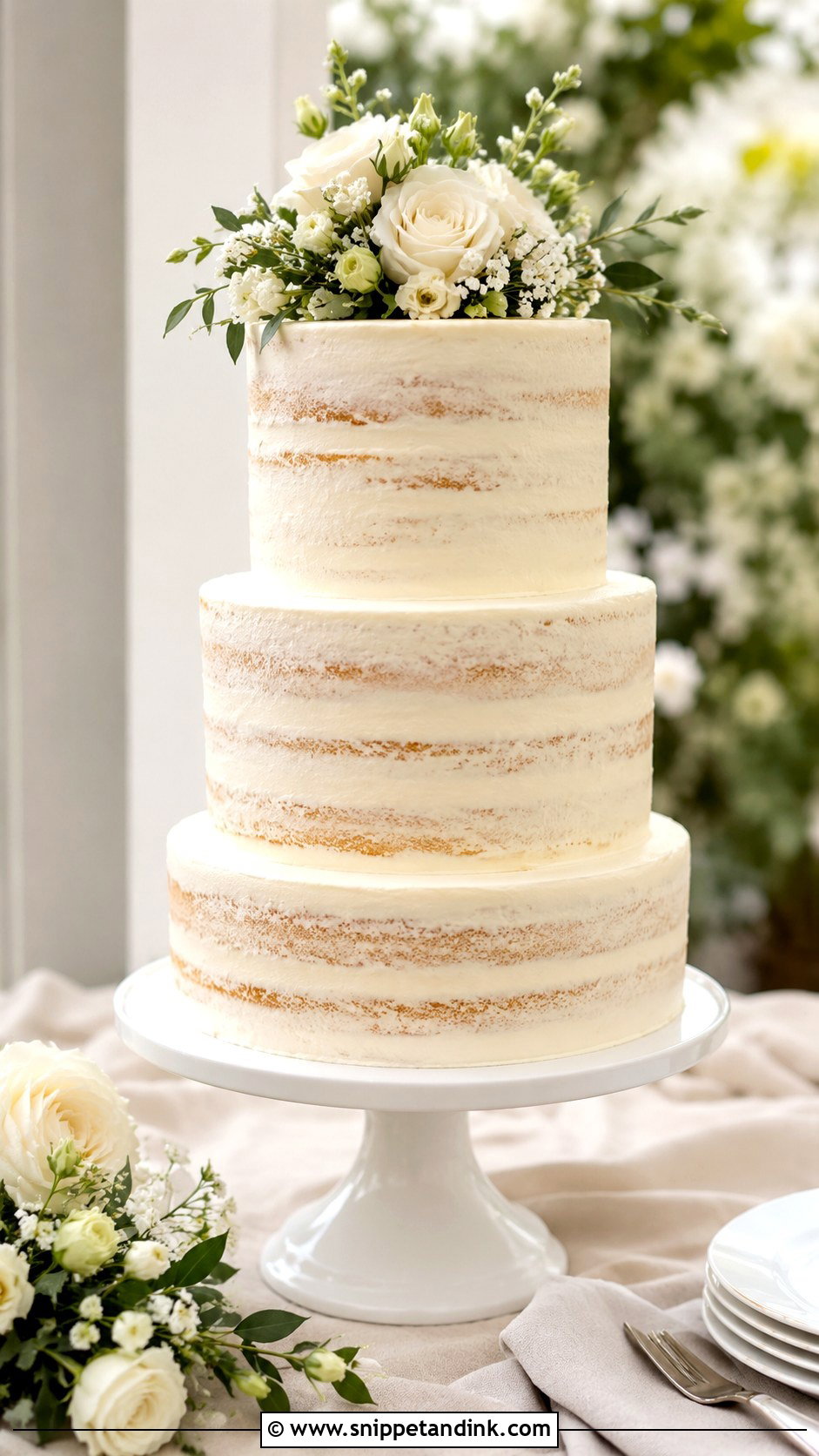
Vanilla is where I’d start any couple who isn’t sure yet, because the pale crumb under ivory buttercream reads clean against nearly any palette. The catch is that vanilla shows every flaw. A domed layer or a thin, stingy filling looks unfinished once the sides are scraped back, so ask for tall, even layers with a generous filling between them. I keep the flowers to a few roses and small white blooms tucked at one point so the texture stays the star. It sits happily in a garden, at a brunch reception or in a classic room with neutral decor.
2. Barely Iced Lemon Wedding Cake
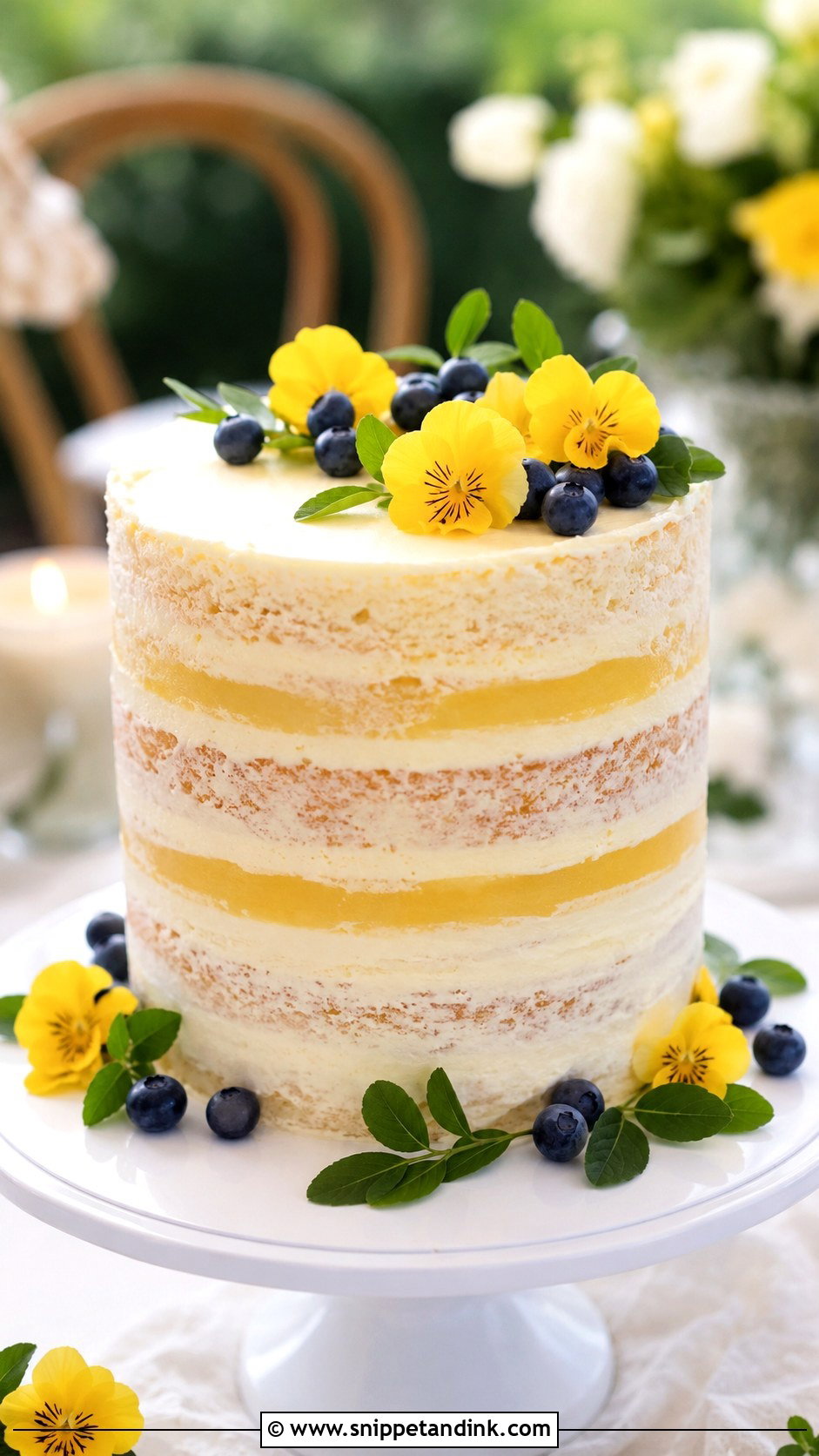
Lemon sponge has a soft yellow that glows through a sheer coat of vanilla or lemon buttercream. The real color comes from lemon curd in the filling, but curd is loose, so I pipe a stiff buttercream dam around the edge of each layer before spooning it in. Skip that step and the curd creeps out the sides by the time the cake has been on display an hour. Berries or edible flowers finish it, and pale yellow blossoms with sprigs of green keep it sunny. Spring and summer receptions outdoors suit it best.
3. Barely Iced Chocolate Wedding Cake
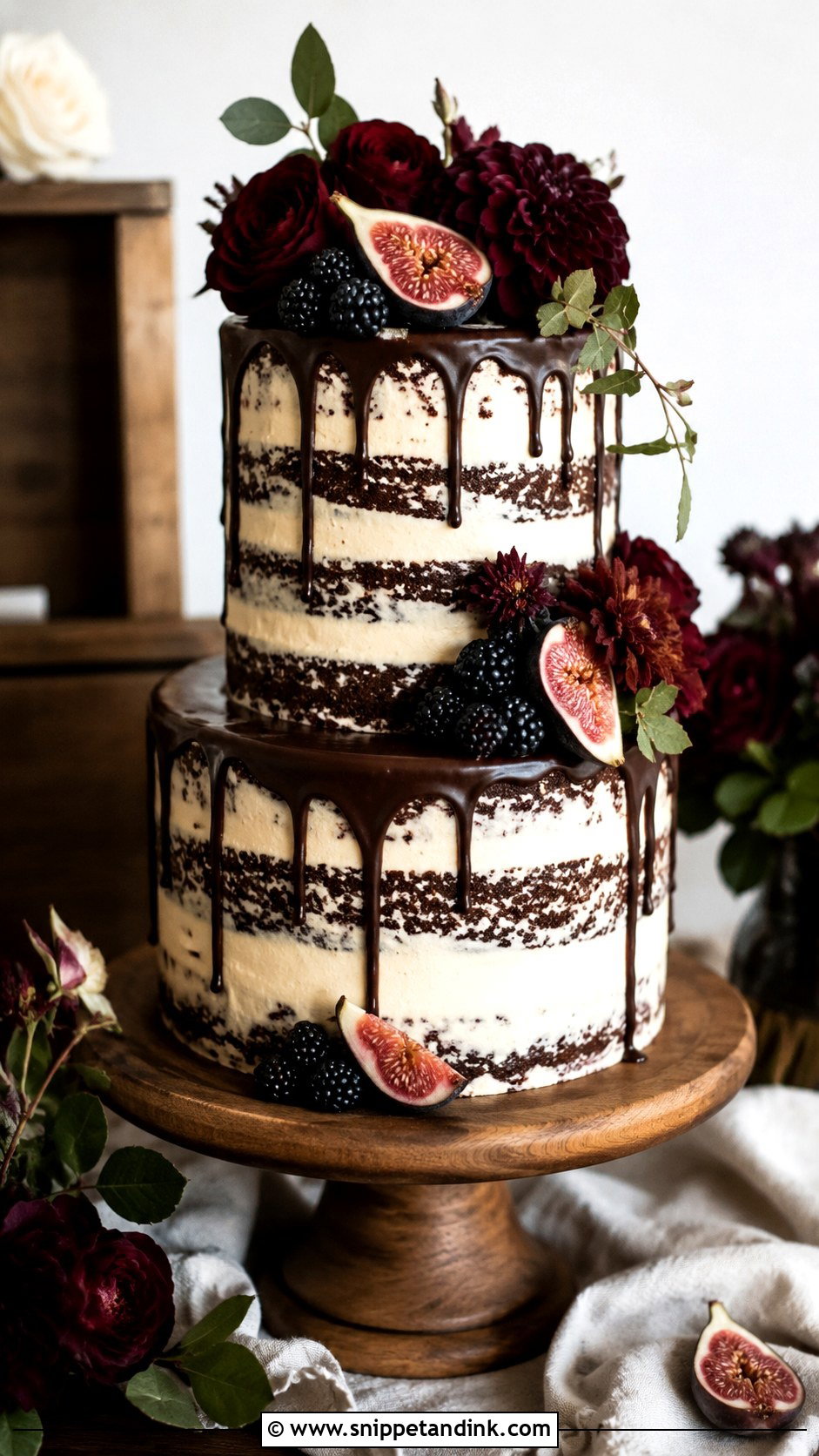
Chocolate is the moodiest version here. Dark crumb against ivory buttercream gives the strongest contrast of the whole list, and it reads clearly from across a dessert table and in photos. Scraping is harder, though: chocolate crumbs drag into pale frosting easily, so I always crumb coat and chill before the final scrape. A thin chocolate ganache drip, figs, berries or deep-toned flowers will finish it without hiding the layers. I’d put it at a fall wedding, a barn venue or an evening reception where a slightly formal edge is welcome.
4. Barely Iced Berry Wedding Cake
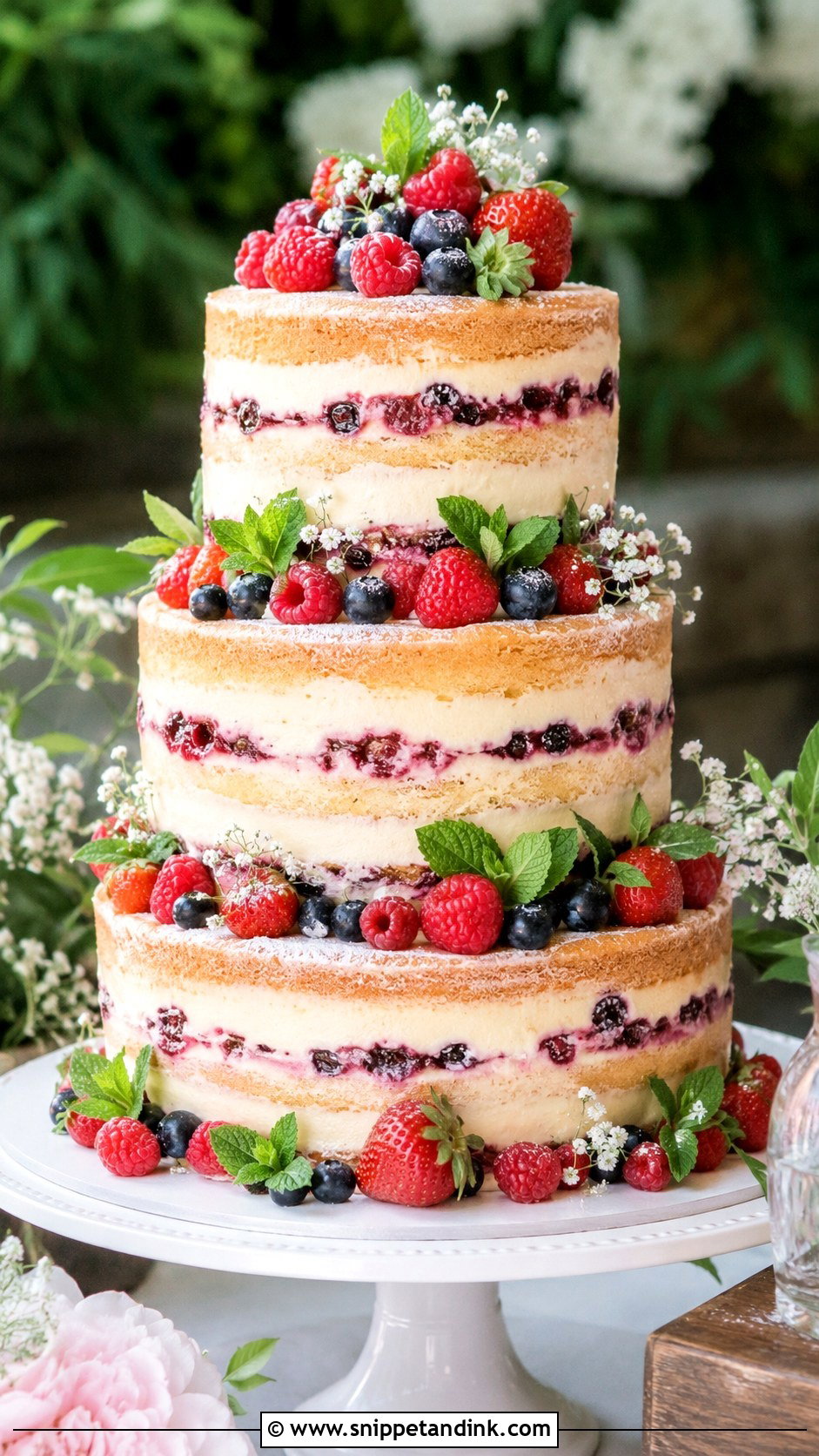
Berry fillings are the reason many couples choose this style at all, because the color shows in stripes between the tiers. Vanilla or almond sponge carries raspberry, strawberry or blackberry filling well. What I watch for is juice. Cut fruit placed on buttercream weeps within a few hours, so whole berries go on as late as possible and never sliced side down. A few small flowers or mint leaves add movement, and the whole thing feels right for a summer garden reception.
5. Barely Iced Red Velvet Wedding Cake
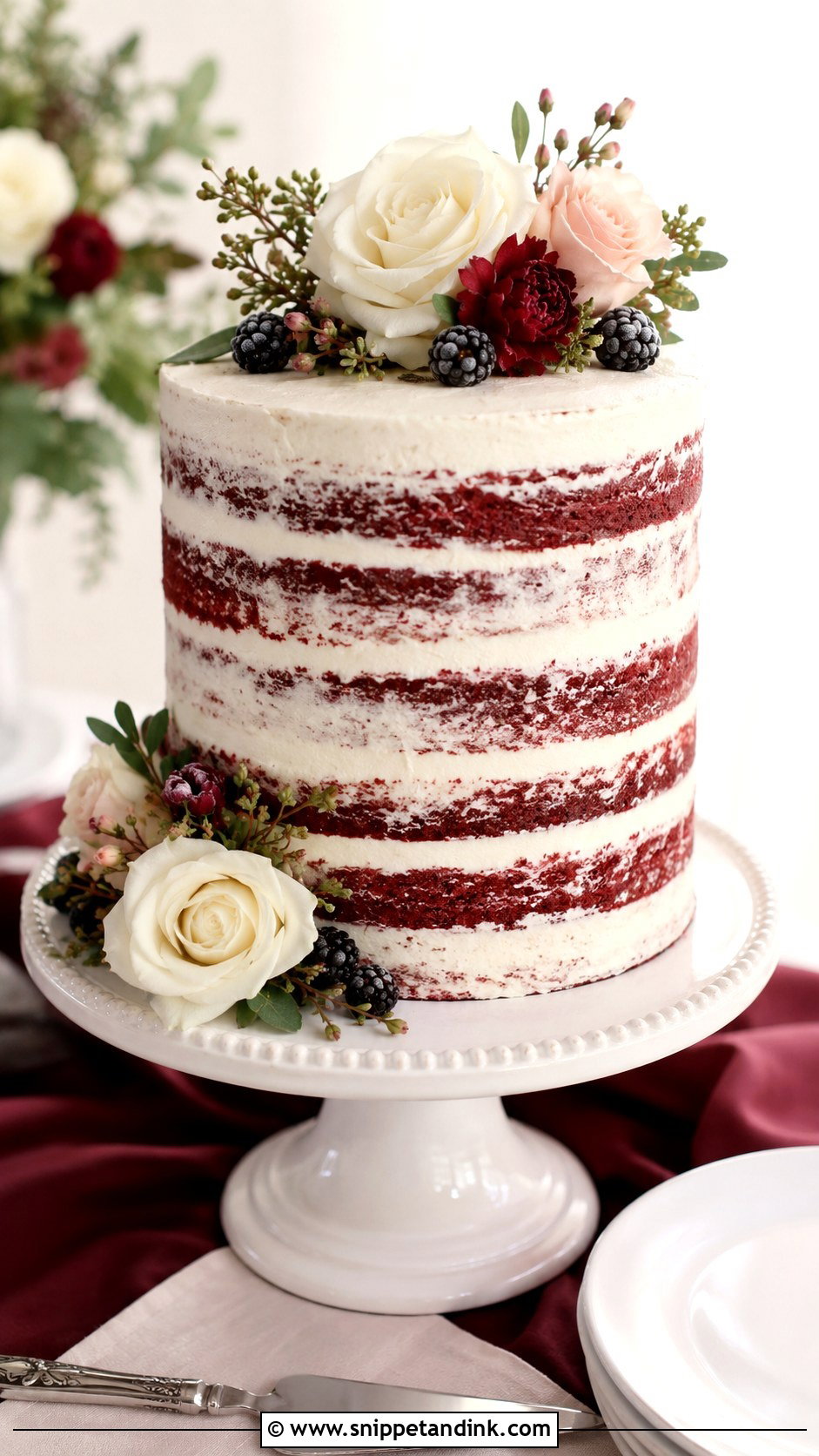
Red velvet is a surprise once the sides are scraped back, because hints of deep red show around the edges of white cream cheese frosting. That flavor really does want cream cheese, but classic cream cheese frosting is too soft to hold a stacked cake for long. I use a firmer cream cheese buttercream and keep the cake cold until close to service. White roses, blush flowers or dark berries keep it romantic. It suits an indoor reception, a winter wedding that avoids holiday styling, or a burgundy palette.
6. Barely Iced Carrot Wedding Cake
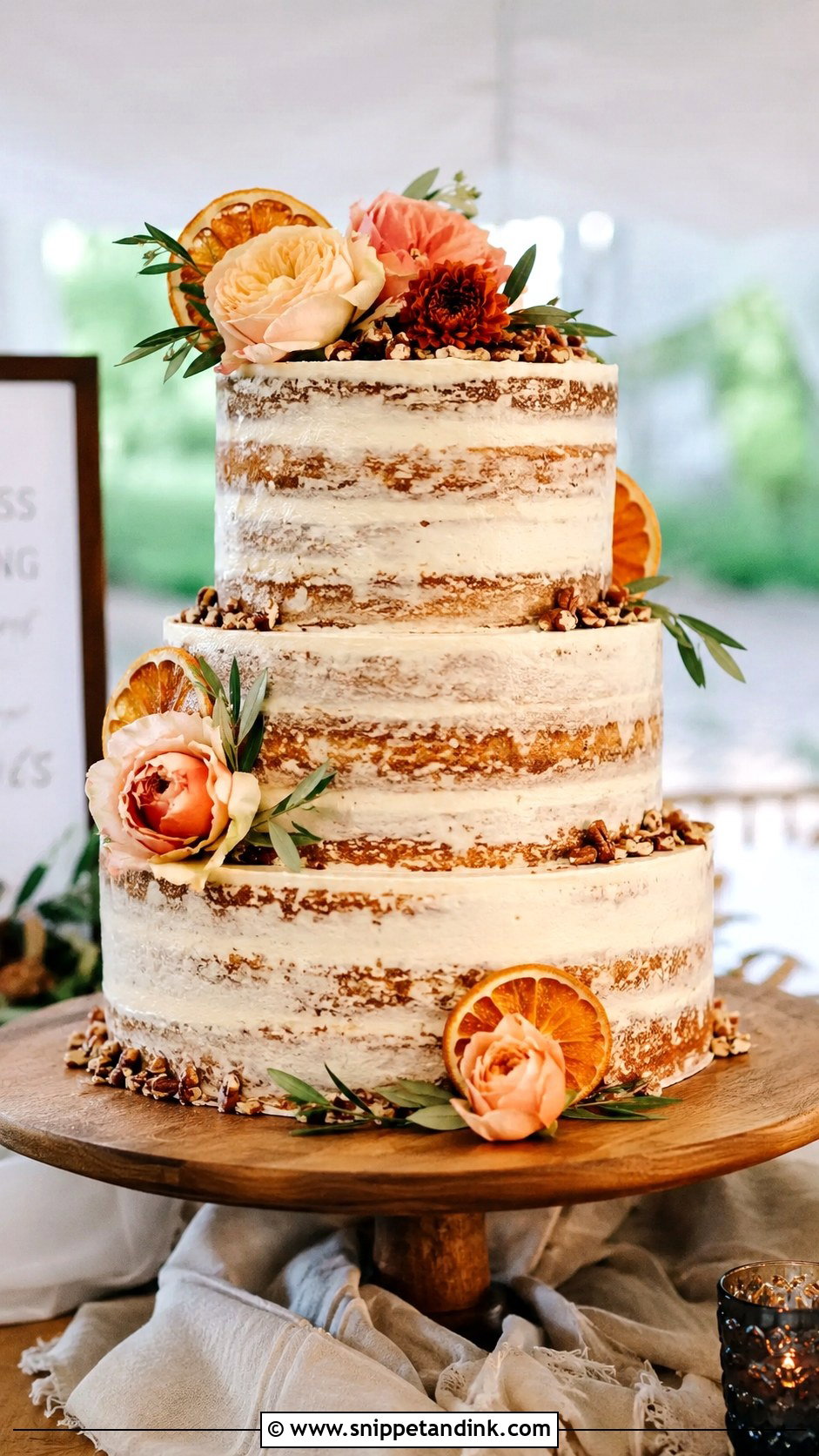
Carrot cake has a homespun warmth that I find hard to fake with any other sponge. The golden-brown crumb with flecks of carrot looks right under a slightly rough coat of cream cheese frosting, so this is one cake where I don’t chase a perfectly smooth scrape. Chopped walnuts or pecans pressed into the base, or a few dried orange slices, finish it without crowding. Flowers in cream, peach or dusty rose suit the warm sponge. One honest warning: it is a dense, moist cake and the tiers are heavy, so make sure your baker plans proper supports. Couples who find vanilla too expected usually love it at rustic and outdoor weddings.
7. Barely Iced Almond Wedding Cake
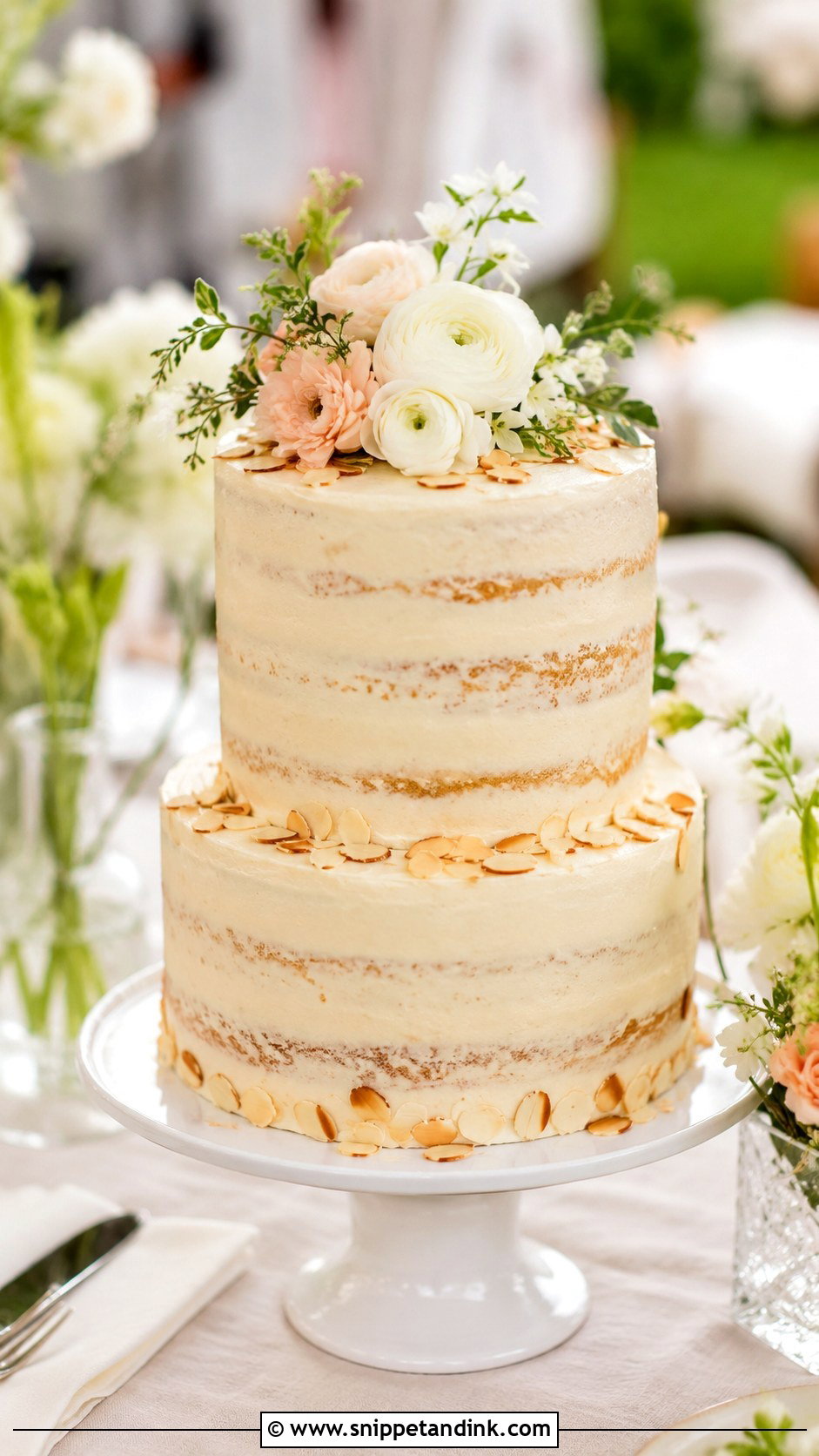
Almond is my quiet favorite. The crumb is pale and fine, and the flavor is delicate enough that guests who ‘don’t like cake’ tend to come back for a second slice. It takes vanilla buttercream, Swiss meringue or an almond frosting equally well. Because the sponge is so neutral, you can style it classic with white flowers and greenery, or press sliced almonds and small blossoms into the sides for something earthier. I’ve always thought it belongs at a vineyard.
8. Barely Iced Strawberry Wedding Cake
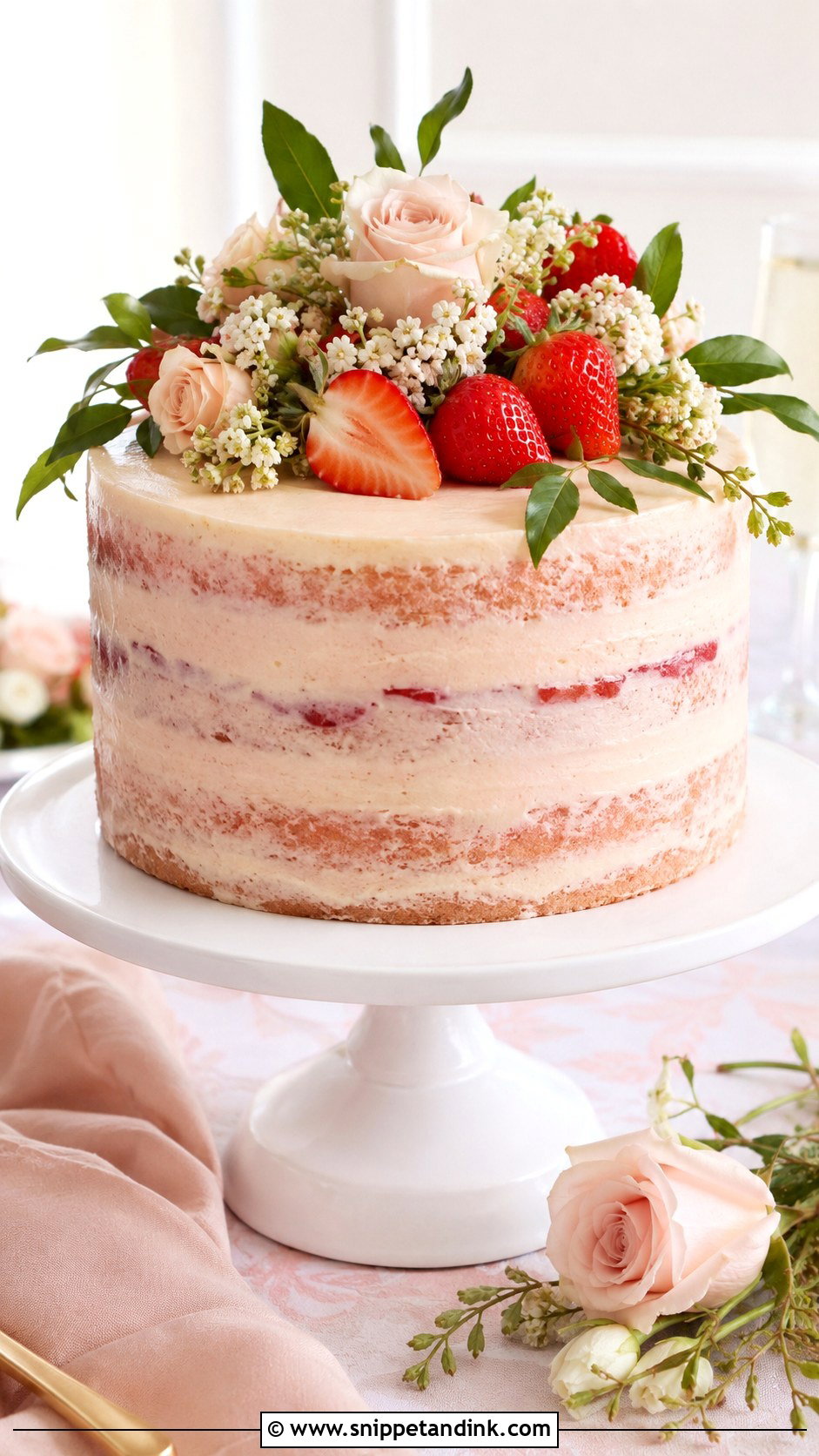
Strawberry is sweet and warm-weather in feeling, but the color needs restraint. A pale pink strawberry sponge, or vanilla with strawberry filling, should read soft through white buttercream rather than loud. I avoid artificial pink sponge for this style because the scrape exposes it and it can look synthetic in daylight. Fresh strawberries, blush roses and tiny white flowers fill it out. Spring weddings, garden receptions and bridal brunches suit it, as long as the fruit goes on late.
9. Barely Iced Coconut Wedding Cake
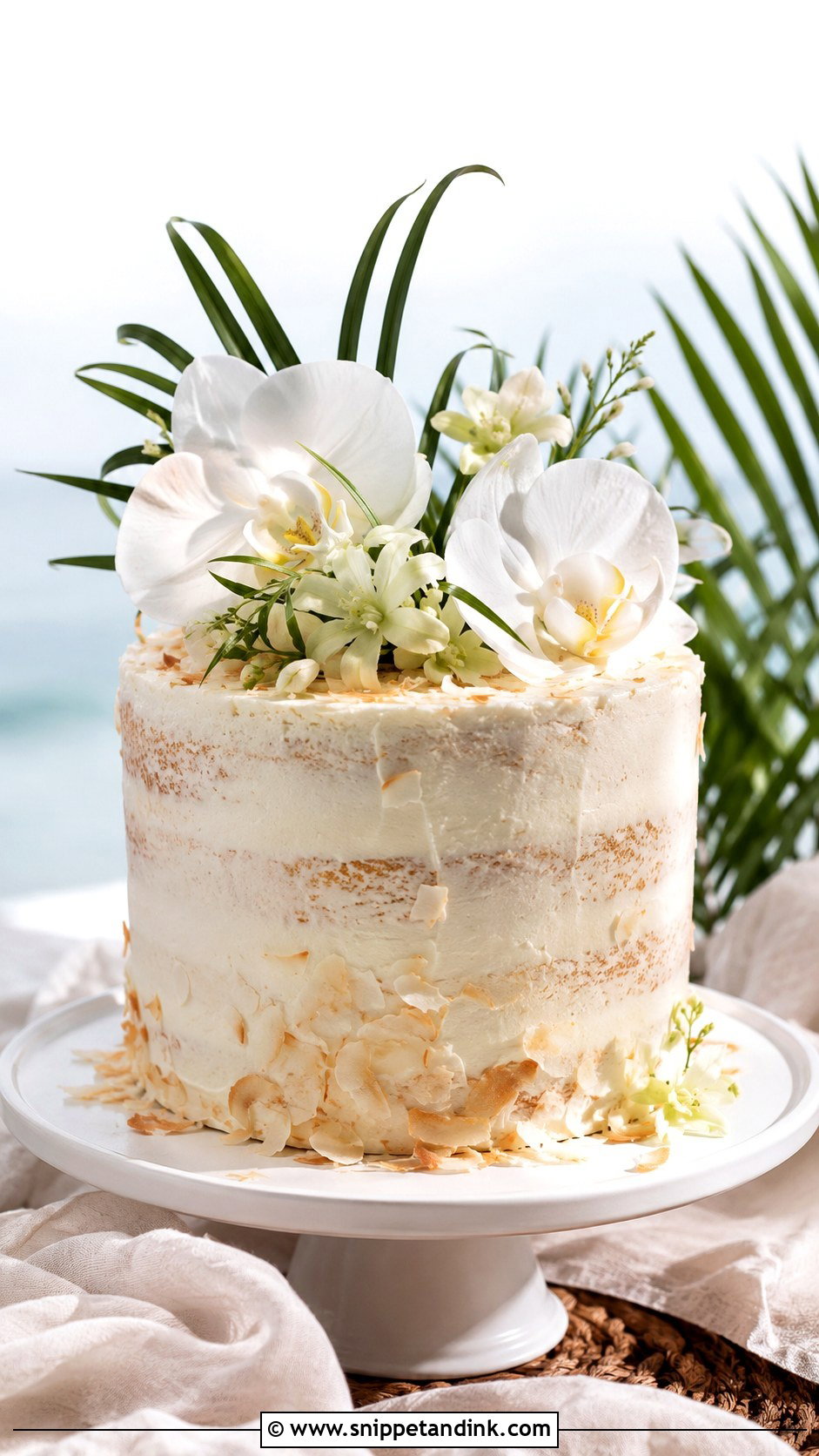
Coconut gives a clean, airy finish with a subtle tropical note. White coconut sponge under a thin coconut buttercream looks soft, and toasted coconut along the top edge or base adds warmth and depth. Heat is the issue to plan for at beach and summer weddings. Coconut buttercreams can be softer than standard recipes, so I ask where the cake will stand and for how long before I settle the frosting. White orchids, small cream flowers or plain greenery keep it from looking themed.
10. Barely Iced Champagne Wedding Cake
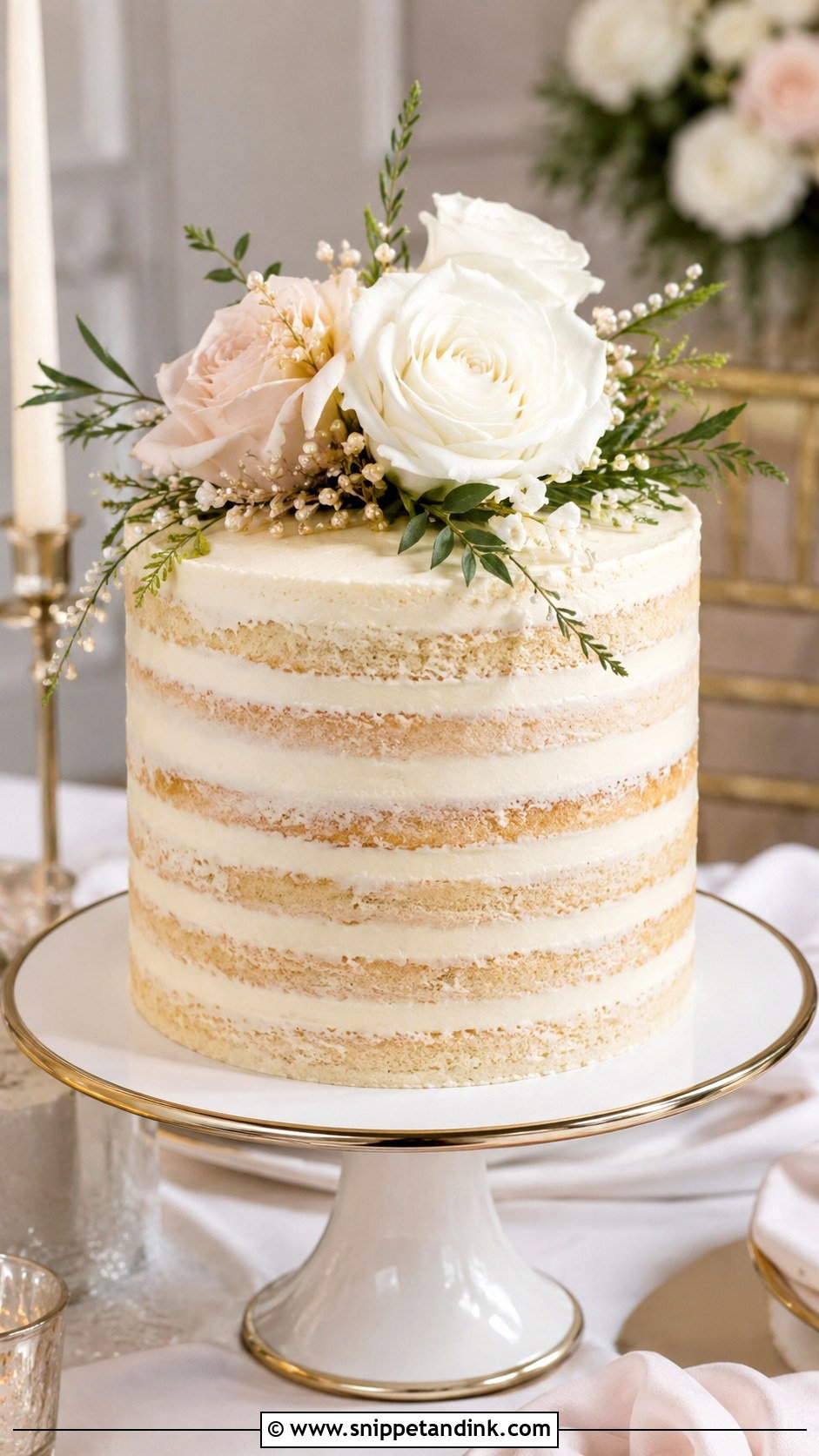
Champagne cake is the one I suggest for couples who want a formal room without fondant. The pale sponge has a subtle wine flavor, and it pairs with raspberry, vanilla bean or white chocolate filling under thin ivory buttercream. Most of the bubbly character comes from the syrup brushed on the layers, which also keeps exposed crumb moist, so that soak matters here. I’d style it with polish: white roses, pearl-like sugar beads or pale blush flowers. Ballrooms and estate weddings are its natural home.
11. Barely Iced Orange Wedding Cake
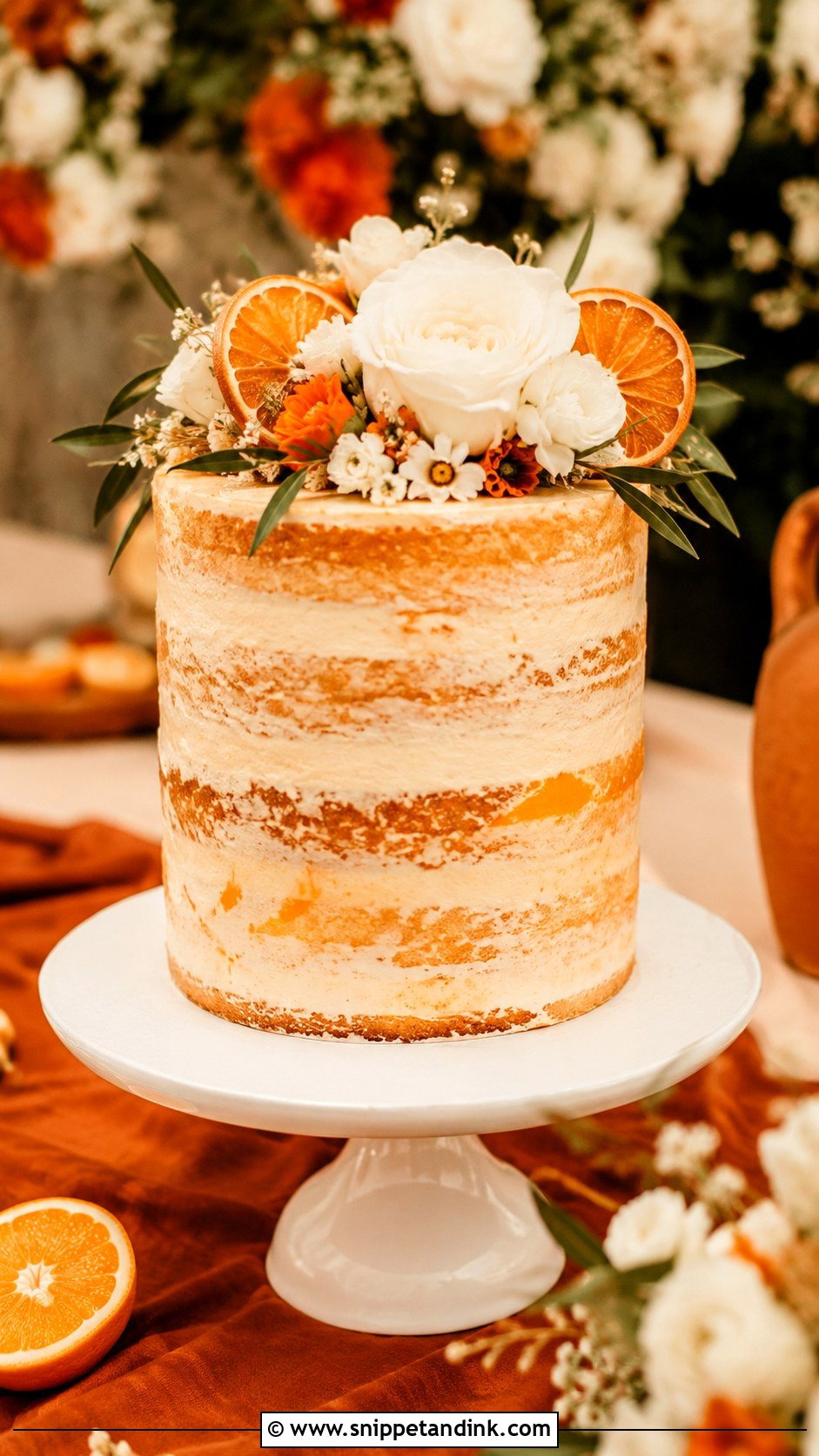
Orange sponge has a golden color and a scent that fills the room when you cut it. A light coat of vanilla or orange buttercream lets that glow through, and orange curd, marmalade or citrus cream in the filling adds flavor. Thin dried orange slices with white flowers and small leaves give it a natural finish. Dried citrus can bleed a little color into buttercream if it sits for hours, so I place the slices on the day. Terracotta accents and outdoor spaces with lots of light suit it from late spring into early fall.
12. Barely Iced Funfetti Wedding Cake
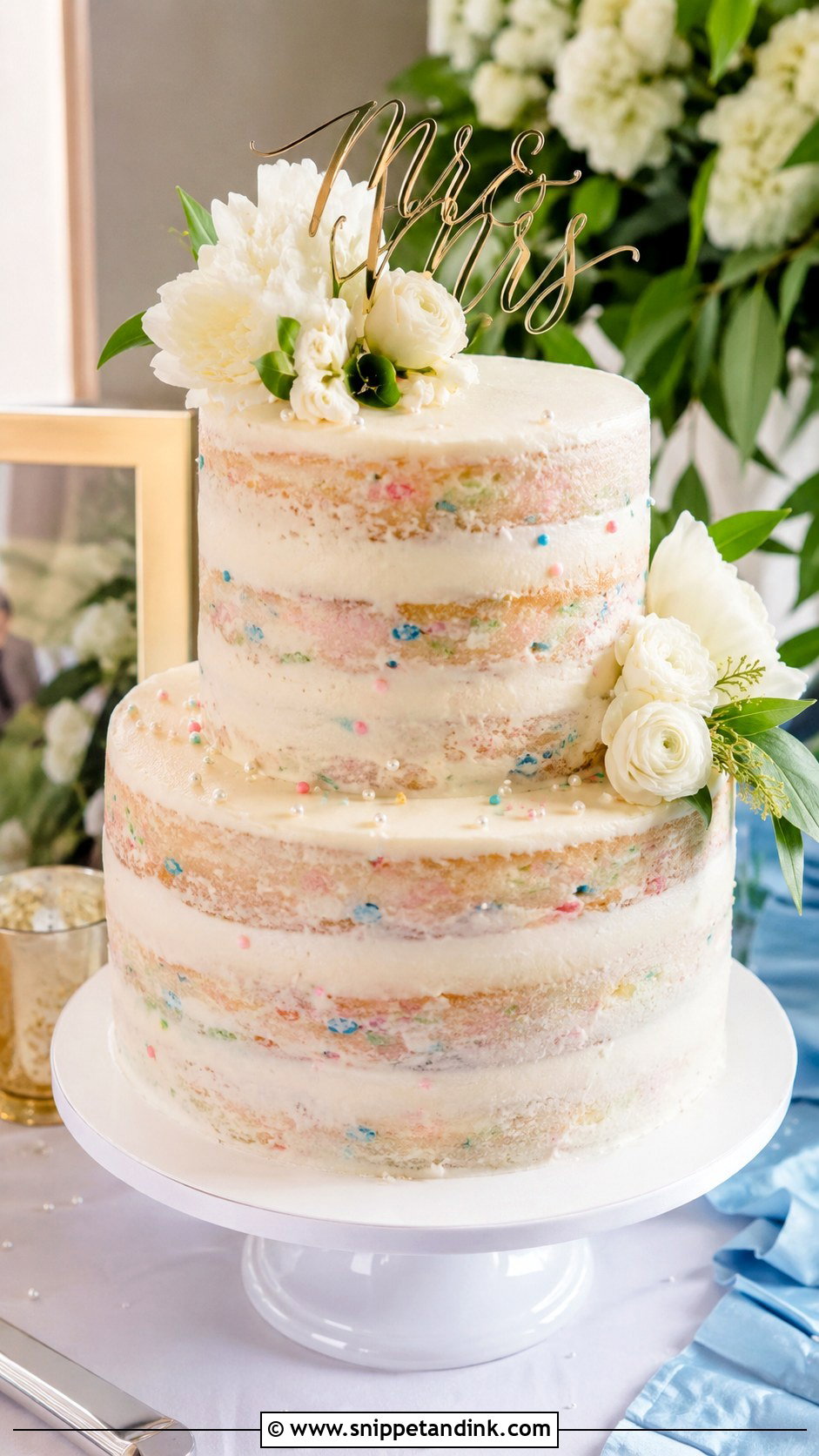
Funfetti can look childish or charming depending on one decision: the sprinkle mix. I use a restrained blend in soft wedding colors, and I warn couples that some sprinkles bleed color into the crumb as the cake sits, so the bakery should use bake-stable ones. Keep the outside mostly ivory so the speckled layers come as a surprise when guests see the sides. A few fresh flowers, tiny sugar pearls or a simple topper polish it. It belongs at a relaxed reception with a colorful table.
13. Barely Iced Blueberry Wedding Cake
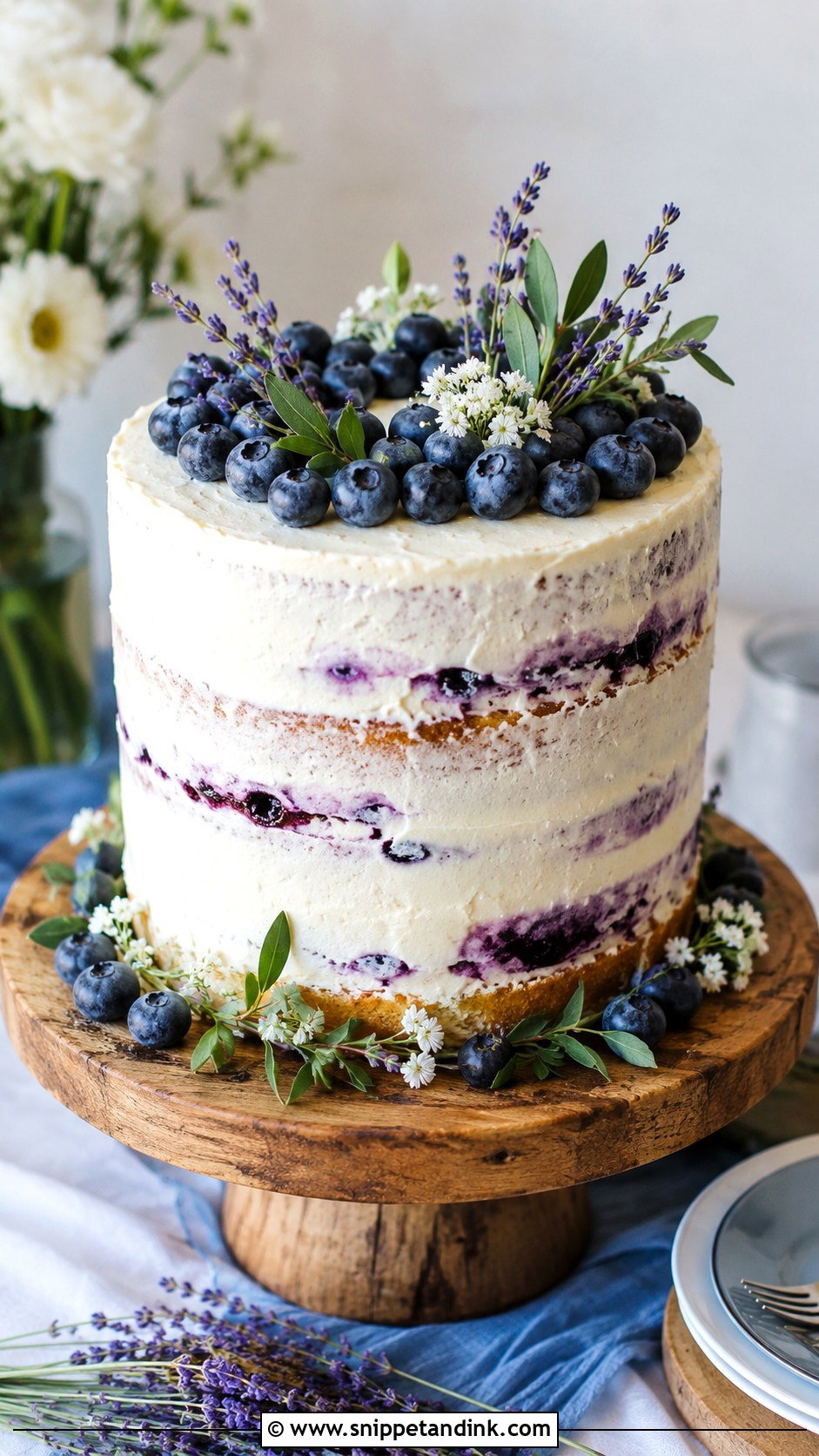
Blueberry compote layered with vanilla, lemon or almond sponge leaves purple-blue ribbons between the layers that show through a thin white coat. This one stains easily. Compote that touches the outer buttercream turns it lilac, so I keep a firm dam around each layer and scrape with a clean blade every pass. Whole blueberries on top and at the base add color, and small white flowers or lavender sprigs can join them if they match the palette. Summer weddings, farm venues and garden receptions all suit it.
14. Barely Iced Spice Wedding Cake
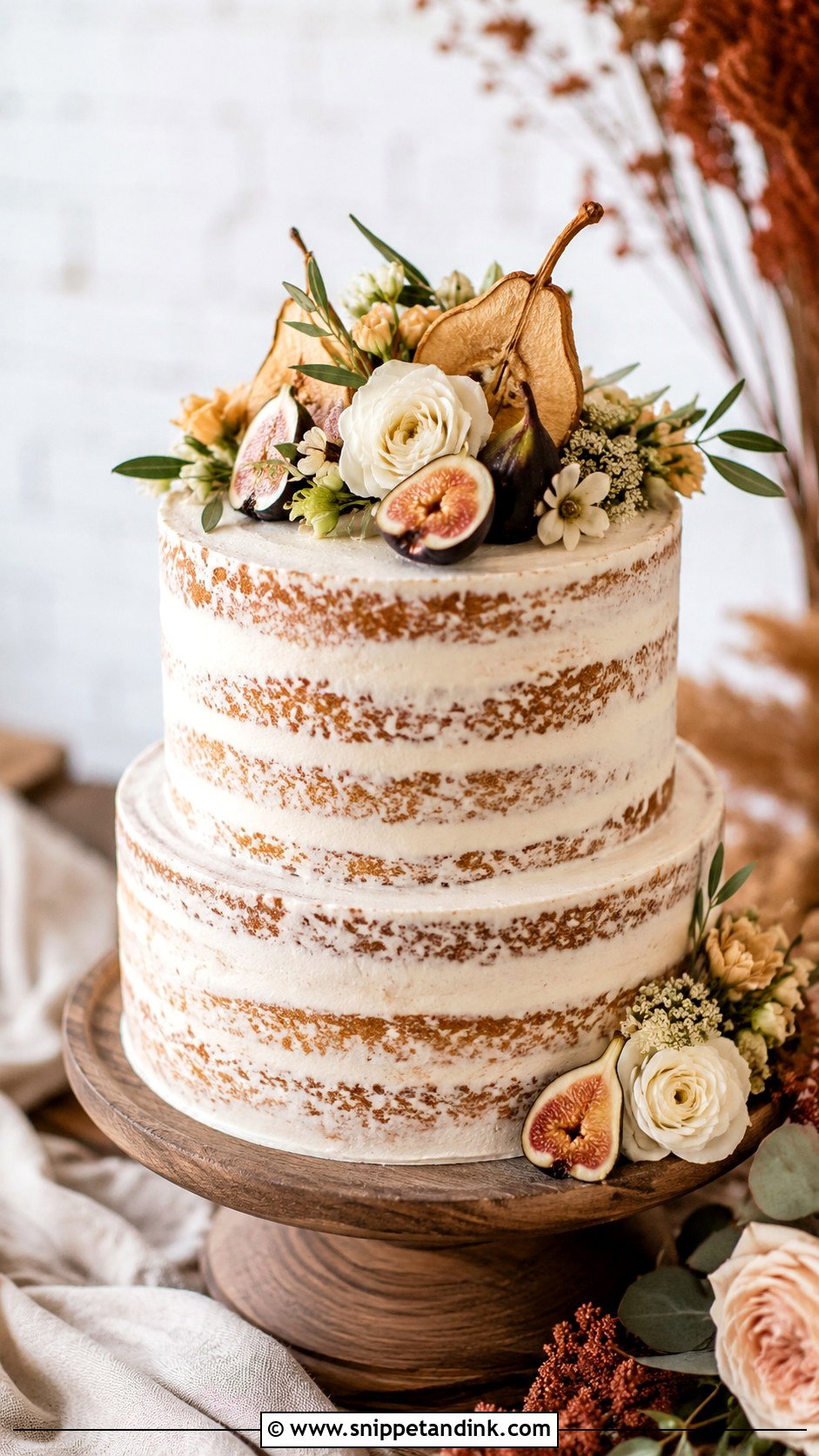
A spice cake brings warmth to a fall wedding without tipping into holiday decor. The golden-brown sponge looks right under a thin layer of cream cheese or vanilla buttercream. Cinnamon, nutmeg, ginger and brown sugar pair well with caramel filling, apple compote or pear preserves. Of those, caramel is the one that needs watching, since a soft caramel can slide in a warm room, so I thicken it more than I would for a covered cake. Fresh figs, dried pear slices, small cream flowers or a few soft leaves finish it for a barn or outdoor fall ceremony.



15. Barely Iced Pistachio Wedding Cake
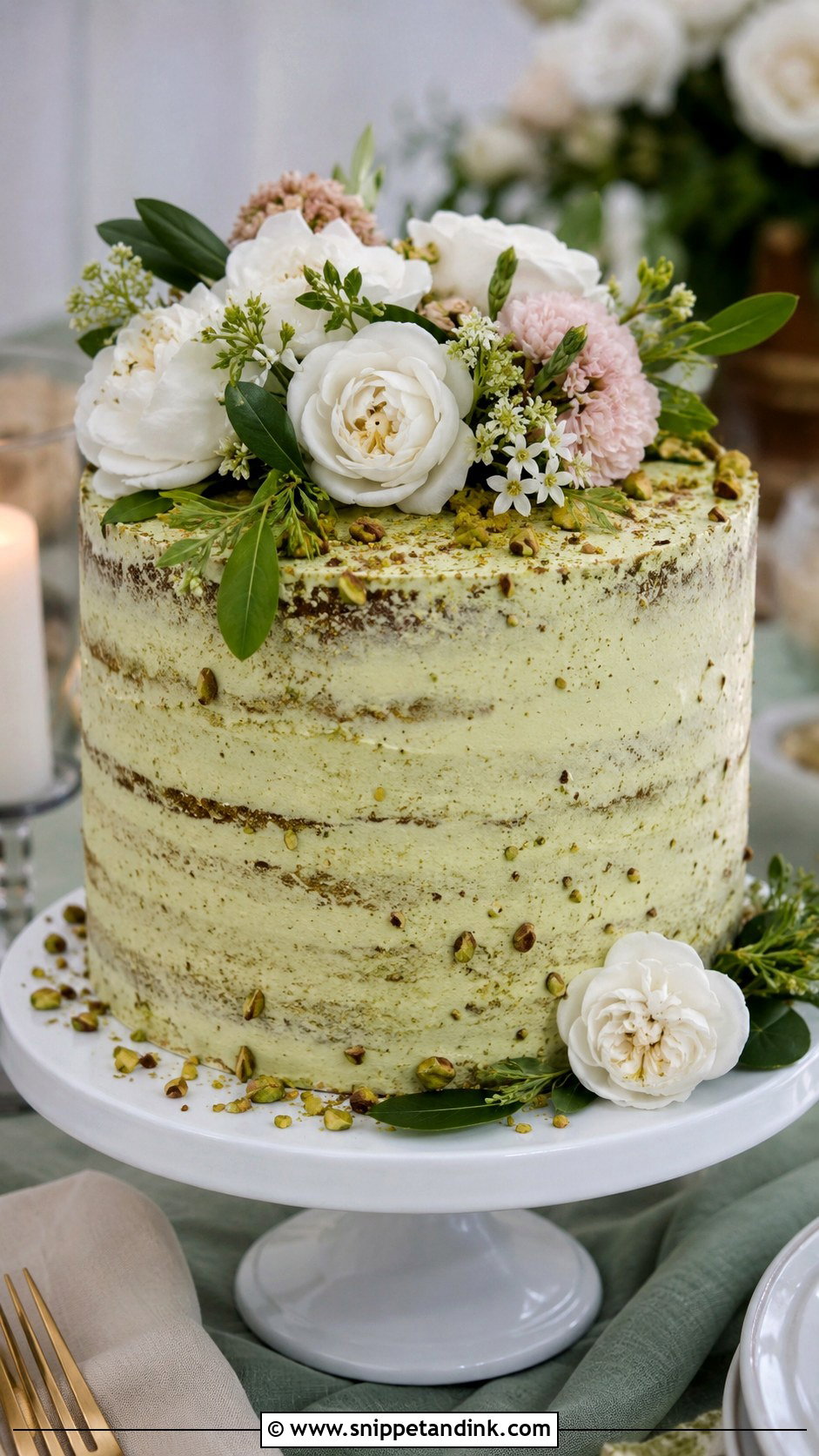
Pistachio has a soft green tint that people notice once the sides are scraped. Real pistachio paste gives a muted sage-green crumb, while flavorings alone often give a brighter, less natural green, and that difference shows clearly on a barely covered cake. I pair it with vanilla, honey, rose or raspberry filling. Crushed pistachios along the top edge or the base add texture, and white flowers or pale pink blooms suit the color. It belongs at a garden wedding or a modern reception.
16. Barely Iced Raspberry Wedding Cake
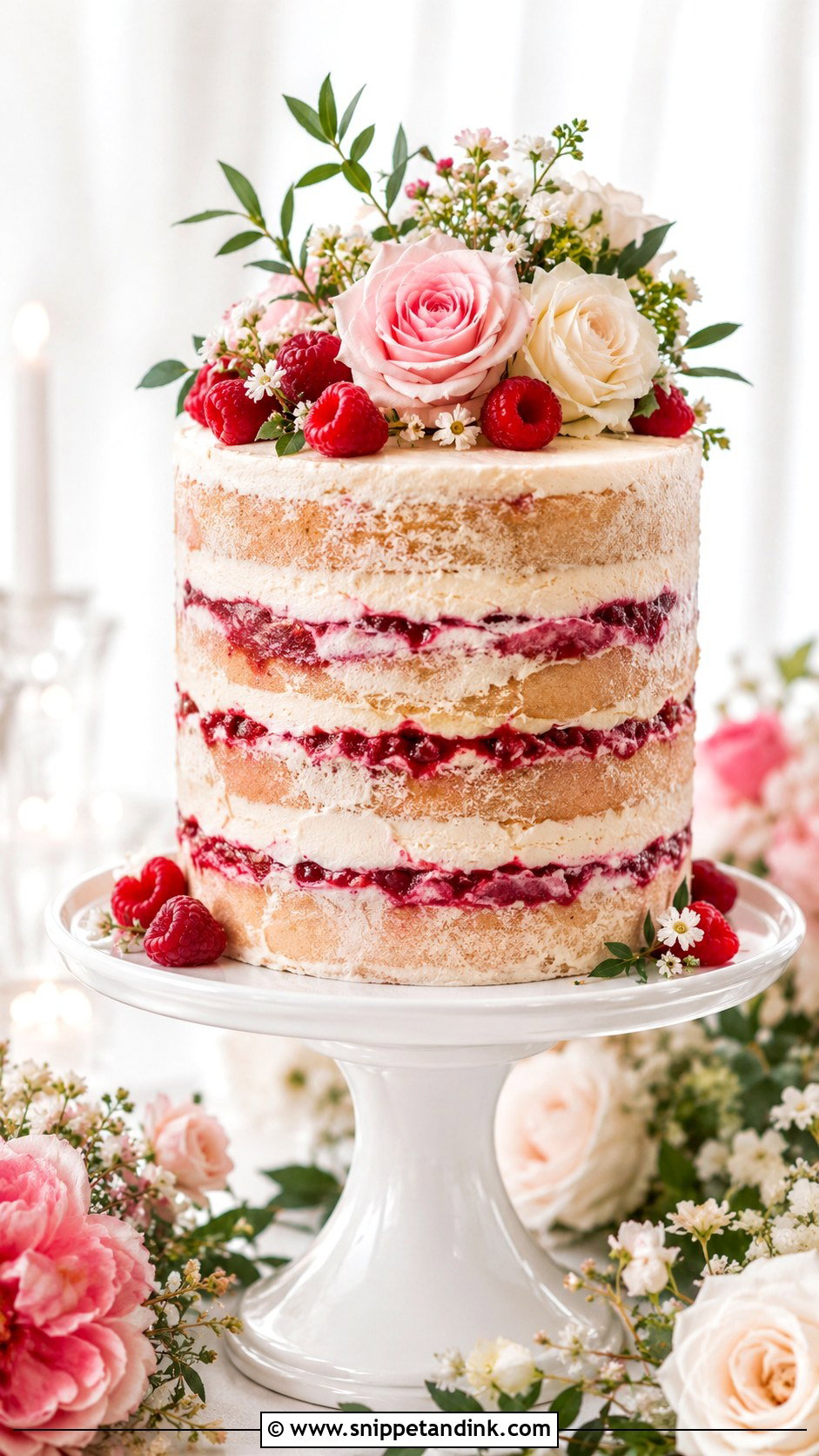
Raspberry gives tart flavor and pink-red lines between layers of light vanilla or almond sponge. A thin white coat softens the color without hiding it. Neatness decides whether this cake looks polished or messy, so I spread the filling to a consistent depth and keep it back from the edge. Fresh raspberries, blush flowers and a few green leaves finish it, and the fruit adds contrast that the camera picks up. Spring and summer weddings in pink, cream or sage palettes suit it.
17. Barely Iced Mocha Wedding Cake
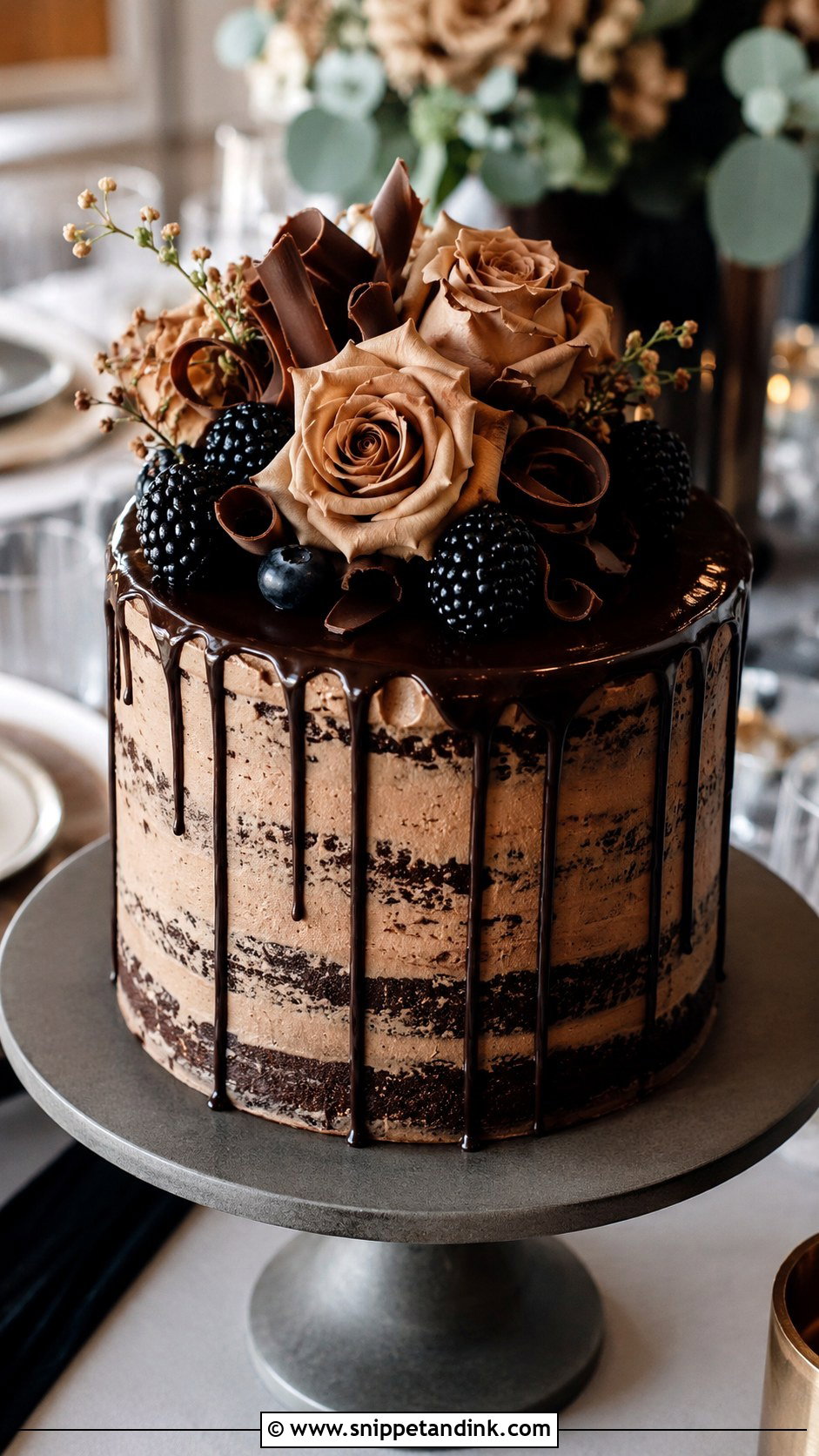
Mocha is my pick for couples who would rather have coffee than dessert. Chocolate or espresso sponge under a light coffee buttercream reads warm and modern, and mocha cream, ganache or espresso buttercream fill the layers for deeper flavor. It is noticeably less sweet than most cakes on this list. Keep the outside sheer and smooth, then add chocolate curls, coffee-toned flowers or a soft ganache drip. Evening receptions, industrial venues and fall weddings are where it feels most at home.
18. Barely Iced Peach Wedding Cake
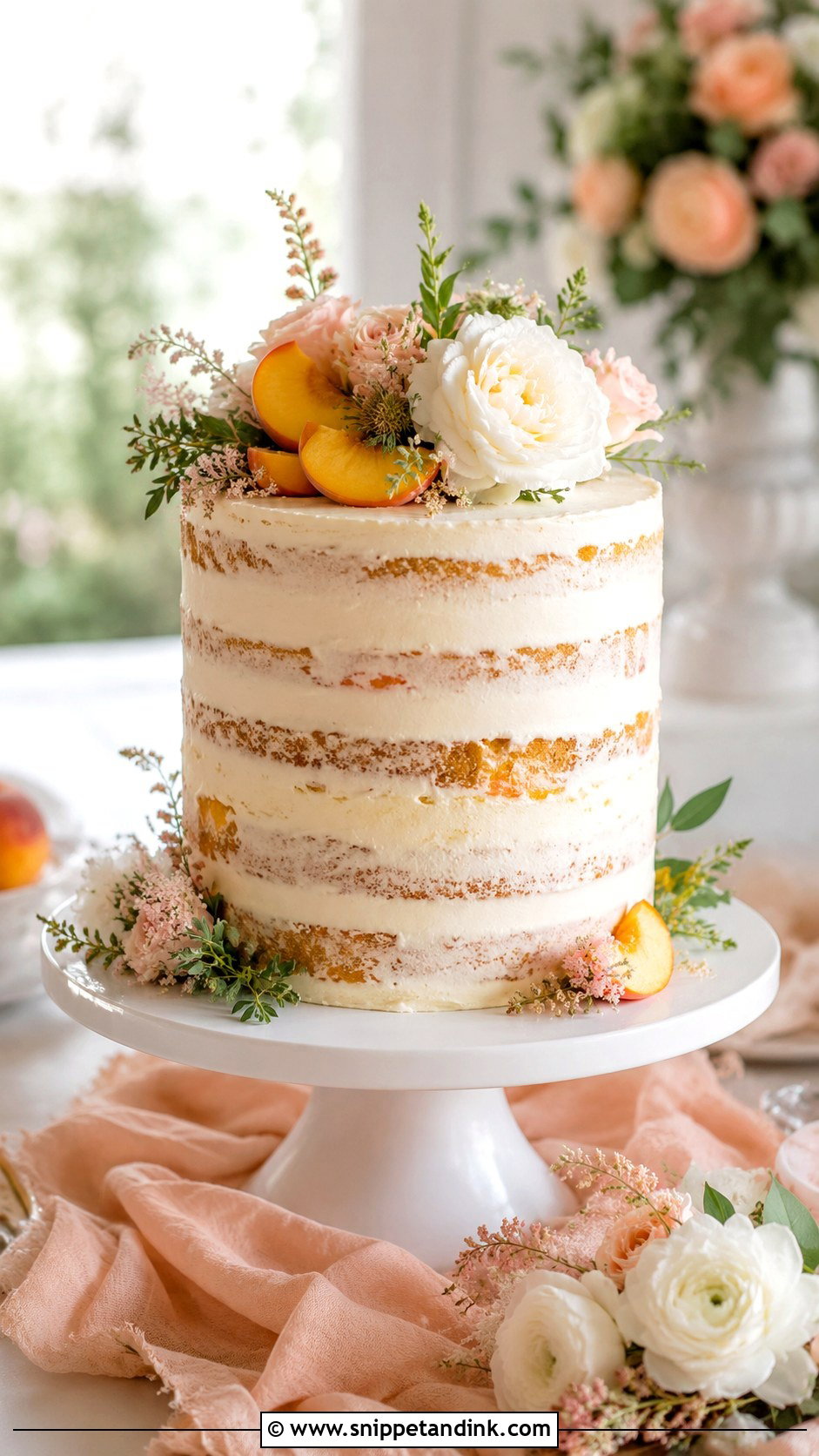
Peach is soft and warm, with vanilla or brown sugar sponge layered with preserves or peach buttercream under a thin ivory finish. Fresh peach slices brown once cut, so if a couple wants them on the cake I place them on the day and brush them lightly with a little citrus to slow it. Cream flowers and pale greenery keep the look seasonal, and the colors suit blush, ivory, champagne and sage palettes. I’d keep any fruit arranged neatly in one area rather than scattered. Summer weddings, orchards and outdoor dinners fit it well.
19. Barely Iced Honey Wedding Cake
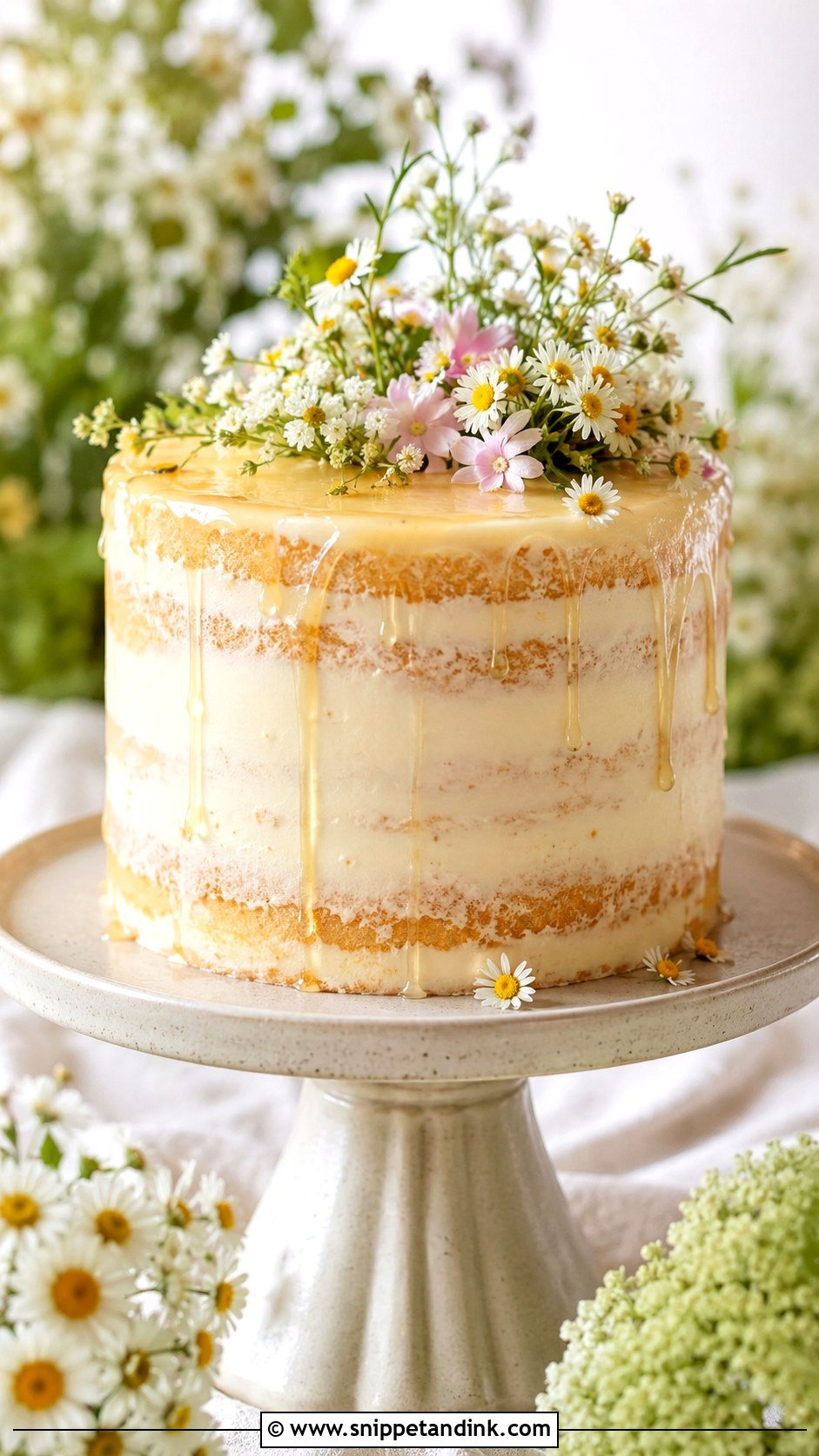
Honey sponge, or vanilla cake brushed with honey syrup, has a soft golden look. It pairs with a thin layer of vanilla buttercream or mascarpone frosting, though mascarpone is soft and wants cool conditions. A small honey drip adds shine, but honey keeps moving on a cake, so I keep the drip short and apply it close to display. Edible flowers, chamomile or small sprigs of greenery give it a garden finish for a spring or summer reception outdoors.



20. Barely Iced Tiered Wedding Cake
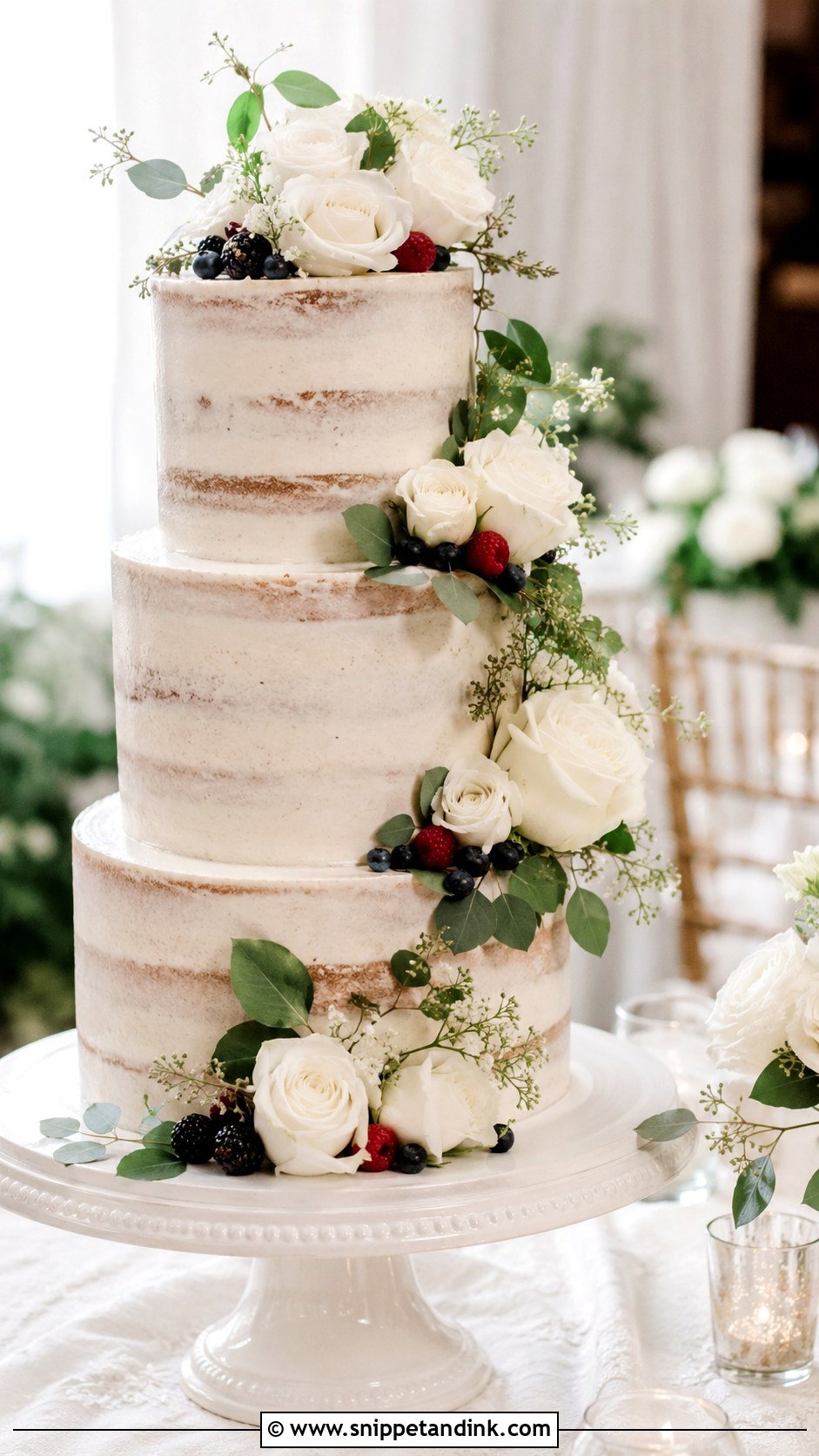
A barely iced tiered wedding cake gives you height while keeping the finish simple. Two to four tiers look impressive with thin buttercream that lets the sponge show, but tiers are where this style gets technical. Each tier sits on its own board with dowels under it, and with so little frosting there is nothing to hide a tier that leans or sinks slightly. I check the stack from eye level on every side before anything goes on it. Flowers can cascade down one side, with fruit or greenery tucked around the tiers for balance, and it suits barns, gardens and formal rooms alike.
How Long a Barely Iced Cake Can Stand on Display
This is the conversation I have with every couple who orders one of these, because the answer shapes the flavor. Buttercream starts to soften in a warm room, and a cake with thin sides has less margin than a covered one. Swiss meringue buttercream handles cool rooms well but slumps in heat, and cream cheese and mascarpone frostings are softer still.
I ask three things: will the cake stand indoors or out, will it be in direct sun at any point, and how long between delivery and cutting? A cake delivered cold and cut within a couple of hours indoors can be almost any flavor here. A cake on an outdoor table through a long summer afternoon should be a sturdier sponge with a firm buttercream, kept in shade and well away from windows and lighting rigs.
Fruit and drips change the clock too. Berries, cut citrus and peach release juice into buttercream the longer they sit, and honey or caramel drips keep traveling. I add those last, at the venue, so the cake is at its best for the cutting rather than at setup.
Putting Fresh Flowers Against Bare Crumb Safely
Flowers on a barely iced cake sit right against the sponge your guests will eat, so they need more care than flowers on fondant. Florist stems may have been treated, and some popular wedding flowers are not safe to eat at all.
- Use flowers grown without pesticides where possible, and tell your florist they are going on the cake.
- Wrap every stem in floral tape or set it in a food-safe pick or straw so sap never touches the cake.
- Leave known toxic flowers off the cake entirely, such as lily of the valley, foxglove, hydrangea and sweet pea. Ask your florist to check anything you are unsure of.
- Agree who places the flowers. I prefer to do it myself at the venue so I know which parts of each tier to remove before slicing.
Talk Through the Display Window Before You Settle on a Flavor
Barely iced wedding cakes work because the flavor and the layers become the decoration. That’s also why they depend on good baking and good timing more than any other style I make. Whichever sponge you lean toward, the finish should look deliberate, soft and polished rather than dry or forgotten. Flowers, fruit, herbs and a delicate drip can finish it. Before you sign off, talk to your baker about when the cake will be assembled, which fillings hold up in your venue and how long it will be on display.
You'll Like These Ideas:







Leave a Reply