
Small cakes are some of my favorite orders, because every detail sits at eye level and nothing can hide. They suit courthouse weddings, elopements, backyard receptions and brunches, and they solve the dessert table problem of wanting four flavors without four tiers. You can have one little cutting cake, a single cake at every place setting, or a row of tiny cakes that match in style but not in flavor. The twenty ideas below each come with what I’d actually tell you at a tasting: what holds up, what doesn’t, and where a small cake needs different handling from a big one.
How Many Slices a 4-Inch or 6-Inch Cake Really Gives
The first question I ask about a mini cake is whether it’s the whole dessert or a cutting cake backed up by something else. That decides the size. Wedding portions are cut tall and narrow, roughly one inch by two, which is smaller than the wedge you’d serve at a birthday.
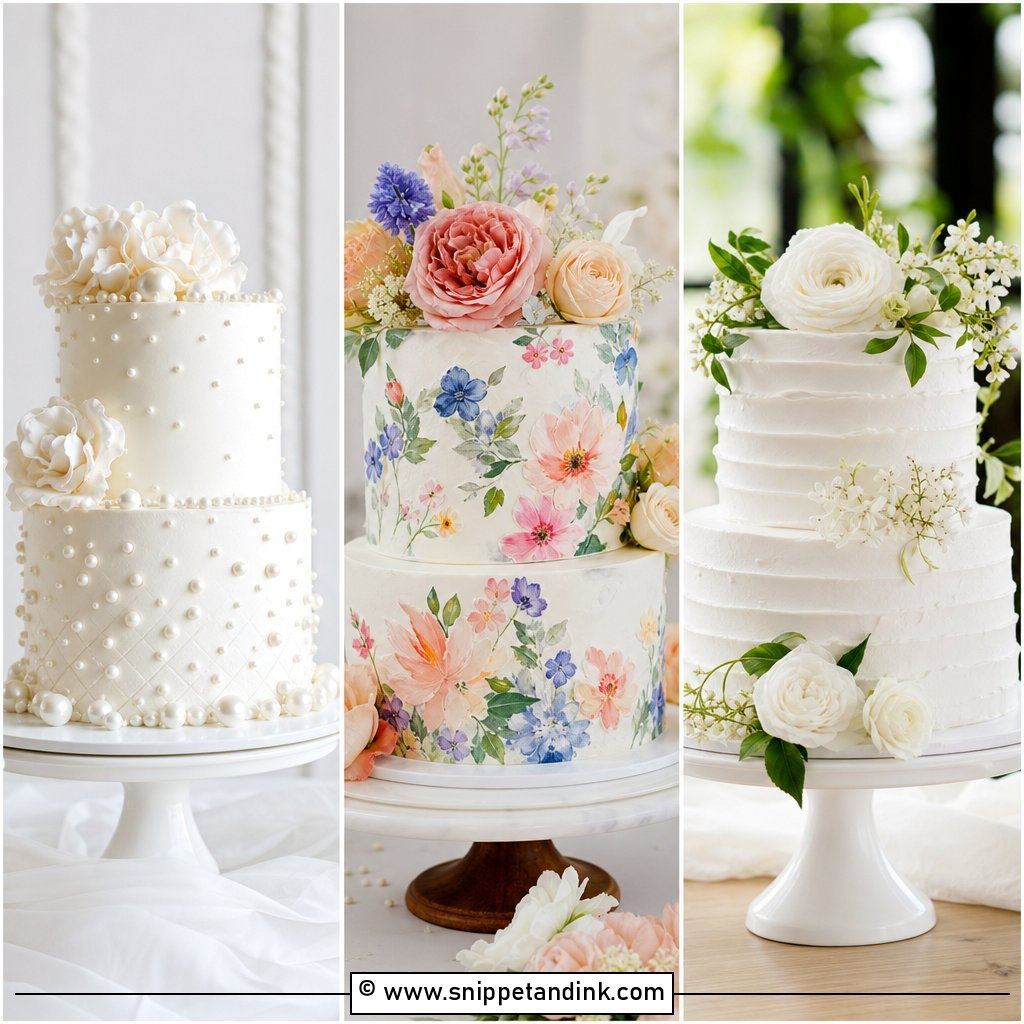
- A 4-inch round, three layers tall, gives about six to eight wedding slices. It’s a sweetheart cake or a cake for an elopement with a handful of guests.
- A 6-inch round gives around twelve slices, enough for a small family dinner.
- Two tiers of 4 and 6 inches together feed about twenty, which covers a courthouse lunch.
- Individual cakes are one per guest, plus a few spare for the person who drops theirs or the vendor who skipped lunch.
For a guest list over about thirty, a single mini cake won’t stretch. Most couples in that position order a small cutting cake for the photos and a sheet cake or cupcakes kept in the kitchen. Guests never see the difference, and it costs less than building a bigger display cake.
Individual cakes cost more per serving than slicing, because each one is frosted, decorated and boxed by hand. Ask your baker for both quotes before you decide.
1. Mini White Wedding Cake
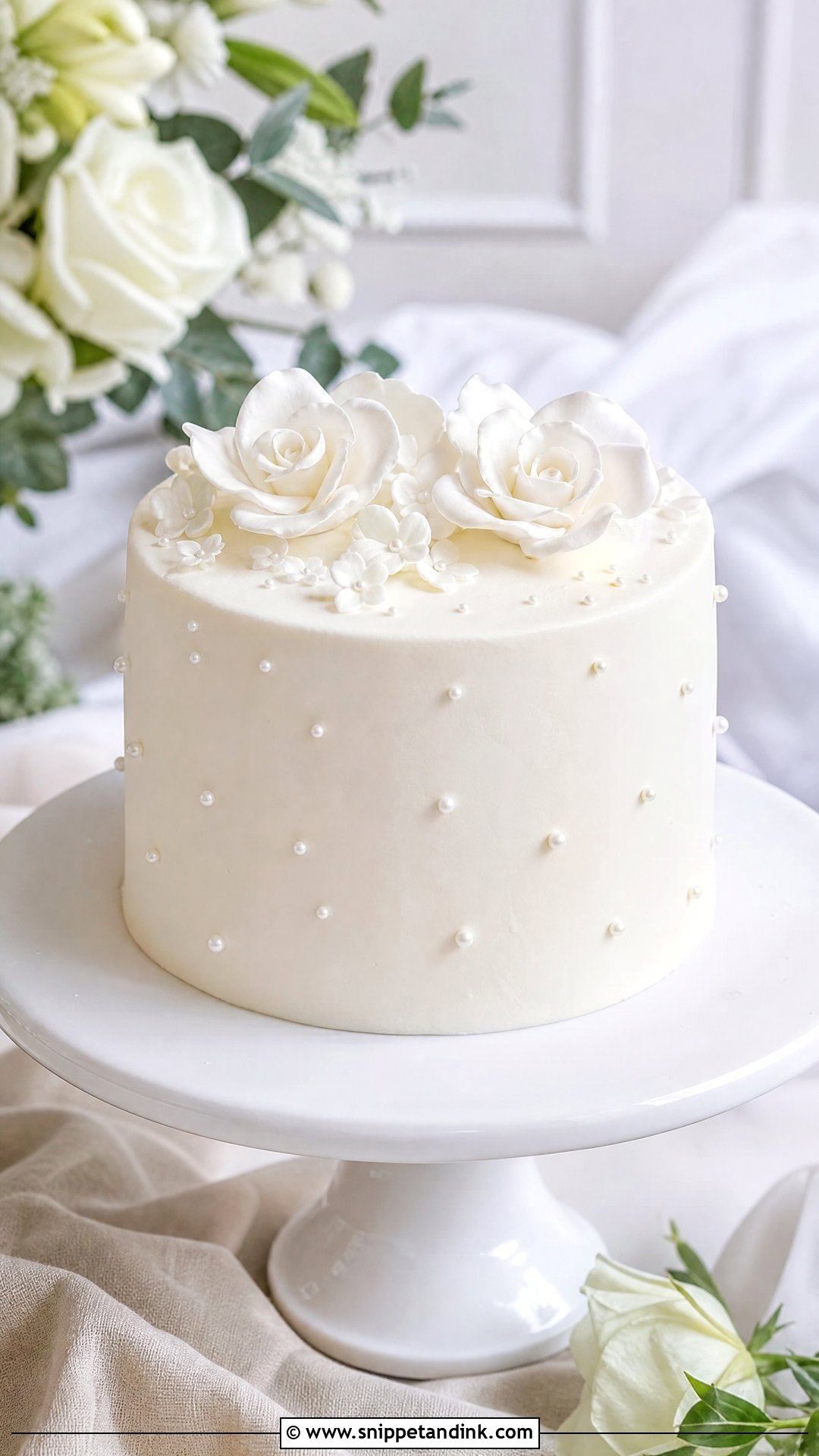
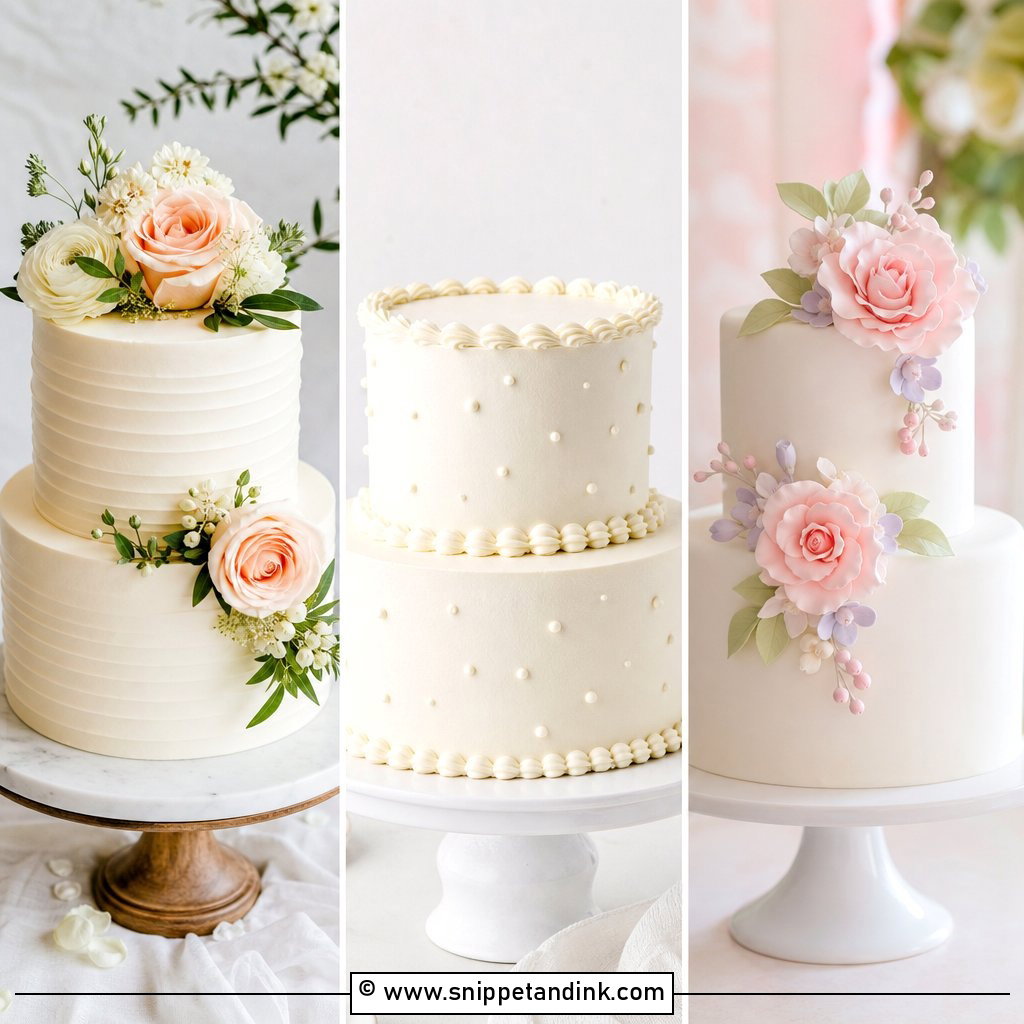
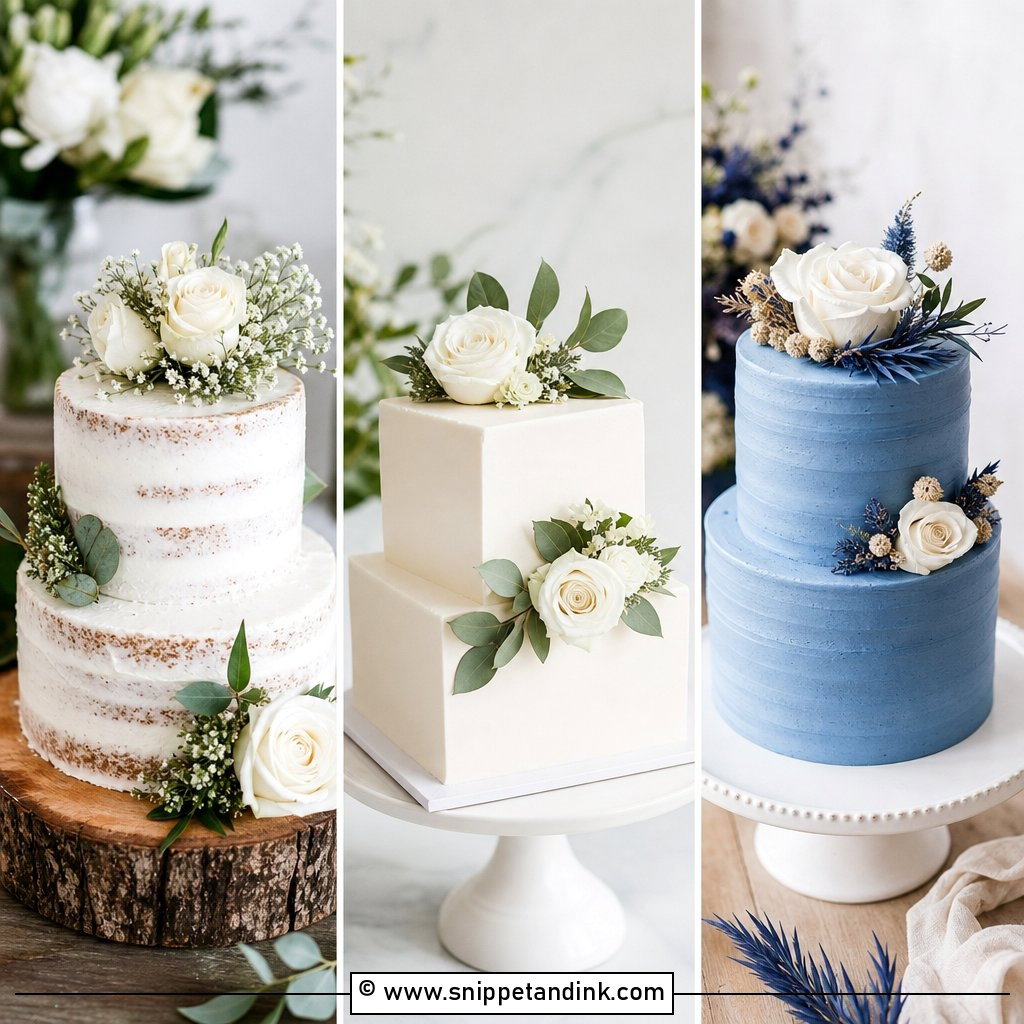
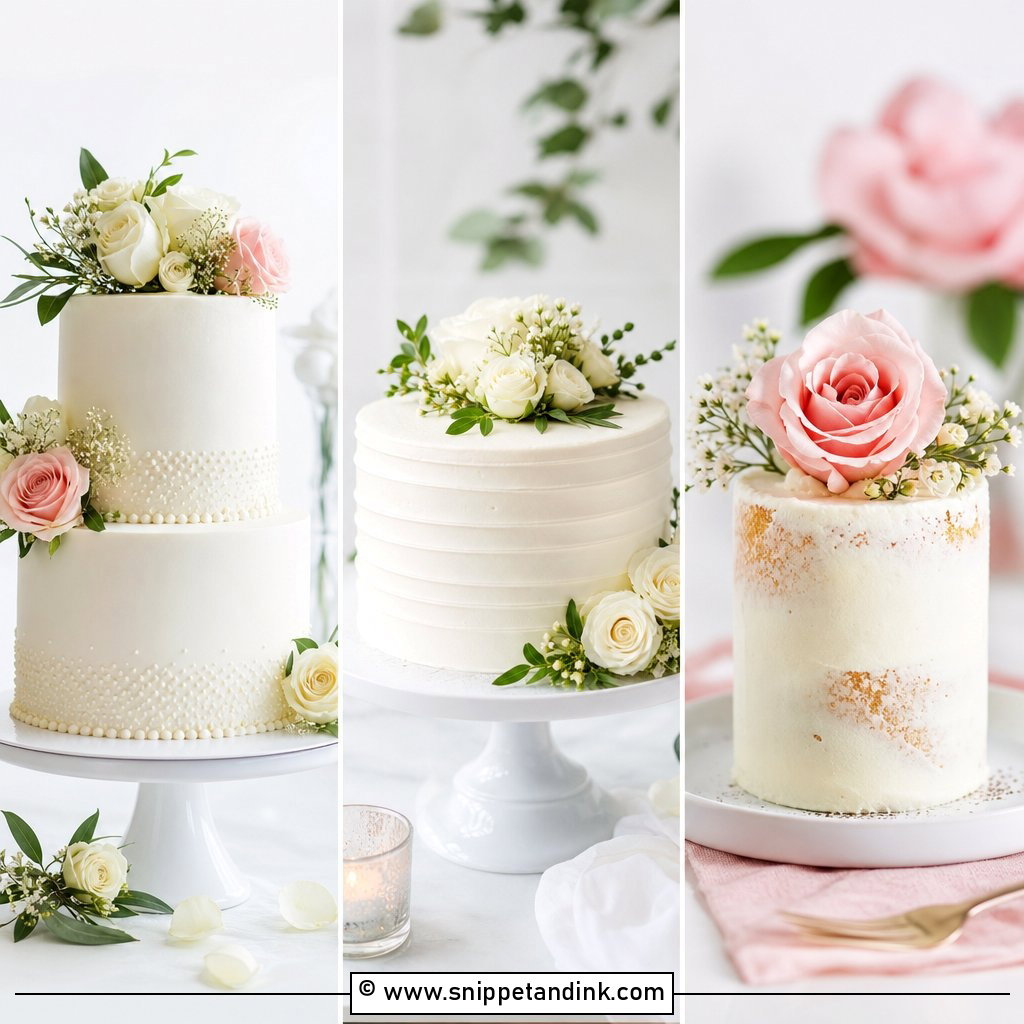
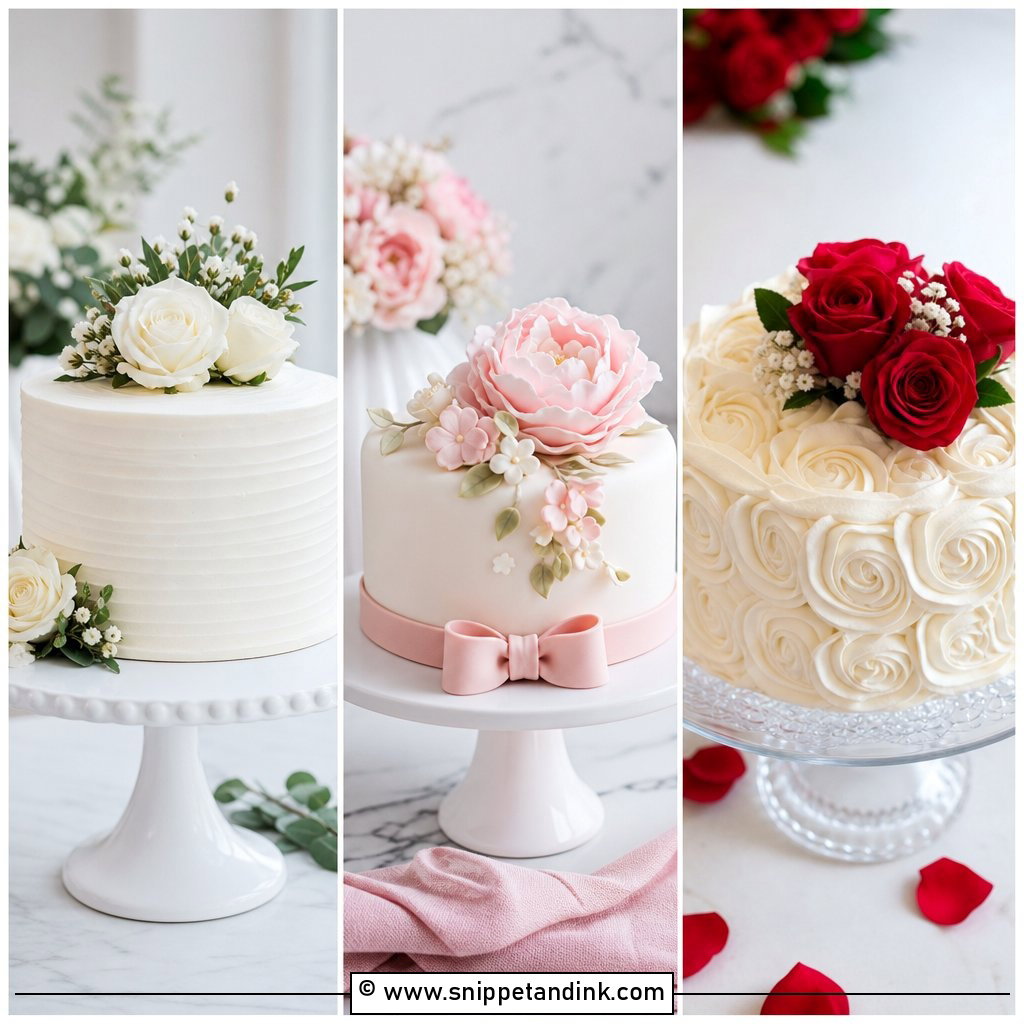
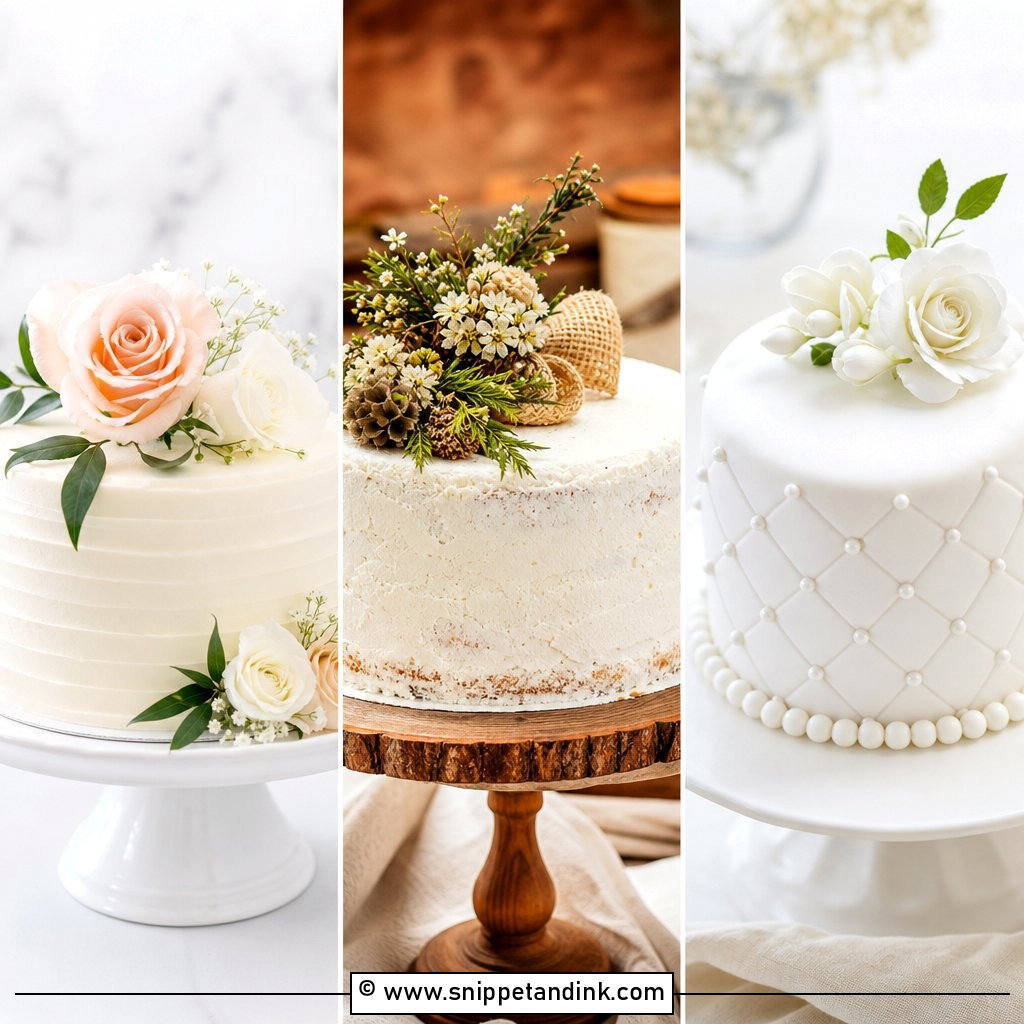
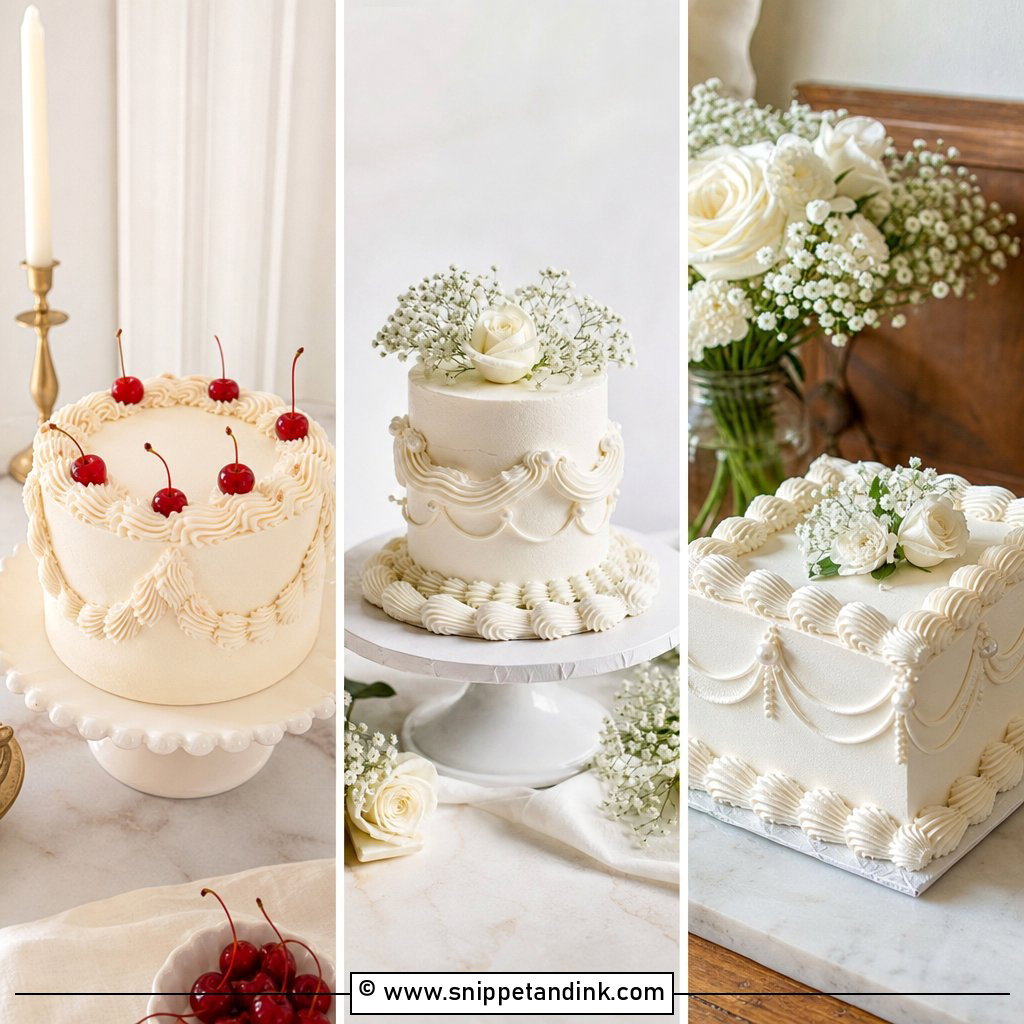
White is where I’d send anyone who can’t decide. A single 4-inch or 6-inch round in smooth buttercream or fondant goes with any venue, and ivory or pearl tones read warmer in photos than stark white, which can look grey under tungsten light. On a cake this size, three sugar flowers is usually the ceiling. More than that and the top looks crowded. Vanilla bean, almond and champagne are the flavors I’d pair with it, and it can serve as the sweetheart cake or a place-setting dessert.
2. Mini Floral Wedding Cake
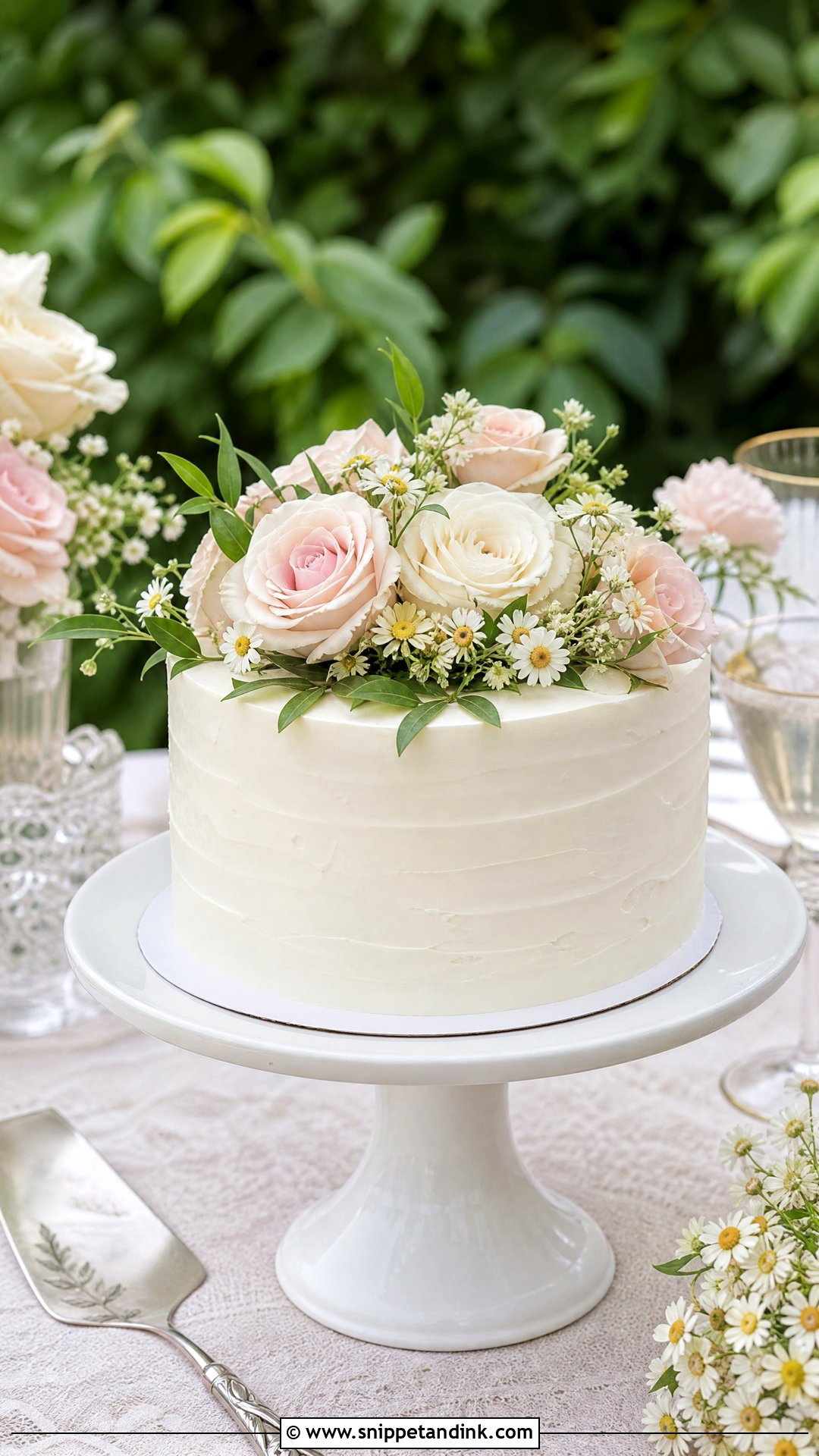
The trap with florals on a small cake is scale. A full garden rose can be wider than a 4-inch top, so I work with spray roses, chamomile, ranunculus buds, baby’s breath or pressed edible flowers instead. Keep the frosting smooth so the blooms carry the design. Lemon, strawberry and elderflower all suit a spring garden table. One thing I insist on: decorative fresh flowers get wrapped stems or a barrier so nothing toxic or sprayed touches the cake, and I always confirm with the florist which stems were grown without pesticides.
3. Mini Buttercream Wedding Cake
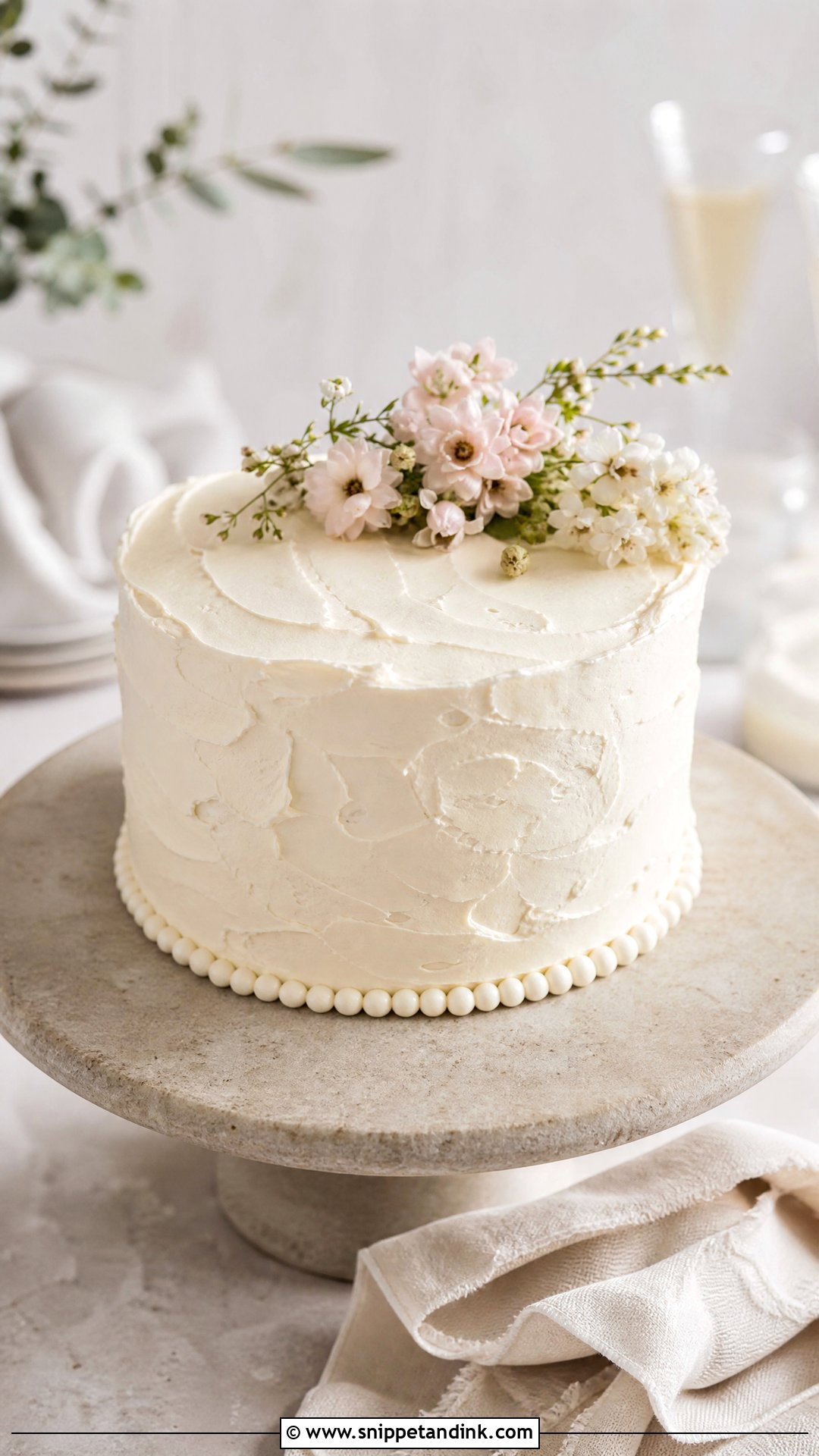
Buttercream is forgiving on a mini cake, and that’s why I reach for it so often. Small details like a spatula swoop or ridged sides don’t need to be oversized to show. Swiss meringue is my default for a smooth finish because it’s silky and less sweet, while American buttercream crusts and holds piping more firmly in a warm room. Cream cheese and honey buttercream taste wonderful but soften fast, so they belong indoors. Finish with a few pearls or a small topper and stop there.
4. Mini Naked Wedding Cake
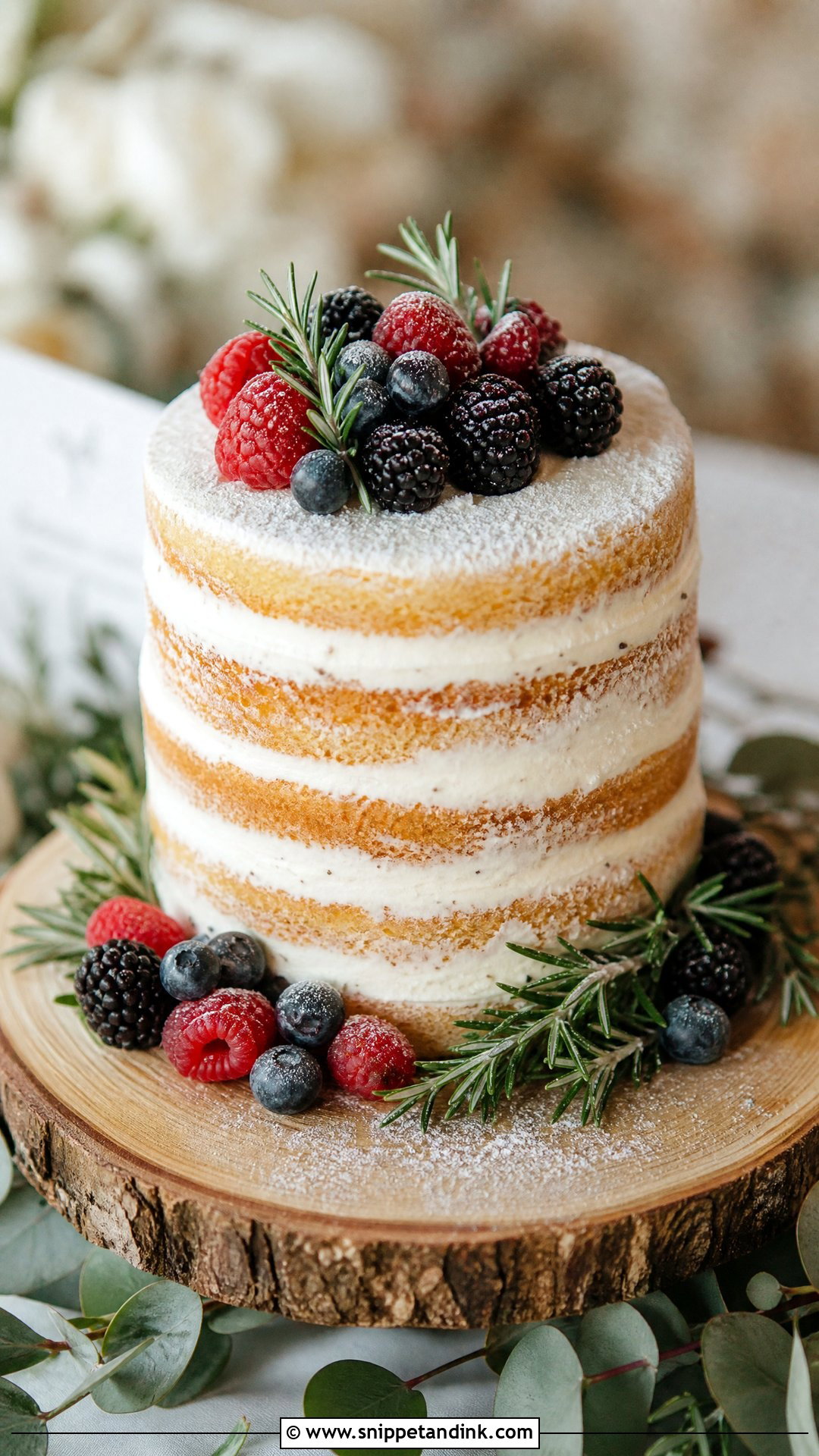
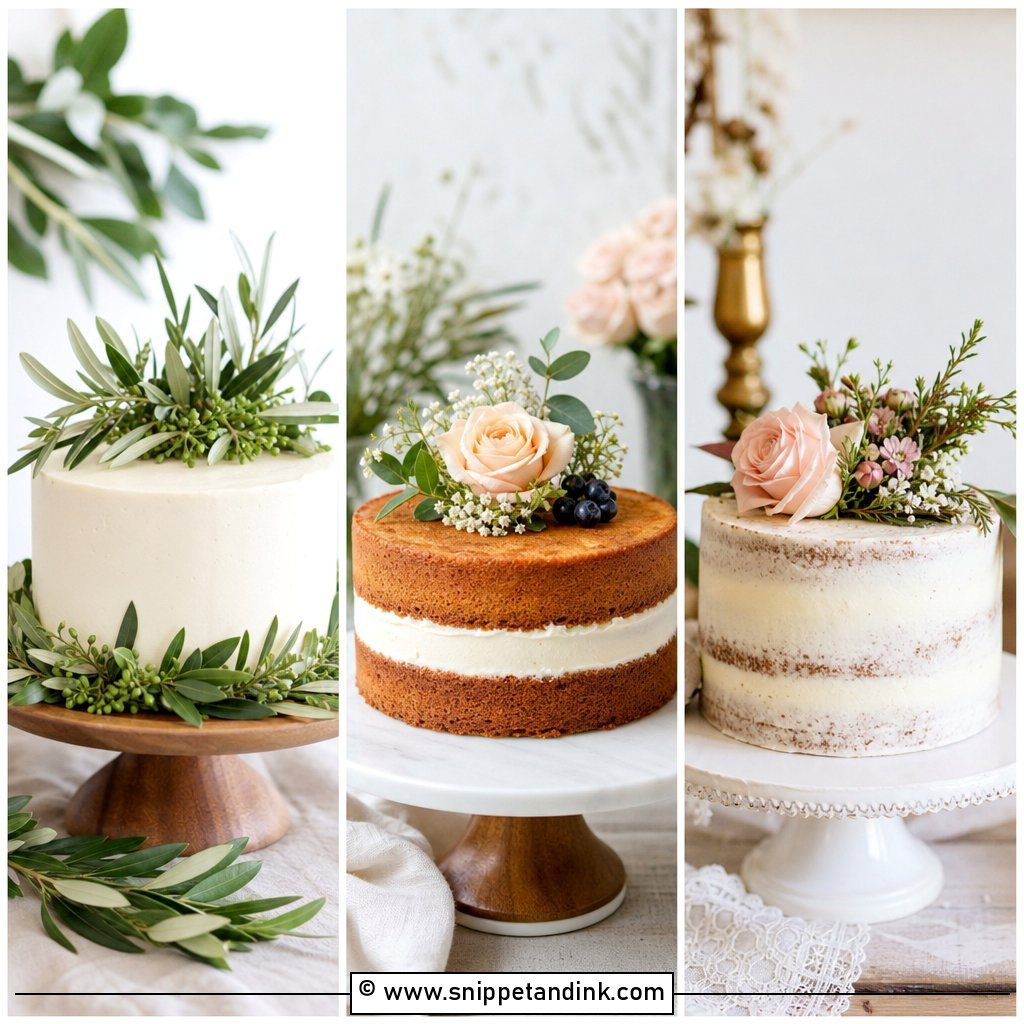
Naked cakes look casual, but they’re the least forgiving finish I make. With only a scrape of frosting, the sponge is exposed to air and starts drying within a few hours, so I bake these as close to the day as I can and brush the layers with syrup. Berries, herbs and a dusting of powdered sugar suit the farmhouse feel. Because the crumb is on show, the flavor has to be good on its own: vanilla, lemon, carrot or almond. A wood slice or plain white stand is all it needs.
5. Mini Vintage Wedding Cake
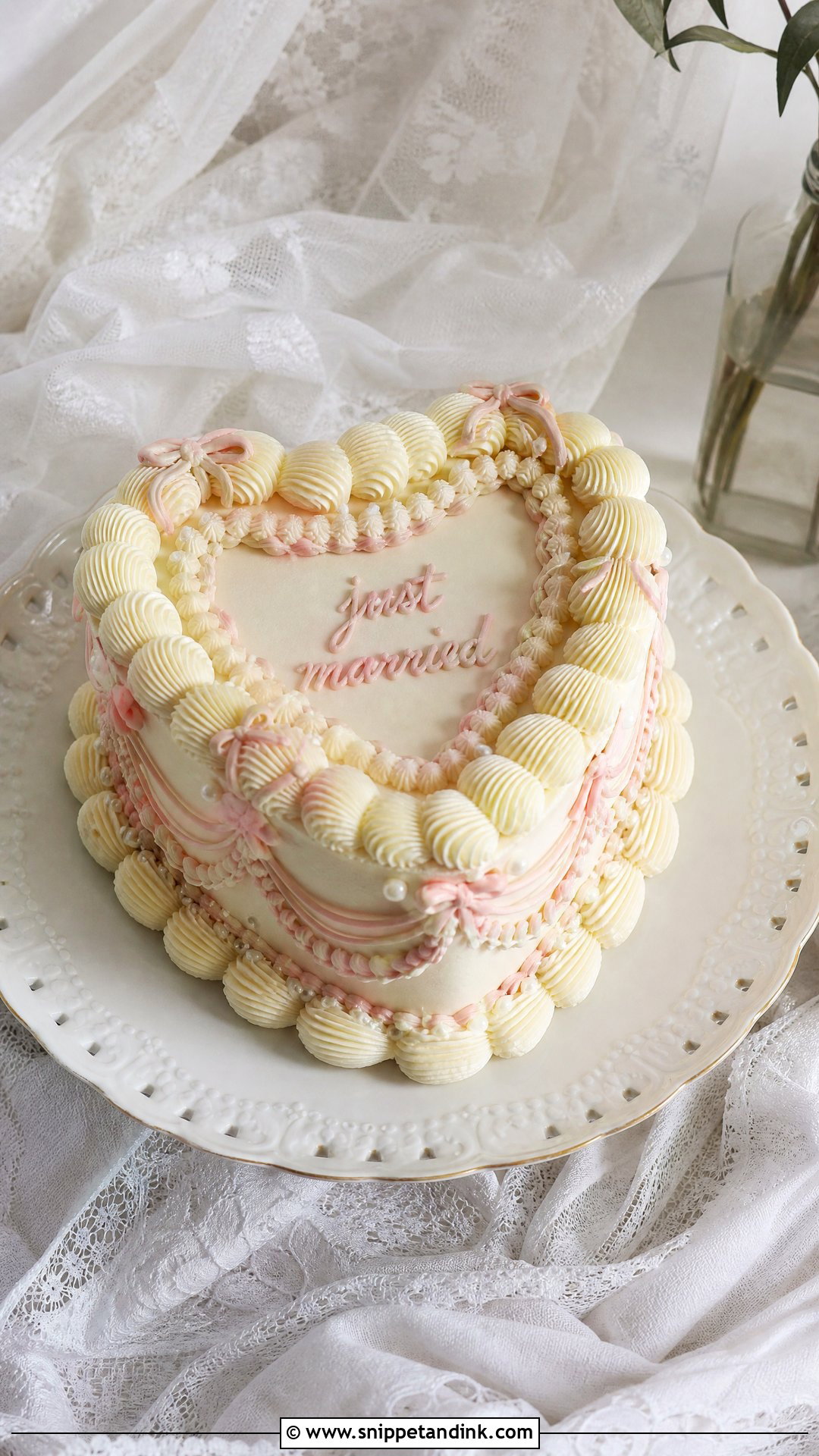
Vintage piping looks fussy, yet on a small cake it’s surprisingly quick to read. Shell borders, lace lines, scallops and tiny bows all sit comfortably on a 5-inch round, and I pipe them a size smaller than I would on a tiered cake so they stay crisp. Ivory, blush and pale blue are the shades I’d choose. Heart and oval shapes push the retro mood further. Vanilla almond, red velvet and raspberry cream suit it, and it sits naturally at a tea-party reception or a courthouse lunch.
6. Mini Heart Wedding Cake
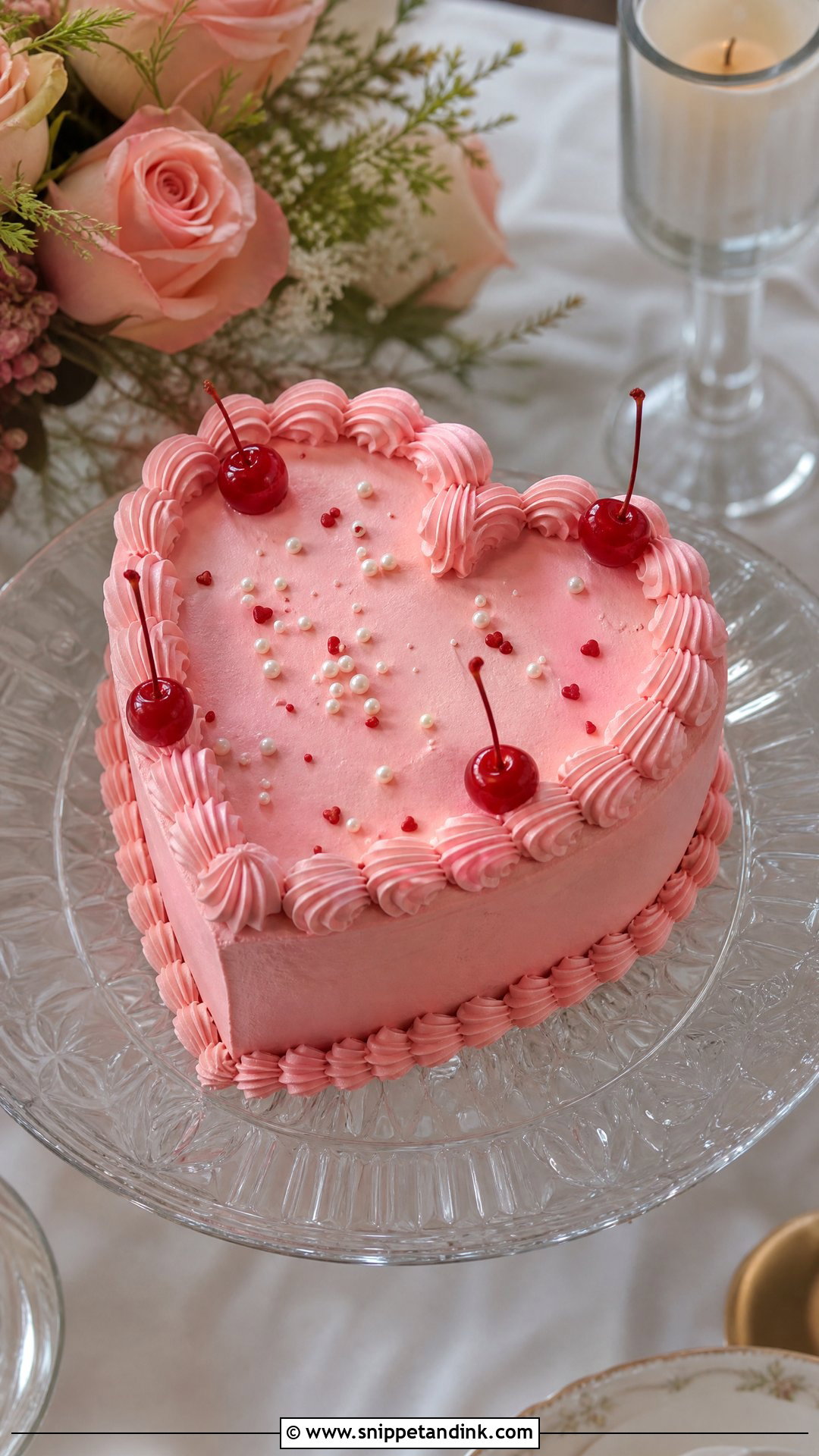
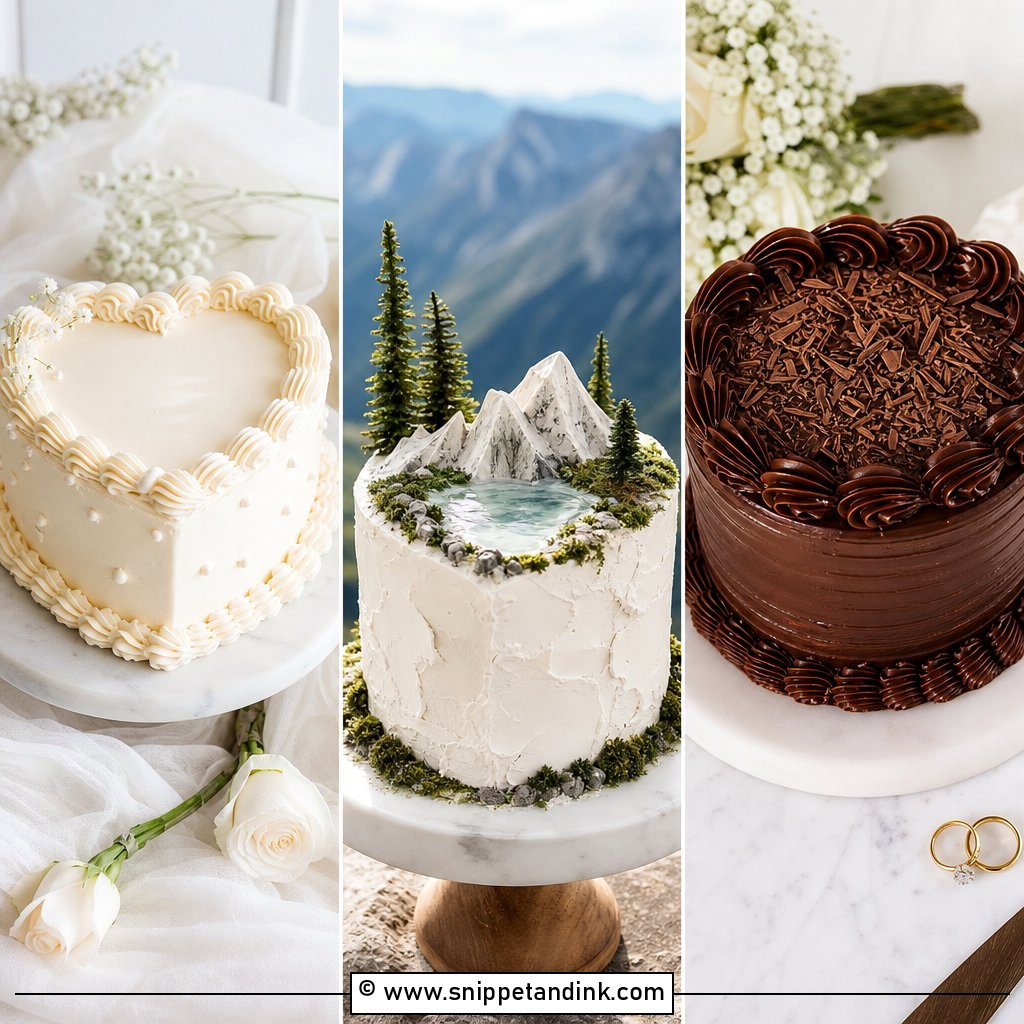
Heart shapes do half the decorating for you. A mini heart wedding cake needs little more than smooth buttercream and a shell border, maybe cherries or a short piped message. The point of the heart is the part I watch: it’s thin, so I chill the cake well before frosting or the tip tears. White and blush are classic, and red or lavender works too. It’s sized for two, which makes it a natural sweetheart table cake.
7. Mini Two Tier Wedding Cake
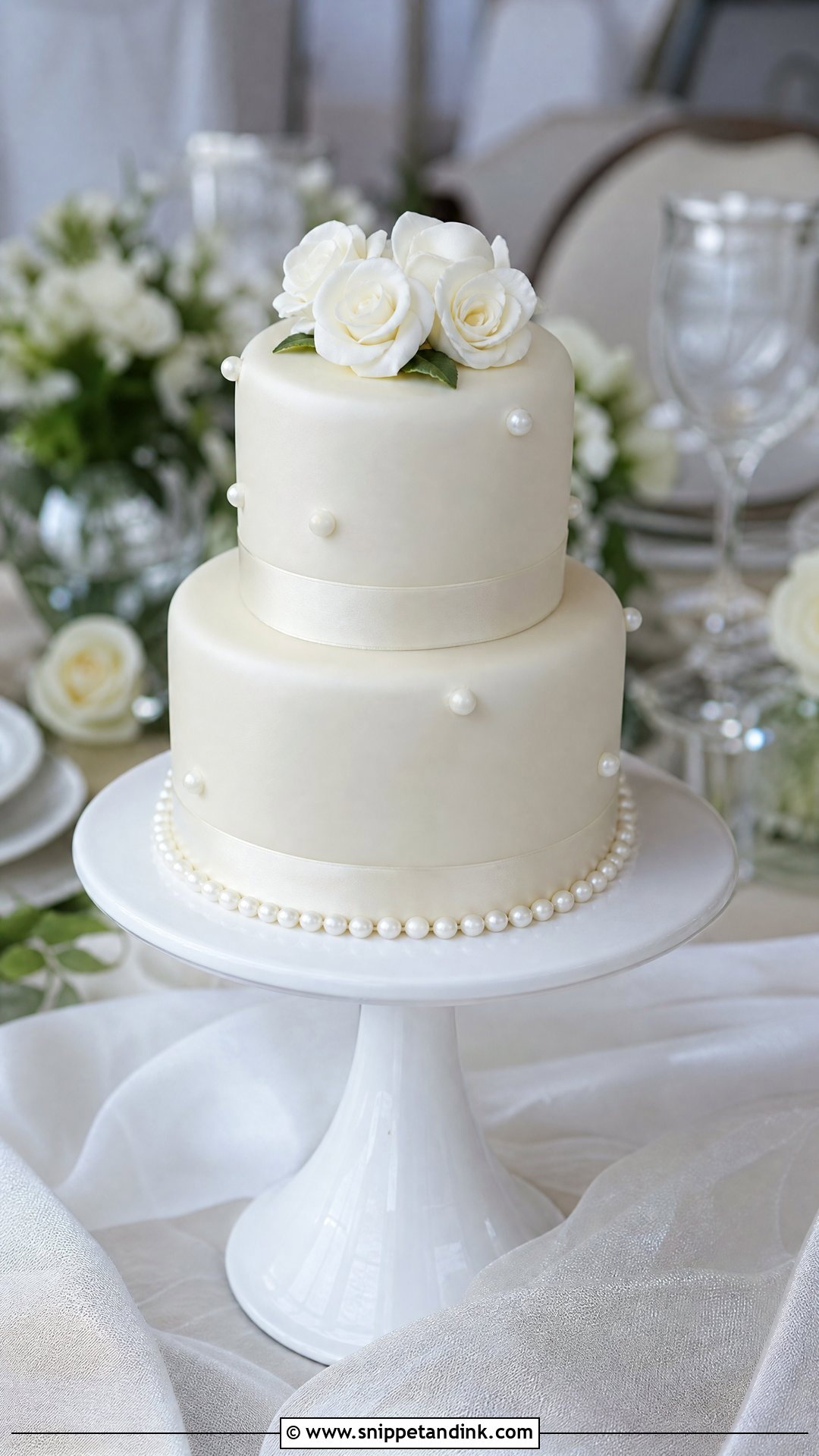
Two tiers give you the traditional silhouette and a proper cutting moment, scaled down. A mini two tier wedding cake usually means a 4-inch tier on a 6-inch, and even that small, I put a support board and dowels under the top tier. Without them the upper cake slowly presses into the lower one, which shows as a bulge at the seam by the time you cut. Smooth frosting with a thin ribbon is plenty of decoration. A tall stand gives the display the height a small cake lacks.
8. Mini Drip Wedding Cake
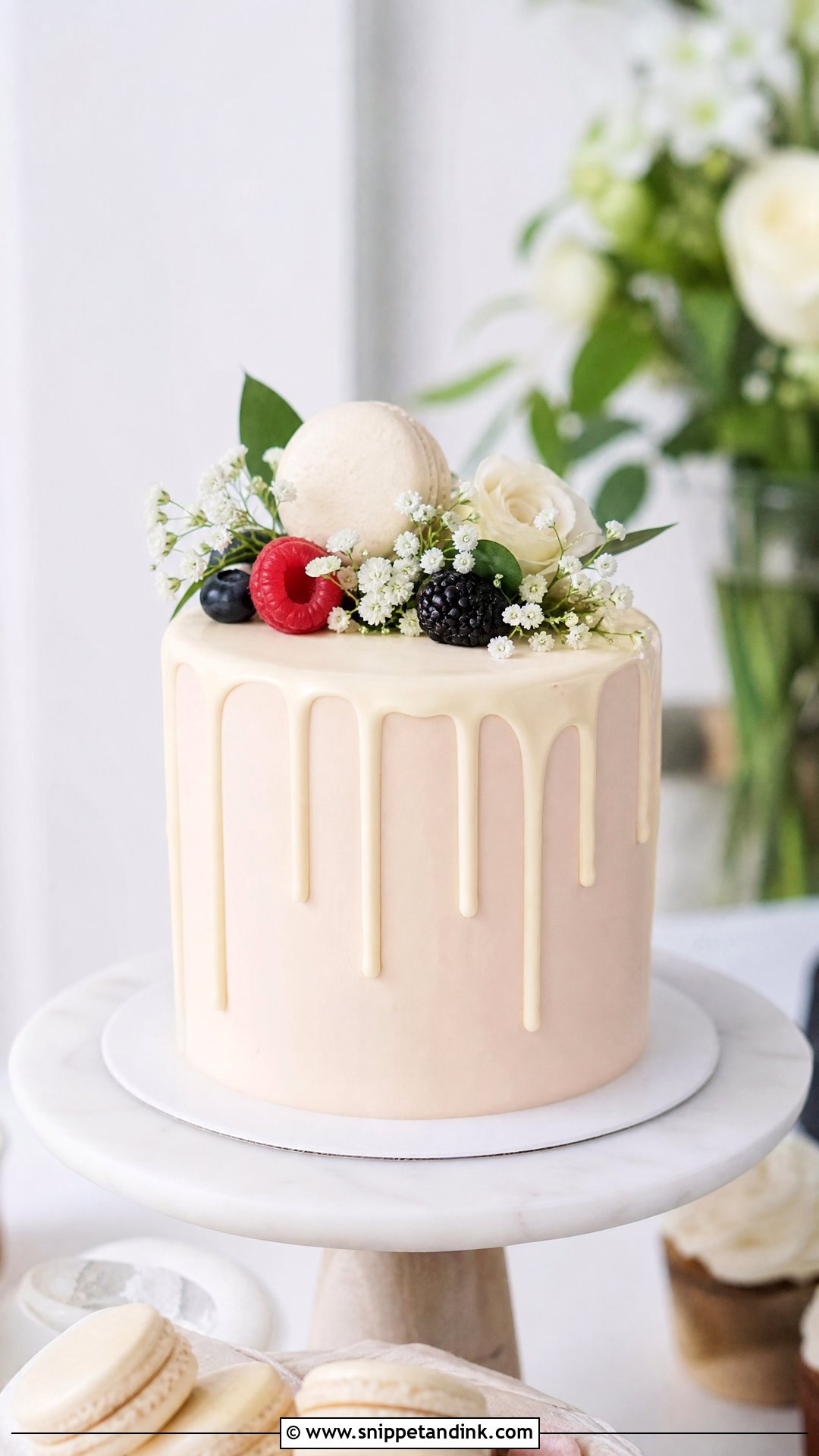
Drips are mostly about temperature. If the ganache is too warm it runs to the board, too cool and it stops in thick blobs, so I test one drip on the back of a chilled cake before doing the rest. On a mini cake, short drips look tidier than long ones. White chocolate, caramel and pastel-tinted ganache all work, topped with a few berries or meringues. Salted caramel, raspberry and mocha flavors suit the more modern feel. Keep the palette soft so it still reads as a wedding cake.
9. Mini Pearl Wedding Cake
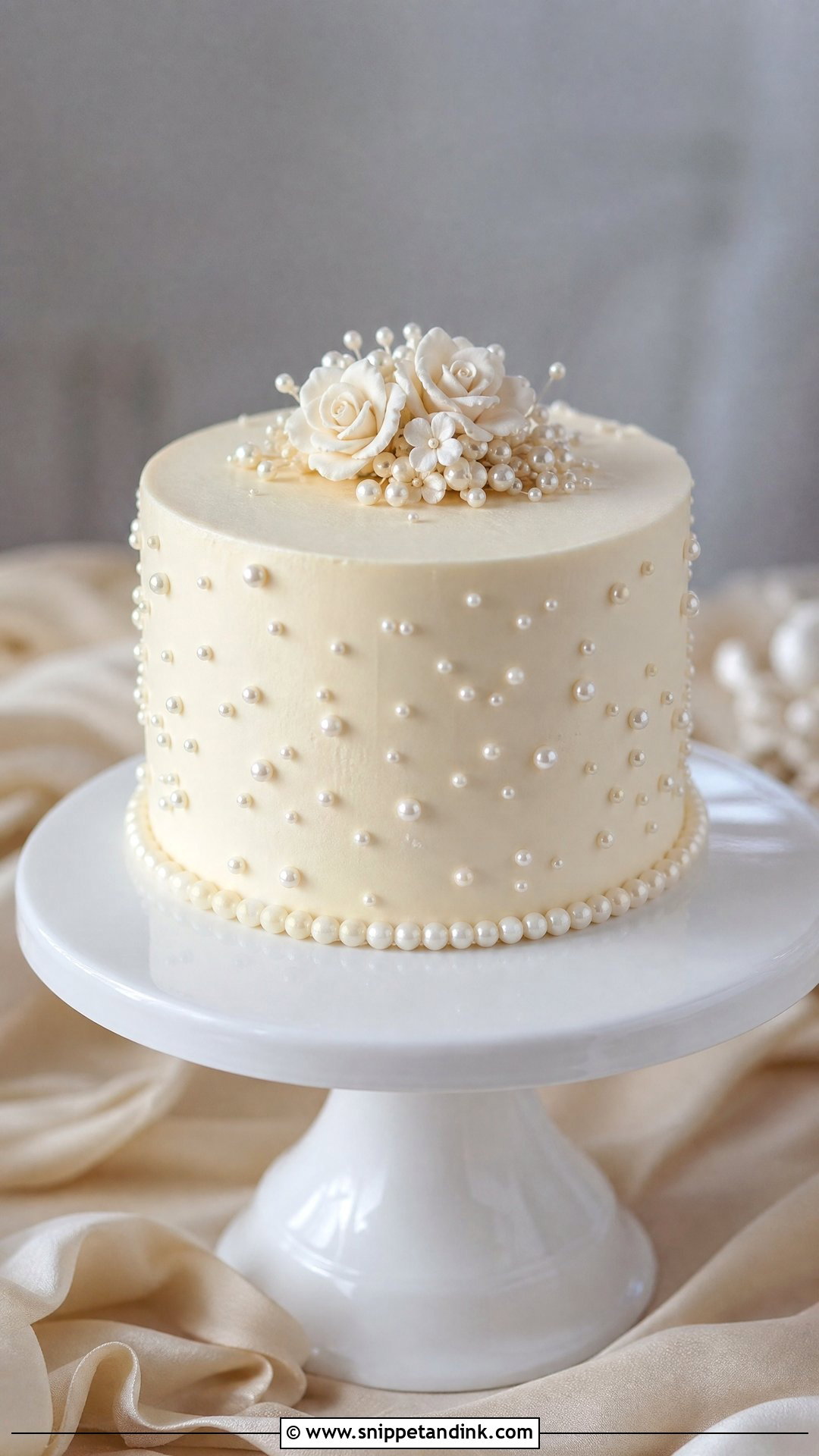
Pearls let a plain cake look finished. I start with smooth white or ivory frosting, then place edible pearls in rows, clusters or a base border. Sugar pearls can bleed color into soft buttercream if they sit overnight in a humid fridge, so I add them on the day of delivery. The look suits coastal, modern and black-tie weddings alike. Vanilla bean, coconut or champagne flavors match it. One sugar flower or a bow is enough extra.
10. Mini Gold Wedding Cake
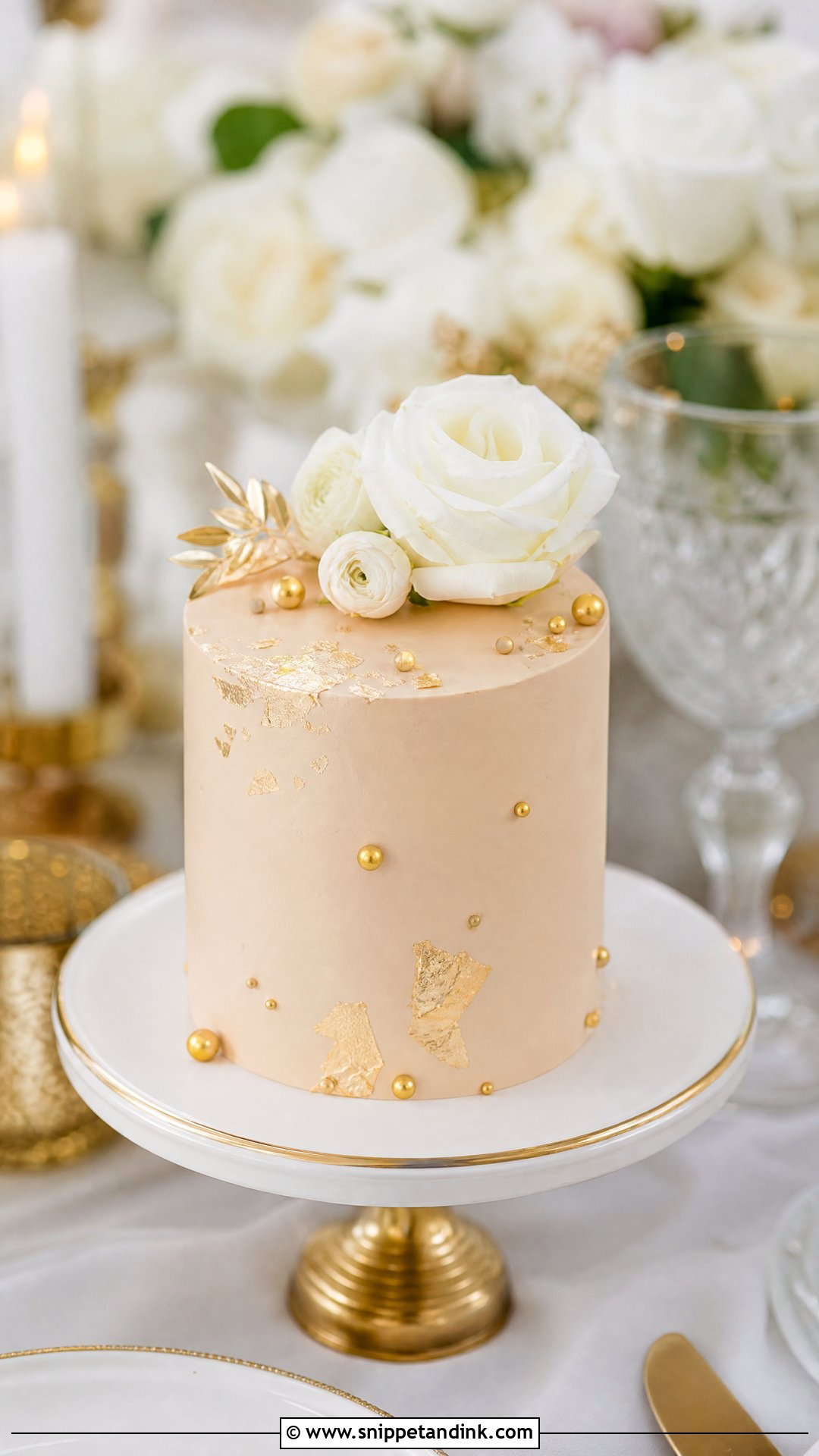
Gold works on a small cake as long as it’s an accent, not a coat. A few flakes of leaf, a brushed stroke or a painted rim catches light without swallowing a 5-inch surface. Edible gold leaf sticks best to a firm, chilled surface, and I apply it with tweezers, never fingers, because it clings to skin. Ivory, sage and mocha frostings all set gold off well. Vanilla, caramel and champagne flavors fit a ballroom or dinner-party reception.
11. Mini Rustic Wedding Cake
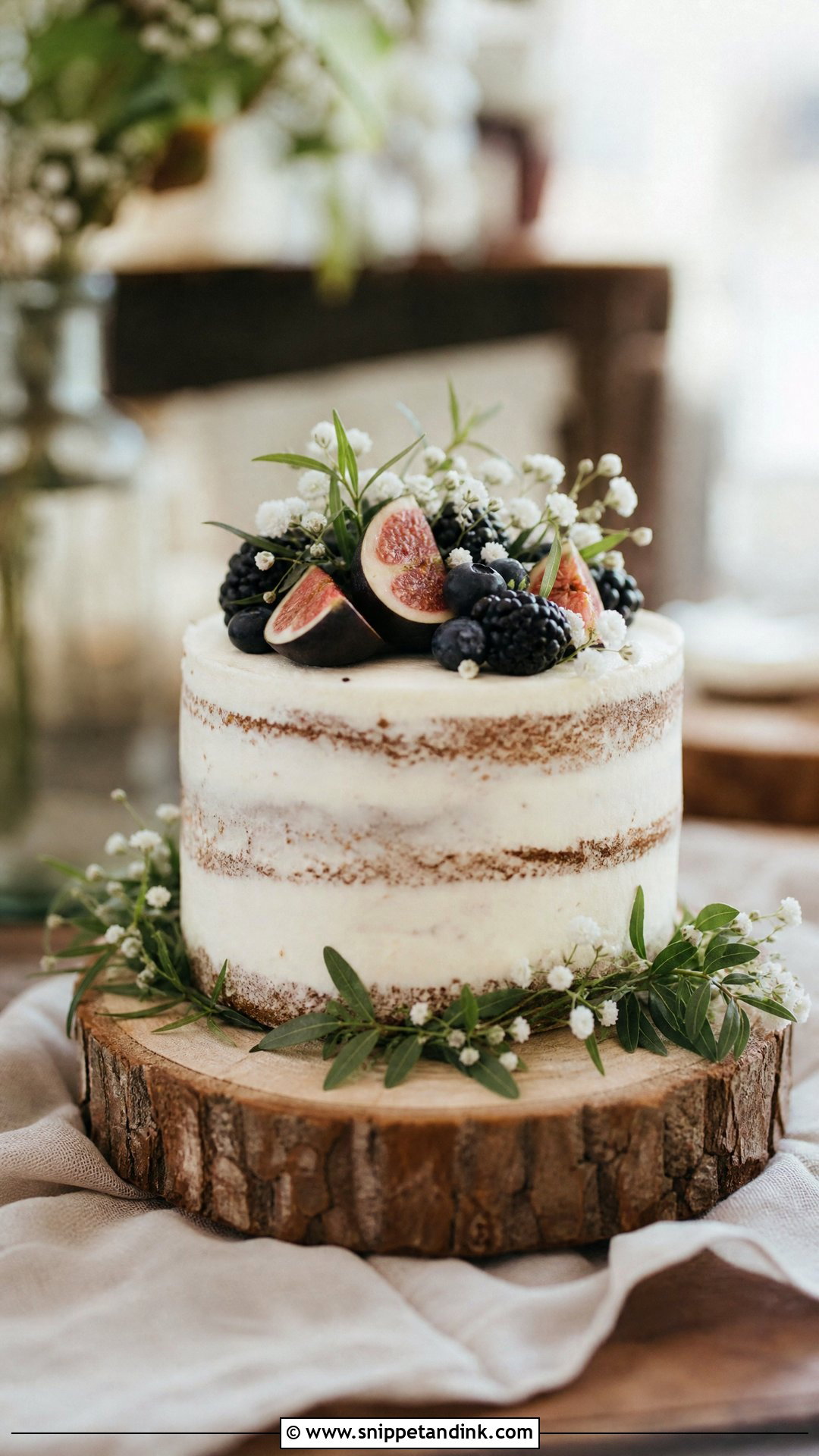
Rustic cakes can be semi-naked, combed or roughly textured, and the texture hides small imperfections from travel, which is a real advantage at a barn or mountain venue. Figs, berries, herbs and a little greenery are enough on top. Carrot, spice, honey, apple or chocolate flavors suit the cooler-weather feel. A wood slice stand or a linen-covered table does the rest. Use three or four natural accents and leave the rest of the top bare.
12. Mini Modern Wedding Cake
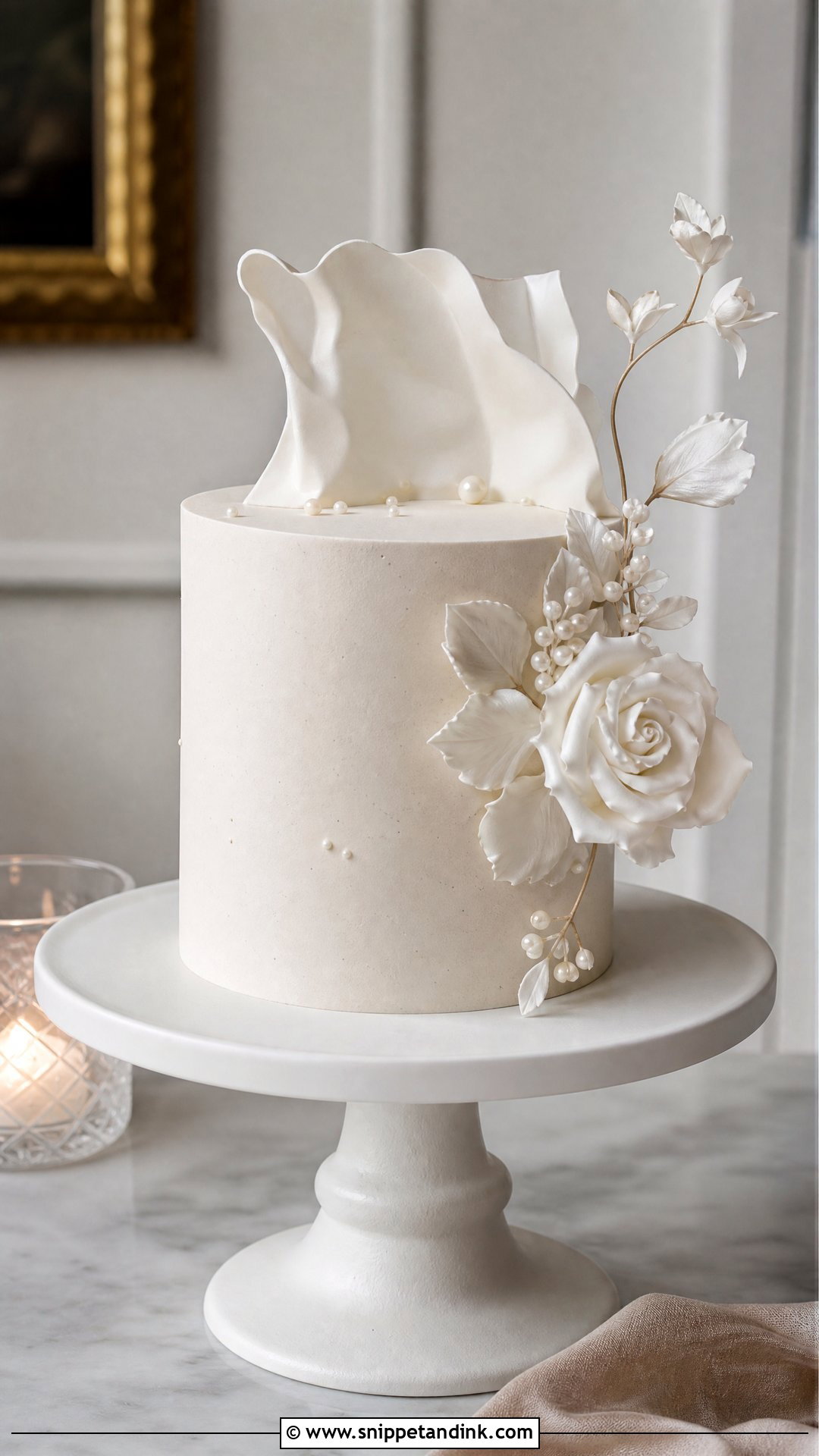
Modern mini cakes rely on one strong detail and very clean edges. Sharp corners on a small cake are harder to get than on a big one, because the scraper has less surface to rest against, so I chill between coats and finish with a hot spatula. Then one element: an asymmetrical spray of flowers, a fondant bow or a sculpted sugar piece. Taupe, sage and black-and-white palettes suit it. Pistachio, chocolate ganache and lemon cream are good flavor matches.
13. Mini Boho Wedding Cake
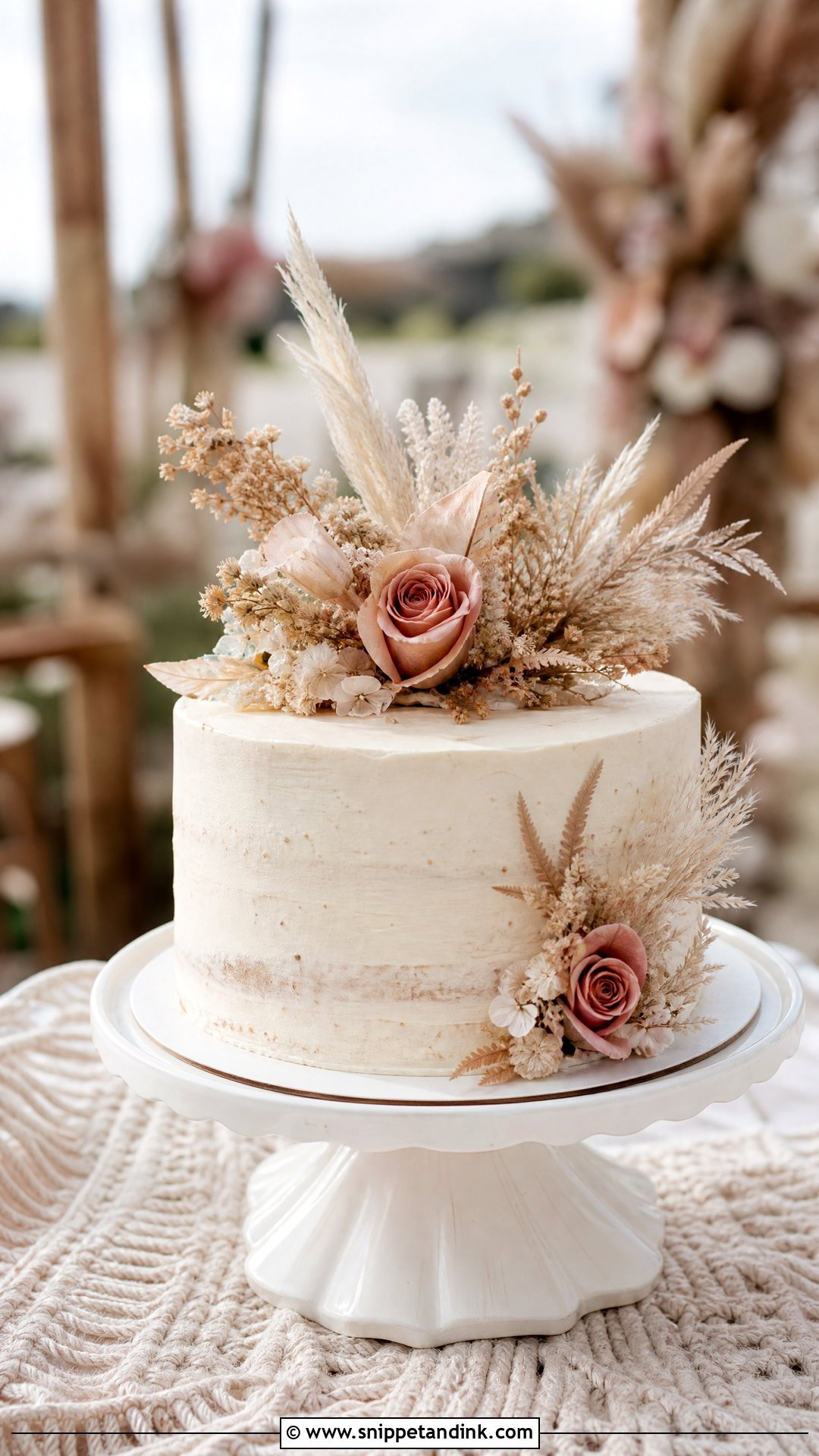
Boho cakes lean on dried flowers and pampas, and this is where I get cautious. Pampas sheds and is often dyed or sprayed, so it should never touch frosting directly. I wrap the stems and keep the dried pieces to one side on a small cake. Terracotta, dusty rose and sage tones suit the look. Chai, honey vanilla and carrot flavors match the earthy mood, and a ceramic stand finishes the display at a desert or backyard venue.
14. Mini Beach Wedding Cake
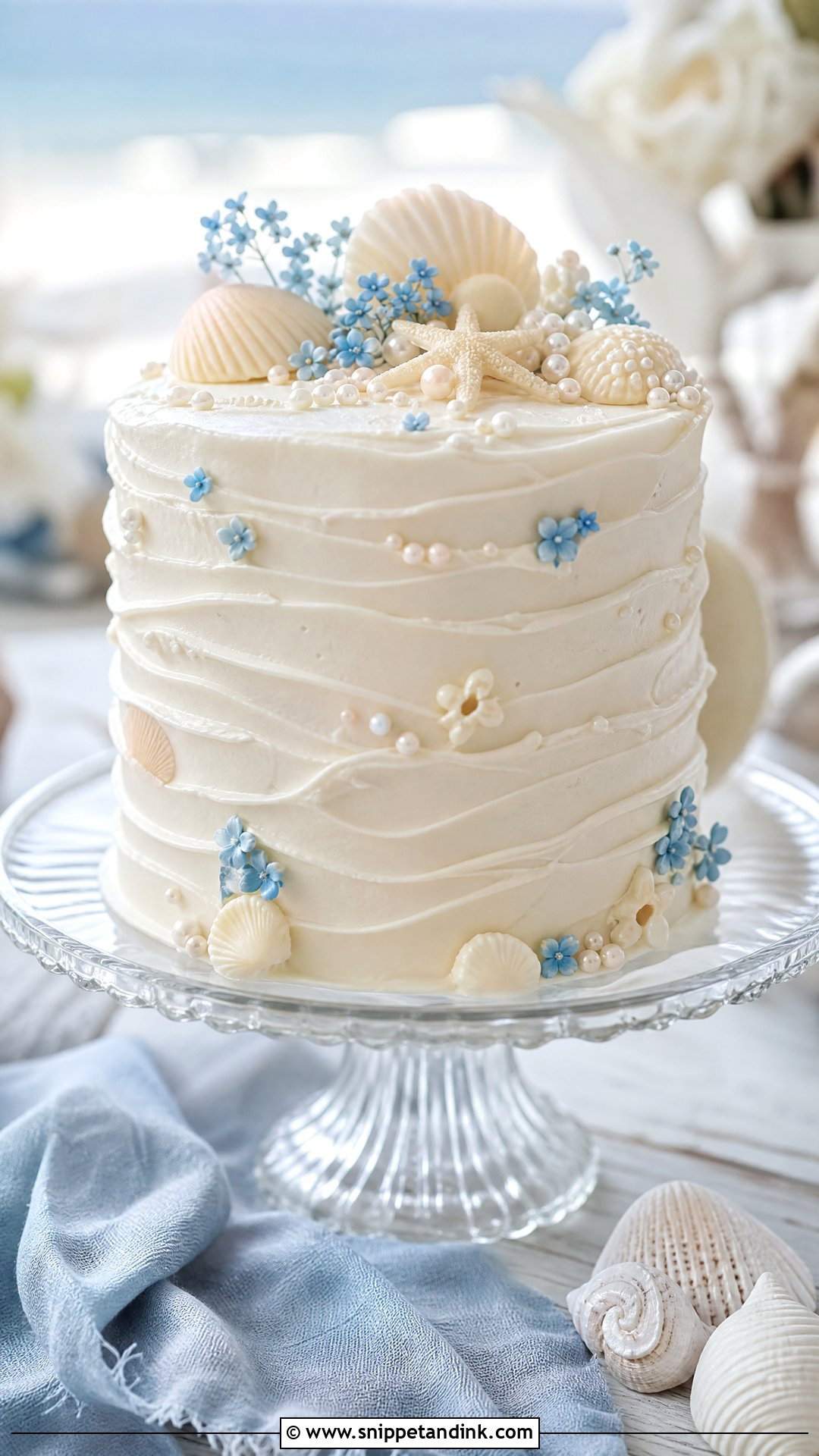
A mini beach wedding cake has to deal with heat and sun, which is why I steer beach couples away from buttercream left outdoors for long. A ganache layer under fondant, or a firm Swiss meringue kept in shade until the last minute, holds up far better. Soft white, sand, seafoam or pale blue work, with a wave texture or ombré. White chocolate shells and edible pearls stay crisp. Coconut, lime and passion fruit suit the setting.



15. Mini Garden Wedding Cake
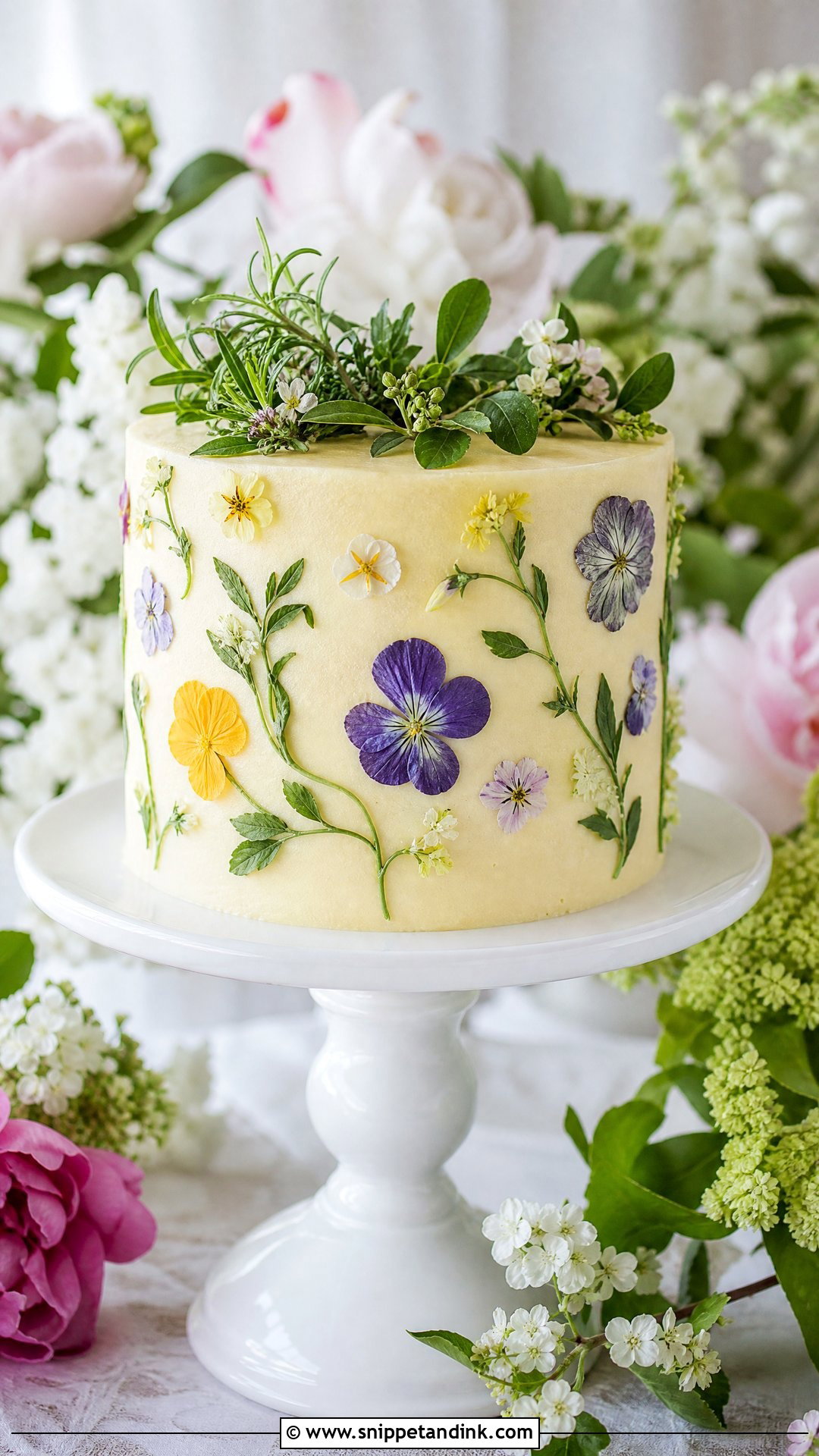
Garden cakes look picked rather than placed. Buttercream vines, pressed flowers and tiny blooms sit on a pale base, with the flowers trailing up one side instead of covering the top. Pressed edible flowers are my favorite here because they lie flat and don’t wilt the way fresh ones do on a warm afternoon. Lemon, lavender and elderflower suit a greenhouse or brunch reception. A small pedestal turns the cake into the centerpiece.
16. Mini Chocolate Wedding Cake
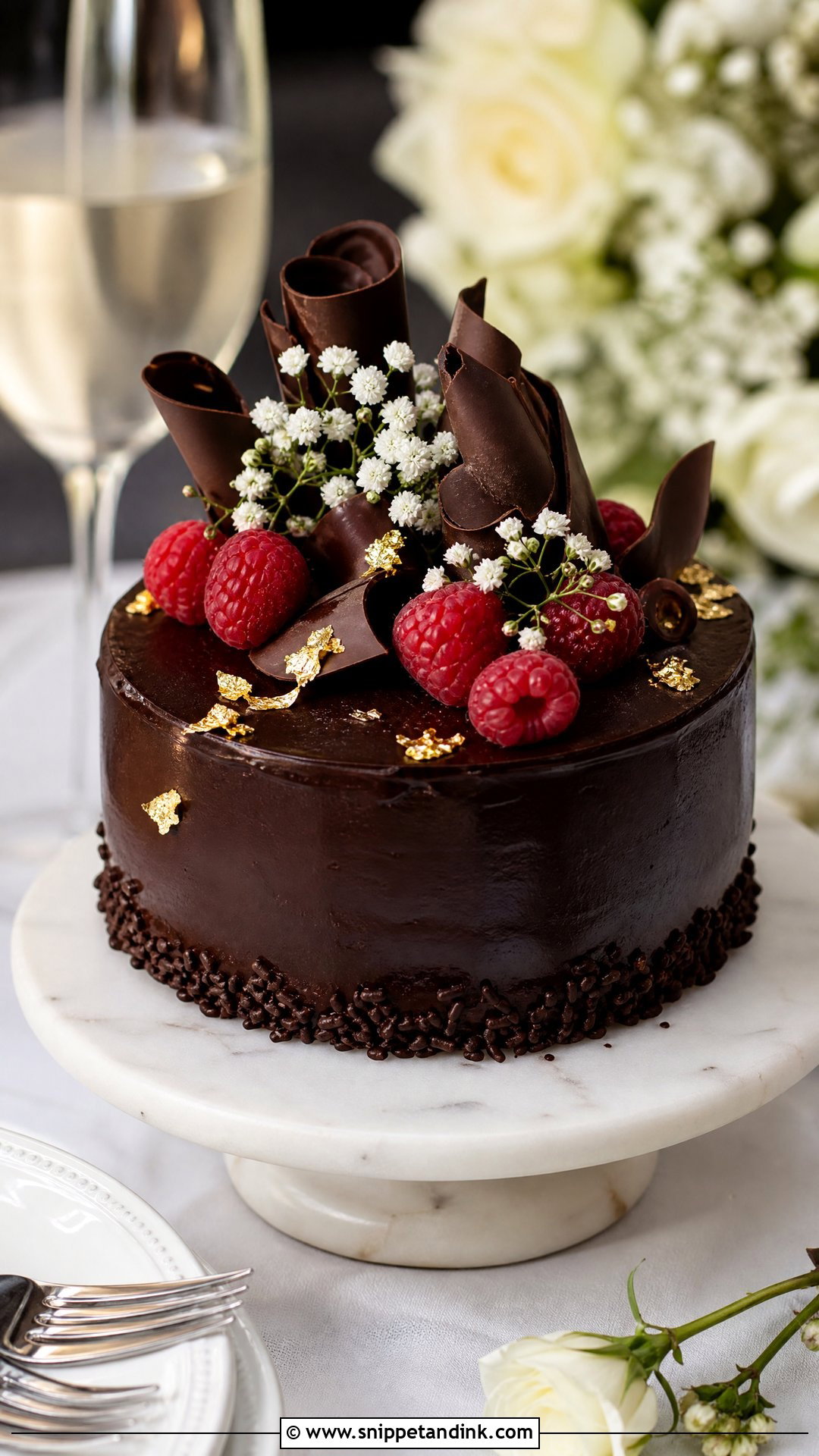
Chocolate is the right call for couples who don’t care for a white cake. A mini chocolate wedding cake in ganache or chocolate buttercream feels rich, and dark ganache is also one of the sturdiest finishes I make in warm weather. A mirror-shiny finish shows every fingerprint, so I handle these by the board only. Raspberries, curls or a few white flowers give contrast. On a white or marble stand, the dark cake reads sharply in photos.
17. Mini Lemon Wedding Cake
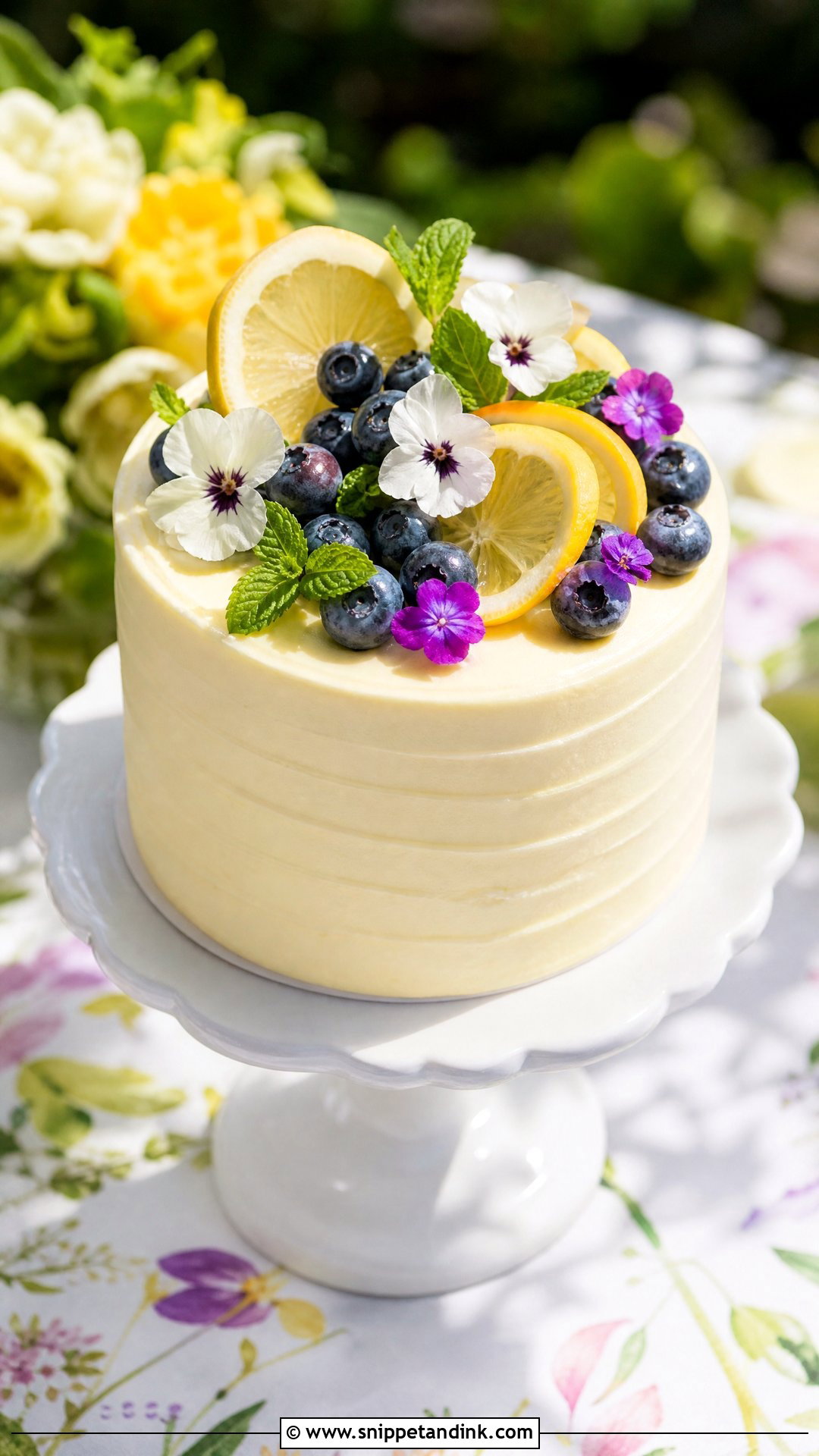
Lemon tastes like summer, and it’s one of the flavors I get asked for most for warm-weather weddings. Lemon curd filling needs a stiff buttercream dam piped around each layer, otherwise it seeps out at the sides, and on a small cake that leak is very visible. White, cream or pale yellow frosting all work. Lemon slices, blueberries and herbs make simple toppings. Raspberry, elderflower and blueberry pair naturally with it.
18. Mini Red Velvet Wedding Cake
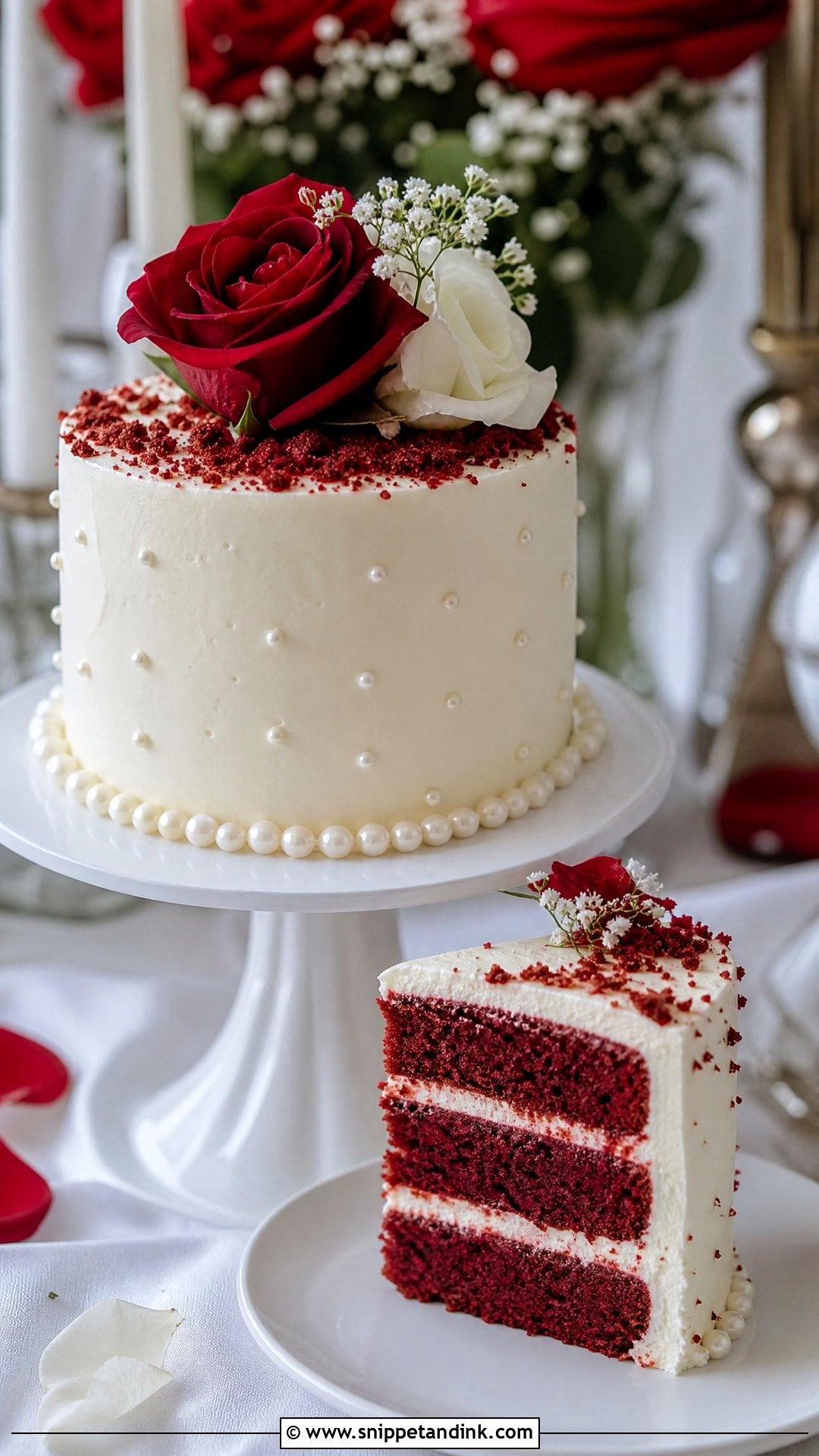
Red velvet gives you color inside the cake, so the cut slice is the moment to plan around. Under white cream cheese frosting the red crumb looks striking. The honest catch is that red crumbs stain white frosting easily, so I always do a crumb coat and chill it before the final layer. Smooth frosting with a few pearls or red flowers is enough outside. White chocolate and raspberry fillings suit it, and so do winter and vintage-themed receptions.
19. Mini Bundt Wedding Cake
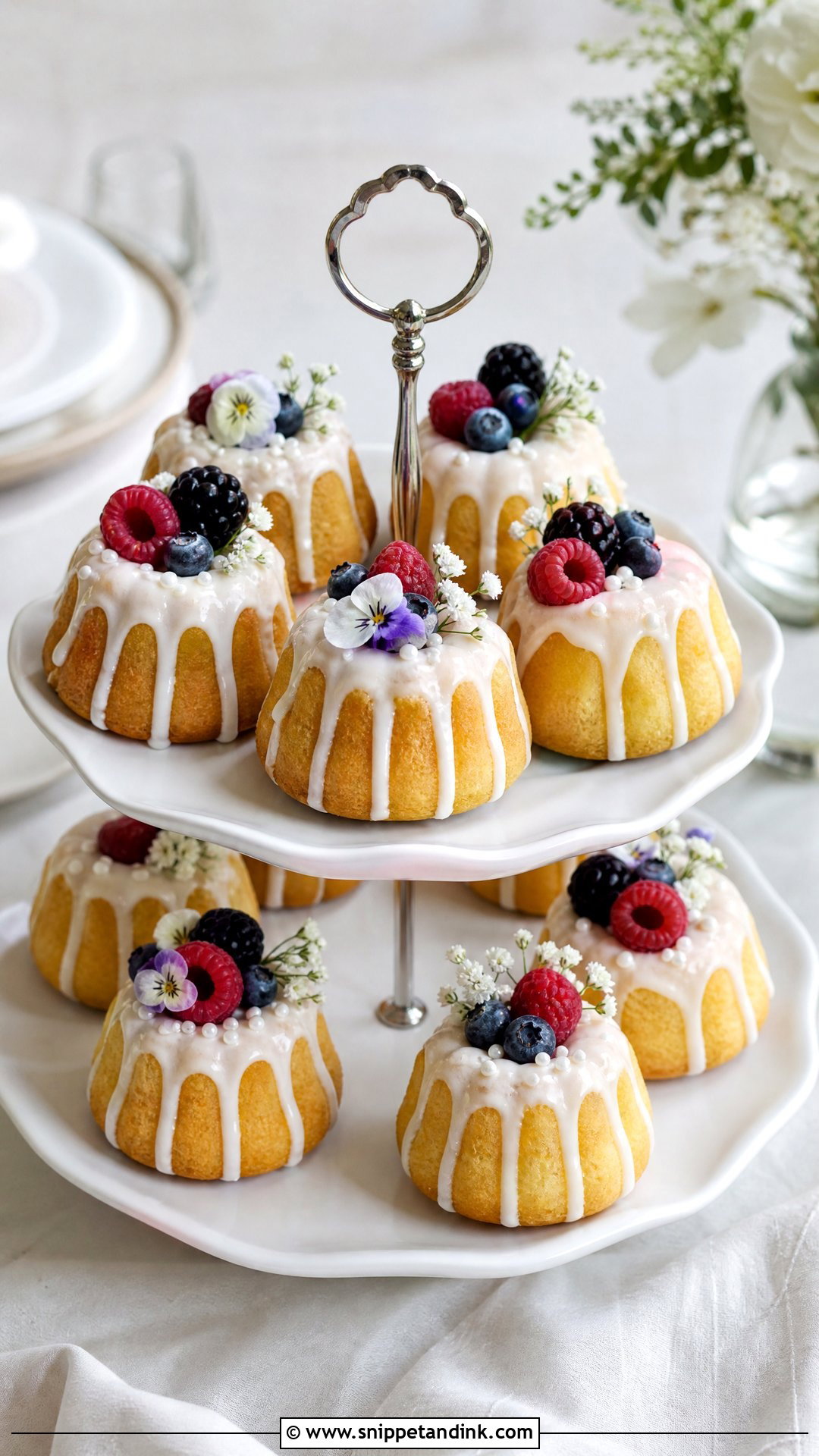
Mini bundts are the easiest small cakes to serve, because the fluted shape is already the decoration. A thin glaze, a dusting of sugar or a few piped rosettes finishes them. The one rule I follow is a well-greased pan with every flute brushed, since a small bundt that sticks loses its ridges. They suit a tiered stand, place settings or a brunch dessert table. Lemon, orange, almond and cinnamon are flavors that taste great with a glaze.


20. Mini Cupcake Wedding Cake
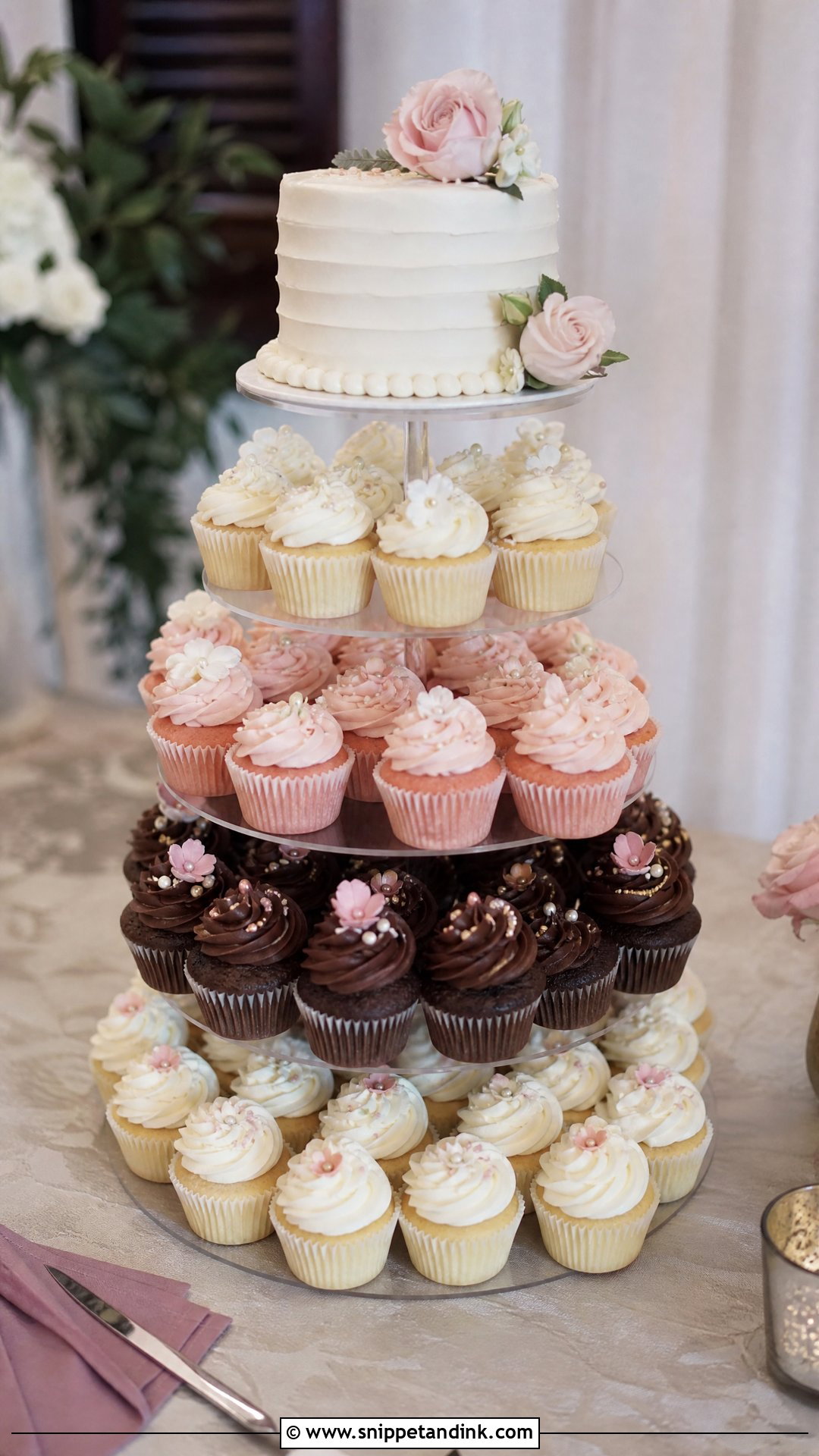
Cupcakes give guests choice and save you from slicing. A mini cupcake wedding cake display works best with one small cutting cake on top and coordinated wrappers and frosting below. I’d plan on about one and a half minis per guest, since people take two. Swirled buttercream, pearls or tiny flowers keep the toppings small enough to eat in one bite. This setup suits larger guest lists and receptions where people mingle.
Small Cakes Travel Worse Than You’d Think
A big tiered cake is heavy, which keeps it planted on the car floor. A 4-inch cake weighs almost nothing and will slide at the first sharp turn. I deliver mine chilled, in a box only slightly bigger than the board, sitting on a non-slip mat on a flat surface, never on a seat.
Heat and timing at the venue
Small cakes warm up faster than large ones because there’s less cold mass inside. Buttercream begins to soften once the room passes the low seventies, and an outdoor table in sun can slump a mini cake within the hour. Ask for the cake to be set out shortly before the cutting, kept away from windows and candles, and moved to the kitchen if there’s a long gap between dinner and dessert.
Individual cakes need a plan for plating
Place-setting cakes look lovely and then cause a traffic jam if nobody knows when to set them out. Agree with your caterer whether they go on the tables before guests sit or arrive with dessert service. Chilled cakes sweat when they meet a warm room, so I’d rather they come out late than early. If fresh flowers are going on, the florist or I add them on site, not the day before.
Size the Cake to the Room, Then Decorate It
A small cake can feel every bit as special as a tall one, and it’s easier to personalize, display and move. Start with how many people you’re feeding and whether you want a cutting moment, then pick the finish that suits your venue’s temperature, and only then the decoration. Keep the details scaled to a cake you could hold in two hands, and put most of your attention on the flavor, since that’s what guests will remember.
You'll Like These Ideas:



Leave a Reply