
Baking your own wedding cake, or one for someone you love, is very doable if you design around what a home kitchen does well. The homemade wedding cakes that turn out best are rarely the most ambitious ones. They skip risky shapes and lean on a clean finish, fresh flowers, fruit, texture or a single strong detail. When people ask me what to attempt, I steer them toward small tiers, sheet cakes, bundts, cupcakes or a modest display cake backed up by extra servings in the kitchen. All of those can be baked ahead, chilled in a normal fridge and carried in a normal car. Pick from the ideas below with your oven, your fridge and your free evenings in mind.
Clear the Fridge Before You Buy a Single Egg
Most home wedding cakes go wrong because of space, not skill. A professional kitchen has walk-in fridges and wide ovens; yours probably has one of each, already full of food for the reception.
- Measure your fridge with one shelf removed. A boxed 8-inch tier needs roughly a box a few inches wider and taller than the cake.
- Keep onions, garlic and anything strong-smelling away from the cake. Buttercream is mostly butter and picks up fridge smells overnight.
- Check how many tins fit in your oven at once. Overcrowded tins bake unevenly and dome.
- Clear a flat surface for decorating that nobody else needs for a day, ideally away from the stove.
- Buy a cake box and boards for every tier now, not the week before.
If the fridge simply won’t fit it, a friend’s empty fridge or a smaller cake design is a better solution than squeezing a tier in next to the drinks.
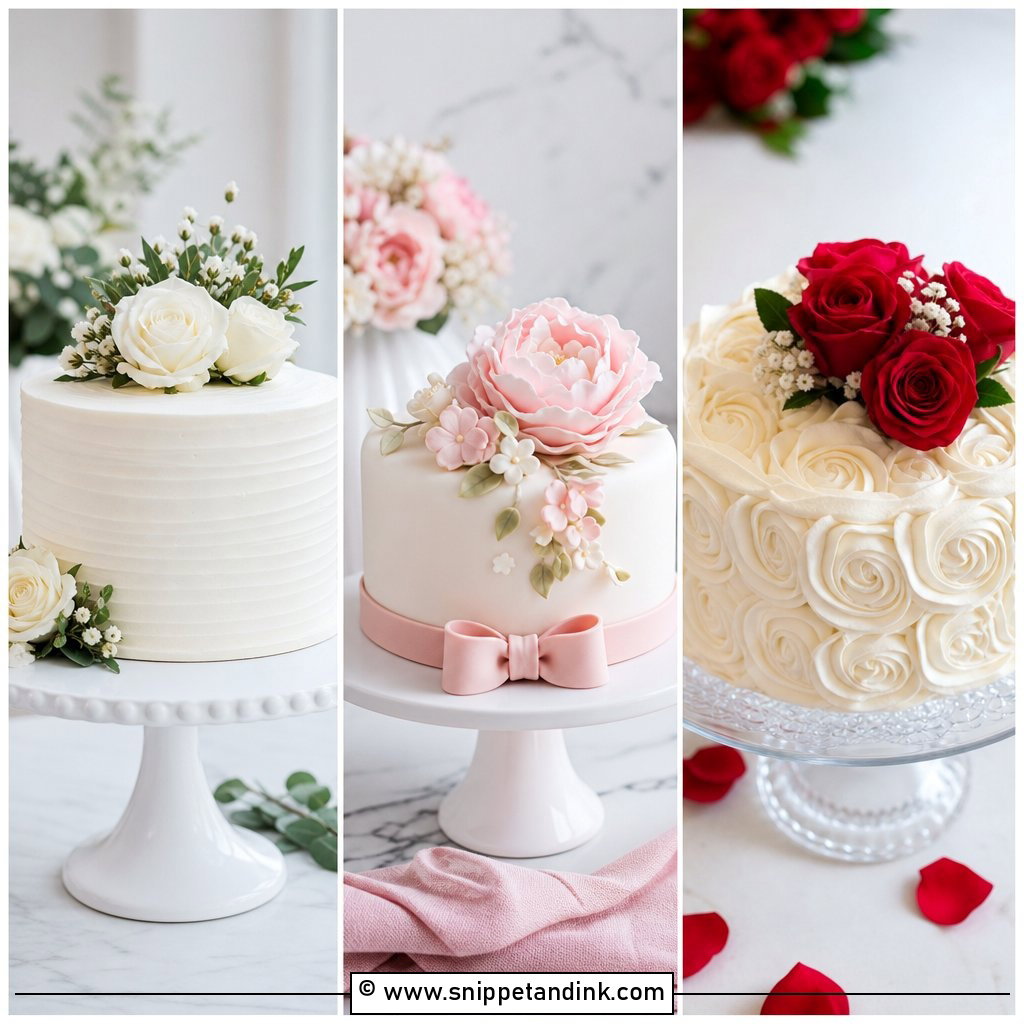
1. Simple Buttercream Wedding Cake
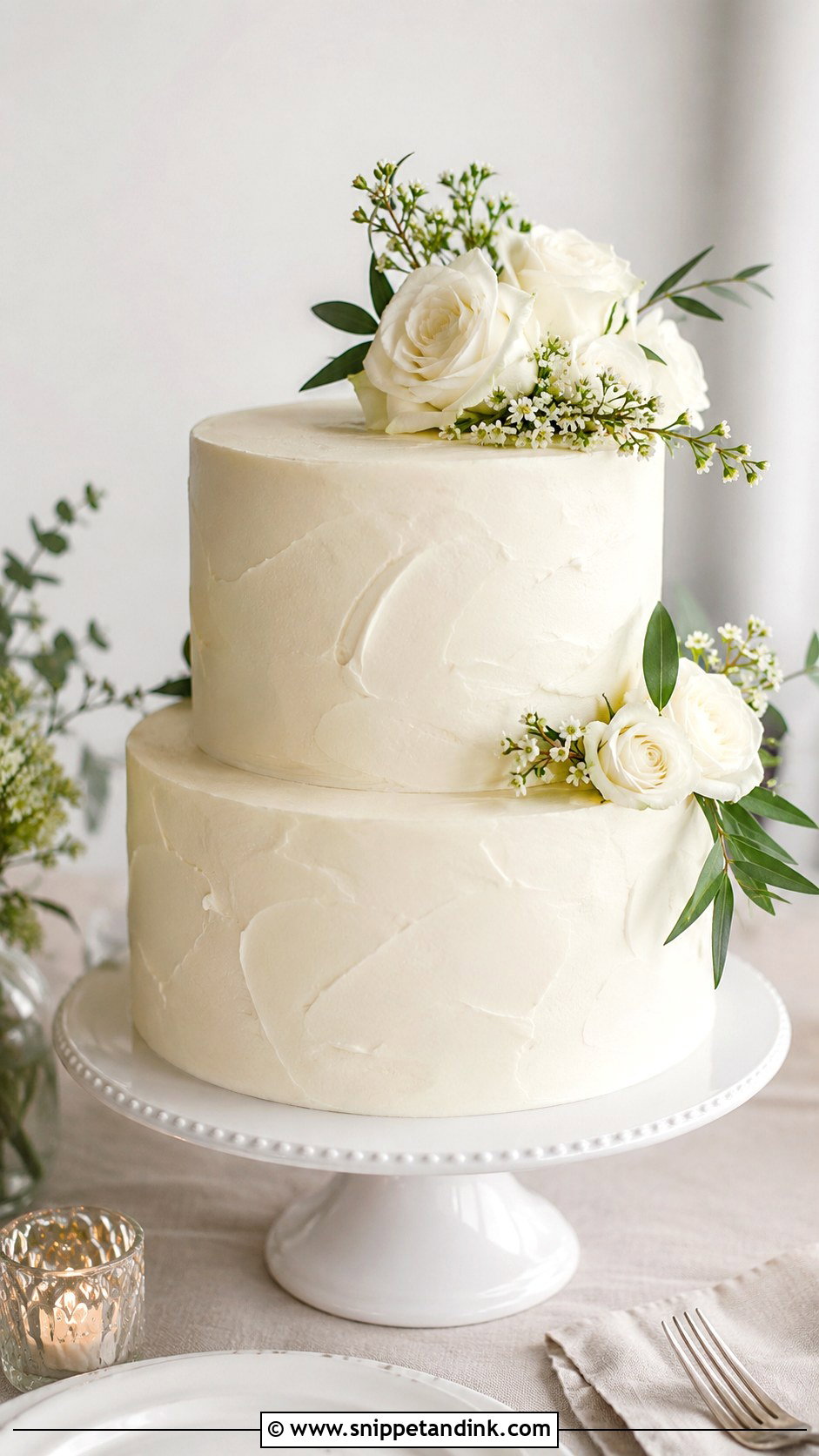
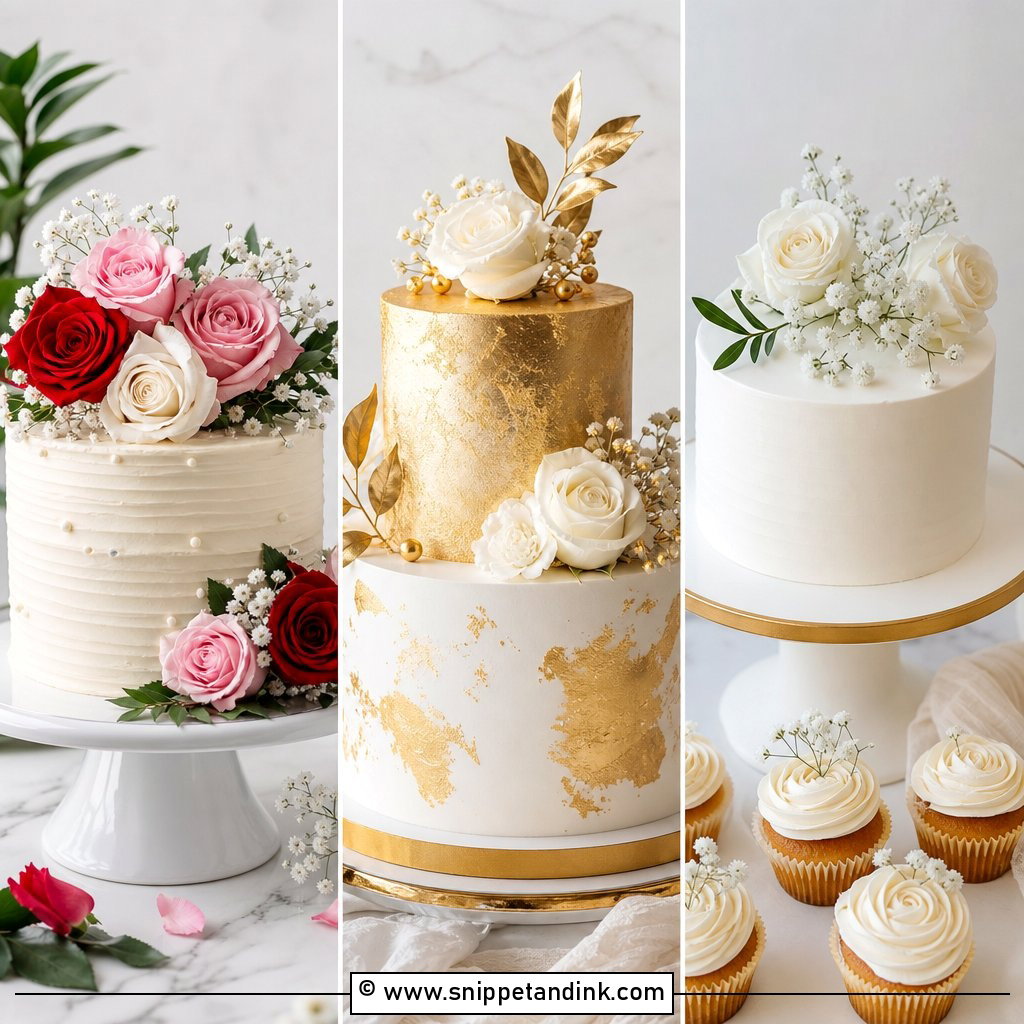
Start here if you’ve never iced a layer cake for anyone but family. Two or three round layers, an even filling and a coat of vanilla buttercream is all it is. Don’t chase perfectly straight sides. Drag the back of a spoon or a small spatula around the cake instead, and the texture covers the little dips that a novice smooth coat always has. White roses, baby’s breath or some greenery around the top edge finish it. Backyard weddings and small indoor receptions suit it, and it still tastes like someone made it for you.
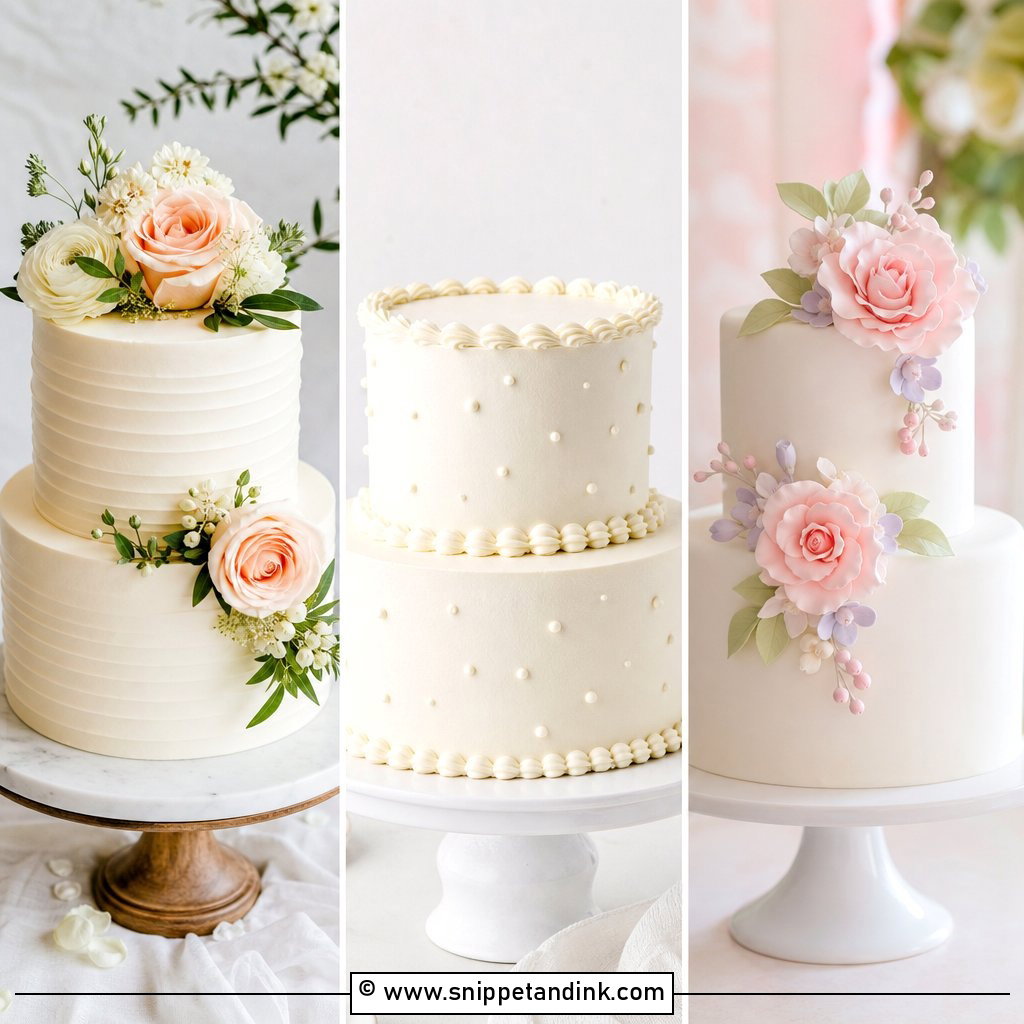
2. Two Tier Wedding Cake
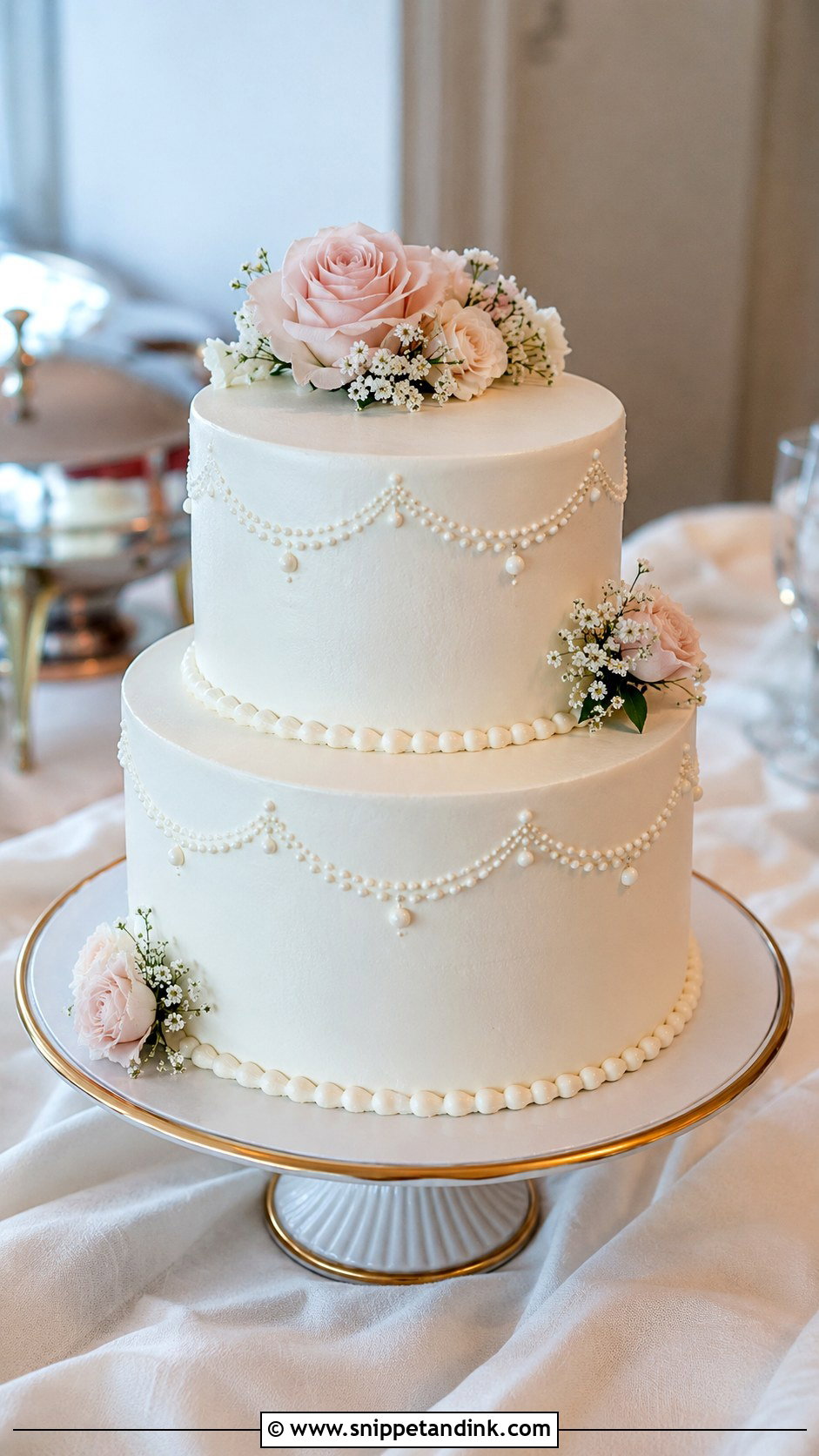
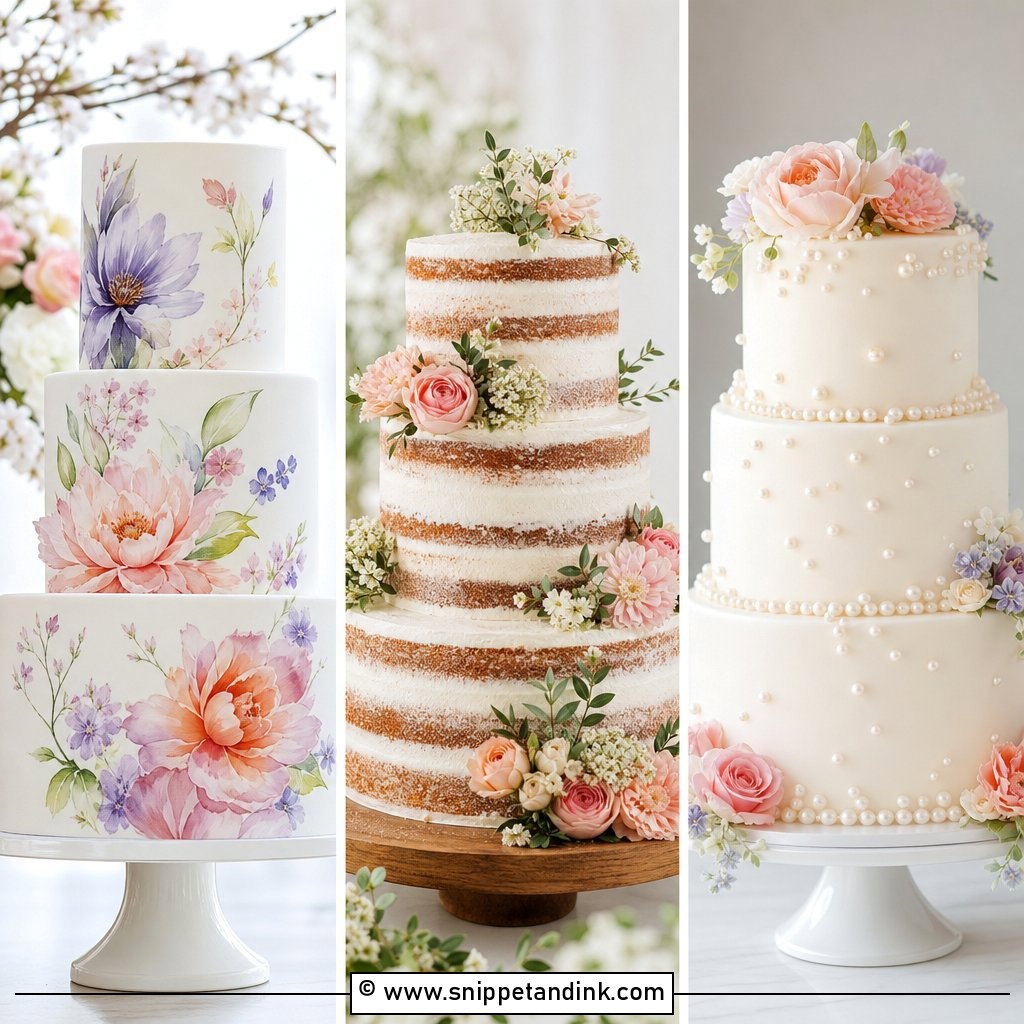
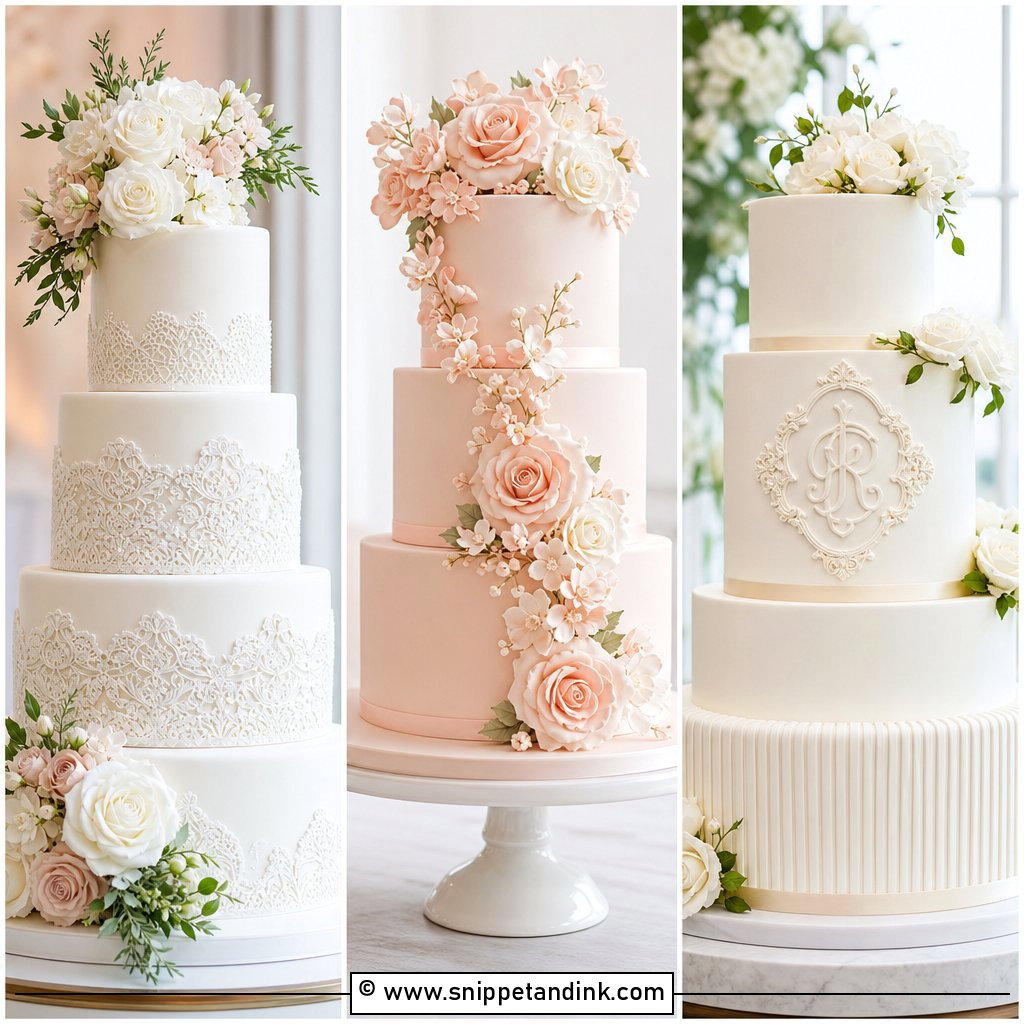
Two tiers gives you the shape everyone recognises, and the trick is keeping it small: an 8-inch base with a 6-inch top. That pairing fits on most home fridge shelves once you take one shelf out. The lower tier needs support, either a few wooden dowels or wide bubble tea straws, which are easy to cut with scissors and strong enough at this size. American buttercream is the more forgiving choice for a first stack, since it crusts and firms up in the fridge. Chill both tiers before stacking. Piped pearls, a few fresh flowers or a small topper, and you have a real cutting moment.
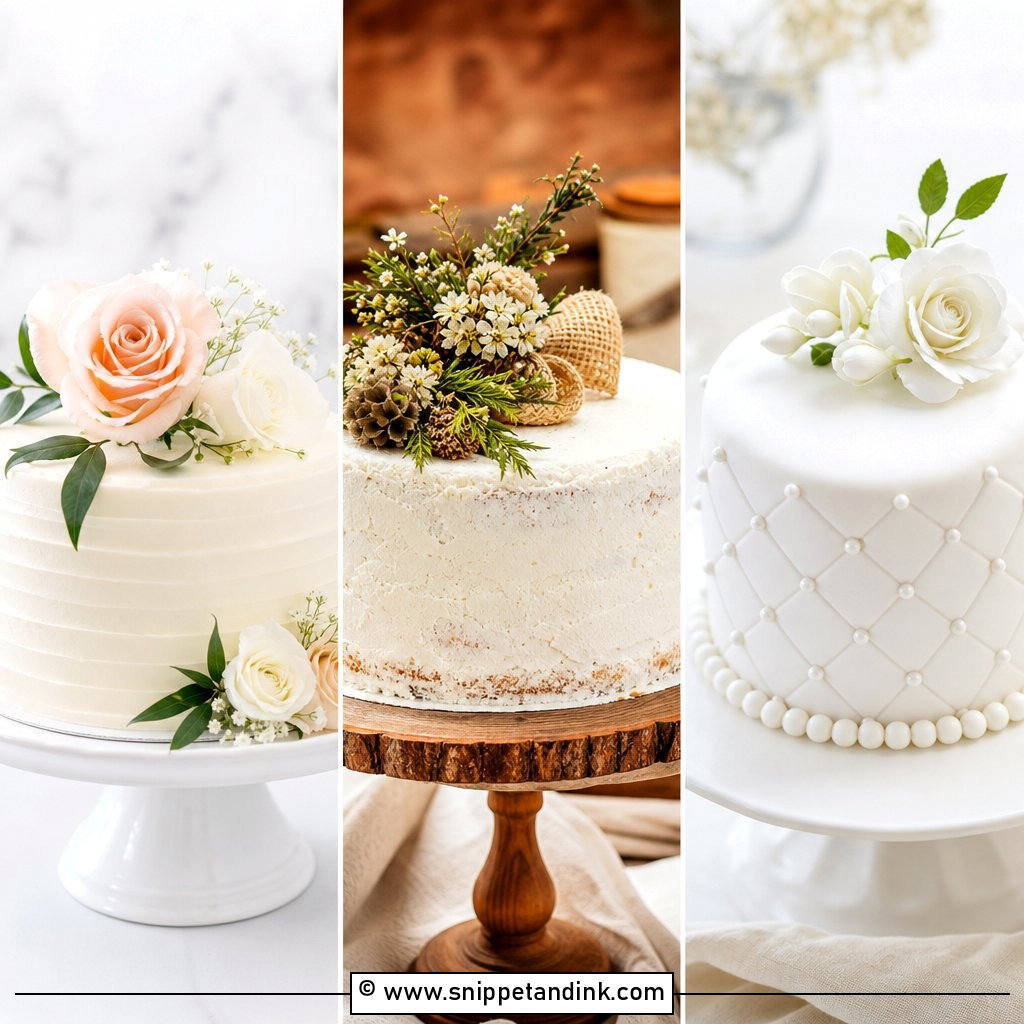
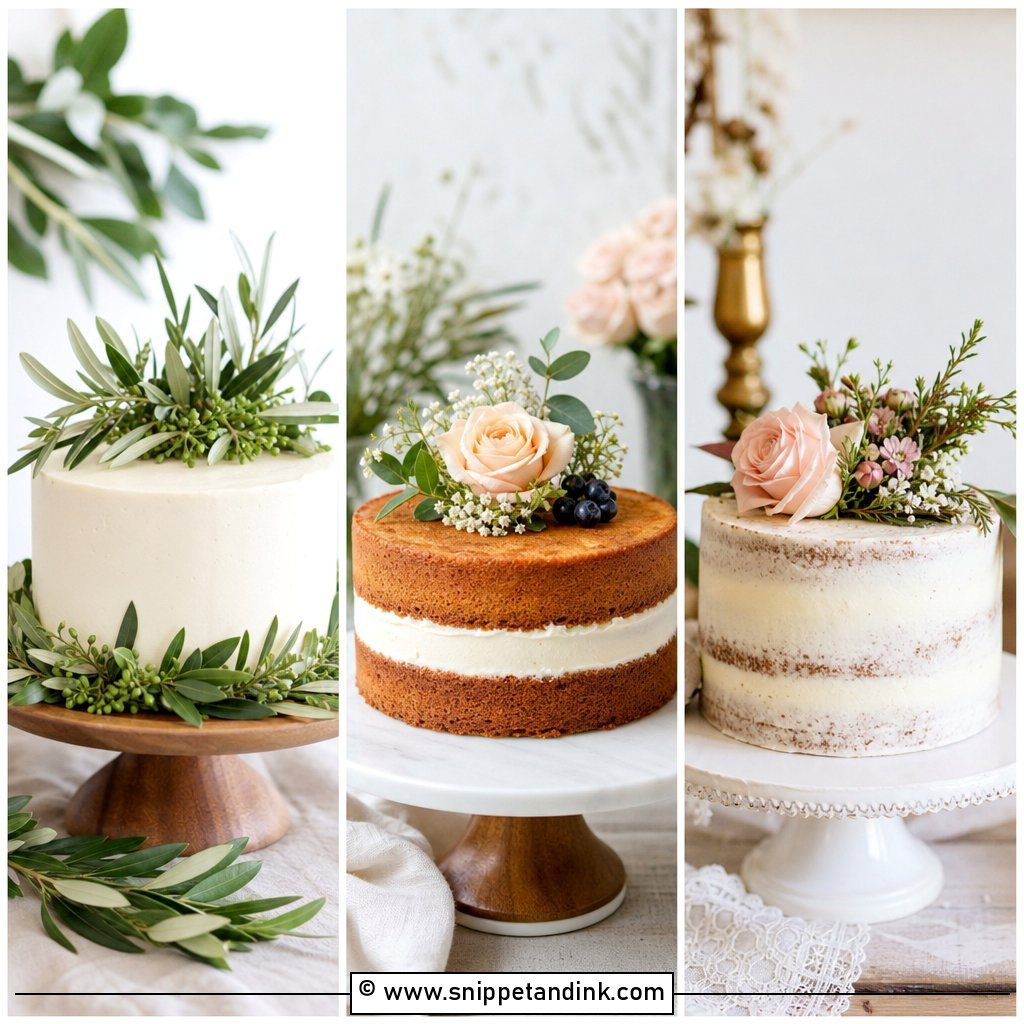
3. Naked Wedding Cake
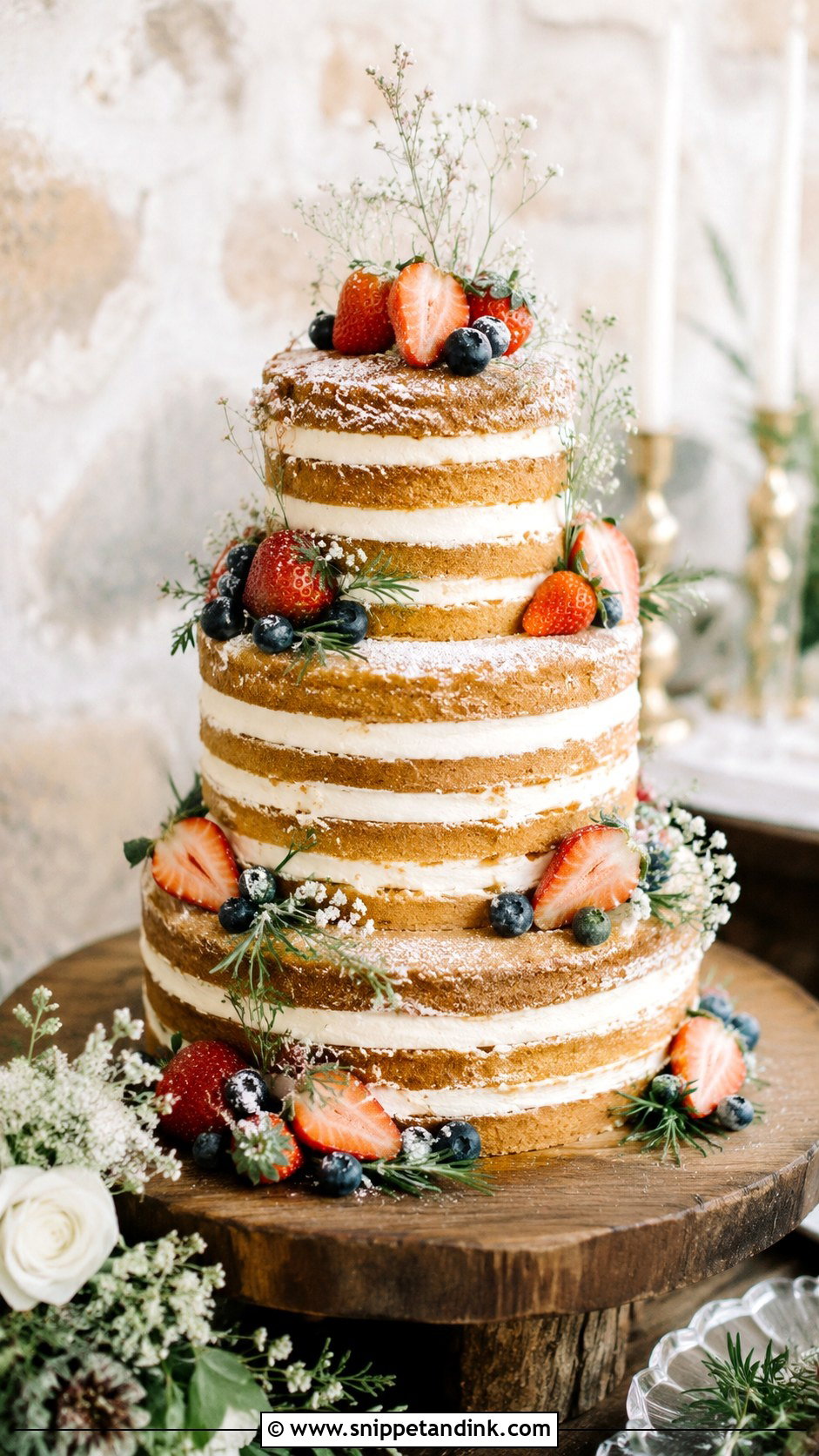
Naked cakes forgive a shaky hand with a spatula, but not dry sponge. With the layers exposed, the sides dry out faster than an iced cake, so I brush each layer with a little sugar syrup while assembling and keep the cake wrapped or boxed until the last moment. Vanilla, lemon, almond and lightly spiced sponges look and taste right here, since the crumb is part of the design. Fresh berries, herbs and small flowers on top. Garden weddings and long farmhouse tables are where it belongs.
4. Semi Naked Wedding Cake
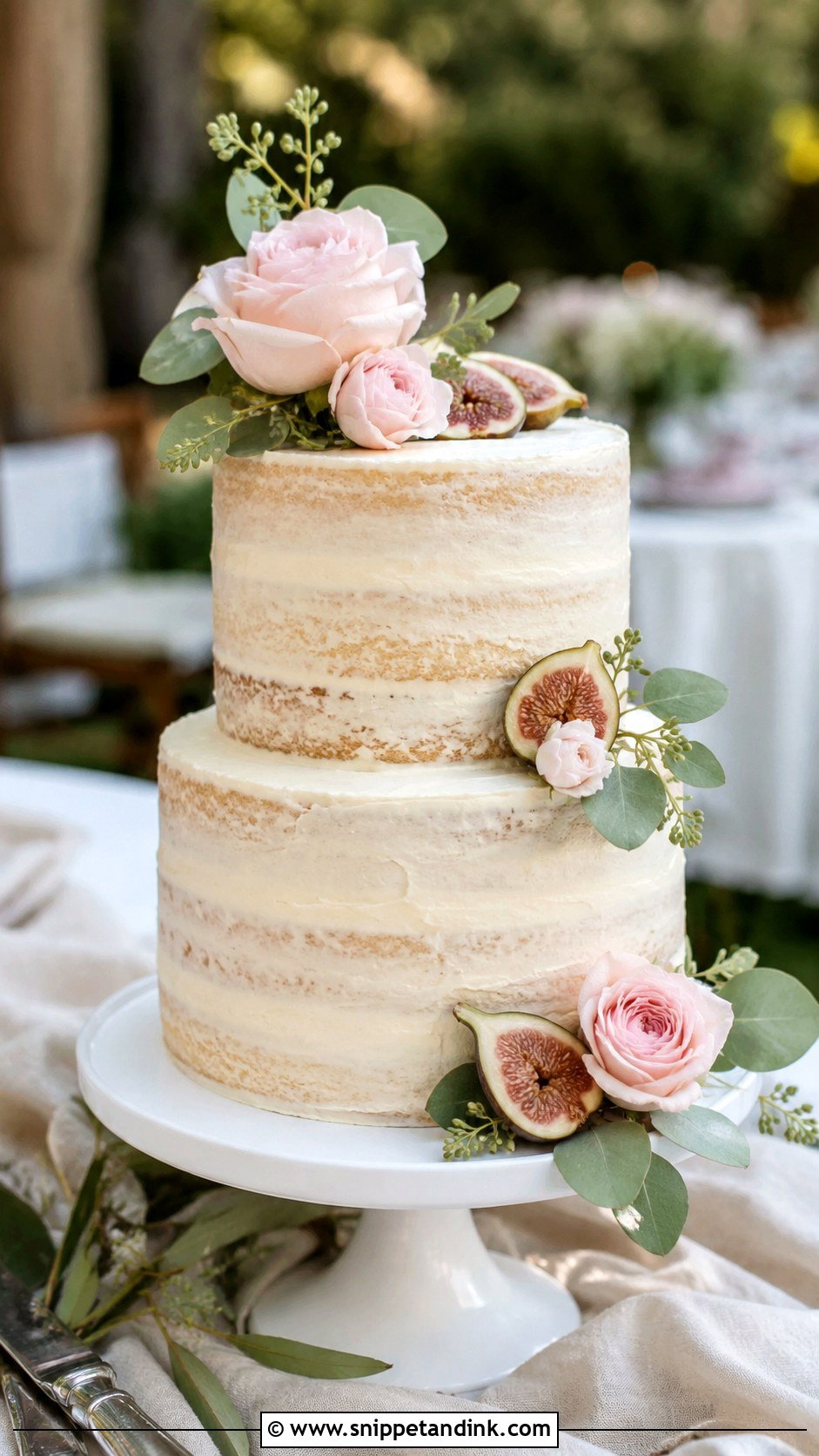
If I had to pick one style for a nervous home baker, it would be this. Stack the layers, cover the outside in buttercream, then scrape most of it away with a bench scraper so the sponge shows softly through. The thin coat hides small flaws and keeps the cake fresher than a fully bare one. Lemon with raspberry, vanilla with strawberry jam, or almond with a whipped buttercream are all reliable pairings. Soft blooms, eucalyptus or halved figs finish it. Eucalyptus isn’t edible, so wrap the stems or lay the sprigs on top rather than pushing them in.
5. Wedding Sheet Cake
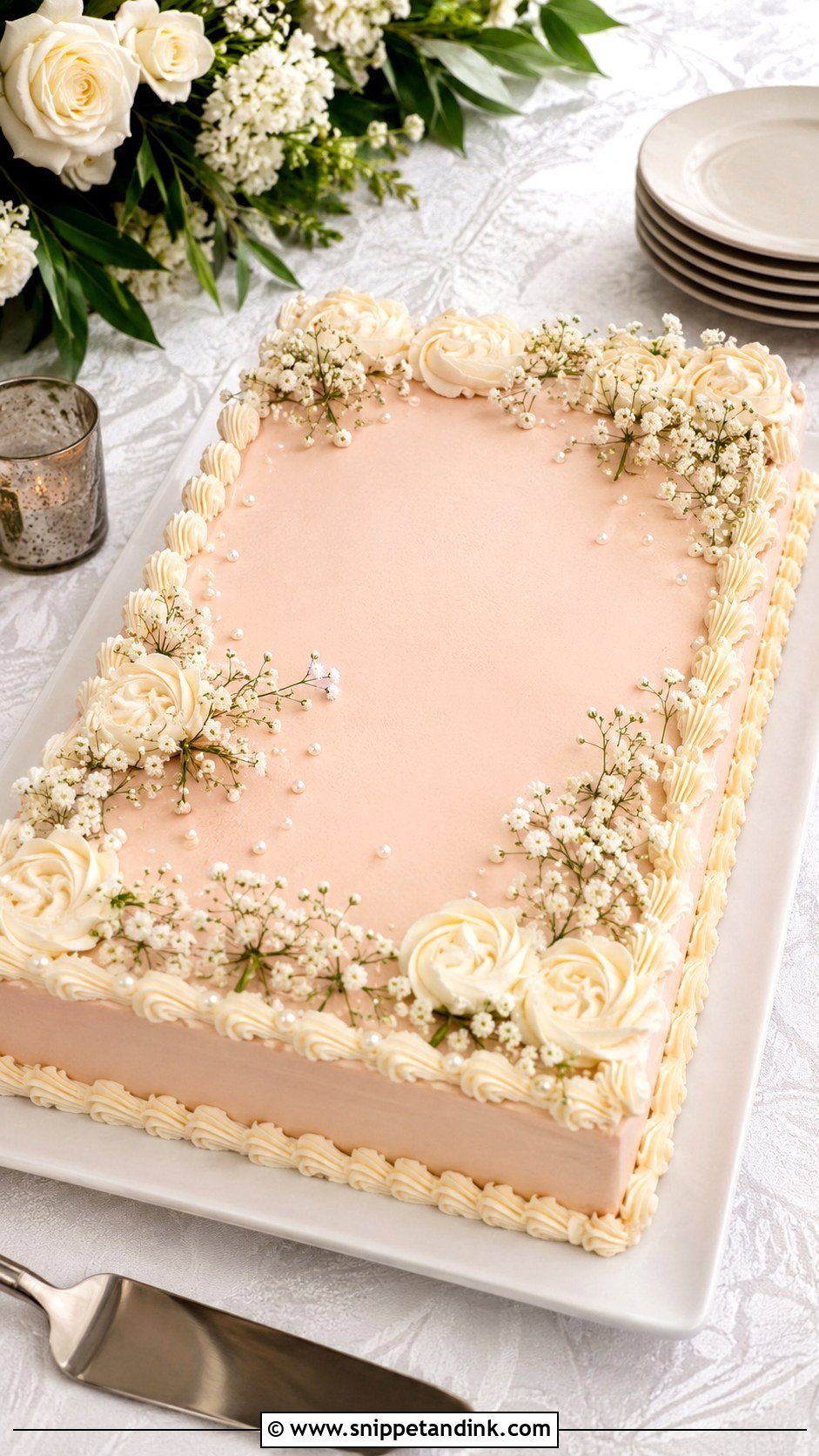
Sheet cakes are the quiet workhorse of a home wedding. They bake evenly, need no stacking and slot straight into the fridge. Decorate with piped buttercream borders, fresh flowers, pearl sprinkles or a simple monogram, in ivory, blush, sage or pale blue. My usual advice is to let a small display cake do the photos and keep the sheet cake in the kitchen for serving, so nobody has to fuss over cutting a pretty cake neatly. It’s also the easiest cake on this list to carry and portion, which matters when the person cutting is your aunt.
6. Single Tier Wedding Cake
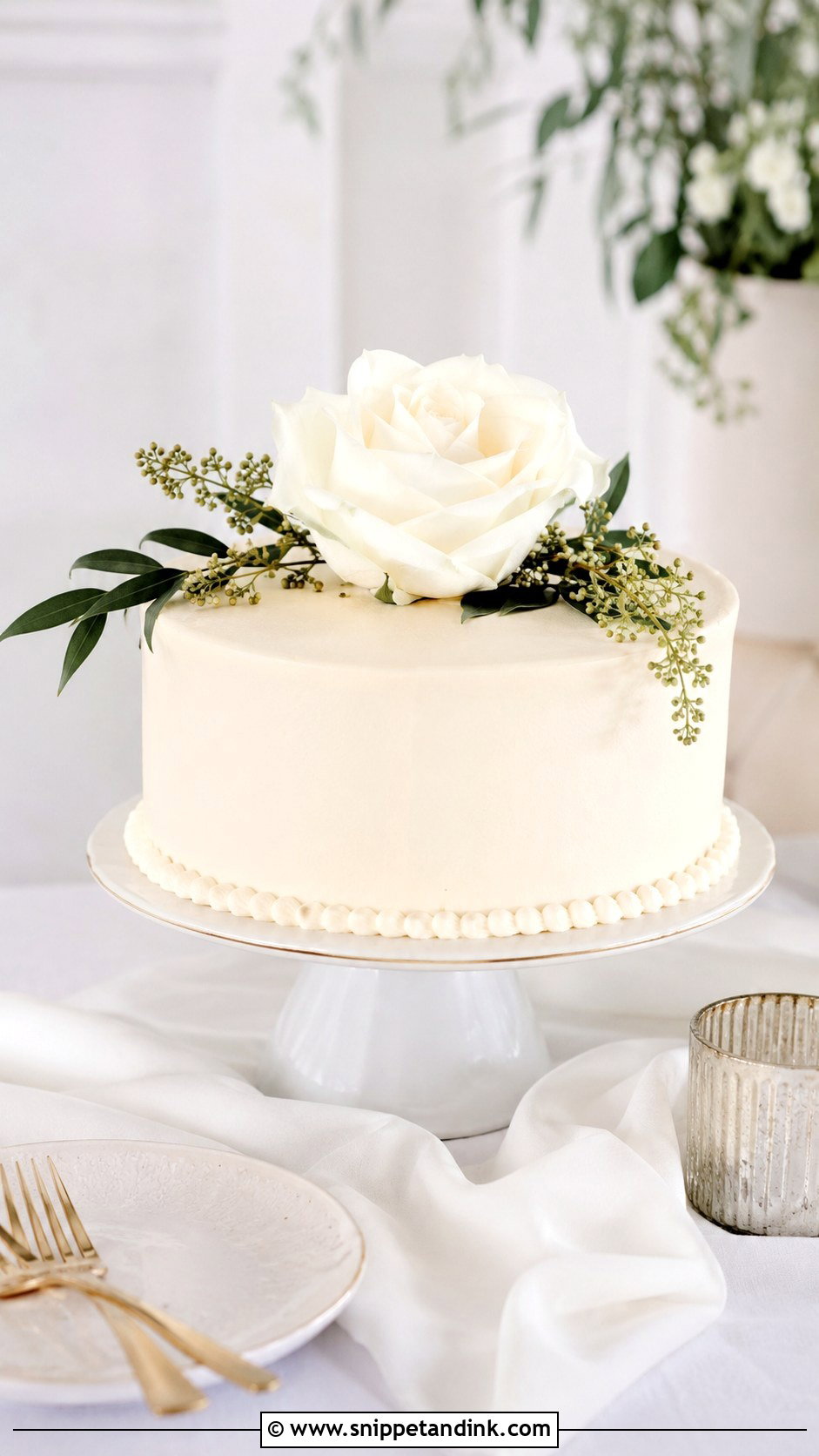
A single tier wedding cake suits an elopement, a courthouse ceremony or a dinner at home, and lets you spend your energy on flavour. A 6-inch or 8-inch round on a raised stand, with flowers around the base, is enough. Almond with vanilla buttercream, lemon with cream cheese frosting, or chocolate with ganache all work. One clue I give home bakers: make it taller than you think, with four thin layers instead of two thick ones. Height is what makes one tier read as a wedding cake rather than a dessert.
7. Wedding Cupcake Cake
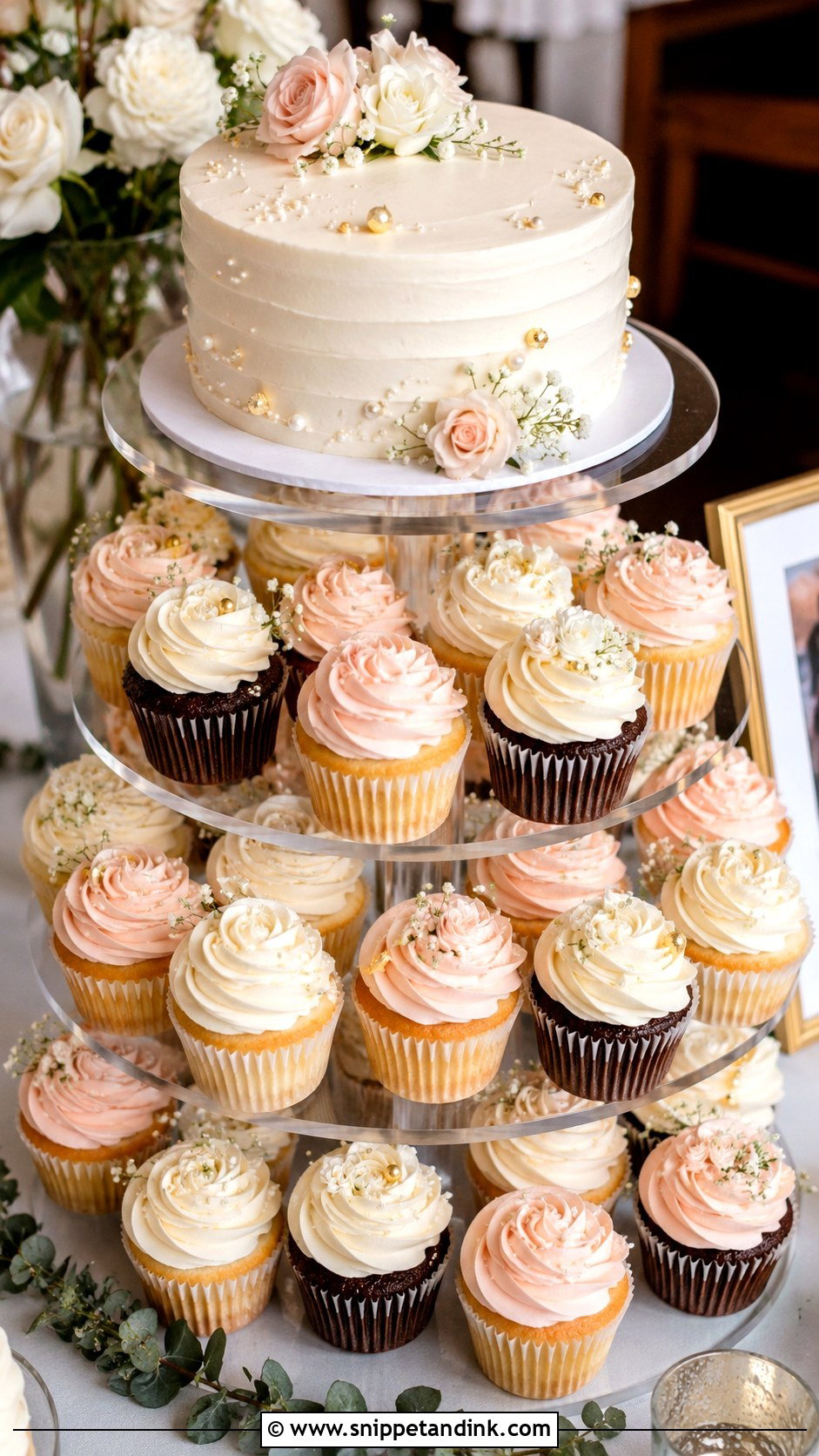
Cupcakes take the pressure off cutting entirely. Arrange cupcakes on a tiered stand with a small cutting cake on top for the couple. Keep the frosting colour consistent so the stand looks planned, then bake vanilla, chocolate, lemon or red velvet in batches, a tray at a time in a home oven. Decorate with swirls, tiny flowers, pearls or gold sprinkles. They box and chill easily, and the stand goes together in minutes at the venue. Fill the stand only once it’s on the table.
8. Mini Wedding Cake
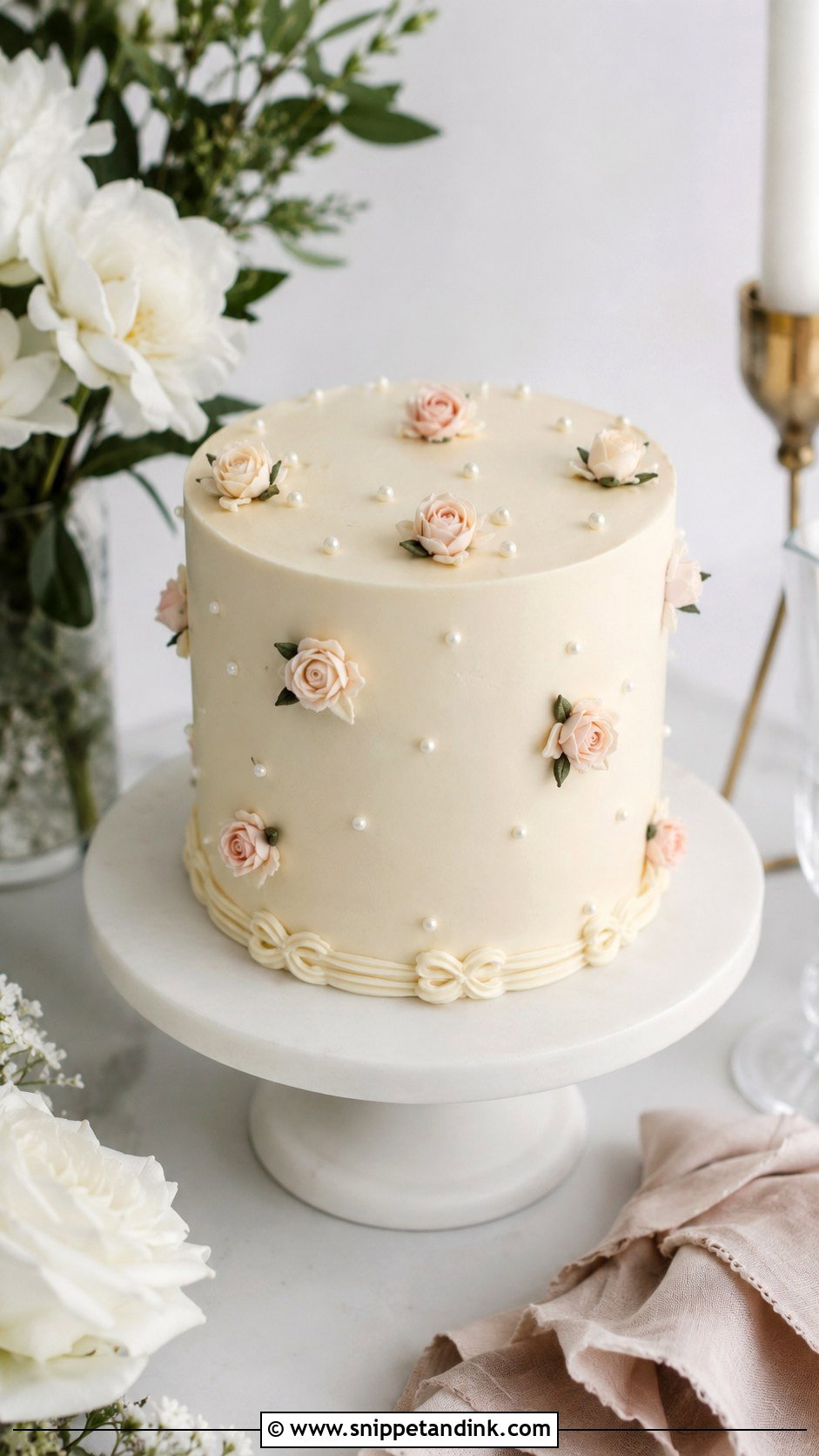
For a wedding of six or twelve people, a mini cake is honestly all you need. A 4-inch or 6-inch layered cake, decorated exactly like a full-size wedding cake, still gives you the cutting photo. Small tins bake faster and dome less, so check them early. Add cookies, cupcakes or a sheet cake if there are more mouths to feed. Smooth buttercream, a tiny floral topper or a ribbon at the base. It also fits in a cake carrier on someone’s lap in the car, which takes a lot of worry out of the morning.
9. Rustic Wedding Cake
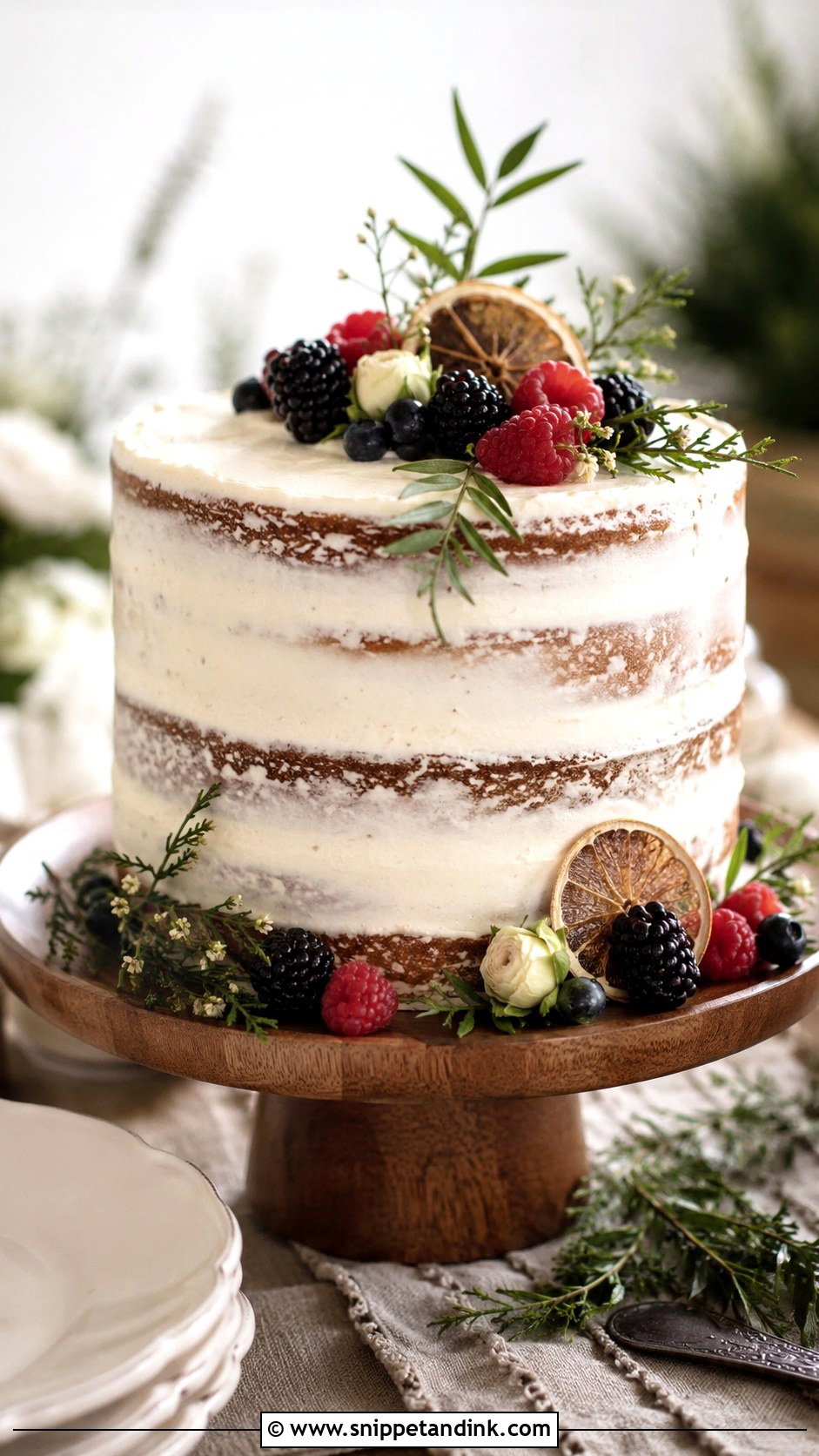
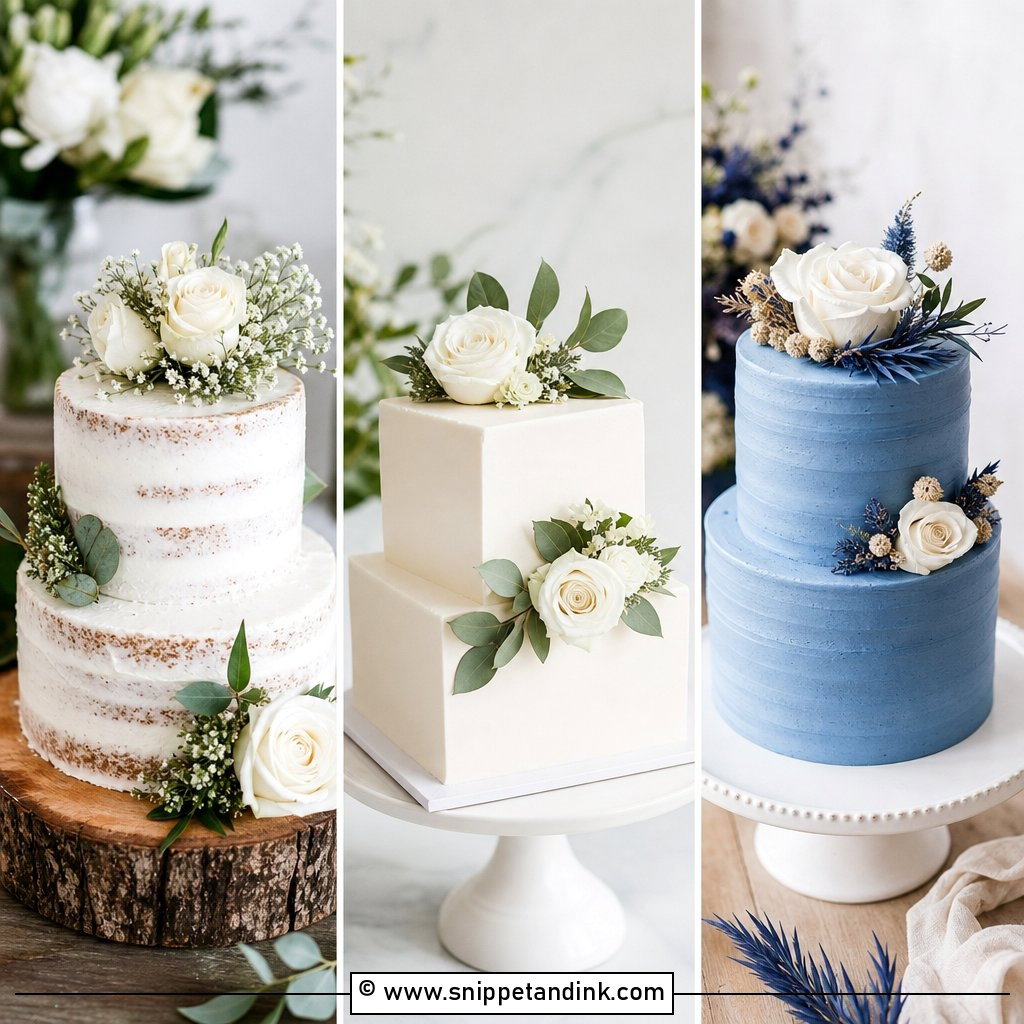
Rustic is the most forgiving finish for a home kitchen, because nobody expects it to be glass smooth. Semi-naked or textured buttercream, decorated with berries, greenery, dried citrus or simple flowers, on a wooden stand. Vanilla, carrot, spice and lemon all suit it. Keep the shape simple and let the toppings carry the look. I’d add the berries on the day rather than the night before, as they start leaking juice into the frosting overnight. Backyard weddings, barns and family-style dinners all suit it.
10. Lemon Wedding Cake
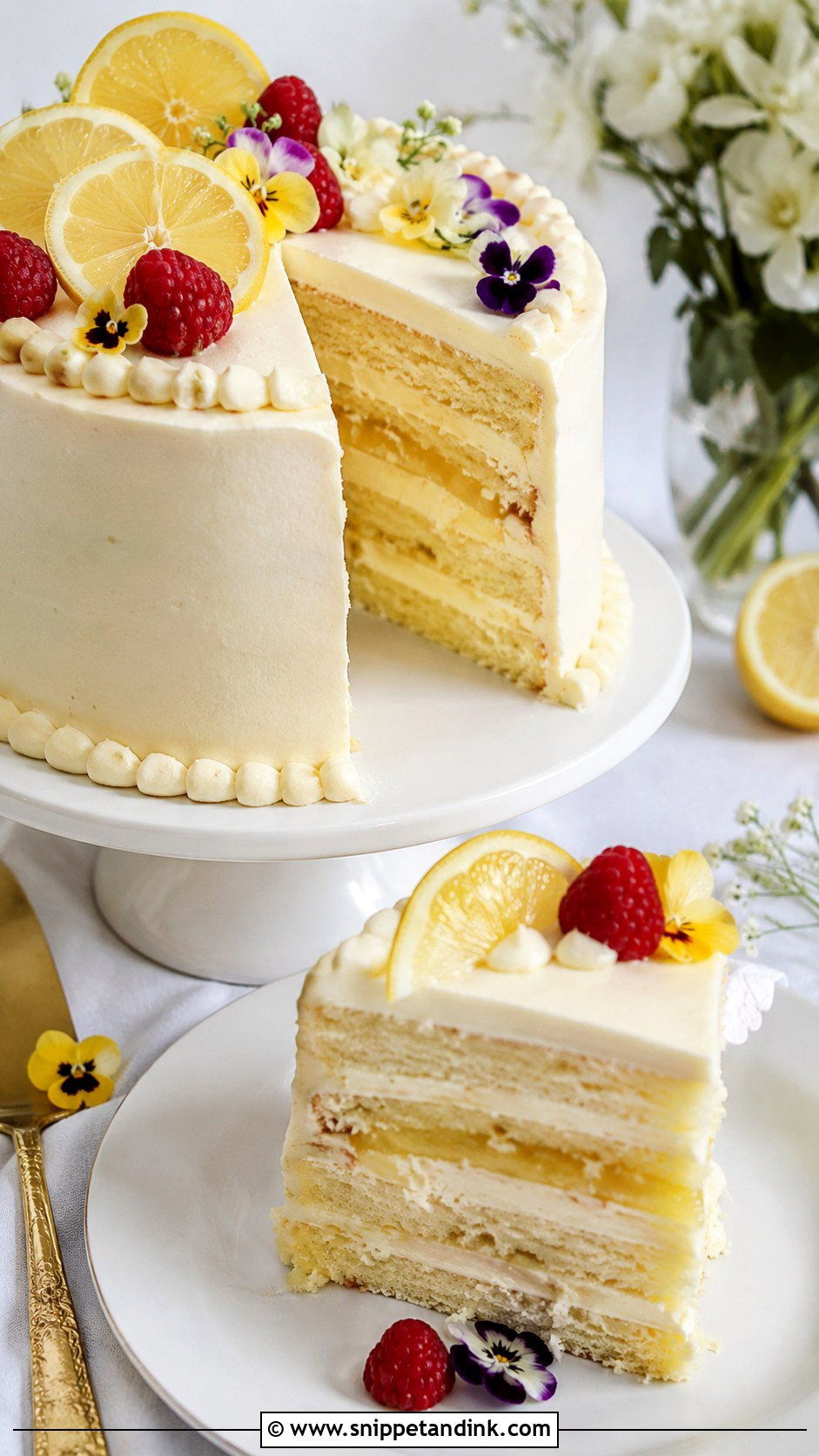
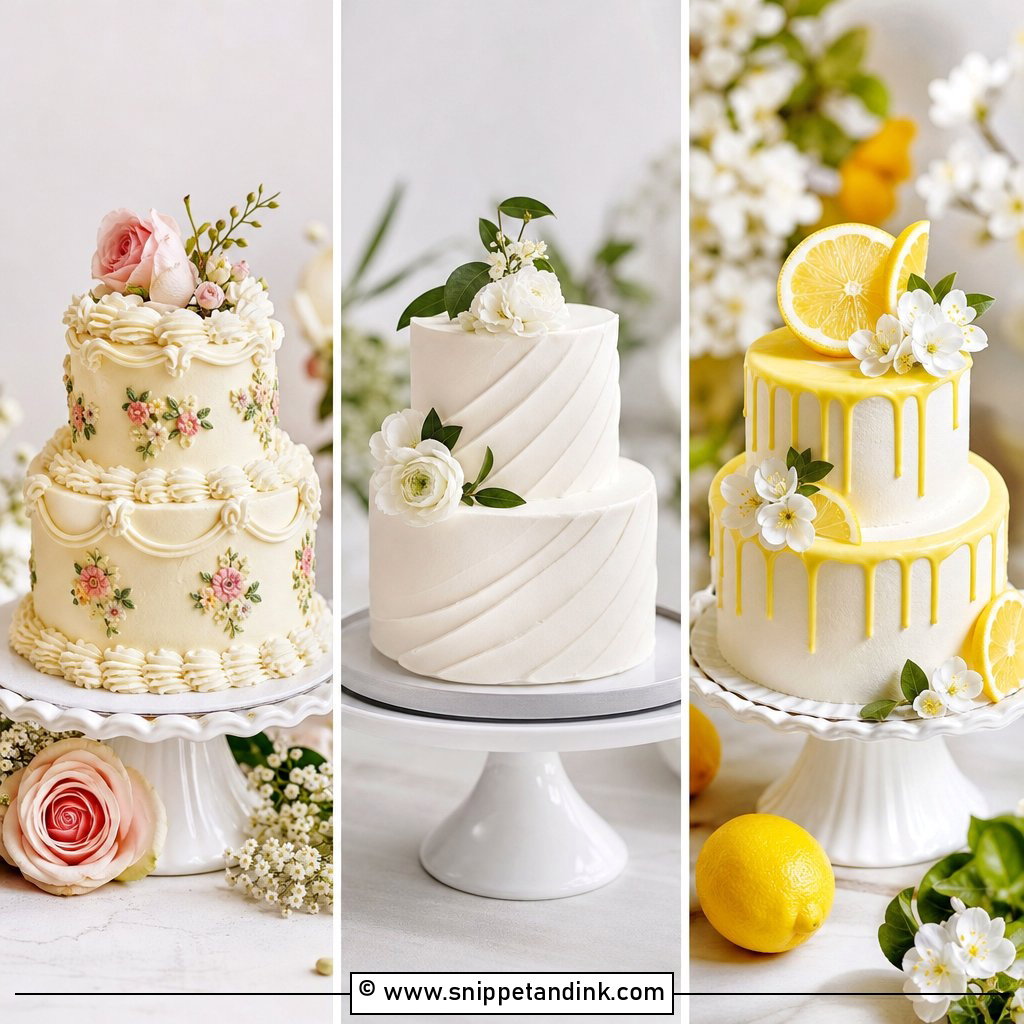
Lemon is the flavour I’d suggest for a warm-weather wedding at home, because it tastes fresh after a heavy meal. Pair lemon layers with lemon curd, raspberry or a vanilla buttercream. Curd is soft, so pipe a ring of buttercream around the edge of each layer first to hold it in; without that dam it bulges out the sides. Keep the outside clean in pale yellow or ivory and add thin lemon slices, berries, edible flowers or soft piping. Chilled lemon cake slices neatly and holds its layers in photos.
11. Chocolate Wedding Cake
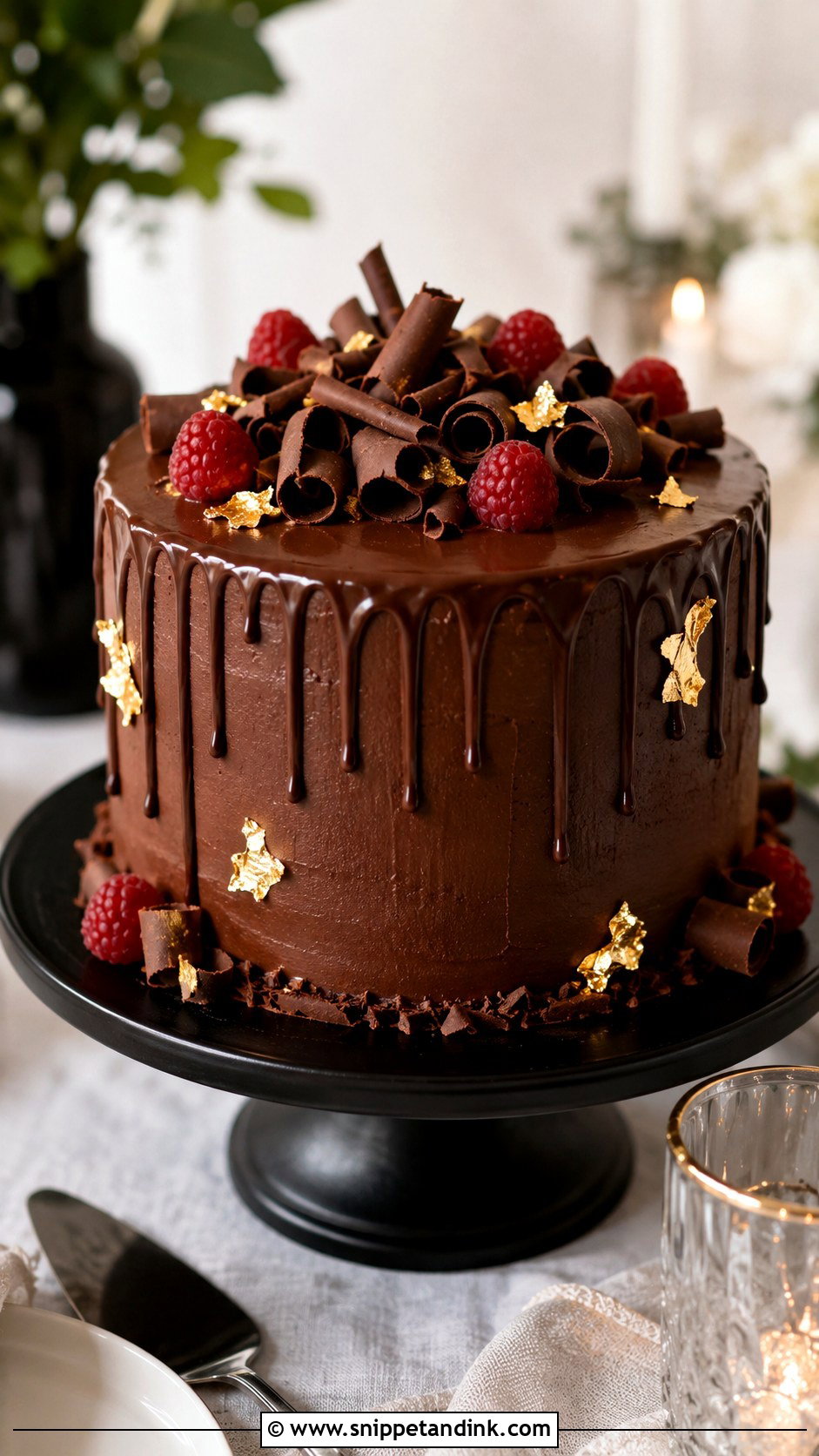
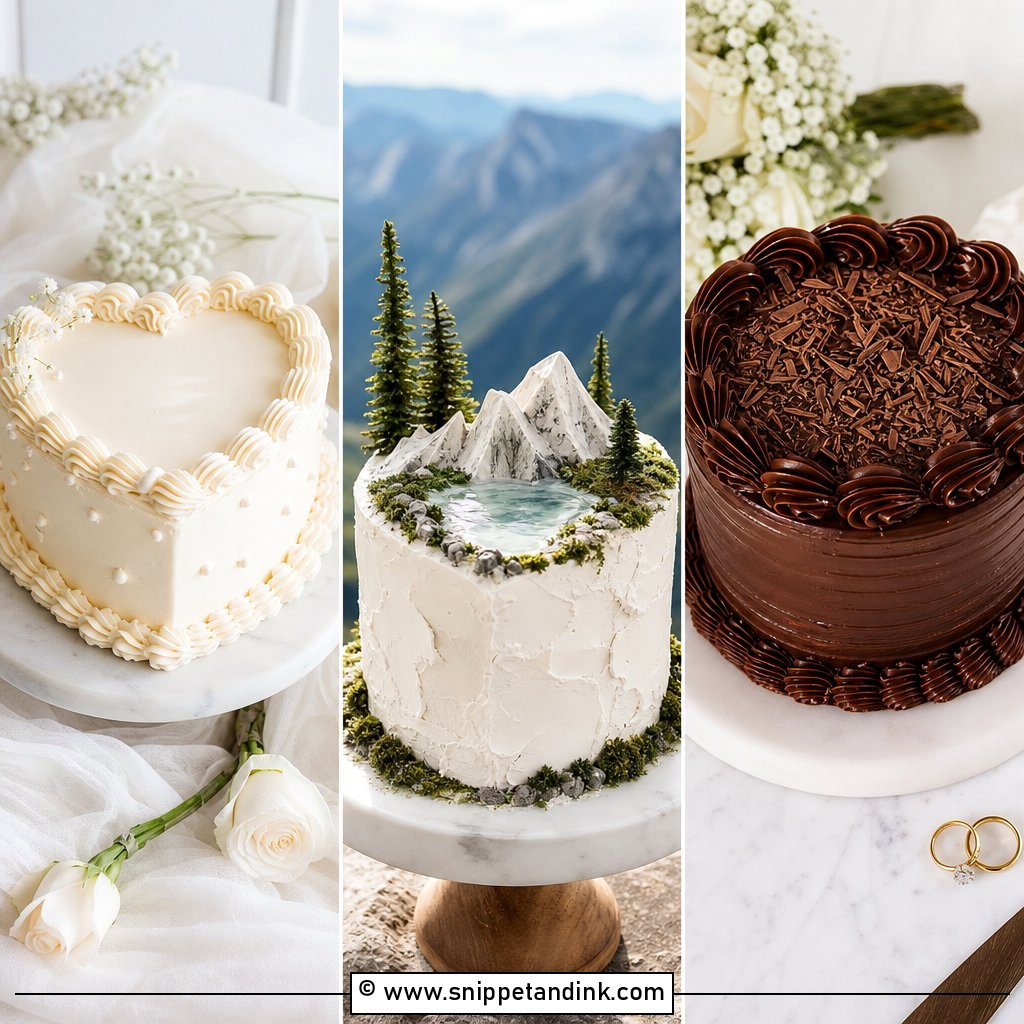
Chocolate can look properly bridal if you style it with restraint. Smooth chocolate buttercream, glossy ganache or a clean drip over ivory frosting keeps it away from birthday-cake territory, and chocolate curls, fresh berries or a touch of gold leaf finish it. Dark chocolate with mocha buttercream or raspberry filling tastes rich. Chocolate sponge is often more tender than vanilla, so chill the layers before stacking and handle them cold. For a drip, let the ganache cool until it’s just barely warm, or it runs all the way to the board.
12. Red Velvet Wedding Cake
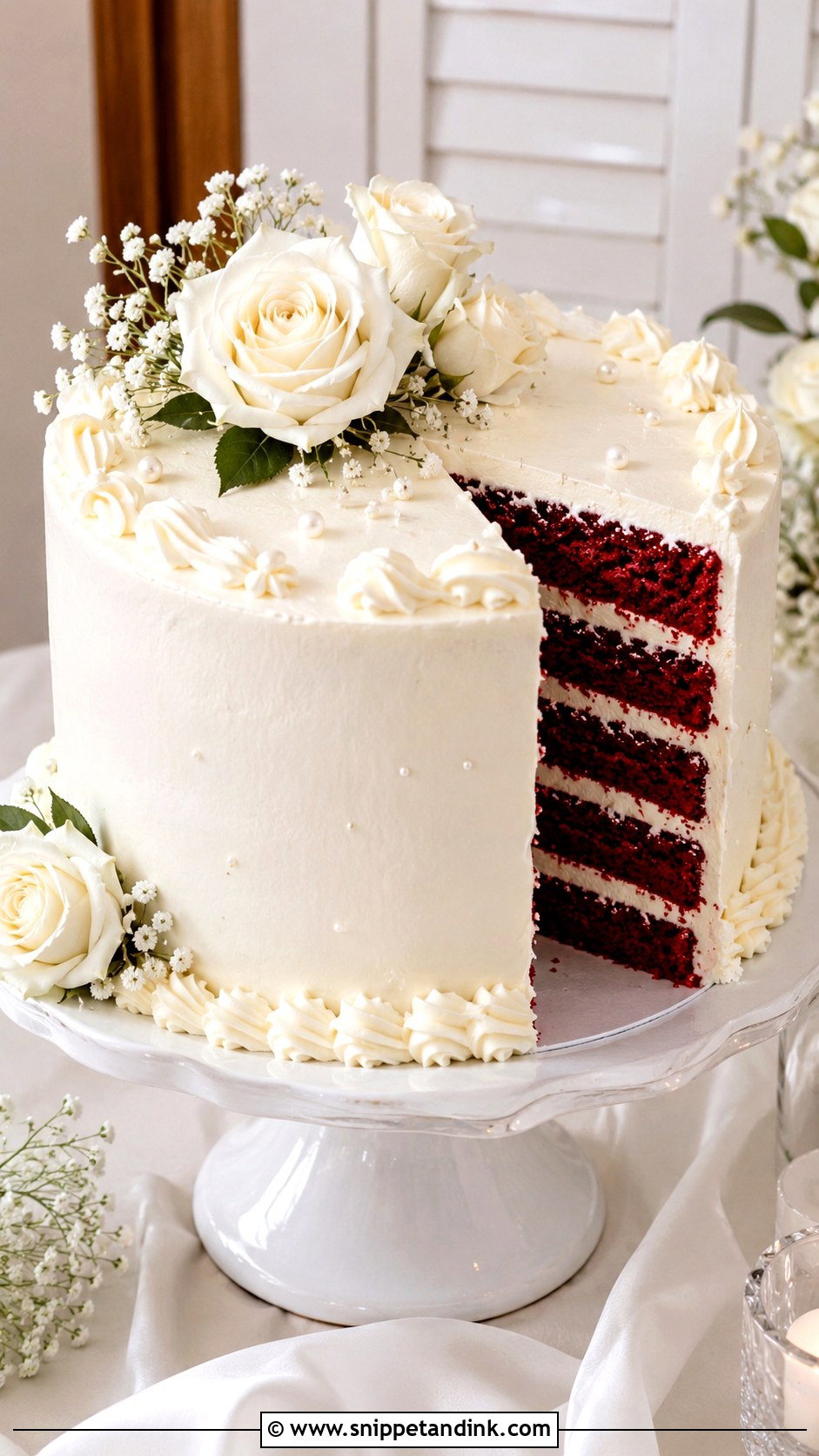
Red velvet’s best moment is the first slice, when the deep red crumb shows against white frosting. Classic cream cheese frosting is soft and perishable, so if the cake will sit out at a home reception for a few hours, I’d switch to a firmer cream cheese buttercream with more butter in it. Keep the outside ivory or white so the colour is a surprise. Piped borders, fresh roses or a few pearls finish it. It’s easy to decorate and best indoors, where you can keep the room cool.
13. Carrot Wedding Cake
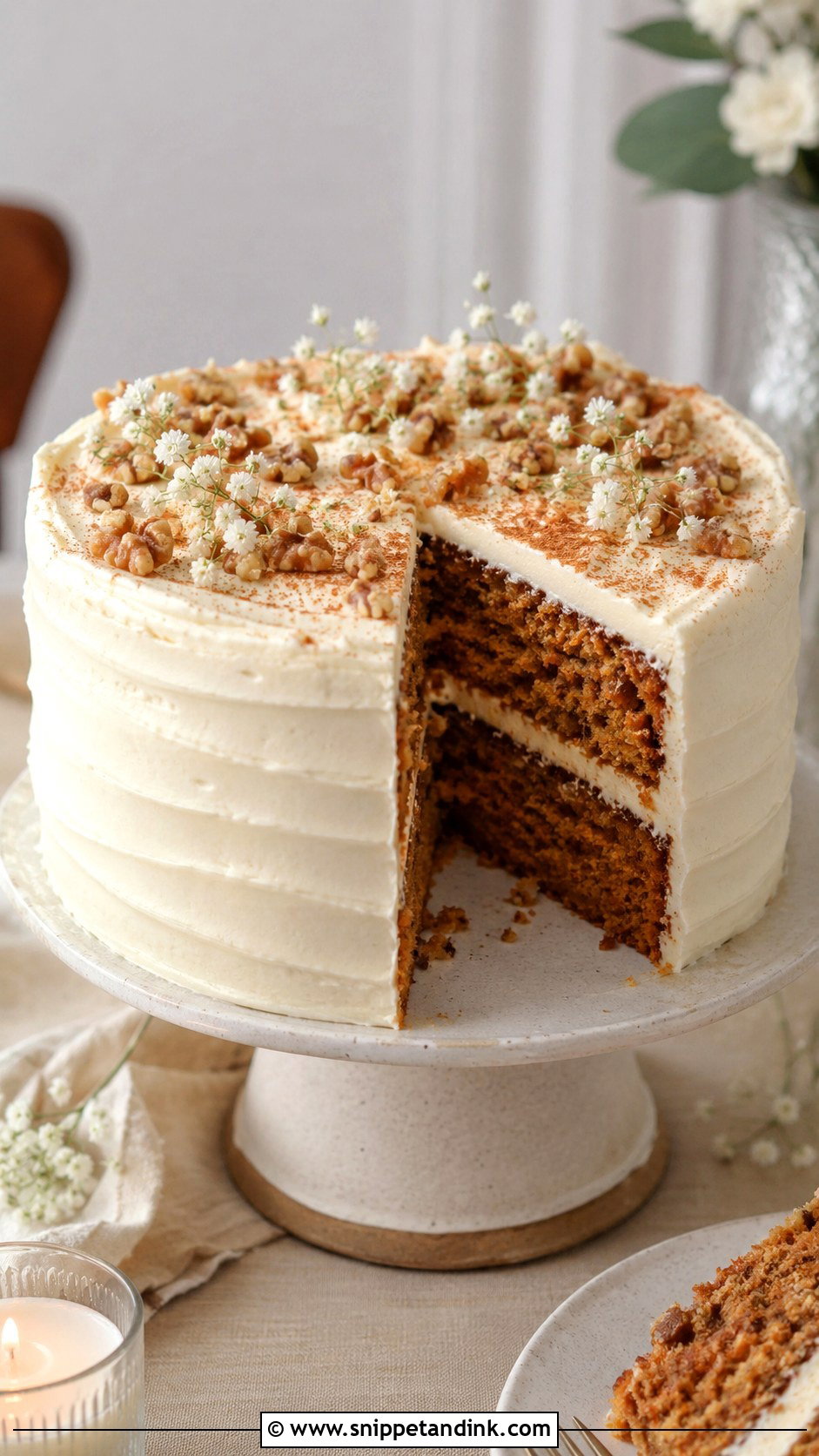
Carrot cake is the most forgiving sponge for a home baker: it stays moist for days and hides an uneven crumb. Cream cheese frosting is the natural partner, though the cake should be chilled well so the layers stay firm. Smooth or softly textured sides, with chopped walnuts, tiny flowers or a little cinnamon at the base, is enough decoration. It tastes even better a day after baking, so the layers can be made ahead. Mention the nuts on a small sign; with a home-baked cake, guests have no other way to ask.
14. Vanilla Almond Wedding Cake
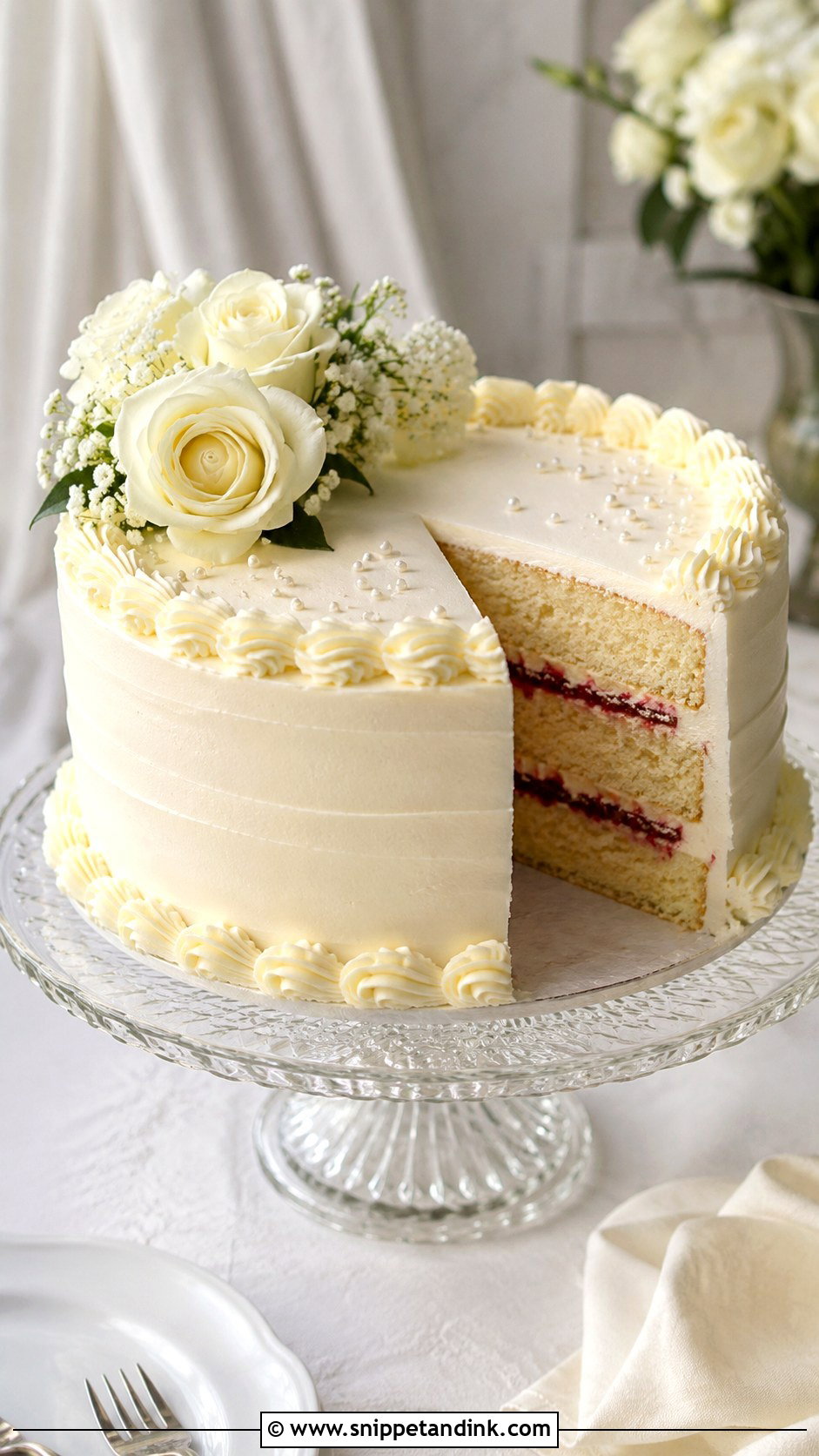
Vanilla almond is the flavour most people think of as tasting like a bakery wedding cake. It pairs well with raspberry jam, strawberry filling or vanilla buttercream. Bake the layers in advance, wrap them tightly and chill or freeze them before decorating; cold sponge is far easier to level and fill. Smooth white buttercream with piped edges, fresh flowers or a few pearls is all it needs. One check worth doing: almond extract is strong, and doubling a recipe can double it into bitterness, so taste the batter.



15. Bundt Wedding Cake
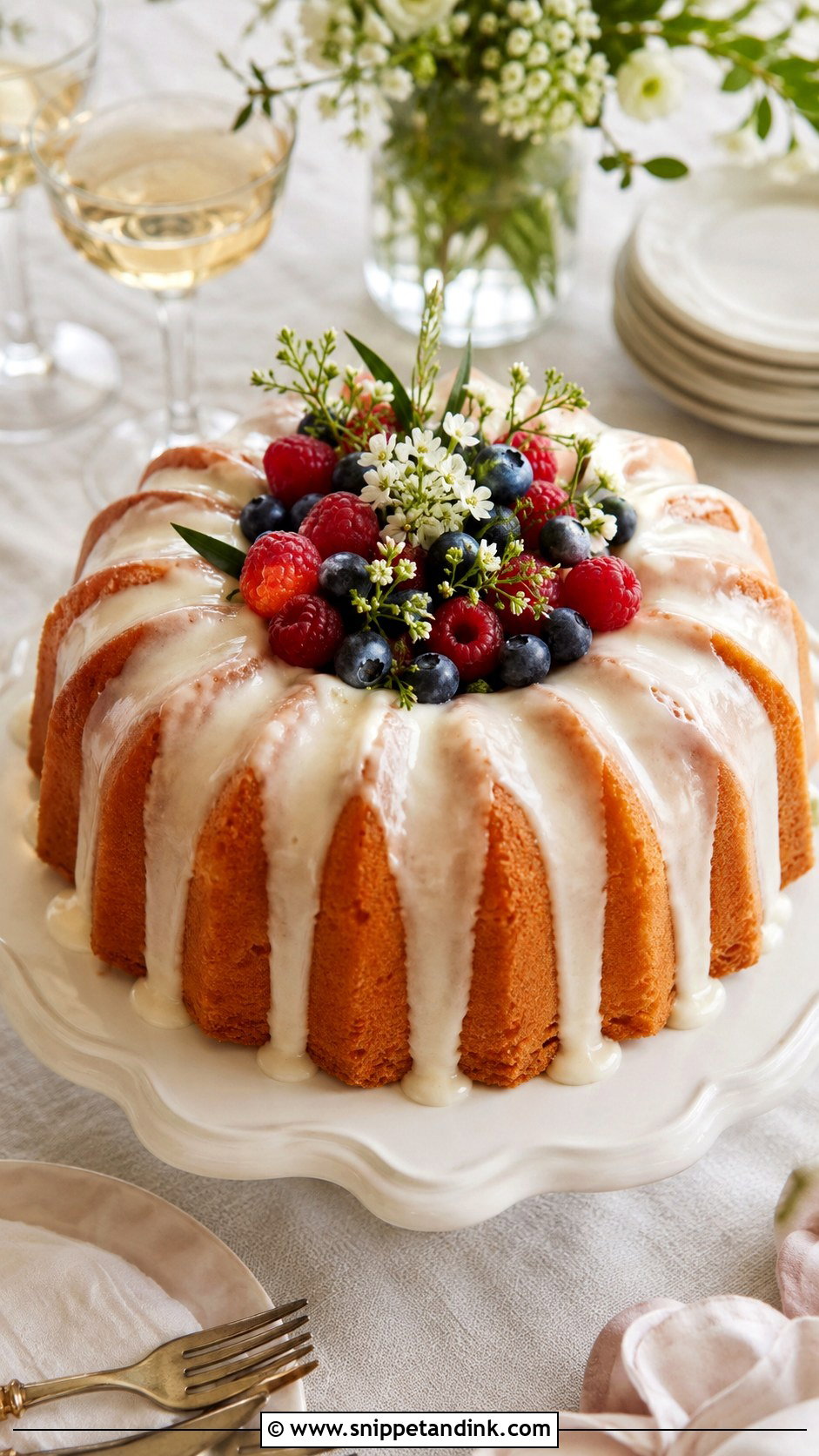
The tin does the decorating for you. No stacking, no tall sides to smooth. Choose a pan with deep, crisp curves, grease every groove carefully, and finish with a vanilla glaze, icing sugar or a thin cream cheese icing that runs down the ridges. Lemon, almond, pound cake and chocolate bundts all work. Fill the centre with flowers, berries or greenery, set in a small cup or wrapped so they don’t touch the cake. Brunch weddings and small receptions suit it, especially if several family members bake one each.
16. Wedding Cake With Fresh Flowers
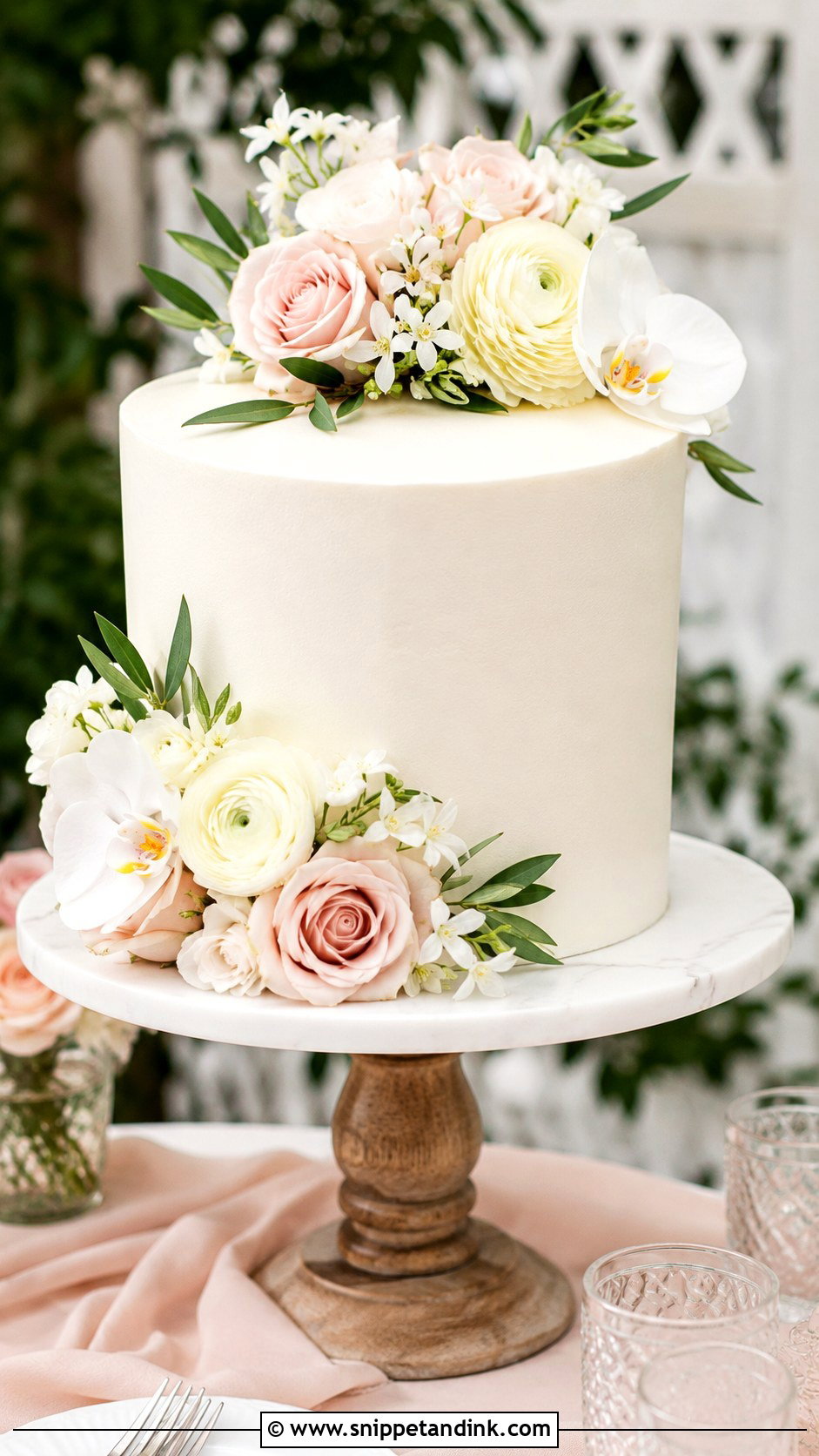
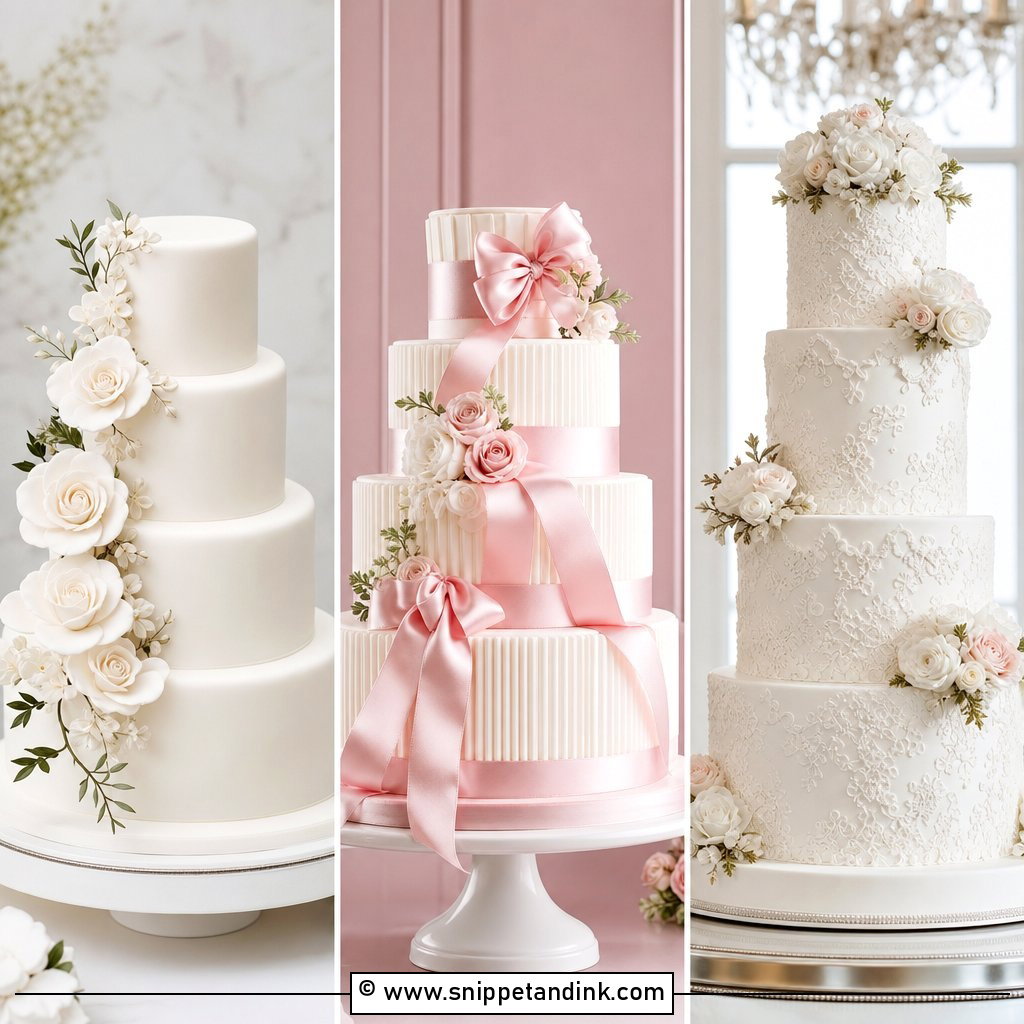
Fresh flowers are how a plain homemade cake starts looking professionally styled. Start with a simple buttercream cake and let the flowers be the decoration, placed in small clusters rather than covering everything. Use floral picks, taped stems or a small barrier under each bloom so nothing touches the cake directly, and buy stems that haven’t been sprayed. Roses, ranunculus, orchids and a little greenery all work when arranged with some space between groups. Smooth or softly textured frosting lets them stand out.
17. Wedding Cake With Fruit
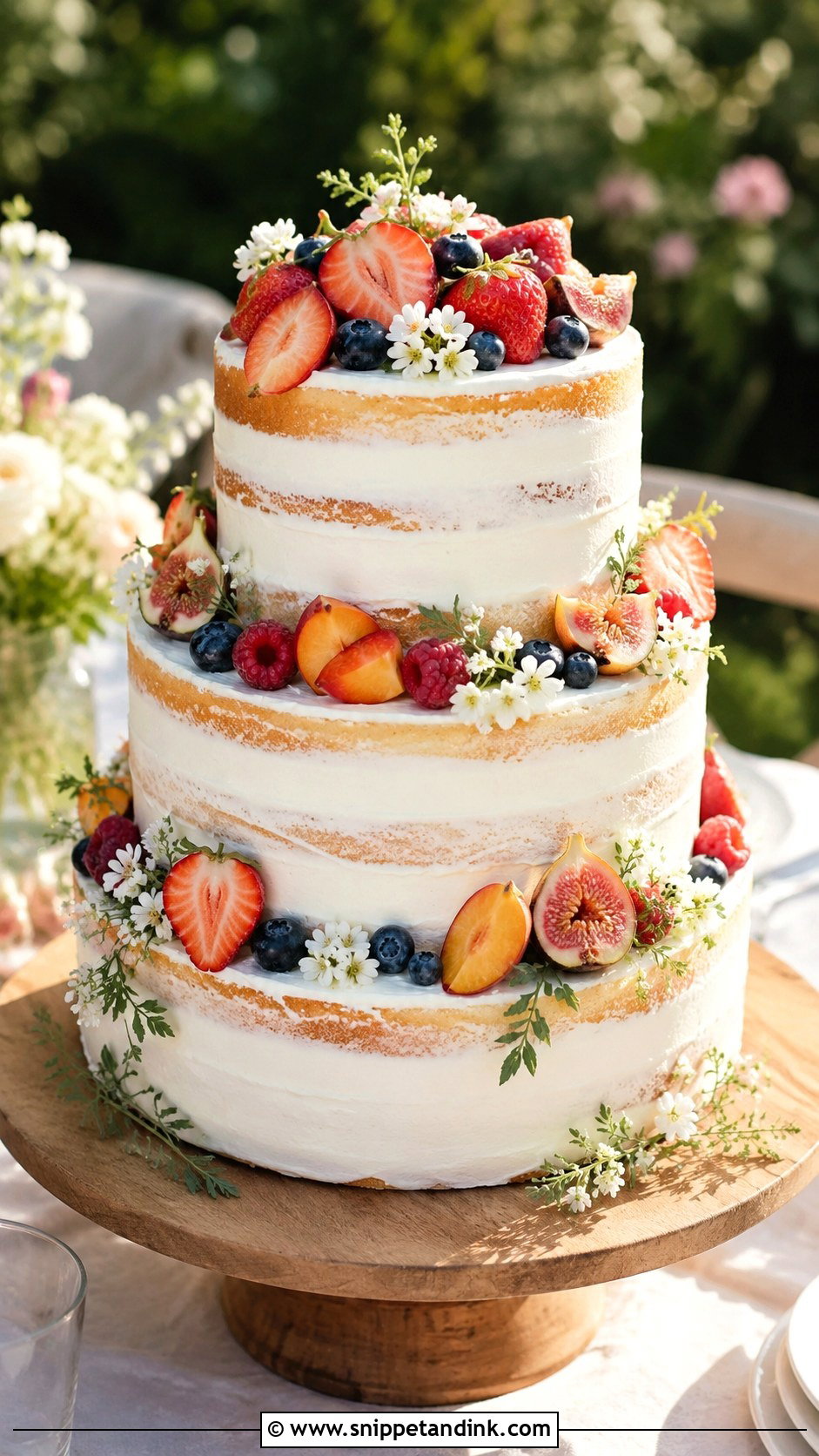
Fruit is the easiest decoration if you can’t pipe. Berries hold their shape and look pretty with almost no effort; strawberries, blueberries, raspberries, blackberries, figs, peaches or citrus can follow the season. Cut fruit is the exception, since it weeps, so I slice it as late as possible and pat it dry. Use a simple buttercream or a stabilised whipped frosting, then arrange the fruit on top, between tiers or down one side. Naked and semi-naked cakes look especially natural with it.
18. Wedding Cake With Gold Leaf
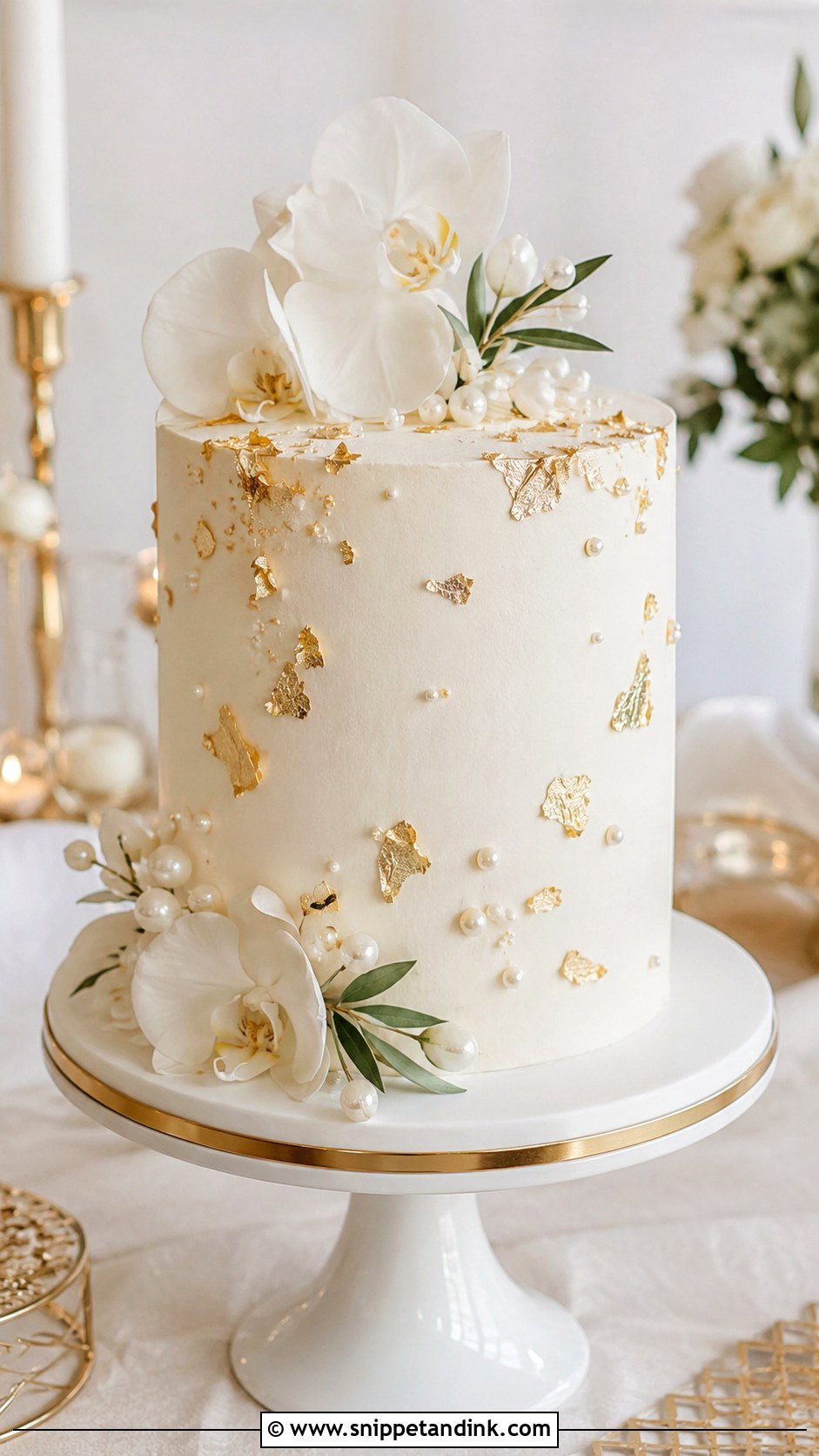
Gold leaf looks expensive and is surprisingly simple at home if you use a little. Start with smooth white, ivory, blush or pale sage buttercream and add small pieces to one side, around an edge or near the flowers. Pick it up with a dry soft brush or tweezers, never your fingers, because it sticks to skin instantly and tears. Don’t try to cover a whole cake; that gets messy and costly fast. A few flakes with white roses, orchids or pearl accents reads polished on a modern table.
19. Wedding Cake With Buttercream Flowers
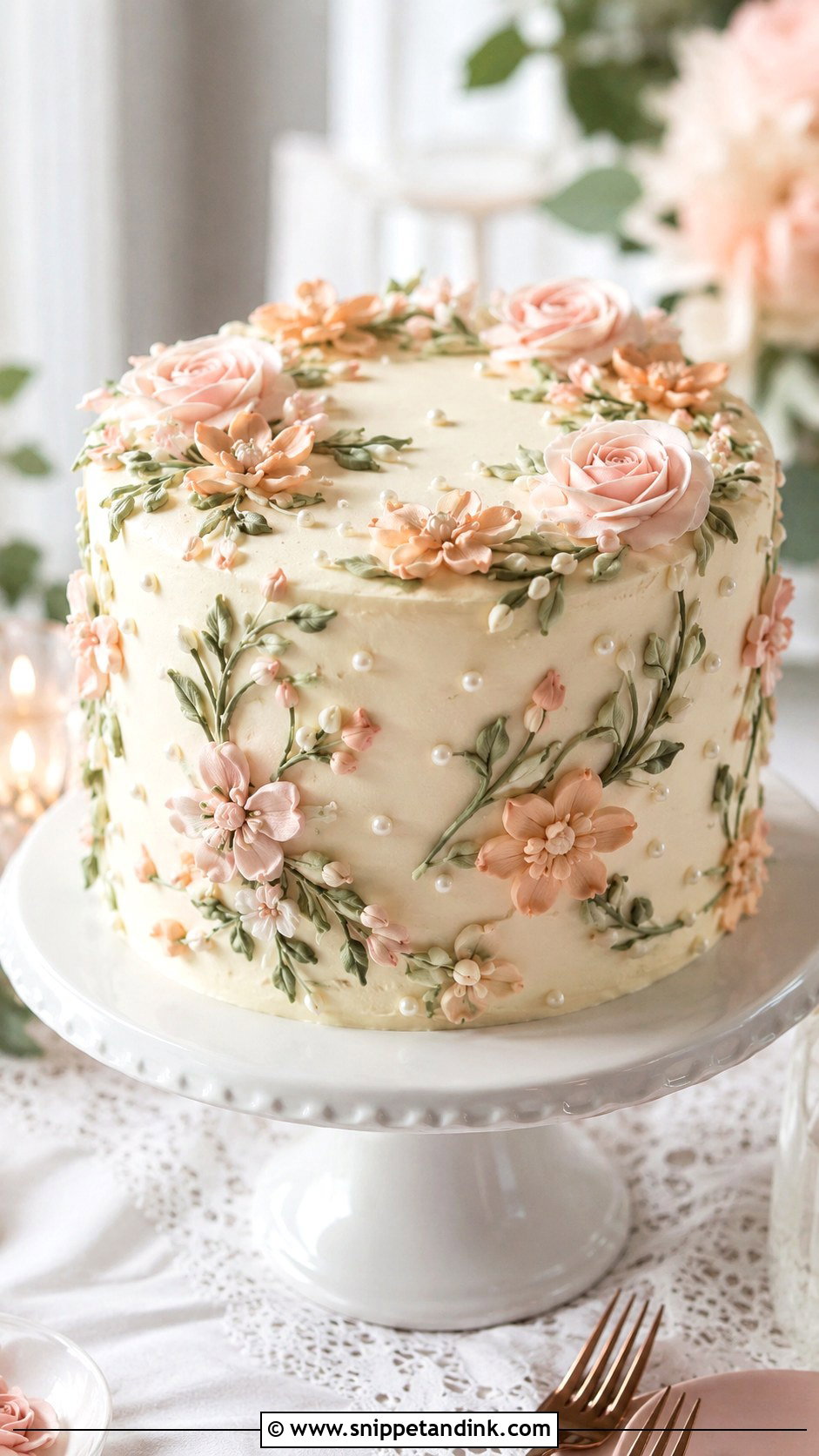
Buttercream flowers are worth learning if you enjoy piping, and everything on the cake stays edible. Pipe roses, blossoms, leaves and simple petals onto small parchment squares, freeze them solid, then lift them straight onto the cake. Frozen flowers keep their shape when you move them, which is the whole trick. Keep the cake itself plain so they lead. Ivory, blush, peach, lavender and sage are easy colours to mix, and practising on a batch of cupcakes first will show you which tips your hands are comfortable with.

20. Wedding Cake Dessert Table
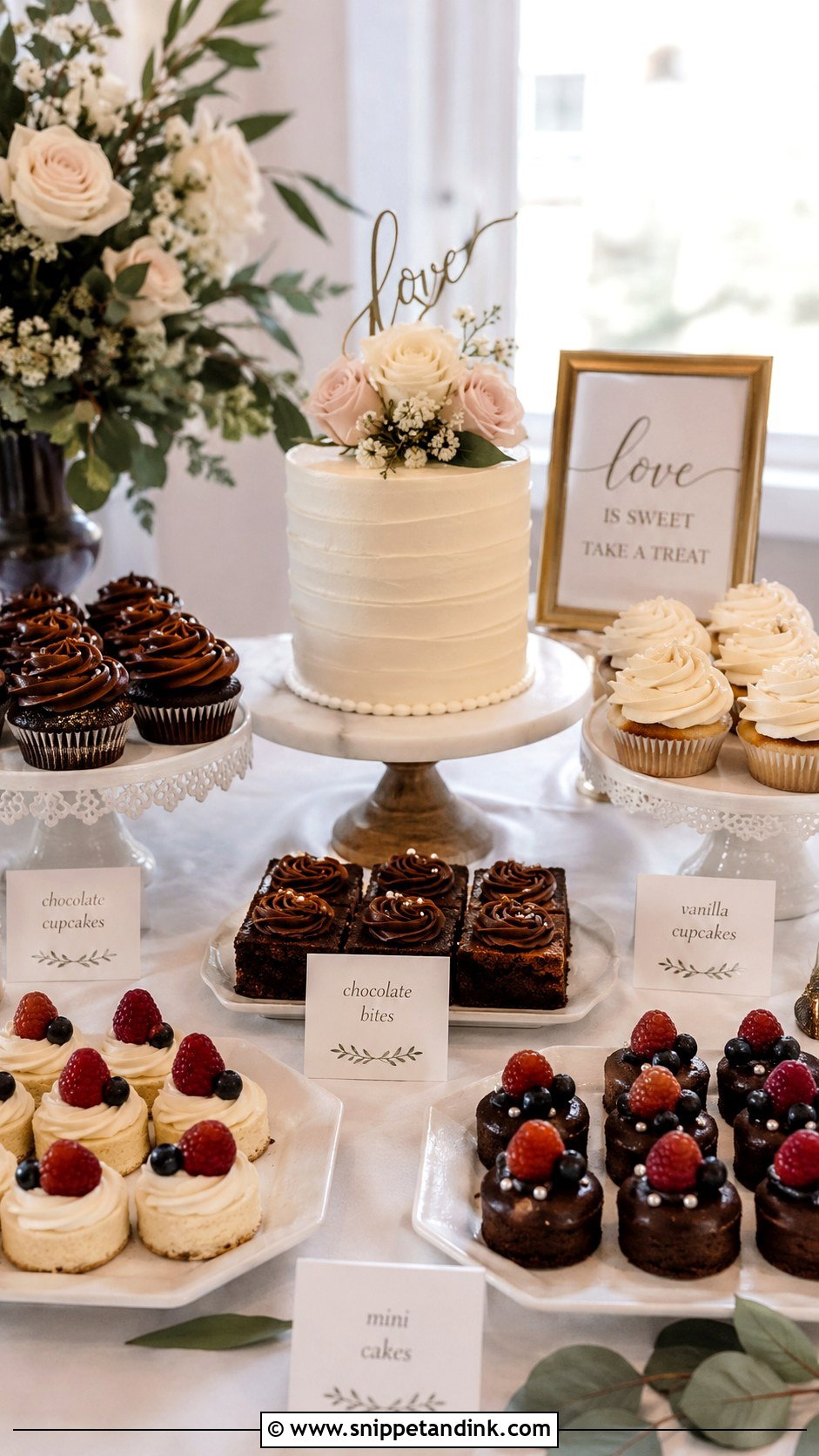
A wedding cake dessert table spreads the work out, which is exactly why it suits a home wedding. Make a small cake for cutting, then fill around it with cupcakes, mini bundts, cookies, brownies or sheet cake slices. Tie them together with matching colours, the same flowers or one frosting style. Each item can be baked in its own batch on a different evening, and friends can each bring one. Stands, trays and small labels make it look planned. Guests get choice, and nobody has to build a tall cake.
Why a Rehearsal Bake Beats Any Recipe Card
I’d bake the full cake once, at the real size, a month or two before the wedding. Scaling a recipe up is where home bakers get caught: a larger tin needs a lower oven temperature and longer baking, or the outside burns before the middle sets. Many bakers use a heating core or a flower nail in the centre of big tins to help the middle cook.
The rehearsal tells you how long each stage really takes, whether your frosting holds at room temperature and whether the cake slices cleanly. Serve it to friends, take notes, and adjust one thing at a time.
Who Cuts It, and How Thin?
At a home wedding there’s often no caterer, so decide ahead who cuts the cake and give them a knife, a jug of hot water and a cloth. Wedding portions are much smaller than party slices, a finger-width strip rather than a wedge, which is how a modest cake stretches further than you’d think.
- Lift off the top tier for the couple first, then pull out every dowel or straw before slicing the lower tier.
- Cut the round into a smaller circle and strips rather than wedges from the centre.
- Wrap the saved tier tightly in several layers and freeze it if you plan to keep it for an anniversary.
Bake the Cake Your Week Can Actually Hold
The right homemade cake is the one that fits your skill, your schedule and your kitchen. A small tiered cake, a sheet cake, bundts, cupcakes or a dessert table can all feel like a wedding when the finish is clean and the decoration is thoughtful. Keep the flavours familiar, chill before stacking, use a sturdy frosting, and avoid any design that depends on last-minute perfection. Fresh flowers, fruit, smooth buttercream, gold leaf and simple piping do most of the visual work. Plan it properly and a cake made at home can mean more to the couple than any bakery box.
You'll Like These Ideas:



Leave a Reply