
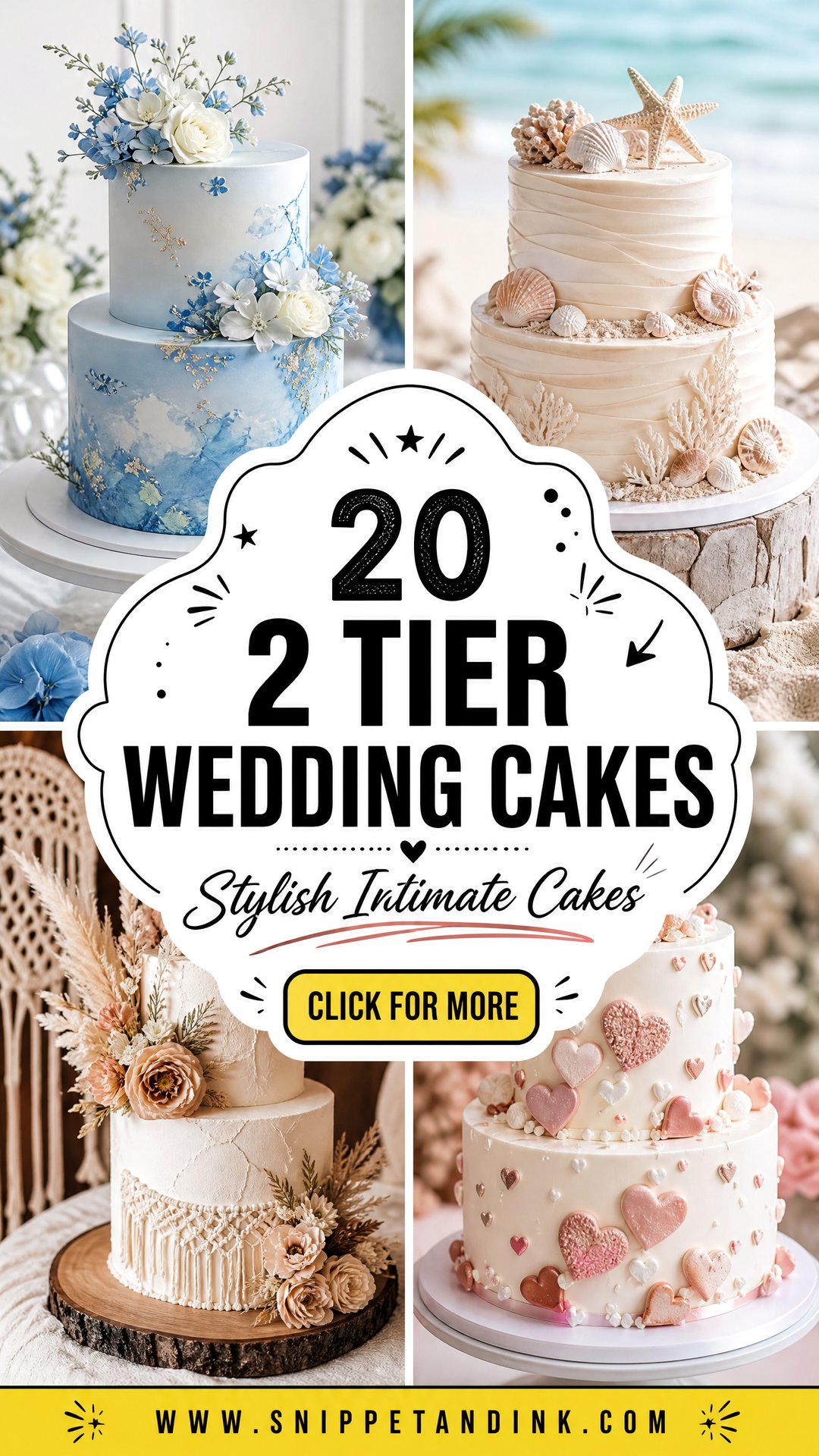
Two tiers is the cake size I recommend most often for small and mid-sized receptions. It has enough height to feel like a wedding cake and enough surface for real decoration, yet it’s quick to cut and serve. Texture, nostalgic piping, fresh flowers, soft color and sculptural details are all popular right now, and every one of them adapts well to two tiers. Below are twenty styles, each with the flavors I’d pair inside and the practical points I’d raise before you book.
Making a Two-Tier Cake Hold Its Own on a Long Dessert Table
The worry I hear most about two tiers is that the cake will look small next to everything else. It’s an easy fix if it’s planned from the start.
- Ask for tall tiers. Four layers of sponge instead of three adds height without changing the footprint or adding much cost.
- Raise it. A cake stand at least a few inches tall lifts the cake above the platters around it.
- Use a gap between the tiers, filled with flowers or a hidden spacer, to stretch the cake visually.
- Give it the center of the table and keep nearby desserts lower.
- Consider a decorated dummy tier. It looks like a three-tier cake for the cost of decoration only, but tell your baker early, because it changes how the cake is built.
1. Simple 2 Tier Wedding Cake
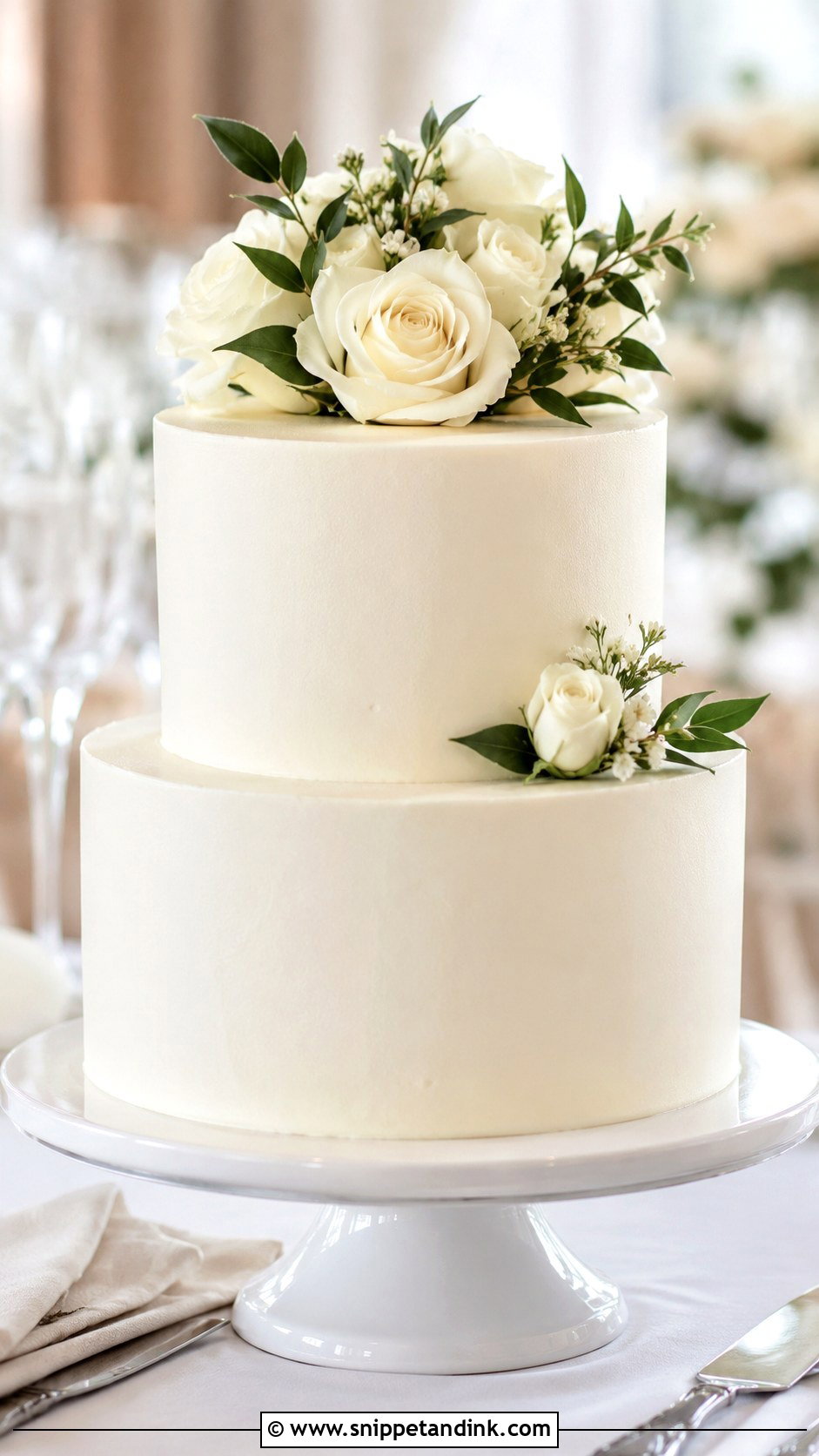
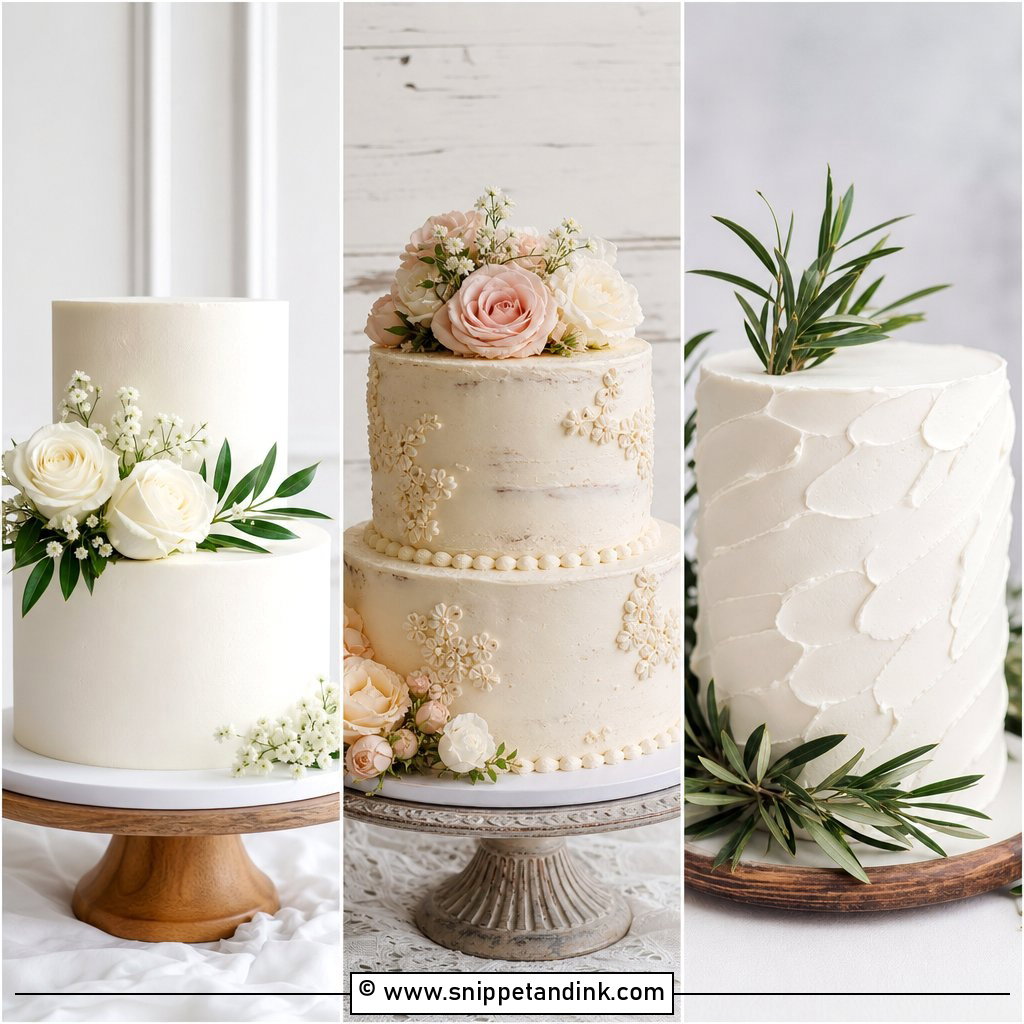
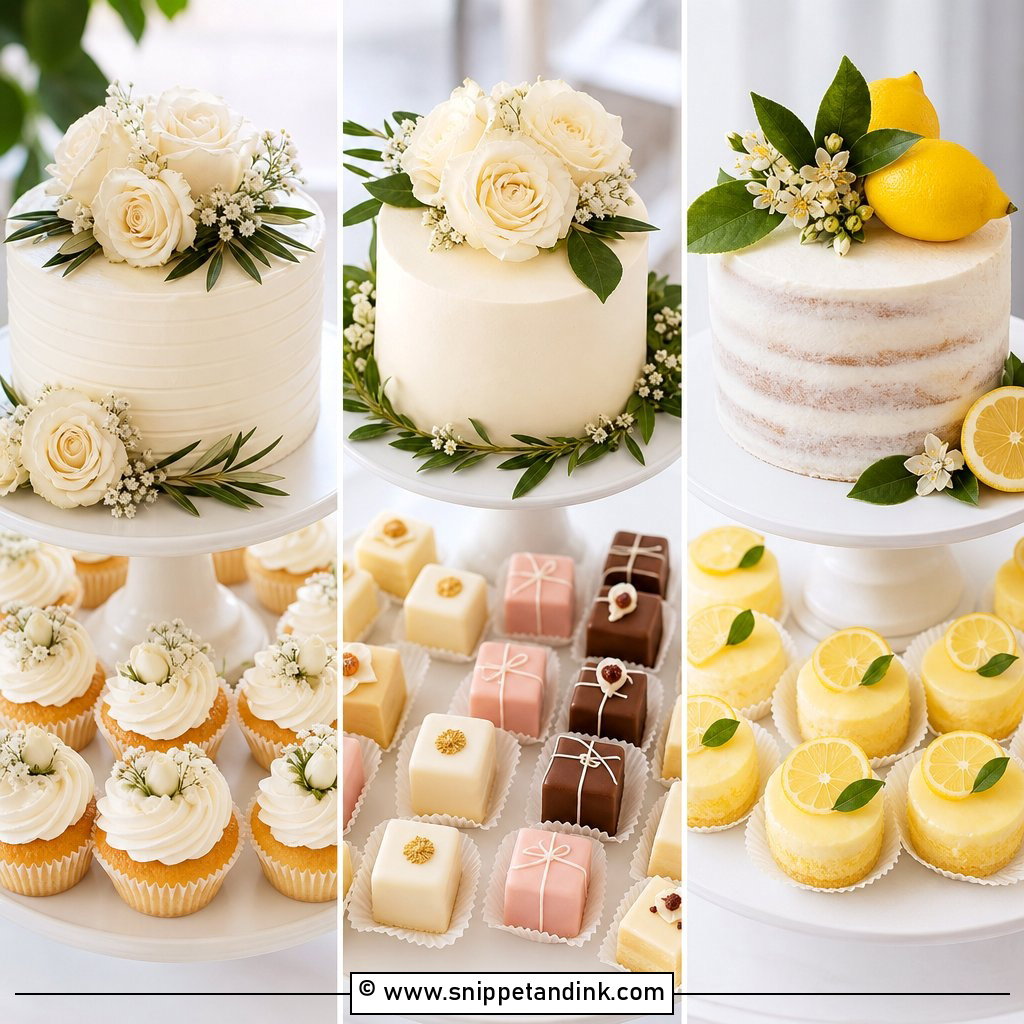
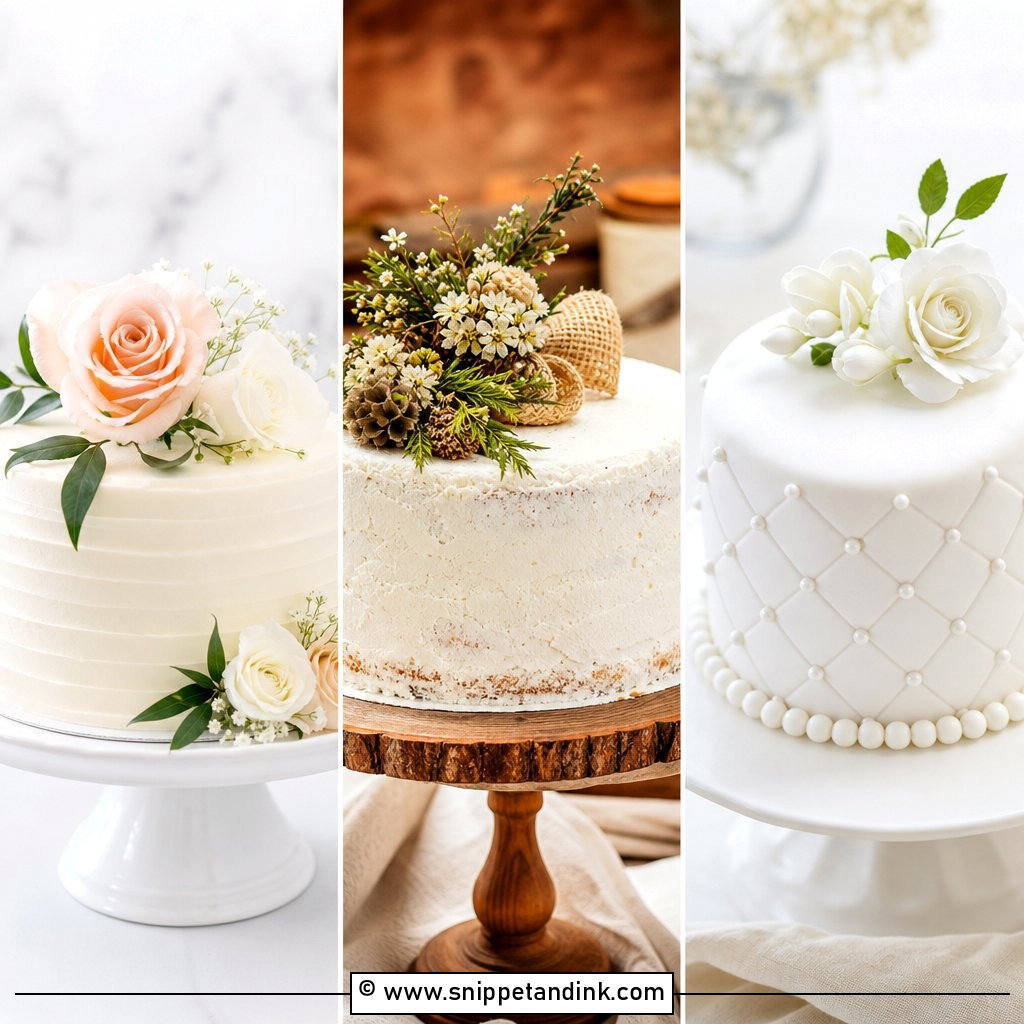
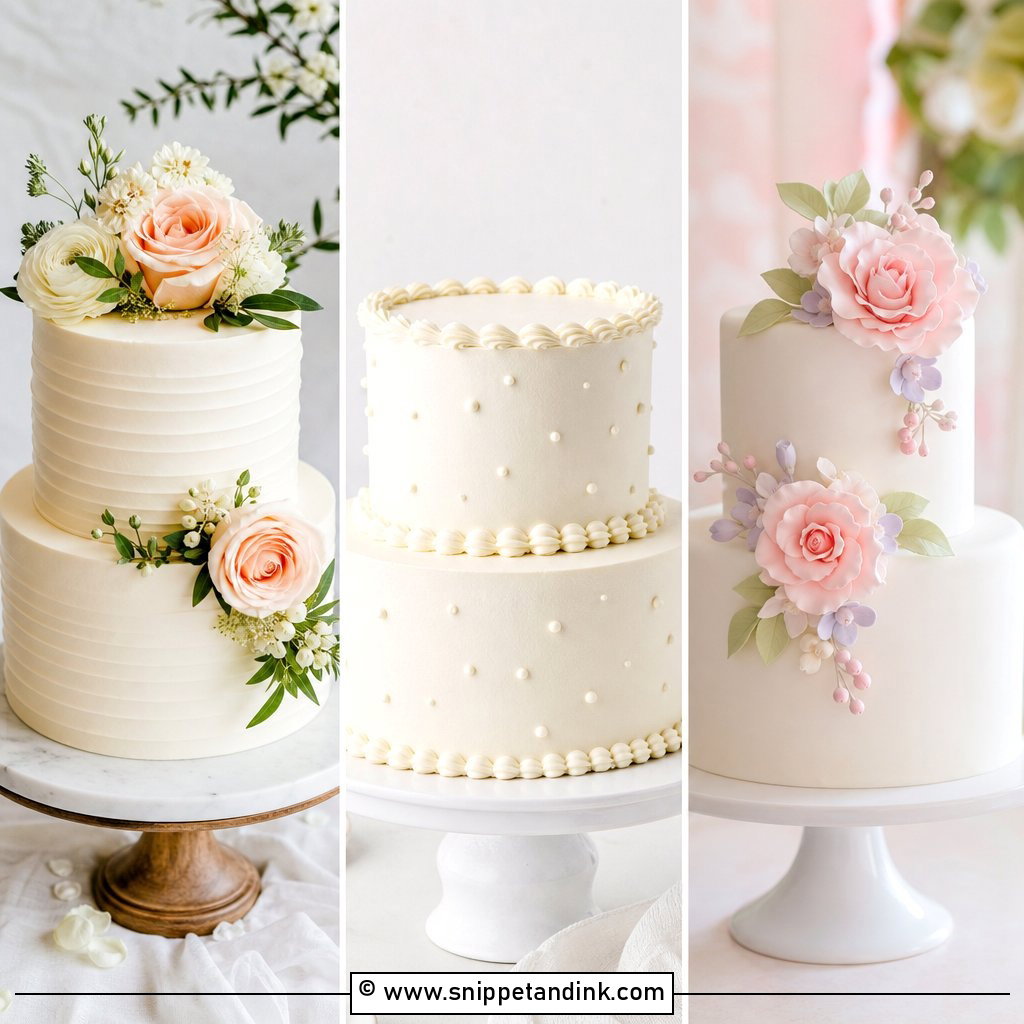
Plain cakes are the hardest to hide flaws on, which is why I judge any baker by their simplest work. Smooth white or ivory buttercream, sharp top edges and a few flowers or a sprig of greenery: that’s the whole design. A gold stand dresses it up, a plain ceramic one keeps it casual. Vanilla bean, almond, lemon or white chocolate inside will please nearly every guest.
2. Rustic 2 Tier Wedding Cake
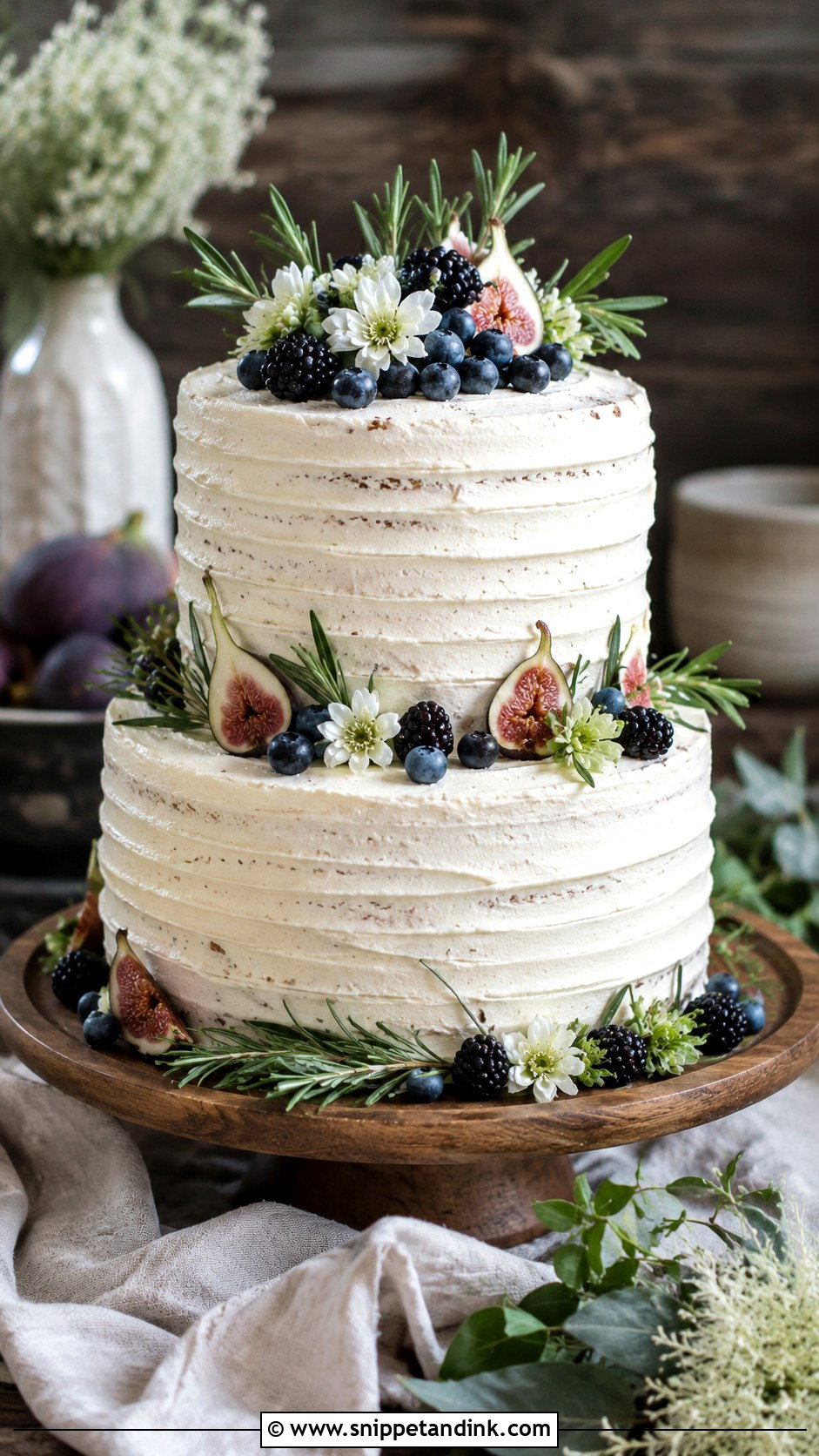
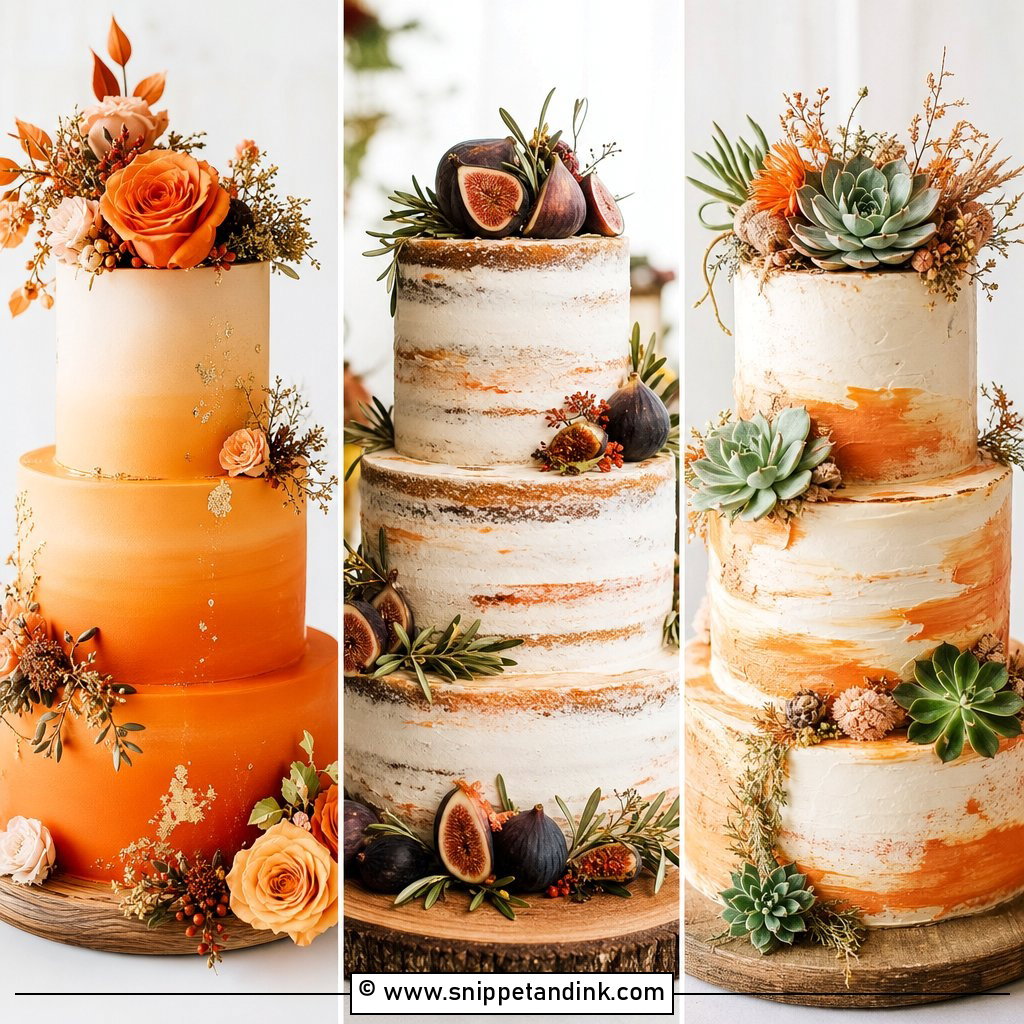
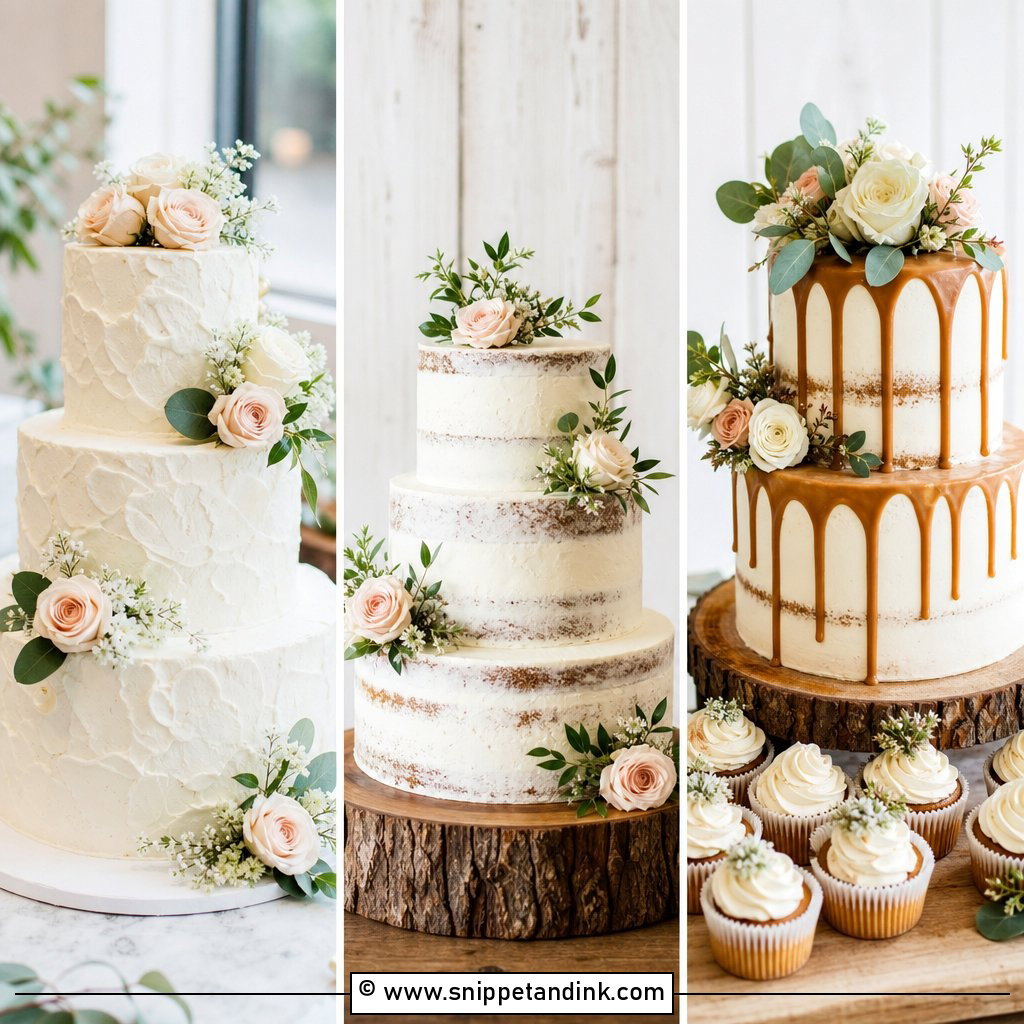
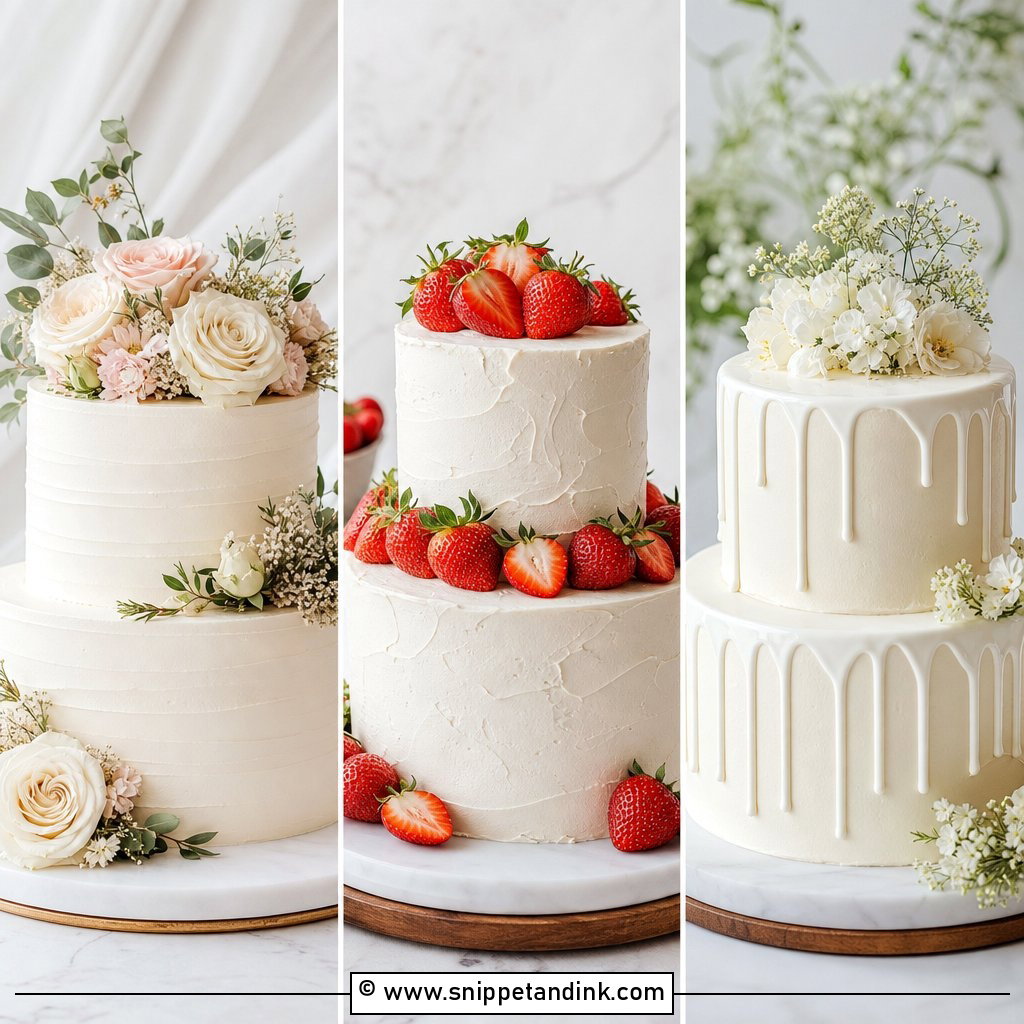
Rustic doesn’t mean careless. Lightly textured buttercream with soft ridges looks relaxed, but the tiers still have to be level and straight or the cake just looks unfinished. Garden-gathered flowers, figs, berries and herbs suit a barn, mountain or backyard venue. Carrot cake, spice cake, brown butter vanilla and lemon elderflower are the flavors I reach for here, and a wooden stand grounds the display.
3. Modern 2 Tier Wedding Cake
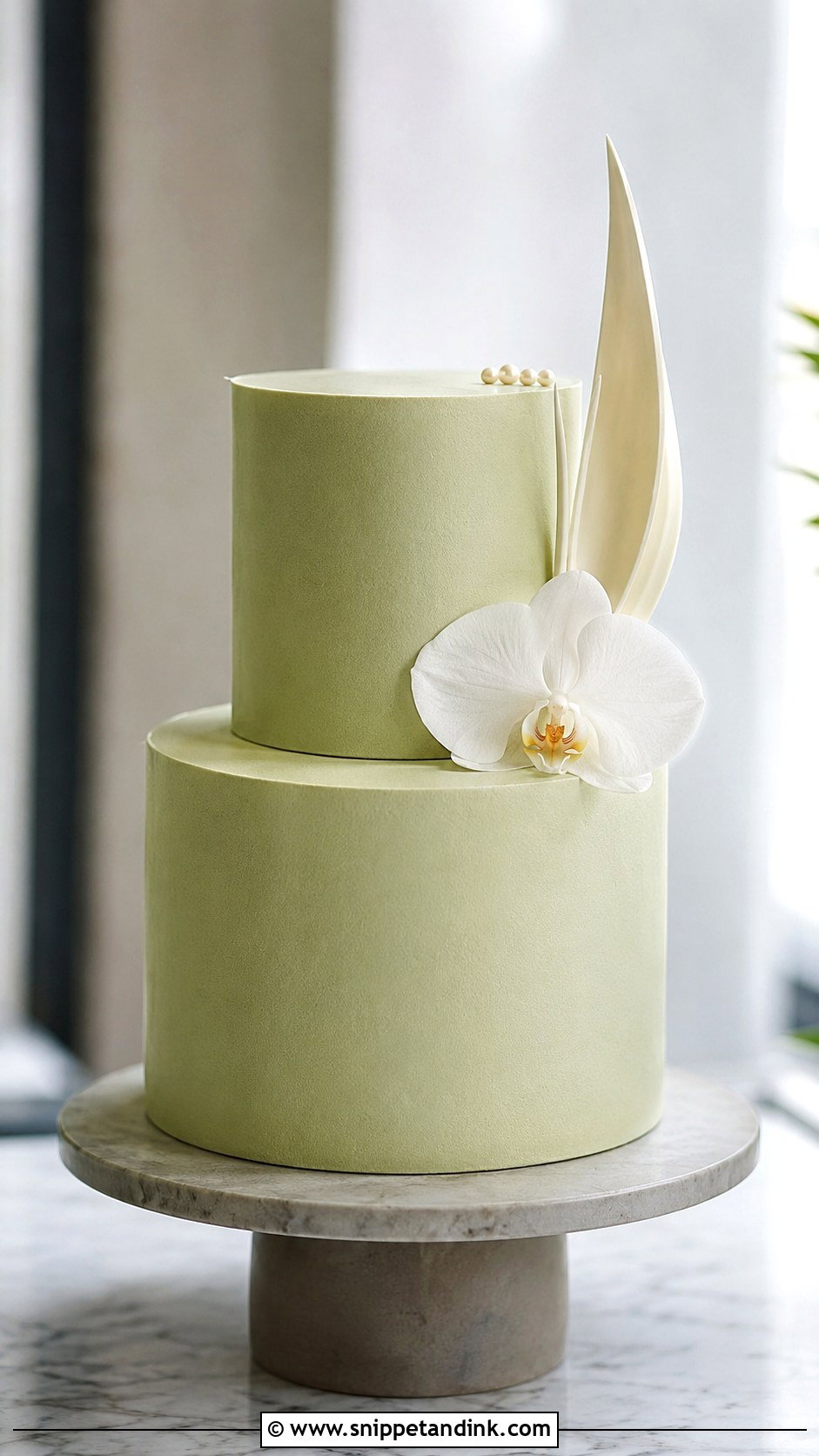
A modern cake works by holding back: smooth buttercream or fondant with one strong feature, such as an off-center flower, a sculptural bow or an abstract texture. White, cream, taupe, soft gray or muted blush keep the shape readable. I’d put more adventure into the flavors instead, like pistachio raspberry, Earl Grey lemon or vanilla passion fruit. It sits well in a loft or gallery, on a plain stand.
4. Vintage 2 Tier Wedding Cake
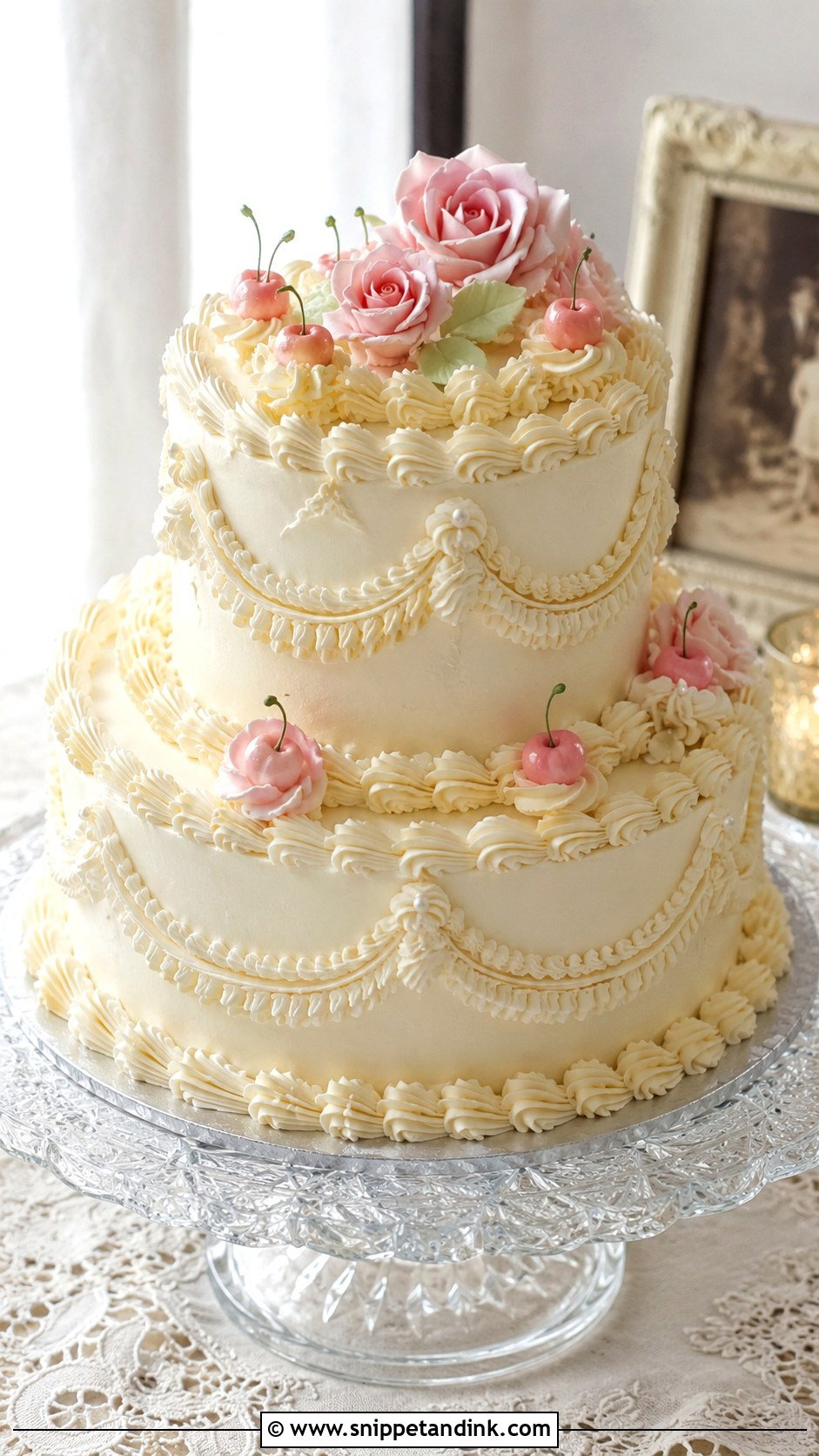
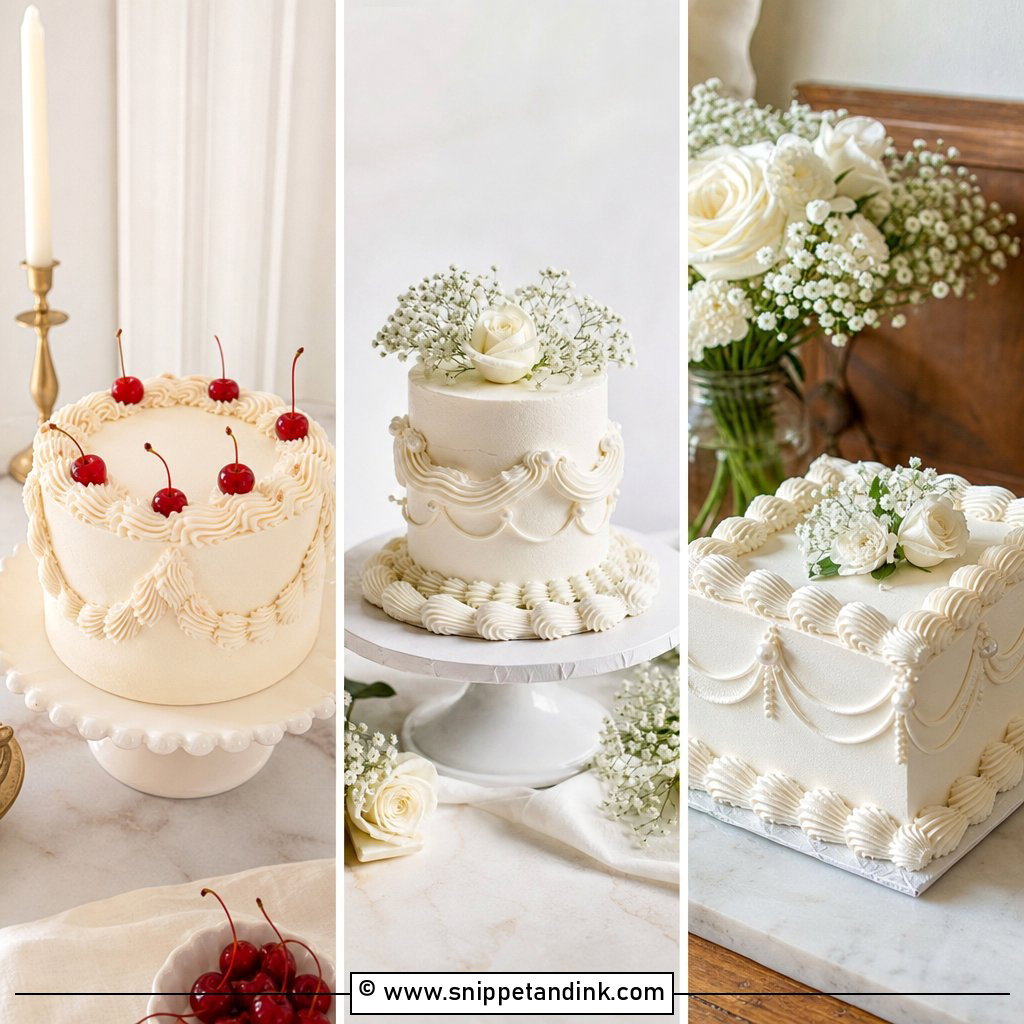
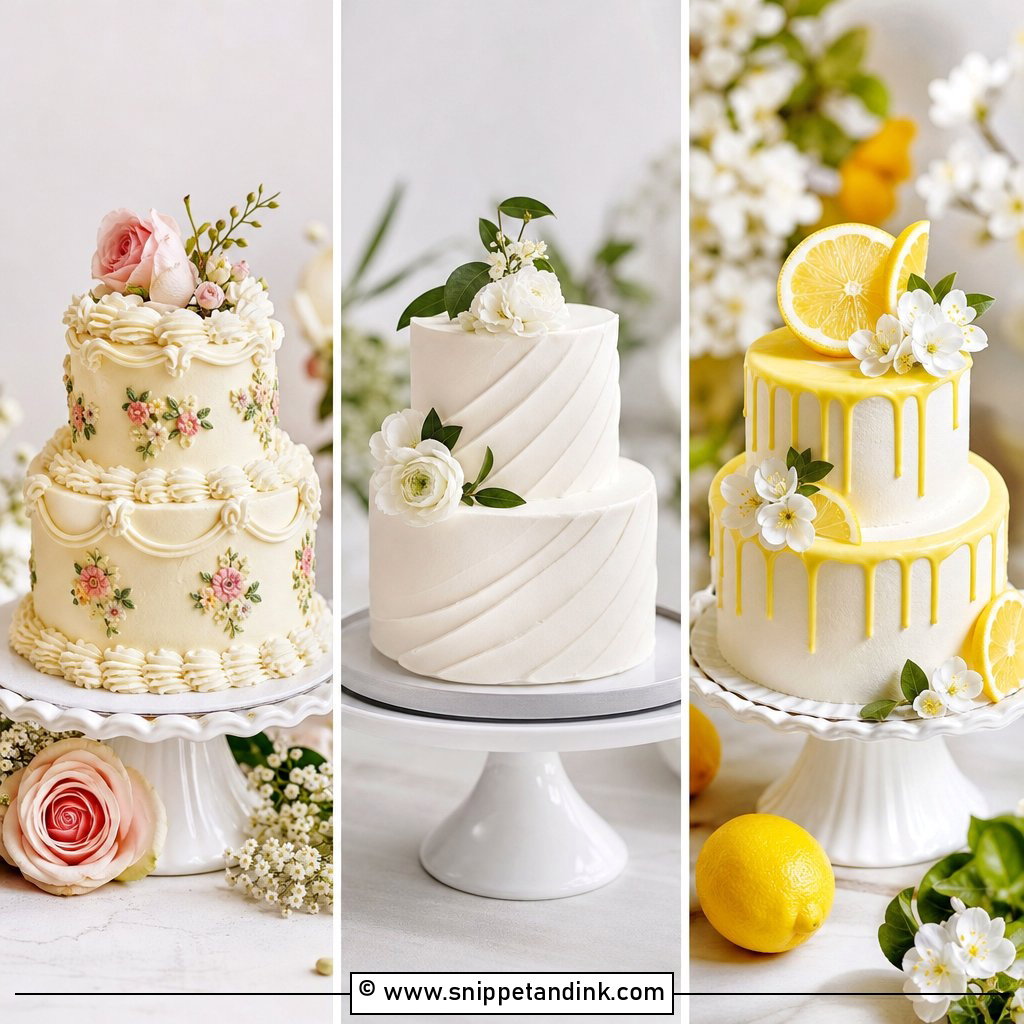
Vintage piping, with its swags, shell borders and pearl dots, has come back in a big way, and it’s real skill work, so look closely at a baker’s past piping before you book. Ivory is classic; pale pink, butter yellow or powder blue give a retro feel. Piped buttercream softens in a hot room, so I’d plan this one for indoors. Vanilla raspberry, almond and red velvet suit it, with cherries or a vintage topper on top.
5. Floral 2 Tier Wedding Cake
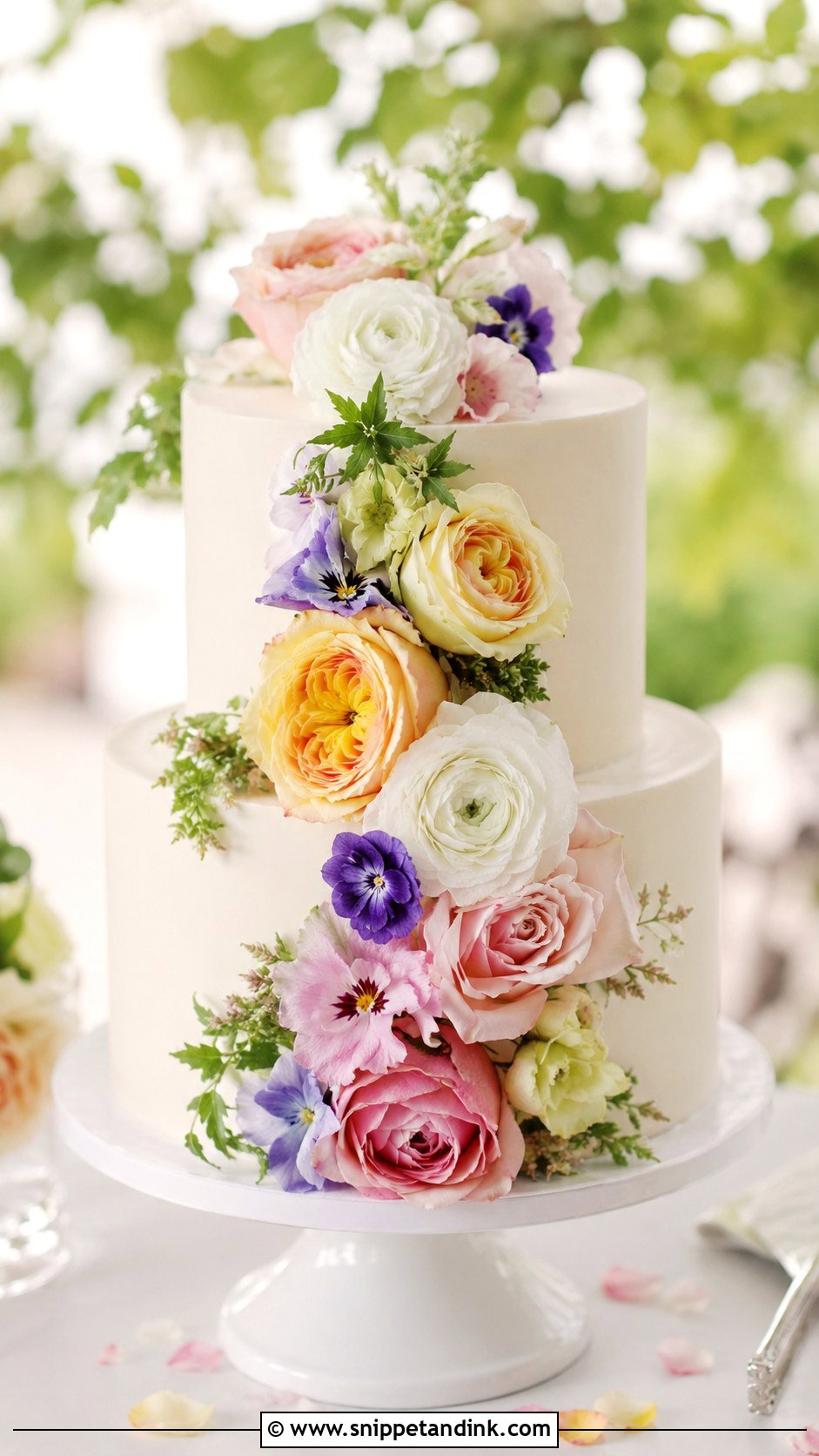
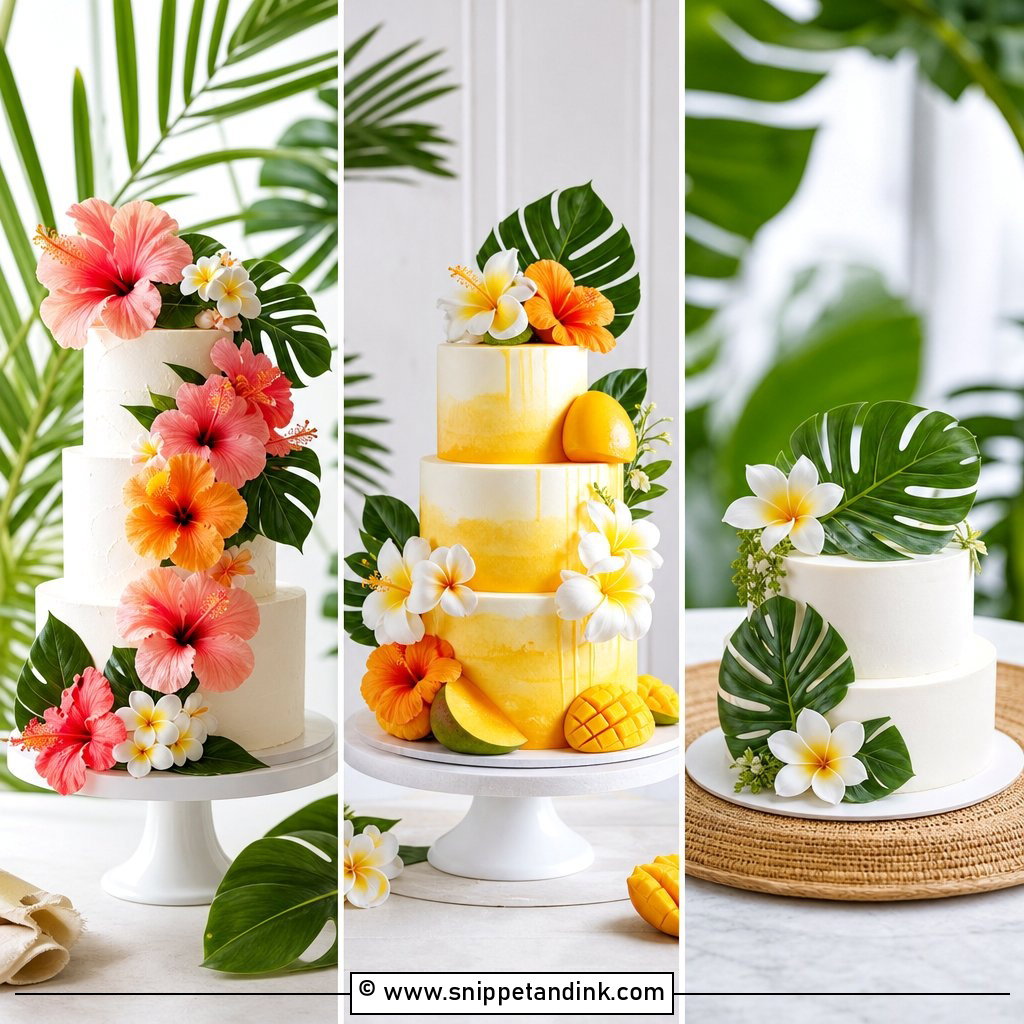
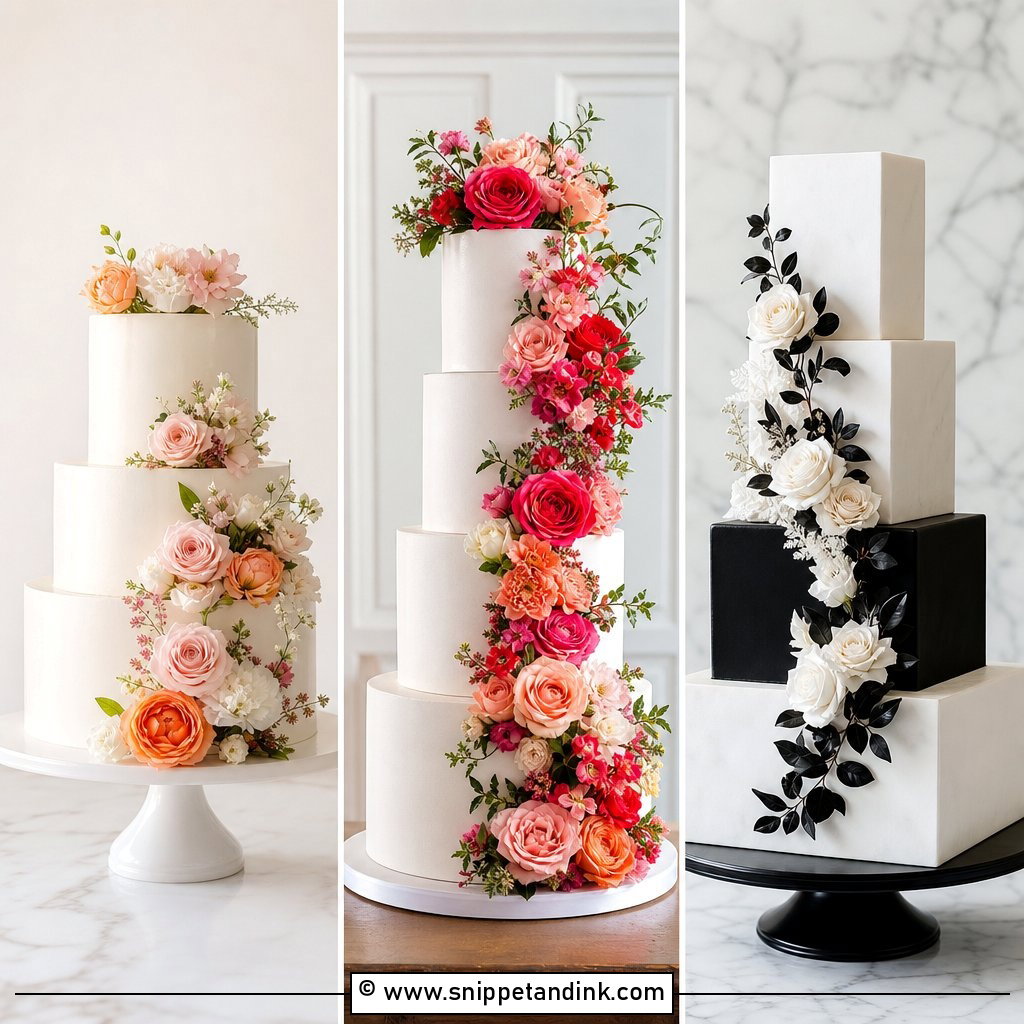
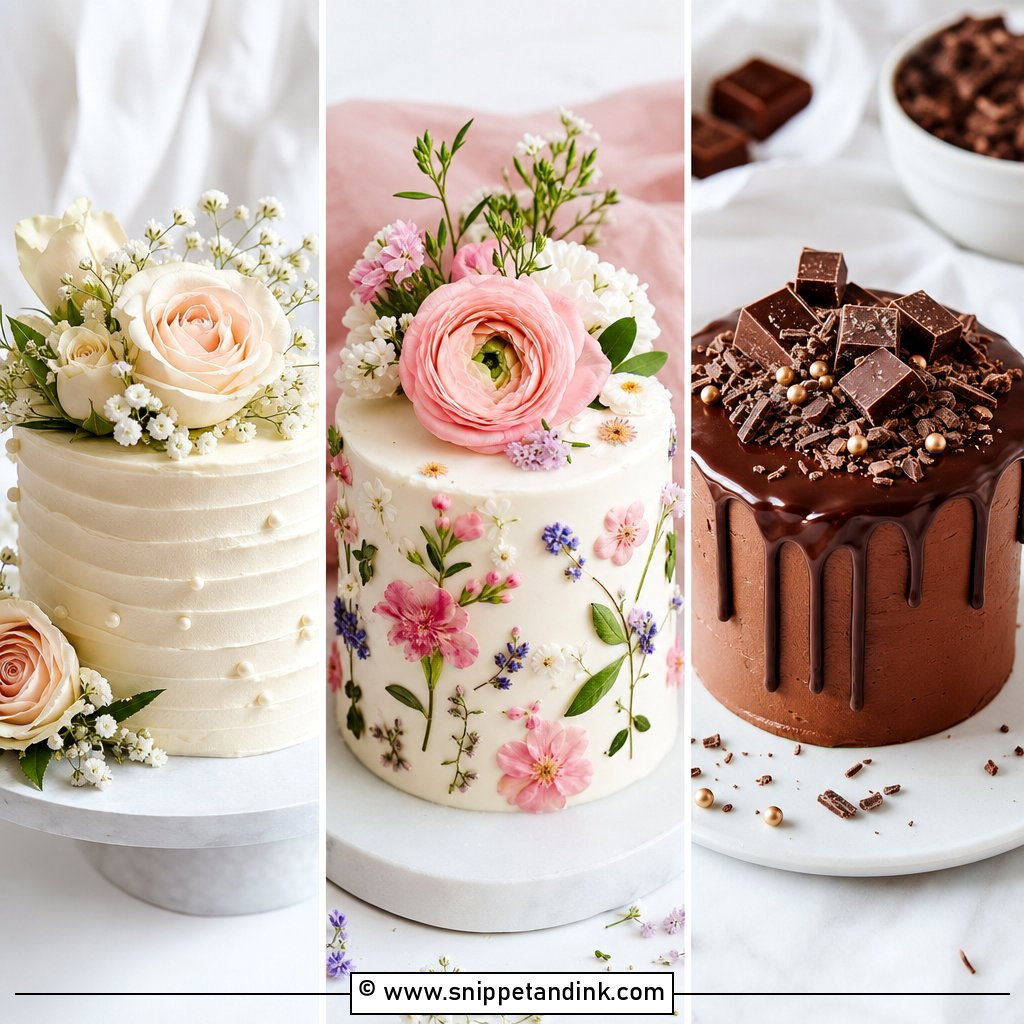
Flowers can be fresh, sugar, pressed or piped, and the choice affects both cost and how far ahead the cake can be finished. A cascade down one side makes two tiers look taller; a crown on top looks balanced and classic. Garden roses, ranunculus, orchids and edible pansies are common, and any fresh stem has to be food-safe and kept off the frosting with wrap and a pick. Lemon, coconut, strawberry or honey lavender inside complement the blooms.
6. Buttercream 2 Tier Wedding Cake
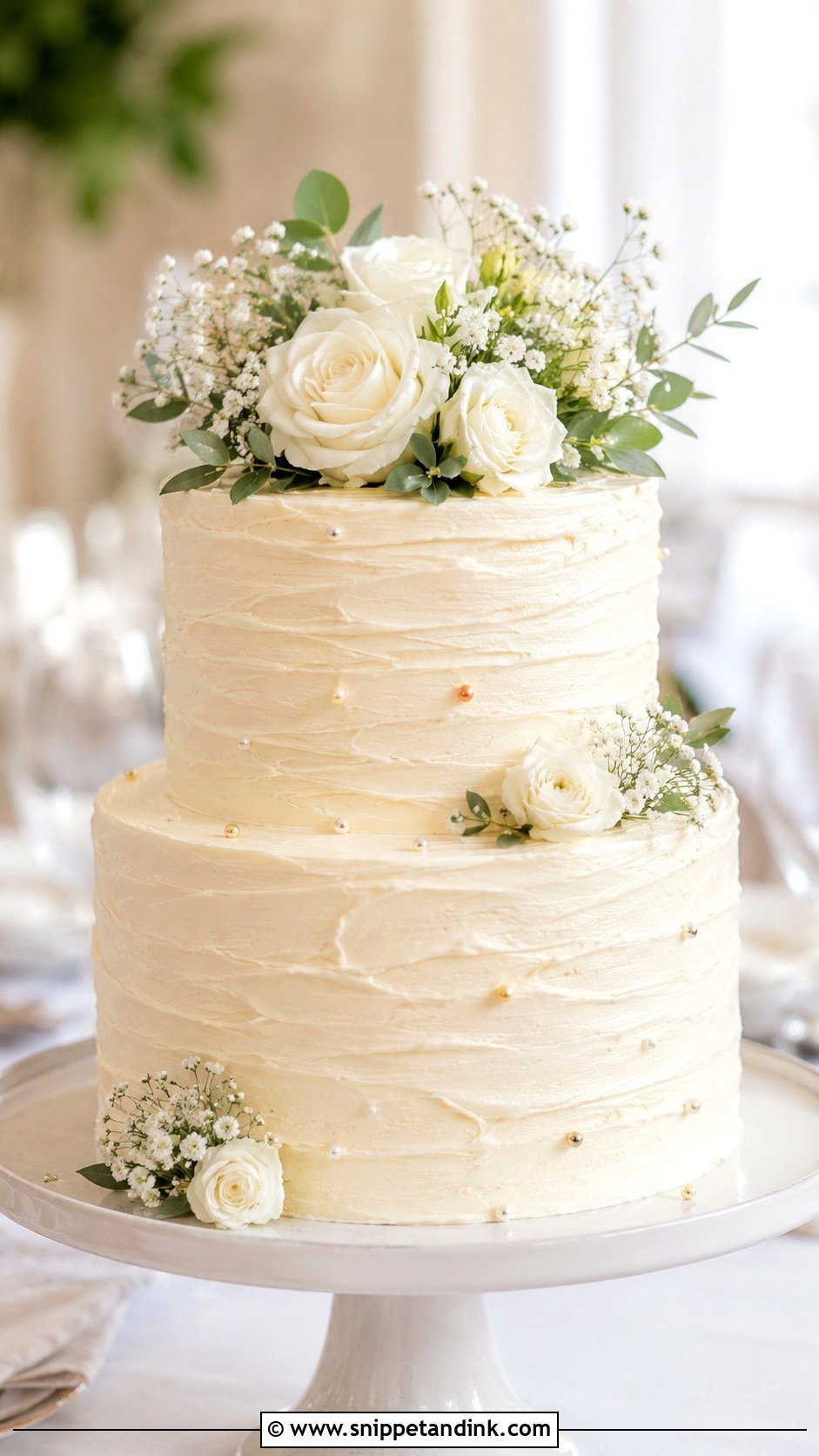
Buttercream is what most couples want to taste, and the type matters more than people expect. American buttercream is sweet and firm; Swiss meringue is silkier and less sweet but softer in heat; cream cheese is tangy and needs chilling. I’d taste at least two before deciding. Smooth sides look refined, while ridges, palette strokes or ruffles look handmade.
7. Fondant 2 Tier Wedding Cake
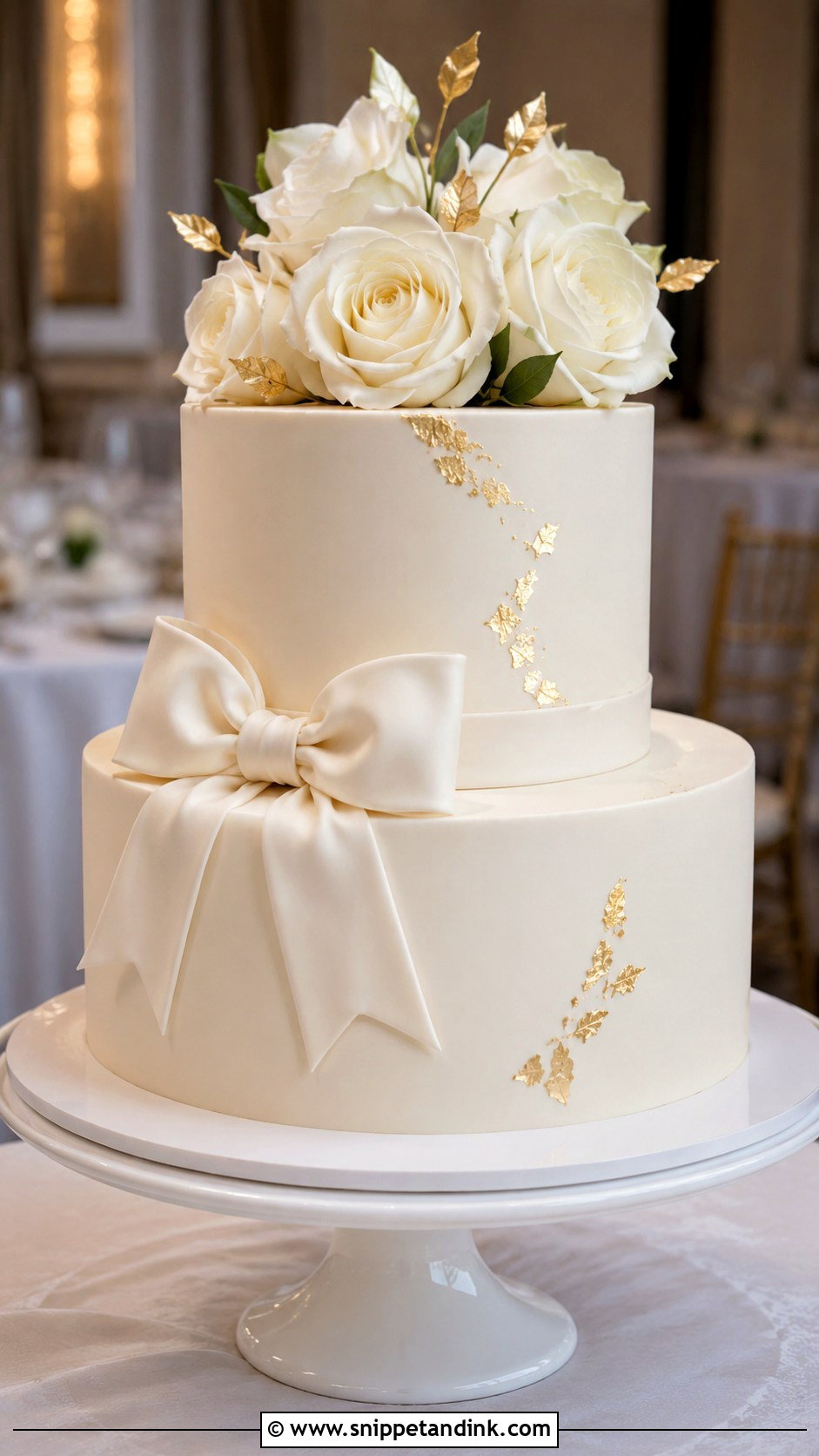
Fondant gives the flawless finish and sharp edges, and it takes painting, lace, metallics and sculpted bows better than any frosting. It also seals the cake and helps it survive a warm room. Guests sometimes peel it off, so I make sure what’s underneath, a layer of buttercream or ganache, tastes good on its own. Vanilla almond, chocolate ganache, lemon curd or strawberry cream inside; fresh flowers or a fabric-look ribbon keep it from looking stiff.
8. Naked 2 Tier Wedding Cake
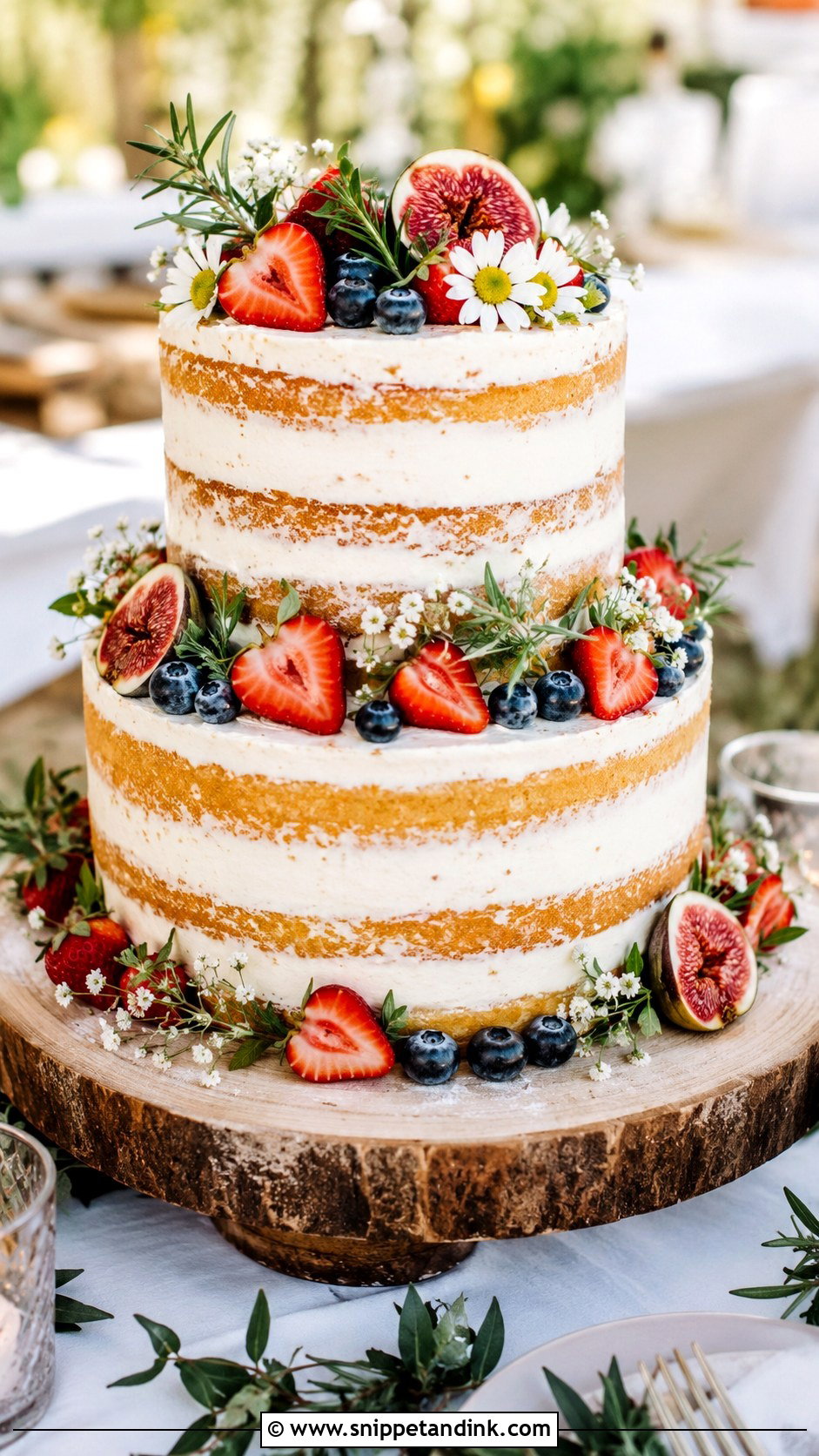
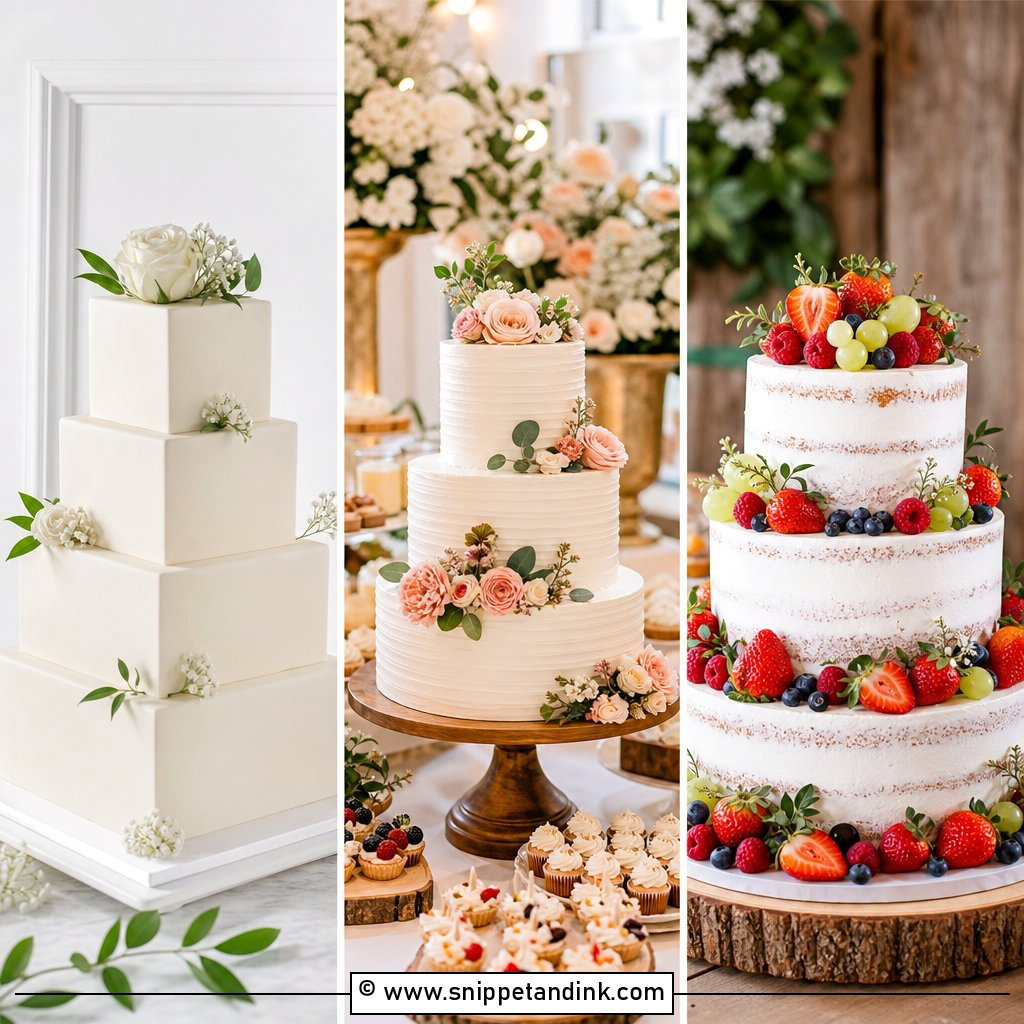
A naked cake has only a thin amount of frosting between the layers and almost none outside, so the sponge is on show. That means the bake must be even and the layers neatly stacked. Exposed sponge dries quickly, so I soak every layer and assemble as close to the day as possible, and I’d keep it out of sun and wind. Vanilla, chocolate, carrot, lemon or red velvet give attractive layers; berries, figs and herbs decorate.
9. Semi Naked 2 Tier Wedding Cake
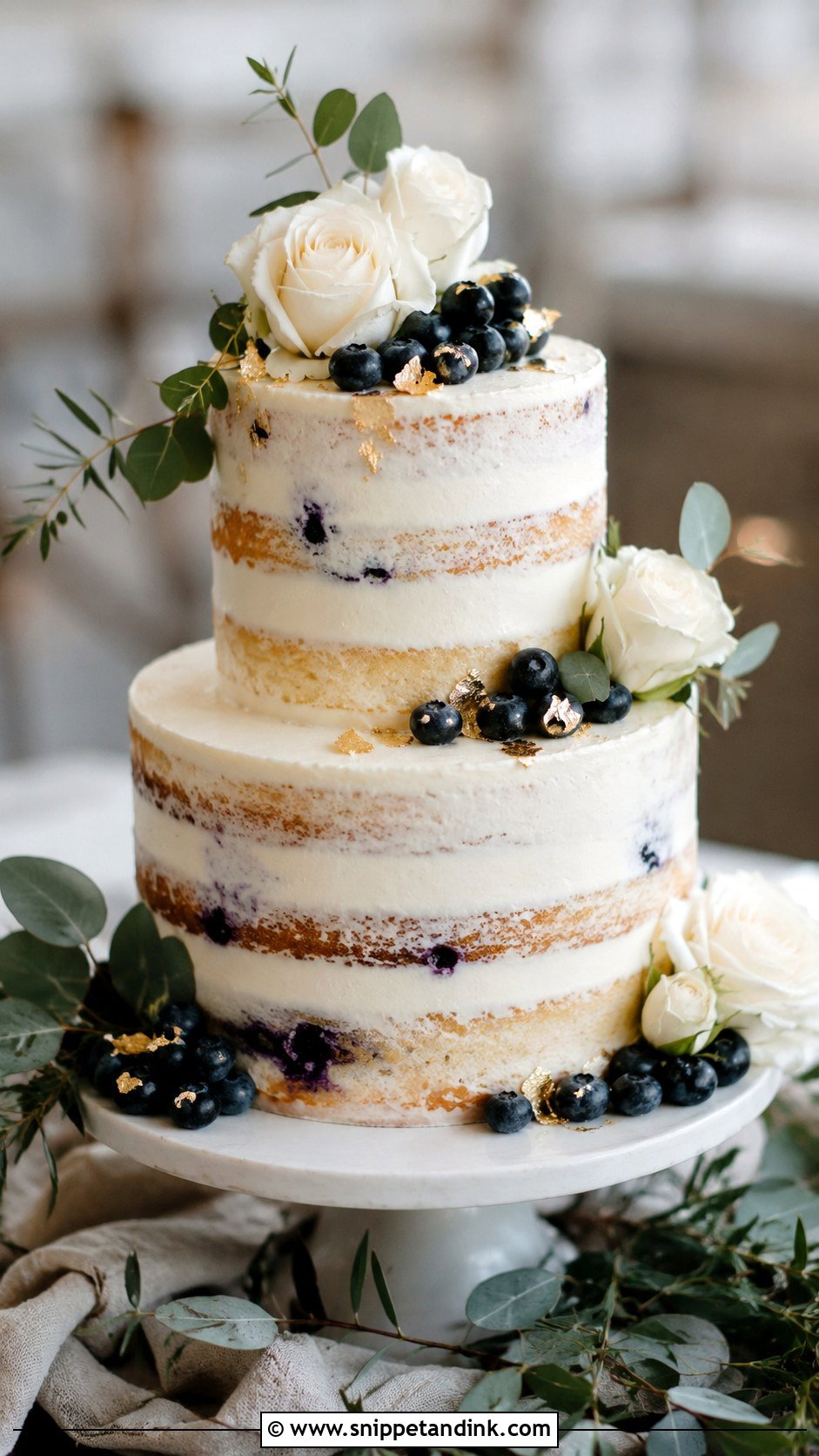
Semi-naked sits between the two: a thin scraped coat that lets the layers peek through but still looks tidy. I find it the more practical choice for most outdoor weddings, because that thin coat slows drying noticeably. Fresh flowers, greenery, berries, dried citrus or a little gold suit it. Vanilla berry, lemon blueberry and chocolate caramel are favorites.
10. Pearl 2 Tier Wedding Cake
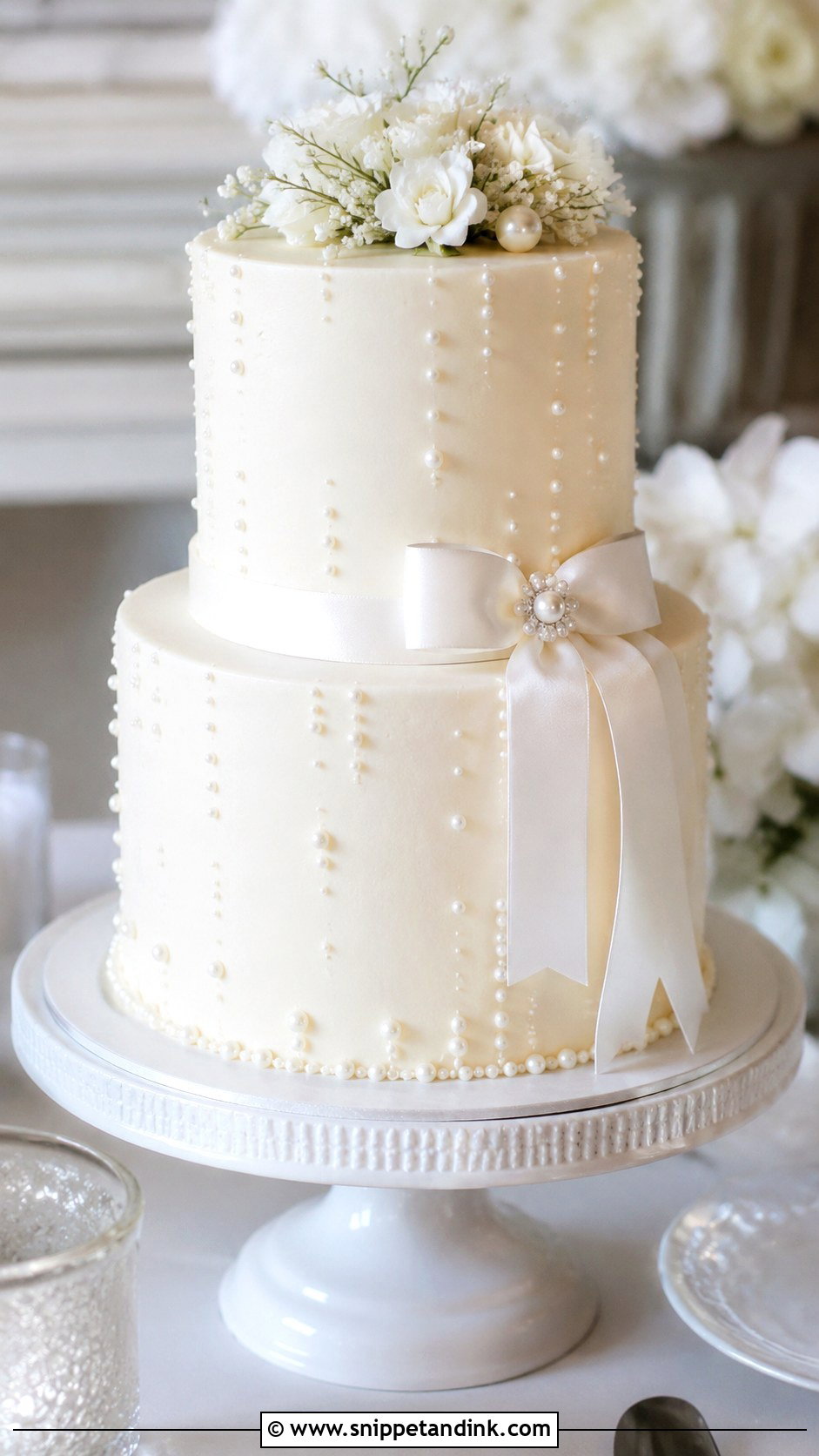
Pearls add detail without color. They can ring each tier’s base, scatter across both tiers or run in neat vertical lines. Edible sugar pearls are the safe choice, though the hard silver and gold kinds can be tough to bite, so I keep those to small amounts. Smooth ivory buttercream or fondant with satin ribbon and a few white flowers suits a ballroom reception. Vanilla bean, almond cream or white chocolate raspberry inside.
11. Gold 2 Tier Wedding Cake
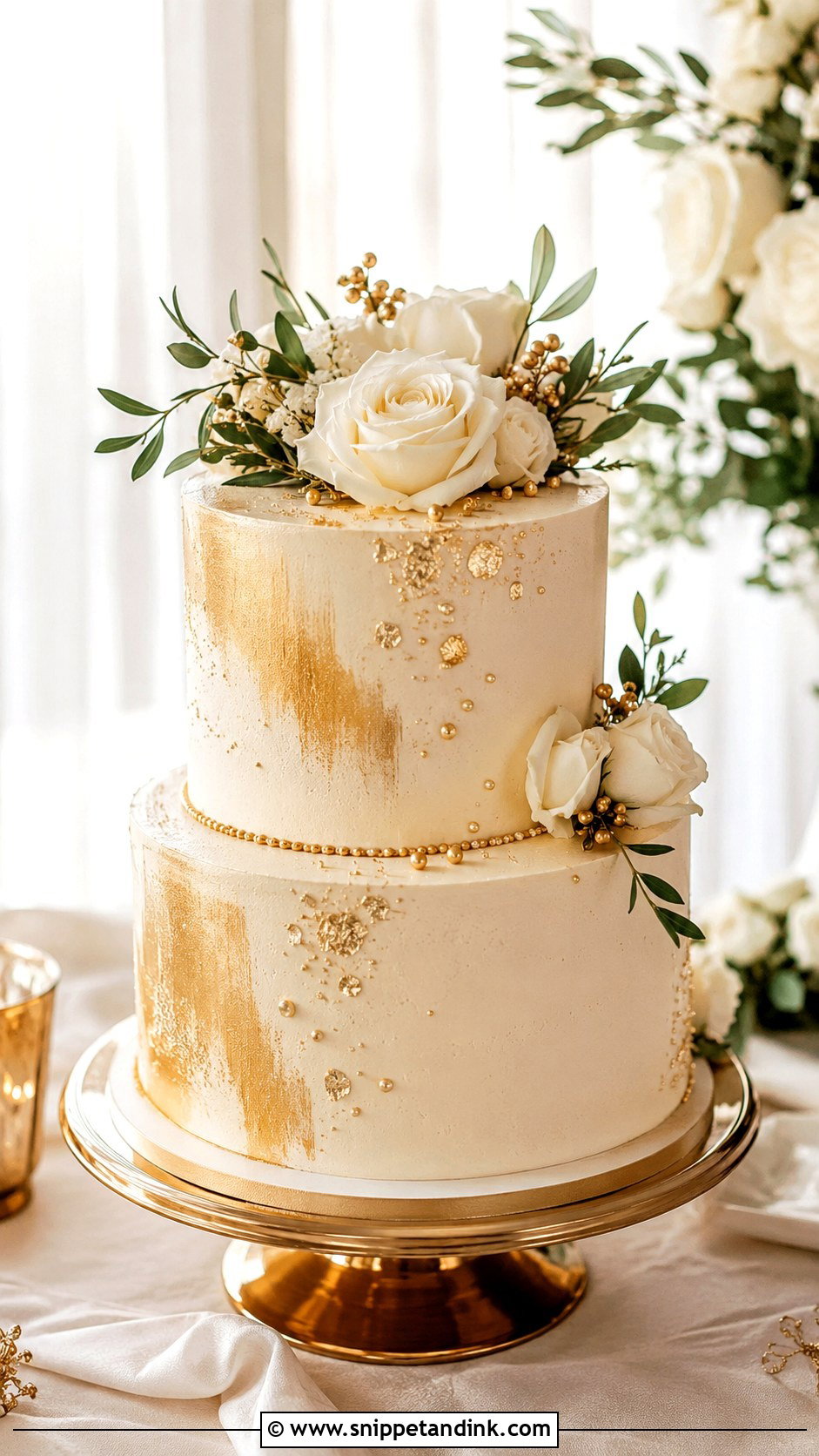
Gold can arrive as leaf, painted strokes, a thin drip, edging or a topper, and I’d pick one rather than all five. It looks warmest in rooms with candlelight or warm lighting. Ivory, blush, sage and champagne all pair with it. Vanilla caramel, chocolate hazelnut or honey cake inside, and a few white flowers so the gold doesn’t look heavy.
12. Black And White 2 Tier Wedding Cake
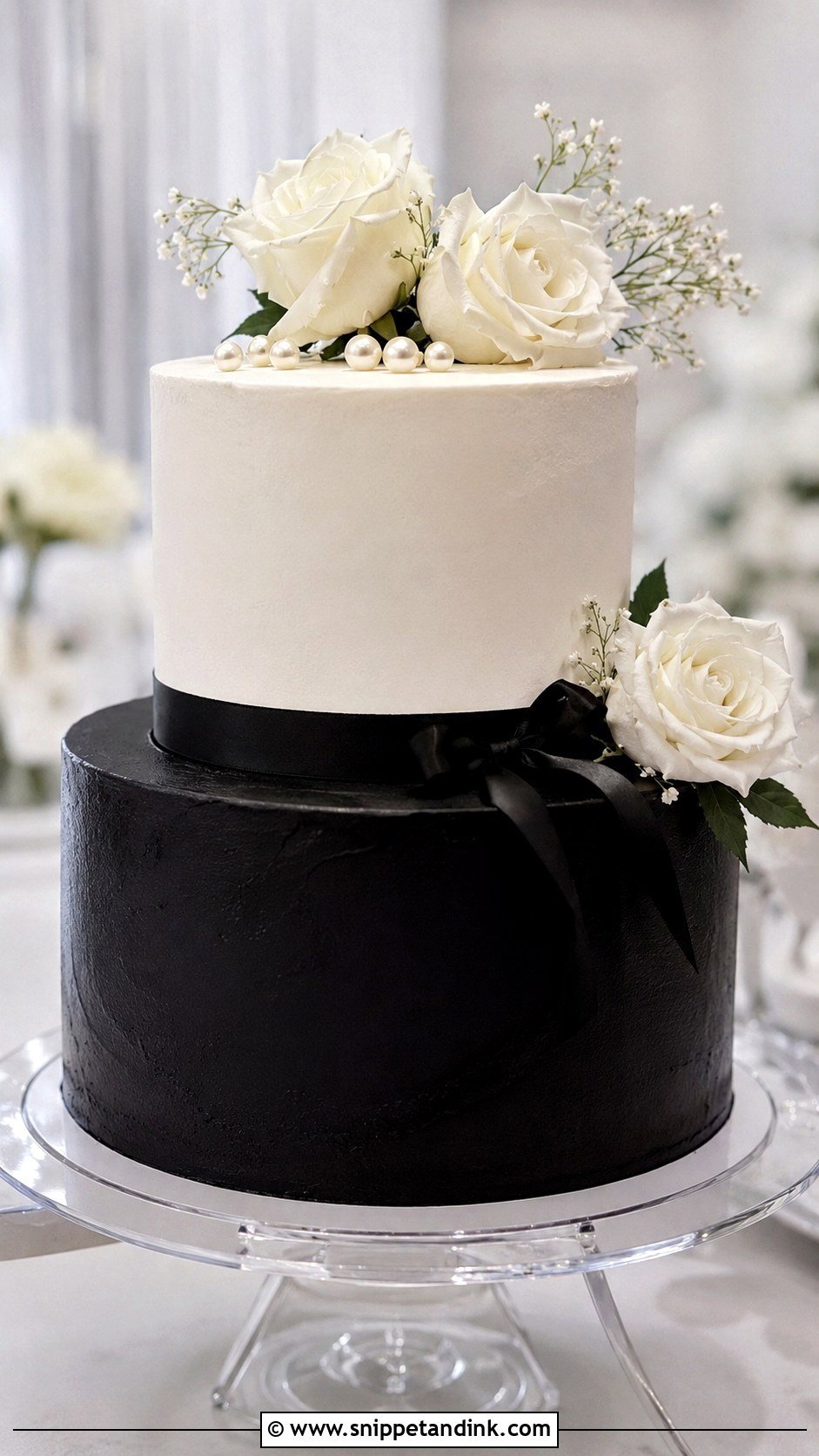
Black and white is graphic and modern: a black lower tier under white, black ribbon on white tiers, or black piping on ivory. True black frosting needs a lot of coloring and can mark mouths, so I usually make the black tier in fondant or use black cocoa, which gets very dark naturally. White roses, pearls or a hint of gold soften the contrast. Cookies and cream or vanilla bean suit it, on a white or clear stand.
13. Blue 2 Tier Wedding Cake
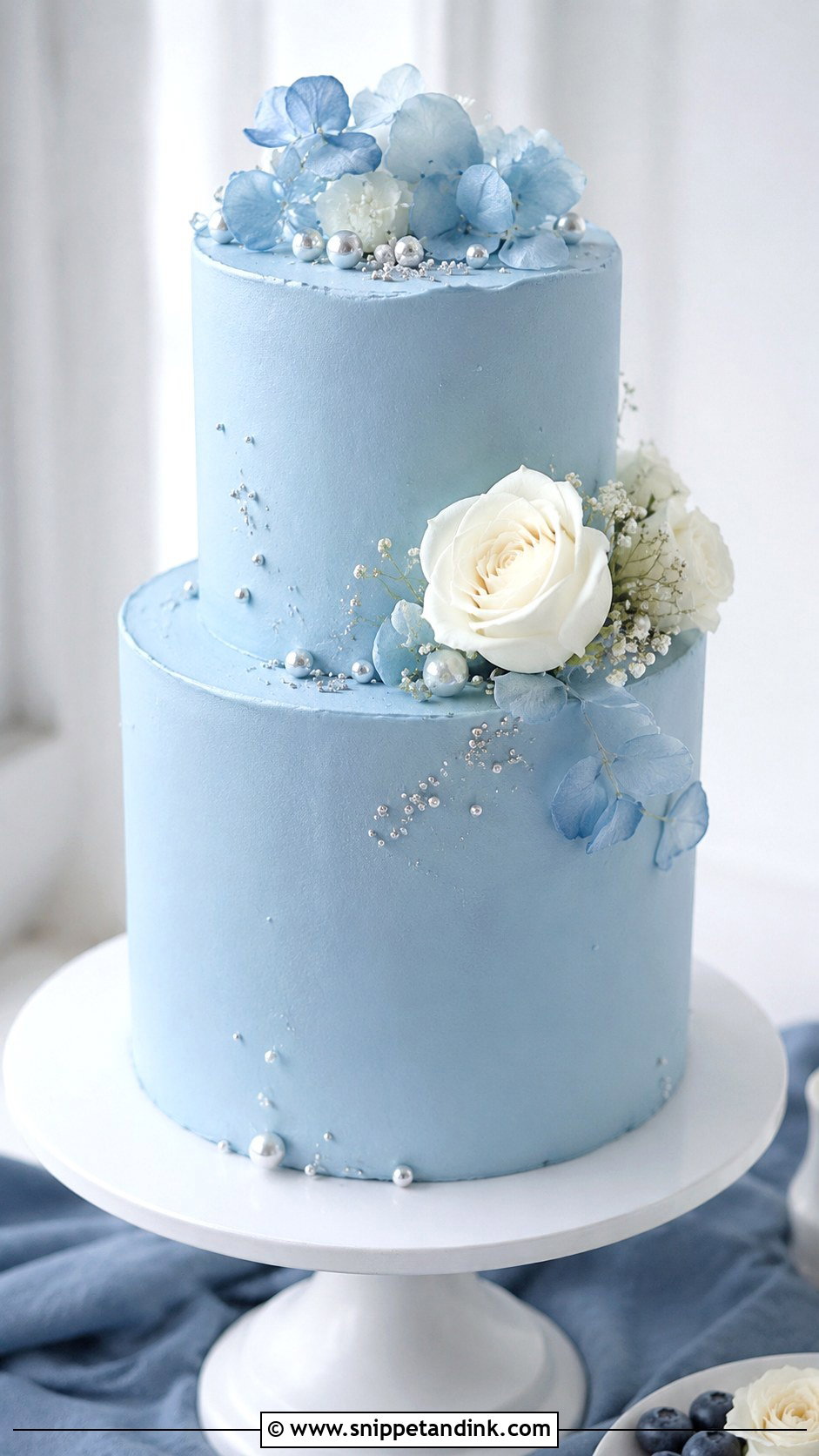
Blue changes character completely with the shade: pale blue is airy, dusty blue is elegant, navy is bold and evening-like. Blues mixed in buttercream can drift toward green, so ask to see a sample in daylight. White flowers, silver, pearls or a watercolor finish all suit it. Vanilla blueberry, lemon, coconut or white chocolate inside work well for a waterfront or spring reception.
14. Pink 2 Tier Wedding Cake
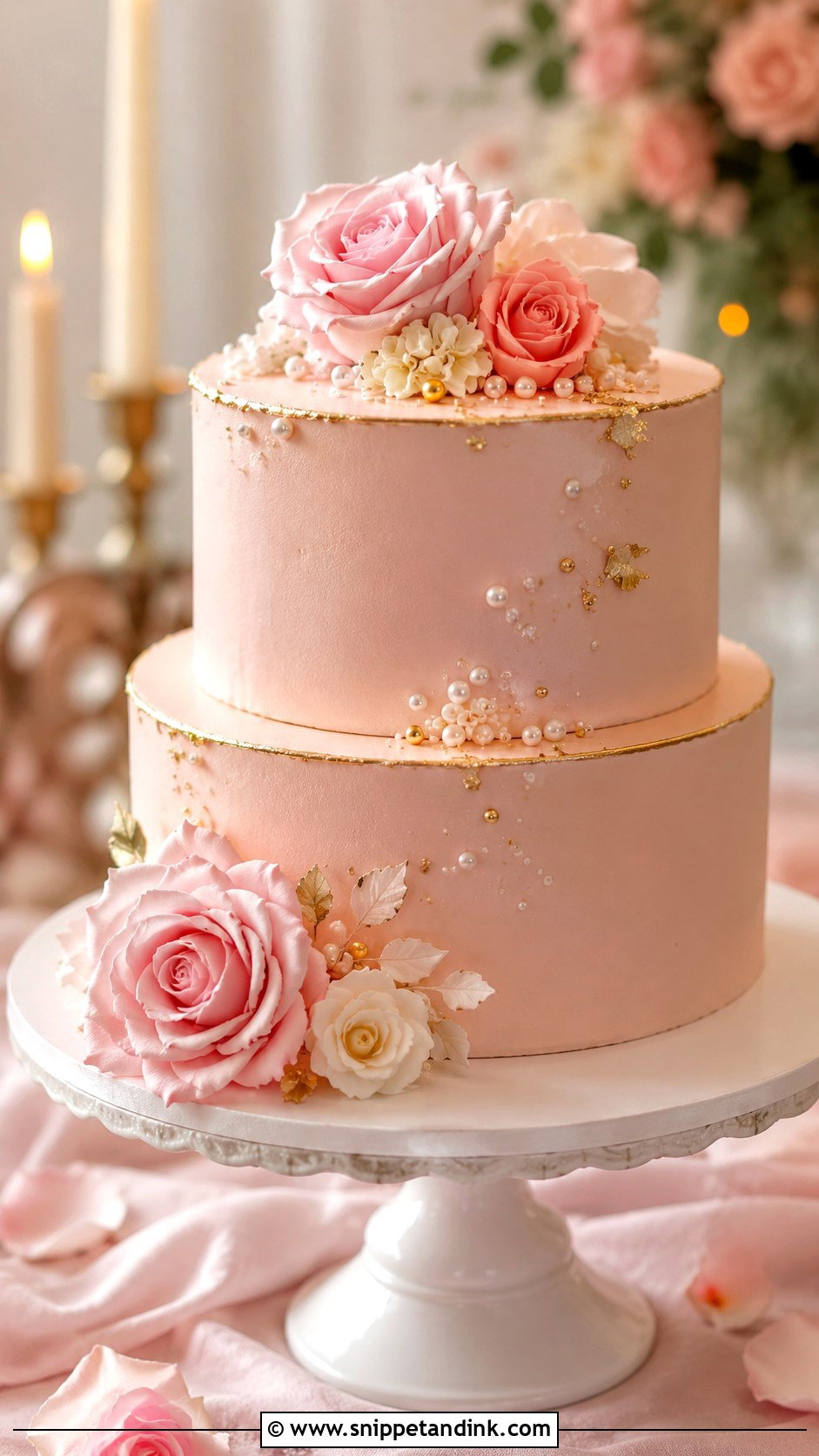
Pink can be classic in blush, grown-up in dusty rose or playful in brighter shades. Pale pink buttercream shows streaks easily, so it needs a careful hand on the scraper. A smooth finish with one bold flower cluster looks modern; piped borders and pearls look vintage. Vanilla raspberry, strawberry, rose or lemon inside, and it sits easily beside gold, ivory or sage.
15. Green 2 Tier Wedding Cake
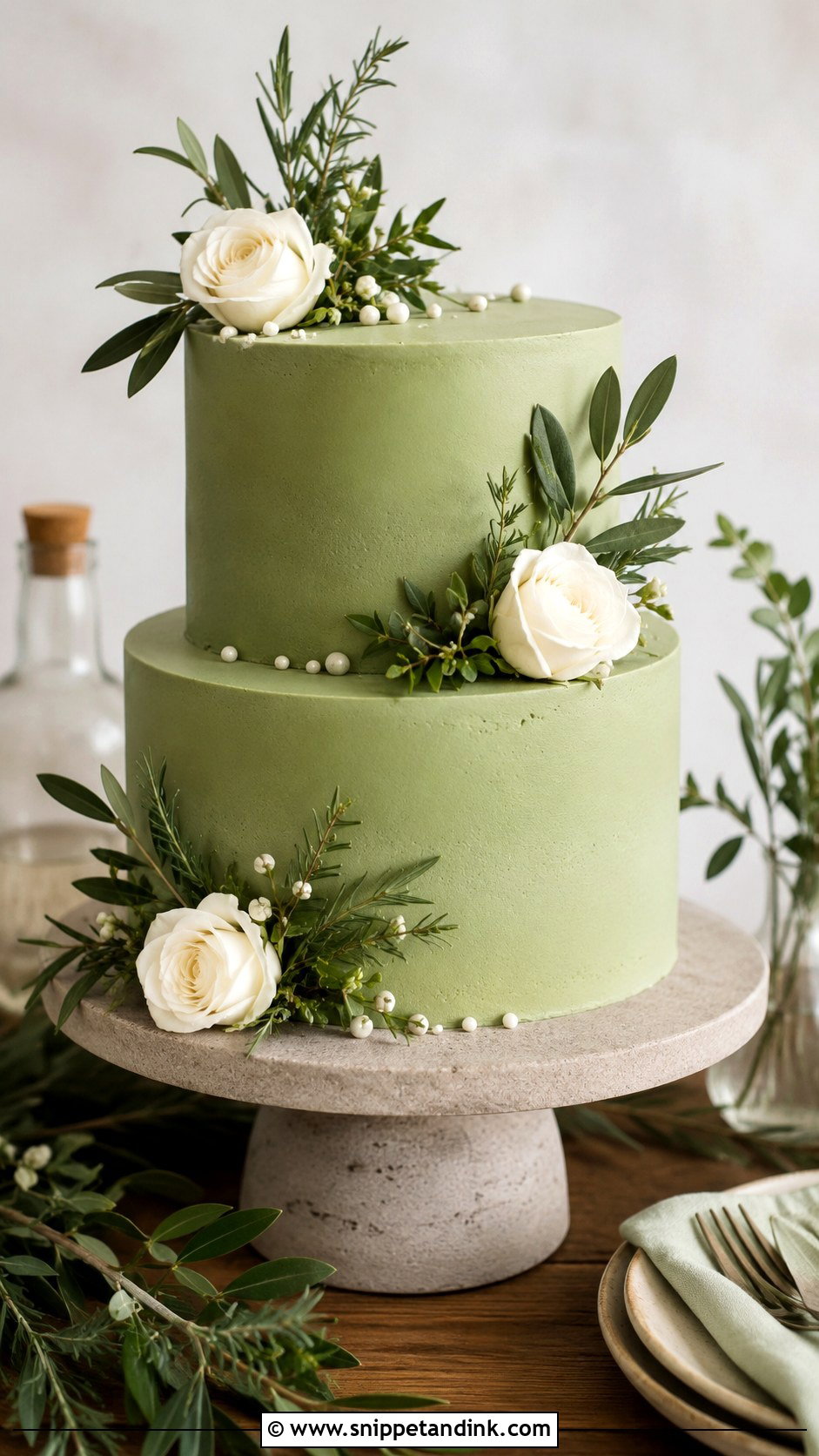
A green 2 tier wedding cake is easiest in sage, which acts almost like a neutral beside flowers. Olive leans rustic, emerald leans dramatic. I’d keep greens a little muted in buttercream, since bright greens can look artificial on a cake. Pressed herbs, white roses or painted botanicals decorate it, with pistachio, matcha vanilla or lemon inside, and ivory flowers or a few pearls keep it from feeling too earthy.
16. Beach 2 Tier Wedding Cake
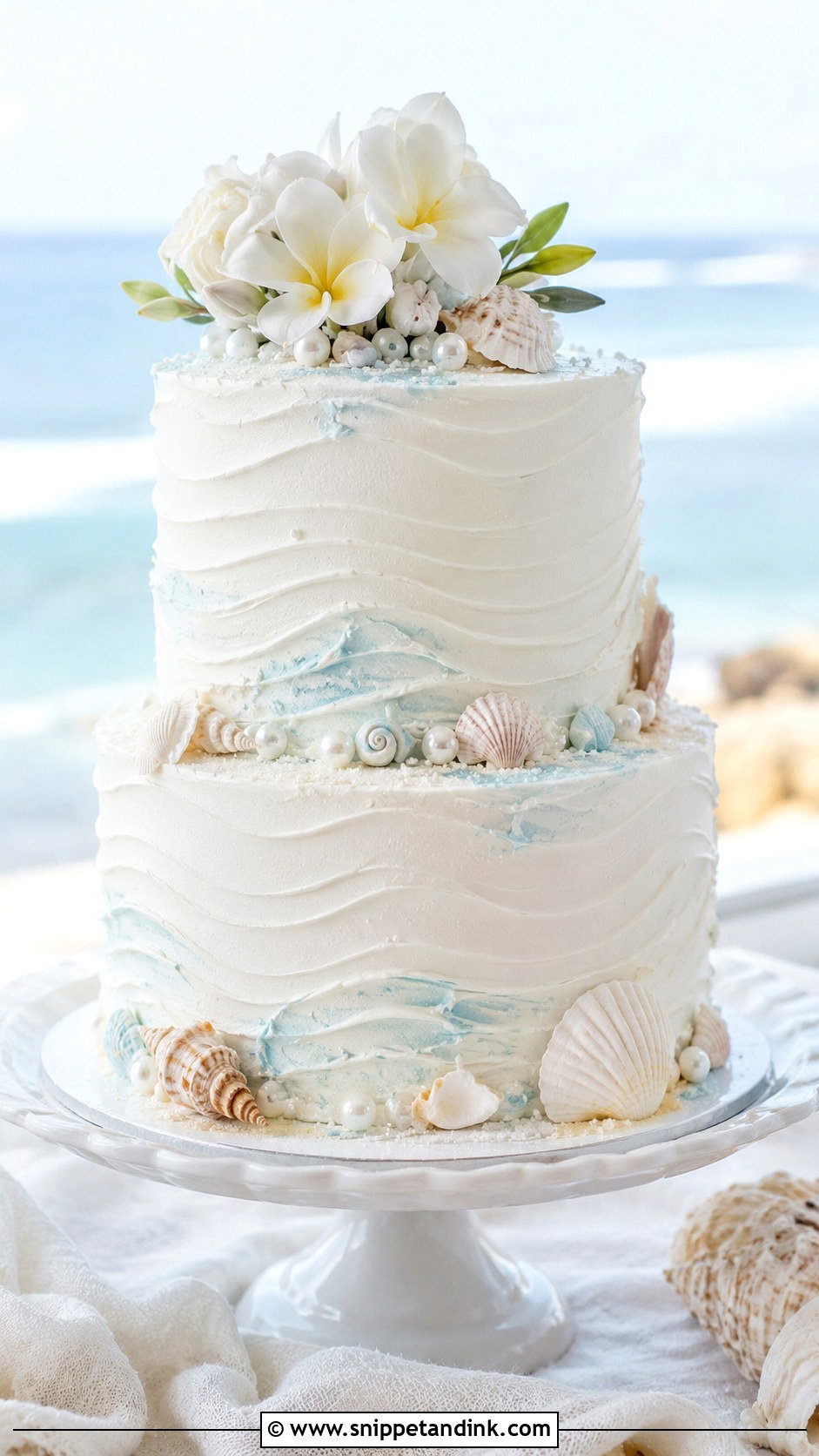
A beach 2 tier wedding cake works best with a light hand on the theme. White, sand, pale blue and sea-glass green, with buttercream combed into soft waves and a few edible shells or pearls, is plenty. The real challenge on a beach is heat, wind and sand, so I’d keep it in shade and covered until it’s needed, and choose a firmer frosting. Coconut, key lime, vanilla mango or passion fruit suit the setting.
17. Garden 2 Tier Wedding Cake
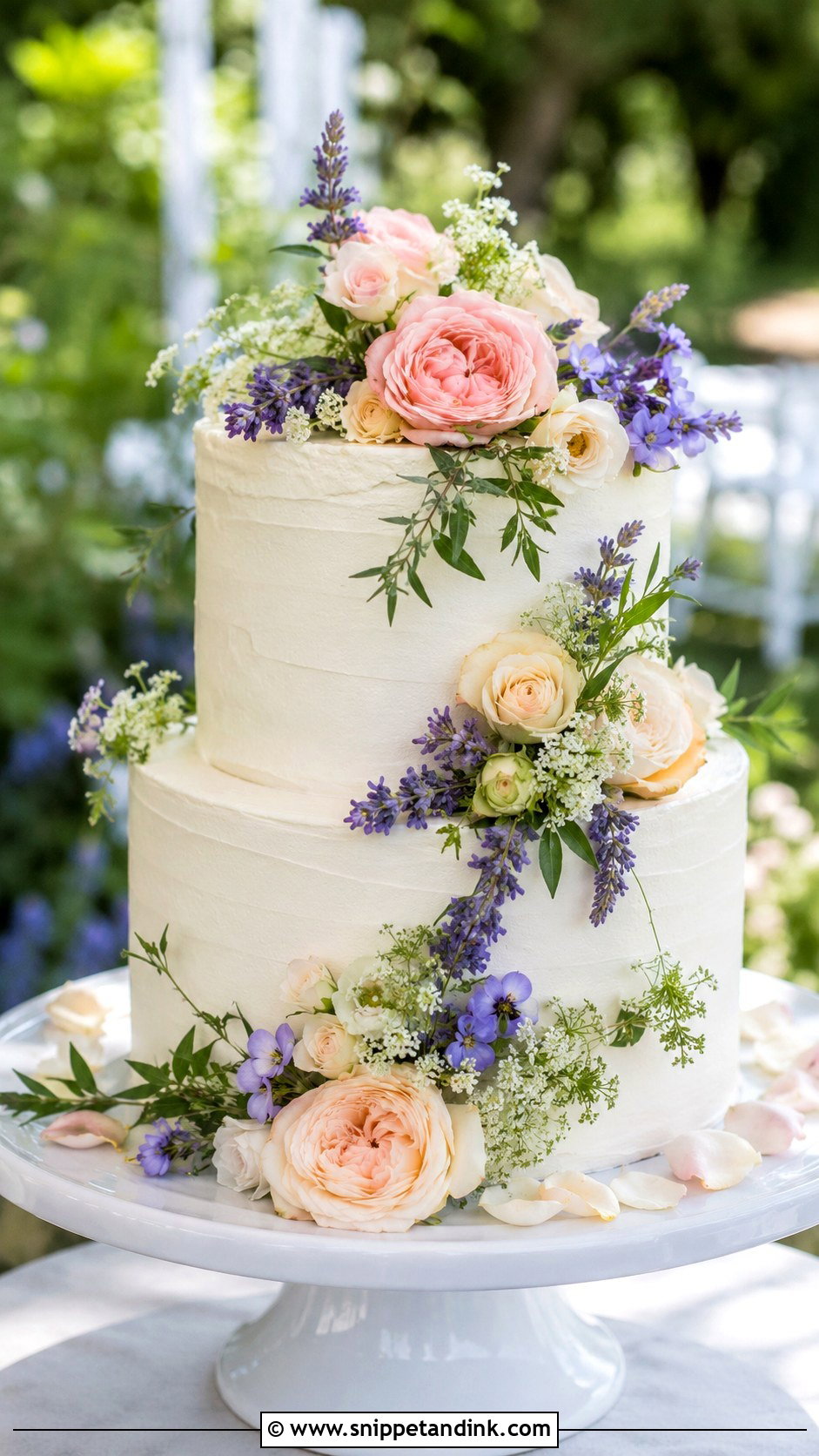
Garden cakes should look slightly loose, with flowers, herbs and edible blooms trailing from top to lower tier rather than set in a perfect ring. I build them asymmetrically on purpose; a garden cake that’s too even looks stiff. Lemon elderflower, lavender honey, pistachio or strawberry cream inside. A white or ceramic pedestal and a few petals around the base finish the table.
18. Boho 2 Tier Wedding Cake
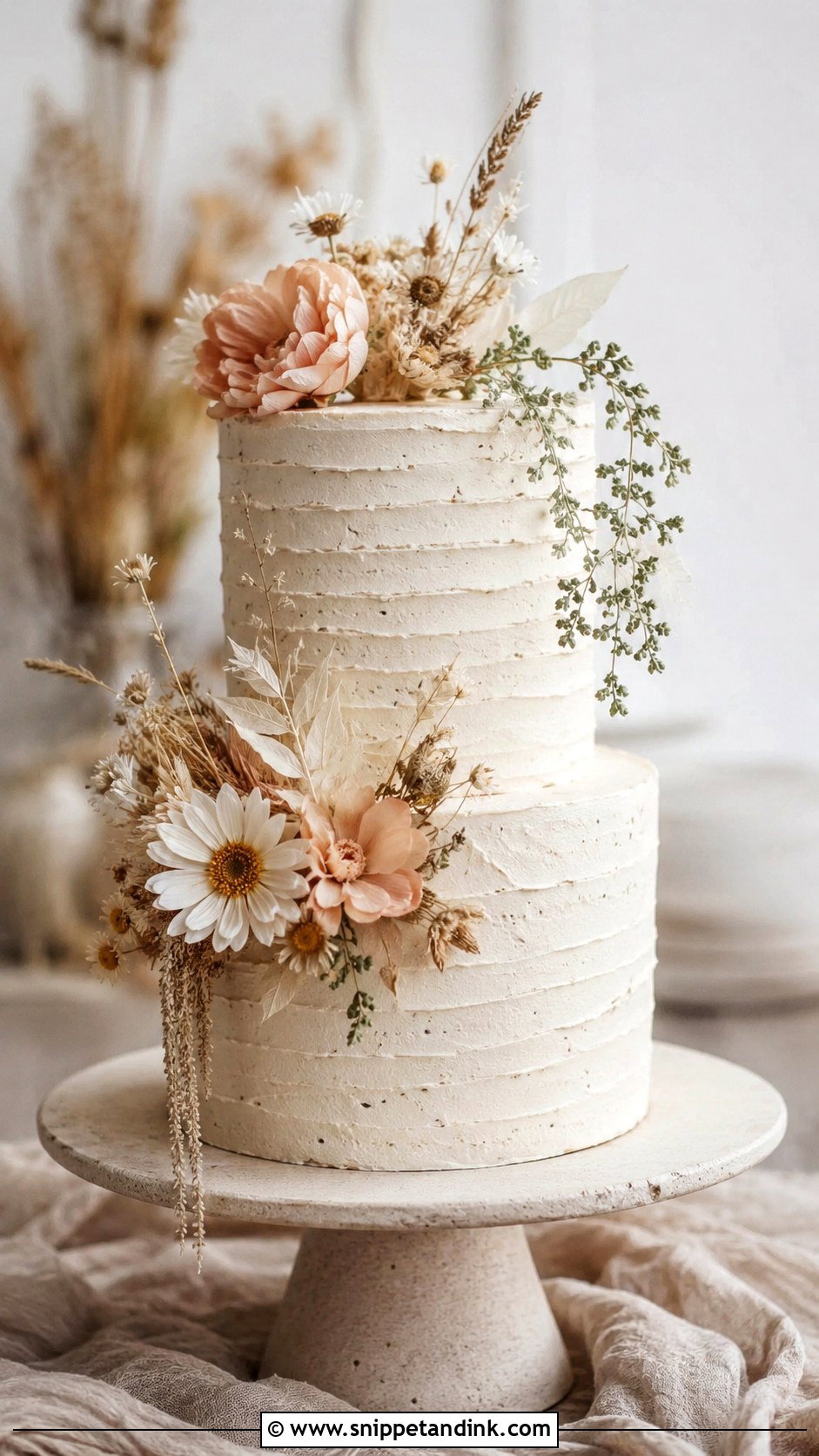
Boho cakes rely on texture and natural color: ivory buttercream, pressed flowers, dried grasses and pampas-like accents in cream, beige, terracotta, blush and sage. Dried decorations aren’t food-safe by default, so I keep stems out of the cake and use only what’s been prepared for food. Brown butter vanilla, chai spice, honey almond or caramel pear inside, on a stone or matte ceramic stand.
19. Square 2 Tier Wedding Cake
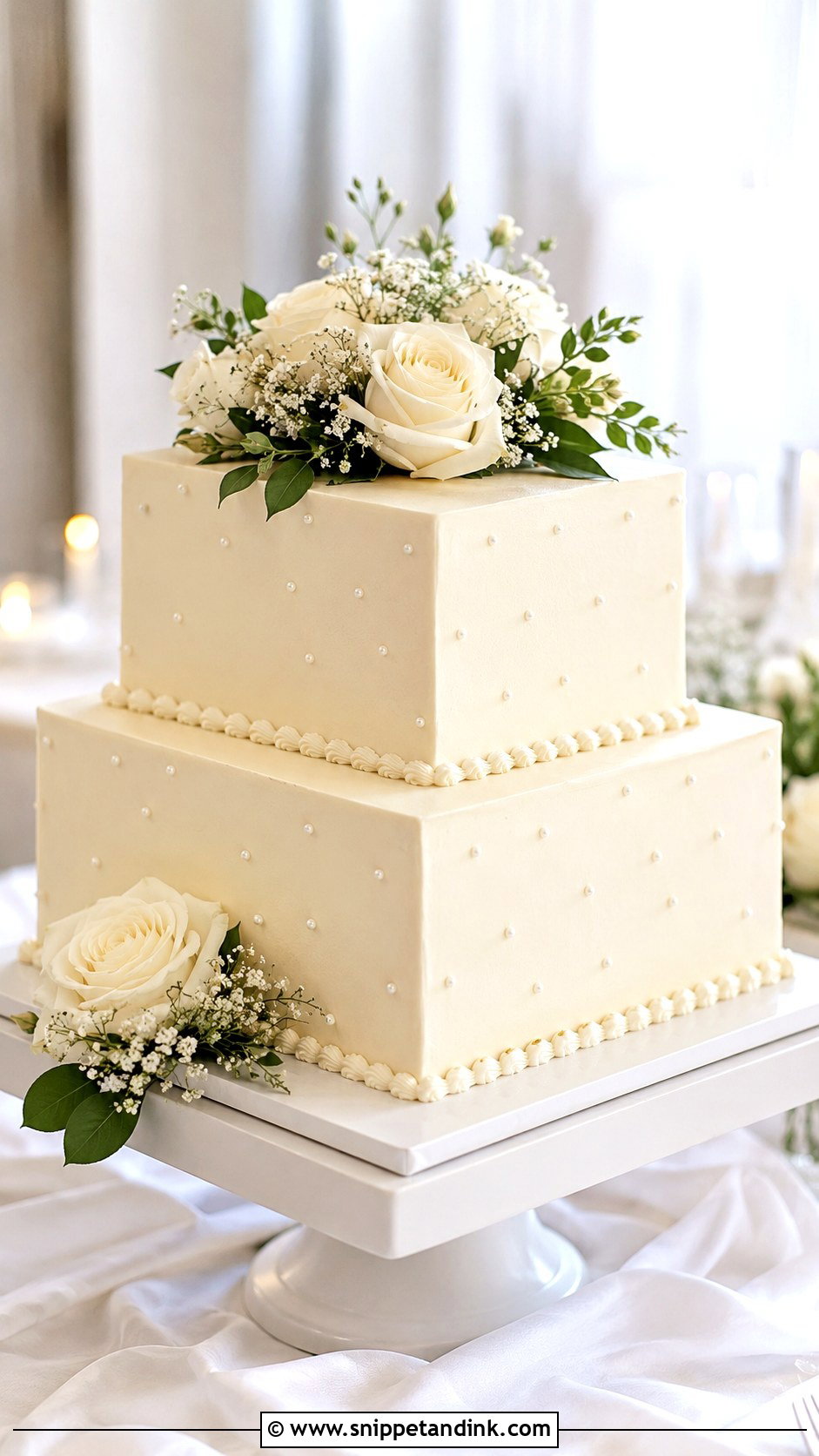
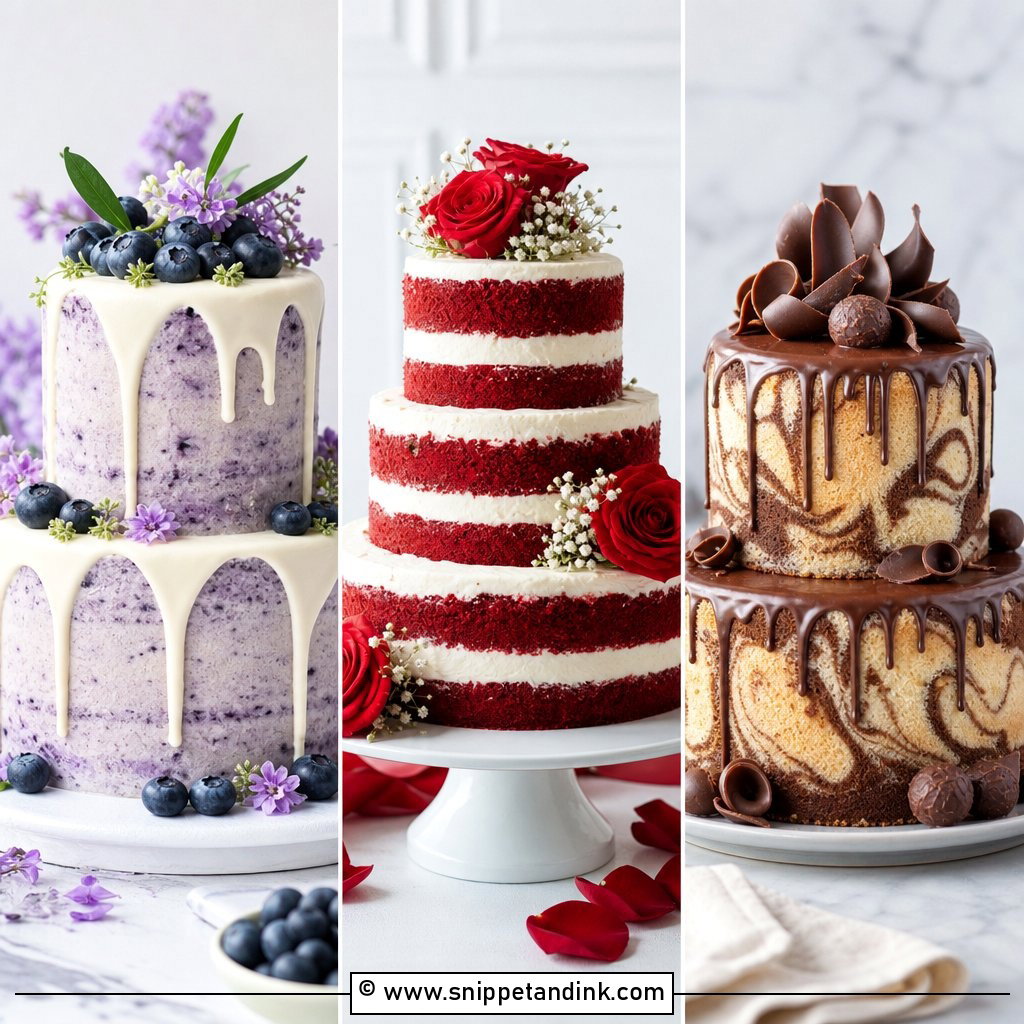
Square tiers feel less expected than rounds and look crisp in photos, but they’re harder to make: each corner has to be sharp, and buttercream corners are especially tricky. They do cut into neat, even portions. Keep them smooth and minimal, add piped borders, or soften a corner with flowers. Vanilla, chocolate, almond, lemon and red velvet all work.
20. Heart 2 Tier Wedding Cake
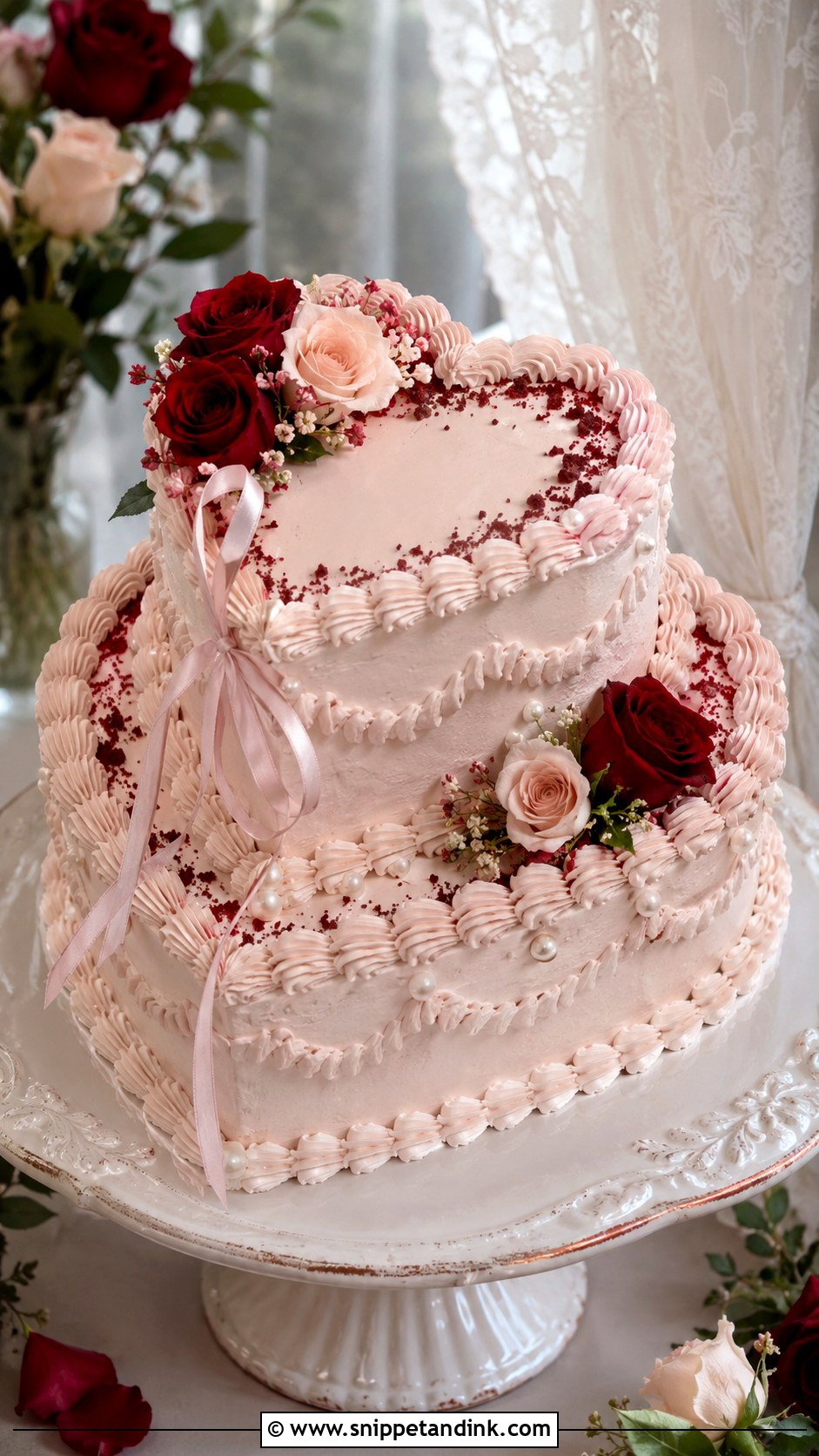
A heart 2 tier wedding cake is all about silhouette, so I keep decoration away from the point and the curve where it would blur the shape. Vintage versions use piped borders and pearls; modern ones are smooth with a clean outline. Ivory, blush and soft red suit it. Red velvet, strawberry vanilla or chocolate cherry inside, with a small floral topper or ribbon.
Fillings That Stay Put Through a Long Reception
Flavor is half the reason to order a cake, and the filling decides whether it survives the day. Fruit curds, jams, ganache and buttercream fillings hold their shape for hours at room temperature. Fresh whipped cream, custards, mousses and fresh fruit layers taste wonderful but need refrigeration, and they can make tiers slide in a warm room. If you love one of those, I’d plan to keep the cake chilled until shortly before cutting, or save it for a cooler, indoor venue.
I’d also suggest giving each tier a different flavor. On two tiers that’s an easy way to offer a choice, as long as the flavors are cut and served separately.
Saving the Top Tier for Your First Anniversary
On a two-tier cake the top tier is often a third of the servings, so decide before the day whether it’s being eaten or kept. If you’re keeping it, ask the venue to box it straight after the cutting. At home, chill it uncovered for an hour so the frosting firms, then wrap it tightly in several layers of plastic wrap and foil and freeze it.
Buttercream, fondant and dense sponges freeze well. Fresh fruit fillings, whipped cream and custards don’t, and fresh flowers must come off first. When the anniversary arrives, thaw it in the fridge overnight, still wrapped, so condensation forms on the wrapping rather than the cake. A year in the freezer dulls any cake, so think of it as tradition rather than dessert; a small fresh cake from your baker is a perfectly good alternative.
Two Tiers, Fully Considered
Two tiers sits between a small cutting cake and a tall traditional display: enough height for photos, enough surface for decoration and enough flexibility for nearly any style. Start from your venue and guest count, then let flavor lead before decoration. Bring a few favorite examples to the tasting, and ask your baker about servings, delivery and setup time in the same conversation.
You'll Like These Ideas:



Leave a Reply