
A small cake gives a decorator something a five-tier cake never does: time. With fewer inches to cover, I can spend the afternoon on the piping, the pearls, the lace piping and the sugar flowers that make a vintage cake read as handmade rather than mass-produced. That’s why these old-fashioned styles suit courthouse receptions, backyard dinners and elopements so well. The guest list is short, but the cake still gets its moment at the table. Below are twenty petite vintage designs, with notes from the bench on how each one is built and where it can go wrong.
Sizing a Petite Cake for a Guest List Under Forty
The first question I ask on a small-wedding enquiry isn’t about colour. It’s how many people will actually eat cake. Wedding portions are cut as slim fingers, roughly one inch by two, which is far smaller than a birthday slice, so a little cake goes further than couples expect.
- A six-inch round, about four inches tall, gives around a dozen wedding portions.
- An eight-inch round roughly doubles that, to the low twenties.
- A six-inch tier on an eight-inch tier covers about thirty-five guests.
- Squares cut more efficiently than rounds, so a six-inch square serves a few more than the round.
- Hearts and ovals lose portions at the points and curves, so size up slightly.
If you’re serving a plated dessert as well, I usually suggest planning for about two thirds of your guests. If the cake is the only sweet thing, plan for everyone, and add a few extra slices for the couple to take home. Charts vary a little between bakers, so treat these as starting points rather than promises.
Why Old-Style Piping Needs a Stiffer Frosting
Most of the cakes below depend on piped work: shells, swags, ruffles and overpiped scrolls. That work is only as good as the frosting underneath it. A silky Swiss meringue buttercream is lovely to eat, but it softens fast and won’t hold sharp layers in a warm room. For heavy Lambeth-style piping, I use a firmer crusting buttercream, or I chill the cake between layers so each line sets before the next goes on.
Ask your baker which buttercream they plan to pipe with, and whether the cake will be displayed indoors or out. If the answer is a summer garden in full sun, it’s worth choosing fondant details or keeping the piping shallow. Deep buttercream swags are the first thing to sag when the temperature climbs.
1. Vintage Small Lambeth Wedding Cake
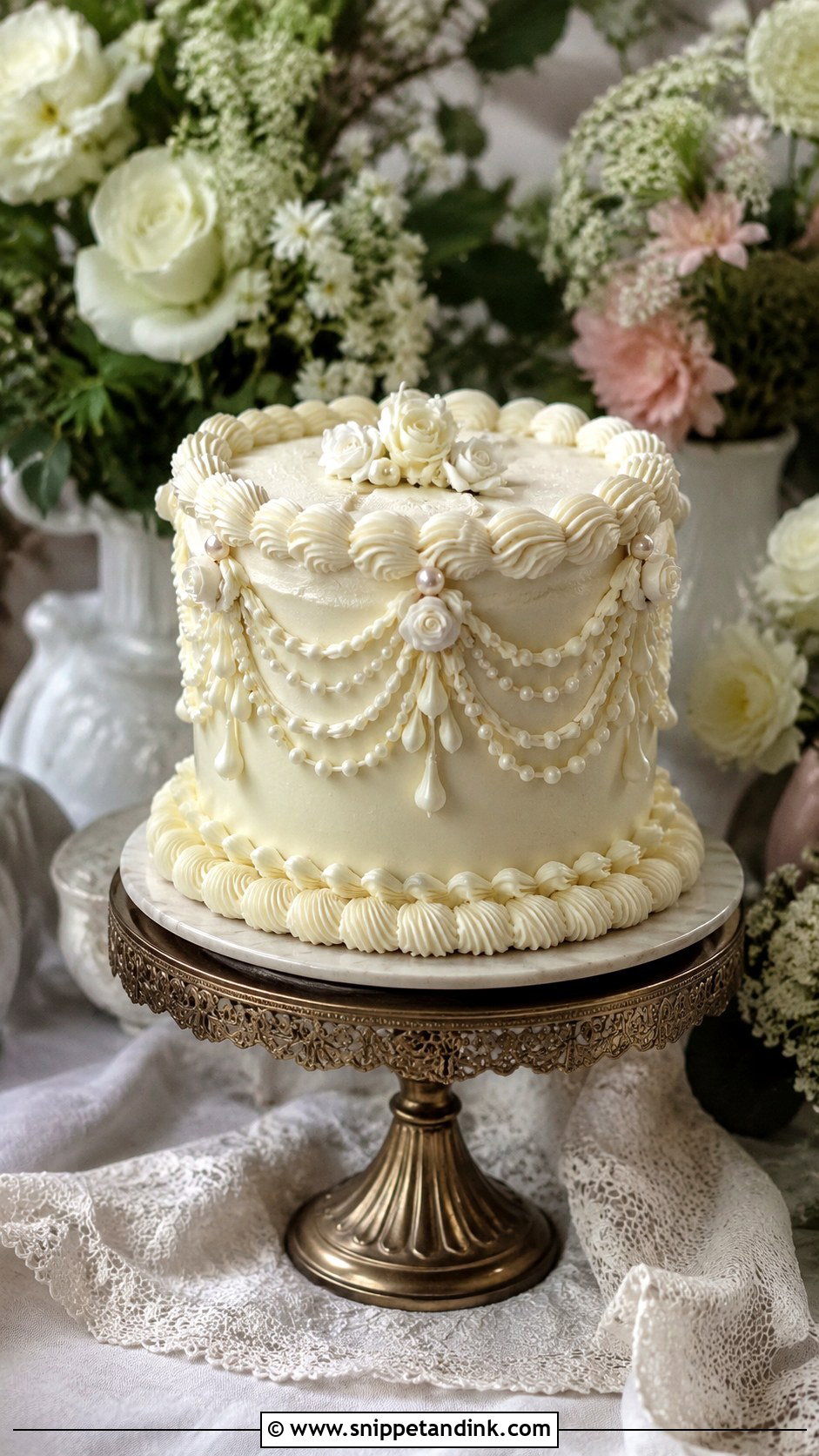
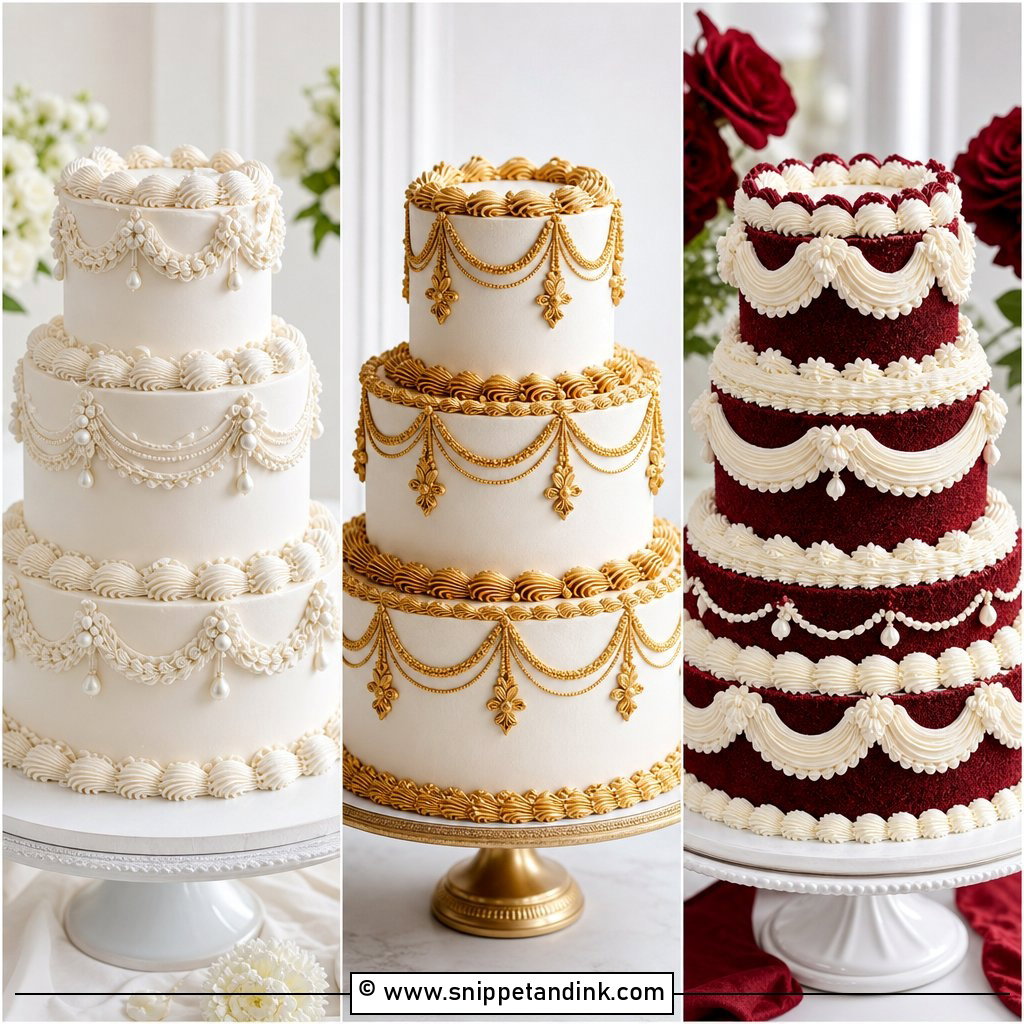
Lambeth is the method most people picture when they say “vintage”: layer upon layer of overpiped scrolls, shells, swags and tiny pearls, each line built on top of the last until the border stands proud of the cake. On a single tier that depth does the work height would normally do, so even a six-inch cake looks substantial. I pipe these in a stiff, crusting buttercream, because a soft meringue buttercream slumps under its own weight once the third layer goes on. Ivory is the classic, but butter yellow and pale blue Lambeth cakes have a cheeky charm. Set it on a pedestal so the lower swags aren’t lost against the tablecloth.
2. Vintage Small Heart Wedding Cake
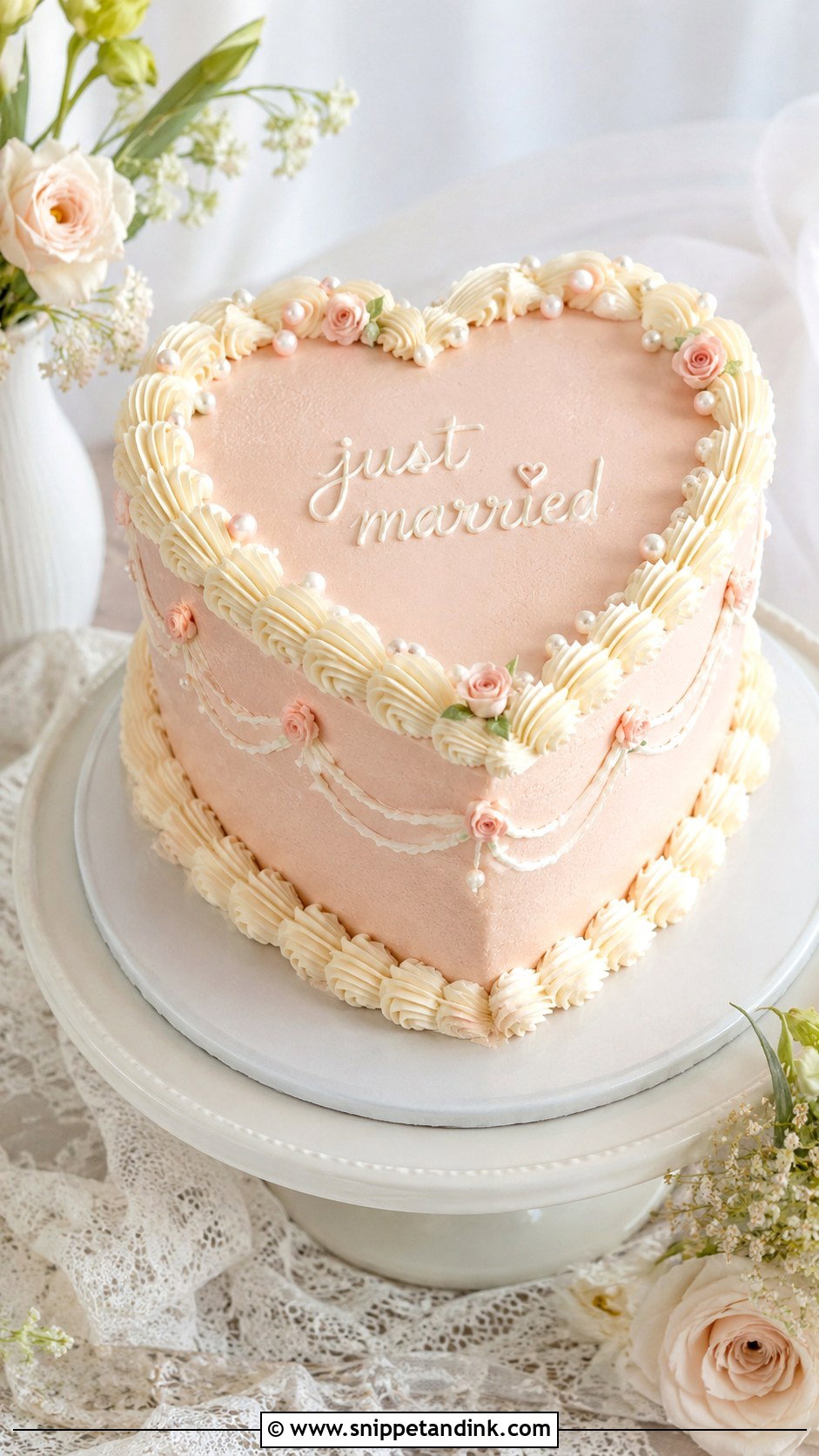
The heart shape already says what it needs to say, so I keep the decoration to a shell border, a couple of piped bows and a scattering of edible pearls. Hearts are fussier to ice than rounds. The point and the dip at the top are where buttercream tears or looks lumpy, and that’s where a good decorator slows down. A short message on top, “just married” in a simple script, is plenty. These sit well at elopement lunches and bridal brunches where one sweet centrepiece is all the table needs.
3. Vintage Small Pearl Wedding Cake
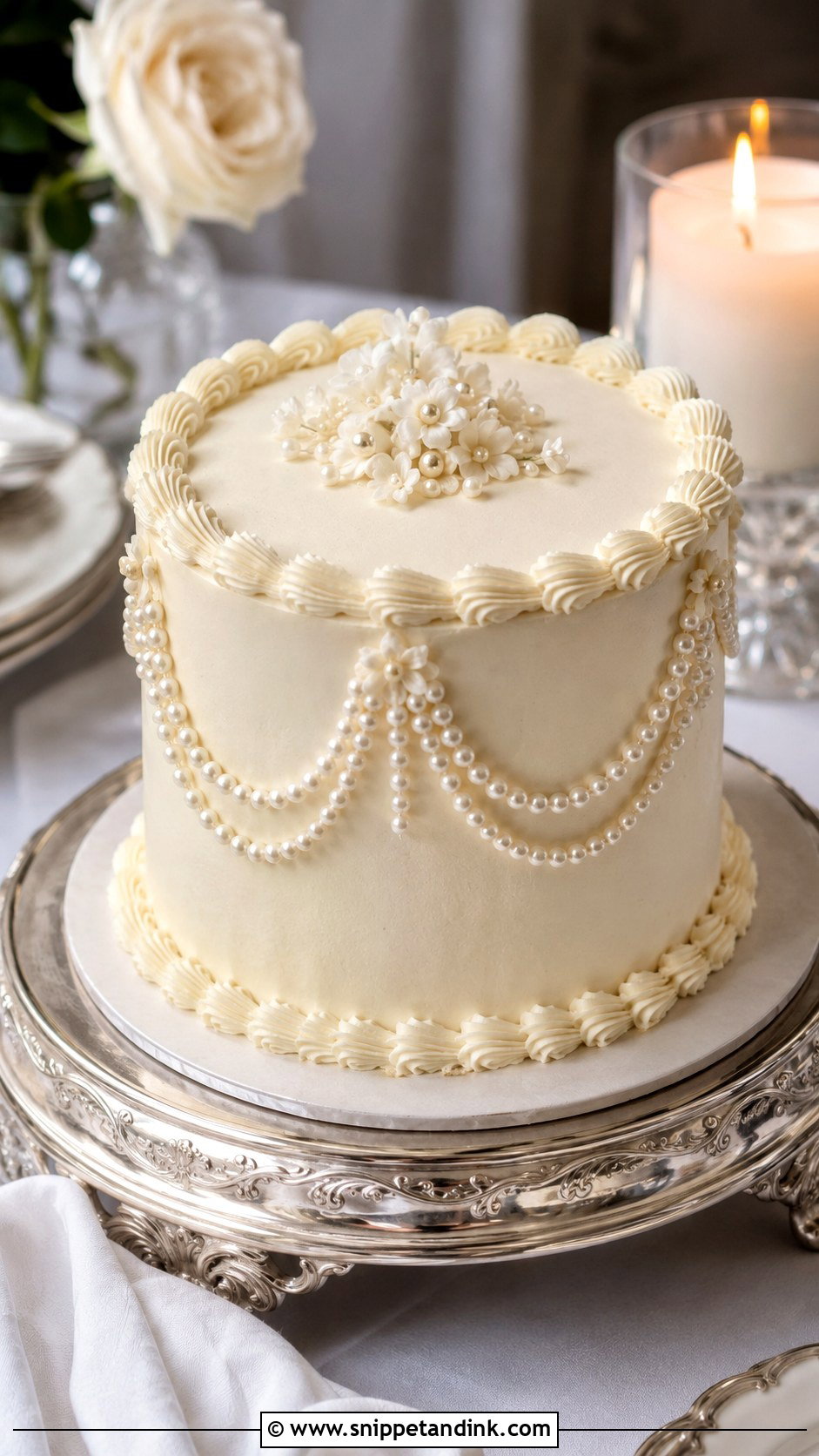
Spacing is the whole skill with pearls. I mark the cake with a ruler and a scribe before a single dragée goes on, because pearls placed by eye drift, and a drifting line is the first thing a camera catches. Go too dense and the cake starts to look like it’s wearing armour. A smooth ivory or champagne finish with one disciplined pearl border, or pearls set at the drop points of piped swags, is enough. One practical note: hard sugar pearls are crunchy, so I warn couples and keep them off the slices where I can.
4. Vintage Small Lace Wedding Cake
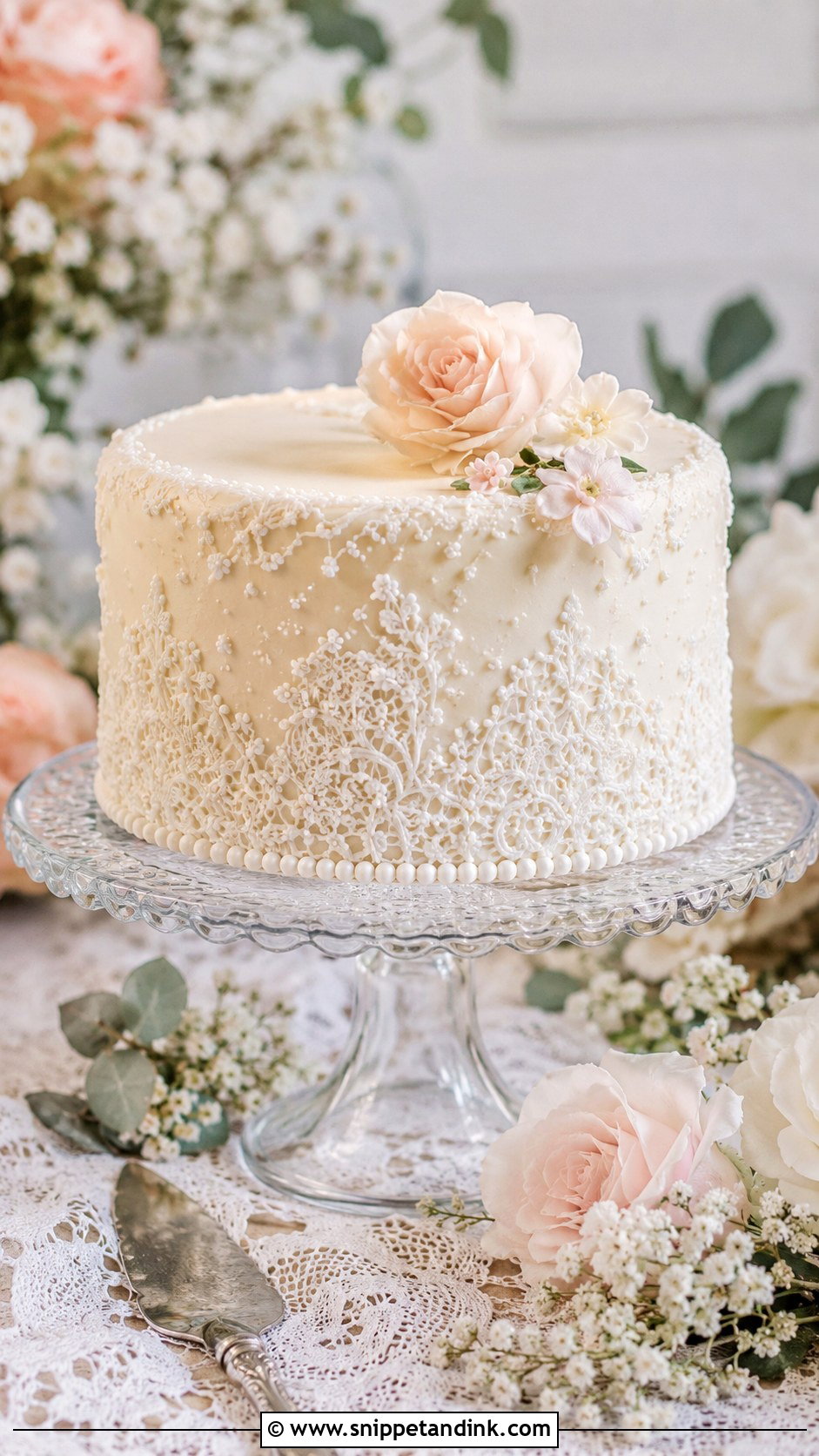
Lace on a petite cake works best as a panel or a band, not a full wrap. Cover every inch and the pattern turns to noise from more than a metre away. I’ll match the motif to the gown if the couple sends me a close-up of the fabric, using either fine piping, a silicone-moulded sugar lace or a stencil pressed into chilled buttercream. Stencilling only works on a properly cold cake; on soft frosting the stencil drags and smears. White on white is traditional, and ivory lace over a blush base reads warmer in candlelight.
5. Vintage Small Buttercream Wedding Cake
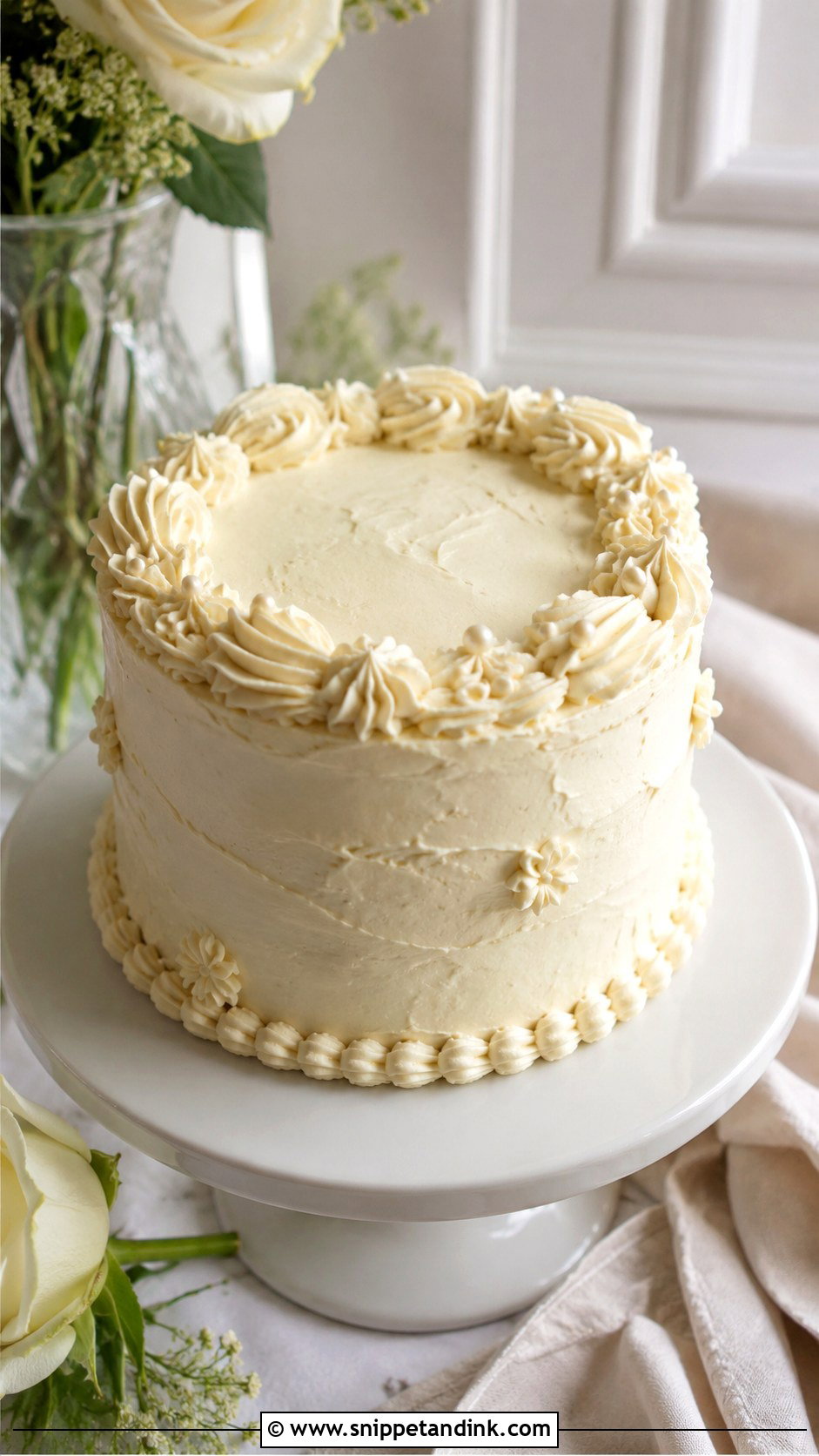
Not every vintage cake needs a glassy finish. Some of my favourite small cakes keep visible spatula strokes and a few piped rosettes, which is closer to how home bakers decorated in the forties and fifties anyway. Couples who find fondant too formal usually land here. The trade-off is heat. Buttercream softens quickly in a warm marquee, so a textured finish is more forgiving than a sharp-edged one when it starts to relax. Vanilla with raspberry, lemon, and almond with strawberry all sit naturally under this style.
6. Vintage Small Floral Wedding Cake
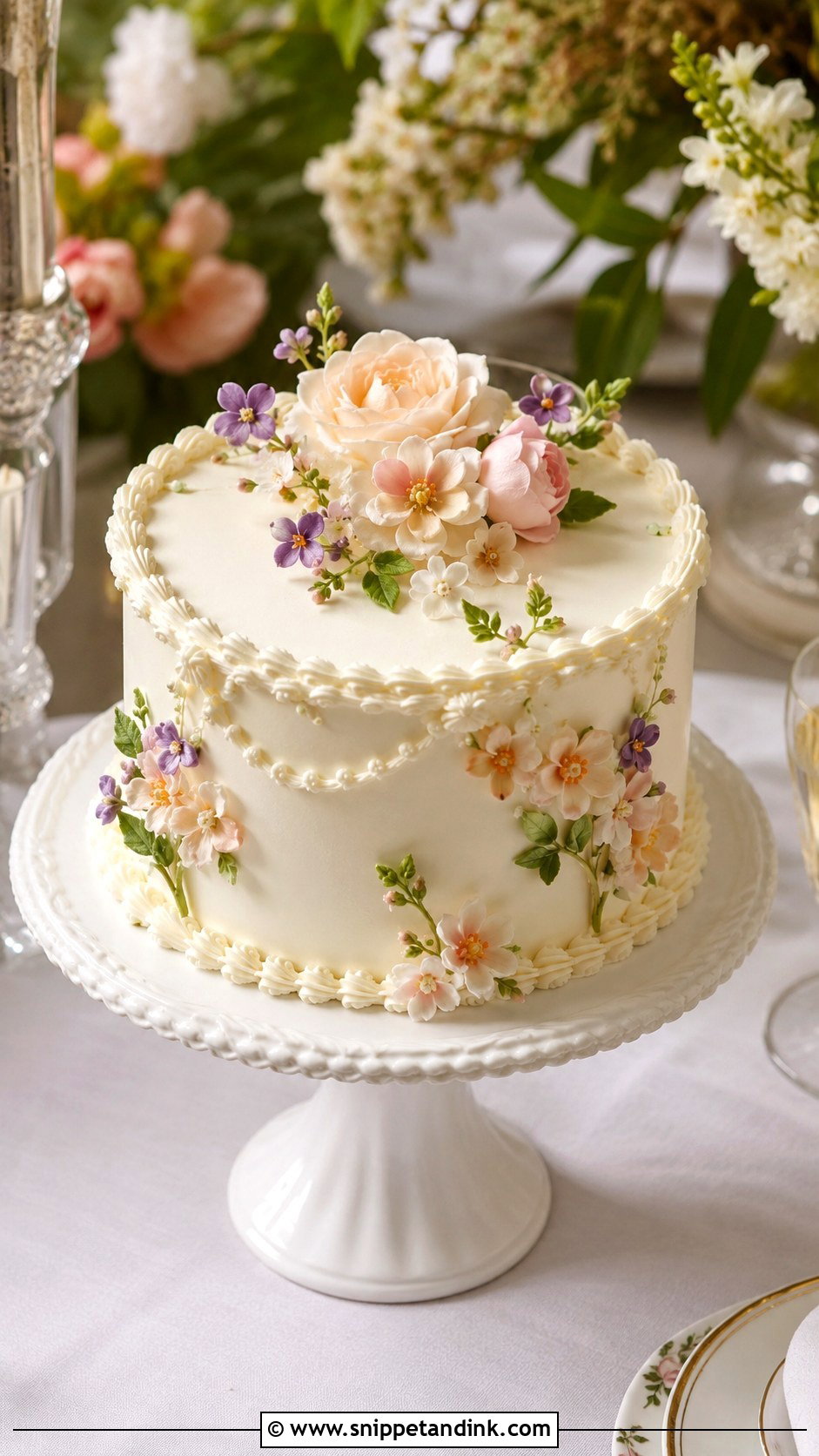
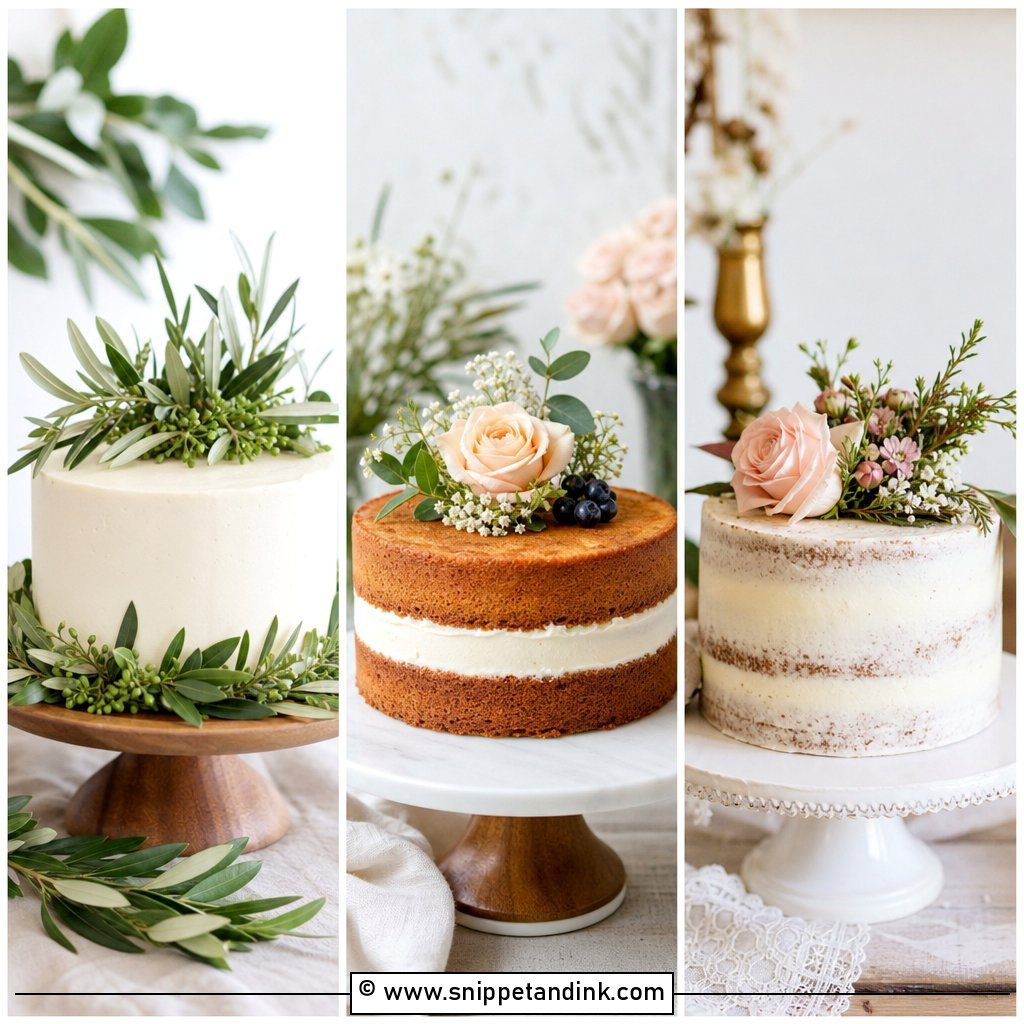
Flowers bring colour to a cake that can’t rely on height, and you have four routes: fresh, sugar, pressed or piped. For a vintage feel I lean on cottage blooms, such as sweet peas, small roses, violets and pansies, in faded rather than saturated shades. Fresh flowers must be pesticide-free and kept off the icing with a barrier, since many common blooms aren’t food-safe even if they look harmless. Pressed edible flowers are my favourite for spring, because they lie flat, travel well and never wilt by dessert time.
7. Vintage Small Two Tier Wedding Cake
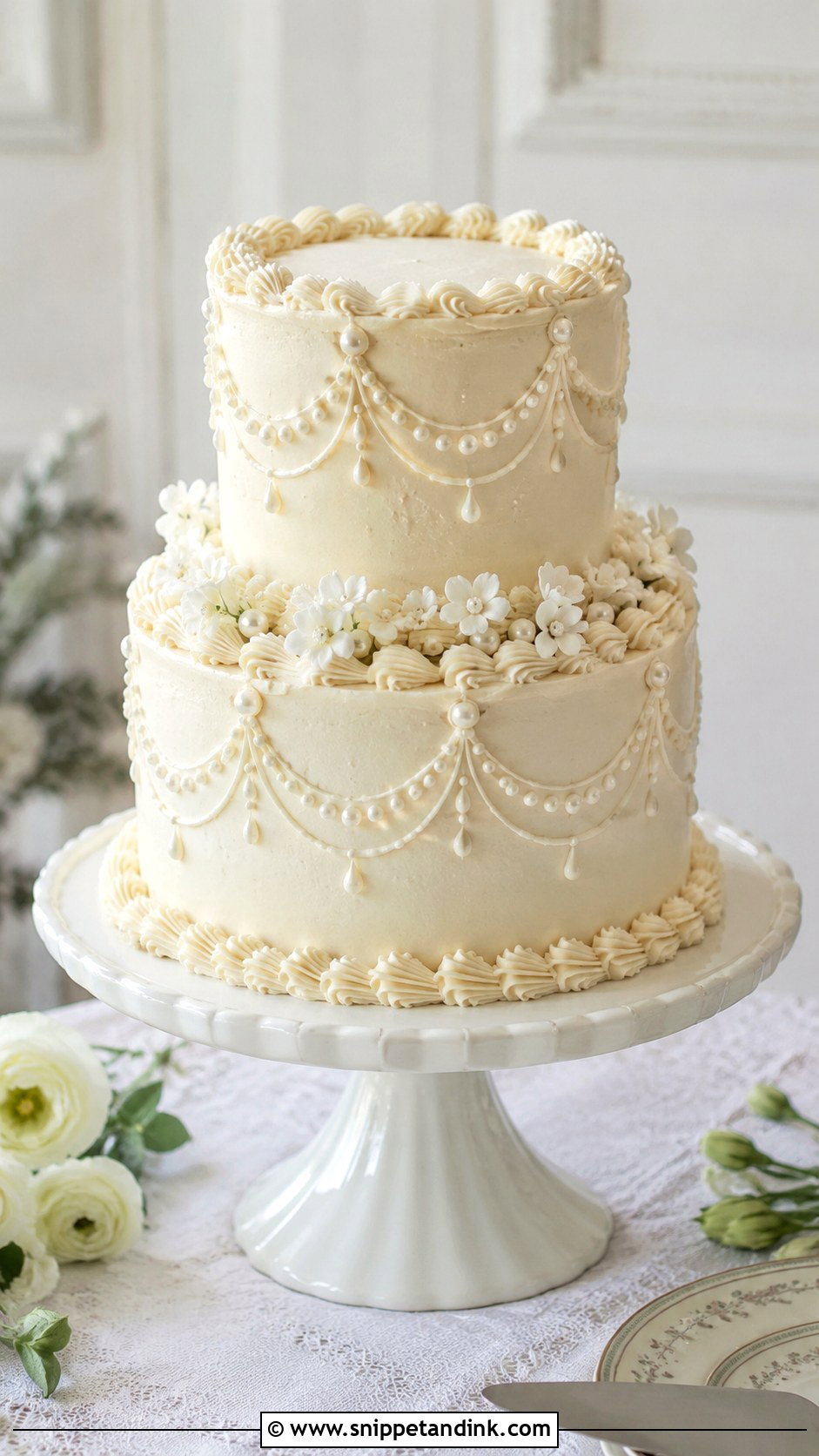
Two short tiers give you the silhouette of a traditional wedding cake without the leftover problem. I like the vintage proportion of squat tiers, around four inches each, rather than the tall modern double-barrel. Every tier above the base needs dowels and a cake board, even when the cake is small, or the lower tier compresses by evening. Put most of the detail on the top tier and keep the base quieter. The eye goes up, and the cake looks better balanced.
8. Vintage Small White Wedding Cake
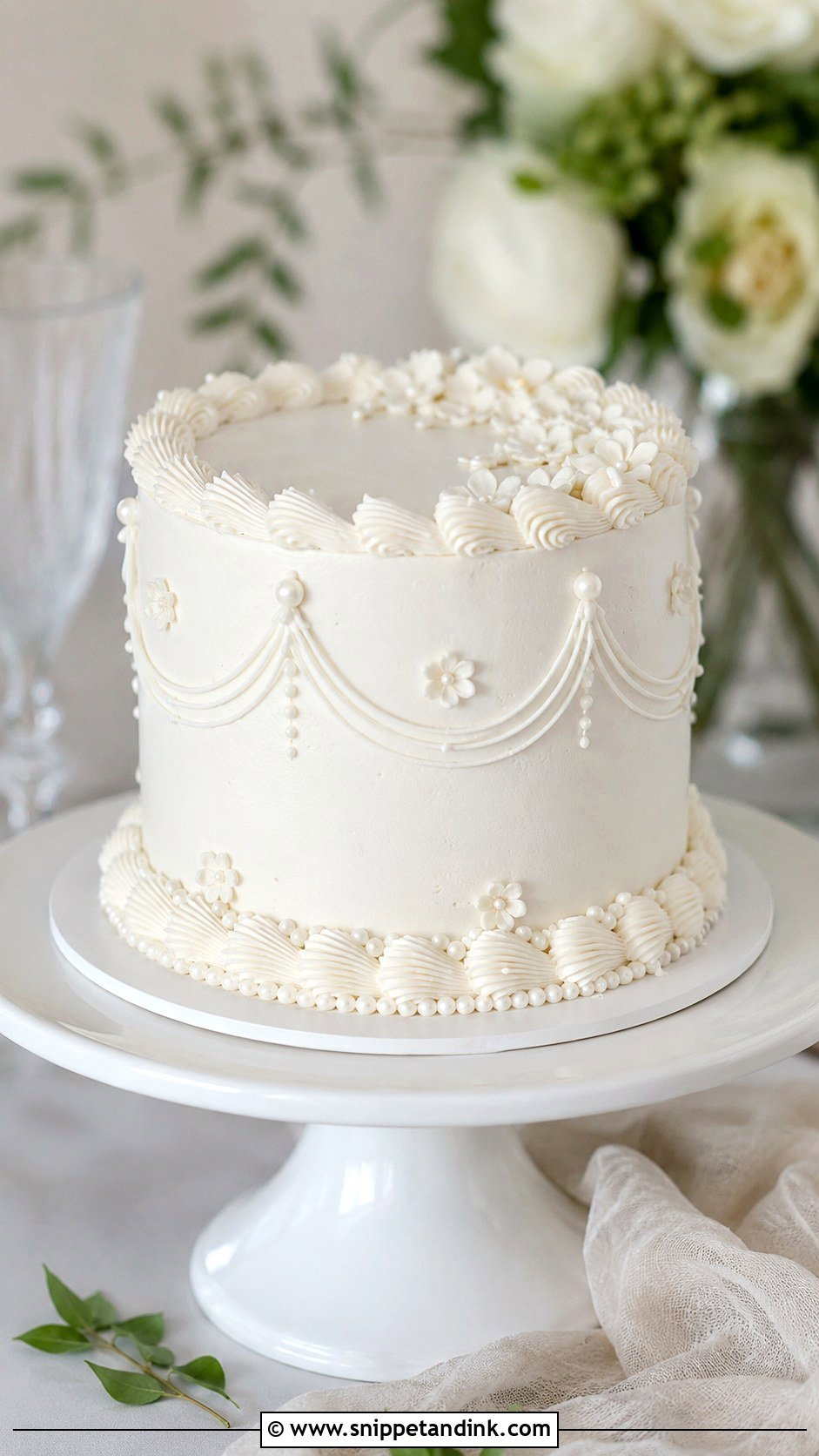
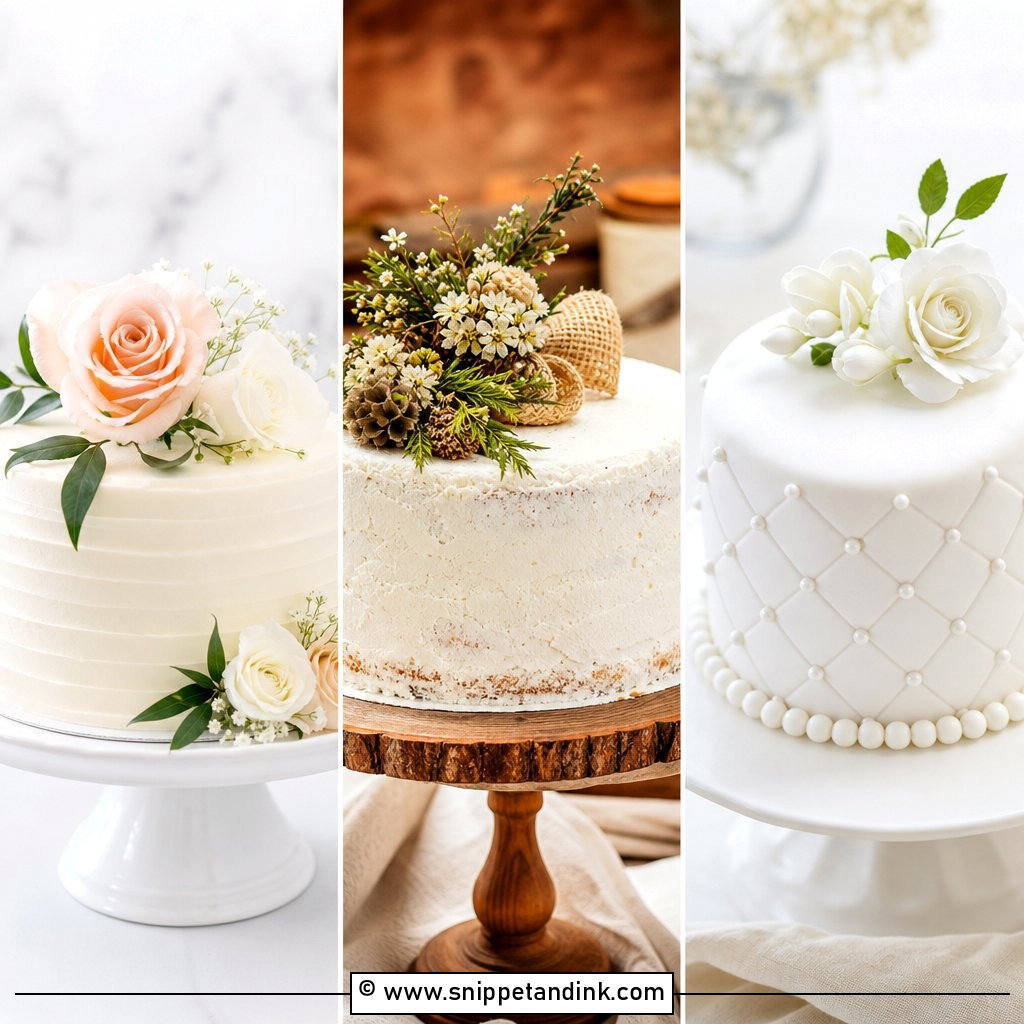
A white cake lives or dies on texture, because with no colour to carry it, the shadows in the piping are the design. Shell borders, small swags, quilting impressed into fondant or a lace band all catch side light and give the photographer something to work with. Flat white with nothing on it looks unfinished on camera. True white buttercream needs a little violet colour to cancel the yellow of the butter, and that’s worth asking your baker about if you want it to match a bright white gown.
9. Vintage Small Pink Wedding Cake
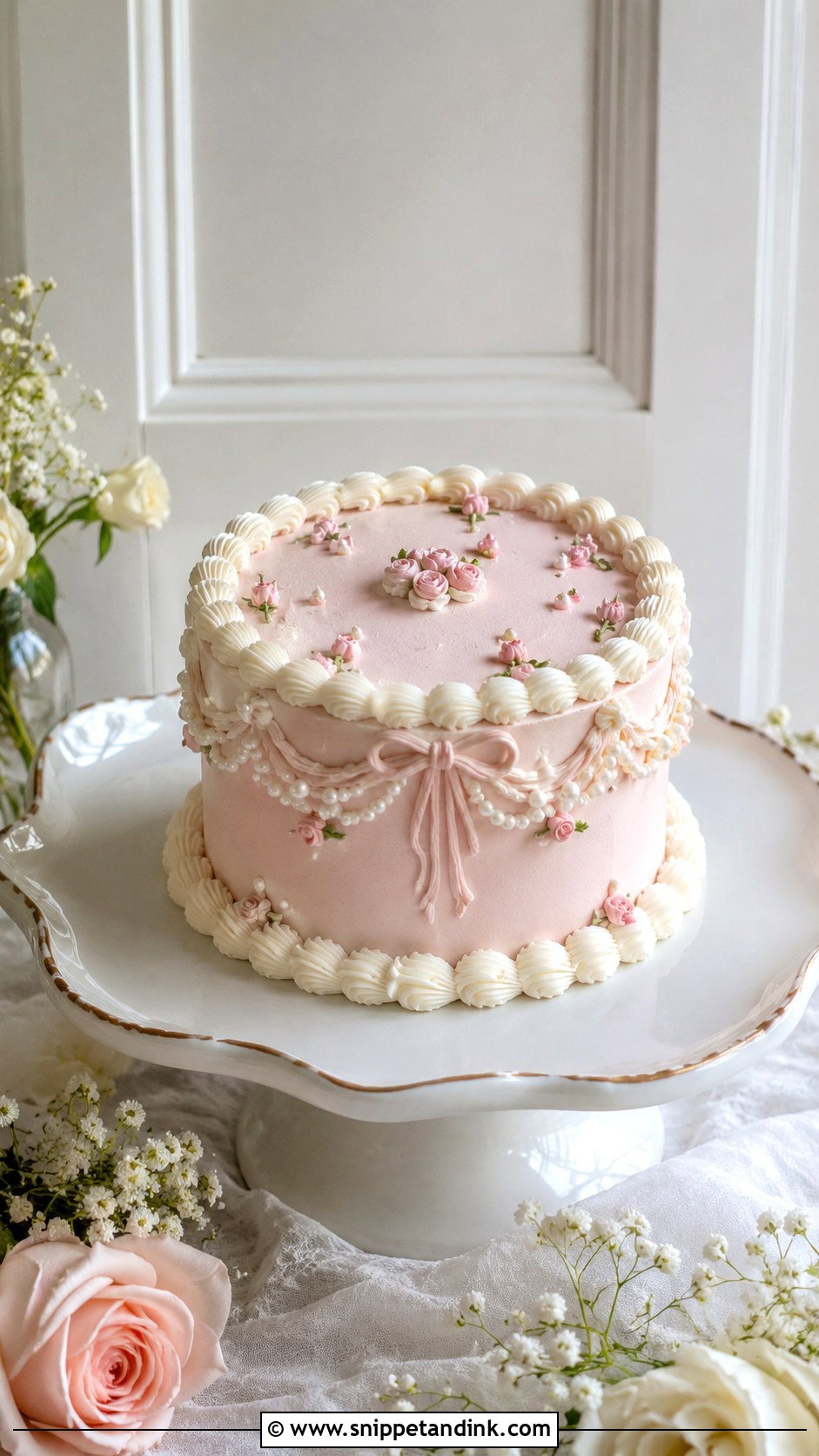
Pink is where vintage cakes get playful. Blush is the most bridal of the shades, while dusty rose and ballet pink carry more character, especially under ivory piping and small piped roses. I mix pinks in daylight, never under the kitchen strip lights, because a shade that looks soft indoors can turn candy-bright outside. A heart shape with ruffles pushes it retro. A plain round with restrained borders keeps it grown-up. It’s a natural fit for spring and for showers too.
10. Vintage Small Blue Wedding Cake
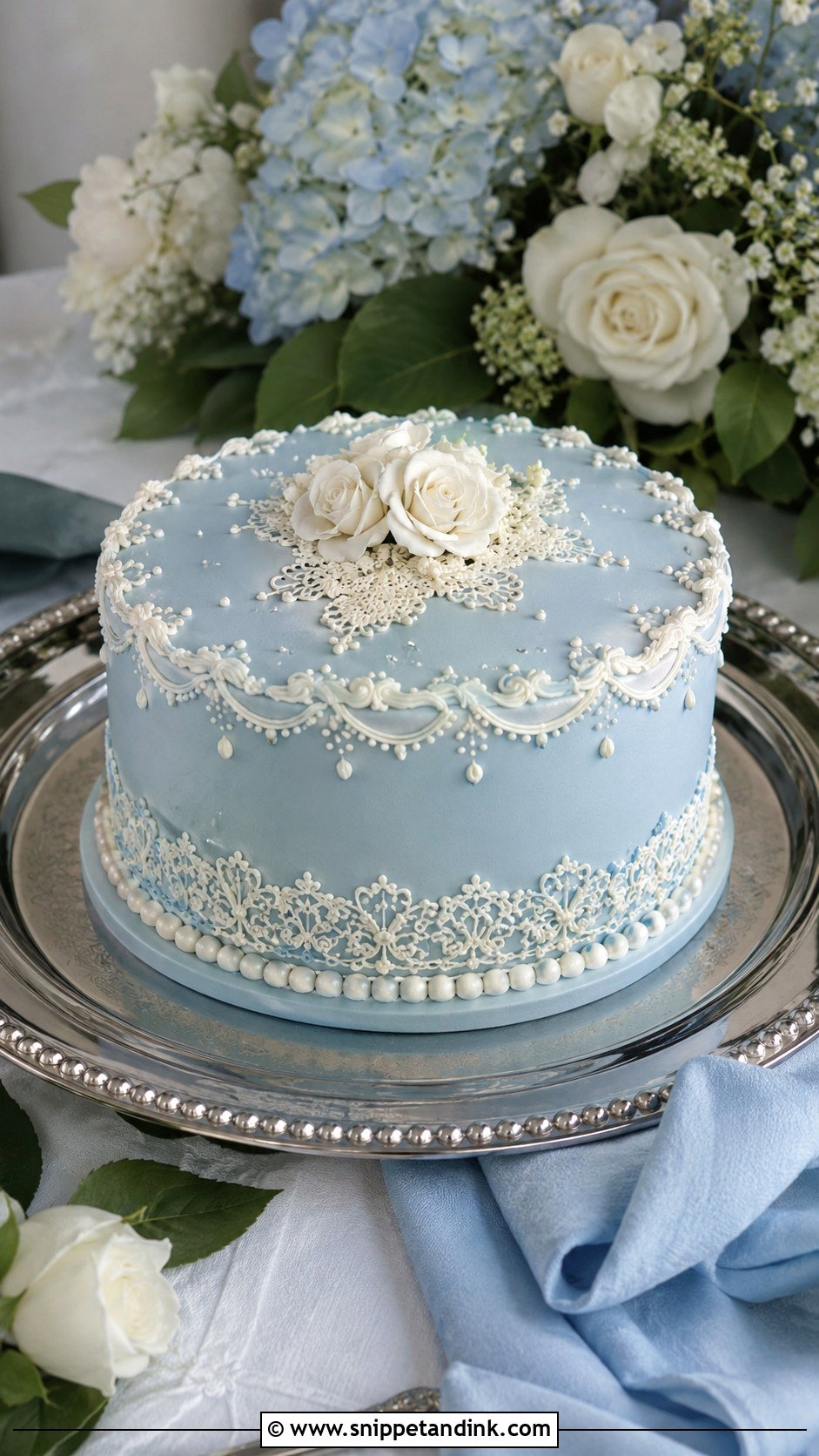
Muted blue gives you “something blue” without the cake looking like a christening. Powder, duck-egg and dusty blue all work under ivory piping and pearls, but bright sky blue tips quickly into a children’s party. Blue is also the colour most likely to shift as buttercream sits. It can turn slightly green against yellow butter, so I tint with a touch of violet and always test a sample swatch first. White roses and silver serving pieces are the natural partners, and it suits coastal and garden settings well.
11. Vintage Small Square Wedding Cake
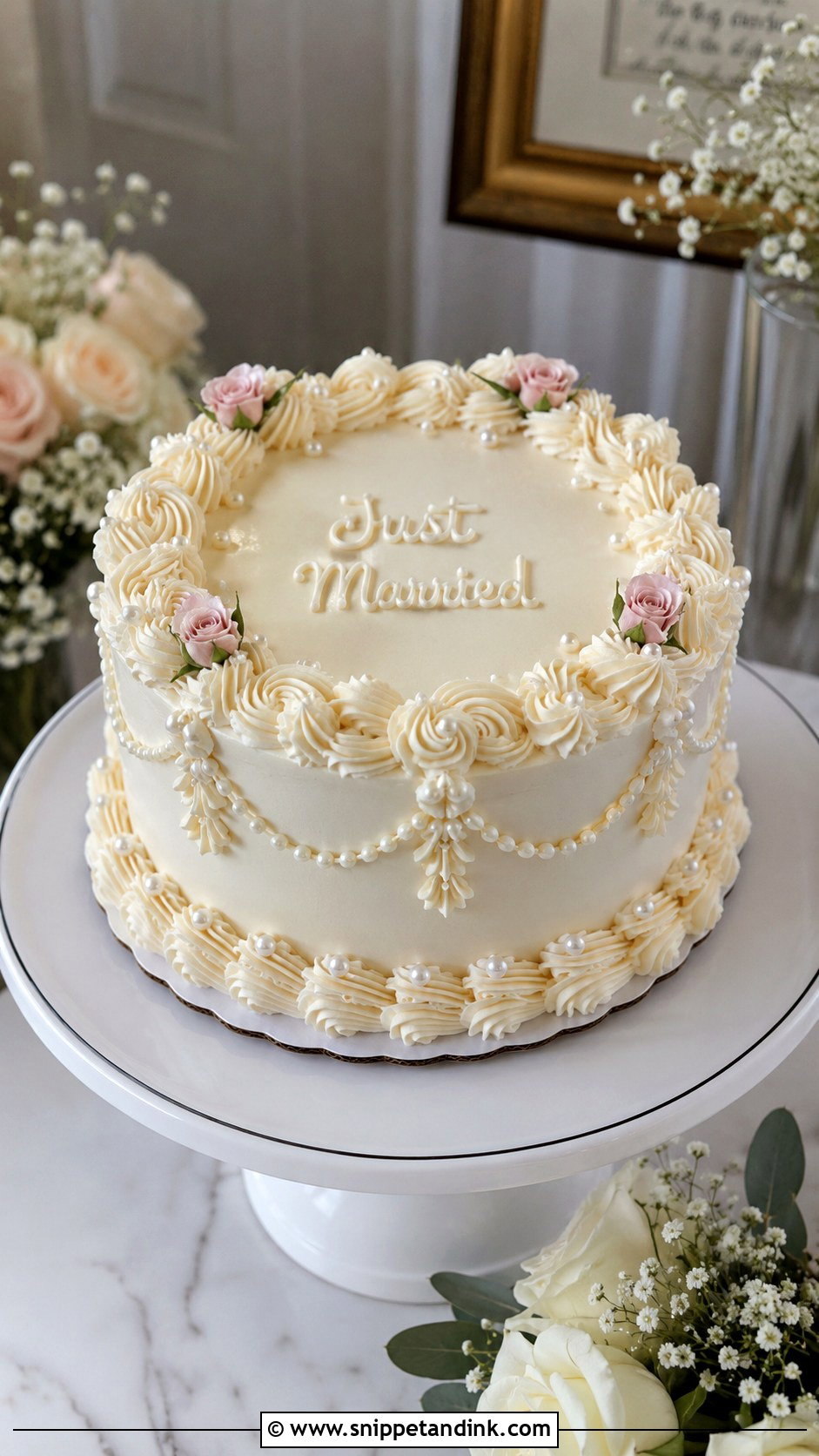
Square cakes take more care than rounds. Every corner has to be sharp and every side truly vertical, and any wobble shows instantly against those straight lines. Done well, the flat sides make four neat frames for swags, pearl lines or a small corner spray. A six-inch square also serves noticeably more slices than a six-inch round, which helps when the guest list is creeping up. I’d avoid this shape in serious heat, since soft buttercream corners are the first thing to round off.
12. Vintage Small Oval Wedding Cake
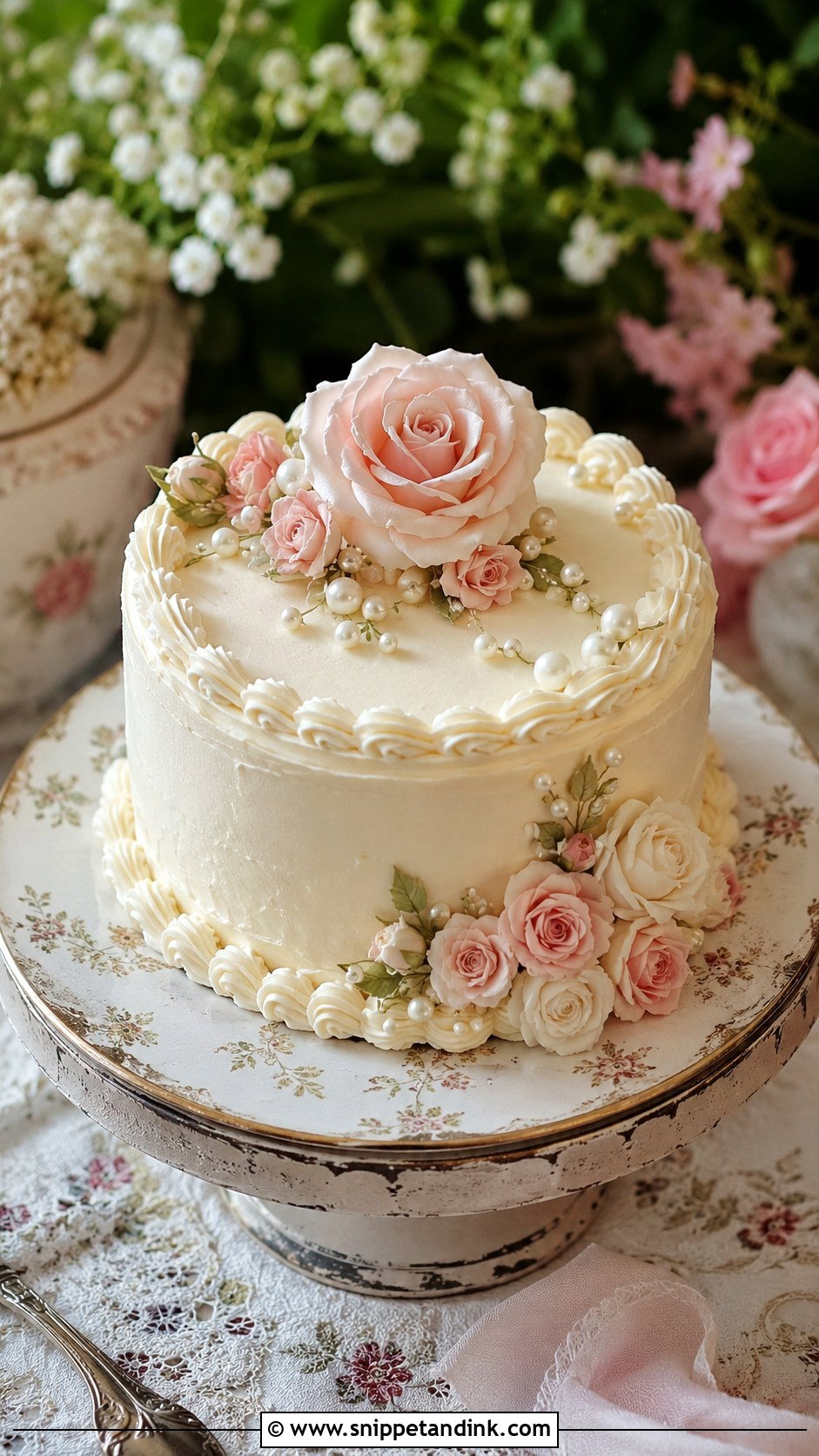
An oval sits somewhere between the softness of a round and the formality of a square, and almost nobody expects it. The long top gives room for a monogram, a short message or a trailing spray of sugar flowers, and scalloped borders follow the curve nicely. Oval pans are less common, so check your baker owns one rather than carving it from a sheet. Carved edges crumb and are harder to ice cleanly. Pale yellow and cream feel right for tea-style receptions.
13. Vintage Small Ruffle Wedding Cake
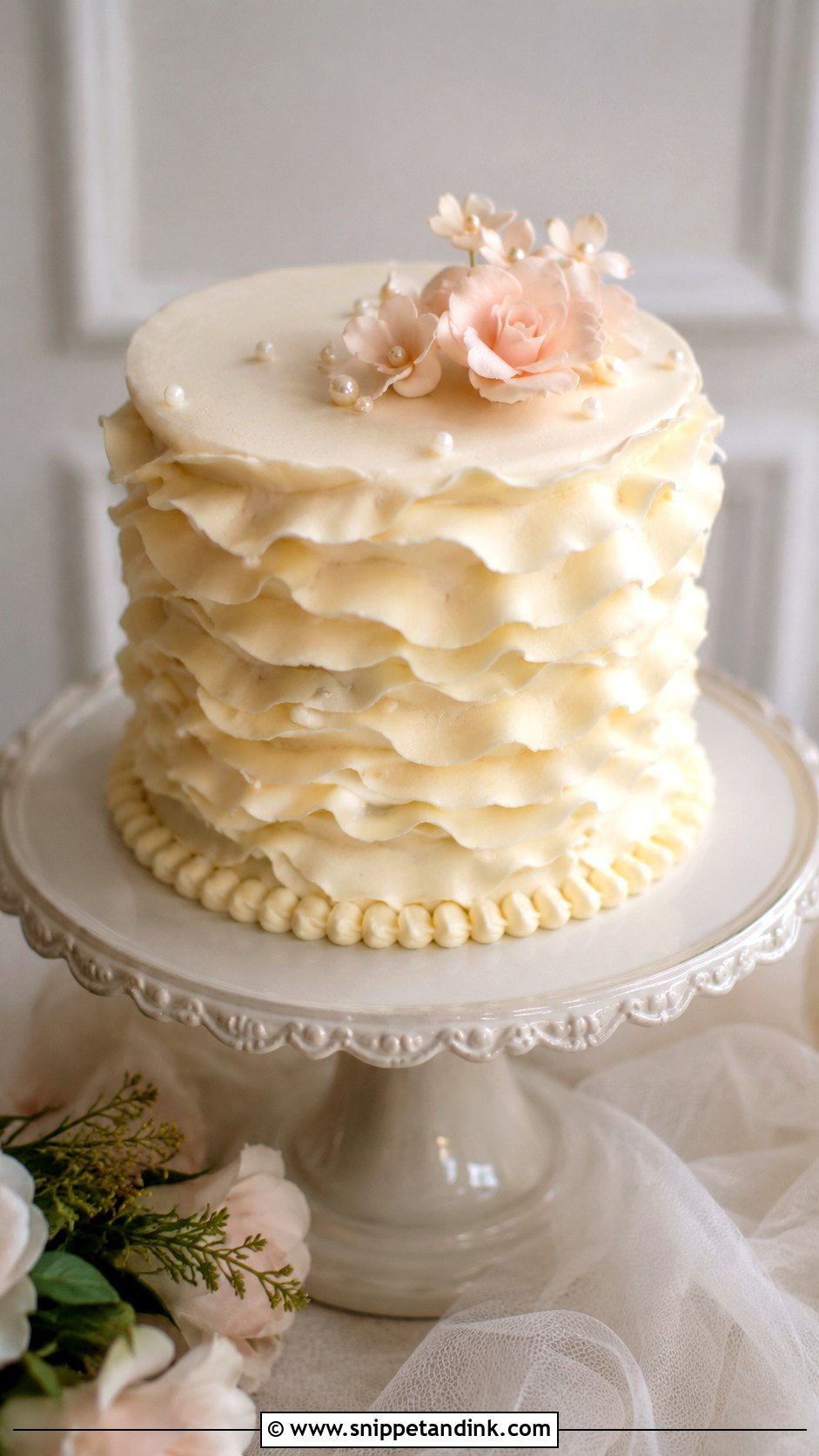
Ruffles add movement, but on a small cake they need restraint. Thick ruffles swallow a six-inch tier and make it look squat. I pipe them with a petal tip held at a shallow angle for a fabric-like edge, or roll them thin in fondant, and leave the top smooth so the eye has somewhere to rest. Fondant ruffles hold their shape far longer in a warm room than buttercream ones, which matters if the cake is out for an afternoon. Ivory and blush are safe; pale peach is warmer and underused.
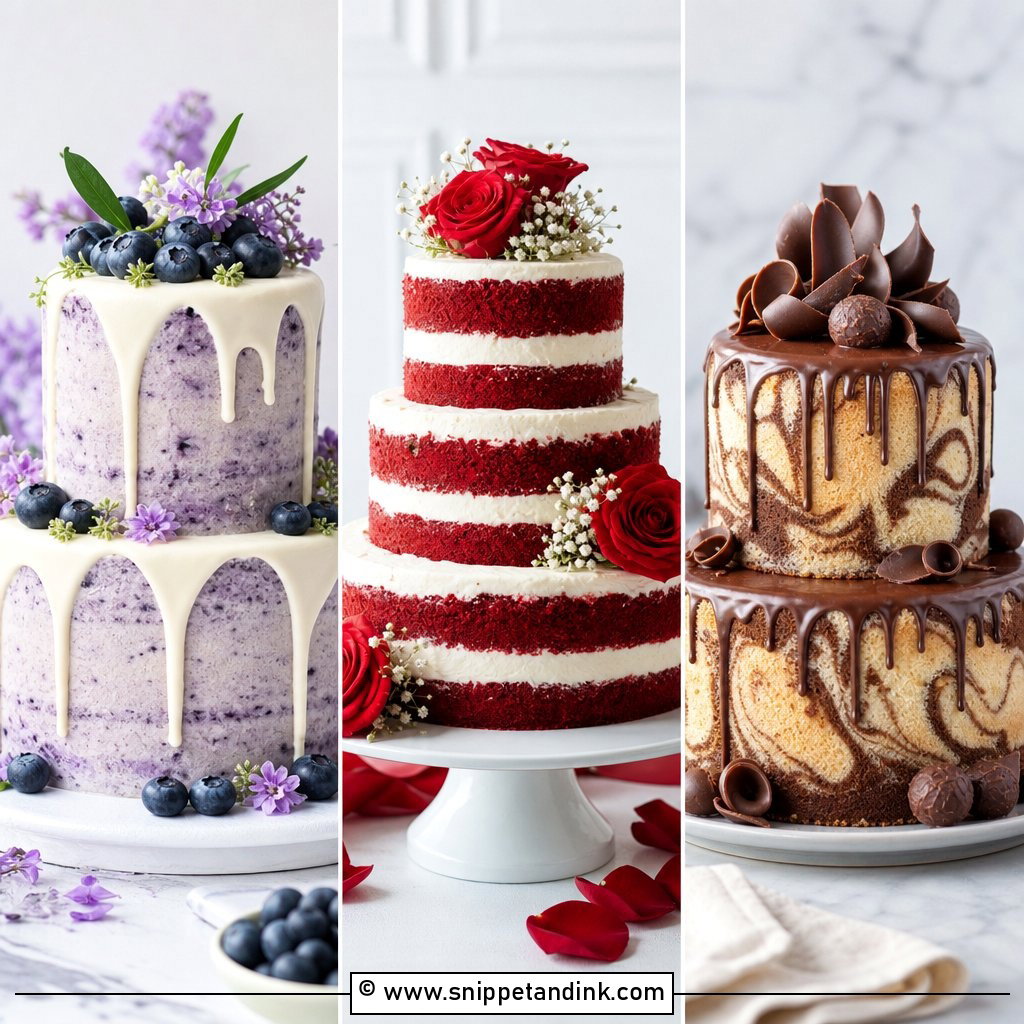
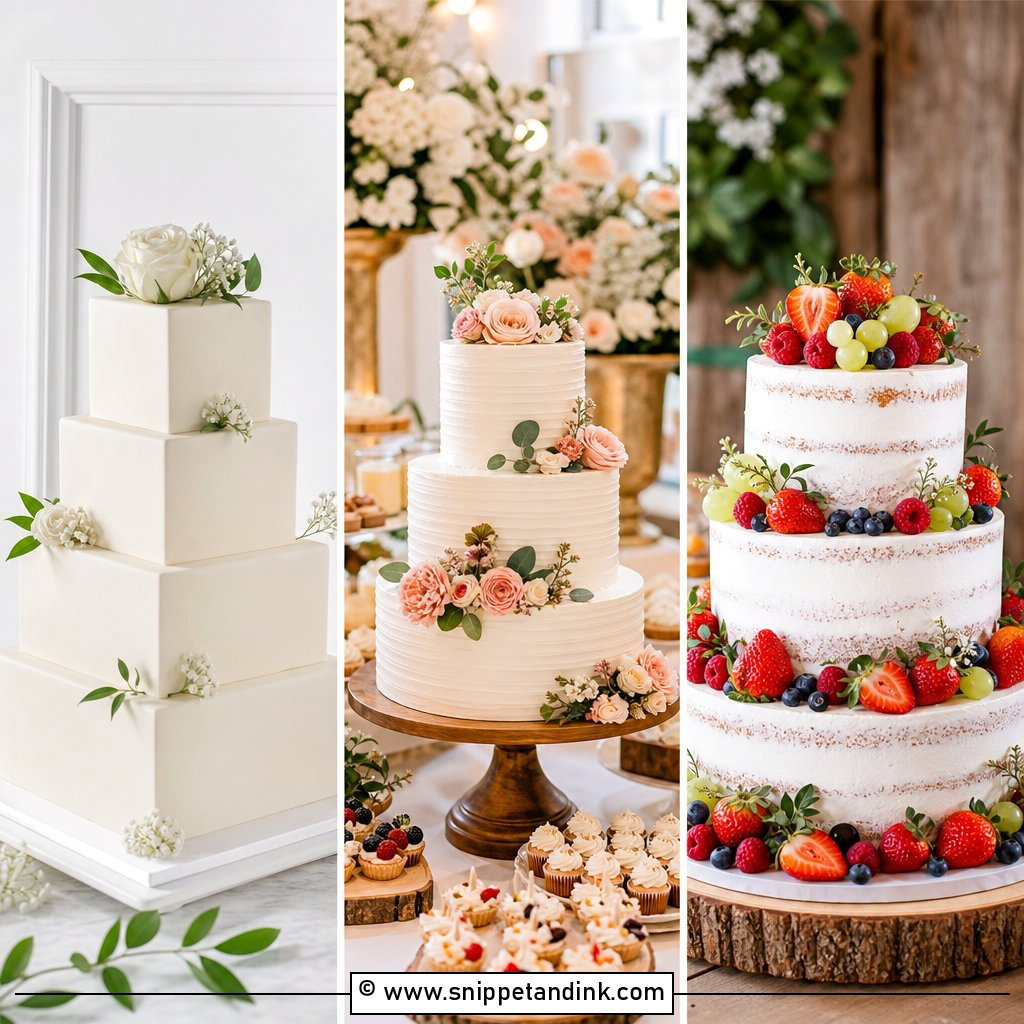
14. Vintage Small Rose Wedding Cake
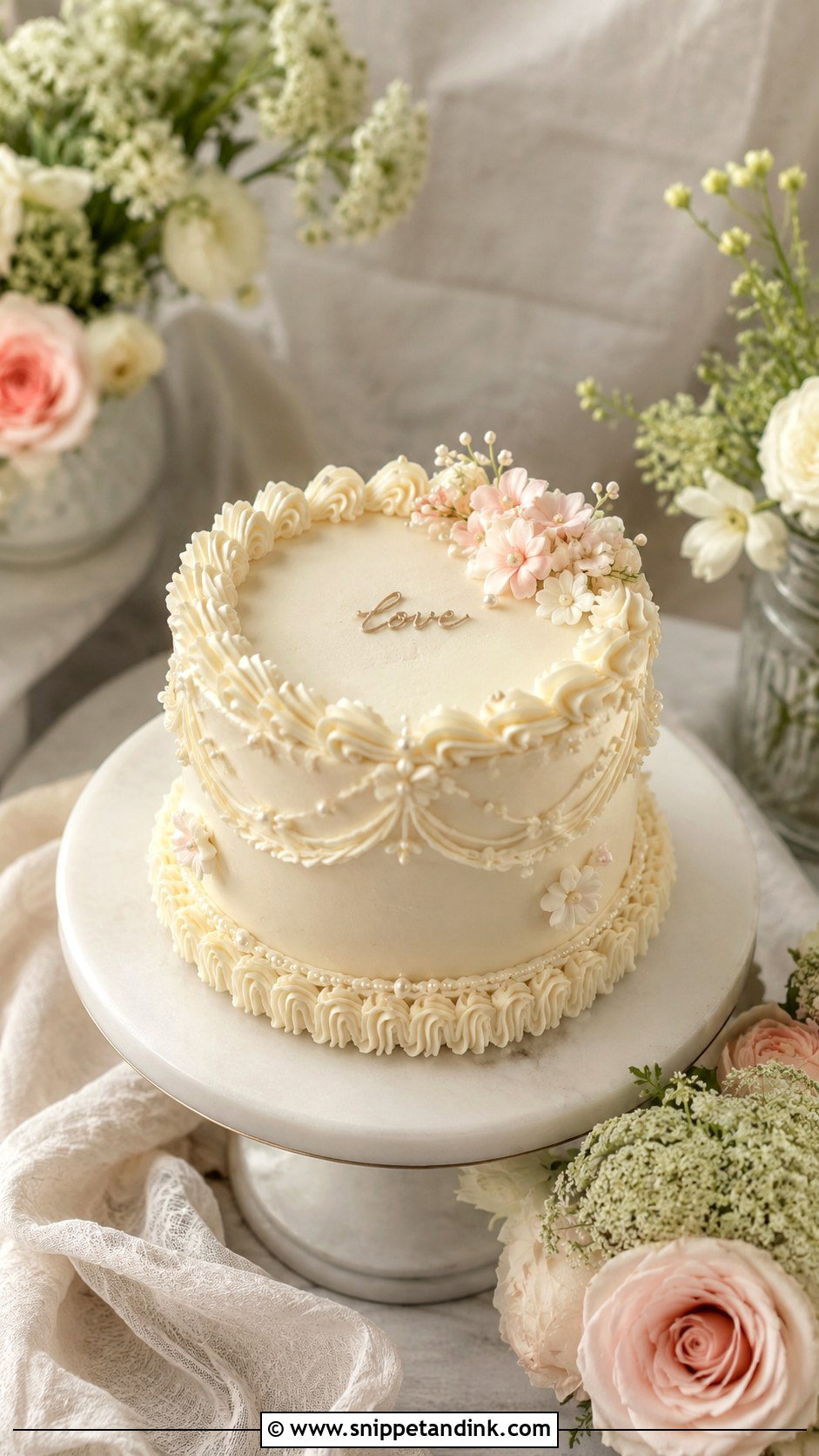
Roses are the oldest trick in vintage decorating, and you have three versions to choose from. Buttercream roses are soft and edible but wilt in heat. Sugar roses are durable and can be kept as a keepsake. Fresh garden roses are the most romantic, though they need wrapped stems and should go on as close to service as possible. Keep the cake underneath simple, smooth frosting and one piped border, so the roses are the point. Mauve and cream roses together look very old-fashioned in close-up shots.
15. Vintage Small Monogram Wedding Cake
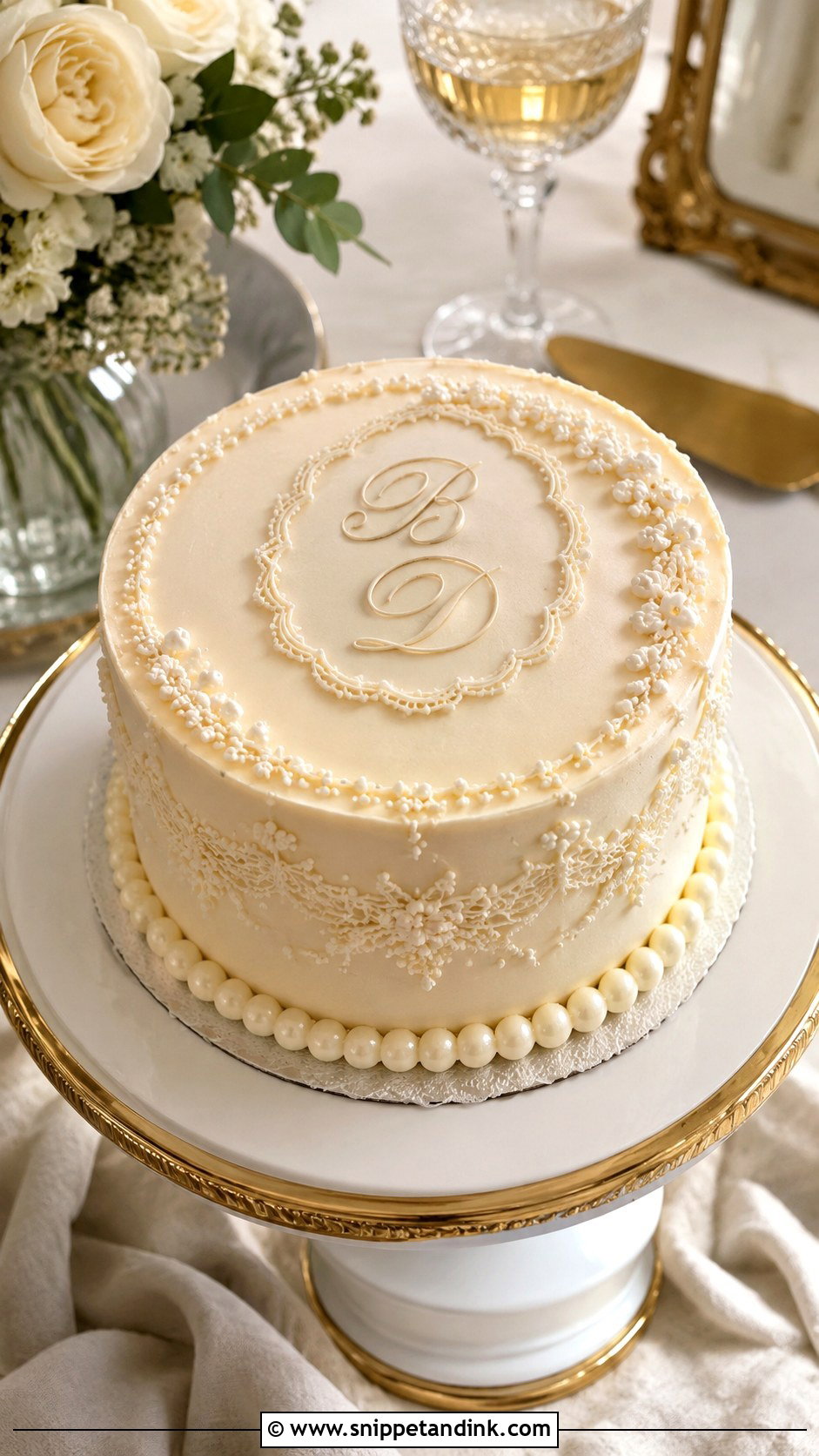
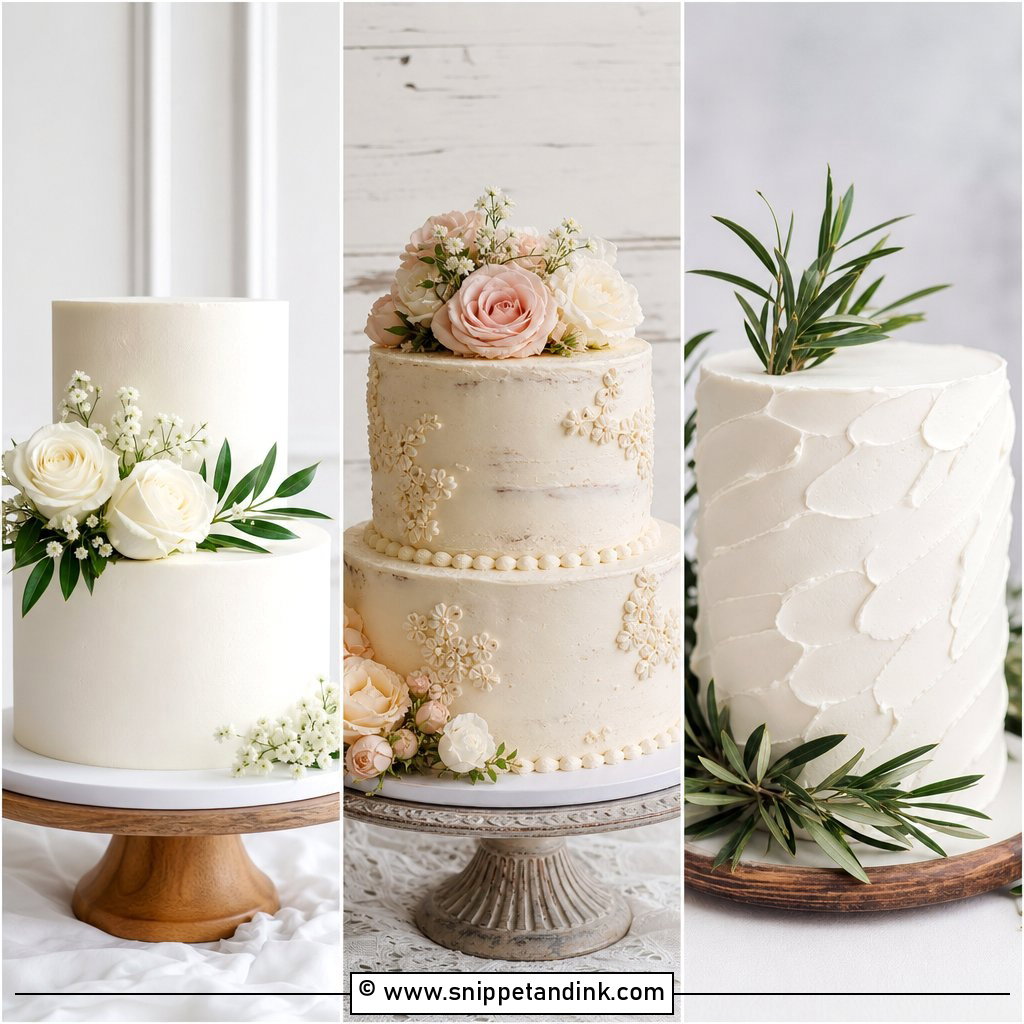
A monogram turns a small cake into something nobody else could have had. Initials can be piped, painted in edible gold, or set in a little framed plaque on the top tier. On a petite cake, legibility beats ornament, so I keep the letterforms simple and give them clear space rather than crowding them with flowers. Edible gold paint needs a dry, smooth surface, which usually means fondant or a well-crusted buttercream. Add a pearl border and you have plenty of personality without the need for a tall or oversized cake.
16. Vintage Small Bow Wedding Cake
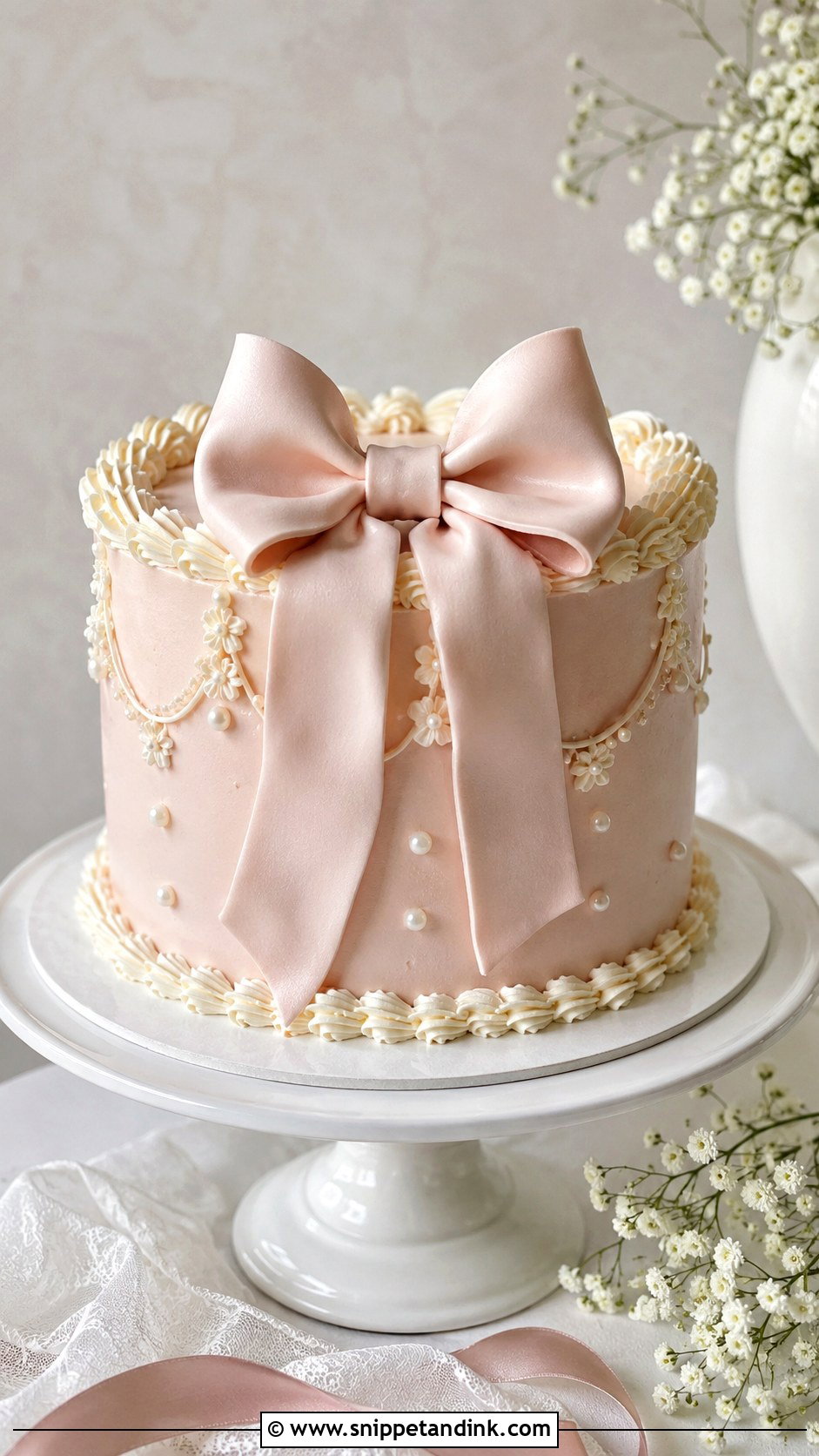
Proportion is everything with bows. A vintage small bow wedding cake can carry one bow on top, a ribbon at the base or a run of tiny piped bows along the border, but an oversized bow on a six-inch tier looks like a gift box. If you want real fabric ribbon, it needs a strip of food-safe film or a thin buttercream barrier behind it, otherwise the butter seeps through and leaves greasy marks by the reception. Sugar bows avoid that problem entirely. Champagne and pale blue are both pretty colour choices.
17. Vintage Small Garden Wedding Cake
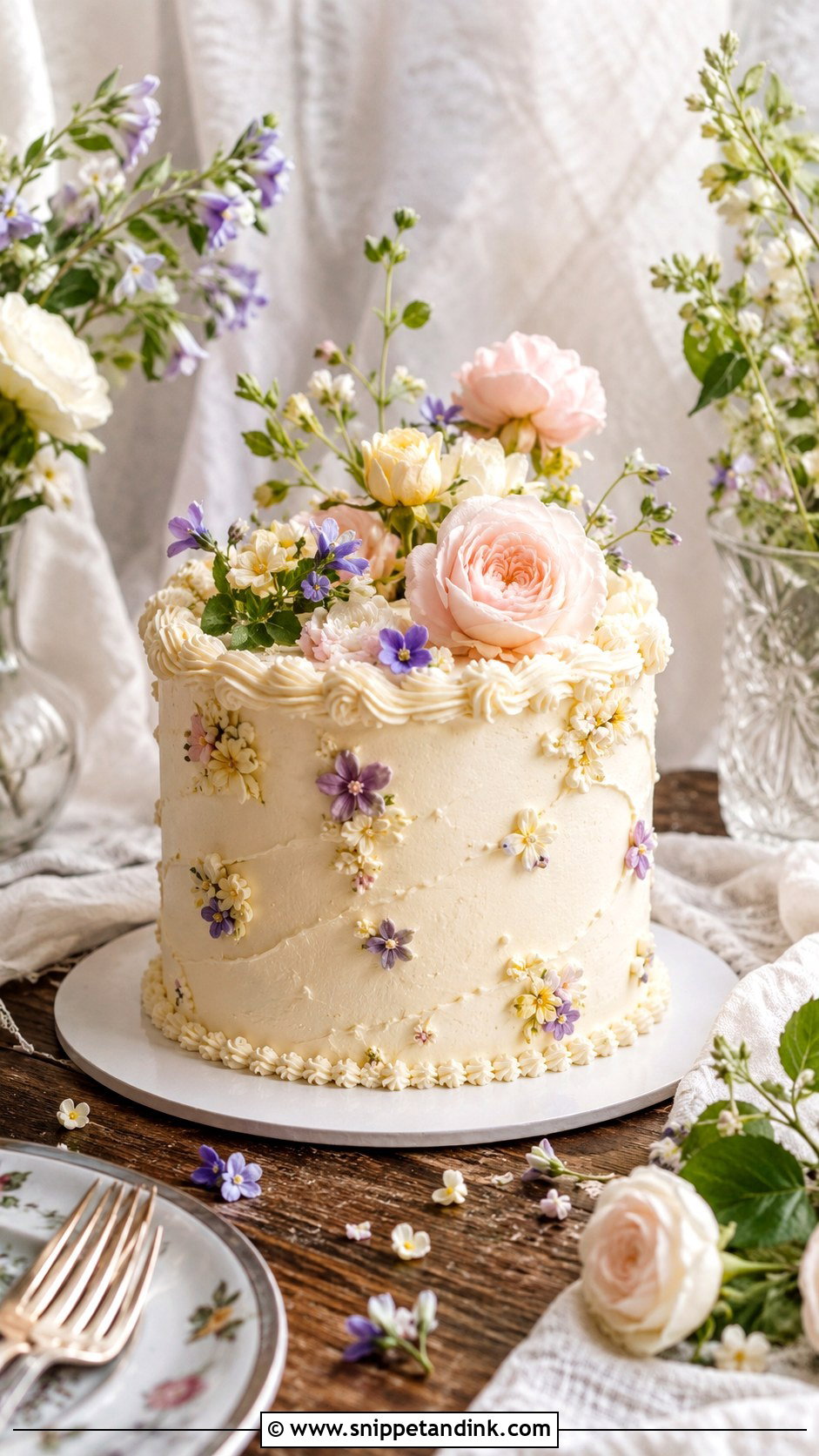
This one should look as though it was decorated with whatever was blooming that morning. A slightly rough buttercream finish, a few small clusters of edible flowers and a trail of herbs or greenery are all it needs. On a petite cake, three well-placed clusters beat a full covering every time. Herbs like rosemary and thyme are lovely here, but I still wrap or barrier their stems. It suits a wooden table in soft daylight far better than a formal ballroom.
18. Vintage Small Courthouse Wedding Cake
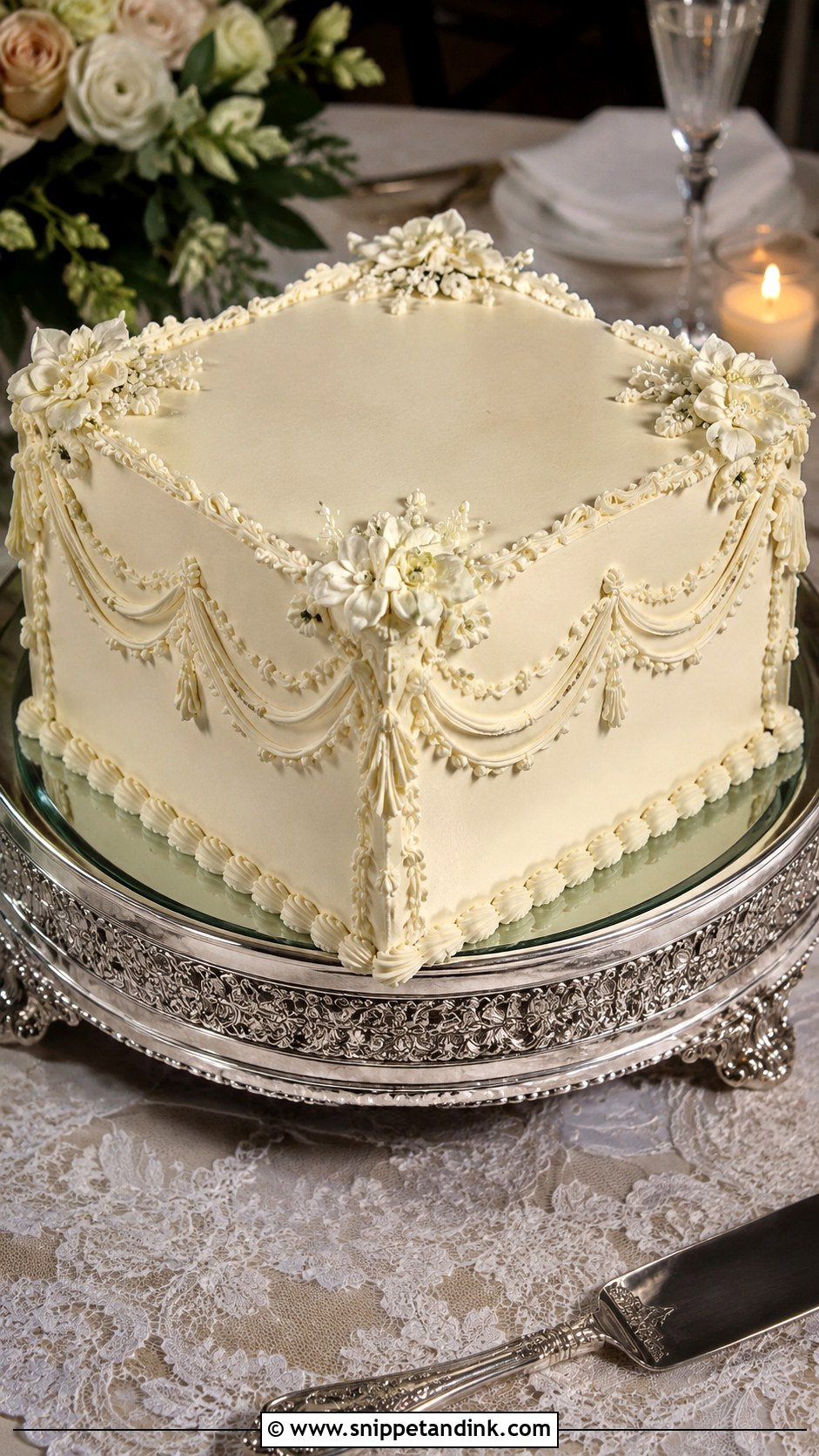
After a courthouse ceremony, the cake often travels with the couple to a restaurant or a living room, so it needs to be compact, sturdy and easy to slice without a cake table setup. A one-tier round or heart with a piped border, a few pearls and a short message ticks every box. I’d keep it to buttercream and firm decorations rather than fresh flowers, since it may sit in a car or a coat check for a while. Ivory, blush or pale blue keep the photos simple. A stand and a ribbon make it feel like an occasion.
19. Vintage Small Elopement Wedding Cake
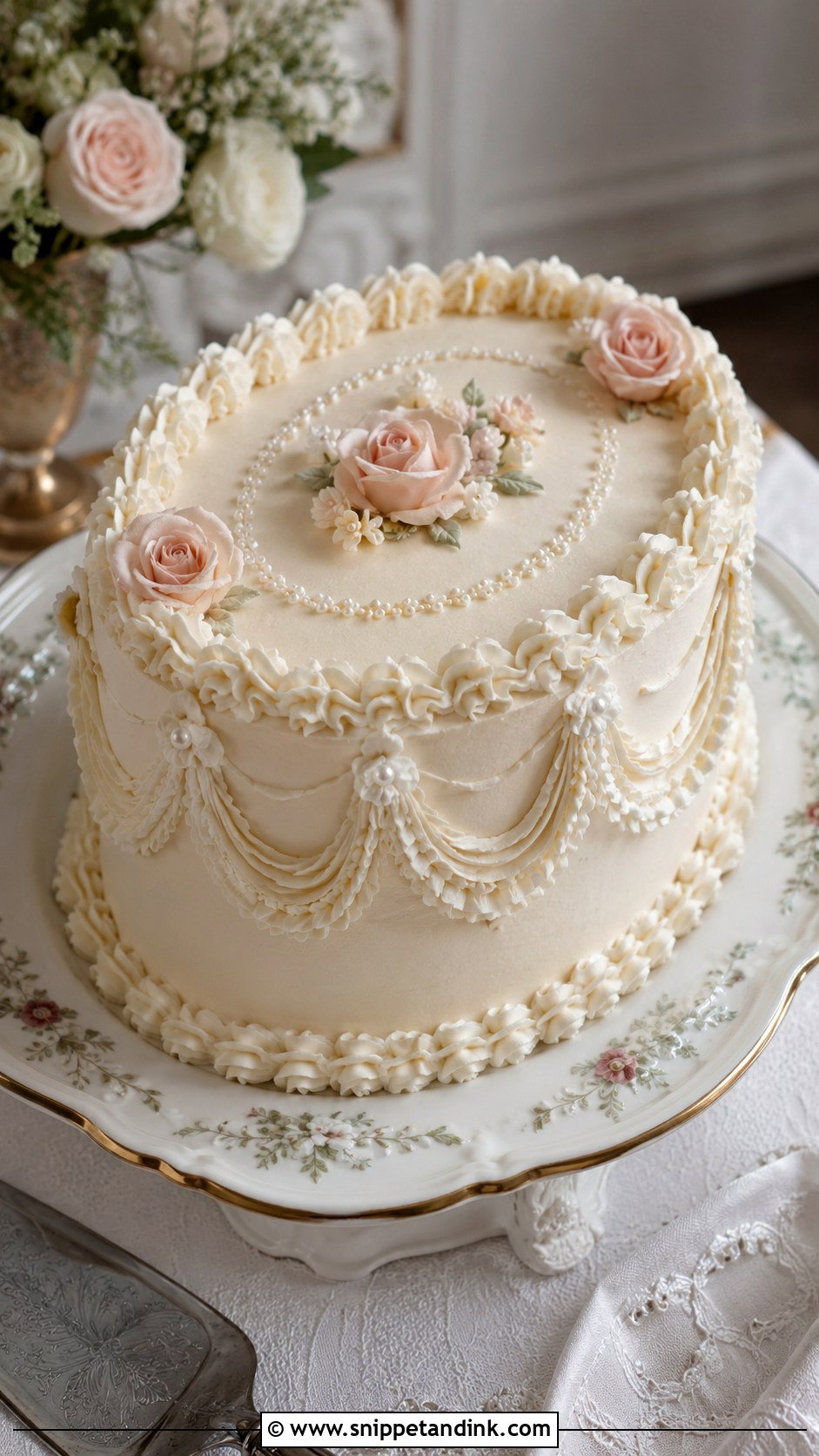
For an elopement, the cake may be for two people and a photographer. That changes the brief. A petite round, a heart or a mini two-tier cake with romantic piping is plenty, and you can put the budget into detail instead of size. If you’re travelling, a cake that survives a cool box matters more than one that looks impressive on a stand. I’d skip delicate sugar flowers and choose firm piping and pearls instead. A small message on top makes it yours.
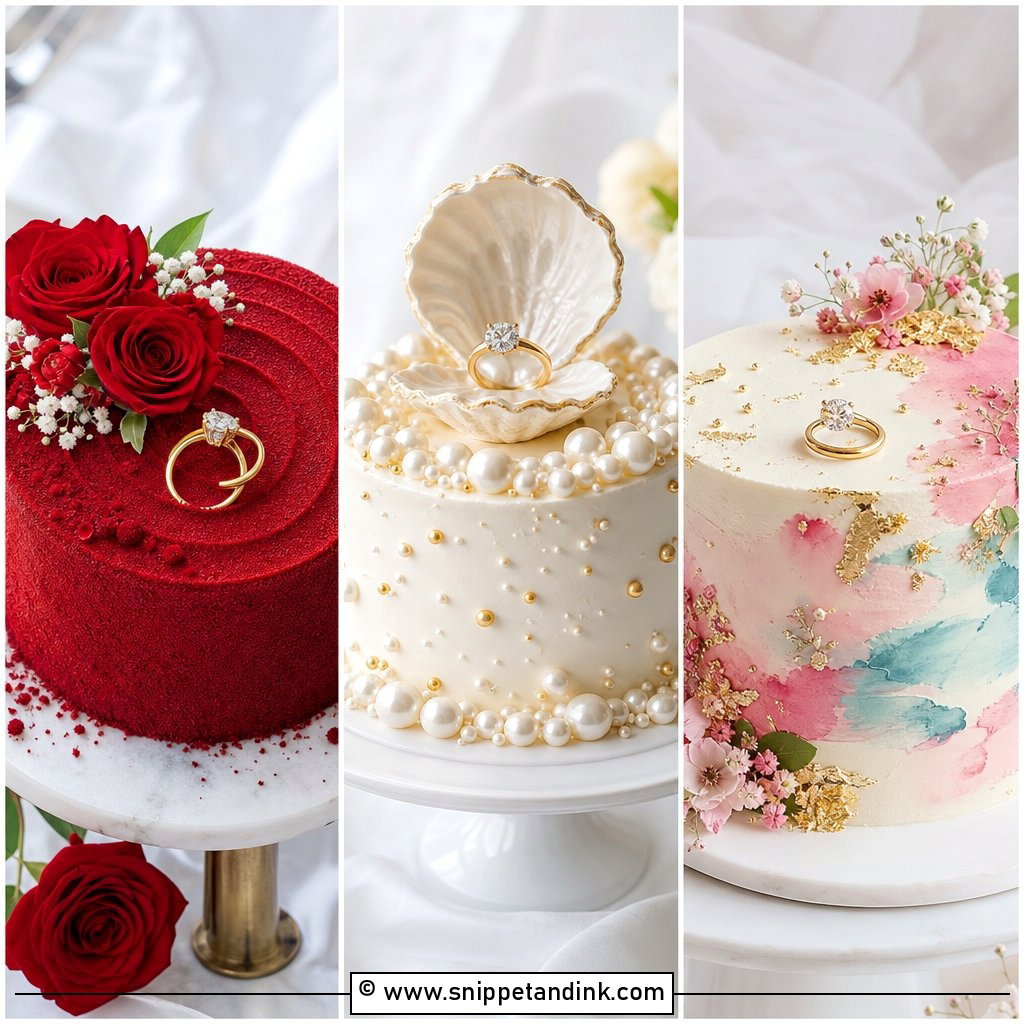


20. Vintage Small Anniversary Wedding Cake
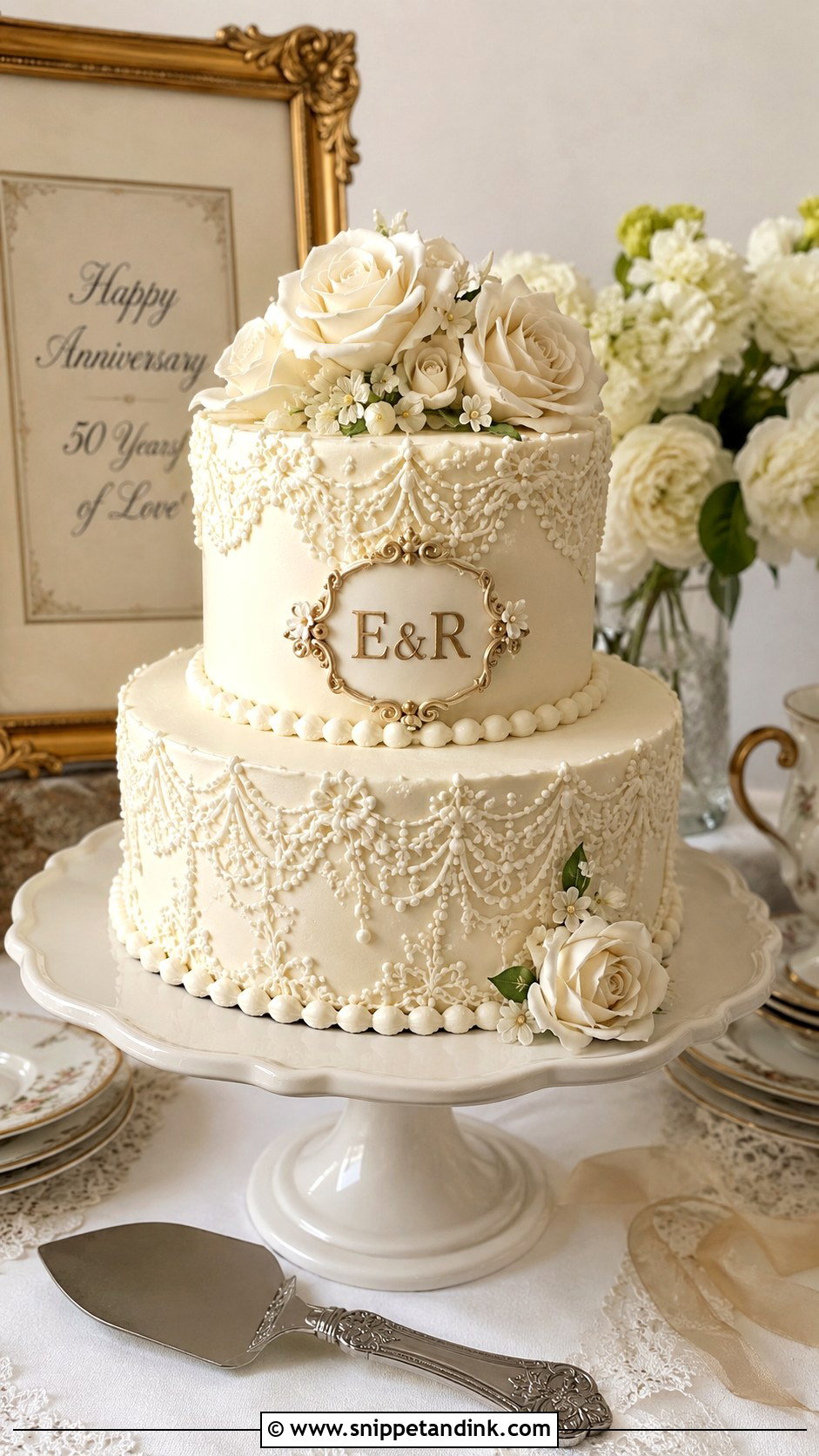
Anniversary cakes are where vintage styling feels most at home, because they often echo the original wedding cake. A vintage small anniversary wedding cake can copy the old piping pattern from a photo, or start afresh with pearls, lace and soft roses. If you have a picture of your first cake, bring it. Piping styles are surprisingly easy to recreate from a clear photo. A two-tier version suits vow renewals, while a single tier is right for dinner at home. Vanilla almond and lemon remain the classics.
Moving a Piped Cake to a Backyard or Registry Office
Small weddings often mean there’s no venue kitchen and no delivery van, so the couple or a friend ends up carrying the cake. I’ve seen more piping lost in the car than on the table. A few habits keep it intact:
- Collect it chilled. Cold buttercream is firm, and firm piping doesn’t smudge if a box wall touches it.
- Carry it flat on the car floor or in the boot on a non-slip mat, never on a lap or a sloping seat.
- Run the air conditioning before the cake goes in, and keep it out of direct sun through the windows.
- Drive as if there’s a full glass of water on the dashboard: slow corners, gentle braking.
- Unbox it at the venue at least half an hour before photos, so any condensation dries off before anyone takes a picture.
Fresh flowers are best added on arrival rather than travelling on the cake. If a pearl or a rosette does come loose, a dab of buttercream on a cocktail stick fixes it in seconds, which is why I always send a small piping bag of matching frosting with any cake leaving my kitchen.
Small Cakes, Big Detail
A vintage cake doesn’t need to be large to carry a reception. What makes it work is detail, done carefully: piping that’s spaced by hand, pearls on a measured line, flowers that are actually safe to eat around. Start with the shape that suits your table and serving count, decide on one decorative technique to lead the design, and let your decorator spend the time a small cake allows. That’s how a six-inch cake ends up being the thing your guests remember.
You'll Like These Ideas:



Leave a Reply