
A lot of the couples I meet have had one slice of fondant-covered cake at someone else’s wedding, peeled off the sugar paste and left it on the plate. They don’t want that for their own guests. Skipping fondant leaves plenty of options: buttercream, ganache, whipped frosting, cream cheese frosting, meringue, glazes, fruit and fresh flowers can all carry a wedding cake. What changes is how each one behaves in a warm room, how it travels and how long it can sit on a table. Below are twenty cakes I’d happily make without fondant, with notes on what each finish needs to stay looking good until it’s cut.
How Each Frosting Copes With a Warm Room
Fondant is partly popular because it seals a cake and stands up to heat. Once you take it away, the frosting is doing all that work, and some frostings are much tougher than others. This is roughly how I rank them, from the most stable to the most delicate.
- Chocolate ganache. Sets firm, holds sharp edges and copes with warmth better than anything else here.
- American buttercream. Forms a light crust that protects it; good for outdoor summer receptions in the shade.
- Italian and Swiss meringue buttercream. Silky and less sweet, but softens in heat and can slump if left in the sun.
- Cream cheese frosting. Needs refrigeration and short display times.
- Whipped cream. Best kept cold until shortly before serving, and only for indoor rooms.
Direct sun is worse than air temperature. A cake in a mild, air-conditioned room can be fine; the same cake in a sunny window will lean within an hour. When I deliver, I ask where the cake table is and whether it gets afternoon light, and I’ll move it if I can.
Tell your baker the honest conditions, including whether the marquee has air conditioning. A good baker will steer you toward ganache or a crusting buttercream before letting a delicate finish melt on the table.
1. Buttercream Wedding Cake
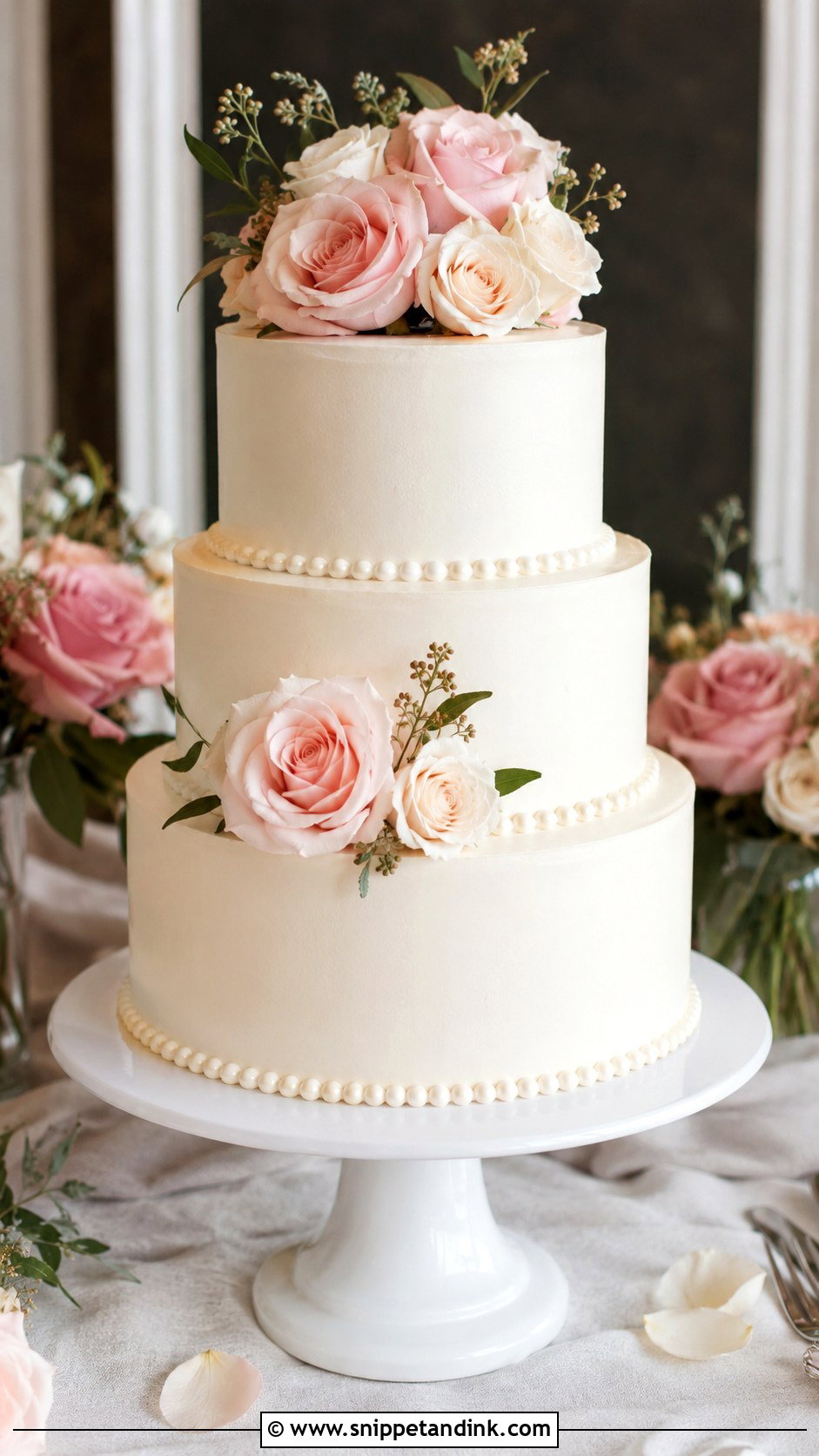
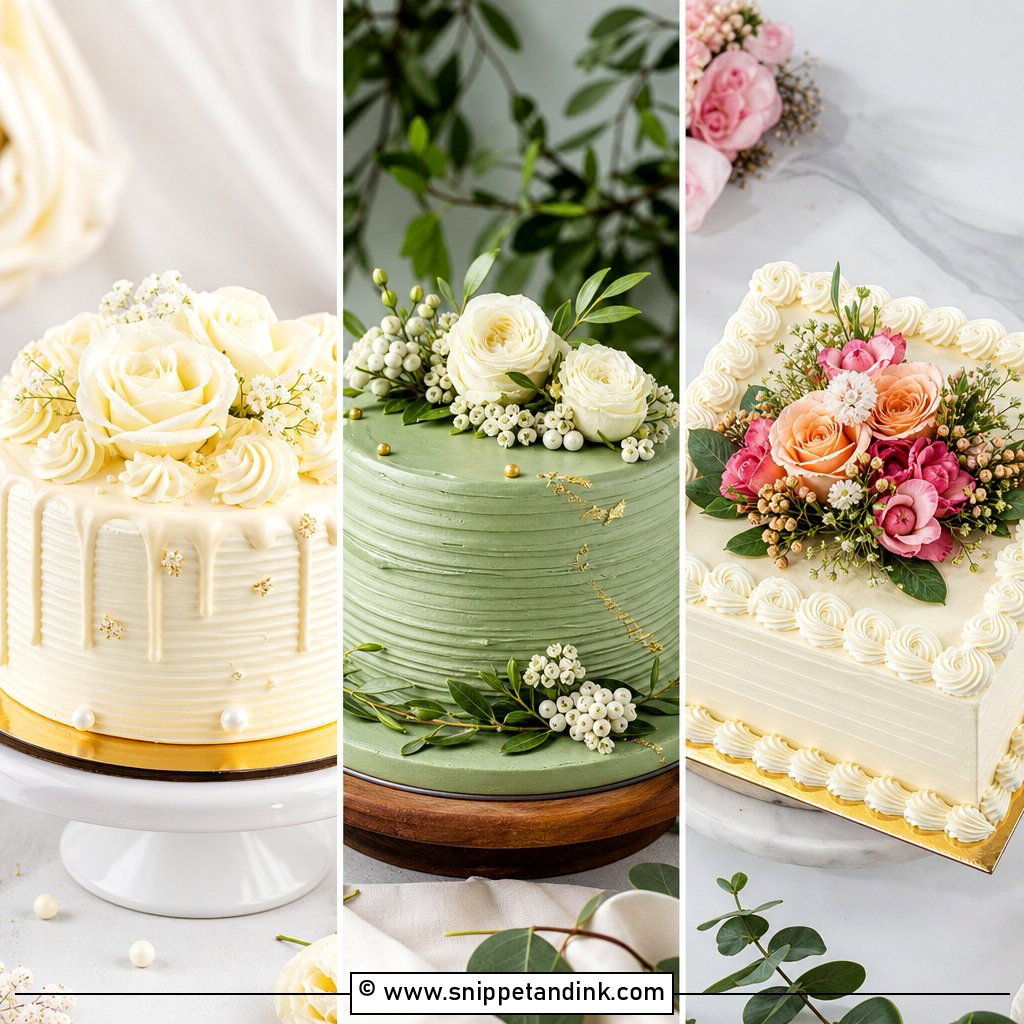
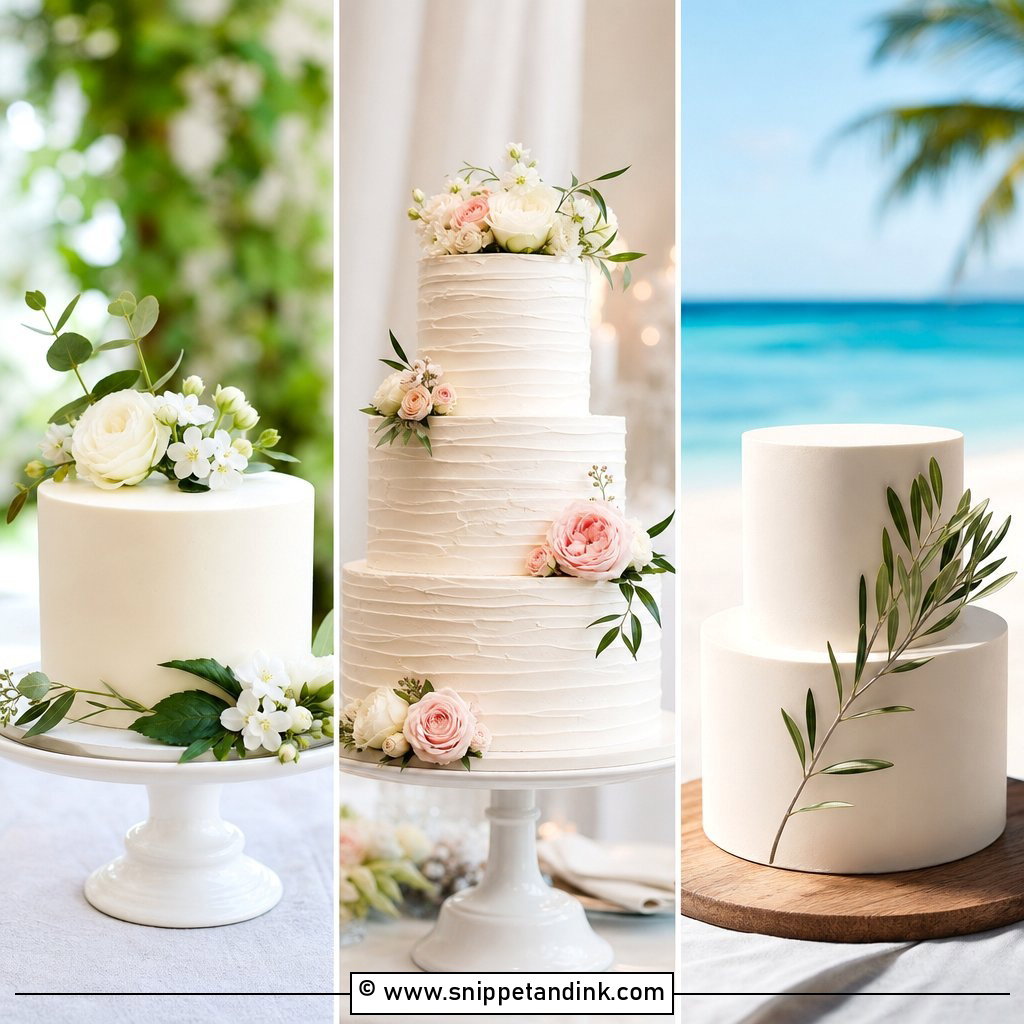
Buttercream is my default when a couple says “no fondant” and nothing else. American buttercream is sweet and crusts slightly on the outside, which makes it sturdier in a warm room. Swiss meringue is silkier and less sweet, but it softens faster in heat. For a formal room I’ll get the sides sharp with a bench scraper on a chilled cake; for a garden I’d rather leave a soft texture that hides small dents from transport. Ivory, blush, champagne, sage and soft blue all tint well. If the reception is warm, ask your baker to set it up late and keep it out of the sun.
2. Semi Naked Wedding Cake
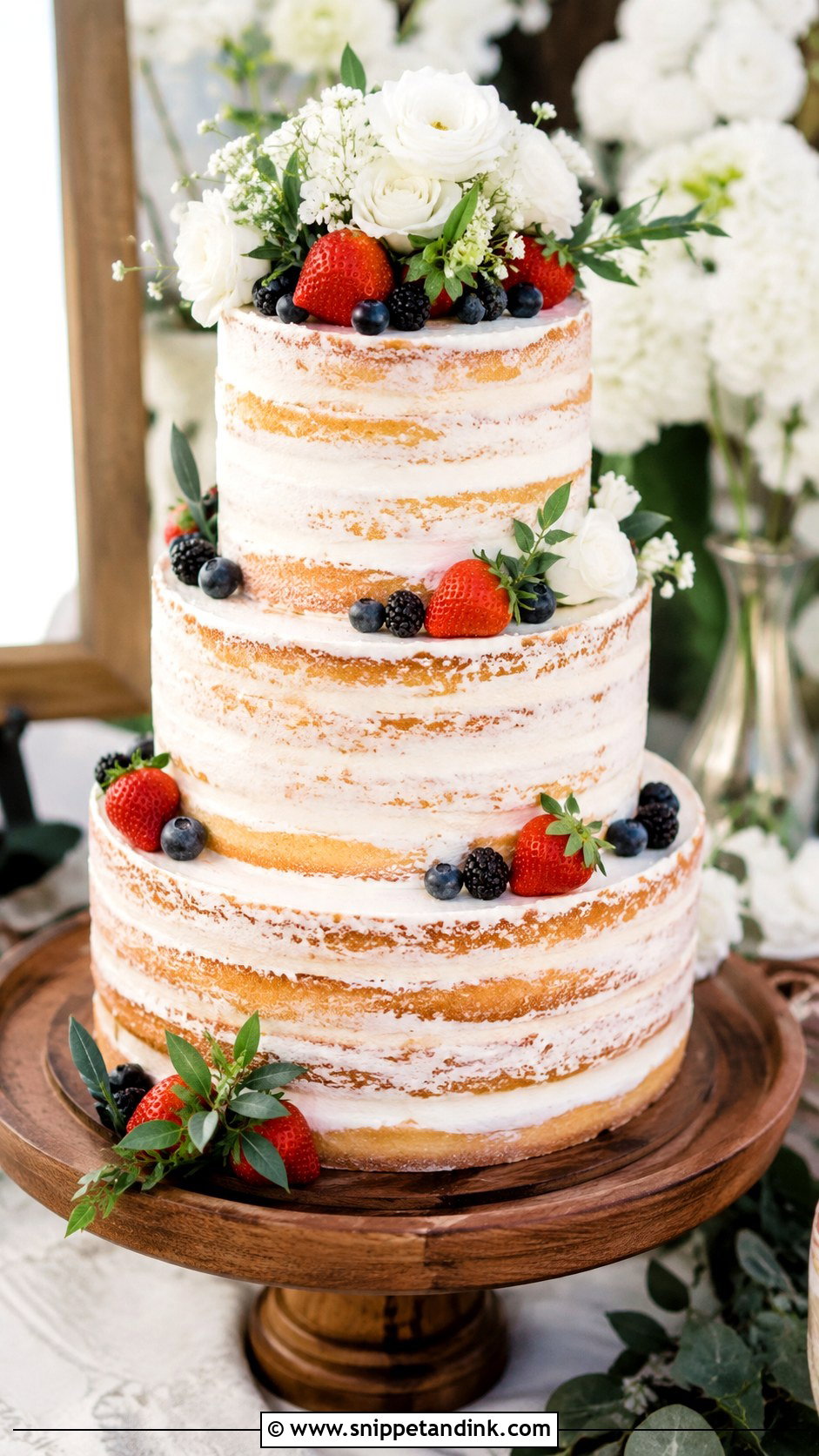
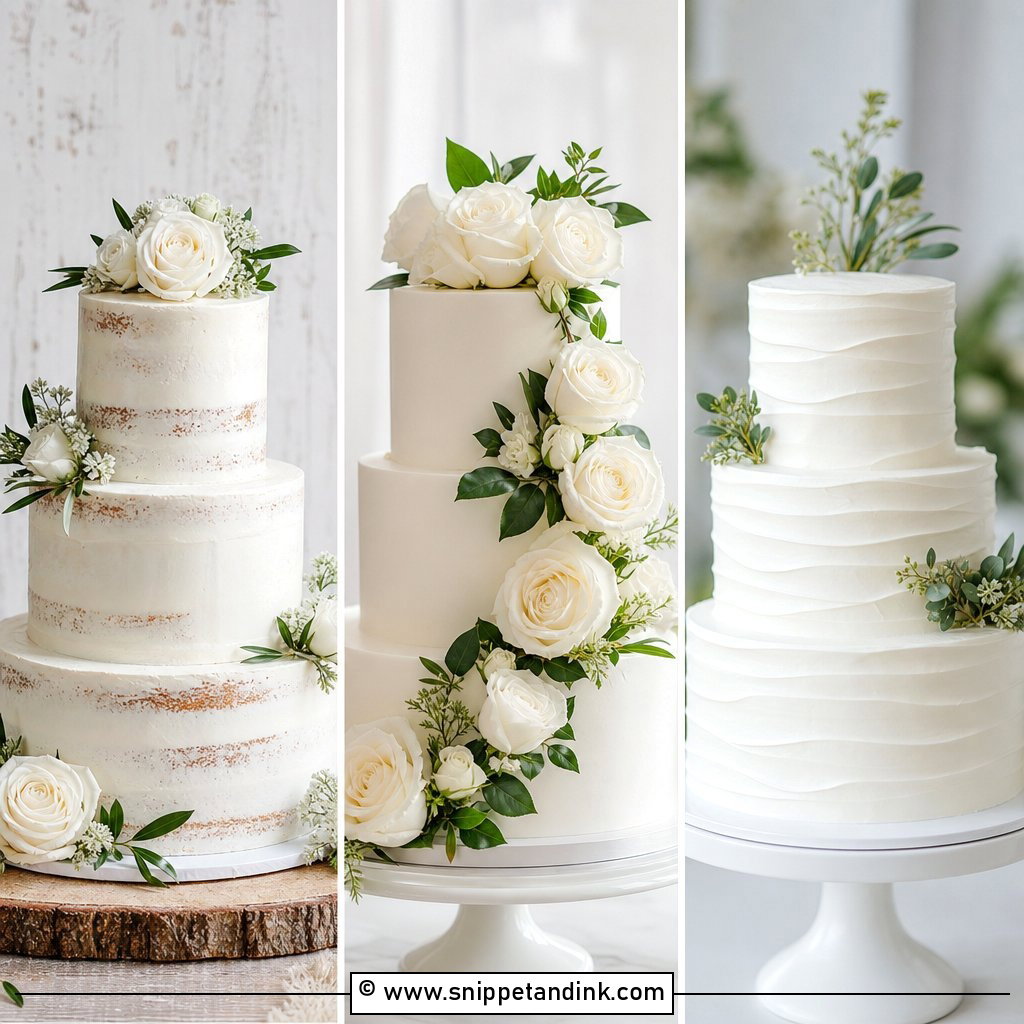
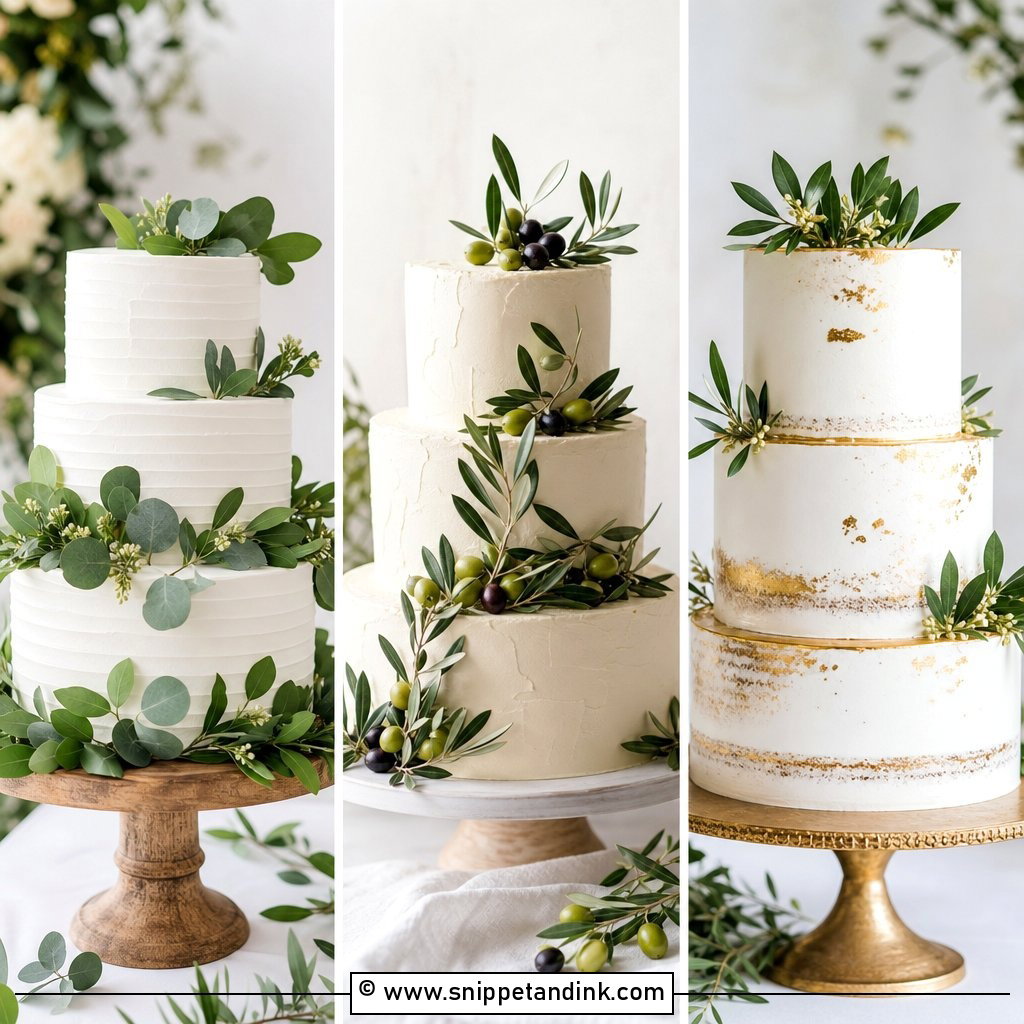
A semi naked cake is a thin coat of buttercream scraped back until the sponge shows through. It’s my favorite finish for barns, gardens and outdoor receptions, but it’s less forgiving than it looks, because every layer is on view. Uneven sponge or filling that bulges between tiers shows straight away, so I level every layer and pipe a firm dam of buttercream around the edge before filling. Vanilla, almond, lemon and red velvet all look good with it. Berries, fresh flowers, greenery and dried citrus add color without hiding the cake.
3. Naked Wedding Cake
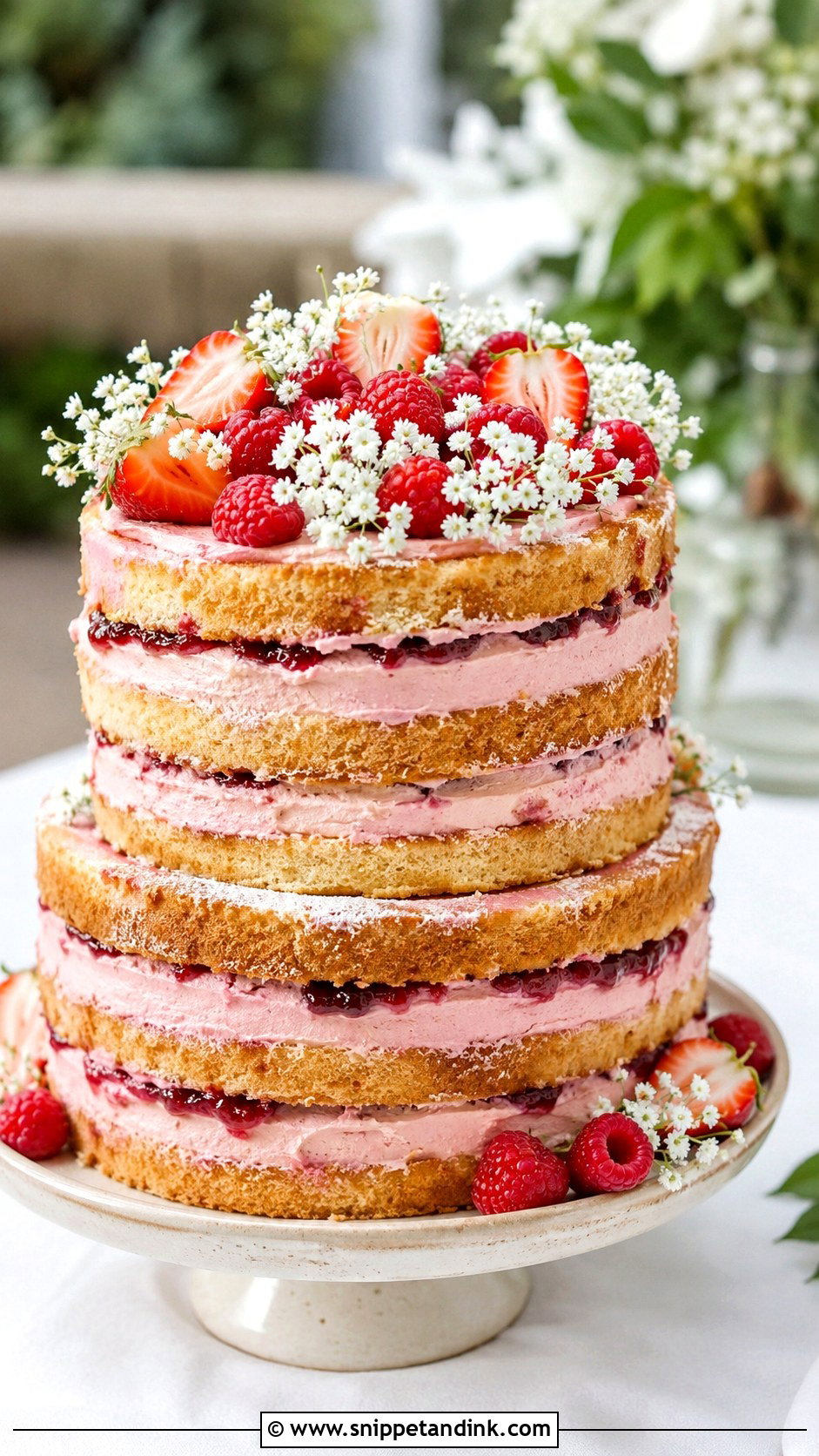
Here is the honest problem with a fully naked cake: the sides are exposed, so the sponge dries out faster than one sealed in frosting. I brush every layer with simple syrup, keep the cake wrapped and chilled until set-up, and ask for it to be one of the last things placed at the venue. The filling has to be thick enough to hold its shape under the weight of the tier above. Think vanilla layers with raspberry filling, carrot cake with cream cheese frosting, or chocolate layers with whipped ganache. Keep the decoration fresh and sparse so the layers stay the point.
4. Ganache Wedding Cake
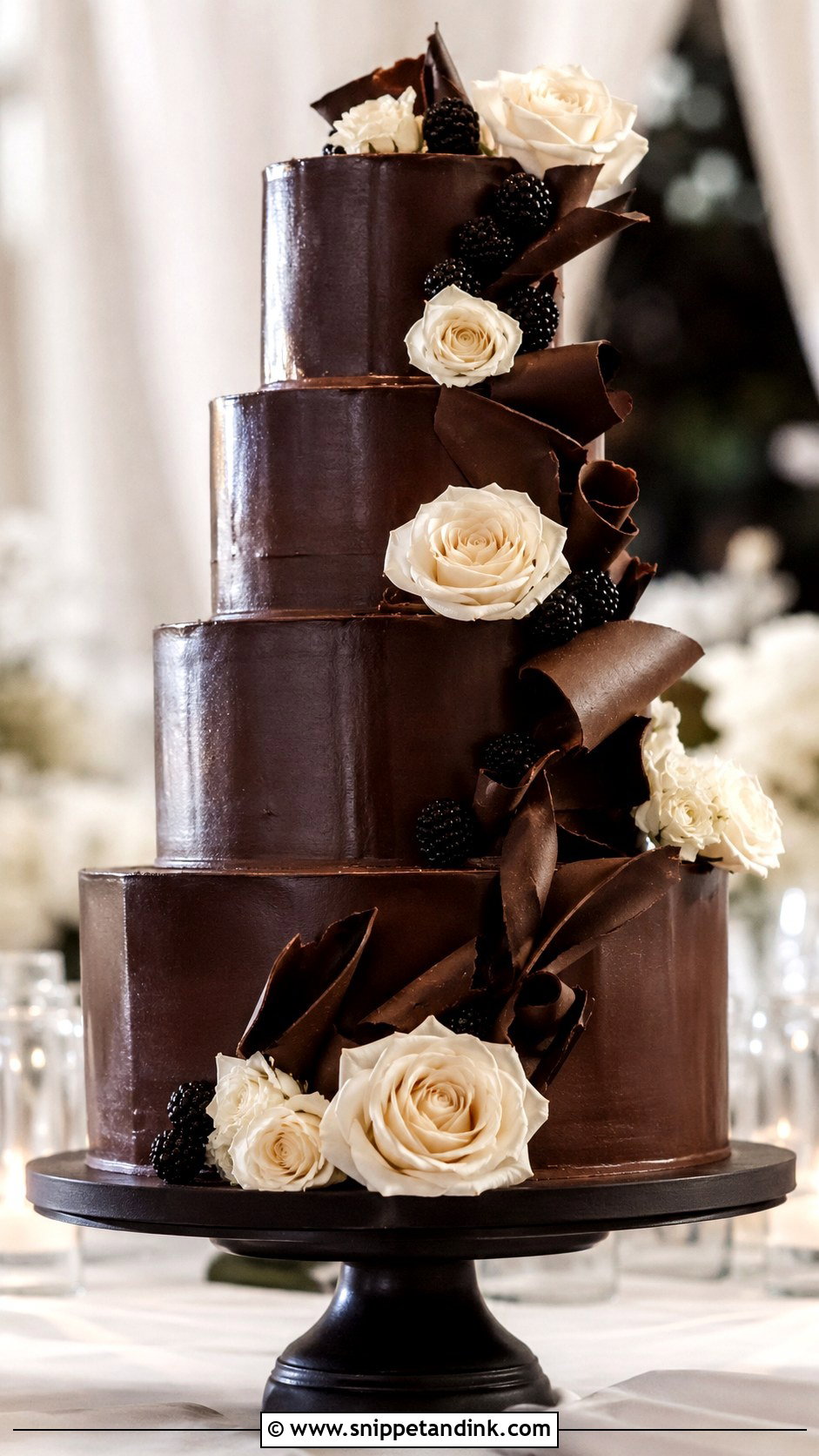
For warm weather, I trust ganache above every other finish. It’s chocolate and cream, it sets firm and it holds sharp edges far better than buttercream when the room heats up. Dark chocolate ganache reads bold and modern; white chocolate ganache looks clean and bridal, though it’s softer and needs a higher ratio of chocolate to set properly. I smooth it over a chilled cake for a matte finish or pour it for gloss. It’s my pick for evening and black tie receptions. Chocolate curls, gold leaf, berries or white flowers finish it.
5. Textured Buttercream Wedding Cake
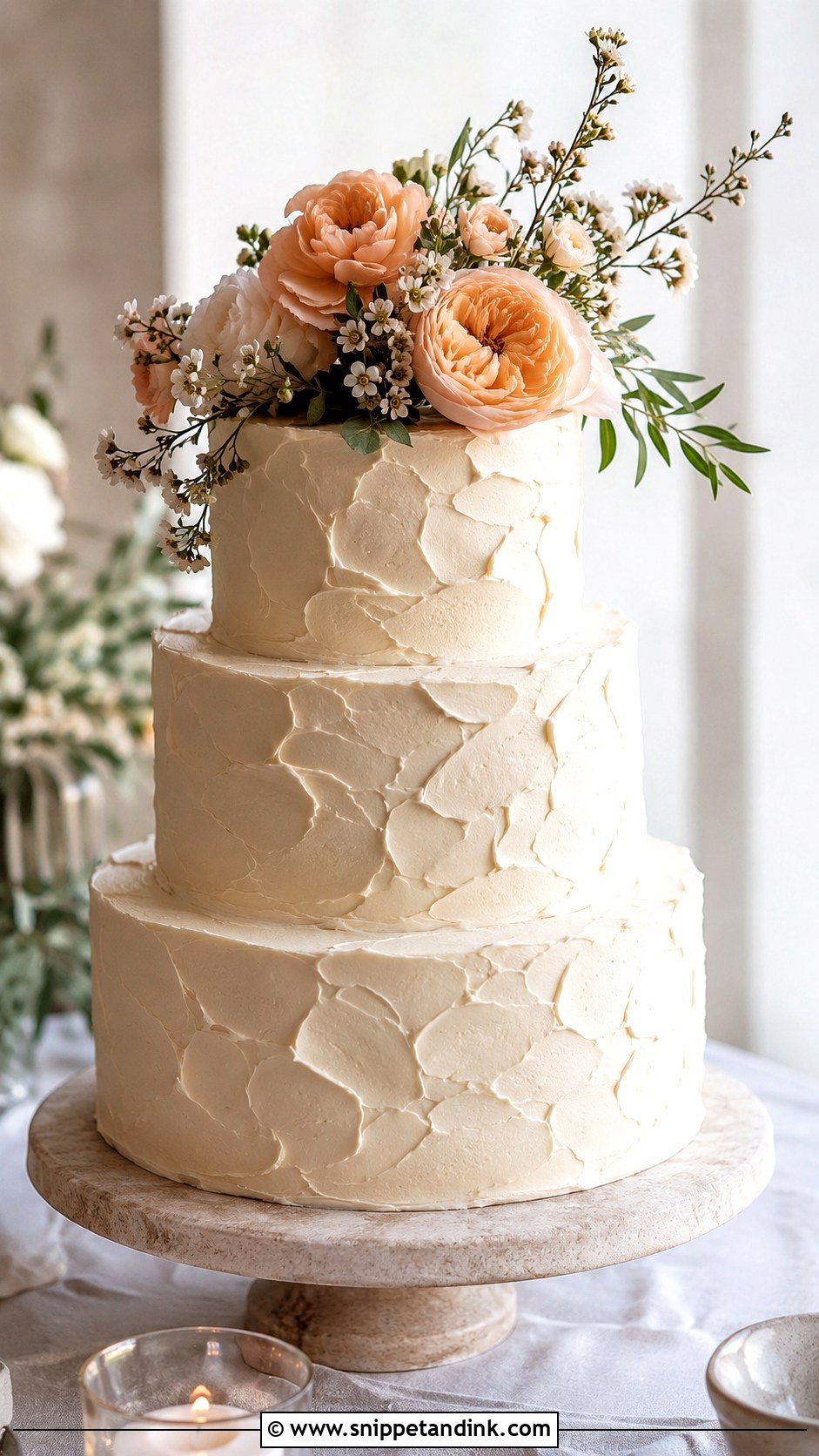
Textured buttercream is forgiving, and that’s my main reason for recommending it. Horizontal lines, palette knife strokes, stucco or ruffles all hide small marks from transport that a perfectly smooth finish would show. I keep the color to one shade when the texture is strong; ivory, cream, pale peach and dusty rose all work. The ridges catch light from different angles, so the cake reads well in photos taken from the side. A few flowers or fresh herbs and fruit are enough on top.
6. Vintage Buttercream Wedding Cake
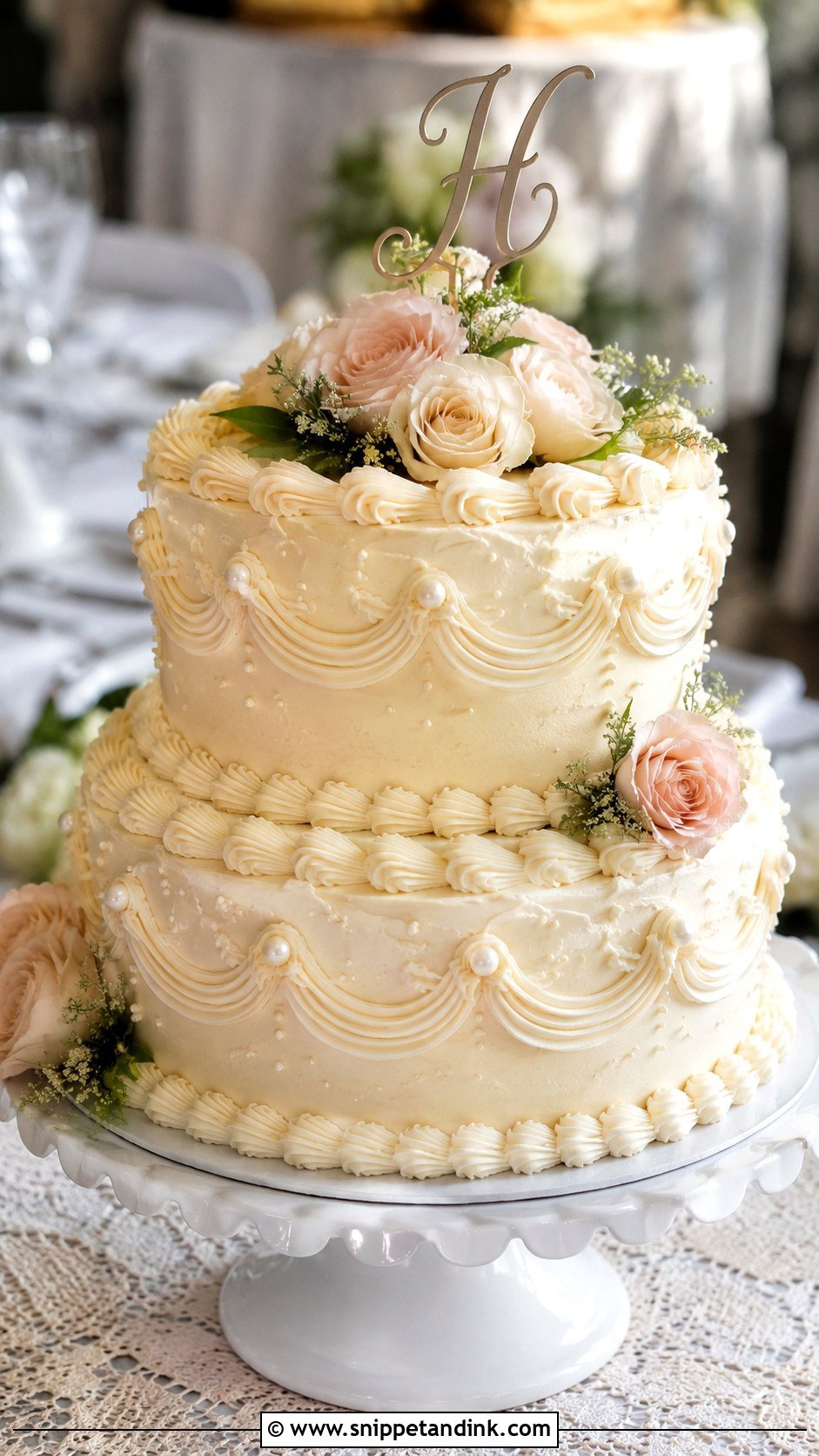
Vintage piping is the most skilled work on this list, and it’s worth asking to see a baker’s own piping before booking this style. Shell borders, swags, scrolls and pearl dots all need consistent pressure and a buttercream at exactly the right temperature; too warm and the shells lose their ridges. Two or three round tiers suit it best. Ivory, blush, pale yellow and powder blue look right. It suits tea-party styling and couples who love heirloom details, and it’s one of the few looks that really doesn’t need fondant to look formal.
7. Flower Buttercream Wedding Cake
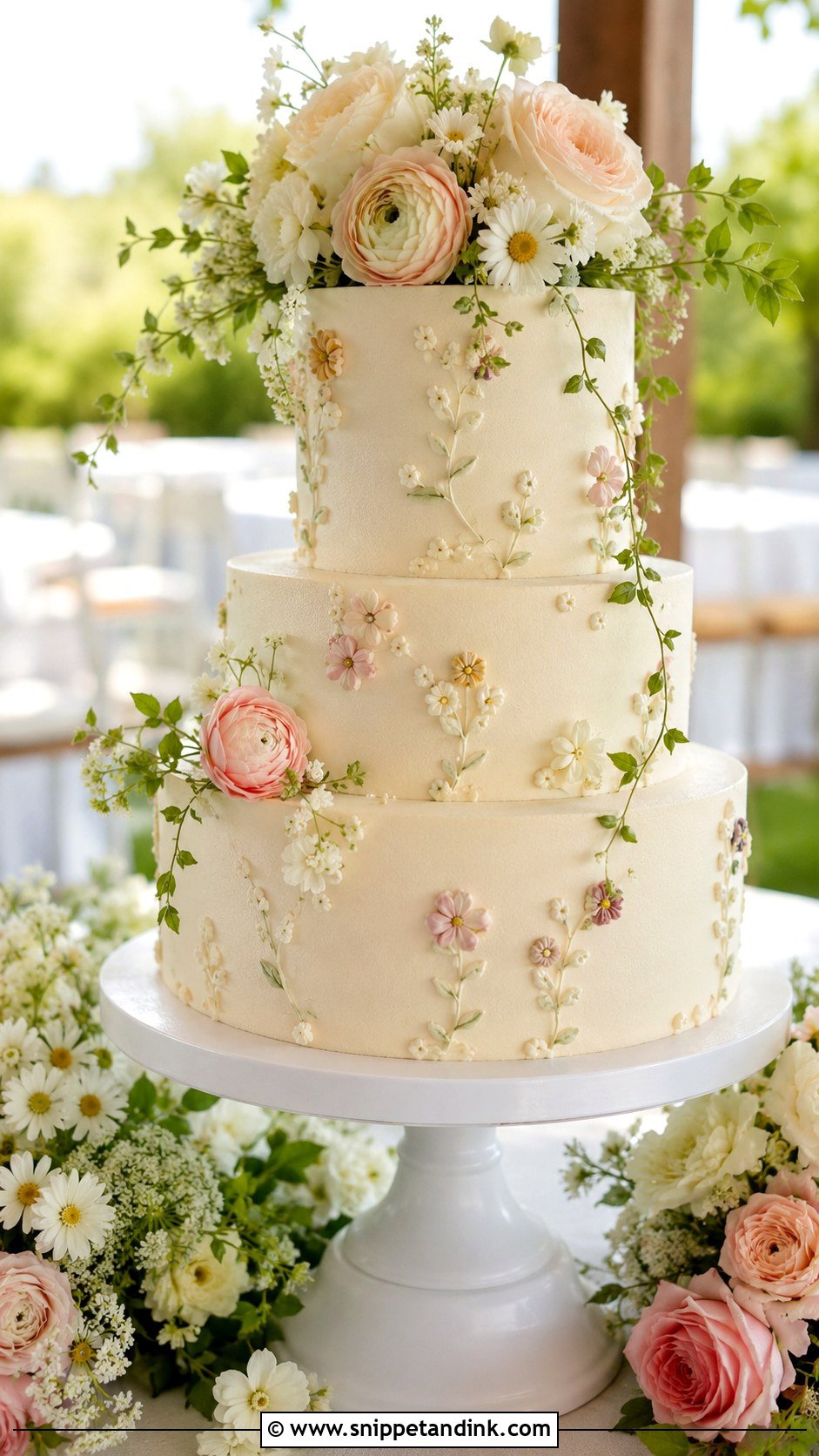
Buttercream flowers are piped one by one onto a flower nail, chilled and then placed on the cake, so a fully covered cake takes many hours. Fresh flowers are quicker, but they need care: the florist and baker should agree who prepares them, and stems should never go straight into the cake. A smooth or lightly textured base keeps the flowers in focus. Roses, peonies, ranunculus, daisies and small fillers all work when they’re food-safe and handled properly. I like matching a few blooms to the bouquet so the dessert table ties into the rest of the decor.
8. Fresh Fruit Wedding Cake
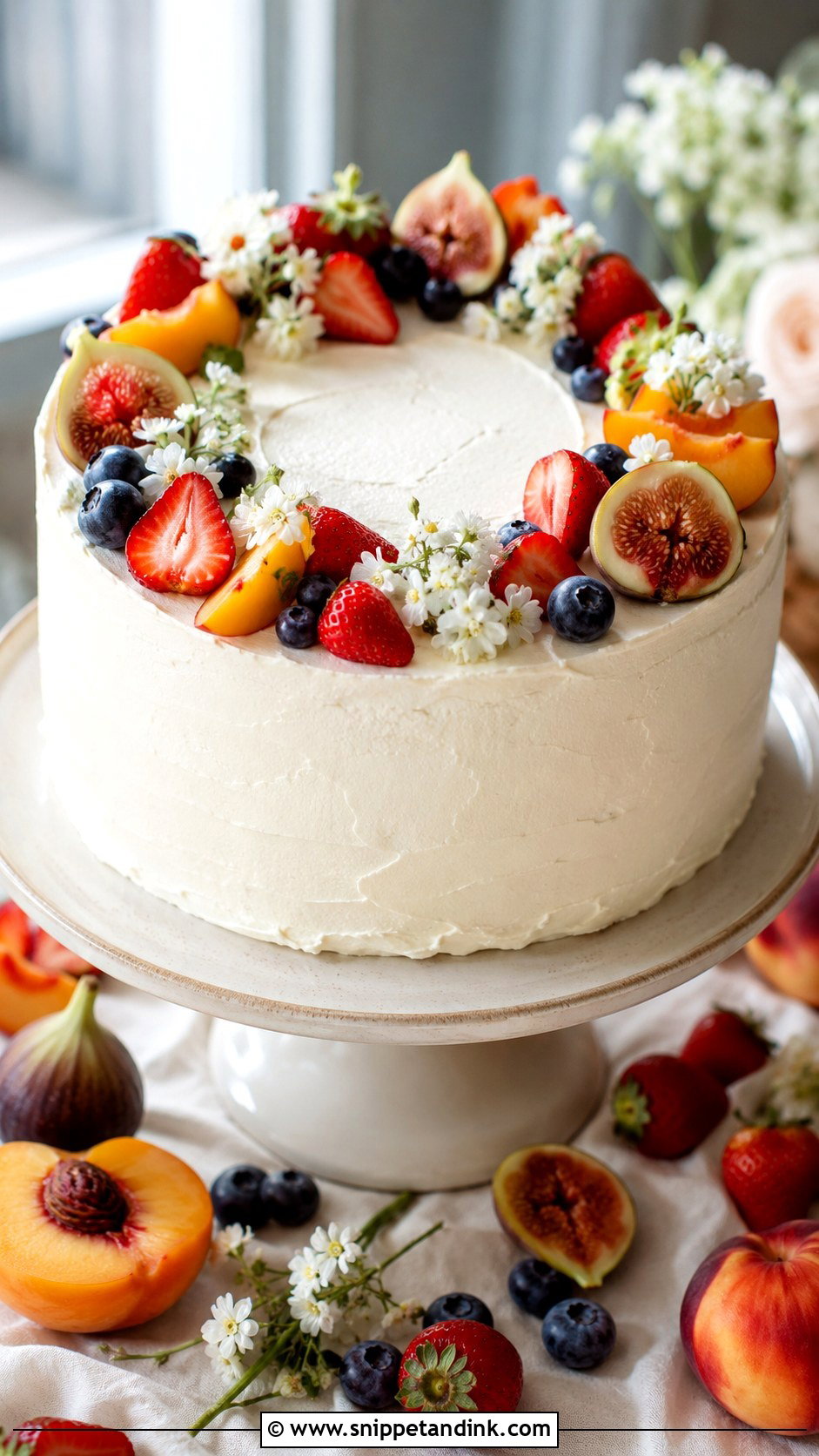
Fruit looks abundant, but it starts to weep the moment it’s cut. I place berries, figs, cherries and grapes whole wherever possible, and add sliced fruit like peaches or citrus at the venue, as late as I can, with a thin glaze to slow browning. Spring and summer give the best choice, though citrus and figs carry into winter. Whipped cream or buttercream keeps the finish soft. Clusters look better than full coverage. It pairs naturally with lighter flavors like lemon, vanilla bean, almond, coconut and berry.
9. Lemon Wedding Cake
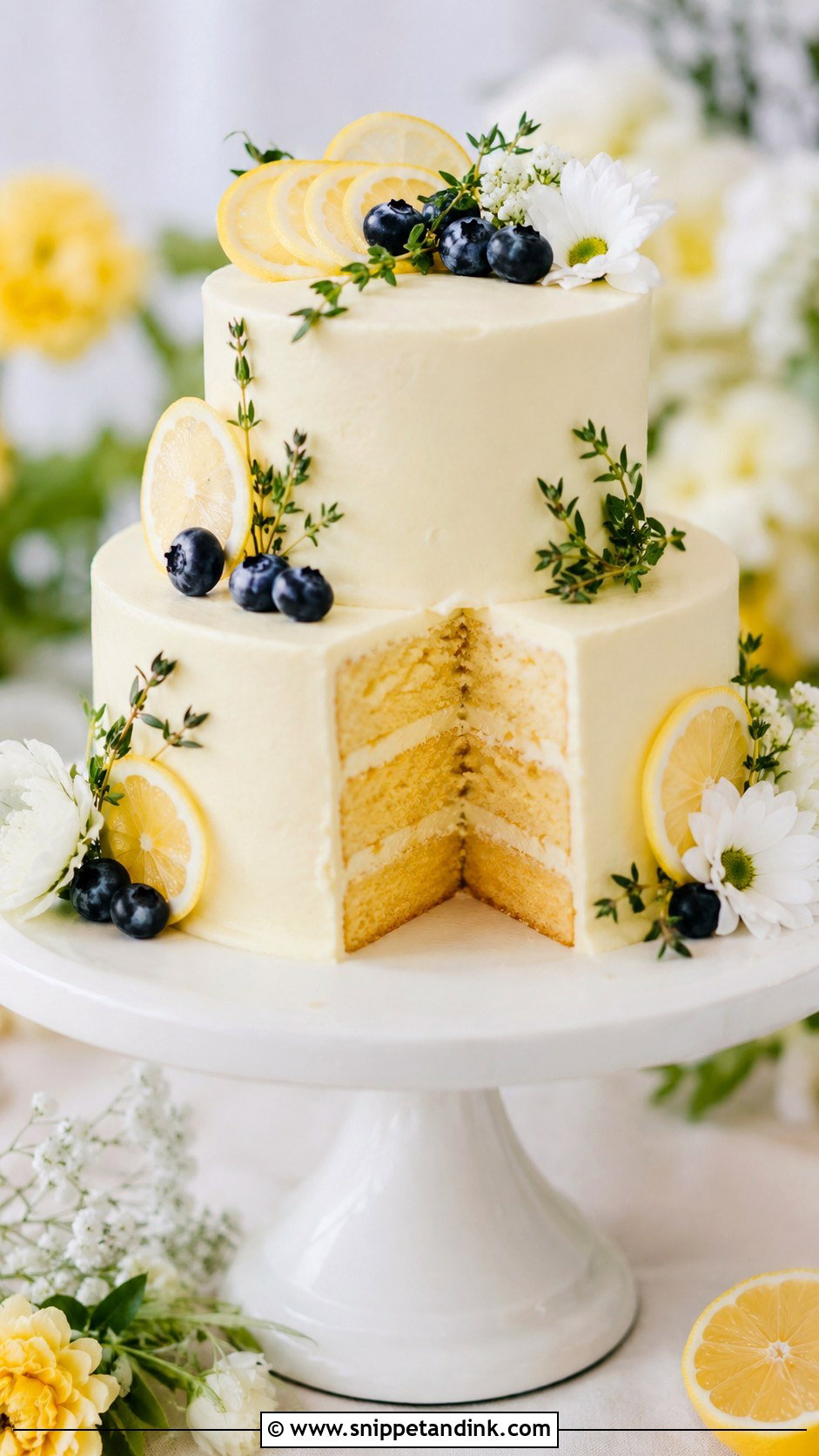
Lemon is the flavor I recommend most for summer, because after a big dinner nobody wants something heavy. A pale lemon sponge with lemon curd and vanilla or cream cheese frosting tastes clean and bright. Curd is loose, though, so I always pipe a firm buttercream ring inside each layer to hold it in, or it slowly pushes out the sides. The outside can be smooth buttercream, semi naked or whipped. Thin lemon slices, white flowers, herbs or blueberries finish it. It also works as one tier in a mixed-flavor cake.
10. Chocolate Wedding Cake
Chocolate can look formal; it just needs restraint in the decoration. Dark chocolate sponge, chocolate buttercream, whipped ganache or a glossy drip all suit a non fondant finish. Sharp tiers and almost no decoration read modern; berries and flowers read romantic. Deep brown sits especially well against ivory blooms, red berries and a little gold. If some of your guests find chocolate too much, pair chocolate cake with vanilla buttercream, salted caramel, raspberry or espresso filling. It’s the cake I’d push for evening weddings and colder months.
11. White Chocolate Wedding Cake
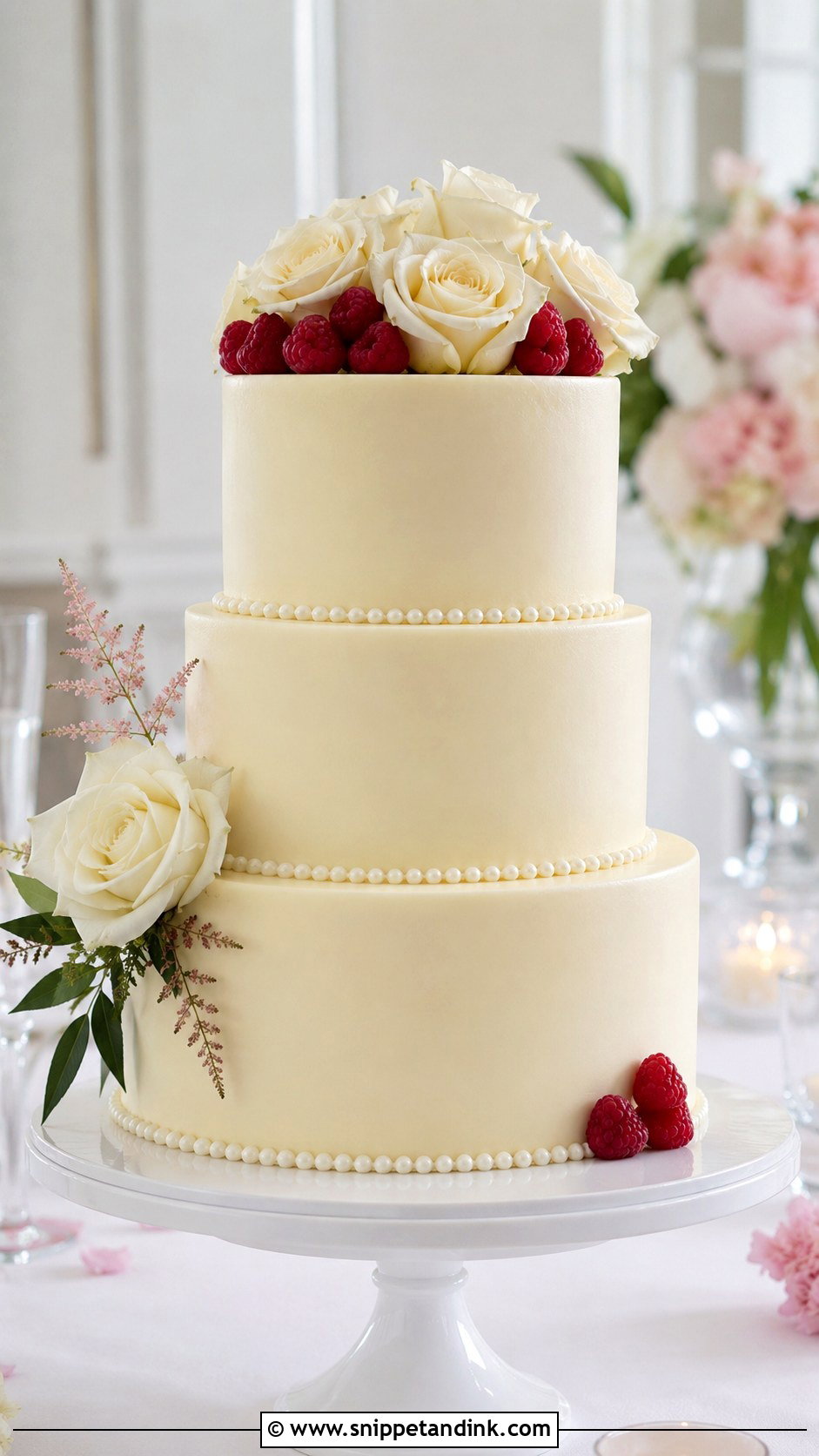
White chocolate ganache is the closest you’ll get to fondant’s smooth, clean look without the texture people dislike. It sets firm enough for sharp edges, yet it cuts like a soft truffle. It’s very sweet on its own, so I balance it with tart fillings: raspberry, passion fruit or lemon, or a mellow vanilla bean or almond. White roses, pearl piping, wafer paper accents or berries keep it refined. It also takes soft texture, drips and painted color well, which makes it a good base for a formal cake.
12. Cream Cheese Frosting Wedding Cake
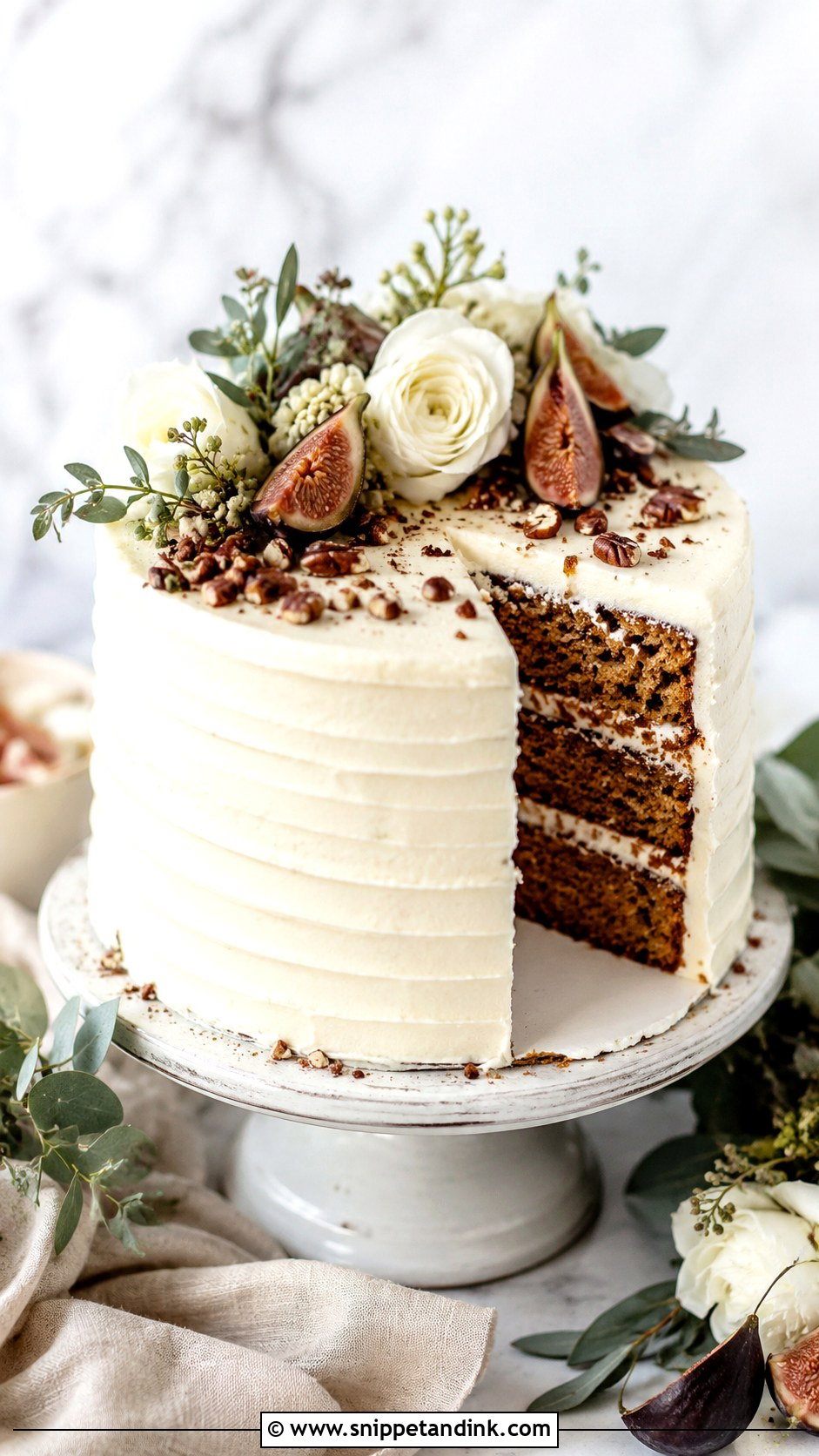
Cream cheese frosting tastes wonderful and behaves badly in warmth. It’s softer than buttercream, needs refrigeration and can’t sit out for long, so I limit tiers to a sensible size and keep the cake cold until just before guests see it. Carrot, red velvet, spice, hummingbird and pumpkin cakes all need its tang. A rustic or lightly textured finish suits it better than sharp edges, which it struggles to hold. Chopped nuts, flowers, figs or a simple piped border are enough. For a warm outdoor wedding, I’d keep cream cheese as the filling and use buttercream outside.
13. Whipped Cream Wedding Cake
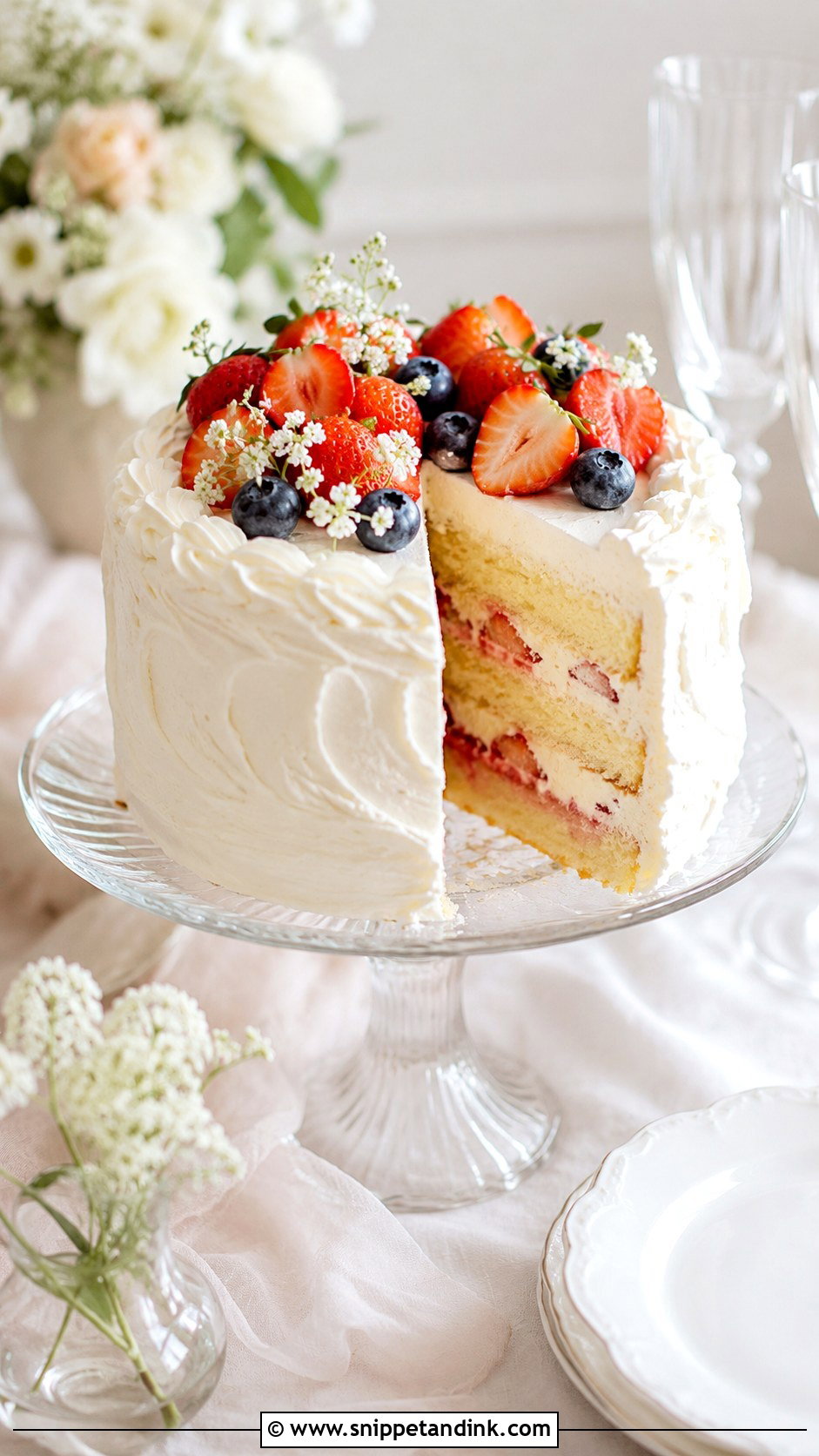
Whipped cream is the lightest, least sweet finish here, and the most fragile. Even stabilized with gelatin or mascarpone, it shouldn’t sit at room temperature for more than a short while, so I only suggest it for indoor receptions where the cake goes from the fridge to the table close to cutting. Inside, it suits sponge cake with vanilla, strawberry, mango, peach or a tres leches style. Outside, fresh fruit, a few soft flowers or chocolate curls. Tall tiers are risky; two short tiers or one wide one is safer.
14. Meringue Wedding Cake
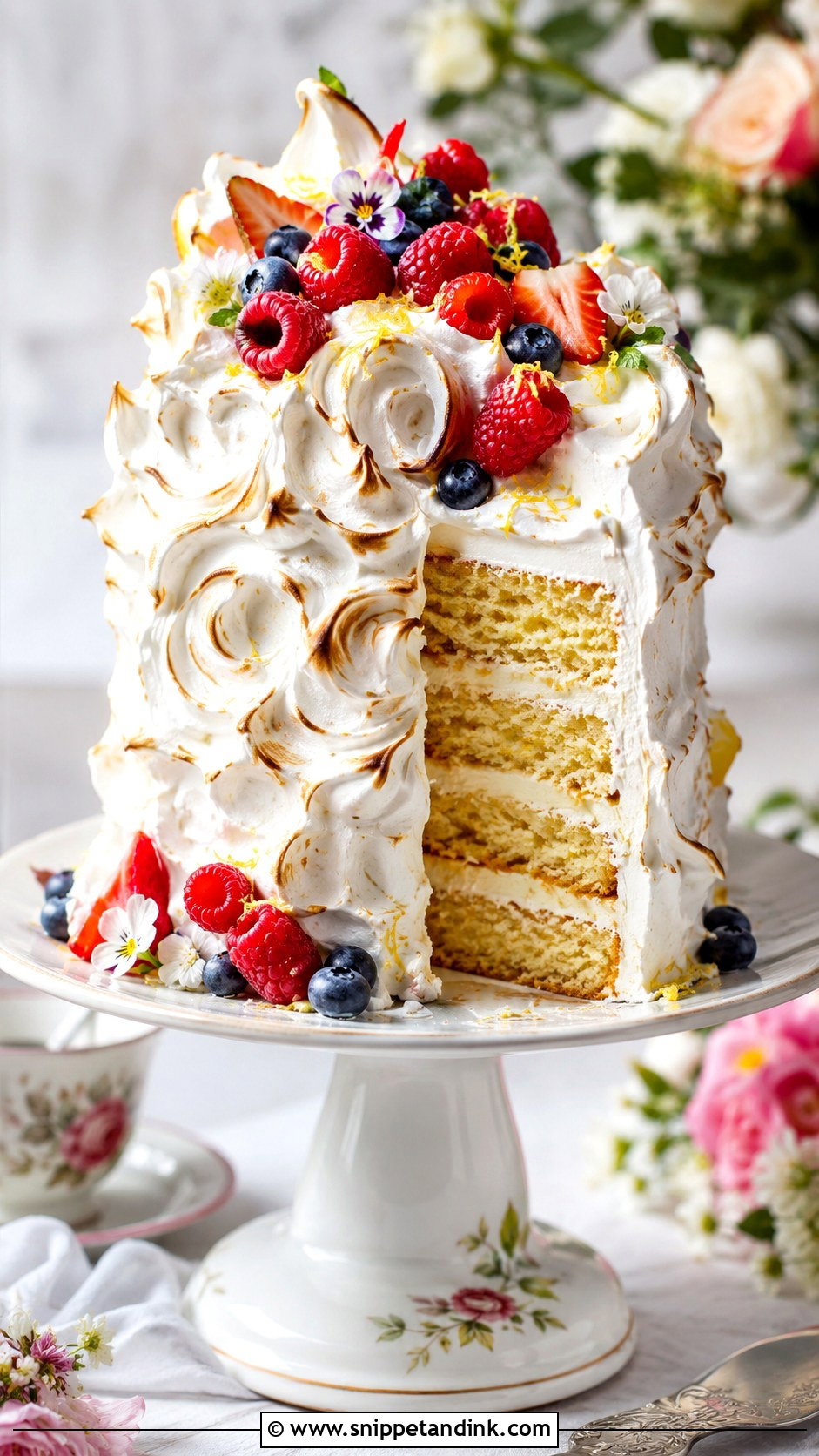
Meringue frosting is lighter than buttercream, and torching it gives a toasted, marshmallow look that people remember. Italian meringue is the most stable because the sugar syrup cooks the whites; Swiss works too. Humidity is its weak spot, since meringue absorbs moisture and can weep, so for a sticky summer day I’d choose something else. Lemon, coconut, vanilla, passion fruit and berry cakes pair best. Swirl it high for drama or smooth it gently for a cleaner shape, and toast it on site if you can, so it stays crisp.


15. Drip Wedding Cake
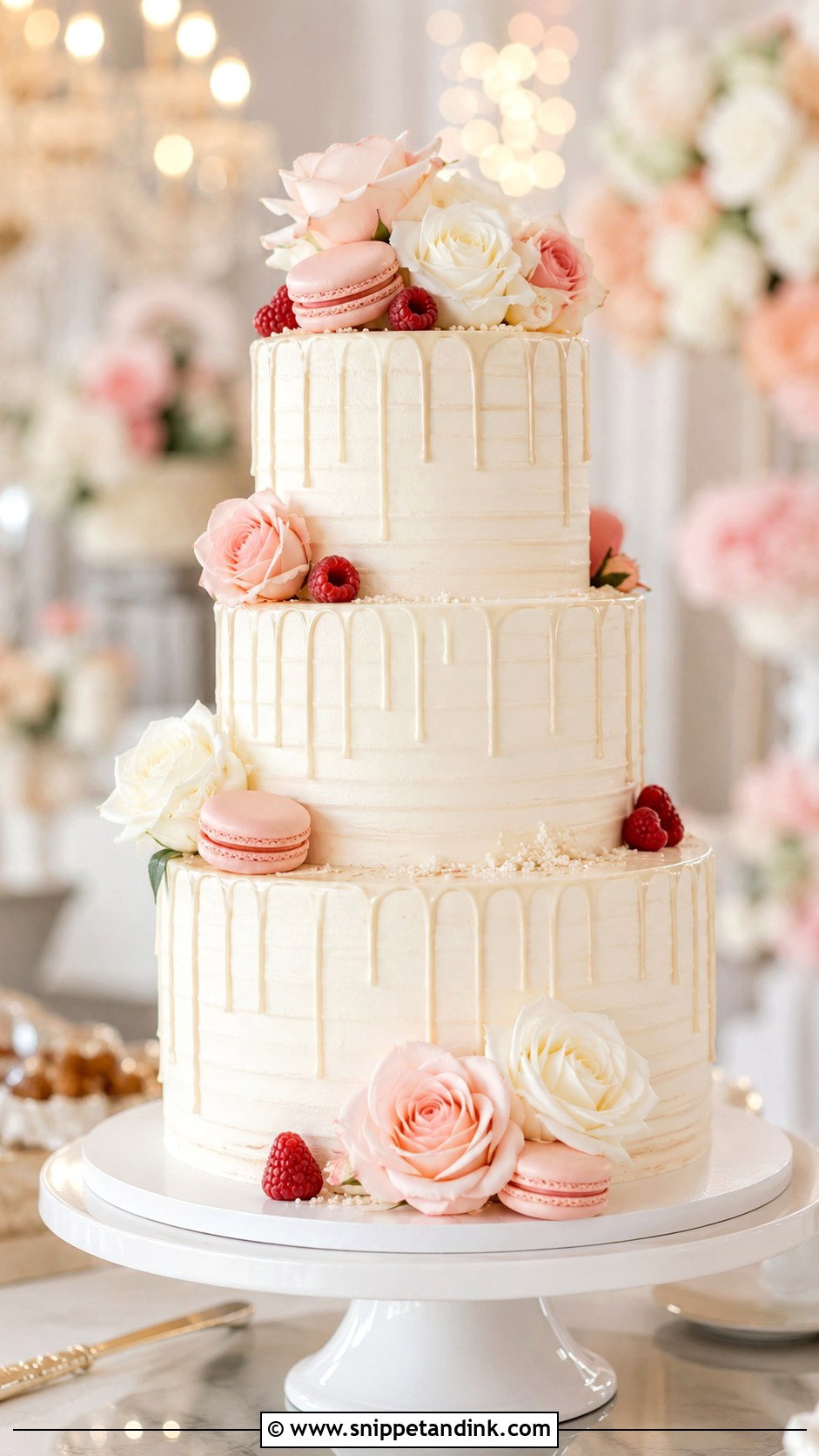
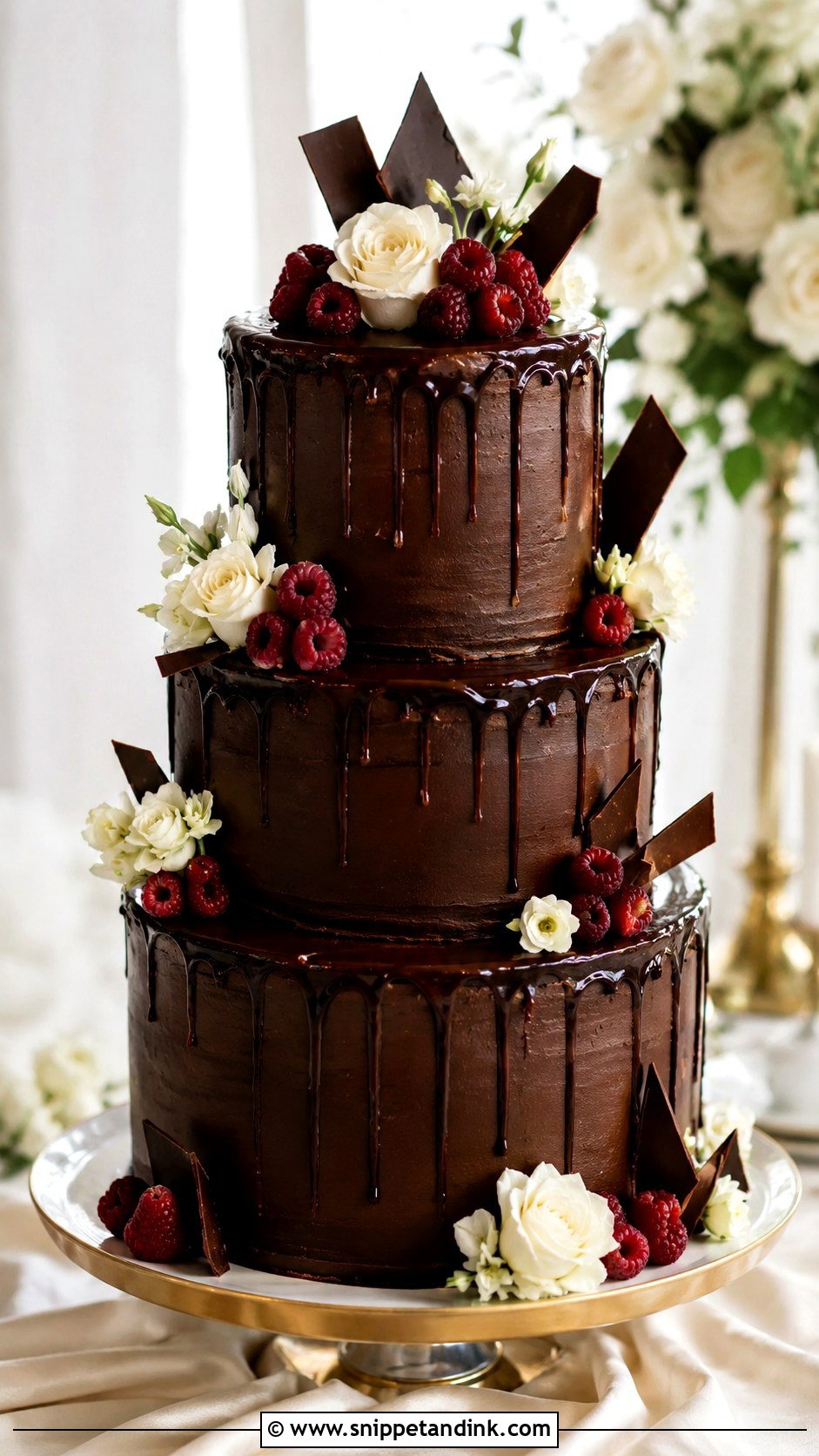
The drip is the one part of this cake where timing decides everything. Ganache that’s too warm runs to the board; too cool and it stops in fat blobs halfway. I test one drip on the back of a chilled cake before doing the rest. Chocolate, white chocolate, caramel, berry glaze or colored candy coating all work over a smooth buttercream base. Flowers, macarons, berries or small piped details finish the top. Keep the drip color tied to your palette, or it reads as a birthday cake.
16. Watercolor Buttercream Wedding Cake
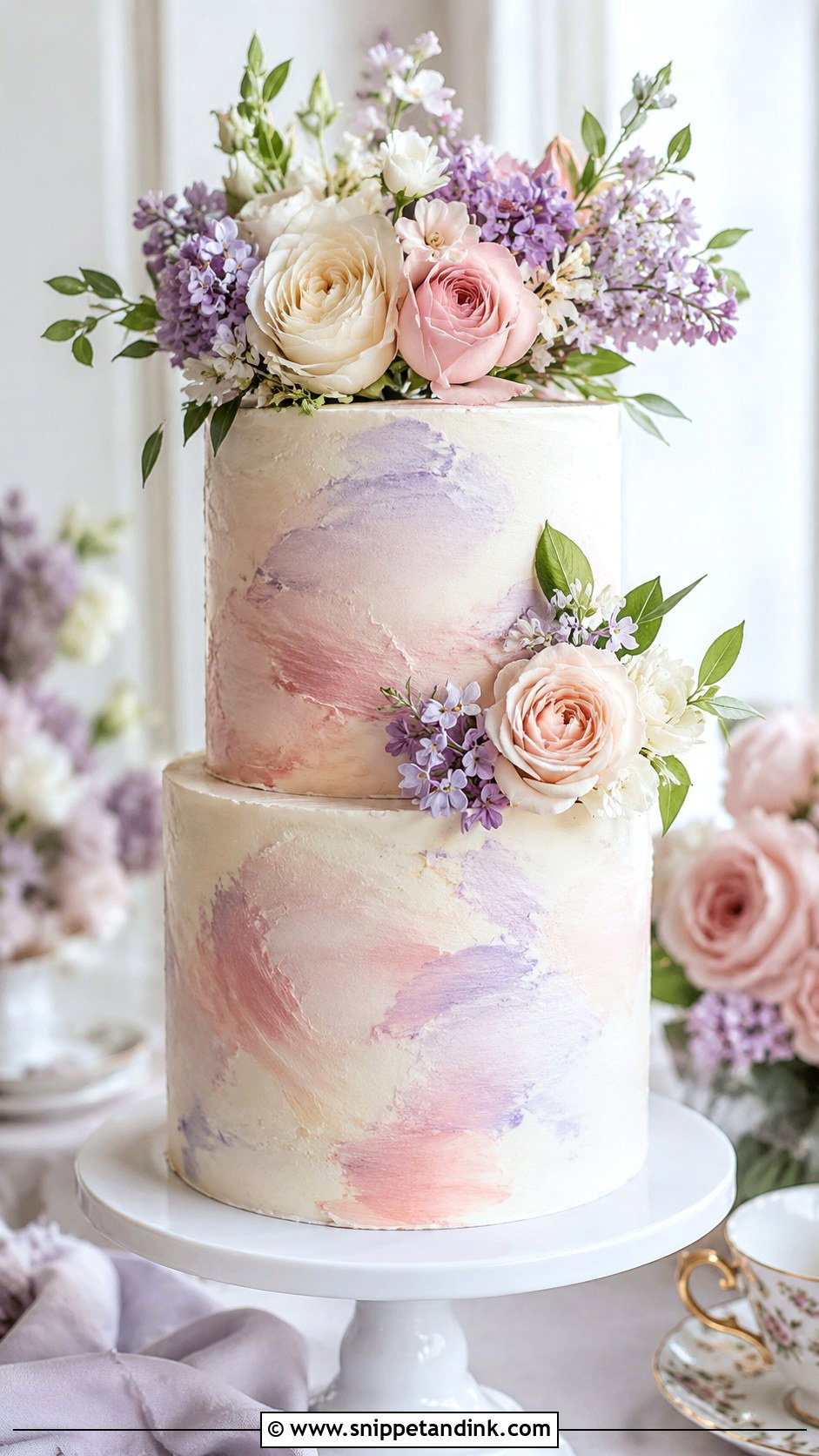
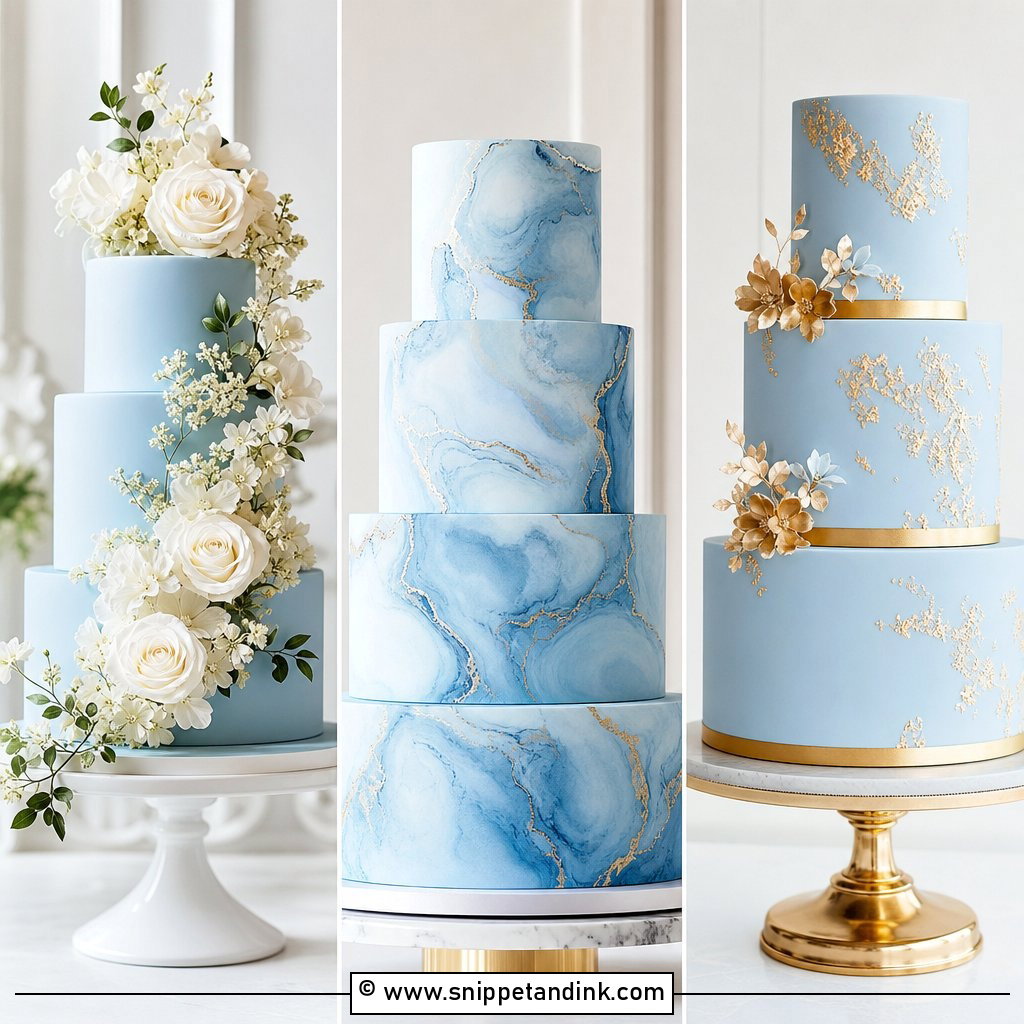
Watercolor buttercream is tinted frosting pressed onto a white base and smoothed with a scraper, so the colors blend where they meet. The most common mistake is too many colors; two or three related tones look painted, while five look muddy. Blush, lavender, peach, sage, dusty blue and champagne all work. Keep the top tier smooth and plain and add a few simple flowers. Vanilla bean, almond, lemon or berry inside match the light look outside.
17. Rustic Wedding Cake
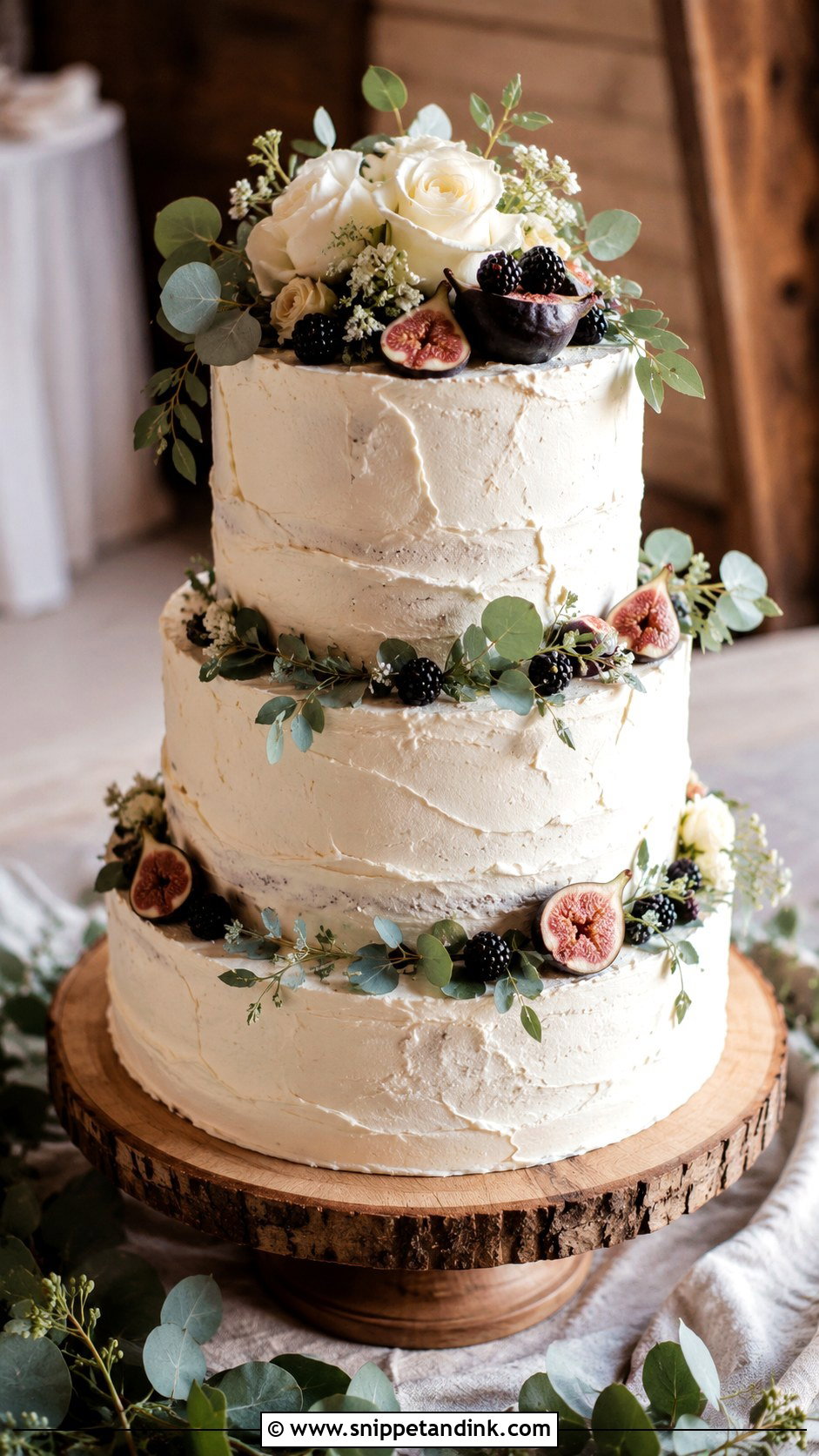
Rustic doesn’t mean careless. A rough buttercream finish, exposed layers and natural decoration still need level tiers and solid internal supports, especially on uneven barn floors or outdoor tables. I check the table is level before stacking anything. Semi naked, rough-frosted and visible-filling versions all fit barns, farms, backyards and woodland settings. Flowers, greenery, berries and figs on a wooden stand complete it. Vanilla, carrot, spice, almond and chocolate taste right with the setting.
18. Minimalist Wedding Cake
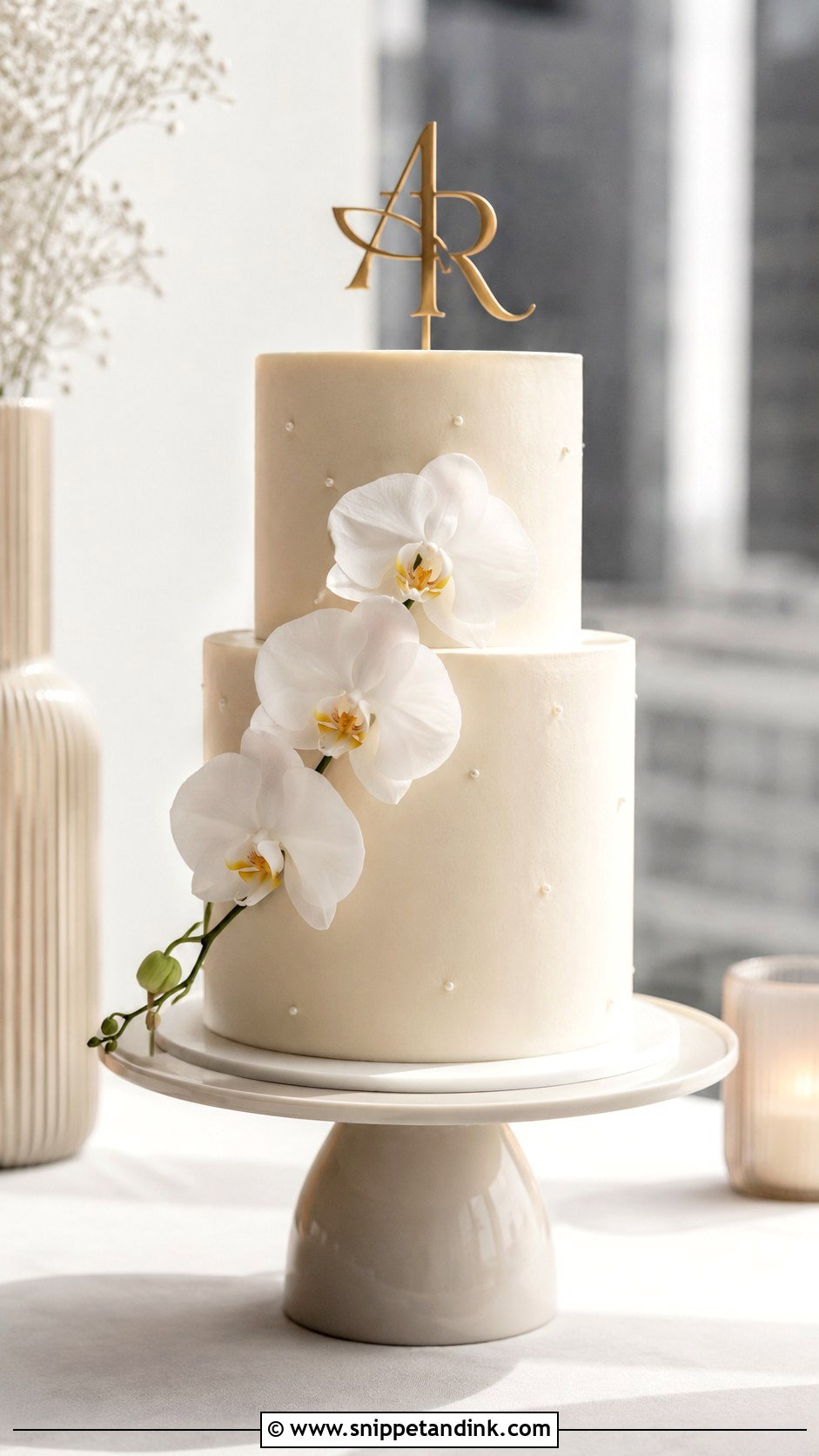
A minimalist cake shows every flaw, so the craft is all in the finish. Smooth buttercream, sharp edges, even tier heights and one detail: a single stem, a line of piping, a texture band or a small fruit cluster. I chill each tier hard before the final scrape so the edges stay crisp. White, ivory or one soft neutral. It fits modern venues and city weddings. Vanilla bean, almond, coconut and white chocolate keep the inside as clean as the outside.
19. Small Wedding Cake
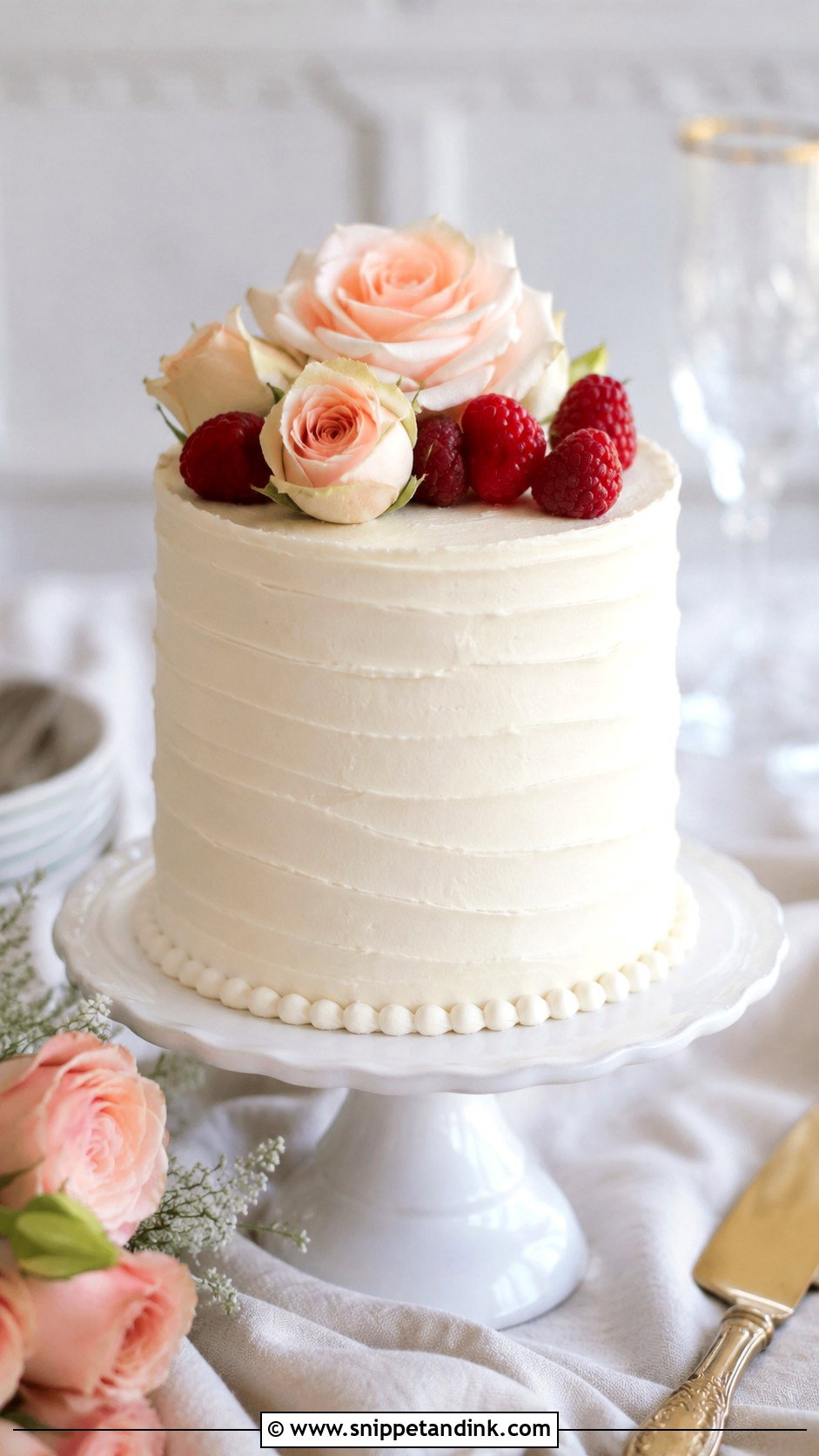
One or two tiers can still look like a wedding cake if the proportions are right; I make the top tier noticeably smaller than the bottom so it doesn’t read as a stacked birthday cake. Small cakes suit intimate weddings, elopements and couples serving other desserts too. Buttercream, ganache, whipped cream and cream cheese all work on smaller cakes. Since there are fewer guests to please, small cakes are a good place for bolder flavors, like lemon raspberry, chocolate caramel, almond vanilla or red velvet.

20. Cupcake Wedding Cake
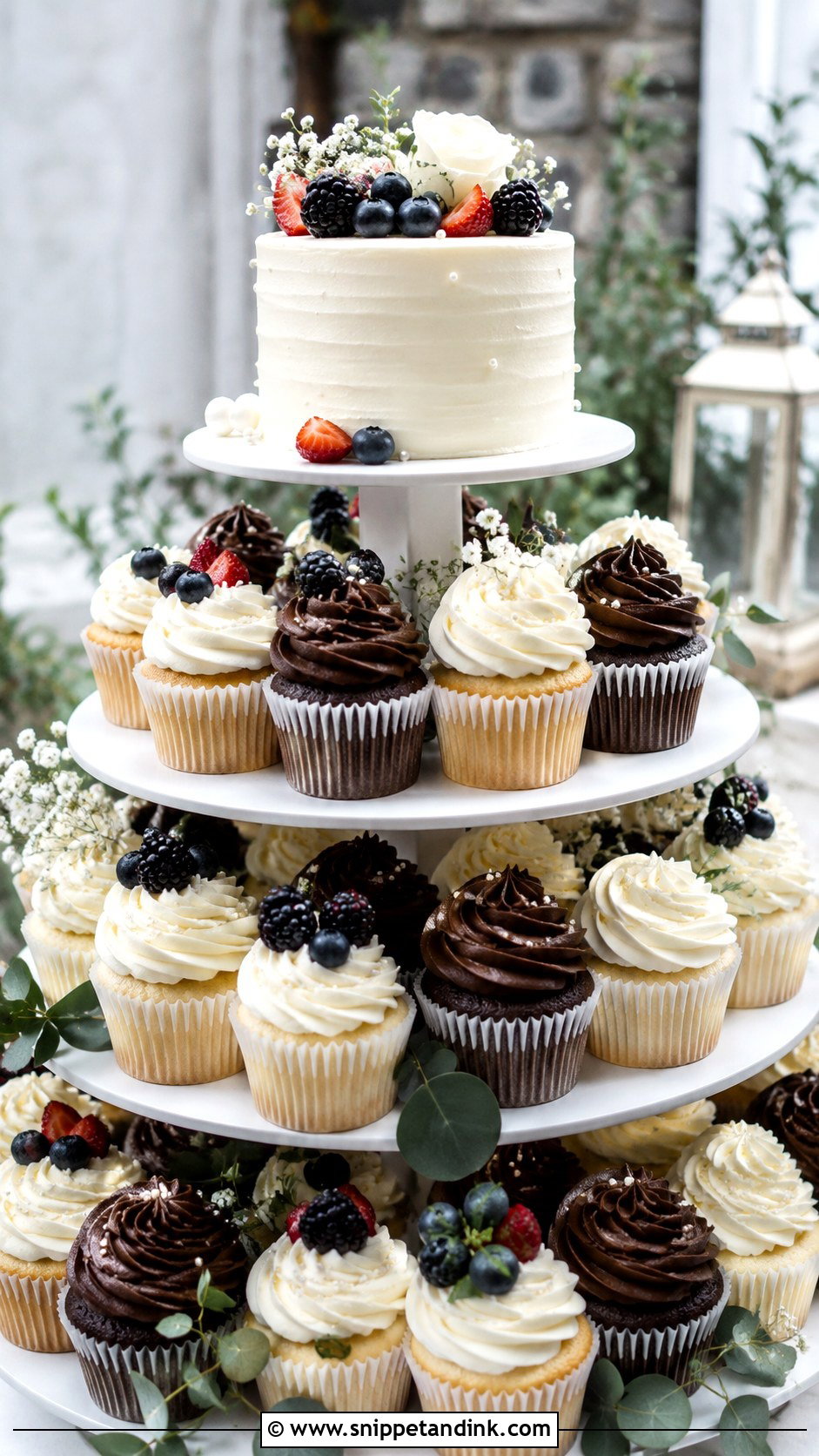
Cupcakes solve the serving problem: no cutting, no plates of uneven slices and several flavors on one stand. Usually cupcakes are arranged on tiers with a small cutting cake on top for the photo. Buttercream swirls, whipped frosting, ganache tops, fruit fillings and cream cheese frosting all work. Keep the wrappers, piping tip and color the same across the stand so it reads as one cake. The trade-off is the cost of labor: frosting two hundred cupcakes takes longer than frosting tiers, so don’t assume it’s the cheaper option.
Real Blooms on Buttercream, Done Safely
Many of these cakes rely on fresh flowers, and this is the part couples rarely think about. Flowers from a florist are usually grown for looks, not for eating, and many are treated with pesticides. Some common wedding flowers are also toxic, including lily of the valley, hydrangea, foxglove, oleander and daffodils.
What I insist on
- Flowers for the cake should be unsprayed or organic, and confirmed safe with whoever supplies them.
- Stems are wrapped in floral tape and pushed into a drinking straw or a flower pick, so no stem or sap touches the cake.
- Blooms that sit directly on the frosting rest on a small disc of parchment or wafer paper.
- Everything decorative comes off before cutting, and no one eats the flowers unless they’re true edible blooms.
Decide early whether the florist or baker places the flowers. Either is fine, but the cake table is often left until last, and a mix-up means a bare cake at the reception. I prefer to place them myself with blooms the florist sets aside for me.
Will Your Venue Let the Frosting You Want Survive?
Without fondant, the finish you can have depends mostly on temperature and timing. Ganache and American buttercream handle warm rooms; Swiss meringue, cream cheese and whipped cream need cool rooms and short display times. Choose your flavor and finish together, then share your venue details with your baker: indoors or out, the month, and how long the cake will sit before it’s cut. Get that right and the cake will taste as fresh as it looks.
You'll Like These Ideas:










Leave a Reply