
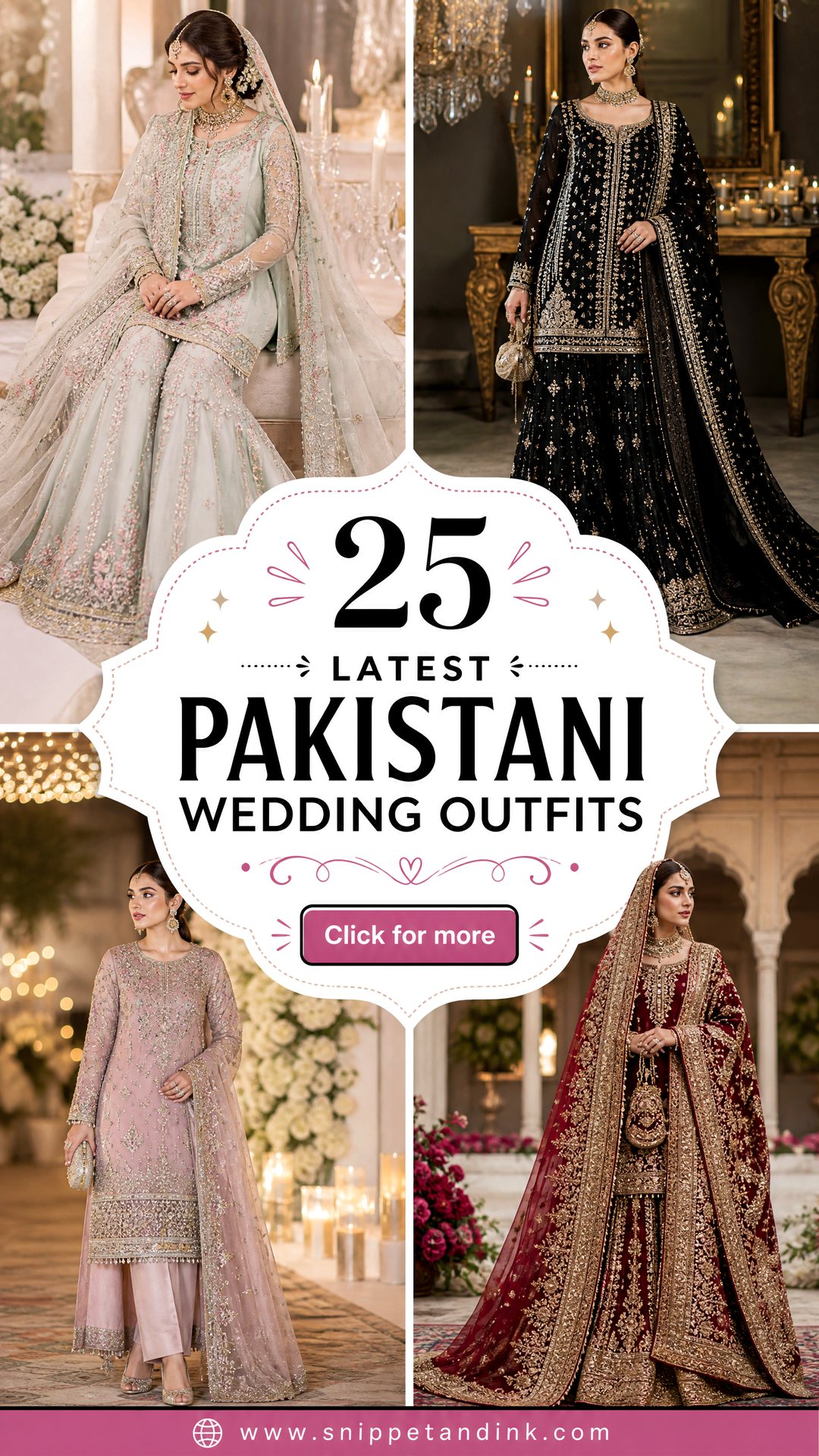
Who You Are at the Wedding Changes What You Wear
When someone books me to plan a Pakistani wedding wardrobe, the first question isn’t color. It’s role. The bride, her sisters, the groom’s mother and a guest from work are dressing for the same events but under very different expectations.
- The bride: the heaviest outfit goes on the barat, the lightest on the mehndi, and the walima is usually the softest color. Plan all three together so they don’t repeat.
- Sisters and close cousins: often coordinate in a shared palette for the mehndi, and wear something formal but clearly lighter than the bride’s barat outfit.
- Mothers: jamawar, emerald, deep rust or champagne with a strong dupatta. Comfort matters, since they’re on their feet hosting all night.
- Guests: avoid red at the barat and anything that could be mistaken for the bride’s walima color. A three-piece suit with a good dupatta is always correct.
I’d also ask the family about color plans. Some households assign colors for the mehndi or the dholki, and it’s easier to know before you buy than after.
1. Red Bridal Lehenga Outfit
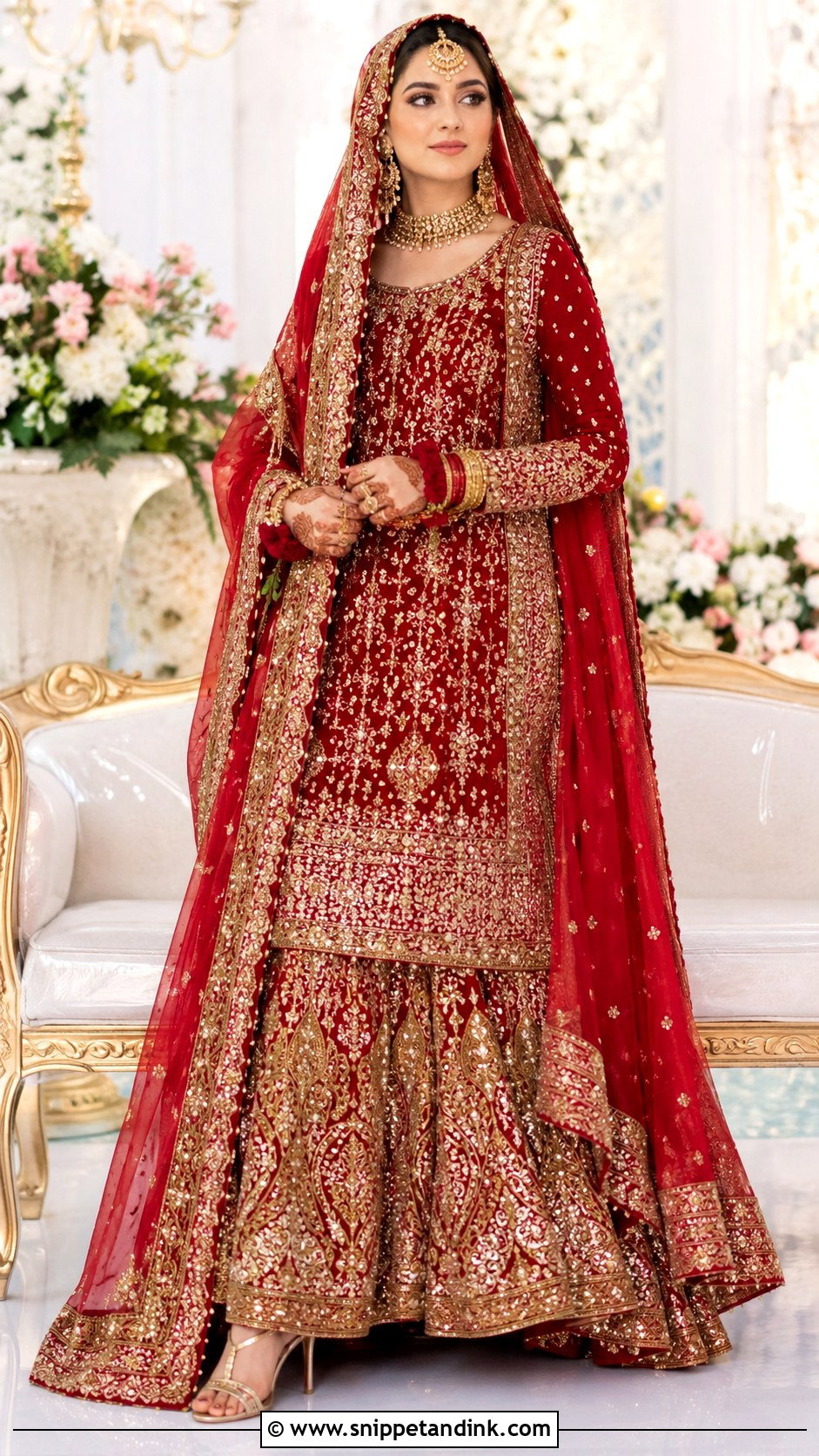
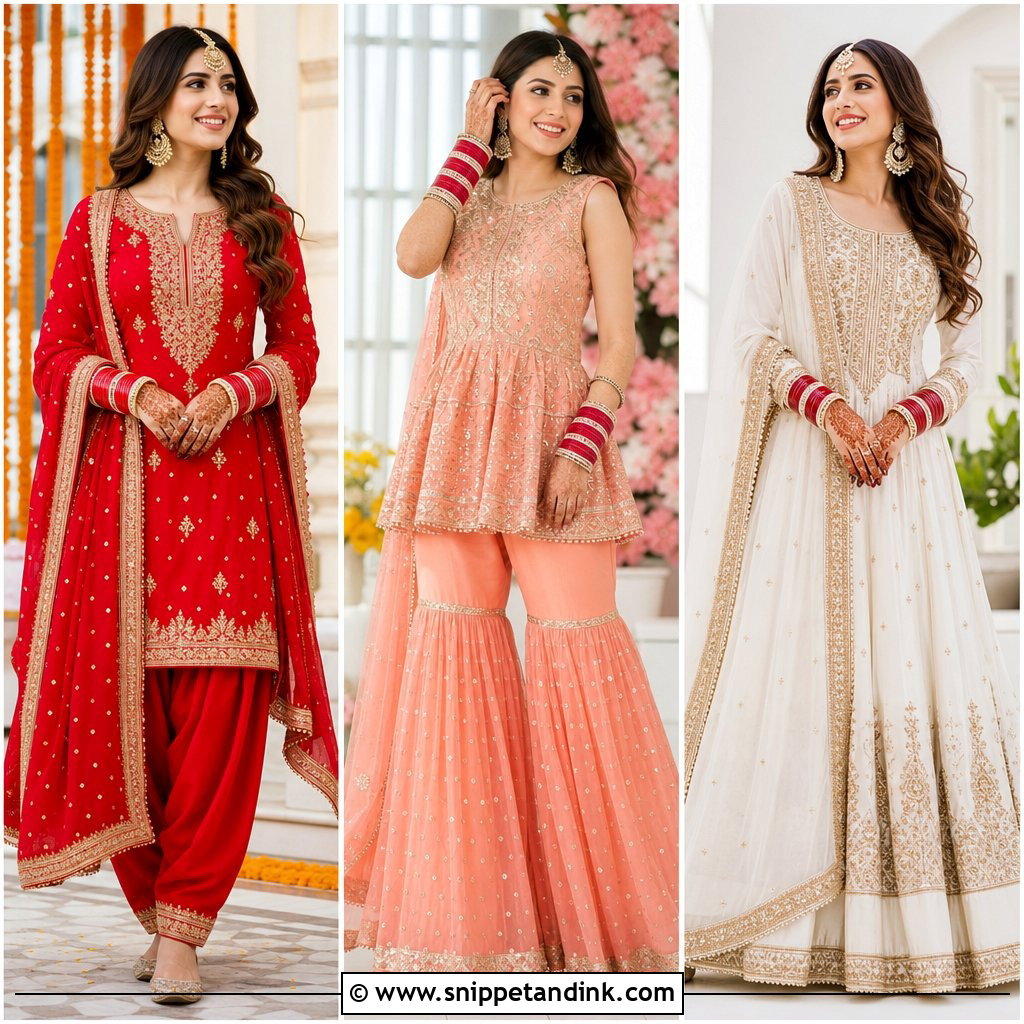
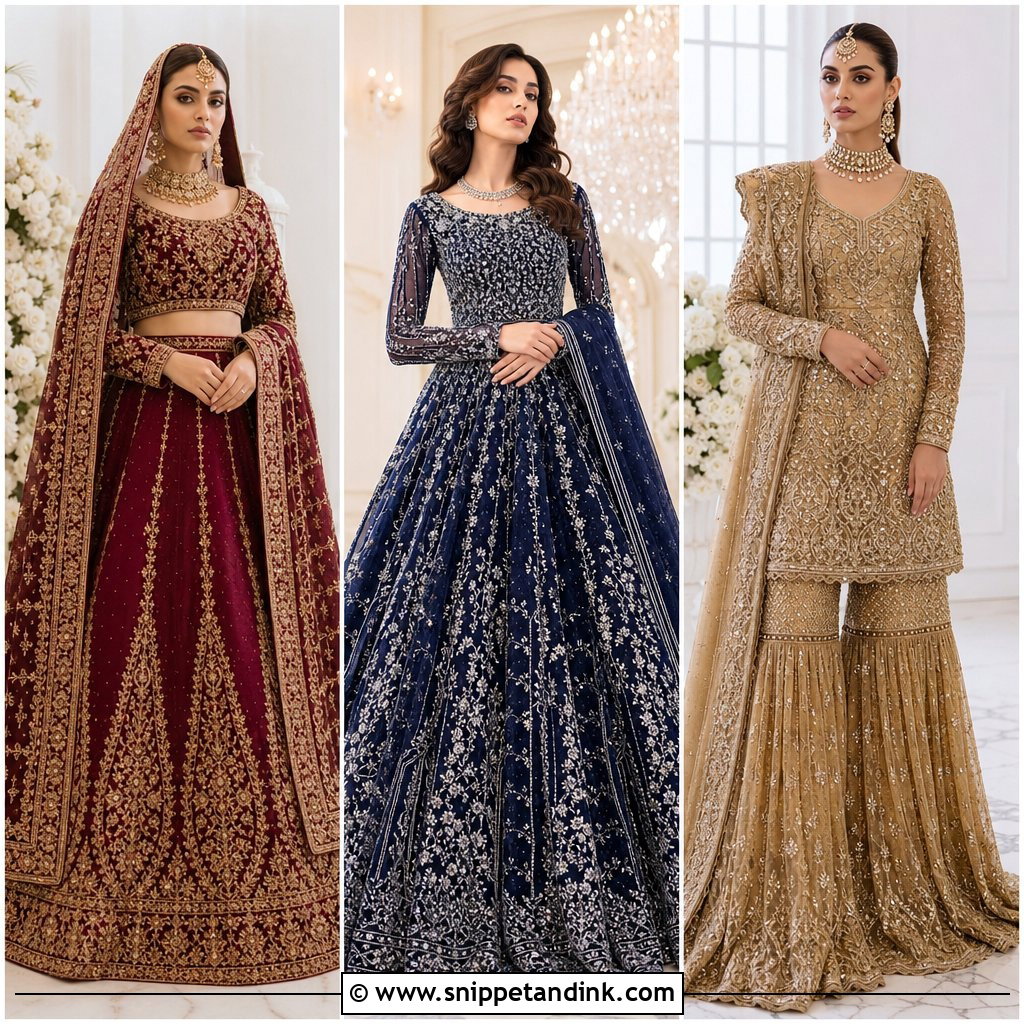
Deep red or maroon with gold zardozi, dabka, sequins and handwork is still what most families picture for the barat, and I rarely talk a bride out of it. What I do talk through is the top: a long shirt gives more coverage and suits conservative families, while a choli shows more of the lehenga’s waistline. One heavily bordered dupatta over the head, a lighter one over the shoulder. Gold jhumkas, a matha patti, stacked bangles and khussas or low heels. Red and gold are loud together, so I keep makeup polished and hair smooth; the outfit needs a calm frame.
2. Pastel Nikkah Sharara Outfit
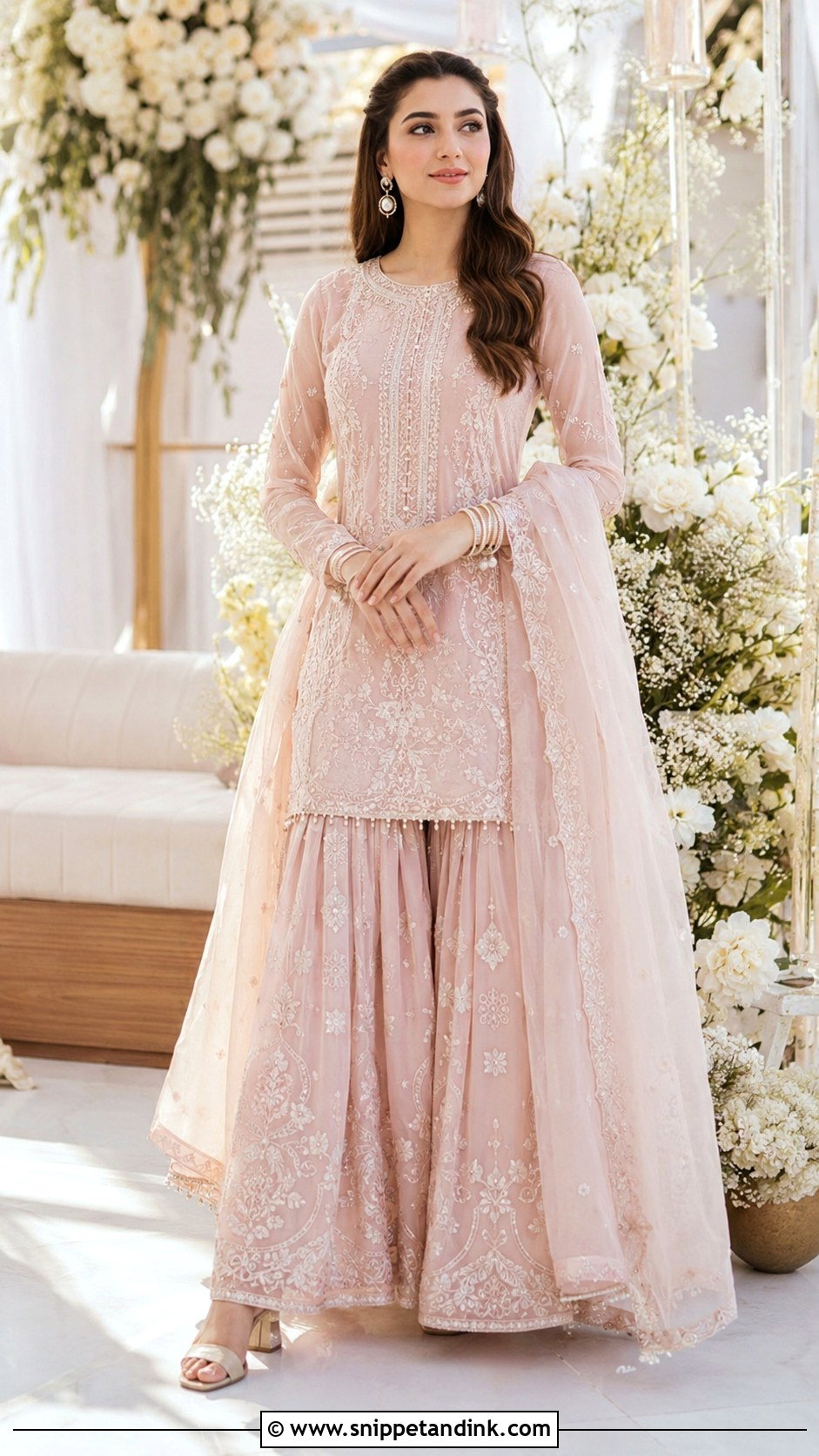
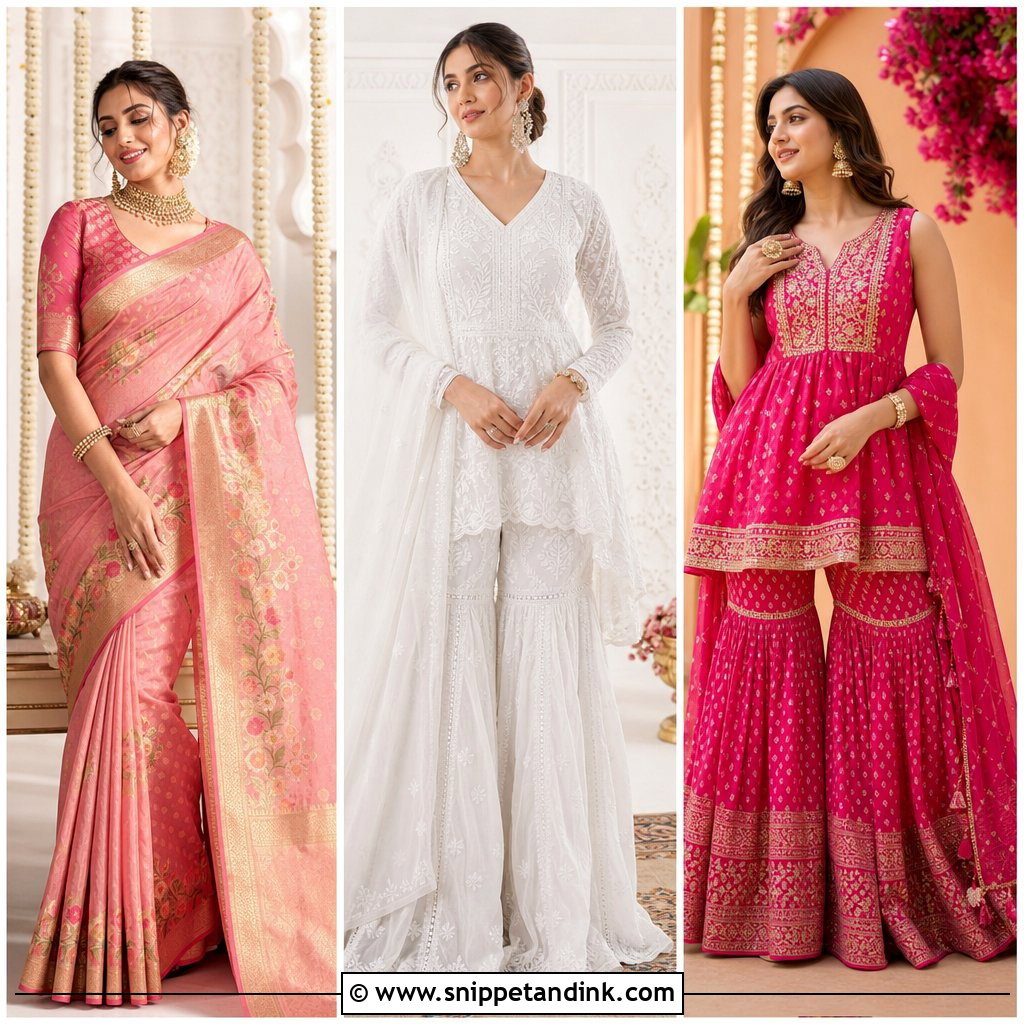
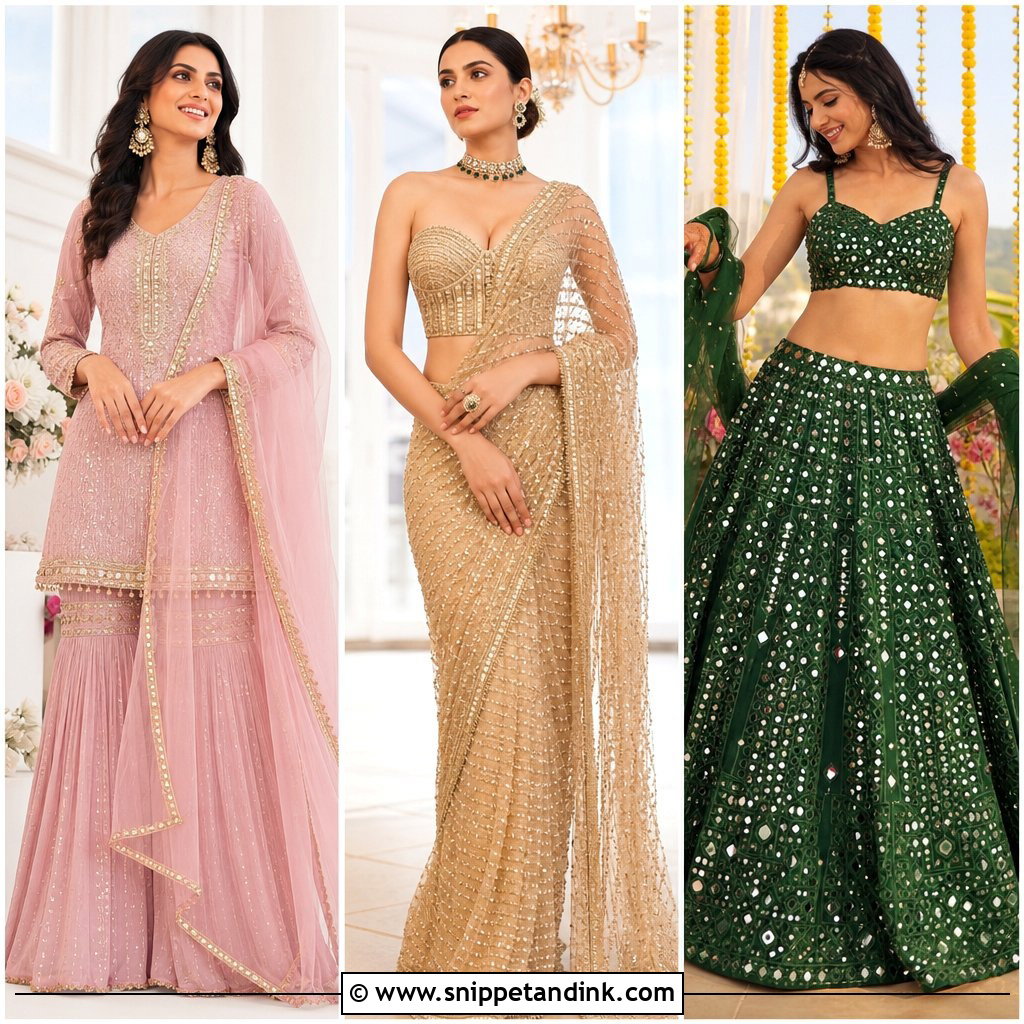
For a daytime nikkah I like a pastel sharara because it photographs soft in natural light and lets the bride sit comfortably through the ceremony. Ivory, blush, mint, powder blue and champagne all suit a bride or close family. A short or mid-length kameez with fine thread, pearls, light sequins or silver zari. Give the sharara enough flare to look festive but not so much that it bunches on the floor cushions. A sheer organza dupatta with a scalloped border, pearl earrings, soft bangles and a small clutch. Block heels or embellished sandals for walking between greetings.
3. Mehndi Gharara Outfit
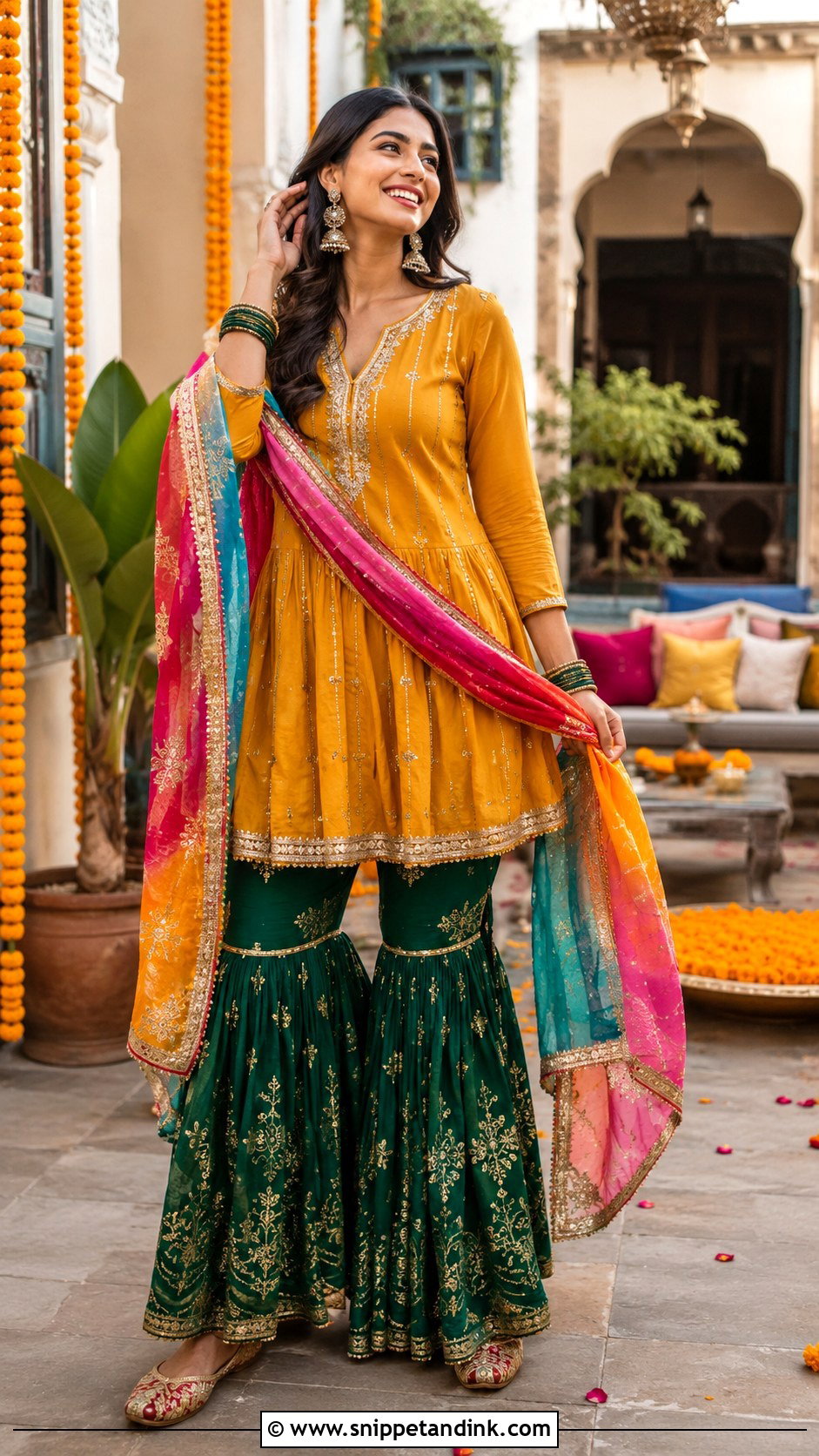
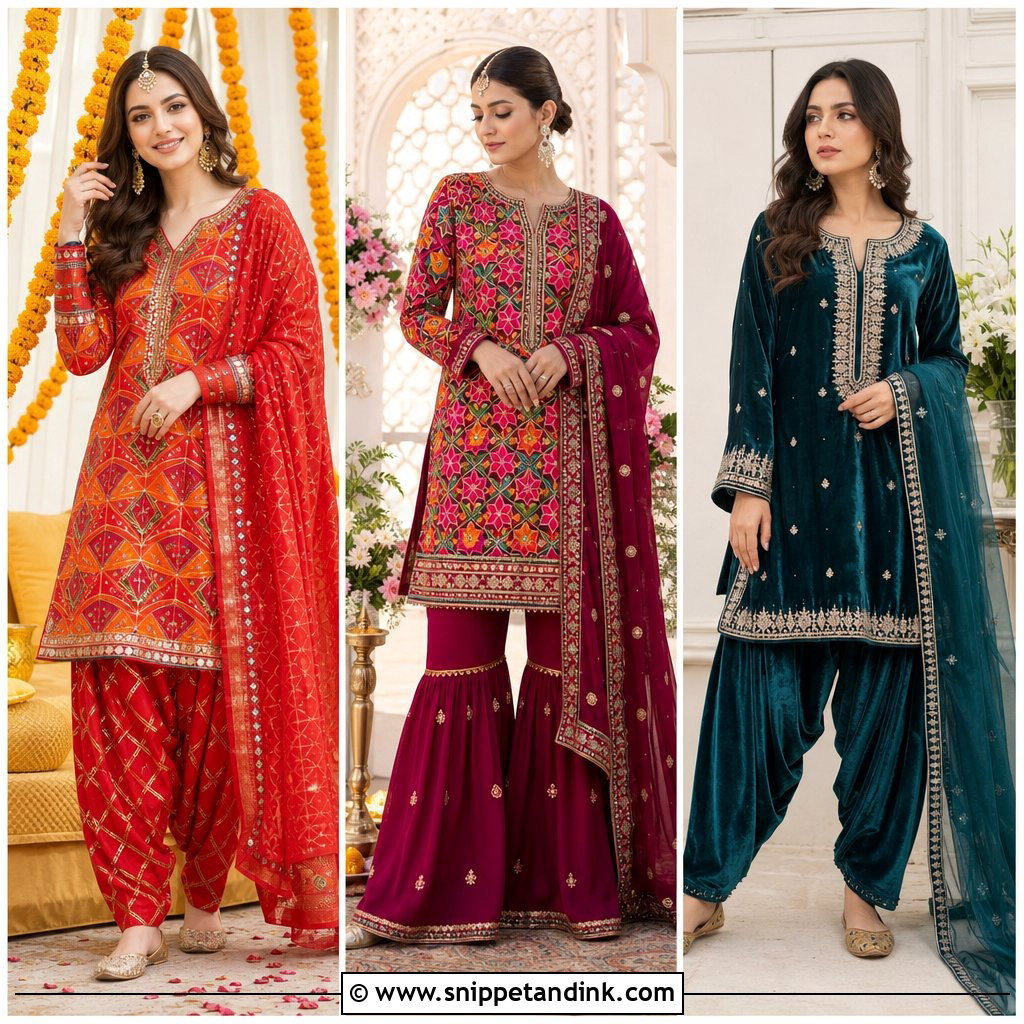
A gharara earns its place at a mehndi because the knee joint gives it shape even when you sit on the floor between dances. Mustard, mehndi green, orange, fuchsia and parrot green are the usual palette. A short kurti with gota, mirror work, embroidery or tassels keeps it light. Drape a bright dupatta over one shoulder or pin it across the front. Jhumkas, bangles, a tikka and khussas you can dance in. Bridesmaids, sisters and cousins often coordinate colors in this style; I’d agree on a palette rather than identical outfits.
4. Ivory Walima Gown Outfit
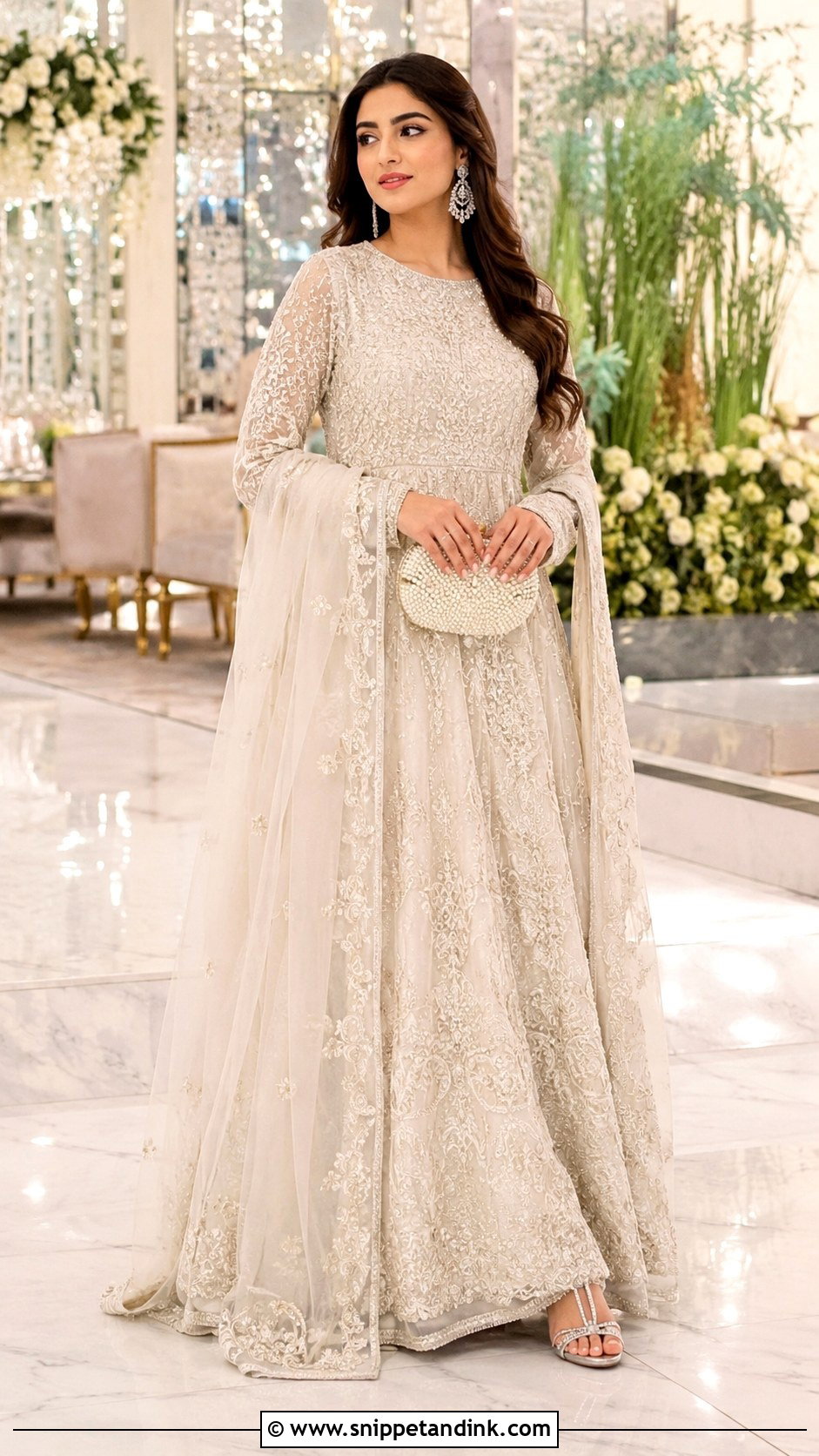
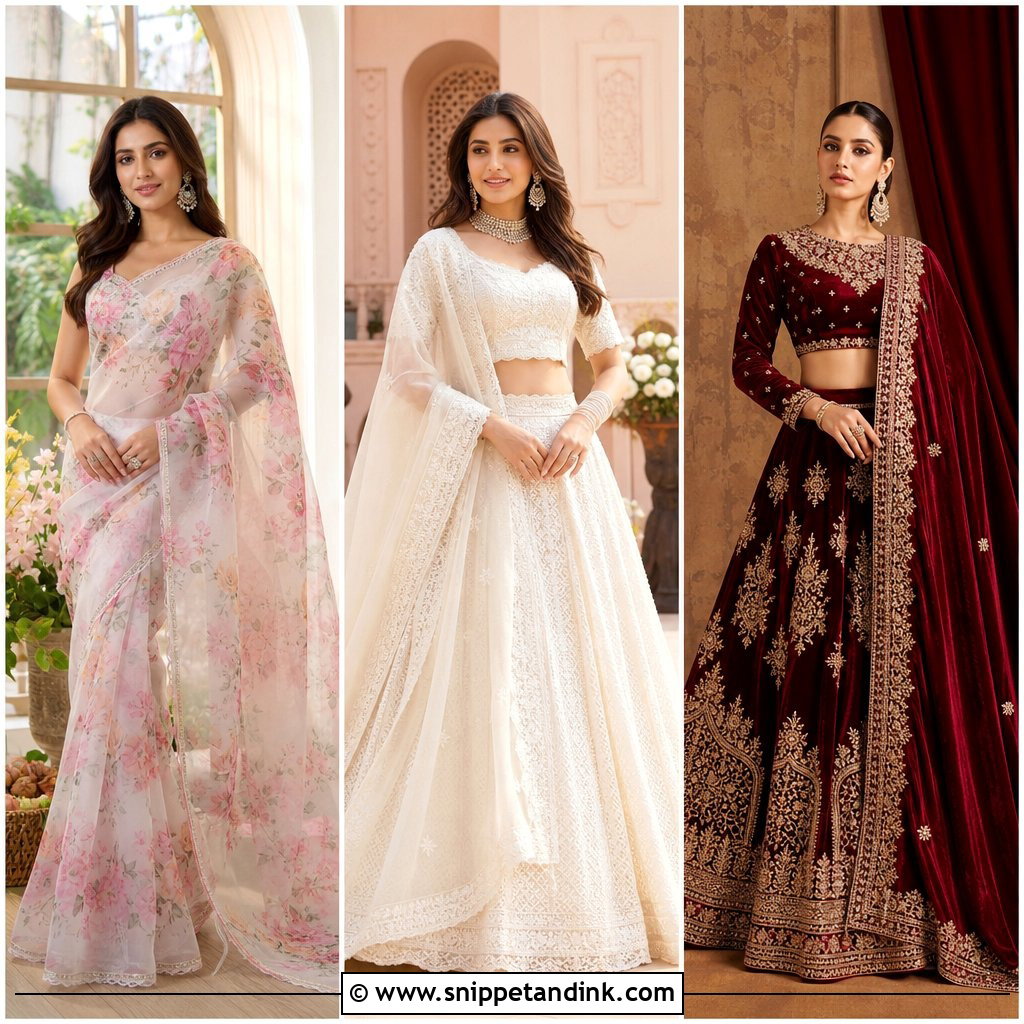
An ivory walima gown is the quiet look after a loud barat. Net, organza, tissue or chiffon with soft silver, pearl or champagne embroidery; a slightly fitted bodice and a flowing skirt, not a stiff one. Add a light-bordered dupatta for a more traditional finish. Crystal earrings, a bracelet and a delicate ring are enough, with silver heels or pearl sandals. Soft waves, a sleek bun or half-up hair. The thing I check in ivory is the lining: hold it to a window, because flash photography shows anything sheer.
5. Velvet Sharara Outfit
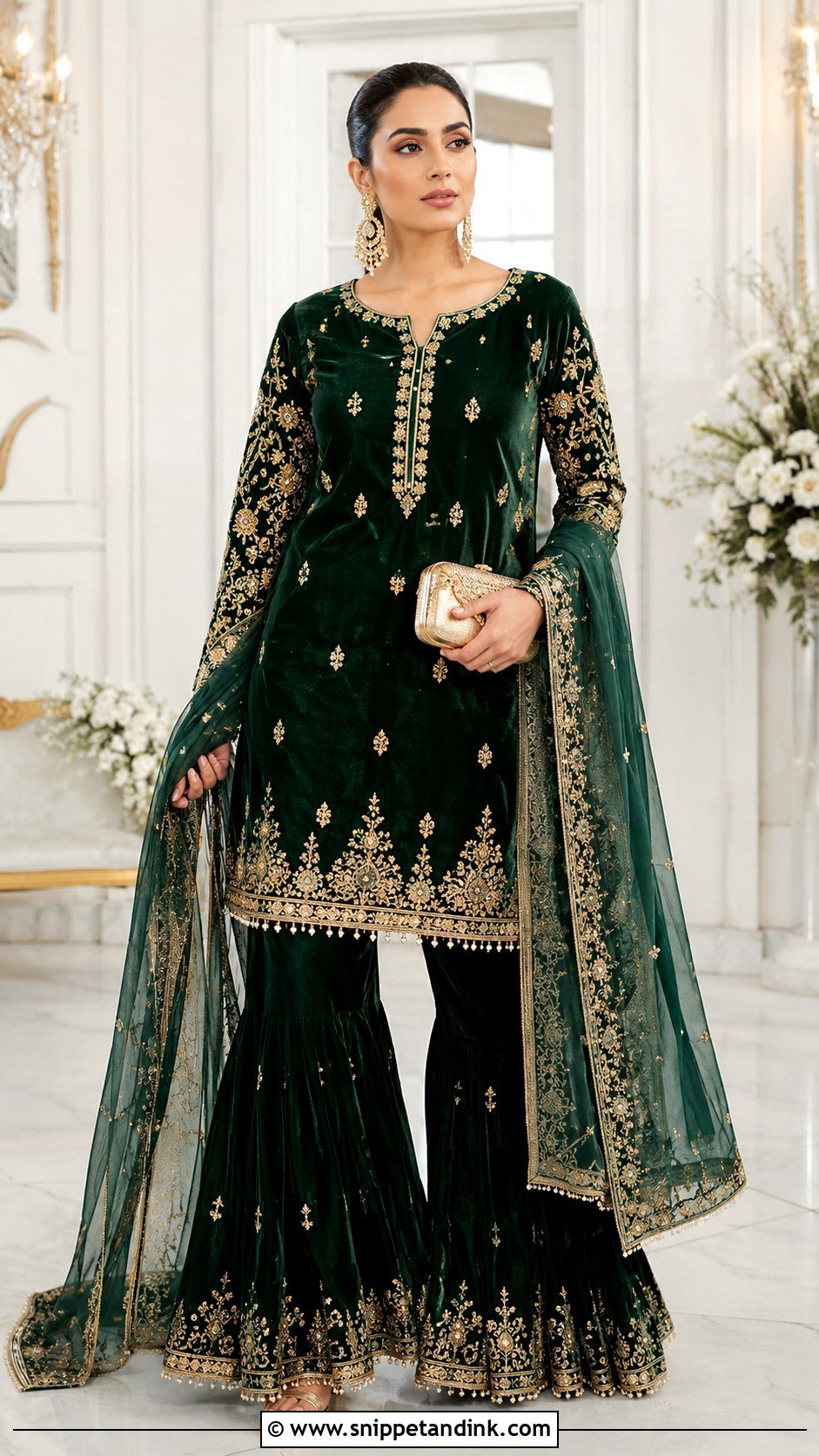
Velvet is my winter answer. Emerald, ruby, navy, plum and bottle green look rich and keep you warm at outdoor events in December. A velvet long shirt over a raw silk, jamawar or velvet sharara, with gold work at the neckline, sleeves, hem and dupatta border. Velvet already feels heavy, so the dupatta should be organza or net. Gold heels, statement earrings and a box clutch. In a heated hall, velvet gets warm fast, so I’d only suggest it for barat guests or relatives if the venue isn’t overheated.
6. Pishwas Lehenga Outfit
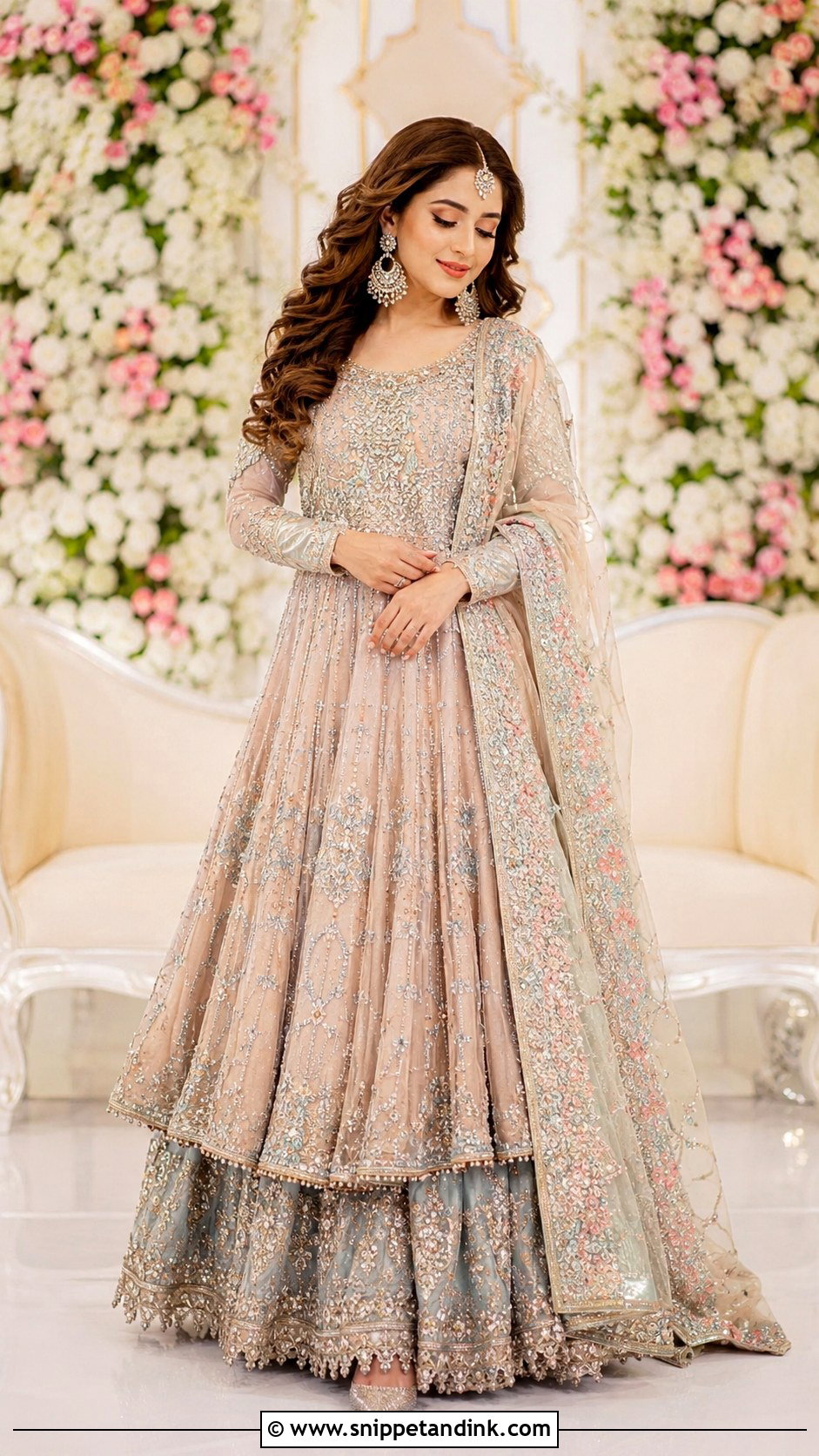
A pishwas lehenga outfit has a fitted bodice that opens into a kalidaar flare, with panels cut so it swings when you turn. Chiffon, net or organza over a lehenga for volume. Pastels suit nikkah and walima; red, rust, emerald and gold suit barat or mehndi. A wide-bordered dupatta adds drama without changing the shape. Chandbalis, a tikka and embellished heels. I check the hem length with the lehenga underneath, because the pishwas should fall just above it, not cover it completely.
7. Long Shirt With Lehenga Outfit
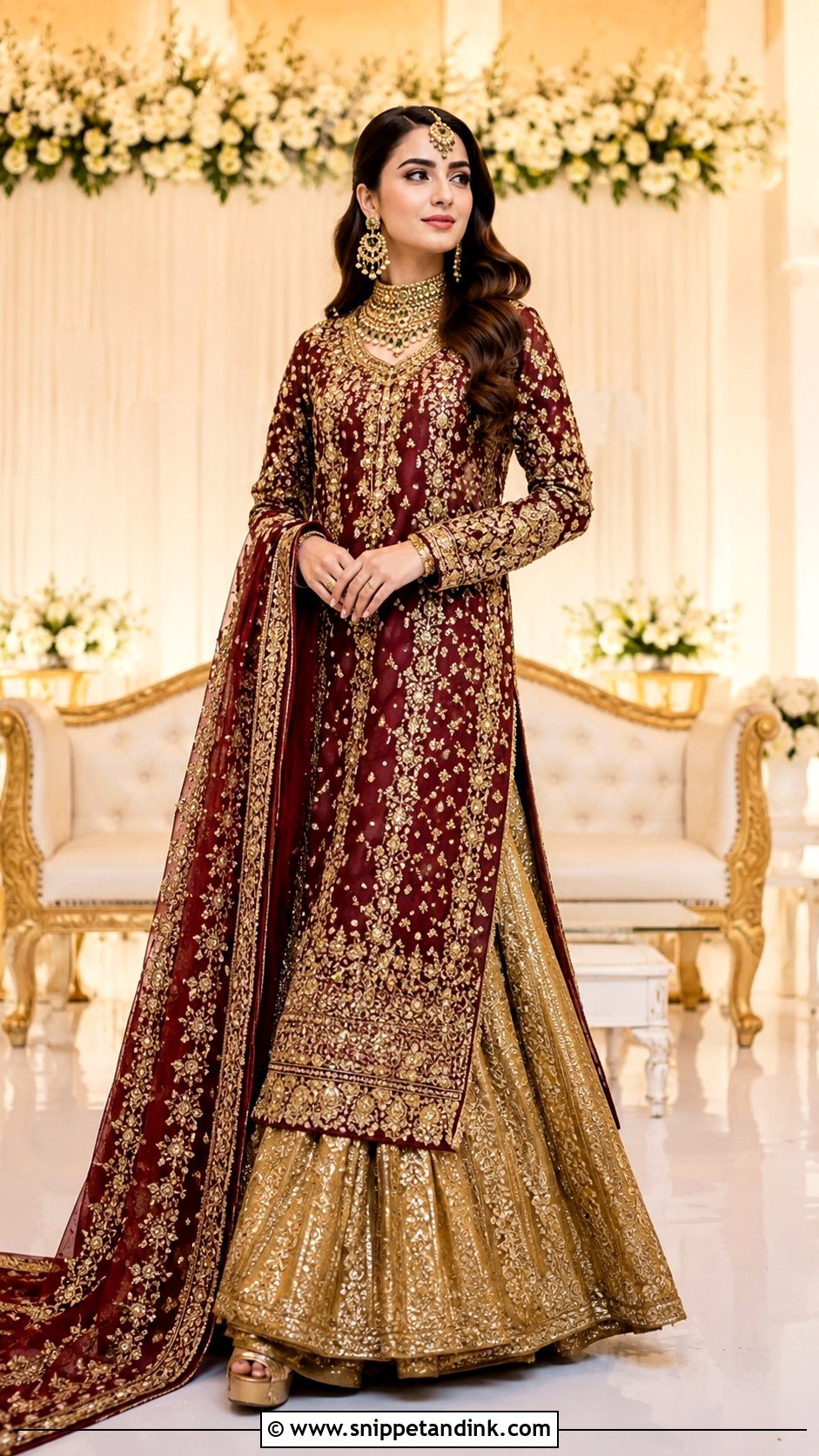
Long shirt over a full lehenga is the look I’m asked for most by brides who want coverage without giving up volume. The shirt can be straight or slightly flared, with heavy work at the neckline, sleeves, borders and side panels; the lehenga can be silk, jamawar, tissue or net. A dupatta over the head or shoulder. Layered necklaces, earrings and a statement ring. The extra length adds weight, so I’d choose hidden platforms or embellished wedges for support. Get the side slits cut high enough to walk.
8. Organza Saree Outfit
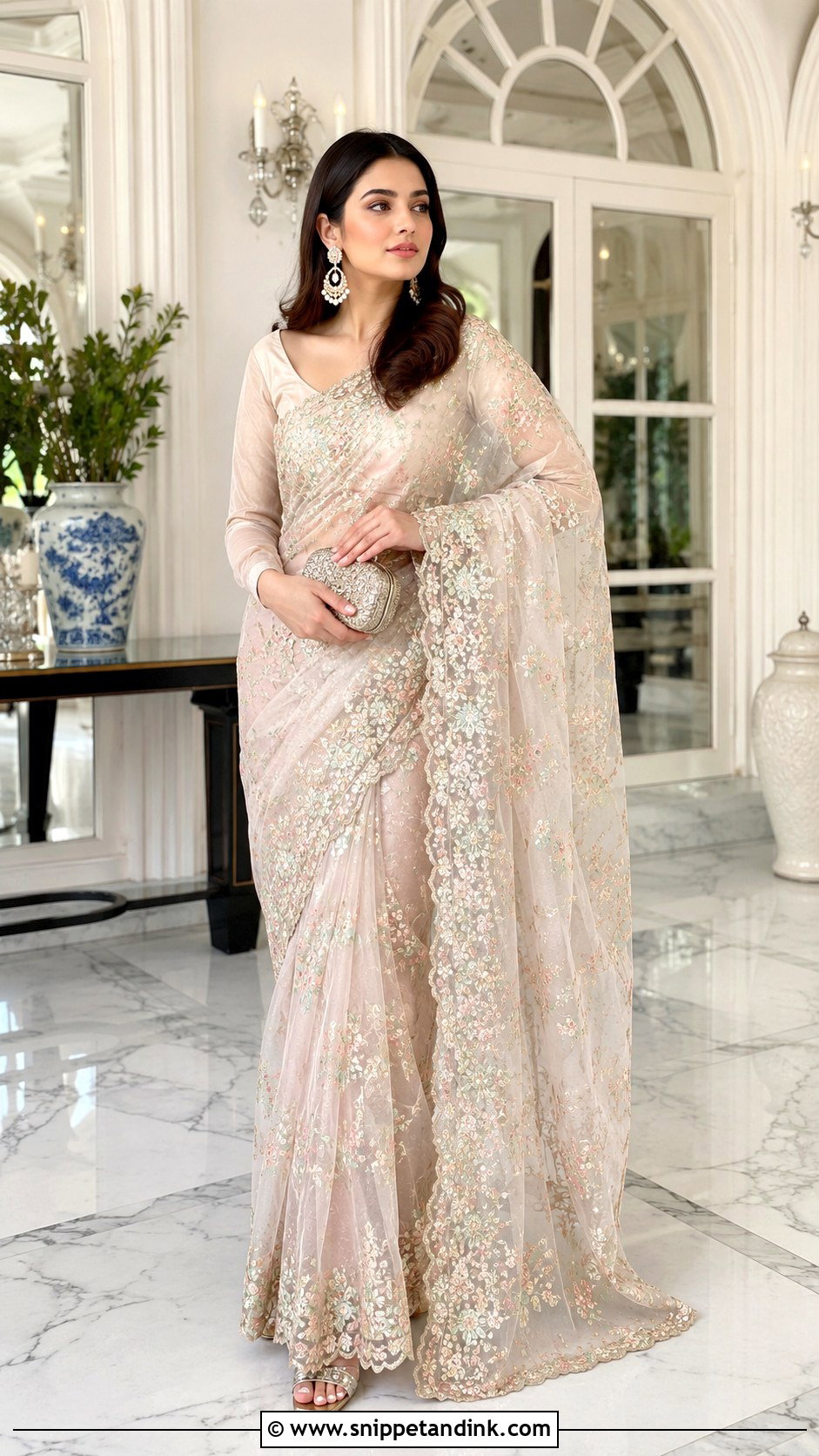
Organza sarees suit guests who want something elegant but light at a nikkah, walima or formal reception. Pastel, jewel or metallic organza with embroidered borders, sequins or subtle pearls. A modest blouse, a cropped jacket blouse or a longer cut, depending on your comfort. A petticoat with a clean fall matters with organza, since the fabric is stiff and shows a lumpy petticoat through the drape. Strappy heels, a clutch and statement earrings; soft, glowing makeup.
9. Chiffon Anarkali Outfit
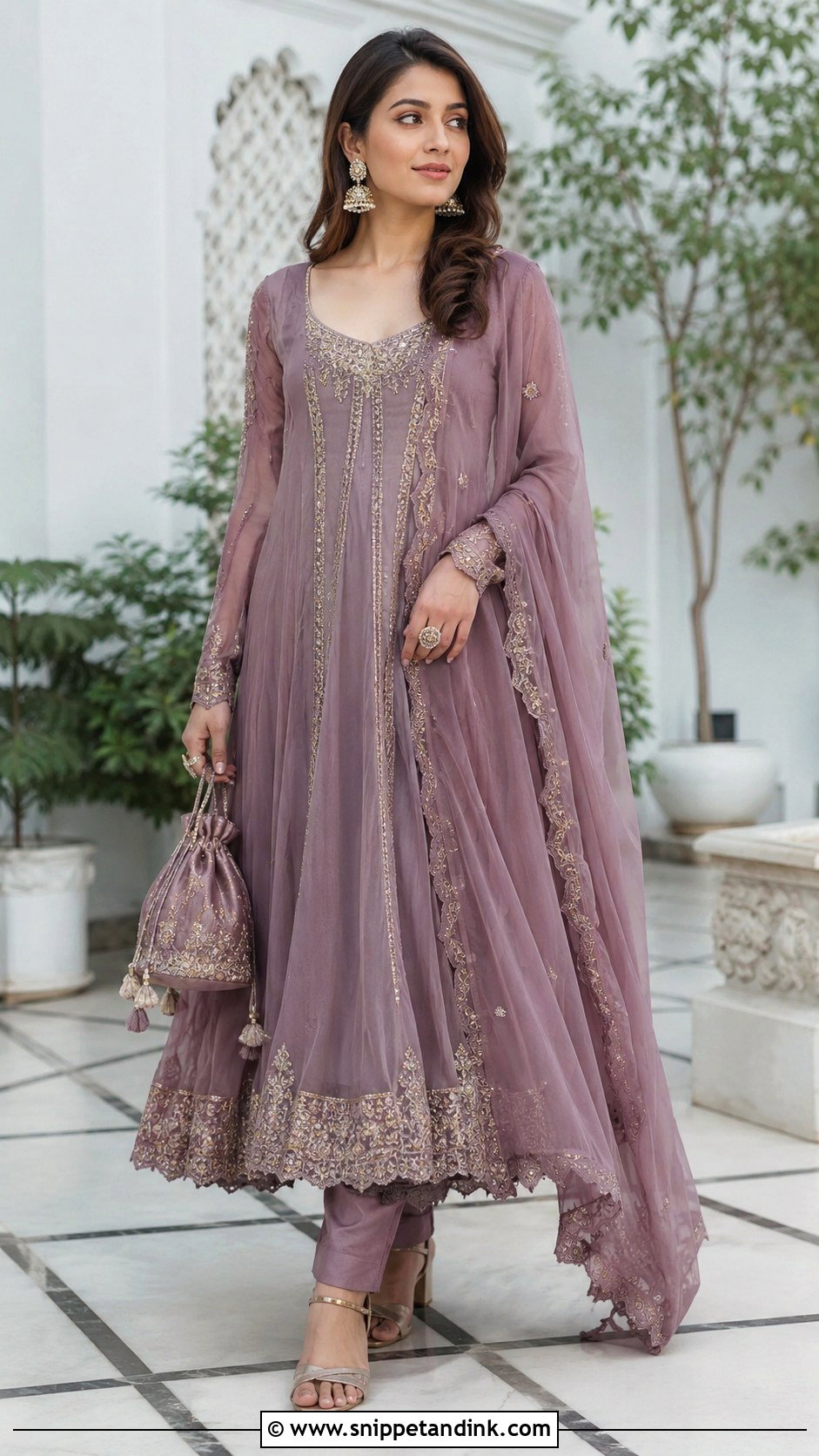
A chiffon Anarkali is the safest outfit to own for wedding season. It’s always appropriate and flatters most bodies. Embroidered panels, sequins, zari or lace borders; churidar or slim trousers underneath. A chiffon or organza dupatta pinned on one shoulder. Block heels, jhumkas and a potli. Chiffon is slippery and frays easily, so I’d have the hem finished properly before the first wear. Good for nikkah guests, family dinners and daytime events.
10. Sequin Lehenga Outfit
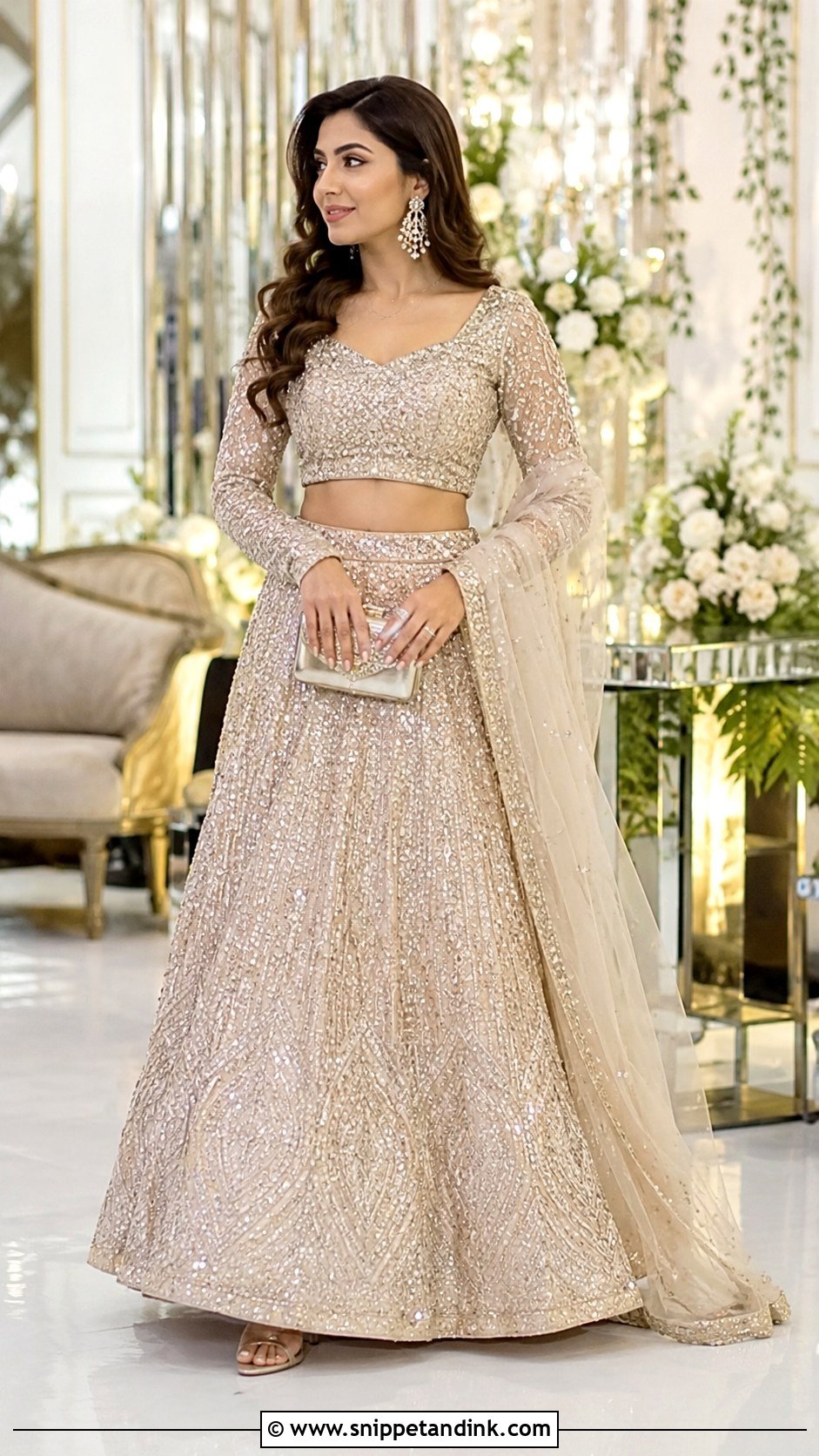
Sequin lehengas belong to walima, reception and the sangeet-style nights some families now hold. Soft gold, champagne, silver, rose gold or icy blue look current. Fully sequined or just shimmer panels; a fitted blouse or a long shirt. Keep the dupatta light. With that much reflection, jewelry should be minimal: crystal earrings, a sleek clutch, metallic heels. A smooth bun or soft waves. Sequins scratch skin at the underarm and inner elbow, so ask for those areas to be lined.
11. Peplum Gharara Outfit
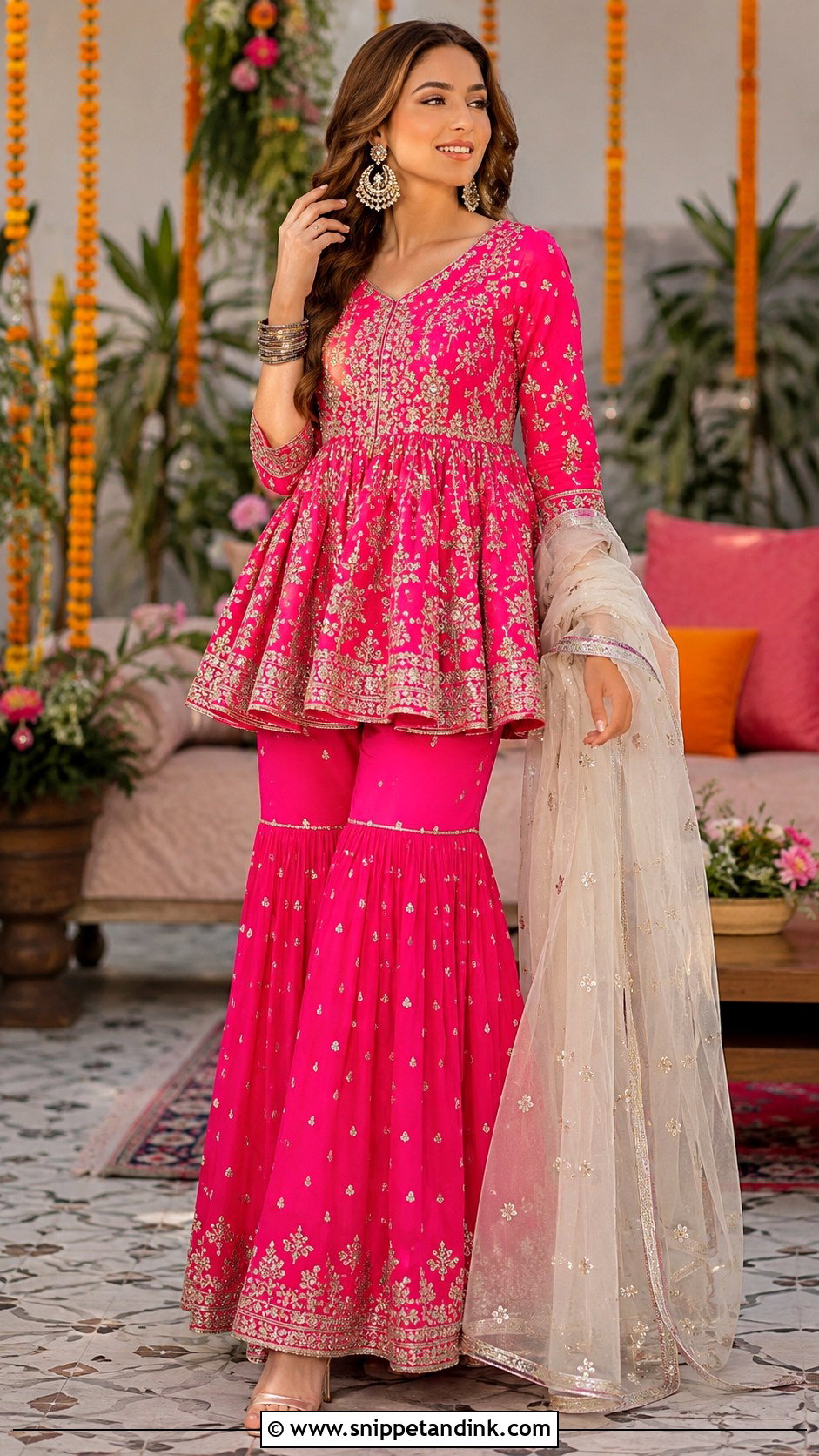
A peplum over a gharara defines the waist and keeps the traditional volume below. Raw silk, organza or brocade with work at the hem, sleeves and neckline. Brights for mehndi, jewel tones for barat. A light dupatta with gota or embroidered edging, statement earrings, bangles and heels. The peplum should stop above the knee joint of the gharara so both shapes show. It’s a youthful look that still reads modest for family events.
12. Jacket Lehenga Outfit
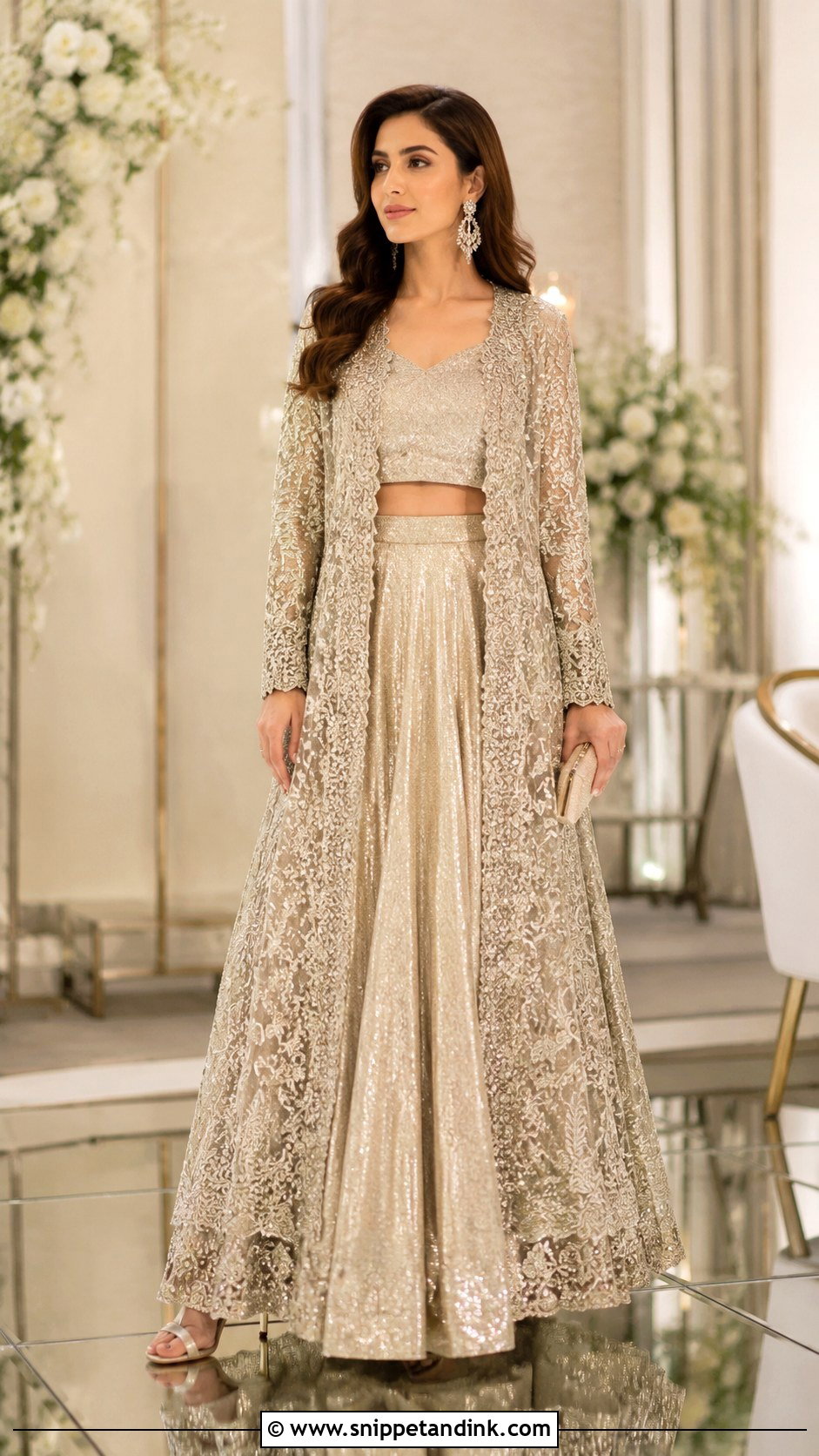
A jacket lehenga layers a long embroidered jacket in organza, net, velvet or raw silk over a simple lehenga and blouse. The jacket can be open, belted or lightly fastened. Metallic work, thread or mirrors depending on the event; champagne or silver for a reception, mustard or green for mehndi. Heels, a sleek clutch and earrings. The jacket needs to be cut wide enough at the back to move your arms, which I always test by having someone reach forward. Bridesmaids and sisters like it because it’s easy to coordinate.
13. Mirror Work Mehndi Outfit
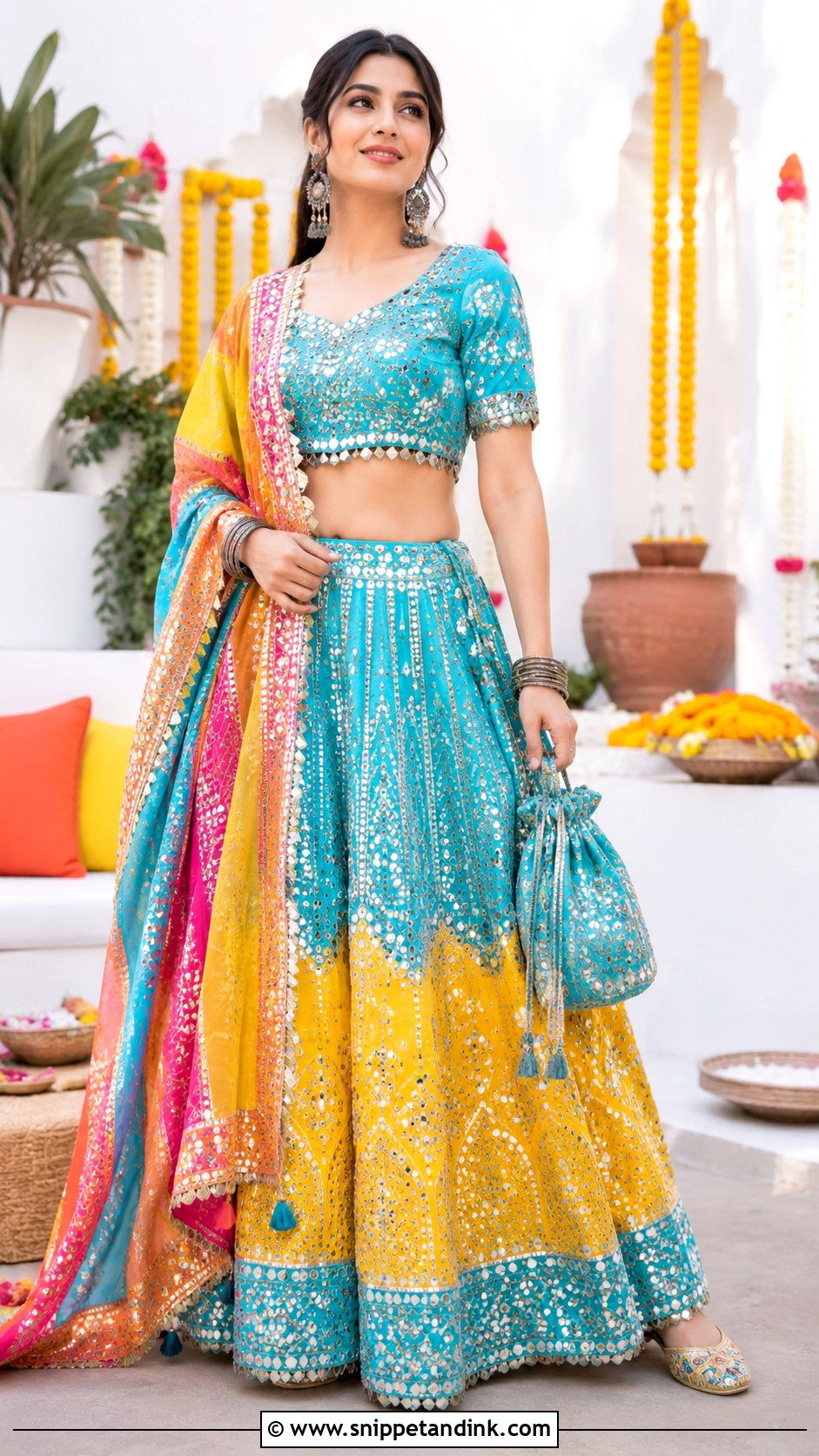
Mirror work is pure mehndi. A lehenga, sharara or gharara in yellow, orange, hot pink, green or turquoise, with mirrors on the blouse, neckline, sleeves, dupatta border or skirt panels. The mirrors already shine, so jewelry can be playful but light: oxidized earrings, bangles, a paranda, a colorful potli. Khussas or block heels for dancing. Mirror pieces add weight, so I’d keep them concentrated on the blouse and border rather than scattered all over a full skirt you’ll dance in for hours.
14. Black Formal Sharara Outfit
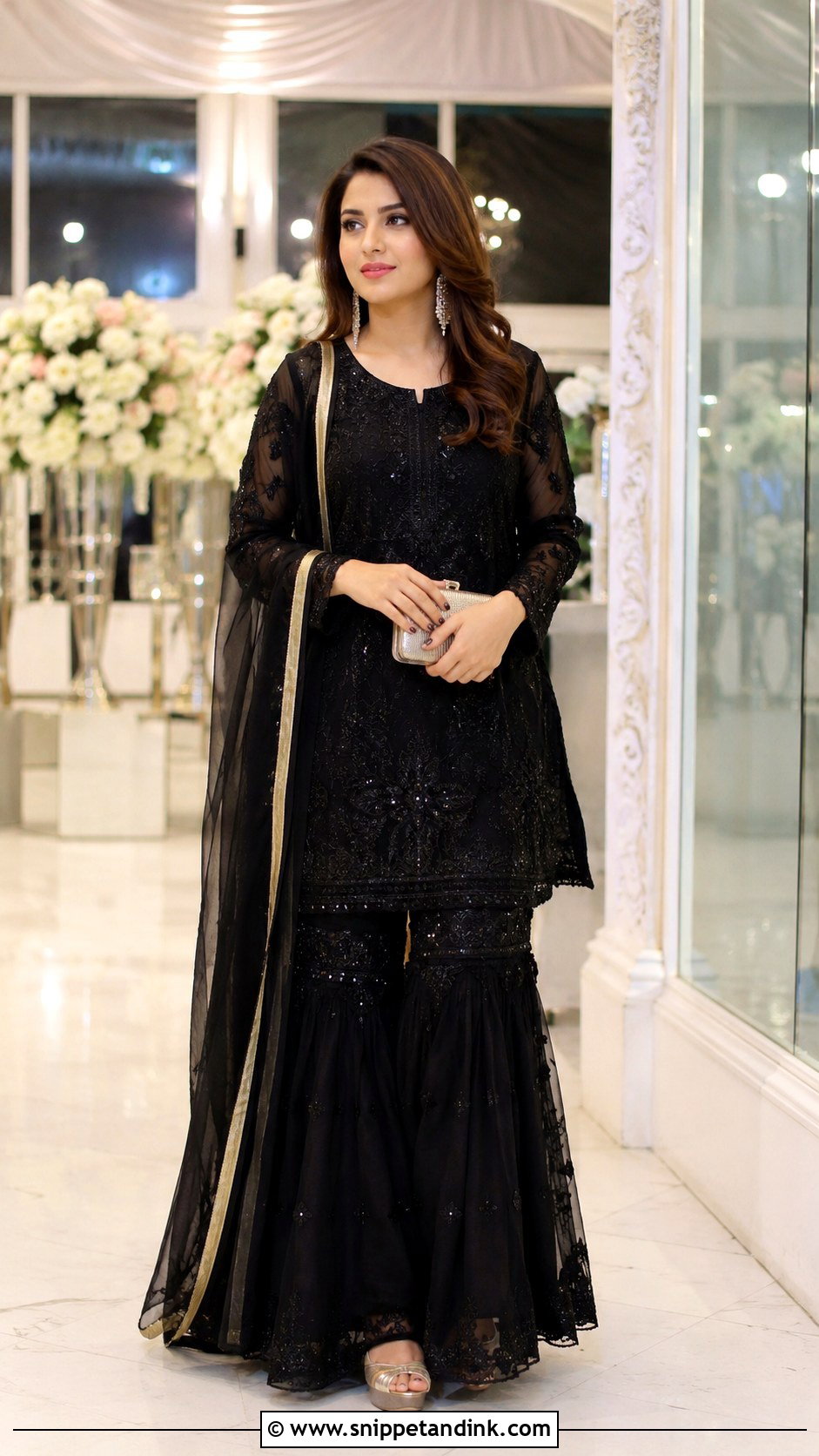
Black is right for some evening receptions and formal dinners and wrong for others, so ask the hosts before you buy. Chiffon, organza, velvet or raw silk with gold, silver or antique work. A long kameez with a flared sharara reads refined; a short shirt reads more festive. A sheer bordered dupatta softens it. Gold heels, a metallic clutch and kundan or crystal earrings. Defined makeup, but balanced. I’d skip black at the mehndi altogether.

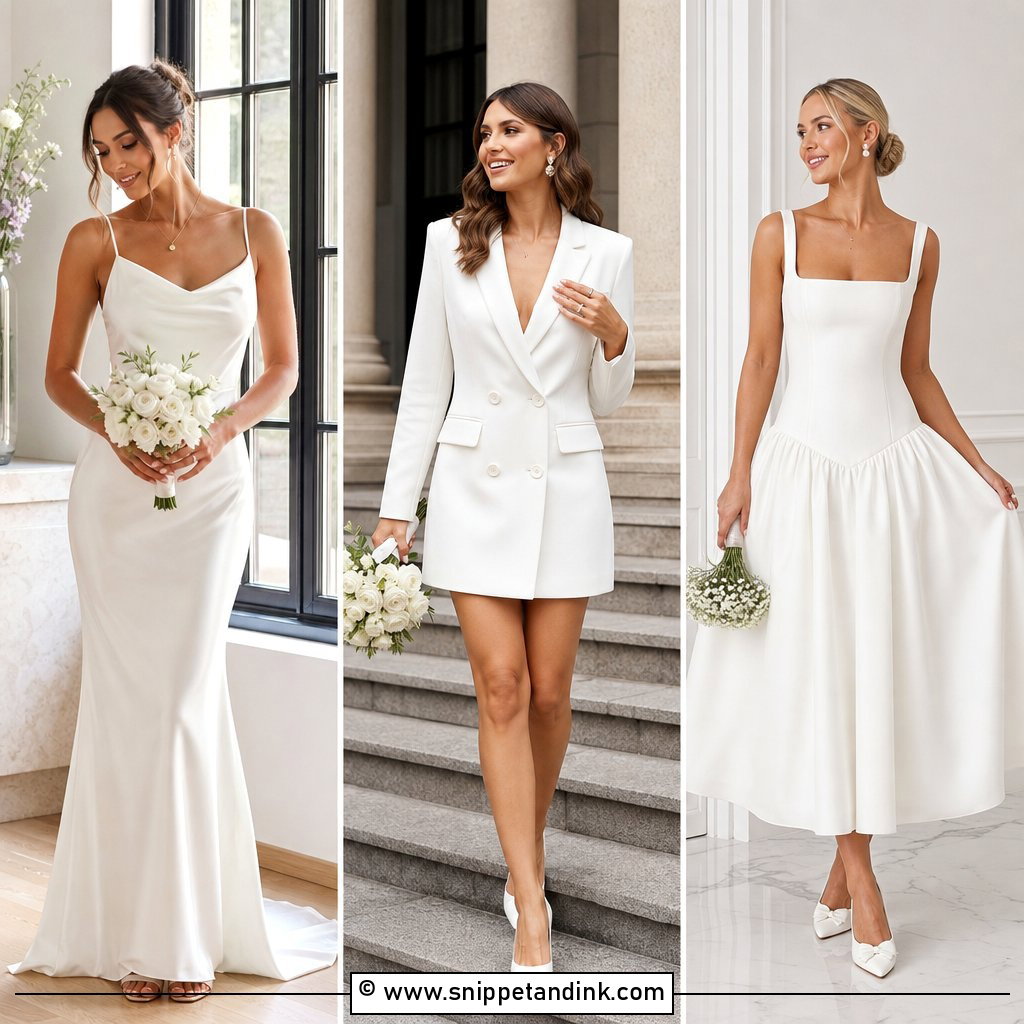
15. Champagne Maxi Outfit
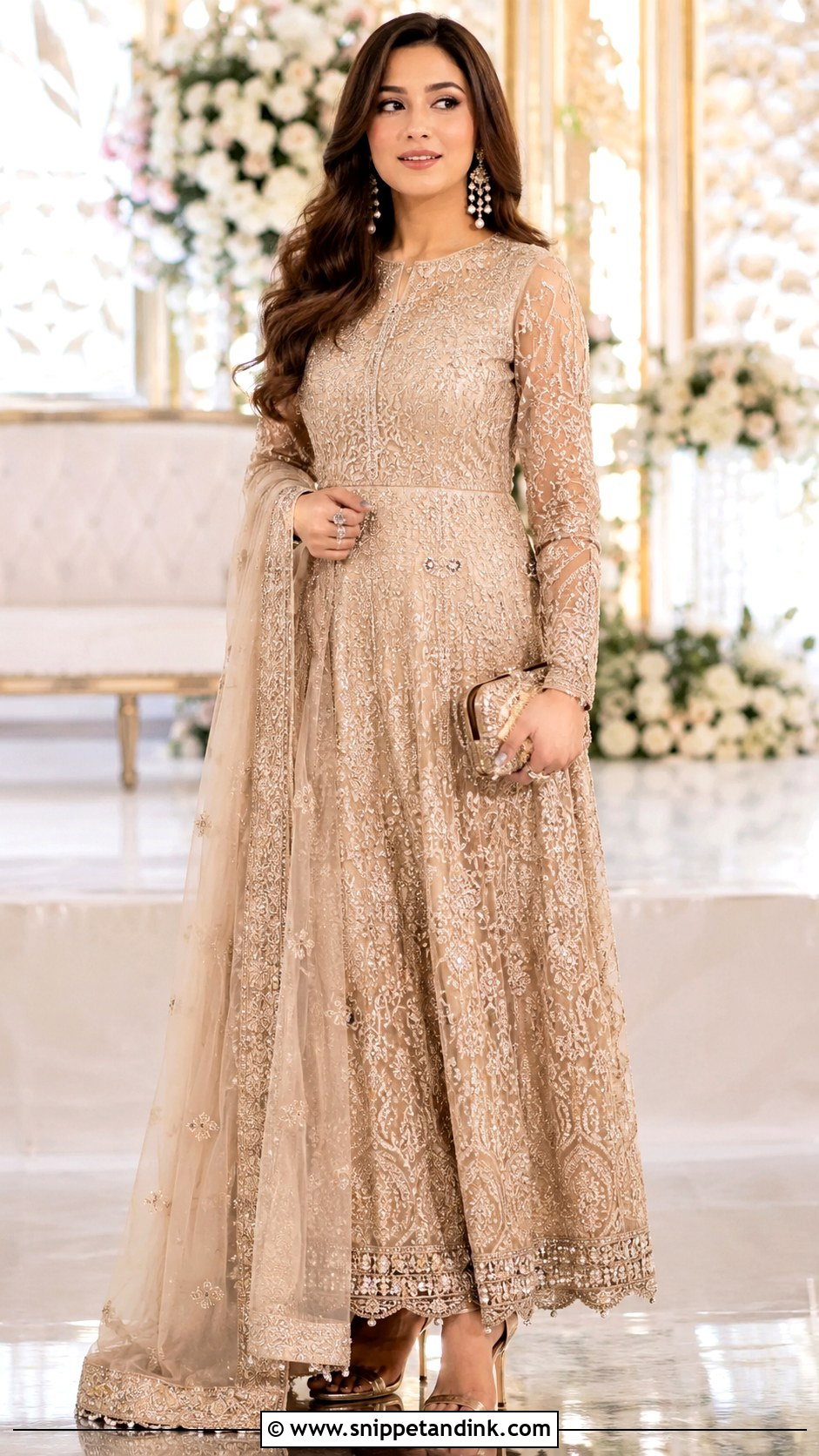
Champagne is a calm choice for a walima or reception, and it’s easy to accessorize with silver, pearl or rose gold. A long maxi with a fitted bodice, flared skirt and fine work across the front and sleeves in net, chiffon or tissue. A matching dupatta for a traditional finish. Pearl earrings, metallic heels and a small embellished clutch. Champagne can look grey on some skin tones in yellow hall lighting, so I’d look at it under warm light before buying. Glowing makeup and neat hair suit it.
16. Jamawar Lehenga Outfit
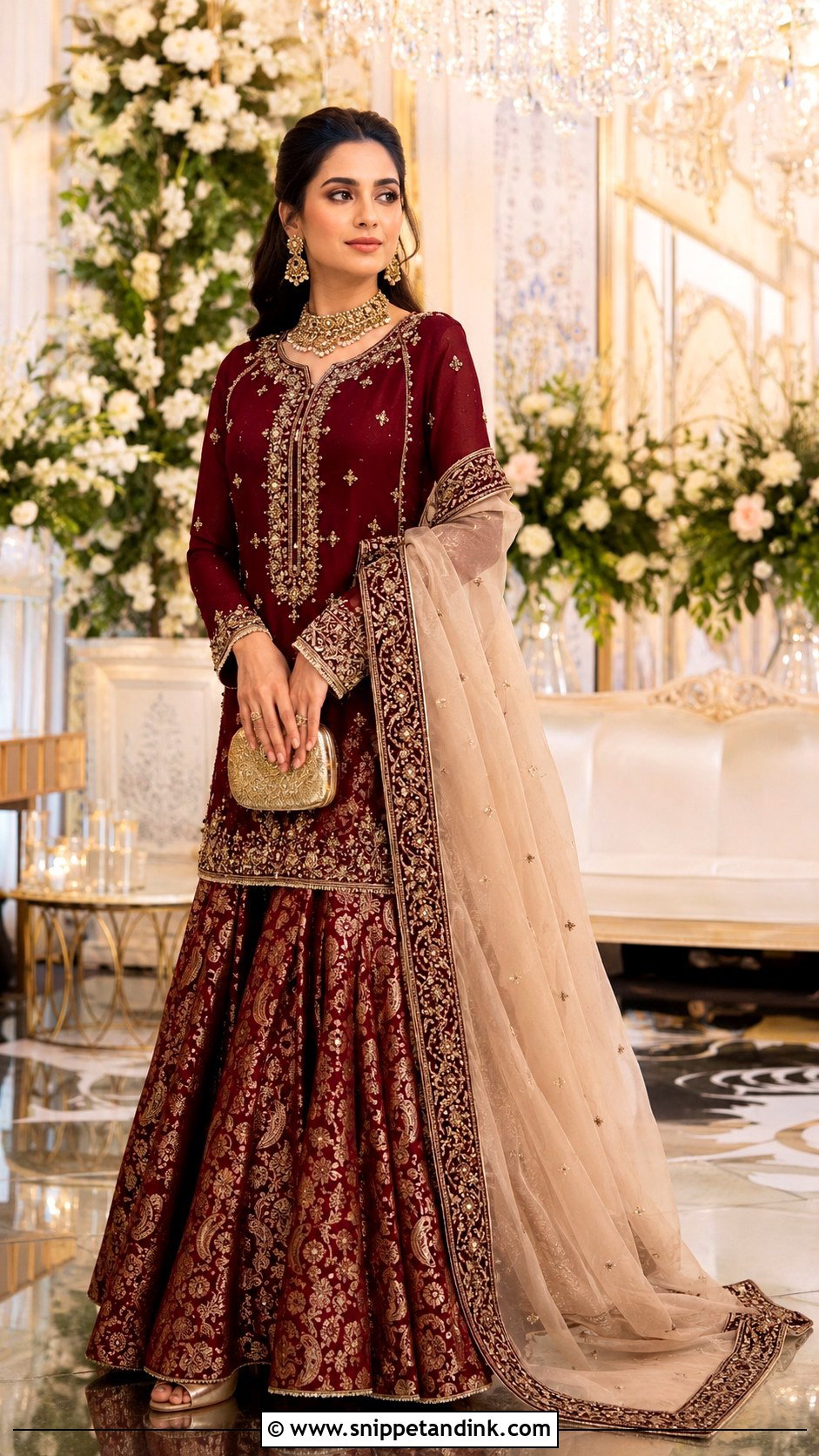
Jamawar is woven with the pattern in the fabric itself, so a jamawar lehenga outfit looks rich without much embellishment. Maroon, rust, gold, emerald, navy or deep purple. A plain or lightly worked shirt keeps it balanced; a tissue or organza dupatta with a heavy border adds drama. Antique gold, heels and a traditional clutch. It’s heavier than chiffon but lighter than a fully worked outfit, which is why mothers and sisters often prefer it for the barat.
17. Cape Dupatta Lehenga Outfit
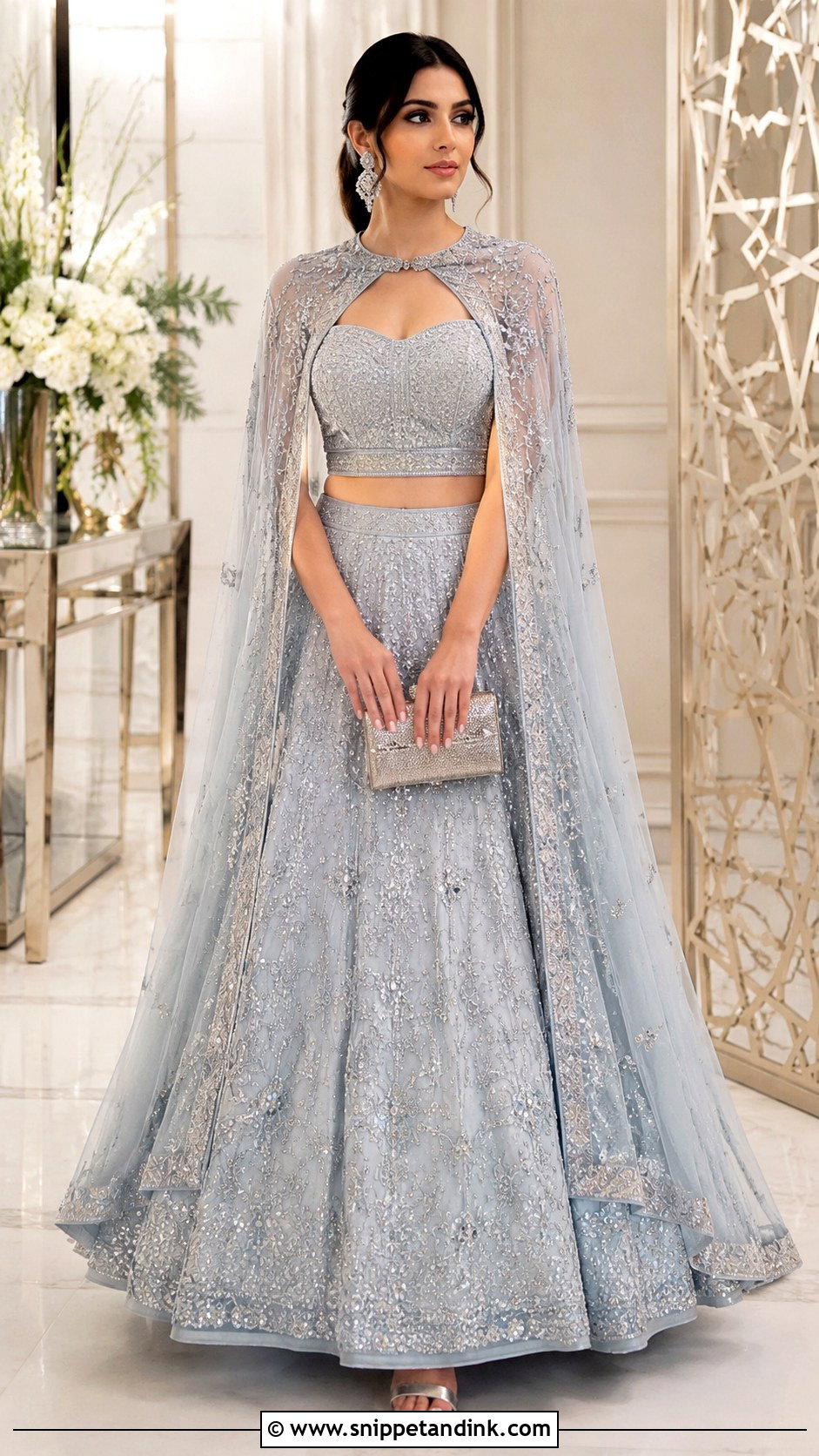
A cape replaces the dupatta and sits over the shoulders, so you’re never adjusting it during greetings or photos. Net, organza or silk for the lehenga, with a structured blouse or long top; embroidery on the cape’s edges, sleeves or neck. It suits walima, engagement, reception and mehndi. Sleek heels, earrings and a clutch. Pin the hair up or smooth so the cape’s neckline shows. If your family expects a covered head, carry a light dupatta for the ceremony.
18. Short Kurti With Sharara Outfit
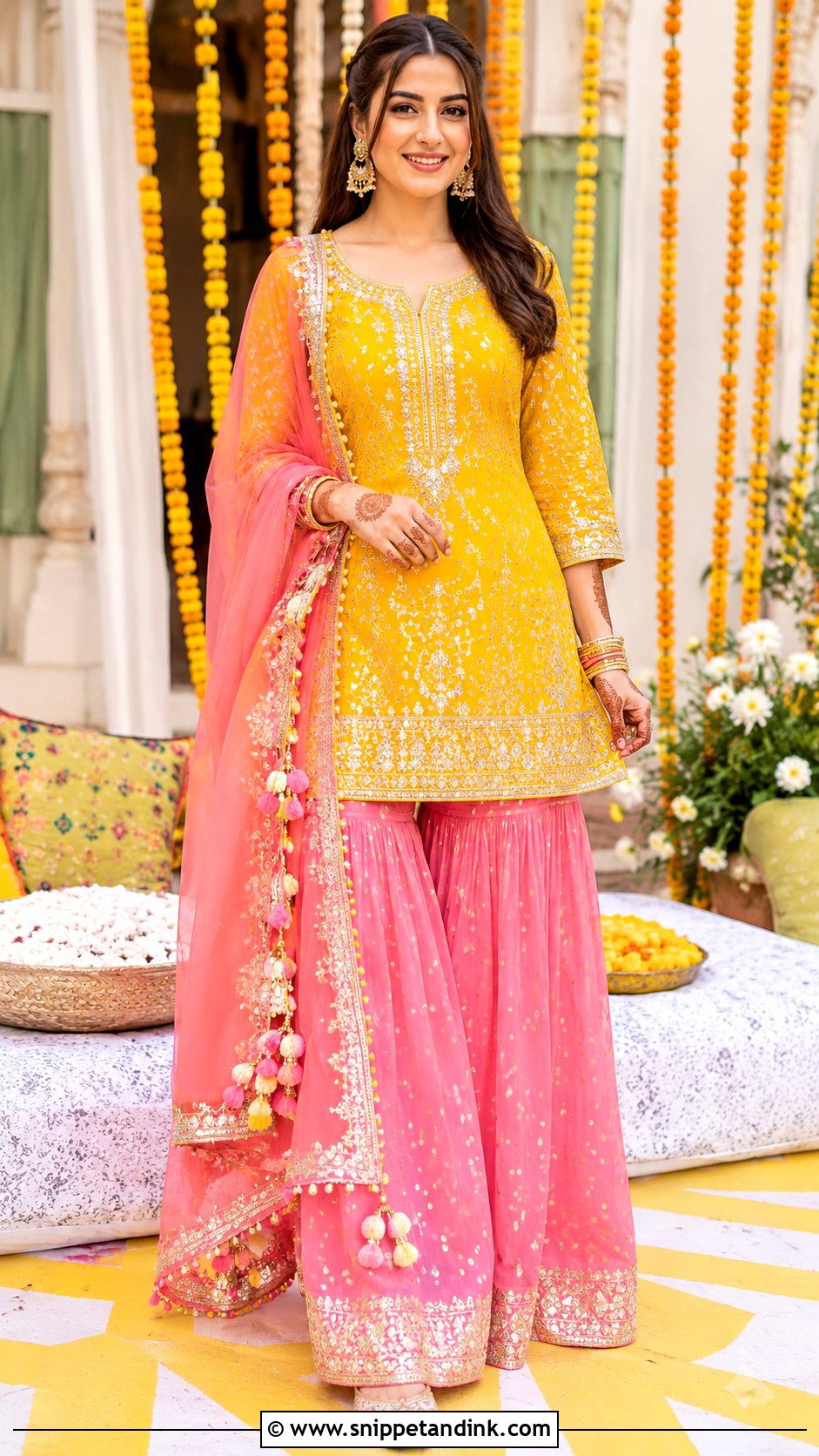
Short kurti and sharara is the combination I’d call the most reliable for family weddings, from mehndi and dholki to nikkah. A short kurti with embroidery, gota, pearls or sequins over a wide sharara. Yellow, green, orange or pink for mehndi; ivory, gold, maroon or emerald for formal events. A matching or contrasting dupatta, jhumkas, bangles and khussas. The kurti length is where I spend time: ending at the high hip suits most heights and keeps the sharara’s flare visible.
19. Floral Embroidered Lehenga Outfit
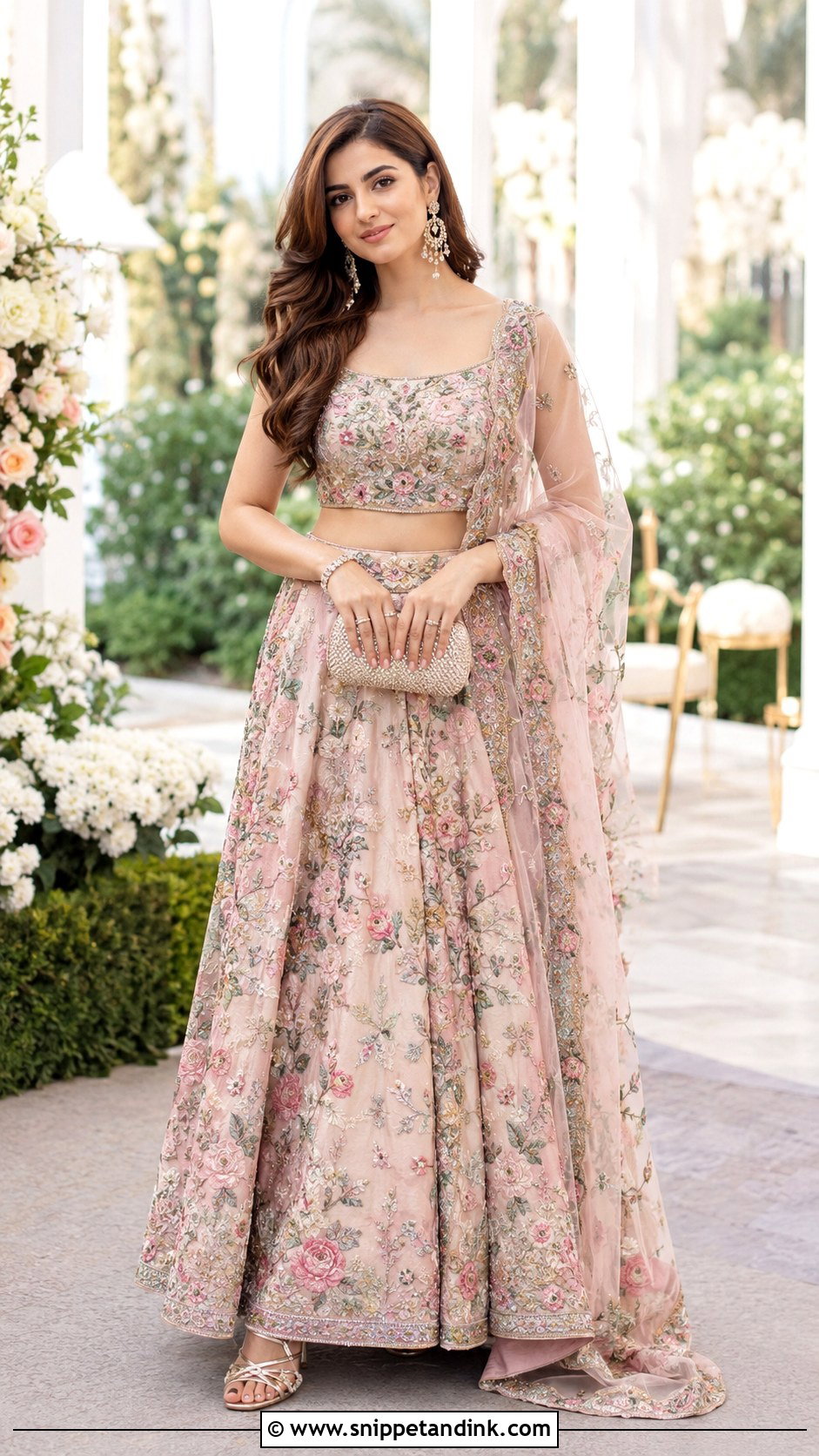
Floral embroidery on a pastel lehenga looks fresh in daylight. Blush, mint, lilac, powder blue, peach or ivory, with floral thread, pearls, sequins and light zari. A matching blouse, long shirt or peplum, and a sheer dupatta with floral borders. Delicate earrings, a bracelet and soft metallic heels. It suits nikkah, walima, garden events and bridesmaids, especially in spring and summer. Light fabric shows sweat quickly in the heat, so I’d add dress shields to the blouse.
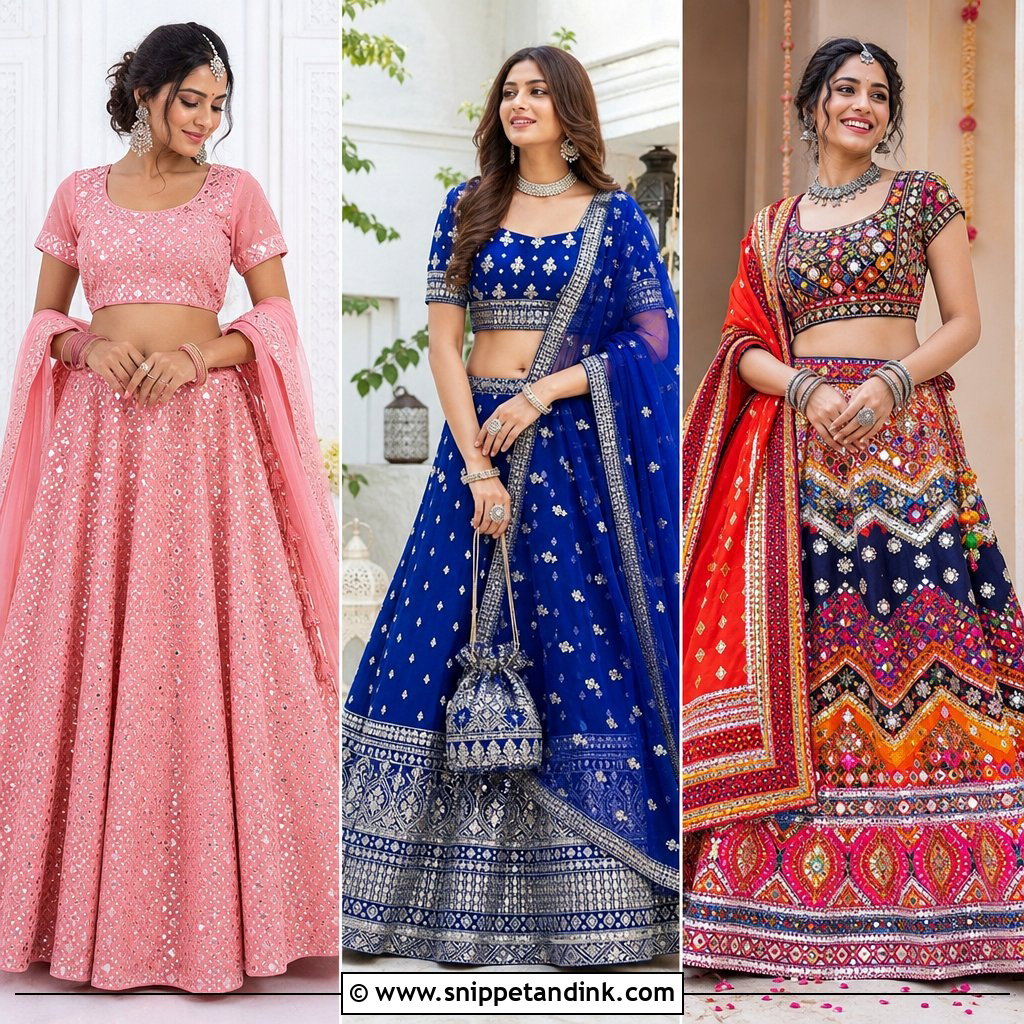
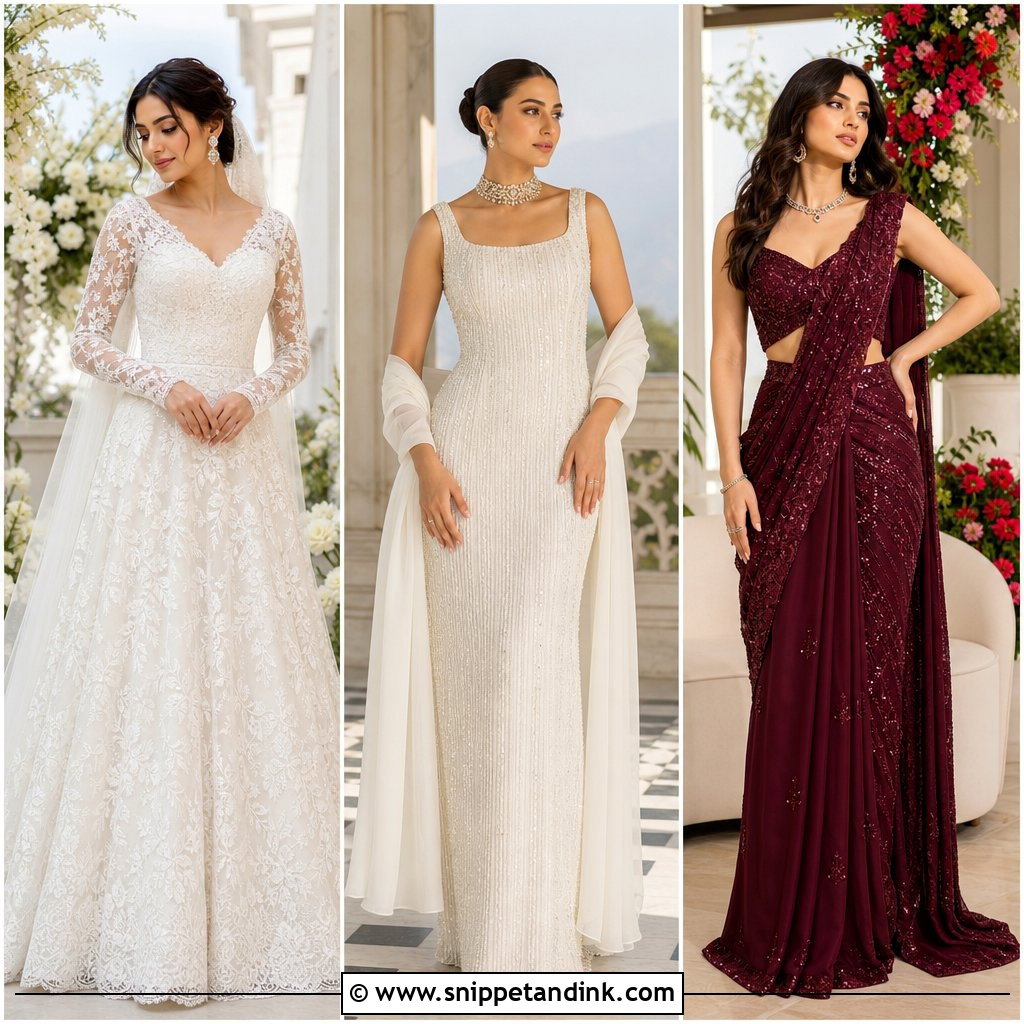
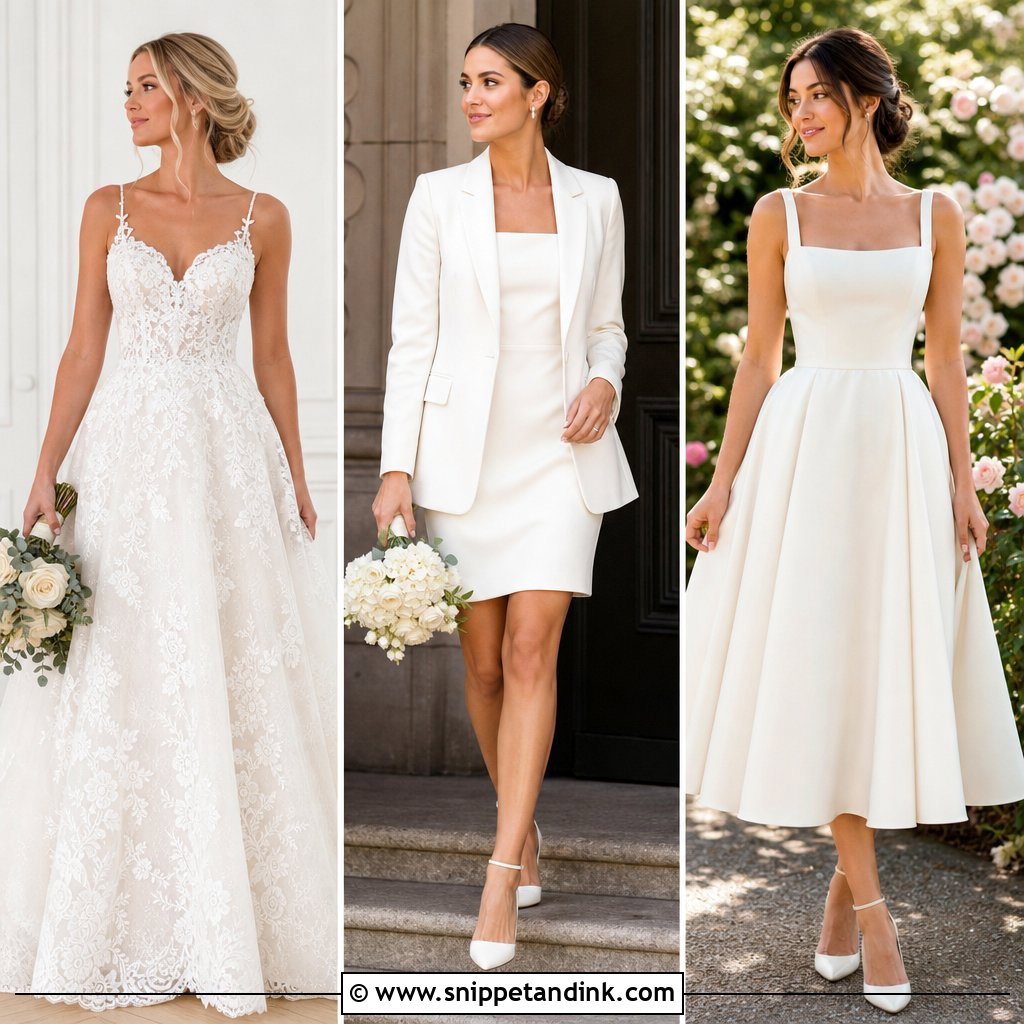
20. Emerald Green Wedding Outfit
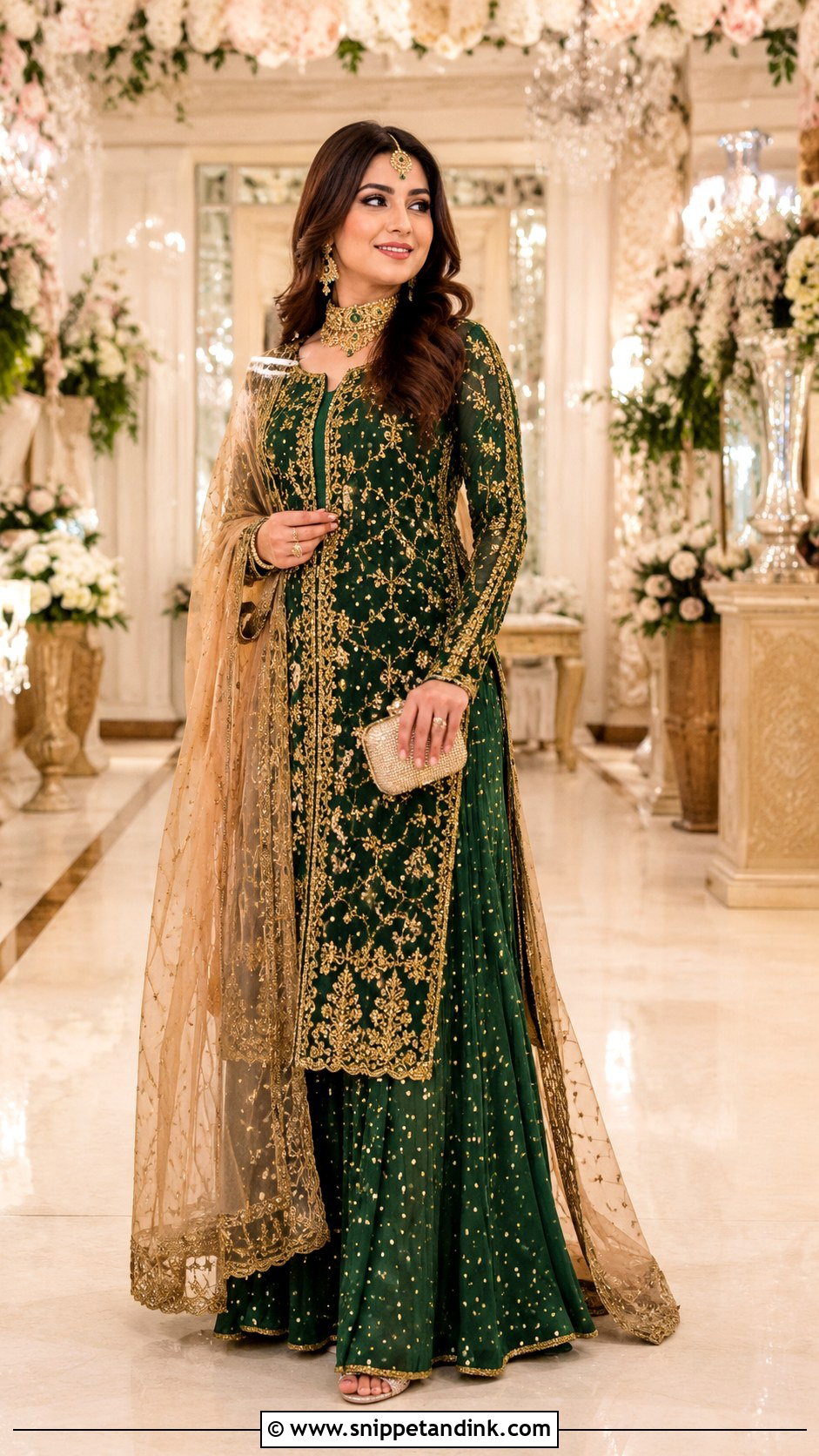
Emerald is one of the few colors I’ve seen suit almost every skin tone, which is why I suggest it to mothers and sisters so often. A lehenga, sharara, gharara or long shirt set with gold or antique work. Velvet for winter; organza, chiffon or raw silk for warm weather. A dupatta in the same green looks formal; gold or champagne adds contrast. Gold jewelry, heels and a clutch. Keep everything else restrained so the green carries the look.
21. Powder Blue Walima Outfit
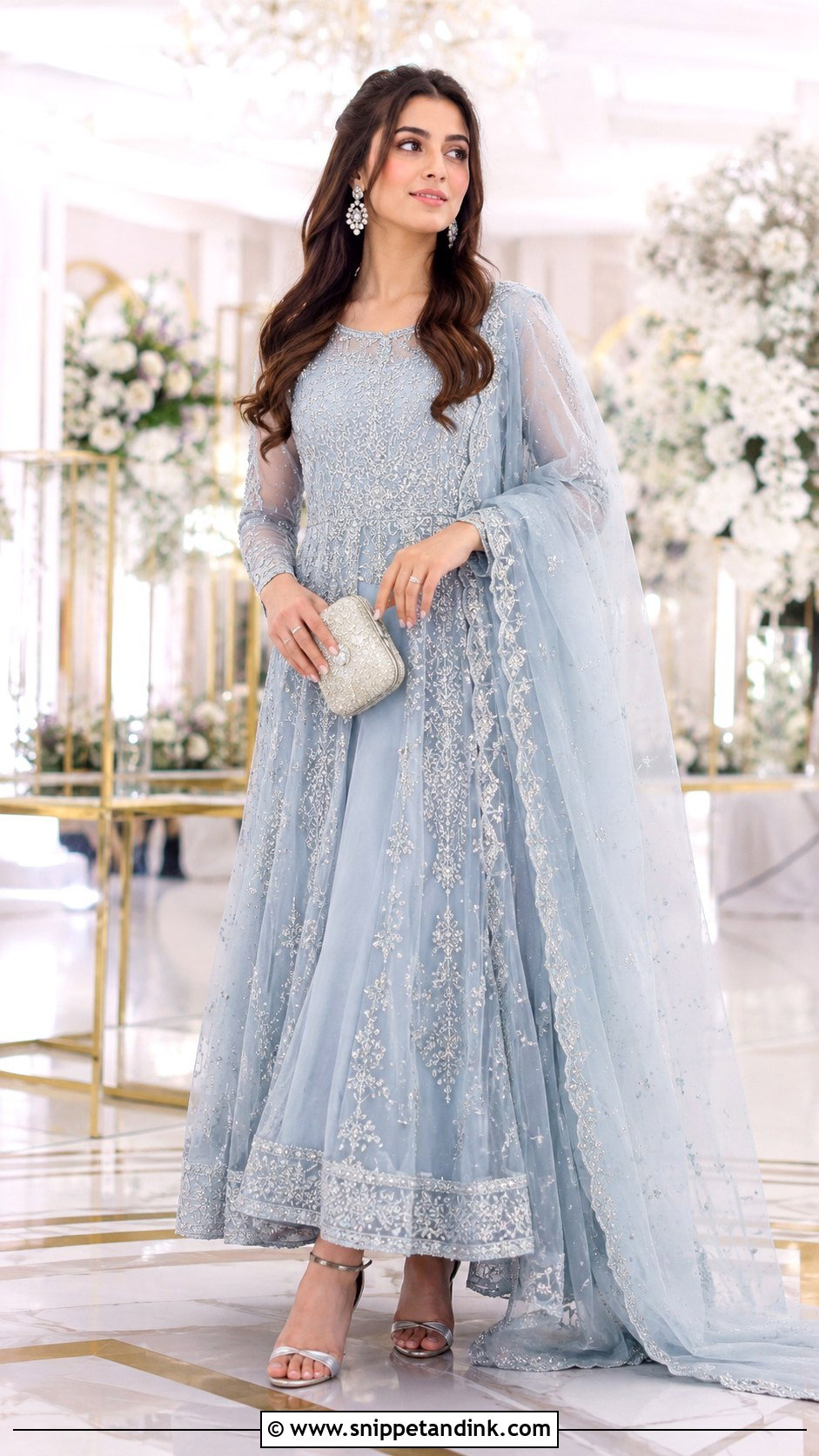
A powder blue walima outfit feels calm next to the deep colors of the barat. A maxi, lehenga, pishwas or sharara set with silver, pearl, crystal or champagne work. It holds up well under bright reception lighting. A net or organza dupatta with a fine border, silver heels, pearl earrings and a delicate clutch. It’s a good alternative for a bride who doesn’t want ivory or pink, and for guests who like quieter colors. Soft makeup with defined eyes, smooth hair.
22. Rust Bridal Mehndi Outfit
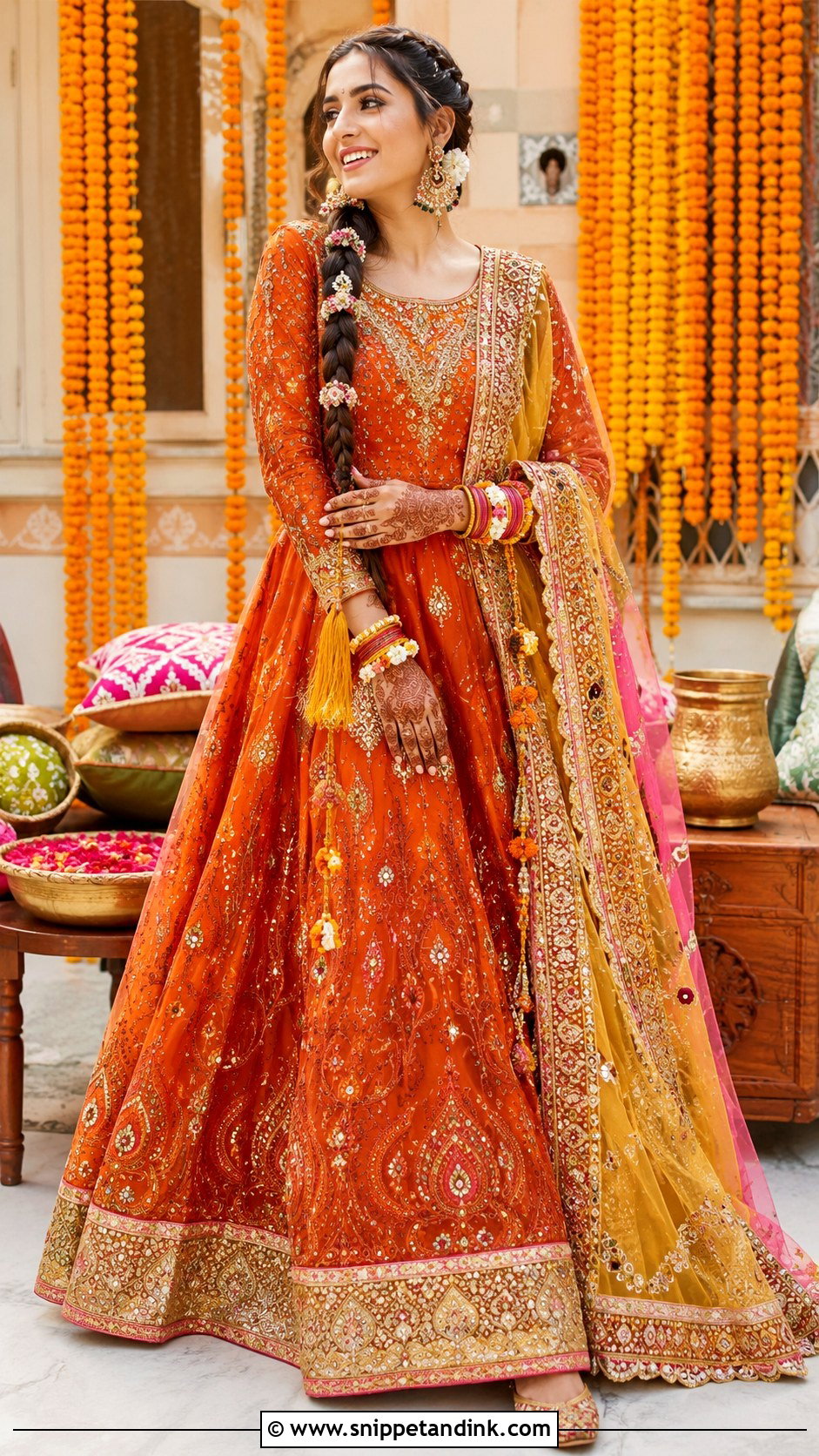
Rust is warmer than the usual yellow or green and works well at an evening mehndi, where it looks rich under lights without feeling formal. A rust lehenga, gharara or sharara with gota, mirrors, zardozi and colorful thread. A contrasting dupatta in mustard, pink, green or orange. Traditional jewelry, stacked bangles and khussas; a braid with a paranda or hair accessories. If you’ll have henna applied that night, choose a dupatta you can pin out of the way.
23. White And Gold Nikkah Outfit
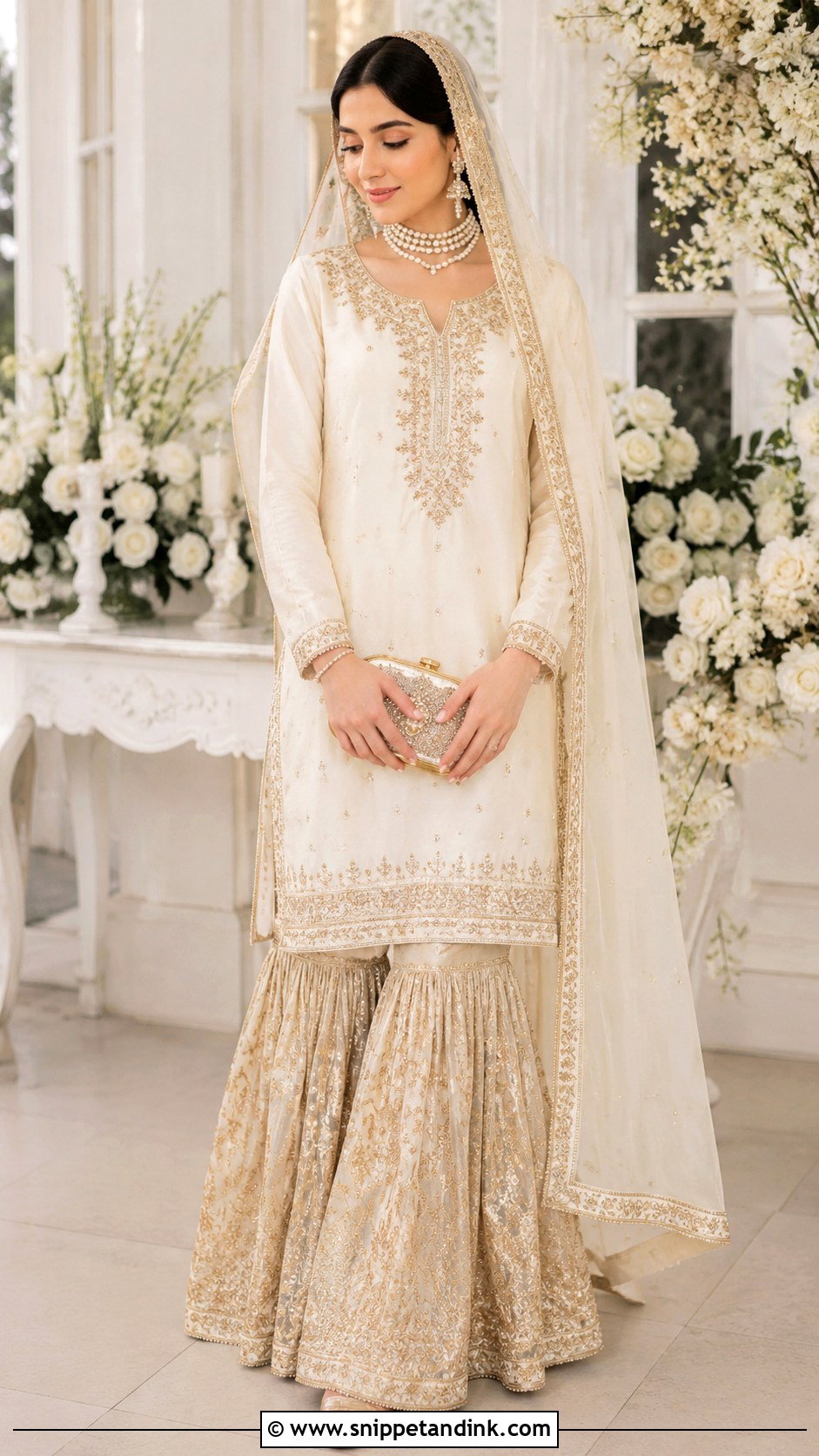
A white and gold nikkah outfit suits a simple, meaningful ceremony. An ivory or white long shirt over a gharara, sharara, lehenga or wide trousers, with gold zari, pearls, sequins and fine thread. A matching gold-bordered dupatta over the head or both shoulders. Gold sandals, pearl jewelry and a small clutch; fresh, radiant makeup. The nikkah often involves sitting while documents are signed, so I check that the outfit doesn’t crease badly at the lap.
24. Pakistani Wedding Guest Suit Outfit
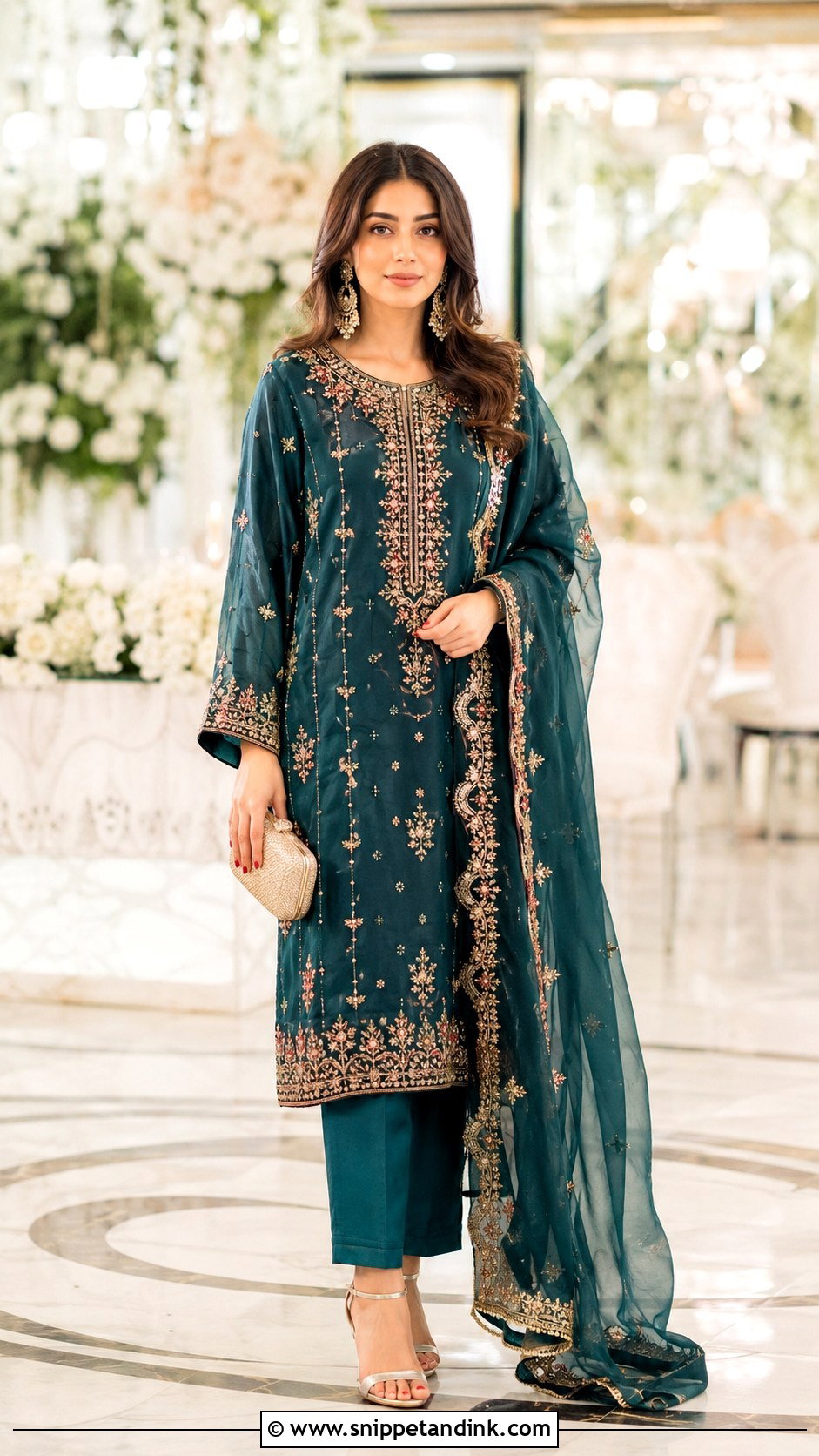
A Pakistani wedding guest suit outfit is what I suggest when you don’t want a lehenga at all. A three-piece: long embroidered shirt, straight, cigarette or wide trousers, and a formal dupatta. Organza, chiffon, raw silk or lawn-silk blends depending on the season. Pastels or ivory for a nikkah, jewel tones for barat, brights for mehndi. Heels, earrings and a clutch. It’s modest and comfortable, and you’ll wear it again for Eid and family dinners.
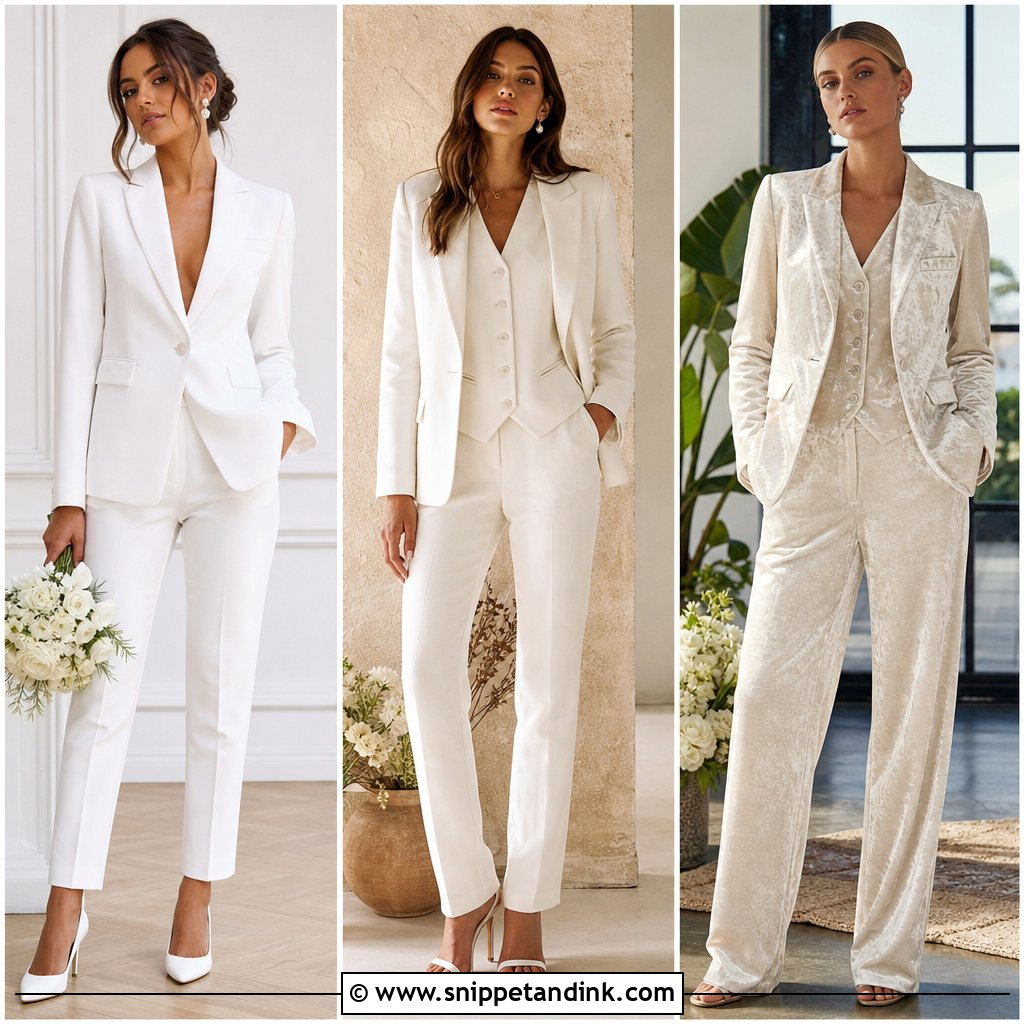

25. Heavy Dupatta Wedding Outfit
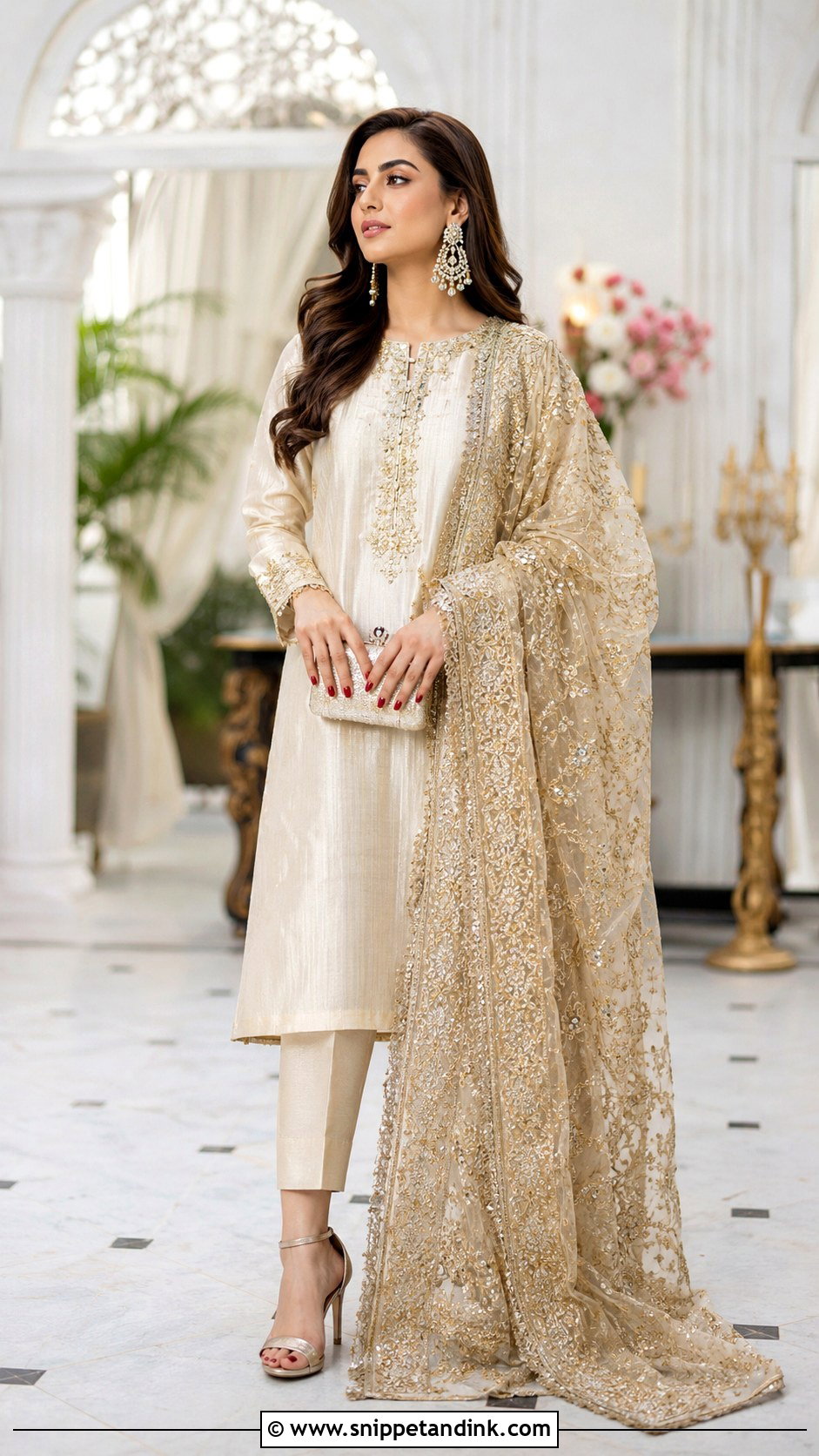
A heavy dupatta is the cheapest way I know to make a simple outfit look formal. Start with a plain silk, chiffon or raw silk shirt and trousers, sharara or lehenga, and add a heavily worked dupatta with gota, zari, pearls, sequins or a wide border. It works for nikkah, barat and family events. Match your jewelry metal to the dupatta’s work. A heavy dupatta needs to be pinned in at least two places, at the shoulder and the hair, or it slides all evening. Heels or khussas depending on the event.
One Heavy Dupatta, Three Different Events
Most guests and family members attend several functions, and buying a new heavy outfit for each one gets expensive fast. I build guest wardrobes around pieces that restyle.
- Buy one heavily worked dupatta in a neutral like gold, ivory or champagne. Wear it with a plain shirt at the nikkah, over a jewel-tone suit at the barat, and swap it out for a bright one at the mehndi.
- Pick a long shirt that works with both a sharara and straight trousers. The sharara makes it festive; the trousers make it right for a family lunch.
- Change the jewelry metal and the shoes. Antique gold and khussas read traditional; silver and heels read reception.
- Store worked dupattas folded in muslin, not on hangers, and refold them along different lines between uses so the metallic thread doesn’t crack.
Your photos will show the same shirt twice. Honestly, nobody at a three-day wedding is keeping track of that, and the outfits look different enough in each setting.
Ask the Hosts Before You Settle on Black or Red
The outfits that work best here combine tradition, comfort, color and styling that suits your role. A red bridal lehenga, a pastel nikkah sharara, a velvet winter look, a mirror-work mehndi set and a soft walima gown each belong to a different event, so start from the event. Think about fabric weight, how the dupatta sits, jewelry, shoes and how many hours you’ll be in it. And if you’re unsure whether a color is welcome, ask; a two-minute message to the family saves a lot of awkwardness on the day.
You'll Like These Ideas:







Leave a Reply