
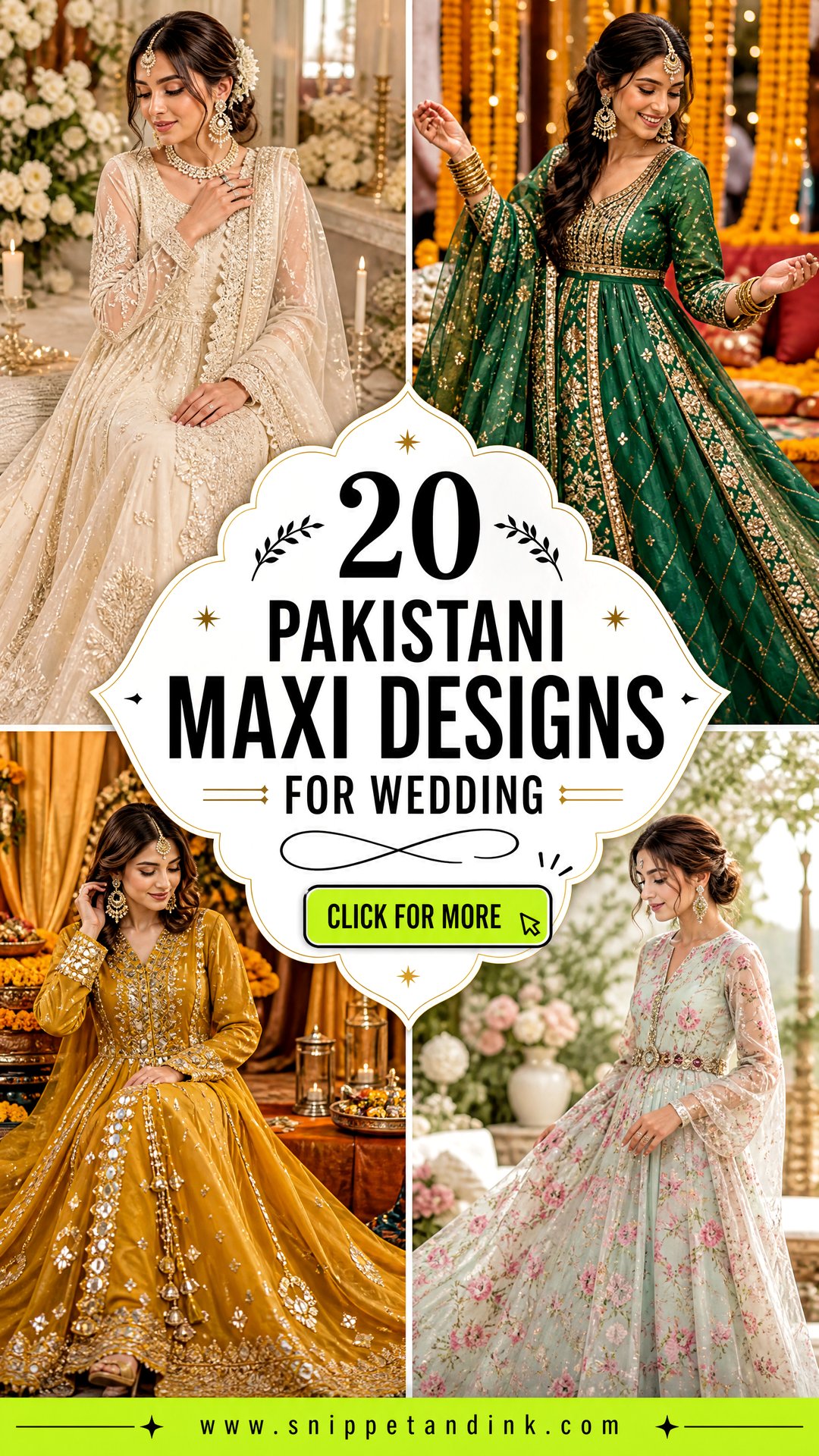
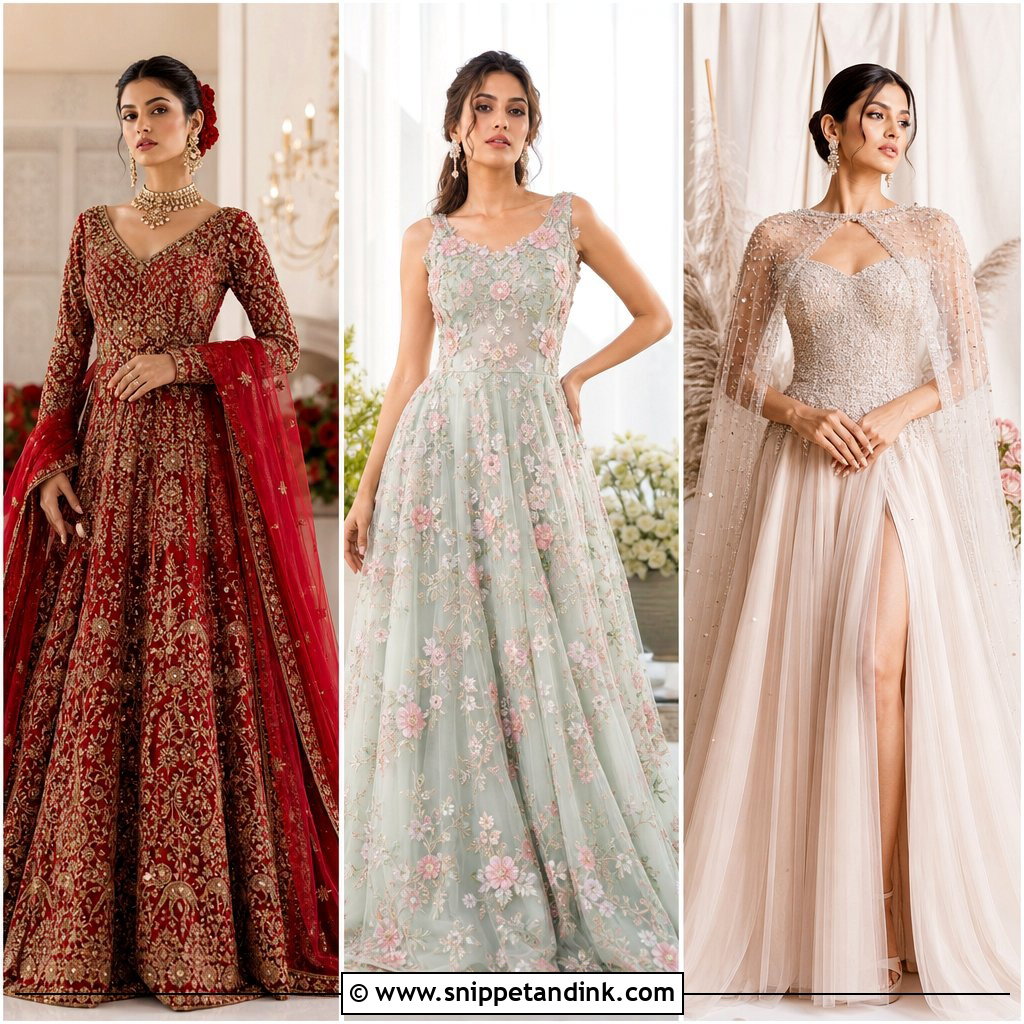
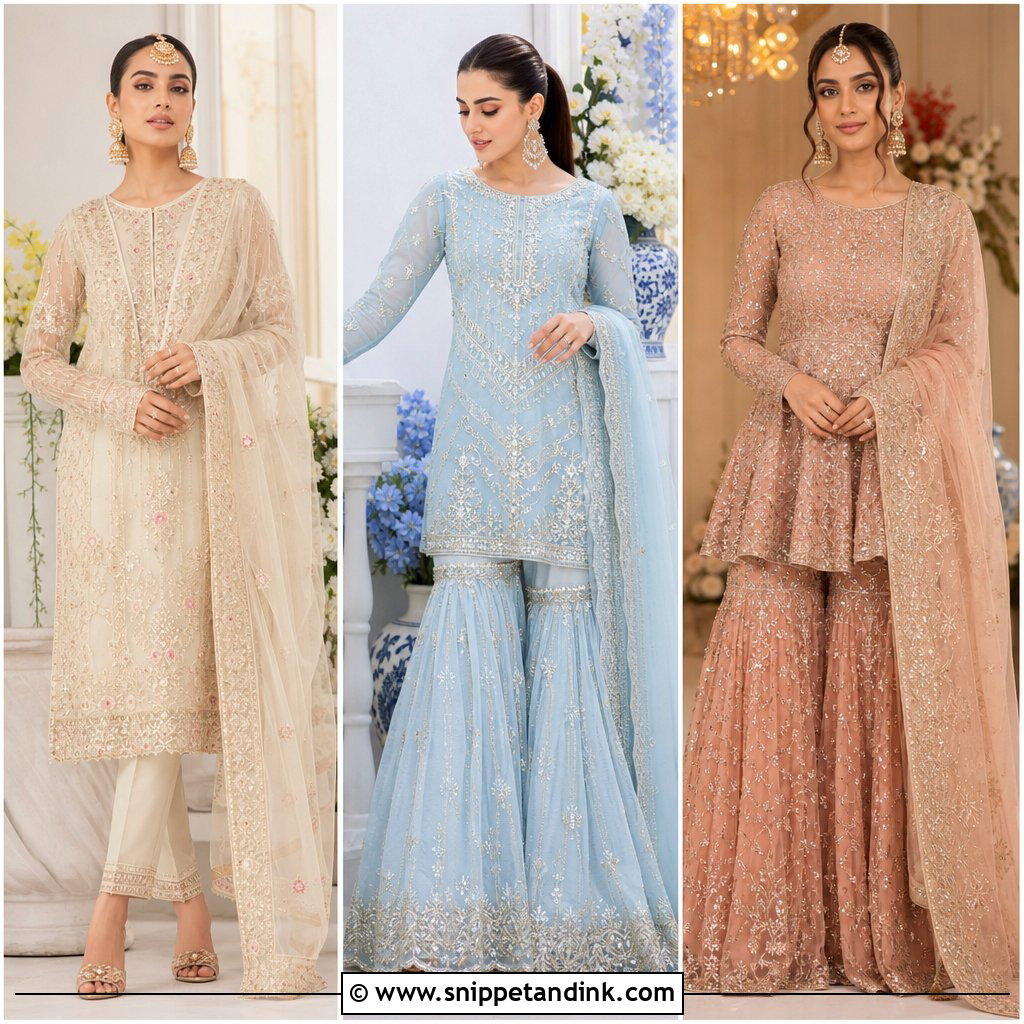
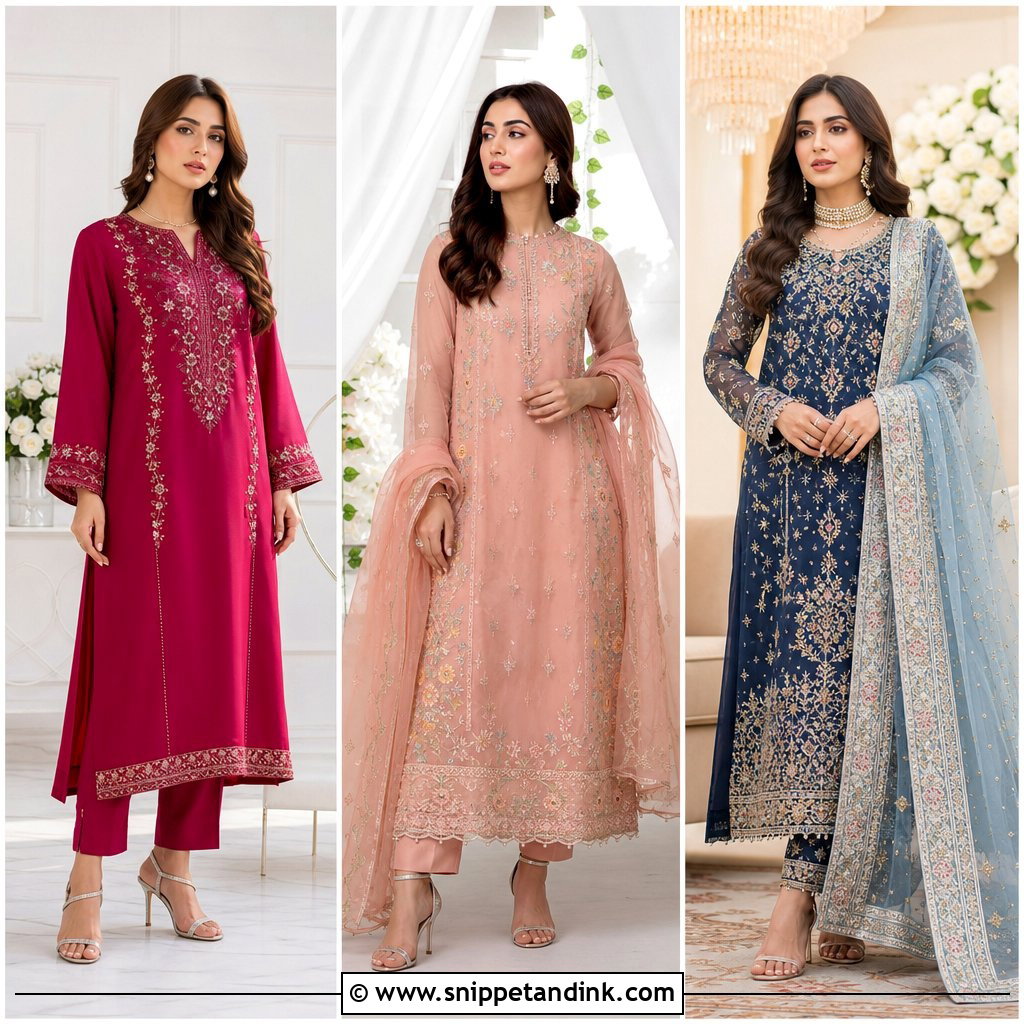
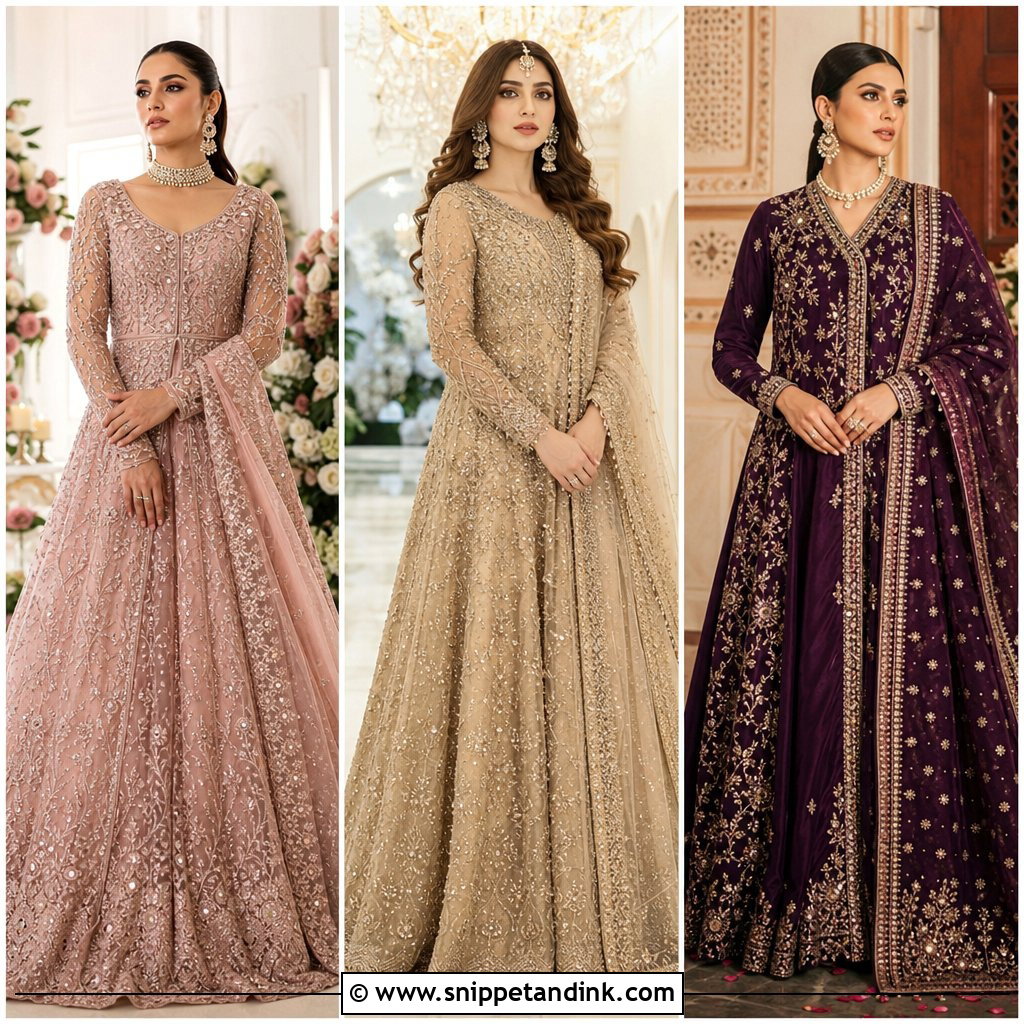
Pakistani wedding fashion gives the maxi a lot of room to work, from the heavily worked Barat gown to the light cotton-net piece you can dance in at a Mehndi. Below are twenty maxis I would actually put on a bride or a guest, with the pishwas cuts, Anarkali flares, jacket layers and short trails you see at Nikkah, Mehndi, Barat and Walima events. For each one I have styled the whole outfit: dupatta, jewelry, shoes and bag, because a maxi that looks right on the hanger can still go wrong once the accessories fight it. Red and gold, pastels and darker evening shades are all here, sorted by what each one is genuinely good at.
How Much Embroidery Each Function Can Carry
The first conversation I have with a client is not about color. It is about weight. A fully worked Barat maxi can feel very heavy by the end of the night, and the same level of work at a Mehndi would leave you exhausted before the dancing starts. I match the embroidery to how long you will be standing, sitting on the stage and moving around.
- Mehndi and Mayon: gota, mirror and thread work on cotton-net or light organza. You will be sitting on cushions, dancing and possibly getting haldi on you.
- Nikkah: light pearl, thread or sequin work. The ceremony is often seated and close up, so finish quality matters more than coverage.
- Barat: the heaviest zari, dabka and stone work, on a fabric with enough structure to carry it, such as raw silk, velvet or lined organza.
- Walima: medium work, usually concentrated on the bodice and fading toward the hem, in a lighter fabric than the Barat outfit.
Guests can follow the same logic one step down. If the bride is in heavy red zari, a guest maxi with medium work in a jewel tone looks right; matching her level of embellishment rarely does.
1. Red Bridal Pakistani Maxi With Dupatta
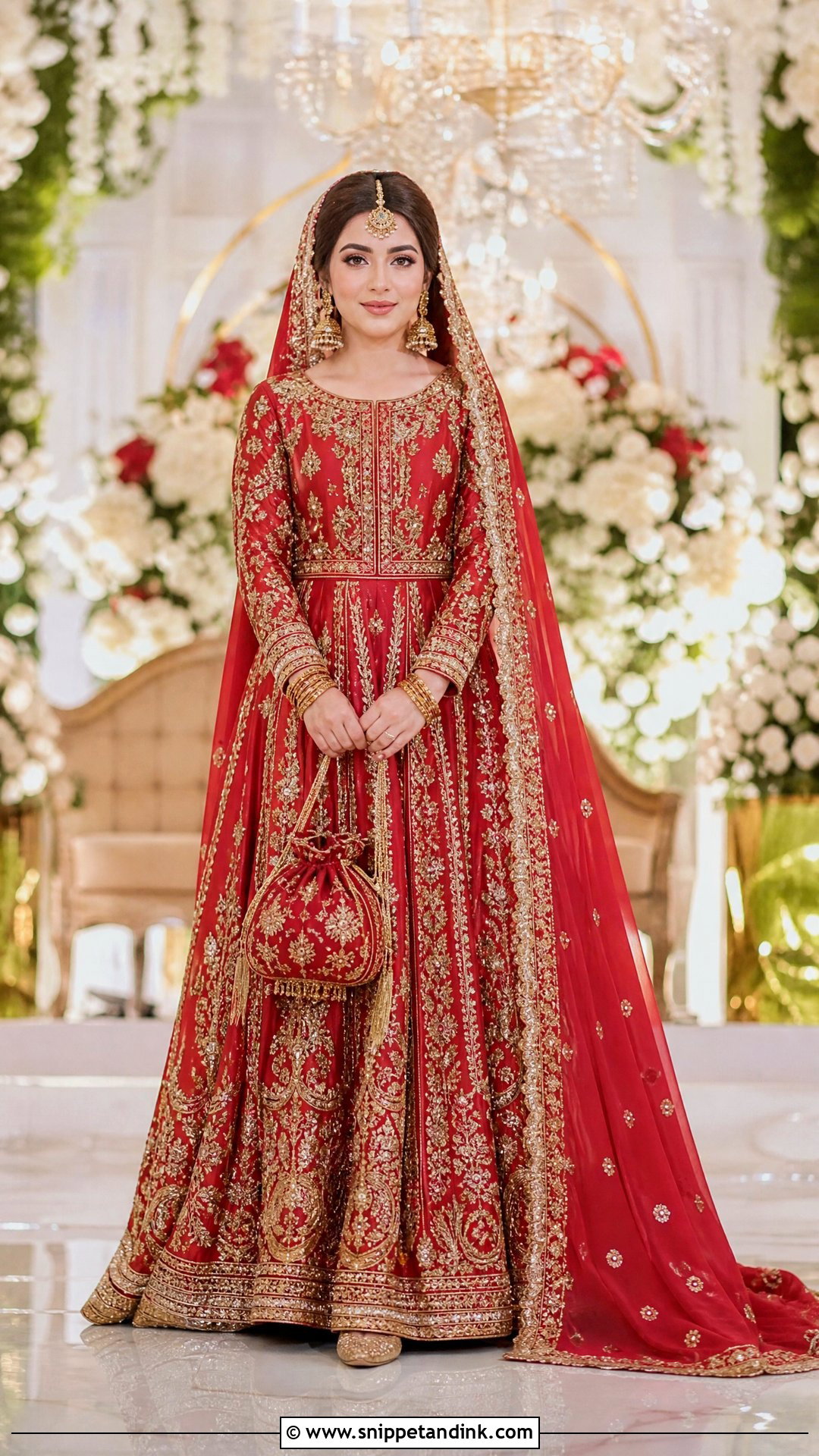
Red is still the Barat color I am asked for most, and it earns that place because red zari and dabka read clearly in a crowded hall. Go for a fitted bodice over a wide paneled skirt so the weight of the work has structure to hang from. I keep the heaviest embroidery at the neckline, waist and hem and let the red show between them; a skirt worked edge to edge pulls downward and creases at the hips by the end of the night. The organza dupatta should carry a detailed border with scattered buti, and a matching potli, gold jhumkas, stacked bangles and a fine maang tikka finish it. Wear gold khussa underneath. Nobody sees your feet, and you will be standing for the photographs for a long time.
2. Ivory Nikkah Pakistani Maxi With Pearl Details
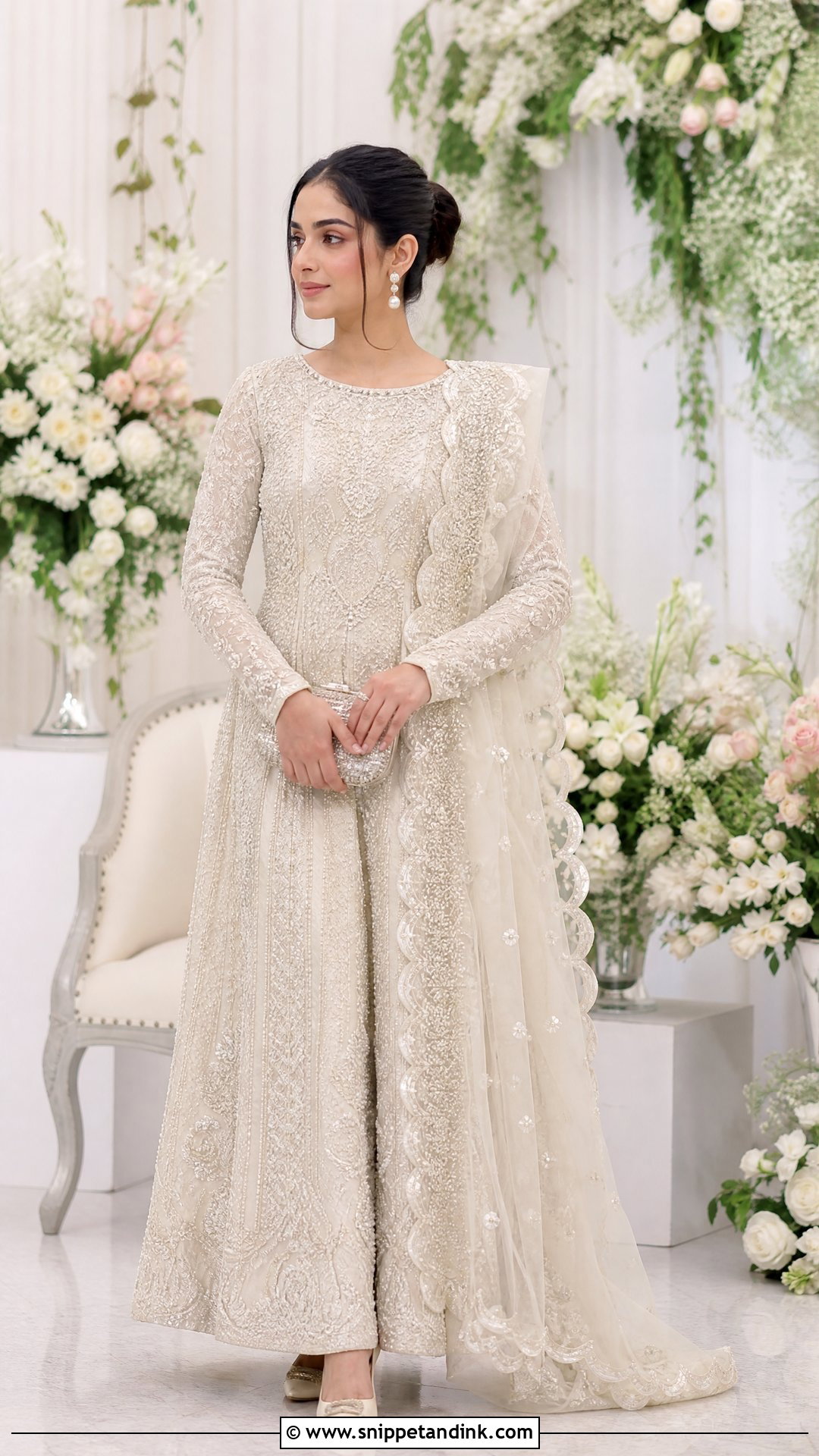
Ivory suits a daytime Nikkah because it does not compete with the ceremony itself. I look for a floor-length maxi with a fitted top, full sleeves and only a light flare, worked in pearls, white thread and a little silver sequin. Pearls are worth checking closely at the fitting: glued pearls drop off when the dupatta drags across them, while hand-stitched ones survive. Add a net dupatta with a scalloped edge, pearl drops, a small silver clutch and ivory pointed heels. A bride can layer a fine veil and a little head jewelry; a guest in ivory should keep everything simpler so she does not read as the bride. Rosy makeup and a low bun keep it fresh.
3. Green Mehndi Pakistani Maxi With Gota Work
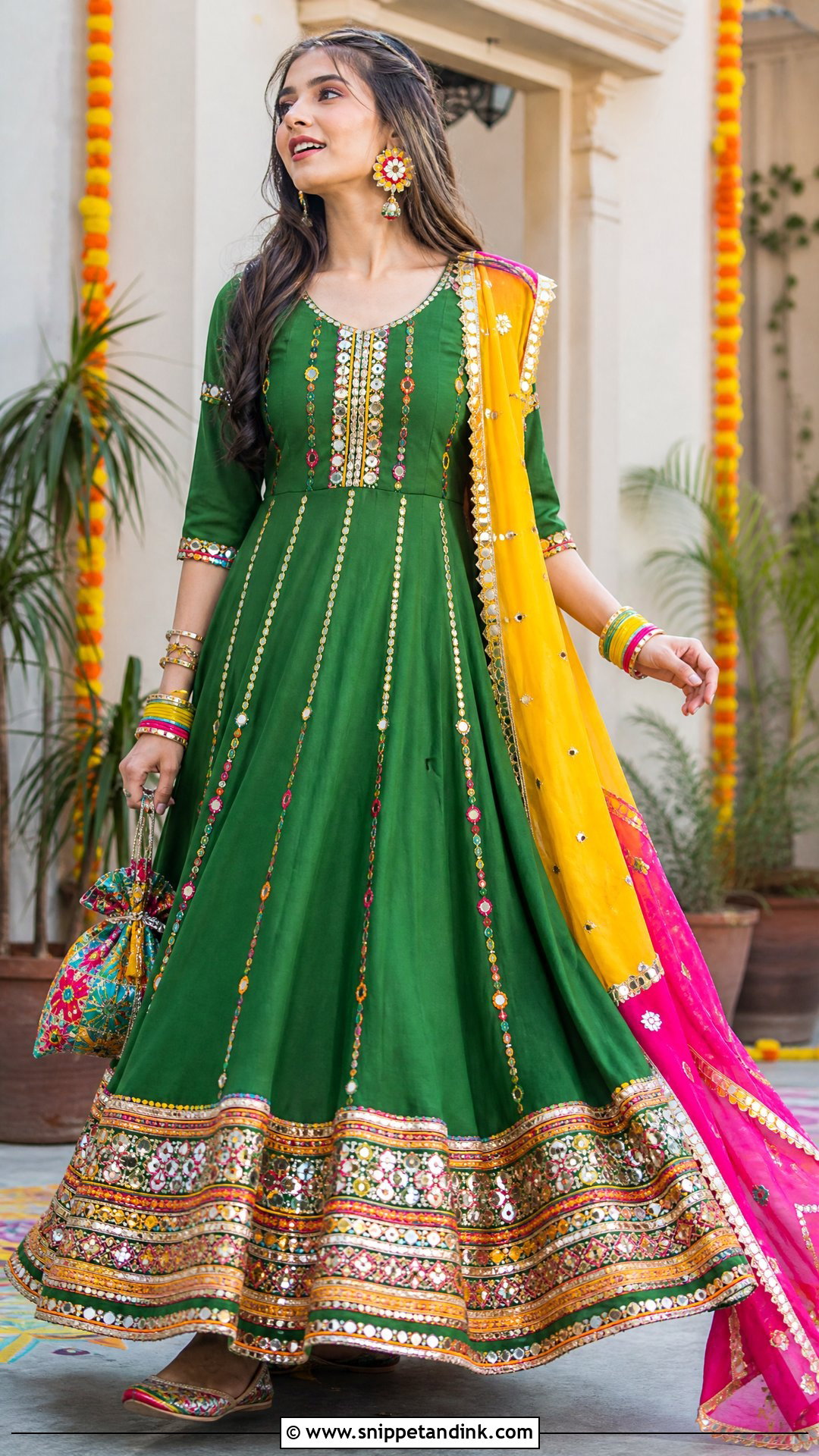
A green Mehndi Pakistani maxi is festive without asking you to behave formally. Emerald, parrot, olive and lime all work; I lean darker for an evening function and brighter for an afternoon one under open sky. Cotton-net or organza with gota, mirror accents and a defined waist is the practical choice, because gota is light and does not snag when you sit on floor cushions. Contrast the dupatta in yellow, orange or hot pink. Flat khussa are not optional here. Braids or loose waves suit the mood, and the flared skirt moves well once the dholki starts.
4. Powder Blue Walima Pakistani Maxi With Silver Embroidery
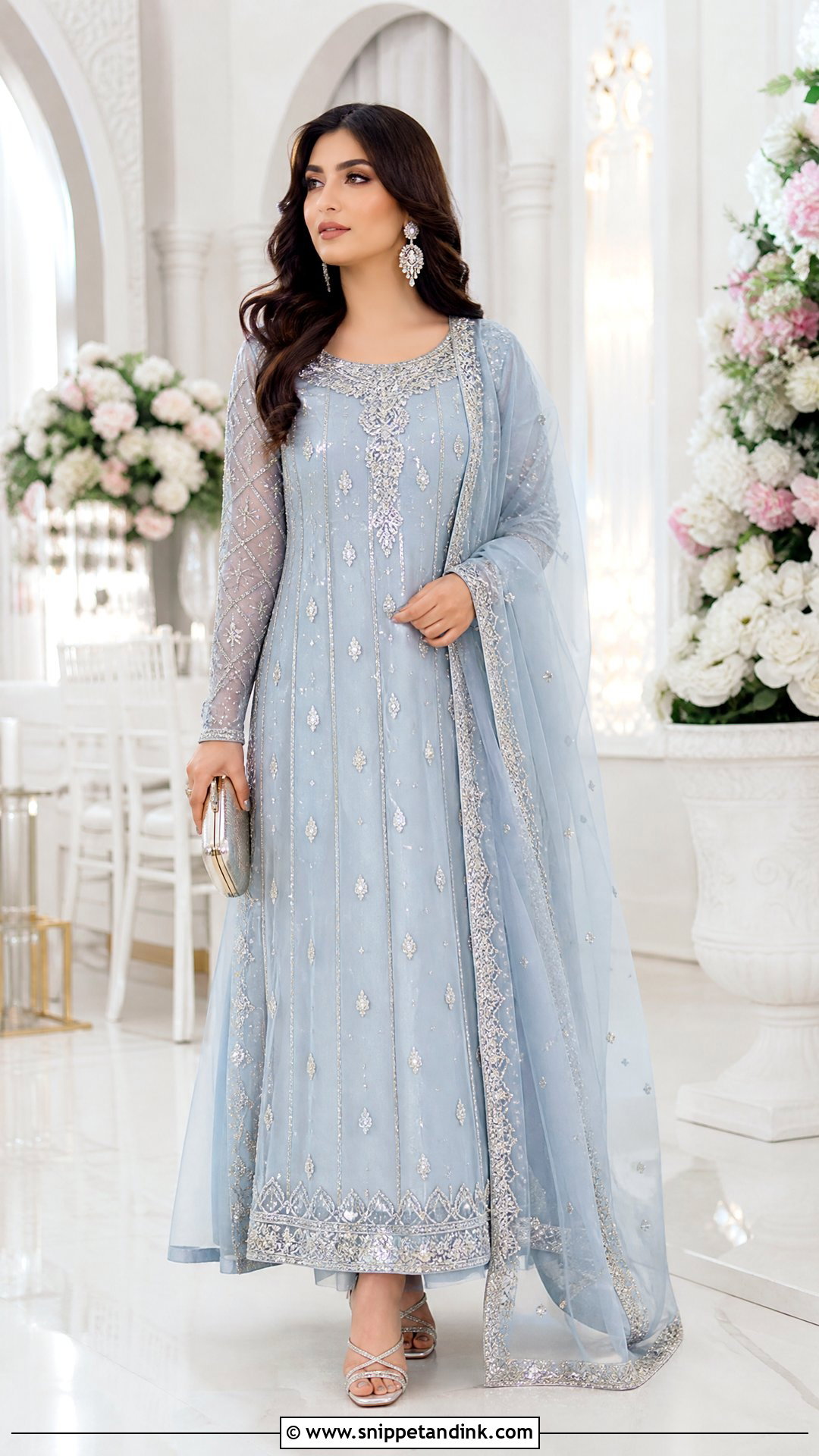
Powder blue gives a Walima a cooler, quieter palette after the intensity of the Barat. Chiffon, net or organza over a soft lining lets the skirt fall smoothly instead of standing away from the body. I like silver embroidery and crystals that start dense on the bodice and thin out toward the hem, which keeps the eye near the face and stops the skirt looking heavy. Drape a sheer blue dupatta over one shoulder so the front work stays visible. Silver heels, crystal earrings and a small metallic clutch keep the color story cool, with luminous skin, soft gray shadow and a sleek bun or side-parted waves.
5. Black Pakistani Maxi With Gold Embroidery
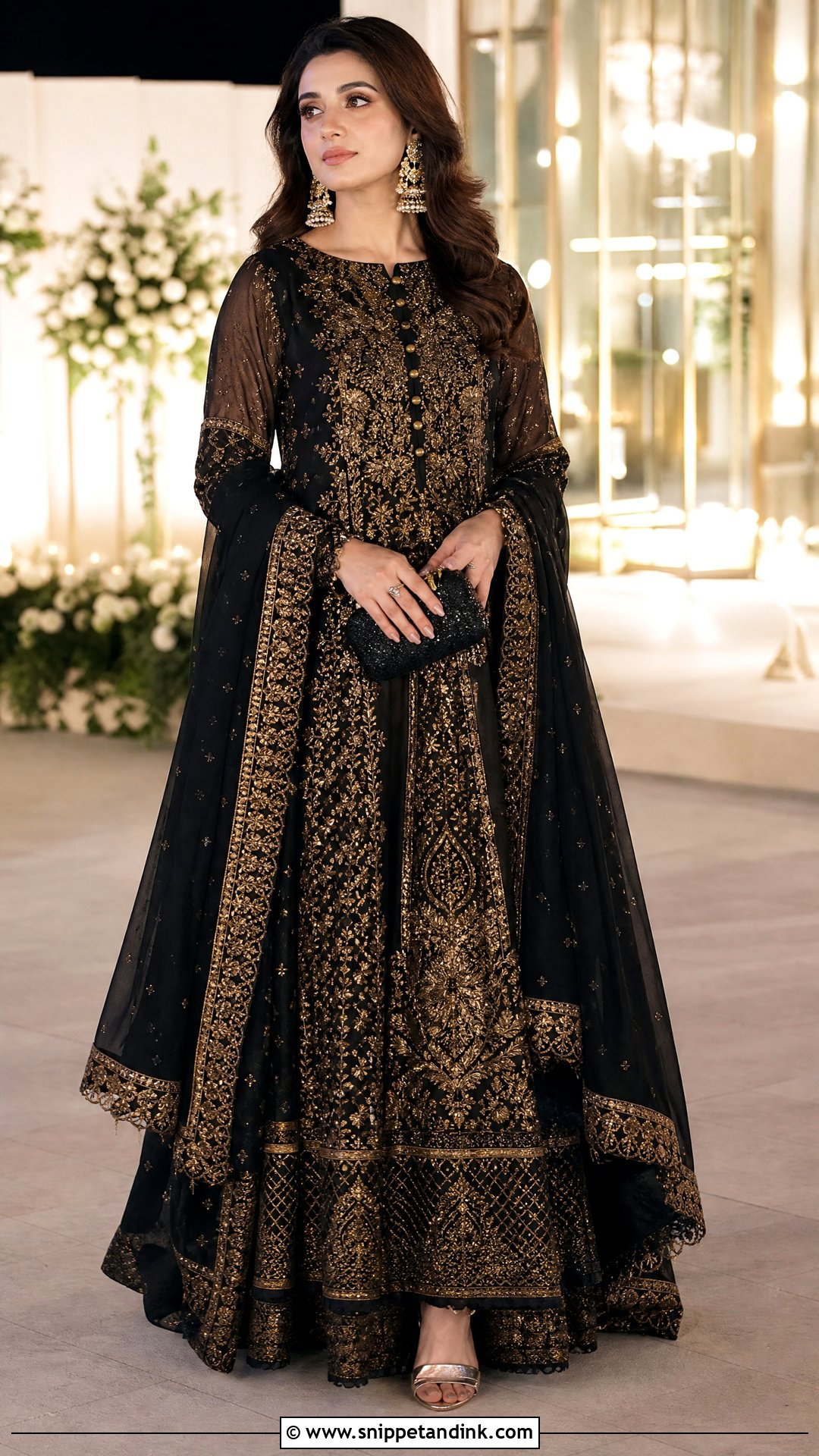
Black only becomes wedding wear once gold detailing does real work on it. A full-length maxi with an embroidered bodice, fitted sleeves and a generous skirt carries the gold best when it is concentrated at the neckline and lower border, in antique zari, sequins or traditional motifs. Before a client commits to black, I ask whether any elders in the family will object; in some households black at a wedding is still frowned on, and it is better to know before the stitching starts. Pair it with a black organza dupatta edged in gold, antique earrings, stacked bangles and a structured black clutch. Defined eyes and a deep rose lip suit it. Keep this one for evening receptions.
6. Blush Pink Pakistani Pishwas Maxi
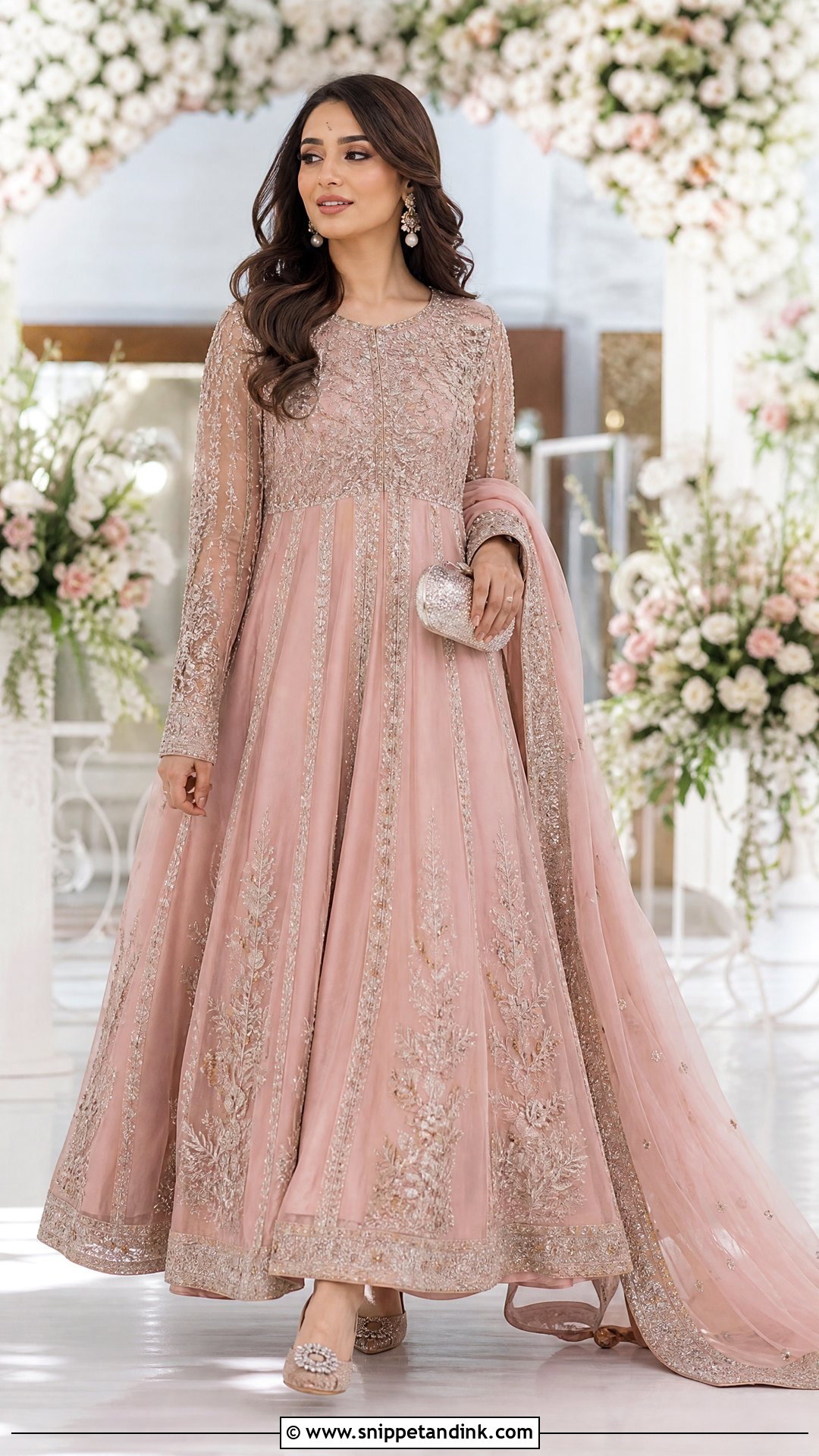
A pishwas is a fitted bodice set onto many flared panels, and in blush pink it gives you all the movement of the cut without the visual weight of a dark color. The thing I check first is the panel count: more panels mean more flare when you turn, but also more fabric to manage on a narrow stage. Silver thread, pearls or small crystals blend into the pastel base, and a matching net dupatta should sit lightly on the shoulder so the skirt stays in view. Pearl earrings, a silver minaudiere and embellished blush heels hold the soft palette together. A low textured bun with a few loose pieces keeps it from looking strict. It sits well at an engagement, Nikkah or Walima.
7. Navy Blue Pakistani Anarkali Maxi
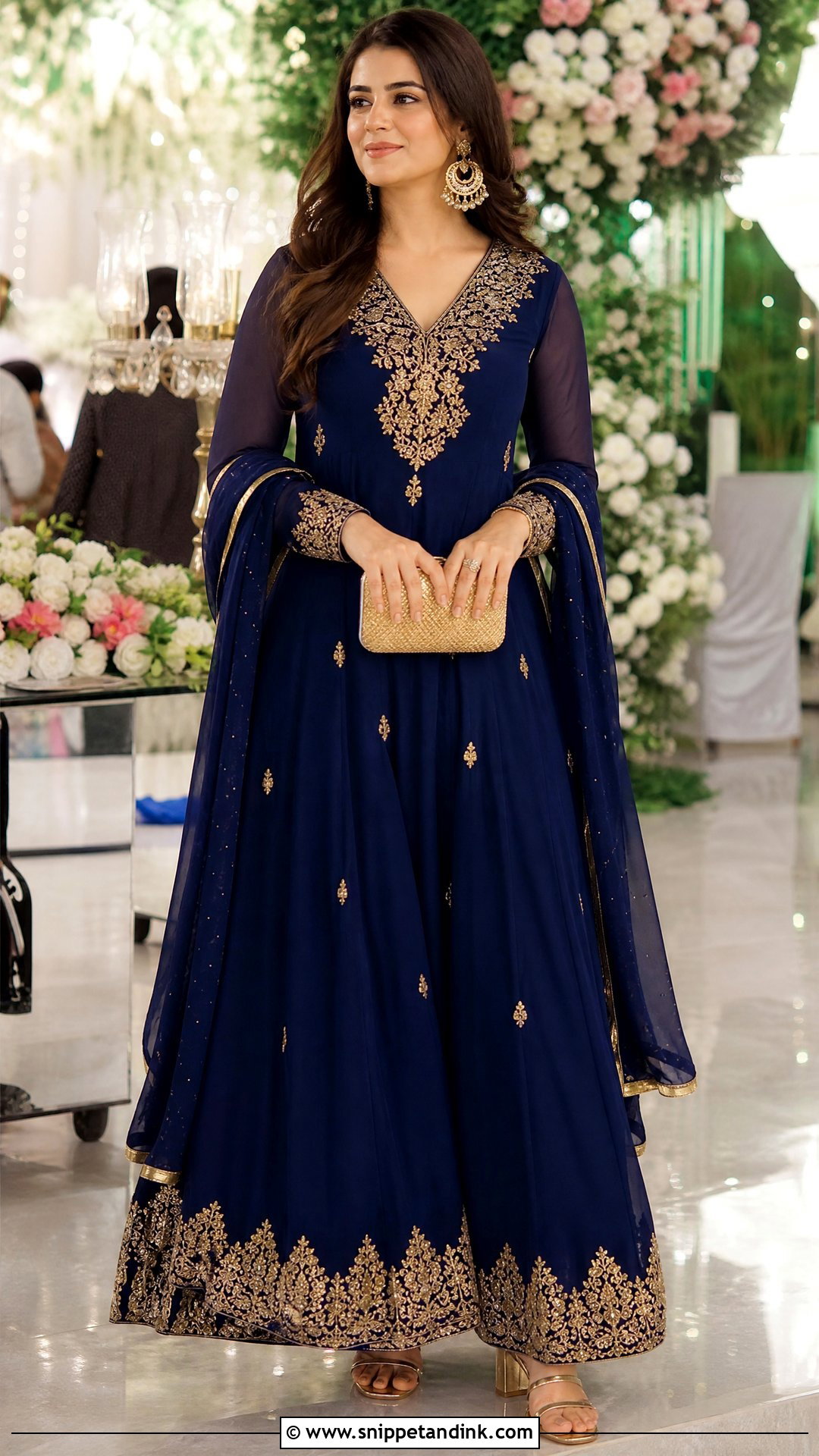
Deep navy makes an Anarkali maxi look regal under evening lighting, and it is far easier to accessorize than black. The bodice should be fitted and flare from the natural waist into a wide skirt. Gold at the neckline, cuffs and hem gives the classic contrast; I add scattered motifs through the middle of the skirt, otherwise the center looks empty in full-length photos. A navy chiffon dupatta with a slim gold border, chandbalis, a gold clutch and metallic block heels finish it. Sisters of the bride and close relatives at a Barat often end up in navy for good reason.
8. Maroon Velvet Pakistani Maxi With Organza Dupatta
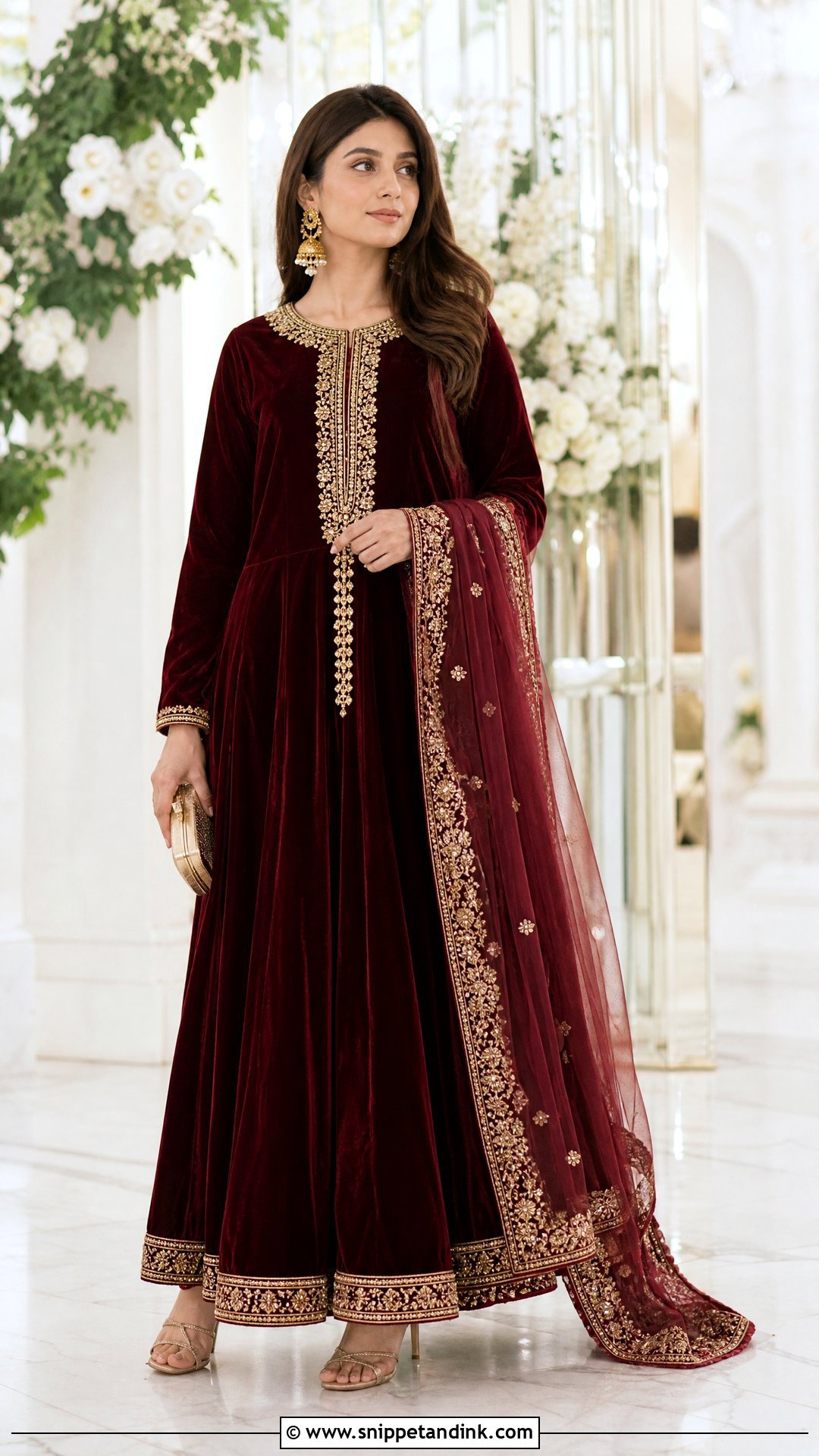
Velvet is the fabric I steer winter Barat brides toward, and maroon wears it well. Choose a structured bodice, full sleeves and a paneled skirt so the pile falls cleanly. Velvet marks easily, so I have clients sit down in it at the fitting: pressure lines from a chair or a car seat show quickly, and a skirt with fewer seams behaves better. Frame the neckline, cuffs, waist and hem with antique gold. Then keep the dupatta in light organza; a second heavy textile on top of velvet becomes a weight you will feel after an hour. Antique jewelry, a compact gold clutch and cushioned heels complete it. Avoid it entirely for a summer outdoor event.
9. Peach Pakistani Maxi With Floral Embroidery
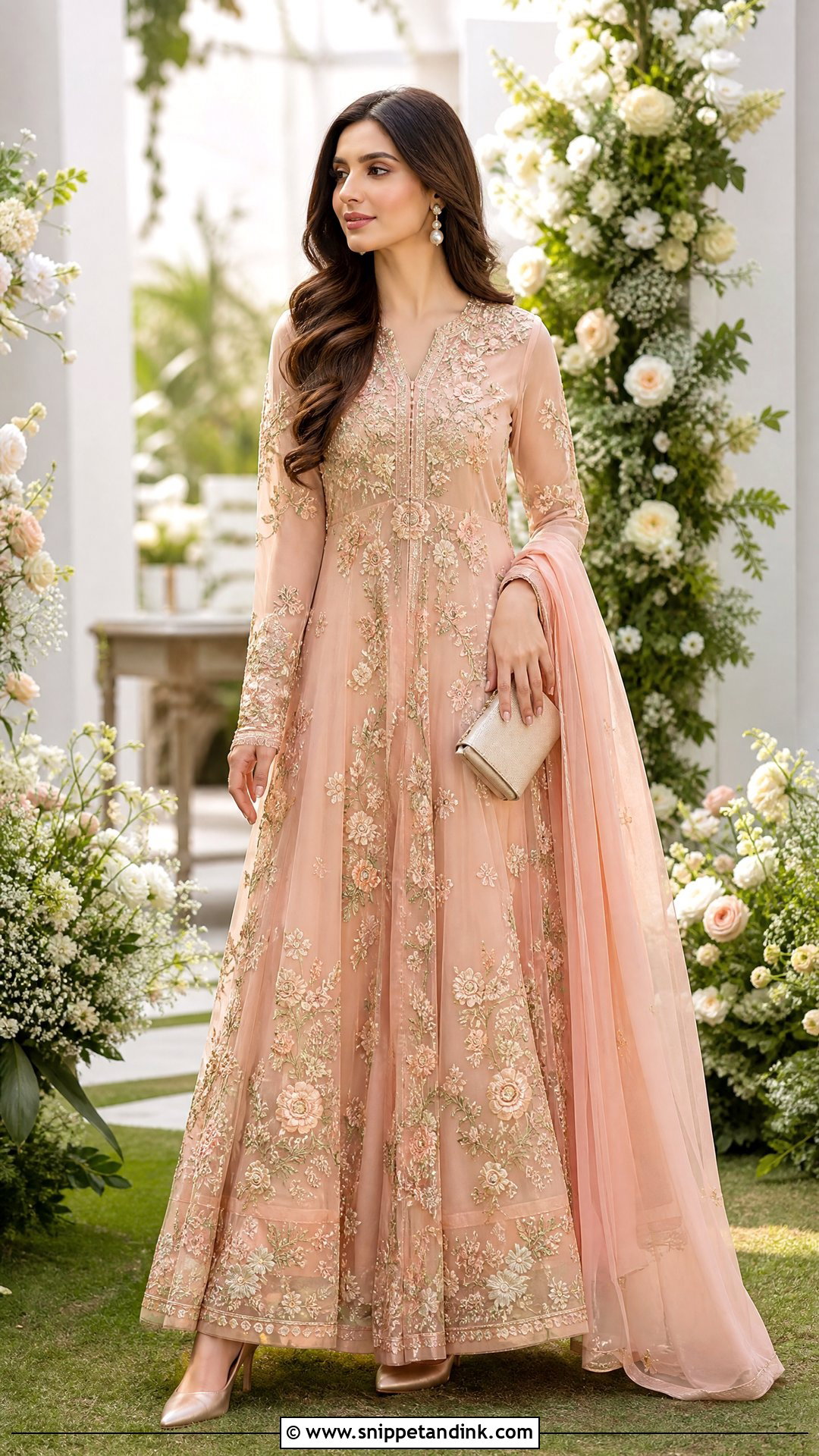
Peach flatters most skin tones in daylight and holds up in outdoor photographs where darker shades can look harsh. A chiffon or organza maxi with a fitted waist and flowing skirt stays light in warm weather. I like floral embroidery here in ivory, sage, blush and muted gold, which gives a garden effect without busy contrast. The dupatta can match with scattered motifs, or switch to pale sage for a quiet contrast. Pearl earrings, a neutral clutch and champagne heels or embellished flats keep it easy. It belongs at an engagement, Nikkah or daytime outdoor reception, where a heavy dark outfit would feel out of place.
10. Gold Pakistani Maxi With Long Jacket
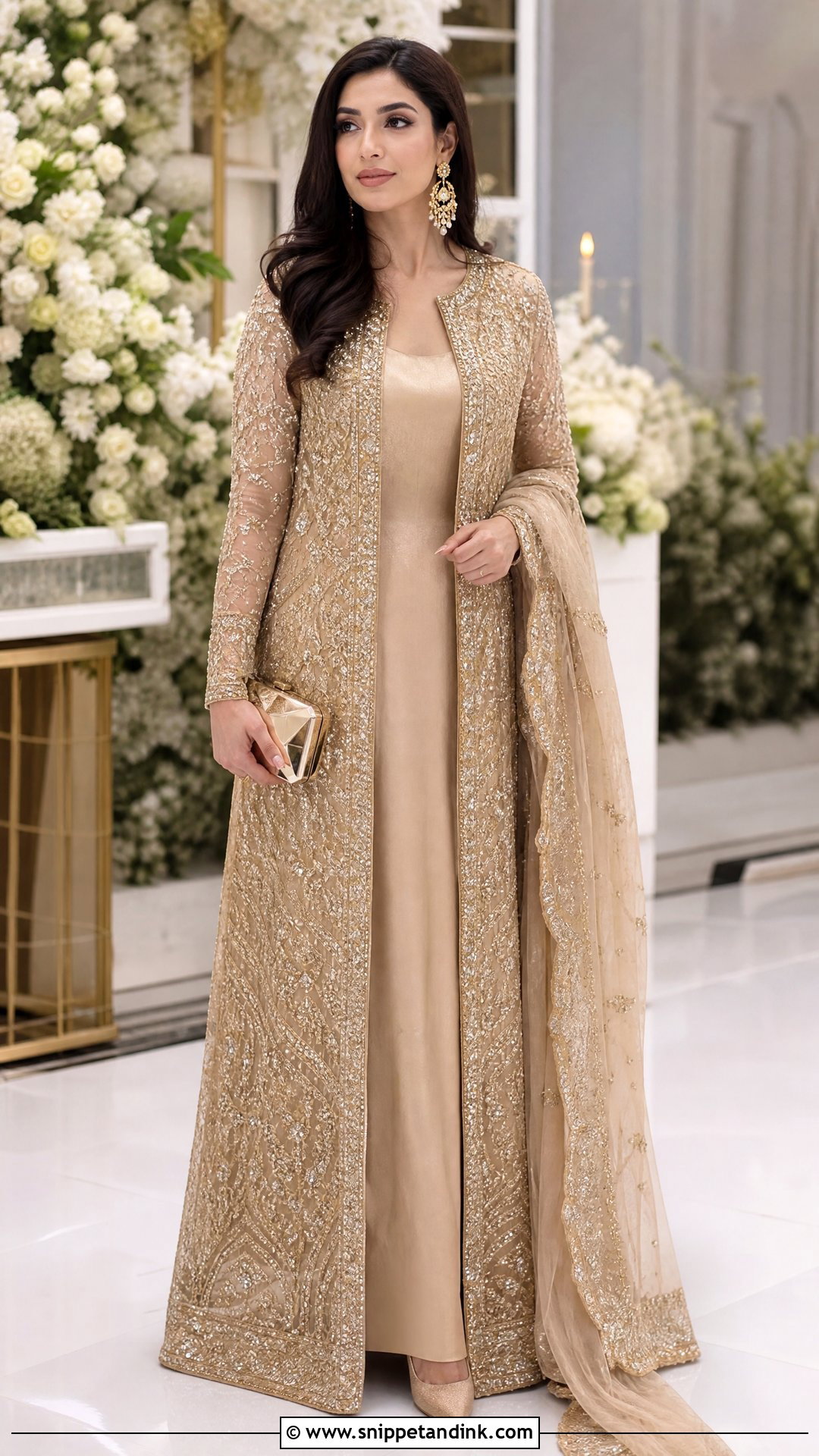
The long jacket turns a gold maxi into a layered outfit with real presence. Start with a simple inner maxi in champagne, beige or soft gold, sleeveless or full-sleeved, then add a floor-length open jacket worked in sequins, beads, zari and strong border work. A plain inner layer is the secret: when both pieces are heavily embroidered, the outfit loses its outline. I tell clients the jacket adds real weight across the shoulders, so try it on for at least twenty minutes at the fitting. Carry a light dupatta over one arm or skip it. Gold earrings, a structured clutch, pointed metallic heels and a sleek bun or high ponytail keep the neckline clear for Walima or an evening engagement.
11. White And Gold Pakistani Maxi For Nikkah
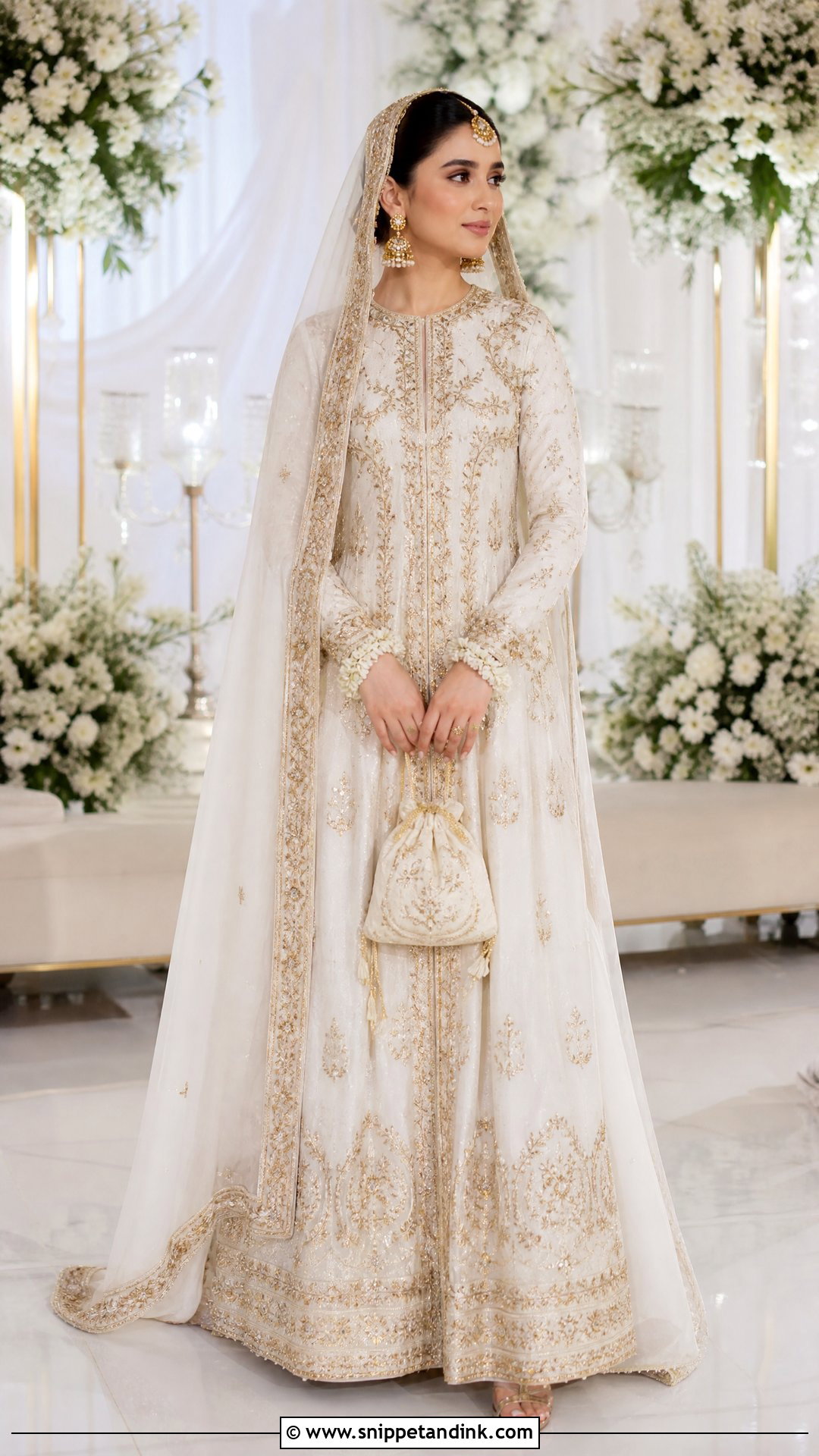
White with gold is a Nikkah classic because it is easy to personalize without adding color. Choose a fitted bodice, modest neckline, full sleeves and a gentle flare, with fine gold outlining the panels, cuffs and lower border and a few pearls or sequins for sparkle. White fabric is unforgiving at the fitting stage: I check the lining color under daylight, because a slightly yellow lining shows through net and makes the white look dingy in photos. A white organza dupatta with a gold edge works for everyone; brides can add a longer veil. Gold jhumkas, an ivory potli, peach-toned makeup and a neat low bun finish it.
12. Teal Pakistani Maxi With Cape Sleeves
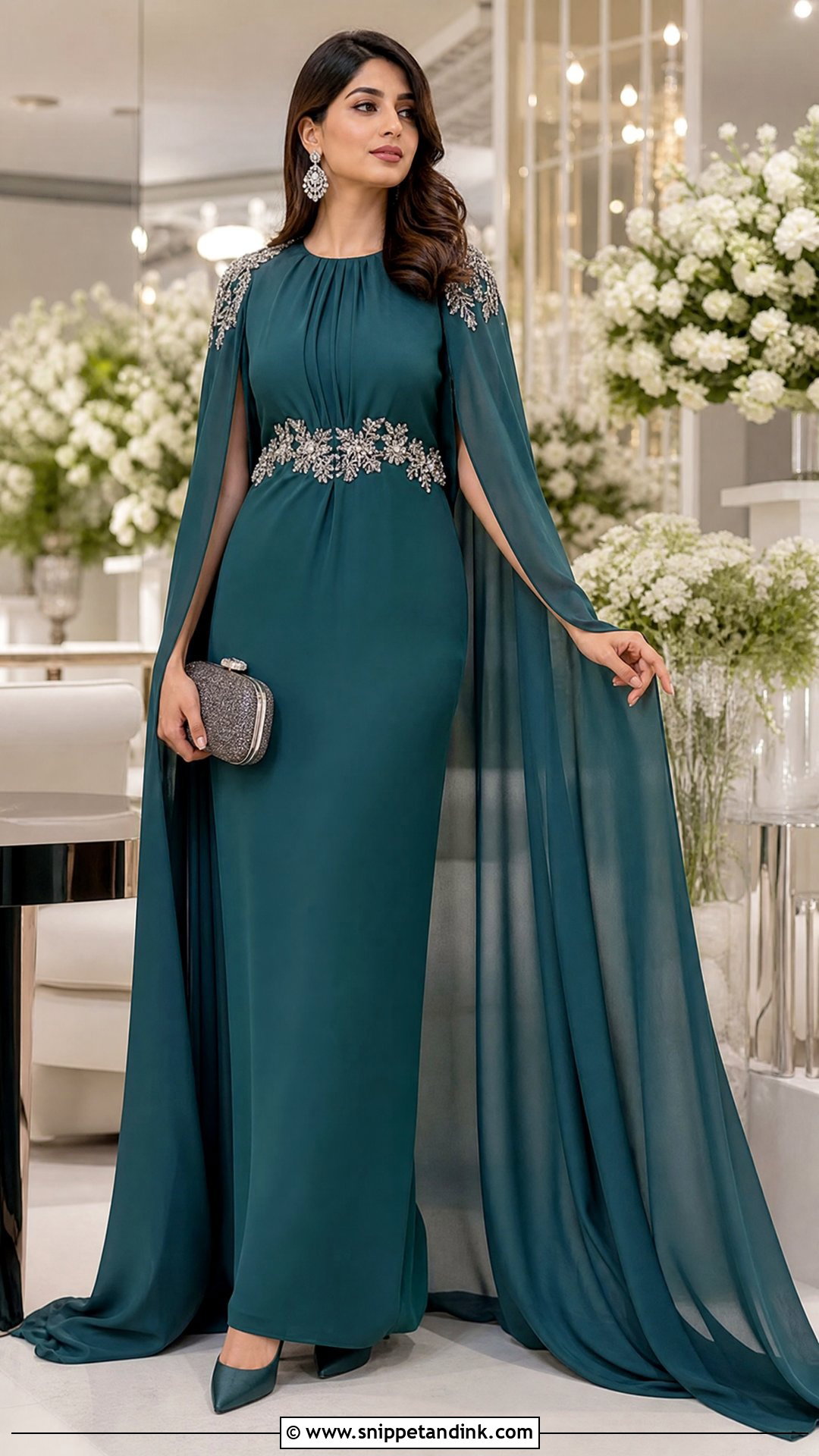
Cape sleeves give teal a modern shape and still cover the arms, which is why modest dressers ask me for them so often. The dress underneath should be streamlined, with a defined waist and a narrow skirt or gentle A-line; a full skirt plus a cape makes the whole outfit look oversized. Silver beadwork or crystals around the neckline keep attention near the face. Watch the cape attachment point at the fitting. If it is stitched too far down the arm, lifting a plate or a phone drags the whole bodice sideways. Crystal earrings, a silver clutch, pointed heels and a sleek ponytail let the shoulders show at a reception or formal dinner.
13. Mustard Pakistani Maxi With Mirror Work
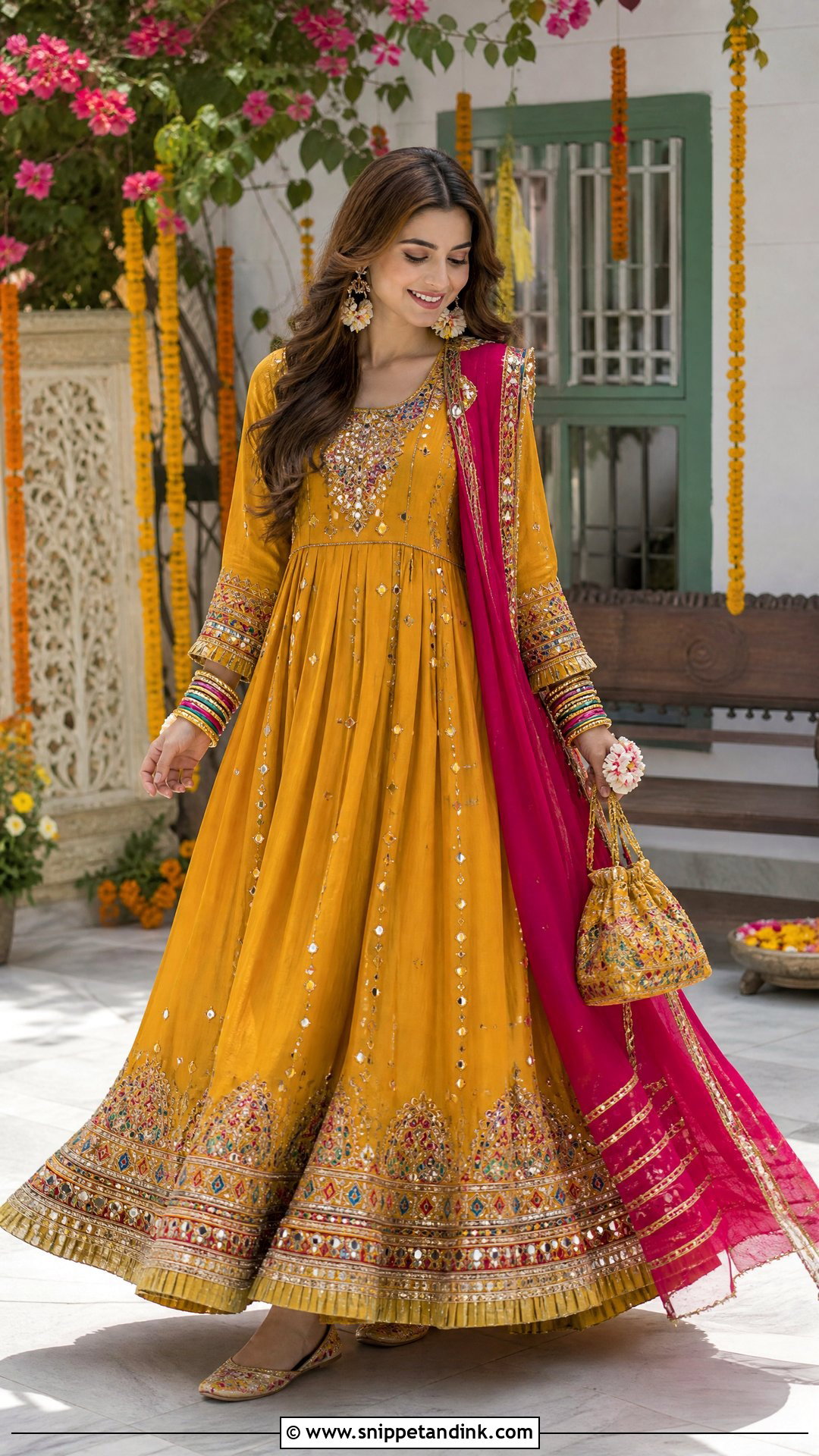
A mustard Pakistani maxi is my first suggestion for a Mayon or Mehndi, since haldi stains are less obvious on it than on pastels. Pick breathable cotton-net, chiffon or light organza with a flared skirt and fitted three-quarter sleeves. Mirror work, gota trim, colorful thread and small tassels give it energy. Mirrors are heavier than they look, though, so I keep them to the bodice and border rather than covering the skirt. A magenta, green or orange dupatta, multicolor bangles, floral earrings, a bright potli, embroidered khussa and a flower-trimmed braid finish the outfit for dancing and family photos.
14. Gray Pakistani Maxi With Crystal Beading
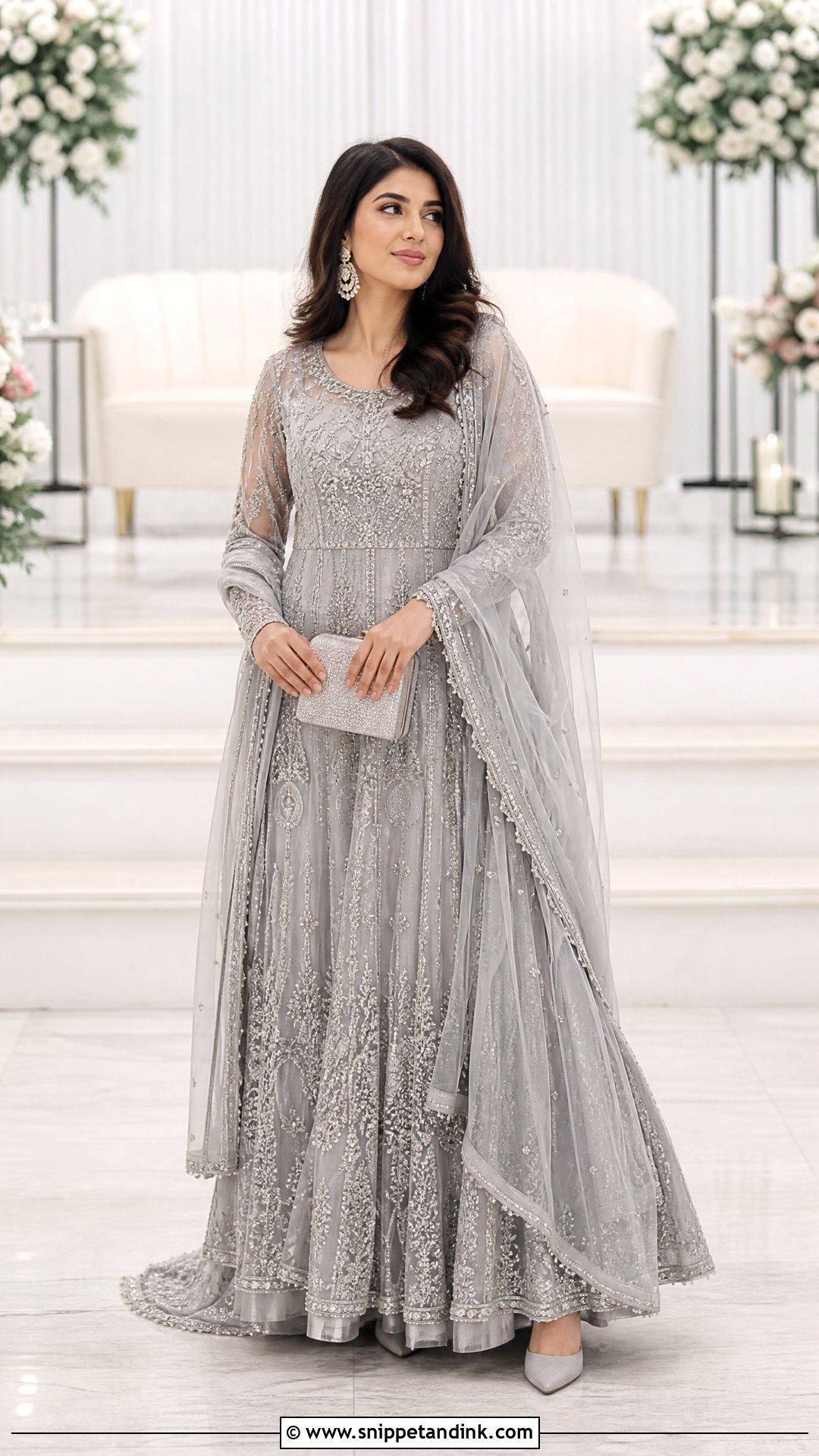
Silver-gray is a quiet base for a Walima or formal reception, and it suits a wide range of ages once the neckline and sleeves are adjusted. Layered chiffon or net over a smooth satin lining with a structured bodice is the right construction. I place crystal beading, pearls and fine silver threadwork in vertical lines, which lengthens the body far better than scattered work. Wear a sheer gray dupatta on one shoulder rather than wrapped around you. Crystal drops, a silver box clutch and gray pointed heels keep it monochrome, with soft smoky eyes and a neutral lip. Under bright venue lights the crystals catch every flash, so keep the jewelry modest.
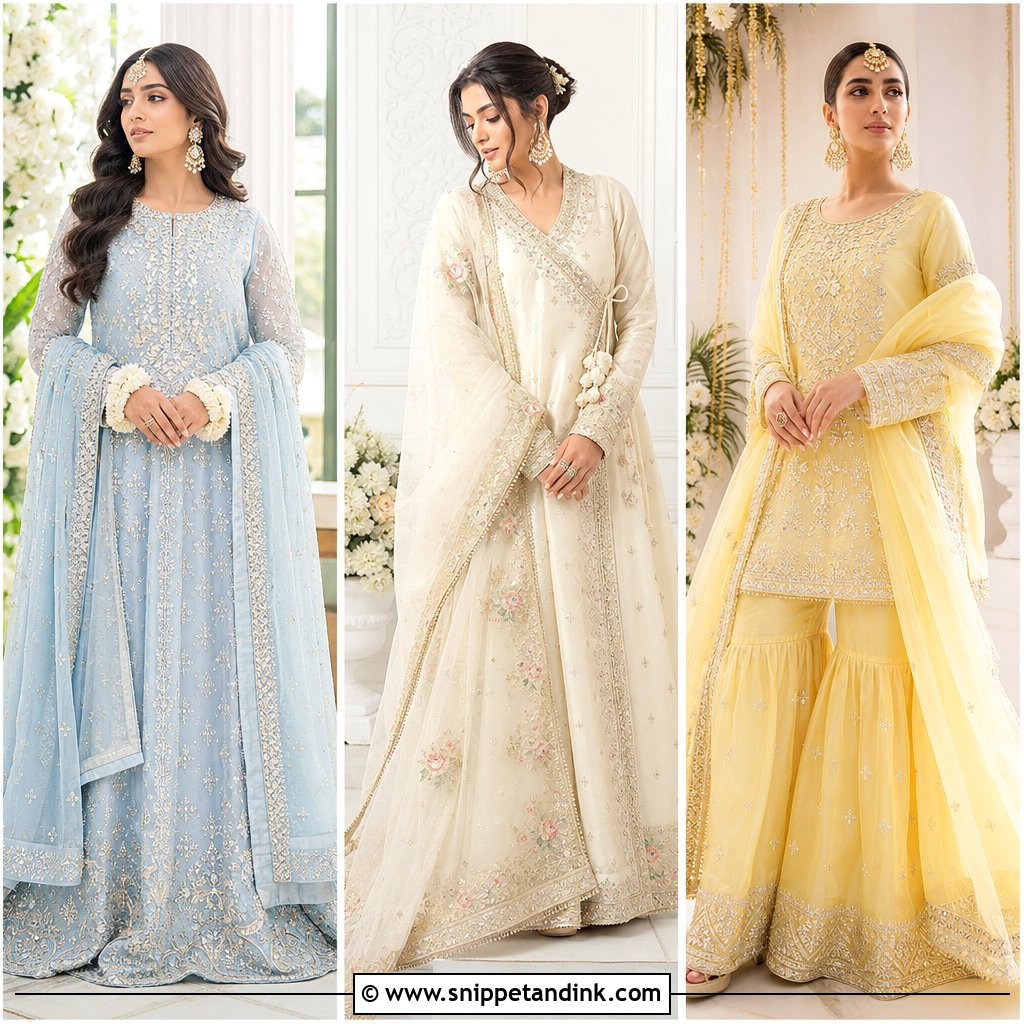
15. Purple Pakistani Maxi With Front Open Design
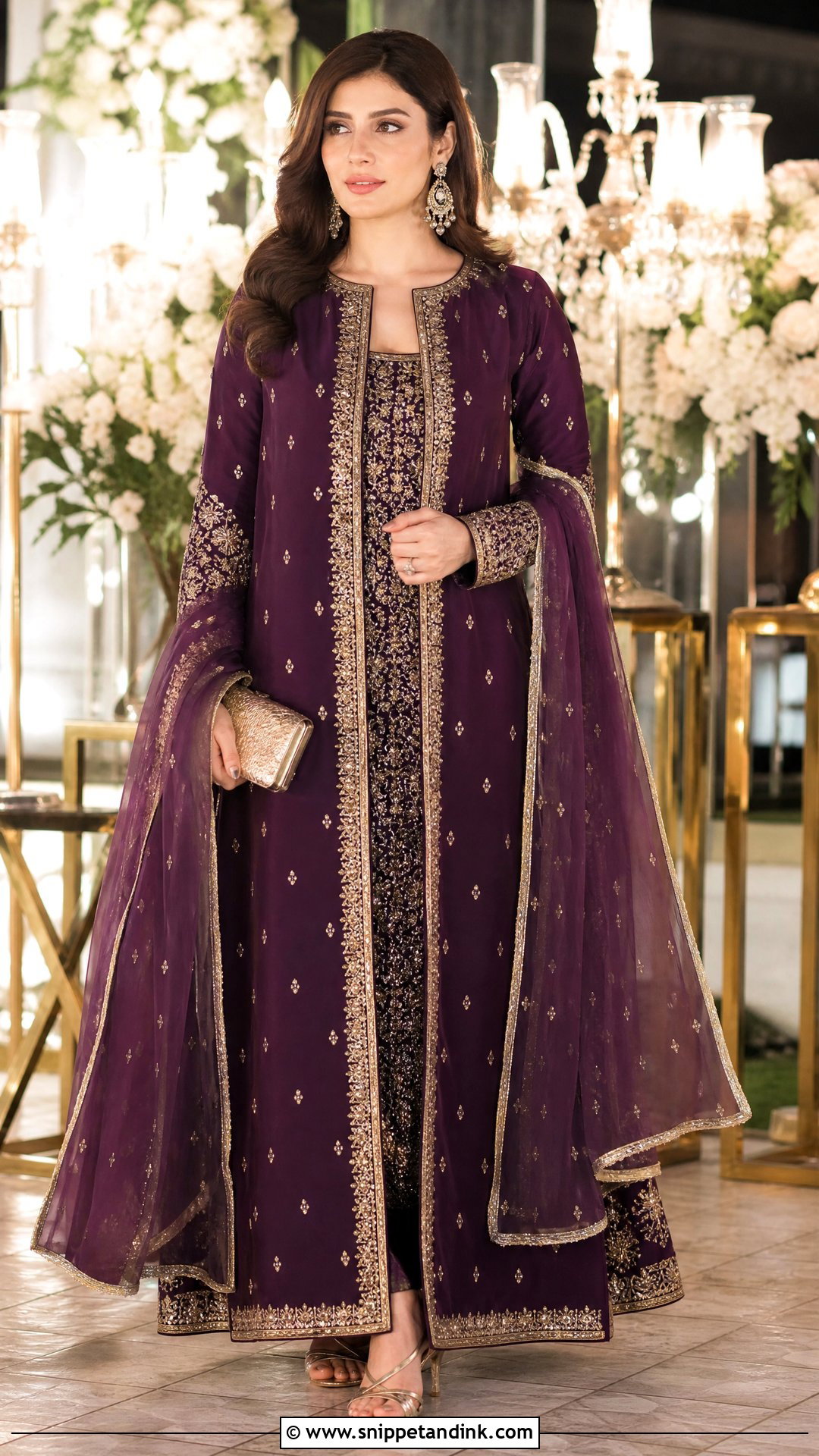
A front-open maxi gives you two layers in one silhouette: an outer piece in plum, aubergine or royal purple that opens to show an embroidered inner panel. Gold or antique silver along the opening draws a long line down the body. The inner panel decides how this one looks, so I always see the two fabrics together in daylight before the work starts; a purple and a gold that match indoors can clash outside. Drape the dupatta over the elbows or neatly on one shoulder, and keep the hair smooth so the layering stays the focus. It suits guests, bridesmaids and close family who want something distinct from the bride.
16. Pastel Floral Pakistani Maxi With Belt
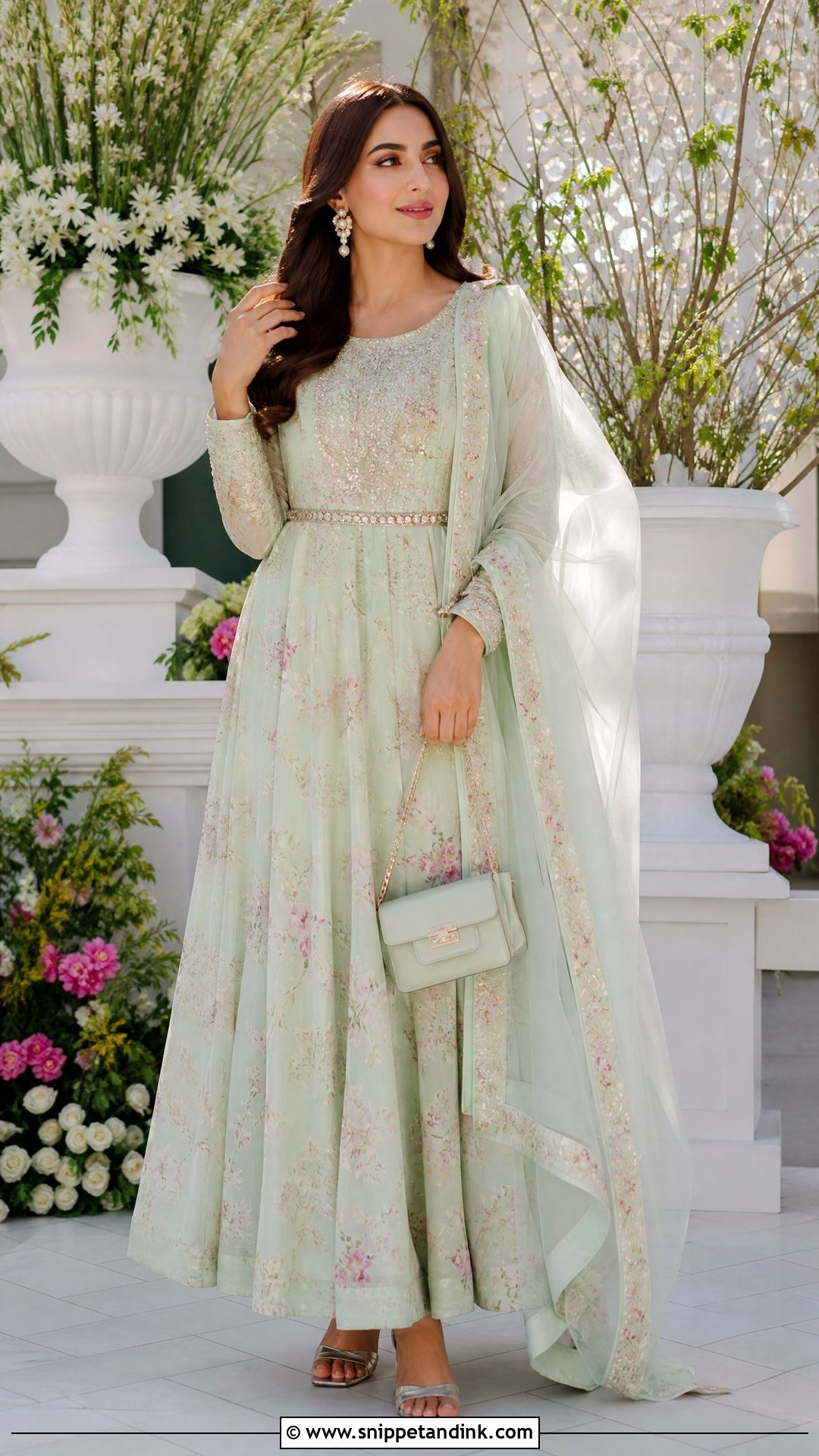
A slim embellished belt gives a pastel floral Pakistani maxi its waist back, especially when the embroidery is spread across the whole dress. Mint, lavender, pale blue and blush all take embroidered flowers well. The belt needs to sit at the natural waist without pulling, and I ask for it to be tacked at the side seams; a loose belt slides up every time you sit and creates an odd bulge at the ribs. Keep the organza dupatta plain with a narrow floral edge. Pearl earrings, a small pastel bag, nude or silver heels and loose waves suit a spring or summer Nikkah or daytime reception.
17. Rust Pakistani Maxi With Antique Gold Work
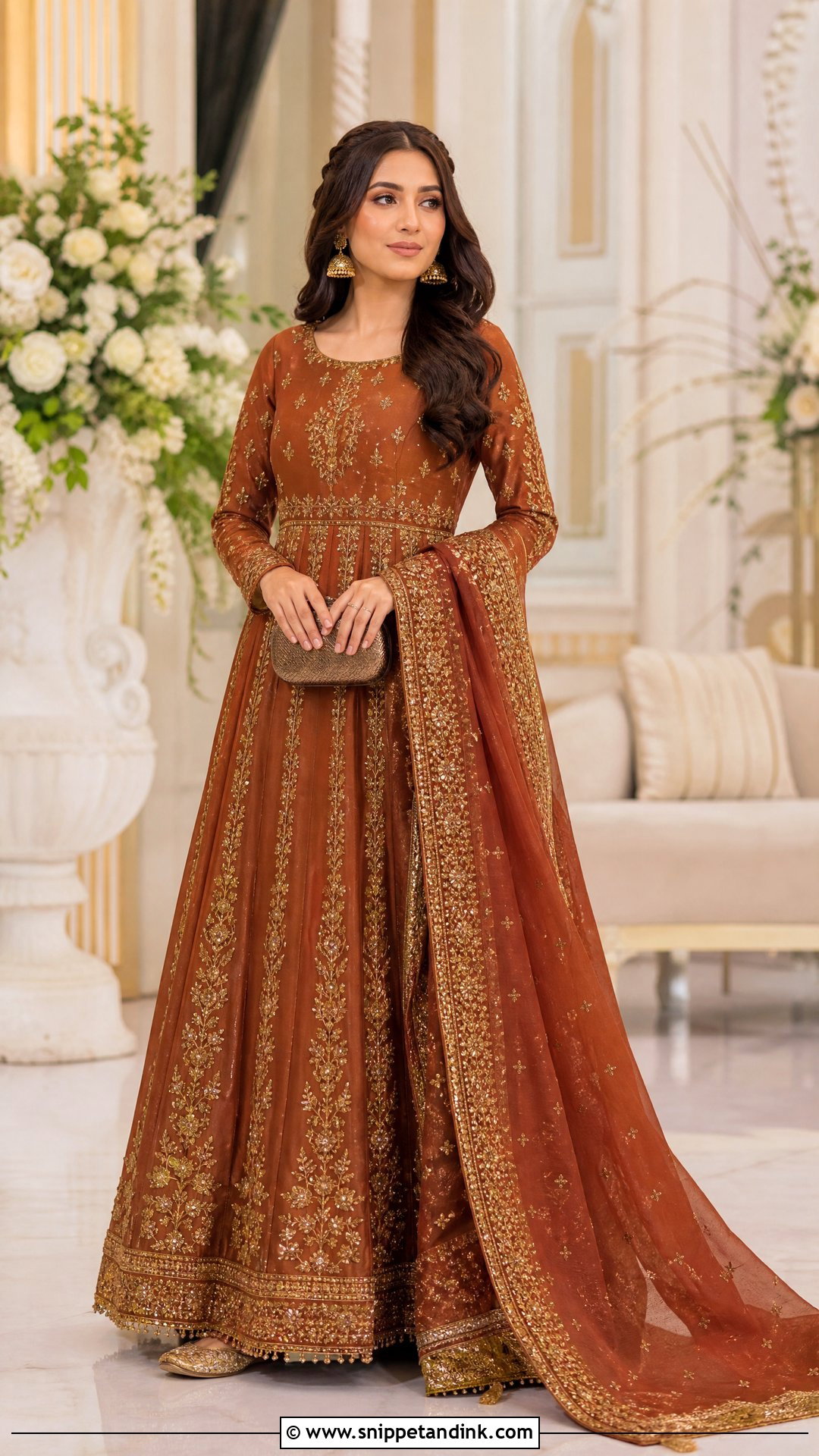
Rust is the shade I offer when a bride wants warmth but not red. For an autumn wedding, a Pakistani maxi in chiffon, raw silk or organza takes antique gold embroidery around the bodice and paneled skirt very well. Raw silk has a slight slub that catches light softly, but it creases at the elbow, so expect a few lines by the end of the night. A fitted waist, full sleeves and a flared hem keep the shape refined. Pair a rust dupatta with a gold border, antique jhumkas, a bronze clutch and gold khussa, then add earthy rose makeup with a textured bun. Barat, Dholki and evening receptions all suit it.
18. Lavender Pakistani Maxi With Ruffle Dupatta
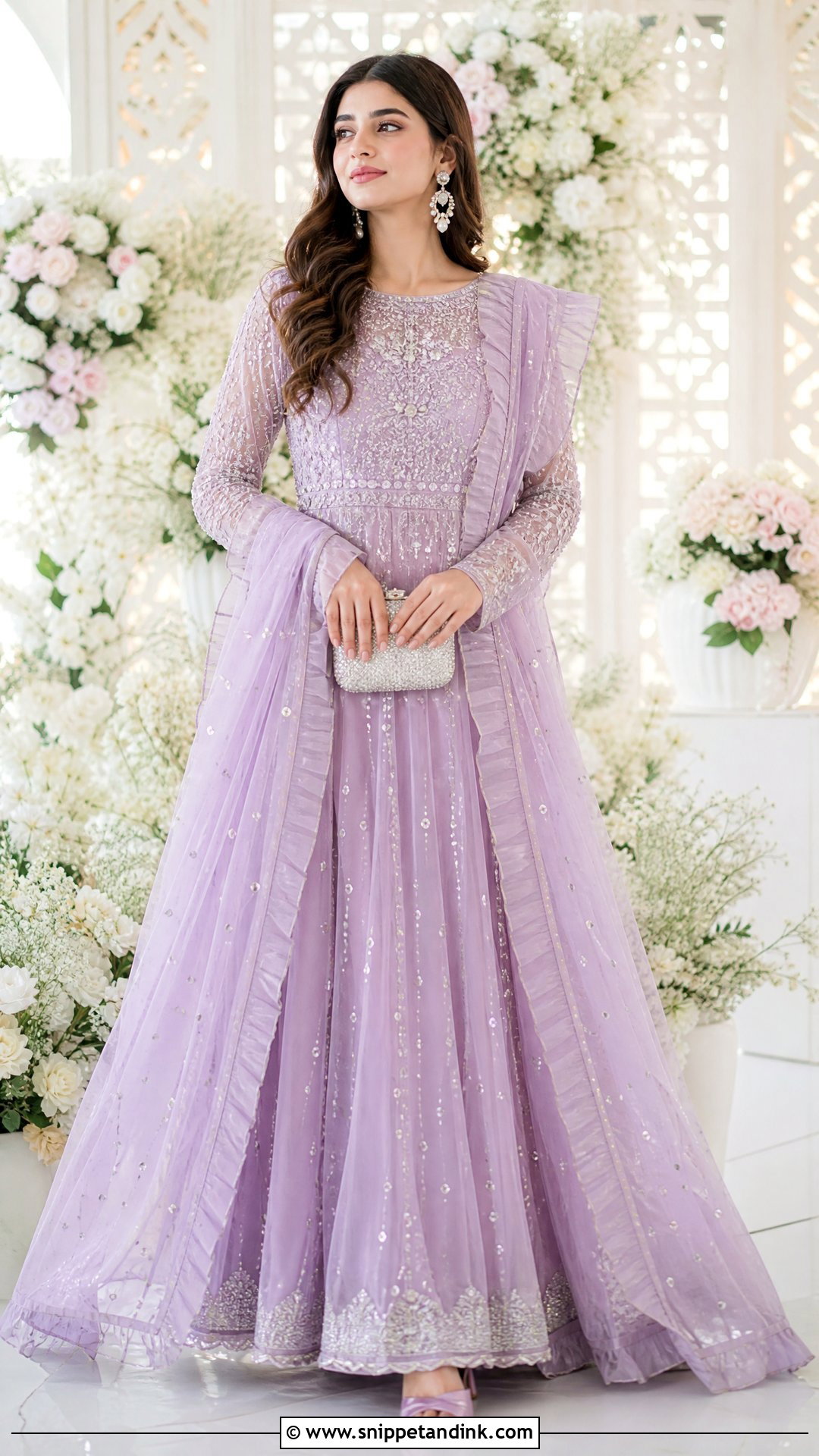
Lavender with a ruffle-edged dupatta is a younger, lighter take on formal wear. The maxi itself should stay simple: fitted embroidered bodice, clean flowing skirt, silver sequins and pearls in tonal threadwork. My rule on the ruffles is to keep them narrow. Wide ruffles on a sheer dupatta catch the air, flip over the shoulder and hide the bodice in half the photographs. Pearl drops, a crystal clutch and silver or lavender heels hold the palette, and a half-up style or smooth low bun suits it. It adapts easily for brides, bridesmaids and guests at a Nikkah, Walima or daytime reception.
19. Emerald Pakistani Maxi With Trail
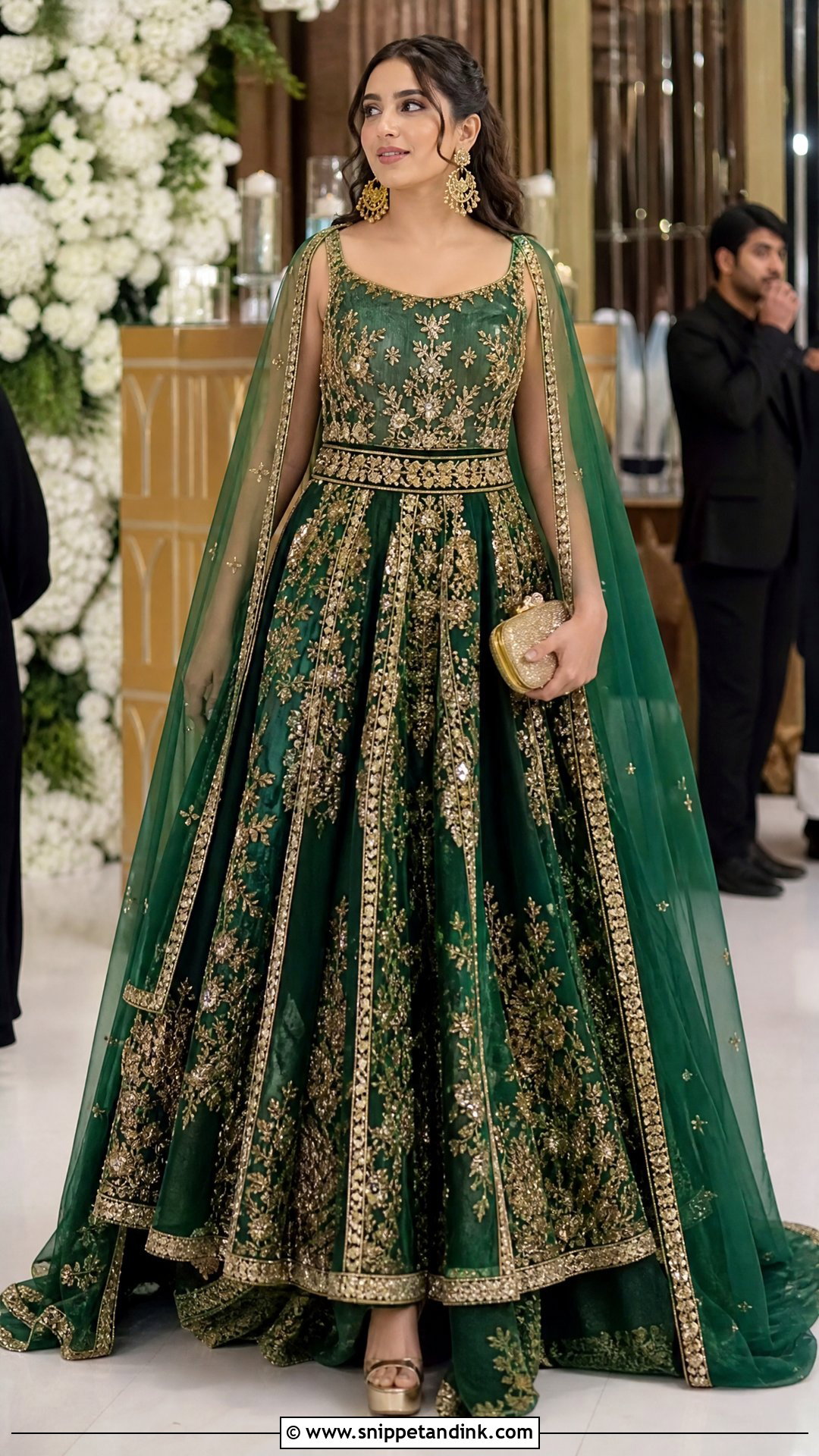
A short trail on an emerald maxi gives you a proper entrance without the hassle of a full train. The bodice should be structured, the waist defined and the paneled skirt extended only slightly at the back. Keep the gold embroidery, crystals and beadwork heaviest on the upper body and lighter toward the skirt. Before the event I show the bride how to gather the trail into one hand for stairs; somebody always steps on an unmanaged trail during the group photograph. A sheer emerald dupatta over one shoulder, gold chandeliers and comfortable platform heels finish it. It suits brides and close family at a Barat or formal evening function.
20. Rose Gold Pakistani Maxi With Sequin Details
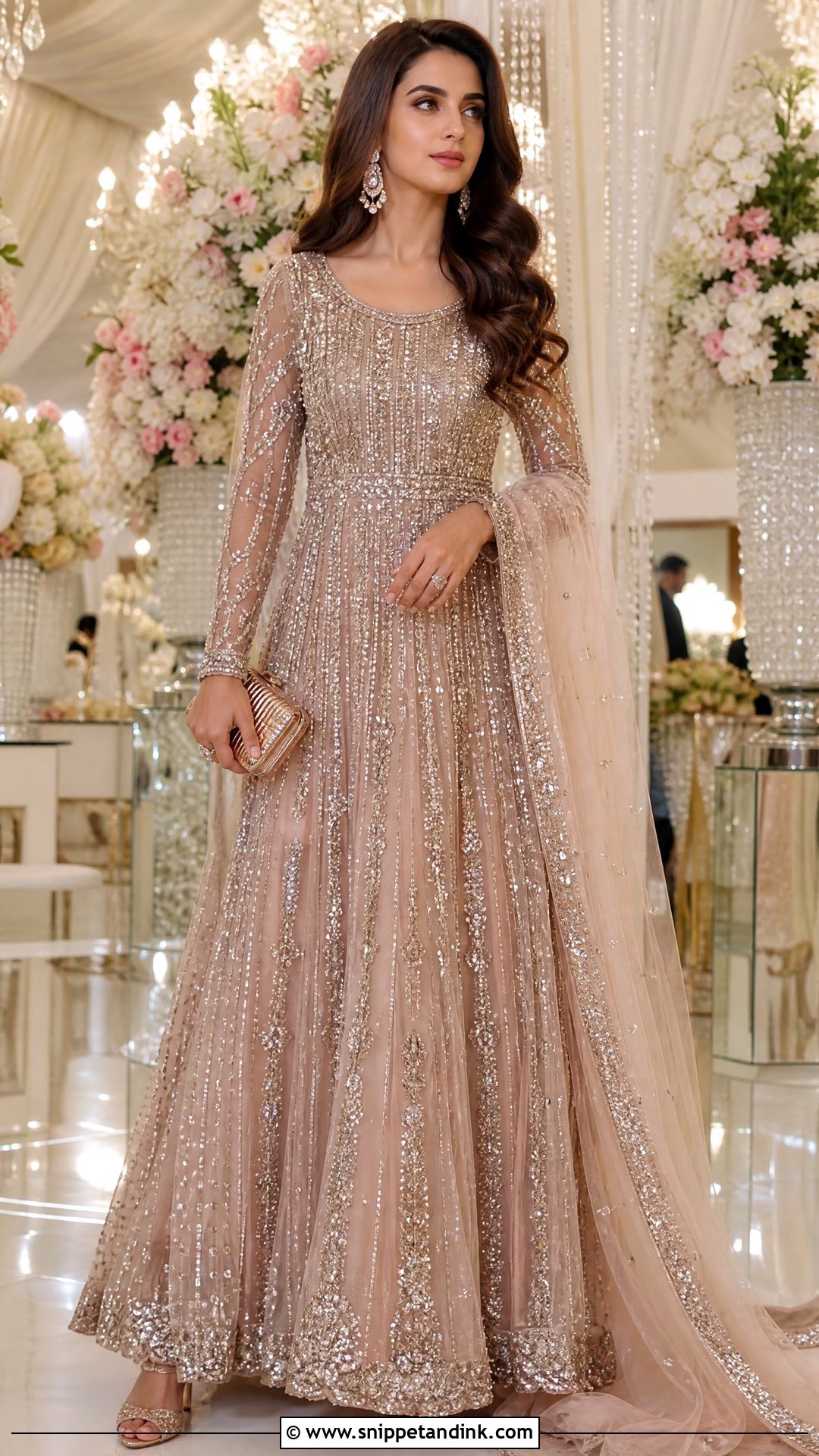
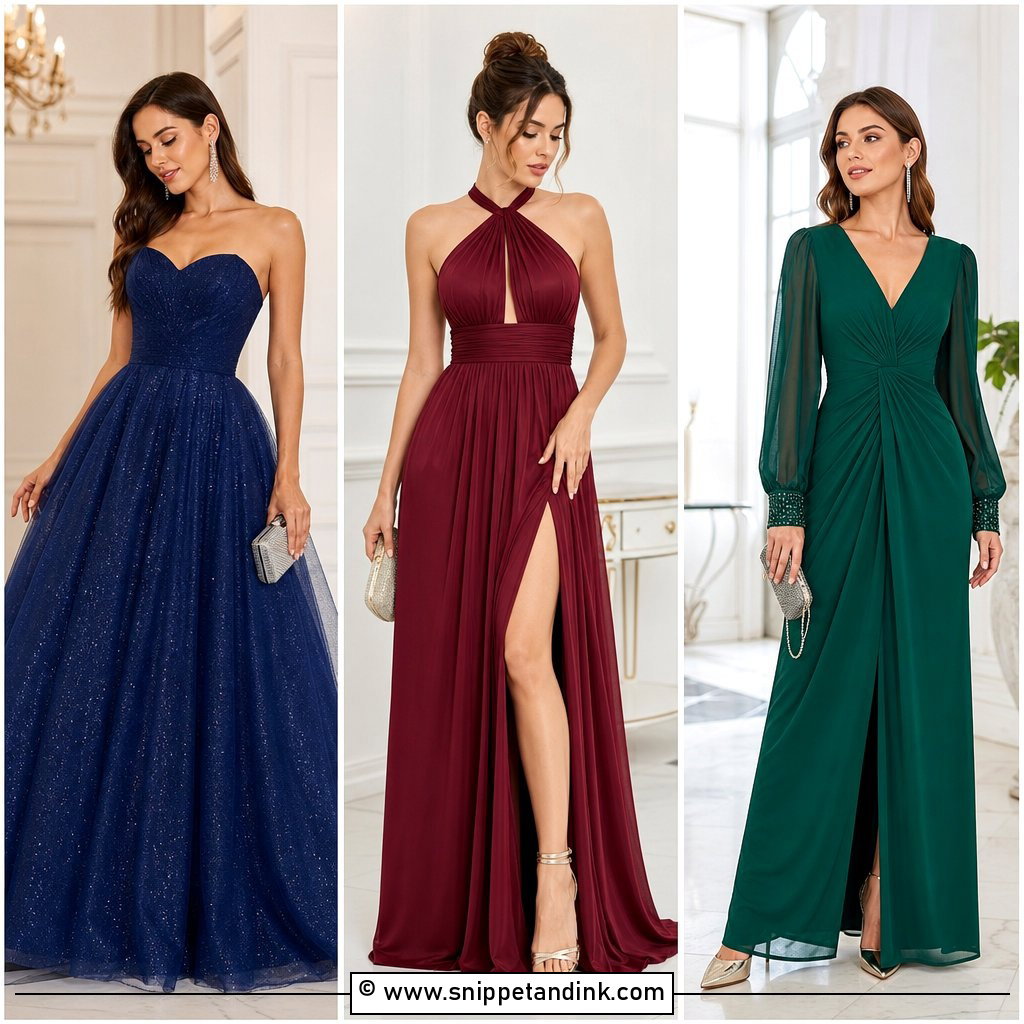
Rose gold gives sparkle without the full shine of bright metallic gold. A softly flared net or chiffon maxi lined in blush, nude or dusty pink is the base, with fine sequins and crystals following the panels and neckline. I ask for sequins stitched in rows along the seams rather than scattered randomly, because that keeps the dress shape readable from across a room. Pair it with a plain blush dupatta edged in matching sequins, rose-gold earrings, a metallic clutch and neutral embellished heels. Soft waves and a muted pink lip suit it. Engagements, Walimas and evening receptions are where it does best, especially for guests who like modern neutrals.
Getting a Maxi Stitched and Fitted in Time
Hand embroidery is the slowest part of any custom maxi, and it cannot be rushed without the work showing. For a heavily worked bridal piece, start the conversation with your designer several months ahead; lighter function outfits and guest maxis usually need less time, but lead times vary a great deal between ateliers and seasons, and the winter wedding rush fills order books early.
What I check at each fitting
- First fitting, in the lining or a muslin: bodice fit, neckline depth and sleeve length. This is the cheapest stage to change anything.
- Second fitting, with embroidery attached: whether the weight pulls the shoulders forward or drags the waist seam down. Heavy work often needs an extra stay or stronger lining.
- Final fitting, in your actual shoes: hem length. A maxi hemmed for flat khussa will drag under heels and catch on stage steps.
- Before collection: try the dupatta with the pins or brooch you plan to use, so nobody is guessing on the morning of the wedding.
Storing Zari and Velvet After the Last Function
Heavily embellished maxis should not live on a hanger. The weight of the work slowly stretches the shoulder seams, so I fold them with acid-free tissue between the layers and store them flat in a breathable cotton or muslin bag, never sealed plastic, which traps damp. Metallic zari tarnishes when it is exposed to moisture and perfume, so spray fragrance on your skin before dressing and let it dry.
Refold every few months along different lines so permanent creases do not form across the embroidery. Velvet should not be pressed flat with an iron; steam it from the reverse side, holding the steamer away from the pile. Leave cleaning of any stone or dabka work to a specialist dry cleaner who handles bridal wear, and point out any stains so they are treated before the work is cleaned.
Planning the Wardrobe Across Mehndi, Barat and Walima
Most Pakistani weddings run over several functions, so I plan the maxis as a set rather than one at a time. Heavy reds, velvets and dark jewel tones belong in the evening; ivory, peach, lavender and powder blue carry daytime events far better. Fabric and embroidery weight should follow the venue and season before anything else, and the dupatta, shoes and jewelry should be decided at the same fitting as the outfit. Above all, move in the maxi before you sign off on it: sit, raise your arms, walk a few steps. If it lets you do all three comfortably, it will hold up through the whole night and the photographs.
You'll Like These Ideas:


Leave a Reply