
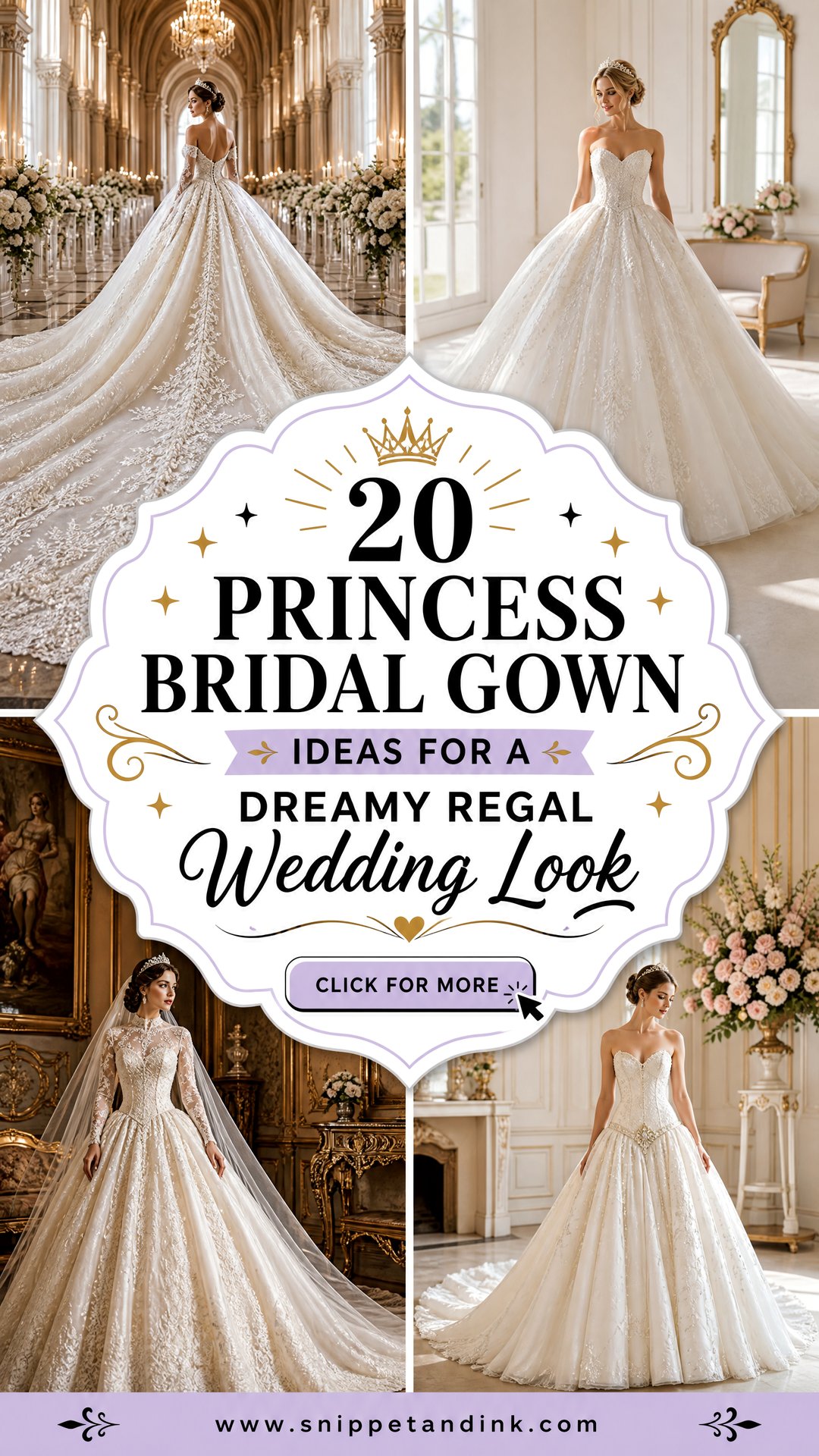
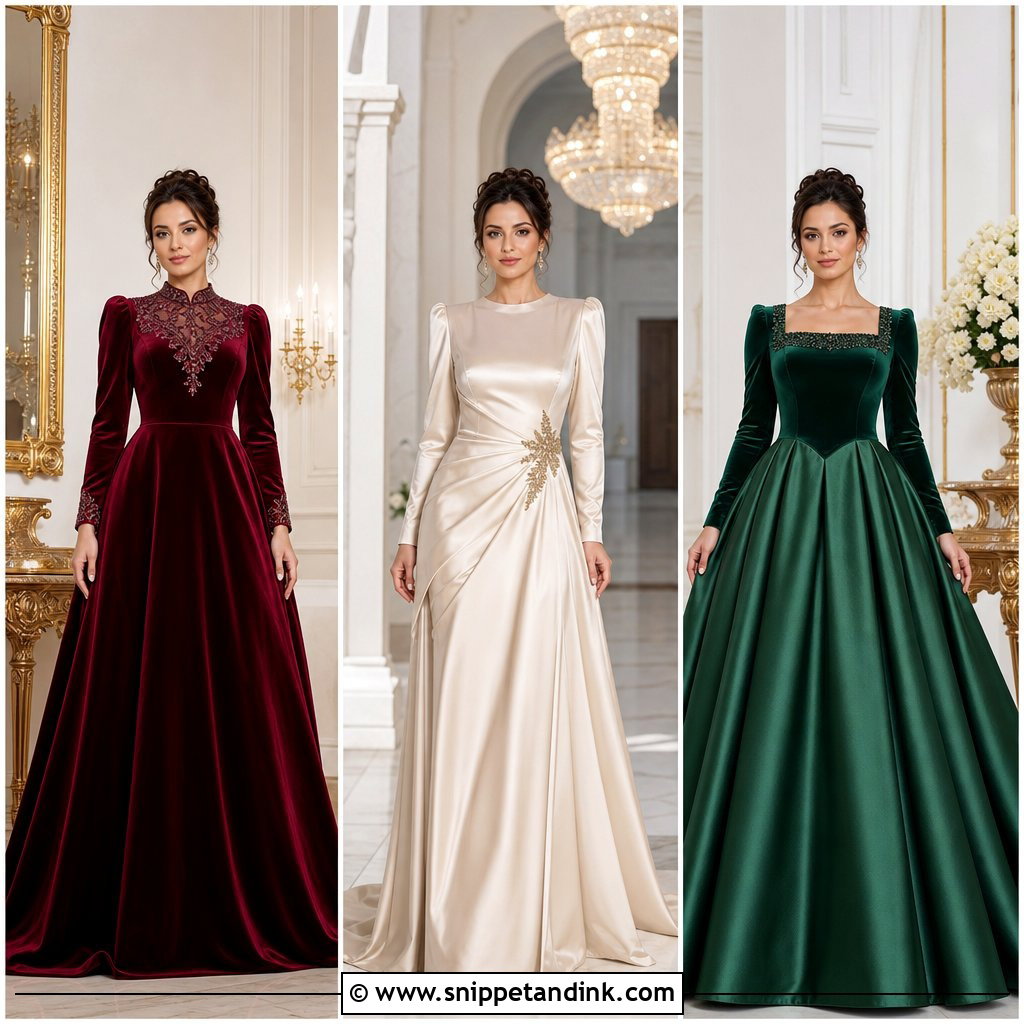
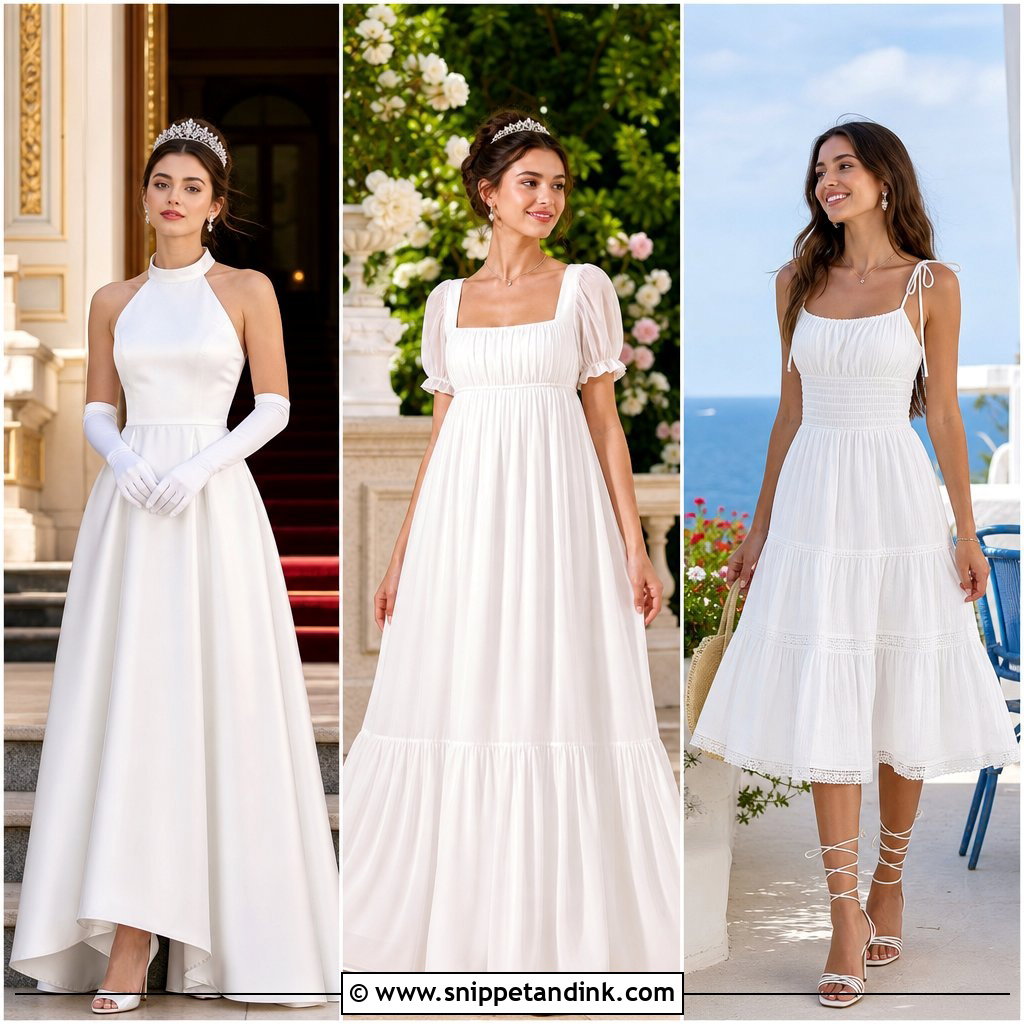
A princess gown is really three decisions: a fitted bodice, a defined waist and a skirt with real volume. Get those three in proportion and almost any fabric or detail will work. The range is wide, from plain satin ball gowns to sparkle tulle, royal lace designs and floral appliqué. Corsetry, Basque and drop waists, bows and pearls are all common in bridal shops right now. When a bride tries these on with me, I care less about the label and more about how the bodice supports her, how heavy the skirt is, and whether she can sit through dinner. Below are twenty princess gowns, each with the veil, shoes and fitting check I’d pair with it.
The Petticoat Underneath Decides How Wide You Go
Brides often fall for a ball gown in the shop without realizing half of its shape comes from what’s underneath. Most princess skirts are built over one of three foundations, and each changes how you sit, walk and use the bathroom.
- Tulle or net petticoat: soft, quieter, and it squashes down when you sit. Lighter on the hips, but it can droop by late evening in humid weather.
- Hoop (one or more rigid rings): the widest, most even shape. It tips up at the front if you sit carelessly, so I teach brides to lift the back ring slightly before lowering into a chair.
- Built-in crinoline layers sewn into the skirt: less to put on, but you can’t reduce the volume later.
Ask the shop which one the sample is wearing and try the dress with and without it. The same gown can go from regal to manageable with a smaller hoop or a single layer of tulle.
Weight is the other half. A satin ball gown with a full petticoat can feel heavy by the end of the night, and most of that hangs from your waist. Wear it for twenty minutes in the shop, not two, and notice where it starts to pull.
1. Strapless Satin Princess Bridal Gown
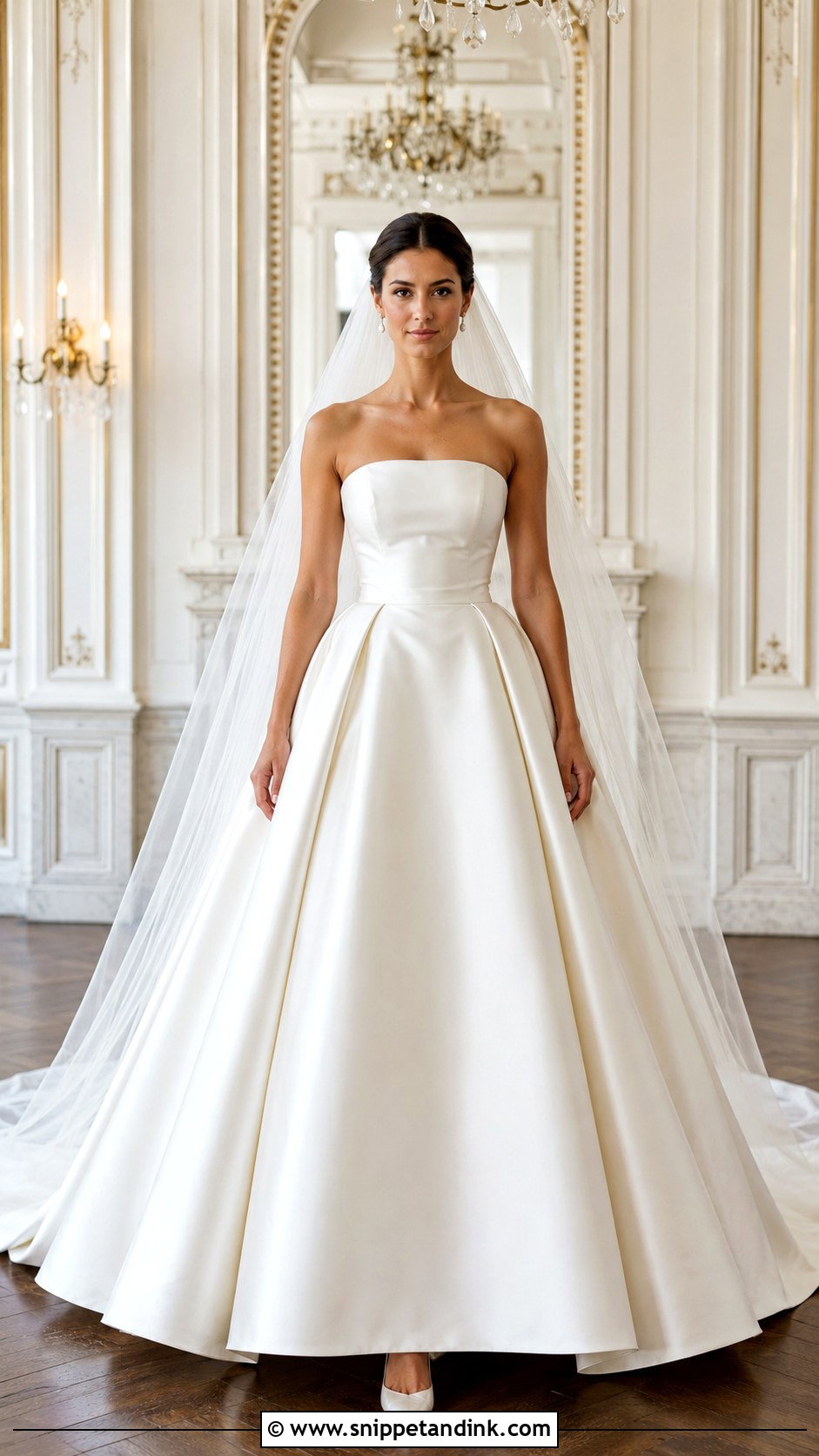
A strapless satin princess bridal gown has nowhere to hide, so the inner structure matters more than anything on the outside. I want boning and a waist stay inside the bodice, so the gown is held up from the waist, not the bust. A softly curved neckline frames the shoulders; silk satin or mikado gives the skirt its shape without embellishment. Pearl drops, pointed ivory pumps and a plain cathedral veil suit it, with a polished low bun. A removable satin wrap covers the shoulders for a church ceremony. Keep the bouquet to white roses or peonies. If you find yourself hitching the bodice up in the fitting room, it isn’t fitted yet.
2. Long Sleeve Lace Princess Bridal Gown
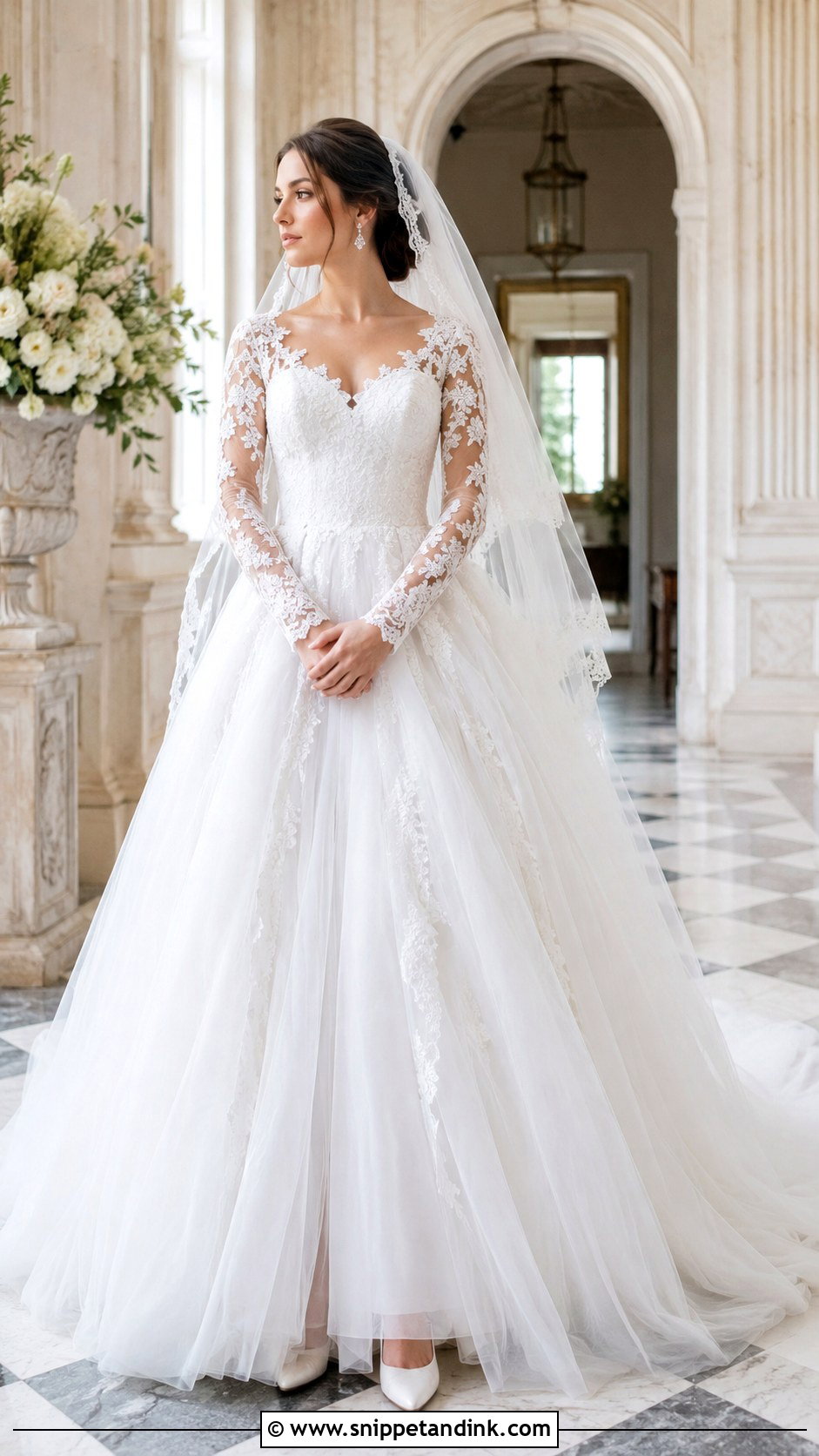
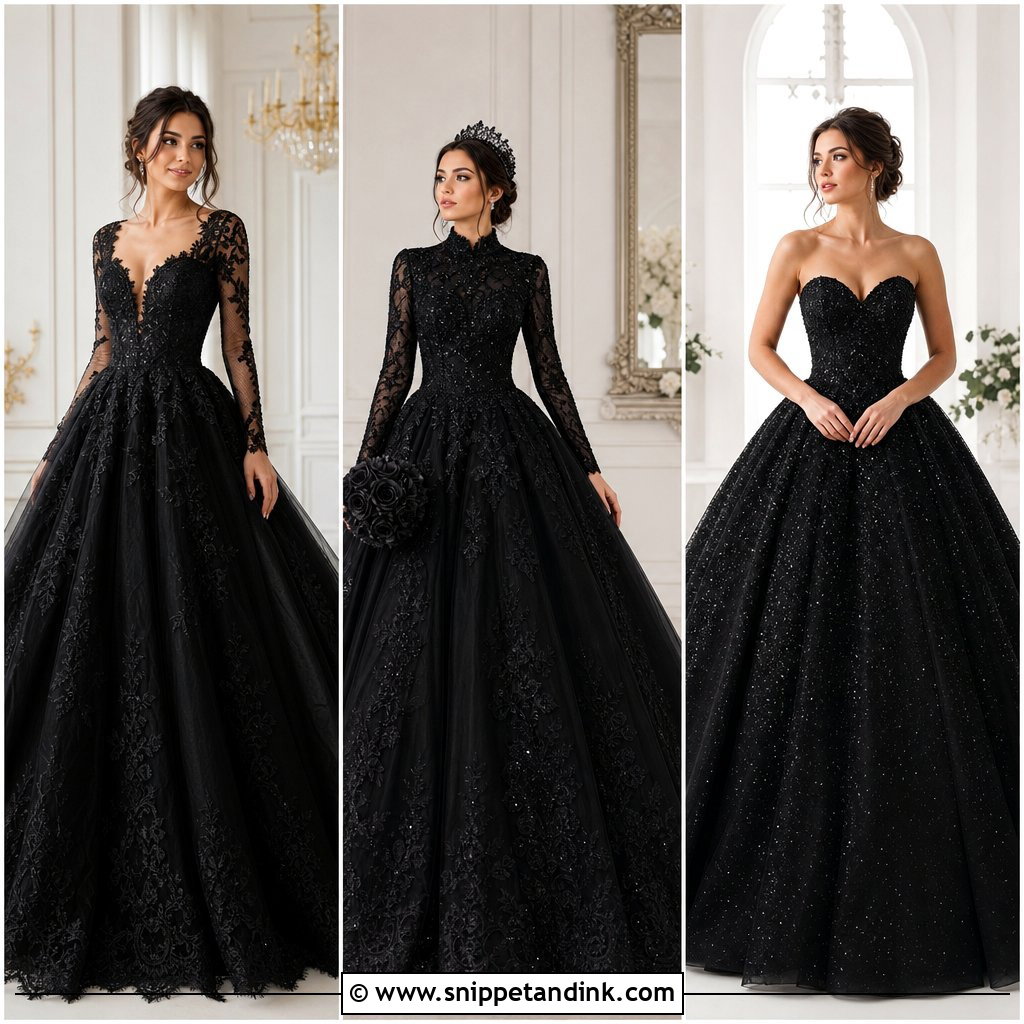
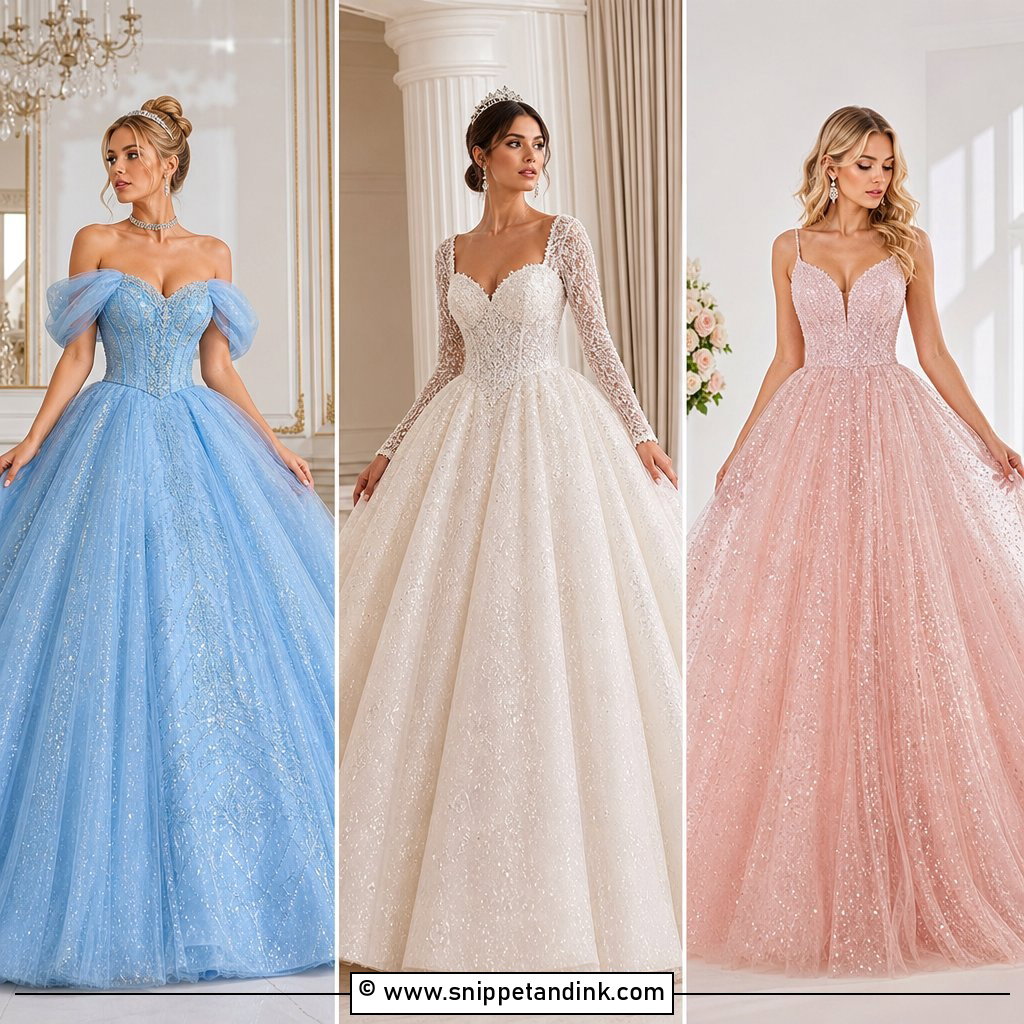
Long lace sleeves turn the princess shape traditional and romantic. Look for a fitted bodice with sheer sleeves, covered buttons and lace motifs placed by hand rather than cut straight from a bolt. Underneath, a lined sweetheart gives support while the lace stays delicate on top. Closed-toe ivory heels, small crystal earrings and a lace-edged veil that echoes the dress without copying it complete the outfit. A loose chignon or half-up style suits it. I’d steer you toward a skirt of light tulle layers rather than solid lace to the hem, which gets heavy fast. Raise your arms at the fitting; tight lace sleeves stop you hugging anyone.
3. Off Shoulder Tulle Princess Bridal Gown
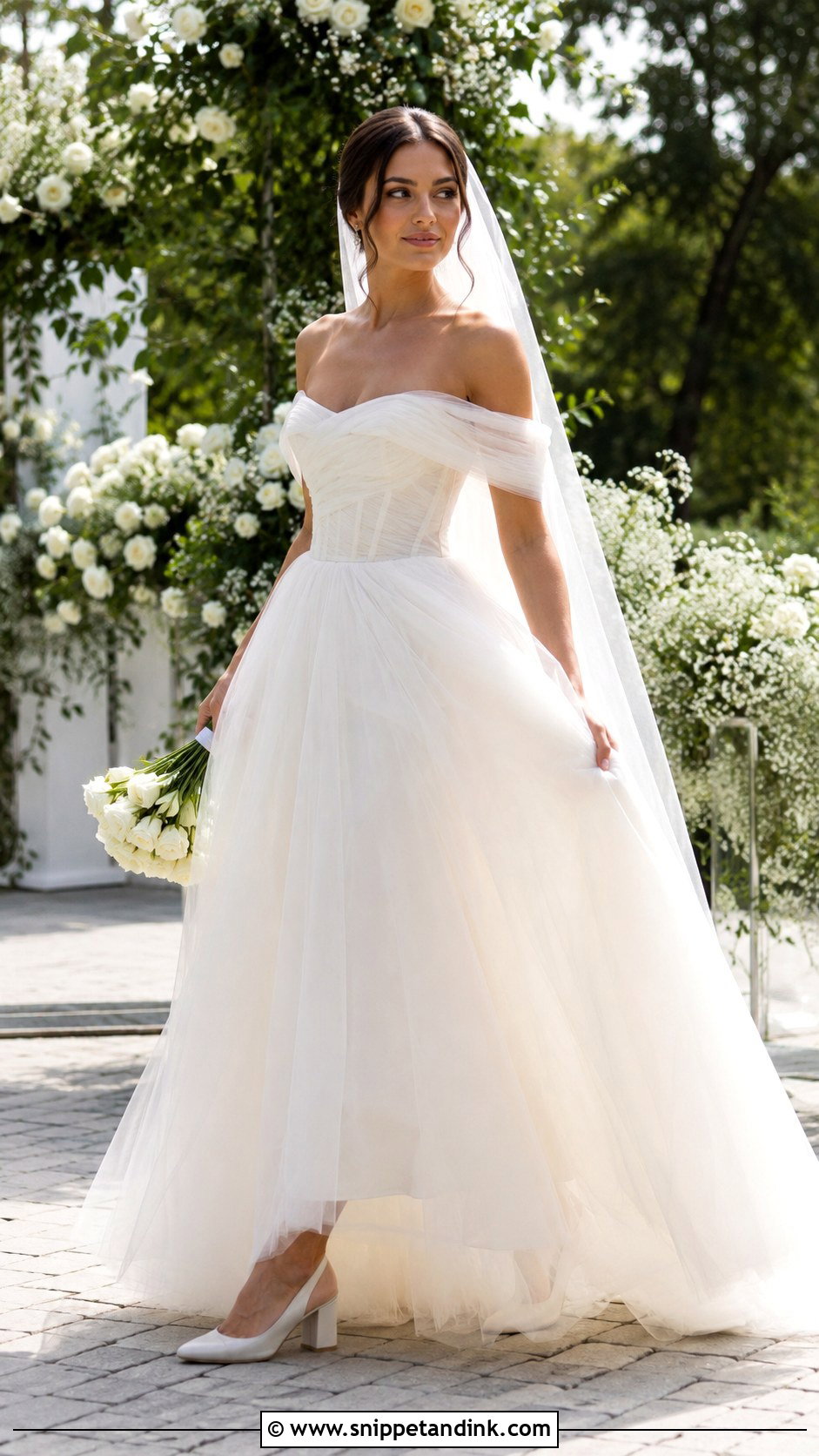
Off-the-shoulder necklines are the ones I test hardest. The band sits on the upper arm, so it needs to grip enough to stay put while still letting you lift your arms. A corseted bodice with soft draping and a layered tulle skirt keeps it light. Choose a waist-length veil to show the shoulders, or a long plain one for more ceremony. Crystal studs, a slim bracelet and block-heel pumps under the skirt finish it, with a low textured bun or side-swept waves. At alterations, hug someone, sit down and reach for a glass. If the sleeves ride up or pin your arms, the band needs moving before anything else gets fitted.
4. Basque Waist Princess Bridal Gown
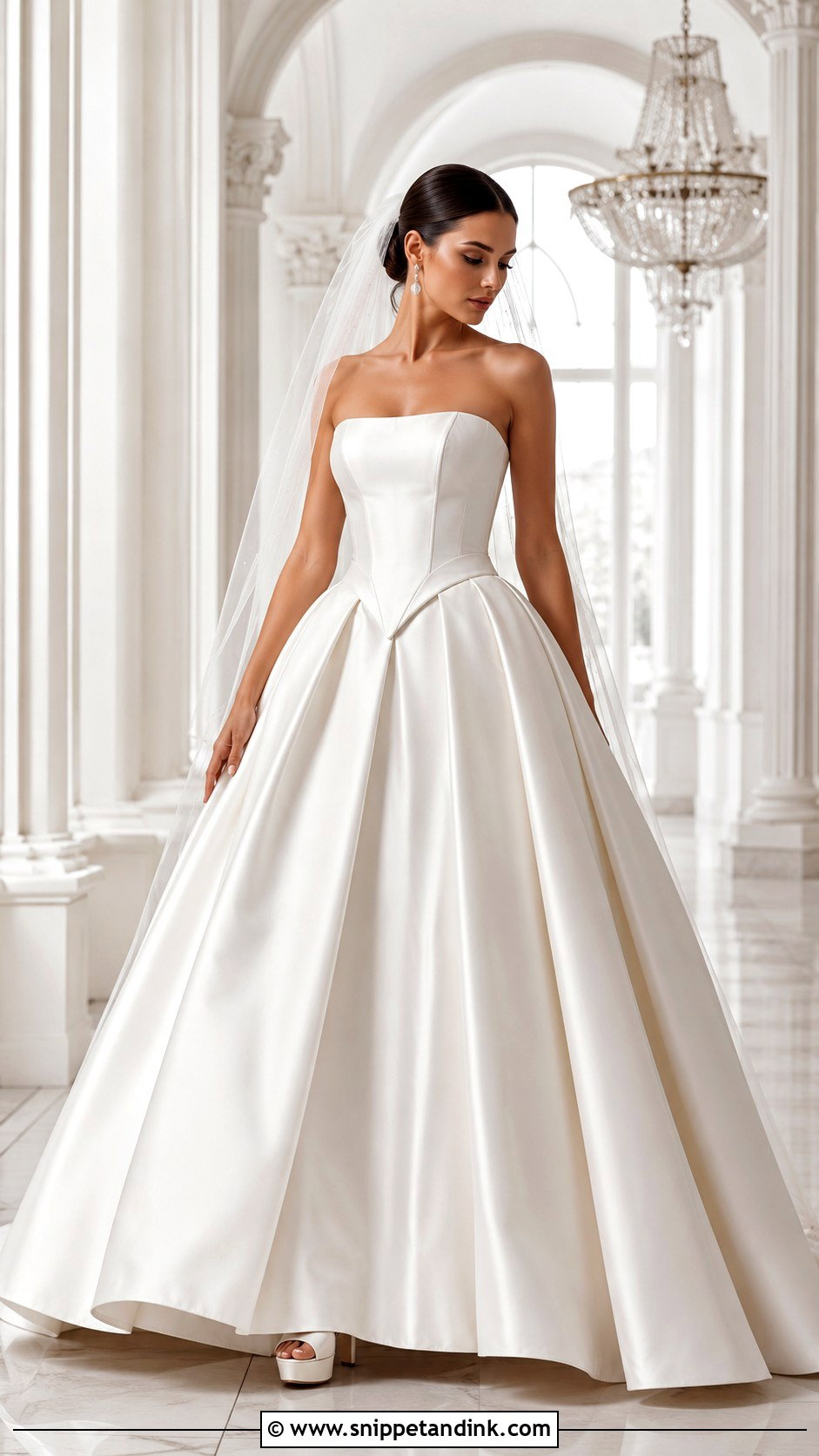
The point of a Basque waist dips below the natural waist and lengthens the torso. The bodice fits close, then opens into a full ball skirt, and satin, mikado and taffeta hold that line best. A plain fingertip veil, pearl-and-crystal earrings and ivory platforms (steadier under a heavy skirt) suit it, with a sleek updo. Skip the necklace and wear a slim bracelet or hair comb. The V has to sit dead center and at the right depth for your body; too low and it shortens your legs. I’d always book an extra fitting for this waist.
5. Square Neck Mikado Princess Bridal Gown
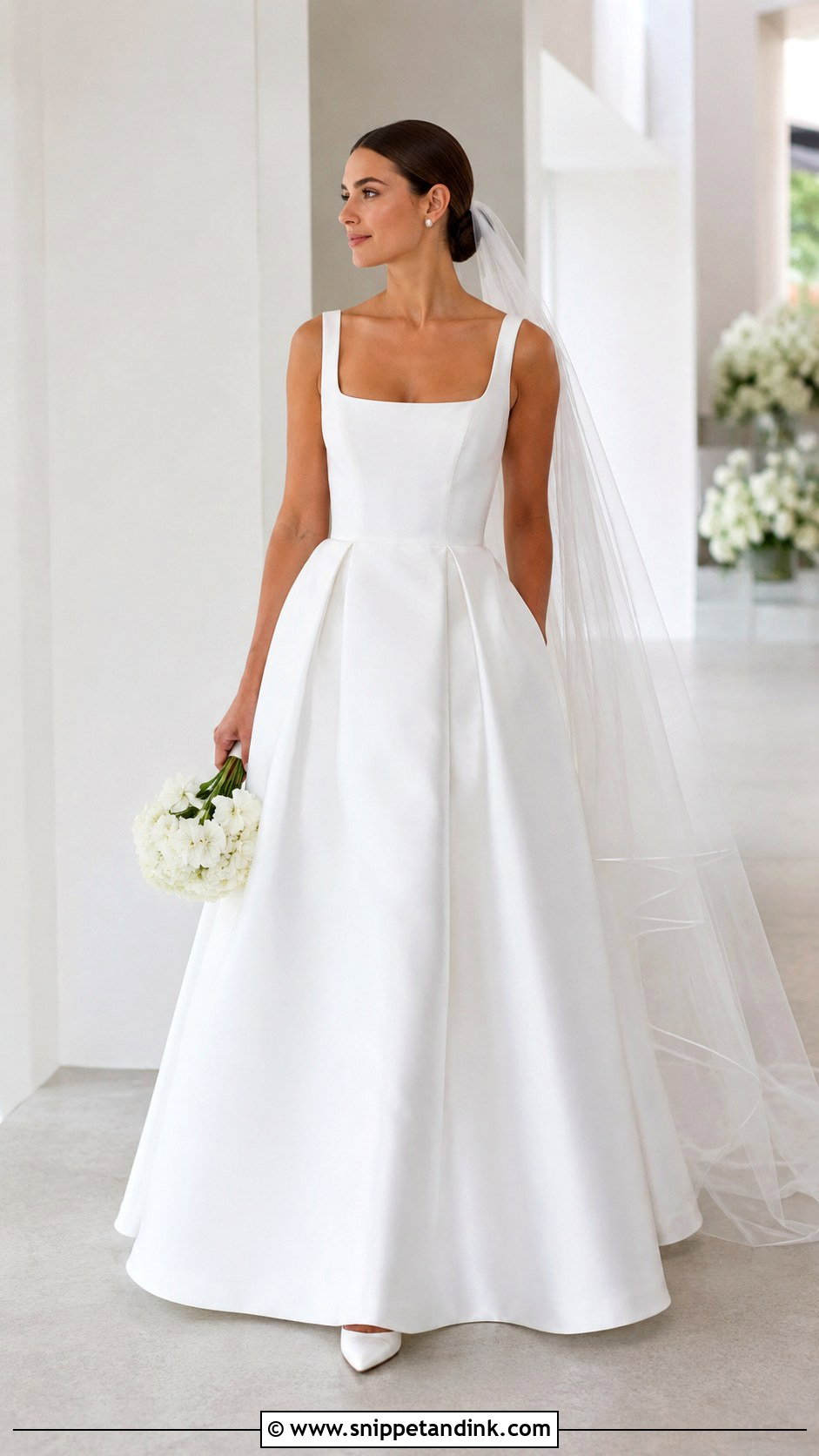
Mikado is stiff and slightly ribbed, which is why it gives a square neckline such clean edges. Wide straps support a range of bust sizes, and princess seams run down a fitted bodice into a full pleated skirt that keeps its shape all day. Pearl studs, pointed satin heels, a long plain veil and a structured mini bag for portraits complete it, with a center-parted low bun. Covered buttons down the train or a removable bow at the back add interest if it feels too plain. Mikado creases sharply when you sit, more than soft satin, so a quick steam between ceremony and portraits is worth planning. It suits grand ballrooms and modern venues alike.
6. Sweetheart Beaded Princess Bridal Gown
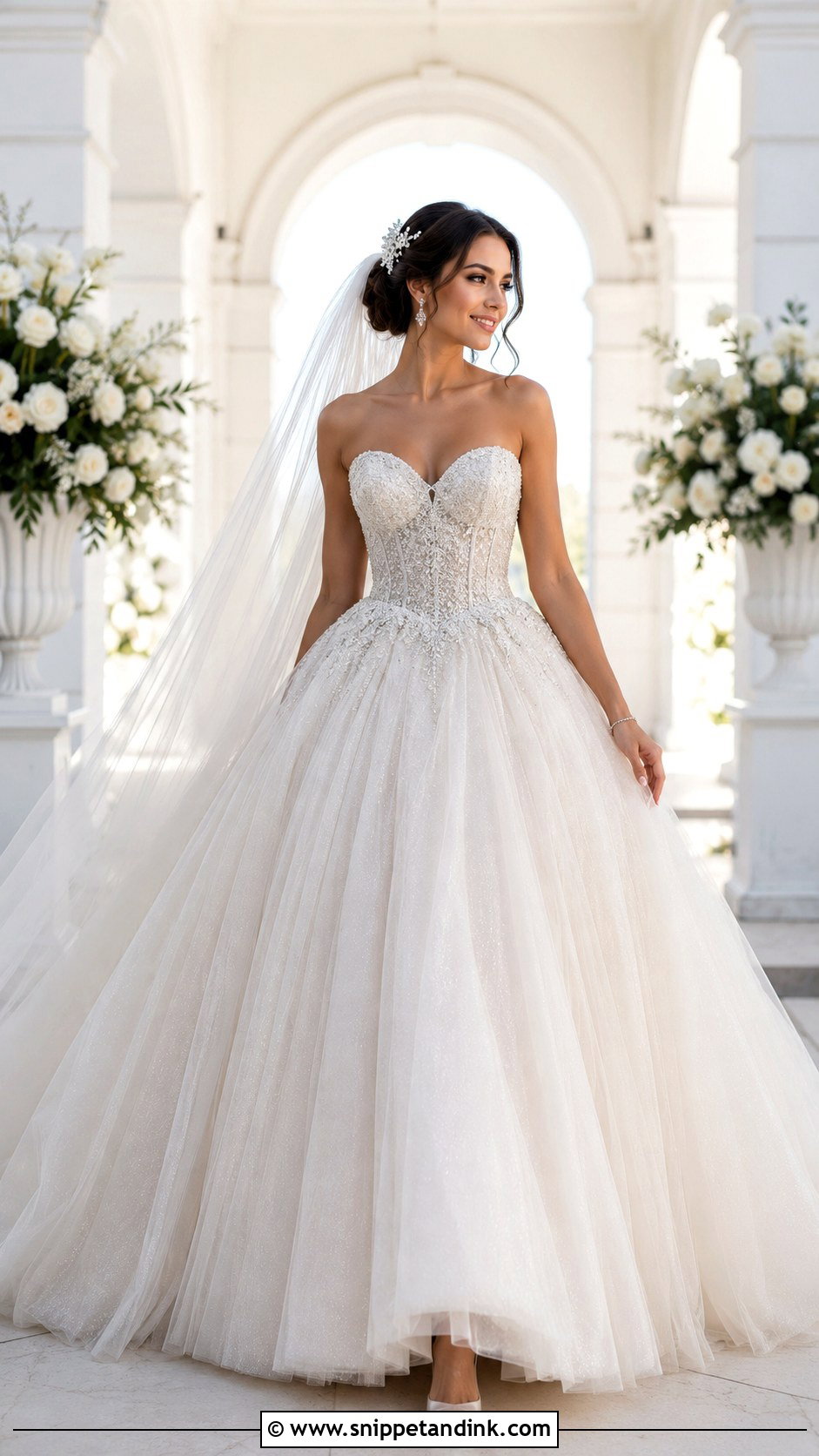
Beading placed at the neckline and waist pulls the eye up to your face and then defines the middle before the skirt opens, which is exactly where a sweetheart beaded princess bridal gown should sparkle. Choose a supportive corset with soft tulle or organza below so the gown doesn’t get top-heavy. Crystal drops, a fine tennis bracelet and plain satin pumps are enough, with a plain cathedral veil and a crystal hair comb. Glowing skin beats glitter makeup next to real beading. Beads under the arm are my worry. Sit, swing your arms and check the inside of your arms after ten minutes; rough beading leaves scratches by the reception.
7. Floral Appliqué Princess Bridal Gown
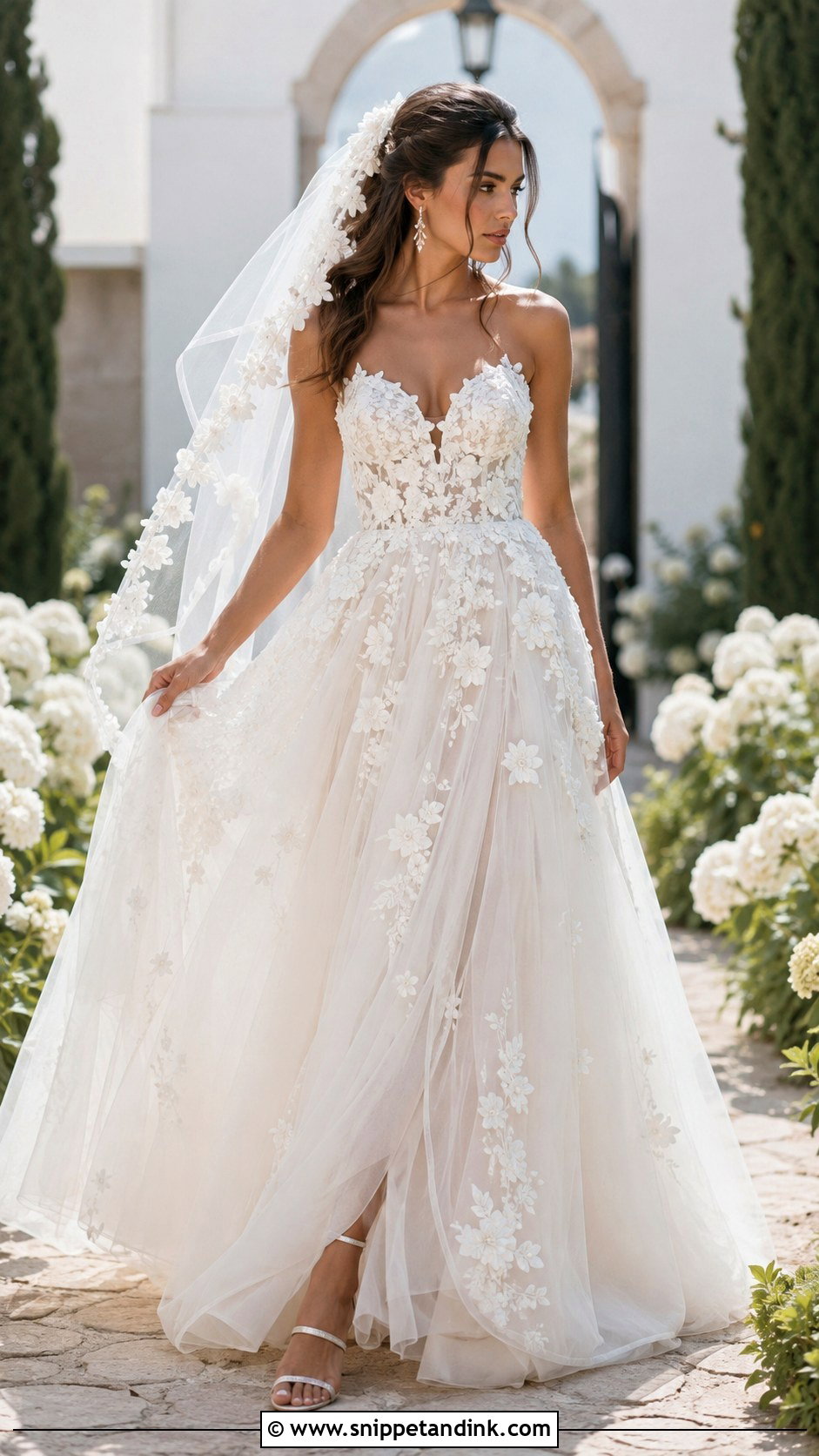
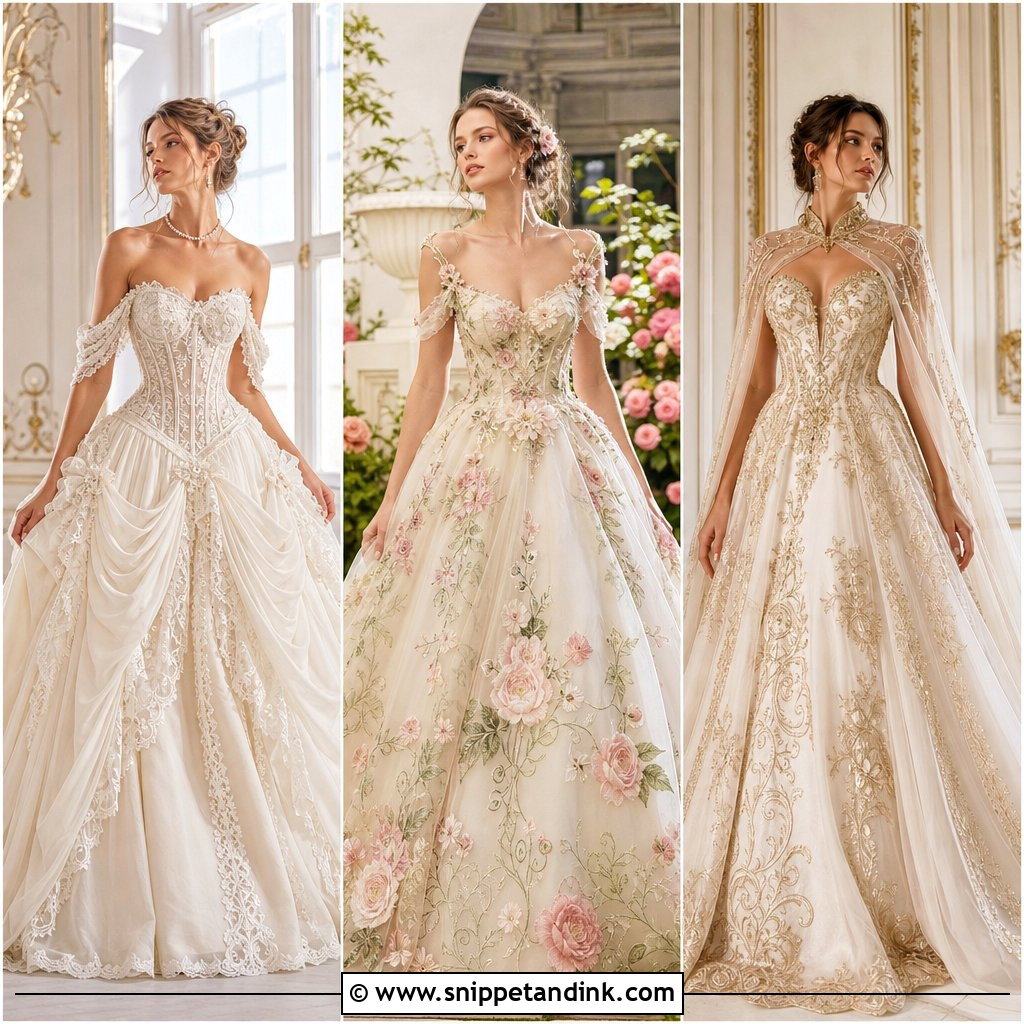
Raised flowers make a princess gown feel like a garden. The best placements are dense on the bodice and then scattered thinner down the skirt, so the layers still show. An ivory or light champagne base lets white flowers stand out. Delicate vine earrings, ivory ankle-strap heels and a sheer veil with a few matching flowers near the edge complete it, with loose waves or a soft half-up style. Keep the bouquet calmer than the dress. Appliqué edges and fine veil tulle catch each other, so I always try the full set together at a fitting and choose a smooth veil where it falls over the bodice.
8. Pearl Embellished Princess Bridal Gown
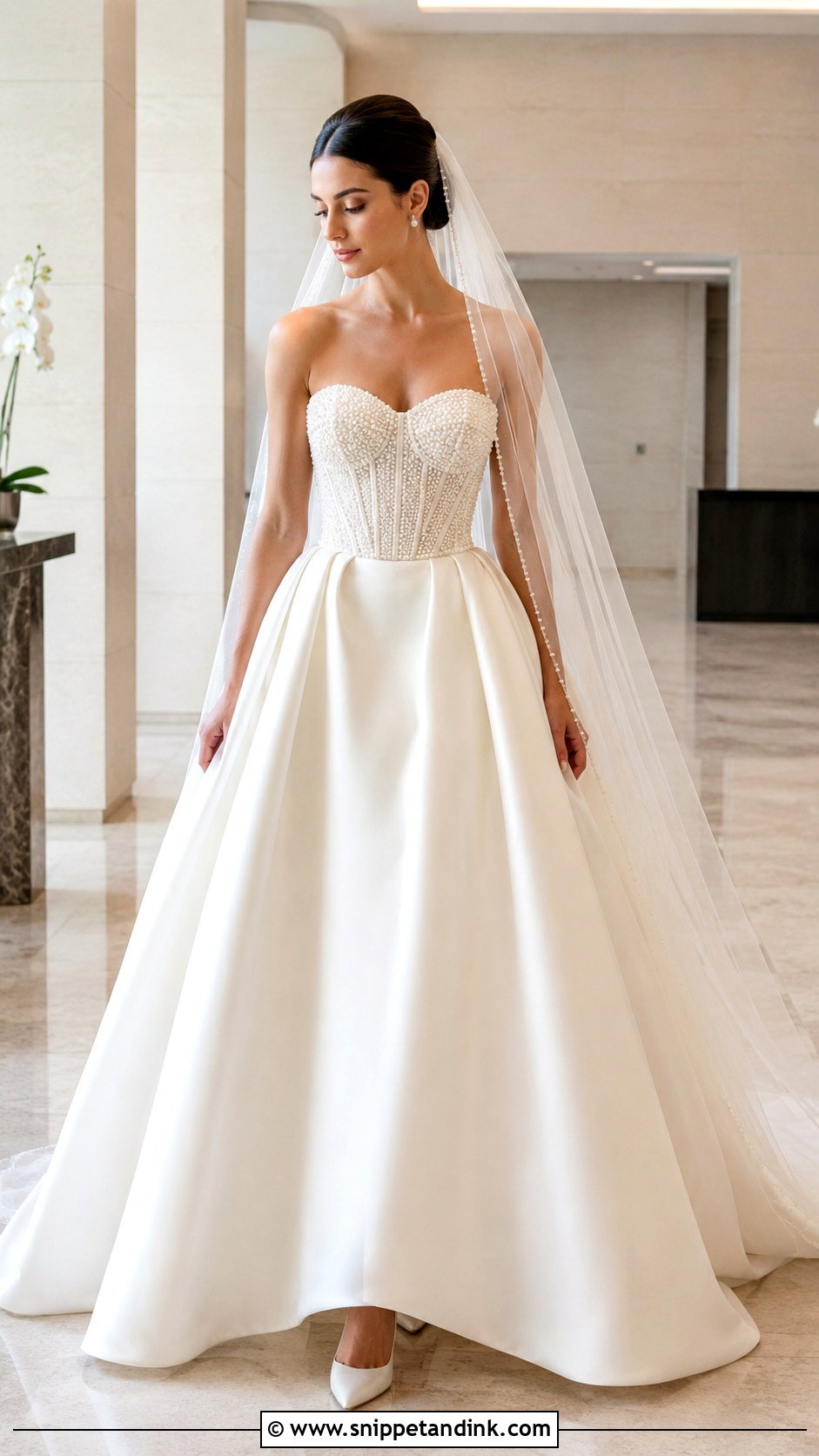
Pearls give a softer glow than crystals, a sheen rather than a sparkle. A pearl-covered corset over a smooth satin or tulle skirt keeps the balance right, or you can scatter pearls that thin out toward the hem. Pearl studs, a pearl-edged veil and plain ivory pumps complete it, with a French twist or low bun so the bodice shows from behind. One pearl theme is plenty; piling on big pearl jewelry over a pearled dress looks crowded. Pearls are heavy and hand-sewn, so I tug gently on the ones at the waist and underarms. Loose ones there will be on the dance floor by midnight.
9. Cathedral Train Princess Bridal Gown
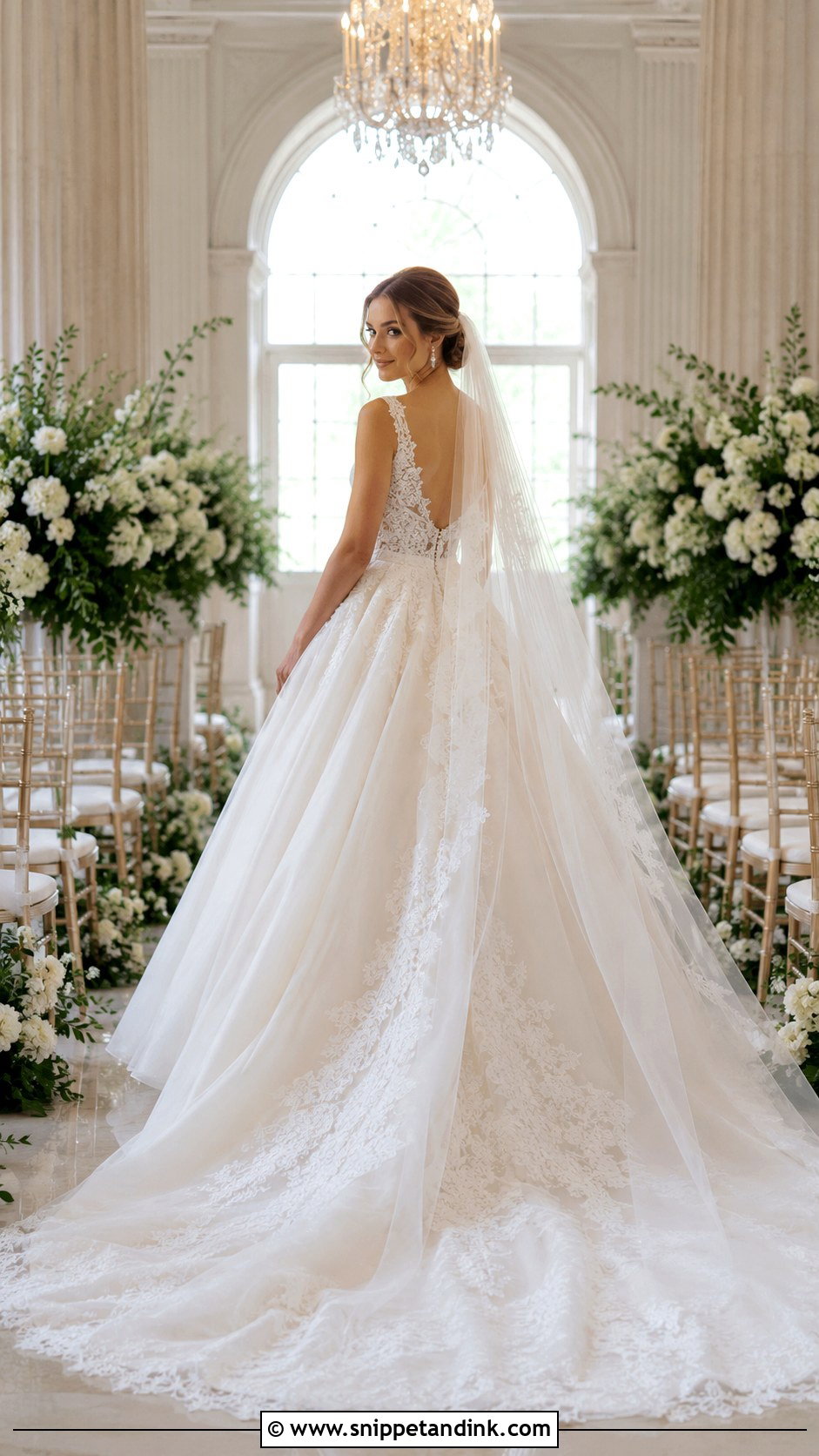
A cathedral train makes the walk up the aisle an event. The skirt should flow smoothly back into the train rather than bunching all its volume in one heavy panel. Lace edging, covered buttons or light embroidery give the train something to show in ceremony photos. Choose a cathedral veil of similar length but plainer than the gown. Secure block heels, understated earrings and a classic updo suit it. The bustle is the part brides forget: a long train needs a strong one, with enough points to hold the weight through dancing. Practise turning and climbing steps, and check the venue has the aisle length to show it off.
10. Bow Back Satin Princess Bridal Gown
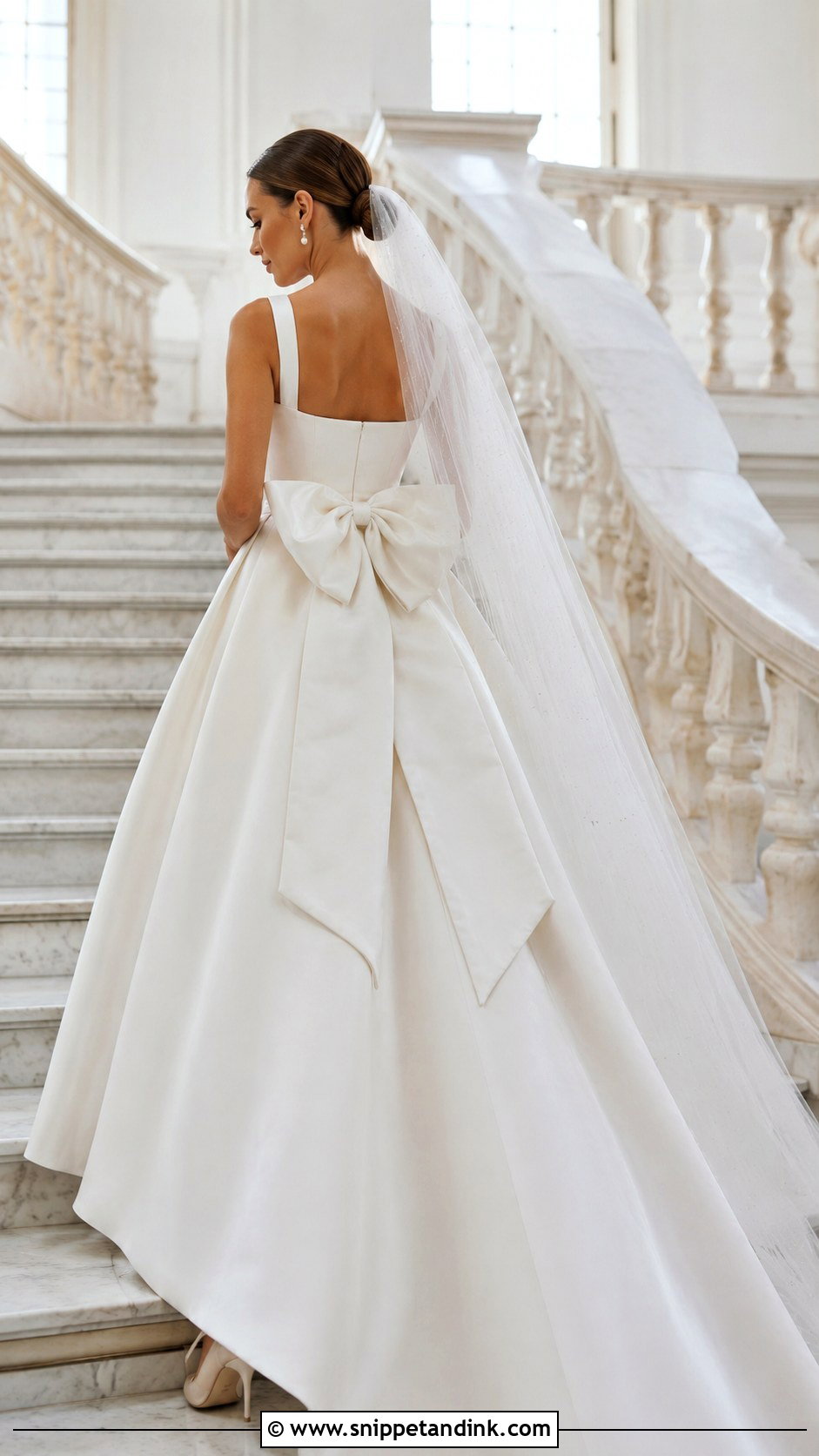
A bow at the back gives a plain front a real surprise when you turn. A structured strapless or square-neck bodice, a defined waist and a full skirt with a large, removable bow is the classic build. At the waist, the bow looks traditional; set slightly lower, it looks more modern. Choose a sheer plain veil that can be lifted aside for portraits, pearl earrings, pointed ivory heels and a smooth low bun. Skip the necklace if the neckline is strong. A big satin bow can drag the waist backward, so ask for interfacing to keep it light and stiff, and attach it securely. Taking it off later gives you a cleaner reception look.
11. Detachable Sleeve Princess Bridal Gown
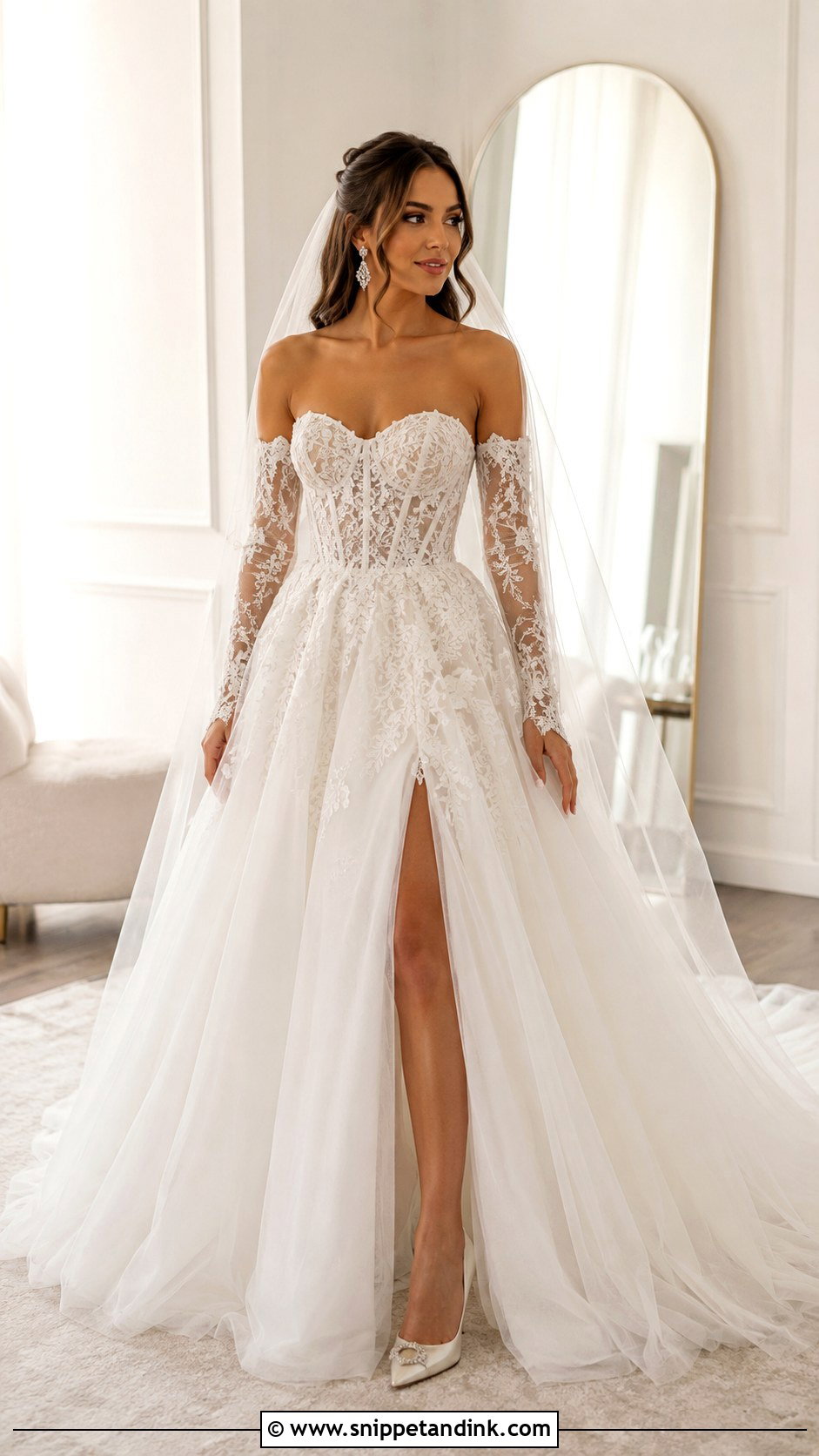
Detachable sleeves give you two looks from one gown, which saves buying a second dress. Start with a strapless corset ball gown in satin, tulle or lace. Add fitted lace sleeves for the ceremony, or puffed organza for softer volume, then take them off for dancing. A fingertip veil, crystal earrings and comfortable ivory heels complete it, with a half-up style that works both ways. The connection is what I check: hidden snaps or loops should sit flat with no gap at the shoulder, and they should survive a long hugging line. Have a bag ready to keep them flat once they come off.
12. Cape Veil Princess Bridal Gown
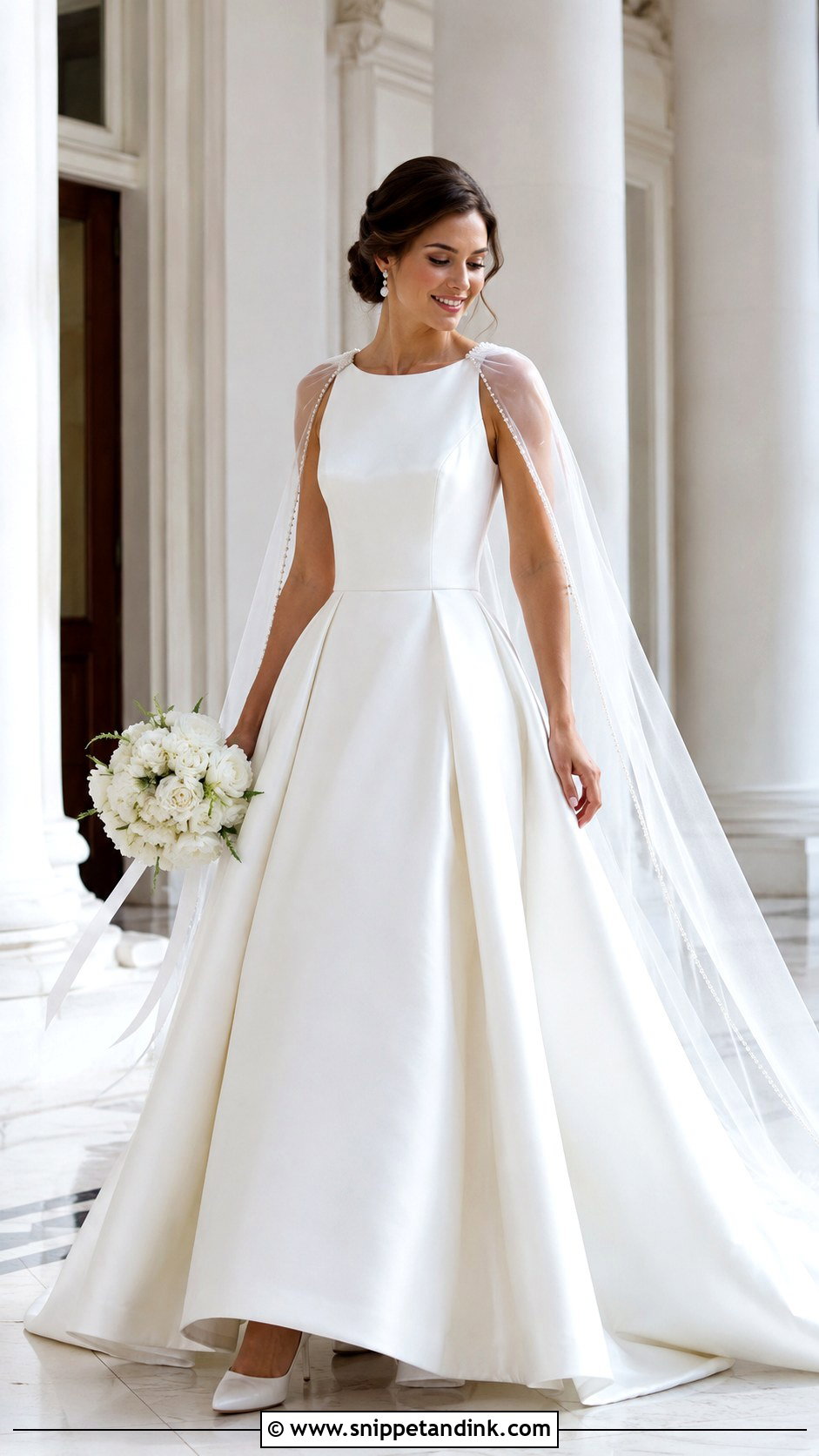
A cape veil replaces the traditional headpiece and keeps your hair clear. Attach a sheer cape at the shoulders or upper back of a clean strapless or sleeveless gown, long enough to fall past the train in one line. Lace edging, a few crystals or tiny pearls give it an edge without hiding the dress. An elegant updo, small drop earrings and stable satin pumps finish it; no necklace, since the cape frames the neckline already. The attachment points should hold firmly but come off quickly for the reception. Wind is the cape’s weak spot outdoors, so I’d add a few discreet hand-sewn weights at the hem.
13. Blush Pink Princess Bridal Gown
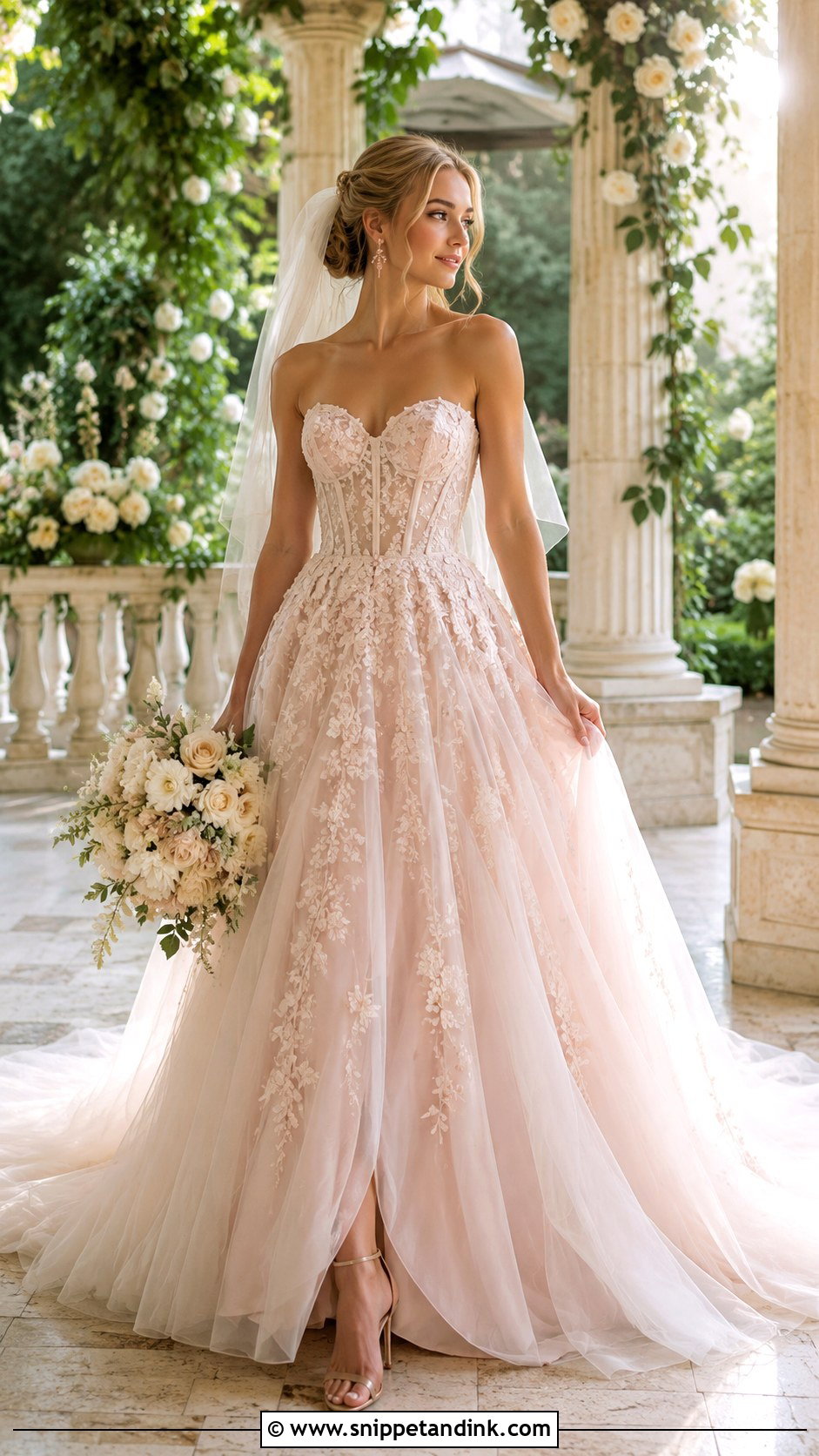
Blush is one of the trickiest colors to buy because it shifts so much with the light. The kindest way to wear it is a pale rose lining under ivory tulle or lace, so the color glows through rather than sitting on top. A fitted corset, a full layered skirt and a few small floral appliqués keep it bridal rather than costume. Champagne heels, rose-gold earrings and a plain ivory veil soften the contrast, with a bouquet of cream, blush and muted green. Rosy cheeks and a neutral lip work with it. Look at the gown in daylight by a window before deciding; the same blush can read peach, beige or pink.
14. Plus Size Corset Princess Bridal Gown
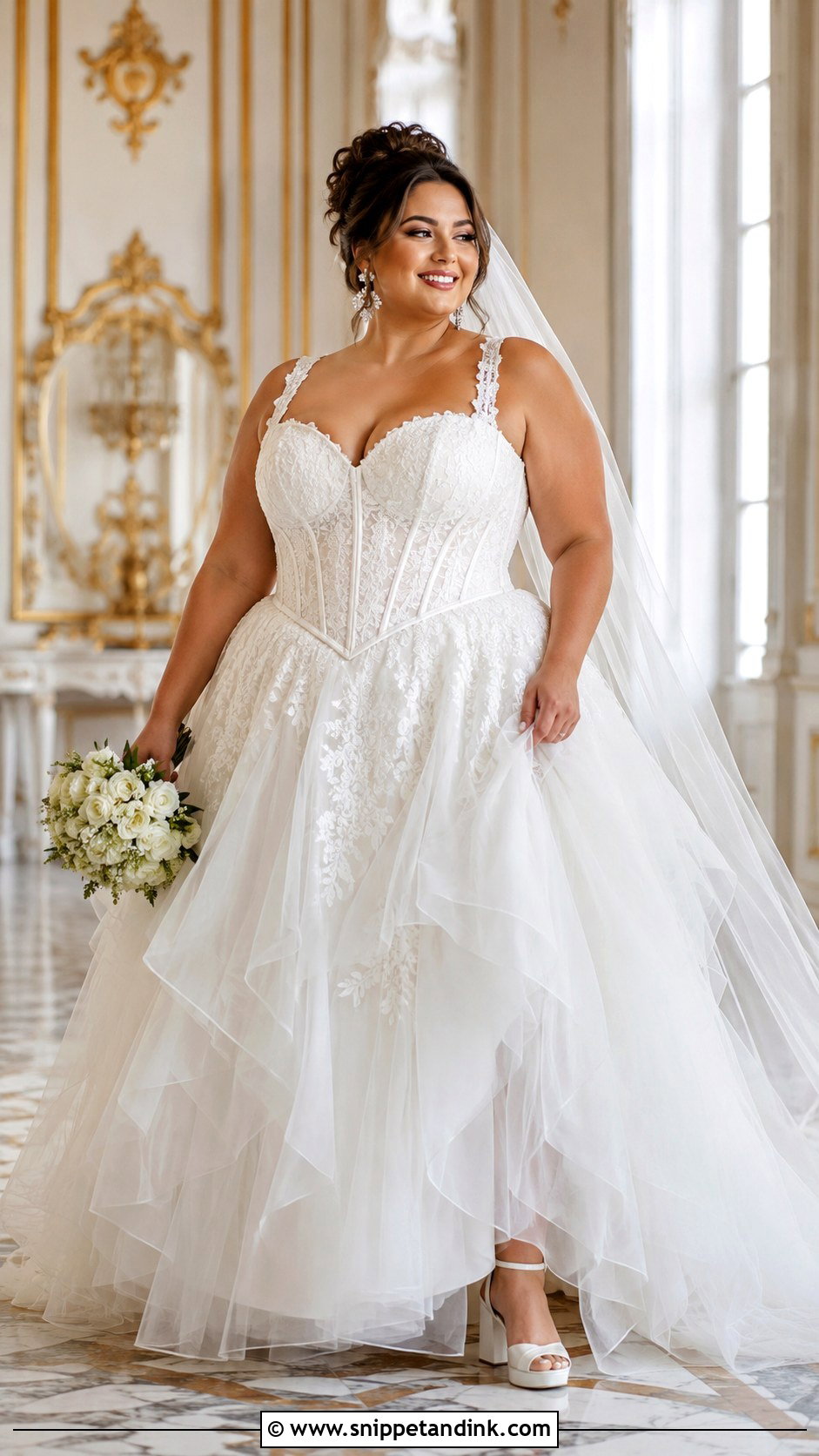
Corsetry is often the most comfortable choice for curvier brides, because a well-built corset spreads support around the whole torso rather than hanging it from straps. Look for strong internal structure, flexible boning and a neckline that feels secure without being laced brutally tight. A Basque or natural waist defines the middle before the skirt opens. Lightweight tulle gives airy volume; mikado is more sculpted. Supportive block heels, a cathedral veil, statement earrings and a soft updo complete it. Ignore the size on the label and focus on the fit after alterations, and leave time for several fittings. Sit, walk and dance in it at the last one.



15. Petite Princess Bridal Gown
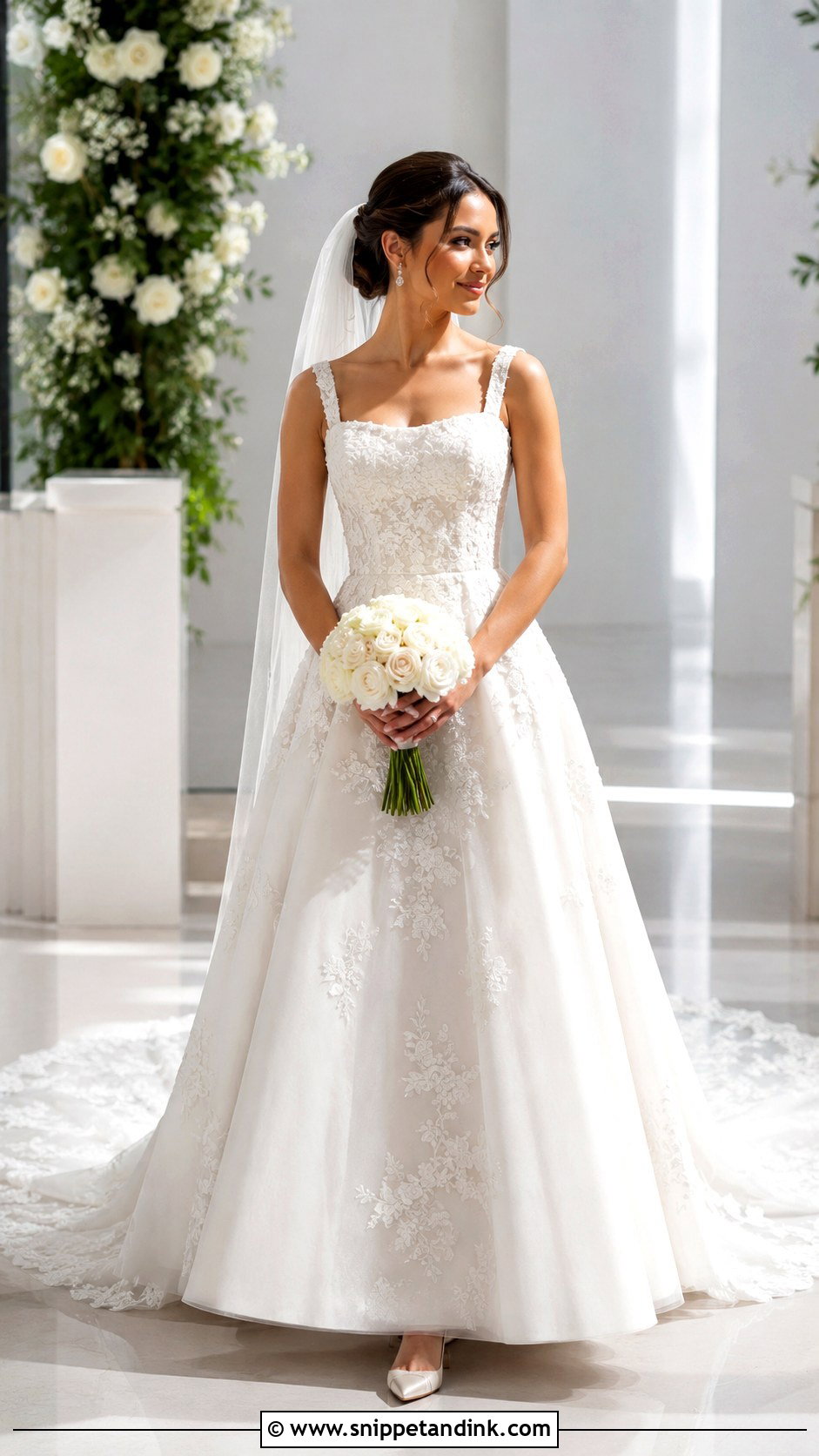
Petite brides can wear a full princess gown; it’s the width of the skirt, not the volume, that overwhelms. A natural or slightly raised waist makes the legs look longer, and a controlled A-line ball skirt gives fullness without spreading sideways. Vertical seams, small appliqués and a modest train keep the proportions right. Pointed platform heels, fine earrings and a narrow chapel veil complete it, with a lifted hairstyle for a little height. Steer clear of extremely large bows or heavy ruffles that sit on a small frame. Bring your actual wedding shoes to the hemming appointment, because even half an inch decides whether you glide or trip.
16. Modest High Neck Princess Bridal Gown
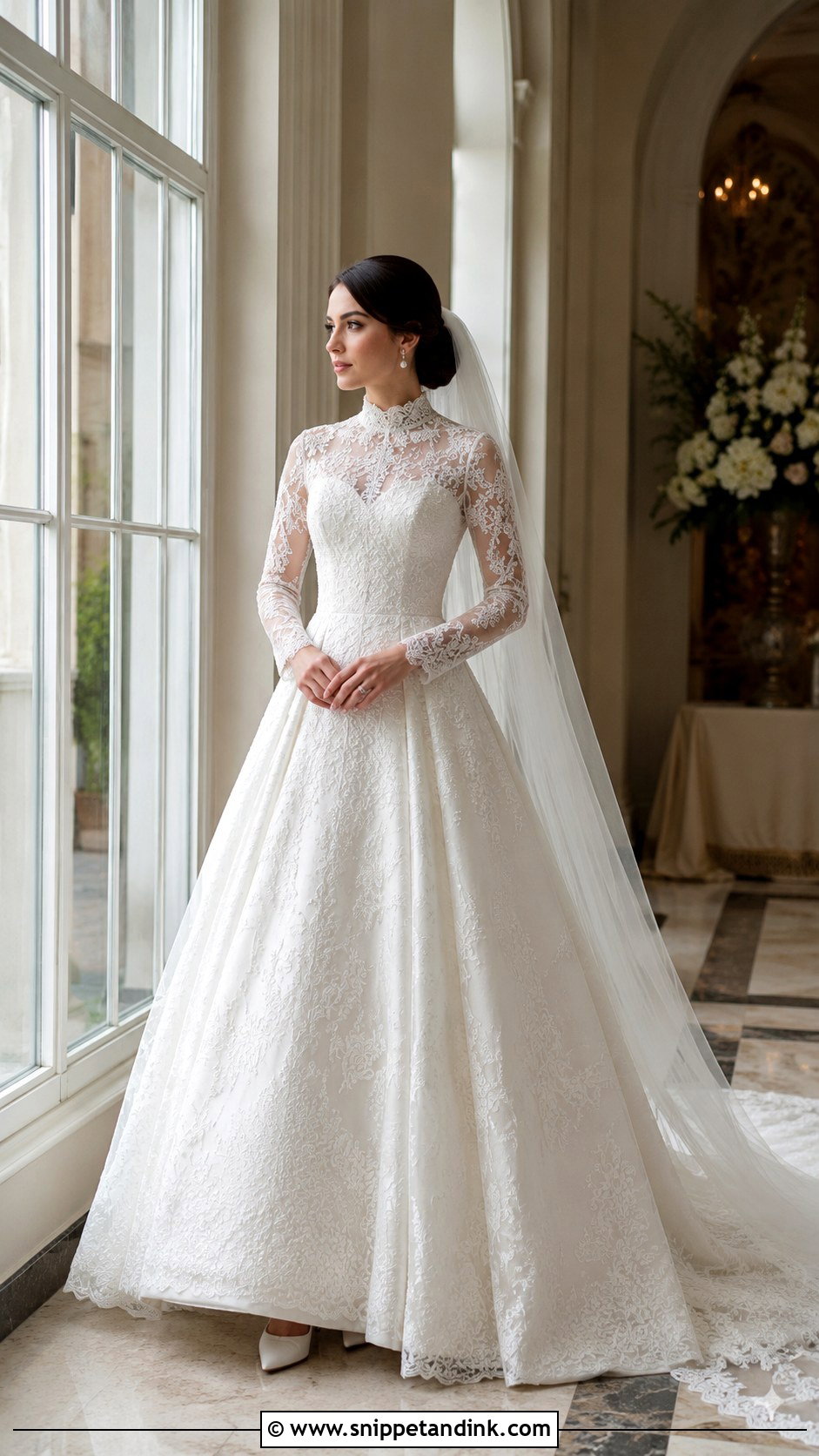
Coverage and drama sit together comfortably in a high-neck ball gown. Choose an illusion lace neckline over a softly lined bodice, or opaque crepe for a cleaner finish, with long fitted sleeves and covered buttons. A simple chapel veil under a low bun, small pearl earrings and closed-toe ivory heels complete it. Skip the necklace and let the collar frame your face. A defined waist stops the full skirt looking shapeless. Turn your head fully left and right at the fitting. A collar that grips when you turn will be rubbing your neck by dinner, and the seamstress can ease it before the hem is done.
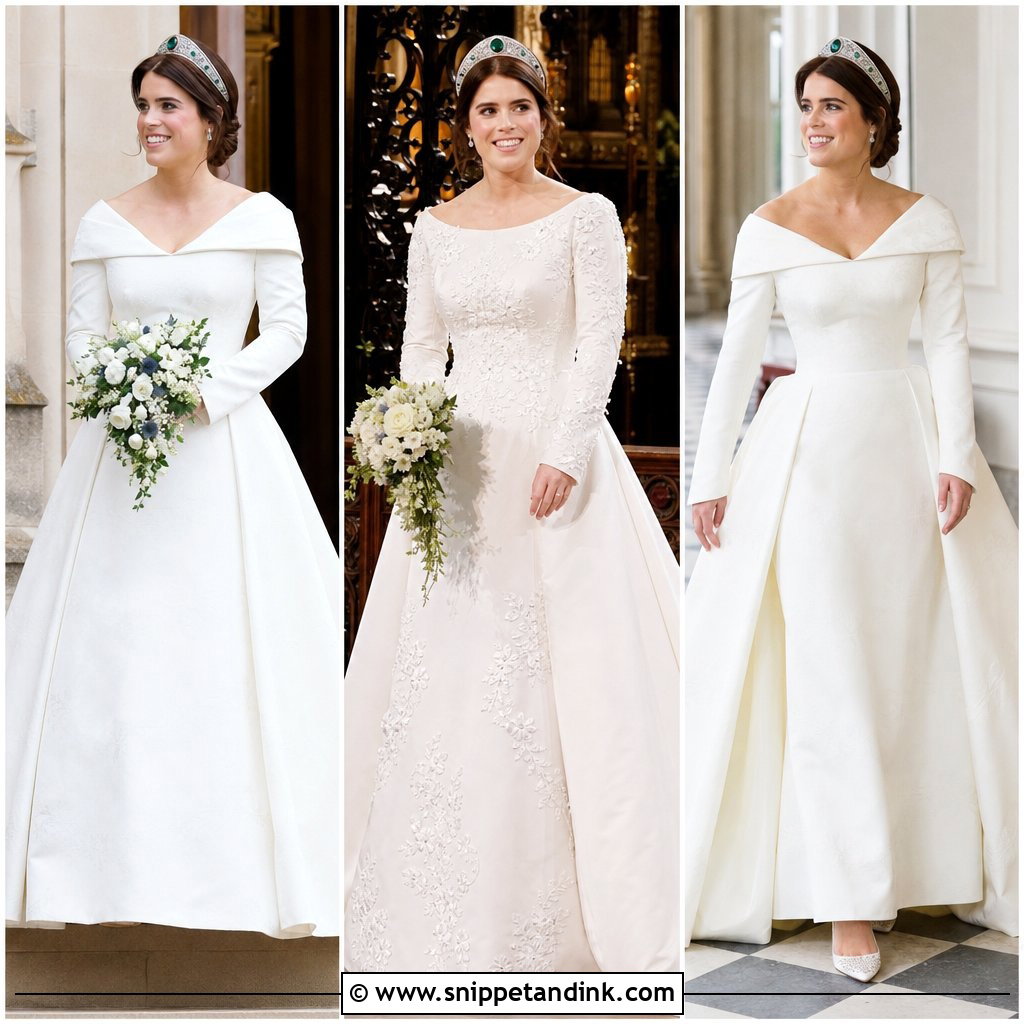
17. Vintage Royal Lace Princess Bridal Gown
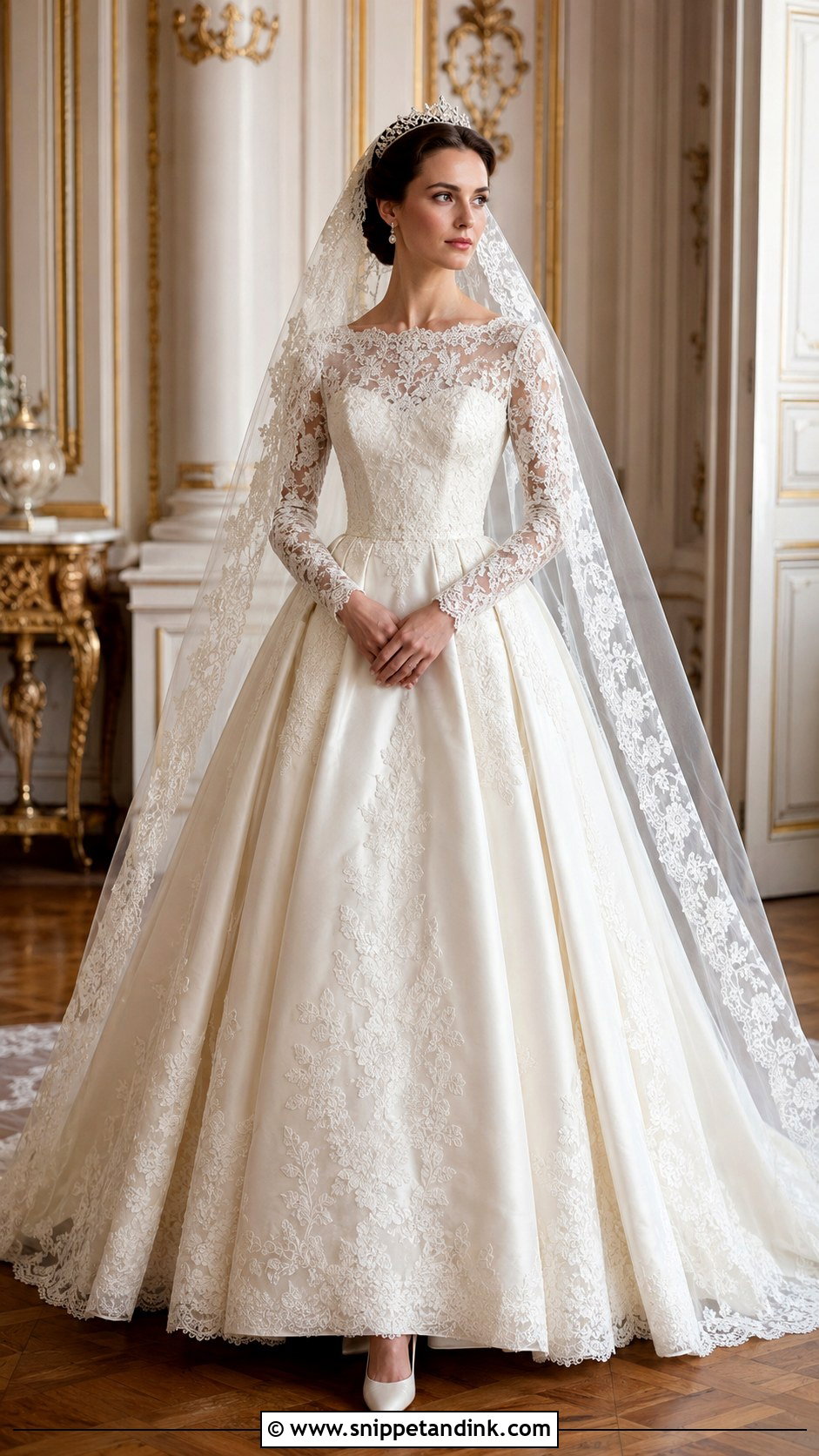
Old-fashioned lace, covered buttons and long sleeves give this gown a vintage royal mood. A structured bodice with a V or soft bateau neck, a defined waist and a full skirt is the frame. Lace over a smooth ivory lining lets every motif show. A lace-edged cathedral veil, pearl earrings, pointed pumps and a classic chignon complete it, with a small tiara or crystal comb if you want something formal. A neat, rounded bouquet suits the look. At alterations, ask for the big lace motifs to be matched across the seams. Lace that’s simply sewn straight through a seam, cutting a flower in half, shows in every back shot.
18. Sparkle Tulle Princess Bridal Gown
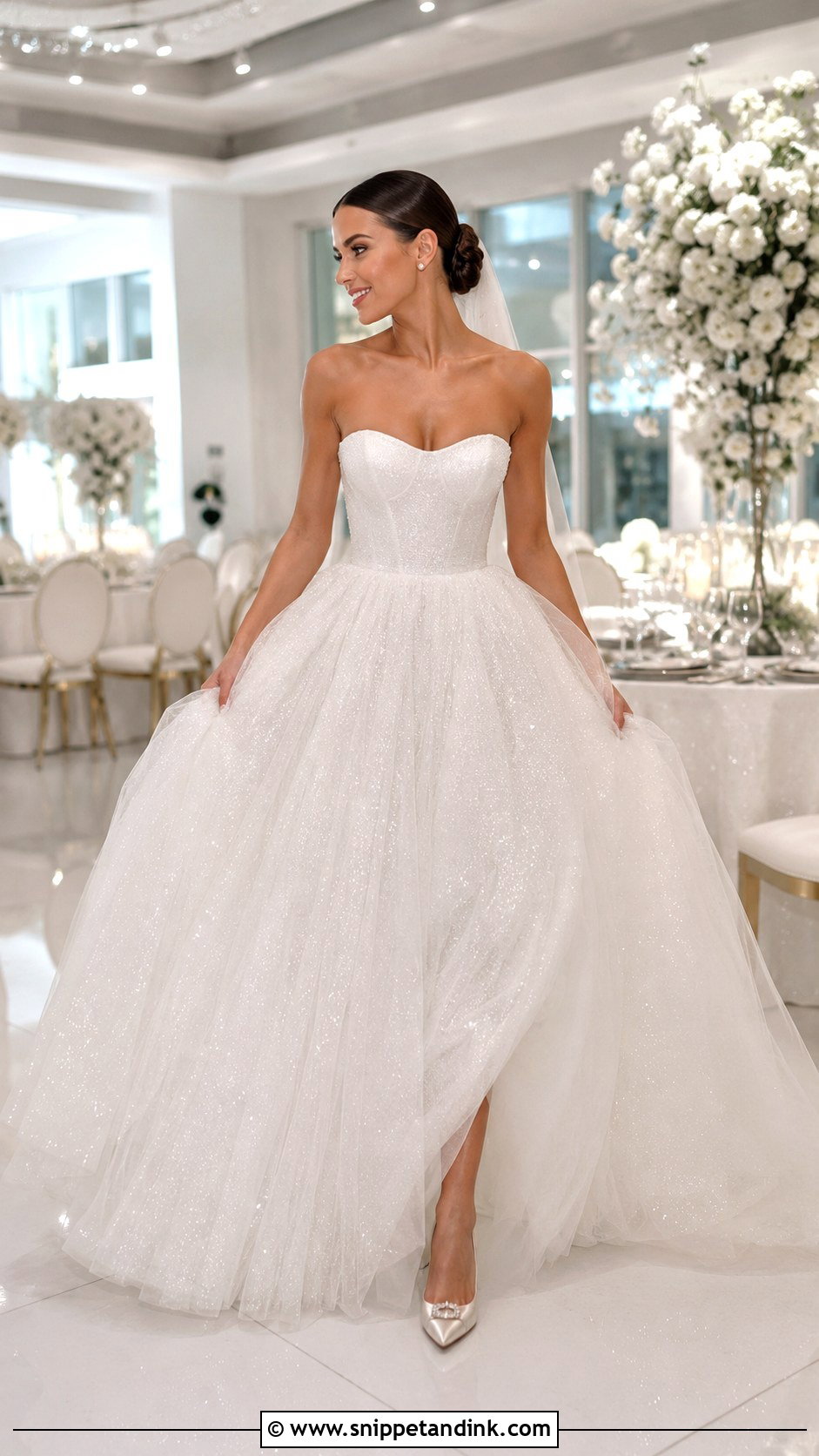
Sparkle tulle shimmers under ceremony lights rather than glittering harshly. Ask for glitter bonded into the fabric, not loose glitter, which ends up on your skin, your partner’s suit and every hug. A simple corset bodice and layered skirt let the texture lead. Crystal studs, metallic ivory heels and a sheer veil with minimal edging finish it, with a ponytail, low bun or polished waves. Pick one extra sparkle at most: necklace, belt or headpiece, not all three. I’d look at the fabric in daylight, under warm indoor light and with a phone flash before committing, since some glitter tulles flare white under flash.
19. Drop Waist Princess Bridal Gown
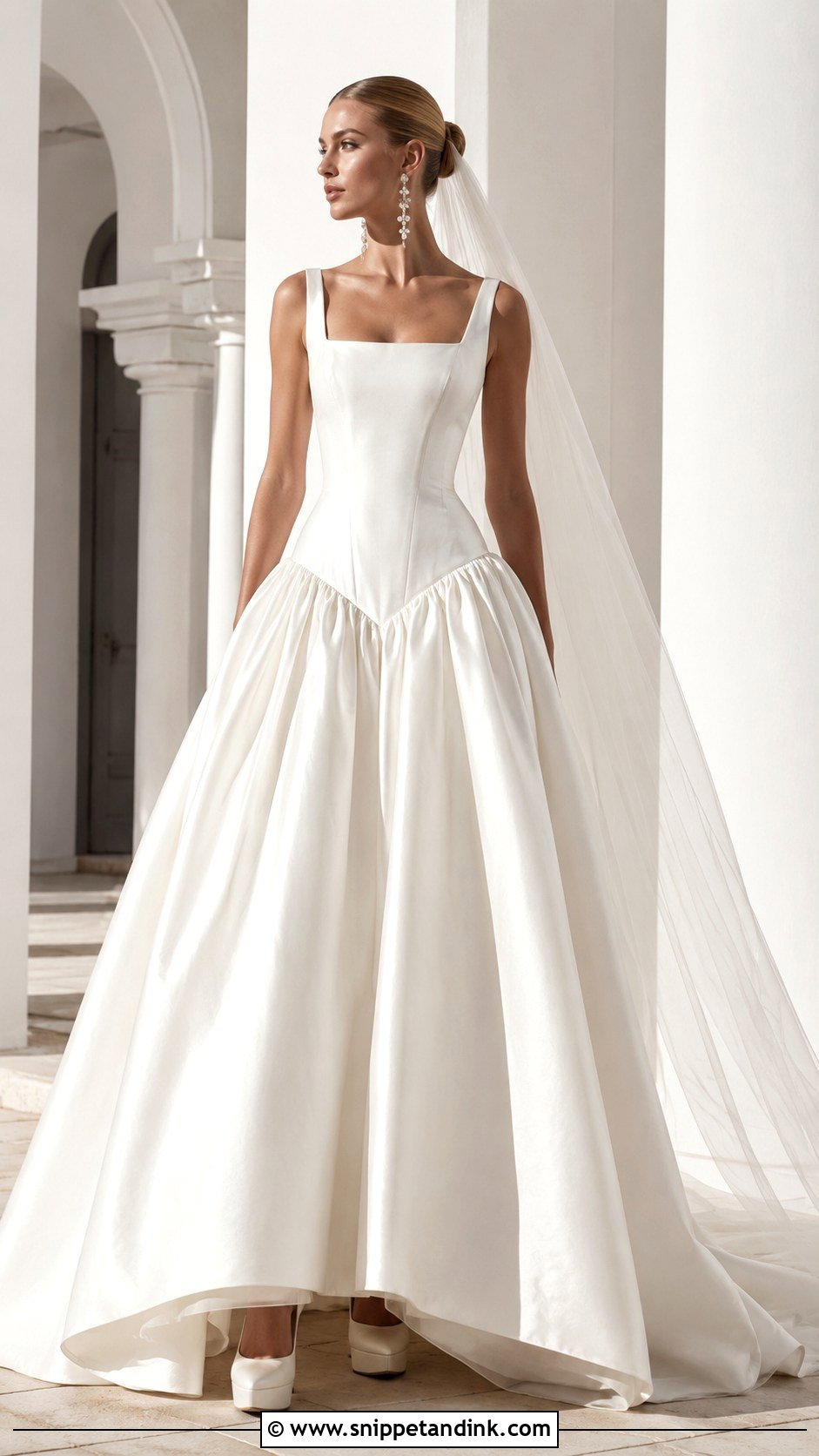
A drop waist feels newer than a classic ball gown. The fitted bodice runs past the natural waist to the hip before the skirt opens, so the torso looks long and sculpted. Satin or mikado gives sharp structure; tulle softens the change. A plain cathedral veil, long drop earrings, platform pumps and a sleek bun suit it, with no belt to break the line. Fittings are about the hip. Sit down; the seam where the skirt starts should lie flat, not crease or ride up into a ridge. If you’re short in the body, a drop waist can make your legs look shorter, so try one before you fall for the photos.

20. Ruffled Organza Princess Bridal Gown
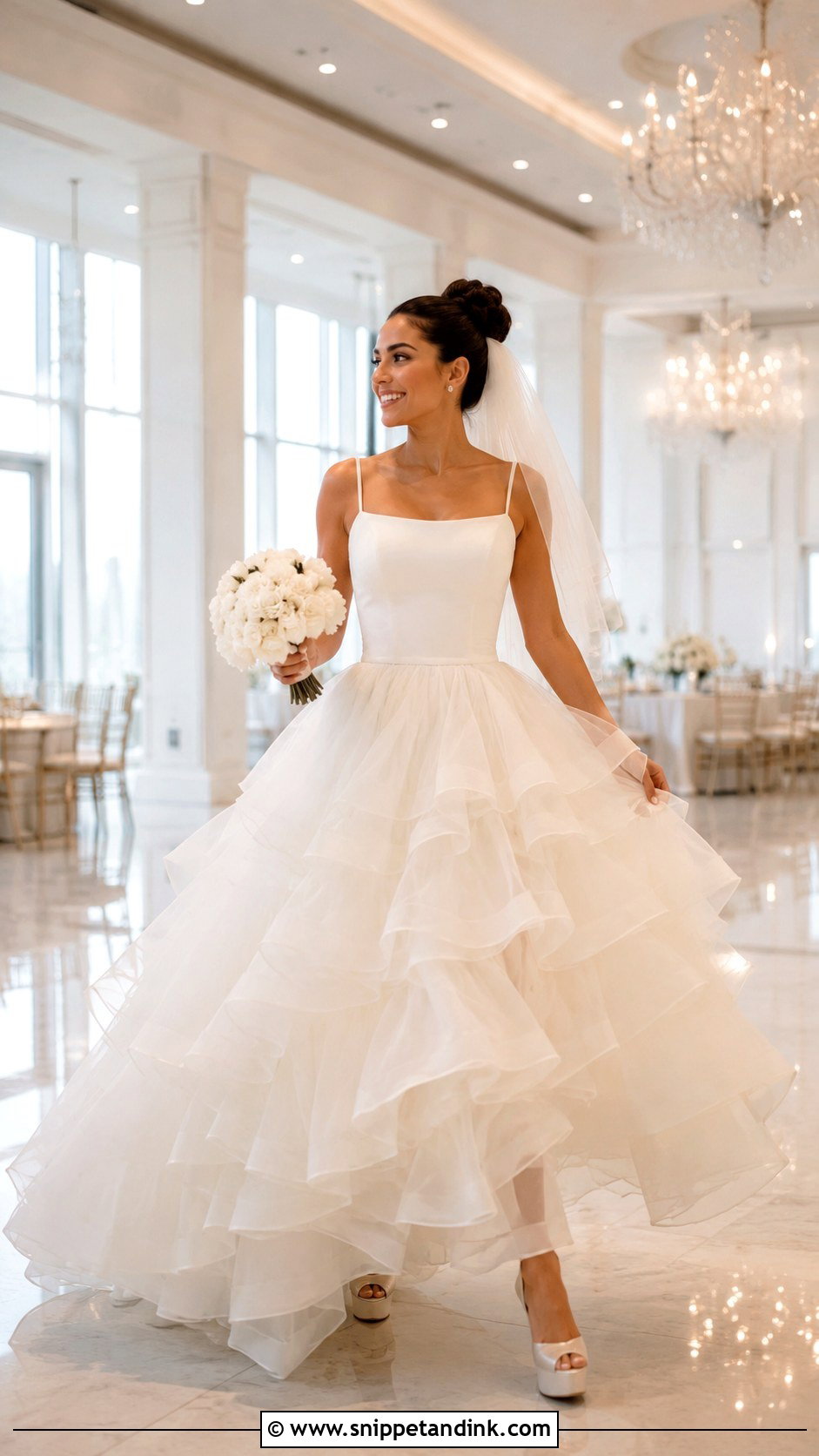
Organza ruffles give a princess skirt movement and texture. Keep the bodice fitted and fairly simple so the tiers lead. Diagonal or cascading ruffles flow better than stiff horizontal rows, which can look stacked. Small earrings, a clean shoulder-length veil and comfortable platforms give you height under all the volume, with a high bun or polished half-up style. A compact bouquet won’t compete with the skirt. Organza is light but springy and wide; walk through a doorway and up a flight of stairs at your fitting, and make sure the bustle is strong enough to gather all those layers for dancing.
Order Early, Because a Full Skirt Takes Time
Made-to-order gowns commonly take four to six months to arrive, and a structured ball gown then needs more alteration time than a slip dress. I’d order around eight to ten months ahead where you can, and expect two or three fittings starting roughly two months out. Corset bodices and long trains add appointments. Rush fees exist, but they shrink your choice of fabrics and designers.
Car doors, bathrooms and the bustle
A wide skirt changes small logistics. Book a car with a big rear door or a van; you’ll get in seat first, then gather the skirt in after you. For the bathroom, the easiest trick is to face the toilet, step the skirt around it, and have a friend hold the gathered back. Ask your seamstress to show your maid of honor how the bustle goes up before the day, and photograph each tie or hook so nobody is guessing in a corridor with dinner waiting.
A Big Skirt Should Still Let You Dance
A princess gown should feel grand and still let you move, sit and eat. Look at the structure of the bodice, the weight of the skirt, the train length and the fabric together, then pick accessories that support the dress instead of competing with it. A beaded gown wants a plain veil; a minimal satin one can carry a bow, a cape or bold earrings. Wear the whole outfit at your fittings, shoes and underwear included. Whichever shape and fabric you land on, you should be able to dance in it for a whole song without thinking about your dress.
You'll Like These Ideas:









Leave a Reply