
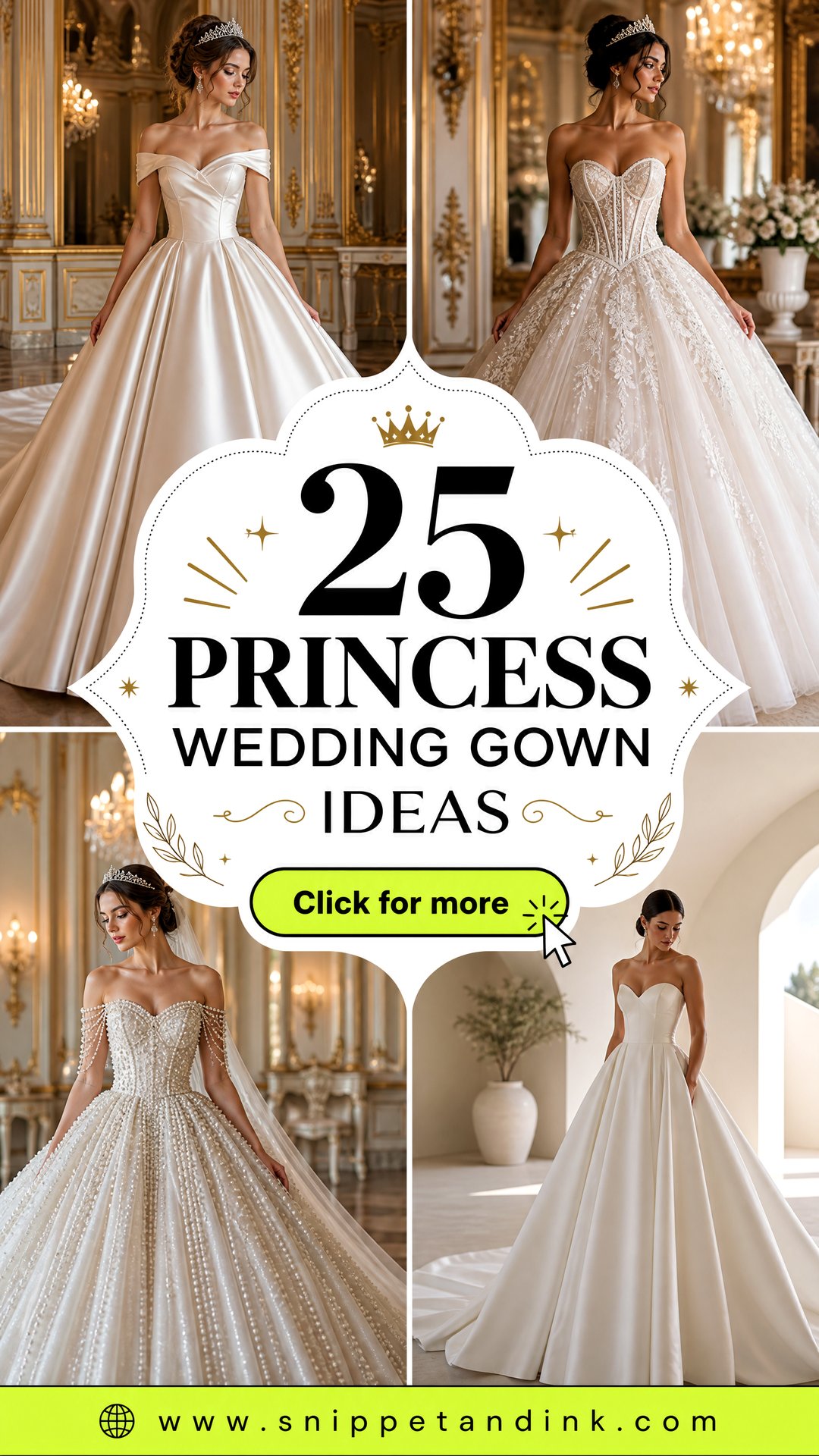
Ask ten brides what a princess gown is and nine will describe a huge skirt. The skirt matters, but in the fitting room the decisions that change everything happen higher up: where the waistline sits, how the bodice is built and how much the fabric weighs by the time you’re three hours into a reception. The princess shape today ranges from pointed basque waists and pearl-studded tulle to plain mikado and detachable sleeves. Here are 25 versions, with what I watch for when a bride tries each one on.
Basque, Natural or Dropped Waist? Start With Your Torso
Every princess gown on this list joins bodice to skirt somewhere, and that seam does more for your shape than the neckline. Before a bride falls for a photo, I measure from the hollow under the bust to the natural waist. That one number tells me which waistline will flatter her.
- Short distance from bust to waist: a basque point or a slightly dropped seam adds length through the middle and stops the skirt starting under the ribs.
- Long torso: a natural waist placed exactly at your narrowest point keeps the proportions balanced. A dropped waist can make a long body look longer still.
- Little waist definition: a corset or a basque point builds the curve in, so the skirt has somewhere to flare from.
Try the same gown in two sizes if the salon has them. Sample dresses are clipped onto every bride, and the clips can hide where the waist really sits on you. Watch the seam in a side mirror, not just the front.
1. Satin Princess Wedding Gown
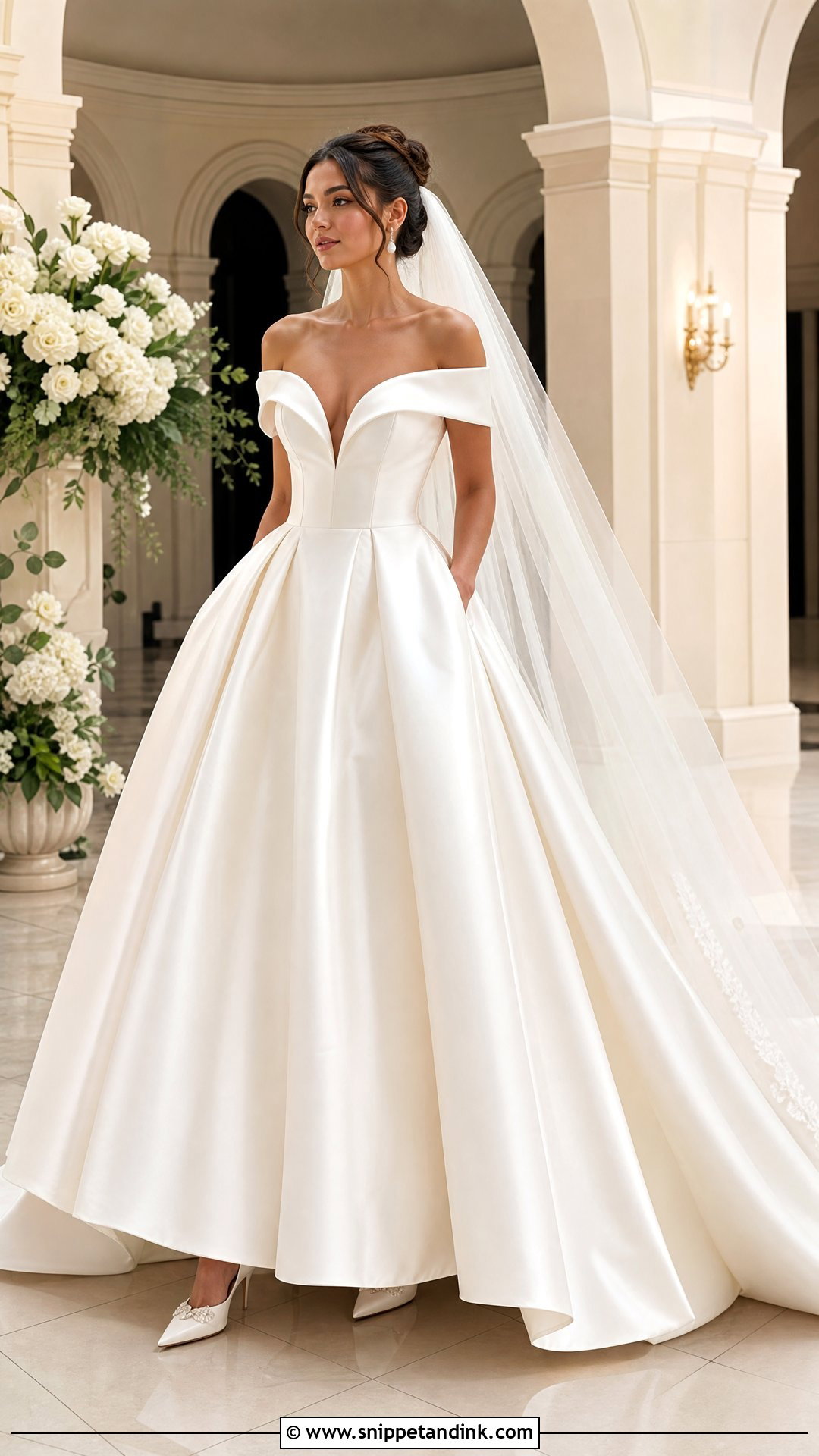
Satin is the honest fabric. It has no lace or sparkle to hide behind, so the cut and the pressing show completely. I like a little soft pleating at the waist on a satin princess gown, because it lets the skirt swing when you walk instead of moving as one stiff bell. A sweetheart or square neckline, pearl earrings and pointed heels are all it needs. Ask how the salon will steam it before delivery; satin marks if an iron touches it directly.
2. Tulle Princess Wedding Gown
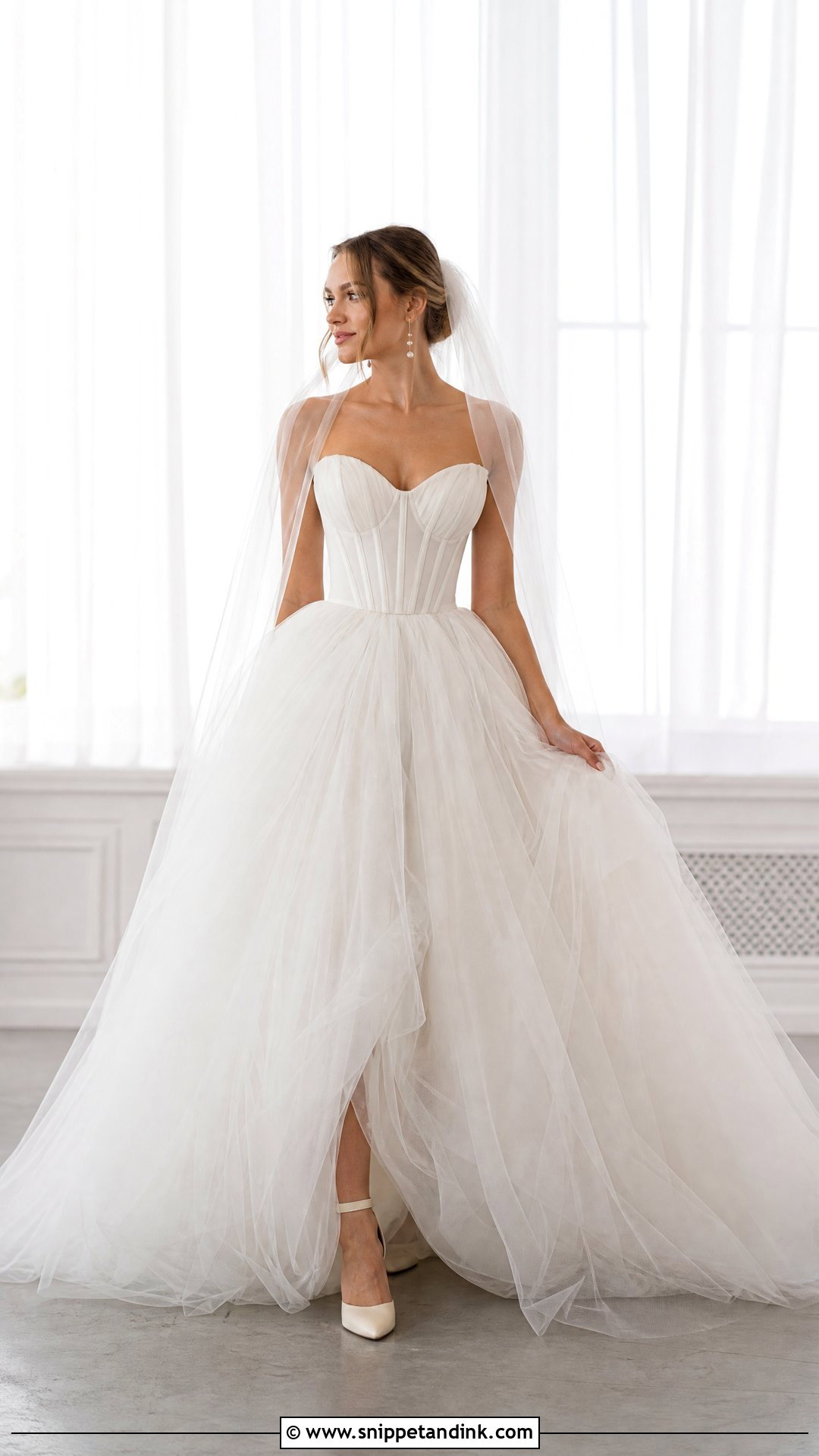
Tulle gets its volume from layers, not weight, so a full tulle skirt can feel surprisingly light for its size. It’s the easiest route to a fairytale effect without the heaviness of satin. The weak spot is the hem: tulle drags on grass and picks up dirt fast at an outdoor ceremony. I’d have the hem set a touch shorter than usual if you’re walking on lawn. A corset bodice gives the top enough structure to stop the whole gown looking like a cloud with no centre.
3. Lace Princess Wedding Gown
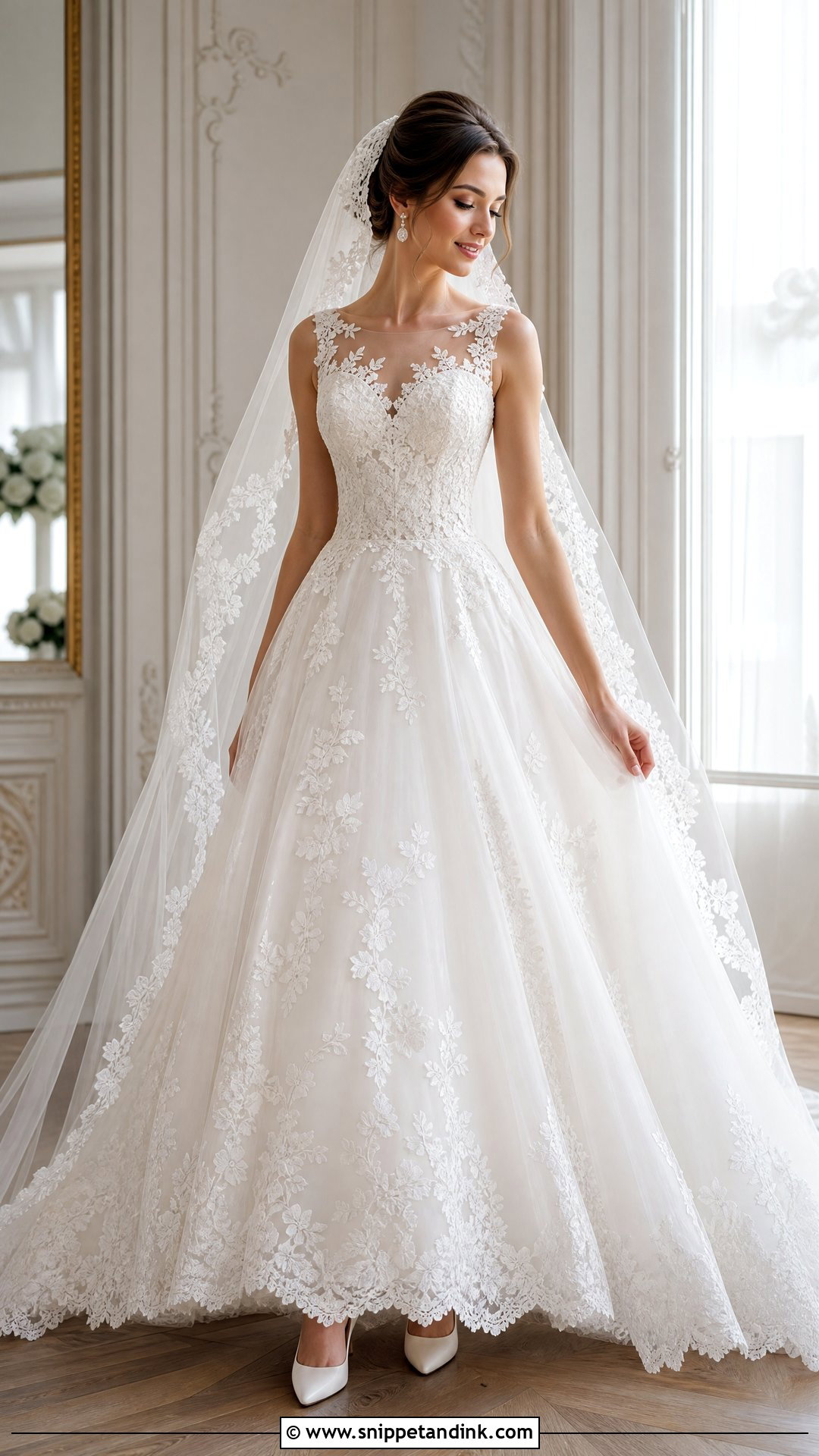
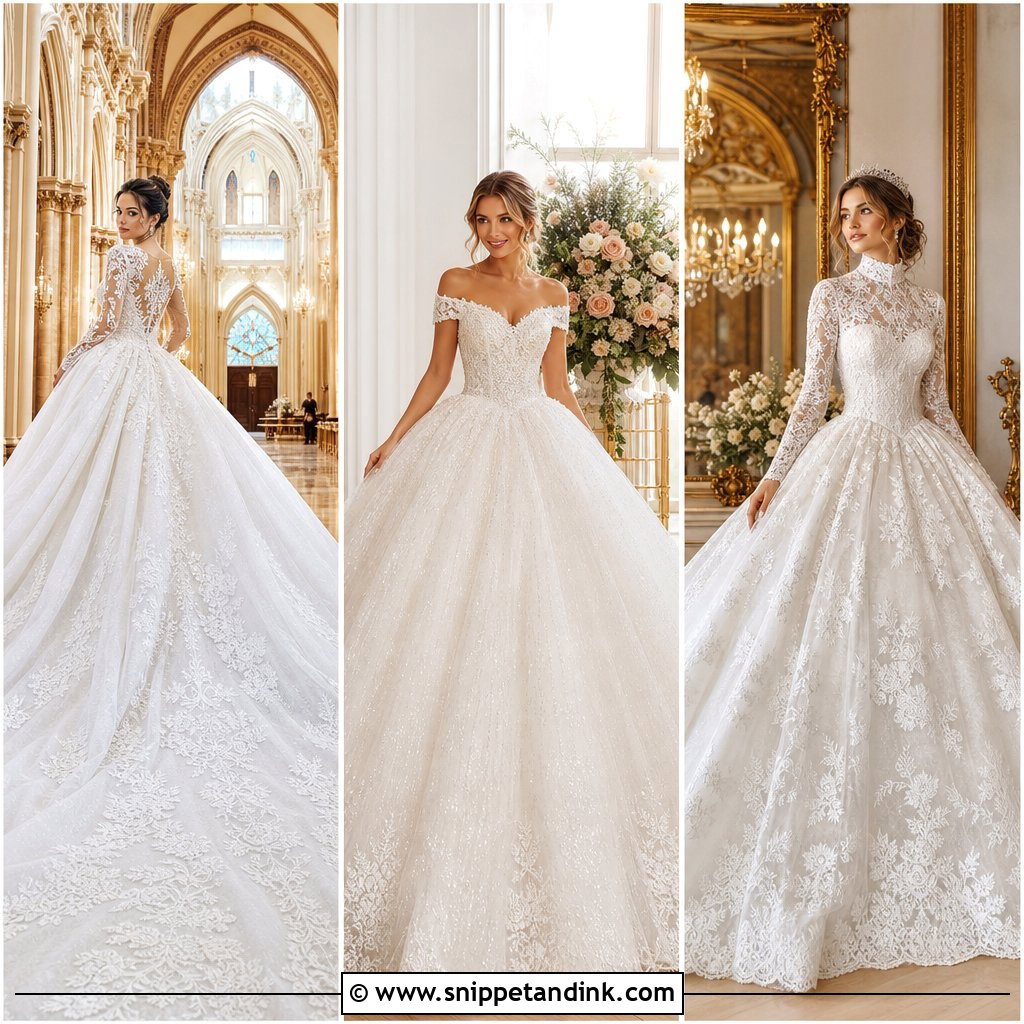
Lace comes in very different weights, and it changes the whole mood. Chantilly is fine and flat; Alençon has a corded outline that gives each flower an edge; guipure is heavy and stands on its own. Over a full skirt, a lighter lace that fades into tulle keeps the gown moving, while heavy lace all over can make it stiff. Pearl accessories and a veil edged in the same lace keep it vintage without tipping into costume.
4. Corset Princess Wedding Gown
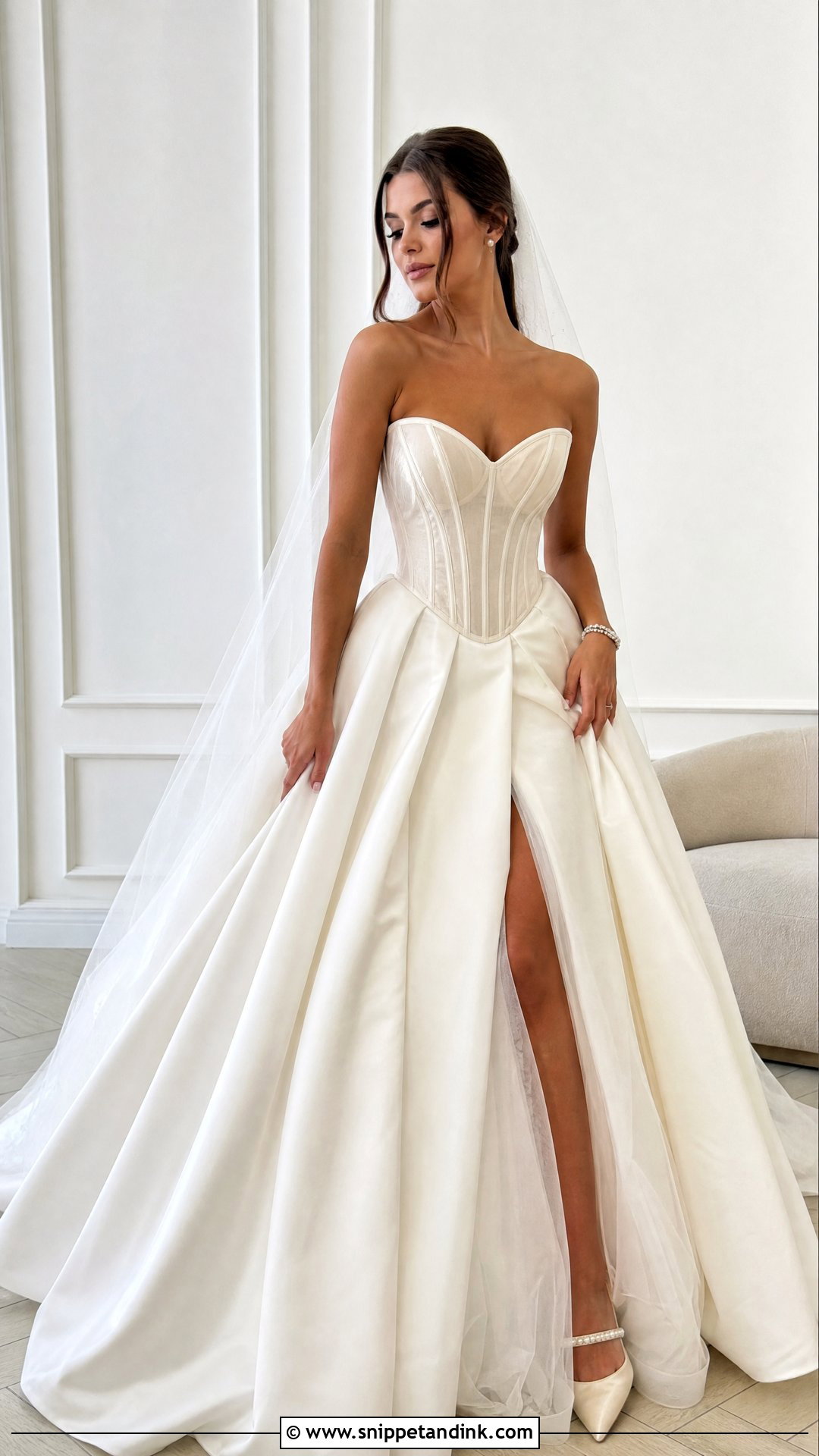
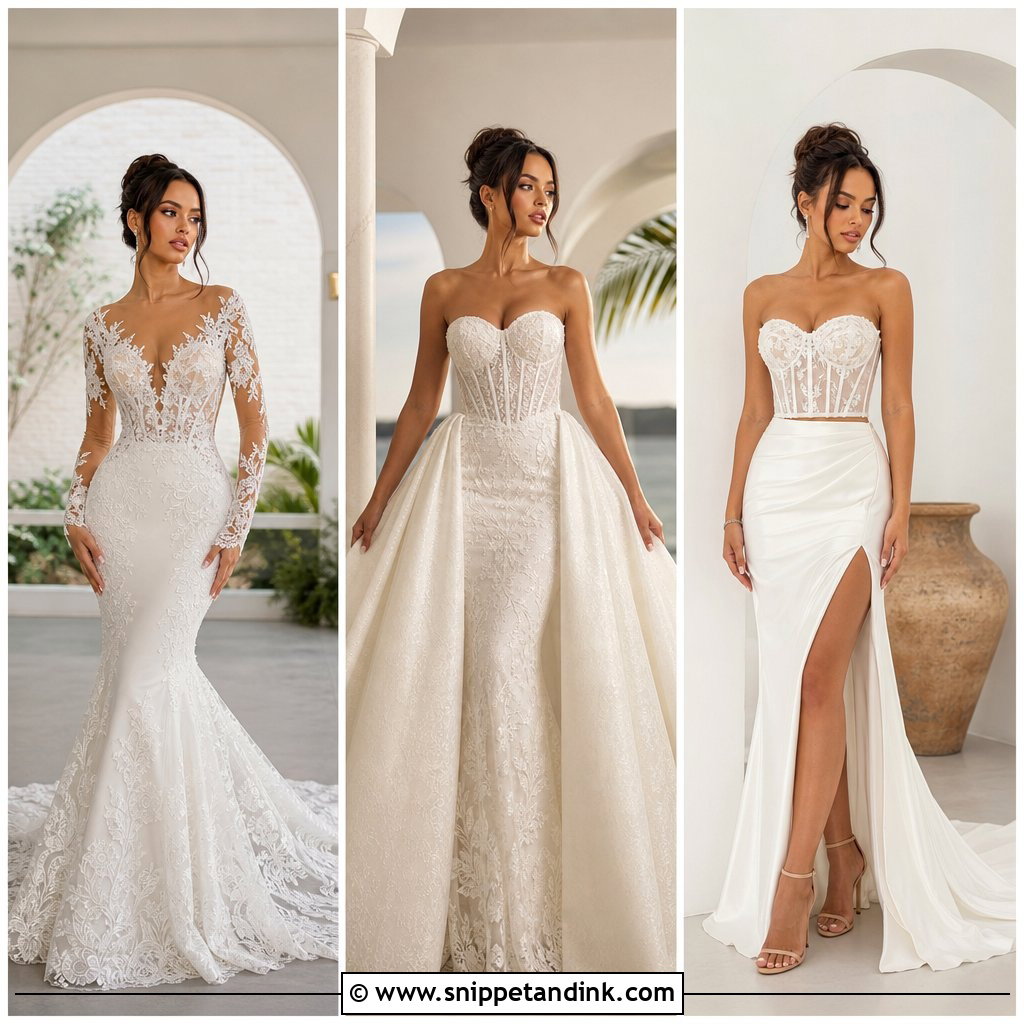
The corset is the strongest support you can get in a wedding dress, provided the boning follows your actual shape. I look for bones that end above the hip bone; if they jab when you sit, the bodice is too long for your torso. Satin corsets read sleek and lace corsets read softer, but both need a modesty panel under the lacing so no skin shows at the back. Keep jewelry quiet and let the bodice do the work.
5. Basque Waist Princess Wedding Gown
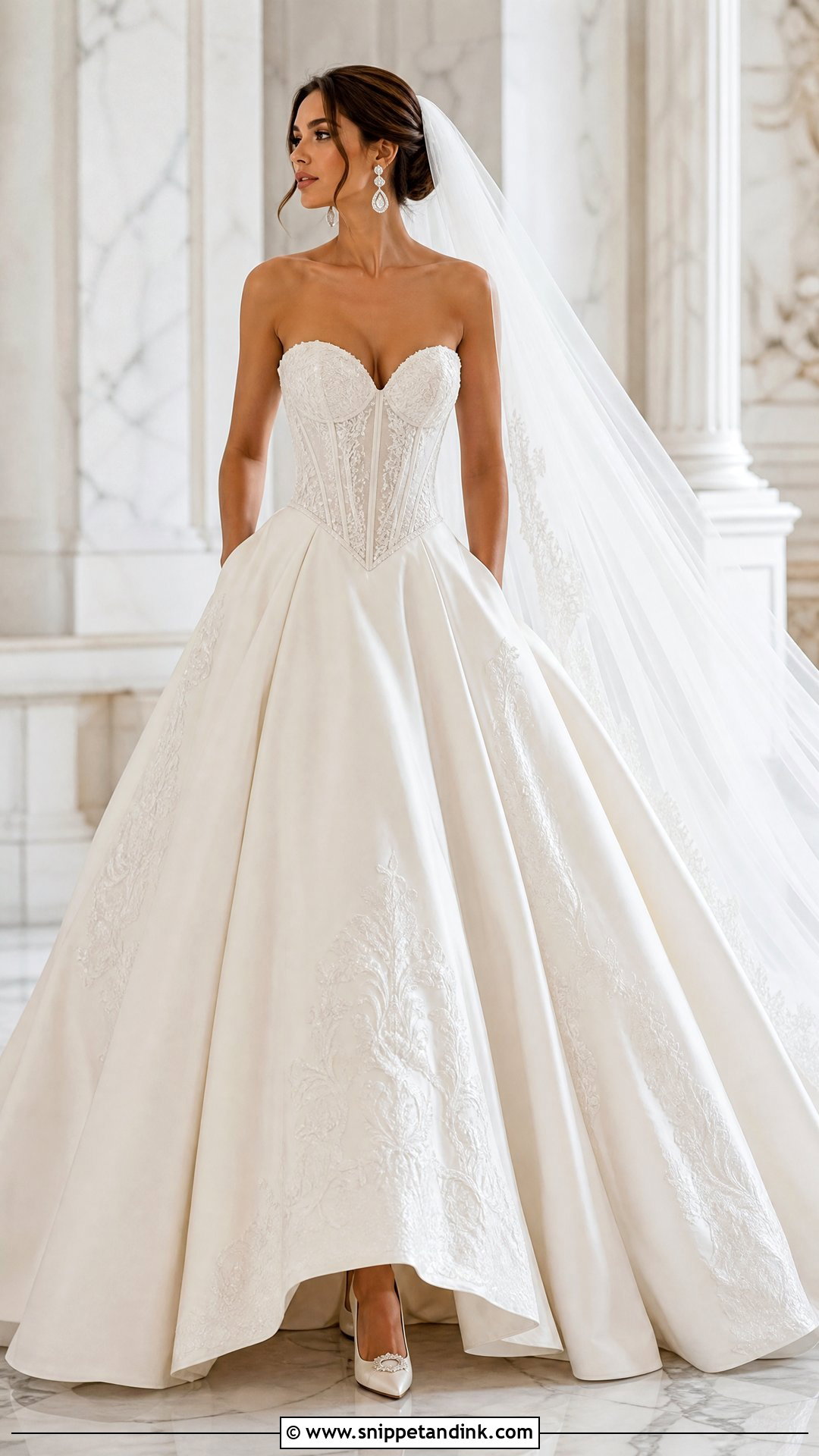
That pointed V at the front waist is what makes a basque waist princess wedding gown look so long through the body. It is my first suggestion for brides with a short waist, since the point draws the eye down past the natural waistline. On petite brides I ask for the skirt volume to be scaled back, because a deep basque with a huge skirt can swallow a small frame. Satin and mikado show the point most clearly; in soft tulle it blurs.
6. Off Shoulder Princess Wedding Gown
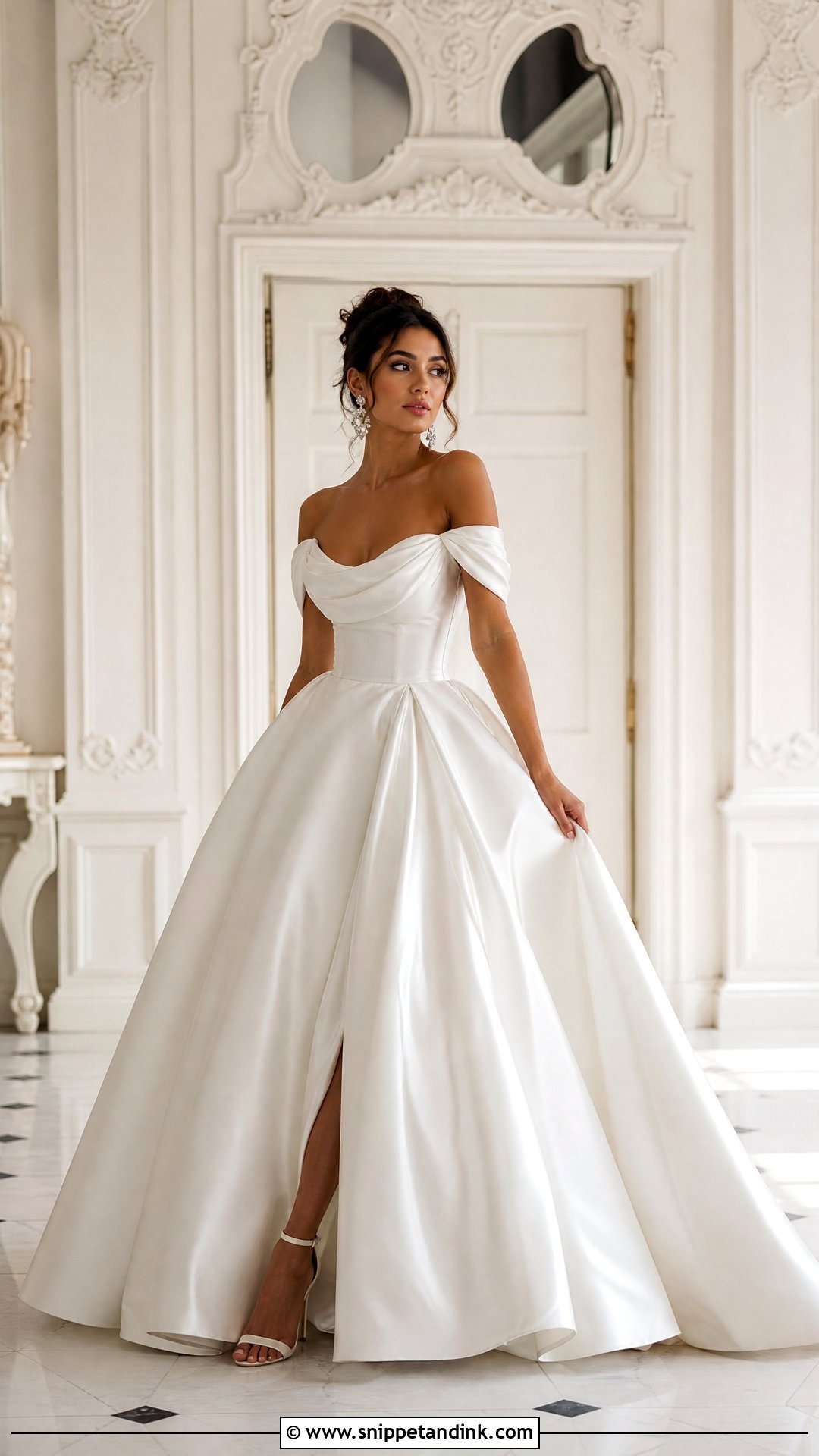
There are two kinds of off-shoulder: structured bands that sit straight across the arm, and soft draped sleeves that slip gently off the shoulder. The structured kind looks more formal, while draped feels relaxed but needs a little clear silicone grip inside or it slides all day. A clean neckline can take a slim necklace; with draping I’d skip it and choose statement earrings with a low bun. Hug-test it at the fitting before anything is sewn.
7. Long Sleeve Princess Wedding Gown
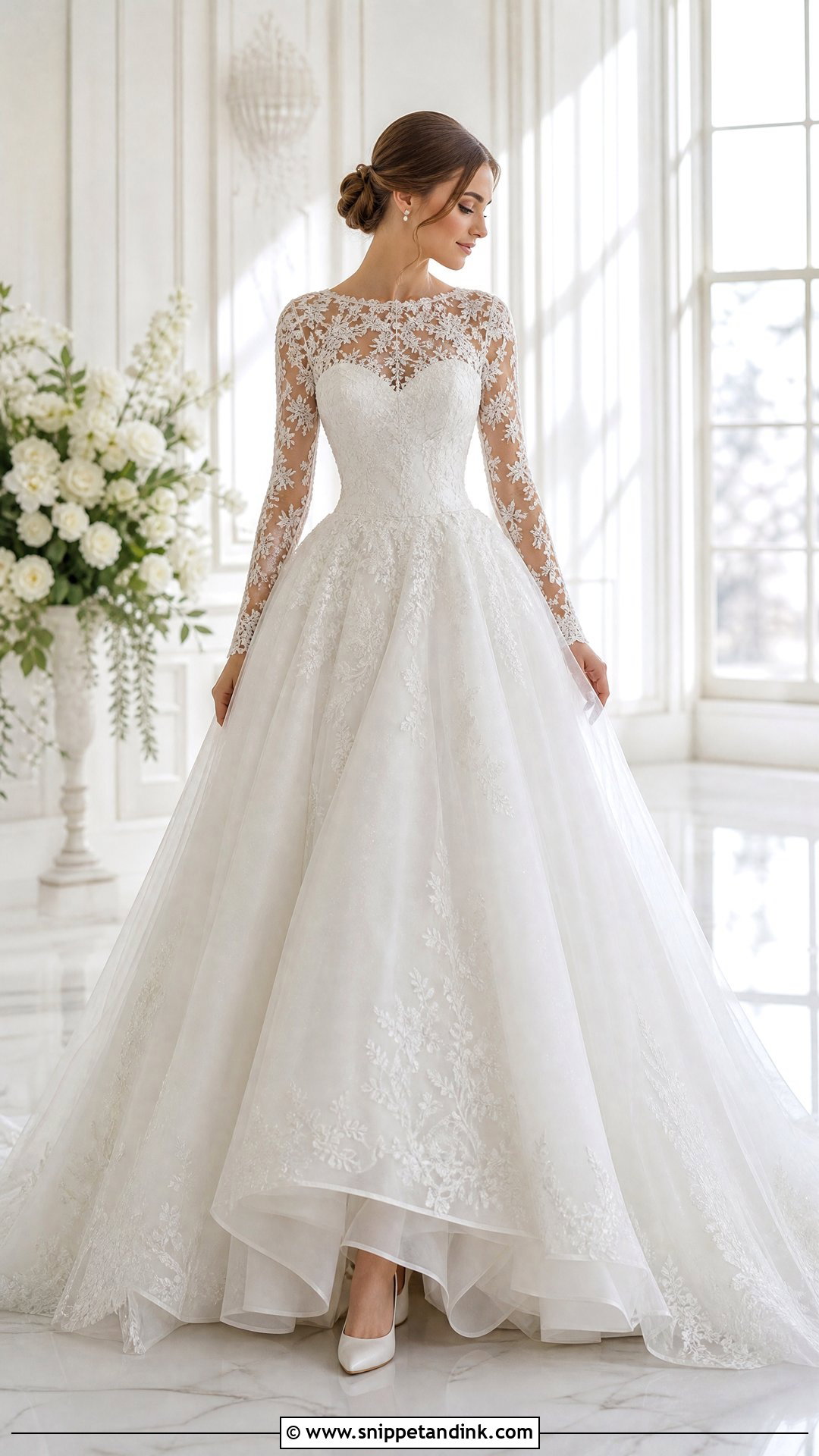
Long sleeves on a full gown are about the shoulder seam more than the sleeve itself. If that seam sits even slightly off your natural shoulder, the arm feels restricted every time you lift a glass. Sheer lace sleeves breathe best in a warm room, while satin and crepe look sharper for winter and grand indoor ceremonies. A high neck makes it feel more formal; a sweetheart under sheer sleeves feels lighter. Finish with a smooth updo and a long veil.
8. Strapless Princess Wedding Gown
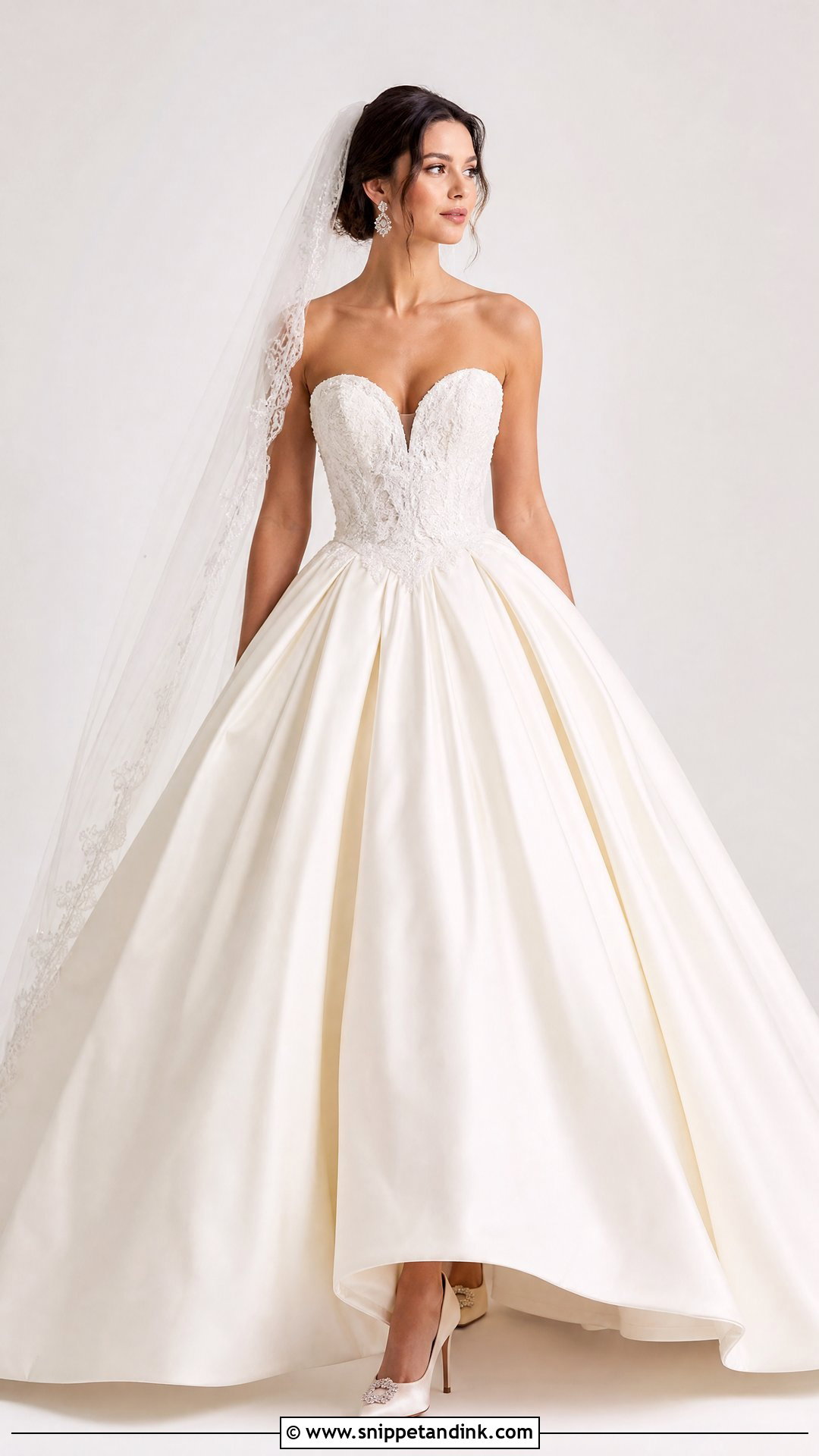
A strapless princess wedding gown gives its bodice one job: staying up without you thinking about it. Built-in boning, a grip tape along the top edge and a snug waist do that. I have brides do a little jump in the fitting room, and if the bodice drops, it’s taken in more. Sweetheart and straight-across necklines both work; the necklace decides whether it reads classic or modern.
9. Square Neck Princess Wedding Gown
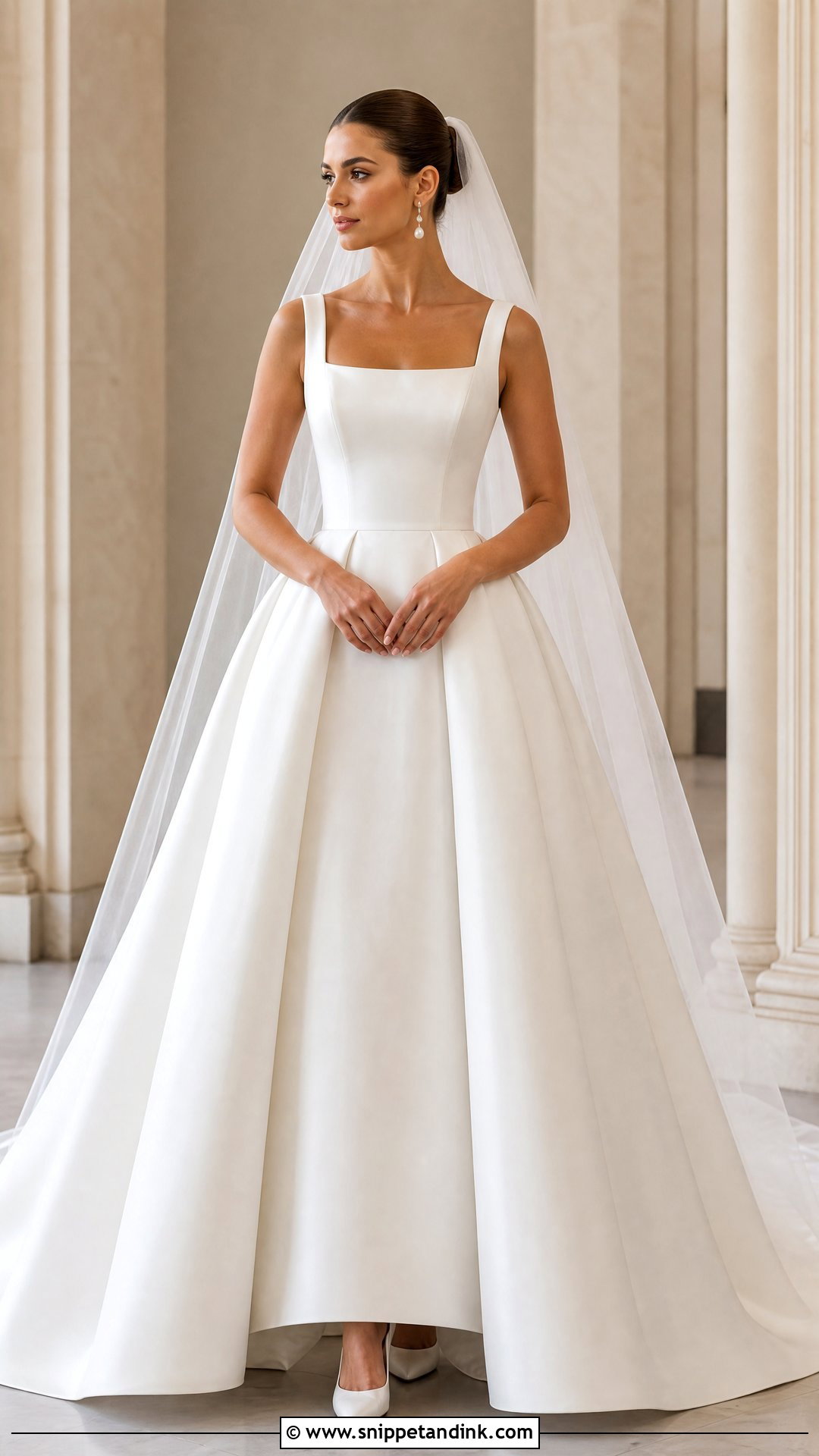
Square necklines are slightly vintage, slightly architectural, and quieter than a sweetheart. They suit brides with straight shoulders particularly well. The corners must sit flat, which usually means the bodice is shaped at the sides rather than tightened at the straps. Mikado or satin keeps the line crisp, and lace sleeves or wide straps turn it softer. Pearl drops and a sleek bun suit it.
10. Sweetheart Princess Wedding Gown
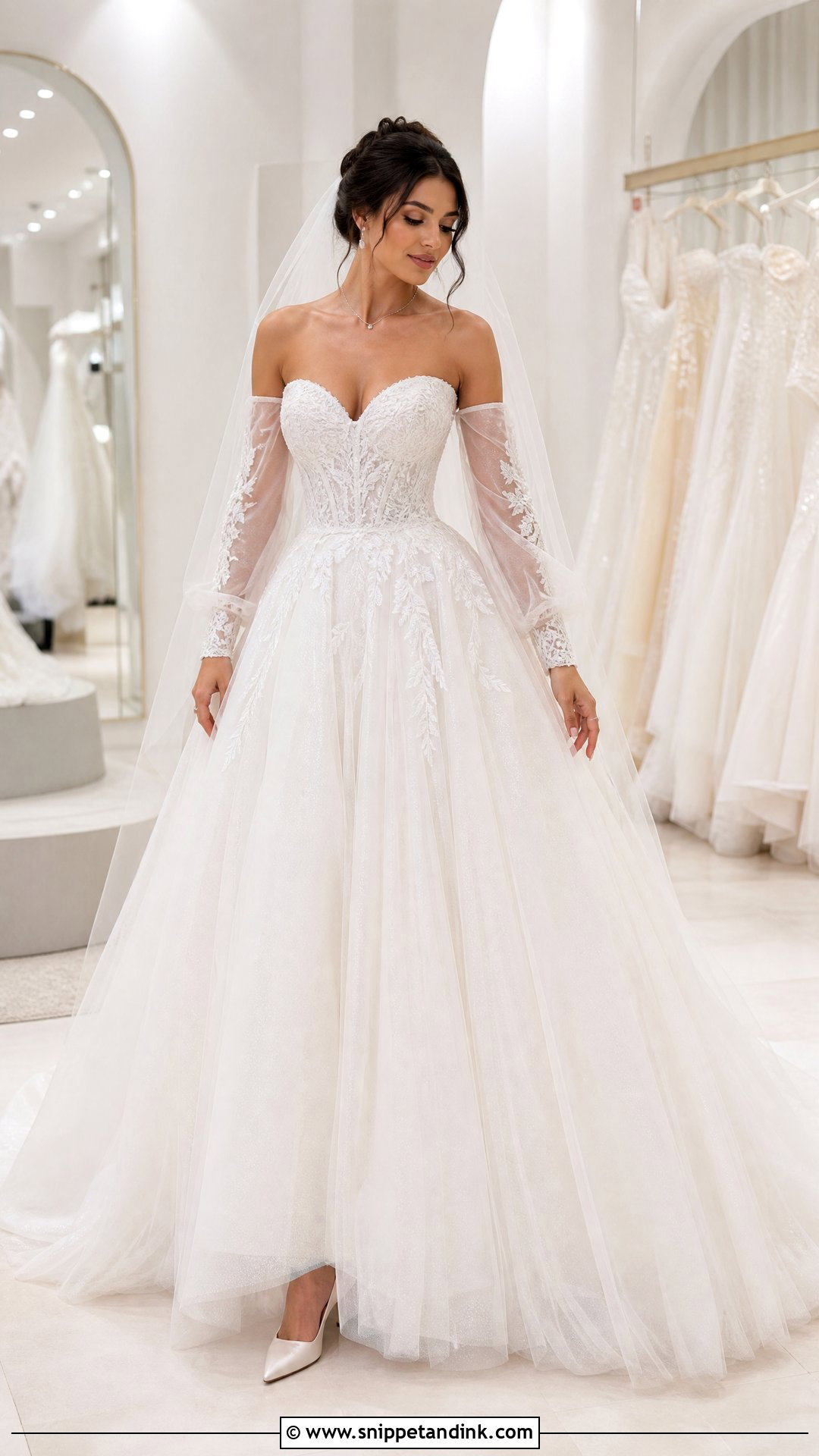
Most bodies wear a sweetheart neckline well, which is why it’s still the most requested shape in bridal salons. The curve needs solid cup structure inside to sit against you. Satin keeps it clean, lace makes it softer, and adding detachable sleeves gives you a second look for later in the evening. Soft waves balance the curve near the face better than a scraped-back style.
11. Sparkle Princess Wedding Gown
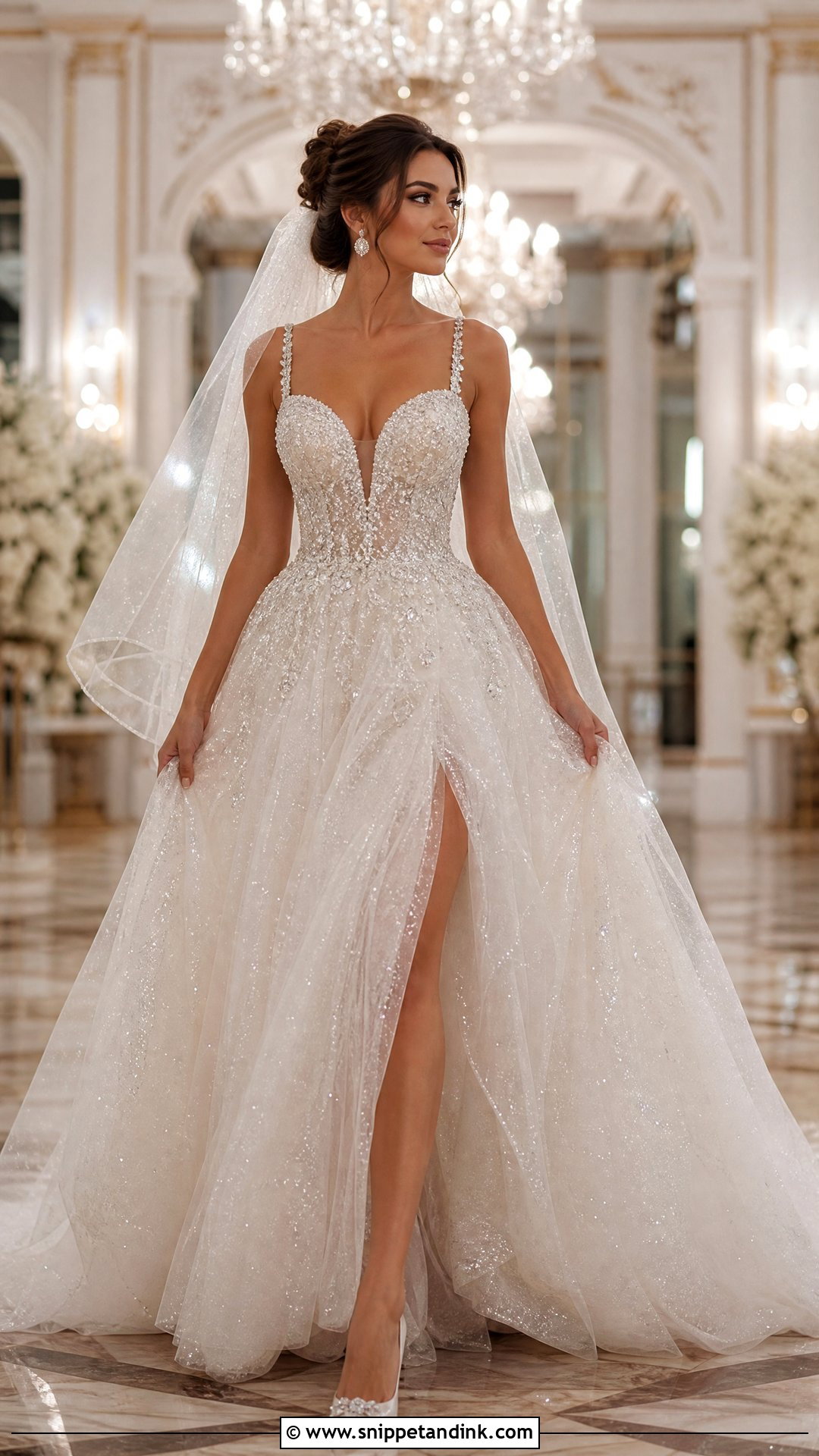
Sparkle on a full skirt multiplies quickly, so less goes further than brides expect. Glitter tulle gives a fine overall shimmer; crystal beading throws sharper points of light; sequins sit somewhere between. Under candlelight and chandeliers it reads magical, while in midday sun it can flatten into plain grey. I’d keep jewelry to crystal studs and let the veil carry just a dusting of sparkle, if any.
12. Pearl Princess Wedding Gown
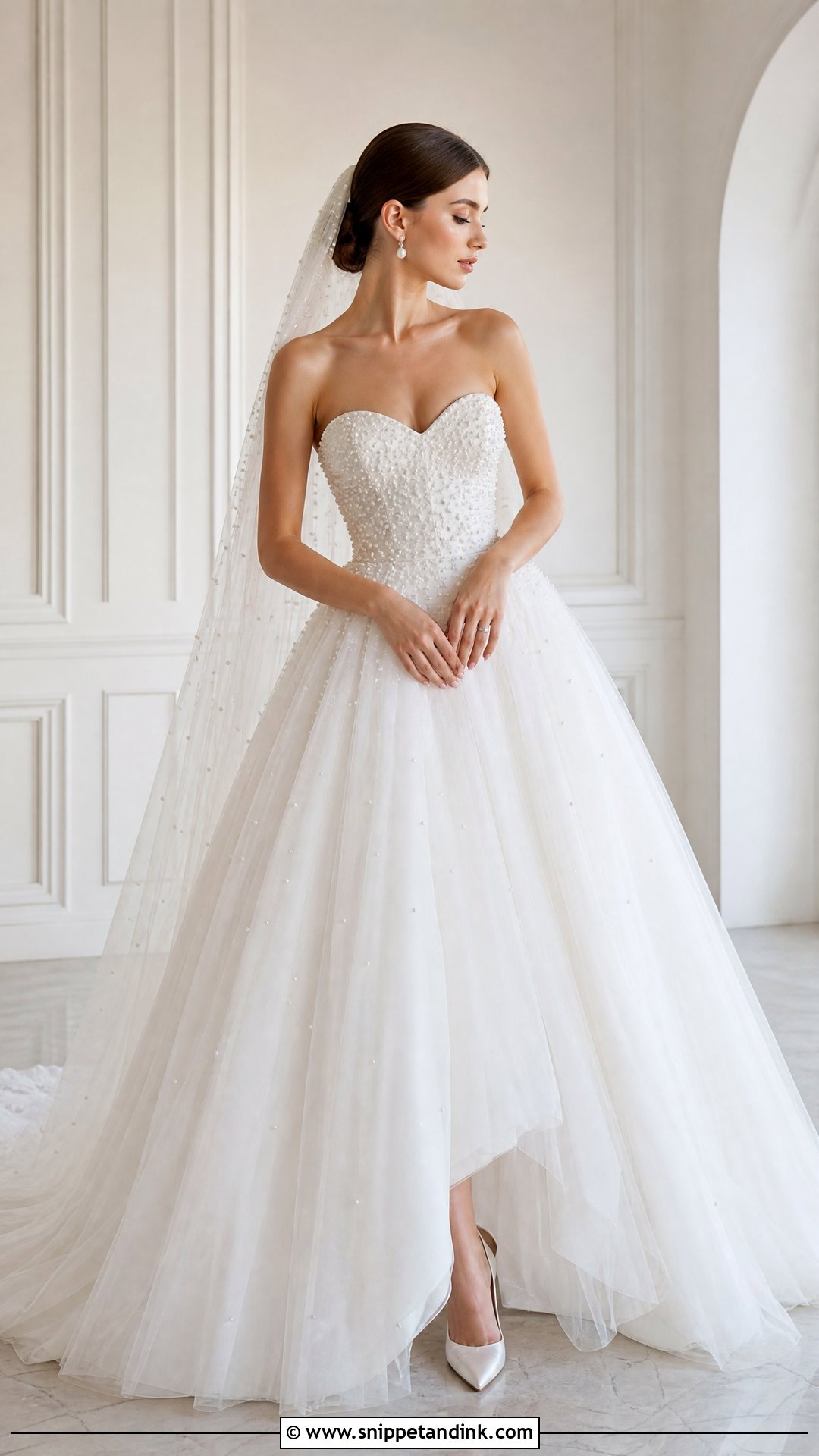
Pearls catch light softly instead of flashing it back, which is what makes this gown look rich rather than glitzy. They do add weight, and pearl-heavy bodices need strong stitching; I always check a few beads by gently tugging at the fitting. Scattered pearls over a tulle skirt look delicate, while a pearl-edged neckline is quietly formal. Matching the veil pearls to the gown’s shade, which ranges from bright white to cream, keeps the set together.
13. Floral Applique Princess Wedding Gown
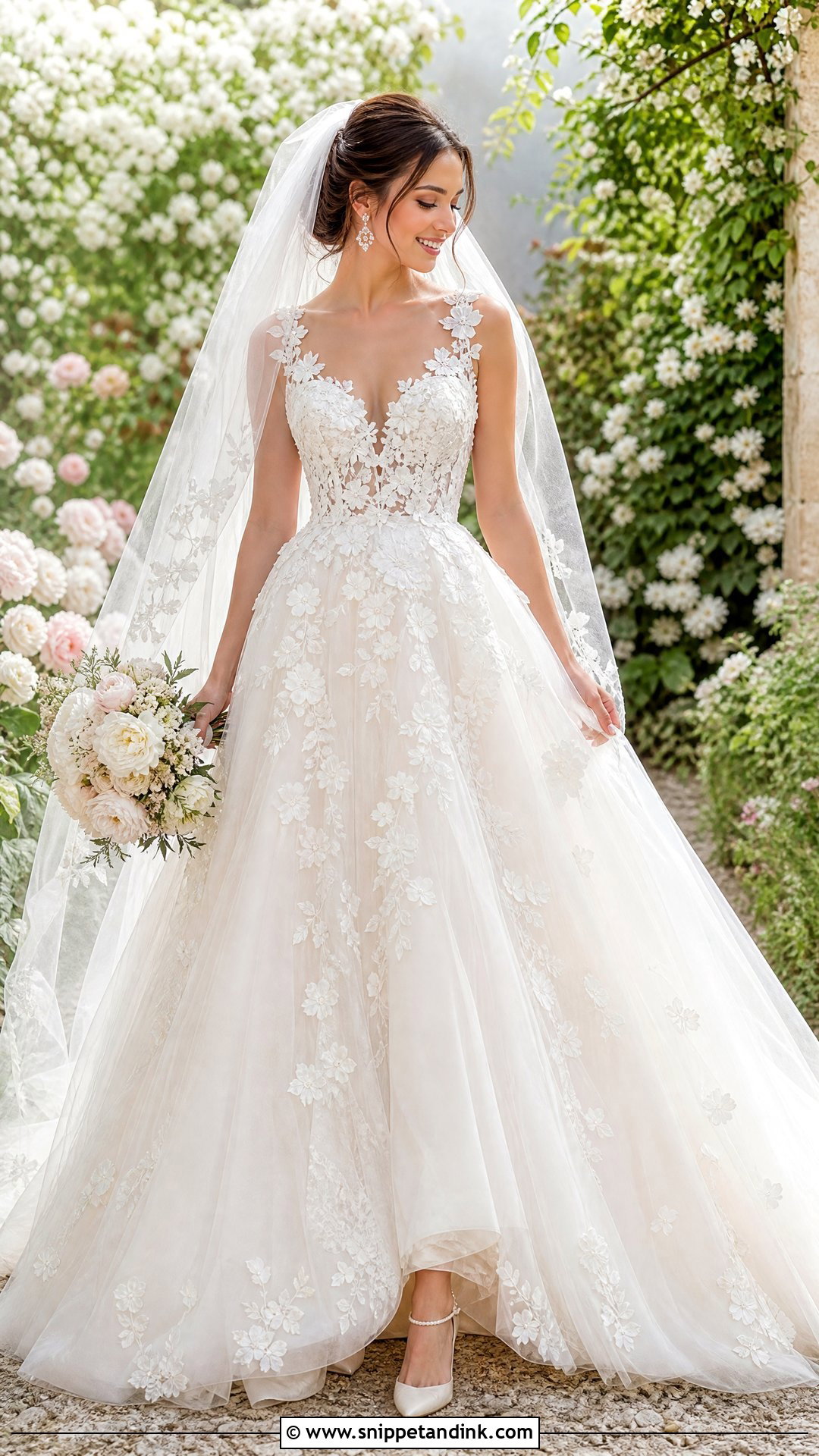
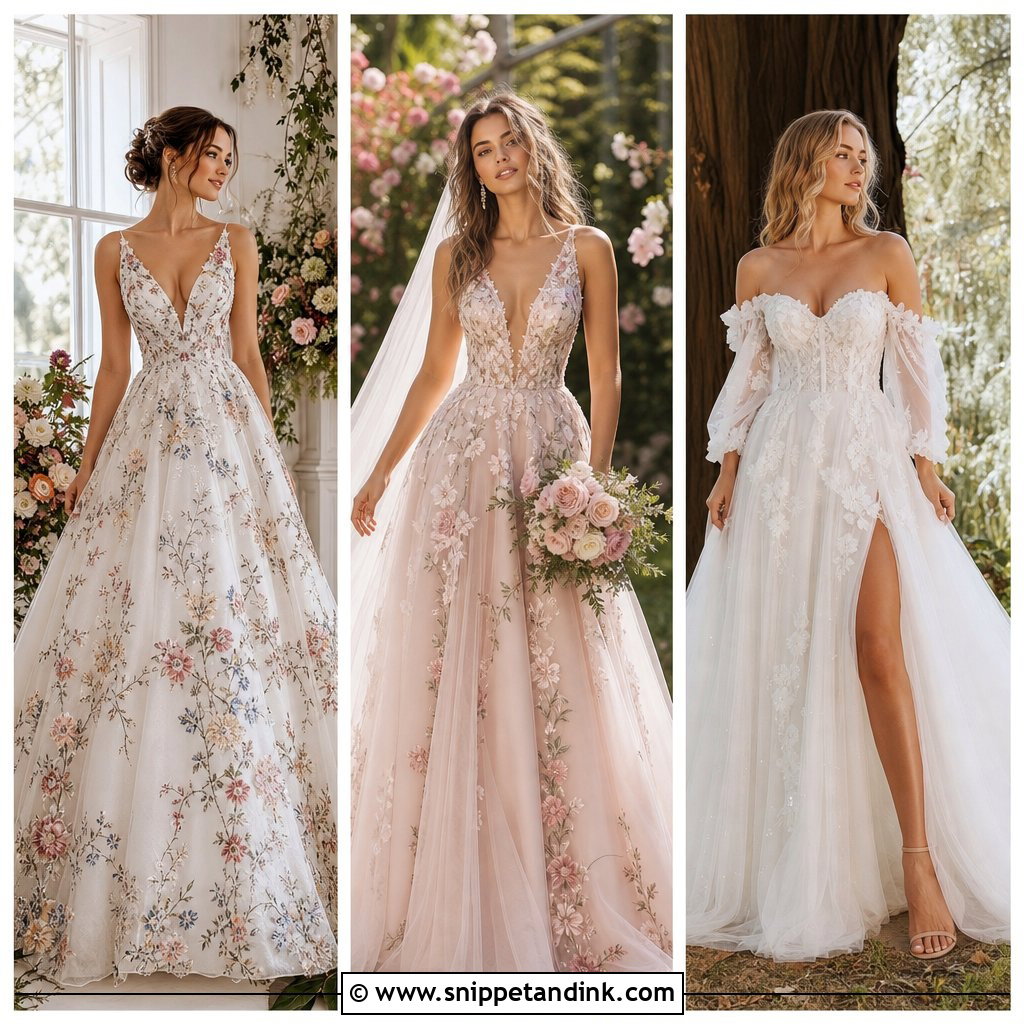
Three-dimensional flowers on a skirt look romantic, but they catch on things: bouquet stems, chair legs, other guests’ handbags. That is my main fitting note for appliqué gowns. Larger blooms placed sparsely over clean tulle feel more modern and are easier to repair if one lifts. A sheer veil and small earrings are enough, since the flowers already provide the detail. Garden weddings suit it, though it can work in any season.
14. Beaded Princess Wedding Gown
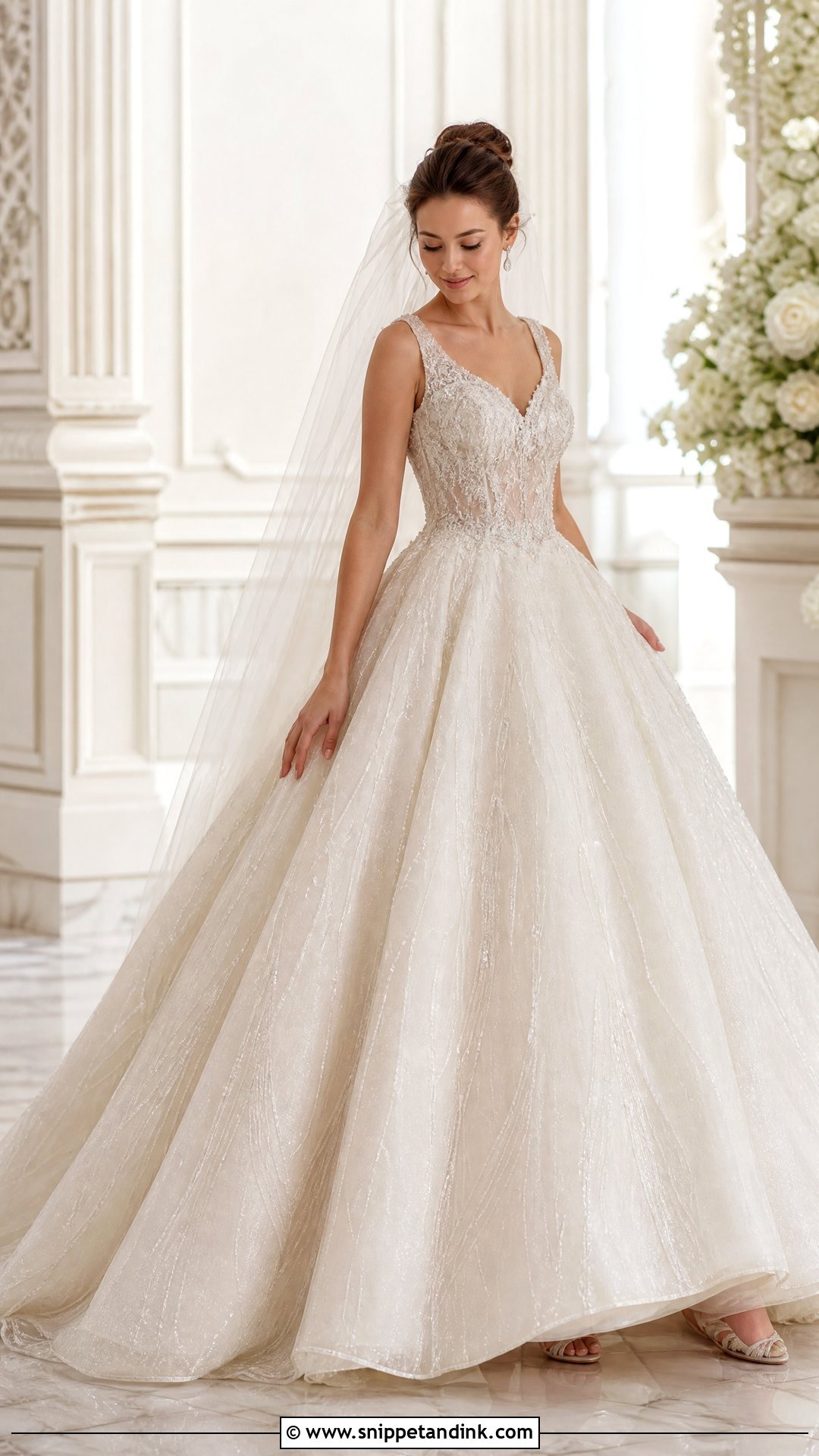
Beading can trace the waist, frame the bodice or scatter across the skirt, and each placement changes the weight you carry. Walk, sit and turn in it at your fitting, because some beaded skirts feel noticeably heavier after an hour. Silver and clear beading look classic; mixed pearl and crystal give more depth. With that much going on, I’d go with simple heels, a neat updo and understated earrings.

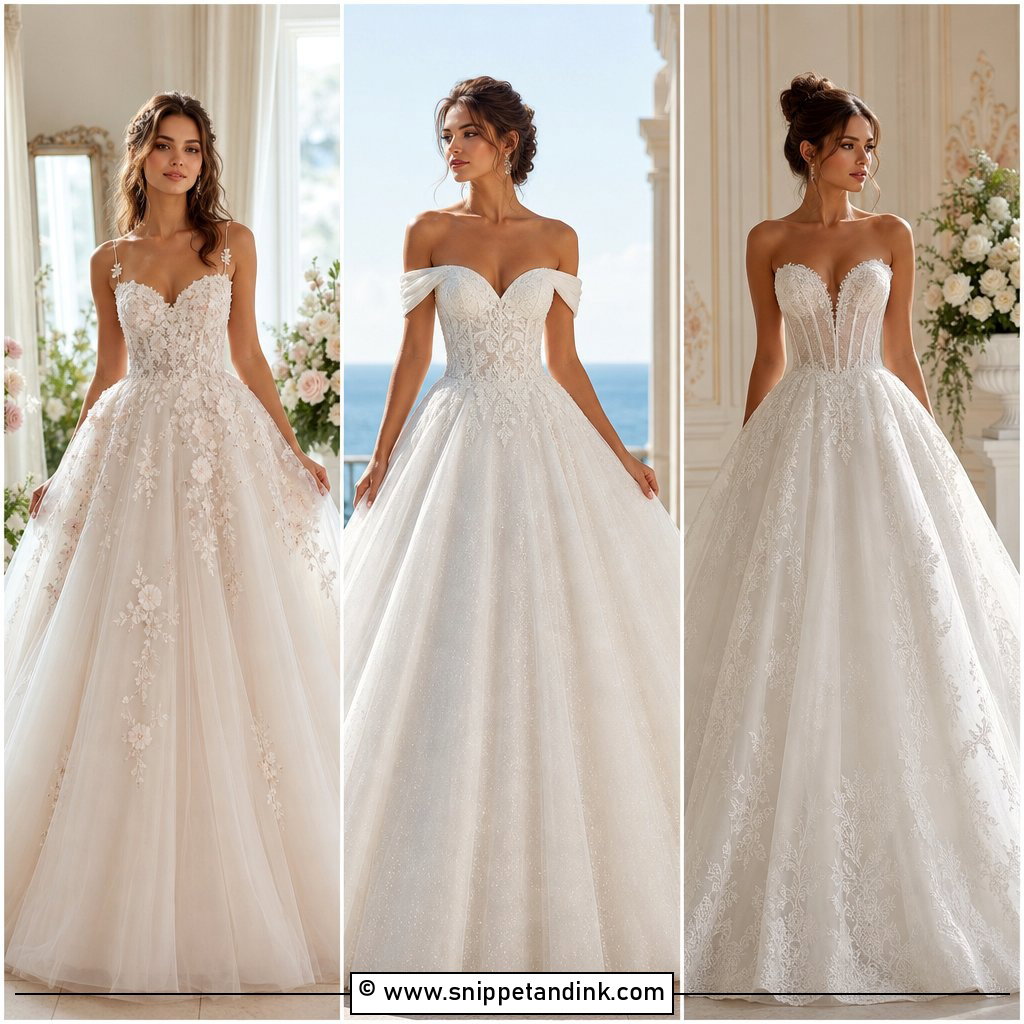
15. Mikado Princess Wedding Gown
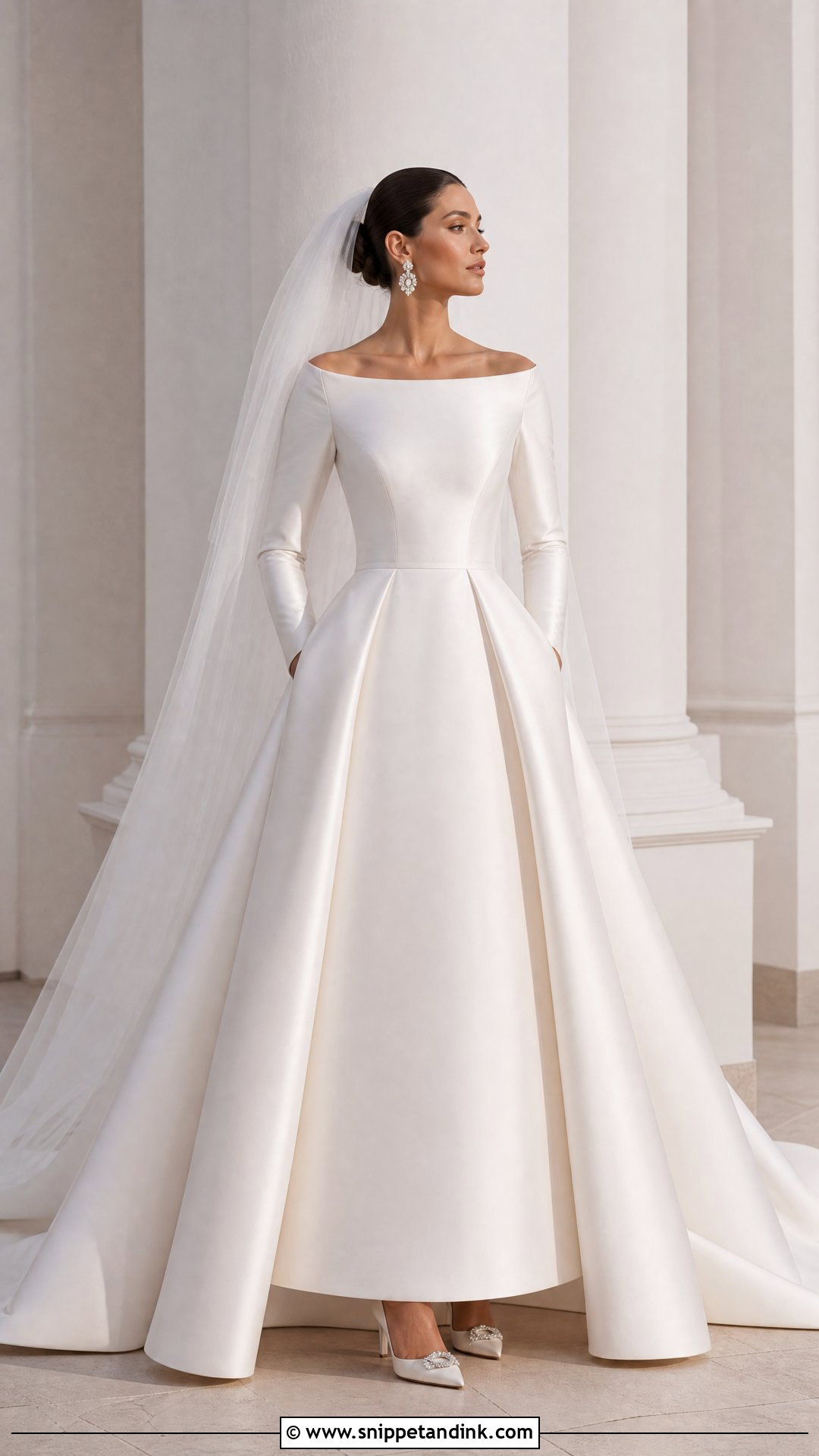
Mikado has a dry, slightly ribbed sheen and enough body to stand away from the hips, so it creates that architectural shape without much under-structure. A plain mikado gown with a defined waist can look more expensive than one covered in detail. Square, strapless and off-shoulder necklines all suit it. It does hold creases where you sit, so take a minute to stand and shake the skirt out before portraits.
16. Organza Princess Wedding Gown
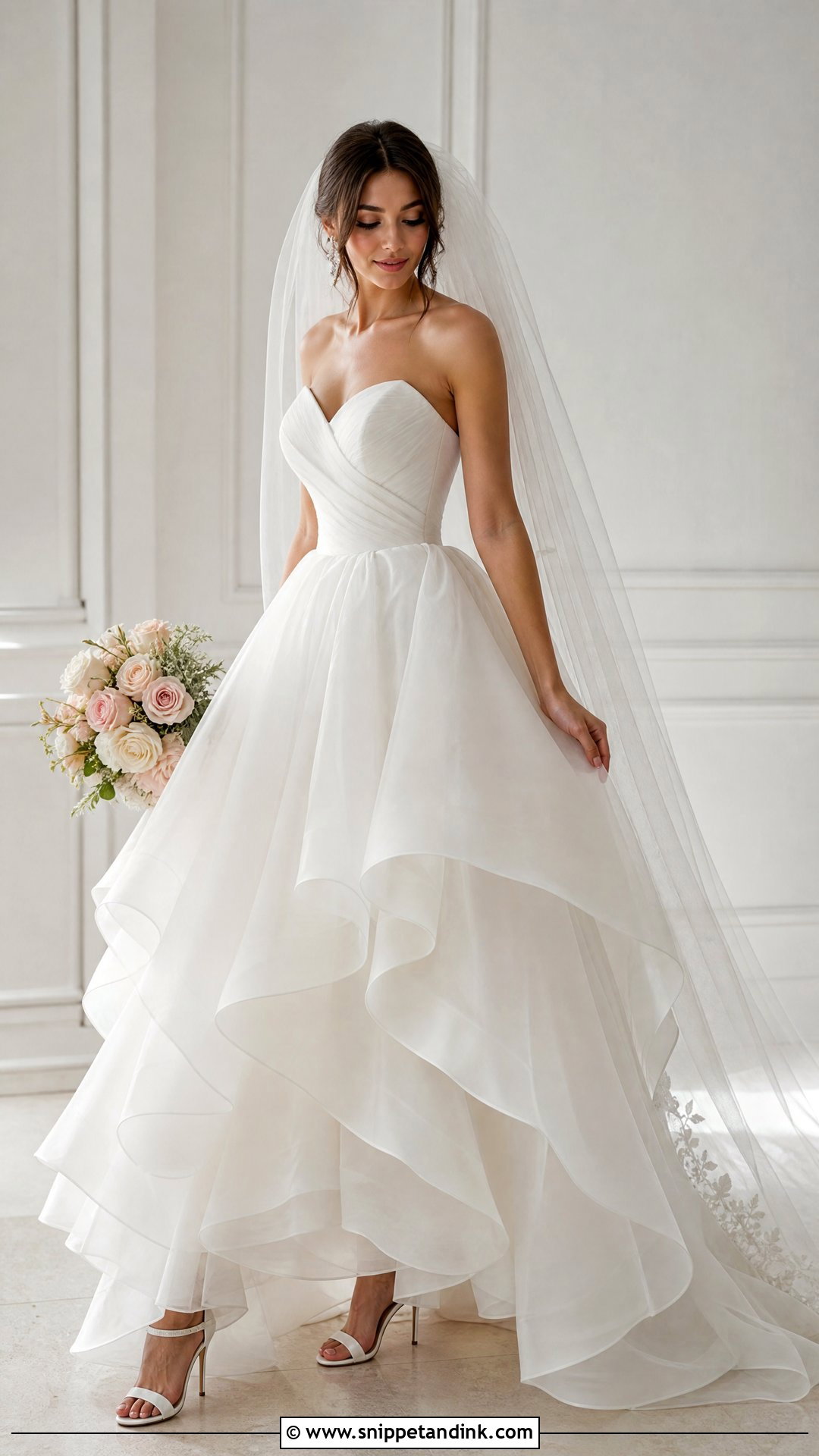
Organza is crisper than tulle and lighter than satin, which makes it my usual pick for summer ball gowns. It holds ruffles and floating panels with a soft rustle, and it breathes better than heavy fabrics in a warm venue. The downside: organza creases sharply if crushed in a car or packed tightly, so it needs careful transport. Delicate earrings and a fingertip or chapel veil are plenty.
17. Ruffle Princess Wedding Gown
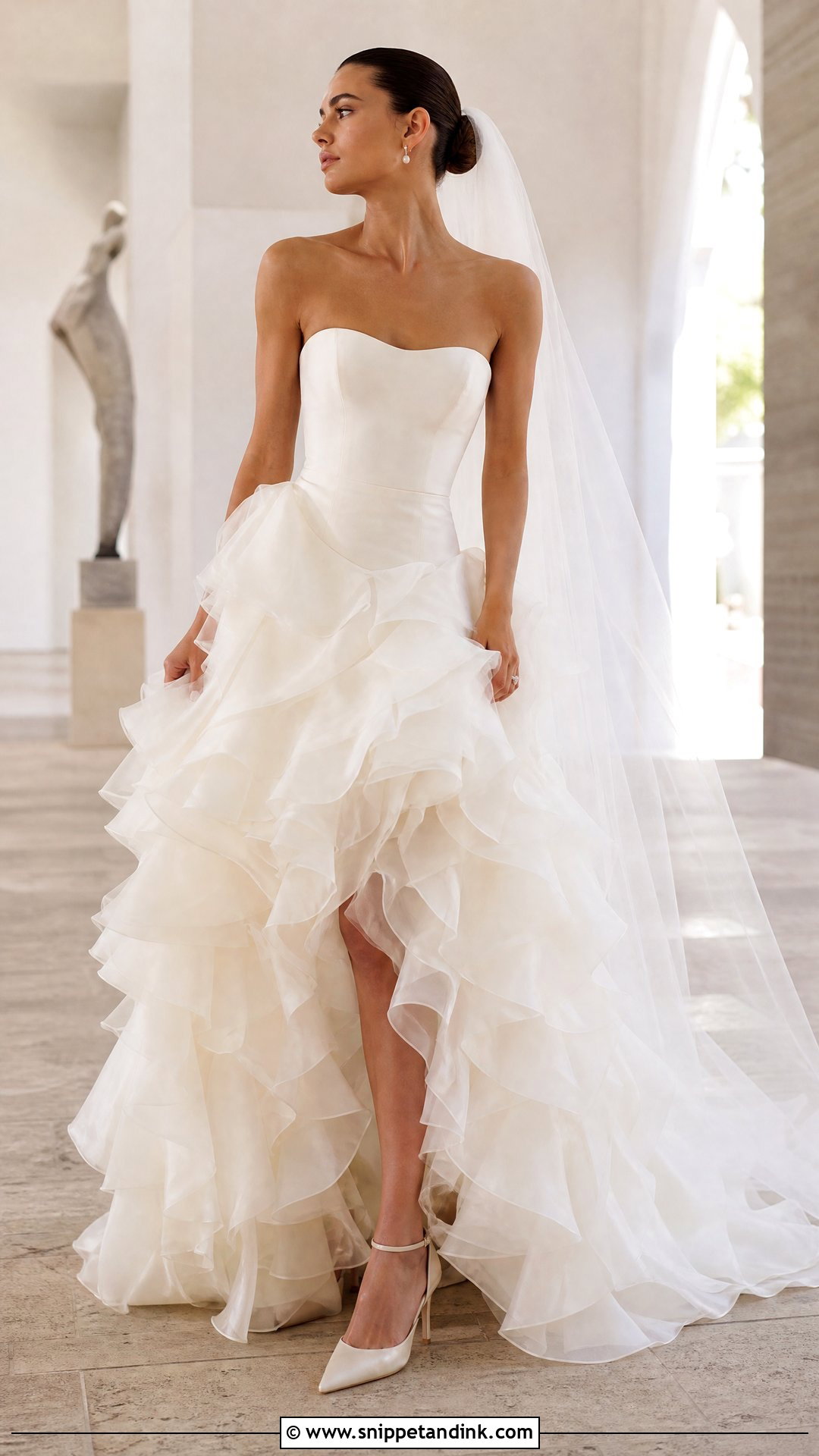
Soft cascading ruffles feel playful; large sculpted ruffles look fashion-forward and need a confident bride. Either way the bodice should stay plain. I look at how the lowest tier behaves when you walk, since ruffles at the hem catch heels and gather dirt. Organza ruffles keep their shape longest through a long evening. Keep jewelry minimal, with a sleek bun and plain veil, and the skirt carries the drama alone.
18. Detachable Sleeve Princess Wedding Gown
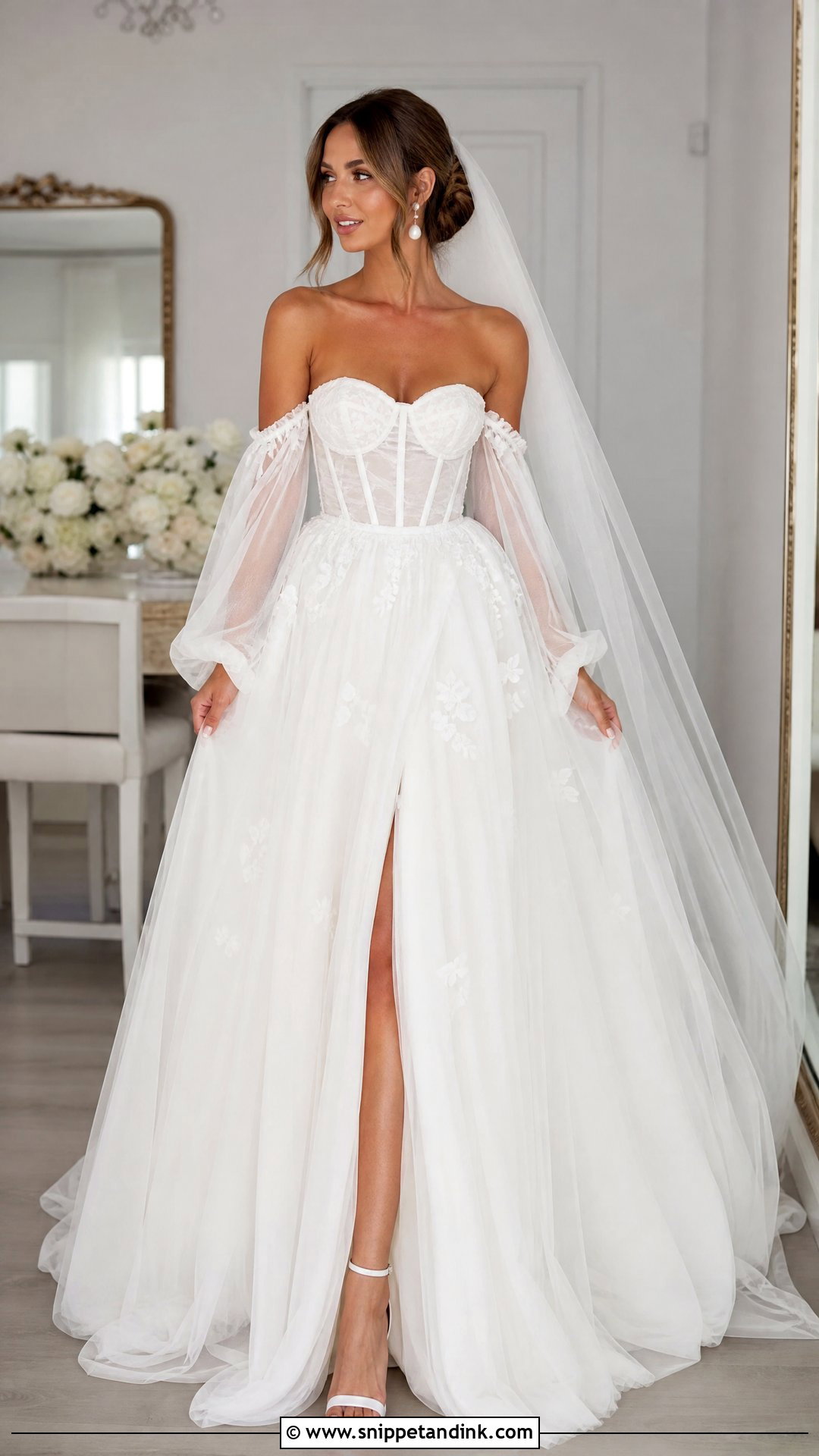
Detachable sleeves give you two looks, but the attachment matters. Elastic bands, hidden snaps and tiny loops all behave differently, and some leave a mark on the arm by evening. I’d pair them with a corset or strapless bodice that stays secure without the sleeves on. Puffed sleeves look dramatic for the ceremony, while sheer lace ones are subtler. Put the sleeves somewhere safe after you take them off, ideally with the planner.
19. Detachable Train Princess Wedding Gown
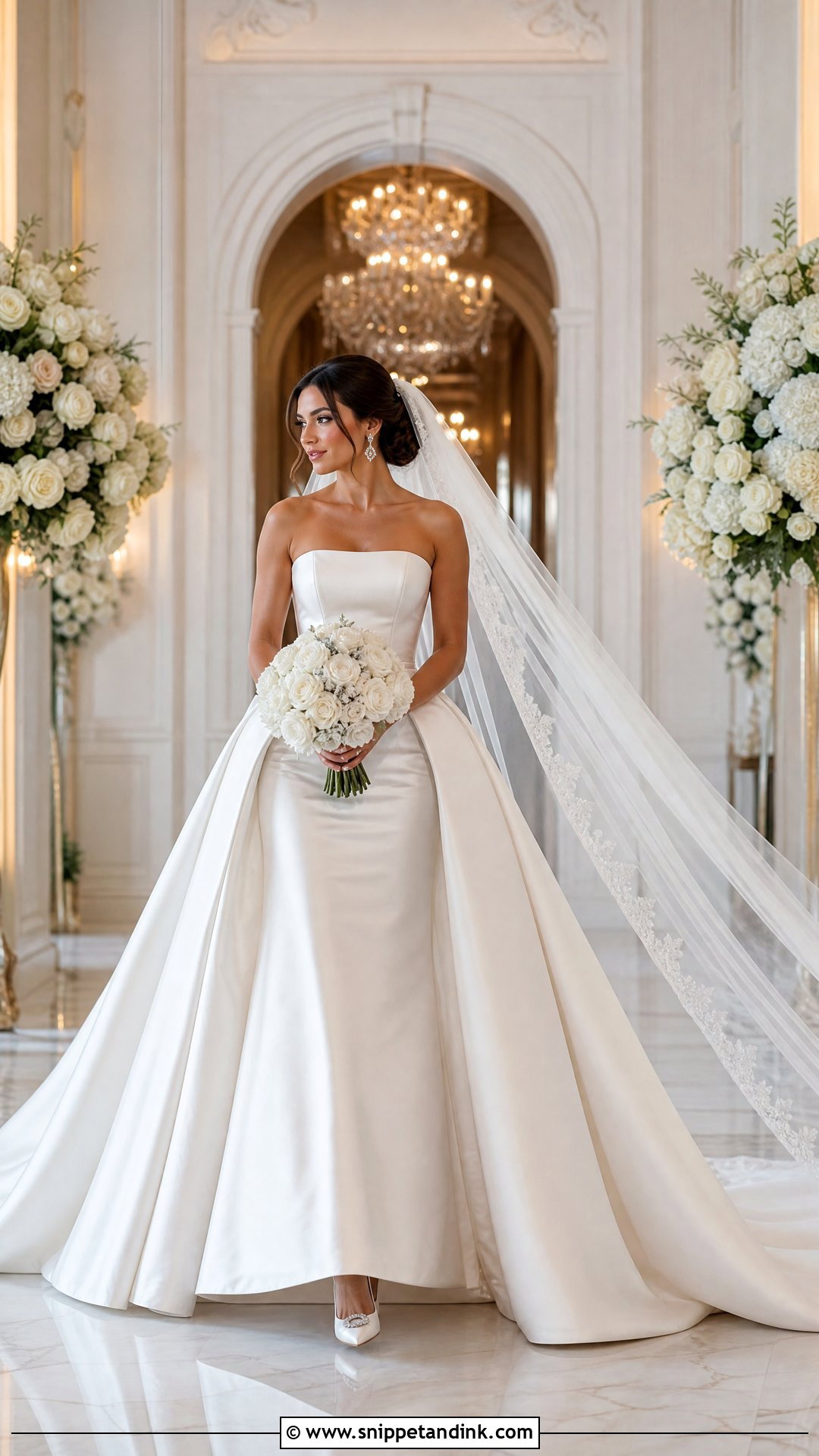
A detachable train lets you have a sweeping aisle moment without bustling a heavy skirt for hours. Ask how it attaches; hidden hooks under a waist bow or a row of buttons are the most secure. It suits brides who love princess volume but plan to dance properly. Take the train off after portraits, before the light goes, so nobody is fumbling with hooks in the dark. Satin and mikado bases handle the change best.


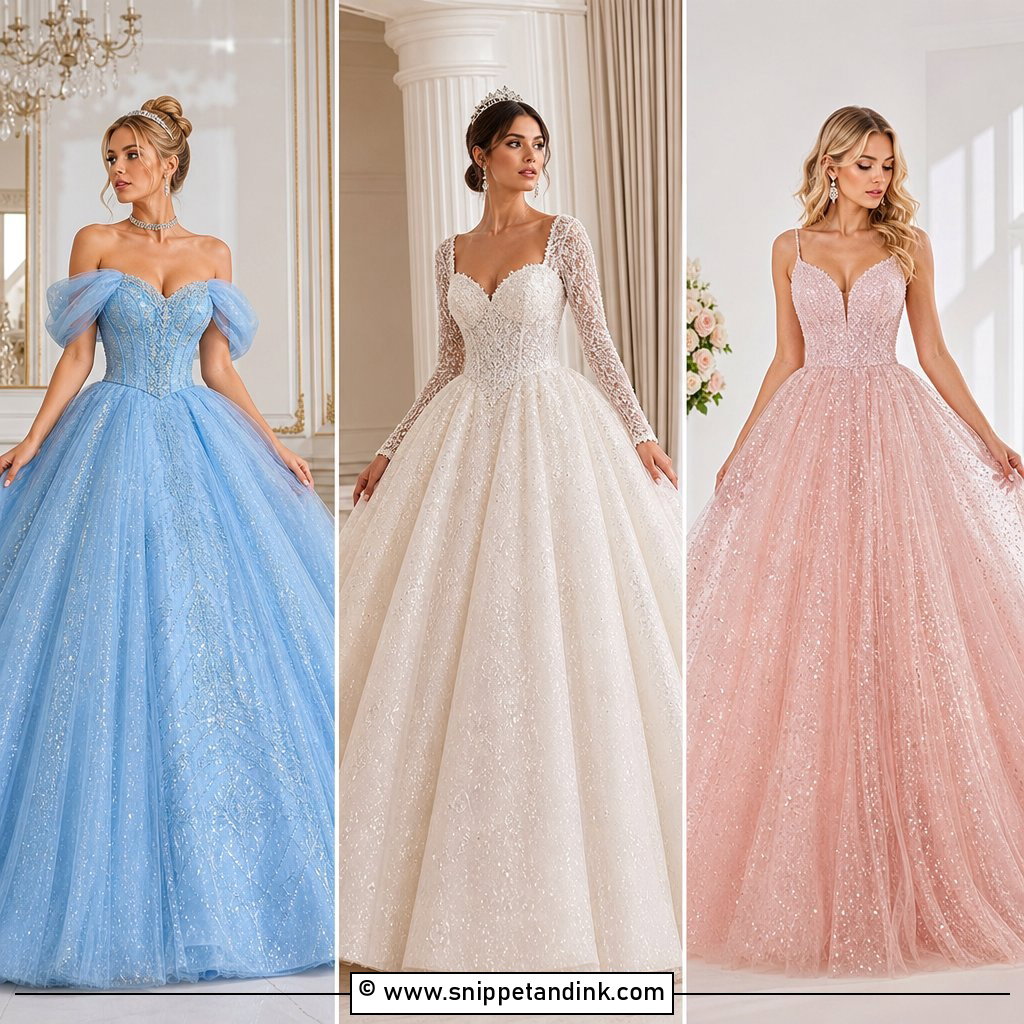


20. High Neck Princess Wedding Gown
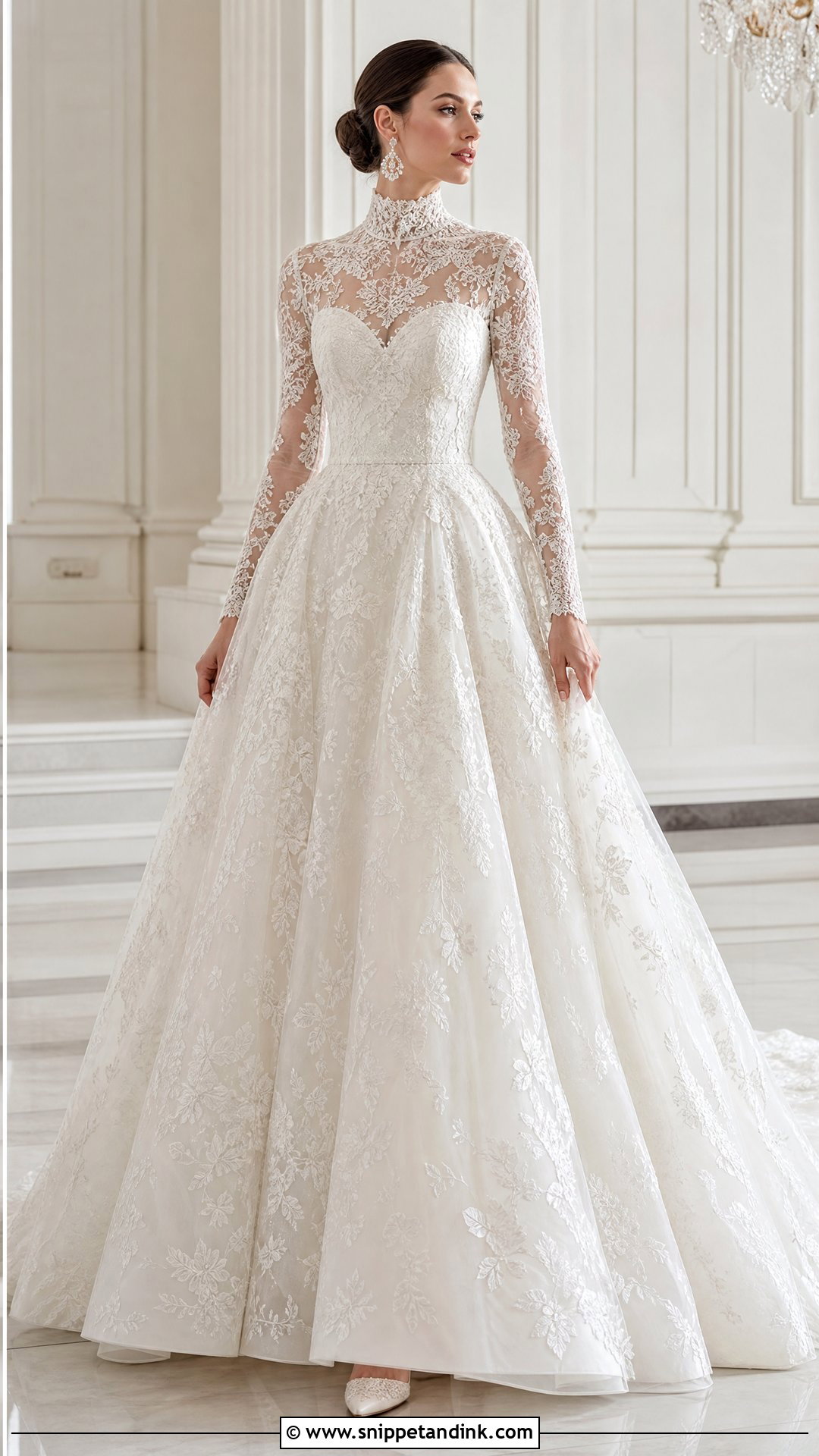
High necks bring coverage without losing the full skirt, and they make the bodice the centre of attention. Sheer lace feels romantic, while a clean satin high neck looks modern. Skip the necklace, choose earrings, and go for a sleek updo so the collar is visible. I do warn brides that a high satin neck can feel warm in a summer marquee, which is when sheer lace earns its place.
21. V Neck Princess Wedding Gown
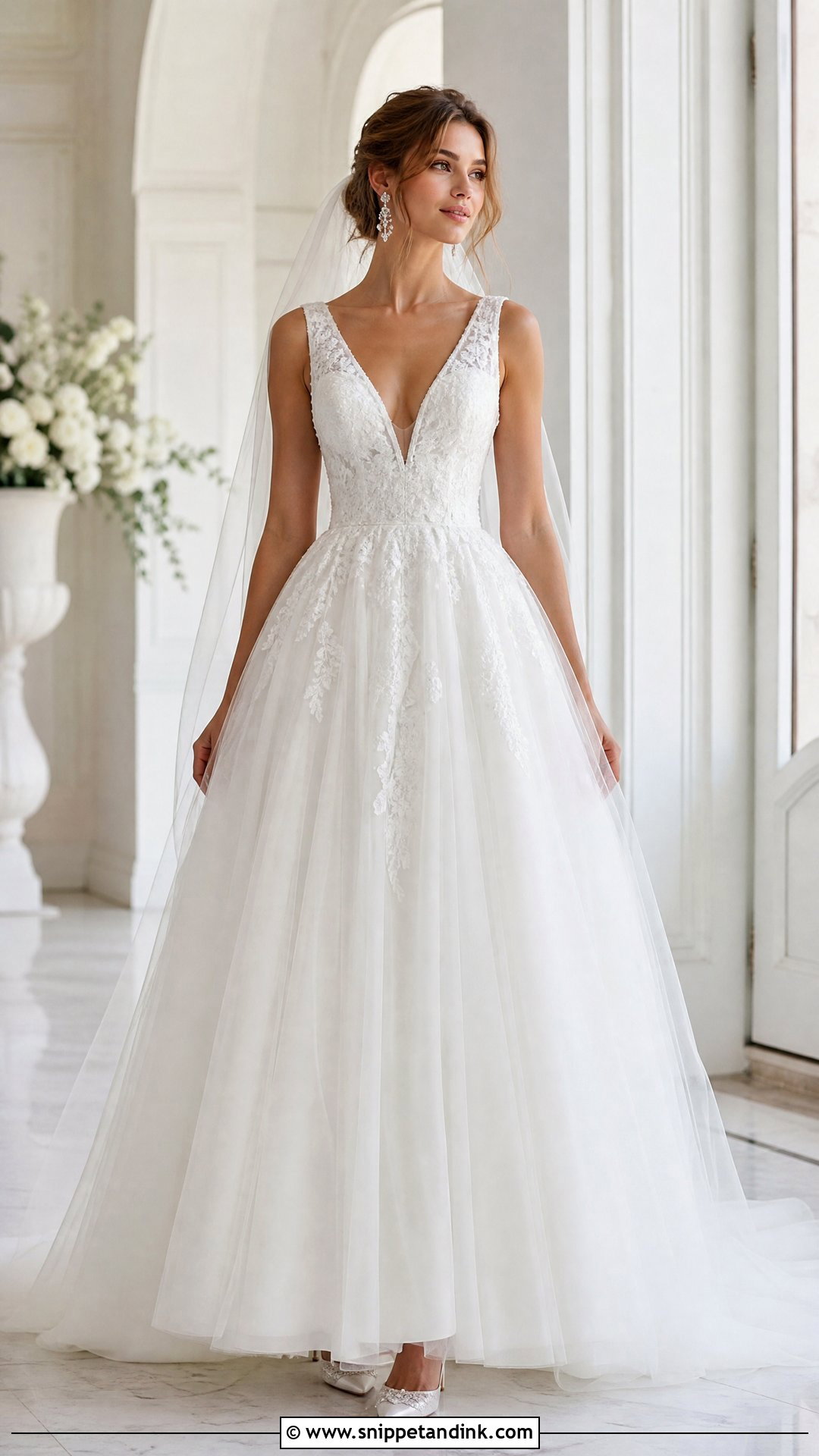
A V neckline draws the eye up and lengthens the torso, which is why it calms a very full skirt. Wide straps and illusion panels let you control depth without worry. My fitting check is simple: bend forward as if picking up a bouquet. If the V gapes, it needs tape or boning along the edges. A pendant works only if the neckline is plain; otherwise drop earrings and a soft veil.
22. Blush Princess Wedding Gown
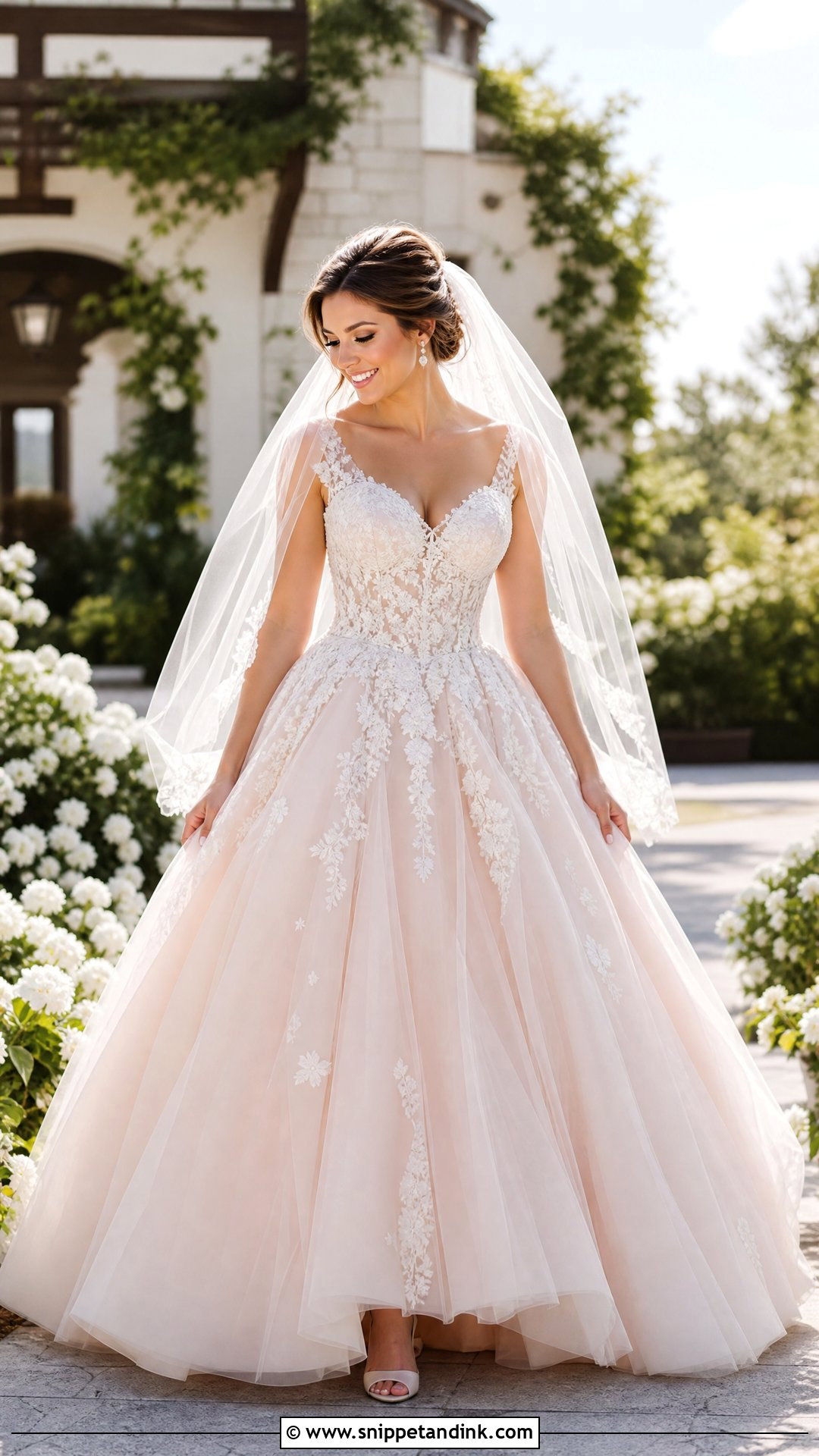
Blush gives you colour that still reads as bridal, and it makes ivory lace and white appliqué stand out more clearly in photos. The shade needs a skin check, since some blushes look healthy against warm skin and drain cool skin, so hold the fabric under your face in daylight. Rose-toned makeup, pearl earrings and neutral shoes suit it, and outdoor garden ceremonies show it best.
23. Champagne Princess Wedding Gown
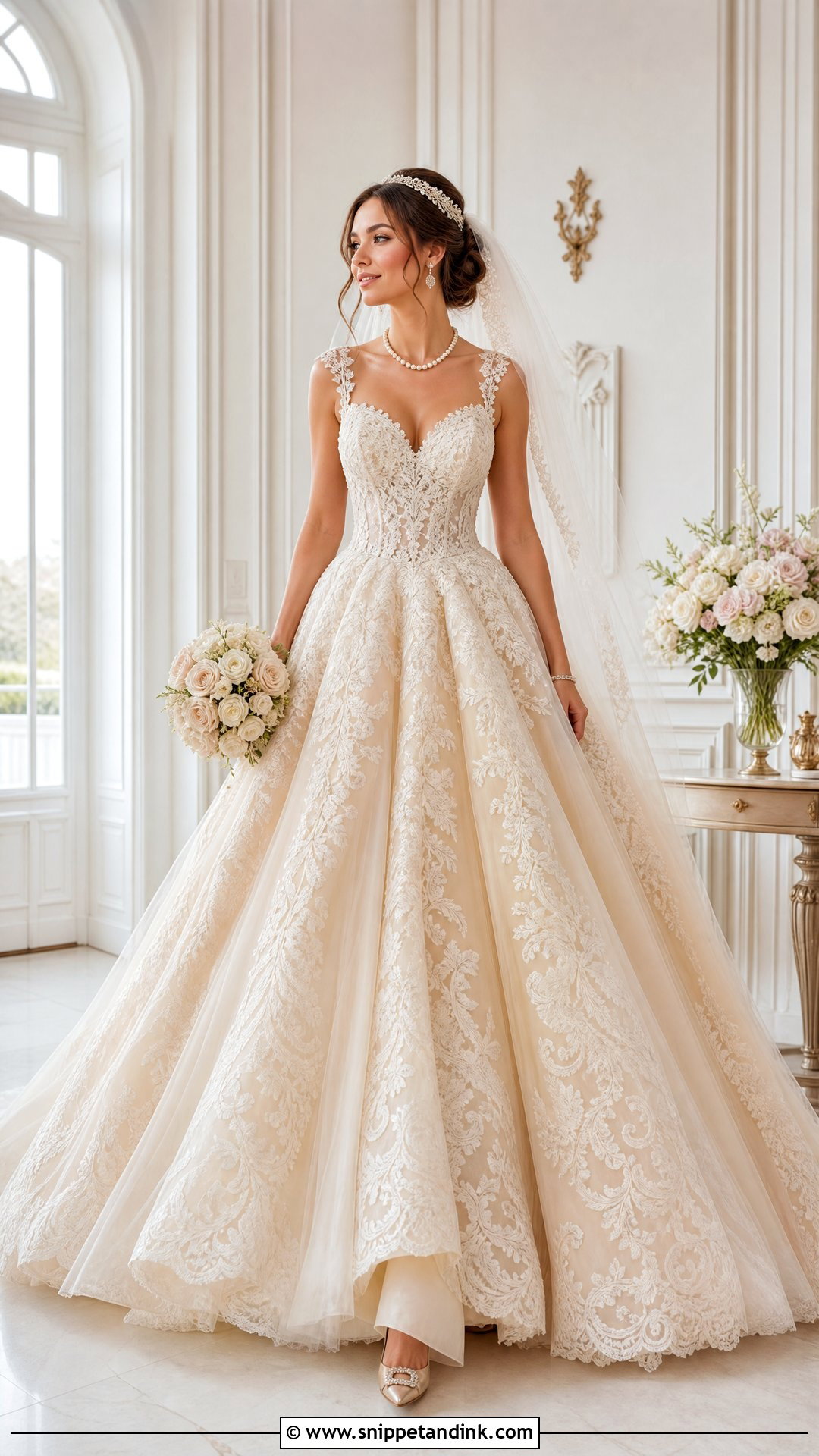
Champagne underlays are the quiet secret behind a lot of gowns that look rich in photos. The golden layer under ivory lace makes every motif stand out, because the contrast shows the edges. Warm metallics, pearls and nude or champagne heels sit better with it than bright white shoes, which look stark beside the warmer tone. It flatters most skin tones, though very fair brides should check it in natural light first.
24. Minimal Princess Wedding Gown
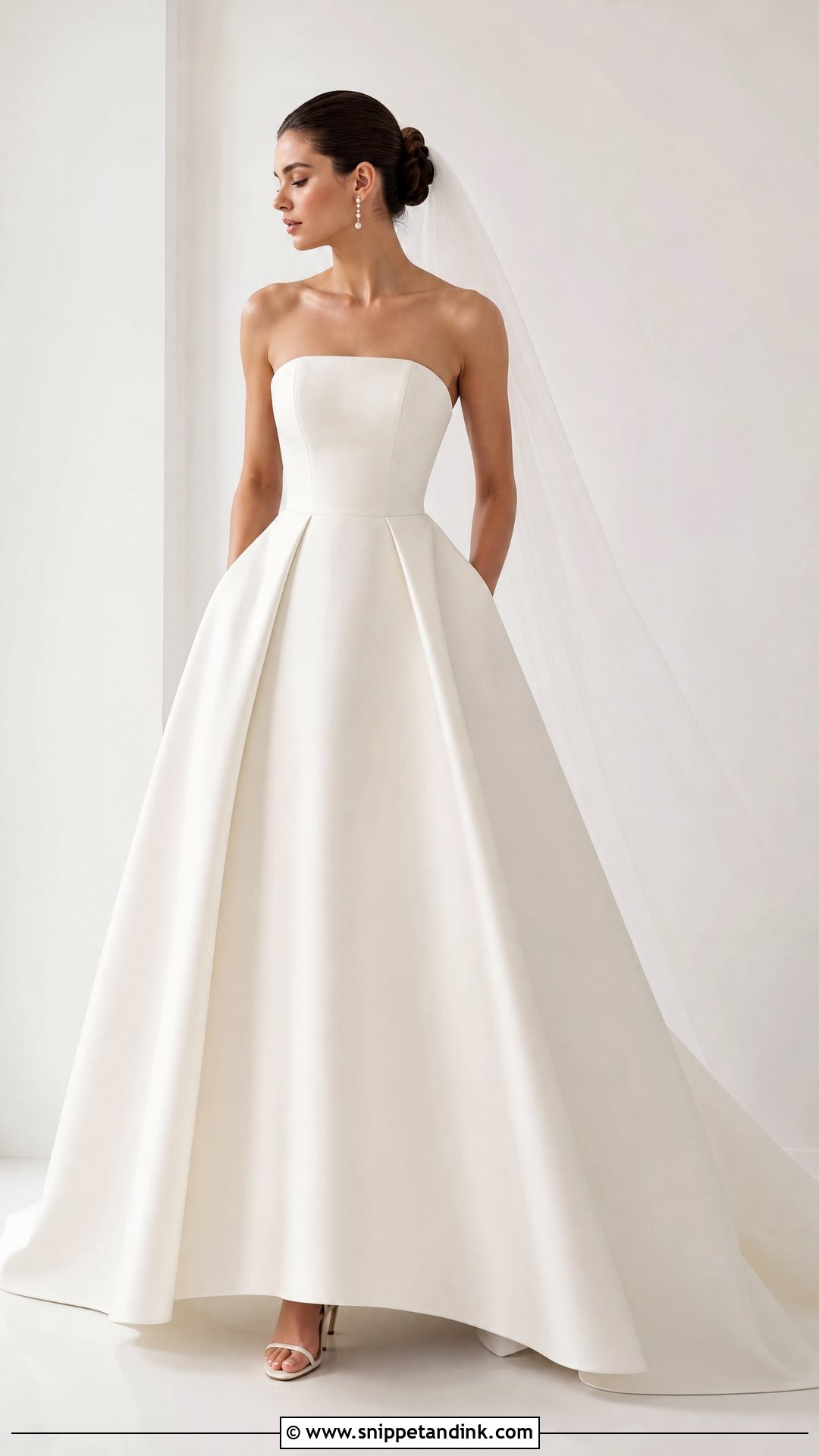
Clean lines, good fabric and a strong silhouette are all a minimal princess gown has, so it’s the least forgiving of fit. Satin, mikado and faille work because they hold their own shape; anything thinner collapses. If you want one memorable detail, add a bow or a dramatic train, and keep everything else quiet. Modern pearl earrings, a plain veil and sleek heels finish it.
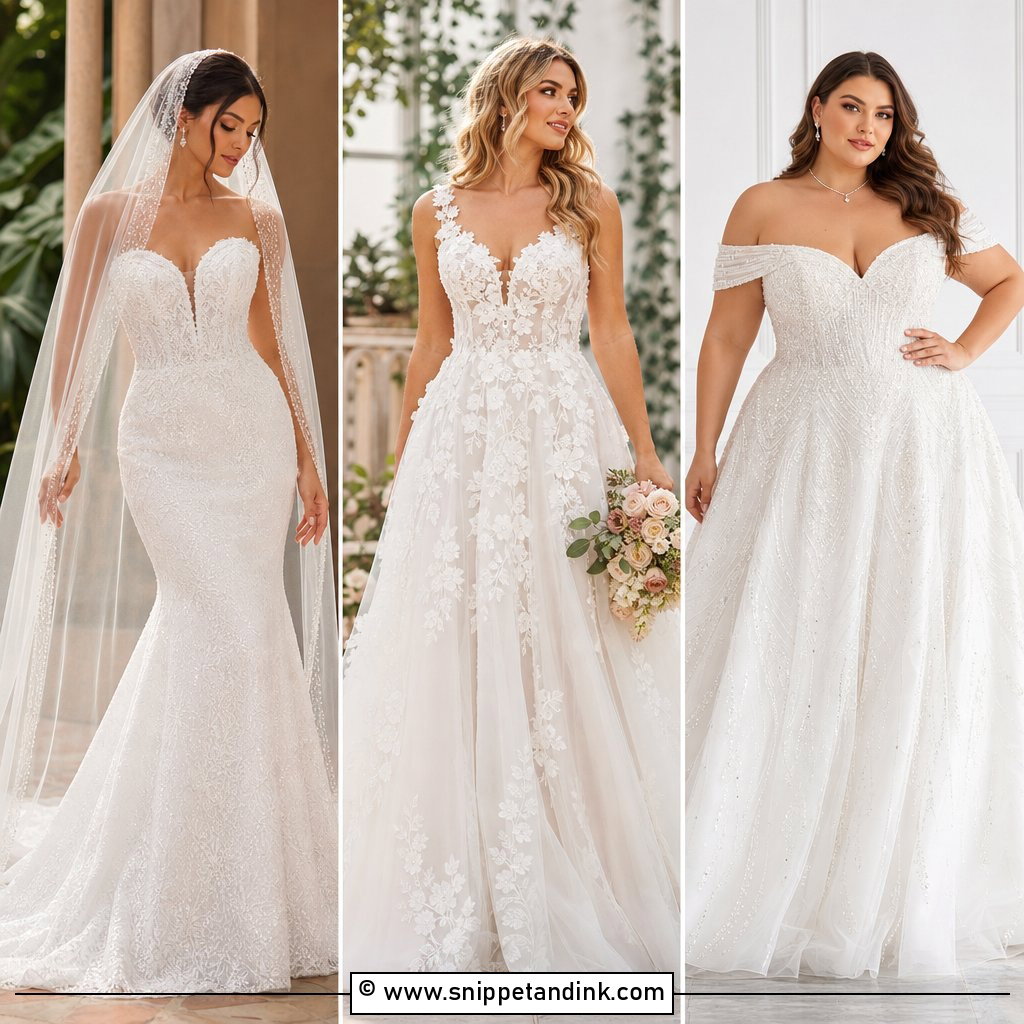

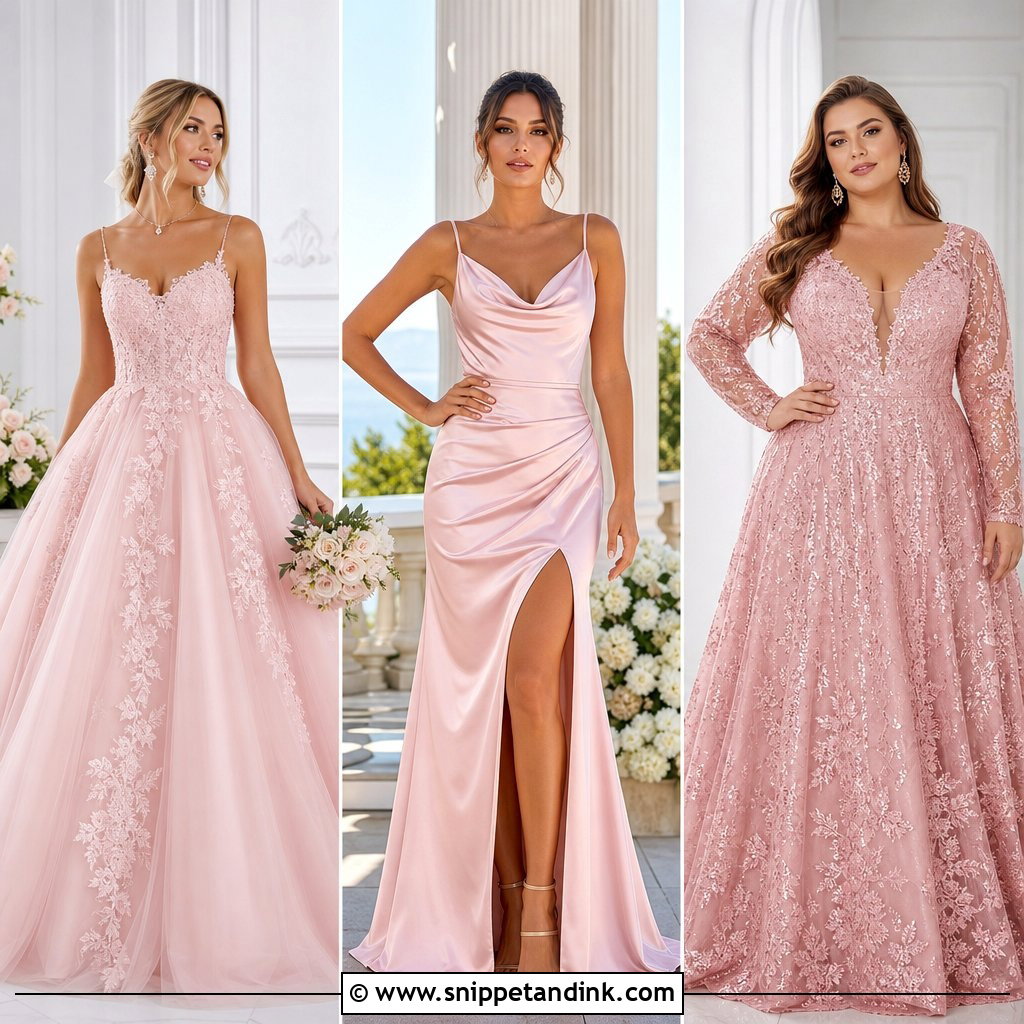
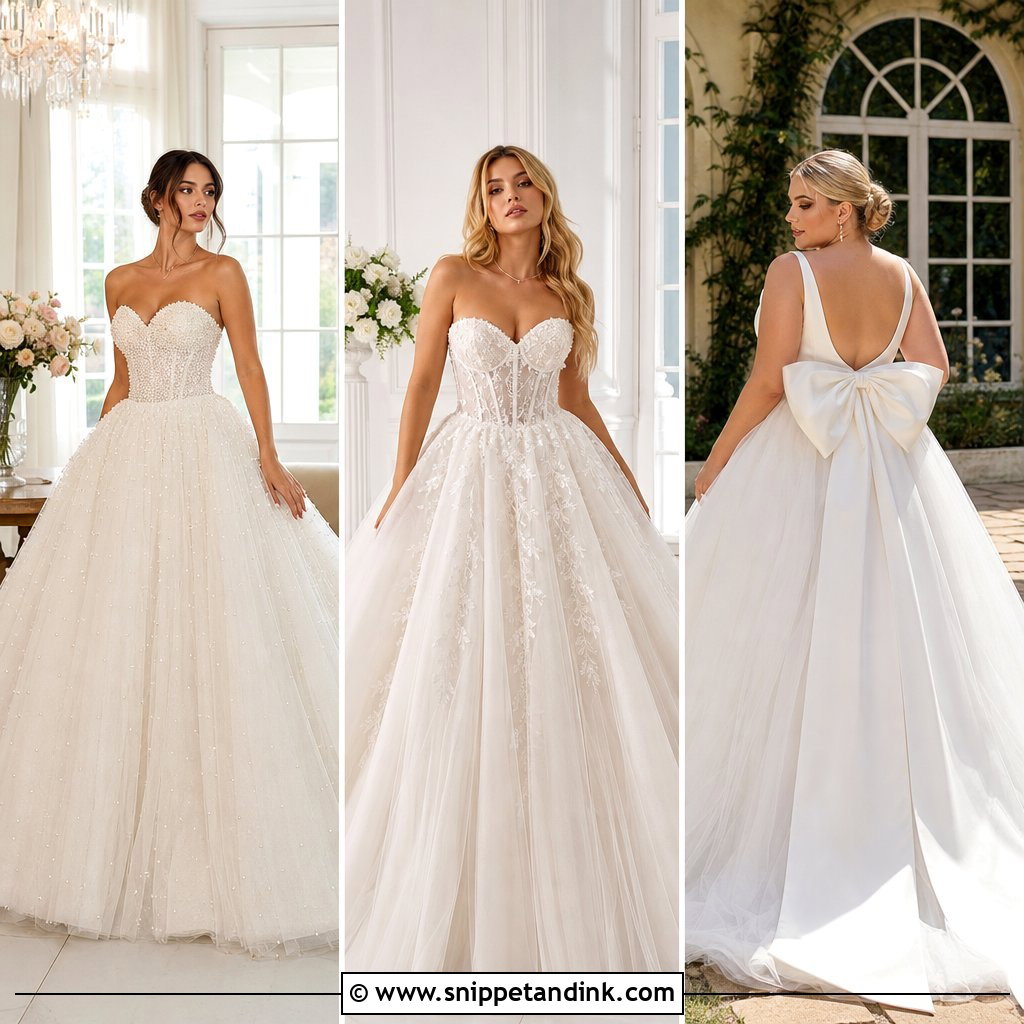
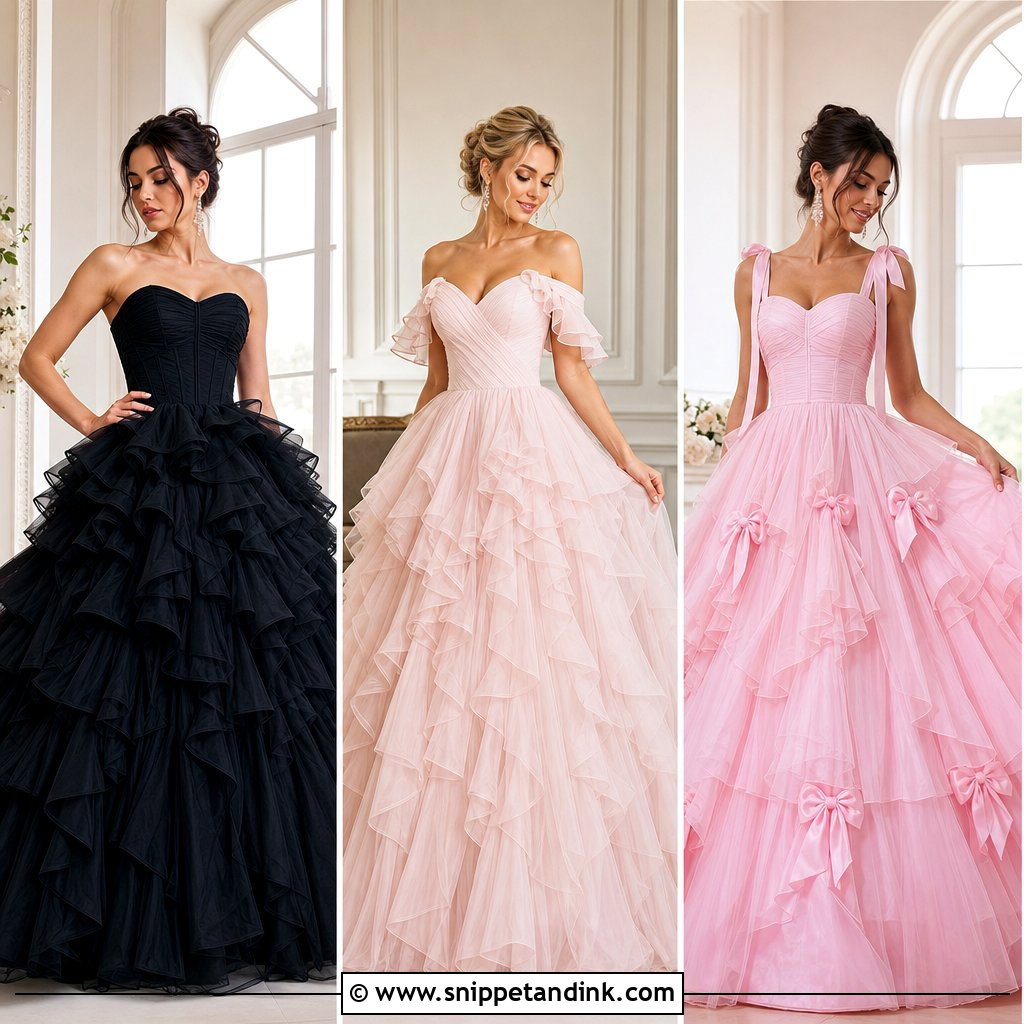
25. Royal Princess Wedding Gown
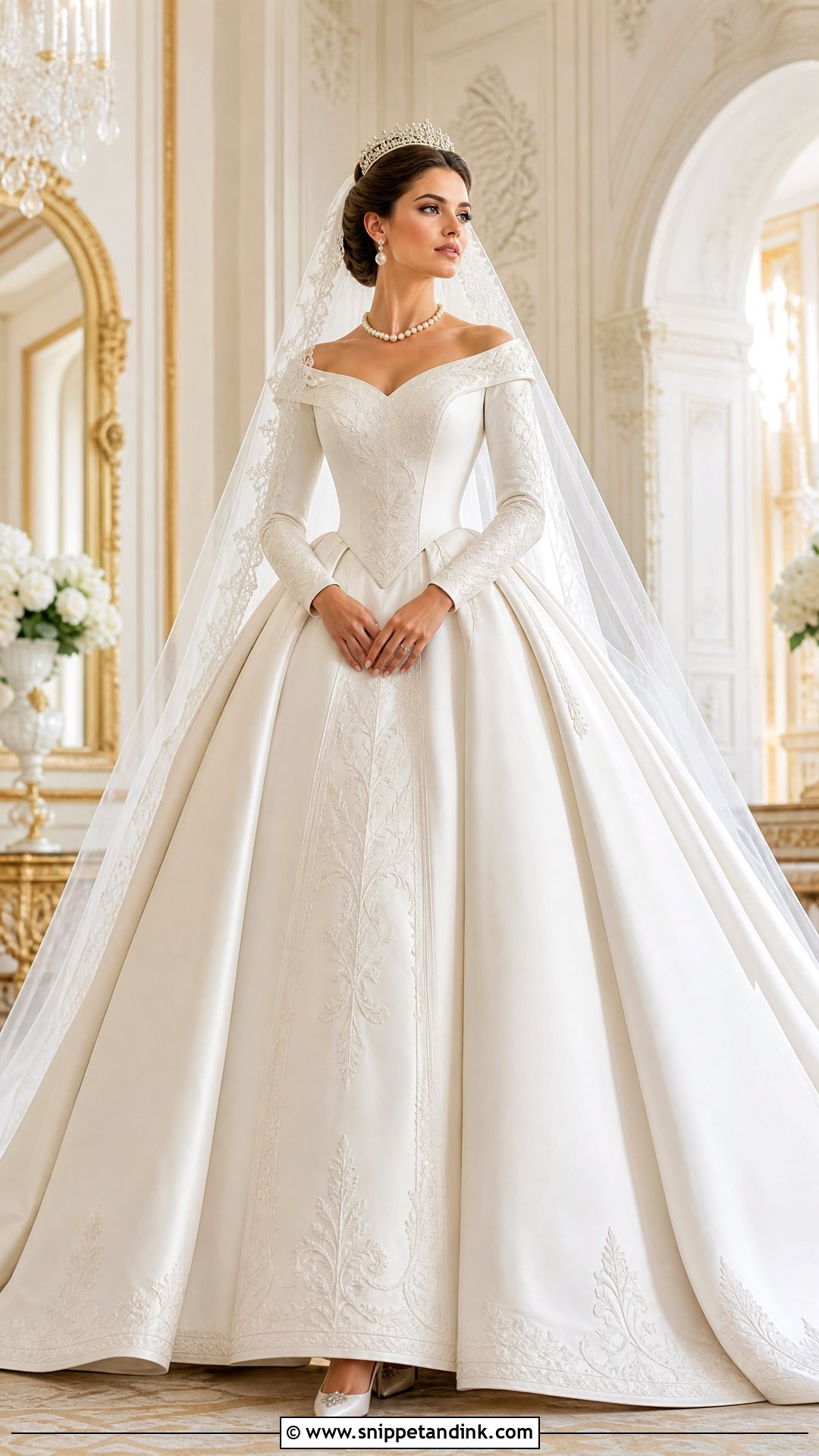
The royal princess wedding gown brings everything together: structured bodice, full skirt, long train and formal accessories. The risk is clutter, so pick one standout feature, lace sleeves, a basque waist or the train, and let it lead. A cathedral veil and pearl jewelry finish the formal mood. I’d book a venue with a long aisle for this one; it needs distance to be seen properly.
Steaming, Transport and Storage for a Gown This Size
A full gown needs more care the week of the wedding than most brides plan for. Collect it from the salon steamed and bagged, and hang it by the inner loops at the waist, never by the straps, which stretch under the weight of the skirt.
The week of the wedding
- Lay it across the back seat for the journey, skirt supported, rather than folded in the boot.
- Hang it high on arrival so the hem doesn’t touch the floor; a door frame or wardrobe rail works.
- Steam from the inside of the skirt, holding the steamer a few centimetres away, and test a hidden spot first. Satin and organza water-mark if the steamer spits.
- Let creases drop for a day before you reach for the steamer at all. Tulle often recovers by itself.
After the last dance
Get it to a specialist cleaner within a few weeks. Champagne and sugar spills look invisible when fresh, then oxidise into yellow-brown marks months later. Once clean, a full skirt should be stored folded with acid-free tissue in a breathable box, kept somewhere cool and dark. Avoid plastic bags and long-term hanging, which slowly pulls the bodice out of shape.
Sit Down in It Before You Say Yes
Satin, tulle, pearls or plain mikado, any of these gowns can be right, and the small choices change more than you’d think. Moving the waist two centimetres, switching a sweetheart for a square neck or swapping lace weights can turn a dress you like into the one you keep looking back at in the mirror. Try a few waistlines and fabrics, sit down in each, and picture it in your venue’s light. The best princess gown is one you stop thinking about once you’re wearing it.
You'll Like These Ideas:









Leave a Reply