
Two tiers is the size I build most often for weddings now, and it suits more receptions than people expect. It has enough height to read as a wedding cake from across the room and enough surface for flowers, piping, fruit or a sculptural detail, without the structure and cost of four tiers. For an intimate dinner it can feed everyone; for a bigger reception I pair it with a plain cake kept in the kitchen and sliced behind the scenes. Below are thirty finishes I would happily put on two tiers, with the practical detail behind each.
Tier Sizes, Serving Counts and the Kitchen Cake Trick
Couples often assume two tiers means a tiny wedding. It depends on which two tiers. Wedding portions are cut smaller than party slices, roughly one inch by two inches by the height of the tier, and on that basis these are the working figures I quote from. Your baker may cut a little differently, so treat them as a guide.
- Six-inch on eight-inch: about 35 wedding portions.
- Six-inch on ten-inch: about 50.
- Eight-inch on ten-inch: about 60.
- Eight-inch on twelve-inch: about 80, though the gap between sizes starts to look stepped rather than stacked.
For more guests than that, I suggest a kitchen cake: a plain sheet or single tier in the same flavor, frosted simply and kept out of sight, then plated alongside slices from the display cake. Guests cannot tell the difference, and it costs much less than adding tiers you do not need for the look.
If you want more height without more servings, ask for extended tiers, sometimes called double-barrel, which are two cakes stacked inside one taller tier with a board and supports between them.
1. 2 Tier Wedding Cake With Fresh Flowers
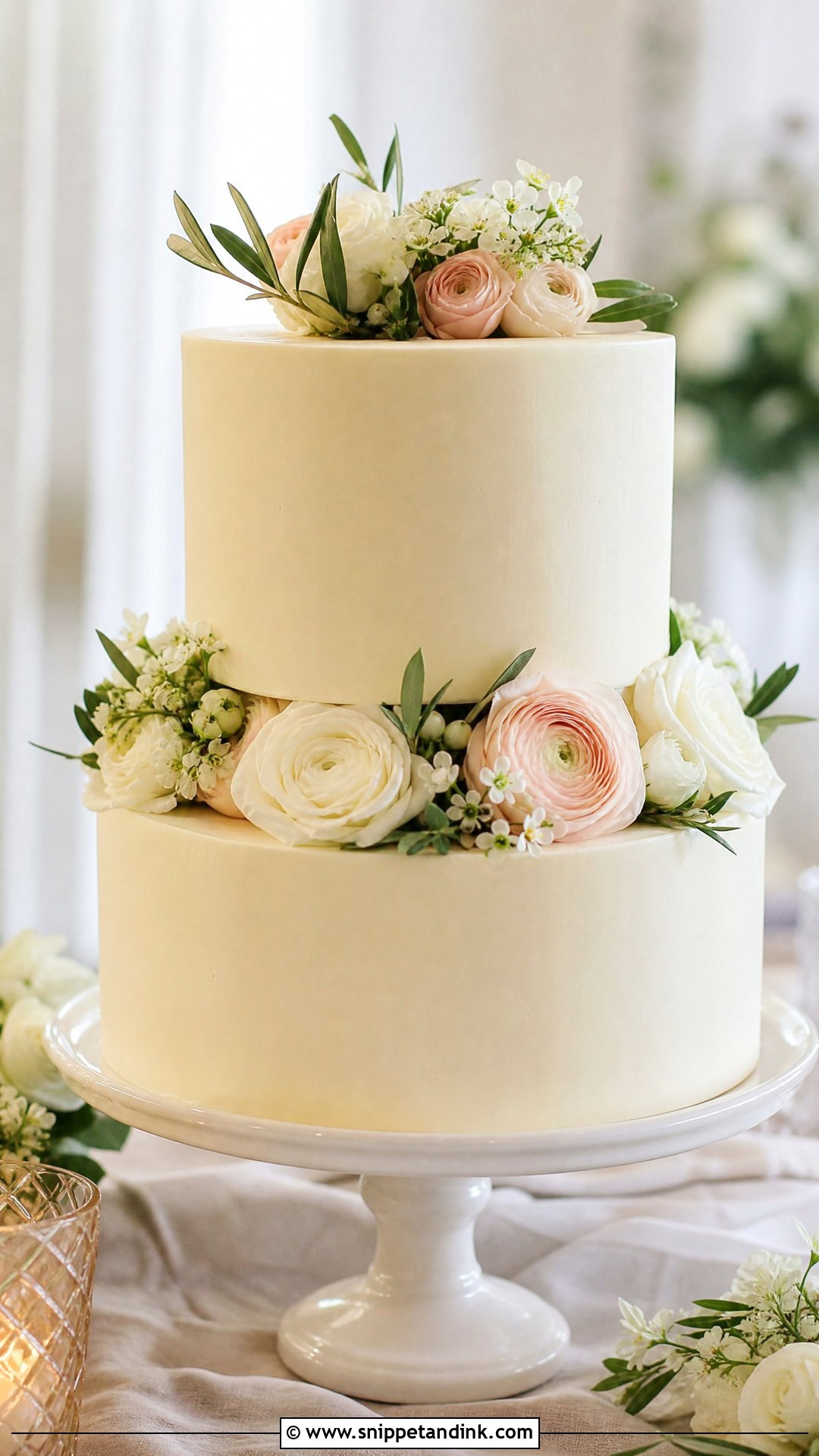
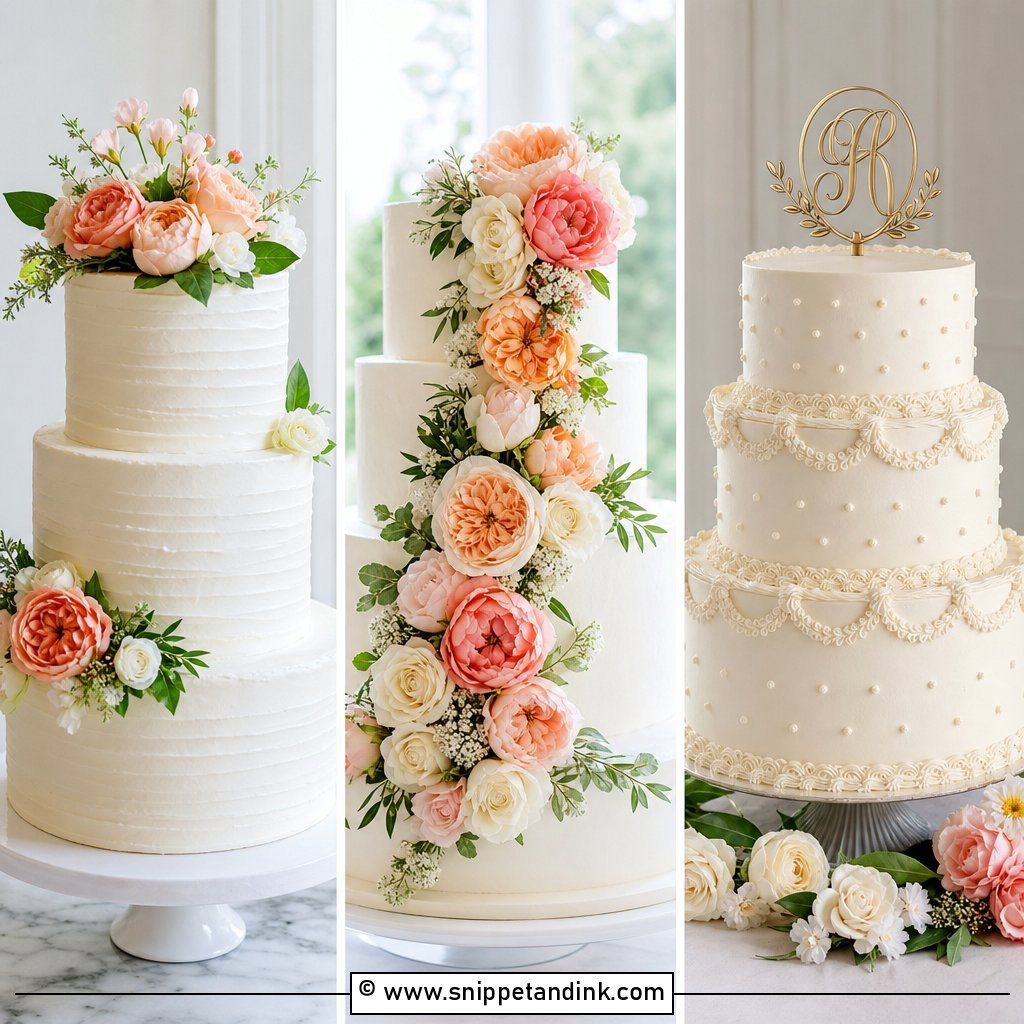
Fresh flowers are the decoration I get asked about most, and the work is in the prep, not the placement. Every stem I put on a cake is from a pesticide-free source, wrapped in floral tape or set in a small pick so sap never touches the frosting. Ivory buttercream or fondant gives the cleanest backdrop. Roses, ranunculus, lisianthus and orchids hold up well out of water; edible pansies can sit directly on the cake. I place small clusters where the tiers meet and near the base, so the arrangement moves the eye down the cake instead of hiding it.
2. 2 Tier Wedding Cake With Roses
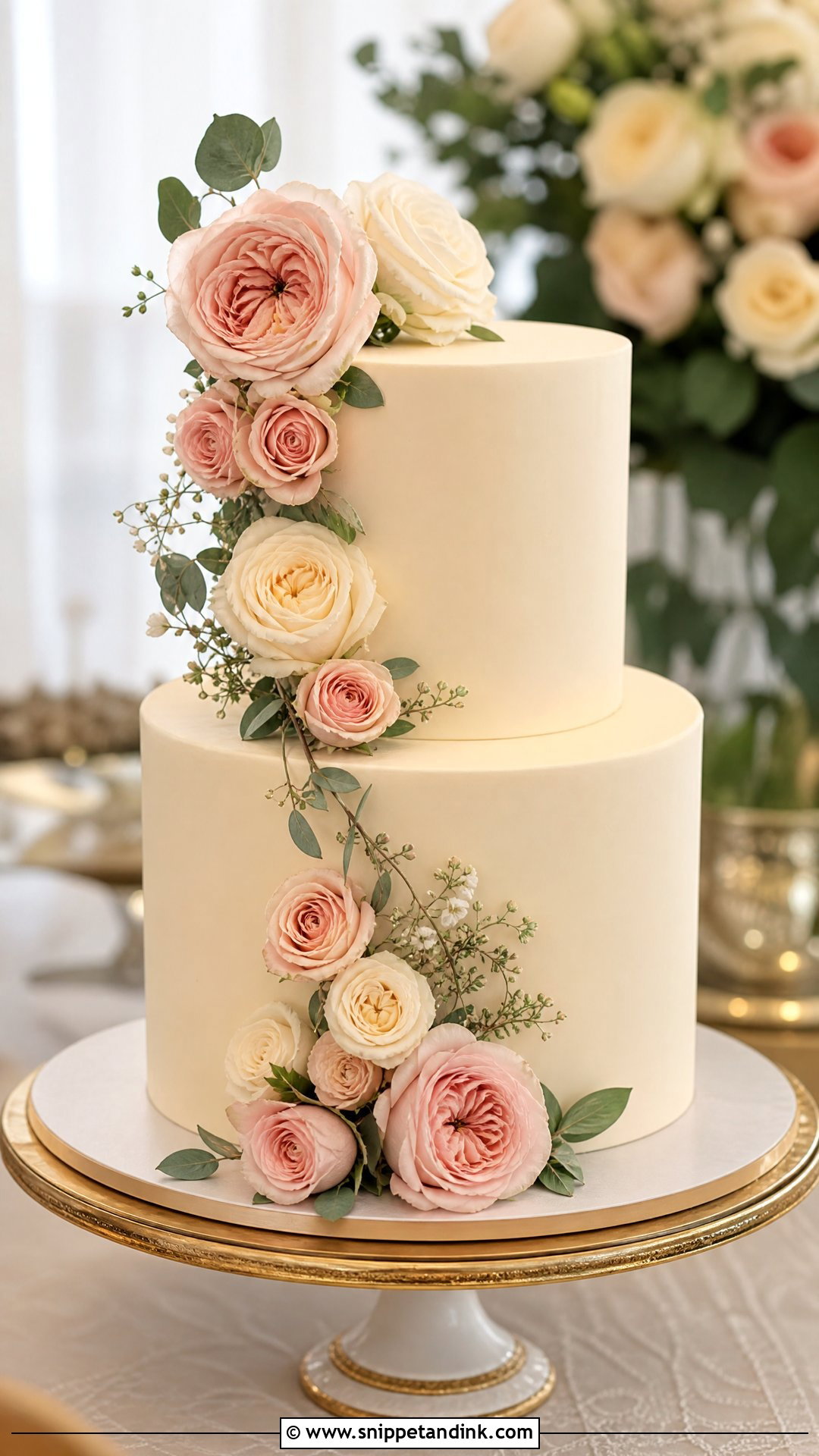
Roses change character with the finish under them. White roses on ivory look formal; blush roses on textured buttercream look like a garden; deep pink or mauve warm up a neutral table. Fewer, larger blooms look more refined than lots of small ones, and I run them in a diagonal from the top tier down to the bottom so the line looks natural. Garden roses open fast in a warm room, so I prefer them a day from full bloom.
3. 2 Tier Wedding Cake With Pearl Details
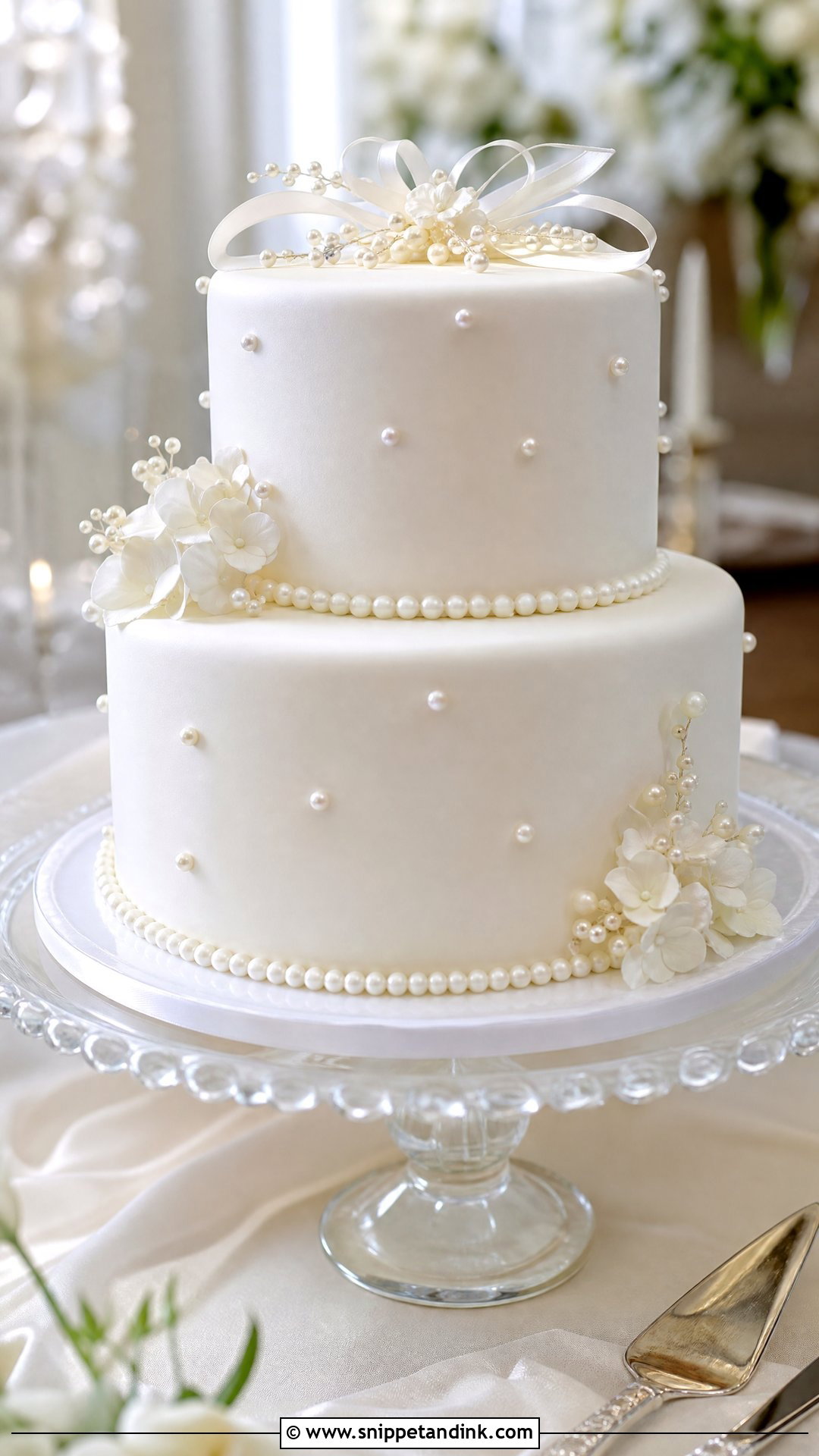
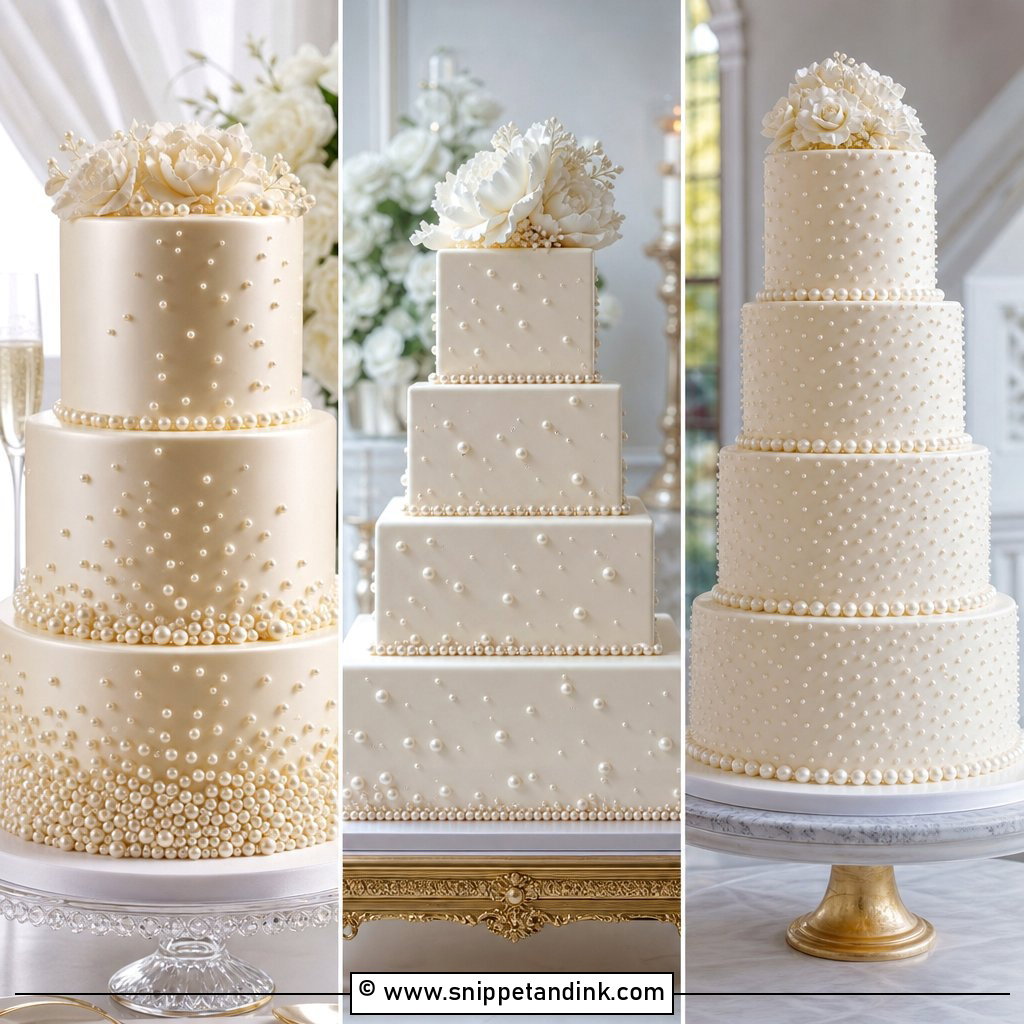
Sugar pearls are hard little beads, and they need soft buttercream to sink into. I press them in rows around the base of each tier, scatter them lightly over smooth frosting or use them to edge vintage piping, but I keep them off the top where they would end up in someone’s mouth unexpectedly. A white or ivory base keeps the pearls from looking busy. A satin ribbon or a few small white flowers is plenty, and the look connects nicely to pearl earrings, a beaded gown or a veil edged in pearls.
4. 2 Tier Wedding Cake With Buttercream Texture
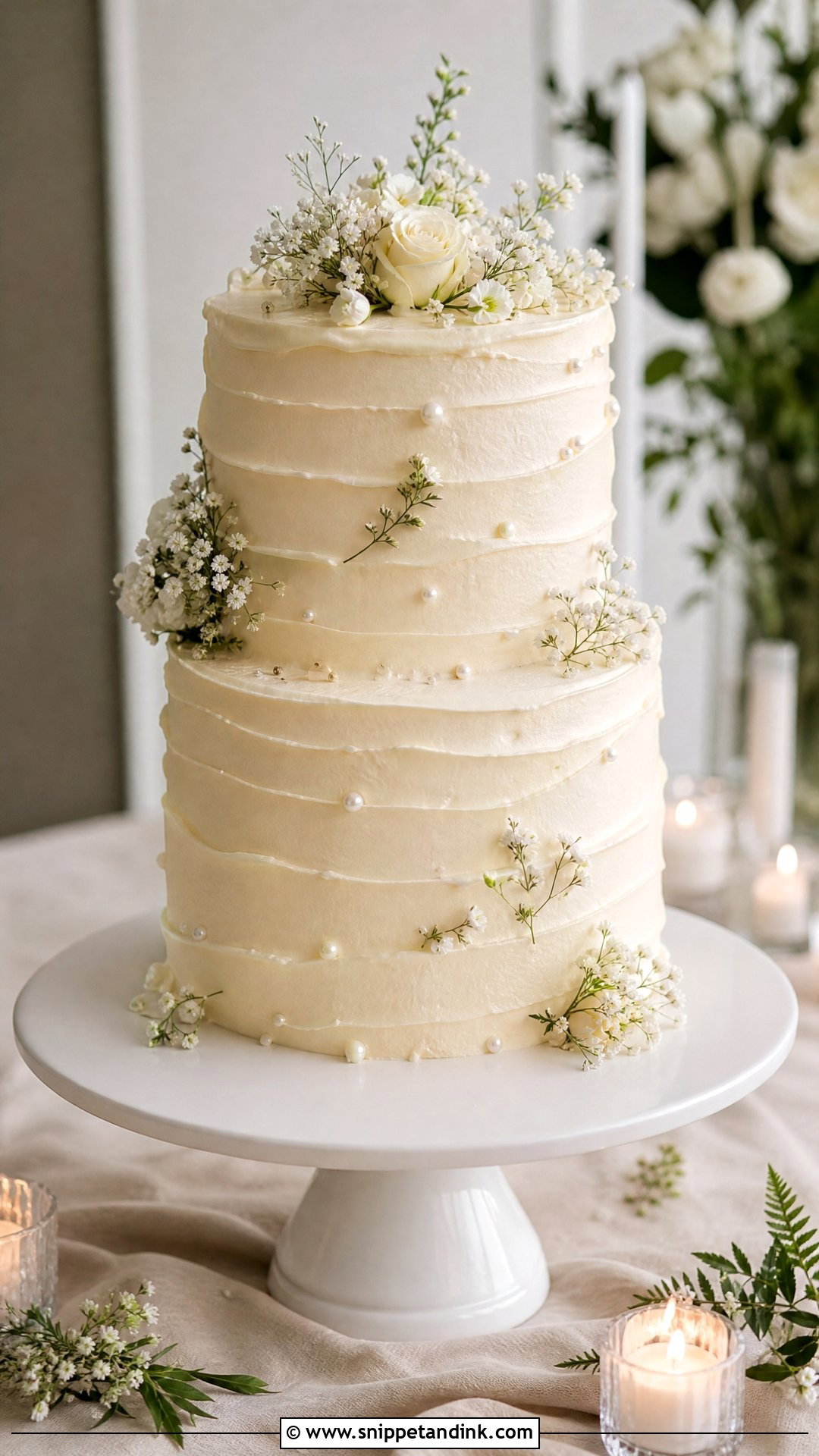
Textured buttercream is made with the same tools as smooth: a palette knife for strokes, a comb scraper for vertical lines, an offset spatula for waves. It is more forgiving than a mirror-smooth finish because small flaws disappear into the pattern. It suits couples who want a cake that looks made by hand rather than machined, and buttercream tastes better than fondant to most guests. One focal point, a few flowers, fruit or a simple topper, is enough. In close-up photos the ridges catch the light and give the tiers depth.
5. 2 Tier Wedding Cake With Gold Accents
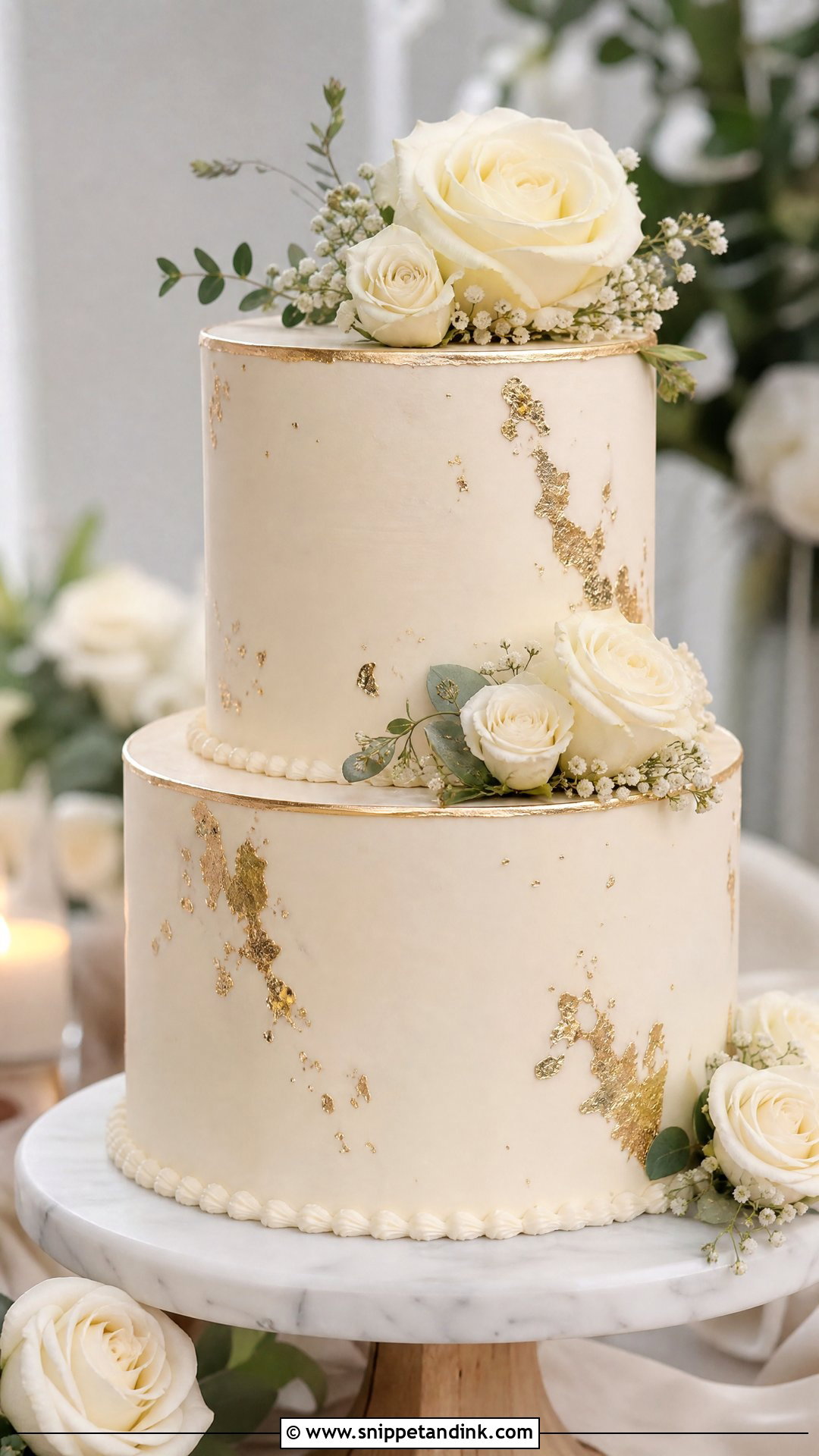
Gold reads best as a line, not a coat. My go-to options are a thin edge painted around each tier, brushed metallic strokes over buttercream, a few flakes of edible gold leaf or a small gold monogram. Ivory, white, blush and soft beige all suit it. I paint gold onto chilled, crusted buttercream or fondant; on soft frosting it smears. Pair it with white flowers or clean piping so it stays restrained at a formal dinner.
6. 2 Tier Wedding Cake With Greenery
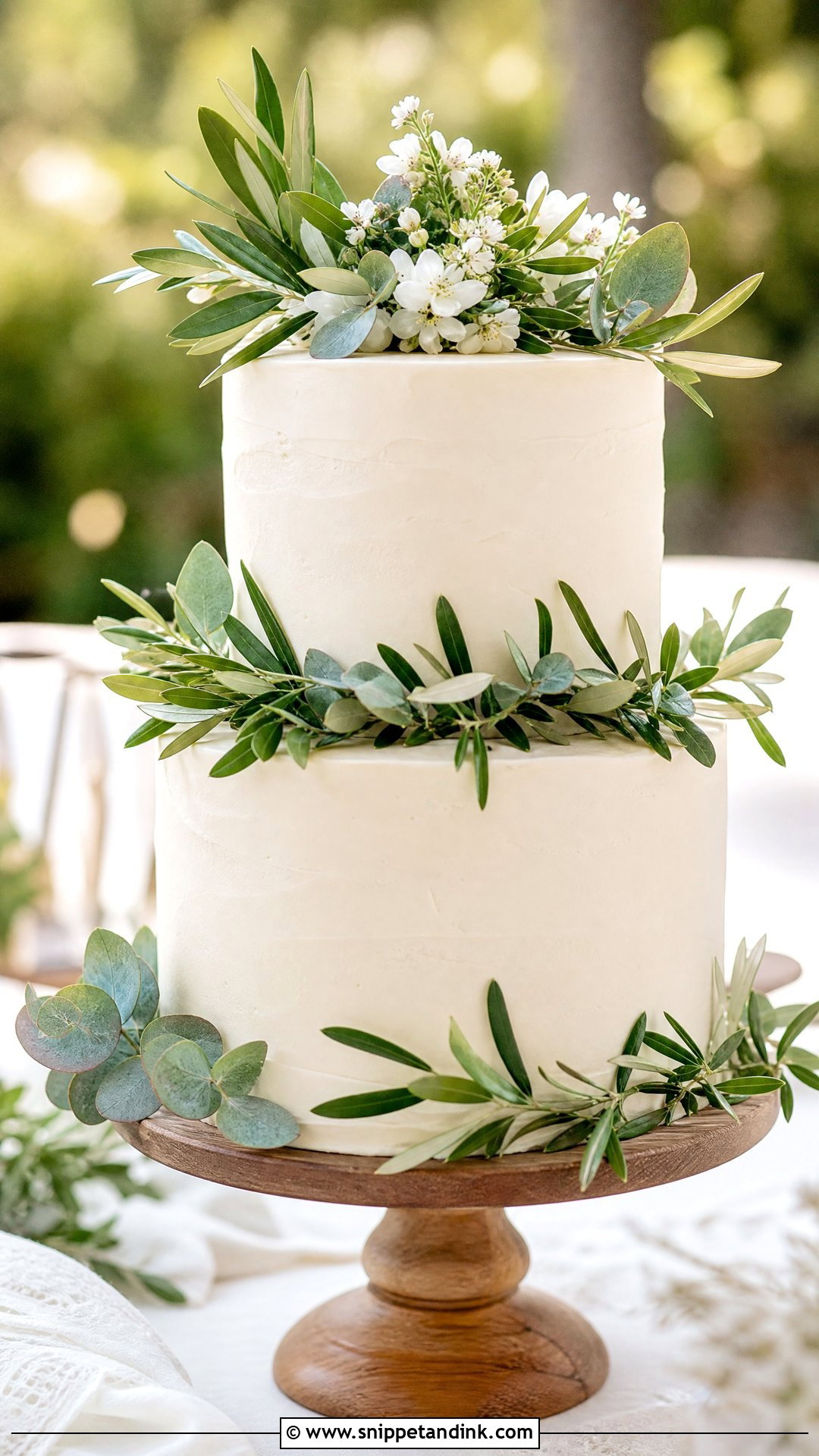
Greenery on a cake needs the same care as flowers. Eucalyptus is common in wedding work but it is not edible, so I keep it wrapped and off the frosting; rosemary and olive sprigs are safer choices. A loose wreath at the base or a sprig between tiers looks calm. White buttercream keeps it fresh, beige frosting makes it earthier, and a few white blooms add softness. On a wooden stand with candles and linen, it suits barns, gardens and outdoor receptions.
7. 2 Tier Wedding Cake With Baby’s Breath
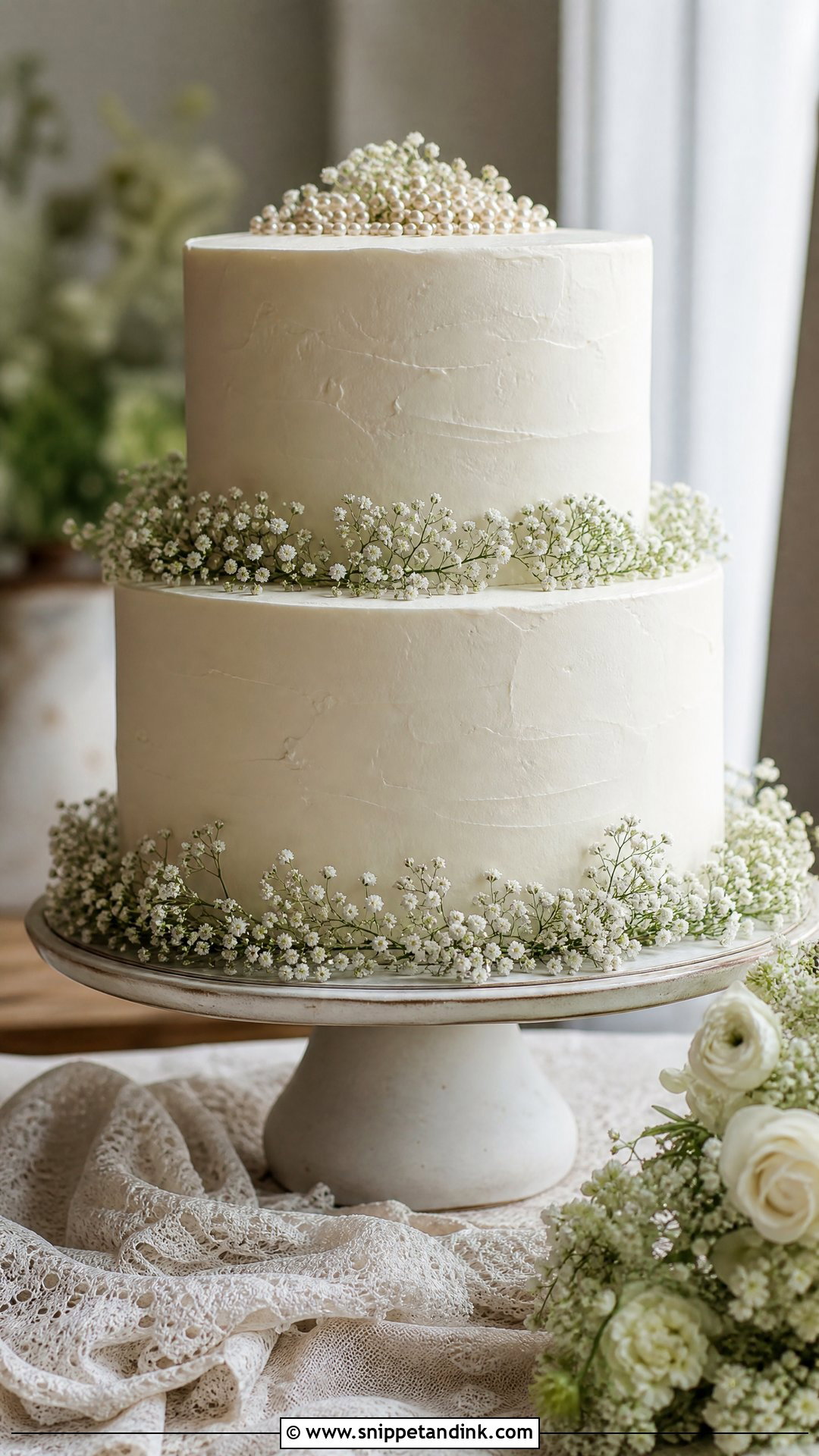
Baby’s breath looks soft, but it is mildly toxic if eaten, so I never push it straight into a cake; it goes in small wrapped bunches that guests can lift off. Used sparingly, at the base, between the tiers and along the top edge, it reads light and airy. Too much starts to look like packing foam. Smooth white buttercream, ivory or pale blush suits it, and the look pairs naturally with lace gowns and loose bouquets.
8. 2 Tier Wedding Cake With Vintage Piping
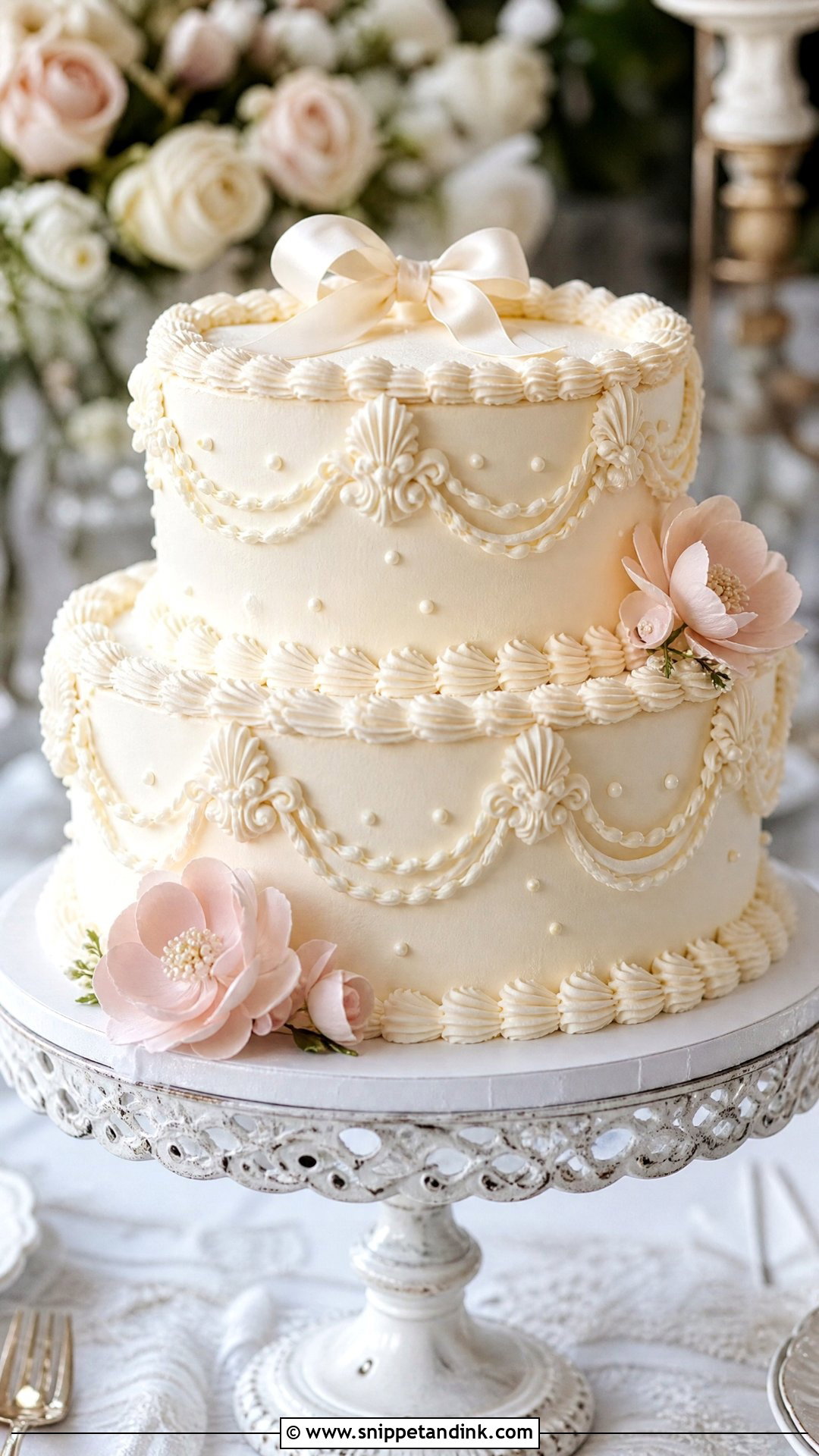
Vintage piping is a lot of small buttercream work, swags, shells, dots, ruffles and scrolls, built up in layers, which means a stiffer frosting and more hours than a smooth cake. Two tiers give enough surface without the design becoming heavy. All white feels classic; blush, pale blue, sage or butter yellow make it playful. Cherries, pearls, bows or small flowers fit if they match your wedding. It softens fastest of any finish in a warm room, so keep it cool until it is cut.
9. 2 Tier Wedding Cake With Bows
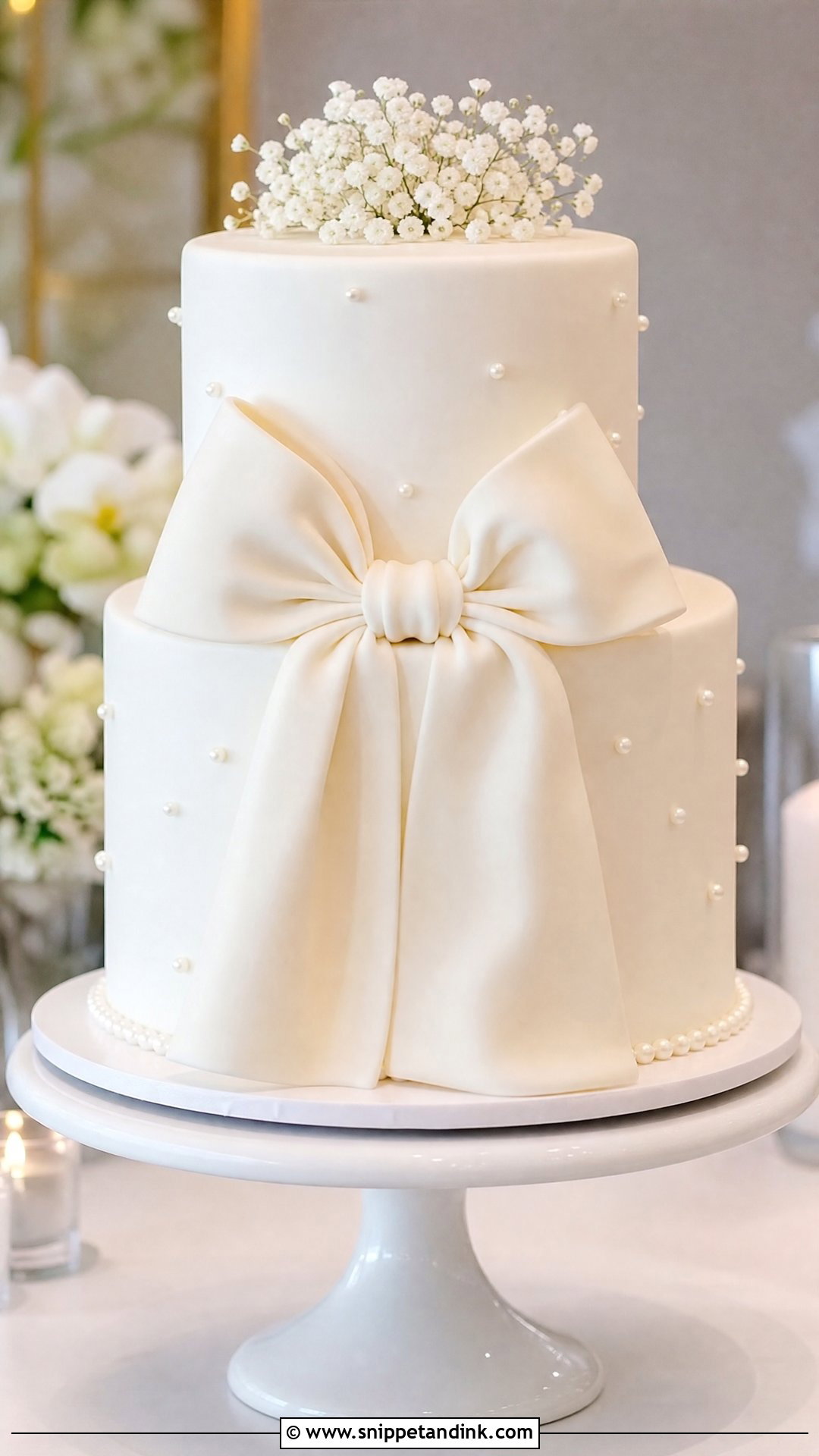
A bow works because everything else stays quiet. I make it from fondant with a little gum paste added so the loops hold, or tie real ribbon around one tier with a strip of food-safe film behind it so the frosting does not stain the fabric. White-on-white reads elegant; black, blush or pale blue ribbon gives it personality. Smooth frosting and very few flowers keep the bow as the single feature, which suits city venues and brunch receptions.
10. 2 Tier Wedding Cake With Fruit
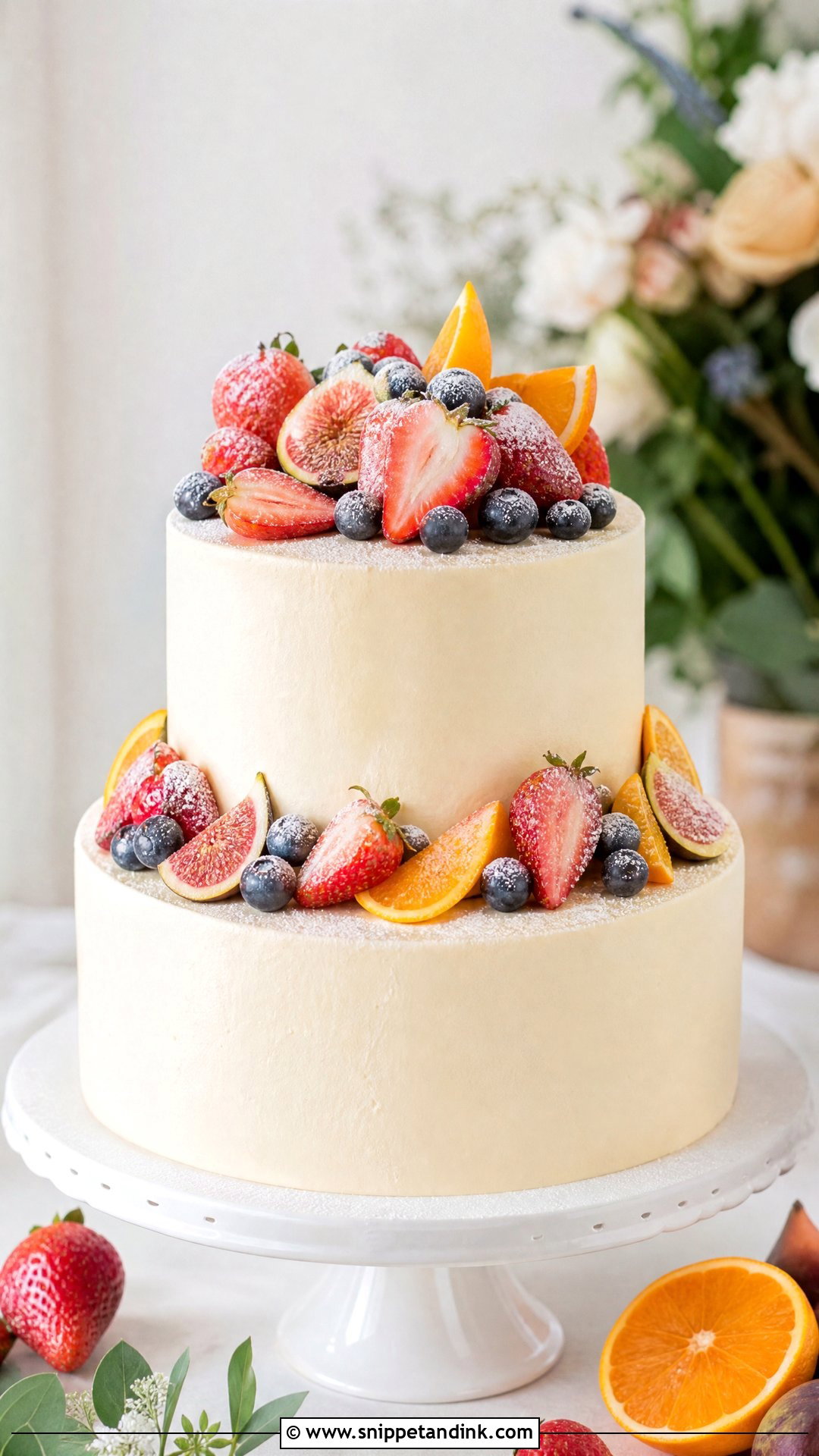
Fruit makes a cake look connected to the meal. Berries, figs, pears, grapes, citrus slices and cherries all work by season; berries on vanilla buttercream for summer, figs and pears for fall. I glaze cut fruit lightly so it does not dry out and add it at the venue if I can, because juice runs into buttercream within hours. A dusting of powdered sugar softens the colors, though it melts on wet fruit, so dust just before the cake goes out.
11. 2 Tier Wedding Cake With Sugar Flowers
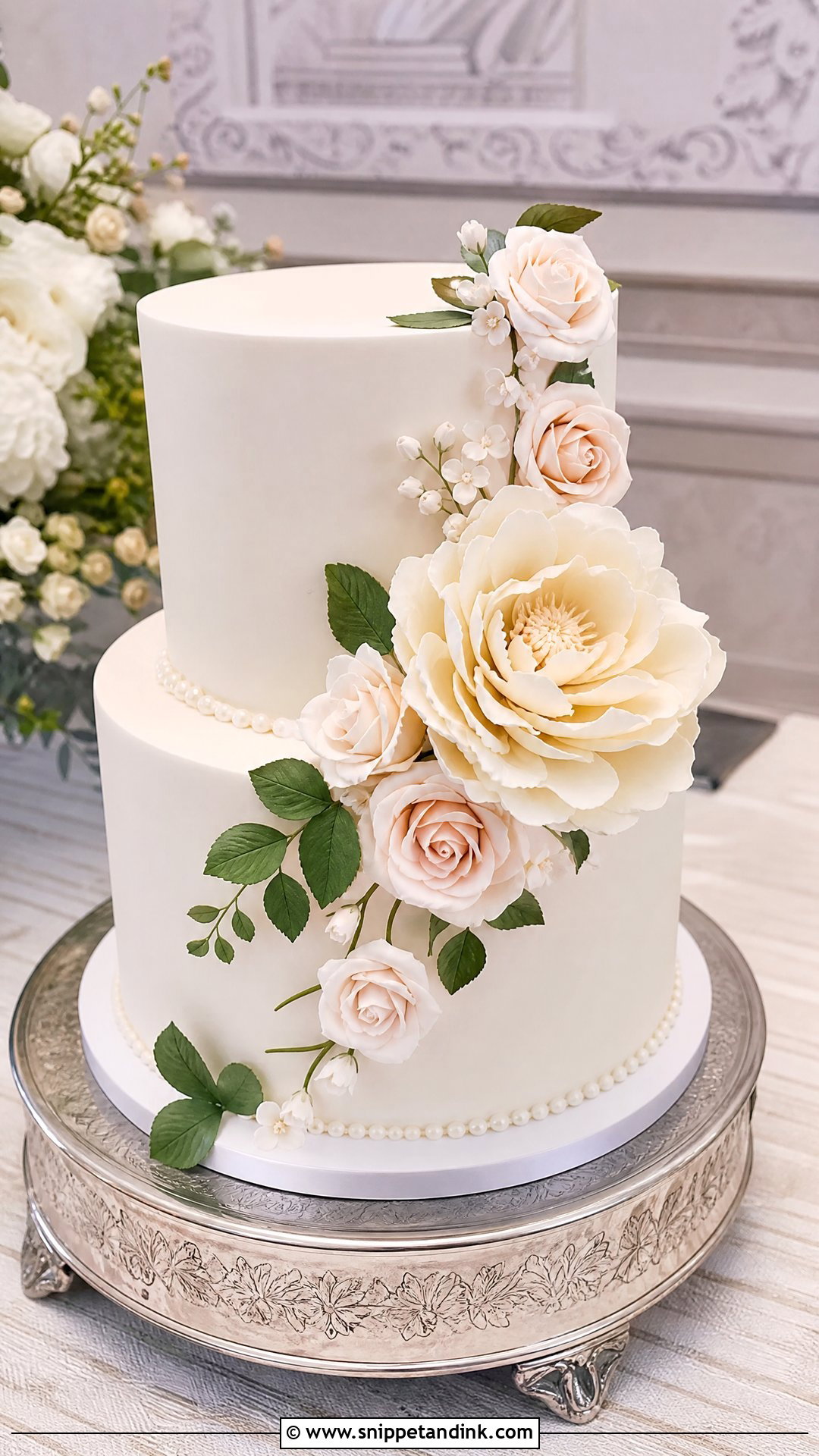
Sugar flowers are made petal by petal from gum paste, wired and dried, so they need weeks of lead time and add real cost. In return they never wilt, they can match any color exactly and they can be kept afterward as a keepsake. On two tiers, one arrangement looks stronger than scattered blooms: a cascade from the top tier down one side or a crown on top. They make sense for hot venues and destination weddings where fresh flowers would struggle. Wires mean they must be removed before cutting.
12. 2 Tier Wedding Cake With Smooth Buttercream
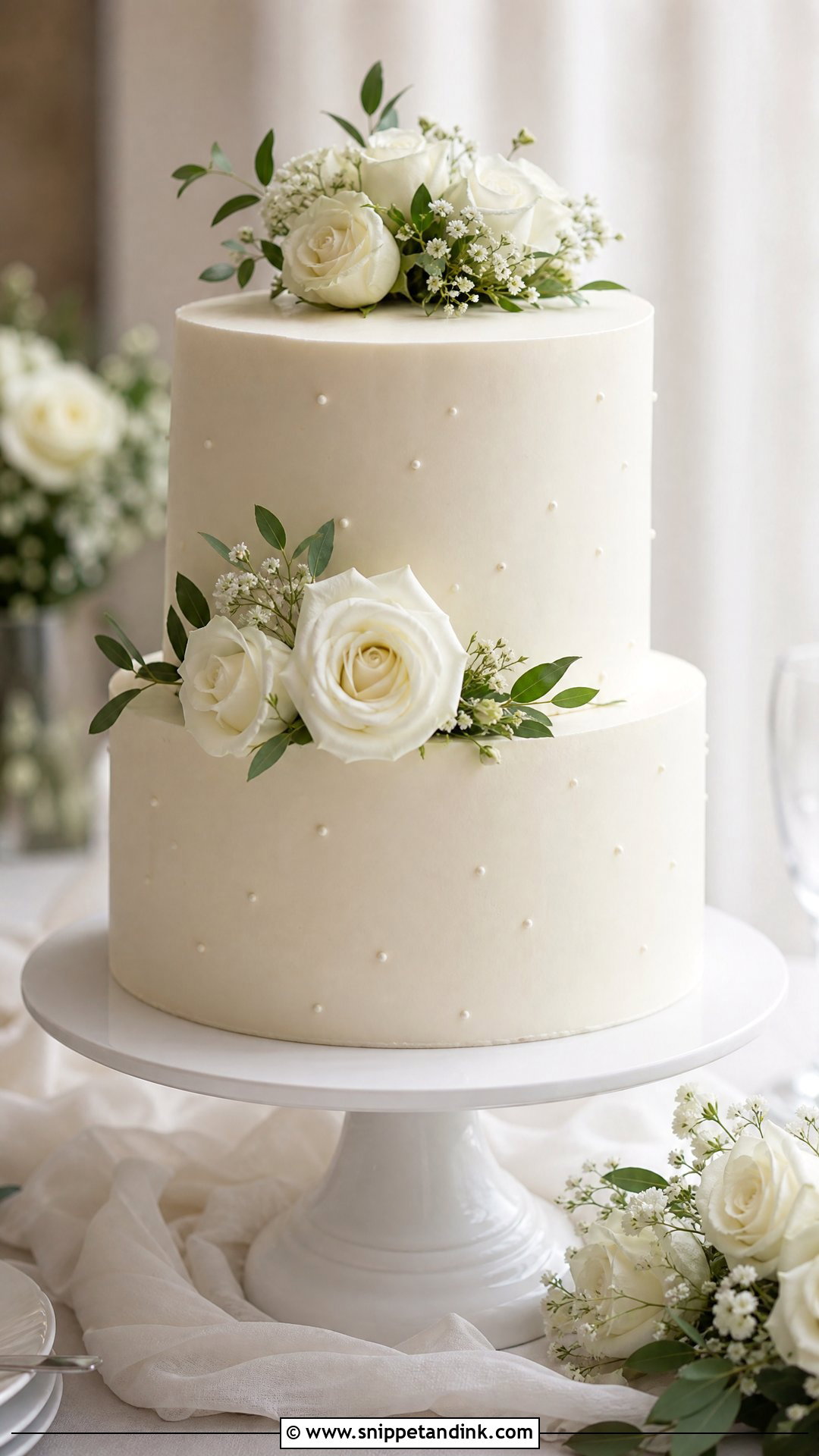
Smooth buttercream is the finish I recommend most because it tastes better than fondant and still looks refined when the edges are sharp. Getting it smooth takes a crumb coat, a chill and a final coat finished with a hot scraper, and that is where skill shows. Ivory suits almost every palette and venue. Dress it with flowers, fruit, ribbon, pearls or piping, or leave it nearly bare. The one trade-off is warmth; it softens in a hot room.
13. 2 Tier Wedding Cake With Fondant Finish
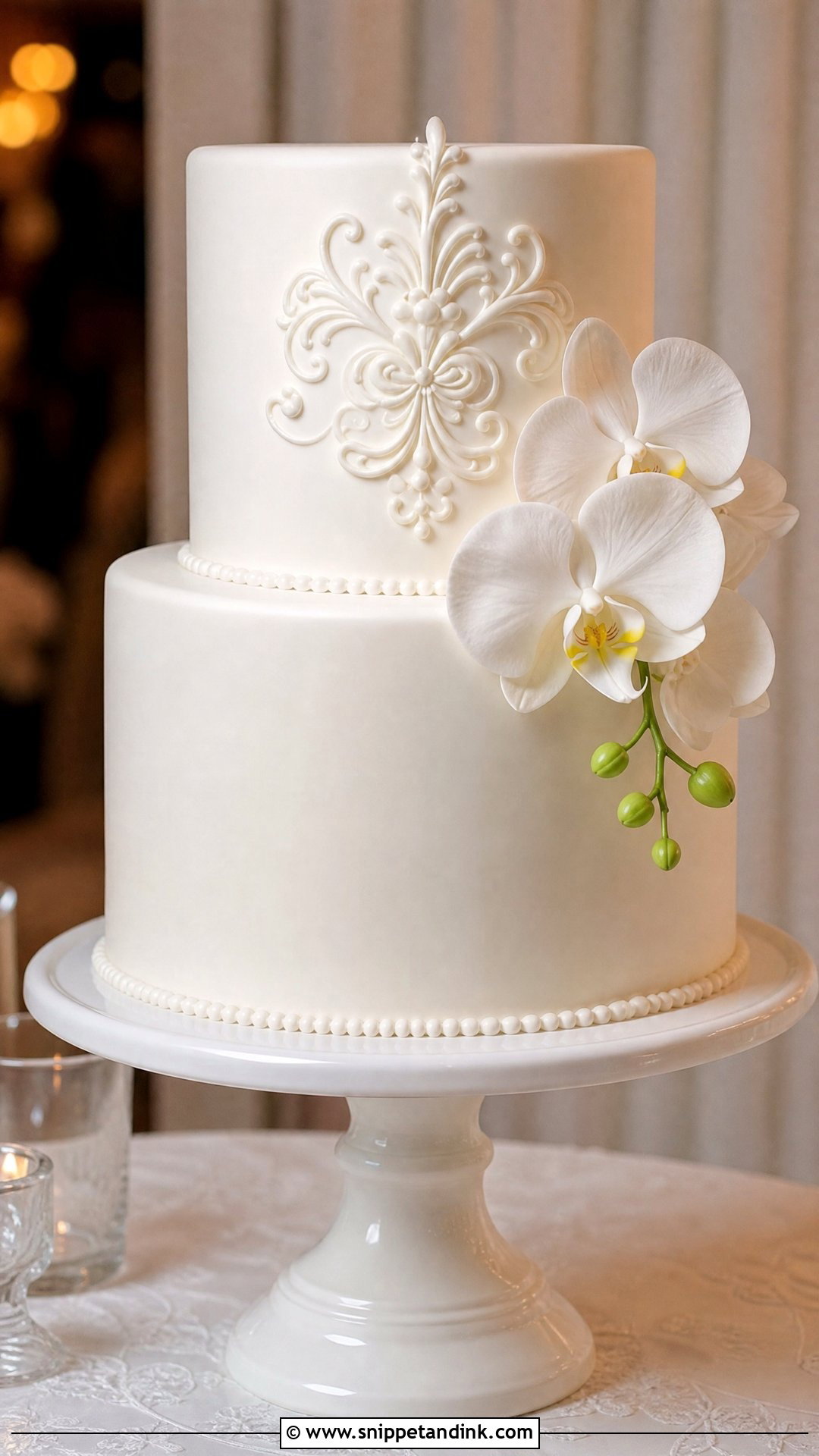
Fondant gives sharp edges, a flawless surface and a base for monograms, embossing, metallics, bows and sugar flowers. It also seals the cake, which helps it hold for hours at a long reception. The honest drawback is flavor; many guests peel it off. I put a layer of ganache or buttercream underneath so each slice still tastes good. Pastel fondant feels romantic, white or ivory classic, and one soft detail like a floral spray stops it looking stiff in a black-tie room.
14. 2 Tier Wedding Cake With Lace Detail
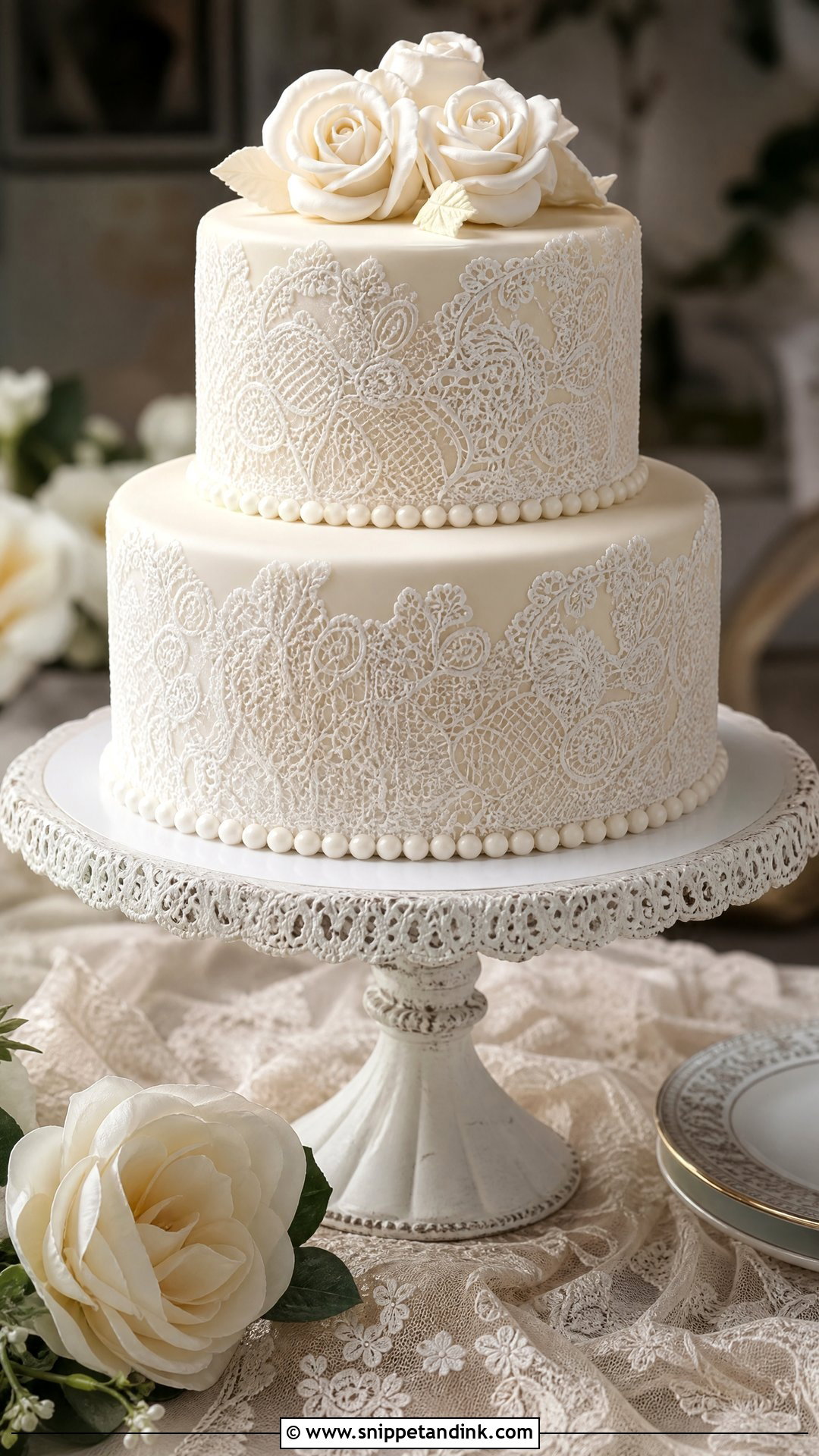
Lace on a cake can be piped in royal icing, set from an edible lace mat, pressed into fondant with a mold or piped in buttercream, and I often match it to the pattern on the dress if the bride shares a close photo. White-on-ivory is subtle; lace over blush or champagne frosting shows more contrast. A plain shape keeps the lace readable. Edible lace dries brittle in a dry, air-conditioned room, so I apply it as close to delivery as the schedule allows.

15. 2 Tier Wedding Cake With Marble Finish
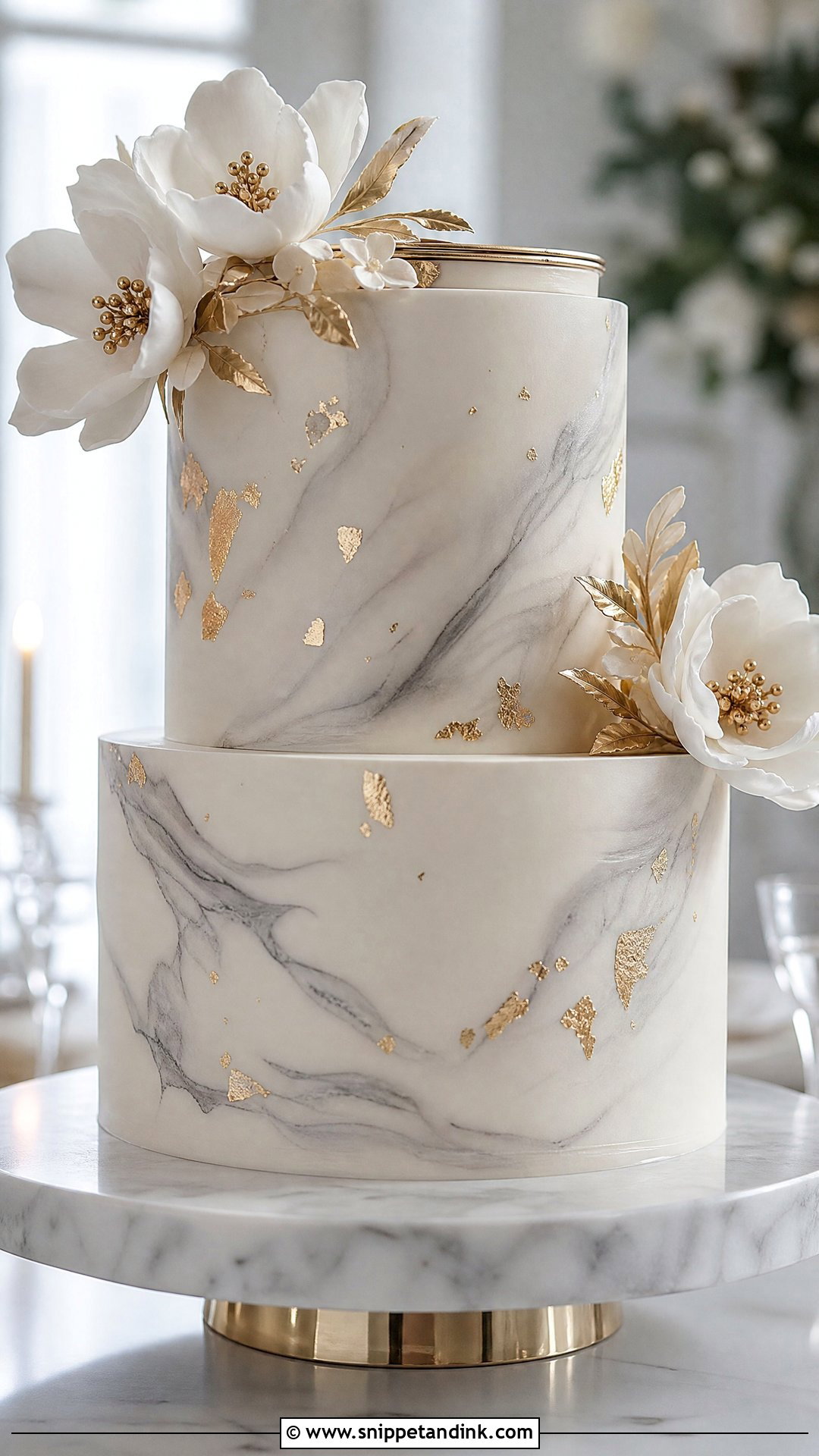
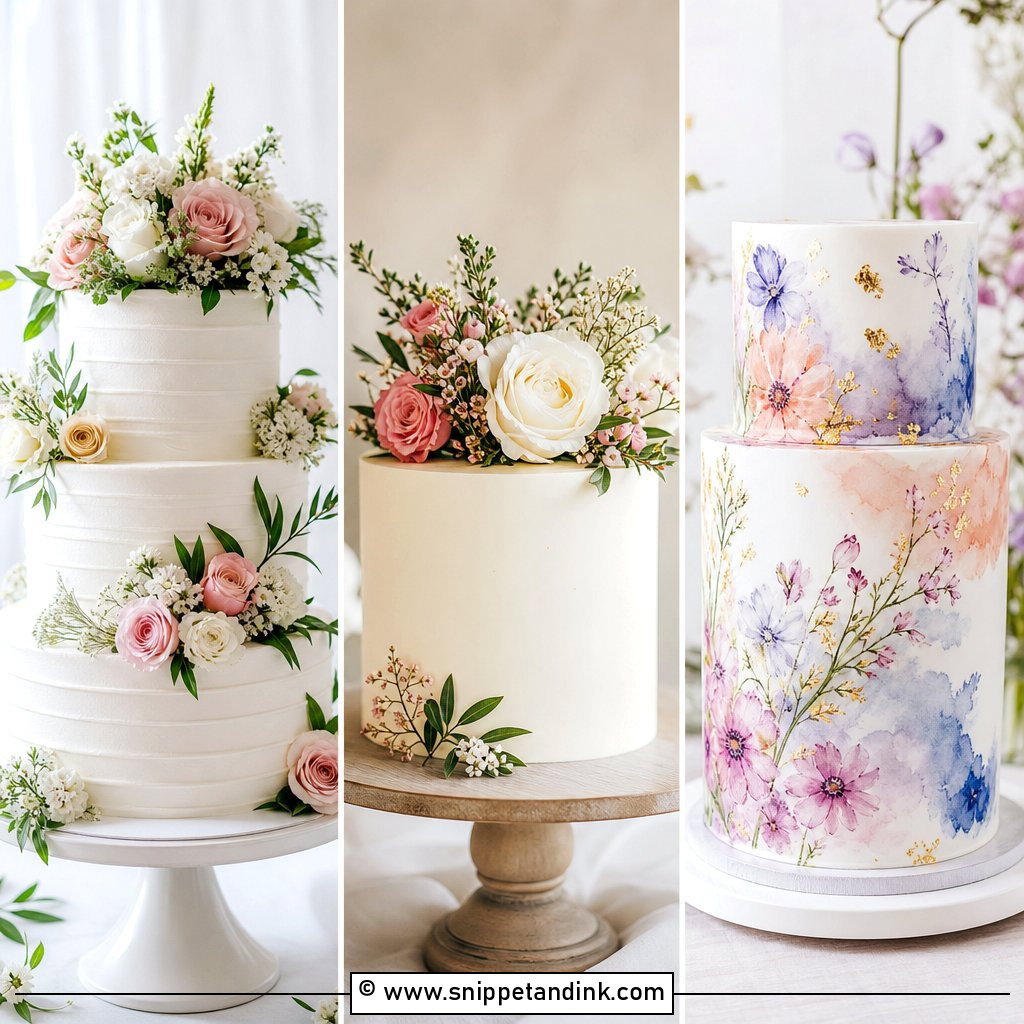
Marbling in fondant comes from twisting two colors together before rolling, and the art is stopping early, since over-kneading turns the veins into a flat grey. White and gray looks sleek; beige, blush or sage feels warmer. A gold edge, a few sugar flowers or one small cluster finishes it. The veins run differently on every side, which suits loft and gallery venues where the cake is seen from all angles.
16. 2 Tier Wedding Cake With Watercolor Frosting
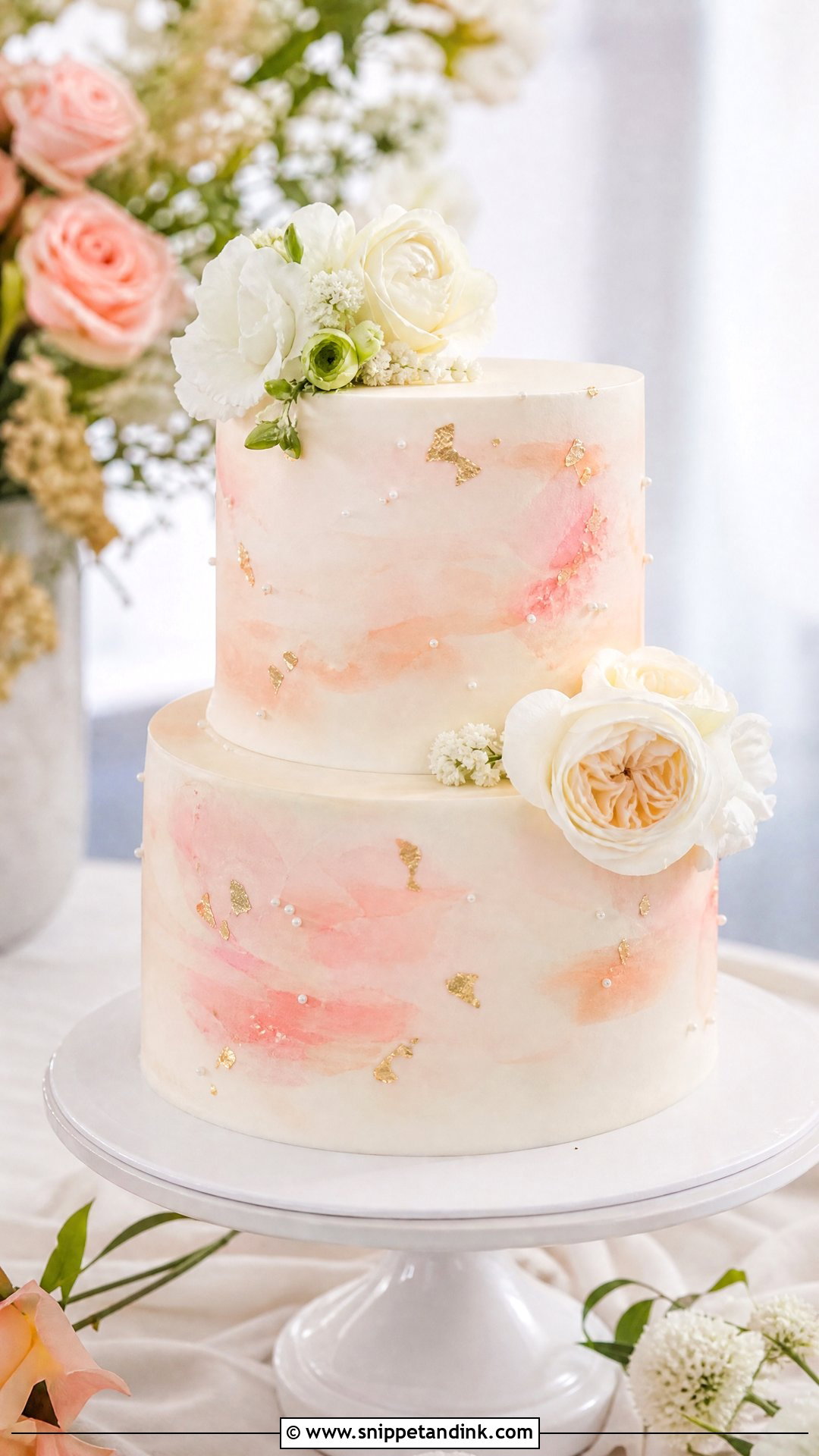
Watercolor frosting is several shades of buttercream swiped on together and then smoothed, so the colors blend at the edges. Blush, peach, lavender, sage, pale blue and butter yellow all suit weddings. On fondant the effect is painted on with thinned gel color instead. The trick is restraint; three related shades look like watercolor, five look streaky. Small flowers, a little gold leaf or simple white piping finish it for a spring or garden reception.
17. 2 Tier Wedding Cake With Black And White
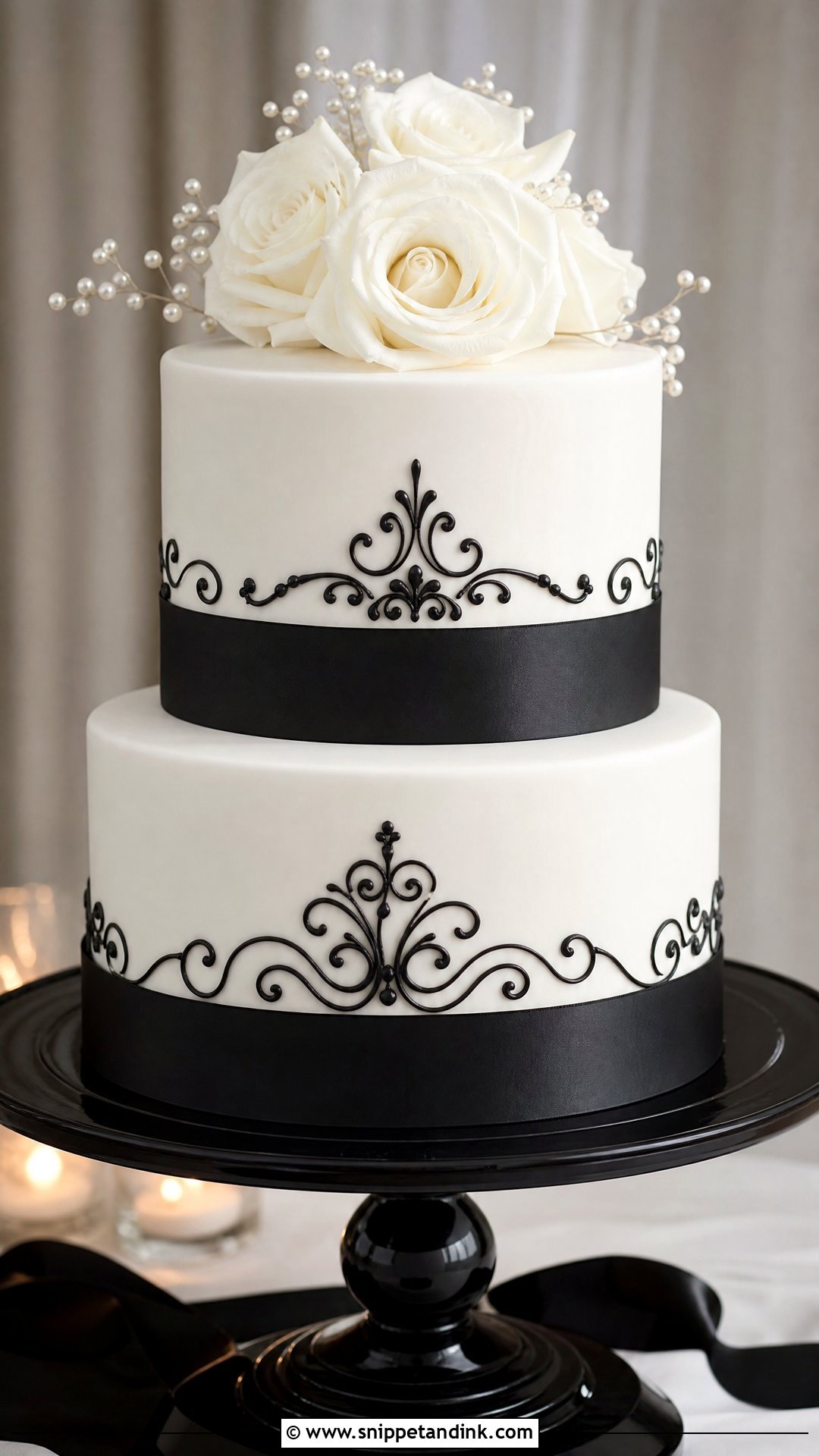
Black and white is all contrast, so it needs only one pattern. White frosting with black ribbon or piping, or a black tier with white flowers, is enough. True black frosting takes a lot of coloring, tastes slightly bitter and stains mouths, so I prefer black fondant, ribbon or a dark ganache for large areas. Using black sparingly on ivory softens it. White roses, pearls or a simple monogram suit evening and city receptions.
18. 2 Tier Wedding Cake With Blush Pink
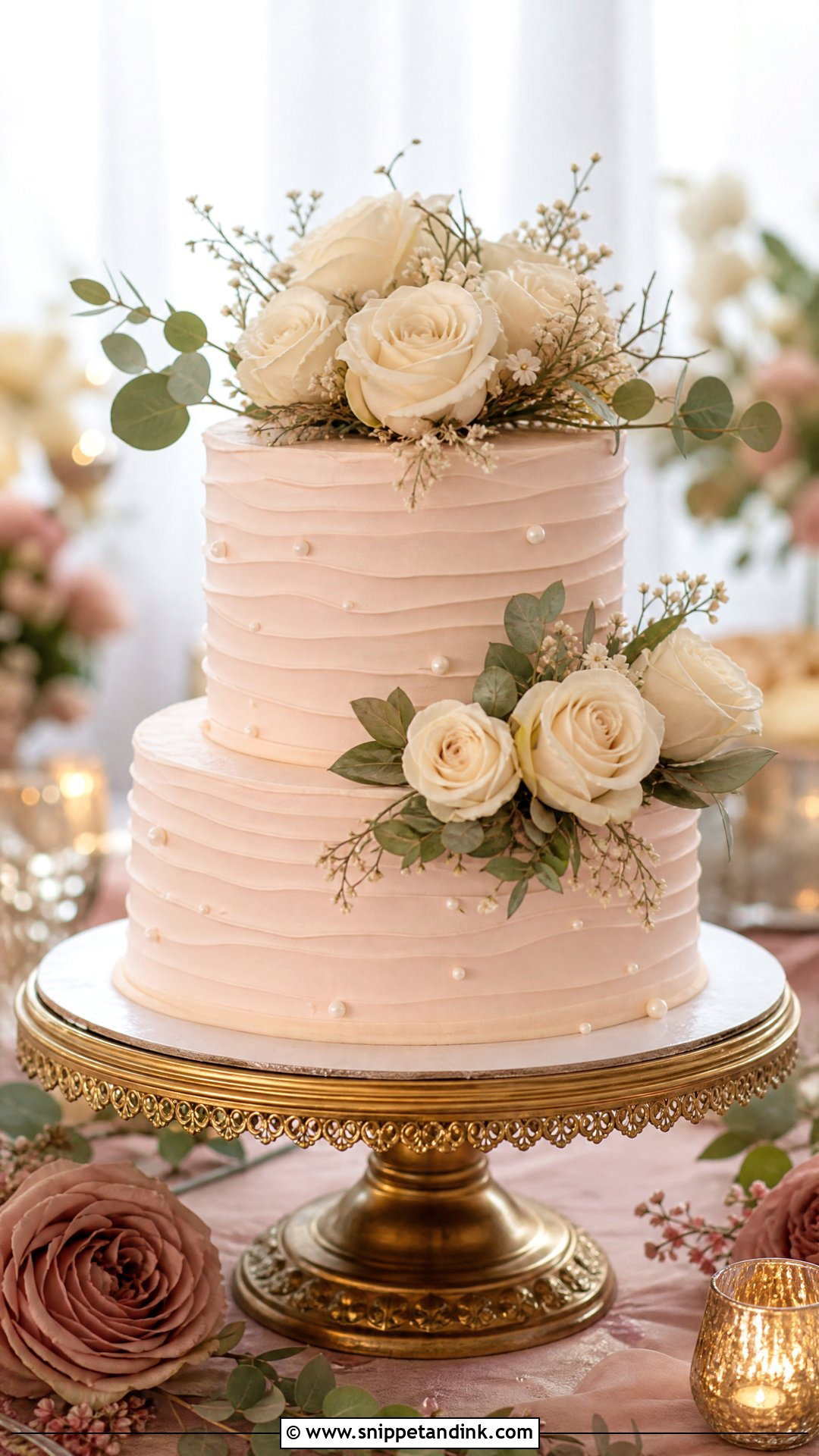
Blush is the color I mix most for weddings, and it shifts under venue lighting: warm bulbs push it peach, cool daylight pushes it grey-pink. I match it to a swatch from your linens or bridesmaid fabric in the light the cake will sit in. It works smooth, textured, floral or vintage. Ruffled texture, pearl dots or delicate piping suit it, with ivory flowers or a touch of gold. Dusty rose, mauve, cream and sage palettes all take it.
19. 2 Tier Wedding Cake With Sage Green
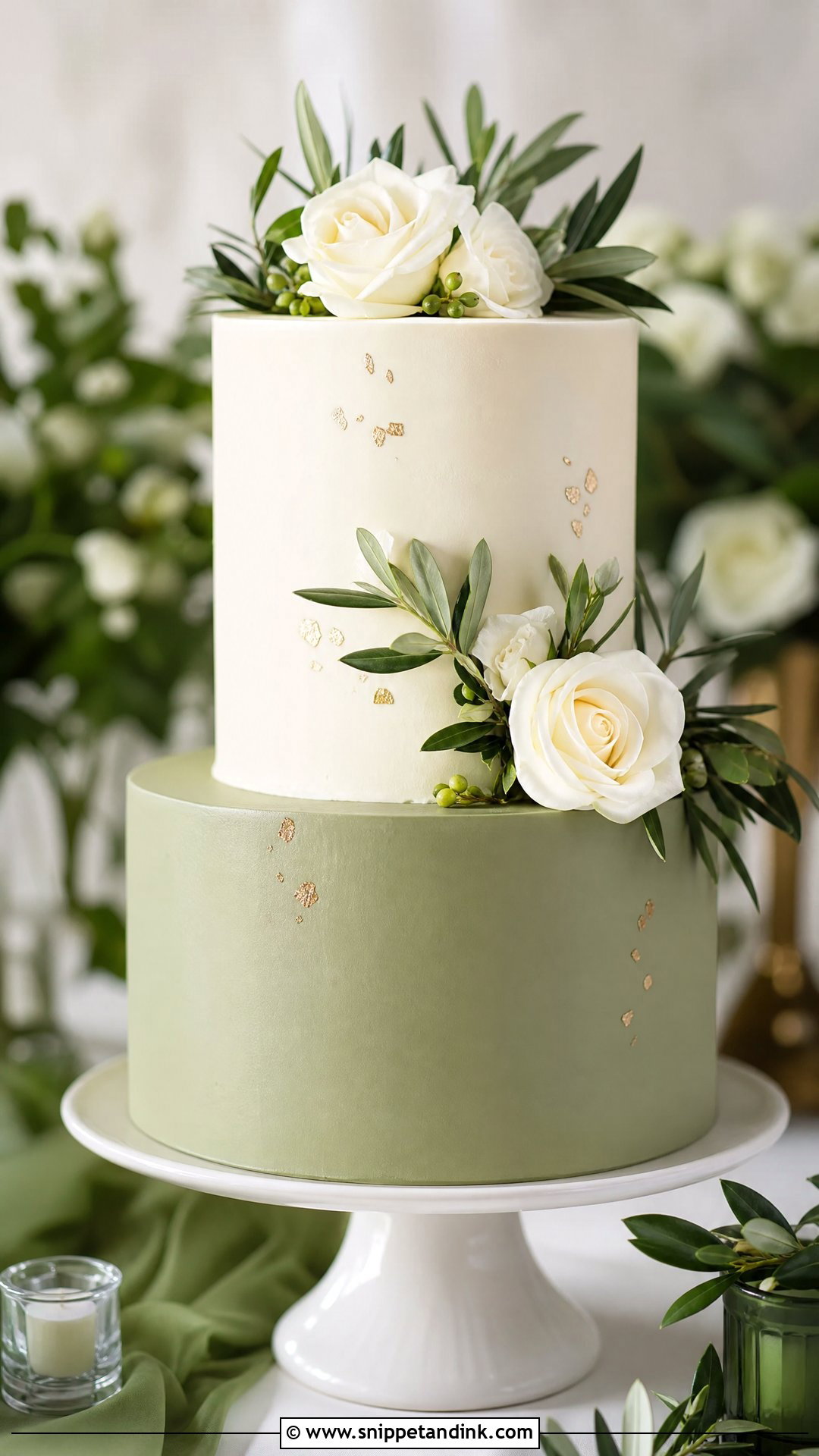
Sage green has a habit of looking grey or minty depending on the light, so I make a test swatch before tinting a whole batch. One sage tier and one ivory tier gives contrast without too much color; a fully sage cake looks calmer. White flowers, greenery, gold accents or textured buttercream all pair with it. It suits outdoor, botanical and vineyard settings. Small white roses, olive leaves or pressed edible flowers keep it understated.


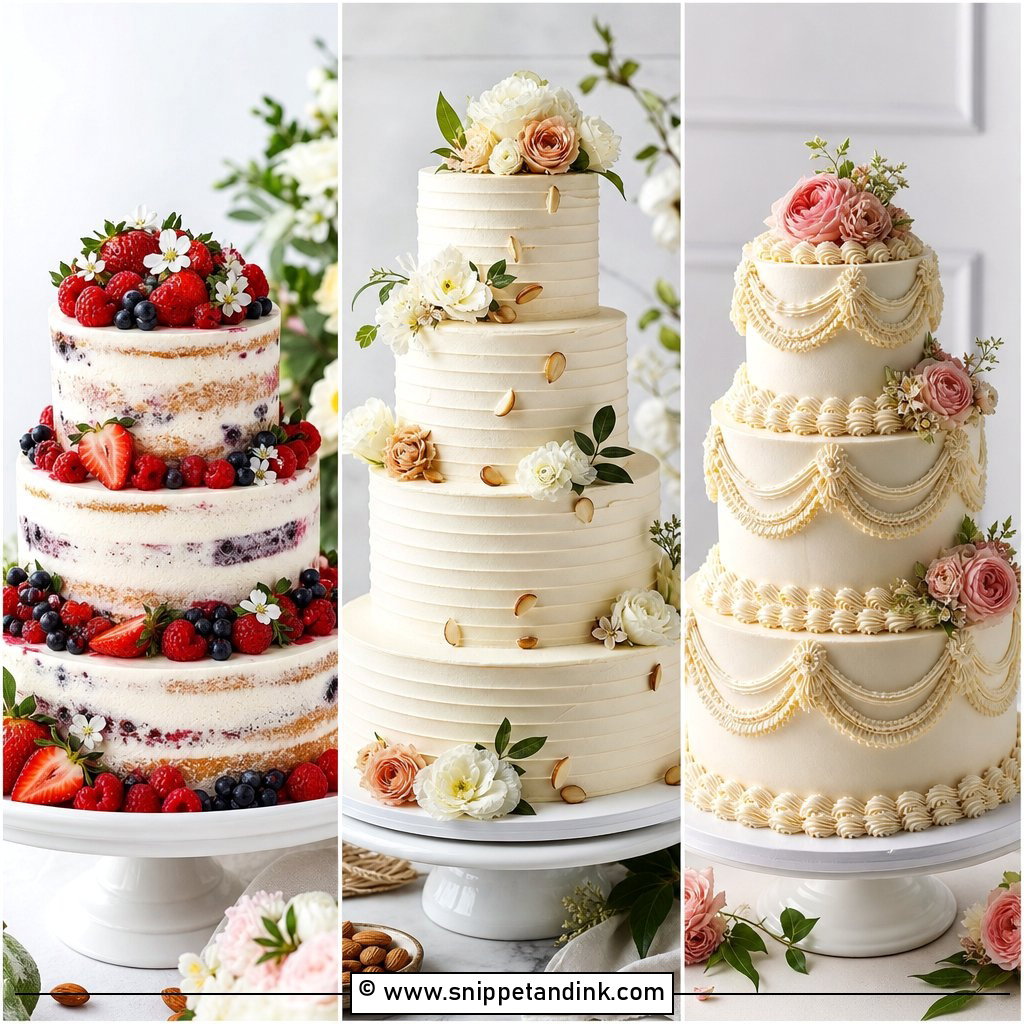

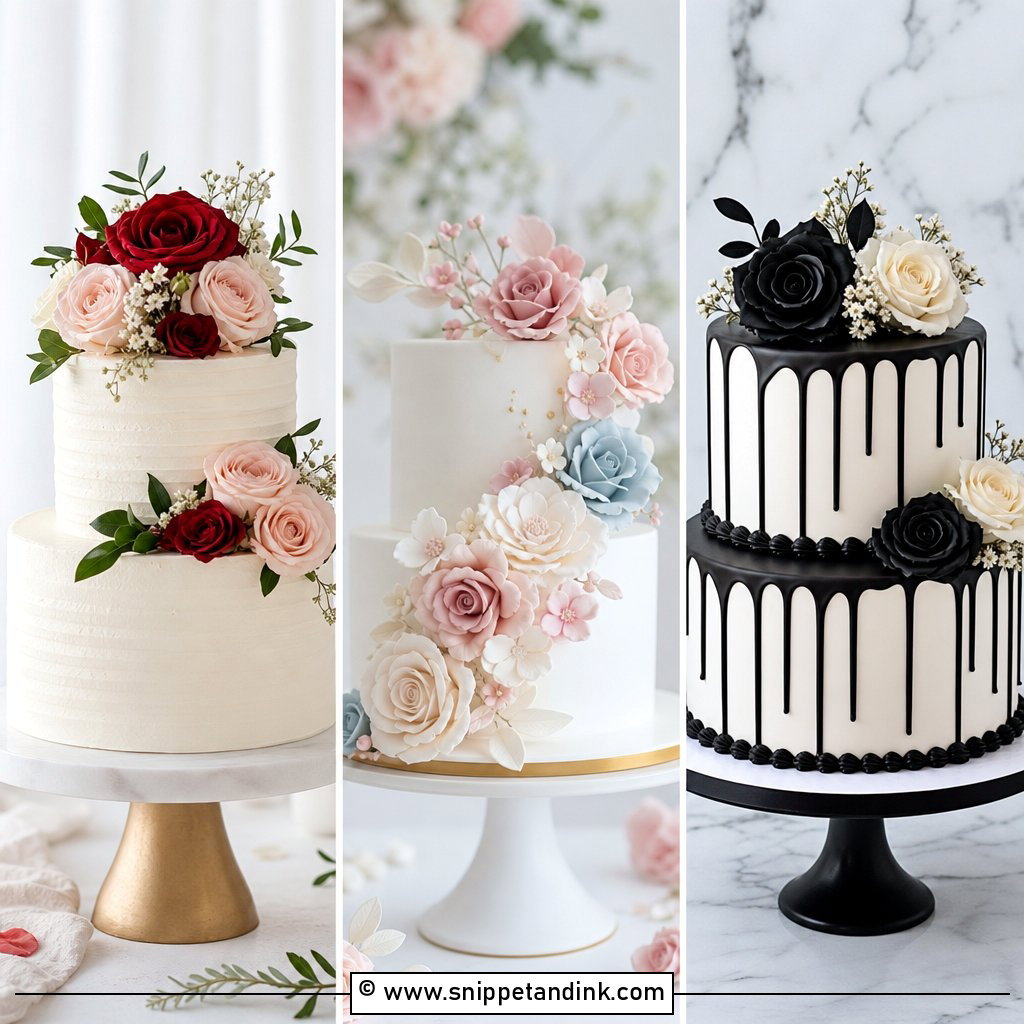
20. 2 Tier Wedding Cake With Blue Flowers
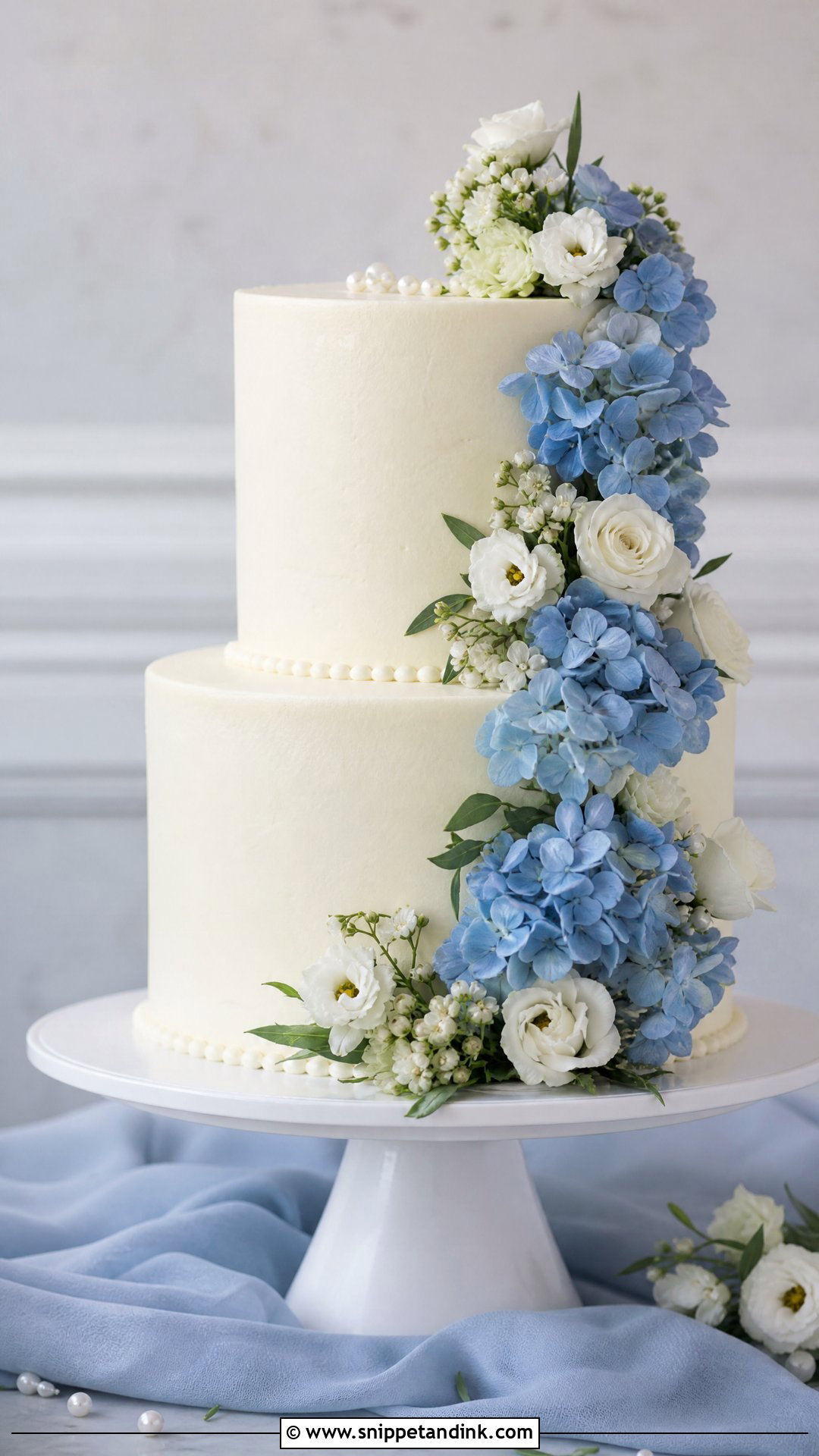
Truly blue flowers are rare in nature, so on a cake blue usually comes from hydrangeas, delphinium-style sugar flowers, edible cornflowers or painted florals. Fresh hydrangea is thirsty and wilts quickly out of water, which is why I often suggest sugar versions for a summer reception. A white or ivory base makes the blue clear. A soft cascade or small clusters around the tiers suit coastal and garden weddings, and dusty or French blue palettes.
21. 2 Tier Wedding Cake With Orchid Flowers
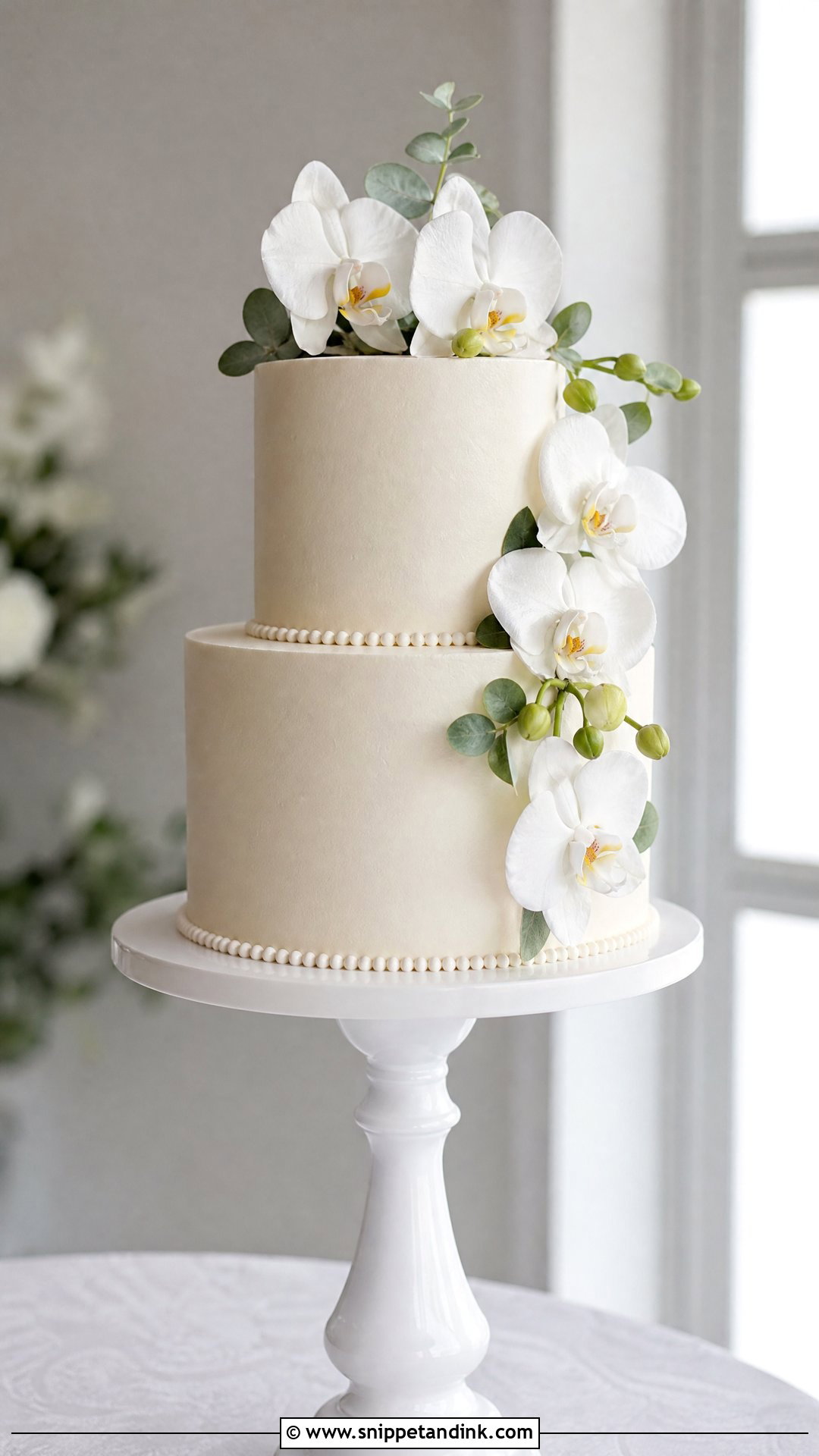
Orchids look sculptural because each bloom has such a distinct shape, so a few go a long way. I place two or three sprays along one side rather than covering the cake. White orchids on smooth ivory look clean; pale pink or purple adds gentle color. Fresh orchids are tougher out of water than most flowers, which makes them practical for warm, tropical and destination receptions. A smooth buttercream or fondant finish and a plain stand let the shape lead.
22. 2 Tier Wedding Cake With Rustic Buttercream
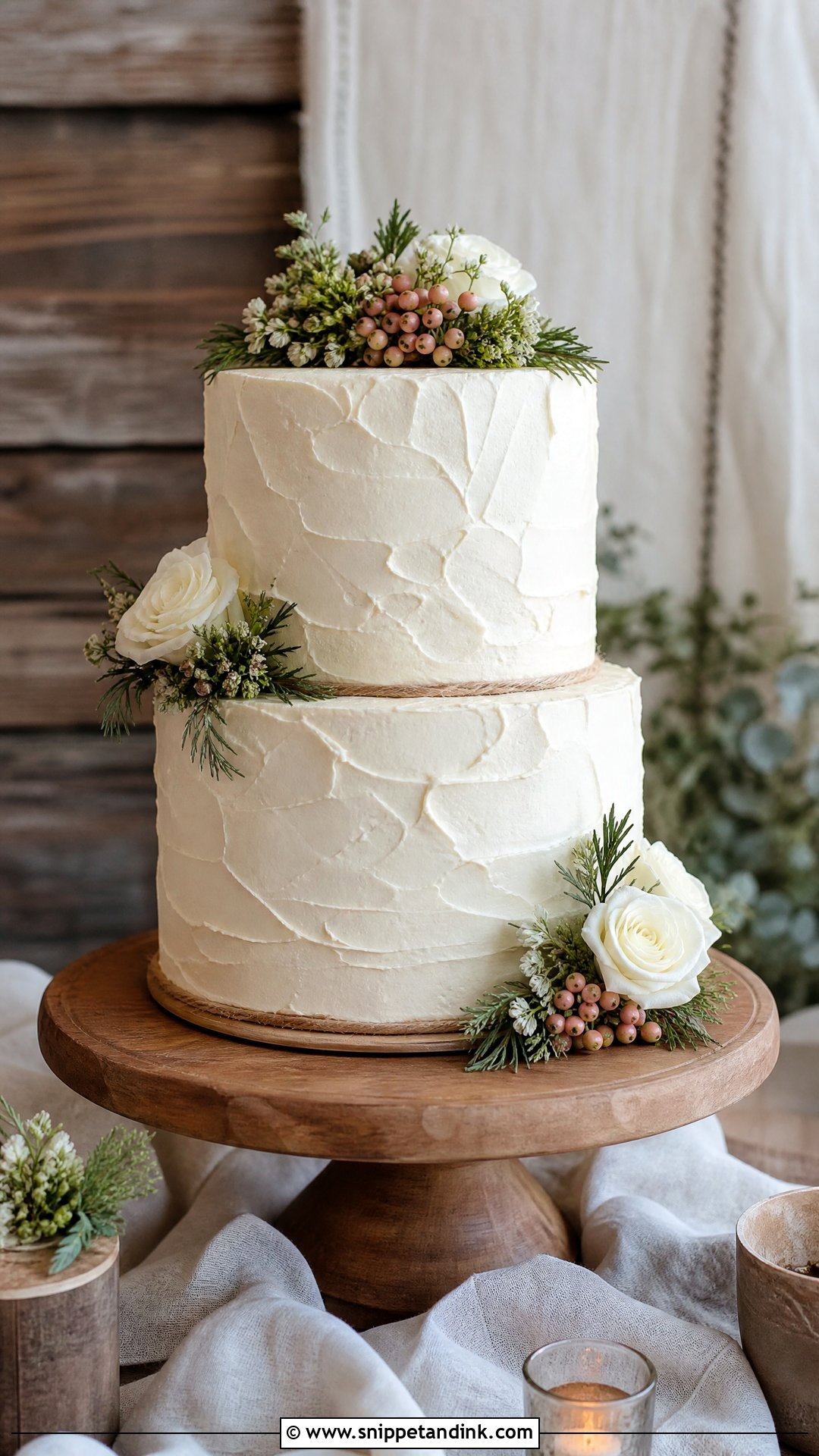
Rustic buttercream is applied loosely and left with visible strokes, or scraped back to hint at the sponge underneath. It is the friendliest finish for a barn, backyard or outdoor dinner, and it is also forgiving at delivery, since a small bump in transit disappears into the texture. Fresh flowers, greenery, berries or figs finish it. A wooden stand or a simple ceramic cake plate suits it, especially with earthy colors at the reception.
23. 2 Tier Wedding Cake With Naked Layers
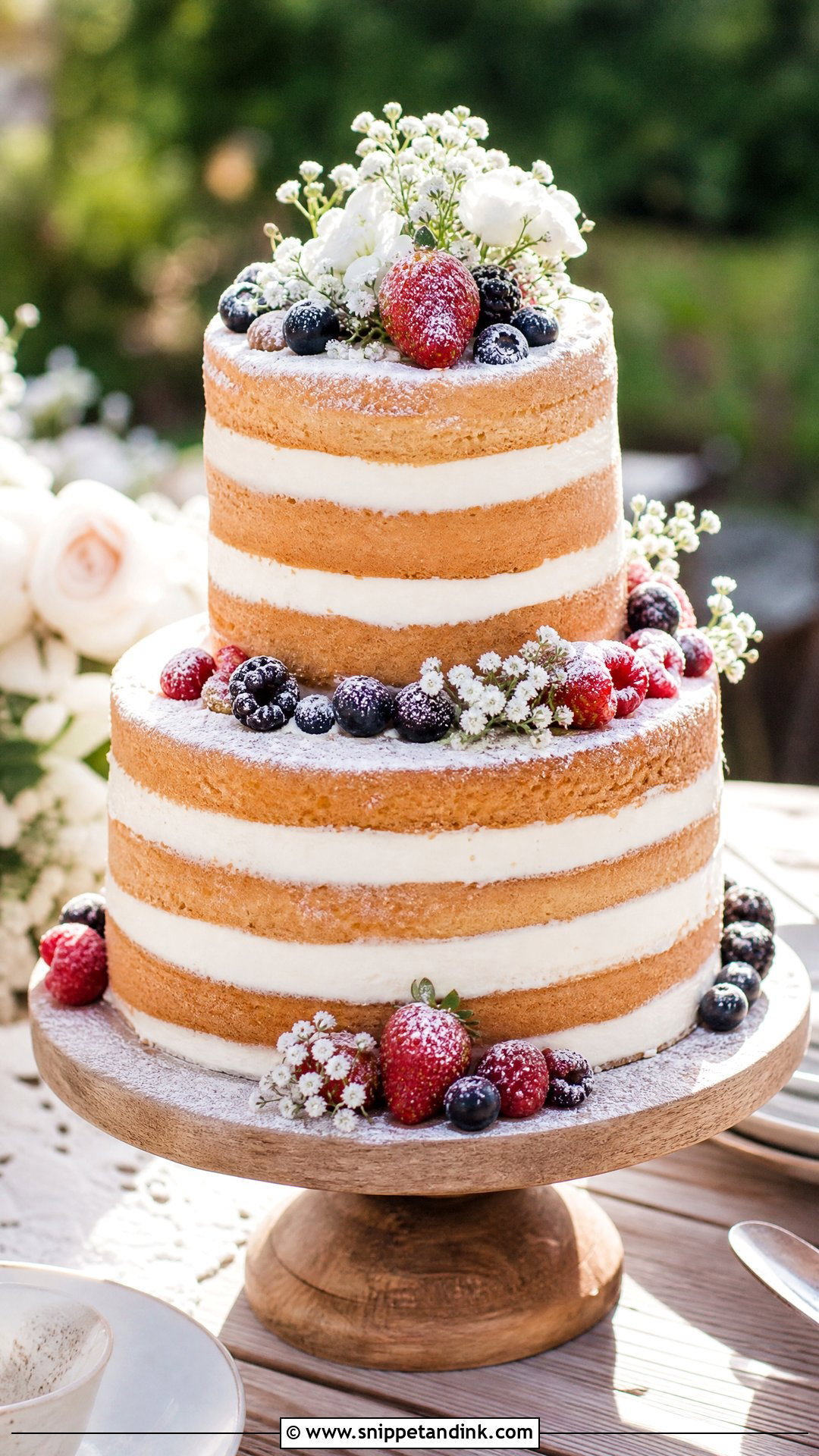
A fully naked cake shows every layer, so neat, level layers and even filling are what make it look deliberate. The exposed sponge dries quickly, which is why I brush it with syrup and keep it wrapped until delivery, and why I do not recommend it for a long outdoor afternoon. Vanilla, almond, lemon and carrot all show well. Berries, flowers, powdered sugar or greenery complete it, and guests find it lighter than a fully frosted cake.
24. 2 Tier Wedding Cake With Semi Naked Frosting
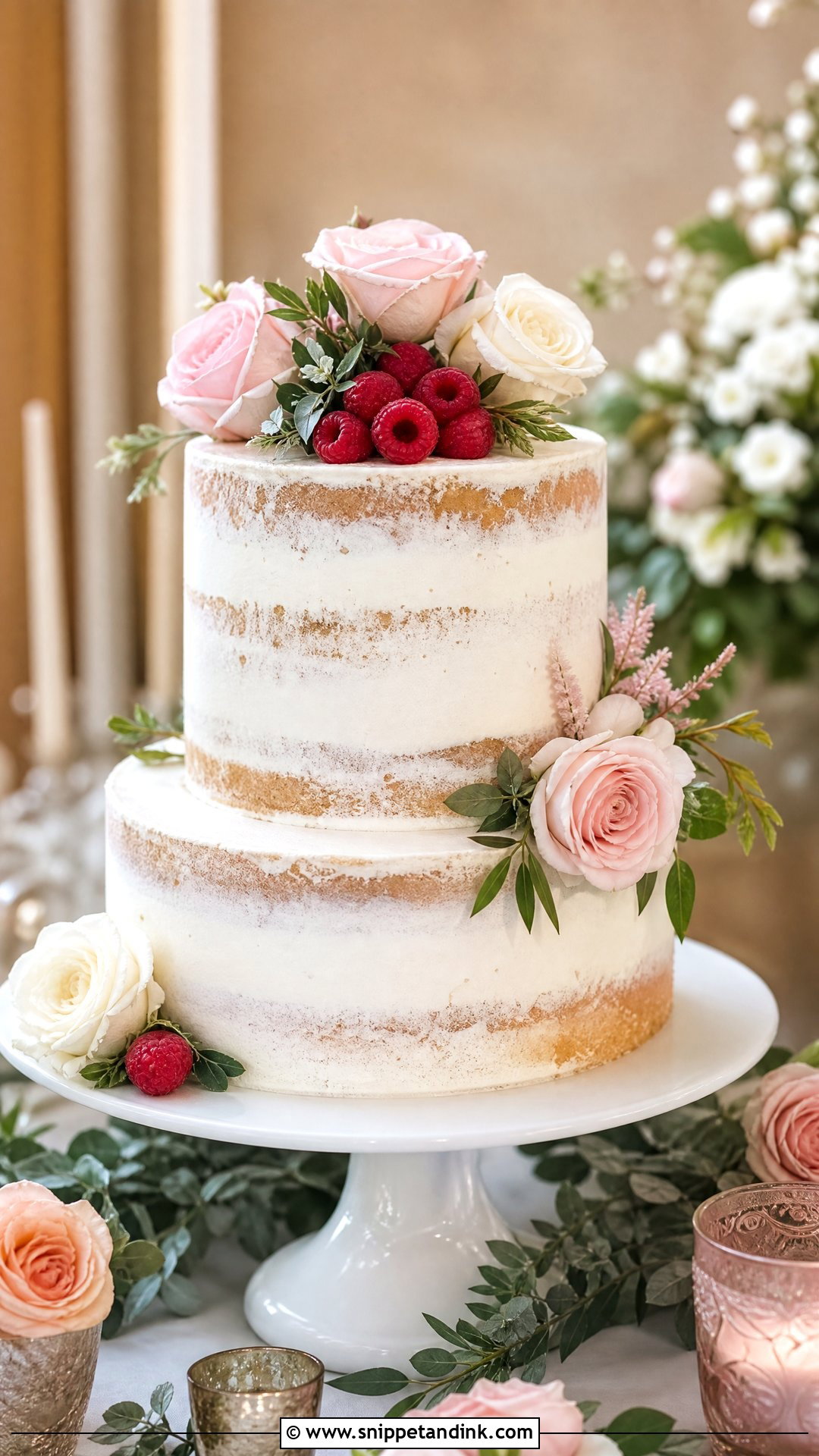
Semi naked is the middle ground: a thin coat of buttercream scraped back so the sponge shows through in places. It holds moisture better than a fully naked cake and looks a little more finished. On two tiers the stacked shape still feels structured. When you order, ask how much sponge you want visible, since bakers interpret this finish very differently. Flowers, greenery, berries or seasonal fruit decorate it for garden and rustic venues.



25. 2 Tier Wedding Cake With Ruffles
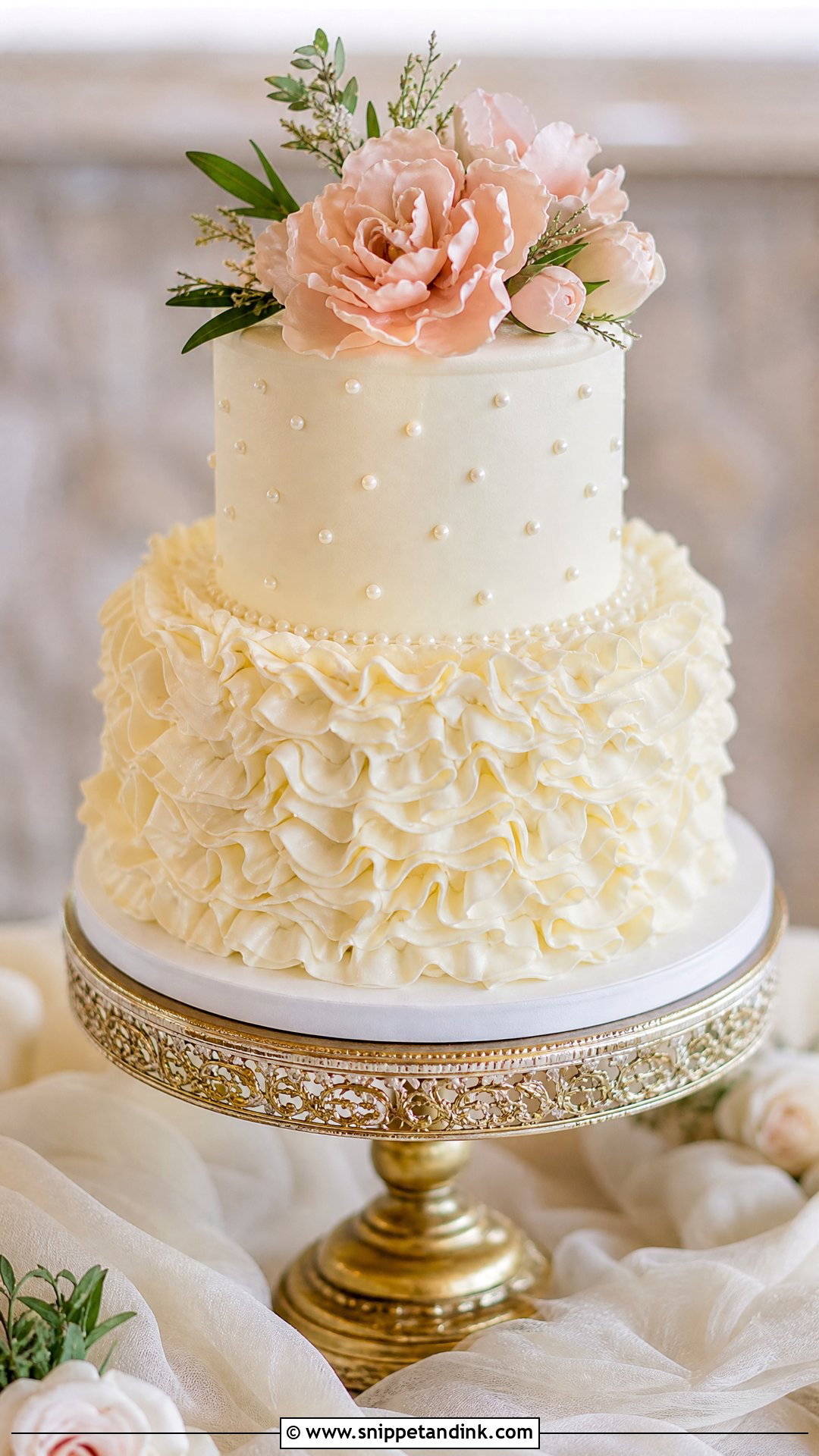
Fondant ruffles are cut thin and frilled with a ball tool, so they look like fabric; buttercream ruffles are piped with a petal tip and look fuller. Both take time, and covering two tiers is a long day of work. Keeping one tier smooth gives contrast and saves cost. White reads classic, blush soft, ombré adds gentle color. The texture fills the cake, so very little else is needed in a ballroom or a room already full of florals.
26. 2 Tier Wedding Cake With Pressed Flowers
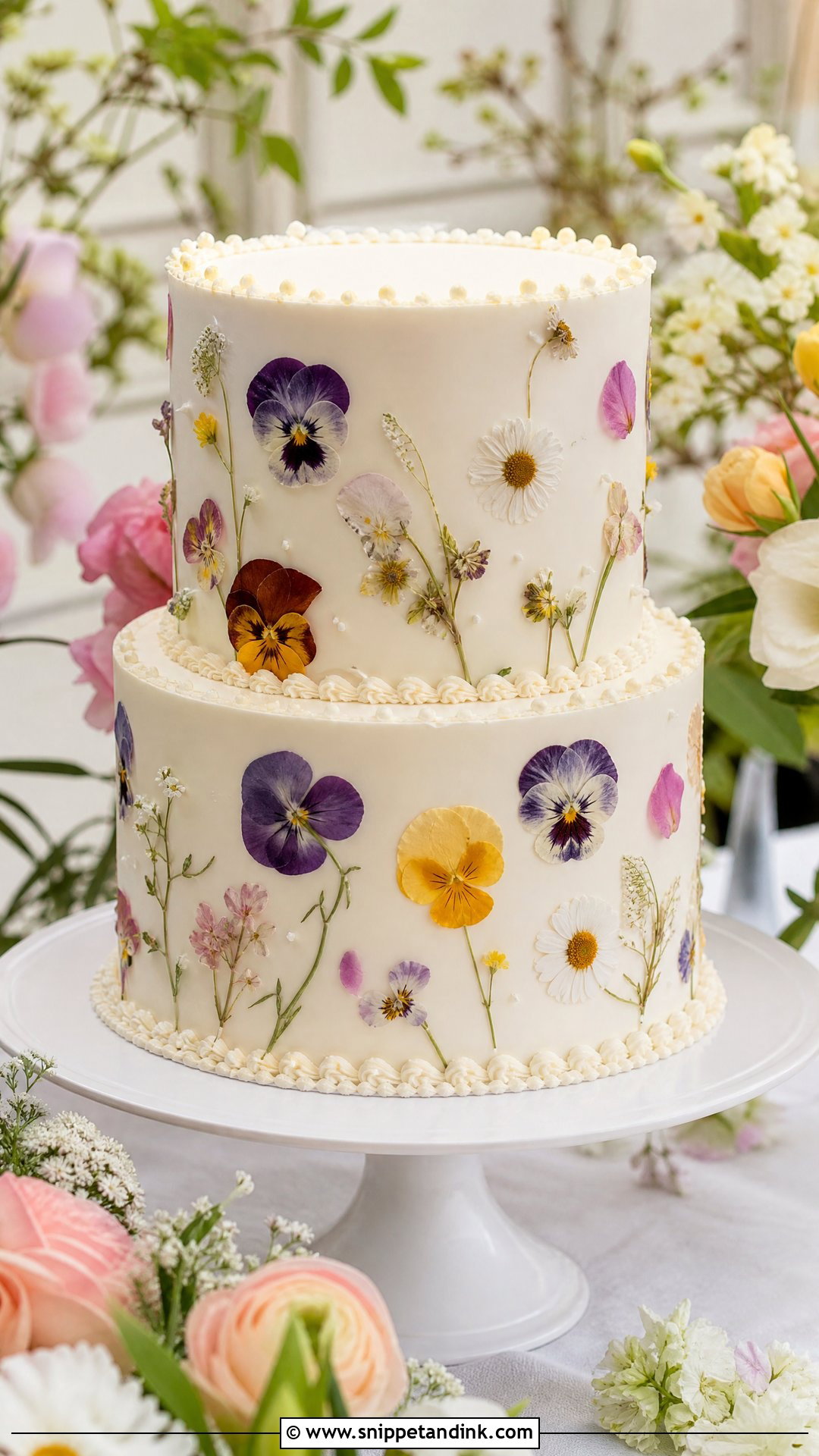
Pressed flowers are real edible blooms and leaves flattened and dried, then pressed onto smooth buttercream like a botanical print. Violas, pansies, cornflower petals and small herb leaves are typical, and they must come from an edible, pesticide-free source. A white or ivory base keeps the colors clear. I set them close to delivery, because they absorb moisture and can darken on the frosting. It gives floral detail without the bulk of large blooms.
27. 2 Tier Wedding Cake With Monogram
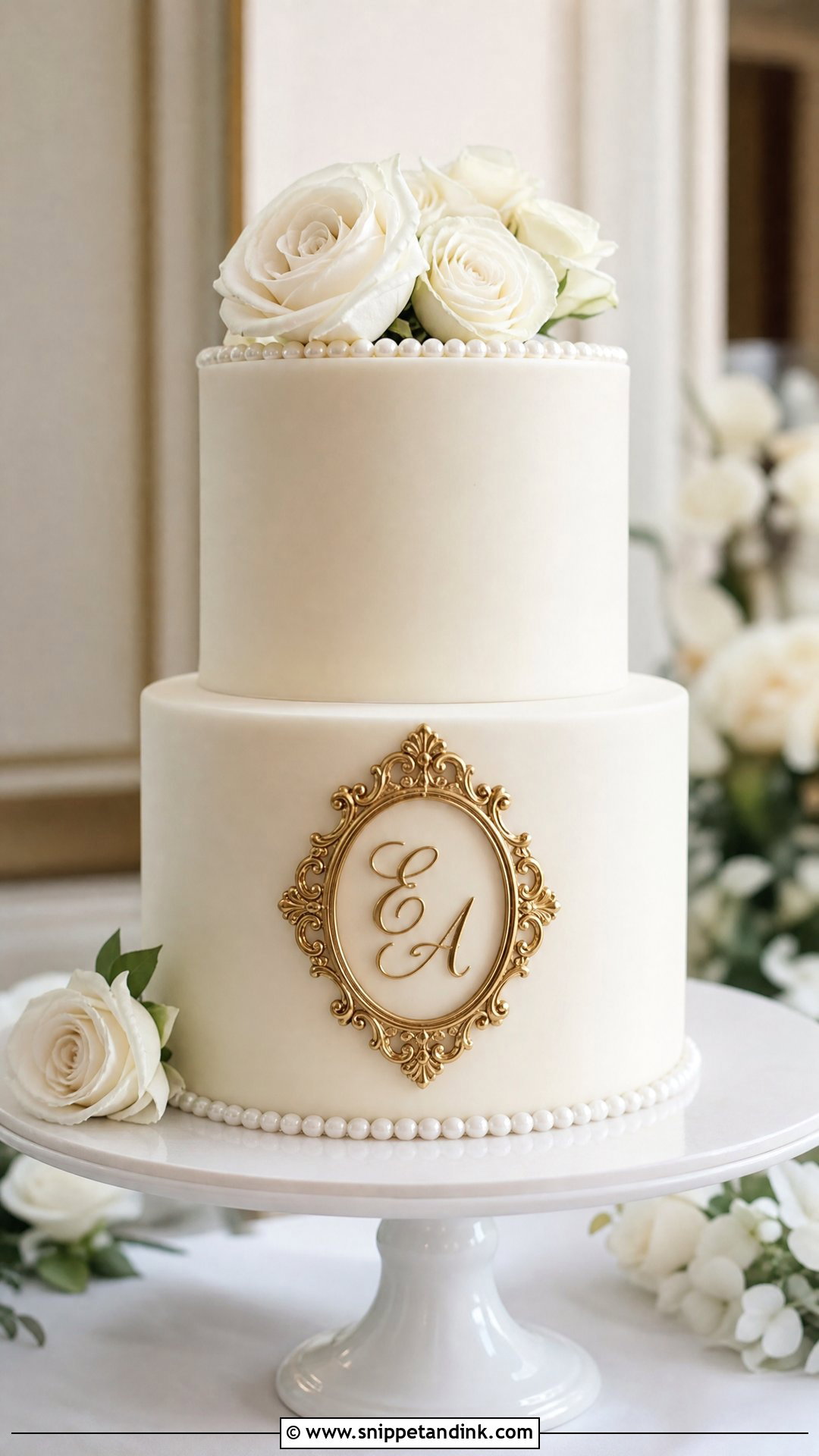
A monogram can be piped, cut from fondant, printed on an edible plaque or set on top as a topper. I keep initials no taller than about a third of the tier, so they look like a crest rather than a sign. A smooth ivory cake with a gold or white monogram is classic; a modern typeface freshens it. Flowers, pearls or a ribbon border complete it. Confirm the order of the initials in writing; it is surprisingly easy to get wrong.
28. 2 Tier Wedding Cake With Geometric Detail
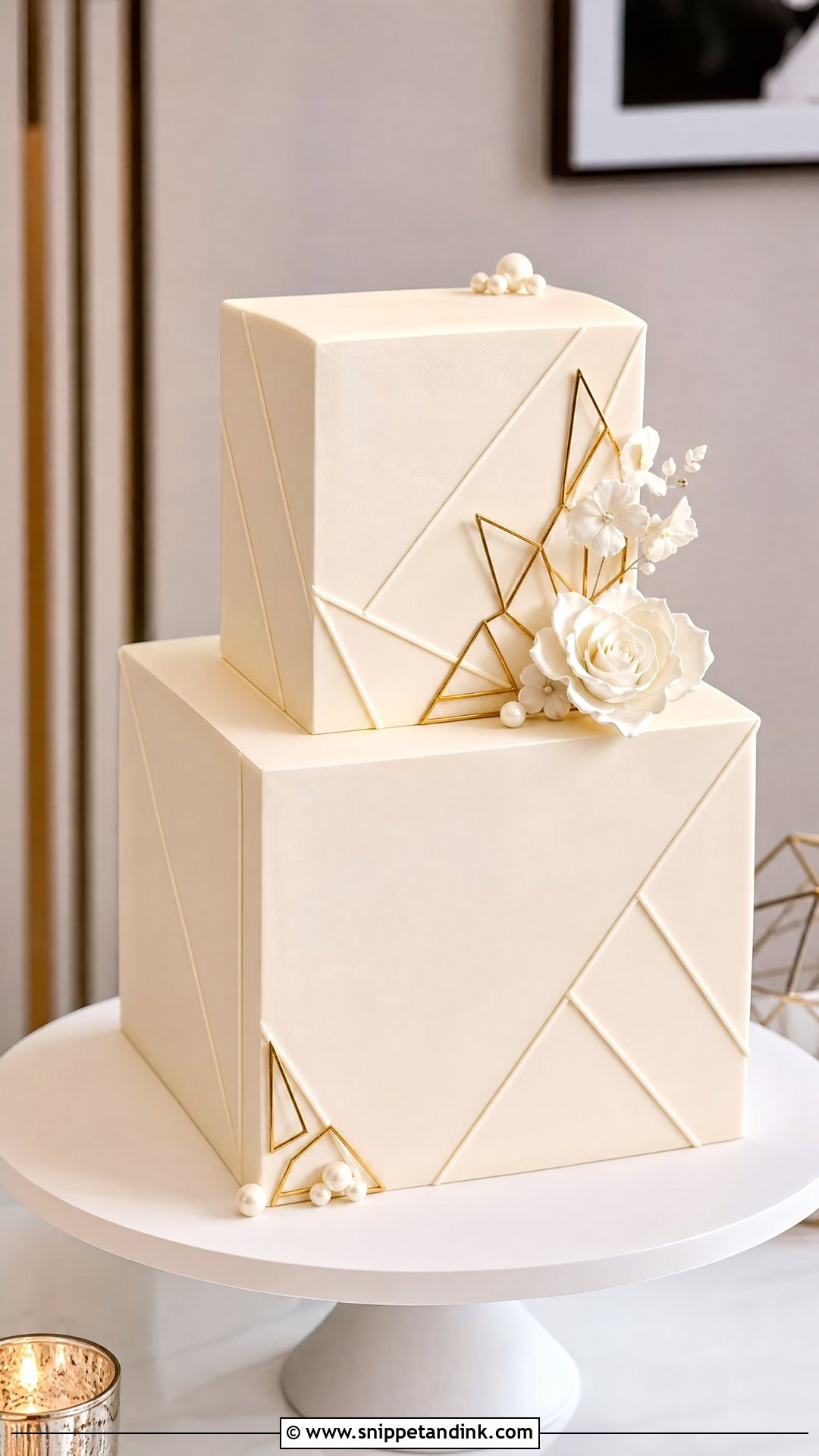
Geometric detail can mean hexagon tiers, sharp fondant panels, embossed lines, arches or precise piped patterns. Hexagon and square tiers need fondant or very firm ganache to hold their corners, and they cost more because each face is finished separately. White, ivory, beige, sage or soft gray keeps the structure as the focus, with one floral cluster or a small metallic accent for warmth. It suits rooftop, museum and minimalist venues.
29. 2 Tier Wedding Cake With Drip
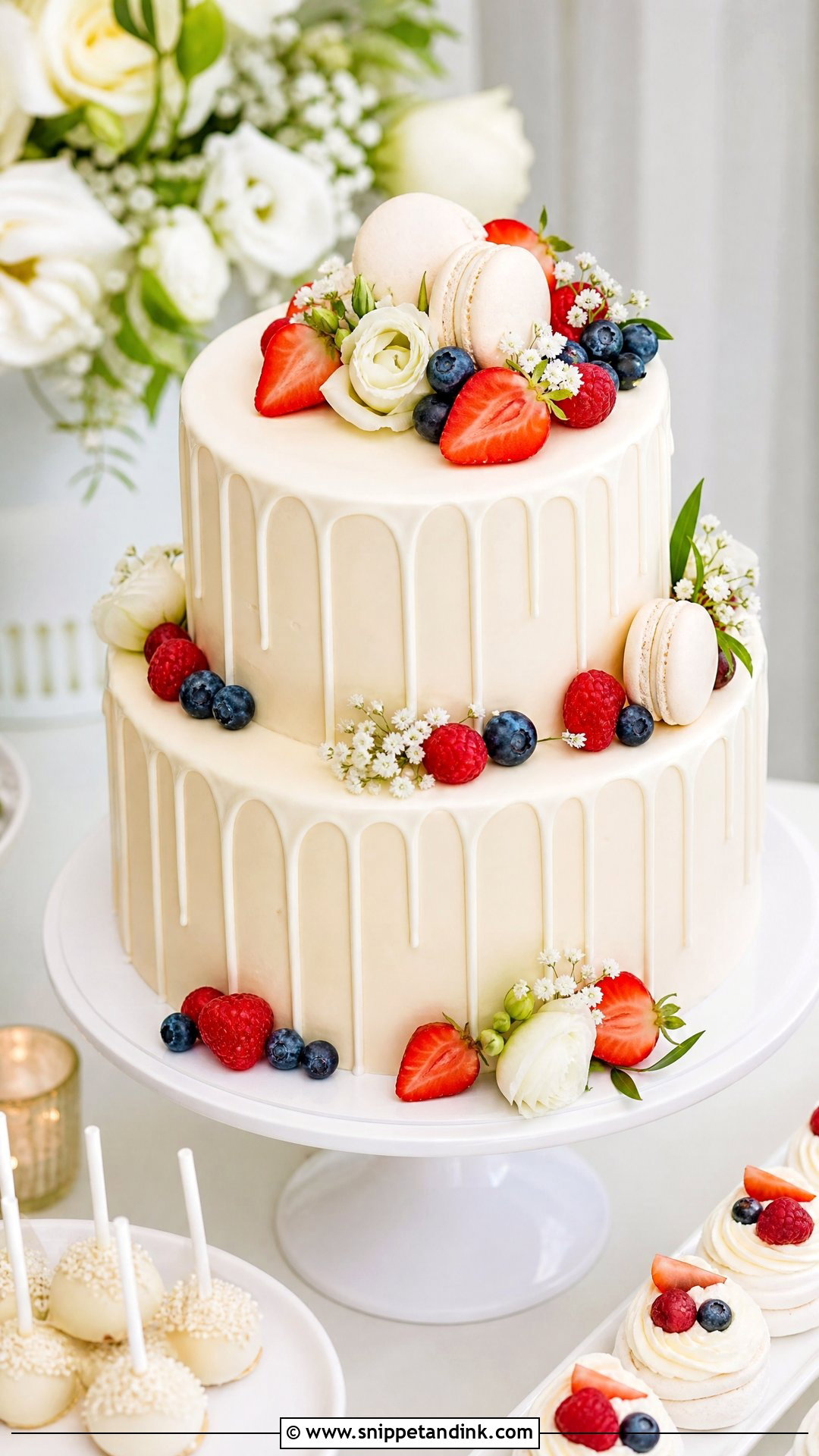
A wedding drip needs to look controlled, so I chill the cake hard and test the first drip before working around the tier. White chocolate drip over ivory buttercream is soft and classic; caramel suits fall. A pale pink or gold-tinted drip works if it matches the palette. Flowers, berries, macarons or a simple topper finish the top. It is a more relaxed wedding cake and looks right beside matching small treats on a dessert table.
30. 2 Tier Wedding Cake With Minimalist Finish
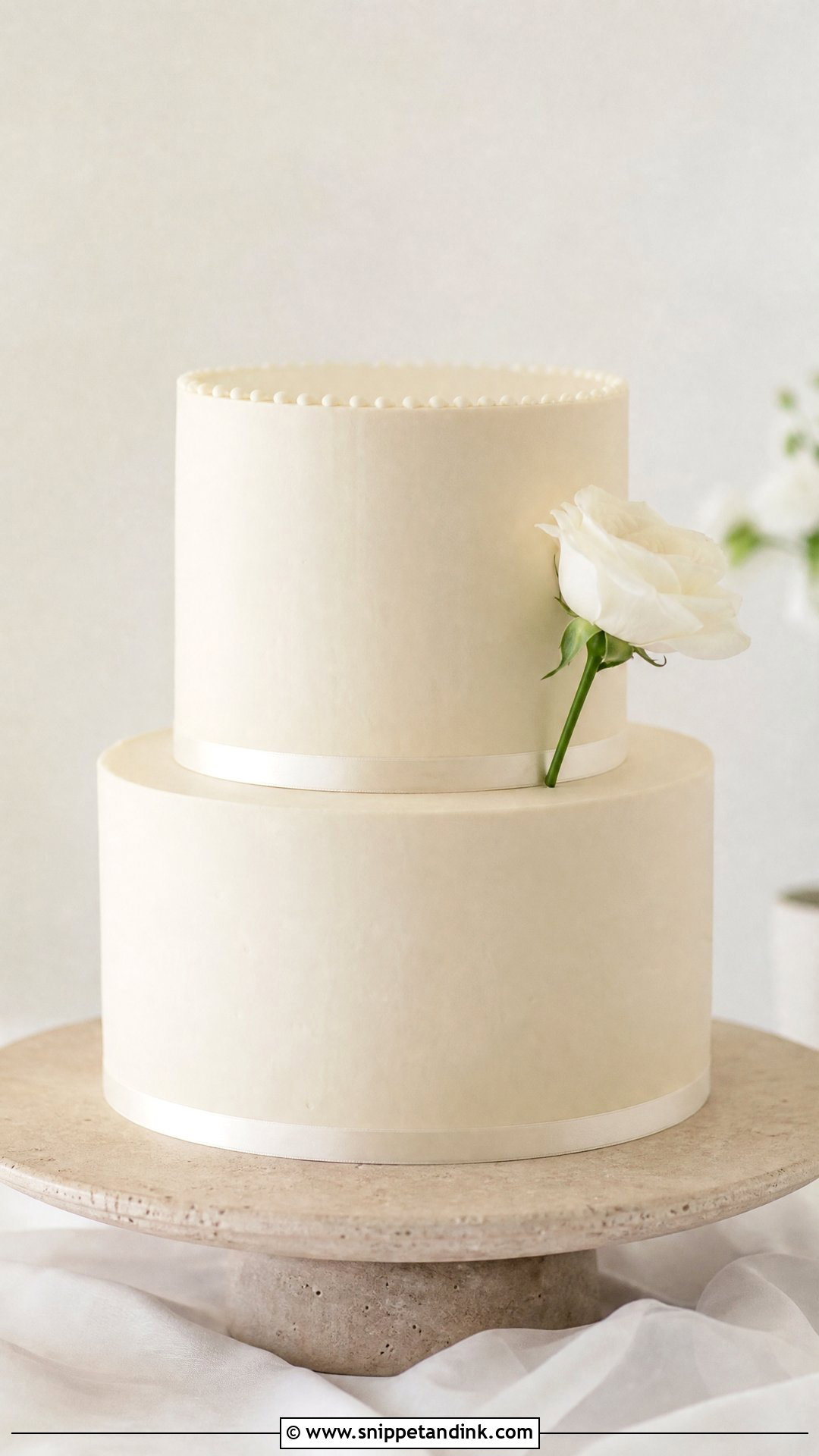
Minimal cakes show every flaw, so the skill is in clean edges and perfectly straight tiers, not in the decoration. One detail is enough: a single flower stem, a thin ribbon, soft texture or a small pearl border. White, ivory, beige and pale blush suit it. It fits courthouse celebrations and intimate receptions, and in photos the shape and finish do all the talking.
The Cake Table, the Stacking and the Afternoon Sun
Most cake problems on the day are table problems. Before delivery, I ask the planner or venue three things.
Is the table level and solid?
A wobbly folding table or one shared with a busy gift area is a risk. The cake wants its own sturdy table, away from walkways, dance floor speakers and the kids’ area.
Where will the light fall?
Direct sun through a window, a patio heater or stage lighting will soften buttercream within an hour. I ask to see the spot or a photo of it, and I move the table if I have to.
Who stacks it and who adds the flowers?
Two tiers usually travel already stacked with a central dowel, but some bakers stack at the venue. Fresh flowers should be agreed in advance: either the florist hands me prepped stems or I bring my own, so nobody turns up expecting the other to do it. Tell your caterer to remove any wired flowers and the top-tier board before cutting, and decide in advance whether you are keeping the top tier to freeze.
Two Tiers, Planned Around Your Real Guest Count
Two tiers can carry nearly any style, roses, geometric panels, ruffles, greenery or a monogram, and still sit comfortably on a small table. What should decide it is your venue, the season, your colors and the number of guests. Save the styles that fit, then take them to your baker along with your guest count and reception timeline, so they can advise on flavor, structure, flowers and serving size. Done well, a two tier cake holds its own against much larger cakes.
You'll Like These Ideas:







Leave a Reply