
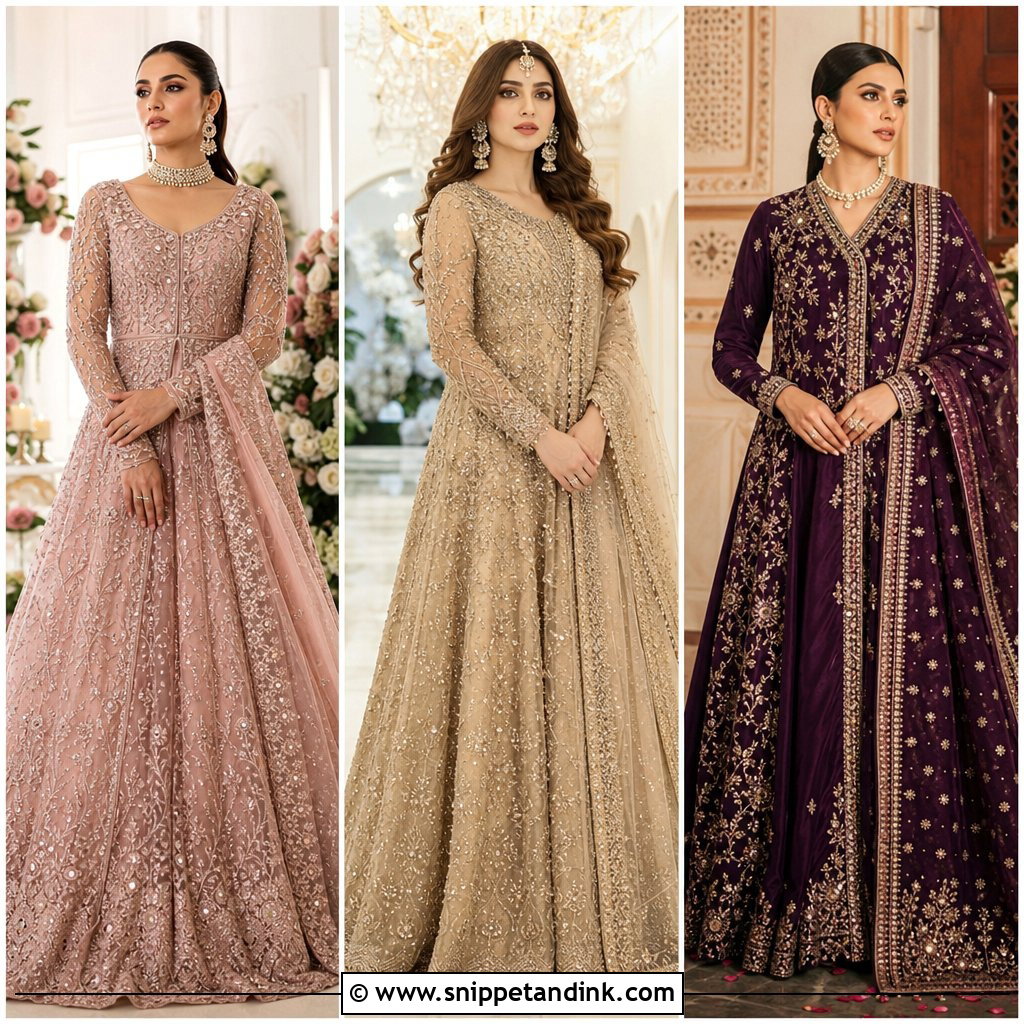
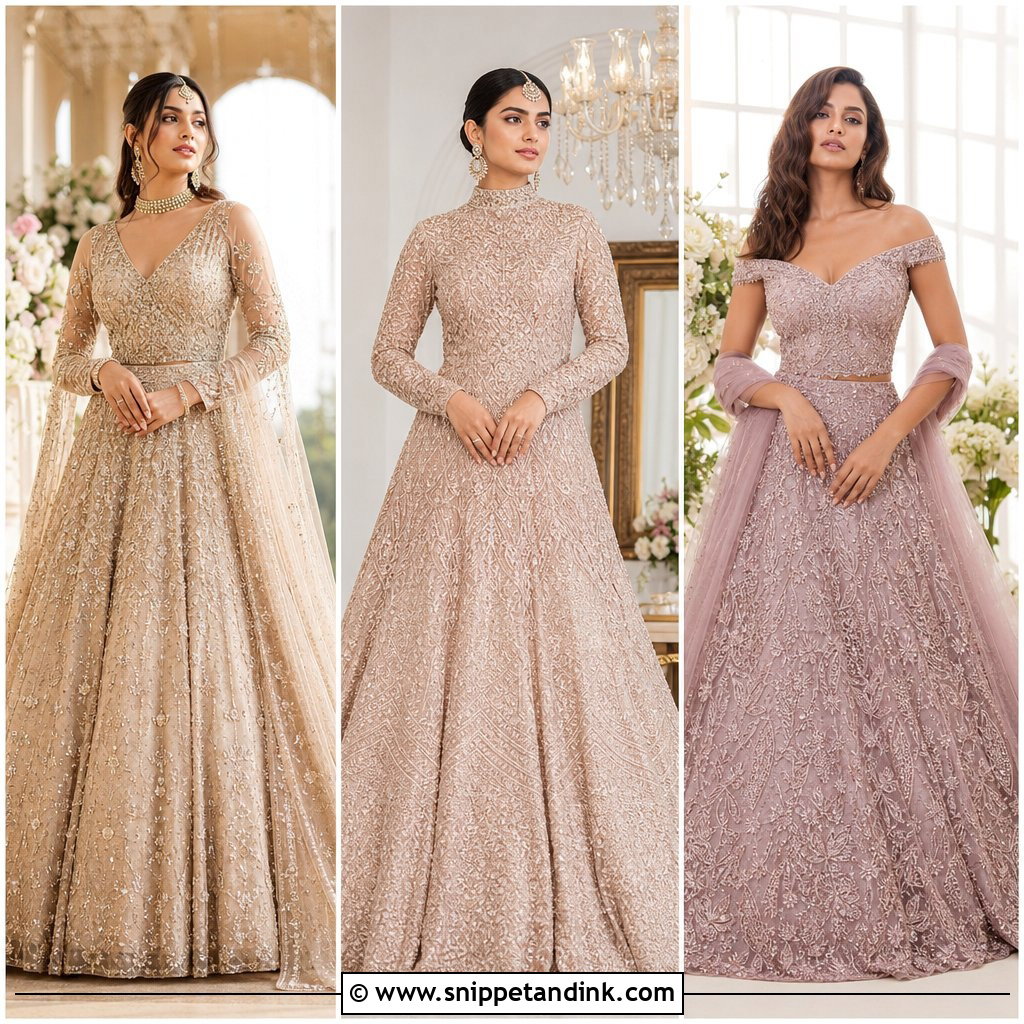
A traditional gown gives you South Asian craftsmanship in a shape that’s easier to wear than a lehenga or saree: one zip, one hem, no pleats to manage. What makes it read as traditional is the work on it, the recognizable ethnic details like zari, mirror work, brocade, bandhani, draped panels and a dupatta. Anarkalis, saree gowns, jacket styles and heavily worked bridal silhouettes all sit in this family. When I style one, I’m thinking about which function it’s for, how long you’ll stand in it, and whether the fabric suits the season. The twenty outfits below come complete with jewelry, shoes and a bag, plus the fitting or fabric detail I’d check for each.
Which Gown Suits Mehndi, Haldi, Nikah or Reception?
Most South Asian weddings run over several functions, and the same gown rarely suits all of them. I match fabric and weight to what actually happens at each one.
- Haldi and mehndi: you may sit on cushions or the floor, and paste and henna go everywhere. Choose washable cotton-silk or georgette, a moderate flare and short or elbow sleeves.
- Sangeet: you’ll dance. Keep the skirt light enough to spin, skip heavy mirror work under the arms, and wear flats.
- Nikah or ceremony: coverage and a dupatta that can go over the head matter more than sparkle.
- Reception: this is where brocade, velvet and heavy zari belong, since you’ll mostly stand and greet.
If you’re a guest, ask the hosts whether a color is reserved for the bride. Red and maroon often are.
1. Red Embroidered Anarkali Gown
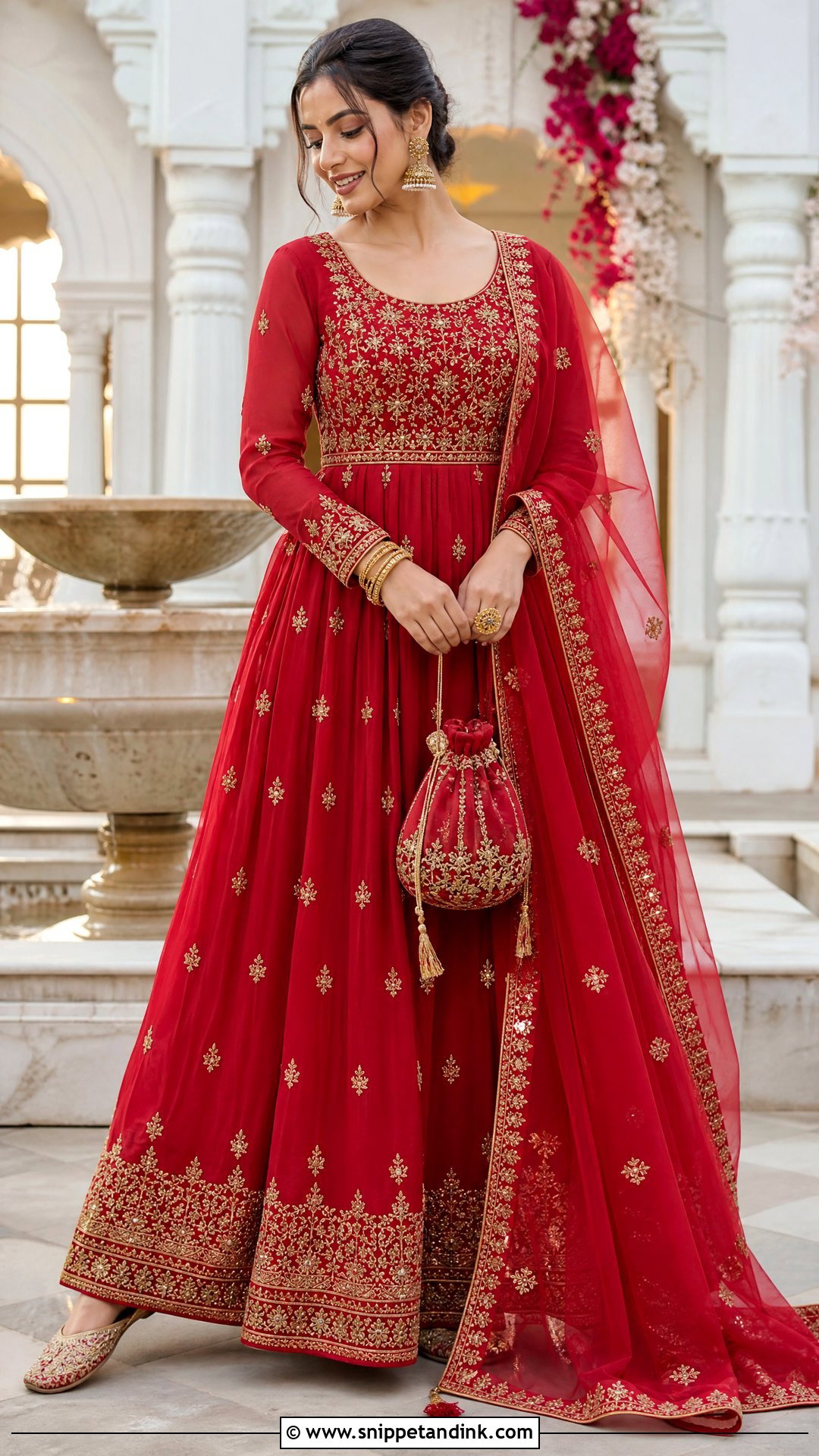
A red embroidered Anarkali gown depends on its flare. The skirt should open from a fitted bodice at the true waist; if the seam sits low, the gown looks heavy and you lose the swing when you turn. Gold zari or scattered sequins add richness without weight. A light net dupatta over one shoulder lets the bodice embroidery show. Gold jhumkas, stacked bangles and a small potli finish it. Choose cushioned block heels or juttis, and have the hem set while you’re wearing them. A low center-parted bun, soft gold eyes and a muted red lip balance the color.
2. Green Silk Traditional Gown
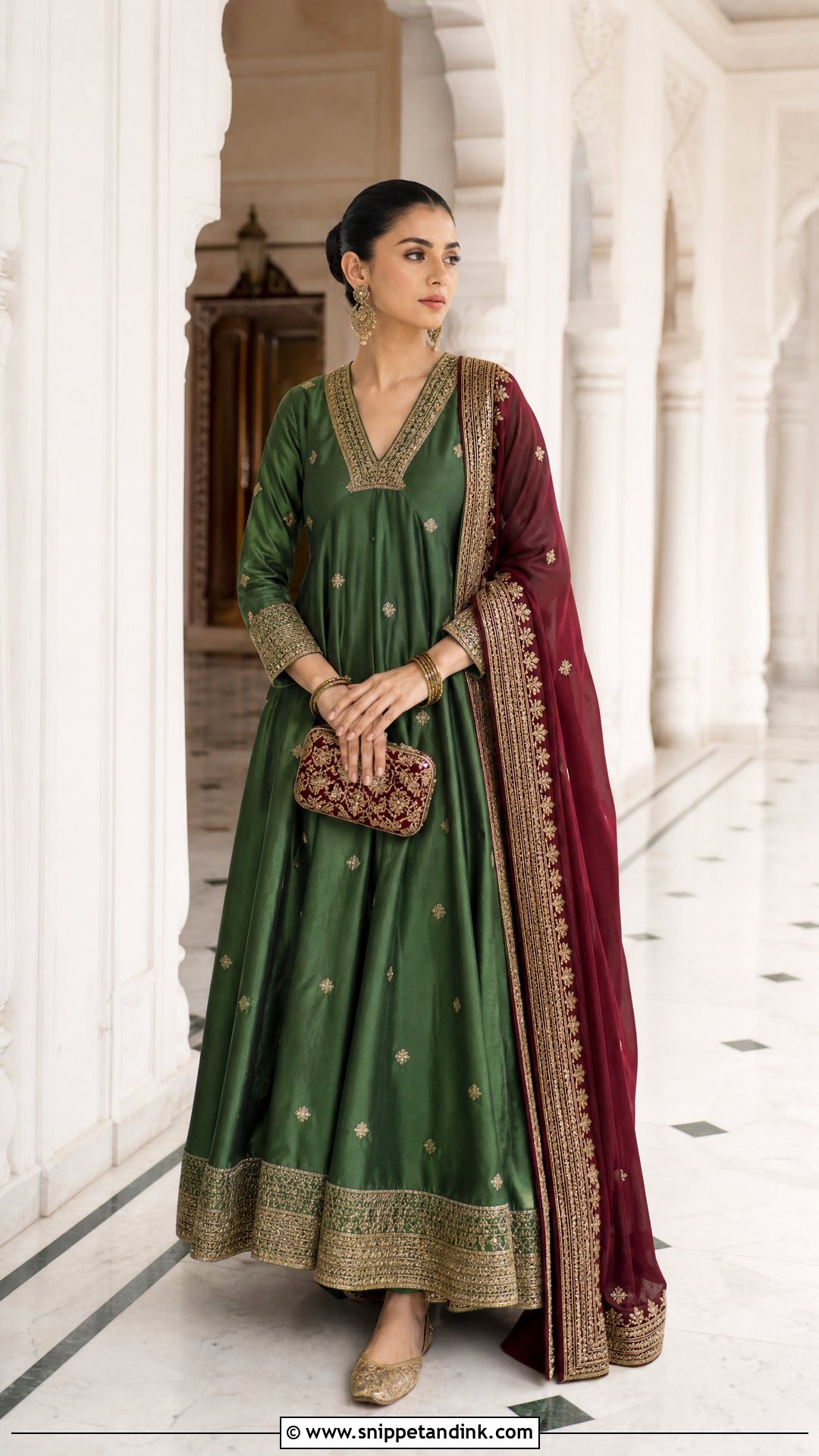
Green silk barely needs embellishment, which is why I like it for brides and guests who dislike heavy outfits. Emerald, bottle green and deep olive look richest with antique gold borders or small woven motifs. An A-line with elbow sleeves is the easiest cut. Real silk shows water marks, so keep a tissue handy at the drinks table. A contrasting maroon or mustard dupatta brings a second traditional color in. Antique gold earrings, slim bangles and a structured clutch suit it, and pointed juttis get you through a long day. Finish with soft curls or a braided bun and a neutral lip.
3. Blue Mirror Work Gown
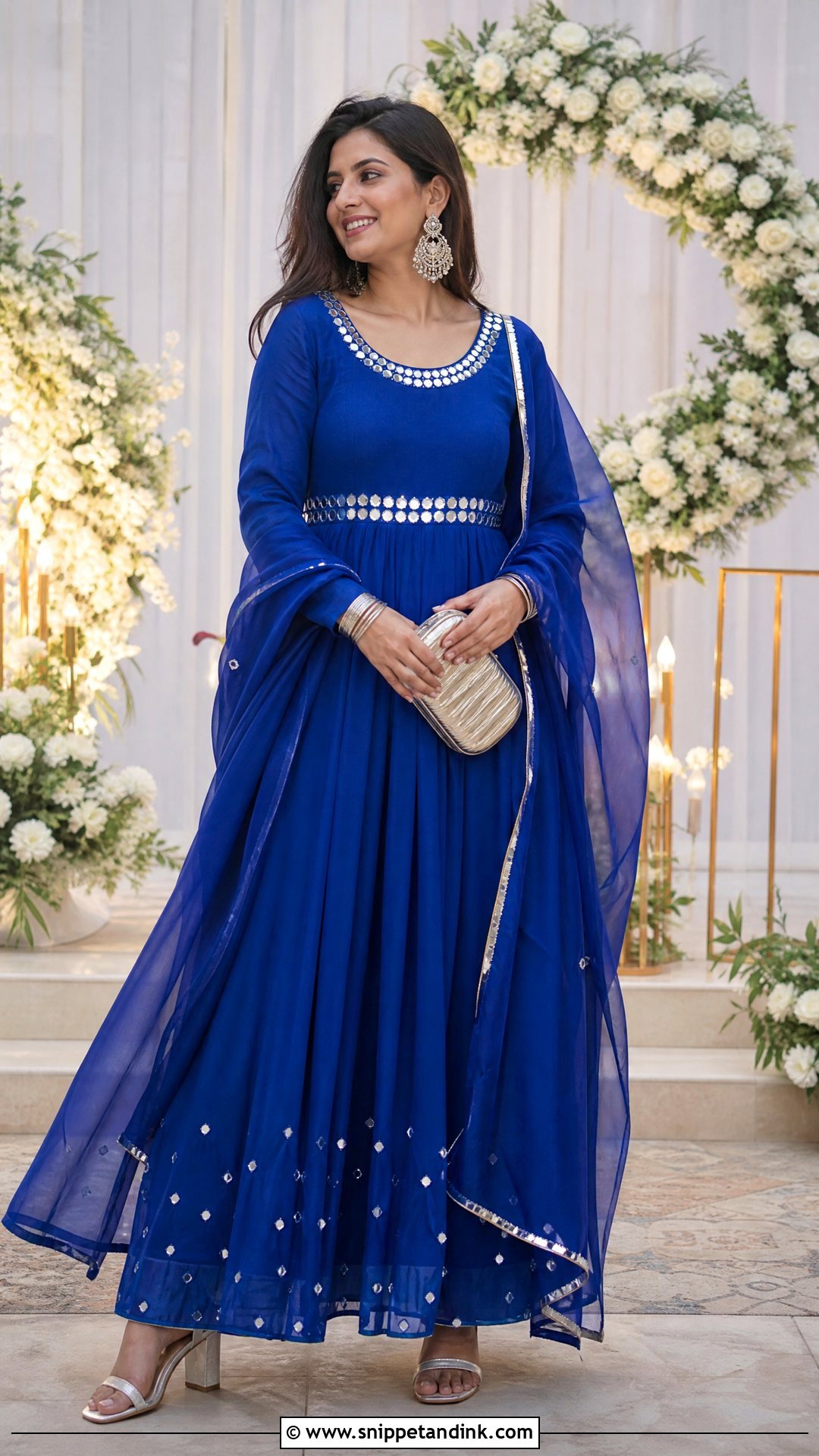
Mirror work is heavier than it looks and every mirror has an edge, so placement matters for comfort as much as looks. On a royal blue or navy gown, I’d keep the mirrors to the neckline, waist and cuffs; mirrors under the arms rub through a long evening. A chiffon dupatta with a narrow mirrored border ties it together. Silver chandbalis, a metallic clutch and plain bangles echo the shine. Wear silver block heels or embellished flats depending on hem length. A high ponytail feels modern; a braided bun reads classic. Kohl and a soft rose lip keep the face bright.
4. Pink Floral Traditional Gown
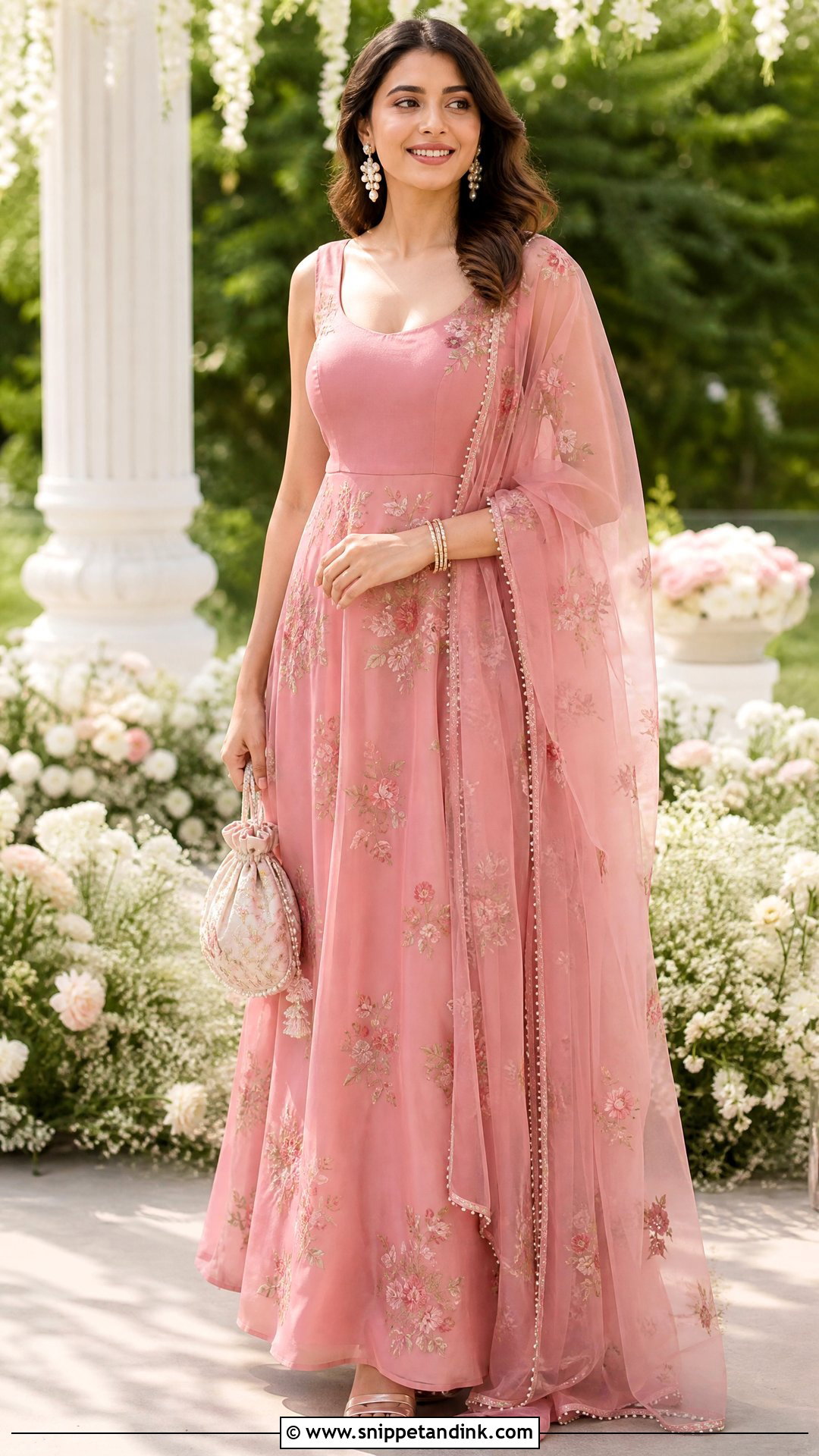
Pink florals suit daytime events, and the base shade decides the mood: blush is soft, dusty rose is muted, rani pink is loud. A fitted bodice with a flowing georgette skirt gives shape without stiffness. Printed florals are lighter to wear than embroidered ones in summer heat. A sheer dupatta with a border that repeats one flower pulls it together. Pearl drops, slim bangles and a pastel potli keep it light, with champagne heels or embroidered juttis. Loose waves or a relaxed bun with a few small flowers suit it. Keep makeup rosy and simple so the print leads.
5. Gold Brocade Traditional Gown
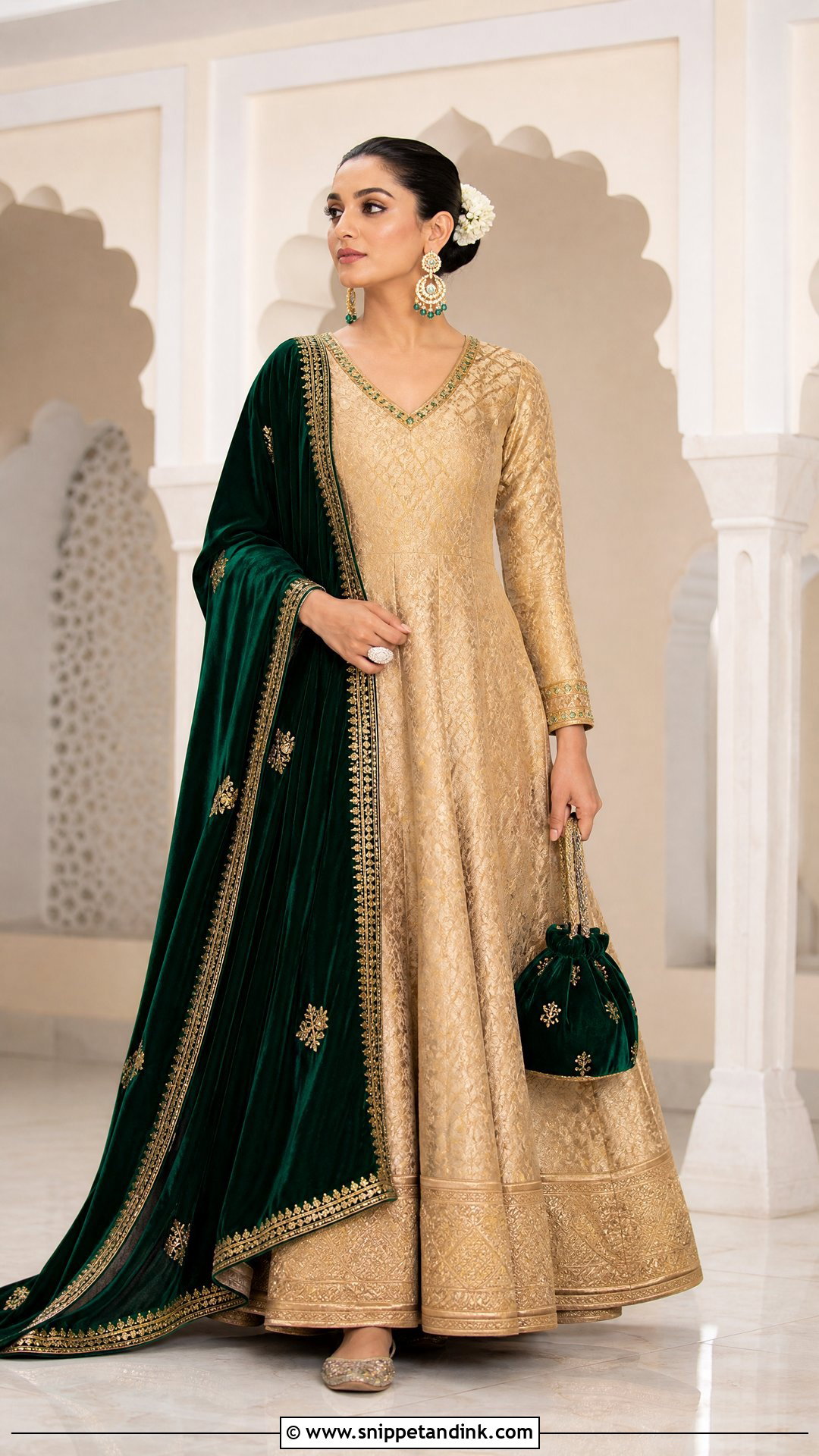
Gold brocade already has so much texture that a plain cut serves it best. I’d pick a clean A-line or paneled gown in antique gold, champagne or beige, with maroon, emerald or navy at the neckline and hem. Brocade is stiff and doesn’t ease, so allow a little room at the bust and waist for sitting through a long ceremony. Pair velvet for winter or organza for warmer days. Kundan earrings, one ring and a deep-colored potli finish it, with maroon heels or metallic juttis. A smooth bun shows the neckline. Defined liner and a berry lip stop gold-on-gold from washing you out.
6. Purple Velvet Traditional Gown
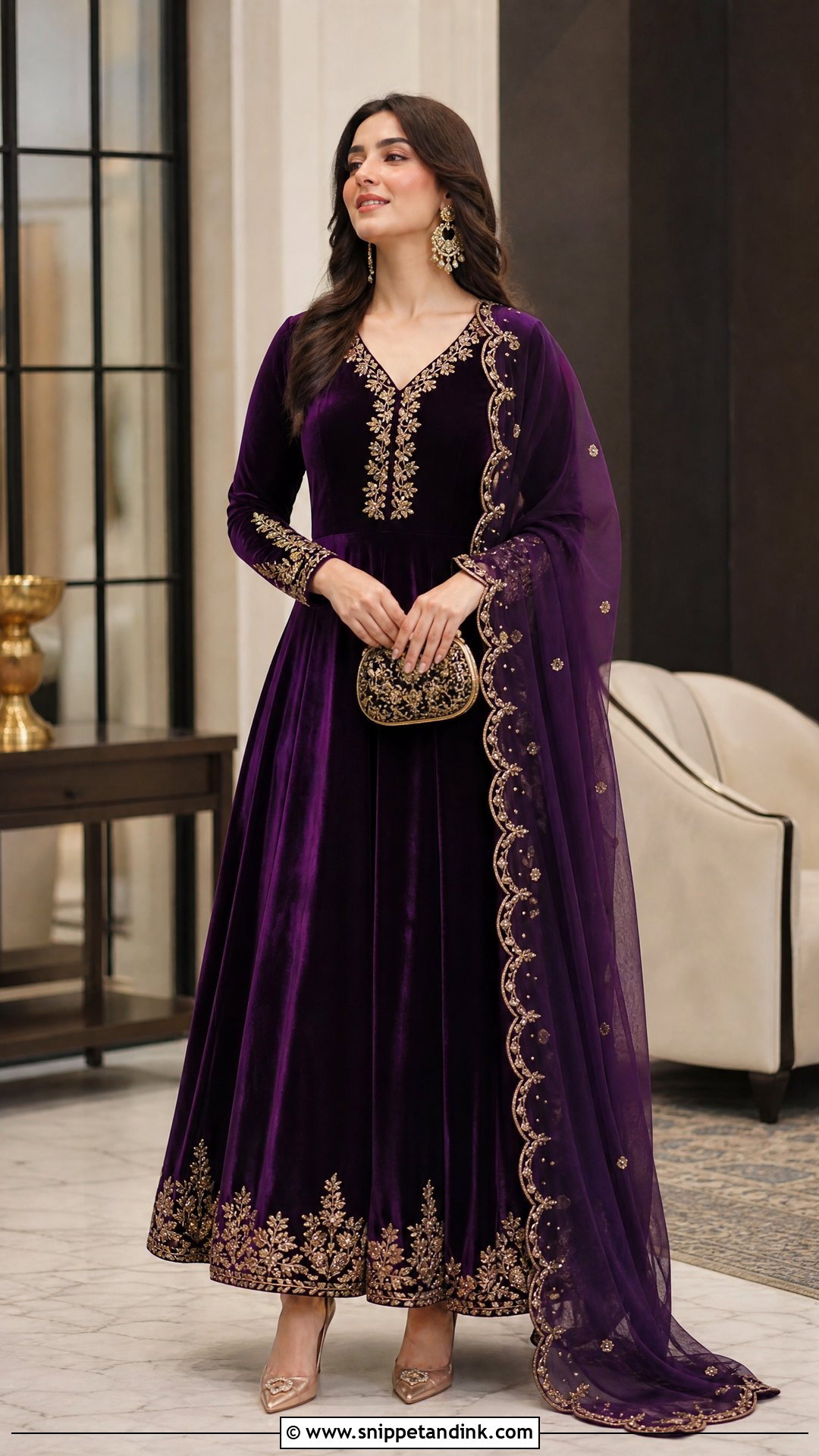
Purple velvet is a winter fabric, and it’s warm enough that I wouldn’t put anyone in it for an outdoor afternoon function. Deep plum or aubergine in a long-sleeved, structured gown with a soft flare looks rich. Embroidery at the neckline, cuffs and waist is enough. Pair it with a light net or organza dupatta; a second heavy fabric on top turns it into a costume. Antique gold earrings, a statement ring and a small embroidered clutch complete it, with closed-toe heels or padded juttis. A sleek low bun or side waves balance the weight. Warm metallic eyes and a mauve lip suit evening light.
7. White Chikankari Traditional Gown
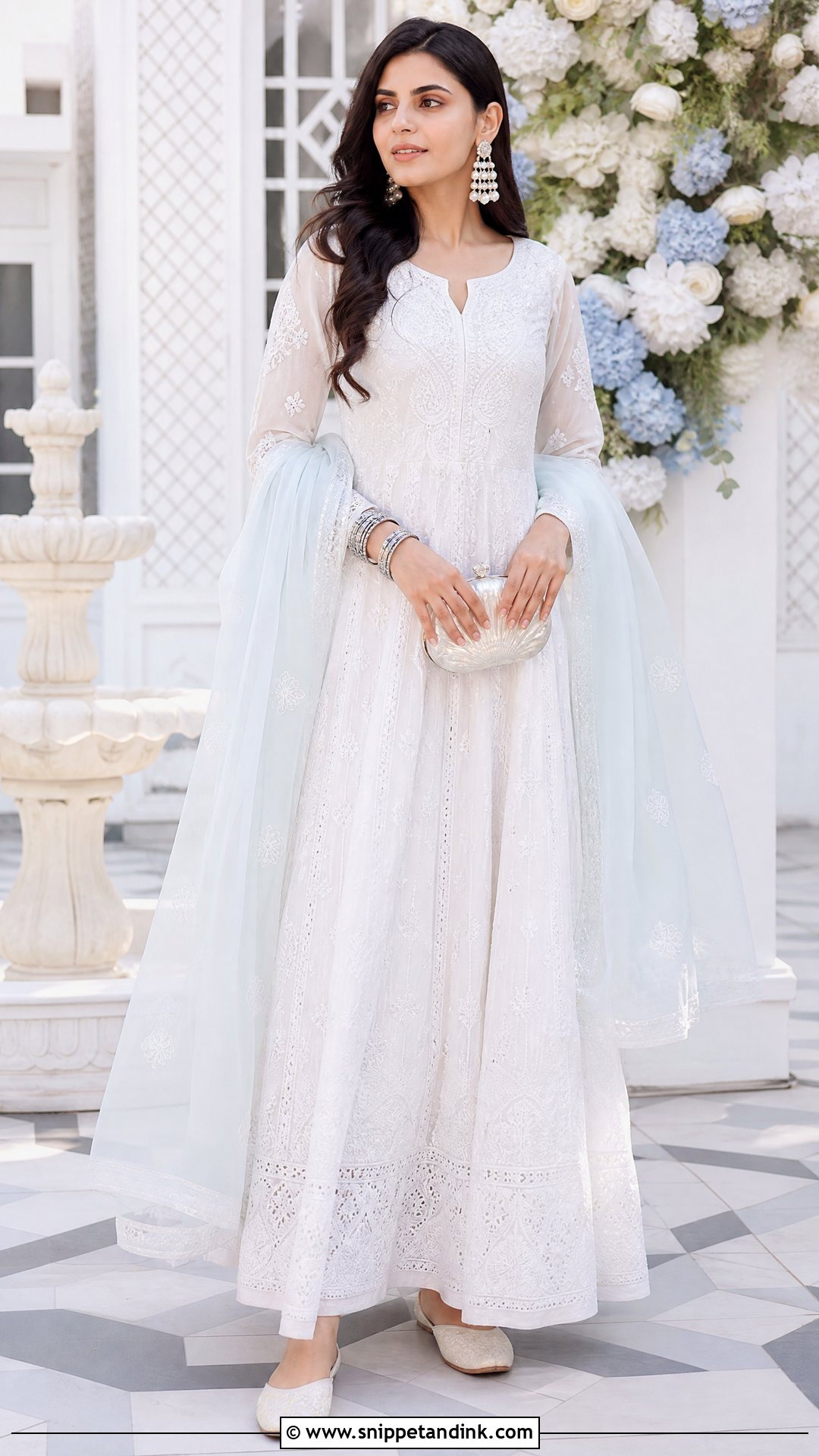
Chikankari is the hand-embroidered whitework of Lucknow, and on a white gown it looks cool and quiet. Choose breathable cotton or georgette with tone-on-tone work, and insist on a full lining; unlined chikankari shows everything under bright daylight. Pair a pale pastel dupatta or a white organza one edged in silver. Pearl earrings, a mother-of-pearl clutch and silver bangles keep the palette clean, with white juttis or low metallic sandals. A loose bun or soft braid suits the delicacy. Some families avoid all-white at weddings, so ask before wearing it as a guest.
8. Black And Gold Traditional Gown
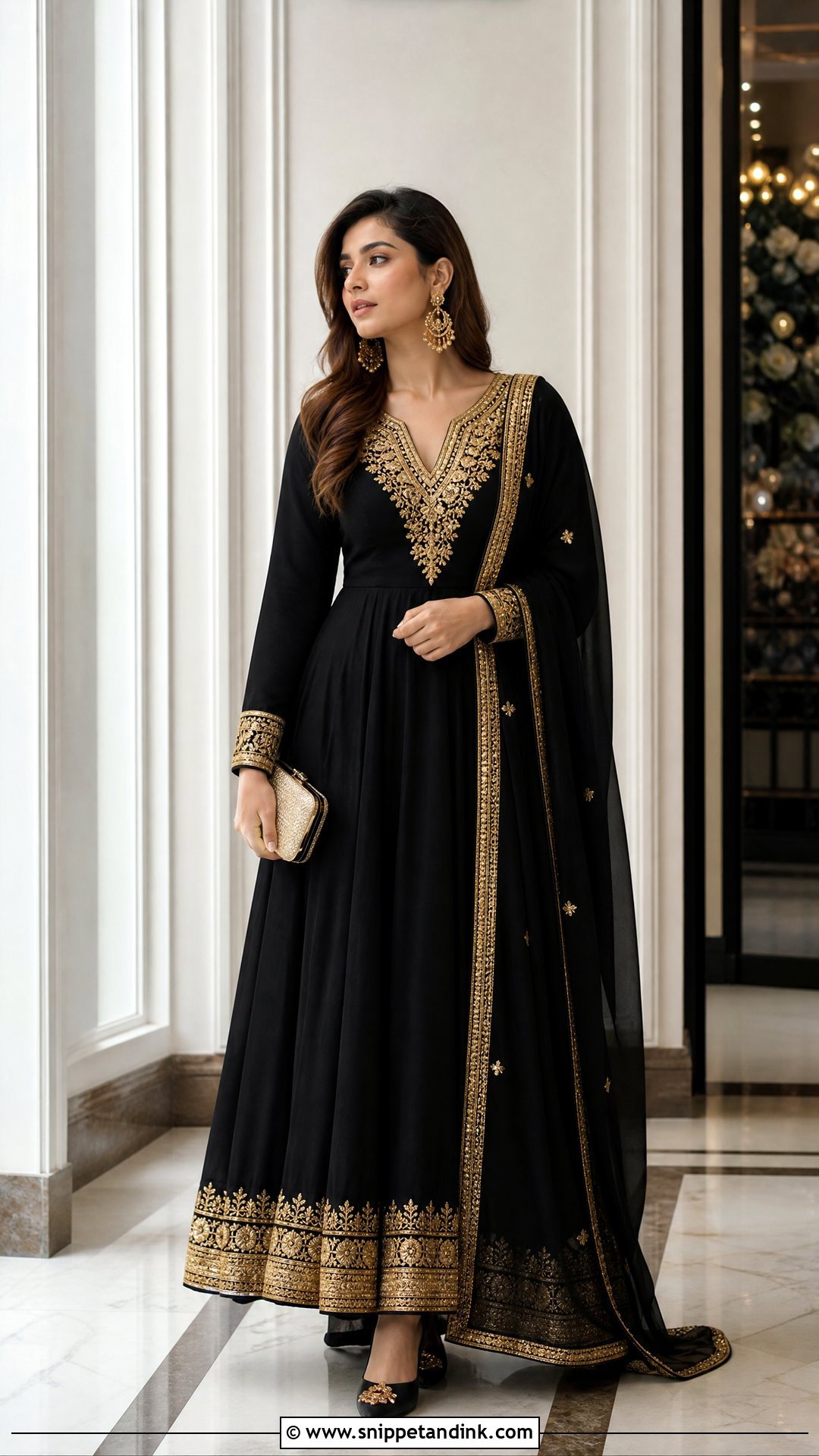
When an evening event calls for drama, black with gold delivers it, though I’d check first whether the family minds black at a wedding, since some do. Black georgette, silk or velvet carries gold embroidery at neckline, waist, sleeves and hem beautifully. A fitted bodice and flowing skirt keep it sleek. Drape a black dupatta with a narrow gold border over one arm. Statement gold earrings, a hard-case clutch and one bold cuff are enough. Black heels with a gold accent continue the line. Finish with a smooth bun or glossy waves, smoky eyes and a warm nude lip.
9. Orange Bandhani Traditional Gown
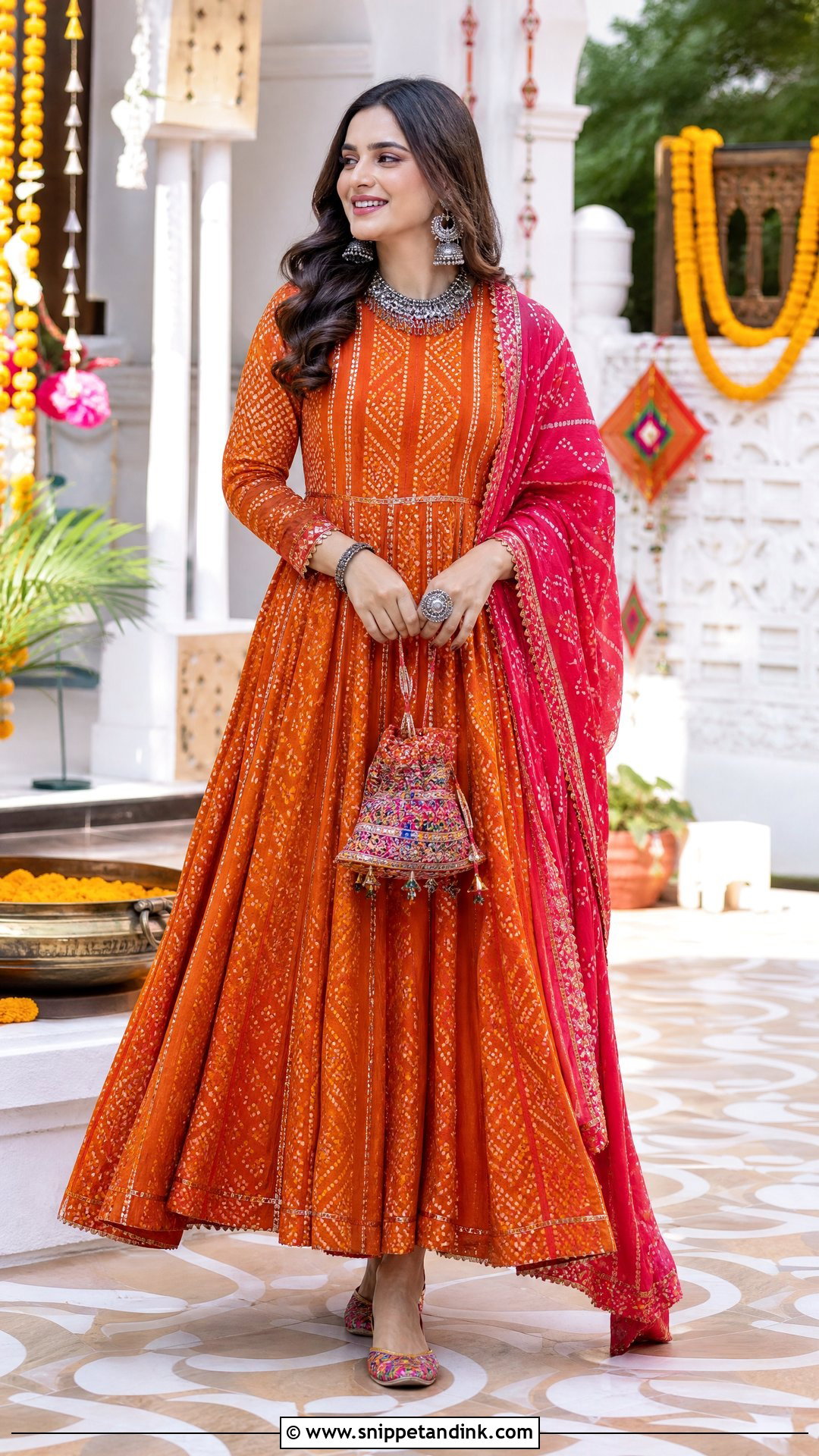
Bandhani is tie-dyed by hand, thousands of tiny knotted dots, and an orange bandhani gown has instant festival energy. Burnt orange reads grown-up; tangerine reads playful. A tiered or paneled skirt lets the dots flow, and a fitted waist keeps the shape. Genuine bandhani can bleed when damp, so keep it away from rain and don’t let a wet dupatta sit against it. Pair with a pink, red or green dupatta. Oxidized silver feels folk; gold feels formal. Add a small embroidered potli, colorful juttis, a long braid or loose waves, kohl and a terracotta lip.
10. Yellow Haldi Traditional Gown
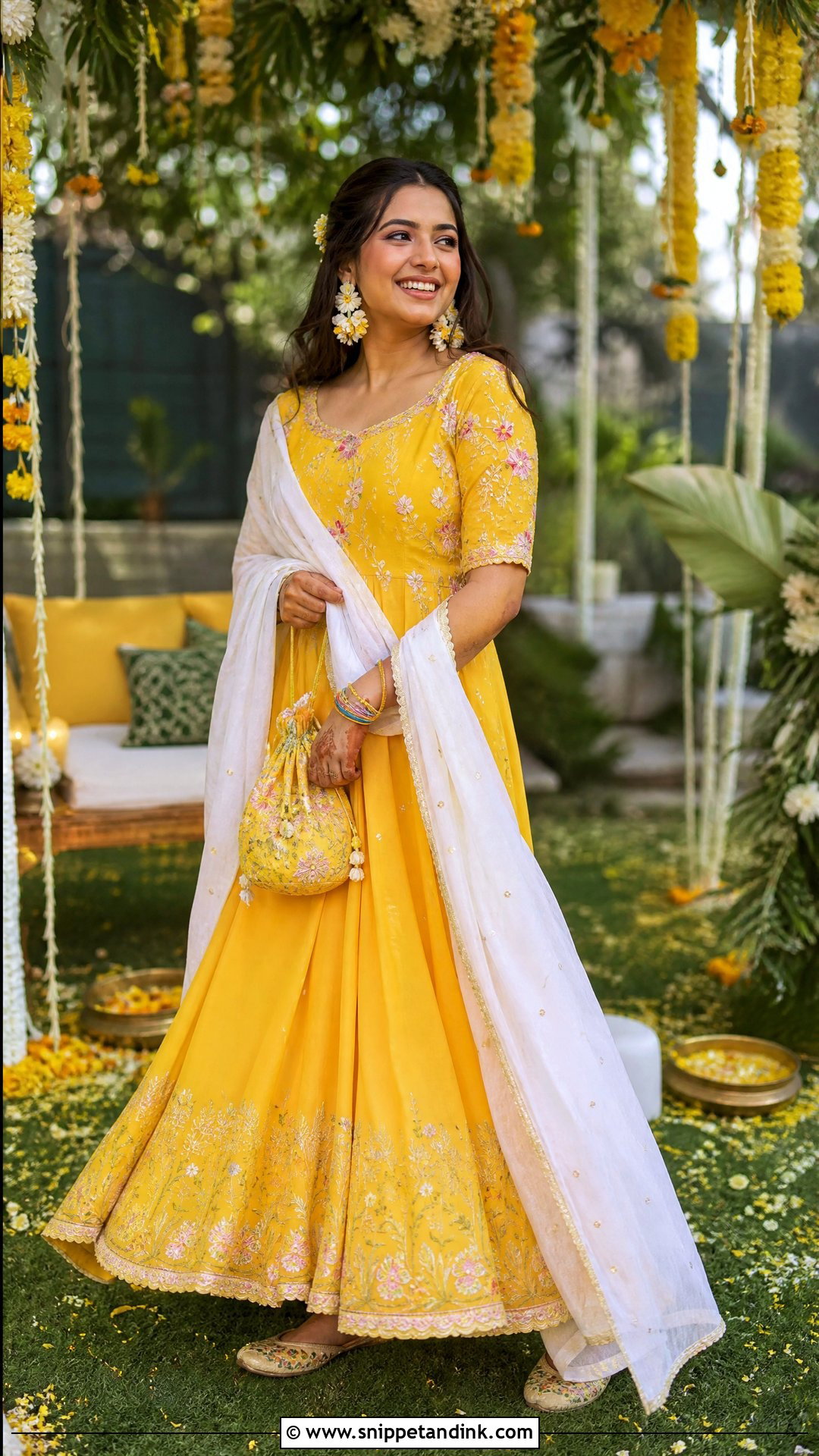
Sunny yellow fabric is the obvious haldi choice, and the turmeric paste will stain it, so pick something you won’t mourn. Cotton-silk, chiffon or georgette lets you move and sit on the floor. Sleeveless, short or flutter sleeves keep arms free. Gota trim, florals or small mirrors add festivity without weight. A white, green or pink dupatta contrasts well. Floral earrings, simple bangles and an embroidered potli suit the mood. Flat juttis or low block heels are sensible for long rituals. A braided ponytail with small flowers, waterproof mascara and a soft pink lip finish it.
11. Maroon Bridal Traditional Gown
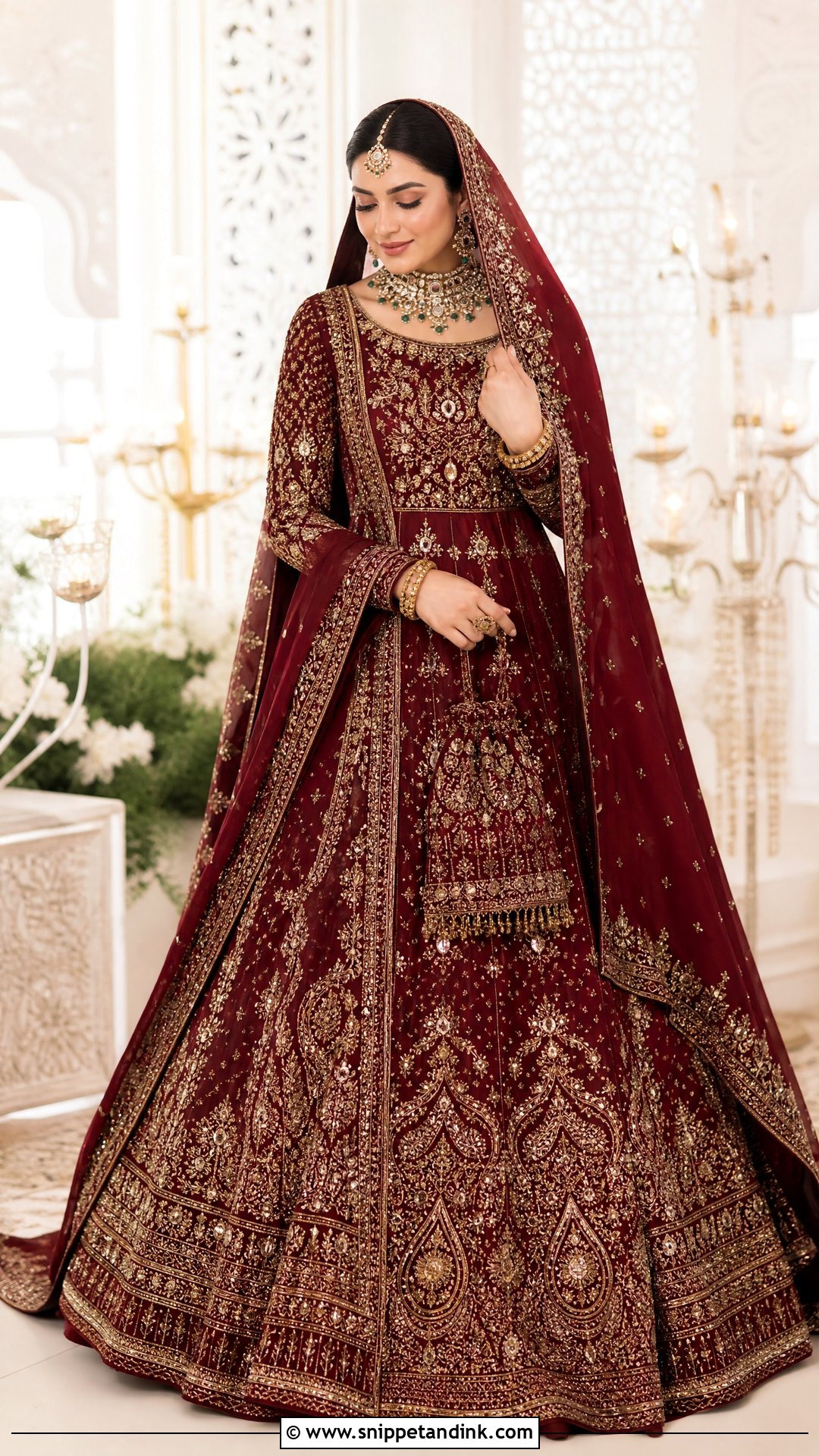
A maroon bridal traditional gown is deep enough to look ceremonial and softer on many skin tones than bright red. A structured bodice, defined waist and full skirt carry evenly spread zari, beads or sequins. A heavily worked bridal gown can be very heavy, so I ask for a cotton or silk lining and wide inner waist tape that takes the skirt’s weight off the shoulders. Wear the dupatta over the head or shoulder depending on the ceremony. Kundan jewelry, matching bangles, a ring and a potli complete it. Platform heels add height with more stability than stilettos. A center-parted bun suits a traditional jewelry set, with gold eyes and a deep rose lip.
12. Pastel Organza Traditional Gown
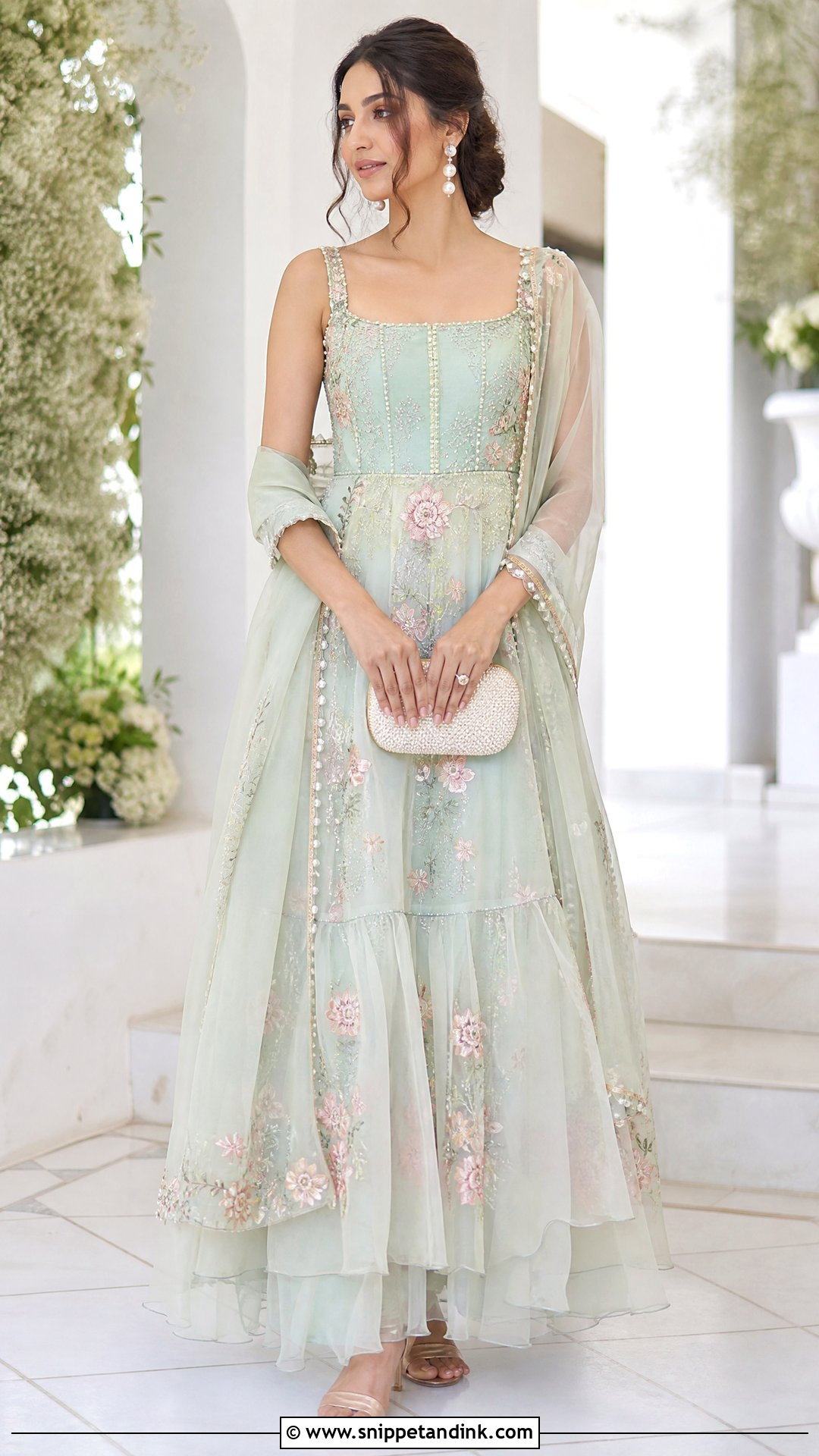
Organza is crisp and sheer, and in pastels it suits daytime receptions in summer. Mint, powder blue, peach, lavender and blush all work. It needs a lined bodice and layered skirt for coverage, and it creases easily, so hang it the night before and don’t fold it in a suitcase on the day. Embroidered flowers or pearl details add dimension. Drape a matching organza dupatta loosely over the arms. Pearl chandeliers, a beaded clutch and slim metallic bangles finish it, with nude, silver or champagne heels. Loose curls or a low textured bun and a pink-nude lip suit the softness.
13. Cape Sleeve Traditional Gown
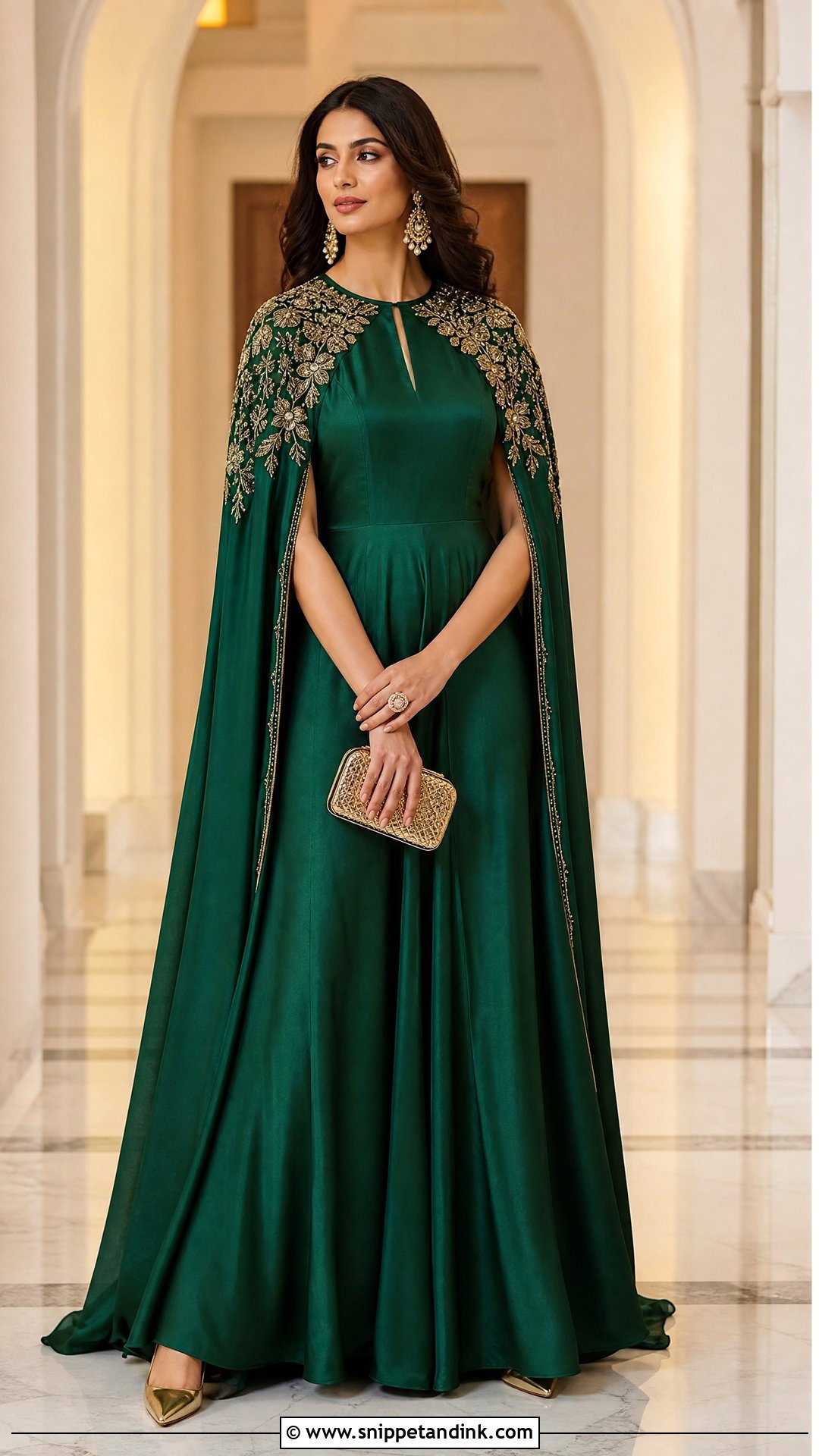
A cape gives coverage and an entrance without the faff of a dupatta. It can fall from the shoulders, attach at the neckline or extend from the sleeves. Put an embroidered cape over a solid jewel-toned gown; two busy layers fight each other. A straight or gently flared skirt keeps it streamlined. Make sure the cape is anchored at both shoulders, or it slides backward and pulls the neckline tight against your throat. Statement earrings, one cocktail ring and a compact metallic clutch suit it, with pointed heels or embellished mules. A high bun or sleek ponytail keeps the cape visible.
14. Jacket Style Traditional Gown
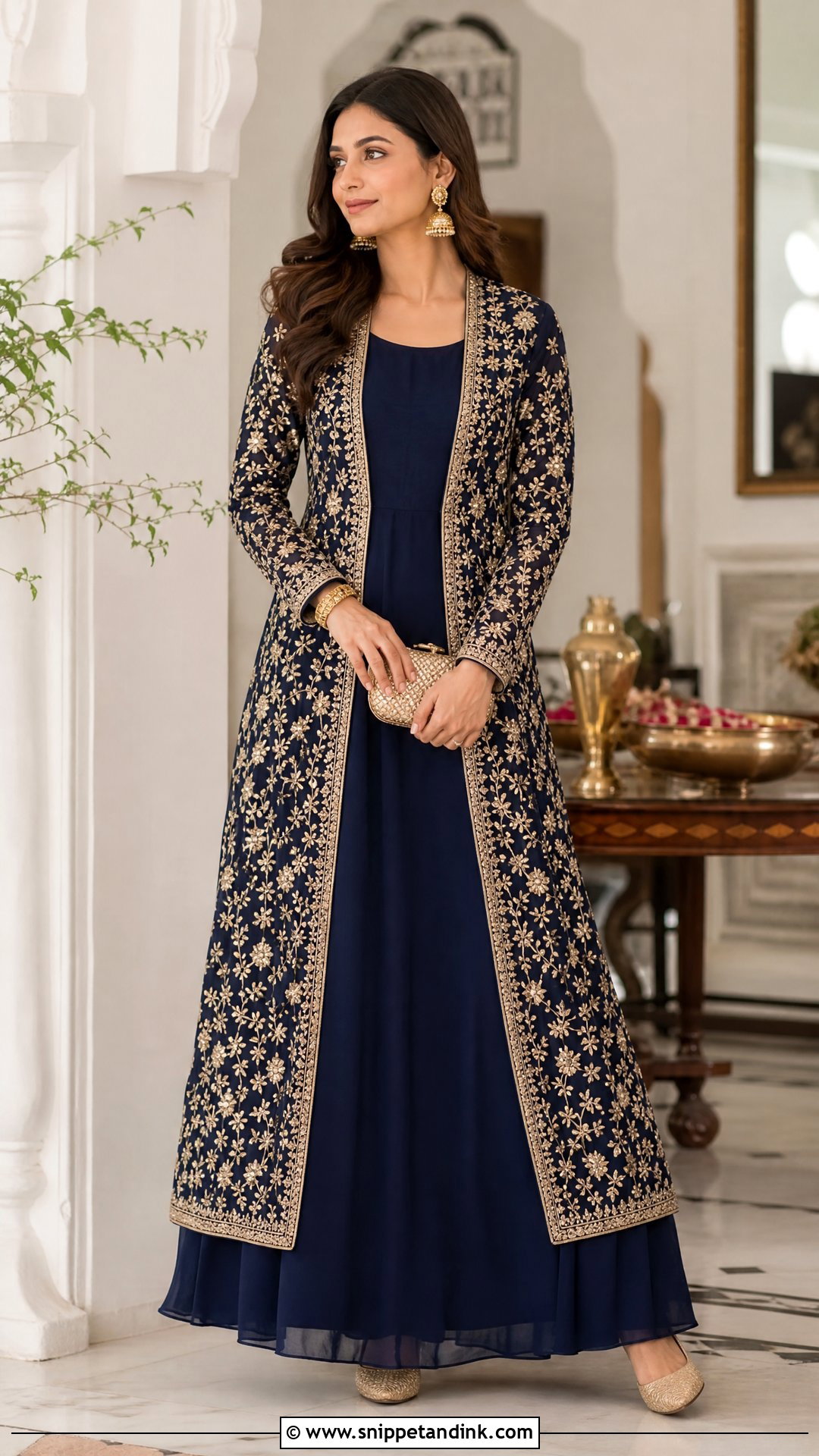
A jacket gown is the most practical outfit in this list, since a plain gown underneath can be worn again and the jacket comes off when the room warms up. Choose a silk or georgette base with a long embroidered jacket ending near the ankle. Front-open jackets lengthen the body; shorter fitted ones mark the waist. Check the jacket’s armholes fit over the gown sleeves without bunching. Coordinate its border with your jewelry, shoes and bag. Jhumkas, a structured clutch and closed-toe block heels suit it. A sleek low ponytail keeps the neckline clear, with a lip color taken from the jacket.
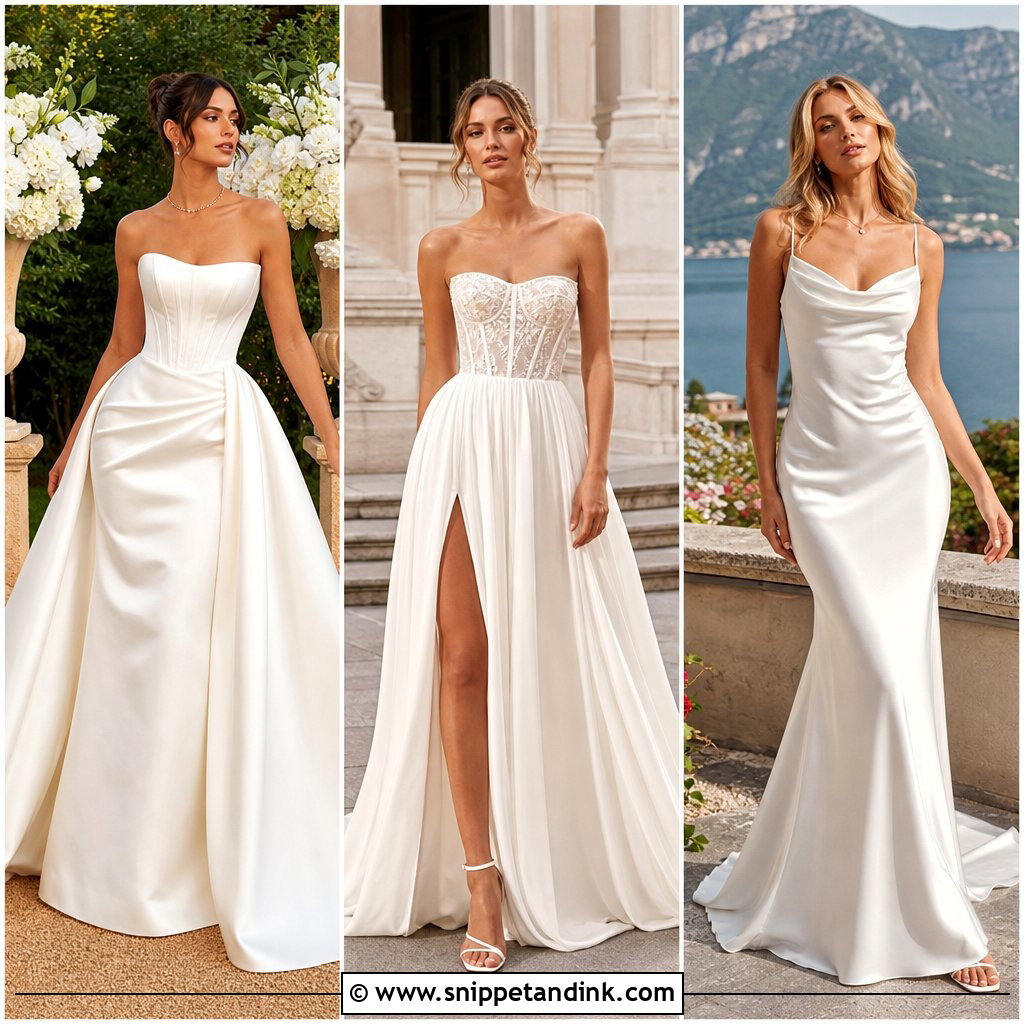
15. Saree Draped Traditional Gown
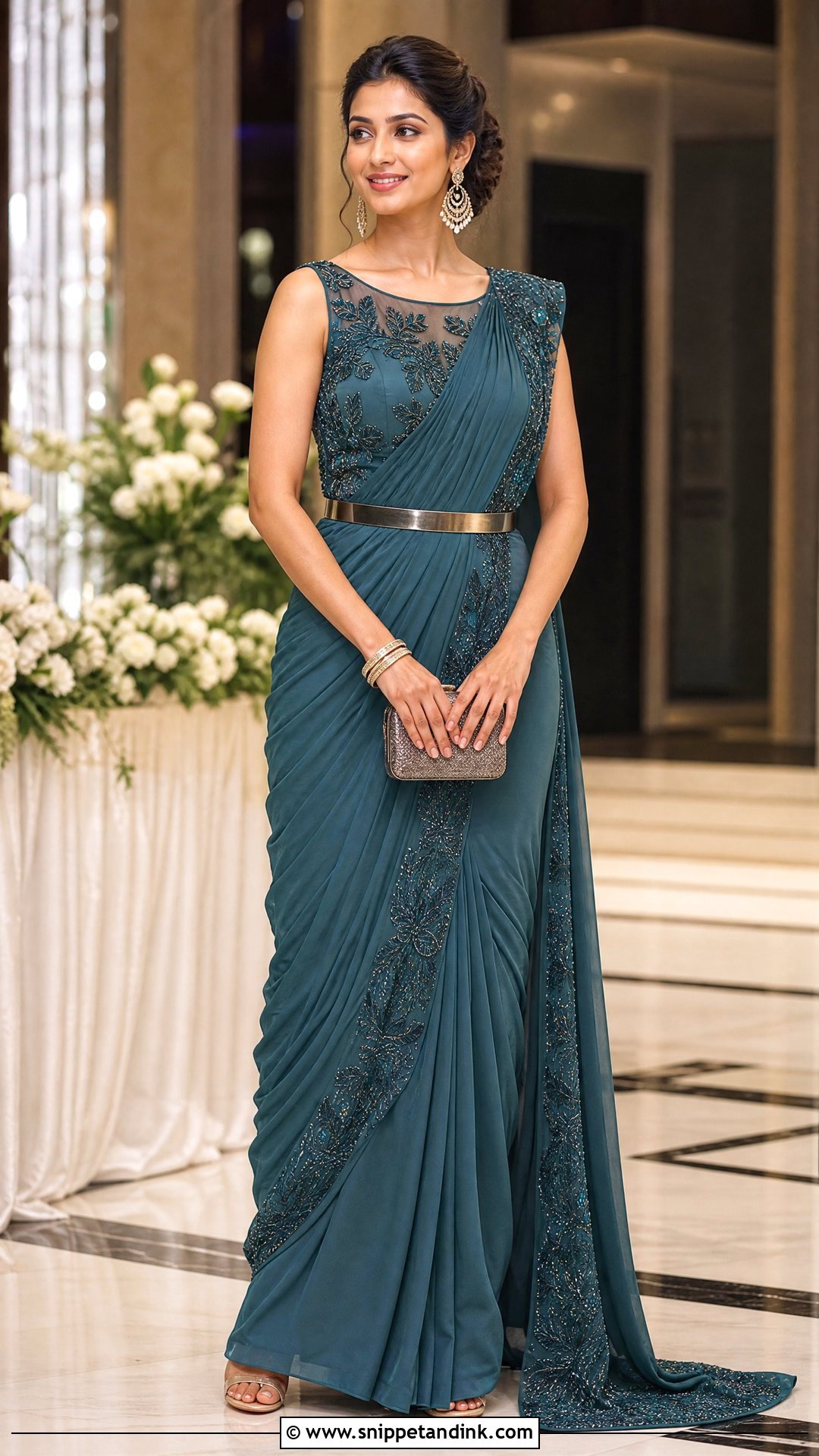
A saree gown gives you the drape without the six yards. The pleats are stitched and the pallu attached, so you can dress in minutes. Satin, crepe and georgette fold fluidly without bulk. The weak point is the pallu, which can slip off the shoulder; I pin it to the blouse strap from underneath with a small safety pin. Add a waist belt for more structure. Chandbalis, slim bangles and a metallic box clutch suit it. Heeled sandals help the drape fall, but the hem must still let you climb stairs. Finish with side waves or a polished bun, kohl and a berry or nude lip.
16. Floor Length Kurta Gown
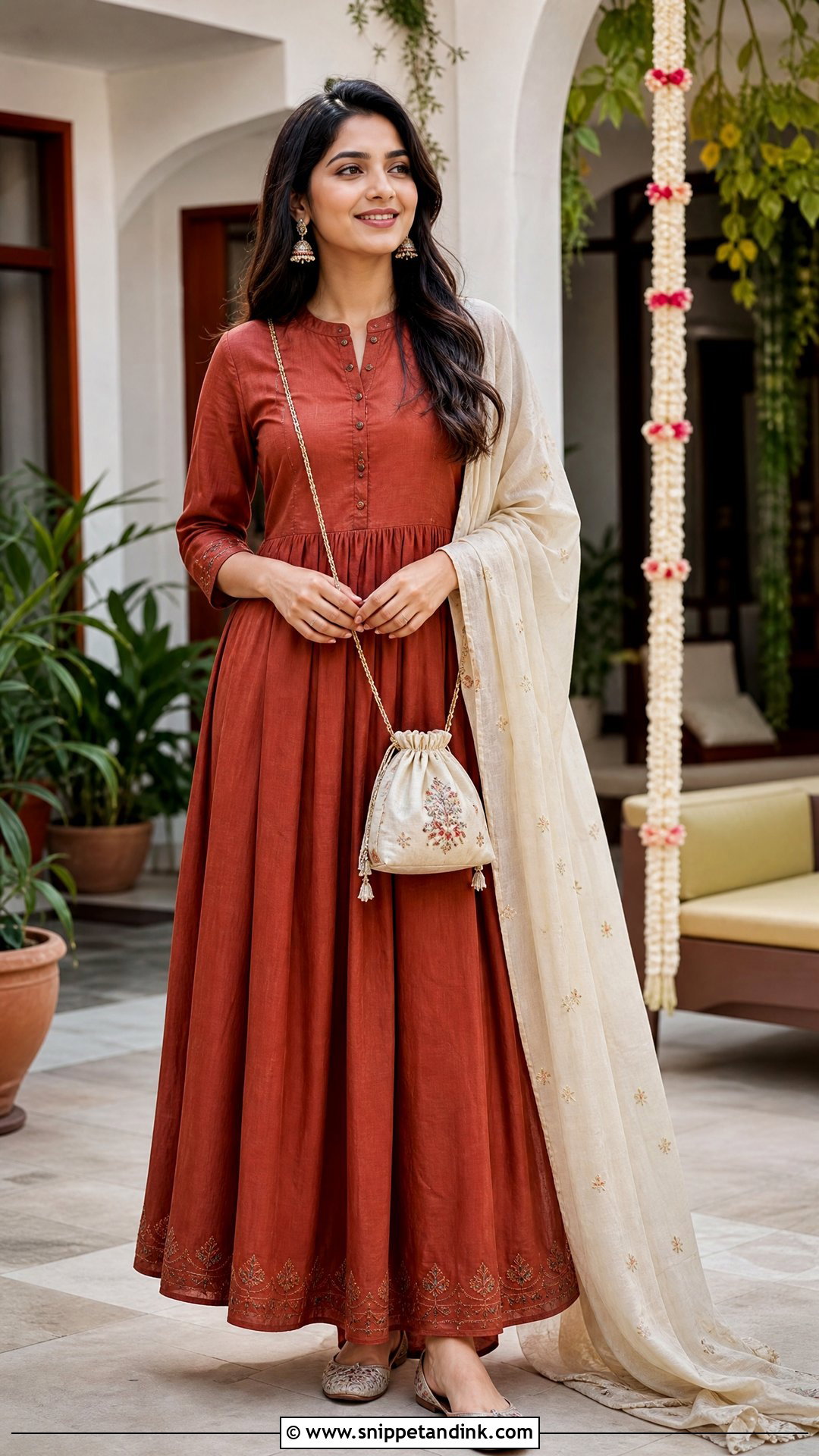
A floor-length kurta gown suits smaller family events where a heavy gown would feel overdressed. Its long vertical line and buttoned neckline carry the traditional feel. Cotton-silk or rayon is breathable; georgette drapes more. Side panels and three-quarter sleeves give easy coverage, and a moderate flare lets you sit cross-legged if the function is on the floor. Wear a light dupatta over both shoulders or one arm. Medium jhumkas, a crossbody potli and cushioned juttis keep it practical. A low braid, brown liner and a tinted lip suit it from afternoon into evening.
17. Peplum Traditional Gown
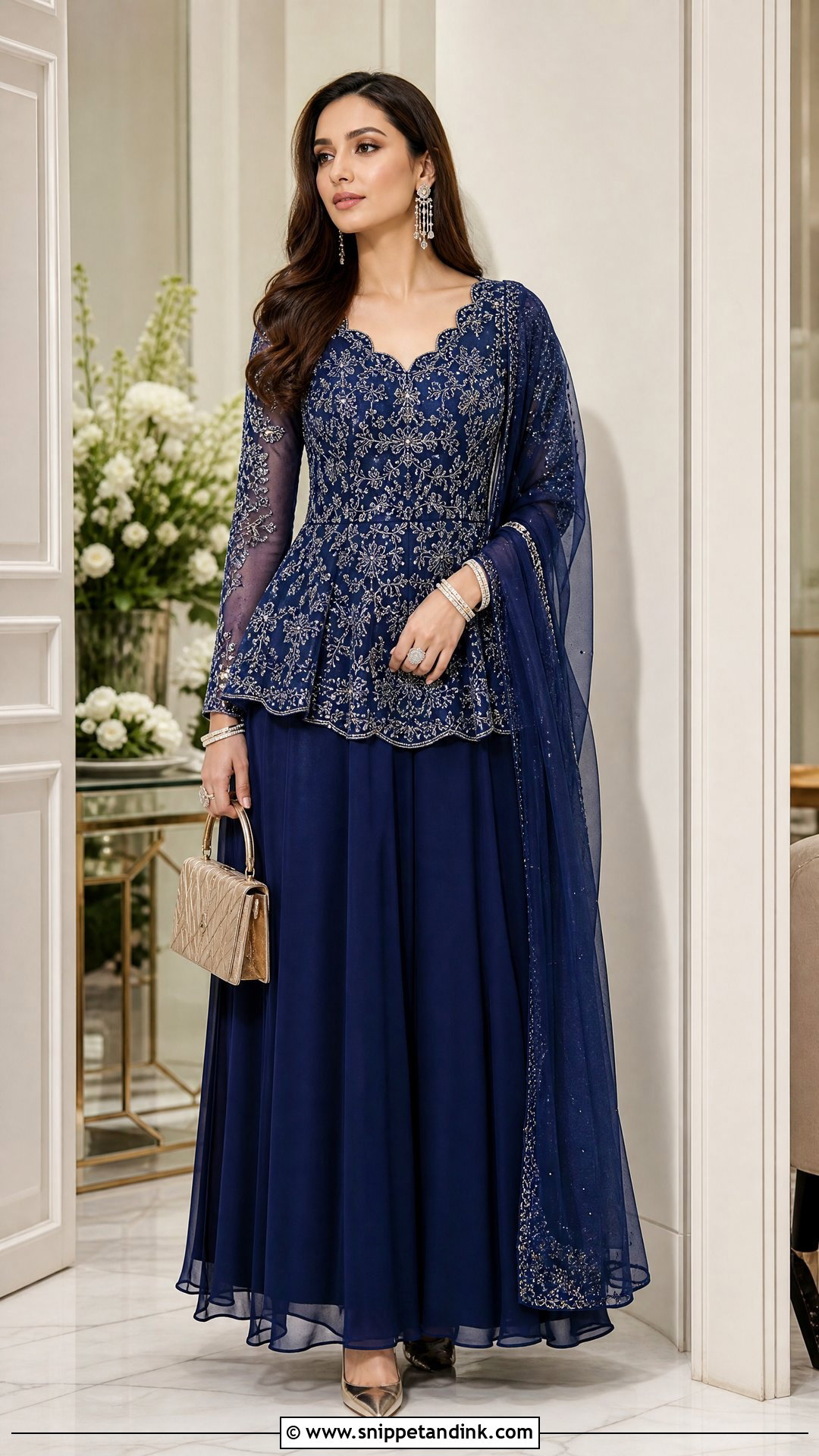
A peplum works when it ends at the natural waist. Stop it at the widest part of the hip and it adds width exactly where most people don’t want it. Pair a fitted embroidered top with a solid or lightly worked skirt. Jewel tones, deep neutrals and two-tone combinations suit the structure. If the neckline is plain, add a narrow dupatta over one shoulder. Drop earrings, slim bangles and a small structured bag finish it, with pointed heels for length. A high ponytail or low bun, defined lashes and a rose lip complete it.
18. Plus Size Empire Waist Traditional Gown
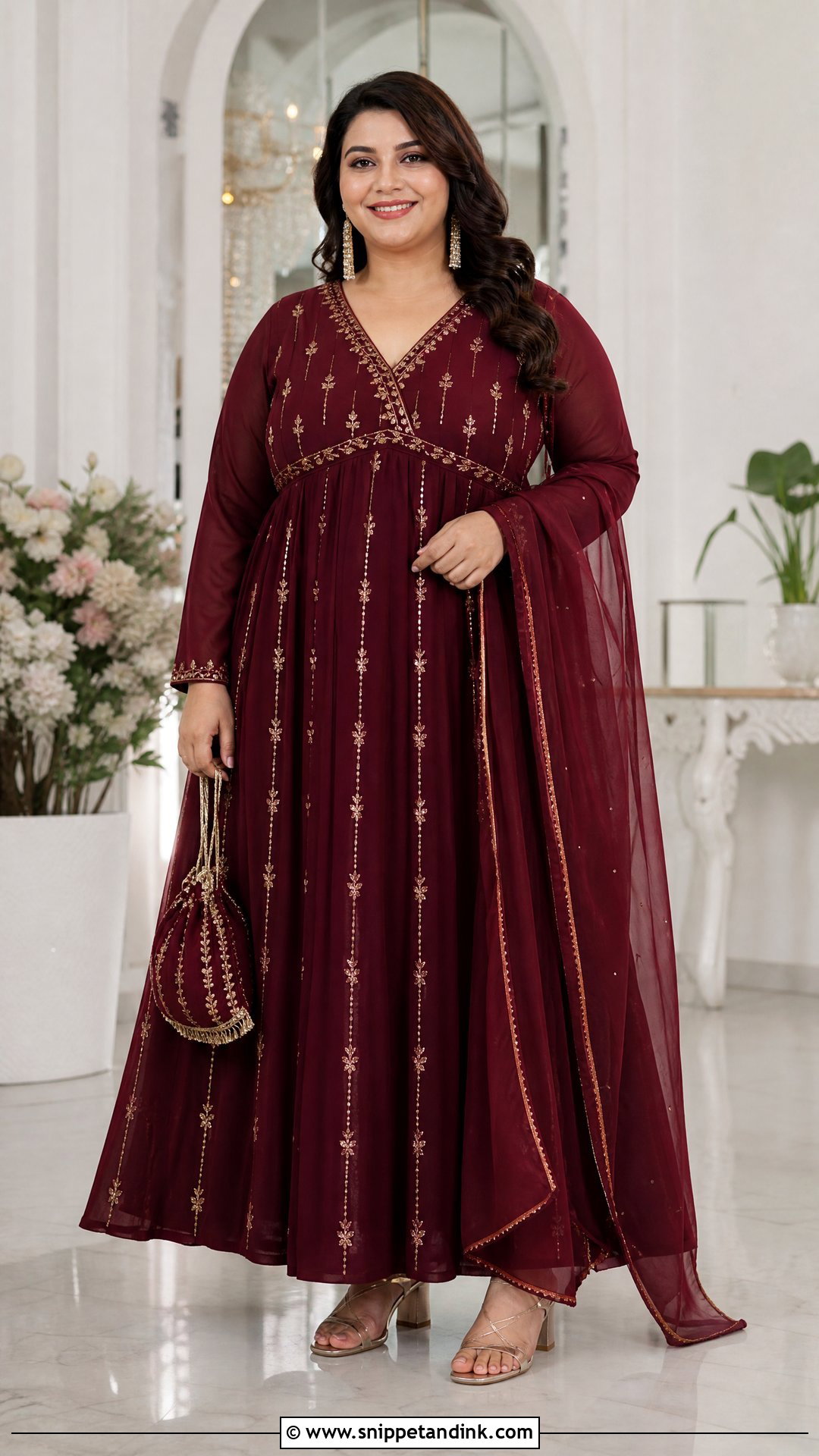
The empire waist is the most comfortable cut in this list for curvier figures, because the seam sits just under the bust and nothing grips the stomach. Fluid georgette, crepe or soft silk skims without clinging; stiff fabrics tent out from the seam. A V-neck or soft round neckline opens the upper body. Vertical embroidery or a border near the hem draws the eye down. Drape a light dupatta over one shoulder rather than around the torso. Medium earrings, a small potli and stable block heels suit it. Soft waves or a lifted bun and your favorite lip finish it.
19. Modest Long Sleeve Traditional Gown
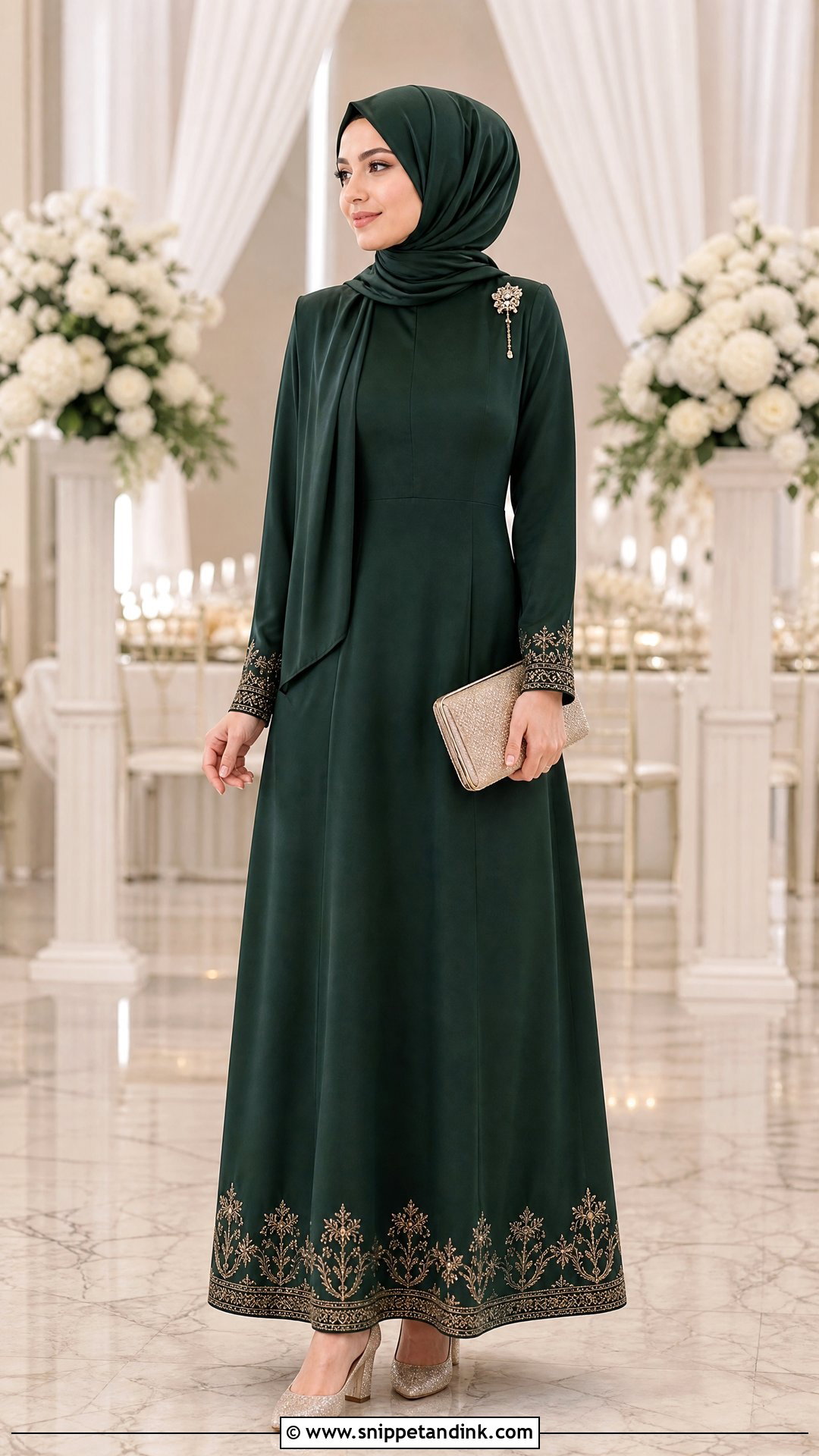
Full coverage doesn’t mean plain. A high round neckline, wrist-length sleeves and a floor-length skirt in breathable fabric give a modest base, with embroidery at cuffs, collar, waist and hem. Navy, burgundy, forest green and muted rose all suit formal events. Wrist-length sleeves in a non-stretch fabric need room to bend at the elbow, so test reaching for a plate at the fitting. Pair a draped scarf, hijab or light dupatta as you prefer. A jeweled brooch, small earrings if visible and a structured clutch finish it, with closed-toe block heels. Keep makeup soft and matte.
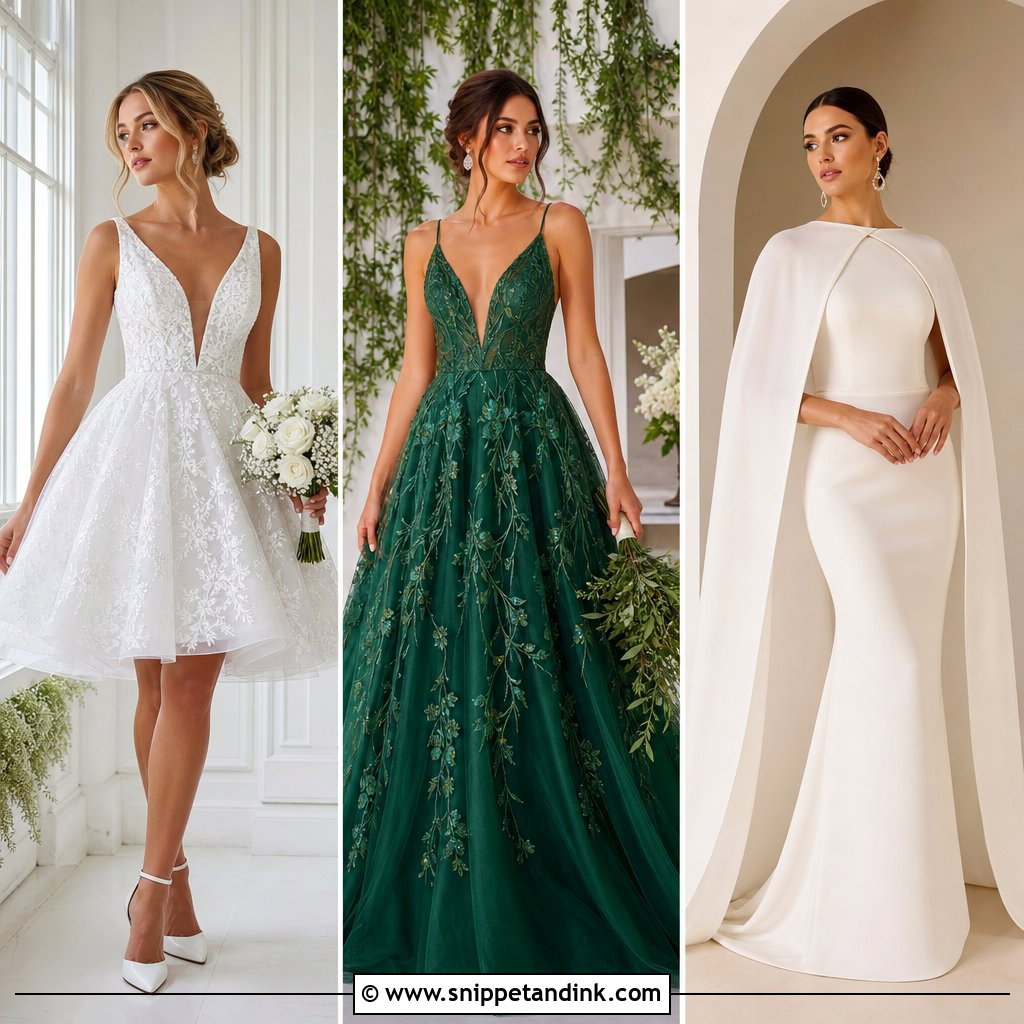
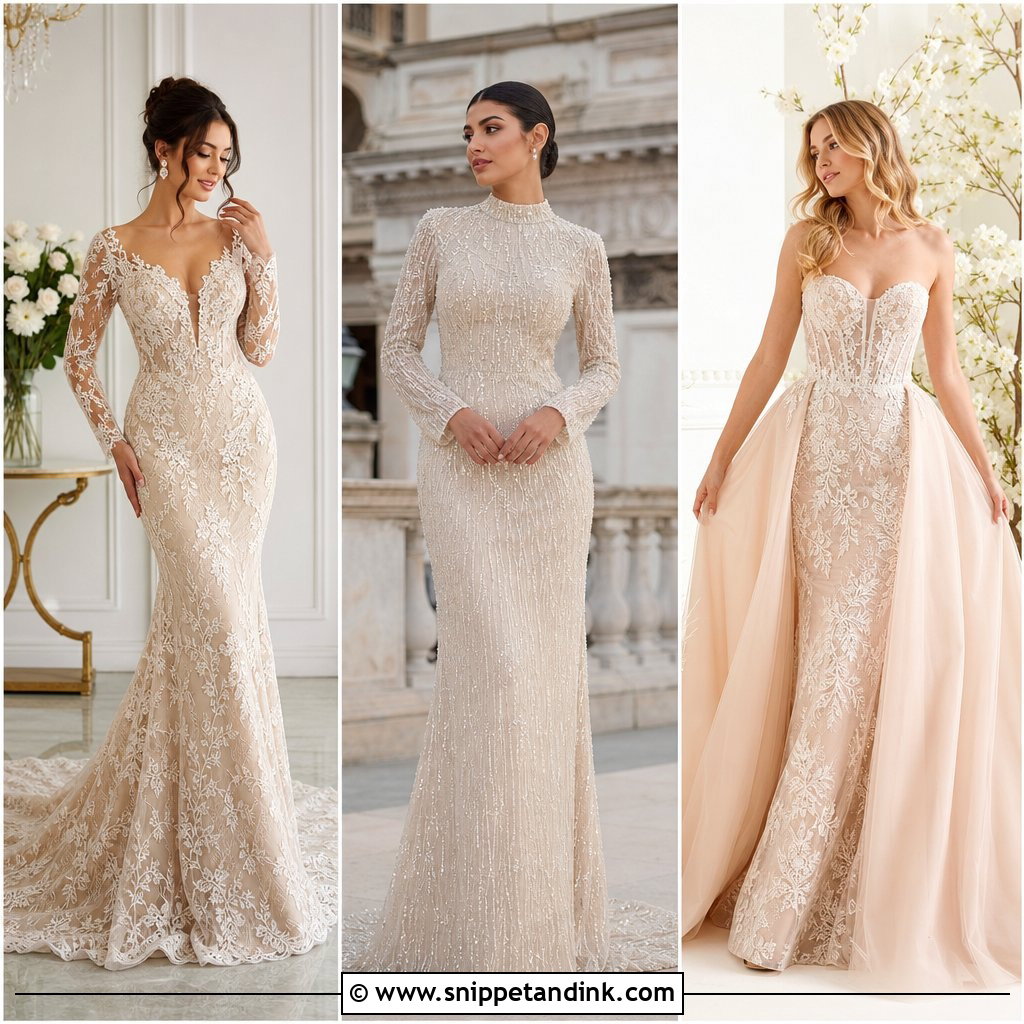
20. Multicolor Patchwork Traditional Gown
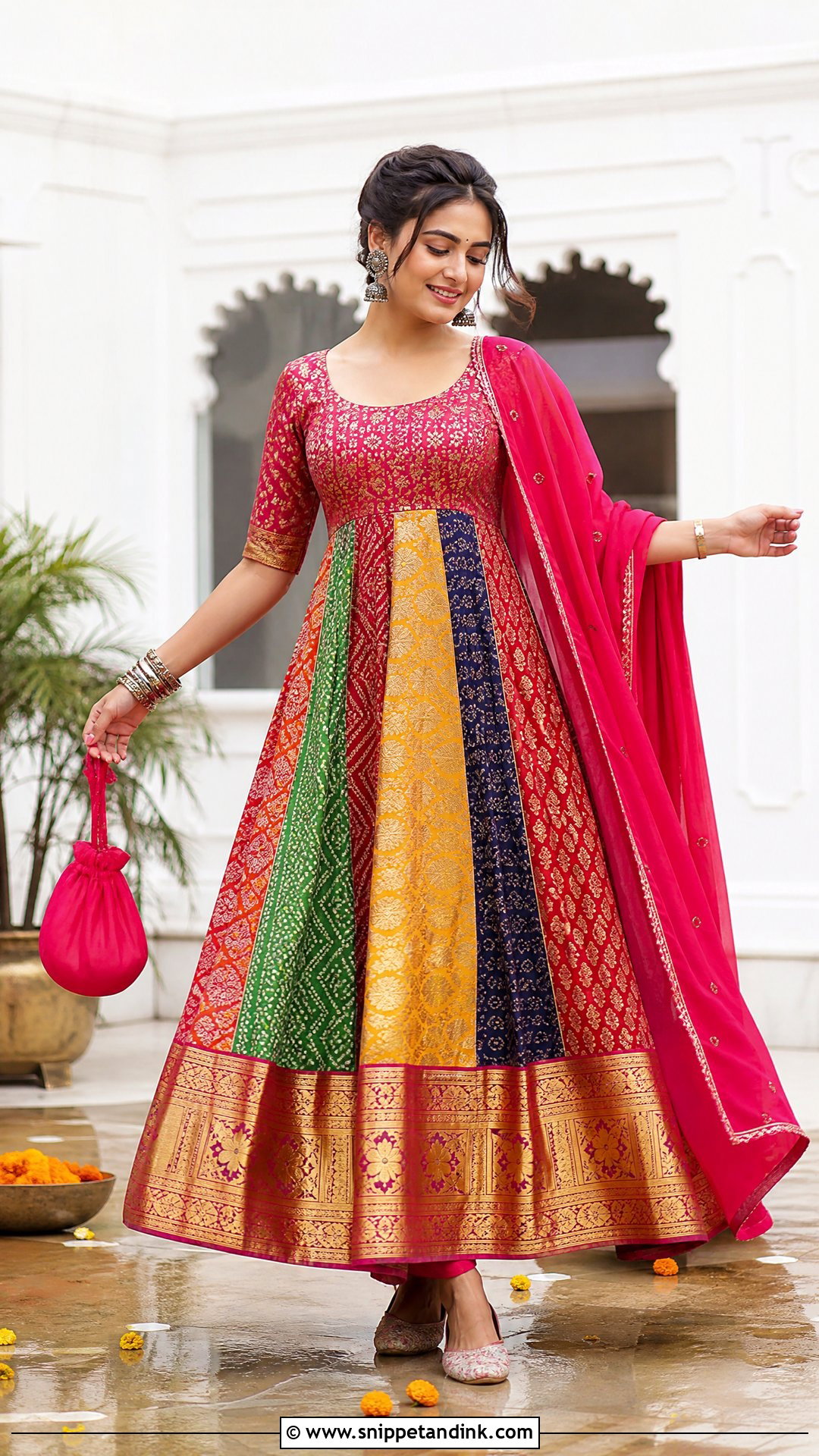
Patchwork is easy to get wrong. The gowns that work keep one color story running through every panel, whether it’s brocade, printed cotton, bandhani, mirror work or embroidered borders. A plain fitted bodice and wide skirt give the patches room. Keep the dupatta solid in a shade already in the gown. Oxidized earrings, stacked bangles and a plain potli add enough without competing. Neutral juttis or low metallic sandals finish it. A loose braid or textured bun, kohl and a warm neutral lip suit the mood.
Pinning a Dupatta to a Gown So It Stays All Night
An unpinned dupatta slides off within minutes, especially georgette or chiffon over a smooth silk gown. A little preparation saves a whole evening of tugging.
What I do at the dressing table
- Decide the drape first: one shoulder, both shoulders, over the head or across the arms. Each needs pins in different places.
- Pin through the dupatta into the gown’s shoulder seam or bra strap from underneath, so the pin head is hidden.
- For a head drape, anchor it to the bun with two U-pins before adding any jewelry.
- Use small safety pins, not straight pins, on embroidered or sequined fabric so nothing pulls threads.
- Pack spare pins in your potli; something always comes loose after dinner.
Heavier dupattas with velvet or zari borders need more pins, not tighter ones. Spread the weight across three or four points so no single pin drags the neckline.
Practise the drape once at home with the real jewelry on. Long chandbalis and a dupatta over the head catch on each other, and it’s far easier to swap earrings a week early than to discover the snag while you’re walking in. Take a phone photo of the finished drape from the front and back so whoever helps you dress on the day can copy it.
Get the Hem Right and the Rest Falls Into Place
A floor-length gown adapts to almost any function, season and body. Brocade and velvet look formal; chikankari, organza and prints feel lighter. Saree gowns save time, Anarkali designs give movement, and jacket or cape styles add coverage. Settle fit, fabric and hem length first, with the shoes you’ll actually wear. Then add jewelry, shoes and a bag, letting one piece lead. Choose traditional details that mean something to you and match how formal the event is.
You'll Like These Ideas:


Leave a Reply