
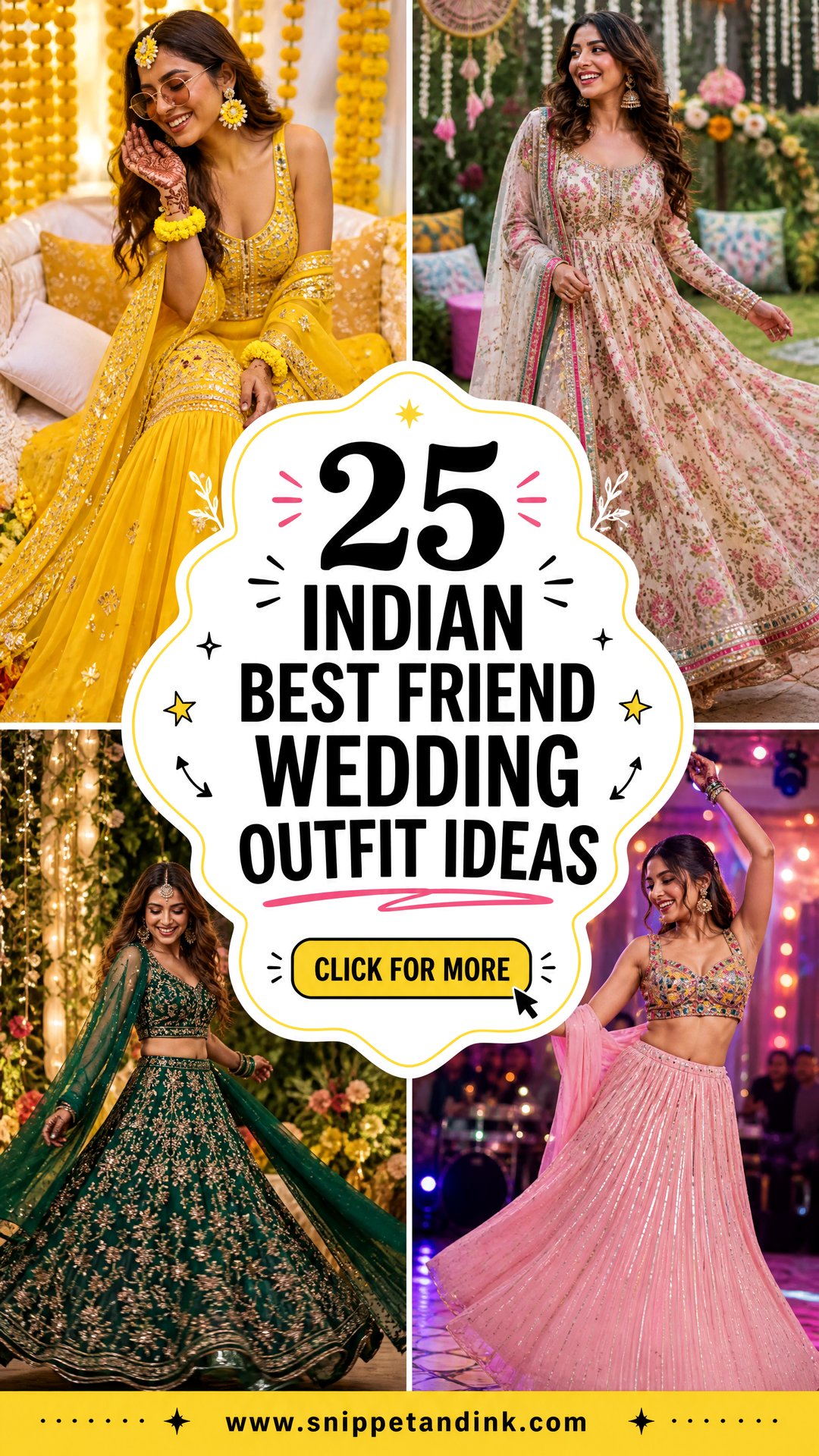
The bride’s best friend works harder than any guest at an Indian wedding. You’ll fix her dupatta, carry her phone, perform at the sangeet, sit through the mehndi and still be in half the family photos, often across four or five functions: mehndi, haldi, sangeet, the ceremony, a cocktail and a reception. When I dress someone for that role, I’m looking for outfits that move, survive a long day and never drift toward bridal. Embroidered lehengas, sharara sets, silk sarees, Indo-western gowns and one or two statement jewelry pieces cover most of it. Below are 25 Indian Best Friend Wedding Outfit Ideas sorted by the function they suit best.
How Many Outfits Does the Bride’s Best Friend Really Need?
Usually one per function, but rarely five brand-new ones. The first conversation I have with a best friend is about her job that week, because the role changes what she can wear. If you’re dancing at the sangeet, carrying the bride’s lehenga train, hiding the groom’s shoes or helping the family serve guests, a heavy outfit that looks great standing still will fail you.
Here’s the order I work through:
- Ask the bride for her colors at every function, plus any family rules on black, white or red.
- Mark which functions you’ll be performing at or helping with. Those get the lightest, most secure outfits.
- Pick one showpiece for the function with the most photos, usually the ceremony or reception.
- Fill the rest with pieces you can restyle, such as a lehenga skirt worn once with its blouse and once with a crop top.
Order early. Blouse stitching and alterations for Indian outfits often take several weeks, and tailors get swamped during wedding season. Leave time for one fitting after the first stitch, since blouses almost always need a small adjustment.
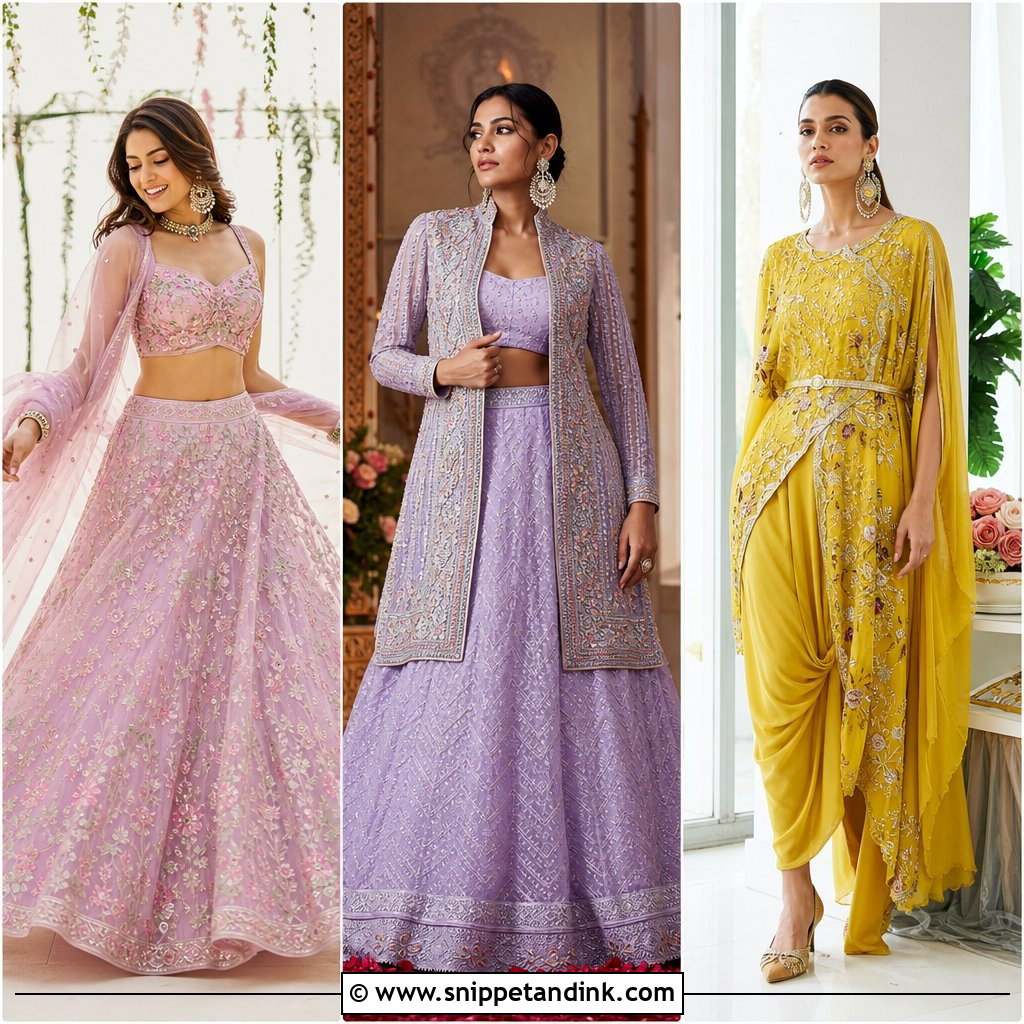
1. Pastel Lehenga For Best Friend Wedding
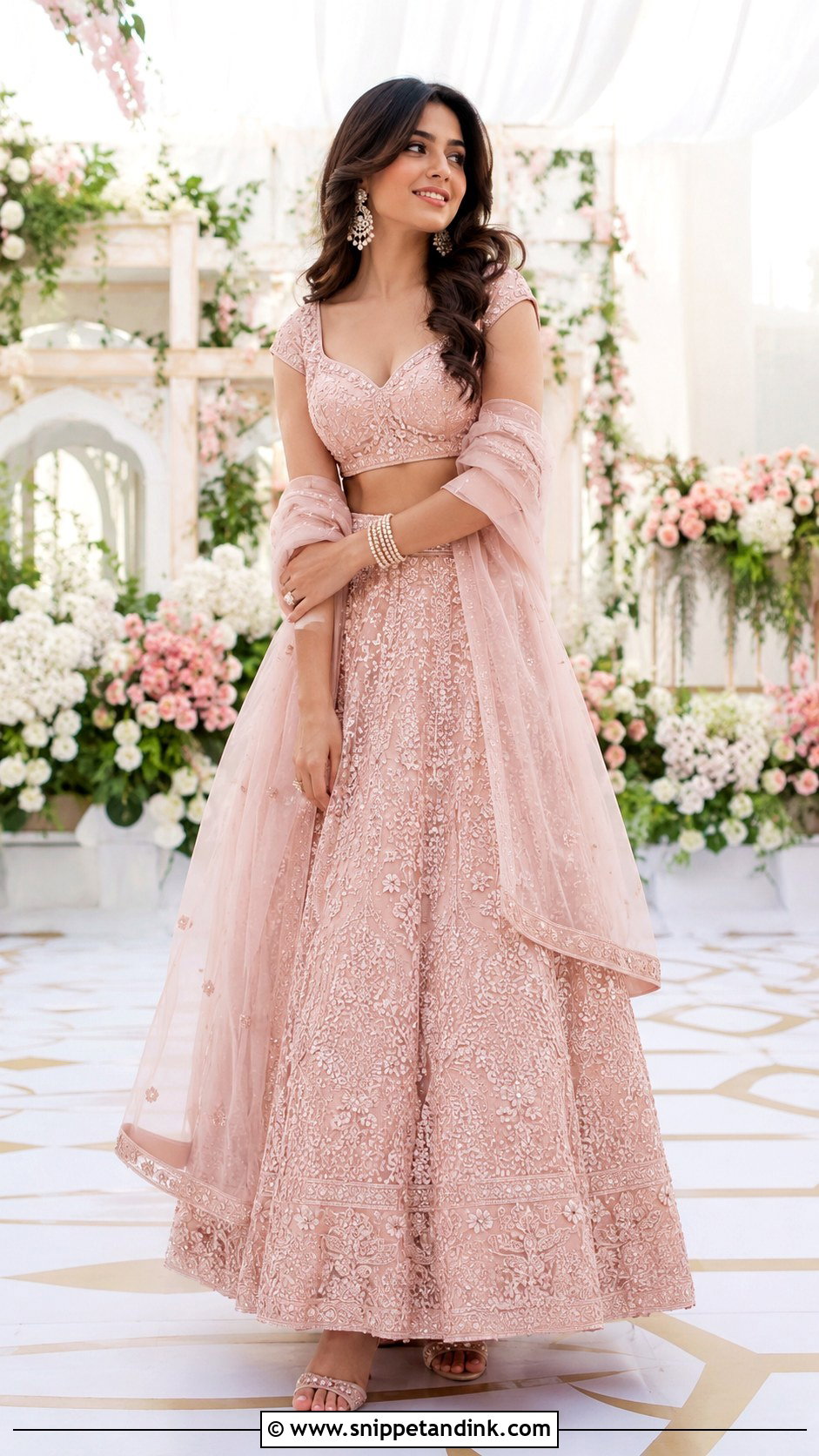
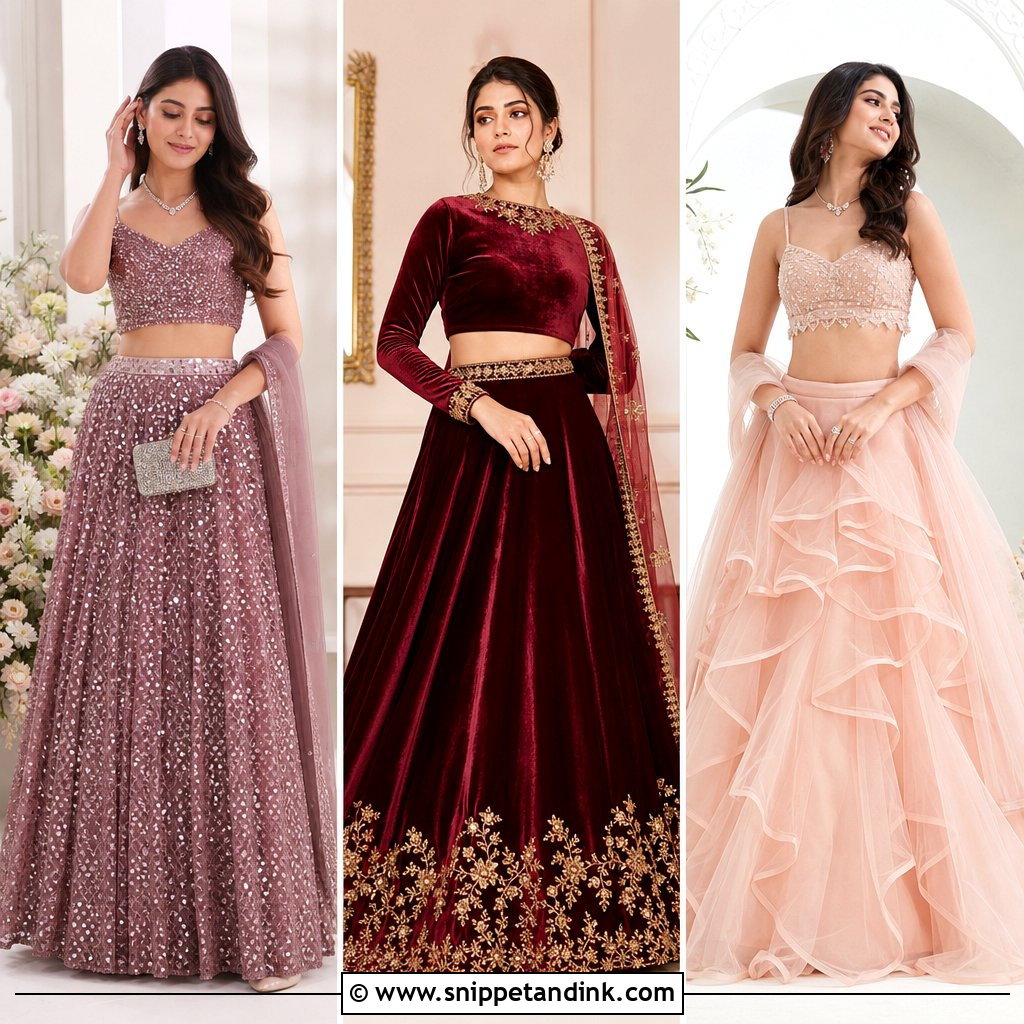
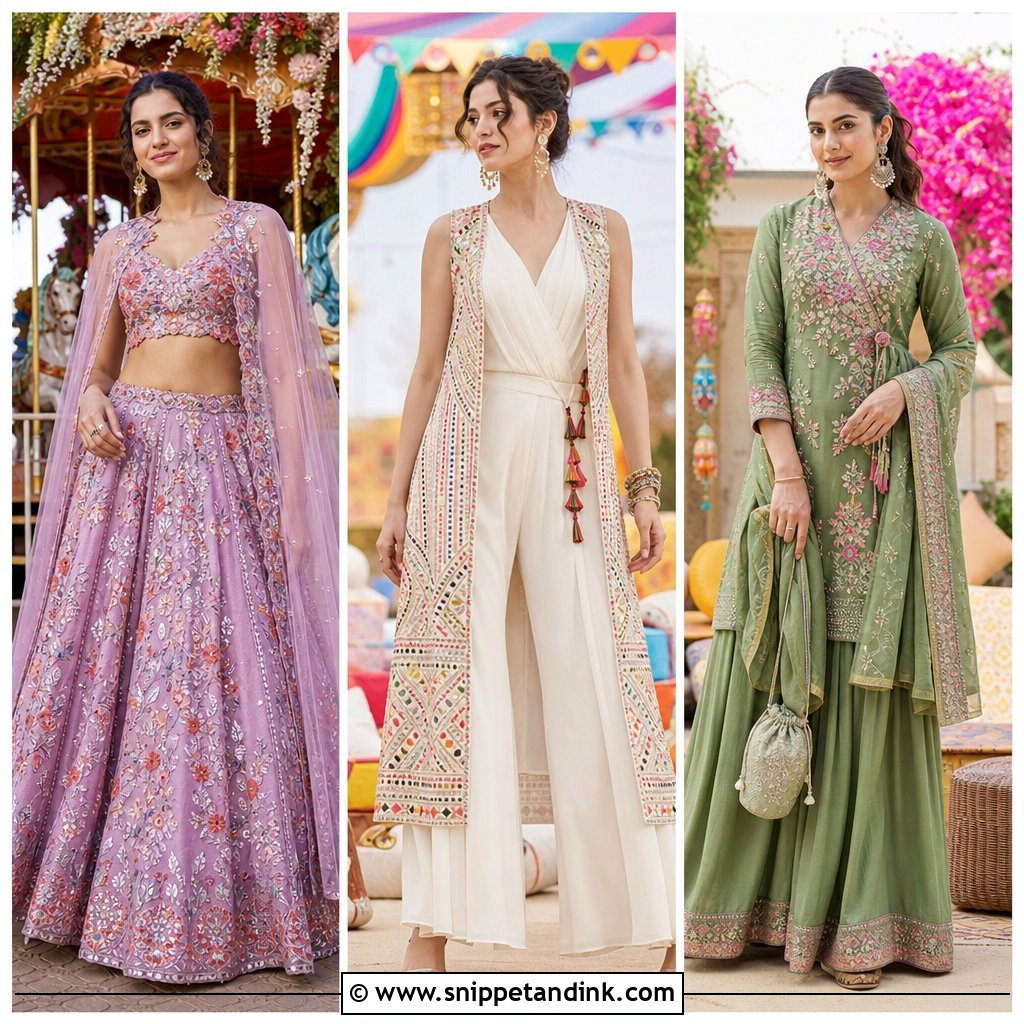
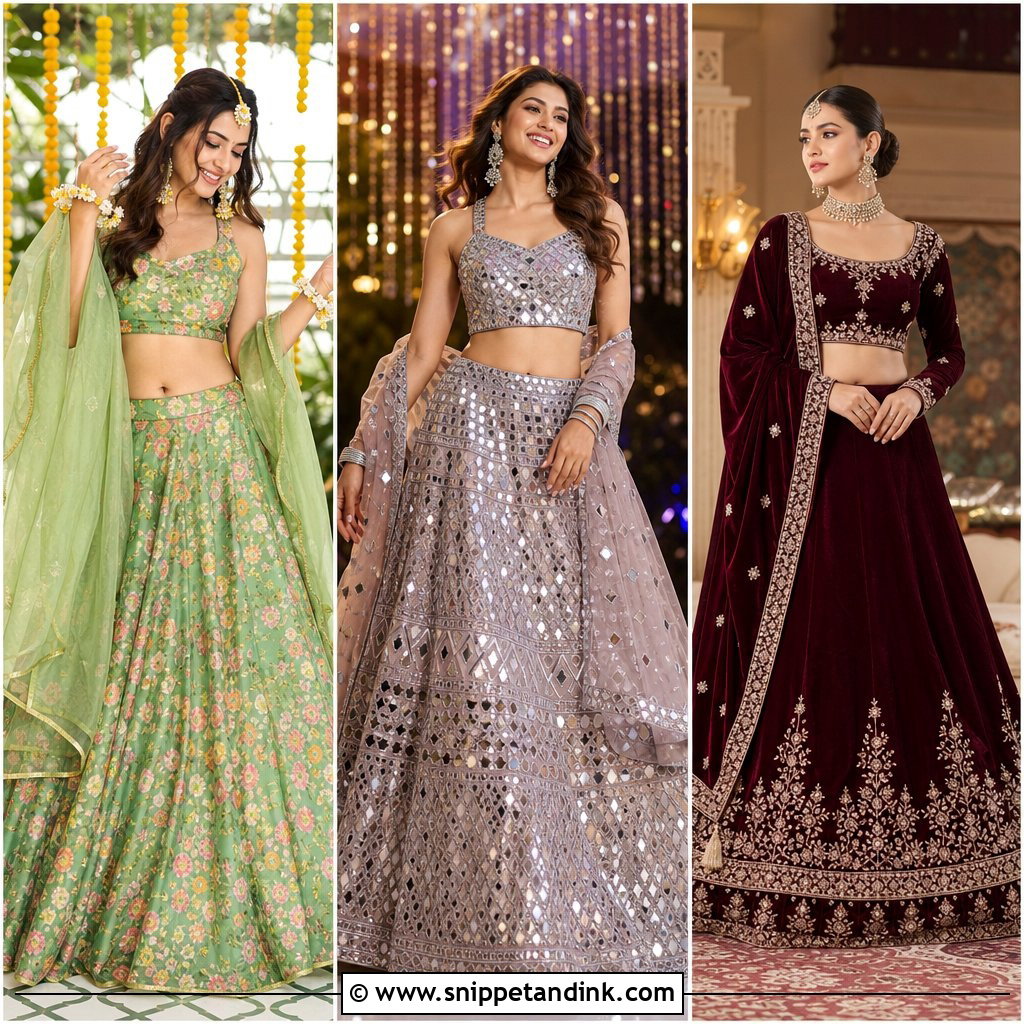
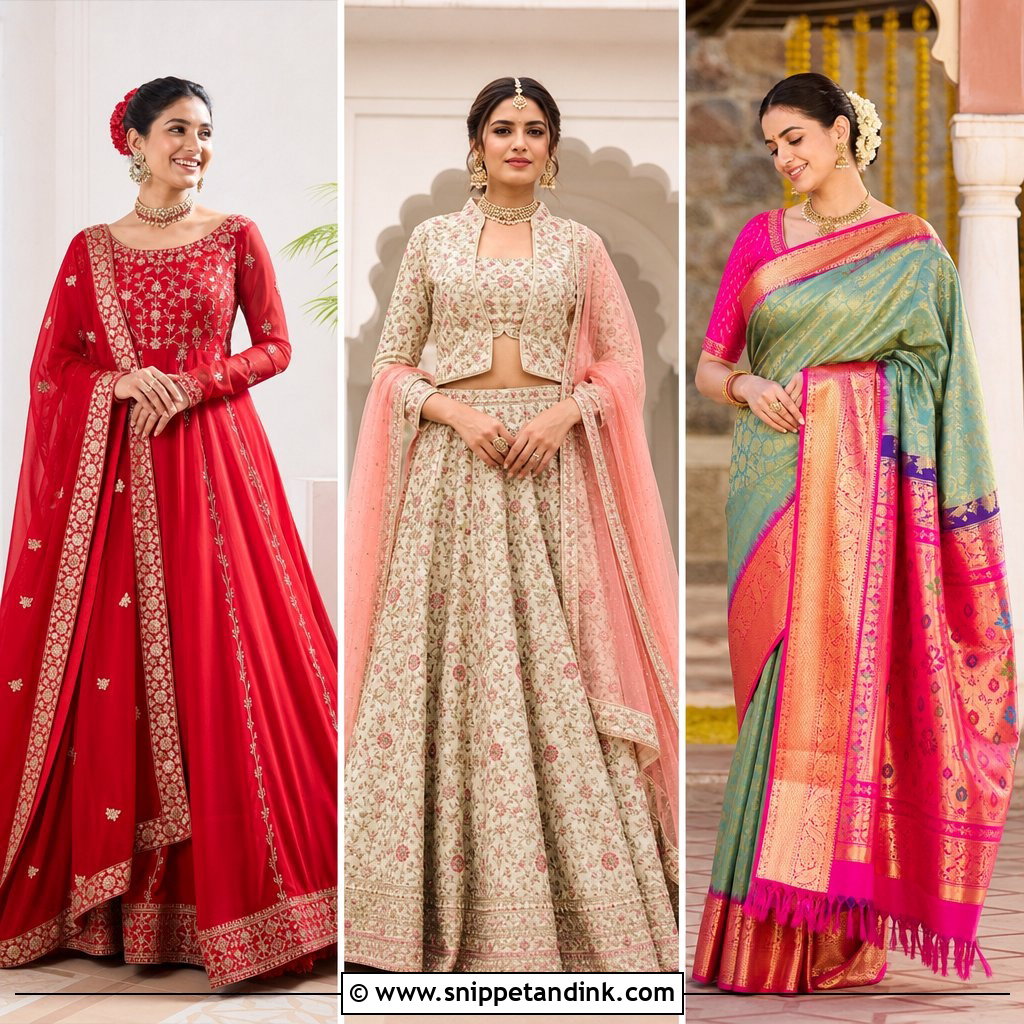
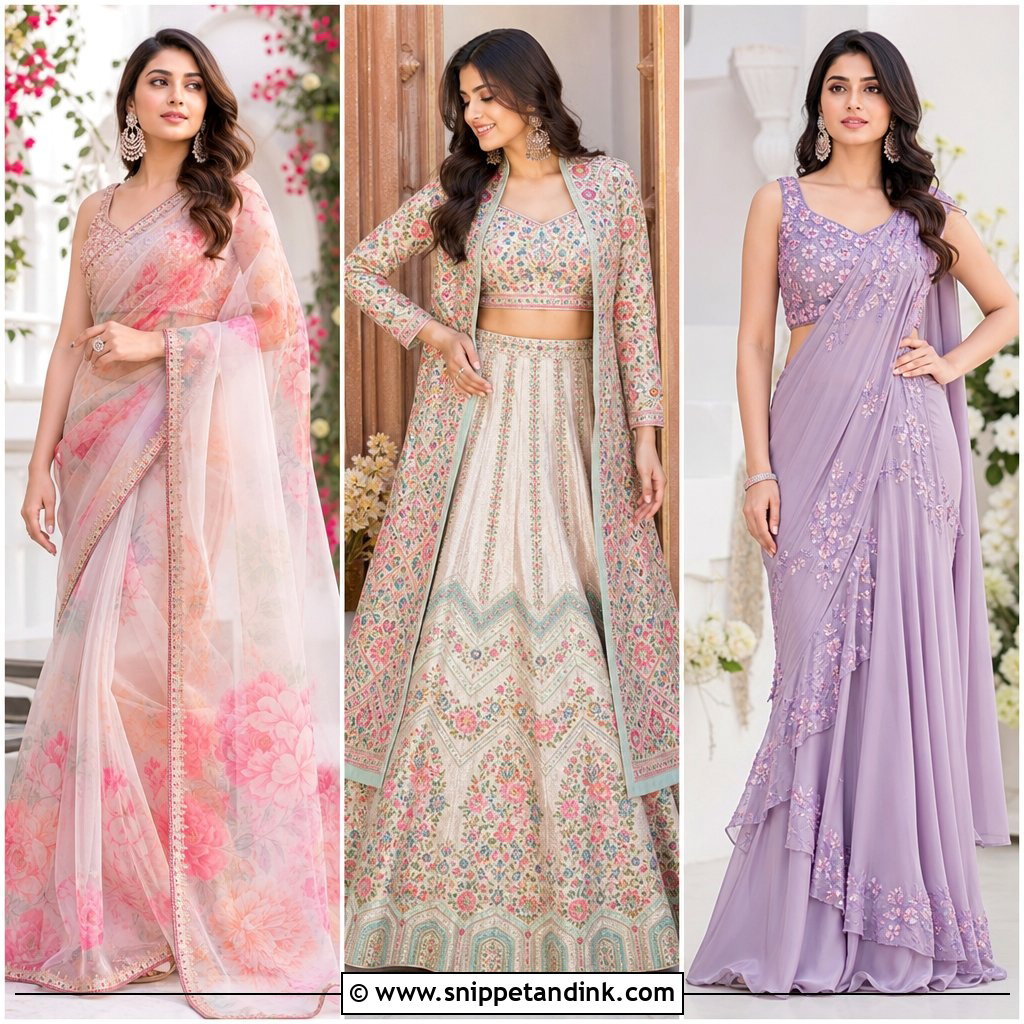
Soft color is the easiest way to look dressed up at a daytime ceremony without competing with the bride. Blush, mint, powder blue, lavender and peach in light thread or sequin work all sit well in garden light. I drape the dupatta over one shoulder and pin it at the back of the blouse, since you’ll be lifting things and hugging people all day. Pearl earrings, a small maang tikka and stacked bangles finish it. Check the embroidery weight in the shop: a pastel skirt with heavy sequins can weigh more than you’d guess by the fourth hour.
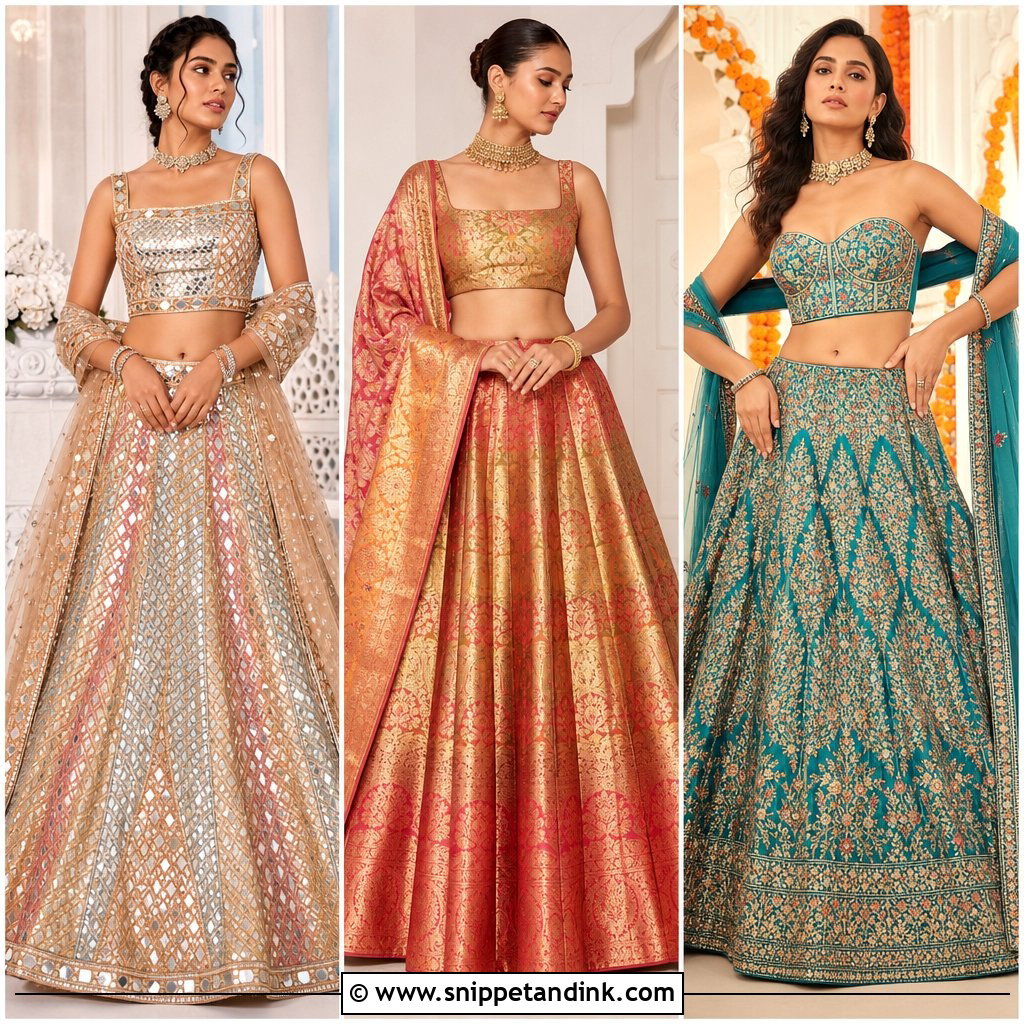
2. Mirror Work Lehenga For Sangeet
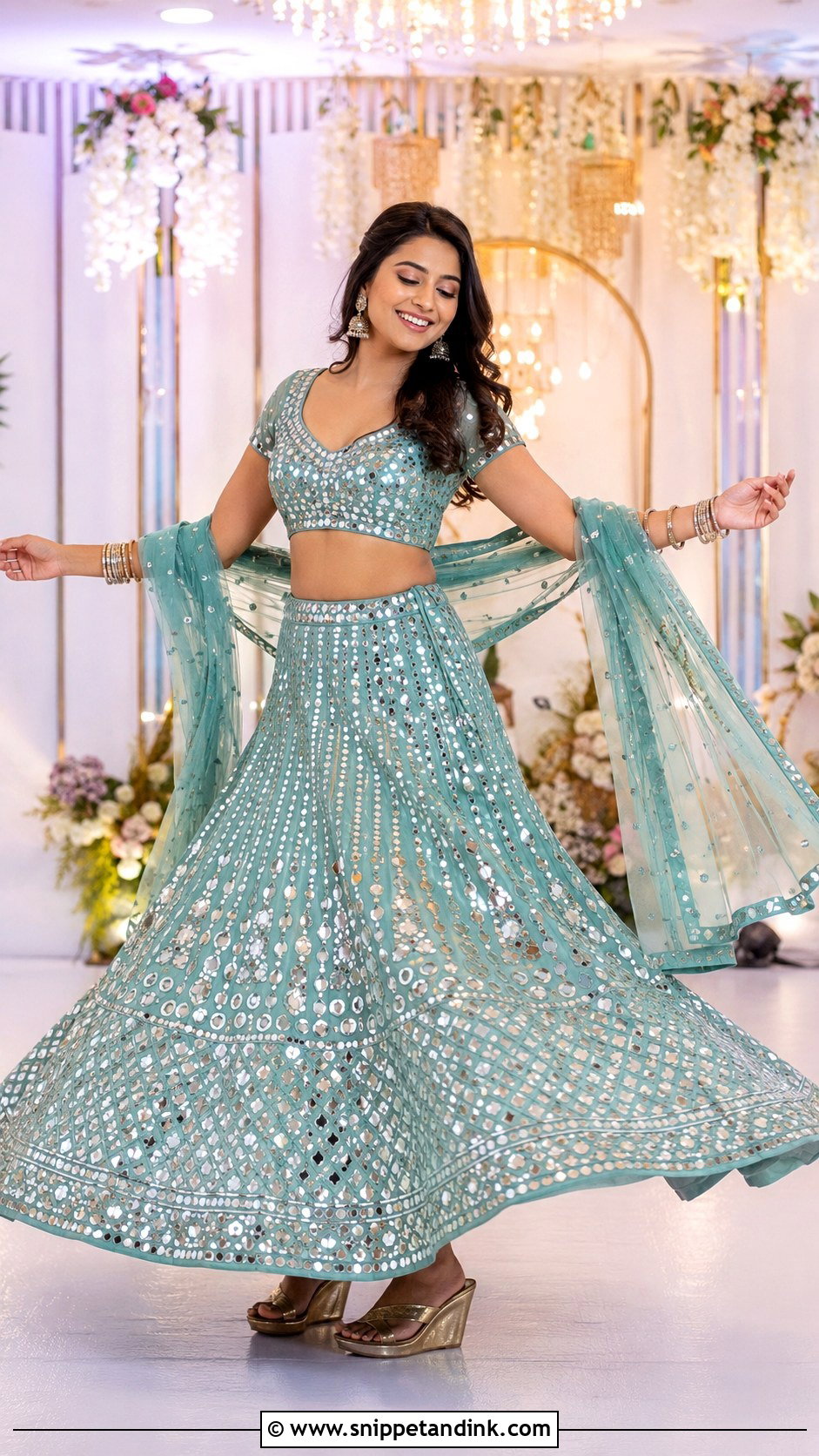
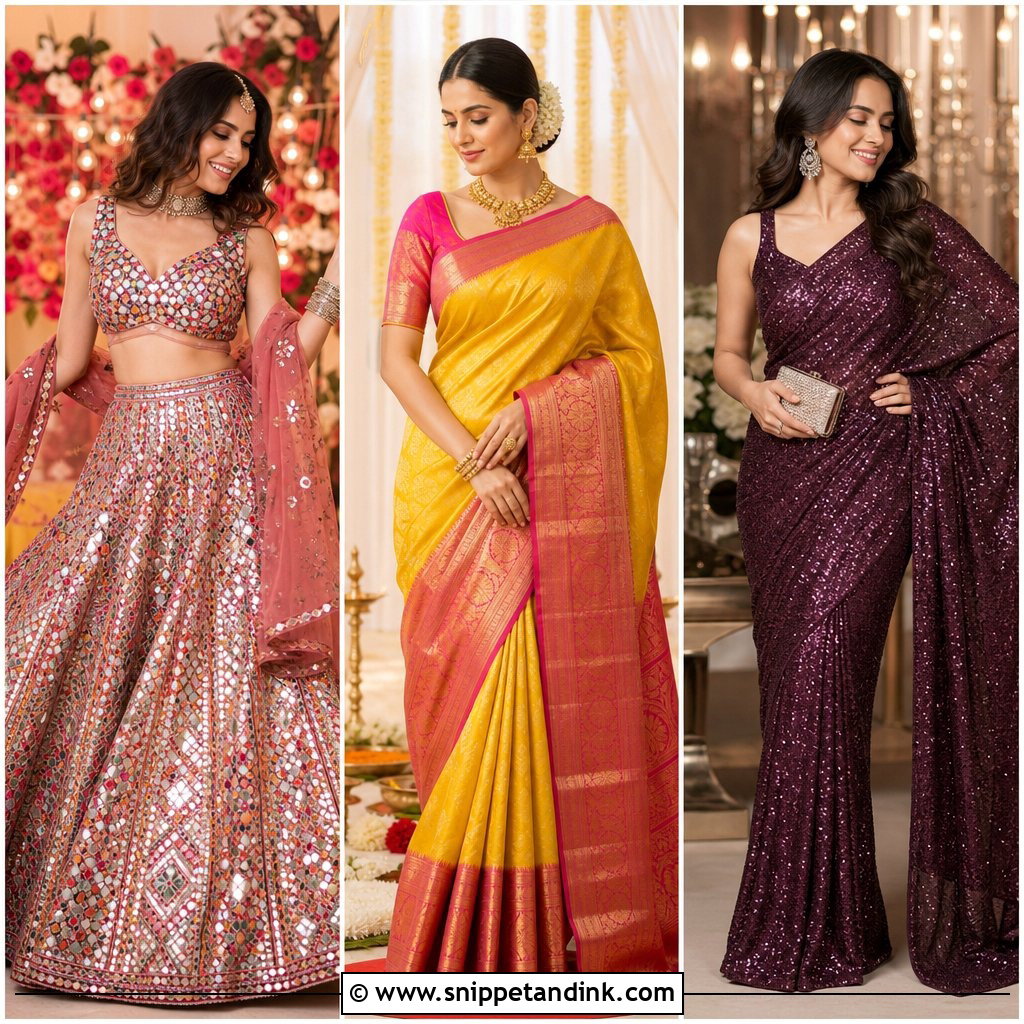
Mirror work was made for sangeet lighting, since every small glass piece throws light back when you move. Fuchsia, teal, lime, cobalt and orange suit the energy of the night. If you’re performing, rehearse in the actual lehenga at least once. Mirrors are stitched with thread borders that can catch on a dupatta or on someone else’s embroidery during a spin, and a skirt that feels light standing still can tangle round your ankles mid-dance. Block heels or wedges, jhumkas and a sleek ponytail keep you upright and out of the way.
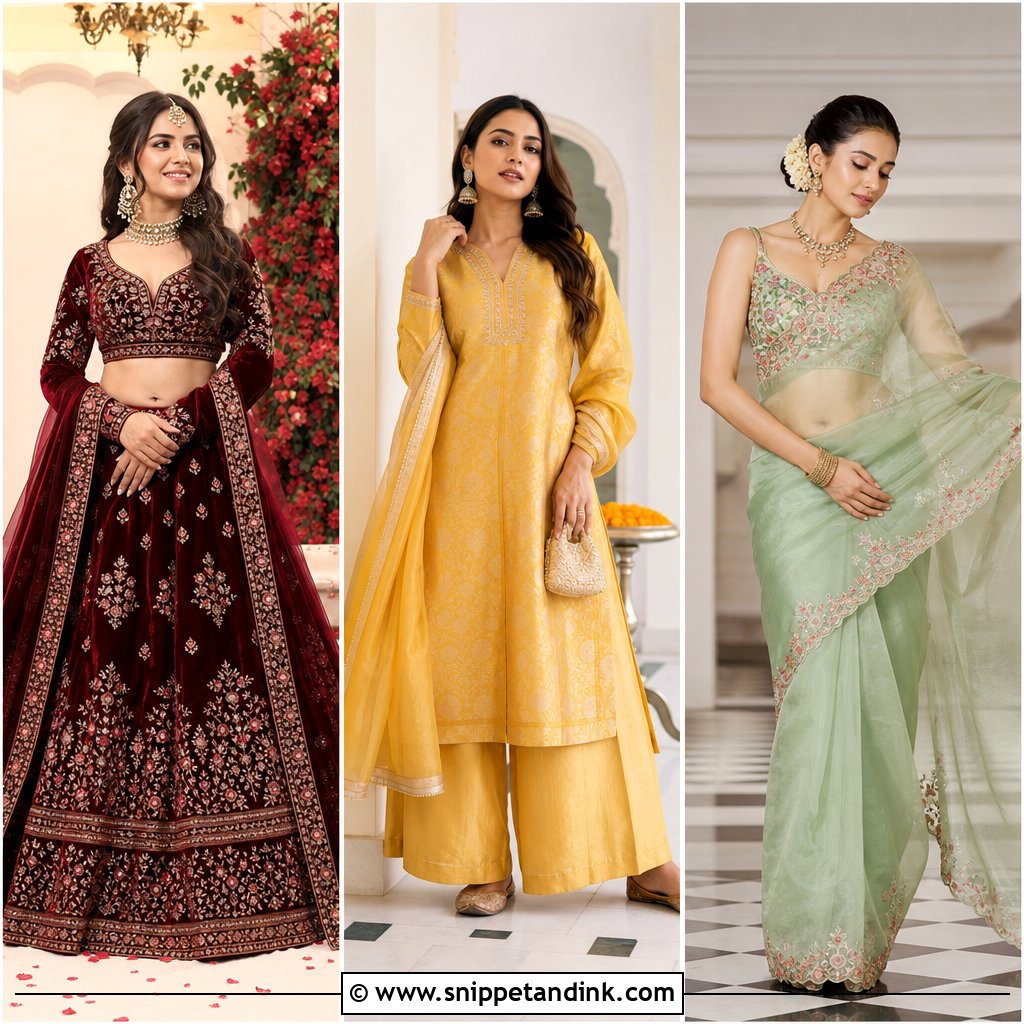
3. Yellow Sharara Set For Haldi
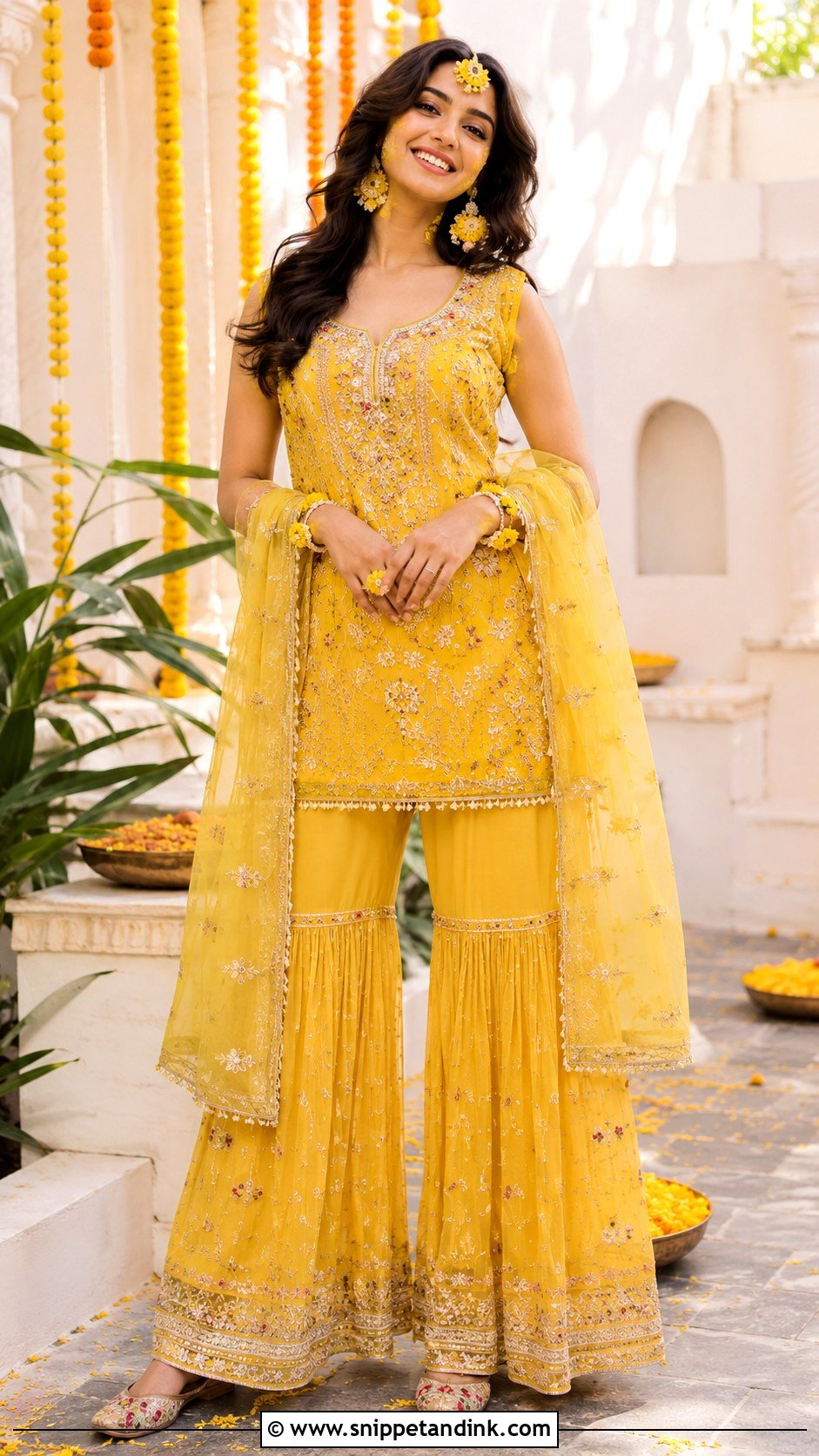
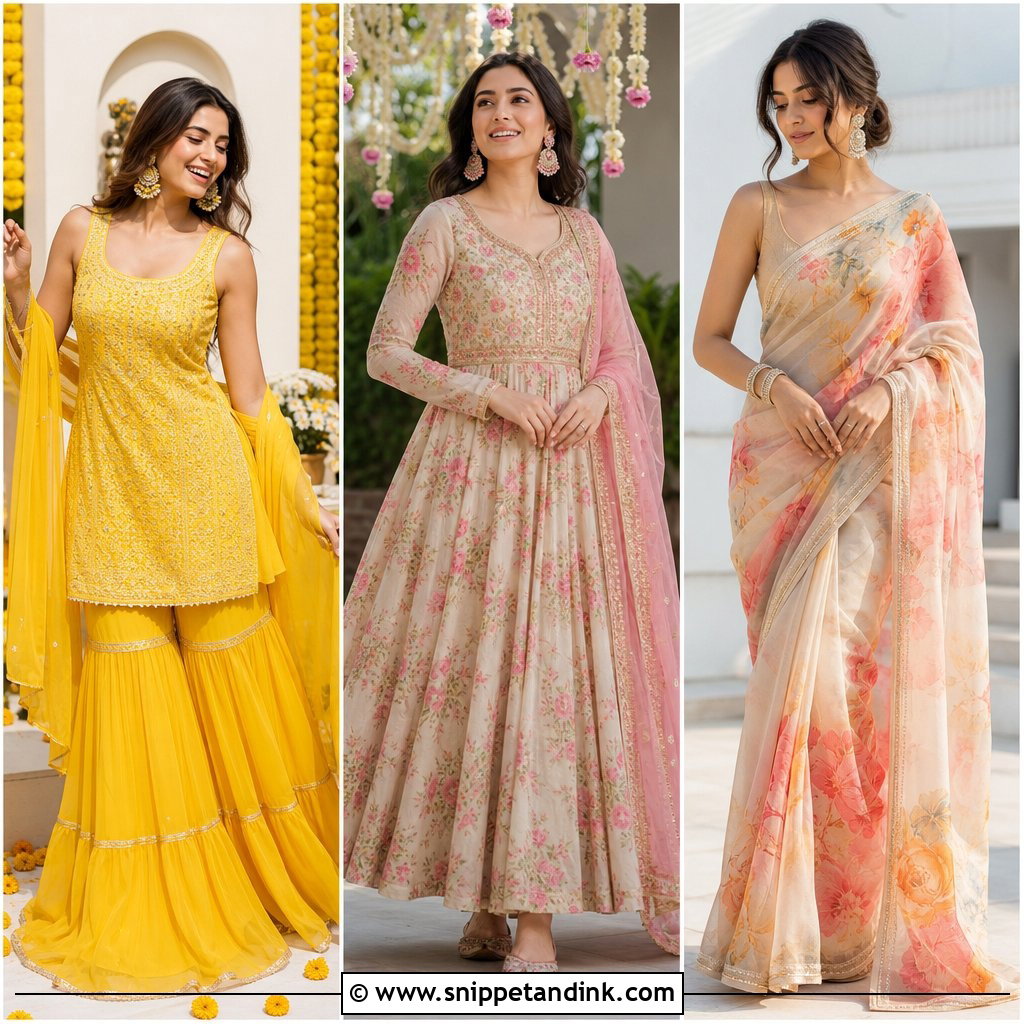
Haldi gets messy, and turmeric stains are close to permanent on light fabric. That’s the real reason I suggest a yellow sharara set rather than ivory: a yellow stain on yellow fabric is easy to live with. A short kurti with gota patti or mirror accents over flared sharara pants keeps you mobile on the floor. Marigold, mustard and sunflower photograph warmly in daylight. Floral jewelry and juttis suit the mood, and I’d leave any heirloom pieces at home for this one.
4. Floral Anarkali Suit For Mehndi
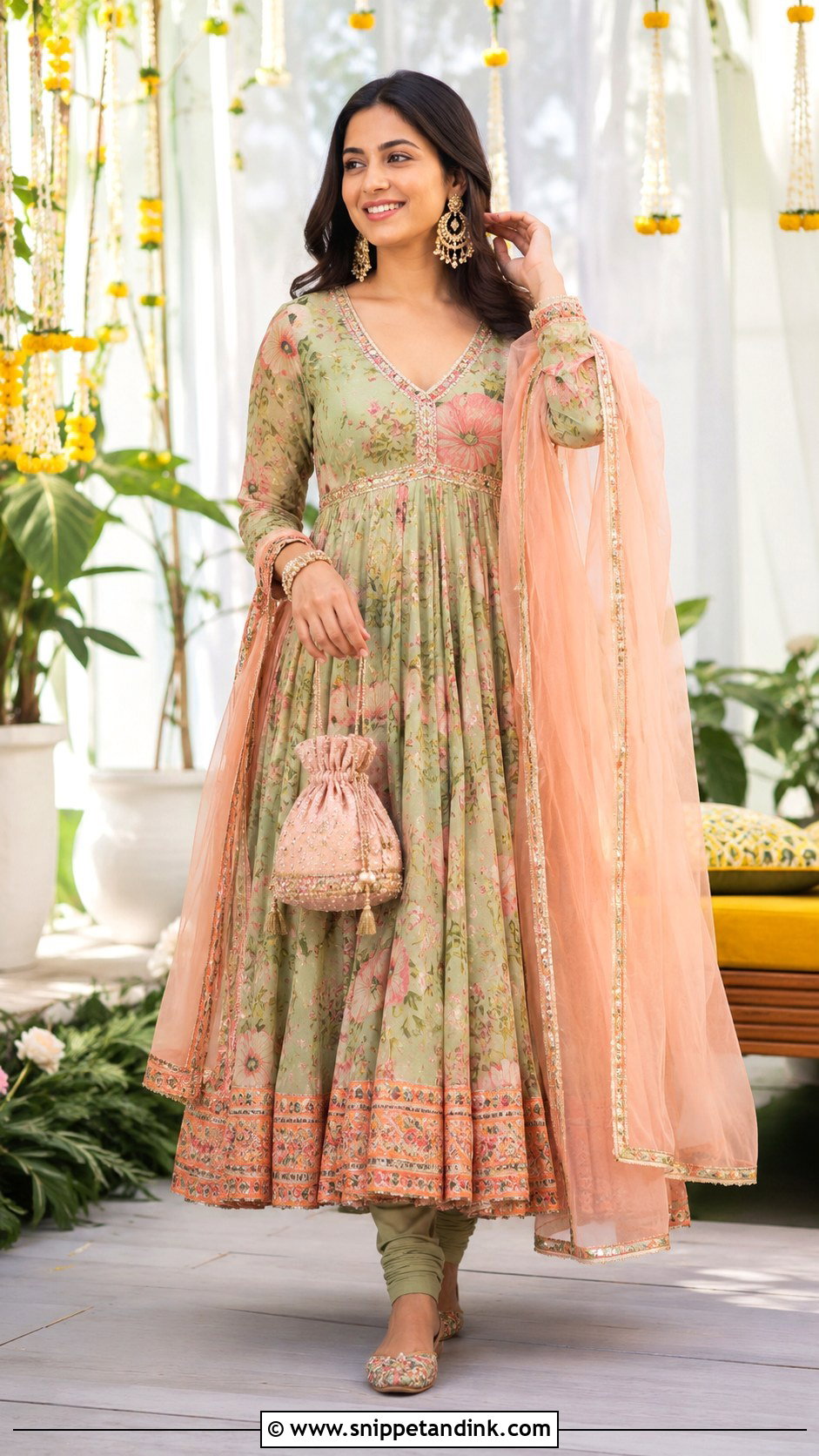
Mehndi means sitting, often on low seating, for hours. A floral anarkali handles that better than a lehenga because the flare falls over your knees rather than bunching at the waist. Green, peach, aqua and pink with printed florals or light sequins suit the afternoon. Wear churidar underneath and choose a soft dupatta you can tuck away. If you’re getting mehndi yourself, keep sleeves above the wrist so wet paste doesn’t smudge onto the fabric, and carry a potli so your hands stay free while it dries.
5. Silk Saree For Wedding Ceremony
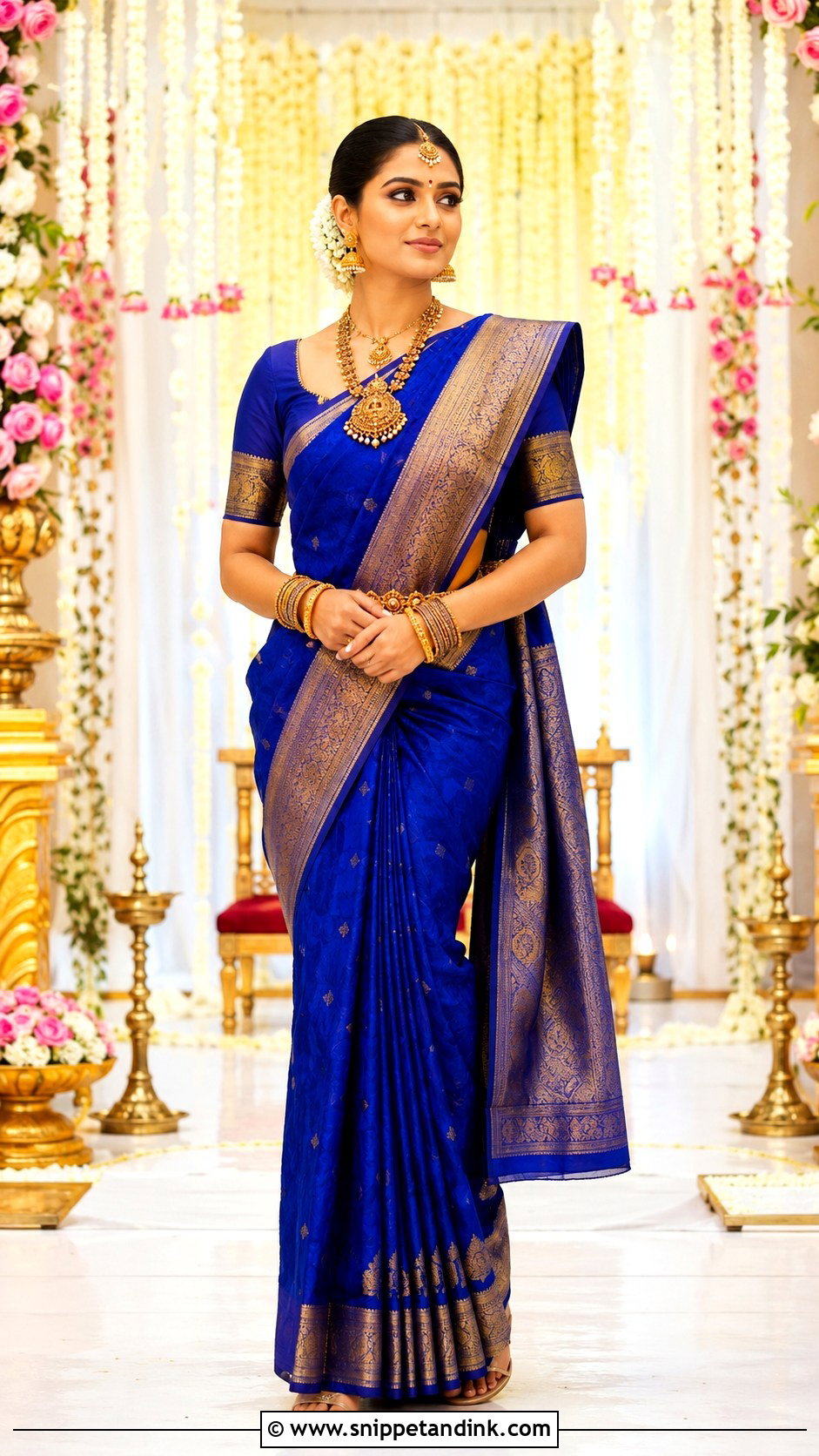
A silk saree is the classic choice for the main ceremony, and Kanjeevaram, Banarasi, Chanderi and Paithani-inspired weaves all hold up to a long ritual. Avoid red if the bride is in red; emerald, royal blue, purple, mustard and rose gold keep you clearly in support. As the best friend you’ll be up and down during the pheras, carrying the thali or fixing her dupatta, so I pin the pleats in three places and the pallu at the shoulder. A sleek bun with fresh flowers and temple jewelry completes it.
6. Sequin Saree For Cocktail
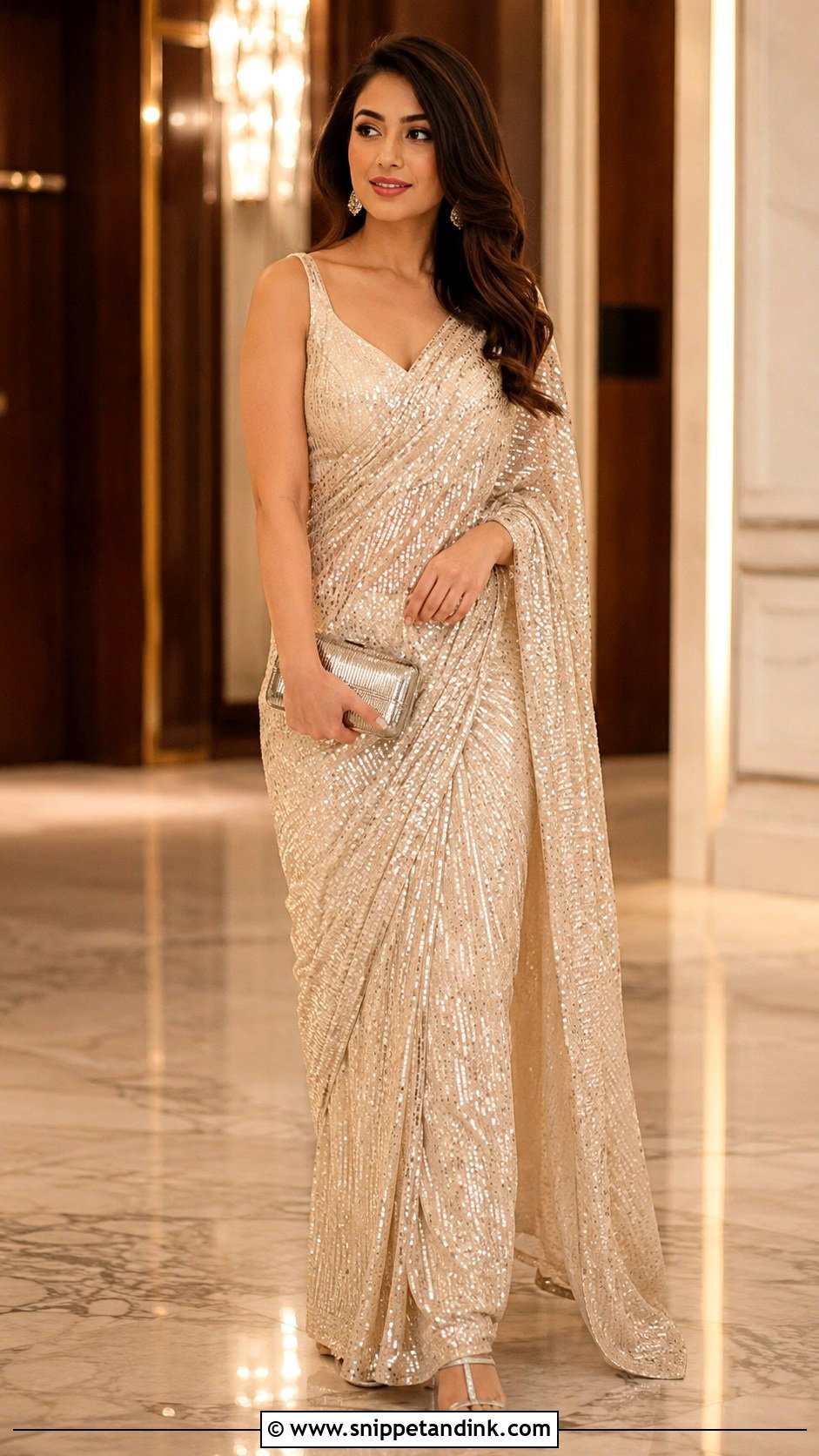
A sequin saree does all the work at a cocktail night, so the rest should step back. Champagne, silver, rose gold, midnight blue and bronze look refined under evening lights. Sequined georgette is heavier than plain fabric and the pallu slides, so I always use a brooch or two hidden pins. Sequins also scratch: a sleeveless or halter blouse avoids that rough seam under the arm. Studs, a slim bracelet, defined eyes and a nude or berry lip keep it balanced.
7. Velvet Lehenga For Winter Wedding
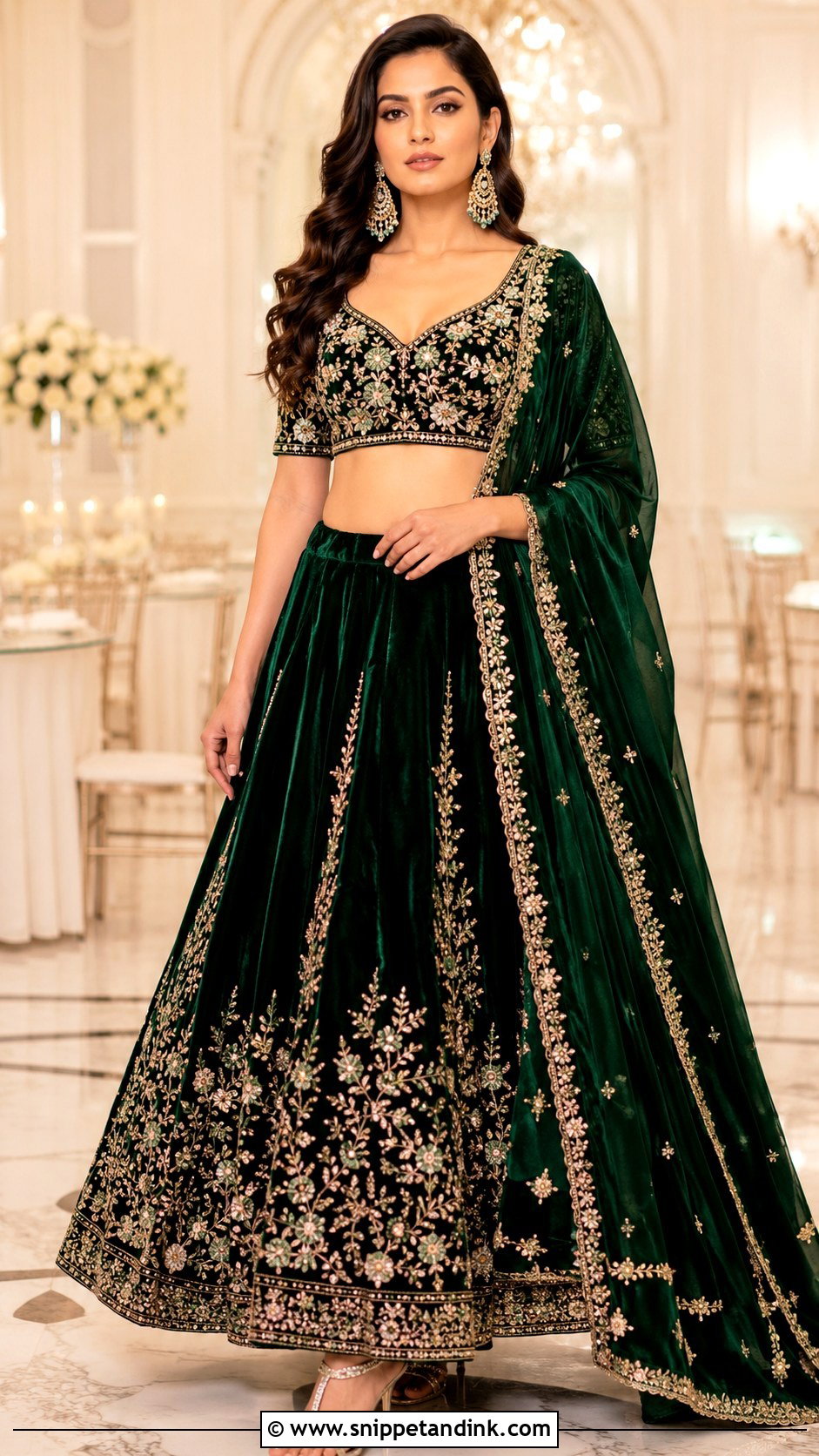
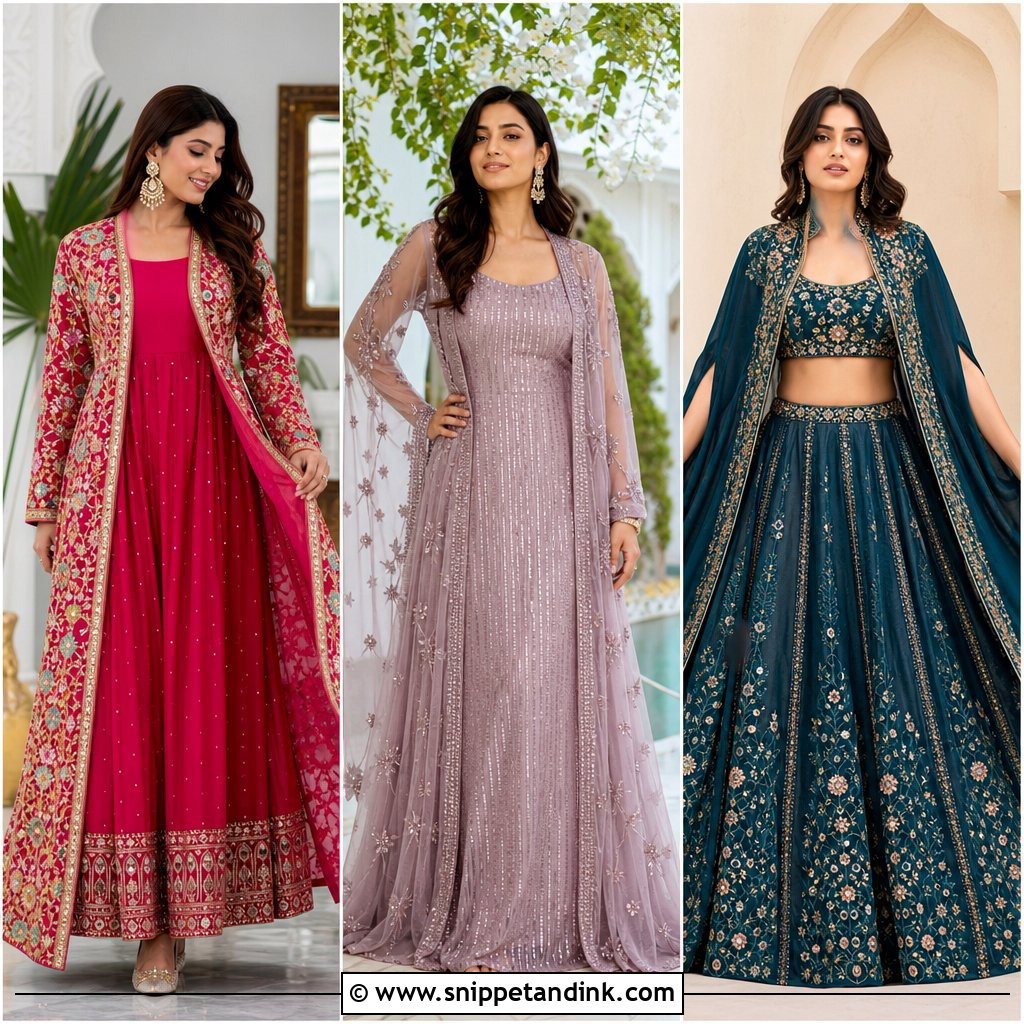
In a cold month, velvet is the fabric I’d reach for first, because it holds warmth and looks rich under evening light. Wine, navy, emerald, plum and chocolate brown suit winter functions. Choose embroidery at the blouse, waist or border rather than all over; fully embroidered velvet becomes very heavy and stiff to dance in. Kundan earrings and soft waves suit it, and closed-toe heels keep feet warm at an outdoor reception.
8. Organza Saree For Day Wedding
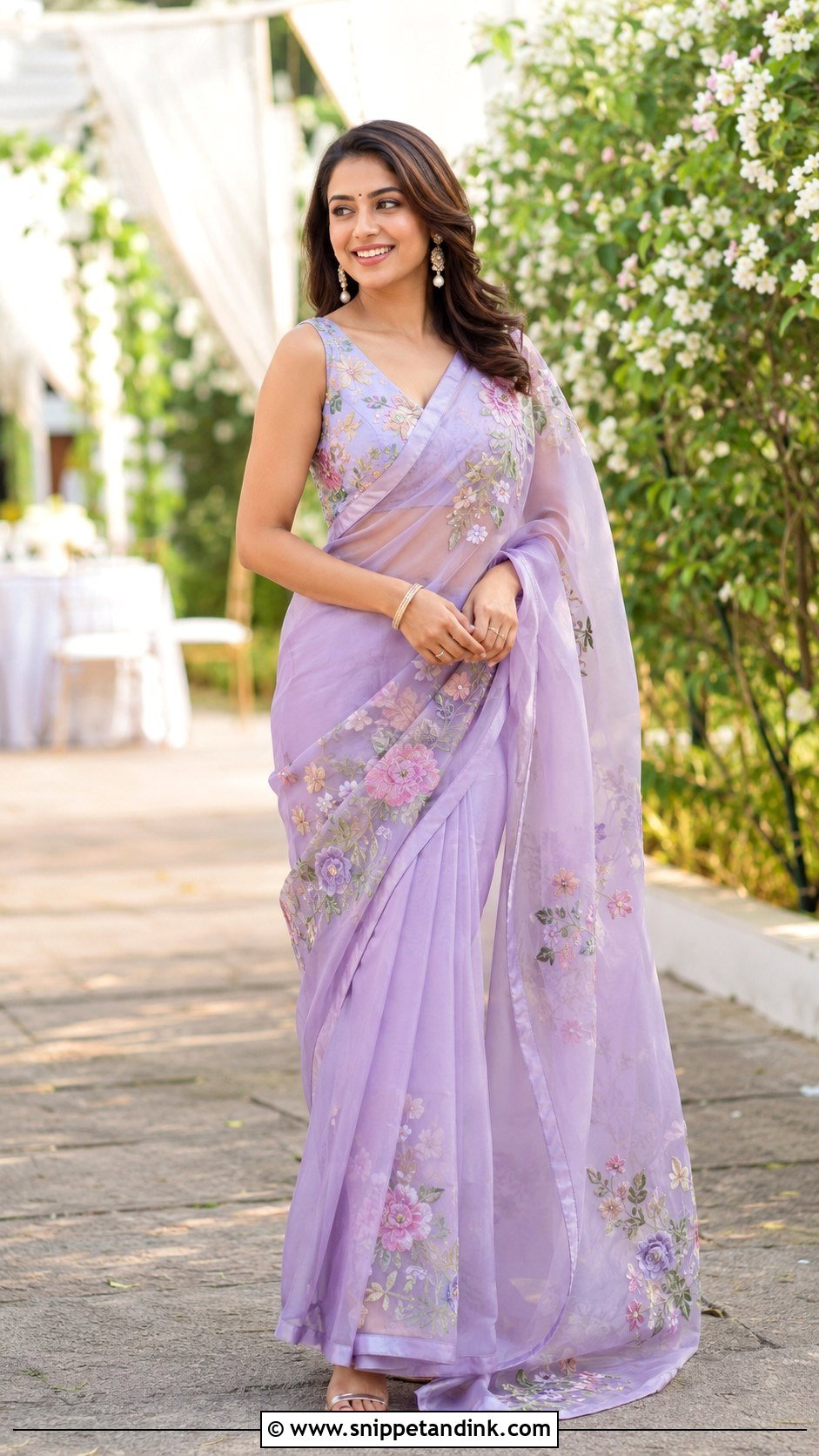
Organza is light, crisp and right for a daytime wedding in spring or early summer. Lavender, sage, peach, powder blue and ivory with colored embroidery all look fresh. Because organza holds its shape, it puffs out at the pleats if you rush them. I steam the pleats flat and keep the drape tight around the hips. A structured blouse, pearl earrings and strappy heels finish it, and pastel organza coordinates easily if the bride’s friends are dressing in a shared palette.
9. Indo Western Gown For Reception
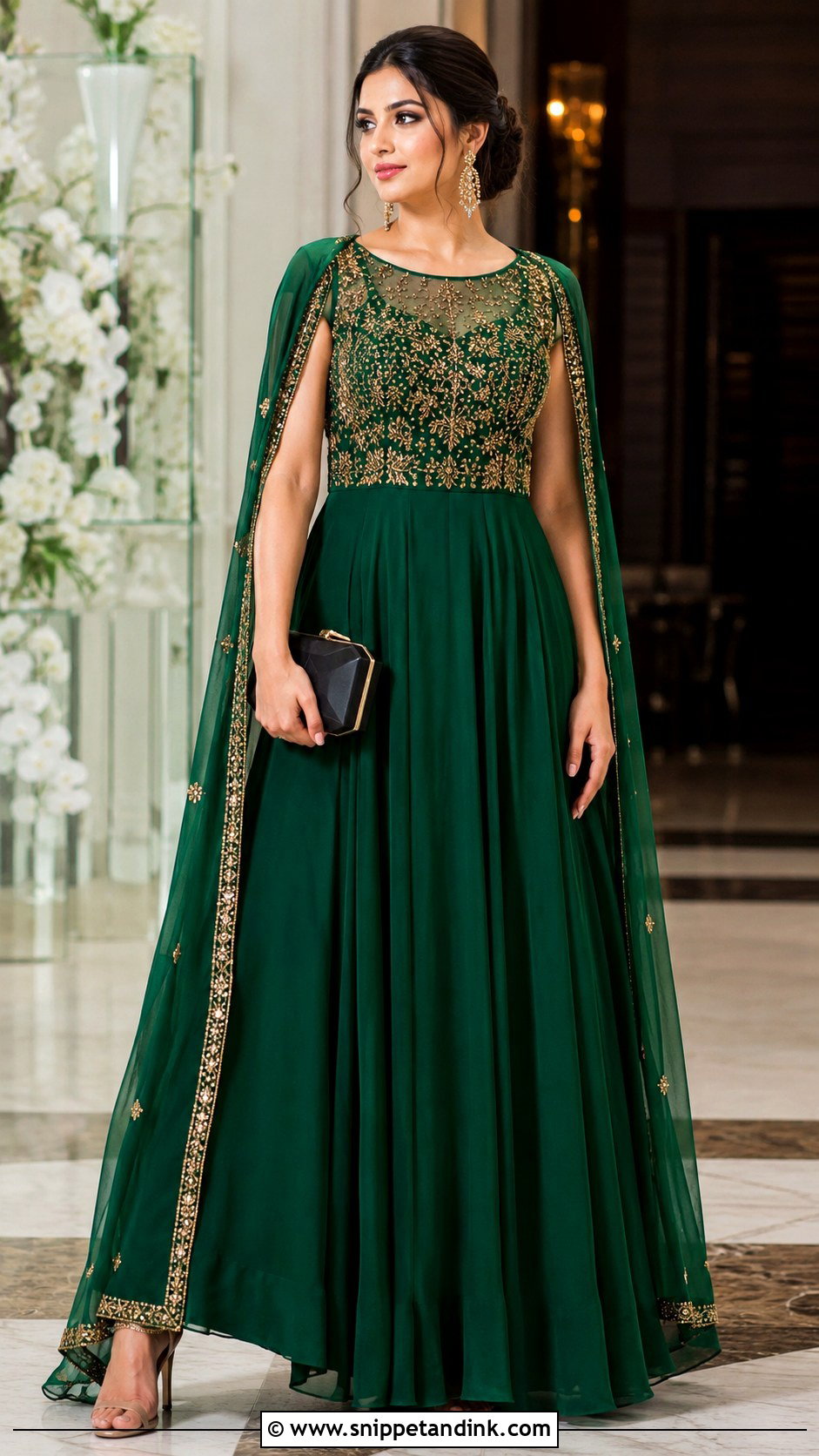
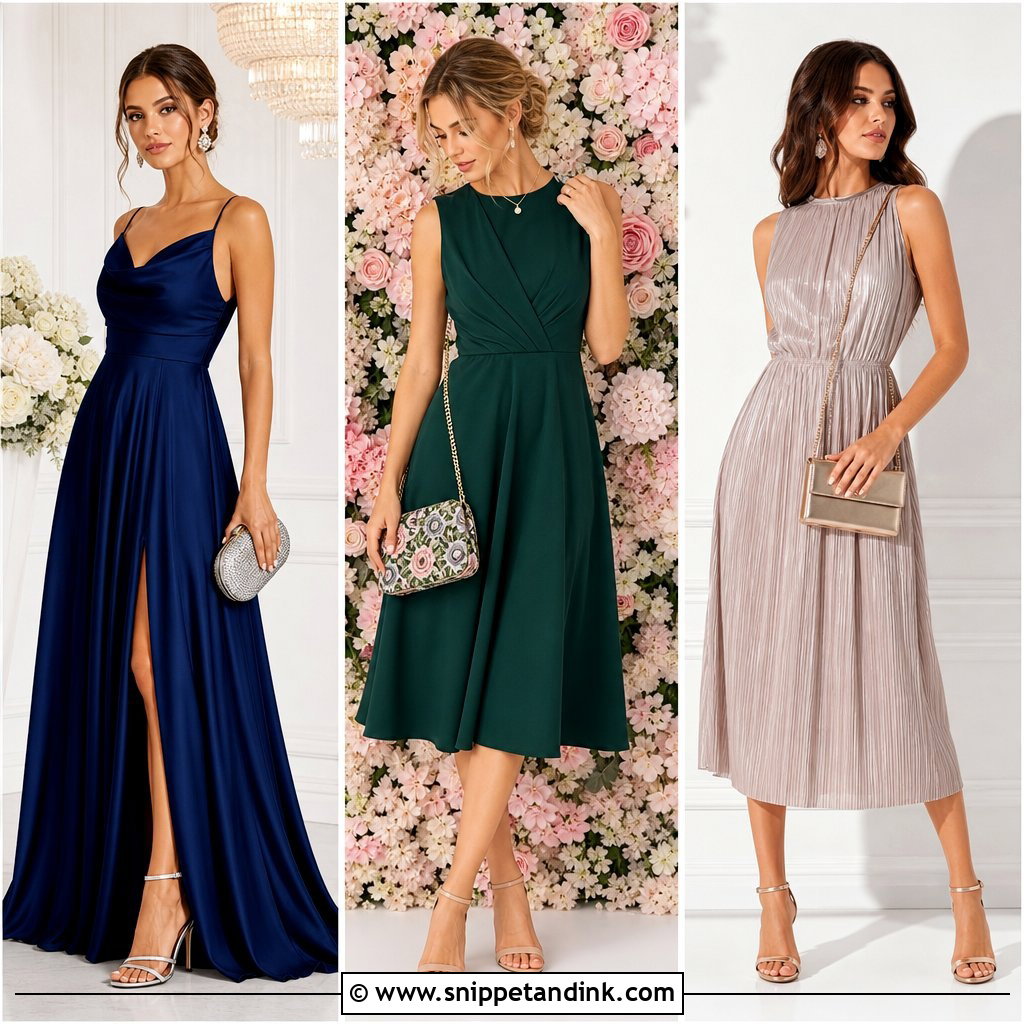
If you don’t want to manage a dupatta or pleats at the reception, an Indo-western gown solves that. Floor length with Indian embroidery, cape sleeves or a structured bodice keeps it festive. Emerald, navy, mauve, silver and champagne all suit evening. Get the hem cut for your exact heel, because gowns that pool on the floor get stepped on in crowded receptions. Statement earrings and a sleek clutch are enough.
10. Green Lehenga For Mehndi
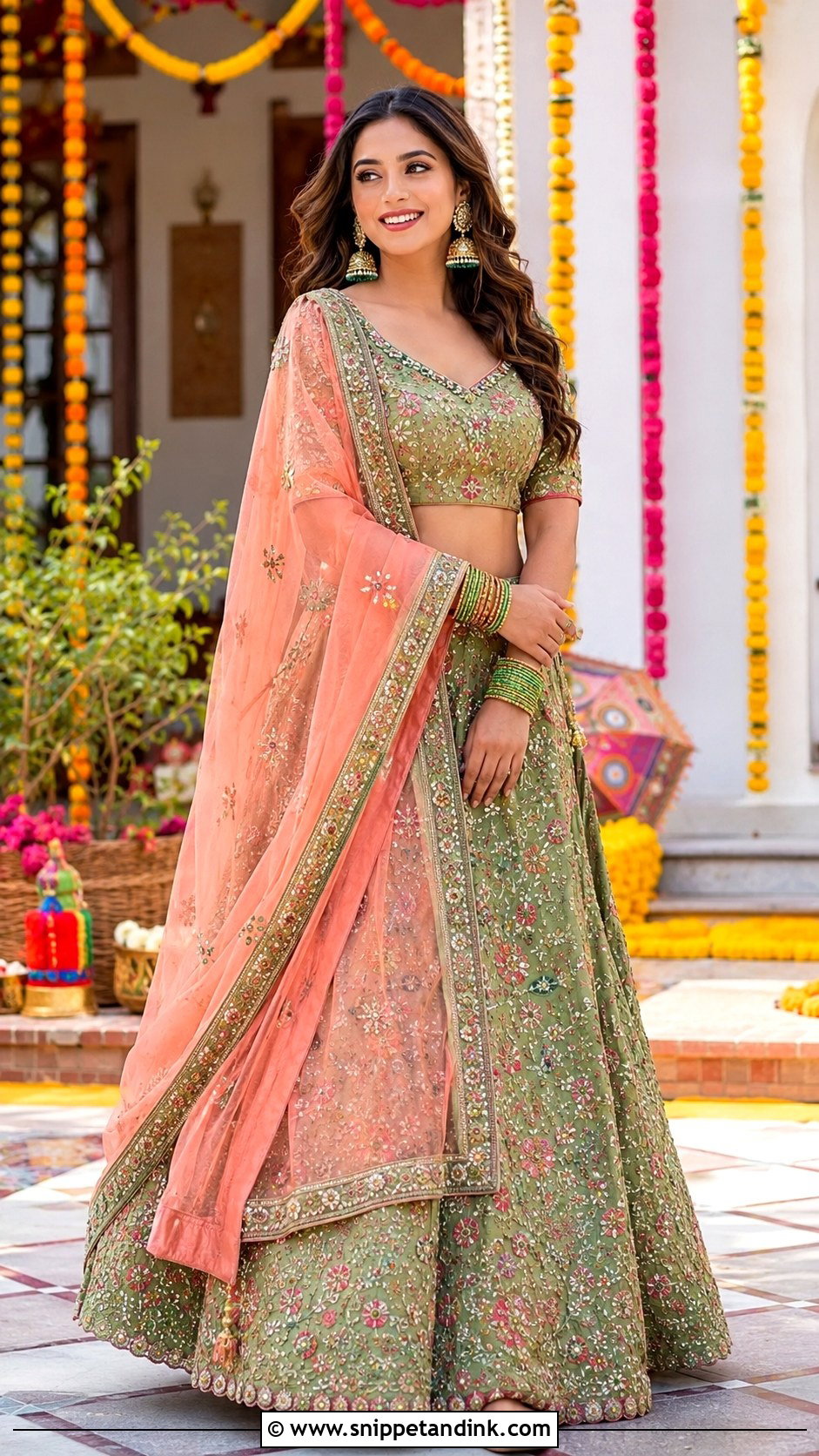
Green sits naturally against mehndi decor, and a green lehenga comes in enough shades that a whole friend group can wear it without matching. Parrot, emerald, sage, olive and mint each set a different mood. Mirror work, gota patti or floral prints all suit the function. A contrast dupatta in pink, yellow or peach adds color. If the bride squad is coordinating, agree on a shade range rather than one shade; slightly varied greens photograph better than identical outfits.
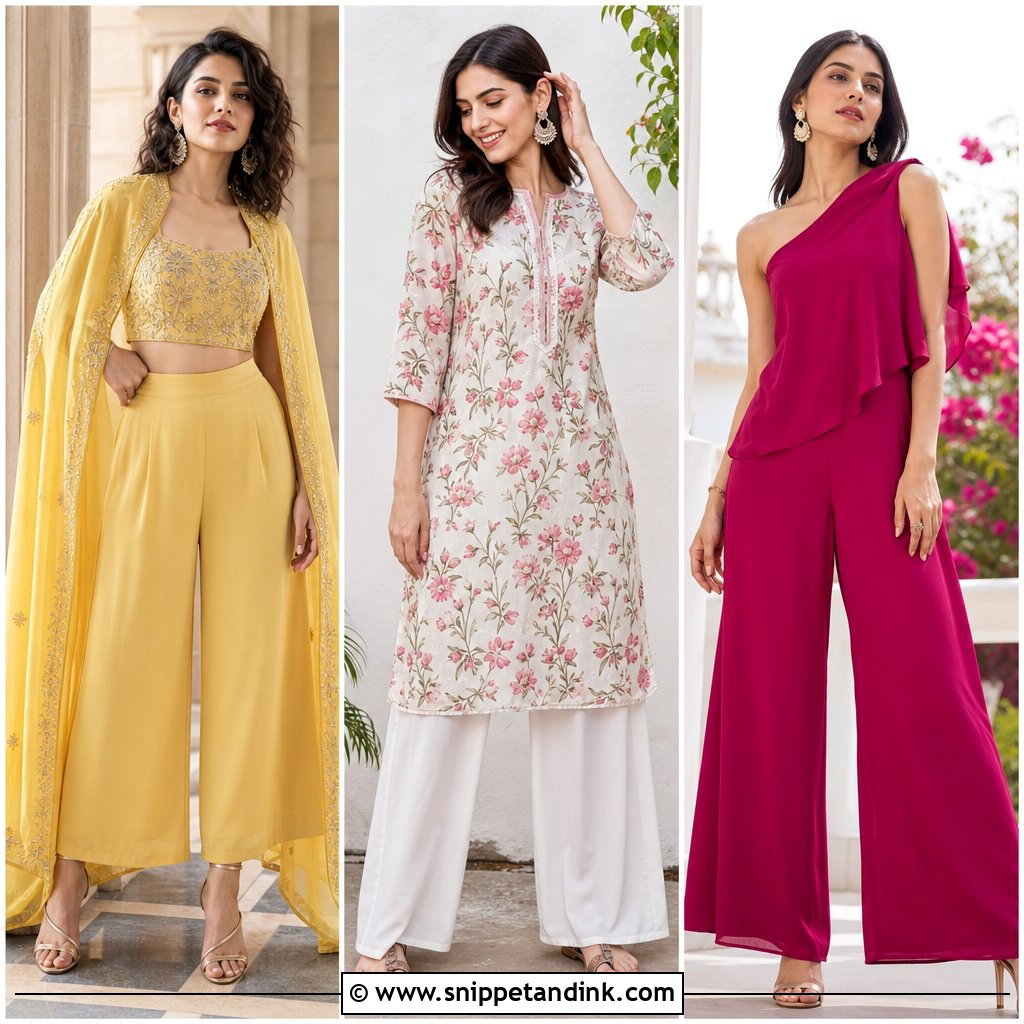
11. Ruffle Saree For Cocktail
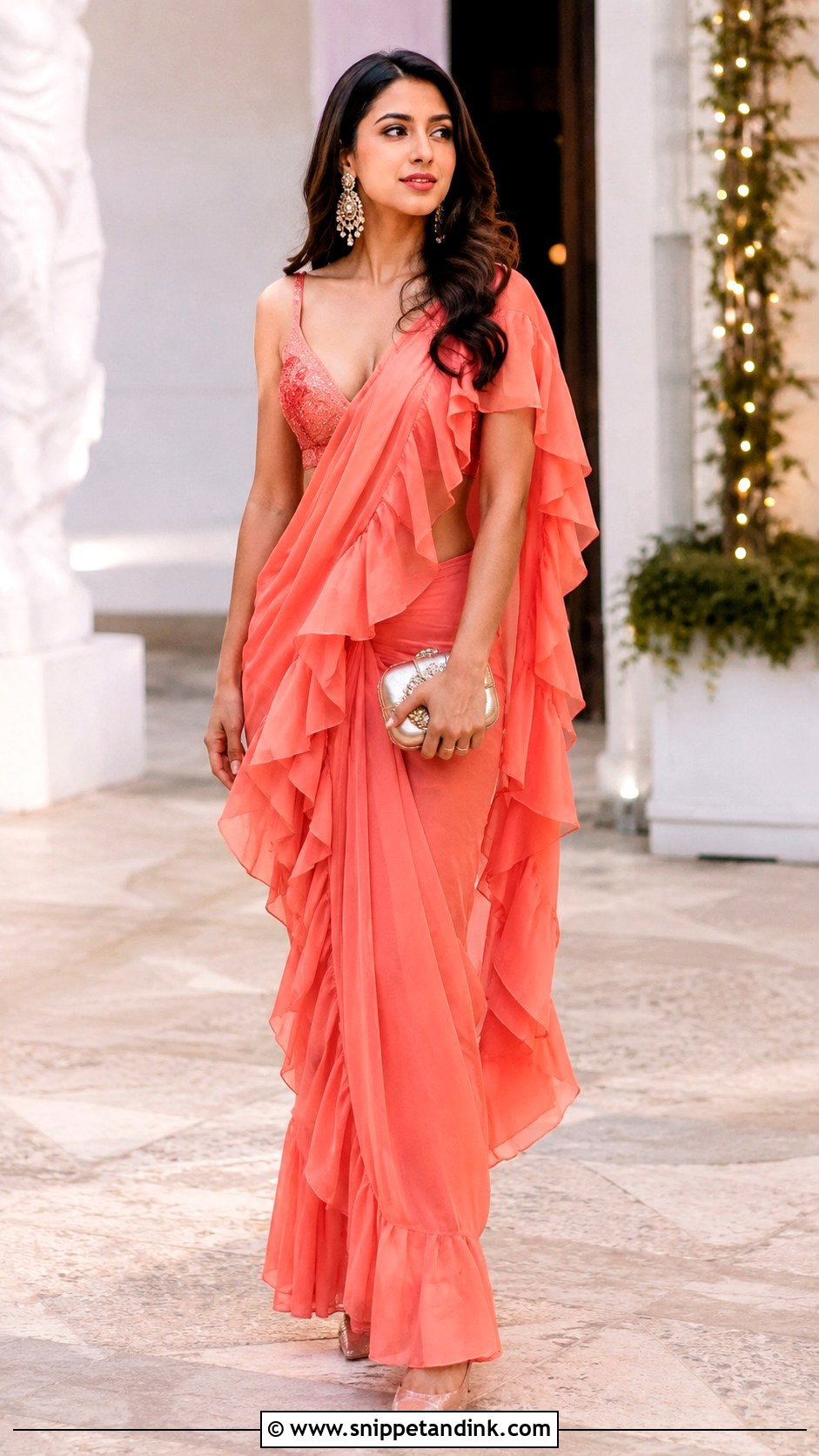
Ruffle sarees are usually pre-draped or close to it, which is why I suggest them for welcome parties where you’ll be dancing within the hour. Coral, teal, blush, silver or black with metallic accents look modern. The ruffles add volume at the hem and pallu, so keep everything else sleek: a fitted blouse, pointed heels and a high ponytail. Short or petite women should choose finer, smaller ruffles, since deep ones can swallow the frame.
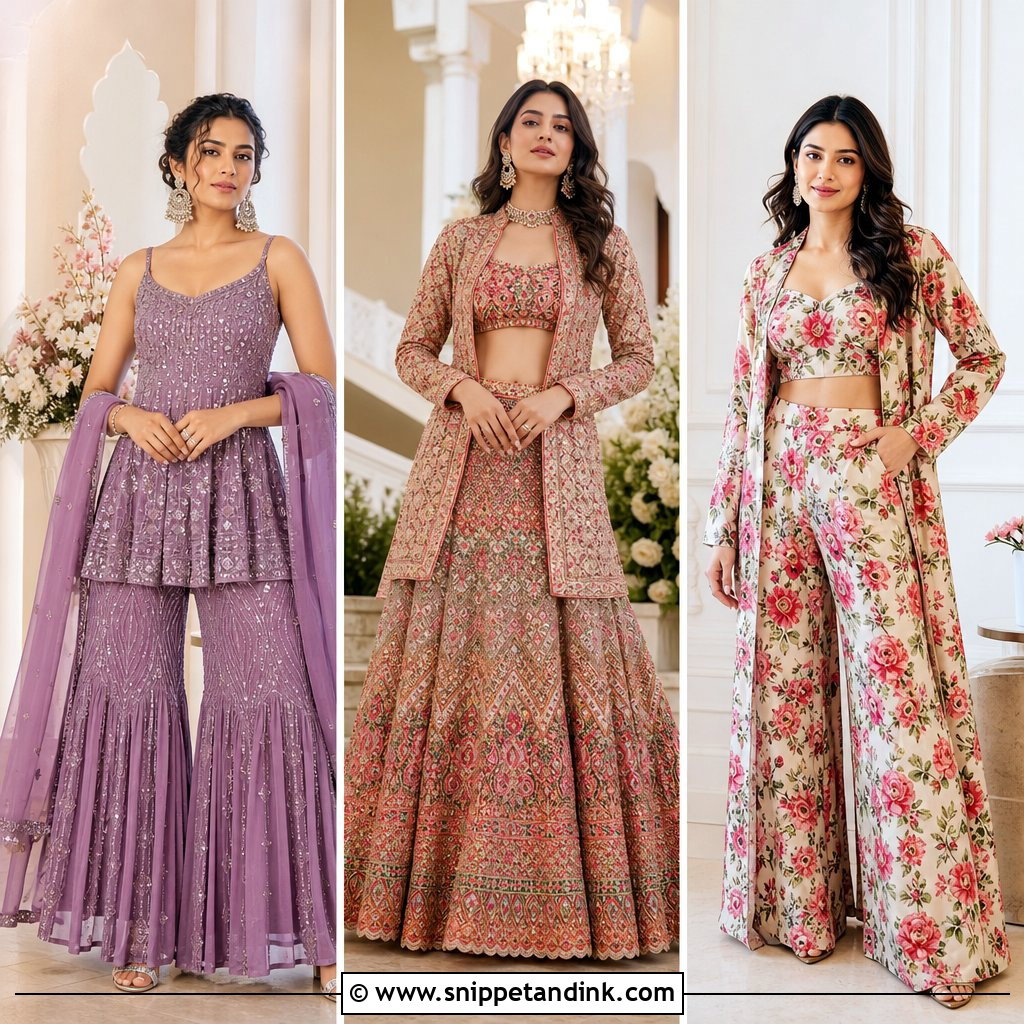
12. Palazzo Suit For Wedding Guest
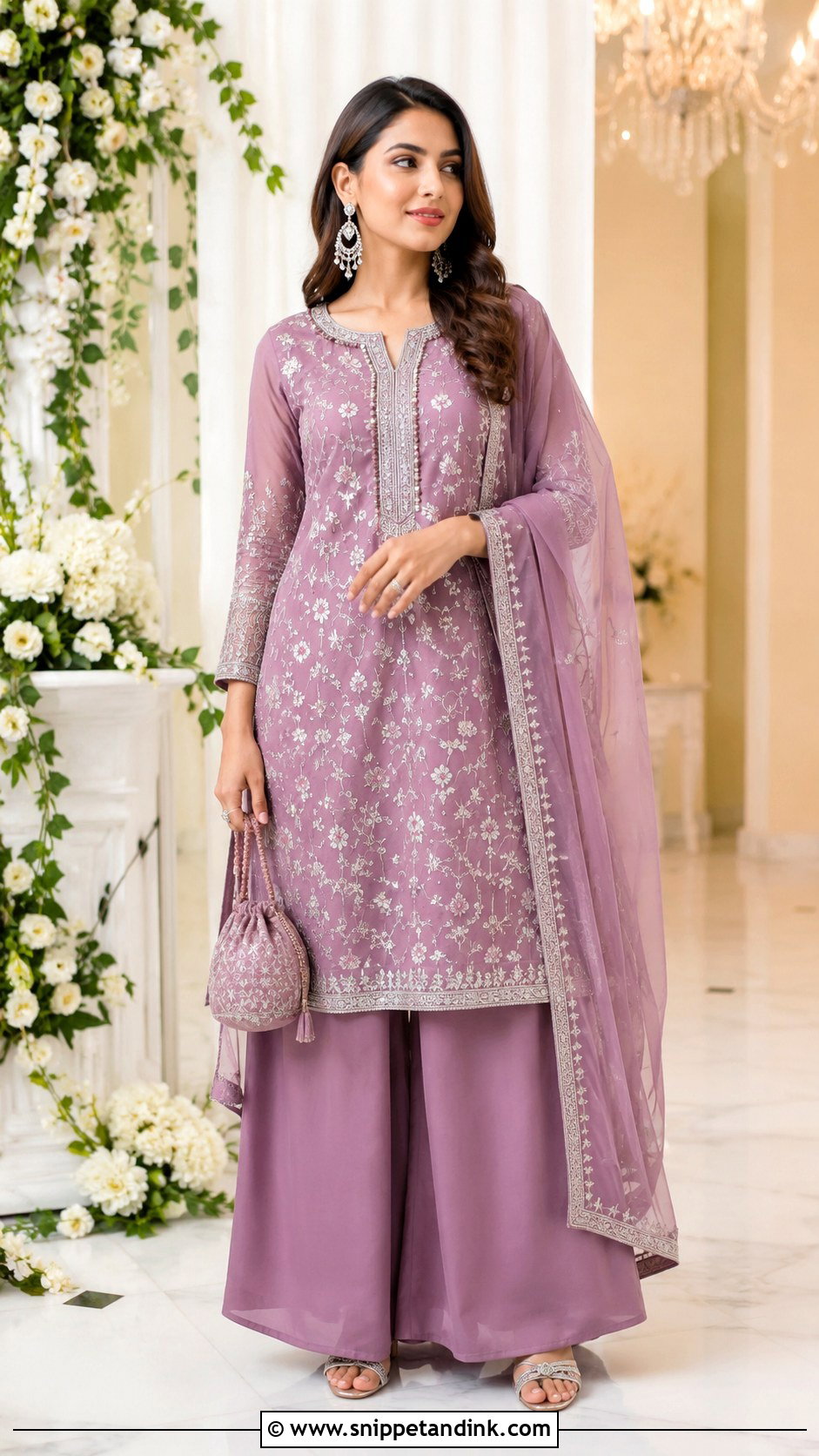
Palazzo suits are underrated for long functions. An embroidered or zari-work kurta with wide palazzos and a coordinated dupatta gives coverage and room to sit cross-legged. They pack flatter than a lehenga, which matters at a destination wedding. Cotton silk breathes for day; raw silk or brocade suits evening. Chandbalis, a potli bag and embellished sandals finish it. Make sure the palazzo hem clears the floor in flats, since wide legs collect dust and petals fast.
13. Banarasi Saree For Best Friend Wedding
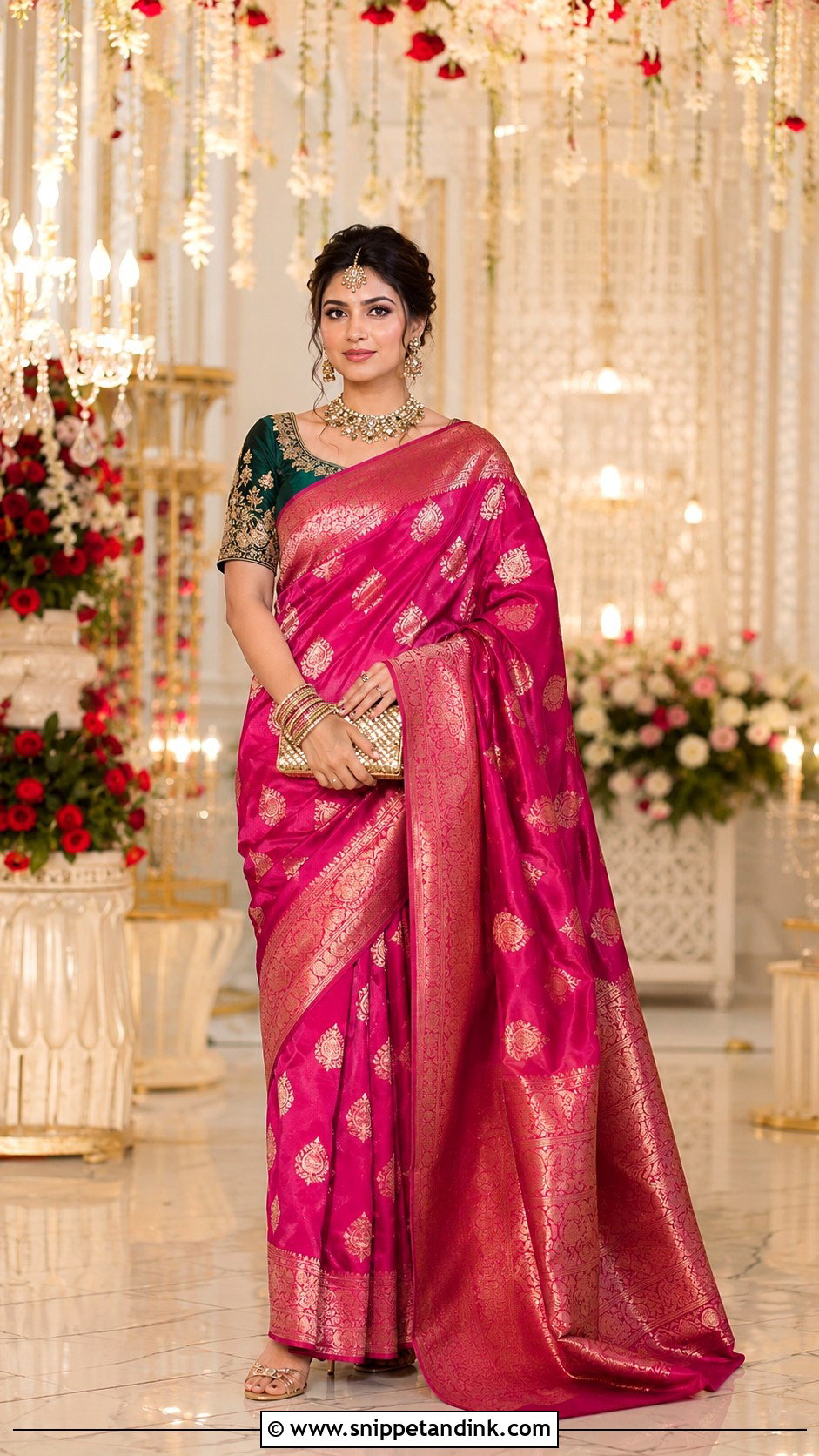
A Banarasi saree tells everyone this wedding matters to you. Rich silk with a woven border in magenta, emerald, royal blue, mustard or purple suits rituals and family portraits. A contrast blouse looks styled; a matching one looks classic. Banarasi silk is slippery, so when I drape it for someone who’ll be helping the bride, I add an extra pin at the pleat fold and keep the pallu shorter than usual. Kundan or temple jewelry and heeled sandals complete it without much else.
14. Crop Top Skirt For Sangeet
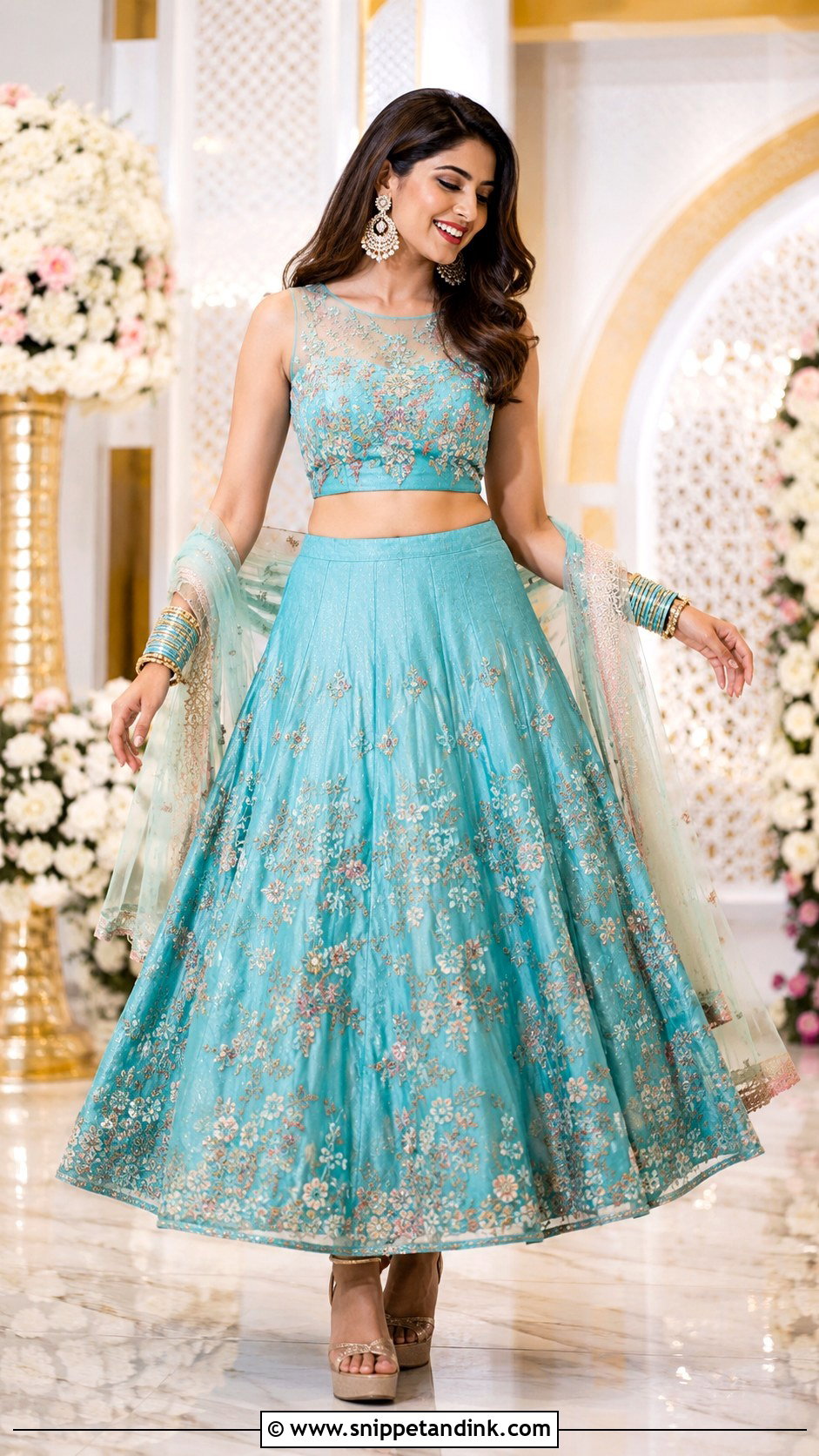
For choreographed numbers, a crop top and skirt gives you the look of a lehenga at roughly half the weight. An embroidered crop top with a flared skirt and a light cape or dupatta is a strong sangeet outfit. Hot pink, turquoise, orange and purple read well under stage lighting. Tassels and dangling trims are fun until they snag mid-spin, so keep them short. Rehearse your choreography in the actual shoes at least once.
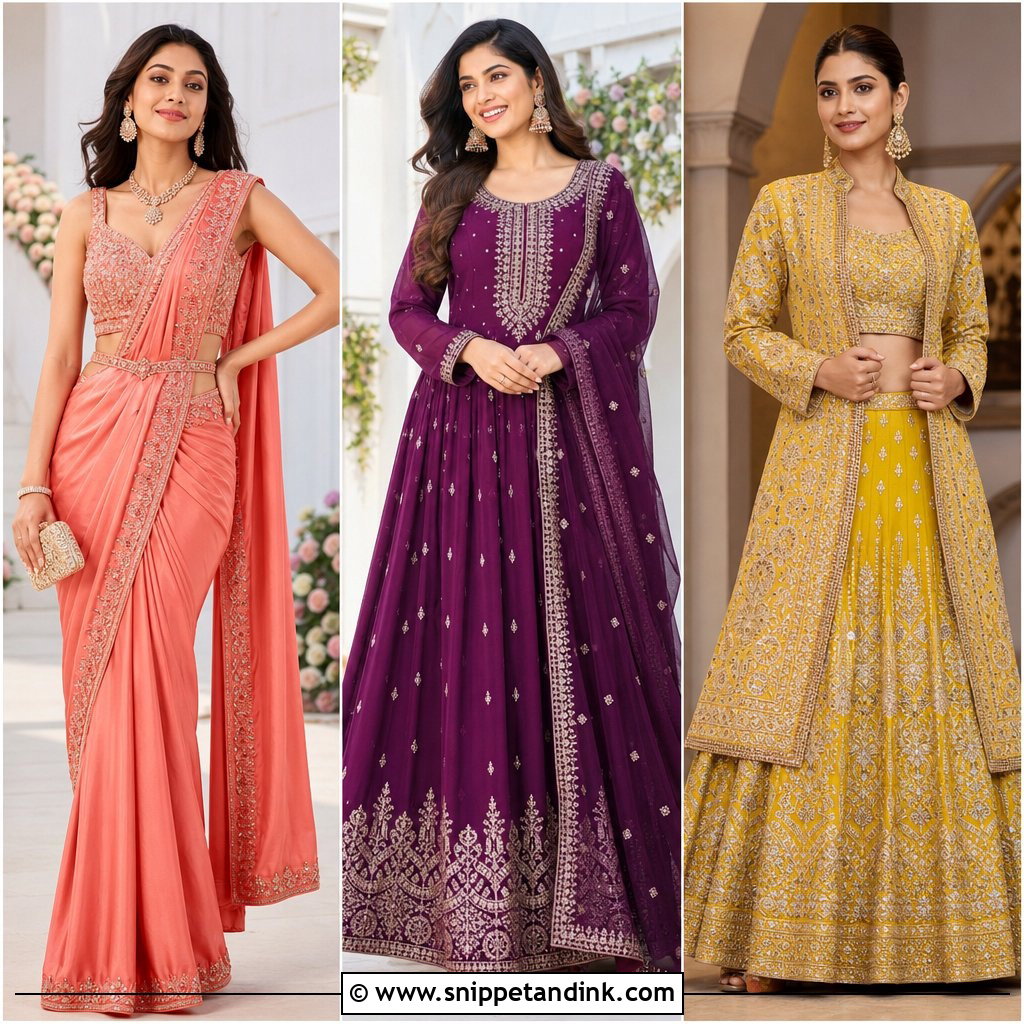

15. Chikankari Lehenga For Day Function
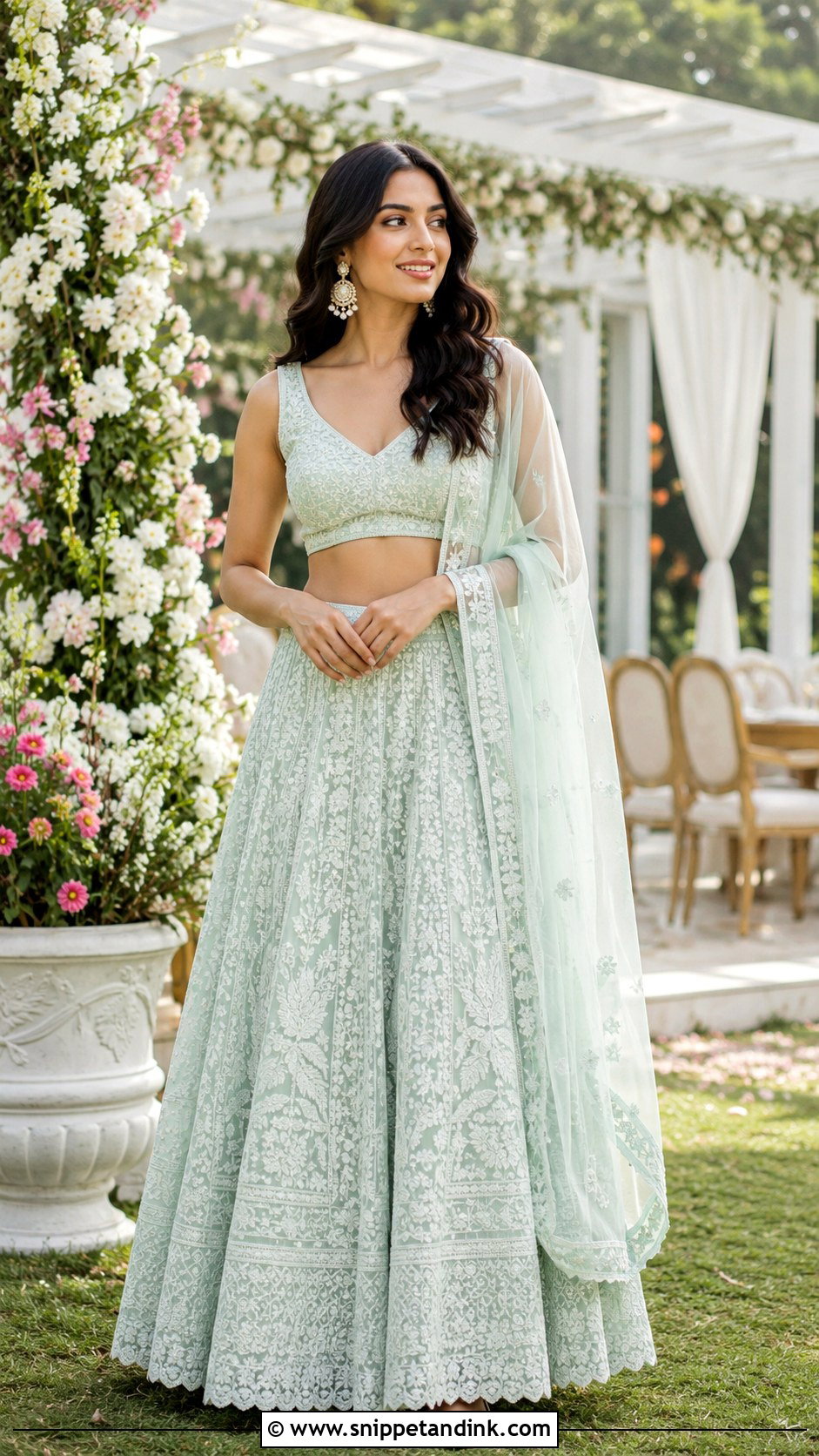
Chikankari breathes, which is why I like it for daytime pheras and summer brunches. Ivory with colored accents, pastel pink, mint, lavender and soft yellow all work. Ivory chikankari can look too bridal on its own, so add a bright dupatta or colorful jewelry to keep you clearly a guest. The embroidery is fine and often on sheer fabric; check the lining before buying. Pearl earrings and juttis keep it light.
16. Cape Lehenga For Reception
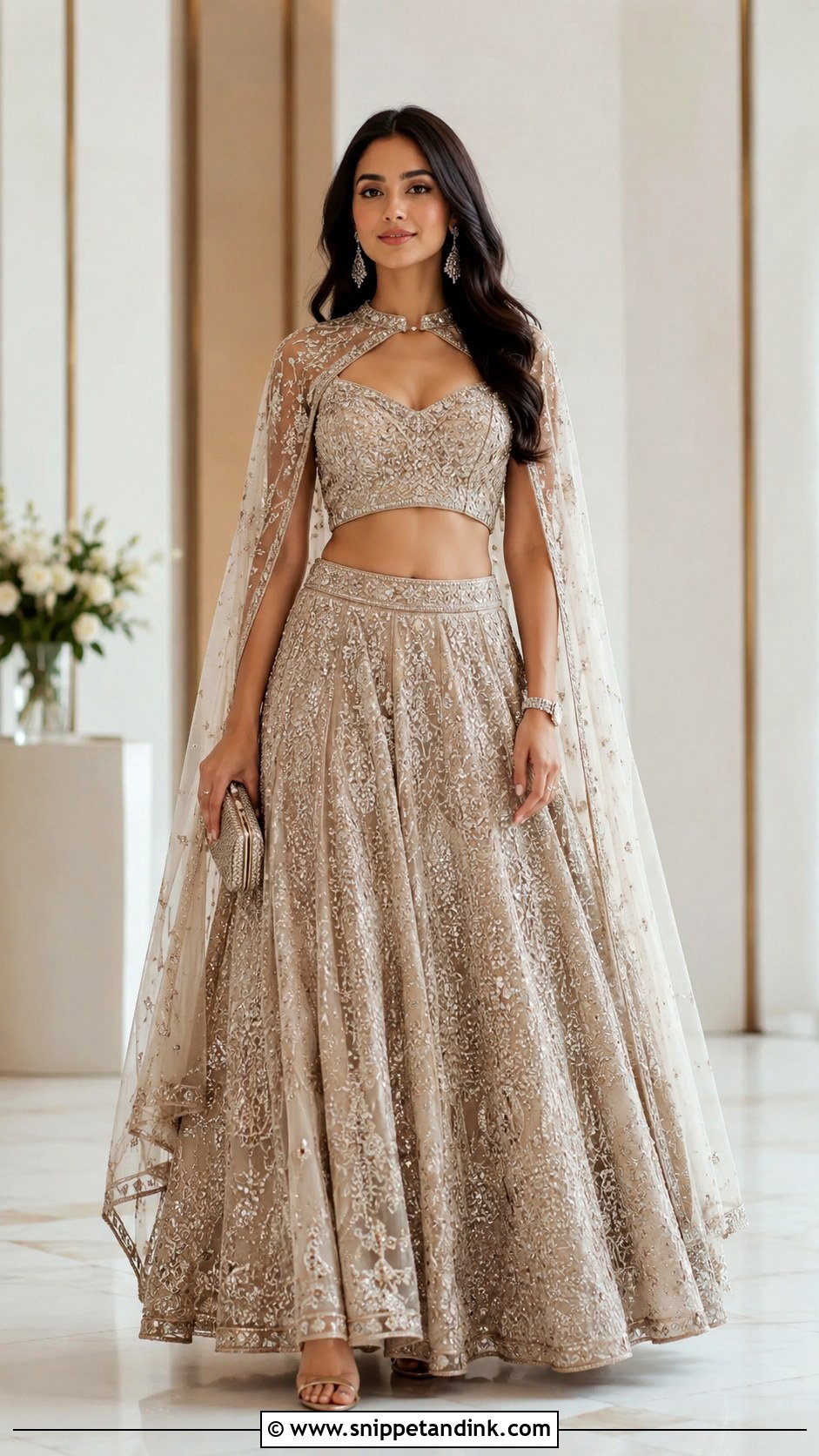
A cape replaces the dupatta, and that’s its whole appeal for a reception: no fabric sliding off your shoulder while you greet guests. A fitted blouse, flowing skirt and sheer or embroidered cape falls well for cocktails and formal sangeets too. Champagne, navy, emerald, blush and silver look polished in evening light. Keep the neckline simple and the jewelry minimal, because the cape already frames your shoulders. Sleek earrings and a clutch finish it.
17. Kurta Lehenga Set For Mehndi
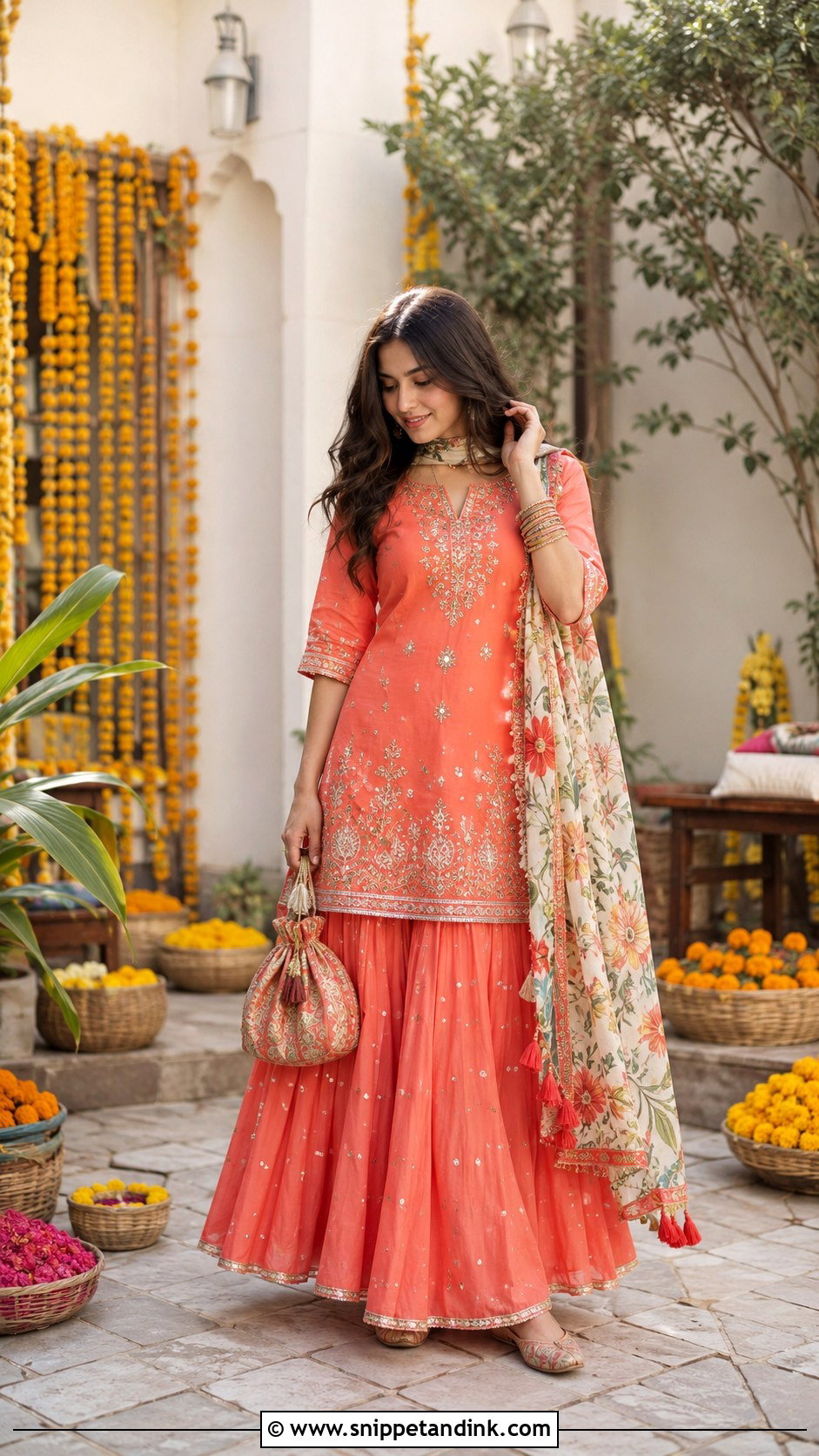
Kurta lehenga sets give more coverage than a blouse-style lehenga, and they’re easier when you’re helping with smaller rituals. A short or mid-length embroidered kurta over a flared skirt in cotton silk, georgette or raw silk suits mehndi and daytime functions. Green, pink, yellow and coral feel festive. A mid-length kurta should end at the widest point of the skirt flare, or the proportion looks off in photos. Juttis and a potli keep it practical.
18. Black Indo Western Outfit For Cocktail
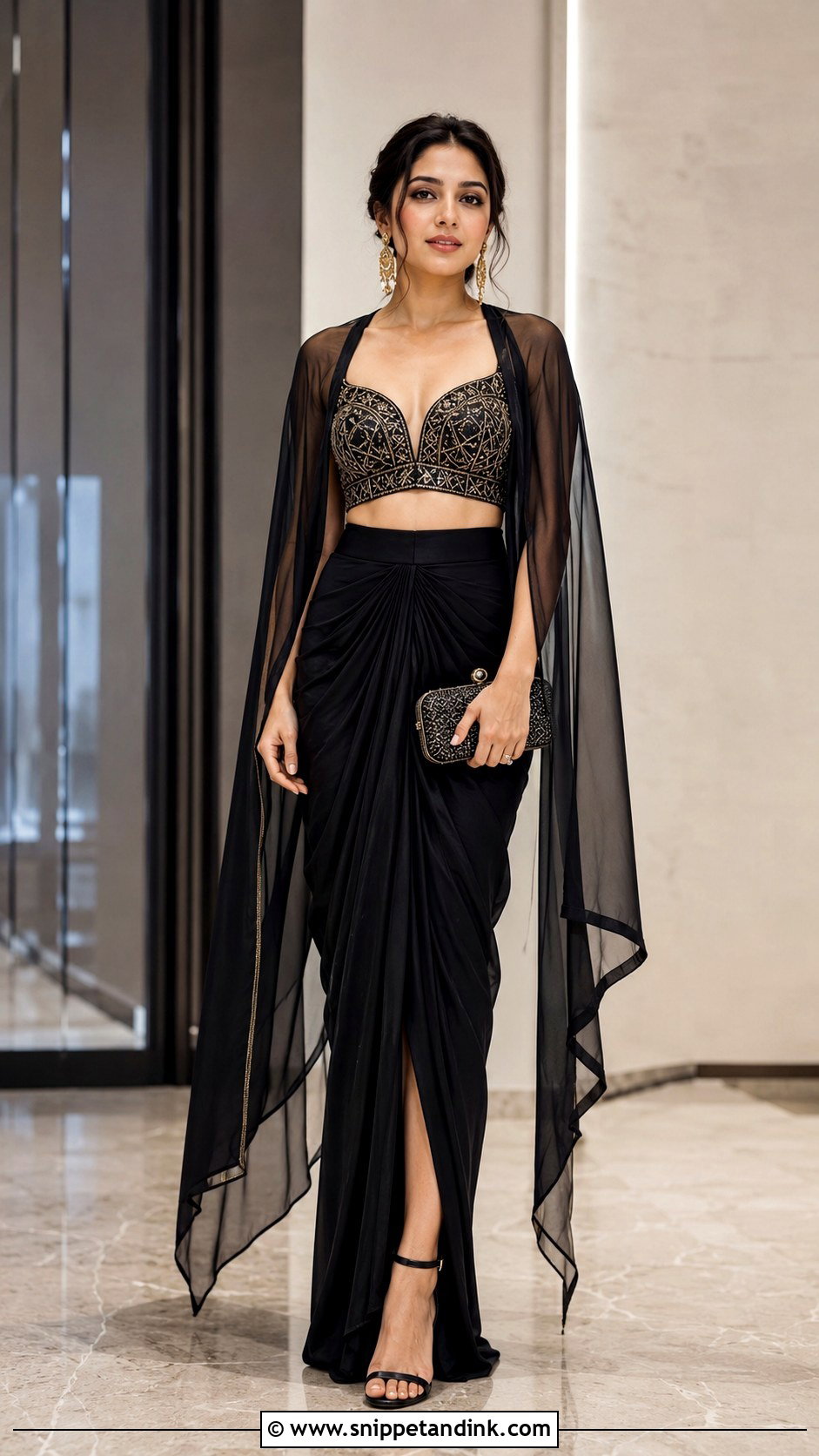
Black is still avoided by many families at auspicious ceremonies, so I only suggest a black Indo-western outfit for a cocktail or reception, and only after checking with the bride. A black draped skirt with an embroidered blouse, a cape set or a structured jumpsuit with Indian detailing looks sharp in evening light. Gold, silver or emerald accessories keep it festive. When black works, it’s one of the most polished options in the wardrobe.
19. Gharara Set For Nikah Or Reception
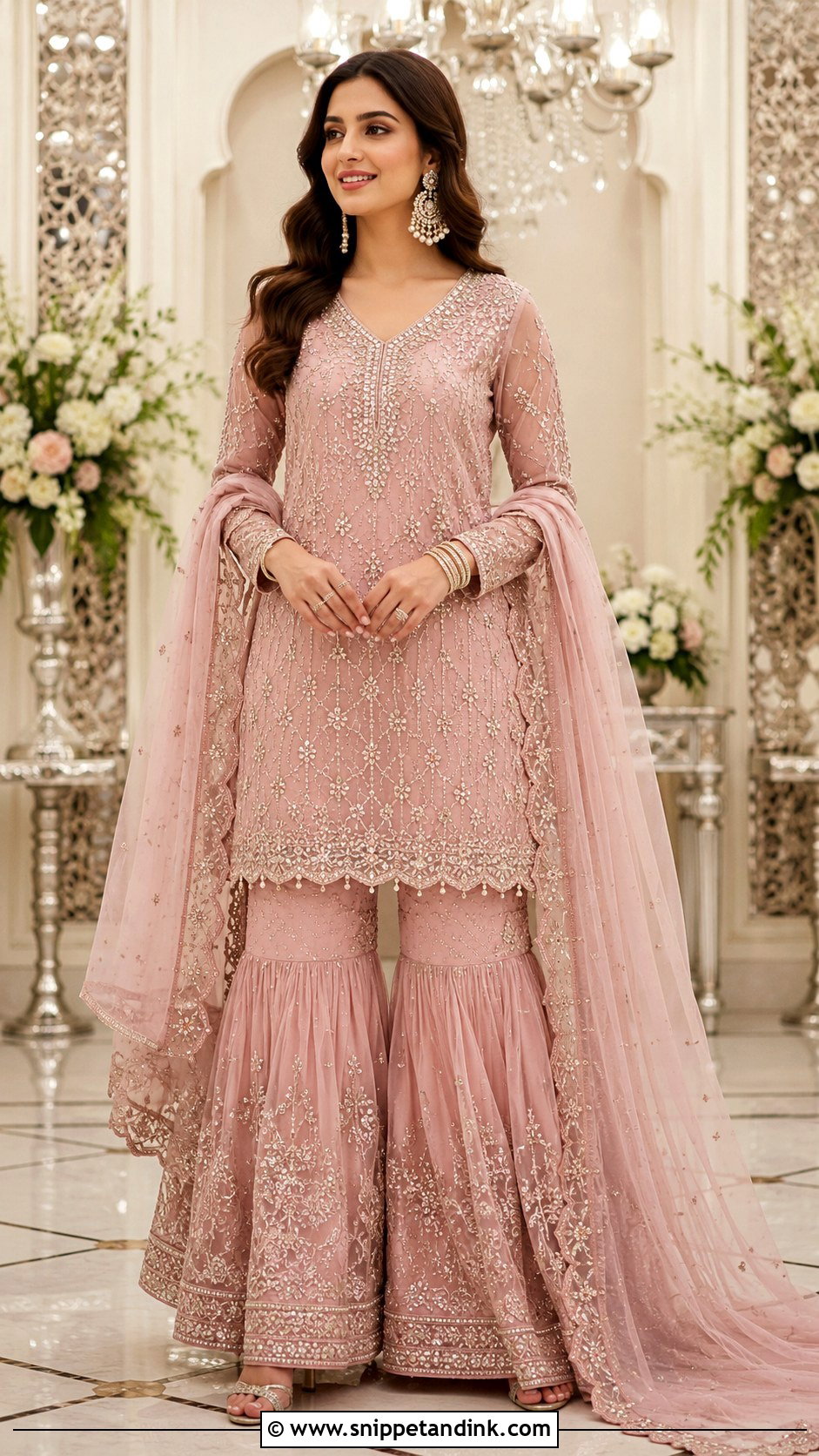
For a nikah or reception, a gharara set feels traditional and regal. A short kurti with gharara pants that flare from the knee, in silk, georgette or organza, carries embroidery, zari and gota well. Ivory with gold, dusty pink, sage and powder blue read soft; jewel tones feel formal. Gharara pants are often heavily worked at the knee band, so walk in them before buying, since some are stiff enough to slow you down on stairs. Chandbalis and embellished heels finish the look.
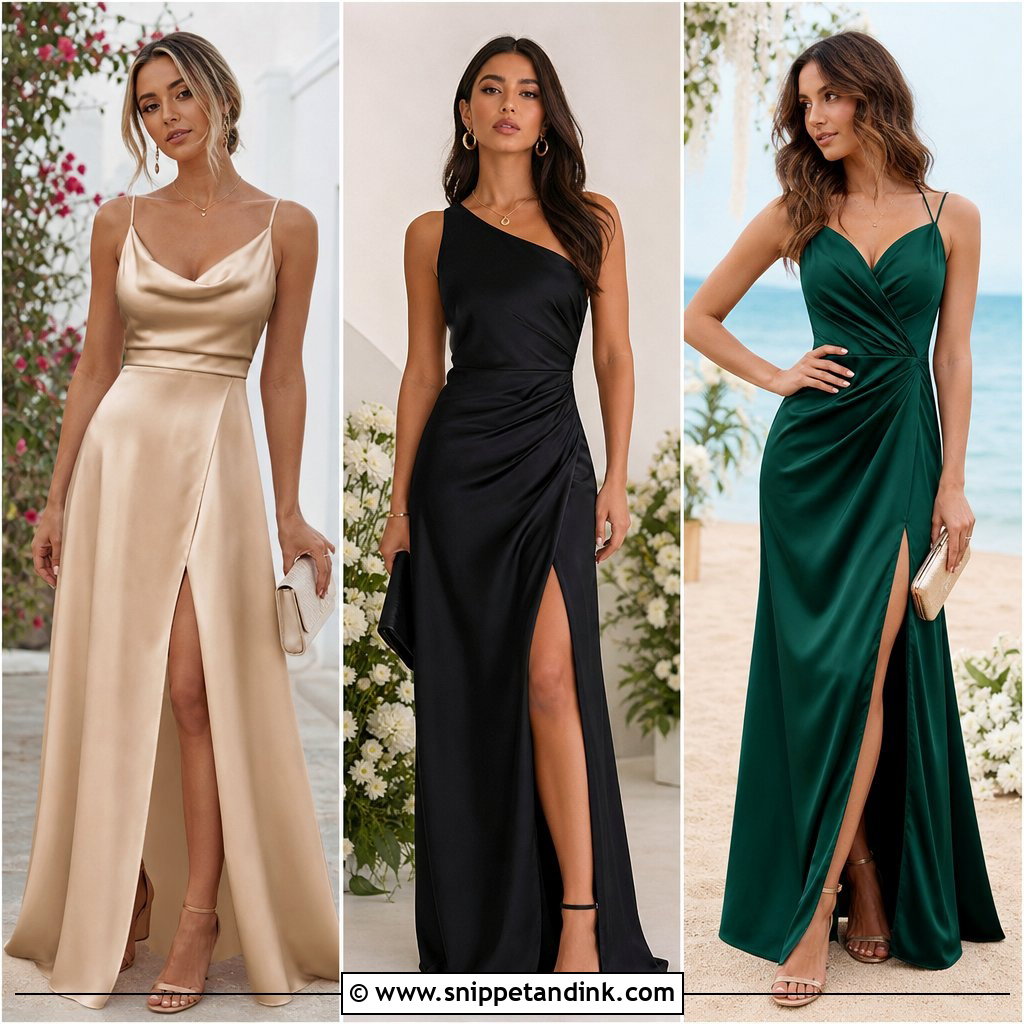
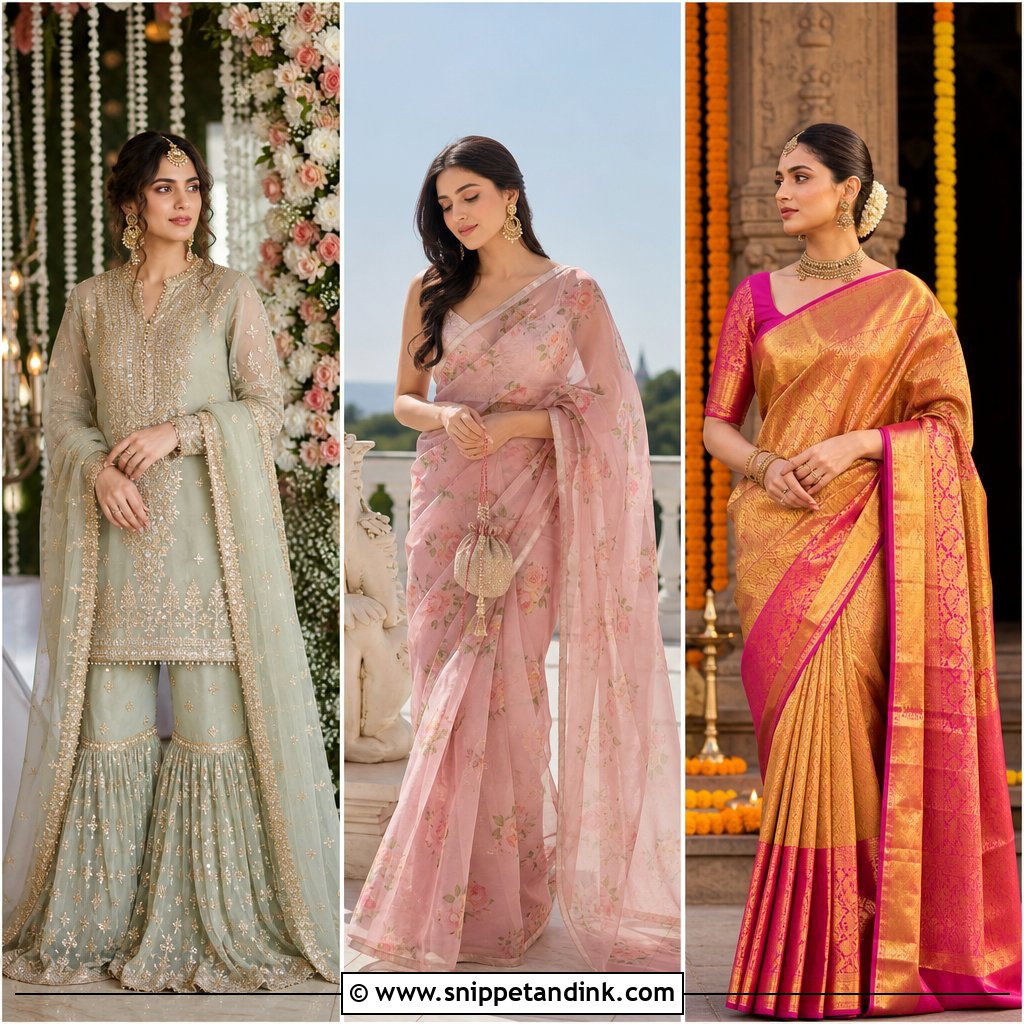
20. Printed Lehenga For Destination Wedding
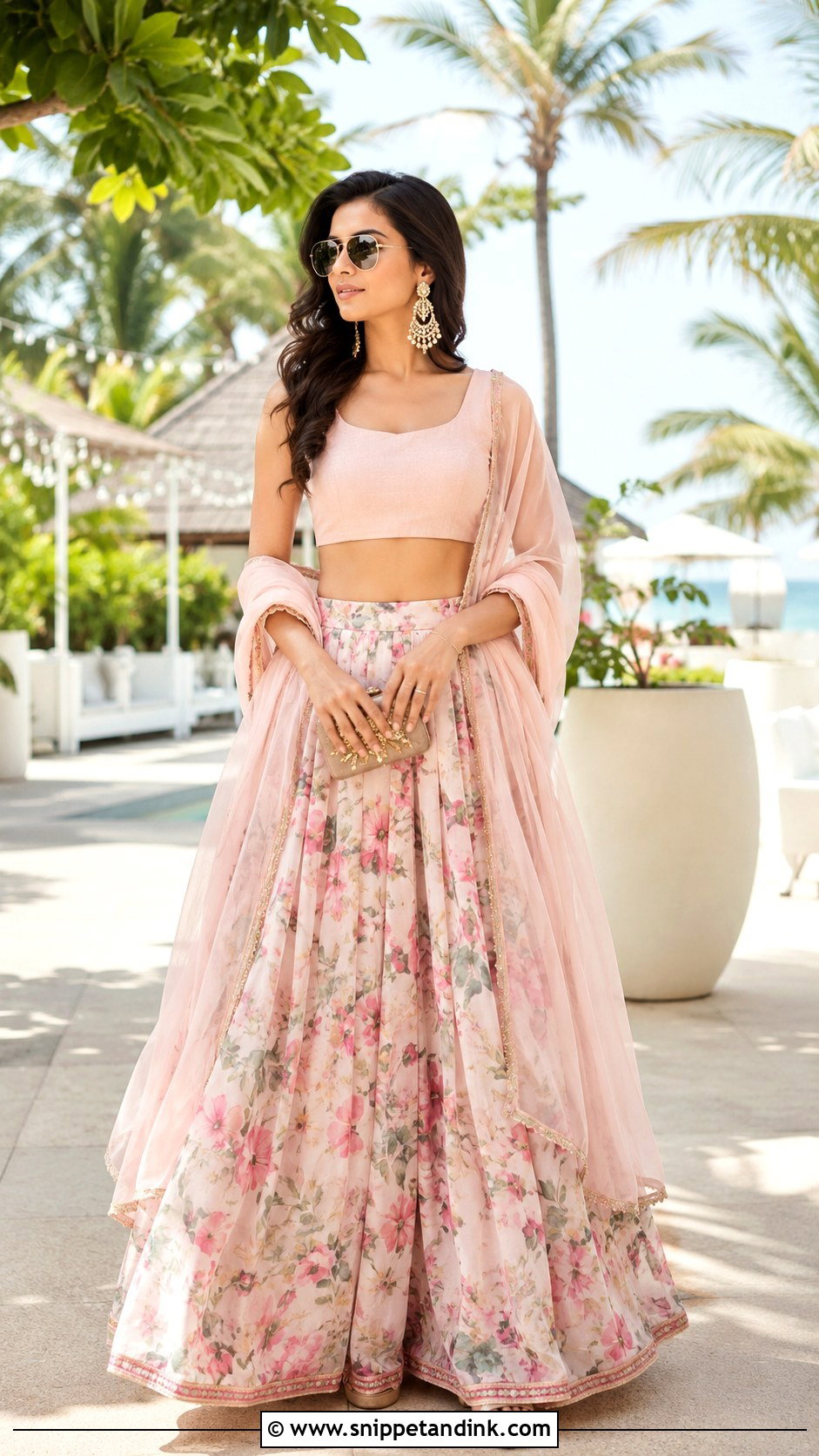
A printed lehenga is what I pack for destination weddings: lighter than embroidery, harder to crush, and festive without trying. Floral, block print, bandhani or tropical prints suit beach and resort venues. Georgette, organza, cotton silk and chiffon cope with warm, humid air better than heavy silk. Wedges grip better than stilettos on lawns and sand. It suits welcome lunches, mehndi and haldi.
21. Pre Draped Saree For Reception
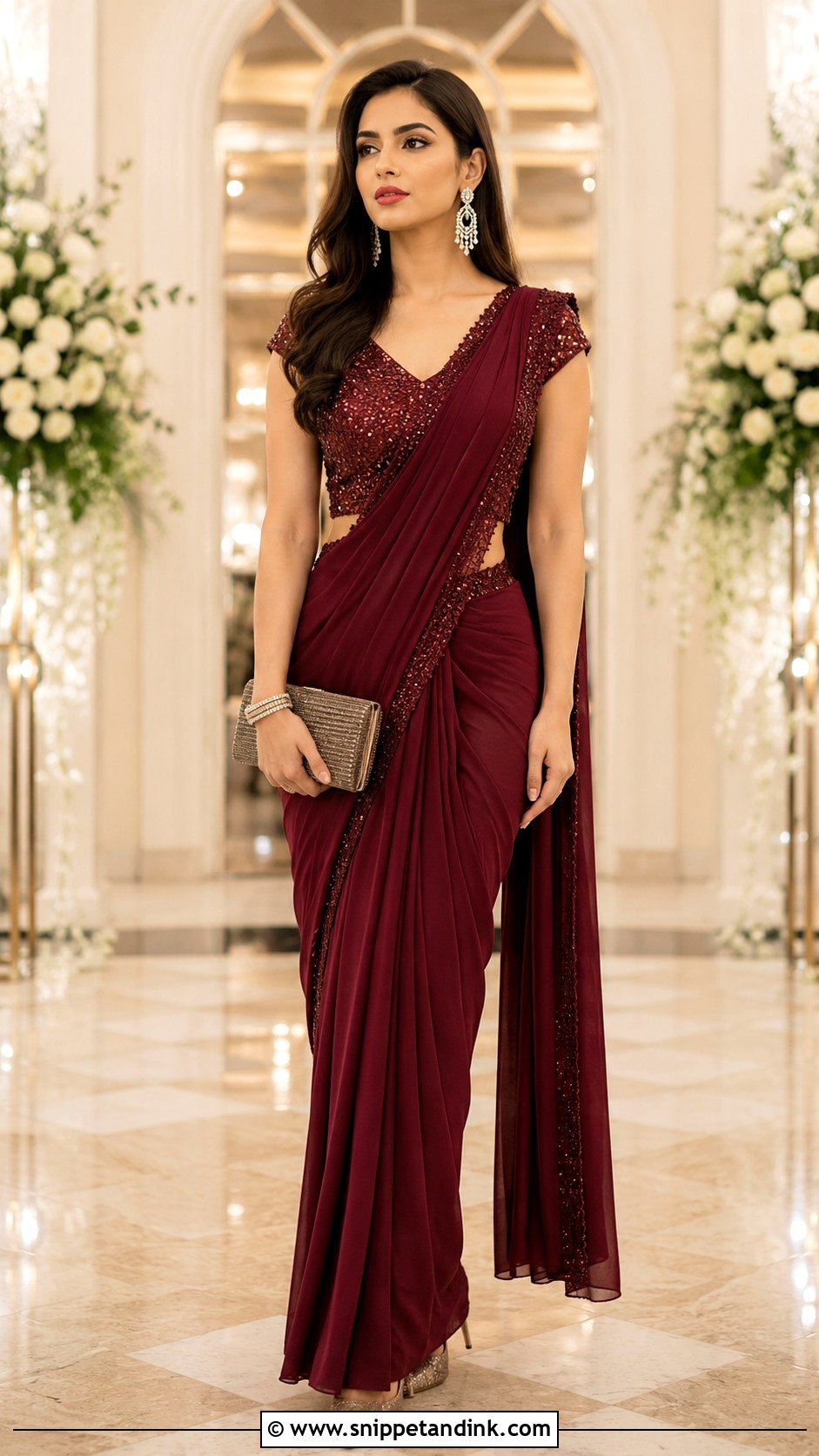
Pre-draped sarees come stitched, so you skip the pleating entirely. I recommend them to anyone who has never draped a saree and doesn’t want to learn on the morning of the reception. Satin, crepe, georgette or sequin versions look sleek in wine, teal, champagne, mauve or charcoal. Order early and try it on, because the waist is fixed and alterations take time. A statement blouse and drop earrings complete it, and it stays put through a full night of dancing.
22. Peplum Sharara Set For Sangeet
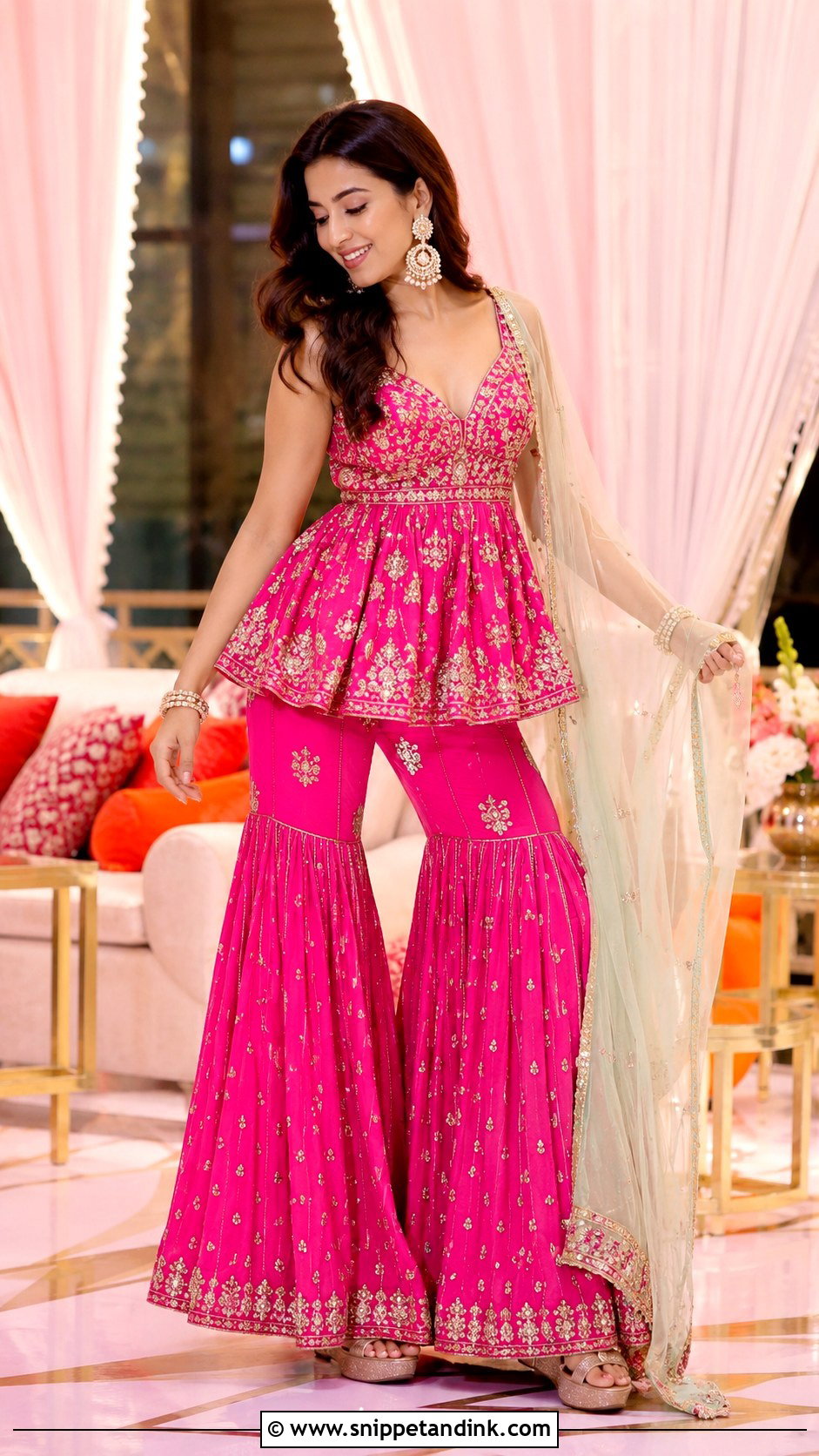
Peplum tops define the waist and the sharara flare gives the legs room, a combination that dances well. Mirror work, sequins or gota keep it festive. Pink, turquoise, yellow and purple suit the sangeet, and metallics push it glamorous. A peplum that flares too wide can make the top half look boxy over a full sharara, so I’d choose a softer flare if you’re petite. Embellished wedges and a half-up style keep it balanced.
23. Jacket Lehenga For Winter Wedding
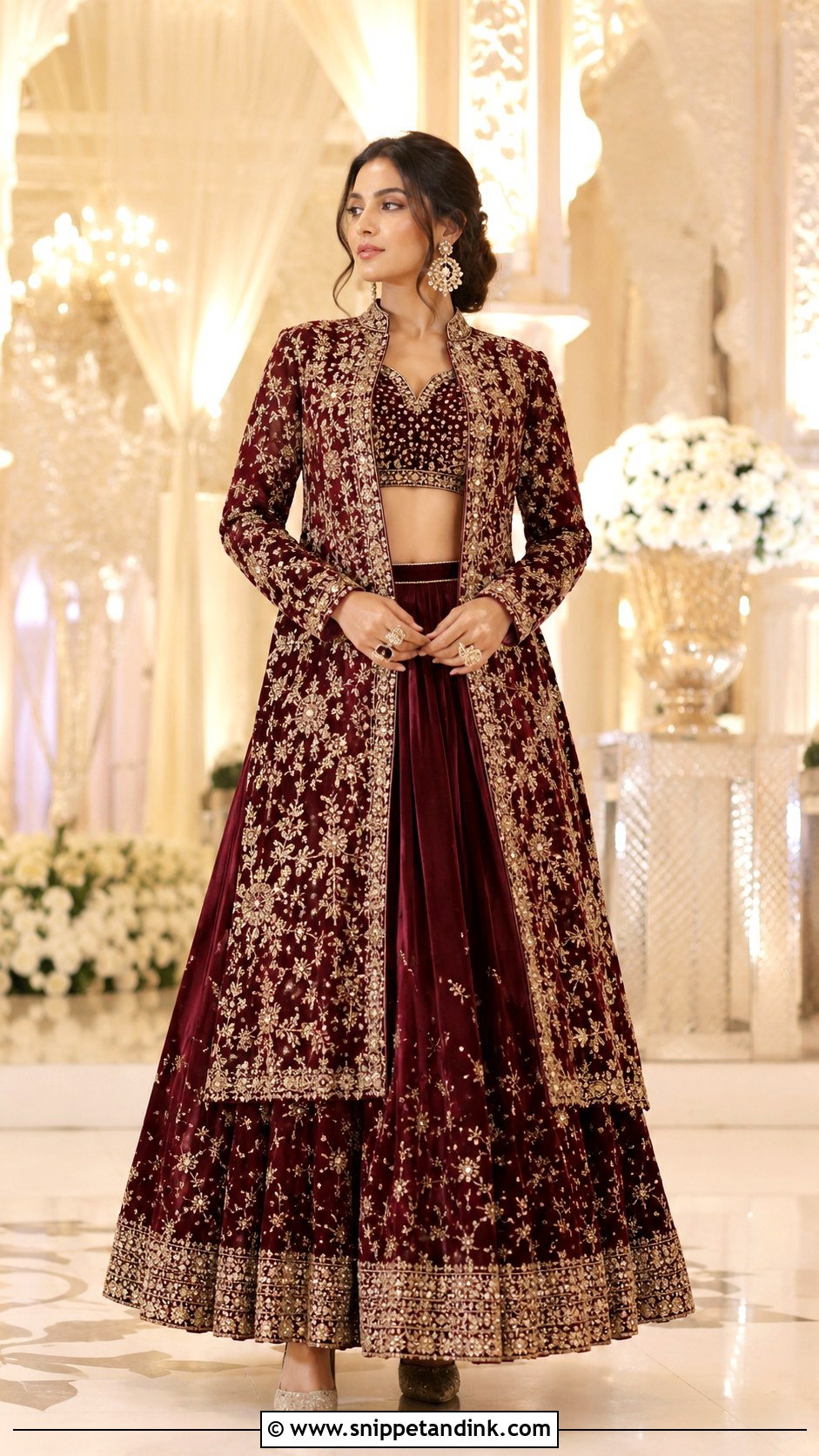
A long embroidered jacket in place of the dupatta is my favorite fix for winter weddings with outdoor evening events. Velvet, brocade, silk and jacquard hold warmth; burgundy, forest green, navy and antique gold feel seasonal. You won’t need a shawl that hides the outfit in every photo. Check the jacket’s armholes before buying, since stiff brocade can restrict raising your arms to dance. Statement earrings and closed-toe heels complete it.
24. White And Gold Saree For Engagement
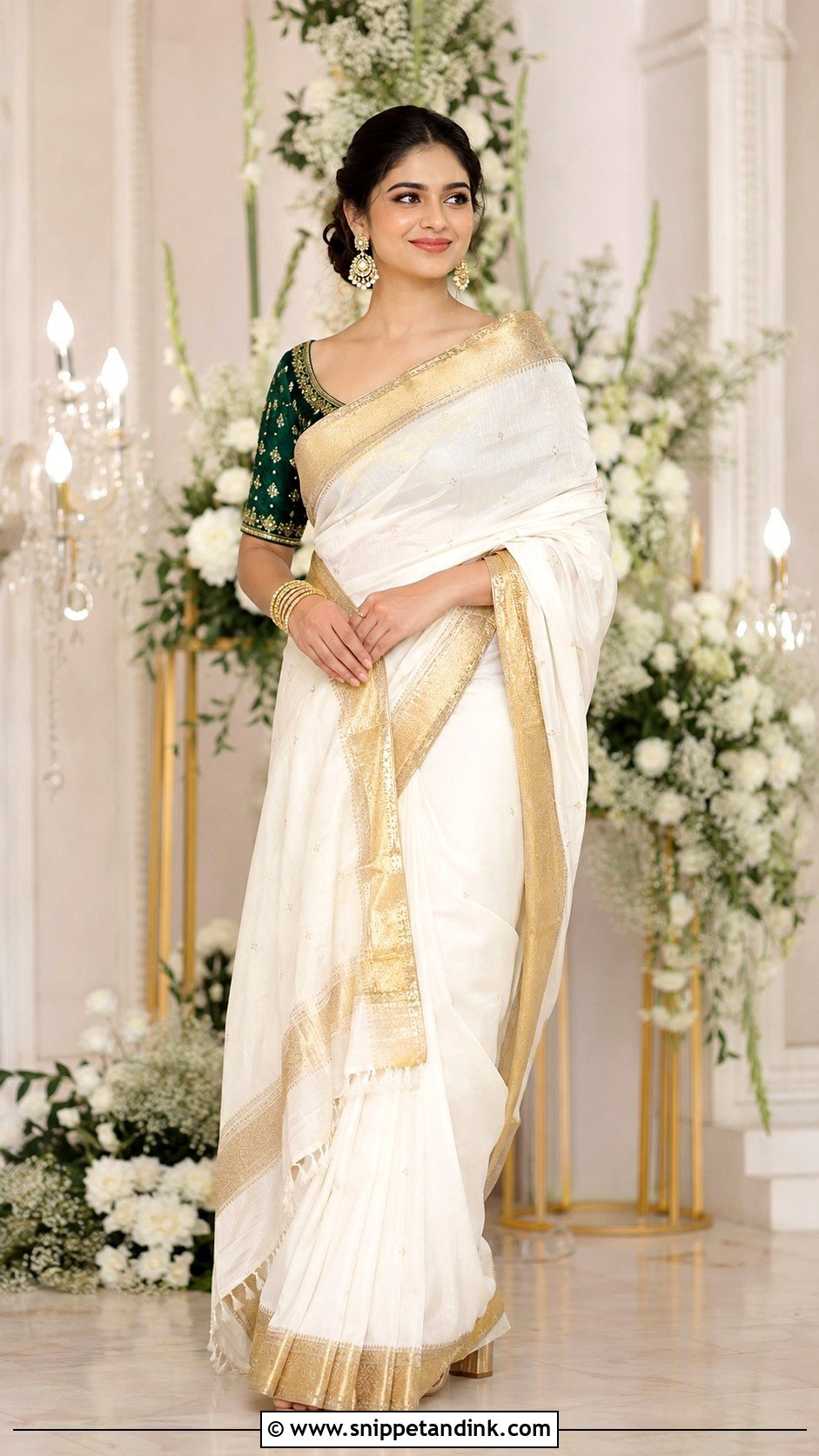
White and gold looks graceful at an engagement or a South Indian-inspired ceremony, but check what the bride is wearing first; if she’s in ivory, pick another color. A saree with gold borders and subtle woven detail, paired with a colored blouse in emerald, pink or royal blue, keeps you clearly a guest. Gold earrings, bangles and a neat bun suit it. Skip anything that reads bridal, like a veil-style dupatta or very heavy jewelry.
25. Bridesmaid Lehenga For Indian Wedding
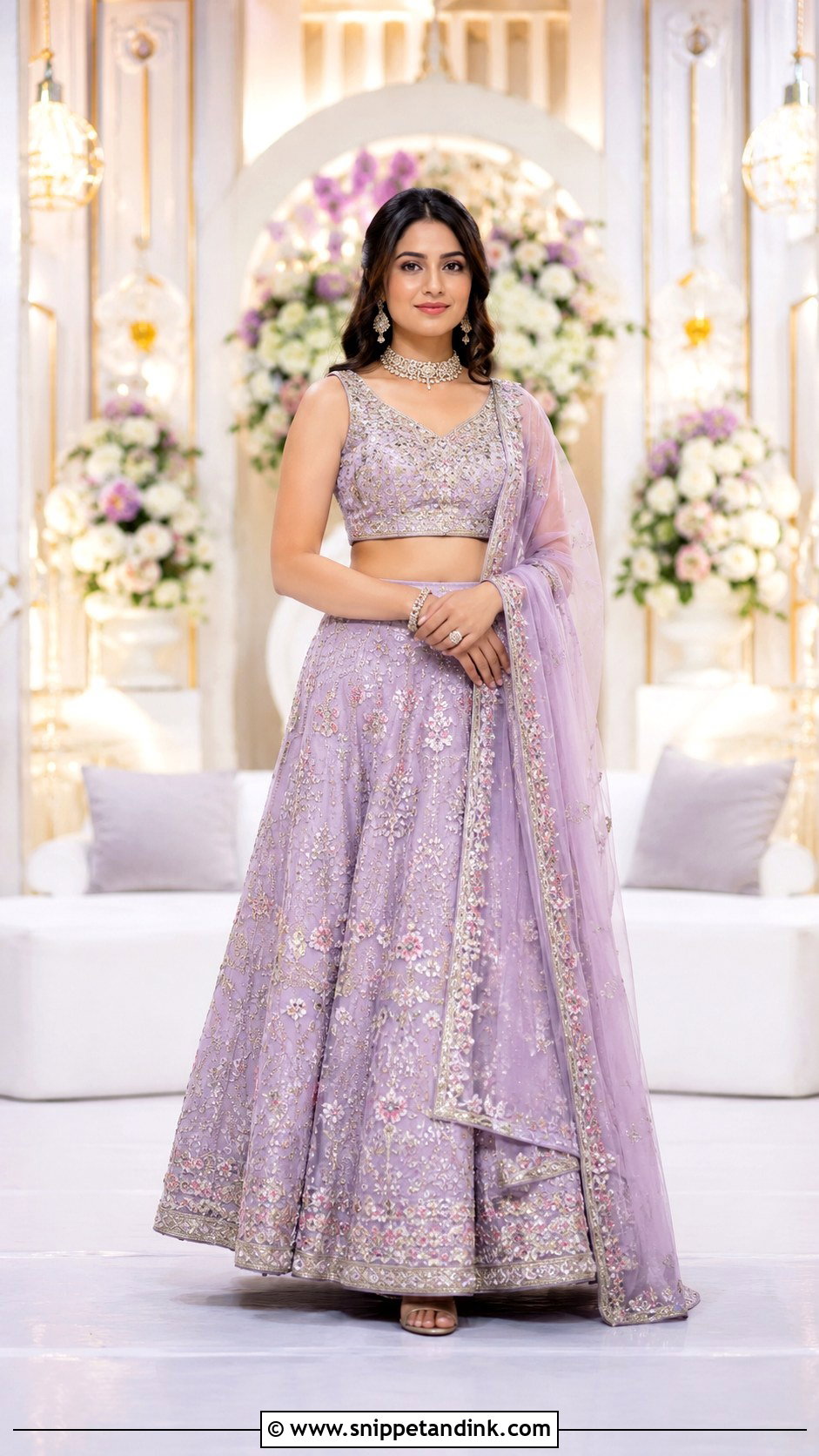
Bridesmaid lehengas sit inside the bride’s vision, and her palette comes first. I suggest choosing a shade within it and personalizing through the blouse cut, the dupatta drape or your jewelry. Pastels, jewel tones, florals and coordinated skirt sets all work. The embroidery should stay lighter than hers. Secure your hair firmly, because you’ll be walking, posing, dancing and running errands for the bride from morning onward.
Haldi Stains, Broken Hooks and Other Wedding Week Repairs
The best friend is often the person everyone turns to when something tears, so carry the kit for yourself and for the bride. Here’s what goes wrong most often and what I do about it.
- Blouse hooks pop under strain. Pack a small sewing kit with thread in your outfit colors and a few spare hooks, and a strip of fashion tape for gaping necklines.
- Turmeric on fabric: scrape off the paste, rinse cold from the back, and get it to a dry cleaner quickly. Hot water and rubbing set the stain.
- Wet mehndi on silk: let it dry fully, then flick it off. Wiping it smears the dye into the weave.
- Pleats that slip mid-function need safety pins, not straight pins. Carry ten in different sizes.
- Sore feet by the third function: flat juttis in your bag for the walk between venues and the end of the night.
Hang each outfit as soon as you change out of it, and keep it out of plastic in a humid hotel room. A wrinkled lehenga can be steamed in a bathroom while you shower, which saves a trip to a hotel iron that can scorch embroidery.
Dressing for the Role, Not Just the Guest List
A best friend’s wedding wardrobe works when each outfit matches its function, stays a step behind the bride and survives the hours you’ll spend in it. Most friends I dress need one traditional look for the ceremony, one comfortable daytime outfit, one glamorous evening piece and one set they can dance in. Think about fabric, shoes and how long each look has to last. Skip anything too bridal or too fiddly to manage while you help her.
You'll Like These Ideas:



Leave a Reply