
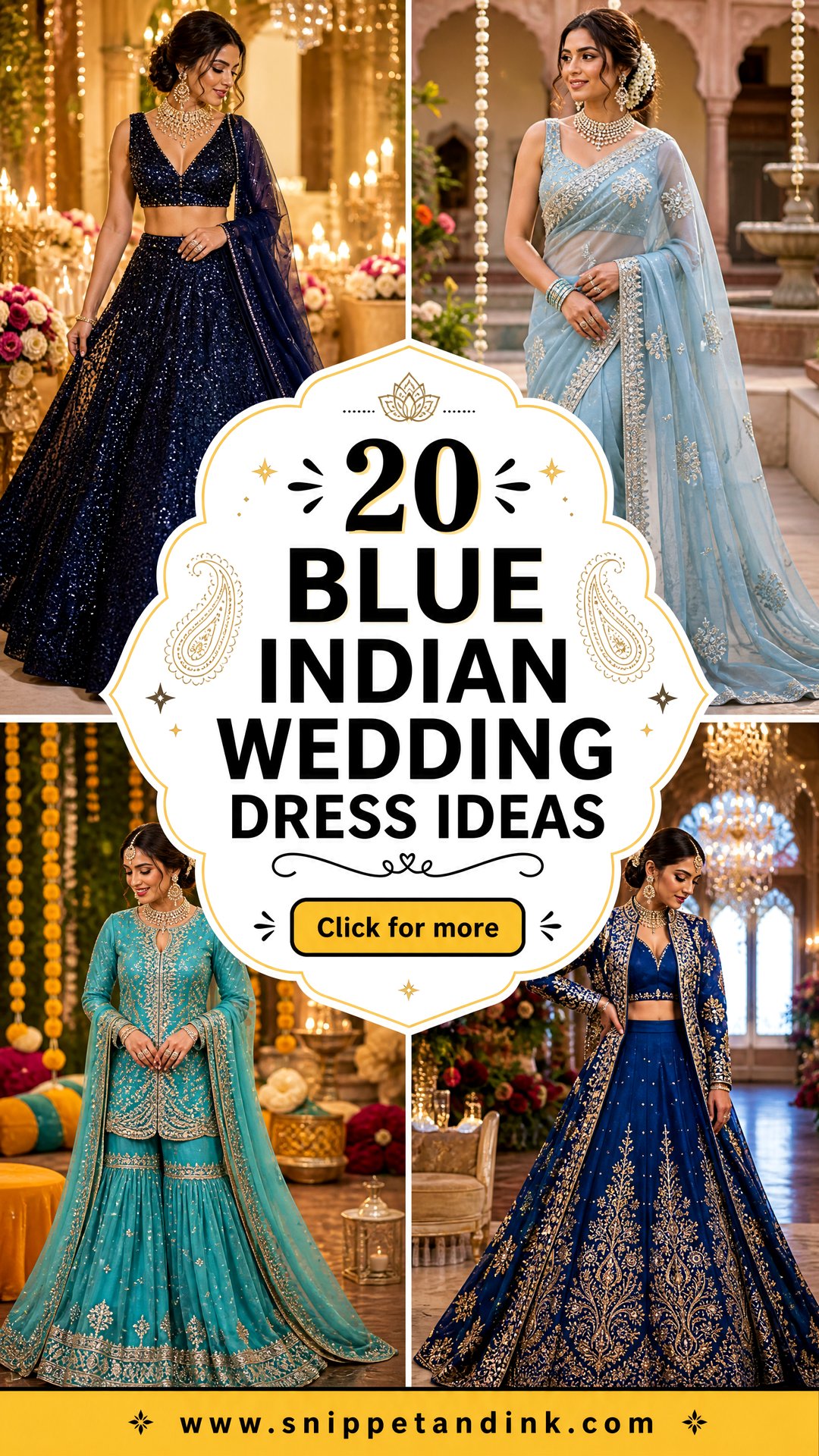
Blue is one of the most useful colours in Indian wedding wear because it changes character so completely with the fabric. Powder blue organza reads fresh at a morning pheras; midnight sequins look made for a reception; cobalt mirror work belongs on the dance floor at sangeet nights. The looks below cover lehengas, sarees, Anarkalis, shararas and a few fusion pieces, with organza layers, mirror work, cape drapes and tonal embroidery showing up throughout. I style the jewellery and shoes around the function, not the outfit alone, since what works at a mehndi lunch looks underdressed at a reception. And if the couple has made blue part of their palette, ask before you wear it.
Matching the Shade and Fabric to Each Function
A multi-day wedding means several outfits, and I plan them as a set rather than one at a time. Blue can appear in more than one of them as long as the shade and fabric change.
- Haldi: turmeric paste stains permanently, so wear something you won’t mind marking. Most families favour yellow here anyway, so blue is rarely needed.
- Mehndi: daytime, seated, often outdoors. Light cotton, chikankari, printed sky blue or turquoise, and nothing with long sleeves that will brush wet henna.
- Sangeet: dancing. Shararas, ghararas, pre-draped sarees, mirror work and sequins. Avoid anything you need to hold in place.
- Ceremony: the most traditional event. Silk sarees, Anarkalis and lehengas with covered shoulders, and check whether the family expects a certain level of coverage.
- Reception: the place for velvet, sequins, cape gowns and midnight shades.
Red and deep maroon are traditionally associated with the bride in many communities, so guests usually avoid them. Customs differ between regions and families, though, so when you’re unsure, ask someone close to the couple.
1. Royal Blue Velvet Lehenga For Indian Wedding
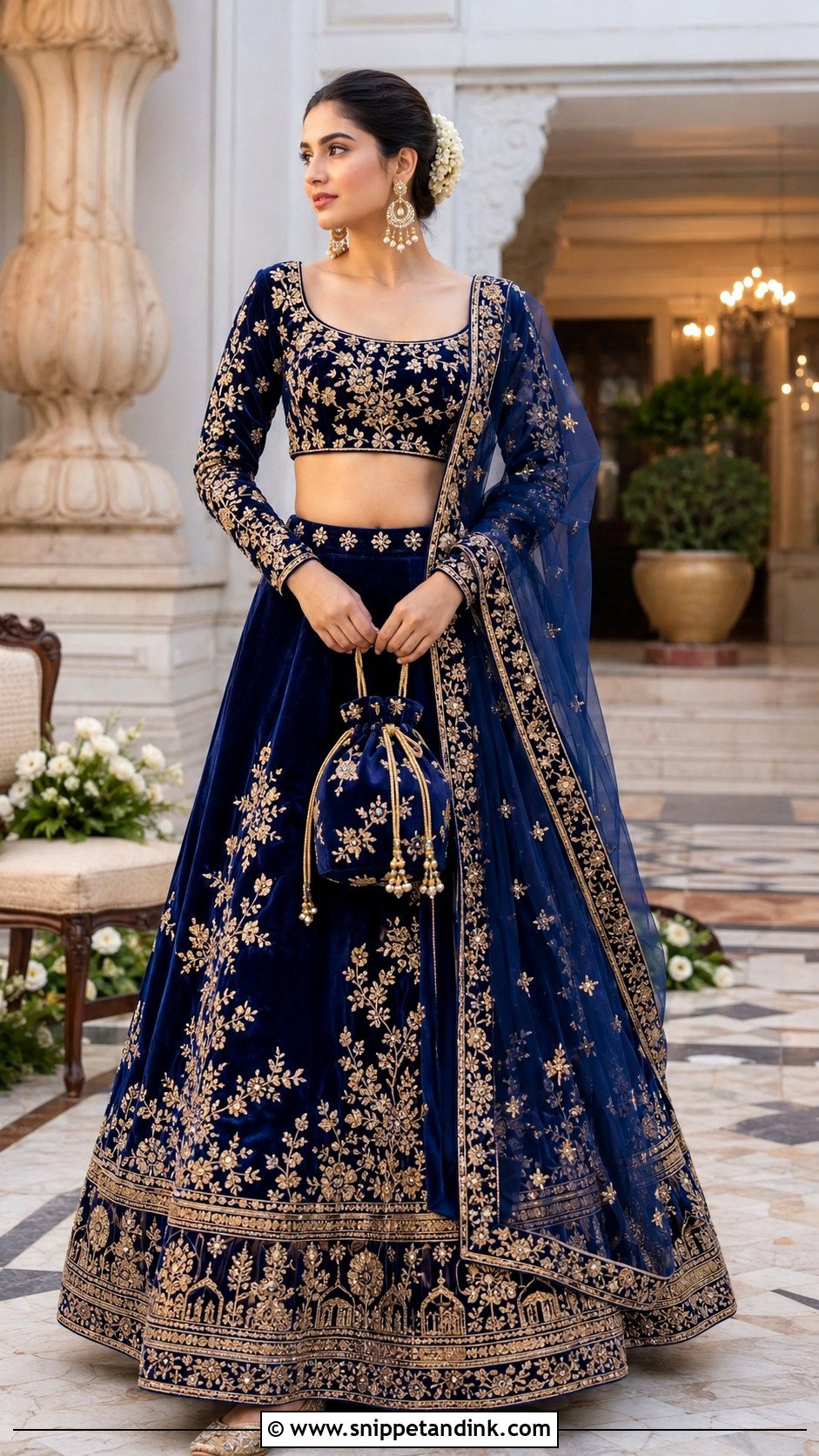
Velvet is the fabric I reach for when a winter function is held outdoors, because it holds warmth and its pile makes royal blue look deeper than any silk can. It’s also heavy. That’s why I pair a velvet skirt with a sheer net dupatta rather than a matching velvet one; two heavy layers on the shoulder will drag the blouse out of place by dinner. Antique gold embroidery suits the depth of the colour better than bright yellow gold. Gold jhumkas, a slim bangle stack, an embroidered potli and cushioned juttis. Guests should keep the border restrained; a full heavy border reads as family of the couple.
2. Powder Blue Organza Lehenga For Indian Wedding
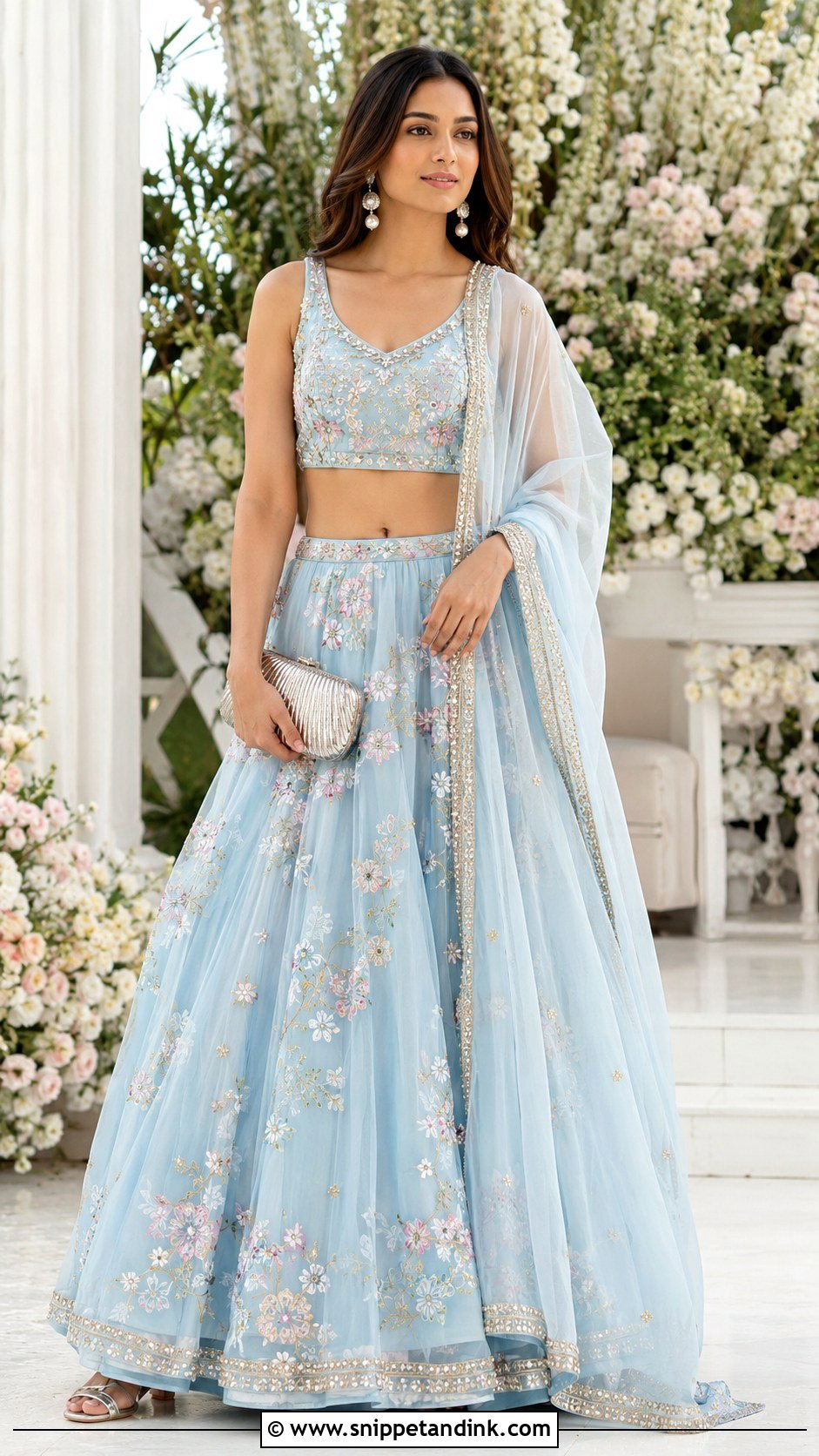
Organza is crisp and slightly stiff, so it stands away from the body and catches light, which is why powder blue organza looks so good in daylight. The trade-off is that very pale organza can look washed out in photos taken under direct sun. I add contrast somewhere: a deeper blue blouse, a crystal belt or an embroidered border. Delicate floral embroidery, scattered sequins or pearls on the skirt, a short fitted blouse and an organza dupatta with a narrow edge. Pearl drops, a silver-tone clutch, simple metallic sandals and loose waves for a garden or destination ceremony.
3. Navy Blue Sequin Lehenga For Indian Wedding
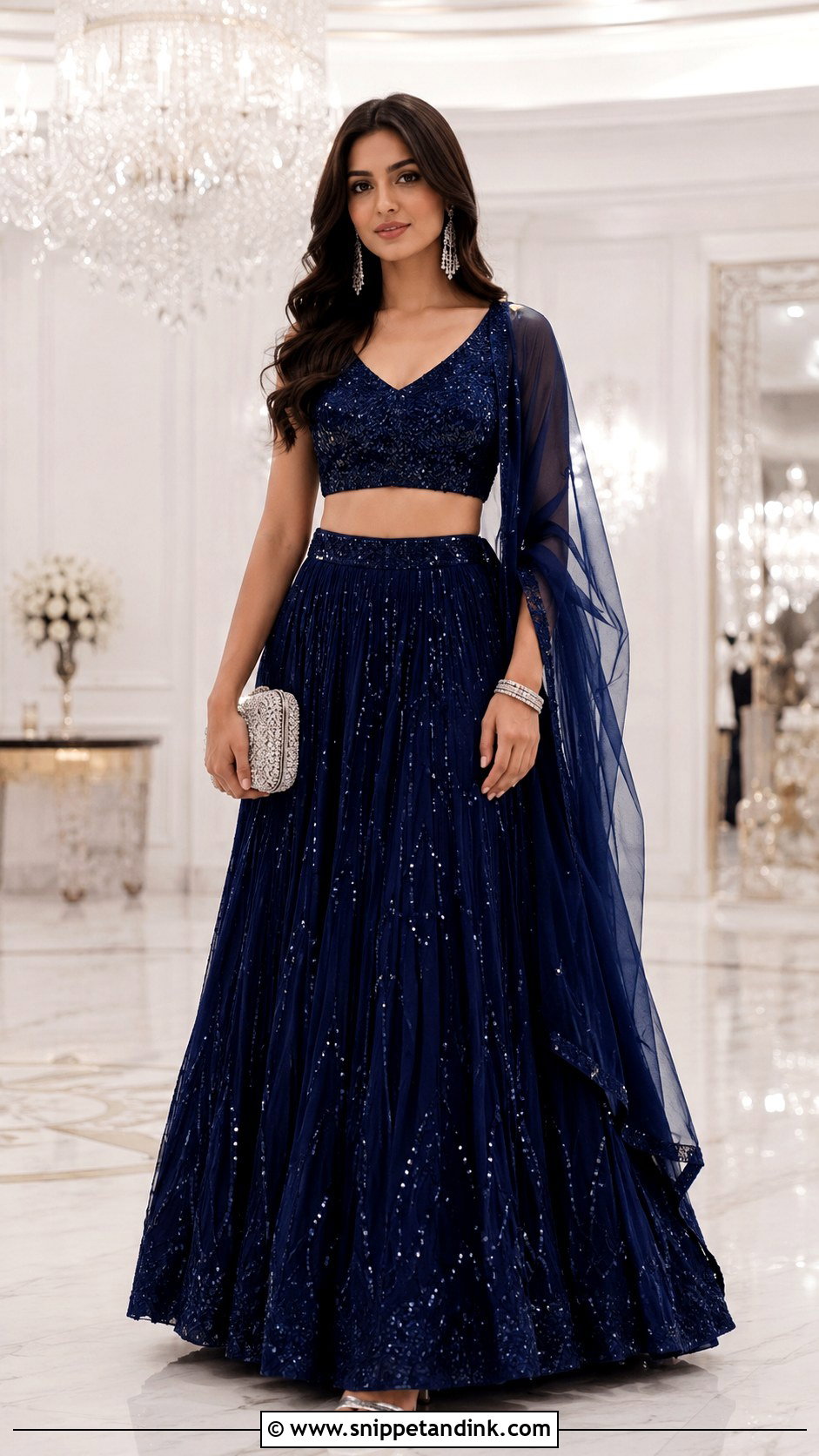
Tonal sequins are what make navy look expensive. Navy on navy, or navy with gunmetal, gives a deep shimmer; mixing gold, silver and coloured sequins on dark fabric looks busy fast. A georgette skirt moves well for dancing, and a structured sleeveless blouse keeps everything in place when you’re spinning. On a sangeet night I often swap the dupatta for a light cape, since a dupatta slipping off the shoulder mid-dance is the most common wardrobe fix I make. Crystal earrings, a navy embellished clutch and silver block heels. One statement piece only.
4. Sky Blue Floral Lehenga For Indian Wedding
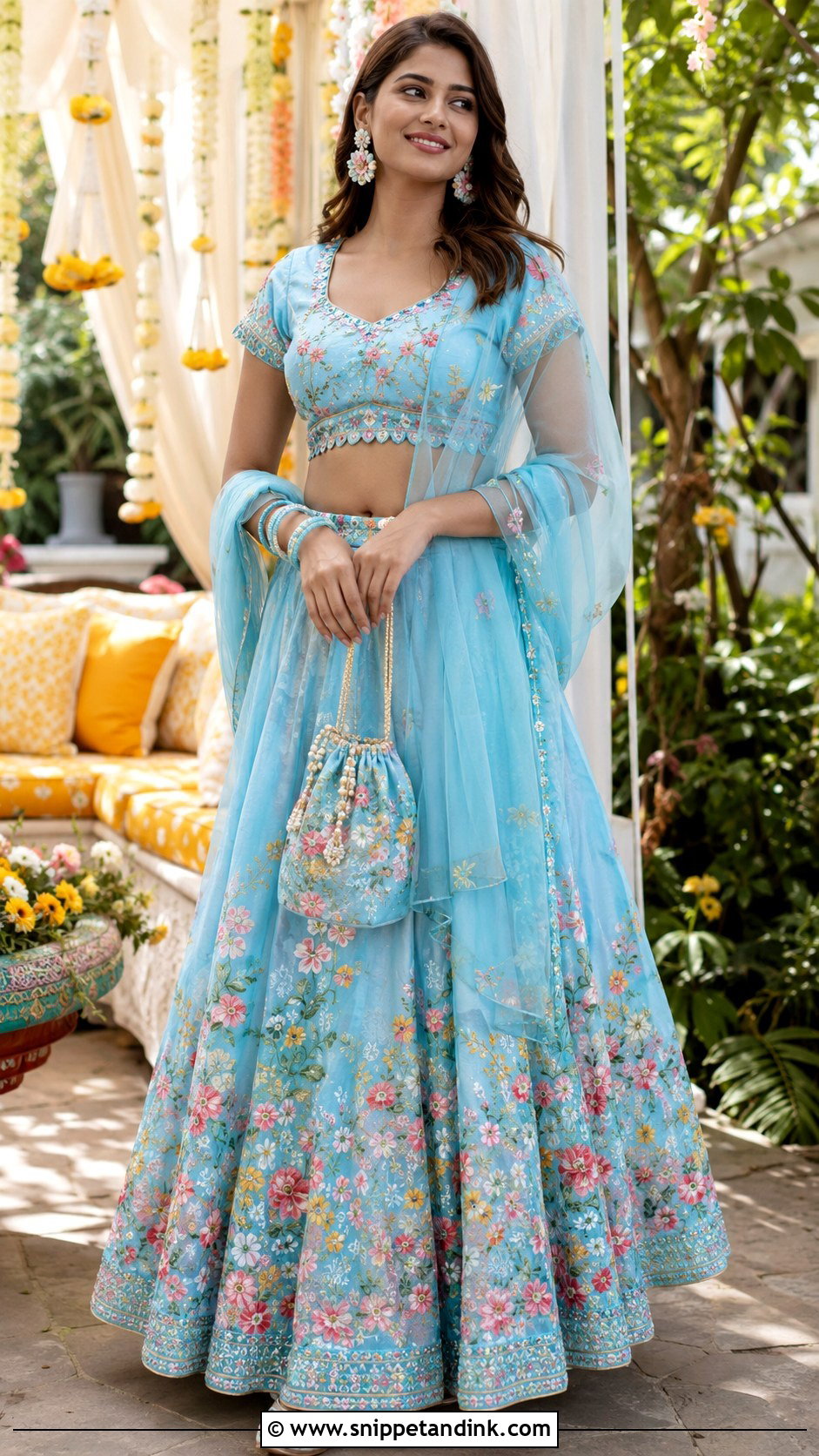
Printed or embroidered florals in pink, green, lilac and ivory keep a sky blue floral lehenga cheerful without losing the blue base. It’s a daytime outfit, best at a mehndi or outdoor lunch. Pull one colour from the print for the dupatta, and keep the blouse plain when the skirt is busy. Scale matters: small motifs suit a petite frame, larger botanicals suit someone tall. Floral earrings, pastel bangles, a small potli and juttis you can sit cross-legged in, because mehndi functions often mean sitting on cushions for a long time.
5. Cobalt Blue Mirror Work Lehenga For Indian Wedding
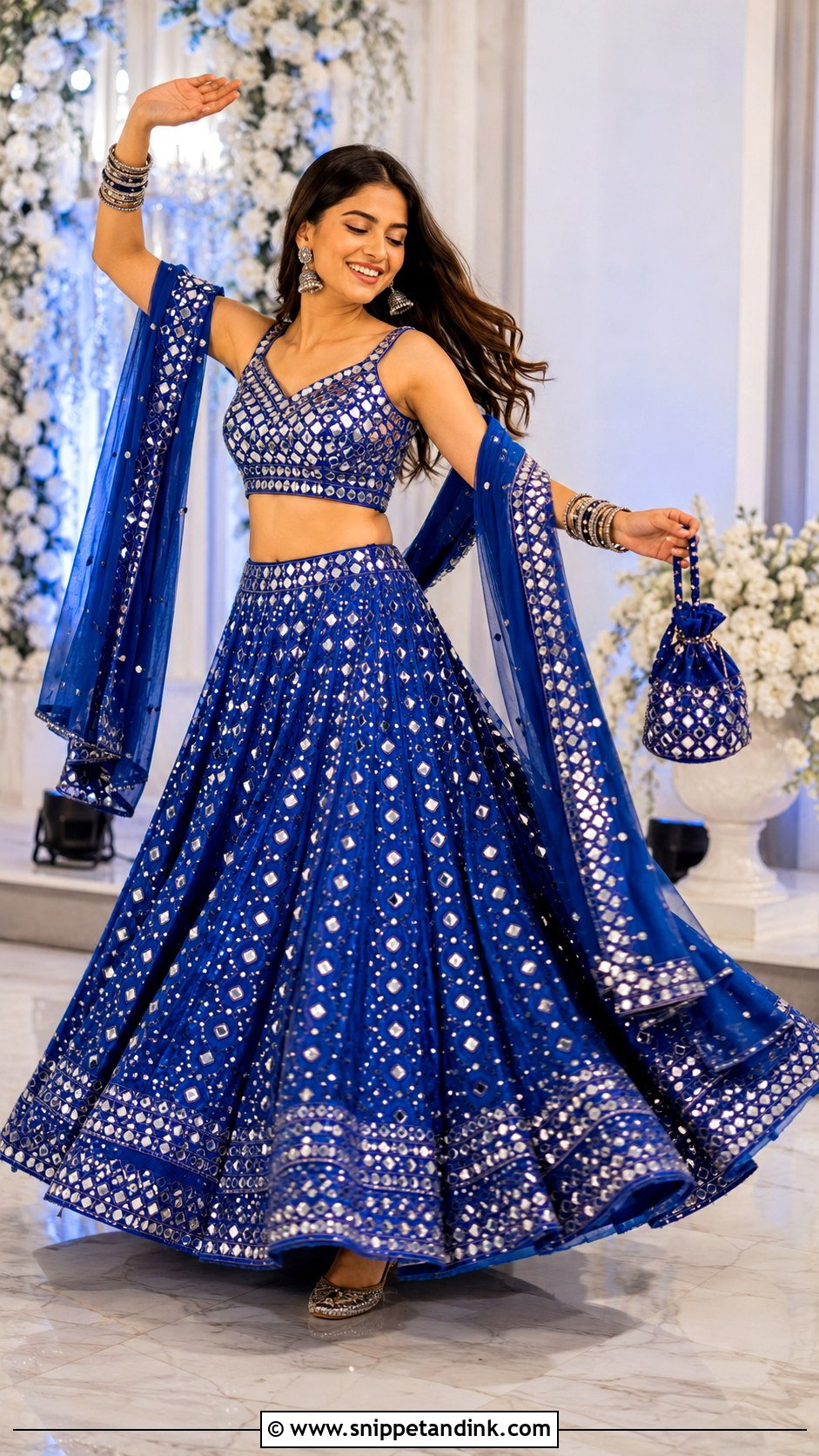
Mirror work is traditional embroidery that holds small pieces of mirror or metal foil in place with thread, and under stage lights at a sangeet it throws light everywhere. Cobalt makes those reflections pop. I keep the mirror work to a border on the dupatta and let the skirt carry the rest; mirrors plus coloured stones plus sequins is too much. The blouse needs good support, since mirrors add weight. Silver jhumkas, stacked bangles, metallic juttis and a compact potli. Check the inside of the blouse: mirror edges can scratch if the lining is thin.
6. Teal Blue Banarasi Saree For Indian Wedding
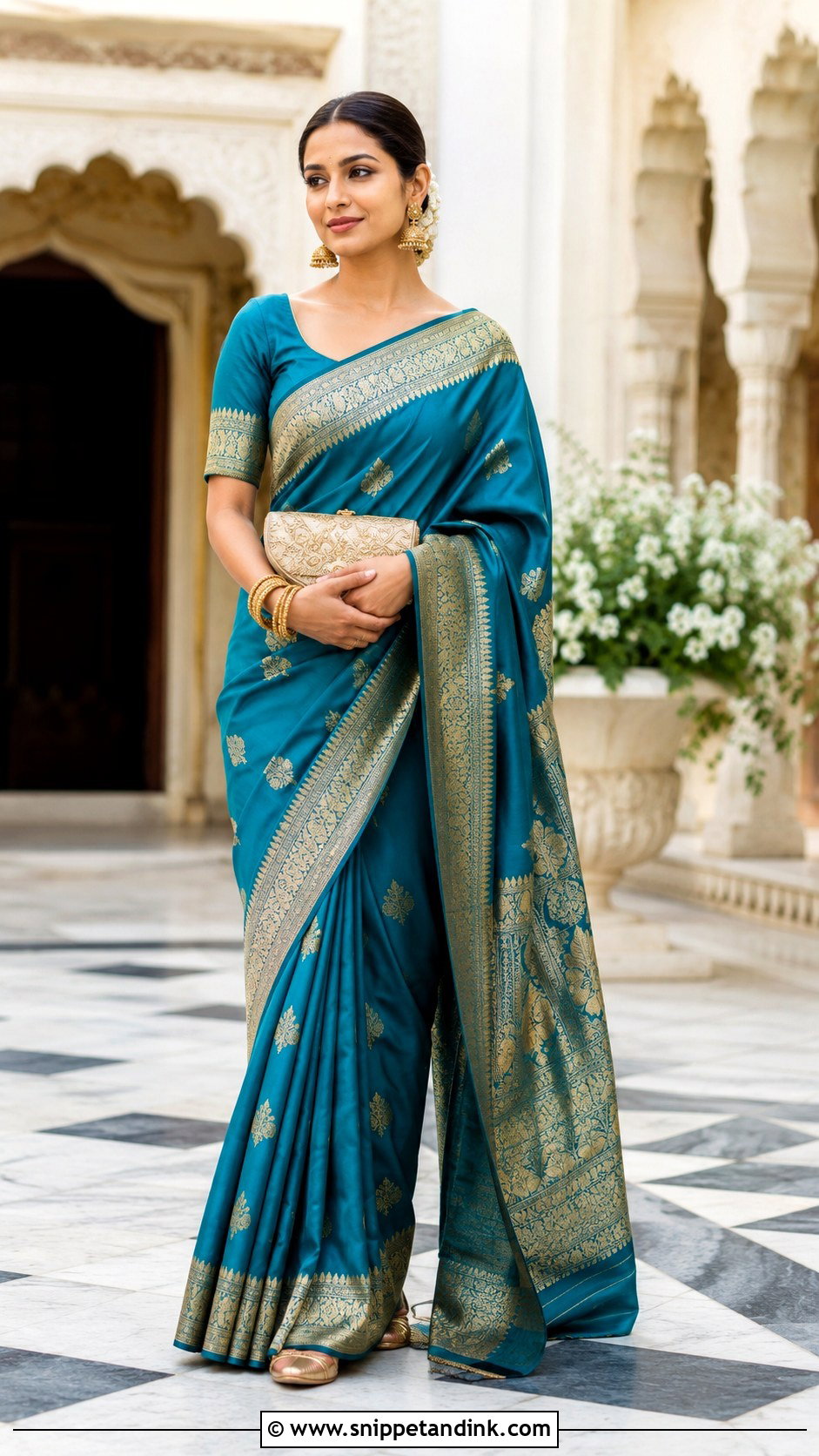
Banarasi silk is woven, not embroidered, so the gold zari motifs are part of the fabric itself. That makes the drape stiffer than a georgette saree and the pleats need more pinning. A teal Banarasi with a defined border pairs well with a matching silk blouse or a contrasting antique gold one. Temple-style earrings and gold bangles suit the classic weave. Low gold heels or cushioned juttis, depending on the drape length. A bun with fresh flowers, or a neat centre parting. Restrained makeup lets the weave lead.
7. Royal Blue Kanjivaram Saree For Indian Wedding
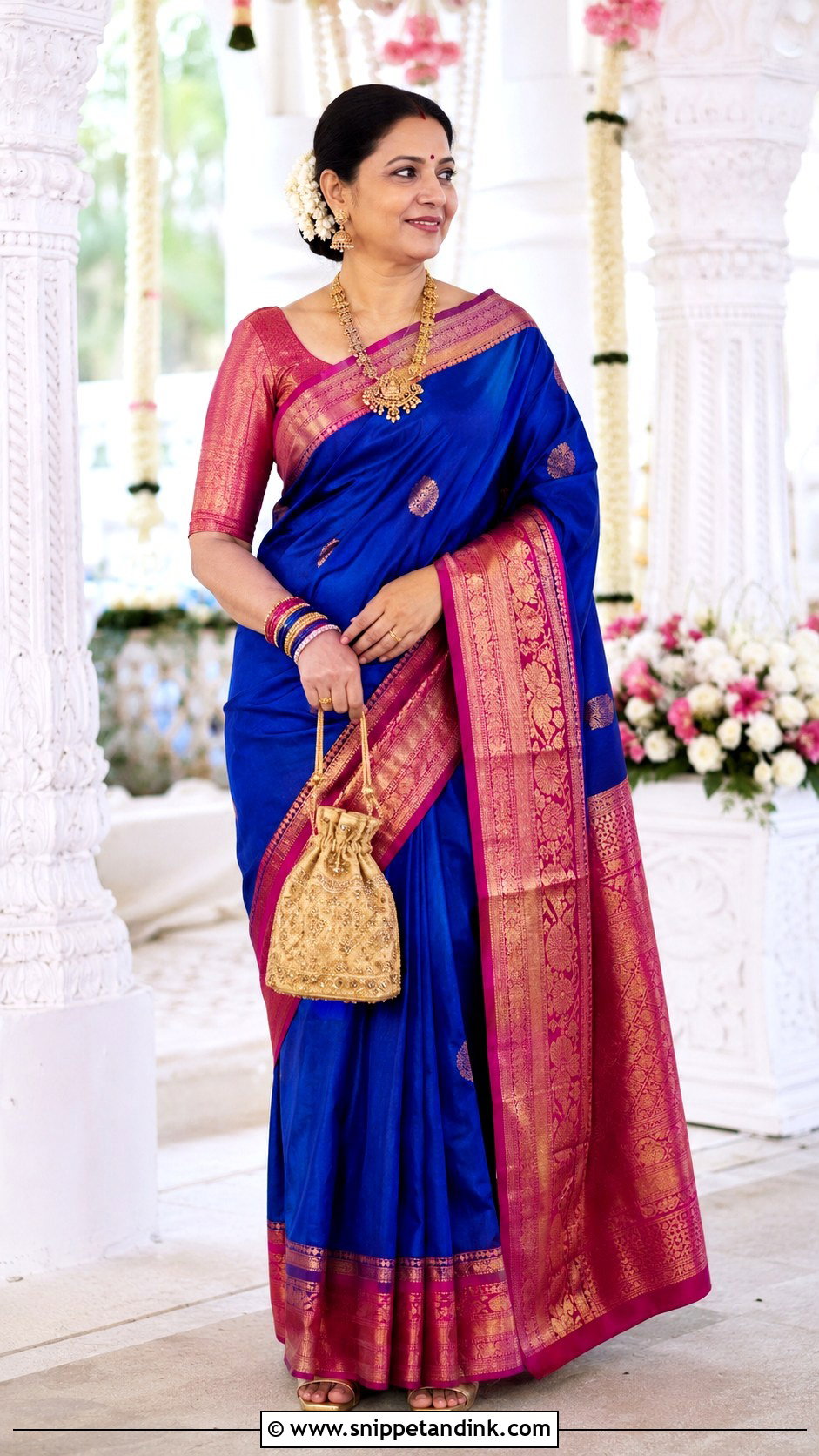
Kanjivaram silk is heavy, and that weight is part of the point: the saree falls in deep, solid pleats and holds them. A royal blue body with a gold, magenta or green contrast border is a classic South Indian combination for a ceremony. Elbow-length sleeves on a fitted silk blouse balance the weight of the pallu. Temple jewellery, gold bangles, a small potli and low sandals. I pin the pleats at the waist and under the pallu so they survive hours of sitting through rituals. A jasmine-adorned bun is traditional where appropriate. Choose border width by height: narrower borders on a shorter frame.
8. Powder Blue Organza Saree For Indian Wedding
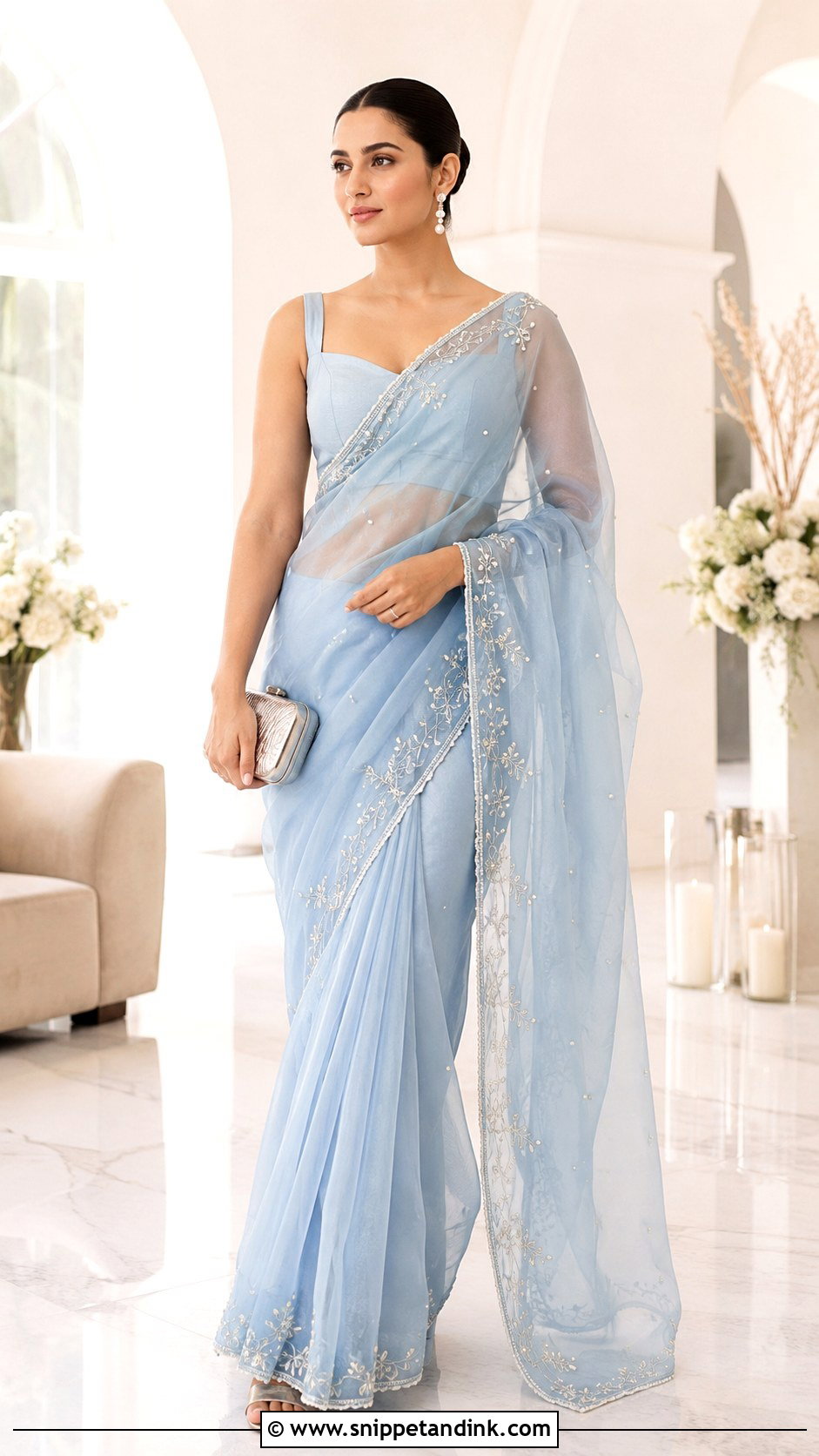
Organza sarees puff, and that’s what most people struggle with. The fabric has natural body, so I make the pleats narrow and press them flat with a cool iron before draping, then pin the shoulder discreetly. Powder blue with thread embroidery, tiny pearls or a scalloped border keeps it light for a daytime wedding or welcome event. A structured blouse in matching blue, silver or ivory. Pearl earrings, a compact clutch and slim metallic sandals. A high-neck blouse with longer sleeves adds coverage while the saree stays airy. Skip the large bag; it breaks the line.
9. Midnight Blue Sequin Saree For Indian Wedding
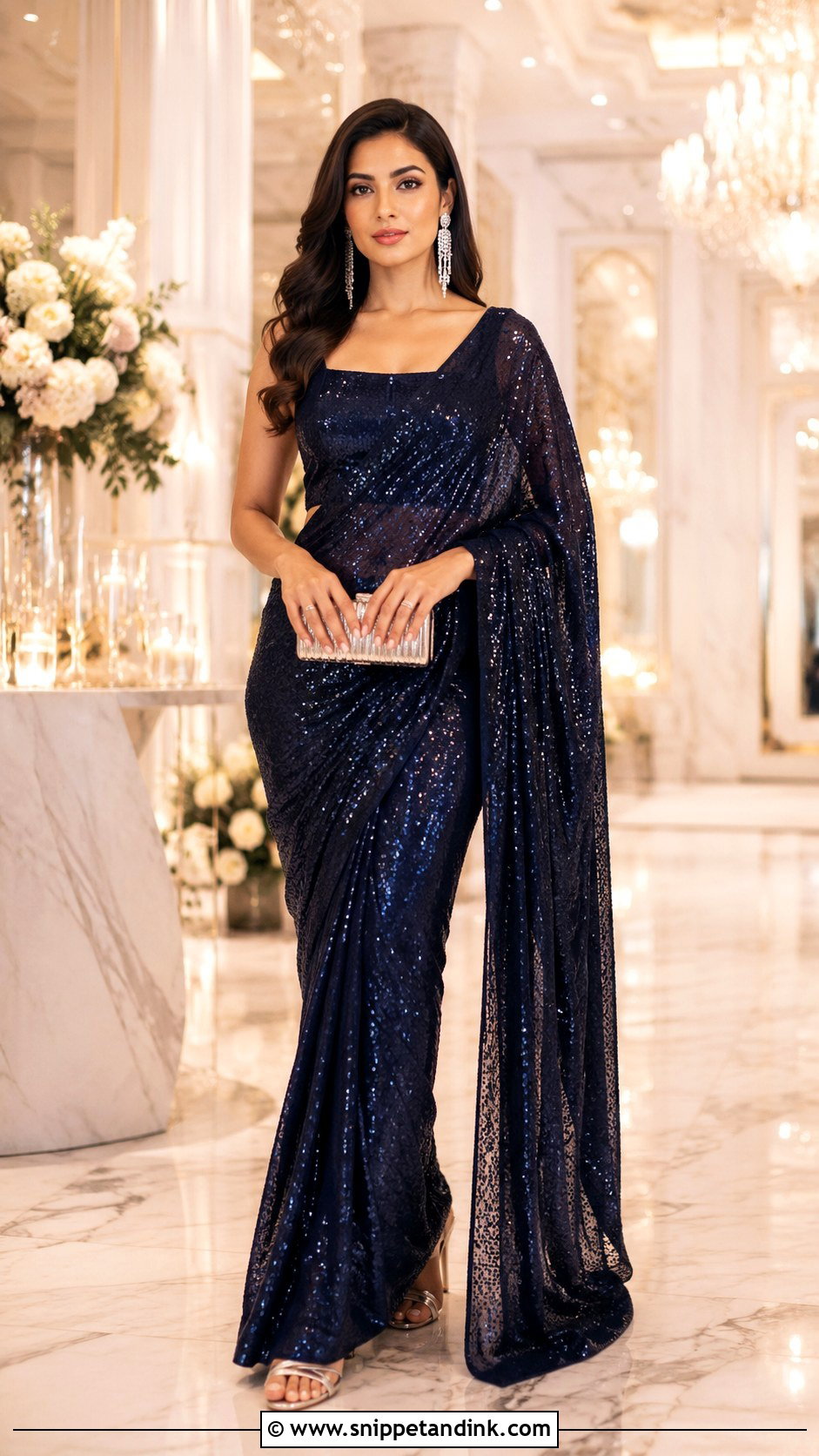
Sequins on midnight blue look like a night sky, especially when they’re tonal and spaced out instead of packed. This is a reception saree. If you’ve never draped one, a pre-stitched version keeps the pleats secure and saves you twenty anxious minutes before leaving. A tonal blouse with a square, boat or curved neck. Crystal drops, a silver clutch, comfortable metallic heels. Side-parted waves or a low bun. Limit the sparkle to one or two jewellery pieces; the saree already reflects every light in the room.
10. Ice Blue Pre-Draped Saree For Indian Wedding
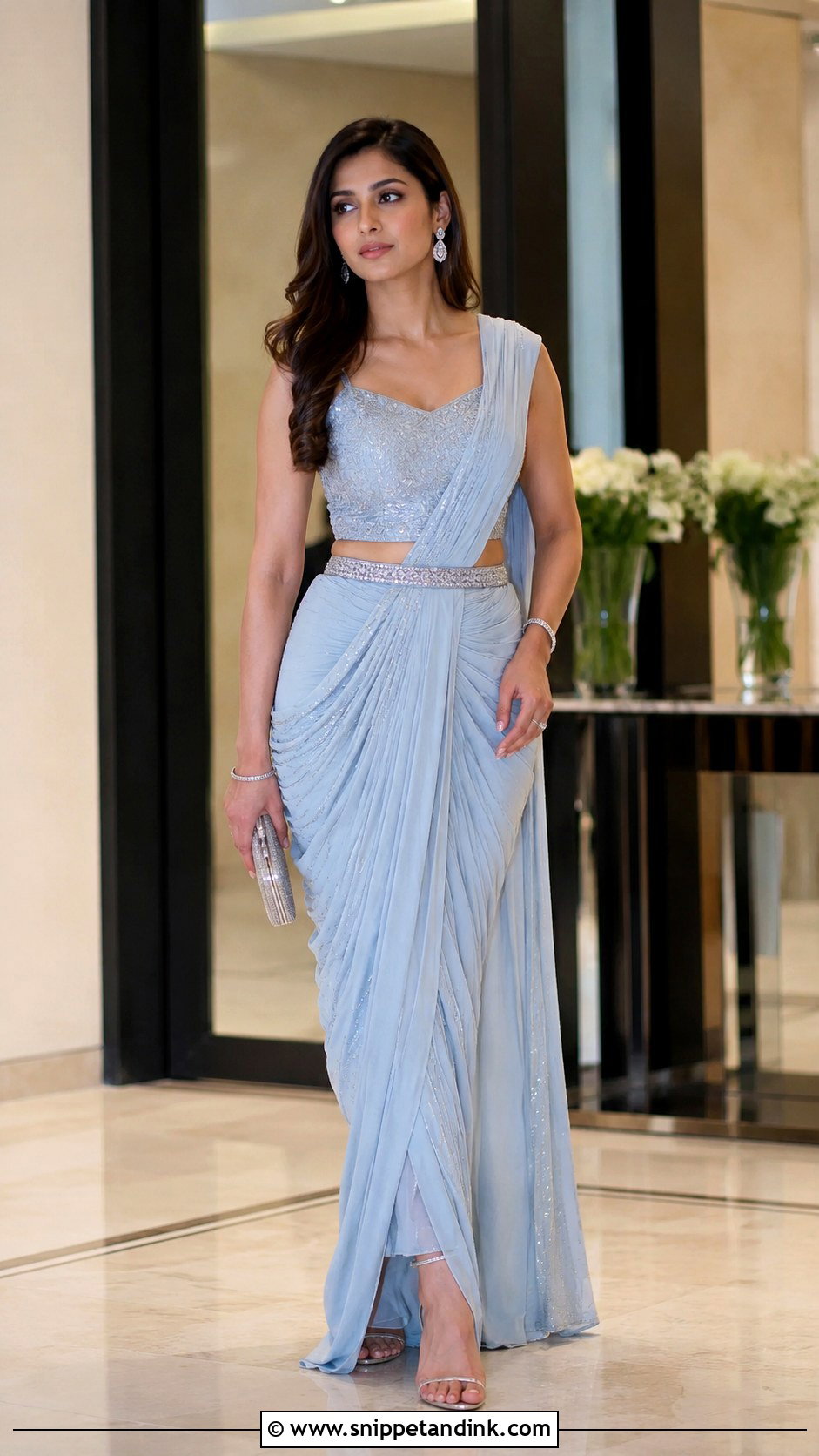
A pre-draped saree has the pleats and pallu stitched in, so you step in and zip up. For a cocktail-style sangeet or a reception where you’ll be dancing, I think it’s the smartest choice on this list. Ice blue georgette or satin with neat waist pleats and a fixed shoulder drape. An embroidered blouse, crystal earrings, a slim bracelet and silver heels. A narrow embellished belt defines the waist. Get the length right in your shoes; a pre-draped hem can’t be adjusted on the night the way a traditional drape can.
11. Navy Blue Anarkali Suit For Indian Wedding
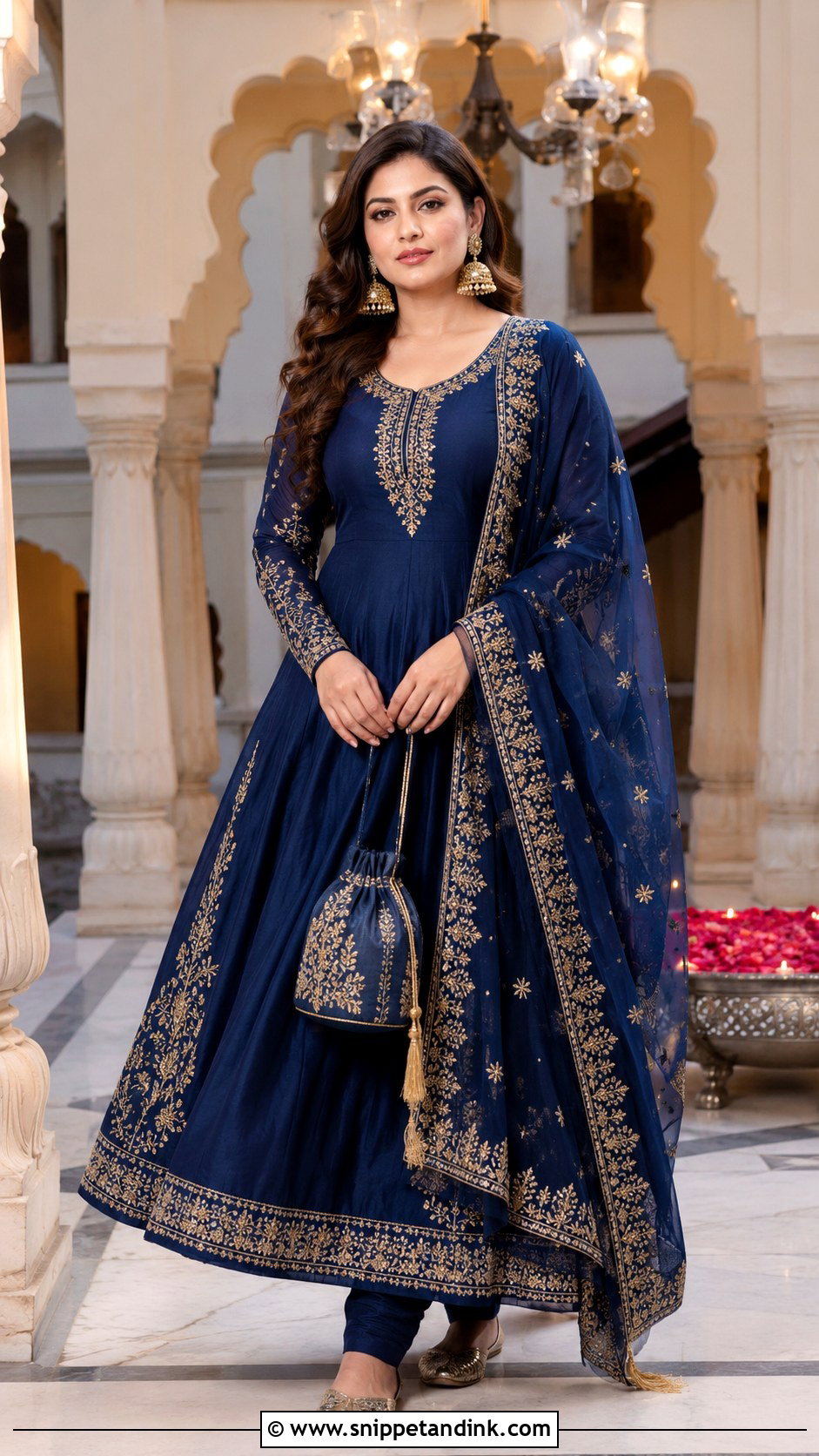
Anarkalis are forgiving and comfortable, and in navy they look properly formal. Silk or light velvet for winter, georgette for warmer months. Gold threadwork at the neckline and hem gives definition without loading the whole flare. On a shorter frame, I’d choose embroidery that runs vertically, since a very wide hem border visually cuts the length. Fitted pants, a sheer embroidered dupatta, gold jhumkas and a matching potli. Pointed juttis or low block heels for a long ceremony. A centre-parted bun keeps the neckline clean.
12. Sky Blue Chikankari Anarkali For Indian Wedding
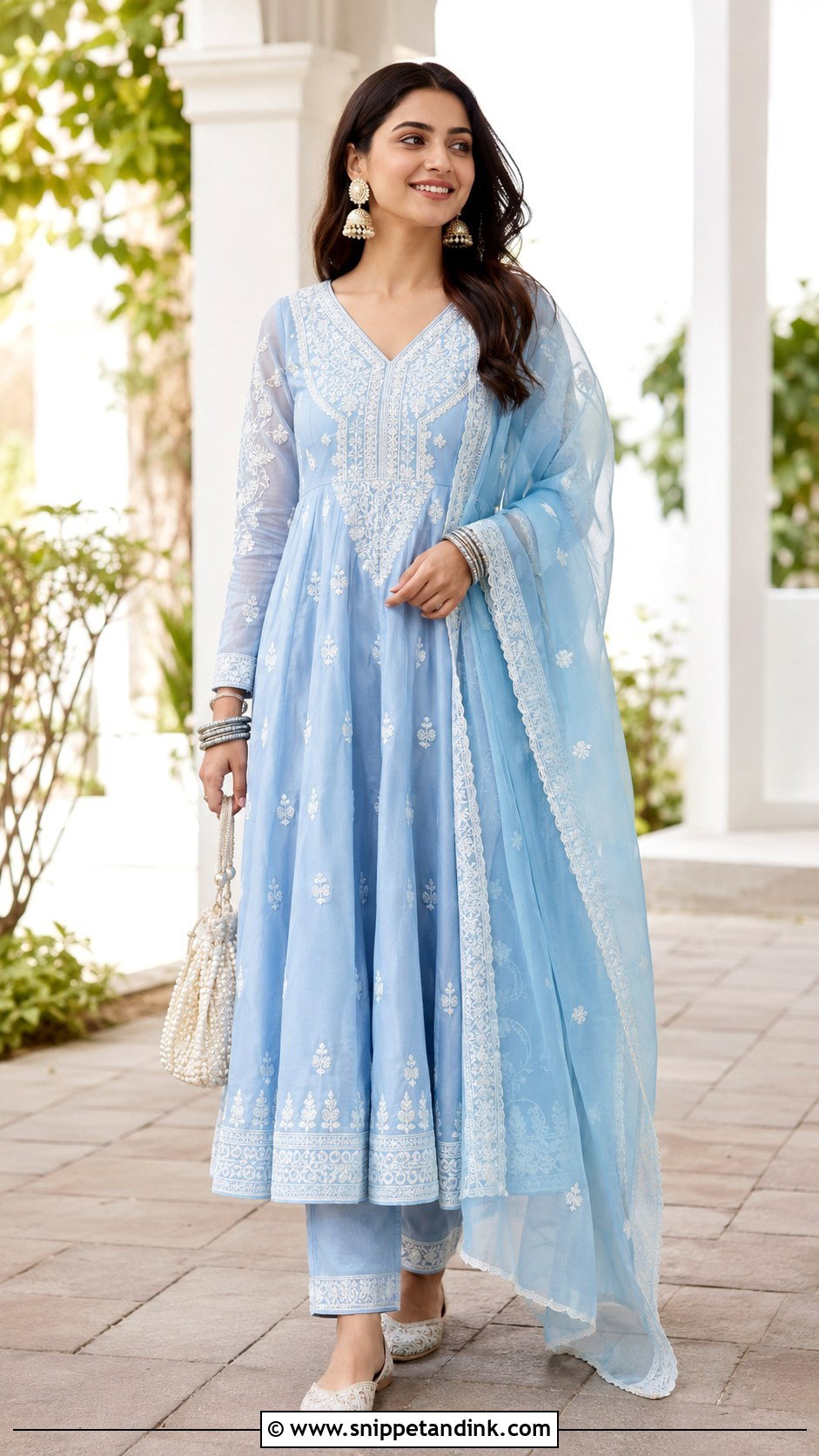
Chikankari is fine hand embroidery from Lucknow, traditionally white thread on light cotton or georgette, and it’s subtle by nature. That subtlety is why I add a little shine at the neckline for a wedding: pearls, small sequins or fine beads. A sky blue flared kurta with a lined bodice, coordinated pants and a light chiffon or organza dupatta suits a morning ceremony or a relaxed mehndi. Pearl jhumkas, silver bangles, white embroidered juttis and a small blue potli. Loose waves, a half-up style or a low braid. Keep the jewellery light.
13. Royal Blue Sharara Suit For Indian Wedding
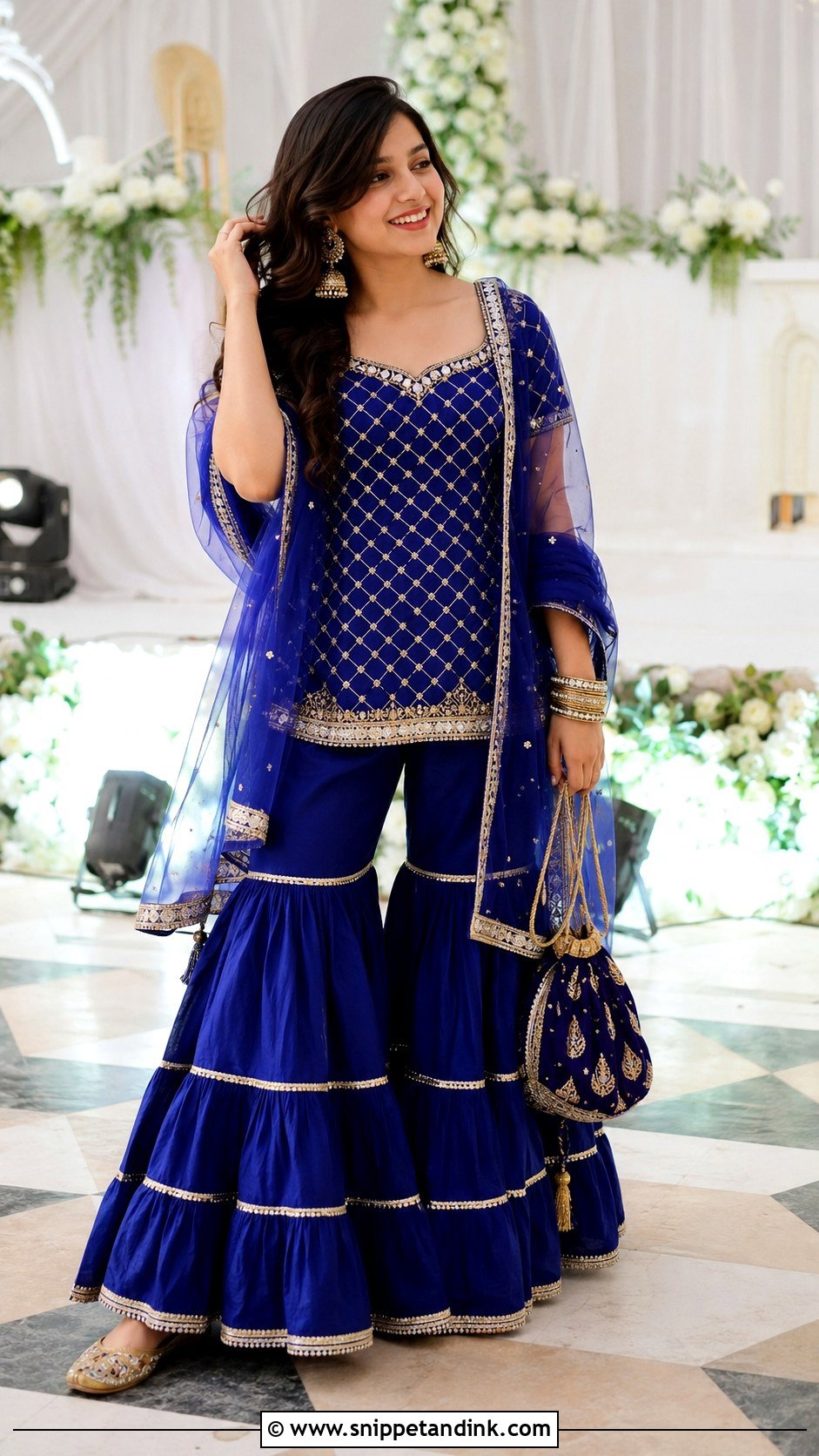
Shararas are the most dance-friendly traditional outfit I know. The wide tiered pants swing beautifully and never trip you the way a long skirt can. A royal blue sharara suit with a short embroidered kurta, gota or fine zari details and a light dupatta. The more flared the sharara, the more fitted and shorter the kurta should be; otherwise the whole outfit turns into a tent. Statement jhumkas, stacked bangles and gold juttis. A compact potli, not a shoulder bag that gets in the way. A textured braid or low ponytail.
14. Turquoise Blue Gharara Suit For Indian Wedding
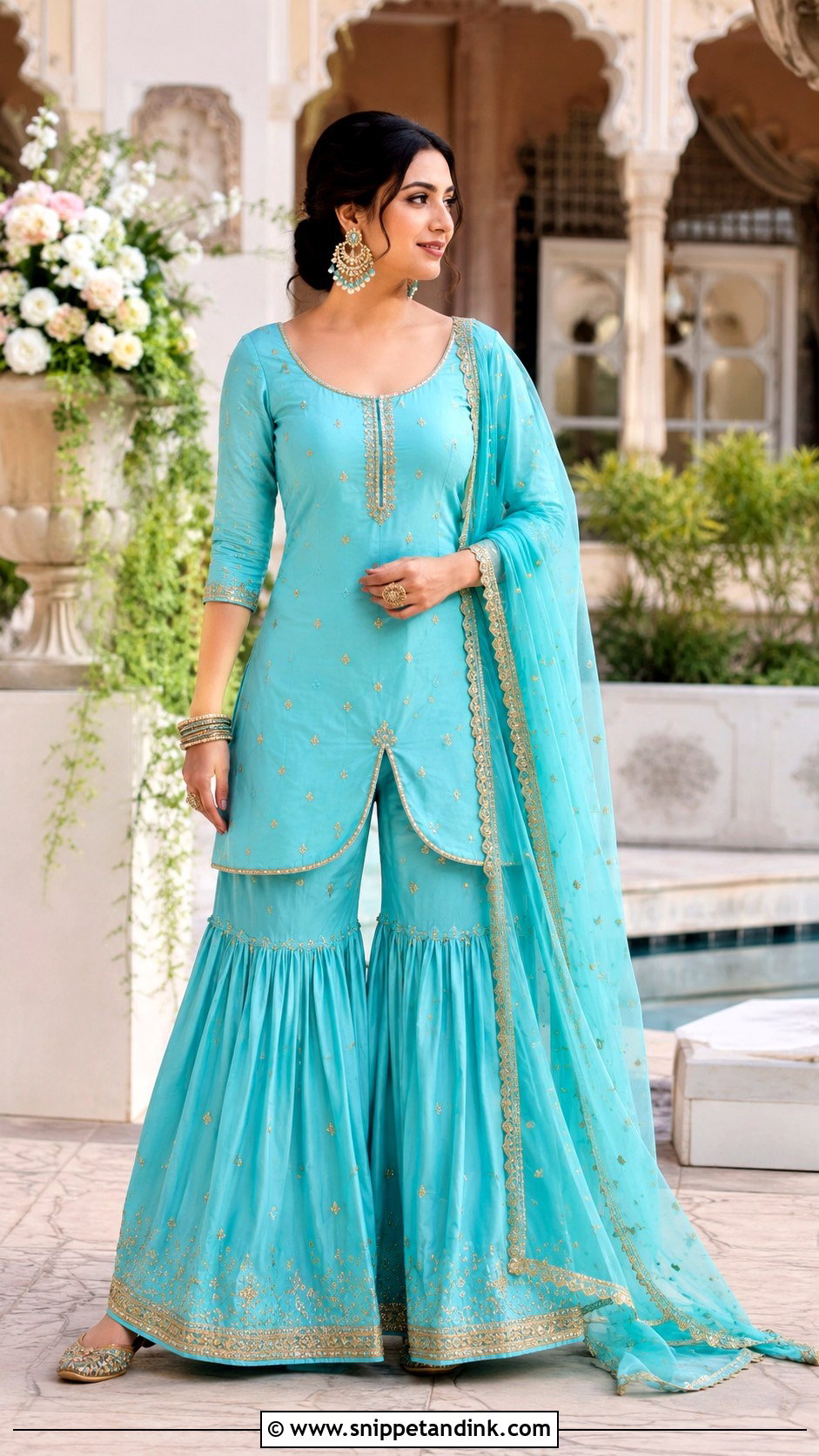
A gharara is often confused with a sharara, but the shape is different: it’s fitted to the knee, then a seam, often hidden under gota trim, releases the flare below. That knee seam is everything. If it sits too high or too tight, walking and sitting are uncomfortable. Turquoise is bright without being harsh in daylight. A short structured kurta with gold piping or gota details. Drape the dupatta over both arms or pin it on one shoulder. Gold chandbalis, slim bangles, embroidered juttis and a braided bun or curled ponytail. The hem should clear the floor in your shoes.

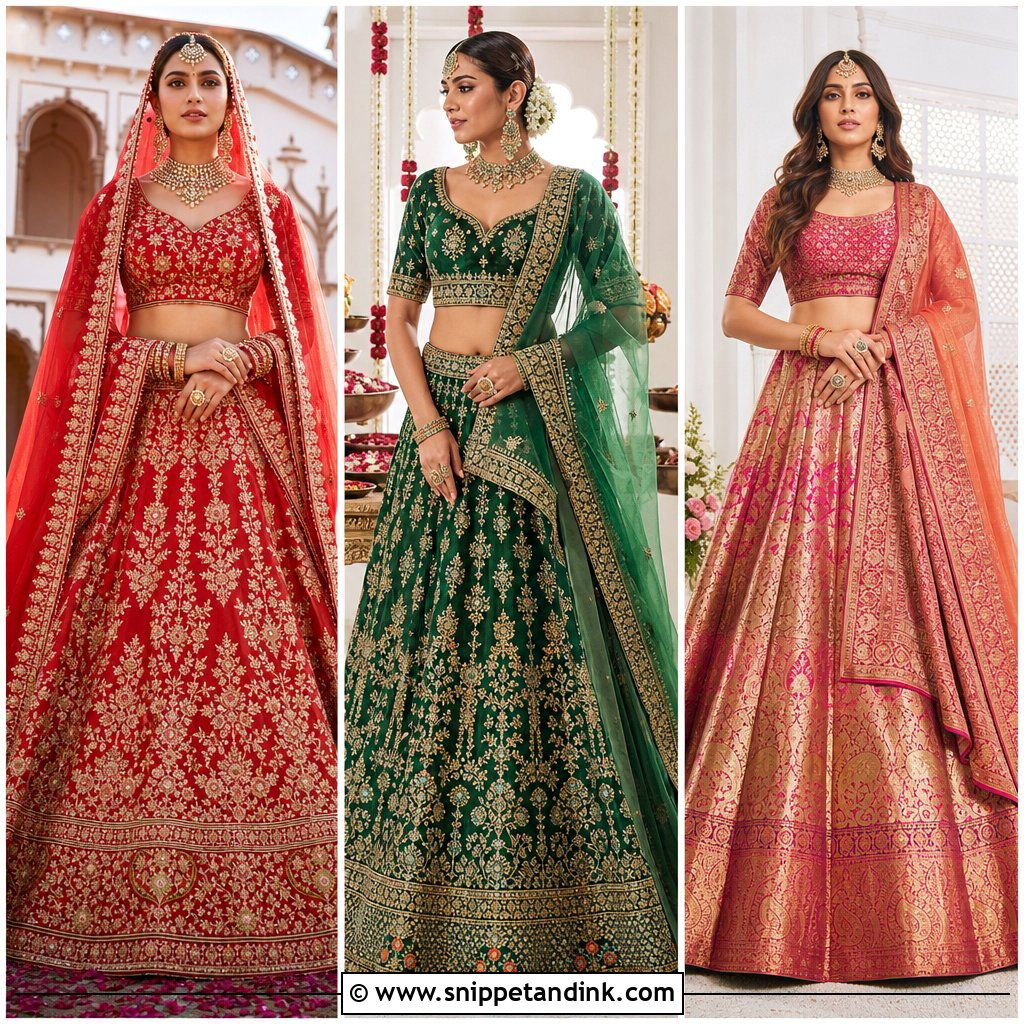

15. Powder Blue Palazzo Suit For Indian Wedding
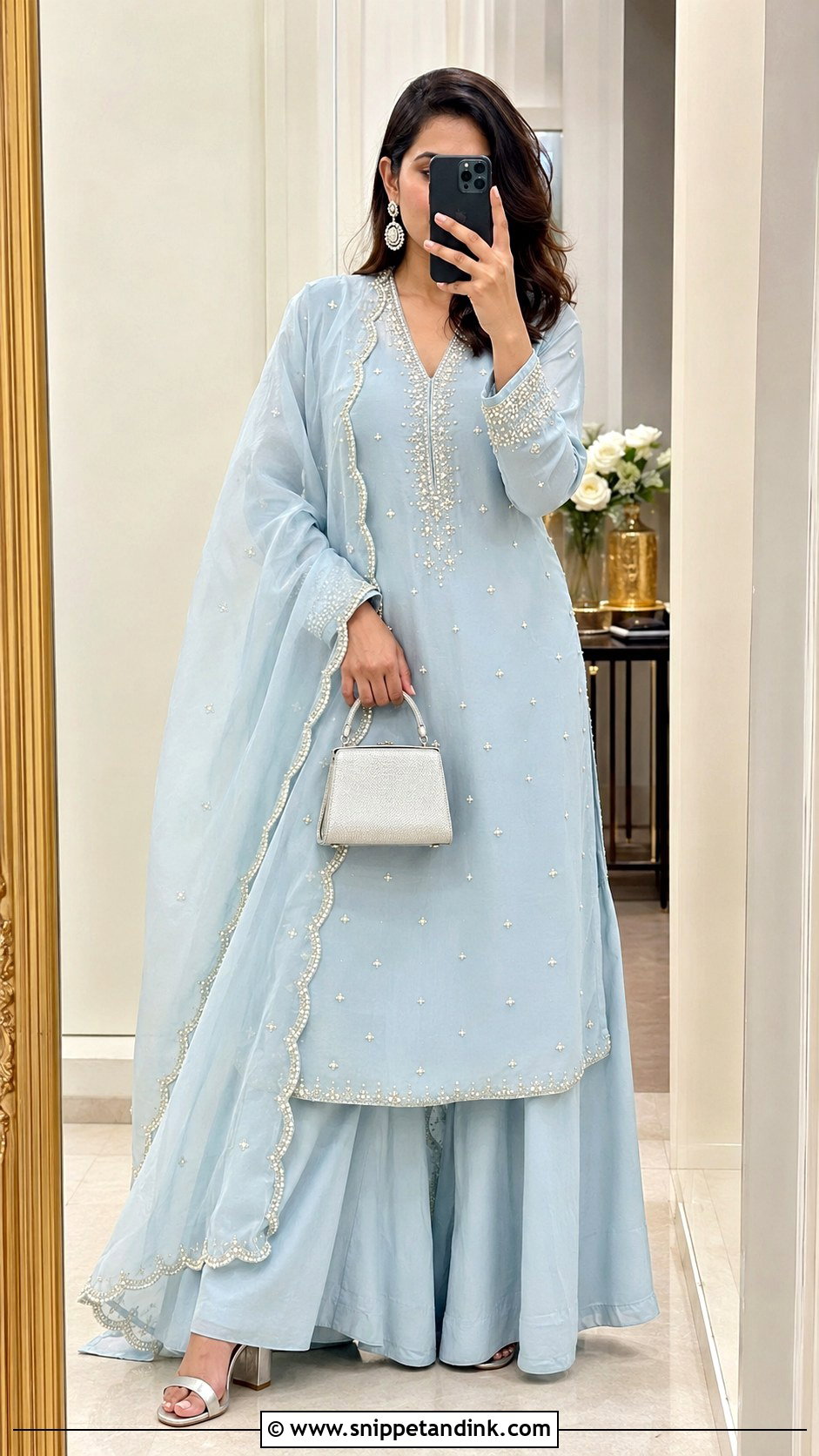
For a long day of family functions, a palazzo suit is the outfit I’d want myself. A long straight kurta with pearl embroidery or silver threadwork in powder blue, over wide palazzo pants that fall smoothly under it. The fit at the shoulder and bust is what stops a straight kurta from looking shapeless, so I’d tailor those areas even if nothing else gets touched. A sheer dupatta with a scalloped edge, pearl earrings, a slim bracelet and silver block heels. A structured mini bag or potli and a sleek low ponytail.
16. Sapphire Blue Jacket Lehenga For Indian Wedding
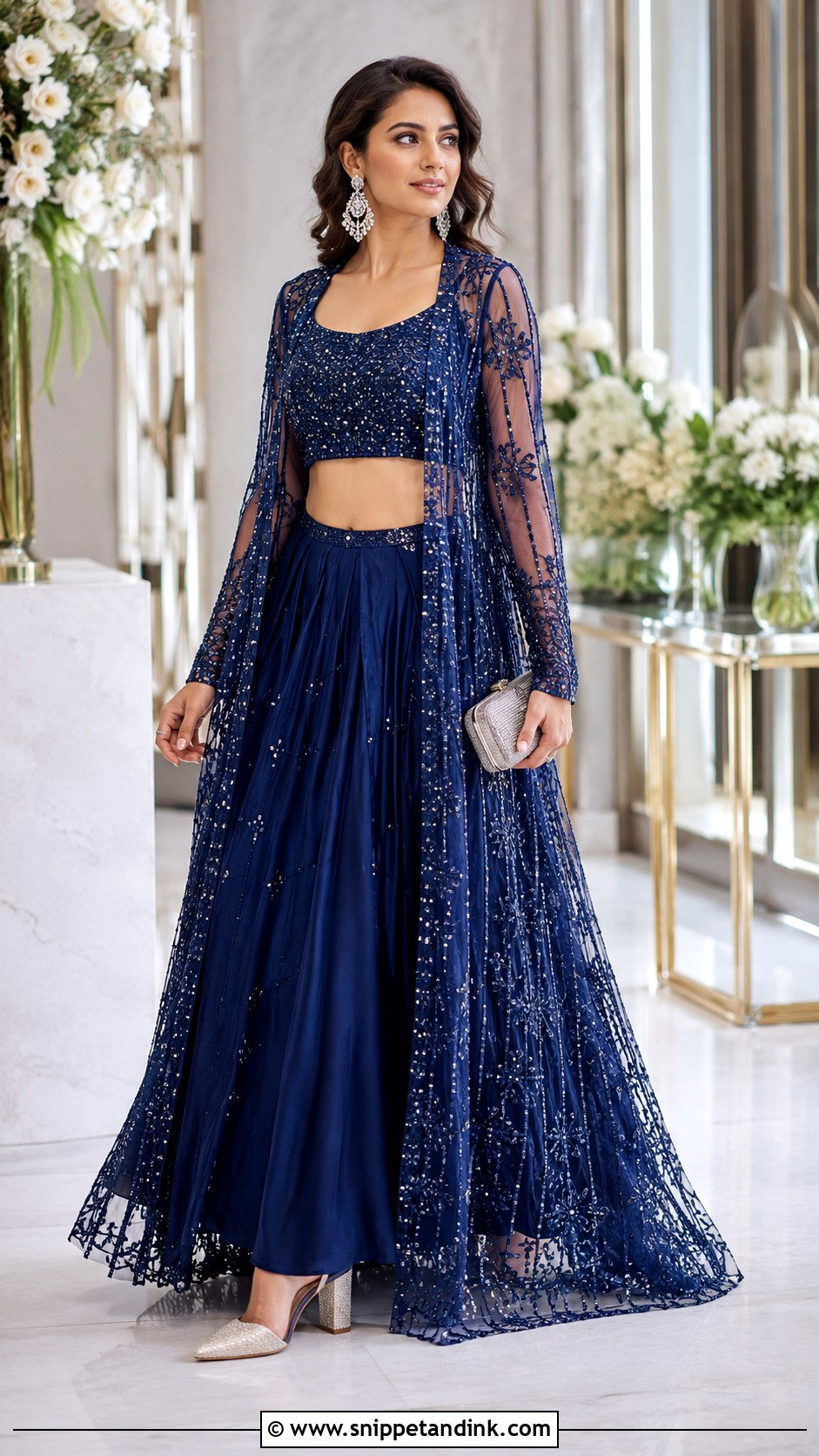
A jacket lehenga solves the dupatta problem entirely. Instead of a drape that slips, a long embroidered jacket over a crop top and flowing skirt gives coverage and structure in one piece. Sapphire with sheer sleeves and vertical detailing keeps the layers from feeling heavy. Since the jacket does the work of jewellery, I’d leave the neck bare and wear statement earrings. A small metallic clutch and pointed block heels. Smooth waves or a sleek ponytail. Useful for cooler receptions. Guests should keep the embroidery moderate; close family can go more ornate.
17. Navy Blue Cape Gown For Indian Wedding
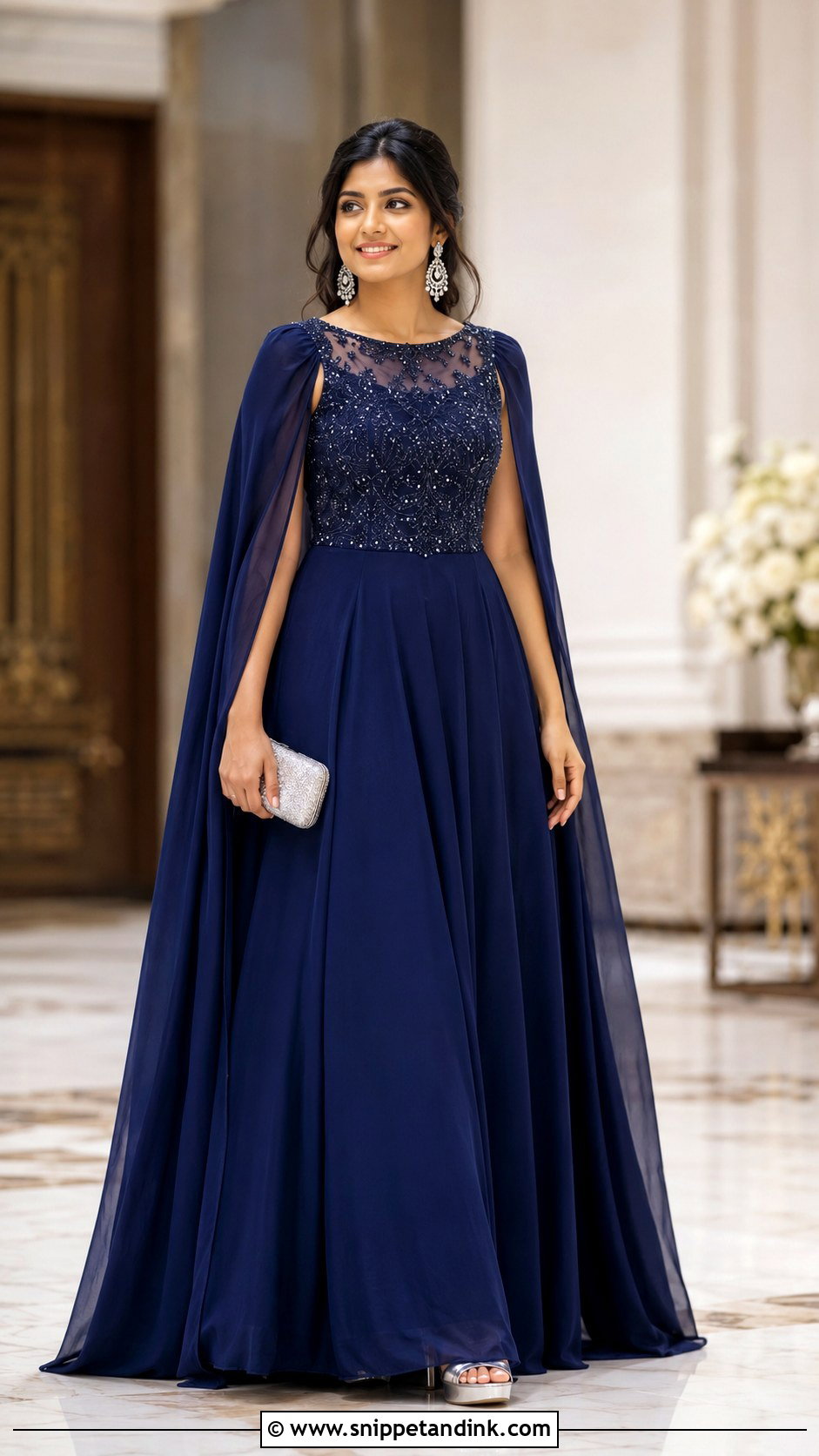
Cape gowns are reception wear, not temple wear. Navy with a light cape at the shoulders and tonal beadwork or sequins on the edges gives drama without stiffness. An elbow-length cape is easier to eat and dance in; a floor-length one makes a bigger entrance. Long crystal earrings, a silver clutch and stable metallic heels. A neat bun or swept-back ponytail so the hair doesn’t tangle with the cape. If the bodice is sleeveless or deeply cut, confirm with the family first, especially if elders or religious guests will be there.
18. Teal Blue Dhoti Pant Set For Indian Wedding
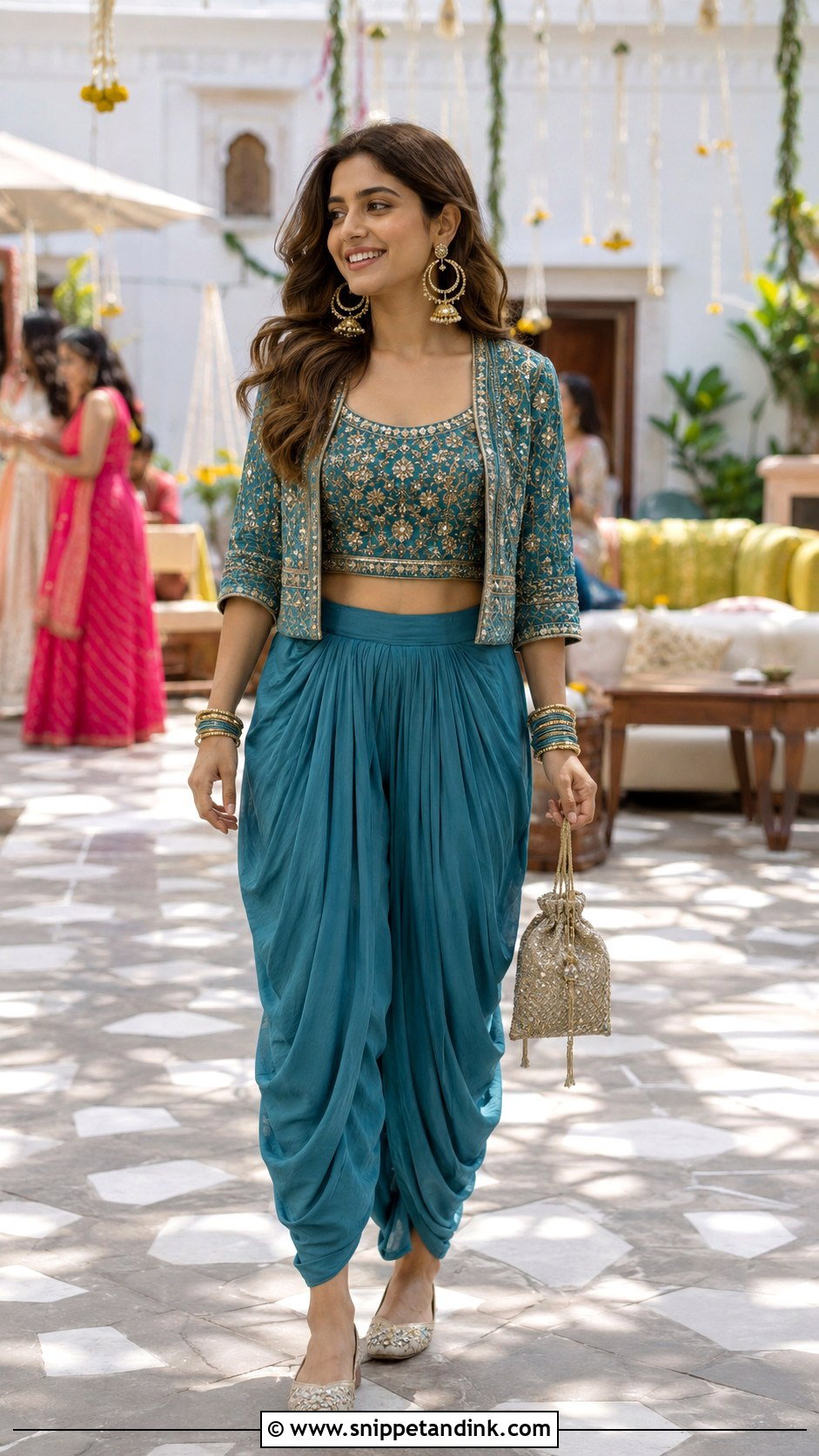
Dhoti pants are draped, so they already carry volume at the hip. That’s why I keep the top fitted and the jacket cropped; a long jacket over dhoti pants hides the waist and makes the whole outfit look heavy. A teal blue dhoti pant set with an embroidered top and a cropped jacket or one-shoulder dupatta works well for a mehndi or relaxed sangeet. Breathable silk blends or georgette for dancing in heat. Gold hoop jhumkas, layered bangles, a compact potli and embellished juttis. A high ponytail or braid.
19. Blue Peplum Skirt Set For Indian Wedding
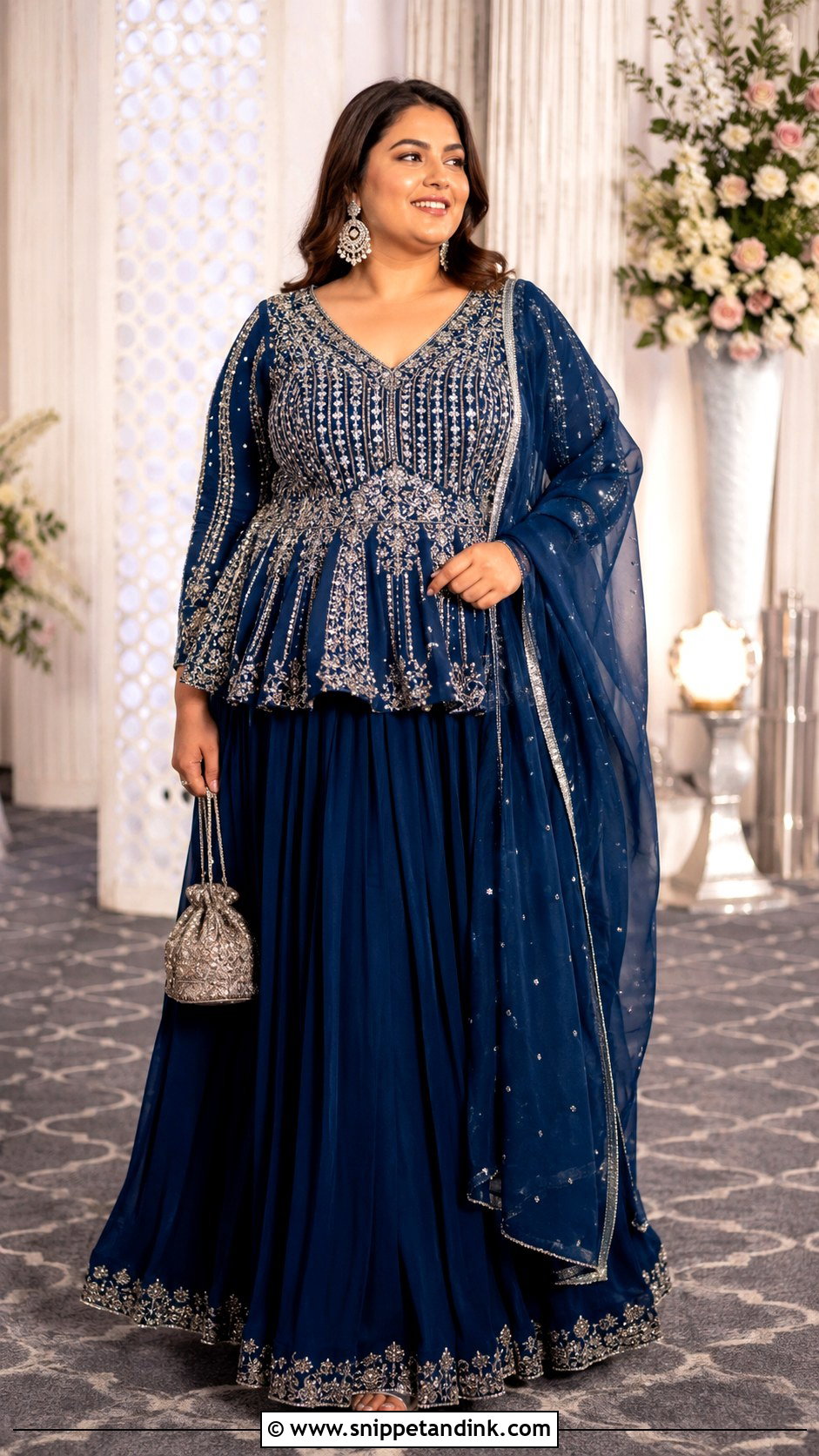
Peplum sets give lehenga-like movement with more upper-body coverage, which makes them a good guest option. The peplum has to end above the fullest part of the skirt, or the two flares stack and add bulk. A structured peplum top in sapphire, cobalt or dusty blue with embroidery at the neckline, waist and cuffs. A matching flowing skirt. A light dupatta only if the event calls for one. Chandelier earrings, a metallic potli and block heels hidden under the hem. A low textured bun shows off the peplum shape.

20. Ombre Blue Indo-Western Gown For Indian Wedding
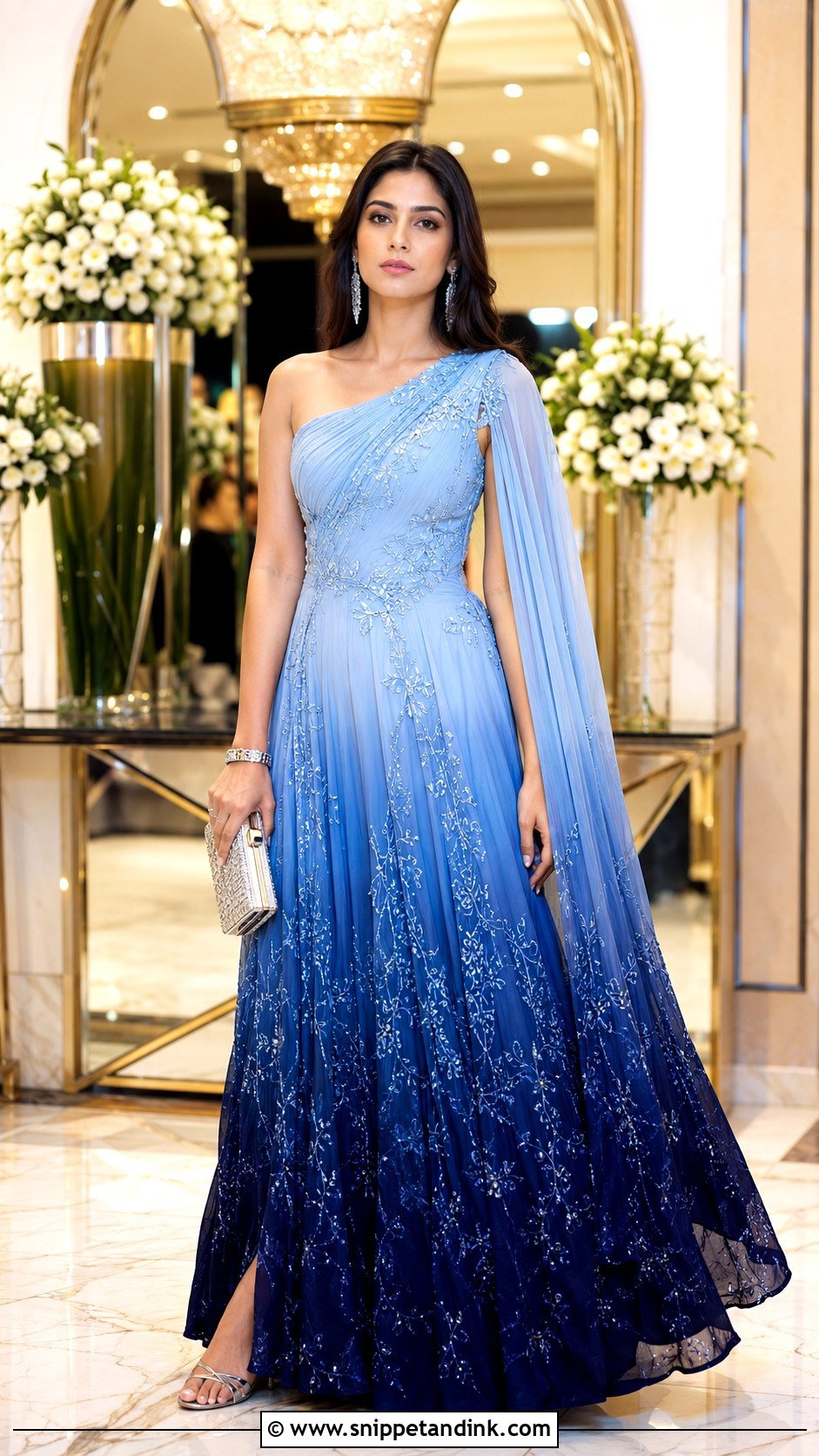
Gradient dyeing keeps the palest blue near your face and the deepest at the hem, which photographs well in close-ups and full-length shots alike. An ombre blue Indo-Western gown moving from pale blue to sapphire or navy works best in draped or layered fabric that blends the shades softly. A little embroidery or a single shoulder cape adds the Indian touch. Crystal earrings, a slim silver bracelet, a structured clutch and metallic heels. A sleek ponytail. Get the hem cut to your shoes, since ombre gowns are often long and the darkest part hides a trip hazard.
Pinning a Dupatta or Pallu So It Stays Put All Evening
Most of my emergency fixes at Indian weddings involve fabric that has slipped: a dupatta sliding off the shoulder, saree pleats coming loose after dinner. A little preparation stops nearly all of it.
- Use small safety pins, not straight pins, and fasten them from the inside so they don’t show or snag.
- Pin a dupatta at the back of the blouse shoulder seam and again at the waist on the opposite side for a diagonal drape.
- For a saree, pin the pleats together near the waist and pin the pallu to the blouse at the shoulder.
- Heavy silks and velvets need more pins than georgette. Do a test sit and a test arm raise before you leave.
- Carry three or four spare pins in your potli.
Putting silk and zari away afterward
Zari is metallic thread and can tarnish or crack if it’s folded the same way for too long. Air the outfit for a day before storing, wrap it in soft cotton or muslin rather than plastic, and refold it along different lines every few months. Keep perfume off the fabric; spray it on your skin before dressing. Silk and heavily embroidered pieces should go to a dry cleaner who handles traditional wear.
Sapphire at Night, Powder Blue by Day
A good blue outfit starts with the function, then the venue, then the season, then your own comfort. Powder, sky and ice blue suit daytime events; sapphire, royal and navy come into their own at night. Lehengas and sarees bring traditional weight; cape gowns, jacket sets and pre-draped sarees bring ease. Comfortable shoes, jewellery suited to the event and a small bag finish any of them. Check the dress code, and if the bride is in blue, choose a clearly different shade. Get the fabric, tailoring and accessories right and any of these looks will see you through every function.
You'll Like These Ideas:




Leave a Reply