
Two tiers is the size I most enjoy designing. It’s tall enough to give the cutting photo some presence and small enough to suit a courthouse lunch, a garden reception or a dessert table shared with other sweets. Because every inch is on show, the finish has to be right. Most classy two-tier cakes rely on clean icing, well-balanced tiers, a soft palette and one strong detail, and a smaller cake feels luxurious when each finish looks deliberate. Below are twenty ways to do that, with the practical side of each.
How Many Guests Can Two Tiers Really Feed?
This is the first question I answer at every consultation, because a two-tier cake covers a wider range than people expect. Wedding portions are cut smaller than party slices, roughly one inch by two inches and four inches tall, so the same cake feeds more people than it would at a birthday. With standard four-inch-high round tiers, my rough guide looks like this:
- 6 inch on 8 inch: around 35 wedding portions.
- 6 inch on 10 inch: around 50.
- 8 inch on 10 inch: around 60.
- 8 inch on 12 inch: around 80.
Numbers vary with the cutting and the venue’s serving staff, so treat them as a starting point. When a couple wants a small, elegant cake for a large guest list, I make extended-height tiers, which add height and portions without a third tier, or bake a plain kitchen cake in the same flavor that’s cut out of sight.
1. Simple White 2 Tier Wedding Cake
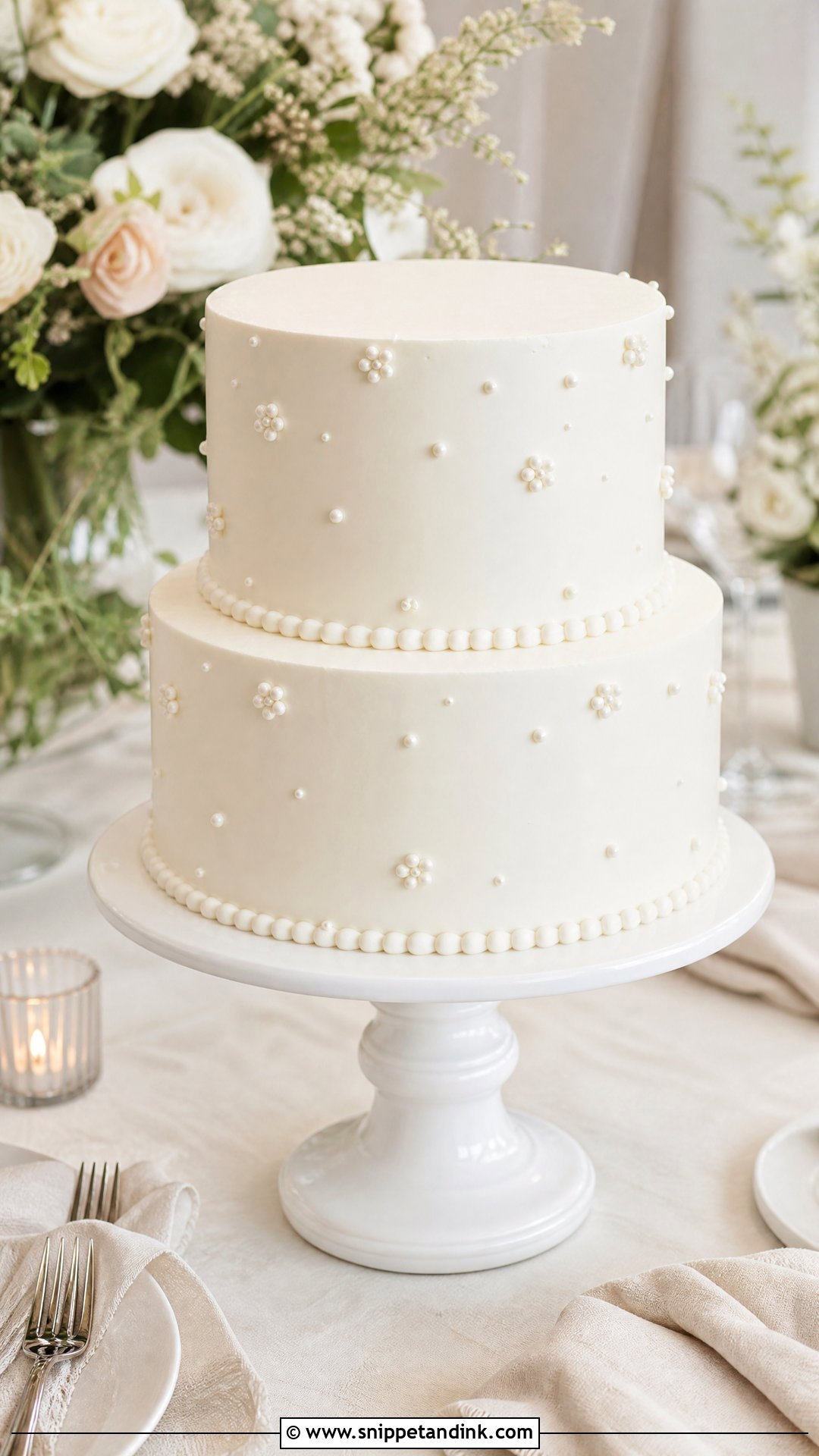
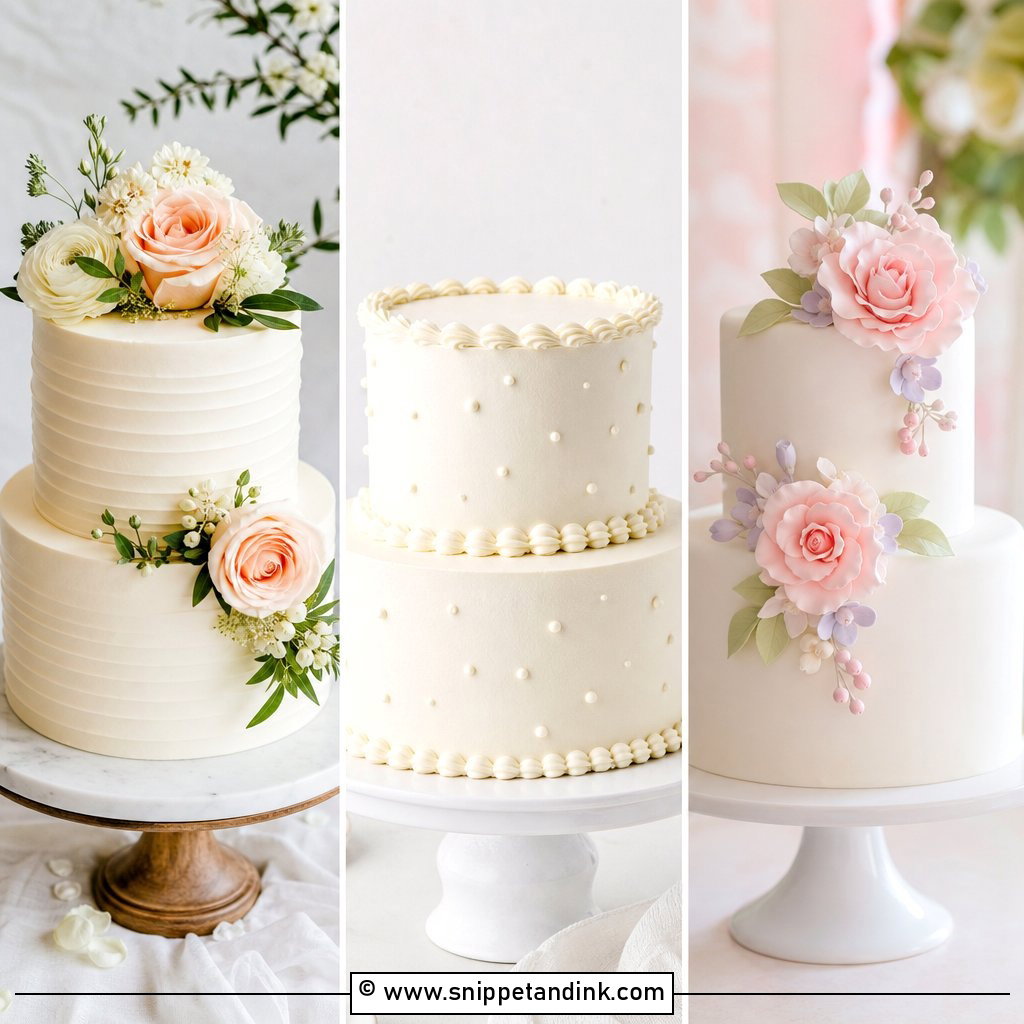
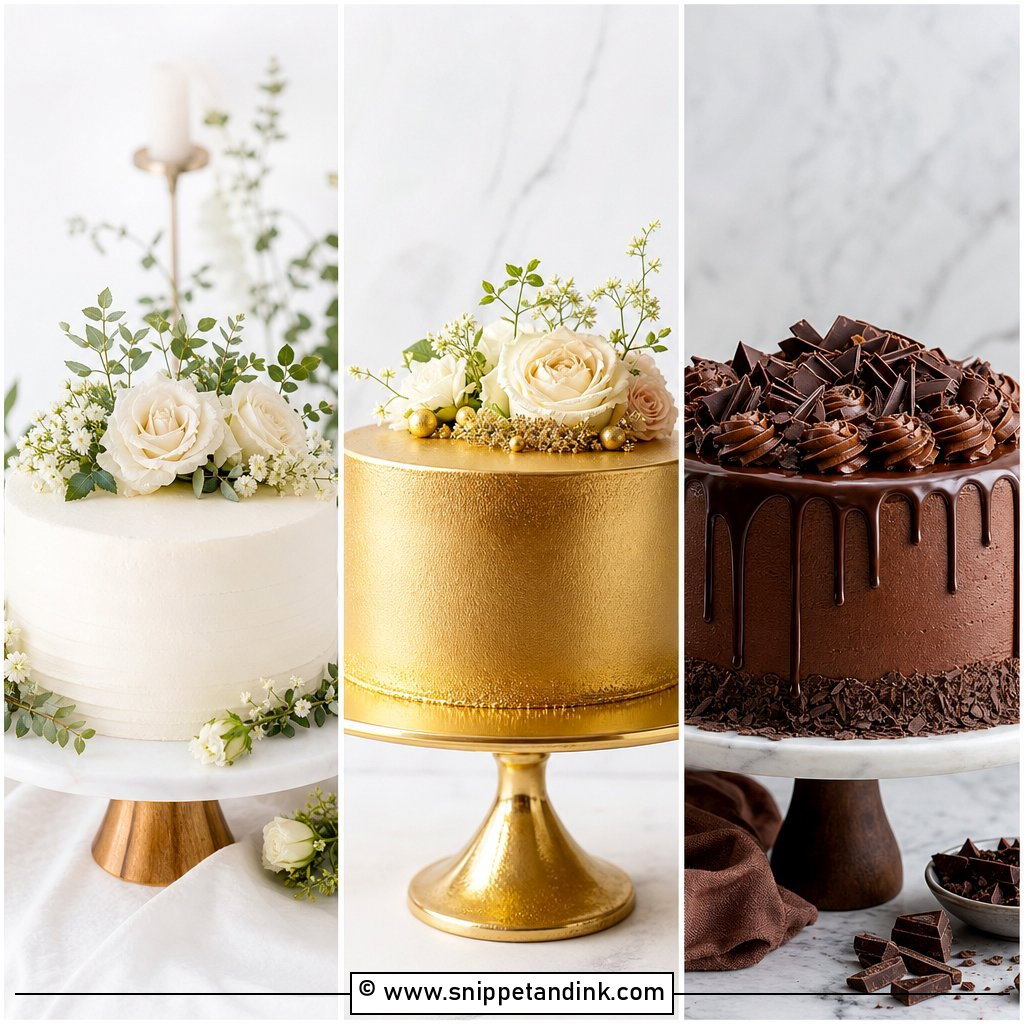
A simple white 2 tier wedding cake is where I start when a couple can’t decide, because it suits almost any room. I usually finish it in smooth buttercream rather than fondant, which tastes lighter and looks softer in photos. With so little decoration there’s nowhere to hide, so the top edge needs to be sharp and both tiers perfectly level. A few white sugar flowers, a row of tiny pearl dots or a slim satin ribbon is enough. On a white pedestal with ivory linens and candles, it looks classic without feeling dated.
2. 2 Tier Wedding Cake With Fresh Flowers
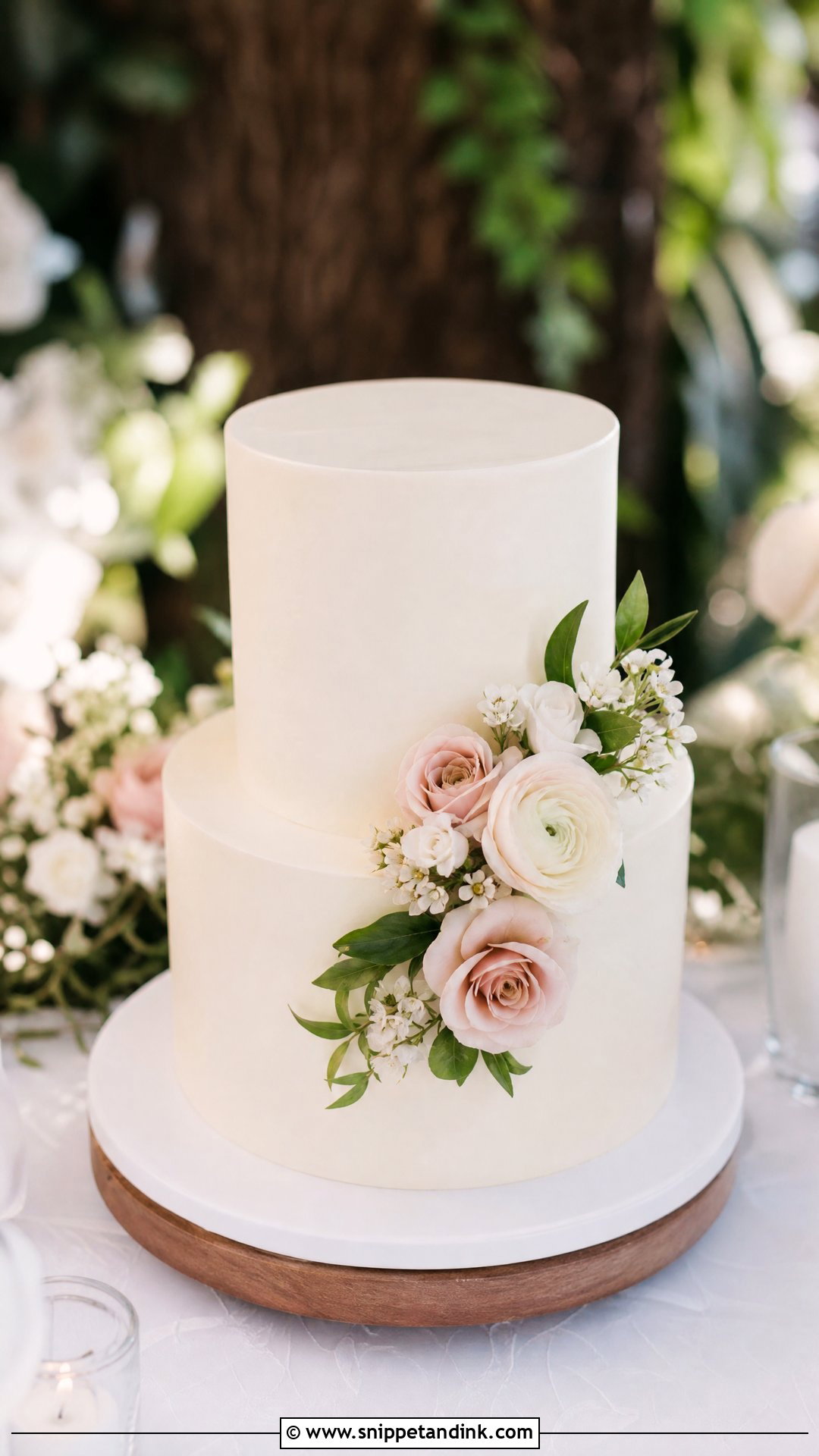
Clean base, controlled flowers: that’s the rule I work by. Garden roses, ranunculus, small orchids or soft greenery framing one side, or running in a gentle cascade, keep a short cake looking deliberate. I speak to the florist before the day so the cake flowers are pesticide-free, and I wrap stems or use picks wherever they meet icing. On a two-tier cake, flowers can easily cover a third of what guests see, so settle the proportion at the design stage. Spring, garden and outdoor weddings suit it.
3. 2 Tier Buttercream Wedding Cake
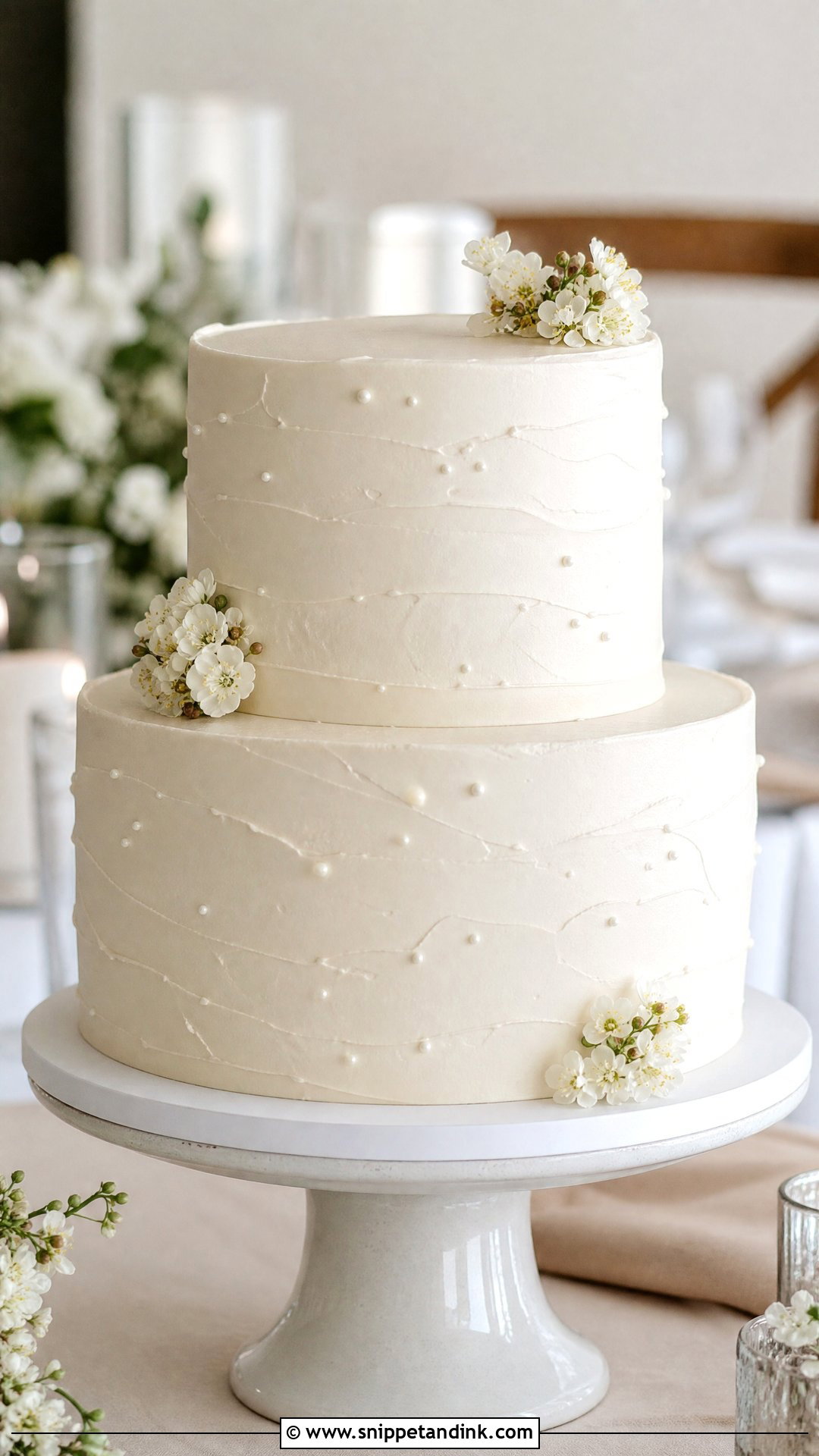
A 2 tier buttercream wedding cake has a softer, more handmade finish than fondant, and most guests prefer the taste. Smooth reads polished; a light texture adds movement. Warm whites and ivory flatter more in photos than stark white, which can look faintly blue on camera. I’d add one restrained accent, such as a few blooms, some pearls or a touch of gold. Flavors are wide open, from vanilla bean to almond, lemon, red velvet or chocolate, and the two tiers don’t have to match.
4. 2 Tier Fondant Wedding Cake
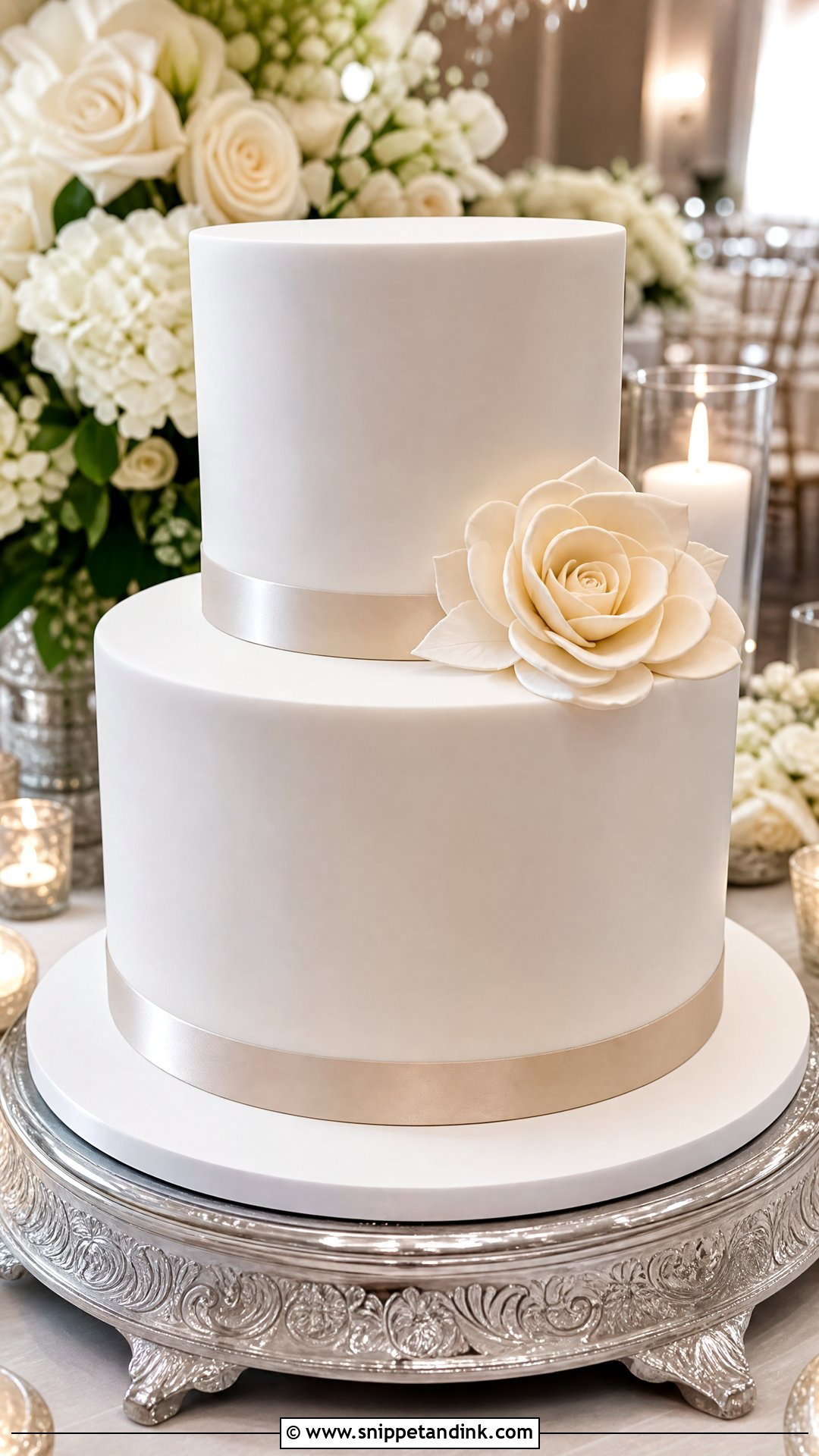
Fondant gives the sharpest edges and the smoothest sides of any finish, which is why it suits ballrooms and black-tie rooms. The trade-off is taste: thick fondant is chewy, and plenty of guests peel it off. I roll it thin over a firm buttercream or ganache coat, so the look stays crisp and the slice stays enjoyable. Ivory or soft white with one accent, such as a thin ribbon, a sugar flower or a subtle embossed pattern, keeps it simple. Fondant can also sweat when it moves from a cold fridge into a warm room, so I let it come up to temperature gradually.
5. 2 Tier Wedding Cake With Pearls
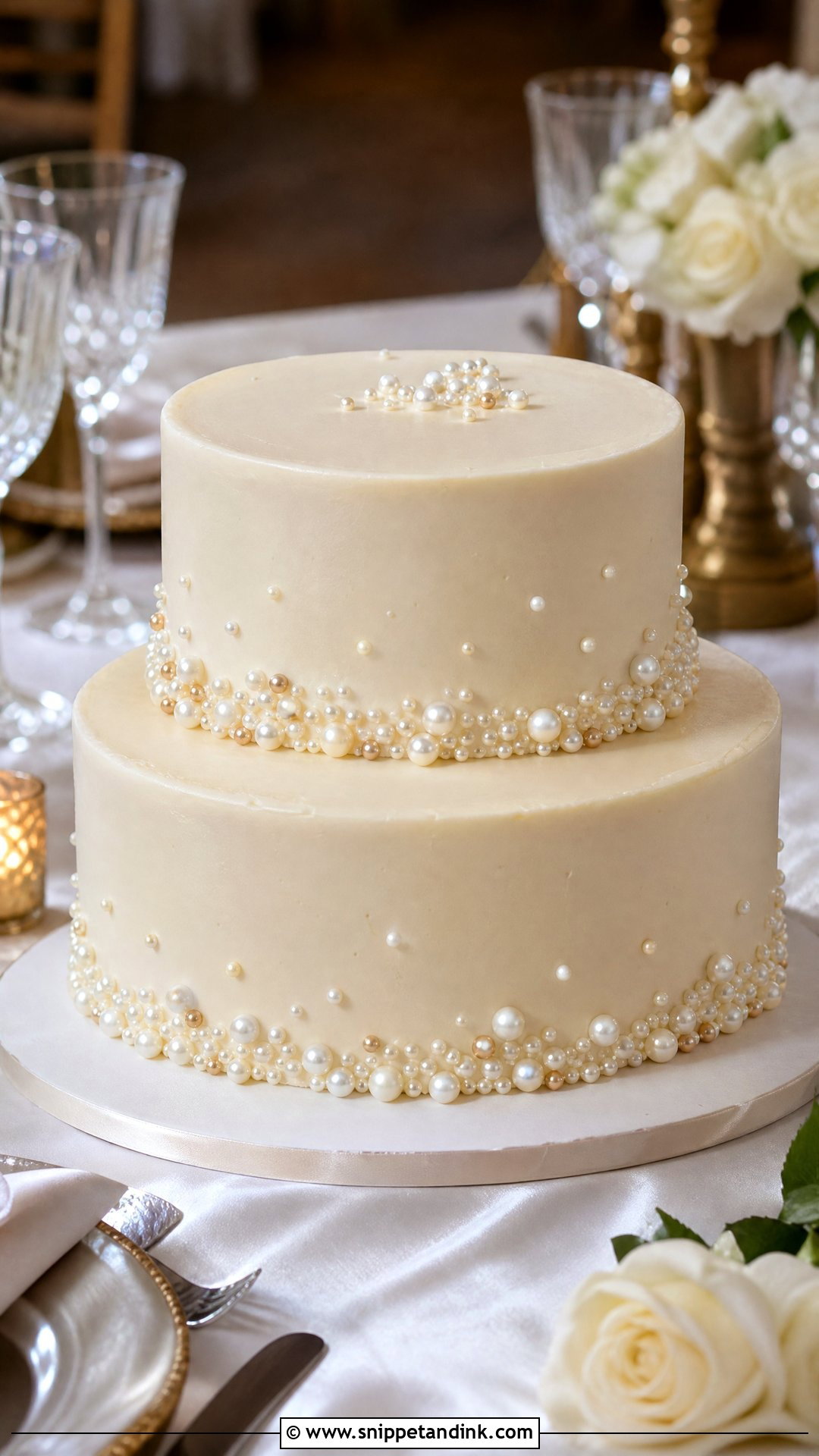
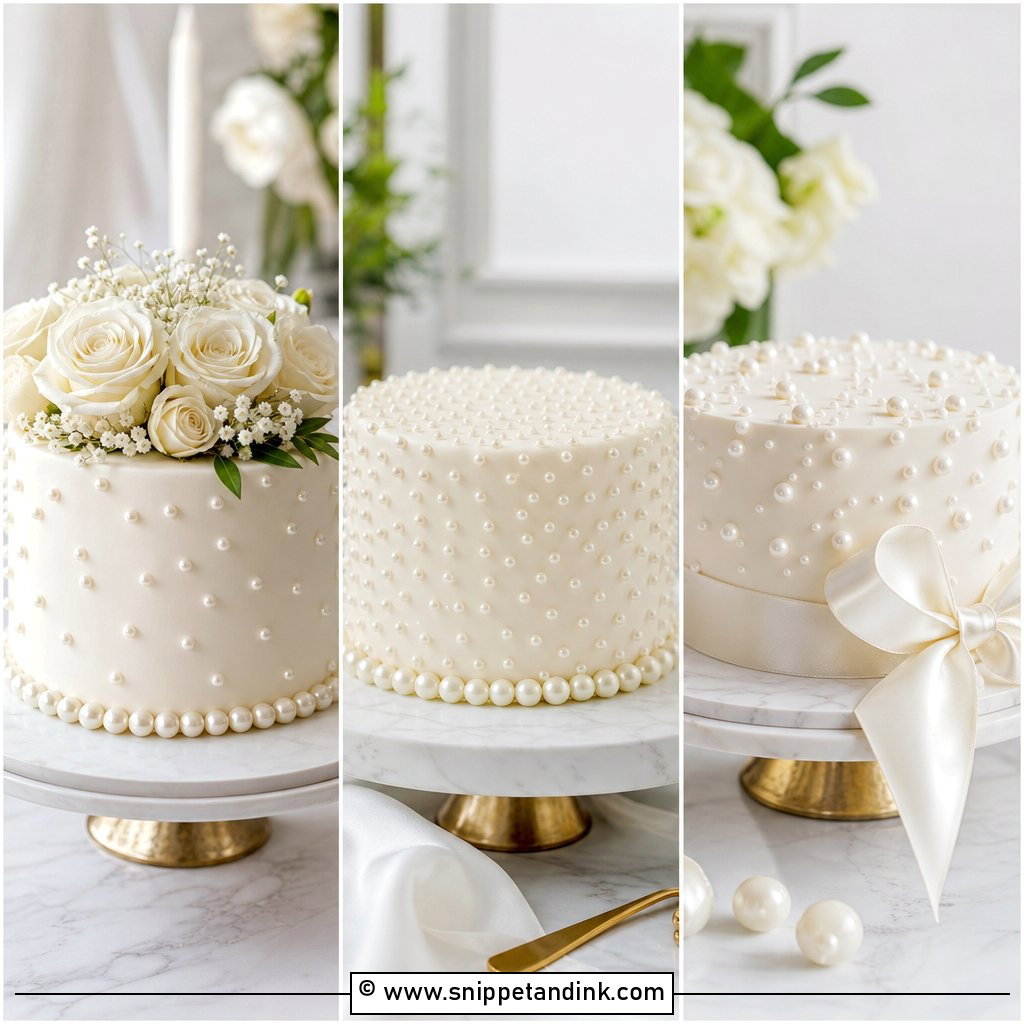
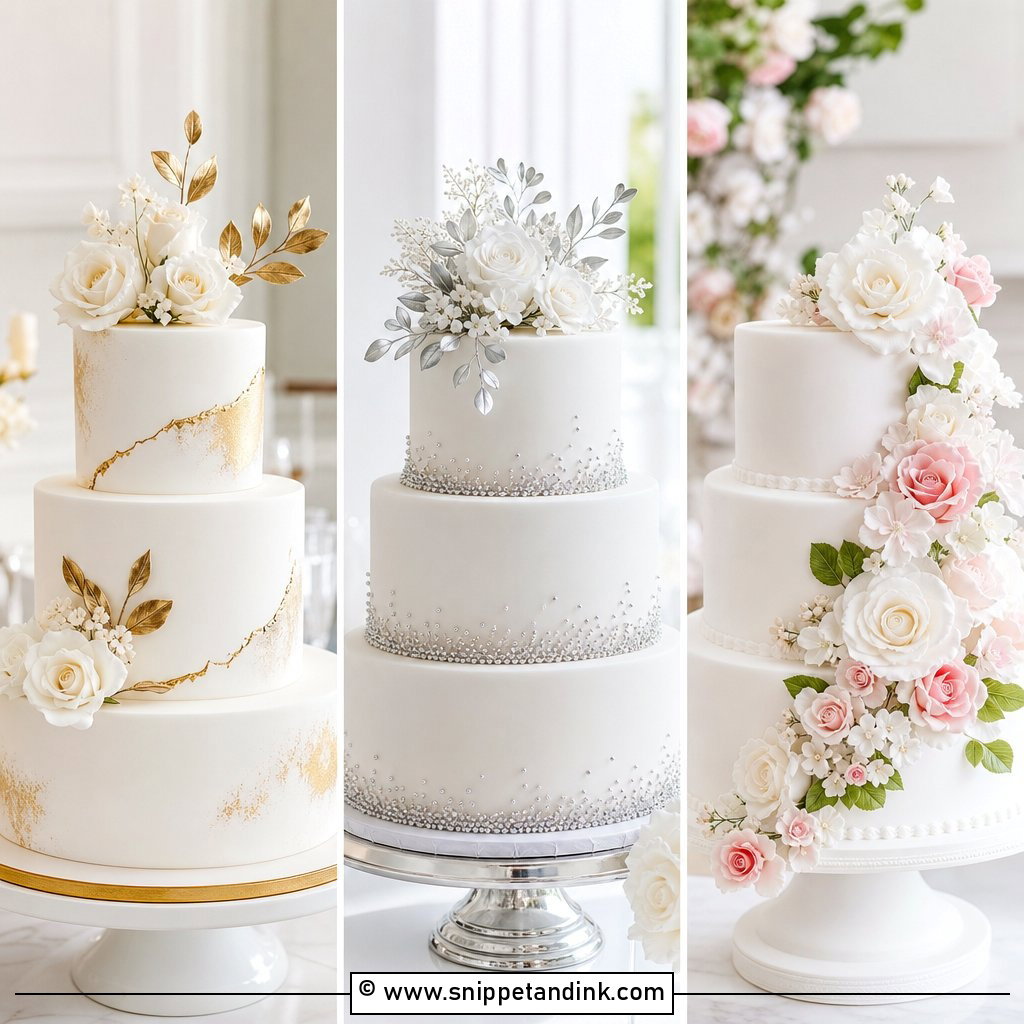
Edible pearls are sugar balls with a pearlescent coating, and the larger ones are hard enough that I mention it to couples before anyone bites down on one. Smaller pearls are kinder to teeth and look more refined anyway. They can circle the base of each tier, scatter lightly over smooth icing or sit in small clusters. White, ivory and champagne tones pick up beading on the dress. Satin linens and crystal glassware echo the sheen.
6. 2 Tier Wedding Cake With Gold Accents
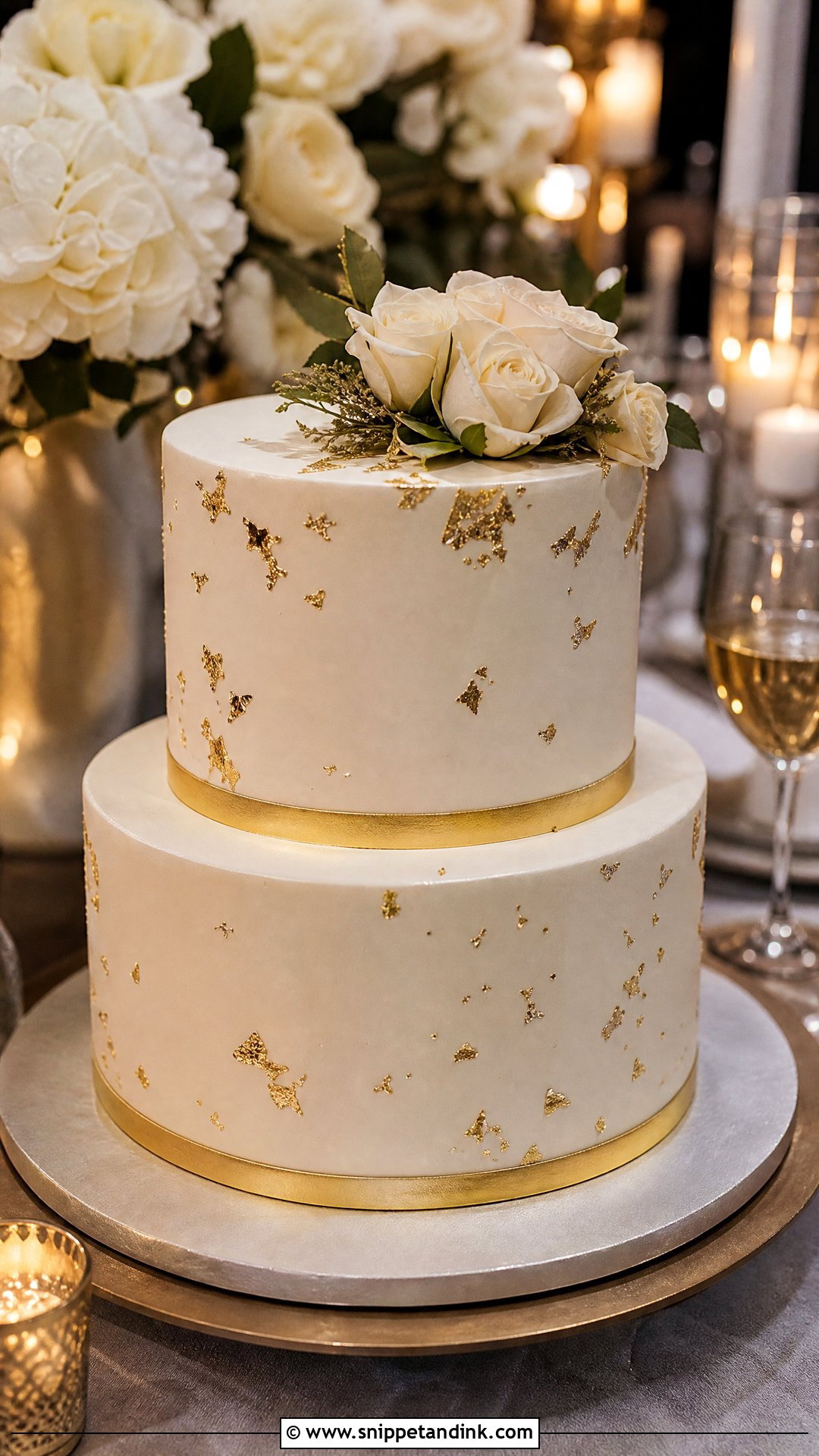
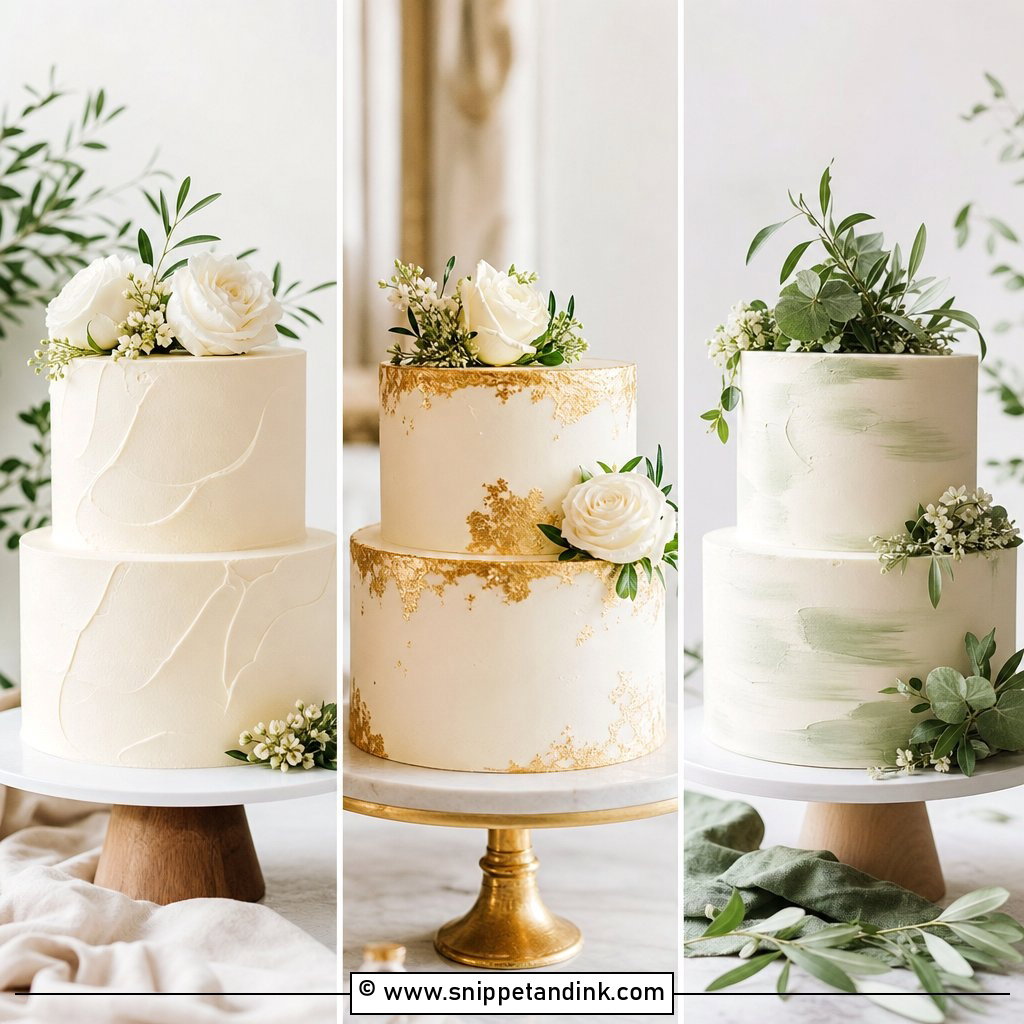
Gold should be used more sparingly than most couples first imagine. A little edible gold leaf, a thin painted band or a few brushed highlights make a plain cake look expensive; much more and it tips into flashy. Painted gold is edible metallic dust mixed with a few drops of alcohol, which evaporates, and I paint it onto a chilled, firm surface so the brush doesn’t drag. White, ivory or champagne icing gives it room. Hotel receptions and candlelit evenings suit it, and white roses or pearl dots soften it.
7. 2 Tier Wedding Cake With Ribbon
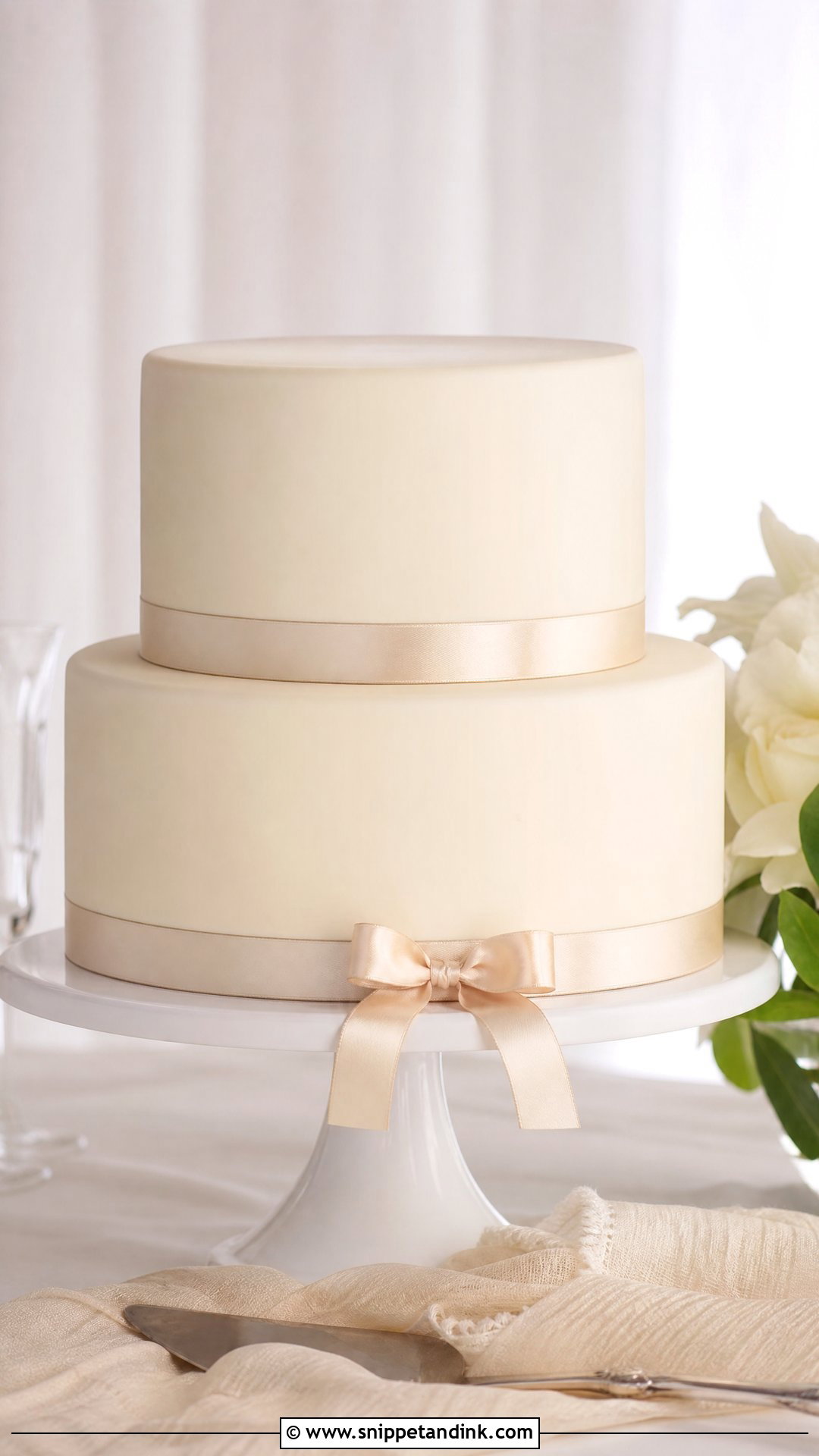
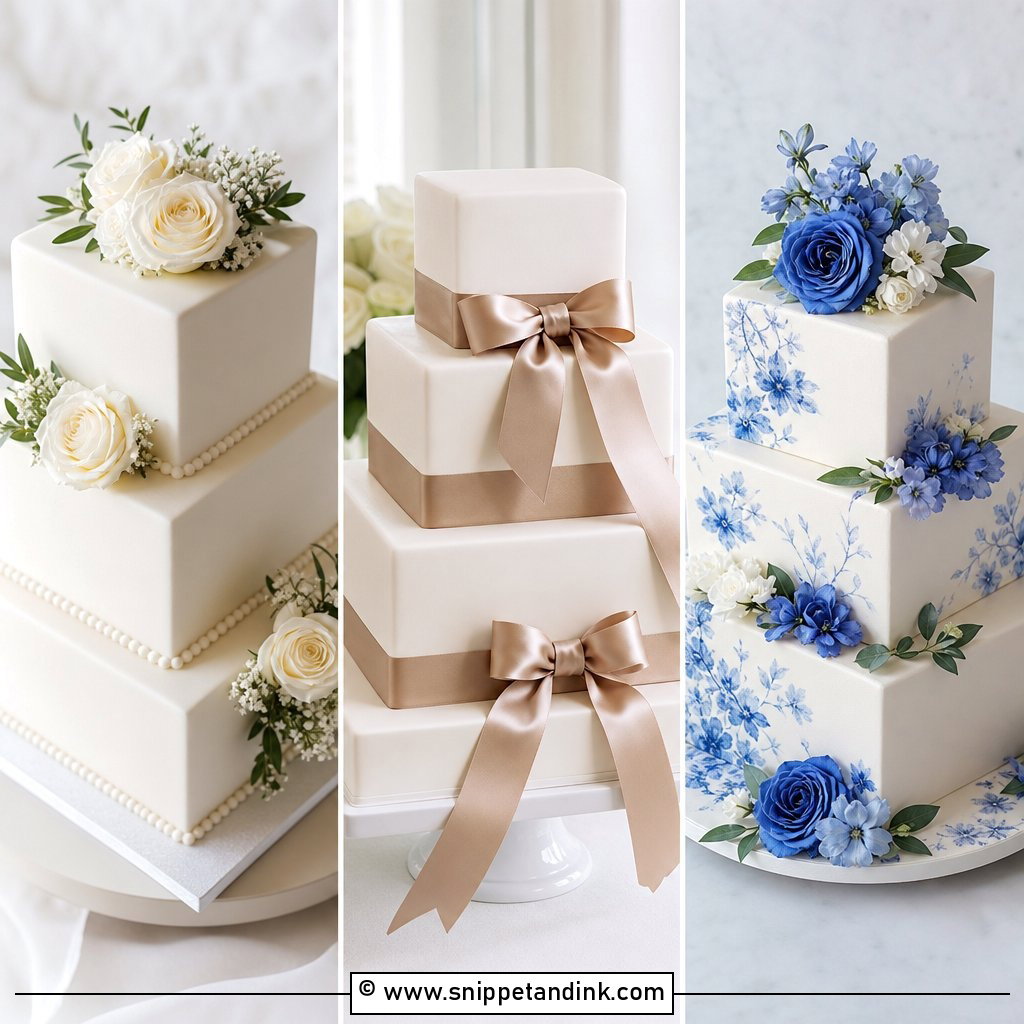
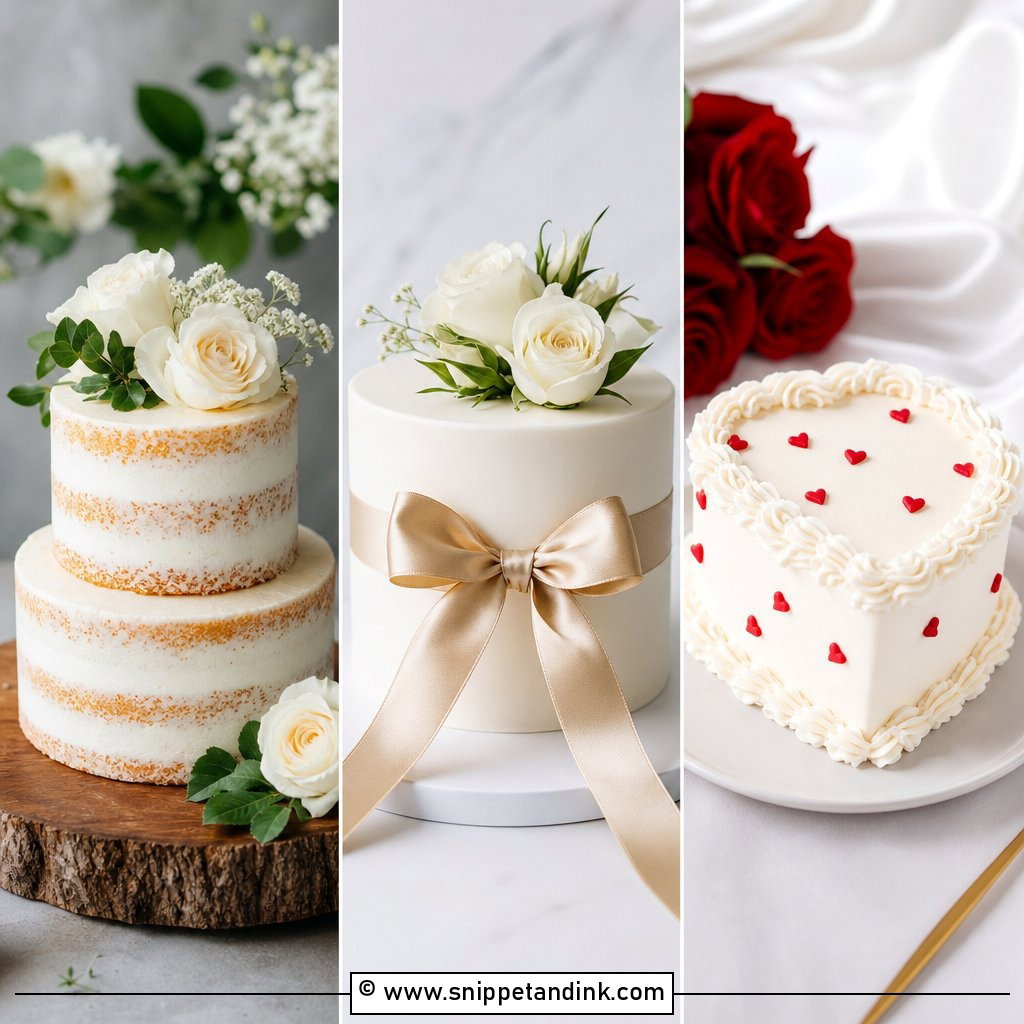
Ribbon is the most budget-friendly detail on this list and one of the most tailored. I back satin or velvet ribbon with parchment or tape so butter can’t seep through and stain it, or I make the band from fondant instead. White on white is classic; champagne, blush, black or dusty blue ties into the colors. The surface underneath must be smooth, because ribbon shows every bump. A small flower cluster or a neat bow at the join finishes it.
8. 2 Tier Wedding Cake With Roses
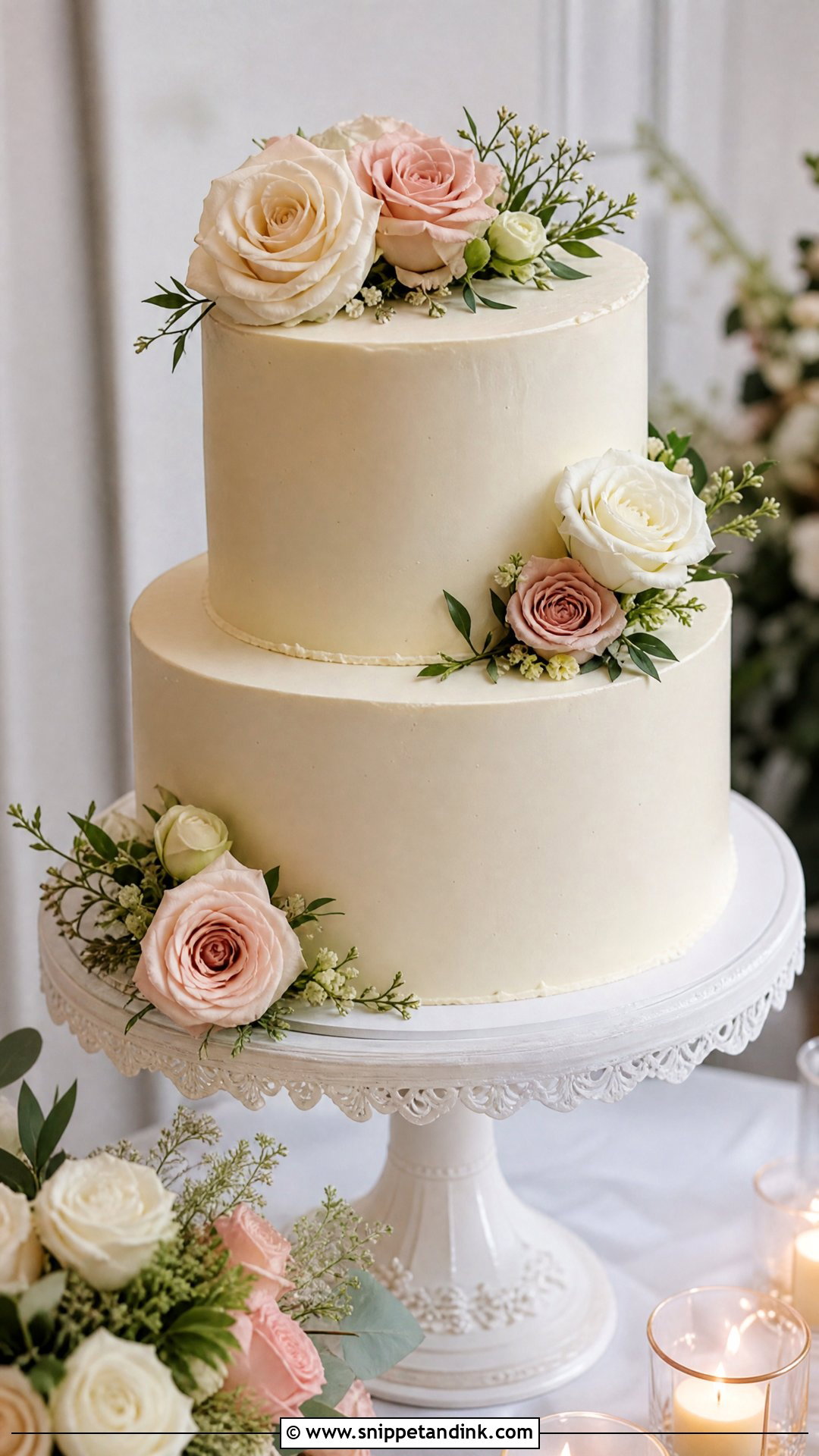
Roses look classiest when they’re used sparingly. I place a few between the tiers, around the base or in a soft diagonal rather than covering the cake. White reads formal, blush sweet, dusty pink warm. Open garden roses are prettier but more fragile than tight standard roses, so for a long reception I lean toward the sturdier kind. Smooth buttercream or fondant keeps the flowers in focus, and echoing the bridal bouquet makes it look planned.
9. 2 Tier Wedding Cake With Greenery
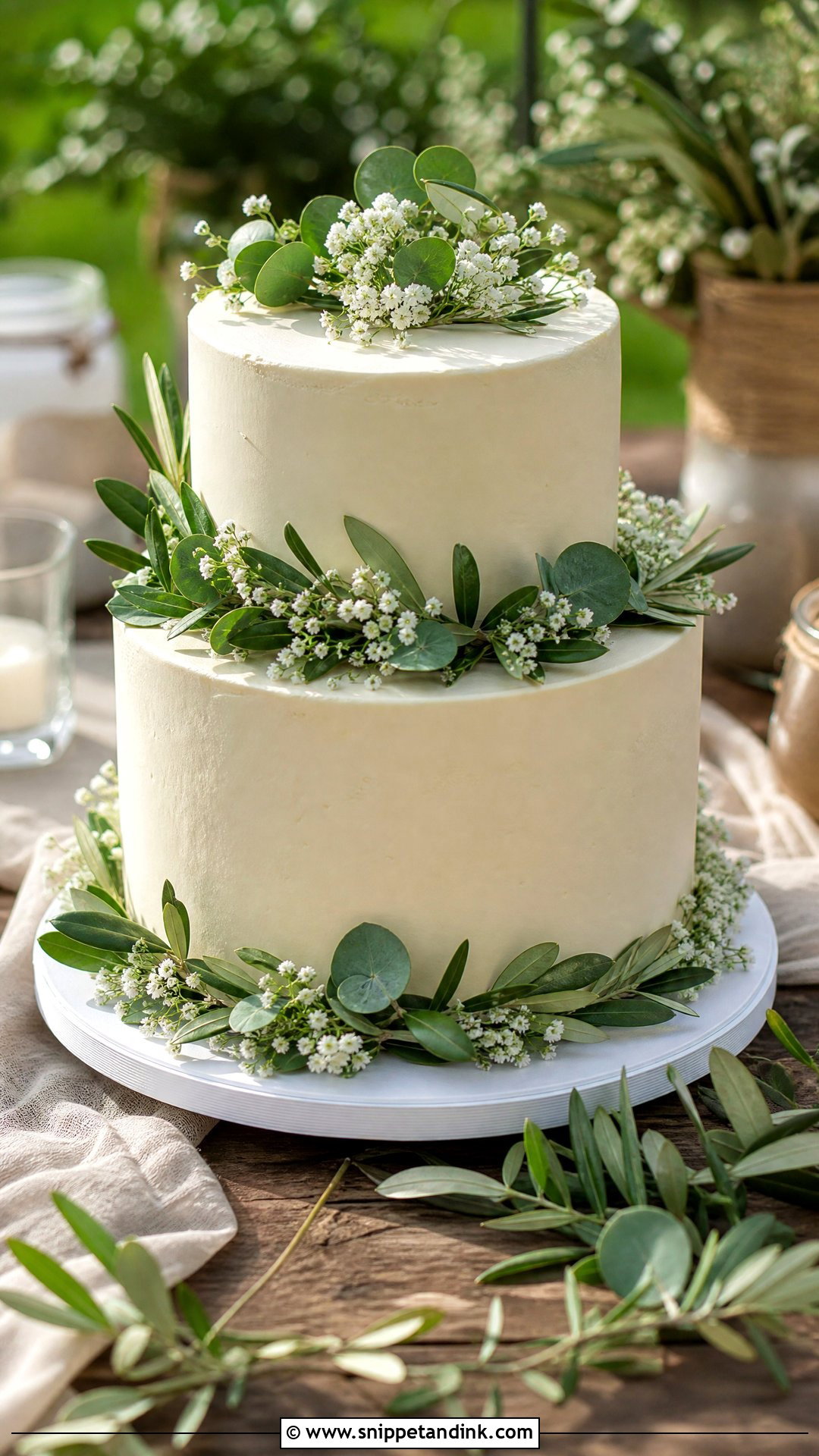
A two-tier wedding cake with greenery gets its freshness from a few leaves rather than a full arrangement. Eucalyptus, olive leaves and rosemary sprigs soften a white cake and connect it to the setting. I wrap any cut stems before they touch icing, since not all greenery is food-safe. Keep the placement light: a slim wreath around the bottom tier or a small cluster at the top. Barns, gardens and outdoor weddings suit it, as do neutral palettes and wood accents.
10. 2 Tier Naked Wedding Cake
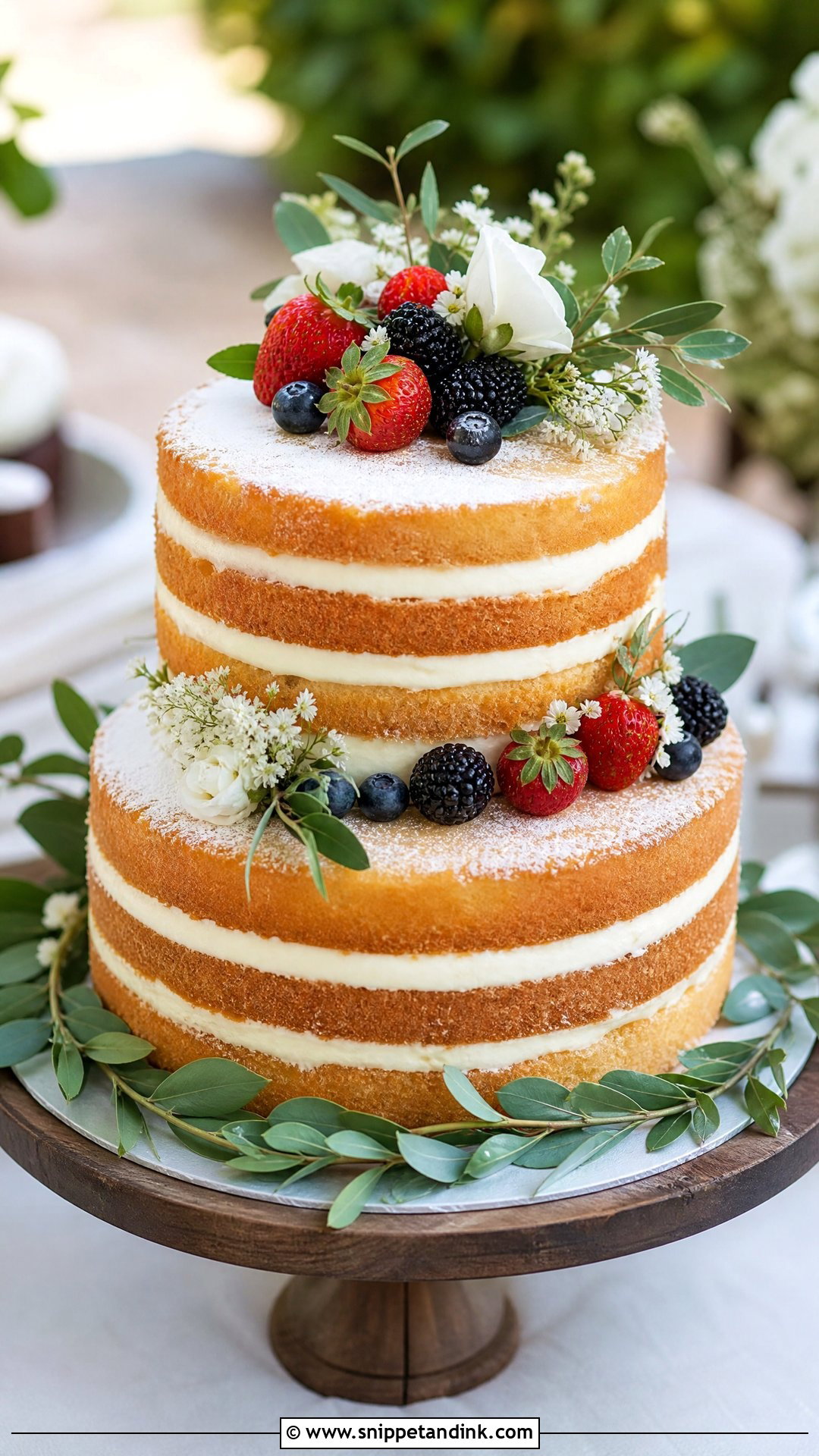
A naked cake has only a light amount of frosting between and around the layers, so the sponge itself is the decoration. That means an even bake and dead-level layers. Vanilla, almond, carrot and lemon look best because their crumb is attractive. Exposed sides dry out faster than an iced cake, so I brush the layers with syrup as I build and keep the tiers wrapped until the last moment. Berries, small flowers and greenery finish it for barns, brunch weddings and garden celebrations.
11. 2 Tier Semi Naked Wedding Cake
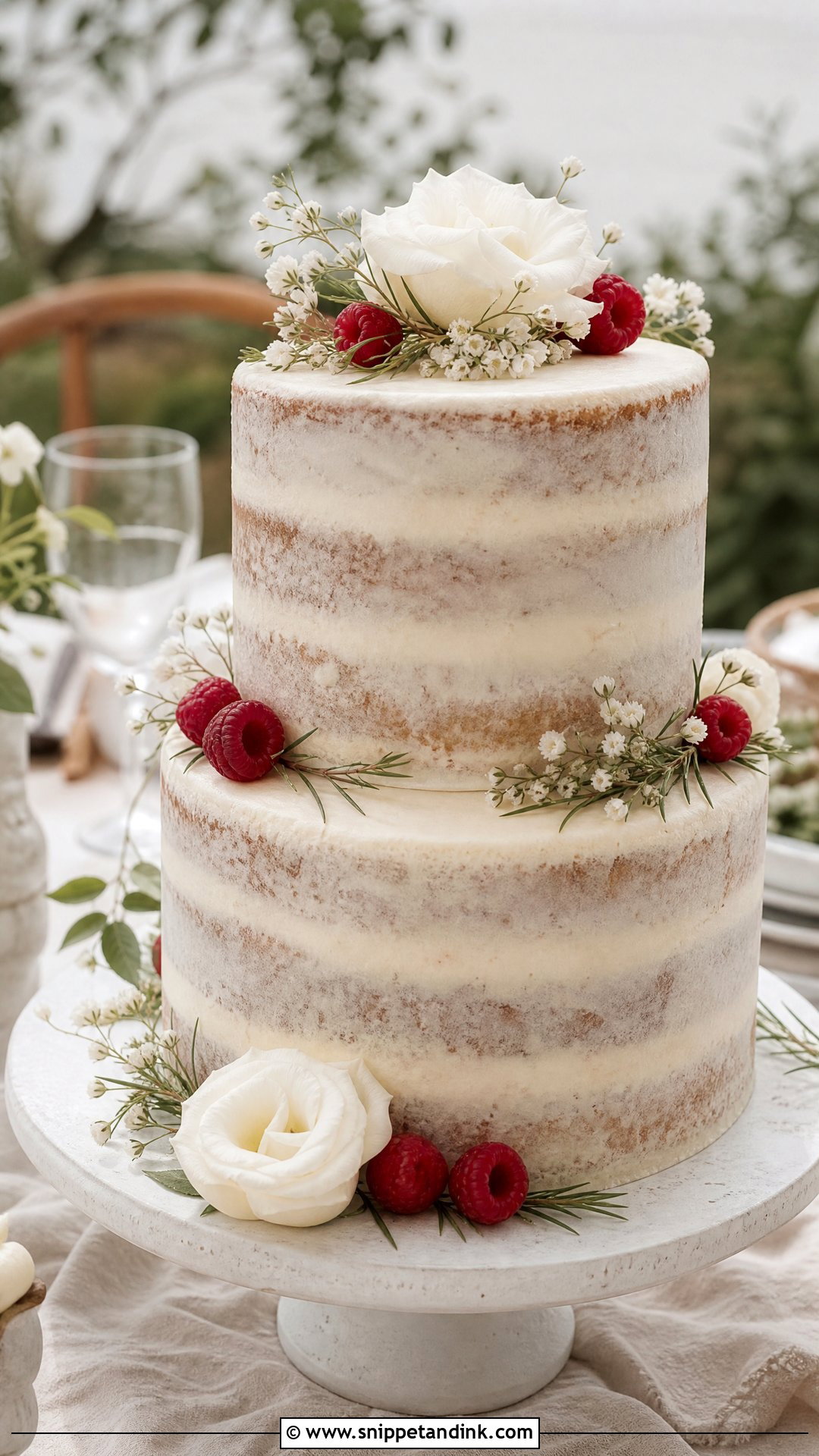
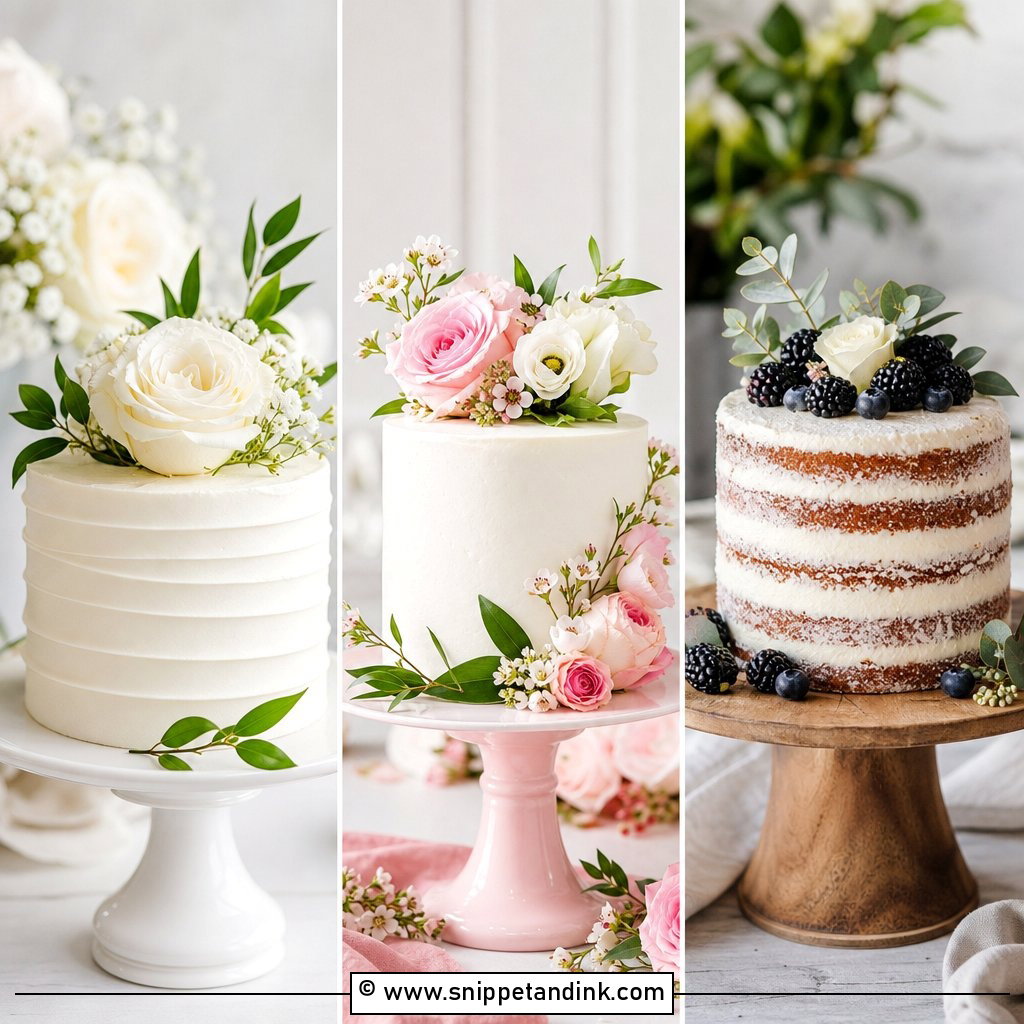
Semi naked sits halfway between rustic and polished. A thin buttercream coat is scraped back so the layers show through softly while the edges look finished. Pale sponges such as vanilla bean, almond or lemon keep the color gentle; dark chocolate shows through as stripes, which some couples love and others don’t, so I show a photo of each before we decide. Fresh berries, white flowers or a little greenery make it wedding-ready for gardens and small receptions.
12. 2 Tier Textured Buttercream Wedding Cake
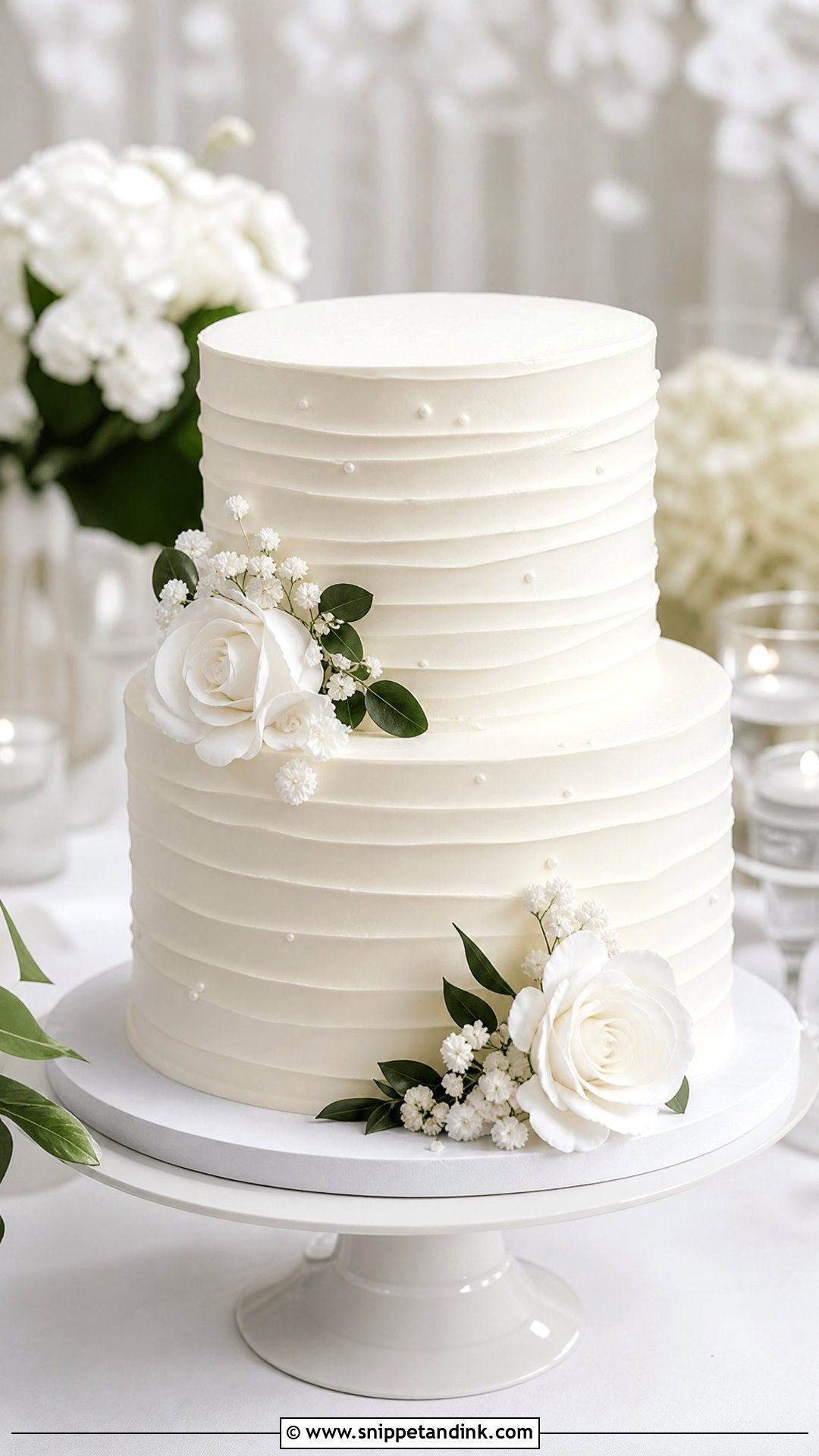
Texture gives a small cake depth without adding decoration. Soft horizontal lines, a gentle stucco finish and palette-knife strokes all begin from the same crumb-coated cake; the tool decides the mood. Ivory, warm white or pale blush keep it classy, and a few small flowers or pearl details are enough. Texture also forgives small dents from delivery, which matters when a cake has to travel any distance.
13. 2 Tier Wedding Cake With Lace
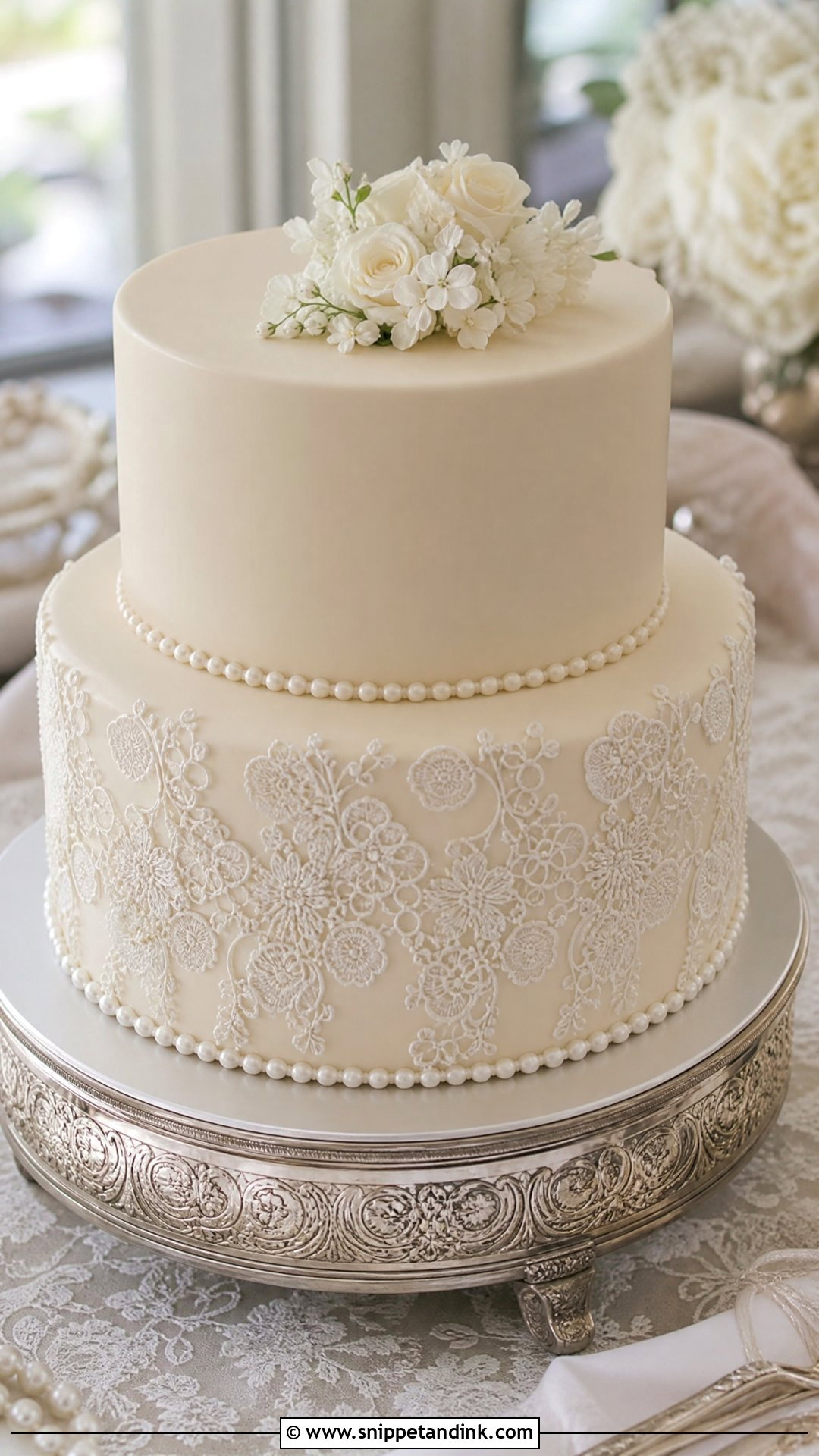
Lace on a cake can mirror the gown, which is why I ask to see a photo of the dress before designing it. It can be made from fondant pressed into silicone lace molds, piped by hand in royal icing, or stenciled. Hand-piped lace is slow work and is priced accordingly. I usually put lace on one tier only and keep the other smooth for balance. White or ivory over white is traditional, while champagne adds warmth. Historic venues and classic weddings suit it.
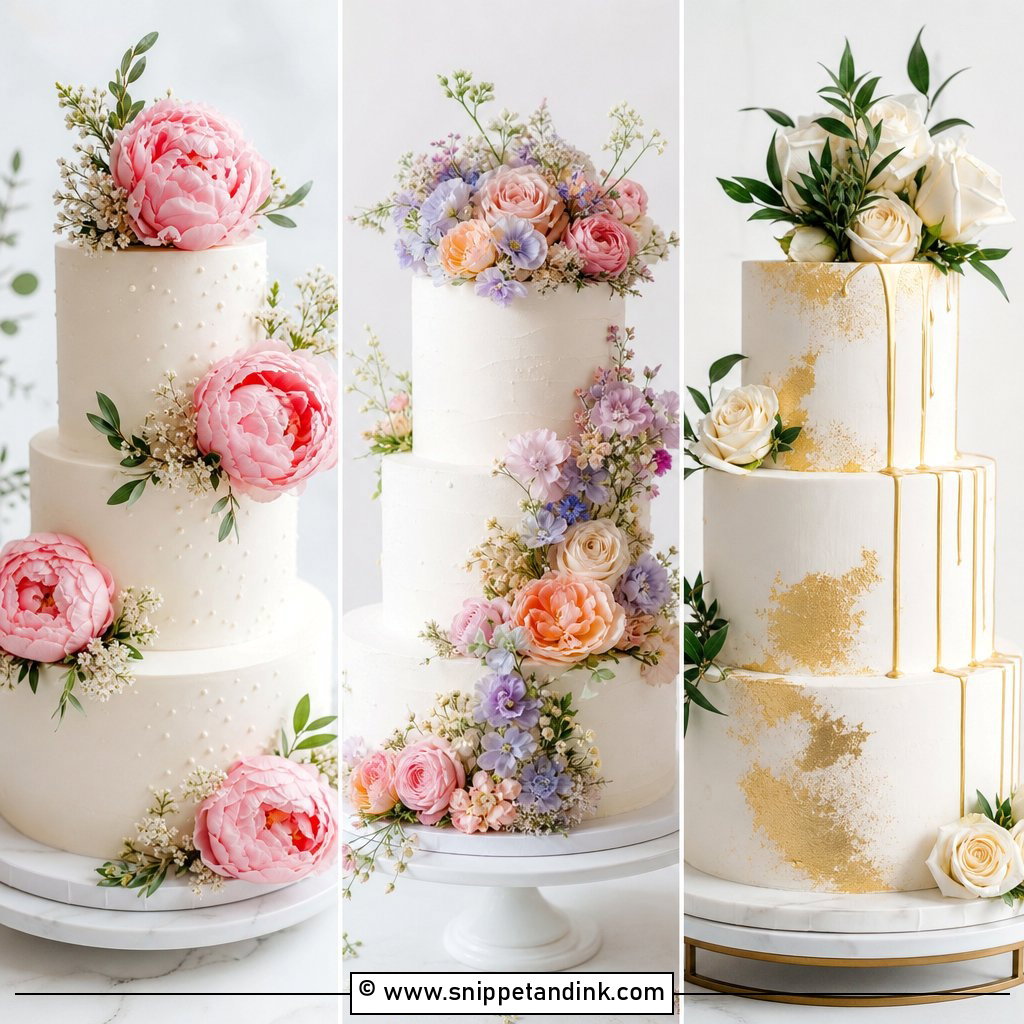
14. 2 Tier Wedding Cake With Floral Cascade
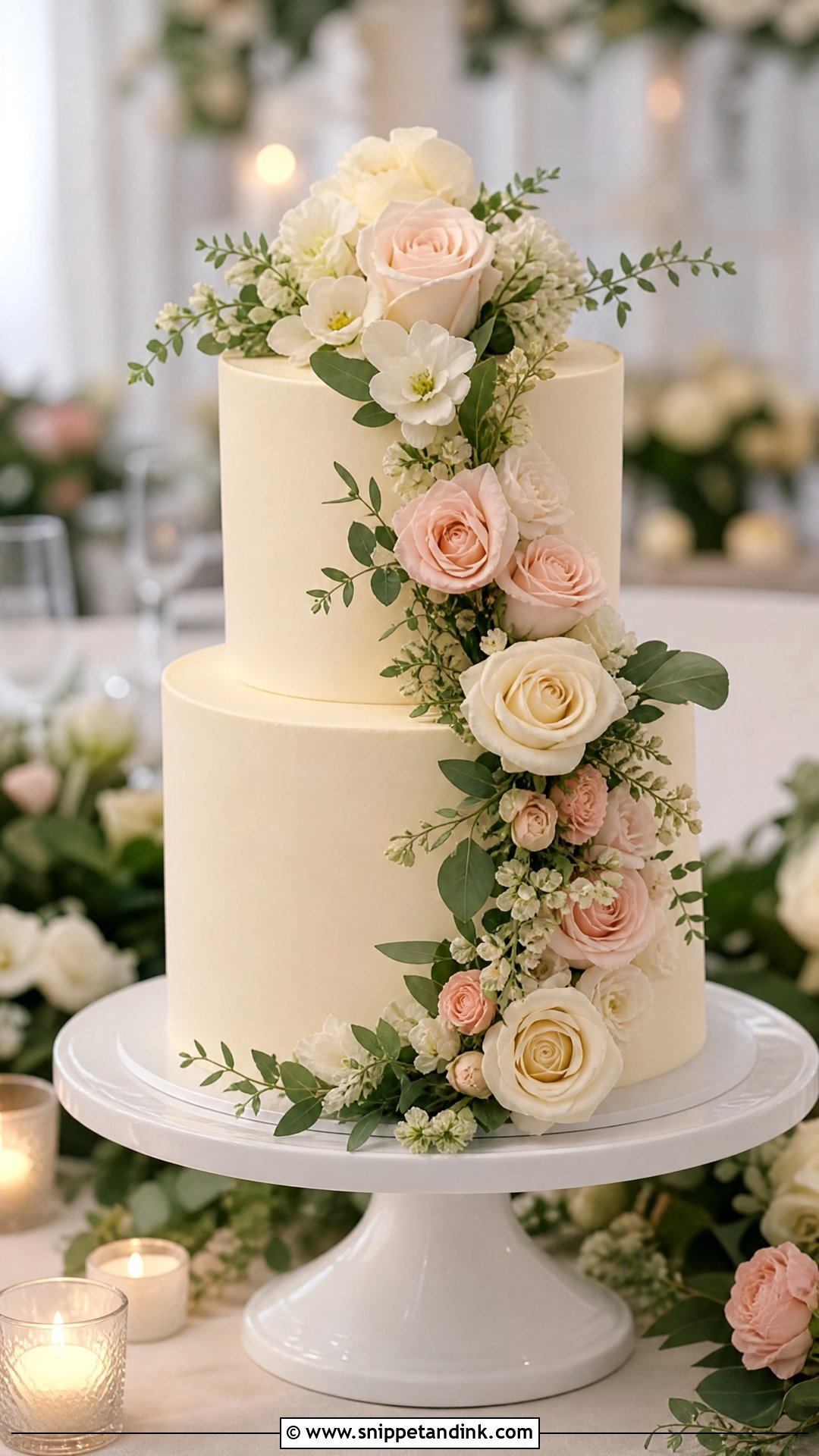
On two tiers a cascade has a short run, so the flower choice matters more than the quantity. I stick to two or three flower types plus soft greenery, in white, blush, cream or pale peach, and let the line curve from the top edge down past the join to the base. Any more varieties and it starts to look like a bouquet laid on a cake. A plain stand keeps attention on the movement, and matching the bridal bouquet ties it together.
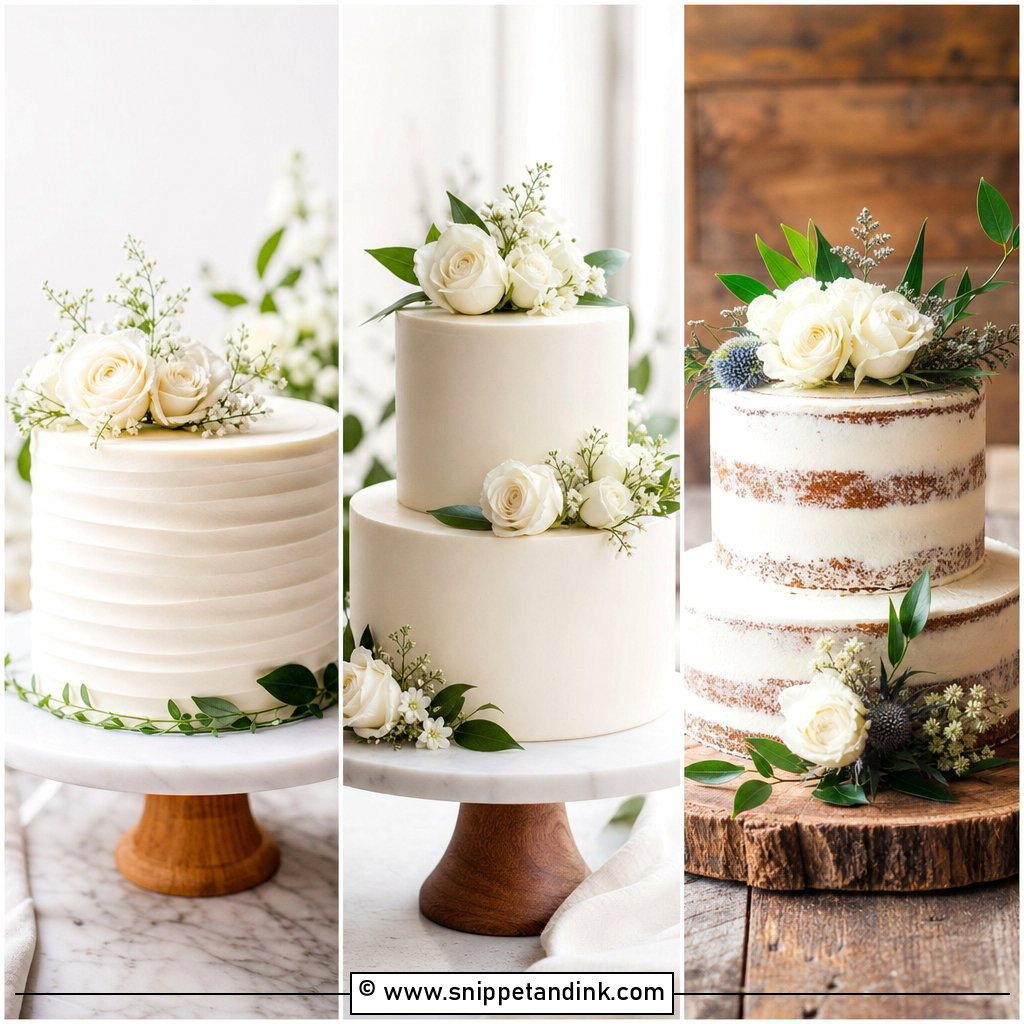

15. 2 Tier Wedding Cake With Sugar Flowers
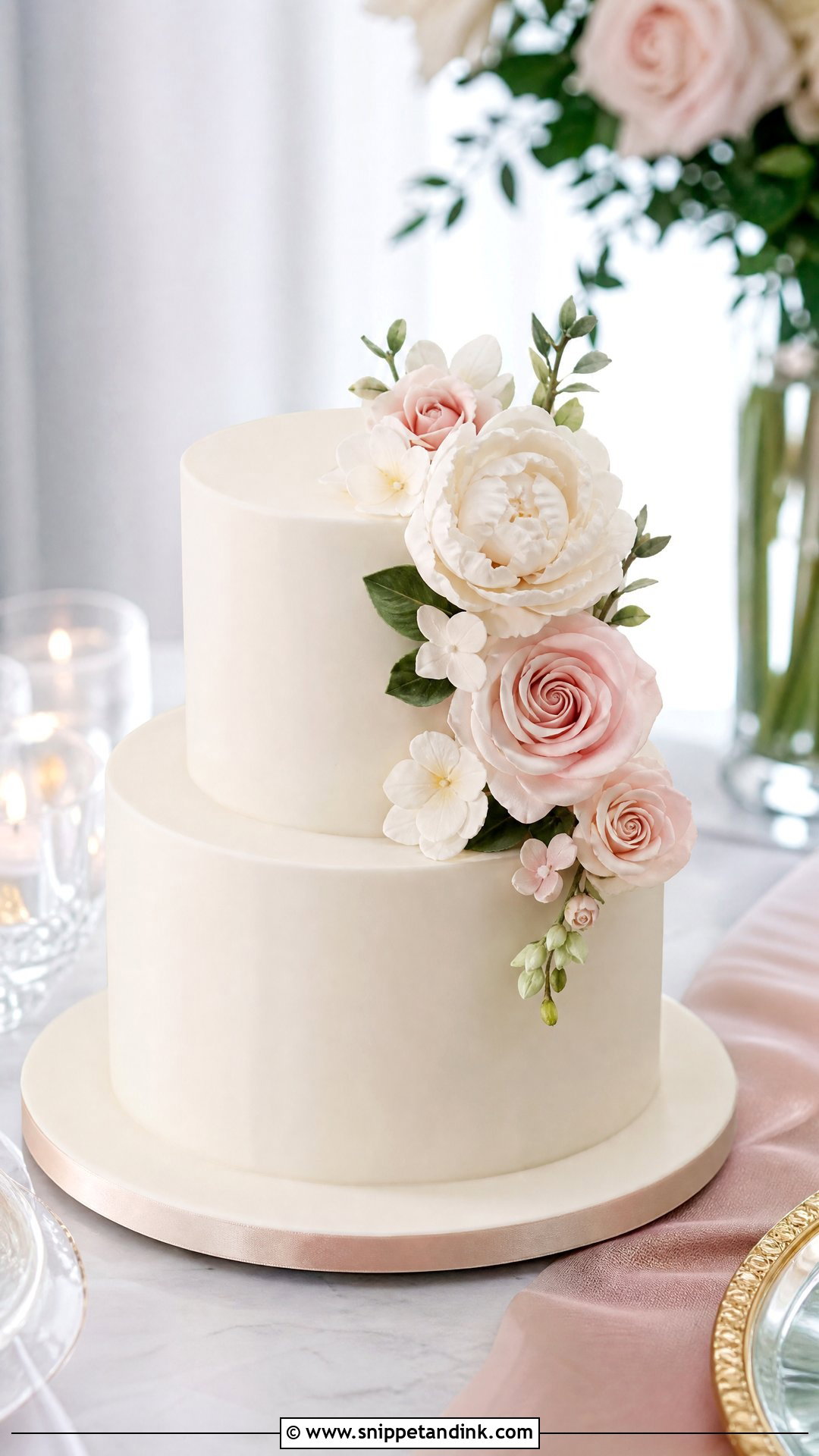
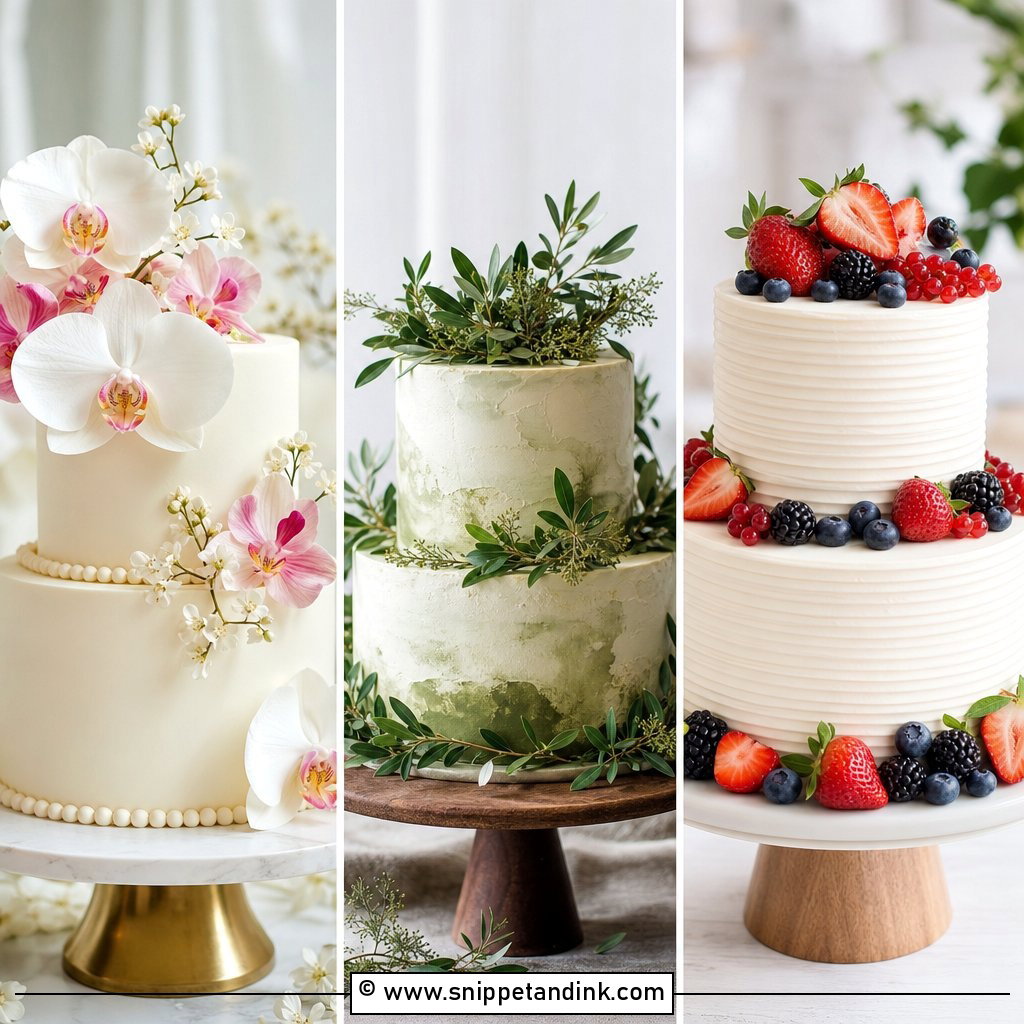
A wedding cake with sugar flowers sidesteps every question that comes with fresh blooms: no toxicity worries, no wilting, no pesticide. Sugar flowers are built from gum paste one petal at a time and dried for days, so they need ordering well ahead. Roses, peonies, orchids and tiny blossoms can all be color-matched exactly. On two tiers, one statement cluster looks better than flowers on every side. They’re especially useful in summer heat, and they can be kept afterward as a keepsake, though they aren’t pleasant to eat.
16. 2 Tier Wedding Cake With Blush Flowers
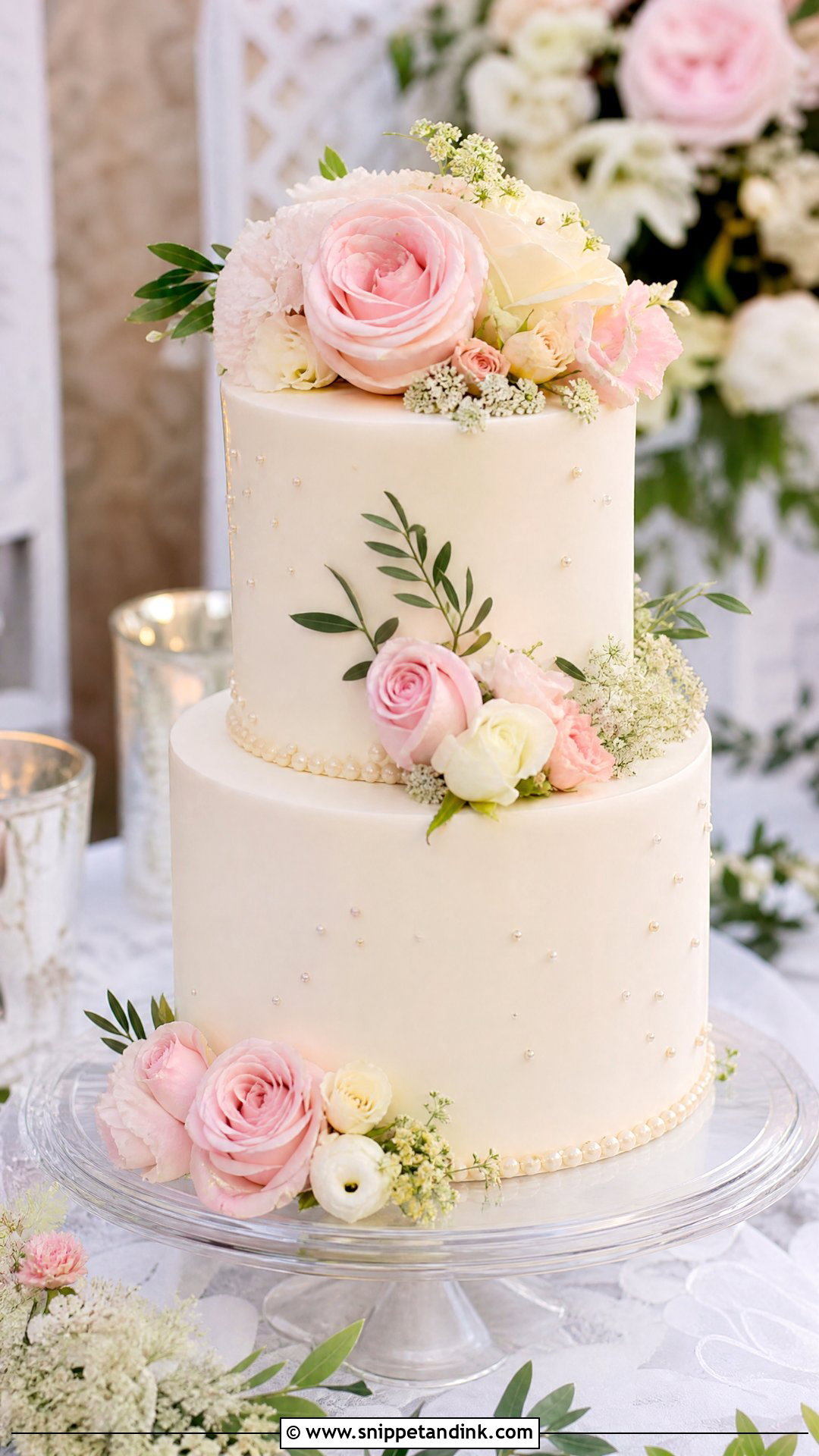
Blush is easy to get wrong on camera. Bright pinks can look almost neon under flash, so I keep to muted, dusty shades with cream and light greenery. Blush sits well against ivory icing, champagne accents and pearls. Place the flowers in a small cluster between the tiers, at the base or as a simple topper. Spring weddings and garden venues suit it, and the result feels romantic but grown-up, without loud color.
17. 2 Tier Wedding Cake With Baby Blue Accents
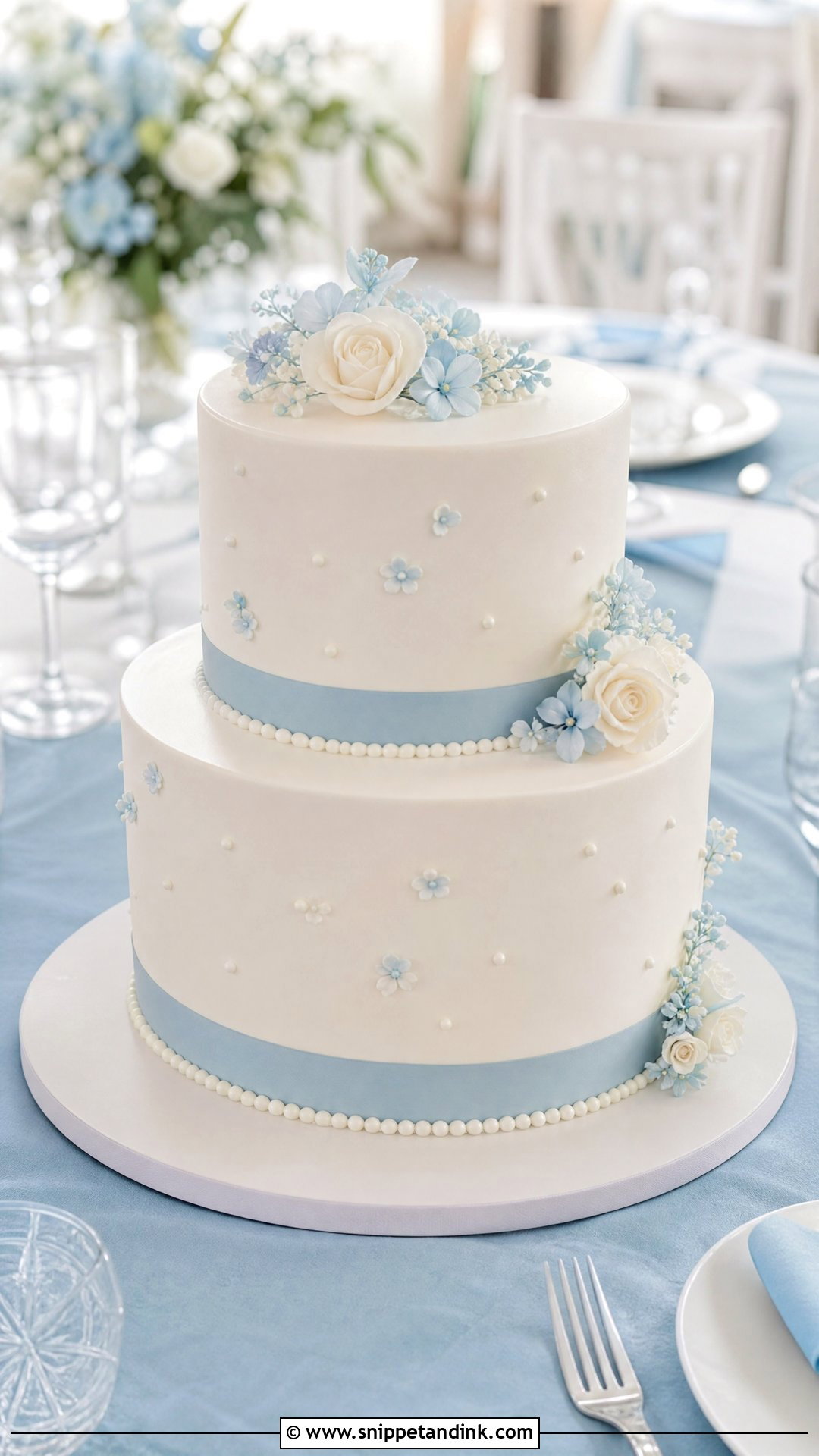
Pale blue is one of the harder colors to mix in buttercream, because the yellow of the butter pulls it toward green. I start from a white base, or add the tiniest touch of violet to cancel the yellow, before any blue goes in. The color can appear as a thin ribbon, a watercolor wash, small sugar flowers or a piped border, with white or ivory carrying the rest. Coastal venues and spring receptions suit it, and silver details or pearl dots keep it polished.
18. 2 Tier Wedding Cake With Black Ribbon
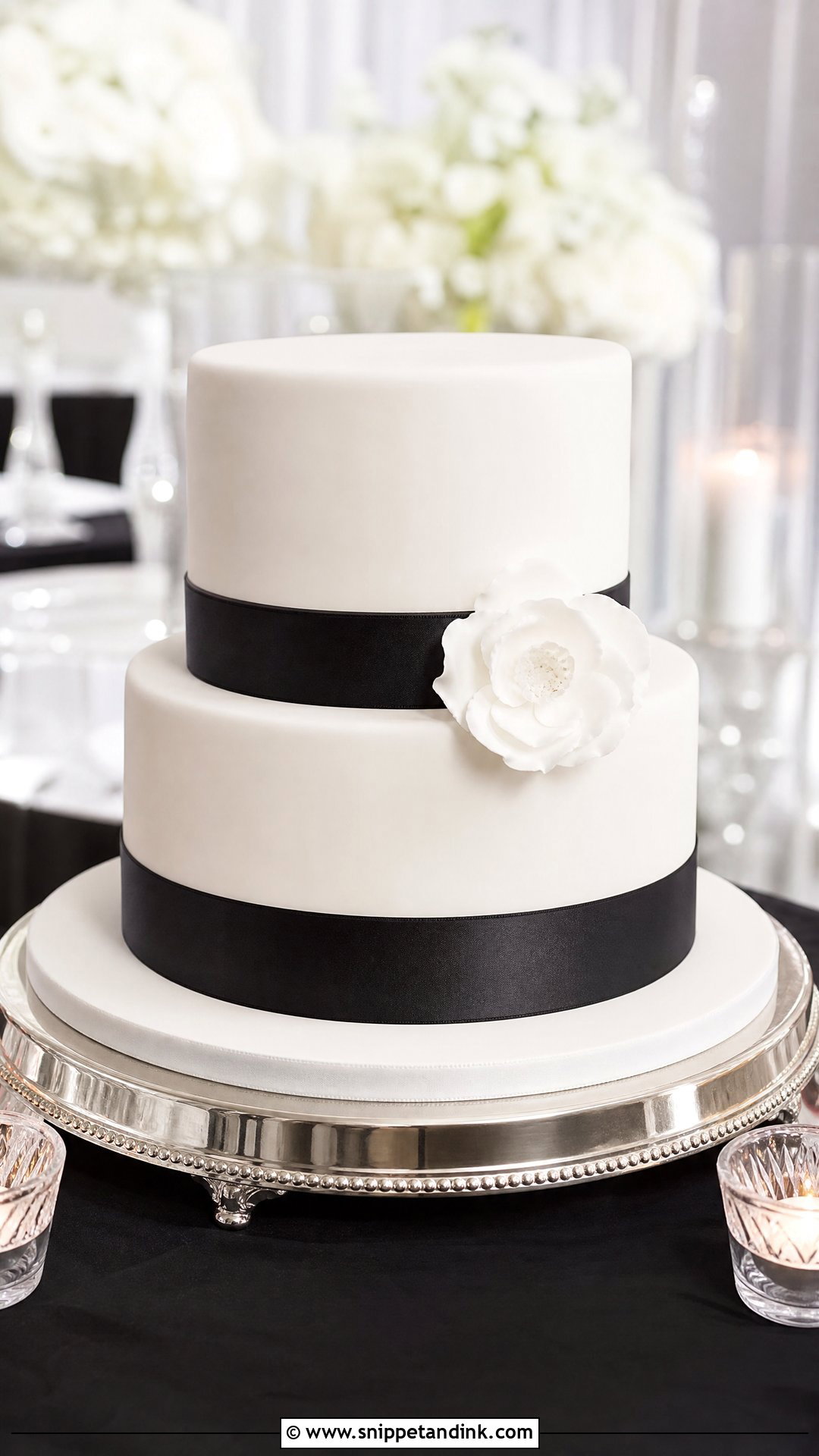
White cake, black ribbon, and almost nothing else. That contrast gives a formal look for evening weddings and black-tie rooms. I make sure black satin is properly backed, since any butter that seeps through shows more on dark fabric, or I cut the band from black fondant instead. The tiers must be smooth and perfectly level, because a straight black line exposes the slightest tilt. A single white flower or a small bow is the most I’d add.
19. 2 Tier Wedding Cake With Small Flowers
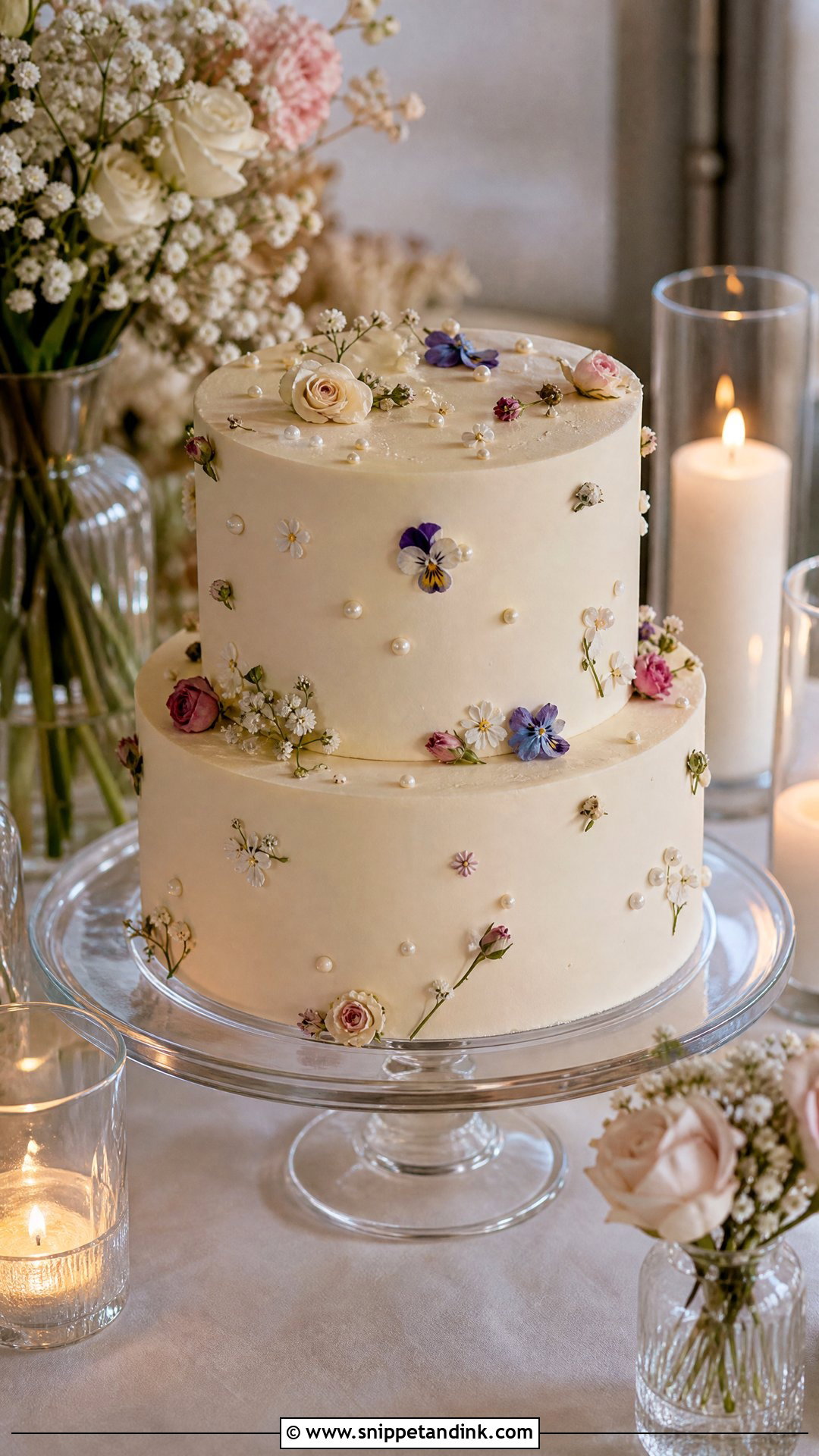
Tiny blossoms give floral detail without a big arrangement. They can trace the tier edges, be scattered lightly or grouped near the top. Mini roses, edible pansies and small sugar blossoms all work; baby’s breath is popular but belongs on a barrier, as it’s mildly toxic. Keep the cake white, ivory or pale cream. The delicate scale suits intimate weddings, with clear glass vases and candlelight around it.



20. 2 Tier Wedding Cake With Minimal Piping
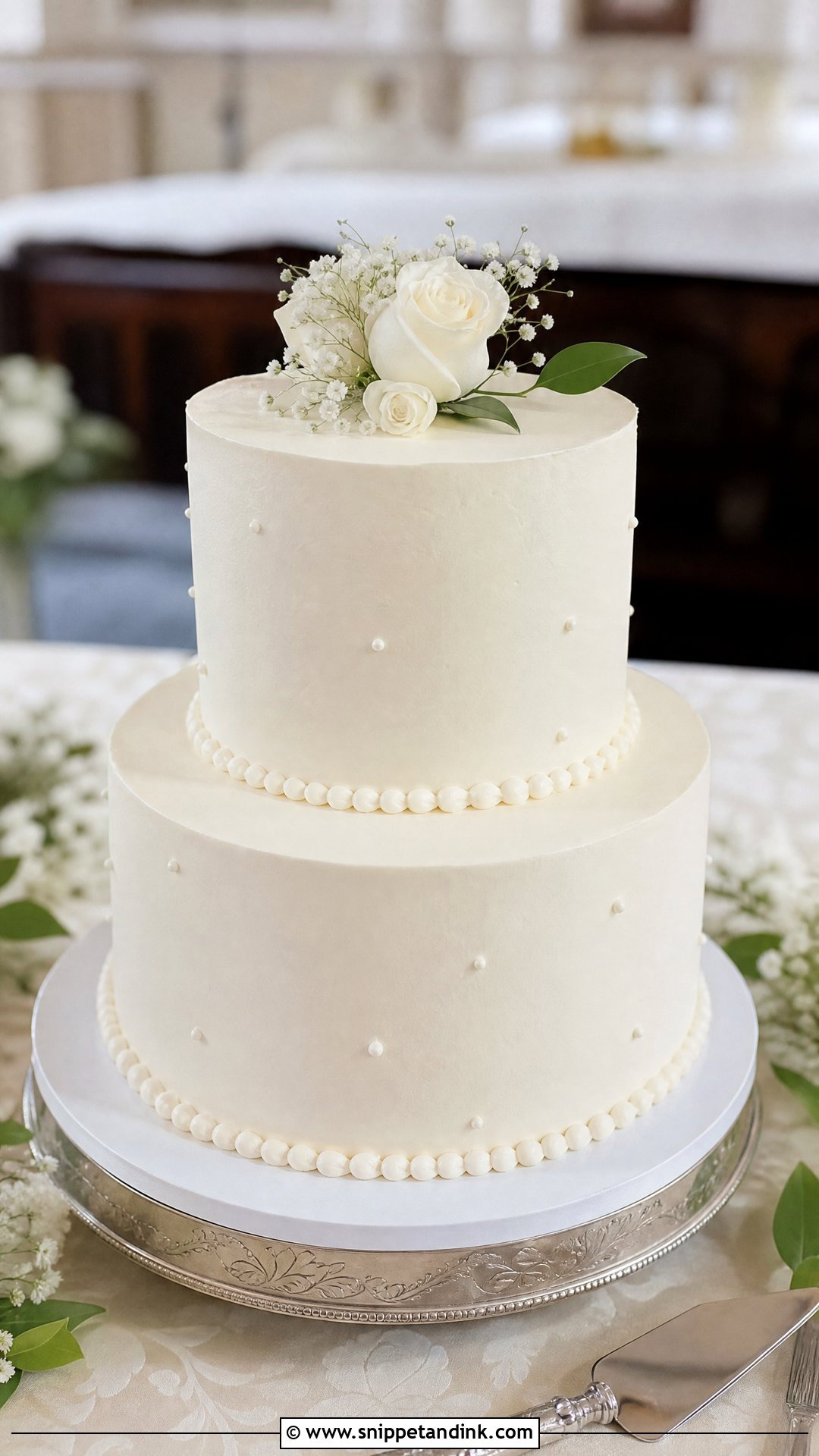
Simple piping shows a baker’s hand more than any other detail, because a wobbly line has nowhere to hide. Small pearl borders, thin shell edges, tiny dots or simple scrolls sit on smooth buttercream or fondant. White-on-white feels traditional; ivory adds a little dimension. I pipe onto a chilled cake with a freshly filled bag, so the pressure stays even all the way round. Courthouse weddings, chapels and formal receptions suit it.
Bring These to Your First Cake Consultation
A small cake still has to fit a real room, so a few details save a lot of back and forth when we meet:
- Your guest count, even a rough one, and whether there’s a dessert table too.
- A photo of the dress and a swatch of the bridesmaid color.
- The venue, whether the reception is indoors or out, and the season.
- Your florist’s name, if fresh flowers will go on the cake.
- The size of the cake table and the stand you’d like, since a short cake on a tall stand looks very different.
If you plan to keep the top tier for your first anniversary, tell me at this stage. I’ll box and wrap it for the freezer, and a tier with buttercream and a firm filling keeps far better than one with fresh fruit or cream.
Lead times worth knowing
Popular bakers often book several months ahead for spring and autumn Saturdays. Sugar flowers are made weeks in advance because they need time to dry, so a design that relies on them can’t be rushed. Final numbers and flavors are usually confirmed a few weeks before the wedding, which is also the right moment to check delivery access at the venue.
Two Tiers, One Clear Detail
Simple classy 2 tier wedding cakes show that a wedding cake doesn’t need size or heavy decoration to feel special. The designs I’m proudest of usually start from a clean shape, a soft palette and one clear detail that suits the couple: flowers for romance, pearls for something bridal, ribbon for tailoring, texture for a modern feel. A two-tier cake also leaves room for practical extras, like a kitchen sheet cake for more servings or a small dessert table. Save the looks you like and bring them to your baker, so the final cake reflects the two of you.
You'll Like These Ideas:






Leave a Reply