
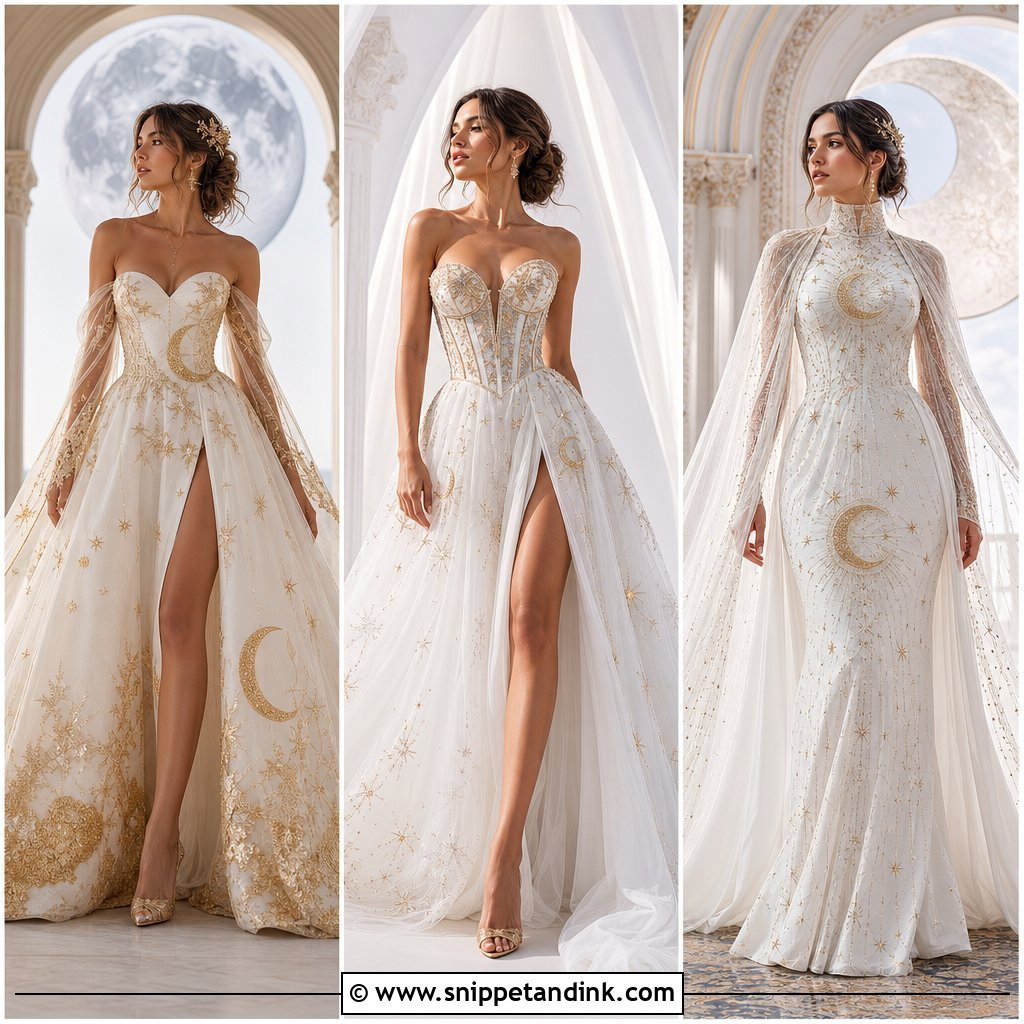
Tulle is a fine net, light enough to float yet sturdy enough, in enough layers, to hold up an enormous skirt. That double life is why it shows up both as the visible cloud on a ball gown and as the hidden scaffolding underneath one. The gowns below run from plain strapless shapes to floral appliqué, corsetry, sleeves and basque waists. Before you fall for a picture, think about the neckline, where the waist sits, how long the train is and how many layers you can carry for a whole day. Your taste might be classic or whimsical, glamorous, or understated; each of these has a version that holds up past the first dance.
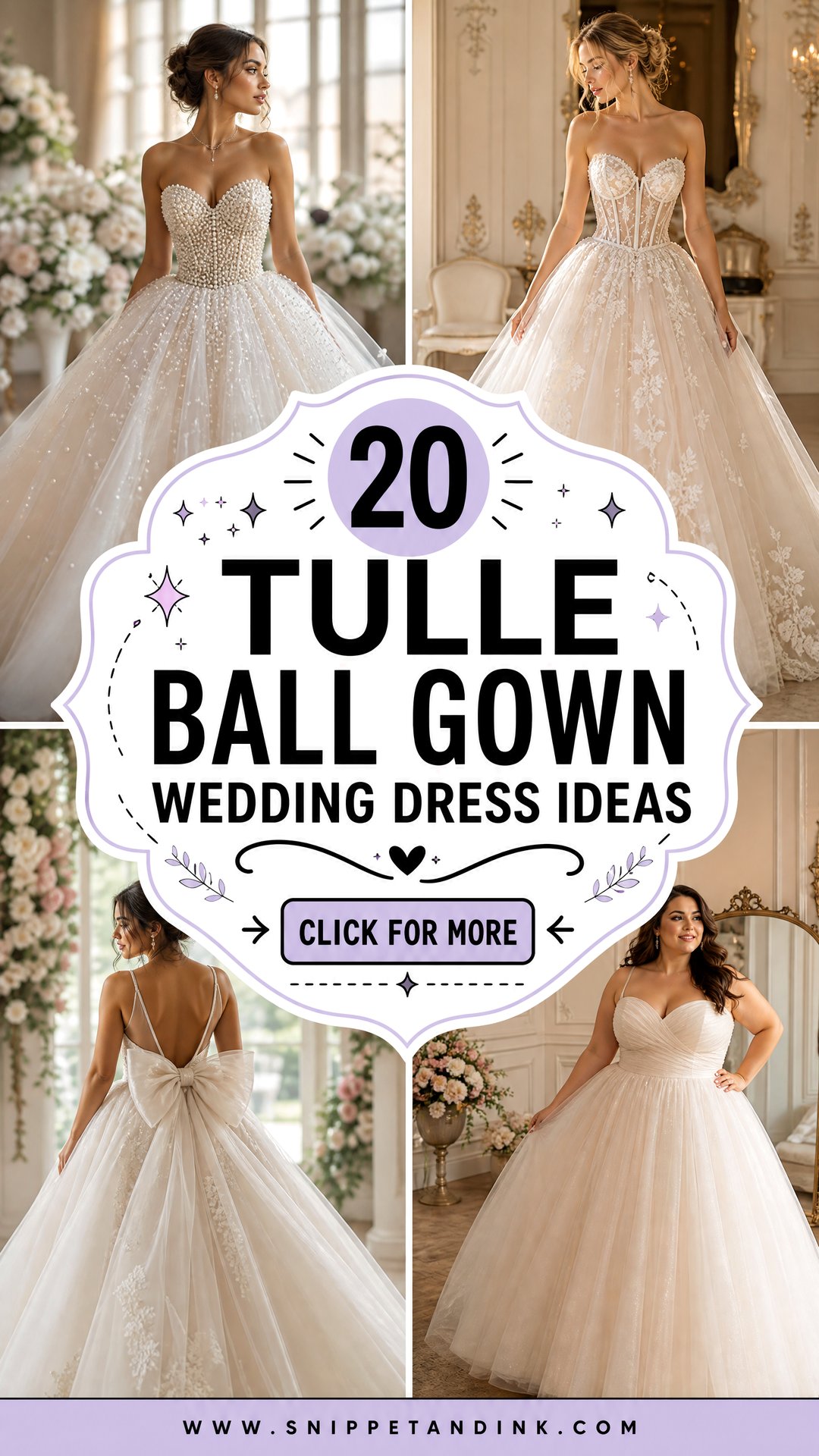
Silk Tulle, Nylon Tulle and Soft Tulle Behave Differently
Brides tend to say tulle as if it were one fabric. In the fitting room it’s at least three, and the one in your gown changes how it moves, how it photographs and how it survives the day.
- Silk tulle is the softest and drapes close to the body. It’s expensive, delicate and wrinkles easily, so it rarely carries volume alone.
- Crisp nylon or polyester tulle holds air and builds the classic cloud. It can feel scratchy against bare legs, which is why good gowns line it.
- Soft tulle, a finer, drapier net, sits between the two. It moves well and photographs smoothly but needs more layers to reach the same width.
Most ball gowns combine them: stiff layers underneath for shape, softer layers on top for movement. Run your hand over the outer skirt and then lift it to look at what’s under it. That tells you more about how the gown will wear than the sample label does.
1. Strapless Sweetheart Tulle Ball Gown Wedding Dress
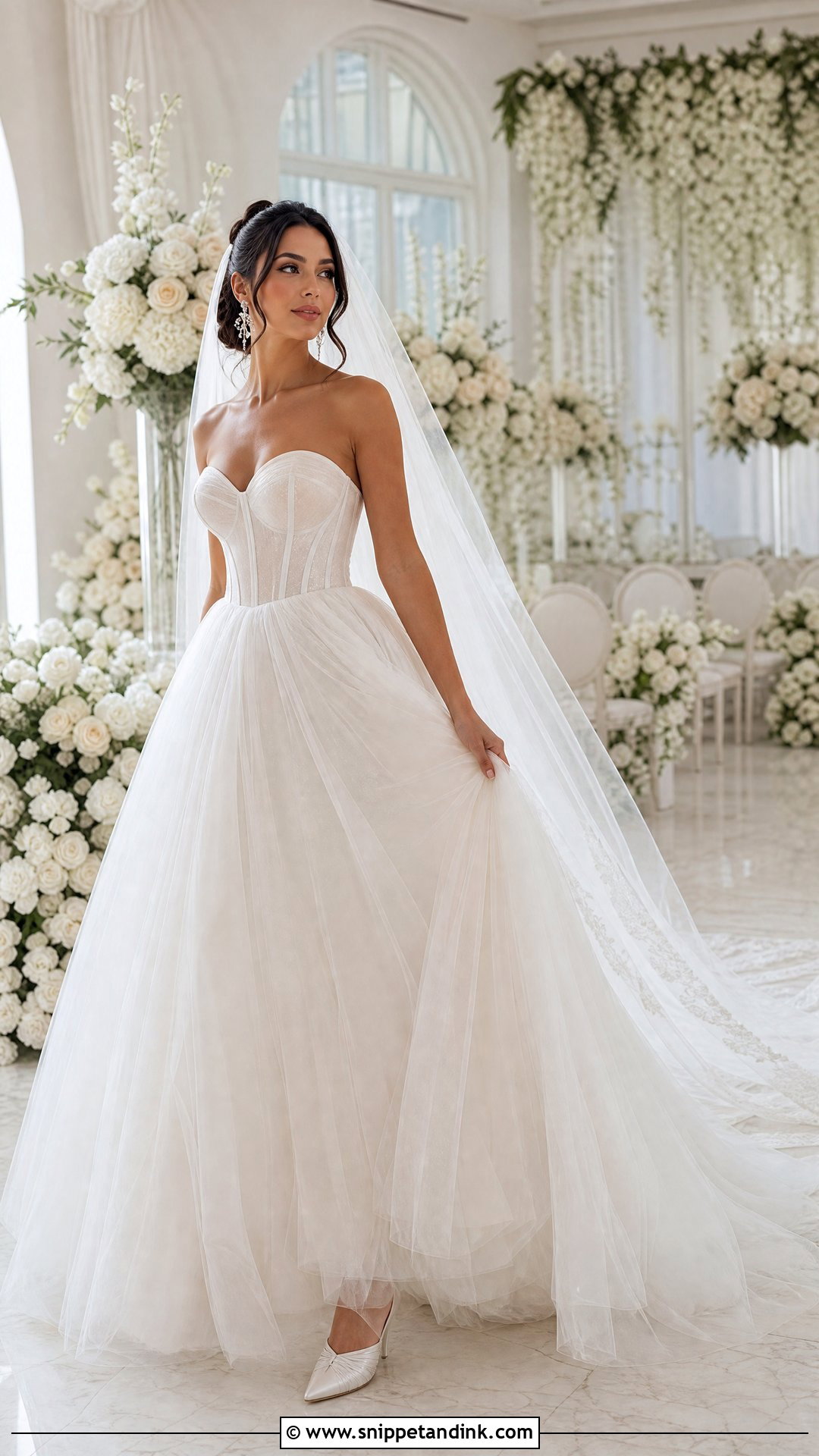
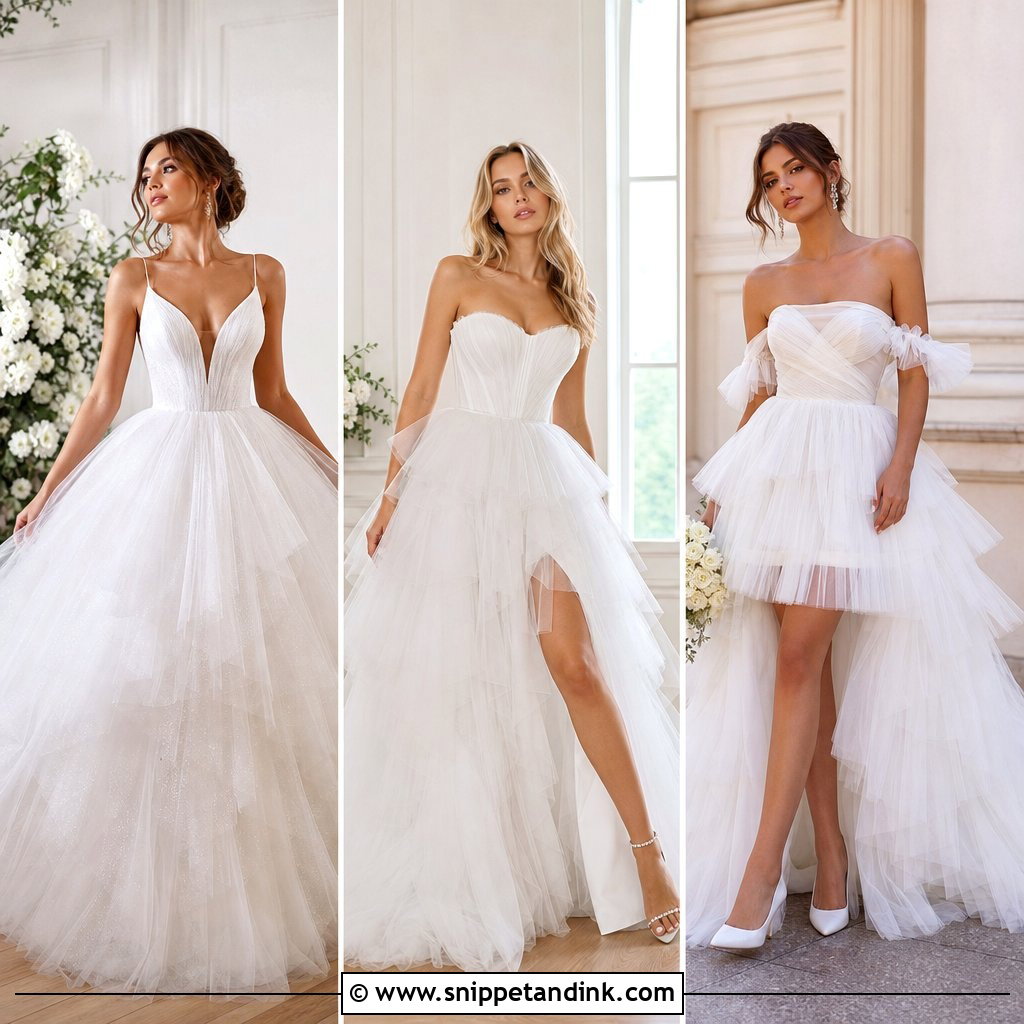
The strapless sweetheart is the shape most people picture when they hear ball gown. The curve frames the collarbone, and a structured bodice anchors the waist so the skirt’s weight doesn’t pull it down. Smooth gathered tulle looks clean; softly pleated layers add texture. A chapel train is the sweet spot for drama you can still manage. I skip the necklace here, since the neckline is already doing the work. Crystal studs, a fine bracelet, pointed pumps and a low bun or Hollywood waves keep attention on the bodice.
2. Long Sleeve Lace Tulle Ball Gown Wedding Dress
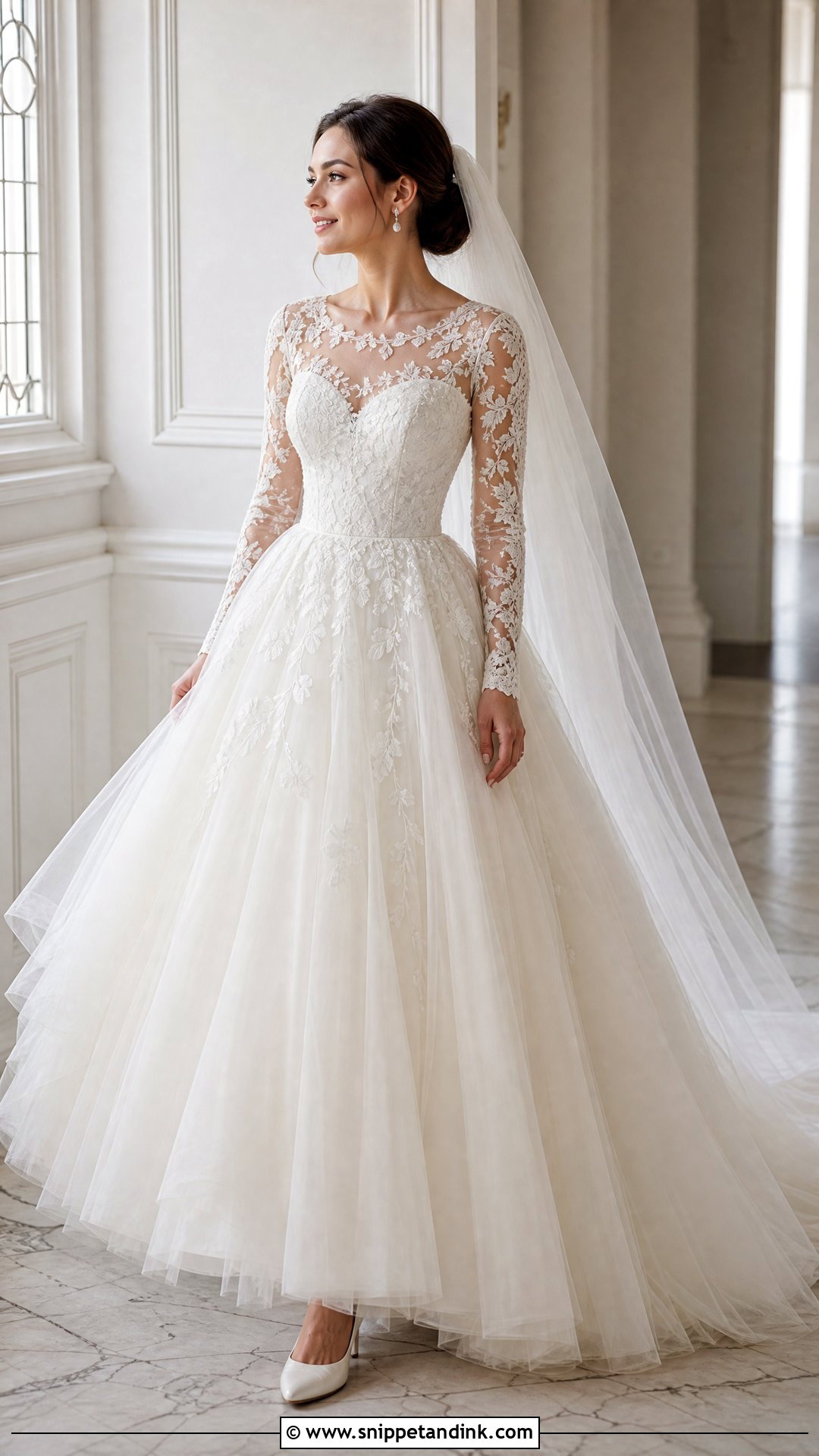
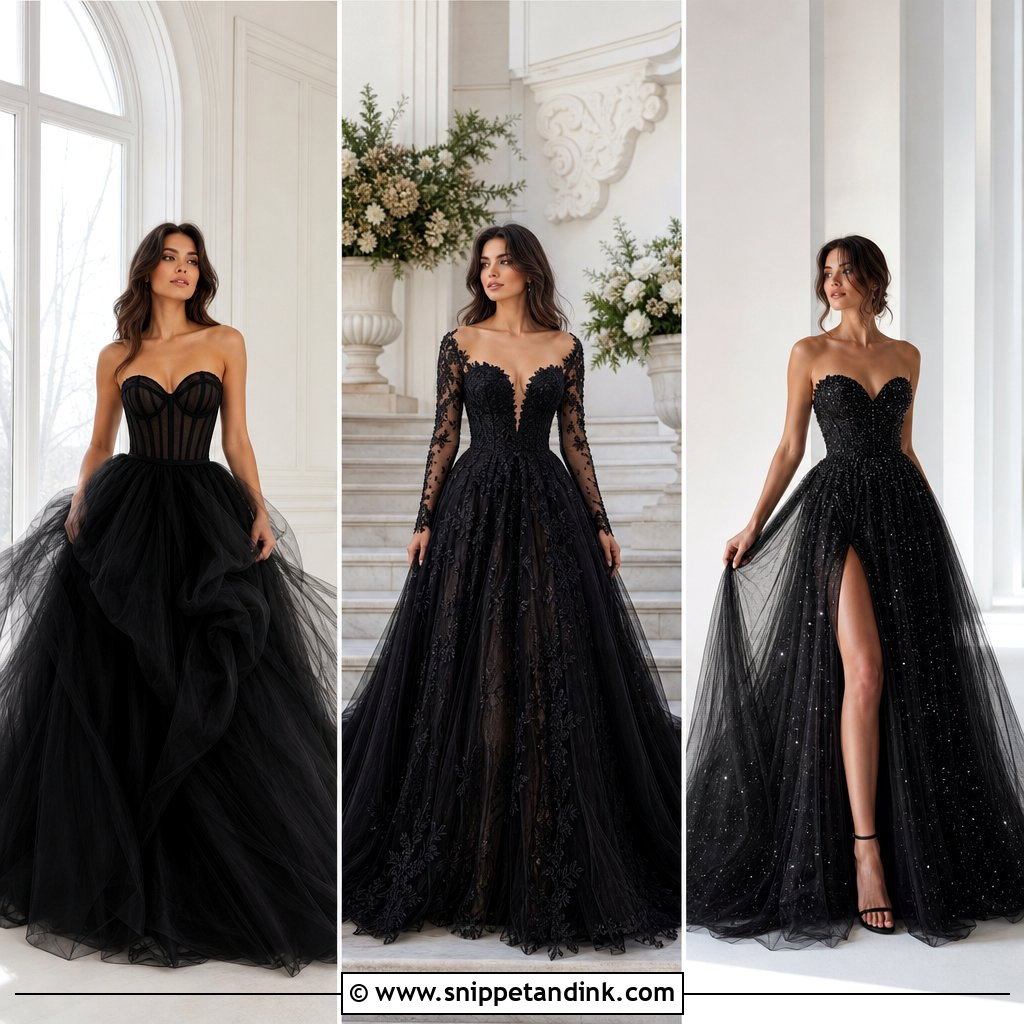
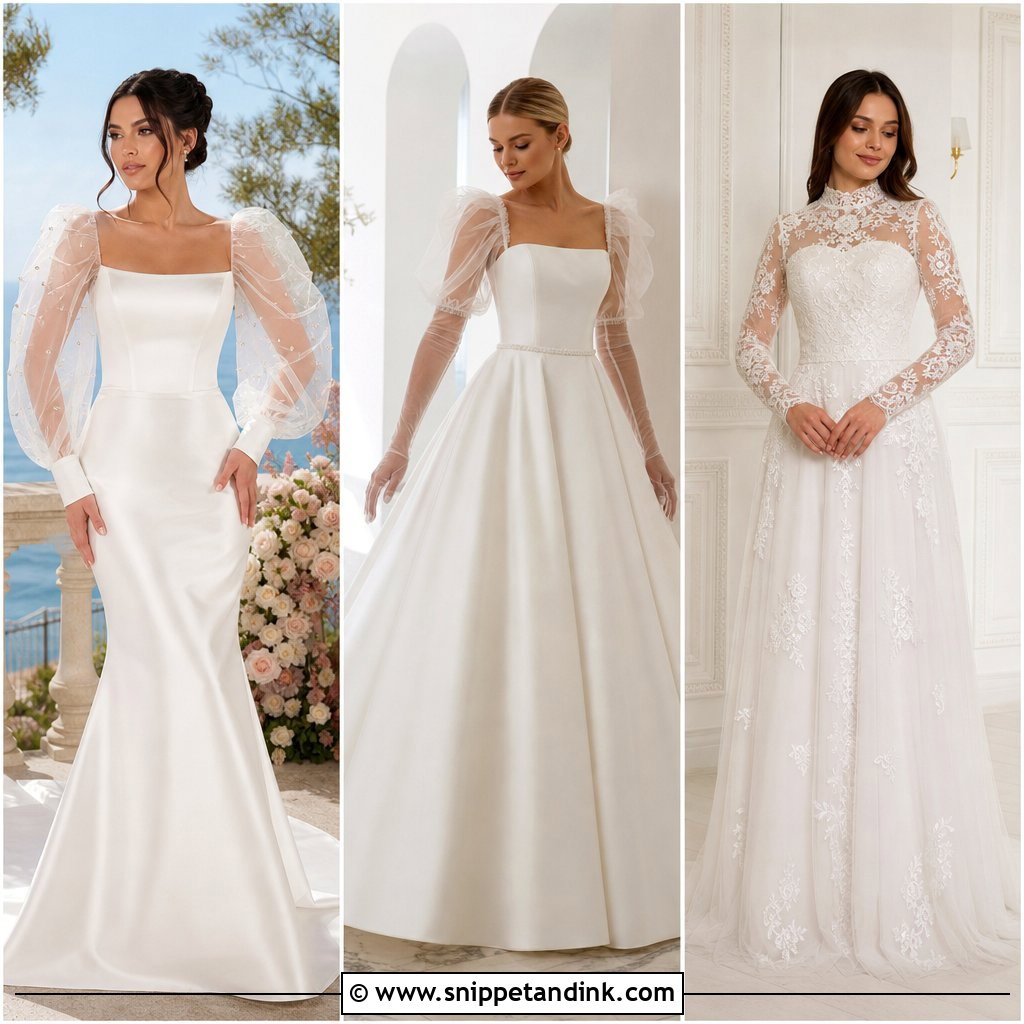
Lace sleeves on a big tulle skirt give coverage and a slightly old-world feel. The appliqués should run continuously over the neckline, arms and waist; gaps where pieces meet look like patching. A lined bodice covers more, sheer sleeves feel lighter. The weak point is the shoulder: if the sleeve is set too low, you can’t raise your arms without the whole bodice lifting. I always have a bride reach up and forward before the tailor pins anything. Satin pumps, pearls and a plain veil keep the lace in charge, and cooler months suit it.
3. Basque Waist Tulle Ball Gown Wedding Dress
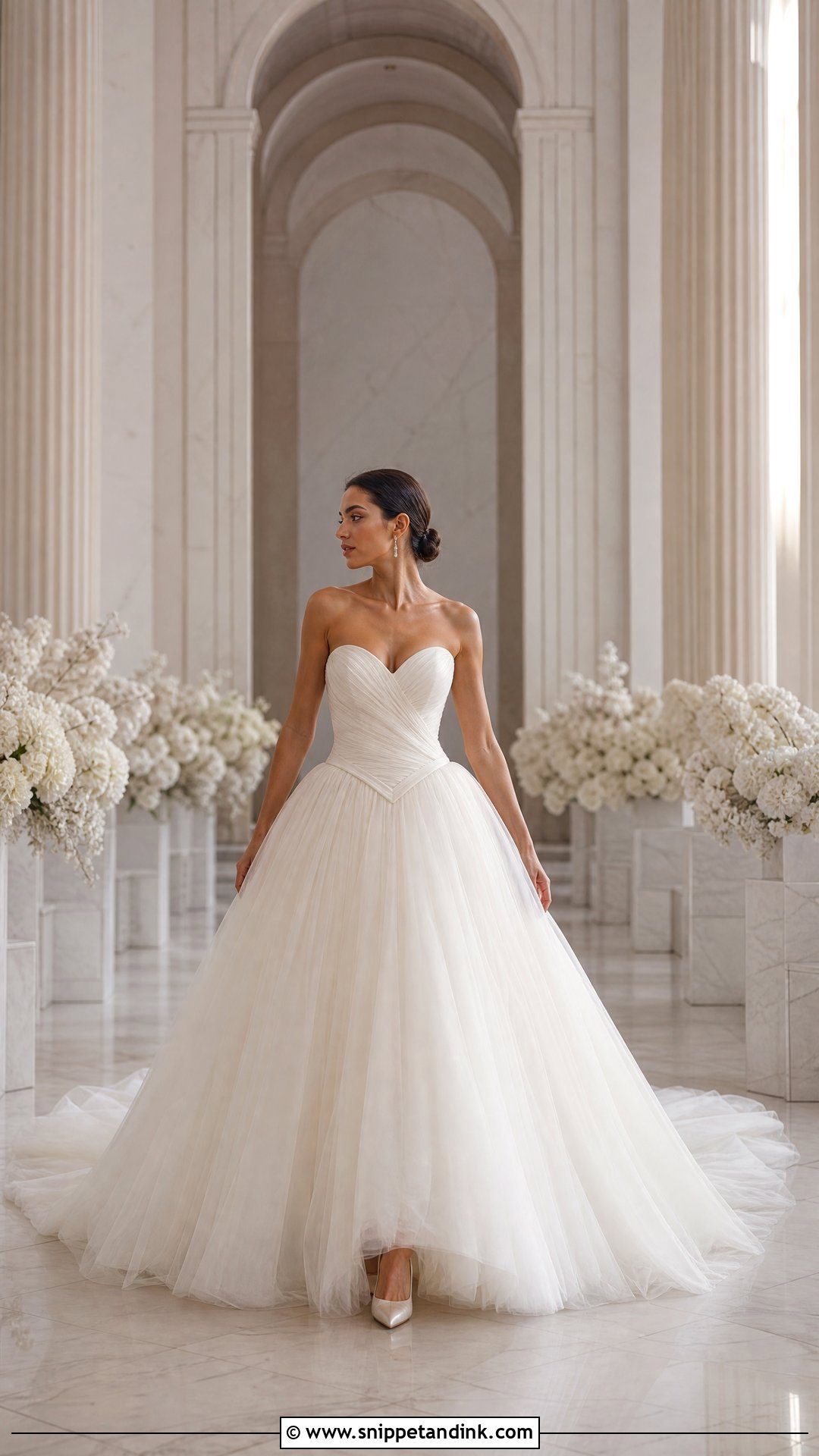
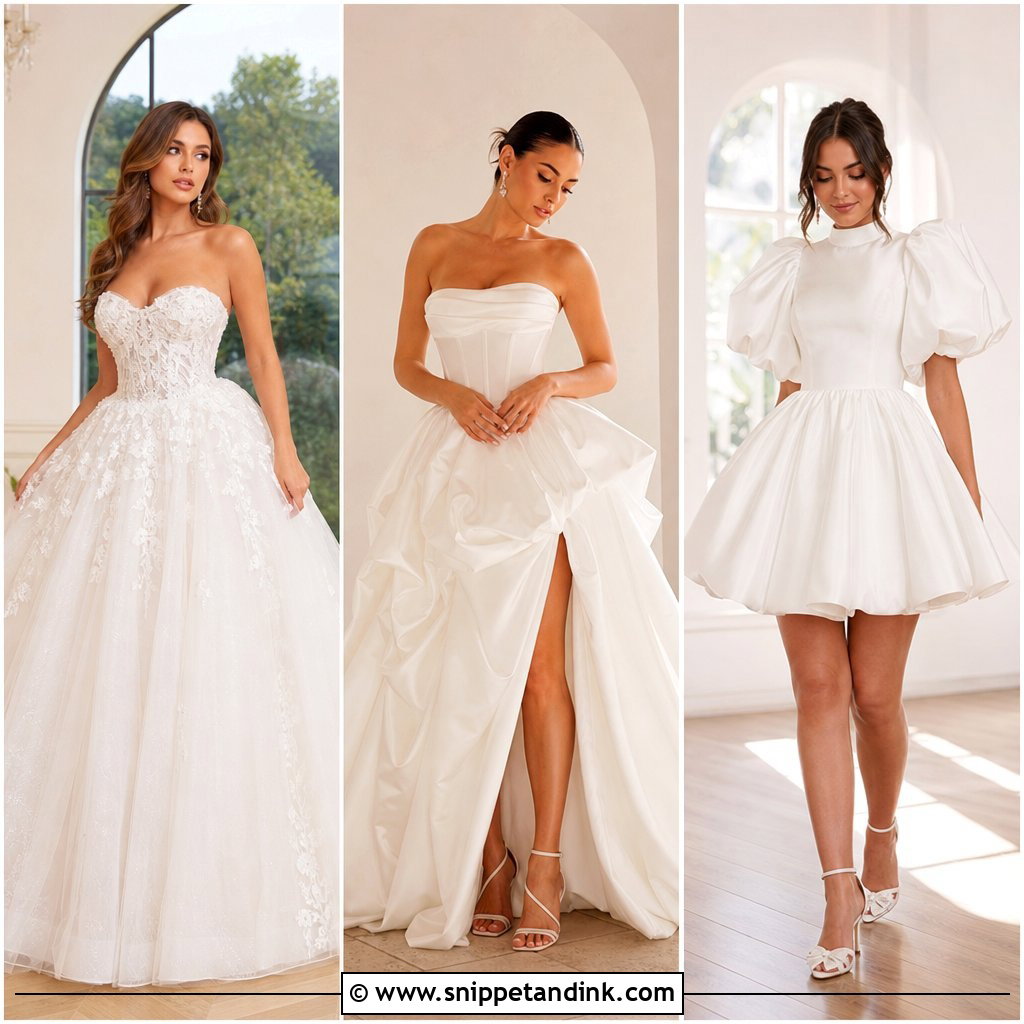
A basque waist tulle ball gown dips to a point below the natural waist, which lengthens the torso before the skirt bursts out. It looks most dramatic with a corset bodice, a sweetheart neck and hand-pleated tulle, and designers often add detachable sleeves or extra skirt layers to the same base. Sit down in it at every fitting. The point should lie flat against you; if it folds, lifts or digs in when you sit, the boning at the tip needs softening. Drop earrings, a sleek bun and a long plain veil are all it needs.
4. Off The Shoulder Tulle Ball Gown Wedding Dress
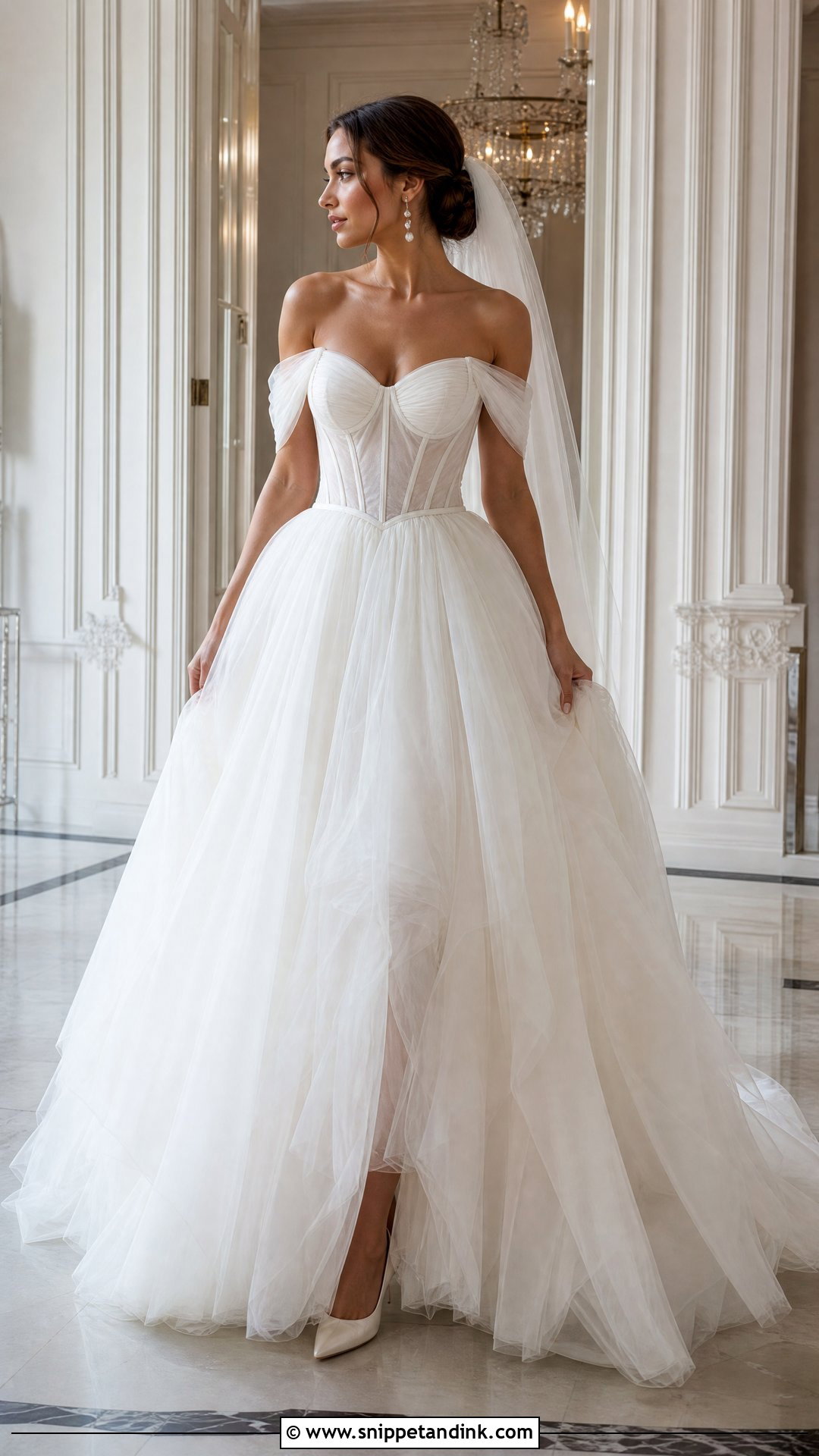
Off-the-shoulder sleeves can be draped, swagged in tulle or shaped with lace. Whatever the style, the bodice underneath must hold itself up, because the sleeves sit on your arms and can’t carry weight. A supportive corset with a gentle scoop and a full skirt with a chapel train look right together. Reach forward and lift your arms at the fitting; if you can’t, detachable sleeves are the answer. Closed-toe heels suit a ballroom, embellished flats an outdoor lawn.
5. Floral Appliqué Tulle Ball Gown Wedding Dress
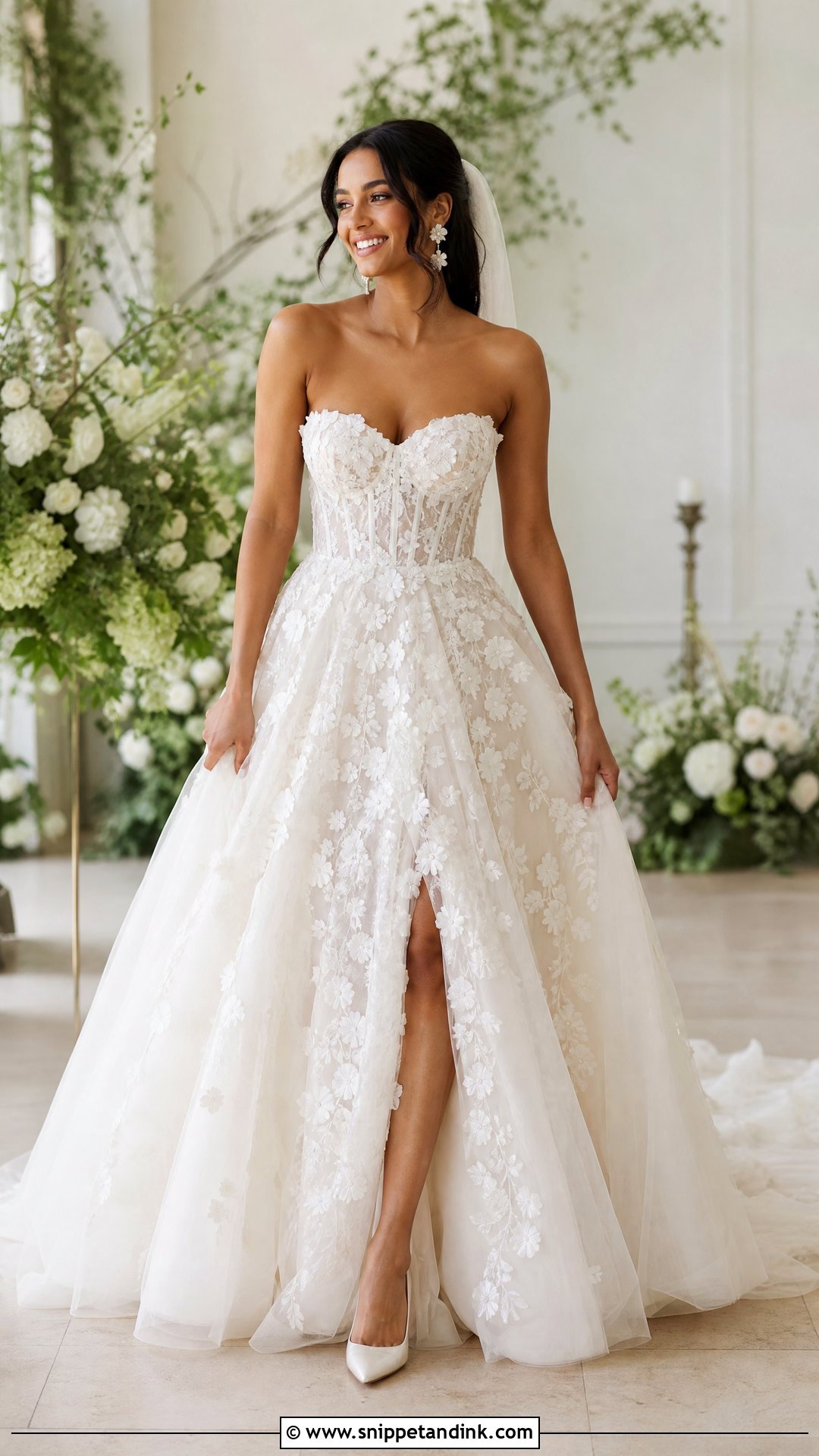
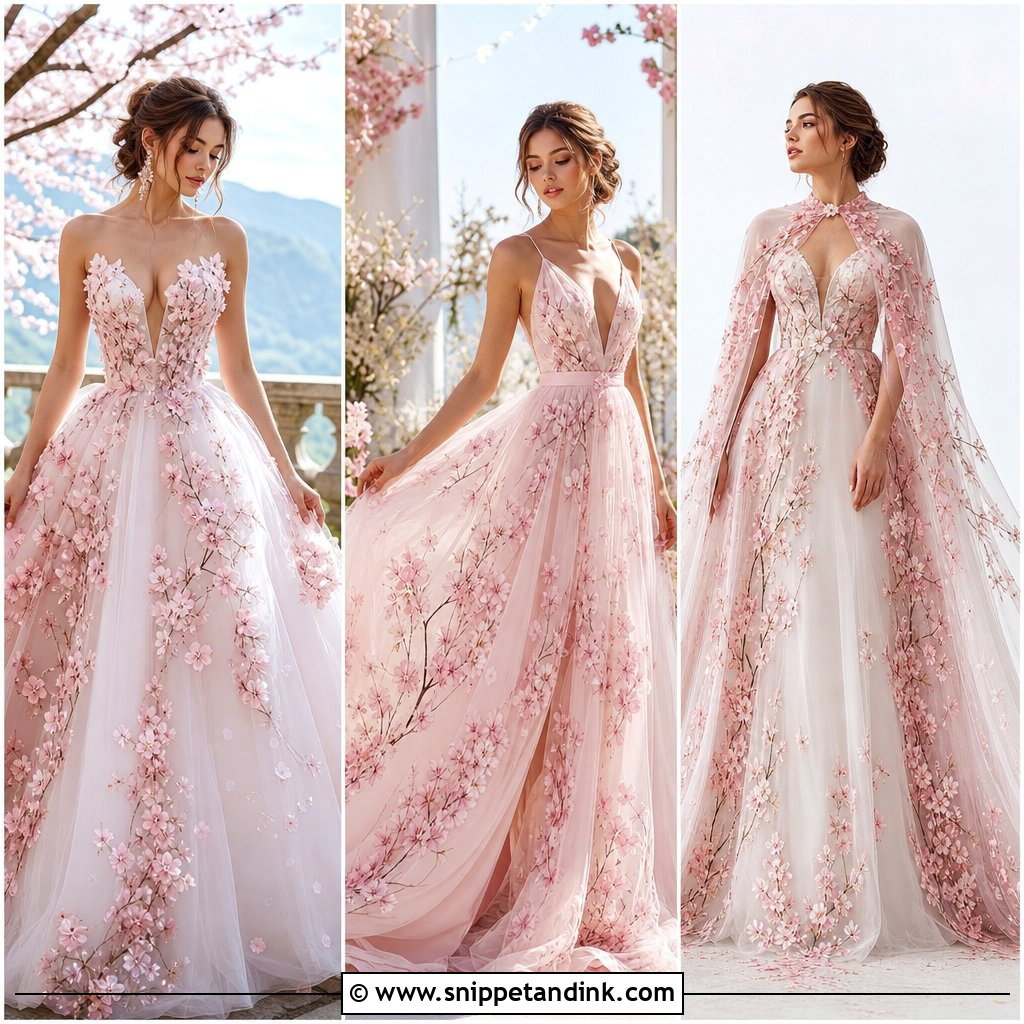
Appliqué that starts on the bodice and scatters across the skirt ties the whole gown together, so the full skirt doesn’t look like a separate piece. Vines, raised petals or lace flowers all work over a strapless or square-neck corset. Raised petals snag veils, which I see more than any other appliqué problem, so turn and walk with the veil on before you commit, and check every petal is stitched down. Keep the bouquet to white and green, with blush if the tulle is ivory.
6. Pearl Tulle Ball Gown Wedding Dress
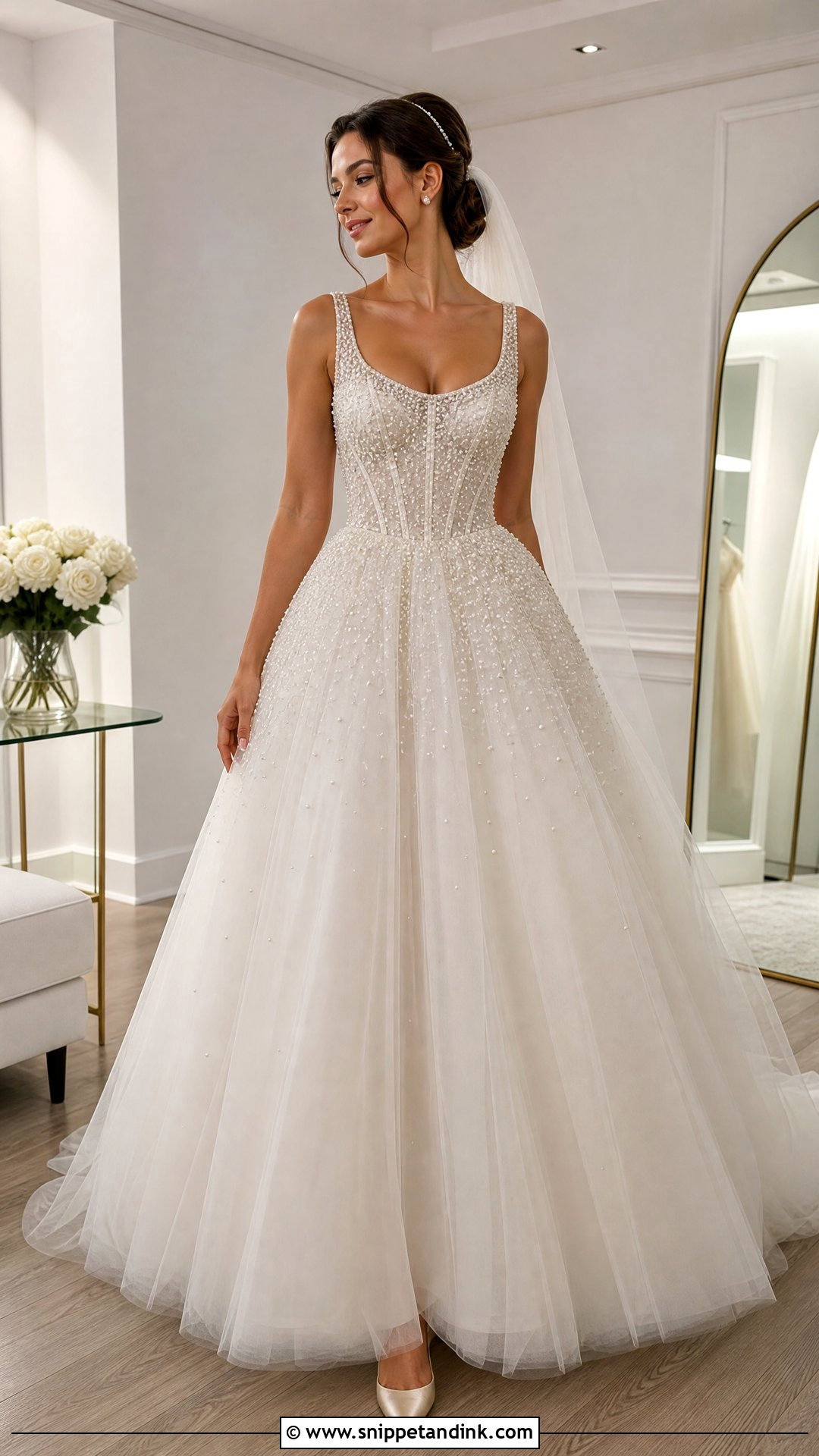
Pearls on tulle glow rather than glitter. Graduate them, dense at the bodice and lighter toward the hem, and the gown stays balanced instead of top-heavy. A clean scoop neck and fitted corset suit the effect. Pearls add real weight, so ask what the finished gown weighs and how the beads are attached. Individually knotted pearls survive alterations and dancing far better than ones on a single running thread. A pearl hairpin, studs, satin pumps and a plain veil complete it without repeating pearls everywhere.
7. Sparkle Tulle Ball Gown Wedding Dress
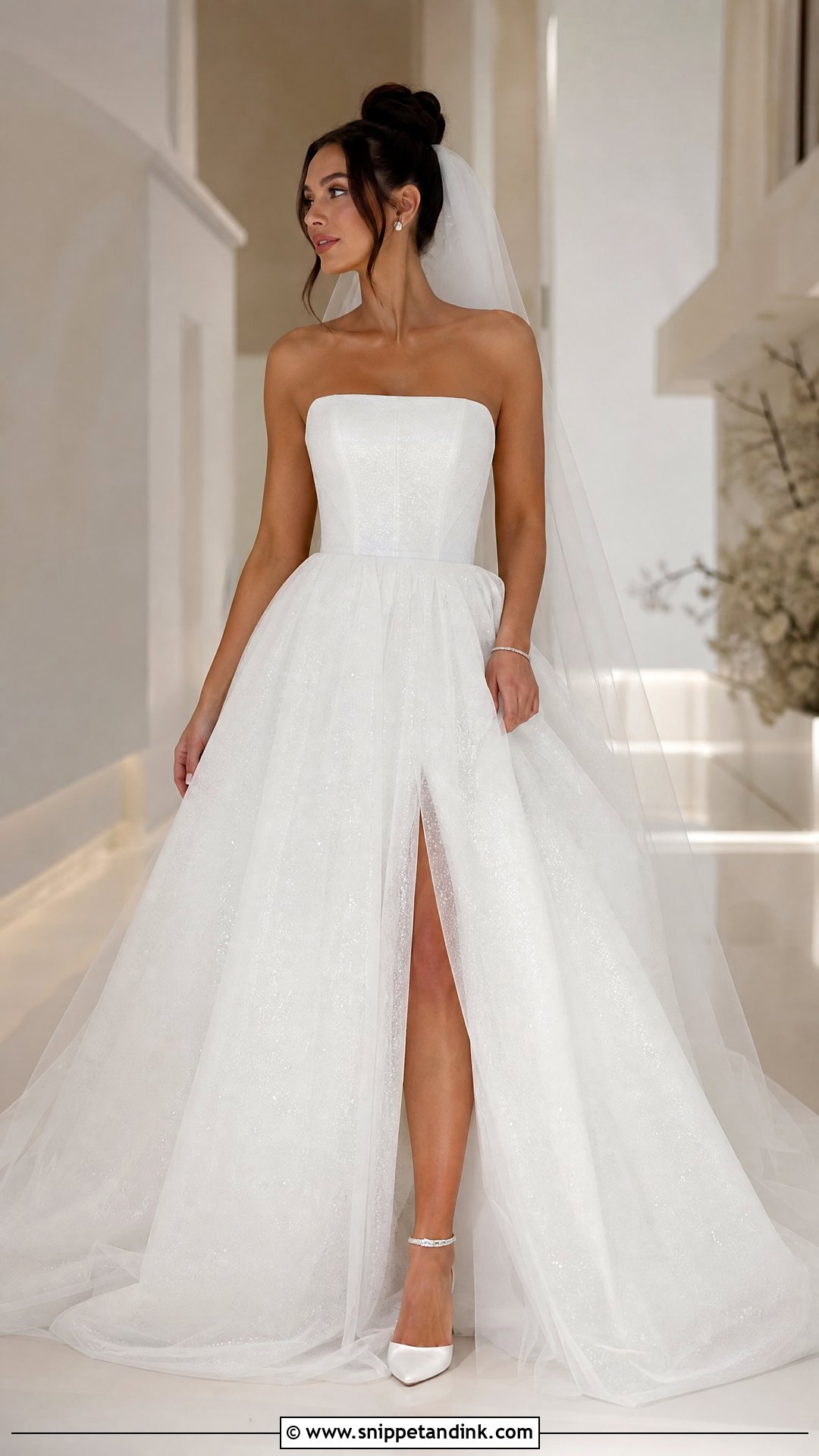
Glitter tulle catches light every time the skirt moves. Pair it with a clean bodice and minimal embellishment, or the gown turns into a disco ball. I’d look at it in daylight and under warm indoor light before deciding; glitter reads very differently in each, and in flash photography it can flatten. Ask whether it sheds, because some glitter tulle leaves sparkle on everyone you hug. A smooth lining stops the rougher layers scratching your legs. Crystal studs, simple satin heels and a plain cathedral veil are enough.
8. Square Neck Tulle Ball Gown Wedding Dress
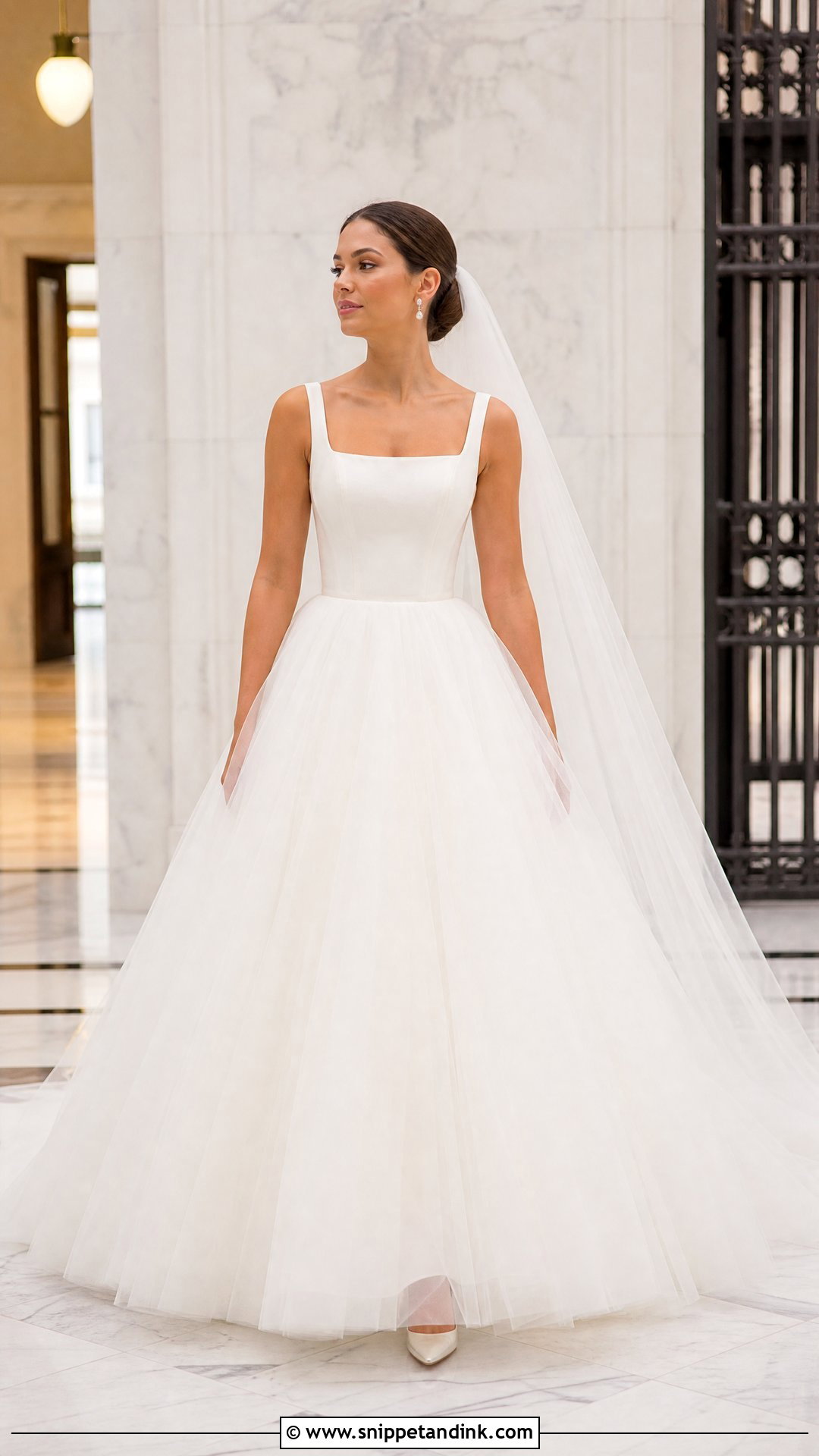
A square neckline gives a soft skirt some structure. Wide straps support you, so it’s a good pick if strapless makes you nervous. The corners must lie flat against the chest when you bend and sit. If they gape, it’s usually the strap length, which is an easy fix. Keep it to a smooth corset or a little lace at the edge, with pearl drops, a chignon, pointed heels and a sheer chapel veil.
9. High Neck Tulle Ball Gown Wedding Dress
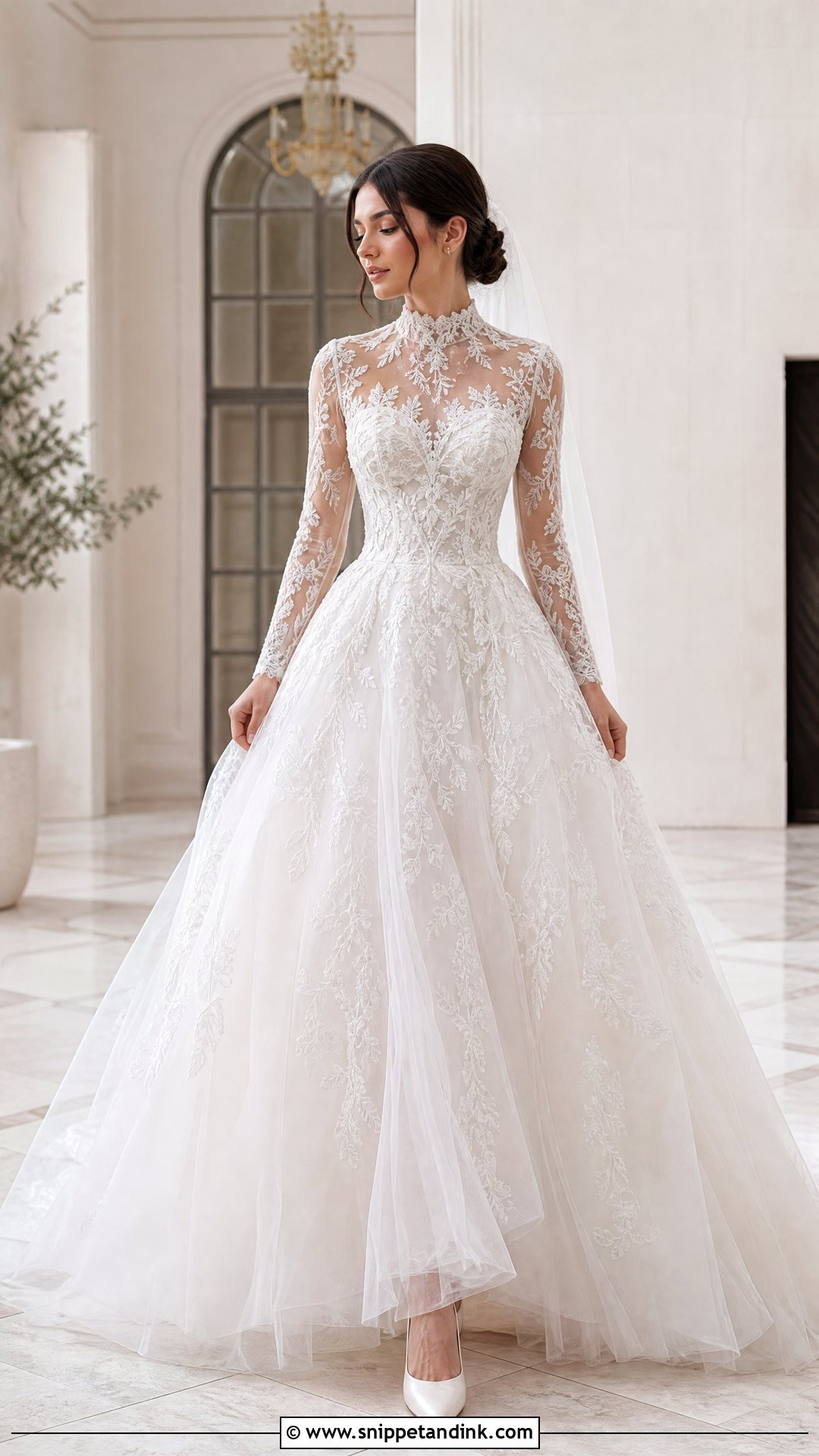
A high neck covers you while keeping the grand skirt. Illusion tulle with lace, fine beading or embroidered vines looks like the pattern is floating on skin. Skip necklaces entirely; they snag the illusion net and hide the embroidery. The collar is the fit point. If it’s too snug, you’ll feel it every time you turn your head to greet someone. A smooth low bun with the veil secured underneath keeps the neckline clear.
10. Corset Tulle Ball Gown Wedding Dress
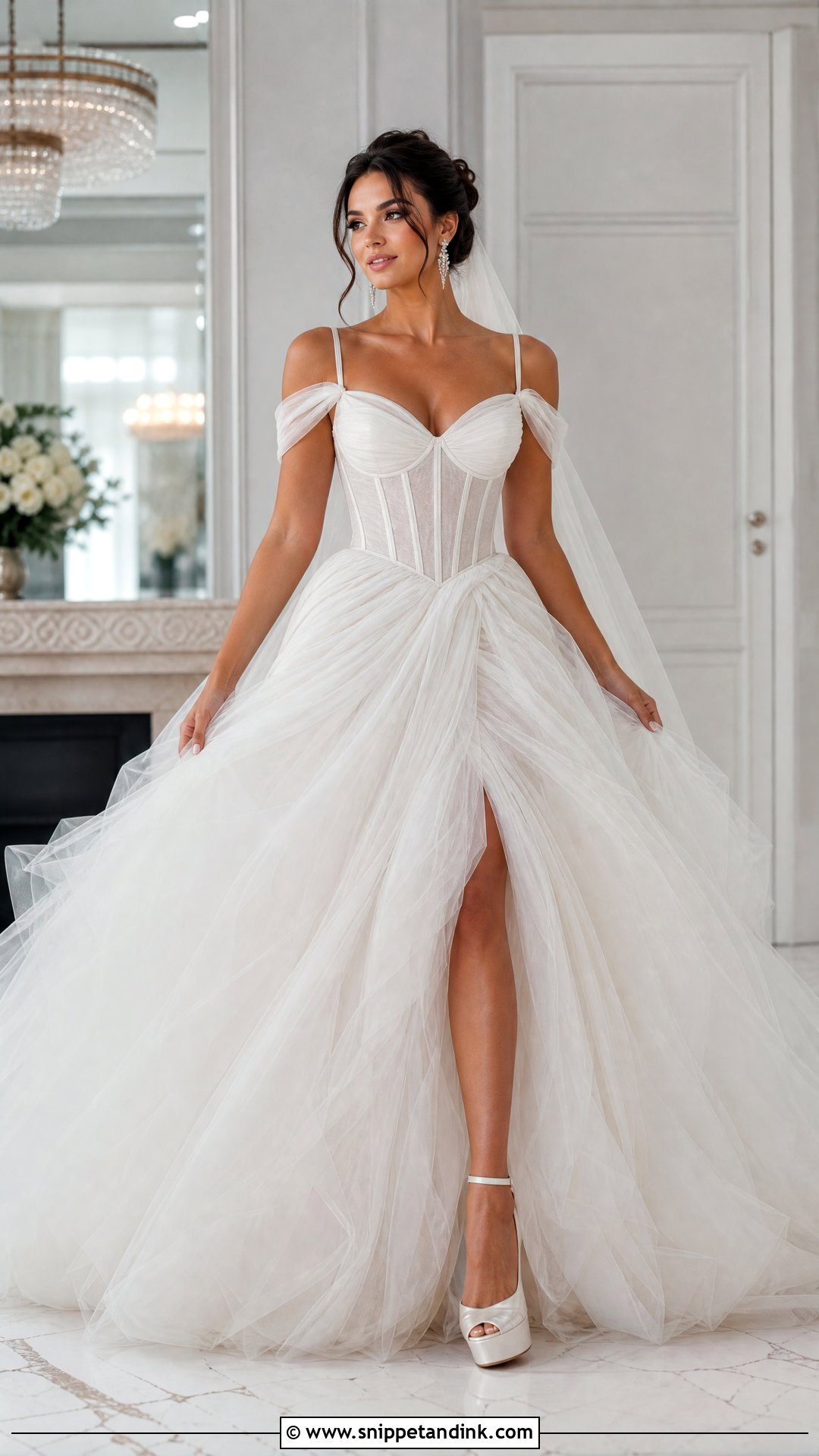
Visible corsetry makes a tulle ball gown feel fashion-forward. Boning shapes the bodice, and a lace-up or hidden back closure carries the weight of the skirt. Gathered tulle, lace or light embroidery should flow into the waist rather than stop dead at it. Lace-up backs are adjustable, which is a real advantage if your weight shifts before the wedding. Ask whether the cups can be moved, and make sure you can sit and breathe fully. Detachable straps help if you plan to dance hard.
11. Blush Tulle Ball Gown Wedding Dress
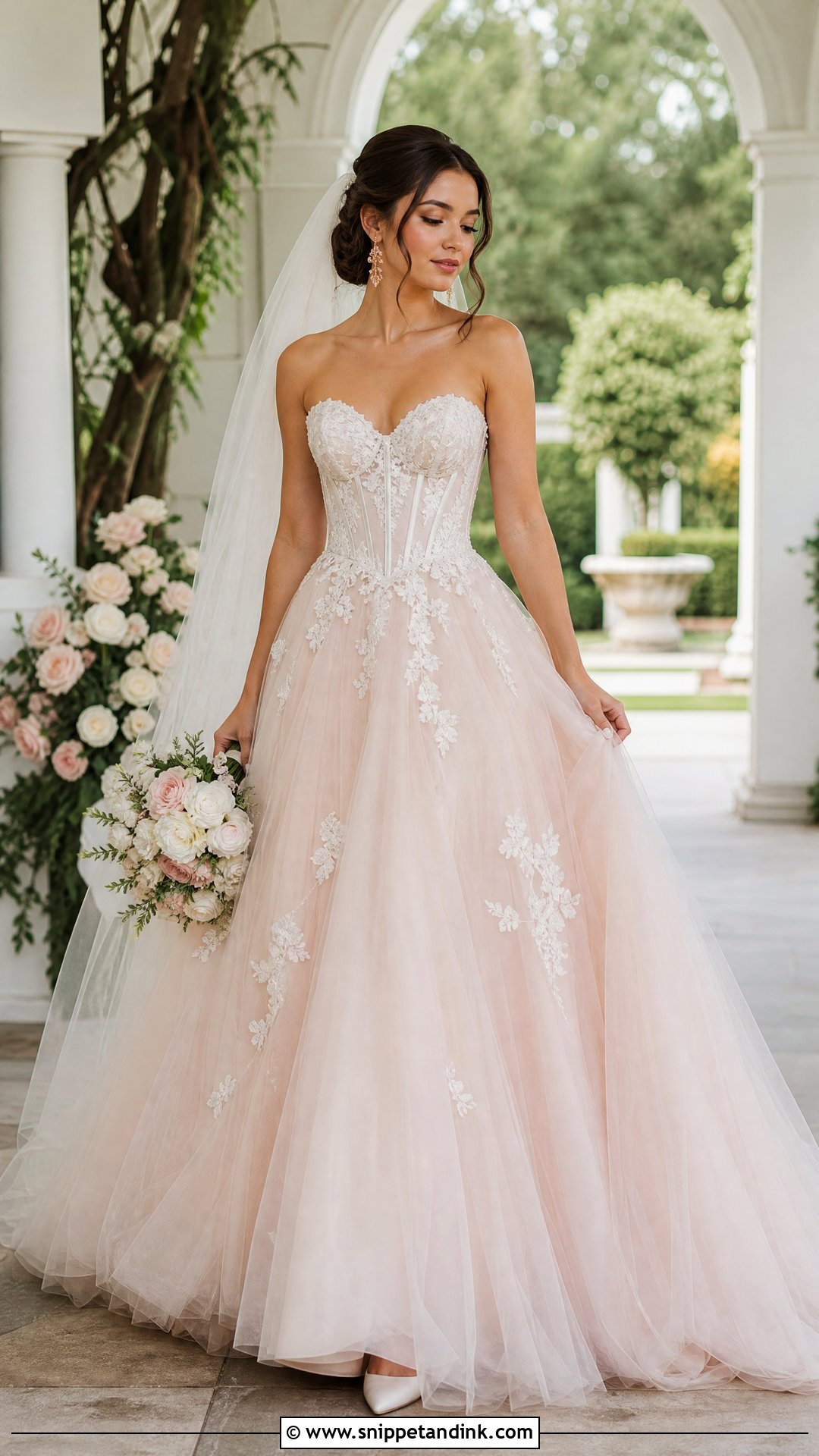
Blush can sit on the outside as a pale pink layer or underneath as a warm lining under ivory tulle and lace. The second version is subtler, and it looks almost ivory in some light. View fabric against your face in daylight, because blush ranges from cool pink to peach and one of them will suit you better. I match veil and shoes to the gown’s ivory details, not the blush; trying to hit the exact pink usually misses. Rose-gold earrings and a bouquet in ivory and pale pink tie it together.
12. Minimalist Tulle Ball Gown Wedding Dress
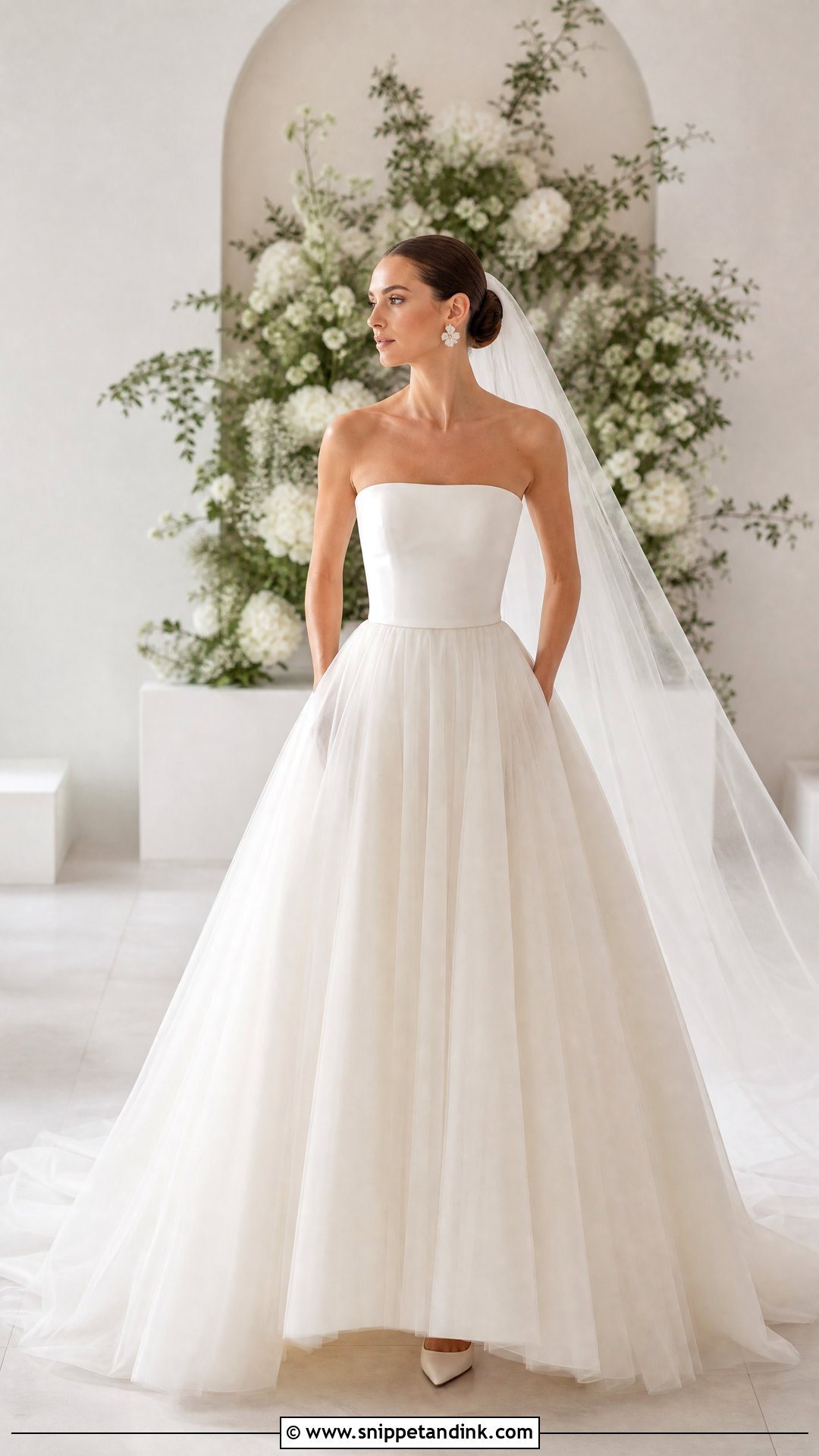
Can a huge gown still look minimal? Yes, if the surface is plain. A smooth strapless bodice, precise seams, a natural waist and layers of matte tulle let the shape speak. With nothing to distract, tailoring has to be exact. I check that the neckline lies flat, the waist seam is level all the way round and the hem falls evenly. Hidden pockets fit this style well. Sculptural earrings, a sleek bun, pointed pumps and a cathedral veil keep it modern.
13. Ruffled Tulle Ball Gown Wedding Dress
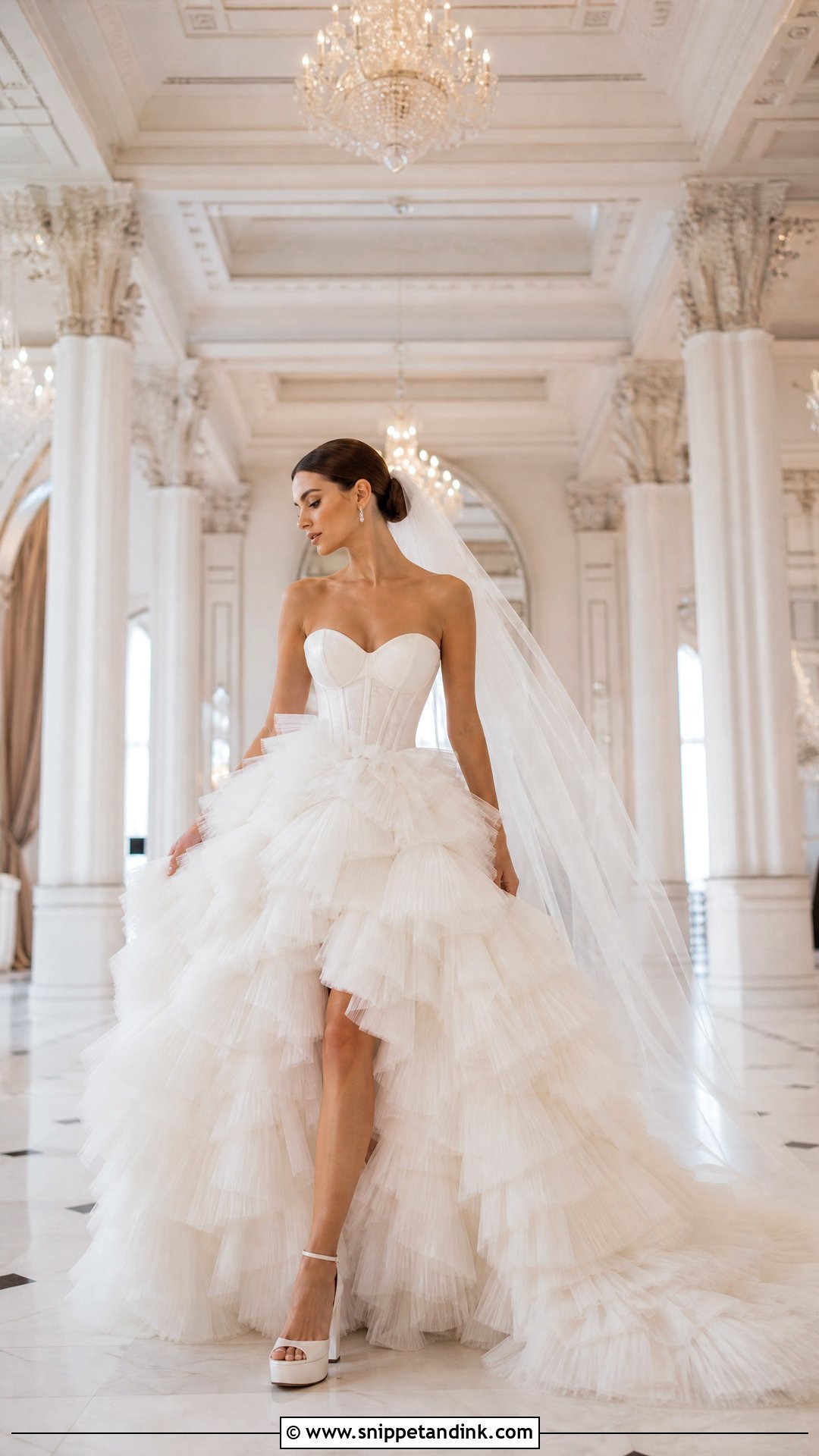
Cascading ruffles turn a dramatic tulle ball gown into pure movement. Keep the bodice simple; a sweetheart neckline and a defined waist are enough above that much skirt. In my experience soft-edged ruffles move, while stiff ones bounce and bunch. Walk in different directions at the appointment and watch the tiers. Multi-layer trains need a bustle with strong attachment points, so ask how it’s done. A plain fingertip veil, crystal studs and platform heels finish it.
14. Detachable Sleeve Tulle Ball Gown Wedding Dress
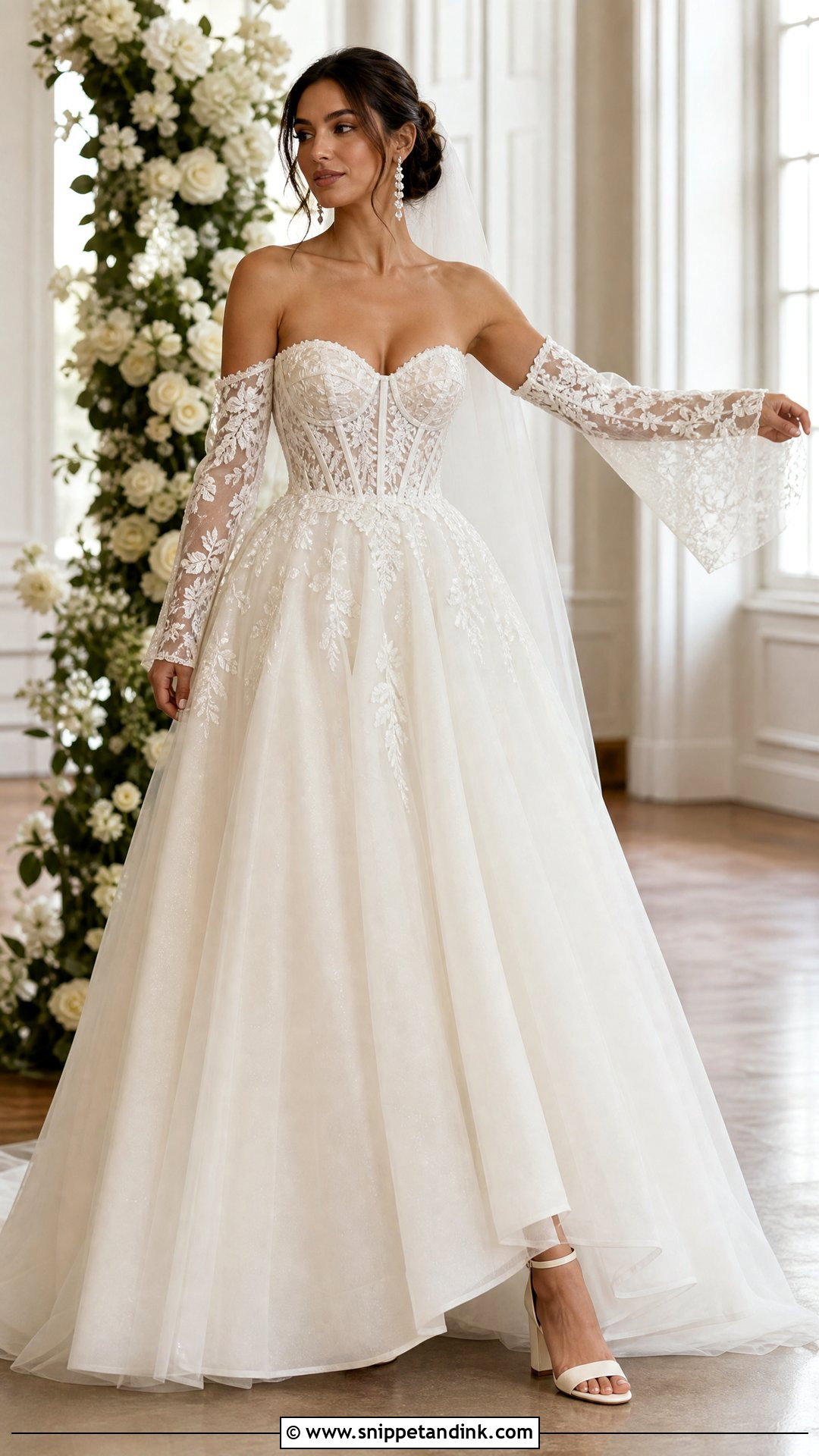
Detachable sleeves give you a covered ceremony look and an open reception look. Sheer long sleeves, puffs or draped straps can come off after dinner. They should repeat the gown’s lace, pearls or appliqué so they look built in. The bodice and full skirt must form a convertible design that stands on its own without the sleeves. Practice the removal and decide who keeps the sleeves afterward; they get lost more often than you’d think. Check that snaps and loops disappear when the sleeves are off.
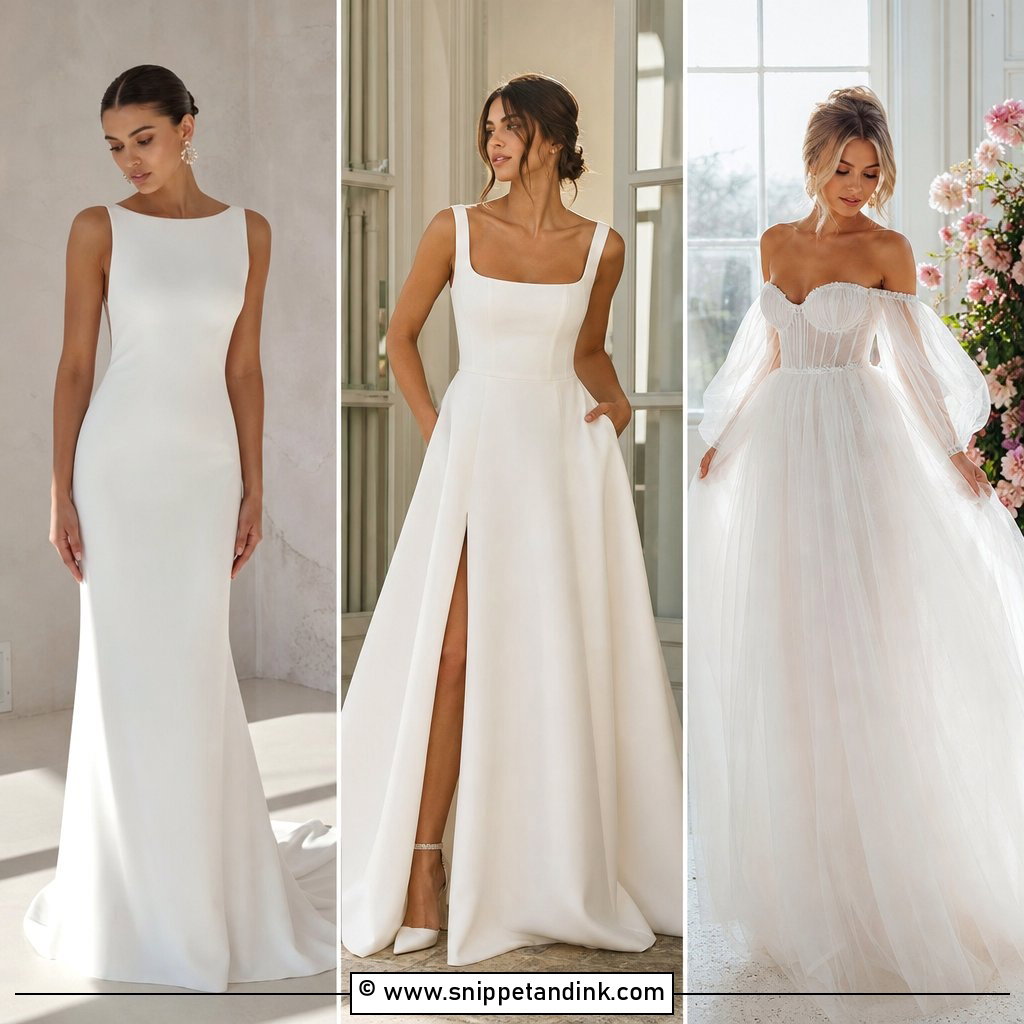
15. Bow Back Tulle Ball Gown Wedding Dress
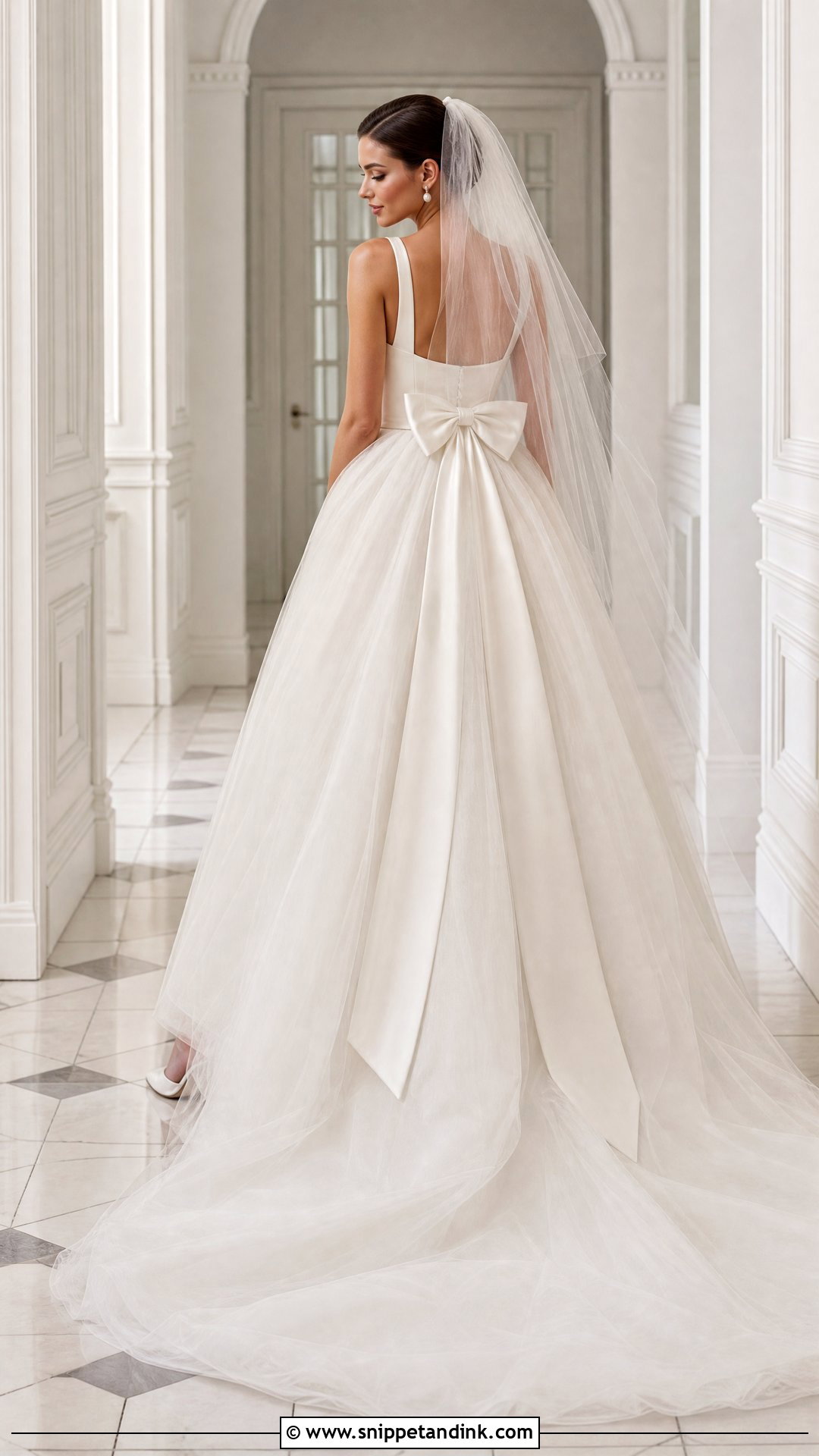
A bow gives guests something to look at during the vows. Structured satin contrasts with the tulle; a soft tulle bow blends in. It can sit at the waist or above the train, and long tails add movement. Keep the front plain so the gown isn’t busy on both sides. Bows and bustles often fight for the same spot, so ask whether the bow detaches and check the full back view with the bustle up and the veil on.
16. V Neck Tulle Ball Gown Wedding Dress
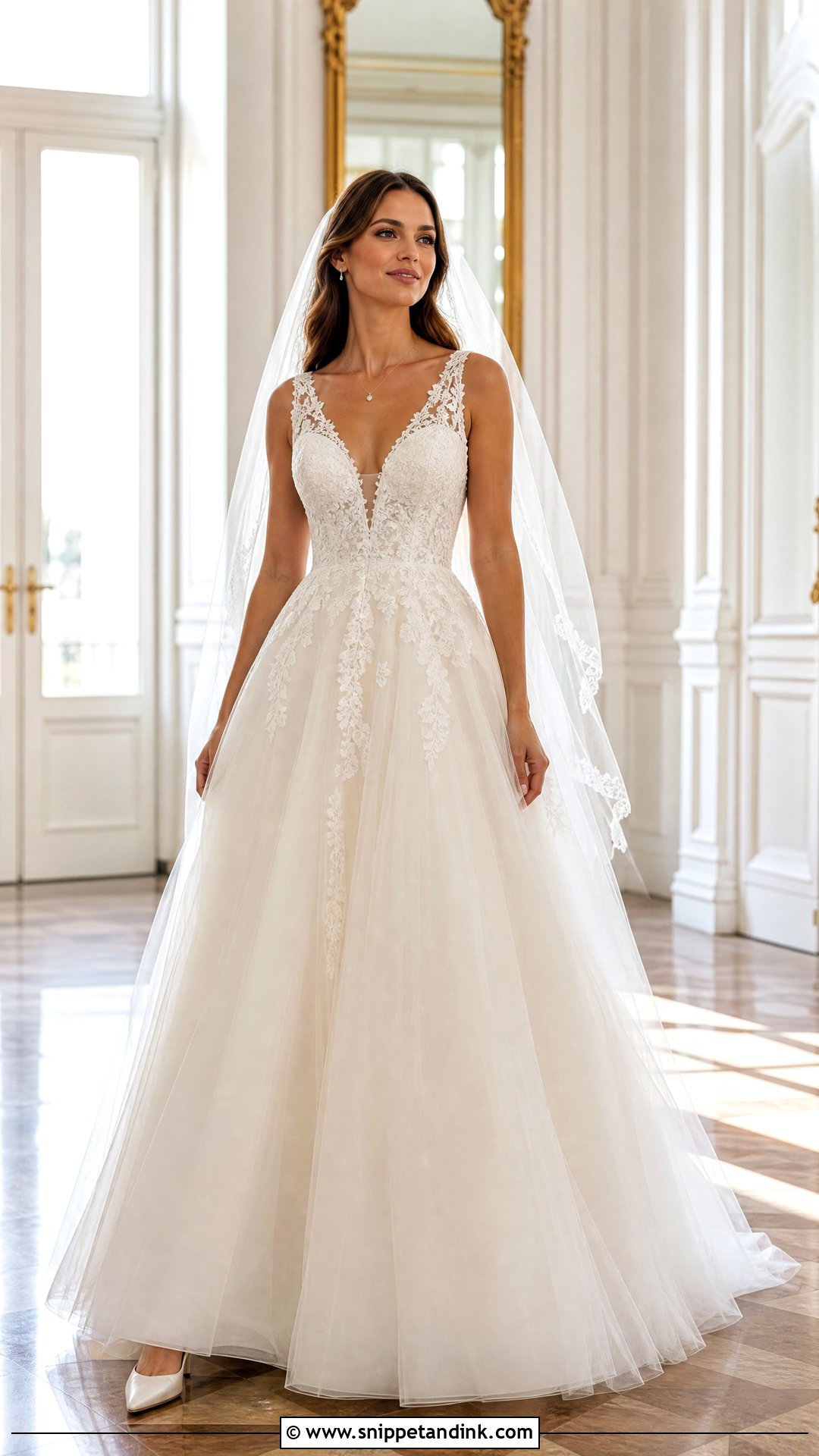
A V-neck lengthens the upper body. Wide straps support it, and an illusion panel can set how deep the V really goes. Lace that follows the V down toward the waist looks connected rather than added. My test is simple: lean forward at the fitting. If the V gapes, the bodice needs taking in at the side seams, not a pin at the center. A small pendant works unless the bodice is heavily beaded.
17. Scoop Neck Tulle Ball Gown Wedding Dress
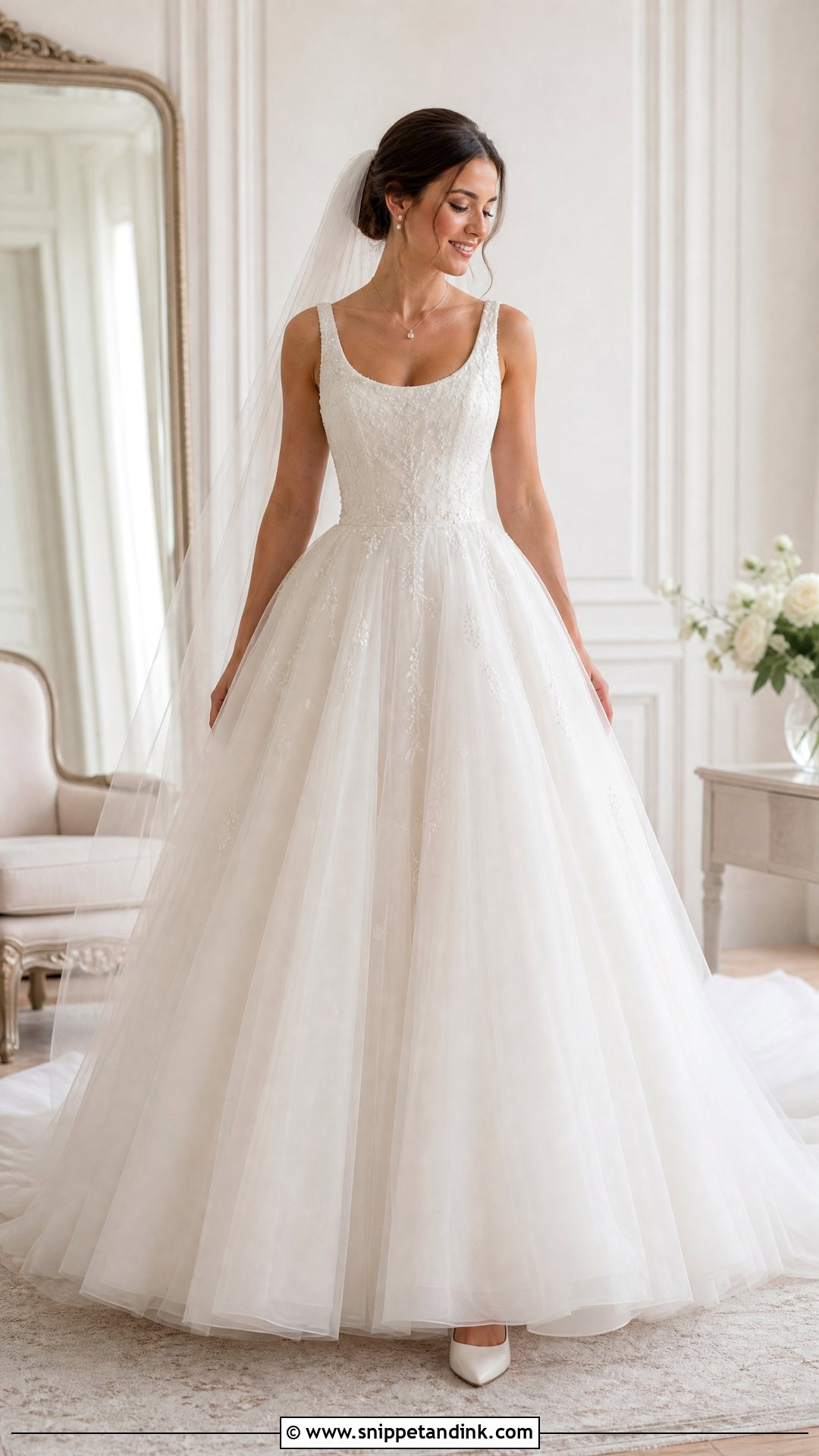
The scoop is the easiest neckline to wear with a big skirt. It opens the chest without the exposure of strapless or the sharp angle of a V. Its width changes everything: a wide scoop shows the shoulders, a narrow one covers more. Decide which you want before alterations begin. Light ruching, embroidery or pearls on the bodice, a fine pendant, studs, a low bun and a veil at the crown keep it classic. Check the bodice doesn’t pull at the underarms.
18. Dropped Waist Tulle Ball Gown Wedding Dress
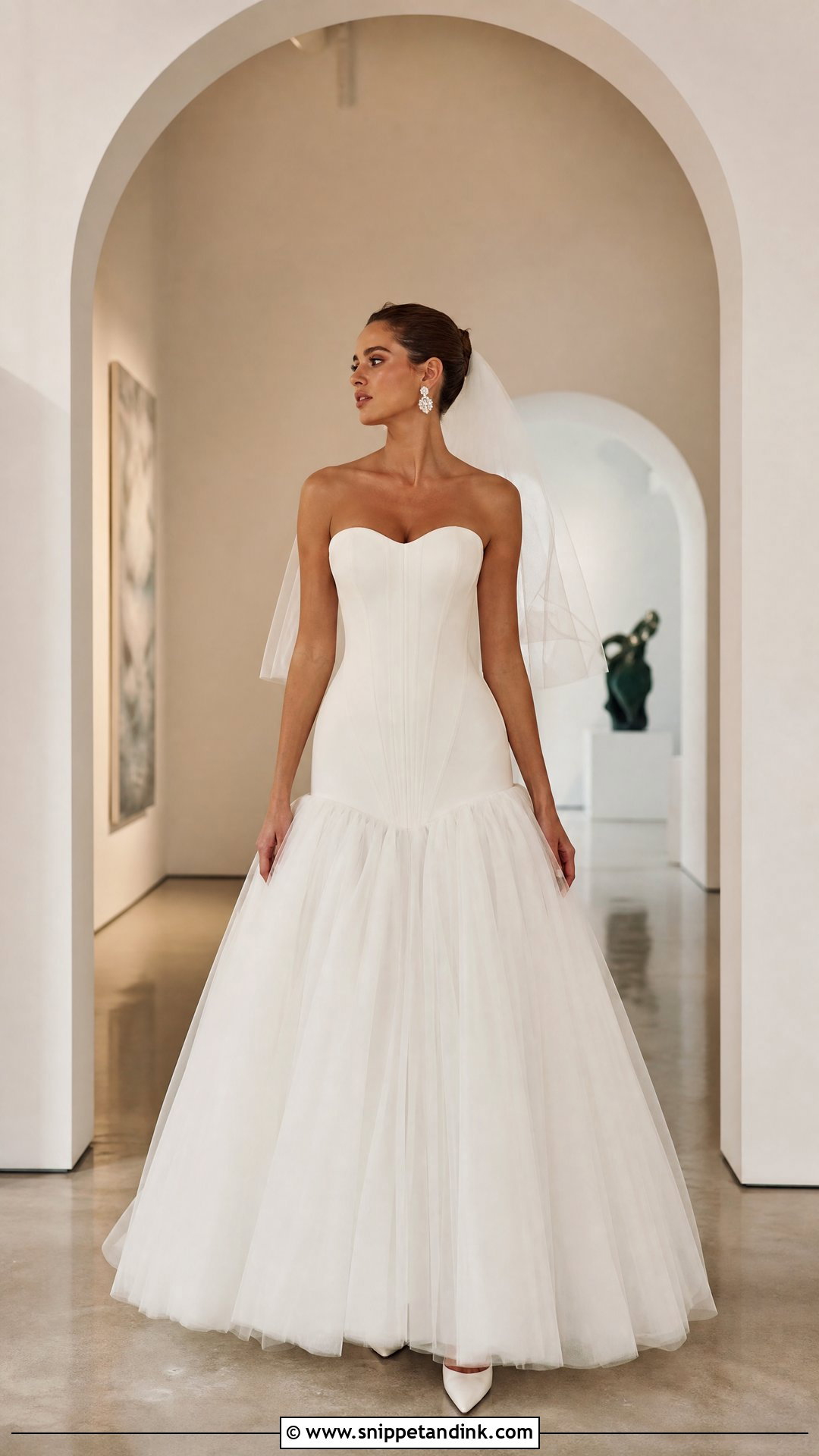
A dropped waist holds the bodice snug past the natural waist and lets the volume start lower. The effect is longer and more sculptural. Corsetry plus a big tulle skirt is a popular pairing for this shape right now. Because the bodice covers the hips, I ask brides to sit, walk and climb stairs in it. Long bodices crease across the hip when they’re cut slightly short. A curved strapless neckline, bold earrings, a sleek updo and a plain veil keep it contemporary.
19. Plus Size Tulle Ball Gown Wedding Dress
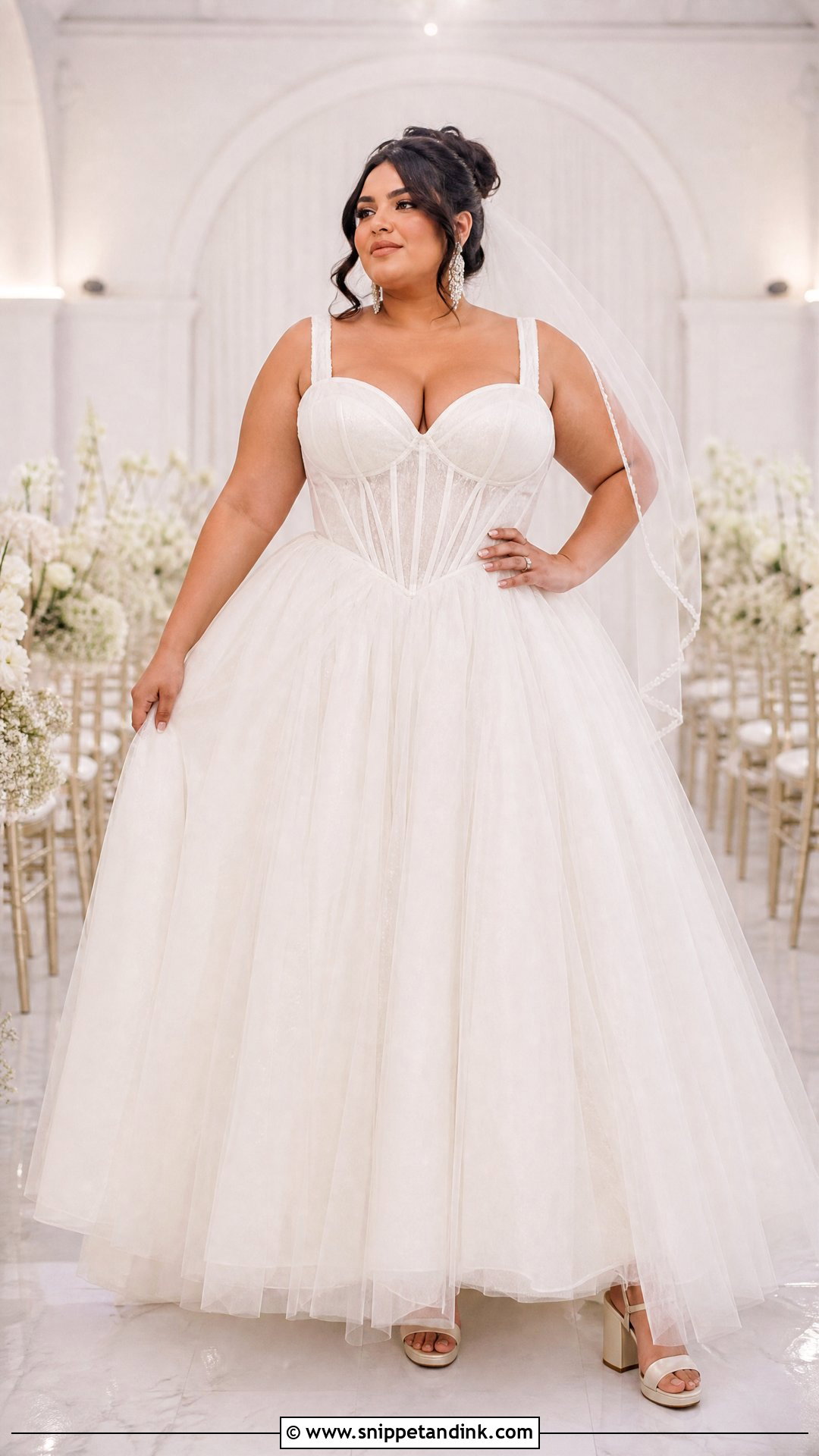
Plus-size ball gowns need structure built in, not added later. An internal corset, wider straps or adjustable lacing do the real work, along with a natural or basque waist. Soft layered tulle gives volume without stiffness that adds bulk. Call boutiques ahead and ask which sample sizes they carry; trying on the right size changes how you see the dress. Focus alterations on bust support, strap placement, bodice length and hem balance. You should be able to sit, breathe, walk and celebrate in it.

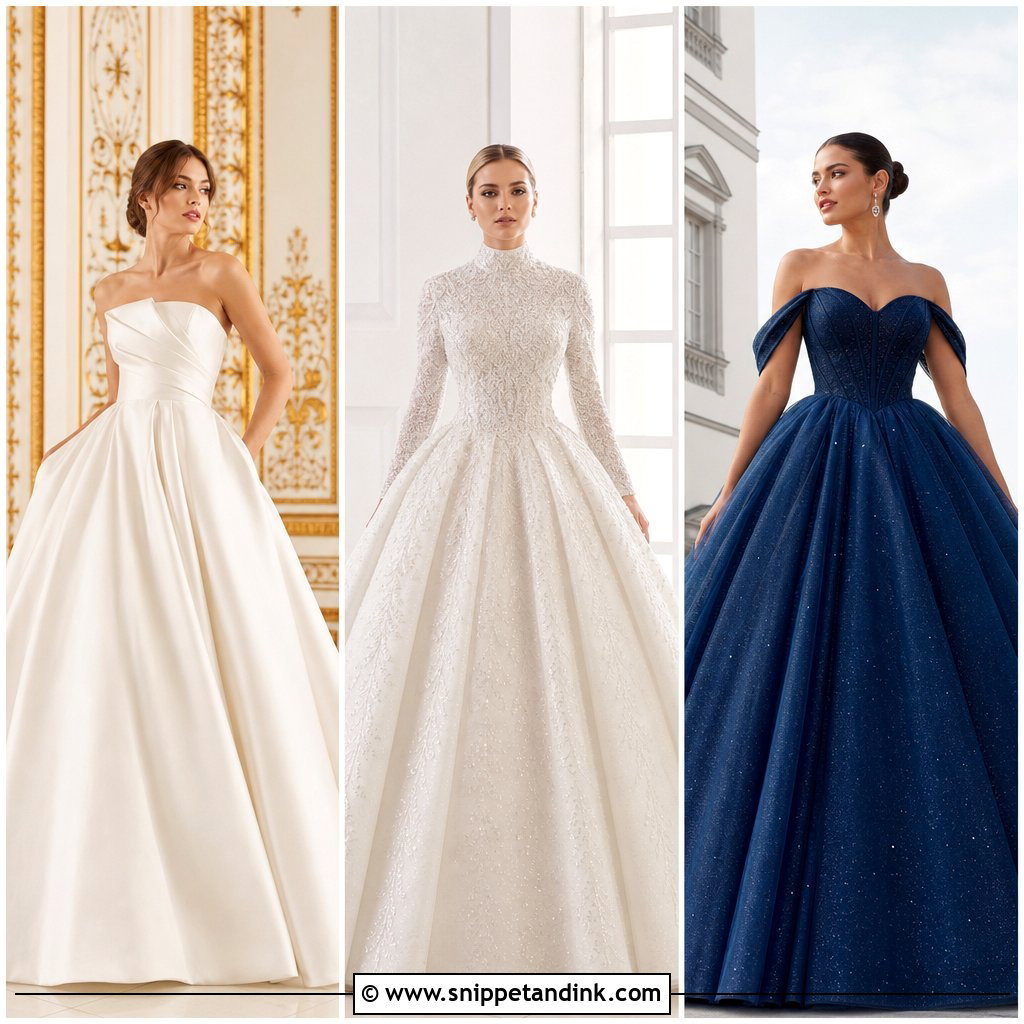
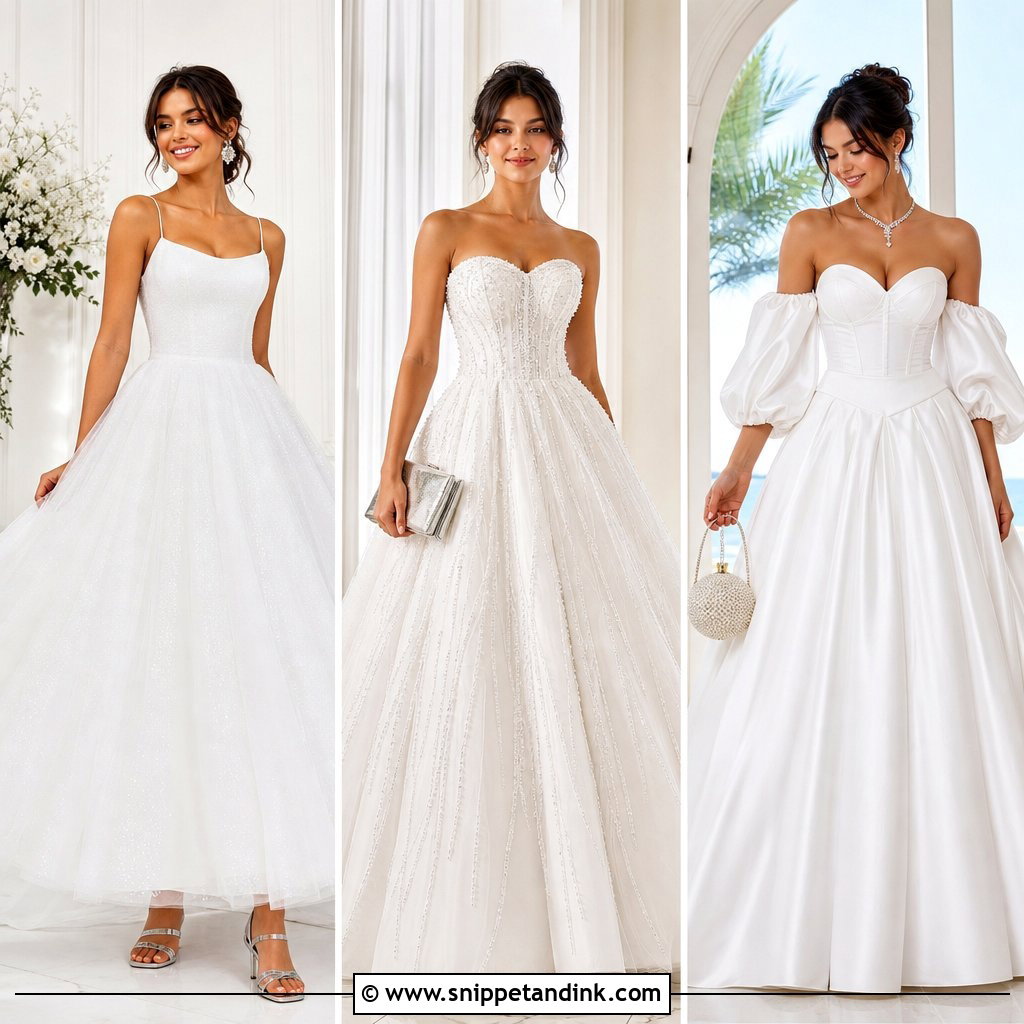
20. Cathedral Train Tulle Ball Gown Wedding Dress
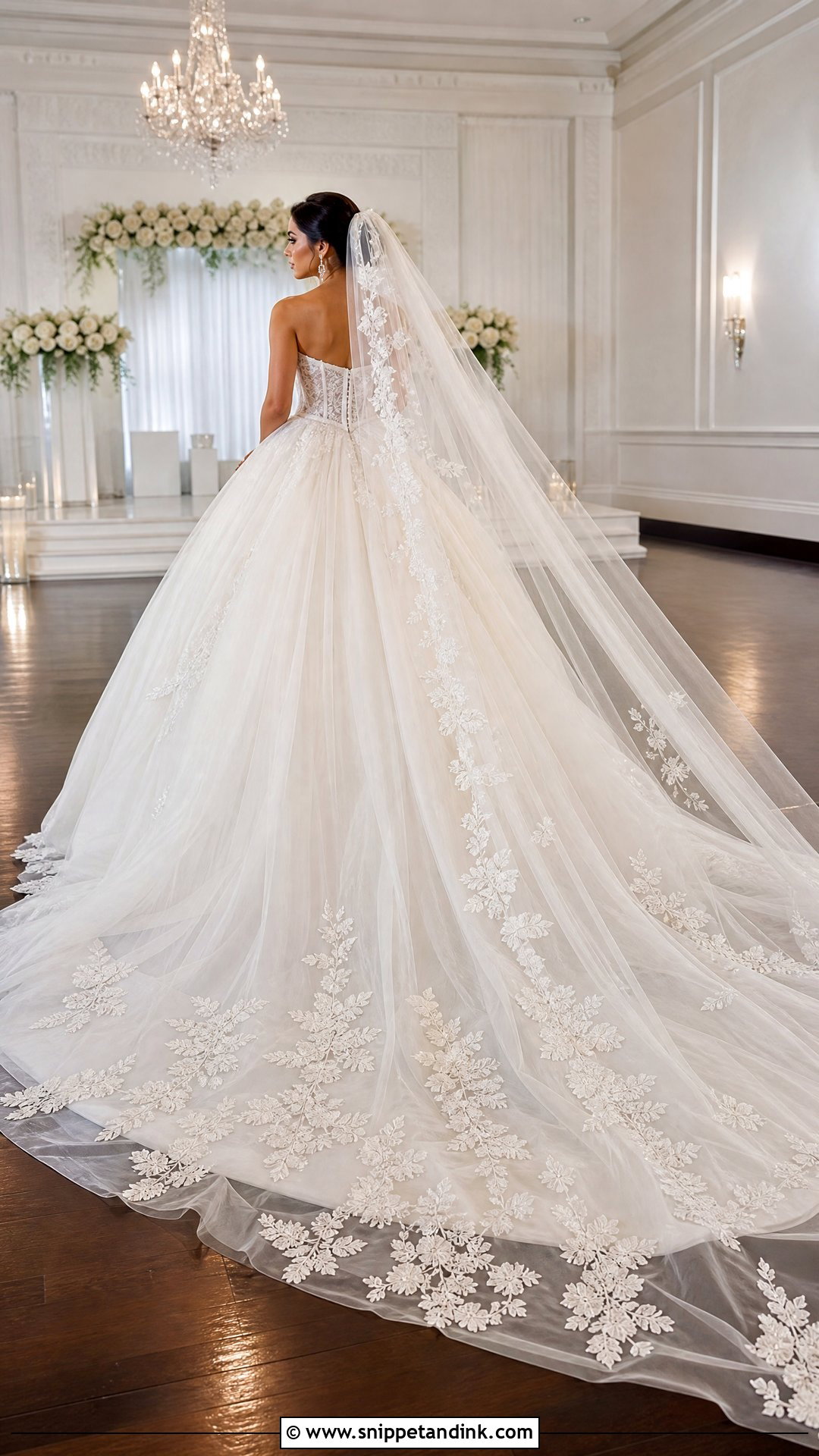
A cathedral train is the biggest entrance a ball gown can make. Those long layers need a spacious, formal venue and a fitted corset to balance the scale. Lace or fine sparkle along the train makes the back-view photos. Your seamstress should design a bustle someone else can fasten in a few minutes. Teach that person well before the day, and practice turning and climbing stairs so you don’t step on the inner layers.
A Day in Twenty Layers of Net
Volume is easy in a fitting room and harder everywhere else. These are the moments that catch brides out, and the small fixes I suggest.
Cars, stairs and bathrooms
Get into a car bottom first, then lift the skirt in after you, with someone gathering the back. For the bathroom, a slip-style undergarment that gathers the layers and lets you hold them in front of you makes it a one-person job; otherwise bring your most patient bridesmaid. On stairs, lift the front of the skirt slightly, never the sides.
Snags
Tulle catches on bracelets, watch clasps, rough stone walls and the hook side of hook-and-loop fasteners. Keep bracelets smooth and ask your photographer to avoid leaning you against brick. A small snag can usually be eased back with a fingertip; don’t pull the thread.
Cleaning a Grey Hem Afterward
The bottom few inches of every tulle skirt turn grey by the end of the night, and that’s normal. Don’t try to scrub it at home; tulle frays and puckers. Take the gown to a cleaner who handles bridal wear, ideally within a few weeks, and point out any food or wine marks so they can treat them before they set.
For storage, use a breathable cotton bag or an acid-free box, not plastic, and stuff the bodice lightly with acid-free tissue. Hang a heavy ball gown only by its inner hanging loops, or the shoulders stretch over time.
So Much Skirt, and Still Room to Dance
Tulle ball gowns come in more moods than most brides expect, from lace and flowers to pearls, corsetry, sleeves and plain clean net. Get the structure and comfort right first, then choose the details. Bring your shoes and undergarments to each fitting and test the gown sitting, walking, turning and reaching. Alterations can change the neckline, waist, hem and bustle a great deal. Choose the one you forget you’re wearing after the first hour, and you’ll move freely all night.
You'll Like These Ideas:








Leave a Reply