
A rustic fall wedding cake doesn’t need a stack of tiers to carry the table. With one tier, all the attention goes to the finish, the flavor and what sits on top, so every choice shows. I lean on rough buttercream, caramel, figs, pears and dried grasses in autumn because they hold up in cooler rooms and look like the season without a theme printed on them. Below are the single tier designs I’d actually put in front of a couple planning a barn, backyard or small mountain wedding, with notes on how each one behaves once it leaves my kitchen.
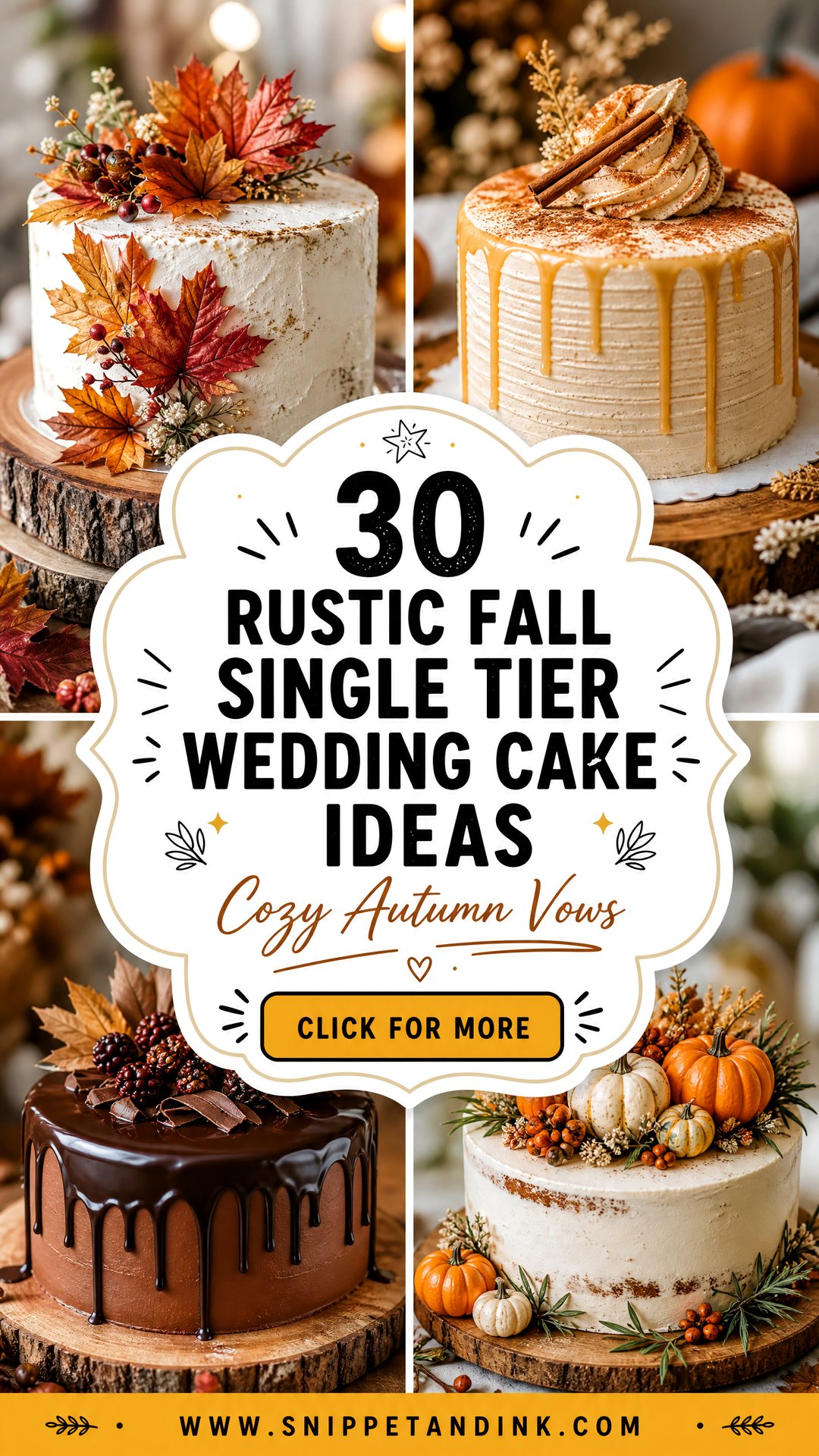
Feeding a Crowd From Just One Tier
The first question I ask when someone wants a single tier is the guest count, because a single tier wedding cake feeds fewer people than most couples expect. Wedding portions are cut as narrow fingers, roughly an inch wide and two inches long, so the numbers are higher than dinner party slices, but it still only stretches so far.
- A 6 inch round usually serves around 10 to 12 wedding portions.
- An 8 inch round serves roughly 20 to 24.
- A 10 inch round serves about 35 to 40, and a tall double barrel tier adds more again.
These figures shift with tier height and how generous the person cutting is, so treat them as a starting point. When the guest list outgrows one tier, I bake a plain kitchen cake in the same flavor and keep it out of sight for slicing. Guests get their piece, and the display cake stays the size you chose.
Who should not go single tier
If you have more than about 60 guests and no room for a kitchen cake, a single tier will run out. The same is true if you want several flavors, because one tier gives you one sponge and maybe two fillings at most.
1. Rustic Buttercream Single Tier Wedding Cake
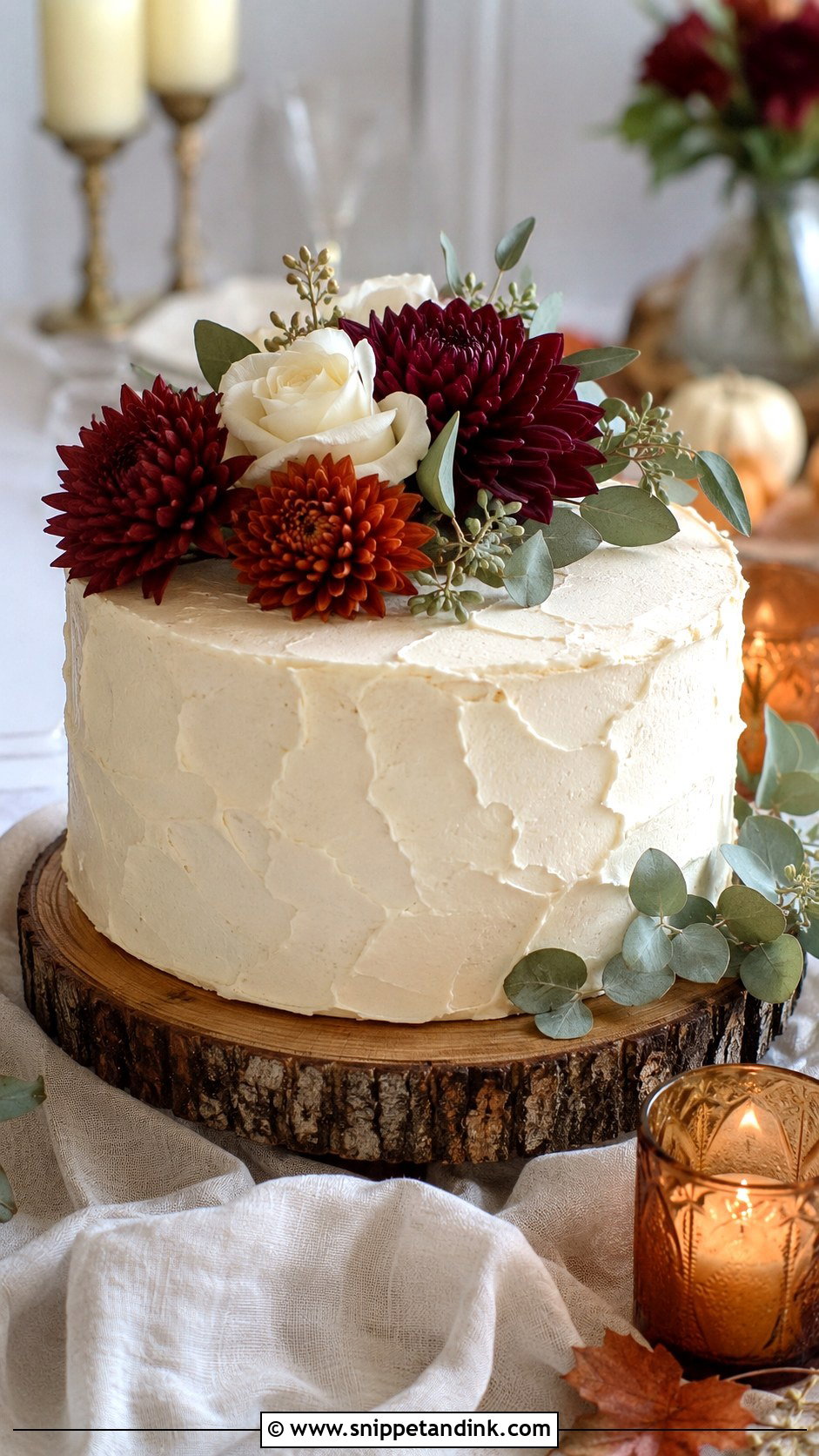
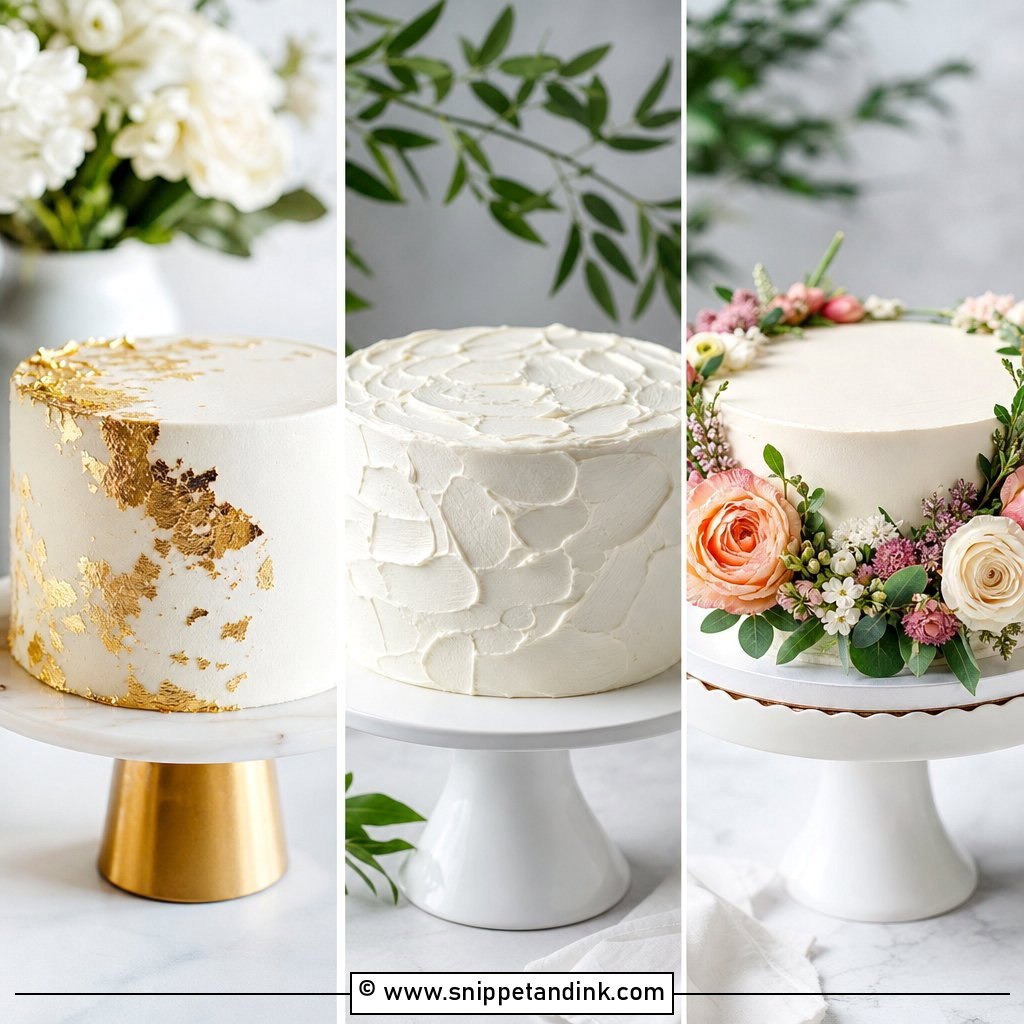
The appeal of hand-spread buttercream is that it forgives. I want visible palette knife strokes and soft ridges, not a sharp edge, so I chill the crumb coat and then work the final layer while it’s still slightly soft. Ivory or warm taupe sits well against wood. Keep the flowers to two or three varieties, maybe burgundy dahlias with cream roses, and let the texture do most of the work. If your venue runs warm, this is the finish I’d trust most, because small softening just reads as more rustic.
2. Semi Naked Single Tier Wedding Cake
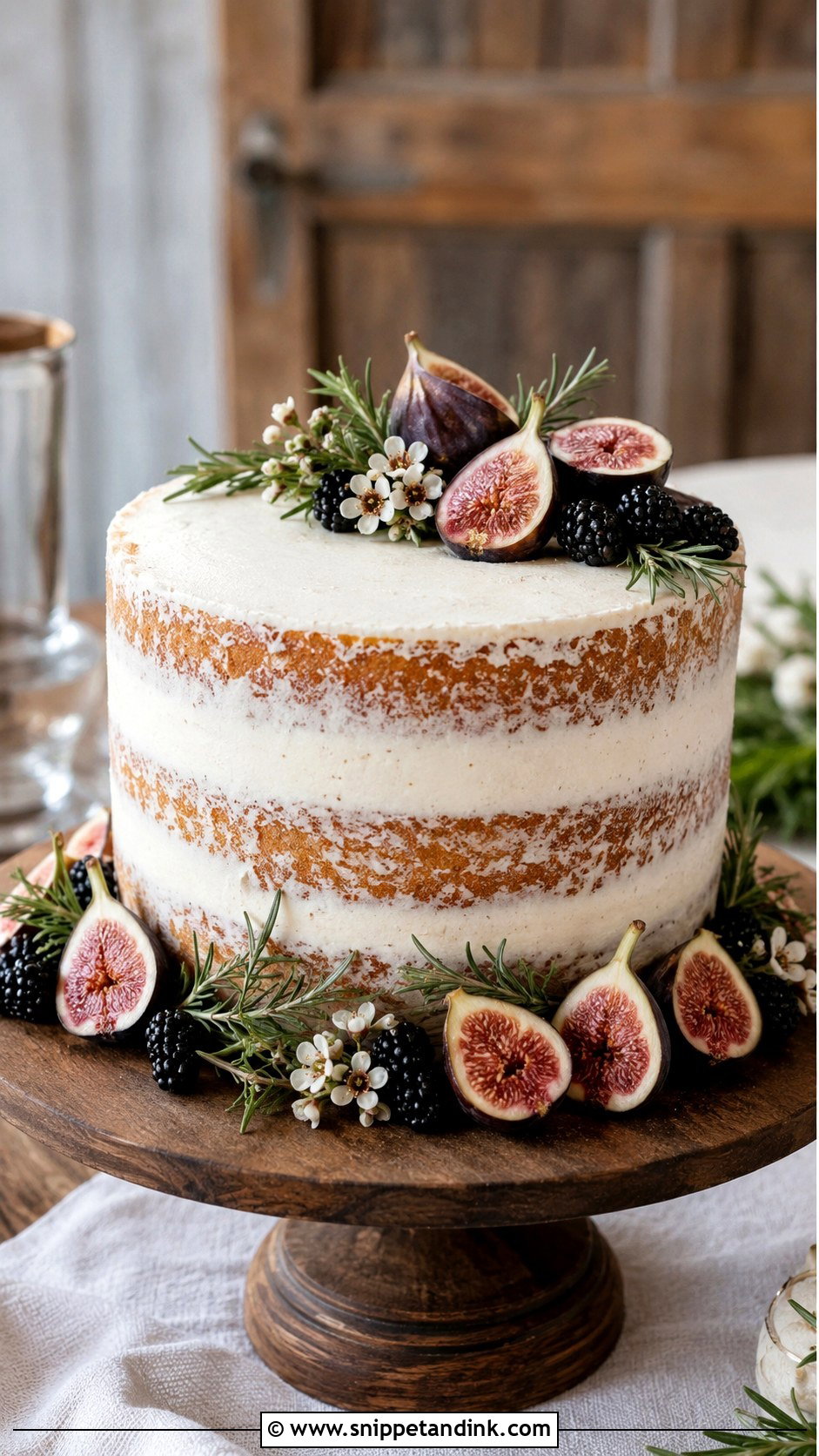
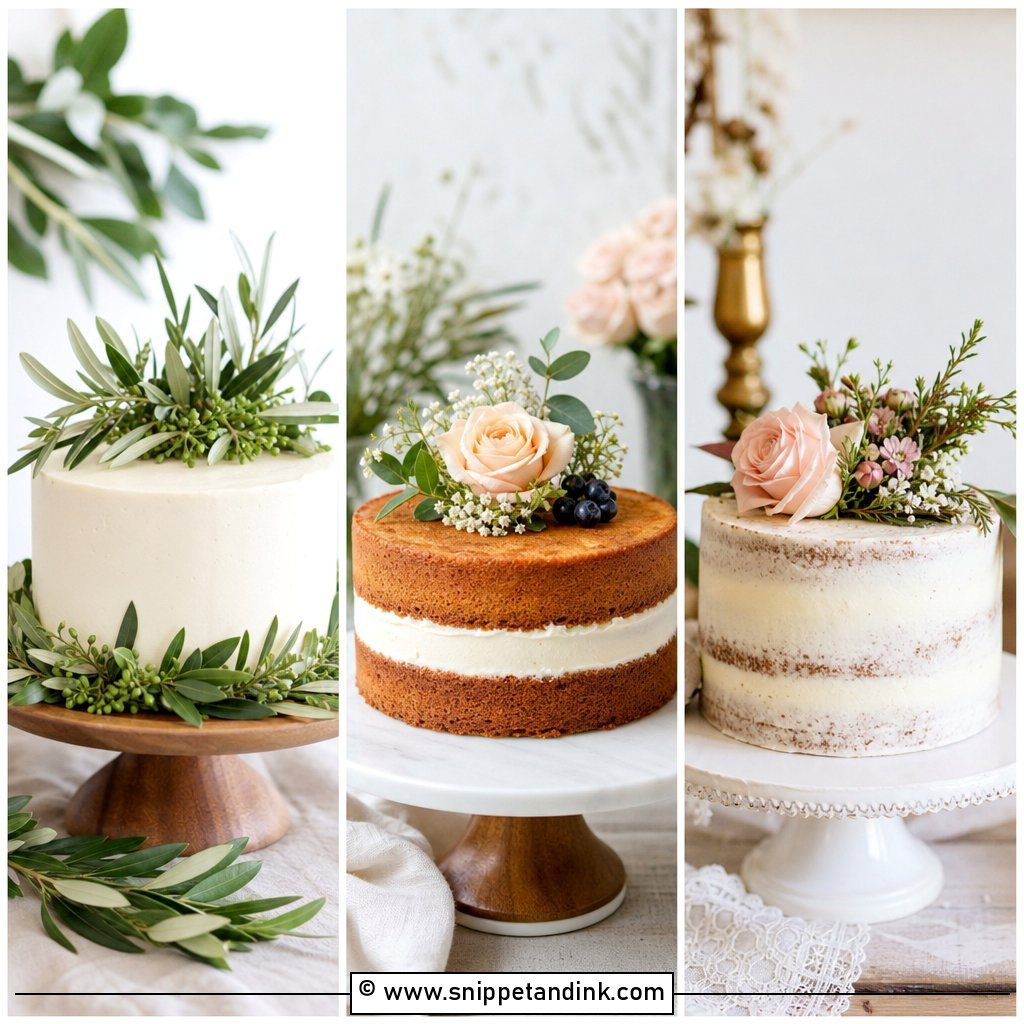
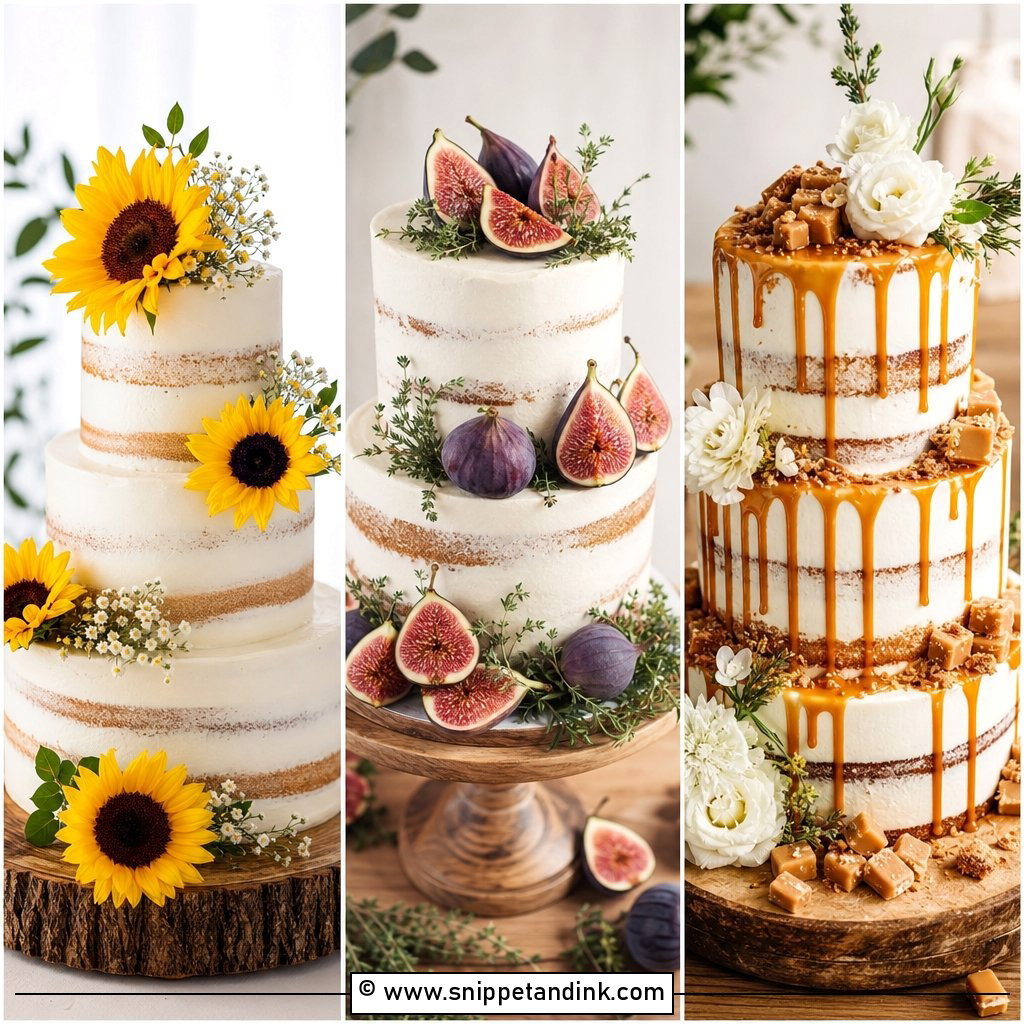
A semi-naked finish is a thin scraped coat that lets the sponge show through. That honesty is its charm and its weakness: exposed cake dries faster than fully frosted cake, so I brush the layers with a light syrup and assemble as close to delivery as I can. Spice, apple cinnamon or brown sugar sponge gives the best color at the edges. Figs, rosemary and a few small blooms on top are plenty. I wouldn’t choose this one if the cake will sit out for five or six hours before cutting.
3. Naked Single Tier Wedding Cake With Fall Flowers
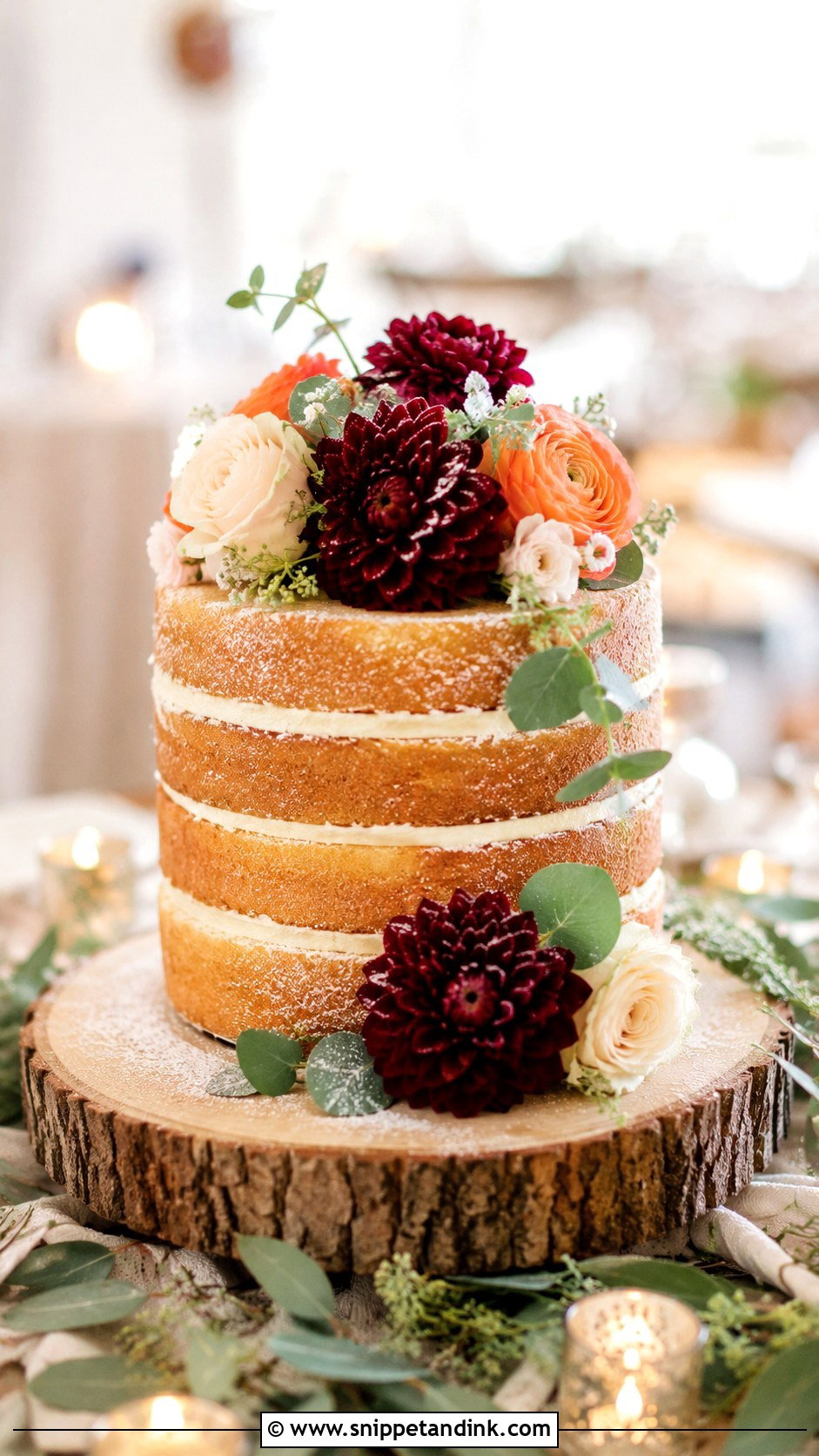
With almost no frosting on the sides, the flowers become the design, so I plan them with your florist rather than leaving it to the morning. Dahlias, garden roses and ranunculus in rust, mustard and ivory all sit well on a bare cake. Every stem gets wrapped or placed in a pick so nothing raw touches the sponge. A light dusting of powdered sugar softens the look, but it melts into a damp patch if it’s applied too early, so I dust on site.
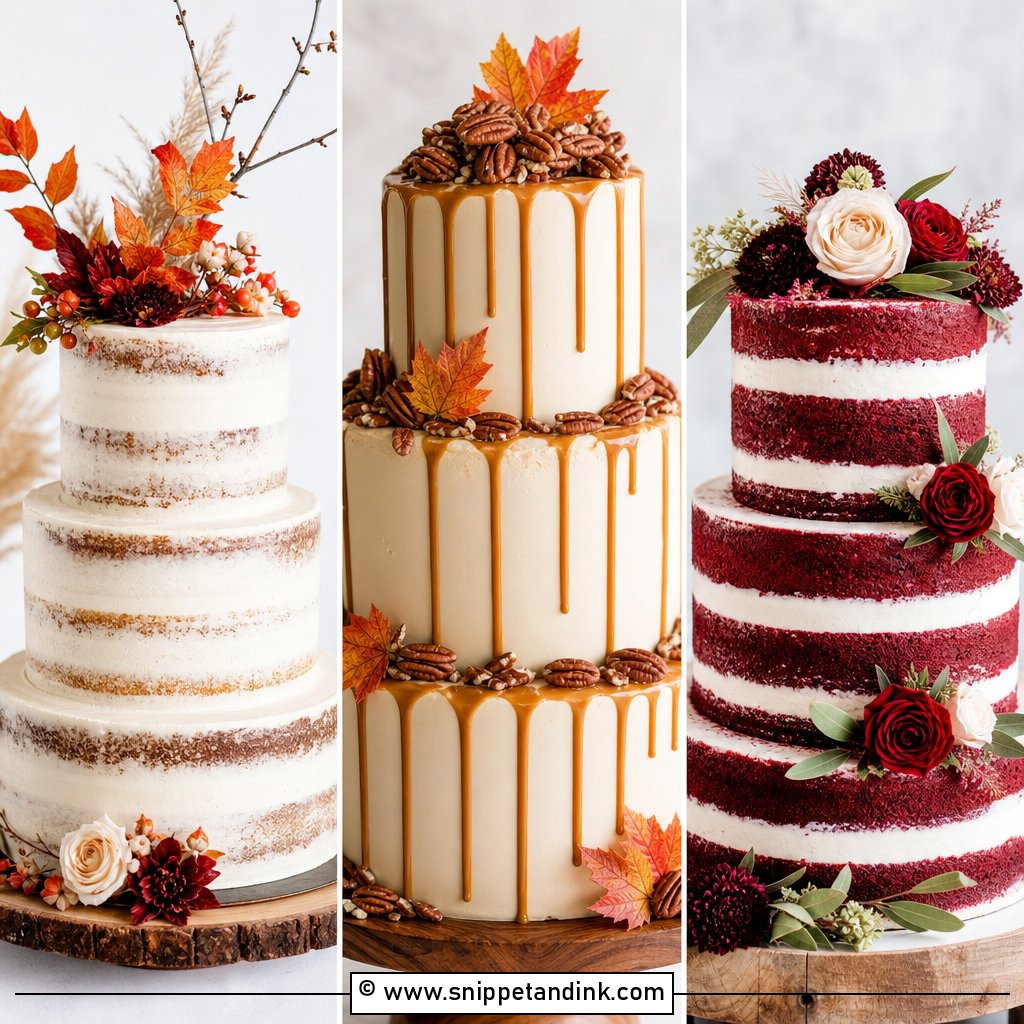
4. Single Tier Wedding Cake With Autumn Leaves
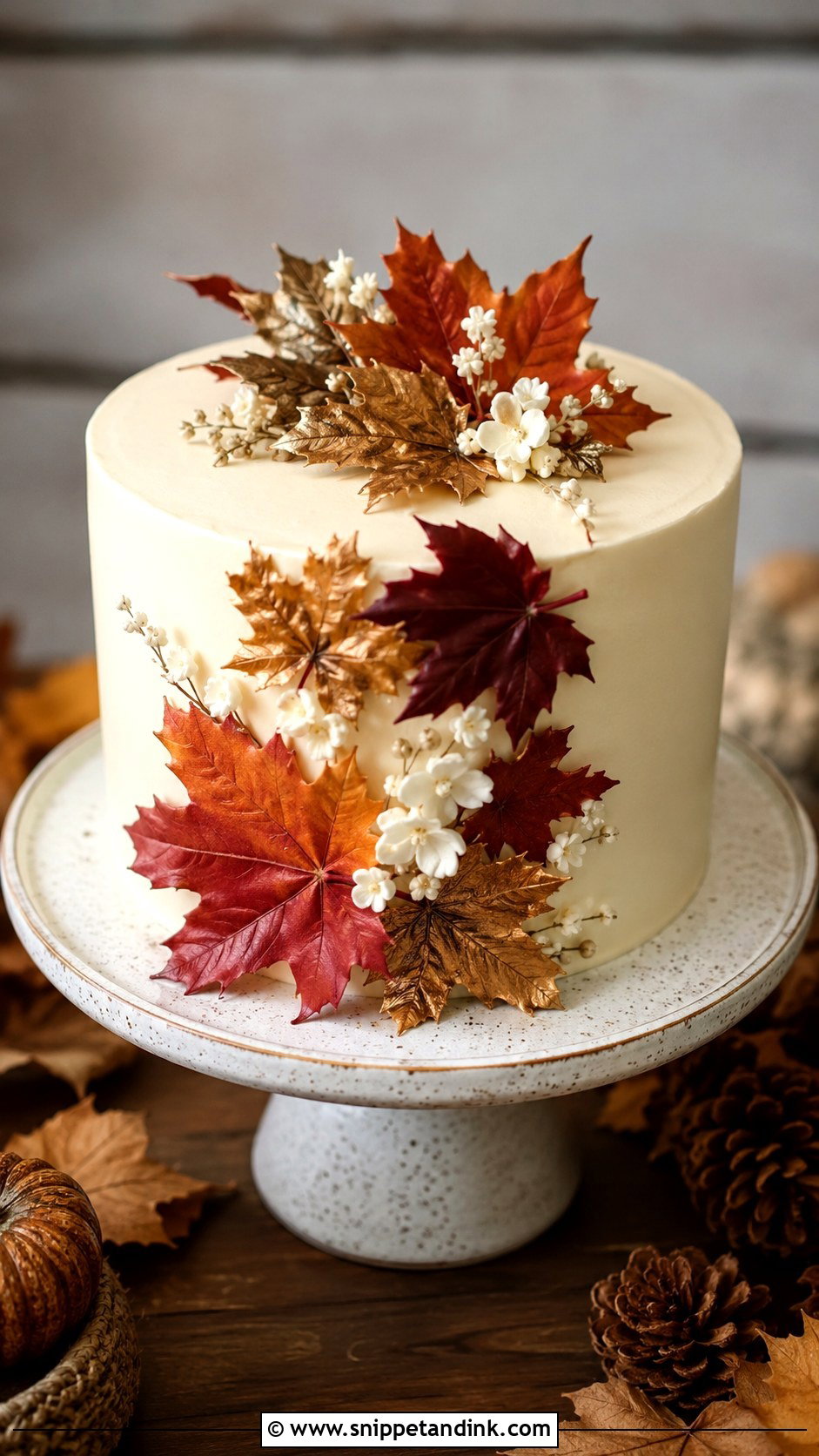
Leaves can look like a craft project fast, so I keep them to a short trail on one side or a loose ring on top. Wafer paper and sugar leaves both work; wafer paper is lighter and more delicate, but it curls and goes soft in a humid tent, so for outdoor fall weddings I usually make them in sugar paste and paint the veins in copper and amber. A smooth ivory buttercream behind them keeps the whole thing reading as a wedding cake rather than a harvest table.
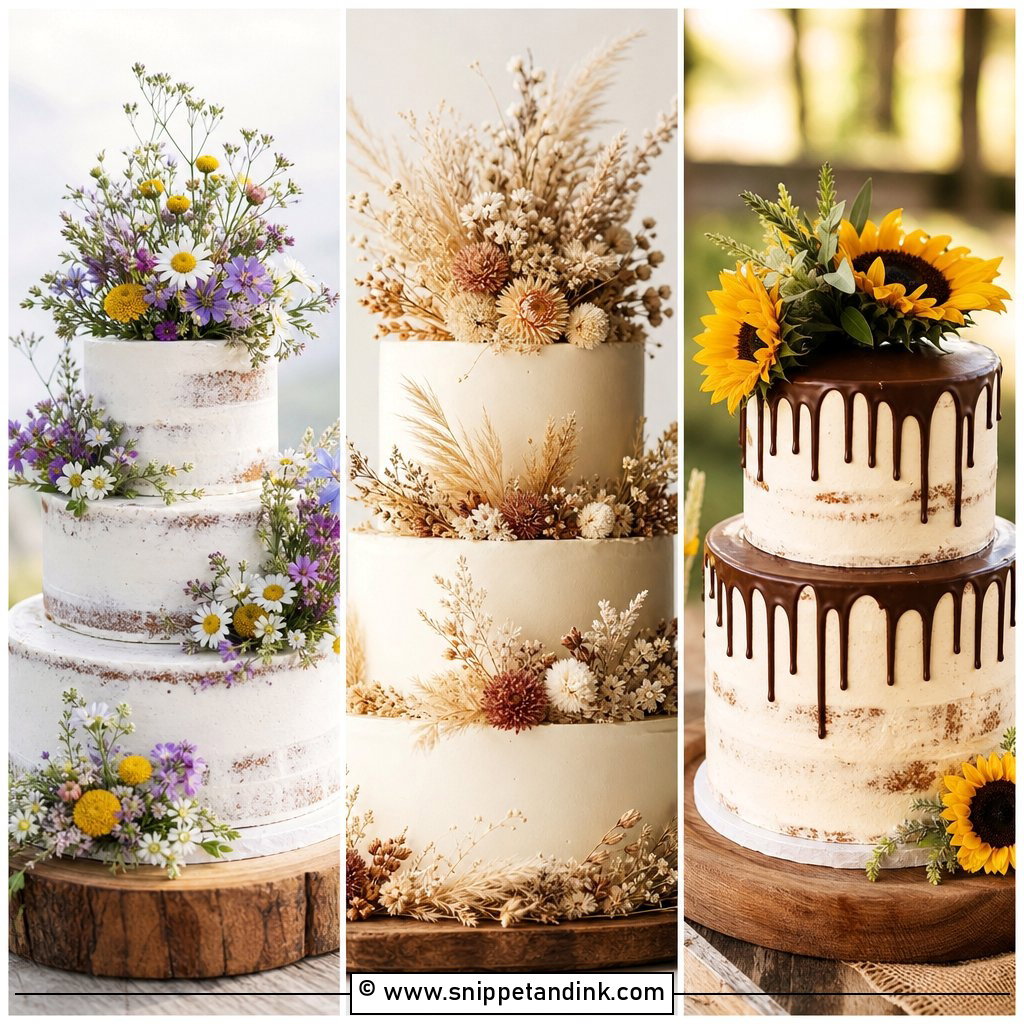
5. Single Tier Wedding Cake With Dried Flowers
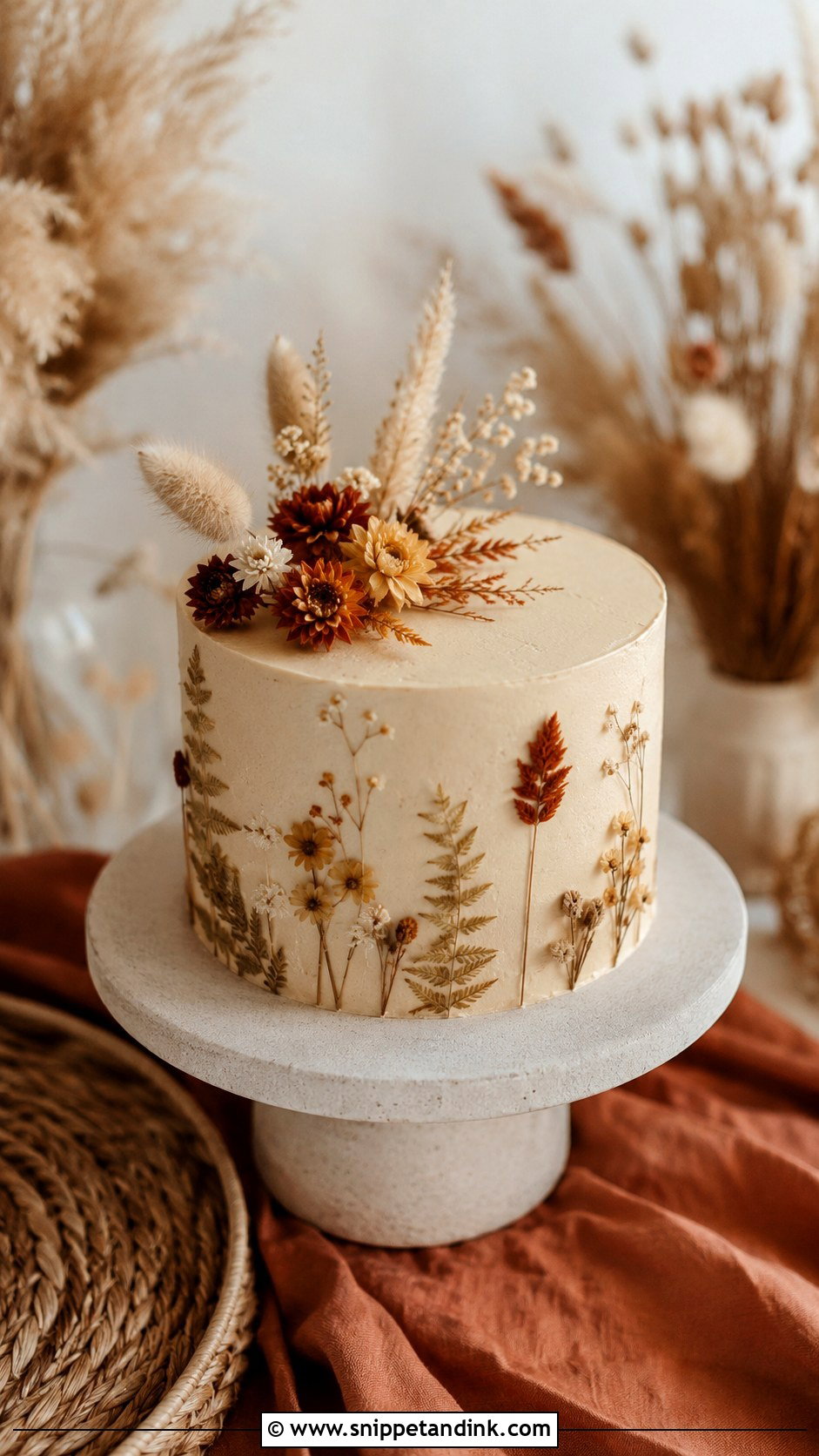
Dried flowers suit autumn because their color is already muted. Bunny tails, strawflowers, dried lavender and rust grasses all look right here. My caution is food safety: many dried stems are dyed, bleached or sprayed, and I only use pieces I know the origin of, set into a barrier so they never sit straight in the frosting. Smooth or semi-naked buttercream gives them a quiet background. A small cluster on top, or a trail down one side, is enough.
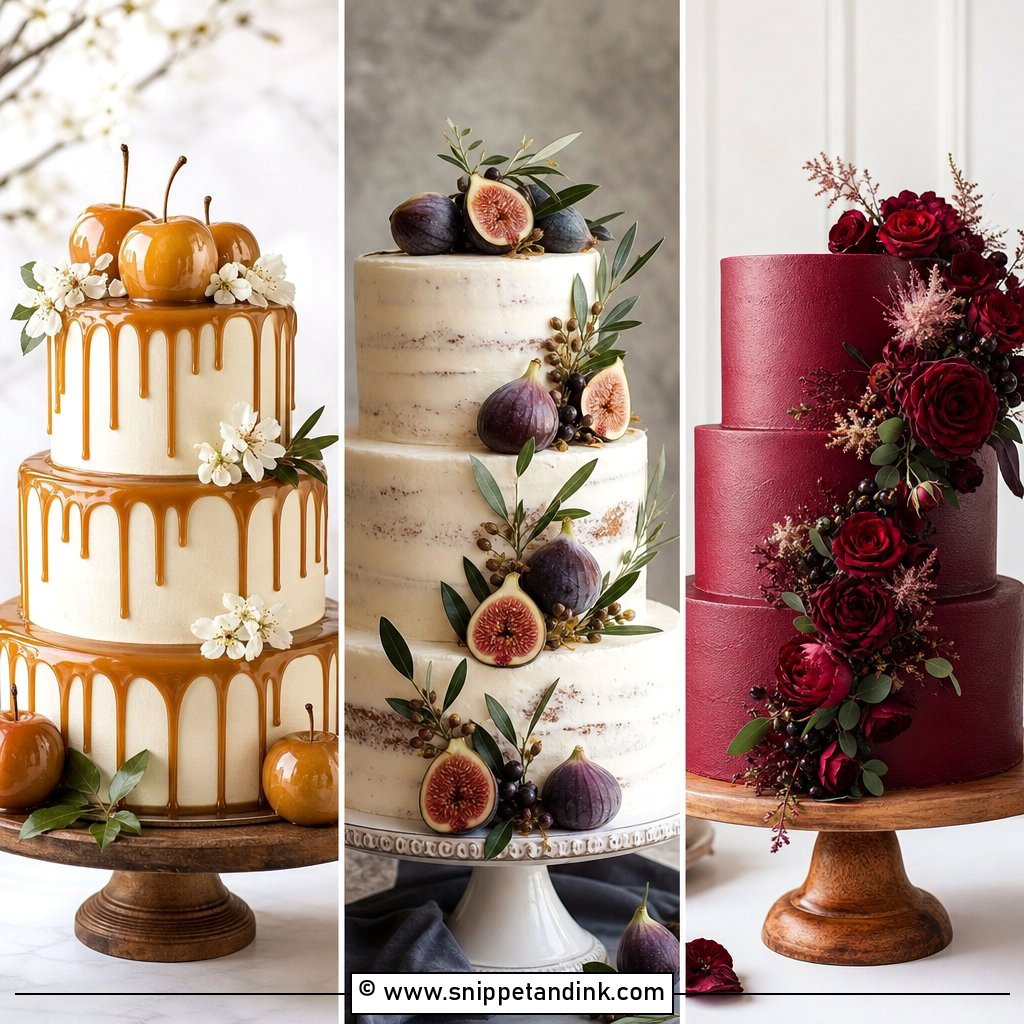
6. Single Tier Wedding Cake With Fresh Figs
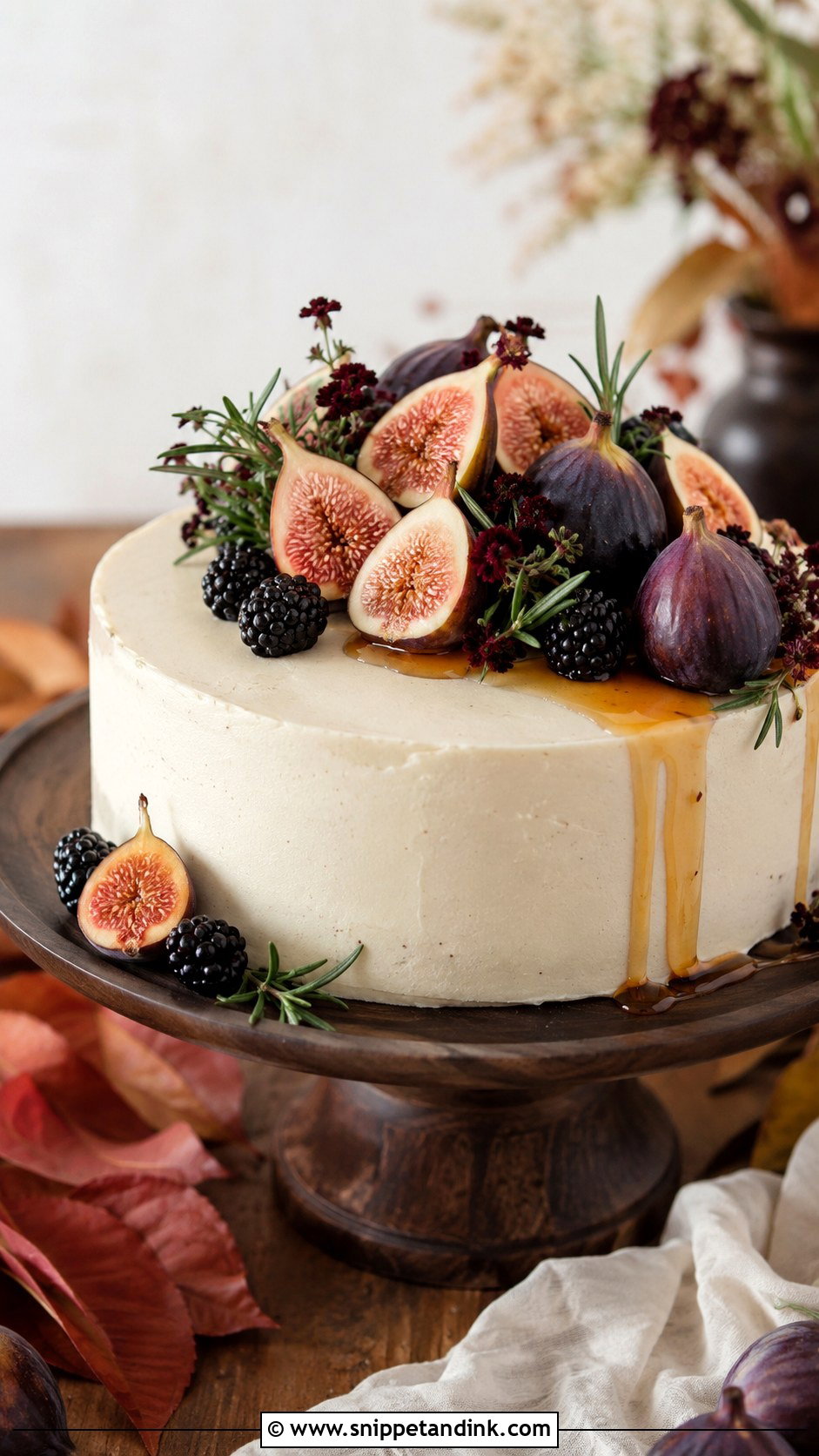
Figs are the fruit I reach for most in autumn because the cut face holds its color. The purple skin against cream buttercream does all the decorating. Halved figs do weep a little juice after a few hours, so I place them as late as possible and keep them on top, away from the side frosting. Honey, almond, vanilla and spice sponges all pair well. If you want a drizzle, I keep it to a thin line of honey so the cake still looks finished rather than sticky. Darker tables and candlelight suit this one.
7. Single Tier Wedding Cake With Pears
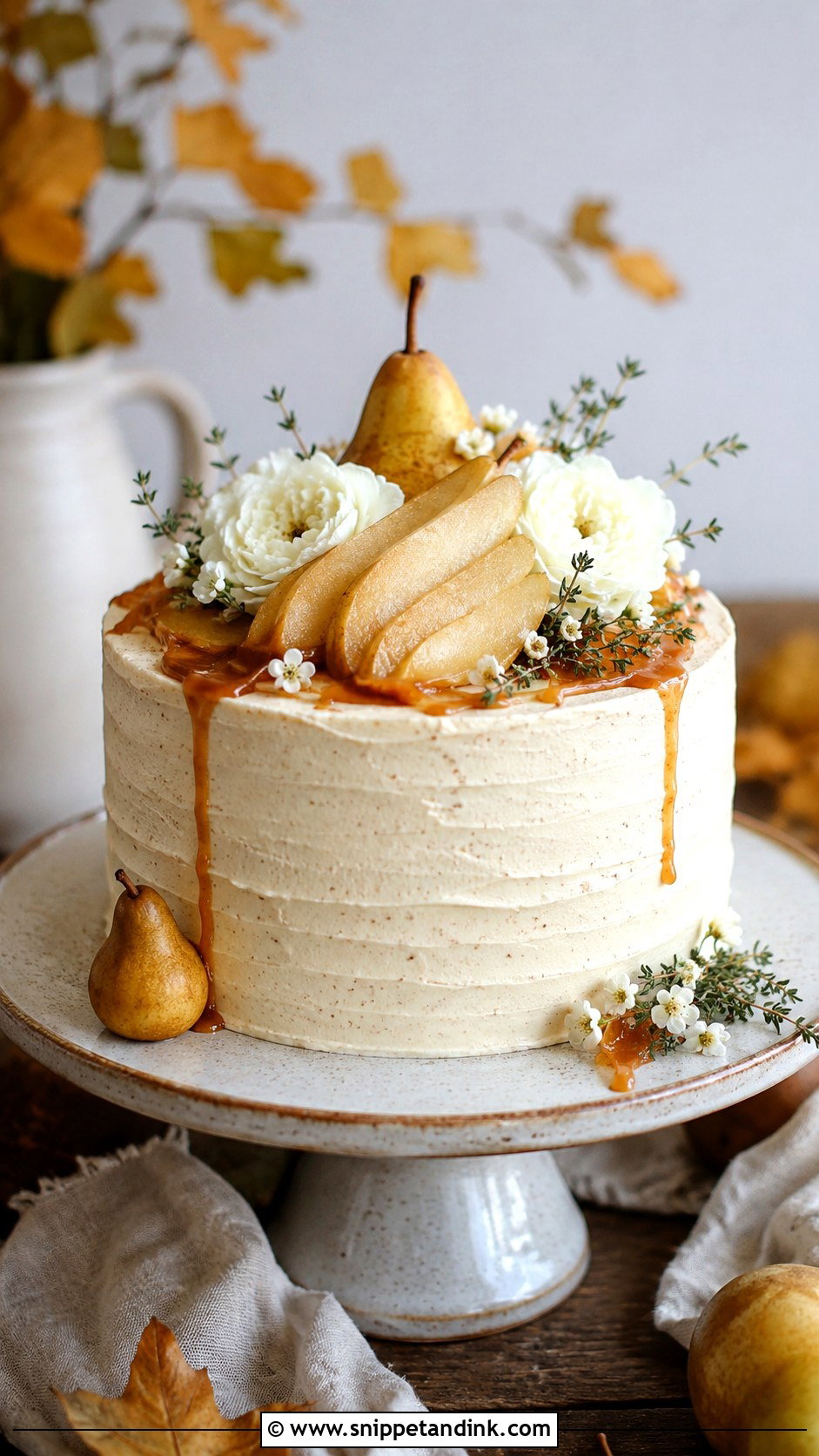
Raw cut pears brown within the hour, which is why I nearly always use them whole or poached. Small golden or red pears set on top give a calm orchard feel; poached halves look more polished and won’t discolor. They sit well on ivory or cinnamon buttercream, and a thin caramel drip ties them in. A sprig of thyme or rosemary finishes it. This is the fruit cake design I’d suggest for a rustic venue that leans dressy.
8. Single Tier Wedding Cake With Apples
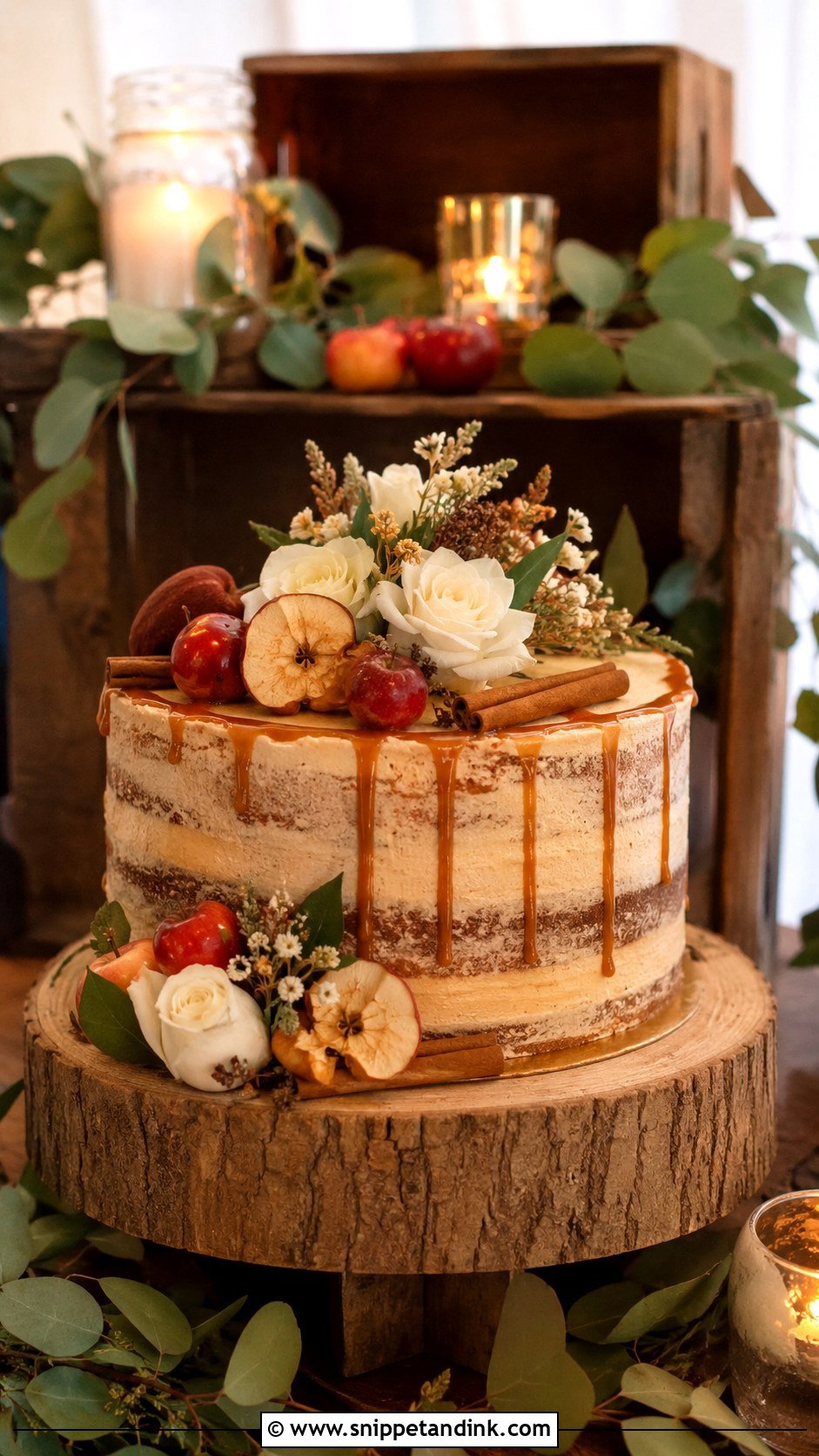
Apples give you more range than people expect. Small whole red apples feel classic harvest, green ones add contrast, and thin oven-dried slices look softer and won’t brown. Apple cinnamon, caramel apple or spice sponge is the natural flavor match. I pair it with cinnamon buttercream and a modest caramel drizzle. One practical note: whole apples are heavy, so I support any on the cake top with a thin board or keep the bigger ones around the base.
9. Single Tier Wedding Cake With Caramel Drip
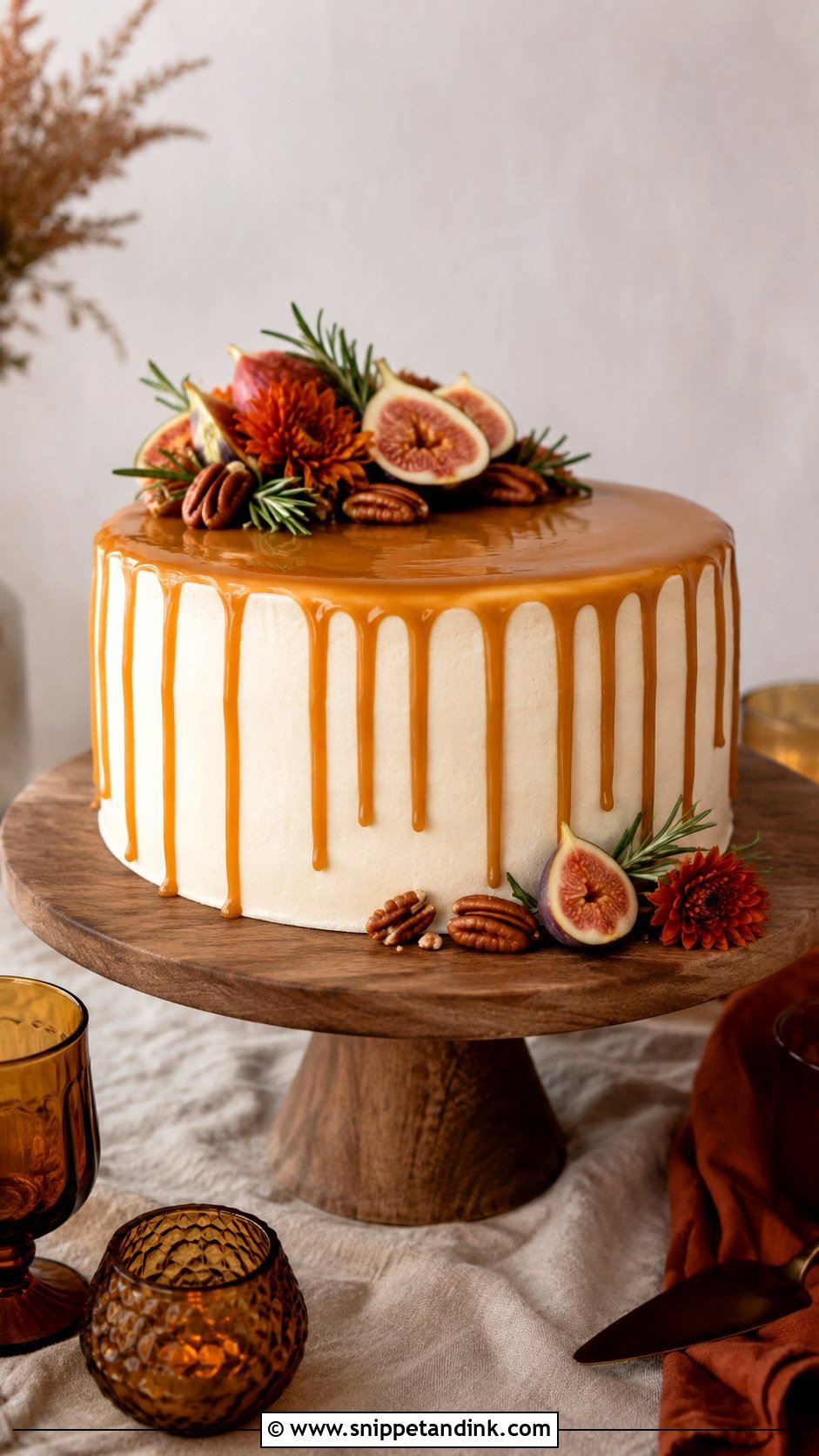
Caramel drip is the quickest way to say autumn, but temperature decides how it falls. Too warm and it runs to the board; too cool and it sets in stubby blobs. I test a single drip on the chilled cake first, then go round. Vanilla bean, apple spice or brown butter sponge sits well under it, with figs, pears or toasted pecans on top. A drip softens in a hot room, so it’s a better choice for an indoor fall reception than a sunny afternoon tent.
10. Pumpkin Spice Single Tier Wedding Cake
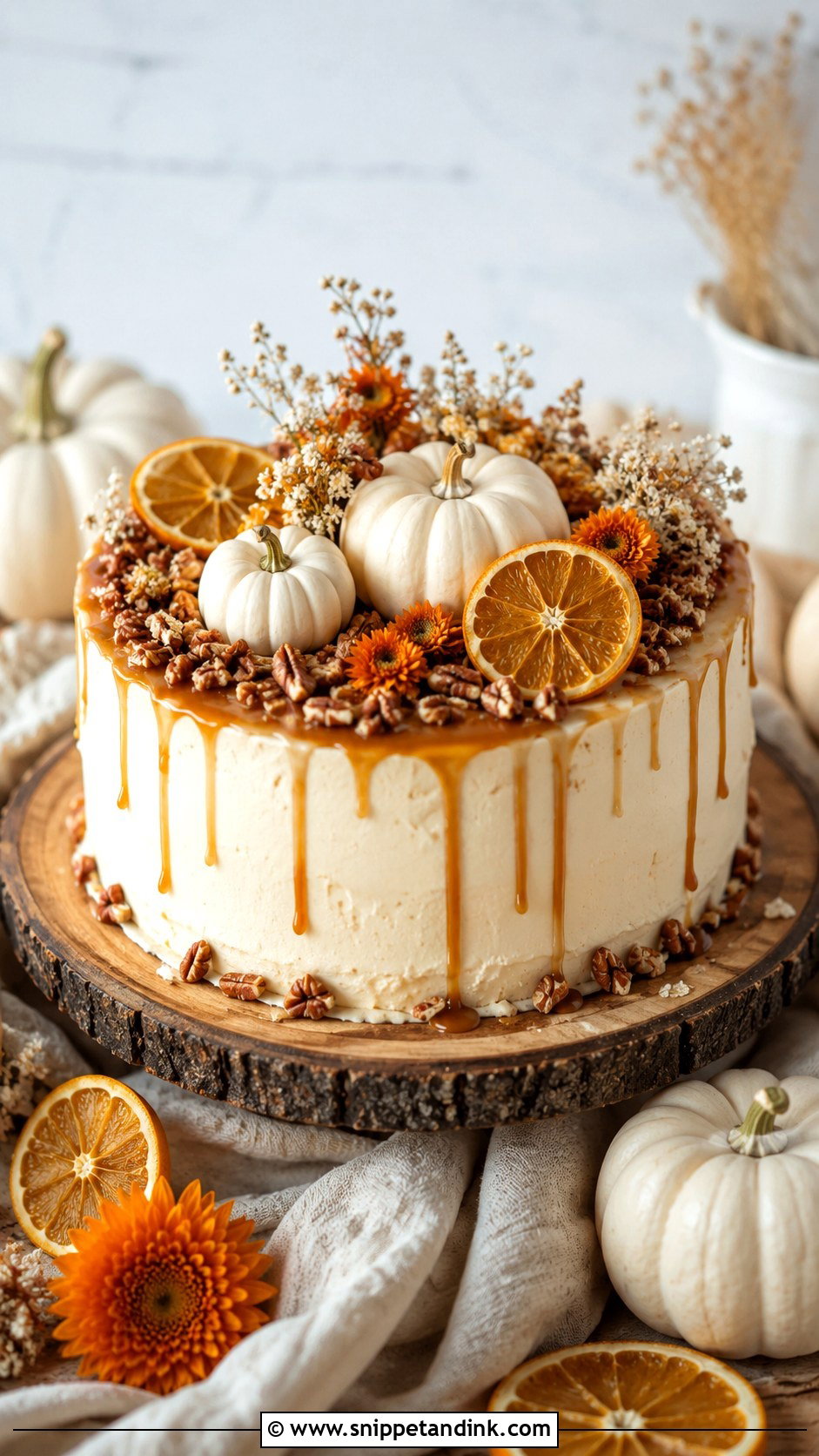
A pumpkin spice single tier wedding cake lets the flavor carry the theme, so the outside can stay quiet. The crumb comes out a warm golden orange, which looks good when a slice is cut on camera. Cream cheese frosting is the classic match, but it’s soft and needs the fridge, so for a long display I use cinnamon buttercream instead. Mini white pumpkins, pecans or a few dried orange slices are enough decoration. I’d stop there; once you add too many pumpkin accents it starts to look like a bake sale.
11. Apple Cinnamon Single Tier Wedding Cake
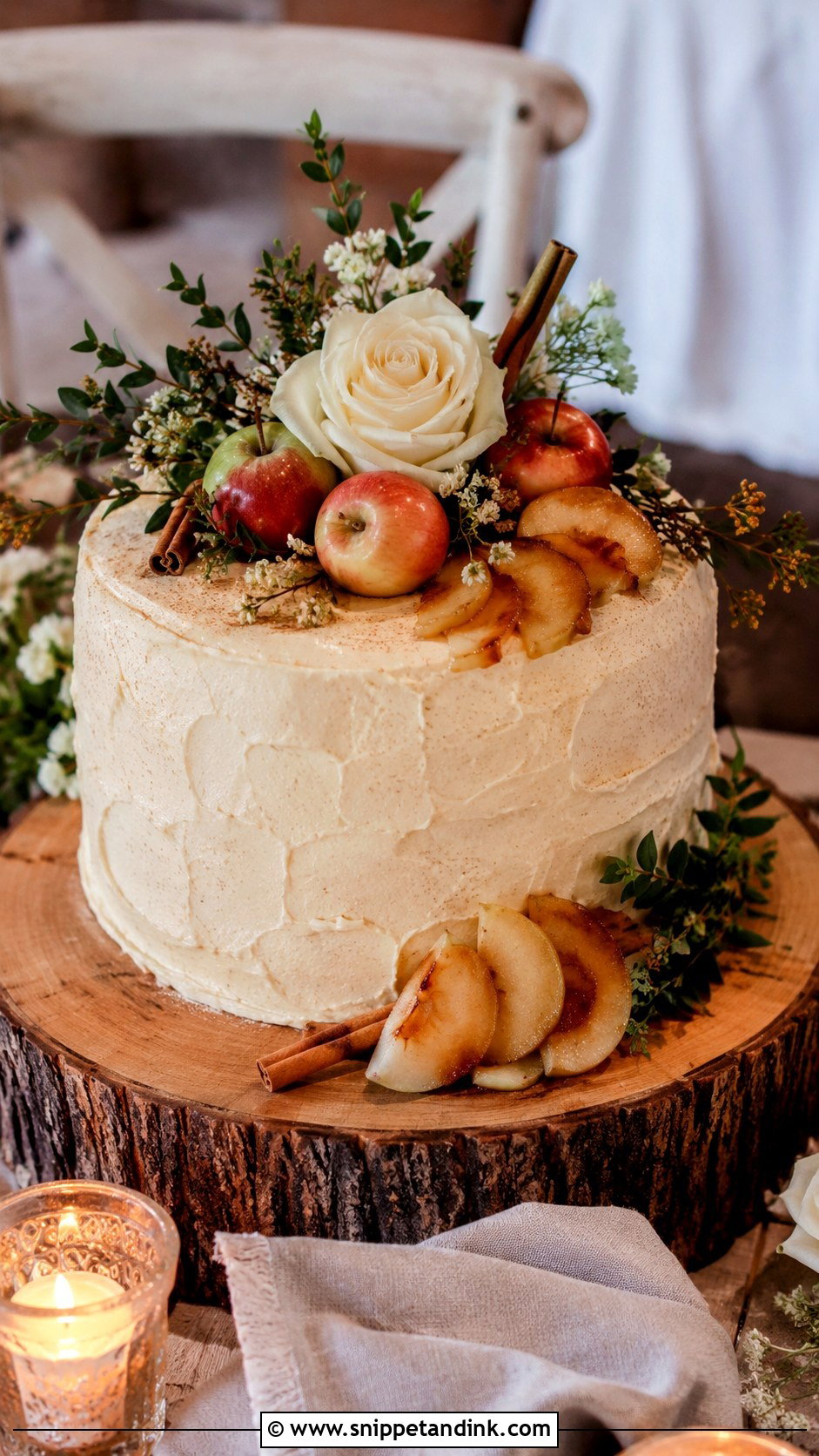
An apple cinnamon single tier wedding cake is the one I suggest when the couple tells me guests care more about seconds than photos. I fill it with a thick apple compote, cooked down well so it doesn’t seep through the layers, and dam each layer with buttercream. A semi-naked or textured finish suits it. Caramelized apple slices and a couple of cinnamon sticks on top keep it simple. It sits nicely on a wood slice with a ring of greenery at the base.
12. Maple Pecan Single Tier Wedding Cake
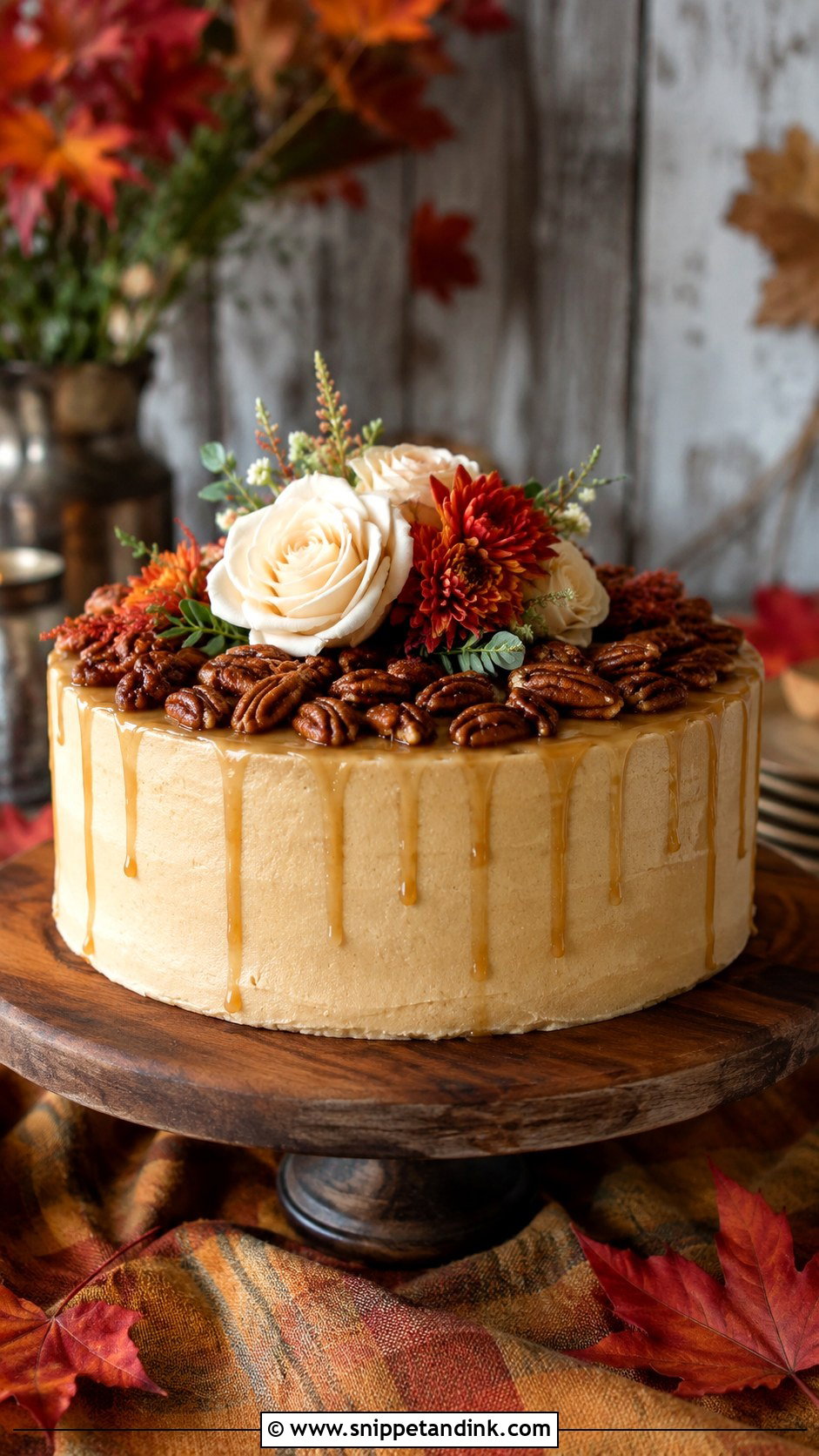
Maple gives a deeper sweetness than vanilla, and pecans add crunch that guests notice. Maple buttercream or brown butter frosting both work. I candy the pecans myself so they stay crisp, because untreated nuts pressed into frosting go soft overnight. Arrange them in a tidy band or a neat pile on top; scattered nuts look accidental. Lodges, farms and cozy indoor rooms suit it best.
13. Chai Spice Single Tier Wedding Cake
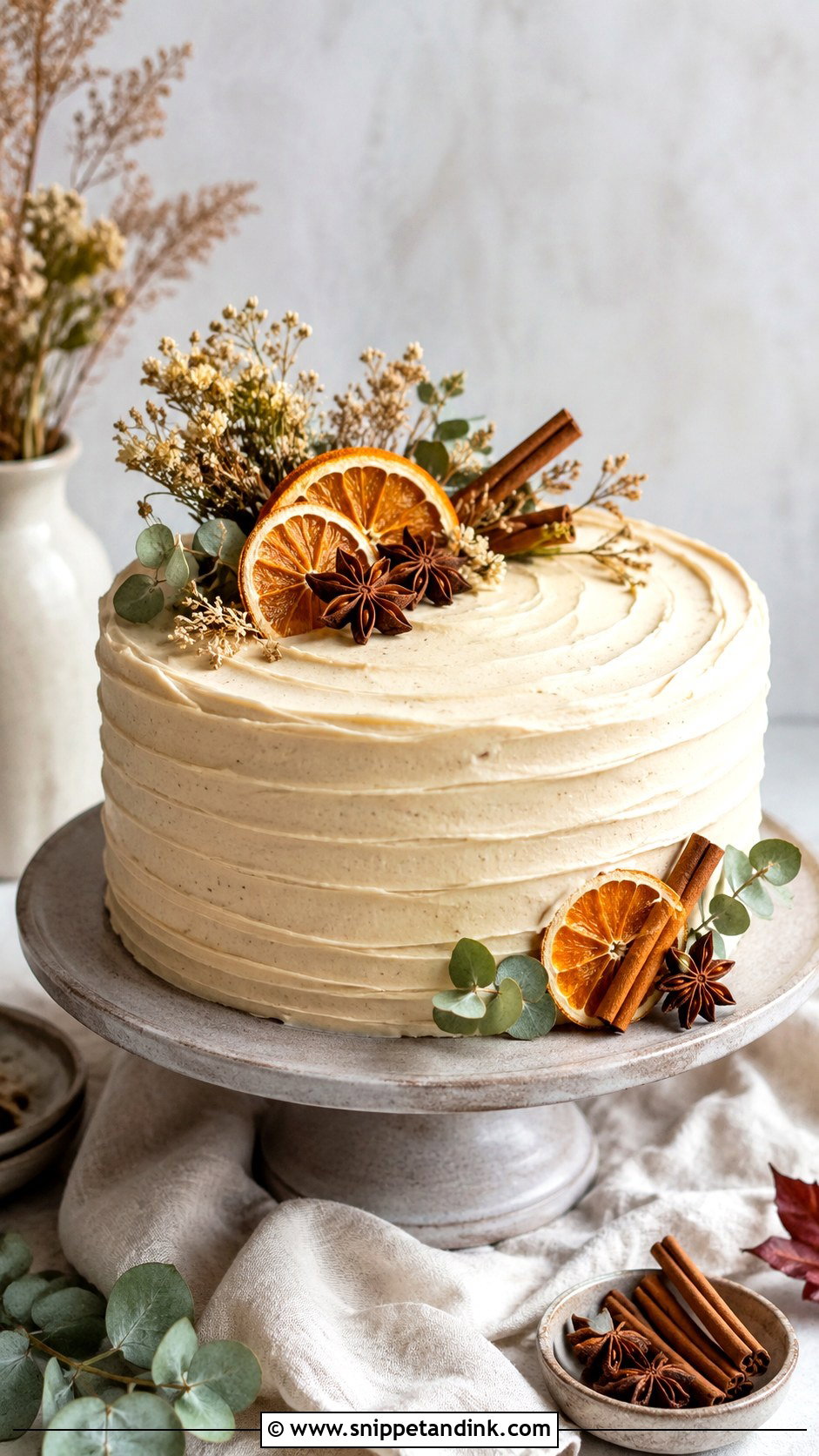
Chai is my favorite surprise flavor for a fall cake. Cardamom, ginger, clove and black tea come through clearly against a honey cream cheese or plain vanilla buttercream. Outside, I keep the color pale beige so the spices are hinted at rather than displayed. Dried orange slices and one or two star anise pods look good, but I tell couples those are decoration, not something to eat. Too many whole spices and the cake looks like a market stall, so restraint matters here.
14. Chocolate Ganache Single Tier Wedding Cake
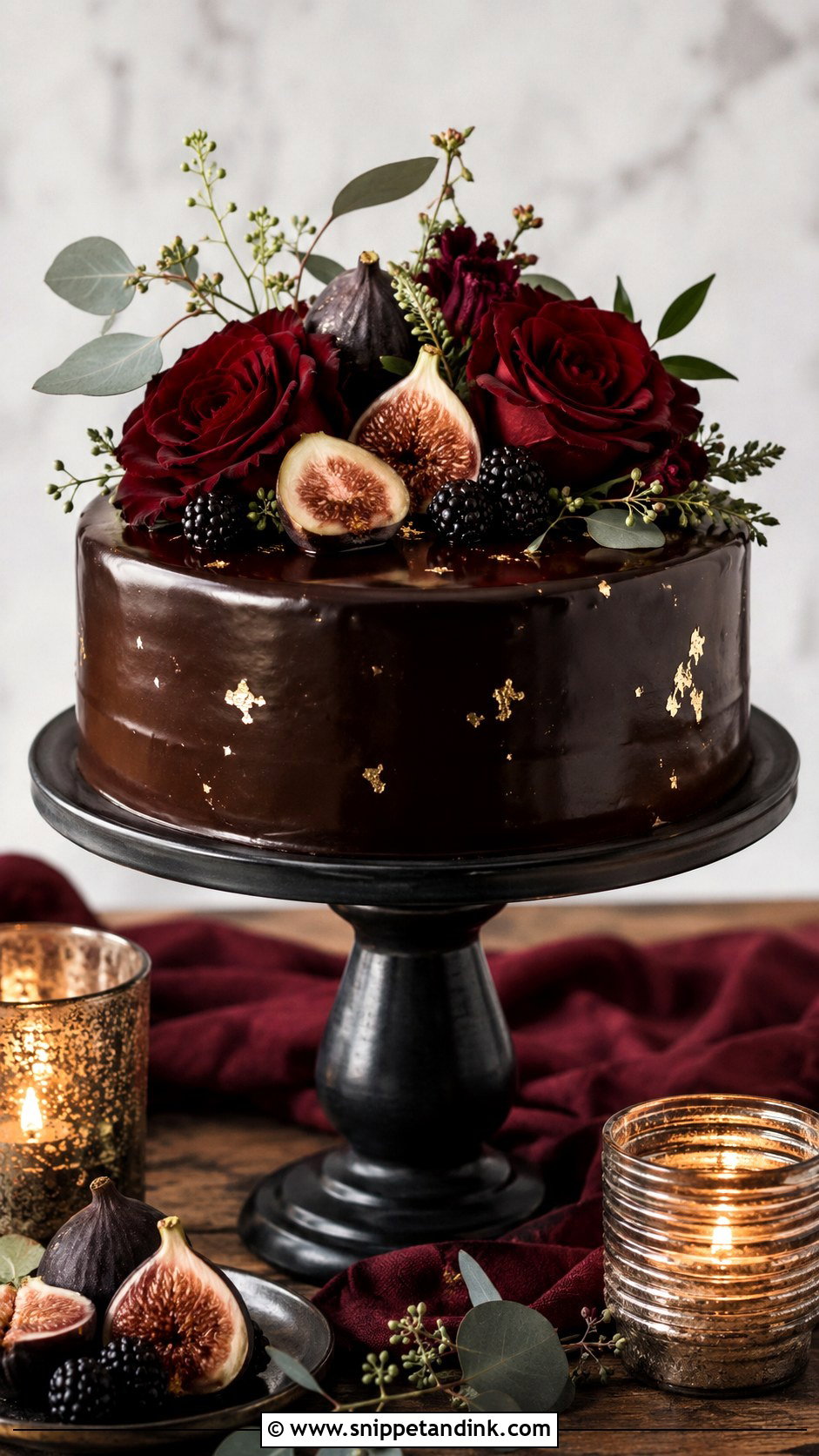
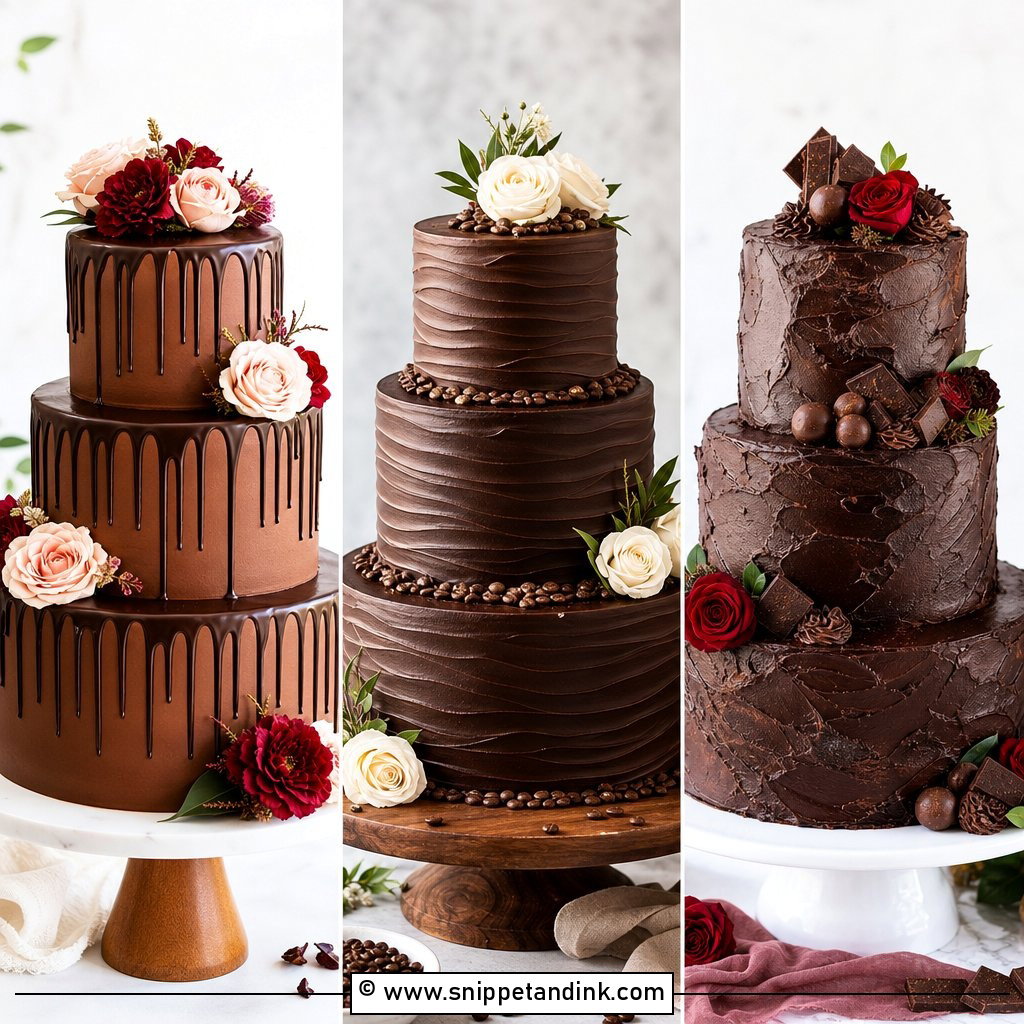
Dark ganache gives a rustic table some drama, especially with burgundy flowers or blackberries. A glossy pour reads polished; a ganache spread with a palette knife feels more relaxed. Ganache sets firmer than buttercream, which makes it my steadiest choice for a warm room or a long drive. Salted caramel, espresso, hazelnut or raspberry fillings sit well inside. Keep the stand plain so the color stays the focus. Evening receptions suit it far better than bright daylight.
15. Chocolate Caramel Single Tier Wedding Cake
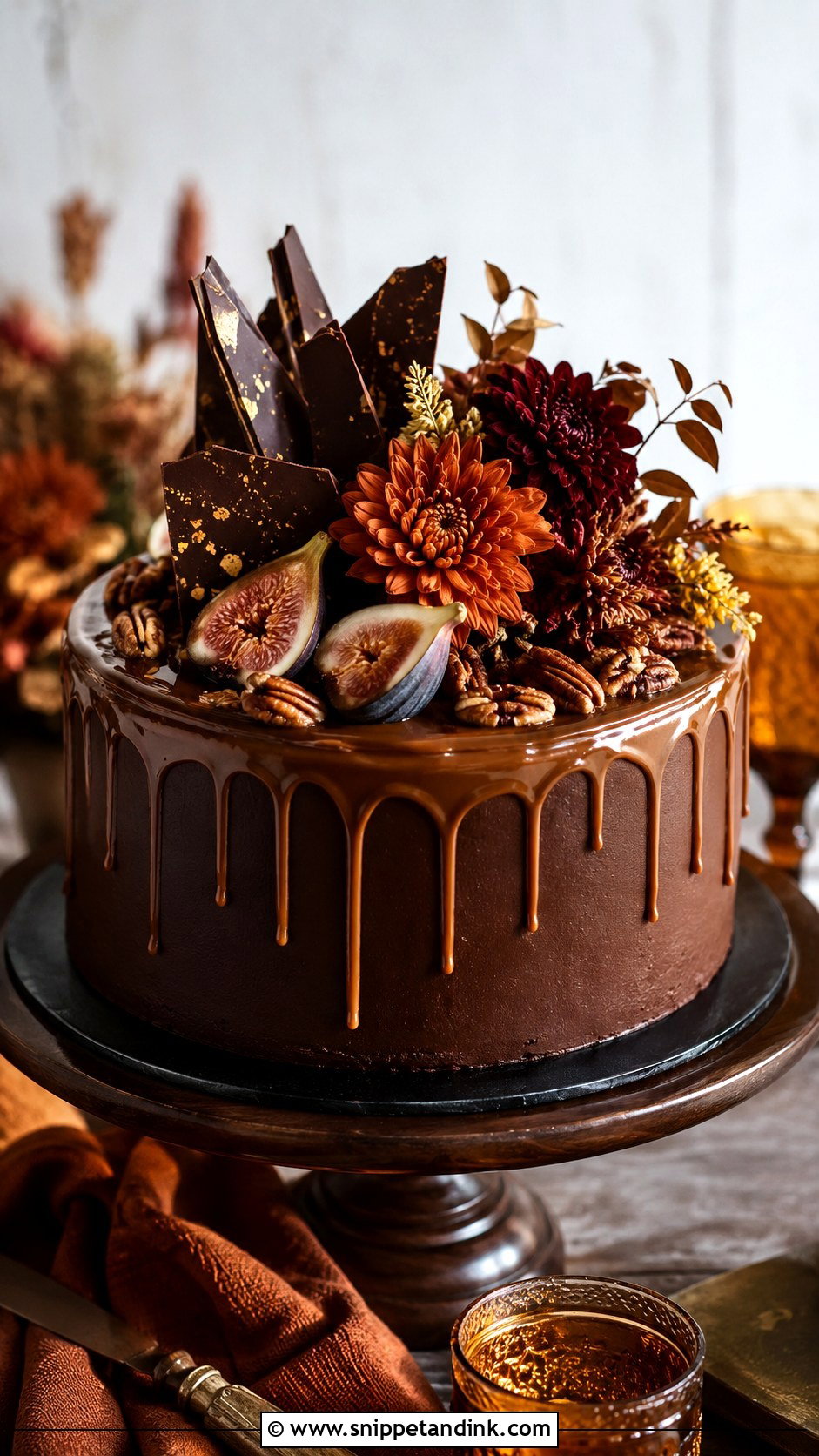
A chocolate caramel single tier wedding cake is the richer cousin of the ganache design above. I coat it in chocolate buttercream or ganache and run a controlled caramel drip over the edge, letting it set before anything goes on top. Chocolate shards, toasted pecans or a few rust flowers finish it. This is indulgent rather than delicate, so it suits couples who would rather guests talk about the taste. Amber glassware and wood tables suit it.
16. Cream Cheese Frosting Single Tier Wedding Cake
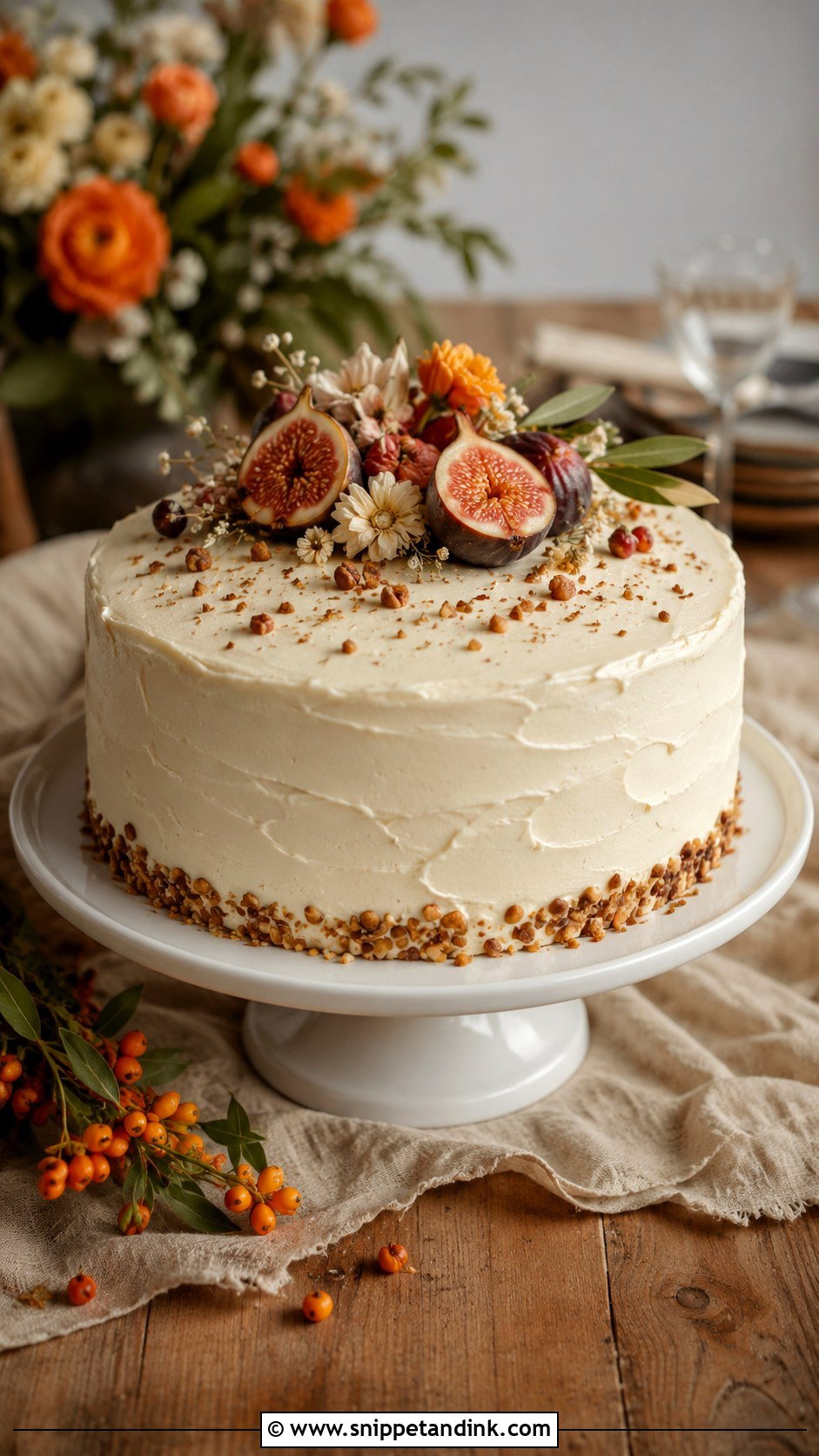
Cream cheese frosting tastes wonderful with carrot, pumpkin, spice and hummingbird cake, but it’s softer than buttercream and doesn’t hold sharp edges, so I always style it textured. It also has to stay refrigerated until shortly before display, which matters if your venue has no fridge space. Chopped pecans, a small floral cluster or a few figs are enough on top. When a couple wants cream cheese flavor but has a long outdoor display, I blend it into a firmer buttercream instead.
17. Carrot Single Tier Wedding Cake
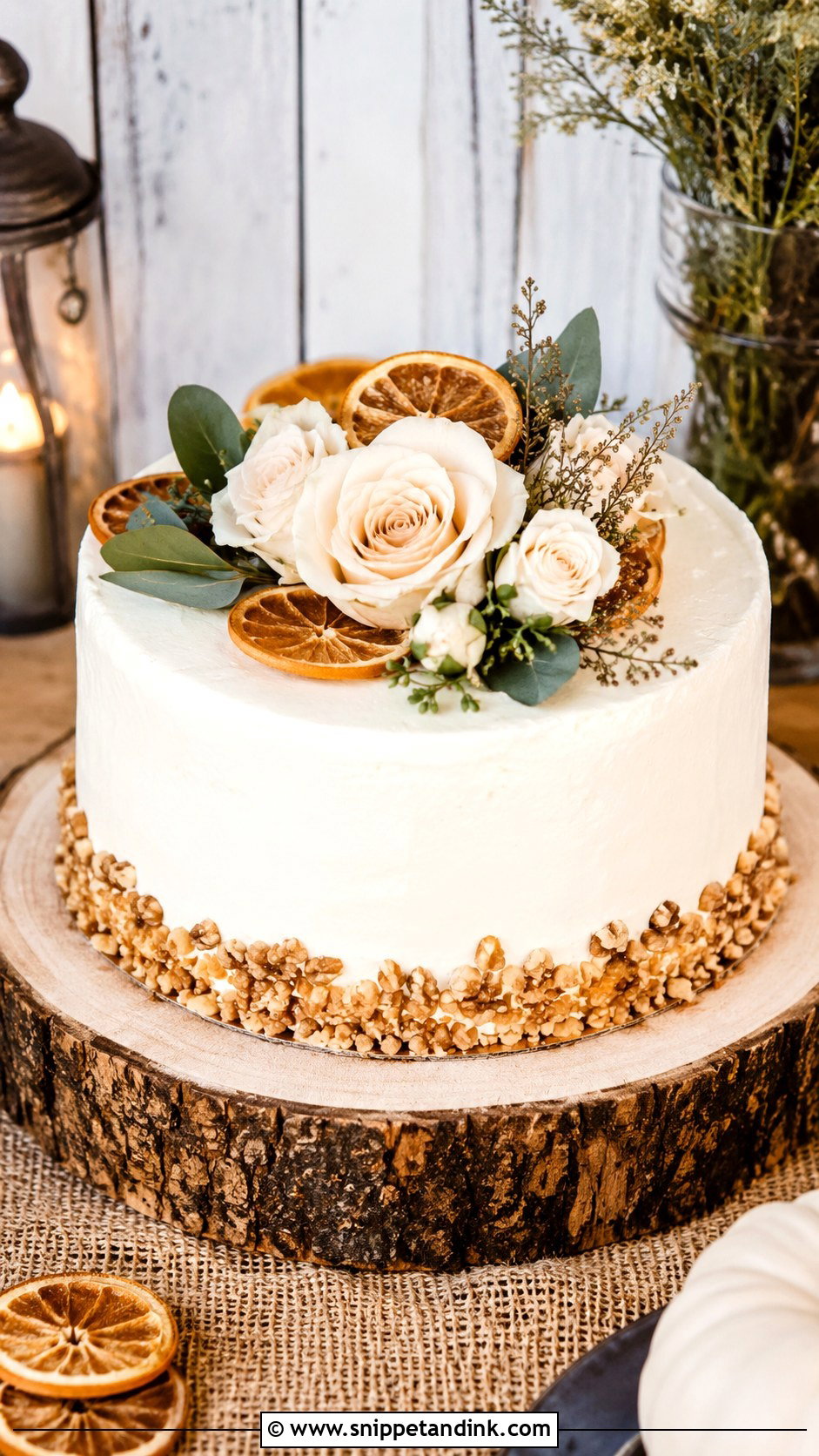
Carrot cake is the one most guests are secretly hoping for. The spiced golden crumb pairs with cream cheese frosting, which I keep lightly textured. Chopped walnuts or pecans around the base hide the board and add a bit of crunch. Dried orange slices make a quiet autumn accent. It’s less formal than a white cake, and I find it often gets finished first. Garden receptions and smaller dinners are where it fits.
18. Red Velvet Single Tier Wedding Cake
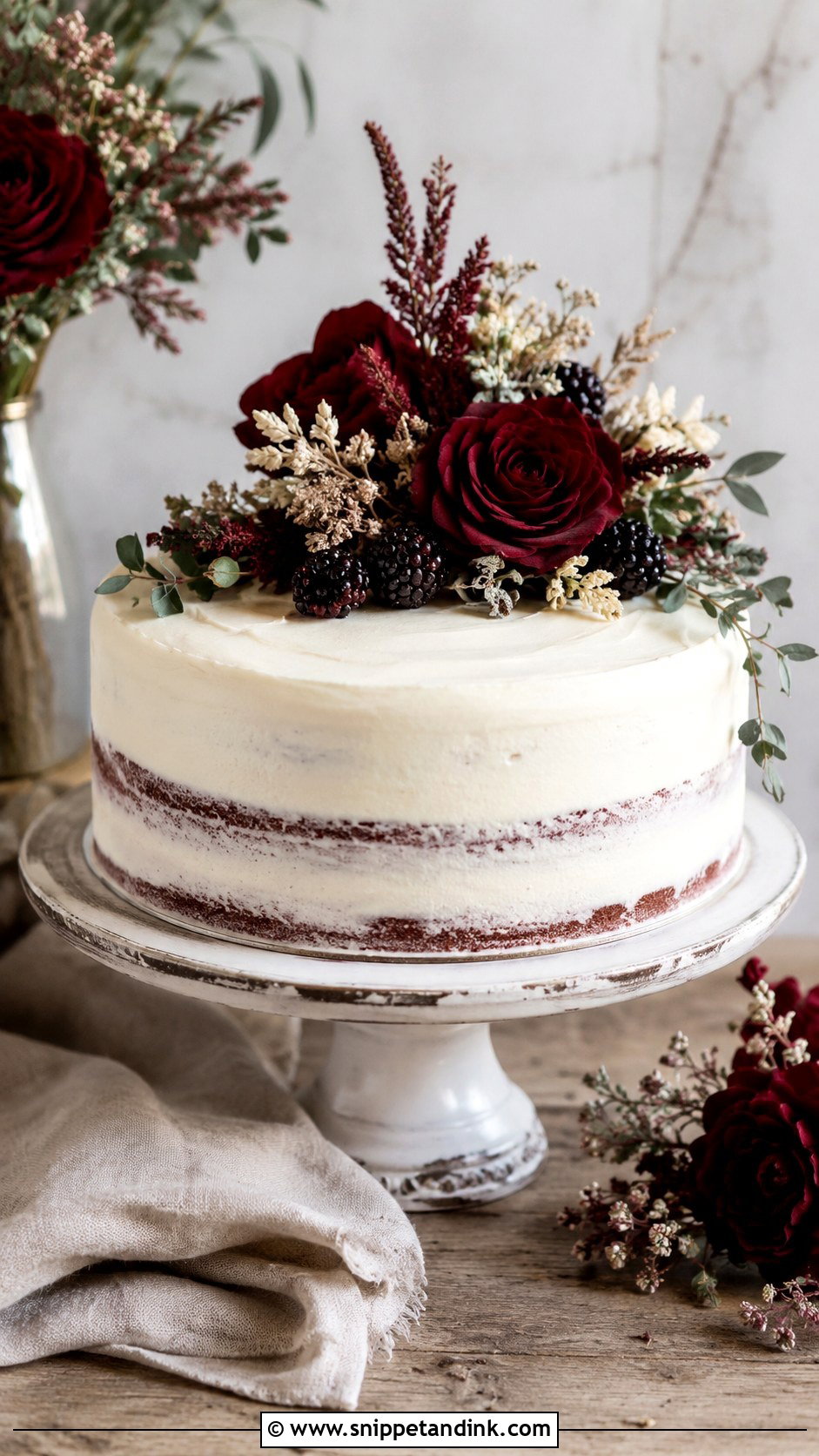
Red velvet is all about the reveal at cutting. I keep the outside smooth ivory so nobody guesses the color until the first slice. A semi-naked finish shows a hint of red at the edges, which some couples prefer. Burgundy roses or dark berries keep the top moody and seasonal. One caution: red crumbs stain light frosting, so I do a careful crumb coat and chill it well before the final layer.
19. Vanilla Bean Single Tier Wedding Cake With Fall Flowers
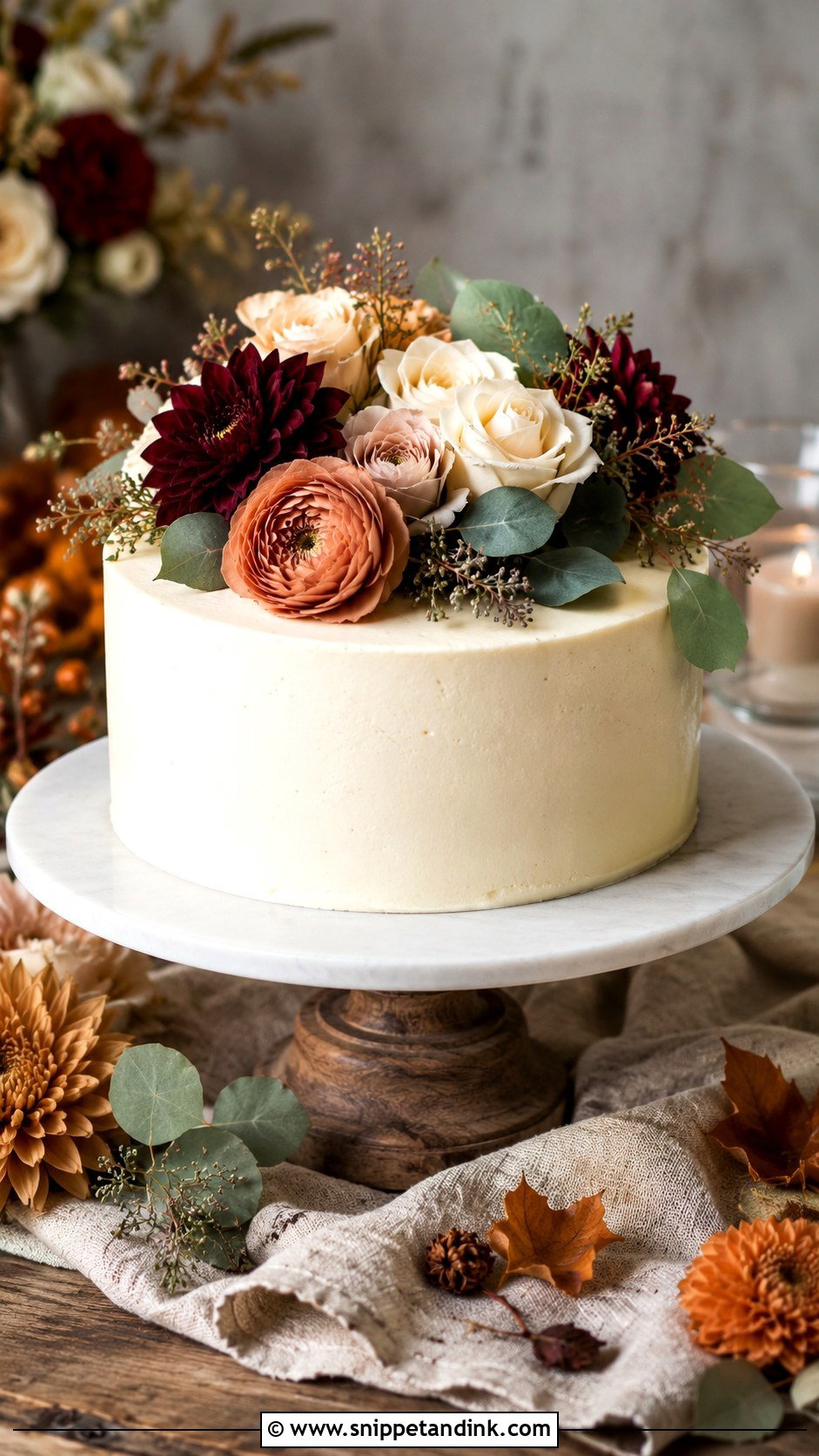
Vanilla bean is the flavor nobody complains about, and with fall flowers on the outside it still feels seasonal. I start with ivory buttercream and add blooms in rust, peach and burgundy. A small crescent on one side always looks more considered to me than a cake buried in flowers. A few sprigs of greenery give the arrangement movement. If you’re unsure what your guests like, this is the safest flavor I can recommend.

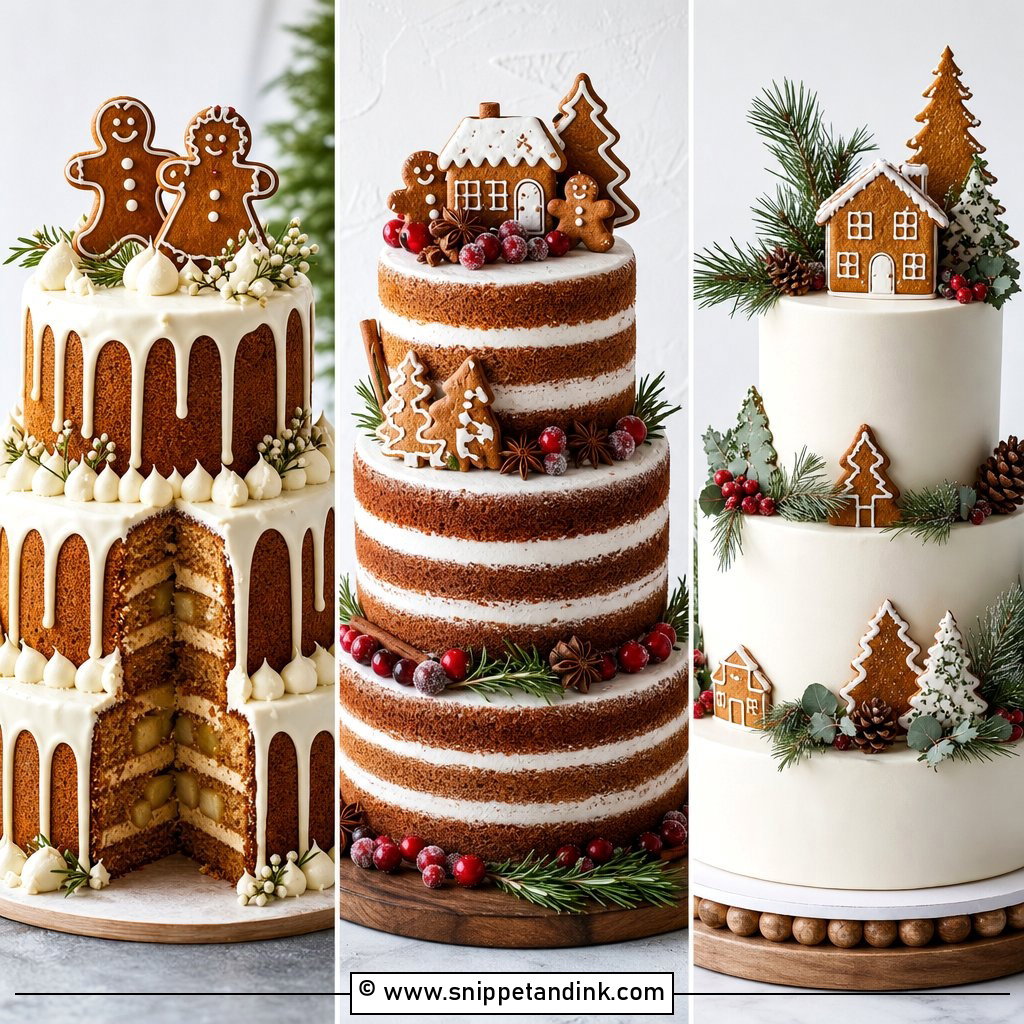



20. White Buttercream Single Tier Wedding Cake With Greenery
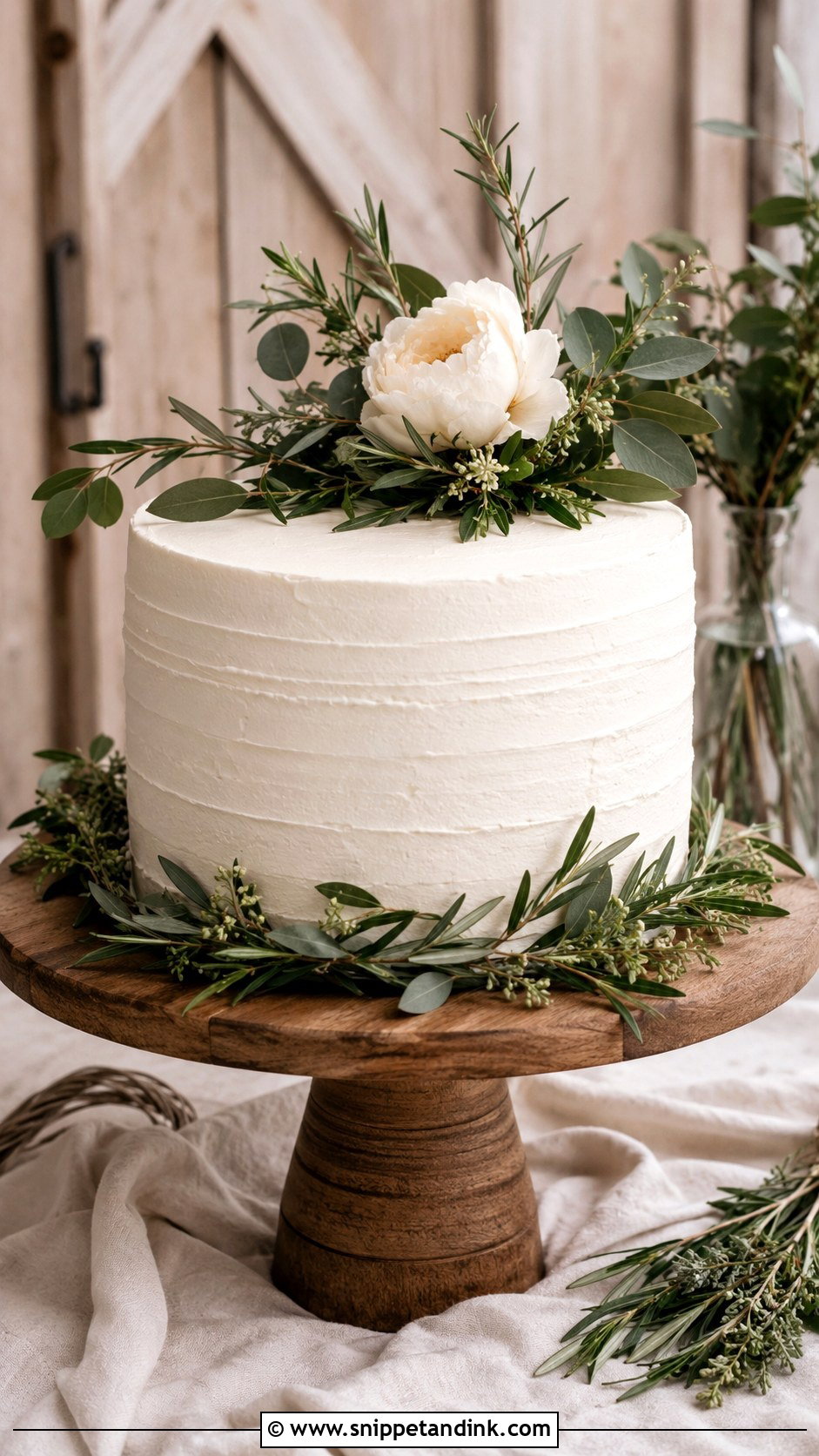
Greenery on white buttercream is quiet rustic. Olive, bay and rosemary are my first choices because they’re food-safe and hold up for hours without wilting; eucalyptus looks great but is toxic, so I only use it on a separate topper or wrapped well away from anything eaten. A lightly textured finish keeps it relaxed. One cream or burgundy bloom adds color if you want it. It goes with almost any fall table setting.
21. Single Tier Wedding Cake With Sunflowers
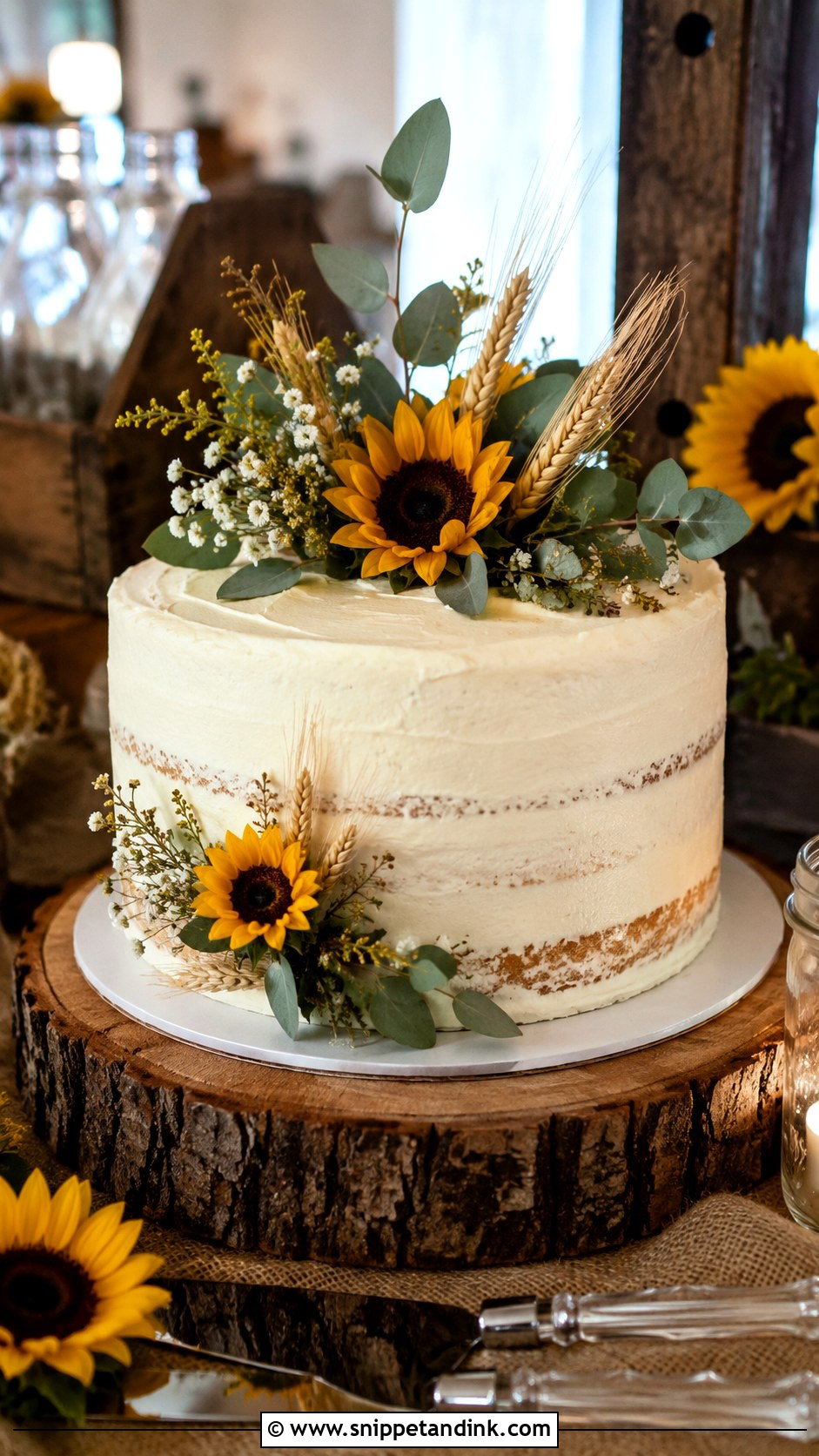
Sunflowers are bright and cheerful, which suits an early autumn or September date better than a moody November one. I use one or two small heads rather than big blooms, because large sunflower faces swamp a single tier and are heavy. Ivory buttercream or a semi-naked finish keeps it calm, with wheat or a few white filler flowers for balance. Sunflower stems carry a lot of sap and pollen, so they get wrapped before they get near the cake.
22. Single Tier Wedding Cake With Burgundy Flowers
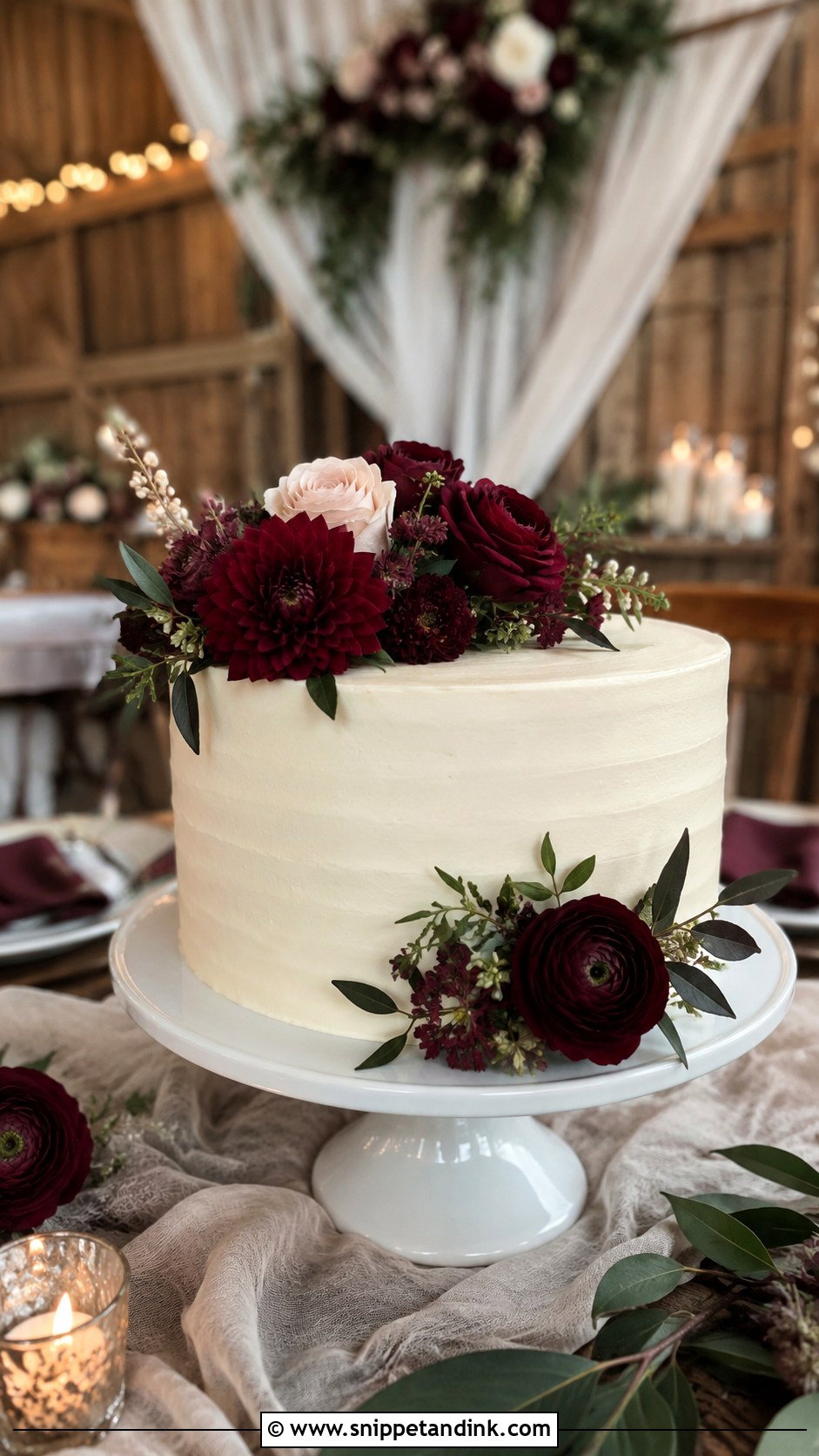
Burgundy flowers give a fall cake depth without needing extra decoration. Against ivory frosting, deep dahlias, roses or ranunculus stand out clearly, even in low light. If fresh flowers aren’t practical, sugar flowers made weeks ahead are worth it, especially for outdoor or long receptions. I arrange them in a crescent or a cascade down one side. Candlelit receptions with a dark palette are where this one shines.
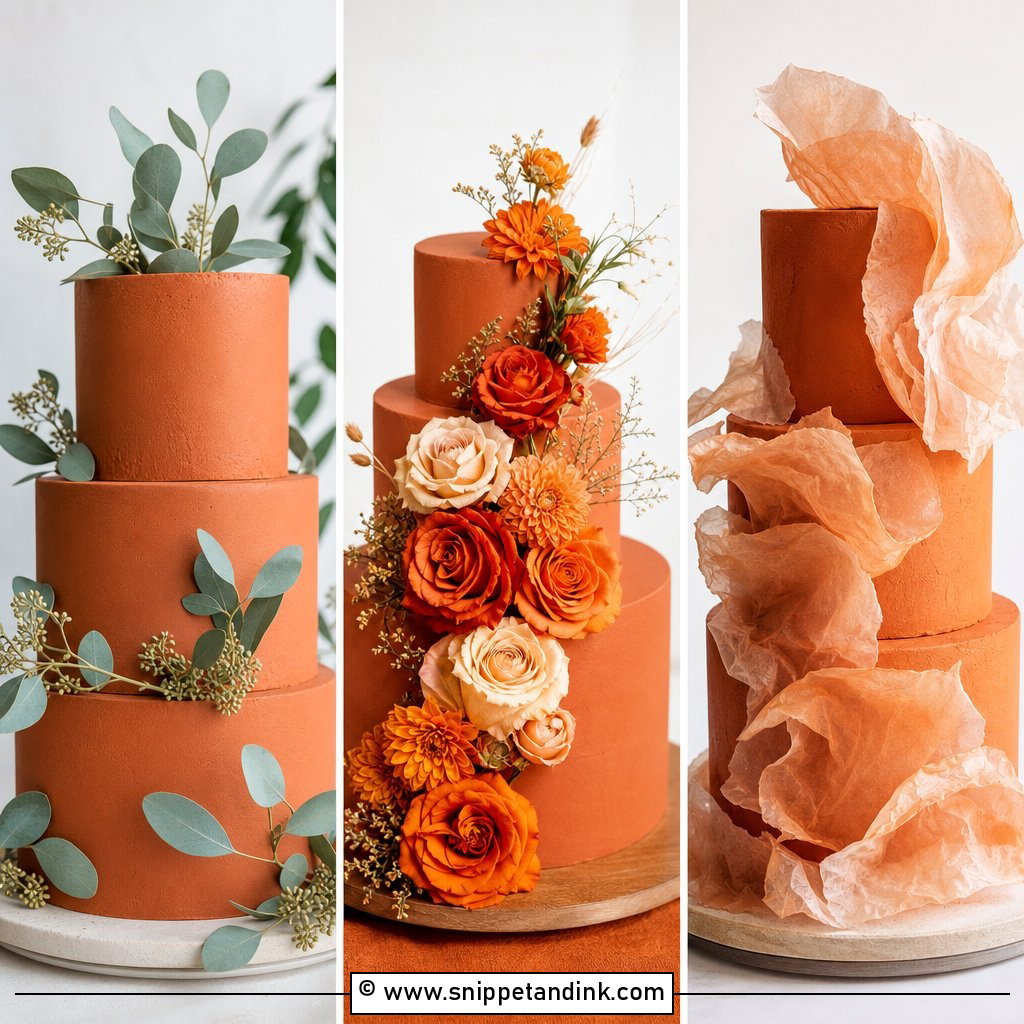
23. Single Tier Wedding Cake With Orange Flowers
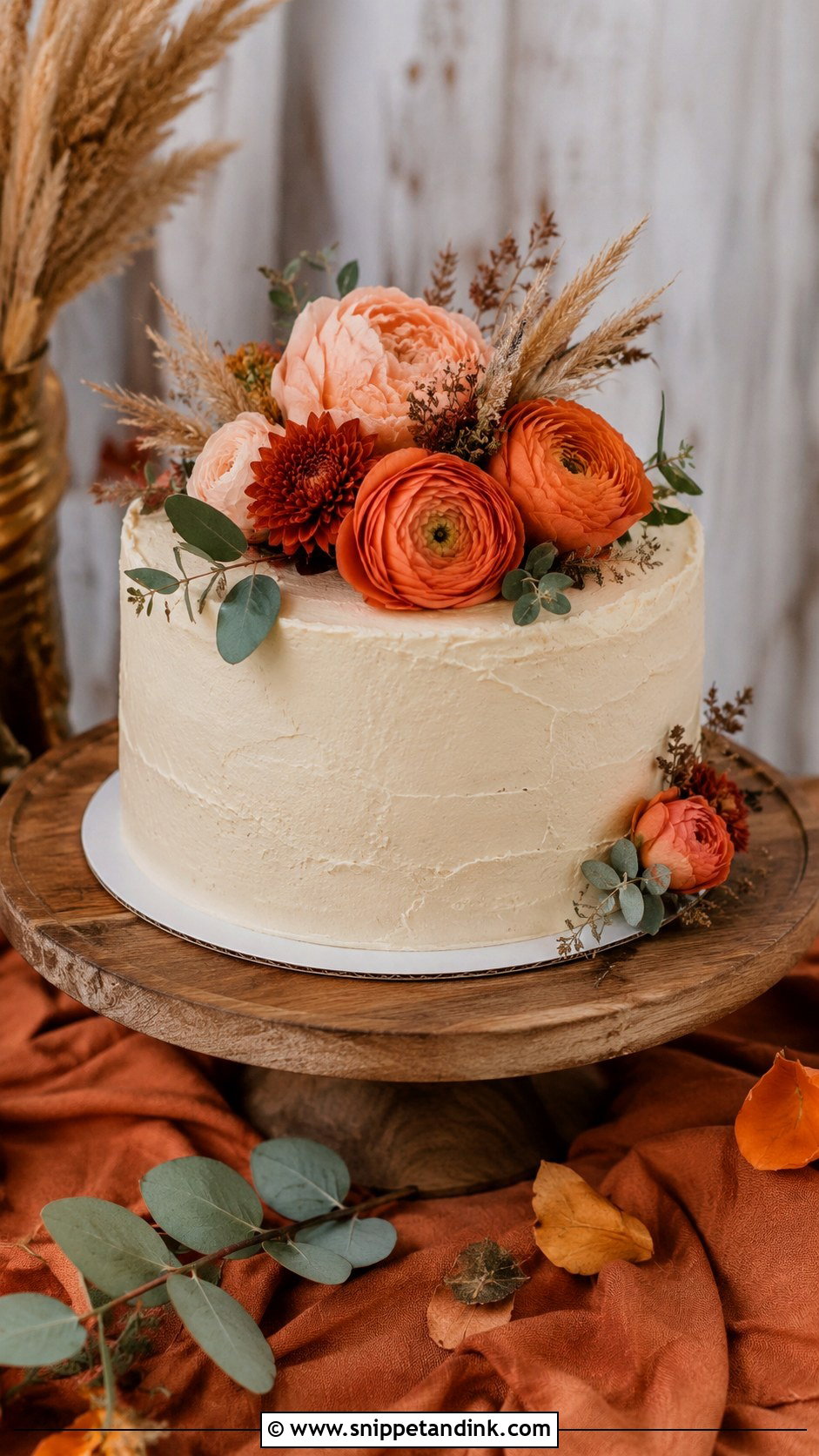
Orange flowers bring warmth, but the shade matters. Burnt orange, copper and terracotta look grown-up; bright pumpkin orange can tip into Halloween. I pick ranunculus, mums or garden roses and set them on cream or beige buttercream. A textured finish, a wood slice stand and a few dried grasses complete it. It’s festive without leaning on props.
24. Single Tier Wedding Cake With Wheat
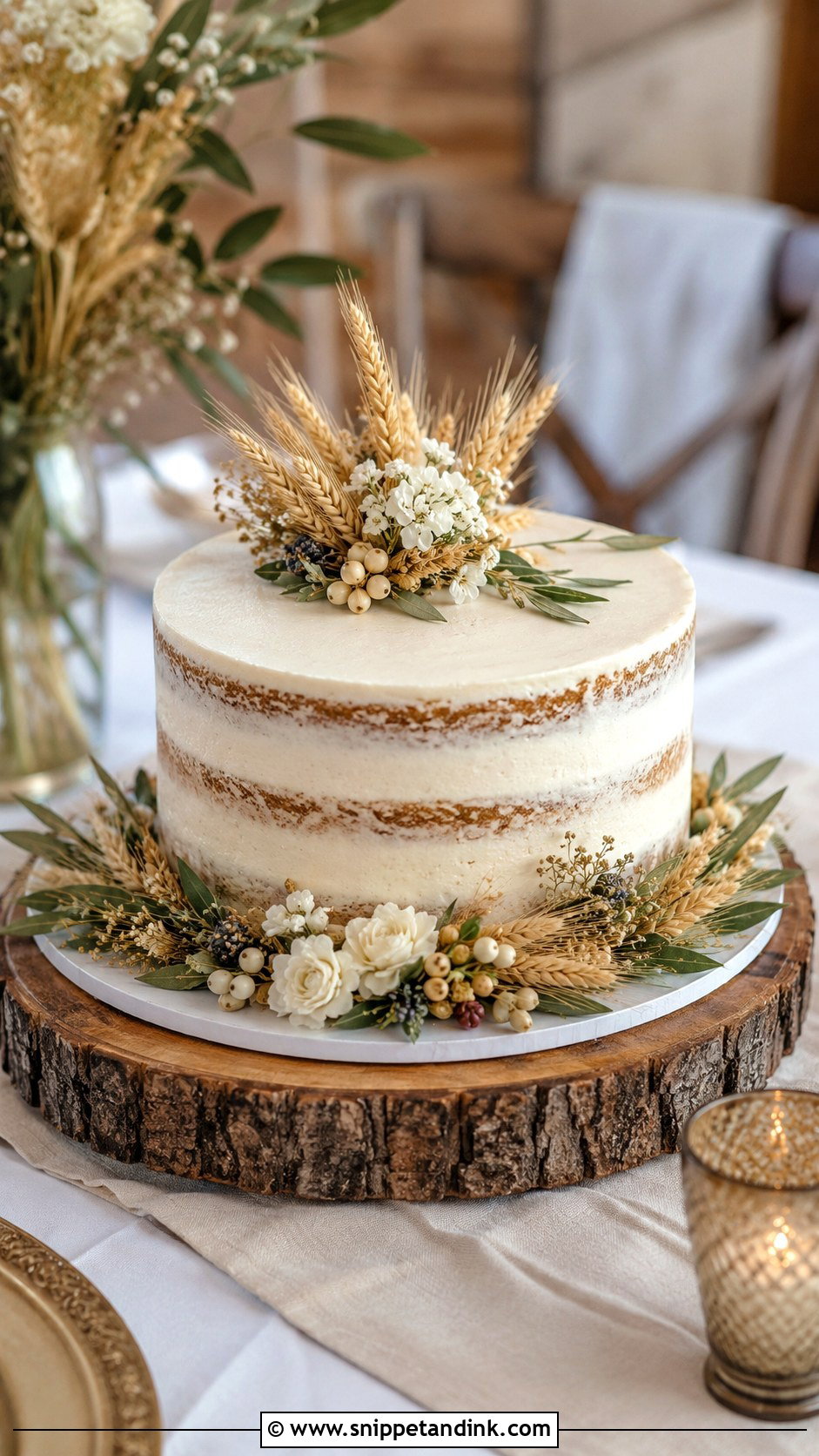
Wheat is one of the simplest decorations I use. A small bundle on top adds height and golden color with almost no weight. Pair it with ivory buttercream, a honey-tinted frosting or a semi-naked finish, then add a few cream flowers or berries for balance. Wheat sheds bits when handled, so I place it after the cake is on its stand. Linen, a wood board and candlelight round out the setting.

25. Single Tier Wedding Cake With Pressed Flowers
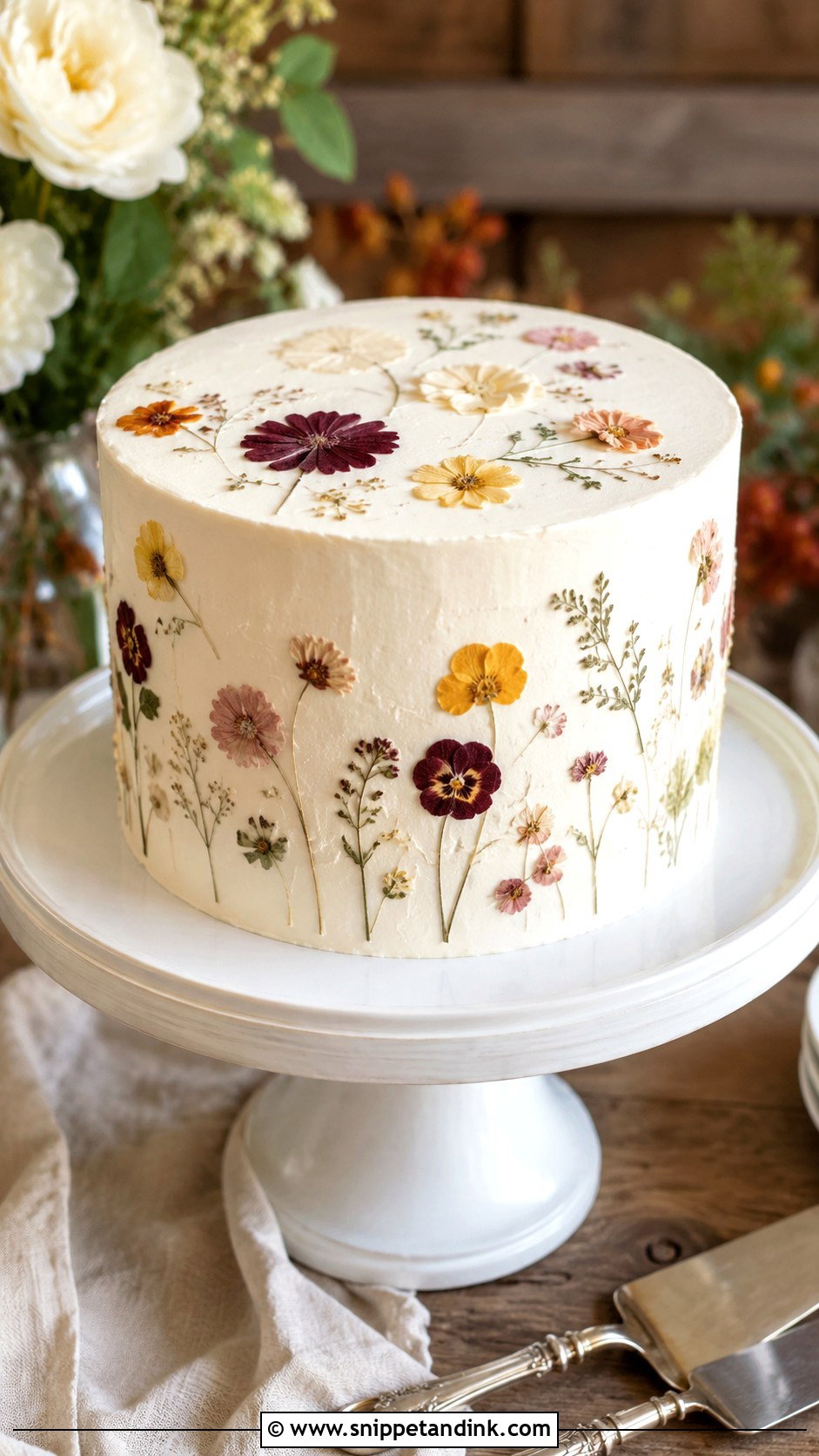
Pressed flowers need a smooth surface, so this is one design where I’d choose smooth buttercream or a thin fondant over a rustic texture. I only use edible varieties pressed for the purpose, like violas, pansies and cornflowers, laid on with a light brush of piping gel. Space them out so the cake doesn’t look crowded. They look delicate and handmade, and because they’re flat they survive transport far better than fresh blooms.
26. Single Tier Wedding Cake With Gold Leaf
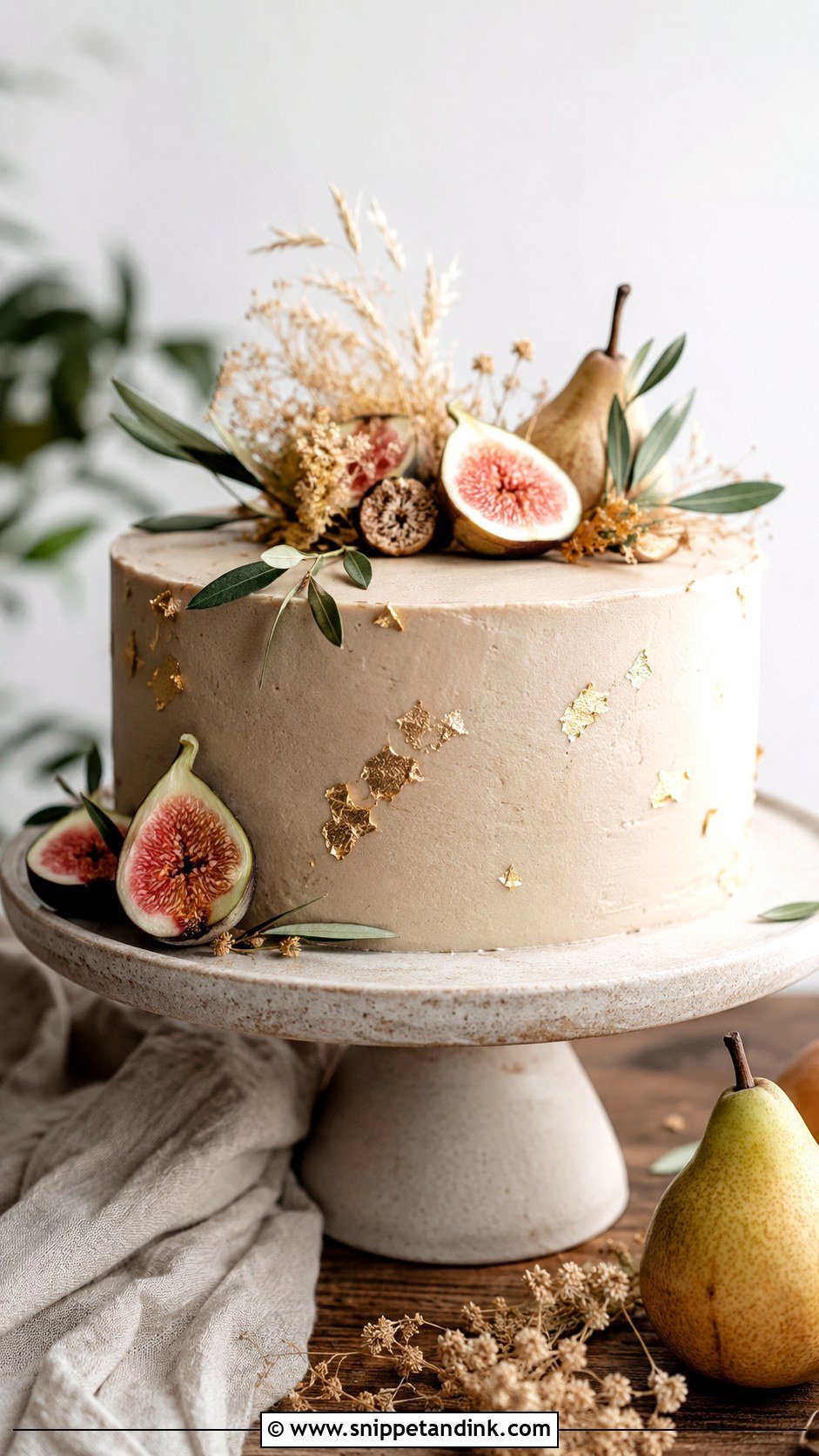
Gold leaf can still feel rustic if you use very little. I apply small torn pieces of edible gold along one side of an ivory or taupe buttercream, never a full wrap. It sticks best to a slightly chilled, barely tacky surface, and it moves with the faintest breath, so I do it indoors with the windows shut. A few figs, pears or dried flowers keep the shine grounded. It suits couples who want a rustic fall cake with one polished detail.
27. Single Tier Wedding Cake With Burlap Ribbon
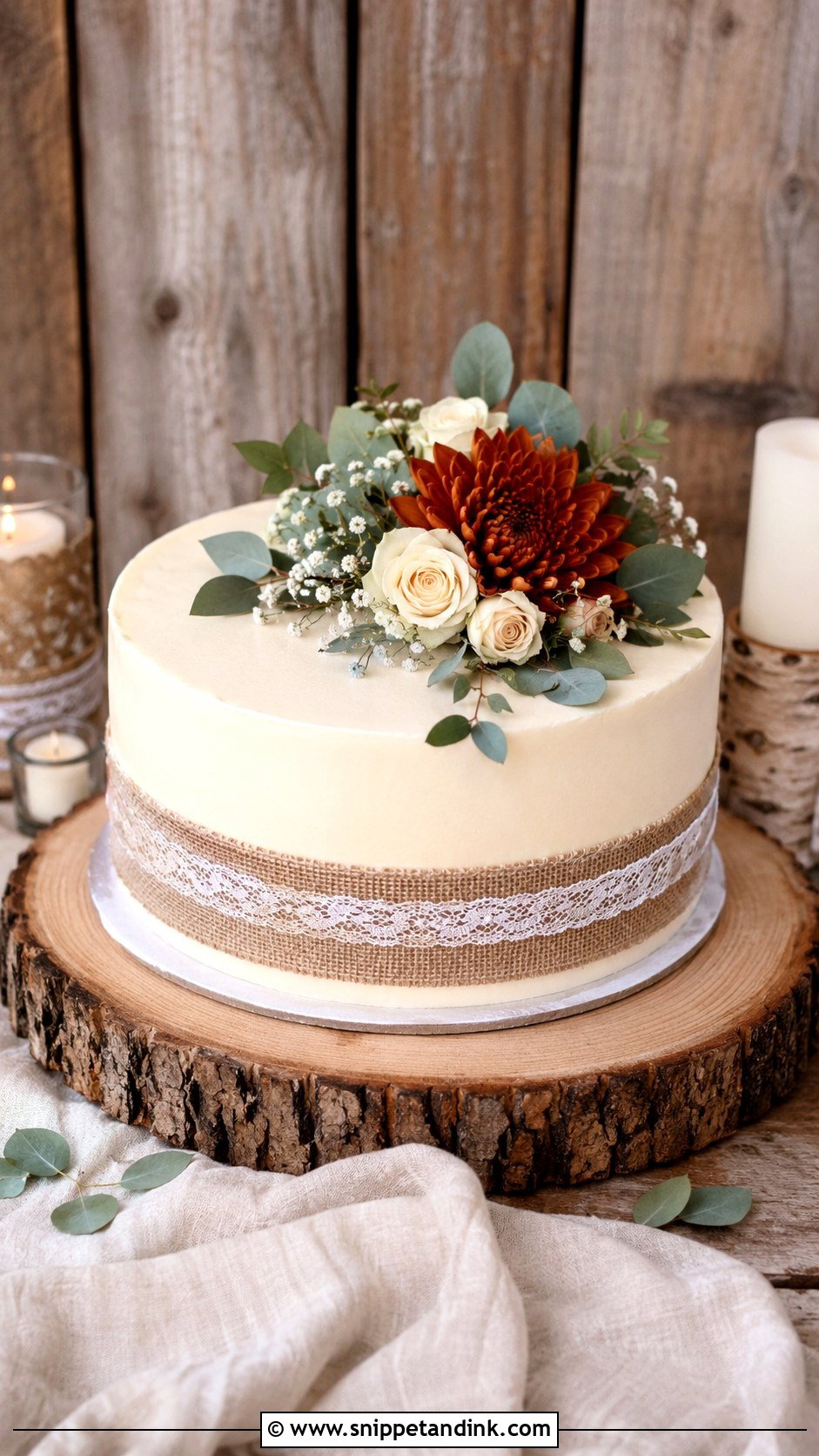
A single tier wedding cake with burlap ribbon is the old favorite of barn weddings, and it still works if the rest stays simple. The thing couples don’t know is that buttercream fat seeps through burlap and leaves greasy marks, so I always put a strip of parchment or ribbon underneath. Cream or white frosting shows the texture of the fabric best. A layer of lace on top softens it. A wood slice stand and a couple of candles finish the look, and it’s one of the cheaper ways to decorate.
28. Single Tier Wedding Cake With Wood Grain Buttercream
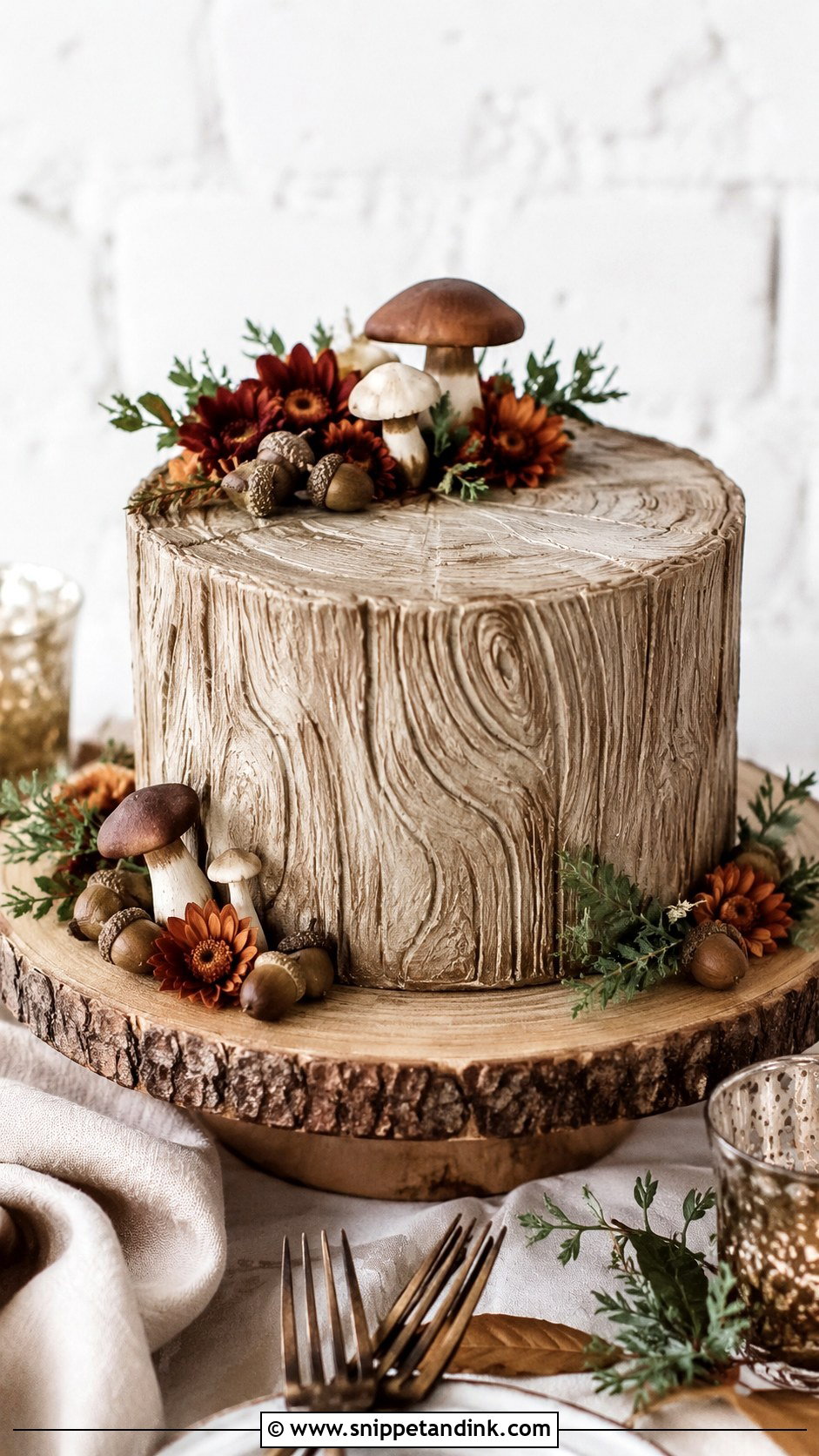
A single tier wedding cake with wood grain buttercream is a technique cake, and it’s more work than it looks. I pipe brown and taupe streaks, then drag ivory buttercream over them with a scraper to reveal the grain. Done subtly it looks elegant; overdone it looks like a log. Small sugar mushrooms, a few fall flowers or sugar acorns suit a woodland or cabin wedding. Keep the stand simple and let the texture speak.
29. Single Tier Wedding Cake With Mini Pumpkins
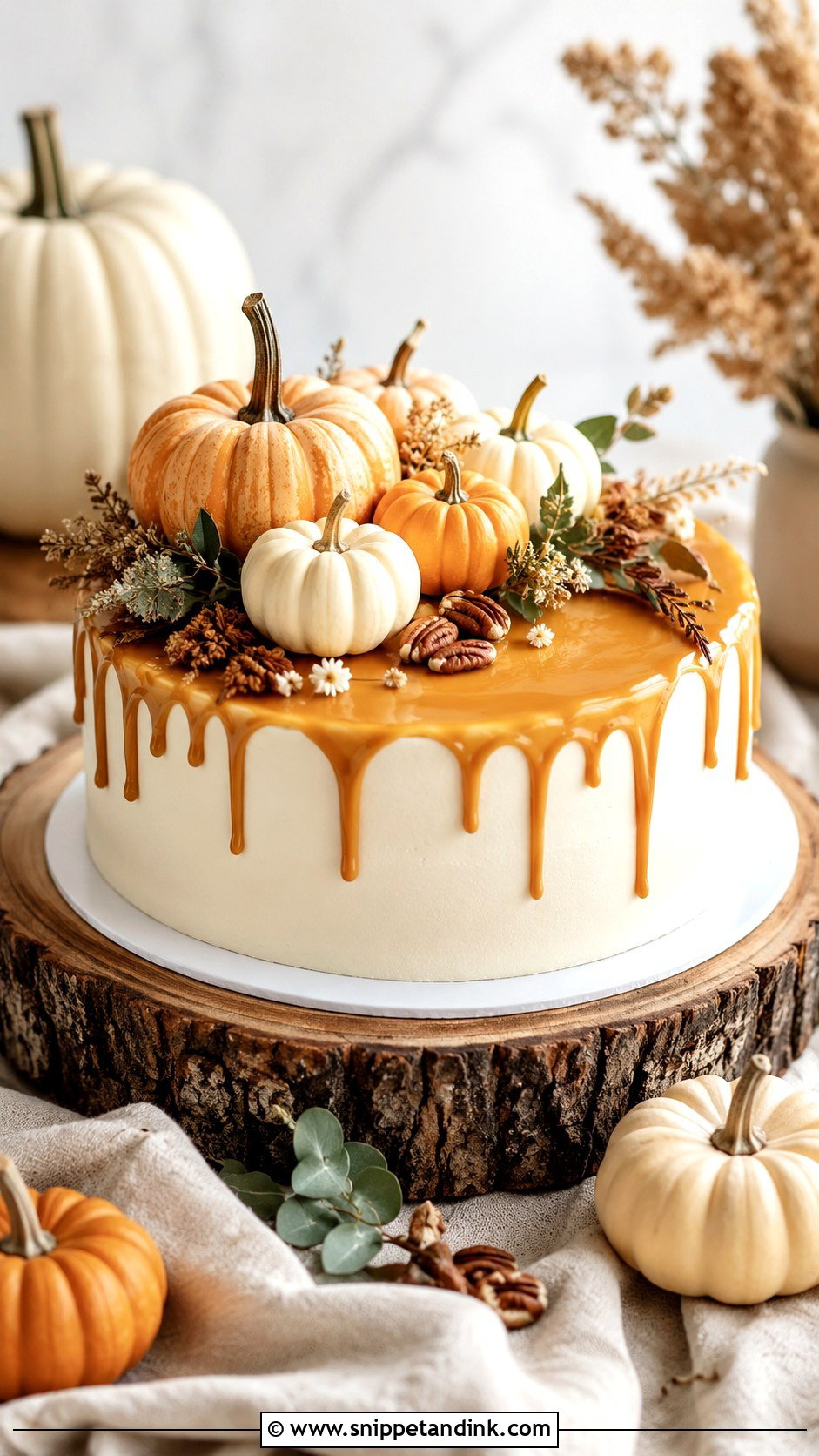
Mini pumpkins work on a wedding cake when they’re small and pale. I choose white, cream or soft orange ones and wash and dry them well, since they come straight from the field. Ivory buttercream, a light caramel drip and a few dried flowers sit well with them. Pumpkin spice, maple or vanilla bean sponge all fit underneath. Keep them in one small cluster on top or around the base. Late October is when this looks most natural.
30. Single Tier Wedding Cake With Rustic Cake Topper
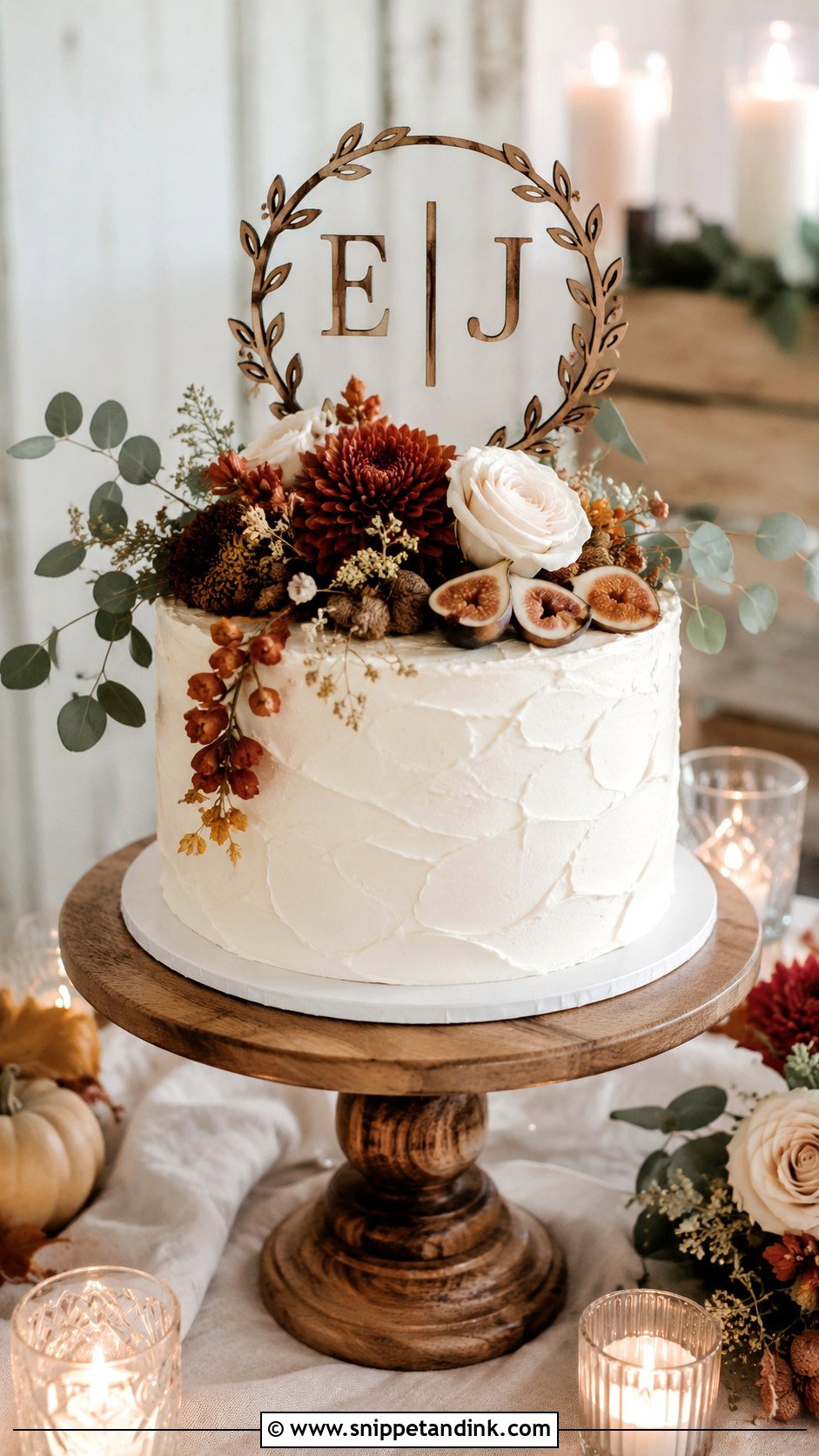
A topper is the simplest way to make a small cake personal. Wood, acrylic with warm lettering, a monogram or a short phrase all work. I ask for the topper at least a week before the wedding so I can check its height against the tier and how far the spikes need to go in. Keep the cake underneath calm, with textured buttercream or a few flowers around the base of the topper. That way, the topper reads as the clear focal point in photos.
Fruit, Flowers and Caramel on a Cake That Sits Out All Evening
A rustic cake is usually on display for hours before it’s cut, and autumn venues swing between a cold barn and a warm, crowded room. I plan the decoration around that, not just around the photos.
What I check with the couple first
- How long the cake will stand before cutting, and whether it sits near a heater, fireplace or sunny window.
- Whether the venue has fridge space, which decides if cream cheese frosting is even an option.
- Who is supplying fresh flowers, so I can confirm the stems are unsprayed and safe to sit near food.
- The driving distance, since fruit and fresh flowers are best added on site rather than shaken loose on the road.
Cut fruit is the weak point. Pears and apples brown, halved figs and berries weep juice, so I add them at the venue and keep them on top rather than pressed into the sides. Caramel and honey drips stay put in a cool room but slide in a warm one. If the forecast says unusually warm, I would rather swap a drip for ganache than hope it holds.
Fresh flowers never go straight into the cake. I wrap each stem in floral tape or set it into a food-safe pick, and I avoid anything toxic such as lily of the valley, hydrangea or foxglove. If your florist is unsure about a variety, sugar flowers or dried, food-safe stems are a safer route and can be made well in advance.
Autumn is one of the busiest seasons for cake makers, so I’d book a fall date several months out and settle the flavor at a tasting about two months before. Final numbers and the decoration plan can follow closer to the day.
Letting the Season Do the Decorating
A single tier is not a compromise. It means every detail is visible, so the finish, the flavor and the fruit or flowers have to be chosen with care. In fall you have figs, pears, maple, caramel and dried grasses to work with, all of which hold up better than summer fruit. Start with the flavor you’d eat happily, check how long the cake will sit out and how warm the room will be, and build the decoration from there. That order gives you a cake that tastes as good as it looks.
You'll Like These Ideas:





Leave a Reply