
An outdoor cake has a harder job than one indoors. It sits in moving air, changing light and often real heat, and it still has to look finished when the couple cuts it two hours later. When I design for a garden, beach, barn or vineyard, I think about the frosting and the display table before I think about flowers. The ideas below are the outdoor styles I see work best, each with notes on what it needs to survive the setting and what I’d change for your venue and season.
Which Frostings Survive an Afternoon Outside
The first question I ask about an outdoor cake is the forecast for that month, not the colour scheme. Frosting is mostly butter or cream, and both soften well before guests start to feel warm.
- Swiss or Italian meringue buttercream: smooth and less sweet, holds well in mild weather but softens once the air gets properly hot.
- Ganache under fondant or buttercream: my choice for hot days, because it sets firm and gives sharp edges that don’t slump.
- Fondant: stable in warmth but sweats if moved from a fridge into humid air, so it needs time to adjust in shade.
- Whipped cream, cream cheese frosting and custard fillings: lovely indoors, but I don’t leave them out in summer heat; they need refrigeration for food safety.
If your heart is set on a delicate filling, it can still work. I’ll suggest a cake that stays inside until the last minute, or a small display cake outside with the rest served from the kitchen.
1. Rustic Buttercream Wedding Cake
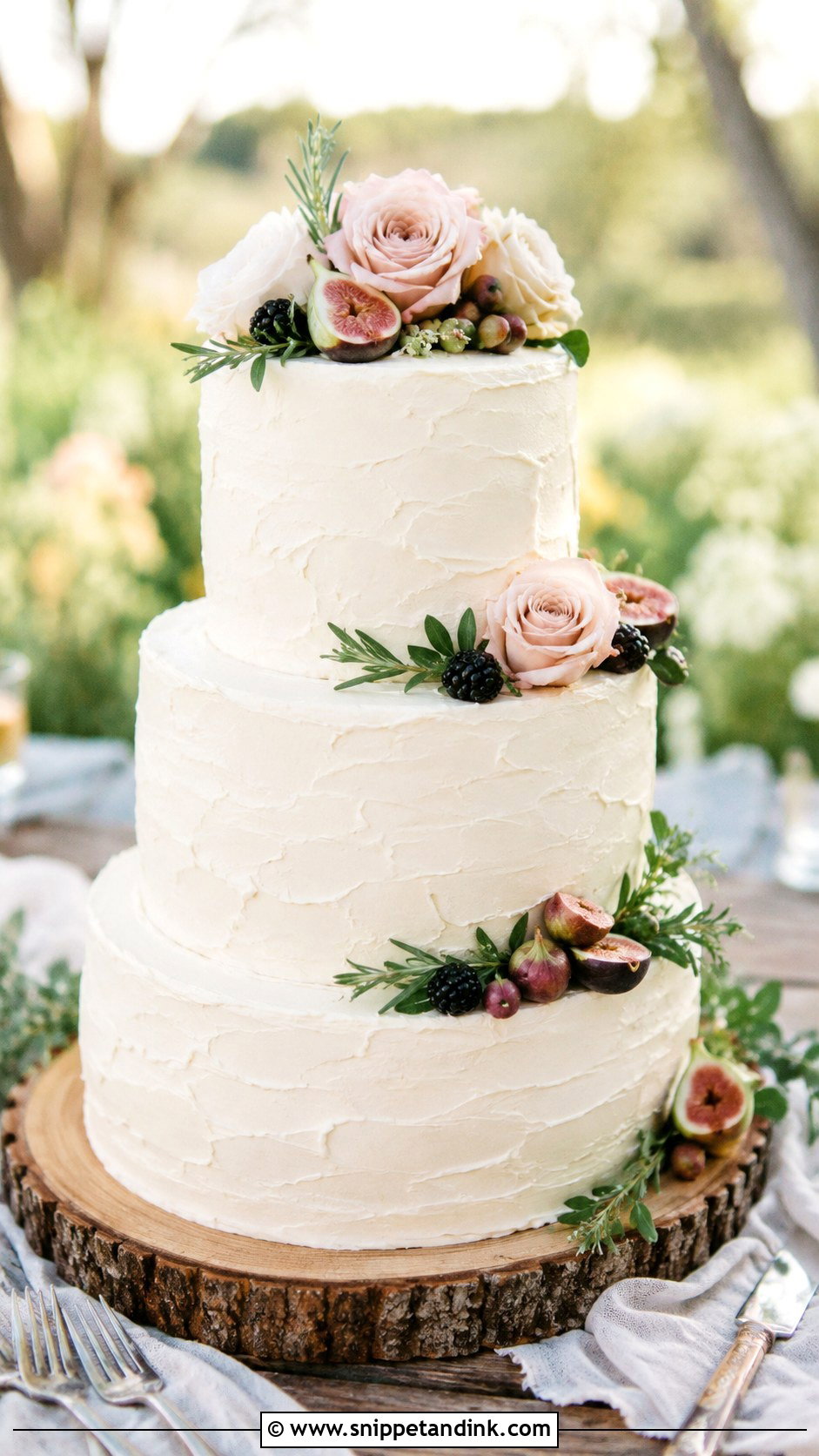
Rustic buttercream is forgiving, which is exactly why I suggest it so often outside. Light spatula marks or soft ridges hide the small dents that come from transport and warm air, where a perfectly smooth finish shows every one. Vanilla, almond, lemon and honey sponges all suit it. I add roses, figs or berries only at the venue, and a wood slice or plain ceramic stand keeps the table looking grounded.
2. Semi Naked Wedding Cake
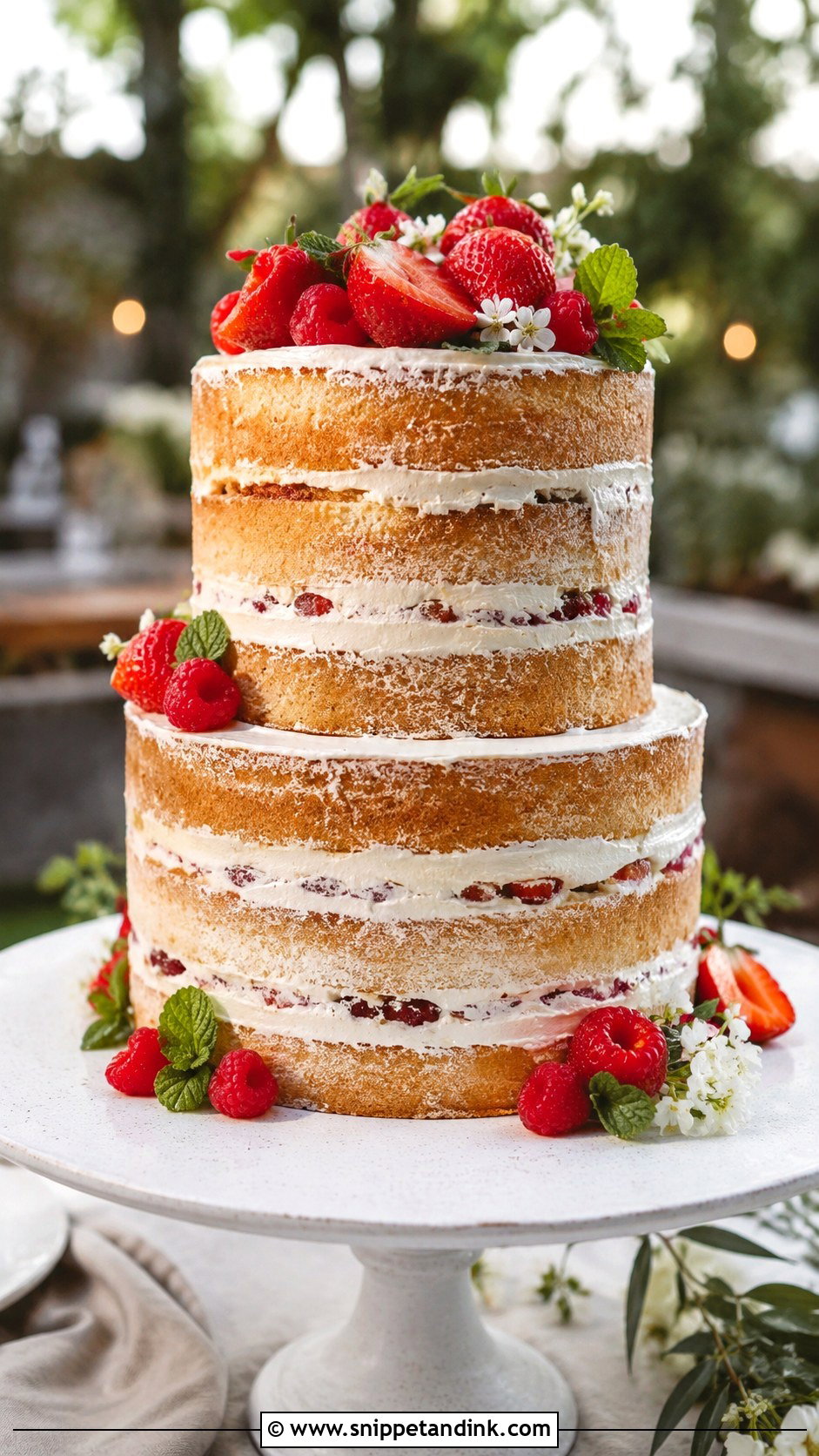
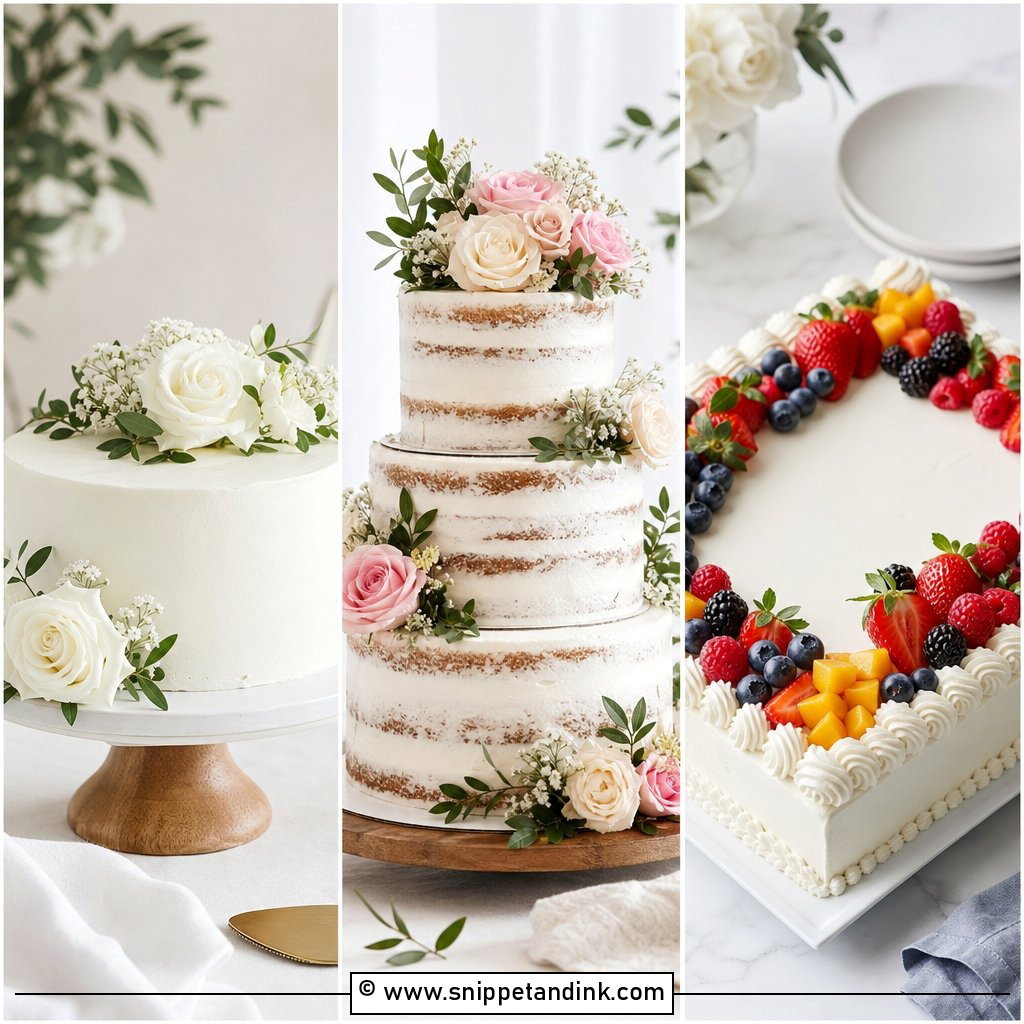
A semi naked cake is the most exposed design on this list, so it needs the most care. The thin scrape of frosting doesn’t seal the sponge, which means it dries out faster in sun and breeze than a fully coated tier. I bake it close to the day, brush the layers with syrup, and keep it chilled and shaded until it goes out. Lemon raspberry, carrot and almond with fruit filling suit its lighter feel in spring and summer, finished with herbs, berries and a dusting of powdered sugar at the last minute.
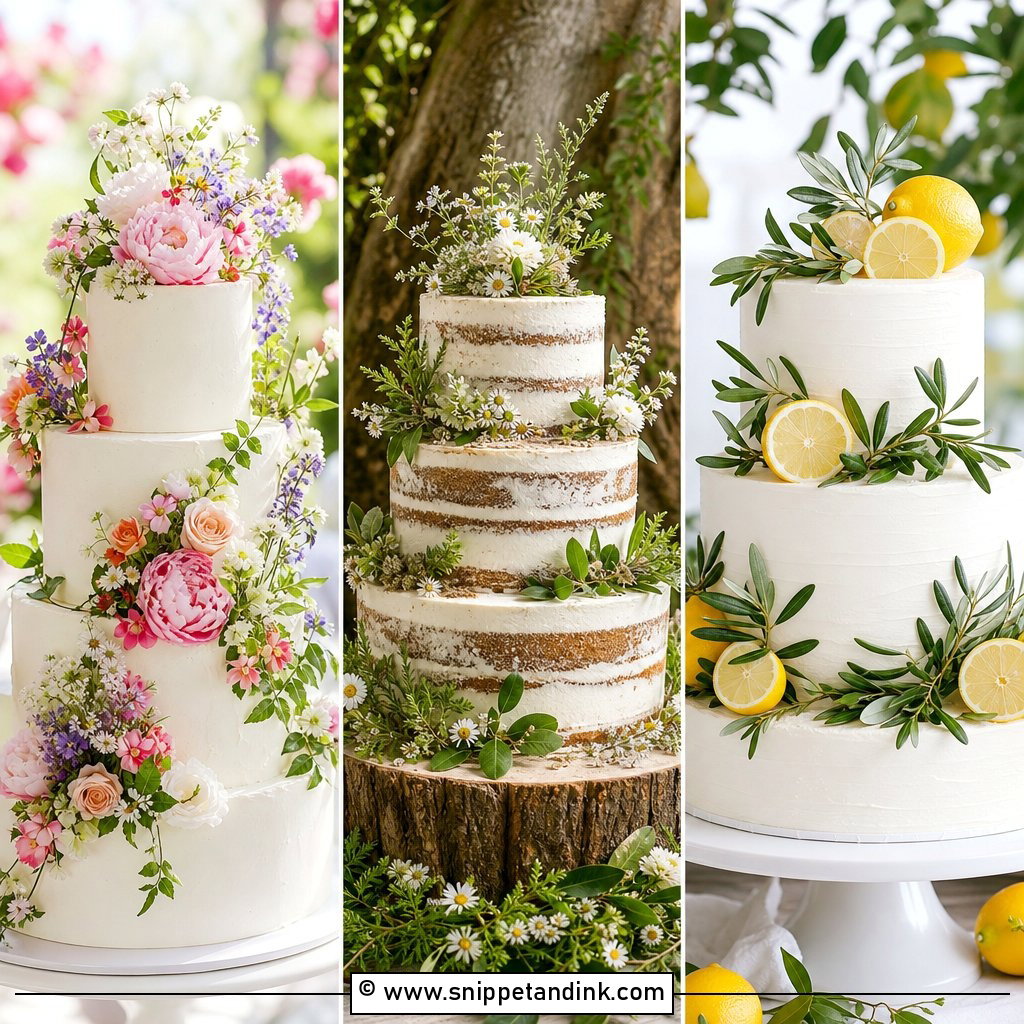
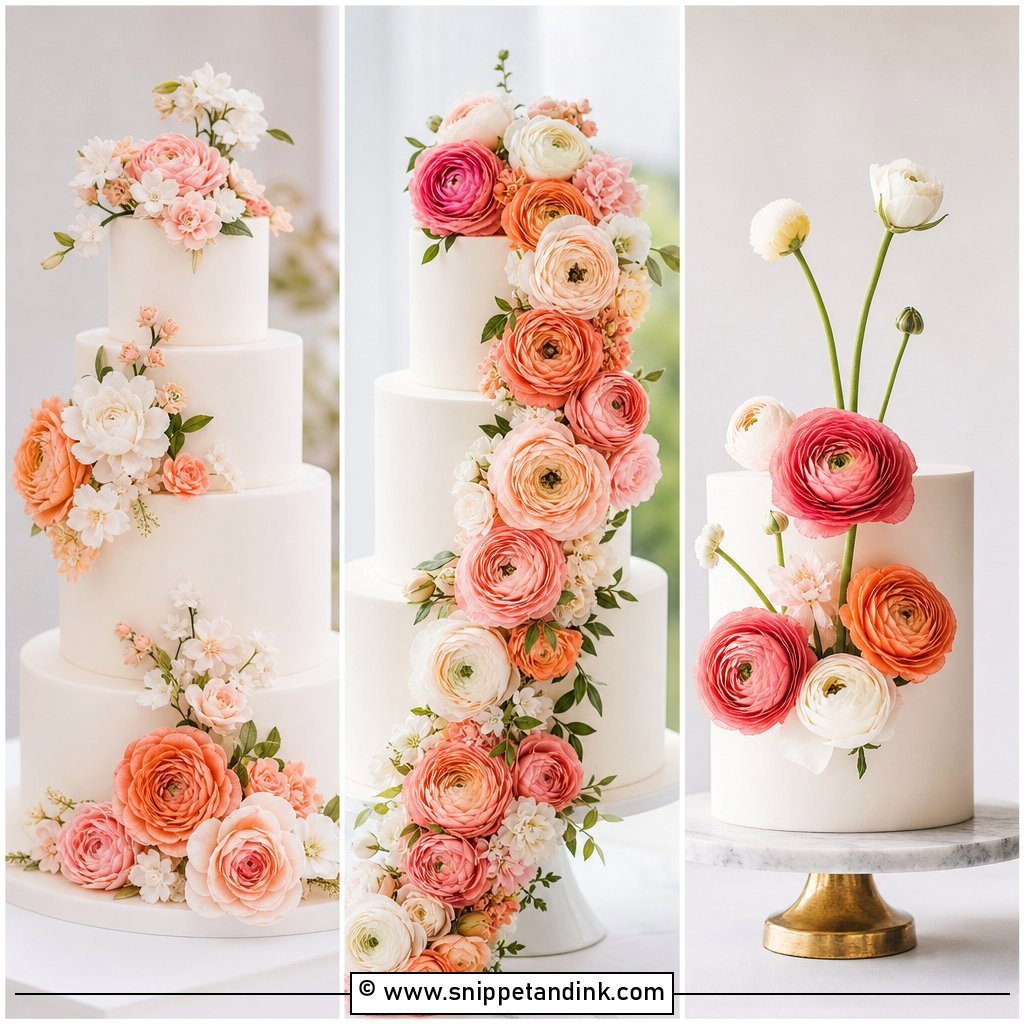
3. Garden Flower Wedding Cake
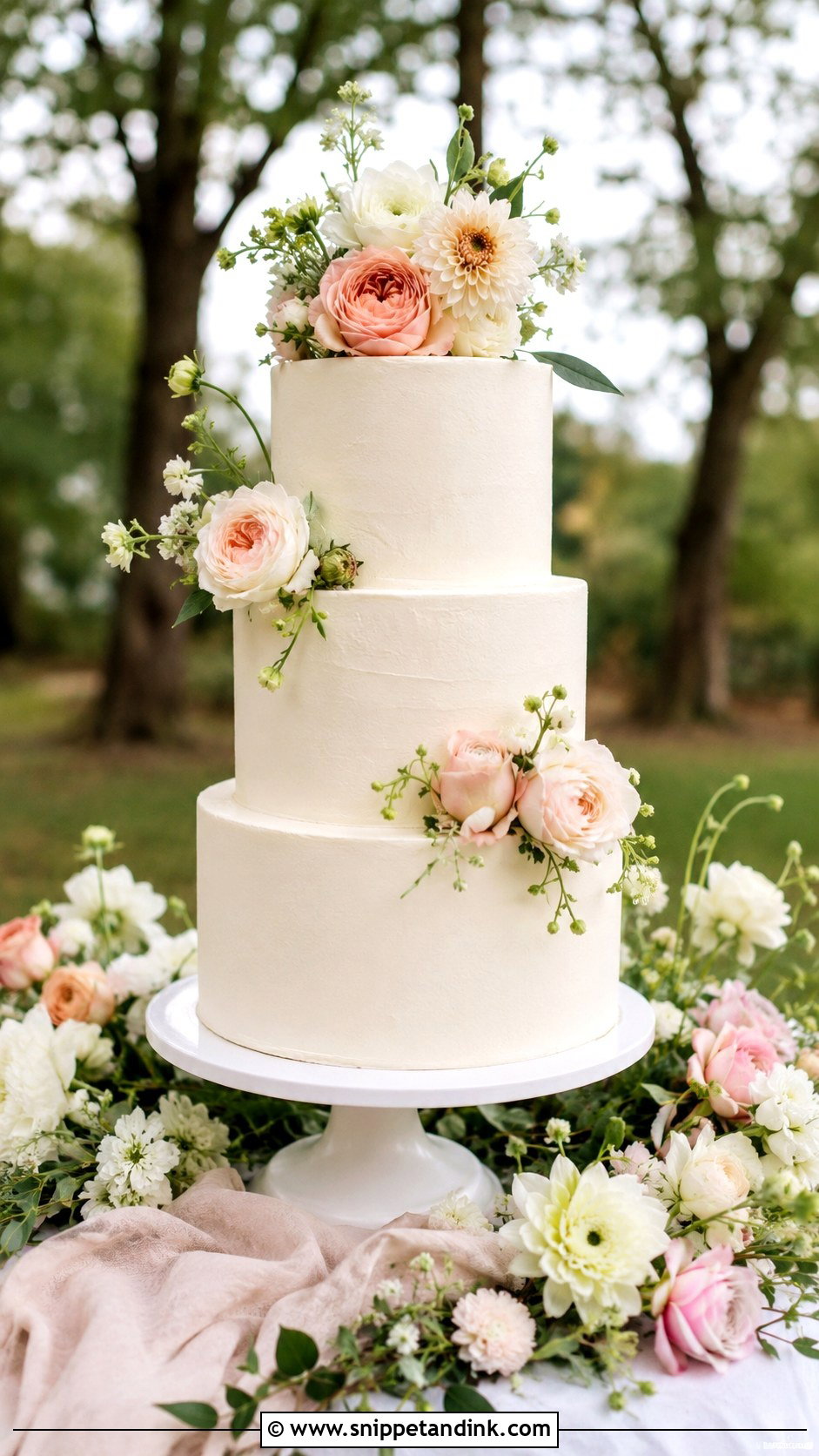
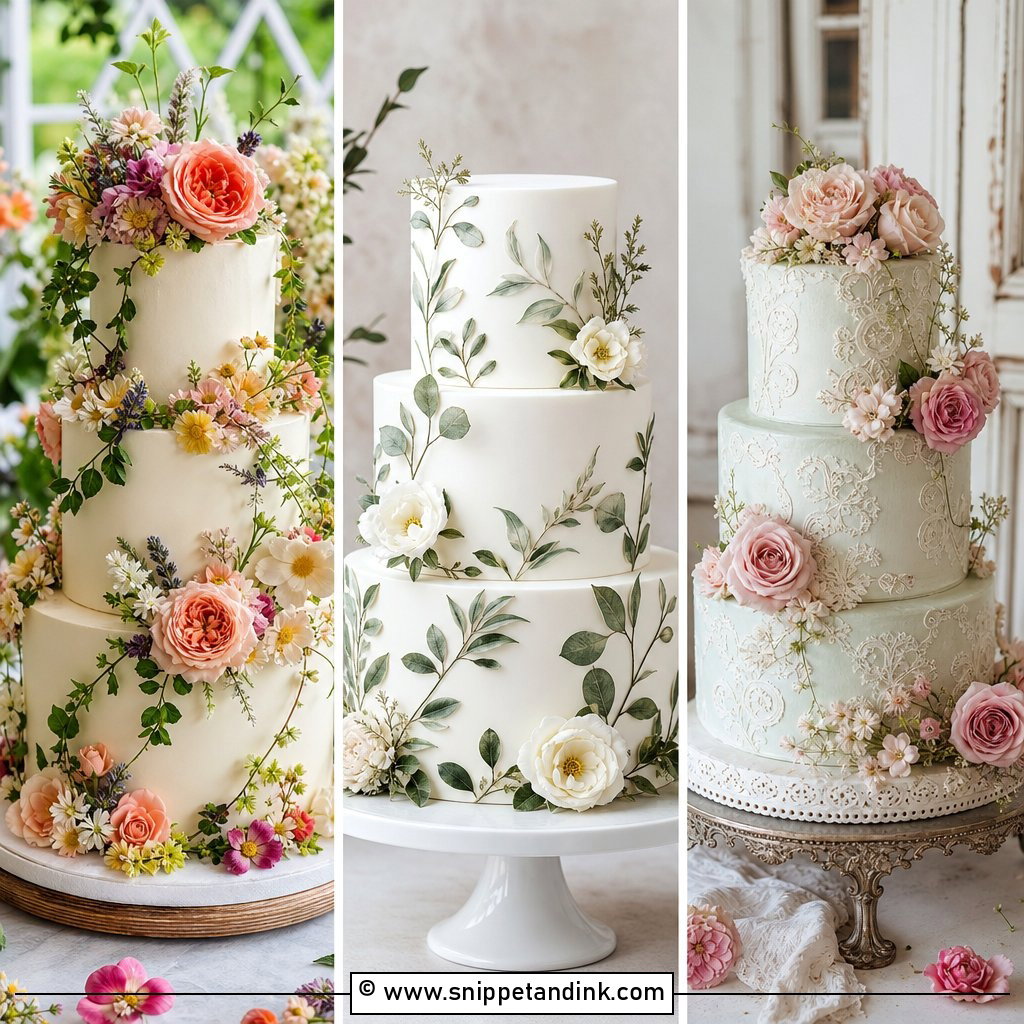
Florals on a cake look best when they echo the bouquet rather than compete with it. I ask couples to put their florist and me in touch early, so the roses, ranunculus, dahlias or chamomile on the tiers come from the same order. A smooth buttercream or fondant base keeps the blooms looking clean. On a white pedestal surrounded by candles and low arrangements, this design reads like part of the garden. Every stem must be food-safe or wrapped and taped before it goes into the cake; I never push bare stems into a tier.
4. Wildflower Wedding Cake
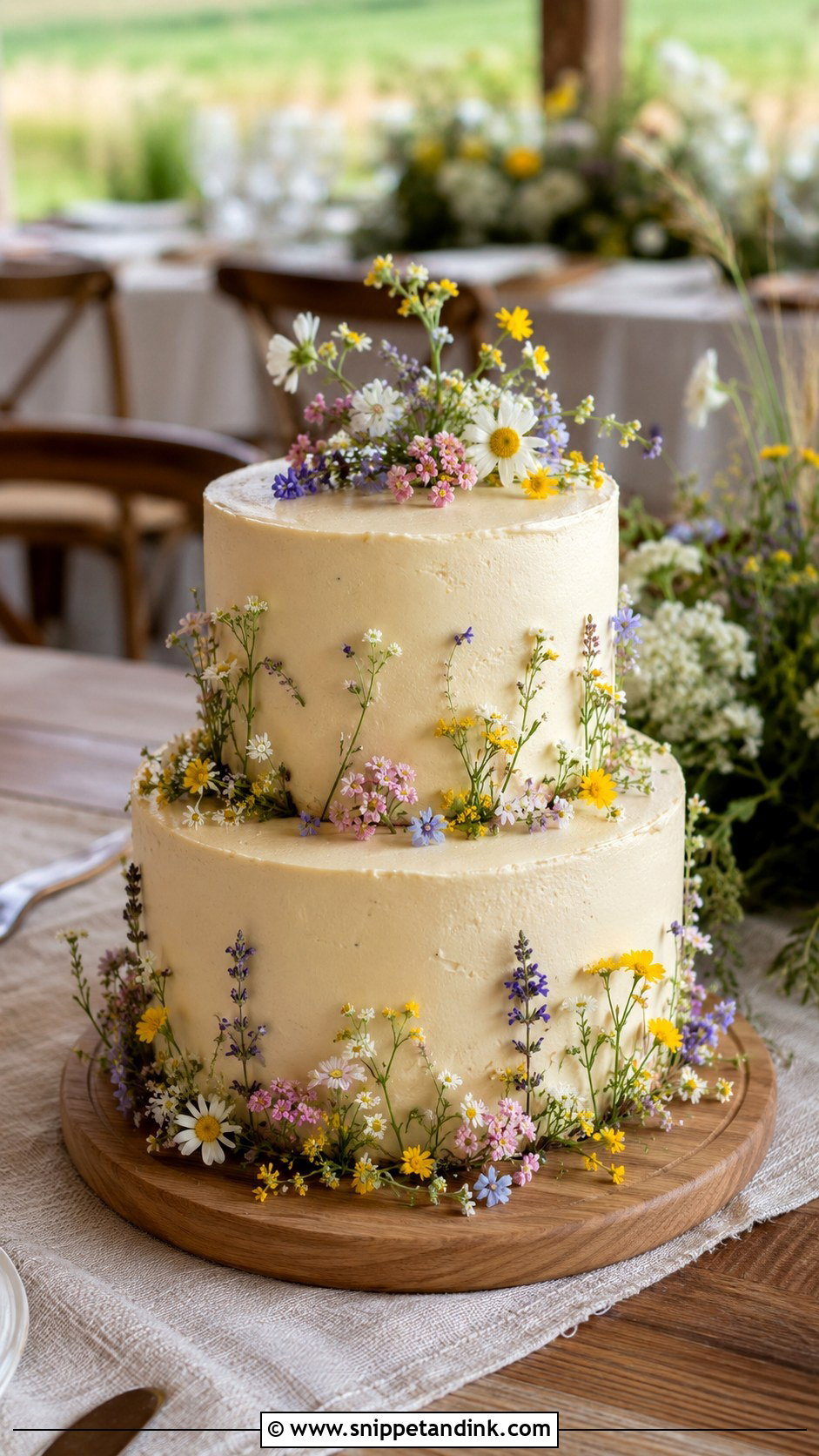
Wildflower cakes work because small blooms tolerate being scattered in a way large ones don’t. I keep the clusters loose but uneven on purpose, with more on one tier, so the design moves around the cake. An ivory buttercream lets yellow, lavender and blue flowers show. Honey lavender and chamomile sponges fit a meadow wedding. Delicate wildflowers wilt quickly, so I place them as close to cutting time as possible.
5. Beach Wedding Cake
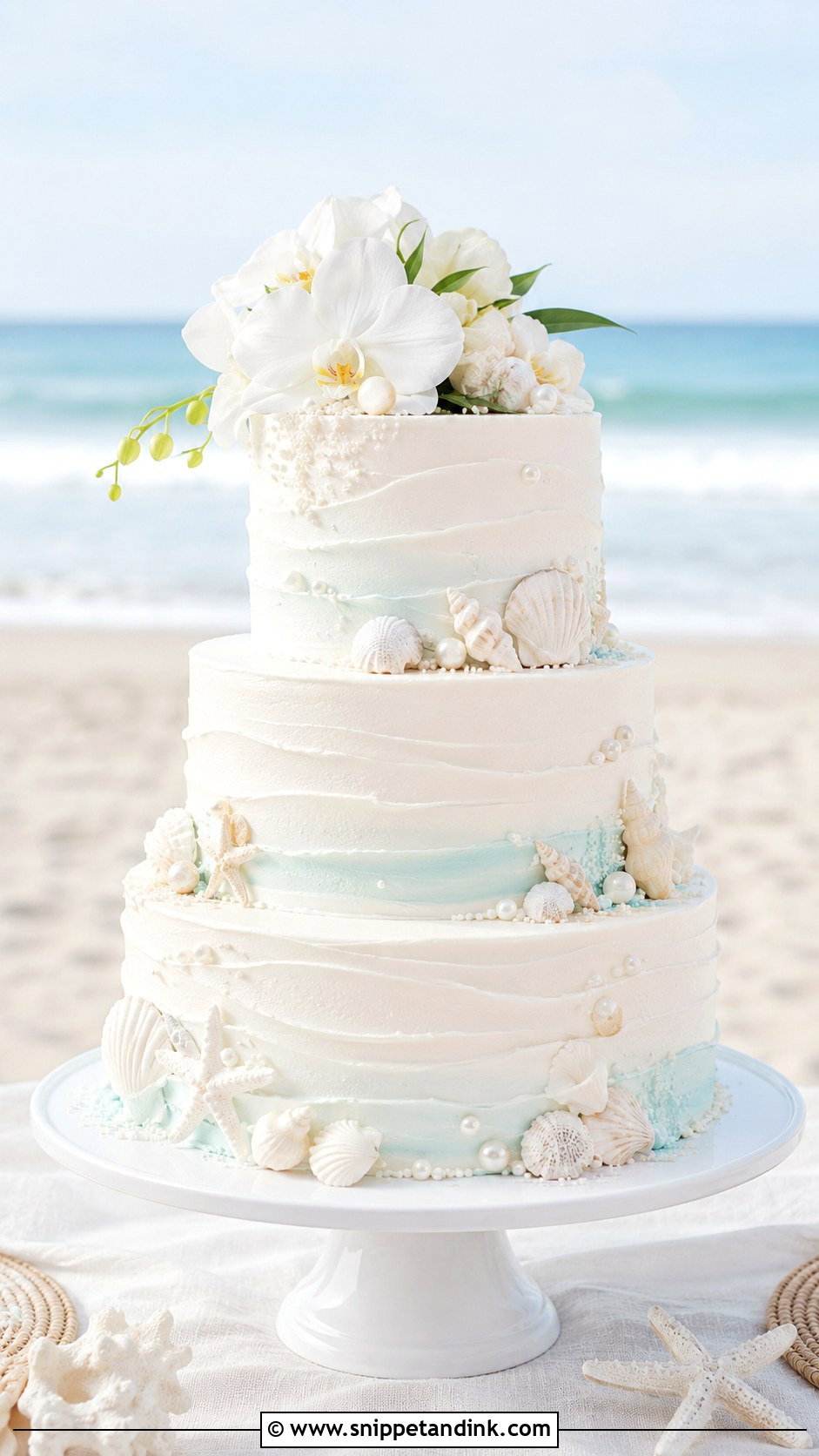
A beach wedding cake faces heat, wind, salt air and often sand, so I build it to be sturdier than it looks. Soft ivory, sand and pale blue sit better against the sea than bright colours. I’d choose a ganache-coated tier under fondant or a stable buttercream rather than whipped cream, and keep it under cover until the last moment. Coconut, key lime and passion fruit flavours suit the heat, and sugar shells are more reliable than real ones, which aren’t food-safe.
6. Boho Wedding Cake
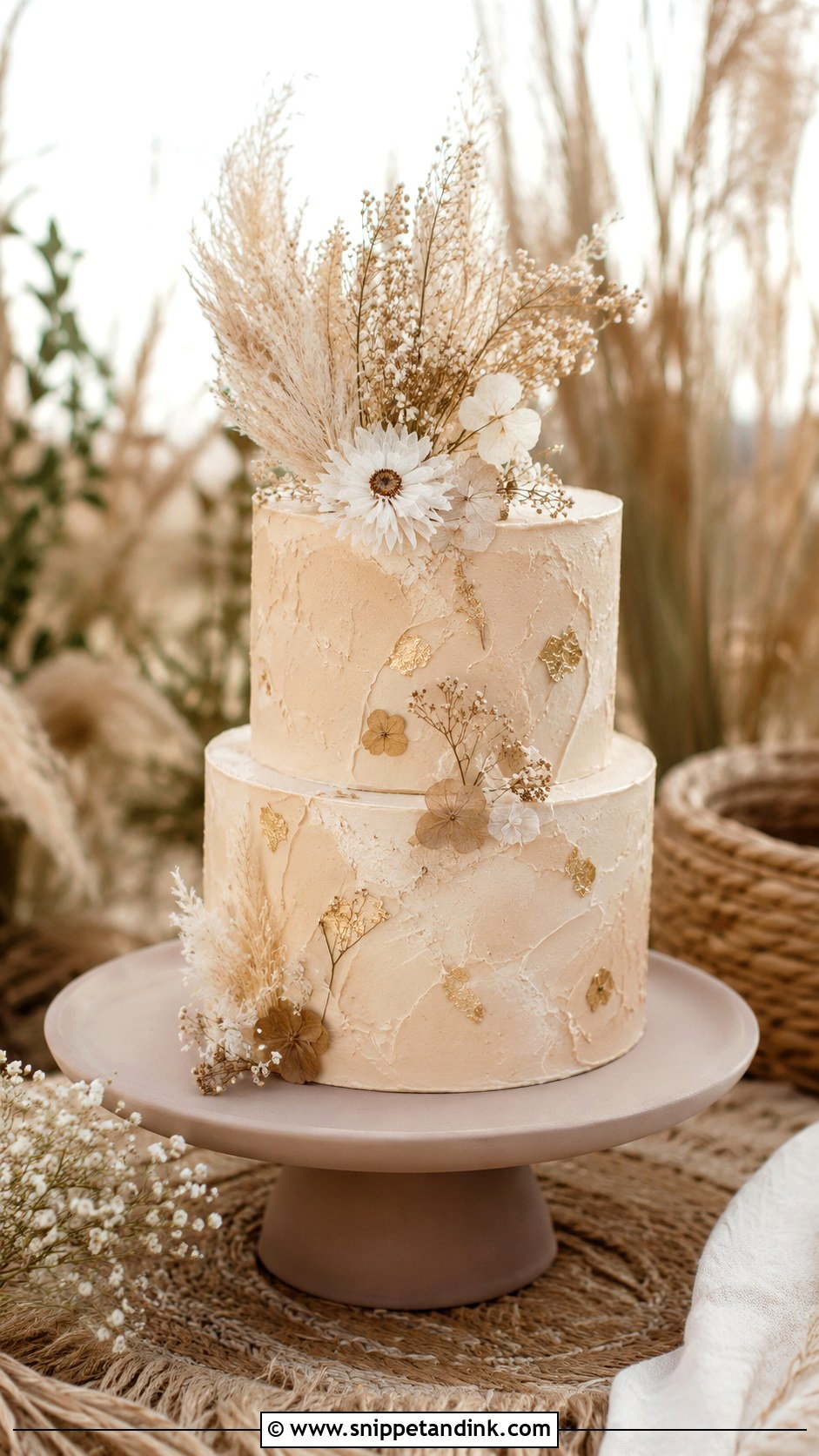
A boho cake suits a setting full of pampas grass, dried florals, woven rugs and warm neutrals. I lean on cream, terracotta and caramel tones, with lightly textured buttercream. Dried flowers are useful outdoors because they don’t wilt, but they shed, so I seal or wrap stems before placing them. Chai, brown sugar vanilla and salted caramel sponges fit the mood. It should look relaxed without being sloppy; I place every dried element where it looks almost accidental.
7. Vintage Wedding Cake
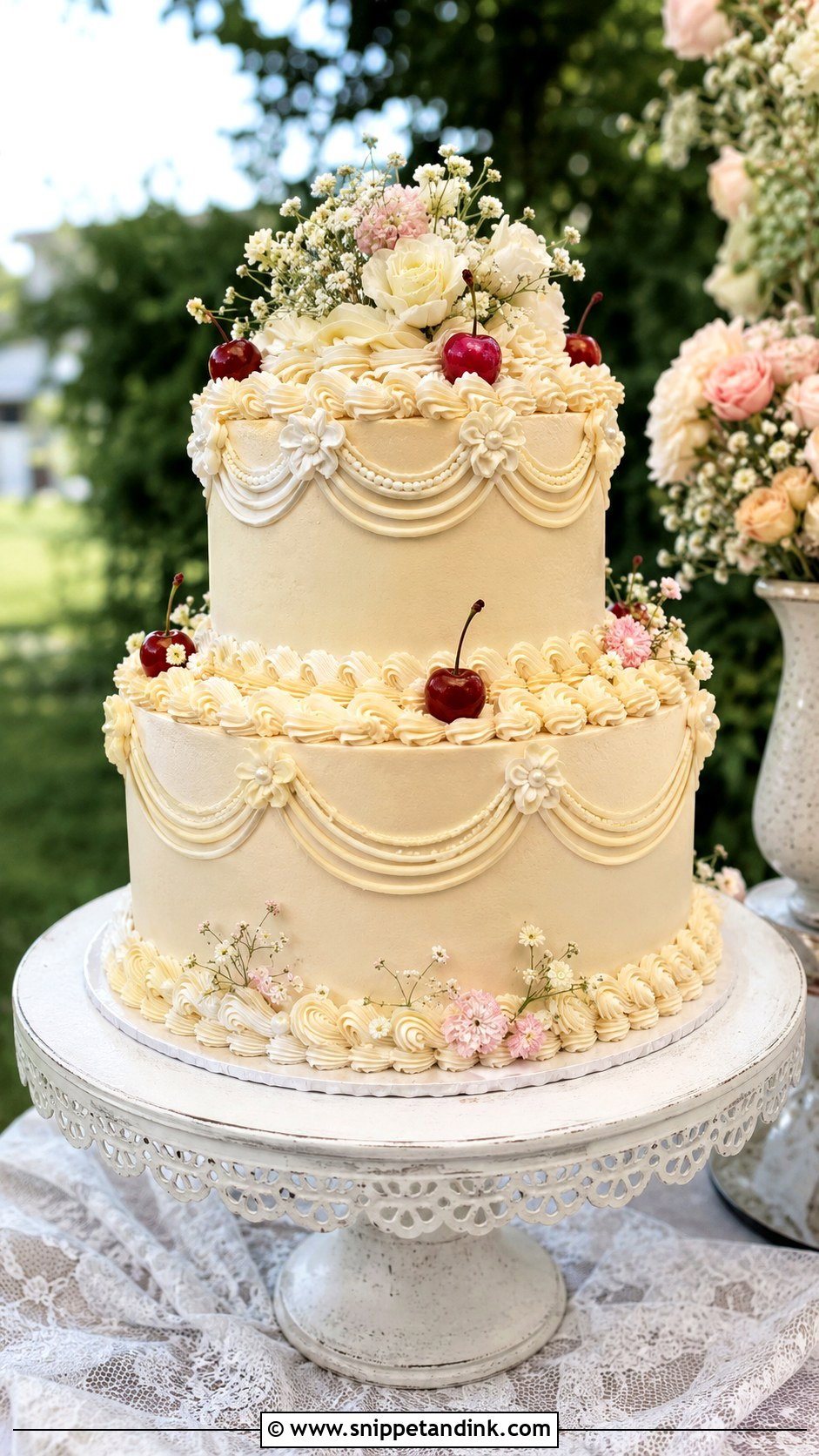
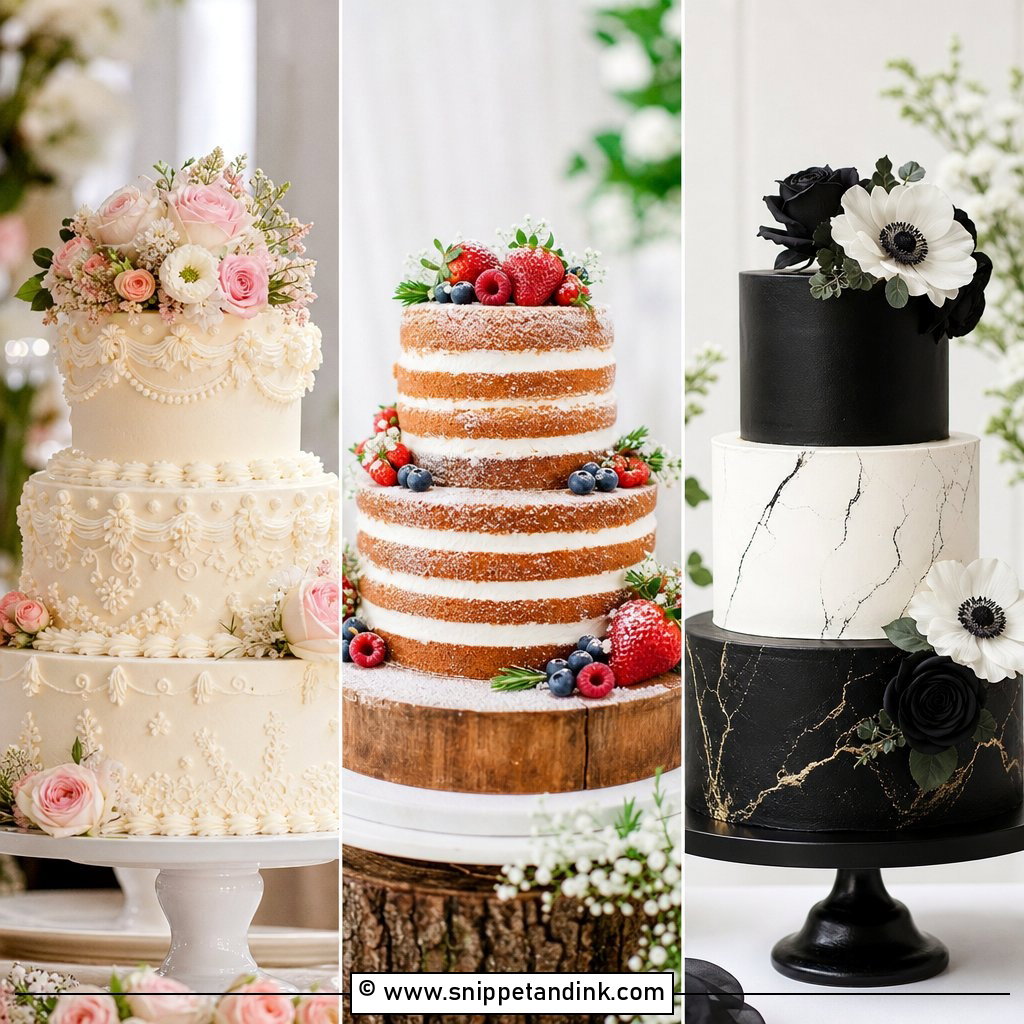
Vintage piping is where I slow down most. Swags, shell borders and tiny rosettes are piped by hand, and in buttercream they soften in heat, so I keep this style for shaded or cooler outdoor receptions. Ivory, blush and pale blue palettes suit antique trays, lace linens and garden furniture. Vanilla, almond, red velvet or champagne sponges fit the nostalgic look. One tier suits an intimate wedding; for more drama, two or three tiers with cherries or pearls as a finishing touch.
8. Floral Cascade Wedding Cake
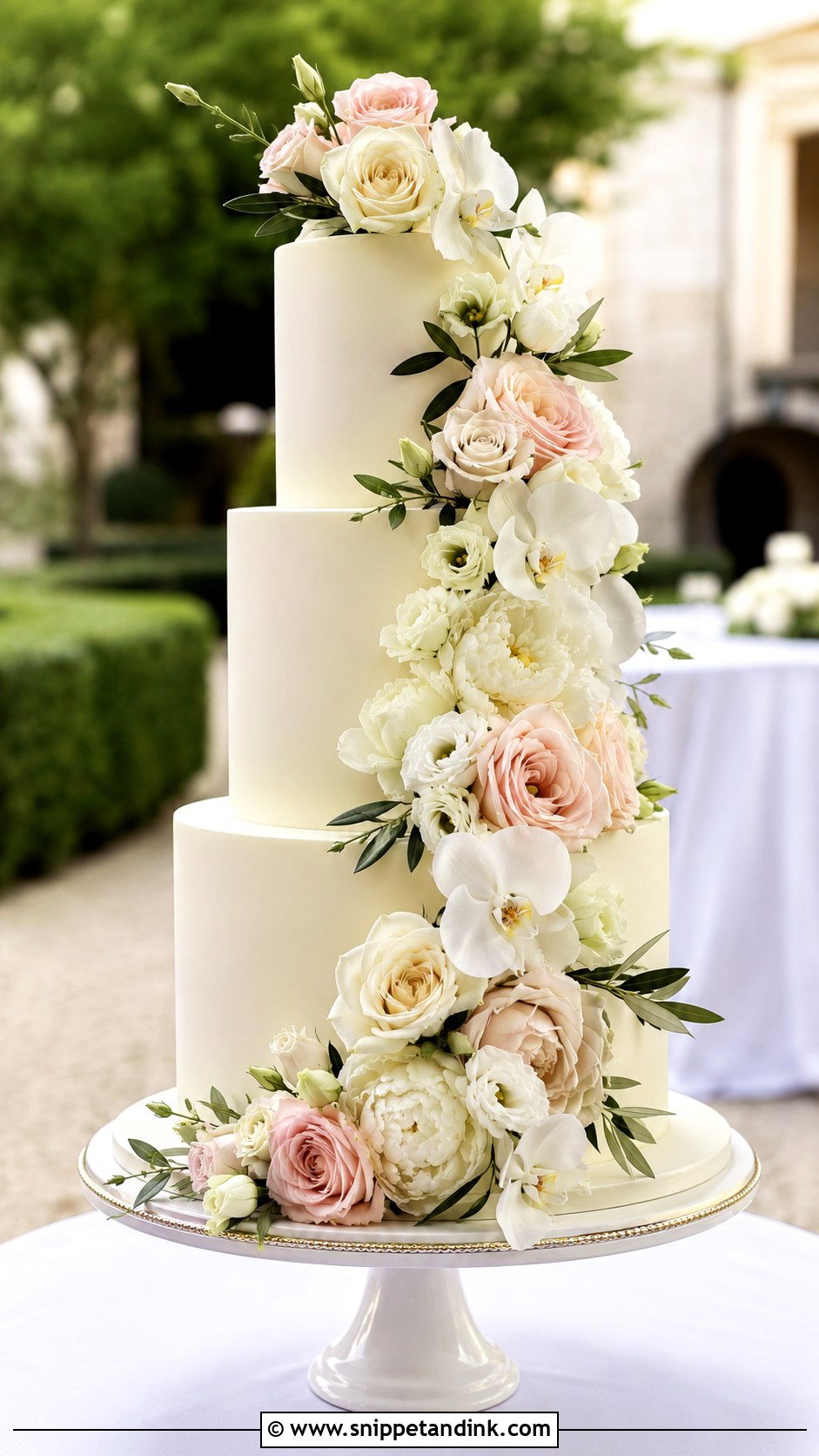
A floral cascade relies on balance more than abundance. The flowers flow diagonally from the top tier, and I plan the line with the florist so the cake still shows between blooms. Roses, orchids, peonies and lisianthus work on a smooth white or ivory base. Outside, a heavy cascade can pull on soft frosting, so I insert wrapped stems into a hidden support or flower pick rather than the cake itself. Vanilla, lemon and almond keep it crowd-pleasing.
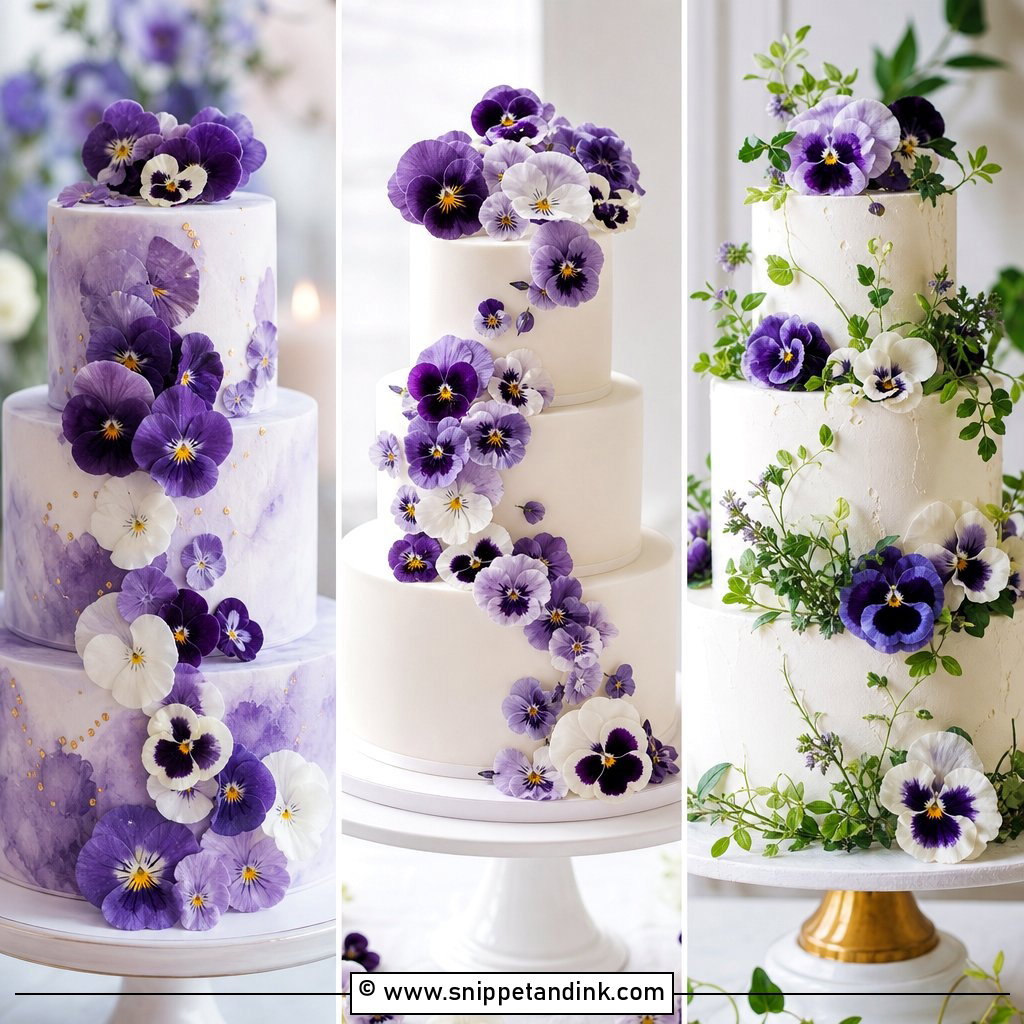
9. Pressed Flower Wedding Cake
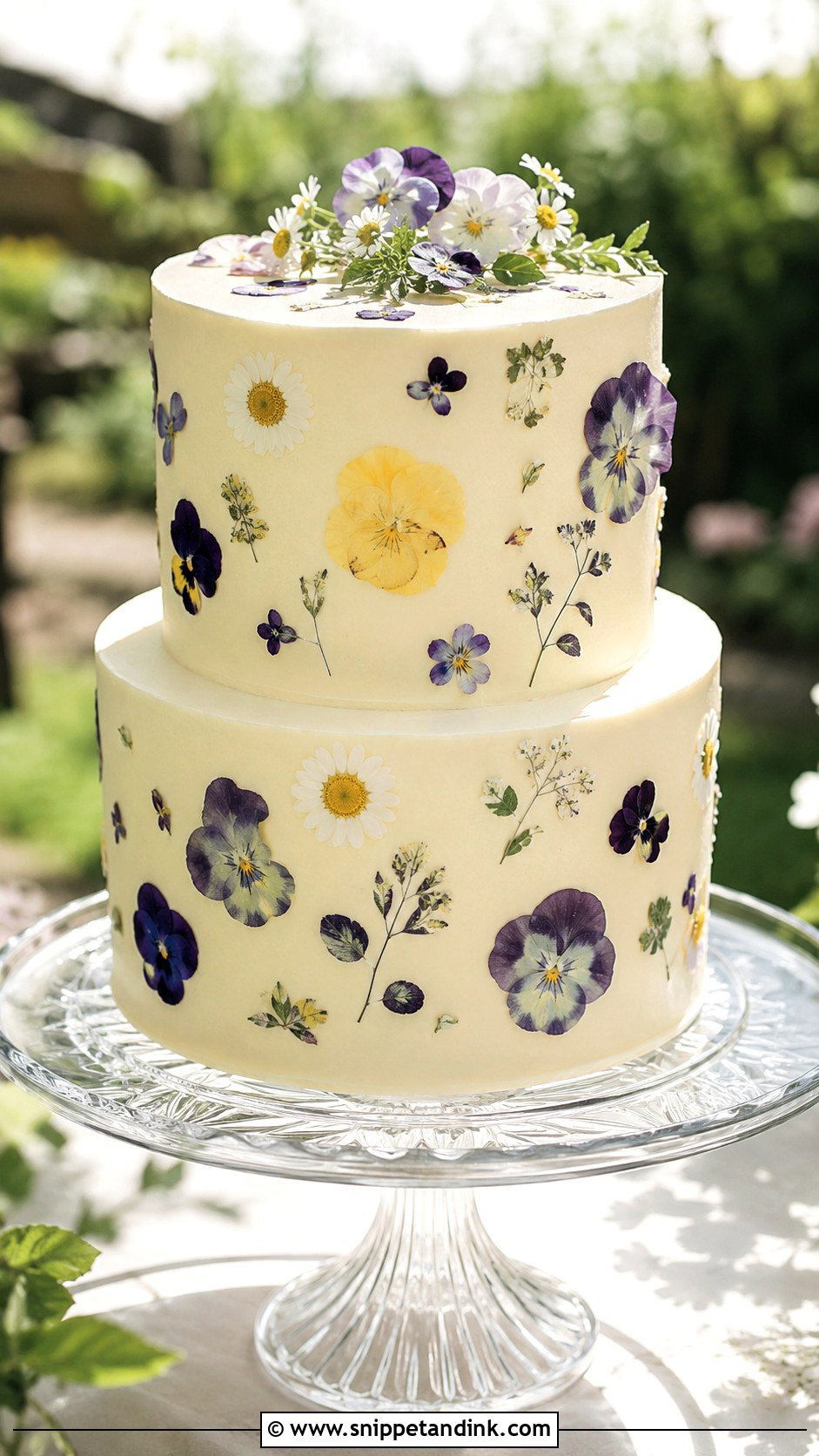
Pressed flowers are one of my favourite outdoor decorations because they lie flat and barely react to wind. They’re edible petals or blooms dried flat and pressed against the frosting while it’s still slightly tacky. Smooth buttercream or fondant in ivory or pastel shows them best. I space them out so each one reads in photos. Lemon, honey and lavender sponges match the garden mood, and a glass stand keeps everything light.
10. Greenery Wedding Cake
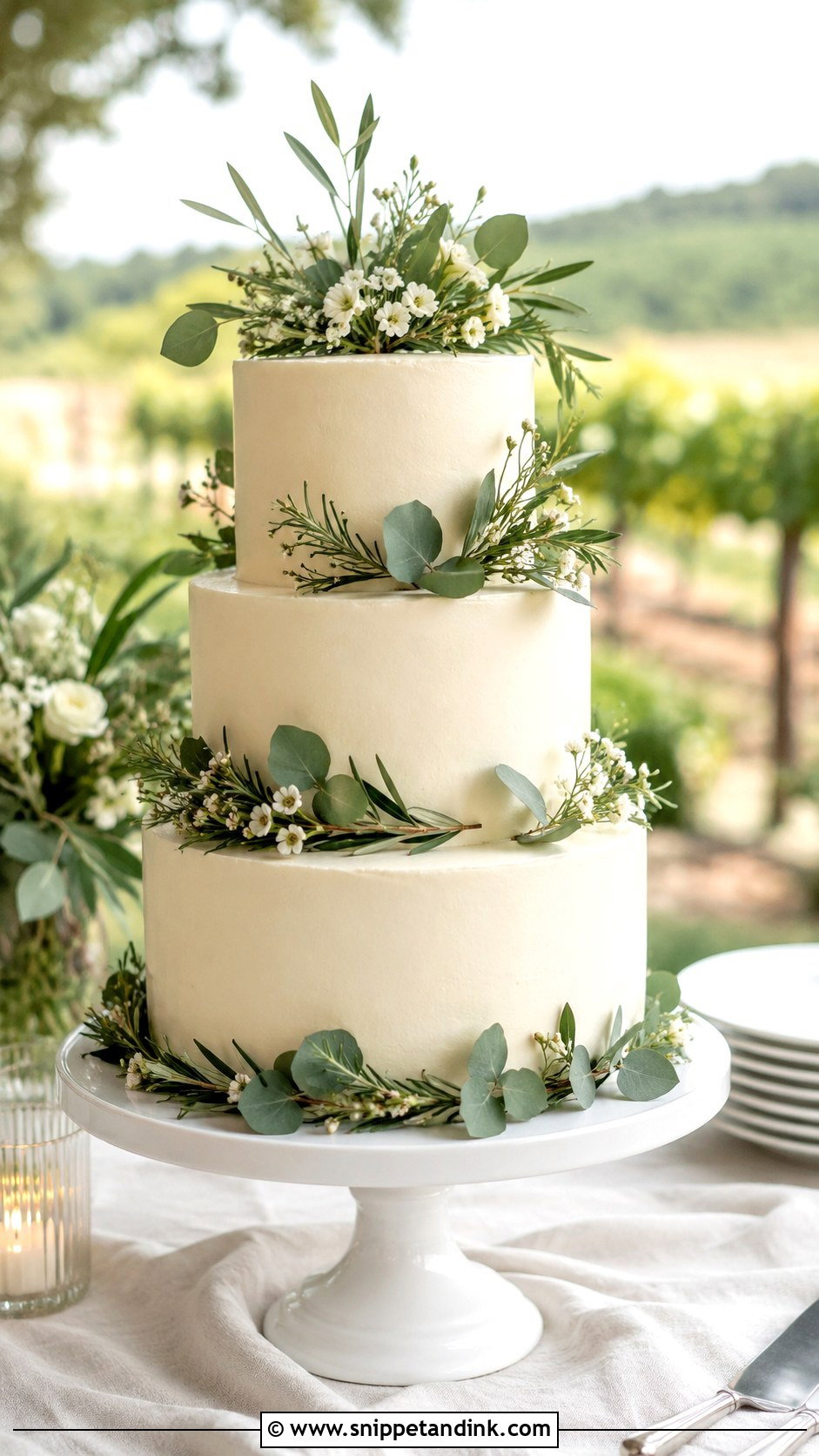
Greenery is a quieter alternative to heavy florals, and it holds up better in warmth than most blooms. I use eucalyptus, olive branches, rosemary or fern against smooth ivory buttercream. Not every leaf should touch frosting; eucalyptus in particular isn’t food-safe, so I always place a barrier underneath. Lemon olive oil and pistachio flavours suit a vineyard or forest wedding.
11. Mountain Wedding Cake
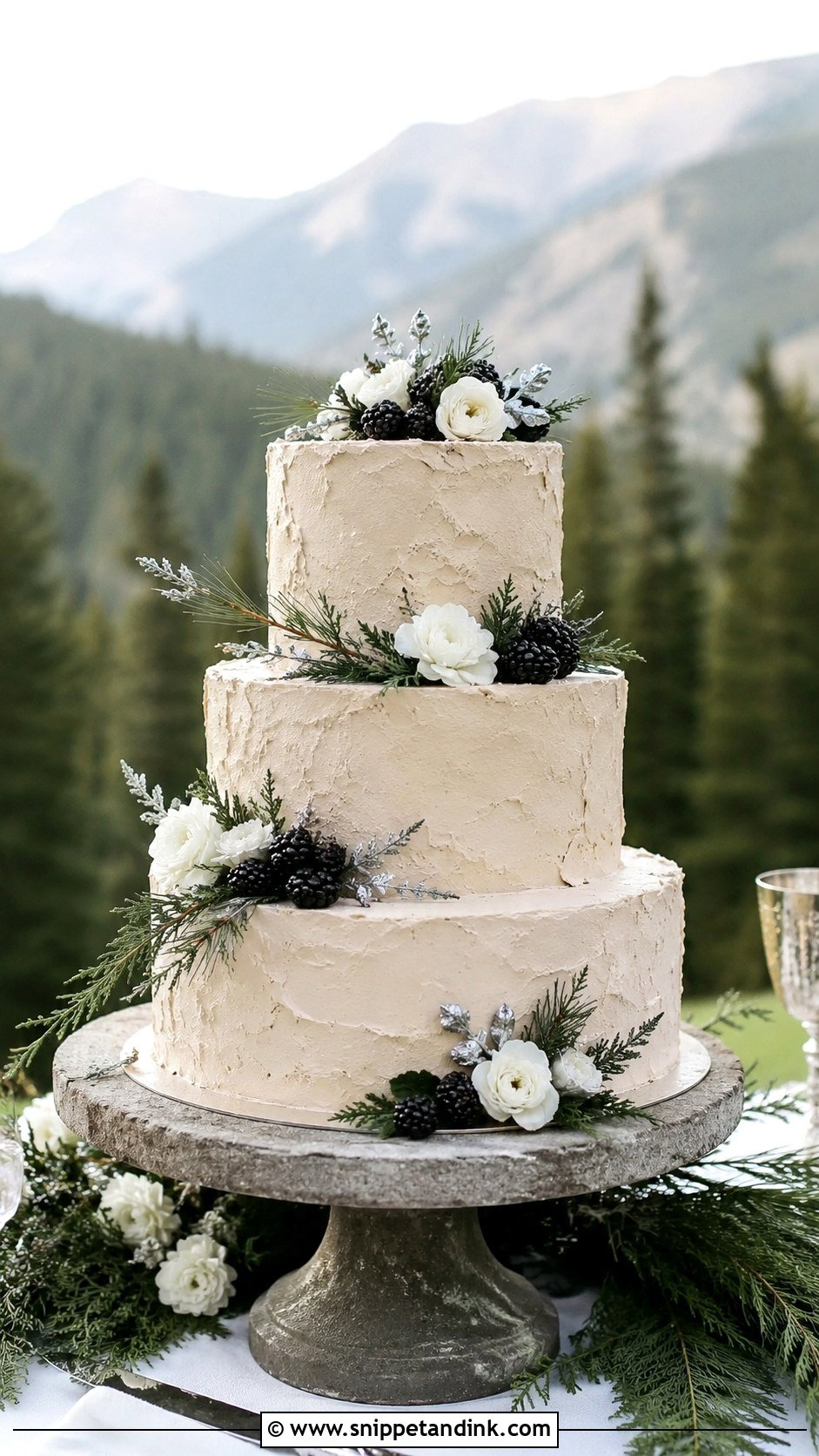
Mountain weddings usually mean cooler air, which is good news for buttercream and bad news for unsteady ground. I go for rough-textured or marbled finishes in earthy tones, with pine-like greenery, white flowers and berries. Chocolate, maple, spice and caramel apple flavours fit the cooler air. I avoid tall sugar toppers that can catch the wind, and I ask for a solid stand on a table I’ve checked for level myself.
12. Backyard Wedding Cake
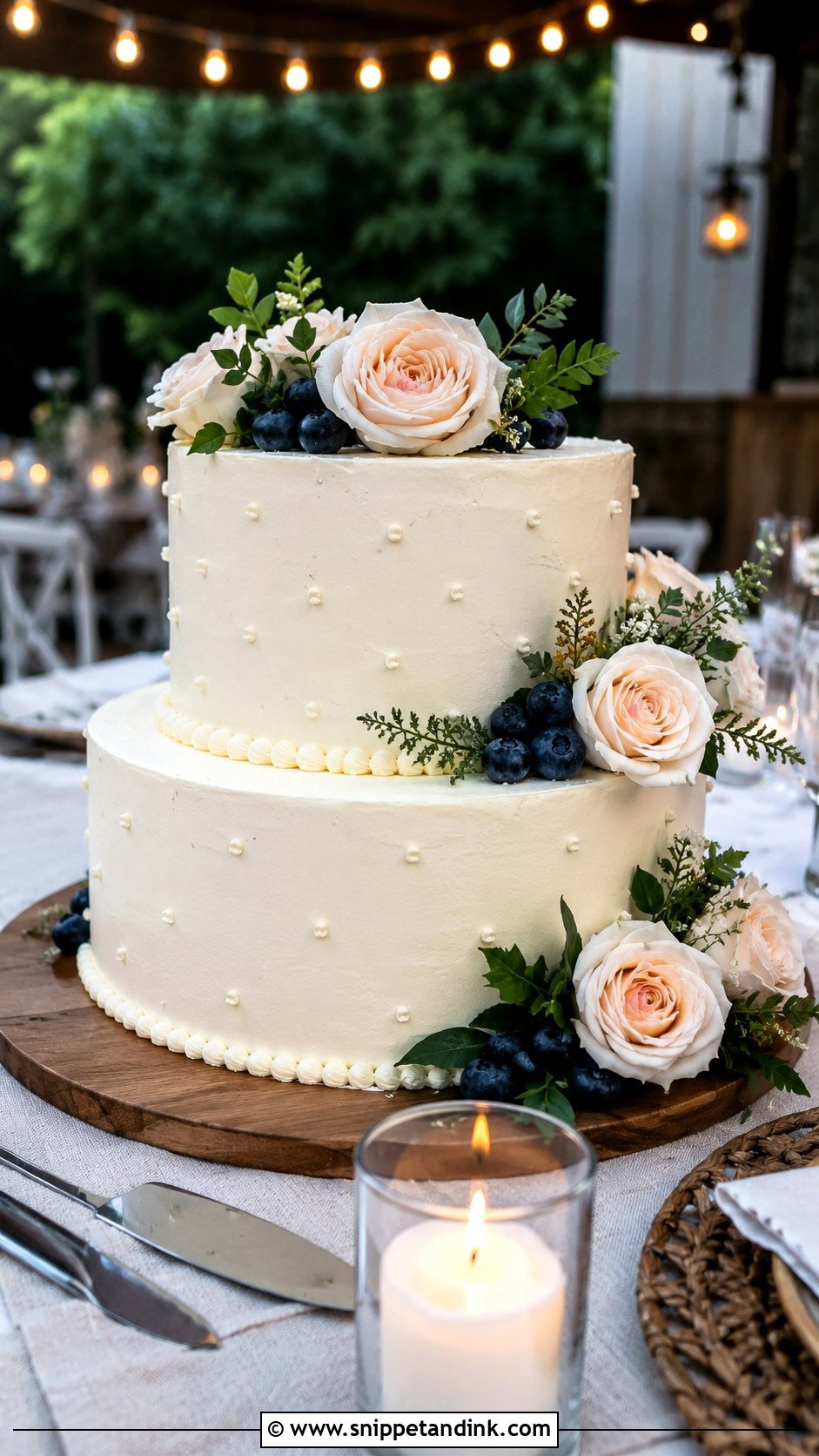
Backyard weddings are where I see the most well-meaning disasters, usually a cake on a wobbly folding table in full sun. A two-tier buttercream cake with flowers, berries or simple piping suits a family table under string lights. Vanilla, chocolate, carrot and even funfetti all fit depending on the couple’s style. Gingham ribbon, garden herbs and seasonal fruit tie the cake to the decor. Make sure the table is level and shaded before anything else goes on it.
13. Vineyard Wedding Cake
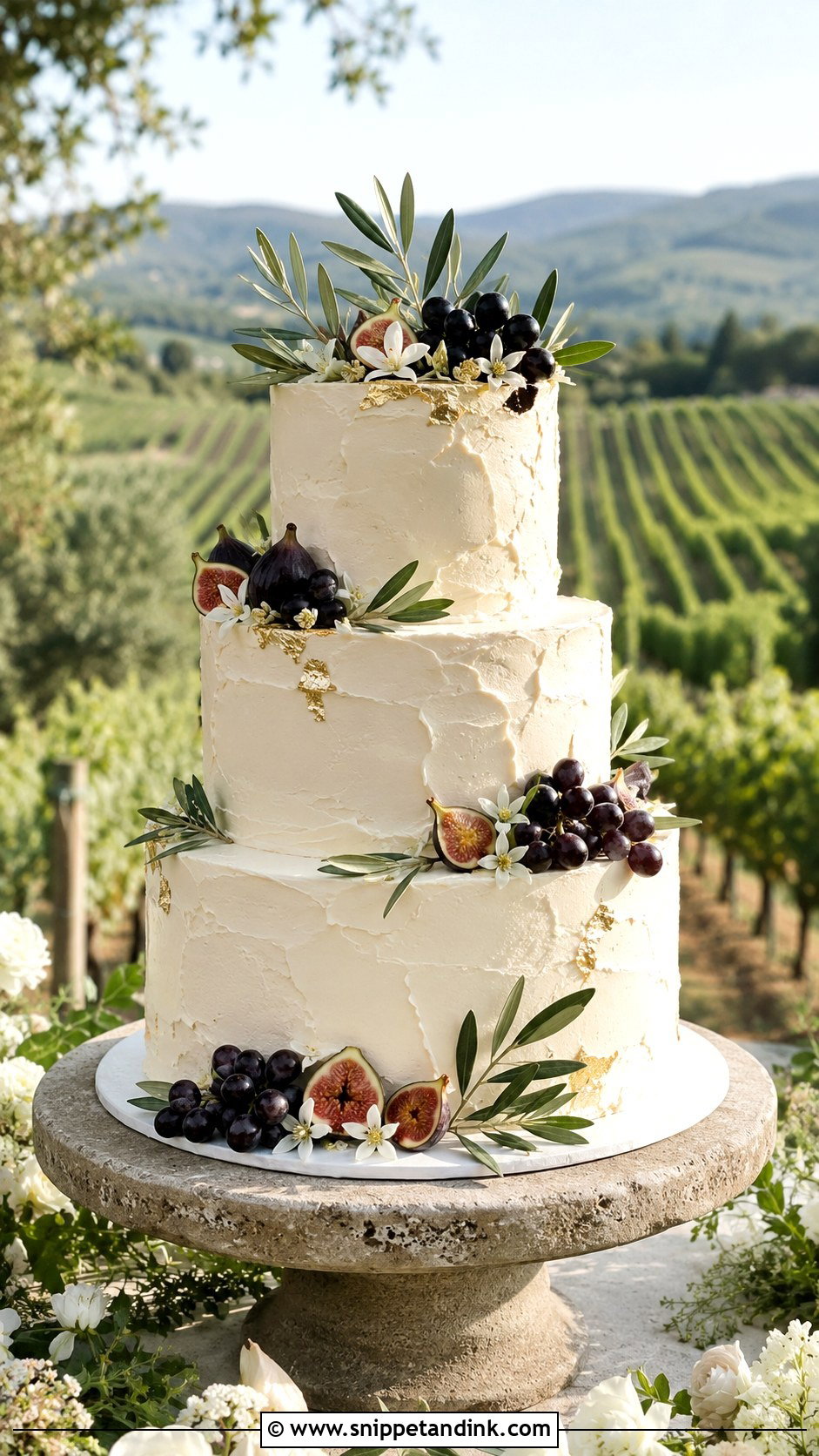
A vineyard cake sits against rows of vines, so I keep it understated and let the setting carry it. Ivory frosting with grape clusters, figs and olive leaves feels at home there. Real grapes and figs release juice once cut, so I use whole fruit or set cut fruit on a small barrier. Vanilla almond, olive oil and pear spice pair well with the wine. A touch of gold leaf adds warmth if it stays subtle.
14. Forest Wedding Cake
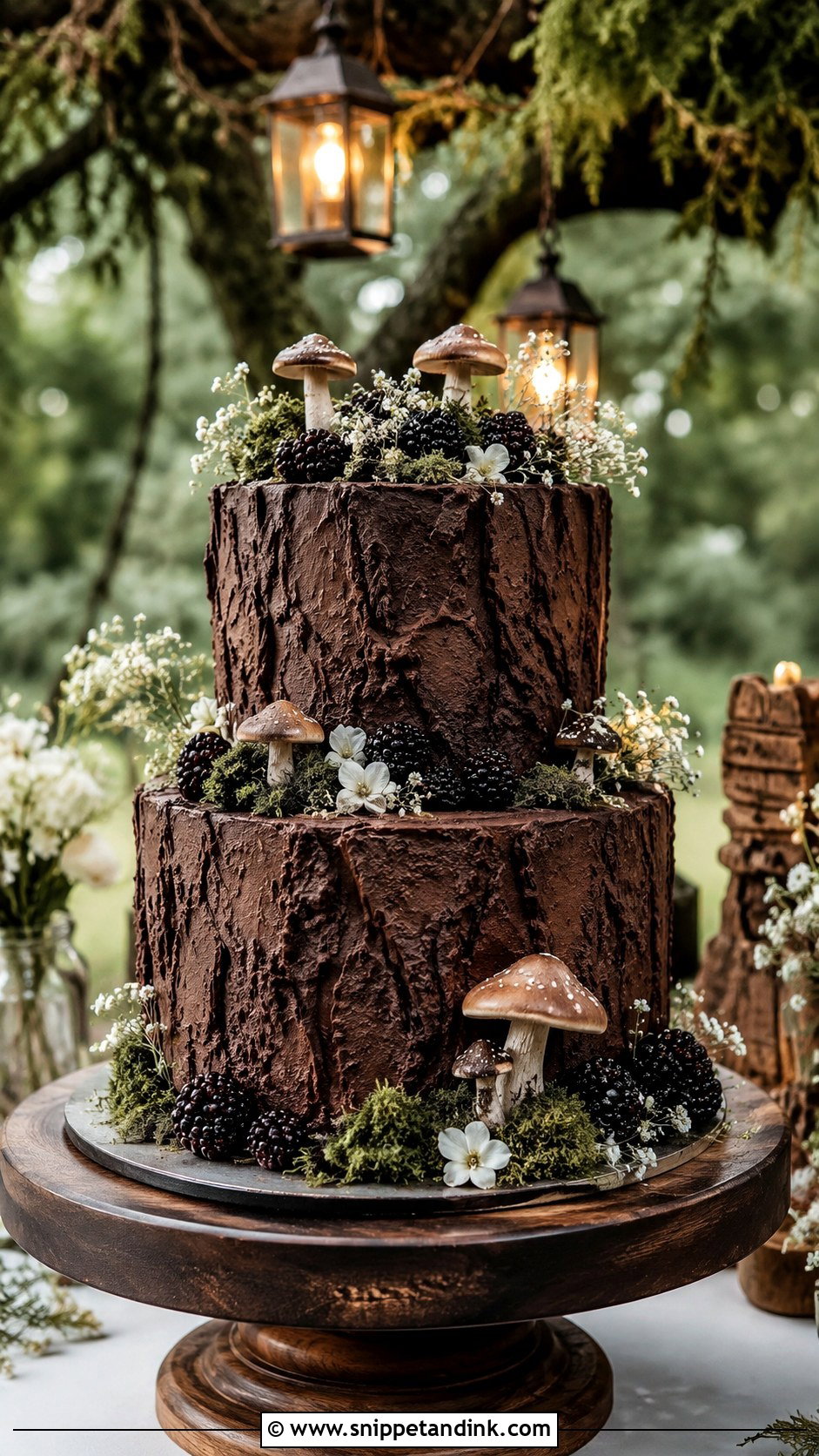
A forest cake is about texture: bark-textured buttercream, mossy green accents, berries or mushroom-inspired sugar details. I keep the cake’s shape clean so the texture reads as intentional. Chocolate, hazelnut and blackberry flavours suit it. Under trees the light is dim, so I ask the photographer where the cake will sit; a natural wood base and a few lanterns nearby make it look magical rather than lost.
15. Tropical Wedding Cake
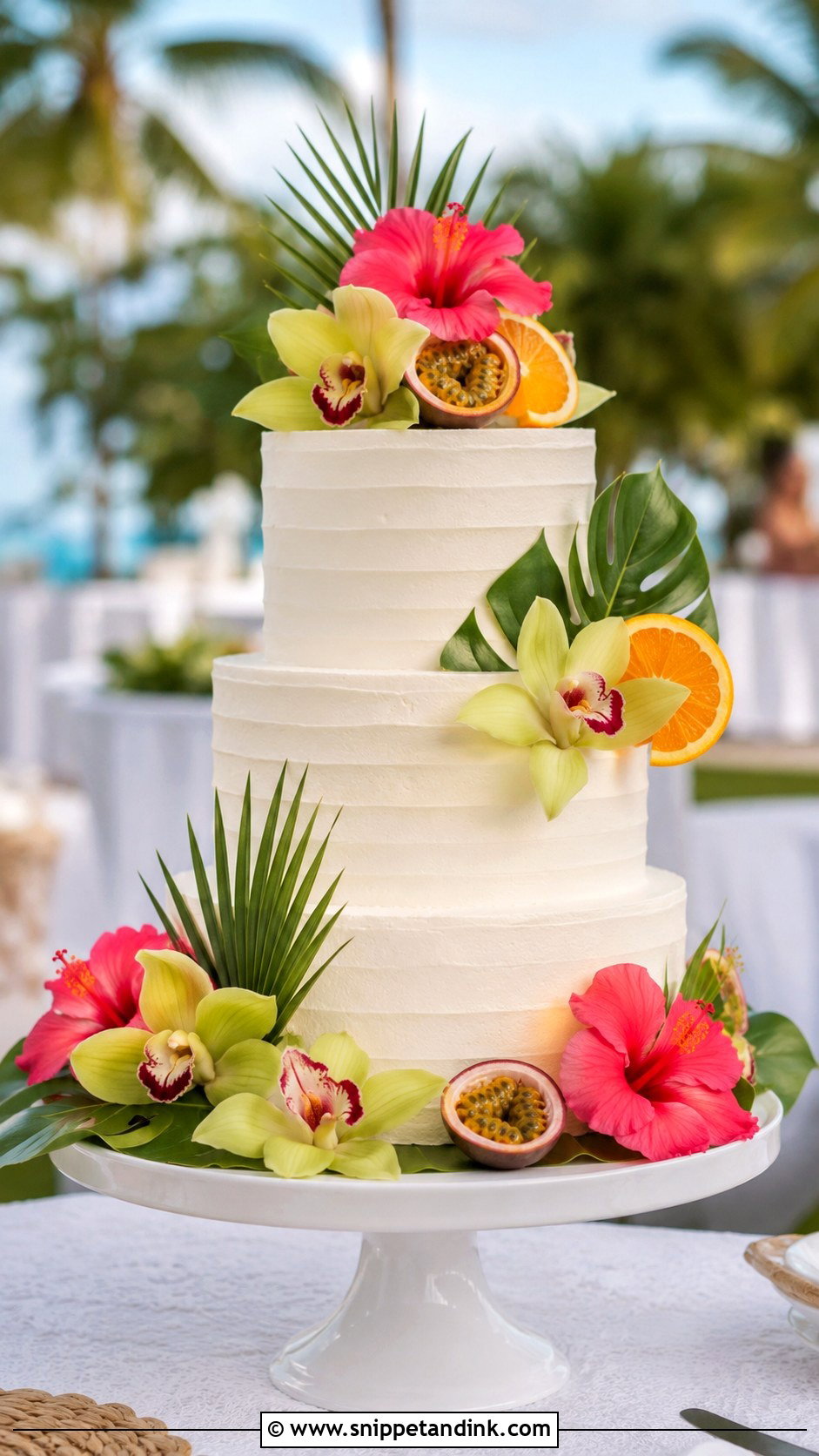
A tropical wedding cake can carry colour without looking loud if the base stays white. I add orchids, monstera leaves or citrus slices, and keep cut tropical fruit to the very last minute, since mango and pineapple weep juice quickly in heat. Coconut, passion fruit and guava flavours suit beach, poolside and warm garden receptions. Some tropical flowers aren’t safe on food, so I check every stem with the florist. Greenery around the base of the stand finishes the table.
16. Summer Berry Wedding Cake
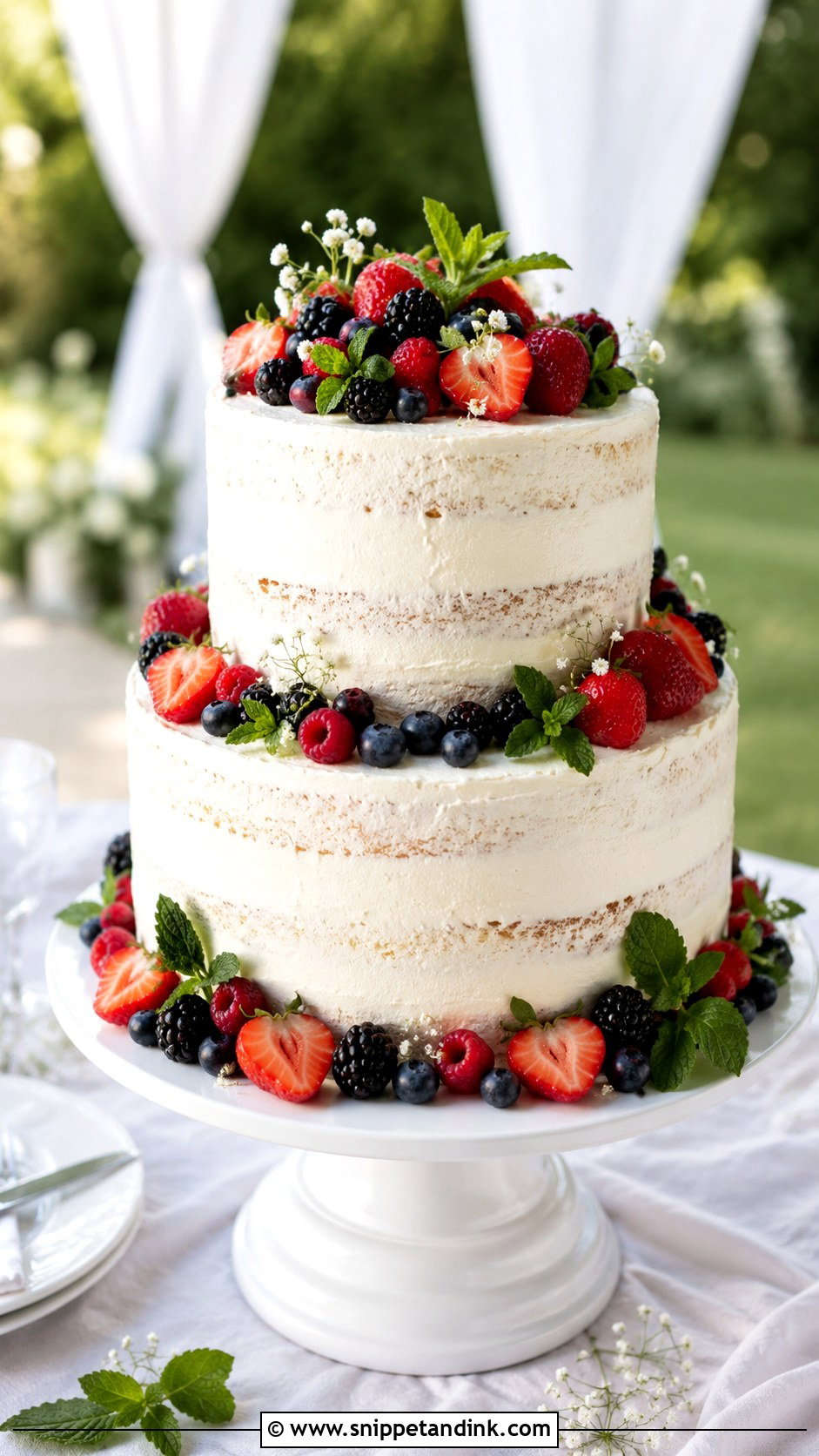
Berries add colour without much decorating, but they need timing. Raspberries and blackberries bleed into white frosting within hours, so I place them on site, grouped in clusters around the tiers. Naked, semi naked or smooth buttercream cakes all suit them, with vanilla, lemon or shortcake-style layers. A whipped cream filling isn’t safe outdoors in heat; a berry compote or stable buttercream works better. Mint leaves give texture.
17. Lemon Wedding Cake
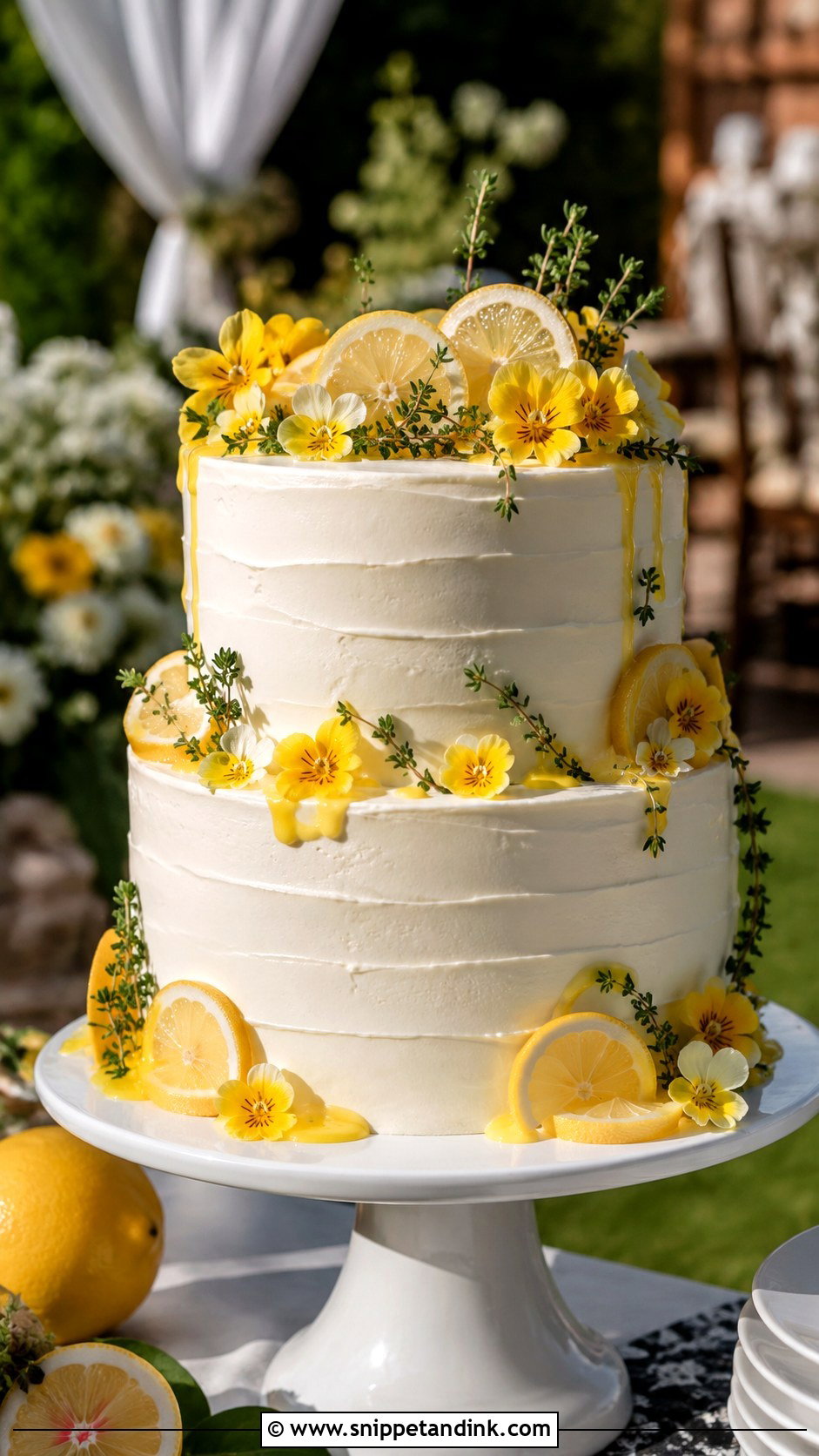
Lemon is one of my most-requested outdoor flavours because it stays bright and light in warm weather. A pale yellow sponge, white buttercream and lemon curd filling feels right for spring and summer. Curd needs refrigeration, so I tell couples the cake must stay cool until it’s served. A few lemon slices, herbs or edible flowers are enough decoration; too many yellow details at once make it look themed.
18. Two Tier Outdoor Wedding Cake
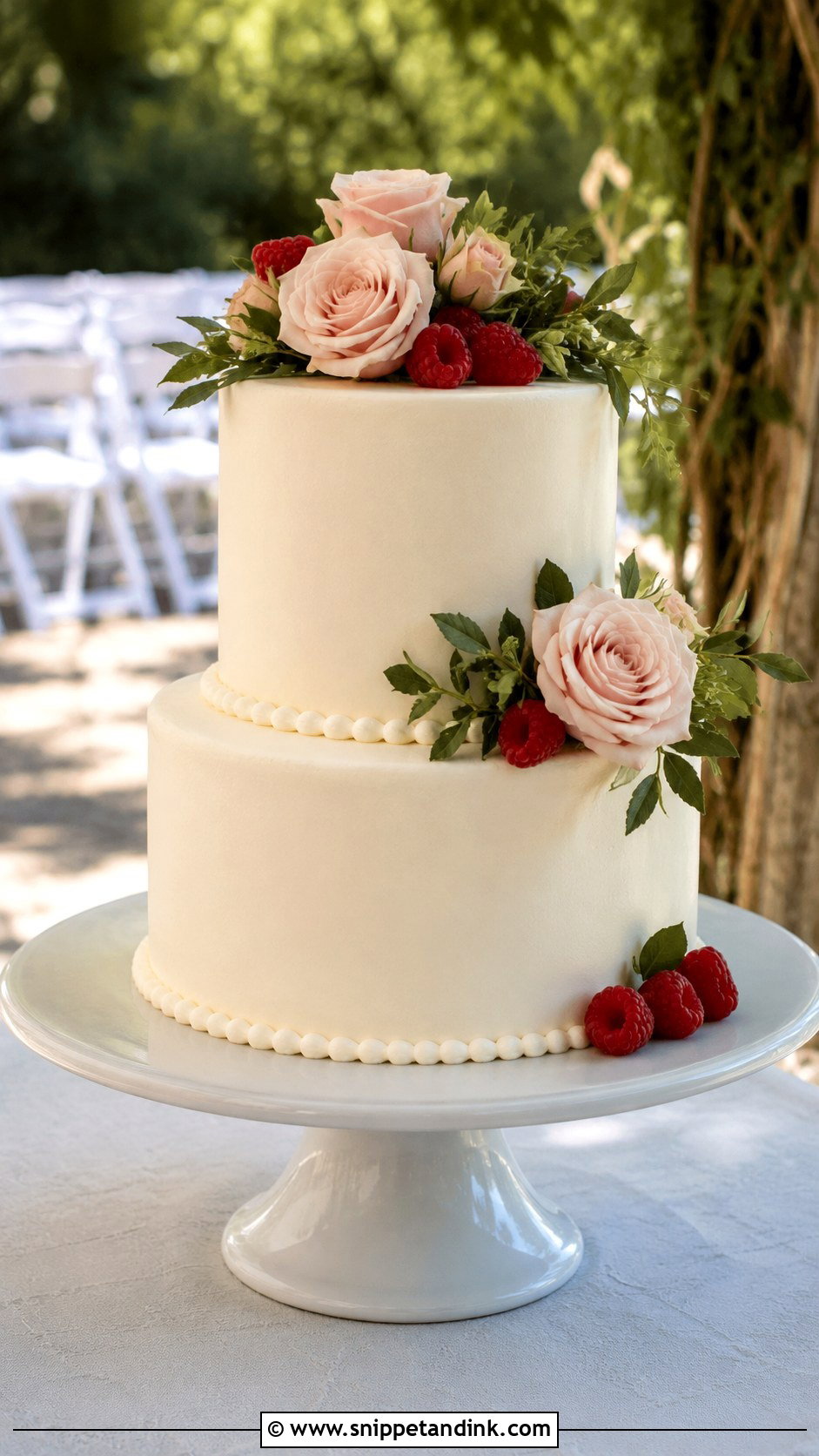
Two tiers are what I suggest for most small outdoor weddings, since a short cake is stable and easy to carry across grass. It still gives the classic look without the handling worries of a tall design. Any finish works, from smooth buttercream to semi naked, with vanilla raspberry or lemon. If you need more servings, I bake an extra sheet cake to cut in the kitchen. Guests never notice, and the display stays elegant.
19. Three Tier Outdoor Wedding Cake
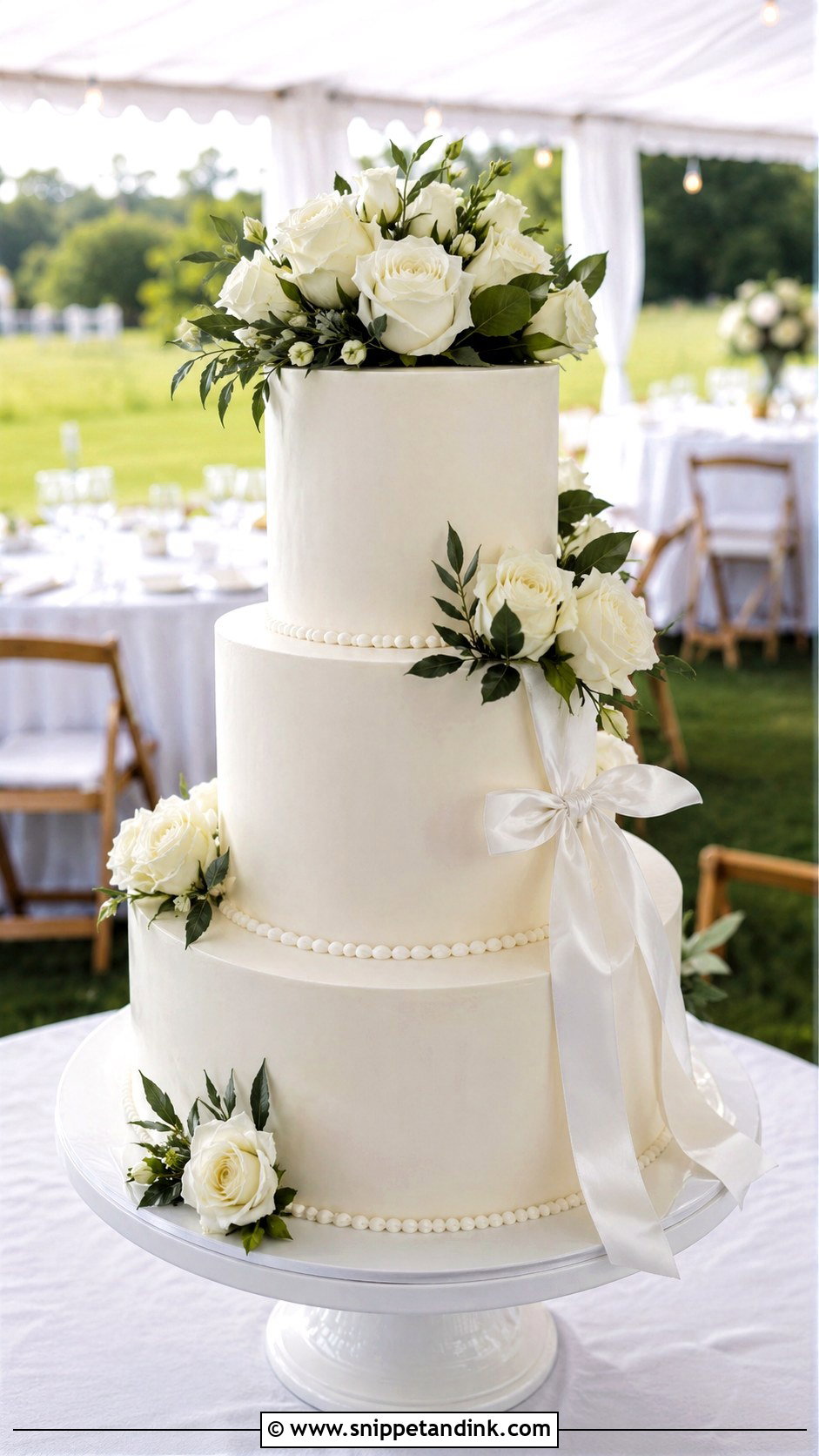
Three tiers give enough height to stand out on a reception table while staying manageable. The structure matters more outside than in: each tier sits on a board with dowels below, and I usually stack the top tier on site rather than drive it assembled over a bumpy venue road. Smooth ivory buttercream or fondant suits gardens, estates and tented receptions. Keep it out of direct sun; a stable stand matters as much as the design.
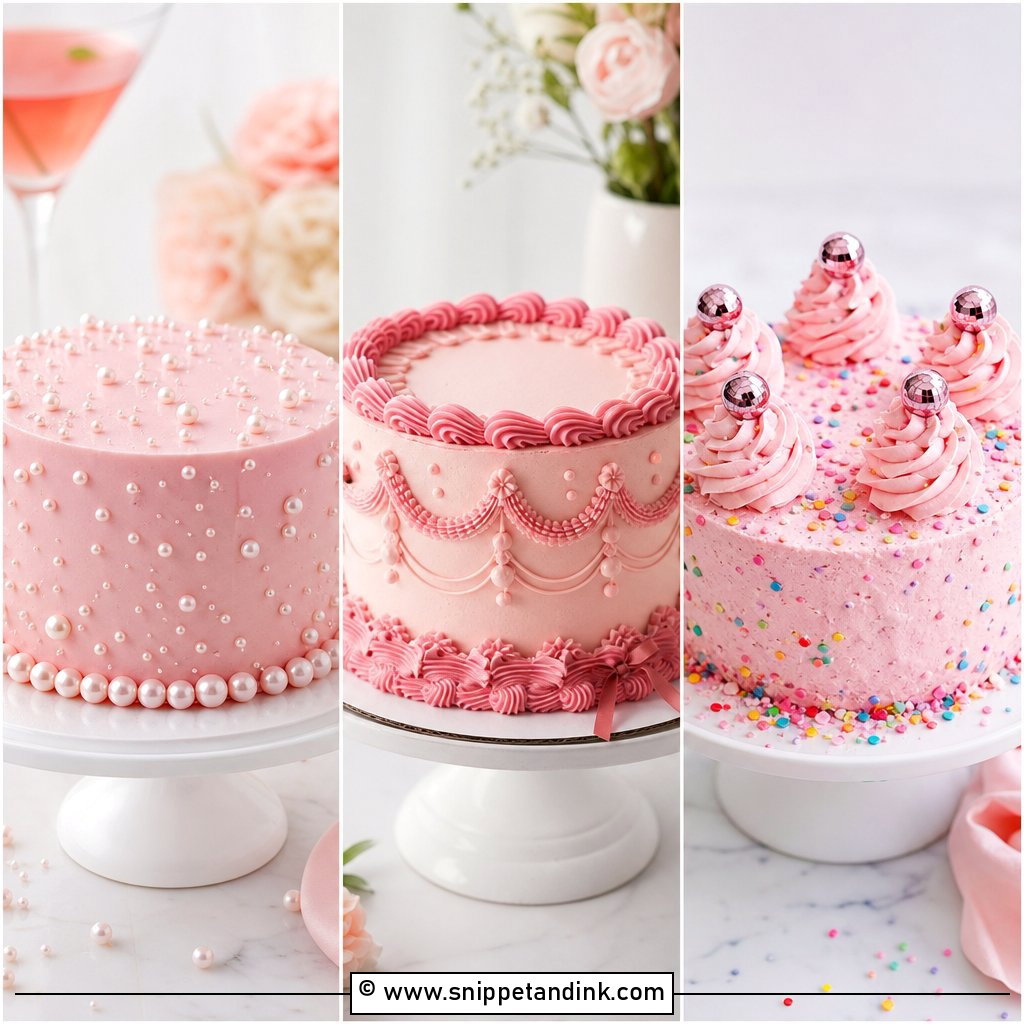
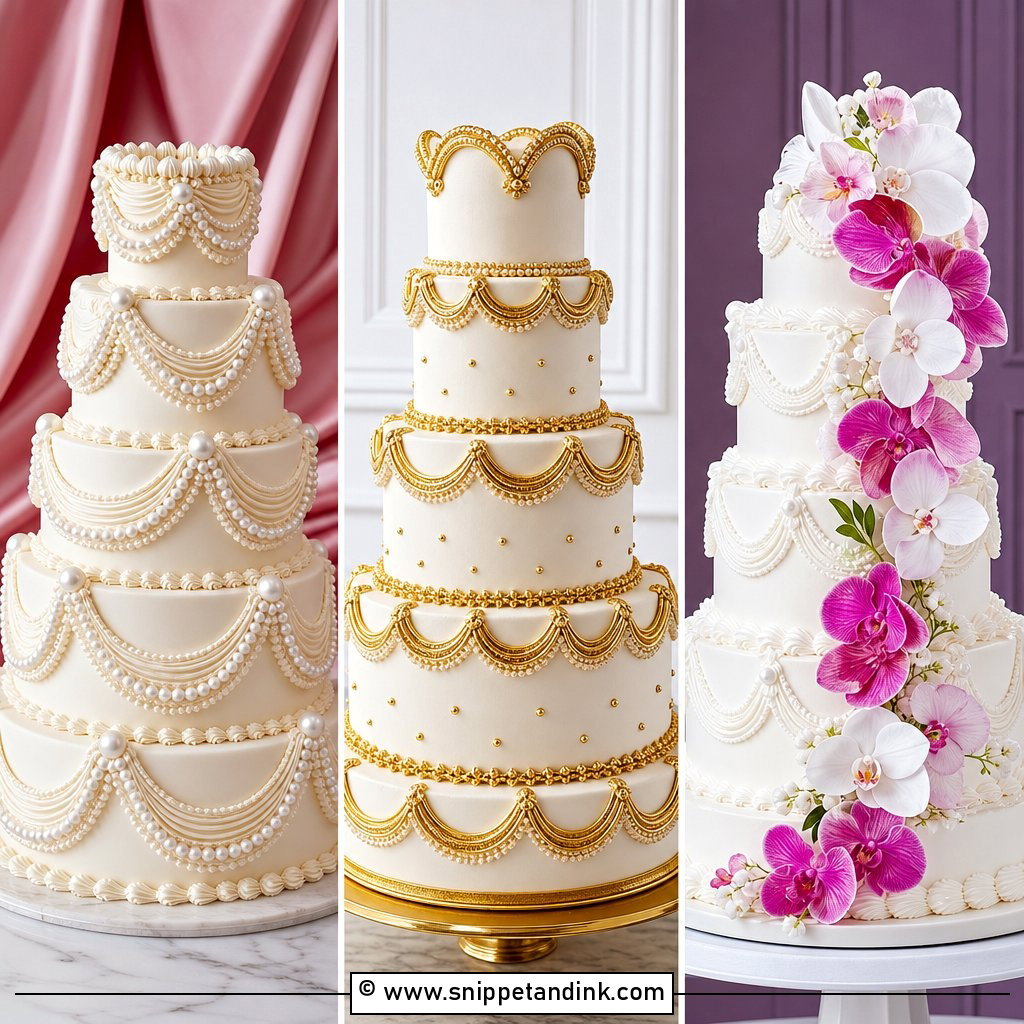
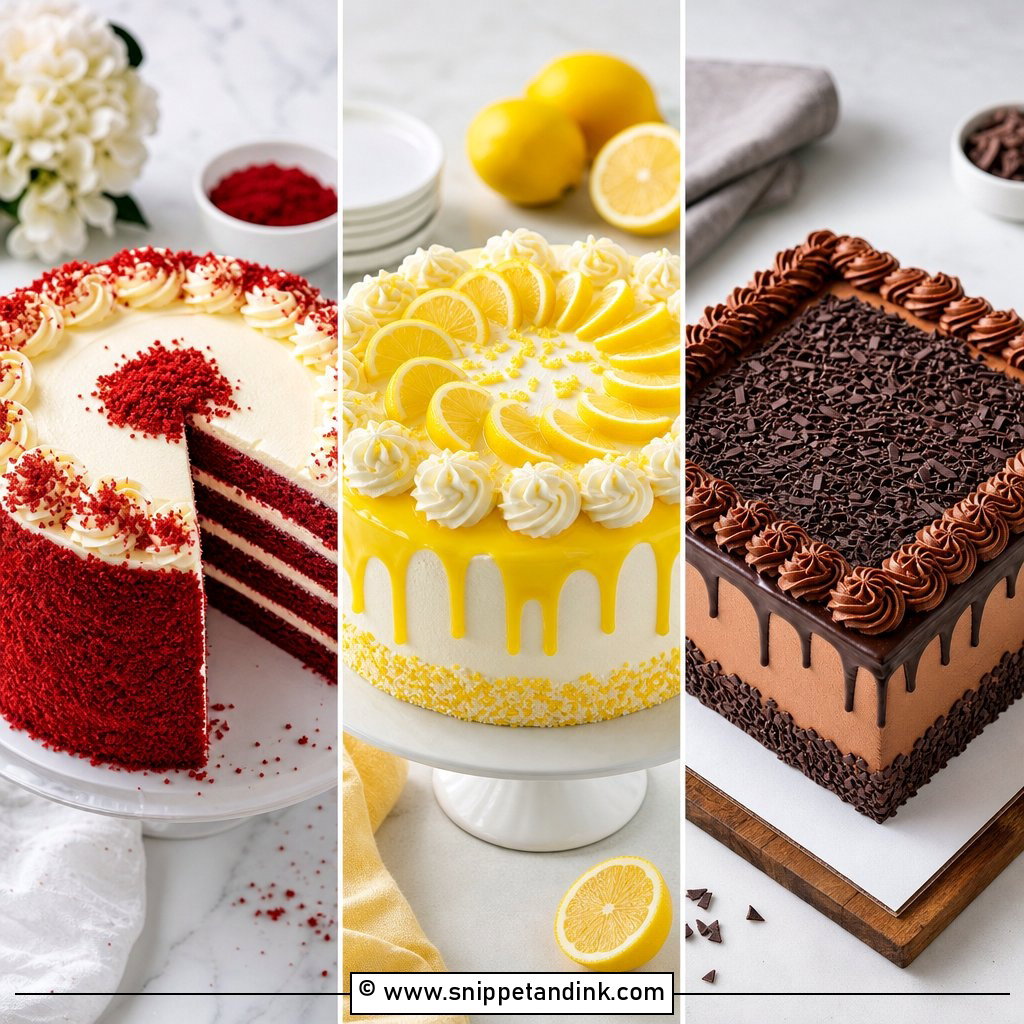
20. Minimalist Wedding Cake
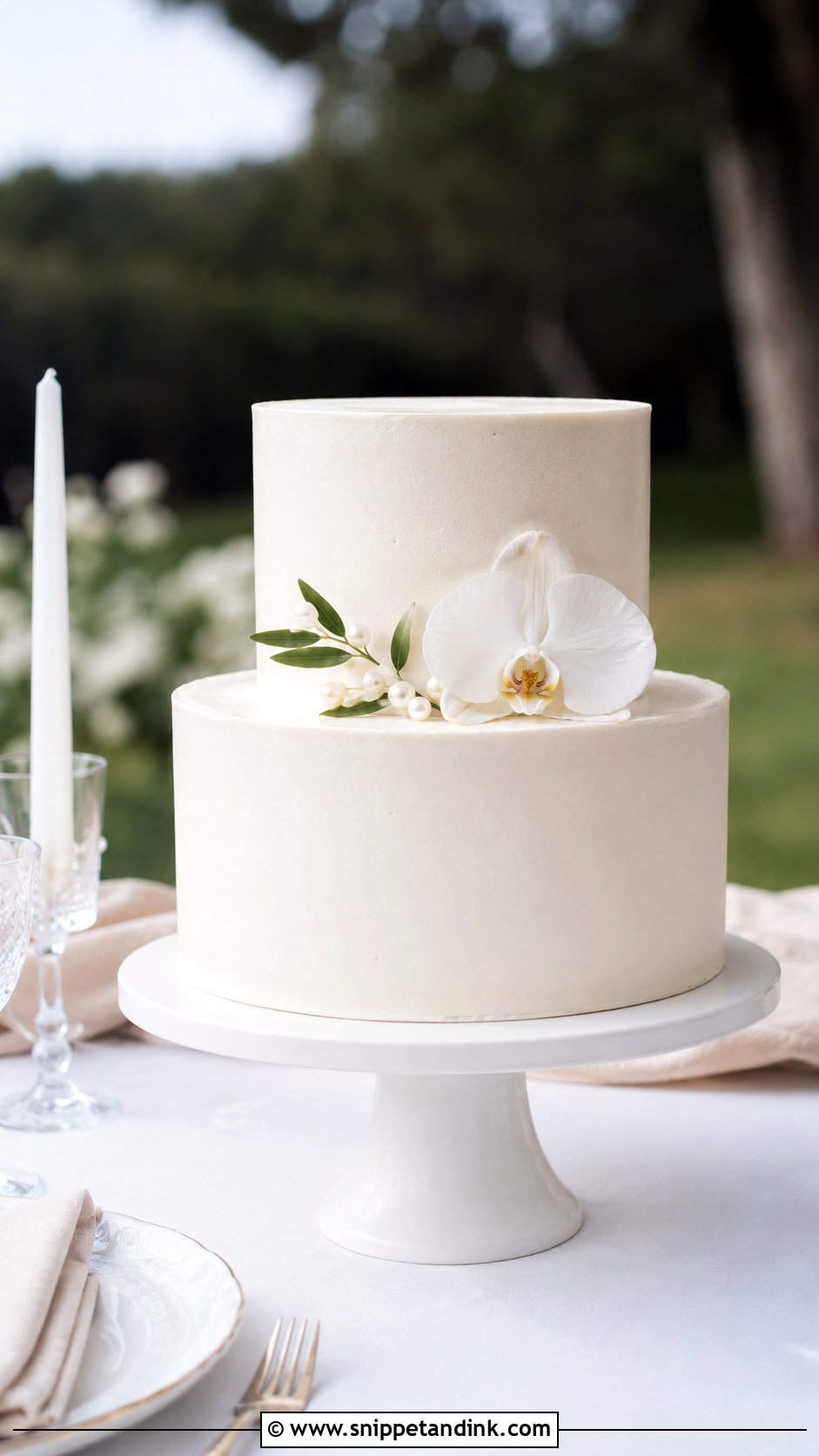
Minimalist cakes are harder to make than they look, because a smooth finish hides nothing. Outdoors, the scenery does most of the decorating, so one floral accent and a sharp silhouette are enough. I’d use a ganache coating under the buttercream for those crisp edges in warm weather. Vanilla bean, almond or coconut flavours fit, and the table should be just as uncluttered: a plain pedestal, linen and maybe one small vase.
21. Watercolor Wedding Cake
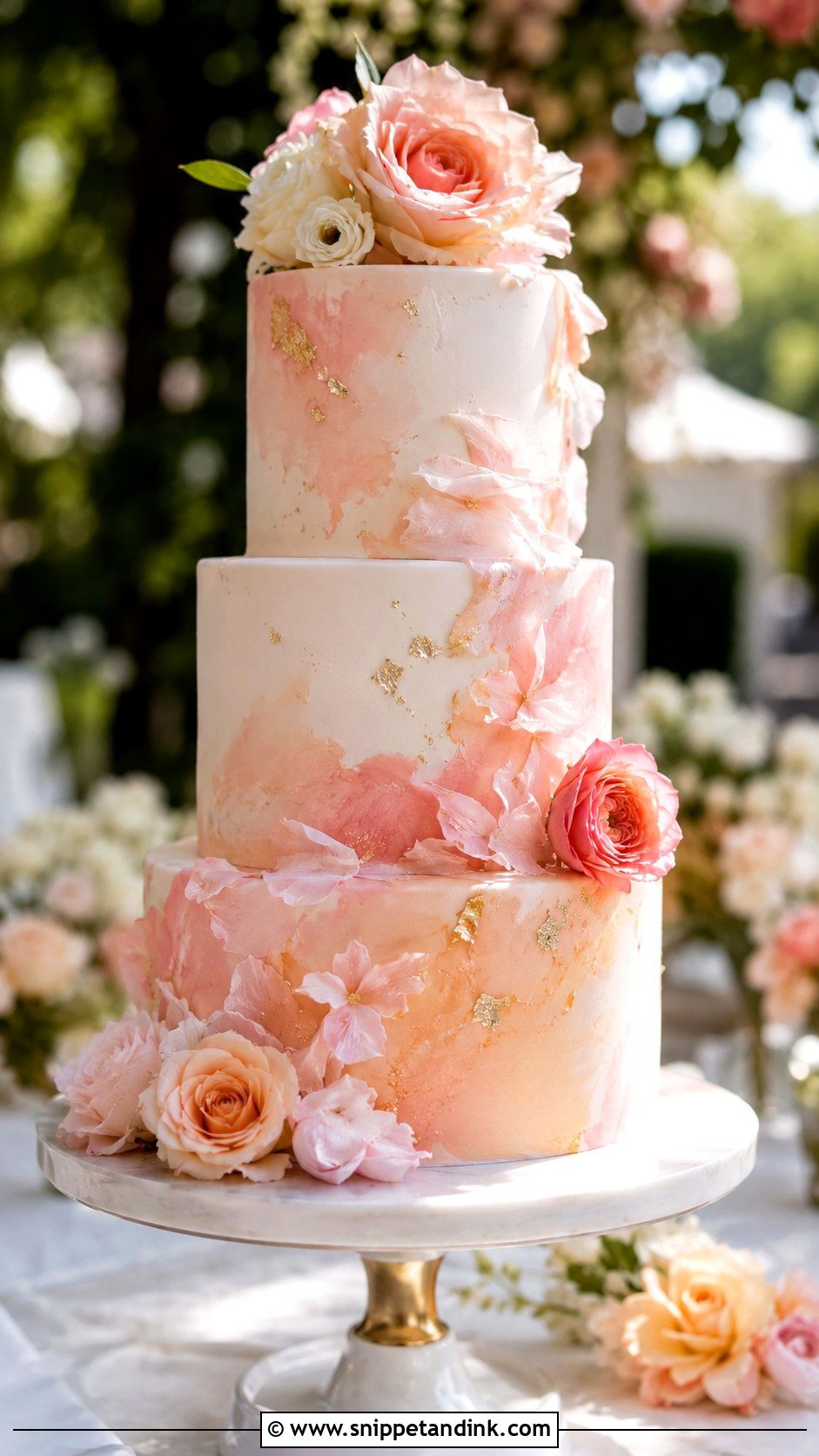
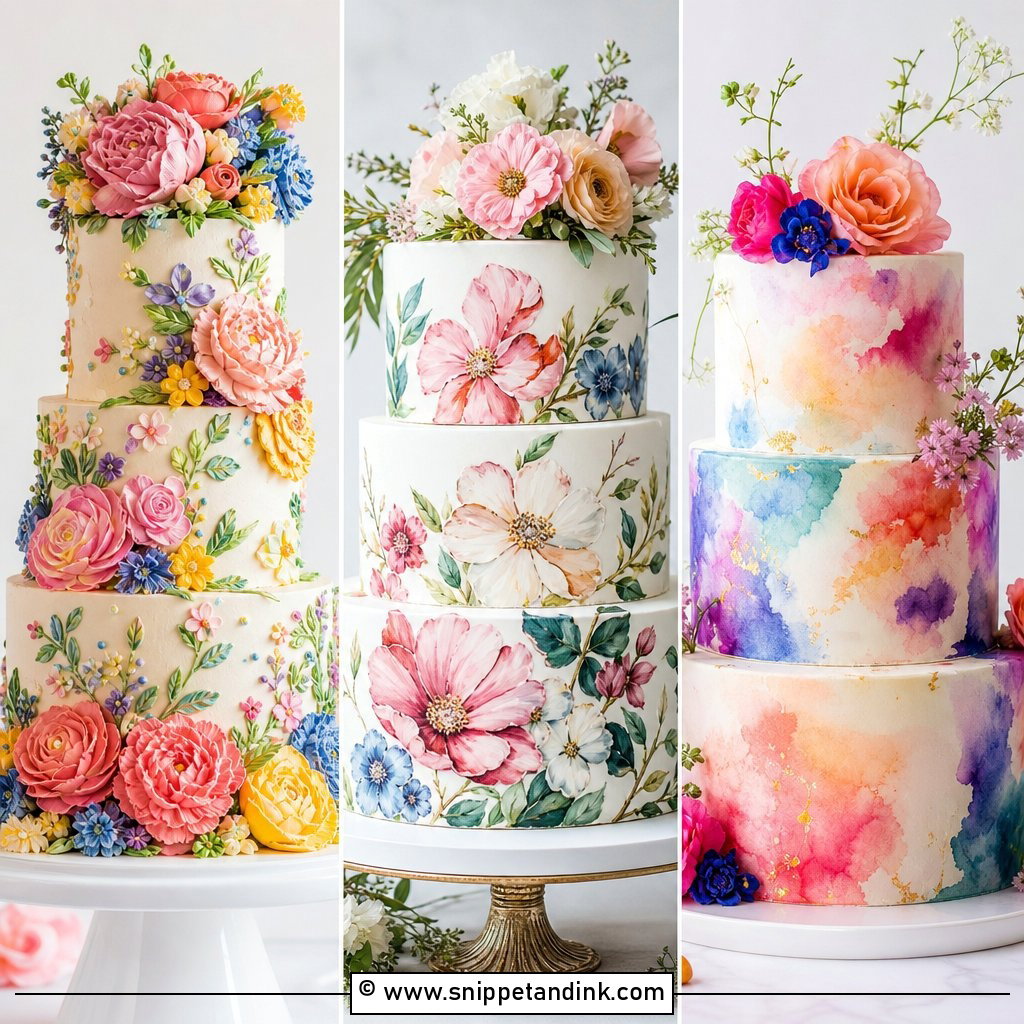
Watercolor cakes are painted with diluted food colour, and I match the shade to the setting: blush for a garden, blue for the coast, peach for a sunset reception. Smooth fondant gives the cleanest wash; buttercream gives a softer, more blended finish. A fondant cake moved from a cold fridge into humid air will sweat, which can blur painted colour, so I let it come to room temperature in shade. Gold flecks or a few sugar petals are enough to finish.
22. Ombre Wedding Cake
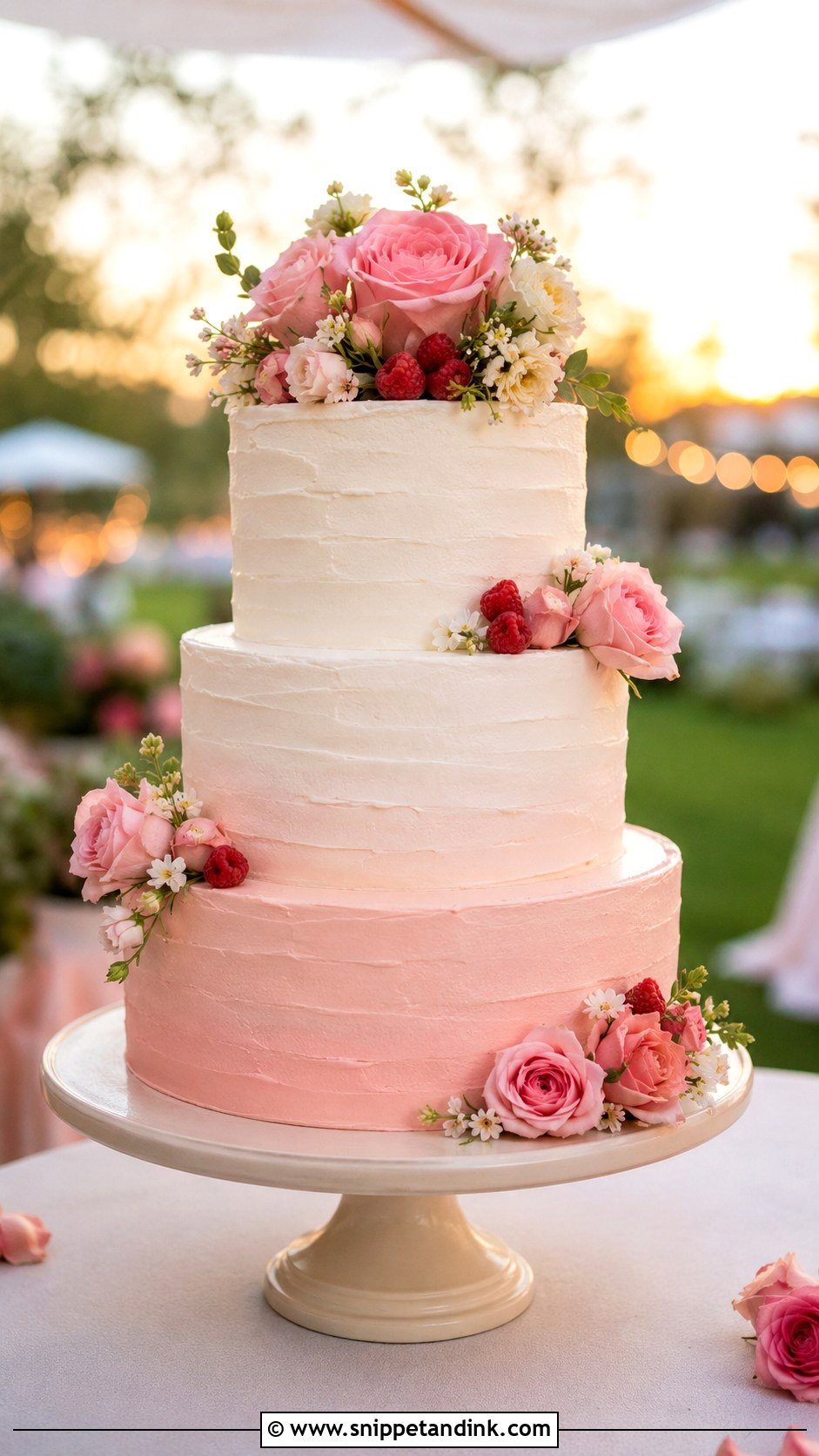
Ombre buttercream is about the blending more than the colour choice. I mix four or five shades from the same base so the shift from ivory to blush, or cream to peach, looks gradual. Buttercream is ideal because it blends softly. Flavours can follow the colour story, strawberry or coconut for warm tones. A simple flower or clean topper keeps the gradient as the focus, and a neutral stand stops it from overwhelming the table.
23. Drip Wedding Cake
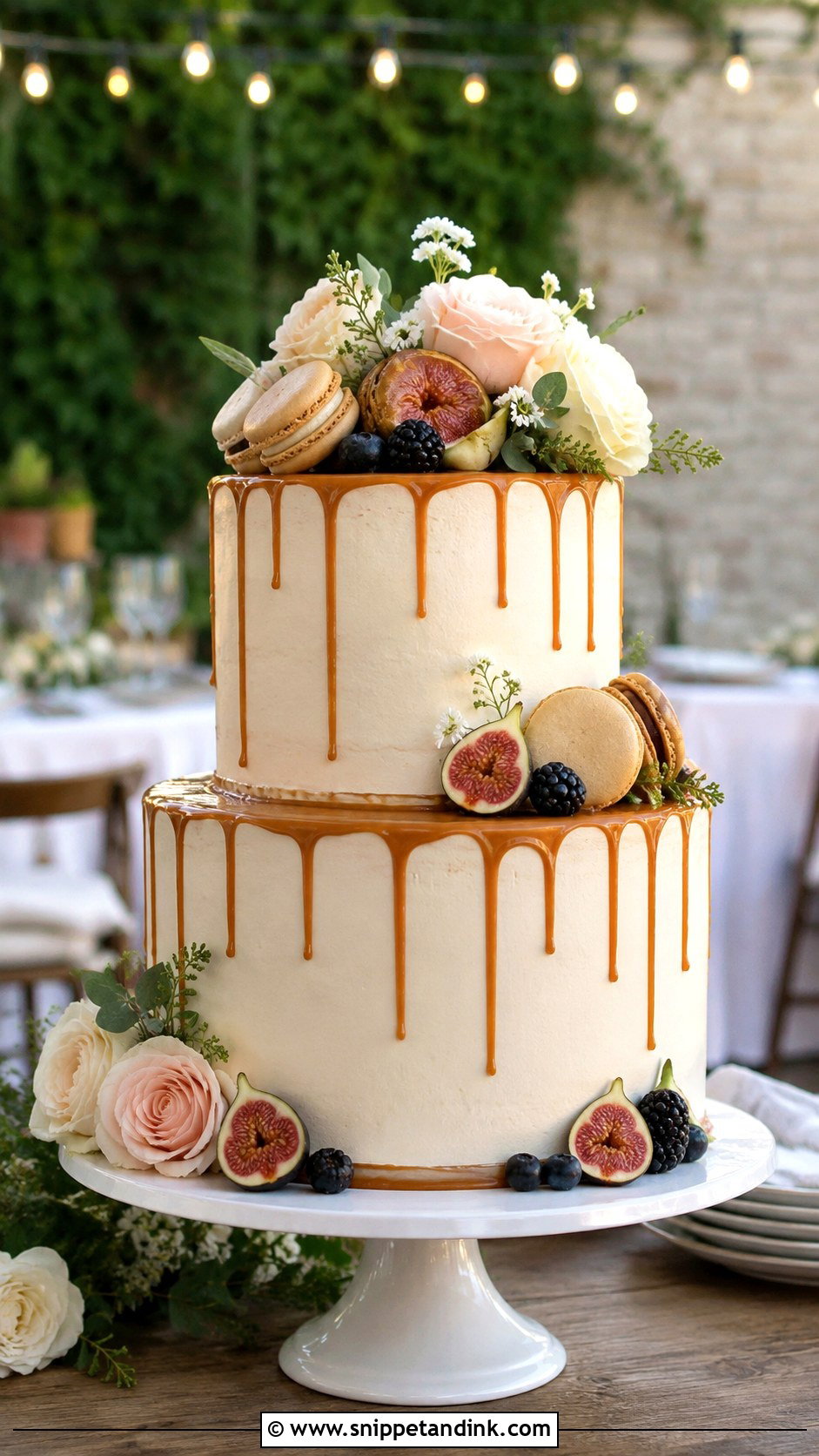
A drip cake can be refined or playful depending on what drips. Outdoors I steer couples toward white chocolate, caramel, honey or pale pink ganache, and I adjust the ganache ratio to set firmer in warm weather. Drips on a warm cake keep travelling, so this design must stay cool. Flowers, figs or macarons on top look neat as long as nothing is overloaded.
24. Fruit Wedding Cake
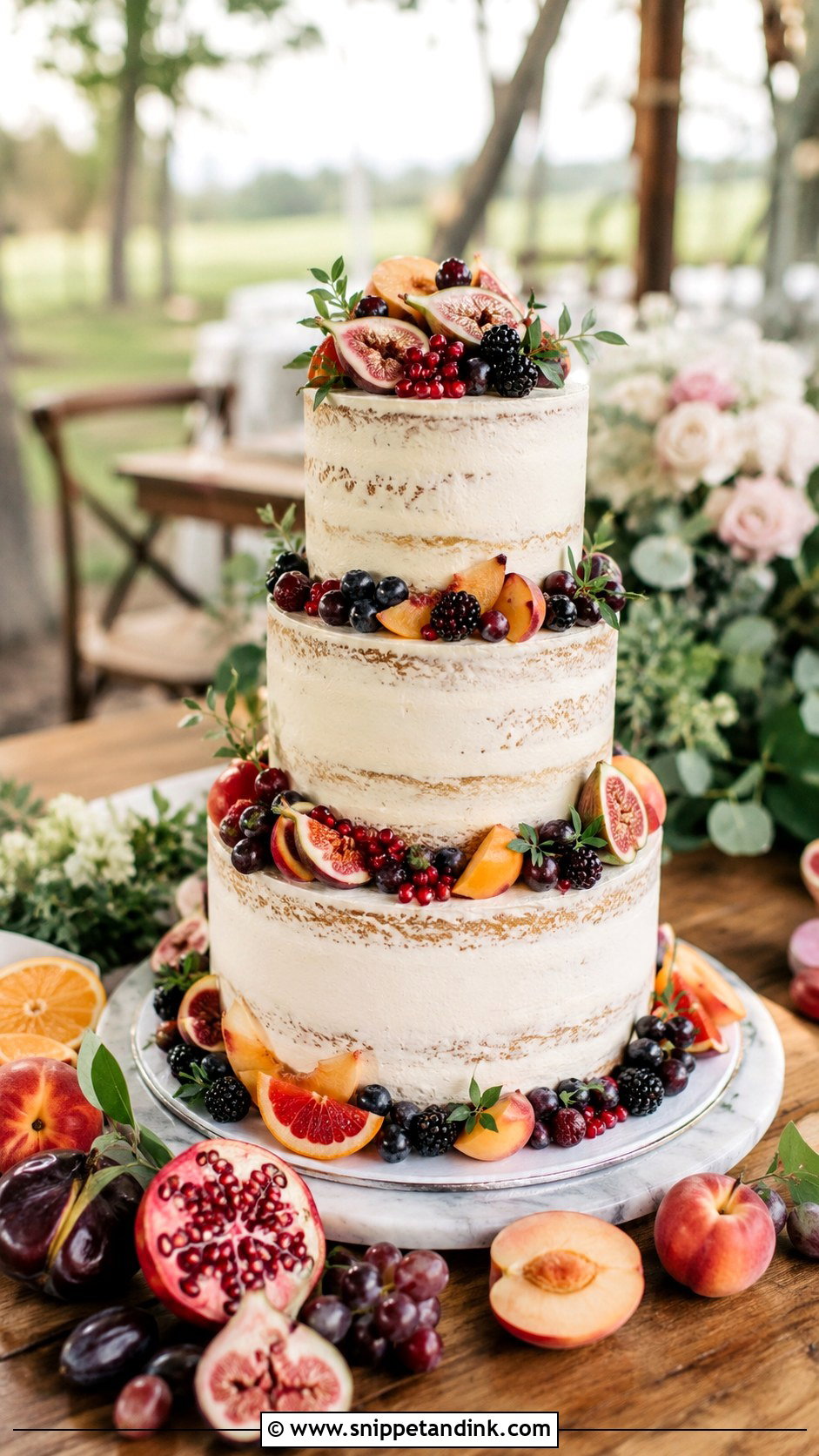
A fruit wedding cake leans on figs, citrus, peaches or pomegranate for colour and texture. I group fruit in clusters so it looks styled, not random, and only place it shortly before guests arrive. Cut fruit dries out and attracts insects fast outside. Lemon blueberry, vanilla peach and almond fig flavours match the produce. A few leaves soften the arrangement.



25. Cupcake Wedding Cake
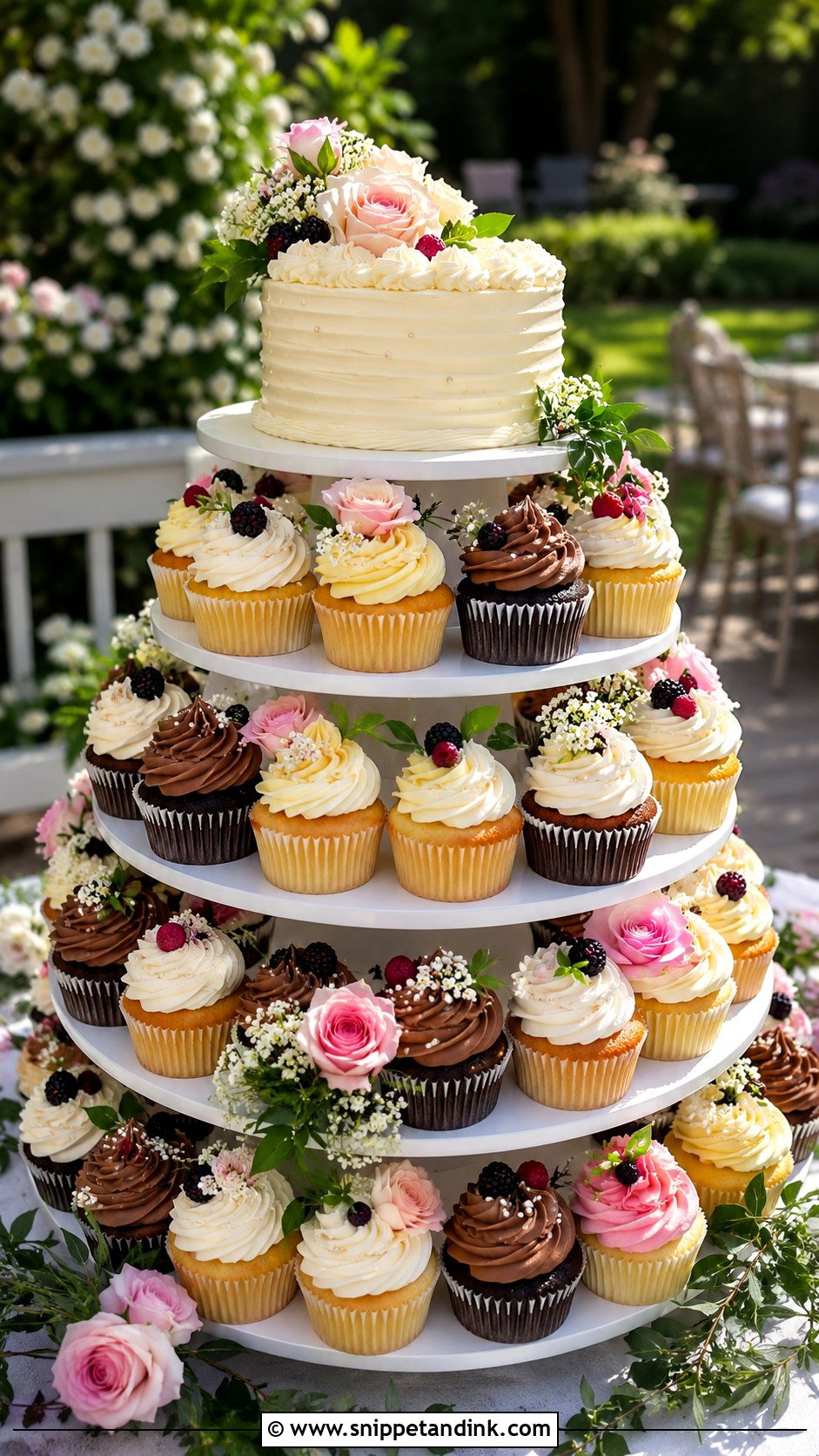
Cupcakes are the most practical answer for a casual outdoor reception: no cutting, no plating, and easy to replace if one gets knocked. I still bake a small cutting cake for the top of the stand or beside it, since couples always want that moment in photos. Tiered stands give height, and matching frosting with flowers or tiny pearls ties them together. Keep them shaded; small swirls of buttercream soften faster than a full tier.
Where the Cake Table Goes, and When the Cake Arrives
The best outdoor cake can still fail on a bad table. I ask the planner for a solid, level table under a tent or tree, out of the afternoon sun and away from dance floor speakers, which can vibrate a stand. Grass hides slopes, so I check with a small level when I arrive.
Timing is the second half. I usually deliver within a couple of hours of the cutting rather than in the morning, and I finish the tiers on site in a shaded or cool room if the venue has one. A tall cake travels as separate tiers, then I stack and dowel it in place.
Wasps, Wind and a Cake Left Out Too Long
- Sugar and cut fruit draw wasps in late summer; a mesh cake dome until the cutting saves a lot of swatting.
- Wind topples tall toppers and light flowers, so anything above the top tier is wired in or skipped.
- Agree in advance who brings the cake indoors if a storm or heat spike hits, and where it goes.
If the cutting gets delayed by an hour, as it often does, the cake should stay covered and shaded until the couple is ready. A slightly soft cake is fixable; a cake that has sat in the sun for an hour usually isn’t.
A Cake Built for the Weather Gets Photographed Instead of Rescued
The cakes I’m proudest of outdoors are rarely the most elaborate. They’re the ones where the couple chose a frosting that suits their month, put the table in real shade and let me place the flowers and fruit at the venue. Rustic buttercream, greenery and two-tier designs forgive heat and wind best; minimalist and watercolor cakes need cooler days or cover. Start with your venue and season, then pick the style, and the cake will still look right when you finally cut it.
You'll Like These Ideas:






Leave a Reply