
Couples usually come to a cake consultation with a photo, and my first questions are about everything around it: the venue, the season, how many people need a slice and how long the cake will sit out before it’s cut. Those answers decide which finishes are realistic. The 20 cakes below cover classic white tiers, vintage piping, fruit, flowers and a few unusual shapes. For each, I’ve added how it holds up, which flavors suit it and what to raise with your baker so the cake on the day looks like the one you fell for.
How Many Slices Are Hiding in Each Tier
Wedding cake is usually cut in narrow slices, roughly one inch wide by two inches long, and smaller than a birthday cake portion. That’s why a modest-looking cake can serve more people than you’d guess. Every baker uses her own chart, but the tier sizes add up quickly.
If the design you love is too small for your guest list, ask about a display cake with extra plain cake in the kitchen. The same flavors are baked as simple sheet cakes and cut out of sight, so the display cake can stay small and detailed. It’s also useful when a design has fragile decoration you’d rather not cut through.
Check whether your venue charges a cake-cutting fee and who is cutting the cake. Staff who aren’t used to tiered cakes may not remove the internal supports, so ask your baker to leave cutting instructions.
1. Classic White Wedding Cake
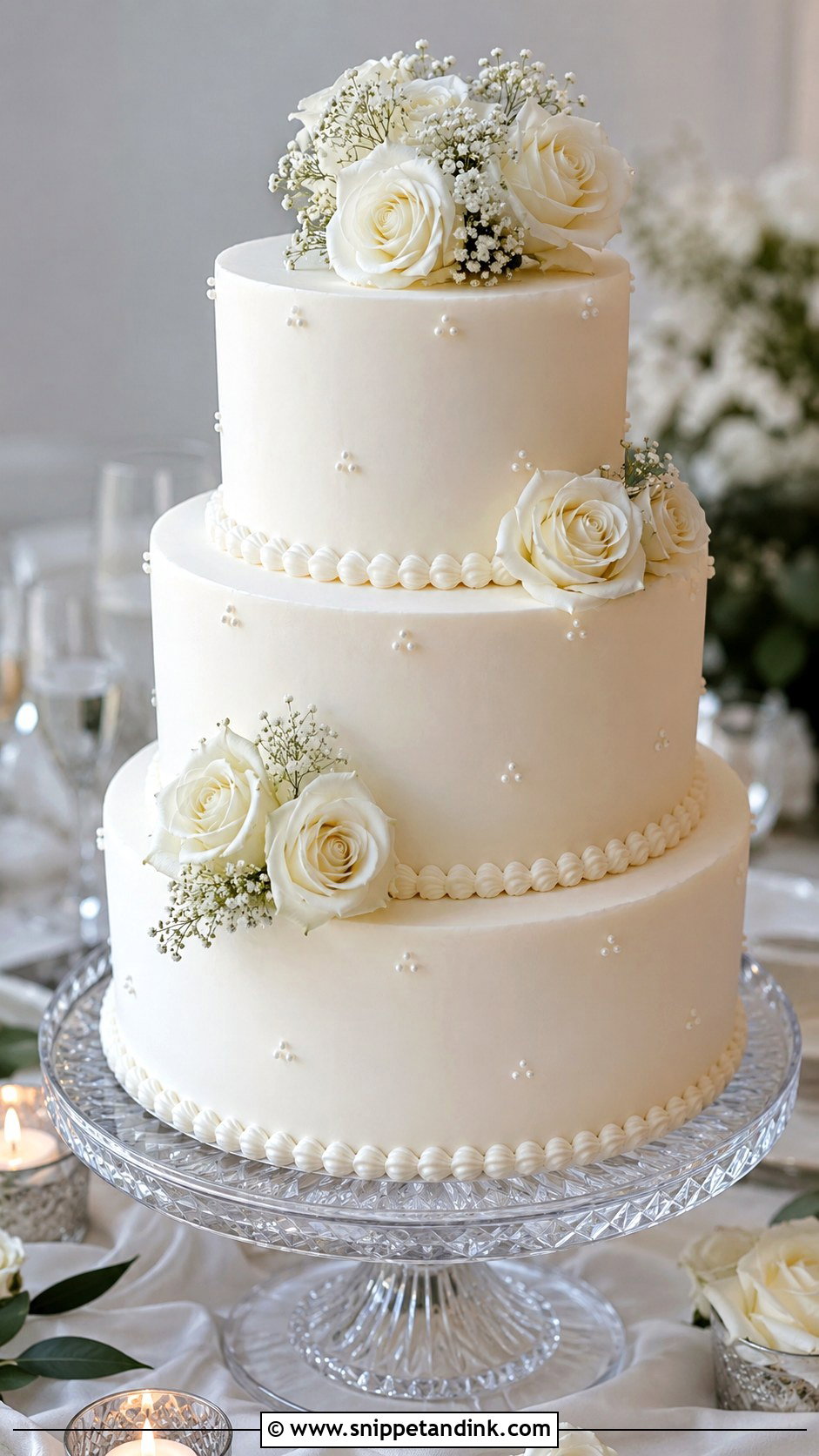
White is still the cake I make most, because it sits happily in a ballroom, a garden or a stripped-back modern room. The risk is plain rather than classic. Smooth white buttercream with a thin piped border, a few fresh white roses and some pearl detail gives it enough interest without clutter. Inside, vanilla bean, almond or white chocolate sponge pleases most guests. One small thing: pure-white buttercream needs a little whitening or careful butter choice, since most butter tints frosting ivory.
2. Vintage Lambeth Wedding Cake
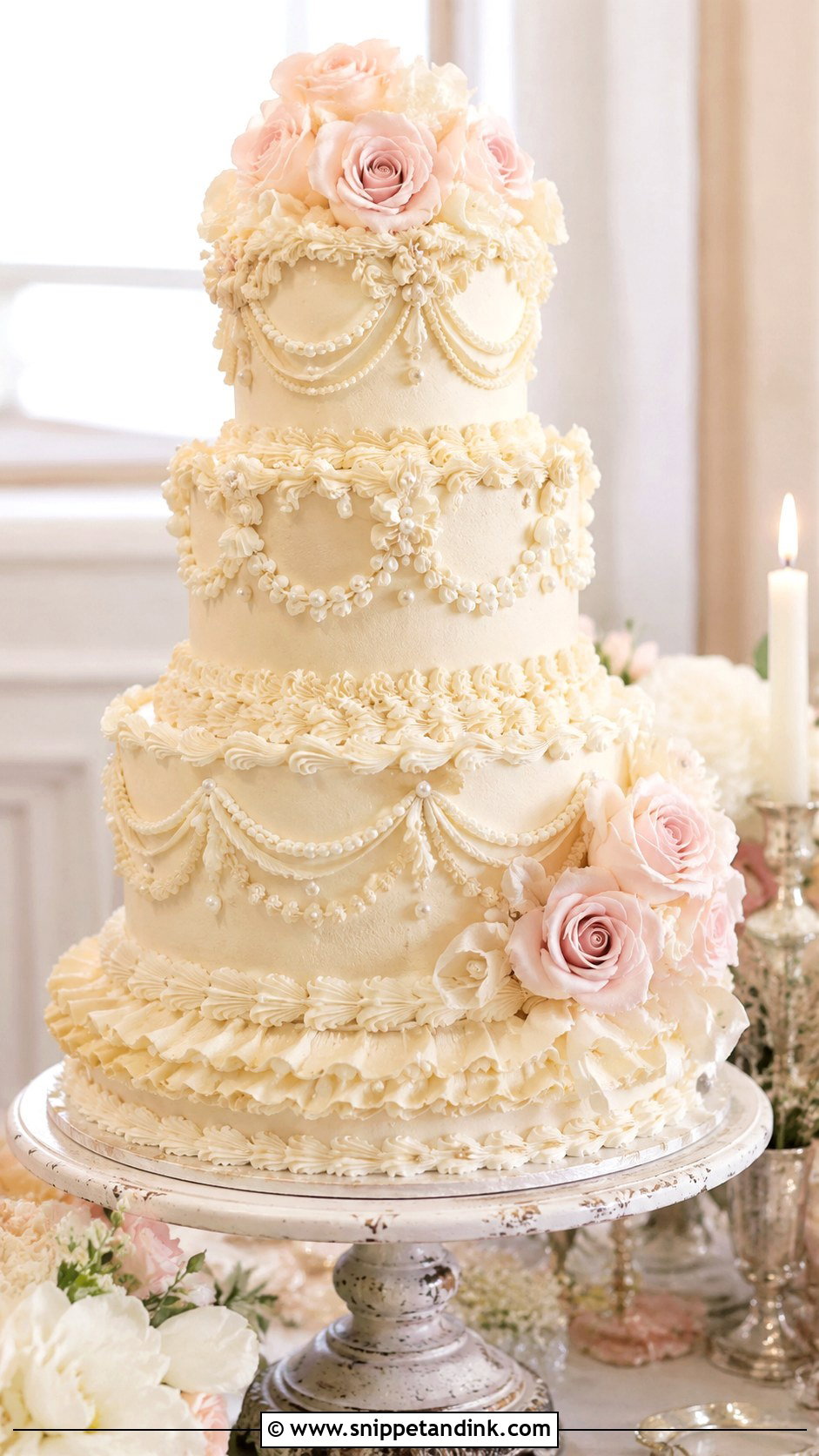
Lambeth piping is the over-the-top, layered style: stacked borders, shell piping, swags, dots and ruffles running around each tier. It takes hours of steady piping, which is why it reads as handmade. Ivory buttercream keeps it elegant; blush flowers or tiny cherries make it playful. Piped buttercream is soft, though, so I’d keep a Lambeth cake out of direct sun and away from a warm window. Vanilla, almond or a champagne-flavored sponge suits it, and a plain stand lets the piping speak.
3. Pearl Wedding Cake
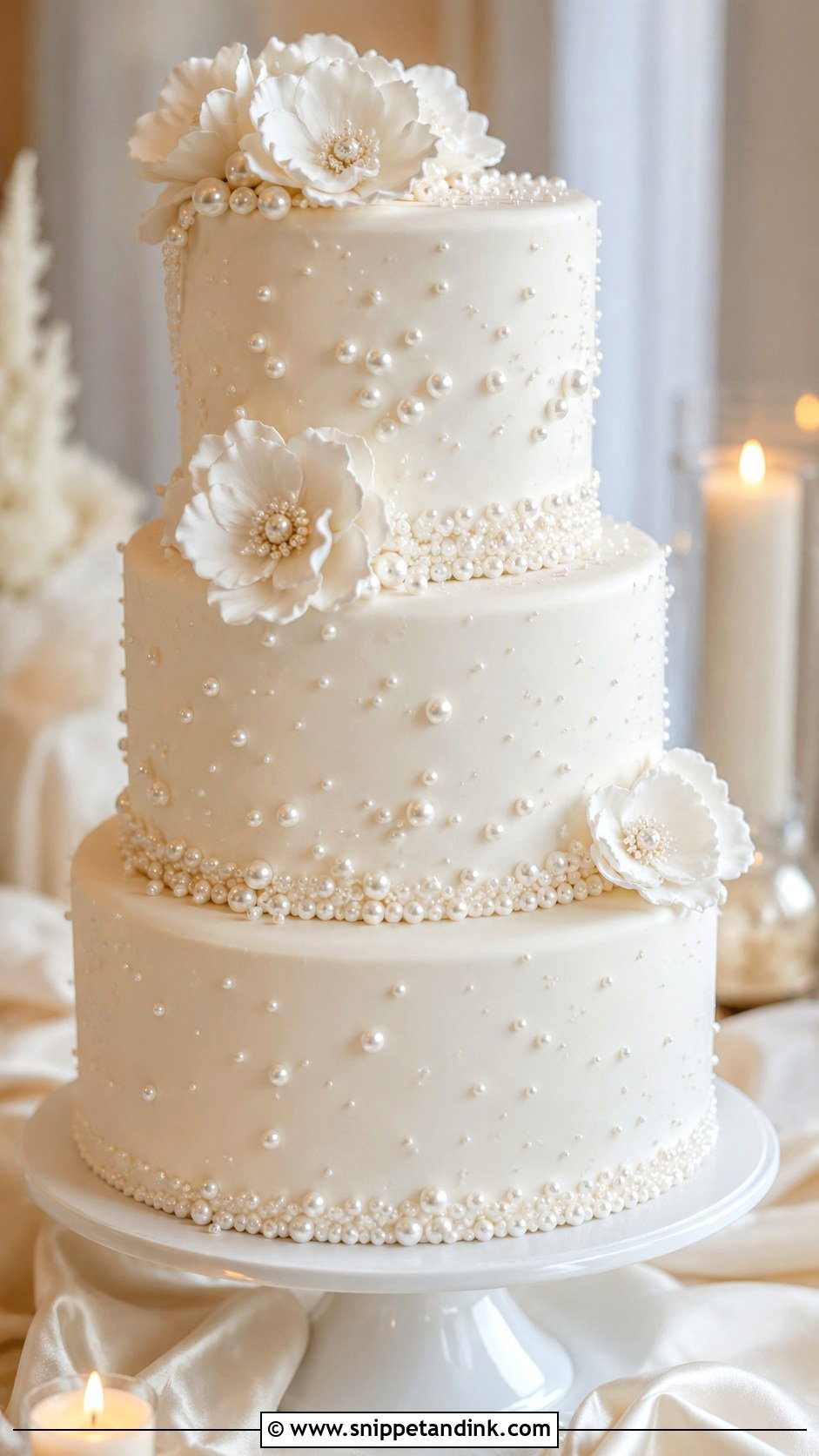
Edible pearls add texture without color. They can ring each tier, sit in clean rows or be scattered across the surface. I mix two or three sizes, because pearls all the same size can look like a pattern stamped on rather than placed. Fondant gives the crispest base for rows; buttercream suits a scattered look. It pairs well with satin dresses and pearl veils. Vanilla bean, coconut or almond flavors match the soft feel.
4. Floral Cascade Wedding Cake
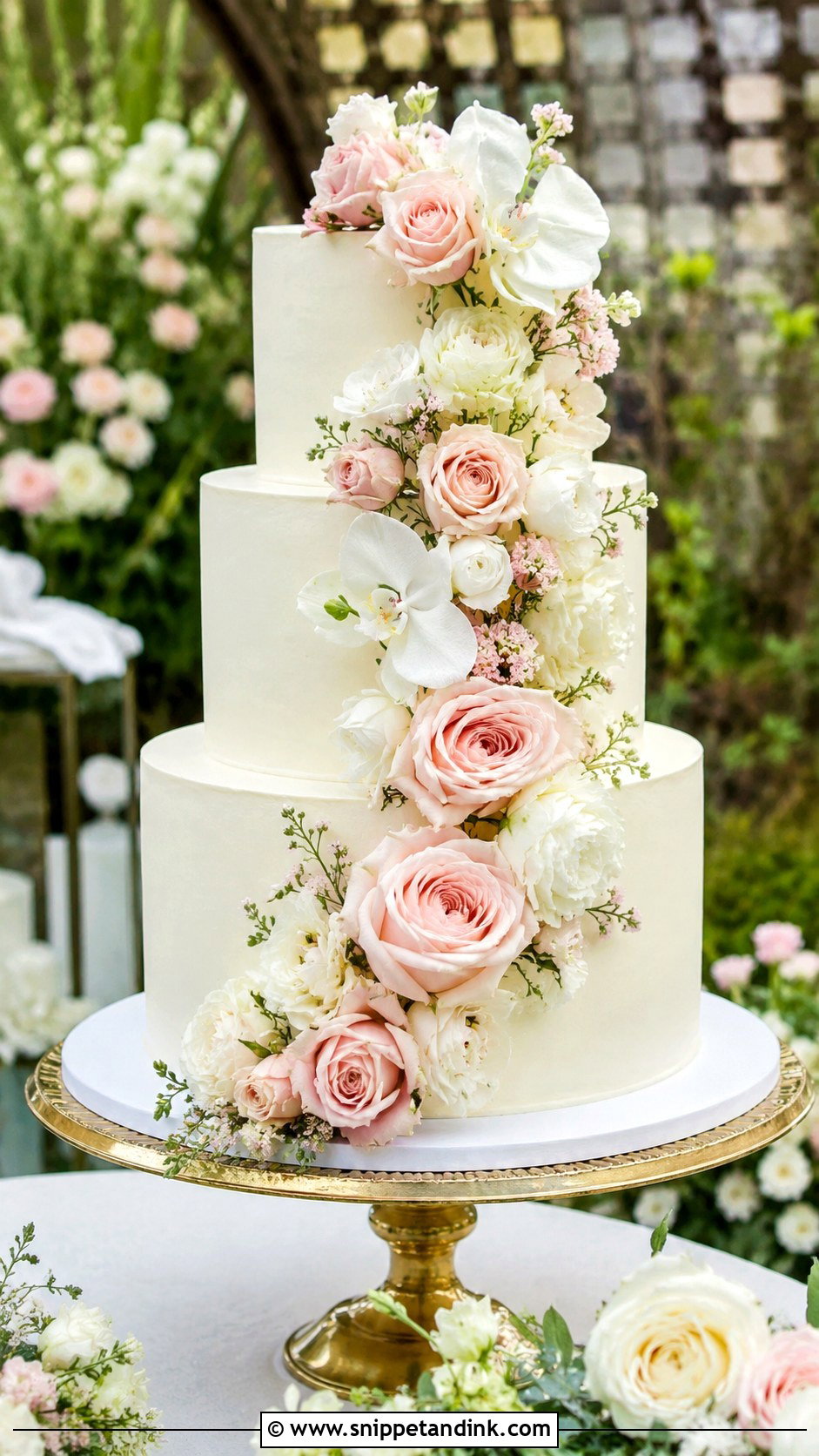
A cascade lets flowers run from the top tier down one side, tying the cake to the bouquet. Roses, peonies, ranunculus and orchids all work, depending on season and palette. The cake itself stays simple so the flowers lead. Real flowers must be grown without pesticides and kept from touching the frosting directly, so I wrap and tape each stem or insert it into a food-safe pick. Some popular blooms, such as lily of the valley and hydrangea, are toxic and should only be used if fully separated. Lemon, vanilla or raspberry cream keep the inside fresh.
5. Minimalist Buttercream Wedding Cake
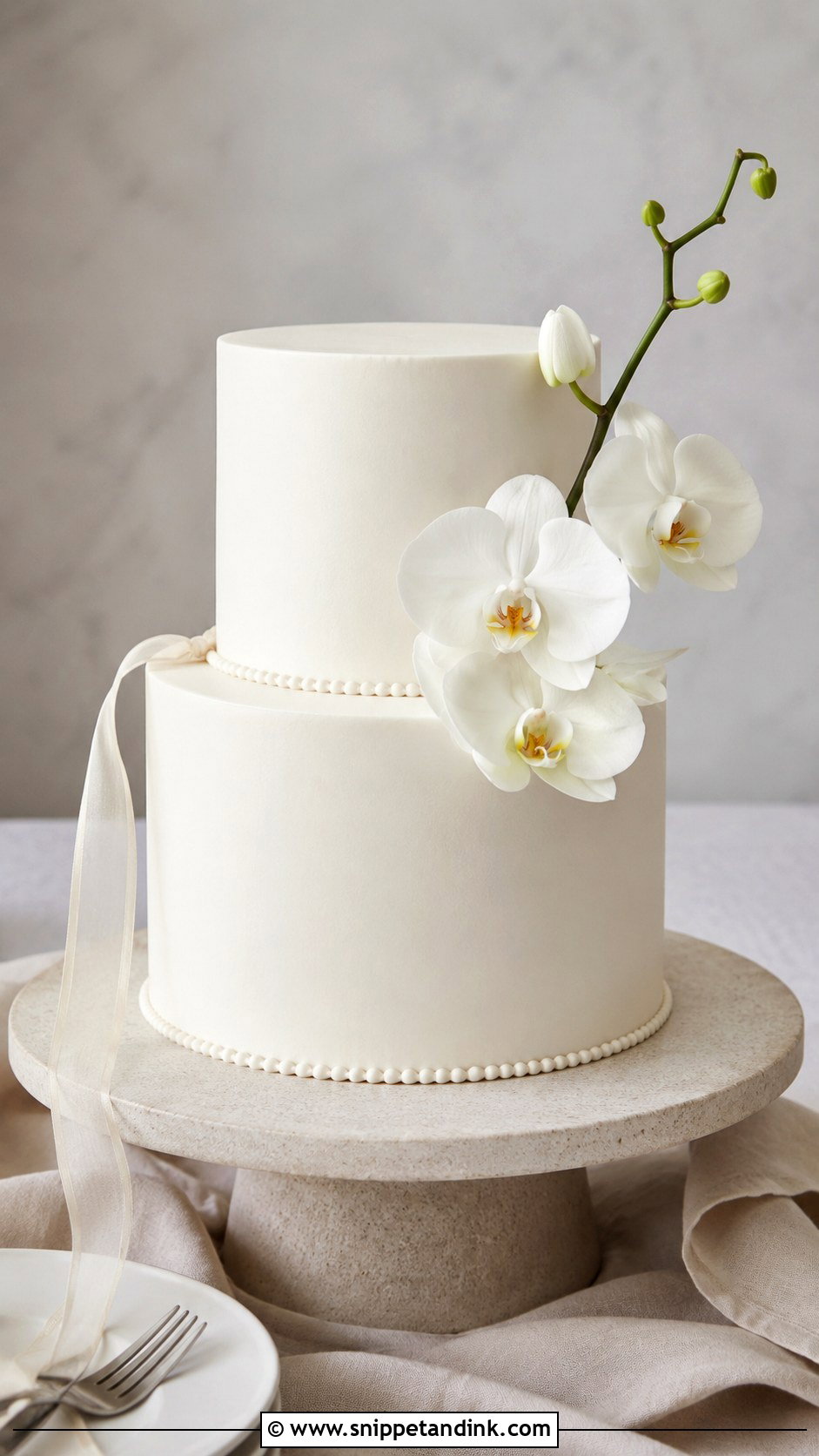
Minimal buttercream cakes rely on clean tiers, sharp edges and one well-chosen accent: a few white flowers, a silk ribbon or a single cluster of greenery. With so little decoration, every flaw shows, so the sharp edges have to be really sharp. That takes a well-chilled cake and patient scraping. It suits modern venues, courthouse celebrations and small receptions. Because the outside is neutral, the inside can be anything, from vanilla bean to chocolate espresso.
6. Square Wedding Cake
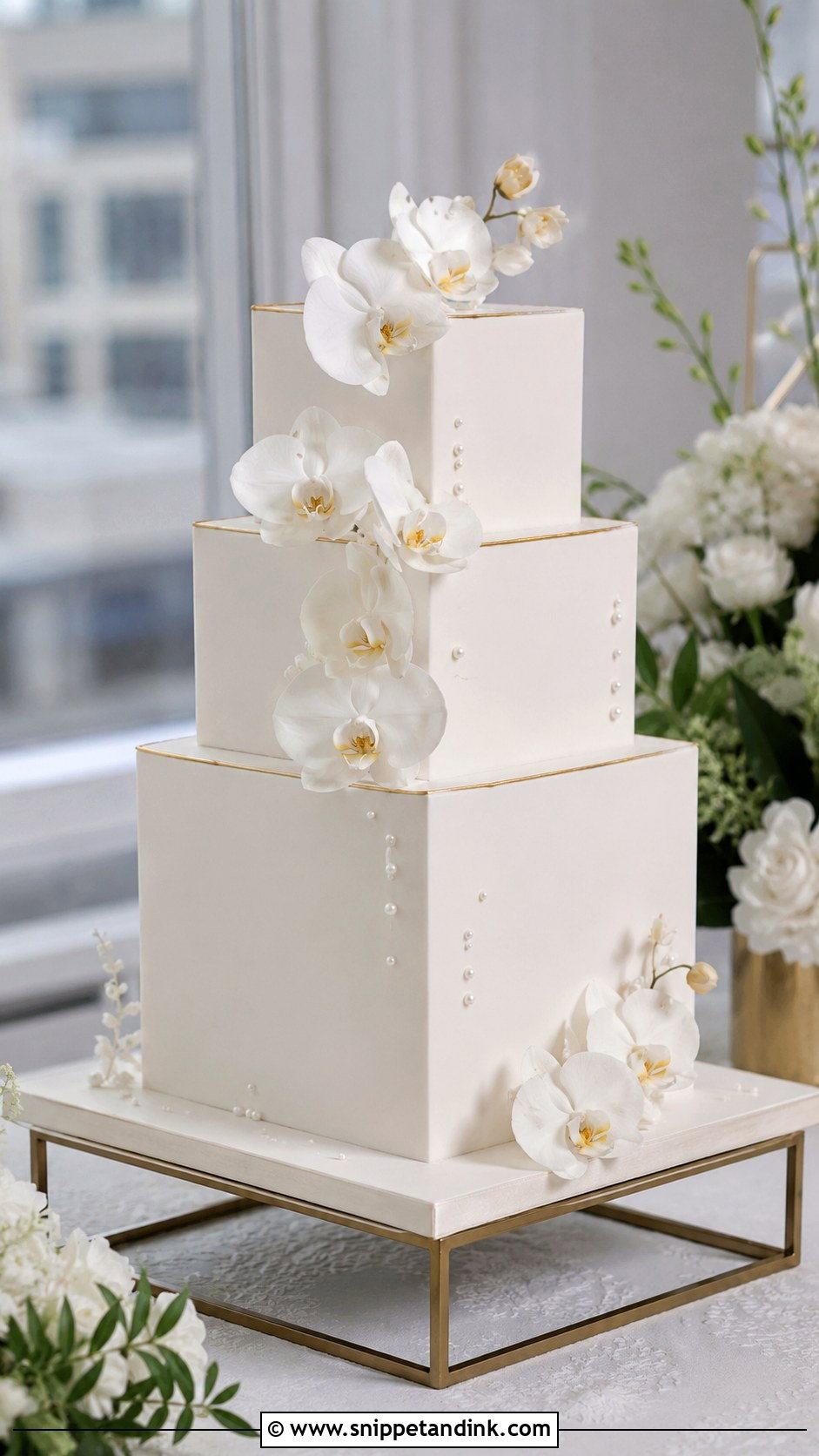
Square tiers look modern and structured, especially with a smooth, crisp finish. They suit black-tie weddings, city venues and minimal floral arrangements. They are harder to finish than rounds, because each corner has to be sharp and each side flat, and fondant can tear at the corners if rolled too thin. Orchids, sugar flowers or metallic accents soften the edges. Almond, vanilla bean, mocha or lemon cream fit well. A low, sleek stand shows the shape best.
7. Heart Wedding Cake
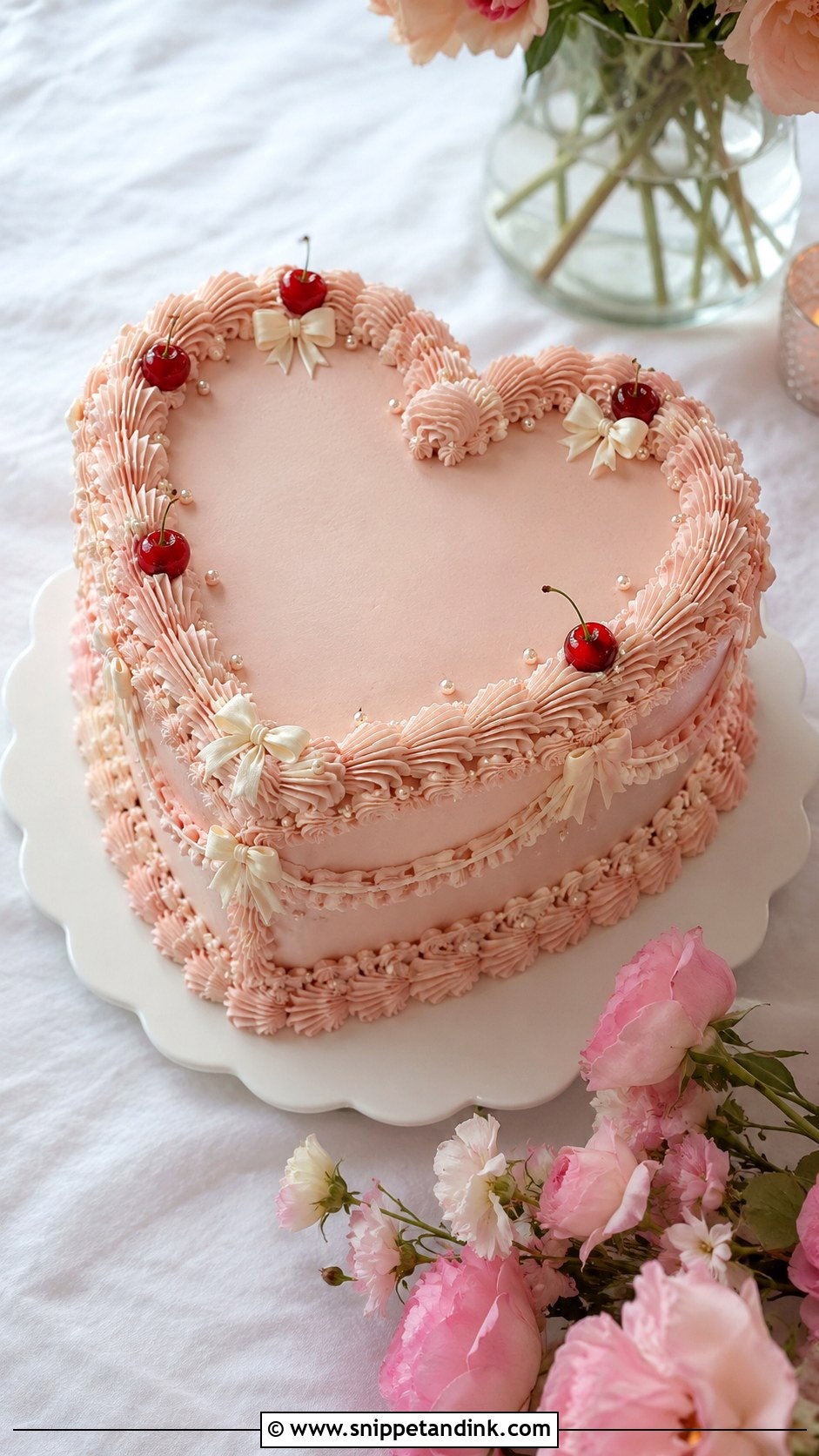
Heart-shaped cakes are sweet and very camera-friendly, and they work best for smaller weddings, elopements or as a second cake beside a dessert table. The shape pairs naturally with vintage piping, ruffled borders, cherries or bows. Keep the colors gentle, such as ivory, blush, pale peach or butter yellow, so it doesn’t look like a birthday cake. A heart serves fewer people than a round of the same width, so check servings carefully. Vanilla, strawberry or red velvet sit well inside.
8. Oval Wedding Cake
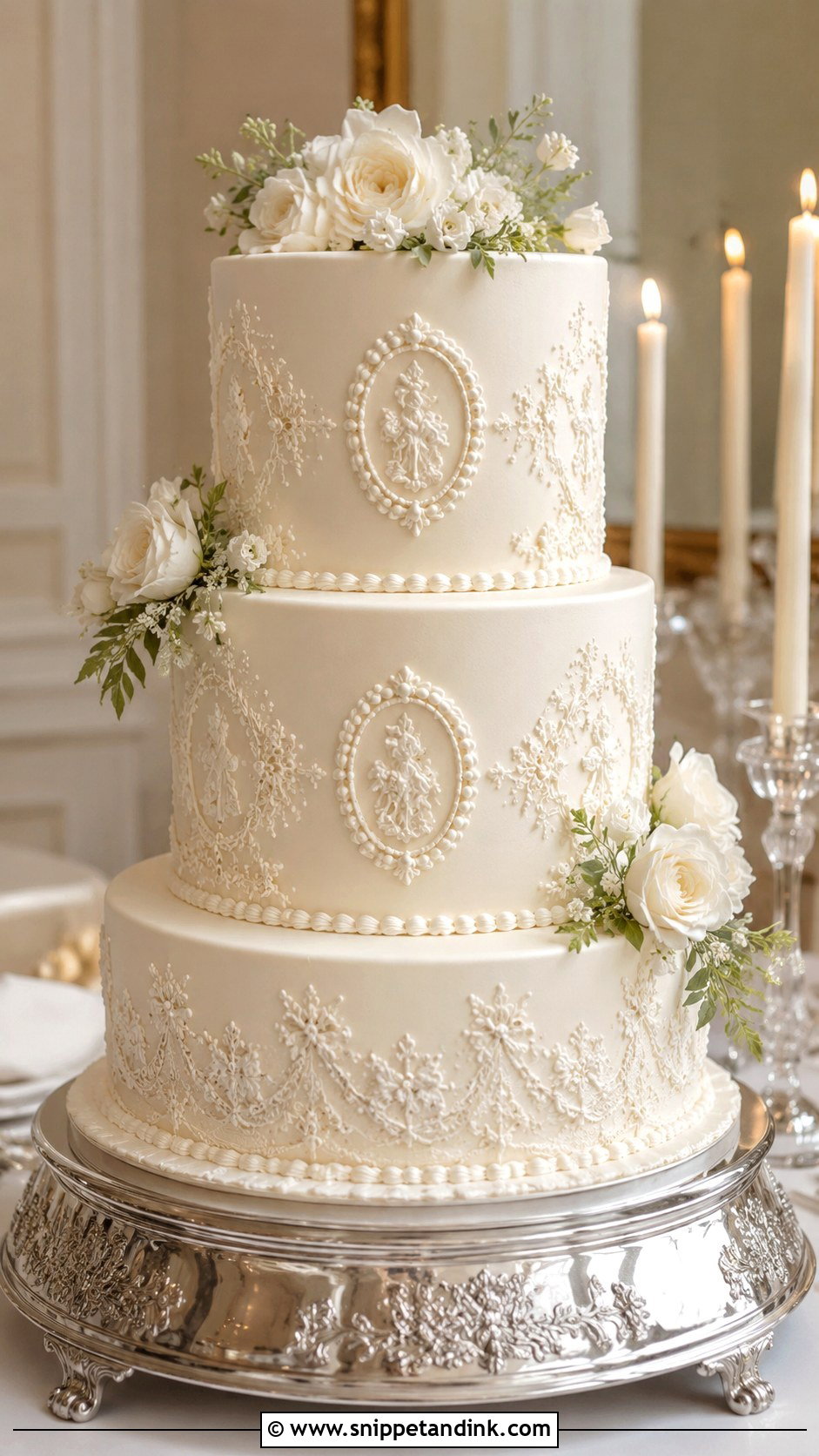
An oval is familiar but different from a standard round. It suits lace-style piping, cameo details, floral sprays and pearl borders. I’d point out that oval tiers are best viewed from the front; from the side they look narrow, so the cake table should be placed with that in mind. Smooth ivory buttercream or fondant keeps the outline clear. Almond, vanilla, lemon or white chocolate raspberry all work.
9. Italian Wedding Cake
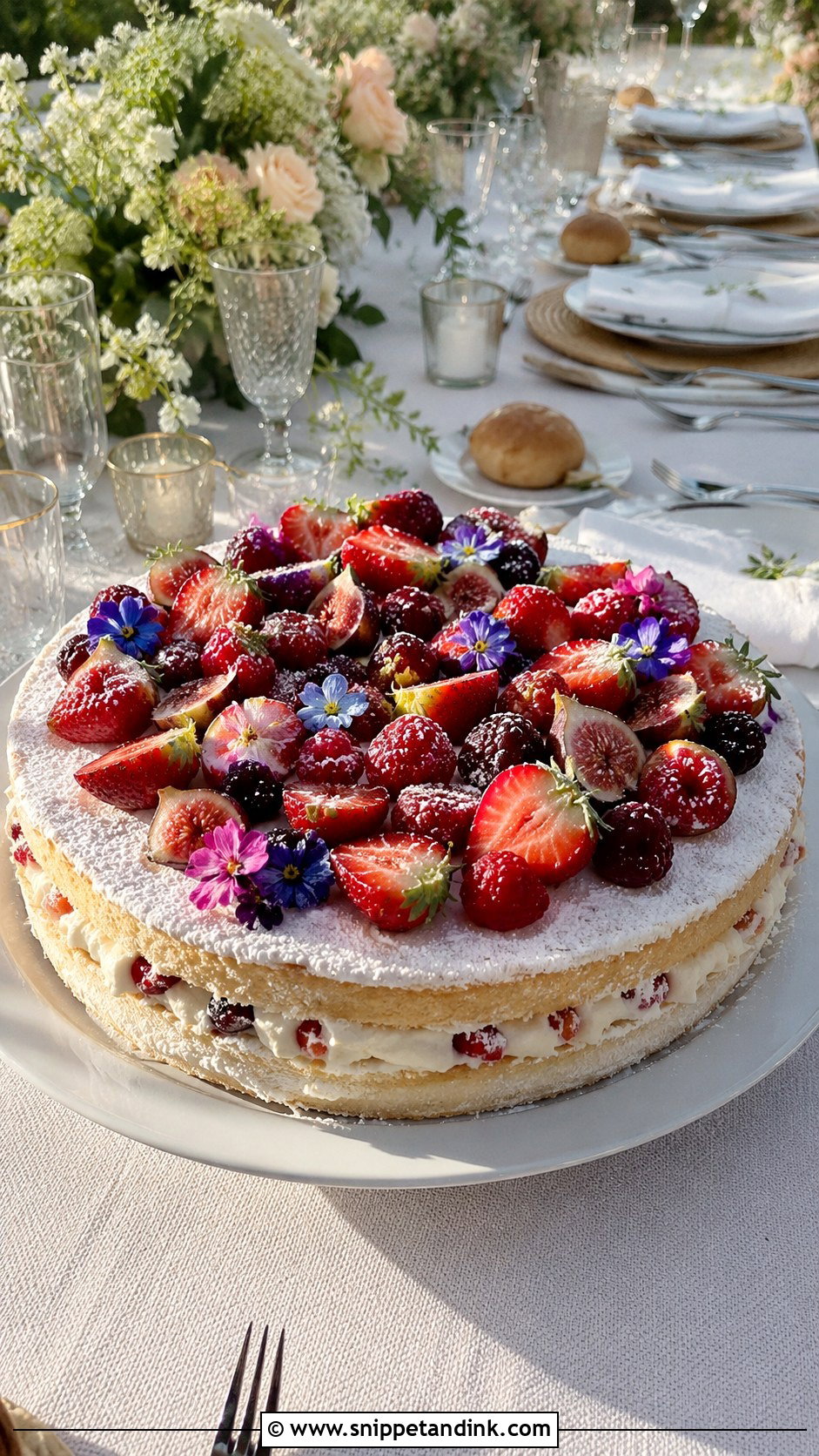
Italian wedding cakes are usually wide and low, finished with cream and fresh fruit, closer to a pastry than a tiered cake. Vanilla sponge, chantilly cream and strawberries, raspberries or figs are typical. The look should be generous and fresh. Cream and fresh fruit don’t like heat, though, so on a warm day this cake needs to stay refrigerated until shortly before serving. It suits outdoor receptions and long dinner tables, and it’s simpler to serve than stacked tiers.
10. Long Table Wedding Cake
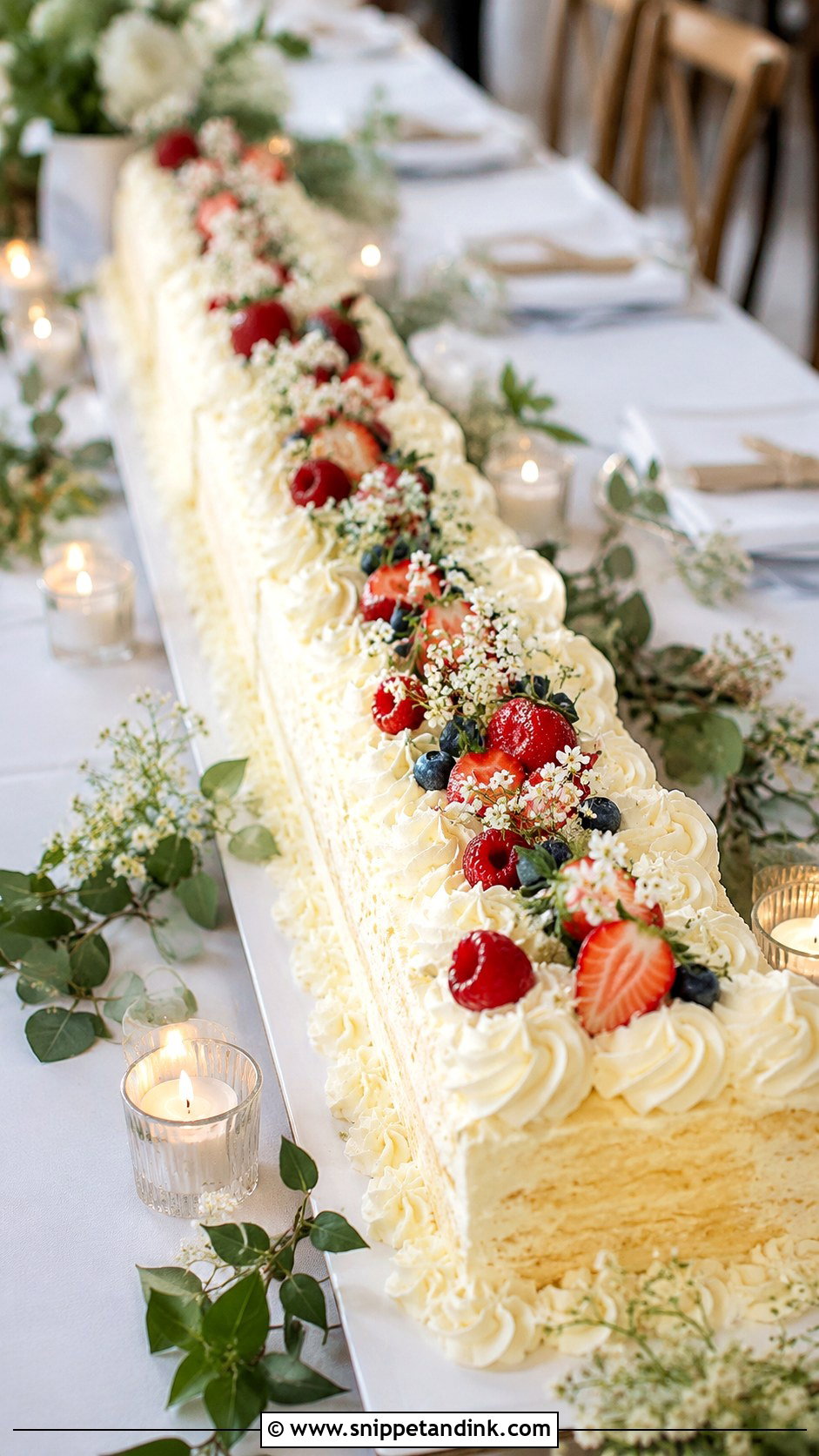
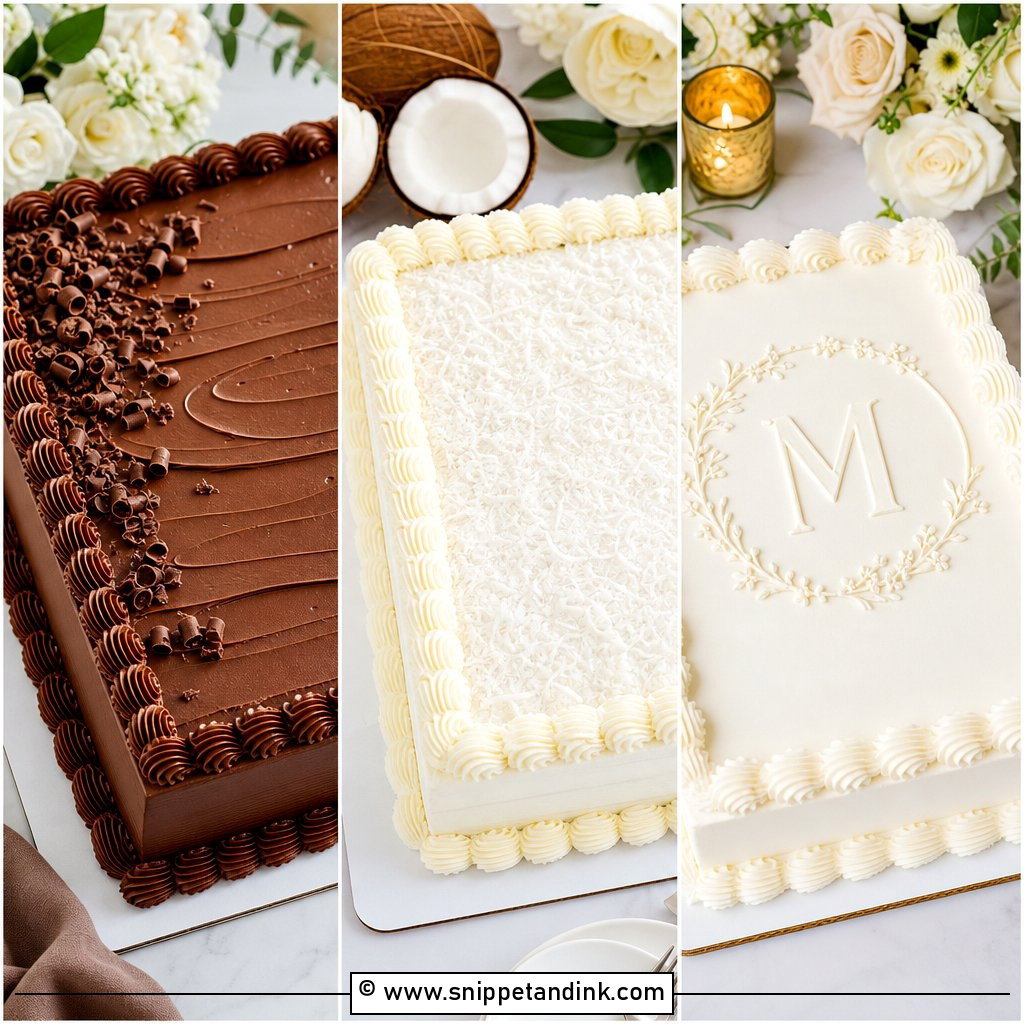
A long table wedding cake stretches across the table rather than standing tall, almost like an edible centerpiece. Piped buttercream, berries, small flowers and swirls of cream decorate it. It fits family-style meals and tented weddings with long banquet tables. It’s usually assembled at the venue from several sections, so check with your venue that there’s space and time for the baker to build it on site. Vanilla, lemon, almond or berry-filled sponge cut cleanly into slices, and the decoration should stay low so guests can talk over it.
11. Pressed Flower Wedding Cake
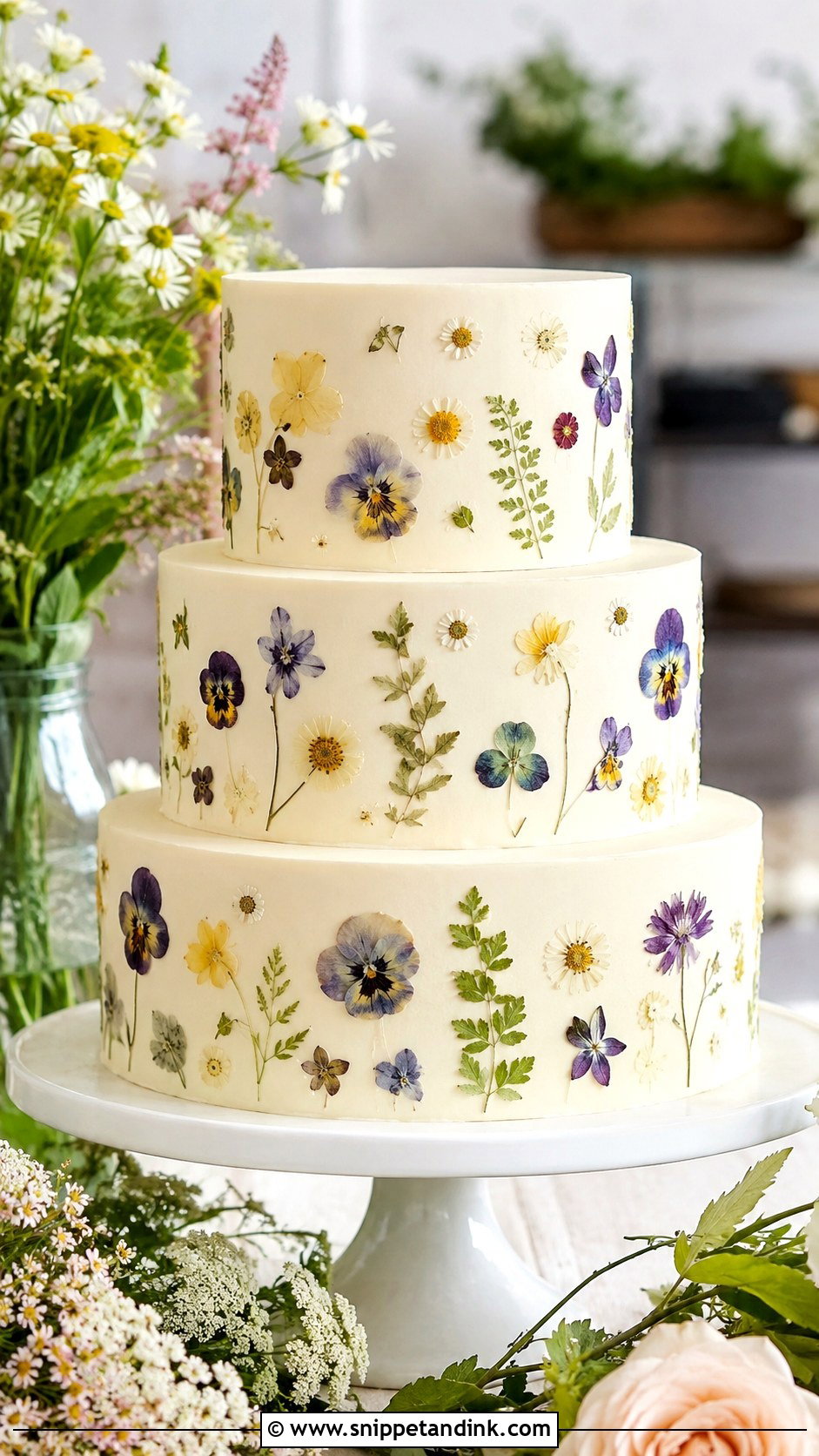
A pressed flower wedding cake has a soft botanical look. Edible pressed flowers such as violas, pansies and cornflowers are laid onto smooth, pale buttercream in a scattered pattern, a garden layout or a wreath. Pressed flowers are delicate and can lose their color with moisture, so they go on close to delivery. Lemon, lavender, vanilla or honey cake match the garden feel. Make sure your baker knows exactly which flowers are edible; not every pretty bloom is.
12. Watercolor Wedding Cake
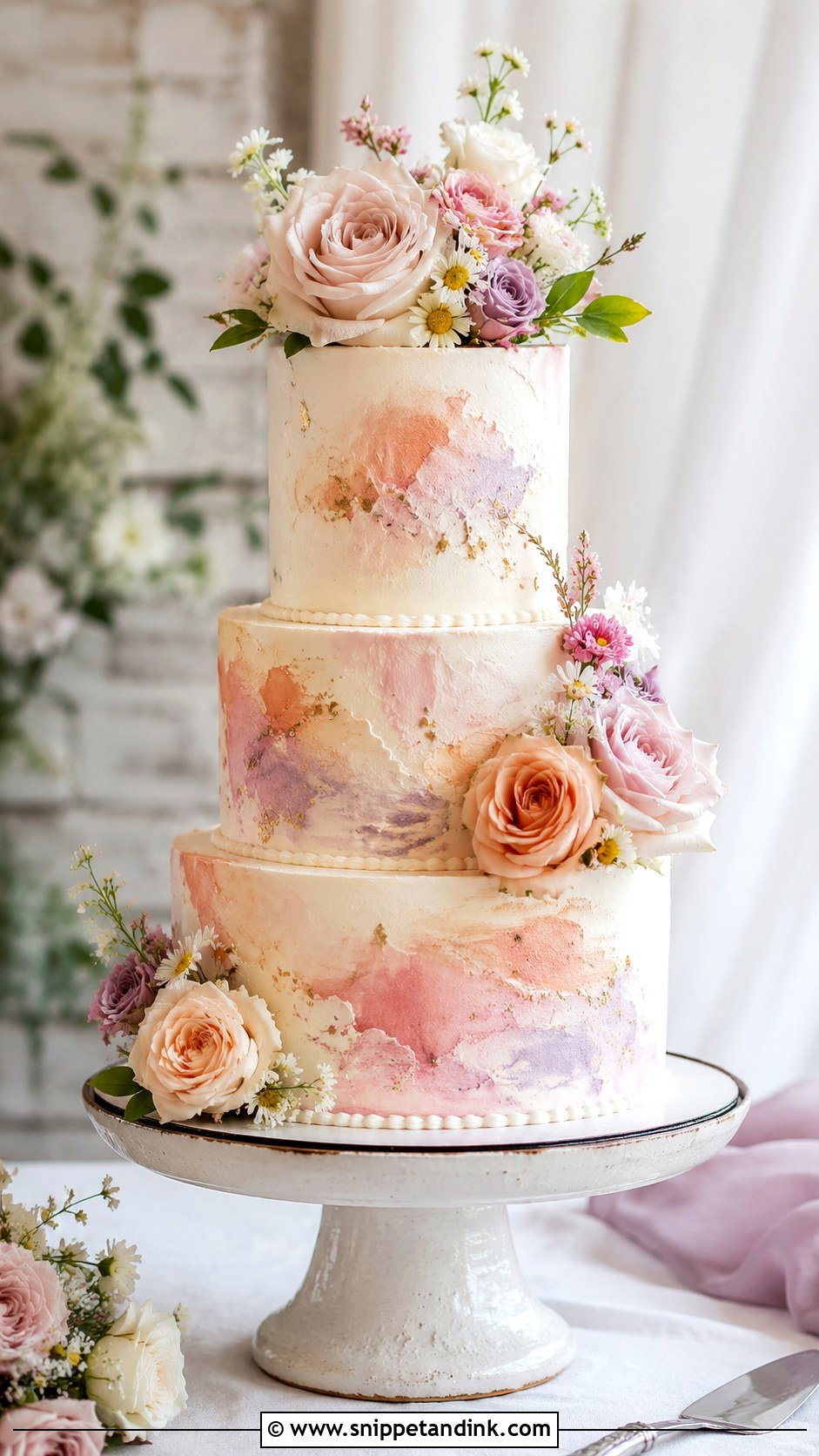
Watercolor cakes have pale tones blended into the frosting with a palette knife or brush, such as pink, blue, peach, lavender or sage. The best ones look gentle and planned, not messy. I blend the colors on a chilled base so they don’t muddy together. It suits romantic, coastal and garden weddings and pairs well with fresh flowers or a little gold. The inside can stay classic with vanilla, almond, lemon or berry.
13. Black And White Wedding Cake
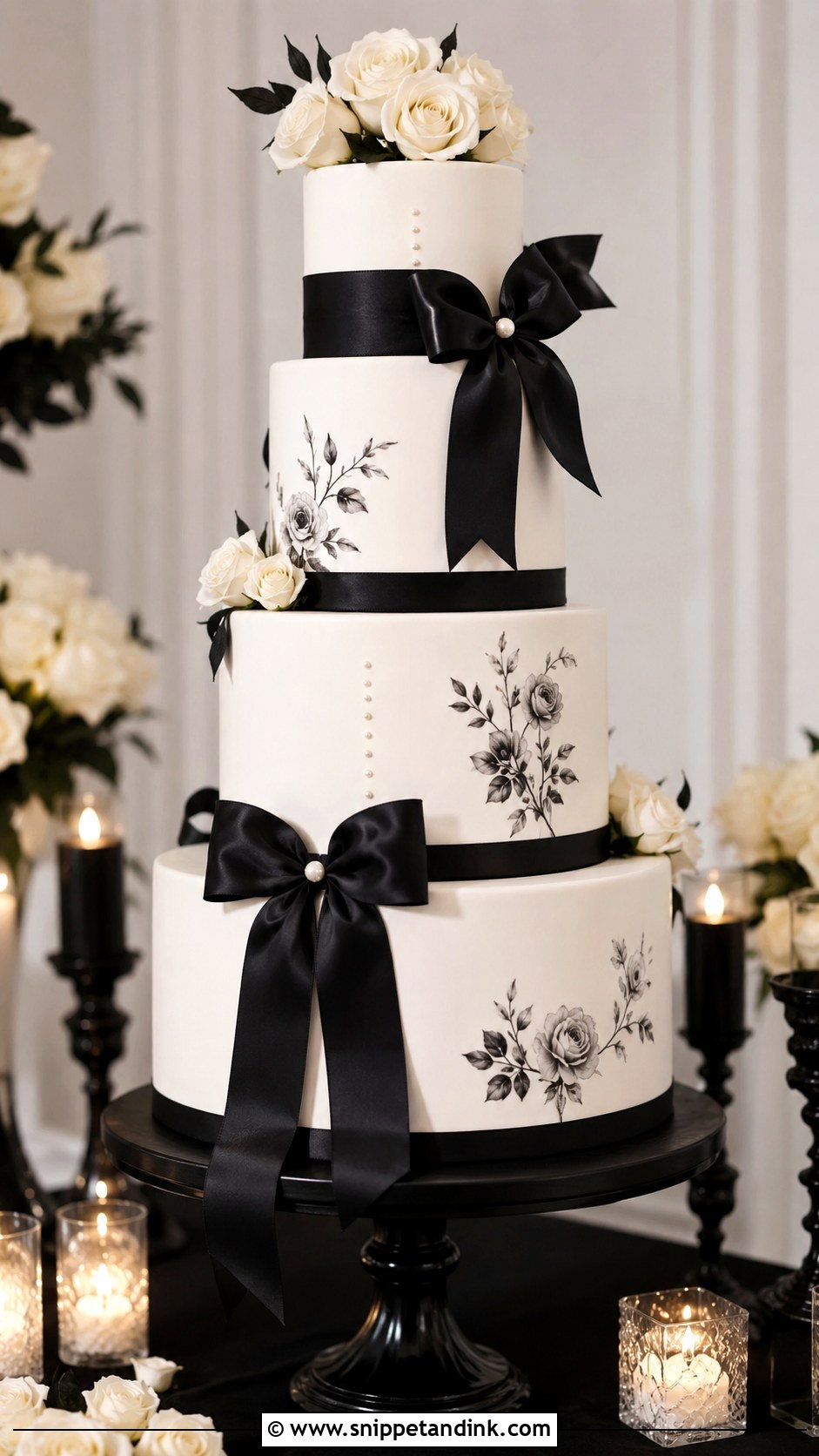
Black and white is the most formal palette on this list. The contrast can come from black ribbon on white tiers, hand-painted black florals, stripes or a black base tier topped with white flowers. Black frosting needs a lot of coloring and can stain teeth and lips, so I usually prefer black fondant, ribbon or painted details over a full black buttercream. Chocolate, vanilla or cookies and cream fit the theme. White roses, pearls or a satin bow soften it.
14. Gold Leaf Wedding Cake
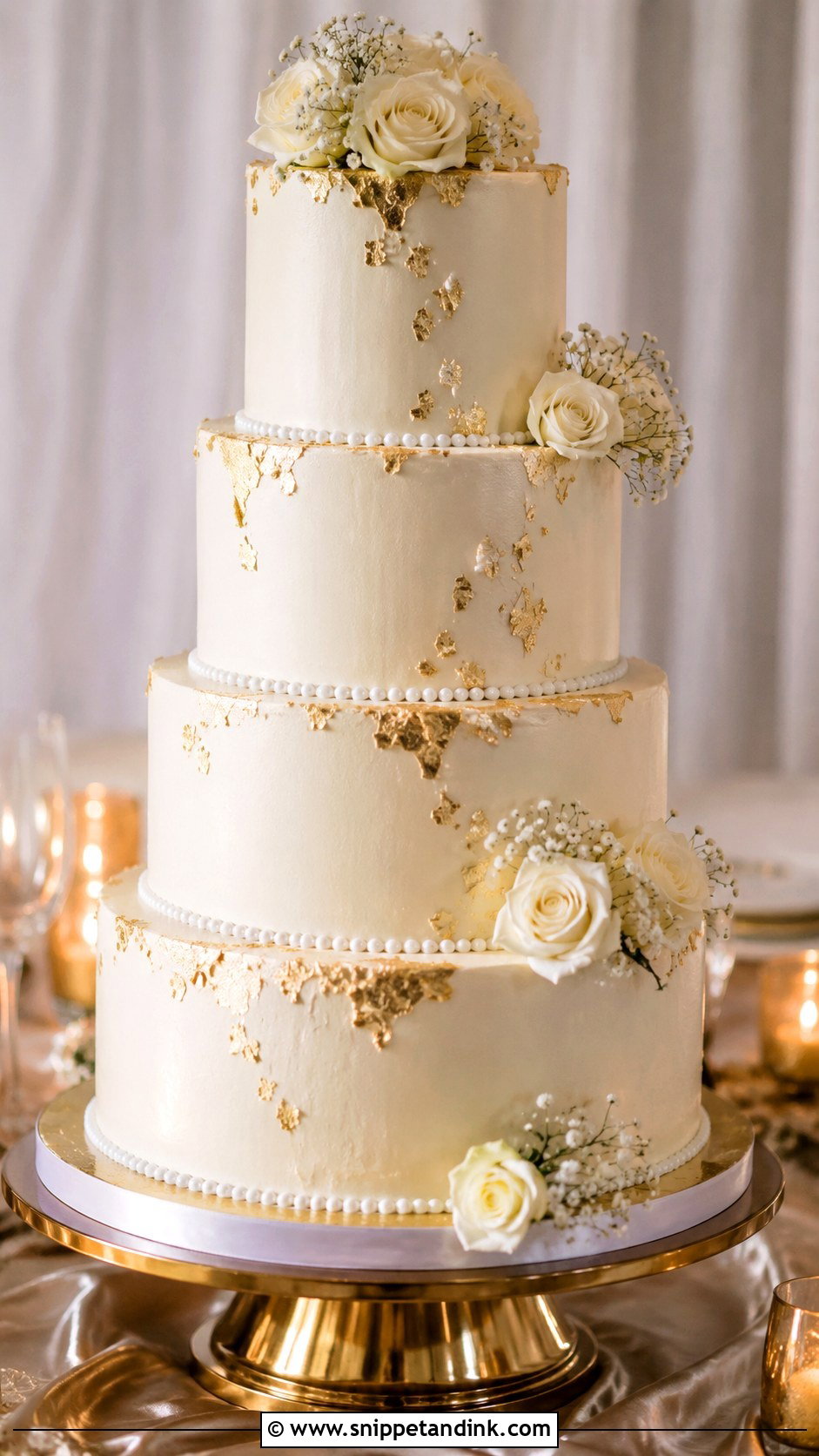
A gold leaf wedding cake adds shine without much fuss. Edible gold leaf is thinner than paper and catches on everything, so I apply it with a soft brush onto a firm, chilled surface. It looks best with ivory frosting, champagne tones and candlelight. A few careful patches often look richer than a fully covered tier. Vanilla bean, almond, caramel or white chocolate match the warm tone. Make sure the gold is labeled edible, not just non-toxic.
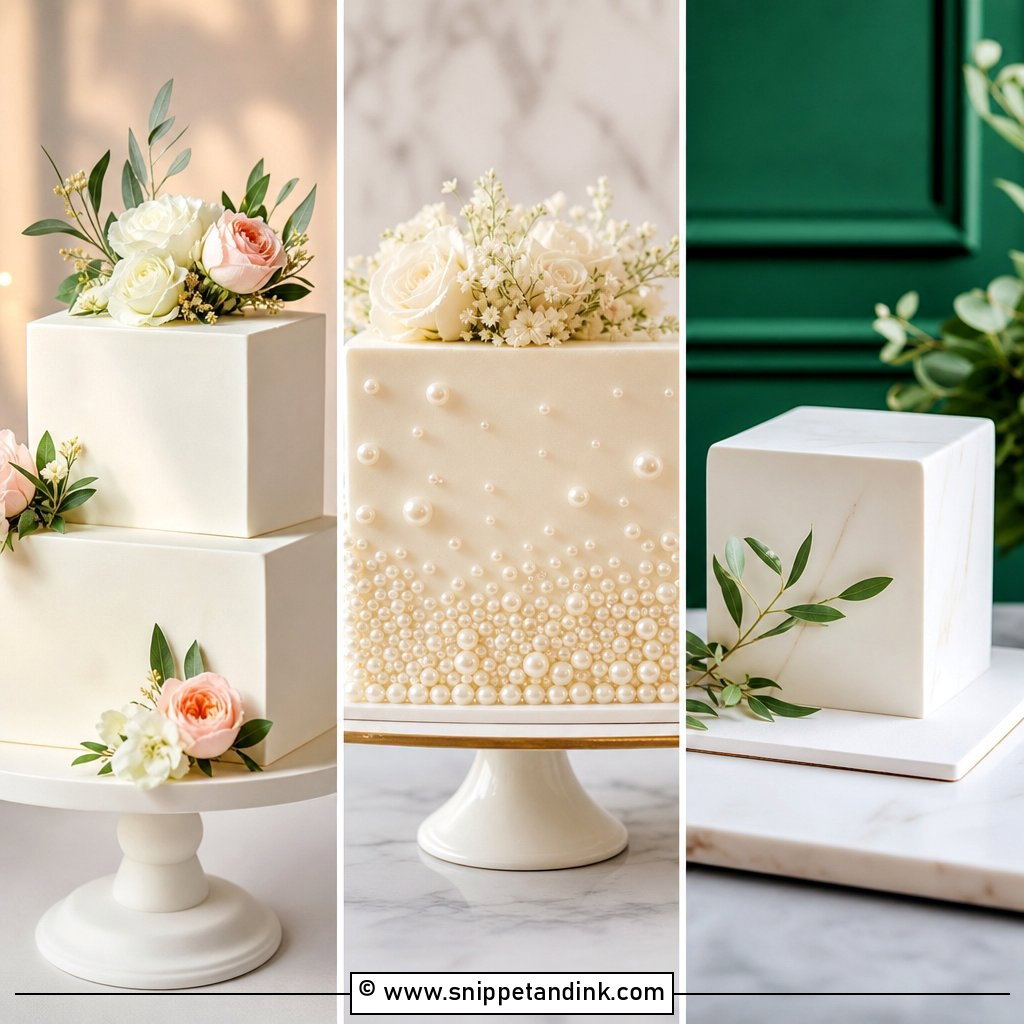

15. Blue Wedding Cake
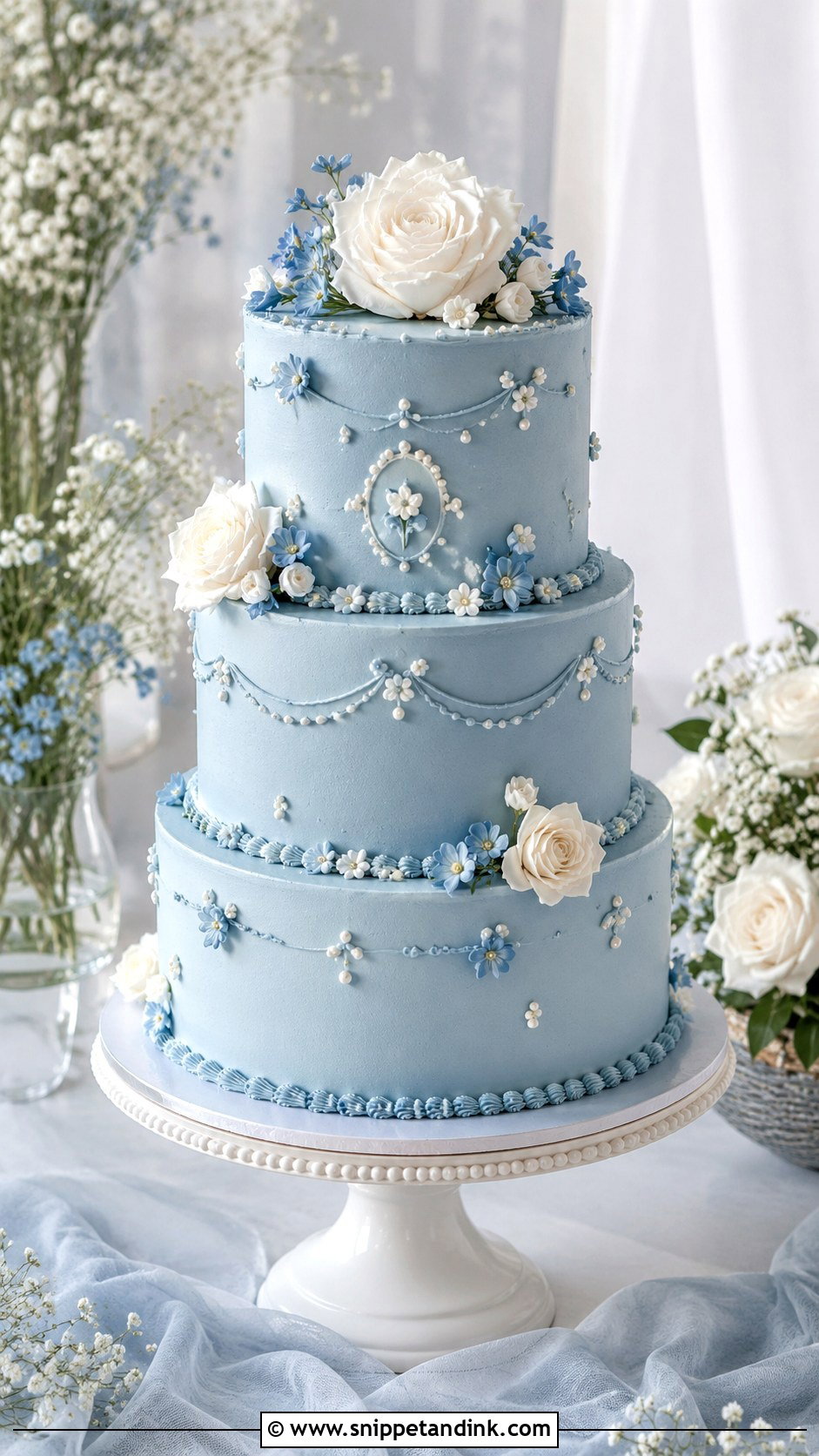
Blue can look soft and elegant if the shade is right. Powder blue, dusty blue and pale blue-gray suit weddings best; bright blues look childish on a tiered cake. Blue frosting can also shift slightly in color under warm reception lighting, so I always check the shade in the venue’s light if I can. It suits garden weddings and coastal venues and pairs well with white flowers and pearls. Vanilla, lemon, blueberry or almond keep the inside light.
16. Sage Green Wedding Cake
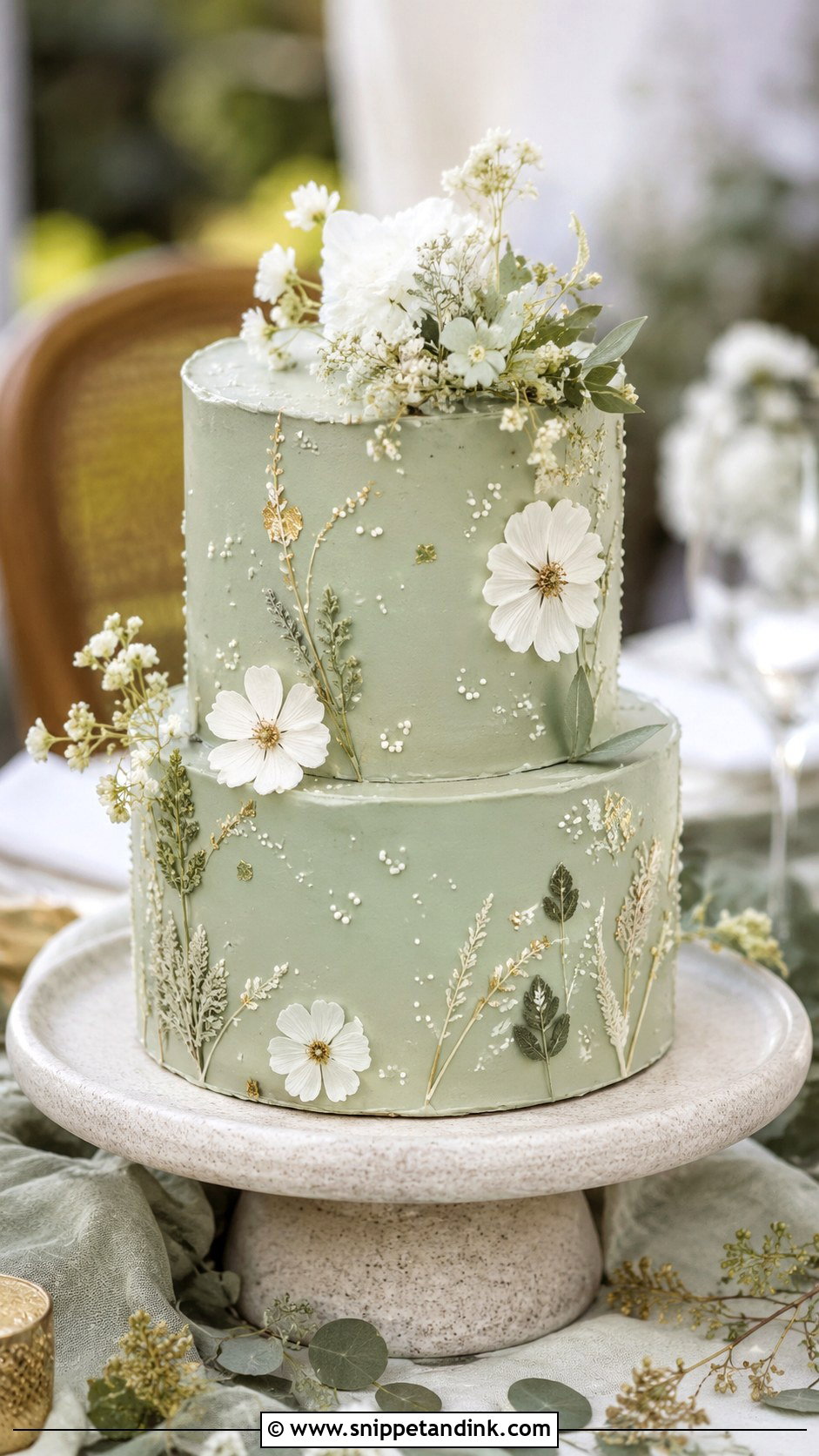
Sage is the easiest color to match to a wedding, since it sits comfortably beside greenery, bridesmaid dresses and linens. It feels calm and earthy, especially with white flowers, pressed botanicals or small gold accents. A smooth finish keeps it fresh; a textured finish feels more rustic. Pistachio, vanilla, lemon or almond pair well. Muted greens can look grayer in photos than in person, so a little extra warmth in the mix helps.
17. Semi Naked Wedding Cake
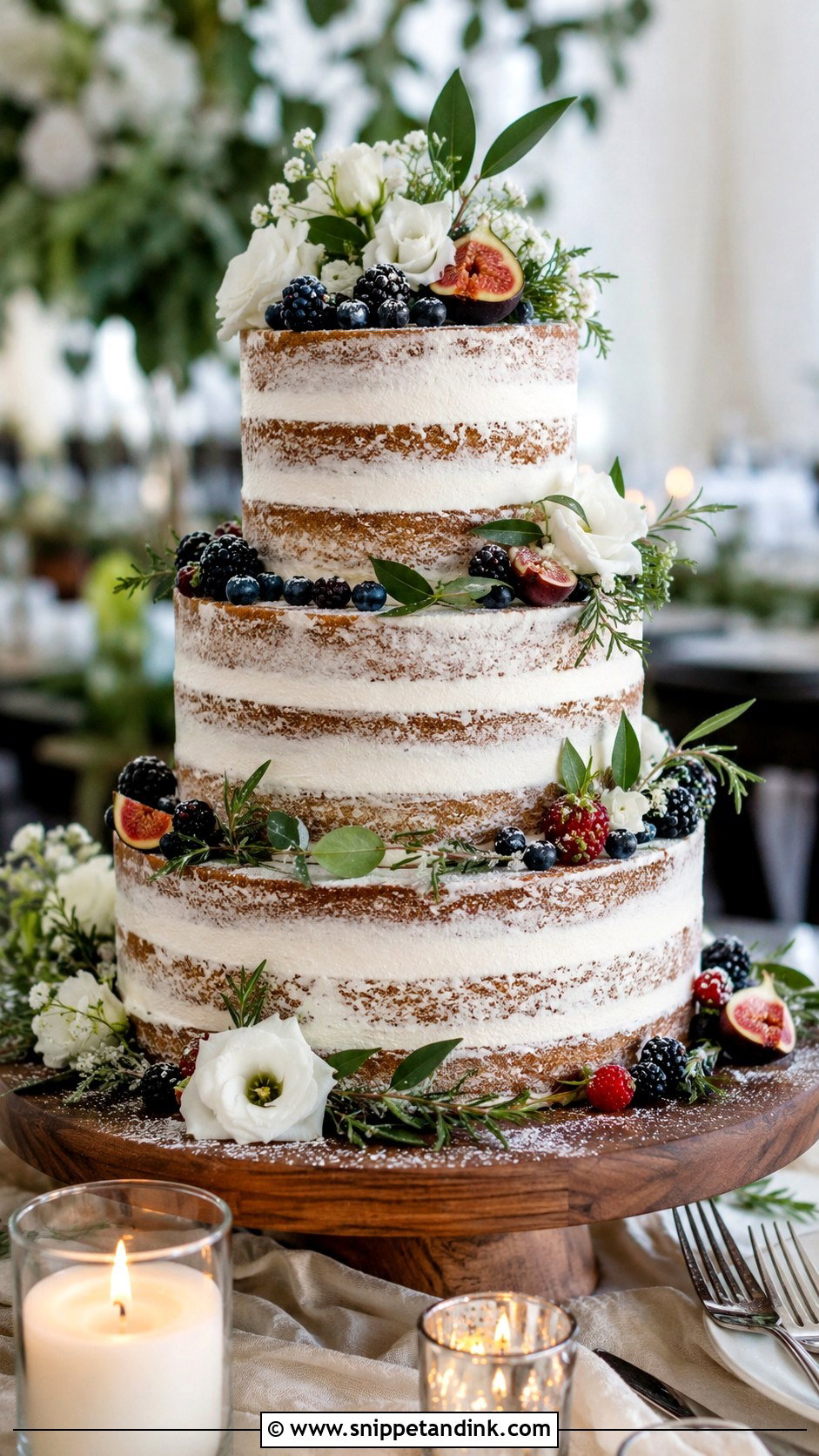
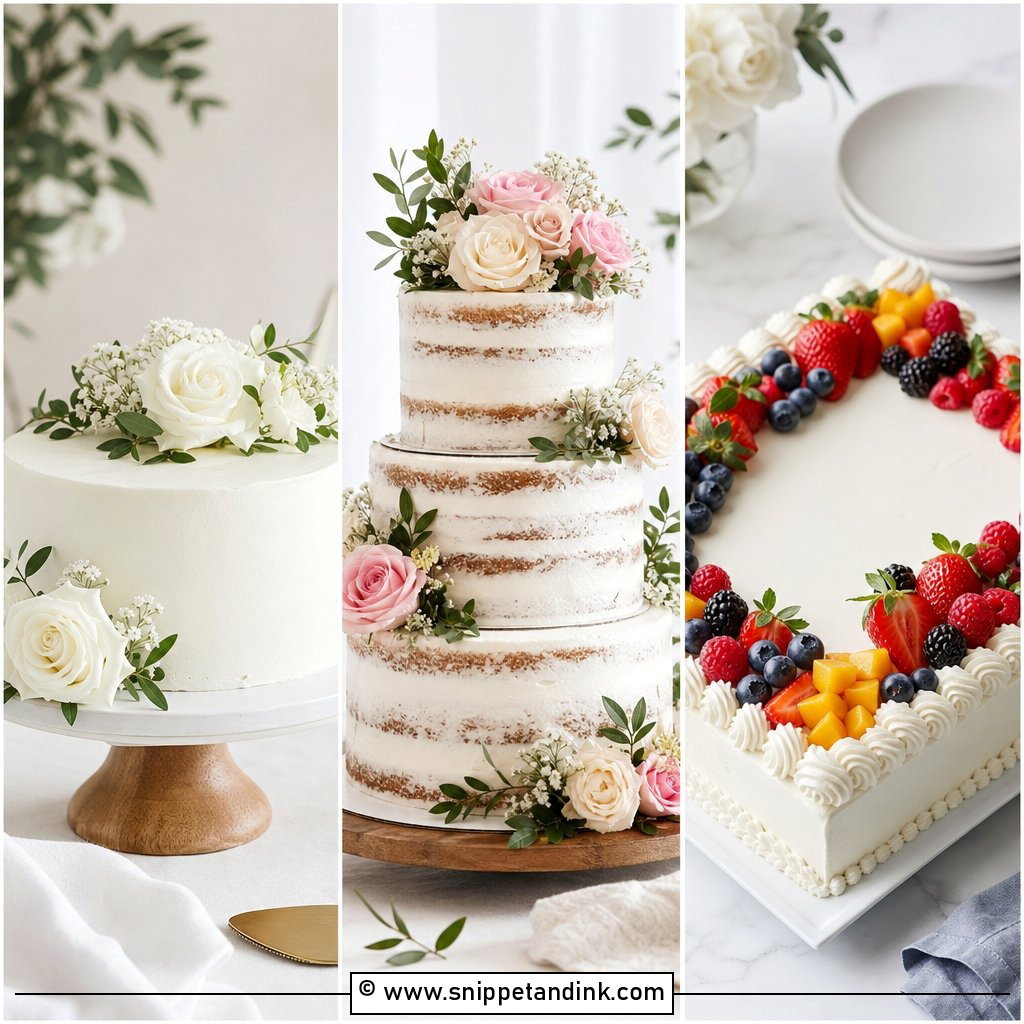
A semi naked wedding cake has just a thin scrape of buttercream, so the layers show through. It feels warm and handmade, and it suits barn weddings and garden receptions. With less frosting protecting the sponge, it dries out faster once it’s set out, so I’d keep it covered until shortly before guests arrive. The finish should still be neat, with even tiers. Fresh flowers, berries, figs, herbs or a dusting of powdered sugar decorate it, and carrot, lemon or spice cake look good through the thin frosting.
18. Fruit Wedding Cake
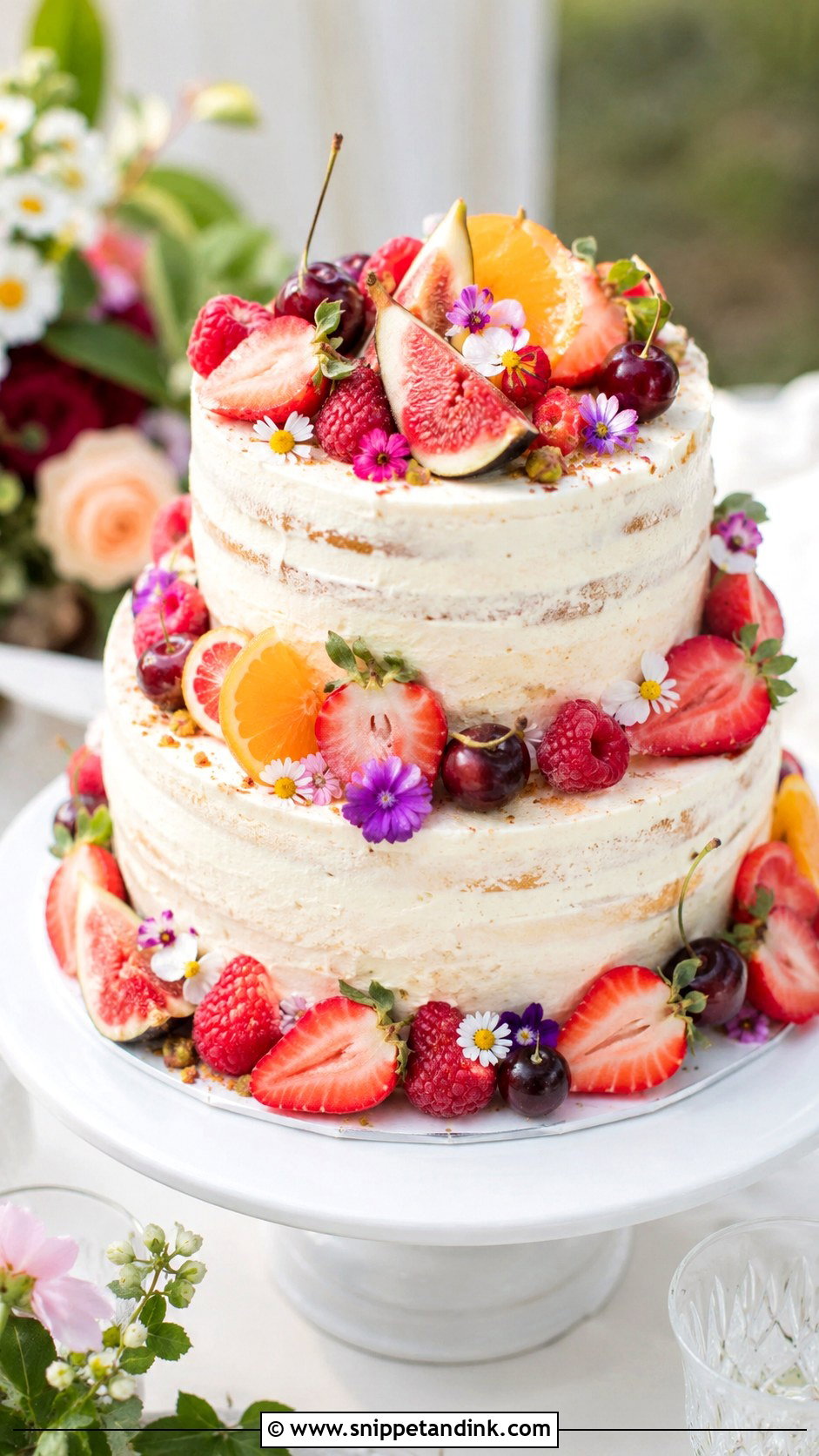
Fruit cakes, decorated with fresh fruit rather than the traditional dried kind, feel seasonal and bright. Berries, figs, citrus, grapes, peaches or cherries can be chosen to match your wedding month. Whipped cream, buttercream or a light glaze finish it. Cut fruit leaks juice over time, which can stain frosting, so I add it close to delivery and glaze it lightly. Summer receptions and brunch weddings suit it. Arrange the fruit with intention rather than piling it on.
19. Lemon Elderflower Wedding Cake
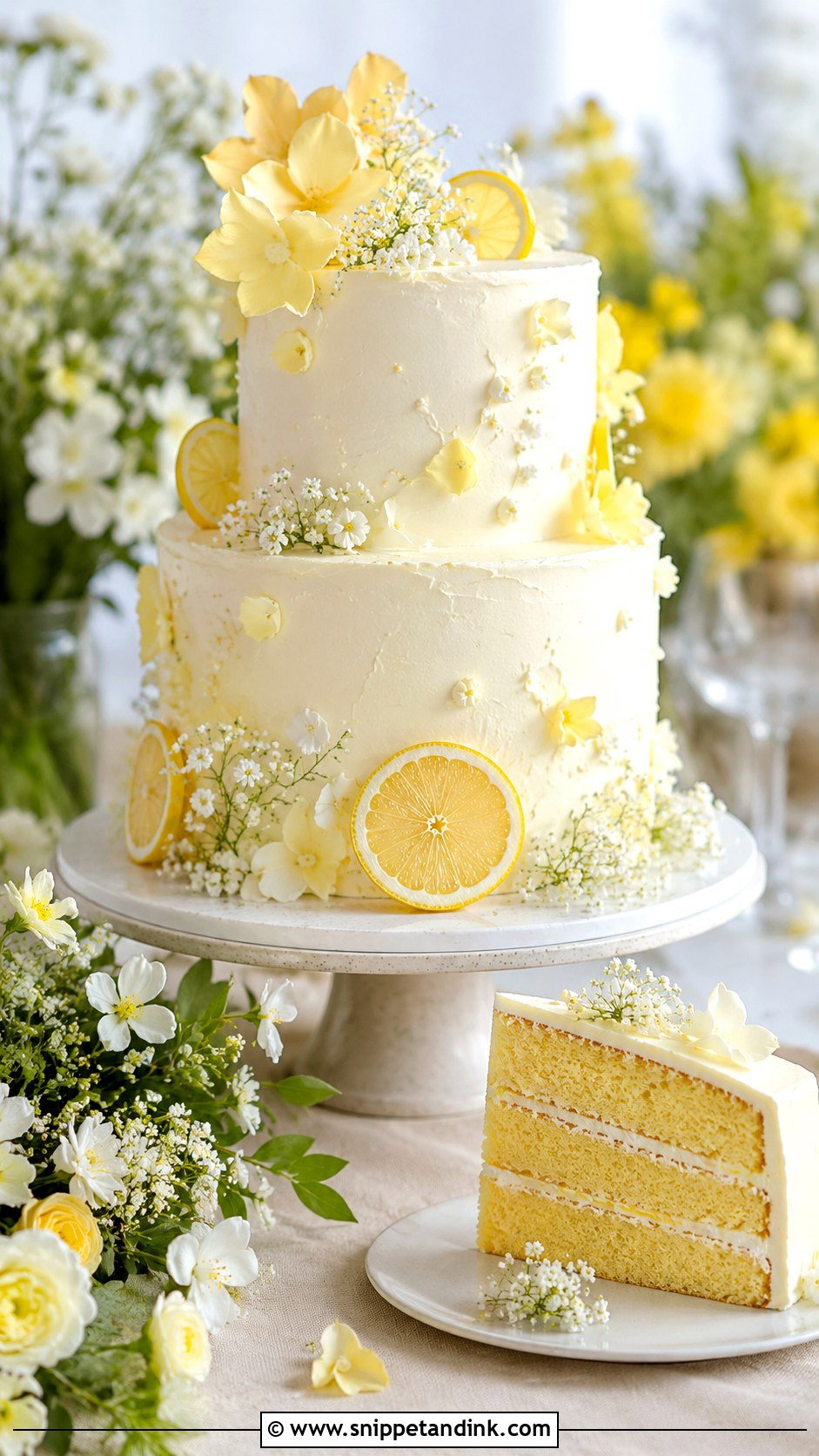
Lemon and elderflower is a light, fragrant flavor that tastes bright after a big dinner. It pairs with whipped buttercream, mascarpone frosting or smooth vanilla buttercream. The outside can carry white flowers, pale yellow blooms, sugar petals or thin lemon slices. I keep the palette to ivory, cream and pale yellow. Elderflower can be subtle, so I’d ask your baker how she brings the flavor through (syrup, curd or both) and taste it at your tasting.



20. Chocolate Wedding Cake
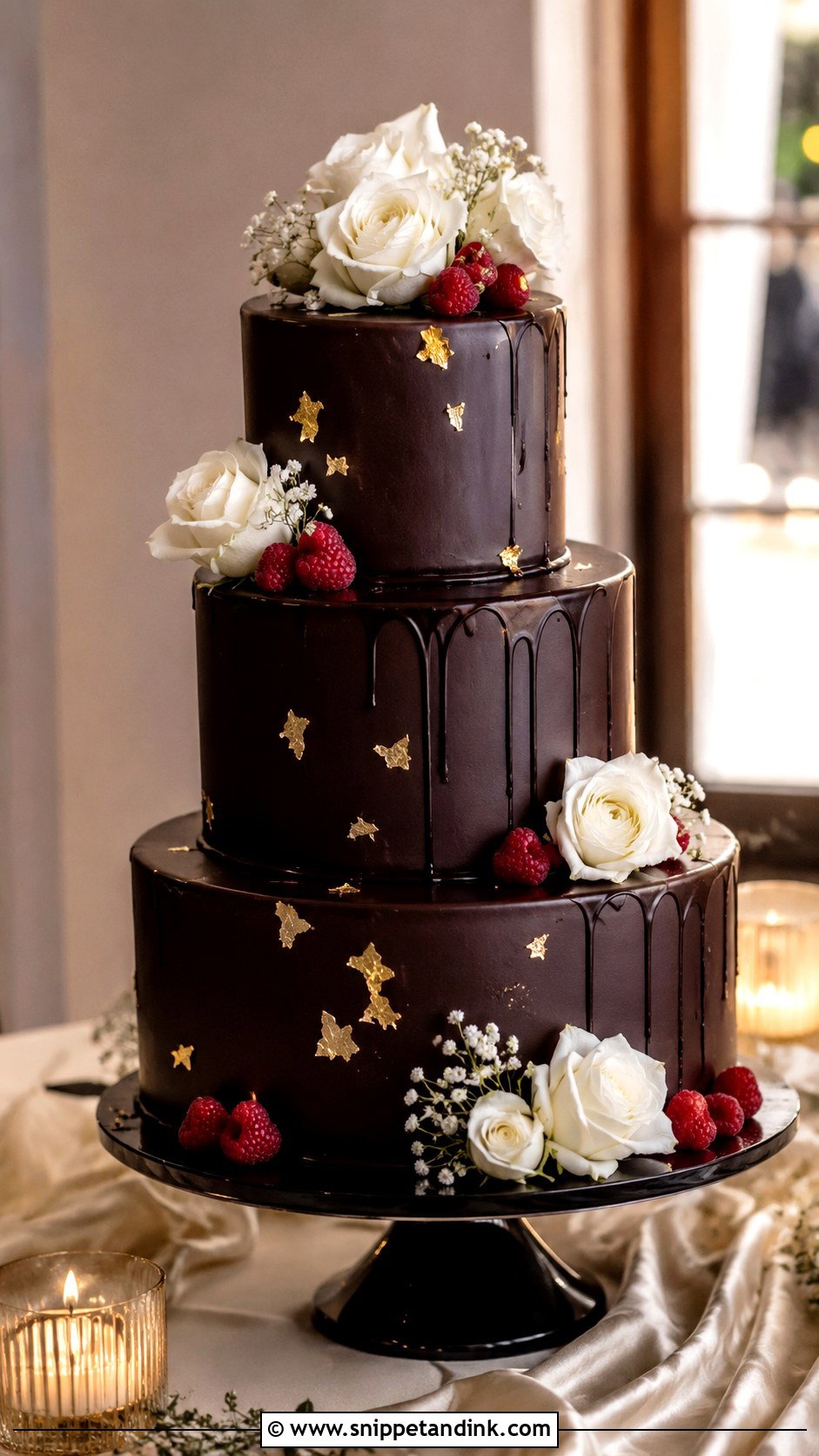
A chocolate wedding cake gives you more depth than a traditional white cake. Dark chocolate ganache is one of the most stable finishes I use in warm weather, since it sets firmer than buttercream. It looks elegant with fresh flowers, gold leaf, berries or a soft drip. Chocolate pairs well with raspberry, salted caramel, espresso, vanilla cream or hazelnut. It suits evening receptions and fall weddings. Ivory flowers or delicate piping soften the dark color if you want it to feel bridal.
What Heat, Delivery and a Long Reception Do to Frosting
Buttercream softens in heat, and in a warm tent or a sunny room it can sag or slide within hours. Ganache and fondant are firmer. Cream, fresh fruit and mascarpone need refrigeration, which matters when the cake will sit out through dinner.
- Ask where the cake will be placed and keep it out of direct sun, away from windows and heaters.
- Plan the delivery time with your venue so the cake doesn’t wait for hours before it’s cut.
- A cake moving from a cold car into a warm room can sweat, so fondant cakes need time to settle.
- Tiered cakes rely on dowels or supports inside each tier. Ask your baker how hers are built for transport.
A Realistic Ordering Calendar
Popular bakers book several months ahead, especially in peak season, so start looking once you have a date and venue. A tasting usually comes next, then the design is finalized. Your final guest count is typically due a few weeks before the wedding. Sugar flowers and detailed piping take time to make, so changes close to the date may not be possible.
If you want to keep the top tier for your first anniversary, tell your baker at the start. Fresh-cream and fruit fillings don’t freeze well, so she may suggest a sturdier flavor for that tier, and it needs wrapping airtight within a day or so of the wedding.
Season, Servings and the Flavor You’ll Remember
The right cake fits the room and the season as well as it looks in a photo. A tall white cake suits a classic ballroom, while a pressed flower cake suits a garden ceremony. A heart cake feels playful; a chocolate cake feels rich. Start with your venue, season, guest count and favorite flavors, then choose the decoration. Save the cakes that stopped you scrolling and bring them to your baker with those answers ready.
You'll Like These Ideas:










Leave a Reply