
Most of the women I dress for traditional weddings aren’t the bride. They’re sisters, mothers, aunties and friends who want to honour the family’s culture, look right in the photos and still be comfortable after six hours of ceremony and food. That’s the lens for everything here. You’ll find sarees, lehengas, shararas, iro and buba, kente looks, kaftans, kimono, ao dai, kebaya, dirac and more, each with the fit and wear notes I give clients, plus where the line sits between guest and bride.
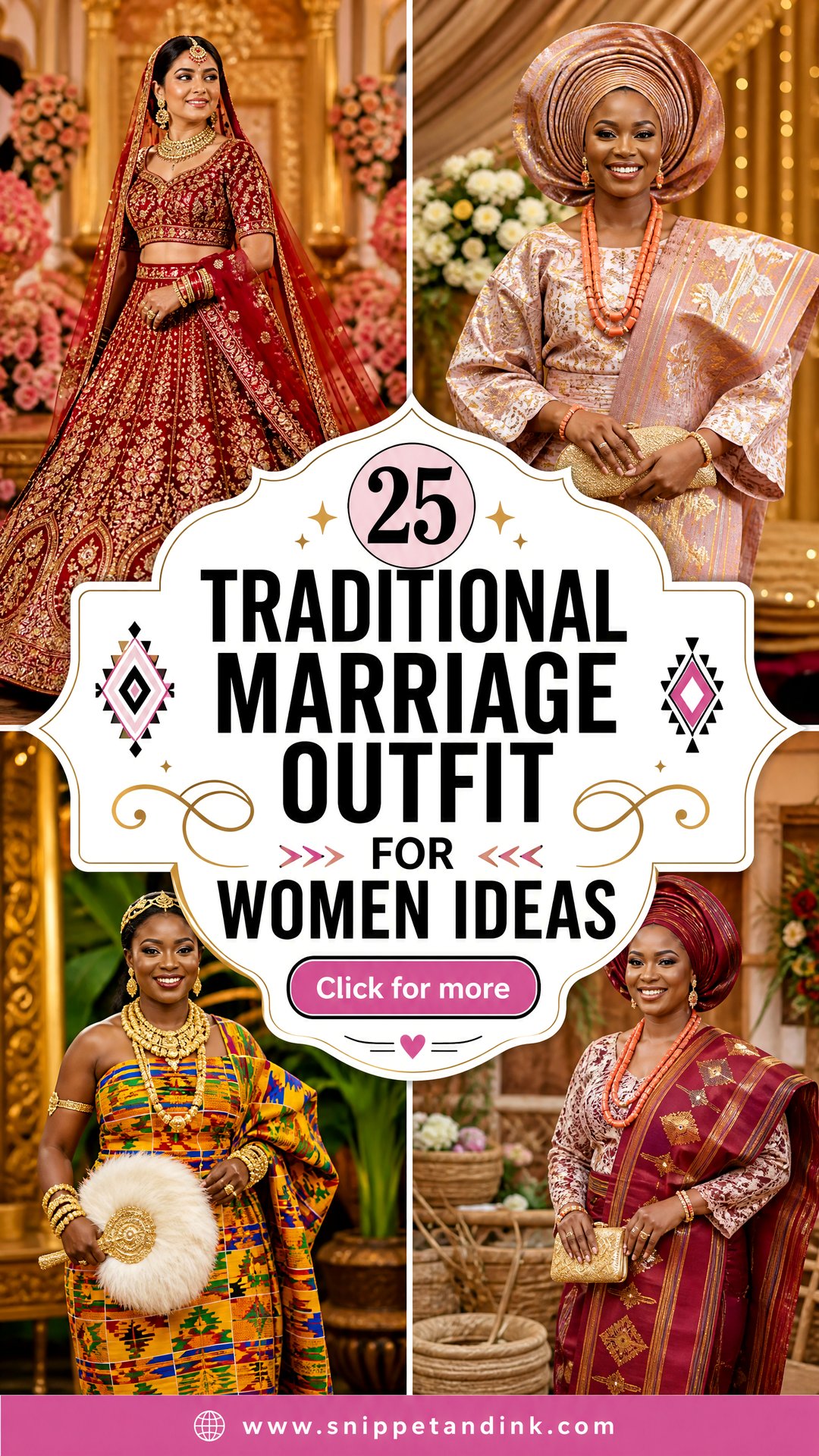
Guest of Another Culture? Ask These Questions First
A lot of the women who ask me for help are attending a wedding from a culture that isn’t their own. Wearing the host family’s traditional dress is usually welcomed, often encouraged, but a few quick questions to the couple prevent awkward moments.
Which colours are reserved?
Red is often the bride’s colour at South Asian and Vietnamese weddings. White can mean mourning in some cultures and bride in others. Black is avoided at some celebrations and perfectly normal at others. One message to the couple settles it.
Is there an aso ebi or a dress code?
At many Nigerian weddings, guests buy a chosen fabric and have it sewn. Ordering it late means a rushed tailor, so ask as soon as you’re invited.
Where is the ceremony held?
A gurdwara expects covered heads and shoes off; temples and mosques usually want shoulders and knees covered. Pack a scarf or dupatta even if you don’t plan to wear it.
1. Traditional Marriage Saree Outfit
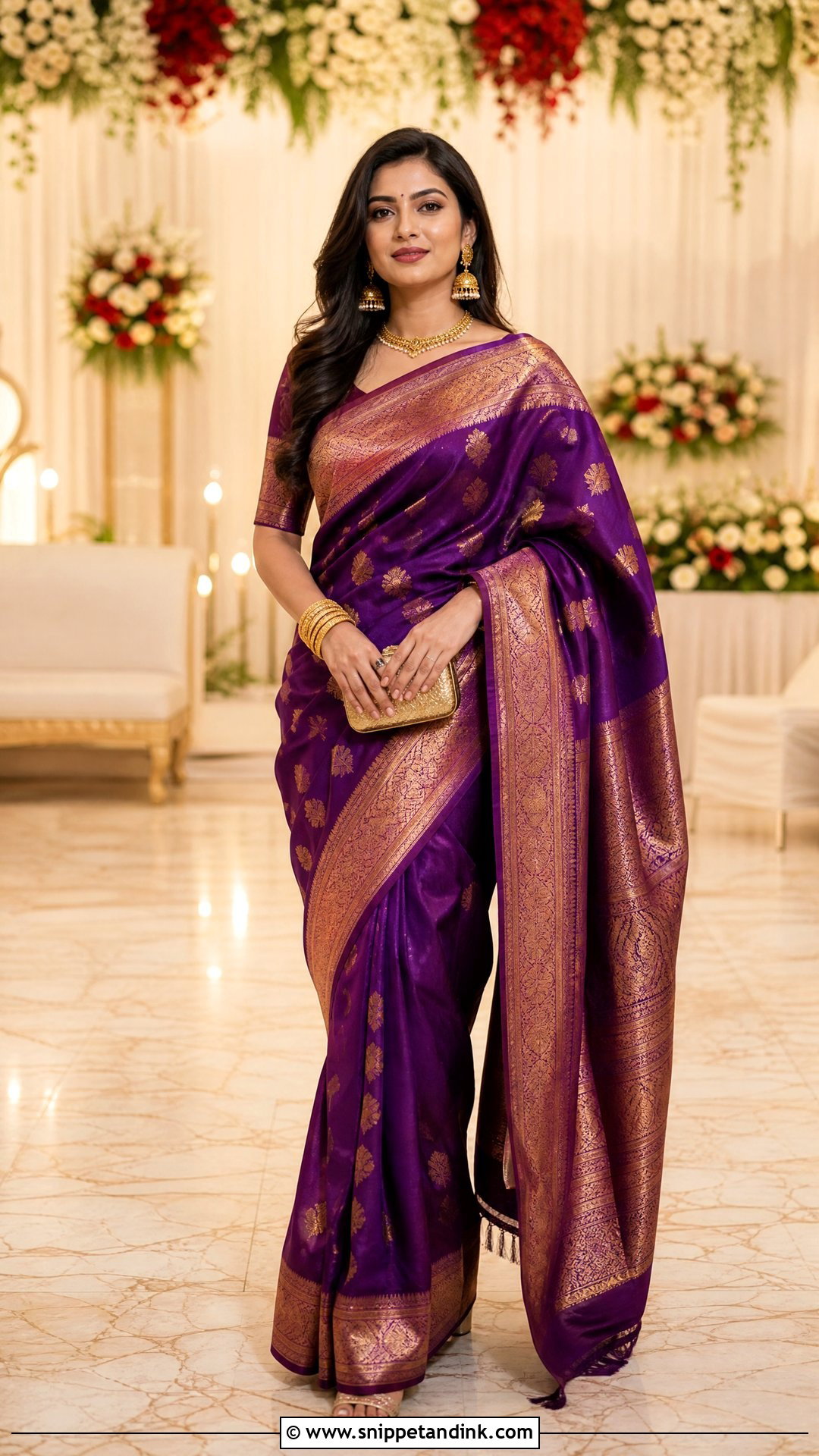
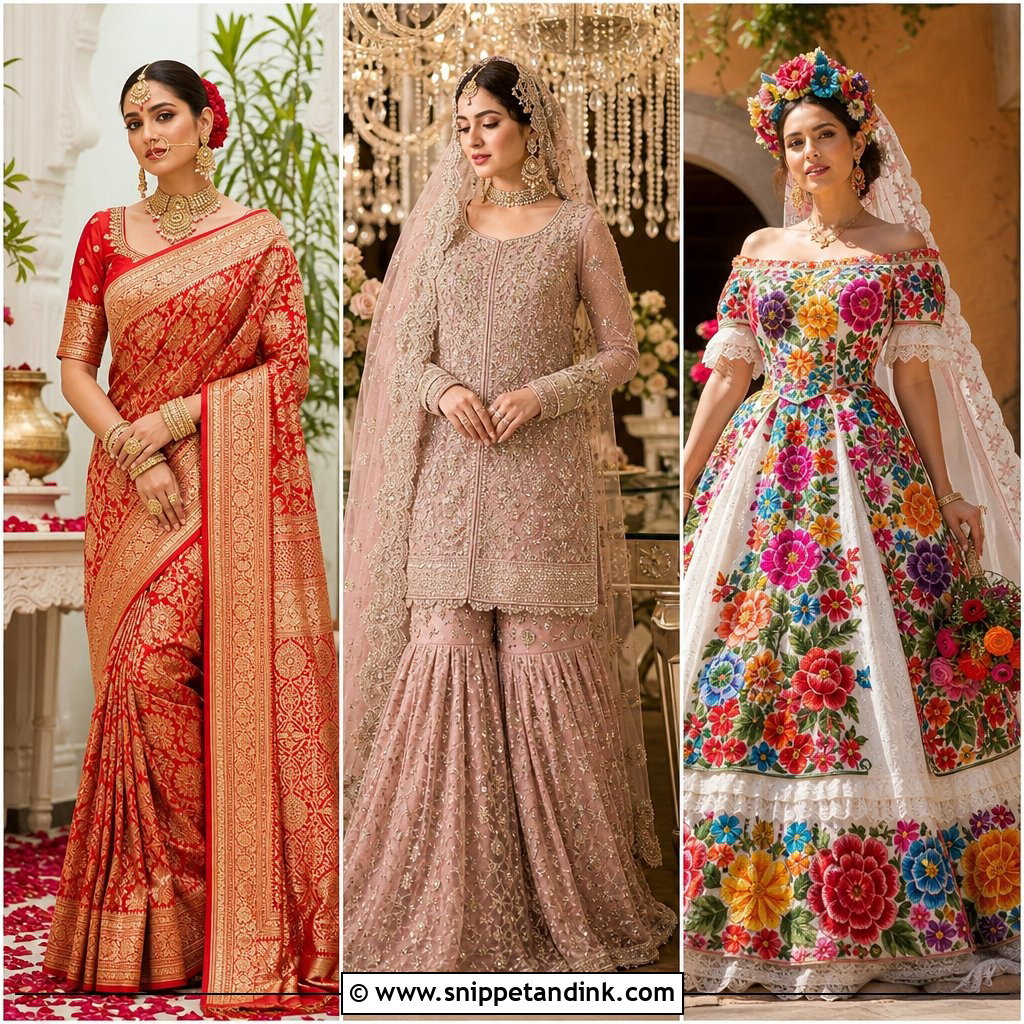
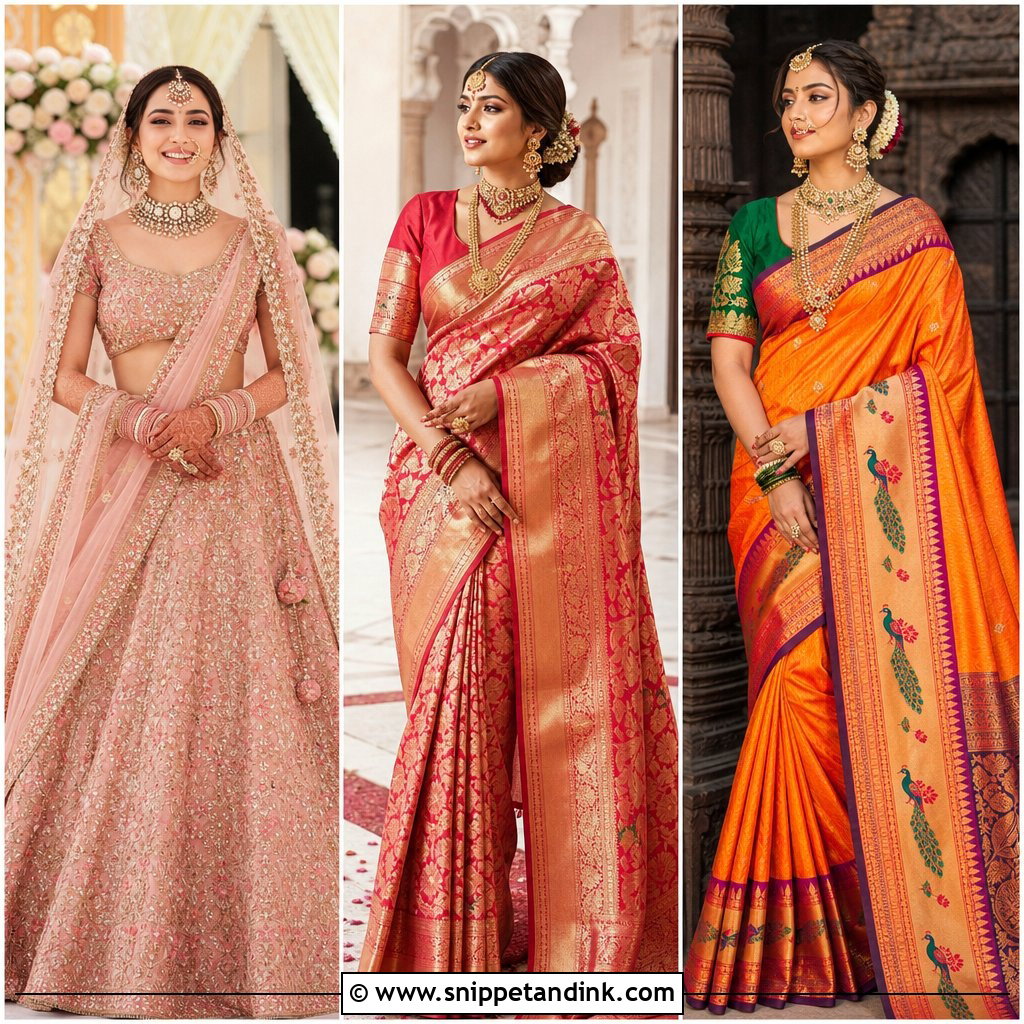
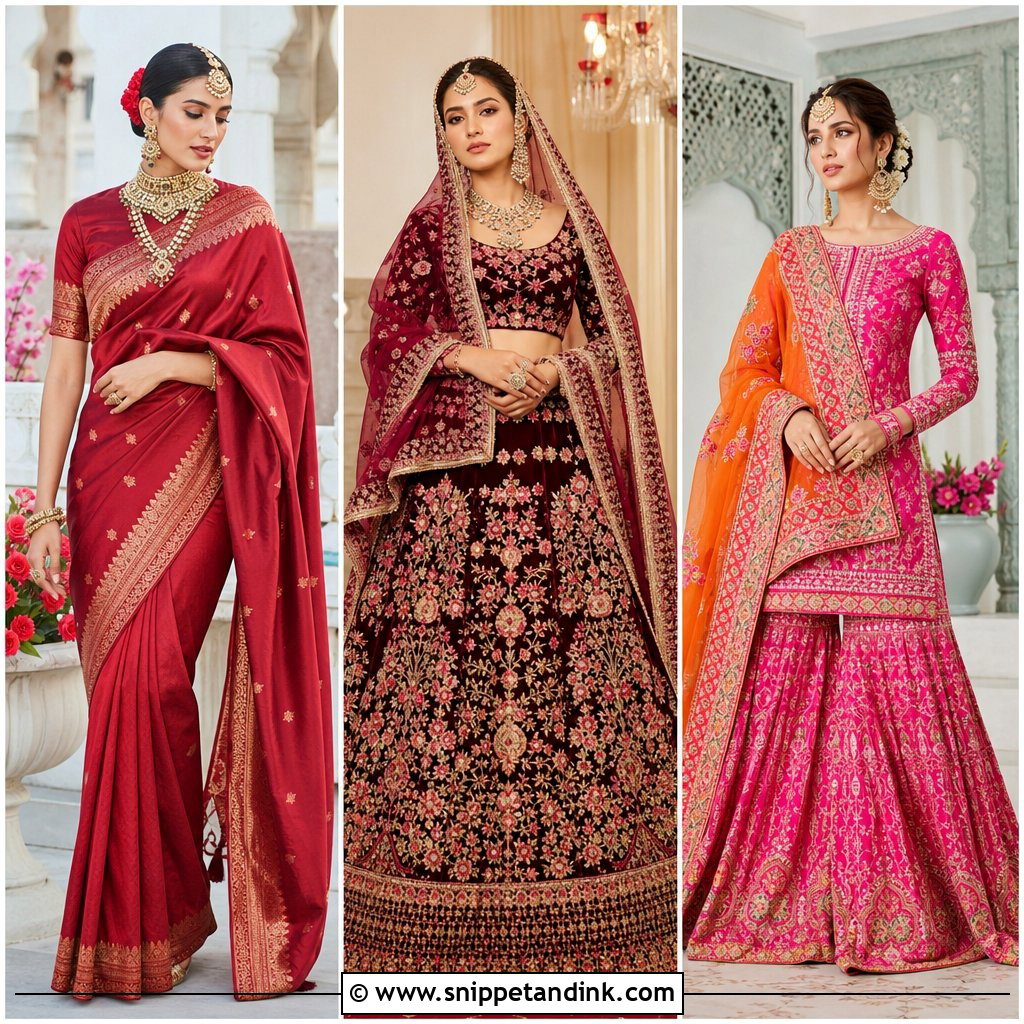
Silk sarees have outlasted every trend for a reason. Banarasi and Kanjivaram silk are the formal choices, woven heavy with zari, and they hold a crisp pleat all day. Jewel tones like emerald, maroon and deep purple read festive. The blouse makes or breaks it, so get it stitched to your measurements rather than off the rack. As a guest, keep the border and jewellery lighter than the bride’s; heavy layered necklaces and a decorated hair piece signal bride.
2. Traditional Marriage Lehenga Choli Outfit
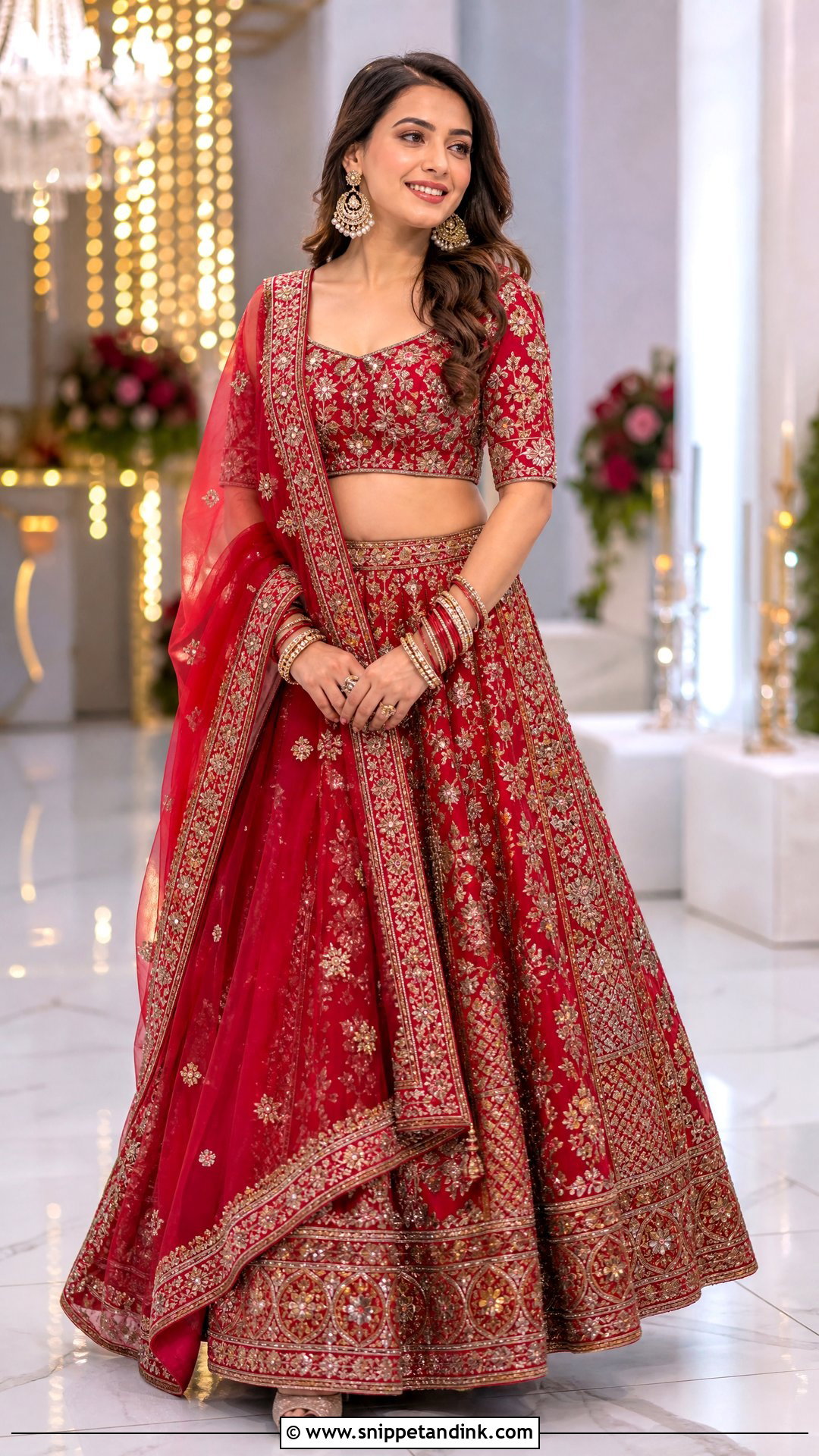
A lehenga gives you movement and colour in one go: a flared skirt with mirror work, zari or thread embroidery, a fitted choli and a dupatta. Deep pink, mustard, teal and rust feel rich without copying the bride, who often wears red. Weight is the hidden issue. A heavily embroidered skirt can weigh several kilos, so try it on with the can-can and walk stairs before you buy. Pin the dupatta at the shoulder and it stays put through the dancing.
3. Traditional Marriage Anarkali Suit Outfit
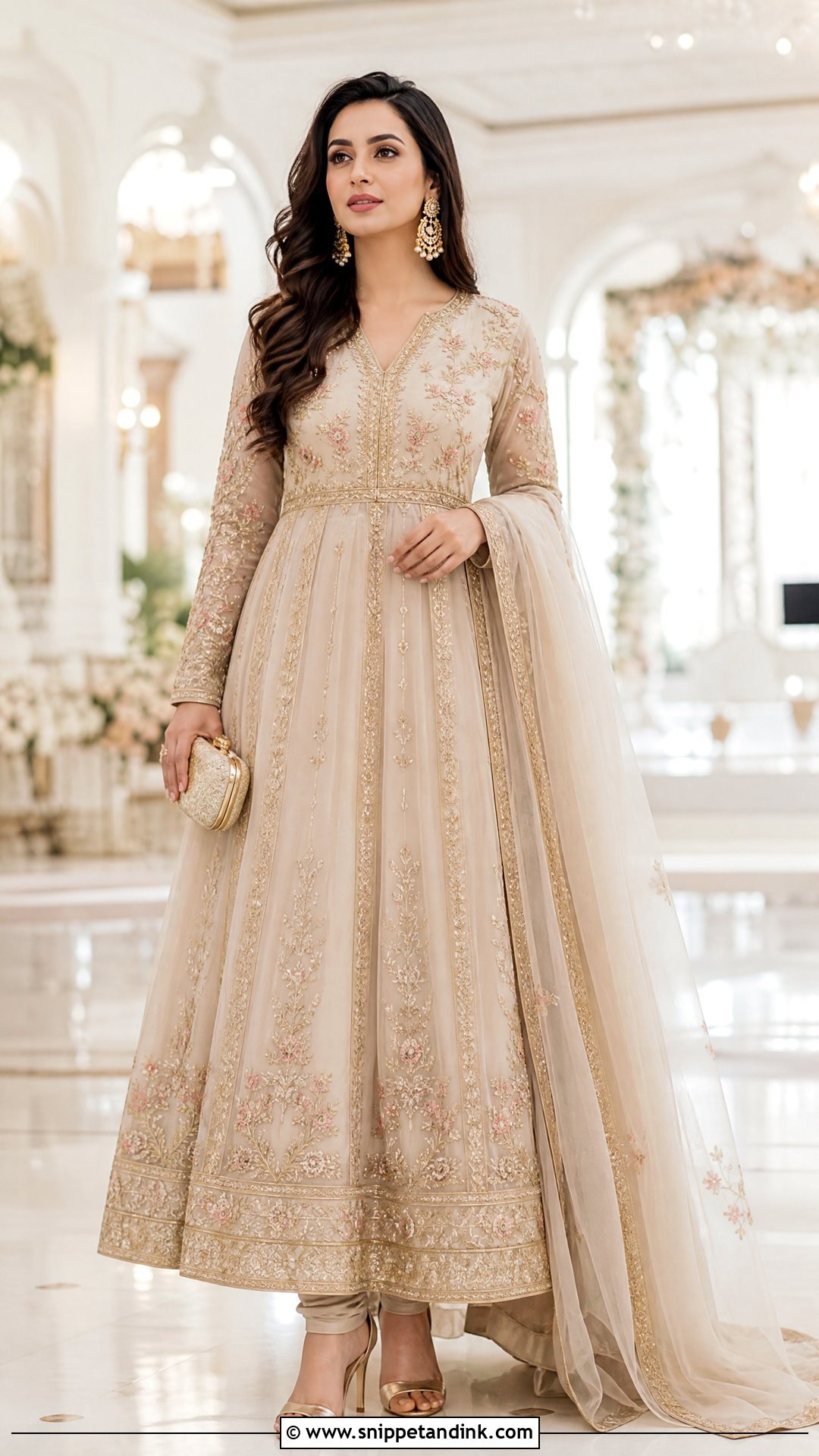
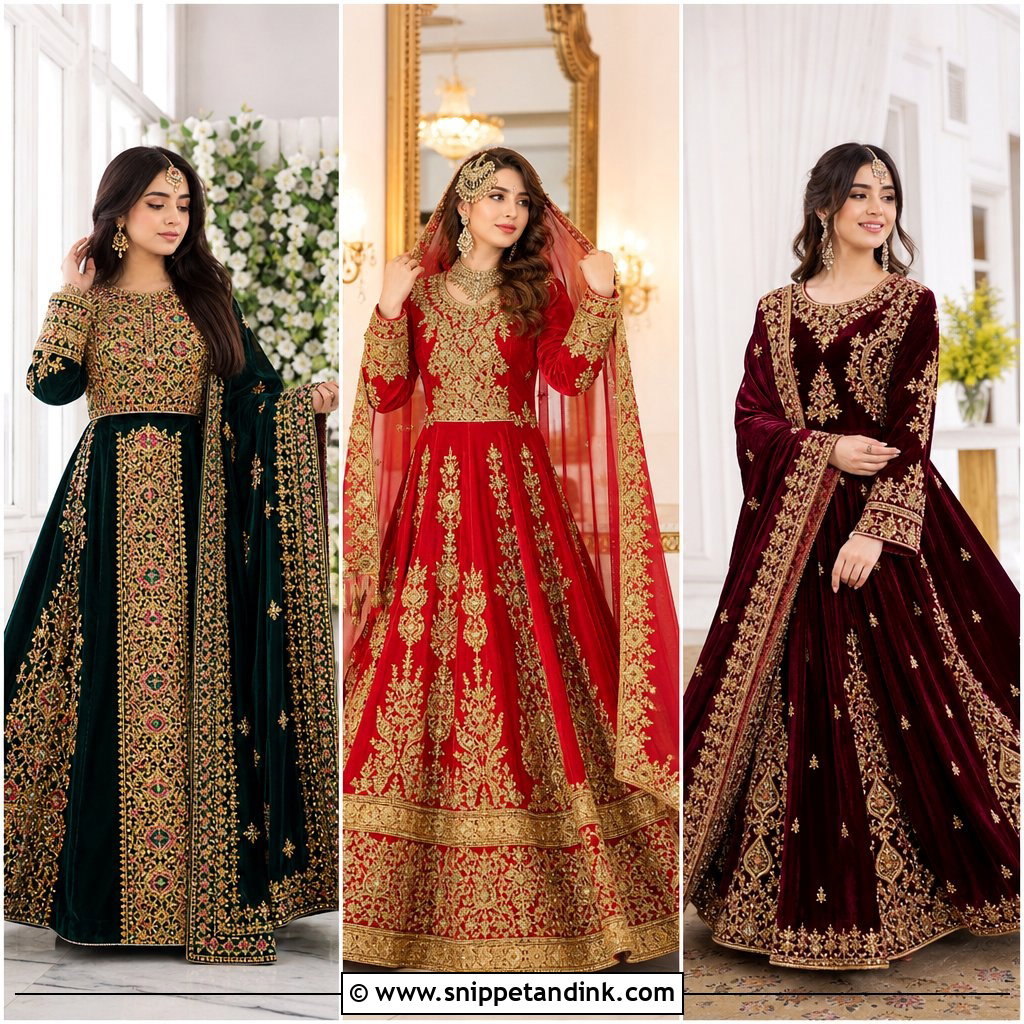
The Anarkali is the easiest formal outfit I know for long ceremonies. A floor-length flared kurta in georgette, chiffon, silk or organza, with churidar underneath and a soft dupatta, moves well and forgives a big lunch. Look for embroidery at the neck, sleeves and hem. Georgette Anarkalis need a proper lining; unlined, they cling in humidity. Pastels by day, jewel tones by night.
4. Traditional Marriage Sharara Suit Outfit
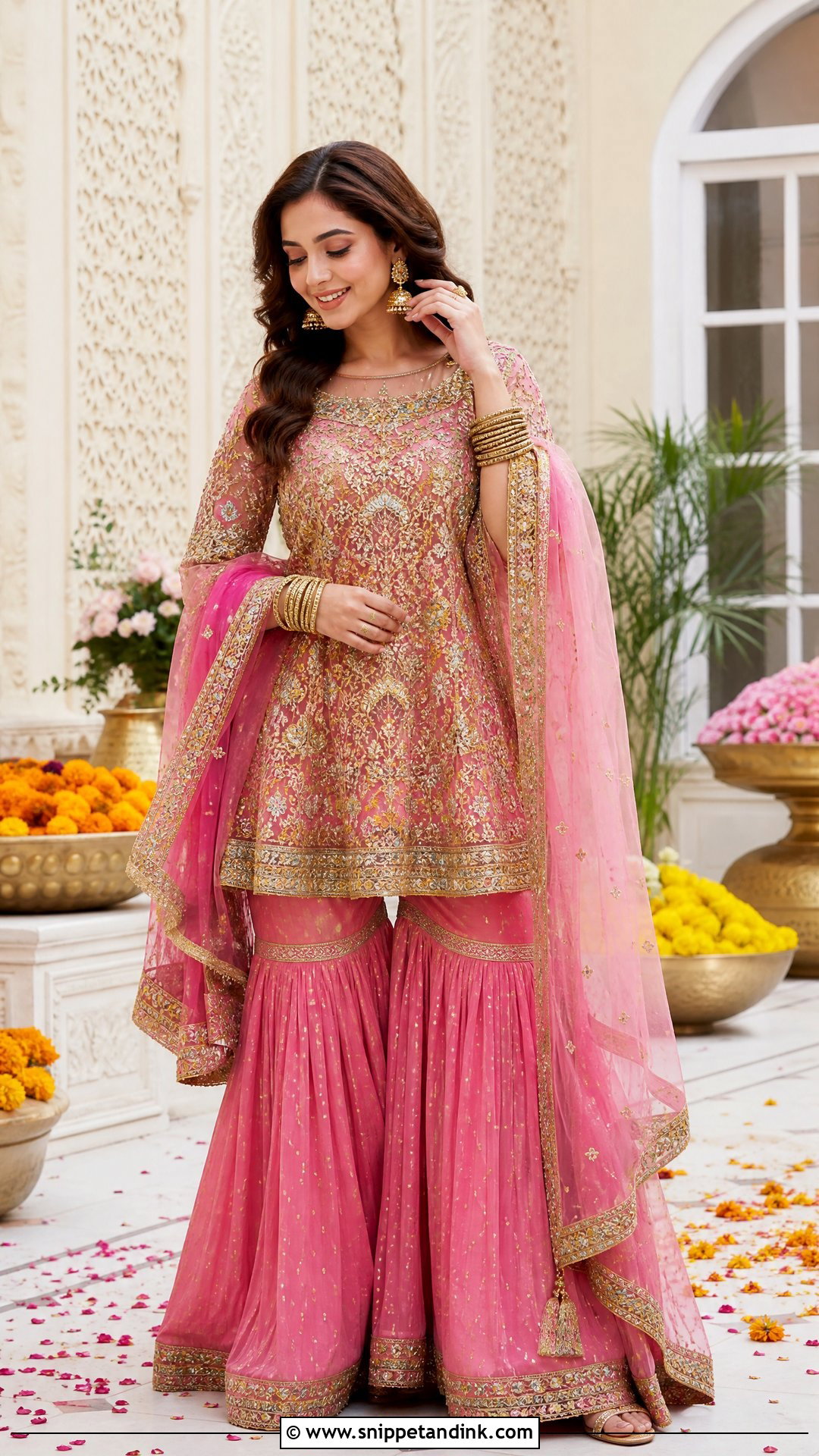
A sharara is a lehenga’s comfortable cousin. The flared pants give a festive outline while the short or mid-length kurta keeps it balanced, and you can climb into a car without gathering armfuls of skirt. Silk, brocade, georgette or crepe with embroidered hems all suit. Get the pant length right with your actual shoes on: a hem dragging on the floor gets dirty by the first hour. Jhumkas and stacked bangles finish it.
5. Traditional Marriage Gharara Outfit
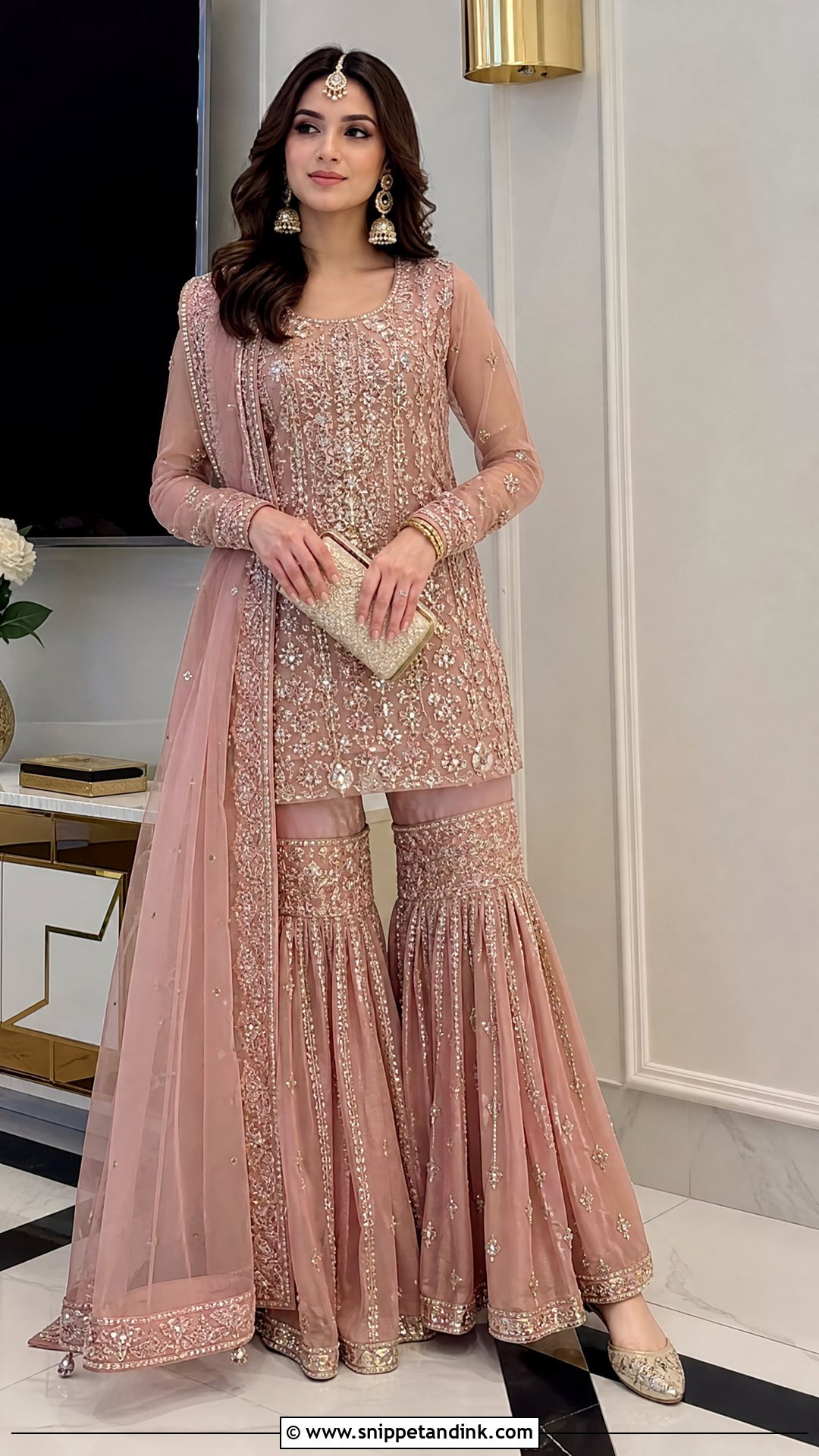
People confuse the gharara with the sharara constantly. The difference is the cut: gharara pants are fitted to the knee and flare below, with a decorative band, often gota, at the joint. That band is the detail, so keep the dupatta pinned high enough that it doesn’t cover it. Pastels with silver work suit daytime; burgundy and emerald with gold suit evening. A short kurti keeps the line visible.
6. Traditional Marriage Salwar Kameez Outfit
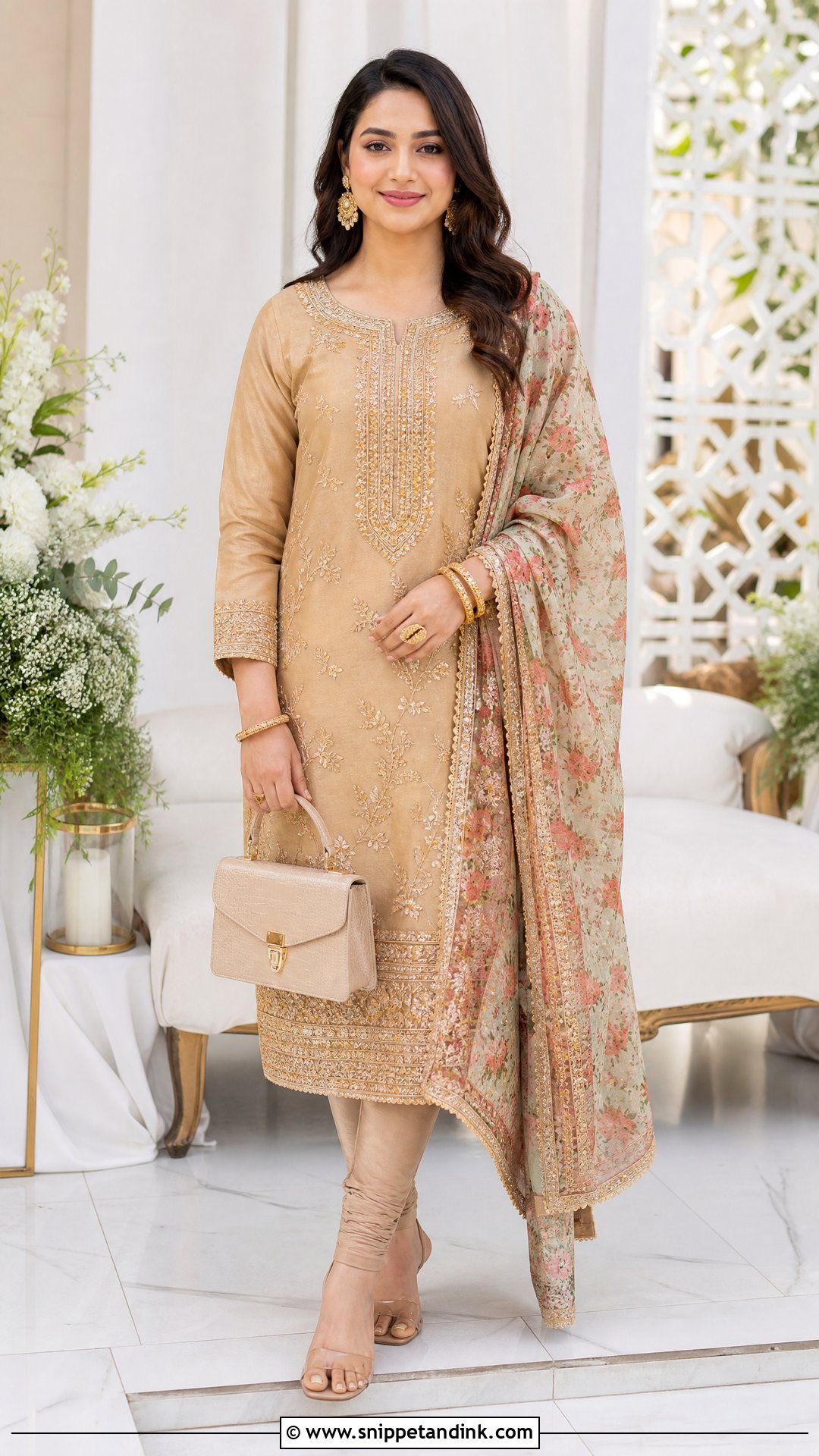
For modest coverage and easy movement, a salwar kameez is hard to beat. I’d pick a richly embroidered kameez with a fitted salwar or straight pants in silk, cotton silk, chanderi or georgette, choosing by season. Chanderi breathes well in heat. Coral, peacock blue, plum and gold beige look festive without competing. Comfortable small heels matter here, because family ceremonies often mean hours on your feet.
7. Traditional Marriage Iro And Buba Outfit
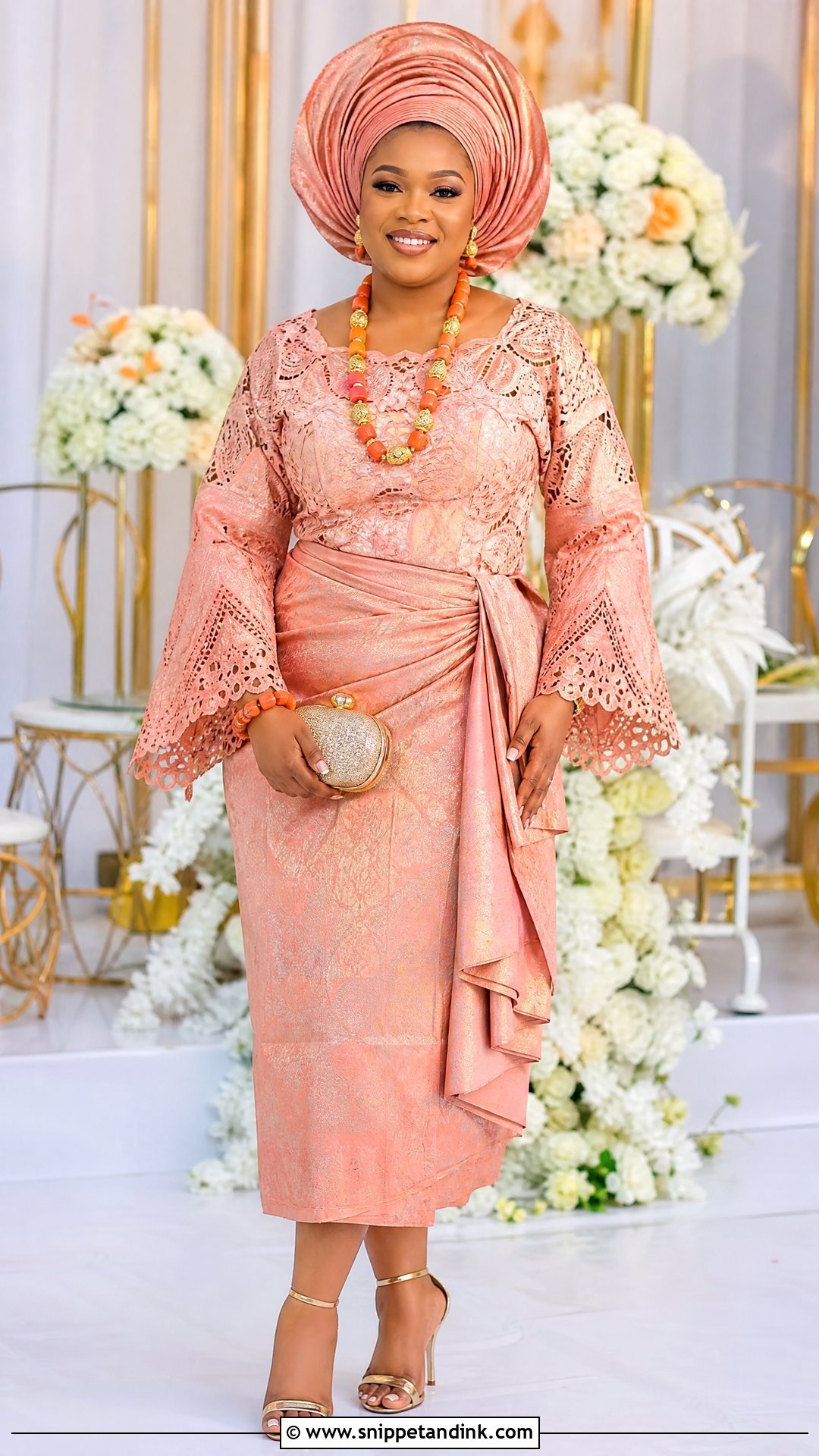
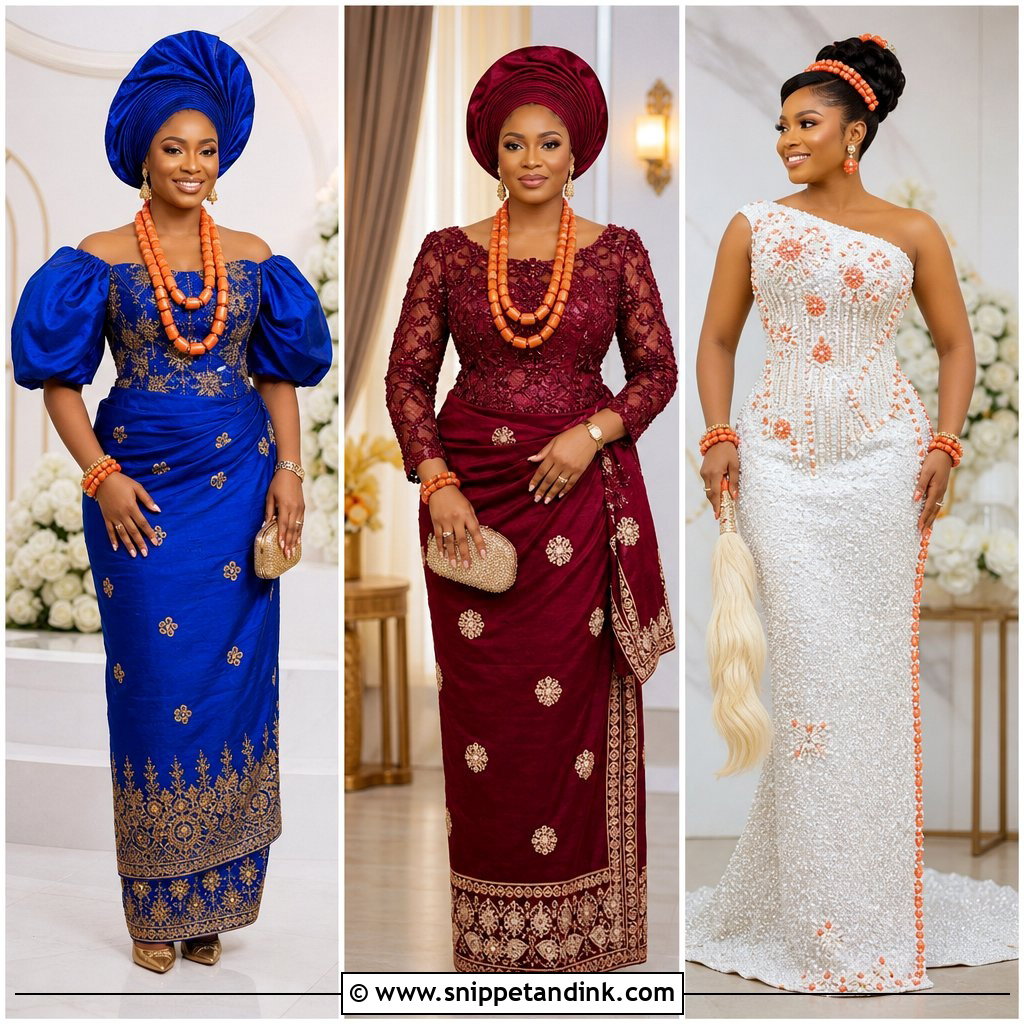
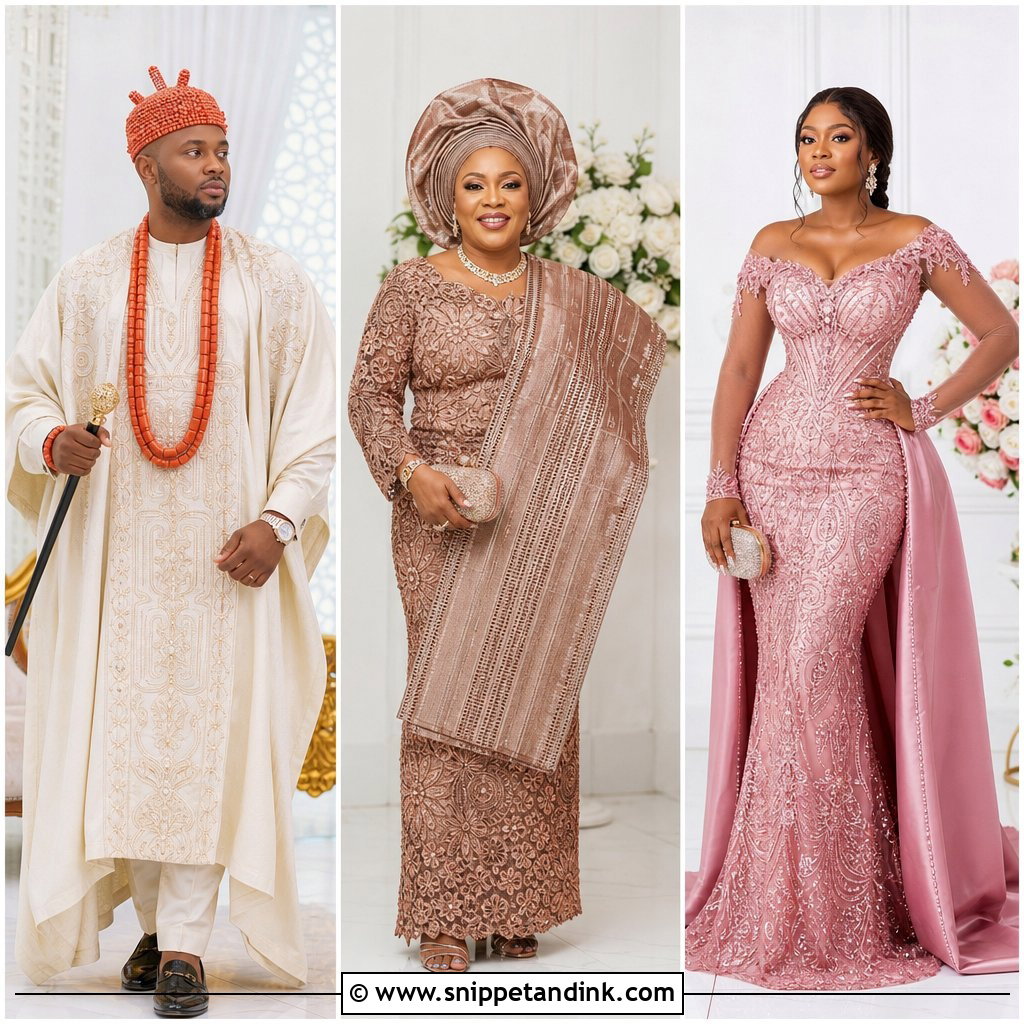
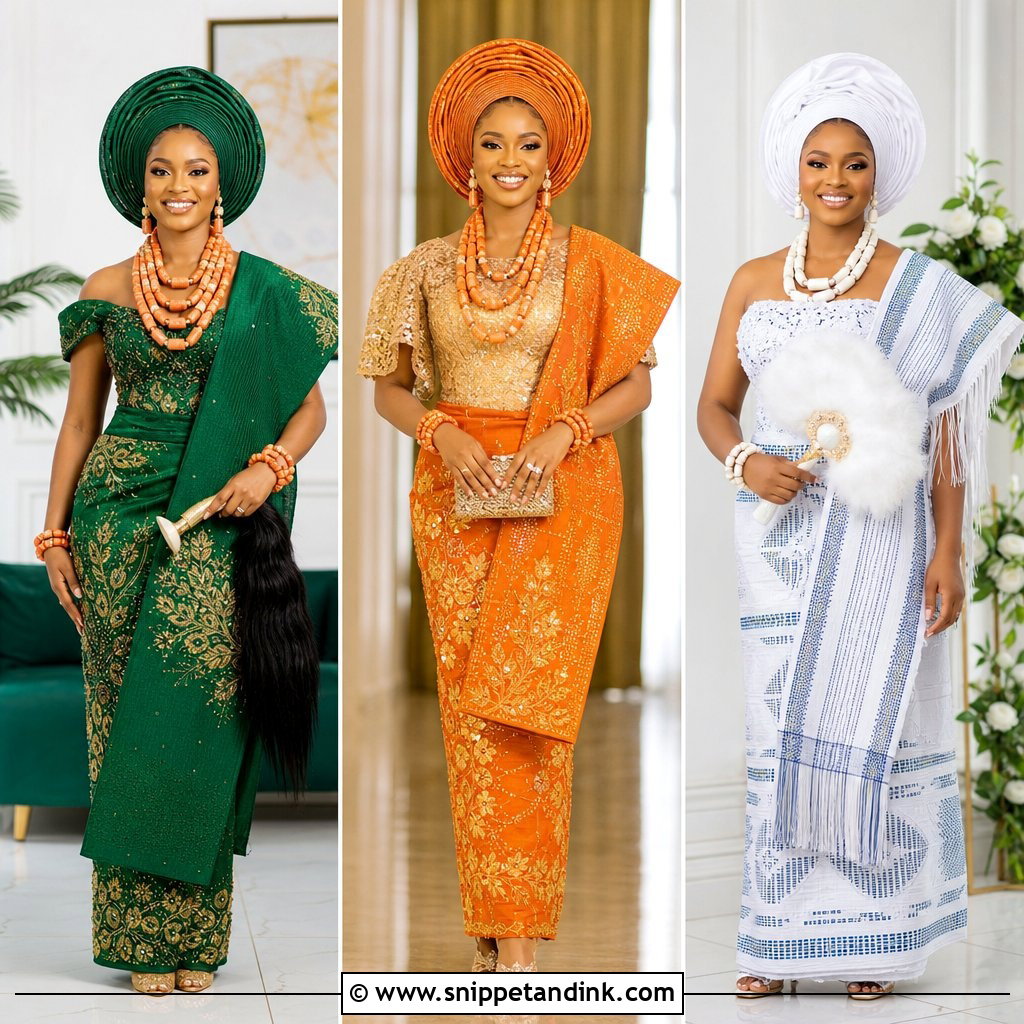
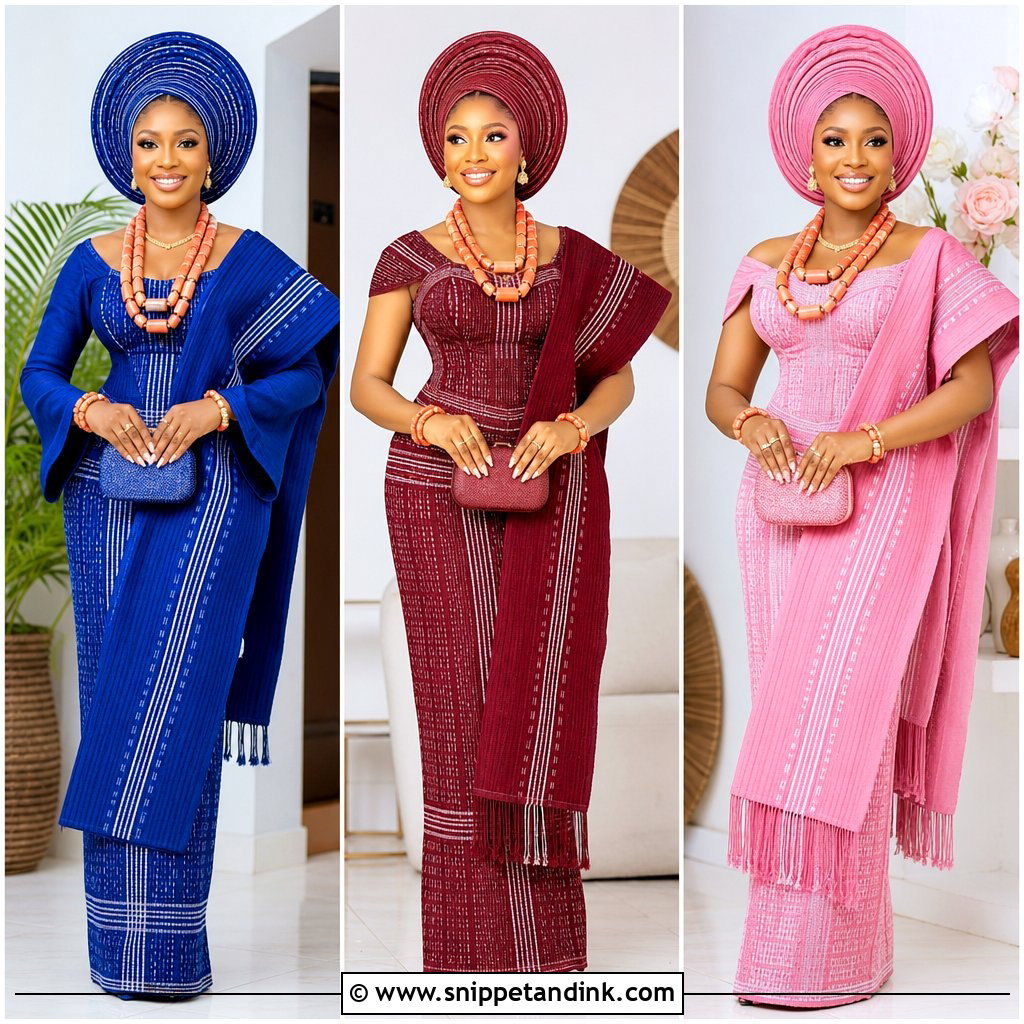
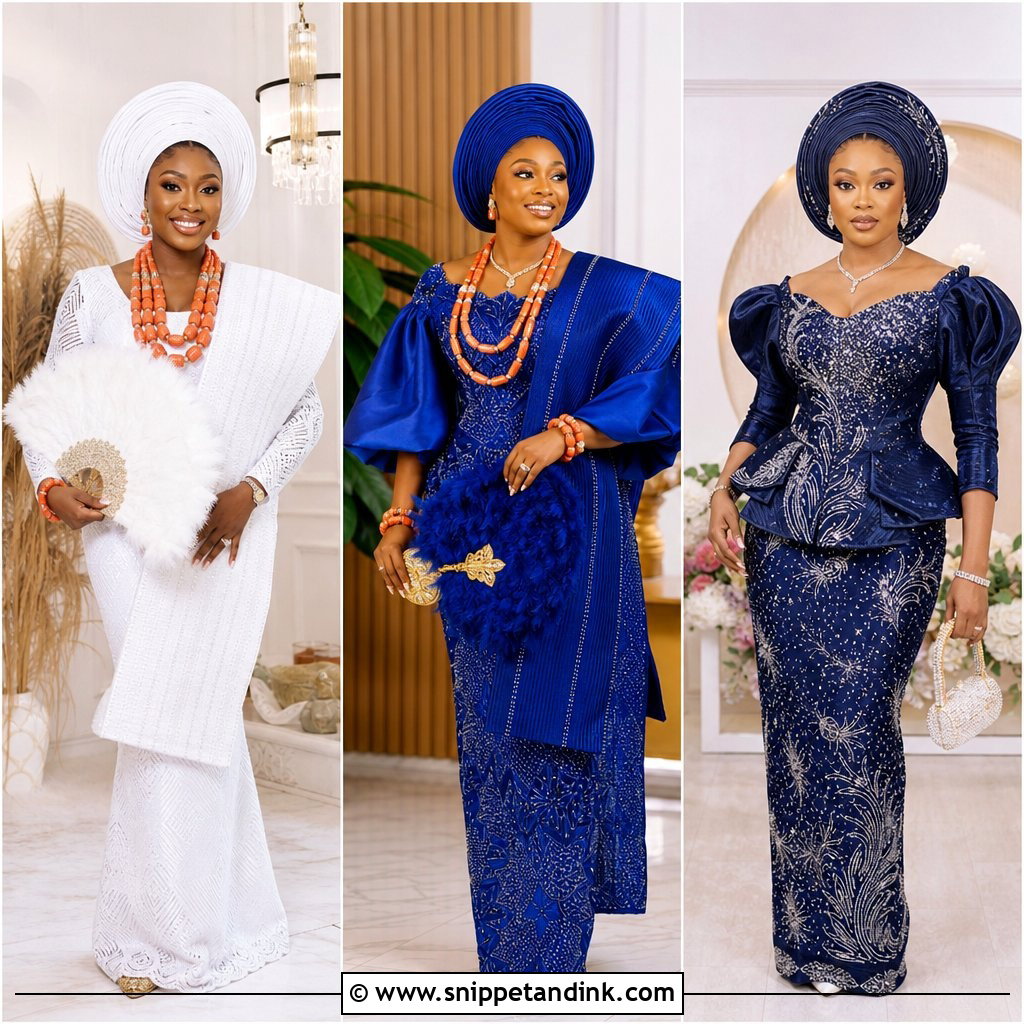
Iro and buba is the classic Yoruba-inspired traditional marriage look: the iro is the wrapped skirt, the buba the blouse, and the gele headtie crowns it. Lace, aso oke or jacquard keep it formal. The gele should suit your face and frame, not tower over it. If tying a gele isn’t something you do often, book someone or buy a pre-tied auto-gele, which sits more securely than a rushed self-tie.
8. Traditional Marriage Aso Ebi Lace Outfit
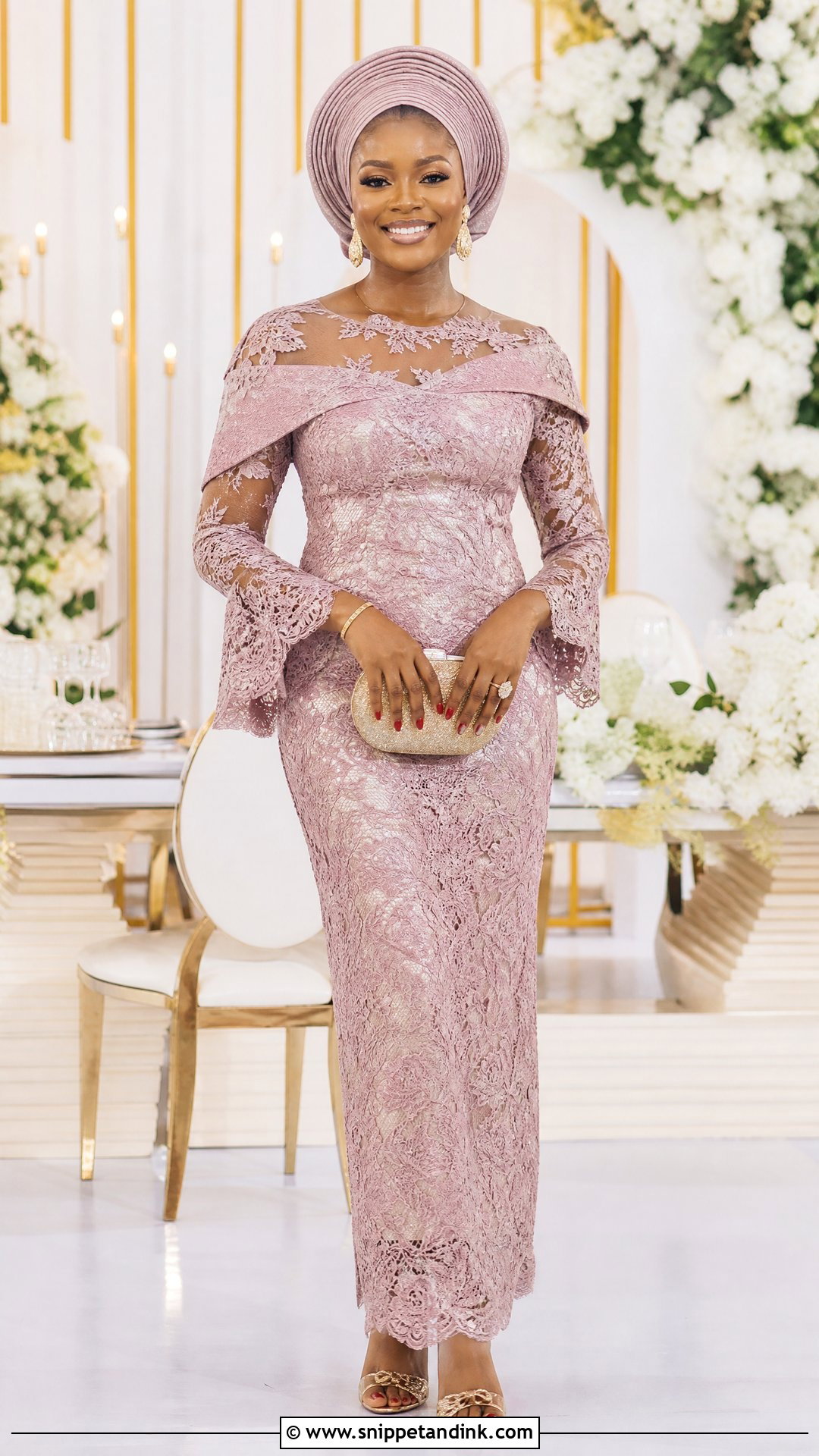
Aso ebi lace outfits are about belonging: each family group wears the same fabric, sewn in its own style. Peplum, mermaid or wrap shapes all work. I always ask for a full lining in a skin-tone or matching colour; it adds comfort, hides seams and stops the lace scratching. Fit is what makes lace look expensive, so allow time for two fittings. With busy lace, keep jewellery simple.
9. Traditional Marriage George Wrapper Outfit
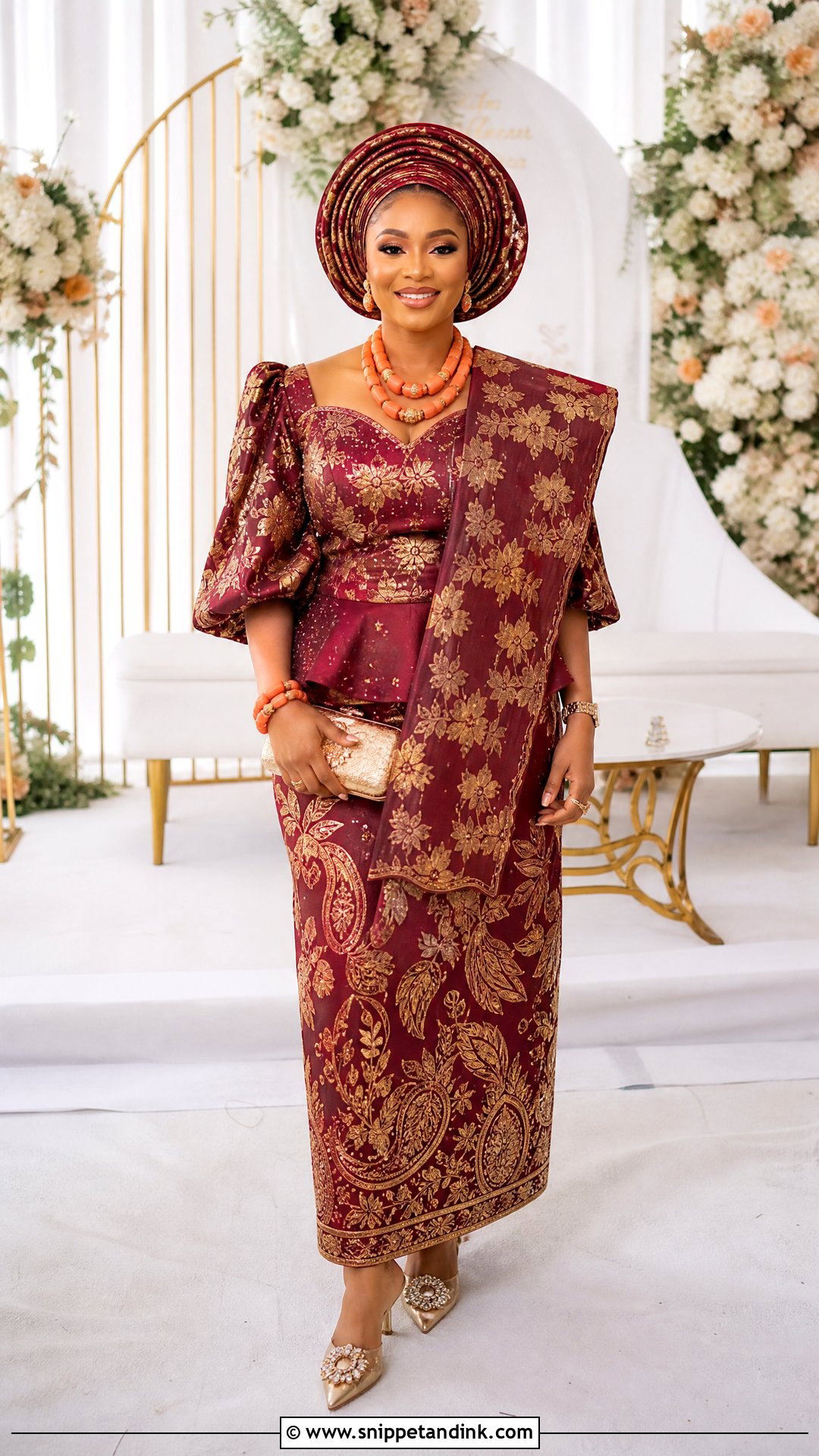
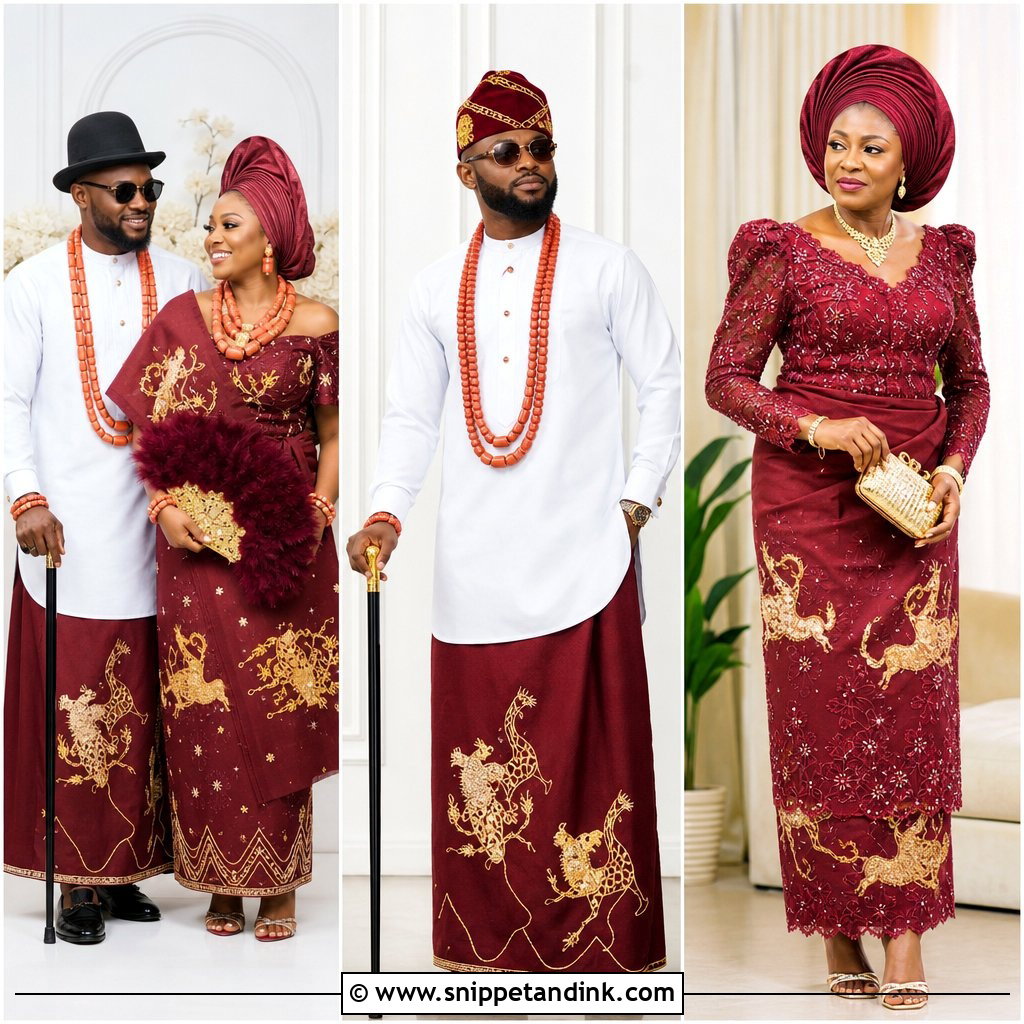
George fabric is heavily embroidered or woven, often with sequins, and it’s prized in many Nigerian traditional weddings. A fitted blouse over a double wrapper is the traditional finish, with coral beads or gold. It’s heavy, which gives a regal drape but also makes it warm. Make sure the wrapper is tied by someone experienced so it doesn’t slide. Coral, ivory, red and deep green all suit it.
10. Traditional Marriage Kente Dress Outfit
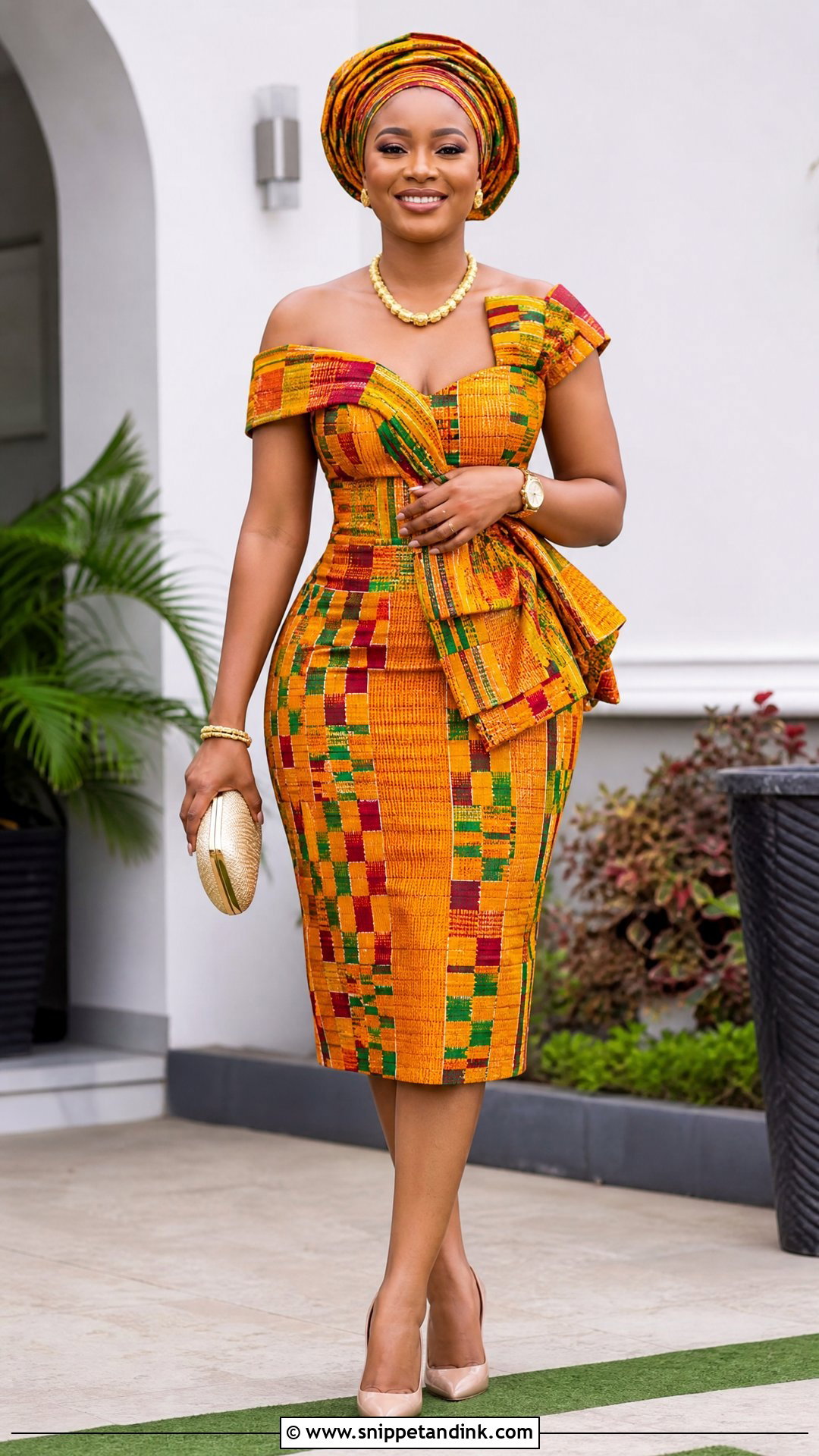
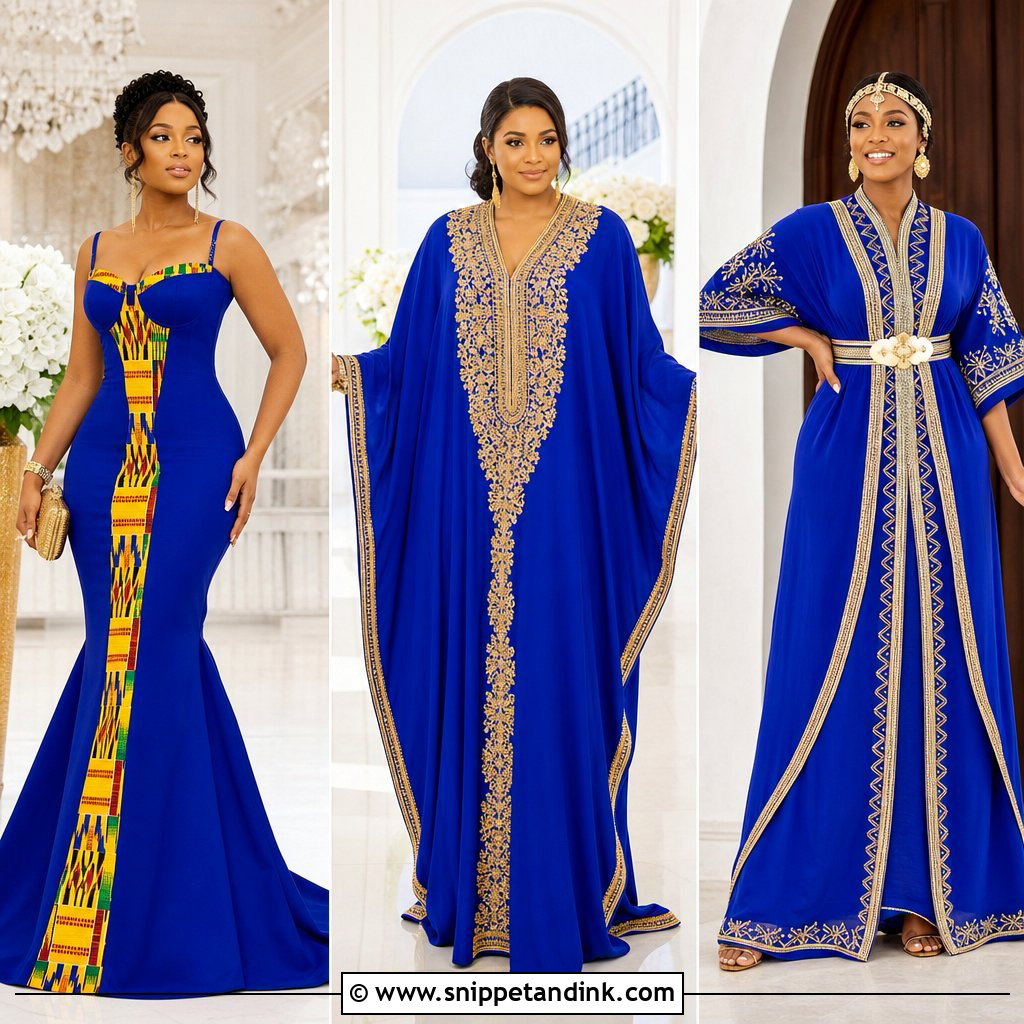
Kente is a Ghanaian woven cloth, made in narrow strips stitched together, and its colours and patterns carry names and meanings. Because the cloth says so much, the cut should stay clean: a fitted midi, a wrap dress or a long gown with kente panels. Pattern placement is the tailor’s real job; mismatched strips across the bust or hips look careless. Gold jewellery and a simple clutch are enough.
11. Traditional Marriage Ankara Maxi Dress Outfit
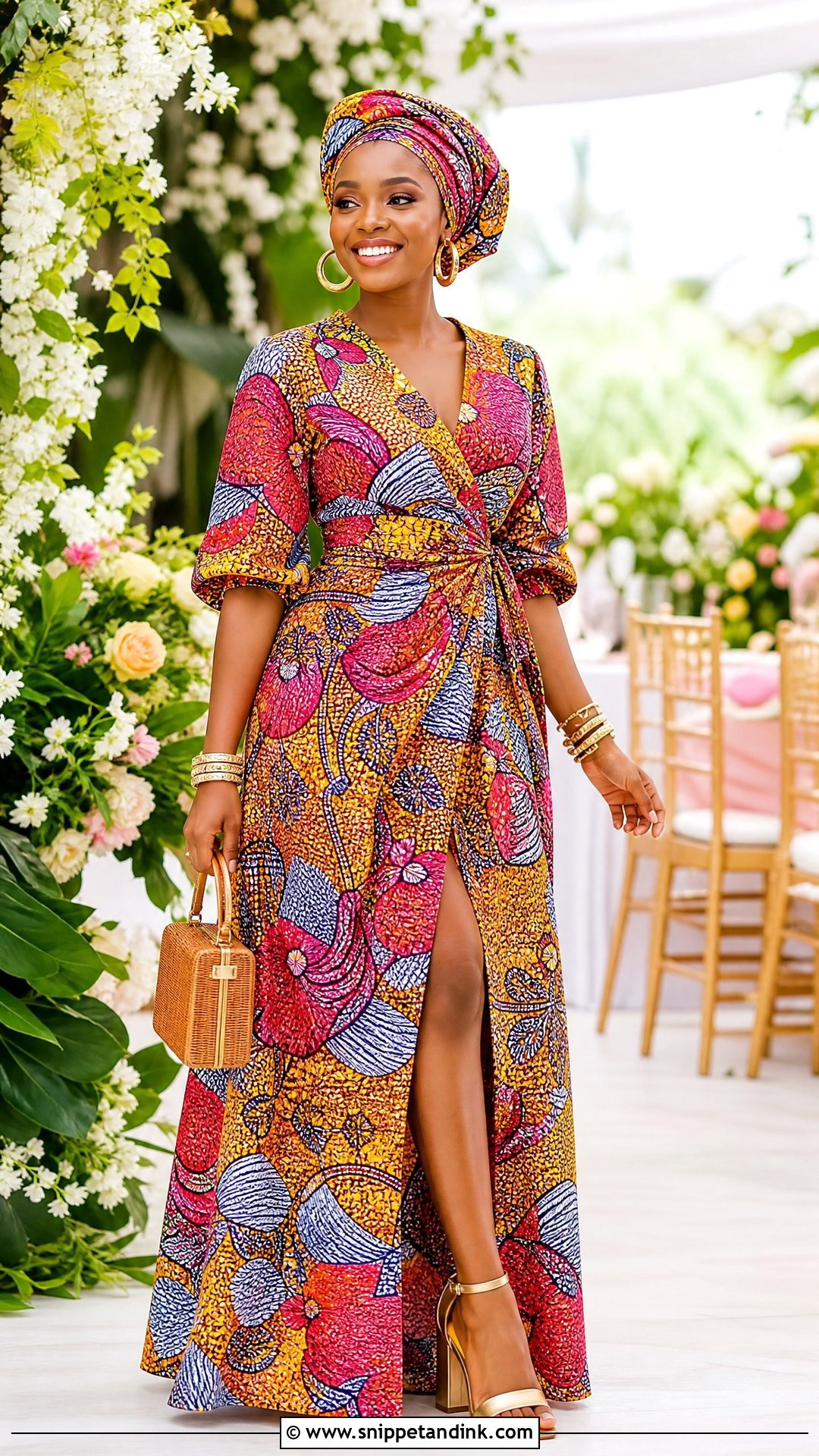
Ankara prints are joyful and easy to personalise, and a maxi is the forgiving shape for an outdoor ceremony. Wrap, tiered, puff-sleeve or fitted-bodice styles all suit. With multicolour prints, I pull one shade from the fabric for shoes or bag rather than adding a new colour. Wax-print cotton can be stiff when new; wash it once before sewing so it softens and doesn’t shrink after.
12. Traditional Marriage Kaftan Outfit
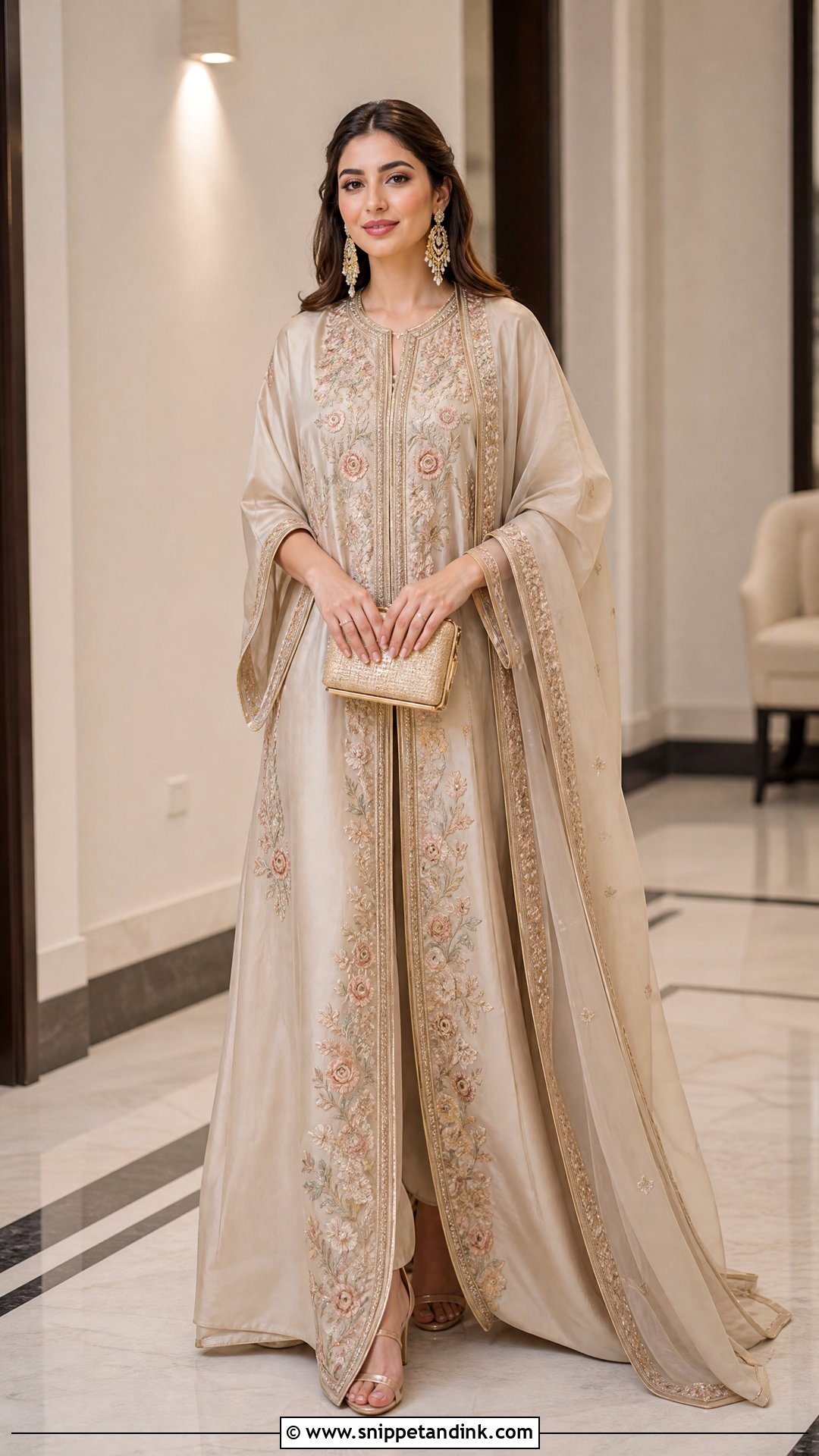
A kaftan is formal comfort. Choose silk, crepe, chiffon, brocade or embroidered lace, and look for something that stops it reading as loungewear: a defined neckline, beading, or a waist tie. Ivory, champagne, emerald and plum all hold up. Mothers of the couple often reach for this one, and I understand why. Add a sleek headwrap or scarf for a more cultural finish.
13. Traditional Marriage Agbada Dress Outfit
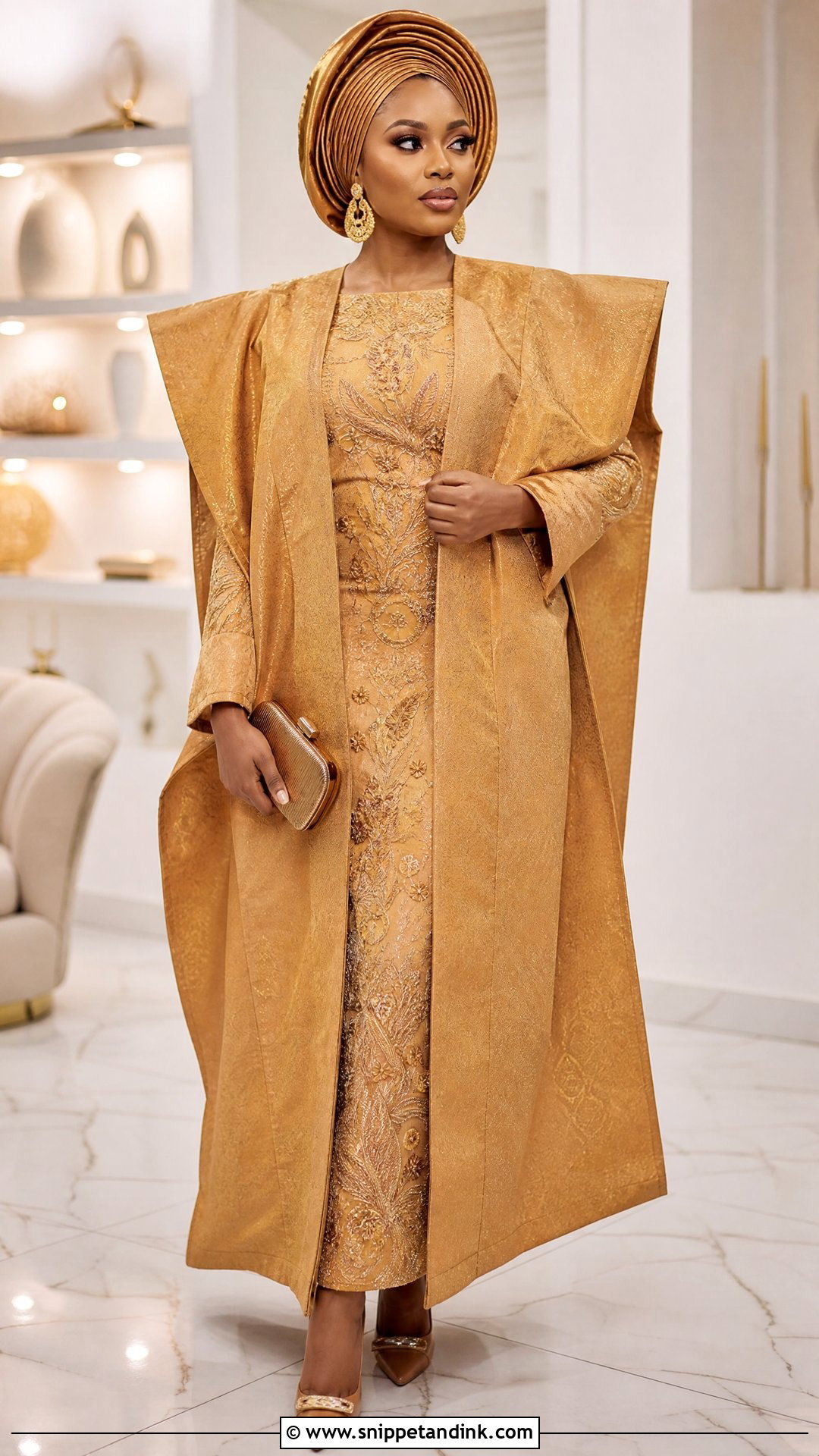
A women’s agbada-inspired outfit layers a flowing outer robe over a fitted dress, blouse and pants, or long skirt. It has authority. The robe is wide, so tailoring underneath must be clean or the whole thing looks shapeless. Brocade, lace or jacquard in white and gold, navy or burnt orange carry it. Practise lifting the robe’s sleeves onto your shoulders; that motion is part of wearing it.
14. Traditional Marriage Boubou Outfit
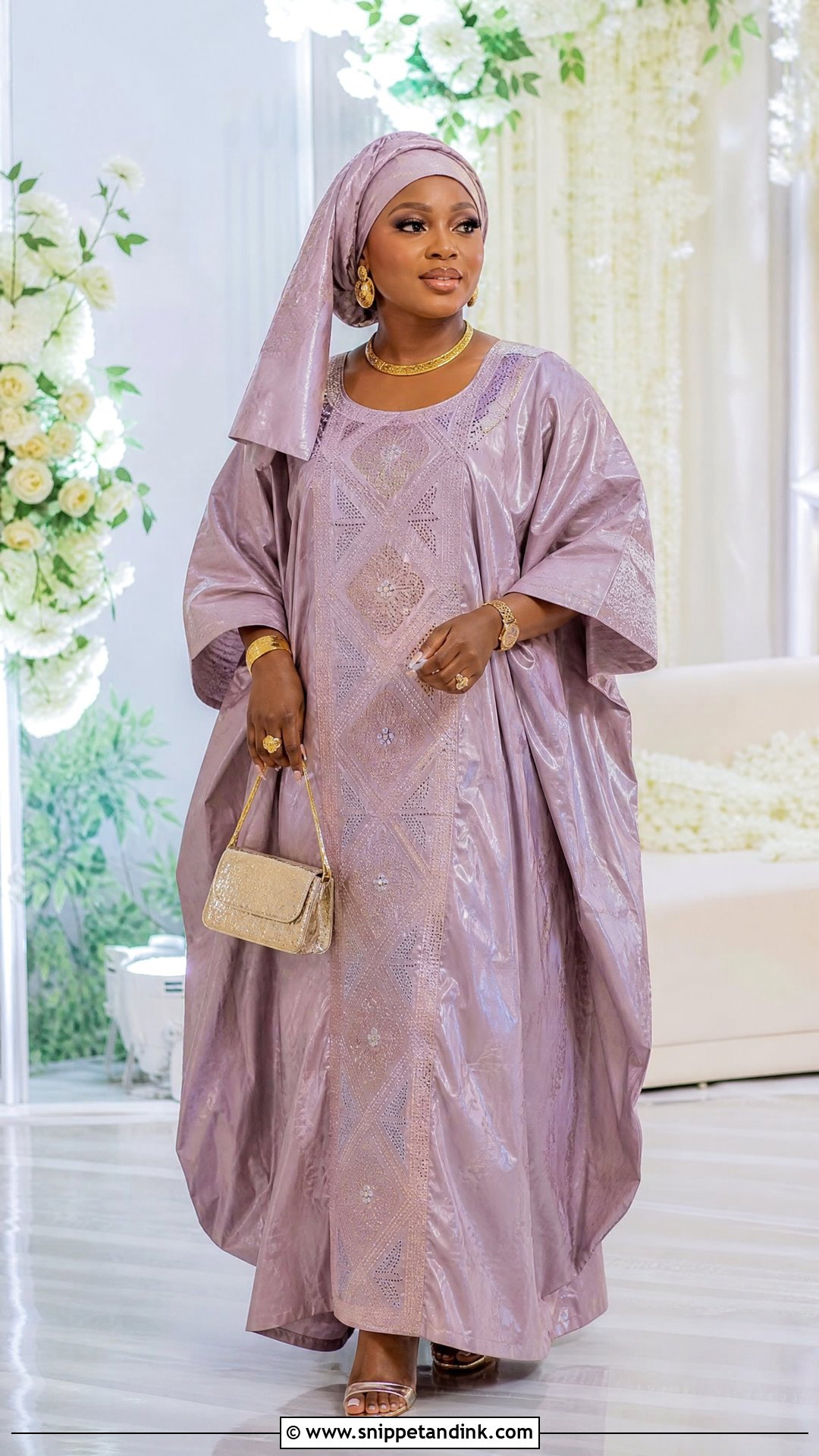
A boubou is a wide, flowing robe with embroidery at the neck and sleeves. Comfort is the point, but it needs fabric with enough weight to fall properly: silk blends, brocade, cotton jacquard or crepe. Light fabric billows and loses its line. A matching scarf or headwrap ties it together. Older women and mothers wear it with real dignity, and it’s kind in hot weather.

15. Traditional Marriage Kimono Outfit
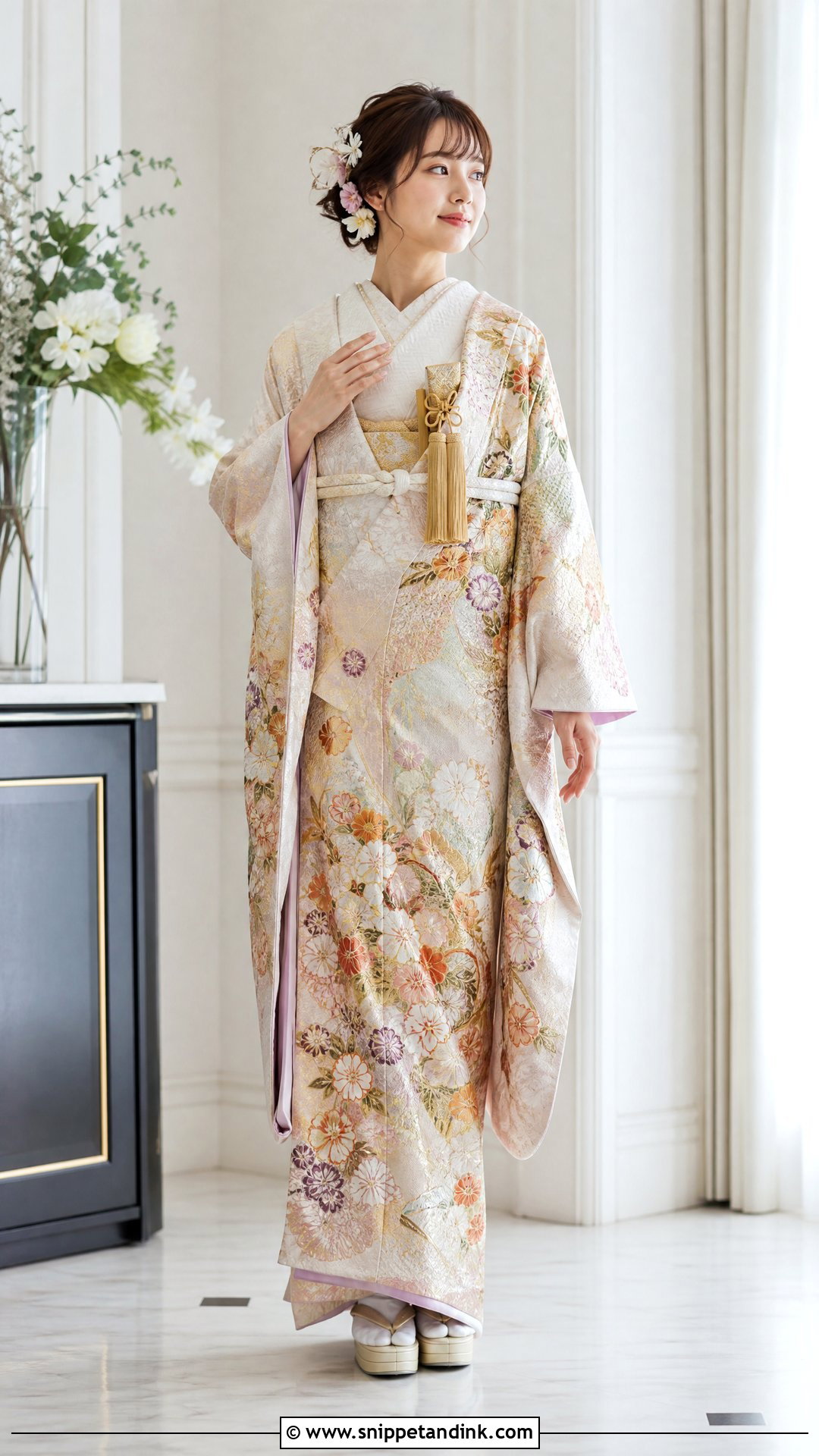
Kimono at a Japanese wedding follows clear rules, and I’d learn them before choosing one. Unmarried women traditionally wear the long-sleeved furisode; married women wear a tomesode, often the black kurotomesode for close relatives of the couple. The obi and inner layers need proper dressing, so most women book a kimono dresser. Hair goes up with one hairpin, jewellery stays off. If you’re not Japanese and haven’t been invited to wear one, ask the family first.
16. Traditional Marriage Hanbok Outfit
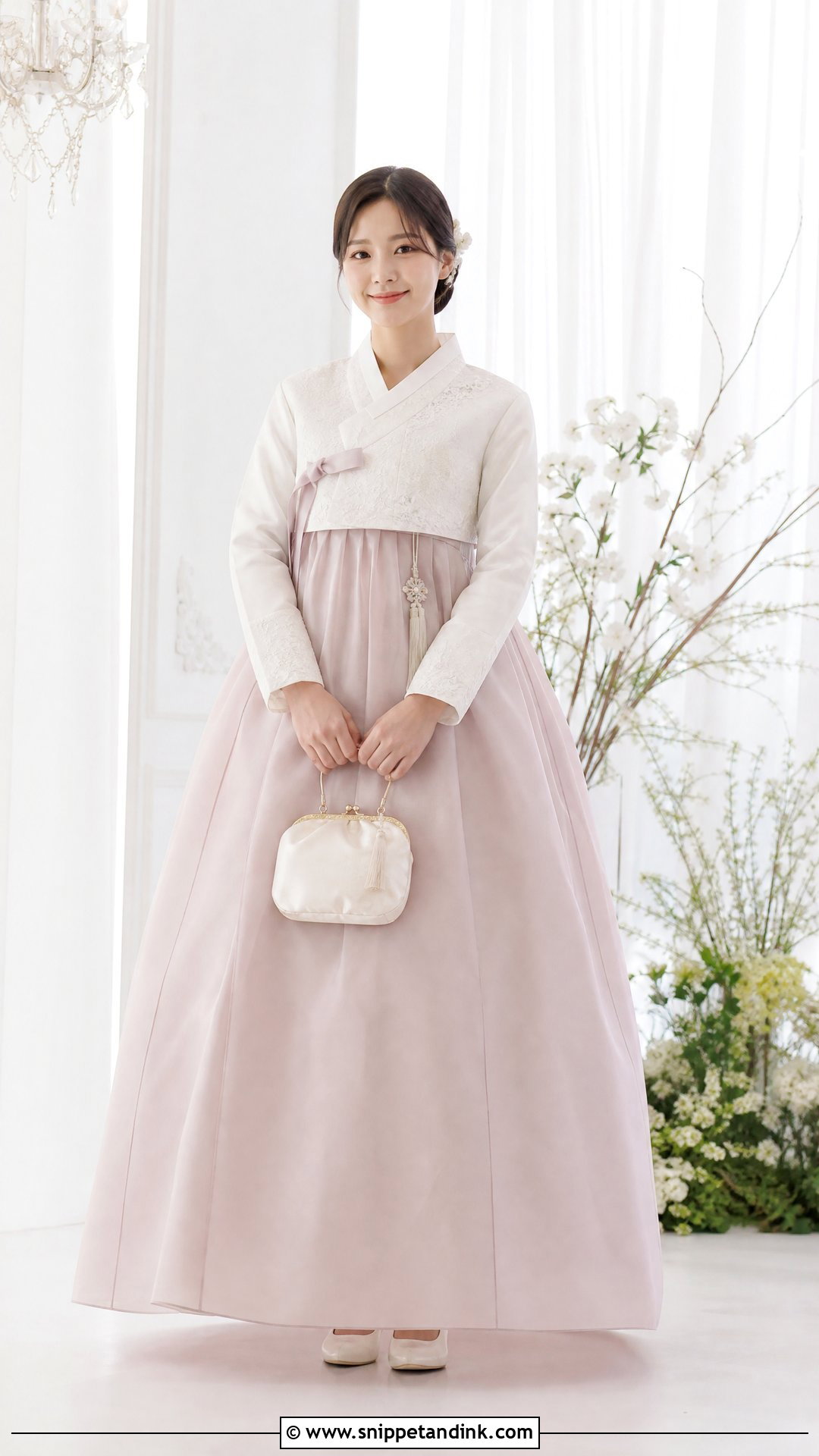
Hanbok’s short jeogori jacket and full chima skirt give a soft, high-waisted outline. Look for silk with a gentle sheen or subtle pattern. As a guest, steer clear of the bride’s ceremonial reds and the formal robes; pastel pink, sky blue, lavender or mint are the usual guest palette. The skirt needs an underskirt for volume, and the jacket should sit neatly at the shoulders without pulling when you raise your arms.
17. Traditional Marriage Ao Dai Outfit
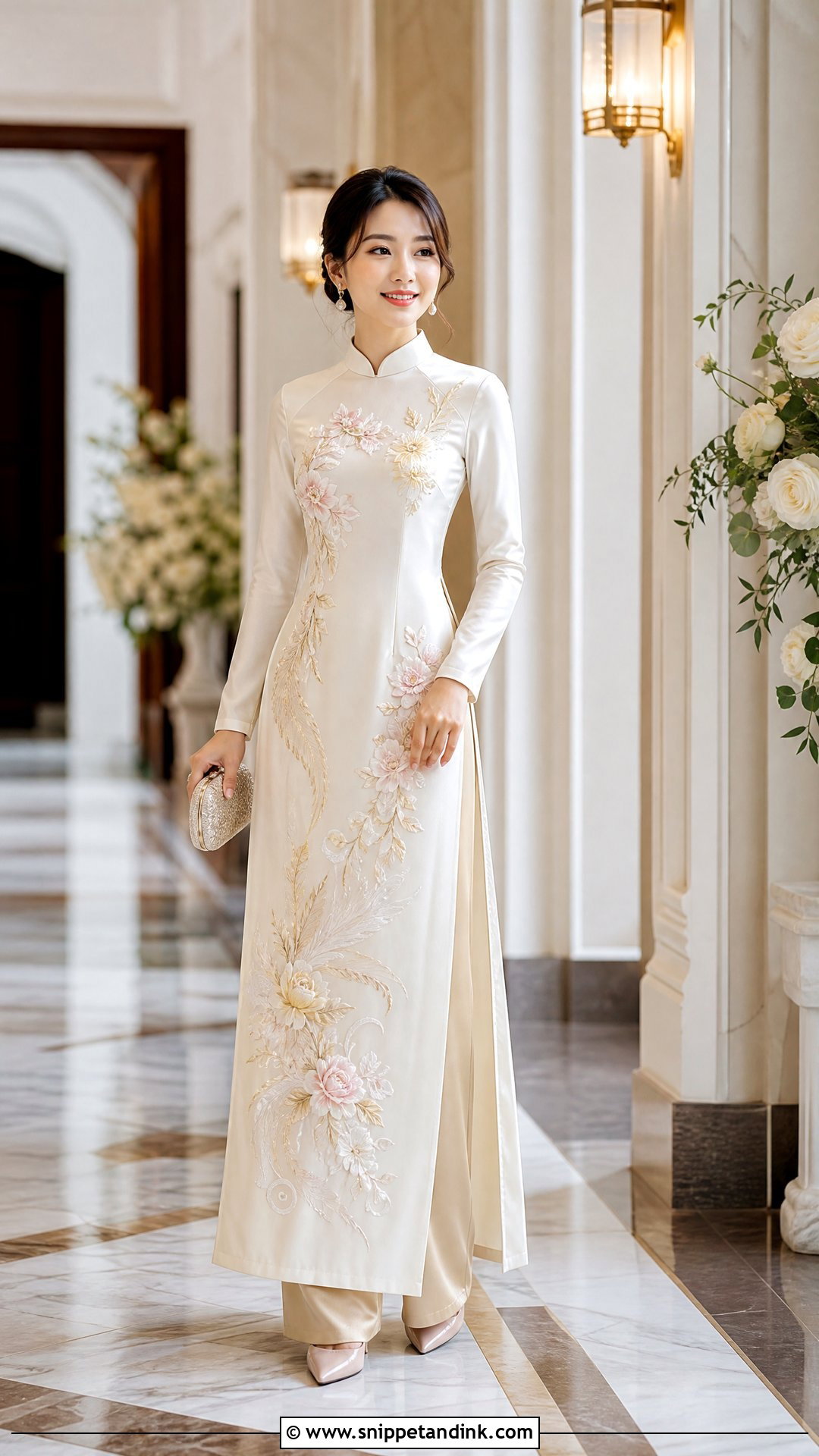
An ao dai outfit is a long fitted tunic split to the waist and worn over trousers, and that split is what lets you walk freely. Silk, satin or brocade with embroidery suit a wedding. Red and gold are commonly the bride’s colours, so guests usually choose jade, navy, blush or lavender. Ao dai are cut close to the body; get one tailored to your measurements, and keep hair smooth so the long line shows.
18. Traditional Marriage Kebaya Outfit
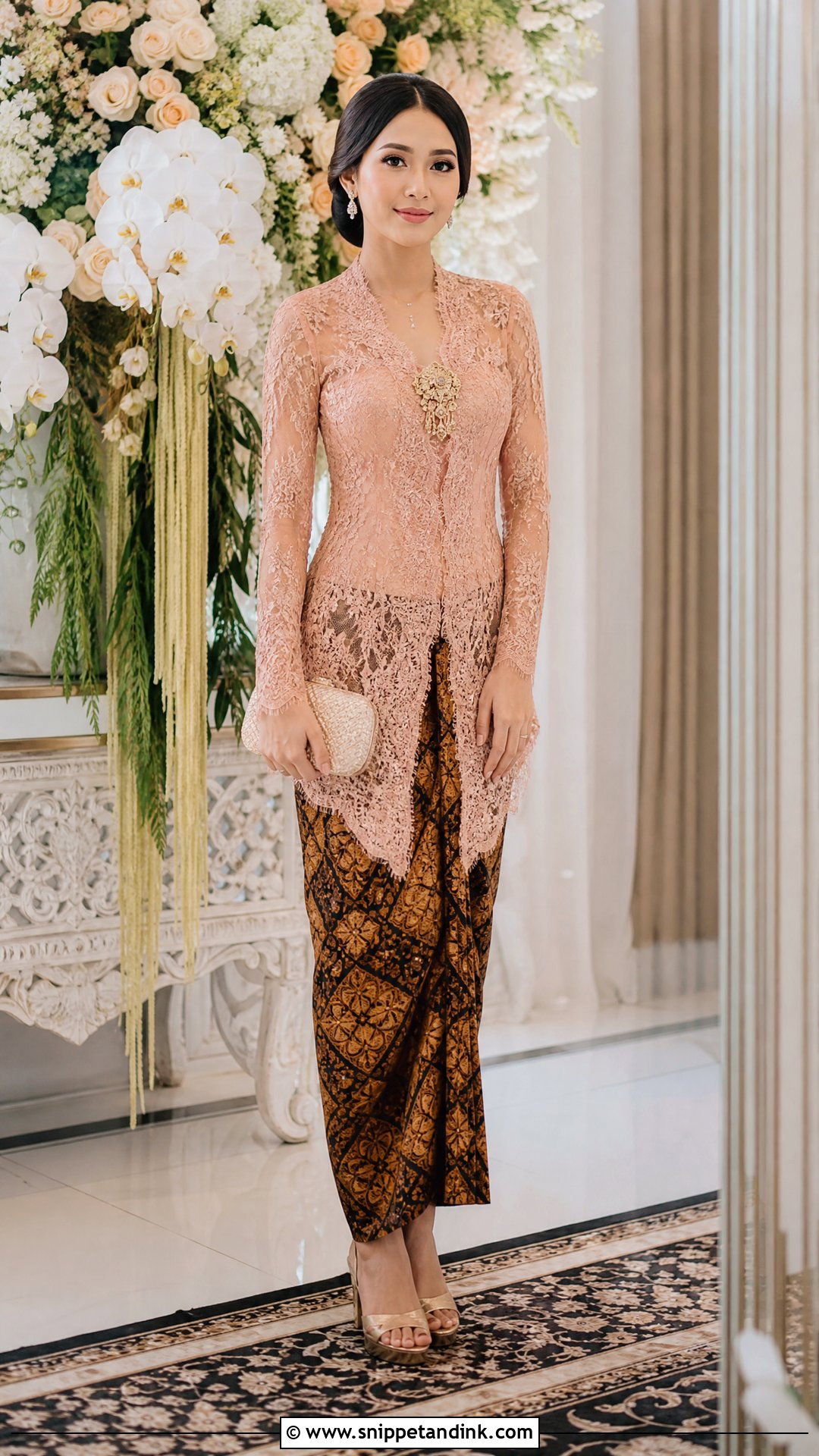
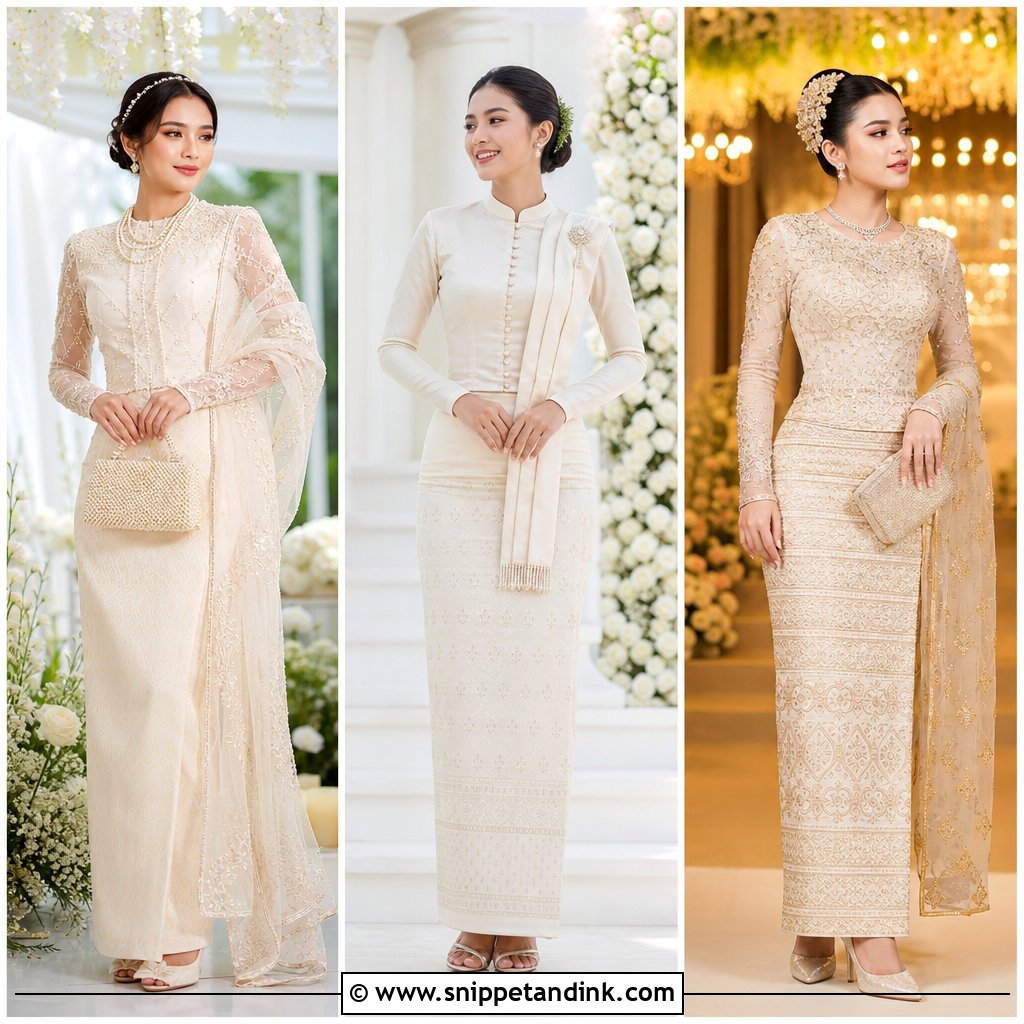
A kebaya is a fitted blouse worn with a batik, songket or sarong skirt. Lace and sheer kebaya need an inner camisole or lining. The skirt is the part people struggle with: if it’s cut too slim you’ll shuffle, so ask for a hidden walking pleat or slit. Soft gold, ivory and emerald are refined choices. A brooch at the front closure defines the waist.
19. Traditional Marriage Dirac Outfit
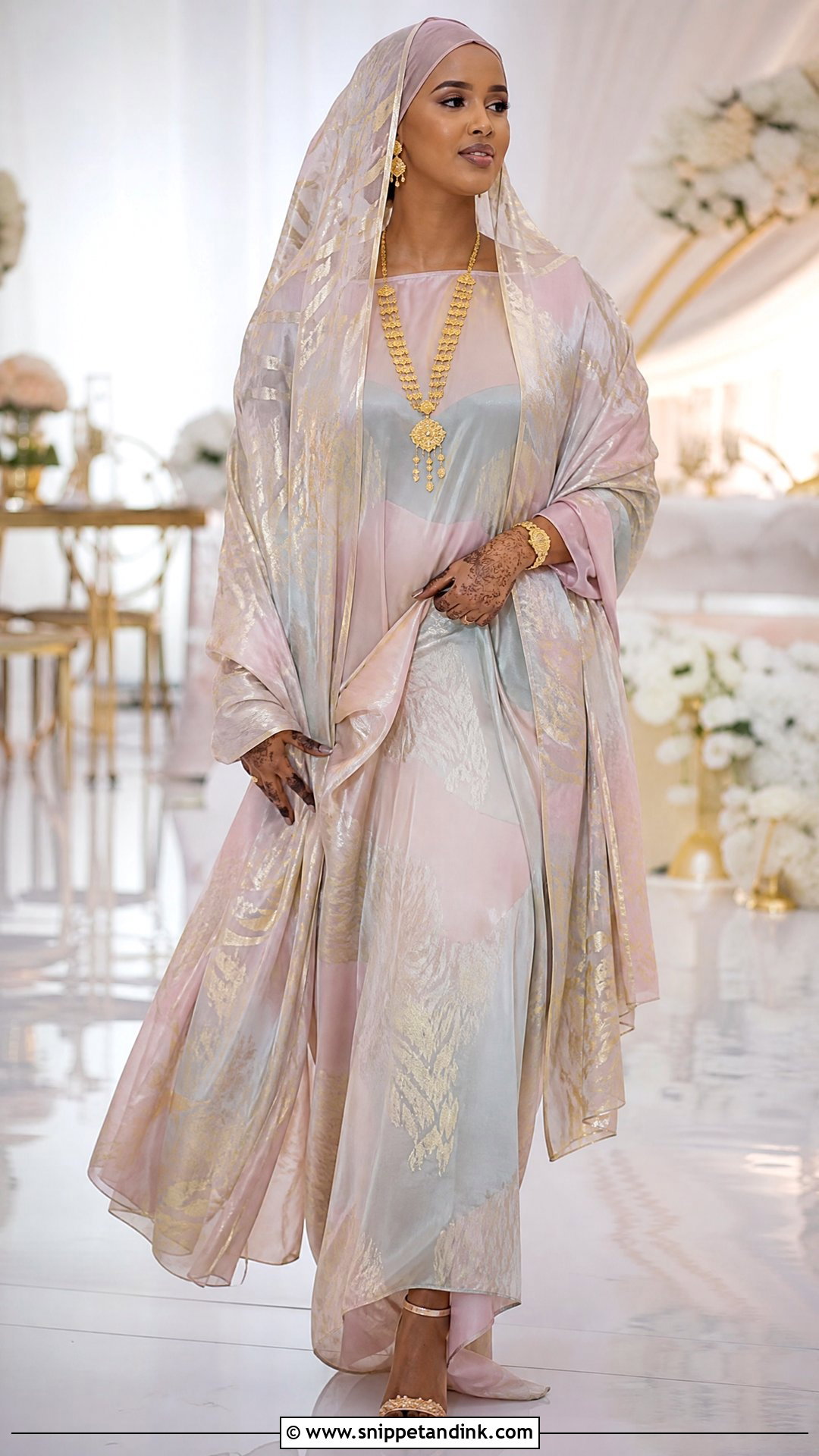
The dirac is the Somali wedding favourite: a light, flowing dress worn over a gorgorad underskirt, with a garbasaar shawl. Chiffon or voile with shimmer, embroidery or print are typical, in rose, gold, turquoise and lavender. Because the outer layer is sheer, the underskirt colour changes the whole look, so try them together in daylight. Gold jewellery and simple sandals keep it light.
20. Traditional Marriage Caftan And Headwrap Outfit
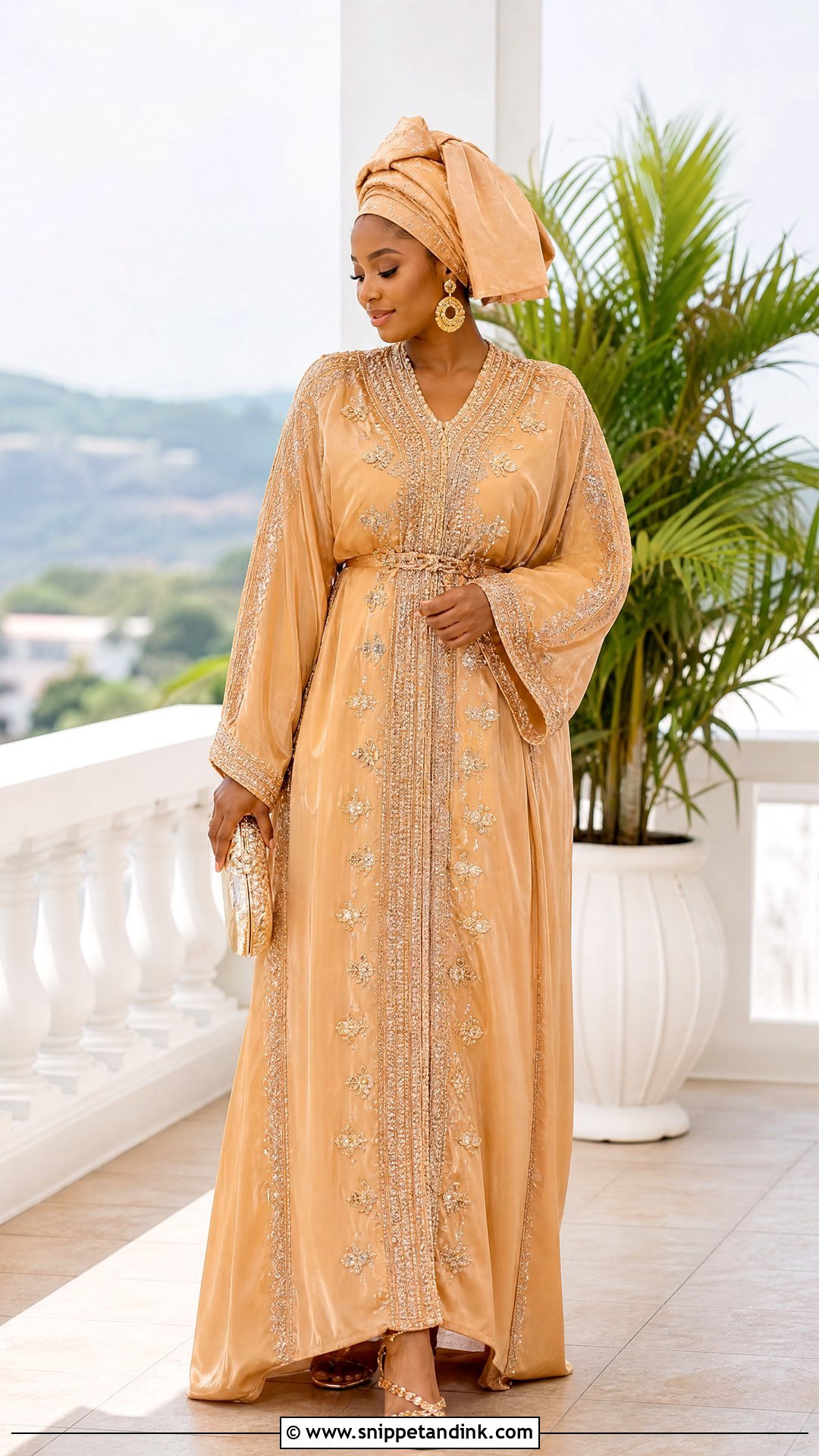
Caftan plus headwrap is how you look formal without a tight silhouette. Pick full-length with embroidery, beading or woven trim at the neck and sleeves, and wrap your head in the same colour family. Champagne, cobalt and ruby feel festive. A loose caftan can look shapeless in photos; a slim belt or a long layered necklace adds definition. In hot weather I’d choose this over almost anything else on the list.
21. Traditional Marriage Velvet Gown Outfit
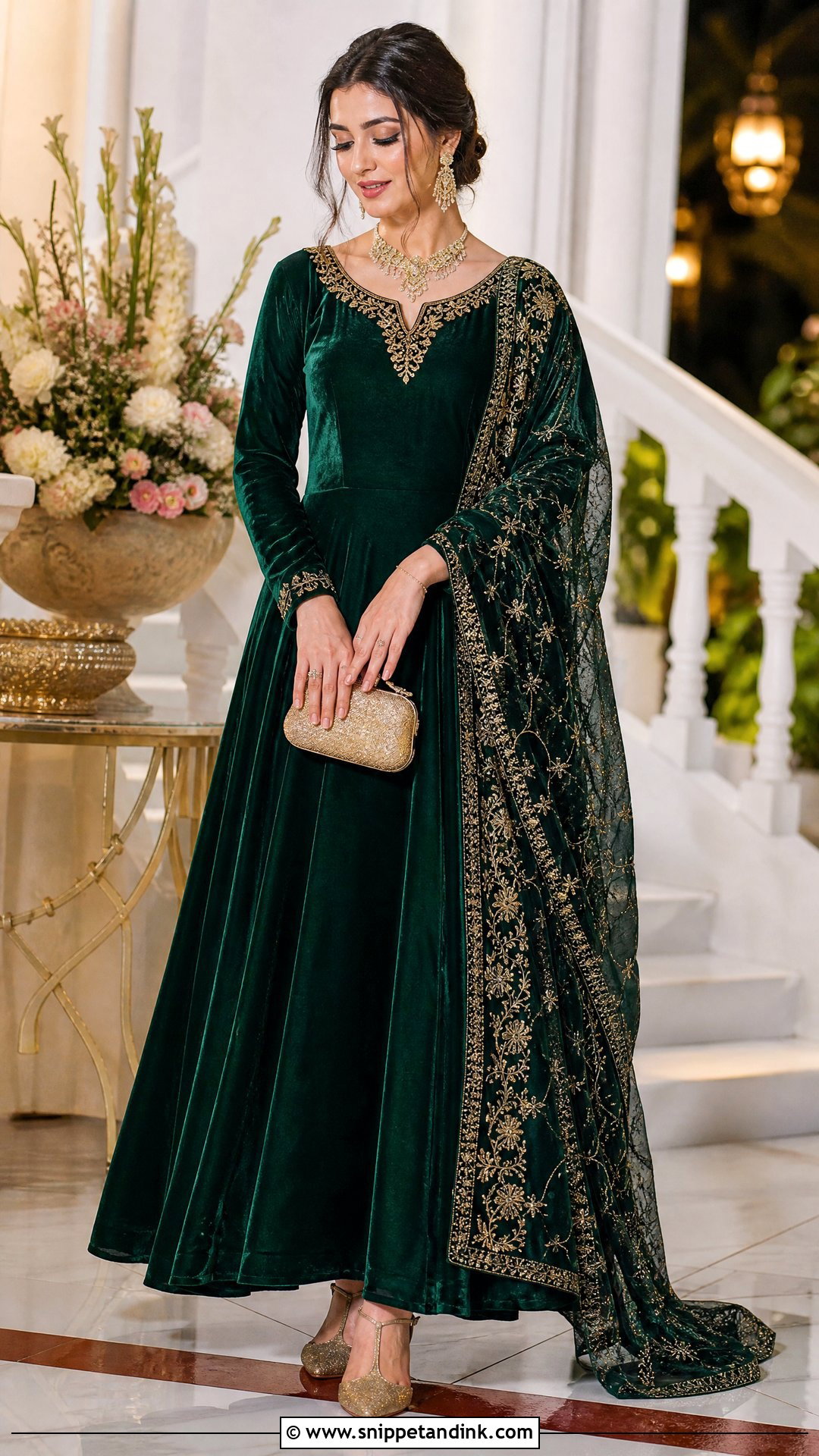
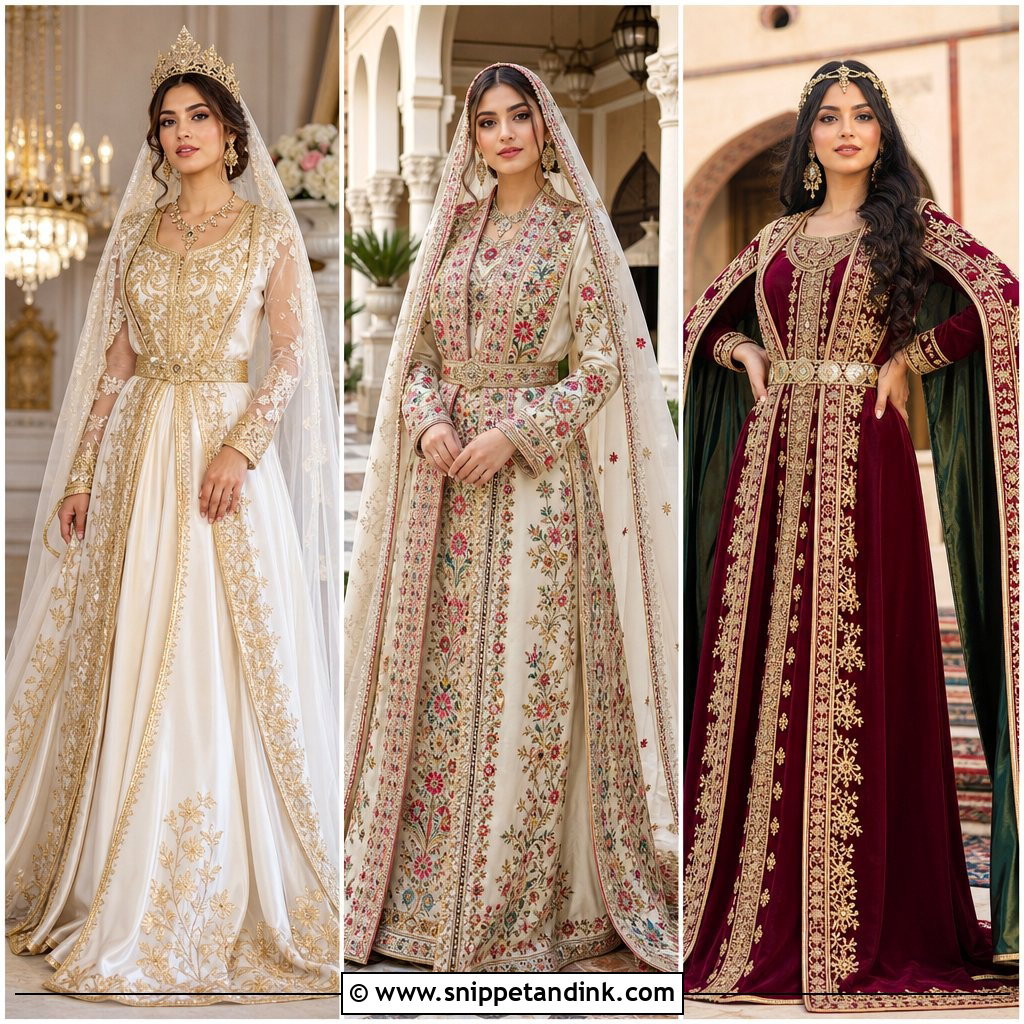
Velvet belongs to cooler months and evening events. A long gown with sleeves or a wrap shape in emerald, burgundy, navy or plum looks rich. Velvet is warm and heavy and it marks easily when crushed, so don’t sit on it in the car for an hour. Add jewellery that fits the ceremony’s culture, whether gold sets, beads or bangles, and an embroidered shawl if you want a traditional touch.
22. Traditional Marriage Brocade Skirt And Blouse Outfit
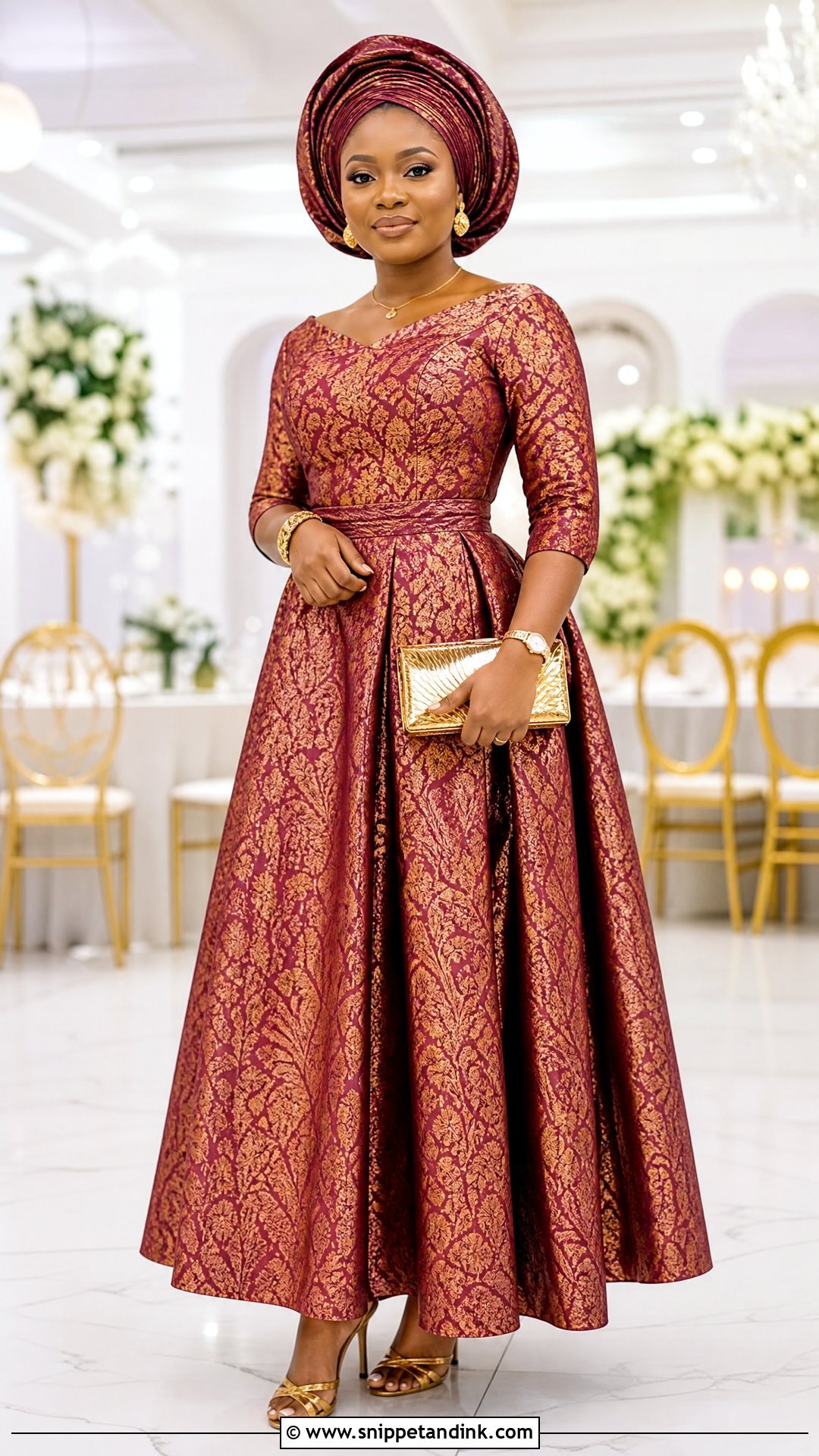
Brocade separates are crisp and coordinated. The fabric’s sheen does the dressing up, so the cut can stay simple: a high-waisted full skirt with a fitted blouse, or a pencil skirt with a peplum top. Brocade is thick, which means bulky seams and waistbands. Ask your tailor to grade seams and skip extra layers underneath. Copper, teal, fuchsia and sapphire all suit formal ceremonies.
23. Traditional Marriage Embroidered Midi Dress Outfit
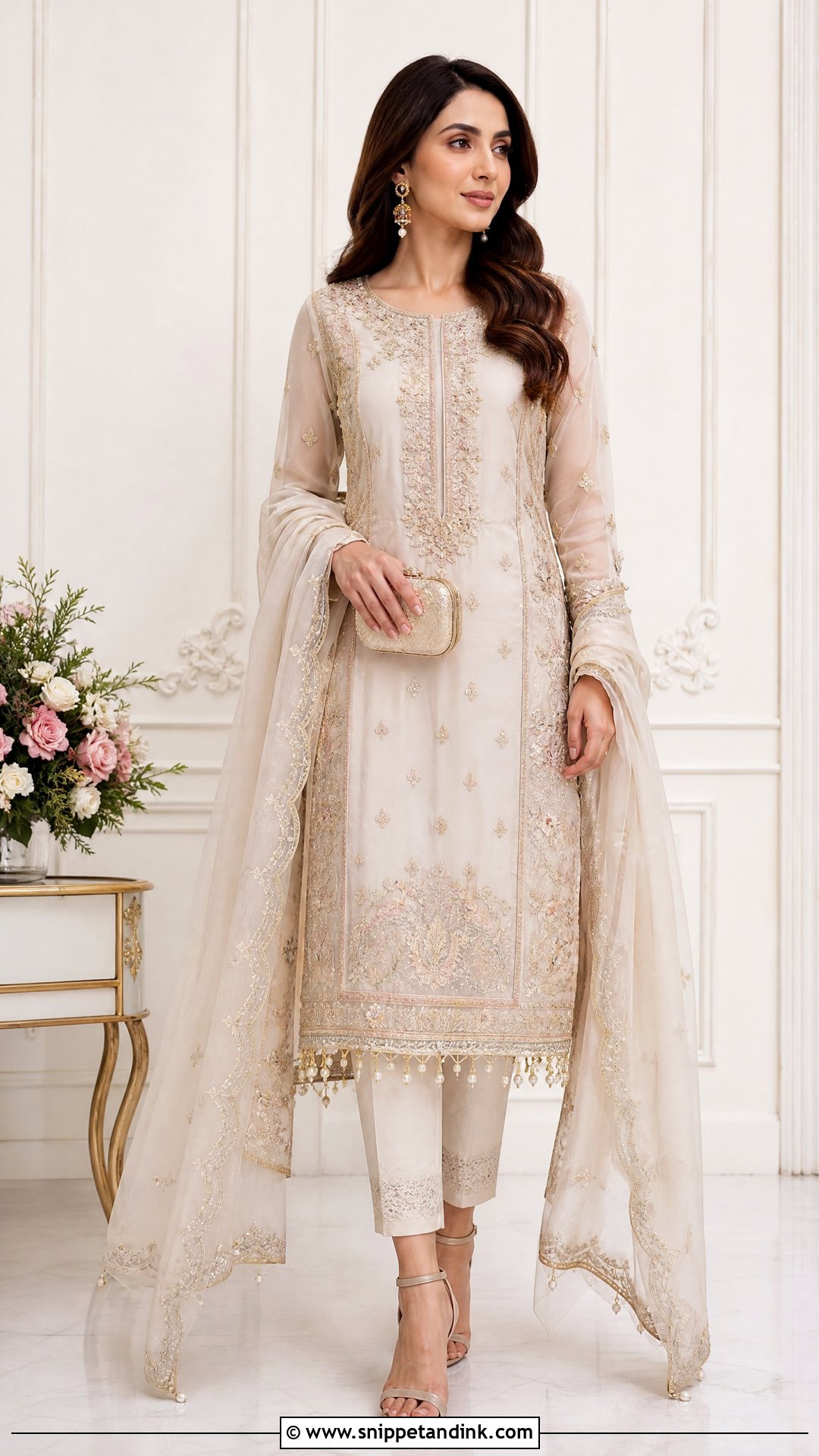
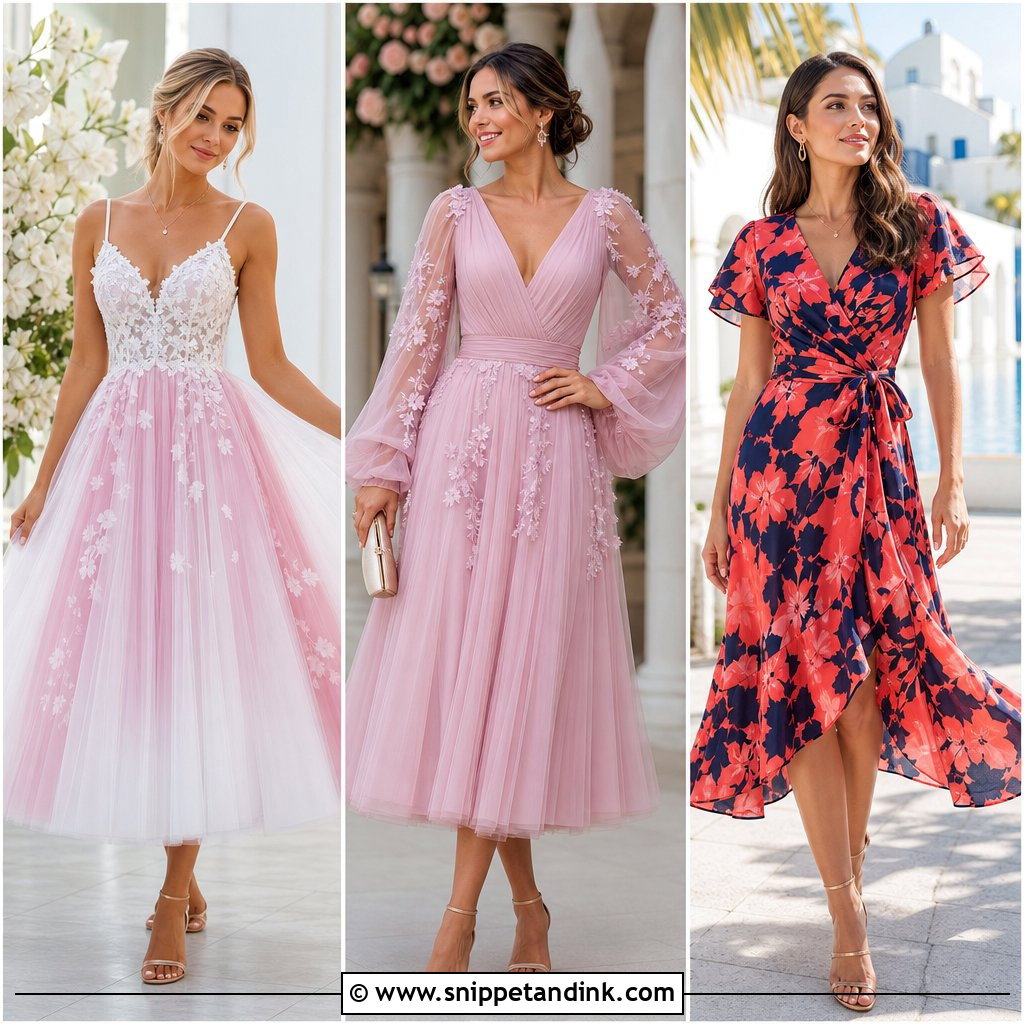
An embroidered midi dress is the outfit I suggest to women who want cultural detail in a simple shape. Motifs, beadwork or thread embroidery at the sleeves, neckline or hem carry the tradition. Match metals to the embroidery: gold work wants gold accessories, silver or pearl work wants cool tones. Keep a shawl or scarf in your bag in case the ceremony space needs covered shoulders.
24. Traditional Marriage Wrapper And Blouse Outfit
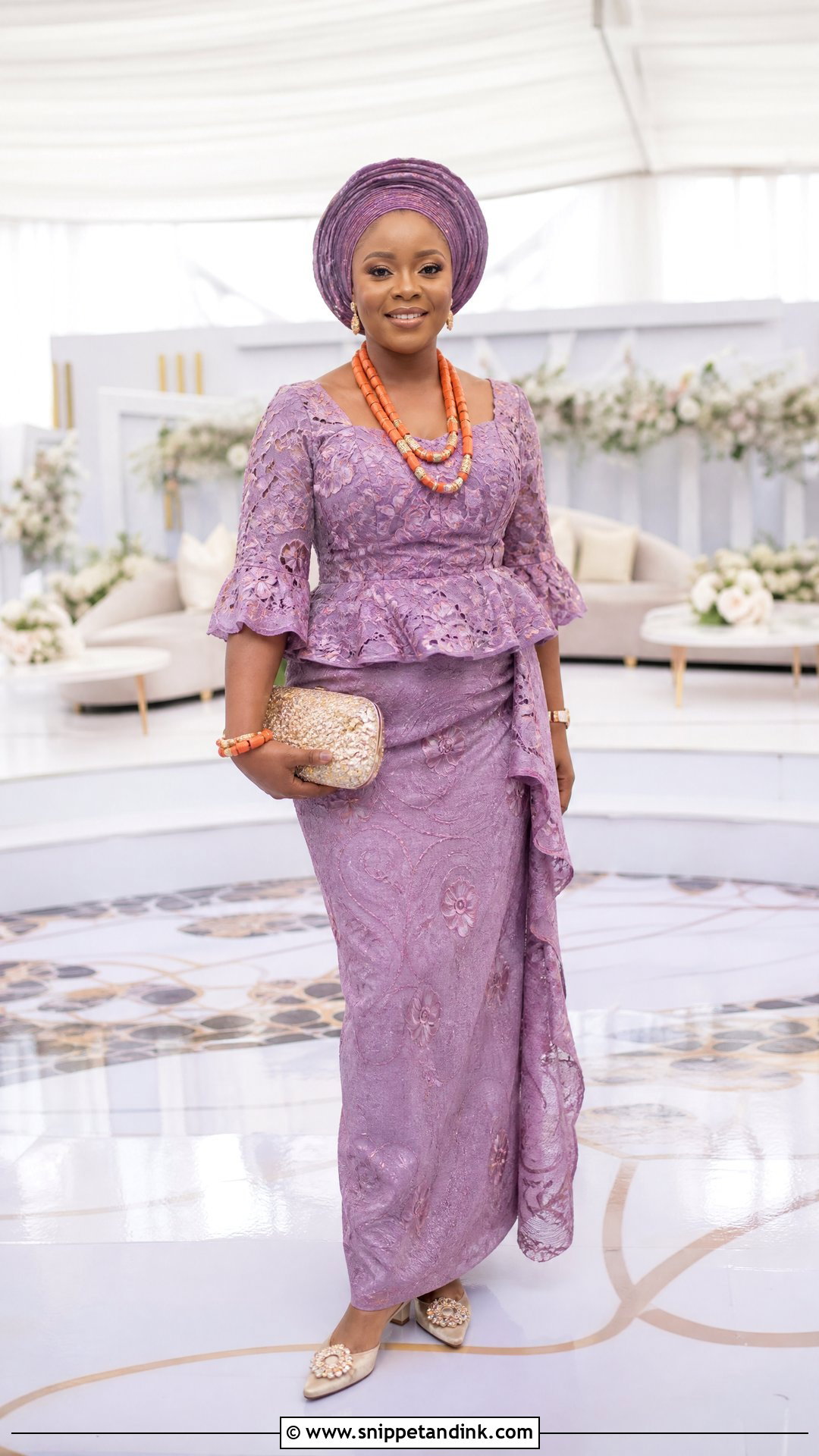
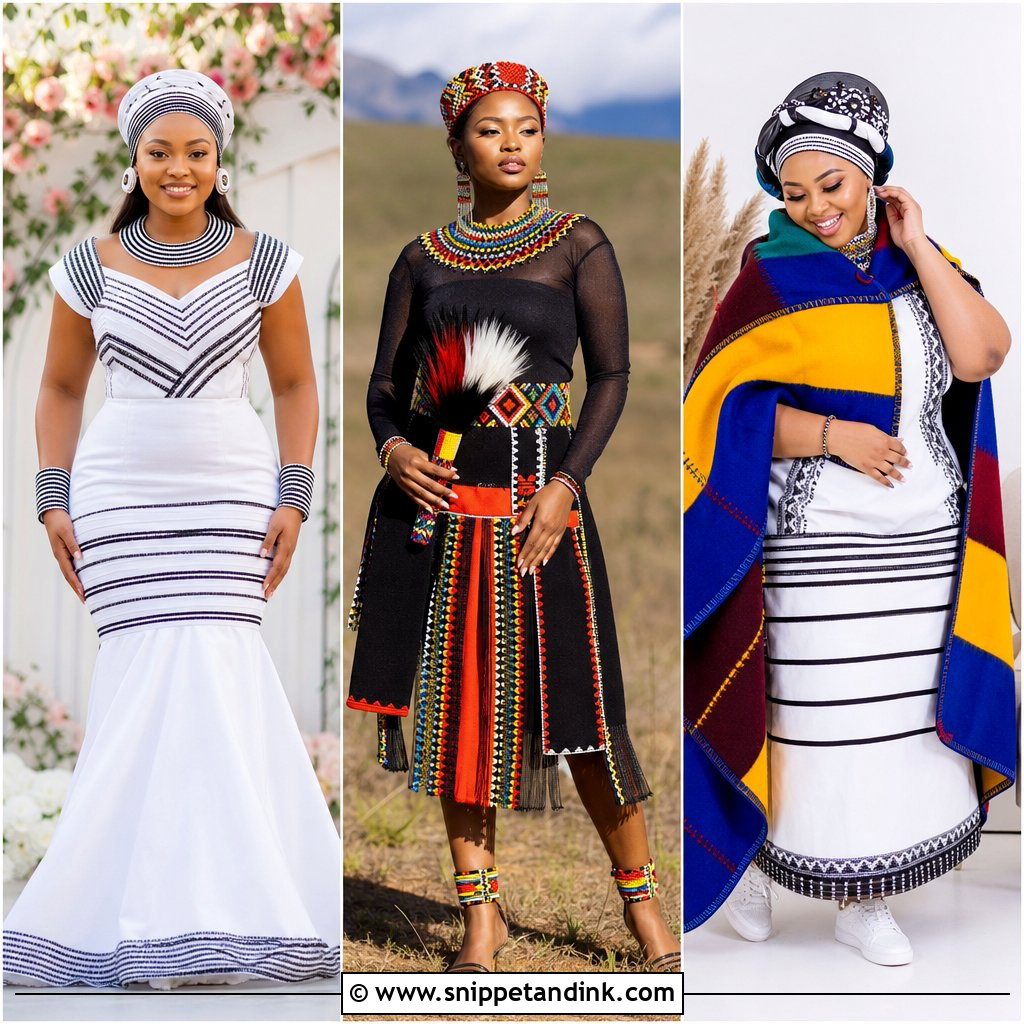
Wrapper and blouse is the backbone of many African traditional marriage celebrations. The blouse can be fitted, peplum, puff-sleeved or embroidered, and the wrapper fabric follows family custom: lace, George, Ankara, aso oke or jacquard. A matching headwrap completes it. You’ll stand and greet a lot, so I’d choose flats or a block heel over stilettos that sink into grass.
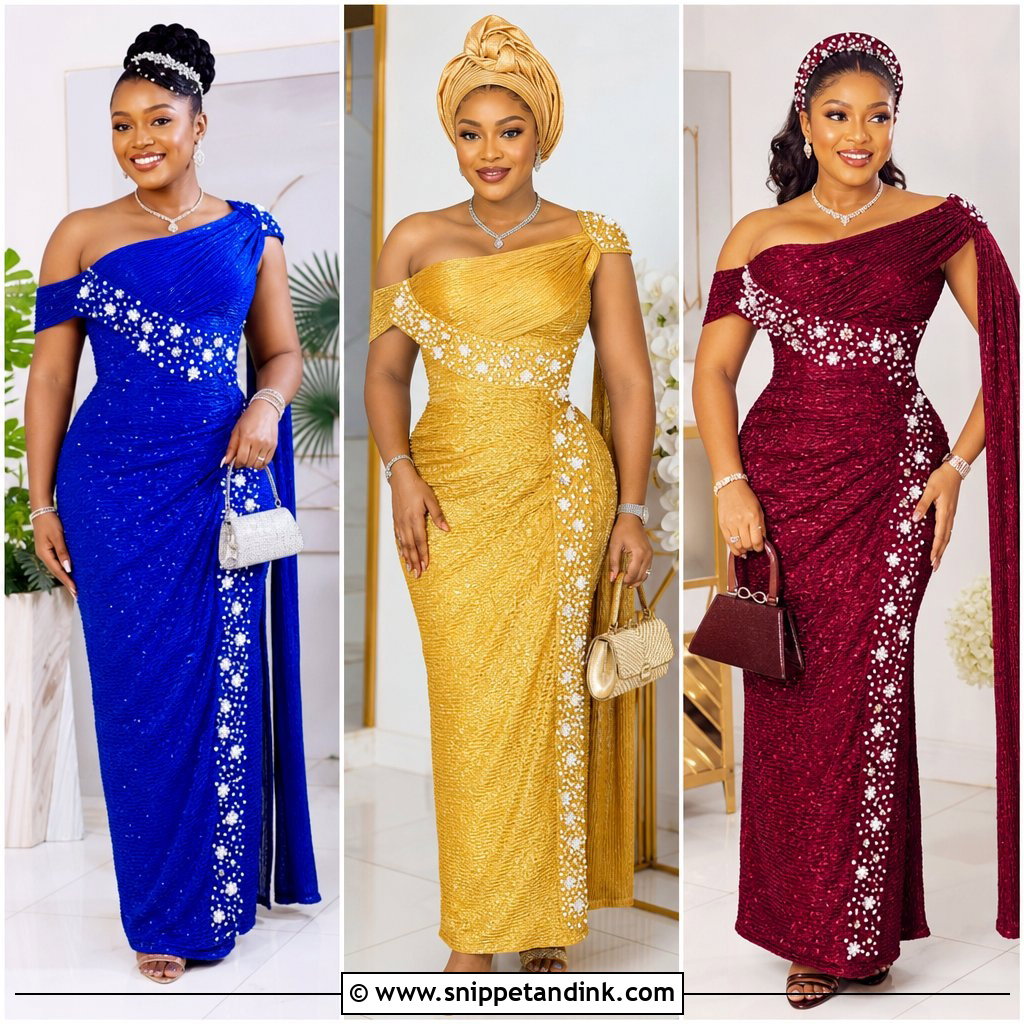
25. Traditional Marriage Two Piece Set Outfit
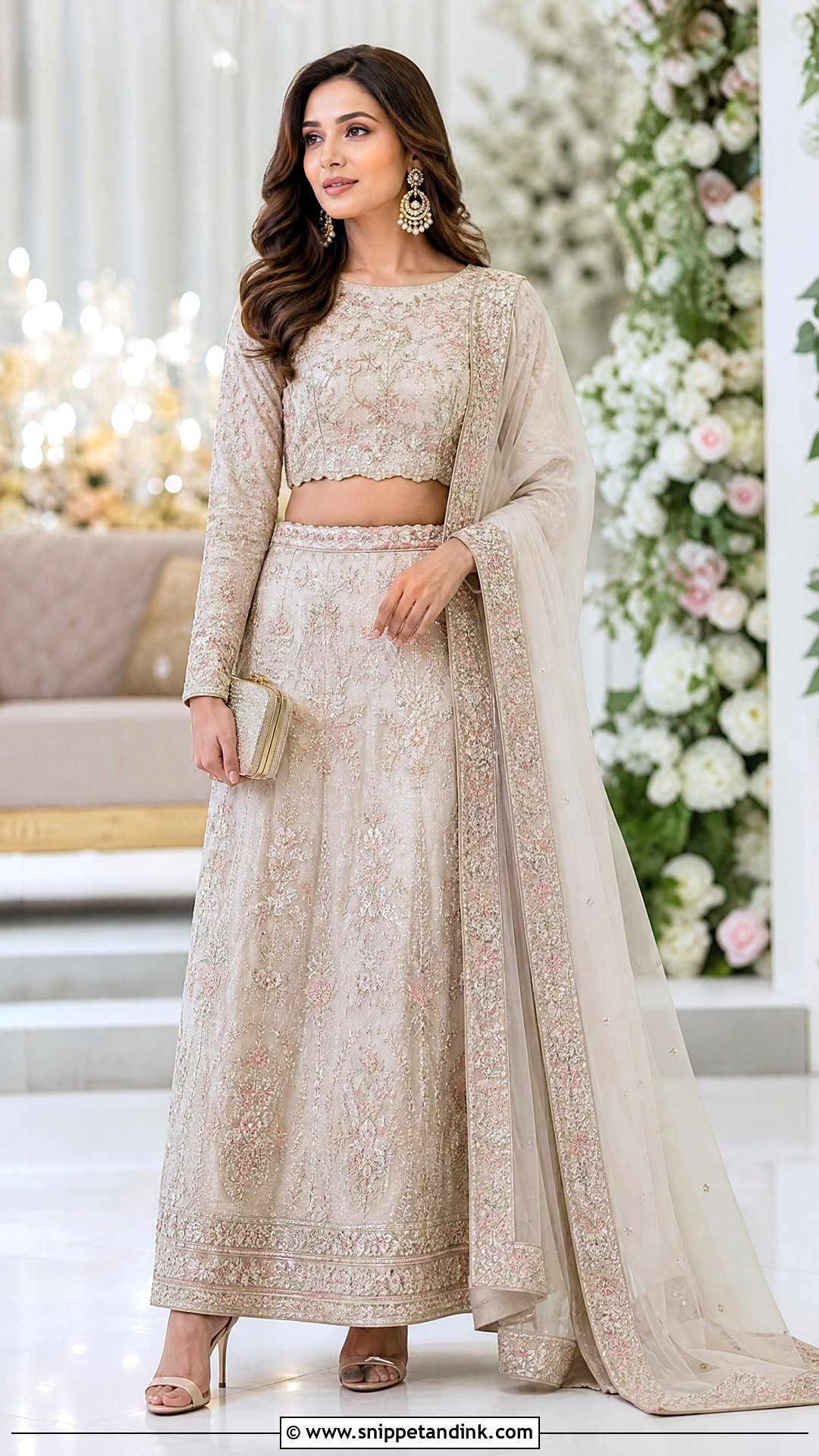
Two-piece sets are where younger guests and bridesmaids get to play: a crop blouse with a long skirt, a tunic with wide-leg pants, or a jacket with a wrapper-style skirt. What keeps it ceremonial is the fabric, whether traditional weave, embroidery or beading. Add a dupatta, gele, scarf or shawl to match the culture. A bonus nobody mentions: the pieces can be worn separately long after the wedding.
Saree Pleats, Gele Folds and Obi Knots: Getting Dressed on the Morning
The garments in this list that look easiest in photos are often the hardest to put on. A saree drape takes practice to get even pleats; a gele needs firm hands and a few attempts; a kimono obi is properly tied by a trained dresser. Plan the dressing as carefully as the outfit.
- Do a full practice run a week before, timing how long it takes, then add half that again for nerves.
- If you can’t drape a saree confidently, a pre-stitched saree or a booked draper avoids slipping pleats.
- Bring safety pins in a skin-tone shade, double-sided fabric tape and a small sewing kit.
- Wear the actual undergarments at fittings. A different bra or slip changes how a blouse or choli sits.
- Steam rather than iron silk, brocade and velvet; direct heat can leave a shine or crush the pile.
Finally, think about bathroom trips. A lehenga with a can-can, a wrapped iro or a kimono all need planning, and a friend who can help hold fabric is worth her weight in gold.
Fit Before Fabric, Every Time
A good traditional marriage outfit respects the family’s customs, suits your role in the day and lets you sit, stand and eat in comfort. Start with the ceremony setting and any colour expectations, check the weather, then choose the garment. Spend your money on tailoring before embellishment, because even plain cloth looks special when it fits. Then wear it once at home for an hour before the wedding to find out what pinches.
You'll Like These Ideas:





Leave a Reply