
Traditional wedding clothes carry things a new dress can’t: family history, a culture’s idea of occasion, and rules about who wears what. When I style them, I treat each one by its own logic. A sari is draped, a kimono is dressed by a specialist, a gele is sculpted, a cheongsam lives or dies on fit. Some are heavy and embellished; others are plain and deeply symbolic. Below are twenty-five outfits from across the world, from saris and lehengas to hanbok, kimono and kaftan, with what I’d want a bride or guest to know before wearing each one.
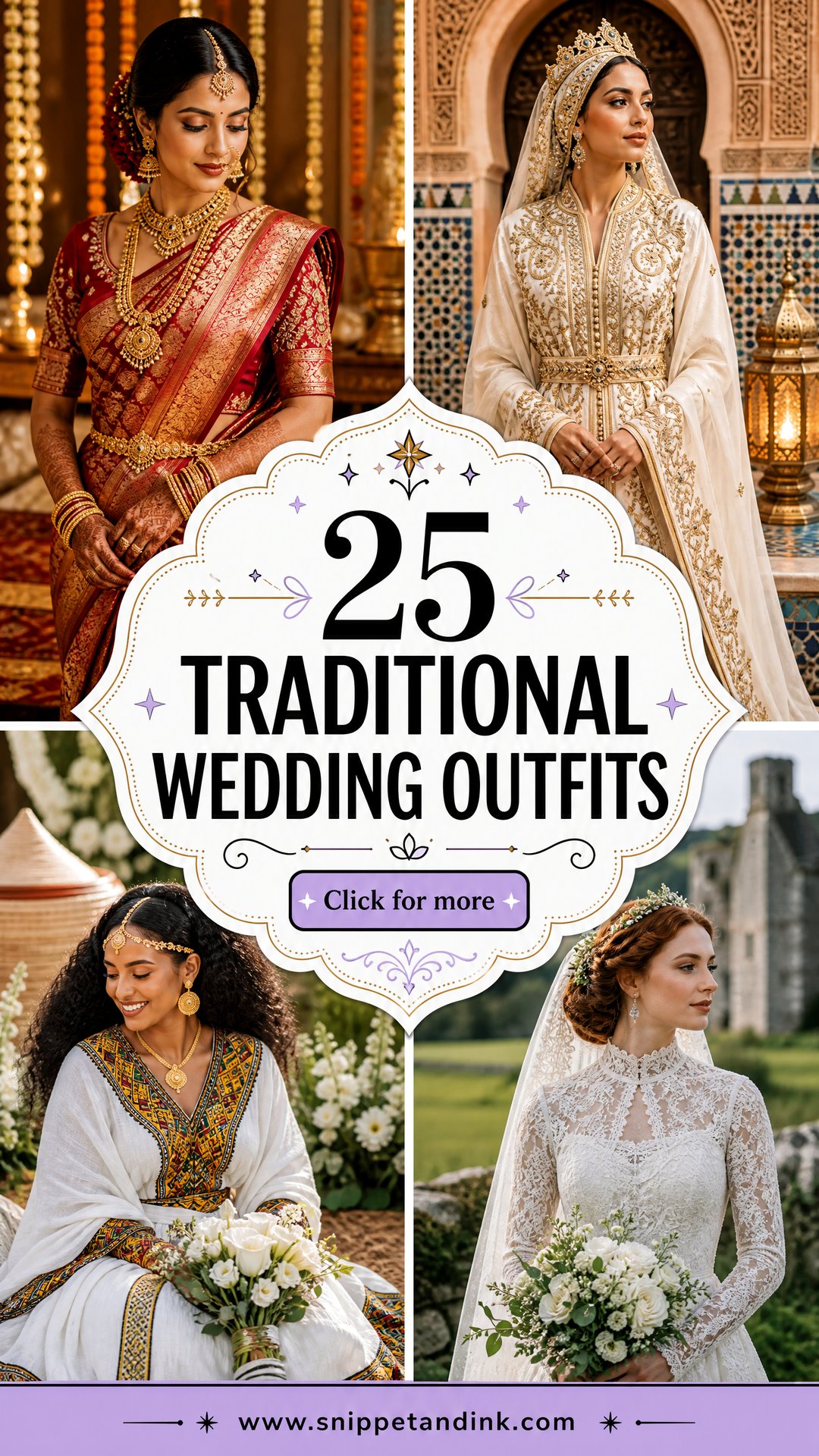
Guests in Cultural Dress Get Most of These Rules Wrong
Plenty of the outfits below are worn by guests and family, not only brides, and the rules shift depending on who you are. My advice to guests is always the same: ask the couple. Most are delighted when guests wear their tradition, and they’ll tell you what’s expected.
Color rules I always check
- At many Chinese weddings, guests avoid all-white and all-black, which are linked with mourning, and leave red to the bride.
- At South Asian weddings, guests usually avoid bridal red and plain white; jewel tones and pastels are safer.
- At Nigerian weddings, families often choose an aso ebi fabric for friends and relatives to buy and wear, so ask before you buy your own.
- At Western-style ceremonies, white and ivory belong to the bride, even if you’re in a traditional garment.
When you borrow or rent a traditional garment, have it put on by someone who knows it. A kimono, a Kandyan drape or a gele tied incorrectly is noticed straight away by the people the outfit belongs to, and a good dresser takes away most of the worry.
1. Indian Bridal Lehenga Wedding Outfit
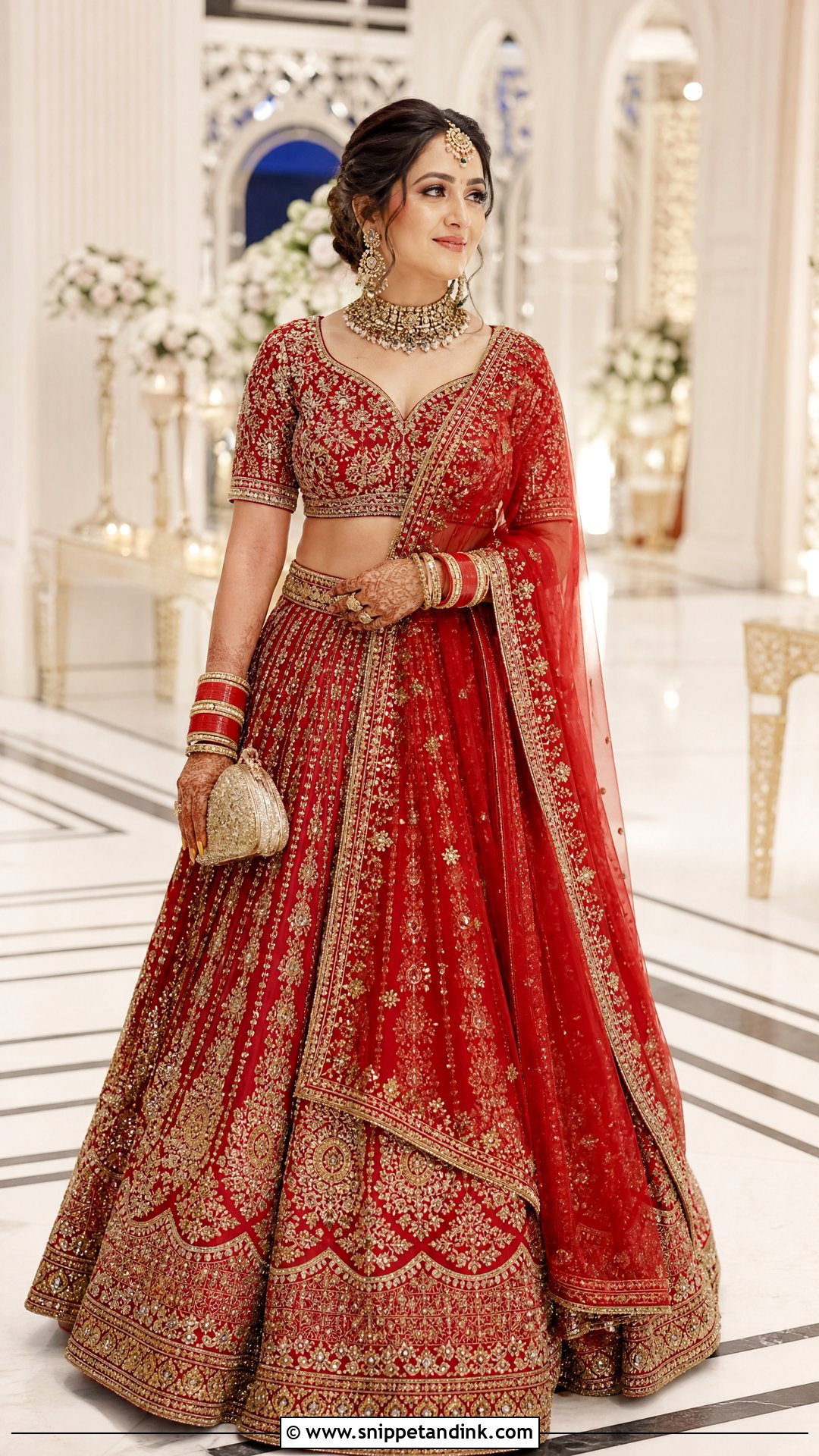
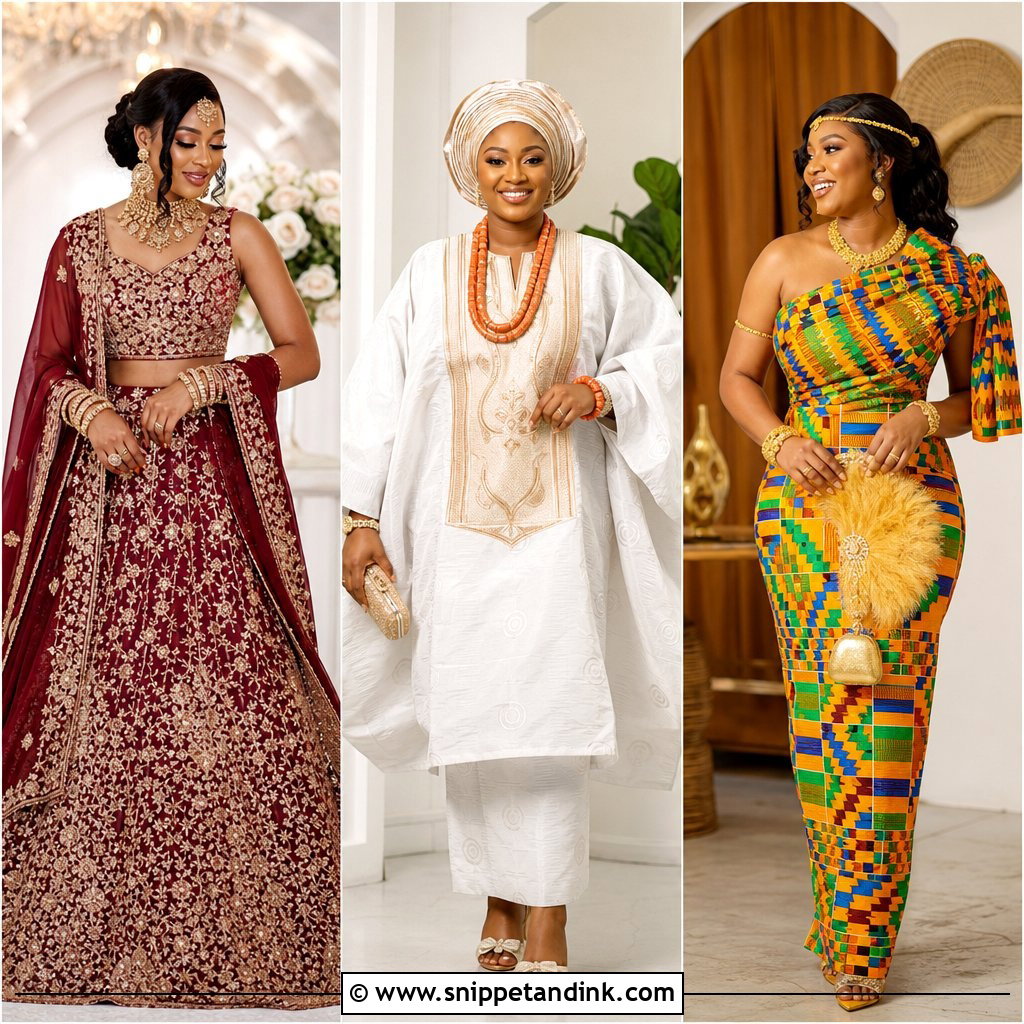
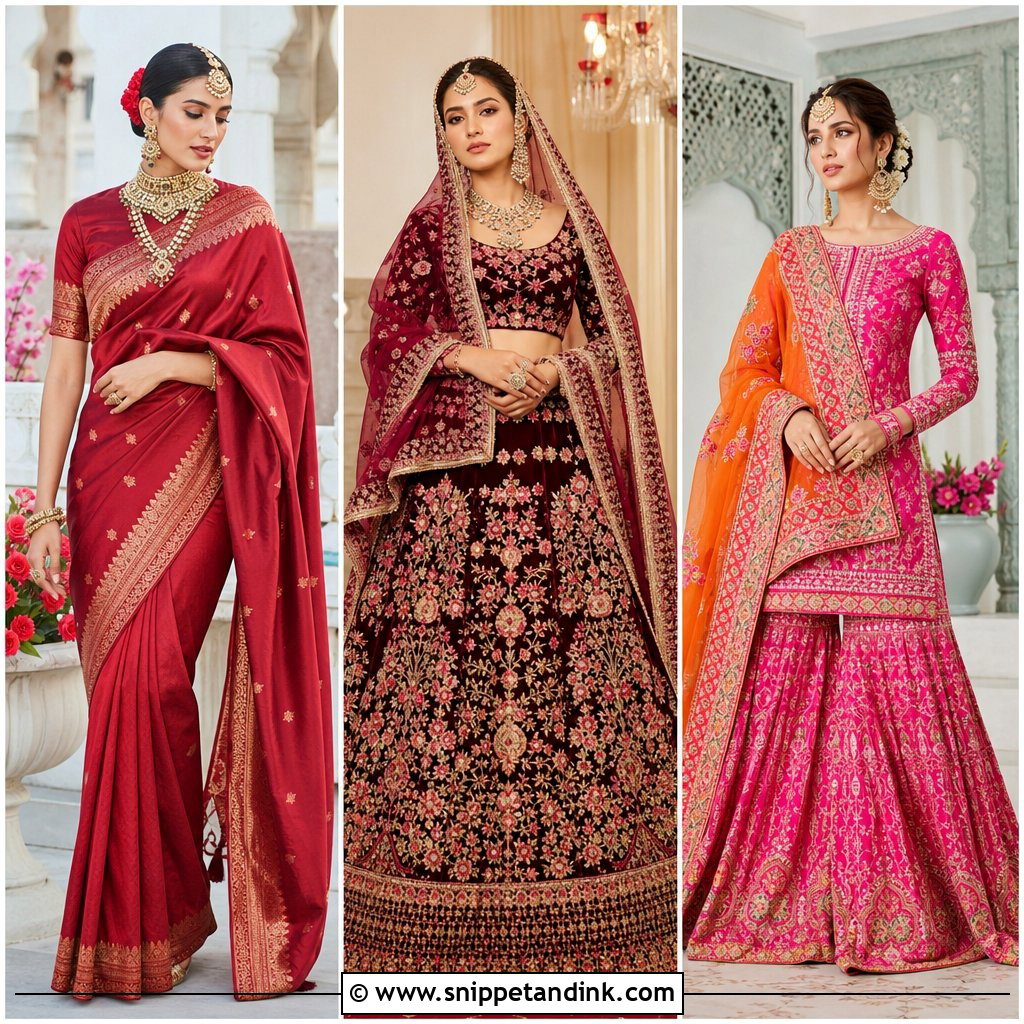
The lehenga is the most recognizable South Asian bridal outfit, and the one where weight catches brides out most often. A classic version pairs a heavily embroidered skirt with a fitted blouse and a dupatta over the shoulder or head. Red, maroon, gold, blush and ivory are traditional, though emerald, champagne and pastels are common now. Add a statement necklace, earrings, bangles, a maang tikka and embellished heels. Before buying, lift the skirt off the hanger and hold it for a minute; dense zardozi can make a skirt surprisingly heavy, and you’ll wear it for hours.
2. Indian Wedding Sari Outfit
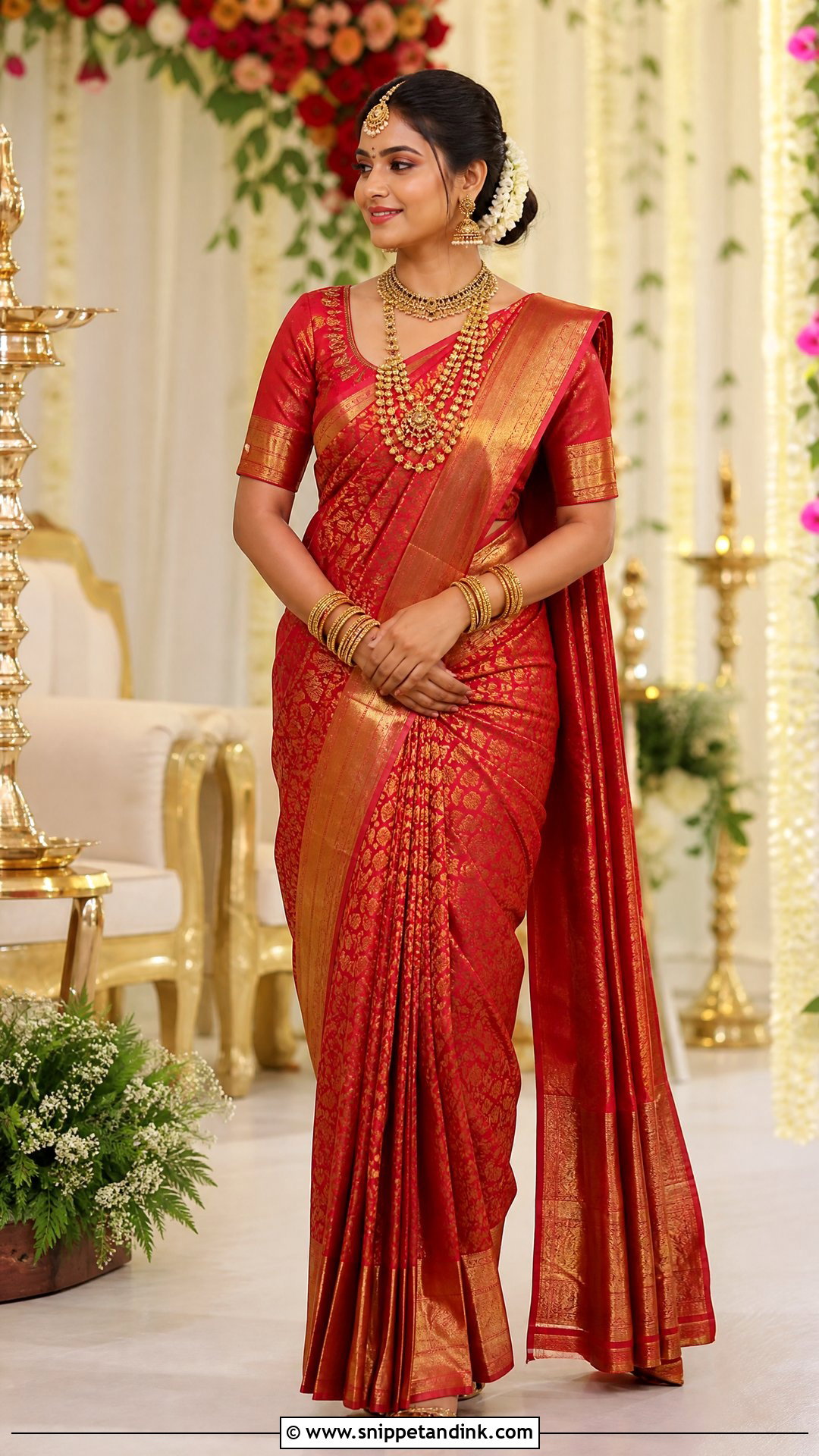
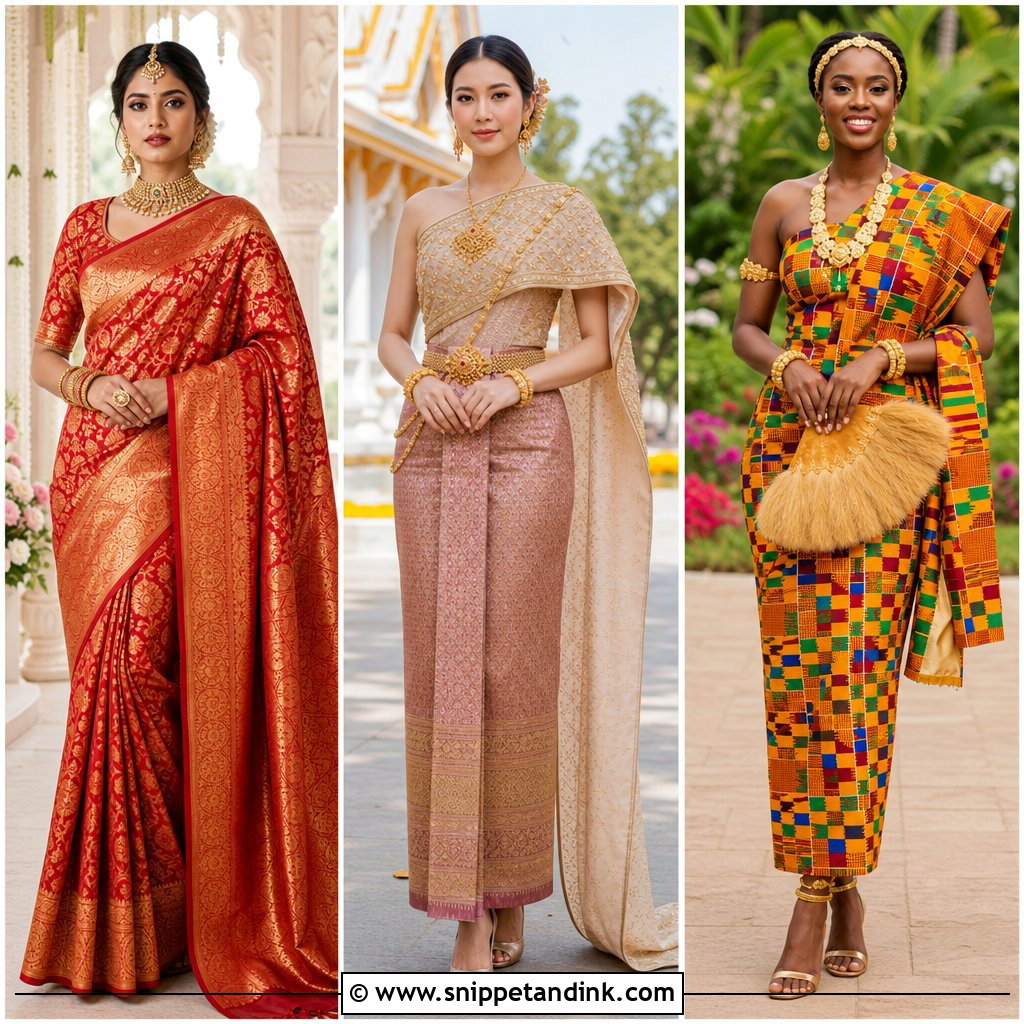
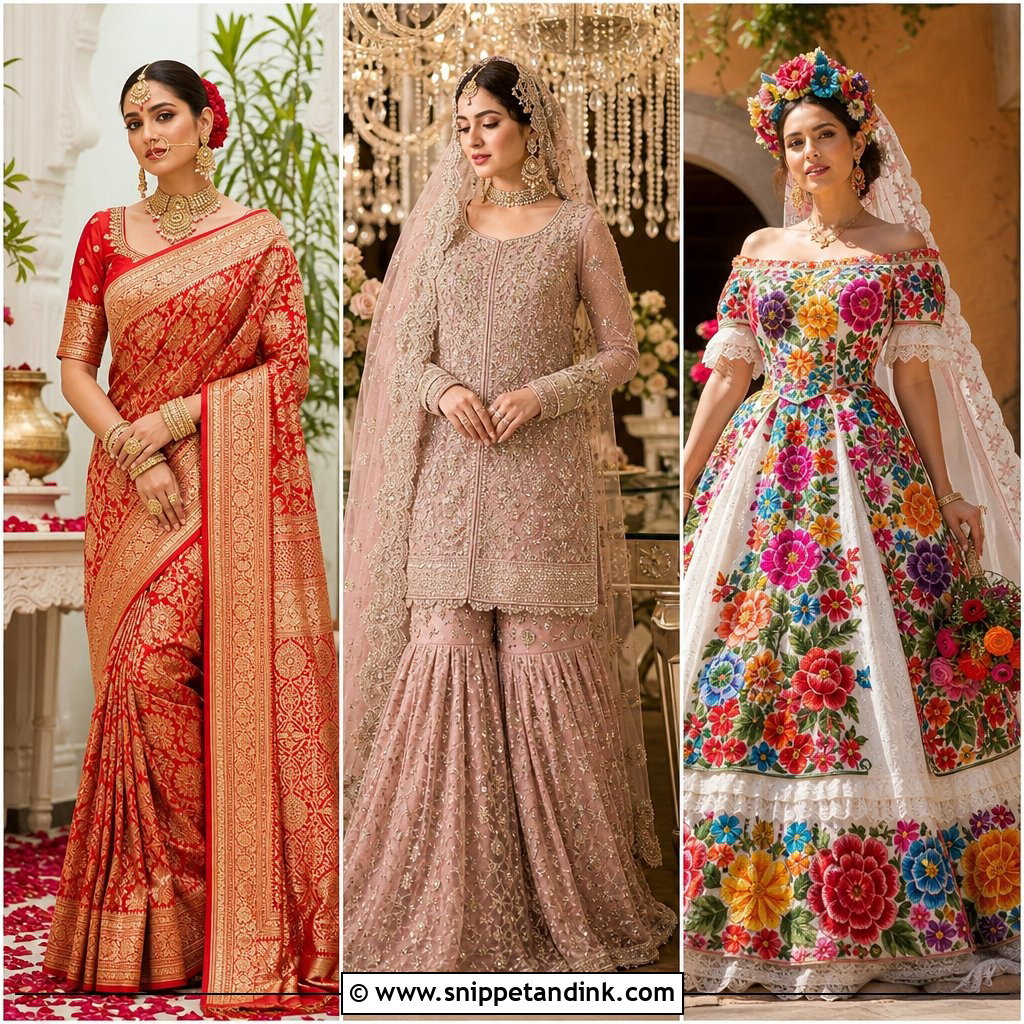
A sari suits brides, mothers and guests alike, and it flatters almost every figure because the drape is adjustable. It’s worn over a fitted blouse and petticoat. Banarasi, Kanjeevaram and Paithani silks are favorites for weddings because of their woven detail, in red, gold, green, pink or royal blue. Finish with gold jewelry, bangles, a small clutch and dressy sandals, plus a bun with flowers or soft waves. If you’ve never worn one, have it draped by someone experienced and ask for the pleats to be pinned at the waist; a loose pleat is what unravels first.
3. Pakistani Sharara Wedding Outfit
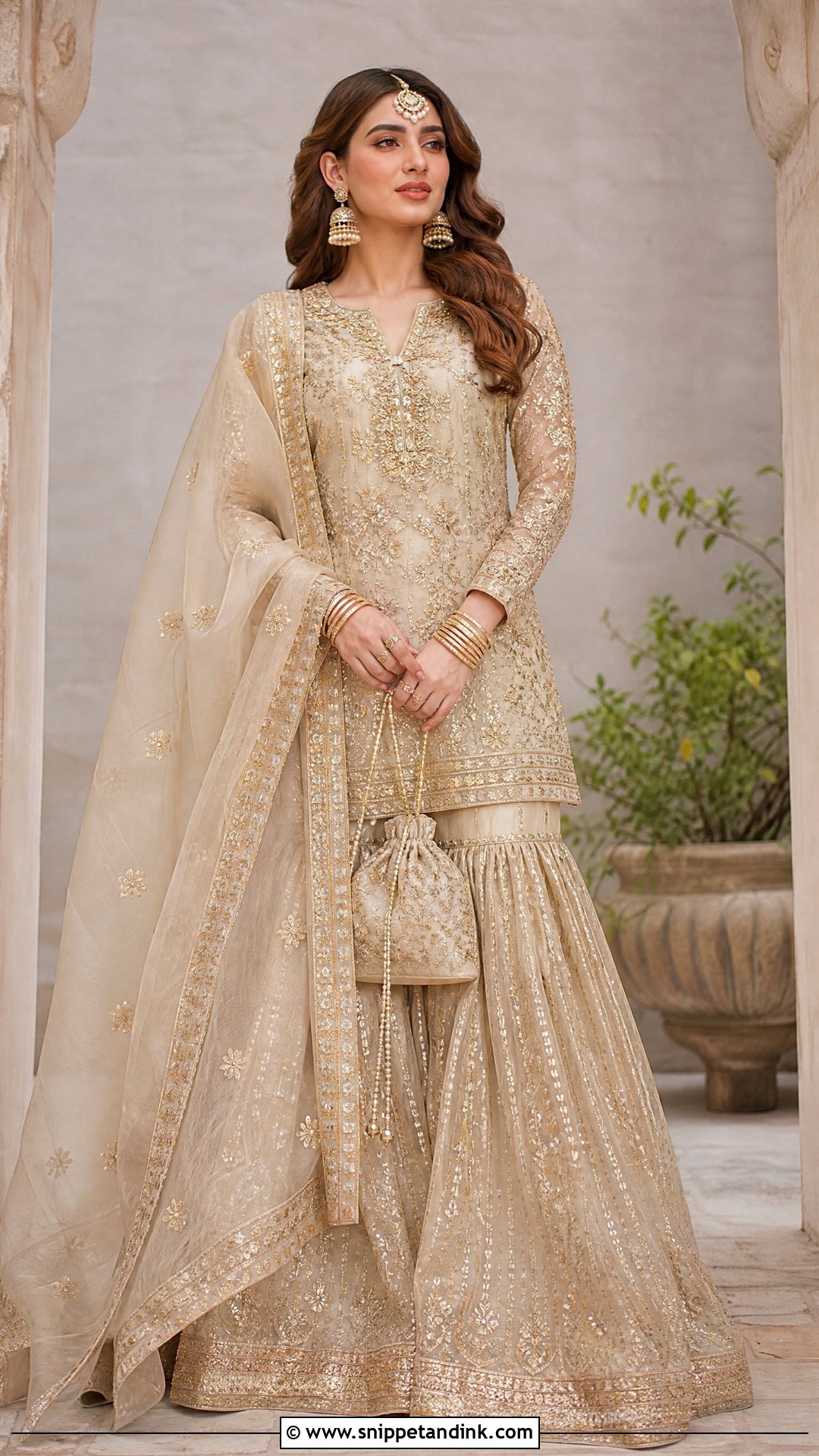
Shararas give movement without the weight of a lehenga, which is why I often suggest them for mehndi and walima events as well as weddings. The outfit pairs a short or mid-length embroidered kameez with wide, flared trousers and a flowing dupatta. Chiffon, organza, silk, jamawar or net with zari, threadwork, sequins or mirror work all suit it. Brides tend toward deep red, gold, ivory, blush or green; guests usually wear softer tones. Add jhumkas, a tikka, bangles and embellished sandals. Check the hem length barefoot and in shoes; the wide legs trip people on stairs.
4. Pakistani Gharara Wedding Outfit
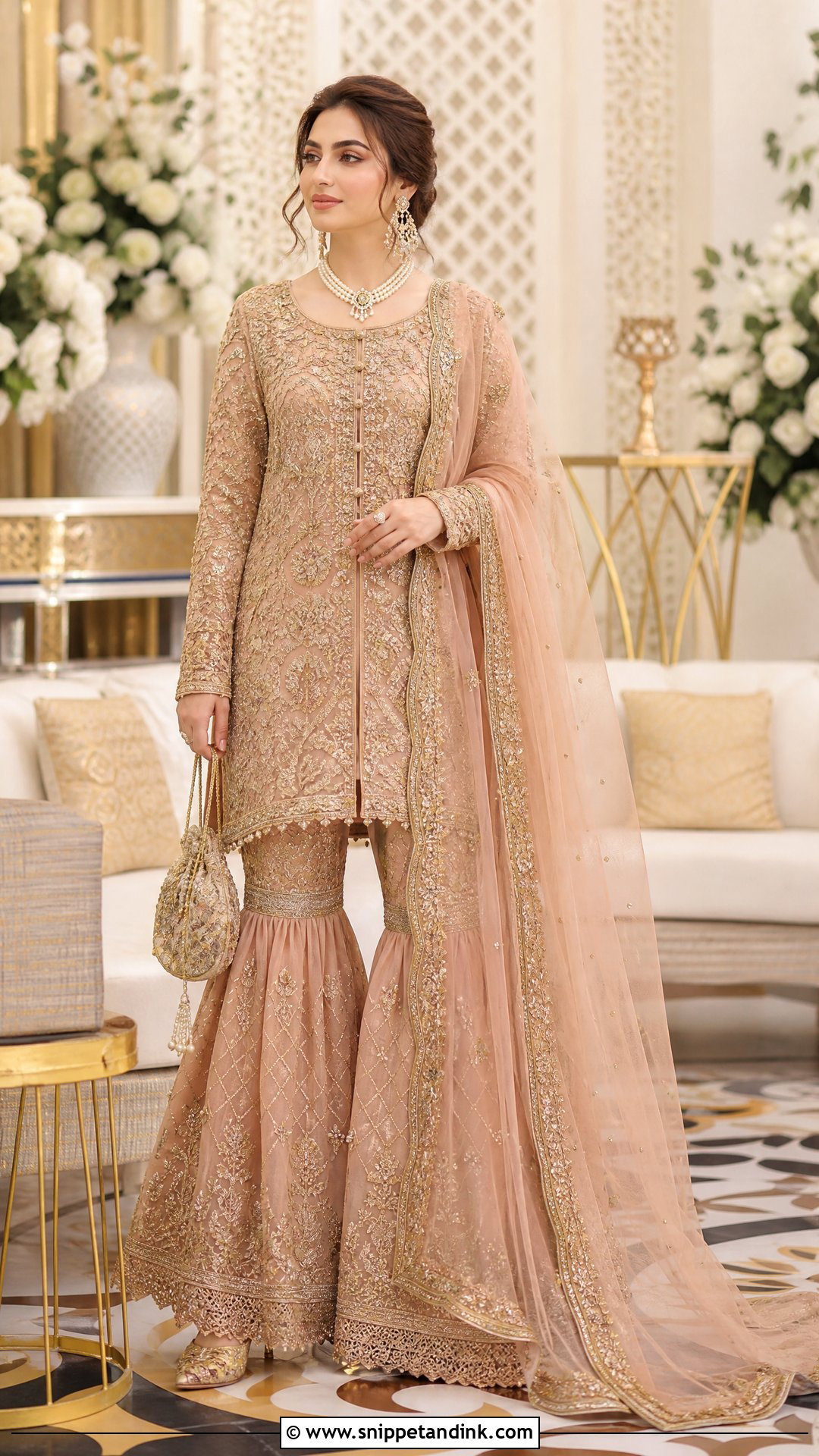
Unlike a sharara, the gharara is fitted from waist to knee, then flares below a visible joint or decorative band. That joint is where I spend most of the fitting time, because it has to sit right at the knee or the proportions fall apart. It’s worn with a short kurti and dupatta, in brocade, silk, tissue or organza. Pearl jewelry, chandbalis, embroidered heels and a potli bag complete it. It has a vintage, heritage feel, and it walks more easily than it looks.
5. Bangladeshi Bridal Sari Wedding Outfit
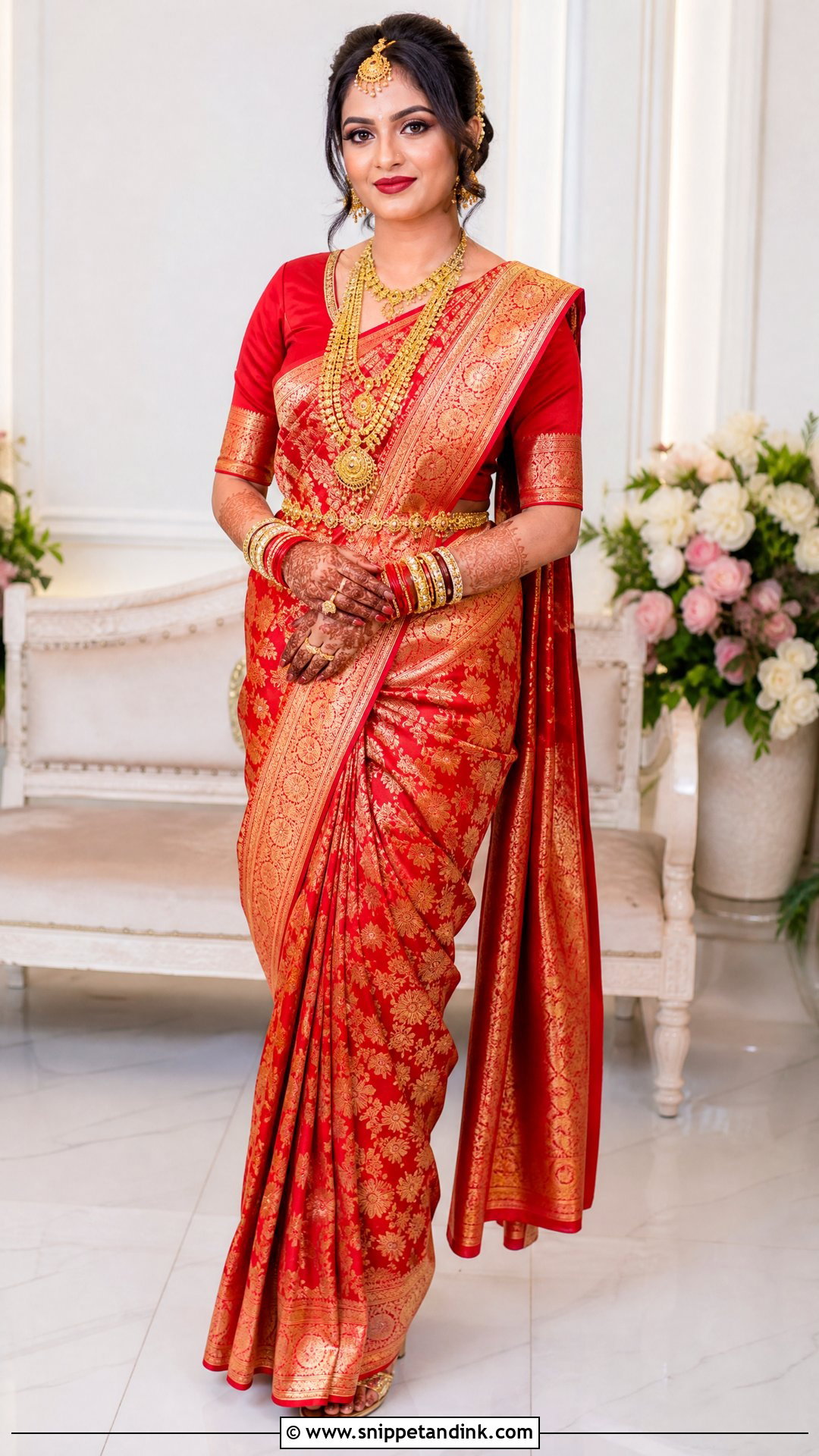
Bangladeshi brides traditionally wear red, often with gold weaving, a heavy border and ornate jewelry. Jamdani, Benarasi and silk saris are favorites; jamdani in particular is a fine, hand-woven muslin, lighter than you’d expect, which suits hot weather. Style it with a fitted blouse, layered gold, bangles, a forehead ornament and decorated sandals. Many brides add floral hair details or draw the sari’s pallu over the head as a veil. A fine jamdani creases easily, so I’d fold it in tissue and steam it gently rather than iron it on the day.
6. Sri Lankan Kandyan Bridal Wedding Outfit
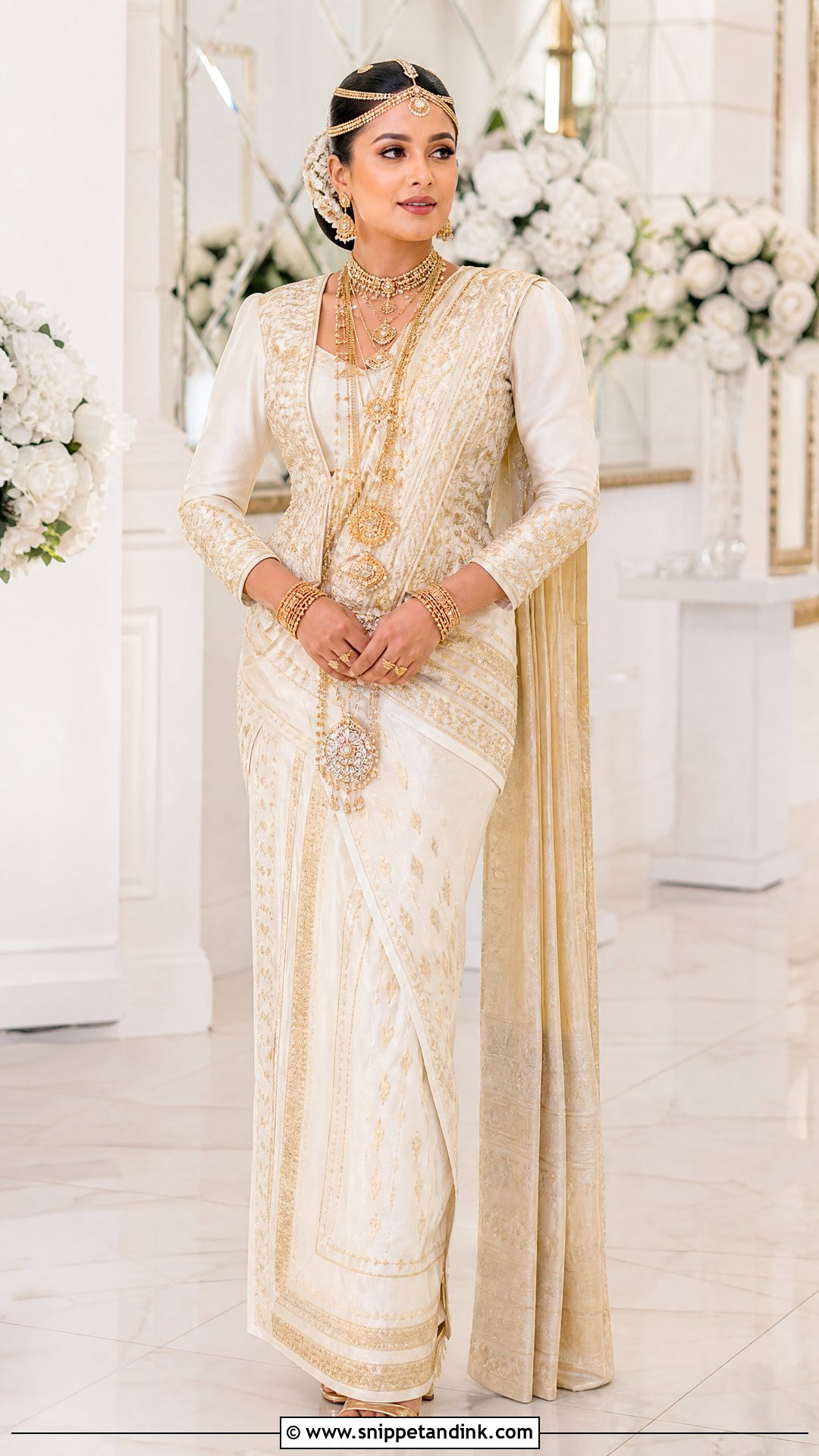
A Sri Lankan Kandyan bridal wedding outfit has a sculptural quality that comes from its drape. It uses an osariya-style sari with a fitted jacket, crisp pleating and ornate jewelry, usually in white, ivory, gold or soft metallics. Full styling adds layered necklaces, earrings, bangles, hair ornaments and often a headpiece. This is a garment where tailoring and draping skill matter more than the fabric, because the frilled waist and jacket shape are what make it distinctive. Book a dresser who knows the Kandyan drape specifically.
7. Chinese Qun Kwa Wedding Outfit
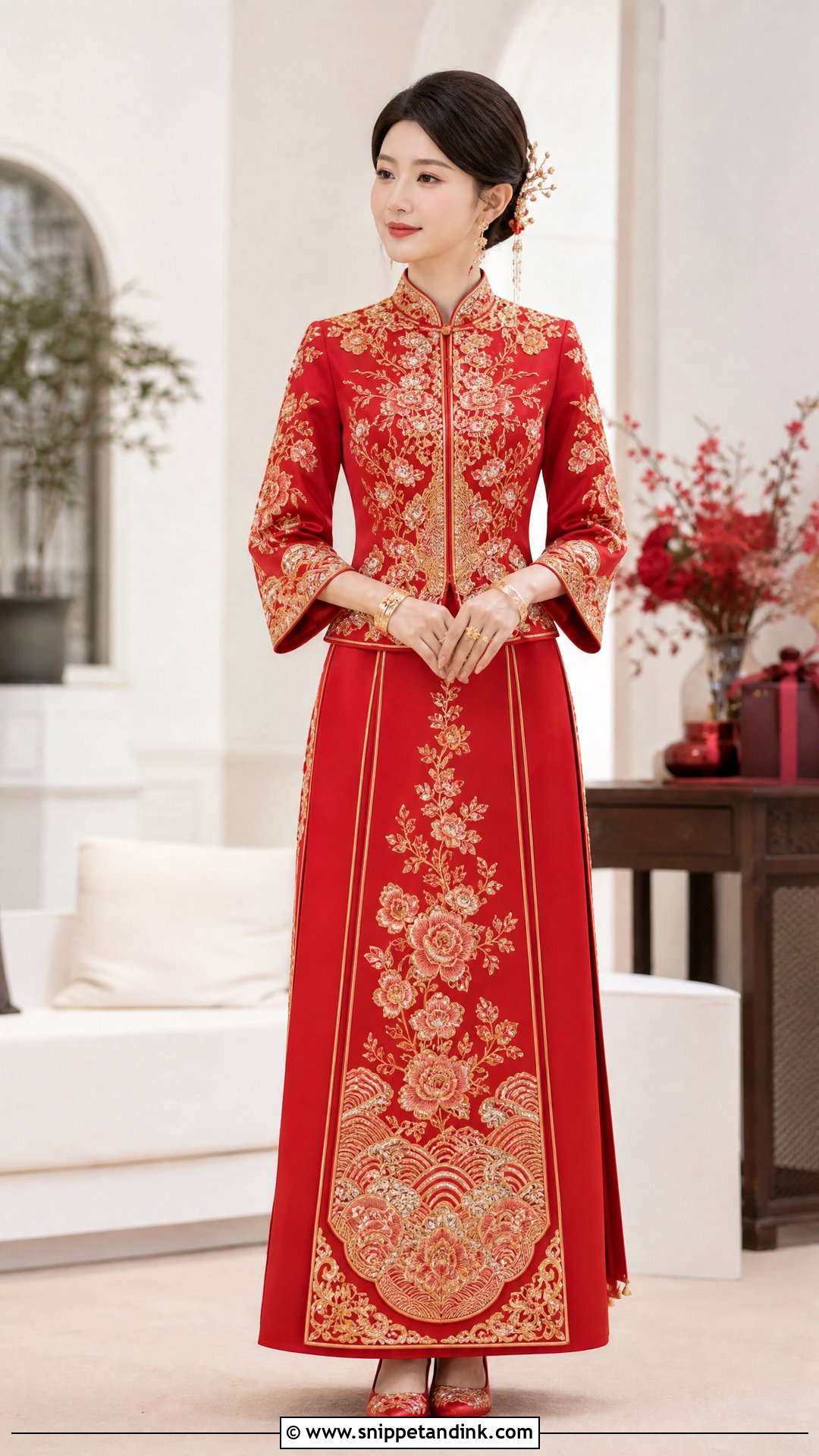
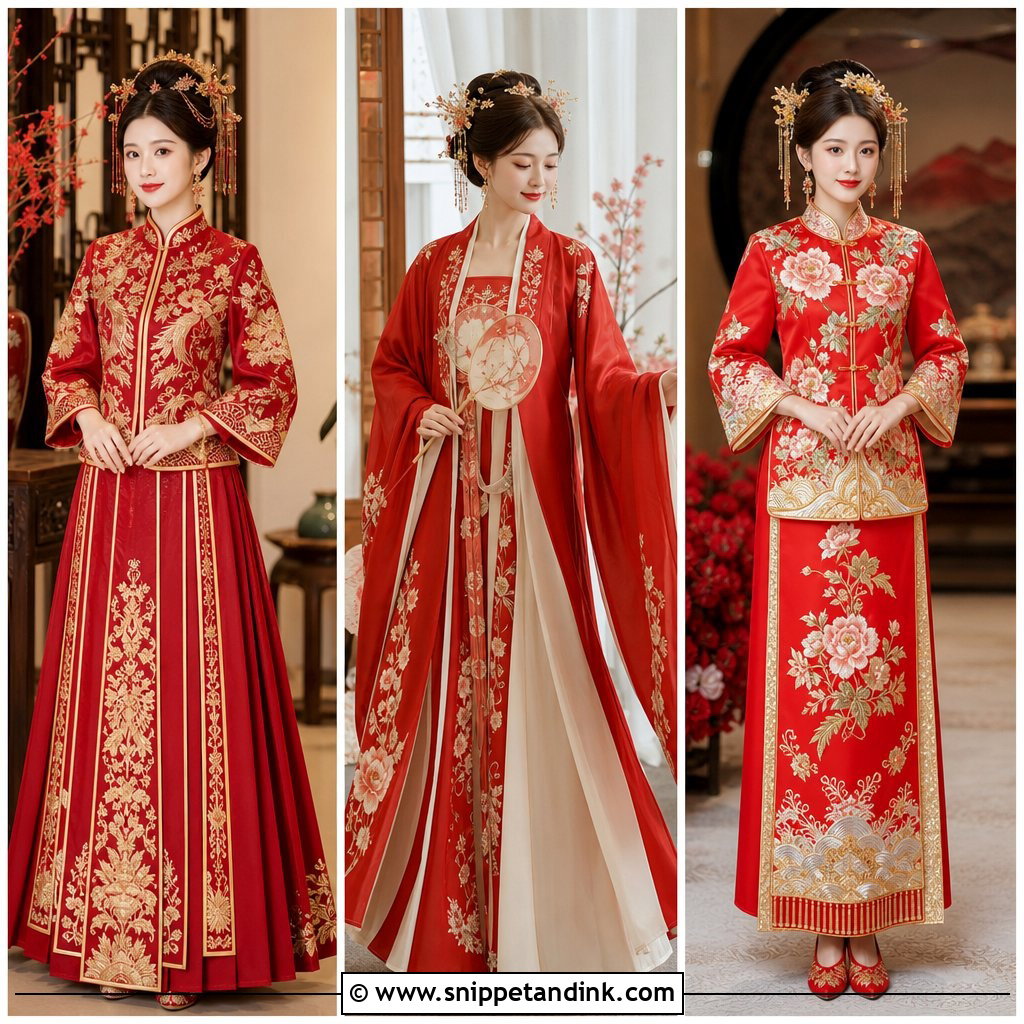
The qun kwa is a two-piece of red embroidered jacket and skirt, worked with gold thread in dragons, phoenixes and florals. Red stands for joy and good fortune, so it’s the natural choice for the tea ceremony. Complete it with gold jewelry, embroidered shoes and a sleek updo, plus a hairpiece if you like. Heavily embroidered qun kwa are stiff and warm; they don’t breathe the way silk does, so in summer I’d wear it for the tea ceremony and change afterward. The density of embroidery is often a sign of how formal the piece is, so ask about it when buying or renting.
8. Chinese Cheongsam Wedding Outfit
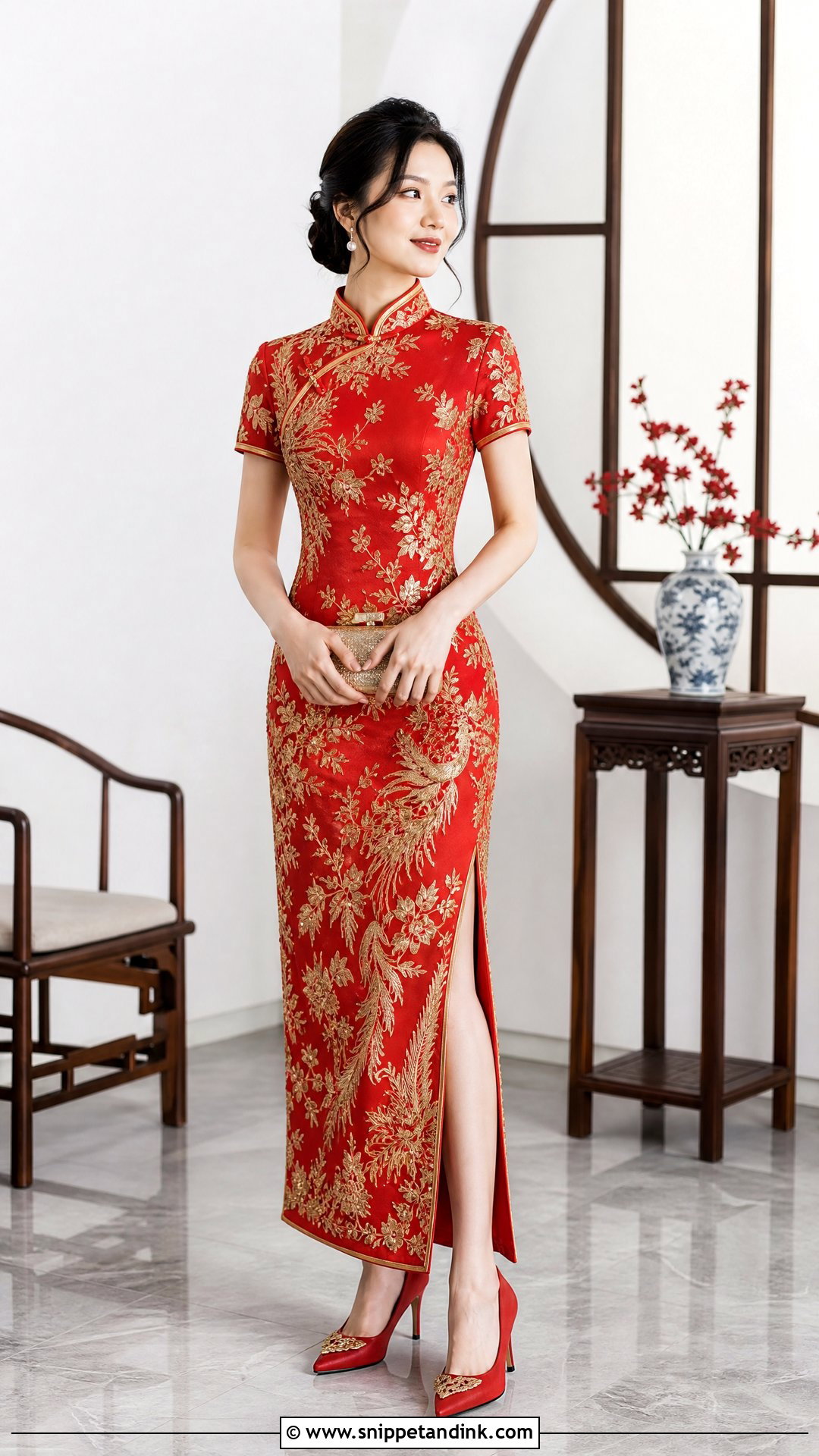
A cheongsam, also called a qipao, depends entirely on fit. The high collar, shaped waist, side slit and embroidery leave no room for loose fabric. Red and gold are traditional; ivory, blush, champagne or deep green suit receptions and tea ceremonies. Pair it with pointed heels, pearl or gold earrings, a small clutch and a neat hairstyle. I check the collar first: too tight and it marks the neck; too loose and it gapes when you bow. Silk cheongsams show sitting creases quickly, so carry a travel steamer.
9. Japanese Shiromuku Wedding Outfit
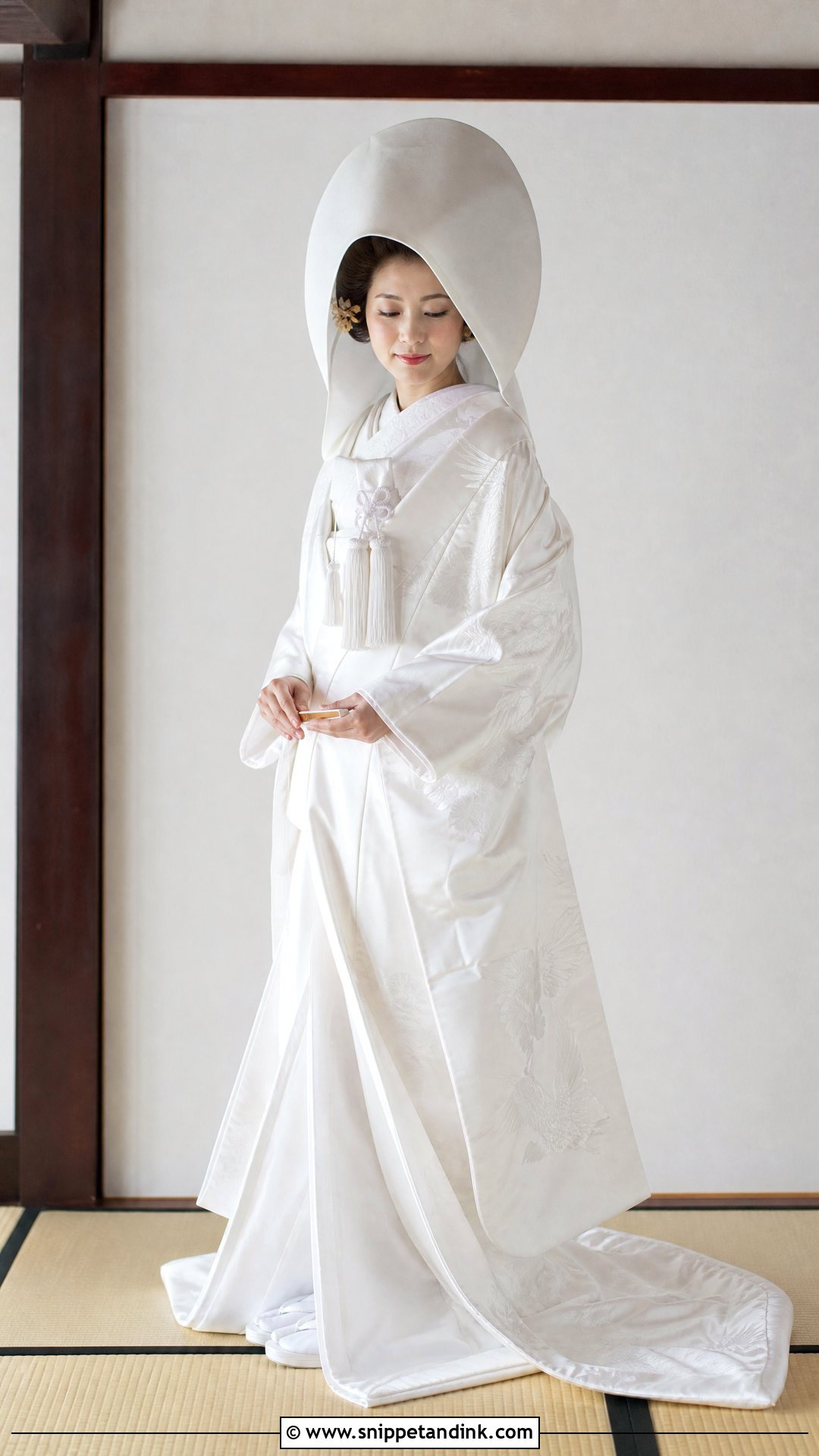
The shiromuku is the all-white bridal kimono, layered and usually worn with a wataboshi hood or tsunokakushi headpiece. Its formality comes from restraint: white fabric, precise folds and a woven or embroidered pattern that’s visible only up close. Traditional footwear, styled hair and few accessories finish it. It’s typically worn for Shinto ceremonies. Most brides rent rather than buy, and a professional dresser is needed to put it on, which can take a good while, so build that into the morning.
10. Japanese Iro Uchikake Wedding Outfit
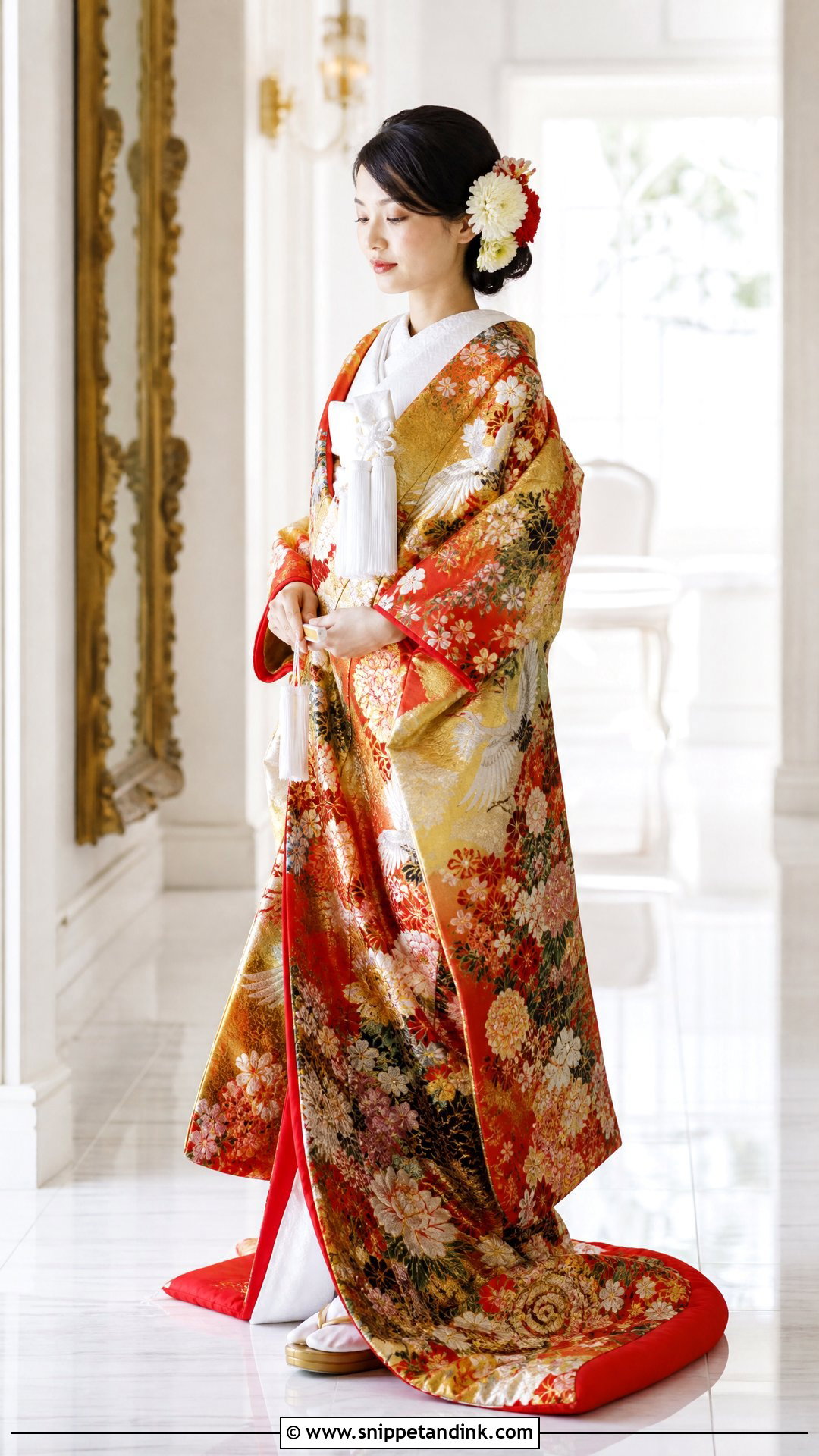
The iro uchikake is the colored outer robe worn over a kimono, decorated with cranes, flowers, waves or seasonal motifs in red, gold, white, green or black. The robe is the statement, so accessories stay supportive. Traditional footwear and a polished hairstyle finish it. Uchikake are padded at the hem and heavy, and they’re carried open over the kimono, so the bride usually holds the front edges as she walks. Brides often change into it after a white shiromuku ceremony. Practice walking in it before the day.
11. Korean Hanbok Wedding Outfit
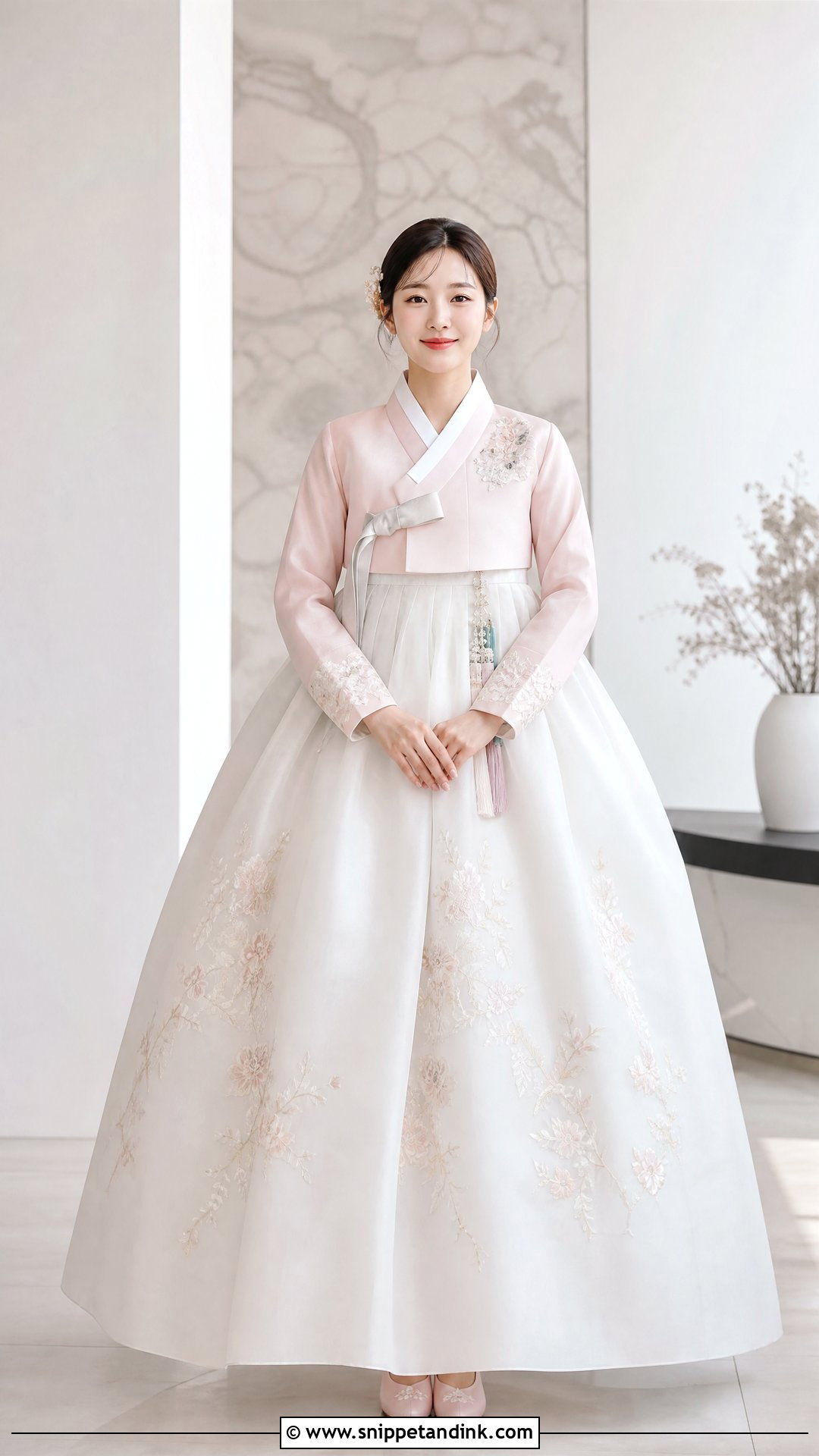
The hanbok’s full chima skirt and short jeogori jacket give it a soft, high-waisted shape. Wedding versions use luxurious fabrics and embroidery in joyful colors. Brides may choose red, pink, blue, yellow, ivory or pastel combinations depending on the ceremony and family preference. Add simple shoes, refined hair accessories and delicate earrings. The chima ties above the bust, so it hides a lot and is comfortable to sit in. Ask the maker how to retie the goreum, the long ribbon on the jacket, because a crooked bow is the first thing family members notice.
12. Vietnamese Ao Dai Wedding Outfit
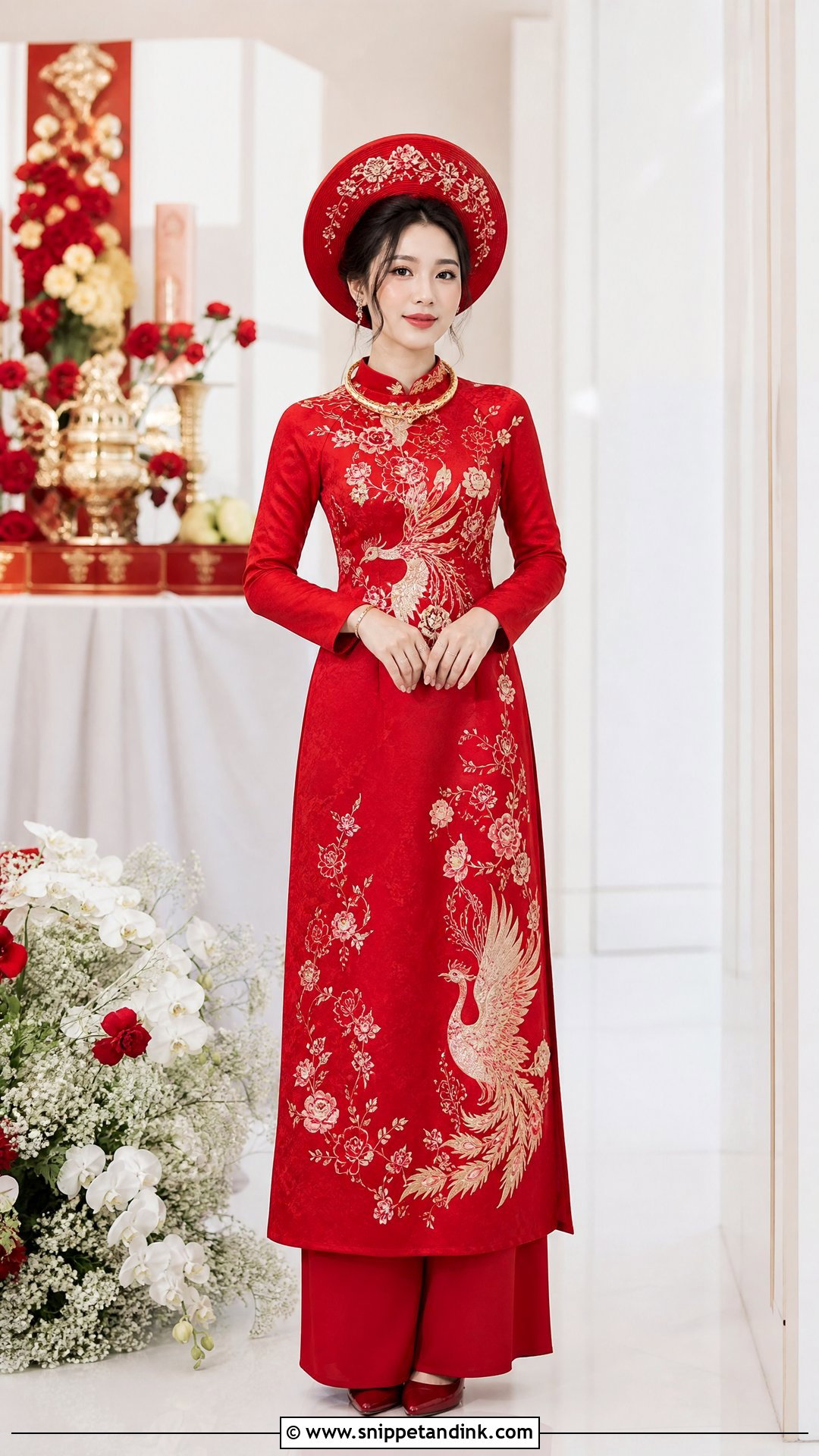
The ao dai is a long tunic with high side slits over matching wide-leg pants, and its elegance comes from length rather than volume. Bridal versions come in red, white, gold, blush or pastels with embroidery, beading or brocade, often with a circular khăn vấn headpiece, delicate jewelry and low heels or flats. Because it is cut so close at the bust and waist, I’d allow time for at least two fittings. Slits that sit too high flash the pants seam when you sit; it’s an easy fix if caught early.
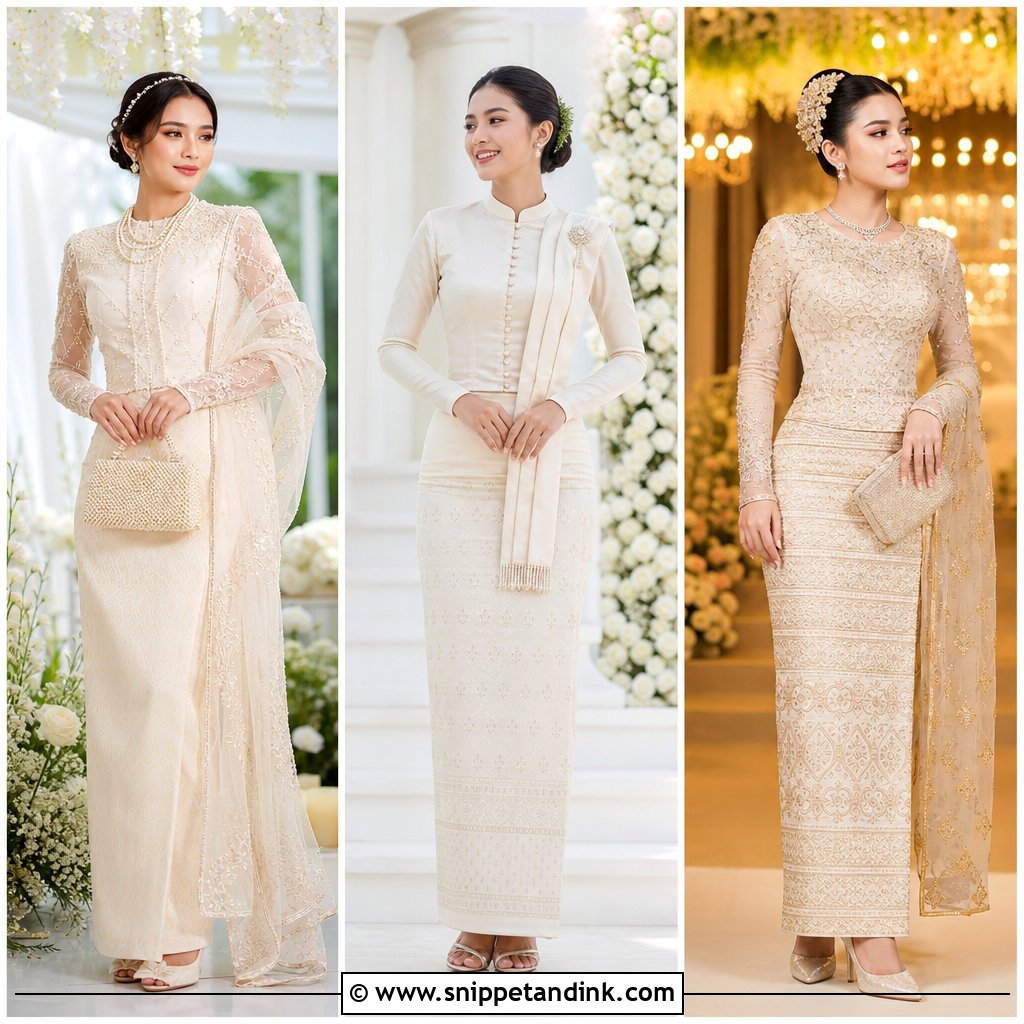
13. Thai Chut Thai Wedding Outfit
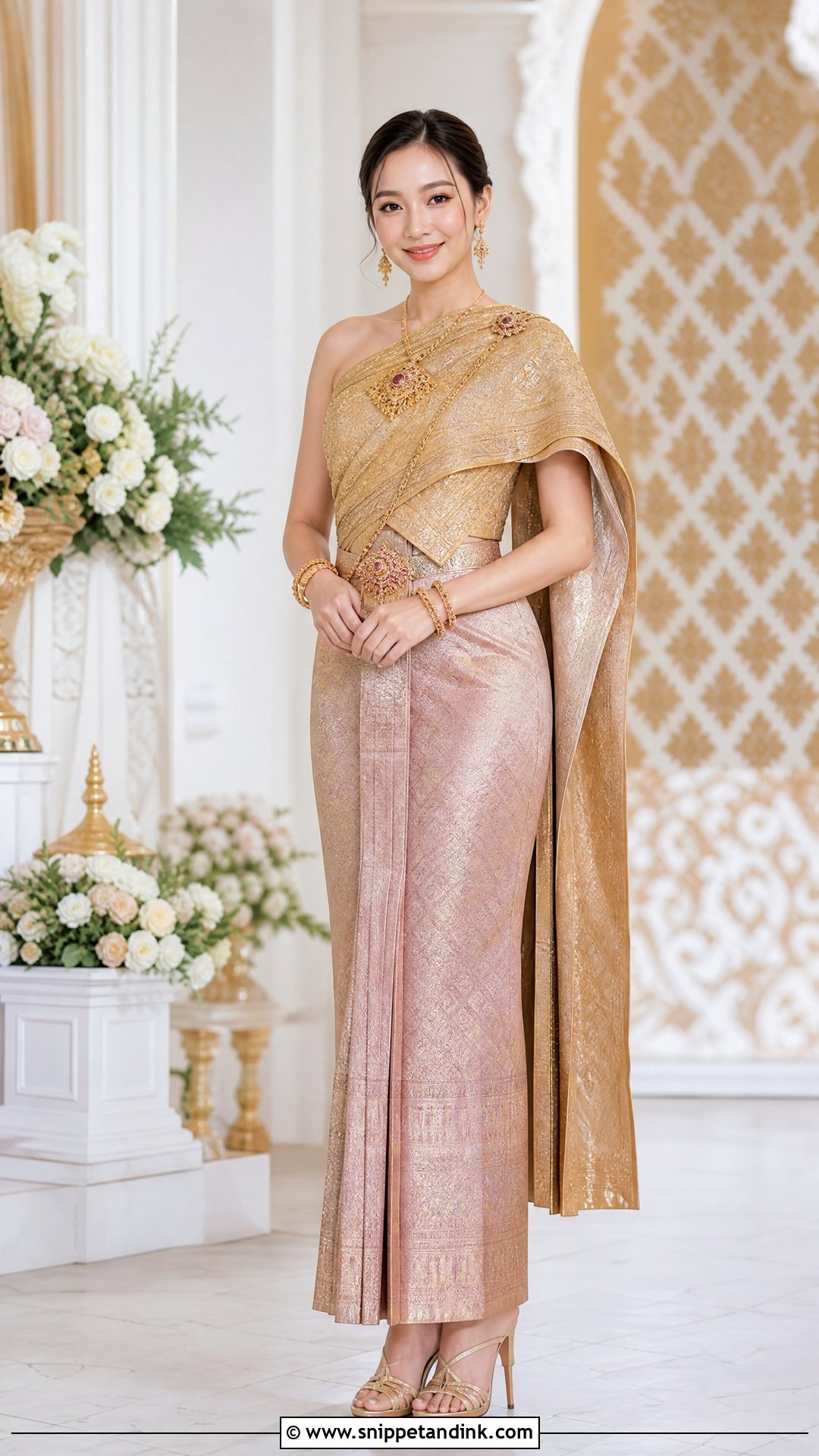
Chut thai combines a fitted silk skirt with a wrapped or draped upper piece, finished with gold jewelry and refined hair. Soft gold, ivory, blush, rose, silver and pastels are common for weddings, though richer tones work too. Thai silk adds structure and shine, so the cut can stay simple. Add statement earrings, a necklace, bangles and heels. Wrapped shoulder pieces shift during ceremonies that involve kneeling, so I secure them with discreet stitches or snaps. Keep jewelry balanced rather than heavy.
14. Filipino Terno Wedding Outfit
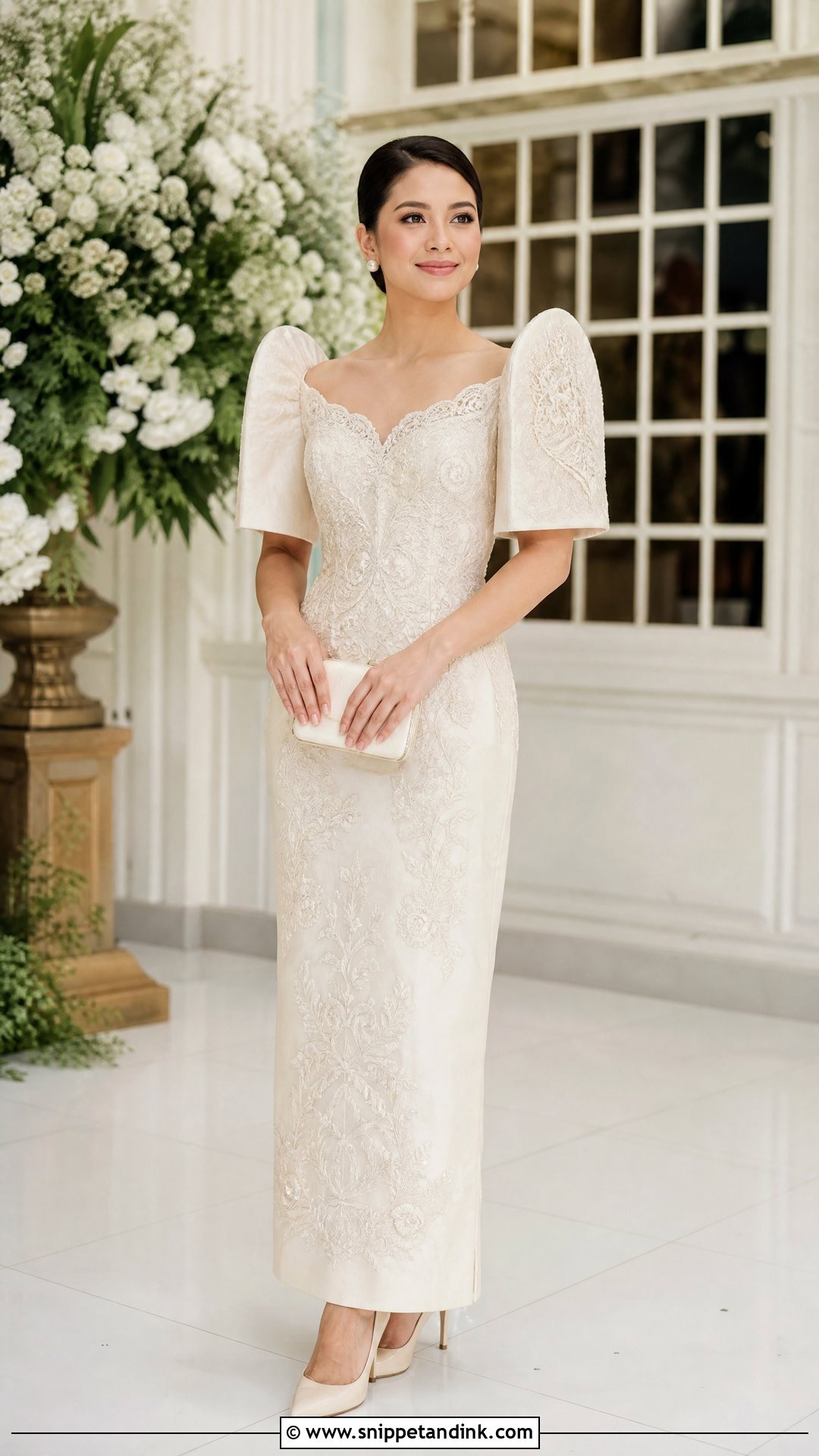
A Filipino terno wedding outfit is defined by its butterfly sleeves. It can be a full gown, a skirt and blouse set, or a modern dress inspired by Filipiniana. Ivory, cream, blush, champagne and pastels feel bridal, and piña or jusi-type fabrics add texture. Pearl earrings, a sleek clutch and classic heels finish it. The sleeves are stiffened to stand up, so they need careful packing and shouldn’t be crushed in a garment bag. With sleeves that strong, everything else can stay simple.
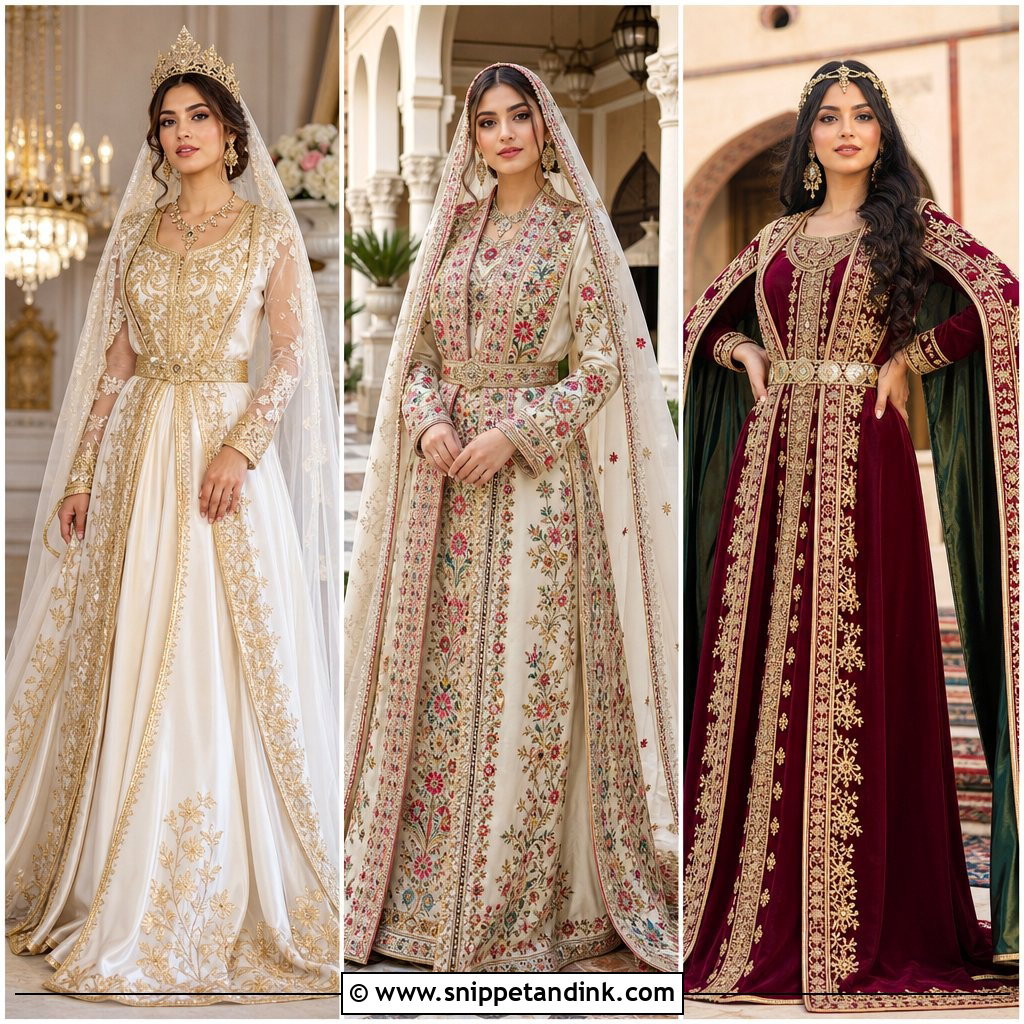
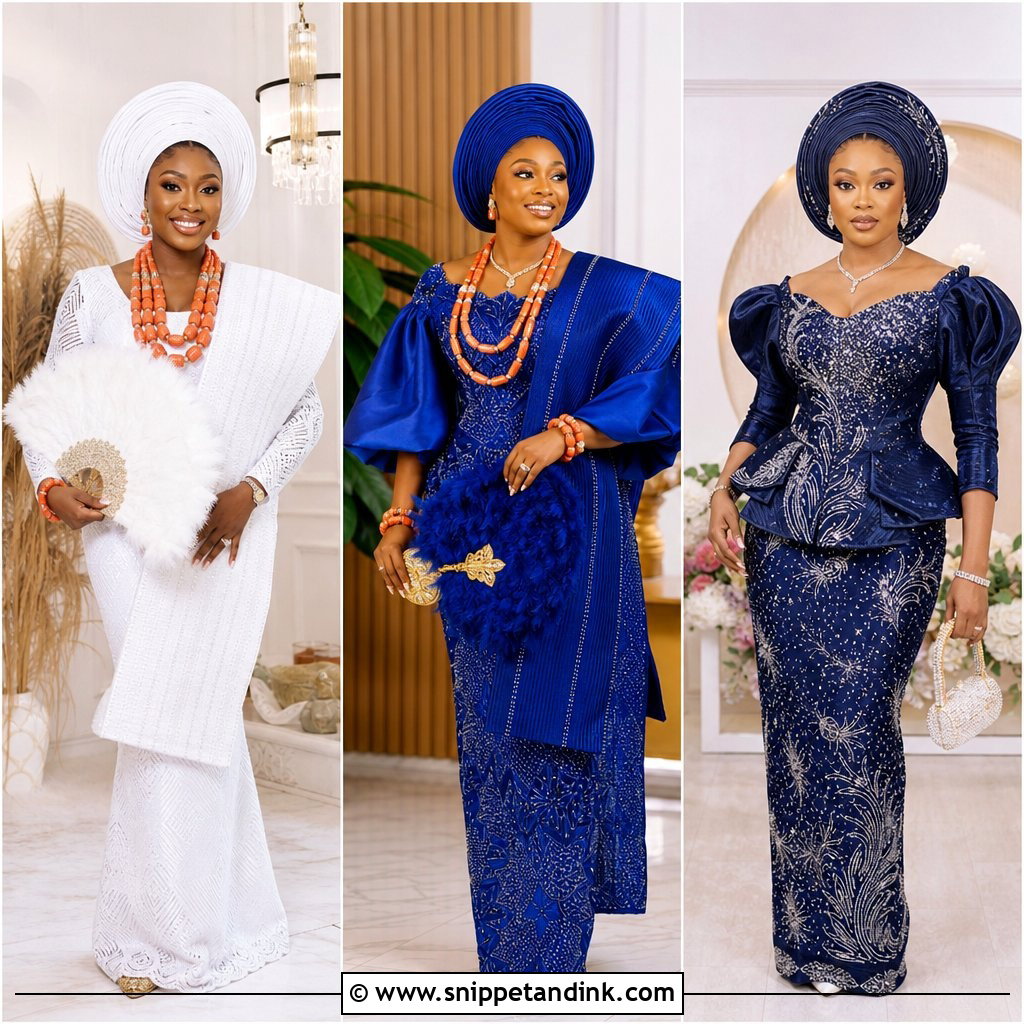
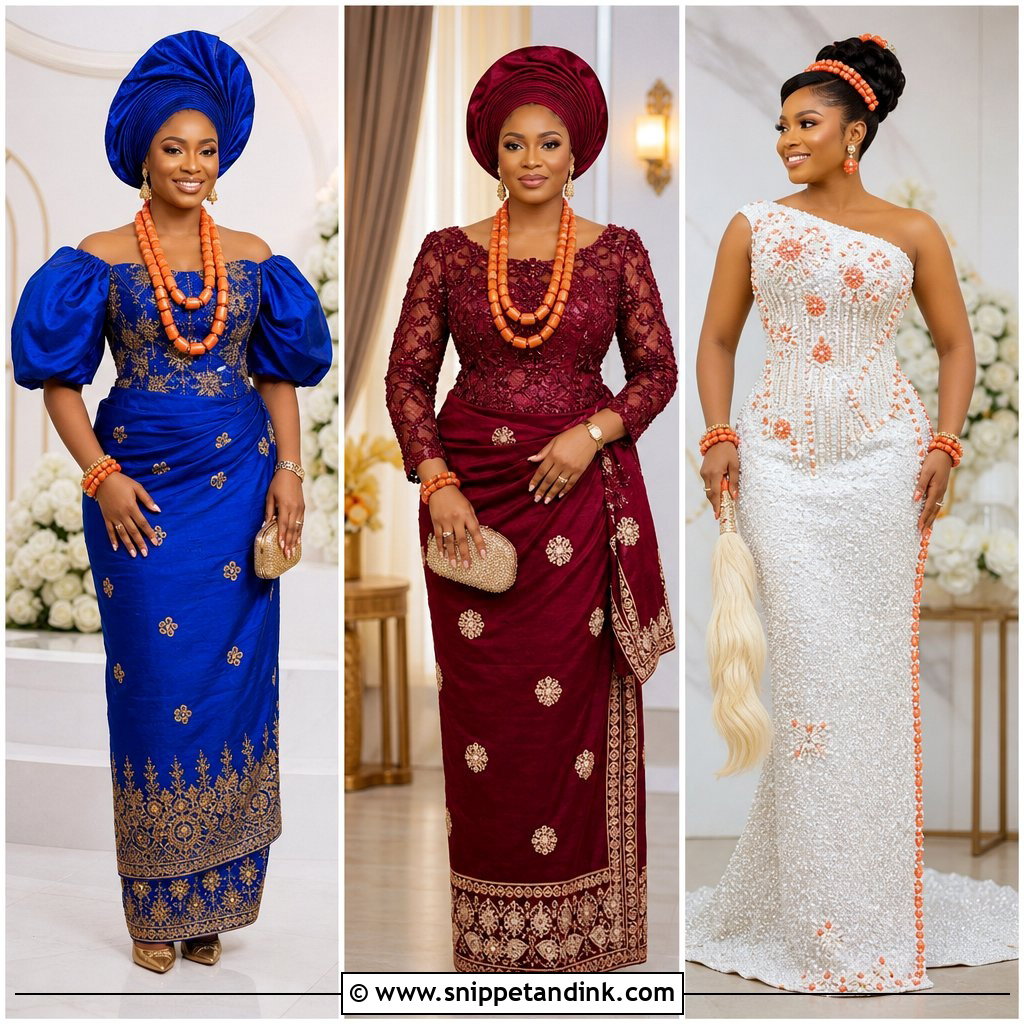
15. Nigerian Yoruba Aso Oke Wedding Outfit
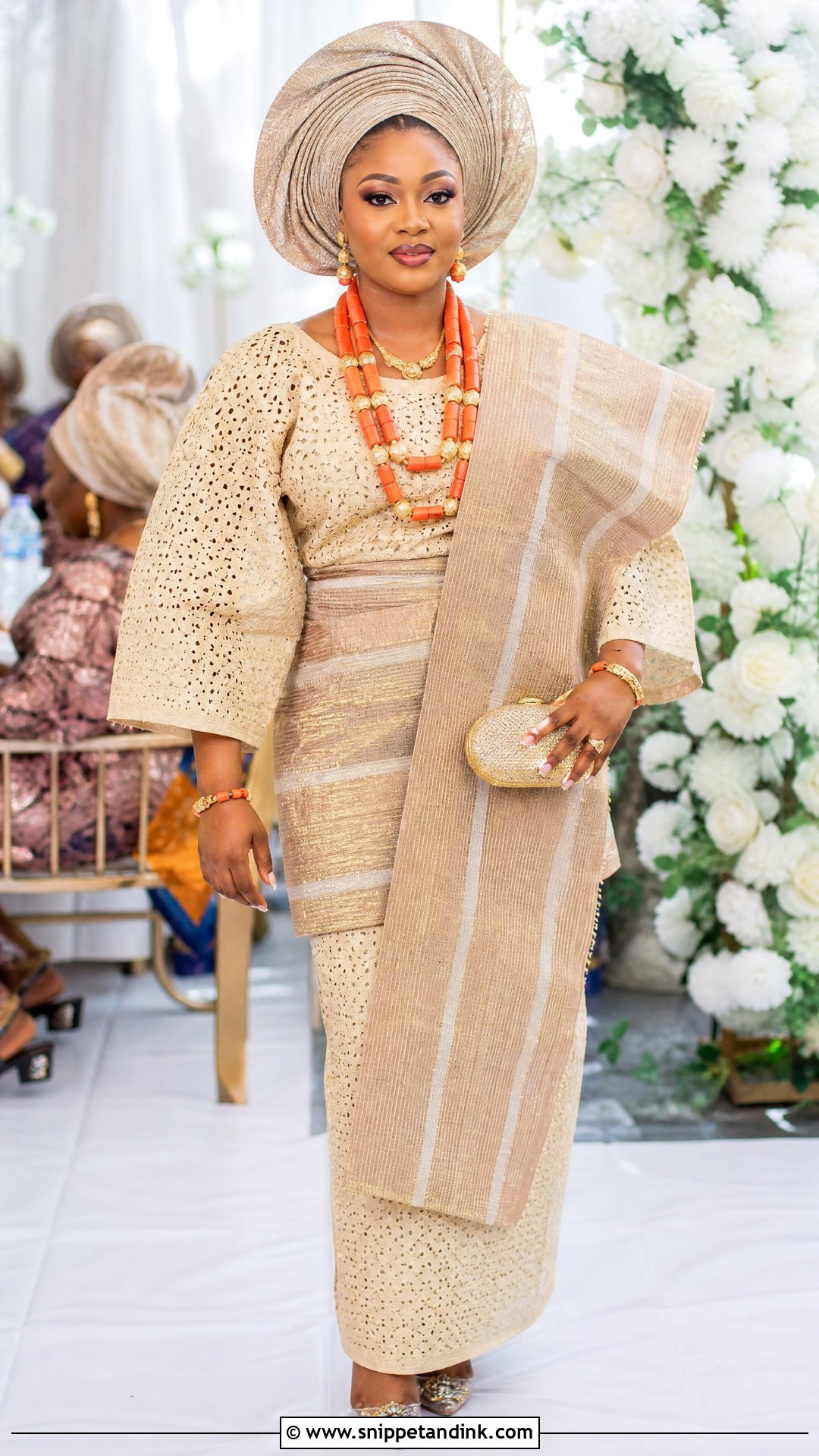
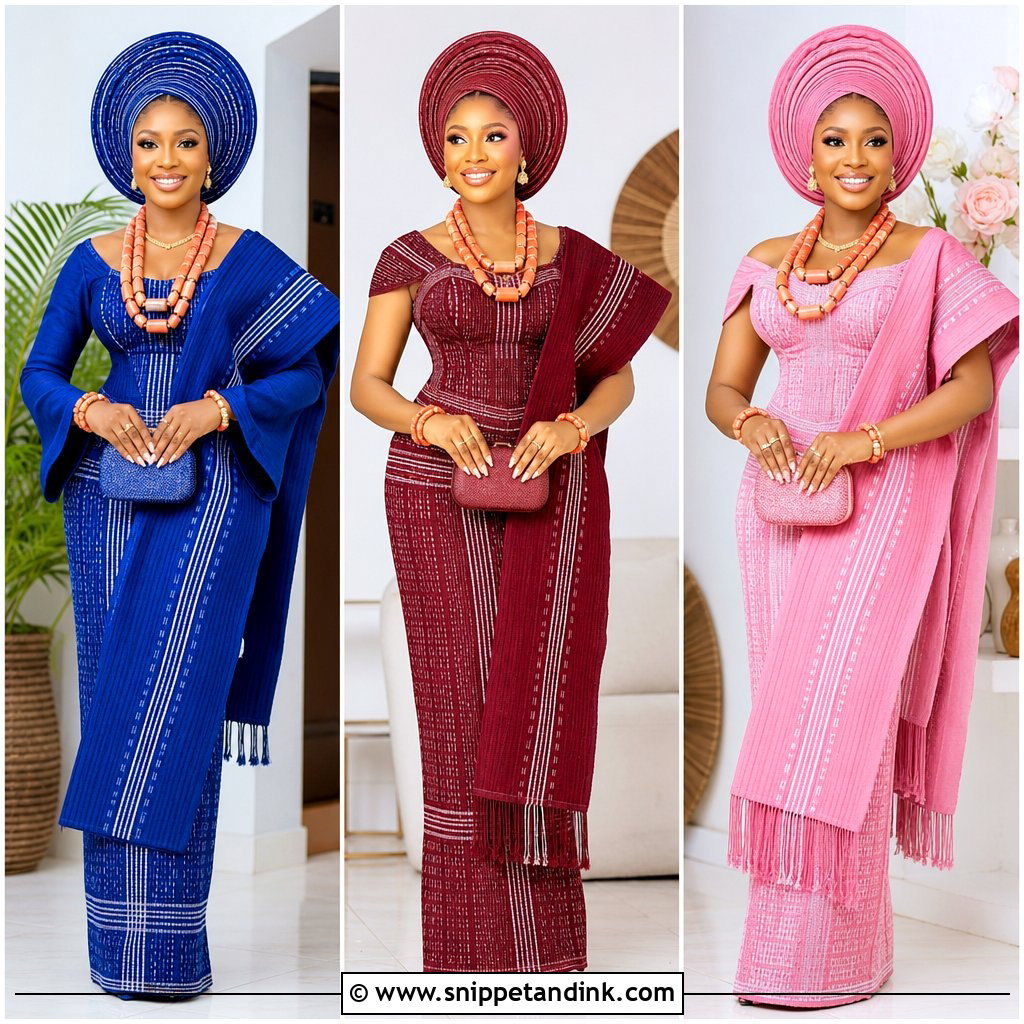
A Nigerian Yoruba aso oke wedding outfit combines the iro wrapper, buba blouse, ipele sash and gele. Aso oke is hand-woven, thick and textured, and it holds a sculpted gele better than softer fabrics. Colors run from white and gold to coral, emerald, royal blue, burgundy or blush. Coral beads, gold jewelry, a clutch and embellished heels finish the look. The gele is a skill of its own; hire a gele tier, book her into the morning schedule, and take a photo of the finished shape in case it needs adjusting later.
16. Nigerian Igbo George Wrapper Wedding Outfit
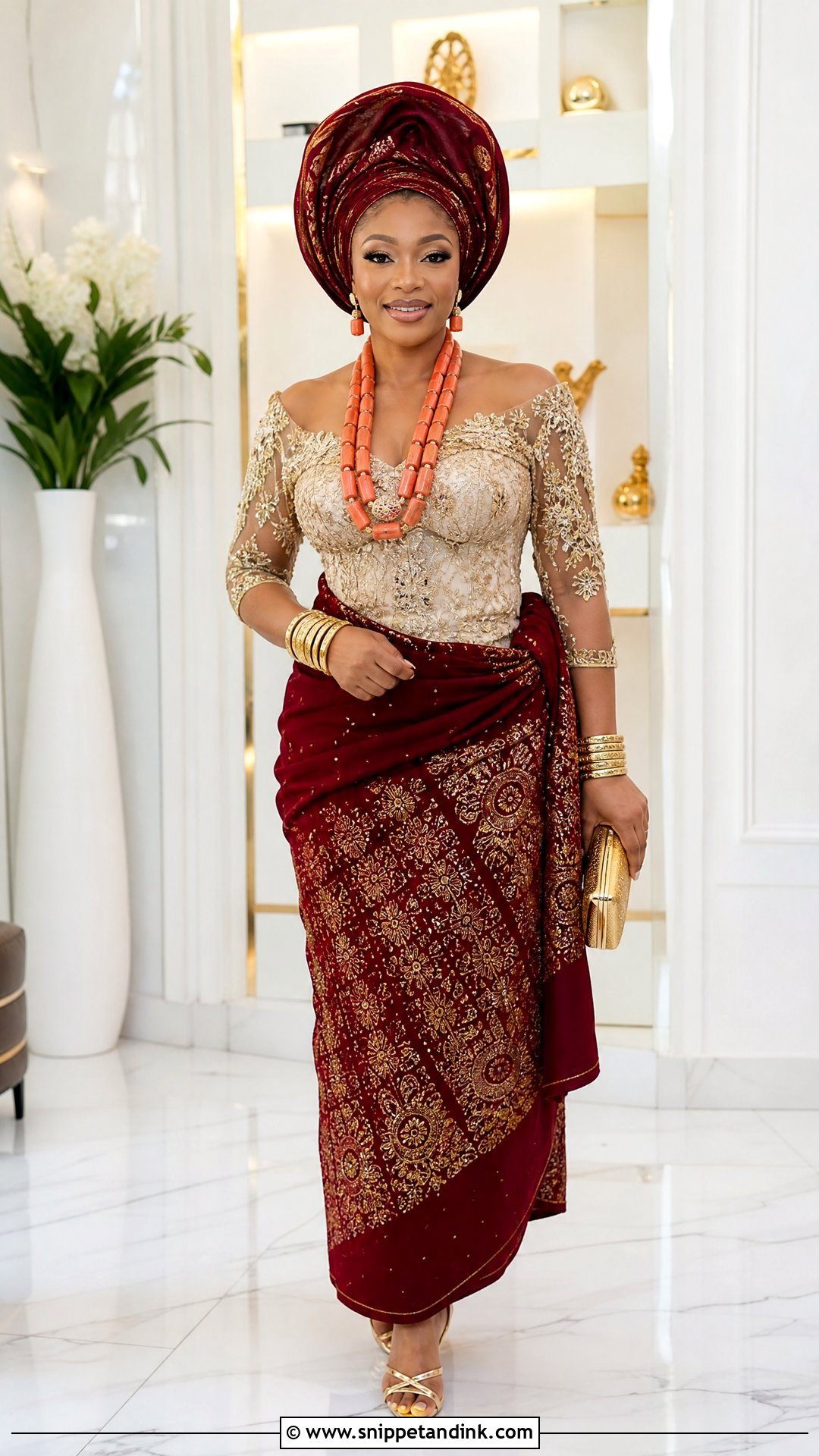
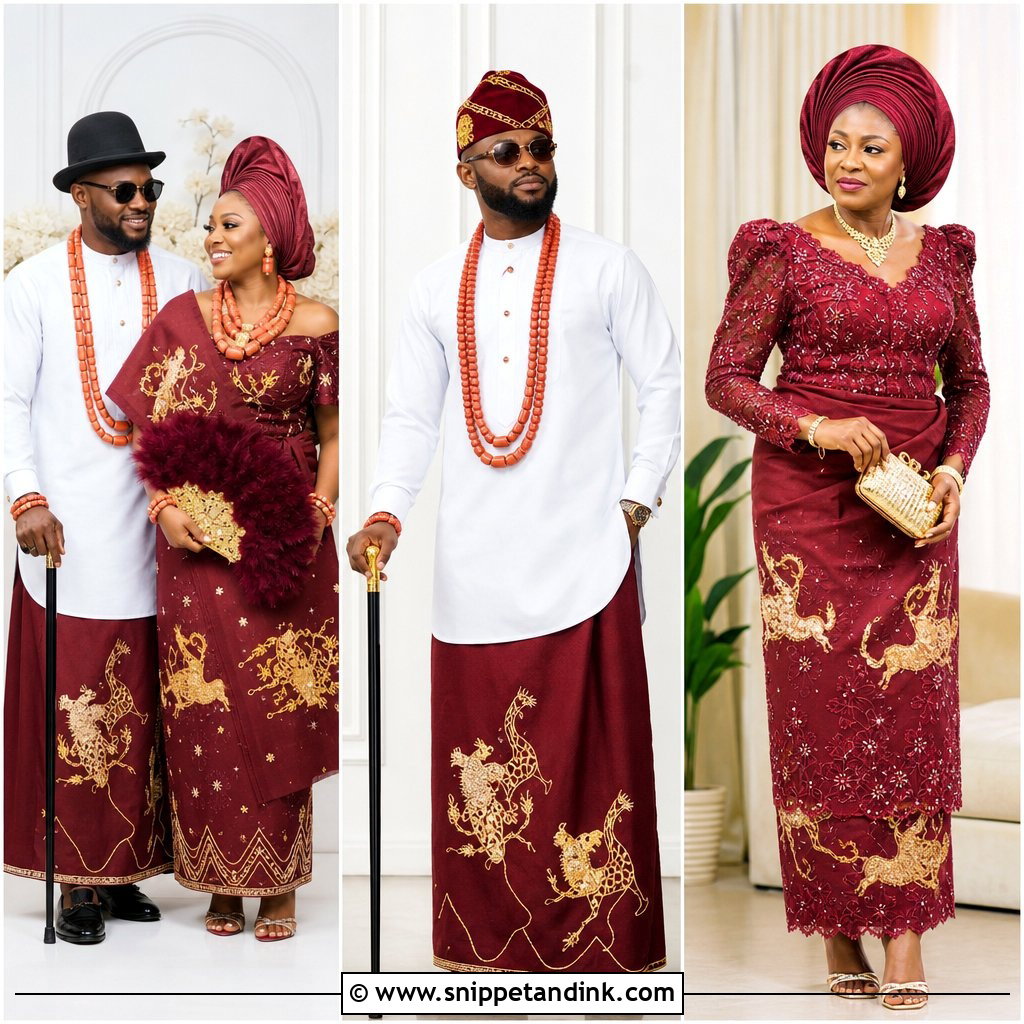
A Nigerian Igbo George wrapper wedding outfit pairs a blouse with a George wrapper, coral beads, a headpiece or gele and sandals or heels. George fabric often has embroidery, metallic thread or lace detail. Coral beads carry real meaning and weight; a full coral set is heavy around the neck, so I’d wear the full layers for the ceremony and portraits and lighten them for dancing. White, red, gold, coral, green and royal blue are common. Wrap the George firmly at the waist, as it loosens when you dance.
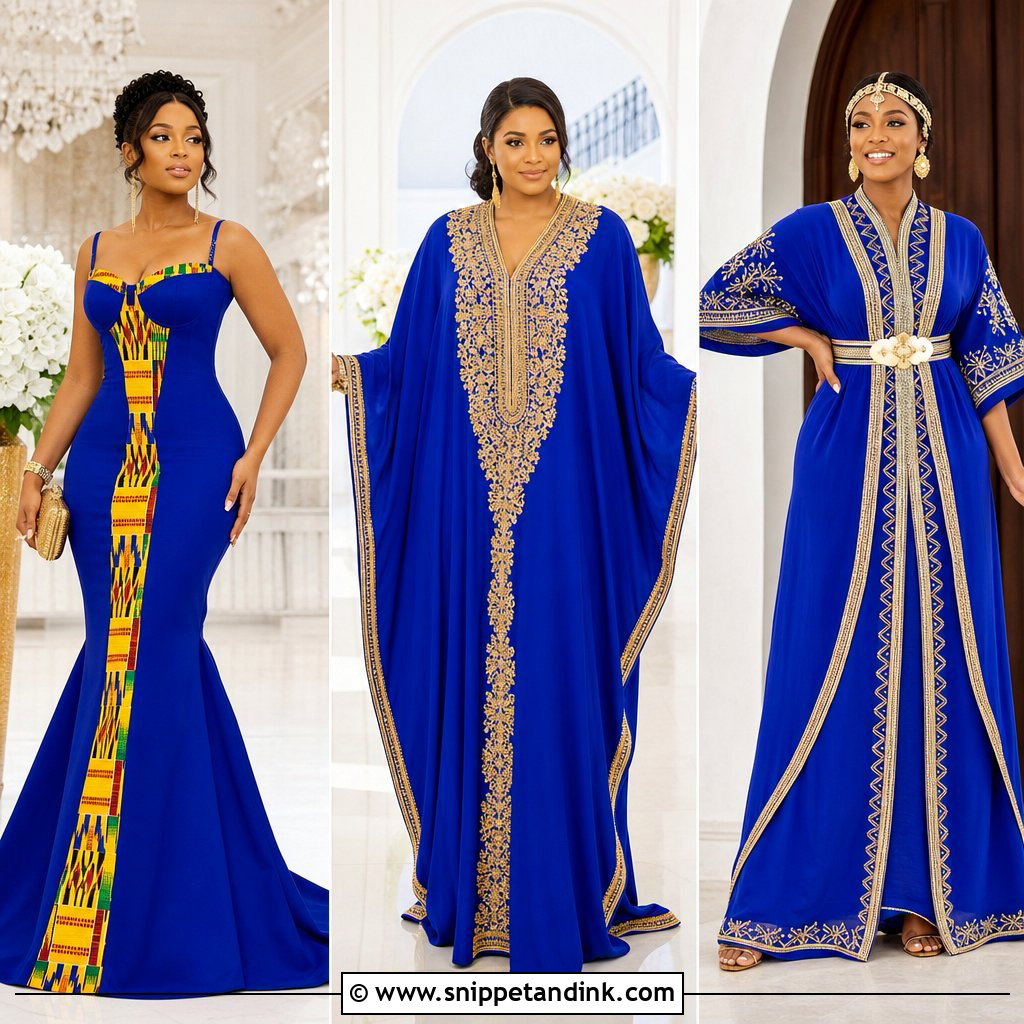
17. Ghanaian Kente Wedding Outfit
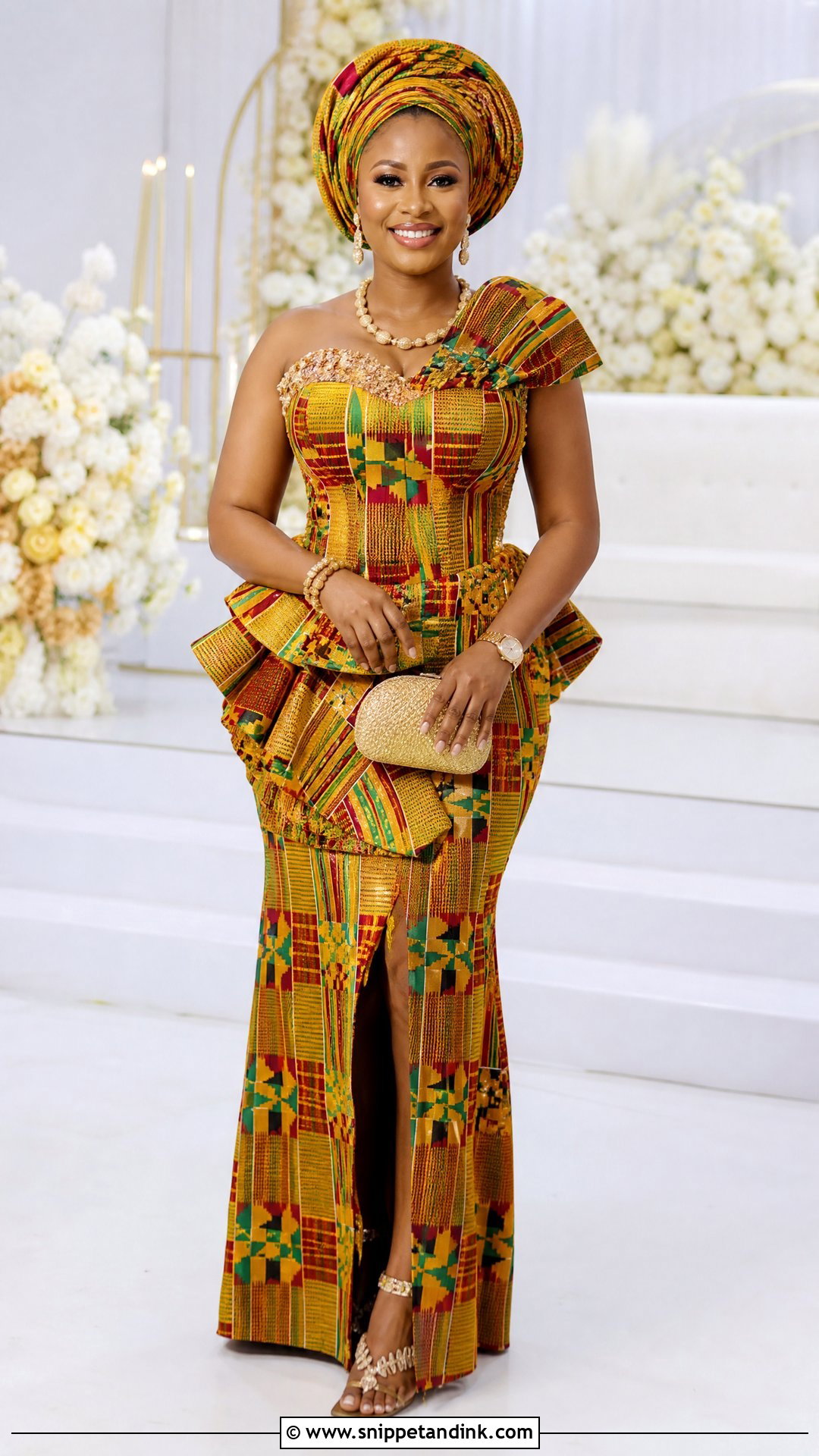
Kente is woven in narrow strips that are sewn together, and its patterns and colors carry named meanings. A bride may wear a kente gown, a wrapped skirt and blouse, or a draped outfit, finished with gold jewelry, a headwrap, a clutch and dressy sandals. Let the pattern lead and keep the cut clean. Because kente is built from strips, the seamstress must match them carefully across seams; misaligned strips are the most common flaw I see. Hand-woven kente takes time to make, so order early.
18. Moroccan Takchita Wedding Outfit
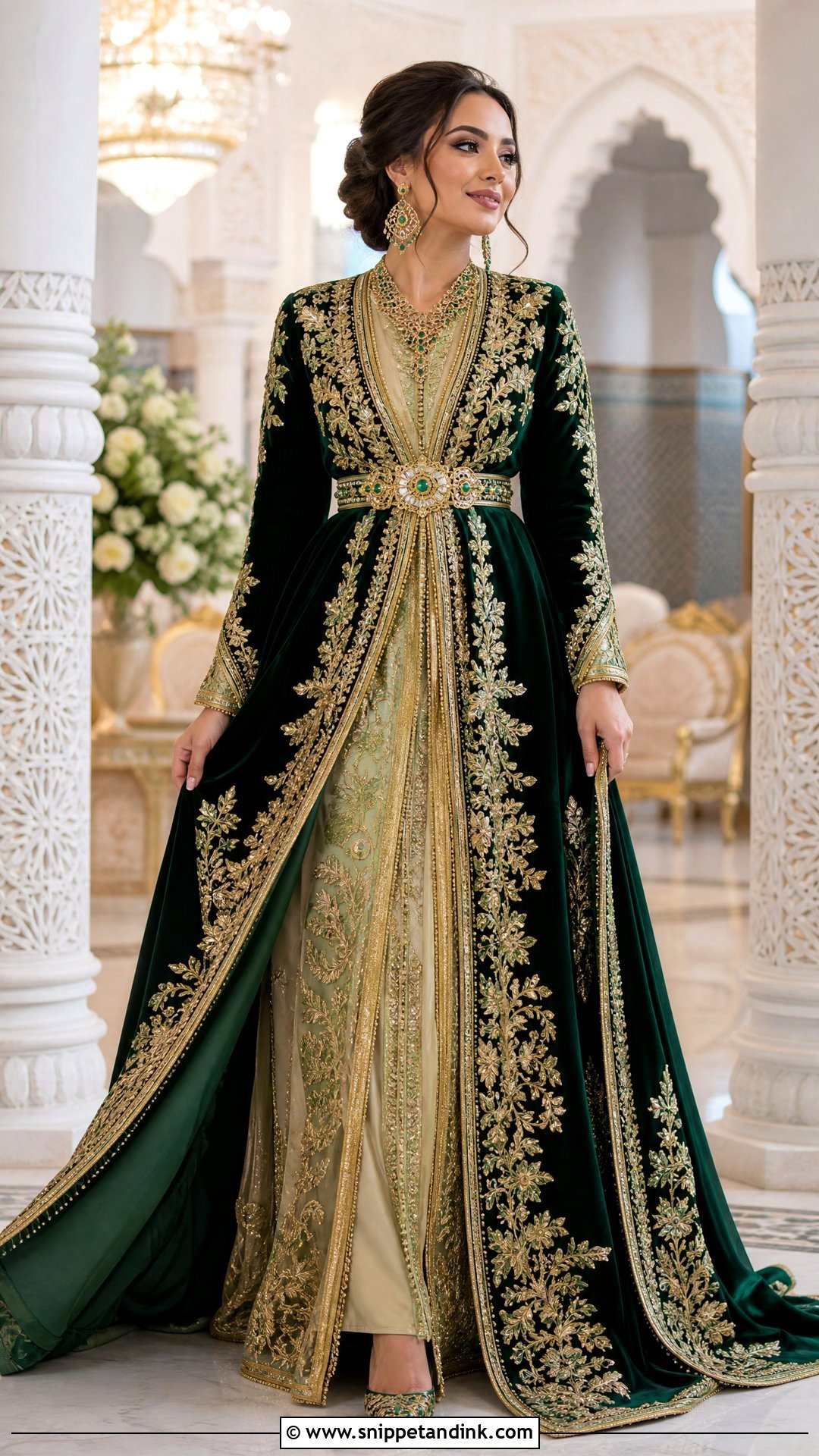
The takchita is a layered dress, an under-dress and an overlayer, cinched with a jeweled belt. Silk, satin, brocade or velvet-like fabrics give it formality, in white, gold, emerald, burgundy, royal blue or blush. Statement earrings, embroidered heels and a polished hairstyle complete it. At Moroccan weddings brides often change several times during the night, so a takchita that slips on and off easily, with front buttons rather than a tight back closure, saves time between changes.
19. Ethiopian Habesha Kemis Wedding Outfit
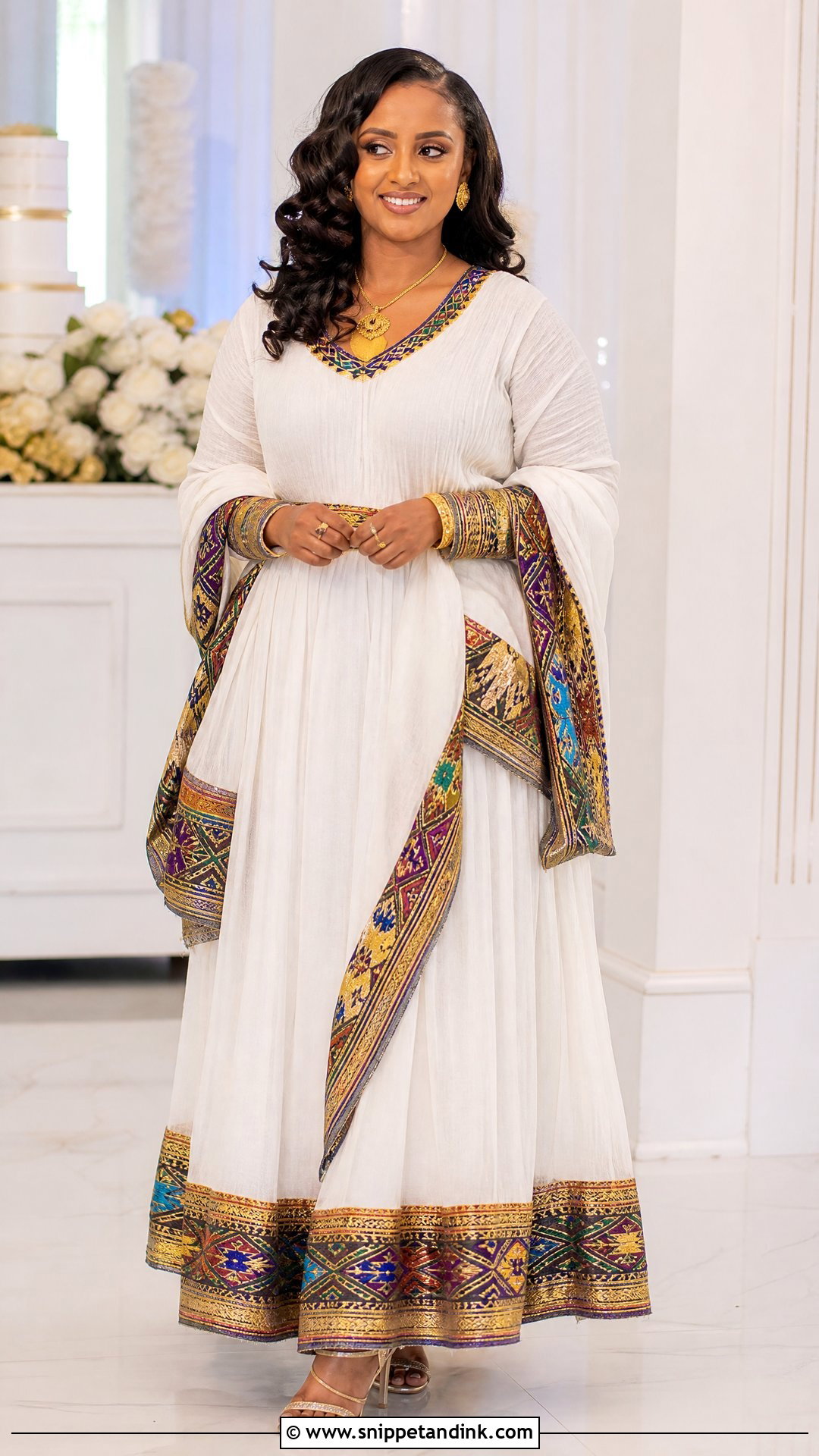
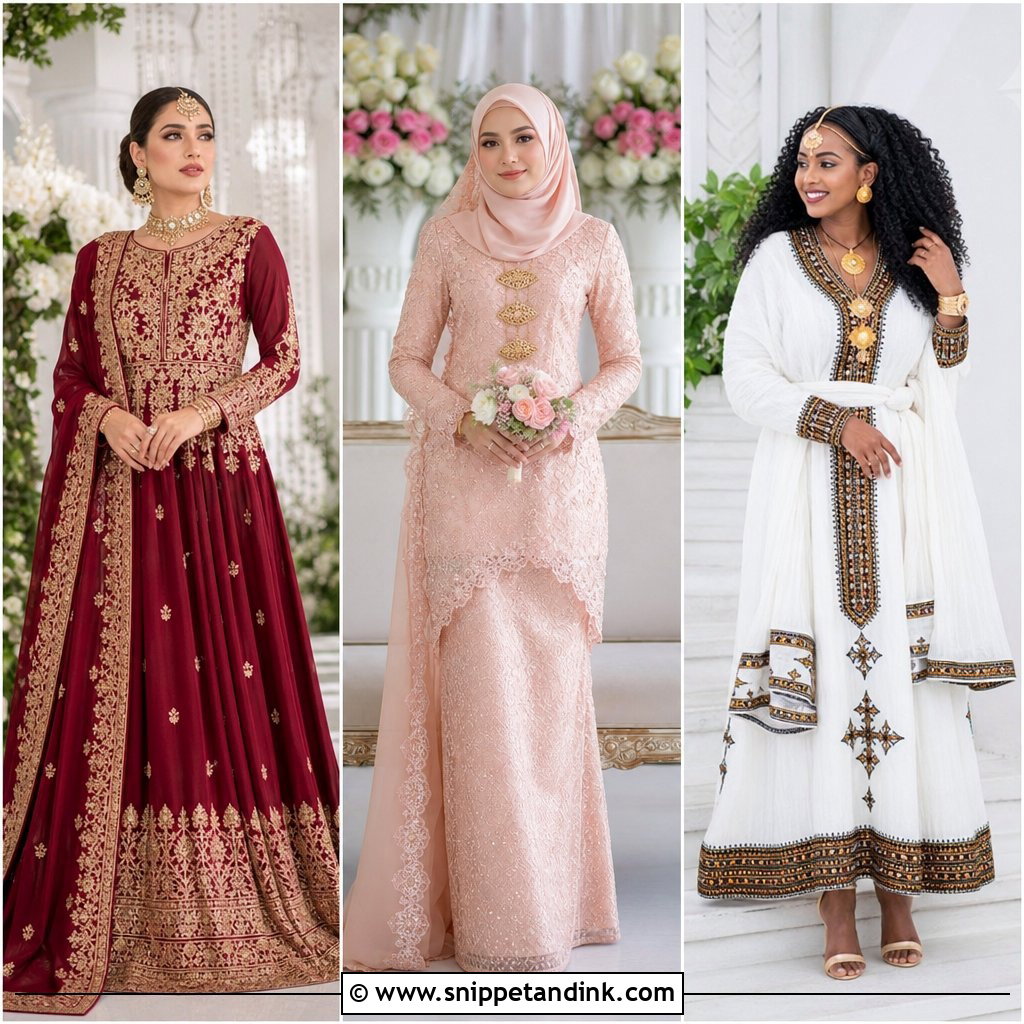
The habesha kemis is usually white or ivory cotton with colorful woven borders at the neckline, sleeves, hem or shawl, the tibeb. Wedding versions add ornate embroidery, metallic accents or a matching netela shawl. Gold jewelry, delicate sandals and neat hair or soft curls complete it. It’s modest and flowing, and comfortable for long celebrations. Hand-woven cotton shrinks if washed hot, so I’d have it cleaned by hand in cool water and dried flat, especially if the tibeb is metallic.
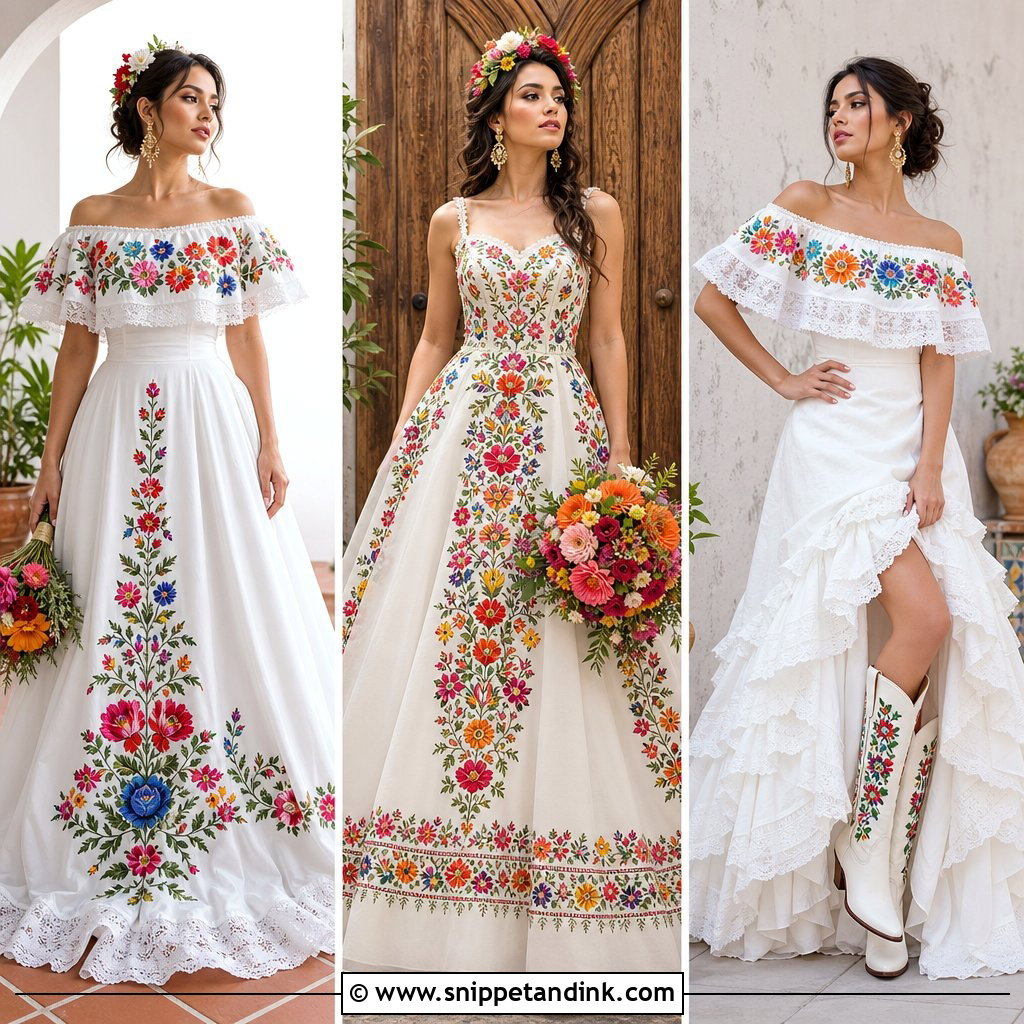
20. Mexican Tehuana Wedding Outfit
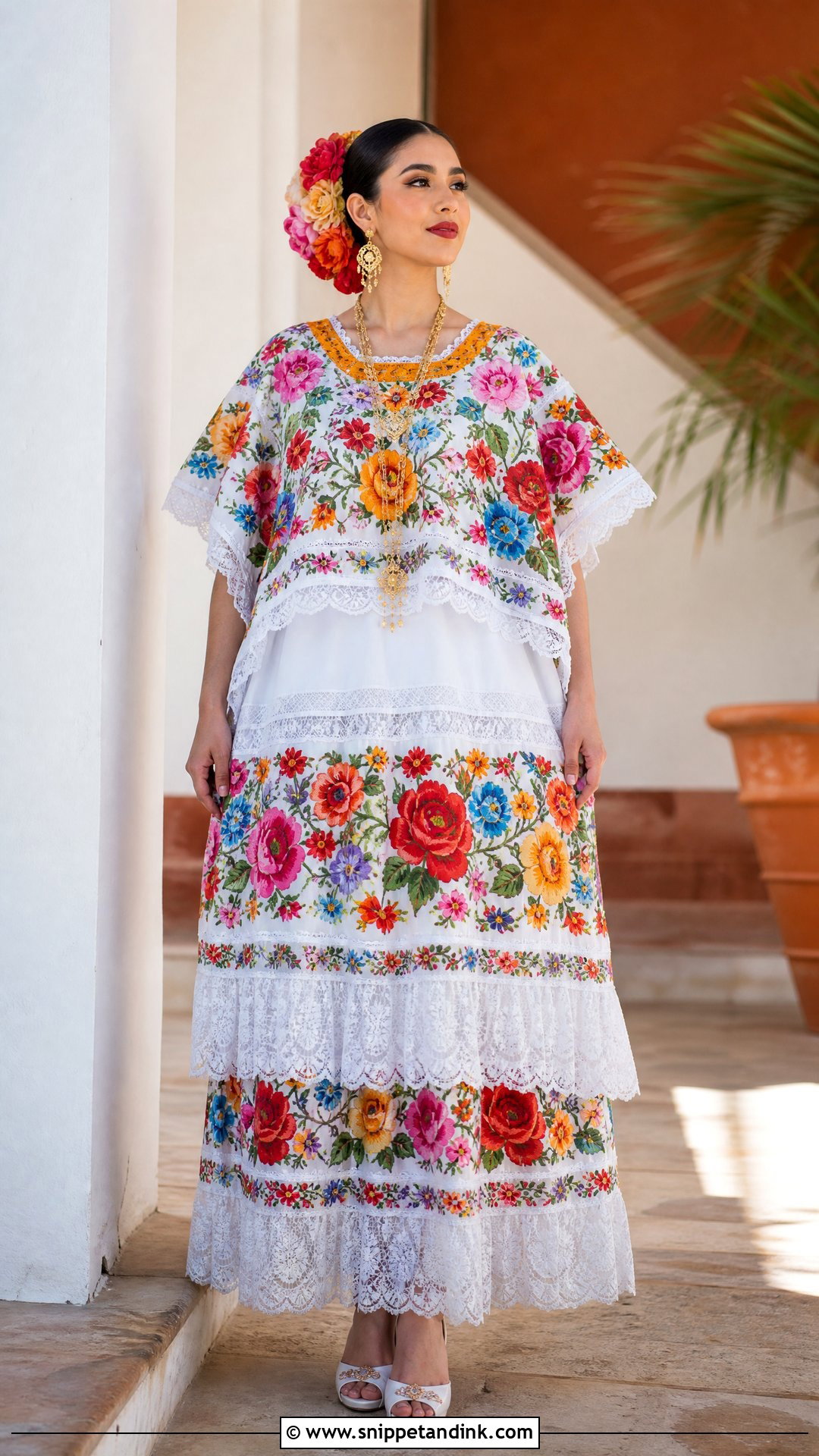
A Mexican Tehuana wedding outfit centers on an embroidered huipil-style top and a full skirt, sometimes with lace, flowers and statement jewelry. Rich colors, floral motifs and handcrafted details make it festive. Add a flower hairpiece, earrings, comfortable heels or sandals and a shawl if needed. The embroidery on a hand-made huipil is dense and the colors vivid, so I keep everything else in one or two supporting colors rather than adding more florals. Hand-embroidered pieces should be spot-cleaned, never machine-washed.
21. Scottish Tartan Wedding Outfit
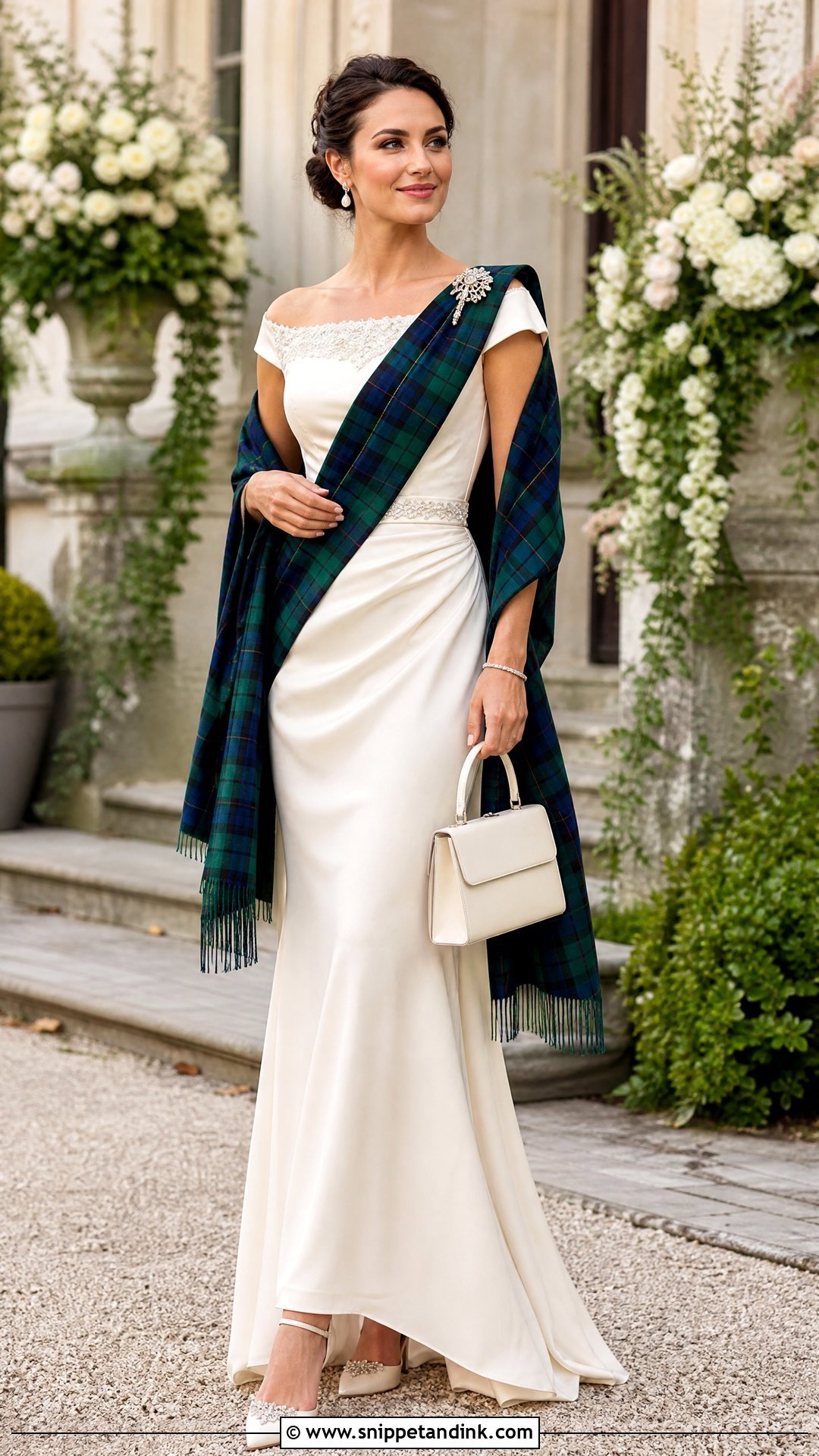
Tartan brings in heritage without replacing the gown. A bride might pair a white or ivory dress with a tartan sash, shawl, bow or train detail, while guests can wear a tartan skirt with a silk blouse and tailored jacket. Because tartans are linked to clans and families, ask which one you’re entitled to or which the family uses; it’s a detail older relatives care about. Pair it with simple pieces, pearls, a structured bag and polished hair. A sash is pinned at the shoulder with a brooch, so plan where it crosses a lace bodice.
22. Irish Lace Wedding Outfit
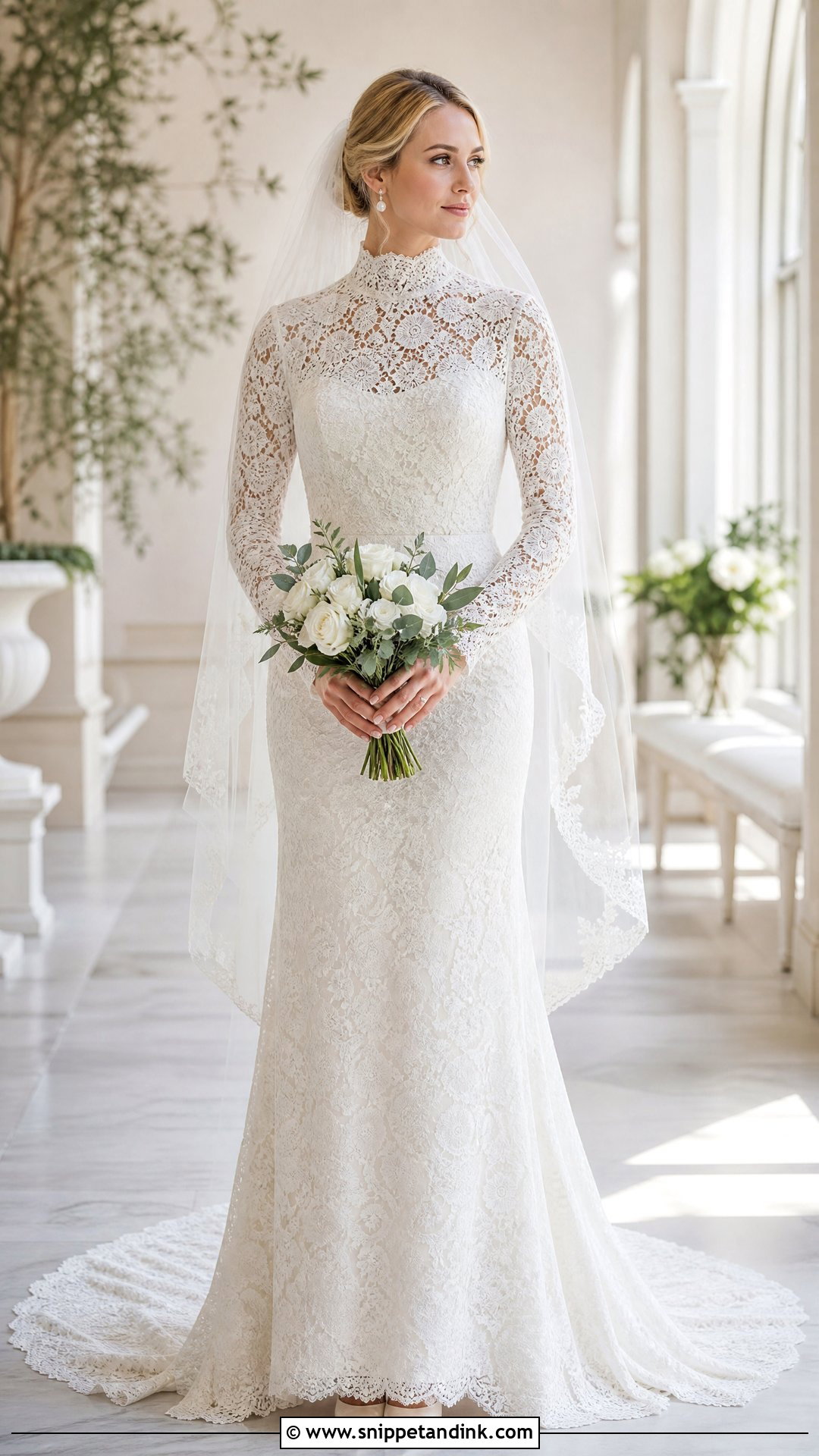
Irish lace gowns rely on the lace itself. Long sleeves, a high neckline, an A-line skirt or a soft train are typical, mostly in ivory or white, with pearl accents or satin details. Closed-toe heels, pearl earrings, a veil and a simple bouquet complete it. Handmade lace is delicate and snags on rough jewelry and bouquet wire, so I wrap bouquet stems carefully and keep bracelets smooth. Avoid heavy accessories that compete with the lace.
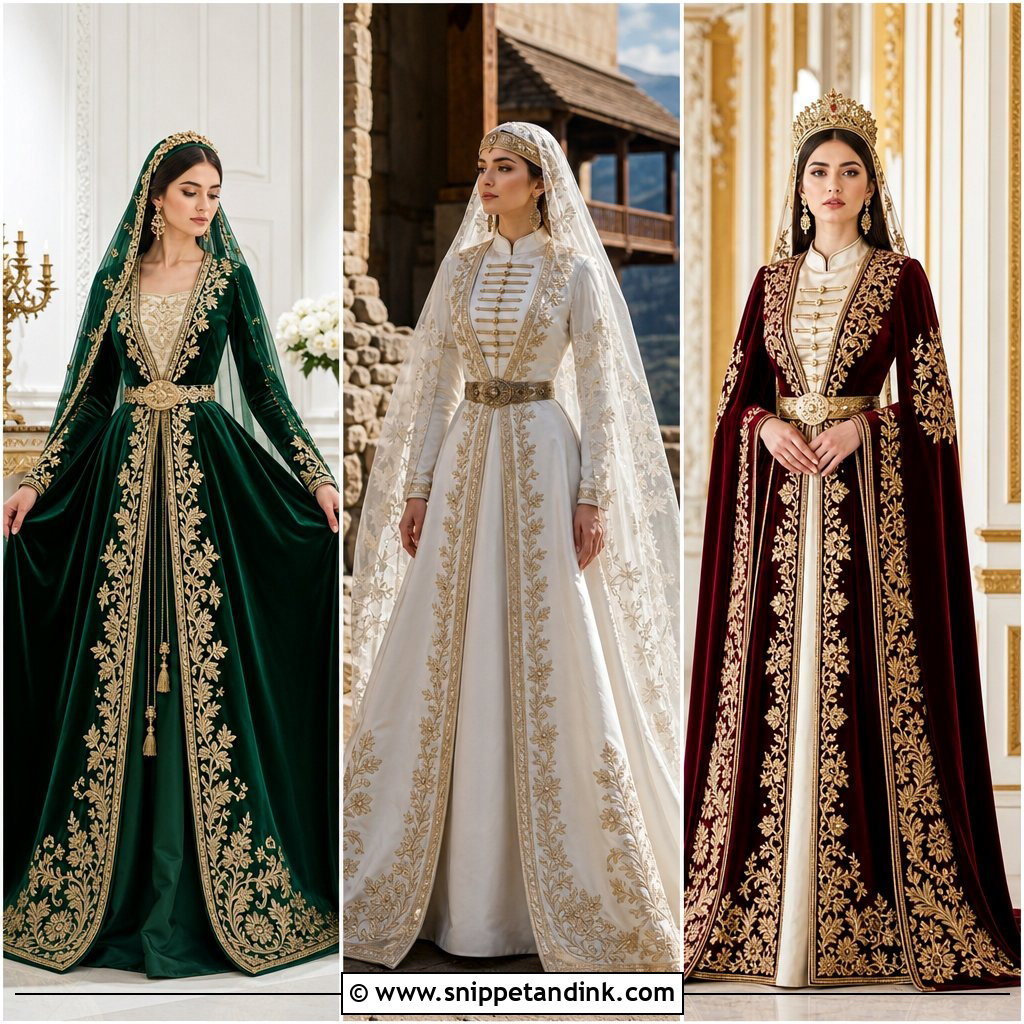
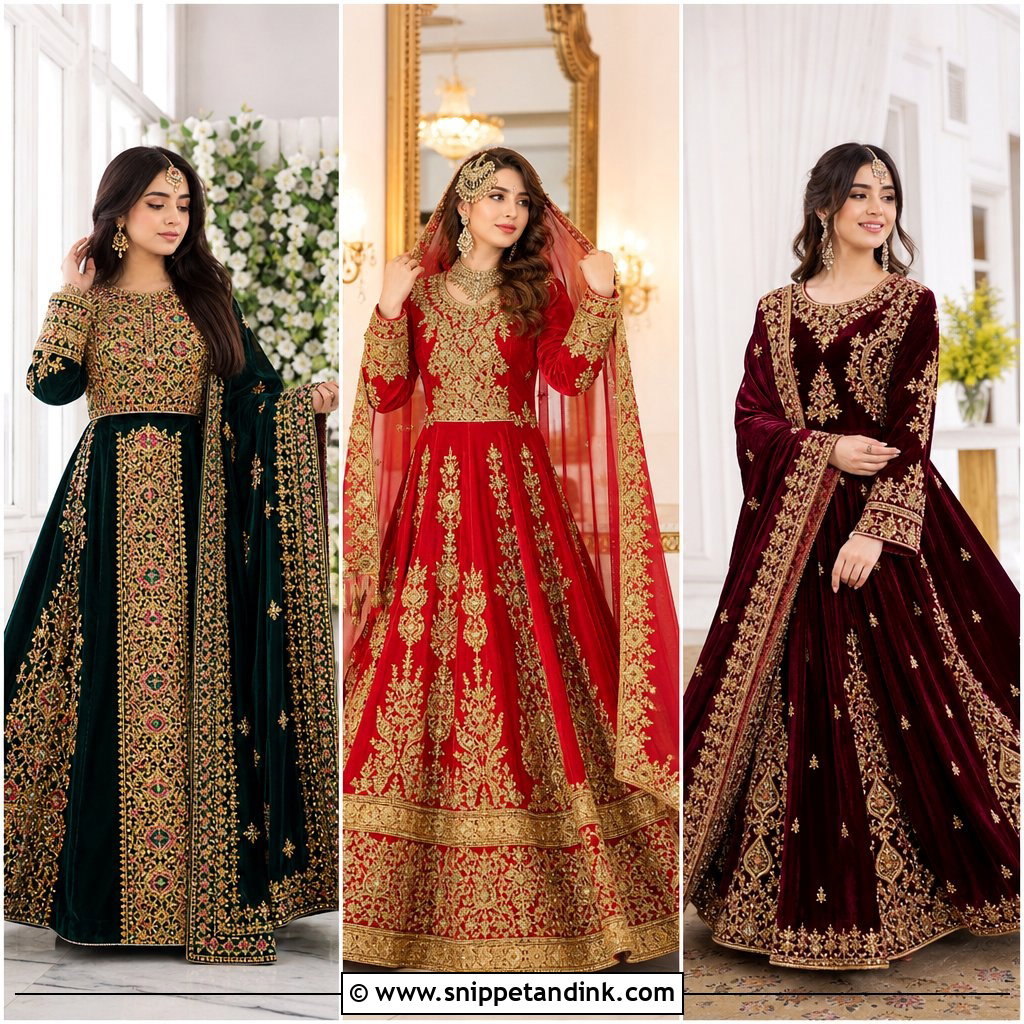
23. Turkish Bindalli Wedding Outfit
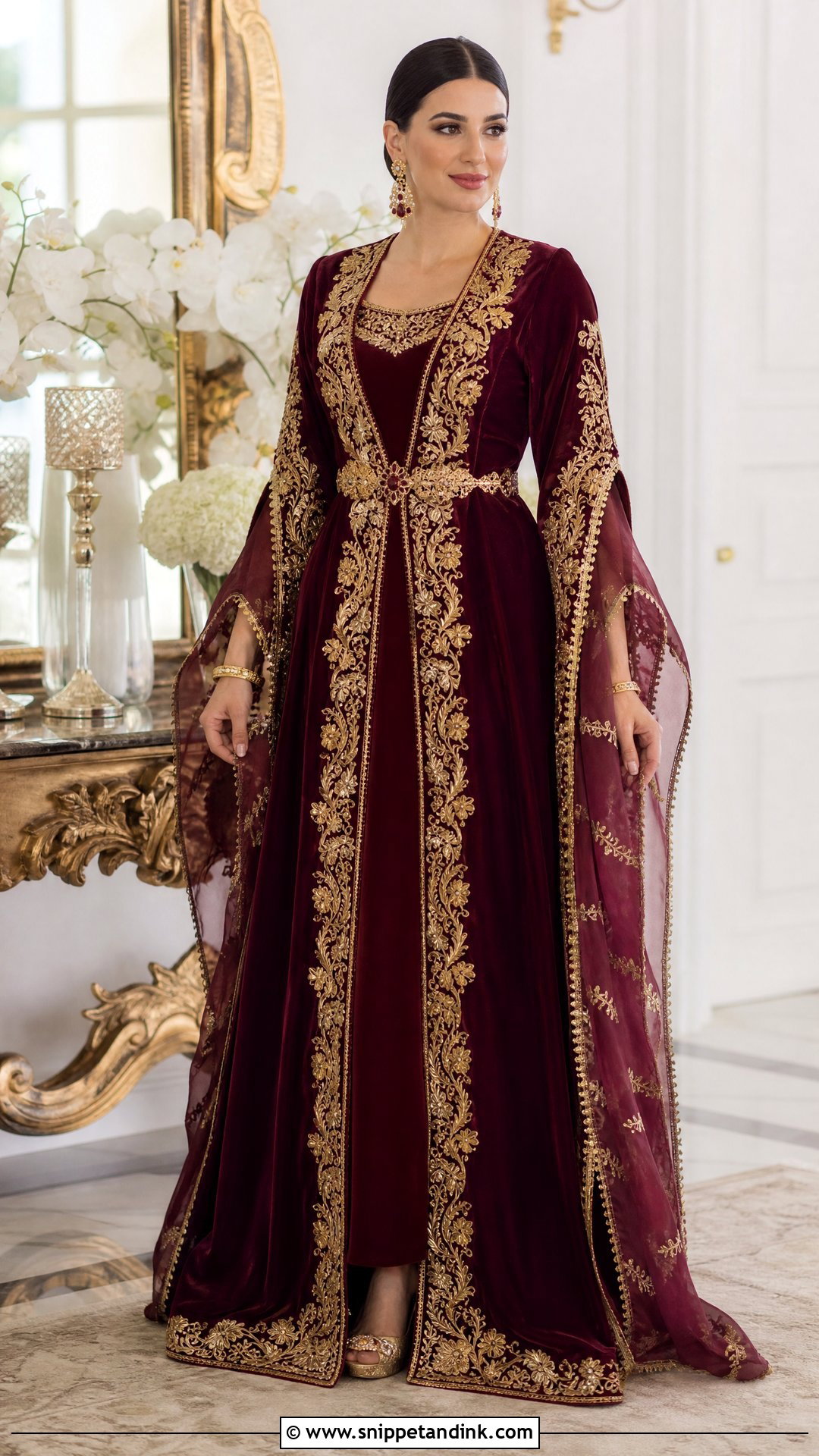
The bindallı is a long velvet gown embroidered in gold, worn for the henna night (kına gecesi) more than the wedding itself. Red, burgundy, navy, green and gold are typical. Complete it with a matching veil or shawl, statement earrings, bracelets and embellished shoes. Velvet is warm, and henna nights involve dancing and candles, so I’d keep the veil away from flames and choose a lighter fabric if your venue is hot. With fabric and embroidery this bold, the styling should stay controlled.
24. Indonesian Kebaya Wedding Outfit
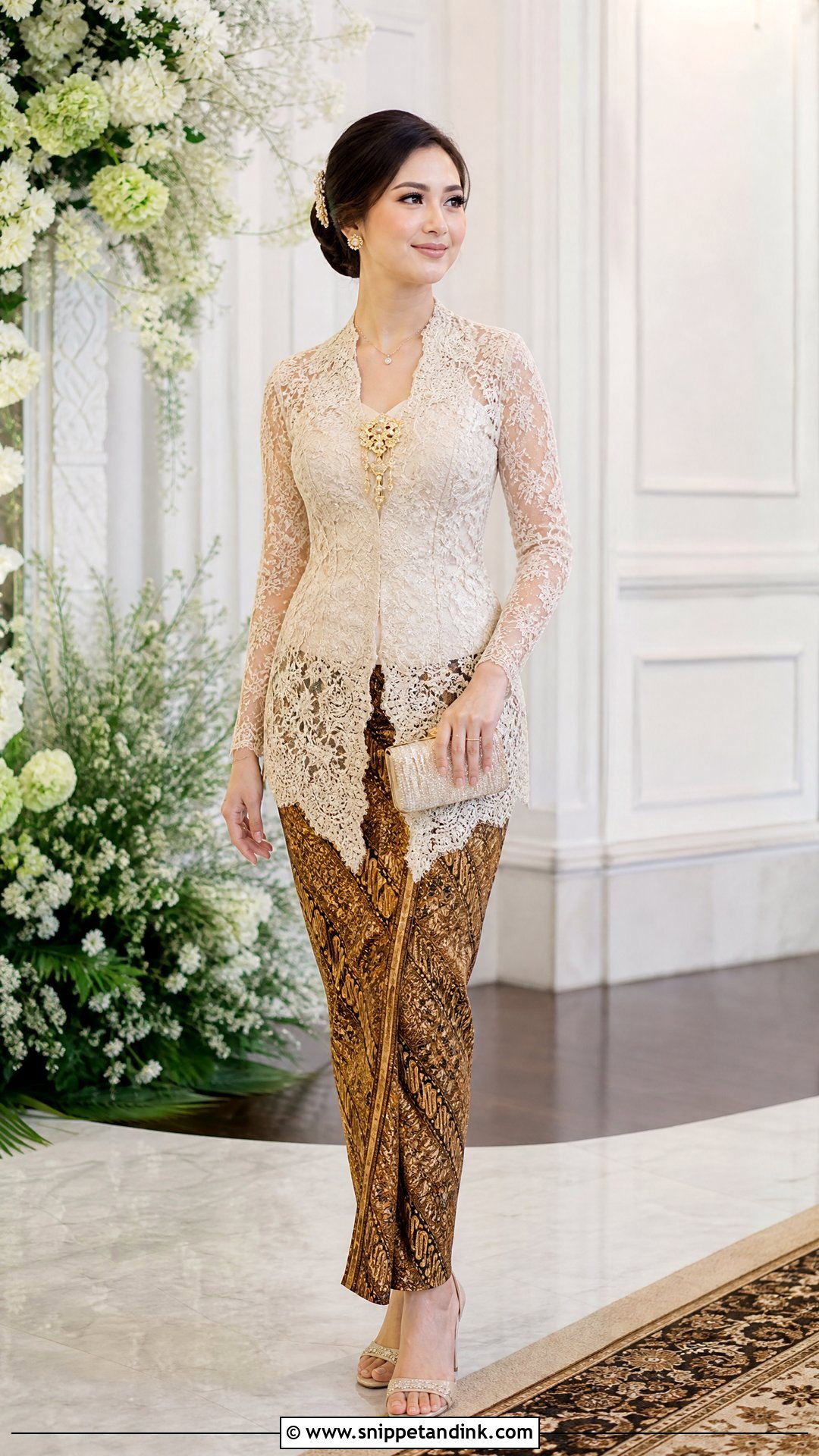
An Indonesian kebaya wedding outfit pairs a lace or embroidered kebaya blouse with a batik or songket skirt. Bridal versions often use white, ivory, gold, blush or champagne, though regional traditions vary widely. Add jewelry, heels, an updo and a clutch. The kebaya should sit smooth across the back without pulling at the buttons, which only happens with careful tailoring. A wrapped batik skirt restricts stride, so practice walking and sitting in it before the day.
25. Cambodian Sampot Wedding Outfit
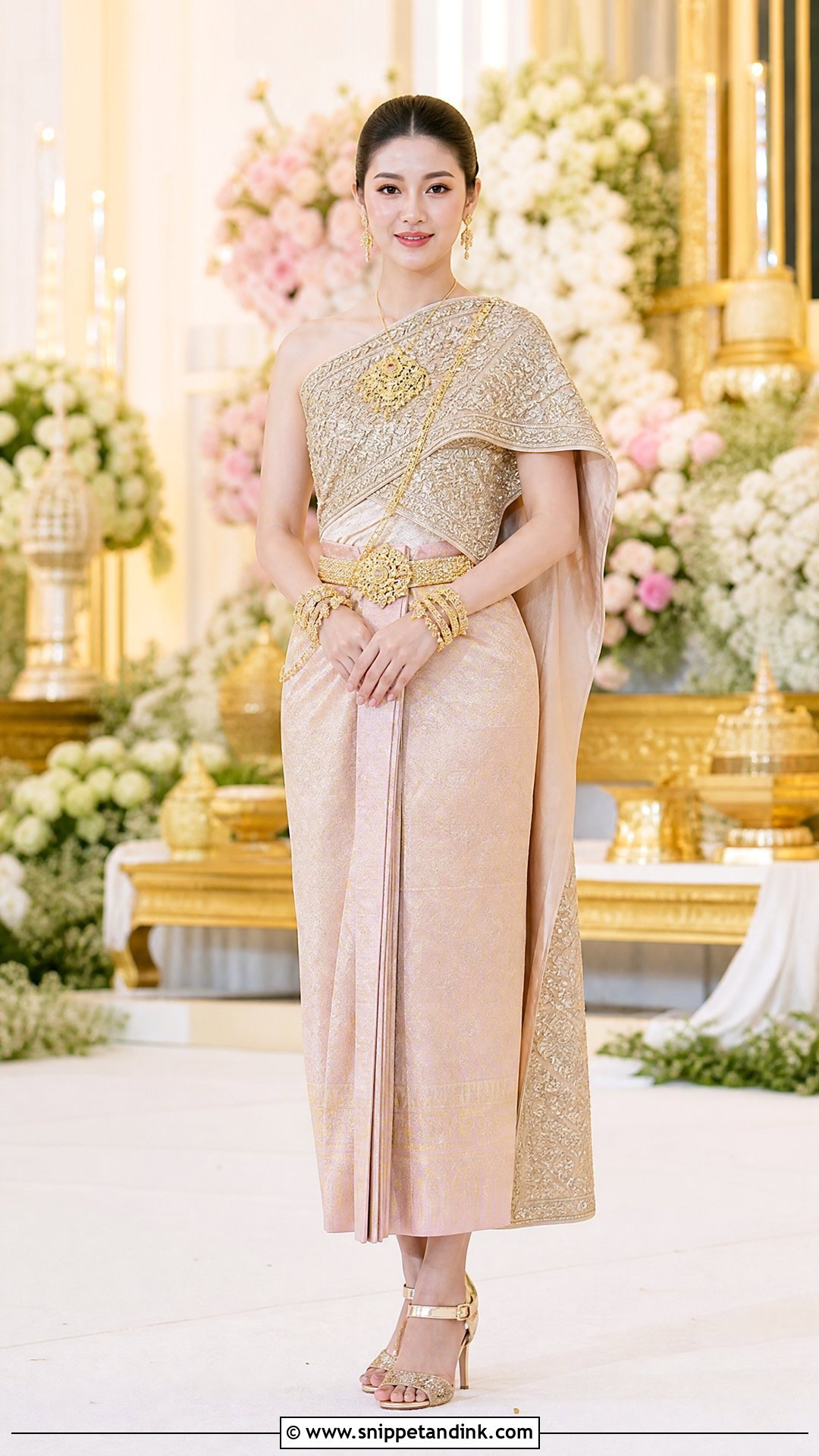
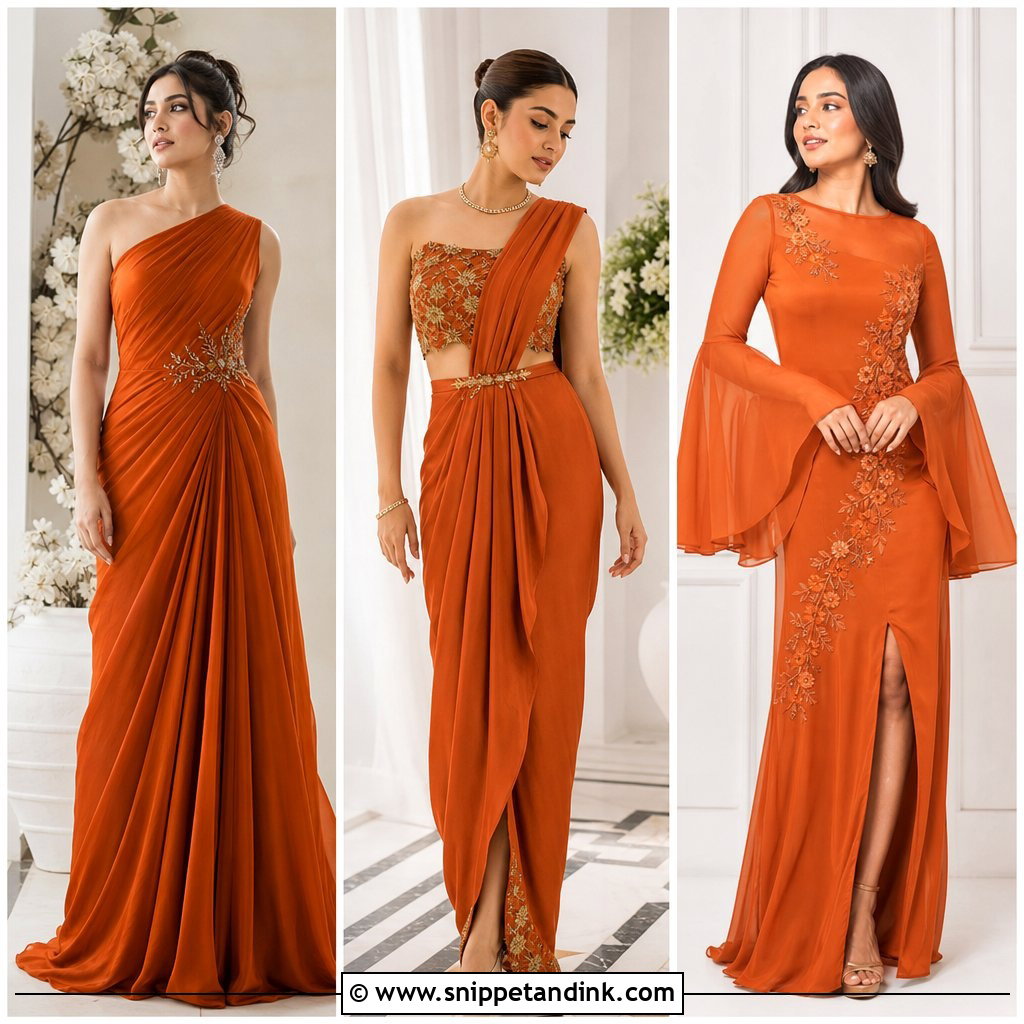
The sampot is a silk skirt, often pleated or wrapped, worn with a fitted top, a draped shawl and gold jewelry. Wedding versions come in red, gold, green, pink, blue or ivory with woven patterns and metallic shine. Dressy sandals, layered jewelry and a polished hairstyle complete it. Cambodian weddings traditionally include several costume changes across the ceremonies, so I’d choose pieces that are quick to change and plan who will help with each one.
Ordering From Overseas: Lead Times, Fittings and Who Alters It
Many of these garments are made by specialists in their country of origin, and many couples order them from abroad. Hand-woven cloth like kente, aso oke and songket can take weeks to weave before tailoring even begins, and shipping and customs add more. I’d start these orders several months before the wedding and plan at least one fitting with a local tailor once it arrives.
Choose that tailor carefully. Someone used to Western gowns may not know how a cheongsam collar should sit or how deep a sari blouse can be taken in without spoiling the embroidery. Ask whether they’ve altered that garment type before, and bring photos of how it should look worn.
Renting, borrowing and inheriting
Renting is normal for some of these, especially Japanese bridal kimono, and the rental package usually includes dressing and the right underlayers. Inherited garments need checking early: old silk can split along fold lines, and metallic embroidery tarnishes. Have a specialist look at an heirloom piece a few months ahead, so there’s time for repairs or a plan B.
Dressing Respectfully in a Tradition That Isn’t Yours
Every outfit here carries its own meaning, from the symbolism of red bridal wear to the quiet formality of lace, silk, embroidery and woven cloth. The right choice depends on the wedding’s culture, the role you’re dressing for and the level of formality. Plan the whole outfit, including shoes, accessories, hair and any traditional finishing piece, and ask someone from that culture when you’re unsure. Worn with care and some research, any of these looks will feel right on the day.
You'll Like These Ideas:


Leave a Reply