
A traditional wedding outfit is rarely just clothing. It carries a family’s history, a region’s craft and a ceremony’s meaning, often in a single piece of hand-woven or hand-embroidered cloth. I’ve dressed brides and guests in garments from traditions very different from one another, and the questions are always the same: what does this piece mean, who is allowed to wear it, and can you actually move in it for twelve hours? Below are 25 complete looks from South Asia, East and Southeast Asia, Africa, the Middle East, the Americas and Scotland, each with notes on fit, comfort and respect. Your role in the celebration decides more than taste does, so read each one with that in mind.
Rent, Buy or Commission? Sourcing Real Craft in Time
Many of the garments below are hand-woven or hand-embroidered, and that changes your timeline. A commissioned Aso Oke, Kente or Banarasi piece is made to order, and a tailor then needs time to cut and fit it. I tell brides to start sourcing six months out for anything commissioned, and to treat three months as the latest safe point to order fabric that still needs stitching.
- Commissioning from a weaver or embroiderer gives you the most authentic piece, but ask how long the weaving itself takes before you agree a date.
- Buying ready-made works well for sarees, kebayas and hanbok, provided you leave four to six weeks for alterations.
- Renting is common for kimono and some ceremonial robes, and the rental house usually includes a trained dresser.
- Borrowing a family piece is often the most meaningful choice. Get it cleaned and checked for weak seams early, since older silk and velvet can tear at stress points.
Whichever route you take, have the final fitting with the shoes, underlayers and jewelry you’ll actually wear. That’s the only fitting I trust.
Kimono, Gele and Saree Dressing Need a Booked Slot
Brides tend to schedule hair and makeup carefully and then forget that the outfit itself takes time. A kimono with an obi, a gele tied properly, a Nauvari or Kandyan drape, a sculpted takchita belt: each of these needs a skilled pair of hands and anywhere from twenty minutes to over an hour. I build the morning backward from the ceremony time and put dressing after makeup but before jewelry, so nothing gets smudged and the heavy pieces go on last.
Ask your dresser or draper how long they need, whether they’ll stay for touch-ups, and whether they’ll handle a mid-event change. If they leave after the ceremony, have a family member watch them redo the drape once so someone can fix it later.
1. Indian Lehenga Wedding Dress
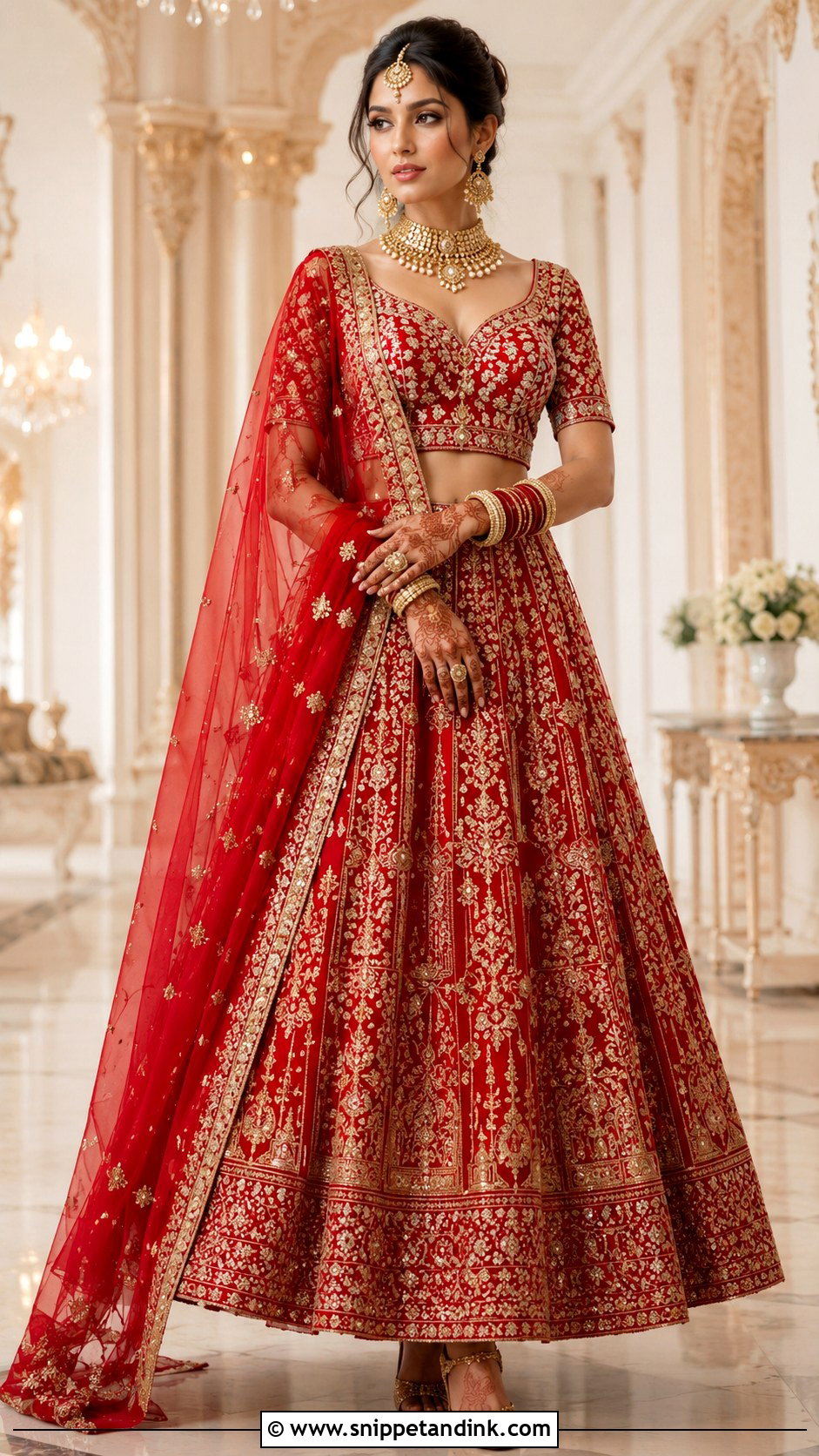
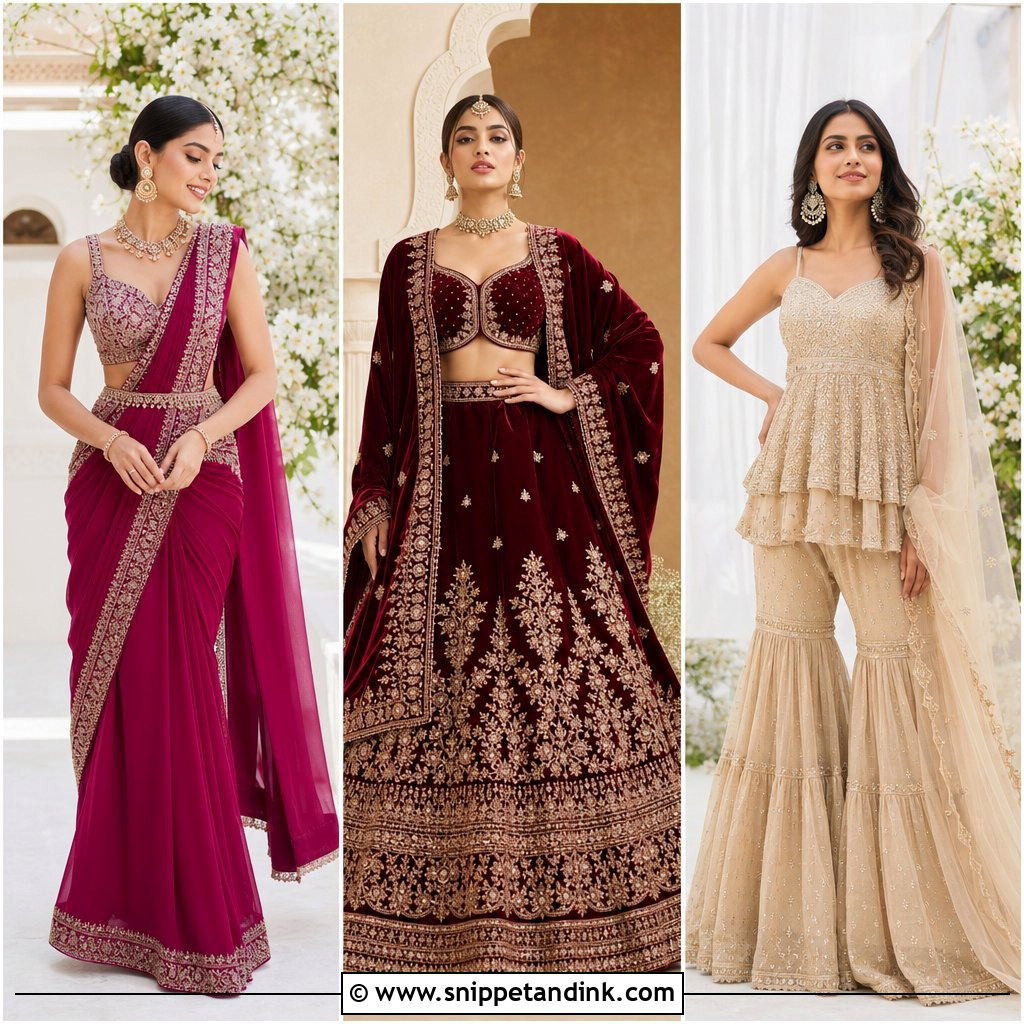
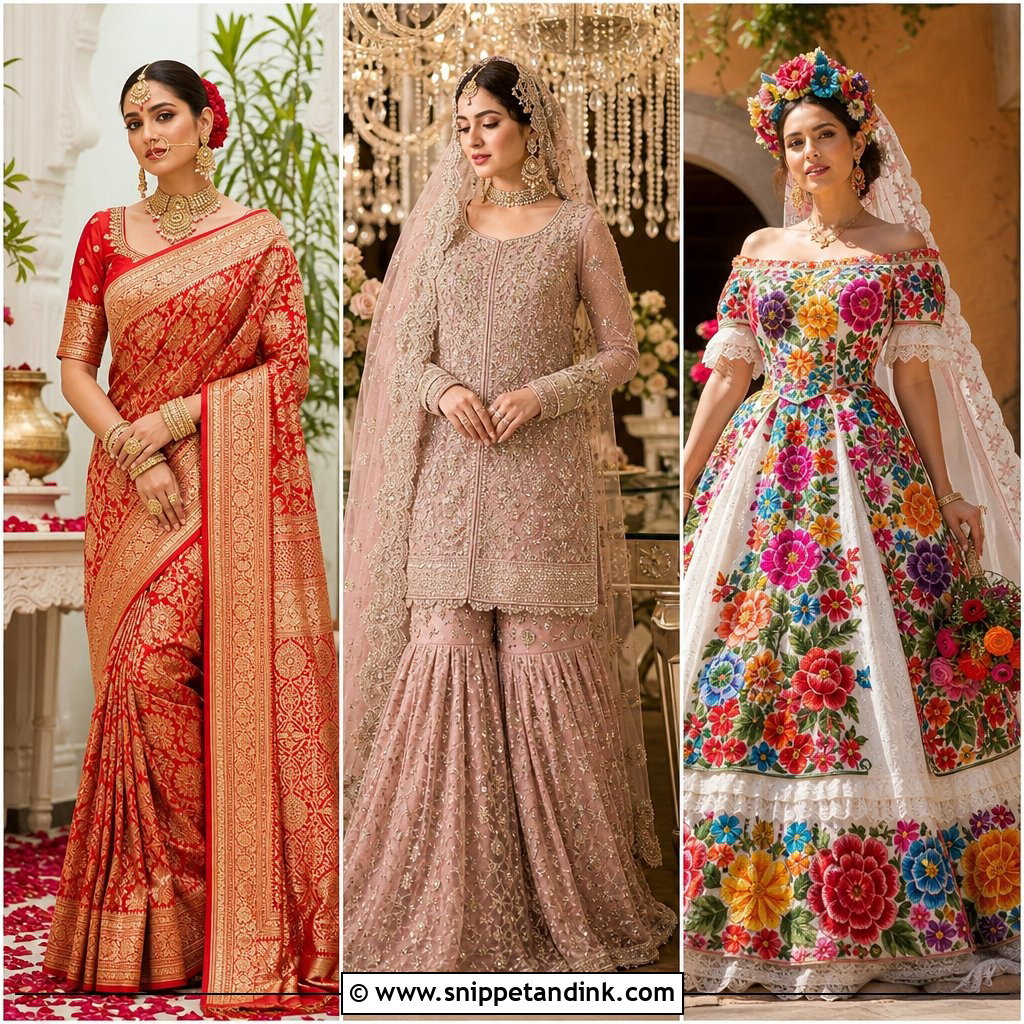
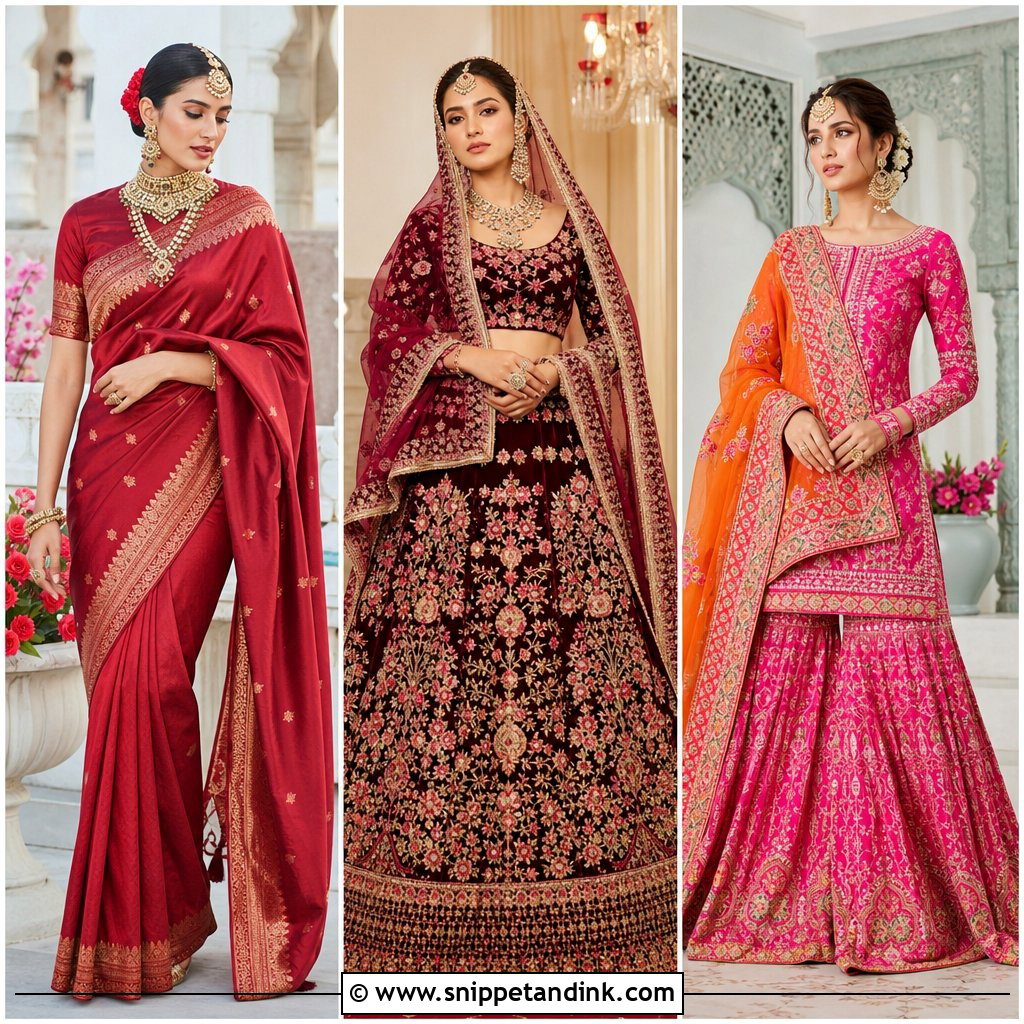
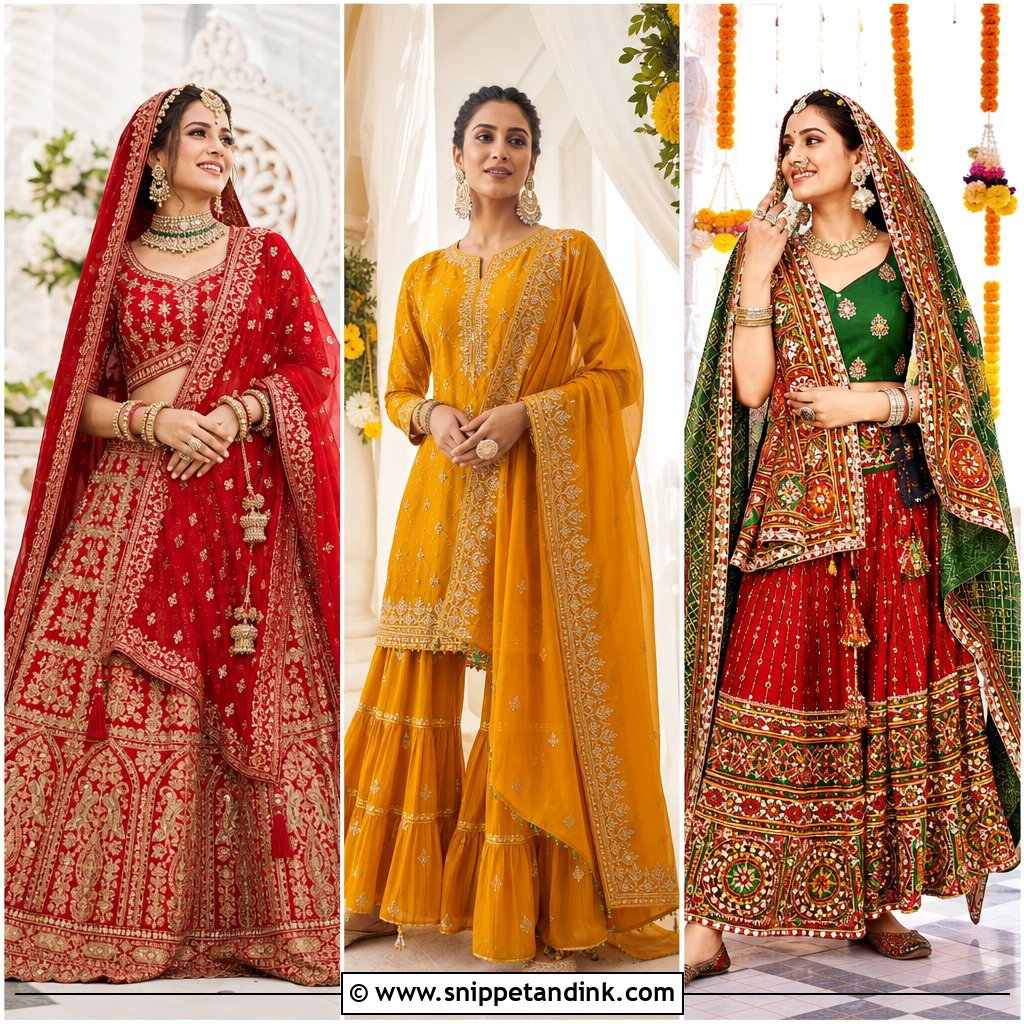
An Indian lehenga is three pieces: a flared embroidered skirt, a fitted blouse and a dupatta over the shoulder or head. Red, maroon and gold remain the classic bridal shades, though ivory and pastels are now common. Weight is what I watch. A skirt loaded with zari, mirror work and beading can pull at the waist by evening, so I have the waistband lined and widened slightly for support. Add a choker, a longer necklace, bangles and embellished sandals. When the lehenga carries heavy handwork, keep the makeup soft and let the craft lead.
2. Indian Saree Wedding Dress
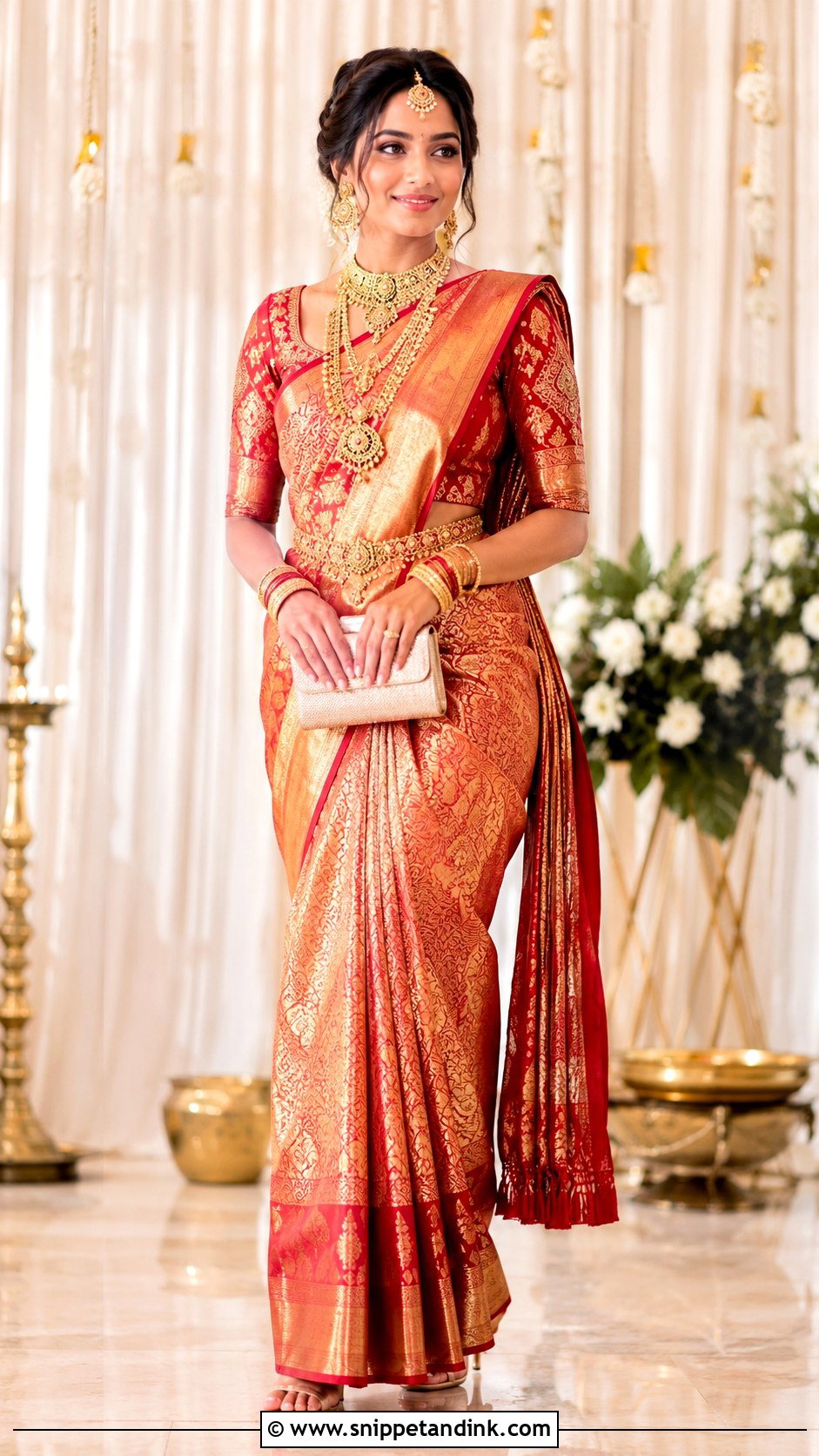
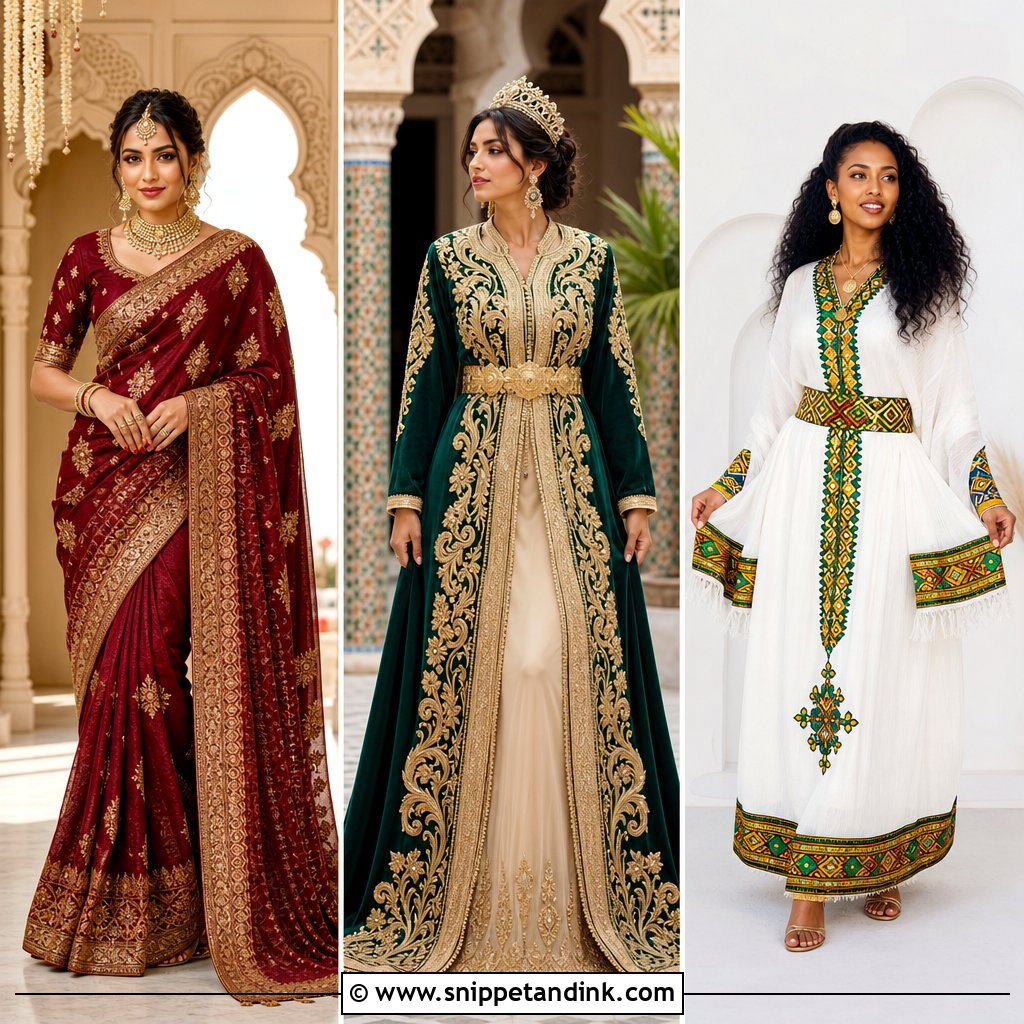
A saree suits almost any role at an Indian wedding, from bride to mother of the bride to guest, and the fabric tells people which one you are. Banarasi and Kanjivaram silks read formal and ceremonial; embroidered georgette is lighter and easier for a guest. The outfit is the saree, a blouse, a petticoat, jewelry and footwear. I always set the hem with the exact shoes on, since a centimeter of heel changes where the pleats break. Gold suits traditional silk, while pearls soften a pastel. Pin the pallu at the shoulder so it holds through a long ceremony.
3. Pakistani Sharara Wedding Dress
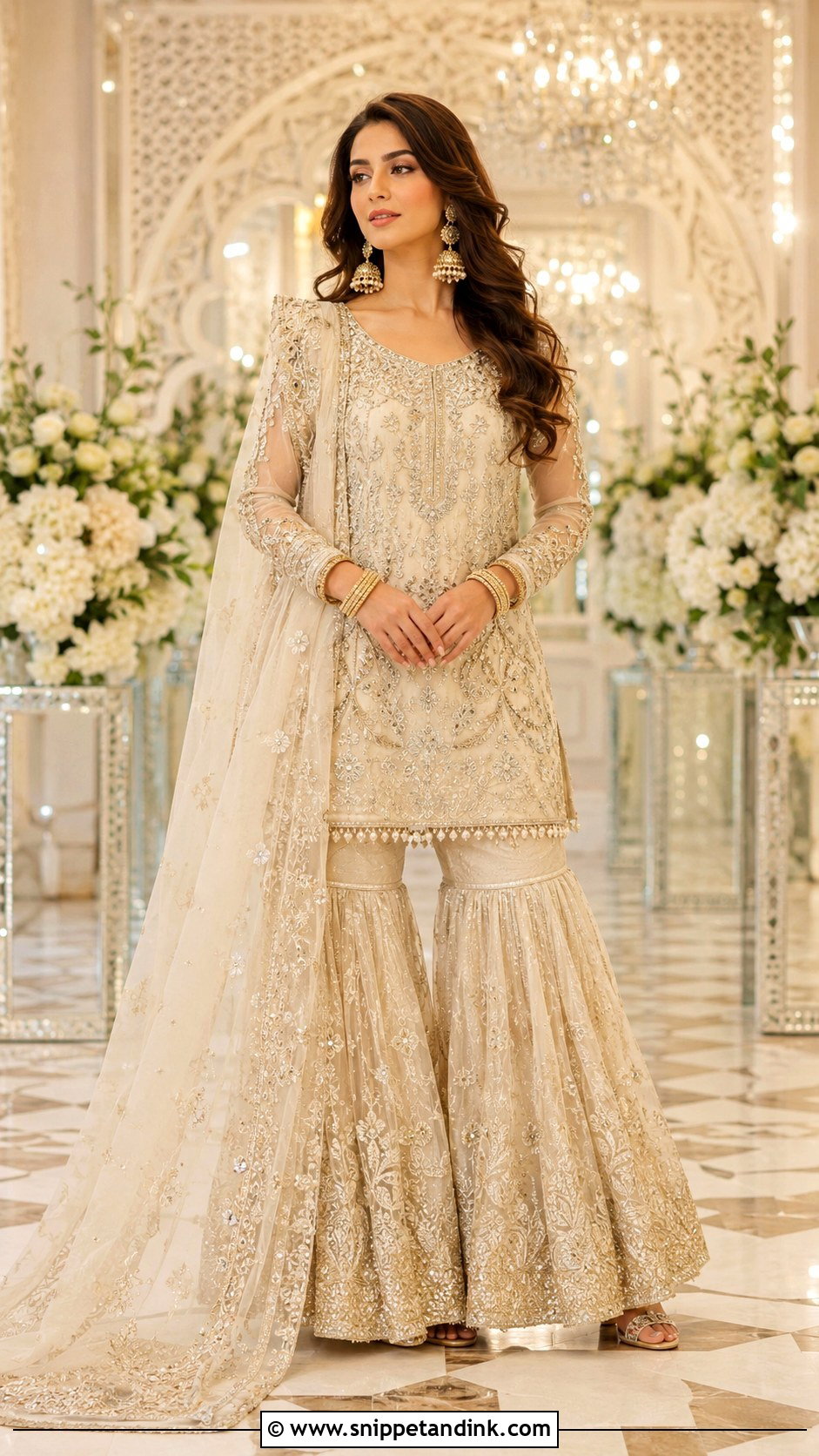
Volume and movement are what a Pakistani sharara offers. A short or mid-length kameez sits over wide flared pants, finished with a dupatta, usually in organza, chiffon or silk worked with zardozi, sequins or pearls. Sisters and close family often choose it over a gown because it dances well. Zardozi is metal thread and it’s heavy, so I make sure the kameez is lined in cotton; otherwise the embroidery scratches the skin by the second hour. Jhumkas, a maang tikka, bangles and embellished sandals complete it, with the dupatta draped over one shoulder or across both arms.
4. Pakistani Anarkali Wedding Dress
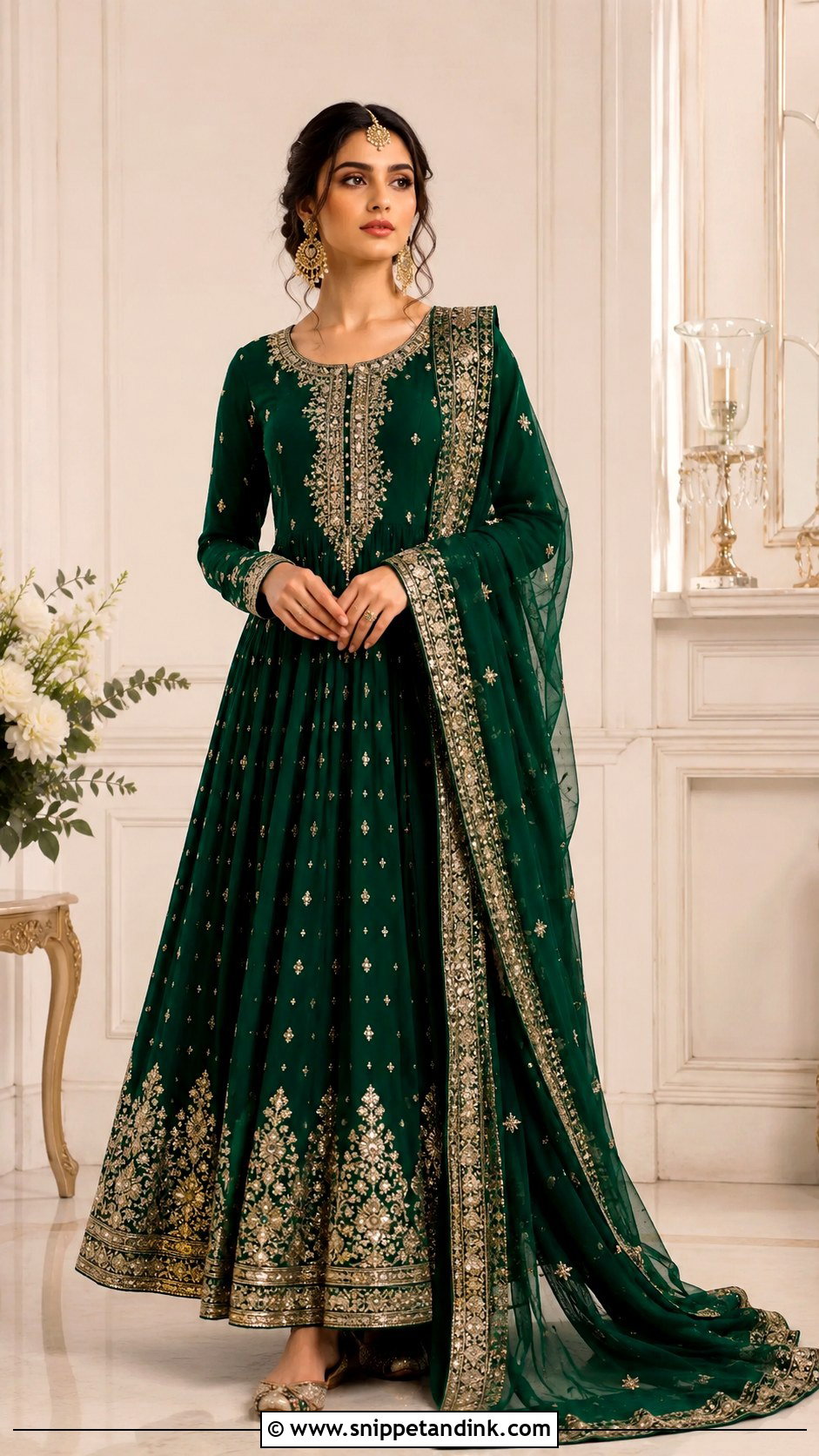
A Pakistani Anarkali flatters a wide range of figures because the fitted bodice and long flared skirt draw one clean line from shoulder to floor. Velvet suits a winter wedding, while chiffon and net suit warm evenings. Ivory, champagne and deep jewel tones all look rich. I’d steer petite clients toward a skirt with fewer panels, since a very full Anarkali can swamp a smaller frame. Pair statement earrings and a delicate headpiece with pointed embellished flats. If the neckline is heavily embroidered, a sleek hairstyle keeps it visible.
5. Bangladeshi Jamdani Saree Wedding Dress
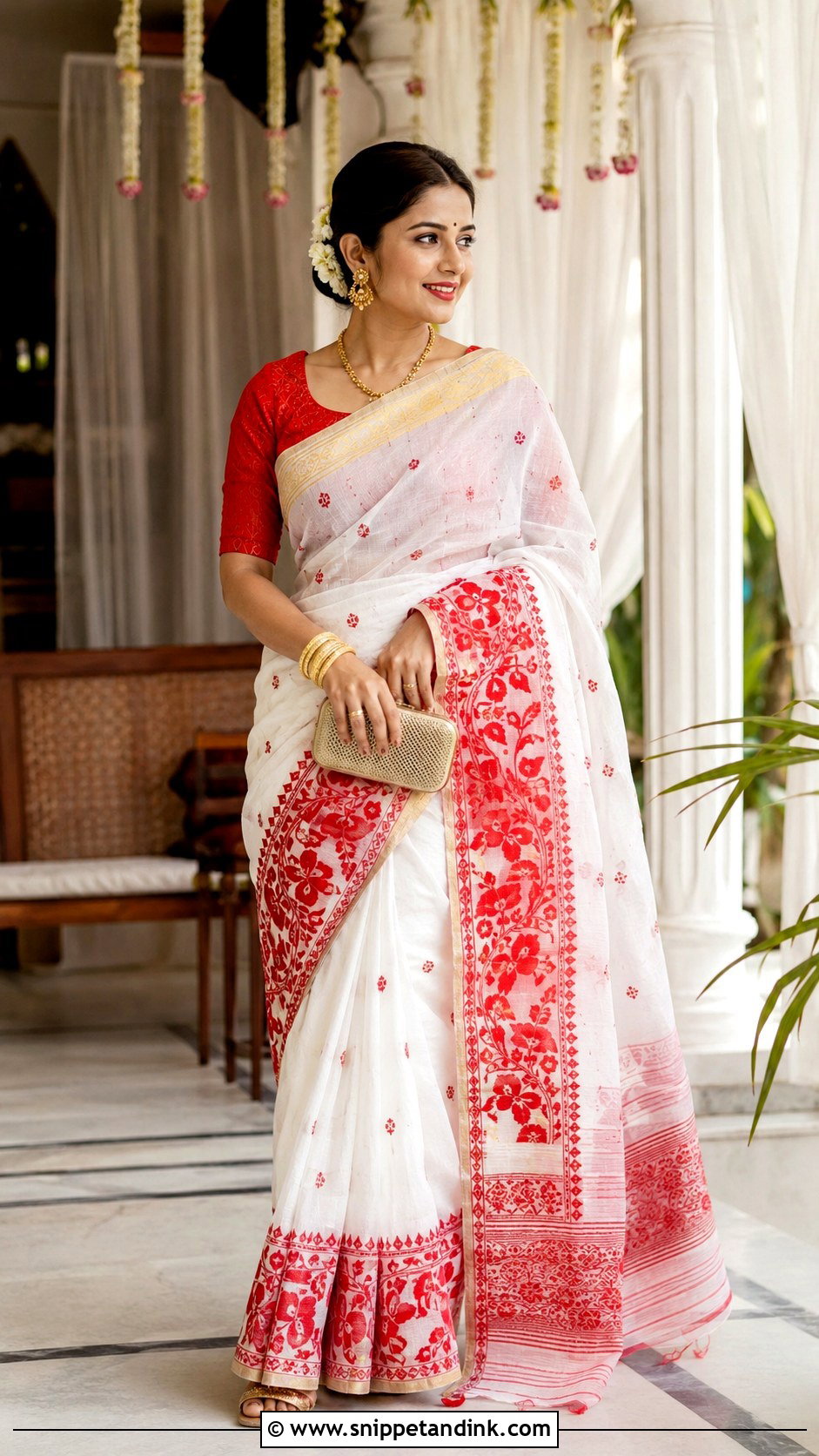
Jamdani weaving creates motifs that seem to float on a sheer cotton ground, because each motif is woven in by hand rather than printed or embroidered afterward. That’s why a real Jamdani costs more and moves so softly. Brides often choose red and gold; guests look refined in pastels or deep jewel tones. Since the fabric is fine and slightly stiff, I fold the pleats a little wider than for silk so they lie flat instead of fanning. A fitted blouse, gold jewelry, traditional bangles and a neat bun finish it. The weave is the detail, so keep the drape clean.
6. Sri Lankan Kandyan Wedding Dress
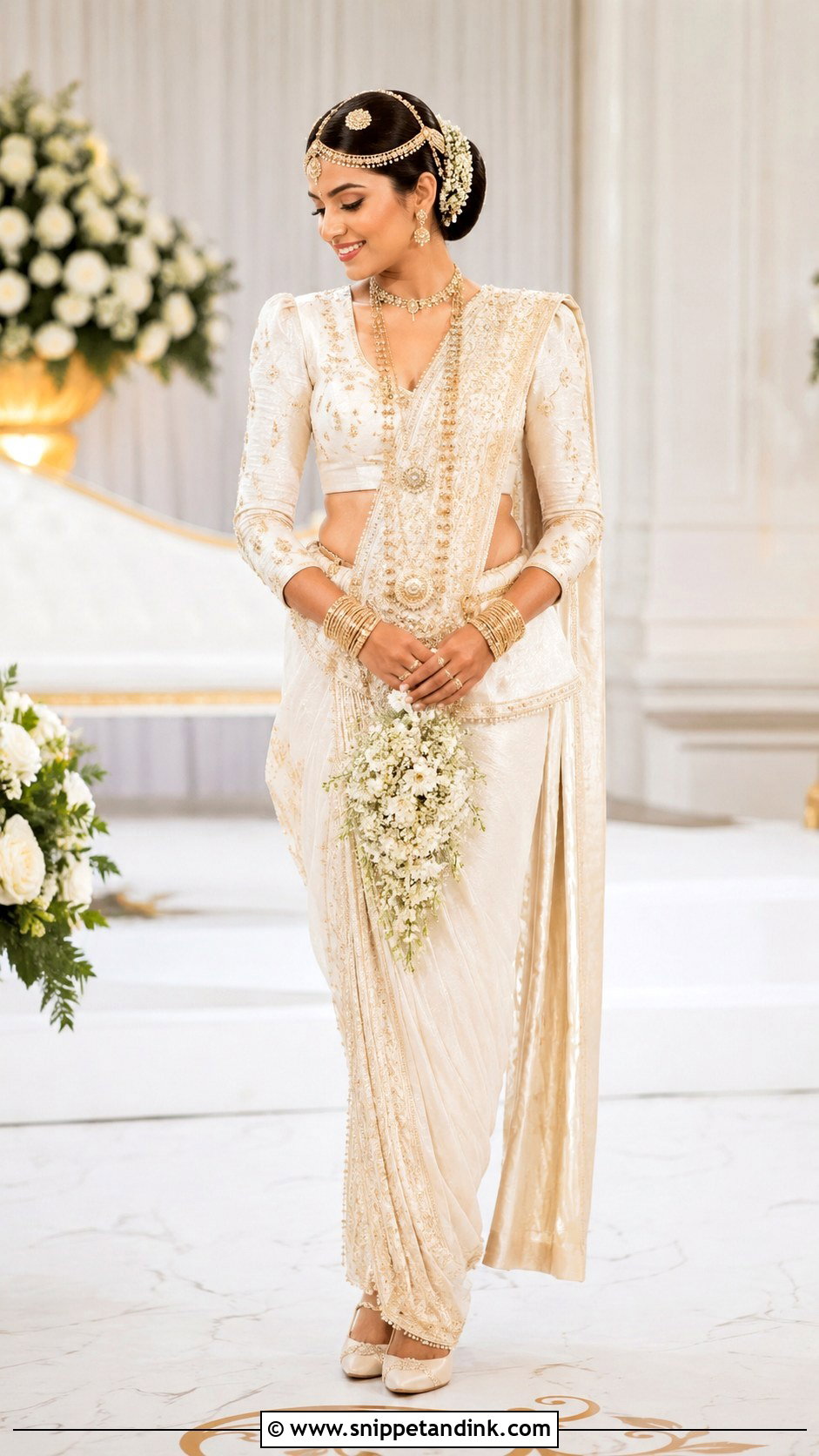
The Sri Lankan Kandyan wedding dress is draped in the Osariya style, with a frilled peplum at the waist and a fitted jacket, then layered with a remarkable amount of jewelry and a headpiece. White, ivory and gold dominate for brides, while guests wear colorful sarees in the same drape. The traditional jewelry set is heavy, so I plan the hair to carry the headpiece, with a firm base and pins anchored into it before the ornaments go on. Comfortable heels matter because the drape is ankle-length. Keep the fabric and makeup in harmony with the gold.
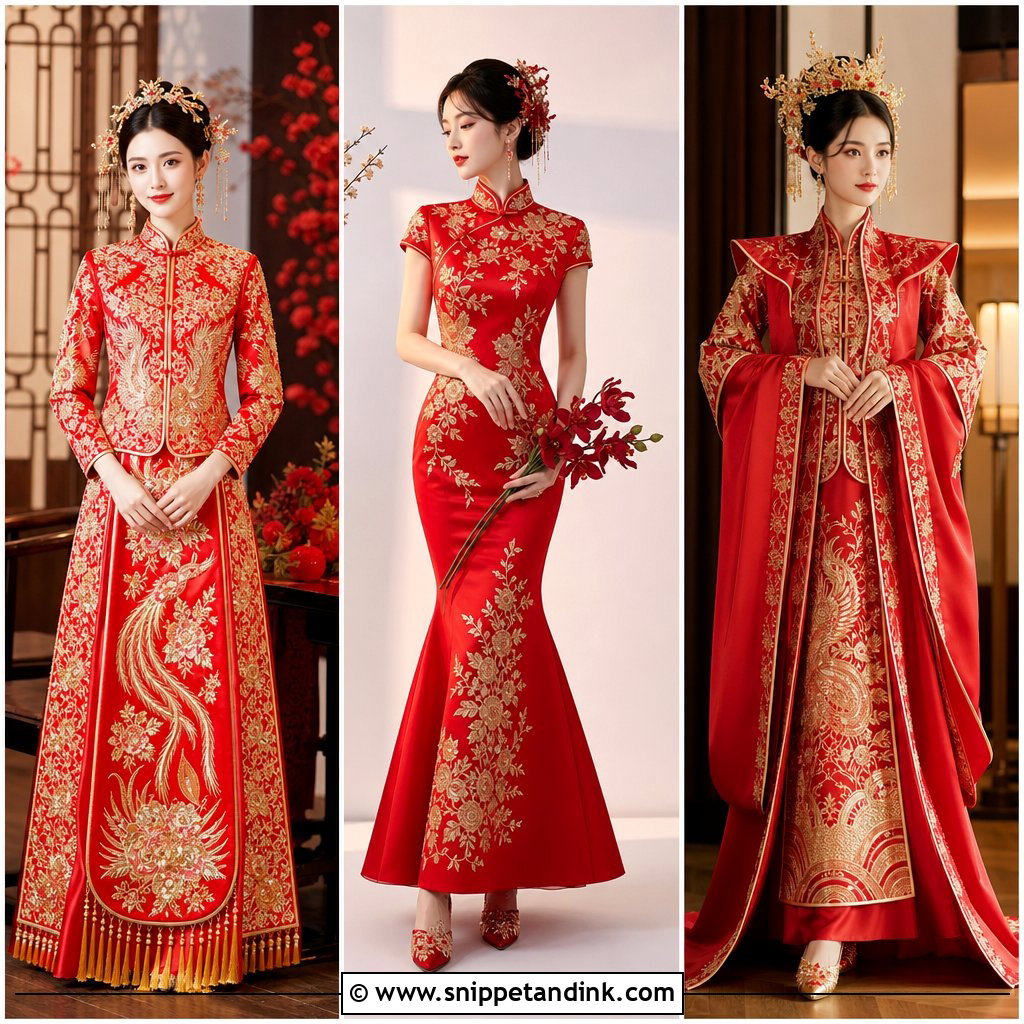
7. Chinese Qipao Wedding Dress
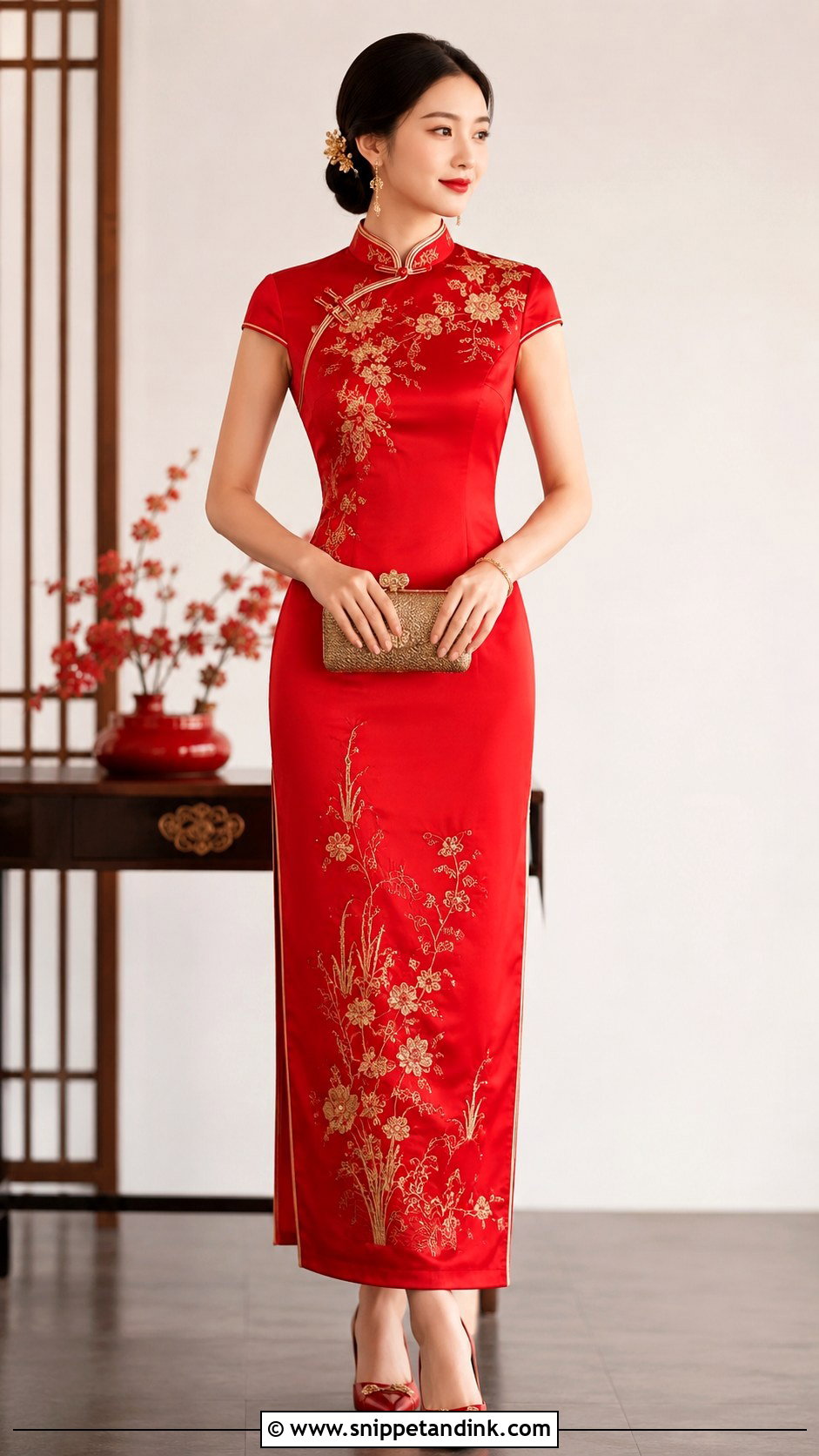
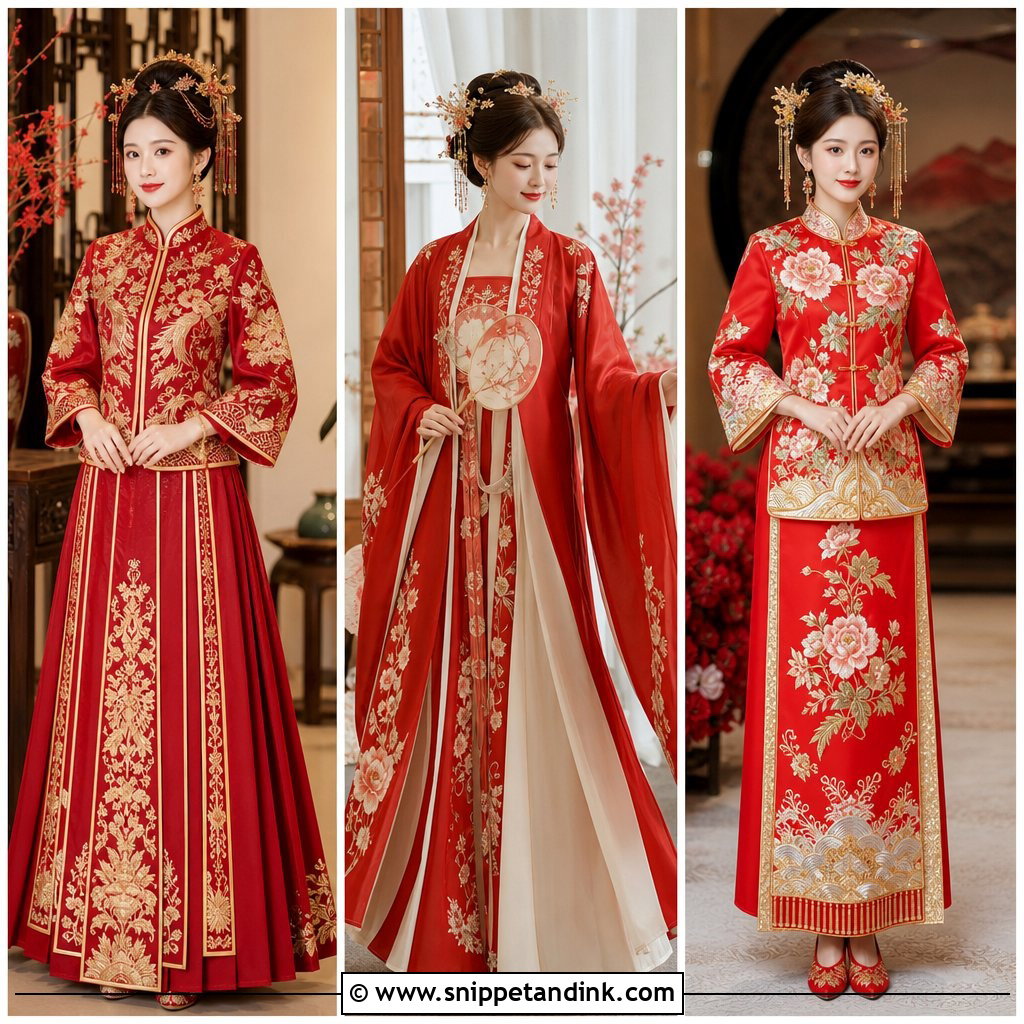
A qipao is unforgiving in the best way: high collar, close fit and a side slit, usually in red silk with gold embroidery for luck and celebration. Many brides wear it for the tea ceremony or reception. The fit check I insist on is sitting down. Silk brocade has no stretch, so a qipao that looks perfect standing can strain across the hips when you bow to serve tea to elders. Check that the collar leaves a finger’s width at the throat and that the slit lets you walk a normal stride. Embroidered heels and gold jewelry complete it, and guests can choose a less ornate version in a non-red color.
8. Chinese Hanfu Wedding Dress
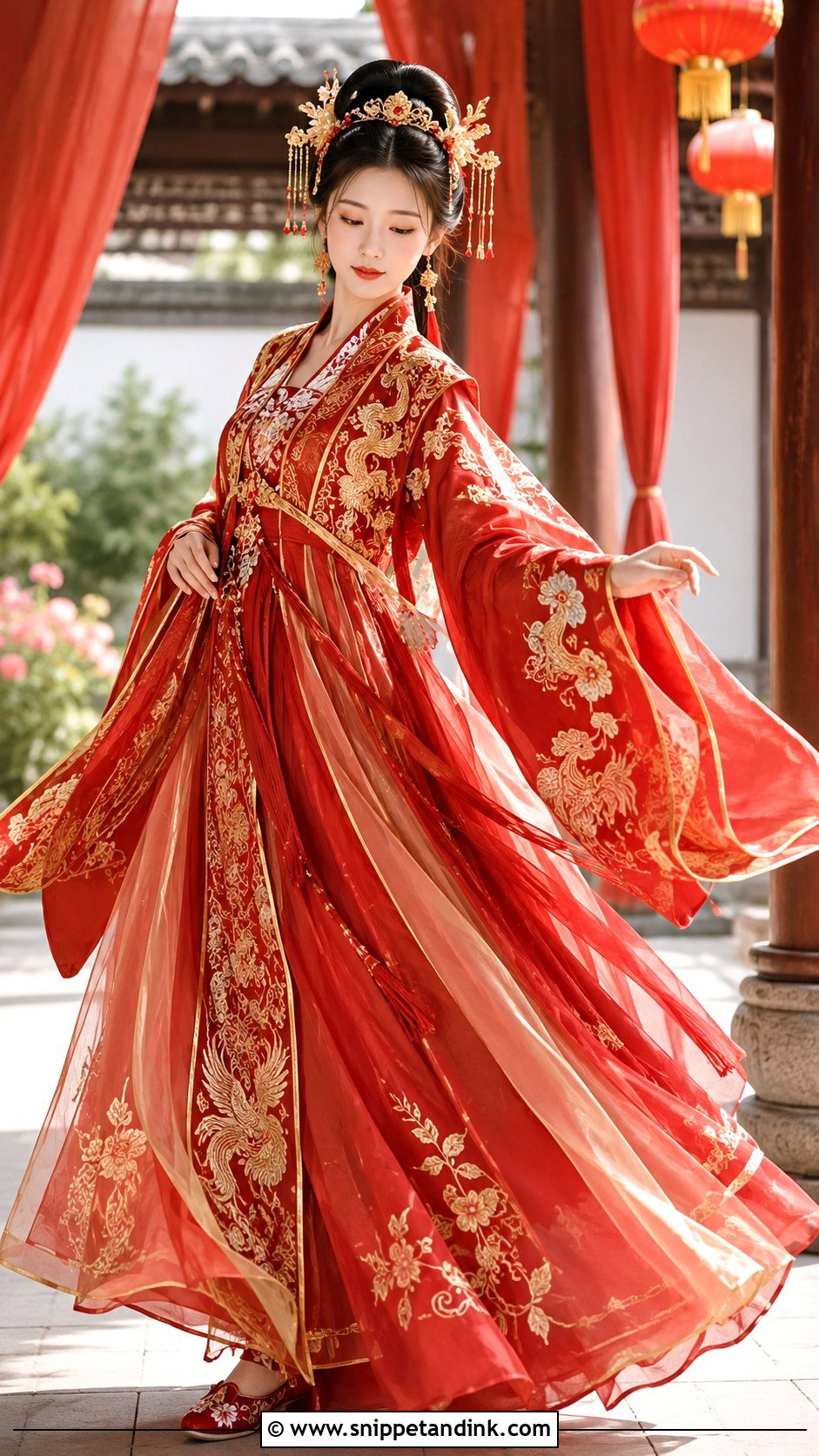
Bridal Hanfu is built in layers: a long robe, wrap-style pieces, wide sleeves and a flowing skirt, topped with ornate hairpieces. Red and gold are standard, and some historically inspired looks bring in deep green or blue. Those sleeves are the practical problem. They trail into food and catch on chairs, so I show brides how to gather the sleeve at the wrist with one hand when reaching for anything. Several layers get warm fast, so ask for a breathable inner layer. Embroidered shoes and hair ornaments that echo the fabric’s motifs finish the look.
9. Korean Hanbok Wedding Dress
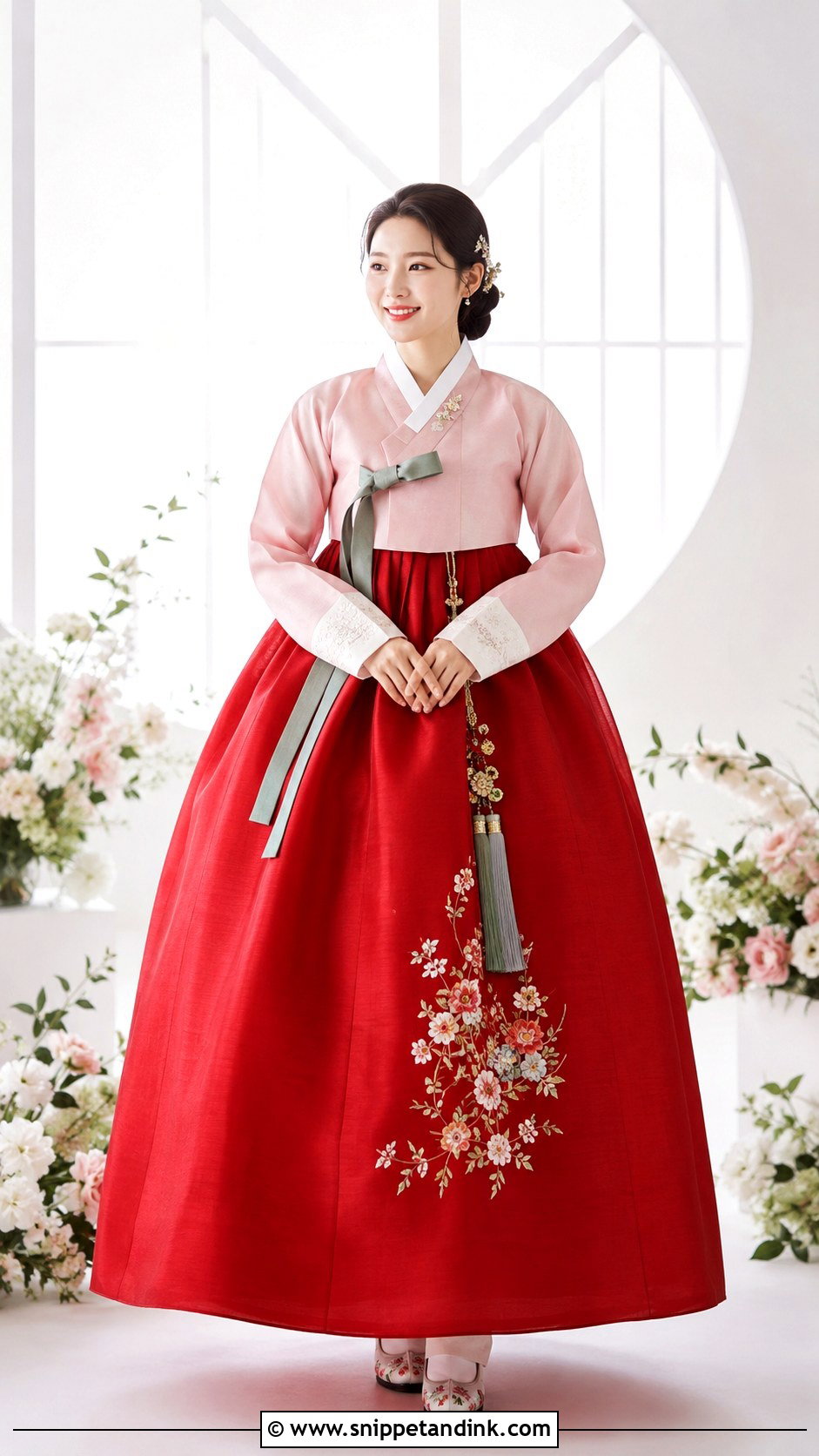
A hanbok pairs a short jeogori jacket with a full chima skirt tied high above the chest, so the skirt falls from the bust in a bell shape. Bridal versions often feature red, green and gold; a traditional bride may add a ceremonial robe for the ritual itself. The high tie hides the waist entirely, which makes the fit easy and the outfit comfortable for hours of greeting. Tie the chima firmly, because it can slip down as you move. Keep jewelry and hair simple so the shape stays the focus. Guests look right in softer colors with less decoration.
10. Japanese Kimono Wedding Dress
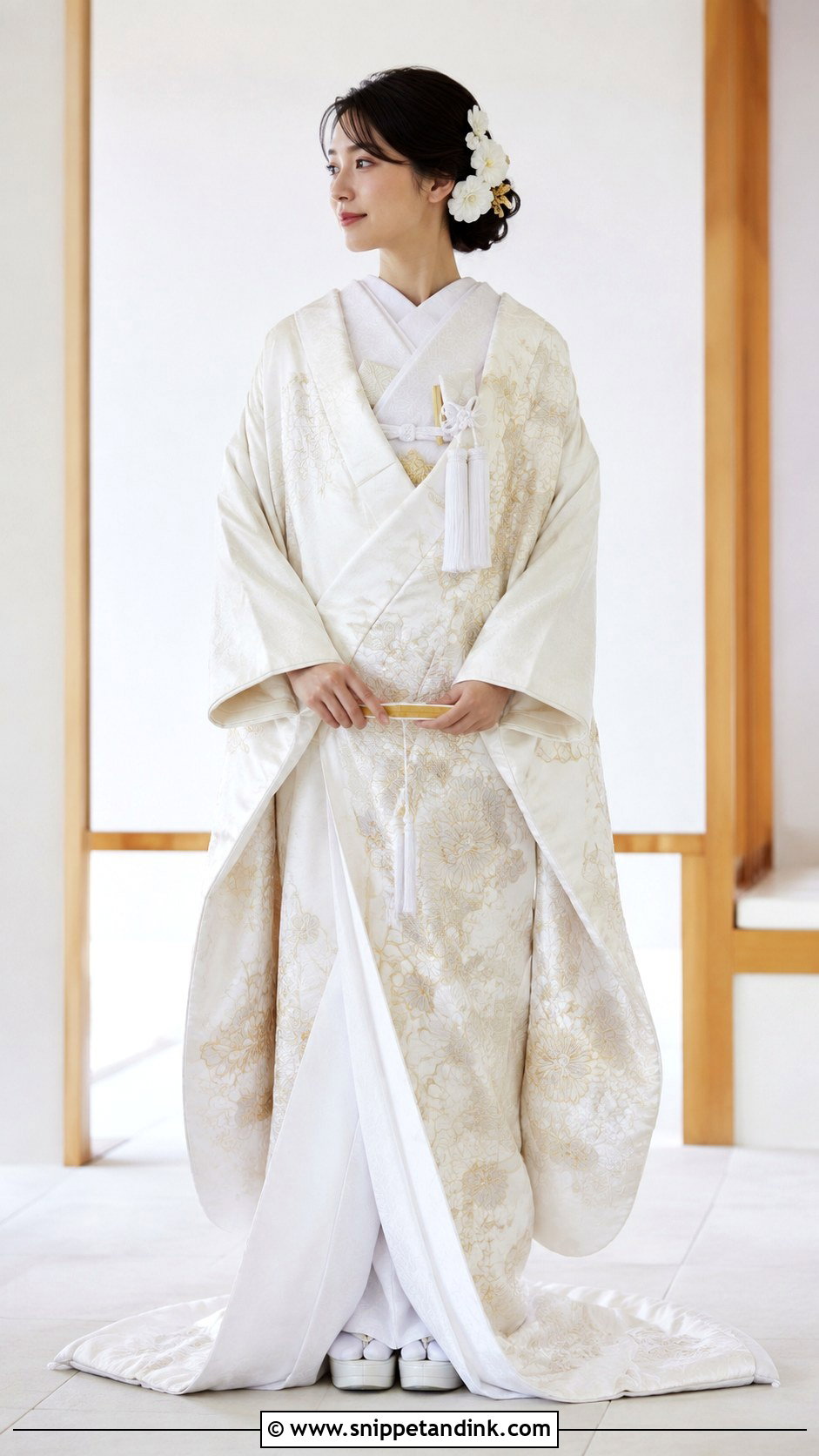
A Japanese kimono wedding dress may be the all-white shiromuku or the colorful uchikake robe worn over layers, often with cranes, flowers or metallic thread. Neither is something you dress yourself in. Kimono dressing is a skilled job done by a trained dresser, and the layers, ties and obi take real time to set. An uchikake is heavy, and walking in zori with a long hem means smaller steps, which brides find calming once they stop fighting it. Plan the hairstyle and headpiece together with the dresser, since they’re designed as one look.
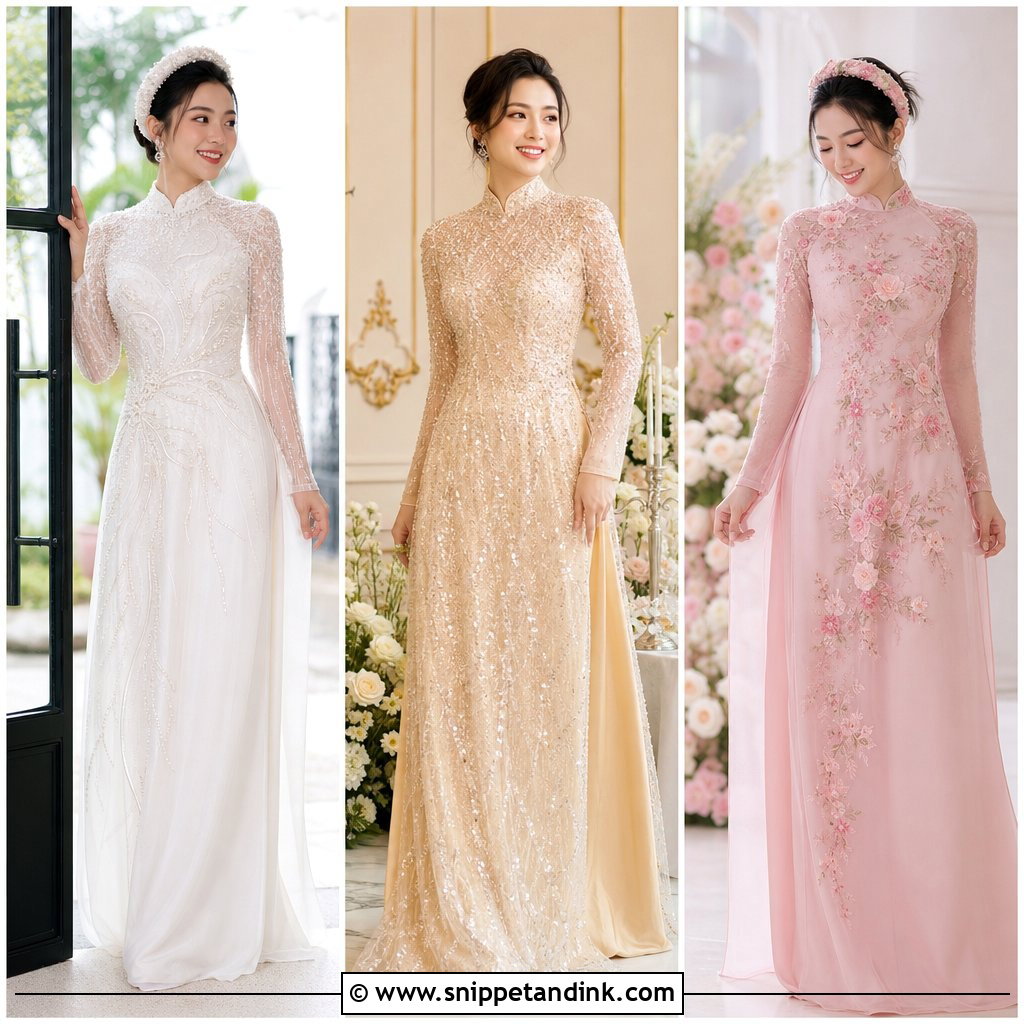
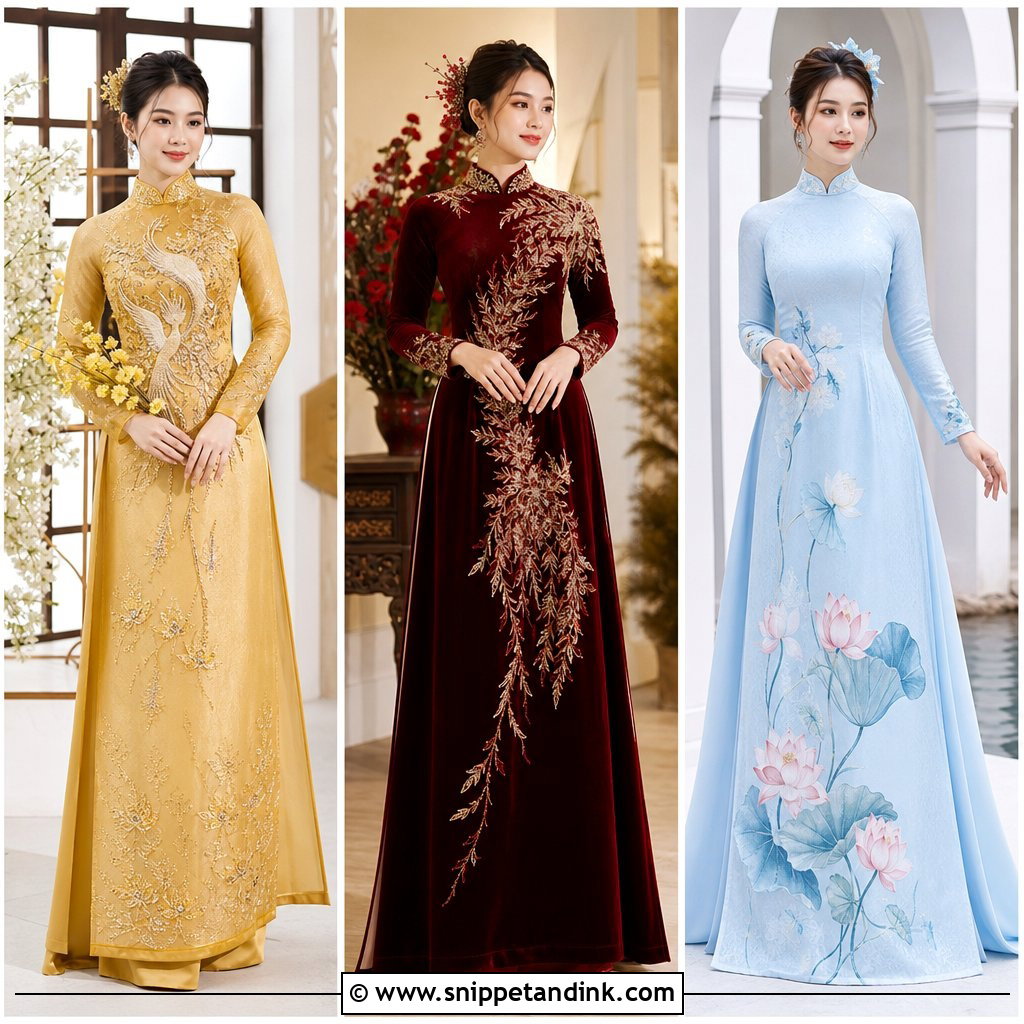
11. Vietnamese Ao Dai Wedding Dress
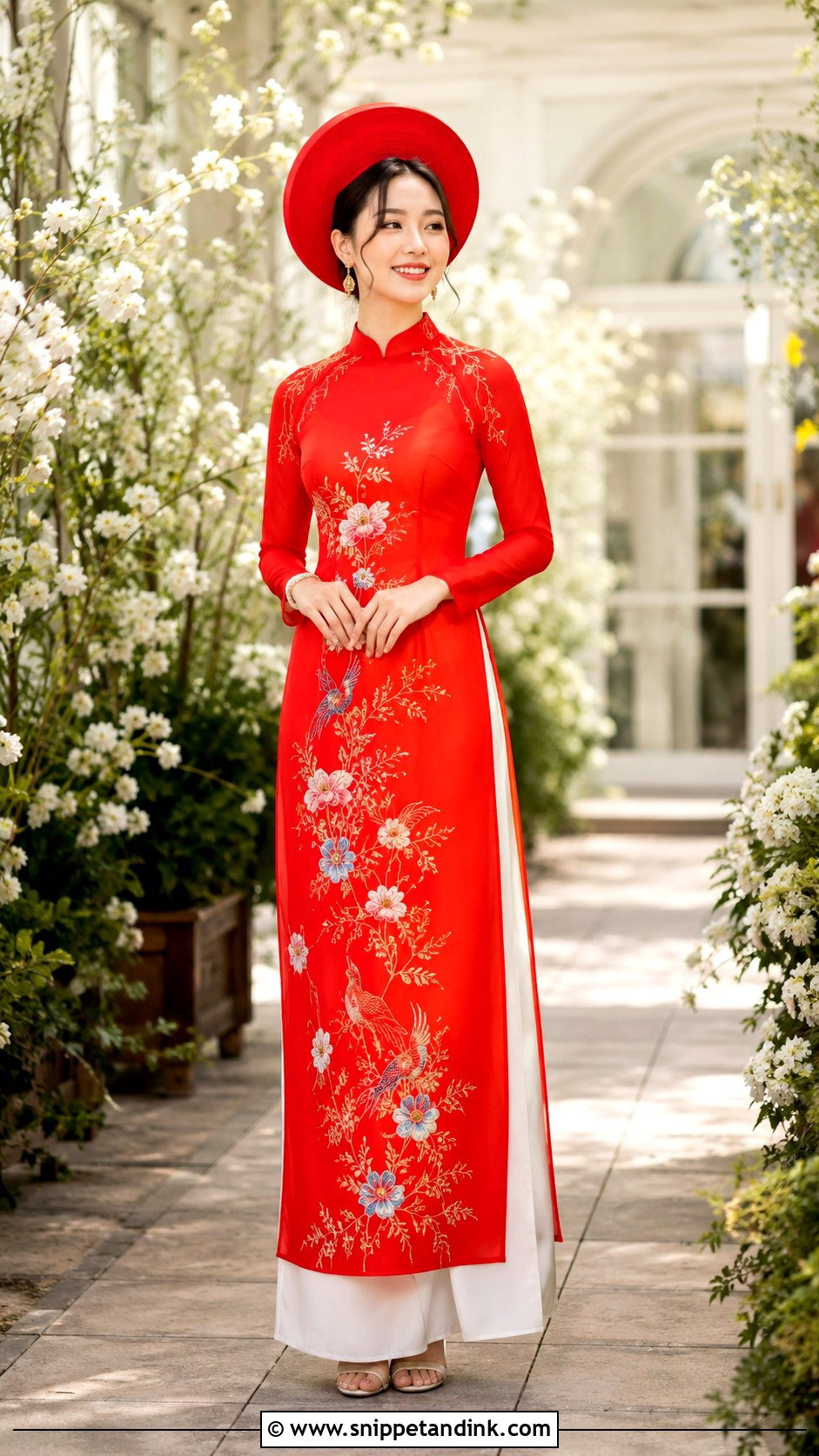
An ao dai is cut to many body measurements, which is why it looks so clean: a long fitted tunic with high side slits over flowing pants. Brides wear red, gold, pink or white, often with embroidery or beadwork. Because the tunic is so close through the bust and waist, I book the final fitting no more than a couple of weeks before the wedding. The pants are traditionally long enough to brush the floor in heels, so bring the exact shoes to have them hemmed. A matching headpiece and delicate jewelry complete it, and guests choose softer colors or simpler fabric.
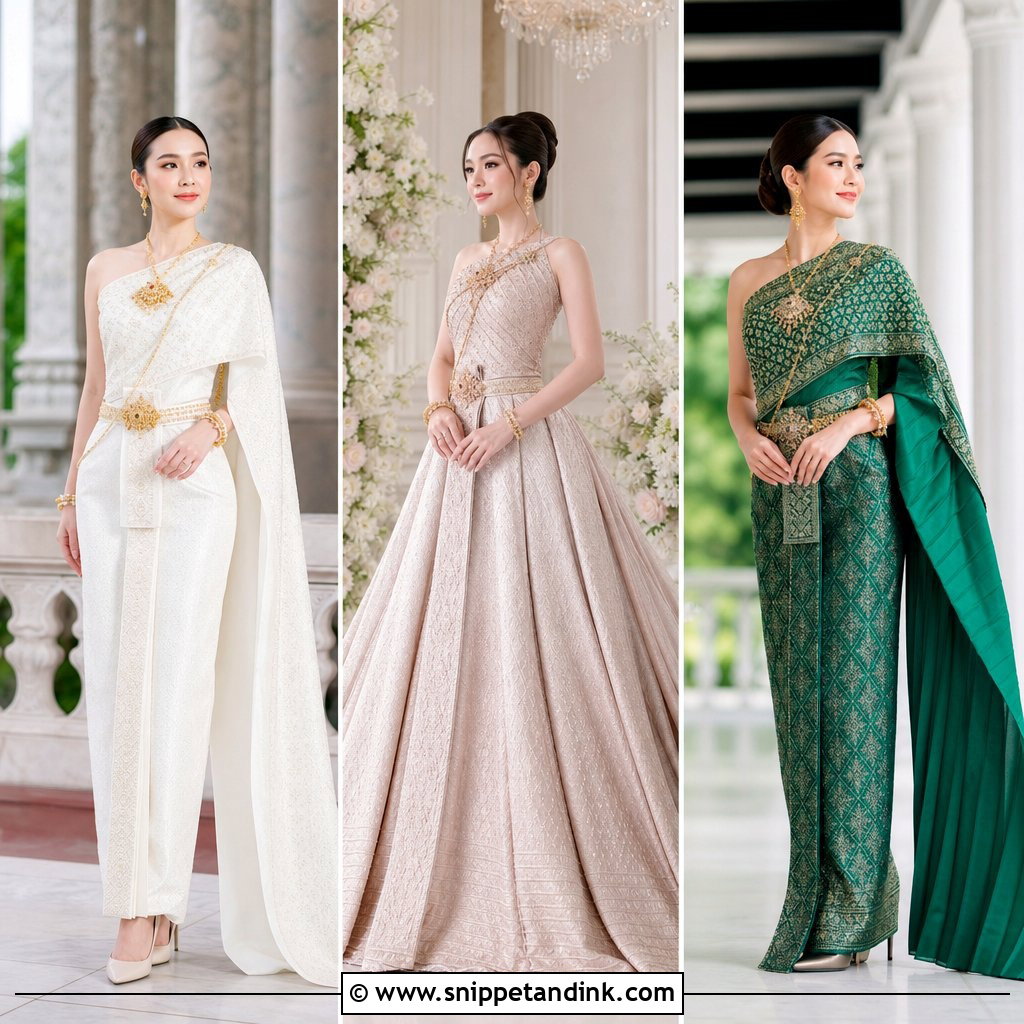
12. Thai Traditional Wedding Dress
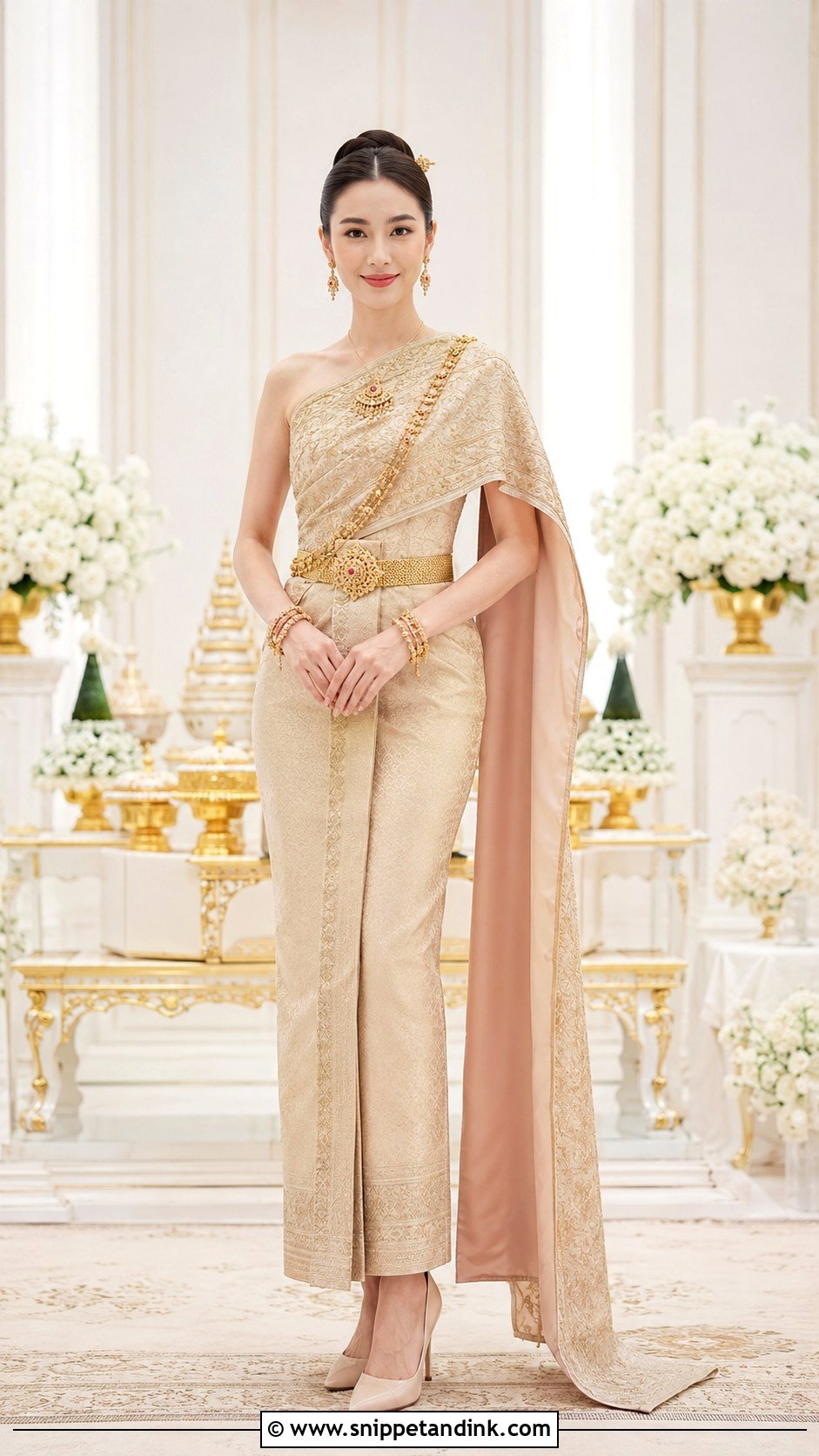
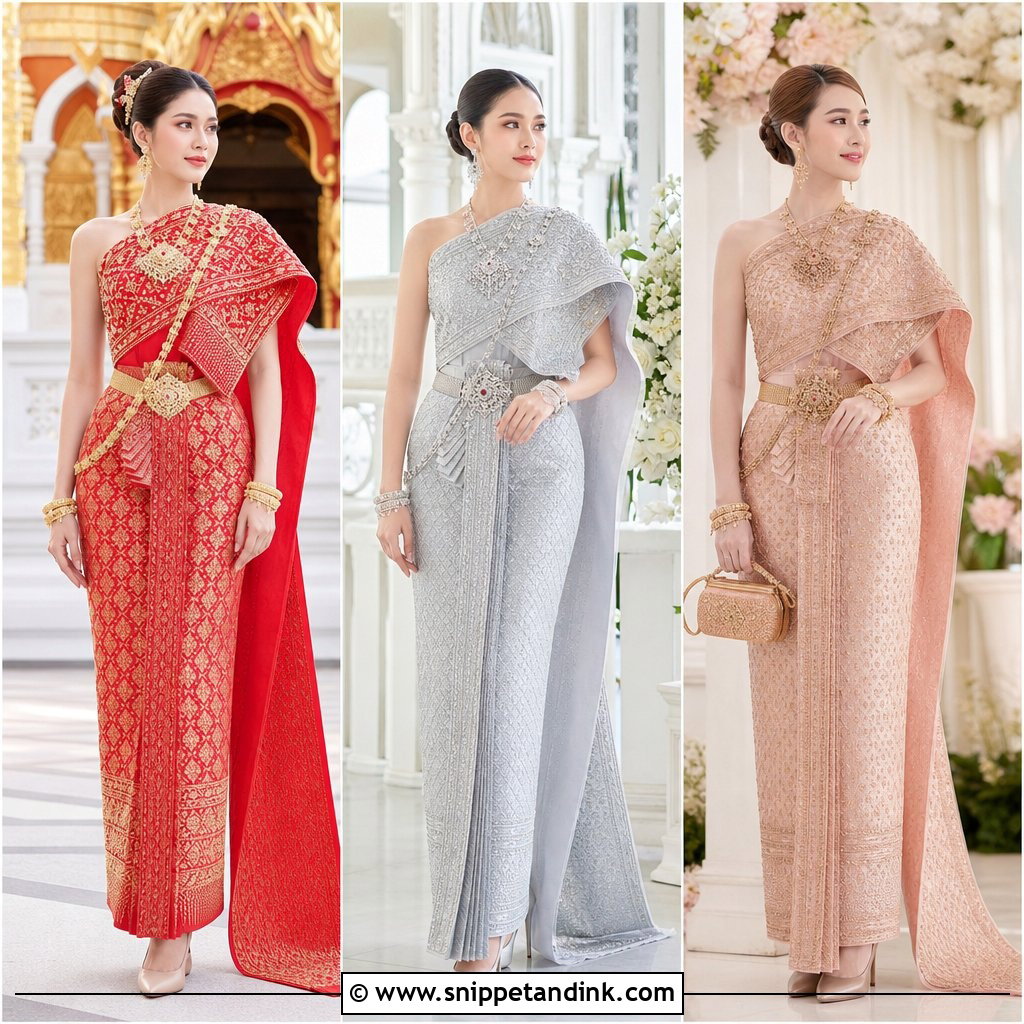
Thai bridal dress pairs a fitted silk skirt with a wrapped top and a shoulder sash that crosses the body on a diagonal. Gold, cream and blush suit the bride, and jewel tones suit guests. Thai silk has a natural sheen and a crisp hand, which also means it creases where you sit. I steam the skirt last, right before the ceremony, and suggest brides stand for portraits before sitting for long. Gold jewelry, a neat updo and refined sandals are enough. The sash should be pinned at the shoulder and the waist so the diagonal stays sharp.
13. Filipino Baro At Saya Wedding Dress
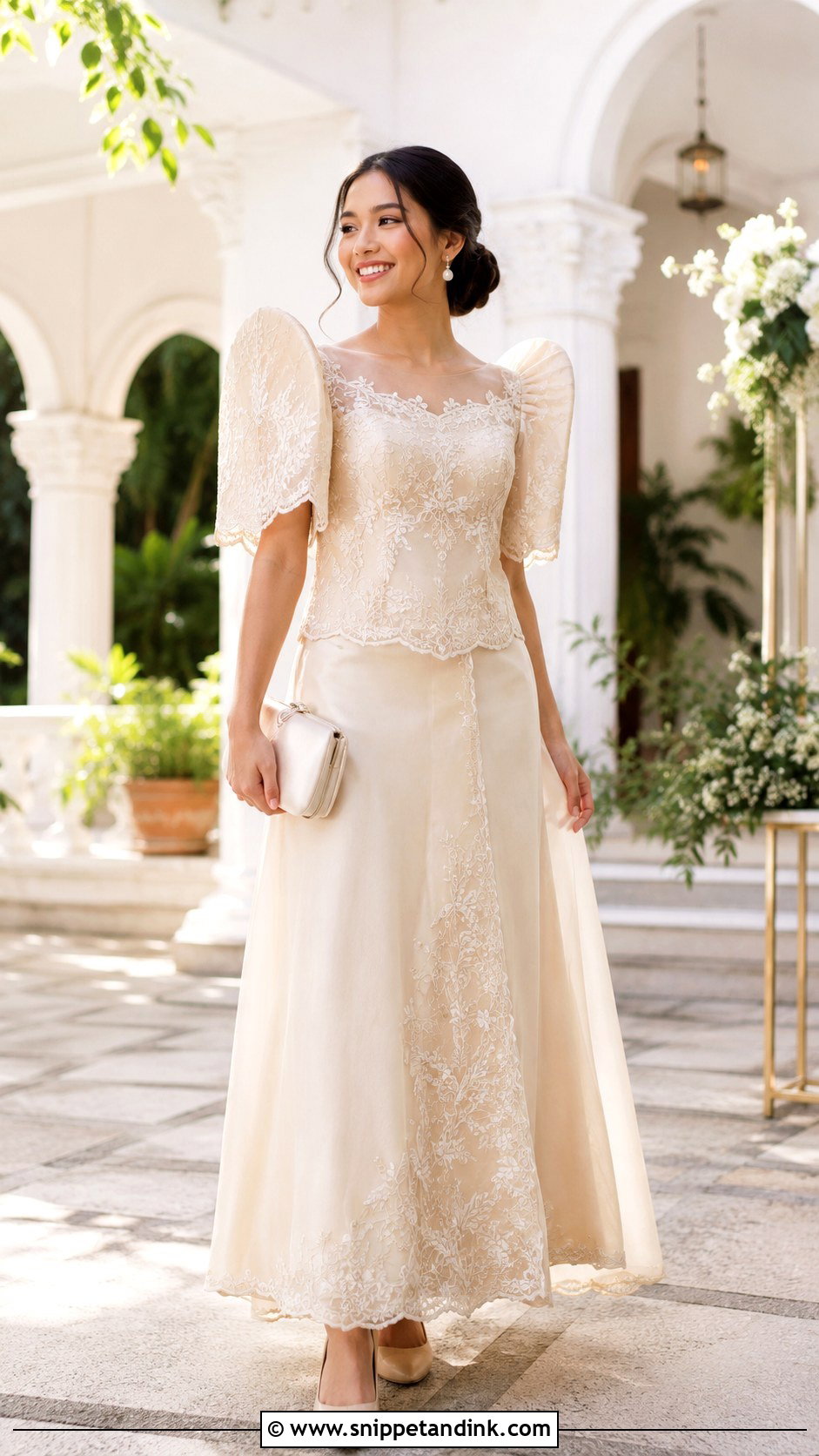
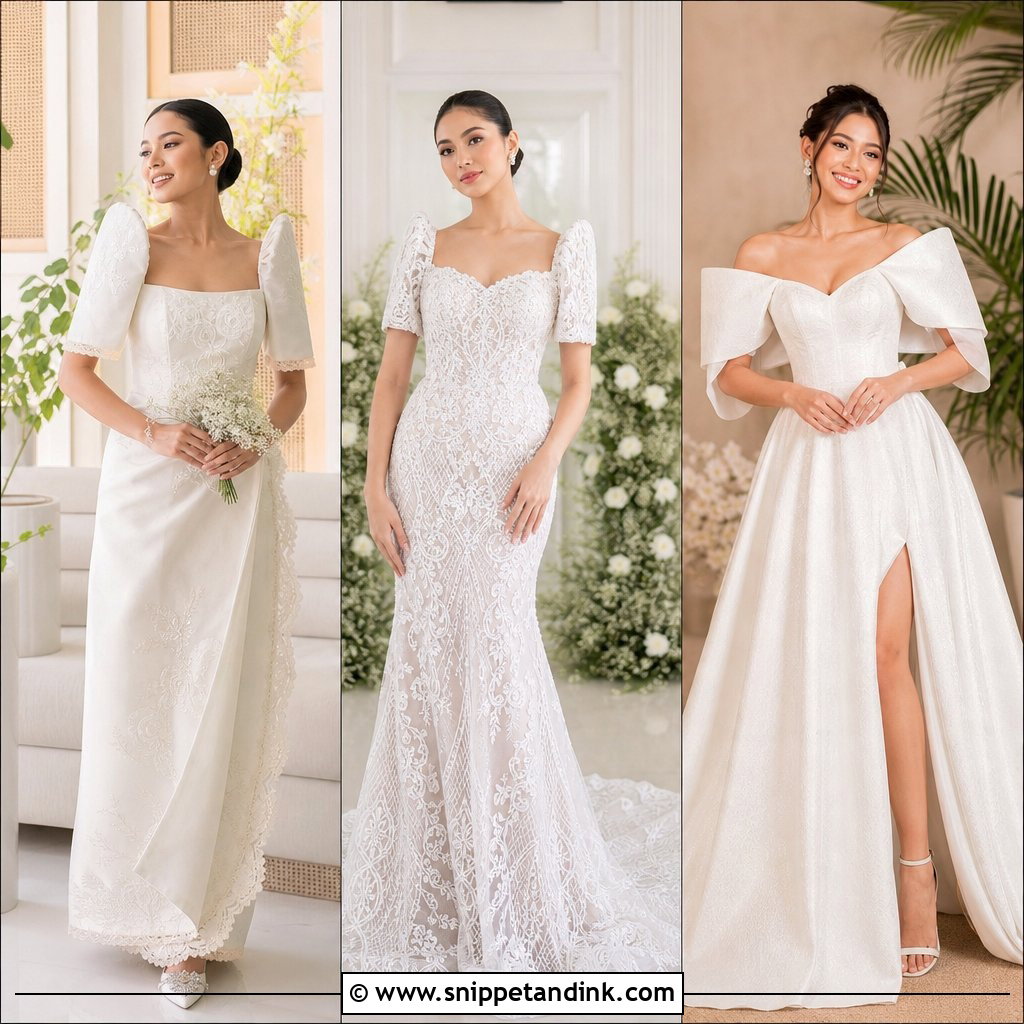
The butterfly sleeves give the baro at saya its silhouette: a blouse with stiff, raised sleeves, a long skirt and sometimes a wrap. Brides often look for piña, a sheer fabric woven from pineapple leaf fiber, or piña-inspired lace. Real piña is delicate and crisp, so I keep perfume, lotion and deodorant well away from it and dress the bride after her makeup is done. Ivory and pastels with embroidery suit warm-weather ceremonies. Pearl earrings, low heels and a woven clutch finish it. With that much shape at the shoulders, a sleek hairstyle balances the look.
14. Indonesian Kebaya Wedding Dress
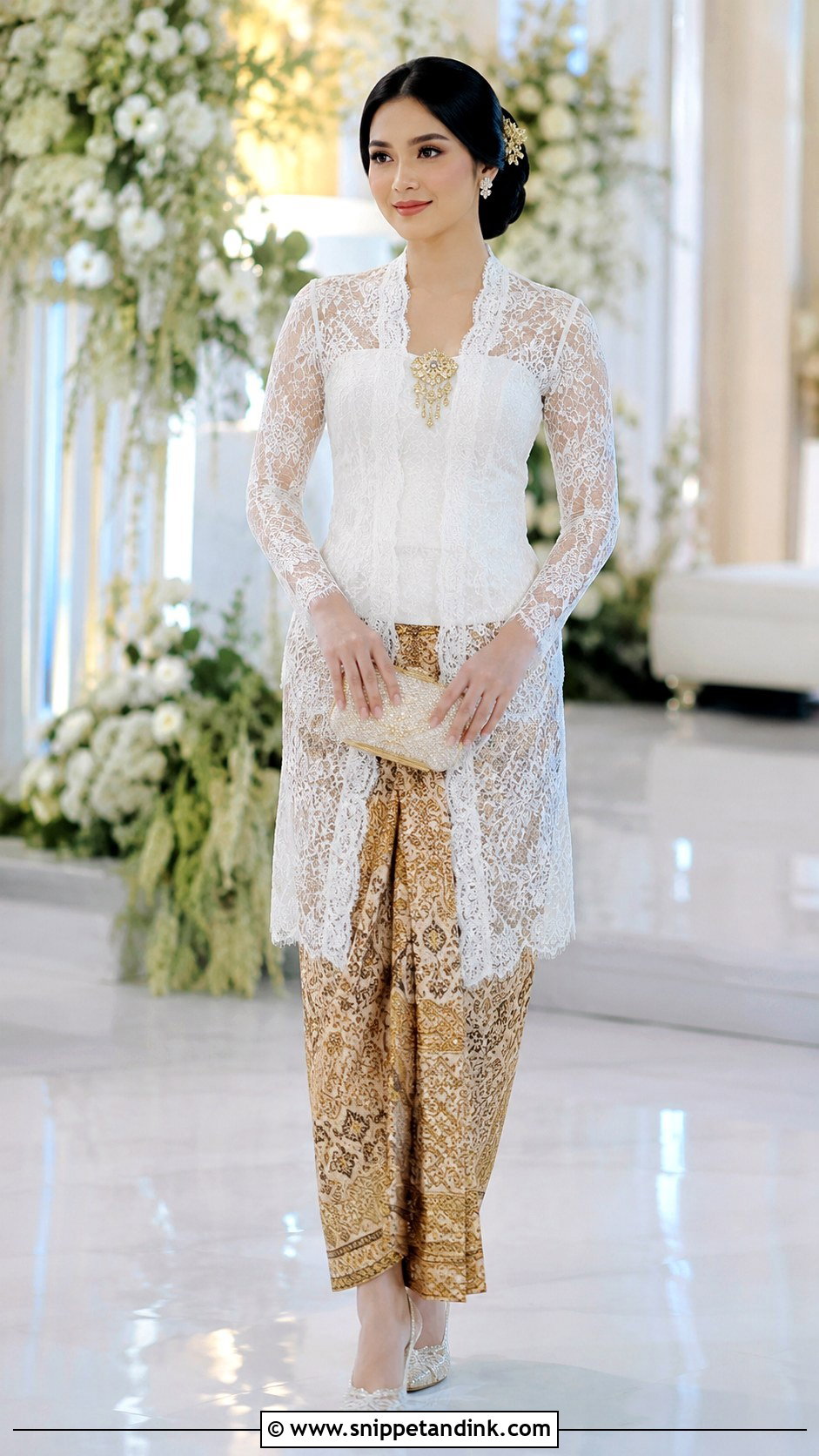
An Indonesian kebaya pairs a fitted lace or embroidered blouse with a batik or songket skirt, and colors follow regional custom. The blouse is often sheer, so the inner layer matters as much as the lace. I have a camisole or bustier made in a color matched to the skin or the lace, because a white slip under gold lace reads as a stripe in photos. Songket is woven with metallic thread and is heavy enough to wrap firmly, while batik is softer and needs a secure fold at the waist. An elegant updo and refined jewelry complete it.
15. Malaysian Baju Kurung Wedding Dress
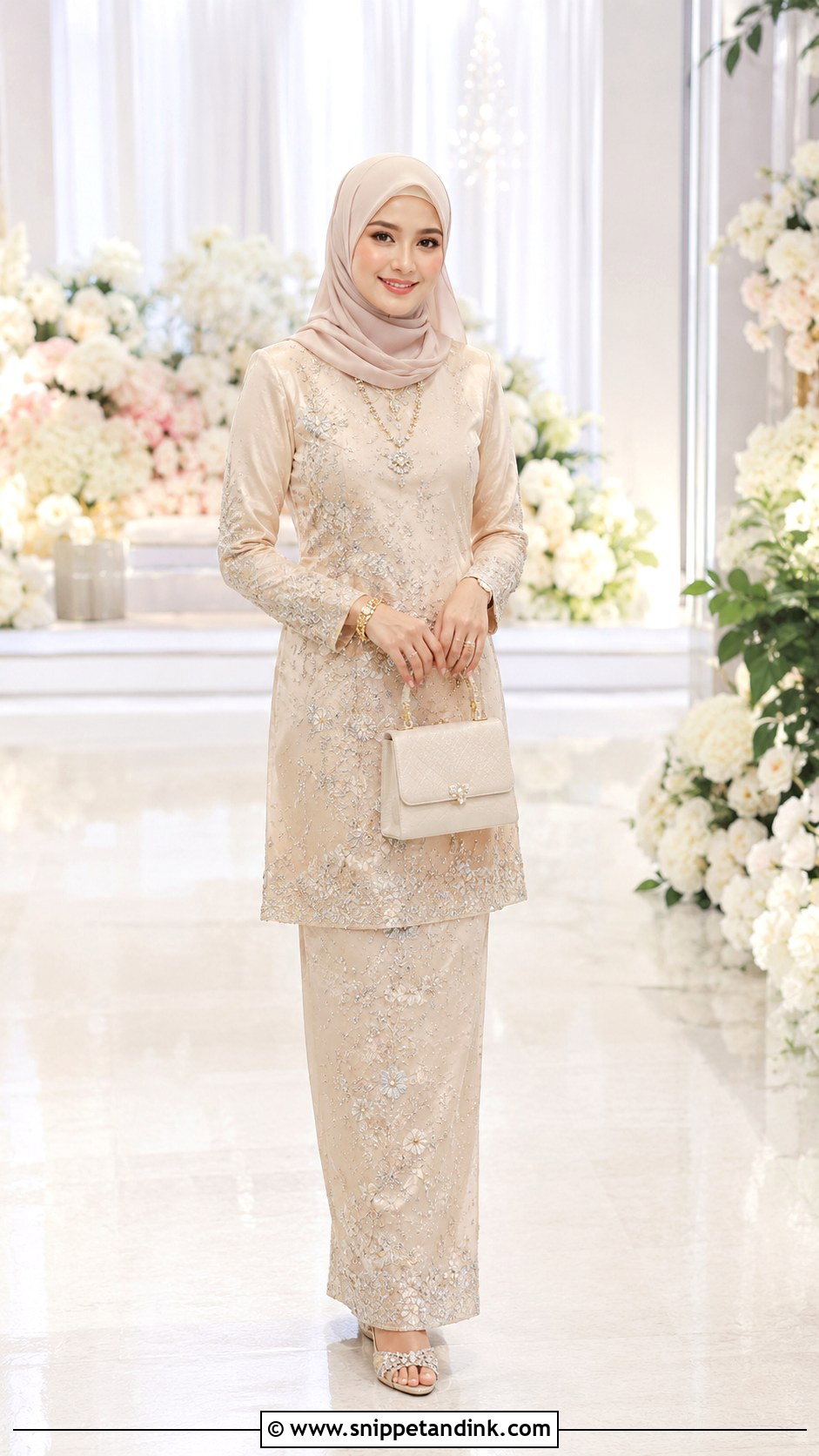
A Malaysian baju kurung wedding dress is a long, loose tunic over a matching skirt, often in silk, songket or lace. Soft gold, champagne and blush are popular, and brides may wear white or ivory with metallic detail. The relaxed fit is what makes it comfortable through long receptions, but loose shouldn’t mean sloppy. I check the shoulder width and sleeve length carefully, since those are the two places where a baju kurung looks either tailored or borrowed. A matching scarf or shawl, delicate jewelry and embellished heels complete it.
16. Moroccan Takchita Wedding Dress
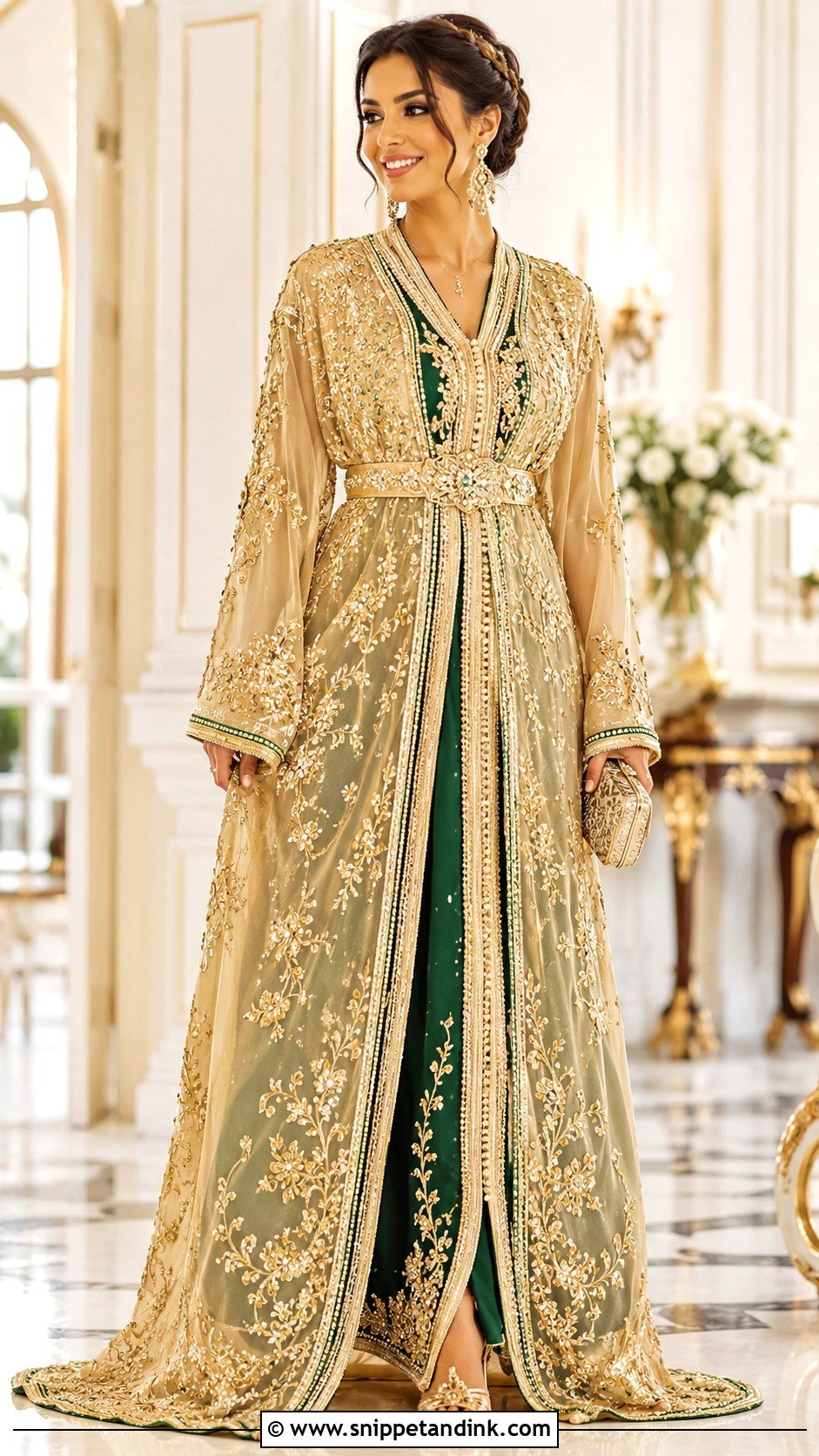
A takchita is two layers: an underdress and an ornate outer layer, cinched with a decorative belt that defines the whole silhouette. Wedding versions use silk, satin or brocade with beading and metallic thread, in white, gold, green or jewel tones. Moroccan brides often change several times during the celebration, so every takchita should be easy to get in and out of quickly. I check that the belt fastening can be done by a helper in under a minute. Statement earrings and a neat hairstyle that survives repeated changes finish it. Guests wear softer, less embellished versions.
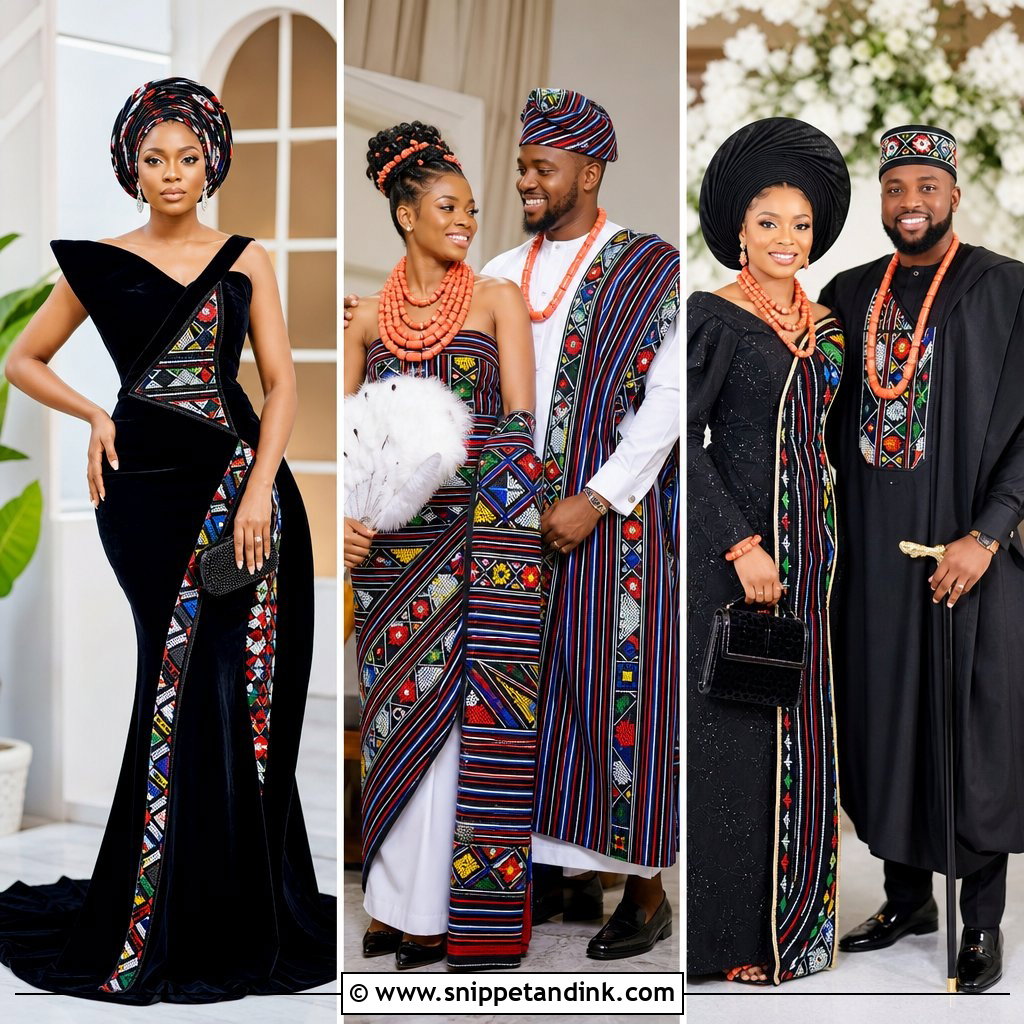
17. Nigerian Aso Oke Wedding Dress
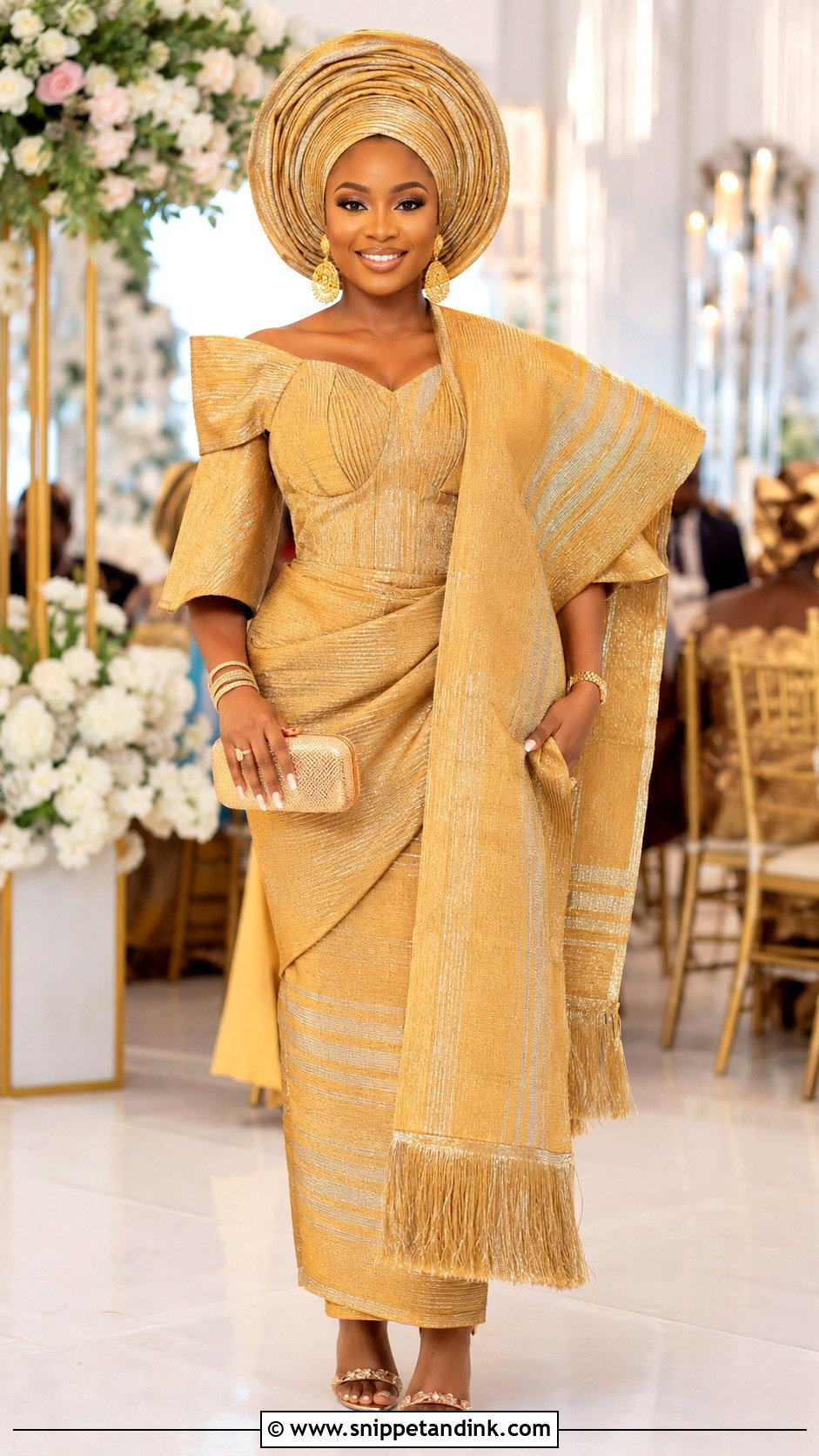
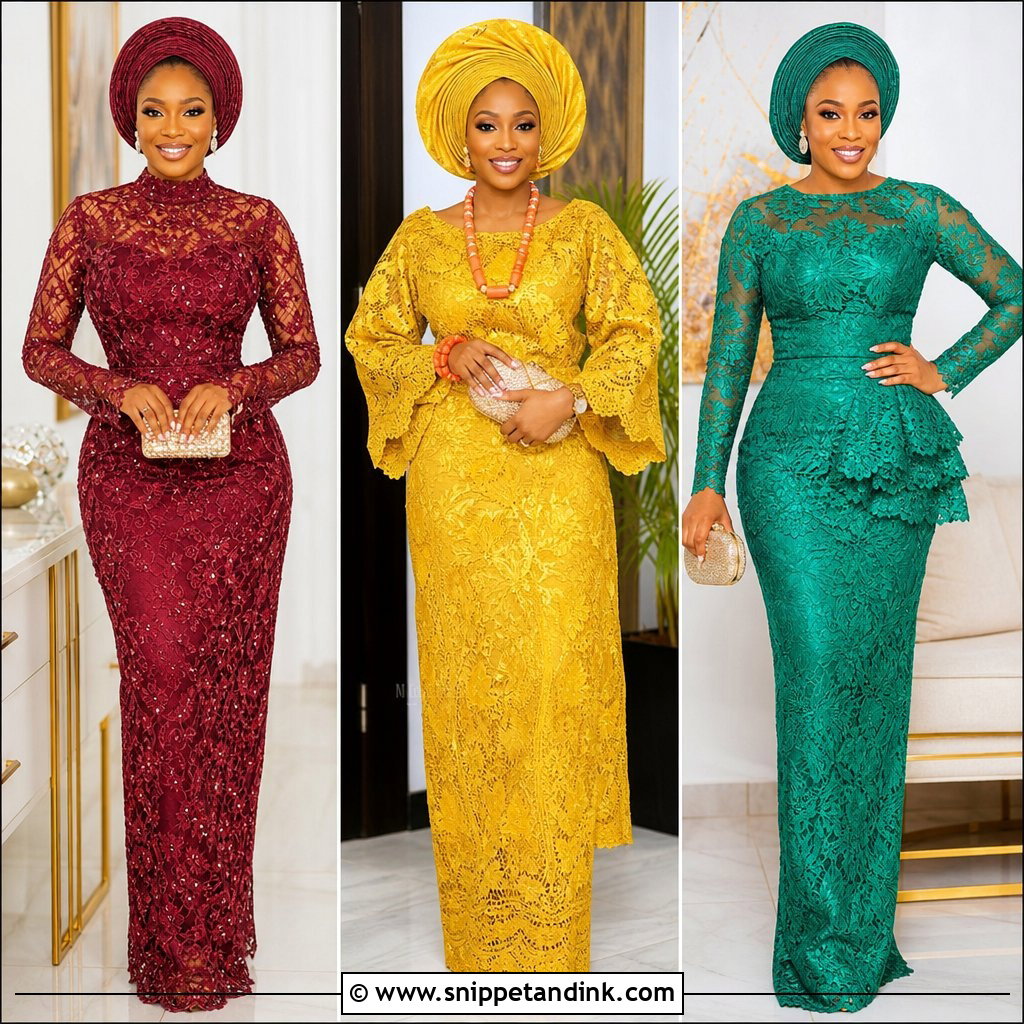
A Nigerian Aso Oke wedding dress combines an iro wrapper, a buba blouse, a gele headwrap and an ipele shawl. Aso Oke is hand-woven and firm, which is exactly why a gele made from it holds such sculptural folds. That firmness also means a gele tied by an amateur either collapses or pinches, so I book a skilled gele tier and have the hair styled flat underneath to give it a stable base. Gold, coral and royal blue look rich in the woven texture. Statement earrings and bangles finish it. Guests often wear an agreed fabric chosen by the family, so ask before you buy.
18. Ghanaian Kente Wedding Dress
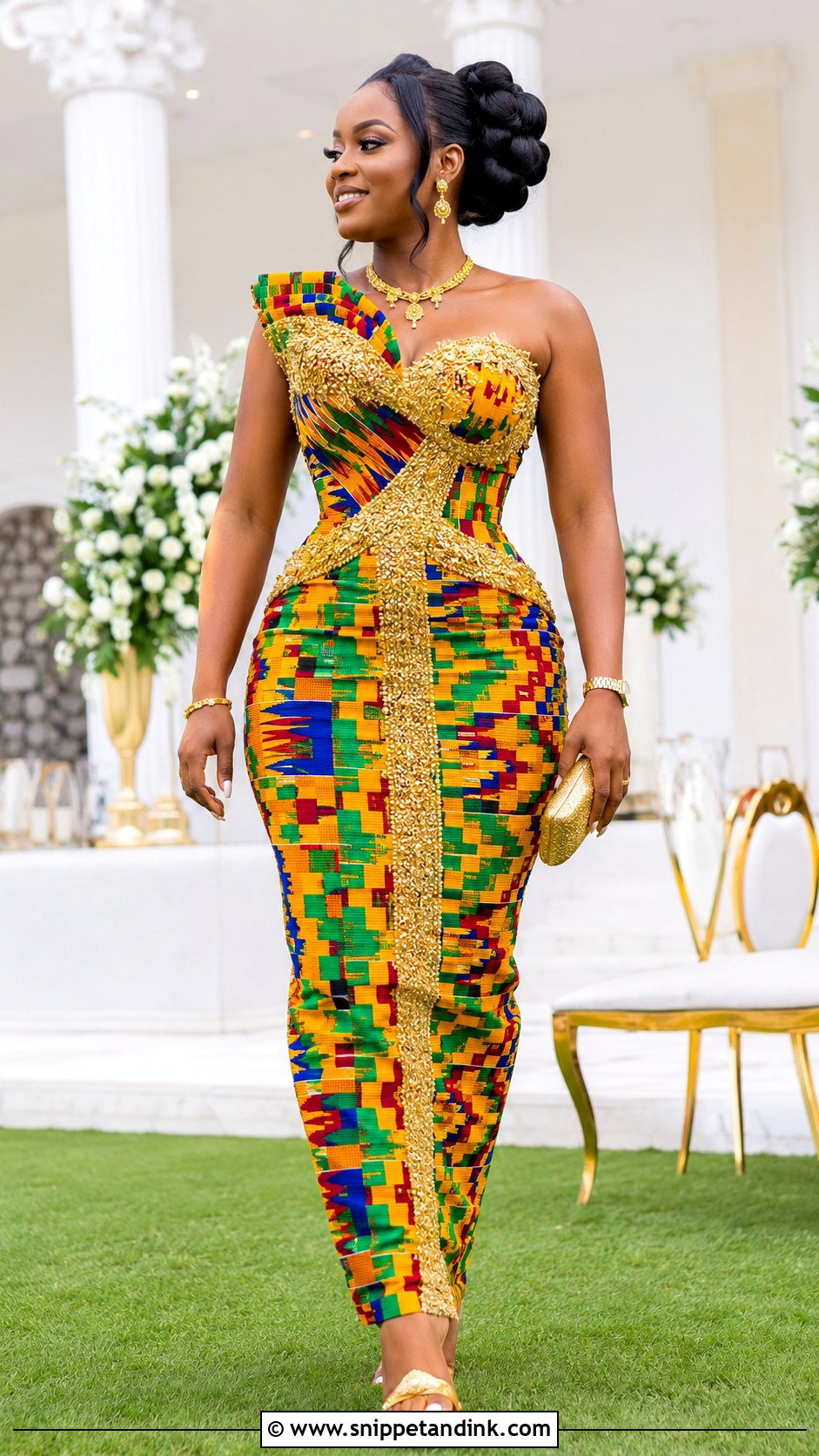
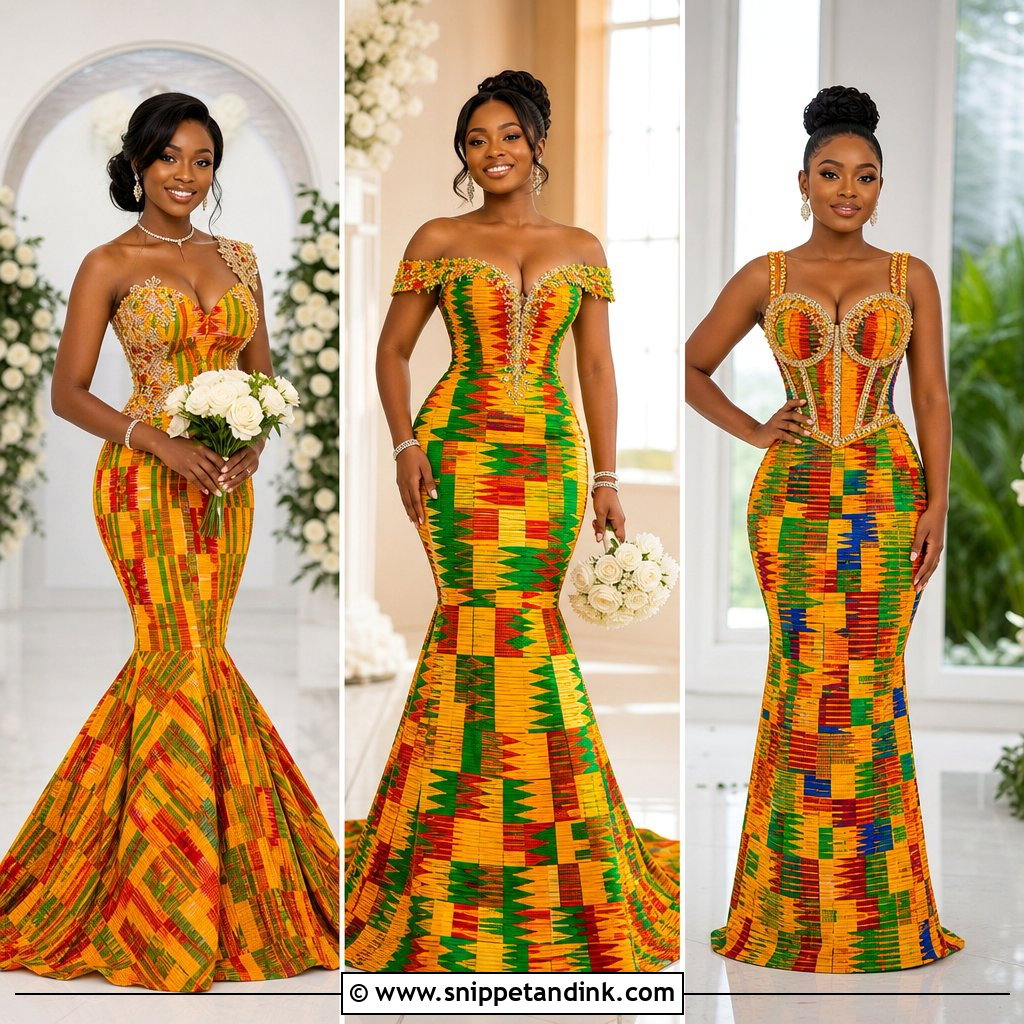
Kente is woven in narrow strips that are then sewn together, and its patterns and colors carry names and meanings. A Ghanaian Kente wedding dress may be a fitted gown, a wrapped skirt with blouse, or a draped cloth with gold jewelry. Because each strip has a selvage edge, a tailor has to plan seams around the pattern, and I’d always use one who has cut Kente before. The cloth is dense and warm, so a lined but breathable bodice helps in heat. A sculpted hairstyle, gold earrings and a clutch complete it, and guests can wear coordinated Kente accents.
19. Ethiopian Habesha Kemis Wedding Dress
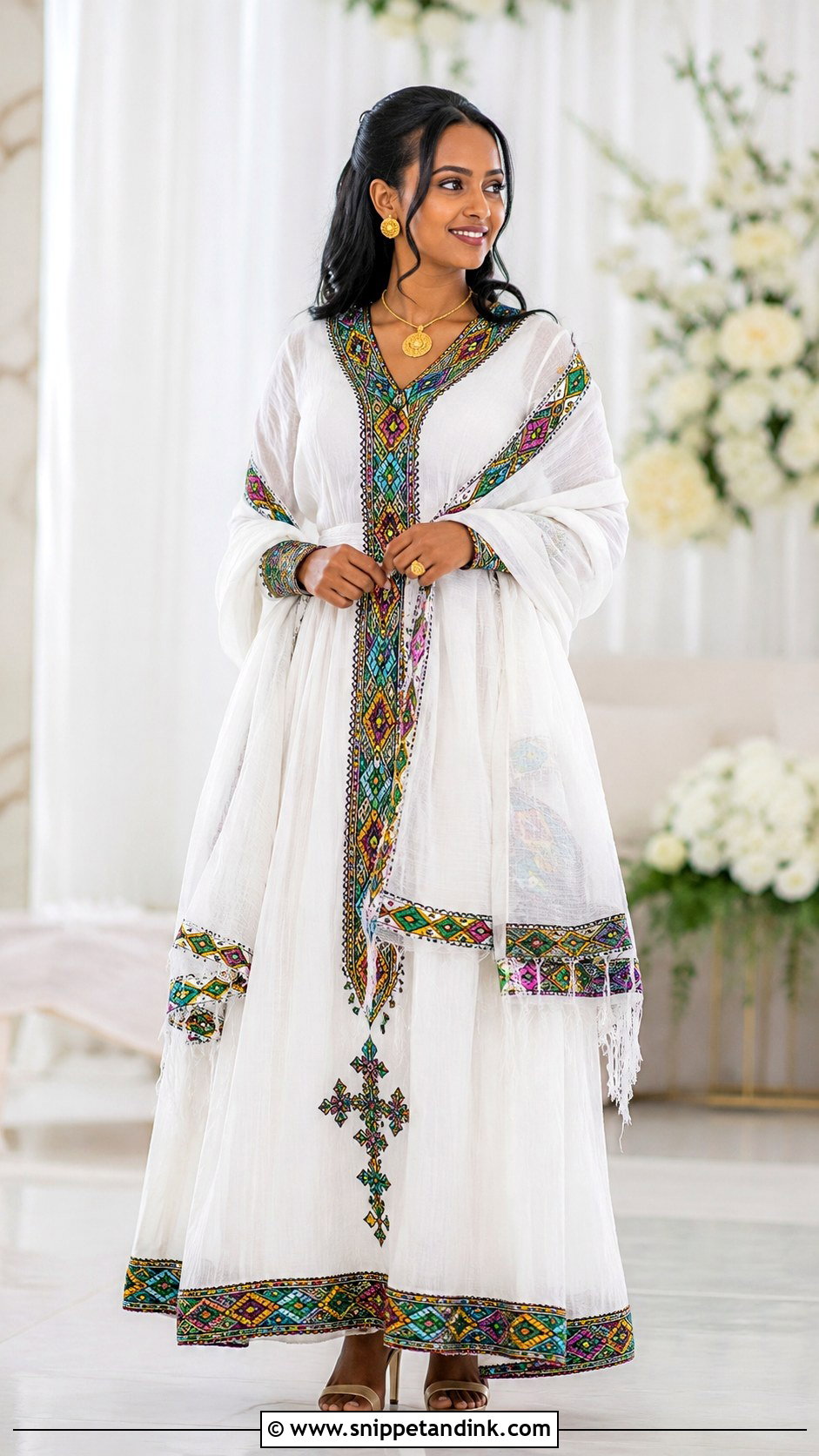
An Ethiopian Habesha kemis wedding dress is usually hand-woven white or ivory cotton with colorful woven borders, called tibeb, at the neckline, cuffs and hem. Brides may choose versions with gold or metallic accents; guests wear lighter borders. The netela shawl completes it. The cotton is soft but wrinkles easily, so I steam it on the morning and have the bride dress last. Keep jewelry refined so the border work stays the focus, and wear simple heels or sandals.
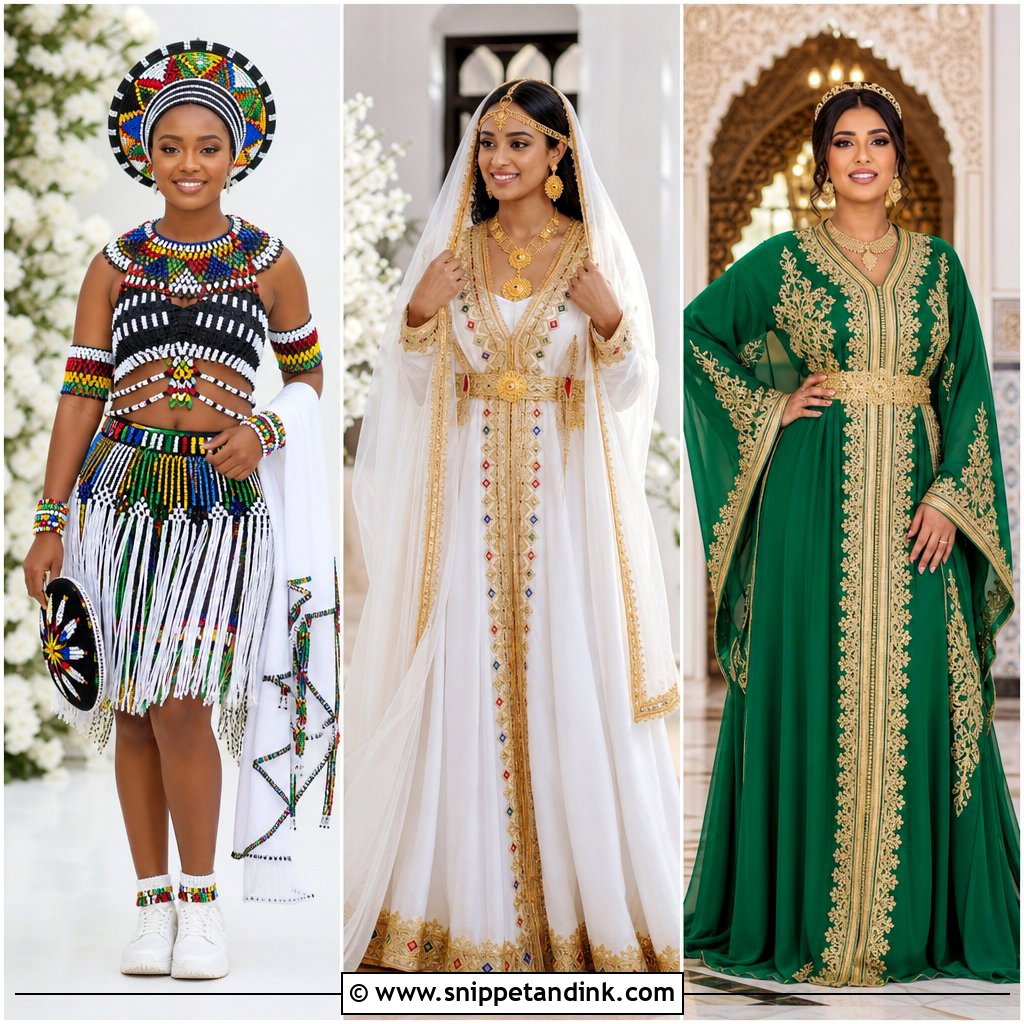
20. Somali Dirac Wedding Dress
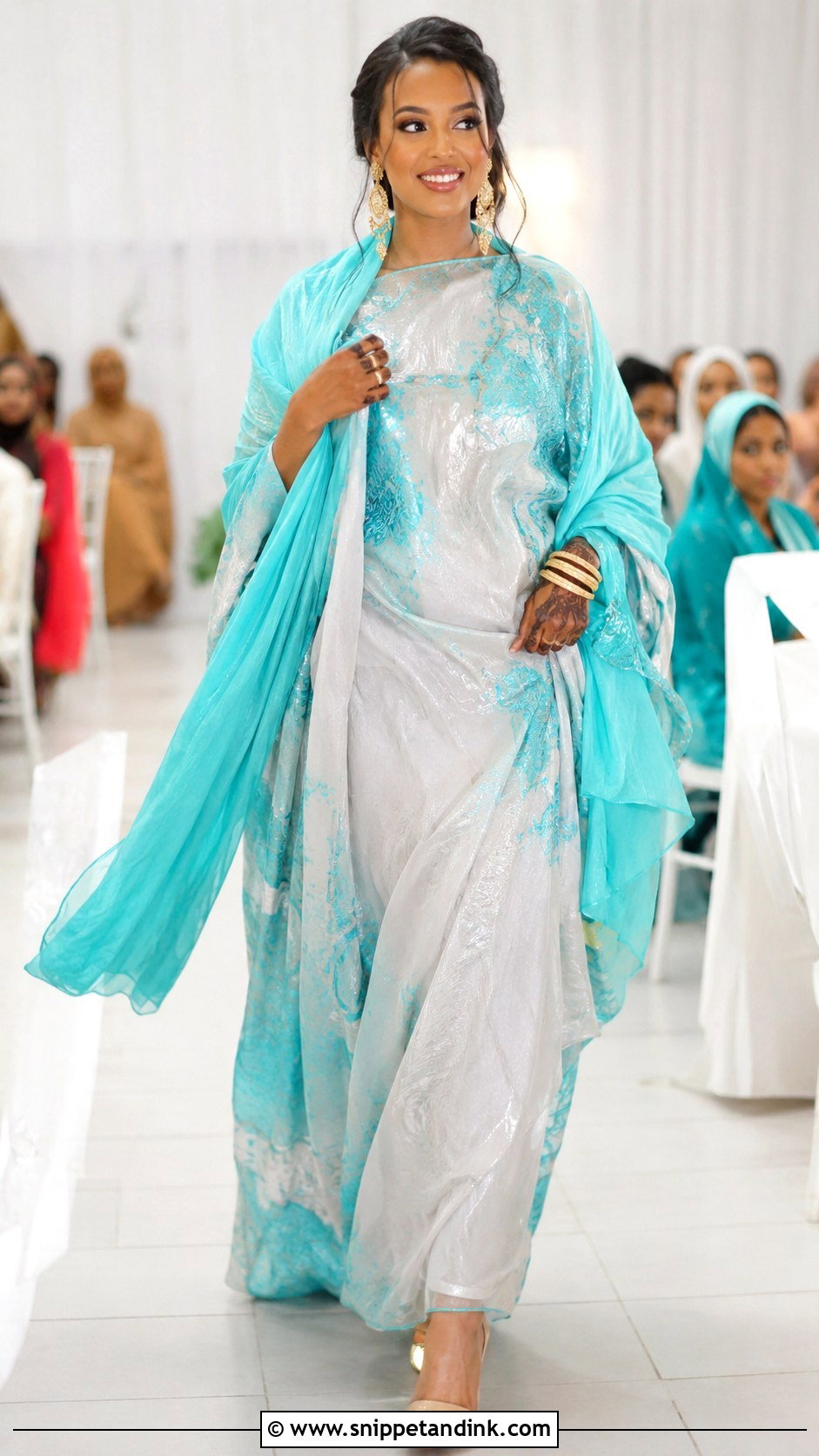
A Somali dirac is a sheer, flowing dress worn over a full underskirt, with a matching garbasaar shawl. Wedding versions shimmer with metallic prints, beadwork or sequins in gold, silver, turquoise or deep jewel tones. The underskirt is where comfort is won or lost. A heavy satin slip in summer heat gets uncomfortable fast, so I suggest a lighter lining fabric for daytime and check its length against the hem of the dirac. Statement earrings, bangles and heeled sandals complete it. The fabric moves with every turn, which makes walking photos easy.
21. Persian Traditional Wedding Dress
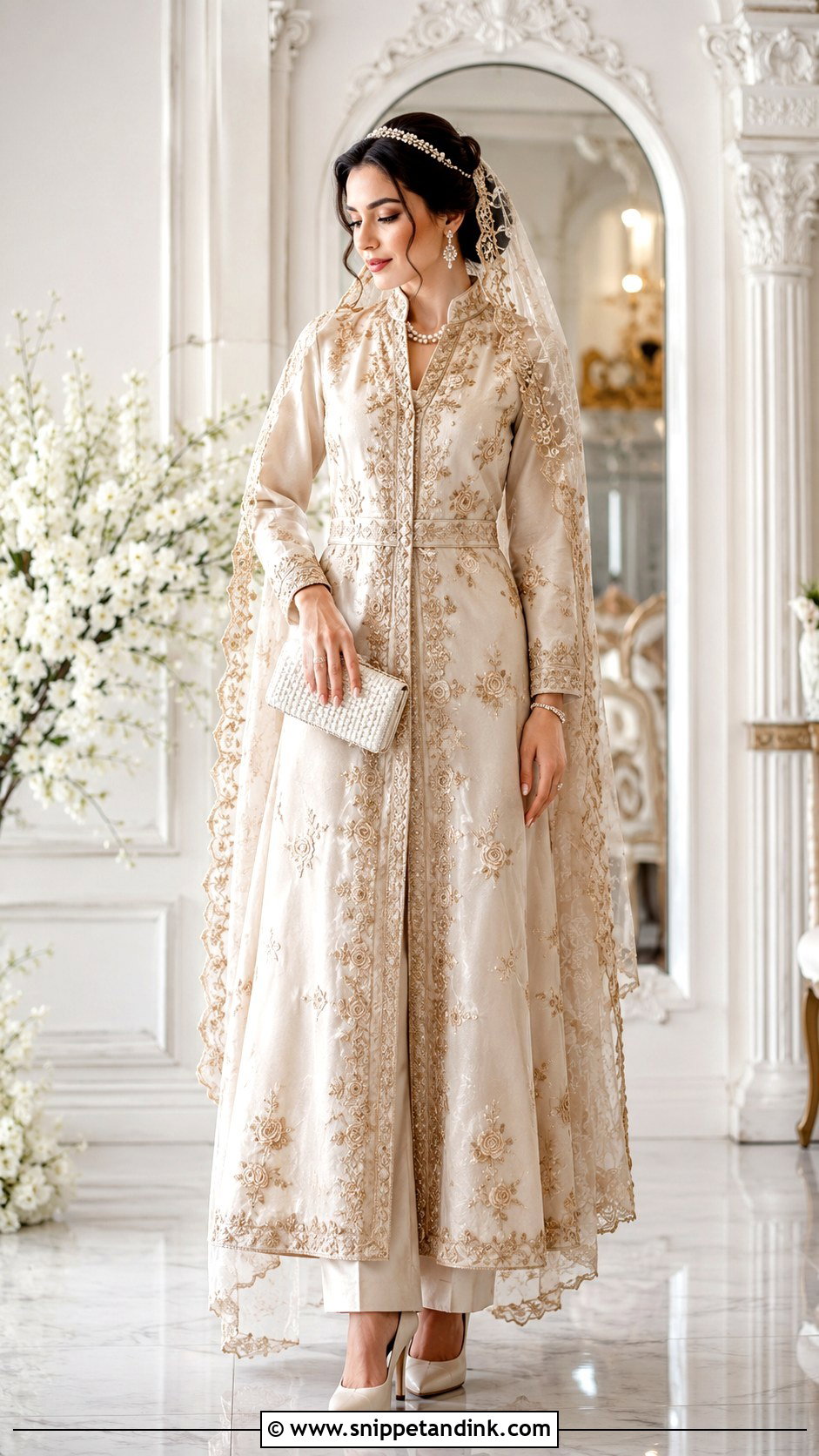
Persian bridal style blends Western bridal shapes with heritage detail. Many brides wear a white or ivory gown with Persian-inspired embroidery, a lace veil and pearl or gold jewelry, while others choose embroidered coats or long tunics over skirts or trousers. During the ceremony the bride often sits at the decorated wedding spread for some time, so I check that the gown sits comfortably and the veil is anchored for a long seated stretch. Soft waves, a jeweled hairpiece and pointed heels finish it. Keep the outfit polished but light.
22. Turkish Bindalli Wedding Dress
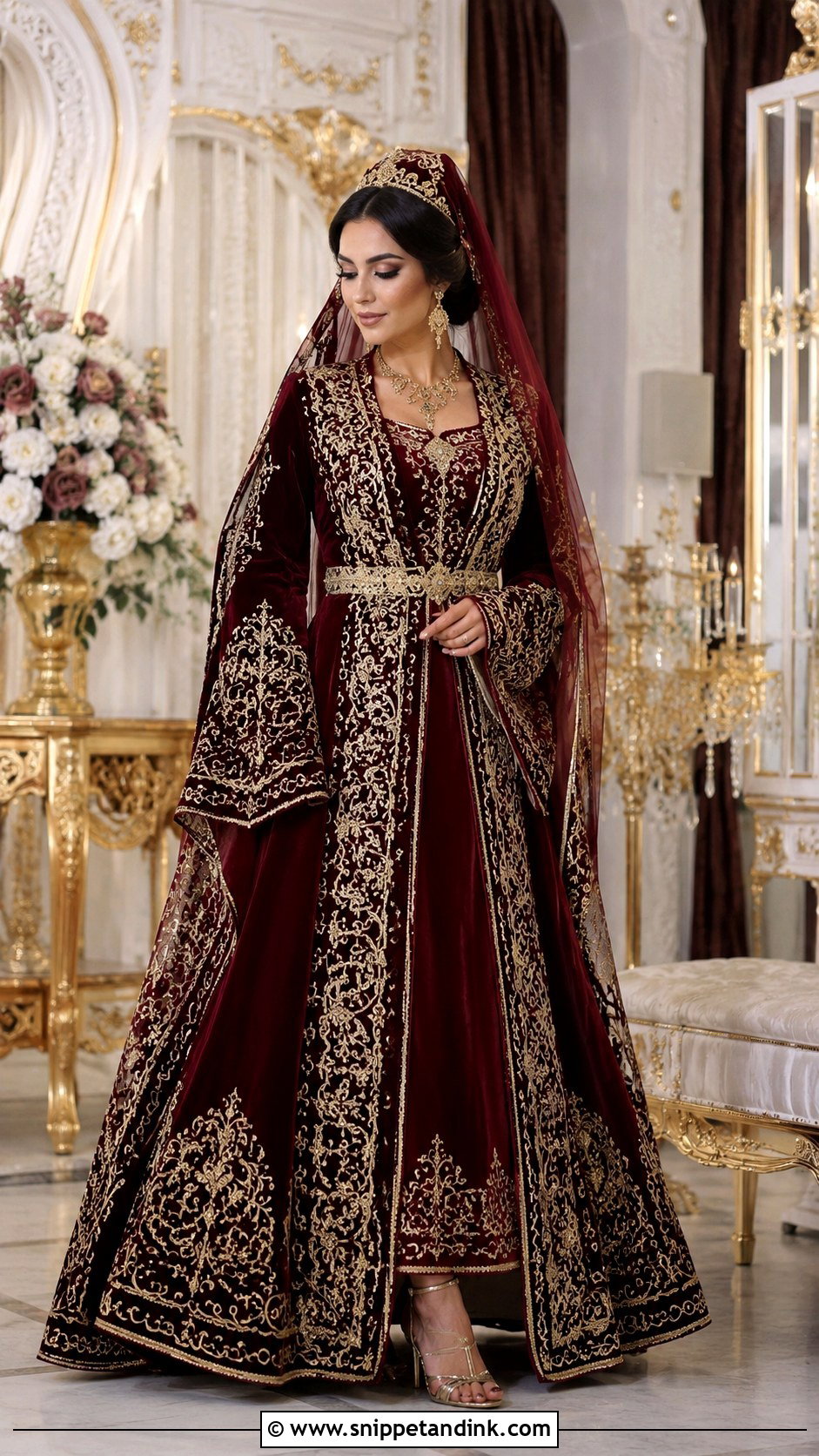
A Turkish bindalli is usually velvet in deep red, burgundy, navy or green, covered in gold metallic embroidery. It’s most often worn at the henna night rather than the wedding itself, and it can inspire a formal bridal look too. Velvet crushes where it’s folded or sat on, so I transport a bindalli on a padded hanger, never folded in a bag, and steam it from the back. The embroidery is bold enough that jewelry should coordinate rather than compete. A sleek hairstyle and defined makeup suit its weight.
23. Mexican Traditional Wedding Dress
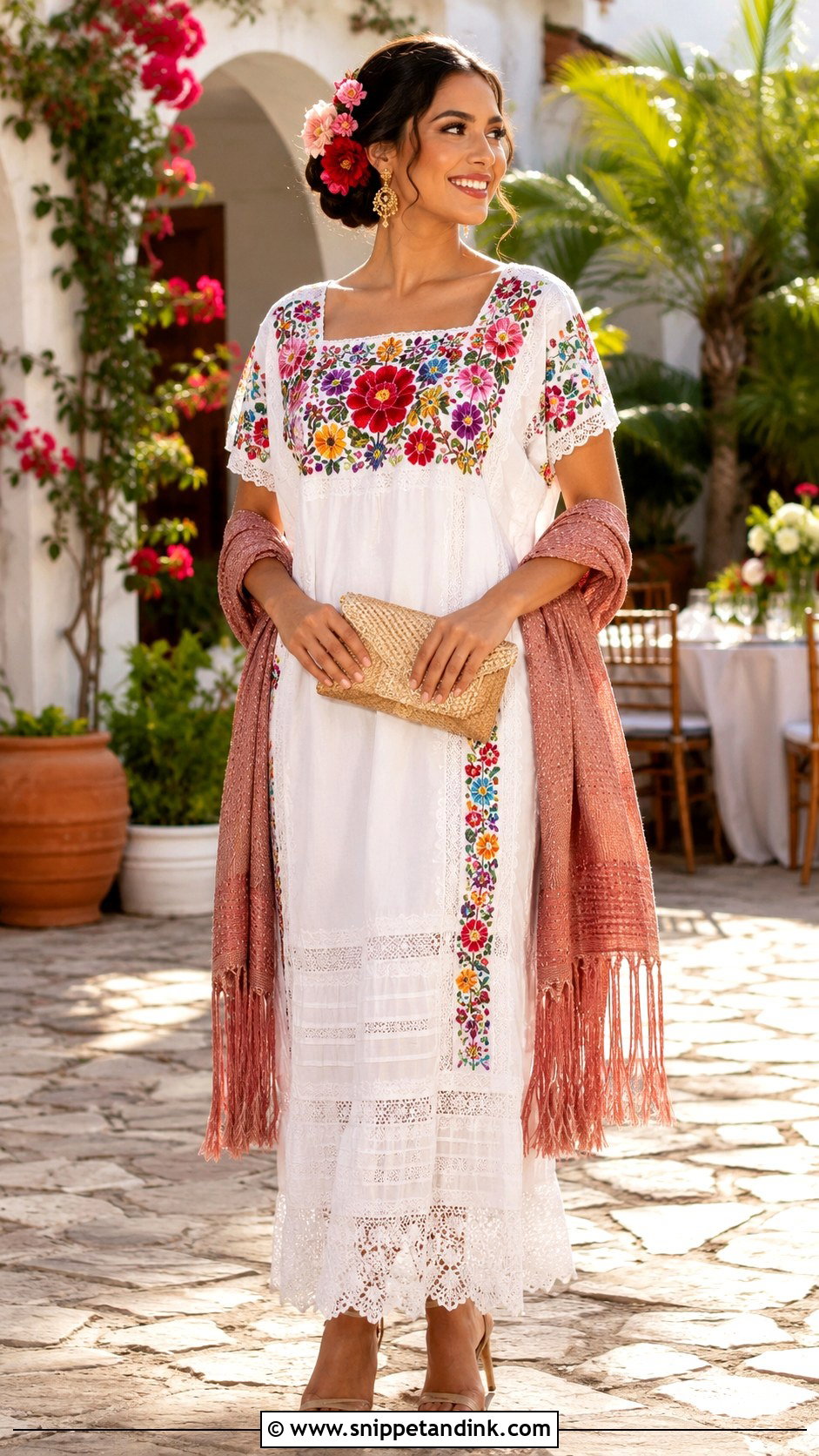
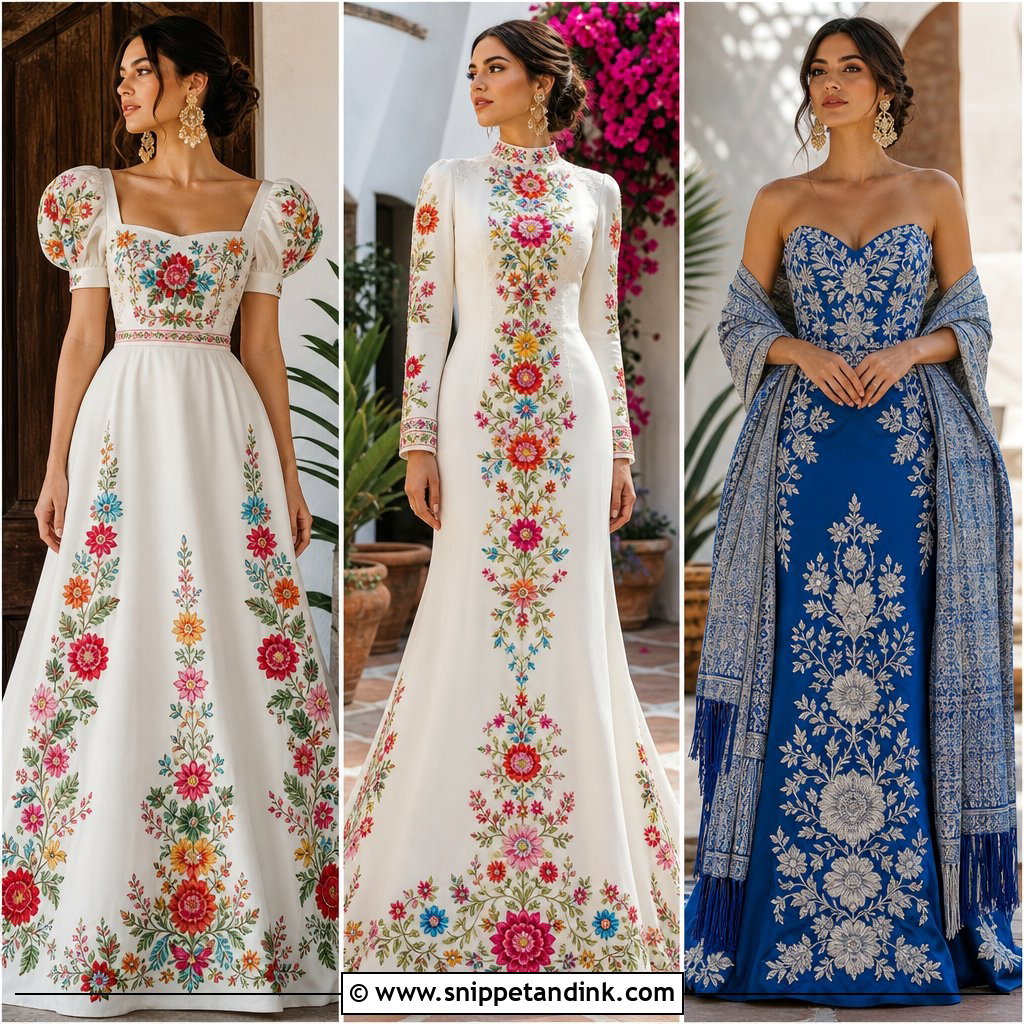
Mexican traditional wedding dress varies by region: embroidered cotton dresses, lace gowns, rebozo shawls or full skirts with floral needlework. A white embroidered dress with a rebozo is a classic bridal pairing, while guests can wear colorful embroidery. I always suggest buying hand embroidery from the artisans or cooperatives who make it, because mass-produced copies often lift regional patterns without credit. Cotton breathes well outdoors, which suits garden and hacienda weddings. A flower comb, low heels and a woven clutch finish it.
24. Native American Wedding Dress
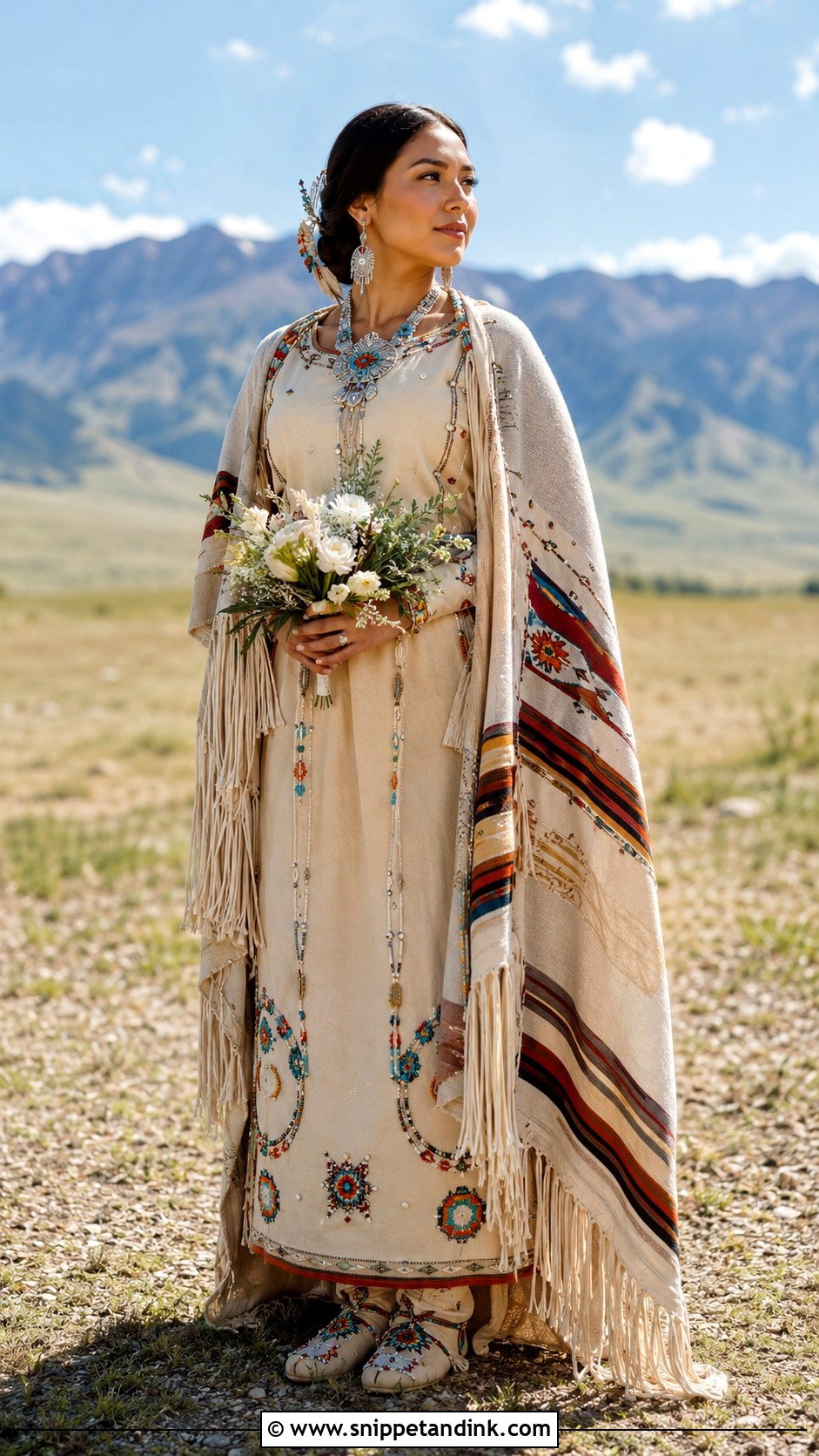
A Native American wedding dress varies widely by Nation, community and family, so accuracy and respect come first. A wedding look may include a handmade dress, ribbon work, beadwork, a woven shawl, moccasins or silver jewelry, depending on the tradition. As a stylist, my role here is small and careful: the outfit should come from the bride’s own heritage, community guidance or Native artisans, never from generic inspiration. Colors, patterns and materials can carry meaning and are not costume details. My job is fit, comfort and making sure the shoes work on the ground of the venue.
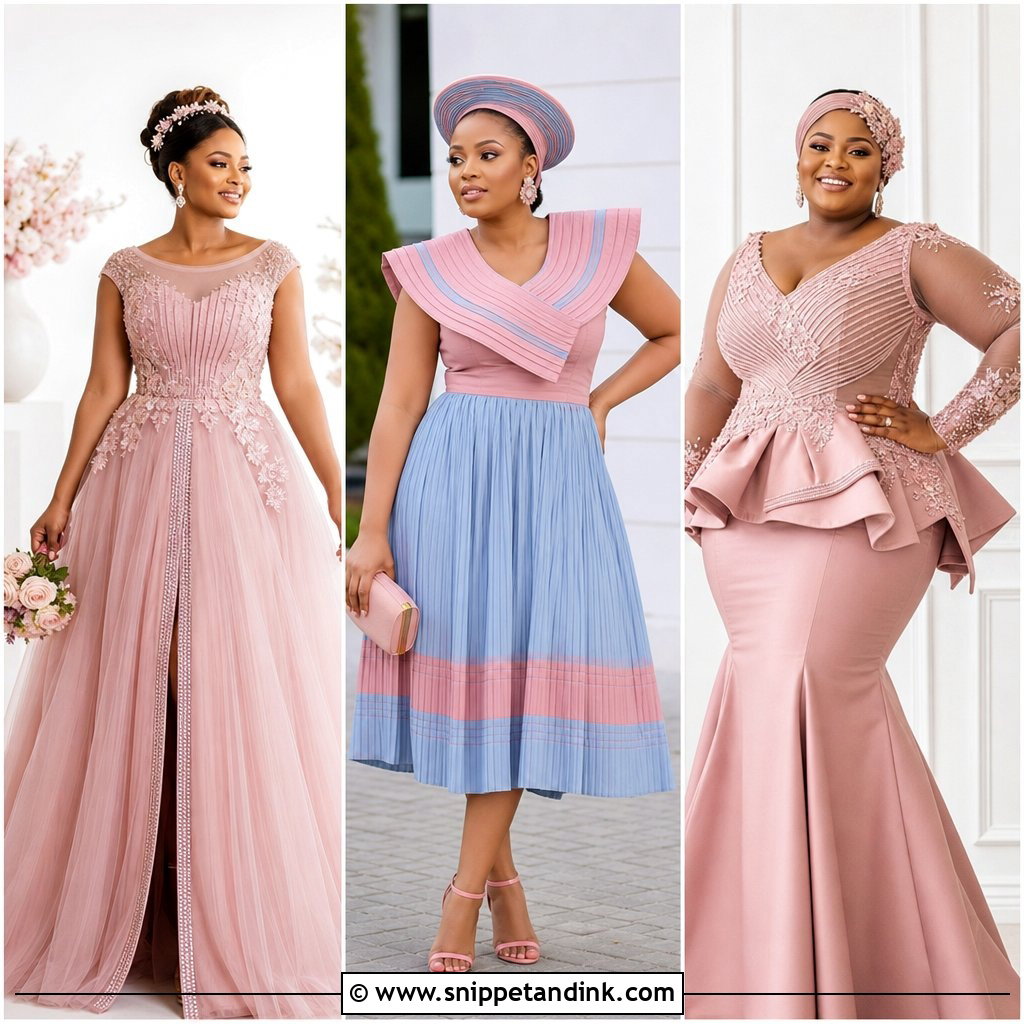
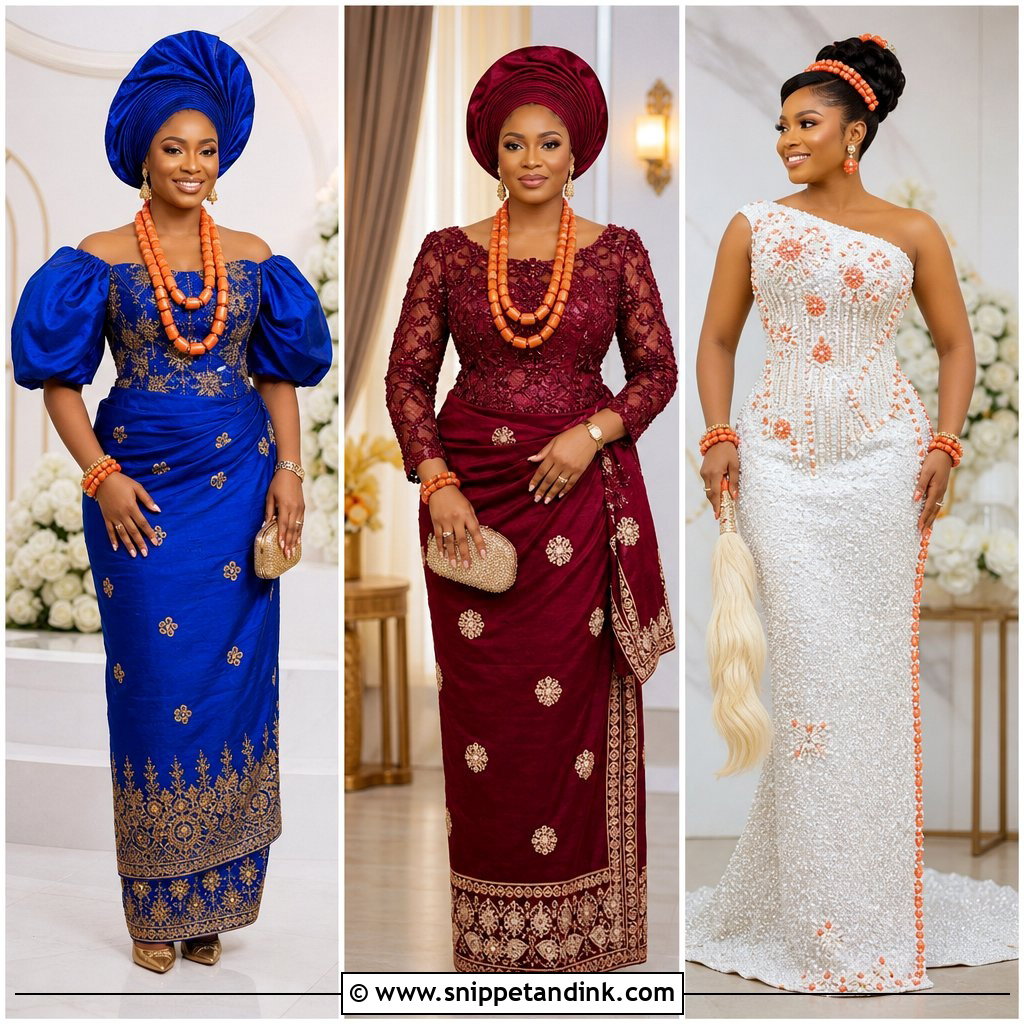
25. Scottish Tartan Wedding Dress
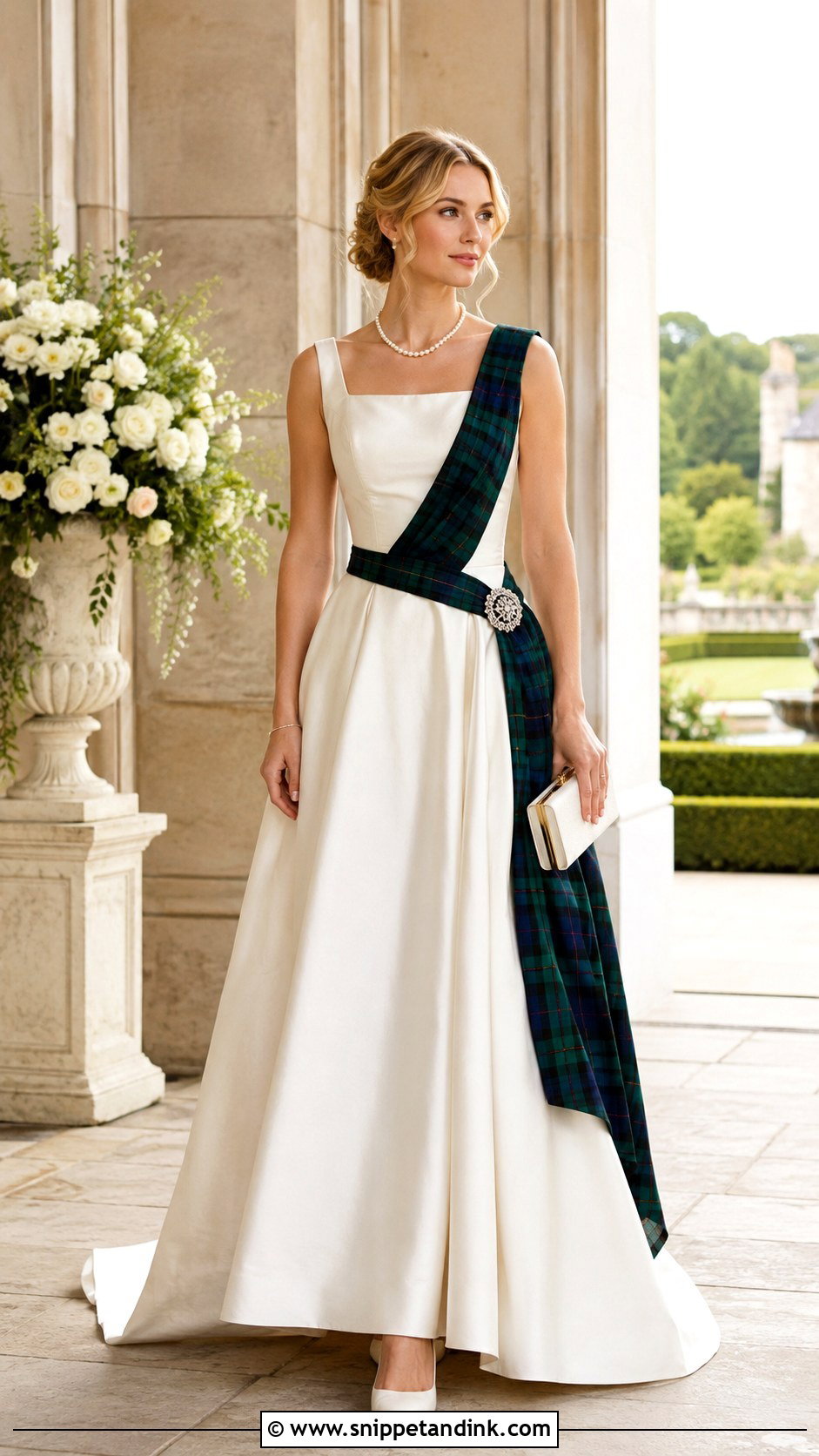
Tartan is the easiest tradition here to personalize. A bride might wear a white or ivory gown with a tartan sash, a tartan skirt and bodice, or tartan accents on a modern dress. Family tartans are common when appropriate, while guests keep it subtler with a wrap or accessory. Wool tartan is warm and holds a fold, so I pin a sash at the shoulder and again at the waist so it doesn’t slip during the ceremony. If the tartan is bold, keep the gown plain. Pearl jewelry and closed-toe heels suit Scottish weather.
Two or Three Outfits in One Day
In many of these traditions, one outfit isn’t the whole story. Chinese brides often change from a white gown to a qipao for the tea ceremony, Moroccan brides may wear several takchitas across one night, and South Asian weddings spread different outfits over several functions. Each change needs a plan, or it eats an hour of the party.
My approach is a changing schedule written out like the run of show: which outfit, which jewelry, which hairstyle, and who helps. I keep each outfit on its own hanger with its jewelry in a labeled pouch, and I pick hairstyles that adapt instead of being rebuilt, such as a low bun that takes a headpiece for one look and flowers for the next. A private room near the venue, a steamer and a few safety pins save more time than any other preparation.
Wearing a Tradition Well, as Bride or Guest
A traditional outfit honors a culture when it’s worn with understanding: what the ceremony requires, who each garment belongs to, and how it should sit on the body. From lehengas and sarees to hanbok, kimono, takchita, Kente, kebaya and tartan, each tradition has its own styling language. Brides should lean on family, artisans and experienced dressers. Guests should follow the dress code and leave sacred or bridal-specific pieces alone unless invited to wear them. Get the fabric, fit and care right, and the outfit will feel like yours, not borrowed.
You'll Like These Ideas:


Leave a Reply