
A Nikah outfit has a different job from a reception outfit. You will sit for the ceremony, sign the nikahnama, greet elders up close and pose for family photos, often in a mosque or a home where coverage matters more than sparkle. That is why so many brides go lighter here: ivory, blush, champagne, pastels, a little metallic thread. There is no single rule, though. The same ceremony can be dressed in a lehenga, an elegant abaya gown, a saree or a plain embroidered suit, and each can be right for the family. The ideas below cover all of them, with what I look for in fabric, fit and coverage for each.
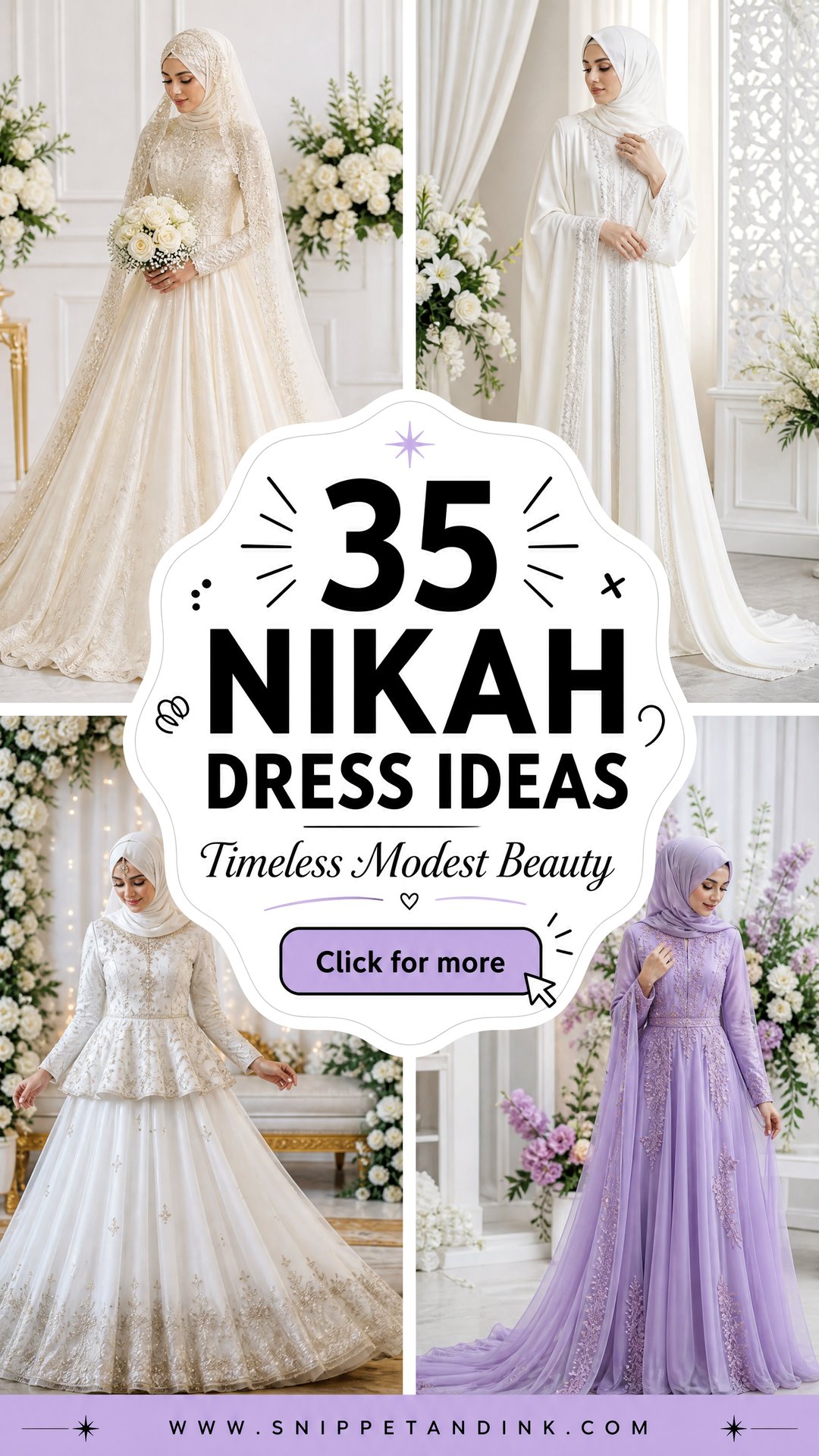
Sit Down in It Before You Pay for It
A Nikah is mostly seated. Depending on the family, you may sit on a floor cushion, a low sofa or a stage chair, then lean forward to sign, then stand for duas and photos. At every fitting I ask the bride to do exactly that sequence in the outfit, and it tells me more than any mirror.
- Sit cross-legged or side-sitting for a few minutes. If the skirt rides up or the waistband digs in, it needs a looser fall or a softer lining.
- Reach forward as if signing on a low table. Tight armholes and stiff sleeves show up here first.
- Stand up without using your hands. Long hems and flared sharara legs catch under heels, so the hem should be set with your real shoes on.
- Raise your arms to hug someone taller. A dupatta or cape that pulls off your head here will do it all day.
Fabric decides a lot of this. Organza and net hold volume but crush where you sit. Satin shows every lap crease. Chiffon and georgette move with you but need a full lining for coverage. Raw silk and crepe are the forgiving middle. I’d rather a bride choose a slightly simpler outfit she can sit in comfortably than a heavier one she spends the ceremony adjusting.
1. White Nikah Lehenga
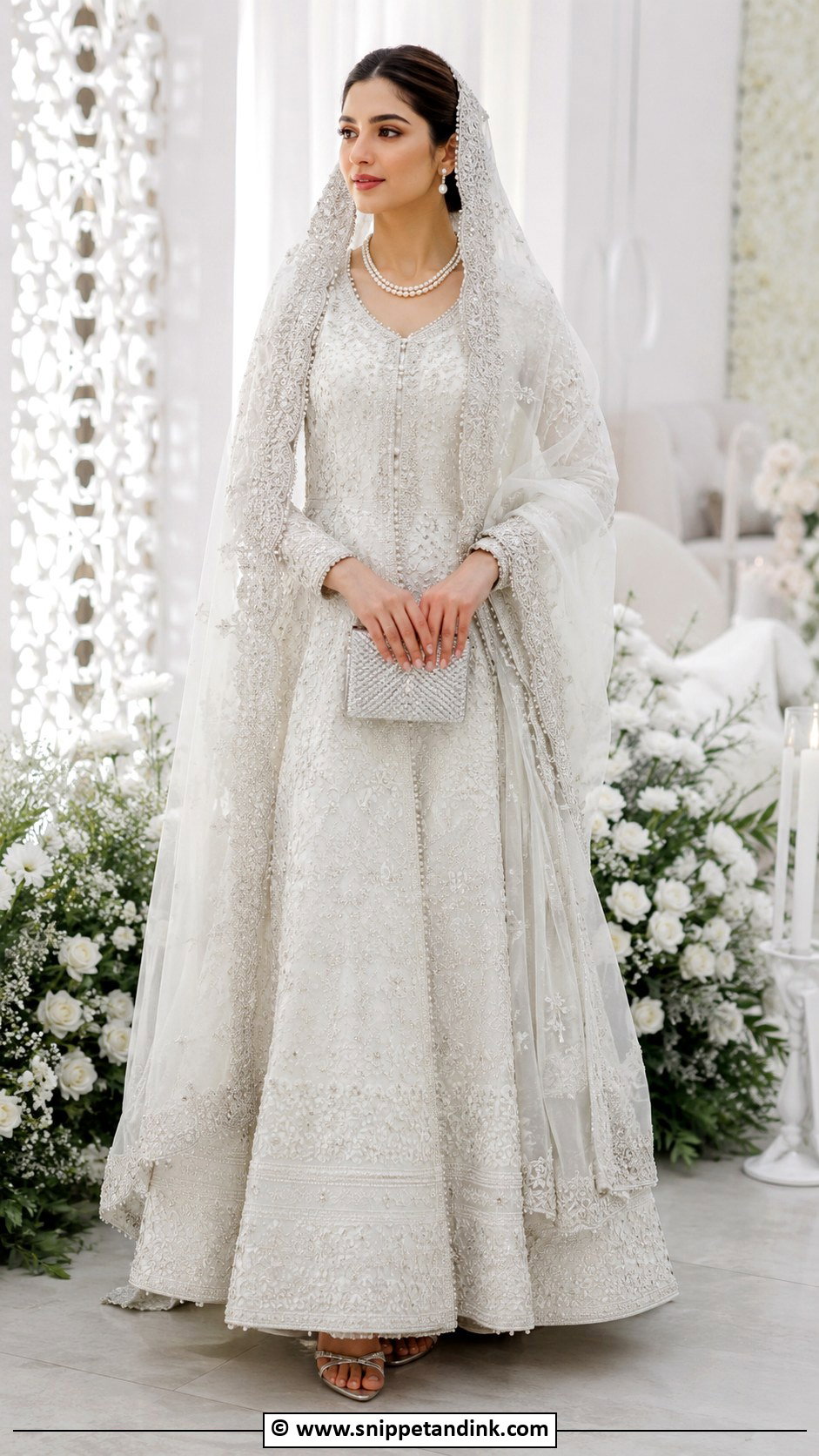
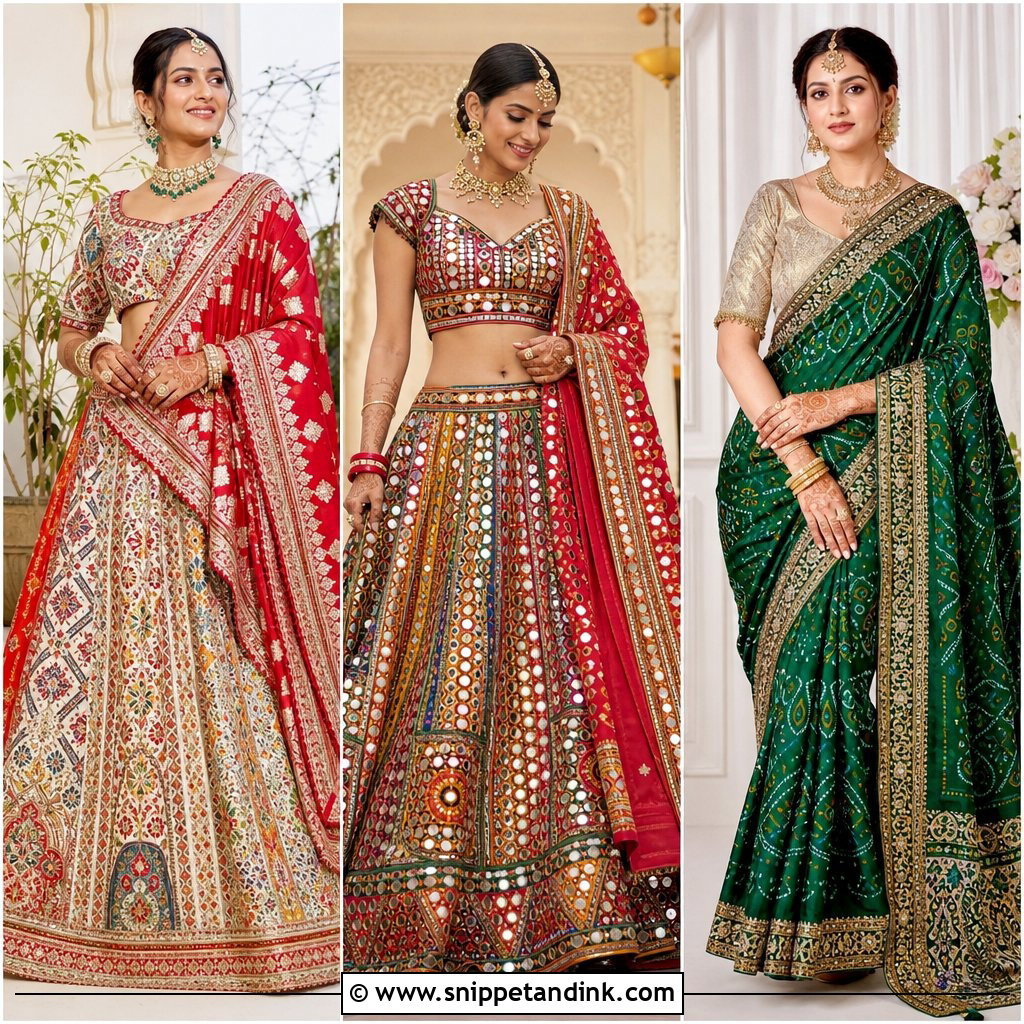
White lehengas are where I start most Nikah fittings, because a light skirt with pearl or silver thread reads bridal without the weight of a reception piece. Ask for the can-can underskirt to be soft rather than stiff; a stiff layer pushes the skirt out when you sit on a floor cushion. Pair a modest blouse with a dupatta long enough to cover the head and still fall past the shoulders. Mirror work catches flash, so keep it to the border if you dislike glints in photos.
2. Ivory Nikah Gown
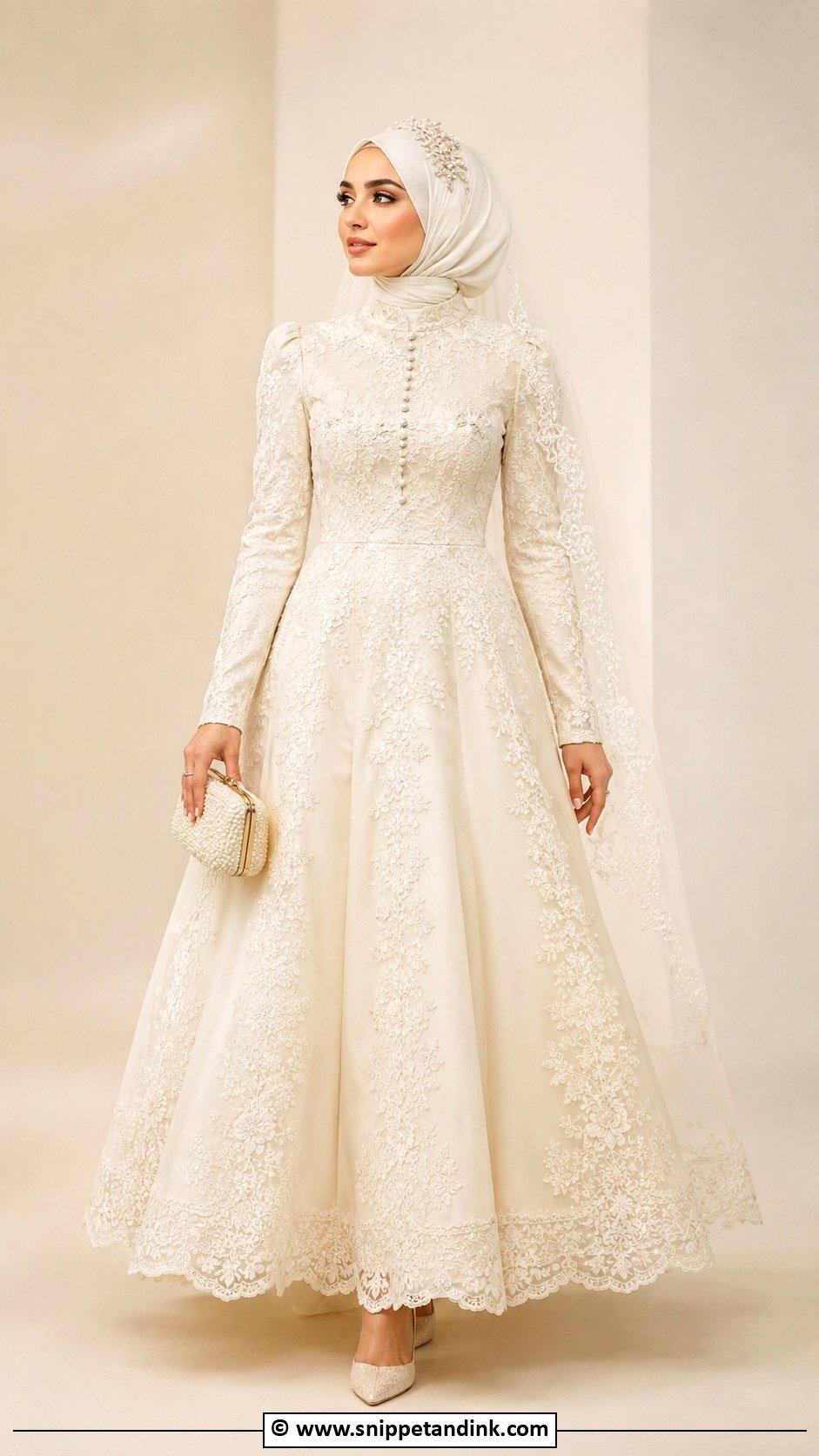
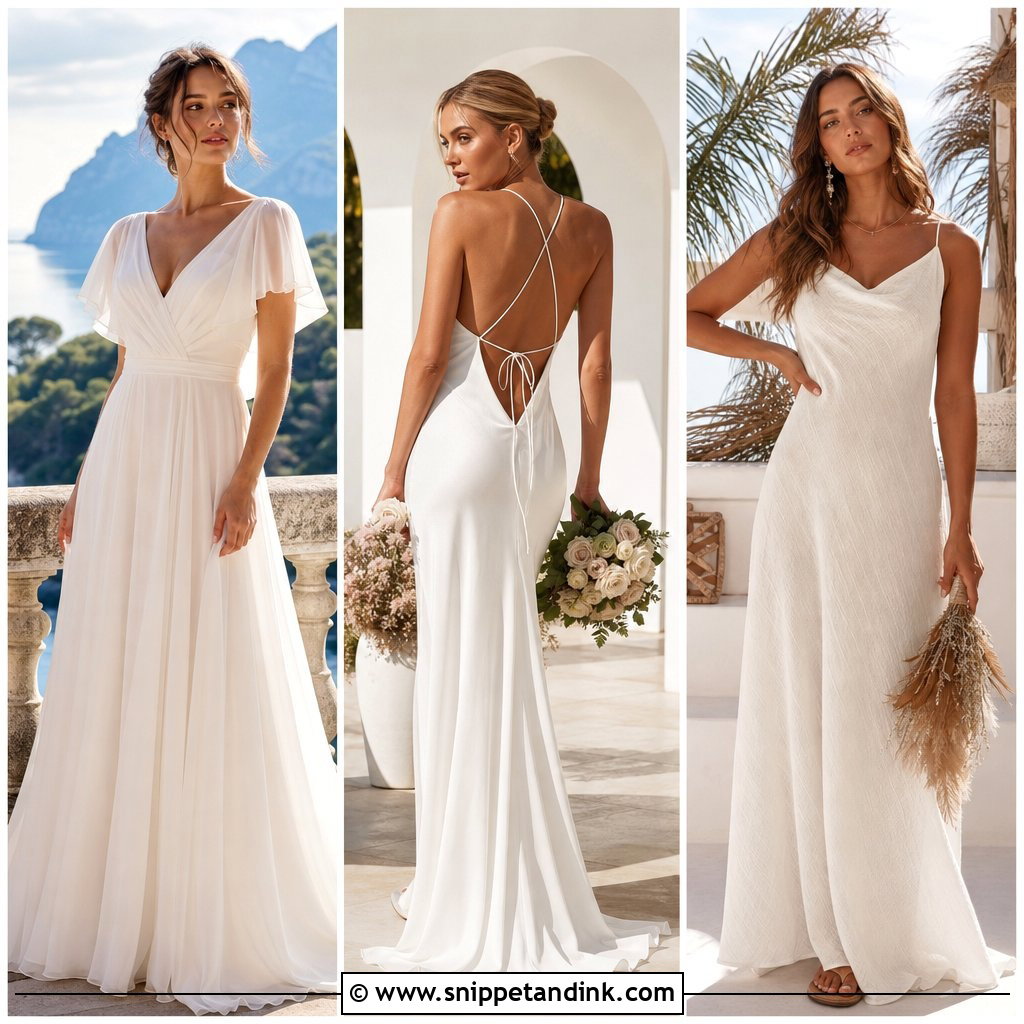
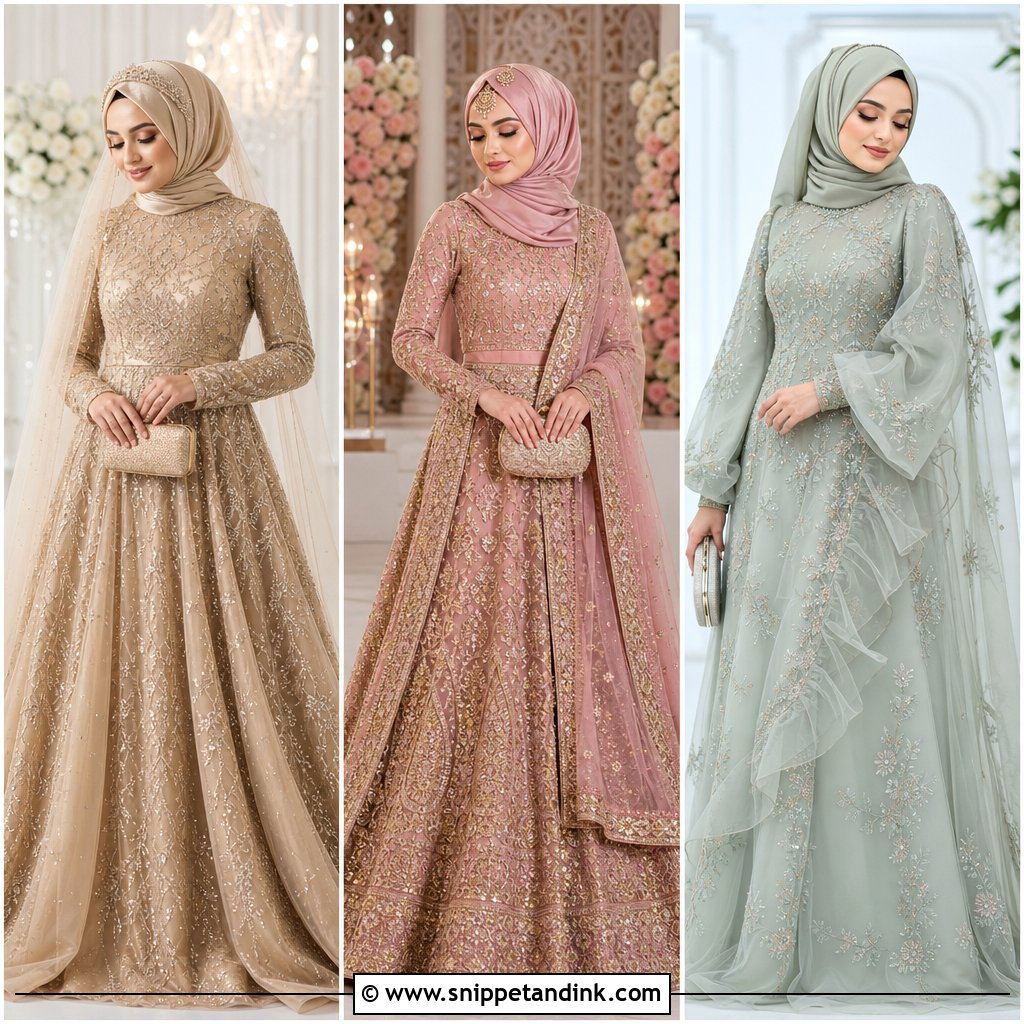
An ivory gown is the easiest Western silhouette to make Nikah-appropriate: long sleeves, a high neck and an A-line skirt. The detail I check first is the sleeve. Lace sleeves without a lining can be sheer under bright lights, so I ask for a nude tulle underlay if coverage matters to you. An ivory chiffon or satin hijab matched to the gown fabric, not just its color, keeps the whole look calm in a formal hall or a living room.
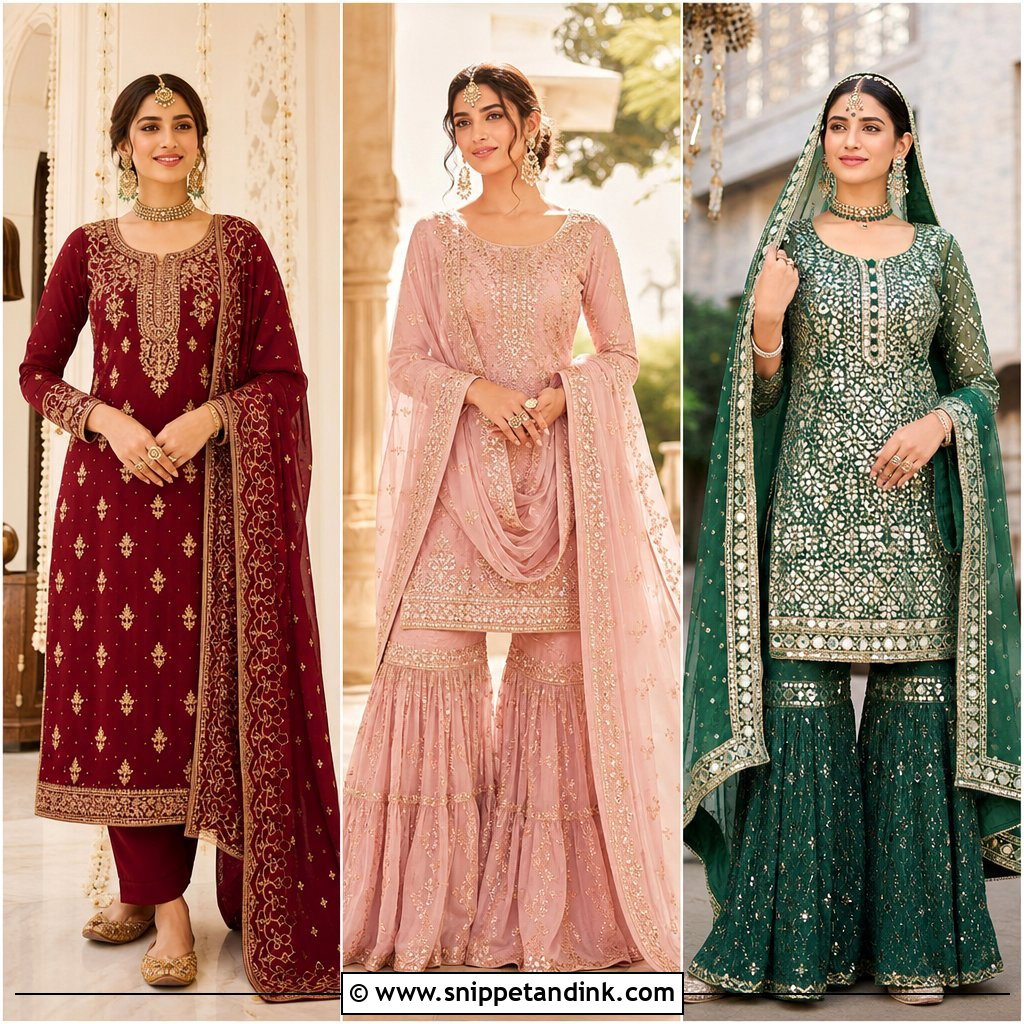
3. Champagne Nikah Sharara
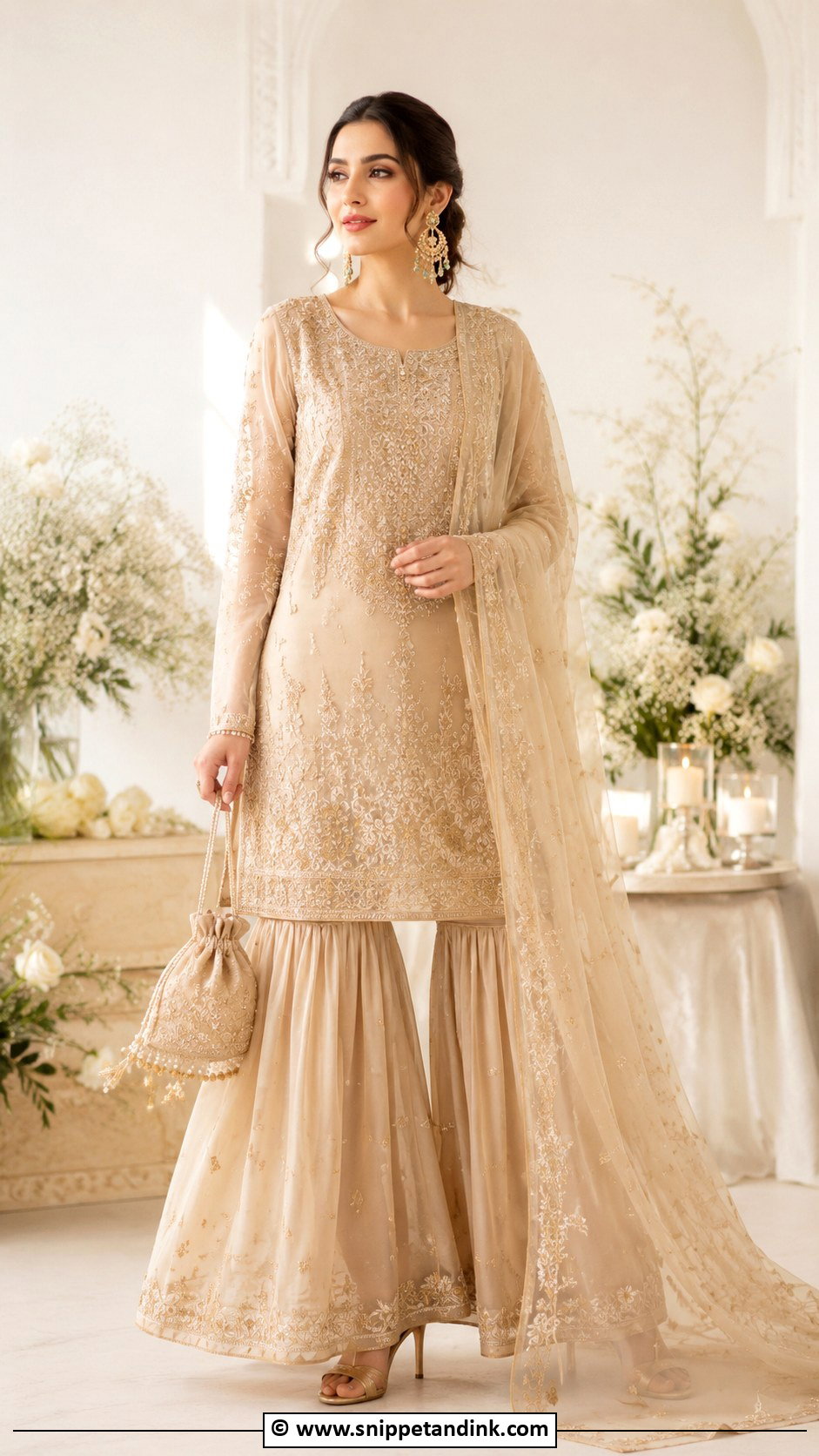
Champagne sharara sets sit in that warm middle ground between white and festive gold. The pants flare from the knee, so the kameez length decides the proportions; I like it hitting mid-calf so the flare shows. Keep the heavy embroidery at the neckline, cuffs and borders. Kundan earrings and a small potli are enough. Under bright ceremony lights, champagne can drift toward beige on cooler skin, so look at the fabric in daylight before you order.
4. Blush Pink Nikah Dress
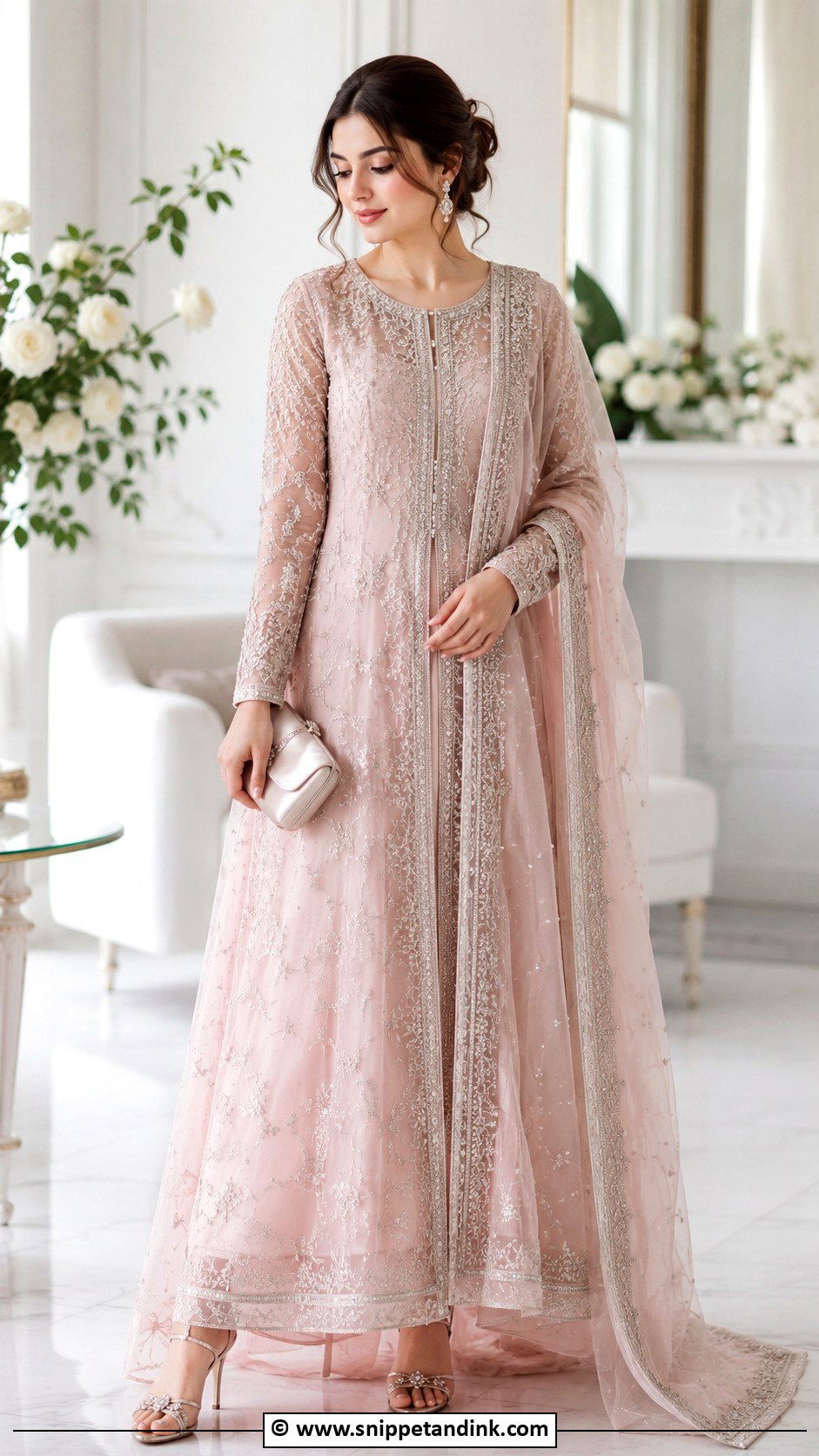
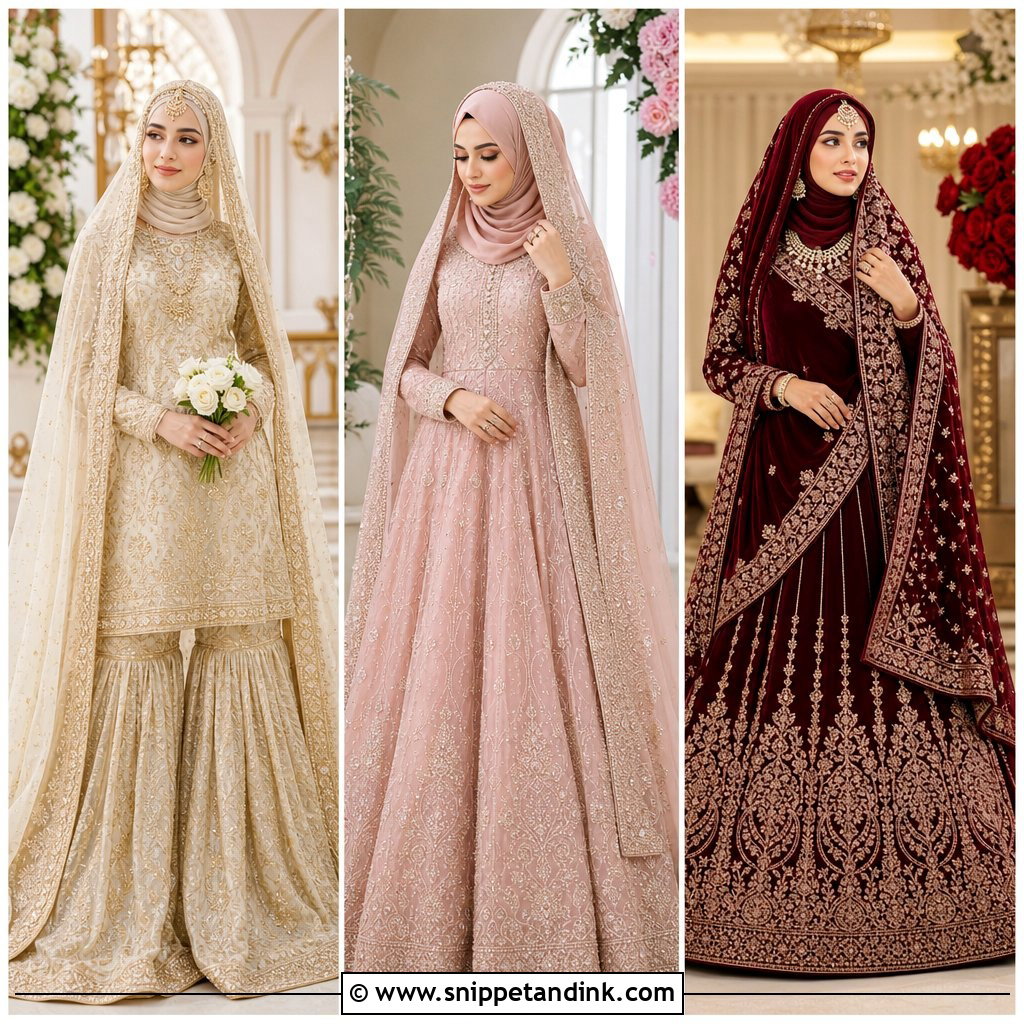
Blush is the color I suggest when a bride wants softness but not white. It suits lehengas, anarkalis and sharara sets equally, and silver or pearl embroidery keeps it from tipping into party wear. Watch your makeup: a pink lip on a pink outfit can flatten the face, so I’d keep the lip a shade deeper or a touch more nude. A matching blush hijab or a sheer dupatta finishes it for a daytime ceremony.
5. Pastel Blue Nikah Lehenga
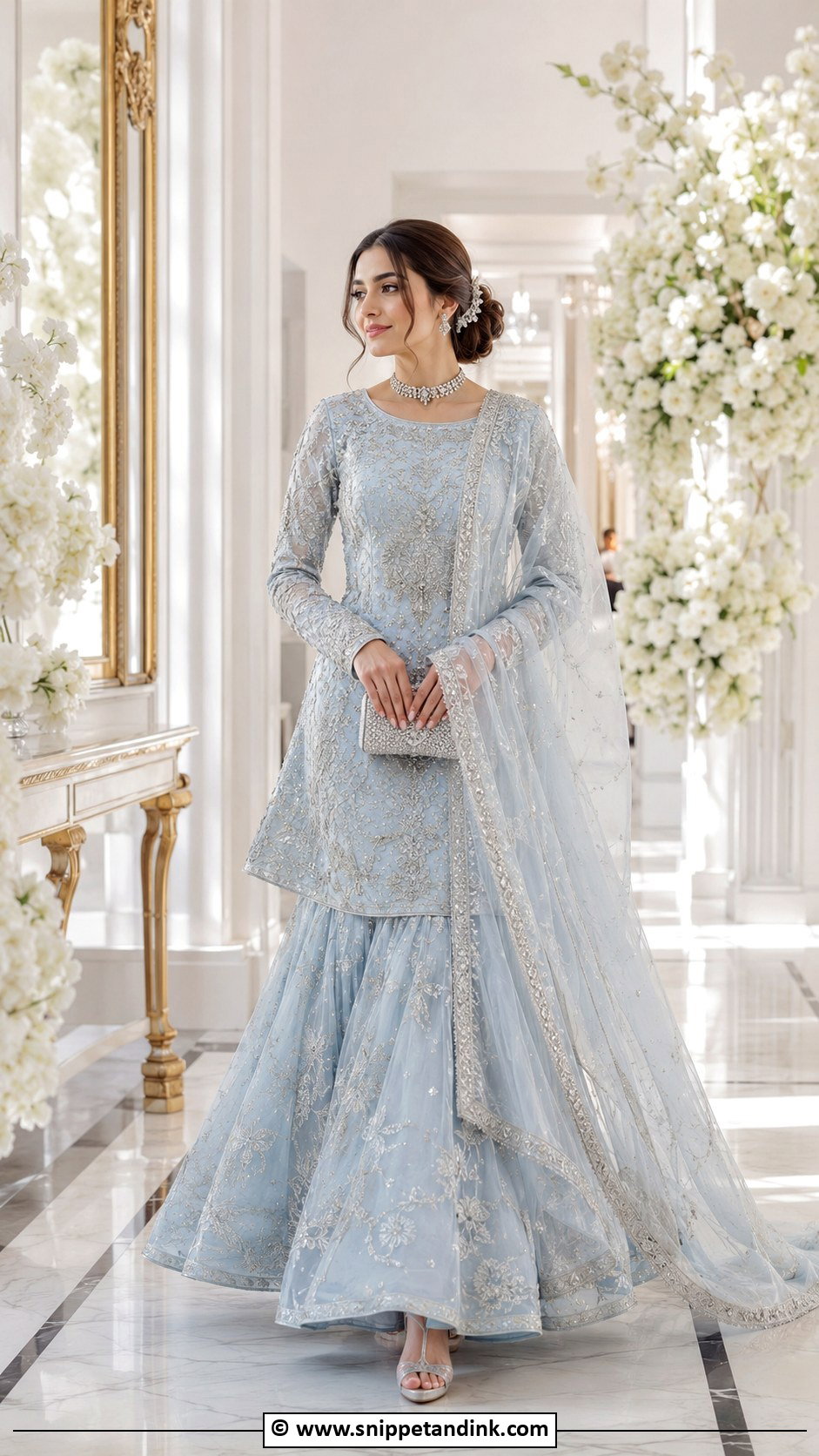
Pastel blue is a quiet break from white. Silver work sits on it better than gold, which can look muddy against cool blue. If you want more coverage than a choli, ask for a longer peplum top. Keep the skirt only lightly flared so you can step up to a stage or a sofa without gathering fabric in both hands. Spring and summer daytime ceremonies suit it most.
6. Pearl White Abaya Dress
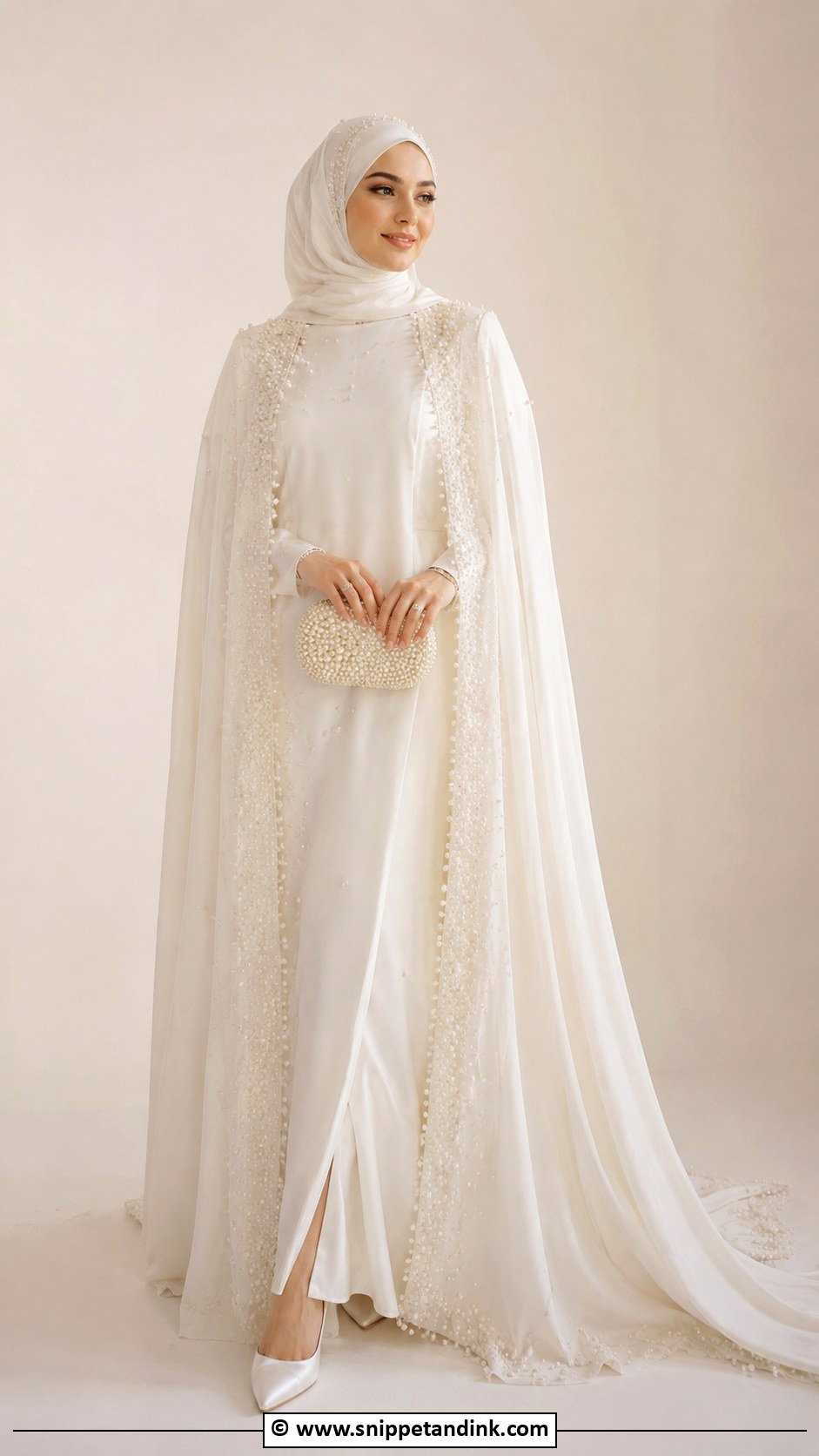
A pearl white abaya is the most practical choice for a mosque Nikah, since it gives full coverage with no extra layers to manage. I look for structure at the shoulders and pearl work along the front opening and cuffs, with a fluid inner dress underneath. Hand-sewn pearls are worth checking: tug one gently at the fitting, because a loose strand will shed across the prayer hall. The clean line keeps attention on your face and jewelry.
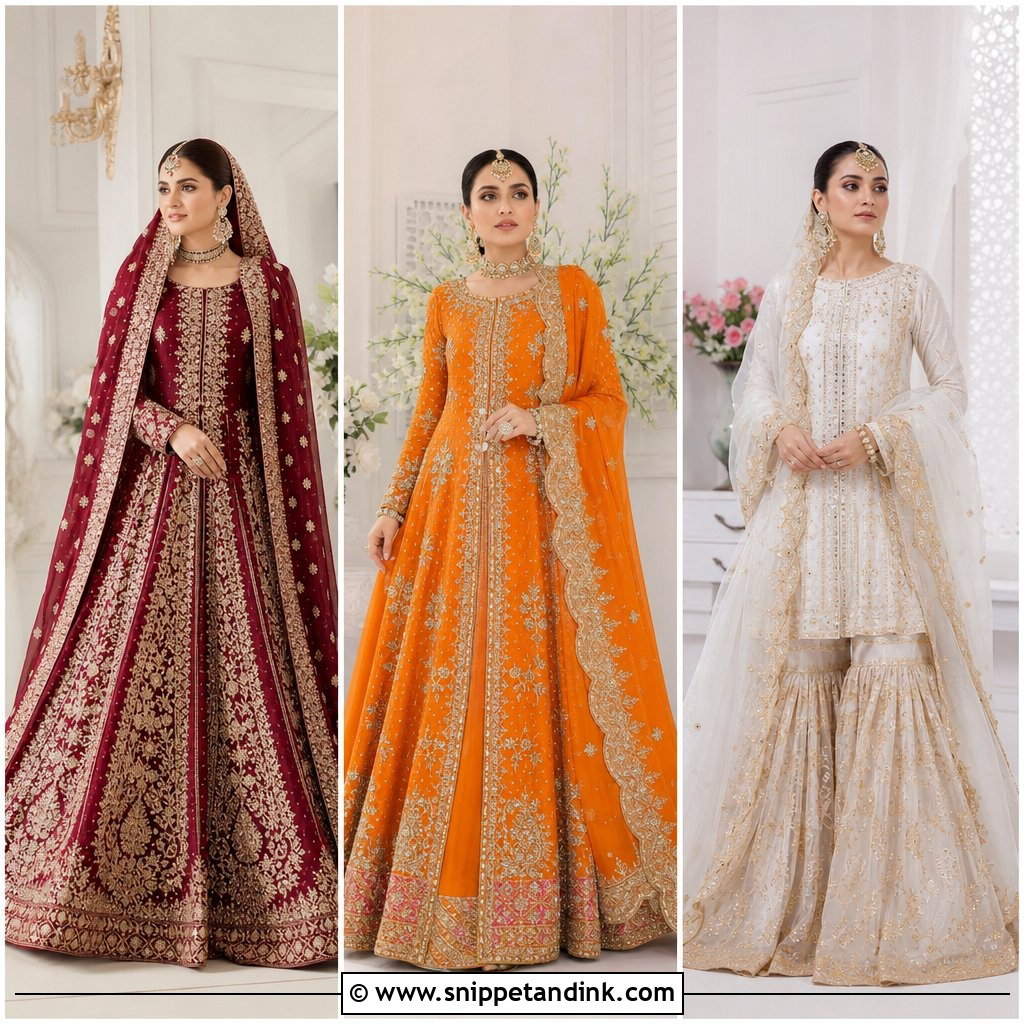
7. Gold Embroidered Nikah Suit
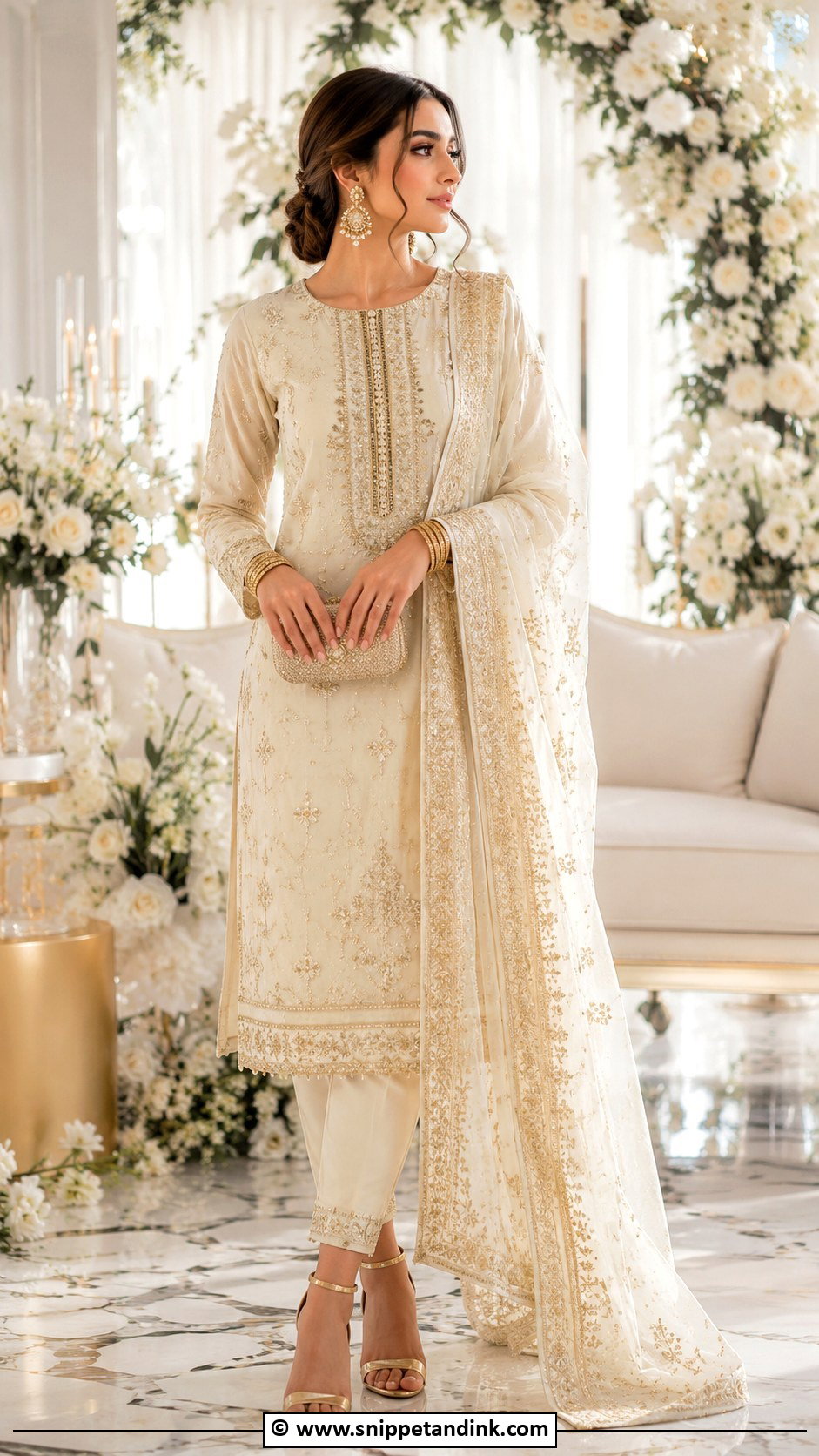
Gold embroidery on an ivory or beige kameez gives you richness without bulk. The base fabric matters more than the threadwork; heavy zari on thin georgette can pucker, while silk or organza holds it flat. Straight pants or wide-leg trousers keep it easy to sit, rise and greet guests for hours. Add bangles and statement earrings, and you have a suit that also works for a small home ceremony.
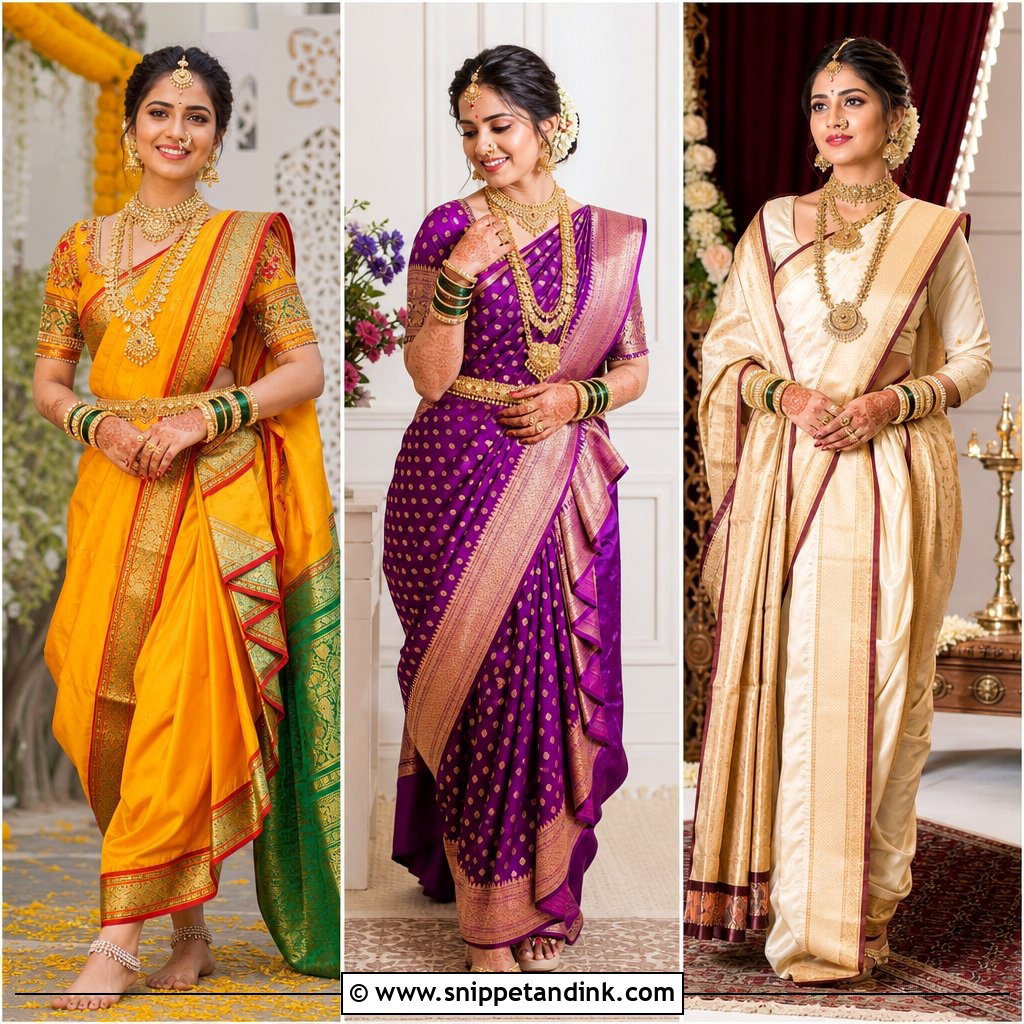
8. White Saree Nikah Outfit
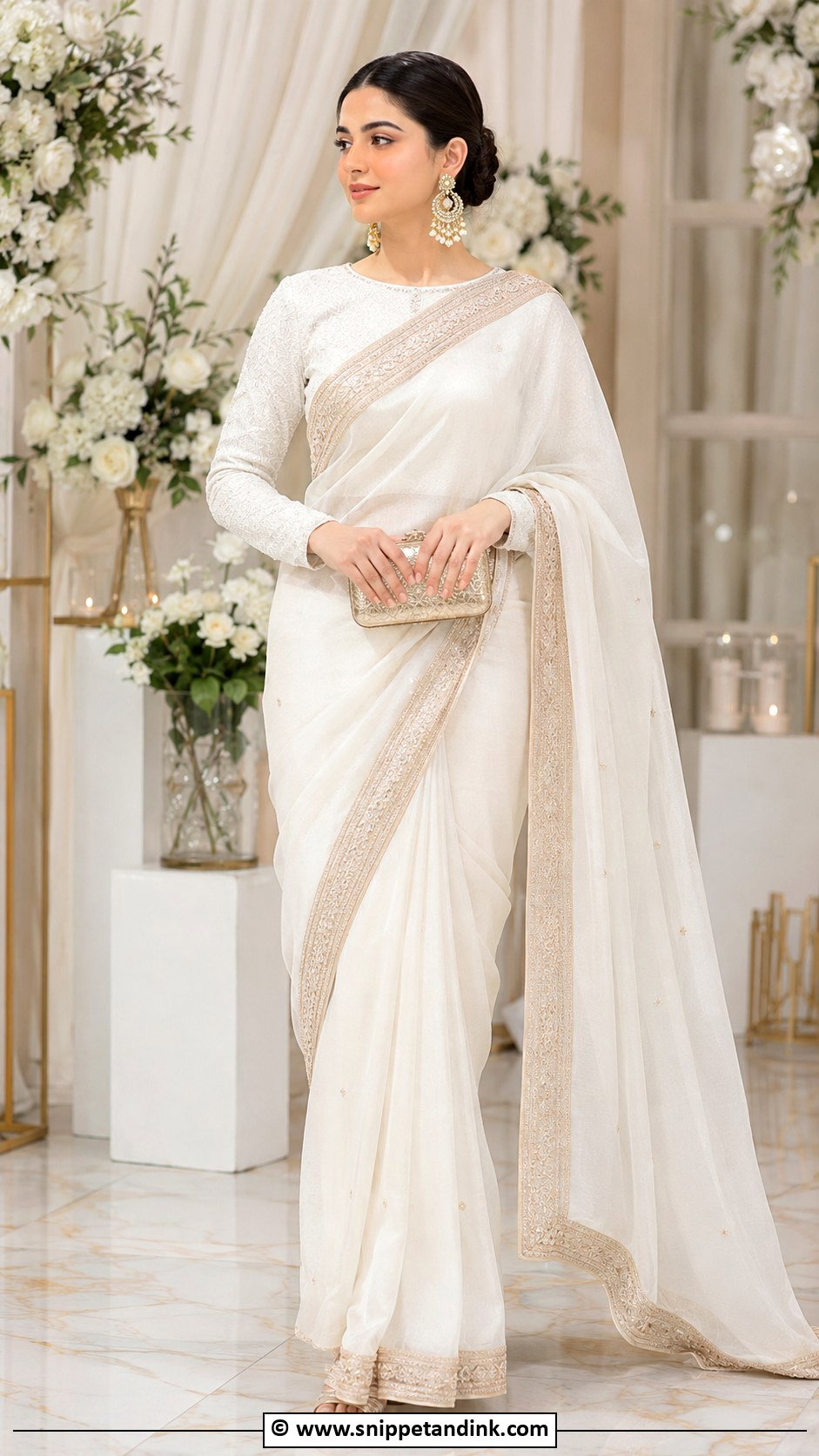
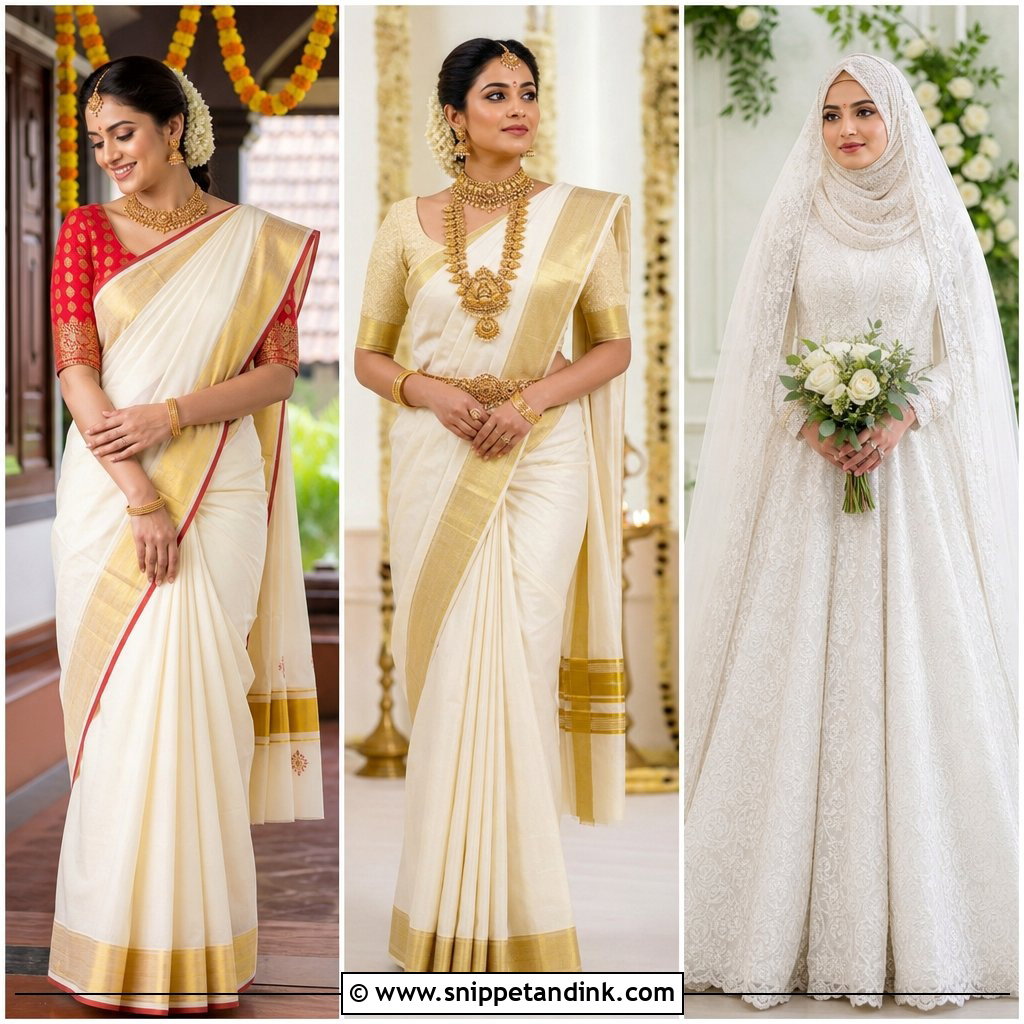
A white saree Nikah outfit depends almost entirely on the blouse and the drape. For a religious ceremony, I’d go for a long-sleeve blouse with a high neck, then pin the pallu so it can come up over the head when the imam begins. Pre-pleating the saree, or having it stitched, saves you from re-tucking pleats after you sit. Gold, silver or pearl borders all suit white; pick one metal and match the jewelry to it.
9. Cream Anarkali Nikah Dress
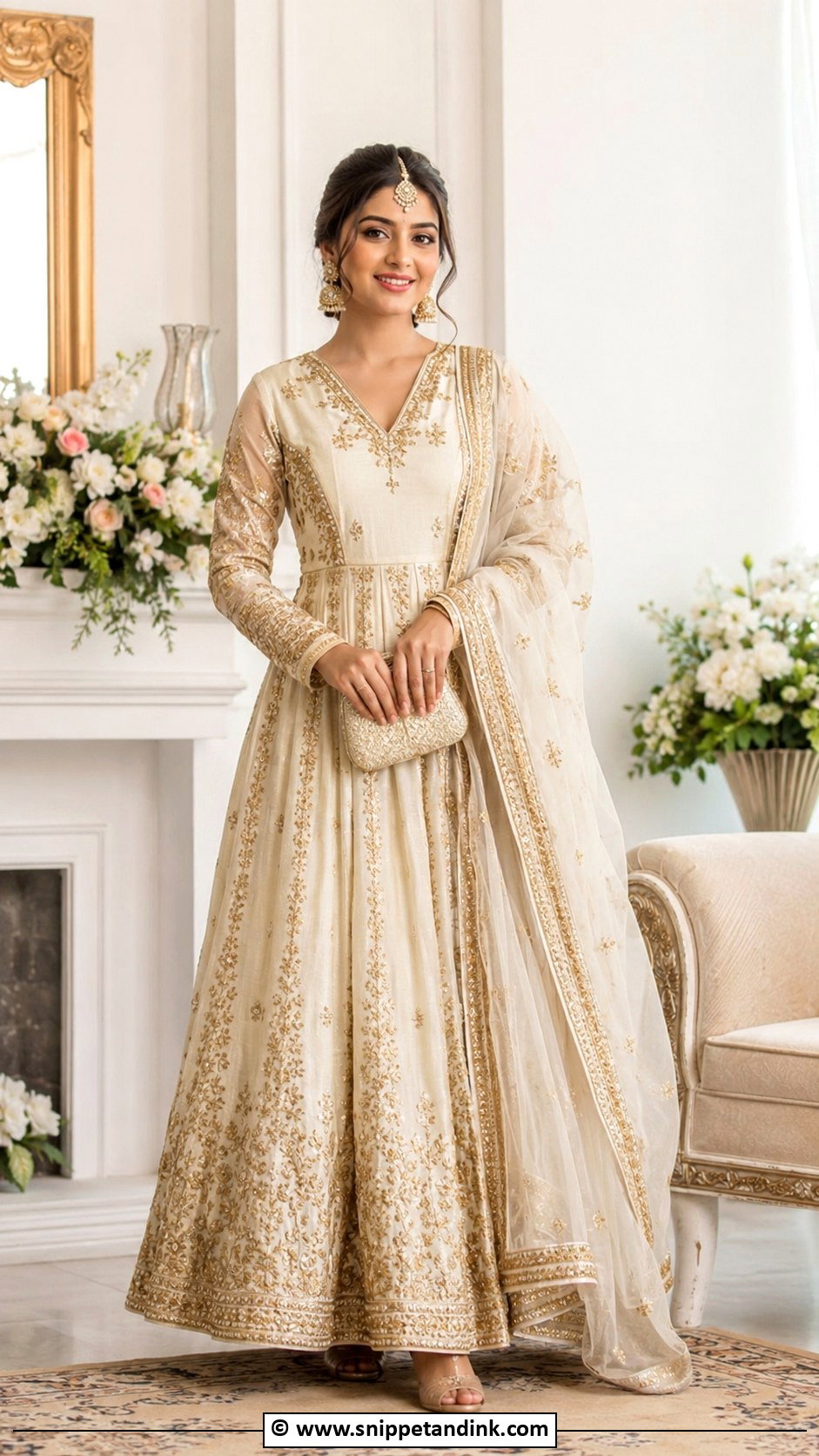
Cream anarkalis flatter a wide range of figures because the fitted bodice gives shape and the kalis fall away from the hips. Floor length with full sleeves keeps it modest. I always measure the hem with the shoes you will actually wear: an anarkali that is two centimeters too long gets stepped on every time you stand. Juttis or low heels make a long ceremony far easier, and a maang tikka adds the bridal note.
10. Modest Satin Nikah Gown
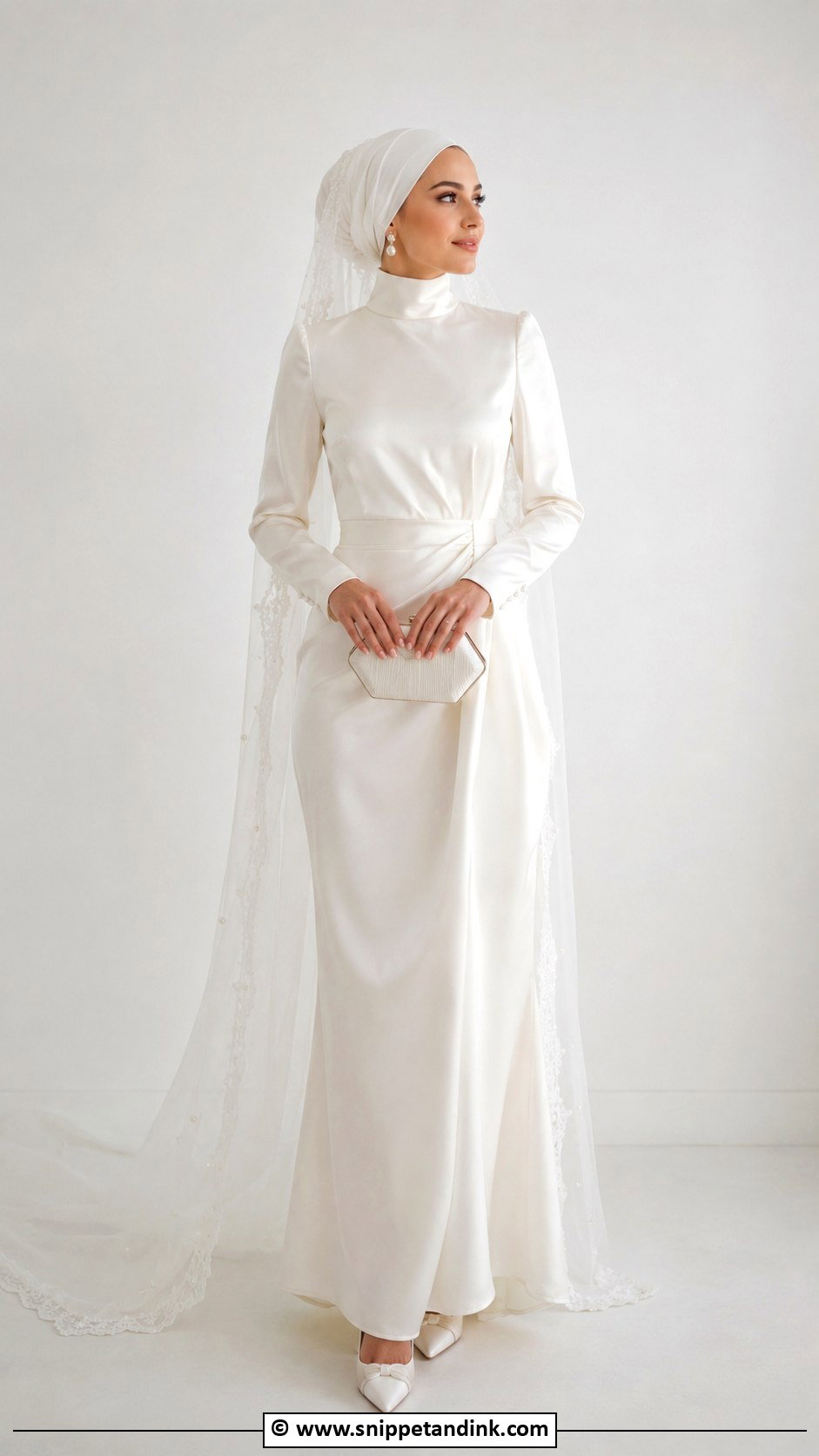
Satin looks formal even when the cut is simple, which is its appeal. It is also honest about every crease. Sit in it at the fitting for five minutes and stand up; if the lap is creased, ask about a heavier satin or a crepe-backed version. Ivory, pearl or champagne satin all suit the ceremony. If you wear hijab, decide whether you want it shiny to match or matte chiffon to soften the gown.
11. Organza Nikah Lehenga
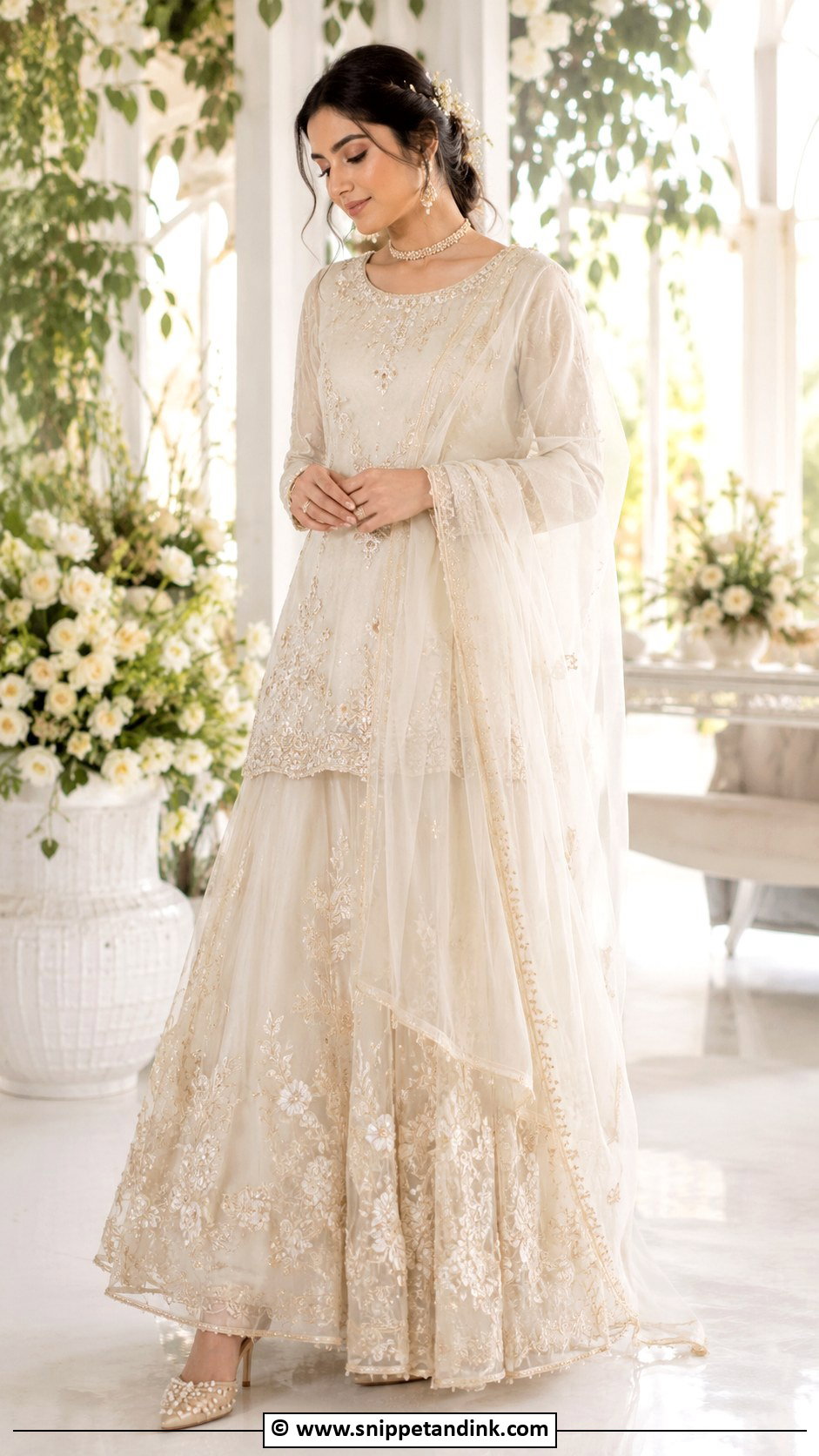
An organza Nikah lehenga gets its volume from the fabric itself, so the skirt can be full without heavy layers underneath. The trade-off is that organza is crisp and slightly scratchy against bare skin, so I insist on a soft lining at the waistband and inside the blouse. Pale bases with floral embroidery suit it. A longer kurti-style top adds coverage, and since organza already has texture, keep the jewelry small.
12. Long Kurta With Gharara Nikah Outfit
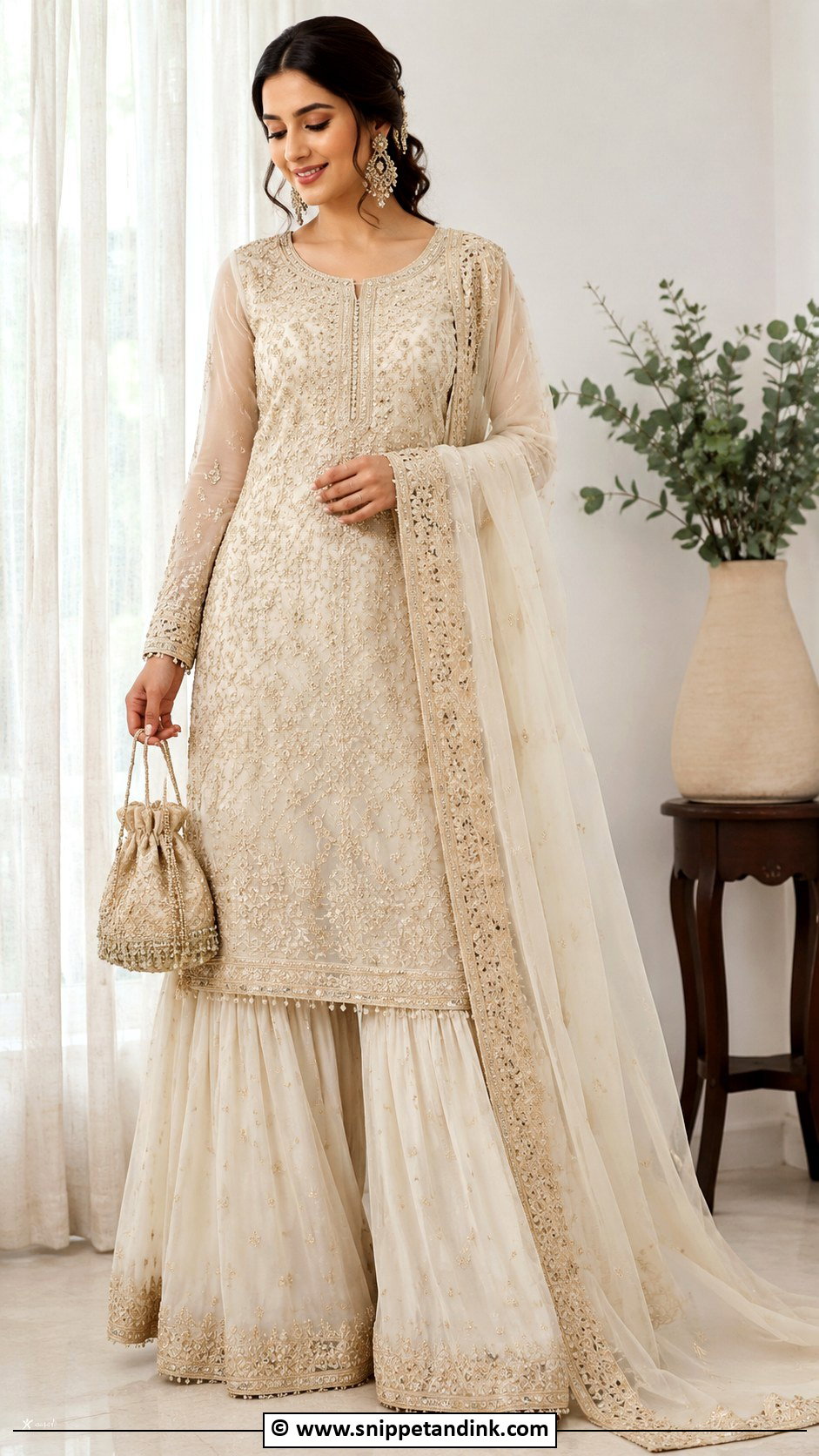
Kurta and gharara is one of the most comfortable things a bride can wear to her Nikah. The gharara has its signature band at the knee, so the kurta needs to stop just above or below it, never right on it. Sage, ivory, blush and pale gold are common choices. I’d keep embroidery to the hem, sleeves and dupatta border, and pair juttis with a matching potli for a ceremony where you will sit on the floor.
13. White Lace Nikah Dress
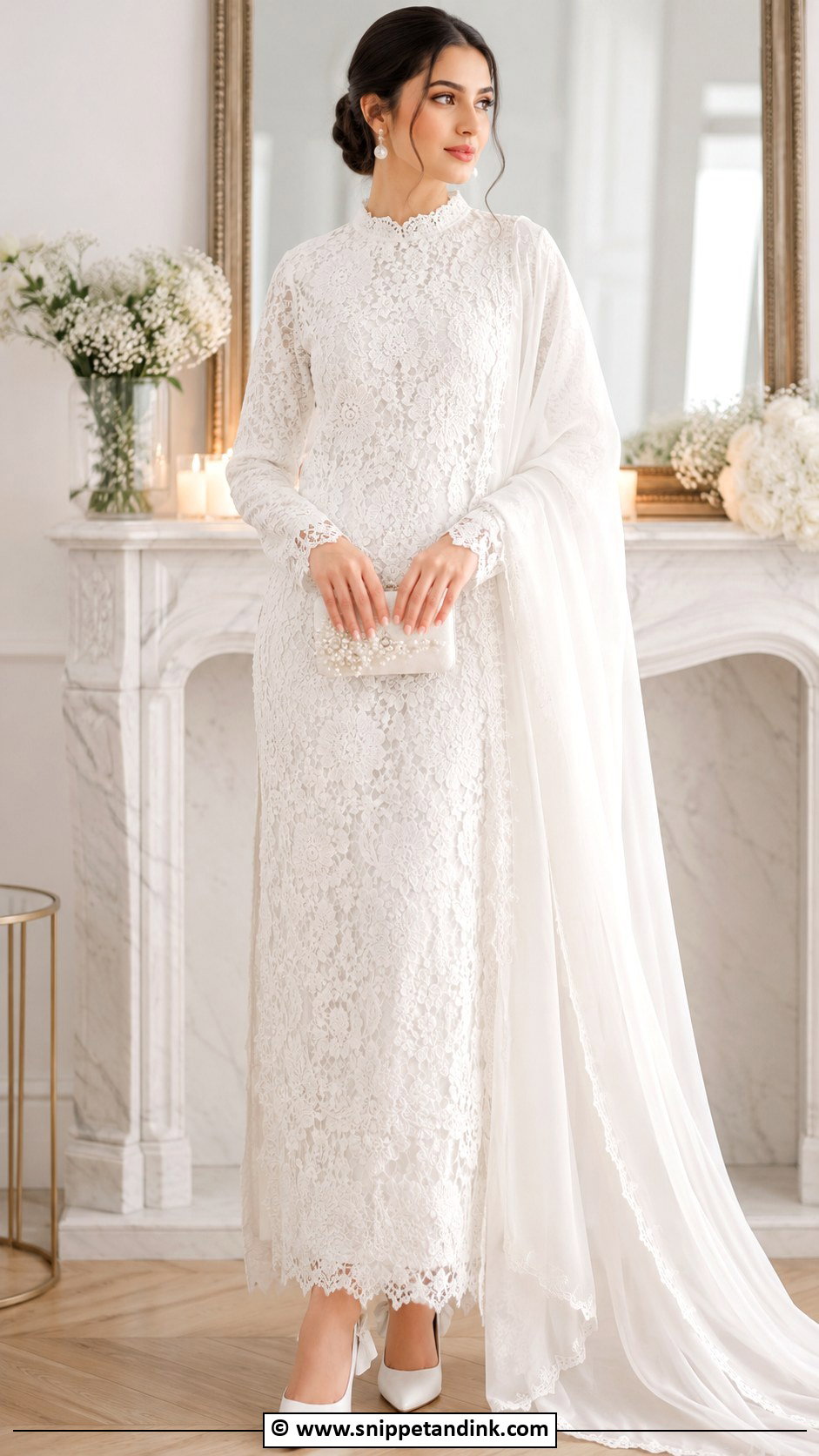
Lace reads bridal immediately, which helps when the rest of the outfit is modest. The thing I check is the lining: lace over a cheap shiny lining looks flat in photos, while a matte silk or crepe lining lets the pattern show. Floral or vine lace with long sleeves and a high neck suits a garden or an intimate indoor ceremony. A chiffon hijab or a simple veil both sit well over it.
14. Mint Green Nikah Sharara
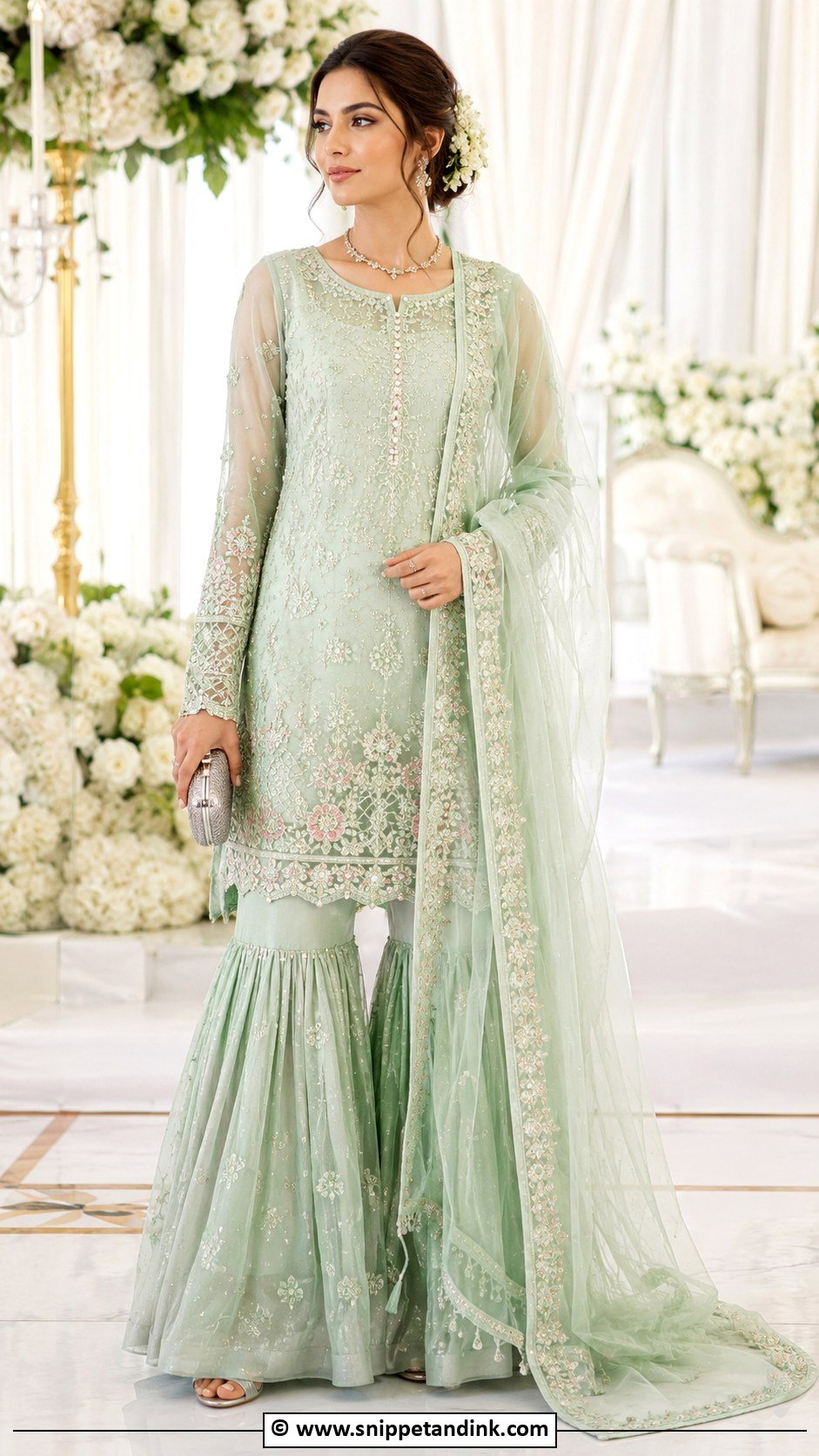
Mint is a pastel with more personality than blush, and it holds up well in daylight. Silver and pearl suit it best. A full-sleeve kameez over flared sharara gives balance, and a dupatta with a decorated border can drape over the head or one shoulder. Keep makeup and jewelry quiet so the color does the work. One caution: mint can turn slightly grey under warm indoor bulbs, so check it in the venue’s light if you can.
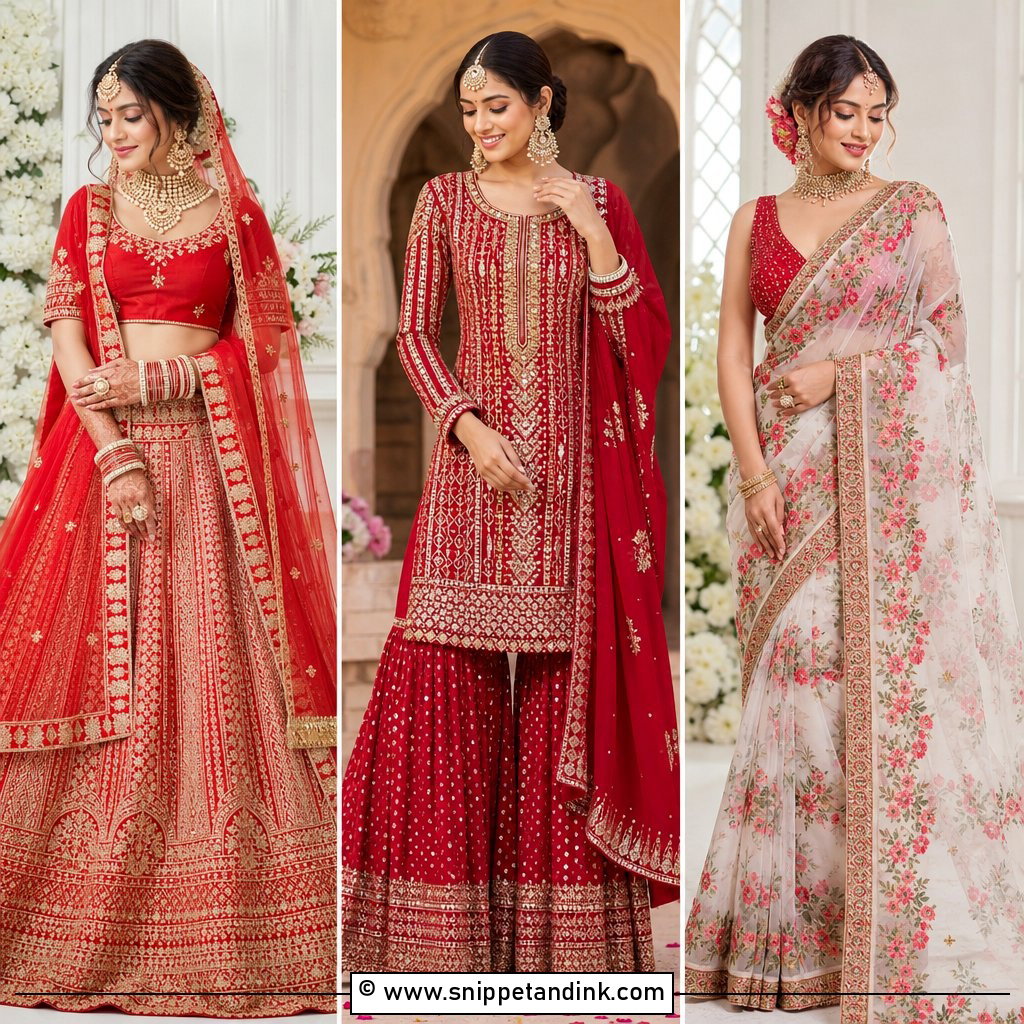


15. Beige Nikah Maxi Dress
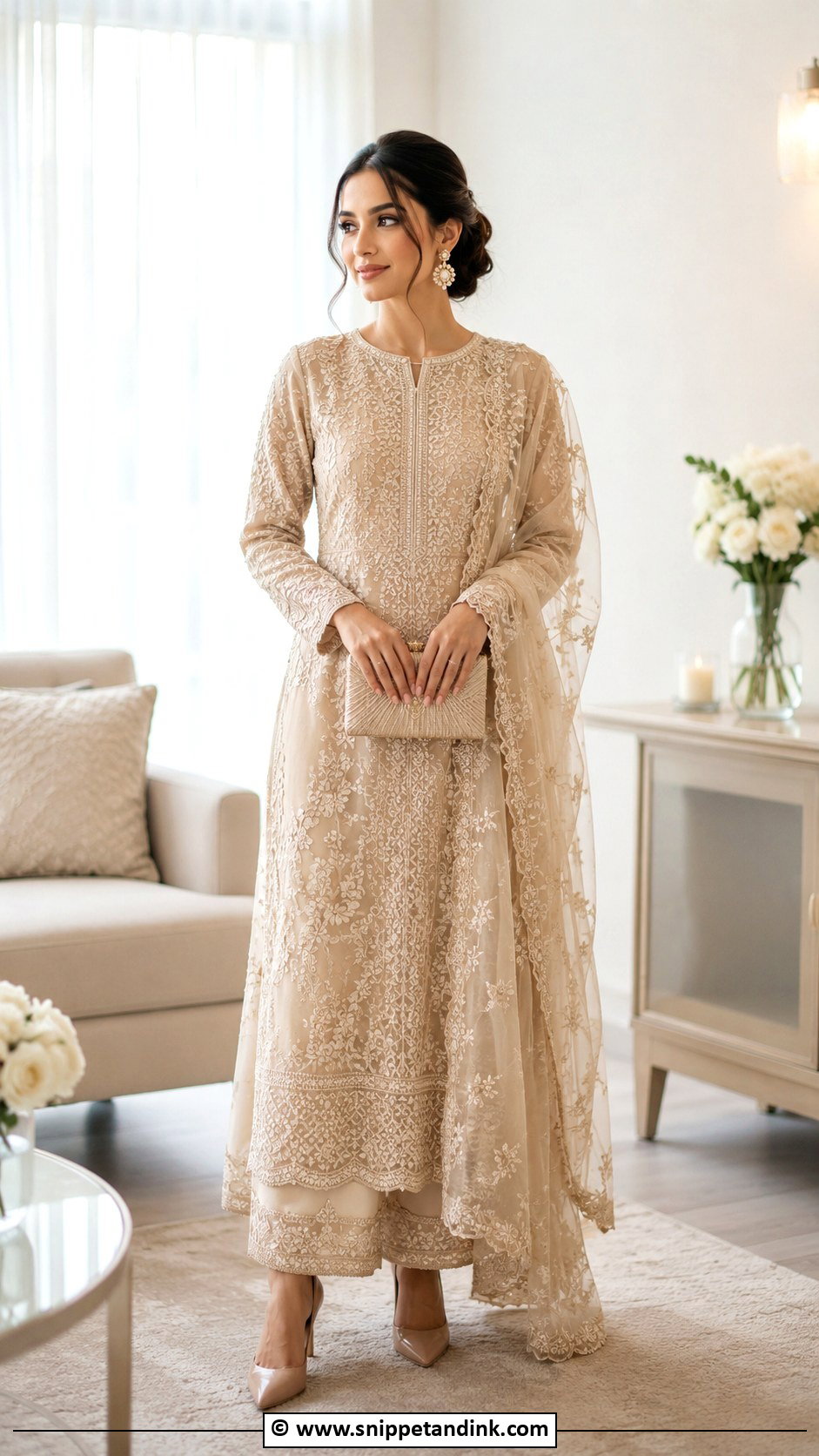
A beige maxi is the right answer for a courthouse Nikah or a small gathering at home, where a full lehenga would feel out of scale. Look for a soft drape, full sleeves and delicate embroidery at the neckline. Gold, pearl or champagne accessories finish it, and a matching dupatta or hijab is what makes it read as bridal rather than as a guest dress. Fabric quality shows on a simple piece, so spend there instead of on embellishment.
16. Silver Nikah Lehenga
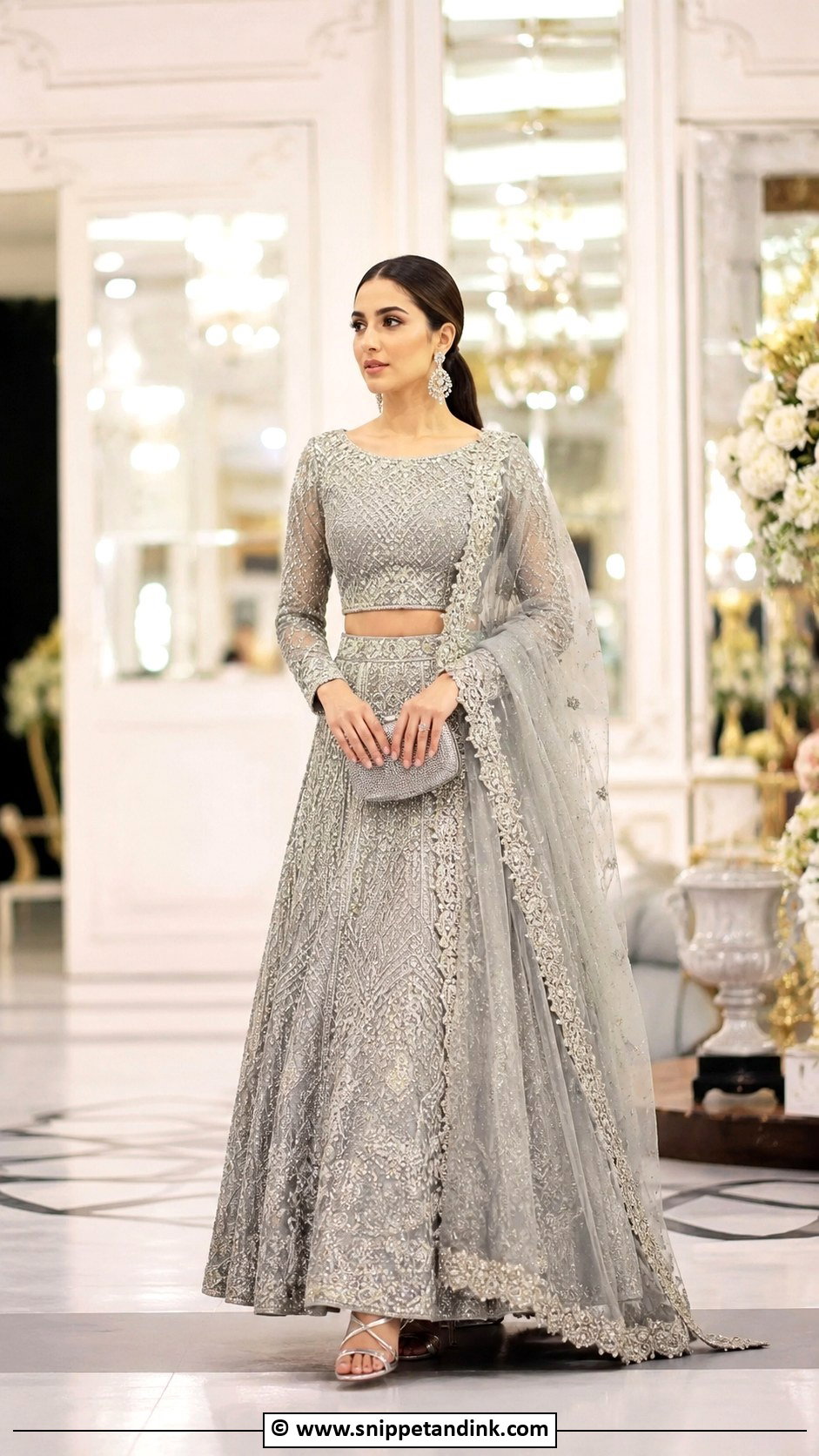
Silver lehengas belong to evening ceremonies. The metallic surface reflects light, so they glow under warm lamps and can look flat in harsh midday sun. I’d pick a soft silver or icy grey base with tonal embroidery, then a full-sleeve blouse or longer top for coverage. A sheer silver dupatta keeps it from feeling heavy. Keep makeup balanced, because heavy shimmer on the face plus a metallic outfit is too much shine for the camera.
17. Simple White Nikah Suit
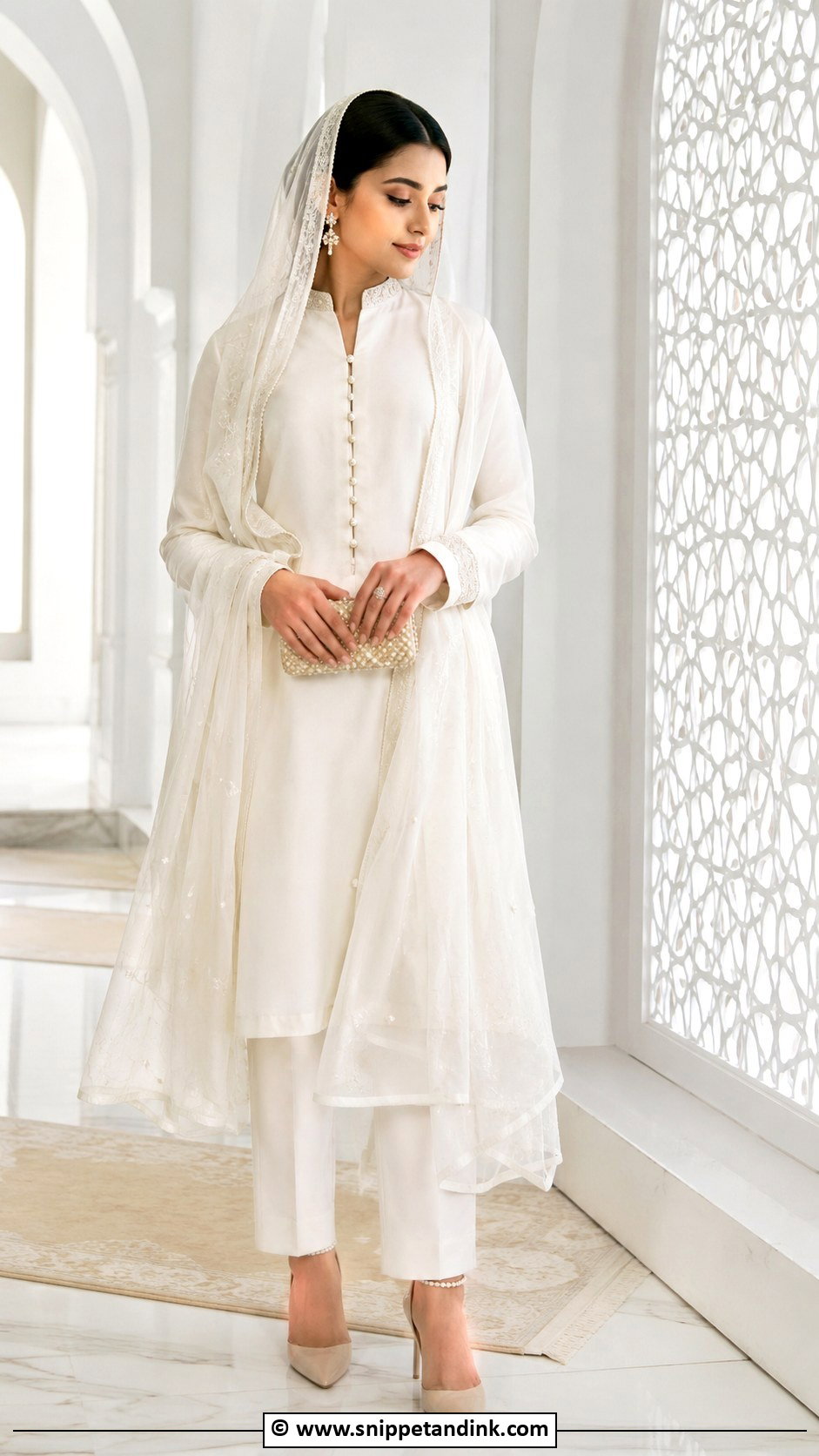
A simple white suit suits brides who want the meaning of the ceremony to lead. Tailoring is everything here: I’d rather see a perfectly fitted plain kameez than a loose one covered in work. Lace trim, pearl buttons or scalloped edges are enough detail. This is also the easiest outfit to personalize with a mother’s or grandmother’s dupatta, which can carry more meaning than any new embroidery.
18. Floral Embroidered Nikah Dress
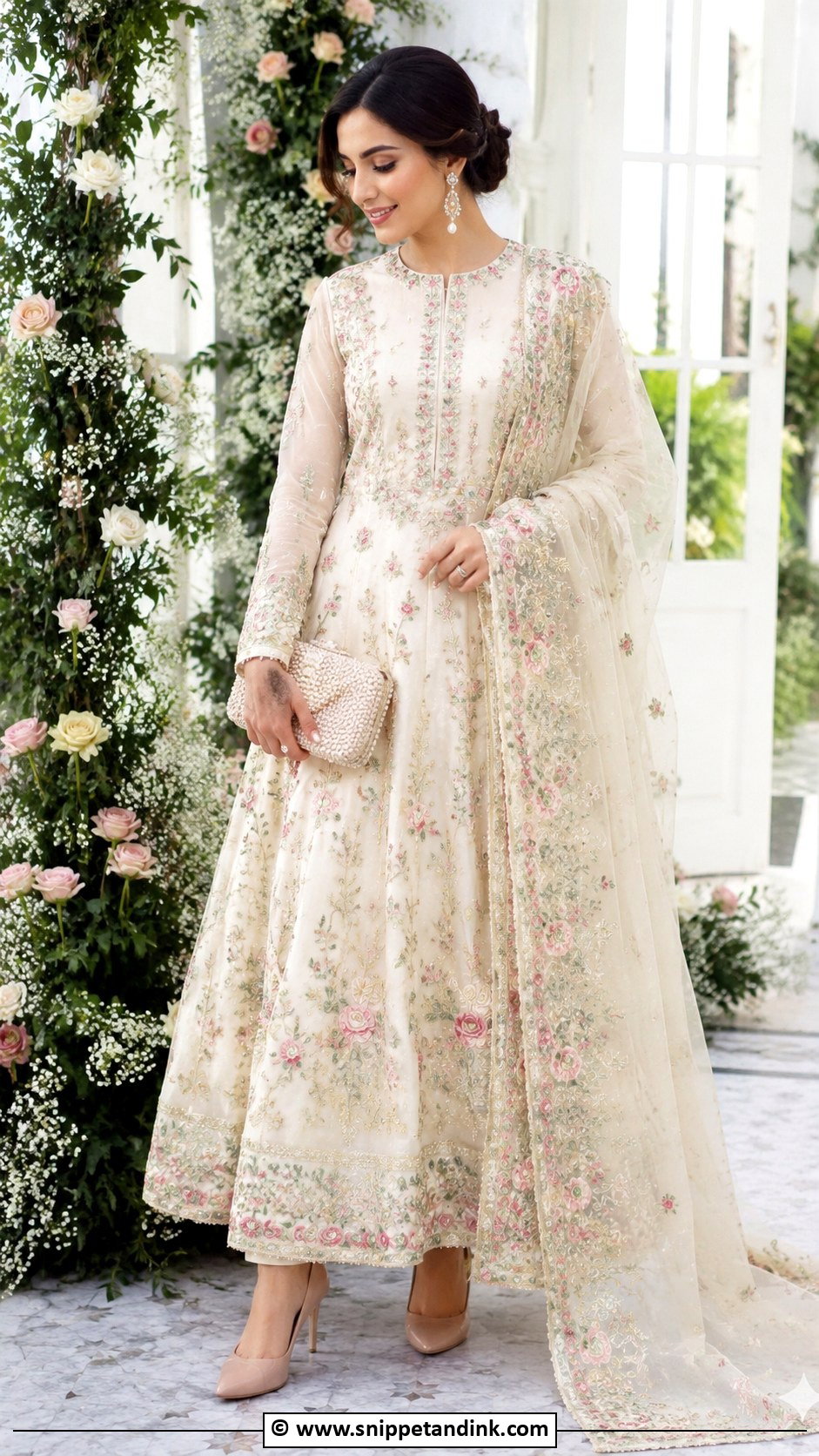
Floral embroidery adds color without committing to a bright base. It can go on an anarkali, gown, lehenga or sharara. My rule at fittings is to match the jewelry to the embroidery thread, not the fabric, so a pastel-thread outfit gets pearls and a light-metallic one gets thin gold. Skip bold accessories; the florals are already busy. Daytime and spring ceremonies suit it.
19. Long Sleeve Nikah Ball Gown
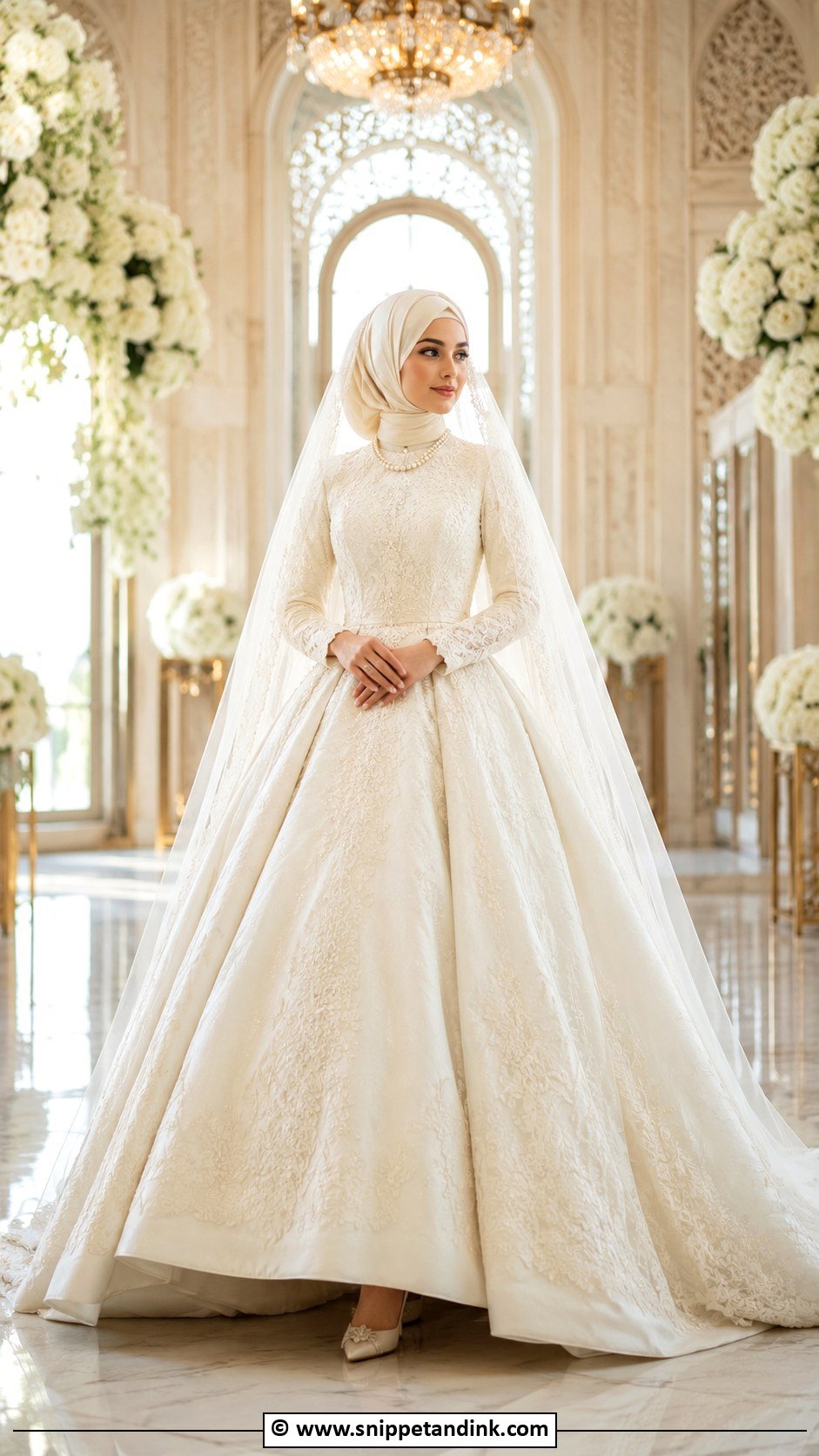
A long sleeve Nikah ball gown gives the most formal silhouette here, with a structured bodice, a full skirt and a high or bateau neckline. Think about logistics before you fall for it. A full skirt needs space to sit, and some mosques and homes simply do not have it, so I keep this for halls and larger venues. Ivory and white are classic; champagne or blush warm it up. A veil, hijab or small headpiece all suit it.
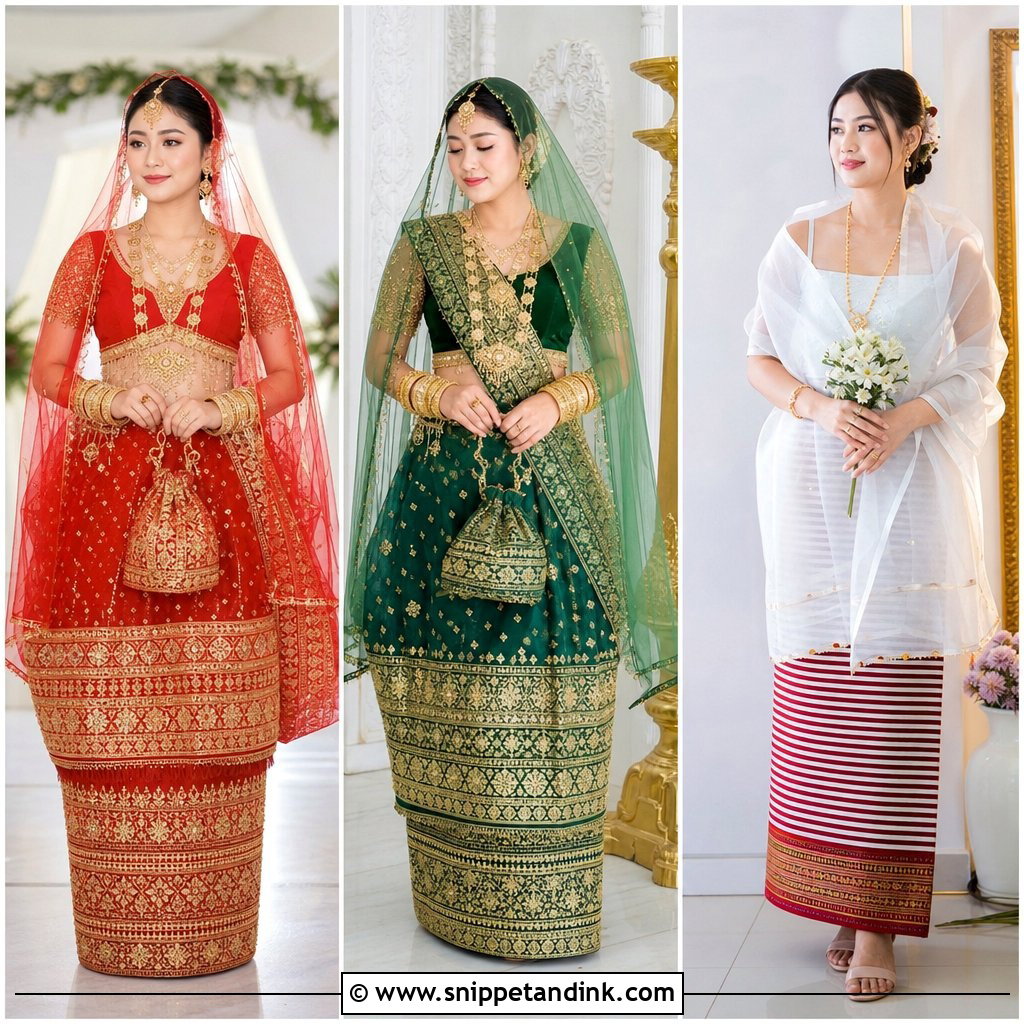
20. Off White Nikah Gharara
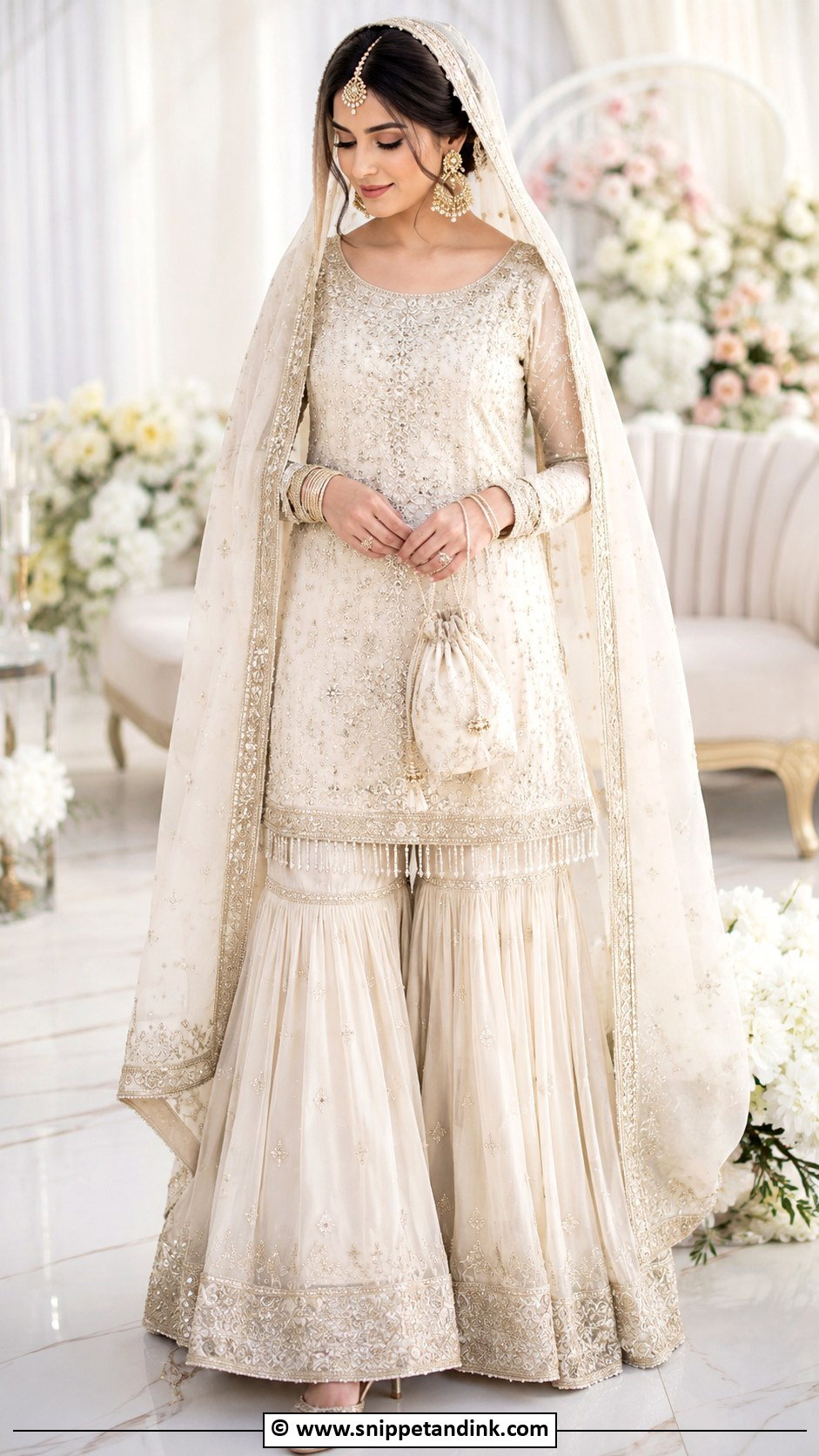
Off white is warmer than pure white, and that warmth is why it flatters more complexions in photos. The gharara brings volume while a short or mid-length kameez adds structure above it. Antique gold or pearl embroidery suits the heritage feel, and a bordered dupatta over the head gives the classic Nikah frame. Stacked bangles and juttis complete it.
21. Soft Pink Nikah Anarkali
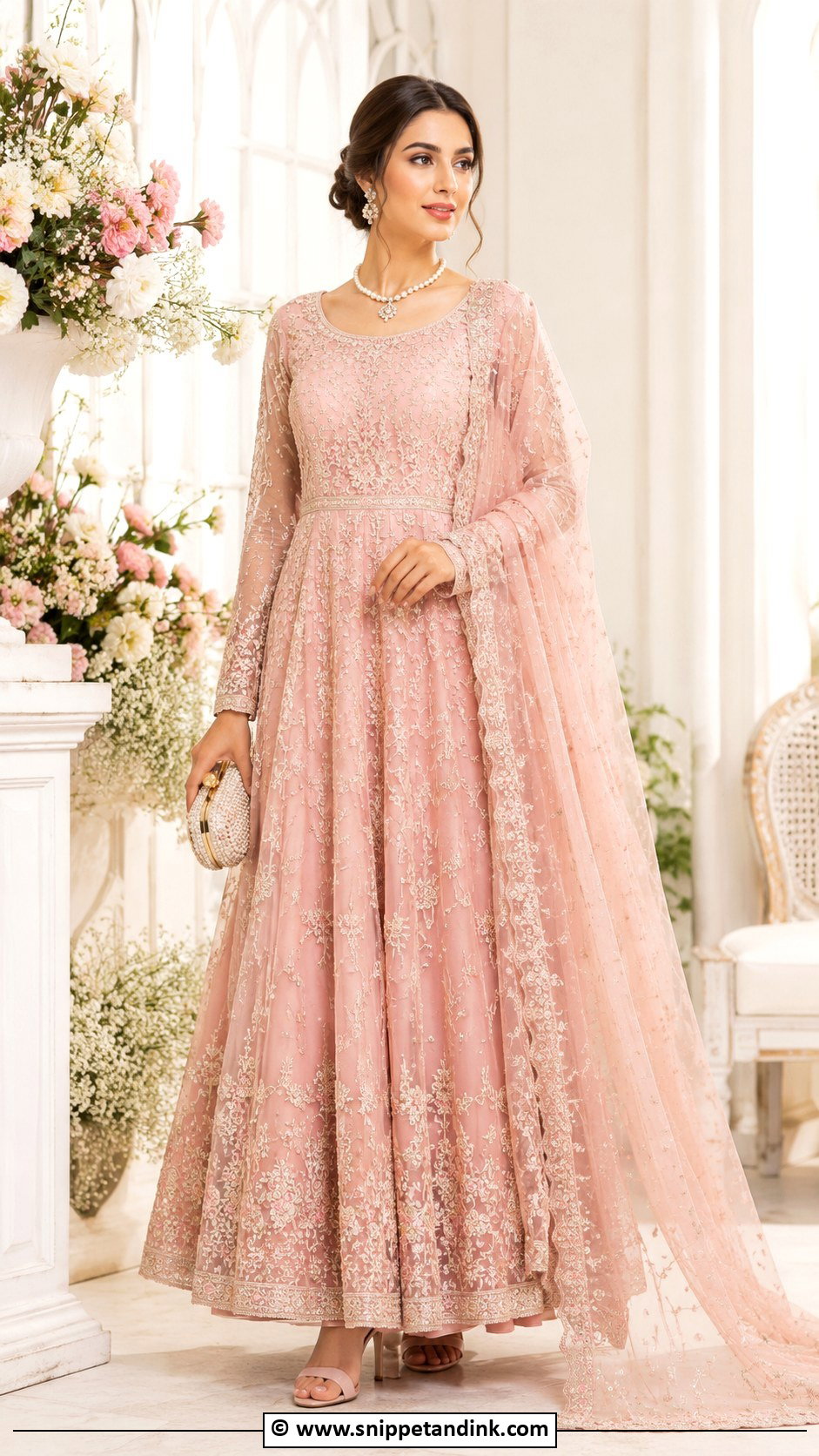
Soft pink in an anarkali is gentle and very easy to wear for hours. Look for embroidery around the bodice, cuffs and hem, and full sleeves with a modest neckline. Rose gold and pearl jewelry suit the color better than yellow gold. I find pink anarkalis look right at both a small home Nikah and a formal one, which makes this a safe choice if the venue is still undecided.
22. White Cape Nikah Dress
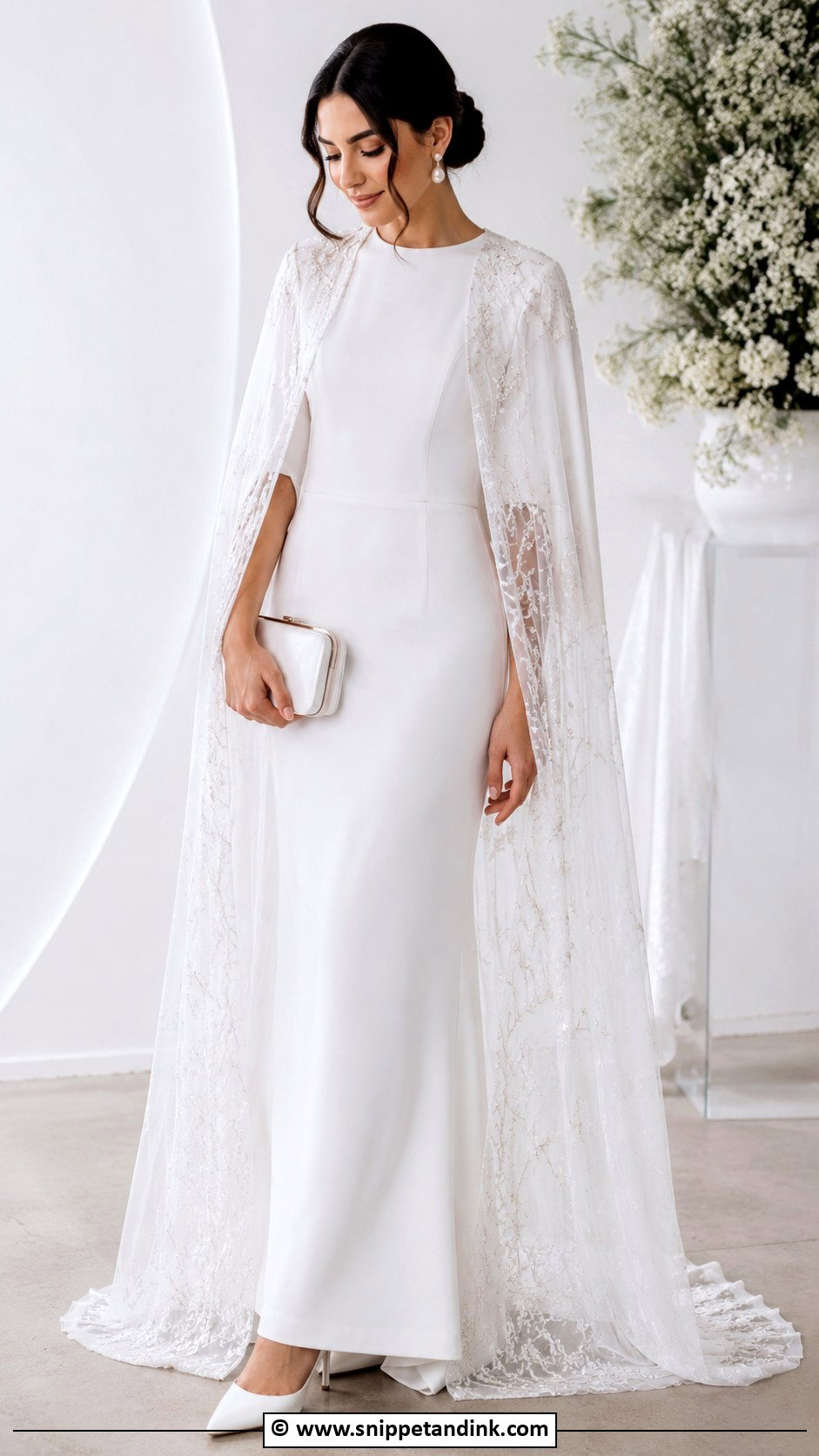
A cape solves the most common Nikah complaint I hear: the dupatta that keeps slipping. An embroidered sheer cape over a full-length dress gives the same modest frame without anything to hold in place. Pearl, lace or crystal edging keeps it bridal. Make sure the cape is anchored at the shoulder seams, not just at the neck, or it will pull back every time you lift your arms to sign.
23. Peach Nikah Lehenga
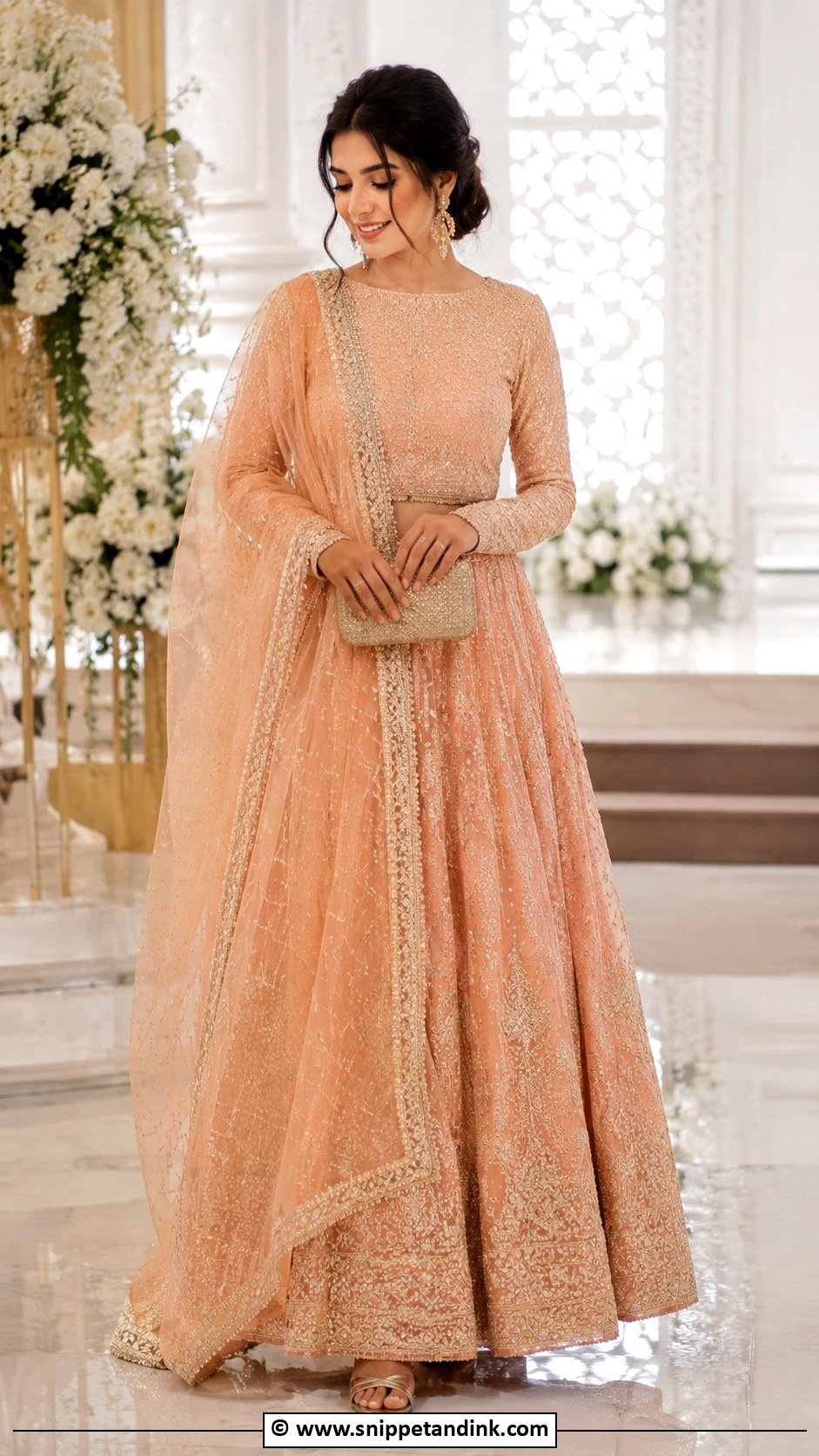
Peach gives a warm glow that suits daytime and warm-weather ceremonies. Gold, ivory and pearl embroidery all sit well on it. A modest blouse or a longer choli with sleeves, plus a sheer dupatta, keeps coverage right. Ask for light embellishment on the skirt so it moves easily. If you want an alternative to white or blush that still reads soft, peach is the one I reach for.
24. Embroidered Abaya Nikah Dress
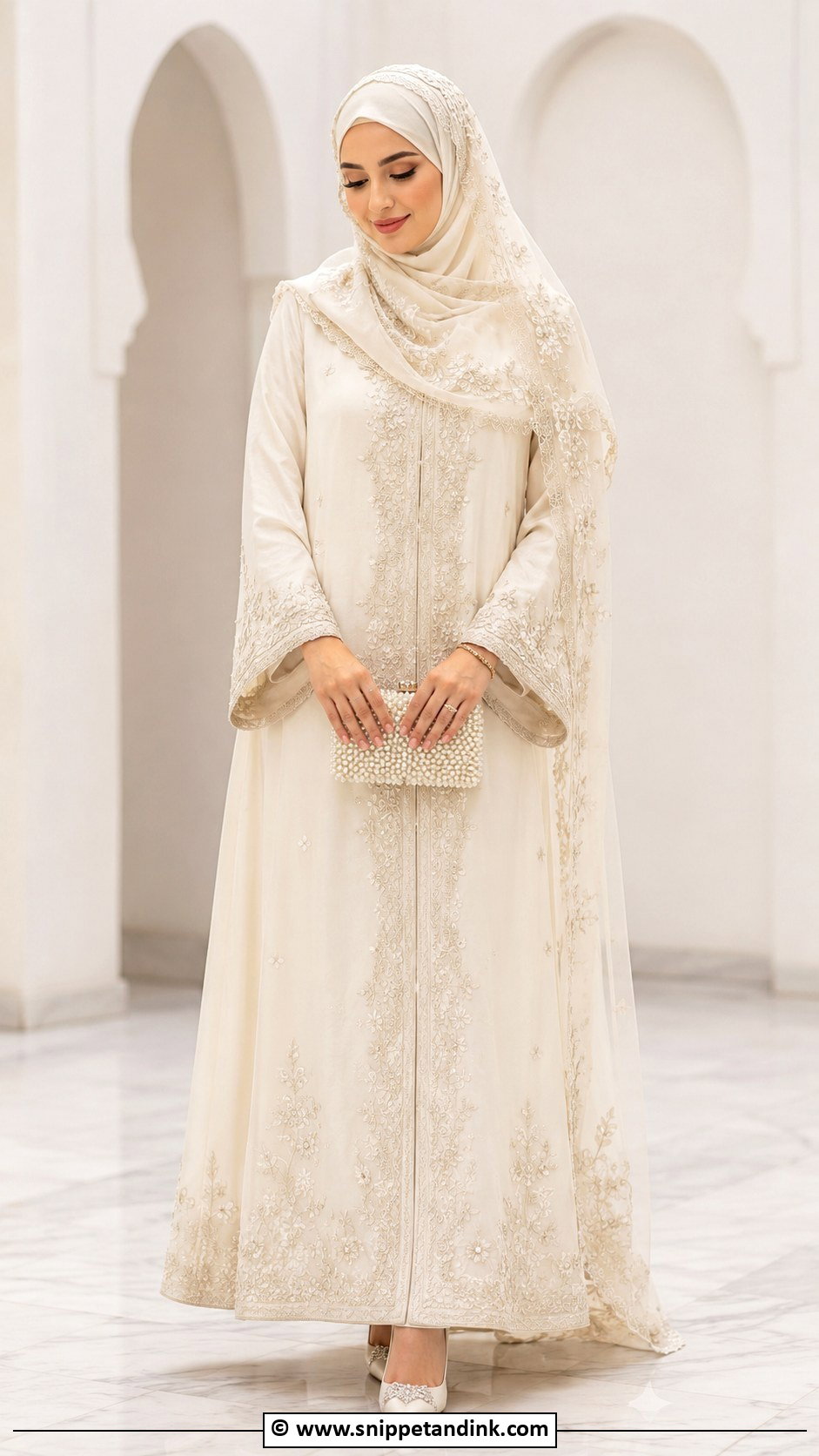
Embroidery turns an abaya from everyday into ceremonial. I’d look for work along the front edges, sleeves, cuffs and hem, with a matching inner dress for a smooth line. White, ivory, champagne, taupe and soft grey all suit it. Check the weight of the embroidery on the sleeves: heavy thread on a fluid abaya drags the cuffs down over your hands, which gets in the way when signing.
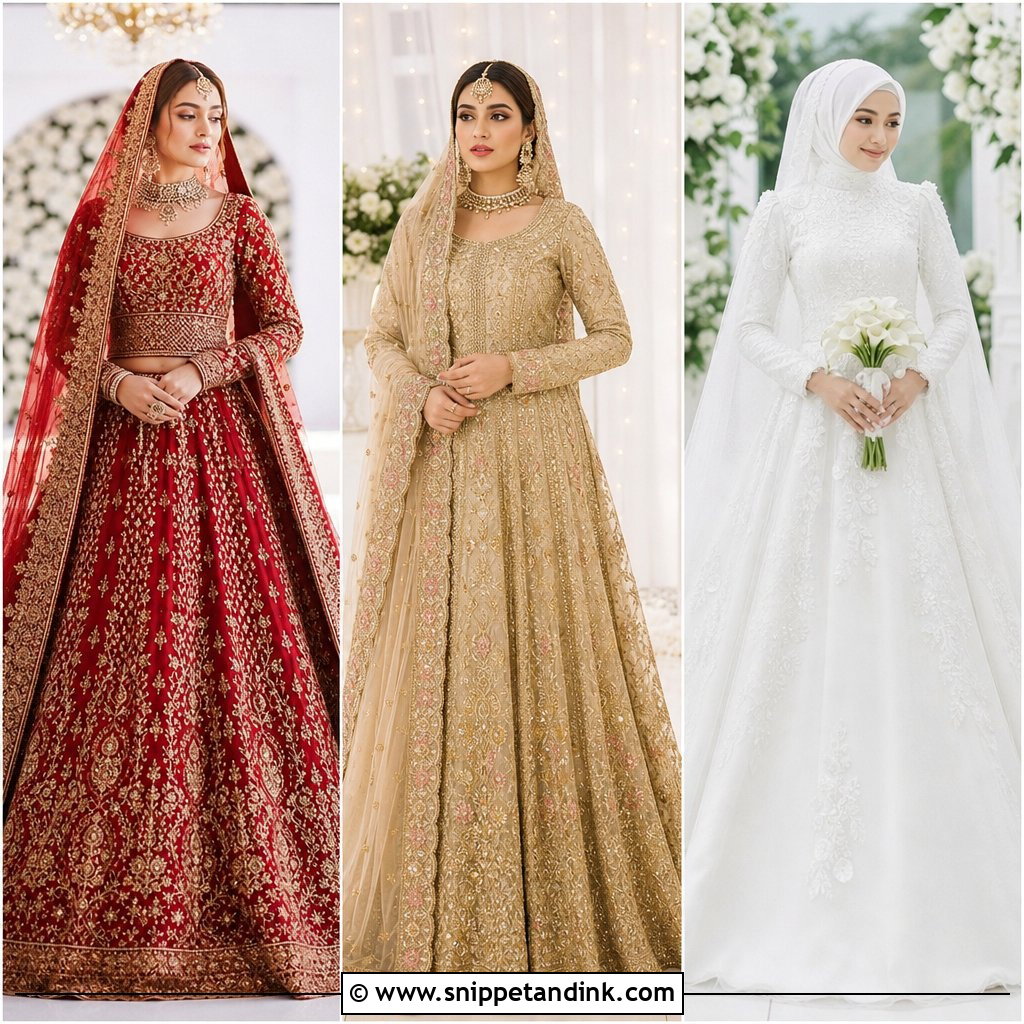
25. Powder Blue Nikah Gown
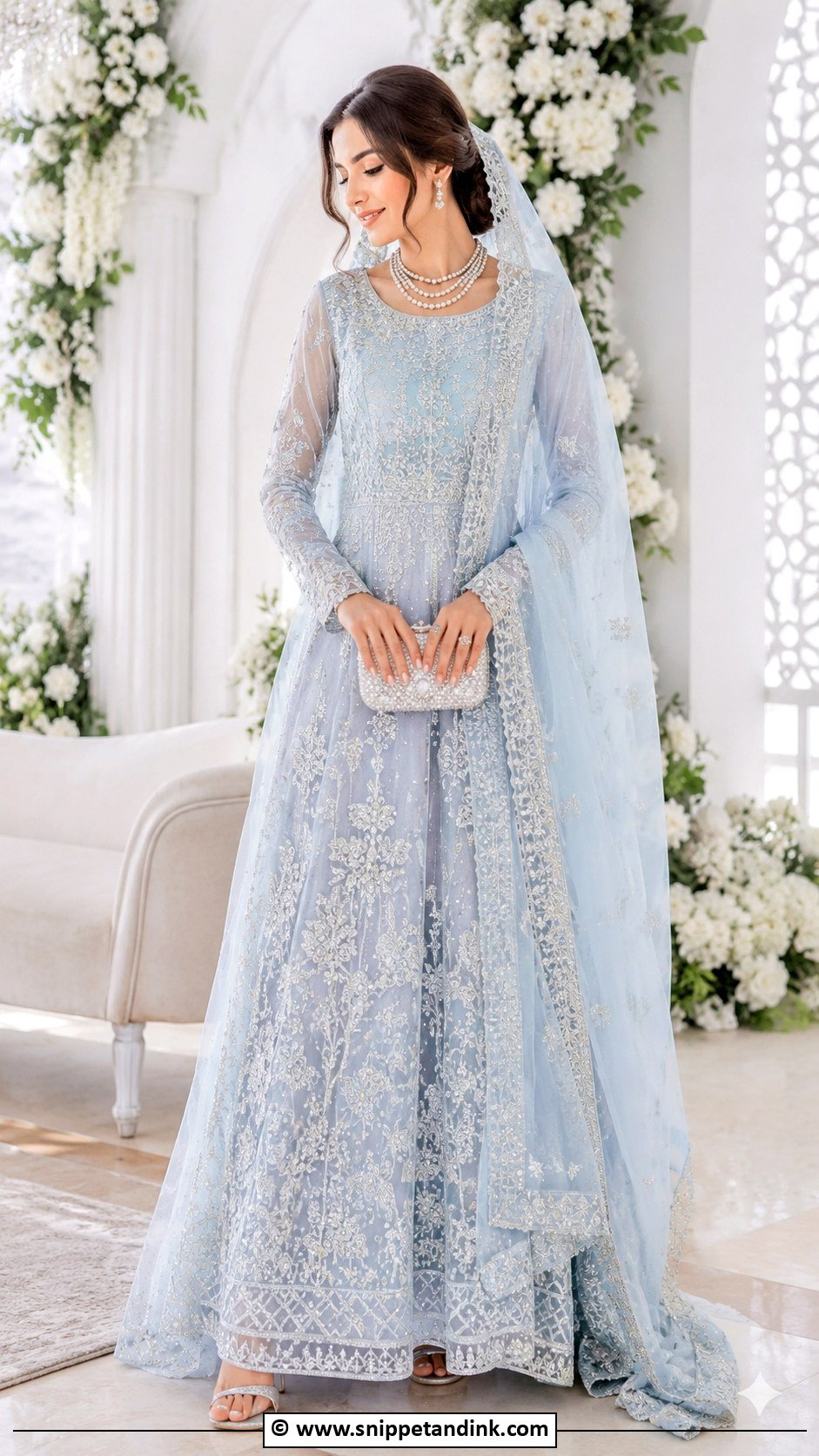
Powder blue is calm, fresh and slightly unexpected without being loud. A flowing gown with full sleeves, a defined waist and delicate beadwork suits it, with silver and pearl accents. Natural light treats this color well. Under strong yellow lamps, though, it can lose its blue, so if your ceremony is in the evening indoors I’d hold a swatch under similar bulbs first.
26. White Peplum Lehenga Nikah Outfit
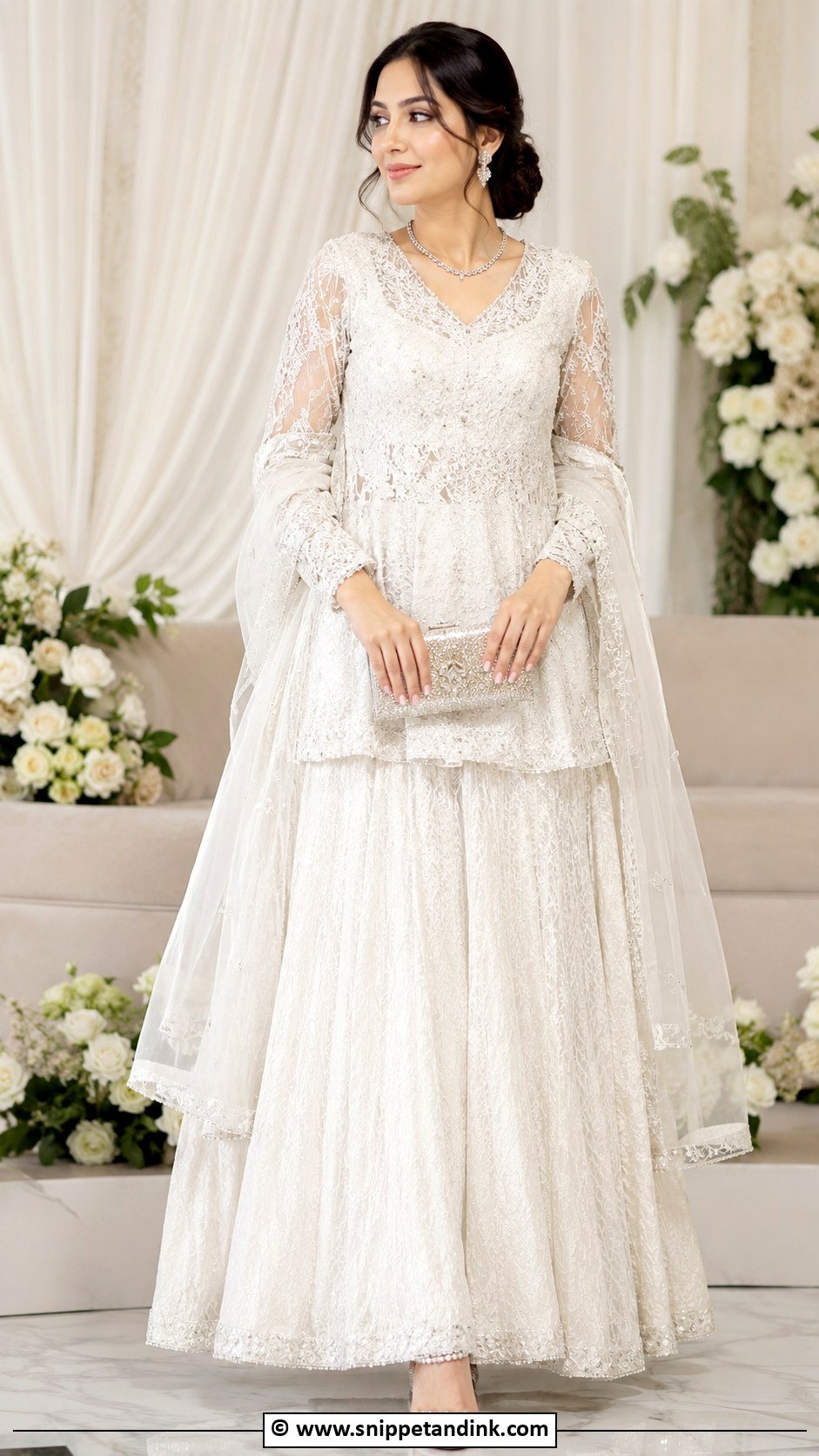
The peplum is a clever coverage tool. It adds a layer over the waist and hips while still defining your shape, and it sits better than a short choli for a bride who prefers not to show the midriff. Pair it with a flowing lehenga skirt and a sheer dupatta. Embroidery at the neckline, sleeves and hem keeps it detailed but light, and the structure of the peplum holds its line when you are seated.
27. Sage Green Nikah Dress
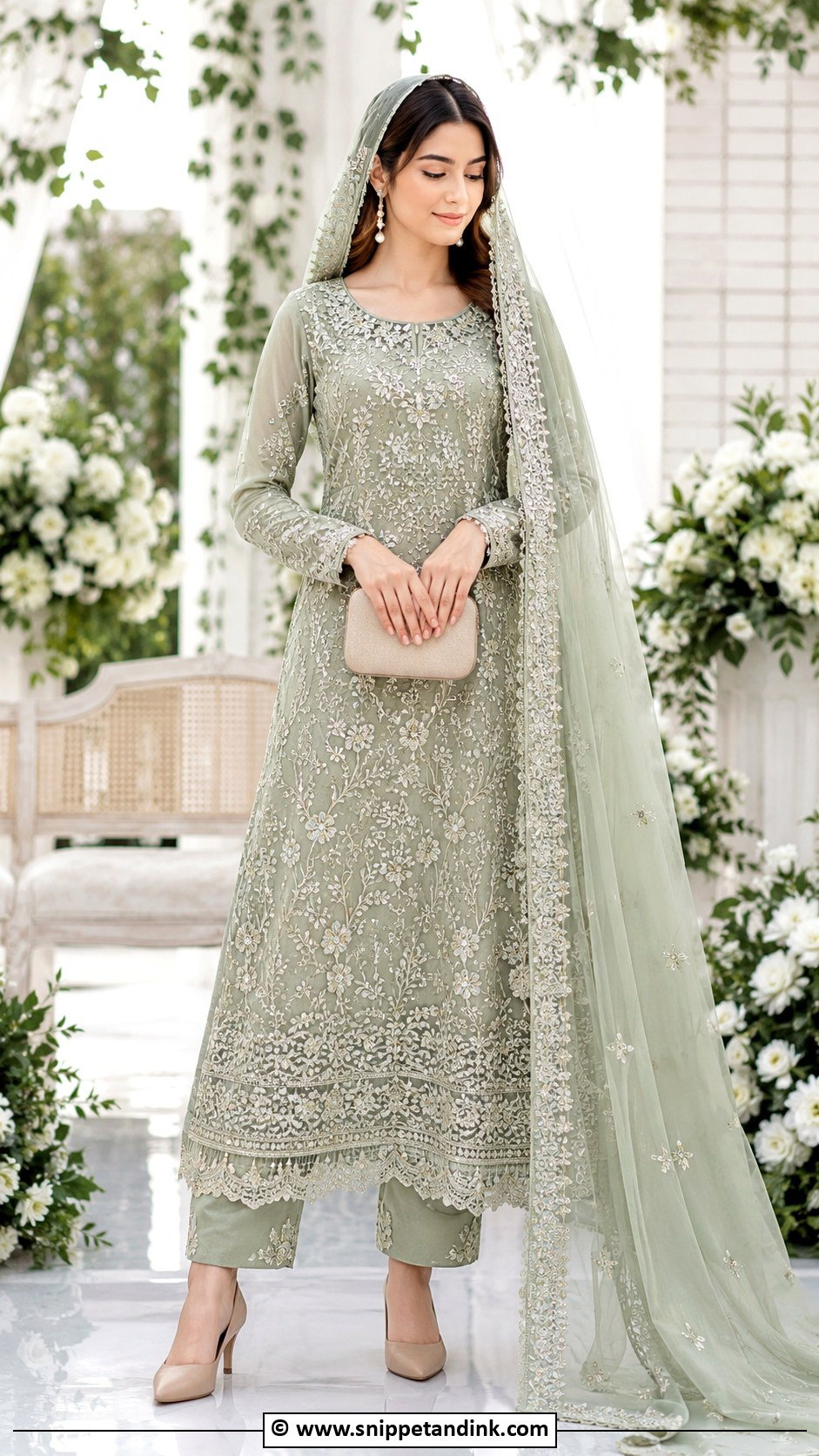
Sage is the earthy pastel, and it reads modern without feeling casual. I like it most in a gown, anarkali or sharara set with ivory or silver embroidery. Nude heels and pearl jewelry keep it gentle. Sage looks its best outdoors in daylight. It suits a bride who wants something other than white but still wants the photos to feel soft.
28. White Chiffon Nikah Dress
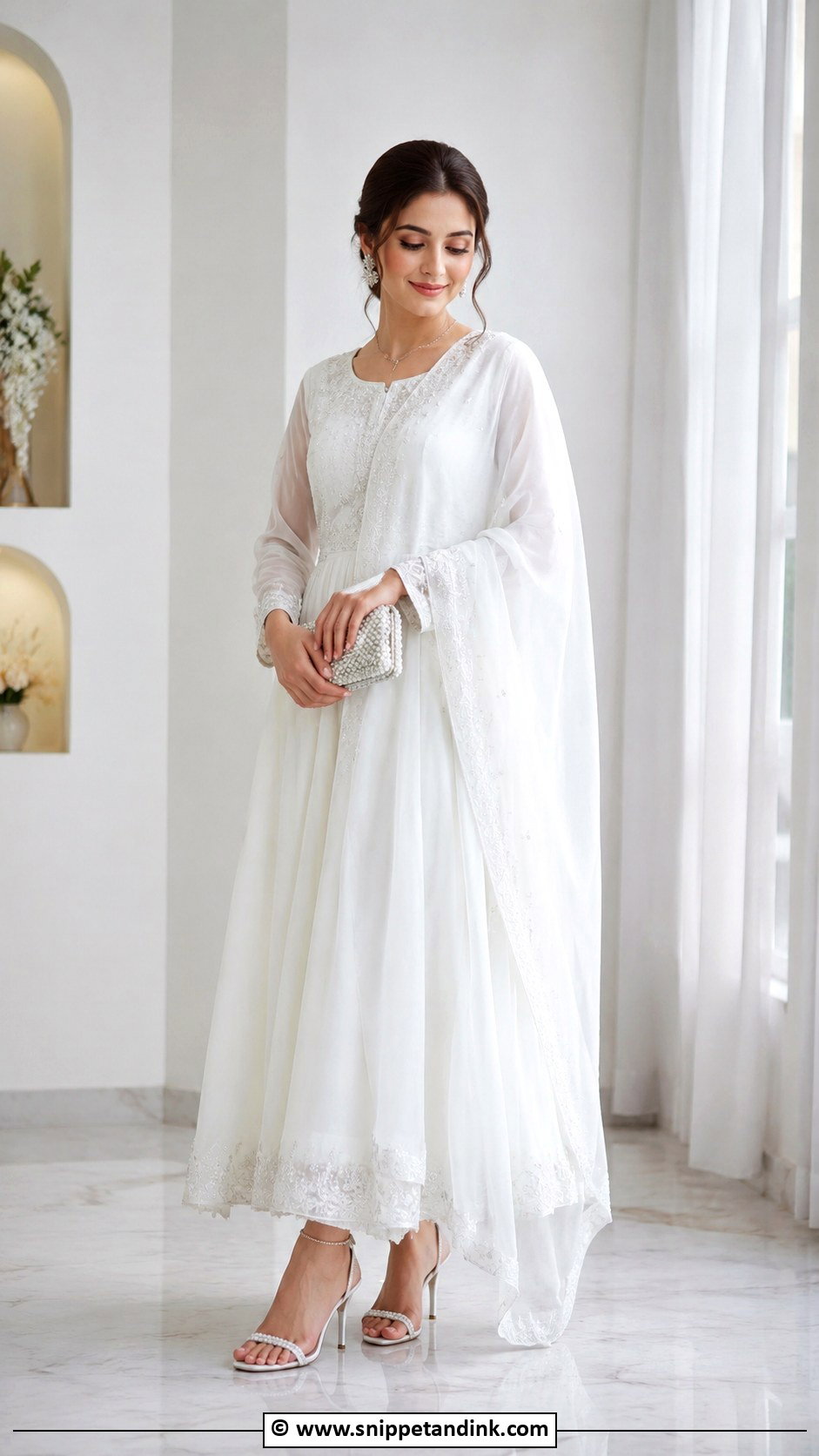
Chiffon drapes rather than holds, so it suits a bride who wants movement instead of structure. It is also sheer, which means lining is non-negotiable for a modest outfit; I check that the lining runs the full length of the sleeves, not just the body. A chiffon hijab or dupatta blends in naturally. For a long ceremony in warm weather, few fabrics are more comfortable.
29. Rose Gold Nikah Sharara
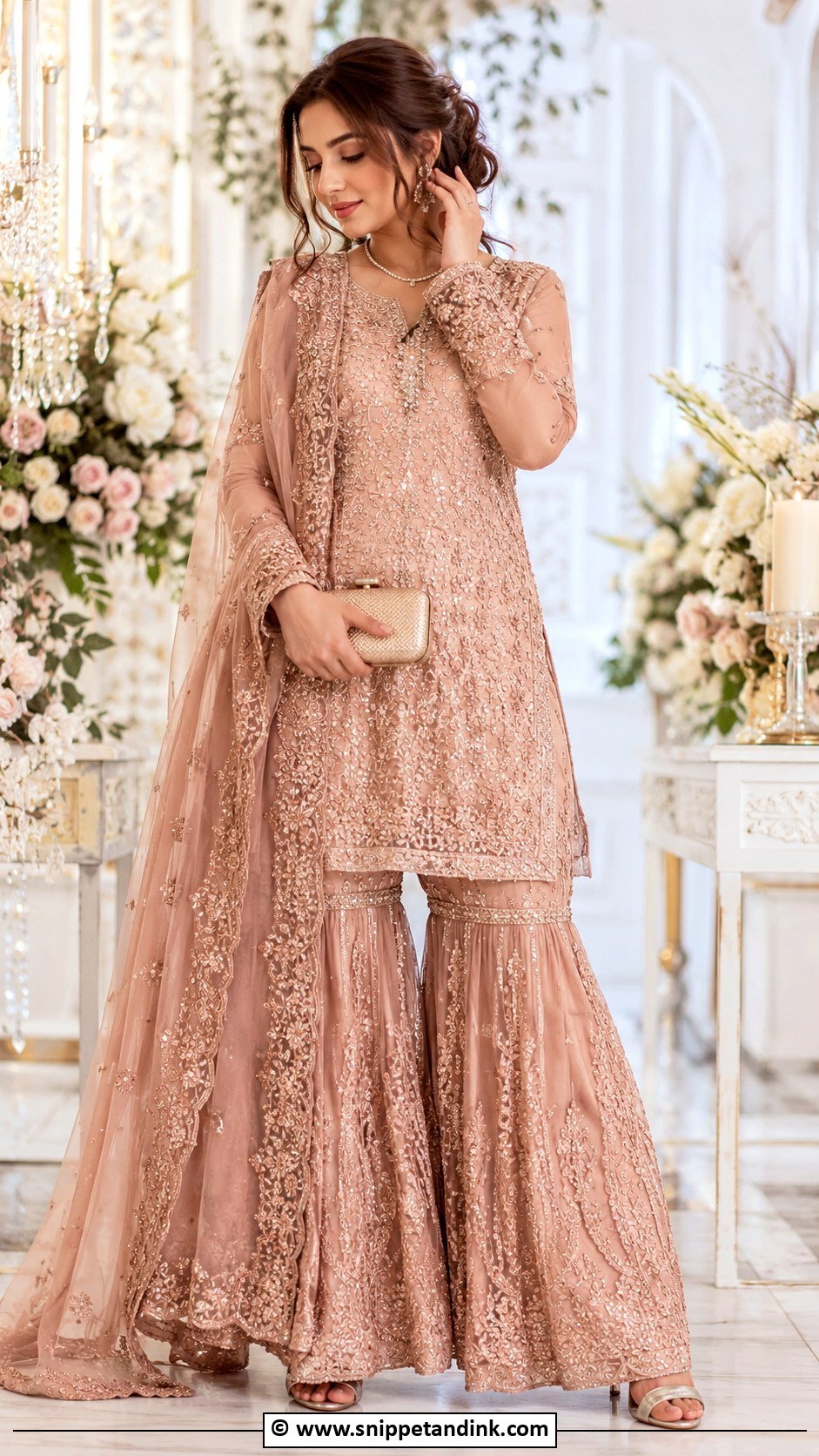
Rose gold sharara sets add festive shine while staying soft. Blush, ivory, champagne and taupe bases all take rose gold embroidery well. Match the clutch to the embroidery, keep makeup fresh, and let the metallic thread carry the glamour. The silhouette stays traditional, so it sits comfortably in a Nikah even when the color leans celebratory.
30. Minimalist Nikah Wedding Dress
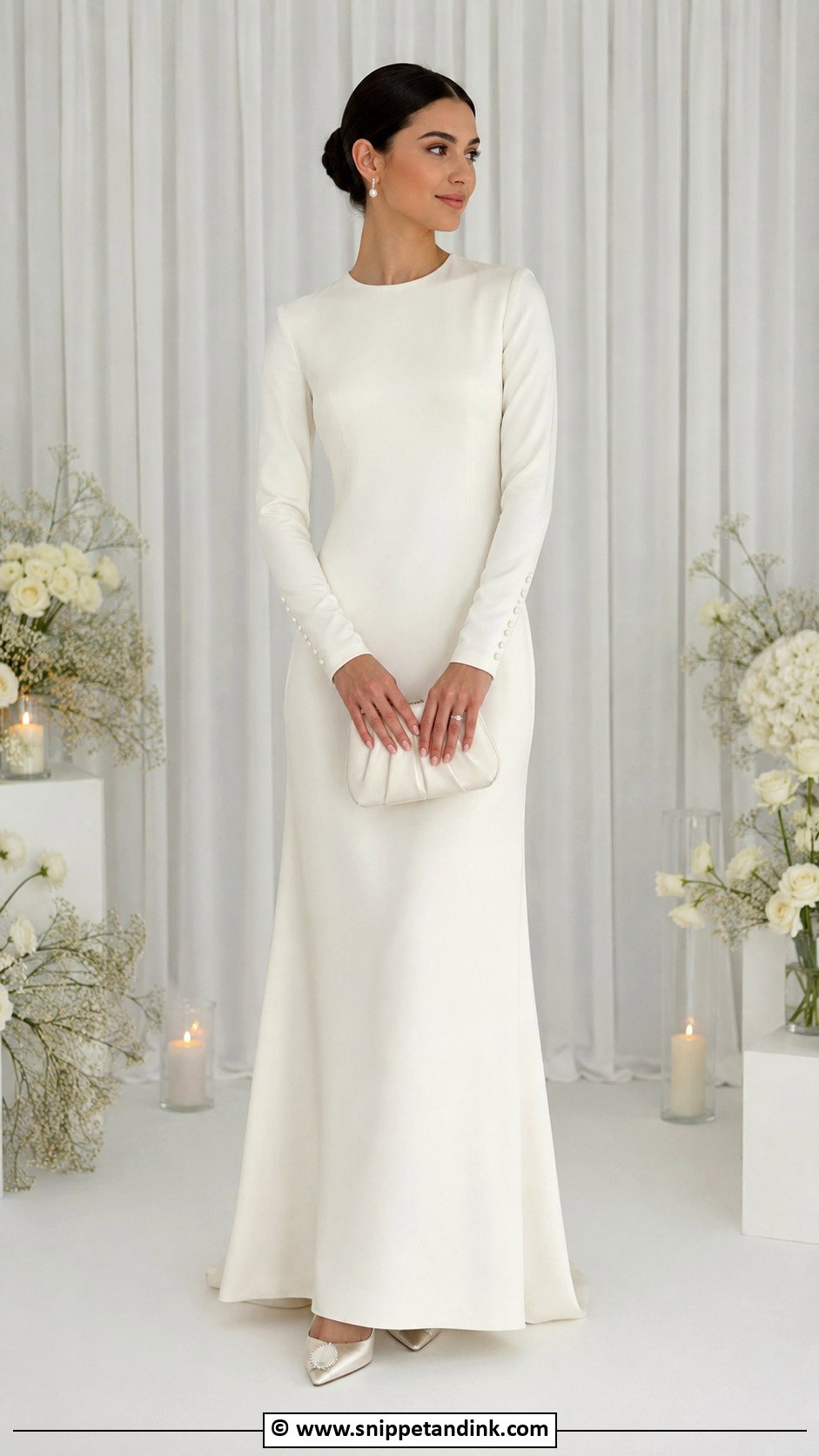
Minimal dresses have nowhere to hide, so fit and fabric decide the outcome. A long-sleeve gown with a high neck in satin, crepe, silk or matte chiffon is the base. I’d spend the budget on a proper tailor who can perfect the waistline and sleeve length. Covered buttons, a soft train or neat cuffs are all the detail it needs. It suits modern venues, courthouse ceremonies and small family gatherings.
31. Lavender Nikah Dress
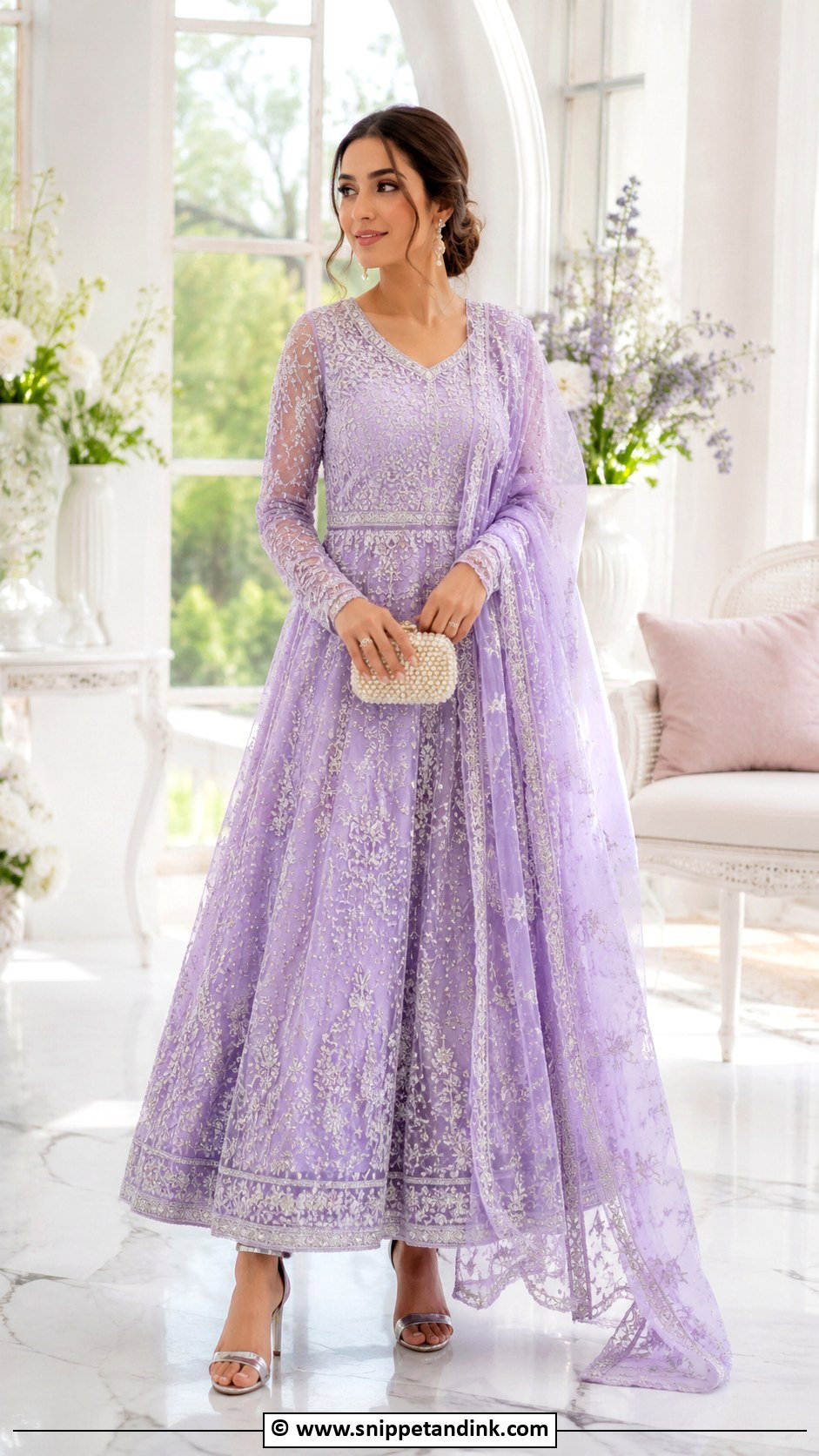
Lavender is a dreamy pastel that sits well with silver, pearl or soft gold. An anarkali, modest gown or lehenga with full sleeves and a coordinated dupatta all suit it. Keep accessories light. It shines at spring and summer ceremonies, and with a heavier fabric such as raw silk it can feel just as right indoors in cooler months.
32. White Dupatta Nikah Outfit
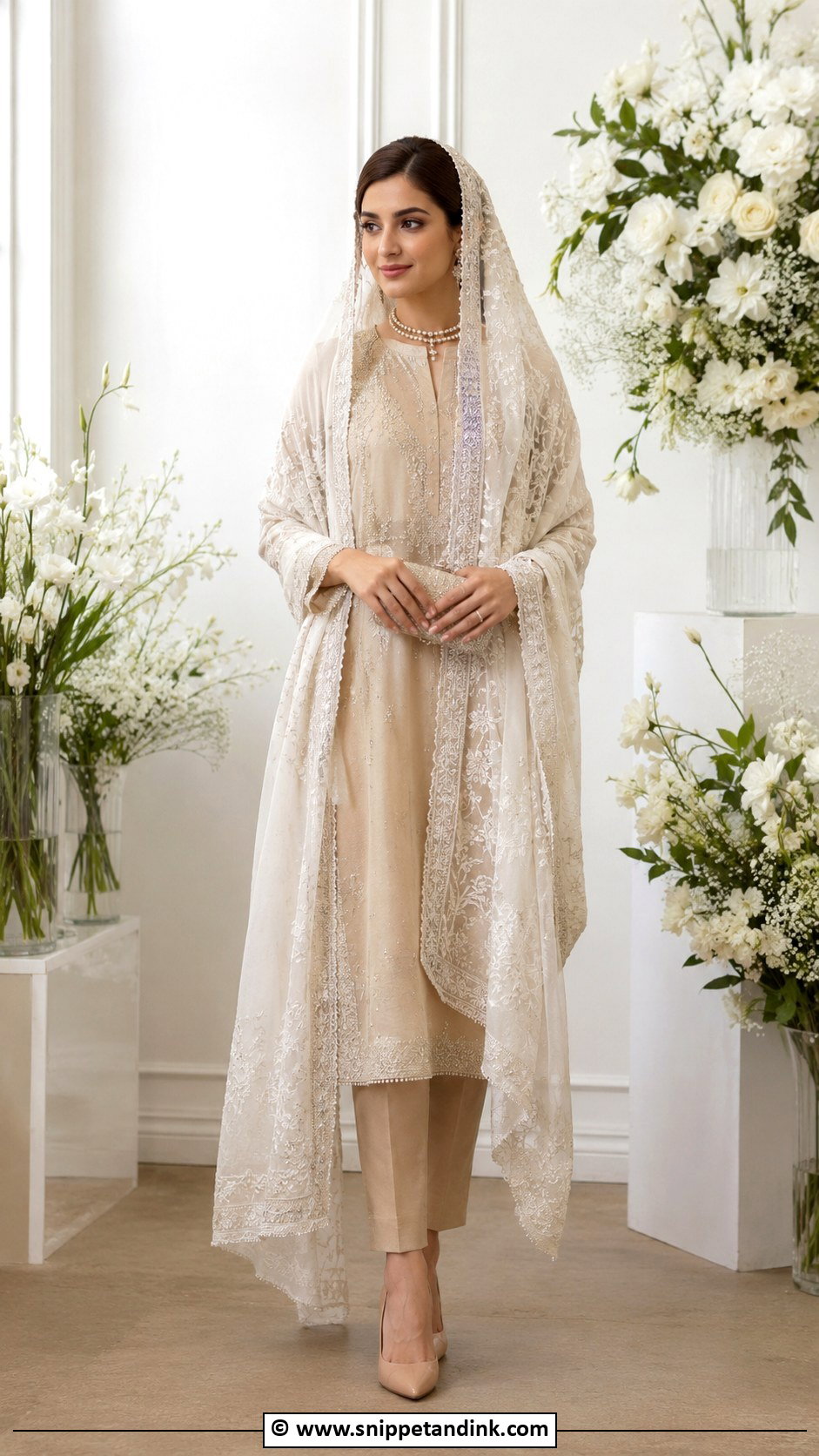
Sometimes the dupatta is the whole bridal statement. A white embroidered dupatta can turn a simple suit, a pastel lehenga or a champagne sharara into a ceremony outfit. Look for pearl, lace, zari or scalloped borders. Draping changes the feel: over the head is traditional, across both shoulders is formal, to one side is lighter. Keep everything else balanced so the border work stays the focus.
33. Traditional Pakistani Nikah Dress
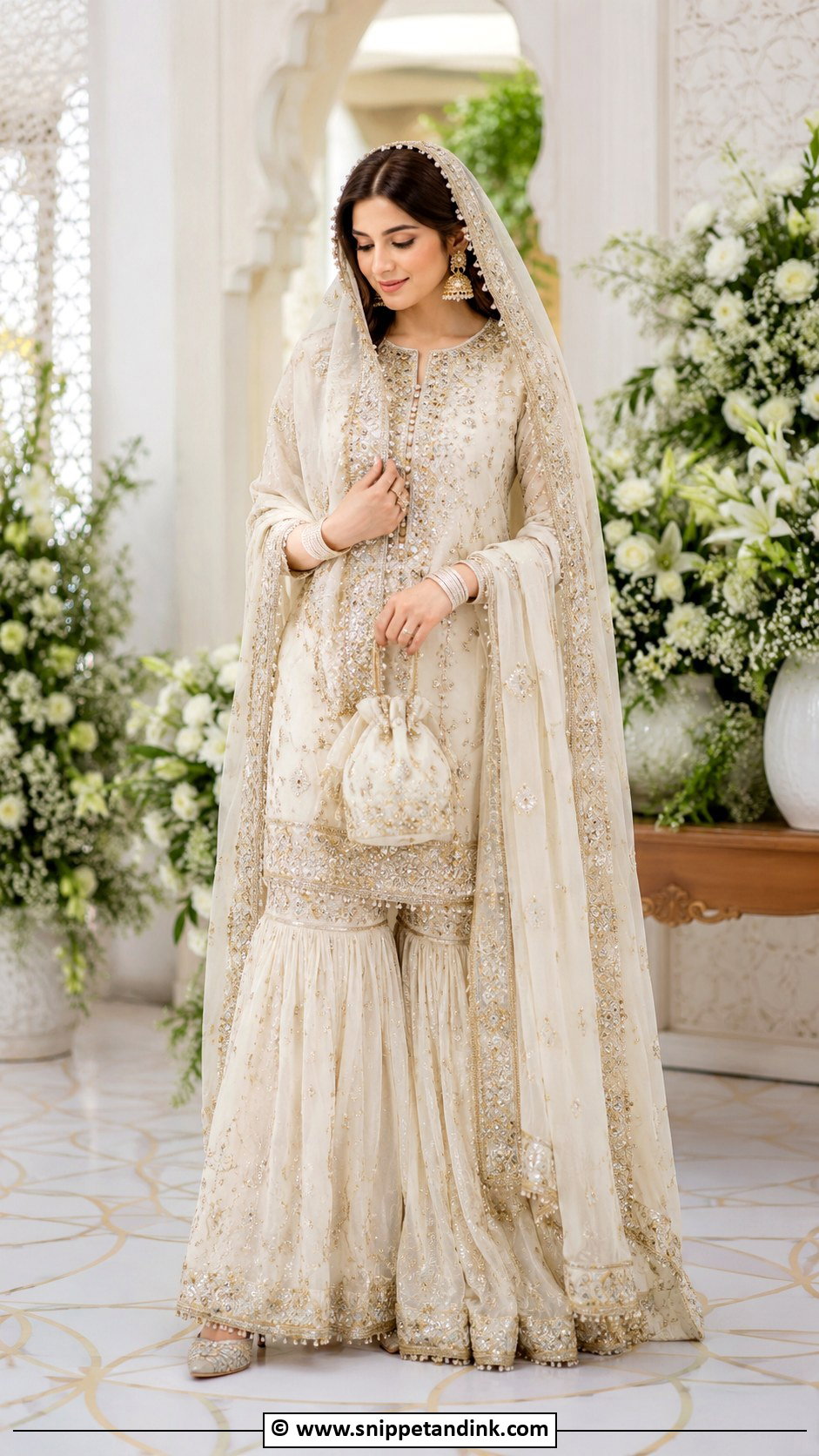
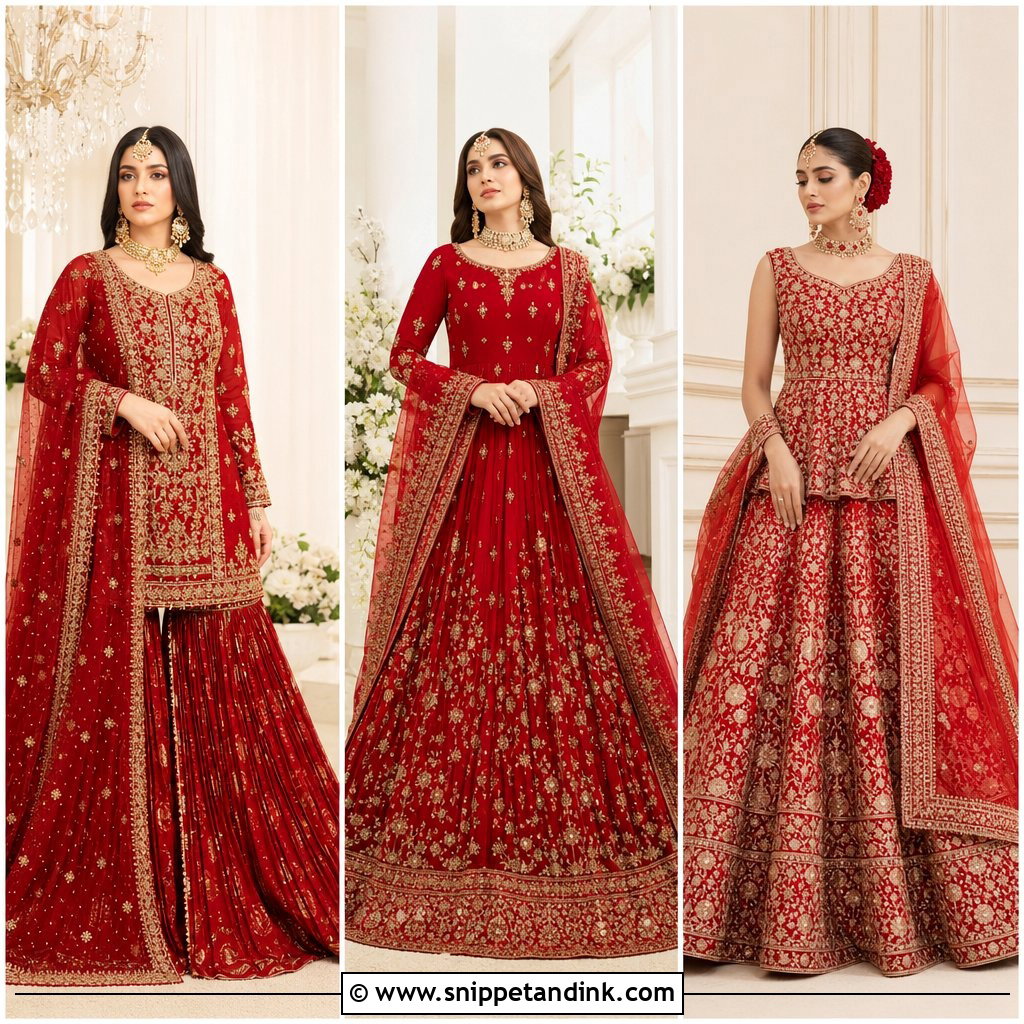
A traditional Pakistani Nikah dress usually means a gharara, sharara, lehenga or long shirt with detailed embroidery and a graceful dupatta. White, ivory, gold, blush and soft pastels are common for the Nikah, with deeper reds saved for later events. Organza, chiffon, silk and net give a formal finish. A heavily bordered dupatta can carry a lighter outfit. Jhumkas, bangles, embroidered heels and a small potli complete it.
34. Modern Modest Nikah Dress
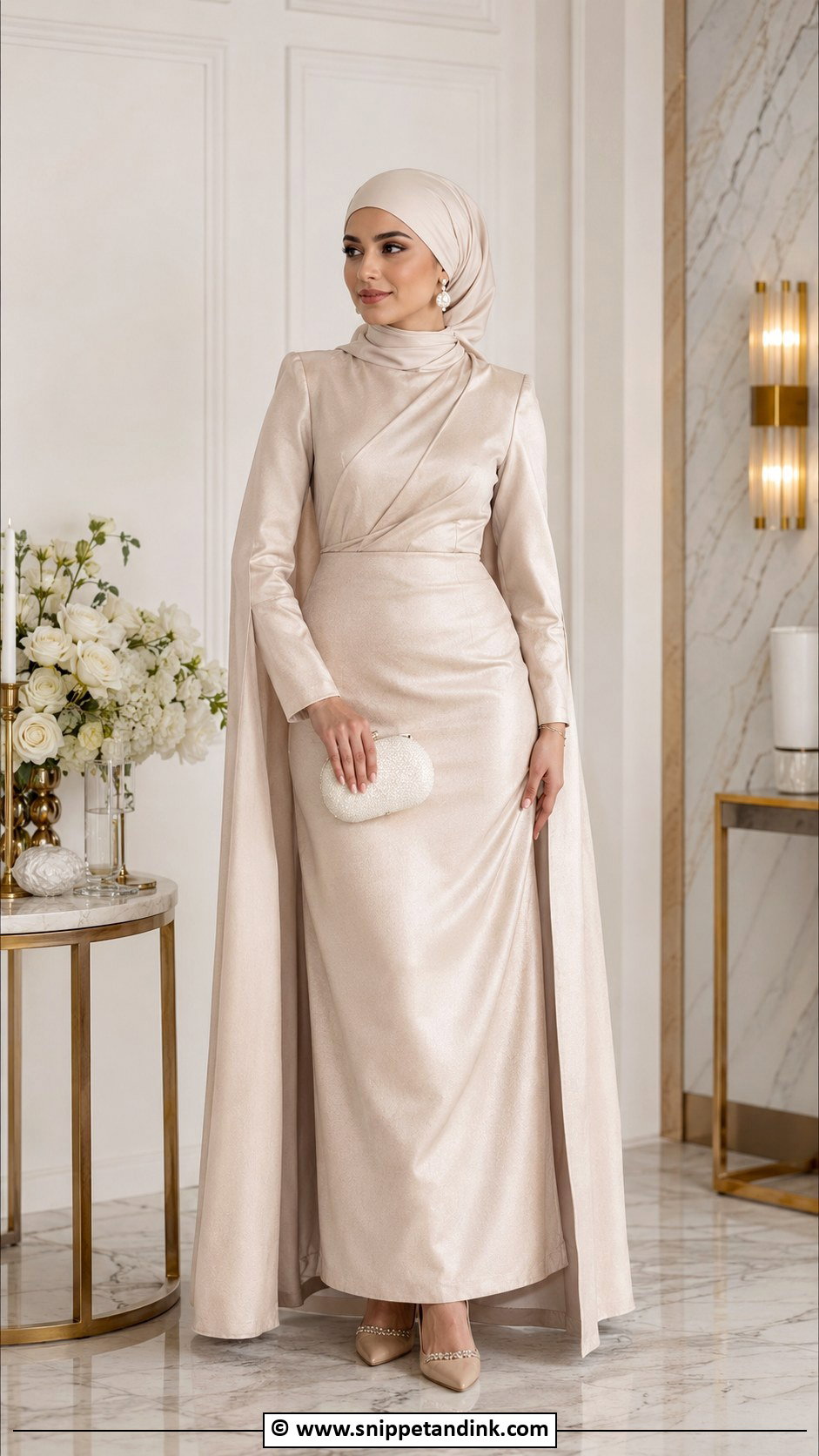
Modern modest dressing borrows from both worlds: long sleeves, high necks, cape layers and soft tailoring, in ivory, champagne, sage or powder blue. The mistake I see is mixing too many modern elements at once. Pick one, a cape or a structured shoulder or a clean column shape, and keep the rest simple. If you wear hijab, keep its fabric smooth and in the same family as the dress.
35. Simple Nikah Dress With Hijab
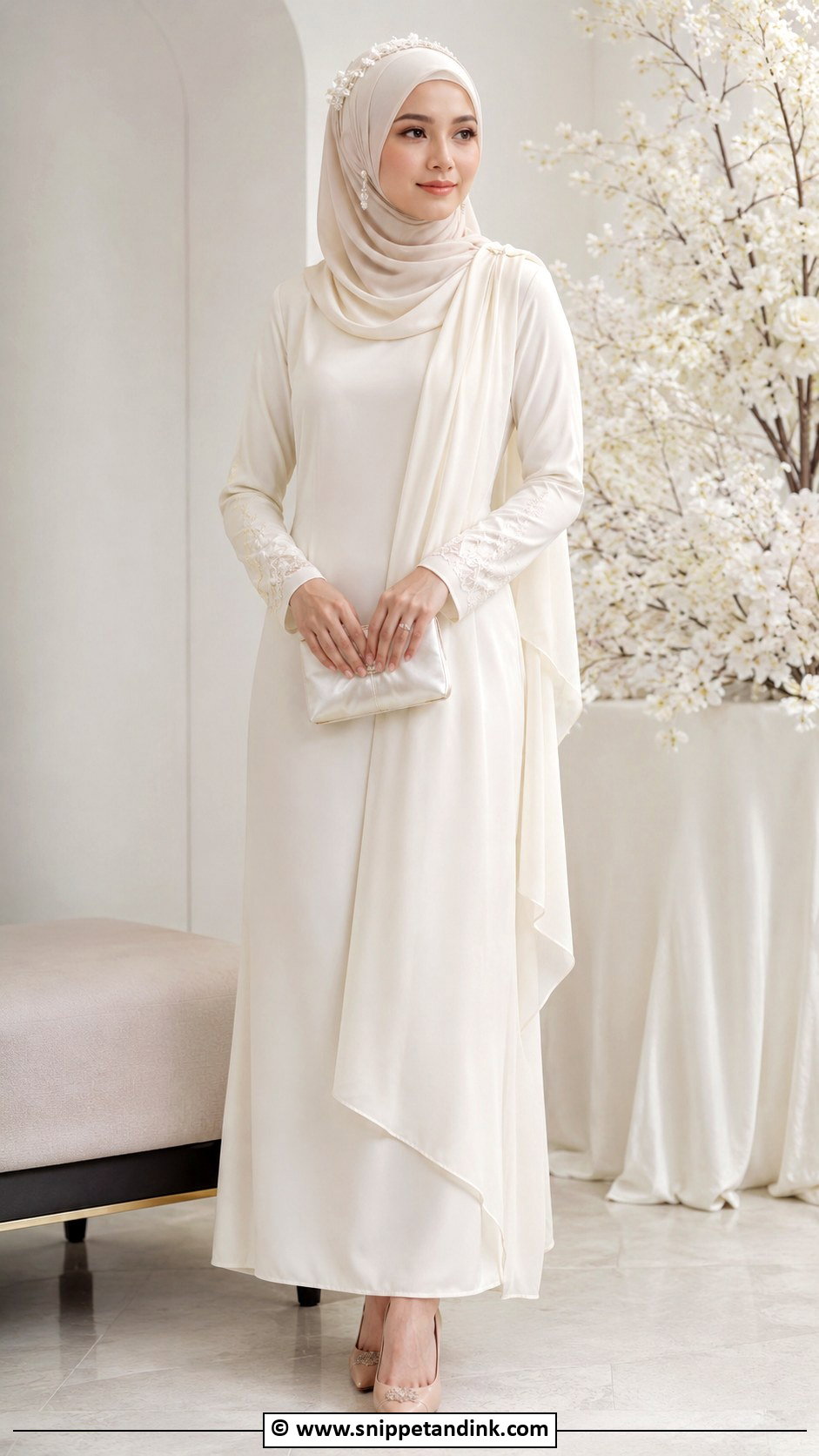
A simple Nikah dress with hijab looks polished when the fabric of the hijab matches the dress texture: chiffon for a flowing maxi, satin for a structured gown, jersey when you need grip and all-day comfort. White, ivory, blush and champagne are the usual tones. Pearl pins, a delicate headpiece or a soft veil layer add the bridal touch, and refined shoes and earrings finish it without weight.
How I Pin a Dupatta Over Hijab So It Stays Put
The single most common problem I fix on Nikah mornings is a dupatta sliding off a satin or silk hijab. Smooth fabric on smooth fabric has no grip. The fix is in the layers underneath, not in more pins on top.
- Start with a cotton or jersey underscarf. It grips the hair and gives the hijab something to hold.
- Pin the hijab at the crown and behind each ear, so the weight is carried from three points.
- Lay the dupatta over it and secure it at the crown with a small pin hidden in the embroidery, then once at each shoulder seam.
- Leave enough slack at the back of the head that turning to look at your spouse does not pull it forward.
Heavy borders are the usual cause of slippage, because the weight sits at the edge and drags the whole piece backward. If you love a heavy dupatta for photos, I’d suggest a lighter one for the ceremony itself and switching afterward.
A Realistic Order-to-Fitting Calendar for Custom Nikah Wear
Hand-embroidered South Asian outfits take time, and the timeline varies a lot by maker and season. As a rough guide, I tell brides to place a custom order at least three to four months ahead, longer for heavy hand embroidery or for wedding-season dates when workshops are busiest. Ready-to-wear abayas and gowns need far less lead time but still need alterations.
- First fitting: check length, sleeve and coverage, and test the sitting sequence above.
- Second fitting, about three to four weeks before: final hem with the real shoes, and dupatta or hijab placement.
- The week of the ceremony: steam everything, attach any loose pearls, and pack safety pins in a matching color.
If the outfit is being shipped from abroad, add a buffer for customs delays, and avoid ordering from a size chart alone when a made-to-measure option exists.
Wearing It for the Whole Ceremony, Not Just the Photos
Whatever you choose, the outfit has to work through the vows, the signing and every hug afterward. Coverage, fabric and color matter, but so do the small parts: how the dupatta or hijab stays in place, whether the shoes match the hem length, how the jewelry sits with the neckline. A lehenga, a lace gown, a sharara, an abaya or a simple suit can all be right. Sit in it, move in it, and let it feel like yours.
You'll Like These Ideas:







Leave a Reply